Nach einem Jahrzehnt der Abwesenheit erwachen The Mars Volta aus ihrer langjährigen Auszeit mit einem gleichnamigen Album, das ihr Selbst-verständnis radikal reformiert.
The Mars Volta wurden 2001 von Gitarrist/Komponist Omar Rodríguez-López und Sänger/Texter Cedric Bixler-Zavala gegründet und gingen aus der Punk-Rock-Band At The Drive-In aus El Paso hervor. Mit dem Ziel, "unsere Wurzeln und unsere Toten zu ehren", schufen The Mars Volta Musik, die die lateinamerikanischen Klänge, mit denen Rodríguez-López aufwuchs, mit dem Punk und Underground-Lärm, in den er und Bixler-Zavala jahrelang eingetaucht waren, und den futuristischen Visionen, die sie verfolgten, fusionierte.
Die folgenden Alben waren einzigartige Meisterwerke, deren Songs von atemberaubender Komplexität und zugleich von kraftvoller emotionaler Unmittelbarkeit geprägt waren.
Nachdem die Gruppe verstummt war, hielt eine Vielzahl von Fans (darunter Kanye West) die Trommel für ihre Rückkehr aufrecht. Das neue Album schüttelt einige der langjährigen Traditionen von The Mars Volta ab: Nur zwei Stücke sind länger als vier Minuten, und der
schwindelerregende, abrasive Prog-Stil der früheren Alben ist nicht vertreten. Stattdessen pulsiert "The Mars Volta" mit subtiler Brillanz, karibische Rhythmen untermauern die ausgefeilte, turbulente Songkunst.
Das ist The Mars Volta in ihrer reifsten, prägnantesten
und konzentriertesten Form.
Through a musical collaboration between Italian musician Samuele Strufaldi and the villagers of Gohouo-Zagna in the Ivory Coast, a new album called Davorio released on Música Macondo Records, will raise money for a new community library and space in the village.
Davorio is the joint efforts of Samuele Strufaldi, and the Guéré musicians of Gohouo-Zagna, located in the Ivory Coast’s Guemon region. The record is a cross-cultural-conversation that tells the villagers’ stories through a modern musical language; one that blends together Guéré music, jazz, and electronica. More than just a record, Davorio is a story about the villagers of Gohouo-Zagna, with their lives, traditions, and cultures animated across the album’s 16-tracks. The profits from the vinyl and digital music streams of the project and the money raised from a Go Fund Me fundraising page, will be used to help construct a library for the villagers, that will provide them with the infrastructure to help further their culture and storytelling for years to come.
From a research work started in full lockdown three years ago, finally sees the light (or darkness) Echi Senza Fine, a remastered collection of sound material by Tasaday. Inspired by the controversial media story in 1971 of the discovery of a tribe in the Philippines that apparently had technology that had stood still in the Stone Age, the project officially borrows the name Tasaday in 1984 from the evolution of Nulla Perreale, in turn union of Die Form (musical part) & Orgasm Denied (performative part).
To put it in the words of Marcello Ambrosini, the Tasadays find in Die Form the controlled destruction of the form after its careful design and construction, while in Nulla Iperreale the spontaneity free from any possible superstructure. They declare themselves new primitives, not in the perspective of a nostalgic return to a pre-industrial or prehistoric external world, but in the exception of an inner experience in stark contrast to the leviathan of the single utilitarian thought that has dominated the West for centuries.
Their production-action does not allow itself to be tempted by the repetitiveness used by many industrial groups of those years, thus resulting seminal in the evolution of the scene. Their impulse to go further and not remain caged in the format of the new wave is witnessed by their particular sound vocabulary that sees, along with the use of conventional instruments, the use of DIY tools such as Chopper Vox and highly sui generis tools, like the Camolofono, cariole loaded with sheets, stones, tubes, chains and “garbage” of various shapes and sizes.
A discography dotted with primordial electronic experiments that reaches the new millennium through several vinyl records and an endless number of cassettes. From this undefined and mysterious number of tapes that is born Echi Senza Fine: 14 tracks (+ 2 digital bonuses) remastered, collected by Asymmetrical, who also edited the release insert, a collage of visual and textual material from their fanzines. A series of 300 transparent vinyl + Insert.
The moons of Saturn are the inspiration for this brooding, often soaring and searching odyssey of dark electronica.
The second largest planet in the solar system after Jupiter, and the sixth planet from the sun, Saturn is orbited by 53 confirmed moons, with another 29 that are unnamed and still being studied.
Saturnian is a suite of thirteen choral tracks taking their names from some of Saturn's known moons; Dione, Daphnis, Phoebe, Prometheus, Rhea, Janus, Titan, Enceladus, Tethys, Telesto, Mimas, Hyperion and Iapetus, all named after figures from Greek and Roman mythology, each loaded with their own turbulent back stories. It is the debut release by Holmes + atten Ash, written, recorded and produced remotely in Edinburgh and Bristol by the duo Simon Holmes and Paul Nash.
Their project began during the 2020 lockdown. For Simon, time was spent exploring the Pentland Hills south of Edinburgh. For Paul, the Mendip Hills, south of Bristol. Both would experience the darker side of our human impact on the environment. Simon observed the wilderness as a wasteland, finding discarded, rusting metal littering the Pentland Hills while Paul witnessed the decimation of the ancient woodland of the Mendips' King's Wood due to the destructive tree fungus ash dieback.
These field trips fuelled a desire to navigate not just the landscape, but the duo's emotional place within it. Their collaboration led to a concept album that explores the outer reaches of the solar system, while simultaneously grounding them in a specific place. Looking inwards as much as outwards, theycreated soundscapes based on deeply imagined and felt connections to their surroundings.
After Simon had created a choral piece to accompany Luke Jerram's enormous, world touring artwork Museum of the Moon, Saturnian was a natural progression. When Simon was sent an initial score for the ethereal track Enceladus, composed by Paul in Bristol, he added choral arrangements recorded in Edinburgh. Their shimmering, tense opus continued to evolve from there. Just as the discarded bed springs and abandoned car parts that Simon stumbled upon in the Pentland Hills seemed to him at once "horrible but also oddly beautiful", Saturnian melds together melancholy and levity, fusing moments of dark angst with a celestial calm.
Opening with the glistening, hopeful brightness of Dione, increasingly urgent rhythms give way to digital, otherworldly calls from what might be rainforest creatures chirping into life with robotic squawks and delicate keyboard lines on Phoebe, followed by slowed down, monastic song on Rhea. Tethys is a hypnotic blur of synthesiser and soft chanting, while Rhea is a mysterious, echoing chasm, lifted by melodic, gentle male vocals. Janus has a glowing, effervescent energy, swiftly followed by a sense of tension on Titan, which throbs with driving percussive unease.
The album artwork is a pencil drawing created by Edinburgh artist Simon Kirby. It was made by a robot drawing machine, using custom algorithms that bring to life recordings of the sound of magnetic waves near Saturn's icy moon, Enceladus. The lines in the centre of the drawing are distorted by sound captured by the Cassini spacecraft which studied Saturn for over a decade.
Much like Saturn and its frozen, rocky moons, this debut album from Holmes + atten Ash is mysterious and beguiling, with a hint of foreboding in the depths of its powerful beauty and epic scale.
Finnish Heavy Metal legends, Spiritus Mortis unveil a grand–scale epic of antique Doom on 16th of September via Svart Records.
Erecting a new monolith in the halls of Doom Metal history with their fifth album The Great Seal, Spiritus Mortis certify true classic status as one of the scene’s modern greats.
There are few modern-day bands that can be uttered under the same breath as the giants of Traditional Doom and Heavy Metal like Spiritus Mortis. Formed in 1987 as Rigor Mortis they can firmly attest to having been “the first Finnish Doom Metal band”, uncovering hallowed ground before the later imitators. Carrying the banner of powerful true Metal, the likes of which stands proudly next to the masters such as Dio era Sabbath, Solitude Aeturnus and Trouble, Spiritus Mortis have established a tradition of catchy song-writing and consummate knowledge of sacred riff-craft. The Great Seal is a collosal album which Spiritus Mortis describes as “a rite of collective suicide and an orgy of self-immolation” and plumbs the depths of epic sorrow with gargantuan slabs of igneous riffs and emotional vocals.
Synonymous with classic Finnish Doom bands like Reverend Bizarre, whose singer Albert Witchfinder intoned previous albums’ vocals, Spiritus Mortis continue to define and cement their formidable legacy. Albert’s replacement, Kimmo Perämäki is more than worthy of the consecrated robes he inherits, delivering a performance which is flawlessly dominating and instantly gratifying. Tracks like Martyrdom Operation and Visions Of Immortality see Perämäki boldly carving his own name in the stone tablets of future history, marrying the riffs of the Maijala brothers and guitarist Kari Lavila with the splendor of magnificent melancholy that Spiritus Mortis is so known and admired for.
Not only will true devotees of the Spiritus Mortis Doom church be raising their fists with full hearts, but those who seek knowledge of the faithful spirit of real Metal can surely look no further than within The Great Seal.
The full moon of May 2022 brings the 6th Hypnus record by Birds ov Paradise.
Early support from Dorisburg, TM404, Brando Lupi, Abstract Division, Arnaud le Texier, Ben Buitendijk, Felix Lorusso, Mosam Howieson, Samuli Kemppi, Takaaki Itoh, Hydrangea and Forest on Stasys to name a few.
Razor-N-Tape Reserve presents a very special new package of remixes of the band BaianaSystem, bringing together one of Brazil’s most exciting contemporary sounds with modern dancefloor-minded production.
The standout track of their 2018 LP 'O Futura Não Demora', Água is a lyrical poem to the people of their native Bahia, featuring the legendary Antonio Carlos & Jocafi, with orchestral melodies, an incendiary vocal chant, and traditional organic Brazilian rhythmic approach.
On the A side, Freerange boss Jimpster delivers two exceptional takes on the song, augmenting percussion and adding synth layers to create deep and hypnotic tribal house textures within a sublime sonic soundscape.
On the flip side Brazilian producer Diogo Strausz joins forces with RNT boss JKriv to highlight the symphonic and melodic elements with their vocal mix, and then go into dark and driving percussive electronic territory on their fiery dub. With stunning visual art realized by Costa Rican designer The Myno, this package is as essential and smooth as water!
The Return of The Vagabond – Revisited! On The New Way
There are figures that do not belong to any single era. They traverse .me, watch the world evolve, and
con.nue their journey guided by a singular compass: music.
Born from a concept by Use Vinyl Records, The Return of The Vagabond – Revisited! On The New Way is a
compila.on that sets the "Vagabond" back in mo.on—an iconic symbol for those who live music as a
journey without boundaries of .me, genre, or genera.on.
His return takes shape through a curated selec.on of .meless interna.onal disco, funk, and rock classics,
reinterpreted with fresh soundscapes while remaining deeply faithful to the spirit of the originals. This
musical odyssey is helmed by Daniele Baldelli & Marco Dionigi, Marco Fra=y, (Ino)2, DJ Mauri, and
Corrado Pres@, proving that great music can transcend .me, reinvent itself, and con.nue to inspire.
More than just a compila.on, The Return of The Vagabond – Revisited! On The New Way is a sonic voyage
that rediscovers legendary tracks through a modern lens. It is a project that demonstrates how authen.c
music never belongs to the past: it evolves, changes its skin, and con.nues to resonate deeply with the
present.
out of Stock
Last delivered 3 days ago available to reorder, subject to availability
A1: Esther Abrami / Claudio Capéo / The City of Prague - Coup de foudre - 4:08
A2: Esther Abrami / The City of Prague Philharmonic Or - Envoutée - 2:22
A3: Esther Abrami & The City of Prague Philharmonic Or - Fusion 2:30
A4: Esther Abrami / Jimmy Whoo / The City of Prague Ph - Obsession 3:22
B1: Esther Abrami / The City of Prague Philharmonic Or - Jalousie - 1:59
B2: Esther Abrami / The City of Prague Philharmonic Or - Emprise - 3:40
B3: Esther Abrami / The City of Prague Philharmonic Or - Rupture - 3:16
B4: Esther Abrami & The City of Prague Philharmonic Or - Deuxième Chance - 4:20
B5: Esther Abrami / The City of Prague Philharmonic Or - Libérée - 1:29
C1: Esther Abrami & Marina Viotti & The City of Prague - Romeo & Juliet: Love Theme - 3:20
C2: Esther Abrami / The City of Prague Philharmonic Or - Le Cirque: Désillusion Amoureuse - 1:24
C3: Esther Abrami & The City of Prague Philharmonic Or - All by myself 3:18
C4: Esther Abrami & The City of Prague Philharmonic Or - Carmen, GB 9/WD 31: L'amour est un oiseau rebelle "Habanera" (Arr. for Violin & Orchestra by Esther Abrami & Max Knoth) 3:44
C5: Esther Abrami & The City of Prague Philharmonic Or - Moods, Impressions and Souvenirs, Op. 41/H 311, Book 4, No.14: Lento (Arr. for Violin & Orchestra by Jan-Peter Klöpfel) 2:02
D1: Esther Abrami / The City of Prague Philharmonic Or - Léocadia, FP 106: 1. Les chemins de l'amour (Arr. for Violin & Orchestra by Esther Abrami & Jan-Peter Klöpfel) 2:50
D2: Esther Abrami / The City of Prague Philharmonic Or - Orpheé et Eurydice, Wq. 41; Dance of the Blessed Spirits "Melody" (Arr. for Violin & Orchestra by Jan-Peter Klöpfel) 2:54
D3: Esther Abrami / The City of Prague Philharmonic Or - Chaconne in G Minor (Arr. for Violin & Orchestra by Esther Abrami & Max Knoth) 4:34
D4: Esther Abrami & Ensemble Plein Jeu - Coeur à Coeur - 1:26
"Amour" ist ein bedeutender künstlerischer Meilenstein für die Geigerin und Social-Media-Sensation Esther Abrami. Erstmals stellt sie auf einem Album eine groß angelegte Originalkomposition ins Zentrum. Ihre neun Sätze umfassende Suite für Violine und Orchester ist eine ausdrucksstarke Auseinandersetzung mit der Liebe in all ihren Facetten und fängt das gesamte Spektrum der Emotionen ein - von Zärtlichkeit und Leidenschaft bis hin zu Sehnsucht und Verlust. Über die Suite hinaus versammelt "Amour" eine vielfältige Auswahl ikonischer klassischer Werke rund um das Thema Liebe, die von Esther Abrami neu für Solo-Violine und Orchester arrangiert wurden. Ein besonderes Highlight ist Nino Rotas "Romeo and Juliet: Love Theme", mit der gefeierten Mezzosopranistin Marina Viotti. Ihre Stimme tritt dabei in einen musikalischen Dialog mit Esther Abramis Violine. Das Programm umfasst weiterhin Instrumentalarrangements von Céline Dions "All by Myself" sowie Georges Bizets "Habanera" aus "Carmen", wie auch neue Versionen für Violine und Orchester von Francis Poulencs "Les chemins de l'amour", Christoph Willibald Glucks "Tanz der seligen Geister" aus "Orfeo ed Euridice" und der virtuosen "Chaconne in g-Moll" von Tomaso Antonio Vitali. Auch eine neu arrangierte Version von Charlie Chaplins "Désillusion amoureuse" aus seinem Film "The Circus" ist auf dem Album enthalten. Im Laufe ihrer Karriere hat sich Esther Abrami einen Namen damit gemacht, klassische Musik einem breiten und vielfältigen Publikum vorzustellen. Mit "Amour" verbindet sie erstmals ihre unverwechselbare Stimme als Interpretin mit ihrem Schaffen als Komponistin. Das Album erscheint als CD sowie als Doppel-LP in einer limitierten Ecorecord InkPlosion Version, bei der jede LP individuell gestaltet ist. Die Doppel-LP enthält außerdem 3 Bonus-Tracks, die bisher nur digital erschienen sind.
Long overdue reissue of classic Scottish ambient techno banger ‘Mindweeds’, originally released in 1993 on the Pure-affiliated T&B Vinyl label run by Keith McIvor (JD Twitch) and Andy Watson (Brainstorm). With a Discogs demand ratio at about 300 have : 2000 want, and used prices peaking at over £100, now seems to be the right time for a re-release.
State of Flux were Roger Elliott and Dave Clark (aka Sparky, LUMA, Truffle Club and main man behind Kübler-Ross). They first met at Glasgow’s Strathclyde University in 1990, bonding over a shared love of weasel racing, German sausages and “man-duos” like The KLF and The Shamen. Dave was fully pubescent and already had a synth and drum machine, while Roger – a late developer – bought “another cheap synth, a Commodore Amiga for sequencing and a tiny mixer with no EQ”. For two long years they concentrated hard on “churning out unlistenable pish”, admittedly clueless about what they were trying to do.
Then – out of nowhere in the summer of 1992 – a flatmate’s Jello Biafra spoken word CD (‘I Blow Minds For A Living’) provided the inspiration to unlock the spark of dynamite that set the raving world on fire. Sampled using a Walkman* cassette** tape*** on playback (a decision the pair soon came to regret every time the track was subsequently performed live), Jello’s pilfered rant would soon become the crucial glue that held together the burgeoning kaleidoscopic helicopter spliff that is ‘Mindweeds’, loaded as it was – and indeed still is – with a veritably seething morass of cheeky electronic blims, nasal filter cheese and gay Caledonian spunk.
* a vintage portable listening device roughly the size of 4 iPhones stacked on top of one another and weighing the same as a small tub of yoghurt
** a plastic cartridge enclosing 2 miniature spools of magnetically coated, polyester-type plastic film (magnetic tape), notoriously convenient for pirating copyright material and secreting in one’s underpants for transporting between illicit market trader stalls
*** thin ribbon coated with ferromagnetic particles, usually ferric oxide but also chromium dioxide, "pseudochrome" ferricobalt or iron-cobalt-nickel “metal” formulations – with the latter types sounding marginally less crap
Playing demos of the track to friends, one thing led to another and a copy arrived with Twitch. Meeting the legends behind Pure in late 1992, a release was scheduled for summer 1993… but not before a promotional live gig in February of that year, supporting their heroes The Black Dog. Confessing that they “didn’t have a clue how to play live”, the duo played it safe, “went to a studio near Edinburgh airport to record the ‘live’ show” and then “mimed it off a DAT” at the gig, “standing in front of unplugged synths”. Soon after this, they recorded the full EP at Finitribe’s ‘Finiflex’ studio in Leith, Edinburgh and the record came out as planned that summer – the same week as Underworld’s ‘Rez’.
The record received high praise, appeared in many big-name DJ charts, sold out very quickly and was repressed within a few weeks, selling several thousand copies by the end of 1993 – no mean feat in an era when people had to use landline phones ****, faxes ***** or good old-fashioned carrier pigeons ****** to ascertain literally anything about the outside world, what was cool, where to buy the cool shit, or how to meet people and have fun.
**** a fixed communication device that connects to a telephone network using physical wires, cables, or a stationary base unit tied to a specific geographic address, using a handset incorporating a mouthpiece featuring a small metal disk and carbon grains, converting sound pressure from the human voice into a flow of electrical waves caused by these grains being squeezed together, before the variable signal is transmitted down DC voltage-powered copper wire and rerouted by a central exchange to arrive at the earpiece magnet of the target receiver’s handset, moving a small speaker cone accordingly so the message is intelligible WITHOUT THE PERSON SPEAKING ACTUALLY BEING PRESENT
***** as above, but for the d/Deaf
****** flying vermin riddled with diseases and capable of surviving nuclear armageddon
Soon Roger and Dave became sick of the Walkman being the only instrument played live in their set: with their new found fame and riches, they invested in a case for their Amiga to transport it around Scotland, while also putting in the hours on how to pretend to play live better with a sequencer and synths that were FINALLY plugged in. Following the release of ‘The Mercury EP' in April 1994, they embarked on a full tour of the UK and even managed to part ways and end the band by June that year.
This reissue includes the two original mixes of ‘Mindweeds’ recorded at Finiflex (‘Original’ and engineer ‘Fred's Fancy’), the original cassette demo (mastered directly from the actual recording sent to Twitch & Brainstorm in 1992) and a live version recorded at the Birmingham club night 'Oscillate' in April 1994.
LA native The Koreatown Oddity returns for his fourth album on Stones Throw. Purdy is the proving ground for an avant-garde rapper tackling being a father and partner with the boundless confidence of a child’s imagination.
Purdy sees Koreatown soundtrack a knight’s first battle, document the cultivation of a beautiful lawn and contemplate if anyone really means it when they say "have a great weekend" – all while realising that he's now part of something bigger.
Purdy paints the complete portrait of the man Dominique Purdy and artist The Koreatown Oddity together: musician, father, and peddler of the absurd.
Enlazando el número de referencia (el vol8) con la caja de ritmos mítica y clásica de Roland la Tr808,.. qué puede salir mal? 6 Cortes, 6 Artistas, 6 ideas, 6 visiones de este nuestro amado estilo que llamamos Electro.
Vema-Diodes_ Victory lap:
Contundencia y elegancia, ritmos rápidos, pads ambientales que cuentan una historia futurista. Resumiendo, un rompe pistas como ya nos tiene acostumbrado nuestro macarra favorito del Llobregat.
Dark Vektor_ Haciendo el Robot:
Pues esta vez el tito Vektor se ha puesto el chándal de 1984 (de Emilio tutsy ya que es un vanidoso) y nos trae una muy buena producción al estilo old school homenajeando a los mismísimos Dynamik Bass System y EPG.
Univac_Artic Defender:
Qué decir de uno de los mas grandes del electro de nuestro país, oscuridad, contundencia y sonidaco…electro rozando lo industrial rozando lo hipnótico rozando lo mas profundo de nuestro ser.
Multiplexors_Kill Circuitcenter:
Un Honor poder editar su primera referencia de este dúo formado por Sentex y AM/ALF dos friks de las máquinas y del bass, nos traen un corte muy purista super sintético con alma analógica, vocoders y 808 y lo mas importante: intención.
Calagad13_Cosmic Sailor:
Un honor tener a un grande del electro, un pionero del bass en nuestra tierra, temarrako al mas puro estilo Miami bass con una producción exquisita… un revienta pistas.
Negocius Man_Flying on Vega:
El gran Nego, que decir el Man Machine de Madroit, nos entrega un corte contundente, de culto, sonido oscuro y mental donde entras en su mundo percusivo te atrapa y ya no te deja salir hasta que el quiera.
Death Is Not The End present the first volume in a survey of a form of Brazilian country music known as música caipira ("hillbilly music") - a stripped-back forerunner to música sertaneja, the Brazilian equivalent to US country & western which in it's contemporary form has come to dominate the domestic music industry in recent decades. This collection covers some of the earliest recordings made by the pioneering folklorist Cornélio Pires at the end of the 1920s, through to records from the 30s, 40s & 50s and the beginning of the 60s.
Somewhat rooted in Portuguese troubadour folk traditions, música caipira is typically performed by a duo singing in parallel thirds and sixths, drawing upon a Portuguese-Brazilian style known as moda de viola - with the viola being the viola caipira, a Brazilian-style ten-string guitar that is the core instrument of the music. Born out of the "outback"-style region in north-eastern Brazil, these songs tell stories of pain, love, loss & betrayal - often backed by homemade guitars using invented tunings. Away from the polished pop country & western-stylings of the sertaneja, these recordings could be viewed as the Brazilian equivalent to the roots music of the American dustbowl or Appalachia.
The Go’s Free Electricity, the group’s storied, long-lost album, finally gets a proper release! The Go appeared in Detroit in 1996, led by Bobby Harlow and featuring Dave Buick on bass and Jack White on guitar. Following the release of their 1999 debut, Whatcha Doin’, and a few lineup changes, the band hit the studio with Dion Fischer on lead guitar, John Olson (of Wolf Eyes) on saxophone, and Cary Loren (of Destroy All Monsters) to record their sophomore effort. The session found the band and their producer, Matthew Smith (Outrageous Cherry), exploring the outer edges of rock and roll, with blaring lead guitars, copious amounts of reverb, and a heavy jazz influence thanks to a heavy diet of ‘60s free jazz. The results erupt from the speakers with a cavernous sound, like some haunted frequency beamed across the time barrier from the Grande Ballroom circa 1968, often sounding more like records by Pharoah Sanders and Sun Ra than the records being made by The Go’s peers in the ‘00s rock and roll scene.
Free Electricity was written, composed, and arranged by Bobby Harlow (except track one, which was written by Harlow and Dion Fischer; and track five, written by Harlow and Cary Loren). Free Electricity was mixed and produced by Matthew Smith, engineered by Jim Diamond at Ghetto Recorders, and mastered by Jim Kissling at Jim Kissling Mastering in Detroit, Michigan. Guest appearances by folks from Destroy All Monsters and Wolf Eyes only reinforced the album's musical direction. Weird or not, this was an inspired recording made by an inspired group of musicians. There was a feeling of excitement and adventure happening at these sessions, it shines through mightily on this album.
PRESIDENT delivers the highly anticipated debut album Blood Of Your Empire - 10 tracks that delve into a world in crisis challenging mortality, faith and more.
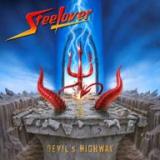
STEELOVER is a Belgian Melodic Rock / Metal band. The band was formed in the early 80's by three friends living in Liege, Belgium, the guitarists Pat Freson & Mel Presti and the bassist Nick Gardi. In search of a drummer, they threw their sights on Rudy Lenners (Scorpions) upon his return from Germany, having left the famous German band Scorpions. Rudy proposed to contact Vince Cardillo, a singer who had already on the one hand good experience and on the other hand he already recorded an album in London, “It will fit perfectly” explained Rudy. They all felt the magic during the first rehearsal. In no time, Steelover recorded their first album "Glove Me” which was released under the Mausoleum label. This album sold over more than 400.000 copies of which more than 76,000 in Poland. They followed with a tour across different countries like The Netherlands, Germany, France and Belgium including Forest National opening for Bon Jovi and KISS. Vince decided to leave the band. Replaced by Dani Klein, the second album was recorded but never released. Dani left the band after a short time with Mel Presti to start a new band under the name Vaya Con Dios.
The band came back in 2017 with a new E.P. (including single "Wild and Free") mixed by the legendary producer and and mixing engineer Tommy Hansen.
In 2019, Rudy Lenners greeted the audience one last time before retiring from his musical career. Vince had returned to the band at this point…after the show Vince, Pat & Nick decided to continue the Steelover adventure and in 2022 released the album “Stainless” on the Escape music label (ESM368). This was a great metal album and fans old and new longed to hear more. It’s now 2026 and Steelover are back with a brand-new recording featuring 11 tracks of hard rock / heavy metal. The band are very much in the style of that 80’s metal sound, a sort of mixture of Scorpions and Saxon if you like. These new songs all hit the mark making “Devil’s Highway” an album that needs to be checked out…
This vinyl compilation brings together some of the key pillars of Mexican Tribal and celebrates the artists who helped shape one of the most distinctive languages in electronic music made in Mexico.
Produced by Sabotaje Media, Trucha Soul Records, and La Chekera Records, the record works as a physical archive of Tribal's history, connecting generations, territories, and visions that have kept the genre alive and in motion.
out of Stock
Last delivered 16 days ago available to reorder, subject to availability
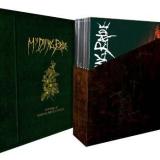
After a career spanning over thirty five years, from UK underground upstarts and outliers, to major success on the international stage - including tours with UK icons Iron Maiden and genre legends Dio - My Dying Bride have themselves become a firmly established pillar of metal history with a refined and influential brand of Death/Doom metal. With enduring popularity across subsequent decades, My Dying Bride remains a productive and captivating vessel for tragedy and despair, with their studio output spanning fourteen full-length albums to date.
As part of the “Peaceville Three”, along with fellow countrymen Paradise Lost and Anathema, My Dying Bride truly became a primary force in highlighting Britain as an epicentre of this Doom revolution of the time, creating a highly distinguishable sound assisted by the inclusion of violin & a more poetic approach to the delivery of morbid and salacious topics, lending an additional air of eccentricity and eloquence to the darkness.
Anthology of Sombre Reflections is an expansive and comprehensive collection of the early and much-celebrated works of the Doom Gods, from the formative deathly rawness of the revered Towards the Sinister demo, ‘God is Alone’ 7” tracks and subsequent debut album, As the Flower Withers, through to the gothic-tinged funereal seductive delights of 1996’s highlight, Like Gods of the Sun.
With the addition of all-time genre classic opuses Turn Loose the Swans, and The Angel and the Dark River also representing My Dying Bride’s much-loved early to 90’s period, the band’s three cult EPs are also featured in this deluxe eight-vinyl boxset, with each record presented on 180gm heavyweight black vinyl. The four studio albums themselves have also been treated to new half-speed masters courtesy of Air Studios.
Accompanying the audio is a 48-page book featuring photographs and artwork, plus new interviews with Andrew Craighan and Aaron Stainthorpe exploring some of the influences and thought-processes behind the creation of such cherished works of the 90s, as well as reflections of their output over this period.
Anthology of Sombre Reflections also contains 2 large posters depicting the Turn Loose the Swans CD artwork image, plus the original poster included in As the Flower Withers. A selection of photo prints of the band from this era are also included.
,been thinking bout confession", das dritte Studioalbum der Musikerin und Produzentin Frances Chang, ist eine synthlastige, experimentelle Pop-Erkundung des Selbst und der unermesslichen, unbekannten Tiefen, die es birgt. Das Album, das größtenteils auf einem hundert Jahre alten Stutzflügel komponiert wurde, bettet die unbändigen Emotionen von Changs DIY-Wurzeln in eine komplexe und poetische Klanglandschaft ein, die orchestrale Arrangements mit eigenwilligen, fast skulpturalen, elektronischen und analogen Elementen verwebt, bei der die durchscheinende Stimme der Sängerin die eigenwillige Instrumentierung leitet. Durch eine sich stetig steigernde Poesie führt uns Chang durch eine chaotische Architektur, ein Kerzenlicht fest umklammert, das zugleich selbsttäuschend und schonungslos transparent ist. Auch wenn ,Been Thinking About Confession" klanglich der außerirdischen Schönheit von Björk und der retrofuturistischen Verträumtheit von Broadcast verpflichtet ist, nennt Chang auch eher unerwartete Einflüsse wie Chet Baker, Dionne Warwick und Burt Bacharach, die das emotionale Rückgrat des Albums bilden. Chang hat ihre übliche Gitarre größtenteils beiseitegelassen und diese 11 Songs am Klavier geschrieben, einem Instrument, das sie als ,die weibliche Wurzel meiner Psyche" bezeichnet. Die unheimliche Verschmelzung von unkonventionell eingesetzten Federhall-Effekten, älteren Kompressoren und Röhrenvorverstärkern vor einem eindeutig zeitgenössischen digitalen Hintergrund sorgt für ein Hörerlebnis, das sich gleichzeitig über Vergangenheit, Gegenwart und Zukunft auszudehnen scheint. Für Fans von Cate Le Bon, June McDoom, Cindy Lee, ML Buch, Bill Callahan, Joanne Robertson
Jetzt auch als "Translucent Purple Vinyl" LP erhältlich. ,been thinking bout confession", das dritte Studioalbum der Musikerin und Produzentin Frances Chang, ist eine synthlastige, experimentelle Pop-Erkundung des Selbst und der unermesslichen, unbekannten Tiefen, die es birgt. Das Album, das größtenteils auf einem hundert Jahre alten Stutzflügel komponiert wurde, bettet die unbändigen Emotionen von Changs DIY-Wurzeln in eine komplexe und poetische Klanglandschaft ein, die orchestrale Arrangements mit eigenwilligen, fast skulpturalen, elektronischen und analogen Elementen verwebt, bei der die durchscheinende Stimme der Sängerin die eigenwillige Instrumentierung leitet. Durch eine sich stetig steigernde Poesie führt uns Chang durch eine chaotische Architektur, ein Kerzenlicht fest umklammert, das zugleich selbsttäuschend und schonungslos transparent ist. Auch wenn ,Been Thinking About Confession" klanglich der außerirdischen Schönheit von Björk und der retrofuturistischen Verträumtheit von Broadcast verpflichtet ist, nennt Chang auch eher unerwartete Einflüsse wie Chet Baker, Dionne Warwick und Burt Bacharach, die das emotionale Rückgrat des Albums bilden. Chang hat ihre übliche Gitarre größtenteils beiseitegelassen und diese 11 Songs am Klavier geschrieben, einem Instrument, das sie als ,die weibliche Wurzel meiner Psyche" bezeichnet. Die unheimliche Verschmelzung von unkonventionell eingesetzten Federhall-Effekten, älteren Kompressoren und Röhrenvorverstärkern vor einem eindeutig zeitgenössischen digitalen Hintergrund sorgt für ein Hörerlebnis, das sich gleichzeitig über Vergangenheit, Gegenwart und Zukunft auszudehnen scheint. Für Fans von Cate Le Bon, June McDoom, Cindy Lee, ML Buch, Bill Callahan, Joanne Robertson
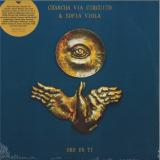
Sofía Viola and Chancha Vía Circuito unite on Oro en Ti, a deeply spiritual collaboration shaped by their shared roots in the southern suburbs of Buenos Aires. Blending Latin American folk traditions with hypnotic percussion, ambient textures, and Eastern influences, the album explores themes of nature, faith, humanity, and inner connection through a warm, meditative lens. Chancha Vía Circuito brings significant international profile to the project, built through years of globally acclaimed DJ sets, nearly 200 million cumulative streams across DSPs, and strong physical sales over the past decade. His work has been championed by outlets including Resident Advisor, Pitchfork, Billboard, The Guardian, NPR, and The Fader.
Since emerging from the Buenos Aires underground,Sofía Viola has built a strong reputation across Latin America and Europe through her singular songwriting and live performances, earning selections to major international showcase festivals including IMESUR, Circulart, FIMPRO, BIME Pro, and MAPAS. Oro en Ti captures the chemistry between both artists through devotional songwriting and richly textured production, offering an emotionally resonant and transportive listening experience that feels both timeless and deeply connected to the present moment.
out of Stock
Last delivered 59 days ago available to reorder, subject to availability
After Diogo’s hit record, we are following it up with another set of swinging dance floor detonators! Arriving directly from Brasil, Sérgio presents itself as another moniker from one of the greatest creative minds in all South America, Gabriel Guerra. With dozens of releases scattered over Future Times, Superconscious Records, LAMA, Got Tun, Balaclava Records, or his own 40% Foda/Maneiríssimo, he lands on our lap with a couple of highly effective, UK infused, and slightly nostalgic dance tracks. We’ve allways neutered a profound sense admiration for everything that Guerrinha was releasing under his 40% Foda/Maneiríssimo label, and had the feeling that his vibe was definitely one that we could relate to. Happy, a little wacky, and truly unpretentious dance floor madness! From acknowledging that, to reaching out was just a step. He was super available to work with us, and after the first talks he promptly provided us with a google drive folder with more of 100 unreleased tracks… Yes! You heard it! More than 100 gems of pure creativity ranging from all kinds of genres and across a fucking multiverse of alias and alter egos! So yes, that’s the kind of creative genius we are talking about… Moving from this “garagy” universe, Guerrinha presents us with a set of super fun tracks, which both leans over this infamous side of dance music, as well as it keeps an eye open for the most blatant forms of pop culture. Pure and simple dance floor tracks, to be enjoyed with a smile on your face.
"Is this the sound Sérgio?" or "Is this Sergio's sound?". The question of the questions seems silly, but it was postulated in 2019 to answer Guerrinha a new sound idea: A super appealing garage sound, so that any kind of doubt about the fact that Guerrinha's sets being fun, and that he himself would be able to mix swinging rhythms, would be eliminated. Sérgio is Guerrinha’s pseudonym for this, and since its first release in 2019 with the album “Utensílios” it has strangely become his most played alias, with a few small hits in the small Brazilian scene. After the pandemic drama, he returned in 2022 with the album "Mais Utensílios" and the single "Fantabobi / Riquititas", two releases that again grew the good problem of other djs constantly asking Guerrinha for these tracks. Now he releases the 12'' "Pelo da Churreia" via Discos Extendes, made in 2020 and containing small garage hits from that time. All this information raises the initial questions, since Sérgio is not just a pseudonym, but the curse that grew inside Guerrinha himself, sometimes it's in the appeal that “the bug catches on”.
out of Stock
Last delivered 3 years ago available to reorder, subject to availability
Puerta Negra presents “Metafísica”, the third chapter in the project’s subversive and revolutionary sonic vision. Moving again through the outer edges of EBM, industrial funk, and mutant electronics, the new EP channels the raw physicality of contemporary American body music, aligned with acts such as High-Functioning Flesh or Spike Hellis, alongside the fractured futurism of late-’80s Cabaret Voltaire and its mutant new beat mutations. The result is tense, hypnotic, and deeply confrontational. At the center of the record are the stripped-down, unfiltered vocals of María Aguirre, moving through broken, hallucinogenic rhythms that continuously destabilize and reconstruct the groove. Mechanical yet visceral, cold yet intensely human, the tracks unfold like transmissions from a collapsing future. With “Metafísica”, Puerta Negra continues to push its singular language forward: radical avant-garde body music for the most restless corners of the underground — perfectly suited to ignite a revolution. Presented in ONE-OFF truly limited edition of 300 copies lacquered pressed on 180 gr. high quality solid BLACK vinyl. All tracks have been specially remastered and mastered for vinyl by Daniel Hallhuber at Young and Cold Studios (Germany).
out of Stock
Last delivered 69 days ago available to reorder, subject to availability
Der von der Kritik gefeierte Fotograf und in Paris lebende, aus Algerien stammende Künstler Mohamed Bourouissa hegt seit langem ein tiefes, alles umfassendes Interesse an Klängen. ,LILA" ist sein Solo-Debüt, ein selbst bezeichnetes ,musikalisches Objekt", das die wichtigen Beziehungen in seinem Leben auflistet; jeder der Tracks des Albums ist einer Person gewidmet (und nach ihr benannt), an die er dachte, als er das Album komponierte. Mit Gastauftritten von französisch-senegalesischen Künstlers Le Diouck und der italienischen Avantgarde-Künstlerin Valentina Fanigliulo (alias Mushy und Phantom Love) wirkt das Album wie ein Tagebuch hypnagogischer Reflexionen, das mit schwerelosen Synthesizern, herzzerreißendem Auto-Tune-Gesang und dissoziierten Beat-Sequenzen ein Bild von Bourouissas innerer Realität zeichnet. Emotional aufgeladen und verwurzelt in der Ästhetik, die Bourouissa mit seiner Verbundenheit zu Klang, Menschen und Kunst verbindet, ist es so komplex und vielschichtig wie jede seiner gefeierten Installationen oder Ausstellungen. Bourouissas erste erkennbare klangliche Referenz war ,Temps Morts" aus dem Jahr 2009, eine bewegende Videoarbeit, die er nach dem legendären Debütalbum des französischen Rappers Booba benannte, und seitdem ist er seiner Intuition gefolgt und hat nach und nach herausgefunden, wie er Klang nicht nur in seine Werke integrieren, sondern ihn in den Mittelpunkt stellen kann. 2017 arbeitete er gemeinsam mit dem libanesischen Free-Improv-Gitarristen Sharif Sehnaoui und Sina Araghi (alias Sina XX) an ,Si Di Kubi", einer Compilation, die experimentelle Klänge aus der arabischen Welt in den Vordergrund stellte, und sein Weg wurde klar. ,In diesem Moment wurde der Klang zu einem integralen Bestandteil meiner künstlerischen Praxis", erklärt er. Bourouissa arbeitete 2021 mit dem französischen Sounddesigner und Programmierer Jordan Quiqueret zusammen, um herauszufinden, wie sich die von der Akazie erzeugten Frequenzen in Rhythmen auf ,Brutal Family Roots` umsetzen lassen, wobei er Gedichte des Waddi-Waddi-Rappers MC Kronic und des ägyptisch-australischen MC Nardean integrierte. Später arbeitete er mit Fanigliulo an ,Haral!" - einem Duo-Projekt, das dem Künstler endlich das Selbstvertrauen gab, seine Fähigkeiten anzunehmen und seinen eigenen Produktionen Vorrang einzuräumen. Sogar seine jüngste Ausstellung ,SIGNAL" im Palais de Tokyo, Bourouissas erste Retrospektive, wurde ähnlich wie ein Album zusammengestellt, wobei der Künstler besonderen Wert auf die musikalische Logik ihrer Struktur und die ihr innewohnenden Rhythmen legte. ,Ich sehe Klang als Träger von Geschichte und Erinnerung, manchmal traumatisch", sagt er. ,Die Arbeit mit Frequenzen, Geräuschen und Atemzügen eröffnet einen Raum für Heilung, eine kathartische Möglichkeit. ,Und genau diese Philosophie leitet ,LILA`, von den hallenden Klavierakkorden und Chor-Echos von ,INTRO` bis hin zu den mikrotonalen Summtönen und verschleierten Rhythmen, die sich spiralförmig um das kurze, bewegende ,OUTRO` winden. Es ist ein Album, das sich schwer einordnen lässt; es gibt Spuren von Pop in ,HFC", einer beatlosen Suite aus modularen Schluckaufgeräuschen und biomechanischen Schreien, die in Richtung Kakophonie übergeht, und Überreste von Clubmusik, die an den Fenstern und Wänden des schweißtreibenden ,MG" zurückbleiben, in den zitternden Trommelwirbeln und Le Dioucks schrillen Ausrufen. Der rote Faden, der sich durch das Ganze zieht, ist die Tatsache, dass Bourouissa in der Lage ist, eher ein Gefühl als einen Klang darzustellen. Mit einer Palette, die er im Laufe des letzten Jahrzehnts stetig verfeinert hat, bewegt er sich schimmernd durch eine persönliche Landschaft, die sich in ein lebendiges, atmendes klangliches Ökosystem verwandelt. Auf ,AF" schweben gespenstische FM-Arpeggios unheimlich um seine lässigen, herzlichen Worte, und auf dem beunruhigenden ,SEUM" kontern mehrschichtige Synth-Drones sein verzerrtes Crooning mit elektrisierenden xenharmonischen Akkorden. Instrumentale Dunstwolken schweben durch angespannte rhythmische Ausbrüche auf ,MN", und als Fanigliulo auf dem Titeltrack auftaucht, rückt das Album in den Fokus, während warme, hoffnungsvolle Pads einige von Bourouissas eindringlichster Texte. "What did you say, why should I cry", wiederholt er in die Leere hinein und presst die Worte durch metallische Verzerrung und ungleichmäßige Beats. Es ist Musik, die so greifbar ist, dass man sie fast berühren kann.
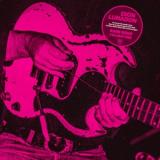
I Owe You (Nothing) was written October and November 2016. Before, during and after election time in the US. Tension, fear, anger, dread and any other negative adjective you choose to use were in full swing and it felt almost impossible for this not to infiltrate into my music or even write about anything else. Henry Rollins: "I don't think there's a single track that Mr. Lunadon has done that is not worth checking outand live? Forget it! So cool."Rare Gems Volume One is comprised of 10 sick as fuck rare and unreleased studio tracks recorded between 2016 and 2026. Rare Gems Volume One is an essential Dion Lunadon release and also features fan favorites, 1976 and When Will I Hold You Again. Do not be fooled!! This is NOT just a bunch of b-sides or 2nd rate throw aways!! Dion has written and recorded 100's of songs during this period and for one reason or another these gems did not make it onto official albums. But gems they are! This is why we give you Rare Gems Volume One.
The second Jai Alai album takes its name from a track on Winners (1979) by New York band Kleeer, who evolved from Pipeline via The Universal Robot Band before becoming a major force on the soul and boogie scene; their full-length “Open Your Mind” is simply sublime.
Two originally unreleased tracks will delight completists of Aretha Franklin and Dionne Warwick. Aretha co-produced “The Boy From Bombay” with Quincy Jones — perhaps a little too quirky at the time — while Warwick’s Ashford & Simpson-produced “Someone Else Gets The Price” has all the hallmarks of a missed hit.
Philadelphia’s Pieces Of A Dream, discovered by Grover Washington Jr., were fêted across Europe throughout the 80s. Their Elektra album Imagine This (1983) yielded the wonderfully moody “It’s Time For Love”. Further mining of the Elektra vaults yields a highly collectable Phat Phili Mix of Teddy’s “Believe In Love”, alongside a jewel from Leon Ware’s Rockin’ You Eternally (1981). I was lucky to know this genius, still underappreciated as a master of sensuous soul; “Got To Be Loved” ranks among his finest.
There’s not enough space here to fully cover Gerald Levert’s “What About Me”, but my liner notes to the Jai Alai release JAR14 “Top Of My Head” detail just how talented he was — and this is further proof.
The two least-known artists make a strong impression. Andy Bey’s “I Know This Love Can’t Be Wrong” recalls Jon Lucien at his best, while Phajja — a promising Warner Bros. signing in 1997 — disappeared after just two albums; their Cutfather & Joe production here is as polished as The Emotions.
By the time Etta James recorded “Evening Of Love”, she was four decades into her career, delivering this beautiful ballad with total assurance. Truly epic Southern soul.
On their fresh imprint, In.Visible, Uruguayan mainstays Kino and Manuel Jelen turn their sonics towards the slower, and stranger. On the front is Italian legend Dionigi’s first posthumous release, having sadly passed away during the making of the record, with ‘Komp 22’ an ethereal yet eye-closing opener, plodding through luscious strings and mysterious retrofuturistic sound design. The mechanically swung percussion of ‘Dust Distortion’ takes the record into straighter territory until it code-switches into a synth workout close, while ‘Bhaskara’ rounds offthe side by wiggling and scuttling through offkilter syncopations, bassline bleeps, and hellish, claustrophobic arpeggios. The flip is helmed by UK acid day-oner Scott Hallam; ‘Larb’ offers a moody, squelching downtempo groove, before closing with the most club ready (at a push) track on the record, ‘Stupendous’ – a soaring electro number bookmarked by oddball English vocal samples.
out of Stock
Last delivered 3 months ago available to reorder, subject to availability
feeble little horse is naturally delighted to present their third full-length LP, bitknot. The album was written, arranged, produced, and recorded by Sebastian Kinsler, Lydia Slocum, and Jake Kelley across their respective homes in Pittsburgh, Pennsylvania. A spirited investigation into the unnatural space created between human nature and a culture of convenience, a synthesis of dirt and digital, bitknot by feeble little horse creates a language wherein one can re-imbue a sanctity of interdependence away from consumptive “self-suciency” and materialism. Slocum’s meandering introspection playfully harmonizes against Kinsler’s hooks, walls of noise, a supercharged car battery’s worth of synths and samples dropped in the ocean of their guitar-driven songwriting framework.
Berlin"s Kuboraum Editions celebrates another round of its ongoing Kuboraum Sound Residency with a bumper 19-track volume of exclusive tracks from its vibrant creative community, music that challenges contemporary logic and prioritizes what really matters: experimentation, exchange and evolution. Like its predecessor, that was described by Boomkat as flowing like a "well-curated mixtape", "Kuboraum Sound Residency Vol. 2" is assembled like a proper album in the classic sense, something that"s supposed to be absorbed from start to finish.
With their tenth studio album "X", Swedish melodic metal pioneers Narnia enter a new and powerful chapter, marking their 30th anniversary and nearly three decades of unwavering presence on the international metal scene. While "Ghost Town" (2023) reaffirmed the band's melodic metal foundation, "X" expands the sonic landscape. The album moves confidently between soaring arena-ready choruses and more adventurous, progressive passages, without ever losing the band's unmistakable identity. Songs like "Oceanwide", "Every Breath", and "Heaven's Calling" showcase Narnia's gift for strong hooks and uplifting melodies. At the other end of the spectrum, the high-energy "Remedy (SOS)" pushes the tempo to new heights, while tracks such as "God Under Fire" and "Jerusalem" explore more intricate arrangements and progressive textures. Multiple lead vocalists share the spotlight throughout the album. CJ Grimmark and Jonatan "Jono" Samuelsson both step forward on selected tracks, adding new tonal colors, while Christian Liljegren's unmistakable voice continues to anchor the sound. "The Man from Nazareth Pt. II" reconnects with the band's early era and serves as a continuation of a fan-favorite from the 2006 album "Enter the Gate", while "The War that Tore the Land (Reprise)" offers a reflective callback to 2019's "From Darkness to Light". "X" stands as both a celebration of Narnia's legacy and a bold statement of where the band stands today, musically sharper, more diverse, and more confident than ever. The album is produced and mixed by CJ Grimmark and mastered by Thomas "Plec" Johansson at Studio Bohus. - Narnia - pioneers of Scandinavian melodic metal since 1996. - Celebrating their 10th studio album "X" - marking nearly 30 years of legacy. - Part of the original Swedish melodic metal wave alongside HammerFall, In Flames and Evergrey. - Christian Liljegren - one of the most recognizable voices in melodic metal, fronting the band since day one. - CJ Grimmark - founding member, main songwriter and producer, widely regarded as one of Sweden's finest melodic metal guitarists. - Worldwide sales of several hundred thousand physical units plus strong global streaming presence. - Strong and loyal international fan base in Europe, South America and Japan. - Extensive touring history with Dio, Judas Priest, Europe, Sabaton, Saxon, Stratovarius, Sonata Arctica, Yngwie Malmsteen and Stryper. - Recent music videos approaching 1 million YouTube views combined.
feeble little horse is naturally delighted to present their third full-length LP, bitknot. The album was written, arranged, produced, and recorded by Sebastian Kinsler, Lydia Slocum, and Jake Kelley across their respective homes in Pittsburgh, Pennsylvania. A spirited investigation into the unnatural space created between human nature and a culture of convenience, a synthesis of dirt and digital, bitknot by feeble little horse creates a language wherein one can re-imbue a sanctity of interdependence away from consumptive “self-suciency” and materialism. Slocum’s meandering introspection playfully harmonizes against Kinsler’s hooks, walls of noise, a supercharged car battery’s worth of synths and samples dropped in the ocean of their guitar-driven songwriting framework.
feeble little horse is naturally delighted to present their third full-length LP, bitknot. The album was written, arranged, produced, and recorded by Sebastian Kinsler, Lydia Slocum, and Jake Kelley across their respective homes in Pittsburgh, Pennsylvania. A spirited investigation into the unnatural space created between human nature and a culture of convenience, a synthesis of dirt and digital, bitknot by feeble little horse creates a language wherein one can re-imbue a sanctity of interdependence away from consumptive “self-suciency” and materialism. Slocum’s meandering introspection playfully harmonizes against Kinsler’s hooks, walls of noise, a supercharged car battery’s worth of synths and samples dropped in the ocean of their guitar-driven songwriting framework.