Wie Hip-Hop nach Hamburg kam
Die Compilation ist als Zeitreise zu den Anfängen der Hamburger Hip-Hop-Kultur konzipiert und umfasst über 100 weitgehend unveröffentlichte Songs und Skits. Begleitet wird das Triple-Vinyl von einem 96-seitigen Booklet, das von den frühen Jahren von Hip-Hop, Rap und DJing in Hamburg erzählt. Präsentiert wird das Werk von den Herausgebern des Buchs und den Kuratoren der Museumsausstellung EINE STADT WIRD BUNT.
Kennt eigentlich noch jemand Easy Business? Was wie ein Ratgeber Video auf YouTube klingt, ist der Name einer der ersten Hamburger Rap-Gruppen. Die vierköpfige Formation aus Steilshoop gründete sich schon in den späten 1980er Jahren und begann bald erste englischsprachige Texte zu schreiben. 1989 nahmen sie gemeinsam mit Mario von Hacht den Song „Money“ in einem Jenfelder Jugendzentrum auf.
Als House-Produzent verfügte Von Hacht über ein vergleichsweise schon recht ansehnliches Produktions-Equipment. Selbst die legendäre Roland TR-808, analoger Drumcomputer und Allzweckwaffe von Hip-Hop-Produzenten, war bereits 1989 Teil seines Maschinenparks. Nur hatte er sie eben nicht für Rap genutzt – bis Easy Business anklopften. Und so öffnete ein Musik-Nerd und Technik-Freak dem Hip-Hop eine Tür in Hamburg. Von Hachts Offenheit für den neuen Musikstil sollte sich auszahlen: 1995 produzierte er mit „Nordisch by Nature“ den ersten Chartstürmer von Fettes Brot.
Es sind Geschichten wie diese aus der Gründerzeit des Rap in Hamburg, um die sich die 3-Vinyl-Compilation EINE STADT WIRD BUNT dreht. Unter den über 100 Songs und Skits aus den frühen Jahren des Rap in Hamburg finden sich neben dem Song „Money“ von Easy Business auch ein Mitschnitt eines Auftritts der Gruppe in der Fabrik im Mai 1991.
Von frühen Aufnahmen von MC Africa True, der später unter dem Namen Nana einige Hits landen würde, bis zu den Britcore-Veteranen von Readykill, von 2 Ruff, deren Mitglied Simple Simon zu den ersten Hip-Hop-Produzenten der Stadt gehörte, bis zu den Reim Banditen, die als eine der ersten hiesigen Bands mit einem Majorlabel-Vertrag als Hamburger Antwort auf die Fantastischen Vier positioniert werden sollten, vereint das Triple-Vinyl eine einzigartige Sammlung musikhistorischer Zeitdokumente. In Kombination mit dem begleitenden Booklet vermitteln sie ein authentisches – und überaus unterhaltsames – Bild von den Anfängen des Rap in Hamburg.
Nach dem preisgekrönten, 2021 erschienenen Buch „EINE STADT WIRD BUNT. Hamburg Graffiti History 1980-1999“ und der gleichnamigen Ausstellung, die bis Anfang Januar 2024, als eine der erfolgreichsten aller Zeiten, im Museum für Hamburgische Geschichte gezeigt wurde, folgt mit der Compilation nun also eine weitere Dokumentation Hamburger Subkultur Geschichte der 1980er und 1990er Jahre. Im Fokus diesmal: die Pioniere des Rap in der Hansestadt.
Zum Team hinter dem Triple-Vinyl gehören neben den vier Herausgebern von EINE STADT WIRD BUNT. Oliver Nebel, Frank Petering, Mirko Reisser und Andreas Timm drei ausgewiesene Kenner der deutschen Hip-Hop-Szene. Oliver Herbst, einst DJ der Hip-Hop-Band City Nord, betreibt heute ein Musiklabel, auf dem die Platte erscheint, und konnte im Zuge der Recherche an viele alte Kontakte anknüpfen. Ebenfalls mit an Bord: der langjährige Chefredakteur des Hip-Hop-Magazins Backspin Dennis Kraus und der Musikjournalist und Moderator Falk Schacht.
Über einen Zeitraum von über zwei Jahren hinweg hat sich das Team auf Recherche begeben. Sie nahmen Kontakt zu Bands, Rapper*innen, DJs und Produzenten auf, die in den 1980er und 1990er Jahren in und um Hamburg aktiv waren. Sie sichteten und archivierten unzählige Stunden von Radio-Shows, Tapes, Demo-DATs und Live-Mitschnitten und führten Interviews mit Hip-Hop-Pionieren aus der Hansestadt. „Unser Ziel war es, ein kaum beleuchtetes Kapitel Hamburger Subkulturgeschichte zu erzählen“, sagt Mirko Reisser.
Begleitet werden die Platten deshalb von einem rund 80-seitigen, reich bebilderten Booklet im Vinyl-Format, das in aufwändig recherchierten Texten nachzeichnet, wie der neue Musikstil ab Mitte der 1980er Jahre in Hamburg langsam heimisch wurde. Zu den zentralen Themen dieser Erzählung gehört die Abwesenheit von technischem Equipment – und der Umgang der jungen Szene mit diesem Mangel.
Ein Vierspur Kassettenrekorder musste für die ersten Aufnahmen im Kinderzimmer reichen. Und wer DJ werden wollte, übte Scratchen mit dem Plattenspieler der Eltern. Anders als heute, wo man mit einem Smartphone in der Hand theoretisch ein Millionenpublikum erreichen kann, stellte die Aufnahmetechnik damals eine große Hürde dar. Wer jedoch über die technischen Voraussetzungen verfügte, Songs aufzunehmen, wurde schnell zur Anlaufstelle für die junge Rap-Szene.
Parallel zu dieser Ära der Technik-Autodidakten, öffneten die Rapper*innen der frühen 1990er Jahre ebenfalls ein Fenster in eine neue Welt: Indem sie anfingen, auf Deutsch zu rappen, grenzten sie sich bewusst von den amerikanischen Vorbildern ab und schufen ein ganz neues Selbstbewusstsein der jungen Subkultur. Und ganz nebenbei auch ein ganz neues Bewusstsein für die Möglichkeiten der deutschen Sprache. „Hier wurde etwas gänzlich Neues erschaffen“, sagt Oliver Herbst.
Viele Künstler, die auf der Compilation vertreten sind, dürften heute nur noch echten Hip-Hop-Nerds bekannt sein. Doch es finden sich auch bekannte Namen auf der Tracklist. Jan Eißfeldt etwa, der heute solo als Jan Delay oder als Teil der Beginner Konzerthallen füllt. Oder Fettes Brot, die von einem Hip-Hop-Trio aus dem Hamburger Umland zu einer der erfolgreichsten deutschen Popbands der Gegenwart heranwuchsen. Oder Deichkind, die zu einem massentauglichen Universal Kunstprojekt avanciert sind.
Wie schon das gleichnamige Buch und die Museumsausstellung, so blickt auch die Compilation EINE STADT WIRD BUNT. hinter die Kulissen einer jungen Subkultur – und erzählt parallel spannende Kapitel Musik-, Technik- und Stadtgeschichte aus der Hip-Hop-Hochburg an der Elbe.
INTERPRETEN
Fettes Brot, Absolute Beginner, Deichkind, Das Bo, Ferris MC, Mr. Schnabel, Sleepwalker, Kastrierte Philosophen, Mellow Mark, David Fascher, Easy Business, Reim Banditen, Readykill, TobiTob, I.L.L. Will, City Nord, MK Cram (Poets of Peeze), Dialektik, 2 Ruff, Nina, Flashmaster Ray, Dennis Deutschland, 2BIAS, MC Africa True alias Nana, Vers Chaoten, Die Erstausgabe, THC (Ter Hartchor), R.A.F. (Reimende Antifaschisten), Direkt Aktion, Fogmoor, Syren, Mental Disorda (Crime Code Barets), Dennis the Menace, Selma, 08/15, Hamburg Royal, Skunk Funk, B-Low, Gizmo, AJ, SMG, Phantom Black, Leon Le Pro alias EL’OMC, Paolo 77, Monti, Hanseknaller, Schlechta Umgang u.v.a.
ZITATE VON
André Luth, Jan Eißfeldt, Mathias Arfmann, Ale Dumbsky, David Fascher, Fatih Akin, Carsten Bohn, Schiffmeister (Björn Beton), Pasha Kamber (DJ MPK), Boris Ekambi, Sleepwalker, Mr. Schnabel, Nana Abrokwa, Simon Vegas u.a.
PRODUCER
Mario von Hacht (Super Mario), Sleepwalker, B-Base, Bubblez, TobiTob, X-Ray, Simple Simon

Suche:dj mc
- A1: Montego Bay - Everything (Paradise Mix) 04 59
- A2: Atelier - Got To Live Together (Club Mix) 06 06
- A3: Golem - Music Sensations 04 56
- B1: The True Underground Sound Of Rome Feat. Stefano Di Carlo - Gladiators 05 26
- B2: Eagle Parade - I Believe 04 26
- C1: Dj Le Roi - Bocachica (Detroit Version) 05 28
- C2: Green Baize - Synthetic Rhythm 01 41
- C3: M.c.j. Feat. Sima - Sexitivity (Deep Mix) 05 30
- D1: Kwanzaa Posse Feat. Funk Master Sweat - Wicked Funk (Afro Ambient Mix) 06 31
- D2: Progetto Tribale - The Bird Of Paradise 06 29
- D3: Mbg - The Quite 06 59
Vol 1[28,99 €]
Googling “paradise house”, the first results to pop up are an endless list of European b&b’s with whitewashed lime façades, all of them promising “…an unmatched travel experience a few steps from the sea”. Next, a little further down, are the institutional websites of a few select semi-luxury retirement homes (no photos shown, but lots of stock images of smiling nurses with reassuring looks). To find the “paradise house” we’re after, we have to scroll even further down. Much further down.
It feels like yesterday, and at the same time it seems like a million years ago. The Eighties had just ended, and it was still unclear what to expect from the Nineties. Mobile phones that were not the size of a briefcase and did not cost as much as a car? A frightening economic crisis? The guitar-rock revival?! Certainly, the best place to observe that moment of transition was the dancefloor. Truly epochal transformations were happening there. From America, within a short distance one from the other, two revolutionary new musical styles had arrived: the first one sounded a bit like an “on a budget” version of the best Seventies disco-music – Philly sound made with a set of piano-bar keyboards! – the other was even more sparse, futuristic and extraterrestrial. It was a music with a quite distinct “physical” component, which at the same time, to be fully grasped, seemed to call for the knotty theories of certain French post-modern philosophers: Gilles Deleuze, Félix Guattari, Paul Virilio... Both those genres – we would learn shortly after – were born in the black communities of Chicago and Detroit, although listening to those vinyl 12” (often wrapped in generic white covers, and with little indication in the label) you could not easily guess whether behind them there was a black boy from somewhere in the Usa, or a girl from Berlin, or a pale kid from a Cornish coastal town.
Quickly, similar sounds began to show up from all corners of Europe. A thousand variations of the same intuition: leaner, less lean, happier, slightly less intoxicated, more broken, slower, faster, much faster... Boom! From the dancefloors – the London ones at least, whose chronicles we eagerly read every month in the pages of The Face and i-D – came tales of a new generation of clubbers who had completely stopped “dressing up” to go dancing; of hot tempered hooligans bursting into tears and hugging everyone under the strobe lights as the notes of Strings of Life rose up through the fumes of dry ice (certain “smiling” pills were also involved, sure). At this point, however, we must move on to Switzerland.
In Switzerland, in the quiet and diligent town of Lugano, between the 1980s and 1990s there was a club called “Morandi”. Its hot night was on Wednesdays, when the audience also came from Milan, Como, Varese and Zurich. Legend goes that, one night, none less than Prince and Sheila E were spotted hiding among the sofas, on a day-off of the Italian dates of the Nude Tour… The Wednesday resident and superstar was an Italian dj with an exotic name: Don Carlos. The soundtrack he devised was a mixture of Chicago, Detroit, the most progressive R&B and certain forgotten classics of old disco music: practically, what the Paradise Garage in New York might have sounded like had it not closed in 1987. In between, Don Carlos also managed to squeeze in some tracks he had worked on in his studio on Lago Maggiore. One in particular: a track that was rather slow compared to the BPM in fashion at the time, but which was a perfect bridge between house and R&B. The title was Alone: Don Carlos would explain years later that it had to be intended both in the English meaning of “by itself” and like the Italian word meaning “halo”. That wasn’t the only double entendre about the song, anyway. Its own very deep nature was, indeed, double. On the one hand, Alone was built around an angelic keyboard pattern and a romantic piano riff that took you straight to heaven; on the other, it showcased enough electronic squelches (plus a sax part that sounded like it had been dissolved by acid rain) to pigeonhole the tune into the “junk modernity” section, aka the hallmark of all the most innovative sounds of the time: music that sounded like it was hand-crafted from the scraps of glittering overground pop.
No one knows who was the first to call it “paradise house”, nor when it happened. Alternative definitions on the same topic one happened to hear included “ambient house”, “dream house”, “Mediterranean progressive”… but of course none were as good (and alluring) as “paradise house”. What is certain is that such inclination for sounds that were in equal measure angelic and neurotic, romantic and unaffective, quickly became the trademark of the second generation of Italian house. Music that seemed shyly equidistant from all the rhythmic and electronic revolutions that had happened up to that moment (“Music perfectly adept at going nowhere slowly” as noted by English journalist Craig McLean in a legendary field report for Blah Blah Blah magazine). Music that to a inattentive ear might have sounded as anonymous as a snapshot of a random group of passers-by at 10AM in the centre of any major city, but perfectly described the (slow) awakening in the real world after the universal love binge of the so-called Second Summer of Love.
For a brief but unforgettable season, in Italy “paradise house” was the official soundtrack of interminable weekends spent inside the car, darting from one club to another, cutting the peninsula from North to centre, from East to West coast in pursuit of the latest after-hours disco, trading kilometres per hour with beats per minute: practically, a new New Year’s Eve every Friday and Saturday night. This too was no small transformation, as well as a shock for an adult Italy that was encountering for the first time – thanks to its sons and daughters – the wild side of industrial modernity. The clubbers of the so-called “fuoriorario” scene were the balls gone mad in the pinball machine most feared by newspapers, magazines and TV pundits. What they did each and every weekend, apart from going crazy to the sound of the current white labels, was linking distant geographical points and non-places (thank you Marc Augé!) – old dance halls, farmhouses and business centres – transformed for one night into house music heaven. As Marco D’Eramo wrote in his 1995 essay on Chicago, Il maiale e il grattacielo: “Four-wheeled capitalism distorts our age-old image of the city, it allows the suburbs to be connected to each other, whereas before they were connected only by the centre (…) It makes possible a metropolitan area without a metropolis, without a city centre, without downtown. The periphery is no longer a periphery of any centre, but is self-centred”.
“Paradise house” perfectly understood all of this and turned it into a sort of cyber-blues that didn’t even need words, and unexpectedly brought back a drop of melancholic (post?)-humanity within a world that by then – as we would wholly realise in the decades to come – was fully inhuman and heartless. A world where we were all alone, and surrounded by a sinister yellowish halo, like a neon at the end of its life cycle. But, for one night at least, happy."
Toy Tonics Music Berlin presents "Para Mytho Disco". The 2nd "Kapote" album of label founder and creative director Mathias Modica.
Keyboarder, DJ, producer, music nerd, graphic designer, multi-instrumentalist, sub-culture impressario and artist (formerly known as Munk of Gomma records.)
Kapote & Toy Tonics
In the last years Kapote was in the spotlight mainly for building the Toy Tonics label with his friends. Developing a platform for new positive quality dance music with a human touch. Toy Tonics is the opposite of the dark, druggy Techno and Trance sounds of the last years.
The warm inclusive music of Toy Tonics represents a new vibe that a young generation of diverse, stylish and culturally intersted generation of dancers loves now. Kapote's Toy Tonics became the key label for that vibe. (In 2024 Toy Tonics made 150 Toy Tonics events in 18 countries. With more than 150.000 people dancing. 90 millions streams on their music.)
Toy Tonics is more than a music label: It's a audio - visual universe. A community, almost a movement.
Based on a new positive attitude and aesthetic diversity. Mixing musicianship with DJ culture, analogue music with electronic, ideas from the past with sounds from now. To create something new. Connecting dance music with graphic design, art and underground fashion.
Kapote and his gang release vinyl, posters, shirts, art fanzines and make exhibitions and partys.
Toy Tonics started in Berlin as a underground niche project. But now became the key label of the new house, wild style disco and organic dance music scene.
Probably one of Berlin's biggest electronic music phenomena along with Keinemusik and Live from Earth.
It went fast: 2020 Kapote's crew started to make small parties in Berlin's off spaces. The "Toy Tonics Jams". The parties became "talk of the town", and Berlin clubs like Griesmühle and Panorama Bar invited the crew. Then international clubs and festival called. Toy Tonics were invited to SONAR (playing the mainstage with Kaytranada and DJ Tennis), KALA festival, Montreux Jazz festival.
Now TT has a residency at Panorama Bar Berlin and sold out events in Europe leading clubs like Phonox in London, Rex Club in Paris, Tunnel in Milan.
Toy Tonics now is the reference brand of a new generation of music loving dancers. Similar to Gomma records, Kapote's former label (2003 - 2015) that was one of the key labels of the "indie dance" scene of the Y2K years (along with DFA and Output Records).
Kapote created a multi-cultural movement with graphic designers, photographers, illustrators from the Berlin scene.
They publish the Toy Tonics Pocket Poster magazine, posters and design shirts. They organize the Toy Tonics Pop Up Galleries mixing music and art. In underground venues in Berlin and in new gallery spaces and museums around Europe.
Toy Tonics has been invited by Palais de Tokio museum in Paris, Triennale Museum Berlin, Design week Milano to create events.
The new Kapote album
The 12 tracks have a very own style. Based on dance music, but going much further. "Para Mytho Disco' is a futuristic mix of sounds. It's far away from the dark monotone techno and trance music from Kapote's hometown Berlin. Instead, he creates warm friendly atmospheres full of sonic colours and little musical surprises.
Kapote's knowlege of music history and his backround as a jazz piano student and son of classic music composer is clearly inside this music. Before turning into a DJ and electronic music producer he has been playing in bands since he was 13 years old.
The album is full of emotional chord progressions played by Kapote on various keyboards. Sometimes reminding music from the past, without being retro at all. The basslines and melodies are inspired by jazz fusion from the 1970ies. And he programmed syncopated grooves that come from afro-american dance music. There are influences from Japanese electronic music (Yellow Magic Orchestra), from 1980s Synthwave and from 1990s electronica (like Squarepusher and Luke Vibert).
Kapote plays keys, bass, flutes and percussions, he plays synth solos and sings on a few tracks. The complexity of the arrangements makes this music never boring. Lot of melodies and solos that catch the listener. Colourful soundscapes that make you want to listen or dance to this album more, and discover details also after you heard it several times.
Kapote background
Before starting Toy Tonics, Kapote used to run a label called Gomma. He produced four albums under the name Munk and music for other artists.
He produced music with Peaches, Franz Ferdinand founder Nick McCarthy, with New York street art legend The Rammellzee, Italian actress Asia Argento, the first three albums of WhoMadeWho and worked with LCD Soundsystem (listen to "Kick out the chairs", the Munk song with James Murphy )
In those "Gomma days" Kapote aka Munk was also one of the main DJs for VICE magazine parties and made music for art projects and fashion brands (Margiela, Prada, Colette).
In 2015 he stopped Munk and Gomma and started Toy Tonics. He found young producers and helped to develop their sound (Coeo, Cody Currie, Gee Lane, Barbara Boeing, Sam Ruffillo). Later he founded the sublabel Kryptox to release music by Berlin based bands that make new forms of jazz or neo classical sounds.
Under the name Kapote Mathias didnt release much:
Only his Kapote debut album "What it is" (2019) and an EP called "Electric Slide" (2022) and a collabo EP with Italian producer Sam Ruffillo ("Robot Salsa").
An although his Munk and Kapote music was an underground phenomena his music has always been a favourite of many great people from the scene.
Supported by DJs like Harvey, Chromeo, Moodymann, Jennifer Cardini, Gerd Janson, MYD, Andrew Weatherall to Blessed Madonna, Justice and Laurent Garnier… to name just a few.
This is what legends are made of: Acid House, Chicago 1988, Mickey Oliver and his Hot Mix 5 Records, Larry Heard aka Fingers, Pierre, Phortune & Armando.
Released in 1988, ACID LP was the first and only full length on Hot Mix 5 Records. It is much more than a classic album, it’s a staple for any self respecting DJ.
This is probably one of the best Acid House compilation to make it out of Chicago. Still Music is proud to start its Hot Mix 5 Records reissue series with such a monument to House.
Every track on here is a classic in its own right, with Pierre’s “Dreamgirl", Armando’s “151”, the two incredible Fingers tunes "The Juice" and “Ecstasy" and so much more.
For the first time, this reissue features all the songs that were on the original release but remastered and on a red vinyl DLP.
Don’t sleep on the ACID
Tappa Zukie is not only one of Jamaica’s greatest DJ’s, is also a much respected producer and arranger. Looking back through his master tapes we have found a lost release that due to being a worldwide recording artist and the pressures that this carries, it has stayed on his musical shelf and been passed over... until now.
When rhythm was King way back in the 1970’s, the predominant feature of the final mix down would in most cases be the drums and bass. Bringing drums and bass to the fore, the other instruments that create the tunes mood would take a back seat in the mix. With such fine musicians in the horn sections as Vin Gordon, Deadly ‘Headley’ Bennett and the unstoppable Tommy McCook, it sometimes felt, their services if nothing else were slightly underused.
So one way of rectifying this situation was one that Tappa himself instigated, putting a release together by picking some of his favourite productions that carried classic horn lines alongside those tightly recorded rhythms. Pushing those horn lines up in the mix and so making a feature of some of those touches that although added some colour to the original cut, laid back in the mix to the more Sound System friendly drum and bass cut.
When looking at the music with this approach, some of the other influences that were also in Tappa’s mind can be noticed more. Maybe it’s a Jazzier / Bluesy feel shining through. A strange thing happens that almost takes the song down the avenue of a soundtrack album. An unreleased film score to accompany an unreleased film.
So sit back and enjoy a lost release that time and place did not find time to see the light of day. As the opening track testifies and in the immortal words of Mr Tappa Zukie himself.. “Your Musical Daddy is back... Horns Up !!!!”
Auf seinem neuen Album präsentiert der britische Multiinstrumentalist und Grammy-Gewinner Kaidi Tatham eine zukunftsorientierte und abwechslungsreiche Mischung aus eklektisch-elektronischem Jazz, in der Genres und Grenzen mit intergalaktischer Energie überschritten werden. Der heute in Belfast lebende Tatham ist seit Jahrzehnten eine innovative Kraft der britischen Black Music. Von den Anfängen als Broken Beat-Pionier (Bugz In The Attic) bis zum heutigen Keyplayer für DJ Jazzy Jeffs PLAYlist-Projekt inspirierte er weltweit Künstlerkollegen von Madlib bis Gilles Peterson und arbeitete u.a. mit Amy Winehouse, Mulatu Astatke, Soul II Soul, Leroy Burgess, Nubya Garcia, Slum Village, The Herbaliser und Marcos Valle zusammen. Als Featuregast dabei ist der fantastische MC Uhmeer (Jazzy Jeffs Sohn).
Repress on Limited Crystal Clear Vinyl and Black Vinyl to coincide with new album ‘Daylight’ release
The album was recorded at the top of an East London tower block, mixed in a beach hut on Camber Sands and gilded by Bollywood strings is already setting its sights hide and wide, but when the sound and vision encompasses panoramic electronic soul laced with a viscerally personal reaction to the mad times we’re living through, we’re in the presence of something special
Our two British protagonists are Sean Dickson, a former indie star who reinvented himself as an electronic adventurist - musician, DJ, producer – whose last album Ft. featured a stellar line-up of guest vocalists, including Yoko Ono, Fred Schneider (B- 52’s), Alan Vega, Crystal Waters (fronting ‘Testify’, which topped the US Billboard dance chart) and David McAlmont - the last, a thrilling singing sensation with an illustrious history, from indie-soul pioneers Thieves and the legendary McAlmont & Butler to purer soul and jazz recordings and a striking collaboration with minimalist composer Michael Nyman.
"Ital Breakfast" (1996) ist ein weiterer Dub Syndicate-Klassiker, bei dem Style Scott noch mehr jamaikanische Topmusiker zusammenbrachte, darunter Mitglieder von Roots Radics, Soul Syndicate, Joe Gibbs' Professionals und Bunny Lee's Aggrovators. Dieses unglaubliche Erbe wird durch Adrian Sherwoods Arbeit am Mischpult ergänzt, bei der er die Londoner Musiker Skip McDonald und Akabu overdubbte und seine Klangmagie auf das Rohmaterial wirken ließ – eine echte transatlantische Dub-Zusammenarbeit. Die LP enthält zudem einen Cameo-Auftritt des legendären DJs I Roy auf dem Titeltrack sowie ein Gastfeature von Lee "Scratch" Perry auf "The Captain's Trance Mission". Das seit langem vergriffene Vinylformat wurde von Frank Merritt im The Carvery neu geschnitten und enthält rare Fotos von Coneyl Jay und neue Linernotes von Rob Harris (Testpressung).
- A1: Bosski X P.a.f.f. - Najlepsza Wyprawa Nocna
- A2: Kobik - Skrzypek Na Dach
- A3: Hamish - Odkorkowałem Hennessy
- A4: Gettoblaster - Znowu
- A5: Zwola - Wciąż O Tym Samym
- B1: Camel & Grochubartt - Modelki Za Samare
- B2: Ufocore - Kamikaze
- B3: S1Lencio - Bezpardonowy Rage
- B4: Dsn - Siekierap
- B5: Abracham Montana - Kasa, Kasa
- C1: Kafu - Halo X
- C2: Arson - Świadomość
- C3: Tobi - Dość Mam
- C4: Barrad Squad - Siła Wsteczna
- C5: Camel, Grochybartt, Hamish, Mc Robak, Abram Montana, Zwola, Emceen, S1Lencio, Arson - Mapa Miasta
- D1: Papaj, Sabot, Tobi, Ind, Bosski, Solo Gki, Ordy, Wuerski, Klint, Kafu - Stara Banda
- D2: Wysoki Lot - Głowa Do Góry
- D3: Mc Robak - Tylko W Krakowie
- D4: Emceen - Jetlag
- D5: Ida 2024 Promo Jungle Scratch - Tuse, Mad Cannabeatz, Sabot, Cheeba, Dj Dammdanny, Dj Ride
KRK Rap Atak 2.0 is a limited-edition compilation that unites Kraków's old and new school hip-hop talent. Mastered by DJ Eprom and featuring artwork by Maciej Wroblewski, this album showcases the city's vibrant rap culture. Each vinyl copy is hand-numbered, making it a true collector's item. With exceptional production and a unique artistic identity, KRK Rap Atak 2.0 celebrates the evolution of Kraków’s hip-hop scene.
- A1: In The Woods Feat. Shortie No Mass
- A2: I Am I Be Feat. Maceo Parker, Fred Wesley, Pee Wee Ellis
- A3: Sh.fe.mc's Feat. A Tribe Called Quest
- B1: Patti Dooke Feat. Guru, Maceo Parker, Fred Wesley, Pee Wee Ellis
- B2: I Be Blowin' Feat. Maceo Parker
- B3: Stix & Stonz Feat. Grandmaster Caz, Tito Of The Fearless Four, Whipper Whip, La Sunshine And Superstar
The holy grail of De La Soul albums, it was released in 1994 exclusively as a promotional item to A- list DJs. It features four tracks from the group's Buhloone Mindstate album and two unreleased tracks - "sh.Fe.Mc's" featuring A Tribe Called Quest and "Stix & Stonz" featuring The Fearless Four, Grandmaster Caz, and Prince Whipper Whip.
While only 500 copies were pressed of the original, this legendary collector's item is now available as a limited edition release.
- 01: Smilin` Faces (Feat. Antonio Mclendon)
- 02: Don`t Be Scared (Feat. Antonio Mclendon)
- 03: Here We Go Again (Feat. Audrey Wheeler &Amp; Brent Carter)
- 04: Doin` Alright (Feat. O&Apos;Bryan)
- 05: Someone I Used To Love (Feat. Antonio Mclendon)
- 06: Time Of Our Lives (Feat. Antonio Mclendon)
- 07: I`m In Love (Feat. Antonio Mclendon)
- 08: Really No Chance (Feat. Katie Holmes-Smith)
- 09: Love Of Another Guy (Feat. Antonio Mclendon)
- 10: True Love (Feat. Antonio Mclendon)
- 11: Every Time You Touch Me (Feat. Antonio Mclendon)
- 12: Can`t Hide Love (Feat. Brent Carter)
Output/Input release their debut album 'Forward Motion' on double vinyl LP, December 1st. The album is an eclectic mix of 70's-inspired soul and funk delivered in a truly 2023-style of recording, with all tracks being recorded remotely across multiple continents. The band is a truly diverse and international group featuring members from countries including the USA, UK, Germany, Hungary and South Korea. Their previous releases have been praised by DJ's and tastemakers, regularly featuring on Jazz FM, BBC Radio 2, BBC Radio 6 and a host of specialist Soul radio stations across the globe. The CD and digital album have been No.1 on multiple UK Soul Charts.
Lead vocalist Antonio McLendon (pictured) has worked and performed with James Ingram, Tata Vega, Gladys Knight and Donna Summer, and features as vocalist on seven of the ten tracks on the album. He has definitely made an impact as a world-class singer this year, with the singles 'Smilin' Faces' and 'Someone I Used To Love'. both being radio hits. Co-incidentally, Antonio's daughter, Samara Joy won two Grammy awards this year for her album 'Linger Awhile'. Here We Go Again' features the vocals of Audrey Wheeler-Downing, who worked with Unlimited Touch and Chaka Khan, and Brent Carter, the current lead singer of AWB and previous to that, Tower Of Power. 'Doin' Alright' features vocals from O'Bryan, who Davis worked with extensively on his albums for Capitol. This re-recorded version, co-written by Melvin, originally appeared on the album of the same name in 1982, and is widely tipped as a stand-out rare groove revival cut on the album and is already hotly anticipated. 'Really No Chance' features the lead vocals of Katie Holmes-Smith, a globally sought-after singer, who backed Adele on her world tour as well as currently performing with her for the duration of Adele's residency at Caesar's Palace in Las Vegas. The CD release featured a bonus track, 'Every Time You Touch Me', recorded very recently, written by Noval Smith and Mark Love and sung by Antonio McLendon, while the 2LP features another bonus cut, a fantastic cover of the Earth, Wind & Fire classic 'Can't Hide Love', penned by Skip Scarborough, with vocals by Brent Carter
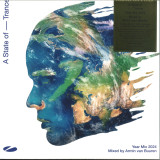
- A1: Armin Van Buuren - "The Road To Your Destination" (A State Of Trance Year Mix 2024 Outro) (1 02)
- A2: Armin Van Buuren & Moby - "Extreme Ways" (1 10)
- A3: Jerome Isma-Ae - "Hold That Sucker Down" (Hel Slowed Remix) (1:10)
- A4: Hel Slowed & Amber Revival - "Wildfire" (1:10)
- A5: Estiva - "Fine Day" (1 10)
- A6: Armin Van Buure - "Love Is A Drug" (Feat Anne Gudrun - Agents Of Time Remix) (1 10)
- A7: 7 Skies X Antheros - "Finish My Life" (1 10)
- A8: Elysian - "Now We Are Free" (1 10)
- A9: Rivo - "In & Out Of Love" (Vs Armin Van Buuren) (1 10)
- A10: Armin Van Buuren - "Pulstar" (1 10)
- A11: Nilsix - "Old's Cool" (1 10)
- A12: Giuseppe Ottaviani - "Something About You" (Feat Adriana Stone) (1 10)
- A13: Above & Beyond - "Heart Of Stone" (Feat Richard Bedford) (1 10)
- A14: Marlo & Mila Josef - "You Are Not Alone" (Tech Energy Mix) (1 10)
- A15: Gabry Ponte X Giuseppe Ottavinai - "In My Mind" (Feat Malou) (1 10)
- A16: David Forbes - "Alcazar" (1 10)
- A17: Layton Giordani X Tiga X Audion - "Let's Go Dancing" (0 43)
- B1: Armin Van Buuren - "Es Vedra" (1 10)
- B2: Above & Beyond - "Crazy Love" (Feat Zoe Johnston) (1 13)
- B3: Armin Van Buuren & Agents Of Time - "Love Is Eternity" (Feat Orkid) (1 13)
- B4: Semblance Smile - "Just Let Go" (1 13)
- B5: Camisra & Armin Van Buuren - "Let Me Show You" (1 13)
- B6: David Guetta & Mason - "Perfect (Exceeder)" (Vs Princess Superstar) (1 13)
- B7: Armin Van Buuren - "High On Love" (Feat Anne Gudrun) (1 13)
- B10: Laura Van Dam & Ginchy - "Save Me" (1 13)
- B11: Paul Van Dyk - "For An Angel" (Kolonie Remix) (1 13)
- B12: Armin Van Buuren - "Forever (Stay Like This)" (Feat Goodboys - Club Mix) (0 36)
- B13: Oliver Heldens & Armin Van Buuren - "Freedom" (Feat Sam Harper) (0 47)
- B14: Armin Van Buuren, Ferry Corsten, Rank 1 & Ruben De Ronde - "Destination" (A State Of Trance 2024 Anthem) (0 34)
- B15: Giuseppe Ottaviani & Lasada - "Leave You There" (0 39)
- B16: Cosmic Gate & Christian Burns - "Brave" (Sean Tyas Remix) (0 47)
- B17: Daxson - "Elysium" (Transmission Theme 2024) (1 05)
- B18: Ilan Bluestone - "Echoes Of Courage" (0 38)
- B19: Giuseppe Ottaviani X Lea Key - "In The Silence" (0 51)
- B20: Armin Van Buuren - "Part Of Me" (Feat Louis Iii) (0 34)
- C1: Joris Voorn & Avira - "The Orange Theme" (1 00)
- C2: Avira - "Hot Tub Time Machine" (1 12)
- C3: Armin Van Buuren & Ahmed Helmy - "Racing Spirit" (1 21)
- C4: Protoculture - "Starfield" (1 21)
- C5: Artbat & Armin Van Buuren - "Take Off" (1 21)
- C6: Matt Fax - "Raven" (1 21)
- C7: Ferry Corsten X Marsh - "Fulfillment" (1 21)
- C8: Ahmed Helmy - "R4Ve 301" (1 21)
- C9: Andrew Rayel Presents Aether - "Memoria Eterna" (1 21)
- C10: Krevix & Hadriani - "Your Life" (0 54)
- C11: Sharam - "Patt (Party All The Time)" (Adam Beyer, Layton Giordani & Green Velvet Remix) (0 47)
- C12: Mauro Picotto - "Lizard" (Dan Cooper Remix) (0 46)
- C13: Ferry Corsten & Superstrings - "Remember" (0 47)
- C14: Craig Connelly & Nicholas Gunn - "Miss You" (Feat Alina Renae) (0 44)
- C15: Aly & Fila, Philippe El Sisi, Omar Sherif - "Count On Me" (With Jaren) (0 42)
- B8: Orjan Nilsen - "Ashore" (1 13)
- C16: Ben Gold & Bo Bruce - "Half Light" (0 52)
- C17: Ferry Corsten - "Just Breathe" (0 45)
- C18: Eddie Makabi - "Ecstasy" (Feat Einat - Allen Watts Remix) (1 06)
- C19: Factor B - "The Girl With Her Head In The Clouds" (Ellie Song) (0 48)
- D1: Ben Hemsley - "Tidal" (Feat Rose Gray - The Euphoric Mix) (1 03)
- D2: Armin Van Buuren - "Bed Of Rain" (Feat Mila Josef) (1 10)
- D3: Paul Van Dyk & Sue Mclaren - "Love Is Enough" (Shine Mix) (1 10)
- D4: Armin Van Buuren & Hardwell - "Follow The Light" (1 10)
- D5: Allen Watts Presents Awaken - "Fragments" (1 10)
- D6: Maarten De Jong - "Kanua" (1 10)
- D7: Ram & Richard Durand Presents Digital Culture - "Follow Me 2024" (Vs Space Frog & Derb) (1 10)
- D8: Matty Ralph - "Dreaming" (1 10)
- D9: Armin Van Buuren & Gryffin - "What Took You So Long" (1 10)
- D10: Aly & Fila X Lostly - "The Unknown" (1 10)
- D11: Daxson & Nation Of One - "Now Or Never" (Craig Connelly Remix) (0 45)
- D12: C-Systems - "Voyager" (0 47)
- D13: Andrew Rayel - "The Abyss" (0 51)
- D14: Aly & Fila With Ferry Tayle - "Concorde" (Cris Grey Remix) (0 52)
- D15: Armin Van Buuren X Hi-Lo - "Now Love Will Begin" (0 49)
- D16: Armin Van Buuren & Ben Hemsley - "Is It Beautiful" (Feat Lucy Pullin - A State Of Trance 2025 Anthem) (0 47)
- D17: Xijaro & Pitch - "The Path" (0 48)
- D18: Alex Morph - "Ava Mariae" (0 55)
- D19: Richard Durand & Nicholas Gunn - "About A Love" (Feat Jordan Grace) (1 00)
- D20: John O'callaghan, Paul Skelton & Ren Faye - "May The Road Rise" (1 08)
- E1: Cold Blue - "The Great Awakening" (1 03)
- E2: Trance Wax - "Ascend" (Sneijder Remix) (1 07)
- B9: Hel Slowed X Jnsn - "Want Me" (1:13)
- E3: Sneijder Remix - "Don't Stop" (Drums & Acid Mix) (1 07)
- E4: Allen Watts - "Elevate" (1 07)
- E5: John O'callaghan & Alex Holmes - "Devotion" (1 07)
- E6: Miyuki & Jennifer Rene - "Our Song" (1 07)
- E7: River - "I Can't Sleep" (1 07)
- E8: Will Atkinson - "High On The Low" (1 07)
- E9: Craig Connelly & Cari - "Breathe Again" (1 07)
- E10: Aly & Fila & Richard Durand - "Nebula" (1 07)
- E11: Armin Van Buuren & David Guetta - "In The Dark" (Feat Aldae) (1 07)
- E12: Bryan Kearney - "You Will Never Be Forgotten" (Lostly Remix) (1 07)
- E13: Armin Van Buuren X Vize X Leony - "City Lights" (1 07)
- E14: Talla 2Xlc & Fragma - "Toca's Miracle" (1 07)
- E15: Factor B - "A Gift To The Earth" (1 07)
- E16: Alexander De Roy & Hidden Tigress - "Intention" (Eximinds Remix) (1 07)
- E17: Lange - "Drifting Away" (Feat Skye - Drifting Away) (1 07)
- E18: Drifting Away - "Viva L'opera" (0 57)
- F1: Armin Van Buuren & W&W - "Late Checkout" (1 06)
- F2: Ben Gold - "Diving Faces" (1 08)
- F3: Felix - "Don't You Want Me" (Ki/Ki Remix) (1 08)
- F4: Elley Duhe & Whethan - "Money On The Dash" (Armin Van Buuren Remix) (1 08)
- F5: Ben Gold & Scott Mac - "Damager 24" (1 08)
- F6: Gabry Ponte & Le Shuuk - "Psychotek" (1 08)
- F7: Hi-Lo & Maddix - "My Fantasy" (1 08)
- F8: Ben Nicky, Hannah Laing & Paul Findlay X Signum - "Coming On Strong" (Feat Scott Mac - Trance Mix) (1 08)
- F9: Bryan Kearney - "Angel Child" (1 08)
- F10: 0Gravity - "Take My Breath" (1 08)
f11 FLRNTN, Benjamin Duchenne - "Last Man Standing" (feat Sivan) (1:08)
f12 Nicholas Gunn & Harshil Kamdar - "Here I Am" (feat Alina Renae - Richard Durand remix) (1:08)
f13 DJ TH X TH3 ONE X Sue McLaren - "Everything To Me" (1:08)
f14 Matty Ralph - "Te Adoro" (1:08)
f15 Armin Van Buuren & Vini Vici - "Sarabande" (feat Anna Timofei) (1:08)
f16 Lilly Palmer - "Hare Ram" (1:08)
f17 David Forbes - "Techno Is My Only Drug" (1:08)
f18 Armin Van Buuren - "Blah Blah Blah" (Lilly Palmer remix) (1:08)
f19 Armin Van Buuren - "The Road To Your Destination" (A State Of Trance Year mix 2024 outro) (1:14)
The next release from 29 Speedway is Break, the new EP from NY’s Relaxer, the long running alias of Daniel Martin-McCormick (Black Eyes, Ital and co-founder of Dripping), and it signals a decisive shift in his music. The tape features two remixes by the singular DJ Marcelle.
What happens when dubby drum & bass meets Dischord’s post-punk colossus Black Eyes? “Break” is the new EP from NY’s Relaxer, the long running alias of Daniel Martin-McCormick (Black Eyes, Ital and co-founder of Dripping), and it signals a decisive shift in his music.
Prompted by friends to write a drum & bass live set just as Black Eyes was reuniting, the results didn’t quite fit the d&b genre. But it felt right. Quick, nimble, with room for the ferocity of his favorite post punk and some of the spaciousness of dub. Evergreen vibes, really, but seen from a fresh perspective.
Honed over a period of two years, the five tracks on “Break” fuse Relaxer’s careening, technoid sounds with free jazz-tinted drum programming, snarling sound design and spacious echo trails. It’s a perfect fit for 29 Speedway’s future-facing, exploratory anti-genre approach to electronics. The tape features two remixes by the singular DJ Marcelle and mastering by Dubplates & Mastering.
- A1: Lost Frequencies, Bomfunk Mc's - Freestyler (Rock The Microphone) 2 52
- A2: Armin Van Buuren, Vize & Leony - City Lights 2 59
- A3: Tiscore & 89Ers - Together 2 31
- A4: Megara Vs Dj Lee X Andy Judge X Apollo - Dance 2 59
- A5: Talla 2Xlc Colors - In My Dreams 2 44
- A6: River - Nothing To Lose 3 30
- B1: Dj Sakin & Friends - Dragonfly 2 42
- B2: Mauro Picotto X York - Born To Die 3 08
- B3: Niels Van Gogh - Revolution 2 32
- B4: Rene Ablaze - Never Let Go 2 52
- B5: Claas Inc - Metamorphosis 2 09
- B6: Ben Gold & Scott Mac - Damager 24 3 02
- C1: Gabry Ponte & Naeleck Feat Diana Goldberg - Not Alone 2 45
- C2: Alok, Tazi, Samuele Sartini, Amanda Wilson, York - Seek Love (On The Beach) 2 30
- C3: Three 'N One X Heerhorst - Reflect 3 32
- C4: Felix - Don't You Want Me 3 47
- C5: General Base - Rhythm & Drums 3 18
- C6: Binary Finary - 1998 4 04
- D1: Sam Feldt Feat Rosa Linn - Heart Like Mine 2 29
- D2: Ben Nicky & Lny Tnz Feat Ly.ryline - Alive 2 53
- D3: Roman Messer, Somnia & Airwalk3R - Sleep Better 3 16
- D4: Neelix Feat The Hitmen - The Unknown 3 21
- D5: Solar Vision - Elation 2 53
- D6: Taucher X Torsten Stenzel - Winterlove 3 27
DREAM DANCE 96Die Dream Dance Vol. 96 steht in den Startlöchern und sorgt bei allen Dance und Trance Fans für Entzücken. Dream Dance 96 erscheint im hochwertigen Digipack auf 3CDs mit den größten Trance und Dance Hits unserer Zeit.Auch das Marketing-Paket lässt keine Wünsche offen: Koop mit "sunshine live", sowie eine massive Online Kampagne inkl. Bannern, Facebook und Youtube Werbung, uvm.DREAM DANCE 96 - folge dem Delphin!
- My Darling, My Angel
- Pavement
- Something For Somebody
- Virtue
- Defibrillator
- The Light Streams In And Hits My Face
- Hocus Pocus
- Hideaway
- Love Songs/ Heart Strings
- Ray Of Light
- The Worst Thing I Would Ever Do
- Horses
In Mallrat’s (aka Grace Shaw’s) vision of the world, light is more than photons and electromagnetic radiation hitting the eye — it’s a moment of divine intervention. A bold swerve into the metaphysical, this is the premise of the prized Brisbane-born, LA-based pop songwriter and producer’s 2025 sophomore album: Light hit my face like a straight right. Set against a newly informed backdrop of expressive breakbeats and dance music, its 12 songs explore the intangible and mysterious allure of human connection, held together by curious investigations into light — “the closest thing to a concept this album has,” Mallrat says. She reunited with Butterfly Blue producers Styalz Fuego (Troye Sivan, Tate McRae) and Alice Ivy, while bringing into the mix indie electronic producers Chrome Sparks and Casey MQ. Mallrat serves up highs like “Hideaway,” a song where heart-racing garage clashes with her trademark candor: “I’ll be your lucky charm just let me hang around your neck,” she sings. Sleek and early standout “Pavement” gets a gritty underlayer with chopped up vocals from DJ Zirk’s “Born 2 Lose” and mid-album standout “Hocus Pocus” finds Mallrat singing about being pulled “under the spell” of someone new, borrowing a different part of the same DJ Zirk sample to build its shimmering, dancefloor-ready facade. It’s an endeavor that perhaps reaches a peak on “Horses,” the record’s gentle and organic closer which Shaw herself calls “objectively the best song.” Written after returning home to Brisbane and “feeling like an alien,” it gained new meaning in the wake of her late sister’s passing. For Shaw, it’s the convergence of the song’s minimalism, lyrics, space, and the way her voice cracks on the recording as she sings, “Hey, I’m right here, I look different now.” After years of solidifying herself as a master of well-crafted, timeless pop — fielding recognition from New York Times, NYLON, Teen Vogue, Billboard, The FADER, NPR, and more — Light hit my face like a straight right is a step into the art of world-building, bolstered by her intuitive songwriting and clever, studied production.
2024 was a big year for Regulate Recordings and their sister club night “Shake Your Rump”. DJ Deviant’s “The Rhythm” & “Make Em Bounce” burned up dance floors in spring, “Summer Jam” saw Atomphunk & Deviant team up with Seattle MCs Mugs and Pockets to devastating effect. “Summer Jam” lit up the second half of the year with support from the Allergies, Boca45 and 6 Music and was included in Craig Charles’s “Funkiest Tracks of 2024”.
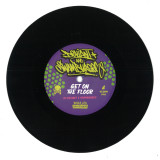
Regulate move into the new year by setting off two certified bangers. Master of the decks DJ Deviant is back on production duties; lead track “Get On The Floor” sees him once again collaborating with Swamburger (Mugs and Pockets) for a full force party starter. The production pulls influences from the earliest days when hip hop and disco were joined at the hip, with nods to The Sugar Hill Gang and The Furious Five, as well as the Golden Age and artists like Chubb Rock and Big Daddy Kane. Swamburger’s machine gun delivery and Deviant’s sharp cuts pull the track right into 2025 for maximum impact.
Flip side “Where’s The Party Clap” is a big trunk of cut and paste funk with a popping bass line, horns, claps, cuts and a groove that just doesn’t quit.
- A1: Progetto Tribale - The Sweep
- A2: Onirico - Echo Giomini
- A3: Open Spaces - Artist In Wonderland
- B1: Alex Neri – The Wizard (Hot Funky Version)
- B2: M C.j. Feat. Sima - To Yourself Be Free - Instrumental Mix Energy Prod
- B3: Mato Grosso - Titanic Expande
- C1: Dreamatic - I Can Feel It (Part 1)
- C2: Carol Bailey - Understand Me Free Your Mind (Dream Piano Remix)
- C3: The True Underground Sound Of Rome - Secret Doctrine
- D1: Don Carlos - Boy
- D2: Lazy Bird – Jazzy Doll (Odyssey Dub)
Vol 2[28,99 €]
Volume 1 of this expertly curated project of 90s Italian House - put together by Don Carlos.
If Paradise was half as nice… by Fabio De Luca.
Googling “paradise house”, the first results to pop up are an endless list of European b&b’s with whitewashed lime façades, all of them promising “…an unmatched travel experience a few steps from the sea”. Next, a little further down, are the institutional websites of a few select semi-luxury retirement homes (no photos shown, but lots of stock images of smiling nurses with reassuring looks). To find the “paradise house” we’re after, we have to scroll even further down. Much further down.
It feels like yesterday, and at the same time it seems like a million years ago. The Eighties had just ended, and it was still unclear what to expect from the Nineties. Mobile phones that were not the size of a briefcase and did not cost as much as a car? A frightening economic crisis? The guitar-rock revival?! Certainly, the best place to observe that moment of transition was the dancefloor. Truly epochal transformations were happening there. From America, within a short distance one from the other, two revolutionary new musical styles had arrived: the first one sounded a bit like an “on a budget” version of the best Seventies disco-music – Philly sound made with a set of piano-bar keyboards! – the other was even more sparse, futuristic and extraterrestrial. It was a music with a quite distinct “physical” component, which at the same time, to be fully grasped, seemed to call for the knotty theories of certain French post-modern philosophers: Gilles Deleuze, Félix Guattari, Paul Virilio... Both those genres – we would learn shortly after – were born in the black communities of Chicago and Detroit, although listening to those vinyl 12” (often wrapped in generic white covers, and with little indication in the label) you could not easily guess whether behind them there was a black boy from somewhere in the Usa, or a girl from Berlin, or a pale kid from a Cornish coastal town.
Quickly, similar sounds began to show up from all corners of Europe. A thousand variations of the same intuition: leaner, less lean, happier, slightly less intoxicated, more broken, slower, faster, much faster... Boom! From the dancefloors – the London ones at least, whose chronicles we eagerly read every month in the pages of The Face and i-D – came tales of a new generation of clubbers who had completely stopped “dressing up” to go dancing; of hot tempered hooligans bursting into tears and hugging everyone under the strobe lights as the notes of Strings of Life rose up through the fumes of dry ice (certain “smiling” pills were also involved, sure). At this point, however, we must move on to Switzerland.
In Switzerland, in the quiet and diligent town of Lugano, between the 1980s and 1990s there was a club called “Morandi”. Its hot night was on Wednesdays, when the audience also came from Milan, Como, Varese and Zurich. Legend goes that, one night, none less than Prince and Sheila E were spotted hiding among the sofas, on a day-off of the Italian dates of the Nude Tour… The Wednesday resident and superstar was an Italian dj with an exotic name: Don Carlos. The soundtrack he devised was a mixture of Chicago, Detroit, the most progressive R&B and certain forgotten classics of old disco music: practically, what the Paradise Garage in New York might have sounded like had it not closed in 1987. In between, Don Carlos also managed to squeeze in some tracks he had worked on in his studio on Lago Maggiore. One in particular: a track that was rather slow compared to the BPM in fashion at the time, but which was a perfect bridge between house and R&B. The title was Alone: Don Carlos would explain years later that it had to be intended both in the English meaning of “by itself” and like the Italian word meaning “halo”. That wasn’t the only double entendre about the song, anyway. Its own very deep nature was, indeed, double. On the one hand, Alone was built around an angelic keyboard pattern and a romantic piano riff that took you straight to heaven; on the other, it showcased enough electronic squelches (plus a sax part that sounded like it had been dissolved by acid rain) to pigeonhole the tune into the “junk modernity” section, aka the hallmark of all the most innovative sounds of the time: music that sounded like it was hand-crafted from the scraps of glittering overground pop.
No one knows who was the first to call it “paradise house”, nor when it happened. Alternative definitions on the same topic one happened to hear included “ambient house”, “dream house”, “Mediterranean progressive”… but of course none were as good (and alluring) as “paradise house”. What is certain is that such inclination for sounds that were in equal measure angelic and neurotic, romantic and unaffective, quickly became the trademark of the second generation of Italian house. Music that seemed shyly equidistant from all the rhythmic and electronic revolutions that had happened up to that moment (“Music perfectly adept at going nowhere slowly” as noted by English journalist Craig McLean in a legendary field report for Blah Blah Blah magazine). Music that to a inattentive ear might have sounded as anonymous as a snapshot of a random group of passers-by at 10AM in the centre of any major city, but perfectly described the (slow) awakening in the real world after the universal love binge of the so-called Second Summer of Love.
For a brief but unforgettable season, in Italy “paradise house” was the official soundtrack of interminable weekends spent inside the car, darting from one club to another, cutting the peninsula from North to centre, from East to West coast in pursuit of the latest after-hours disco, trading kilometres per hour with beats per minute: practically, a new New Year’s Eve every Friday and Saturday night. This too was no small transformation, as well as a shock for an adult Italy that was encountering for the first time – thanks to its sons and daughters – the wild side of industrial modernity. The clubbers of the so-called “fuoriorario” scene were the balls gone mad in the pinball machine most feared by newspapers, magazines and TV pundits. What they did each and every weekend, apart from going crazy to the sound of the current white labels, was linking distant geographical points and non-places (thank you Marc Augé!) – old dance halls, farmhouses and business centres – transformed for one night into house music heaven. As Marco D’Eramo wrote in his 1995 essay on Chicago, Il maiale e il grattacielo: “Four-wheeled capitalism distorts our age-old image of the city, it allows the suburbs to be connected to each other, whereas before they were connected only by the centre (…) It makes possible a metropolitan area without a metropolis, without a city centre, without downtown. The periphery is no longer a periphery of any centre, but is self-centred”.
“Paradise house” perfectly understood all of this and turned it into a sort of cyber-blues that didn’t even need words, and unexpectedly brought back a drop of melancholic (post?)-humanity within a world that by then – as we would wholly realise in the decades to come – was fully inhuman and heartless. A world where we were all alone, and surrounded by a sinister yellowish halo, like a neon at the end of its life cycle. But, for one night at least, happy.
Welcome into the world of scarse music for the ultimate connoisseurs, fine taste beatmakers and holy grails collectors.
You made a step close to The Edge.
From cult Italian soundtrack and 80's iconic anime, English and French library music, to tunes that made Hip Hop iconic anthem, Medline picked 10 compositions to cover, among his favorite crate diggers treasures.
With a 30 years Dj's culture, he unite on vinyl a collection of underground classics.
When other musicians sample, as former beatmaker, he found his fulfillment by playing the entire tracks, as homage to these composers.
In 2018 Solstice has set the corner stone of this unique artwork at the cross road of Jazz, Funk, Soul and Hip Hop worldwide culture.
With The Edge, the out of boundaries producer, placed the level even more higher.
The whole work is incredible, for a man alone, without music theory knowledge but playing flutes, horns, keyboard, guitar and many more instruments... creating in his little home studio the sound of a 70's orchestra.
Challenging and epic:
Epic for covers like A Day In The Life, Beatles cover by Les Demerle, took by Buck Wild for O.C. Time's Up and of course the eponym David Axelrod's The Edge on David McCallum album.
Challenging, for library anthem like Hot Dog, Ghetto or Keep Quiet by Jacky Giordano, sharp and definitely audacious.
Despite the variety of the ten themes, the man's touch is present each time, into the texture, sound taste and balance. Like a chef bringing up to date magical recipes.
The archetypal type of records My Bags loves to release, "The Edge" is built as a crate digger paradise, a timeless record linking past and present into a highly concentrate of divine grooves.
LP[18,45 €]
From his early days signed to Ninjatune as one half of Dynamic Syncopation, Jonny’s love of Hip Hop led to a fruitful collaboration with Atlanta underground legends, Mass Influence, the mighty Chill Rob G, Apathy, EV.ON, Juice Aleem, Phi Life Cypher, Yeshua Da PoEd the list goes on. In 2009 he then went on to form Soundsci with former Mass Influence Emcee Audessey AKA Jack Jones and the Herbaliser’s Ollie Teeba. Soon the crew expanded to include U-George and digger supreme DJ/Emcee Oxygen. The crew released a solid run of LP’s, Ep’s and singles with highlights including Soundsational (Ubiquity Records), the Library sampling ‘My Boosey Weighs a Ton’ (Cavendish Library) and their final LP ‘Walk The Earth’ (Fresh Pressings) with Emcee Supastition joining the roster.
After having helped out his Soundsci crew members U-George, Ollie Teeba and Jack Jones on their solo LPs it is now Jonny’s turn to complete the circle and release his own solo project. ‘The wreckage’ sees Jonny flex his bold yet intricate production style. Carving a new facet into the Hip Hop jewel, expect to hear previously unheard samples and breaks, abrupt breakdowns and exciting rhymes from his circle of friends who lace ‘A’ grade verses over hypnotic drums. The roll call of Emcee’s includes J Scienide, Eddie Meeks from Southern Vangard Radio, Canada’s Ghettosocks and Nilla. NYC stalwart DJ and Emcee Emskee, Jesus Mason and of course his Soundsci brothers: Jack Jones, U-George and Oxygen. The cuts and scratches are provided by DJ Ollie Teeba.
Every track on ‘The Wreckage’ takes the listener on a new sonic adventure and will demand multiple listens to capture the twists and turns Jonny has fed into his diabolical infernal machine, true Hip hop science.