Parquet Courts’ thought-provoking rock is dancing
to a new tune. ‘Sympathy For Life’ finds the
Brooklyn band at both their most instinctive and
electronic, spinning their bewitching, psychedelic
storytelling into fresh territory, yet maintaining their
unique identity.
Built largely from improvised jams, inspired by
New York clubs, Primal Scream and Pink Floyd
and produced in league with Rodaidh McDonald
(The xx, Hot Chip, David Byrne), ‘Sympathy For
Life’ was always destined to be dancey. Unlike its
globally adored predecessor, 2018’s ‘Wide
Awake!’, the focus fell on grooves rather than
rhythm.
“‘Wide Awake!’ was a record you could put on at a
party,” says co-frontman Austin Brown. “‘Sympathy
For Life’ is influenced by the party itself.
Historically, some amazing rock records been
made from mingling in dance music culture - from
‘Talking Heads’ to ‘Screamadelica’. Our goal was
to bring that into our own music.”
Deluxe LP features tipped on gatefold sleeve with
a glued-in six page booklet.
quête:downtown
Parquet Courts’ thought-provoking rock is dancing
to a new tune. ‘Sympathy For Life’ finds the
Brooklyn band at both their most instinctive and
electronic, spinning their bewitching, psychedelic
storytelling into fresh territory, yet maintaining their
unique identity.
Built largely from improvised jams, inspired by
New York clubs, Primal Scream and Pink Floyd
and produced in league with Rodaidh McDonald
(The xx, Hot Chip, David Byrne), ‘Sympathy For
Life’ was always destined to be dancey. Unlike its
globally adored predecessor, 2018’s ‘Wide
Awake!’, the focus fell on grooves rather than
rhythm.
“‘Wide Awake!’ was a record you could put on at a
party,” says co-frontman Austin Brown. “‘Sympathy
For Life’ is influenced by the party itself.
Historically, some amazing rock records been
made from mingling in dance music culture - from
‘Talking Heads’ to ‘Screamadelica’. Our goal was
to bring that into our own music.”
Deluxe LP features tipped on gatefold sleeve with
a glued-in six page booklet.
"Future indie classics that reek of modern New York City Charm” – DIY Magazine
"Captures honest-to-god truths in a new light’ – The Line of Best Fit
“A nostalgia-tinged hit, filled with jangly guitars and contagious melodies” – Wonderland
‘WANDERKID’ is the sophomore album from New York’s next lo-fi legend, JW Francis, and will be released whilst its creator is in the middle of trekking 2000 miles along the Appalachian Trail in the US. The follow up to JW’s critically acclaimed debut album ‘We Share A Similar Joy’, ‘WANDERKID’ will be released on 3rd September by Sunday Best Recordings. “WANDERKID is an album about escape. It’s supposed to be a gut punch of a record about an anti-hero named WANDERKID who wants to get OUT: out of his living situation, out of his head, out of his life. This album is like looking out the car window with an urgent desire to be on the other side. It was finished during the most recent global pandemic, so hopefully folks find it relatable.”
JW is fast making a name for himself as one of the most exciting new artists around. Born in Oklahoma, JW landed in New York City at 19 to study Economics at Columbia University, but not before making stops, stays and stints in Vermont, aged 12 and Paris, aged 13. Whilst at Columbia, the troubadour started music blog Rare Candy and founded student-run recording studio CU Records. Musically, JW takes his lead from the greats of the Downtown scene - Patti Smith, The Velvet Underground, Television, Talking Heads, The Strokes, Yeah Yeah Yeahs - and is fast emerging at the forefront of the next generation.
The Men’s hugely influential album Leave Home came out during an exciting time in New York City. DIY lofts and shitty bars littered downtown Manhattan and North Brooklyn. The Acheron had just opened its doors. Kill Your Idols had broken up. Toxic State Records was just getting started with Crazy Spirit, Dawn of Humans, Hank Wood and Perdition EP’s. The city was alive with punk and noise and filth. And right at that time, The Men were the show to be at.
Every gig was dripping with sweat. Hallways and sidewalks were packed between sets. Chaos reigned in the pit. The Men hit like a bag of hard cement, a hardcore band with a familiar sound but with an aura of absolute chaos and intensity, like everything was on the brink of going off the rails at every moment of their set, a downhill freight train with no brakes. During these shows one’s focus could shoot back and forth between the intimidatingly angry-eyed, bald-headed Chris Hansell (who went on to front Warthog) and the long haired hippie punks Mark Perro, Nick Chiericozzi and Rich Samis, that made up the surrounding band.
Just one of the many juxtapositions the band embraced. If The Men were a chapter in Michael Azzerad’s Our Band Could Be Your Life, the early EP’s and cassettes would obviously be Minor Threat and Black Flag, while Leave Home would likely be… Sonic Youth. It was just before they made the full jump into each record being a smorgasbord of underground genres, from dream pop to folk;
before they had tracks called “Country Song,” for example. But it was a preview of what was to come. Leave Home was a pivot from pure hardcore punk (some might even call it mysterious guy hardcore), as the band got lost in the groove in a way one couldn’t on a straight up punk record. That groove was so strong on “If You Leave…,” “(),” and “Bataille,” while they spaced out on “Shitting With The Shaw,” and stayed as aggro as ever on “LADOCH.” But of course, Leave Home had a re-recording of their hardest track to date, “Think,” making it clear that they were still the moshers we all had come to know and love. If The Men raised their flag as an important New York punk band with Immaculada, they started waving it in the freakiest way with Leave Home.There is no doubt that Leave Home was one of the most influential records of the last decade.
You can hear their mark everywhere from Ty Segal and The Oh Sees to Milk Music and Hank Wood. Few bands have traversed as many genres as The Men and even fewer have done it so well. It is a testament to the band’s undying authenticity and adventurism that the record sounds as timeless and urgent now as it did when it blew the doors of New York punk off its hinges ten years ago, leaving a giant hole for bands of all kinds to come racing through.
Recorded over five nights at Nashville’s historic Ryman Auditorium, Los Angeles’ cutting edge Ace Theatre and the legendary Newport Folk Festival in Rhode Island, the songwriting superstar delivers a masterclass in Roots music -- from Rock, Pop, Gospel, Blues that is psychedelic in places and Country in others -- as well as friendship and the joy of being alive. Joined by friends, influences and rising stars such as Brandi Carlile, Emmylou Harris, Jason Isbell, Lucius, Maren Morris, Natalie Hemby, Amanda Shires and Stevie Nicks, LIVE FROM THE RYMAN & MORE captures a zeitgeist of knowledge, power and the rapture of utter freedom stretched over some of the tersest playing this side of The Rolling Stones. RADIO: BBC Radio 2 Play, Absolute Country, Chris Country, Downtown Country, Smooth Country. TV: ITV This Morning. PRESS: Country Music Publications. TW: TW: 327.9K, FB: 2M, IG: 297K. Available as a 2 CD and a 4 LP in double capacity gatefold jacket vinyl (available 03/09/21).
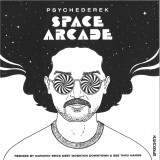
From the cosmos of Stretford on the outer realms of Manchester comes the kaleidoscope view of the world according to Psychederek and it's an explosive trip of shoe gaze soaked balearica.
Lead track Screamadereka heads straight into orbit from the get go with a stop off to thank the likes of The Cocteau Twins & Death In Vegas for their influence along the way. Huge drums, spaced out synths, warped guitars & a fully charged love in style vocal all wrapped up in a mushroom flavoured microdot with a pretty empowering finale.
I'm Alright steps up the ante a bit more and goes all Tomorrow Never Knows on us but with added warehouse acid squelch & rasps throbbing out from a beat that is broken (but not break beat!) whilst still retaining the psychedelic tendencies of its predecessor.
Sean Johnston steps off the ALFOS rocket ship and joins forces with Duncan Gray for their Hardway Bros Meet Monkton Disco Dub take of Screamadereka and the result is a hive of cosmic mutant disco brilliance whilst Manchester's finest 6 piece See Thru Hands turn I'm Alright into bombastic focused UKG style wig out duet complete with new vocal takes by DNCN for seriously wonky floors & like minded souls.
Includes beautiful insert artwork by Emma Evans
- 1: All I Need
- 2: Kiss Like The Sun
- 3: About Last Night
- 4: Downtown
- 5: Rabbit Hole
- 6: Lost
- 7: Scene
- 8: Lonely Hours
- 9: Maybe It’s Today
- 10: Screaming
- 11: Hold Tight
It may be his fifth album, but Saturday Night, Sunday Morning marks the start of chapter two for Jake Bugg. Arguably his most complete and coherent record to date, Saturday Night, Sunday Morning manages to combine a love of ABBA, the Beach Boys, Supertramp and the Bee Gees, with a contemporary pop sound: one that’s already spawned his most ubiquitous song in years via euphoric lead single, All I Need. “I knew what I was looking for this time around,” the 27-year-old says, firmly. “And I feel like I accomplished it.” It’s almost 10 years since a two-fingered Bugg burst onto the scene with his eponymous debut, one that topped the UK album charts and saw the then 18-year-old from Nottingham fêted as the next Bob Dylan. A Rick Rubin-produced follow up, Shangri La, quickly followed. But progress stalled with Bugg’s third, largely self-produced, record, On My One, in 2016. “I was having a hard time on that third record,” Bugg admits, five years removed. “The support from the industry wasn’t what it was. All those people telling you how great you are weren’t there anymore. It does feel like the rug’s been swept from under your feet.” What that record provided, however – along with its comparatively stripped-back follow up, Hearts That Strain (2017) – was a much-needed course corrector: one that set Bugg on the upward trajectory he finds himself on today. “When I came to terms with that was when I left the ego at the door,” he says. “It didn’t work out. But it led here. And this is probably my strongest record." It’s testament to Bugg’s rediscovered confidence that Saturday Night, Sunday Morning – a nod to the debut novel by Nottingham author Alan Sillitoe – sees him working with some of his highest profile collaborators to date, most notably American songwriters Andrew Watt and Ali Tamposi, best known for their work with pop heavyweights Post Malone, Dua Lipa, Miley Cyrus, Camila Cabello. “I was looking for how I can incorporate my sound for a more modern era. And I kind of struck gold working with Andrew Watt and Ali Tamposi,” Bugg says. Convening in LA, the first track the trio wrote together is the jealousy-inflected About Last Night, a song about the “insecurities you go through as a young person in a relationship with someone.” “It’s got such dark undertones, which I love,” Bugg says, of a song that showcases a newly discovered, Beach Boys-esque falsetto. “But it’s also very, very pop. That’s what I’ve always loved. With ABBA, with Supertramp. I love pop music. But when you can get it to be dark, I love it even more.” It’s a trick the trio repeated again on Scene, Bugg’s personal favourite from the album and a song that best encapsulates the combination of old and new: Watt’s George Harrison-esquire guitar brushing up against contemporary melodic choices by Tamposi. “I love writing with her,” Bugg says of the Havana hitmaker. “She brought that women’s perspective. And I knew that I’d got that balance of what I wanted. That old school chorus with contemporary verses. That to me was my favourite song when I wrote it, and it still is.” Perhaps the biggest example of Bugg’s newfound ego-less approach to writing, however, came in the shape of Downtown, a song that grew from an idea by Jamie Hartman (Celeste, Lewis Capaldi, Rag'n'Bone Man), and sees Bugg deploy the higher range of his voice to ethereal, ’60s Bee Gees effect. “Usually, the initial spark of an idea comes from me. And when it doesn't, it sometimes loses my attention,” Bugg admits. On Downtown, however, he relished his role as arranger: “Because there were a lot of moving parts and chords, it was almost like a puzzle,” he says. “I’d never approached a song like that before. “What I’ve been enjoying on this record is the collaborative process,” he continues. Working with people, writing with people. Because I’ve realised all I really want to achieve is to be the best writer I can possibly be. And I think by working with other people, it allows you to learn a lot as well.” It’s a theory Bugg has put to the test during lockdown, when he was approached by his manager about writing the soundtrack to an upcoming documentary, The Happiest Man In The World, about Brazilian footballer Ronaldinho. “It’s kind of a completely different experimental outlet,” Bugg explains of his first ever score. “I approach my own work quite professionally. But with this I can just switch off and go into a different world. And it’s been brilliant – I’ve had to learn different styles of guitar: bossa nova, samba. It’s a bit Vangelis, who’s probably my favourite artist – which may surprise people.” Possibly. But you get the impression that surprising is what Bugg likes to do. “I don’t like to be stuck doing the same thing,” he admits. “And that’s what this record Saturday Night, Sunday Morning was. I wanted to push myself. I’m always learning new influences. I’m careful not to get stuck on the same thing. “It’s not going to be right every time. It’s not going to be good every time,” he continues. “But if that’s the process it takes to get to this record, where people are loving the songs again, then that’s the journey we have to take.” For Jake Bugg, chapter two starts now. New album ‘Saturday Night, Sunday Morning’ is out August 20th on RCA Records
Artvertisement is Bradbury’s third album and second release for ANTI-,
following his critically acclaimed 2019 LP Talking Dogs & Atom Bombs.
Bradbury wrote Artvertisement while touring in support of Talking Dogs, and
recorded the album at Trace Horse Studio in March of 2020 over the strange,
anxious handful of days between Nashville’s devastating March 3rd tornado
and the start of the COVID-19 shutdown.
The title Artvertisement was inspired by Bradbury’s difficult experiences navigating the polished, often soulless Nashville music industry, where record label
executives would laud his songwriting some going so far as to call him a genius
but ultimately turn him away because his music wasn’t commercial.
While music is still his primary focus, Bradbury has leaned into working on visual art, which, like his music, draws out both the darkness and the humor of the
everyday. His art aligns aesthetically with his music. His portraits are abstract,
while his smaller sketches veer more toward humor and commentary. He sells
his art on a “pay what you want” model, explaining that he is as happy to sell a
painting for a nickel as he is for five hundred dollars.
It may not be the kind of financial model that lands him a high-rise office overlooking downtown Nashville, but that’s always been the antithesis of what
Bradbury is about. “Do no harm but take what you need,” he says.
“Holding on to success, holding onto money... What does it matter? We’re all
going to die someday.”
- A1: Johnnie Pate - Muskeeta
- A2: Cora Woods - Rock's In Your Head
- A3: Little Esther - Hound Dog
- A4: Roy Brown & His Mighty Mighty Men - Mr Hound Dog's In Town
- A5: Sonny Thompson - Lost In This Great Big City
- B1: The Tenderfoots - Save Me Some Kisses
- B2: Roy Estrada & The Rocketeers - Jungle Dreams (Part 2)
- B3: Albert King - Had You Told It Like It Was (It Wouldn't Be Like It Is) (It Wouldn't Be Like It Is)
- B4: The 5 Royales - I Need Your Lovin' Baby
- C1: Otis Williams & His Charms - Little Turtle Dove
- C2: Little Willie John - It Only Hurts A Little While
- C3: The Zircons - Mama Wants To Drive
- C4: Tonni Kalash - The Boss
- C5: Rosemary - Not Much (Do You Baby) (Do You Baby)
- D1: The Fabulous Denos - I've Enjoyed Being Loved By You
- D2: Dolph Prince - You're Gonna Drive Me Crazy
- D3: Billy Soul - Big Balls Of Fire
- D4: Hank Ballard & The Midnighters - It's Love Baby (24 Hours A Day)
- E1: Kenny Martin - My Love Is Coming Down
- F1: Lulu Reed With Sonny Thompson & His Orchestra - Your Love Keeps A Working On Me (Previously Unreleased Version)
Fifth -and last- volume of our "R&B Hipshakers" series, featuring rockin' R&B and early soul from the King and Federal catalogues. A compilation of tracks from 1953 to 1964 by essential artists such as Hank Ballard, The 5 Royales, Little Esther, Little Willie John, Lula Reed, Albert King… that, after 5 juicy volumes (do you have them all?), reach the magic number of 100 delights from King and Federal's incredible output.
20 terrific dance cuts selected by genre expert Mr Fine Wine, from WFMU's Downtown Soulville. Most of the tracks have never been reissued before. *This volume includes a previously unreleased version of Lulu Reed's 'Your Love Keeps A-Working on Me' on a bonus single that will be solely available as part of this 2LP + bonus 7" pack.
Tomas Nordmark's music operates on multiple, equally thrilling planes. Having cultivated a deep appreciation for conceptual art and the phase-shifting minimalism pioneered by the downtown avant-garde community of NYC in the `60s, Nordmark set out to blend that with his pop-oriented upbringing and unique perspective on electronic music. The Swedish-born, London-based composer's new album pulses with unrelenting energy, waving and cresting around ambient tension and gorgeously realized melodies. Exit Ghosts is partly influenced by the history of film scores and the aesthetics carried by that tradition. As an instrumental album, Nordmark is tasked with conjuring emotions without words, and the way he utilizes specific cues mirrors the process of film scores, in addition to the work of seminal composers such as Tim Hecker, Arthur Russell, and Jóhann Jóhannsson.
- A1: The Beach Boys - Good Vibrations
- A2: The Animals - The House Of The Rising Sun
- A3: Small Faces - Itchycoo Park
- A4: The Walker Brothers - The Sun Ain't Gonna Shine Anymore
- A5: The Righteous Brothers - You've Lost That Lovin' Feelin
- A6: Ike & Tina Turner - River Deep - Mountain High
- A7: The Everly Brothers - Cathy's Clown
- A8: Roy Orbison - In Dreams
- A9: Bobby Vinton - Blue Velvet
- B1: The Supremes - Baby Love
- B2: Martha Reeves & The Vandellas - Dancing In The Street
- B3: The Ronettes - Be My Baby
- B4: The Crystals - Da Doo Ron Ron (When He Walked Me Home)
- B5: The Shangri-Las - Leader Of The Pack
- B6: Lesley Gore - You Don't Own Me
- B7: Julie London - Fly Me To The Moon
- B8: Andy Williams - Can't Take My Eyes Off You
- B9: Stan Getz, João Gilberto & Astrud Gilberto - The Girl From Ipanema
- B10: Dave Brubeck Quartet - Take Five
- C1: Simon & Garfunkel - Mrs. Robinson
- C2: Harry Nilsson - Everybody's Talkin
- C3: Glen Campbell - Wichita Lineman
- C4: The Mamas & The Papas - California Dreamin
- C5: Scott Mckenzie - San Francisco (Be Sure To Wear Some Flowers In Your Hair)
- C8: The Moody Blues - Nights In White Satin
- C9: Fleetwood Mac - Albatross
- D1: Dionne Warwick - Walk On By
- D2: Aretha Franklin - I Say A Little Prayer
- D3: Ben E. King - Stand By Me
- D4: Dusty Springfield - You Don't Have To Say You Love Me
- D5: Petula Clark - Downtown
- D6: The Love Affair - Everlasting Love
- D7: Sonny & Cher - I Got You Babe
- D8: Bob Dylan - Lay Lady Lay
- D9: Elvis Presley - In The Ghetto
- C6: The Stone Poneys Ft. Linda Ronstadt - Different Drum
- C7: Procol Harum - A Whiter Shade Of Pale
Exclusively on vinyl, The 60s Album brings together some of the biggest and most iconic names of the decade.
A value packed 37 tracks kick off with one of the greatest of all time ‘Good Vibrations’ from The Beach Boys, and continues with solid gold smash hits including ‘House Of The Rising Sun’, ‘The Sun Ain’t Gonna Shine Anymore’, ‘You’ve Lost That Lovin’ Feelin’’, the timeless ‘In Dreams’ from Roy Orbison, ‘Blue Velvet’ from Bobby Vinton, and the epic ‘River Deep Mountain High’ by Ike & Tina Turner.
Side B begins with a 6-track salute to the soul female stars and groups of the era - The Supremes, Martha Reeves & The Vandellas, The Ronettes, The Crystals, The Shangri-Las and Lesley Gore are all here, alongside some easy listening from Andy Williams and Julie London, and the cool pop jazz of Astrid Gilberto and The Dave Brubeck Quartet.
The second LP begins with 6 of the most iconic U.S. tracks ever: Simon & Gafunkel’s ‘Mrs Robinson’, and Harry Nilsson’s ‘Everybody’s Talkin’ lead into the peerless ‘Witchita Lineman’ from Glen Campbell, the immaculate ‘California Dreamin’ from The Mamas & The Papas, Scott McKenzie’s ’San Francisco’, and Linda Ronstadt’s defining vocal as part of The Stone Poney’s on ‘Different Drum’. The side is rounded off with 3 of the most atmospheric pieces of music from the 60s… ’A Whiter Shade Of Pale’, ’Nights In White Satin’, and Fleetwood Mac’s stunning ‘Albatross’.
The final side offers up Aretha Franklin, Dionne Warwick, Ben E. King and Dusty Springfield as some of the best voices and most soulful performances ever, before some of the greatest pop from Petula Clark, Love Affair and ‘I Got You Babe’ from Sonny & Cher and then it’s left to two of the biggest names in music history to close the album - Bob Dylan, and the incredible ‘In The Ghetto’ from Elvis Presley.
37 of the greatest tracks and artists from an era-defining decade… The 60s Album.
When Glen Campbell walked onstage at the Troubadour on West Hollywood’s Sunset Strip on August, 19, 2008, he was even more iconic than the legendary venue that birthed The Byrds, Buffalo Springfield, Elton John, Jackson Browne, Linda Ronstadt and the Eagles. 'Performing a stunning mix of songs embedded in our DNA (“Rhinestone Cowboy,” “Galveston”) and unexpected jewels from Lou Reed (“Jesus”), Foo Fighters (“Times Like These”), Tom Petty (“Walls (Circus),” “Angel Dream”), Paul Westerberg (“Sadly Beautiful”) and Green Day (“Good Riddance (Time of Your Life)”), Campbell is in fine voice and demonstrates on more than one song his dexterity, tone and emotional transparency on guitar. With a band that includes four of his children, session and live veterans from Beck, Jellyfish, Jane’s Addiction, Murphy’s Law, D Generation and Danzig, it was a night of music that explored the commonalities of genres, country-tinged arrangements and how good live music feels. RADIO: BBC Radio 2 Play, Chris Country Premiere, Absolute Country, Downtown Country, Smooth Country PRESS: Country Music Publications TW: 19.7K, FB: 339K, IG: 12.5K Available as a standard CD jewelcase and 2-disc vinyl.
Released in 2020, Rheinzand’s self-titled debut LP heralded an authentic vibe of retro-futuristic disco-pop, distinguishing themselves in the current climate of dance music. The album was met with acclaim, picked by Piccadilly Records as their nr. 1 album of the year.
Since, the material on that album have proven fertile ground for practitioners in the art of the remix. On this EP, we release a selection of those efforts.
On the first slot, we have Running Back label owner and longstanding DJ heavyweight Gerd Janson polishing off his house music fluency with a gleaming take on ‘Blind’. The swerving vocals of Charlotte Caluwaerts’ reverberate through space ray arpeggiators and burnished drum gates. Belgian compatriot Blitzzega, the neon-drenched moniker of composer Bjorn Eriksson, features with a dizzyingly switched-on version of ‘Mi Mundo’, sporting gnawing synths and hijacked funk licks.
Next, dub-pop wizards Peaking Lights serve up a heady brew of plugged-up melodies braided around Reinhard and Charlotte’s shuffling vocals. This remix blends the magenta glow of synthwave with the deep grooves of maybe late Theo Parrish.
We round off the EP with a treat form Dennis ‘Citizen’ Kane, the iconic dance music figure who emerged in mid-90s NYC downtown scene. A veteran DJ and disco-head, Kane applies a luminous hand to Rheinzand’s ’14 Again’, deepening the vibe of kittenish mystery through carefully layered work of phasing drones, wandering synths, and mushrooming rhythm section (think T-Connection).
Discos Transgénero re-issue the Marnie Weber classic first solo LP, “Songs Hurt Me” originally from 1989. This seminal record was an important part of the Los Angeles post-punk performative art rock scene. Brooding synthesizers, heavy bass, strange melodies, and poetic lyrics lead you through an industrial journey. These songs were born from Weber’s earliest performance art characters: a deer, an old woman, a manic courtesan, and a butterfly. Songs Hurt Me was originally co-produced by Phillip Drucker AKA Jackson Del Ray of Savage Republic and 17 Pygmies fame.
Marnie is a pioneer in art rock from the 80’s in Los Angeles. She emerged early in the music scene as the bass player in the Party Boys, a formative and important Los Angeles post-punk downtown art scene band. During this period, the Party Boys performed shows with The Minute Men, Savage Republic, The Red Hot Chili Peppers, Fourwaycross, The Blue Daisies, Perry Farrell’s first band Psi Com, Camper Van Beethoven, and many more. Bruce Licher of Independent Project Records, whom Marnie met in art school, released the first Party Boys record. After performing with the Party Boys, Marnie went on to become a noted solo performative art musician in her own right. She has released five solo records and numerous group album releases.
As a visual artist Marnie created the cover of Sonic Youth’s A Thousand Leaves album – interesting to note Marnie is the hamster girl on the cover. She also designed posters for Sonic Youth and did a co-release of her second album with Thurston Moore on his label Ecstatic Peace. Expanding from her musical roots, Marnie exhibits artwork, films, sculptures, collages, sound installations, and costumes internationally in museums and galleries. She has had two extensive survey exhibitions of her artwork – most recently at the Museum of Contemporary Art in Geneva.
Songs Hurt Me was remastered by Mark Wheaton at Catasonic Studios Los Angeles using the original tapes for an unprecedented restoration of this historic album. Discos Transgénero has thoughtfully designed and pressed the reissued LPs in Germany. This unique edition of Songs Hurt Me is a limited release of 400 copies distributed worldwide.
'The inventive record producer and vocalist Lee 'Scratch' Perry was involved in every musical shift of note in his native Jamaica, from the rhythm and blues that pre-dated the arrival of ska in the early 1960s through the slower and more spacious rocksteady style that appeared middecade and, of course, the frenetic sound of reggae, which he helped to birth as an independent producer during the late 1960s. Operating as 'The Upsetter' from his base in a downtown Kingston record shop, Perry found his greatest success with instrumental music during this phase, the organ and saxophone re-castings of standard vocal issues proving exceptionally popular overseas.
'Scratch The Upsetter Again surfaced early in 1970 as a largely instrumental set, but with dreamy reverb a hefty feature and keyboards veering away from standard organ motifs. Dave Barker, who was soon to hit the pop charts as part of Dave & Ansel Collins, tackles The Shirelles' 'Will You Still Love Me' in soul reggae mode, only for Perry to shift things towards the emerging dub spectrum with 'Take One.'
'As Perry inched ever closer to the dub experimentation he would turn into an art form at his own Black Ark studio later in the decade, Scratch The Upsetter Again shows him moving away from the standard approaches of his competitors in his quest to test the very limits of recorded sound. And reggae was all the richer for it.'
—David Katz (excerpt from the liner notes)
Heading into the spring of 2020, T. Hardy Morris
had 12 demos that he thought would make-up his
next album. Then everything changed. The world
took a break and so his plans to record did as well.
As we all watched and waited out the storms; viral
and societal, we seemed to wake up scrolling
through a whole new century, a time Morris began
to refer to as ‘The Digital Age of Rome’.
He scrapped the demos and began a collection of
songs in quarantine where the unprecedented
times and topics were unavoidable. He wanted to
document the era sonically and lyrically in some
way. “I wanted it to sound like how the world felt to
me in the second half of 2020. Uncomfortable and
chaotic, dystopian but still beautiful.”
‘The Digital Age of Rome’ was recorded in a
deserted downtown Athens, Ga. With long-time
collaborator / producer Adam Landry.
Over three decades as the unassuming but pivotal figure behind some of Scotland’s most iconic pop, Jim McCulloch steps out of the shadows and onto centre stage with his debut solo album. The former Soup Dragon perfects his mastery of songcraft on When I Mean What I Say, released on Violette Records on 21 May 2021.
Lush and textured, delicate and intriguing, When I Mean What I Say is immersed in the melodic tapestries of Laurel Canyon but rooted in Jim’s life in his hometown of Glasgow. Written in Donegal’s wild Atlantic coast and recorded pre-Lockdown in Glasgow’s downtown Gorbals district, the warmth of the album’s classic pop and its lyrical openness transports the listener to an emotional and harmonic timelessness far from 2020’s claustrophobia.
Jim: “Violette Records are kindred spirits in the music world. Their ethos, aesthetic and generosity of spirit chime with me. Once I had finished the album, they were the only record company I sent it off to-the only record company I thought could do it justice.”
"Pay Your Way In Pain" is the first single ahead of St. Vincent's highly anticipated new album Daddy's Home, produced by pop producer and long term collaborator Jack Antonoff. "I was inspired by the classic records of the 70s. Stevie, Sly, Stones, Steely Dan, Chords, Groove. The days when sophisticated harmony and rhythm didn't sound heady - they just sounded, and felt good. Lots of guitar. But warm sounds, not distortion and chaos. Hopefully a turn nobody will see coming" - Annie Clark.
Steppin up, steppin in. Detroit native Jason Hogans supplies the goods for ALELAH014 with a five-track journey though the depths of the downtown. With releases on the likes of Planet E and Moods & Grooves, Hogans hits with a serious dose of deep, emotive, crunched up cuts, heavy on the over-driven basslines and melodic synths that echo through the night.
Nocturnal house business, from the heart of Detroit.
Les Disques du Crepuscule presents Subway, a collection of singles by cult NYC duo Thick Pigeon, originally released on Crepuscule, Factory and Factory Benelux between 1981 and 1991.
Comprised of vocalist Stanton Miranda and instrumentalist Carter Burwell, Thick Pigeon emerged from the downtown New York artrock scene which also spawned Glenn Branca, Bush Tetras, DNA, Arthur Russell and Sonic Youth. Like their chosen name, the duo were typically atypical: Miranda was previously a dancer with the Marthe Graham ballet company, and Carter a film animator and Harvard fine arts/architecture graduate. Very much a studio project, the ‘group’ hardly ever performed live.
Poised and subtle debut single Subway appeared on Crepuscule in January 1981, a connection forged by Miranda’s partner Michael Shamberg. Dog followed a year later, along with wry Christmas single Jingle Bell Rock, before the duo switched to Factory Records, recording debut album Too Crazy Cowboys in Manchester with Stephen Morris and Gillian Gilbert of New Order producing. Released simultaneously on Factory and Factory US in 1984, the album was billed as “a walk through the civilisation of you soul”.
Having now embarked on a career scoring movies (becoming the Coen brothers’ composer of choice), Carter was absent from the next TP project, 1986 dance single Wheels Over Indian Trails, although Morris and Gilbert remained on board as guest musicians. However Miranda and Carter would reunite for a second (and final) leftfield pop album, Miranda Dali, issued by Crepuscule in 1991.
As well as singles Subway, Dog, Jingle Bell Rock, Jess + Bart and Wheels Over Indian Trails, TWI 351 also includes b-sides (Sudan, Tracy + Pansy), album highlights (Crime, Riding) and a second festive track, Blue Christmas, previously issued only on cassette as part of a Factory Christmas card in 1986.
Alongside Stephen Morris and Gillian Gilbert, the stellar cast of guests include Fred Szymanski (of Ike Yard), Ikue Mori (DNA), remixer John Robie, and even artist and event designer Jean-Paul Goude on backing vocals.
Limited to just 500 copies, Subway (Singles) is newly remastered and pressed on transparent violet vinyl, reflecting the original 1981 sleeve artwork by legendary Crepuscule designer Benoit Hennebert. The album includes a free digital copy (MP3).
It is the simple thing that is so hard to do. This is the paradox that musician Lael
Neale has lived within throughout her development as an artist. It is the reason she
became enthralled with poetry. Poems are a distillation. Lael says, “this challenge to
winnow away what is unessential is the most maddening and, ultimately, rewarding
part of writing a song.”
Lael’s new album ‘Acquainted With Night’ is a testament to this poetic devotion.
Stripped of any extraneous word or sound, the songs are lit by Lael’s crystalline
voice which lays on a lush bed of Omnichord. The collection touches on themes that
have been thread into her work for years: isolation, mortality, yearning and reaching
ever toward the transcendent experience.
Lael grew up on a farm in rural Virginia but for nearly 10 years called Los Angeles
home. Those years were spent developing her songwriting and performing in venues
across the city but the right way to record the songs proved more elusive. She says,
“Every time I reached the end of recording, I felt the songs had been stripped of
their vitality in the process of layering drums, bass, guitar, violin, and organ over
them. They felt weighed down.”
In a moment of illumination, the solution presented itself: do the simple thing. In
early 2019, in the midst of major transition, she acquired a new instrument - the
Omnichord - and began recording a deluge of songs. Guy Blakeslee, who had been
an advocate for years, set up a cassette recorder in her bedroom and provided
empathic guidance, subtle yet affecting accompaniment and engineering prowess.
Limited to only 4-tracks and first takes, Lael had to surrender some of her
perfectionism to deliver the songs in their essence.
The first song she recorded was ‘For No One For Now’, which calls to mind the
agitated beat of driving fast on the freeway against the backdrop of the San
Fernando Valley’s bent palms. The song contrasts romantic idealizations with the
banality of folding sheets and toasting bread. It highlights her oft-thwarted attempts
to enjoy the day to day while her mind wanders off toward the dream, the ideal.
While Lael returned to her family farm in April 2020, Los Angeles is a player on this
album and ‘Every Star Shivers in the Dark’ is an ode to the sprawling city, the
outskirts of Eden. One can envision her walking from Dodgers Stadium to downtown,
observing strangers and her own strangeness but determined to find communion
with others. ‘Blue Vein’ is her personal anthem, a Paul Revere piece that gallops
through the town as a strident declamation. It is an amalgam of thoughts, concerns
and lessons as she nearly speaks the words, unmasked by flourishes, ensuring the
meaning cuts through.
Normally a morning person, Lael recorded most of these songs in the darkening of
the early evening, and so became ‘Acquainted With Night’.
CD in gatefold altpack.
LP first pressing on white vinyl.
Cassette with three-panel J-card in clear case.
It is the simple thing that is so hard to do. This is the paradox that musician Lael
Neale has lived within throughout her development as an artist. It is the reason she
became enthralled with poetry. Poems are a distillation. Lael says, “this challenge to
winnow away what is unessential is the most maddening and, ultimately, rewarding
part of writing a song.”
Lael’s new album ‘Acquainted With Night’ is a testament to this poetic devotion.
Stripped of any extraneous word or sound, the songs are lit by Lael’s crystalline
voice which lays on a lush bed of Omnichord. The collection touches on themes that
have been thread into her work for years: isolation, mortality, yearning and reaching
ever toward the transcendent experience.
Lael grew up on a farm in rural Virginia but for nearly 10 years called Los Angeles
home. Those years were spent developing her songwriting and performing in venues
across the city but the right way to record the songs proved more elusive. She says,
“Every time I reached the end of recording, I felt the songs had been stripped of
their vitality in the process of layering drums, bass, guitar, violin, and organ over
them. They felt weighed down.”
In a moment of illumination, the solution presented itself: do the simple thing. In
early 2019, in the midst of major transition, she acquired a new instrument - the
Omnichord - and began recording a deluge of songs. Guy Blakeslee, who had been
an advocate for years, set up a cassette recorder in her bedroom and provided
empathic guidance, subtle yet affecting accompaniment and engineering prowess.
Limited to only 4-tracks and first takes, Lael had to surrender some of her
perfectionism to deliver the songs in their essence.
The first song she recorded was ‘For No One For Now’, which calls to mind the
agitated beat of driving fast on the freeway against the backdrop of the San
Fernando Valley’s bent palms. The song contrasts romantic idealizations with the
banality of folding sheets and toasting bread. It highlights her oft-thwarted attempts
to enjoy the day to day while her mind wanders off toward the dream, the ideal.
While Lael returned to her family farm in April 2020, Los Angeles is a player on this
album and ‘Every Star Shivers in the Dark’ is an ode to the sprawling city, the
outskirts of Eden. One can envision her walking from Dodgers Stadium to downtown,
observing strangers and her own strangeness but determined to find communion
with others. ‘Blue Vein’ is her personal anthem, a Paul Revere piece that gallops
through the town as a strident declamation. It is an amalgam of thoughts, concerns
and lessons as she nearly speaks the words, unmasked by flourishes, ensuring the
meaning cuts through.
Normally a morning person, Lael recorded most of these songs in the darkening of
the early evening, and so became ‘Acquainted With Night’.
CD in gatefold altpack.
LP first pressing on white vinyl.
Cassette with three-panel J-card in clear case.
Signed to Parisian label N F rmat! (home to Oumou Sangar , Blick Bassy & M lissa Laveaux), Soweto-based 4 piece band Urban Village present their debut album, ‘Udondolo’.
Marrying the day-to-day experiences of black South Africans with ebullient elements from traditional Zulu music, Urban Village is the alias of four experimental musicians all born & raised in the township of Soweto at the tail end of apartheid.
Urban Village release music under a name which specifically references the blend of cultures, music & rites which were assimilated into the now 1 million strong population of Soweto, when black South Africans from multiple provinces were brought to the area during the establishment of apartheid, under strict segregation from Johannesburg’s white suburbs.
Born for the most part in the last years of apartheid, whilst growing up the band plunged happily into house and dance music that turned the page of a heavy past. Guitarist Lerato came across older Zulu musicians and their style of maskandi playing. Lerato has since mixed styles from homelands and rural areas, sharpened in club jam sessions (where he went on to meet Tubatsi and form Urban Village) during which spoken word, hip-hop and jazz rub shoulders freely.
‘Udondolo’ - partially recorded at legendary Downtown Studios in the heart of Johannesburg and at Figure of 8 studios in the leafy suburbs of Randburg, - is a journey through all the colours of Soweto. This is where it draws its consistency, strength & identity. That of Soweto itself - a dormitory town designed to
monitor those who were sent there, it has become a laboratory of music where the hopes of an entire people resonate, even today.
Four tracks by one of the biggest names in South African disco: Condry Ziqubu. A regular on the local soul scene since the late 1960s in groups such as The Flaming Souls, The Anchors and The Flaming Ghettoes, by the mid-80s he had qualified as a sangoma (traditional healer), recorded with Harari (the biggest group in the country at the time), fronted his own group Lumumba, and travelled the world as part of Caiphus Semenya and Letta Mbulu’s band.
In 1986 he ditched Lumumba and released his first solo hit, ‘Gorilla Man’. Opening with an audacious 20-second intro, the song tells the story of a man preying on women in downtown Johannesburg. It highlights Condry’s winning formula of lyrics that touch on everyday South African issues and places (without drawing the attention of apartheid censors). Musically the song draws obvious influence from Piano Fantasia’s 1985 Euro-disco hit ‘Song for Denise’.
Also included on this new anthology is another song from the same album, the politically charged ‘Confusion (Ma Afrika)’, as well as ‘Phola Baby’ from his 1988 album Pick Six – a call to men to “stop pushing your woman around … what kind of man are you?” – and ‘Everybody Party’ from 1989’s Magic Man, a straight-up party song with no political or social intimations, other than as a brief escape from the harsh reality of the time, one that still resonates today.
Gorilla Man will be released on vinyl and digitally in early 2021 on Johannesburg-based Afrosynth Records (AFS047), distributed worldwide by Rush Hour in Amsterdam.
The latest signing to Parisian label No Format! (home to Oumou Sangaré, Blick Bassy and Mélissa Laveaux), Soweto-based 4 piece band Urban Village will release their debut album "Udondolo". Marrying the day-to-day experiences of black South Africans with ebullient elements from traditional Zulu music, Urban Village is the alias of four experimental musicians all born & raised in the township of Soweto at the tail end of apartheid; Urban Village release music under a name which specifically references the blend of cultures, music & rites which were assimilated into the now 1 million strong population of Soweto, when black South Africans from multiple provinces were brought to the area during the establishment of apartheid, under strict segregation from Johannesburg's white suburbs. Born for the most part in the last years of apartheid, whilst growing up the band plunged happily into house and dance music that turned the page of a heavy past. Guitarist Lerato came across older Zulu musicians and their style of maskandi playing. Lerato has since mixed styles from homelands and rural areas, sharpened in club jam sessions (where he went on to meet Tubatsi and form Urban Village) during which spoken word, hip-hop and jazz rub shoulders freely. "Udondolo" - partially recorded at legendary Downtown Studios in the heart of Johannesburg and at Figure of 8 studios in the leafy suburbs of Randburg - is a journey through all the colours of Soweto. This is where it draws its consistency, strength & identity. That of Soweto itself - a dormitory town designed to monitor those who were sent there, it has become a laboratory of music where the hopes of an entire people resonate, even today.
After a well received and enjoyed first joint on this freshly founded co-founded music label joining Kalakuta Soul Records with the neighboring Bahlo Records Store, Kalakuta Soul Bahlo Records is more than happy to re-issue a Disco gem that has been enjoyed in several occasions in the past years but seldom was easy to find.
On a working trip to Italy the salesmen Mohmed Fersi, Lotfi Ferjani, Smir Almia, Mohsen Matri and Nejib Toukabri used their stopover in Italy for a recording session guided by the owner of Phono Sound Dischi Francesco Ammaturo and that resulted in the release of „Dance“ and „Can’t You See Me“ in 1980.
Almost 40 years later, KABA’s half Guy Dermosessian got invited by the mighty Najib Ben Belgacem for a memorable party he organized together with Tunis’ mighty „Downtown Vibes“ Family at Wax Bar followed by a live stream for downtown based and freshly found record label „Eddisco“. Why we’re telling you that? Well, odds are it
turned out that one of Downtown Vibes’ Baba and Eddisco’s Mama was the amazing selector and DJ Hamdi Toukabri, nephew of Nejib Toukabri, Corniche Band’s Keyboard maestro. And the rest is history as you can imagine.
We are more than pleased to have had the chance to re-issue this amazing record we hereby would like to dedicate to the shortly deceased Mohmed „Momo“ Fersi and his family. May his soul rest in peace. We would also like to thank Hamdi Toukabri and Nejib Toukabri for making this happen and possible as well as our brother Najib
Ben Belgacem for bringing us all together in the first place.
Corniche Band comes in its original Cover design and with the same tracklist.
Stay tuned for an exclusive and lovely Edit of „Dance“ by Downtown Vibes’ super amore Hamdi Ryder hitting the digital shelves upon release of this record.
- A1: Sookie - Love Beat
- A2: Give It Up
- A3: Disco Madonna
- A4: Lovers Concerto (Vocal)
- A5: Don't Fight The Feeling
- B1: Play Me Desires/I Wanna Love/You Are Loving Me/Burning (Parts 1-4)
- B2: Midnight
- C1: The Mystery With Me
- C2: Don't Think About It
- C3: Choco Date
- C4: Tonight
- D1: Love Somebody (Part 1)
- D2: Your Love (With Venise)
- D3: Let's Keep It Together
Cameroonian Joe Bisso's earliest musical influences didn't come primarily from his homeland, but more from the neighbouring Congo, where the kind of early 60's Congolese Rumba played by the likes of Franco / TP Ok Jazz, and Tabu Ley Rochereau was establishing itself as a musical force in the region.
Alongside this exuberant, swinging, jazz influenced sound, the growing impact of the all conquering US soul titans became inescapable, and sprinkled with a bit of Johnny Halliday & Co's smooth chanson over the top, we get a snapshot of where Jo Bisso and friends post school musical experimentation was headed in the late 60's.
As that decade drew to a close, the single minded Bisso headed off to France to begin his quest for the future, and by 1972 could afford the journey to the US that he'd long dreamed of.
Enrollment at the Berkeley School of Music in Boston soon lead to a new band coming together, and by 1974 the all conquering, multi faceted approach that marks Bisso's musical career, meant he'd written, produced and sung on his debut single for the mighty Decca Records. 'Flying To The Land Of Soul' drew heavily from James Brown's propulsive dancefloor funk, whilst wearing it's African colours loud and proud via 'African Express' chants, and drums front and centre.
At the same time, Bisso and friends had started to immerse themselves in the fast emerging disco sound pulsing outwards from Downtown NYC into the Boston nightclubs, and by the time his debut album 'Dance To It' was released on France's influential Le Disques Esperance in 1976, it was the driving, 4/4 floor power of disco that was to define Bisso's sound on that, and the following two albums.
Whilst Bisso's immersion in Disco was based around it's energy and musicality (rather than any associated hedonism), 'African Disco Experimentals (1974 to 1978)' paints a picture of an artist dedicated to the underground club side of the scene, rather than focused exclusively on the fast emerging pop potential of the sound at the time.
The album's tone is set by 3.20 mins of building, tribal percussion and rolling rhythms of the opener 'Love Beat', a 'strictly dancefloor' approach mirrored in the near 11 mins of 'Love Somebody', building from soulful keys to deep bass funk, extended percussion breaks, joyous squelchy Moog licks, breathy vocals and more (interesting footnote : Bisso is credited as Producer / Writer / Arranger, but 'Recorded by' is attributed to Joe Chiccarelli, better known in recent years for his work with The White Stripes, Shins, and Broken Social Scene.)
Still clocking in at a healthy 6 mins plus, "The Mystery With Me" (1978) makes a nod towards more radio friendly waters with it's hooky, floaty choruses and tight structures (a then 22 year old Arthur Baker is credited as sole writer on Discogs - Bisso himself doesn't seemed convinced by this idea, but that's another story...)
'Let's Keep it Together' (1977) loops the song title over a slower groove, with free form electric guitar licks adding new textures, whilst 'Disco Madonna' (1976) showcases Bisso at his most playful, combining spoken word Hispanic vocals, rattling percussion and more of the always welcome Moog, switching up keys at the end for an unselfconsciously camp finale.
And if anything sums up the ambition of Bisso's work in the field at the time, 'Play Me' (1978) can lay claim to being the magnum opus. It's presented here as a continuous 16 minute extravaganza (as opposed to the 4 parts it came in originally) : lush strings, hypnotic vocal sections, irresistible basslines, crisp drums, the odd Barry White style interjection, disco moans, the occasional nod to a chorus vocal. None of it seeming in much of a hurry to go anywhere in particular, choosing instead to joyfully revel in the expansiveness of the form.
- A1: Toshiko Yonekawa - Soran Bushi
- A2: Takeo Yamashita - A Touch Of Japanese Tone
- A3: Tadaaki Misago & Tokyo Cuban Boys - Jongara Reggae
- A4: Chikara Ueda & The Power Station - Cloudy
- A5: Chumei Watanabe - Downtown Blues
- B1: Kifu Mitsuhashi - Hanagasa Ondo
- B2: Monica Lassen & The Sounds - Incitation
- B3: Norio Maeda Jiro Inagaki & The All-Stars - Go Go A Go Go
- B4: Akira Ishikawa & The Jazz Rock Band - The Sidewinder
- B5: Masahiko Sato Jiro Inagaki & Big Soul Media - Sniper's Snooze
Back in stock!!
Active as a professional DJ in Japan since the late eighties, DJ Yoshizawa Dynamite is also a renowned remixer, compiler and producer. An avid record collector and an expert of the Wamono style, Yoshizawa published the Wamono A to Z records guide book in 2015 which instantly sold-out. The book unveiled a myriad of beautiful and rare records from a highly prolific, but still then unknown, Japanese groove scene.
After many years working as a record buyer for several stores, DJ Chintam opened his own Blow Up shop in 2018 in Tokyo's Shibuya district. A member of the Dayjam Crew and a specialist of soul, funk, rare groove and disco music, Chintam is also an expert of the home-brewed Wamono grooves. He supervised and wrote the Wamono A to Z records guide book together with Yoshizawa.
With this first volume of the Wamono series, our two DJs here guide you through some of the best and rarest jazz funk and rare groove tunes produced in Japan between 1968 and 1980. Put the needle on the record, turn up the volume and dig right now into the Wamono sound - the cream of the Japanese funk, soul, rare groove and disco music developed throughout the years since the end of the sixties in Japan!
Grammy nominated & Defected Records signing Michael Gray is a hugely respected and established British DJ and music producer, and is also one half of the dance music production and remixing duo ‘Full Intention’ who have been at the forefront of Dance music since the early 90s. He’s also known for his solo hits ’The Weekend’ & ‘Borderline’ and recently ‘the Sun’. #2 Soul /Funk /Disco Artist by Traxsource in 2019. Currently his latest remixes include Louie Vega produced Anane - ‘Get on the Funk Train’ (Michael Gray & Mark Knight Remix) which has recently gone to No. 1 on the overall traxsource chart, Serious Intention - 'You don’t know’, Raze - Break for Love, Sylvester - You make me feel (mighty real) Records) and his Sultra Remix of his single ’The Weekend’ (First played by Pete Tong on Radio 1) He has played for nights such as Glitterbox at The Ministry of Sound, Hi Ibiza, Fabric, Downtown Disco and recently for The Glitterbox Virtual festival.
Kelli Sae is a New York born and bred Performer, Singer, Songwriter, Actress, Composer, Comedian and Playwright. Born of Puerto Rican and African descent, her music is a masala of sounds, cultures and influences that drive her instincts.
Kelli has worked with Tina Turner, Paul Simon, Seal, Chaka Kahn, Gladys Knight, Lionel Richie and many more. Kelli is also a Principal Vocalist Monday night’s on ABC’s hit Reality Television Show Dancing With The Stars. Other Television shows she’s worked on are I Can See Your Voice, Rising Star and The Singing Bee.
The Doors returned to their roots and were reborn a rock ’n’ roll band on Morrison Hotel, the group’s fifth studio album. Completed in only a few weeks and released in February 1970, the hard-charging album took its name from the Skid Row hotel in downtown Los Angeles that’s featured in the iconic cover photo taken by Henry Diltz.
Morrison Hotel: 50th Anniversary Deluxe Edition includes the original album newly remastered by The Doors’ longtime engineer and mixer Bruce Botnick, plus a bonus disc of unreleased studio outtakes, and the original album on 180-gram virgin vinyl. The music will also be available from digital and streaming services the same day.
For this new collection, the original album has been expanded with more than an hour of unreleased recordings taken from the sessions for Morrison Hotel. These 19 outtakes transport listeners into the studio with Jim Morrison, John Densmore, Robby Krieger, and Ray Manzarek for an unprecedented perspective on the making of the album. Botnick says: “There are many takes, different arrangements, false starts, and insightful studio conversations between the band – who were in the studio – and producer Paul Rothchild – who was in the control room. It’s like being a fly on the wall.”
Several of these unheard recordings spotlight how Queen Of The Highway and Roadhouse Blues evolved across multiple sessions. It’s especially interesting to hear how the band played with different bass players on Roadhouse Blues. Early versions include Harvey Brooks, who played on the band’s previous album, The Soft Parade. Later takes feature guitar legend Lonnie Mack on bass along with The Lovin’ Spoonful’s John Sebastian on harmonica who, due to contractual restrictions at the time, had to be credited as G. Puglese.
Among the treasure trove of unreleased outtakes are also rough versions of Morrison Hotel tracks Peace Frog and Blue Sunday, as well as The Doors rarity I Will Never Be Untrue. The collection also captures some incredible session outtakes of the band jamming on cover versions of the Motown classic Money (That’s What I Want) and B.B. King’s Rock Me.
Sublime, unique, sexy and peculiar unreleased scores by electronic and jazz pioneer Ron Geesin, made for the sublime, unique, sexy and peculiar films by maverick director Stephen Dwoskin. There. we’ve said it. And if you have not heard of one or either of these two dudes it doesn’t really matter. Geesin made great music and worked with Pink Floyd. Dwoskin made odd films, most of them are in the BFI permanent collection. They are great and a bit strange.
These superb unreleased soundtracks come from a fascinating, progressive and important period in British film history. They represent an intriguing collaboration between the lively Ron Geesin from Scotland and the American Stephen Dwoskin, who both met in London.
Musically they are minimal, charismatic and quite groundbreaking. Here is the story…
HISTORY:
Steve Dwoskin arrived in London in 1964, aged 25, with several 16mm films in his trunk, shot in the cold-water flats of Greenwich Village. He had been on the fringe of the Factory scene, and some of his films starred Beverly Grant, ‘the queen of the underground’. But they had scarcely been seen, and they didn’t have soundtracks. For almost a year they stayed in the trunk, and stayed silent. Then he met Ron Geesin, somewhere around Portobello Road.
‘Slept last night, completely dressed after working over 12 hours on sound tracks at Ron’s,’ wrote Dwoskin in his diary for 29 July 1965. ‘My films are not anywhere near being anything. I need more energy, more concise and positive ideas and less inhibition. And of course space, money and people.’ Dwoskin, who taught and practised graphic design by day, had recently decided to stay in London beyond the term of the Fulbright scholarship that had brought him there.
Ron, living with Frankie in a basement flat in Elgin Crescent – they would marry the next year, with Dwoskin as best man – was about to leave the Original Downtown Syncopators, the trad jazz band he had joined aged seventeen-and-a-half, and was trying to go solo. On stage he would make vigorous use of piano and banjo; at home Frankie had bought him a new kind of instrument – a tape recorder. ‘Soon I had one tape recorder, two tape recorders, three tape recorders.’
Ron, wrote Dwoskin in his unpublished autobiography, ‘loved to record, and to cut and splice the quarter-inch recording tape to make new sounds. This triggered in me the idea of getting back to my films and finishing them’. Soon he was living in a dank basement in Denbigh Road, a few minutes’ walk from Elgin Crescent. Ron’s soundtracks for Dwoskin’ films, recorded in the Geesins’ flat, encompassed Ron’s very eclectic range of styles – madcap piano and fretted banjo as well as tape manipulation.
Aside from Ron’s soundtracks, some of which belong to films that no longer exist (including Pot Boiler), Frankie would act in one of the films that Dwoskin either lost or never finished during these years. He was disabled, having contracted polio as a child, and Ron and Frankie were both carers and collaborators; Ron had met him when he was struggling into his car.
There was no London equivalent to the underground film scene that Dwoskin had known in New York, and his films remained unseen until such a scene began to come into being, in the autumn of 1966. Some of them made their debut at the Mercury Theatre, near Notting Hill Gate, that September. Dwoskin wrote that Alone, starring Zelda Nelson (from Ron Rice’s Chumlum), and Chinese Checkers, with Beverly Grant and Dwoskin’s friend Joan Adler, went over best.
Soon both Dwoskin and Geesin became involved in the nascent London Film-Makers’ Co-op, which put on screenings in Better Books on Charing Cross Road – ‘if you can call them screenings,’ Ron recalls; ‘I’d call it fifteen blokes in various stages of disarray, peering through the smoke’. One or more of the films had been ‘striped’ with magnetic audiotape; with others ‘we had no means of direct syncing to the picture, so he started the film and I started the tape recorder’.
In the same autumn, Dwoskin moved into a flat almost opposite the Geesins on Elgin Crescent. More collaborations followed, including Naissant, on which Gavin Bryars, whom Geesin had met during a stint on the northern club circuit with novelty act Dr Crock and His Crackpots, played double bass.
Around the end of 1967 Geesin released his first solo LP, A Raise of Eyebrows, and Dwoskin won recognition the Fourth Experimental Film Competition, aka EXPRMNTL 4, an occasional film festival staged at Knokke-le-Zoute in Belgium. By now the films had optical soundtracks.
It was only after this that Dwoskin completed his first ‘British’ films, including Me Myself and I, with Barbara Gladstone, an American dancer who had appeared in Barbara Rubin’s Christmas on Earth, and with whom Dwoskin and Geesin had at one point devised a stage show, never produced. For Moment, a single-shot film, Geesin provided his most experimental score yet. At the time of its debut in 1970, Dwoskin and the Geesins were sharing a house in Ladbroke Grove.
By then, Ron was working with Pink Floyd, and soon afterwards he and Frankie moved out to the country, to be replaced by Bryars both in the house and as Dwoskin’s principal collaborator.
Until now these scores have remained part of the Geesin Archive and have never been issued.
- A1: Garou Densetsu Title (Neogeo)
- A2: Garou Densetsu Title (Mvs)
- A3: Fatal Fury Title (Neogeo)
- A4: Fatal Fury Title (Mvs) Ver.1
- A5: Three Heads Are Better Than One (Player Select)
- A6: Fight! (Battle Start)
- A7: The Hooligan Of Downtown (Duck King's Theme)
- A8: Haremar Faith Capoeira School - Song Of The Fight Believers Will Be Saved (Richard Meyer's Theme)
- A9: The Sea Knows (Michael Max's Theme)
- A10: Four Thousand Years Of Chinese History (Tung Fu Rue's Theme)
- A11: Results Are Everything (Battle Results)
- A12: Suspicious Guy (Interrim Demo)
- A13: The King Cobra Is Coming (Hwa Jai's Theme)
- A14: The Hero Raiden (Raiden's Theme)
- B1: Let's Start (Bonus Game Start)
- B2: Keep Going Until The Ends Of Hell (Bonus Game Main Bgm)
- B3: You Are Great! (Bonus Game Victory)
- B4: Failure Is The Key To Success (Bonus Game Defeat)
- B5: Hit By A Stick If You Walk Along The Bridge (Billy Kane's Theme)
- B6: Kidnapping (Geese's Subordinates Demo)
- B7: Desperate Awakening (Geese Appearance Demo)
- B8: A Kiss For Geese (Geese Howard's Theme)
- B9: Just A Little Smart Fighting Fellow (2P Battle Bgm)
- B12: I Won't Give Up! (Continue)
- B13: Beyond Despair (Game Over)
- B14: Enter Your Name (Battle Records Display)
- B15: Fatal Fury Title (Mvs) Ver. 2
- B16: The Hero Raiden -Rof Arrange Ver
- B10: In The Shadows Of Victory (Victory Demo)
- B11: If You Gaze At Reality (Ending)
SNK, Brave Wave Productions and Limited Run Games are proud to reveal their fifth collaboration, Generation Series 012: Fatal Fury for both CD and vinyl. Known as Garou Densetsu (餓狼伝説) in Japan and originally released for NEOGEO in 1991, Fatal Fury is one of SNK’s earliest, but also most popular 2D fighting games. The soundtrack, composed by TARKUN (Toshikazu Tanaka), features catchy and exciting tunes for each character in the iconic SNK fighters lineup.
This release marks the first time the soundtrack of Fatal Fury will be made available on vinyl. As with all Generation Series and other Brave Wave releases, this release will be remastered specially for vinyl, CD and digital (via a free download code included with the vinyl edition) and restored to the highest possible quality. The rest of the package will include our usual offerings, including high-resolution artwork and liner notes contained in a full-color booklet.
As a special bonus, Side B of the vinyl (the final track on the CD) will contain the track The Hero Raiden -ROF Arrange ver.-, which was originally featured in the 2015 mobile title The Rhythm of Fighters. The bonus track, an arrangement of the original song from Fatal Fury, was composed by TARKUN.
Mint Condition continue their mission excavating the outer fringes of classic House and Techno. Unreleased mixes, classics and overlooked gems mined from the last 20+ of contemporary dance music are the order of the day. From Chicago, Detroit and New York to London and beyond, Mint Condition have got their expert digging hats on to bring you exclusive heat and those rarer than rare jams that have been on your wants list for years! Dig in....
Back to 1994 and Charles Webster's lesser used Together Trax alias brings us 4 tracks of that deep, soulful and slamming garage house sound. Released on UR's much celebrated Happy Soul sub-label, famed for its gospel soaked, piano driven uplifting jams, Together Trax serves it up in fine style. Strange for UR to sign 4 cuts from a guy from Derbyshire, but once you hear both sets of mixes of 'Celebrate / Ain't Nothin' Wrong' it all makes sense! Both tracks could have come from the deepest, darkest basement session in downtown Detroit no problem, and it's obvious why Mad Mike signed them. This is old-school house, for the connoisseur who remembers how it used to be, way back. When dance music was fun and put a smile on your fave. Often a rare catch, this 12" fetches tidy sums in the netherworld of Discogs and the like, but now it's here again, lovingly restored and ready to make its way into your record bag once again.
Together Trax has been legitimately re-released with the full involvement of Charles Webster and was remastered by London's Curve Pusher from the original DAT's especially for Mint Condition. 100% legit, licensed and released. Dug, remastered, repackaged and brought to you by the caring folks at your favourite reissue label - Mint Condition!
- A1: Willie Hutch - Brother's Gonna Work It Out
- A2: Charles Earland - Leaving This Planet
- B1: Laura Lee - (If You Want To Try Love Again) Remember Me
- B2: The Modulations - I Can't Fight Your Love
- B3: Margie Joseph - Prophecy
- C1: Blue Magic - Welcome To The Club
- C2: Twennynine With Lenny White - Fancy Dancer (12" Version)
- D1: Miroslave Vitous - New York City
- D2: Edgar Winter - Above And Beyond (12" Version)
For the last 20 years London-based author and party organiser Tim Lawrence has dedicated himself to excavating the history of New York City party culture and bringing some of the most powerful aspects of that culture to London’s dance scene, from where it has ricocheted around the world.
Having conducted the first and set of major interviews with David Mancuso of the New York City Loft, Lawrence started to host Loft-style Lucky Cloud Sound System parties with David and friends in London in June 2003. In February 2004 he published the first of three published three pioneering histories that have excavated and championed the previously overlooked foundations of contemporary party culture: Love Saves the Day: A History of American Dance Music (1970-79), Hold on to Your Dreams: Arthur Russell and the Downtown Music Scene (1973-92), and Life and Death on the New York Dance Floor (1980-83). Since 2018 Lawrence has hosted and DJed at the community audiophile party "All Our Friends. Paper Magazine describes him as the “reigning authority on the history of dance music in New York”.
With knowledge to share, and a readership as well as a dance floor to feed, Lawrence released Life and Death on the New York Dance Floor as the debut imprint on Reappearing Records. A year in the making, a compilation featuring rare and iconic tracks that appear in his much-loved and heavily-thumbed classic Love Saves the Day amounts to the follow-up. The collection features several tracks selected regularly by Mancuso, the party host who exerted a prophetic and unparalleled influence on New York City party culture, as charted by Lawrence. It also includes choice picks from groundbreaking DJs such as Michael Cappello, Steve D’Acquisto, Francis Grasso, Richie Kaczor, Larry Levan and Nicky Siano, whose expressive contributions are faithfully recorded in Love Saves the Day. The compilation traces how disco grew out of the record collections and intuitive sensibility of these and other DJs, offering a unique survey of the era’s expansive sonic palette.
In 2015 US soul, boogie and disco legend Jay W. McGee teamed up with Hamburg producer, multi-talented musician and DJ Julian "Mzuzu" Romeike to record McGee's comeback album "Good Feeling". Even though both artists are from two totally different generations, they got on so well with each other after the official re-release of Jay W. McGee's classic 12inch "Turn Me On" on Légère Recordings two years before that they started to write and record together. After all, it was Julian "Mzuzu" Romeike himself who made Jay W. McGee return to the music business after nearly 15 years of silence.
The creative process did not stop with "Good Feeling": "We now have a brilliant combination of fresh songs. Many different accurate beats and of course Jay's incredible writing and singing skills," says Romeike. "I feel that it's a great combination of dedication, skills and talent which made this album possible. I work on some grooves and hooks for Jay, he picks the ones he likes and returns a proper song with vocals and arrangement. My production team, The Unbelievable Two, then work on the final mix."
"Smooth Crusing" hints towards McGee's classic late seventies sought after sounds like "When We Party" with the first "Uptwon, Downtown". The album also includes some reggae touches and smooth soul excursions. "It is such a big pleasure to work with these guys as everything works perfectly together," comments a happy Jay W. McGee. "It has all the ingredients for a classic album. It's funky and soulful, recorded in a unique modern style. We have a tribute to the good old funky music with 'Old School Love'. A lover's rock orientated tune with 'Chance I Have To Take' and some kind of up to date Afro-Disco-Soul with 'Bounce Back To Me'. And of course, 'Smooth Cruising' is full of funk!"
Something is stirring in downtown Tucson. That's no great surprise perhaps: Calexico have been sending out missives from the desert for 20 years now, Giant Sand for even longer than that, and the Green on Red revival is surely overdue. Let us remind ourselves that this isn't a big city in the American sense, but that its hinterland is indeed as big as it gets. For an hour south, Mexico starts. And this is where things get interesting.
Born in Nogales, Arizona, raised in Nogales, Sonora, multi-instrumentalist and band-leader Sergio Mendoza grew up listening to the Mexican regional styles jostling for headspace in a young, music-mad mind - cumbia mainly, but mambo, rancheras and mariachi too. The border is always a fierce arena of exchange, both commercial and cultural, and so there was American music too. At one point 'rock and roll, the classics', as Mendoza himself deadpans, seemed to win out and he stopped playing those 'Latin styles' for a good decade and a half.
The return to those sounds was a strong one in 2012's Mambo Mexicano, co-produced by Mendoza and Joey Burns of Calexico - a band for which Mendoza has become an increasingly integral touring and recording member. While that record had a studied air, tentative in parts (as befits the renewal of an old love affair), ¡Vamos A Guarachar! is another beast entirely: by turns raucous ('Cumbia Volcadora', featuring Mexican electronic pioneer Camilo Lara), tender ('Misterio', surely Salvador Duran's finest moment with the band so far) and plain serious fun, as in 'Contra La Marea' and 'Mapache', it also bears a robust electronic edge, a keen pop sensibility and all the hallmarks of Mendoza's love of 60s rock, with the closing track, 'Shadows of the Mind', sure to be included if anyone decides to update the Nuggets collection for the 21st century. This is roundabout way of saying that it appears to have everything, but never too much of anything. Focused, fierce and beautifully executed by a superbly drilled set of musicians, it is a record that fully matches the band's explosive live performances.
You could, of course, take the trip to Tucson yourself, to the home of this essential set of field recordings. The scene hangs out together, so ... if the stars align and their frantic tour schedules permit, you might see any number of folks from Calexico, Giant Sand or up-and-coming cumbia rockers Xixa deep in conversation somewhere in town with a quiet young man in black. That's Sergio. Right now, in this endless game of Tucson tag, Orkesta Mendoza are IT.
After Nu Guinea’s LP, Nuova Napoli, and Napoli Segreta first compilation, NG RECORDS follows up with an exploration into the unknown groovy side of Naples by releasing Napoli Segreta Vol. 2 Famiglia Discocristiana, DNApoli and Nu Guinea team up again selecting more tracks from their archives, for a new compilation containing 9 mysterious Neapolitan tracks, found in the most hidden corners of remote flea markets around the Vesuvius.
But forget classical Neapolitan songs, "'O Sole Mio" or "Luna Rossa"... Forget about what you expect to find once you land in town … Oh and also forget about Google Maps.
Take a dodgy local guide, keep your eyes open, and follow it to enter the secret downtown, the underground, the routes that no satellite can detect, but beware there is no easy way out.
Napoli Segreta Vol. 2 is a musical journey into the sonic landscapes of Naples that you have never heard of before. A variety of genres merging soul, disco, funk, blues, new wave, afro-beat and boogie, including lyrics in Neapolitan urban slang, instrumental tracks with progressive flavour, and also some unexpected covers!
“…In The City Of Lights Where Nothing Is Grey…" In the City Of Angels by way of Prague, Pink Gloves channels classic Italo Disco on their Italians Do It Better debut. Petr Pliska weaves a tale of introspection on the neon soaked streets of Los Angeles.
Act 1 – Downtown. The title track is a hypnotic journey to the city center over a symphony of synthesis. He laments that he “Never Wanted To Come… Never Wanted To Stay… In The City Of Lights Where Nothing Is Grey”. It’s a place where nothing ever changes
& fantasy greets us in every direction. Beneath the sedated vocals, the synthesizers strike deep & dissolve quickly into a haze blanketing the strut of the heavy backbeat. The stage is set.
Act 2 – The Dancefloor. “Dancing on My Own” infuses Robyn’s four on the floor classic with it’s own cocktail of ethereal melodies & a rhythm section ala Ultravox. In the face of the Narrator’s lament, a mirror ball shimmers reflections of resilience.
Act 3 – The Highway. The downtempo “Wilderness” haunts us, bursting with silken synthesizers & spectral electronics reverberating like the ghosts of last night’s party. The tempered cinematic landscape blends with a mesmerizing sorcery as we drive into the unknown.
Act 4 – End Credits. Suddenly, the film is over. We hear the sunrise straight out of an ‘80s John Hughes film & the beautiful grit of Power, Corruption & Lies.
Produced By Johnny Jewel. Mixed By Lukáš Turza & Johnny Jewel. Mastered By Mike Bozzi At Bernie Grundman Mastering. Vinyl Cut By Bernie Grundman, Hollywood.