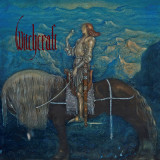
After a seven-year hiatus, Concept e25 is back which will, quite literally, be music to the ears of deep hose heads. This is the alias of French producer Frederic Boeuf who has been crafting his own grooves since 2012 on labels like Skylax, Copie Blanche and Swedish Brandy. The 'Thesis' EP shows what he is all about with deep, cuddly drums, infectious kick patterns and subtle, painterly synths that help smooth the groves and get your mind wandering.
out of Stock
Last delivered 12 months ago available to reorder, subject to availability
A bit of background on how this release came about: I was touring Australia & New Zealand and for one of the shows, I was performing in Melbourne, which is where Kloke is based. I finally got the opportunity to meet him in person for the first time ever, after many years of collaborations with him online and having supported/enjoyed a lot of his music.
I got to visit his studio where we worked on a tune together and afterwards, he was playing me some of the music he had been working on recently and I noticed that they were all in one big folder, where he explained that every time he works on music, he exports what he's done so far into this one folder with multiple versions/iterations of each track he does. There were 1000s & 1000s of files in this folder... ????
Of course, I was insistent on taking this folder away with me haha, and even though I didn't get everything off him, he was generous enough to give me a lot of what was in there. After the tour was done and I was back home, I listened through everything I had from him, which took weeks (if not months) of ploughing through it all, with the aim of putting together an album of my favourites and after a lot of back & forth between us, we were able to come up with this release, On Rhythm, which I'm really pleased with & I hope he is too!
Anyway, big respect to Kloke for consistently creating some amazing music, thank you to my girlfriend Marta who handled the design for this release & a special mention to Nergal who brought me to Australia & New Zealand, which led to me meeting Kloke in person, visiting his studio and then putting this release together.
out of Stock
Last delivered 11 months ago available to reorder, subject to availability
Born from a desire to explore her background in film composing to create a music film, Hannah Holland’s upcoming album 'Last Exit On Bethnal’ is set for release via PRAH Recordings on 18th July. Together with director Lydia Garnett, the multi-faceted London producer shaped ideas born out of images the pair weren’t finding in film, inspired by queer icon filmmakers like Kenneth Anger and Derek Jarman. “We wanted to craft something unapologetically for dykes: a poetic, surreal exploration of dyke power and sexuality set in a fantasy underworld,” explains Holland. Once the film was shot, she channelled its stunning imagery and the energy of the cast into making the record. Seductive and bass-driven, its nine tracks merge sleazy guitars with 707 machine drums, beautiful evolving arps, and surreal moments of Lynchian dreaminess and Aphex Twin-inspired atmospherics. "It was a really amazing collaborative experience and coming together of a community to make something totally unique….and hot!” she continues. The first single ‘Biker’ features a filthy synth hook atop Hannah’s signature bass-guitar, perfectly capturing the raw and sexy energy of the album and its visual centrepiece. You can listen to it here. The film will be screened at a one-off club night at London’s ICA on 11th April in association with Culture Divided, Somesuch and Bala Project.
Hannah Holland has played a pivotal role in London’s alternative and queer London club scene since the mid-noughties. Rooted deeply in London’s fertile musical community, musical exploration and the transcendent potential of dancefloor have always been her biggest inspiration. Her recent delve into experimental theatre, film and TV scores has proved a future further artistic voyage to explore her creative vision. Holland first arrived on dancefloors sharing electro-tinged techno, with equal inspiration taken from the sounds of DnB and jungle heard at legendary parties such as Metalheadz, which she had frequented in her early teens. Having already been “borrowing” (and perhaps never since returning) Kraftwerk, Grace Jones and Talking Heads records from her parents, the influence of this metropolitan musical soup ensured that Holland emerged on the decks with a unique musical character and diverse taste, hallmarks of her sound that she has not lost since. This has been reinforced with trusted residencies at iconic parties such as Trailer Trash, Adonis, Glastonbury’s NYC Downlow, or undertaking far-reaching marathon sets at Berlin’s Panorama Bar. In 2006 Hannah started Batty Bass with vocalist Mama. Immediately a roadblock party and then a record label with releases from Josh Caffe and The Carry Nation sitting in its discography, Batty Bass explores the disparate strains of electro, acid, techno and house. Hannah also released her own music on the label including the ever-anthemic Paris’ Acid Ball.
A steady stream of releases have followed on Shall Not Fade, Super Rhythm Trax, Crosstown Rebels, Classic, Nervous, as well as remixes for Blessed Madonna ft. Kylie Minogue, Planningtorock, The Knife and Goldfrapp among others. Hannah also finds the time to play bass in several bands including Black Gold Buffalo whose debut album she also co-wrote. Her much-anticipated debut album, Tectonic, came out on PRAH Recordings in 2021, with a second on the way. Hannah’s latest venture into the world of film scores have included queer icon Bruce LaBruce’s ‘The Visitor,’ Channel 4 series Adult Material and award-winning indie feature Electrician.
Hannah Holland continues to push the boundaries of electronic and live music, telling stories and carving her own path in the deeper frequencies.
Mastered by Matthew Lutthans at The Mastering Lab from flat copies of the original U.K. and U.S. analogue master tapes Third studio album featured advanced studio recording techniques Featuring original U.S. tracklisting with bonus track "Alive And Well And Living In" from U.K. release Plated and pressed at Quality Record Pressings Gatefold old-style tip-on jacket by Stoughton Printing Jethro Tull's 1970 classic Benefit was their third studio album in as many years, following the successes of This Was (1968) and Stand Up (1969). For Benefit, Ian Anderson (flute, guitars, vocals), Martin Barre (guitars), Glenn Cornick (bass), and Clive Bunker (drums) were joined by John Evan on piano and organ.
Evan would go on to play on all of Jethro Tull's albums throughout the '70s. It was also the last to include Cornick, who was fired from the band upon completion of touring for the album. Recorded at Morgan Studios, where the band recorded Stand Up, the album featured more advanced studio techniques, such as a backward-recorded flute on "With You There To Help Me" and a sped-up guitar on "Play In Time." Frontman Ian Anderson said Evan had changed the band's style: "John has added a new dimension musically and I can write more freely now.
In fact anything is possible with him at the keyboard." Compared to Stand Up, although containing a similar mix of bluesy hard-rockers and melodic acoustic numbers, Benefit had, as Ian Anderson put it, a "harder, slightly darker feel" compared to previous material. The eclectic fusion of folk, rock, and progressive elements creates a sonic tapestry unlike any other. Anderson's virtuosic flute playing intertwines with Barre's electrifying guitar work, weaving intricate melodies that transport listeners to a world of introspection and imagination. From the hauntingly beautiful "With You There to Help Me" to the whimsical energy of "To Cry You a Song," each track invites exploration of both the inner self and the world beyond.
This Analogue Productions 45 RPM release, plated and pressed at Quality Record Pressings, gives this historic album the rich sonic presentation it deserves. The dead-quiet double-LP, with the music spread over four sides of vinyl, reduces distortion and high frequency loss as the wider-spaced grooves let your stereo cartridge track more accurately. Benefit stands as a testament to Jethro Tull's pioneering spirit, pushing the boundaries of musical expression and leaving an indelible mark on the landscape of rock music. This reissue is clean, balanced and richly detailed, the way an Analogue Productions reissue should sound.
Mia Zapata was the greatest rock singer of her time. She may have likely been the greatest blues singer in punk rock history, the woman who married the 78 and the '78. Tragedy did not make this true. Mia Zapata made this true, and the ferocious, spring-loaded shrapnel frame that was built around her by Andy Kessler (guitar: metronomic and furious), Matt Dresdner (bass: fluid, punching, beat-addicted and melodic), and Steve Moriarty (drums: martial and explosive) - who, with Mia, combined to form The Gits - made it true. The Gits were formed at Antioch College in Yellow Springs, Ohio in mid-1986, grabbing and swapping pieces of art, thrash, noise, punk rock, classic rock, and all the sorts of magical silly and bookish jingle bells that an old-school liberal arts education handed you; for the next few years they worked on turning it all into something tough, sensitive, both brutal and kind. Andy, Matt, Mia, and Steve moved to Seattle in middish 1989, landing in a house on Capitol Hill where they (and fellow travelers) wood-shedded and rehearsed for the next few years. The Gits put out three EPs in 1990 and '91 before signing with C/Z Records and releasing their first full-length album, Frenching the Bully. Seattle quickly claimed the quartet as their own and embraced the Gits blend of ferocious fangs and soft heart, the slug/slap of the guitars, and the gorgeous, soft underbelly of the poetic emotions. These qualities not only fit in with the doe-eyed/sharp-clawed grunge ethos but earned the Gits the respect of their peers, including Nirvana, who tapped them to open a major local show in 1990. Then other stuff happened, and their frantic, confessional barbed-heart snowball began rolling up hill very, very fast; the Gits "quickly" (hah! After half a decade learning to implode and explode hearts and stomping their boots on manifold beer-softened, Marlboro-weeded wood stages!) inspired rapture, awe, and the levitation that happened when peak emotion meets peak grindage in front of amps spitting out something that sounded like the mad marriage of Bolan swagger and Dischord tension_ all fronted by a genuinely incomparable woman who held her heart in her mouth and shared it, in all its celebration and fear, without hesitation. The Gits were an angry, inflamed slinky fully in tune with and tuned by the Bessie Patti Smith of her time, truly the only singer who could summon Joplin, Poly Styrene, Sam Cooke, Iggy Pop and Ian MacKaye all in the same goddamn song. In 1993, less than four weeks after accepting an offer from Atlantic Records, Mia died. I leave it at that, because this is not about death; it's about an extraordinary life. I do not say, "You should have been there," I say, "We are lucky so many of us were, and I am so glad we have this extraordinary evidence of the power and gifts of Mia and the Gits that you now can hold in your hands." And I note that Frenching the Bully, this extraordinary testament to the soul, shock, fury and feeling of the Gits, has been long out of print on vinyl and CD, and this new edition - remastered by legendary Seattle engineer Jack Endino - joyfully rectifies that. -Tim Sommer
Im »Mellow Mood« benannten, fünften Kapitel der Serie kehrt Oscar Peterson nach dem solistisch bestrittenen Vol. 4 zu seiner Triobesetzung mit Sam Jones (b) und Bob Durham (dr) zurück. Es ist ein Album, auf dem der Kanadier in einigen Stücken die Giganten des US-Jazz feiert. So startet er mit Duke Ellingtons »In A Mellotone«, das er variantenreich und mit überbordender Physis interpretiert.
Die Horace Silver-Komposition »Nica's Dream« leitet er aus lyrischer Contenace zu improvisatorischem Sprudeln, Gershwins »Summertime« spielt er in einer vom melancholischen Melos gänzlich befreiten, nach seinen eigenen Worten »kühnen« Fassung. Mit »On Green Dolphin Street« greift er ein Thema aus dem gleichnamigen Film auf, entfaltet seine tänzelnden Tastengänge über dem Bordun von Jones, der gegen Ende auch ein wunderbares Solo liefert. Mit den abschließenden Stücken umspannt er einen weiten zeitlichen Rahmen: »Sometimes I'm Happy« führt in die Unschuld der Zwanziger Jahre zurück, »Who Can I Turn To« hingegen stammt aus den Sechzigern. Peterson hat es bereits für sein Soloalbum eingespielt, hier wird es nach einem verblüffenden Tempowechsel im Triogefüge ausgearbeitet.
Auf dem abschließenden Volume der Serie »Exclusively For My Friends« setzt Oscar Peterson mit seinen Kollegen Sam Jones (b) und Bob Durham (dr) noch einmal sehr unterschiedliche Glanzpunkte. Das überschäumende, vorwärtstreibende Titelstück kann seine Wurzeln im Gospel nicht verleugnen, kontrastiert wird es mit der schlichten und doch so tiefsinnigen Ballade »Emily«. Mit der Jobim-Komposition »Quiet Nights« (im Original »Corcovado«) demonstriert das Trio, zu welchem Feingespür es bei der Adaption der Bossa Nova fähig ist. Die ansonsten so träumerische Nummer wird hier mit rasant swingender Unbeschwertheit einer erstaunlichen Metamorphose unterzogen. Durch die Auswahl von »Sax No End« verbeugt sich Peterson vor dem europäischen Jazz: Die Komposition stammt vom belgischen Bigband-Leader Francy Boland und wird von Petersons mitreißendem, sehr muskulösem Spiel geradezu in Brand gesetzt. Zum Finale »When Lights Are Low« von Benny Carter: Über zehn Minuten gestaltet das Trio bedächtig und souverän diese versonnene Komposition, wobei Sam Jones mit seinen delikaten Begleitfiguren nochmals eine besondere Rolle zukommt.
Limited 100 copies pressed on 7” vinyl, featuring a custom stamp & centre label design by Ciaran Birch.
Belinda Zhawi aka MA.MOYO is a Zimbabwean born author and literary & sound artist, based in London, her work explores the African diaspora and deepening the connection between education and art. Also apart of the group BZDB, whose LP on AD93 received critical acclaim last year.
The record is produced by Nova Varnrable, who has frequented on imprints like Escho, 5 Gate Temple, Scenic Route & Kulør. Viva Voce Vol. 1 releases on the UK label Accidental Meetings, who constantly explore a wide variation of sonics.
Pianist Rob Clearfield, who has been a regular sideman for drummer Makaya McCraven, both live and in the studio, emerges from the shadows with an album that reveals the strength and originality of his talent.
In trio with double bassist and teenage friend Joe Sanders (Gerald Clayton, Charles Lloyd) and drummer Fred Pasqua, or in quartet adding trumpeter Itamar Borochov, the American pianist presents a dense, spellbinding opus as carefully produced as it is sensitively arranged, reconciling the creative heritage of the Chicago scene, of which he is one of the most fertile offspring, with a sense of lyricism that goes straight to the heart.
In May 1981 B-Movie and Soft Cell went into Advision Studios in London with the same producer, Mike Thorne (Wire, Bronski Beat, China Crisis, The Communards) to record singles for the label they were both signed to. Phonogram had really wanted to sign B-Movie but had also committed to Soft Cell, having been coerced into it by Stev0, who managed both artists and wouldn’t let them have one without the other. B-Movie commenced recording the dark moody anti-fame anthem ‘Marilyn Dreams’, whilst Soft Cell got underway on a cover of an obscure Northern Soul classic. When both songs were released in July 1981, ‘Tainted Love’ became a worldwide hit and shot Soft Cell to international fame, making them the biggest stars of 1981. B-Movie had formed in 1979, in Mansfield, a typical northern town in the middle of the Nottinghamshire coalfield. Originally a three piece featuring, vocal / bass, guitar and drums, they expanded by adding a keyboard player to broaden their initial post punk sound. Local Lincoln independent record label, Dead Good Records, firstly put them on the compilation LP ‘East’, followed by 7" inch EP and then a mini-album releases, which led to an appearance on the legendary Some Bizarre label (alongside the likes of Blancmange, Depeche Mode, Soft Cell and The The)
Major label interest followed, from which came the deal with Phonogram, B-Movie initially re-recording the track ‘Remembrance Day’, which reached No61 in the UK chart in early 1981 and, more importantly, was played by BBC Radio 1 DJ John Peel, and appearing in his Festive 50 for that year. All of the recordings the band made during their Phonogram period have been consigned to the Universal Music vault for several decades, with the band finally managing to have these returned in 2024. The various tapes have been digitised and restored, resulting in the creation of what would have been their 1982 debut LP ‘that never was’. Ten tracks including the three singles plus seven previously unreleased recordings. The CD version contains a further seven recordings including the 12” versions, single B-sides and the track “Moles’” from the Some Bizarre compilation.So “Hidden Treasures” from B-Movie, is only four decades late but still able to sit seamlessly alongside contemporaries like The Chameleons and The Sound. The LP is a darker, more brooding and psychedelic affair, more akin to the gothic elements of the Bunnymen or Joy Division, than the ‘pop sensations’ Phonogram wanted them to become. By both opening and closing this chapter of B-Movie, it puts them firmly in the same bracket as their new wave and post-punk contemporaries, which is the least they deserve, as one of the great ‘lost’ bands of the early 1980’s. "It’s nice to hear B-Movie are finally getting a chance to release their forgotten gems’” Matt Johnson (The The) Vinyl
In dark and difficult times, the music of Barney Lister and Kojo Degraft-Johnson lifts us up. As MRCY, the production and vocal duo are confronting the many crises of modern life with a fresh sound full of punchy instrumentation, enveloping orchestration and lyrical honesty. On their latest project, VOLUME 2, Barney and Kojo deliver emotive music that surprises as much as it comforts, referencing timeless sounds as much as a sense of the cutting edge. Channeling soulful vocal melody alongside afrobeat polyrhythms, jazz soloing and driving, distorted grooves, tracks like "Man" address the challenges of modern masculinity, while standout number "Fear" drives a message that encourages us to fight the terror we might feel about the state of the world with optimism. Following the acclaimed release of their 2024 debut project VOLUME 1, which saw the duo nominated as Rising Stars at the Rolling Stone Awards and named as one of DIY's Class of 2025, MRCY returns with vital music that addresses the complexities of being alive today. "We're trying to extinguish fear with optimism and worry with love," Barney says. "VOLUME 2 breaks the mould to present a bigger picture of who we are - something with angst, surprises and more guts. The main feeling of the project is that the world is fucked but let's dance through it."
Jahtari label compilation full of all-new Outsider Dubs, Dancehall bangers and lots of cosmic low end, marking twenty years of Reggae oddness from Leipzig.
Vol. 5 is the first addition to the Jahtarian Dubbers series in over ten years, starting off with ‘The Loop Jerk’ by DJ and activist Dave Watts aka KingLMan (who sadly passed away in 2024).
Kiki Hitomi turns up the heat with ‘Red Mustang’, a raw but sweet PG 18-rated Japanese lofi Reggae gem, followed by ‘Casio HipHop’, an addictive synth & drum machine session by UK bedrock producer Kris Kemist (Reality Shock Records).
Singjay miracle El Fata brings the positive energy with ‘Boom Sound’, a synthie dancehall scorcher hot off the tape reels at Naram’s studio in the New Zealand bush, while Jura Soundsystem’s hypnotizing ‘On My Way (Dub)’ easily shifts gears into Sly & Robbie-mode.
Side B starts off with Pupajim’s prophetic ‘Tidal Wave’, produced by digi-reggae specialist Raggattack and coming in an epic extended Disco Dub version.
Melodica wizard Taka Noda (Mystica Tribe) and synth shaman Danny Wolfers (Legowelt) enter into deep magnetic communion with their Sacred Tascam tape deck on ‘Cabal of Puppeteers’, followed by DJ veteran Speng Bond chanting ‘Wha Mek’ over a spaced out depth charge by Jahtari co-founder Rootah.
Gameboy-whisperer DJ Scotch Egg (WaqWaq Kingdom, Seefeel) joins forces with disrupt and Dub trumpet black belt Pablo Volt (STA) for a mindbending journey going all the way from synth heavy Roots to Acid Jazz, on Namahage‘s ‘Voidout Dub’.
The voyage ends with a hazy and mystical Ambient Dub version of ‘Muuri’ by Finish singer Tiiu Helinä, with Tapes on keys – not to be missed!
All lovingly mixed by disrupt, coming with iconic artwork by Disko 69 (Doppeldenk).
out of Stock
Last delivered 13 months ago available to reorder, subject to availability
Every one of us has a family of origin—the one we’re born into—and a family we’re raised in, which, for some, like myself, may not be the same. Then there’s our chosen family—friends and community—the people we gather around us, love, and trust. We also have a musical family, and when you put all of those together, they form the world family. Right now, the world is in a time of upheaval, change, and uncertainty, leading to anxiety and fear for so many. This album is about channeling those emotions—what I experience every day—and translating them into songs that others can connect with. The first single, “Break Up With Everything,” is an example of that—taking these feelings and putting them into music that resonates and brings people together. Welcome to the Family is a record about finding connection in the midst of uncertainty, leaning into the love that surrounds us, and remembering that, no matter where we come from, we are all part of something bigger.
Havukruunu is the spirit of freedom, harbinger of oblivion, and it tells you: FLY, YOU FOOLS! Svart Records is set to release the band’s fourth album TAVASTLAND in February 2025 After three albums, the pieces of the puzzle fit, and Havukruunu, the favorite band of the sensitive and sorrowful returns with a vengeance to blur the line between the real and unreal. The sorrowful guitars of Stefa and Bootleg-Henkka draw threatening dark shadows on the wall, Kostajainen's drumming bombardement pulses like embers of a dying fire in the hearth. All the while, Humö's bass guitar is clanking and wailing like the icy wind rattling windows and banging walls, as Stefa roars and channels messages from the netherworld or preaches wisdom of ancient days, backed by a choir. Lords of Hell smile approving as the flames of hatred and cunning of their beloved sons drowns a dying old world, and heart of the earth trembles the birth of new and weird. Havukruunu is the spirit of freedom, harbinger of oblivion, and it tells you: FLY, YOU FOOLS! Havukruunu’s upcoming album TAVASTLAND tells the story of a small, strange people. ”-TAVASTLAND tells how in 1237 the Tavastians rose in a rebellion against the church of Christ and drove the popes naked into the frost to die. TAVASTLAND reveals our fathers’ centuries old sins and lies of consolation. TAVASTLAND speaks of him, who has become a prisoner of his home, alienated from the land of the forest and is now afraid of the dark with all lights on, surrounded by his smart devices. TAVASTLAND tells about the freedom we lost. TAVASTLAND haunts its listener to the grave, and I will personally open that grave one bleak night, and steal the fading light of your sempiternal soul.”, says Stefa. TAVASTLAND is available on Svart exclusive ice & blood vinyl edition, limited to 666 copies. Also available on limited amber & black smoke vinyl, classic black vinyl, CD, cassette tape, and digital platforms. All vinyl editions of the first pressing include a booklet and poster. New Havukruunu T-shirt also up for pre-order now at Svart’s webstore. Release date February 28th, 2025.
An immersive long-form composition in two parts that seamlessly blends a collage of spoken word, field recordings and drones with elements of dub, jazz, fourth world and ambient music.
Son Of Chi is the latest project of Rotterdam-based multi-instrumentalist, composer and producer Hanyo van Oosterom. Van Oosterom’s prolific career spans multiple decades and genres; among countless projects he has been involved in, he is known for founding the Dutch ambient collective CHI in the early eighties, and in recent years for his prolific collaboration with CHI co-founder Jacobus Derwort as Chi Factory. Following Derwort’s passing in 2019, van Oosterom decided to close the CHI circle with the birth of Son Of Chi.
Sonically, the world of ‘We Carry Eden’ is fully immersive; it ripples with depth and shimmers in detail. Motifs, ideas and fragments, arise and disappear like passing thoughts, drawing the listener deeper and deeper inwards. For those familiar with Oosterom’s work as Chi Factory, the depth and meditative nature of the work will come as no surprise; however it is Oosterom’s skill with grooves that shines equally bright here; his infectiously dubby basslines and percussion rise up from the ether, grounding the listener to the earth. ‘We Carry Eden’ at times invokes the fourth world landscapes of Jon Hassell, (with whom Oosterom has collaborated) but as a whole, it remains the unique work of an artist fully in tune with their vision.
Thematically, storytelling traditions lie at the heart of ‘We Carry Eden’, with van Oosterom’s long-time collaborator Omar Ka playing a central role. Ka, who hails from the West African nomadic Fulani tradition of storytelling, responds to the collage of field recordings and sounds collected by Oosterom. His voice is woven throughout ‘We Carry Eden’, creating a narrative that binds the multiple sound sources of the album together.
As with much of van Oosterom’s musical output, inspiration is drawn from the Greek Island of Patmos and the wisdom and prophecies of the Native American Hopi Tribe. Since his work with CHI in the early eighties, van Oosterom has often incorporated quotes from Hopi Elders into his music. Gods, spirits, animals and humans, all existing in one unchangeable relationship tied to nature; ‘We Carry Eden’ is rooted in this philosophy, serving as a peaceful message of beauty, harmony and respect for the wisdom of the Elders and ancient traditions.
Sleeve art and design by Michael Willis.
out of Stock
Last delivered 11 months ago available to reorder, subject to availability
Love is a first kiss, a late night call, an ache of longing that can break your heart or a long drive with the top down to anywhere but here. Love can equally be contained, repressed and longed for as much as it can save, nurture and embolden. Love is a measure of our humanity or how lost we have become. In her new album, How Love Bends, Reb Fountain muses on the transformative power of love. Imprinted with our fear, desire, hurt and hope as much as it is an expression of our suffering and joy, love is an ever-evolving shapeshifter that lives in our marrow; magnetic and emergent it is loosed by its archer to ride on the wind. Reb's medium is that of a surrealist, playing with the stories that we tell ourselves she harnesses the sage wisdom of the dream; we embark upon a limitless exploration of love, life and loss within a landscape entirely of Reb's making. Reb's love is the stuff of chaos and oceans, vulnerability and revolution; stirring up the depths of the human condition and dancing with the richness of who we really are. Unapologetic, vulnerable, heartbroken and commanding; this is How Love Bends. How Love Bends is at once haunting and alluring, mystical and triumphant. Reb is a seeker, actively reaching for the expanse. A reverent explorer she traverses the turbulent and tidal with heartbreaking vulnerability and blazon courage. The result is an emergent odyssey; a dynamic dreamscape unfolding and revealing itself mid-evolution. Reb has explored new approaches to songwriting revealing nuanced layers with endless depths.
Love is a first kiss, a late night call, an ache of longing that can break your heart or a long drive with the top down to anywhere but here. Love can equally be contained, repressed and longed for as much as it can save, nurture and embolden. Love is a measure of our humanity or how lost we have become. In her new album, How Love Bends, Reb Fountain muses on the transformative power of love. Imprinted with our fear, desire, hurt and hope as much as it is an expression of our suffering and joy, love is an ever-evolving shapeshifter that lives in our marrow; magnetic and emergent it is loosed by its archer to ride on the wind. Reb's medium is that of a surrealist, playing with the stories that we tell ourselves she harnesses the sage wisdom of the dream; we embark upon a limitless exploration of love, life and loss within a landscape entirely of Reb's making. Reb's love is the stuff of chaos and oceans, vulnerability and revolution; stirring up the depths of the human condition and dancing with the richness of who we really are. Unapologetic, vulnerable, heartbroken and commanding; this is How Love Bends. How Love Bends is at once haunting and alluring, mystical and triumphant. Reb is a seeker, actively reaching for the expanse. A reverent explorer she traverses the turbulent and tidal with heartbreaking vulnerability and blazon courage. The result is an emergent odyssey; a dynamic dreamscape unfolding and revealing itself mid-evolution. Reb has explored new approaches to songwriting revealing nuanced layers with endless depths.
Havukruunu is the spirit of freedom, harbinger of oblivion, and it tells you: FLY, YOU FOOLS! Svart Records is set to release the band’s fourth album TAVASTLAND in February 2025 After three albums, the pieces of the puzzle fit, and Havukruunu, the favorite band of the sensitive and sorrowful returns with a vengeance to blur the line between the real and unreal. The sorrowful guitars of Stefa and Bootleg-Henkka draw threatening dark shadows on the wall, Kostajainen's drumming bombardement pulses like embers of a dying fire in the hearth. All the while, Humö's bass guitar is clanking and wailing like the icy wind rattling windows and banging walls, as Stefa roars and channels messages from the netherworld or preaches wisdom of ancient days, backed by a choir. Lords of Hell smile approving as the flames of hatred and cunning of their beloved sons drowns a dying old world, and heart of the earth trembles the birth of new and weird. Havukruunu is the spirit of freedom, harbinger of oblivion, and it tells you: FLY, YOU FOOLS! Havukruunu’s upcoming album TAVASTLAND tells the story of a small, strange people. ”-TAVASTLAND tells how in 1237 the Tavastians rose in a rebellion against the church of Christ and drove the popes naked into the frost to die. TAVASTLAND reveals our fathers’ centuries old sins and lies of consolation. TAVASTLAND speaks of him, who has become a prisoner of his home, alienated from the land of the forest and is now afraid of the dark with all lights on, surrounded by his smart devices. TAVASTLAND tells about the freedom we lost. TAVASTLAND haunts its listener to the grave, and I will personally open that grave one bleak night, and steal the fading light of your sempiternal soul.”, says Stefa. TAVASTLAND is available on Svart exclusive ice & blood vinyl edition, limited to 666 copies. Also available on limited amber & black smoke vinyl, classic black vinyl, CD, cassette tape, and digital platforms. All vinyl editions of the first pressing include a booklet and poster. New Havukruunu T-shirt also up for pre-order now at Svart’s webstore. Release date February 28th, 2025.
Fit for Consequences: Original Recordings, 1984–1987 is the first ever archival release from Repetition Repetition, the “two-man electric minimalist band” consisting of Ruben Garcia and Steve Caton hailing from Los Angeles in the mid 1980’s. Repetition Repetition’s unique blend of cosmic art-rock minimalism / maximalism was self-released across a series of cassettes produced in micro editions, and while garnering the attention and participation of luminaries such as Harold Budd, remained under the radar during the band’s existence. Fit for Consequences: Original Recordings, 1984–1987 collects select material from across the duo’s catalog.
It was over a plate of Mexican breakfast food when Ruben Garcia and Steve Caton first told Harold Budd of Repetition Repetition and the worlds they intended to explore by respective way of synthesizers and guitars --- a rendezvous instigated by the former’s fan mail to the legendary composer. If the upstarts entered this restaurant from a one-way street of admiration, they would leave with not only Budd’s interest but, sometime later, a blessing in the wake of many hours shared by the three in Garcia’s Los Angeles home recording studio: “This is going to be difficult, but God help them, I think they’re great,” noted Budd in a USC lecture in 1985. Now several degrees removed from prior rock music aspirations, the real game was afoot.
Between 1984 and 1988, Repetition Repetition operated within something akin to the underground of the experimental underground, although even that designation perhaps overstates the case. The duo’s sparse output consisted of three cassettes self-released on Garcia’s Third Stone Music label: Repetition Repetition (1985), Lakeland (1987), and The Machinist (1987). Their songs would also be included during this period on Trance Port Tapes’ vital scene-scanning compilations assembled by A Produce. Live performances occurred with similar infrequency, but Garcia and Caton counted converts in quality over quantity, numbering among them the aforementioned Budd, a Chambers Brother, and, judging by a memorably drop-jawed reaction following a rare Repetition Repetition gig, Jackson Browne.
Likewise, critical support materialized in the form of KCRW deejays Brent Wilcox and Dean Suzuki, whose steady airplay positioned Repetition Repetition’s music amidst fearless company like Jon Hassell, Hiroshi Yoshimura, and Richard Horowitz. Yet, to hear fellow Trance Port featured players like Tom Recchion and Bruce Licher of Savage Republic tell it, Garcia and Caton moved as ghosts --- a notion more vexingly endorsed by the silence of record companies that failed to come knocking --- and therein lies an overarching truth to the work itself.
Journey to the heart of Repetition Repetition and one discovers a collective ear impossibly attuned to the hypnotic possibilities of stylistic convergence, the resulting music possessed of seamless multimodalities which beckon to a glimmering plane of the disembodied. Where Caton sought his artistic fixes at an intersection of popular genres, Garcia zoned in on the sonically spare, drawing from the same wellspring as the Enos and Rileys of his personal avant-garde pantheon, and in their coming together the two tapped into a deeper cosmic source. Synthetic walls of keyboard sound in forever states of reprise met waves of shimmering --- and at times even punishing --- guitar in reply, their soundscapes hovering convincingly between, as suggested in fittingly dualistic fashion in a press kit assembled by Garcia, such disparate sensations as bird flight in one song and oil drilling in the next.
But don’t call it a push-pull dynamic, as this was a creative partnership founded upon fluidity and organicism by way of, naturally, repetition. In contrast to, say, the Bressonian ideal of repetitive motion as a great stripping away, the concept in the hands of Garcia and Caton equated to ascendancy via continuous unfolding, a maximal route to minimalism. To be sure, their recording philosophy morphed over the course of the act’s short history, and what started as a process defined by consistent in-person interplay developed into a more isolated method formulated by Garcia, who eventually took to his own one-man bedroom-studio sessions in order to fully chart any and all potential ostinato-loaded paths which he could travel down, the Tascam-captured resonances subsequently provided to Caton as blueprints from which to take flight himself, adding layer upon layer of steel to the proceedings.
If the practice and execution changed, however, the evidence certainly didn’t rest in the results: The seamlessness remained, and, despite the brevity of their time together, so has Repetition Repetition. With this finely calibrated collection of songs in Fit for Consequences: Original Recordings, 1984–1987, Freedom To Spend sees to it that the private worlds of Garcia and Caton can now be visited by all rather than just the count-‘em-on-both-hands lucky few whose musical endeavors or collector vocations carried them into this once-distant dimension.
Repetition Repetition’s Fit for Consequences: Original Recordings, 1984–1987 will be released on Freedom To Spend in vinyl and digital editions on May 30, 2025. The collection includes extensive liner notes from Bill Perrine, and wil be offered alongside Over & Over, a supplemental collection of music available exclusively as a mail order cassette from Freedom To Spend and RVNG Intl.
The Light Brigade is a new collaborative project from Belfast DJ and music producer, David Holmes. Shuffle The Deck sees David Holmes join forces with Keith Tenniswood (Radioactive Man/Two Lone Swordsmen), for a track that pays tribute to their friend Andrew Weatherall. This cut is aimed for hedonistic, sweaty nights on the dancefloor.
On Side two David works with Michael Andrews, who he previously collaborated with for his 2023 album, Blind On A Galloping Horse. This time we are treated to a swirling, sonic adventure that draws you in and takes you on a psychedelic voyage.
out of Stock
Last delivered 7 days ago available to reorder, subject to availability
In an ever-expanding musical universe, Azymuth have long existed as a celestial giant, drawing countless artists, musicians and followers into their orbit. Marking fifty years since their 1975 debut album Azimuth, their new album Marca Passo proves that the band’s alchemic brew of Brazilian jazz-funk and cosmic samba soul remains as vital as ever, as the group honours the profound legacy of their departed founders.
Recorded in Rio de Janeiro, Marca Passo is the first full-length release since the passing of founding drummer Ivan "Mamão" Conti in 2023, following the earlier loss of keyboardist José Roberto Bertrami in 2012. Alex Malheiros, the sole remaining original member, sees his stewardship of the band’s musical legacy as his spiritual duty. He is joined by the equally devoted Kiko Continentino (Milton Nascimento, Djavan) on keyboards, who has been with the group since 2016, and new recruit Renato Massa (Marcos Valle, Ed Motta) on drums.
Yet since their earliest recorded music, Azymuth have always been far greater than the sum of their parts. The "three-man orchestra’s" unmistakable sound is rooted in Brazil's MPB studio scene of the 1970s and early 1980s—a time when artists blended traditional Brazilian rhythms with global jazz, rock, and emerging psychedelic and progressive elements. Marca Passo continues this legacy, seamlessly fusing Brazilian musical traditions with global influences while showcasing the exceptional musicianship that powers Azymuth's distinctive, multi-dimensional sound.
The album is produced by studio mastermind Daniel Maunick, responsible for Azymuth’s two previous studio albums, Fênix in 2016 and Aurora in 2011. Daniel’s credits also include albums by Marcos Valle, Sabrina Malheiros and Terry Callier. Azymuth also invited Daniel’s father, British jazz-funk royalty Jean Paul “Bluey” Maunick, of Incognito, to play guitar on a new version of Azymuth’s eighties classic “Last Summer In Rio”, in tribute to the song’s composer, José Roberto Bertrami. Equally, “Samba Pro Mamao” is a new composition dedicated to Azymuth’s beloved original drummer, Ivan “Mamão” Conti.
Produced, Engineered, Mixed & Arranged by Daniel Maunick
Co-Produced & Arranged by Alex Malheiros
Executive Producer: Joe Davis
Recorded by:
Daniel Maunick & Leonardo Vieira @ Estúdio Nos Trilhos, Santa Teresa, Rio, Brazil
Daniel Maunick & Amadeu Signorelli @ Sigstudio, Niterói, Rio, Brazil
Daniel Maunick & Alex Malheiros @ Estúdio Basslab, Piratininga, Rio, Brazil
Mixed by Daniel Maunick @ The Sugar Shack, Carluke, Scotland
As time marched on, many of the DJs I had been working with such as Pete Tong, Paul Oakenfold, Trevor Fung, Simon Dunmore and Johnny Walker got involved in the world-leading UK dance scene, raking in cash by making records. I thought ‘I’ll Have some of that!’ This led to my first foray into the studio creating the proto-acid jazz classic 12”, ‘Psychedelic Jack (That’s Where It’s At)’, which cheekily sampled Frank Zappa, Soft Machine and Gong. With me and Gilles on vocals, it got us signed to Acid Jazz Records, who released in 1988 under the name of Extasis.
That was just the start and nearly 35 years later (gulp!) I’ve had a ball, producing Galliano and Paul Weller, working with Mick Talbot, Roy Ayers, Linda Clifford and Sharon Redd, remixing Will Downing, Ce Ce Rogers and Blaze. I’ve made house tunes with Faith’s Terry Farley, run the legendary Dadhouse Records label with Dave Jarvis. I also set up my own studio and released music under a variety of names, both for my own labels and Acid Jazz Records. Recent releases include my solo albums “Firebird” (2023) and “Dream World” (2024). There was also “Back To Business” with Mick Talbot, released in 2023.
Thrash metal's new Swedish hope Sarcator, further cement their status as one of metal's most exciting young bands, with their stunning second
album. By mixing fresh thrash metal with touches of old-school Scandinavian death metal, these Swedish prodigies sound at least as good as
veterans three times their age. The future is sure to hold great things for Sarcator as they continue to create their awesome metal.
Sound Like: Megadeath, Morbid angel, Dissection, Possessed, Kreator,
Sodom, Exodus, In Solitude, The Devil's Blood
A mix of metallic doomgaze, epic gothic soundscapes and post punk attitude. Loud and crushing, yet sharp enough to stick in your head for days. There are two kinds of heavy bands: the ones that make a lot of noise and the ones that drag you somewhere you didn't know you needed to go. Cwfen (pronounced 'Coven') are the latter, and Sorrows is a record that doesn't just crush - it haunts long after the final note. The allure of Cwfen's sound lies in contrasts: the glacial ferocity of Amenra, with the velvet-and-razor vocals of King Woman, and the rotting grandeur of Type O Negative. It's as hypnotic as it is harrowing, but somehow even better than the sum of those parts. Since emerging from Glasgow's underground just 18 months ago, Cwfen's reputation is growing, selling out shows and pulling growing audiences into their doom-laden fever dream. Released in October, the band's debut single 'Reliks' was a hit with fans and critics, landing a spot on Kerrang!'s release of the week playlist. And rightly so. Their sound devours and delights in equal measure. "Cwfen have emerged from the darkest depths of the Caledonian underground with a beguiling blend of doom metal and gothic post-punk for those who like to live deliciously." Kerrang! Sorrows lives in the space around doom where the weight of the riffs is matched by the weight in your chest, where the lyrics and the songwriting are as important as the music itself. Loud and crushing, yet sharp enough to stick in your head for days. It builds, burns, collapses, resurrects. Big on riffs, bigger on feeling. The kind of songs you carry with you. Singer and rhythm guitarist Agnes Alder bears her claws one minute, then whispers the next, as the band follows like a storm front, rising, breaking, drowning you in the weight of it. From the guttural Penance to the lush Whispers, to the feral Wolfsbane and the insurrectionist Rite. It includes a long reworking of Embers and Bodies, the two self-recorded demos that launched them into the scene with a bang and their growing legion of fans already adore. Intricate vocal arrangements, heavy and harsh guitars, a mix of atmosphere and heft, it undoubtedly punches above its weight for a debut. As Agnes says: "When we stopped trying to fit into any one space, what came out was this beautiful mix of dark and light. Something visceral and cathartic." This is a band that sits right in the boundaries between the heavy genres, pulling in everyone from the young goths and to the die-hard metalheads alike and 'Sorrows' truly does deliver in spades. Make no mistake, Cwfen are set to be one of the names to watch in 2025. FFO: Chelsea Wolfe, Zetra, King Woman, Type O Negative, Alcest, Faetooth, Liturgy. Limited vinyl pressing, 500 copies in transparent red vinyl. Full colour Gatefold outer sleeve, with a full colour printed inner sleeve, Full download included as well.
"""My life began in Columbus, Ohio, USA, moved on to an English village, then to the bright lights of London. America has always been a big part of my life, my father is American.
This album is a snapshot of my experiences. The lyrics tell some of the story and the music helps to tell the rest. I grew up listening to American music and when I began songwriting I was inspired by the icons and styles from the 1950s/60s and 70s. As I wrote the songs for this album I consciously looked to represent some of the styles from artists I love including Elvis, Dylan, Neil Young and Joni Mitchell. Through the wonders of modern digital recording I was able to work with some amazing American musicians who helped me to create the authentic arrangements and styles I sought to emulate. The album is self produced but the help and advice from Pat Collier and Jess Corcoran at Perry Vale studios plus the talent and input from all the musicians was invaluable. "
In his sixth and latest album “New African Orleans”, released by ENJA and Yellow Bird, bass guitarist and composer Alune Wade explores the multiple junctions between his native West African rhythms, the Afrobeat and juju rhythms from Lagos and the brass band repertoire immortalized in New Orleans. “I’m exploring a world that goes from my roots to the lost branches on the other side of the Atlantic,” explains the musician from Senegal. He has whittled down around 50 compositions – both original and standards - to a dozen which Alune recorded in Paris, Dakar, Lagos and New Orleans. “The idea first came to me during the Jazz à Gorée festival I organized back in 2014,” he explains. “It had me reflect on the notion of reversing the musical trip most people take from the United States to the African continent. I wanted to set out westward and begin a musical conversation with the best artists, both in Nigeria and the US.”
To achieve this, Wade has invited top artists from both sides of the Atlantic, including the Nigerian talking drummer Olaore Muyiwa Ayandeji, the percussionist Weedie Braimah and the jazz drummer Herlin Riley from New Orleans. The musical inspirations are equally transatlantic, ranging from Dr. John to Manu Dibango and Charlie Parker. But the 45-year-old also pays homage to his father who was a brass band star in his native Senegal back in the Sixties.
BACKGROUND
We only have a partial idea of the birth and remarkable development of the music born of the transatlantic slave trade. From Malinke ballads to Cuban son, from call-and-response patterns to field hollers and hip-hop, Yoruba rhythms to Argentinian tango, from Angolan percussions to the New Orleans brass band sounds… all have roots in Africa and a shackled migration that lasted four centuries. No more so than Congo Square in the Louisiana capital. In 2024, we mark the 300th anniversary of the implementation of the Code Noir which “gave enslaved Africans Sundays off to dance”. A drop in the ocean, but one which shows the importance of culture as a lifebuoy against this barbaric trade. As the Guadeloupian writer Daniel Maximin once claimed: “Our music guided us from the scream to the song, from dragging our chains to dancing.”
Keine 400 Songs später und nach etlichen Konzerten geht das Solo Projekt des 19 jährigen Ennio De Caro namens AIN'T UR ENN den nächsten Schritt.Das Album LANGUISH erscheint am 30. Mai 2025 auf Tomatenplatten. Aufgenommen wurde im heimischen Schlafzimmer in Luzern. Das Tonstudio heisst Garage Band. Die erste Trennung wird in Musik gegossen. Ennio De Caro schreibt die Songs, spielt alle Instrumente und singt. Die Drums sind programmiert. Die Emotion ist direkt. Krankhaft traurig, desillusioniert und überbordend energetische klingen die Lieder, die im Frühsommer erscheinen. Das Album heisst LANGUISH. Die Musik ist nicht einzuordnen - Herzzerreißender Bedroom-Pop trifft auf Japanese influenced Hyper-Indie-Pop-Rock. Y2K - Cybercore-Ästhetik trifft auf Emo. Rock and Roll trifft auf Autotune a la Julian Casablanca. Ist das dann Nintendo-Rock? Oder Alex G. auf Crack?
After 45 years, Trigger’s never-released second album, Second Round, invites listeners to rediscover the hard rock sound that made the band a standout act of the 1970s. In early 1979, Trigger walked out of Electric Ladyland Studios with a completed second album. Mere months had passed since their self-titled debut came out on Casablanca Records, home to KISS and Parliament. The band had toured with Cheap Trick and The Godz, met Bruce Springsteen and Joni Mitchell, and things were looking bright. But Casablanca unexpectedly went bankrupt, and the label’s artists went into freefall. Trigger unsuccessfully sought interested parties, shelved the recordings and disbanded; a disappointing end for a band who dominated the Jersey Shore club scene on their way up with fiery, kick ass live shows. RIP Trigger: 1973-1979. Jump to 2024. Guitarist Richie House is living in Northern New Jersey with his wife, enjoying a relaxing afternoon at the community pool with neighbors. One of them, Andrew Wexler is shocked to discover his friend had a band in the ’70s. He listens to their recordings, and as an avid record collector, assumes the mission of getting that unheard second album released. He writes to Ba Da Bing, a label with Jersey roots. Much excitement ensues. Second Round’s long-awaited release will now be available. All original members—Derek Remington (vocals/drums), Jimmy Duggan (guitar/vocals), Tom Nigra (bass guitar/backing vocals), and Richie House (lead guitar/vocals)—are present on the recordings. Sadly, Duggan and Nigra have passed away, but Remington and House have overseen this reissue, with songs sourced directly from the analog masters.. The Trigger of today maintains a high level of quality, albeit with a bit less flair, and even less hair. And there’s more going on here than at first listen. While the band carries the earmarks of their era—melodic hard-rock fashioned for Saturday night parties—they override the cliché with incredibly catchy songs. How would a ripping song like “Back Talk” have been received in 1979? It’s a question we’ll never be able to answer, but the raw energy of the track spans generations. “One In A Million,” however, with its full harmonies and forceful chorus, could have easily made the soundtrack for Fast Times. Celebrate the discovery of this lost gem by giving it a listen. You’ll be Trigger happy…
Slaughter was formed in Las Vegas, Nevada in 1988. The group was founded by lead vocalist and rhythm guitarist Mark Slaughter
and bassist Dana Strum, who previously played together in the band Vinnie Vincent Invasion. The addition of guitarist Tim Kelly
and drummer Blas Elias allowed Slaughter to quickly gain attention for their lively performances, catchy hooks, and melodic guitar solos. Slaughter's debut album Stick It to Ya had three singles released that hit the Billboard Hot 100: the hit "Fly to the Angels" (US#19), and the moderate hits "Up All Night" (US#27) and "Spend My Life" (US#39). In 1992, the band released their second album, titled The Wild Life. It reached number eight on the
US Billboard Top 200 Album Chart and was certified gold, but did not produce any Top 40 hits on the US Hot 100. The only single to reach the Hot 100 was the first single "Real Love" (US#69). The band would go on to release Fear No Evil in 1995, followed up by Revolution in 1997 and their last studio album Back To Reality in 1999. Now Revolution is getting a makeover, being released in updated packaging by original artist Ioannis (Deep Purple, Allman Brothers, BOC), including a 6-Panel Digipak CD
Stereogum: »Here’s a cool new musical project that feels both out-there and extremely mundane. In 2022, the great Colorado experimentalist M. Sage teamed up with Lieven Martens (Dolphins into the Future) under the name Sage Martens. Their album, »Riding Fences«, was an ambient classical exercise designed to explore the idea of ›Western‹ music. They’re back this year with another conceptual offering (...)«
»Chamber Music for Lawn Mowers« is the second album by Sage Martens. This time, Matthew Sage (RVNG, Fuubutsushi) and Lieven Martens (Edições CN, Dolphins into the Future) sing the lawn.
Did you know a clean-cut lawn is a desire we inherited from the British?
Yes, the British dumped this pleasure into our collective consciousness. Those humorless Victorians who enjoyed having their black pudding on the lawn. They came to this uninspired impression while mis-looking at Italian paintings. Yes indeed, while gazing at these paintings they mistook green lanes for green lawns. Thus it became hip. Every stuffed truffle commanded his gardener to cut the grass.
As a result, this Victorian lust for sterile gardens with pretty green lawns nudged our world into water spillage and pesticide clouds. This new priority produced exhaust clouds and prudish monocultural landscapes. Just by looking at Italian paintings.
As with most of Western history, the practice was exported to America and then turbocharged. By shearing clear the prolific brush of pastures, prairies, forests and glens, biodiversity becomes an aesthetic casualty with long-suffering ecological ripples. An inherited practice narrows the bandwidth of experience.
And so, the childhood habit of humming along in key to the drone of a gas-powered mower while trimming a suburban lawn extrapolates into something expanded — an unanswered question about the harmonics of landscape practices.
M. Sage: Bb clarinet, alto saxophone, sine wave, lawn mowing, processing L. Martens: computer, analog synthesis, digital processing With W. Van Gils: lawn mowing
If this LP exists it is thanks to the vision, energies, work and perseverance of Thomas M. Lopez, aka Meatball Fulton. He is the president and one of the founding members of the ZBS Foundation (ZBS stands for Zero Bullshit), where the audio dramas written by Lopez himself were born. Dramatic programs with stories that blended noir, comedy and science-fiction genres such as Ruby The Galactic Gumshoe or Jack Flanders were produced to critic and public acclaim. It was in Ruby The Galactic Gumshoe that the Android Sisters, who would later have their own spin-off series, first appeared. The characters represent two robotic siblings that Tom Lopez created under big influence from Do Androids Dream of Electric Sheep?, the Philip K. Dick novel that was taken to cinema by Ridley Scott in Blade Runner. The Androids were performed by actresses Ruth Maleczech and Valeria Wasilewski.
The big success of these “cosmic and comic” sci-fi series, as they are described in the ZBS Foundations website, led to the releasing of cassette tapes, CDs, USBs and podcasting of the stories. Along with these, several music albums were also released in different formats. One of them is Songs Of Electric Despair, the first of two released by the Android Sisters. The songs contained are written by Tom Lopez and his long time collaborator experimental musician Tim Clark.
The Android Sisters Songs Of Electronic Despair LP was originally released as a ZBS Foundation cassette and also as a vinyl LP on Vanguard in 1984. It featured 11 compositions (two bonus tracks not on the original LP have been added to the Wah Wah reissue) on which the experimental synthesizer music of Tim Clark finds a perfect counterpoint in the deliciously surrealistic, cosmic social satire of Tom Lopez’s texts, magically performed by the robotic, yet sensual voices of the Android Sisters as performed by Maleczech and Wasilewski. Clark composed and performed the backing tracks on the Synclavier II synthesizer.
The Wah Wah reissue comes with two bonus tracks not on the original 1984 LP, respects the beautiful original album artwork and enhances it with a 4 pages full colour insert with notes and lyrics of the songs.
BARBARELLA MEETS PHILLIP K. DICK!
RIYL : SYNTH POP CYBERPUNK with DEVO’s sense of humor, LOGIC SYSTEM, FRANK CHICKENS or even some 1990s things to come such as LIKE A TIM or ARPANET.
After the success of our first release, UR2wo’s Move Me (including Blame’s legendary Shadow Mix on vinyl) and continued support from big names in clubs and socials, Break-The-Future returns with a new signing: Nathan Cable. A veteran of progressive house, Nathan gained recognition as part of Tenth Chapter, with tracks like Wired on William Orbit’s Guerilla Records in the 90s, supported by DJs like Sasha, Pete Tong, and Dave Seaman. Now back under his own name, Nathan offers a modern blend of intelligent breaks, with a rich, emotional sound that fits alongside Ninja Tune's style. His new tracks are already getting support from John Digweed on Transitions Radio Show.
The release kicks off with Nathan's Innocence featuring the All Tribes Mix, which blends lush pads, whispering arps, and gated vocals. Nathan’s Gyroscope Mix follows with a deeper take, built on rubber bass and rich keys.
For the remixes, we bring Northern Ireland's Richie Blacker, who ramps up the BPMs for the club with a spacey, synth-driven journey.
Last but not least, we have legendary rave innovator Nookie, who offers two remixes: the nostalgic Speed Remix, channeling 90s rave, and the darker Not So Innocent Remix, reminiscent of London’s Rage. Essential!
out of Stock
Last delivered 70 days ago available to reorder, subject to availability
2025 marks the triumphant return of Sitaro, the iconic track that once lit up dancefloors worldwide. Originally released in 2007 and championed by the likes of Carl Cox—earning its place on Carl Cox Ultimate (Universal Music)—Sitaro is back with a fresh 2K25 Edition on Move Recordings.
The Belgian techno duo End-Jy & Dimitri Andreas, known for their heavyweight releases on Lupp, Intec, Terminal M, Music Man, and Systematic, deliver an updated version of this melodic anthem. The remastered original brims with Sitaro's signature sound: hypnotic sitar riffs, emotive atmospheres, and a groove that’s as irresistible as ever—a true dancefloor odyssey packed with intensity and raw emotion.
And for the remix? Who better than Dimitri Andreas himself. With an illustrious career spanning decades and releases on Systematic, Music Man, Kling Klong, and Token, Andreas takes Sitaro to new heights. His remix is a masterclass in contemporary melodic techno, drawing comparisons to the work of Guy J, Sébastien Léger, and Roy Rosenfeld. Expect driving Latin-inspired percussion, lush synths, and dreamy soundscapes that seamlessly blend piano-laden breakdowns with deep, pulsating grooves.
The result is a stunning reinterpretation—eclectic yet cohesive, powerful yet delicate. Dimitri Andreas once again proves why he remains a pivotal figure in the global techno landscape.
Press play, and let the journey begin.
Early support from Lost Desert (All Day I Dream), Timo Maas (Systematic), Adriatique (Afterlife), Nick Varon (Sudbeat), Raw Main (Lost Miracle), Dclviii Ofc (Cod3qr), Alex Neri (Wildflower)…
Français
End-Jy - Sitaro (2K25 Edition) featuring Dimitri Andreas Remix
2025 marque le retour triomphal de Sitaro, le morceau emblématique qui a illuminé les pistes de danse du monde entier. Initialement sorti en 2007 et soutenu par des DJ comme Carl Cox—qui l’a même inclus dans Carl Cox Ultimate (Universal Music)—Sitaro fait son grand retour avec une toute nouvelle édition 2K25 sur Move Recordings.
Le duo techno belge End-Jy & Dimitri Andreas, connu pour leurs sorties majeures sur Lupp, Intec, Terminal M, Music Man et Systematic, propose une version actualisée de cet hymne mélodique. L’original remasterisé regorge de la sonorité signature de Sitaro : des riffs hypnotiques de sitar, des atmosphères émotionnelles, et un groove aussi irrésistible que jamais—une véritable odyssée sur la piste de danse, remplie d’intensité et d’émotion brute.
Et pour le remix ? Qui de mieux que Dimitri Andreas lui-même ? Avec une carrière illustre qui s’étend sur plusieurs décennies et des productions sur Systematic, Music Man, Kling Klong et Token, Andreas emmène Sitaro vers de nouveaux sommets. Son remix est une véritable masterclass de techno mélodique contemporaine, qui rappelle le travail de Guy J, Sébastien Léger et Roy Rosenfeld. Attendez-vous à des percussions latines entraînantes, des synthés luxuriants et des paysages sonores oniriques qui fusionnent parfaitement des breakdowns pianistiques avec des grooves profonds et pulsants.
Le résultat est une réinterprétation impressionnante—éclectique mais cohérente, puissante mais délicate. Dimitri Andreas prouve une fois de plus pourquoi il reste une figure incontournable du paysage techno mondial.
Appuyez sur play et laissez le voyage commencer.
Support de Lost Desert (All Day I Dream), Timo Maas (Systematic), Adriatique (Afterlife), Nick Varon (Sudbeat), Raw Main (Lost Miracle), Dclviii Ofc (Cod3qr), Alex Neri (Wildflower)…
out of Stock
Last delivered 11 months ago available to reorder, subject to availability
More than 20 years after their debut, Witchcraft's seventh album, 'IDAG,' is an awaited full accounting of who they are as a band. Those who have clamored for the return to an earlier sound rooted in '70s classic progressive and heavy rock will delight to the strut of "Irreligious Flamboyant Flame" while the eight-minute opening title-track is the heaviest the band have ever sounded, and a succession of interspersed acoustic-based pieces helps create a vision of a new, soulfully folkish doom taking shape as they continue to move inexorably forward. Founding guitarist/vocalist, Magnus Pelander, says of 'IDAG': "This album will reap souls and destroy wicked minds. And perhaps mend a couple of broken ones." These enigmatic few words from the Swedish band's main songwriter give clues as to the songs' intentions; a reference dropped to Coven's 1969 album, 'Witchcraft Destroys Minds and Reaps Souls.' Coven also had a folkish, proto-doomed take at that point in their history, and that multifaceted nature has been a part of Witchcraft all along. On one level, Magnus is winkingly telling you it's a Witchcraft record. The actual meaning of that becomes clear when you hear the album and find out just how much 'a Witchcraft record' can encompass. The storyline of Witchcraft's growth, from Pelander's starting the band in Örebro in 2000 in the wake of his prior outfit Norrsken's disbanding. A generational landmark of a 2004 self-titled debut helped spark a retroist movement that has become its own subgenre, but Witchcraft never stopped growing. 2005's 'Firewood' and 2007's 'The Alchemist' introduced more progressive sounds, and five years later, the pointedly modern 'Legend' established in 2012 that they had moved beyond the analog worship they had been a part of pioneering within the contemporary heavy rock and doom scene. In 2016, the 2LP 'Nucleus' introduced fuller-toned doom, and 2020's 'Black Metal' diverged into moody acoustic minimalism familiar to some fans from Pelander's early solo work, but different from anything Witchcraft had done prior. 'IDAG,' then, is the tie that draws all of this - more than two decades of exploring and growth - together. Whatever they've done in the past and whatever they'll do in the future, 'IDAG' feels like a nexus for defining who and what Witchcraft are. Even crazier, that might be the point of the thing. JJ Koczan
More than 20 years after their debut, Witchcraft's seventh album, 'IDAG,' is an awaited full accounting of who they are as a band. Those who have clamored for the return to an earlier sound rooted in '70s classic progressive and heavy rock will delight to the strut of "Irreligious Flamboyant Flame" while the eight-minute opening title-track is the heaviest the band have ever sounded, and a succession of interspersed acoustic-based pieces helps create a vision of a new, soulfully folkish doom taking shape as they continue to move inexorably forward. Founding guitarist/vocalist, Magnus Pelander, says of 'IDAG': "This album will reap souls and destroy wicked minds. And perhaps mend a couple of broken ones." These enigmatic few words from the Swedish band's main songwriter give clues as to the songs' intentions; a reference dropped to Coven's 1969 album, 'Witchcraft Destroys Minds and Reaps Souls.' Coven also had a folkish, proto-doomed take at that point in their history, and that multifaceted nature has been a part of Witchcraft all along. On one level, Magnus is winkingly telling you it's a Witchcraft record. The actual meaning of that becomes clear when you hear the album and find out just how much 'a Witchcraft record' can encompass. The storyline of Witchcraft's growth, from Pelander's starting the band in Örebro in 2000 in the wake of his prior outfit Norrsken's disbanding. A generational landmark of a 2004 self-titled debut helped spark a retroist movement that has become its own subgenre, but Witchcraft never stopped growing. 2005's 'Firewood' and 2007's 'The Alchemist' introduced more progressive sounds, and five years later, the pointedly modern 'Legend' established in 2012 that they had moved beyond the analog worship they had been a part of pioneering within the contemporary heavy rock and doom scene. In 2016, the 2LP 'Nucleus' introduced fuller-toned doom, and 2020's 'Black Metal' diverged into moody acoustic minimalism familiar to some fans from Pelander's early solo work, but different from anything Witchcraft had done prior. 'IDAG,' then, is the tie that draws all of this - more than two decades of exploring and growth - together. Whatever they've done in the past and whatever they'll do in the future, 'IDAG' feels like a nexus for defining who and what Witchcraft are. Even crazier, that might be the point of the thing. JJ Koczan
Purple Vinyl, limited to 450 copies. More than 20 years after their debut, Witchcraft's seventh album, 'IDAG,' is an awaited full accounting of who they are as a band. Those who have clamored for the return to an earlier sound rooted in '70s classic progressive and heavy rock will delight to the strut of "Irreligious Flamboyant Flame" while the eight-minute opening title-track is the heaviest the band have ever sounded, and a succession of interspersed acoustic-based pieces helps create a vision of a new, soulfully folkish doom taking shape as they continue to move inexorably forward. Founding guitarist/vocalist, Magnus Pelander, says of 'IDAG': "This album will reap souls and destroy wicked minds. And perhaps mend a couple of broken ones." These enigmatic few words from the Swedish band's main songwriter give clues as to the songs' intentions; a reference dropped to Coven's 1969 album, 'Witchcraft Destroys Minds and Reaps Souls.' Coven also had a folkish, proto-doomed take at that point in their history, and that multifaceted nature has been a part of Witchcraft all along. On one level, Magnus is winkingly telling you it's a Witchcraft record. The actual meaning of that becomes clear when you hear the album and find out just how much 'a Witchcraft record' can encompass. The storyline of Witchcraft's growth, from Pelander's starting the band in Örebro in 2000 in the wake of his prior outfit Norrsken's disbanding. A generational landmark of a 2004 self-titled debut helped spark a retroist movement that has become its own subgenre, but Witchcraft never stopped growing. 2005's 'Firewood' and 2007's 'The Alchemist' introduced more progressive sounds, and five years later, the pointedly modern 'Legend' established in 2012 that they had moved beyond the analog worship they had been a part of pioneering within the contemporary heavy rock and doom scene. In 2016, the 2LP 'Nucleus' introduced fuller-toned doom, and 2020's 'Black Metal' diverged into moody acoustic minimalism familiar to some fans from Pelander's early solo work, but different from anything Witchcraft had done prior. 'IDAG,' then, is the tie that draws all of this - more than two decades of exploring and growth - together. Whatever they've done in the past and whatever they'll do in the future, 'IDAG' feels like a nexus for defining who and what Witchcraft are. Even crazier, that might be the point of the thing. JJ Koczan
In the vibrant streets of Tembisa, South Africa, amidst the sprawling urbanity connecting Johannesburg and Pretoria, the story of Moskito began. Formed in 2001 by Mahlubi "Shadow" Radebe and the late Zwelakhe "Malemon" Mtshali, the group first emerged as a powerhouse of pantsula dancers. However, their undeniable passion for music soon led them down a new path_ one that would cement their place in kwaito history. Spending countless hours on the street corners of their township, where they were born and raised, Shadow and Malemon danced and sang with an infectious energy that attracted crowds. It wasn't long before the duo decided to channel their talents into a kwaito group, and after adding friends Patrick Lwane and Menzi Dlodlo, Moskito was born. (Pantsula dancing emerged in the 1950s among Black South Africans in townships and continually evolved until it became intertwined with kwaito music culture. The stylized, rapid foot movements and characteristic low-dancing became associated with kwaito as it took over South African urban culture into the early 2000s.) With limited resources, the group displayed immense creativity, recording demos using two cassette decks and instrumental tracks from other artists. They would rap and sing over an instrumental playing on one deck while the second deck records their performance. Their determination paid off when they submitted their demo to Tammy Music Publishers, who were captivated by Moskito's style. "Kwaito was the thing `in' at the time. If you did music you did kwaito. We wanted to fit in and actually it was easy," says Radebe. "We didn't have engineers in the group, so the first time in a real studio was with Percy and Thami to record Idolar." That same year, the group released their debut album, Idolar, under Tammy Music. The album was an undeniable success reaching gold status selling over 25,000 units and earning them a devoted fan base across South Africa and neighboring countries like Botswana, Swaziland, Namibia and Zimbabwe. Moskito collaborated with industry legends such as Chilly Mthiya Tshabalala, who was known for his work with Thiza and Spoke "H." They drew inspiration from Thami Mdluli a.k.a Professor Rhythm, who had dominated the disco scene back in the 80s and 90s. Mdluli helped with musical arrangements and executive produced the album and signed on producer-engineer Percy Mudau, while Shadow and Malemon took pride in composing most of their songs. Like many of the rising kwaito artists of the time, they didn't have music production or engineering backgrounds so they required support from engineers together their ideas down on tape. They were inspired from South African kwaito icons like Trompies, Mdu, Mandoza, and Arthur Mafokate, alongside international heavyweights like Snoop Doggy Dogg, Dr. Dre, 2Pac, and R. Kelly, Moskito created a sound that was uniquely theirs_a perfect blend of local flavor and global influence.
WOW. Daniel O'Sullivan's transcendent new album, Eros, is one of the greatest things we've ever heard. A simply stunning song cycle of hypnotic, experimental contemporary chamber music composed for a 14-piece ensemble. Combining minimalism, complex syncopation, detailed acoustic textures, weird intervals and samurai precision, this record will elegantly blow your mind. When Daniel first sent us this, he pitched it as “Liquid Swords meets Michael Nyman”. Trust us, he wasn't wrong. A "unique hybrid orchestral music", it presents a confluence of Daniel's longstanding fixations; indeed, there's elements of Nyman, Antonio Carlos Jobim, Magma, Aaron Copland and RZA. But this is wholly O'Sullivan's. Originally commissioned for the Sonoton Music Library in Munich, Eros now receives a deluxe vinyl release courtesy of Be With Records, bringing this meticulously crafted work to a wider audience. Limited to just 500 copies for the world, these are gonna fly.
An English composer and multi-instrumentalist, Daniel O'Sullivan’s career has been marked by versatility and innovation. In addition to his work with Sonoton, he has composed extensively for the legendary KPM music library, contributing to its storied legacy of production music. As a deep virtuoso and collaborator, O'Sullivan has also played in a number of influential projects, including Ulver, Sunn O))), This Is Not This Heat, Grumbling Fur and Miracle (with Steve Moore), leaving an indelible mark on the contemporary experimental music landscape.
O’Sullivan’s first foray into classically informed chamber music, Eros is a culmination of his long-standing fixations and expansive musical influences. The album features arrangements that are as detailed as they are emotionally resonant, showcasing his unparalleled ear for intervals and mastery of counterpoint. The music brims with complex rhythmic syncopation and a sensitivity to texture and space, resulting in a soundscape that is both intoxicating and dauntingly precise.
Recorded June 2023 and February 2024, in Brussels, London and Carmarthenshire, Wales, Eros features members of Echo Collective (Neil Leiter and Margaret Hermant), Thighpaulsandra (from seminal post-industrial band Coil), and jazz pioneer Oren Marshall. Daniel's sonic weapons of choice, in his own inimitable words, were "Big Bad Drum, Pee Anne Oh, Low End Brass, Willowy Winds & Samurai Strings." You get the picture. As a cyclical suite, this is a record that really needs to be heard in its entitreity, from start to finish, to truly appreciate the genius at work here.
A jaw-dropping statement of intent, the minimalist "Golden Verses" sets the tone with its complex cue which has your neck snapping right when it feels like it needs to. Listen and you'll understand. A syncopated tangle of sharp strings, crunchy bass, drums percussion and bright piano and mallets vie for position with French horn and woodwind melody in the most compelling and unexpected ways. Quite simply, it's one of the finest album openers I've ever heard. It's followed by the atmospheric rippling minimalism of "Lyre Lyre", a gorgeous gem with shimmering chimes, bright melody, human percussion and syncopated pizzicato strings. It kinda comes on like a less-abstract Boards Of Canada, bursting with typical wonderment. The piano and string-drenched "Dolorous Stroke" effortlessly builds its warm, pastoral orchestration with flowing piano arpeggio, steadfast drums, expressive string quartet, rich low brass, woodwind and lyrical flute. Just sublime.
The insistent frenetic propulsion of "Plain Paper" is utterly beguiling, featuring a determined string motif, urgent drums and percussion, driving low brass and breathless, energetic flute. The haunting, interweaving string arpeggios that propel "Grapes Draped" presents a claustrophobic minimalism for chaos and darkness, with growling low woodwind and brass, spiky harpsichord, skittering flutes and tight drums. Up next, "Xanix Annum" is a stately minimalist waltz with expressive lyrical string quartet and delicate woodwind, anchored by drums and percussion. "Painting Rose" is a bouncy stop-start track with angular syncopated strings and a piano pulse underneath bright harpsichord and flutes. "Rotunda Garden" presents ethereal textural minimalism for landscapes and reflection with flowing string arpeggios, warm, low woodwind drones, floating choir and cymbal swells. Closing out this extraordinary side of music, the glowing, flowing minimalism of "Flowry Orb" features urgent organ, piano and woodwind arpeggios, half-time drums with shimmering cymbals, a soaring, beautiful violin solo and hypnotic vocal chant.
Side 2 opens with "Theia Mania" a determinedly off-kilter, angular track featuring low wind, brass and drum stomp in dialogue with lively string trio, woodwind and solo horn. The light, airy minimalism of "Painting Percy" is built around an interplay of rhythmic motifs for piano, low brass, bassoon, fluttering flutes, urgent strings, drums and percussion whilst "For Archetypes" is a delicate, gently syncopated chamber cue for nostalgia, nature, reflection and moments of calm, with steady piano motif, intimate woodwind and French horn, and warm, graceful strings. The urgent Ars Memoriae is a propulsive march for progress, processes and industry, underpinned by driving tuba, with determined strings, resolute drums, and vivid, expressive flute, clarinet and French horn.
The syncopated energetic minimalism of "Mirrored Seven" presents layers of melodic and cyclical piano, drums, low brass, harp, flute and strings. "Pure Ornament" follows, a slowly evolving chamber cue with flowing clarinet, string and harp arpeggio, plodding tuba and percussion, fluttering flute and graceful, lyrical solos. Stunning! Up next, "Brave Boy" moves from its tender, warm, lullaby-like intro with lyrical flute, clarinet and strings before opening into a playful backend driven by a bouncy tuba riff and syncopated piano, woodwind, string trio, and drums and percussion. Rounding out this astonishing piece, "Waxen Waned" is a warm, pastoral chamber cue with light lyrical woodwind, tender French horn and subtly pulsing string trio.
The album's title is a reference to Plato’s conception of Eros, which is more than romantic or physical desire. It is a dynamic and creative force that drives individuals to seek perfection whether in art, relationships, philosophy or the pursuit of truth. Wholly appropriate, here, we think. When asked what his influences were in making this astounding record, he answered thusly: "Non-musical: Householding, Pythagoras, Goethe, Grail romances, Hermeticism, Doctrine of Signatures (Parcelsus, Bohme, Pliny), Eric Rohmer, John Stezaker, Yasujiro Ozu. Musical: Duke Ellington (late suites), Smile-era Brian, early RZA, Wagner (Parsifal Overture), Magma, Mancini, Axelrod, YMO, Hildegard, Nyman, Penguin Cafe Orchestra, Jobim (Stone Flower), Alessandro Alessandroni, Tavener, Moondog, Orthodox Music, Secular Music." That's some pretty deep shit. Makes you want to dive in, no?
Mastering for this vinyl edition was overseen by Be With regular Simon Francis, and it was cut by the esteemed Cicely Balston at Abbey Road Studios to be pressed in the Netherlands by Record Industry. Truly, Eros is a work of extraordinary depth and sophistication. It invites listeners to immerse themselves in its intricate layers, to lose themselves in its hypnotic rhythms, and to marvel at the precision of its execution. With this release, O’Sullivan reaffirms his position as one of the most inventive and uncompromising voices in contemporary music. Do. Not. Sleep.
Cindytalk is the mercurial, expressionist outlet of Scottish artist Cinder, inspired by the crossroads of exploratory UK post-punk and early European industrial. Her work thrives on chance and transformation, collaging elements of noise, balladry, soundtrack, catharsis, and improvisation. "We were trying to find our own space," says Cinder of the formative period Camouflage Heart emerged from, amidst a move from Edinburgh to London and Cinder's evolving exploration of gender identity, well before culture at large was equipped to understand. With contemporary discourse we see that the project manifested her transgender ideas as visceral music. The guttural, feral sound marked a notably darker turn from The Freeze's sixyear run on the fringes of punk. Changing the project's name became vital, not just because they kept hearing the former was already taken, but the desire to embody the spiritual and sonic shift, "to uncover new pathways_to feminize it," she says. Cinder, with bandmates David Clancy and John Byrne, arrived at Cindytalk, a winking nod to Sindy, the British fashion doll rival to Barbie known then for its pull-string talking mechanism. "The goal was to have a more interesting narrative, more interesting dialogue. Music was ultimately my only way of talking to people. That was my conversation with the world, an abstracted conversation_an attempt to make some kind of tiny, tiny mark, if possible, you hope somebody will notice." Over the years, Cinder has heard from fans who did pick up on the signals and find refuge in Camouflage Heart. Camouflage Heart plays with tension and pace, from creeping to feverish to claustrophobic. The percussion moves between restless marches and barely-there pulses; for some parts, they scratched and hit a tin bath, among other objects. Guitar lines vibrate and stab as Cinder contorts her voice freely. She pulls poetry from a cerebral abyss, like "make the snake in your eye, pierce the camouflage heart" on the slow-droning centerpiece "The Spirit Behind the Circus Dream." In that register is raw power, both vulnerable and menacing, an ability to locate something deep and emotionally charged within. "I still remember that person who was way too intense for their own good," Cinder reflects. "I couldn't make a record like that now, certainly not vocally, while that anger hasn't dissipated; there's still a kind of warrior." For all the destruction and disintegration of Camouflage Heart, Cinder maintains the objective was never full-on fatalistic; these songs seek not to destroy but to poke and provoke, to transform and heal, to find cracks of light in a crumbling world. She points to the last lines of the opening track, "It's Luxury": "Don't look down," the lyric pines through static and rhythm. Cinder extrapolates, "I'm essentially saying, just keep fucking going. As time went on, for me, that falling became flying. Camouflage Heart is the beginning of believing in flight."
The original line up of all women featured Sally Sweet of Minneapolis garage bands THE CAVEGURLS and THE BLUE UP. After some time the original line up morphed into a mixed band of men and women and the group released a 45 on Ramo Records. This caught the attention of Boston record label RUM BAR RECORDS, who would release the BEEBE GALLINI album 'Pandemos', a collection of material made during the worldwide pandemic. A well-received collection ranging from garage nuggets to 60's BEE GEES' hit and original material.
For their next project producer and drummer for the group Travis Ramin brought the group into the legendary Kay Bank Studio in Minneapolis. A studio rich in musical history where everything from DAVE DUDLEY's Six Days on the Road and THE FENDERMEN's Muleskinner Blues to THE TRASHMEN's Legendary Surfin Bird and all of Soma Records' Big Hits Of Mid America were recorded. The early GUESS WHO recorded there and decided on their name in the building even ... the list goes on and on!
Travis' idea for a record was to re- record some Minnesota garage classics that were originally recorded there in the same room and invite some of their garage rockin' friends to join them. Run Run Run by THE GESTURES and Why by THE ACCENTS would feature on lead guitar Keith Patterson (formerly of THE FUNSEEKERS, THE SPECTORS, and THE CONQUERORS). I Believe from THE HIGH SPIRITS would feature Melanie Vammen of THE PANDORAS organ solo and Russell Quan famously of THE MUMMIES, FLAKES and DUKES OF HAMBURG would take lead vocal on THE KAN- DELS raucous Cry Girl. The session was so successful that it expanded into the full- length album "Begged, Borrowed and Stealed" and batch of material expanding beyond the Minnesota borders, with tunes from DAVE DEE, DOZY, BEAKY, MICK & TICH, OTIS REDDING, BEEBE themselves and more! Recording in the sacred space made for a special rock and roll party album which also features the artwork of legend Cliff Mott! So, get ready for an all-star cast and a little dose of Minnesota Garage Rock and Soul!