The Garden, experimental punk duo made of twin brothers Wyatt and Fletcher Shears and their new album Bootleg is available on vinyl and CD via Epitaph Records. Recorded in Los Angeles and produced by Wyatt and Fletcher, the 14-track album is packed with The Garden"s eclectic instrumentation and visceral production work. Formed in 2011 by twin brothers Wyatt Shears and Fletcher Shears, The Garden built their signature "Vada Vada" style from the raw foundation of bass, drums, and eerie electronic textures. Their minimalist approach delivers an explosive, genre-defying sound that is equal parts chaotic, precise, and unmistakably original. Blending an uncanny, arthouse-inspired visual identity with fearless creativity, The Garden has become one of alternative music"s most influential cult acts, beloved by Tyler, the Creator and Mac DeMarco. Renowned for their explosive live performances, they"ve cultivated a fiercely dedicated global following while inspiring a new generation of artists and fans drawn to their singular creative vision.
Ben Sims and Truncate return under their ASSAILANTS guise and drop the long awaited follow up to 2018's 'Chase Sequences' EP on the jointly run 'Obscurity is Infinite' imprint. Original Hardgroove flavours blended with tough Machine Funk, showcasing the sounds they're both individually celebrated for and delivering some unique fusions on this all thriller, no filler EP
Max Cooper delivers the latest instalment in the acclaimed fabric presents series, marking a landmark release as the first tracks to be presented in Spatial Audio. Fusing his signature blend of emotive electronica, immersive sound design and club-focused energy, the project captures Max’s ability to bridge the gap between cutting-edge technology and deeply human storytelling. Featuring exclusive material alongside carefully curated selections, the mix places him alongside previous fabric presents contributors including Daniel Avery, Overmono, Helena Hauff and Mount Kimbie, while pushing the series into new sonic territory.
Leading the accompanying EP is Flecks, a collaboration with LSB that pairs fast drum & bass breaks with Max Cooper’s unmistakable immersive production. Referencing the iconic Hurt You So break, the track fuses old-school jungle influences with a modern, spatial mix, hypnotic synth lines and subtle vocal fragments draw the listener deeper into its expansive soundscape. Also featured is Bredren’s Hash (Max Cooper Remix), a tension-filled drum & bass track built around distorting basslines and constantly evolving movement.
The EP's focus track, AO, sees Max Cooper reunite with Rival Consoles for a more introspective moment. Swapping high-tempo breaks for a slower electronica and house framework, the track unfolds through beautifully detailed percussion, organic rhythmic textures and sweeping synth melodies, culminating in a soaring central passage that showcases the pair's shared gift for emotionally resonant electronic composition.
Released via fabric Records, fabric presents: Max Cooper represents another evolution of the long-running series, a release that is equally at home on immersive listening systems and the dancefloor.
Australian electronic icon What So Not redefined the boundaries of bass music in 2016 with the seminal Divide & Conquer EP—and now, this moment in dance music history finally gets the treatment it deserves. Celebrating 10 years, this vinyl pressing unleashes the EP’s signature mix of relentless bass and massive, soaring melodies like you’ve never heard them before.
Featuring the timeless sonic architecture of tracks like the explosive title track ‘Divide & Conquer’ and the unforgettable ‘Trust.’ Packed with iconic collaborations with Kimbra, George Maple, BURNS and GANZ, every track on this record holds up as a masterpiece. Drop the needle and re-experience the boundary-pushing energy that established What So Not as a global trailblazer.
Early in 2018 he unveiled Zoning Out, Volume 1, an album intended for chilling while deep in thought, or for getting into that crucial head-nod zone, like when the DJ drops the dopest beat. With listeners ready for more rhythmic brain-food, Emapea provides with the anticipated next installment: Zoning Out, Volume 2. Developing the theme of Volume 1, Emapea takes his jazzy sensibilities and fresh drum patterns and ups the ante, delivering 18 mandatory cuts that swerve and shimmy while exhibiting pure dopeness. Take "Last Cypher," which is an infectious funk- hip- hop hybrid that flows with more than a few surprise embellishments. There's also the low-rider spy-hop of "Big Small Talks"; "Tantra" with its smooth, old school ride; the sensual boom bap of "Blue Almonds"; and the infectious, latin-lounge-tinged "Rainy Day". These are no- nonsense beat compositions, perfect for thinking, for grooving, for dreaming, for zoning out. Emapea and Cold Busted come correct once again.
The Garden, experimental punk duo made of twin brothers Wyatt and Fletcher Shears and their new album Bootleg is available on vinyl and CD via Epitaph Records. Recorded in Los Angeles and produced by Wyatt and Fletcher, the 14-track album is packed with The Garden"s eclectic instrumentation and visceral production work. Formed in 2011 by twin brothers Wyatt Shears and Fletcher Shears, The Garden built their signature "Vada Vada" style from the raw foundation of bass, drums, and eerie electronic textures. Their minimalist approach delivers an explosive, genre-defying sound that is equal parts chaotic, precise, and unmistakably original. Blending an uncanny, arthouse-inspired visual identity with fearless creativity, The Garden has become one of alternative music"s most influential cult acts, beloved by Tyler, the Creator and Mac DeMarco. Renowned for their explosive live performances, they"ve cultivated a fiercely dedicated global following while inspiring a new generation of artists and fans drawn to their singular creative vision.
Built with the immediacy that comes from limitation, iPhone Grime is almost exactly what it says on the tape case. Pulled directly from the portable communication device of Front Left Life's Louis Payne, iPhone Grime is the perfect distillation of raw ideas through a simple medium. When producers can drown in the infinite possibilities of the DAW vortex, a simple phone app can steer you swiftly to the sharpest results. Snippets of real world sound captured on the mic ground these quick-fire beats in a time and place, dynamic and street-level like grime and early dubstep was when it was being imagined on PlayStation games and filmed on ropey phone cameras.
Payne is undoubtedly bringing perspective to his sketches, having forged a connection with London's club scene through his part in the widely hailed Front Left Life parties in Catford, at Venue MOT and elsewhere. With a roll call of guests that cuts a sharp line through the best of bassweight club music right now, his taste and knowledge precedes his first steps into the production arena. Rather than puzzling out the path to a thousand likes for a hardware jam reel, he's opted for a direct line between his brain and the beat at the end of it.
You can hear the naivety behind vocal loops like the one nagging away on 'Follow That', calling to mind the first time you ever tried making a Fruity Loops beat. But these are no amateur throwaways — the technology has moved on and Payne's instincts guide him towards legit constructions that could easily do damage in the club. Sometimes they exist as no more than an eight bar loop, while others like 'Wind It Up (Dream Dealers Version)' or 'Extra Dimensional Being' stretch an idea out. Throughout it all, the looming throb of square wave bass glues the record together and anchors the grime dimension of Payne's job lot of phone jams.
Payne's work is all his own, and the snatches of real life around the beats anchor this music in his own London life. But, like previous shifts in technology and accessibility, iPhone Grime also raises an important prospect—that anyone with one of these apps, a Bluetooth speaker and an idea can bring music out of studios and into the world. History has already proven, when that happens the possibilities become thrillingly unpredictable.
,Bands Like It When You Yell `YAR!' At Them" war ursprünglich eine Promo-EP von Minus the Bear, die 2002 als Vorgeschmack auf das Debütalbum ,Highly Refined Pirates" erschien. Was als einfache Werbe-CD begann, entwickelte sich schnell zu einem Fan-Favoriten und erscheint 2026 erstmals offiziell auf Vinyl. Die Veröffentlichung zeigt die Band in ihrer frühen Hochphase und vereint ihren charakteristischen Mix aus Indie-Rock, Math Rock, Funk, verspielten Gitarrenfiguren und elektronischen Elementen. Neben frühen Albumtiteln enthält die EP mit ,Drop It Like It's Hot" auch einen exklusiven Song, der die kreative Experimentierfreude der Band eindrucksvoll dokumentiert. Heute gilt ,YAR!" als wichtiges Zeitdokument der Anfangsjahre von Minus the Bear und als perfekte Ergänzung zu ,Highly Refined Pirates", einem der prägendsten Indie-Rock-Alben der frühen 2000er-Jahre. Von Bernie Grundman für Vinyl remastert und mit bei 45 U/min geschnittenen Lackplatten trägt diese limitierte Auflage von 1.000 Exemplaren auf "San Juan Sands" Vinyl dazu bei, die aufregenden Anfangsjahre einer der beliebtesten Bands des amerikanischen Indie-Rock zu dokumentieren und zu bewahren.
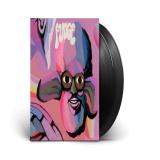
Fudge is Michael Kiwanuka’s most free and instinctive album to date. A vibrant, deeply human record shaped by spontaneity, emotion, and creative joy. It’s loose, soulful, and alive with the kind of magic that only happens when the process leads the way. The album was inspired by the encouraging words of the late Chick Corea, whose interview Michael stumbled upon during the pandemic lockdown, urging him to embrace what he loved without worrying about what others might think.
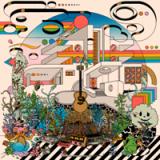
Each physical edition brings you into that world. The artwork, created by Michael’s friend and visual collaborator Stevie Gee, bursts with colour and character. It’s a psychedelic cartoon-inspired piece that perfectly mirrors the album’s warmth and wonder
Stoked to announce the debut record by Faulsk on Ruff Kutz!
Sometimes life can feel cyclical and having the first solo release on the label by someone other than myself had to be the right choice, it just so happened to be the producer from Tāmaki Makaurau / Auckland, which is where I started my lifelong obsession with Electronic music.
Shortly after playing a gig together at Whakamana in late 2024, we started exchanging tunes and I immediately wanted to put a release together with the first track he sent.. The release also features 2 collaborative tracks with myself and consists of 4 deep psychedelic grooves across the tempo ranges, built with the sound system in mind. This is an outrageous debut EP, and I am stoked to have it on Ruff Kutz!
Whilst having a low social media profile and only a few tracks released into the wild, Faulsk seems to have carved out a honed in sonic identity. Mixing Techno and Dub production techniques whilst still having swagger and depth that appeals to the bass heads. Expect expertly crafted soundscapes, interesting loopy grooves, lush evolving pads/stabs and low end wizardry. Genre - Faulsk, just how we like it.
Galvanize was the first track to build the EP with a relentless 4x4 groove, perfectly balanced low end and washy atmospherics, the track gradually evolves to show that less is more sometimes - with it's use of stripped back restraint and negative space to create energetic mood shifts.
On the A2, the first collaboration track Exhalation slows the tempo to 100 BPM for some kind of bass mutation straight from the underworld. This one taps into the tense atmospherics of Galvanize whilst cranking up the intensity with evolving drones and razor sharp percussion to sit amongst the dense soundscape.
The title track on the flip, is a 9 min roll out, reminiscent of early Forest Drive West. The subtle modulation and dubbing on musical parts draws you in and is a nice juxtaposition to the crunching percussion, militant groove and precise low end. Chugging away at 115 BPM, this is a versatile track to inject some kinetic energy into your local underwater dancehall.
Closing out on the B2 we have another collaboration. Upping the tempo to the mid 120s, Retrospect sinks deeper into hypnotism with polyrhythmic grooves and an unresolving feel which creates steady momentum, coupled with lush and evolving synth work which take the track into serenity. Regulate your sound system.
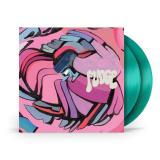
Fudge is Michael Kiwanuka’s most free and instinctive album to date. A vibrant, deeply human record shaped by spontaneity, emotion, and creative joy. It’s loose, soulful, and alive with the kind of magic that only happens when the process leads the way. The album was inspired by the encouraging words of the late Chick Corea, whose interview Michael stumbled upon during the pandemic lockdown, urging him to embrace what he loved without worrying about what others might think.
Each physical edition brings you into that world. The artwork, created by Michael’s friend and visual collaborator Stevie Gee, bursts with colour and character. It’s a psychedelic cartoon-inspired piece that perfectly mirrors the album’s warmth and wonder
Put your hands together and please welcome Linda Lo to Shall Not Fade's Time is Now imprint. The LA producer/DJ's new 12" EP "Masa" drops 23rd Oct 2026 and f**k is it sick.
Linda Lo fuses* mambo, samba, and salsa with UK garage, dubstep, and club rhythms to make guaranteed rewind material that is gonna light up the dance…
* imma talk about this fuses sh*t in a minute.. First we need to get a bit philosophical. Cos rewinds and fusions aside, this EP is alive. It's part of something bigger and cyclical, without a start or an end. It is music. It was part of someone else's music before and it will be part of other people's music in the future. Right now though, it's Linda Lo's music.
Too esoteric? Let me elaborate and, let's talk about fusion. There is the fusion that is – steal a bit of genre X and culture Y, chuck it on the grid and strut about professing fusion – and then there's actual fusion: Music that is something "new" and real and genuine. Music that you end up describing excitedly as a "fusion of" things (even if it inevitably ends up doing it a disservice). Music that is simultaneously one thing and not that thing, and also something else and not that something else too. Music that is just "music" to the creator but is also part of the progression and evolution of music for others. Mala wasn't making "dubstep". Skream & Benga ended up not making Garage. Like many before and after they were making their music and Linda Lo is making her music so let's hear from her about it. Big up Linda. This is real.
Notes from Linda:
-----------------
“Like Croydon by way of Havana”
“Masa, or corn-based dough used to make tortillas and tamales, is a traditional staple food for many in Mexico and throughout LatAm. In the Maya worldview, people's flesh is made out of masa. In order to make masa, corn must be dried, nixtamalized, ground, and mixed (often by hand) to create the right textured dough. I find much of my music work is a collision and a mixing of many elements, all worked into one product. In this way, I've worked these songs, transforming raw rhythms and sub bass into hand-mixed tunes. ‘Masa - EP' presents four delicious heaters. The title track explodes with a fiery double-time dubstep groove. Mambo horn stabs bite through a bass inferno. ‘Cenote' looks down upon a subterranean pool of sound—still on the surface but impossibly deep. ‘Minifalda', pure flirt and gyration, calls in cuica and other voices from a samba bateria. Finally, claves stitch across ‘Mestiza', a fusion of blooming lush orchestration and jagged 2step rhythm.
Around 1960, my grandparents were regular dancers at the Palladium in Los Angeles: young, Mexican, and falling in love to dance music, specifically big band mambo. My mom, consequently, is a fantastic dancer, and her mambo collection along with my dad's exotica records formed the base of my own vinyl collection. When I first discovered garage and dubstep, there was something indescribably familiar to me, something mambo-like about the syncopated offbeat hits and drama. Later, as I began stitching together mambo claves and 2step drums, I assumed I was trying out something totally new. The farther I go, the more I see that I was wrong.
Dubstep, garage and jungle share a parental lineage back to dub reggae, originating from Jamaica. Mambo hails from Cuba, and sister genres of salsa to NYC & PR, and bachata and meringue to the Dominican Republic. Yet, these musical genres of the Caribbean have not developed in isolation. Reggae, mambo, dancehall, salsa, even son jarocho from Veracrúz, Mexico (where my family is from), all developed together, influencing each other fundamentally. Ultimately, all musics of the Caribbean have come from West African polyrhythmic musical heritages. Garage, mambo, dubstep, and salsa are points in time along one musical continuum.
I feel very honored to be a selector working in Los Angeles (and elsewhere!). I hope I can share some music for the next generation of young people to fall in love to. "
-----------------
I'm moved by what Linda writes here. #1 Doing what you love, and finding you are part of something bigger. Creating for yourself freely and hoping to inspire others with healthy amounts of care, humility, freedom, self awareness and enjoyment. (It is inspiring and I'm honoured we are now a part of sharing Linda's music). #2 There's something wonderful about finding connection and a sense of place. A place physical, spiritual and in time. Music can help us all find connection and be part of a place. Wheel it up wherever you are.
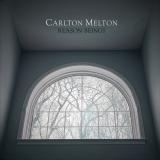
Time to turn on and turn it up, theres a brand new Carlton Melton in the offing… its been a good couple of years since the West Coast space/sike travellers have dropped new music.
‘Phantomize beyond the window, into the portal, the panes of eternal returns, wooden spirals, roots into the realms of everything and nothing, the reason beings’
With Anthony Taibi fully ensconsed in the metaphorical Melton Dome, this four piece is ready to soar, go deeper and wider into the sike psyche than on previous recordings, now fully recording live with drums, bass, guitars and keys...recorded at 3D Light in Freshwater, CA by Anthony Tiabi in 2025, and mastered by the inimitable John Mcbain in 2026.
We have a single LP of 40+ minutes spanning 4 tracks, that have textures, and waves and patterns to lull you into some fever dream of motorik psych! Touchstones like Träd, Gräs Och Stenar / Kandodo / Guru Guru / Eno & Fripp / Birds of Maya / Parson Sound come into view.
There are moments of gentle ambience bordered by speaker shredding guitar soloing, whole passages of Krautrock inspired jams that have form and focus.. you blink and your live flashes before you, the record ends, you want more..
There are moments of gentle ambience bordered by speaker shredding guitar soloing, whole passages of Krautrock inspired jams that have form and focus.. you blink and your live flashes before you, the record ends, you want more.. Carlton Melton masterfully blend hypnotic, long-form psychedelic jams with drone and Krautrock influences.
Band:
Rich Millman
Andy Duvall
Clint Golden
Anthony Taibi
Announced to celebrate summers solstice.. released on the Autumn equinox.. with a full UK tour to boot..
Bruce Ivery returns to Stilove4music, and we couldn't be happier to welcome him back. A true master of his craft, Bruce has delivered some of the label's most celebrated releases, each one leaving a lasting mark on dancefloors around the world.
Born and raised in Chicago and a key member of the legendary Chuck Brothers collective. Bruce's reputation as both a producer and editor speaks for itself. His latest work, a release on Ryan Elliott's Faith Beat, is further proof of his talent. This new drop is no exception—it will have you questioning your own sanity.
It's disco time once again, and it's Bruce Ivery time on Stilove4music. We're beyond excited to share these tracks, designed to create mayhem on discerning dancefloors.
Stu Chapman, Nee & Wendy combine for 1 side of this banging breakbeat '92 style 4 track EP with Core Dimension's second outing on Return of The Vibes on the flip. Brought to you on black vinyl
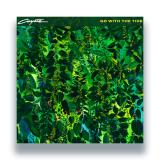
Downtempo legends Coyote offer up a full length of Balearic bliss with Go With The Tide on Universal Cave Records. With one foot in timeless chillout electronica and another in the dubby soundsystem psychedelia of our times, Coyote expand on their distinct cosmic groove with seven songs that dive deep into the sonic underground.
Go With the Tide is a tale of three islands. Coyote drop a heavy dose of modern UK stylings, rumbling bass and chilling vocals, on top of a familiar White Isle dream state while radiating Jamaican dub sensibilities. It’s like coming home from summer holiday and returning to the day to day of city life. The nights grow longer and the air chills, but the shimmering sparkles of sunshine still reflect and refract through your soul.
Coyote pick up that tension between the escapism of summer and the heavier waves of fall, and weave it into a remarkable LP that makes as much sense for a forever summer as it does for an impending winter. For whichever side of that you fall, just Go With The Tide.
Umoja deliver a jacking Afro-Poindexter monster, Phil Moffa drops a massive after-hours tribal-house batucada bomb, Photay brings deep ecstatic choral chugging goodness, Multi Culti fam TVP x Oltrefuturo x United Freedom Collective combine for freaky moon cult worship and finally Mehmet Aslan swoops in with the anthemic Bollywood fire.
Tronic has a 20-30 year long history with releasing melodic house and techno. While we opted for the more raw sound in the past few years, Christian wanted to go back to his roots and produce more emotive, groovy, and melodic house and techno again. Lamour Toujours is a progressive groover that has a disco-influenced bassline and adds an emotive chord progression in the break. We asked Argentinean legend Hernan Cattaneo to make a remix. As a long time supporter of Tronic we felt that he would be a great candidate for this remix. Hernan Cattaneo and Kevin Di Serna teamed up and delivered a stunning remix focusing on the melodic chord progression of the original! Italian maestro Gai Barone mutates 'L'Amour Toujours' into a stunning, mind-bending interpretation that proves his insane ability to rewrite the rulebook. Meanwhile, Colombian powerhouse Kamilo Sanclemente stays closer to the original, injecting a massive, chord-driven progression built to elevate any room. Three classy, high-caliber remixes. We're absolutely buzzing with this drop.
MEMORIALS jump off the waterslides and head above the clouds with their stunning second album, ‘All Clouds Bring Not Rain’. The duo of Verity Susman and Matthew Simms (formerly of Electrelane and WIRE) locked themselves away in a studio in a barn secluded deep in the woods in southwestern France and re-emerged with a beautiful, unusual record that is both melodic and unconventional. For such an ambitious album it’s striking that it was written, performed, recorded and mixed solely by the two of them. Sounding like an unearthed classic, MEMORIALS twist their influences into their own unmistakable sound. Imagine Nico singing with Can produced by David Axelrod and you’re somewhere in the right ballpark.
The record draws inspiration from a wide range of music including folk, dub, post punk, experimental tape music, 60s soul, garage rock, 70s spiritual jazz and Canterbury prog. This attention to detail in their sound meant finding several other studios to get what they needed to record with, including a harpsichord at 4AD’s studio in London and a vibraphone and vintage Leslie speaker in Stereolab drummer Andy Ramsay’s studio Press Play. Verity’s distinctive, unadorned singing is a focal point of the record, moving from tender to wild. Her vocal melodies quickly become earworms, providing the tuneful heart around which the songs’ more unorthodox elements are arranged, which is where Matthew’s unconventional approach to recording and production comes to the fore. With their adventurous arrangements, classic songwriting skills and innovative production techniques, MEMORIALS have created another mesmerising listen that’s accomplished and compelling in its unique approach yet remains dizzyingly immersive - just like their acclaimed live shows.
Jasmín returns to fabric Originals with the second instalment in her four-part series, Concrete Summer / Skeletal.
Following her debut release It’s Girls Night / Long Hair, the Dutch-Argentinian producer delivers two stripped-back, percussive techno cuts shaped by the architecture, tension and atmosphere of cities after dark.
Concrete Summer opens with a primordial pulse: saturated drums and feverish shaker rhythms lock into a raw, hypnotic groove. On the flip, Skeletal pushes deeper into the night, pairing a driving kick and syncopated percussion with distorted drones and mounting pressure.
Sparse, physical and deeply immersive, both tracks leave space for the dancer to complete the picture, continuing Jasmín’s singular exploration of stripped-back techno and the nocturnal worlds at the heart of her ongoing collaboration with fabric.
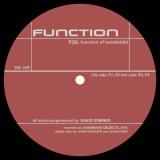
Function has long since cemented his legacy in the underground world but it's always worth reminding yourself where an artist's story began. In David Summer's case, that's with this EP, which dropped on Damon Wild's Synewave, who now reissue it in full, 30 years on. It's an impressively fully-formed sound for a debut: 'F1' is a jacked-up techno rhythm with a fat bassline and frazzled synths that bring it to life. 'F2' is a more experimental and beatless piece with modular pulses, echoing frequencies and decaying sine waves then 'F3 rides a dreamy dub rhythm that undulates gently amid some gorgeous sustained pads that recall Thebes of Detroit. 'F4' comes with more Millsian-style minimal that fires up your brain.
Mysticisms completes its archival releases of the Dub Specialists with a 3rd EP of the outer reaches of the Digi Dub realm, this time mainly drawing from the project’s final album Loop To Loop.
Conscious Sounds head honcho Dougie Waldrop, working again with Chris Petter (Love Grocer) runs the desk, the heavy sample originals move from House to Breaks, Dub to Funk.
For the final reversions, label co-owner and editing specialist Piers Harrison returns, turning Love Song in a long form 4/4 romantic digi bounce. A sure-fire winner, the catchy groove and trippy beats, the template of what makes Dub Specialists come alive.
Following is Lotion Dub, edited by Vanity Project. A key part to the project, working with Millie Mckee, as well assisting Chuggy, his solid arrangements and engineering skills take the old school original, with digi horns, electro stabs and reggae “skanking” guitar, accentuating the drum and bass to effect.
The final side of edits come from Chuggy, taking the steppers of Dub Downtown, teasing the drop, looping and riding the riddim and also, finally, from rising producer and label head of Spiritual World Recordings, N1 Sound who sticks to the true essence of re-editing, creating a DJ friendly excursion, extending and live dubbing the sought after 808 Dub from Dub Specialists debut Break To Break, thus bringing the whole project full circle and complete.
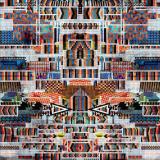
Nearly 15 years have passed since the original version of this LP was released (the first iteration as a 4X12" LMTD set back in 2012), and it has truly aged like fine wine! This release features five timeless cuts from the mind and soul of cv313 and a truly mesmerizing otherwordly dub of the illusive radius project, mixed and recorded near the heart of Detroit! (with nearly all of the tracks making their debut on wax) This entire project has been beautifully remastered by dub innovator and pioneer, Stefan Betke POLE @ scape mastering in Berlin, DE. You can just drop the needle and close your eyes for a near 20 minutes of fathomless sonic depth, massaging your brain and mind, a deep dive into an immersive analogue world. A new addition to this newly minted vinyl iteration of the "Altering Illusions" series now includes cv313's blistering analogue assault on the darkest radius bit in the interpolation tapes series. Expect sub-harmonic deep space exploration in some seriously out-there electronic quadrants, some of the deepest techno reductions ever captured to tape!
Thoughts:
"Altering Illusions Chapter One cv313 is every bit as strong and essential as the debut cv313 album it supplements and acts as a nexus between cv313 material old and new.It is quite unlike anything cv313 has released before or since, a beautiful hybrid of cv313 textures, dense, whirring drones from Alva Noto’s Xerrox series of ambient albums and Thomas Koner’s panoramic soundscapes." -IGLOO MAGAZINE
a A1. cv313 “isis” original mix 10:47
c B1. radius “interpolation tapes” cv313 rewire 20:06
e C2. cv313 “irradiate dub” 5:58
reduced 20:24
a A1. cv313 “isis” original mix 10:47
c B1. radius “interpolation tapes” cv313 rewire 20:06
Nacho Marco drops Colors in Dub Vol.1—deep house soaked in warm analog dub. From the hypnotic “Midnight Blue” and its Satoshi Tomiie remix to the raw pulse of “Bumblebee Yellow” and “Electric Green,” this wax rides late-night frequencies straight from Valencia to Paris.
DJ Feedbacks :
Francois Kevorkian (Wave) : Love the Satoshi mix
Eddie Fowlkes (Detroit Wax, Rekids, Classic Music Company) : thanks
Travis Kirschbaum (Warehouse Preservation Society) : Loving this. Especially Midnight Blue!
Sascha Dive : Midnight Blue for me!!
Brothers' Vibe (Luv4Wax) : Super ep, great works!!
Radio Slave (Rekids) : Another superb ep from Phonogramme and Satoshi's mix is great.
Giles Smith : "midnight blue" is nice
Alexkid (Rawax / FUSE / NG Trax) : Totally my vibe. <3
Aleqs Notal : Yes !!
Italojohnson (Italojohnson) : Track 1 for me!
Ben Sims : Now downloading... will check asap!
Okain (Talman / Infuse / Pleasure Zone) : Electric Green is dope!
Satoshi Tomiie (Abstract Architecture) : Receiving great feedback from the dance floor!
Steffi (Dolly) : lovely release!!
Laurent Garnier : Cool tracks
DJ Bone (FURTHER) : Electric Green and Satoshi Tomiie remix work for me.
Harri (Sub Club) : lovely stuff, will play and support
Rob Pearson (Evasive Records / Sine 102.6fm) : lovely - right up my street, cheers ;-)
Felix Dickinson (Futureboogie, Rush Hour, Cynic) : Solid E.P. current fave Electric Green
Jorkes (Freeride Millenium) : lovely, thanks so much. xo
Kassian (Phonica White / Heist Recordings) : wicked
Jaye Ward (Dalston Super Store / Netil Radio) : massive quality as ever!! super deep and pulsing gear, electric green is ace! thx
Tim Sweeney (Beats In Space) : Sounds great
Chloe Caillet (Smile Records) : love this!
Stevie Cox (Sub Club) : really lush, thank you !
Raresh (ar:pi:ar) : thanks
Ame (Innervisions) : thanks
Geir Aspenes (G-Ha (Sunkissed)) : Thank u
Saoirse (Body Movements) : Super nice dubby vibes
Amotik : Very nice :)
Kai Alce (Real Soon) : Satoshi remix is hot!
Domenic Cappello (Subclub) : nice dubby house
Cee ElAssaad (ENSOULED) : Just the way I like it! dubby and groovy.
Mike Shannon (Cynosure) : Excellent work here from Valencia's finest!
The 5th classic goa trax under the wings of Suntrip Records & Flatlife Records Labelgroup is there ! Representing this Psychedelic/Goa trance due from Sweden "Drop & Dash". Started making music together in 1995 as a duo, and also worked together in the group Germinator; which is also represented on this excellent goa release.
"I See Seaweed" It is one of the great works of art and one or the best album by The Drones. This record gathers all the complexity and greatness of the different sounds and faces of the band lead by Gareth Liddiard. Amazing lyrics fitting perfectly measured and networked melodies where each and every one of the five band members melt creating perfect melodies and sound. Intensity and sound explosions meet anxious quietness and tension. This is one of those records which grows with every listen and never get tired of playing. Don't miss it, this is a very good advice. Bang! is re-releasing this 2013 album by popular demand. A highly sought-after and valued album by its fans. You may know that half THE DRONES today are blowing a TROPICAL FUCK STORM!
ATA00BS will be released in a Number Stamped Edition, with Full Cover Art made by Pepe and will be Sealed / Shrinkwrapped.
'Keep it simple' 103636;"Reissue- Tracklist A1. Unknown A2. Pain Is Full B1. Damaged Memory B2. Damaged Memory ( Iori Remix ) Shortinfo: Roberto Bosco has selected Kiny's music to better prepare his first 12, consisting of four tracks, named 'Damaged Memory'.The track Unknown (A1) leads off the dance of the release on Last Drop Records imprint. It's a proper exploration in an unknown sonic territory to most of the people, and also a difficult element to make out for those who are novice to the visonary component in the musical poetic of Kiny. The track starts with rounds of recurring sirens, almost deafening, framed by dark and ghostly noises. Something not easily identifiable, ambiguous and unknown, as the title itself says, is perceptible in its sound. All this helps to shape a bad presage that fades away into the mystery. On the same side we find Pain Is Full (A2) that, according to the producer, was born in a moment of pain which can be overcome only by fighting. In fact, the track is characterized by a more combative and insistent tone, made up by the sound of snare and tom entering since the start and determining an atmosphere of contrast able to shake the listener until the end. Shouts of encouragement suggest an initiation rite in which there is struggle for survival. The titletrack, Damaged Memory (B1) has more quiet register with less ghostly vocals, perceived at times, unlike the previous tracks. The sounds have a vanished effect, such as when you create a halo on a white sheet with the dust of a pencil just sharpened. You will hear a sort of democracy among the sounds held together by the voice, a metaphor of a damaged memory, as the title itself recite, that always makes the same process till the end: it commences by recalling but then forgets. Last, is the version of the producer Iori, Damaged Memory (B2), on the same side.
History has shown that the greatest bands–bands with that certain, ever elusive quality called lasting power–neither conform to nor buck the trends of their time, but rather force the times to catch up to them. Sheer Mag has such lasting power in droves. After almost a decade spent carving out a career that has already become the stuff of modern underground legend, the band’s new stand-alone single, “All Lined Up,” comes alongside the announcement of their signing to Third Man Records–their first partnership with a larger independent label–who will also be physically and digitally re-releasing the entirety of Sheer Mag’s back-catalogue, including their cult-beloved early EPs I (2014), II (2015), and III (2016), as well as their first two breakthrough LPs, Need To Feel Your Love (2017) and A Distant Call (2019). Sheer Mag’s sensibility, as fervently beloved by baseball-tee clad garage rockers and tattoo-less indie kids as it is by leather-and-stud-loyal punks, finds its strength in an unconventional mixture of refined complexity and straight-forward pop prowess. Seamlessly trading between head-turning guitar heroics and a charmingly timeless blend of disco, hard rock, and garage inflected hooks, Sheer Mag’s oft-referenced, never-replicated sound has played an undeniably large role in stoking the current resurgence of interest power-pop forward rock music. While quickly adopted as a fan-favorite amongst the sweat-caked crowds of the early 2010’s underground, time has attested to Sheer Mag’s singular cultural mutability: though never straying too far from their home-town Philadelphian origins
Barefoot Beats drop two highly infectious Brazilian power jams for all the vinyl collectors and lovers of International sounds out there.
Regular contributor to the imprint Bernardo Pinheiro teams up with Zaidan to expertly craft a timeless Reggae classic into a pure Brazilian good times anthem.
Over on the flip, Rio based producer Joutro Mundo combines superbly with Dicky Trisco to produce a more late night inspired number which is ready to fuel your Carnarave and set that dance floor on fire.
All delivered on a beautiful, LTD edition 10inch vinyl pressing.
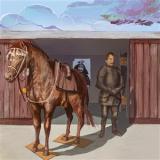
Vier Jahre brodelte es im Berliner Untergrund: Nach zwei DIY-Tape-Releases durchbrechen SEK die Flanke und präsentieren mit Wallensteins Garage ihr erstes Album auf Vinyl ein Debüt, das gleichermaßen Geschichtserzählung, Konzeptalbum und ausufernde Jam-Session ist. SEK benannt nach den Anfangsbuchstaben der Nachnamen ihrer Mitglieder - Paul-Willy Stoyan (Gavial, Jacke Schwarz), Georg Edert (Elder, Gaffa Ghandi) und Lucas Kazzer (Gaffa Ghandi, Borders Down) - vereint drei Musiker, die seit Jahren in der Berliner Underground-Szene aktiv sind. Ihre gemeinsame Sprache findet sich zwischen Improvisation, historischer Erzählung und druckvollem Rock. Was die drei verbindet, ist weniger ein gemeinsamer Stil als die Lust am Ausprobieren: ausufernde Proben, lange Improvisationen und die Suche nach Klanglandschaften, die ebenso sperrig wie eingängig sein können. Was 2022 während des pandemiebedingten Lockdowns mit stundenlangen Jams begann, entwickelte sich in den vergangenen vier Jahren zu einer eigenwilligen Mischung aus Psychedelic Rock, Krautrock und einer Prise Prog. Die Band selbst nennt diesen Sound augenzwinkernd HOR Historian Oriented Rock: Musik, die historische Stoffe nicht illustriert, sondern in Klang übersetzt. Die Inspiration für die Songs stammt aus dem Dreißigjährigen Krieg (16181648), insbesondere aus dem Leben des böhmischen Feldherrn Albrecht Wenzel Eusebius von Wallenstein und den Ereignissen rund um die Schlacht bei Lützen (1632). Das musikalische Arsenal ist ebenso vielseitig wie die erzählte Geschichte: verfuzzte Gitarren mit wabernden Delays treffen auf einen galoppierenden Bass und treibende Drums, getragen von träumerischen Keyboards. Immer wieder öffnen sich freie, fast chaotische Passagen, in denen Harmonie und Rhythmus auseinanderbrechen wie Schlachtordnungen, die im brutalen Nahkampf ihre Form verlieren. An anderer Stelle schaffen sanfte Mandolinenklänge Momente der Ruhe, bevor sie sich in schwere, schmerzvolle Trauermusik verwandeln, inspiriert von Doom und Drone Metal. Zwischen hypnotischen Grooves, improvisatorischer Freiheit und cineastischer Dramaturgie erschaffen SEK einen Sound, der Vergangenheit nicht nachstellt, sondern neu erfahrbar macht. Die Platte erscheint auf Exile On Mainstream als schwarzes Vinyl mit beigelegter CD. Genre: Krautrock, Psychedelic, Alternative Für Fans von: Elder, Gentle Giant, Amon Düül, Zahn.
Hoshina Anniversary returns to MUSAR for his fourth appearance on the label with Sankaku, a five-track EP offering the latest snapshot of his ever-evolving ‘Watechno’ sound.
Taking its name from the Japanese word for ‘triangle’, Sankaku opens with a storming, floor-focused title track, pairing hypnotic techno rhythms with shifting textures and sharp acid drops. Tsuppari follows, named after the rapid hand thrusts used in sumo. Driving percussion, Japanese instrumentation and a raw techno pulse give the track a physical, forward-moving energy, making it a natural club cut.
Side B opens with Kono Kanjitte, where acidic tones meet jazzy elements and a playful sense of uncertainty. Slower and psychedelic, it unfolds as a track for restless minds and hazy nights. Ariake, named after the Ariake Sea, moves into more spacious territory, with Japanese instrumentation creating an atmosphere of mystery and anticipation, like looking towards an unknown horizon. Closing the EP, Itsukushimi brings a melancholic blend of melodic touches and darker cinematic tension, recalling the atmosphere of a Hitchcock soundtrack.
With ‘Sankaku’ EP, Hoshina Anniversary turns Japanese imagery, psychedelic textures and club-driven rhythms into a world that feels both familiar and otherworldly.
Hanne Lippard and Renato Grieco's Today's Special is a suite of language works synthesising melody and diction that integrates the literary and the audible in a repertoire of songs that bask in the melody of voice and the punctuations of structured composition. Working with methods of reduction rather than opulence in both tonal composition and rhetoric, each piece pegs the poetic to the musical with compositional schematics and methods. It is important to state that there is little to none improvisation here, instead, the duo set up matrices, rules and structural links that facilitated meaningful locus of exchange between their two practices. Lippard's texts are a collection of new and previously completed works. In these, as is typical for her work, she enjoys the easy pleasure of wordplay, iterative language, and decontextualised anecdote, as in opener Portrait of a Betrayal, a piece about the loss of a phone and the way it haunted the owner who dropped it, based on a lived experience. Grieco's instrumentation works with Lippard's language art as a form of acoustic typography. "I studied graphic design and I think about how you can express typography through voice," she says. "Renato's use of the viola da gamba becomes like an underline, or a font's brushstrokes, in ways that feel typographical." In this, the classically-trained composer Grieco often finds and echoes the pitch movements of Lippard's voice, intonation mirrored and revealed, linguistic meaning doubled and shadowed by plucked, strummed or bowed strings. His main instrument is the viola da gamba, the instrument considered closest to the human voice for its tonal range and ability to mimic inflections and timbre, and here he brings it even closer to the voice, building systems by which it moves with and around Lippard. He also plays piano and Wurlitzer, and joins her in speaking on Receiver and in conversation for final track The Black Rose. "Hanne's voice is an artist's voice, embodied as the artwork itself," he says. "But where my approach is from the perspective of a composer, hers is around rhetoric and language. We worked towards each other in this sense, Hanne finding a space to welcome my voice, and me designing an acoustic space to enhance her vocal persona." In some tracks the structural connections are obvious - the matched tumbling delivery and stepped pitches of voice and piano in Aficionado sounding like two tipsy friends descending a staircase. In others, like the triptych of tracks Three Rungs Ladder, structured with rules derived from nursery rhymes, or cumulative song (akin to the 12 Days of Christmas). For the Colour 1 and Colour 2 pieces, the duo worked from palettes of colours connected to clusters of harmonies, which underlined the power of the word and its articulation. The absurd Labradorable personifies a people pleaser, A Story About Being Blue is an imagined playful monologue from the Deep Blue supercomputer - requesting in sing-song stop motion to be called Debbie, and Larry - as Grieco echoes in factual reportage. Hurtbeat unpacks and recomposes a tweeted non-apology by a Russian art collector about owning a piece of racist art, Grieco shadowing Lippard's generating a third `drop-shadow' performer from the resonances between the duo, typographic re-articulation of the source material. The Receiver includes lines from Robert Ashley's Improvement (Don Leaves Linda), Ashley existing as a spiritual parent of sorts to the practices contained on Today's Special, and here interpolated as if he is being quoted and written through within the audible world of the piece in a palimpsest of borrowed sentences. Closing track The Black Rose contains its own self-aware comedy, a lightly distorted conversation sourced from a Reddit thread about whether black roses exist, recorded as if it were an internet radio or a low budget podcast, the casual exchange stilted in the delivery of platitudes as scripted speech. Today's Special was developed in person over the course of a series of small residencies - at Deutsche Akademie Rom Villa Massimo, Rome; Fondazione Morra, Napoli; Callie's, Berlin. In these limited periods that rarely stretched beyond a week, Lippard and Grieco developed strategies for the works, keeping tightly locked to musical concepts. This, for Grieco, is about maintaining a solid, meaningful connection within the compositions, and committing to everything having a purpose for existing within the work. Each element pulls its weight; has something to say, literally and metaphorically speaking. In the same way that Lippard's work leaves nowhere for her to hide, he wants the music to exist with its own naked purpose: "It's is about exposing nudity via reduced materials," says Grieco. "This is a form of courage we want to embrace. Once we take off everything, it needs to be extremely precise to maintain a connection with the audience. We have a lot of tools to hide behind now, to protect ourselves and our identities as artists, performers, and in life more generally. It's something I don't want to do. I want extreme reduction: no hiding."
Aaron Dilloway kehrt mit ,No Skill Comedy Mind Reading" zu Dais Records zurück - seinem ersten echten Album in voller Länge seit 2017, einer Sammlung von typisch verstörendem, absurdem Material. Geprägt von seinen typischen Verzerrungen und Verformungen - von Feedback umhüllte Fundstücke, Feldaufnahmen und Gesangsimprovisationen - versammelt ,No Skill" fast ein Jahrzehnt ausgewählter Soloarbeiten und wirkt dennoch ganz und gar zeitgemäß: ein sprunghaftes Produkt der Unbeständigkeit, zugleich hart und humorvoll. Nur wenige zeitgenössische Experimental-Künstler des letzten Vierteljahrhunderts sind so produktiv und verehrt wie Dilloway, ein Pionier der amerikanischen Noise-Szene im Mittleren Westen, ehemaliges Mitglied von Wolf Eyes und Gründer des in Oberlin ansässigen Labels und Plattenladens Hanson Records. Doch trotz seines immensen Gesamtwerks hat er nur zwei richtige Solo-LPs veröffentlicht, neben einer regelmäßigeren Produktion von Kassettenveröffentlichungen und Kollaborationsprojekten. Mit ,No Skill" vollendet er nun eine vieldeutige Albumtrilogie, die mit seinem wegweisenden Werk ,Modern Jester" aus dem Jahr 2012 begann. ,Ich habe fast das Gefühl, dass sie irgendwie Teil eines Ganzen sind. Alle drei Alben versuchen, in den schlimmstmöglichen Situationen Humor zu finden. Je nachdem, wer zuhört und wie die jeweilige Einstellung ist, könnten sie als lustig oder einfach nur als grauenhafte, schreckliche Alben empfunden werden." Halb im Ernst fährt Dilloway fort: ,Für mich ist dieses hier das Ergebnis von, na ja, verkorksten Sachen: psychische Erkrankungen, Medikamente, Scheidung, komischer Scheiß. Das Eintauchen in seltsame Dinge fasziniert mich immer auf die eine oder andere Weise." Neben den bereits erwähnten Einflüssen aus der menschlichen Erfahrung greift ,No Skill" auf verschiedene technische und ästhetische Kuriositäten zurück: das methodische Sounddesign von Alvin Lucier, Andy Milligans Low-Budget-Kult-Horrorfilm ,The Weirdo" aus dem Jahr 1989 und die pop-exzentrische Art des Filmkomponisten Hugo Montenegro. Dilloway stieß bei einer Lagerraumversteigerung auf dessen skurrile Habseligkeiten, darunter Notizen zu den frühen elektronischen Experimenten des Komponisten. Einige der beunruhigendsten Momente des Albums, wie das Lachen, das ,Bring Me The Head Of The Unknown Comic" heimsucht - klanglich eine Anspielung auf die Avantgarde-Größen Nurse with Wound und thematisch auf den Komiker aus den 1970er Jahren mit der Papiertüte über dem Kopf -, lassen sich auf den Einfluss dieses wahrhaft ungewöhnlichen Fundes zurückführen. ,No Skill" knüpft zudem an Dilloways jüngste künstlerische Ausflüge an: seine Umsetzung von John Cages 88-Band-Loop ,Rozart Mix"; die Originalmusik für ,The Absence of Milk In The Mouths of the Lost"; Gemeinschaftsalben mit Lucrecia Dalt (Lucy & Aaron) sowie Kim Gordon & Bill Nace (Body/Dilloway/Head). Während er an diesen und anderen Projekten arbeitete, legte er in Gedanken einen Ordner für sein nächstes Dais-Album an und sammelte Aufnahmen, die zu einer ziemlich vagen Vision passten. ,Dieses Album hat mich irgendwie völlig in Beschlag genommen, seit ich ,The Gag File` 2017 fertiggestellt habe. Zuerst dachte ich, es würde eher ein Pop-Album werden, aber dann hat mir das Lucrecia-Projekt diese Idee irgendwie aus dem Kopf getrieben. Es begann, eher wie meine Live-Sets zu fließen." Er entschied sich für eine Abfolge, die den Hörer ein wenig im Ungewissen lässt - ob erschrocken, amüsiert oder verwirrt; der Effekt soll absichtlich den Eindruck erwecken, dass etwas kaputt ist. Das Album beginnt mit schrillen Kreischen, bevor es in Drone-Passagen eintaucht, die durch zwei aneinander geriebene nepalesische Sarangi-Bögen entstehen, begleitet vom ersten Auftauchen seiner ogerartigen stimmlichen Präsenz. Anschließend werden mehrere Minuten von weißem Rauschen verschluckt (,Forced Auctioneer"). Dilloway verweist auf The Weirdos seltsamen Einsatz ausgedehnter Übergänge mit schwarzem Raum und seine lebenslange Liebe zum Bandrauschen. Er bekam Kassetten von älteren Kindern und hörte diese Geräusche als Teil der Songs, nur um später zu erfahren, dass es sich um klangliche Artefakte handelte, die von Generationen des Kopierens auf Kassette übrig geblieben waren. ,Ich stehe total auf die Idee, all diese Schichten aufzubauen und sie in etwas anderes zu verwandeln. Wenn ich zum Beispiel live spiele, kann es rauer zugehen als bei meiner aufgenommenen Musik, und dafür wollte ich genau dieses Gefühl einfangen - dass diese Ausbrüche laut sind, aber ein bisschen gedämpfter. Dieser totale Rauschklang, fast so, als wärst du unter Wasser." Dilloway sammelt Tonpoesie-Platten, und obwohl er seine eigene Arbeit nicht gerne in dieses Genre einordnet, spricht die Absurdität dieses Handwerks - die Verwendung von phonetischen Lauten und nonverbalen Geräuschen als Ersatz für traditionelle semantische Bedeutung - durch sein Werk. Auf ,Possession Audition Tape" liest er verschiedene Passagen aus einem Buch vor, das von einer französischen religiösen Gruppe aus dem 18. Jahrhundert handelt, die zu öffentlichen Unruhen neigte, und schneidet diese digital auseinander, wodurch er im Mix seine eigenen, echoartigen Stotterausbrüche erzeugt. ,No Skill Comedy Mind Reading" endet mit einem Stück aus Synthesizer und Orgel-Rhythmusmaschine, das auf Musik basiert, die er für den Film ,Supporting Actor" von Pieter Schoolwerth und Phil Vanderhyden komponiert hat - in dem ein Avatar von Dilloway in ein Portal gezogen wird. Dort trifft er in einem fantastischen Club auf posthumane Wesen. Die Szene, die sich irgendwie auf Audio übertragen lässt, versetzt das Set in einen passend verwirrenden Traumzustand. Ein Star der Noise-Musik, ein moderner Hofnarr, der aus dem Unbekannten berichtet.
Josh Ludlow - one half of MAKE A DANCE - one of London’s most beloved duos - steps out on his own for a rare solo outing on legendary London imprint Rhythm Section International.
A late contender for EP of the year - the record meanders menacingly across four tracks of mind-altering, dissociative Brain Music, precision engineered to transport a listener and hypnotise a crowd without losing any dancefloor impact.
Interestingly, Bradley Zero (RS label boss) and Mr. Ludlow have a connection dating back to the late 2000s, when they were both drummers in rock and roll bands...almost 20 years later - a shared love of experimental electronic music has brought them back together, resulting in this spellbinding EP.
Channelling a much darker, heads down, aggressive sound than the uplifting house M.A.D have become known for, the record begins with 'Brain Music’, which serves as a Detroit techno-inspired wormhole of a track, guiding us into a parallel, inner dimension.
Time Upside Down is next up and it becomes apparent we have entered another realm entirely. The introductory bars of the song feel like a long journey down a dark tunnel. The sound design and acoustic backdrop are so evocative you can almost see it. Obnoxious bass notes reverberate through the space created by the track, slowly giving way to flurries of high-pitched, resonant acid lines - the sum of which escape easy classification. It would be lazy to call it house music, misleading to call it techno - but it’s definitely not tech house. Elements of disco, electro, post-punk, balearic and Weatherall-esque chug are all in the mix but essentially, this is its own thing - this is Brain Music.
The record continues to the penultimate track “The Kettle”, which starts off in more familiar upbeat, bongo-house territory before the calm is betrayed by a hovering intensity which grows out of nowhere before making space for a humungous bass synth melody - so big in fact that it has never once failed to elicit club-wide bass-face; which for a mid-tempo track is no mean feat. We round things off with ‘Mean Mother’, the most playful of the bunch: a Chicago house-indebted workout reminiscent of Paranoid London at their most visceral. The track feels familiar and almost safe until the synth-work is cranked up to 11, creating a cacophonous SH-101 build-up into a disco-esque drop that would get even the most reluctant raver jumping up and down for more.
Besides all the theatrics and acoustic world building, the evocative sound design and the insatiable, no-nonsense grooves - the thing that makes these tracks stand out is the attention to detail. No two fills are alike, every embellishment is EQ’d and polished to perfection - yet no immediacy is lost. The tracks feel alive, intentional and constantly evolving. Hyperbole aside - we have a serious, generational talent on our hands whose mastery of the equipment, understanding of the dynamics of the dance and unabashed
playfulness is being harnessed into something that stands out head and shoulders above the crowd.
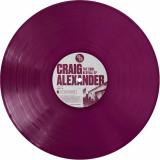
Craig Alexander drops back with the Soul Revival repress — a raw, deep house cut built for heads who know. Originally released on Transparent Records, now back on wax through Phonogramme.
Limited-run energy, timeless groove, straight-up dancefloor business.
Feedbacks:
Dave Huismans (ex_libris, In Transit) : Nice to get Soul Revival digitally, thanks!
Ben UFO (Hessle Audio / Rinse FM) : absolute classic
Laurent Garnier : SOUL REVIVAL is super cool track Will play
Mike Shannon (Cynosure) : Nice to have this one back! thx
Prosumer : this a journey into sound
Red Eye (Crash Planet Rec, R.E.A.D., Red/Shift, Lavish Habits, Multipass) : ahh i have this original vinyl. Glad to have a digi!!!
Dorian Paic (Raum Musik) : good re release too. Soul Revival is the one for me, in the past and now as well. ;) Thx for the promo !!
Hunee (Rush Hour) : lovely reissue
DJ Bone (FURTHER) : Lovin Feelin works for me, thanks
Chloe Caillet (Smile Records) : love these!
Franck Roger (Real Tone Records) : soul revivais is dope as always !!!
Terence :Terry: (La Vie En Ros / Freak N Chic) : what a good remember we use to played it a lot " Soul Revival" super track to surprise everyone Terence :Terry:
Tripmastaz (Plant 74) : tight cutz
Jorkes (Freeride Millenium) : soul revival is cute
Girls Of The Internet (Classic) : Classic!
Geir Aspenes (G-Ha (Sunkissed)) : Thanks
Terry Francis (Fabric) : nice
Sven Weisemann (Mojuba Records) : absolute classic!!!
Pacific Coliseum (Dublab, Teen Daze, Noire & Blanche) : DEEP!!! These are gorgeous, thank you so much for sending!
Pat Hyland (Northside Loft Society) : A welcome release from Craig. Three pure dancefloor heaters with Soul Revival topping!
Fred P : Dope...
Doc Martin (Sublevel) : Good Grooves!!!!
Mark Farina : good stuff. thanks!
Samuel Deep (SlapFunk Records) : yes
DJ Steaw (Rutilance / Steaward) : Nice ep thanks :-)
Lea Lisa (Phonica Records / Folklor Club) : Soul revival for me !
Brothers' Vibe (Luv4Wax) : Bangers!
Anthony Collins (Frank & Tony / Scissor & Thread) : great record
Carlos Valdes (Is Burning) : Loved it since the first time I've heard it! Happy to have the digital file!
Following a decade spent releasing music digitally, Brandon De Carlo's Downside Up label made its vinyl debut late last year - though initially only in the US. Thanks to a new global distribution deal, we can now savour the label's second wax outing - a mini-album of club cuts and loop-powered DJ tools from British techno veteran Jamie Bissmire (an artist whose first EP dropped way back in 1997). There's naturally plenty of floor-focused heat throughout, from the 'Livity Sound-in-space' polyrhythmic techno of 'Primal Pathways (Roll Right Mix)' and the minor key madness of 'Smoke & Oakum', to the ambient style soundscapes of 'Parallel Stream' and 'Tangible Roots', and the slamming creepiness of the deliciously relentless 'Blackwood Tread'.
Ferocious Niney genius.
Tommy McCook leads the swingeing horns, galloping east of the River Nile. Sounds like Dennis Emmanuel Brown, wailing six feet under. A jaw-dropping, no-prisoners Tubbys dub.
Red hot terror.
Larry Thompson and Rick Lenoir AKA LNR were early house pioneers who dropped seminal cuts from the late 80s onwards, but few had the impact of their debut, ‘Work It To The Bone’.
The darkly alluring anthem mixed tribal percussion with a minimal groove that went deep and soon became a dance floor classic, spawning a thousand copycats. It has remained an evergreen favourite across the years and now gets covered by New York’s long-time house heavyweight and Grammy-winning producer, remixer and Elements Of Life founder Louie Vega under his Funki Cadets alias. He hooks up with Chicago mainstay Mike Dunn and go-to contemporary house producer Wade Teo for a new version that beefs up the original for modern dance floors.
The opening Louie Vega Mix dials into the original’s tribal energy with a chunky, bouncing groove and hard-hitting percussion, then layers in more synths, effects, and drama to the full-fat sound. It’s a sweaty, steamy affair with a constant sense of momentum as the arrangement evolves, different hooks take the lead, and the pressure stays high. In addition to a DJ Tool Acapella and Louie Vega Beats mix, Wade Teo remixes the track with a deeper groove and dusty drums. It’s a more subtle, heads-down sound but packed with the same edge and rawness that made the original so standout.
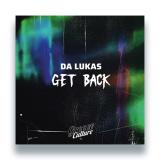
'Get Back' is a 8-track album and collection celebrating the last ten years of Italian DJ and producer Da Lukas, a respected name in the global nu-disco and house music scenes. Known for blending vintage disco nostalgia with modern electronic production, this collection brings together his strongest club anthems from the past decade. The album also introduces two brand-new tracks. The first new track is a powerful cover of the James Brown-penned Lyn Collins funk classic, "Take Me Just As I Am," featuring a brilliant vocal performance by Fatimah Provillon. The second new addition is the original title track, "Get Back," a driving nu-disco anthem featuring the legendary dance/pop singer Amanda Wilson. This album serves as both a perfect retrospective of his signature sound and an exciting look at his latest work.
A collaboration few would have predicted, and one that makes perfect sense once you hear it. Munich producer Skee Mask (Bryan Müller) has spent over a decade turning hazy, atmospheric techno, breakbeat, dub and jungle into some of electronic music's most acclaimed records, from 2018's Compro to 2024's Resort. North Americans, the ambient country-folk project of guitarist Patrick McDermott, brings a completely different palette of slow-unspooling drones.
Final Circle finds these two worlds colliding, pairing rhythmic electronic detail with the wide-open, meditative textures both artists are known for.







![cv313 - Echospace [Detroit] Presents: "Altering Illusions" [1/3] REMASTERED (2x12")](https://www.deejay.de/images/l/3/8/1242238.jpg)