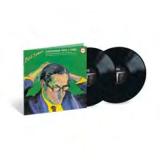
Sechs Jahre nach seinem legendären Live-Auftritt vom 25. Juni 1961, aus dem zwei der populärsten
und besten Alben von Bill Evans für das Label Riverside hervorgingen - ”Sunday At The Village Vanguard”
und ”Waltz for Debby” -, kehrte der einflussreiche Jazzpianist im August 1967 für zwei Abende in denselben
Jazzclub in Manhattan zurück. Diesmal trat er in der einmaligen Trio-Besetzung mit Eddie Gómez am
Bass und Philly Joe Jones am Schlagzeug auf. Die Aufnahmen erschienen 1982, zwei Jahre nach Evans’
Tod, auf dem Doppelalbum ”California Here I Come”, das seinen vielleicht etwas verwirrenden Titel dem
Opener des Albums verdankt. An beiden Abenden waren Evans und seine Spielpartner in Bestform und
zeigten bei Interpretationen von Standards wie ”‘Round Midnight”, ”In a Sentimental Mood” und ”Stella
by Starlight” sowie dem damals neuen Bacharach/David-Hit ”Alfie” ungezügelten Elan, rhythmisches Feuer
und ein energiegeladenes Zusammenspiel.
Regarded by many as the greatest funk album of all time, ‘One Nation Under A Groove’ was recorded at United Sound in Detroit & included a live track from their concert appearance at the Monroe Civic Center in Louisiana in April 1978. The band’s tenth studio album released during September 1978 was also their most commercial & gave the band their first platinum disc. The iconic title track was an international hit and a US R&B No.1. With lead guitarists Michael Hampton & Eddie Hazel dazzling, the personification of funk Bootsy Collins on bass, Bernie Worrell & Walter “Junie” Morrison’s keyboard wizardry & many more, the album was produced by the genius of George Clinton. Regularly ranked at or near the top of various “best album” lists, ‘One Nation Under A Groove’ is mastered for vinyl in a deluxe facsimile gatefold sleeve with booklet & lyric inner sleeves, all housed in a protective PVC sleeve. The albums’ original bonus songs are now included on a second 12-inch “Special EP” which adds the rare 11-minute “Disco Mix” of ‘One Nation Under A Groove’ to replicate the original first UK pressing from 1978. FUNKADELIC Masterminded by the larger-than-life figure of George Clinton, Funkadelic was a key component of his influential P-Funk empire. Funkadelic’s unique combination of Rock, Psychedelia, R&B & Soul led to the band crossing over to the pop mainstream & gaining a vast international following, becoming one of the most important & influential groups in music. On 6 May 1997, Parliament / Funkadelic were inducted into the Rock & Roll Hall Of Fame by Prince. To commemorate six decades of thrilling & delighting fans, George Clinton returned to the stage in 2022 for a series of concerts. To celebrate, Charly have reissued Funkadelic’s classic four albums ‘Hardcore Jollies’; ‘One Nation Under A Groove’; ‘Uncle Jam Wants You’; & ‘The Electric Spanking Of War Babies’ (originally released by Warner Bros during a golden period for the band between 1976-1981). Each album will be available as deluxe gatefold Digi-Sleeve CDs in PVC wallets + obi-strip & facsimile-edition gatefold LPs on 180-gram black vinyl & limited edition 180-gram colored vinyl + 1970s-style obi-strip in a protective PVC sleeve. “They played a HUGE role in creating the future of music.” PRINCE
out of Stock
Last delivered 11 days ago available to reorder, subject to availability
Raw deep house pressure from Sascha Dive, four cuts blending soul, groove, and late-night mood, with Roland Clark blessing the mic. Limited green vinyl for those who still move to the real sound.
DJ Feedbacks :
Laurent Garnier : Cool tracks
Josh Wink (Ovum) : Liking 'Im Inspired' the best here.
C-Rock : Those Nights for me, nice NYC dub House touch!
Radio Slave (Rekids) : I've always been such a big fan of Sasha's productions and "There Is No Tomorrow" hits the spot.
Fleur Shore (Undergrowth / Cuttin' Headz) : im inspired, beautiful track
Reboot (Cecille / Cadenza) : schöne tracks ️
Satoshi Tomiie (Abstract Architecture) : Solid release!
Alinka (Twirl, Classic, Crosstown Rebels, Batty Bass) : Nice one
PBR Streetgang : Invocation and Im Inspired are great
D'Julz (Bass Culture) : those night is the one for me here
Damian Lazarus (Crosstown Rebels) : Thanks for sending. Xx
Ben Sims : Now downloading... will check asap!
Archie Hamilton (Microhertz / FUSE) : Nice thanks
Eddie Fowlkes (Detroit Wax, Rekids, Classic Music Company) : thanks
Tim Sweeney (Beats In Space) : Lovely
Doc Martin (Sublevel) : Sascha on a good one,with the voice of house music Roland Clark no less!!!
Terry Farley : THOSE NIGHTS WORKS FOR ME
Chloe Caillet (Smile Records) : love this!
Oliver $ (Classic Music Company / Play It Down) : Sooo gooood!
Ame (Innervisions) : thanks
Danny Tenaglia : Downloading for Danny Tenaglia, thanks!
Robert Owens (Trax / Musical Directions) : Cool tracks
Kai Alce (Real Soon) : Nice deep tracks from Sascha
Mark Farina : dig them.
Lea Lisa (Phonica Records / Folklor Club) : Really good definition of House
Alexkid (Rawax / FUSE / NG Trax) : Phonogramme (and Sascha Dive) on fire at the moment...
Harri (Sub Club) : lovely stuff, will play and support
out of Stock
Last delivered 4 days ago available to reorder, subject to availability
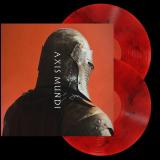
Die schwedischen Metalcore-Visionäre Imminence kündigen ihr sechstes Studioalbum „Axis Mundi“ an, das am 2. Oktober über Sumerian Records erscheint. Mit den beiden neuen Singles „False Light“ und „Crestfallen“ gibt die Band einen ersten Einblick in das Album und dessen zentrale Dualität zwischen brutaler Härte und atmosphärischer Weite.
„False Light“ zählt zu den härtesten Songs des Albums und verbindet wuchtige Growls, schwere Gitarren und intensive Percussion mit kurzen, ruhigen Violinen- und Gesangspassagen. „Crestfallen“ zeigt dagegen die emotionale, atmosphärische Seite von Axis Mundi – getragen von elektronischen Texturen, Orchestrierung und Eddie Bergs klarem Gesang.
Mit „Axis Mundi“ verfeinern Imminence ihre Mischung aus Metalcore, orchestralen Elementen und cineastischem Storytelling. Produziert wurde das Album von der Band selbst, gemeinsam mit Henrik Udd (Architects, Bring Me The Horizon) und Drew Fulk (Twenty One Pilots, Knocked Loose). Inhaltlich erzählt das Werk eine mythologische Reise zwischen Leben und Tod und beschäftigt sich mit Themen wie Leid, Erlösung und Hoffnung.
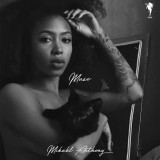
Hailing from the West side of St. Louis, Missouri, Mikahl Anthony’s sonic roots spread far across the global Alt-Soul / Hip-Hop scene. A highly soughtafter multidisciplinary artist (who has collaborated with the likes of Mick Jenkins, Chance The Rapper, Joey Purp, Smino and more), as well as being a founding member of Chicago’s THEMpeople collective, he now prepares to unveil his masterful full-length debut Muse via R&S Records.
Accompanied by several beautiful, self-directed film pieces, Muse is a record with storytelling at its core. Interspersed with commentary from a range of sources telling their stories to Mikhal, whilst collaboratively analysing their personal experiences, it speaks a candid and honest narrative, which reinforce the heartfelt lyrics within. With the project’s name anchored around a dual meaning acronym (1. Ms. Using sensual energy and 2. Making use of seclusion every day). The record is an audio version of docufilm, that creatively interprets the idea of self-therapy, an internal/interpersonal reflection of life experiences that serendipitously connect to Mikahl’s personal romantic relationships. Mikahl explains: ‘I wanted to use a unique style of songwriting, arrangement and filming with the intention of soundtracking my self-development/maturation process’.
On the project’s lasting impression on the listener, Mikahl elaborates ’The exploration of inner truth and vulnerability is key to the future of good music. I want this project to act as symbolism that highlights the mantra that honest approaches and authenticity still has the most value. I also want people to see how important the use of community is when you can connect them to your subject matter...I'd like my audience to observe and engage in their own self-reflections, approaches by way of listening or interacting with the story.’
Drifting to an elevated state of consciousness, Muse is a deeply intoxicating and engrossing listening experience from front to back. From the sliding, kaleidoscopic shadows of opening track ‘La Flare’, via the trepidation-laced atmosphere of ‘Polyamorous’ and the hazy, reverb drenched saxophone notes of LP closer ‘Eddie Kane’ - Mikahl channels moments of joy and pain, infused with spirit enriching instrumentation and gritty textures.
Visual stimuli play an integral role within Mikahl’s music. His songs represent transparency and openness dipped in funk. Layers of soft velvety vocals emerge from jazz harmonies, trap rhythms, and social commentary sourced from voiceovers/excerpts. His creations are the musical representation of documentary films. His art is imagery embodied.
out of Stock
Last delivered 18 days ago available to reorder, subject to availability
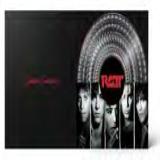
„Dancing Undercover“ war das dritte Studioalbum von Ratt; es erschien 1986 und feiert 2026 sein 40-
jähriges Jubiläum. Das Album wurde mit Platin ausgezeichnet, enthält Hits wie „Dance“ (der in einer
Folge von *Miami Vice* zu hören war), „Body Talk“ (verwendet im Eddie-Murphy-Film *Auf der Suche
nach dem goldenen Kind*) sowie „Slip of the Lip“ und erreichte Platz 26 der Billboard-200-Charts.
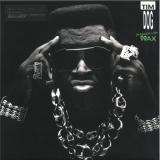
The Bronx rapper Tim Dog released his 1991 debut Penicillin on Wax to a hostile audience. Ever a king of controversy, he made a million enemies with his provocative single "Fuck Compton," a shameless attention ploy dissing N.W.A., DJ Quik, and America's entire Pacific Coast. Penicillin on Wax contains more of the same, as Tim trashes everybody from Kwame to Michel'le to Eddie Murphy. The lyrical insults were arguably the opening salvo in what would later become the East Coast versus West Coast hip hop conflict.
There's no doubt that Penicillin On Wax remains one of the true hardcore hip hop classics and one of many landmarks in sounds from the Bronx. Produced by probably the best hip hop producers of the early 90s, the Ultramagnetic MC's, this album contains some of the most energetic tracks you'll ever hear. Guest appearances on the mic from Kool Keith and Ced-Gee also enhance the LP.
Penicillin On Wax is available on black vinyl and includes an insert.
out of Stock
Last delivered 26 days ago available to reorder, subject to availability
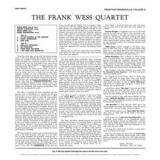
Diese neu remasterte Ausgabe des Albums „The Frank Wess Quartet“ des Tenorsaxophonisten Frank Wess
erscheint im Rahmen der neuen Moodsville Acoustic Sounds Reihe. Das Album, das ursprünglich 1960
veröffentlicht und in den berühmten Studios von Rudy Van Gelder in New Jersey aufgenommen wurde,
umfasst außerdem Tommy Flanagan (Klavier), Eddie Jones (Bass) und Bobby Donaldson (Schlagzeug).
Diese Neuauflage erscheint auf 180-Gramm-Vinyl, gepresst bei QRP, mit vollständig analogem Mastering
von den Originalbändern und in einer Tip-On-Hülle.
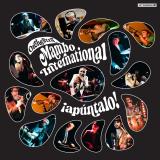
Orchestra Mambo International ist ein britisches Orchester für Mambo, Salsa und Afro-Cuban Jazz, 2022 von DJ Lubi und Jonny Enright (Grupo X) gegründet. Inspiriert von Größen wie Tito Puente, Eddie Palmieri und den Fania All-Stars, verbindet es klassische Traditionen aus New York und Kuba mit frischer Energie aus dem UK. Die generationsübergreifende, internationale Besetzung vereint Musiker aus Venezuela, Kolumbien, Kuba, Brasilien, Spanien und Großbritannien sowie Altersgruppen von Zwanzigern bis Siebzigern. Das Debütalbum "¡Apúntalo!" enthält Kompositionen von Jonny Enright sowie Beiträge von Carlos 'Pachanga' Peña und Timbales-Spieler Jimmy Le Messurier. Ein besonderes Highlight ist der Gastauftritt des renommierten Musikers Chip Wickham (Gondwana Records). Musikalisch bewegt sich "¡Apúntalo!" zwischen Mambo, Salsa Dura, Pachanga, kubanischem Son Montuno, puerto-ricanischer Bomba und Latin Jazz und verbindet den klassischen afro-karibischen Dancefloor-Spirit mit originellem Songwriting, facettenreichen Arrangements und der Energie einer Big Band.
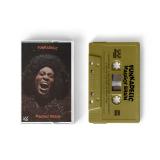
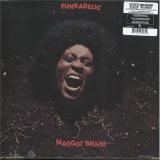
Released in 1971, Maggot Brain stands as the towering masterpiece in Funkadelic’s groundbreaking catalog. Initially misunderstood upon release, the album is now widely regarded as one of the most influential records of all time. Anchored by Eddie Hazel’s otherworldly guitar performance on the legendary title track and featuring enduring favorites like “Can You Get To That,” Maggot Brain redefined the possibilities of funk, rock, and psychedelic music.
For this definitive 2026 reissue, the album was mastered directly from analog tape, preserving the raw power, depth, and atmosphere of the original recordings with extraordinary detail. A longtime holy grail for collectors, Maggot Brain receives the fully analog treatment it has long deserved.
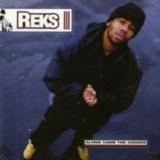
Features Rasco, L da Headtoucha, Edo. G, Esoteric, Pace Won, Young Zee, Danja Mowf, Lonnie B, J-Live, Shabaam Sahdeeq, Lucky Dice, Ripshop and more, plus the first production from Statik Selektah and beats by Soul Searchers, Eddie Bones of Skitzofreniks, Ray Fernandes & Fakts-1.
Along Came the Chosen dropped in 2001 and was the first solo album from Reks, and the first album by a solo artist released on Boston-based Brick Records, which celebrates its 30th anniversary in 2026 too. Its release was a defining building block in the long and storied history of Boston independent hip-hop, and this album set the bar for what was expected from MCs and Beatmakers on the Beatown rap scene and beyond.
Brick Records and Reks are proud to celebrate its 25th anniversary with this deluxe double-vinyl pressing. "Along Came the Chosen reaching its 25 year anniversary, being the piece of art that established my hip hop career, is something monumental to celebrate. The fact that individuals still reach out to me to express how they grew with this album means so much to me. There were so many voices in my ear telling me that being a successful artist in this game required bending to popular trends and styles. This album allowed me to establish my own voice and identity, and I am thankful for Soul Searchers (Magoo and Rockwell) for being the foundational sound bed, Shay Boogs for being my first manager, and Brick Records for being the label that believed in me. I am happy to say we have put out some incredible art together. This album boasts the first-ever Statik Selektah beat placement too! We have come a long way. Here’s to 25 more!" REKS.
Released in 1971, Maggot Brain stands as the towering masterpiece in Funkadelic’s groundbreaking catalog. Initially misunderstood upon release, the album is now widely regarded as one of the most influential records of all time. Anchored by Eddie Hazel’s otherworldly guitar performance on the legendary title track and featuring enduring favorites like “Can You Get To That,” Maggot Brain redefined the possibilities of funk, rock, and psychedelic music.
For this definitive 2026 reissue, the album was mastered directly from analog tape, preserving the raw power, depth, and atmosphere of the original recordings with extraordinary detail. A longtime holy grail for collectors, Maggot Brain receives the fully analog treatment it has long deserved.
out of Stock
Last delivered 38 days ago available to reorder, subject to availability
Released in 1971, Maggot Brain stands as the towering masterpiece in Funkadelic’s groundbreaking catalog. Initially misunderstood upon release, the album is now widely regarded as one of the most influential records of all time. Anchored by Eddie Hazel’s otherworldly guitar performance on the legendary title track and featuring enduring favorites like “Can You Get To That,” Maggot Brain redefined the possibilities of funk, rock, and psychedelic music.
For this definitive 2026 reissue, the album was mastered directly from analog tape, preserving the raw power, depth, and atmosphere of the original recordings with extraordinary detail. A longtime holy grail for collectors, Maggot Brain receives the fully analog treatment it has long deserved.
out of Stock
Last delivered 40 days ago available to reorder, subject to availability
Als wir zuletzt von Marci (alias Marta Cikojevic von der Soft-Rock-Band TOPS aus Montreal) hörten, tanzte sie auf ihrem 2022 erschienenen Album ,Marci" den Schmerz weg. Vier Jahre später kehrt Cikojevic mit ,Mask Lady and Late Night Girl" zurück - einem Album voller Hymnen für Partygirls für die Zeit, wenn die Party vorbei ist, vorgetragen mit Liebe und Mitgefühl für die guten Zeiten und die schönen Erinnerungen. Erneut in Zusammenarbeit mit ihrem TOPS-Bandkollegen David Carriere entstanden, enthält ,Mask Lady" Elemente, die sowohl von den chaotischen Pop-Girls der Y2K-Ära wie Uffie und Kesha als auch von Cikojevics Liebe zu Powerballaden-Sängern der 80er wie White Snake und Def Leppard inspiriert sind, zusammen mit den Vintage-Synthesizern, die ,Marci" eine warm-futuristische Ästhetik verliehen. Glam-Metal-Einflüsse treten bei ,Chaotic Princess" in den Vordergrund, geschrieben und produziert mit Mike Silver (CFCF), einem über-die-Spitzen-gehenden, gitarrenlastigen Knaller über eine verrückte Nacht, in der Cikojevic einen Polizisten anfleht, sie nicht ins Gefängnis zu bringen - Eddie Van Halen auf dem Beifahrersitz, Britney am Steuer.
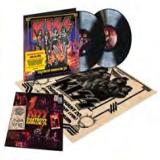
Zum 50. Jahrestag eines der wegweisendsten Konzerte in der KISStory – am 20. August 1976 traten
KISS vor ihrem bis dahin größten Publikum – über 42.000 Fans – im Anaheim Stadium auf. Die ursprüngliche Aufnahme dieses KISStorischen Abends stammt von Eddie Kramer, der dieses Konzert nun
anhand der originalen Mehrspurbänder neu abgemischt hat! Das über 60-minütige Konzert ist auf einer
CD enthalten, zusammen mit einem Booklet mit den wichtigsten Liner Notes aus der Deluxe-Version sowie
unveröffentlichten Fotos und Bildern von Erinnerungstücke.
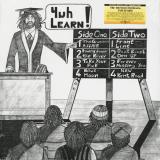
'Under the name The 4th Street Orchestra, Dennis Bovell released a series of limited-edition albums in the mid-70s specifically for the UK sound system scene. Yuh Learn! stands as a prime example of Bovell’s creativity and production prowess. With its strong Jamaican Roots appeal, it is a record cherished by sound system selectors, capable of taking every listener on a deep journey through the many shades of dub.
'The album features two of Real Rock Records’ favorite tracks. First, the instrumental The Grunwick Affair, recorded in solidarity with the striking workers of the Grunwick Film Processing Laboratories in Willesden. This historic industrial dispute paved the way for the socio-political shifts of the late 70s and remains a landmark in British labor history. The track was even hailed by Time Out as one of the top 100 songs about London. The horn section features also the legendary Rico Rodriguez, Michael ‘Bammy’ Rose, and Eddie Thornton on trumpet. Also included is the classic sound system anthem Rowing Down The River.
'Presented here in an extended version, Bovell’s vocals ride the rhythm perfectly until a heavyweight dub version takes over. The musicians performing as “The 4th Street Orchestra” deserve special mention. The lineup includes drummer Jah Bunny, a foundation musician who played on crucial albums with Bovell and the late Jah Shaka, and John Kpiaye, a leading figure in the British reggae scene and “Lovers Rock” producer. Kpiaye has collaborated with Dennis Brown, Aswad, and I Jahman Levi, and serves as the resident guitarist for the Dennis Bovell Dub Band backing Linton Kwesi Johnson.The late Eddie “Tan Tan” Thornton on trumpet, an Alpha Boys School alumnus and legendary session man also for The Beatles and Jimi Hendrix, brings his expertise to the project, having also contributed to masterpieces like Rico Rodriguez’s Man From Wareika.
This is a limited-edition, vinyl-only first reissue of one of the rarest and most sought-after albums from Dennis Bovell’s legendary catalog.'
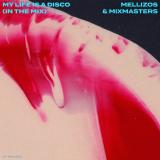
Mellizos & Mixmasters have collaborated on a new track titled “My Life Is A Disco (In The Mix),” which is a reimagining of the Chicago classic “In The Mix” by Mixmasters. The track is a joint effort between the Texas-based twin DJ/producer duo Mellizos and the classic Chicago house outfit and get’s a release on Franky Rizardo’s LTF Records outfit. The track combines the classic Chicago house sound with a modern, high-energy, and deep percussive vibe, intended for dancefloors. Coachella 2026 went off for this one! The vinyl also includes the Mixmasters’ ‘Fast Eddie’ classic mix.
Essential.
b Mellizos & Mixmasters - My Life Is A Disco (In The Mix) Intrumental
b B1 Mellizos & Mixmasters - My Life Is A Disco (In The Mix) Intrumental
b B1 Mellizos & Mixmasters - My Life Is A Disco (In The Mix) Intrumental
out of Stock
Last delivered 22 days ago available to reorder, subject to availability
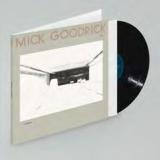
Mick Goodrick (1945–2022), den das Magazin DownBeat in seiner Rezension dieses Albums als „technisch
einen der besten Gitarristen überhaupt“ pries, war ein subtiler Meister der Gitarre und ein ebenso zurückhaltender Komponist – beide Qualitäten treten auf dieser einzigen ECM-Aufnahme unter seinem eigenen
Namen deutlich hervor. Der Pianist Fred Hersch nannte ihn „den Gitarrenflüsterer“, während John Scofield
bemerkte: „Ich durfte mit Mick spielen, was eine wertvolle Lernerfahrung war – ganz abgesehen davon,
dass es Spaß gemacht hat. Ich liebe sein ECM-Album In Pas(s)ing – ein besonderes Werk, das auch heute
noch relevant klingt.“ Für In Pas(s)ing wurde der Gitarrist, der maßgeblich zu Gary Burtons erfolgreicher
ECM Albumserie der 1970er Jahre beigetragen hatte, von hochkarätigen Begleitern unterstützt: John
Surman, hier überwiegend am Baritonsaxophon zu hören, Bassist Eddie Gomez sowie Schlagzeuglegende
Jack DeJohnette. In weit-offenem, lyrischem Zusammenspiel entfalten die vier Improvisatoren eine leiseeruptive Session voller filigraner Interaktion und heimlich einprägsamer Melodien. Das Magazin Melody
Maker bezeichnete Goodrick in seiner Rezension von 1979 als einen „Komponisten und Bandleader, der
seiner Musik erlaubt an Ort und Stelle anmutig Pirouetten zu drehen“, und führte weiter aus: „Unter den
gegenwärtigen Gitarristen der ECM-Schule scheint er die gelungenste Verbindung von Tradition mit einer
modernen Konzeption zu besitzen. Modisch unaufdringlich versieht er die Musik dennoch mit einer unverwechselbaren Handschrift – durch seinen kühlen, singenden verstärkten Ton, sparsam eingesetzte, aber
feste Hintergründe und das wunderbare Zusammenspiel mit Surman.“ Auch die Mitmusiker würdigte der
Artikel ausdrücklich: „Dies ist jedenfalls eine der besten Aufnahmen Surmans seit Jahren. Natürlich sind
Gomez und DeJohnette entscheidend für den Erfolg der Platte – der Vorwärtsdrang, den sie erzeugen, ist
beinahe übernatürlich diskret, aber absolut real.“ Das Album wurde im November 1978 im Talent Studio
in Oslo aufgenommen und von Manfred Eicher produziert.
Im Rahmen von ECMs Luminessence Reihe neu aufgelegt, erscheint In Pas(s)ing in einem hochwertigen
tip-on Klappcover mit neuen Linernotes von Joel Harrison sowie Photographien aus dem Archiv.
Seit etwas mehr als einem Jahrzehnt hat sich EXEK ganz leise zu einer der faszinierendsten Bands der Welt entwickelt, die sich von Album zu Album verändert und weiterentwickelt und sich nach und nach geöffnet hat, ohne jemals diese seltsame, unergründliche und insgesamt essentielle Eigenschaft zu verlieren, die sie so großartig gemacht hat - so EXEK-mäßig. Nun bringt die Post-Punk-Band aus Melbourne - Sänger und Chefarchitekt Albert Wolski, Gitarrist Jai Morris-Smith, Schlagzeuger Chris Stephenson, Synthesizer-Spezialist Andrew Brocchi, Trompeterin und Sängerin Valya YL Hooi und Bassist Ben Hepworth - ihr siebtes Album und erstes für DFA raus: ,Prove The Mountains Move". Es ist, wie Wolski sagt, ,ein bisschen epischer" als alles, was er bisher aufgenommen hat, ein üppiges und unverhohlen melodisches Set surrealistischer Popmusik, das sich in Widersprüchen suhlt. ,Dieses Album ist in seiner Machart experimentell", sagt Wolski, ,aber es klingt nicht unbedingt experimentell." Dafür gibt es einen guten Grund. Die Arbeit begann an einem kalten Nachmittag im Juni 2023, als Wolski und Stephenson sich in den Pelican Refill Studios in Melbourne trafen, um die Drums aufzunehmen - das erste, was sie immer machen. Danach ging Wolski alleine nach Hause und fing an, die aufgenommenen Beats und Breaks durchzugehen, wobei er sich von den Drum-Sounds zu Melodien und Basslines leiten ließ, Loops und Layers erstellte und so die Grundlage für ,Prove The Mountains Move" schuf. ,Ich fühle mich wohl dabei, alleine wie ein verrückter Wissenschaftler herumzutüfteln", sagt er. ,Ich habe es auch genossen, ohne klare Absicht auf Aufnahme zu drücken. Meistens führte mich das in eine interessante Richtung, die mein Bewusstsein wahrscheinlich nicht gesucht hätte." Und doch gelangte Wolski irgendwie zu seinem direktesten Werk seit Beginn des Projekts, neu inspiriert von der Klarheit und Prägnanz des Mainstream-Pop, der starken und unbestreitbaren Anziehungskraft einer einfachen Gesangsmelodie. Nachdem die berühmt-berüchtigten strengen COVID-Lockdowns in Melbourne beendet waren, wollte er einfach draußen bleiben. ,Die Arbeit an neuer Musik trat gegenüber dem Feiern mit Freunden in den Hintergrund", sagt er. ,Und diese Partys waren voller großer Hits als Soundtrack - Sachen, die ich selbst nicht wirklich hörte, Sachen, denen ich seit meiner Jugend nicht mehr begegnet war. Aber in den frühen Morgenstunden des Sonntags klingt ,Alive" von Pearl Jam, als würde man mit Gott sprechen. Genauso wie ,All I Wanna Do" von Sheryl Crow und ,Feel" von Robbie Williams. Krautrock und Dub waren immer noch in meiner DNA, aber die Musik, die ich zu machen begann, war vielleicht etwas unbeschwerter und vielleicht auch etwas emotionaler." Das heißt nicht, dass man hier Spuren von Eddie Vedder in Wolskis Gesang erwarten sollte, aber die Einsätze fühlen sich auf ihre eigene Weise ähnlich an - so klingt es, wenn EXEK wirklich alles geben. Nimm zum Beispiel die schwebenden Synthesizer des Openers ,Sidestepping" oder die gewaltigen Gitarren von ,Arriverderci Back Pain", die pyrotechnischen Klavierklänge von ,Don't Answer (When They Call)" oder die Bowie-artige Melancholie von ,You Have Been Blessed". Die Arrangements wirken offener, der Sound fokussierter. Es fällt nicht schwer, Wolski zu glauben, wenn er sagt, dass er viel Zeit damit verbracht hat, seine Mixe von ,Prove The Mountains Move" mit einigen der wichtigsten Alben, die je aufgenommen wurden, darunter ,Abbey Road", zu vergleichen. Aber alles ist relativ. Und textlich bleibt Wolski weiterhin verschlüsselt. ,Jeder Song ist eine Vignette in einem abstrakten Milieu, sei es ein experimentelles Chiropraktik-Geschäft am Flughafen oder spärlich bekleidete Kreaturen aus Staub in einem Food Court. Egal wie verrückt das auch sein mag, es gibt Themen und Motive auf dem gesamten Album, sowohl textlich als auch musikalisch, die sich in verschiedenen Songs widerspiegeln und aufeinander Bezug nehmen." Diese Dissonanz zwischen direkt und indirekt, glatt und strukturiert, schattig und glühend, verrückt und ausdruckslos ist die treibende Kraft im Herzen dieser Songs, seiner bisher besten.
out of Stock
Last delivered 3 months ago available to reorder, subject to availability
Following releases of the UFO and Supercar soundtracks, Thunderbirds is the third in the series from Gerry and Sylvia Anderson’s iconic TV shows. It is newly compiled, mastered and designed by the creative team at Fanderson (The Official Gerry and Sylvia Anderson Appreciation Society), who have access to Barry Gray's original studio tapes.
The album features 37 tracks from 19 episodes (series 1 and 2), including the Thunderbirds main theme and closing titles. The tracks were not programmed to follow the episode order but to achieve an integrated listening experience. The best bits of the sixties’ soundscapes are here. The Thunderbirds soundtrack is an effective time capsule as Gray’s music veers into British spy genre, Latin pop, exotica, urban jazz and military marches. Beautifully composed and conducted, the score reflects the moods of the scenes, from dangerous to romantic and no-nonsense to silly.
Barry Gray was a classically trained composer and a versatile musician, and was amongst the first composers to use electronic instruments in music for television. Best known for creating the music for most of the Gerry & Sylvia Anderson television series in the 1960's and 70's (Fireball XL5, Thunderbirds, UFO, Space:1999), Barry Gray’s complete musical opus is still not commercially available in its entirety.
RESERVA ESPECIAL: MALACO (S4R62)
A new volume in the Reserva Especial series, this time dedicated to Malaco
Records.
It features a previously unreleased song by The Unemployed, a semiknown track by Chad (originally available only on CD), an obscure cut by
The Right Combination, and a dancefloor delight by Eddie Floyd, released
for the first time on 45 rpm.
Get ready to move your feet as Charly Records, in association with Screenbound Pictures, announces the release of a special edition, 4-track vinyl EP celebrating the critically acclaimed documentary, Northern Soul Still Burning released on 15 May 2026. This highly collectible vinyl lands just as the film takes UK cinemas by storm this Spring.
A Piece of Soul History — This special edition vinyl is housed in an exclusive, stunning picture sleeve featuring an original photograph shot inside the legendary Wigan Casino in 1976 by celebrated British photographer Red Saunders. It is a visual and auditory time capsule that perfectly captures the sweat, speed, and style of the movement.
Critically Acclaimed Across the UK — earning a staggering string of 4-star reviews:
"Thumping celebration of the legendary underground club scene" ★★★★ Peter Bradshaw, The Guardian
"It really tells you what makes the scene so special... a really interesting bit of social history" ★★★★ James King, BBC Radio 2
“Watching the doc you get the sense that you kind of are there… it works really well” Mark Kermode, Kermode & Mayo’s Take
"Wonderful footage... a soundtrack that will keep your feet tapping, director Alan Byron has captured the energy and power" ★★★★ Dan Carrier, Camden New Journal
From The Times to The Daily Mirror, the consensus is unanimous: this film—and its soundtrack—is a passionate, joyous valentine to a youth culture that refuses to die.
out of Stock
Last delivered 4 months ago available to reorder, subject to availability
Berlin lo-fi crooner Der Assistent returns with "Ultramarin", a sun-faded suite of soft-focus pop, Balearic grooves and late-night yacht moods drifting between languages, moods and references – slightly surreal, and quietly melancholic.
Following the tropical haze of its predecessor "Amnesie am Amazonas", his third album makes a slightly bigger splash: classic late-80s digital pianos, downbeat grooves and flashes of dub-reggae intertwine with subtle soprano and alto saxophone lines that drift between lounge melancholy and nocturnal jazz.
Laid-back opening cut “Wenn der Scirocco weht” pays homage to Japanese lovers rock, while the dubby downbeat title track celebrates the color blue in French, English, Italian and German, echoing situationist slogans and painter Yves Klein’s idea of “the invisible becoming visible.” Lead single “Mann am Telefon” dives into hazy yacht-pop and lo-fi soul, gradually unfolding into an instrumental outro that recalls the early synth romanticism of Vangelis.
Across the album, Der Assistent traces a playful tale of split personalities – with subtle nods to Fight Club and Blade Runner – culminating in the lush closing 80s R&B ballad “Total Confusion”.
Written, recorded, produced and mixed entirely by Der Assistent, Ultramarin also inaugurates his new imprint of the same name.
RIYL: Fishmans, Eddie Chacon, The Zenmenn.
out of Stock
Last delivered 73 days ago available to reorder, subject to availability
With the release of De Todas las Flores, Natalia Lafourcade returned with an album of entirely original material for the first time in seven years.
Musically, De Todas las Flores, dives into a wide variety of Latin jazz and folk genres, such as bolero, cumbia, bossa nova, and samba. Lafourcade describes the album as her musical diary, exploring themes of heartbreak, loss, and grief. She drew inspiration from nature, particularly her home garden in Xalapa, Veracruz.
Lafourcade enlisted the help of her former neighbour, Adán Jodorowsky, for production. The musical touch came from musicians such as the guitarist Marc Ribot (Tom Waits, John Zorn) and the bassist Sebastian Steinberg (Soul Coughing, Eddie Vedder, Fiona Apple).
De Todas las Flores is available as a limited edition of 2000 individually numbered copies on transparent vinyl and includes an insert and printed inner sleeves.
In der Heimat der Wettbüros wird zurzeit ein Name groß gehandelt: SHAME. Die Band lebt von Konfrontation. Sei es die brodelnde Intensität, die auf ihrem Debüt ,Songs of Praise" knistert, oder das Adrenalin-pumpende Chaos, das sich bei ihren aufregenden von großen Emotionen angetriebenen Shows entfaltet. Bestehend aus dem Sänger Charlie Steen, den Gitarristen Sean Coyle-Smith und Eddie Green, dem Bassisten John Finerty und dem Schlagzeuger Charlie Forbes, begann das in London lebende Quintett bereits im Schuljungenalter. Mit einem gesunden DIY-Ethos als Grundlage und mit The Fall und Wire als musikalische Einflüsse schafften sich SHAME eine Nische in der Musikszene Südlondons und entwickelten furchtlos ihren aufrichtigen, eckigen, peitschenden Post-Punk. Die zehn Songs von ,Songs of Praise" lassen keine Fragen offen. Ob "Gold Hole", ein augenzwinkernder Takedown von Rock-Narzissmus, oder die Single "Concrete", die den überwältigenden Moment der Erkenntnis einer zum Scheitern verurteilten Beziehung beschreibt, oder das frustrierte "Tasteless", das die Monotonie des Alltags beschreibt. ,Songs of Praise" bietet keine Atempause.
out of Stock
Last delivered 4 months ago available to reorder, subject to availability
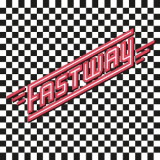
Formed by "Fast" Eddie Clarke (formerly of Motorhead) and Pete Way (formerly of UFO), the band delivered a raw, energetic sound driven by powerful guitar riffs and melodic hooks. With standout tracks like "Say What You Will" and "Easy Livin'," Fastway received praise for its straightforward rock appeal and infectious energy. Lead vocalist Dave King's dynamic voice adds a gritty edge to the album's heavy rhythms and bluesy influences. Fastway was a commercial success, helping the band gain a strong following and cementing their place in the hard rock and metal landscape. For fans of classic rock and early heavy metal, Fastway is a must-listen, delivering a high-energy experience from start to finish. Fastway is available on black vinyl.
To celebrate the 20-year anniversary of our label Jamaican Recordings and to mark the sad one year passing of the musical maestro reggae producer Bunny `Striker’ Lee, we have pulled together a brand new collection of some great Bunny Lee rhythms.
Our label started way back with initial meetings with Bunny Lee and a promise to keep his music available, out on the streets. He will be sorely missed but will live on through his extraordinary musical legacy and we hope to add to this by including this release to the stable of an unbeatable catalogue.
Legendary record producer Bunny `Striker’ Lee’s vast selection of rhythms were ever present at any Sound Clash or Dance worth talking about in the early to mid-1970’s.
Where the version found on the b-side of a single or special dub cut on acetates, would be played to win over the people and conquer the dance. Bunny Lee was the undisputed rhythm master and on this special release he is also the MC telling the crowd how it is and that any rival sound system should watch out as he has the rhythms that can reign supreme. The band cutting these timeless rhythms were a group of top Jamaican musicians Bunny had put together called The Aggrovators.
The Aggrovators were a group of reggae musicians that usually featured Carlton `Santa’ Davis on drums playing alongside Robbie Shakespeare on bass, with other musicians added like Earl `Chinna’ Smith on guitar and Tommy McCook and Vin Gordon and Lennox Brown added for horn arrangements. Keyboards and organ duties normally fell
to musicians Ansel Collins and Bernard ‘Touter’ Harvey. The band was named after singer Eddie Grant had repeated the phrase to Bunny Lee on one of his many trips to England, that such and such artist was giving him `Aggro’. This was a term used in England in the 1970’s by the Skinhead followers of reggae music. A term shortened
from the word `Aggrovation’, meaning trouble, fighting or making the situation worse. Bunny Lee was so taken with this term that on returning to Jamaica, not only did he name his group of musicians the `Aggrovators’ but he also named his record shop situated at 101 Orange Street `Agro Records’.
We have compiled some great tracks recorded by this fantastic group of musicians. With the added extra magic of Mr Bunny Lee calling it out as only he can on the microphone.
Yes Run Sound Boy Run the version master is here…Respect
out of Stock
Last delivered 4 years ago available to reorder, subject to availability
LP with printed Innersleeve with Linernotes by Eddie Piller (Acid Jazz) The compilation series “DJ's Choice” was launched in 2008 and has already enjoyed the participation of several high-profile curators, such as Keb Darge, Marc Hype, and DJ Suspect. A few years before the death of Unique Label founder Henry Storch in 2018, a DJ's Choice edition was created with his long-time friend and fellow DJ Eddie Piller. Unfortunately, it never came to fruition—as is so often the case, life had other plans, and sadly not all of them were pleasant. However, the idea was never completely forgotten, and with the help of Eddie and Henry's DJ partner in crime Sandra (Frollein Taube), a list of tracks that were on Henry's quick-select list for his sets was finally compiled.
out of Stock
Last delivered 5 months ago available to reorder, subject to availability
After all of the fun had - and, if we may brag a bit - the acclaim for NWB001, we're back with a follow-up.
So here's NWB002. Our start and end points shift this time (1979–1997 vs 1977-1989) but again the focus is on revolutionary moments in music and subculture.
We've got pieces from The Face, i-D, Time Out, Village Voice, Rolling Stone, Mixmag, The Observer and - a particularly big pleasure - Collusion magazine. We've got brilliant photography, too, documenting seminal afterdark moments. And we've put it all together with much love, craft and attention to detail.
This is material that lets us experience culture in its rawest form. In-the-moment and before endless layers of post-rationalisation have kicked in. Breakthrough events in dance music, hip-hop and pop – and parallel shifts in art, design and fashion. Inspirational, ground-level creativity and enterprise that set the scene(s) for subsequent decades.
We hope you enjoy reading NWB002 as much as we enjoyed bringing it together.
Inside No Way Back 002
Behind The Groove - the epic 1983 feature by Steven Harvey in David Toop's Collusion magazine, charting the NYC disco underground
Photographer Steve Eichner documenting the club kids scene at The Limelight, Palladium, Tunnel and Club USA
Year zero reporting as The Face's Sheryl Garratt visits Chicago in 1986, witnessing the emergent house sound
The Mudd Club - 'disco for punks' as Rolling Stone put it; the Lower East Side party which arguably spawned a thousand indie discos
In the 'socialist city' of Sheffield, meanwhile, Jon Savage heads for a night of sharp clothes and even sharper moves at Jive Turkey
Paul Morley writing in Time Out in 1988 on the tension materialising between glossy style mags and the the monochrome music press
The House That Rap Built - Village Voice celebrates the short but sweet glory years of hip-house
Mixmag in 1992 on the 'return of sex' to clubs like Roxy and the Sound Factory
Images and commentary from Eddie Otchere, rewinding to jungle's halcyon days
Kodwo Eshun reporting on jungle's full-throttle ascent for i-D in 1994
+ Editor’s notes, supporting commentary, playlists, and covers, spreads and imagery from original titles
Soul meets Funk 1967-style. Club Sounds, Funk Guitar Groovers, Soul Cha-Cha, Hammond Magic, Freak-Out Party Sounds, Slinky Organ Smoochers. Cornbread And Buttermilk, Chittlin' Salad, Sweet Potato Gravy, and a Bucket Of Grease. Just Instrumentals Soul and Funk-Style. Mmm Mmm Mmm.
Compare the best of British jazz circa 1963 with American sounds from labels such as Prestige, Tangerine and World Pacific. This album captures the period when rhythm and blues is emerging as the dominant club sound, forcing Soho jazz clubs to change their music policy in order to survive. On the British side, you’ve got Ronnie Scott’s arrangement of Last Minute Bossa Nova; Bang!, taken from Dick Morrissey Quartet’s first session for the BBC’s World Service, recorded around the time of the release of their first album Have You Heard? The version here is take two. You can hear take one along with the rest of the eleven-track session on R&B18 Jazz For Moderns.
Early In The Morning is a Ginger Baker/Jack Bruce arrangement of the traditional work song realized as a repeated blues riff, and is the first ever recording that is recognizably British Blues. Graham Bond features on alto sax along with Bruce and Baker together as members of the Johnny Burch Octet heard playing live at a BBC staff party from March 1963. Side Two features Jazz Stateside, such as West Coast guitarist Johnny Hartsman, Gene Ammons veering into proto jazz-funk on Jungle Soul, aka Ca' Purange plus a couple of top notch Hammond workouts from Terrell Prude and Charles Kynard.
Writings on the topic that go off in all directions, mind-numbing lectures given by academics, and testimonies, most of them heavily doctored, from those who “lived through that era”: so many people today fantasize about the early days of punk in our country… This blessed moment when no one had yet thought of flaunting a ridiculous green mohawk, taking Sid Vicious as a hero, or – even worse – making the so-called alternative scene both festive and boorish. There was no such thing in 1976 or 1977, when it wasn’t easy to get hold of the first 45s by the Pistols or the Clash. Few people were aware of what was happening on the fringes of the fringes at the time. Malcolm McLaren was virtually unknown, and having short hair made you seem strange. Who knew then that rock music, which had taken a very bad turn since the early 1970s, would once again become an essential element of liberation? That, thanks to short and fast songs, it would once again rediscover that primitive, social side that was so hated by older generations? Who knew that, besides a few loners who read the music press (it was even better if they read it in English) and frequented the right record stores? Many of these formed bands, because it was impossible to do otherwise. We quickly went from listening to the Velvet Underground to trying to play the Stooges’ intros. It’s a somewhat collective story, even though there weren’t many people to start it.
The Guilty Razors were among those who took part in this initial upheaval in Paris. They were far from being the worst. They had something special and even released a single that was well above the national average. They also had enough songs to fill an album, the one you’re holding. In everyone’s opinion, they were definitely not among the punk impostors that followed in their wake. They were, at least, genuine and credible.
Guilty Razors, Parisian punk band (1975-1978). To understand something about their somewhat linear but very energetic sound, we might need to talk about the context in which it was born and, more broadly, recall the boredom (a theme that would become capital in punk songs) coupled with the desire to blow everything off, which were the basis for the formation of bands playing a rejuvenated rock music ; about the passion for a few records by the Kinks or the early Who, by the Stooges, by the Velvet mostly, which set you apart from the crowd.
And of course, we should remember this new wave, which was promoted by a few articles in the specialized press and some cutting-edge record stores, coming from New York or London, whose small but powerful influence could be felt in Paris and in a handful of isolated places in the provinces, lulled to sleep by so many appalling things, from Tangerine Dream to President Giscard d’Estaing...
In 1975-76, French music was, as almost always, in a sorry state ; it was still dominated by Johnny Hallyday and Sylvie Vartan. Local rock music was also rather bleak, apart from Bijou and Little Bob who tried to revive this small scene with poorly sound-engineered gigs played to almost no one.
In the working class suburbs at the time, it was mainly hard rock music played to 11 that helped people forget about their gruelling shifts at the factory. Here and there, on the outskirts of major cities, you still could find a few rockers with sideburns wearing black armbands since the death of Gene Vincent, but it wasn’t a proper mass movement, just a source of real danger to anyone they came across who wasn't like them. In August 1976, a festival unlike any other took place in Mont-de-Marsan – the First European Punk Festival as the poster said – with almost as many people on stage as in the audience. Yet, on that day, a quasi historical event happened, when, under the blazing afternoon sun, a band of unknowns called The Damned made an unprecedented noise in the arena, reminiscent of the chaotic Stooges in their early adolescence. They were the first genuine punk band to perform in our country: from then on, anything was possible, almost anything seemed permissible.
It makes sense that the four+1 members of Guilty Razors, who initially amplified acoustic guitars with crappy tape recorder microphones, would adopt punk music (pronounced paink in French) naturally and instinctively, since it combines liberating noise with speed of execution and – crucially – a very healthy sense of rebellion (the protesters of May 1968 proclaimed, and it was even a slogan, that they weren’t against old people, but against what had made them grow old. In the mid-1970s, it seemed normal and obvious that old people should now ALSO be targeted!!!).
At the time, the desire to fight back, and break down authority and apathy, was either red or black, often taking the form of leafleting, tumultuous general assemblies in the schoolyard, and massive or shabby demonstrations, most of the time overflowing with an exciting vitality that sometimes turned into fights with the riot police. Indeed, soon after the end of the Vietnam War and following Pinochet’s coup in Chile, all over France, Trotskyist and anarcho-libertarian fervour was firmly entrenched among parts of the educated youth population, who were equally rebellious and troublemakers whenever they had the chance. It should also be noted that when the single "Anarchy in the UK" was first heard, even though not many of us had access to it, both the title and its explosive sound immediately resonated with some of those troublemakers crying out for ANARCHY!!! Meanwhile, the left-wing majority still equated punks with reckless young neo-Nazis. Of course, the widely circulated photos in the mainstream press of Siouxsie Sioux with her swastikas didn’t necessarily help to win over the theorists of the Great Revolution. It took Joe Strummer to introduce The Clash as an anti-racist, anti-fascist and anti-ignorance band for the rejection of old-school revolutionaries to fade a little.
The Lycée Jean-Baptiste Say at Porte d’Auteuil, despite being located in the very posh and very exclusive 16th arrondissement of Paris, didn’t escape these "committed" upheavals, which doubled as the perfect outlet for the less timid members of this generation.
“Back then, politics were fun,” says Tristam Nada, who studied there and went on to become Guilty Razors’ frontman. “Jean-Baptiste was the leftist high-school in the neighbourhood. When the far right guys from the GUD came down there, the Communist League guys from elsewhere helped us fight them off.”
Anything that could challenge authority was fair game and of course, strikes for just about any reason would lead to increasingly frequent truancy (with a definitive farewell to education that would soon follow). Tristam Nada spent his 10th and 11th unfinished grades with José Perez, who had come from Spain, where his father, a janitor, had been sentenced to death by Franco. “José steered my tastes towards solid acts such as The Who. Like most teenagers, I had previously absorbed just about everything that came my way, from Yes to Led Zeppelin to Genesis. I was exploring… And then one day, he told me that he and his brother Carlos wanted to start a rock band.” The Perez brothers already played guitar. “Of course, they were Spanish!”, jokes their singer. “Then, somewhat reluctantly, José took up the bass and we were soon joined by Jano – who called himself Jano Homicid – who took up the rhythm guitar.” Several drummers would later join this core of not easily intimidated young guys who didn’t let adversity get the better of them.
The first rehearsals of the newly named Guilty Razors took place in the bedroom of a Perez aunt. There, the three rookies tried to cover a few standards, songs that often were an integral part of their lives. During a first, short gig, in front of a bewildered audience of tough old-school rockers, they launched into a clunky version of the Velvet Underground's “Heroin”. Challenge or recklessness? A bit of both, probably… And then, step by step, their limited repertoire expanded as they decided to write their own songs, sung in a not always very accurate or academic English, but who cared about proper grammar or the right vocabulary, since what truly mattered was to make the words sound as good as possible while playing very, very fast music? And spitting out those words in a language that left no doubt as to what it conveyed mattered as well.
Trying their hand a the kind of rock music disliked by most of the neighbourhood, making noise, being fiercely provocative: they still belonged to a tiny clique who, at this very moment, had chosen to impose this difference. And there were very few places in France or elsewhere, where one could witness the first stirrings of something that wasn’t a trend yet, let alone a movement.
In the provinces, in late 1976 or early 1977, there couldn’t be more than thirty record stores that were a bit more discerning than average, where you could hear this new kind of short-haired rock music called “punk”. The old clientele, who previously had no problem coming in to buy the latest McCartney or Aerosmith LP, now felt a little less comfortable there…
In Paris, these enlightened places were quite rare and often located nex to what would become the Forum des Halles, a big shopping mall. Between three aging sex workers, a couple of second-hand clothes shops, sellers of hippie paraphernalia and small fashion designers, the good word was loudly spread in two pioneering places – propagators of what was still only a new underground movement. Historically, the first one was the Open Market, a kind of poorly, but tastefully stocked cave. Speakers blasted out the sound of sixties garage bands from the Nuggets compilation (a crucial reference for José Perez) or the badly dressed English kids of Eddie and the Hot Rods. This black-painted den was opened a few years earlier by Marc Zermati, a character who wasn’t always in a sunny disposition, but always quite radical in his (good) choices and his opinions. He founded the independent label Skydog and was one of the promoters of the Mont-de-Marsan punk festivals. Not far from there was Harry Cover, another store more in tune with the new New York scene, which was amply covered in the house fanzine, Rock News (even though it was in it that the photos of the Sex Pistols were first published in France).
It was a favorite hang-out of the Perez brothers and Tristam Nada, as the latter explained. “It’s at Harry Cover’s that we first heard the Pistols and Clash’s 45s, and after that, we decided to start writing our first songs. If they could do it, so could we!”
The sonic shocks that were “Anarchy in the UK”, “White Riot” or the Buzzcocks’s EP, “Spiral Scratch” – which Guilty Razors' sound is reminiscent of – were soon to be amplified by an unparalleled visual shock. In April 1977, right after the release of their first LP, The Clash performed at the Palais des Glaces in Paris, during a punk night organised by Marc Zermati. For many who were there, it was the gig of a lifetime…
Of course, Guilty Razors and Tristam were in the audience: “That concert was fabulous… We Parisian punks were almost all dressed in black and white, with white shirts, skinny leather ties, bikers jackets or light jackets, etc. The Clash, on the other hand, wore colourful clothes. Well, the next day, at the Gibus, you’d spot everyone who had been at this concert, but they weren’t wearing anything black, they were all wearing colours.”
It makes sense to mention the Gibus club, as Guilty Razors often played there (sometimes in front of a hostile audience). It was also the only place in Paris that regularly scheduled new Parisian or Anglo-Saxon acts, such as Generation X, Siouxsie and the Banshees, the Slits, and Johnny Thunders who would become a kind of messed-up mascot for the venue. A little later, in 1978, the Rose Bonbon – formerly the Nashville – also attracted nightly owls in search of electric thrills… In 1977, the iconic but not necessarily excellent Asphalt Jungle often played at the Gibus, sometimes sharing the bill with Metal Urbain, the only band whose aura would later transcend the French borders (“I saw them as the French Sex Pistols,” said Geoff Travis, head of their British label Rough Trade). Already established in this small scene, Metal Urbain helped the young and restless Guilty Razors who had just arrived. Guitarist for Metal Urbain Hermann Schwartz remembers it: “They were younger than us, we were a bit like their mentors even if it’s too strong a word… At least they were credible. We thought they were good, and they had good songs which reminded of the Buzzcocks that I liked a lot. But at some point, they started hanging out with the Hells Angels. That’s when we stopped following them.”
The break-up was mutual, since, Guilty Razors, for their part, were shocked when they saw a fringe element of the audience at Metal Urbain concerts who repeatedly shouted “Sieg Heil” and gave Nazi salutes. These provocations, even still minor (the bulk of the skinhead crowd would later make their presence felt during concerts), weren’t really to the liking of the Perez brothers, whose anti-fascist convictions were firmly rooted. Some things are non-negotiable.
A few months earlier (in July 1978), Guilty Razors had nevertheless opened very successfully for Metal Urbain at the Bus Palladium, a more traditonally old-school rock night-club. But, as was sometimes the case back then, the night turned into a mass brawl when suburban rockers came to “beat up punks”.
Back then, Parisian nights weren’t always sweet and serene.
So, after opening as best as they could for The Jam (their sound having been ruined by the PA system), our local heroes were – once again – met outside by a horde of greasers out to get them. “Thankfully,” says Tristam, “we were with our roadies, motorless bikers who acted as a protective barrier. We were chased in the neighbouring streets and the whole thing ended in front of a bar, with the owner coming out with a rifle…”
Although Tristam and the Perez brothers narrowly escaped various, potentially bloody, incidents, they weren’t completely innocent of wrongdoing either. They still find amusing their mugging of two strangers in the street for example (“We were broke and we simply wanted to buy tickets for the Heartbreakers concert that night,” says Tristam). It so happened that their victims were two key figures in the rock business at the time: radio presenter Alain Manneval and music publisher Philippe Constantin. They filed a complaint and sought monetary compensation, but somehow the band’s manager, the skilful but very controversial Alexis, managed to get the complaint withdrawn and Guilty Razors ended up signing with Constantin with a substantial advance.
They also signed with Polydor and the label released in 1978 their only three-track 45, featuring “I Don't Wanna be A Rich”, “Hurts and Noises” and “Provocate” (songs that exuded perpetual rebellion and an unquenchable desire for “class” confrontation). It was a very good record, but due to a lack of promotion (radio stations didn’t play French artists singing in English), it didn’t sell very well. Only 800 copies were allegedly sold and the rest of the stock was pulped… Initially, the three tracks were to be included on a LP that never came to be, since they were dropped by Polydor (“Let’s say we sometimes caused a ruckus in their offices!” laughs Tristam.) In order to perfect the long-awaited LP, the band recorded demos of other tracks. There was a cover of Pink Floyd's “Lucifer Sam” from the Syd Barrett era – proof of an enduring love for the sixties’ greats –, “Wake Up” a hangover tale and “Bad Heart” about the Baader-Meinhof gang, whose actions had a profound impact on the era and on a generation seeking extreme dissent... On the album you’re now discovering, you can also hear five previously unreleased tracks recorded a bit later during an extended and freezing stay in Madrid, in a makeshift studio with the invaluable help of a drummer also acting as sound engineer. He was both an enthusiastic old hippie and a proper whizz at sound engineering. Here too, certain influences from the fifties and sixties (Link Wray, the Troggs) are more than obvious in the band’s music.
Shortly after a final stormy and rather barbaric (on the audience’s side) “Punk night” at the Olympia in June 1978, Tristam left the band ; his bandmates continued without him for a short while.
But like most pioneering punk bands of the era, Guilty Razors eventually split up for good after three years (besides once in Spain, they’d only played in Paris). The reason for ceasing business activities were more or less the same for everyone: there were no venues outside one’s small circuit to play this kind of rock music, which was still frightening, unknown, or of little interest to most people. The chances of recording an LP were virtually null, since major labels were only signing unoriginal but reassuring sub-Téléphone clones, and the smaller ones were only interested in progressive rock or French chanson for youth clubs. And what about self-production? No one in our small safety-pinned world had thought about it yet. There wasn’t enough money to embark on that sort of venture anyway.
So yes, the early days of punk in France were truly No Future!
out of Stock
Last delivered 6 months ago available to reorder, subject to availability
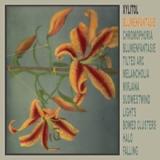
Xylitol, aka producer and DJ Catherine Backhouse, shifts up the refinement and musical breadth for her second album Blumenfantasie, the follow-up to her Planet Mu debut Anemones.
With Blumenfantasie, Xylitol wanted “to make space and for the music to float and propel at once”, finding routes through the pointillistic figures, cascading synths and the meditative stillness of kosmische musik and bolder breakbeat programming. She reaches this delicate balance through careful subtraction, hoping “to convey a sense of intimacy and sadness but without sentimentality” which she manages with a feel and sound that's raw and intuitive.
Blumenfantasie rolls through detailed jungle workouts that flutter and bleep, through beatless ambience, taking a rare dip below 160 bpm for the elegiac Mirjana, the album’s most explicit nod to Krautrock with a drum break chopped up from Amon Duul II’s anthemic ‘Archangel’s Thunderbird’, through to Halo, a bare bones grime rhythm that calls to mind the missing link between industrial pioneers Nurse With Wound and Wiley's Eskibeat.
Catherine cast her net to draw in experimental audiovisual duo Sculpture and Reading based post-rock band The Leaf Library as collaborators, pulling the former’s whirling eddies of musique concrète into a slice of sublime aquatic jungle, and the latter’s radiophonic folksong into a dark and disorientating breakbeat workout equally indebted to Source Direct as to Broadcast.
Blumenfantasie moves with a confident, self-effacing fluidity which has been informed by DJ Bunnyhausen’s more regular DJ gigs. She speculates ‘if this album feels more cohesive than its predecessor it's likely because I've been DJing a lot more, with Worthing Techno Militia, with central and eastern european electronica collective Slav to the Rhythm, as well as being part of Italo Disco crew Flex. Moving between these zones seemed to open up hidden pathways between the disparate musical trajectories they represent.'
While Anemones contrasted the rough and the delicate, its successor is an album built for the head, hips and heart, with painterly sounds and a sense of intimacy that encourages deep listening while keeping its eyes on the strobelight and its feet on the dancefloor.
out of Stock
Last delivered 4 months ago available to reorder, subject to availability
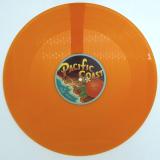
Introducing the 4th instalment of the Pacific Coast House rebirth. We bring back another much sought-after 12” from The Coastal Commission & Jesse Outlaw. “Bring down the Walls” was a nod to Raze’s “Break for Love”, Robert Owens “Bring Down the Walls” and Ritchie Hawtin’s use of the Roland 606 throughout “Sheet One”. Long out of reach and fetching $100+ on Discogs, Atjazz’s freshly remastered editions are finally available .. “Let it Go” was never mastered & only ever cut to dub-plate. It has now been mastered & available in all it’s glory.
Coastal Commission “Bring Down the Walls” “Bring down the Walls” was a nod to Raze’s “Break for Love”, Robert Owens “Bring Down the Walls” and Ritchie Hawtin’s use of the Roland 606 throughout “Sheet One.” We gave the tune a Californian psychedelic twist with conga laden drums, a moody synth, low pulsing 303 patterns + Benjamin Zephaniahs patois call to “Move the Body Rhythmwize!” The first PCH releases had dropped Worldwide to International acclaim from DJ’s far and wide across the Globe with support in London, Paris & New York. However the local scene here in L.A that preached “Love, inclusion & Unity” was anything but that. L.A at that time was very tribal & divided up into 3 camps. If you weren’t affiliated with any of them (aka independent) then you were pretty much locked out of getting any kind of gig support or the Dj’s from those camps actually playing the music. The local feedback from Dj’s was that what we were making wasn’t “house,” but “Techno” which was absurd to me. “Bring Down the Walls” was a mantra to “move the bod”y and in doing so “bring down the walls” of separation not just in L.A but throughout society in general. Thank goodness for support from people like Terry Francis, Eddie Richards, DJ Deep & Philly Stalwart King Britt. After years of copies going for upward of $100+ on Discogs the now freshly remastered copies by At Jazz’s Martin Iveson are finally hitting the platters this Spring.
Jesse Outlaw “Let it Go” I met Jesse at Beatnonstop Records on Melrose Ave with Miguel Placencia in the late 90’s. Miguel (RIP) was a mainstay in the Underground scene and had always been very supportive of my endeavors. He had had success with a huge release on Yellow Orange and was working with Jesse under the moniker “When Worlds Collide.” I signed “Brighter Days” & “Set you Free” from them and released the tracks on my Seductive imprint. They told me that they were making the tracks on a Sony Playstation “Music Now” program and I was like FFS “What.s more Underground than that!?” Later Jesse gave me some of his solo work. The track “Let it Go” was never mastered & only ever cut to Dub-plate and featured on my 1st PCH mix “Pacific Coast House Sounds.” It has now been mastered by Martin Iveson and is available in all it’s glory. The dreamy vocal “You need to let it go” beckons over the top of driving percussive Latin beats and church organ which is a great compliment to the flip side of “Bring down the Walls.” All in all two West Coast stompers now finally available remastered on PCH in Orange vinyl.
out of Stock
Last delivered 4 days ago available to reorder, subject to availability
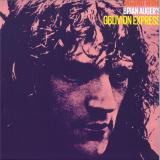
Strut Records highlights a landmark in British jazz-rock with Second Wind, the 1972 album from keyboard visionary Brian Auger and his powerhouse group Oblivion Express. Capturing a fully matured lineup, the record finds Auger expanding his fusion language - bridging jazz sophistication, funk-driven rhythm, and soul-infused songwriting with the clarity and fire that defined his early ’70s work.
Though Auger’s roots lie in the lineage of hard-swinging jazz organ and the improvisational fire of the ’60s British scene, he has never been an artist content with tradition. With Second Wind, he moves further into a hybrid language that fuses rhythm with harmonic depth and groove, without sacrificing sophistication. His playing is expansive yet precise, translating the electricity of live performance into a studio work that breathes with immediacy.
At the heart of this era of Oblivion Express is the telepathic rapport among its members. Vocalist Alex Ligertwood (in one of his earliest major recordings before Santana fame) brings a soulful intensity that feels both grounded and forward- looking. Second Wind contains tracks that have become deeply significant in Auger’s discography - original compositions Second Wind, and Truth to name a few - but it was Auger's high octane revisioning of Eddie Harris' Freedom Jazz Dance, (adding new lyrics to the original instrumental) that genuinely broke barriers. The track became a DJ friendly classic and highlighted the groups deeply original approach.
The rhythm section of Barry Dean and Robbie McIntosh balances weight and fluidity, giving Auger the space to stretch across Hammond organ, Rhodes, and keys with characteristic boldness. Their collective sound is one of seamless motion: jazz-inflected lines swelling into rock-driven crescendos, funk-leaning grooves locking with vocal hooks, moments of quiet clarity emerging between bursts of improvisation.
Second Wind stands as a pivotal moment in Auger’s discography: a record that bridges the exploratory spirit of his earlier projects with the more groove-oriented approach that would soon bring international attention. More than five decades later, it remains a vivid document of a band carving out its own language. Music born of instinct, collaboration, and a restless desire to push beyond the expected.
out of Stock
Last delivered 7 months ago available to reorder, subject to availability
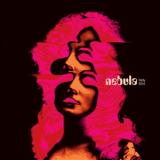
Nachauflage auf schwarzem Vinyl. 22 Jahre nach ihrer ersten Veröffentlichung und 10 Jahre nach ihrem letzten Album sind Nebula wieder da. Wenn du jetzt "Holy Shit!" denkst hast du es ziemlich genau getroffen. "Holy Shit" ist Nebulas erste LP seit "Heavy Psych" (2009), und beantwortet schnell die Frage die sich stellte, seitdem Gitarrist/Sänger Eddie Glass, Bassist Tom Davies und Schlagzeuger Michael Amster 2017 die Reformierung der Band angekündigt haben: Nebula sind immer noch Nebula. Seit den Tagen der 1998er Let it Burn EP und dem mittlerweile klassischen To the Center Debütalbum waren Nebula immer nur ein wenig gefährlicher. Nur etwas mehr aus den Angeln gehoben. Holy Shit zeigt diesen von vorne nach hinten für den wesentlichen Teil ihres Charakters, der er ist, und doch versucht er nicht, etwas zu sein, was sie schon einmal getan haben, sei es bei diesen frühen Ausflügen oder Heavy Psych or Charged (2001), Apollo (2003) oder Atomic Ritual (2005). Es ist ein sechstes Nebula-Album - etwas, worauf selbst die leidenschaftlichsten Fans kaum gehofft hätten. Die Grundtracks wurden in zwei Tagen aufgenommen, aufgenommen in den Mysterious Mammal Studios in L.A. mit Matt Lynch (ebenfalls von Snail) am Steuer. Leads und Loops und Feedback-Effekte wurden von Glass and Davies live aufgenommen, als sie die Basic-Tracks aufnahmen, genau so, wie sie es auf der Bühne tun würden, und Overdubs folgten bei Bedarf. Eine Fülle von Material wurde produziert und auf den Kern dessen, was man hier hört, reduziert. Ein sechstes Nebelalbum. Und wenn du es hörst, wirst du feststellen, dass du diesen Titel immer wieder sagst. Cover Art von ROBIN GNISTA
Nachauflage auf senfgelbem Vinyl. Limitiert auf 300 Exemplare. 22 Jahre nach ihrer ersten Veröffentlichung und 10 Jahre nach ihrem letzten Album sind Nebula wieder da. Wenn du jetzt "Holy Shit!" denkst hast du es ziemlich genau getroffen. "Holy Shit" ist Nebulas erste LP seit "Heavy Psych" (2009), und beantwortet schnell die Frage die sich stellte, seitdem Gitarrist/Sänger Eddie Glass, Bassist Tom Davies und Schlagzeuger Michael Amster 2017 die Reformierung der Band angekündigt haben: Nebula sind immer noch Nebula. Seit den Tagen der 1998er Let it Burn EP und dem mittlerweile klassischen To the Center Debütalbum waren Nebula immer nur ein wenig gefährlicher. Nur etwas mehr aus den Angeln gehoben. Holy Shit zeigt diesen von vorne nach hinten für den wesentlichen Teil ihres Charakters, der er ist, und doch versucht er nicht, etwas zu sein, was sie schon einmal getan haben, sei es bei diesen frühen Ausflügen oder Heavy Psych or Charged (2001), Apollo (2003) oder Atomic Ritual (2005). Es ist ein sechstes Nebula-Album - etwas, worauf selbst die leidenschaftlichsten Fans kaum gehofft hätten. Die Grundtracks wurden in zwei Tagen aufgenommen, aufgenommen in den Mysterious Mammal Studios in L.A. mit Matt Lynch (ebenfalls von Snail) am Steuer. Leads und Loops und Feedback-Effekte wurden von Glass and Davies live aufgenommen, als sie die Basic-Tracks aufnahmen, genau so, wie sie es auf der Bühne tun würden, und Overdubs folgten bei Bedarf. Eine Fülle von Material wurde produziert und auf den Kern dessen, was man hier hört, reduziert. Ein sechstes Nebelalbum. Und wenn du es hörst, wirst du feststellen, dass du diesen Titel immer wieder sagst. Cover Art von ROBIN GNISTA
Red Motorbike hits the road in '26 with an original production from Berlin's master of boogie funk LJ Simon!
Givin' Up is a soulful modern funk 7" steeped in warm '80s analogue production and classic groove.
The OG version blends vintage synth textures with a deep, understated rhythm section. Known for his love of fat-sounding vintage gear, LJ Simon begins every song with no blueprint, working purely from sound, instinct, and feel, tuning in to receive what the moment brings. The influences are unmistakable, yet the result feels fresh, intuitive and alive.
Vocals are delivered by Denice Brooks, a formidable singer from Austin, Texas, now based in Berlin. Denice built her solo career while performing with an exceptional list of artists including Tina Turner, Roy Ayers, David Bowie, Nancy Wilson, Natalie Cole, and many others. She is notably the only singer to receive Prince's blessing to record an official cover of 'Purple Rain' - a distinction that speaks volumes about her artistry.
Her career has taken her across Germany, Europe, the Middle East, and South Africa, where she even once performed for Nelson Mandela. Her continued experience across stage, studio, television, and musical theatre shines through in a vocal performance rich in depth and soul.
Label head Eddie C offers up his Disko Mix and reframes the track through a '90s street soul lens; stripped-back, dusty, and perfectly tuned for late-night selectors and heads-down dancefloors.
out of Stock
Last delivered 5 months ago available to reorder, subject to availability
Music From Memory is thrilled to present ‘Aquáticos’, a captivating new record from Los Angeles producer Eddie Ruscha and Brazilian guitarist Fabiano Do Nascimento. Blending Nascimento’s expressive, Afro-samba and choro-inflected guitar with Ruscha’s cosmic, groove-driven sound, ‘Aquáticos’ marks the start of a vibrant musical partnership—an organic, free-spirited collaboration full of interplay and vitality.
Conceived during the early 2020’s, ‘Aquáticos’ grew from a series of recording sessions in which the music unfolded naturally, in a state of effortless flow. Album opener ‘Nascer,’ the very first piece they recorded, captures such a moment perfectly: Nascimento’s 7- and 10-string nylon guitars weave seamlessly with Ruscha’s modular synths, drum machines, and vintage keyboards. Like much of Ruscha’s work under Secret Circuit and E Ruscha V, it is rich in lush, rhythmic textures—pulsing and bubbling with vibrant energy.
The initial session that produced the opening track set the tone for the record, establishing a template of intuitive interplay and musical freedom. Each subsequent session built upon the last, gradually shaping ‘Aquáticos’ across nine tracks, all characterized by melodic richness, rhythmic depth, and an unshakable sense of spontaneity.
‘Aquáticos’ pulls the listener gently into a celebration of musical conversation — a radiant, immersive journey where Ruscha and Nascimento’s instruments breathe together, echoing the joy, curiosity, and playful spirit that define their collaboration.
Sleeve art and design by Michael Willis.
out of Stock
Last delivered 4 months ago available to reorder, subject to availability