393 Records is a small independent vinyl/digital record label based in Dublin, Ireland
for its 5th release it welcomes Irish producer, Collie with his Static EP
The young producer showcases the versatility of his productions with 4 club driven tracks which represents the energy very similar to his peak time DJ sets weather as a warm up or headline act
On the A1 "Static " The track is built around soft, hazy pads and airy ambient layers that create a wide, enveloping atmosphere, Dreamy, floating, hypnotic, warm, and spacious.
"Into the West" brings a much different approach, with real Dub influenced warming bassline heavy delay & washed stabs
On the flip the journey continues with well crafted progressive 90s era track "soft progress". This one will definitely set the club or festival a light with the breakdown sending chills down your spine
Lastly the maturity of "Electron" keeping that consistency of the B side with its Shuffling hi-hats & deep atmospheric elements & driving low end
The 393 Label has a history of quality over quantity, with no doubts another gem of an EP been released here & another fantastic Artist in Collie been unearthed with a magical collaboration here
Buscar:element act
Vibe Ride is the sixth release of Adam Rudolph's Hu Vibrational project and marks his 60th release as a leader or co-leader. Comes with insert and download code.
“With every record, the goal is to explore new creative territory,” explains Rudolph. Vibe Ride continues a deeper exploration of a trance-like groove and a conceptual framework known as Sonic Mandala. This album marks the most complete realization of that idea, partly due to the group's experience touring beforehand. That time on the road helped to refine ideas and strengthen musical chemistry. The recording process unfolded organically—likely due to the long-standing collaboration within ensembles like Go: Organic Orchestra and Moving Pictures, where the musicians have developed a deep familiarity with the shared musical language.
Sonic Mandala refers to a musical approach distinct from traditional linear structures of theme and development. Found in cultures across the globe, it may represent one of the oldest forms of musical expression—predating written history by tens of thousands of years. Today, it is most vividly preserved in the music of the Ituri Forest peoples (Aka, Baka, Ba Benzele, Mbuti), whose sound traditions revolve in cyclical, orbit-like patterns. Vibe Ride seeks to bring that ancient sense of circularity into a contemporary—and perhaps even futuristic—context.
The ensemble of Vibe Ride—Alexis Marcelo, Jerome Harris, Harris Eisenstadt, Neel Murgai, Tim Kieper, and Tripp Dudley—brings exceptional creativity and skill to the project. While grounded in the sonic languages of today, their performance channels an ancient vibrational lineage, connecting with ancestral sound makers who were attuned to the rhythms of the sun, moon, stars, and seasons. Human beings have always been deeply responsive to natural cycles.
Like a mandala, where the circle reveals itself as a spiral—always returning, but never to the exact same point—the Sonic Mandala musical experience spirals through motion. Refined signal patterns emerge through overtone-rich instrumentation. The groove becomes a threshold, shifting the listener from passive observation into active, even transcendent, participation. With open ears and an open mind, the sound spirals inward—toward a primal center—and outward into the cosmos. When this elevated state is shared among participants, it creates what mystics describe as resonance.
Vibe Ride thrives on the distinctive sonic voices of its players, interwoven with care and nuance into the compositions. Hu Vibrational merges elements of world music, electronica, and improvised jazz into something both funky and spiritual, intense and soothing.
Using signature techniques of organic orchestration, layered arrangement, and electronic processing, the compositions are sculpted from percussion, electronics, and ethereal textures. Rhythmic foundations drawn from diverse traditions serve not as endpoints, but as building blocks. As the saying goes, “Orchestration is the key.” In shaping the sound, the aim was to discover fresh ways of balancing structure and sonic color. As Don Cherry once said: “The swing is in the sound.”
The audiophile LP was carefully recorded, mixed, and mastered by James Dellatacoma—longtime engineer for both Bill Laswell and Rudolph—at Laswell’s Orange Studio.
“This crew artfully blends together to create a seamless tapestry of rhythm… the end results are mesmerizing. Hu Vibrational is all about communing with the groove spirits and creating worlds where earthy rhythms and other-worldly sounds are one.”
— Dan Bilawsky, All Music Guide
“You can be sure that when Adam Rudolph and an ensemble of breathtaking drummers get together mystical and wonderful things will happen.”
— Raul da Gama,
“A stunning effort, enjoyable and grows with repeated listening.”
— Stefan Wood, Freejazzcollective
For SEVEN's first anniversary, we've brought together a roster of talented artists, each with a distinct style, to reimagine CRYME's hit "London Boy" originally released on The Backroom EP in 2024. This 5-track remix EP features a remastered version of the original alongside fresh interpretations by none other than Ghettotech heavyweight MCR-T, Prog House queen Roza Terenzi, modular wizard JakoJako, and Amsterdam's legendary Stef de Haan as a digital bonus. The vinyl will be limited to 500 copies.
With full marketing and PR support around the anniversary SEVEN7000LTD is set to be SEVEN's biggest release of the year.
A1 - CRYME - London Boy (MCR-T Remix)
CRYME's 808-driven electro, ghetto house hybrid "London Boy" gets the MCR-T treatment, spiced up with a dose of Garage. The Berlin-based artist reshaped the bassline into a gritty reese bass and put in the iconic UK hardcore vocal "your name is not down, you not coming in," perfectly amplifying the track's original UK flair.
A2 - CRYME - London Boy (Roza Terenzi Remix)
Roza Terenzi joins the "London Boy" Remix EP with a sleek, modern tech house cut. Flipping the distinct 808 cowbells into heavily processed percussive elements that bounce through the mix while carrying a melodic line. Her remix is packed with her quirky yet precise sound design and kinetic frequencies. The original vocal phrases are creatively chopped up into fragments and reassembled so they become part of the rhythmic backbone.
B1 - CRYME - London Boy (JakoJako Remix)
JakoJako shows off her genre diversity with a steezy Tech House flip of "London Boy." The talented Berlin-based live act lays down a solid drum foundation and a bouncing bassline - no frills, just a steady groove built for the dancefloor. The composition stays laidback, leaving space for a raw synth melody and her reworked, chopped-up vocal layers that add just the right touch of playful silliness to the track.
B2 - CRYME - London Boy (Original Mix)
On the B-side you will find CRYME's remastered original "London Boy", first released in 2024 and featuring ANTICALM, a British rapper, vocalist, and songwriter whose "You Don't Want This" vocal sample takes center stage. Merging 808-driven Electro and Grime with a touch of Ghetto House, the track reimagines a genre-bending battery of block-party energy in the club setting. With its driving rhythm and unmistakable vocal hook, it remains a powerful tool for DJs and a highlight on any dancefloor.
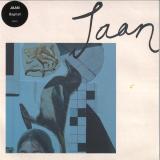
Operating on the fringes of pure improv, organised chaos, minimal composition, lo-fi electronics and Italian spaghetti westerns, wide-eyed and with a healthy dose of DIY aesthetics lies the world of Jaan. It’s a poetic & cosmic universe, exploring “discreet music” whilst wandering on the edges of the Cat People soundtrack & Brian Eno’s more experimental output, in which you might yourself find floating, wandering or in the middle of a market place.
Jaan is a collective of one, a deliberately anonymous activistic unit with strong ties to the international art scene. Purposefully bypassing the know-it-all of the the internet & embracing the bygone mystery of dusty old archives and deep-dive searching, remarkably little is known about this project. Jaan is lead by veteran experimental sonic alchemist Jaan; they operate between Greenland, the Middle East and Europe, with frequent associates Lisqa, Mashid & Schneorr N. acting as local hubs for collaboration and exploration.
The purpose of this wilful obscurity: full focus on the actual music, whether live events or on recordings. Which brings us to Baghali, their first for World of Echo. It’s a deeply personal album, much like slowly browsing old family albums filled with vaguely remembered tales, some still very much present, some faded, leaving but a ghost-like reflection of what once was. Baghali was compiled over the course of a year on the road, trapped in snow storms, waiting for cancelled flights and stuck rides. It’s made up of snippets of diary, quick recordings on road sides, abandoned buildings, garden ruins, vast desert and focussed studio sessions, following a collage-like aesthetic and steeped in an exploration of non-lineair storytelling. There’s broken memories, a sense of displacement and an occasional yearning for what can’t be again, clouded in fever and unrest, but there is also hope, wonderment and bright colours seeping through the cracks in the wall. Jaan weaves home-made instruments, old tape loops, broken synths, beat-up reeds, dusty beat boxes and the occasional doom guitar squall into a tapestry of fractured sound, with tracks following their own inherent logic rather than following formats. Sounds crash in and out, field recordings placing the listener firmly in an environment then throwing several perspectives at once onto them, with individual elements - a wandering clarinet, a lone mandoline, a beat out of place yet perfectly in place - slowly walking in and out & doing their thing.
The whole album is alive, breathes, takes a wrong turn, gets lost, somehow finds its way again - effortless and with a unique sense of space and flow.
Baghali is released digitally and on vinyl in an edition of 300 on 3rd October 2025.
- A1: Pryda - Allein
- A2: Dexter Connection - Baby Be Mine
- A3: Superfunk Feat. Ron Carroll - Lucky Star
- B1: Dave Swayze - Goldwave (24K)
- B2: Chris Bangs Feat. Rita Campbell - Warm Weather (Ibiza Beachball Vocal Mix)
- C1: Hyper Pearl - Can You Feel The Pain (Up & Vox Version)
- C2: Daniel Bovie & Roy Rox - Stop Playing With My Mind (Dub)
- D1: The Disco Freaks - Make My Dreams Reality (Chord Memory Mix)
- D2: The Mackenzie Feat. Jessy - I Am Free (Marino Stephano Club Mix)
Incl. Pryda, Dexter Connection, Superfunk feat. Ron Carroll, Dave Swayze, Chris Bangs feat. Rita Campbell, Hyper Pearl, Daniel Bovie & Roy Rox, The Disco Freaks, The Mackenzie feat. Jessy
Since 2020, 12 Inch Lovers have been releasing new samplers every year, eagerly anticipated by collectors. These samplers have now become a staple and are easily added to vinyl collections across Europe. They offer timeless classics and rare tracks that are often hard to find elsewhere.
With Samplers 9 & 10, they surprise again with a mix of modern classics and tracks that have never been released on vinyl or are difficult to find. By adding unique and exclusive tracks, the 12 Inch Lovers samplers remain innovative and high-quality. They are a must-have for DJs, collectors, and fans of contemporary classics!
SAMPLER 9
A1) Pryda - Allein (Original Release 2012)
Pryda, the legendary alter ego of Eric Prydz, has earned iconic status in the electronic music scene with his refined productions and epic tracks. Under this name, he has released several hits that have stood the test of time, including Allein. This track is a progressive house masterpiece built around a sample from Polarkreis 18's Allein Allein and is infused with the characteristic Pryda sound: grand, hypnotic, and emotionally powerful.
With its timeless and universal appeal, Pryda - Allein has captivated fans worldwide. The track is an absolute floor-filler that forms a highlight in any DJ set. Notably, this iconic track has never had a vinyl release, making this edition extra special for both collectors and lovers of true electronic music history.
A2) Dexter Connection - Baby Be Mine (Original Release 2003)
Released in 2003, this delightful groover samples Michael Jackson's Baby Be Mine and Brothers Johnson's Stomp. The track combines funky basslines with a tight, rhythmic groove that immediately invites dancing. The nostalgic vibes from the classic samples provide a familiar sound, while the modern production gives it a fresh, contemporary twist. Ideal for DJ sets where you want to get the crowd in the right mood.
A3) Superfunk feat. Ron Carroll - Lucky Star (Original Release 2000)
This track needs little introduction. Released in 2000, with soulful vocals from Ron Carroll, it quickly became an iconic hit within the house scene. Lucky Star was the breakthrough single of Superfunk, a French house group,and sold over 500,000 copies worldwide. The track reached number 42 on the UK Singles Chart and has since become a staple in house and dance sets.
With its funky basslines, catchy melody, and infectious groove, it's a perfect mix of disco, house, and soul. The track includes a sample from Chris Rea's Josephine, adding to the recognizable and nostalgic vibe. Lucky Star became not only a floor-filler but also an anthem of the French house movement, alongside acts like Daft Punk and Cassius who dominated the world in the same period.
B1) Dave Swayze - Goldwave (24K) (Original Release 1996)
This 1996 trance classic needs little introduction. Goldwave is a timeless track that continues to resonate with trance lovers, thanks to the unique combination of dreamy synths, hypnotic rhythms, and epic build-up. The track is a true ear-candy and touches anyone who hears it. Originally released in 1996 on Belgium's DiKi Records, it quickly became a classic in clubs like La Bush, Illusion, La Rocca, and many more.
To this day, Goldwave is still played in the sets of many DJs, and remains a favorite at retro trance events. The track has stood the test of time and remains a key track for fans of old-school trance. It's a piece of electronic music history that makes people dream on the dancefloor with its dreamy Goldwave.
B2) Chris Bangs feat. Rita Campbell - Warm Weather (Ibiza BeachBall Vocal Mix) (Original Release 2000)
Warm Weather by Chris Bangs feat. Rita Campbell is a summery, uplifting track that perfectly evokes the atmosphere of Ibiza. The song blends house and trance with the infectious vocals of Rita Campbell, creating a warm, relaxed vibe. The Ibiza BeachBall Vocal Mix adds a touch of Balearic energy, with a calm rhythm and melodies that immediately remind you of sunny beaches and carefree days. Originally released in 2000 on the UK label INCredible, it remains a hidden gem for many trance lovers.
C1) Hyper Pearl - Can You Feel The Pain (Up & Vox Version) (Original Release 1995)
This 1995 trance classic made a lot of noise in clubs like Illusion, La Bush, Lagoa, and At the Villa. Pure old-school trance with emotion and drive like only that era could produce. A fantastic track, produced by Carl Drake, Matt Spinner, and Zzino, originally released on Belgium's Aquatic label.
C2) Daniel Bovie & Roy Rox - Stop Playing With My Mind (Dub) (Original Release 2008)
Daniel Bovie (aka Danny Van Wouwe) is a versatile producer with dozens of tracks to his name, many of which are considered classics. This track is no exception. Originally released on the legendary Strictly Rhythm label, co-produced with Dutch producer Roy "Van Luffelen" Rox, this track quickly became a floor-filler and charted in Belgium and the Netherlands. The vocals wereprovided by the talented Nelson.
D1) The Disco Freaks - Make My Dreams Reality (Chord Memory Mix) (Original Release 1997)
Originally released on an EP by The Disco Freaks, the alter ego of producers Bart Grinaert and Lajos Meszaros. This mix, which is much stronger than the original, quickly became a club classic and was played extensively in clubs like Illusion, Carat, and Extreme. A delightful, groovy, and uplifting track that combines disco elements with house. The Chord Memory Mix adds a nostalgic touch by using warm chords, funky basslines, and uplifting percussion.
D2) The Mackenzie feat. Jessy - I Am Free (Marino Stephano Club Mix) (Original Release 1997)
I Am Free by The Mackenzie needs little introduction and is a must in every DJ and vinyl lover's collection. This mix, often played at our parties, is something special. The man behind many legendary trance classics, Marino Stephano (RIP), hasreworked this version in his unmistakable way. The remix has an energetic and captivating vibe, with deep, hypnotic beats and floating synths. A beautiful track in its original version, it continues to fascinate.
Early support from Timo Maas, Paco Osuna, Ilario Alicante, Just Her, Adriatique, and more. Igor Vicente joins forces with Dka for the ‘Ecstatic’ EP this November, released via Belgian imprint Move Recordings, including a remix from Gregor Tresher.
Move Recordings is a Belgian electronic music label founded and helmed by veteran DJ/producer End-Jy (Jérôme Naujoks), known for his roots in the 1990s techno scene of Tournai and major collaborations with acts like Marco Bailey. Now reborn in 2025, the label returns with more powerful electronic music for the modern-day discerning listener. This time, it welcomes fellow Belgian DJ and producer Igor Vicente, renowned for his genre-blending style and releases on labels such as Mobilee, Hot Creations, and Visionquest, once again in collaboration with fellow Belgian DkA, who’s racked up releases on labels like Get Physical, Constant State, and Mau5trap Recordings—a striking sign of his ability to explore a variety of genres and styles.
The original version of ‘Ecstatic’ leads, featuring subtly blooming atmospherics, a nuanced synth hook, oscillating percussion, and raw drums, all building towards a climatic breakdown and a powerful drop in the latter stages. Gregor Tresher reshapes the original with his signature twist, extracting fragments of the track and fusing them with elongated bass grooves, heavily shuffled, crunchy drums, and intricately intertwined melodious elements.
‘Planets’ opens the B-side, a nine-minute excursion through squelchy acid bass notes, cinematic pads, robust drums, and chuggy arpeggio synth lines. The ‘Ecstatic (Dub Mix)’ then concludes the EP, shifting focus solely onto the raw groove and hypnotic melody of the original composition, as the name suggests.
This album is not just a homage — it’s a gentle act of remembrance. A way of tuning in to what Lucier showed us: that listening is an art in itself. A meditation on resonance, memory, and the quiet power of pure sound. Or to quote Alvin Lucier himself: “I guess I’m trying to help people hold shells up to their ears, and listen to the ocean again.”
The influence of Alvin Lucier’s work on acoustic phenomena and the interplay between sound and space is difficult to overstate. His legacy continues to echo through the work of countless composers and sound artists today. Lucier’s music is marked by a sense of childlike wonder and sonic simplicity - shifting our perception from what we hear to how we listen.
At the heart of his compositions lies the sine wave: the purest, most elemental form of sound. Clarinetist Dries Tack pays tribute to this master of minimalism with an album centered around two works Lucier composed as intimate ‘In Memoriams’ for friends. Both pieces explore a single, elegant idea: the interaction between an instrumental tone and a sine wave.
Out of that interaction, ‘beatings’ emerge — a pulsating rhythm that accelerates or decelerates as the waves draw nearer or drift apart. Though built on the same concept, the two works are like mirrored reflections of one another: In Memoriam Jon Higgins, the sine wave glides in a slow glissando while the clarinet holds steady tones. In Memoriam Stuart Marshall, it’s the clarinet that dances around a fixed sine wave.
Dries Tack is a clarinetist specializing in contemporary performance practices. He performs with ensembles such as Nadar Ensemble, Curious Chamber Players, and Ensemble Fractales. As co-artistic director of the GLoW Collective, he explores collaborative practices across artistic disciplines in the broadest sense. In addition to his ensemble work, Dries curates solo projects that offer fresh perspectives on existing repertoire or give rise to entirely new works at the intersection of composition and improvisation.
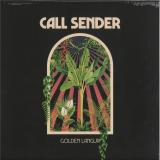
Call Sender is the collaborative brainchild that unites the talents of Paul Elliott, a versatile multi-instrumentalist, composer, producer, and recording engineer from Suffolk/UK and Michael Reed, a multi-talented instrumentalist, recording engineer, and drummer residing in the Bay Area/USA. Despite working together for the past four years, the pair are yet to meet in person!
After connecting on social media over their love of drum breaks and vintage reverbs Elliott and Reed fostered their creative partnership by bouncing recordings back and forth via email and this virtual collaboration resulted in their first album, the jazz-funk inspired “Lost To The Storm” (Tru Thoughts, 2023). With four singles from the album gaining radio play and becoming a favourite for tastemakers and DJs, the pair began work on the follow up “Golden Langur”. With this new record, the aim was to retain their signature Call Sender sound, a heady mix of B-movie soundtracks, classic library music and psychedelic funk and soul, but also introduce elements of lo-fi soul as well as collaborating with some of their talented friends as featured artists.
These features include fantastic instrumental contributions from the incomparable funkmaster Shawn Lee (Ping Pong Orchestra/Young Gun Silver Fox) on “Brainforests” and the legendary JJ Whitefield (Poets Of Rhythm/Whitefield Brothers) who kicks ass in two tempos on “Two Tails”. Not to mention the silky-smooth vocals from the Bay Area’s Andre Cruz, vocal duet from Lucid Paradise that is reminiscent of Gil Scott Heron and Paul Elliott’s seven year old son Buddy drops a vocal on the future B-boy classic “Rainbow”. Together Call Sender has an old-school vintage foundation with a modern perspective. Influenced by iconic acts such as Klaus Weiss, Miles Davis and Nino Nardini and with a hip and funky sonic aesthetic, Call Sender’s music is nostalgic without being pastiche, has a sense of travelling at its core, having been recorded in different parts of the globe, while never hesitating on the direction of the music.
“Magic Happens” is the very first release by Fabrizio Fattore on his new label Life Cycle.
Life Cycle embodies the sacred union between Life and Music, both flowing within an eternal cycle of experiences, adventures, and dimensions — a boundless musical journey beyond time and space.
This debut release, Magic Happens, marks the moment when, within the act of creation, the unseen unveils itself — when magic arises and everything reconnects with the Universe through the language of music.
A true journey to be listened to and danced to, with three unique tracks, each one carrying its own vibration, inviting you to lose yourself in the infinite shades of sound.
This plate is about to welcome back one of the unsung heroes from the 45 Seven lands of dub, meditating with us from day one. Weather it may be about 4578's foundations of the rolling Dub Over Distance along the shuffly Dub Pacifico or the later forward lurking tribal jungles of Black Lake flipped by Lack Blake on 45719: Dub Across Borders always knows to amaze with both a contemplating deep inner focus of well laid-out hand-made instrumentation and vintage dubbing as well as refreshing ear-opening sounds and soul-pleasing vibes collected from all over the world, creating a very own sphere of what feels like some kind of ancient sci-fi riddim, rooting upwards to the phuture.
When sweating over a hot mixing desk and hoping for a fresh breeze, the roots of Come Rain were laid in a form of bassdrums knocking at the sky's gates, stabby infra subs foreseeing well-wished thunders and moist dark skank works are calling for storm. An inner shout for the elements, incarnating in a certainly minimal yet pretty heavy 160 stepper, rolling over all the dry hot air out there.
Yeh Sih Dub comes after the rain: new branches grow, fresh leaves spread, foggy clouds reach up for a mountain-high rainforest. Awakening the world bass side of Dub Across Borders, it gives you ceremonial Bhuddist horns as well as houting sounds of the tantric Khamak, a poundy stab bass and the shimmering spring-splashing ride sitting on top as its crown. Only rarely 80 bpm bass has been as easily touching and moving at the same time.
Take a deep breath and dive into this piece of both mindful and reflective space bass, launching sub-heavy Jungle onto imaginery moons of spacial perception. We are actually just about to start this journey, feel free to get aboard!
"Absolute gold, thanks a bunch" Will be supporting lots" Pugilist
"Epic Dub pressure, big fan of Dub Across Borders" Sun People
"Sounding great as usual, will play for sure!" Tracy & E3 of Zamzam
Formed by George Thompson, Kyle Martin and Jonathan Nash, Kommune were active between 2014-2015. As close friends living near each other, their musical journeys were intertwined; Nash and Martin had recently completed their debut album as Land Of Light, while Thompson (aka Black Merlin), at that time putting the finishing touches to his debut album ‘Hipnotik Tradisi’, was also working with Martin as part of the duo Spectral Empire. Sharing equipment and ideas, Kommune arose organically, serving as a creative outlet for exploring analogue machine music in an improvisational context.
Sessions in their North London studios led to a handful of gigs at venues including Hamburg’s legendary Golden Pudel and London’s LN-CC. This fleeting chapter of musical history may well have gone entirely undocumented had it not been for the fortuitous decision to meet up for a recording session in October 2014. Filling a car with their machines, they drove to a converted barn in the south of England, proceeded to set up, settle in and hit the record button. Over the course of two days, fuelled by the experiences of recent performances, the trio immersed themselves in the machines, crafting subtly evolving, long-form compositions with an enchanting balance and flow.
Across the four long-form compositions that make up ‘Oast’, the trio summons barely controllable scrapes, acid-like bubbles, and bleeps from their machines, leaning on dub mixing techniques to give the tracks a sense of depth, dynamism and organic ambience. Mastery of the TR-808 drum machine is central, with remarkably nuanced drum programming imparting a hypnotic rhythm to the work, allowing other elements to emerge and unfold at a beautifully measured tempo.
Recorded entirely live and improvised without any overdubs, ‘Oast’ offers a profound journey into minimalist electronic music while serving as a tribute to friendship, curiosity, and the spirit of experimentation.
Sleeve art and design by Michael Willis.
- A1: Psicolimite
- A2: Sexy
- A3: Psicolimite (Perverse Flute)
- A4: Revelations Blues
- A5: Psicolimite (Perverse Synth)
- B1: Strip
- B2: Psicolimite (Perverse Sex)
- B3: Sexy (Ballad)
- B4: Revelations Rhythm
- B5: Psicolimite (Perverse Flute #2)
- C1: Sexy (Gotico)
- C2: Psicolimite (Perverse Sex #2)
- C3: Rivelazioni Di Uno Psichiatra
- D1: Sexy (Romantico)
- D2: Psicolimite (Perverse Sex #3)
- D3: Carica
- D4: Psicolimite (Perverse Flute #3)
- D5: Peanuts
- D6: Psicolimite (End Titles)
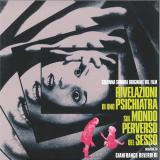
Four Flies is thrilled to present the very first release of Gianfranco Reverberi's hidden masterpiece: a mind-blowing soundtrack, possibly his wildest and most daring. This Italian score is sort of a Holy Grail for fans of the spaghetti sound, especially thanks to the legendary track "Psicolimite".
In 1973, a mysterious 45 rpm single surfaced under the name 'Sharon Chatam e la sua Orchestra.' The single seemed to be a harmless cover of the theme from Last Tango in Paris, complete with a typical image from the film. But behind the innocent facade, a secret was hidden: the B-side track, "Psicolimite," was actually the main theme from Rivelazioni. When someone in the United States figured this out and realized the 'Sharon Chatam' moniker was a pseudonym for Reverberi and his team, the price of the record skyrocketed, making it a coveted collectible.
This makes the discovery of the full soundtrack even more exciting, considering that the music Reverberi composed for the infamous film by Renato Polselli - one of the most outrageous and uncompromising Italian genre cinema directors - was thought to be lost forever, perhaps vanished into the depths of some film processing lab. But thanks to the sleuths at Four Flies, this enigmatic masterpiece has been resurrected and presented in all its glory. It's available now as a luxurious gatefold double LP with original artwork by the brilliant Eric Adrian Lee.
While the film, despite some critics praising it as "psychotronic," is a bizarre mishmash of rambling pseudo-psychoanalytic theories and sexual deviance voyeurism, the music stands out as a foremost, vital element, able to exist on its own.
Reverberi's reputation as a serious, refined producer (for artists like Lucio Dalla, Gino Paoli, Luigi Tenco, and many more), however, led him to keep his distance from exploitation films like Rivelazioni. To maintain his image, he had his friend and former schoolmate Umberto Cannone take credit for the score – a tactic he also used for Polselli's next film, Mania (1974).
But this anonymity might have unexpectedly increased his creative freedom, for the score he put together and recorded is experimental, at times raw, and driven by a relentless rhythm section where bass and drums lay down the groove. The use of electronic instruments is impressive for the time, with drum machines and spacey synths creating a dark and dreamlike atmosphere. Psychedelic flutes, piano phrases, crazed percussion, filters, compressors, and jazzy improvisations on sax and vibraphone complete the mix.
The full soundtrack was recovered following the discovery of the original 1-inch, 16-track tapes, which were transferred, mixed, and mastered for optimal listening on both vinyl and digitally, with the digital version featuring 8 bonus tracks.
Available from November 22!
Veteran Japanese electronic music producer, AKIO NAGASE, a leading player in the Kansai underground music scene since the late 1990s teams up with Yukino Inamine, a gifted and young female singer from Okinawa who magically mixes traditional Ryukyu (Okinawa) folk songs with her sanshin (Okinawan Shamisen) playing into the modern age, to create this wonderful collaborative album, Yugafu ai KAJI. This album is set to be released on GLOCAL RECORDS, a record store/ record label run by Genta Minowa, an ex-staff at the record store, Disc Shop Zero in Shimokitazawa, Tokyo and who still continues to introduce a great selection of dubby, club music from his HQ in Harajuku.
AKIO NAGASE regularly organised parties at his own venue, as well as ran a record store of the same name while actively being part of the Kansai scene at legendary clubs such as Tsuru no Ma, Sound Channel, etc., the best of what was offered in the Kansai underground dance scene in the 2000s.
As an artist, he released his own productions out of labels such as Sound Channel and RUDIMENTS run by Minowa. His album, Make Dub was released in 2003 out of the label, Sound Channel featured an innovative, techno meets dancehall track, Dance Hall King which connected techno, acid house with reggae and dub. This album is an undiscovered gem whose sound still emulates freshness and originality today (my wish is for it to be reissued on vinyl!) After a brief hiatus of releasing music, he released the EP, Delusion out of Chillmountain Records, a label run by his friend, Ground in 2018 and at his own leisurely pace, he has been slowly but surely releasing material that oozes originality, expressed through a robust acid sound and a variety of elements such as afro and Ryukyu folk music that is then incorporated into the medium of dub. Recently, he has also started to gain international attention by releasing original material and remixes out of labels such as the UK label, Emotional Especial, etc.
For this album, NAGASE teams up with Yukino Inamine who brings her own distinctive singing and sanshin playing magic into this collaboration and they fuse electronic music sounds with Ryukyu folk songs to create this wonderfully imaginative album that has no precedence or equal. Apart from the song, Ishikawa Koiuta, all other songs are covers of Ryukyu folk standards that were handpicked by NAGASE from the repertoire of songs that Inamine regularly performs live. They met up when NAGASE was commissioned to remix one of her original compositions, Miyagi Kaigan that was released in 2023 and that evolved into a collaboration with a concept that mixed Inamine singing Ryukyu folk standards with a backing tracks produced by NAGASE. Whenever she went to the the Kansai area, she would work on the basic track material created by NAGASE at the dub master of Osaka, Soulfire’s studio, HAV who would then additionally edit her takes to create the finishing tracks.
This album, Yugafu ai KAJI opens with Shirahamabushi, a track that slowly builds with an interesting mix of slow acid techno and sanshin and then moves onto the easy-going electro dub of Tinsagu nu hana (it is actually a cover of the track of the same title that first appeared in the label sampler, Comuni ó n Especial that was released on Emotional Especial. NAGASE initially wanted to feature Inamine on vocals for this track but due to scheduling issues, it did not happen but with good fortune, the new version of this track is now included in this album). A side closes with the optimistic Balearic sounds of Tsuki nu Kaisha that converges immaculately with slow-mo steppers. It is also worth noting that the person who introduced NAGASE to Inamine was the Okinawa dub master, HARIKUYAMAKU. They met at a concert held by both him & Yukino Inamine hosted by BUN BUN THE MC at the venue, RAGGA CHANNEL. From this encounter, this album came into fruition and they also asked HARIKUYAMAKU to produce an earthy, traditional rootsy, dub version of Tsuki nu Kaisha that is included as the 3rd track on the B Side.
Ashimizubushi, the track that magically blends old school Chicago house ala TRAX with Ryukyu folk music starts off the B side and it carries on to an uplifting track with a Skaouse (ska + house) feel, Hounen Ondo. Inserted after HARIKUYAMAKU’s dub of Tsuki nu Kaisha, this album closes out with the song, ‘Ishikawa Koi Uta’, the only song written by Inamine who said that she wrote it after falling in love with chill-out music. It is an ambient dub track with a collage like flavour, reminiscent of early The Orb (remixed by Mad Professor) and the latter half of the track finishes off with a message presented by Masao Itokazu (her uncle) who received tutelage from the prior owner of her sanshin that Inamine plays, Moritomo Inamine (her grandfather).
Incidentally, the album title, YUGAFU ai Kaji is derived from an auspicious word from Okinawa, Yugafu which means fruitful year, happiness, prosperity and ai (indigo) is a word that Yukino found inspiration few years ago (she wears a Okinawan indigo clothing called kinonuno in the front cover of this album).
The unique indigo colouring produced by nature overlaps with the unique charm of the human personality, and she wanted to present that current along with the music so the name was integrated to ‘indigo wind’, and the two were connected to form the album title, ‘YUGAFU ai Kaji’.
The photo of the front cover was taken by a young, Uchinaanunishie—- (meaning a boy from Okinawa) 17 year old photographer named Ratio and the designer of this album is Anmonaito who is a childhood friend of Inamine who also did the artwork for her album, Miyagi Kaigan. And the mastering and cutting of this album was done by Rei Taguchi.
The cosmology existing in Yukino Inamine’s singing is fully amplified by AKIO NAGASE’s spacey, abundant with many ideas, dance machine beat~ambient music and all of these elements are organically linked by the adhesive effect of dub.
Representing the spirit of the underground in Dubai, Shadi Megallaa is a multifaceted music lover whose unwavering passion for music permeates throughout all of his endeavours. A pioneer of Dubai’s electronic music culture, Shadi’s roots lie with the foundations of modern day electronica: all shades of house, techno and beyond. His commitment to preserving and evolving the culture is inherent in his record shop, The Flip Side, which has been intrinsic to the growth and development of music culture in Dubai. As a DJ and producer he draws on a multitude of experience, diverse taste and a refined ear that has instilled the ability to craft compelling productions. On Spirits Of The Deep we find Shadi exploring the deeper side of electronic music, creating layers of vibration designed to immerse the listener in layers of positive vibration.
As prescribed by Shadi himself, we start the traditional way, with Side B (the info side), where ‘Microgravity’ transports us into the cosmos. Soothing sonics envelop a taut low end with crisp percussion and swathes of pad work cultivating an interstellar atmosphere. Subtly shifting layers keep you locked into a groove, as the track maintains its energetic pulse. The synth lines increase with intensity midway through, adding more potency. Across almost nine minutes Shadi takes us on an excursion beyond the stars…
This is followed by ‘G-Dub’, a smooth jazz-inflected piece full of soul nourishing goodness. Intuitive drum programming with a groove-laced low end form the propulsive backbone of this track. The dreamlike melodic elements are almost transcendent in their illuminating impact. With all of its elements combined, ‘G-Dub’ is a glorious foray into the depths of true deep house. Shadi keeps things interesting throughout, adding and subtracting layers to complement the pace. Those hi-hats and intermittent cymbal crashes are especially impactful. A delight.
On the flip we have ‘Pressure’, where Shadi’s UK breaks influence comes through. A characterful vocal sample features throughout the intro before we enter a world of unusual sounds. The beats are, once again, impeccably executed, accompanied by a dubby bassline and an ever-evolving cacophony of squelchy sounds and chirps. Running at just over 9 ½ minutes, ‘Pressure’ sees Shadi flexing his creative muscles with a heady, expansive composition that invites us on a deep musical trip.
Finally, ‘The Poet’ closes out the EP on an emotive tip. The track is dedicated to the Palestinian poet and activist Refaat Alareer, who was killed during an airstrike on Gaza in December 2023. It utilises Refaat’s powerful poem If I Must Die, with the spinetingling words taking centre stage, as Shadi’s beats, bass and bright pads provide the backdrop. A piano-led melody appears in the latter part of the track, amplifying its emotionally-charged atmosphere. A wonderfully imagined homage to a martyr for peace. As the samples state, Let it bring hope…
Berlin’s ZentaSkai continues his slew of limited-run 200-copy vinyl releases via his Mask Records this July, presenting the ‘JIMMY’ EP, and following up last year’s ‘Bob’ EP and two instalments from his Cuddling Monsters project with Laura Merino Allue.
Across the four tracks on ‘JIMMY’, ZentaSkai delves deep, placing mysterious, foreboding synths over crunchy taped drums and exploring a variety of tempos. Dub influences are rife, its elements echoing across carefully laid-out Techno grooves while minimal shifts subtly build the energy. With ‘JIMMY’, ZentaSkai once again offers a journey through sound already supported by Luke Slater, Blasha & Allatt, Truncate, Elisa Bee, and many more. ZentaSkai (aka No Mad Ronin, Matt Nowak, and MASK) is a German DJ and producer active since 1997. Based out of his studio in Berlin, ZentaSkai runs the Zaijenroots label and, since 2017, the Mask sub-label, which houses his stunning 2023 ‘Architecture of the Mind’ LP as well as his Cuddling Monsters alias - with other credits including a release on Jerome Sydenham’s Ibadan Records and support from the likes of Richie Hawtin, Joseph Capriati, Marcel Dettmann, Luke Slater, Laurant Garnier, DVS1, Ben Sims and Radio Slave.
- A1: Giandomenico Galatro - Last Quiet
- A2: Aco Bocina Feat. Gino De Crescenzo - Oltremare
- A3: Hepyek Selekta - Ankara Skank
- B1: Unknown - Untitled
- B2: Zeb - Sleepless In Palestine
- B3: Tony Cercola - Rumori Del Vesuvio
- B4: Tom E Morrison - Bolivian Reverie
- B5: Janaína Cesar Da Silva Reads Fernando António Nogueira Pessoa - Nuvens (Part Three)
The soundtrack of Imaginária Records continues through the natural elements of our planet. Split into the three moments of a single cycle, after the journey (The Trip) and then the places (The Place), to arrive at a conclusive return. The label traces the steps of a metaphysical journey that becomes a metaphor for life, the essence of research and the richness of encounters. And it is in this record: Home. The environment contains many sets of rhythms: those dividing day from night, sun from moon, summer from winter. To all things there is a season. There is a time for light and a time for darkness, a time for activity and a time for rest, a time for sound and a time for not-sound. It is here that the natural soundscape provides a clue, for if we could register all the periods of rest and activity among natural sounds, we would observe an infinitely complex series of oscillations as each activity rises and falls from exertion to slumber, from life to death.
Finetune — Impulse LP
Singeley Wax presents the third installment of the Russian Series — Finetune's "Impulse" album by electronic musician and media artist Mikhail Komisarov (Michael Dop), co-founder of Slowdance Records.
__About the Music
Finetune is a project through which Mikhail explores and experiments with a sonic palette encompassing ambient, electronic music with elements of jazz and neoclassical. His medium combines modular synthesis, acoustic instruments, field recordings, and deliberately crafted effect chains. He creates distinctive compositions that guide listeners through various emotional states.
The "Impulse" album brings together ten tracks of experimental electronica: hypnotic synthesizer sequences, polyrhythmic structures, cinematic textures, and subtly shifting modulations blend into sonic landscapes where time becomes relative.
__Art Concept
The album's visual identity is based on the multidisciplinary neuro-performance "Impulse," created at the intersection of art and neurotechnology in collaboration with neurovisualization pioneers NeuroLab, digital art studio STAIN (working with algorithmic abstraction since 2009), and physical theatre project "Dancing in the Dark" — Russia's only company featuring visually impaired artists.
During the performance, the brain activity of visually impaired dancers was captured in real-time via neurointerface and transformed into generative graphics. This visual content, born from electrical impulses of consciousness in moments of musical perception, became the foundation for the album's artwork — both static and motion graphics.
Agent By Default In Hybrid Systems' is a deep dive into today’s and tomorrow’s society. Across four tightly constructed tracks, cinematic-surrealist musician and DJ JessyJiggy reflects on how mankind and machine-driven systems coexist and evolve. We act, respond, and adapt as agents by default caught between instinct and structure. Built for movement yet rooted in observation, every progression feels less like a command and more like a suggestion inviting listeners to negotiate their own place inside the grid.
This poetic concept translates into music where analogue and digital tools merge into a hybrid sound. Compositions carry an almost automatic rhythm that drives motion while sound design elements subtly reference modern technology. Raw, bass-driven, minimal and techno showcase the breadth and progressiveness of Rotterdam with its brutalist spirit embedded in every detail.
Carefully mixed and mastered by Simon Lescure, who works at the intersection of sound design, club culture, and contemporary art, the record is optimized for a wide spectrum of sound systems while offering a distinct, full-bodied experience on the dance floor. With his vision of music as a system of memory and tension, a way to hold time and transmit presence, raw energy is brought into focus, shaping JessyJiggy's signature sound with clarity, weight, and intent.
A work committed to pushing boundaries and contributing something lasting to the electronic music landscape, this record is crafted to become a cult classic.
"Bassland Prophecy" was a collection of Southern California musicians, including Alex Xenophon (Deep Squared), Stuart Breidenstein (formerly of Skylab 2000), Alissa Kueker (vocals), and Maxx Vaxx (Euterpre, Butterfly Garden).
The act nourished and grew the emerging LA scene and was a renegade force in live electronic improvisation. Rather than composing full tracks, Breidenstein stated over email that they built musical "ingredients" on the fly, syncing DOS and hardware sequencers mid-performance. Their unpredictable sets, from illegal raves to makeshift desert parties, resulted in electrifying, unforgettable sonic trips.
Recalling 90s LA, Breidenstein said: “Before the internet, finding a rave was an adventure. You’d get a flyer with a phone number, call it the night of the event, then drive—sometimes 100 miles or more from a map point to the actual party. The scene was raw and underground, built by music obsessives hunting for the freshest sounds.”
Two standout tracks from 1996—“Nine / Deeper” and “Blue and Purple Starship of Trust”—perfectly represent their unique genre-bending concoctions. Against all odds, the recordings survived and have been given new life, remastered and reissued on Bristol-based *Sex Tapes From Mars*. To produce the wizardry, their setup included a Juno 106, Yamaha FB-01, a Roland S330 sampler, and a Sequential Circuits Pro-One mono synth with external MIDI, and some guitar effects pedals.
“Nine / Deeper,” born from one of their many spontaneous studio sessions, became eerily intertwined with recurring appearances of the number 9 and black cats. So much was the frequency of apophenia episodes that paranoia began to take over the artists. Recorded in a makeshift living room studio, the 14-minute excursion traverses genres and tempos, beginning quick and hypnotic, and climaxing chuggy and drenched in adlibbed acid lines, culminating in a surreal and legendary live performance in Hollywood. The piece captures the raw spontaneity of their sets, crafted with vintage gear, cassette tape recordings, and, as always, a DIY ethos. Breidenstein states, “While improvised sessions often failed, when it succeeded, it was definitely a kind of infectious magic the listener would recognize.”
“The Blue and Purple Starship of Trust” is a deeply personal piece, named after when Breidenstein saw a heavenly blue morning glory on a walk around his neighborhood, and emerged from heartbreak and the following deep depression entrenching his life at the time. Recorded in a single take onto cassette tape, blending piano, guitar, and heart-rending vocals into an emotional, dreamlike journey. The track starts with a lush, cascading synth sound, bolstered up by rolling, reverbing downtempo drums. Using Sequential Circuits Pro-One throughout, the rippling synths and off-key piano licks act like pipetted droplets of water, all elements bleeding into each other in some kind of hallucinogenic swelling, reflecting Breidenstein’s fading relationship. The guitar part is a nod to Bill Withers’ “Ain’t No Sunshine,” and Breidenstein recalls just “bawling as the guitar line was recorded.”
Created in a time of artistic struggle, living in an old school bus, surviving on instant noodles while hauling their gear from venue to venue, and scraping by on gig money, these recordings act as rare artifacts of a movement that thrived on passion and perseverance, standing as a poignant testament to resilience. Though they released a handful of tracks, ranging from deep house to ambient to techno, their true legacy lay in their high-energy, genre-blurring live shows, which are powerfully encapsulated within these recordings and leave a lasting impact on underground electronic music today.
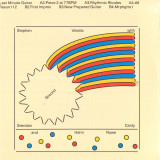
When you’re running a label, a demo occasionally comes across your desk that makes you reconsider everything you thought your label was all about. For Balmat, such was the case with this stunning album from Stephen Vitiello, Brendan Canty, and Hahn Rowe. It sounds like nothing we’ve released so far—and that very otherness opened up a whole new world of possibilities for us.
Fans of ambient, experimental electronic music, and sound art will be familiar with Vitiello, a New York native, long based in Virginia, who has collaborated with a cross-generational list of greats: Taylor Deupree, Steve Roden, Lawrence English, Tetsu Inoue, Nam June Paik, Ryuichi Sakamoto, Pauline Oliveros, and many more. On labels like 12k, Room40, and Sub Rosa, he has explored a wide range of minimalism, microsound, lowercase, ambient, improv, and other styles. But this album is something different. It may begin in ambient-adjacent territory, but it quickly veers off, and it just keeps zigzagging, taking on elements of krautrock, post-punk, dub, and the groove-heavy interplay of groups like Natural Information Society and 75 Dollar Bill.
This stylistic turn is thanks in large part to Vitiello’s choice of collaborators. “We’re coming from three different schools,” Vitiello says: “sound art, art rock, and punk rock.”
Active since the early 1980s, Rowe—a violinist, guitarist, and producer/engineer—has played with, or manned the boards for, a frankly jaw-dropping list of musicians: Herbie Hancock, Gil Scott-Heron, the Last Poets, Roy Ayers, John Zorn, Glenn Branca, Swans, Live Skull, Brian Eno, David Byrne, Anohni, R.E.M., Yoko Ono, and many more. But he might be most closely associated with Hugo Largo, a one-of-a-kind New York quartet—two basses, vocals, and Rowe’s violin—that in the late 1980s helped lay the groundwork for what would eventually become known as post-rock.
Canty, of course, is the legendary drummer of Fugazi, the visionary DC post-hardcore group, as well as Rites of Spring before them, and, currently, the Messthetics, a Dischord-signed instrumental trio with guitarist Anthony Pirog and Fugazi bassist Joe Lally.
Vitiello’s trio first collaborated on First, a 17-minute piece released on the Longform Editions label in 2023. Second picks up where the freeform drift of First left off, channeling the trio’s exploratory energies into more intentionally structured tracks and—in a real first for Balmat—some almost shockingly muscular grooves. “Sometimes my projects are more conceptually driven,” Vitiello says, “but I think this was more musically geared. I just wanted to open up the references and bring in an incredible drummer, bring in some melodies, and I’m sort of the center.” But his collaborators, he stresses, are “vastly creative in making anything I might suggest better.”
Like its predecessor, Second took shape in phases, shifting between improvisation and collage. Vitiello laid down the skeleton of the music at home, sketching out initial ideas on Rhodes keyboard and acoustic and electric guitar; he then fed the parts through samplers and his modular system, recording 10- or 20-minute jams. Once he had edited them into more structured forms, he hit the studio with Canty, who added not just drums but also bass and piano; finally, Vitiello took the results of those sessions to Rowe, who played violin, viola, electric bass, and 12-string acoustic and bowed electric guitar, and assisted in some of the final structuring and mixdown.
A few more surprises along the way: Reanimator’s Don Godwin, the studio engineer where Vitiello recorded with Canty, contributed what he calls “resonant dustpan”; and none other than Animal Collective’s Geologist, who just happened to be in the studio that day, sits in on hurdy gurdy on “Mrphgtrs1,” the album’s gorgeous, stunningly atmospheric drone closer. “I love these chance encounters,” Vitiello says. “Somebody I admire, a group I admire—that was an unexpected gift.”
An unexpected gift is a great way of describing Second as a whole: three veteran musicians venturing outside their usual zones and finding a new collaborative language together. The results can’t be neatly slotted into any given genre; they belong not to any given category, but to the spirit of conversation itself.
As bassist for dance-punk outfit The Rapture, Mattie Safer cut his teeth in the music scene alongside a wave of now-legendary early 2000s NYC acts like the Yeah Yeah Yeahs, LCD Soundsystem and more (a time period recently immortalized in the documentary film ‘Meet Me In The Bathroom.’) Fast-forward nearly 2 decades and Mattie has found the sweeter side of dance music as the current lead vocalist for slo-mo kings Poolside, and now he presents his 2nd solo lovetempo project on Razor-N-Tape.
Championed heavily by Gilles Peterson, lovetempo’s modern soul classic 'But I Do' gets a vinyl release with a trio of remixes. Crackazat delivers in his signature style, weav-ing the organic elements and earworm vocals of the original into a deep and jazzy mix. Lon-doner Daisybelle bumps the BPMs up a few notches and adds pulsing synths to her take, and Brazilian duo From House To Disco turn in a dubby club remix to round out the record.
An imperial phase Actress commits a lushly amorphous installation piece made for the Berliner Festspiele to vinyl, rendering a post-industrial symphony full of iridescent shifts in gyring, OOBE-like spatial coordinates landing somewhere between nutopian ambient, kankyō ongaku and sawn-off bass science.
‘Grey Interiors’ was made in collaboration with Actual Objects and is an absorbing animation and navigation of those post-human ideals that have prompted Darren J. Cunningham to his best work across the preceding two decades. In its hypnagogic symphony of the elements, he short-circuits distinctions of classical music’s metric freedoms and the hyperspatial sensuality of concrète/electro-acoustic and ambient musics with an artistic license that has come to distinguish his work in the contemporary field, and arguably identified him as this generation’s most vital electronic abstractionist.
The first half of the album is bewitchingly airless, materialised in a twinkling vacuum. Naturalistic environmental recordings and a half-heard piano swirl around nauseous airlock whooshes and eerie bass drones. It's all pulverised to a powdery, shimmering residue; if Actress's music is defined by its character and texture - that sweet spot between the bedroom and the soundsystem - then this one advances the narrative without losing its backbone. And like a lot of his best work, it comes into its own on the back of zonked eyelids, conjuring a play of shifting geometric patterns within its imaginary physics and nuanced narration of ephemeral melodic phrasing and vaporous textures.
At about the halfway point, that dissociated piano finds its groove, coalescing into a jerky drum machine rhythm popping like bubbles in the stifling atmosphere. We can draw some intersecting lines here thru electronic music lore - traces of vintage AE, Push Button Objects, UR - but Actress always leaves an indelible fingerprint on anything he touches. Even when he's rubbing against the gallery-industrial complex, he manages to fill a stagnant space with electricity and wit; look at the title itself: is it a reference to the "landscape beyond man" as the installation's press release might have us believe, or the institutions themselves?
Spencer Parker returns to Rekids with ‘Better Days’. Tee Amara lends her voice to both English and Spanish versions, while Radio Slave steps up for a remix. Spencer Parker and Tee Amara arrive on Rekids with ‘Better Days’ in March, alongside a remix from label founder Radio Slave.
Originally the closing track ‘Faster Forward’ on 2018’s ‘DANCE MUSIC’ album on Parker’s Work Them Records, the track is reborn as full vocal cut ‘Better Days’ after the long search for a vocalist led the producer to fellow Berlin resident, Tee Amara. Known for work alongside Cromby, Ariel Me Llamo, and Ed Davenport, Amara’s heartfelt, soulful vocals in both English and Spanish versions bring new depth to Parker’s original track. As a longtime friend of Matt Edwards and a staple of the Rekids imprint since the mid-2000s, Parker returns to the label with ‘Better Days’, an occasion that calls for a remix from Radio Slave himself, who adds a jazzy swing vibe via additional melodic elements while he puts in a classic house groove. Spencer Parker, Tee Amara, and Radio Slave
‘Better Days’ is Rekids proper! Radio Slave’s Rekids was founded in 2006 and has since spawned successful offshoots with the Techno-focused Rekids Special Projects in 2017 and its newest sublabel, REK’D, in 2024. With Matt Edwards as the sole A&R, Rekids has been crucial in developing early artist careers and has become a haven for established acts operating in House and adjacent genres, having recently featured the likes of Hilit Kolet, William Kiss, Bushwacka, Mathias Kaden, Katerina, Sean Johnston, and many more.
- A1: E Nun Ce Voio Sta
- A2: Squadra Antifurto (Suspense)
- A3: Squadra Antifurto (Azione E Mistero)
- A4: Squadra Antifurto (Azione)
- A5: Squadra Antifurto (Nico A New York)
- A6: E Nun Ce Voio Sta (Versione Fisarmonica E Chitarra)
- B1: Squadra Antifurto (Nico A New York #2)
- B2: Squadra Antifurto (Azione #2)
- B3: Squadra Antifurto (Suspense #2)
- B4: Squadra Antifurto (Azione #3)
- B5: E Nun Ce Voio Sta (Versione Chitarra)
- B6: Squadra Antifurto (Azione E Mistero #2)
- B7: Squadra Antifurto (Azione E Mistero #3)
- B8: E Nun Ce Voio Sta (Titoli Di Coda)
Transparent Amber[31,51 €]
Here at Four Flies, we kind of feel we need a bigger word than 'proud', this time, to present, in collaboration with Beat Records, the first-ever release of the original soundtrack written in 1976 by Guido & Maurizio De Angelis for the legendary Squadra Antifurto, the second chapter of the comedy-infused crime saga directed by Bruno Corbucci and starring Tomas Milian as the iconic Italian Police Marshal Nico Giraldi.
The excitement in this case is nothing short of gigantic, difficult to rein in for those who, like ourselves, grew up adoring the character played by Milian as one of our cult heroes, and dreaming that the soundtracks of the first three films in the saga – the only ones composed by the De Angelis brothers – would one day be released.
Since the launch of our label, Squadra Antifurto has been at the top of the list of film scores we most wanted to release. Until a few months ago, this dream of ours seemed destined to remain just that, so strong was the conviction in all of us that the master tapes were definitively lost, that they had forever vanished into thin air. That's why their recovery, made possible by Maurizio De Angelis himself and the persistence of our friends at Beat Records, is an extraordinary feat.
Nearly 50 years after it was first heard in cinemas, the soundtrack penned by the De Angelis brothers is resurrected in its entirety and can finally shine its incredible power all over us.
Beautifully seeping through this score – like many others composed by the golden duo in the 1970s – are elements from the Italian, and especially Roman, folk tradition, for instance in the warm, heartfelt ballad sung by Alberto Griso, "E nun ce voio sta," which first plays in the opening credit sequence and is then reprised in various forms throughout the film, culminating with the soul-stirring orchestral version that closes the album's tracklist.
But as in any Italian crime film worthy of that name, a different soundscapetakes centre stage: it's the music that accompanies the countless scenes of tension, action, and pursuit that punctuate the film, and which has made us fall madly in love with this score.
The main theme is a prog-funk joyride, drawing inspiration from the traditional tarantella but elevated to irresistible energy thanks to a rock orchestration featuring psychedelic flutes, wild percussion, distorted electric guitars, piano chords, and various feedback and delay effects.
The resulting groove is just mind-blowing, and we almost can't believe it's finally available on a record, completely remastered for vinyl.
We really couldn't be prouder, and dedicate this release to all passionate fans of Italian crime films, the De Angelis brothers, and Tomas Milian aka Nico Giraldi.
Available starting April 12th on standard black vinyl and limited coloured vinyl (transparent amber, limited to 300 copies).
With an intrigue for a particular niche of old UK hardcore which takes cues from Sheffield bleep ambience, heady rave futurism and soft, almost new age synth pads, Blank Mind presents ‘Lost Paradise: Blissed Out Hardcore 91-94’. Though the records gathered for the compilation span a short three-year period and bridge the gap between scenes, the collection manages to find a sweet spot where the influence of Warp’s Artificial Intelligence, back room chill out sonics and the nascent jungle boom meet with elements of Italian piano house and slower breakbeat cuts.
Opting to focus on atmosphere to highlight shared connections; in this case the duality of often serene and calming soundscapes with frenzied breaks and bass (see Hedgehog Affair’s ‘Parameters’ and Luxury’s ‘Twirl’ respectively); Lost Paradise is a formidable collection of tracks plucked from a thriving time for British dance music experimentation. The general themes of ascension and escapism channelled through digital samplers are also inescapably linked to a turbulent time in politics, beginning in the post-Thatcher years and culminating in the year the harshest anti-rave Criminal Justice Act came into force.
Initially building the compilation around DJ Mayhem’s track ‘Inesse’, Blank Mind label founder Sam Purcell and Amsterdam based producer Tammo Hesselink began a process of swapping favourites and deep cuts to spread across this 2x12” doublepack. The compilation avoids any obvious centrepieces through masterful sequencing, allowing for moments of refrain and tempo changes in a way that helps add to their overall vision of what this music is and can be; “We wanted to frame hardcore in a different light, looking at this idea of ecstasy through the traditional meaning of the word and exploring that symbolism”. By drawing from what some might consider the softer edges of the movement, the pair offer a look into the relevance of these tracks in the contemporary era, where the past years have seen both an explosion in popularity of old ambient/new-age music and a certified jungle revival.
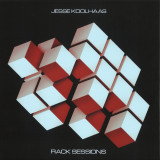
The history of electronic music has been defined by a handful of key synth manufacturers. Iconic brands, like Roland, Yamaha, Sequential Circuits and others, have pushed boundaries and blazed trails. But what gives each synthesizer its own unique sound? What makes one synthesizer sound distinctly different from another? And, what would happen if you only used one synthesizer to create a track? The major players of electronics are the building blocks for this music machine homage.
Rack Sessions takes one synth and gives it the spotlight, the instrument is the star. The style pursued corresponds to the unique sound of the chosen piece of equipment. Looming silver screen grandeur for “The D (Roland D-550)”, stargazing elegance with “Bell Hope (Yamaha TX81Z) or gentle rolling nostalgia for “MiR (Korg M1R)”, each work is the product of the tool selected. Beats take a backseat on the flip. Open highways and burgeoning dawns are conjured in “802 Nights (Yamaha TX802)” as the listener is transported to the expertly crafted tones of the 1980s. Koolhaas chooses his elements with subtlety, adding colour to his palette to create deeply evocative works. Attack ships cruise in the spatial “SOB (Oberheim Matrix-6)” before the stalker hunts the sodden streets of “MC202’s Act Like They Don’t Know (Roland MC-202)”.
The result is an album that is utterly distinctive. An immersive audio journey that guides the listener deep into the sounds of these very special synthsizers and the broad influences of this new talent.
After Dull Boy Johnny's previous release, a double EP with a tropical A-side and an erotic B-side, this time the three gentlemen are out on the dance floor. After all, the neighbours decided as much.
Unlike the recordings of their previous work that took place abroad, this time they stayed in a steamy attic room in Belgium, where guitarist and producer Jan built a studio. Unable to record at night because of neighbours who did not (yet) appreciate Dull Boy Johnny's music, they dove into Antwerp's nightlife.
The group's previous work took you on a cinematic journey where every musical nuance takes you to a specific setting. Be it an erotic seventies scene, a beach party in the Bahamas, or a blood-curdling chase in the Wild West, Dull Boy Johnny covers it all. Nard Houdmeyers, Rik De Bal and Jan found each other in a shared interest in film genres such as blaxploitation, neo-noir and spaghetti westerns. And therefore also the artists inherent to these genres such as Isaac Hayes, Curtis Mayfield and Ennio Morricone. Dull Boy Johnny's conceptual approach to music can be traced back to this passion for cinema.
For the new EP, however, they traded that cosy movie-watching for turbulent nightlife (the angry neighbours, you know). Besides, it was about time to get their inspiration in the flesh. Dull Boy Johnny immersed himself in the pulses, flashes and swell of downtown Antwerp. Thunder chasing crept under their skin and then into their guitars. In grandfatherly fashion, they then turned to composing, first with just bass, guitar and vocals. In that small lineup and with the sounds of the night still reverberating in their minds, the first pieces of the puzzle were laid out. After that, the sound was opened up and a solid rhythm boost was added. This defined the catchy, up-tempo nature of the upcoming EP that centres on themes of dancing, flirting and partying. Expect rousing riffs, catchy hooks and swinging rhythms. Details were meticulously laid out and bricked into the songs with delicate grouting. The fine polishing of the songs was done with patient finesse and a constant attitude to serve the song. With songs like Suspicion, She Can Groove and Dynamite, it is immediately clear that the gentlemen got their mustard from the club: action, party and spunk! All without losing their typical sensuality.
Despite the different working methods for the third EP, there are a lot of recurring elements that define Johnny's fresh sound. The essence? Catchy high vocals contrasted with a sensual baritone voice, carried by a groovy bass and rhythm section. Around it, the details that give the songs the right atmosphere swirl.
Dull Boy Johnny's music prefers to function as a soundtrack to your own imagination. As you listen, you are invited to wander through the various landscapes of their musical world, regularly giving a nod to the more lustful side of your brain. The songs have already been praised for their compelling melodies and irresistible energy.
With this release, Dull Boy Johnny proves their ability to create timeless music that both touches the soul and moves the body. So surrender to Dull Boy Johnny's punchy grooves and dance the night away. Long live the neighbours!
For our first ever Vinyl release we are celebrating a one of a kind party that has been happening for the last three years in South of France. We teamed up with « L’archipel » and invited 4 Producer that have all been part of making this festival a formidable adventure between Trance, Techno and Electro.
Lombroso goes first with his sharp dark and religious atmosphere. A1, The Last Midnight, a slowly building Techno belter, not to remember his infamous project « La Decima Vittima » released on « La nota del diablo ».
A2, Delayscura takes you on a beautiful trance infused techno trip. Nativo grants us of his deep crazy synths that are progressively taking this beautiful ambiance to an all other level.
After two appearances on his own label, IVOE, Kamyar Keramati opens that side with an intense electro banger. B1, Elements of a Thread get more and more complex to finally unravel all his mysteries.
Tibahuult has been for the past two years traveling all around France with an unforgettable live act. He is also one of the founder of « L’archipel » where he played that live act for the first time. With B2, Feel some of my Jam, he delivers for us an incredible belter track that
kick with a sunny vibe only to unfold all the producer madness all along the track.
If you know anything about me – as in Andrea, the record label’s head – you know I have a thing for Oi since I was a teenage skinhead.
And with Avant! being a coldwave/synthpop label, our next release couldn’t be more special. No Filter are three children of the French region of Dauphiné, active in the black metal scene for 20 years through different projects.
They created No Filter with the aim of exploring punk, Oi and coldwave sounds. They started by singing in English but after their first demo they decided to opt for French to improve their lyrics by singing in their own native language. Themes addressed in their songs are violence, hatred, party nights, the countryside, their roots and friendship. “Synth punk, bagarre et blousons noirs” in their own words. Musically speaking they somehow fit in the current Cold Oi French scene (Bromure, Syndrome 81, Cran, Kronstadt) but they exaggerate the synth/wave element ending up sounding like one unprecedented, fresh as hell mix between New Order and The 4 Skins.
If you think you’ve heard this one before it’s because one year ago they self-released a 10-track cassette called “Sans Filtre” which is exactly what we are pressing now on vinyl for the first time because this was simply too good to stay only on tape forever.
To make this even more special we have recruited Canadian multi-instrumentalist and artist Nakkabre (Conifère, Spleen, Vespéral, HazeHound) to do a brand new artwork and spice things up for the occasion!
Black vinyl LP edition limited to 400 is out 22 November.
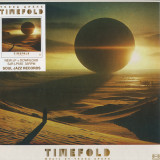
Trees Speak are releasing their new album TimeFold worldwide on 15 Nov 24 on Soul Jazz Records.
Trees Speak return with TimeFold, their sixth release on Soul Jazz Records, further expanding their ever-evolving sonic universe. This new album builds on their signature blend of hypnotic krautrock rhythms, post-punk angularity, and experimental soundscapes while venturing into new terrain by blending influences from avant-garde electronics to ceremonial sound forms.
On TimeFold, Trees Speak (comprised of the Tucson-based duo Damian Diaz and Daniel Martin Diaz) push their musical boundaries from expansive, intergalactic landscapes to eerie, imagined 1970s Italian and French sci-fi horror film scores. The album seamlessly weaves John Carpenter-esque synthesizer motifs with ambient sound sculptures, conjuring immersive worlds that are both cinematic and otherworldly.
The album also incorporates the duo’s deep-rooted influences, which span across electronic pioneers like Jean-Michel Jarre (Oxygene), Tangerine Dream, and Karlheinz Stockhausen. Drawing on the revolutionary techniques of Musique Concrète, TimeFold features experimental track splicing, looping, and collage work that harkens back to the golden age of avant-garde music. At times, the album channels the ceremonial tones and hypnotic rhythms reminiscent of early 1970s krautrock, fusing these sounds with organic instrumentation like dulcimers, adding an earthy, drone-like ritual quality to the experimental electronic framework.
A new element in this release is the inclusion of spoken word by Ashley Christine Edwards, which lends the album a haunting, apocalyptic edge. Her contributions evoke a tone reminiscent of the 1970s avant-garde scene, recalling literary and conceptual artists like Ruth White. The spoken words create a sensory experience akin to ceremonial chants, adding to the atmospheric intensity of the album. These vocal elements tie into the overall theme of TimeFold, which continues Trees Speak’s exploration of futuristic technologies and the communication of nature, with the evocative concept of trees and plants acting as organic hard drives storing data and knowledge.
Drawing further influence from Italian and French horror cinema, Trees Speak explore cinematic tension throughout TimeFold, creating a layered listening experience. The record transports the listener from the haunting, desolate beauty of Southwestern desert vast landscapes to an auditory space that melds early electronic experimentation with the contemporary urgency of conceptual art.
Since their debut Ohms in 2020, Trees Speak’s prolific output on Soul Jazz Records has continually redefined genre boundaries. TimeFold solidifies their position as visionaries in experimental music, offering an album that is as much a meditation on future technologies as it is a tribute to the avant-garde traditions that have come before.
As the tenth candle flickers atop the torta alla panna, Archeo Recordings play the Uno reverse card, breaking with tradition to give us a gift in celebration of its birthday: the first in a series of exquisite EPs on which the label's favourite contemporaries pay homage to past masters. Each re-polished gem is plucked either directly from the beatific back catalogue of the fine Florentine label or is at least Archeo-adjacent, perhaps a sign of future wonders to come. Like a musical version of Janus, who can be found at the heart of Bertoldo di Giovanni's frieze in the Medici villa, Archeo Recordings will continue to look forwards and backwards to provide sublime sounds for us all.
Pepe Maina officially joined the Archeo family in 2019 with the much-needed reissue of his 1979 masterpiece Scerizza (AR015), but his astounding music has been a constant companion to label head Manu for much longer. An inter-dimensional, multi-instrumental maverick, Maina weaves the frayed edges of prog rock, new age, organic jazz and global minimalism into a shimmering tapestry all of his own. The results are spread across fifty years and almost as many albums, largely self-released and always absolutely untarnished by commercial concerns.
Based in a small village in the hills of Brianza, just north of Milan, Maina translates the beauty of his surroundings into transformative tone poems, and the folkloric fusion of "The Infinite", originally released on his 2014 CD Tales From The Hill, is the perfect example of his practice. It opens with a recitation of Giacomo Leopardi's 1825s poem "L'Infinito" by famed Italian actor Vittorio Gassman. A leading figure in the romantic movement, Leopardi explores the idea of time and space within the natural world, and the peace that comes with an appreciation of the immensity of eternity. Manu, longtime digger and now a burgeoning producer, expands upon the original with tribal percussion, chirping electronics and a spheric bassline, folding Maina's elegant strings and gossamer pads into a new arrangement suited for a slow dance under the stars.
Unless you had a well-trained ear tuned to Italy's avant-jazz scene, chances are your first encounter with innovative flautist Roberto Aglieri came via the 2017 Archeo reissue of hisalmost untraceable LP Ragapadani (AR011). It's a true testament to Manu's digging credentials that he snatched this masterpiece out of the esoteric atmosphere and brought it attention it so richly deserved. A delicate union of digital synthesis and versatile flute - be it soft and silvery or
brilliant and clear - the 1987 album was a shapeshifting masterpiece, replaying scenes from Virgil, Verdi, Visconti and Pasolini with a neon glow. Quintessentially Italian, but uncanny and previously unimagined - Penthouse and Portico perhaps. Powered by a percolating prototechno sequence, cascading keys, hallucinogenic vocal snippets and a variety of tonal timbres from Roberto's reed, "Danza N. 1" long deserved the praise reserved for Jean-Luc Ponty's pinnacle, so many thanks to Manu for our collective introduction. The tall task of reinterpreting this particular paragon falls to Perugian polymath Daniele Tomassini AKA Feel Fly, whose peerless skills as both producer and musician have delighted DJs and dancers alike. Hot on the heels of his diverse and definitive remixes of Tony Esposito for AR027, Daniele delivers a radical rework of "Danza N. 1" perfect for both day rave sunshine and full moon party alike. Enhanced by snapping breaks and a rattling kick, the bassline gurgle emerges as a progressive powerhouse, laying the foundation for the trilling flute and circular keys to cast a psychedelic spell. As the slow-Goa revival picks up pace, this one is way ahead of the pack.
Archeo take us all the way back to the start of its story here - well almost. Though it bore the stamp AR001 (2015), this Radio Band reissue actually hit shelves months after Tony Esposito's "Je-Na' / Pagaia"; a false start perhaps but a true classic all the same. Radio Band were a group of DJs from Florence who all sailed the airways of Radio Fantasy in 1984 and whose one and only release was this super groovy slice of Italo-boogie. Following the example of Milanese DJs Band of Jocks but far surpassing their formulaic funk fizzle, Radio Band employed an intergalactic bassline, cosmic keys and that undeniably Italian style of rapping to deliver a sophisticated party-starter which even found its way to disco deity Ron Hardy. Back to the here and now, and if you've found yourself pumping an ecstatic fist to a supercharged Italian epic of late, chances are its from the mind of the mysterious Radiomarc. Operating on the ascendent Popcorn Groove imprint, this shadowy figure steers his country's lost classics into peaktime territories, finding a sweet spot between late Italo-disco, early Italo-house and contemporary cool. Pushing the tempo with a club-ready 4/4, setting the sequencer to stun and supplementing the original melodies with a series of synth riffs, the mystery producer send this one into orbit. Radio Band - Radio Rap - Radiomarc, the circle is complete.
Few have done more to develop cross-cultural musical exchange than Futuro Antico. A collaborative venture from musician, archeologist and ethnomusicologist Walter Maioli, keyboardist and tonal theoretician Riccardo Sinigaglia and multi-disciplinary artist and composer Gabin Dabiré, Futuro Antico formed in Milan in 1979, combining ancient international folkloric traditions with otherworldly electronics. The result is an arresting melange of Mediterranean, African and Asian instrumentation, mimicked by esoteric synth tones and hypnotic minimalism, which the group perfected on their acclaimed 1990 LP Dai Primitivi All'Elettronica. The meditative and transportive "Pan Tuning" belongs to their largely overlooked 2005 CD only release Intonazioni Archetipe, and has been amongst Manu's most loved tracks from the first moment he heard it. Who else is better placed to reshape this evocative opus into an immersive, transcendental dance floor journey than label favourites Mushrooms Project? The duo sows the original elements into a sprawling fifteen minute fusion of séance and science, at times propulsive with a ritualist rhythm of tuned percussion and crunching drum machine at others drifting off into ethereal ambience. Mushrooms Project continue to push the boundaries of the Afro-cosmic style, and this remix marks a new zenith.
Since its founding back in 2014, Blume has carved a unique place in cultural landscape, issuing free-standing works, spanning the historical and contemporary, that represent singular gestures of creativity within the field of experimental sound. Joining their broad efforts in building networks of context and understanding that already includes the works by Werner Durand, Sarah Hennies, Bruce Nauman, John Butcher, Jocy de Oliveira, Mary Jane Leach, Valentina Magaletti, Alvin Curran, Julius Eastman, Alvin Lucier, and others, Blume return with the first ever vinyl release to attend to James Tenney’s legendary “Postal Pieces”, Marking the first ever appearance of five of the suite’s works - “Maximusic, for Max Neuhaus” (1965), “Having Never Written a Note for Percussion, for John Bergamo” (1971), “FFor Percussion Perhaps, or... Night, for Harold Budd” (1971), “Cellogram, for Joel Krosnick” (1971), and “Beast, for Buell Neidlinger” (1971) - on vinyl, drawing upon recordings made in 2003, by the Amsterdam based ensemble, The Barton Workshop, under the direction of James Fulkerson. Among the most important and highly regarded efforts in Tenney’s canon of compositions, as well as within the history of 20th Century music, these five pieces represent a crucial bridge between Fluxus-oriented conceptualism, minimalism, and the microtonal complexities that would emerge in their wakes. Issued in a highly limited vinyl edition of 300 copies, it includes exact replicas of the original postcard graphic scores, and features newly commissioned liner notes by Bradford Bailey, Blume’s brand new edition takes great steps to centring Tenney at the eye the storm during some of experimental music’s most important years.
A student of composition under Carl Ruggles, John Cage, Harry Partch, and Edgard Varèse - remaining close to all of them, and later performing in both Cage and Partch’s ensembles - as well as acoustics, information theory, and tape music composition under Lejaren Hiller, James Tenney carved a wide path within the contexts of experimental and avant-garde music during the second half of the 20th Century. Not only was he a tangible bridge between the generations of composer’s who laid much of the groundwork and the later movements of Fluxus, Minimalism, and the broader practices of experimental music, but Tenney is credited as having contributed one of the earliest applications of gestalt theory and cognitive science to music in 1961, before helping to pioneer the field of computer music at Bell Labs, during the following years.
Over the course of his career, Tenney produced music of such complexity and sophistication - paying little mind to the seductions of taste or dominant tropes of its own moment - that his work and legacy have largely remained under-recognised by the broader publics that have attended to most of his peers. Perhaps more pertinently, the body of work he produced can be perceived as too varied and complex to fit neatly within standard creative histories or critical frameworks, comprising harmonically complex works for acoustic instrumentation, musique concrète, the groundbreaking 1961 “plunderphonic” composition, “Collage No.1 (Blue Suede) (for tape)” - sampling and manipulating a recording of Elvis Presley - as well as algorithmic and computer synthesized music. Even here, within this single decade, a clear image of Tenney’s endeavours remains elusive. In addition to penning important theoretical texts, he collaborated and / or played with Max Neuhaus, La Monte Young, Steve Reich, Philip Glass, Michael Snow, Terry Riley, and numerous others; was an active member of Fluxus; starred in and composed music for Stan Brackage’s films; regularly worked with the Judson Dance Theater; co-founded and played in the ensemble, Tone Roads, with Malcolm Goldstein and Philip Corner; was a vocal advocate of the works of Conlon Nancarrow and Charles Ives, playing a significant part in the revival of both of their legacies; and regularly collaborated as a composer, musician, and actor with his then-partner, the artist Carolee Schneemann, notably co-starring in her film, “Fuses” (1965) and her legendary 1964 performance, “Meat Joy”, as well as creating sound collages for her films “Viet Flakes” (1965) and “Snows” (1970). Curiously, for a relatively absent figure in the historical and critical narratives, Tenney seems to have been the thread that bound multiple generations and disciplines of avant-garde practice in New York during this period.
Tenney was deeply invested in the quality and perception of sound. By 1970, this led him back to composing exclusively for acoustic instrumentation (though sometimes processed with tape delay) - in most cases utilising non-well tempered tuning systems to explore harmonic perception - a practice that he would remain steadfast to for the remainder of his life. This development roughly corresponded with his relocation to California, at the outset of the 1970s, following an invitation to teach at the newly founded music department at California Institute of the Arts (CalArts) in Valencia. Finding himself in regular contact with the harpist Susan Allen and the artist Allison Knowles, as well as at a great distance from many of his friends, in 1971 he completed (with the assistance of Knowles and Marie McRoy) “The Postal Pieces”, a project he had begun in 1965.
A suite of eleven compositions, “The Postal Pieces”, stands among Tenney’s well known and celebrated compositions, and illuminates the dualities embraced by the composer, notably his use of sound to develop consciousness in and of others, and his willingness to draw on elements and observations of everyday life; citing his strong dislike of writing letters as being the primary inspiration for their inception. In lieu, he conceived to send his friends - John Bergamo, Allison Knowles, Pauline Oliveros, La Monte Young, Harold Budd, Philip Corner, Joel Krosnick, Buell Neidlinger, Susan Allen, Max Neuhaus, and Malcolm Goldstein - short scores on the back of postcards. The suite is composed around three themes: Tenney’s concept of swell form (utilizing repetition and progressing through a structurally symmetrical arch), intonation, and the desire to produce “meditative perceptual states”.
A hugely important addition to Blume’s ever expanding efforts in context building and networks of creative practice, James Tenney’s “Post Pieces” is issued in a highly limited vinyl edition of 300 copies, which includes a exact replicas of the original postcard graphic scores, and features newly commissioned liner notes by Bradford Bailey.
The Concealed Club Manifesto project pays homage to the mid 2000s underground UK club music scene, an era of music which acts as well of inspiration and creativity for the Nouveau Monica, and has no doubt helped shaped his sound. For the French producer, the UK club scene holds a special allure and mystique, especially since he observed this phenomenon from afar, and was idealized as one of the most “pivotal” moments in underground club culture, making it seem intangible, hence concealed. Nouveau Monica’s sound palette is deeply rooted in the UK scene, which he combines with his own personal musical background. This mid 2000s UK club sound is what the producer defines as his “Golden Era” and the genres created during that time are the building blocks of the Concealed Club Manifesto EP.
“See the Light” closes the EP as a triptyque. First with the OG version, cut out to be the straightforward, grimy, clean, and uncluttered bass track the producer always seeks for when going for the uncompromisingly strong raw material.
The second version conducted by Nouveau Monica as an alternate 4/4 version of the same title, harmonizes the repetitive chopped vocals with a technically syncopated drum loop designed for a new mental perspective, an after-hours sensation that blurs the line between euphoria and melancholy.
The last iteration of “See The Light” comes from none other than Hodge himself. A club tailored cut with a heavy groove, pattered with percussive elements, followed by sun drenched melody and sweltering pads that unleash into a a bellowing bass track, perfectly suited for peak sunset hours at a day rave an unforgiving Soundsystem.

Hiroshi Watanabe, a musician, photographer, and DJ from the Japanese electronic scene, based in Saitama near Tokyo, has been a prolific figure for twenty-five years. He has explored most major genres of electronic music through more than twenty albums. He proudly becomes the very first Japanese artist of InFiné.
After Ryuichi Sakamoto, he is one of the very few Japanese artists who have gained the favor of Western audiences, alongside notable names such as Cornelius, Towa Tei, DJ Krush, Ken Ishii, Susumu Yokota, and more recently Hiroshi Yoshimura. In Europe, he is best known for his project Kaito, which began in 2001 under the prestigious Kompakt label. The name Kaito, in addition to being the name of his son born the same year, carries a double meaning in Japanese, signifying both "universe" and "secret." These references hint at a spirituality visible in his photographic work and contribute to the elements that make Japanese artists masters of the ambient genre.
The collaboration between Kaito and the InFiné label began with his participation in the compilation "Music Activists 2020 (From Home)," which supported artists affected by the Covid crisis, followed by a remix for the single "Motion" by Rone and Vanessa Wagner in 2023. These initial contributions led to a new album featuring nine tracks of ambient music.
Kaito's new album ‘Collection’ comprises nine ambient and melodic tracks composed during the Covid-19 pandemic. These compositions present a majestic minimal and harmonious therapy in response to the world’s adversities, showcasing the producer’s return to the peak of his art. ‘Collection’ was remastered by another genre legend, the German Rashad Becker, and released on vinyl and CD by InFiné in 2024.
Oráculo Records proudly presents the vinyl debut of one of the most promising contemporary Italian post-punk acts. The Bolognese duo delivers a fresh take on what this movement should embrace today. Their approach combines elements of krautrock with some dub influences and grunge clichés, resulting in an advanced proposal that invites repeated listening.. Presented in a ONE-OFF truly limited edition of 300 copies lacquered pressed on 180 gr. high quality solid BLACK vinyl. All tracks have been specially mastered for vinyl by Daniel Hallhuber at Young and Cold Studios (Germany).
Dejan Dex from 005 is back but with Blagoj in their mischievous music duo: Son Kota. From Misla to Termos, Dejan brings forth a new level of artistry with his right hand partner in this sizzling 3 track compilation. Literally sizzling, Termos isn’t shy in sound, waking up the listener with profound, sexy yet soothing beats in a humble, homemade kind of way.
“Our inspirations range from day to day activity. From 80’s pop rock music and good movies to tv shows and live sets from artists that we admire, together we combine all the sounds we hear into one full package.” - Son Kota
Son Kota - A story of two artists meeting halfway, making an alias to expand their music horizons. Focused on finely shaped sounds, and digging deeper as they can into the house music world.
Producing for 13 years running, Son Kota began paving their way around the same time. Coincidence? We think not. Destined to work together, Blagoj and Dejan were passionate pioneers on the Macedonian music scene with their like minded approach to genre identity and track ideation. Officially born in 2017, Son Kota was given its project name meaning “sounds of happiness” in French/Japanese dialect.
The two exude a sense of genuine awe and wonder for minimalism, and the blissful feeling it evokes.
Echoing the 90s once again, Son Kota offers a fresh batch of 3, including a remix by Arapu, each having its own musical idiosyncrasies.
Top of the track list is the dark and moody Vroche: a somewhat psychedelic ensemble of broken beats and synth stabs for the adventurous minimal listener. Up next is Termos, a marvelous piece that embodies classic house qualities peppered with nostalgic melodic elements. Finally, Arapu spins this record further with his own interpretation of Termos, bringing his signature touch to the table. Any Satya fan and production nut will be sure to appreciate his groovy minimal hypnotic flavors.
On Savor Music 025, we summoned a fine selection of remixers to rework Franco Cinelli's "Tracks from the Vault Part 2."
"Tribute To Miles Davis," where Cinelli merges jazz and electronic elements into a hypnotic sonic journey was reinterpreted by Chicago Legend DJ Jes adding a trippier, loose house interpretation, infusing the track with an extra jazzy twist while maintaining its original spirit. Pablo Minuto & Guillermo de Caminos made a minimalistic take on the same cut, transforming the track into a groovy, hypnotic experience with a focus on rhythmic and atmospheric elements.
"Electronic Funk" original’s pulsating bassline, crisp percussion, and intertwining synth melodies are further enriched in Jorge Savoretti’s remix, which introduces an extra layer of synth action, giving the track’s a deeper interpretation.
Highly original material on a very limited EP... be quick!
POLYPHONIC WAVES OF SOULFUL MADRIGALS
The power of duality is an inscrutable thing: we’re endlessly fascinated by the interplay between light and darkness, East and West, voice and silence, our senses tingling from the compelling synergies that thrive in perceived opposites. Drawing from an urbane Antwerpian upbringing and a Moroccan family lineage, the Brussels-based multidisciplinary artist Younes Zarhoni, embraces these very dualities in all of his projects, exploring those murky areas of contrast and bringing all their ambiguous energy to crystal clear focus.
A longtime staple of the local electronic music scene with his hypnotic techno outings as YZ, Zarhoni’s latest focus is on the compositional power of pure harmony and silence: namely, his polyphonic renditions of medieval mystical poetry, sung in multiple voices and left to solemnly radiate beyond their given spatial grounds. Stripped of all instrumental accompaniments, what you get is Gregorian chant meets Boyz 2 Men, articulated by the lyrical ineffability of Arabic tongues and finding their rhythm in the silences that act as the juncture between observation and anticipation.
These sparse stanzas tread under an elusive referential threshold, conjuring visions of architecture and archaism, madrigals and MTV, the sacred and the profane ~ ostensibly disparate elements that seamlessly fold themselves into the radicality of the compositions. In these 20 minutes of verse, Zarhoni oversteps the margins of categorization to deliver an immersive story of song, flowing freely and sustaining the arc of the narrative long after it has ebbed into silence.
2024 Repress
Thomas Fehlmann remains as one of the most endearing and respected artists on Kompakt. He has inspired generations of fans and musicians over the course of his 30+ year career. From his early days as part of the legendary band Palais Schaumburg, and the pioneering Detroit/Berlin act 3mb (With Juan Atkins and Moritz Von Oswald), to his longstanding membership with The Orb, combined with his contributions as a solo artist to esteemed imprints R&S, Plug Research and of course Kompakt, where we have proudly released two full length solo albums: Visions Of Blah (Kompakt CD 20/Kompakt 67) and Honigpumpe (Kompakt CD 59 / Kompakt 157), his musical works have been prolific, not to mention four singles and a full serving of tracks found on our Pop Ambient and Total collections. Now, after 3 years, Fehlmann returns with 'Gute Luft'…
'Gute Luft' is the result of months of work scoring the hit German TV film 24h Berlin - the longest documentary film in history which featured 80 camera teams following the lives of berliners over a 24 hour period. Obviously a huge challenge for Fehlmann, beyond the scope of the project and hours of music involved in a 24 hour film, there was dealing with the decision making process that went with working with such a large production team. As he shared scoring duties with another musician (separately), inevitably a lot of his music ended up not making the final cut. 'Gute Luft' is about re-tweaking and editing material from the countless hours of recording he had created. In a sense, 'Gute Luft' is Fehlmann's ideal soundtrack to the 24h Berlin documentary.
“while scoring the film and subsequently shaping it into a album, i found myself questioning what holds it all together in Berlin. I figured that 'Air', the good old 'Berliner Luft', is something that is guaranteed to touch everyone and everything in the city. Also with that Berlin is very green, the combination with the unavoidable city dirt makes for a distinctive blend which seems to infuse its vibrant scene unknowingly with a constructive drive. Besides that, 'Gute Luft' was also the title of a song from my old band Palais Schaumburg, of which I have very fond memories. Also (as he says with a wink) “Gut” is one word I have a profound relation to…”
Fans shall rejoice as Thomas Fehlmann doesn't feer far from his signature path of trailblazing the finer links of classic Detroit House and Techno with the submerged beauty of Berlin Dub. One will immediately recognize the classic scoring techniques Fehlmann brings to 'Gute Luft' - various themes and sounds resonate in various forms and versions throughout the tracks. As Thomas states, “There are also More Subtle Connections That Should Give An Overall Feel To The Score. I Also Brought In Elements From Tunes From My Previous Albums In recognition of the fact that I often feel that there would be so many more ways to explore and experiment with certain ideas than just on a single track”. Fehlmann clearly succeeds in synergizing the best of the past 20 years of Berlin's expansive history of electronic and dance music with 'Gute Luft'. A recreational album in every way in which he hopes will make you “Feel at peace with you and your environment, inspire you to lush, imaginative dinners, make babies, or just walk your own way with open eyes”. Well put Thomas!
This is a re-release of " Gute Luft " orginally released in 2010 on Kompakt.
Thomas Fehlmann ist nach wie vor einer der liebenswertesten und gleichzeitig angesehensten Künstler bei Kompakt. Im Laufe seiner über 30-jährigen Karriere hat er Generationen von Fans und Musikern inspiriert. Von seinen frühen Tagen als Teil der legendären Band Palais Schaumburg und dem bahnbrechenden Detroit/Berlin Act 3MB (mit Juan Atkins und Moritz von Oswald), bis hin zu seiner langjährigen Mitgliedschaft bei The Orb, kombiniert mit seinen Arbeiten als Solokünstler für Imprints wie R&S, Plug Research und natürlich Kompakt: Sein musikalisches Gesamtwerk ist beeindruckend. Wir sind stolz, bereits zwei seiner Soloalben veröffentlicht zu haben: “Visions Of Blah“ (KOM CD 20/KOM 67) und “Honigpumpe“ (KOM CD 59 / KOM 157). Ganz zu schweigen von vier Singles und jeder Menge Tracks, die sich auf diversen Pop Ambient- und Total-Sammlungen finden lassen. Jetzt, nach drei Jahren, kehrt Fehlmann mit “Gute Luft“ zurück ...
“Gute Luft“ ist das Ergebnis monatelanger Arbeit für den deutschen Fernsehfilm “24h Berlin - Ein Tag im Leben“ - der wohl längste Dokumentarfilm der Geschichte. 80 Kamerateams verfolgen das Leben der Berliner*innen über einen Zeitraum von 24 Stunden. Die größte Herausforderung stellte für Fehlmann dabei nicht die Komposition für einen solchen Film dar; vielmehr waren es die Entscheidungsprozesse im großen Produktionsteam, die ihm die meiste Arbeit abrangen. Da er sich die Aufgabe mit einem anderen Musiker teilte, endete es unweigerlich so, dass einige seiner Tracks nicht in den Final Cut kamen. Bei “Gute Luft“ ging es nun darum, Material aus den unzähligen Stunden an Aufnahmen neu zu bearbeiten und zu editieren. In gewissem Sinne ist “Gute Luft“ Fehlmanns eigentlicher Soundtrack zum 24-Stunden-Dokumentarfilm.
"Während ich den Film vertonte und anschließend zu einem Album geformt habe, habe ich mich gefragt, was hier in Berlin alles zusammenhält. Ich habe mir gedacht, dass 'Luft', die gute alte Berliner Luft, etwas ist, das garantiert jeden und alles in der Stadt berührt. Die Tatsache, dass Berlin sehr grün ist; gleichzeitig die Kombination mit dem unvermeidlichen Dreck einer solchen Stadt – das ergibt eine unverwechselbare Mischung, die ihrer lebendigen Szene unterbewusst einen bestimmten Drive zu verleihen scheint. 'Gute Luft' war übrigens auch der Titel eines Liedes meiner alten Band Palais Schaumburg, an das ich mich sehr gerne erinnere. Außerdem (das sagt er mit einem Augenzwinkern) ist ‚Gut‘ ein Wort, zu dem ich eine enge Beziehung habe ..."
Seine Fans können sich freuen, denn Thomas Fehlmann entfernt sich nicht weit von seinem charakteristischen Sound, mit dem er die feinen Verbindungen von klassischem Detroit House und Techno mit der versunkenen Schönheit des Berliner Dubs aufspürt. Man wird sofort klassische Soundtrack-Techniken erkennen, die Fehlmann auf “Gute Luft“ verwendet - bestimmte Themen und Sounds durchziehen in unterschiedlichen Formen und Versionen die einzelnen Tracks. Thomas sagt dazu: "Es gibt subtile Verbindungen, die der Erzählung ein zusammenhängendes Gefühl geben sollten. Ich habe Melodie-Fragmente aus früheren Alben einbezogen, um der Tatsache Rechnung zu tragen, dass ich oft das Gefühl habe, es gäbe so viele weitere Möglichkeiten, bestimmte Ideen weiterzuverfolgen und mit ihnen zu experimentieren, als nur in einem einzigen Track.” Fehlmann gelingt es hier, das Beste aus den vergangenen 20 Jahren Berliner Elektronik- und Tanzmusik-Geschichte zu bündeln. Ein wohltuendes Album in jeder Hinsicht, von dem er sich selbst erhofft, dass es seinen Hörer*innen "ein Gefühl des Friedens mit sich selbst und ihrer Umgebung vermittelt, sie zu phantasievollen Abendessen inspiriert, zum Babys machen oder sie einfach nur mit offenen Augen Ihren eigenen Weg gehen lässt." Gut gesagt, Thomas!
Dies ist die Wiederveröffentlichung von “Gute Luft“, erstmals erschienen 2010 auf Kompakt.
Seattle's own Manatee Commune (aka Grant Eadie) makes his long-awaited return to
Bastard Jazz with his fourth album, 'Simultaneity'. Lush and vibrant production is
familiar to his previous works, though Eadie has significantly matured in the activation of
space and character. A step away from standard songwriting, and a total disassociation
from lyrics at all, has made this record closer to the ambient genre than anything
Manatee Commune has released, all the while keeping one solid foot in the realm of
dance music.
'Simultaneity', as a whole, is an exploration of the collision between texture and time.
Captured recordings reminiscent of wind in wheatgrass, soft rain showers in the open
plains, and cascading beach sand wash over the mix, splashing into warm drones and
ascending melodies that cleanly syncopate against a steady rhythm. Though decidedly
electronic at times, a raw human element is ever-present in the form of a vocal motif:
just tiny moments of a loving voice lost in a sea of reverberation.
The album is a noticeably positive evolution from previous works. All nine tracks depict
a calmness and subtlety in musicianship, relying primarily on tenuous snippets of live
instrumentation and synthesis that hypnotically coil and coalesce with one another.
'Love Tone', the opening track, features Eadie's partner, a small voice memo clipped
and expanded into an ethereal vocal melody. A crisp felt piano delivers a complex
arpeggiation in 'Mosaic', a warm sonic bath scape reminiscent of Olafur Arnalds or
Kiasmos. Simple, undemanding bass lines drive tracks 'Path' and 'Faulted', though their
simplicity is contrasted with a variety of patterns that combine to create unique auditory
shapes, both building and landing in satisfying climactic movement. The album
culminates in the final track, 'Touch Theme', where a block of sound in the form of a
broad, open synthetic chord warms the ears, eventually twisting and shifting to rhythmic
chunks that shove against a familiar house rhythm.