The second installment in the SEMPLATE series arrives with force, presenting "Clones" — four-track EP by British duo Evasion & Conman. Run of 200 copies on transparent red / black splatter vinyl. Across the record, Evasion & Conman navigate the spaces between drum and bass, jungle, and breaks, crafting a sound that is both raw and futuristic.
The journey begins with A1 “Closure”, a heavy workout at 165 bpm, driven by pounding drums and a sparse, stripped-back propulsion. On A2 “Nashi” at 147 bpm, unveil perhaps the most lush cut on the EP — a rolling jungle track rich with textured breaks and atmospheric washes. Flipping to the B-side, B1 “Acid Reflux” sits at 140 bpm, swirling with eerie synths and snarling bass that push into darker territory. Finally, B2 “Clones” fires off at 170 bpm, delivering a vision of futuristic broken drum and bass: fractured rhythms, stark bass hits, and cybernetic touches.
Search:eva soul
Swiss maestro and Vibes and Grooves label head Shaka AKA aka Kurt Spichiger is a long-time soulful house devotee who has been at it since the mid-90s on labels like Nervous, Kolour LTD and Local Talk. Here he lands on Mister Bear with an EP that oozes classy house soul from the off with 'High On You' featuring original vocals written and performed by Eva Christine Flury. 'Smooth Cut' is just that, with its heartfelt pain chords and noodling synth solos, 'Latin Love Affair' brings the heart with a samba-inspired percussive shuffle and big horns to close an essential EP for summer fun.
Huxley debuts on Rekids with the ‘MIND G%MES’ EP.
UK DJ, producer, and Dumb Safari label head Huxley joins Radio Slave’s Rekids for the first time with the ‘MIND G%MES’ EP, dropping 25th July 2025. The first track, ‘M%ND’, kicks off with woozy and alluring pads swirling round a cuddly but kicking Deep House groove. Soulful vocals and delicate, cosmic melodies rise out of the mix to bring it to a close in style. 'CLUB SH%T' ups the ante with zippy synths injecting some texture to slamming drums that straddle the House and Techno divide, while wispy stabs and warm daubs of sound dance around the cowbells to make this an evaluated late-night tool.
'FEAR N%THING' is a new school cut, with fi ltered loops, sugary chords, and pent-up energy all surging through the dance fl oor. Last but not least is 'ANY1', a sleazy House pumper featuring moody spoken word, a big, rubbery bassline, and slinky, Garage-infl uenced percussion.
Active in the underground music scene for two decades, former Rinse resident and sometime Aus, Shall Not Fade and Unknown To The Unknown artist has had one hell of a career. From huge breakthrough tracks like ‘Let it Go’ on Hypercolour and ‘Box Clever’ on 20:20 Vision to his 2014 ‘Blurred’ LP on Aus, he’s seen universal critical acclaim as well as massive support from DJs and dancefloors globally. In recent years, his Dumb Safari label, the online community R Trybe (co-founded by Ramin Rezaie/BAKKIS) and collaborations with Steve Bug are just a handful of his projects, while his ‘MIND G%MES’ EP for Rekids is already feeding the fi re with support from Jen Cardini, Cromby, I.Jordan, Jennifer Loveless and big room dons, Michael Bibi and Solomun.
- Waltz For Sonny (Antonio Serrano)
- Samba Pro Toots (Gabriel Grossi)
- Velas (Grégoire Maret)
- Baron Toots / Three Views Of A Secret (Franco Luciani)
- Eva (Olivier Ker Ourio)
- For My Lady (Alex Rossi)
- Better Days Ahead (Antonio Serrano)
- The Gate/The Elders (Grégoire Maret)
- Estate (Alex Rossi)
- Sno' Peas (Alex Rossi)
- I Do It For Your Love (Olivier Ker Ourio)
- Old Friend (Franco Luciani)
RED MARBLED Vinyl[43,49 €]
With ,We Do It Out of Love," acclaimed harmonica player Alex Rossi delivers a heartfelt and masterfully crafted tribute to jazz legend Toots Thielemans - one of the most influential voices ever to grace the chromatic harmonica. This album features a carefully curated selection of pieces that reflect the full emotional and musical range of Thielemans' legacy - lyrical, virtuosic, and deeply moving. Highlights include the evocative ,Waltz for Sonny," the tender ,I Do It for Your Love," and Pat Metheny's rhythmically vibrant ,Better Days Ahead" - all reimagined with fresh arrangements that honor the original spirit. Alex Rossi captures the essence of Toots' sound while adding his own voice, bridging past and present with stylistic sensitivity and precision. He is joined by a stellar lineup of internationally acclaimed harmonica players: Antonio Serrano, Gabriel Grossi, Grégoire Maret, Franco Luciani and Olivier Ker Ourio - each bringing their unique sound and deep respect for Toots' musical heritage. ,We Do It Out of Love" is more than just a tribute - it's a global celebration of the instrument Toots Thielemans elevated to poetic heights. A soulful, resonant homage filled with admiration, artistry, and, above all, love.
- Waltz For Sonny (Antonio Serrano)
- Samba Pro Toots (Gabriel Grossi)
- Velas (Grégoire Maret)
- Baron Toots / Three Views Of A Secret (Franco Luciani)
- Eva (Olivier Ker Ourio)
- For My Lady (Alex Rossi)
- Better Days Ahead (Antonio Serrano)
- The Gate/The Elders (Grégoire Maret)
- Estate (Alex Rossi)
- Sno' Peas (Alex Rossi)
- I Do It For Your Love (Olivier Ker Ourio)
- Old Friend (Franco Luciani)
Black Vinyl[39,92 €]
Red/Black marbled vinyl. With ,We Do It Out of Love," acclaimed harmonica player Alex Rossi delivers a heartfelt and masterfully crafted tribute to jazz legend Toots Thielemans - one of the most influential voices ever to grace the chromatic harmonica. This album features a carefully curated selection of pieces that reflect the full emotional and musical range of Thielemans' legacy - lyrical, virtuosic, and deeply moving. Highlights include the evocative ,Waltz for Sonny," the tender ,I Do It for Your Love," and Pat Metheny's rhythmically vibrant ,Better Days Ahead" - all reimagined with fresh arrangements that honor the original spirit. Alex Rossi captures the essence of Toots' sound while adding his own voice, bridging past and present with stylistic sensitivity and precision. He is joined by a stellar lineup of internationally acclaimed harmonica players: Antonio Serrano, Gabriel Grossi, Grégoire Maret, Franco Luciani and Olivier Ker Ourio - each bringing their unique sound and deep respect for Toots' musical heritage. ,We Do It Out of Love" is more than just a tribute - it's a global celebration of the instrument Toots Thielemans elevated to poetic heights. A soulful, resonant homage filled with admiration, artistry, and, above all, love.
- A1: In Stars We Drown
- A2: Kaleidoscopic Waves
- A3: Labyrinth Of Stone
- A4: The Crystalline Veil
- B1: Step Through The Portal And Breathe
- B2: A Parasitic Dream
- B3: The Obsidian Architect
- B4: Xenotaph
Personified, reinvigorated, and re-imagined!
Tech-metal outfit FALLUJAH expand horizons and solidify their position as one of America’s most exciting artists on their new album, Xenotaph, through Nuclear Blast. The Bay Area-based quintet’s confidence in the lineup that made their previous album, Empyrean (2022), such a resounding success—earning high marks from Metal Injection, New Noise, and Guitar World—has been reconfigured slightly, with guitarist Sam Mooradian (INHALE EXISTENCE, SAM MOORADIAN) and drummer Kevin Alexander (DISEMBODIED TYRANT. BROUGHT BY PAIN) bringing their jaw-dropping musical proficiency to the fold, as vocalist Kyle Schaefer, guitarist Scott Carstairs, and bassist Evan Brewer enter a new chapter with FALLUJAH. Moored by singles ‘Kaleidoscopic Waves,’ ‘Labyrinth of Stone,’ and ‘Step Through the Portal and Breathe,’ Xenotaph is FALLUJAH personified, reinvigorated, and re-imagined.
As a details-oriented record Xenotaph benefits from moments of low tension, atmospheric delight, and Schaefer’s winged clean vocals. This
dynamic isn’t particularly new to Fallujah, but the group spent considerable time honing what each song needed—from blast-laden speed runs and jazz-fusion solos to vocal restraint and brutality—which resulted in a brighter, more exhilarating experience. Musically, it truly feels like the listener is embroiled in the album’s sci-fi concept and Peter Mohrbacher’s stunning cosmogonic cover art, which is aesthetically in line with his previous covers (Dreamless and Empyrean) for FALLUJAH. Close encounters with ‘Step Through the Portal and Breathe’, ‘Labyrinth of Stone,’ and ‘Kaleidoscopic Waves’ spark wonder and stimulate the soul.
- A1: The Ballad Of The Lives We Led
- A2: If They Can't Find The Way Then There's No Way Out
- A3: Beat Of The Veins
- A4: We Were Paintermen
- A5: Threads!
- A6: Yeah, I Know It's A Wonderful Life, But There's Always
- B1: Do You Remember 'The Lites On The Water
- B2: Danbury Road
- B3: Buildings
- B4: Hearts Of Scars
- B5: Ashtray Cult
- B6: Maybe One Day It'll Really Happen
Black VInyl[23,49 €]
Die 1992 in London von Sänger und Songschreiber David Christian gegründete Band Comet Gain war ursprünglich inspiriert von den frühen Creation Records, Television Personalities und der Mod-Kultur. Comet Gain schöpften aus denselben Idealen wie Dexys, The Style Council oder Vic Godard und aus Traditionen wie der von The Velvet Underground, The Byrds und den 13th Floor Elevators. In den darauffolgenden Jahren veröffentlichte die Gruppe acht Alben auf so angesehenen Labels wie Wiiija, Kill Rock Stars, What"s Your Rupture und Fortuna POP!. In diesen Veröffentlichungen vermischten sich französischer New Wave mit englischem Arbeiterherz, Riot Grrrl mit Acid Punk und Twee Pop mit Post-Punk und Northern Soul. Comet Gain überdauerten ihre Zeitgenossen und inspirierten eine neue Generation von DIY-Bands. Auf dieser Platte, Comet Gains zweitem regulären Album bei Tapete Records, hören wir David Christian (Stimme, Gitarre), Ben Philipson (Gitarre), Rachel Evans (Gesang), Robin Christian (Schlagzeug), Anne Laure Guillain (Keyboards) und Clientele-Bassist James Hornsey, mit zusätzlichen Gesangs-, Bläser- und Keyboard-Beiträgen von Produzent Sean Read (Dexys, Edwyn Collins, Rockingbirds).
- The Ballad Of The Lives We Led
- If They Can't Find The Way Then There's No Way Out
- Beat Of The Veins
- We Were Paintermen
- Threads!
- Yeah, I Know It's A Wonderful Life, But There's Always
- Do You Remember 'The Lites On The Water
- Danbury Road
- Buildings
- Hearts Of Scars
- Ashtray Cult
- Maybe One Day It'll Really Happen
LTD. PINK VINYL[24,79 €]
Die 1992 in London von Sänger und Songschreiber David Christian gegründete Band Comet Gain war ursprünglich inspiriert von den frühen Creation Records, Television Personalities und der Mod-Kultur. Comet Gain schöpften aus denselben Idealen wie Dexys, The Style Council oder Vic Godard und aus Traditionen wie der von The Velvet Underground, The Byrds und den 13th Floor Elevators. In den darauffolgenden Jahren veröffentlichte die Gruppe acht Alben auf so angesehenen Labels wie Wiiija, Kill Rock Stars, What"s Your Rupture und Fortuna POP!. In diesen Veröffentlichungen vermischten sich französischer New Wave mit englischem Arbeiterherz, Riot Grrrl mit Acid Punk und Twee Pop mit Post-Punk und Northern Soul. Comet Gain überdauerten ihre Zeitgenossen und inspirierten eine neue Generation von DIY-Bands. Auf dieser Platte, Comet Gains zweitem regulären Album bei Tapete Records, hören wir David Christian (Stimme, Gitarre), Ben Philipson (Gitarre), Rachel Evans (Gesang), Robin Christian (Schlagzeug), Anne Laure Guillain (Keyboards) und Clientele-Bassist James Hornsey, mit zusätzlichen Gesangs-, Bläser- und Keyboard-Beiträgen von Produzent Sean Read (Dexys, Edwyn Collins, Rockingbirds).
The Ibex Band, with Giovanni Rico and Selam Woldemariam at the creative helm, provided the musical backbone for legends like Aster Aweke, Girma Beyene, Tilahun Gessesse, Mulatu Astatke, and Mahmoud Ahmed, including the iconic album Ere Mela Mela, shaping modern Ethiopian music as we know it today. This 1976 album (Ge’ez Year 1968) played a pivotal role in that legacy and has now resurfaced to set the record straight.
There’s a tendency to talk about the seventies as a golden age of Ethiopian music. There are good reasons for that, and just as good reasons against it. However, the notion of a golden past privileges the role of Western explorers and suggests that the pinnacle of Ethiopia’s musical culture is something only a foreigner can appreciate and unearth. It downplays the complexities of Ethiopia’s culture and history, creating an artificial divide between then and now. And it underestimates the constantly evolving sound that has followed.
The legendary musical outfit The Ibex Band, later metamorphosed into The Roha Band, has played a central role in defining the sound of many of the greatest stars on the music scene of Ethiopia from the mid-seventies onwards–but their golden output has never really waned. The story of the origins of the band that provided the musical backbone for greats such as Aster Aweke, Girma Beyene, Tilahun Gessesse, backing the solo career of group member Mahmoud Ahmed as well as backing Mulatu Astatke and many others has yet to be properly told.
Two misconceptions plague the image of Ethiopian music, one is that the music is pure because it is, by some notion, unexploited, the other is that it is all traditional. To begin with, a combination of political changes between the late sixties and the mid-nineties created an environment where only the most dedicated and skilled musicians struggled on and pursued a musical career against fierce odds. The whole Ibex Band, with Giovanni Rico and Selam “Selamino” Seyoum Woldermarian at the creative helm, are arguably the origo of the vibrant scene in the mid-seventies, and the said pair are foremost responsible for not only navigating the band through troubled times, but also modernizing the 6/8 chickchicka rhythm to a contemporary form. Giovanni laid the rhythmic foundation with heavy looped basslines that reinvented traditional melodies as dance music, and with Selamino’s innovative guitar work they influenced scores of musicians from Abegaz Kibrework Shiota to Henock Temesgen. Even Giovanni’s Fender bass and Selamino’s Gibson guitar inspired younger musicians in their choice of instruments. Not only in choice of instruments but also in sound–even as the digital revolution hit Ethiopian music, a lot of popular music still took its cue from the masters from Ibex and Roha.
Ibex emerged out of the ashes of the sixties group the Soul Echos band, adding Giovanni and Selamino to their ranks and taking their cues from a slew of influences, such as Motown and The Beatles, fused with traditional music. A tighter-knit unit than most bands at the time – Ibex has remained six to seven members throughout their whole career, compared to many bands that were as large as fifteen or sixteen men strong when Ibex set out. Their playing has been viciously focused, economical yet heavy. Just a year before the recording sessions of the album in your hands, Giovanni and Selamino made a contribution to the popular musical lexicon of Ethiopia that was simply defining the popular sound: their arrangement and recording of bandmate Mahmoud Ahmed’s solo effort and real commercial breakthrough tune and eponymous album, Ere Mela Mela, from 1975.
Selamino has never limited himself to being an adroit lead guitarist, but has always been a scholar of history, and as such he has probably contributed as much to modern Ethiopian music with his guitar playing and compositions as with a deepened understanding of modern or contemporary – Zemenawi – Ethiopian music. Selamino’s contributions serve as a metaphor for those of the whole band, at one and the same time creating and defining a new, danceable and updated sound anchored in Giovanni’s bass, whilst also elevating the broader scene through their support for others on the scene and on top of that, increasing the understanding of the music.
There is an understandable desire to romanticize the musical heyday Ibex and Roha were at the forefront of, because so much of the output is sorrowfully hard to come by. Ibex creativity was nothing short of ridiculously fierce compared to many of their Western contemporaries. Based on their sheer recorded output alone they could have usurped the title “hardest working in show business” from James Brown, recording more than 250 albums or 2500 songs in the seventies and eighties. Some only surface as cassettes today, others were never given full LP release, and some are simply impossible to find today. In the light of that, it’s nothing short of a miracle that the recording Stereo Instrumental Music from 1976 (Ge’ez Year 1968) has resurfaced. Unearthed in perfect condition on a chrome cassette, this is musical history comes alive–to set the future straight. Stereo Instrumental Music was recorded in collaboration with Karl-Gustav Lundgren, a Swedish national working for the Radio Voice of the Gospel. It took two sessions at the Ras Hotel ballroom in Addis Ababa. The Ibex Band was the first band in Ethiopia to employ a four-track recorder for their recording (the first available in the country, lent by Karl-Gustav). Later the same week, Giovanni and Selamino realized that, lengthwise, the recorded material fell short of what they wished for, so they recorded four more tracks in one more session on a single-track recorder. The Ras Hotel and Ghion Hotel, where the Ibex Band held musical residencies were to Ethiopia in general and Addis Ababa in particular what Motown was to the USA and Detroit a few years earlier – a hotbed of musical creativity and showmanship.
The most astonishing thing about Ethiopian music of the last half century is how tradition and modernity are intertwined. Because of this feature, it’s kind of hard to tell when there ever was or when we are in a “golden age”. So much of music from the past has been criminally neglected, but because of the hardships in the past, it would be an oversimplification to say that said past was a golden age. Probably, the golden age is what we are approaching, because for the first time both the past and future are accessible, and the monumental contributions from before can lay a firm foundation for a thriving music scene today. The Ibex Band stands firmly in the past, present and the future. That, if anything, is golden.
The detailed history of Stereo Instrumental Music is in many ways unique. To begin with, it couldn’t have been recorded earlier (there were no four-track recorders available) and it really couldn’t have been recorded afterwards either, at least not in the years directly following, because of the toll the musical scene took from the unfavorable political climate that followed when the nascent Derg regime and rival groups tried to assert themselves, the musical equipment lent from The Voice of Gospel Radio simply disappeared from Ethiopia when the radio station folded in 1977. Karl-Gustav Lundgren,
the Swedish foreign national who assisted during the recording, worked with the Ethiopian Evangelical Church Mekane Yesus at the time, recalls how they only had about fifteen minutes to get the microphones in place for the recording as to not alert neither the management at Ras Hotel nor the authorities and most importantly, to complete the recording before the curfew came into effect at midnight. In leaping to the opportunity to use previously unavailable equipment to push their sound forward and improvising to meet the logistical challenges, the Ibex Band displayed the very avant-gardism and adaptability that explains their longevity as a band through the years. The recording of Stereo Instrumental Music is from a given time in history, but it sounds as beyond time.
Much of the energy that burst out of the scene that Stereo Instrumental Music came out of dissipated or got sidetracked during the societal changes Ethiopia went through in the 1970s and 80s. Whilst leaders might have professed to be revolutionary, the work ethic of the Ibex Band can truly be described as that. They never called it quits, but adapted, toured extensively abroad in Africa, Europe, and the Middle East, and found ways to work even in the face of the curfew that curtailed a lot of musical life. They even played major arenas in the nineteen eighties, despite said curfew and restrictions. The whole extent of their legacy has never been told, but their music speaks louder than words, so therefore… tune in to the Ibex Band’s Stereo Instrumental Music.
Visions Recordings is thrilled to announce the release of the fifth Various Artists EP from THE EVOLUTION series, showcasing a deep, soulful house anthem by the incredible Sean McCabe. We have a deep appreciation for Sean’s music and have eagerly anticipated this release. Joining him is Attias Brother, featuring Sohan Wilson on keys, contributing another captivating soulful house track.
On the B-side, we are excited to welcome back Detroit’s own Patrice Scott, who presents one of his deepest tracks to date. This musical piece unfolds beautifully, taking listeners on a journey that only Patrice can deliver.
To conclude the EP, we introduce the debut track from emerging DJ Eva May. Infused with an electro-techno vibe and a hint of funk, this track reflects her unique musical passion, marking a promising start for this talented newcomer from the Visions roster.
- A1: Ile De Gorée
- A2: Il Veut Marcher Avec Toi
- A3: Y Vou Balé Va
- B1: Séhé Voulé
- B2: Fortifie-Toi
- B3: Il Veut Marcher Avec Toi (Remix)
- B4: Loué
Jess Sah Bi is well-known as half of the legendary duo Jess Sah Bi & Peter One who brought homegrown Country-Americana to the West African masses with their smash debut Our Garden Needs Its Flowers in the mid-1980s. Touring stadiums and reaching listeners worldwide, their music has racked up millions of spins on YouTube and remains imprinted in the hearts of Ivorians of a certain age. ATFA reissued their album in 2018, garnering critical acclaim from publications including Pitchfork and Rolling Stone and reaching a new generation of listeners outside Ivory Coast (Cote d'Ivoire). Sometime in the early 90s, Die Sahbi - or Jesse, as he known to friends-became gravely ill with an unknown ailment and almost died. He visited various doctors and all kinds of religious healers and nothing helped. One day he went down to an Evangelical Christian revival in his neighborhood. They prayed over him and he was delivered. He says, "Their prayers helped chase out whatever demons and unhealthy spirits were inside me. After that my illness went away. When I went to the United States a few months later on an exchange program I wanted to make music to thank God because I was saved." He recorded an album of music praising God in order to honor a promise he made to himself at the depths of his desperation in the hospital. The album Jesus-Christ Ne Deçoit Pas Jesus Christ Does Not Let Us Down came out in 1991 and sold around 3000 cassettes in Ivory Coast. The master tape was lost along the way so the recording has never been on digital platforms until now. Jesse didn't have much time to record while visiting South Carolina, hence the relatively short album, 6 songs including two reprises for filler. A local pastor connected him with a studio and some American musicians (Robert Fortner and Gary Davis) to help. They added acoustic guitar, percussion and keyboard accompaniment to Jesse's soaring French and Gouro vocals, harmonica and finger-picked acoustic. The resulting recording is deeply soothing and contemplative music that perfectly compliments the songs already embraced by millions. But he had to find the rest of the studio expenses-$600 total-which he secured drawing cartoons for UNICEF. Jesse is Ivory Coast's first political cartoonist, a vocation for which he was widely celebrated at the time. It also made him a few enemies which lead to him leaving the country permanently a few years later. Jesus-Christ Ne Deçoit Pas is Jess Sah Bi's first and only gospel album. Fortunately, fans responded with enthusiasm: widespread radio airplay and concerts followed, along with a growing solo profile in the country. The first big gospel artists in Ivory Coast were the duo Mathieu et Constance, who emerged in 1989. There was a bigger gospel music movement in English-speaking counties like Ghana and Nigeria (Christians make up roughly 40% of the population in Ivory Coast, slightly less than Muslims). Jesse didn't have any intention of working in Christian music but he realized, "You don't make music to make money-you want to send a message." In the years since Jesus-Christ's release, gospel music in Ivory Coast has grown to become a key part of music culture in the country. Spiritual music appears in community actives across the public and private spectrum from religious gatherings and parties to television broadcasts and music festivals. And, as it has evolved and indigenized locally, gospel music has picked up elements of traditional Ivorian music, reggae and soul. The album ultimately precipitated the demise of the duo, who were soon separated geographically as Peter One relocated to Nashville. He went on to become a nurse and release a successful solo album on Verve following the ATFA collaboration. Nowadays Jesse lives in the Bay Area and continues to record and perform music wherever and whenever he has the chance. He is publishing a new book of humorous cartoons in 2025 and his most recent album Never Give Up came out in 2020
Every so often an album of such deceptive genius, of such aesthetic clarity, comes across our desk and transfixes us. Thought Leadership's III Of Pentacles is one such work of art. It's an instant classic and glides into the pantheon of timeless guitar-soul totems. Originally out on cassette only, we present the first ever vinyl issue. It's a hideously limited pressing of 300 for the world, so don't sleep on this.
Thought Leadership has already garnered big support from such tastemakers as Ruf Dug, Jason Boardman, Nathan Gregory Wilkins, J Walk, Evan Woodward, Justin Robertson and Heavenly's Jeff Barrett. The first time we heard III Of Pentacles, we nearly wept at the thought that something so beautiful, so bursting with real hope, could even exist in this brutal world. To quote the Quietus, "imagine if Stockport was situated somewhere along the Pacific Coast Highway rather than the M60, and you’ll have some idea of the coordinates to the post-industrial, sunburnt dream space opened up here."
So, who is Thought Leadership? What do we know about them? They reside in Stockport and are obsessed with ethereal guitar records. That’s about it. That and these X ideas shared with you, the listener.
Captured on a multitrack recorder in a terraced house in Stockport, this is as DIY as it gets. Glaringly obvious is a love for classic Factory and early 4AD. Perhaps it is the proximity to the River Mersey where the ideas arrived, and there being but three miles between where this and the Durutti Column’s classic “LC” was recorded, as the two operate across a familiar aural plain. Be it geographic or otherwise, limited by a true economy of means, namely guitar, pedals and drum machine, the fruit borne from these humble tools has been indelibly shaped by the perma-gloom that hangs low over the Manchester and Stockport environs.
Ushered in on 808 kicks, “I” opens the record as a beautiful Sketch for Stockport; a chiming maj7 chord dripping in chorus and delay sets us on our way. The Vini Reilly comparisons are unavoidable. “II” is all John McGeoch, with its trippy goth-psyche arpeggiated pattern cascading across the stereo image. Do those drums swing? But goths don’t swing?! They do here. We’re treated to a bit of crunch on the lead guitar part and some really lush reverb. We even step forth into shoegaze territory, albeit briefly, for the middle eight. “III”, a firm Be With favourite, continues the dreamy psyche leanings of the previous track, with an even bigger melody this time. We’re hearing The Teardrop Explodes on quaaludes here. A proto-dream pop cut soaked in melancholy. But watch out! The coda finds Johnny Marr has gotten into the ‘ludes and gatecrashed the final bars with some incredibly ignorant B minor pentatonic noodling.
“IV” ditches the drum machine for the first in a suite of three beatless electric guitar duets. The first of these semi-improvised rubato ideas is a striking departure from the earlier playful pieces, coming over emo and moody. Greyscale sulking for Stratocaster. Sign us up. “V” contains some really lyrical phrasing; a gorgeous conversation between two guitars. Real Stopfordian Primitive; meditative, crude, rain-soaked. We cycle through the same feels, then end on an alluring chord that breaks the pattern. Sometimes thoughts are like this. “VI” creeps in all plaintive, then a huge reverberating descending guitar line comes tumbling in like something off those classic Dif Juz 12”s. There’s some Maurice Deebank in there too, for sure, and the coda nods to early Meat Puppets.
“VII” rounds out the A Side, and succinctly presents a summary of all ideas explored thus far on our journey. The drum machine is back, this time with some wispy delay, before both guitars enter together playing interlocking lines. As we start, we end, with the delayed 808 guiding us out.
Opening Side B, “VIII” sees us embark on the other side of our journey as we slow down and space out. The drum machine is here, but the guitars are different now. Think Sensations Fix or Göttsching at his most peeled out. Drones, ambient drifts of broken chords and distorted lead lines all swirl round the mix. Side B is one for headphones for sure. “IX” is almost too exquisite for words. A New Age Mixolydian voyage through the cosmos. If you’re unmoved by the end you’ve probably got no pulse. We were left blunted ineffable by this one, such is the smudged elegance radiating from this idea. All hail the Thought Leader.
“X” is a full circle moment, and a fitting end. If you’ve not already elsewhere across the platter, you will be getting heavy Robin Guthrie vibes from this piece. Like the rest of Side B, this improvised jam sticks within a framework of related chords but the celestial energies channelled might invite us to wander “outside”, especially when the Tubescreamer is engaged.
RIYL Durutti Coulmn, Cocteau Twins, Dif Juz, Sensations Fix, Spike and adjacent guitar musicks – but, ultimately, this is just its own thing; such is the strength of ideas presented. "It’s good music to chill out to." (??)
Be With is honoured to present the first ever vinyl release of III Of Pentacles, carefully remastered by Be With's engineer Simon Francisco to ensure it sounds better than ever after its initial tape release. Cicely Balston's expert skills have made sure nothing is lost in the cut whilst the records have been pressed to the highest possible standard at Record Industry, in Holland. The original tape cover artwork, so crucial to Thought Leadership's striking visual aesthetic, has been rejigged for vinyl issue here at Be With. Its stark presentation befits the music contained within. They inform us that they shuffled their tarot deck to ask what the album should be called and the card you see on the cover popped out. The III Of Pentacles tarot card represents teamwork, shared vision and the ability to achieve goals through collaboration. We like to think Thought Leadership and Be With have nailed this one.
Electronic music at its best offers a tantalising glimpse of the future, capturing the moment of conception where new worlds and genres are brought into being. Amsterdam-via-Berlin label Q1E2 (standing for “quality first, ego second”) embodies this expansive promise on their new various-artists compilation, a thrilling speed-run through the cosmic outer-reaches of contemporary club sounds that highlights the work of essential emerging producers from around the globe.
Milan producer Jack Bags opens the proceedings with “Natural Thing”, an astral deep-dance immersion with zero-gravity synthesizer pads and skeletal dub percussion that echo out through the void, sensuous vocal samples arriving like scattered transmissions from the stereo of some long-lost spacecraft. datSIM’s “Influx” races through kaleidoscopic sci-fi spacescapes, presenting a futuristic reimagining of UK bass sounds with dextrous organ melodics and widescreen atmospherics. Mike Riviera and Marco Ohboy bring us back down for a more earthly kind of ecstatic experience, cranking up the humidity and coaxing out the endorphins with the appropriately-titled “Euphoria” - a rugged, rave-adjacent heater that cleverly rearranges elements of classic house and garage into a decidedly modern club workout.
Elsewhere there’s a distinctive undercurrent of jazz flowing through the compilation, mapping out thrilling new evolutions of the music on and off the dancefloor. Dr Sud’s mesmeric rhythm excursion “Zaffiro” unfurls like the coils of a cosmic serpent, tessellating percussion and slinking subs tracing intricate beat geometries. A Soft Mist Production’s “Upside Down Rainbows” settles in for the afters with smoked-out soulful atmospherics, syrupy vocals curling and turning in the air like smoke vapors from the last vestiges of a still-lit cigarette. The Rabbit Hole’s “Tail Groove” closes out the proceedings with a surprising bait-and-switch - opening on lustrous lounge piano that could have been comped straight from a Bill Evans record, the track quickly gives way to interstellar bass ‘n’ breaks. The producer’s canny use of cello licks adds a grounded, organic feel, jazz futurism that recalls Photek or LTJ Bukem’s sampling experiments.
Taken together, the label’s new compilation provides a snapshot of a scene in constant evolution, taking the temperature of the modern electronic scene and finding it to be in rude health.
Written by Matthew Fidler
The Irish producer t-woc makes his return to Rudimentary Records with Scenes, Journeys & Colors, his second LP for the label. The bones of the album was made during the 'quiet time' starting with a track that didn’t make the cut on this release but had provided the blueprint to that project titled ‘Street Soul Osaka’. It was a recent chance encounter with a lone boombox playing actual street soul on a pavement in Osaka that it became clear the project needed to be released and the album was completed in Dublin in 2024.
This album is crafted through a blend of samples, live instrumentation, field recordings and studio experimentation. The tracks are a mix of the slow and low, interspersed with minimal ambient pieces with a pronounced dub undercurrent, and a tip of the hat to the cosmos. There are also some vocoders and a fair dose of weirdness.
Since his 2016 LP for Rudimentary - ‘Sentinelas’, t-woc has released with Strangelove Records, Emotional Response, Macadam Mambo amongst others and is a regular contributor to DJ Sofa’s Elsewhere compilation series.
- A1: Prelude For You
- A2: Make Me Whole
- A3: Break Me Down
- A4: Runaway
- A5: Elinam
- A6: Stream Of Consciousness (Feat. Lianne La Havas)
- A7: Rules Of School
- B1: Sad Makeup
- B2: Peace Reign
- B3: No Prince
- B4: Winter Is Not Dead
- B5: Jaxon (Feat. Pos From De La Soul)
- B6: Feels Good To Cry (Feat. Yusuke Nagano)
Yukimi, die gefeierte Sängerin und Mitbegründerin der Grammy-nominierten Band, Little Dragon, veröffentlicht ihr Debütalbum „For You“ am 28. März 2025 bei Ninja Tune.
Mit ihrem Debüt-Soloalbum löst sie sich von einer Band und schafft einige ihrer schönsten und intimsten Werke, die es bisher gab: sehr persönlich und brillant nachvollziehbar. Auf „For You“ verwebt Yukimi auf elegante Weise Musikstile von Jazz über Soul und elektronischen Pop bis hin zu Hiphop, Folk und Psychedelic, aber die Themen ihrer Solosongs gehen tiefer als je zuvor und umfassen Liebe, Verlust, weibliche Energie und angeborene Widerstandsfähigkeit. Die Zusammenarbeit mit Erik Bodin (Schlagzeug bei Little Dragon) und Lianne La Havas war für Yukimi das erste Mal, dass sie mit einer anderen Frau Musik schreibt und kreiert, was ihr erlaubt, ihre weibliche Energie auf eine befreite und persönliche Weise auszudrücken. Passenderweise geht es in den Texten des Songs um die Erforschung ihrer inneren Stärke während herausfordernder Lebenserfahrungen. Es ist ein bemerkenswertes Statement einer Künstlerin, die eine neue Phase ihrer Karriere als Solokünstlerin einleitet, jedoch mit der Gelassenheit und Intuition einer „alten Häsin“ mit jahrelanger Erfahrung im Musikbusiness. Yukimis markante und anmutige Stimme hat seit der Gründung von Little Dragon ihre Fans in ihren Bann gezogen. Der Erfolg der Band führte dazu, dass sie auf einigen der größten (und kleinsten) Bühnen der Welt auftrat - von Coachella bis zu NPRs Tiny Desk - und mit Künstler:innen wie u.a. KAYTRANADA, Killer Mike, Gorillaz, Tinashe, Mac Miller, De La Soul, BADBADNOTGOOD, DJ Shadow, ODESZA, Kali Uchis, Faith Evans, Dave Sitek, Big Boi, Flume und JID zusammenarbeitete.
- Format: 140G schwarzes Eco Vinyl mit bedruckter Innenhülle und Downloadcode-Sticker
- A1: Caravan (Tizol, Ellington) 5:50
- A2: Wishes (F. Sotgiu) 3:05
- A3: Ballad For Aisha (Tyner) 5:11
- A4: Stranatole (F. Sotgiu) 2:50
- B1: Black Bats And Poles (Walrath) 4:14
- B2: 7Th Street (F. Sotgiu) 4:48
- B3: Wise One (Coltrane) 3:24
- A1: Afro Blue (Santamaria) 3:37
- A2: Duke Ellington’s Sound Of Love (Miingus) 4:48
- A3: Take Five (Desmond) 5:00
- A4: Lotus Blossom (Strayhorn) 1:06
- B1: Passing (F. Sotgiu, L. Bonafede) 7:09
- B2: Calm (F. Sotgiu) 4:35
- B3: My Foolish Heart (Washington, Young) 6:37
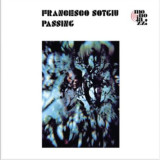
Francesco Sotgiu has forged a unique and very swinging project of songs. With a quintet consisting of Luigi Bonafede on piano, Emanuele Cisi and Riccardo Luppi on woodwinds, Salvatore Maiore on bass, Francesco on drums, and with special guest Paolo Fresu on trumpet to cap off this heartfelt collection. There is also a nice diversity of groups within this larger collection. A nice trio piece called “Calm” featuring Paolo Birro sitting in with Marco Micheli and Francesco. And one called “Lotus Blossom” where Francesco shows his considerable skills and soul on violin. But the bulk of the material is straight-ahead jazz and is totally swinging and soulful, proving that jazz has no borders and is a worldwide language to which Francesco has added to that tradition with this project and all the great voices he has included here. Bravo maestro.
This is the comment of Gil Goldstein, American accordion player who won 5 Grammys and collaborated with giants such as Gil Evans, Wayne Shorter, and Michel Petrucciani.
This record was recorded in the middle of the pandemic times, and most of the work for preparing this record took place via the telephone: the selection of the songs on paper, the exchange of ideas on arrangements, staff and instruments, a sort of “phone rehearsal” of the structure of the songs, with the choice of a solo; everything else, everything that will happen in the recording sessions, is the result of a controlled improvisation, a jam session masterfully captured in the studio through the use of well-positioned ribbon microphones.
This is why “Passing,” literally “passing” or “crossing”: because the musicians have gone through listening to these songs as teenagers, and find themselves today, as a mature meeting of old friends who create an informal game made of nostalgic fun, great personality, confrontation, and deep spirituality. In the classic “Caravan” by Ellington and Tizol or “Afro Blue” by Mongo Santamaria, Coltrane toning, the Latin accent of the rhythm section supports the interpretation of the theme and the interplay in the solos between the soprano and tenor saxophones by Cisi & Luppi, and the piano by Bonafede.
A certain elegance in the execution distinguishes pieces such as Duke Ellington’s “Sound of Love,” yet another tribute by Mingus to the Duke, with a calibrated solo on the double bass of Maiore and the flute by Luppi, the immortal “Take Five” by Paul Desmond, with the highlighted soprano by Cisi, “Wishes,” “7th Street,” and the eponymous “Passing,” all pieces composed by Sotgiu, characterized by the precise medium/fast drive of the drums and a certain “cinematic” taste of the main themes.
In songs such as “Black Bats and Poles,” composed by trumpeter Jack Walrath for the Mingus Orchestra, and in “Stranatole,” an original piece in which Sotgiu writes a theme of Monk’s influence and enjoys overturning the traditional “Anatole Jazz” structure, the quintet opts for an effective hard bop language, with exciting moments of dazzling virtuosity in Bonafede’s solo. While in Coltrane’s “Wise One” and McCoy Tyner’s “Ballad for Aisha,” we enter a modal, mystical, and ceremonial jazz, of a cosmic depth, which seems to hover in the sweet volume of the great hall of the recording studio. These are truly magnificent interpretations.
A special separate mention for two classics such as “My Foolish Heart” by Victor Young, performed in trio by Sotgiu, Maiore, and the unmistakable trumpet by Paolo Fresu, and the (unfortunately very short) “Lotus Blossom” by Billy Strayhorn and Duke Ellington, which in the piano-violin duo of Birro and Sotgiu, in a minute gives a suspended momentary magic, sums up the roots of African-American jazz music, and also referencing an old-fashioned Italian musical sensitivity, typical of Nino Rota’s music for Federico Fellini’s films.
Motown producer and songwriter Norman Whitfield assembled The Undisputed Truth to further explore the psychedelic soul he had been developing with the Temptations on songs like ‘Cloud Nine’ and ‘Psychedelic Shack’.
Joe Harris, Billie Calvin and Brenda Evans were assembled as the vocal front-line and their first single was ‘Save My Love For A Rainy Day’/’Since I’ve Lost You’ that was released on Gordy in February 1971 and got to #43 on the R&B Chart.
It was followed by ‘Smiling Faces Sometimes’/’You Got The Love I Need’ that was a massive hit single getting to #2 R&B and #3 on the Billboard Hot 100. Their debut album The Undisputed Truth followed and not only contained all four tracks issued on 7” but an almost interstellar version of ‘Ball Of Confusion (That’s What The World Is Today)’, ‘I Heard It Through The Grapevine’ as well as a very soulful prowl through Bob Dylan’s ‘Like a Rolling Stone’. Tracks like ‘California Soul’ and ‘Aquarius’ also ticked the psychedelic soul box. All told it was a fantastic debut and sold strongly.
Amazingly this fantastic album has not been repressed since 1972. Thus Ace are delighted to put it back into the record racks pressed on 180gm black vinyl.
- Respite For The Tulpamancer
- Gajo
- Doll Park Doll Park
- Dissimulato
- Losing Faith
- Busy Walks Into The Memory Palace
- Paraphrase Of A Shadow
- Riddlecraft
- Gaolbreaker's Dream
- Tip The Ivy
,respite -- levity for the nameless ghost in crisis", aka ,r--L4nGc`, ist Colin Selfs drittes Album, nach dem gefeierten ,Siblings` (2018) und der dazugehörigen EP ,Orphans` (2019).In ,r--L4nGc" bewegt sich die Musik des in Berlin und New York lebenden Künstlers, Komponisten und Puppenspielers nahtlos zwischen schwebenden, unheimlichen Pop-Vocals, immaterieller experimenteller Elektronik und knallharten Dancefloor-Rhythmen. Strahlende, grenzenlose Schönheit und unentrinnbarer Terror sind ein und dasselbe. Unter Einbeziehung von Selfs langjähriger Praxis des Puppenmachens und auf der Grundlage eines bewussten Exils, das es dem Künstler ermöglichte, sich mit verlorenen Seelen auf anderen Existenzebenen zu unterhalten, ist ,rünL4nGc" eine integrierte Vision der eklektischen Praxis des Künstlers. Self singt in Polari, einer vergessenen Form des Slantwise-Englisch, das von queeren Subkulturen seit Jahrhunderten verwendet wird, um sich der Entdeckung zu entziehen, und performt für unsere verstorbenen Lehrer und Freunde und für den Rest von uns, die bereit sind, mit unheimlichen Geistern zu kommunizieren. Für Fans von Perfume Genius, Björk, Holly Herndon, Psychic TV, Oneohtrix Point Never, Lyra Pramuk, Bat For Lashes, SOPHIE, Talk Talk. "respite - levity for the nameless ghost in crisis", aka "r-nL4nGc", is Colin Self's third full length album, following the acclaimed "Siblings" (2018) and its companion EP "Orphans" (2019). In "r-L4nGc" the Berlin and New York based artist, composer, and puppeteer's music travels seamlessly from soaring, uncanny pop vocals to immaterial experimental electronics and hard-hitting dance floor rhythms. Radiant, limitless beauty and boundless, inescapable terror are one and the same. Incorporating Selfü's long standing practice of dollmaking, and drawing upon a conscious exile that allowed the artist to settle into conversation with lost souls on other planes of existence, "r-L4nGc" is an integrated vision of the artist's eclectic practice. Singing in Polari, a forgotten form of slantwise English used by queer subcultures for centuries to evade detection, Self performs for our departed teachers and friends, and for the rest of us, ready to commune with uncanny spirits. For fans of Perfume Genius, Björk, Holly Herndon, Psychic TV, Oneohtrix Point Never, Lyra Pramuk, Bat For Lashes, SOPHIE, Talk Talk.
[f] [CANTING]
Repress!
Glitterbox resident Dimitri From Paris and remixing pioneer Tom Moulton present their retouched mixes of Ron Hall & The Muthafunkaz modern day soul classic 'The Way You Love Me' now available on 12' vinyl. Initially released in 2006, Marc Evans provides velvet-smooth vocals complimented by background harmonies and timeless disco production. For his iconic T.S.O.P. remix Dimitri From Paris enlisted the help of Salsoul Orchestra founder Vincent Montana, Jr. for fresh strings as well as a new full orchestra arrangement in his version, and here he gives it an update with his previously unreleased 'Dim's T.S.O.P. Version - Dimitri from Paris Glitterbox Retouch'. Tom Moulton's retouched sweet-sounding 'Philly Re-Grooved Remix', previously released on Harmless in 2013, comes laden with guitar riffs, dreamy harps and xylophone for even more instrumental glory. Two disco legends come together under one stunningly soulful Glitterbox release leasing new life into this timeless record.
SOULMEEX marks two years in action, making it the perfect moment to unveil the second label release. A personal and conceptual EP presented by Michael Lane, tracing the emotional path from depression to hope amidst a challenging world.
The journey begins with “Feel”, exploring the process of emerging from numbness to rediscovering emotion. Featuring 25 voices in 20 languages across the gender spectrum, the track is a testament to collective expression and global connection.
The story continues with “Breathe” and “Hope”, reflecting the resilience required to hold on and the eventual return of optimism. These tracks share instrumental themes that bind the project into a unified narrative of healing and renewal.
The EP also includes a remix of “Hope” by Lauer, transforming the closing chapter into a cinematic moment of triumph.
A celebration of human connection and the power of creativity to navigate life’s struggles.
**Voices on “Feel”: Adnan, Aicha, Alberto, Alina, Alix, Alyssa, Ava, Egle, Eva, Farid, Fife, Giulia, Gregoire, Hara, Henrik, Iggy, Irini, Jorieke, Julie, Leeloo, Marco, Michael S, Stefano, Svenja and Michael Lane**
Repress!
PPU 12" release from Evans Pyramid aka Blood Deep featuring "Where Love Lives" an unreleased accelerated funk anthem from the late 80s, bridging the gaps between boogie, soul and house. The B side is a proper 12" pressing of Evon's side project Royale's "I Want Your Body". Comes in full color jacket
Russian vinyl botherer and producer DJ Vadim has pulled in some serious reggae talent on his 11th album.
It all kicks off with a double whammy of Demolition Man’s classic pipes on the rootsy Fussin N Fighting and the dubby Sometimes, featuring Inja shouting out to the people struggling to rise from dark situations. The mariachi trumpet, married to the smooth chorus vocals, provide a subtle counterpoint to the rapper’s imploring flow. Sultry dancehall’s the order of the day for Call On Me, with Eva Lazarus pushing out a proper earworm of a chorus that plays beautifully off the Jamaican-accented Brummie spit of Serocee. Three tracks in, and Vadim’s already traversed several decades of musical development whilst keeping the narrative pleasingly consistent.
Murder Murder channels the spirit of Damian Marley for a politically-charged reggae hip hop rampage, then the unmistakable voice of Max Romeo pops up on Judgement, a fire and brimstone cut in the great tradition of such offerings. It also showcases one of the main themes of this release: the bringing together of cultures and musicians. Abstract Rude and YT provide rap responses to the veteran, with the production lightly upgrading the familiar sonics with a few echo-electro flourishes here and there.
- A1: Kito Jempere Feat. Adam Evald - Killer Line (Opening Titles)
- A2: Kito Jempere Feat. Adam Evald & Jimi Tenor - Put Love Into Your Heart
- A3: Kito Jempere Feat. Hard Ton - The Sound Of Love
- A4: Kito Jempere - Love Myself But I Can’t Make It Love
- B1: Kito Jempere Feat. Alina Royz - Footsteps
- B2: Kito Jempere Feat. Lena Tronina - In The Countryside
- B3: Kito Jempere Feat. Celebrine & Mutafrukt - I Can Make My Happiest Life
- B4: Kito Jempere - Vacation Song
- B5: Kito Jempere Feat. Moral Kiosk - Reka
- C1: Kito Jempere Feat. Mutafrukt - Blue Plastic Bag In The Sea Of Green
- C2: Kito Jempere Feat. Mutafrukt - Wasted
- C3: Kito Jempere Feat. Hard Ton & Mutafrukt - Before Music Dies
- C4: Kito Jempere Feat. Lovvlovver - Absent Ascent
- D1: Kito Jempere - Sleeping With Tv On
- D2: Kito Jempere Feat. Celebrine - Over The Rainbow
- D3: Kito Jempere Feat. Adam Evald - Shorespotting
- D4: Kito Jempere Feat. Kito Jempere Band - Lovers (End Credits)
180g Black Vinyl[23,95 €]
From a club-friendly chrysalid onto deploying his wings as a full fledged pop artist in recent years, Saint Petersburgs Kito Jempere has enjoyed a journey unlike any other and his newest album, Part Time Chaos Part Time Calmness live-documents the chameleonic changes / game-changing paradox experienced this year between his life both as a musician and as a family man.
Better known for his work as a house producer which has earned him accolades from prominent dance music outlets throughout well over a decade of intense work both into and outwith the limelights, Kito has for all that never been focussed on writing solely discoid material, throwing as much effort over the years into multi-faceted parallel ventures, far and apart from strictly dance floor-oriented functionality. Yet, from this partition between various projects and mindsets, this is through a radical shift towards downtempo pop and out of the 4x4 loop that Kito got to fully assert himself as a musician, embracing the rejoicing variety of tone and mood of his tender loves, secret and not. The movie Ive never made but have the soundtrack for, Part Time Chaos Part Time Calmness is the fruit of change as much as change itself. A return to the simple means of his young self, his old trusty guitar from his late teens serving as the backbone to Killer Line and Love Myself But I Cant Make It Love, and the natural development to last years Green Monster, which
initiated these deep tectonic movements in Kitos approach to his art, PTCPTC is an intimate trip down the kaleidoscope of his present life. Joined up by an impressive cast of artists, including Jimi Tenor, Adam Evald and Hard Ton, Kito didnt just bin his old persona, he took it back to where it belongs. From the low-slung emotional folk of the opener, Killer Line, to the eerie flamenco-jazz hybrid Before Music Dies. via the broken soulfulness of Put Love Into Your Heart and anthemic 80s balearic breaks meets coastal synthwave vibe of Sounds of Love, the album pulsates with a refreshingly genre-unbound vision. To the naive, laid-back sonic bokeh of Footsteps,
succeeds the left-of-centre cinematic narrative of In The Countryside, which includes some fun nods to fictional brands taken from Tarantinos imaginarium (Red Apple cigarettes) or other movies like High Fidelity, after Nick Hornbys eponymous novel.
Freed from gridlocked programming and impersonal tropes, PTCPTC showcases a wide array of songs, beats, grooves old and new, some dating back to 2018 and improvised sessions with his 9-people Kito Jempere Band, all of which were finished within the same timeframe and with this all-inclusive momentum in mind. Through the epic synths of Absent Ascent. in revamping the universal classic Over The Rainbow with Celebrine, on the appeasing ballad Shorespotting feat. Evald or in the waves-ready closing cut Lovers, Jempere tells a tale of hard-earned emancipation and life-affirming freedom.
2024 Reissue
Following 2019's Inside, VC-118A returns to Delsin to present Spiritual Machines. Following a re-evaluation of his creative process, Samuel Van Dijk's fourth album encompasses more fluid shifts into abstract and downtempo, dub-inflected realms, without losing sight of the electro and techno qualities that have made VC-118A so compelling from the beginning. Burnished machine soul, aqueous atmospherics and immaculate drum programming abound, but in the mellow, enveloping sound world of Spiritual Machines you can hear Van Dijk guiding his music into a broader form that sounds at once more assured and more inspired.
2024 Repress
Transparent Blue Vinyl
Little Dragon - die bahnbrechende schwedische Band um die rätselhafte Sängerin Yukimi Nagano, den Multiinstrumentalisten Håkan Wirenstarnd und Fredrik Wallin an Keyboard und Bass und Erik Bodin an Schlagzeug und Perkussion - kehren mit ihrem sechsten Studioalbum „New Me, Same Us“ zurück.
Für eine Band, die stolz darauf ist, abseits gängiger Hörgewohnheiten zu stehen und die sich mit aller Entschlossenheit dafür einsetzt, die Dinge zu ihren eigenen Bedingungen zu verwirklichen, haben sie bislang nicht gerade wenig Anerkennung im Mainstream bekommen. Mit dem Grammy für ihr Album „Nabuma Rubberband“ im Jahr 2014 nominiert, gelten Little Dragon seit langem als eine der gefragtesten Gruppen für Kollaborationen. Im Laufe der Jahre ist eine beneidenswerte Liste an Künstlerinnen und Künstlern zusammengekommen, mit denen sie zusammengearbeitet haben, darunter bspw. BADBADNOTGOOD, Gorillaz, SBTRKT, Flying Lotus, Flume, Kaytranada, Big Boi, De La Soul, DJ Shadow, Tinashe, Mac Miller, Future, Raphael Saadiq oder Faith Evans. Ihre berühmt-berüchtigte Live-Performance hat eine mittlerweile zehnjährige Tourneekarriere nach sich gezogen, in dessen Verlauf sie kürzlich gemeinsam mit Flying Lotus als Co-Headliner eine Show im Hollywood Bowl in Los Angeles gespielt haben, sowie auf einigen der weltweit angesehensten Festivals wie Coachella, Glastonbury, Bestival, Lollapalooza, Melt!, Dour, Sónar und dem Festival von Tyler, The Creator, „Camp Flog Gnaw“, aufgetreten sind.
Vollkommen alleine und ohne Unterstützung von außen im langjährigen und selbstgebauten Heim-Studio in Göteborg produziert und aufgenommen, repräsentiert „New Me, Same Us“ ein weiteres Kapitel in der kontinuierlichen Entwicklung von Little Dragon. Mit ihrem einzigartigen Stil finden sie eine neue Richtung von gemächlichem, unkonventionellem R'n'B, Pop und Elektronik und klingen damit so verjüngt und energiegeladen wie eh und je. Die Platte zeugt auch von einer reflektierenden Stimmung, mit Yukimis unverwechselbarer Stimme, die von Übergängen im Leben, Sehnsüchten und Abschieden sinniert.
- A1: Blood In The Water 6:54
- A2: Enigma Of Reason 10:06
- A3: The Wanderer 5:03
- B1: The Big Quit 8:35
- B2: Devil's Encyclopedia 5:47
- B3: A Memory Of My Future 6:26
- C1: I Am Because You Are 4:32
- C2: My Share Of Your Life 7:48
- C3: Age Of Thought 4:38
- D1: Matchbox Racing 6:56
- D2: We Stay Loud 5:25
- D3: Melting Pot 5:51
Über drei Jahrzehnte nach ihrer Gründung durch Leslie Mandoki, setzen Mandoki Soulmates mit ihrem Album "A Memory Of Our Future" nicht nur musikalisch neue Maßstäbe, sondern präsentieren ein produktionstechnisches Meisterwerk: Das gesamte Album wurde analog aufgenommen und produziert - vom ersten Ton bis zum fertigen Vinyl. Die Produktion des rund 80-minütigen Konzeptalbums ist ein seltenes Unterfangen in der heutigen Musiklandschaft. Mit durchgehend analoger Signalverarbeitung vom Mikrofon bis zur Vinylpressung ist die Produktion von "A Memory Of Our Future" ein Manifest von Präzision und Leidenschaft, die in jedem Ton des Albums zu spüren ist. Das Mastering des analogen Magnetbandes durch Greg Calbi im renommierten Sterling Sound Studio in New York und der Vinylschnitt in den Emil Berliner Studios sind ein Symbol für die audiophile Exzellenz des Albums. Mit einem Setup, das in der gegenwärtigen Musikproduktion kaum noch zu finden ist, und mit der die Band eine Wärme und Lebendigkeit in ihrer Musik eingefangen hat, die in digitalen Aufnahmen oft verloren geht, haben die Soulmates ein Werk musikalischer Vielfalt geschaffen, das von Prog bis Jazz Rock reicht, und kompositorische Reife, spielerische Leichtigkeit und kunstvolle Solos mit großen Spannungsbögen und tiefgründigen Texten zu gesellschaftspolitischen Themen verbindet. Die generationsübergreifende Supergroup von Rock- und Fusion-Großmeistern mit Ian Anderson (Jethro Tull), Mike Stern, Al di Meola, Randy Brecker, Till Brönner, Bill Evans, John Helliwell (Supertramp), Cory Henry, Richard Bona, Steve Bailey, Simon Phillips (Toto), Leslie Mandoki, Tony Carey (Rainbow), Nick van Eede (Cutting Crew), Jesse Siebenberg und Mark Hart (beide Supertramp) ruft mit dem Album zum Handeln gegen Spaltung und für Menschlichkeit auf. Mit "A Memory Of Our Future" gelingt den Soulmates eine einzigartige Verschmelzung audiophiler Exzellenz und gesellschaftspolitisch relevanter Musik. Dieses Album ist nicht nur für Fans von Prog und Jazz Rock, sondern für alle, die echte Musik zu schätzen wissen.
Pianist, Composer, Multi-Instrumentalist Eva Novoa Releases First Album from Her Newly Forged Trio with Sax Legend Daniel Carter and Beloved Drummer Francisco Mela
"It’s not a rumor. Brooklyn’s Eva Novoa has formed a new trio! Novoa / Carter / Mela Trio, Vol. 1 marks their first sparkling album together (which is also Eva’s third with 577 Records). The group performed live for the first time in Cambridge (Boston) in 2022 and at the NY Forward Festival in August 2024.
In an invigorating creative explosion recorded at New York City’s Sear Sound in 2021, the multi-talented instrumentalist unites with sax legend Daniel Carter and beloved drummer Francisco Mela. Prepare to be reawakened when you experience Novoa tickling the ivories, dominating the Fender Rhodes, and wowing with the electric harpsichord and Chinese gongs. Even her whistling will linger in your mind!
As captured in the electrifying tracks “Aire” and “Fuego", Novoa / Carter / Mela Trio, Vol. 1 is inspired by the four elements (earth, wind, fire, and water). “Hasta Mañana Vida Mia” weaves together Cuban tradition with soulful lyrics (sung by Francisco) and high-energy, rhythmic conversations with horns and drums. The musicians’ free interplay approach defines this eclectic trio and their sonic universe.
Born in Barcelona, Spain, Eva Novoa is a pianist and composer who’s been mastering her talents since childhood. Calling NYC home since 2012, she has rocked countless local venues with her thrilling performances and has played with many adored artists all over the globe.
Her new album drops on November 22, 2024, and will be available on vinyl, CD, and digital download. Don’t miss the stunning cover art by Novoa’s friend and collaborator, acclaimed street photographer Richard Sandler, and stay tuned for Volumes 2, 3, and 4!"
Piano, Fender Rhodes, Cinese gongs, percussion & whistling by Eva Novoa.
Tenor, alto & soprano saxophones, trumpet, flute, clarinets by Daniel Carter.
Frums & vocals by Francisco Mela.
Recorded April 18, 2021.
Recorded, mixed and mastered by Jeremy Loucas at Sear Sound, New York City.
Photography by Richard Sandler.
Graphic design by Sergio Vezzali.
Graphic support by Mark Smith.
Camelot, the legendary seat of King Arthur's court in Early Middle Ages Britain, was probably not a real place. A corruption of the name of a real Romano-Briton city, the word "Camelot" accumulated symbolic, mythic resonances over centuries, until achieving its present usage as a near-synonym of "utopia." In the mid-20th century alone, Camelot inspired an explosion of representations and appropriations, among them the violent, affectless Arthurian court of Robert Bresson's 1974 film Lancelot du Lac and the absurdist iteration of Monty Python's 1975 Holy Grail, both of which feature armored knights erupting into fountains of blood; the mystical Welsh world of novelist John Cowper Powys's profoundly weird 1951 novel Porius, with its Roman cults, wizards and witches, and wanton giants; and the nationalist nostalgia of President John F. Kennedy's White House. Unsurprisingly there are fewer Camelots in more recent memory. Camelot, Canadian songwriter Jennifer Castle's extraordinary, moving 2024 chronicle of the artist in early middle age, charts a realer, more rooted, and more metaphorical place than the fabled Camelot of the Early Middle Ages (or its myriad depictions), but it too is a space more psychic than physical. In Castle's Camelot, the fantastic interpenetrates the mundane, and the Grail, if there is one, distills everyday experience into art and art into faith, subliming terrestrial concerns into sublime celestial prayers to Mother Nature, and to the unfolding process of perfecting imperfection in one's own nature. Co-produced by Jennifer and longtime collaborator Jeff McMurrich, her seventh record is at once her most monumental and unguarded to date, demonstrating a mastery of rendering her verse and melodies alike with crisply poignant economy. For all their pointedly plainspoken lyrical detail and exhilarating full-band musical flourishes, these songs sound inevitable, eternal as morning devotions. "Back in Camelot," she sings on the lilting, vulnerable title track, "I really learned a lot / circles in the crops and / sky-high geometry." The album opens with a candid admission of sleeping "in the unfinished basement," an embarrassing joke that comes true. But the dreamer is redeemed by dreaming, setting sail in her airborne bed above "sirens and desert deities." If she questions her own agency_whether she is "wishing stones were standing" or just "pissing in the wind"_it does not diminish the ineffable existential jolt of such signs and wonders. This abiding tension between belief and doubt, magic and pragmatism, self and other, sacred and profane, and even, arguably, paganism and monotheism, suffuses these ten songs, which limn an interior landscape shot through with sunstriped shadows of "multi-felt dimensions" both mystical and quotidian. The epic scale and transport of "Camelot," with its swooning strings, gives way dramatically to "Some Friends," an acoustic-guitar-and-vocals meditation in miniature on Janus-faced friends and the lunar and solar temperatures of their promises_"bright and beaming verses" versus hot curses_which recalls her minimalist last album, 2020's achingly intimate Monarch Season. (In a symmetrical sequencing gesture, the penultimate track, the incantatory "Earthsong," bookends the central six with a similarly spare solo performance and coiled chord progression, this time an ambiguous appeal to _ a wounded lover? a wounded saint? our wounded planet?) Those whom "Trust" accuses of treacherous oaths spit through "gilded and golden tooth"_cynics, critics, hypocrites, gurus, scientists, doctors, lovers, government, the so-called entertainment industry_sow uncertainty that can infect the artist, as in "Louis": "What's that dance / and can it be done? What's that song / and can it be sung?" Answering affirmatively are "Lucky #8," an irrepressible ode to dancing as a bulwark against the "tidal pools of pain" and the "theory of collapse," and "Full Moon in Leo," which finds the narrator dancing around the house with a broom, wearing nothing but her underwear and "big hair." But the central question remains: who can we trust, and at what cost faith, in art or angels or otherwise? Castle's confidence in her collaborators is the cornerstone of Camelot. Carl Didur (piano and keys), Evan Cartwright (drums and percussion), and steadfast sideman Mike Smith (bass) comprise a rhythm section of exquisite delicacy and depth. This fundamental trio anchors the airiness of regular backing vocalists Victoria Cheong and Isla Craig and frames the guitars of Castle, McMurrich, and Paul Mortimer (and on "Lucky #8," special guest Cass McCombs). Reprising his decennial role on Castle's beloved 2014 Pink City, Owen Pallett arranged the strings for Estonia's FAMES Skopje Studio Orchestra. On the ravishing country-soul ballad "Blowing Kisses"_Pallett's crowning achievement here, which can be heard in its entirety in the penultimate episode of the third season of FX's The Bear_Jennifer contemplates time and presence, love and prayer_and how songwriting and poetry both manifest and limit all four dimensions: "No words to fumble with / I'm not a beggar to language any longer." Such rare moments of speechlessness_"I'm so fucking honoured," she bluntly proclaims_suggest a state "only a god could come up with." (If Camelot affirms Castle as one of the great song-poets of her generation, she is not immune to the despairing linguistic beggary that plagues all writers.) Camelot evinces a thoroughgoing faith not only in the natural world_including human bodies, which can, miraculously, dance and swim and bleed and embrace and birth_but also in our interpretations of and interventions in it: the "charts and diagrams" of "Lucky #8," a daydreamt billboard on Fairfax Ave. in LA in "Full Moon in Leo," the bloody invocations of the organ-stained "Mary Miracle," and all manner of water worship, rivers in particular. (Notably, Jennifer has worked as a farmer and a doula.) The album ends with "Fractal Canyon"'s repeated, exalted insistence that she's "not alone here." But where is here? The word "utopia" itself constitutes a pun, indicating in its ambiguous first syllable both the Greek "eutopia," or "good-place"_the facet most remembered today_and "outopia," or "no-place," a negative, impossible geography of the mind. Utopia, like its metonym Camelot, is imaginary. Or as fellow Canadian songwriter Neil Young once sang, "Everyone knows this is nowhere." "Can you see how I'd be tempted," Castle asks out of nowhere, held in the mystery, "to pretend I'm not alone and let the memory bend?"
. For Fans Of: The Weather Station, Weyes Blood, Adrianne Lenker, Phoebe Bridgers, Joan Shelley, Lana Del Rey, Cass McCombs, Angel Olsen & Neil Young. Camelot, the legendary seat of King Arthur’s court in Early Middle Ages Britain, was probably not a real place. A corruption of the name of a real Romano-Briton city, the word “Camelot” accumulated symbolic, mythic resonances over centuries, until achieving its present usage as a near-synonym of “utopia.” In the mid-20th century alone, Camelot inspired an explosion of representations and appropriations, among them the violent, affectless Arthurian court of Robert Bresson’s 1974 film Lancelot du Lac and the absurdist iteration of Monty Python’s 1975 Holy Grail, both of which feature armoured knights erupting into fountains of blood; the mystical Welsh world of novelist John Cowper Powys’s profoundly weird 1951 novel Porius, with its Roman cults, wizards and witches, and wanton giants; and the nationalist nostalgia of President John F. Kennedy’s White House. Unsurprisingly there are fewer Camelots in more recent memory. Camelot, Canadian songwriter Jennifer Castle’s extraordinary, moving 2024 chronicle of the artist in early middle age, charts a realer, more rooted, and more metaphorical place than the fabled Camelot of the Early Middle Ages (or its myriad depictions), but it too is a space more psychic than physical. In Castle’s Camelot, the fantastic interpenetrates the mundane, and the Grail, if there is one, distills everyday experience into art and art into faith, subliming terrestrial concerns into sublime celestial prayers to Mother Nature, and to the unfolding process of perfecting imperfection in one’s own nature. Co-produced by Jennifer and longtime collaborator Jeff McMurrich, her seventh record is at once her most monumental and unguarded to date, demonstrating a mastery of rendering her verse and melodies alike with crisply poignant economy. For all their pointedly plainspoken lyrical detail and exhilarating full-band musical flourishes, these songs sound inevitable, eternal as morning devotions. “Back in Camelot,” she sings on the lilting, vulnerable title track, “I really learned a lot / circles in the crops and / sky-high geometry.” The album opens with a candid admission of sleeping “in the unfinished basement,” an embarrassing joke that comes true. But the dreamer is redeemed by dreaming, setting sail in her airborne bed above “sirens and desert deities.” If she questions her own agency whether she is “wishing stones were standing” or just “pissing in the wind” it does not diminish the ineffable existential jolt of such signs and wonders. This abiding tension between belief and doubt, magic and pragmatism, self and other, sacred and profane, and even, arguably, paganism and monotheism, suffuses these ten songs, which limn an interior landscape shot through with sunstriped shadows of “multi-felt dimensions” both mystical and quotidian. The epic scale and transport of “Camelot,” with its swooning strings, gives way dramatically to “Some Friends,” an acoustic-guitar-and-vocals meditation in miniature on Janus-faced friends and the lunar and solar temperatures of their promises—“bright and beaming verses” versus hot curses which recalls her minimalist last album, 2020’s achingly intimate Monarch Season. (In a symmetrical sequencing gesture, the penultimate track, the incantatory “Earthsong,” bookends the central six with a similarly spare solo performance and coiled chord progression, this time an ambiguous appeal to … a wounded lover? a wounded saint? our wounded planet?). Those whom “Trust” accuses of treacherous oaths spit through “gilded and golden tooth” cynics, critics, hypocrites, gurus, scientists, doctors, lovers, government, the so-called entertainment industry sow uncertainty that can infect the artist, as in “Louis”: “What’s that dance / and can it be done? What’s that song / and can it be sung?” Answering affirmatively are “Lucky #8,” an irrepressible ode to dancing as a bulwark against the “tidal pools of pain” and the “theory of collapse,” and “Full Moon in Leo,” which finds the narrator dancing around the house with a broom, wearing nothing but her underwear and “big hair.” But the central question remains: who can we trust, and at what cost faith, in art or angels or otherwise? Castle’s confidence in her collaborators is the cornerstone of Camelot. Carl Didur (piano and keys), Evan Cartwright (drums and percussion), and steadfast sideman Mike Smith (bass) comprise a rhythm section of exquisite delicacy and depth. This fundamental trio anchors the airiness of regular backing vocalists Victoria Cheong and Isla Craig and frames the guitars of Castle, McMurrich, and Paul Mortimer (and on “Lucky #8,” special guest Cass McCombs). Reprising his decennial role on Castle’s beloved 2014 Pink City, Owen Pallett arranged the strings for Estonia’s FAMES Skopje Studio Orchestra. On the ravishing country-soul ballad “Blowing Kisses” Pallett’s crowning achievement here, which can be heard in its entirety in the penultimate episode of the third season of FX’s The Bear Jennifer contemplates time and presence, love and prayer and how songwriting and poetry both manifest and limit all four dimensions: “No words to fumble with / I’m not a beggar to language any longer.” Such rare moments of speechlessness “I’m so fucking honoured,” she bluntly proclaims suggest a state “only a god could come up with.” (If Camelot affirms Castle as one of the great song-poets of her generation, she is not immune to the despairing linguistic beggary that plagues all writers.) Camelot evinces a thoroughgoing faith not only in the natural world including human bodies, which can, miraculously, dance and swim and bleed and embrace and birth but also in our interpretations of and interventions in it: the “charts and diagrams” of “Lucky #8,” a daydreamt billboard on Fairfax Ave. in LA in “Full Moon in Leo,” the bloody invocations of the organ-stained “Mary Miracle,” and all manner of water worship, rivers in particular. (Notably, Jennifer has worked as a farmer and a doula.) The album ends with “Fractal Canyon”s repeated, exalted insistence that she’s “not alone here.” But where is here? The word “utopia” itself constitutes a pun, indicating in its ambiguous first syllable both the Greek “eutopia,” or “good-place” the facet most remembered today and “outopia,” or “no-place,” a negative, impossible geography of the mind. Utopia, like its metonym Camelot, is imaginary
- A1: Paris
- A2: If A Cause Is Worth Dying For Then Be
- A3: Euro Nerv
- A4: Tema Principale Orchestra Dedicata Ai Maestri
- A5: Berceuse Piano
- A6: L'homme N'est Ni Ange Ni Bete
- B1: Prettiest Star
- B2: Karma
- B3: Yearning For Your Love
- B4: Hand Of Fate
- B5: Lost In The Memory
- C1: Berceuse Piano Dans L'orchestre A Cordes
- C2: Metamorphosis
- C3: Paranoia
- C4: Mirror Mirror Orchestra And Choir
- C5: This Is The Dream, Beyond Belief
- C6: Theme Du Concerto 494
- D1: Psycho
- D2: Killer
- D3: I'll Go On Loving Someone Else =Version Orchestre=
- D4: Pillars Of Faith
- D5: Voices In My Head
- D6: What If? Orchestra, Choir And Piano
- E1: The Path
- E4: Pensees Intimes Piano
- E5: Unwelcome Orchestra
- F1: Unwelcome Piano
- F2: M & R Suite Pour Piano, Flute Basse Et Orchestre
- F3: What If? Guitar
- F4: Tema Principale Tromba E Orchestra
- F5: Tema Principale Chitarra
- F6: Soul Love Guitar To Orchestra Segue
- E2: Pensees Intimes Piano Dans L'orchestre A Cordes
- E3: The Way Of Life
Erleben Sie die emotionalen Höhen und Tiefen des finalen Films der "Rebuild of Evangelion"-Reihe neu mit Shiro SAGISU's Music from SHIN EVANGELION. Diese exklusive Vinyl-Edition lässt die epische Reise von Shinji, Asuka und Rei in EVANGELION: 3.0+1.0 auf musikalische Weise wieder aufleben und verbindet Sie erneut mit den unvergesslichen Momenten der letzten Schlacht.Das Set besteht aus drei 140g schweren Schallplatten, die in schwarzem Vinyl gepresst wurden. Das hochwertige Trifold-Cover ist nicht nur ein Hingucker, sondern enthält auch persönliche Anmerkungen des Komponisten Shiro SAGISU, die einen Einblick in die Entstehung und Bedeutung der Musik geben. Mit dieser Vinyl-Edition holen Sie sich ein Stück der außergewöhnlichen Welt von Evangelion nach Hause und können die musikalische Untermalung des Films in bester Klangqualität genießen.Ob als Sammlerstück oder um die Atmosphäre des Films erneut zu erleben - diese Vinyl-Ausgabe ist für jeden Evangelion-Fan eine besondere Bereicherung.
THE DYNAMICS • DRAG’N'FLY
by VINCENT HELLO.
Jamaica, 1960s. Ska artists, rock steady and reggae take back some soul songs of the United States, thus giving their versions that will in turn become future classics. The hits of the moment are also seasoned with Jamaican sauce, no matter where it comes from Original, pop, country, jazz... The rhythms of the island permanently transform the tracks of origin. In 2024, with their third album called Dragn'fly and decorated with a beautiful dragonfly (a "dragonfly" so in the language of King Tubby) the Dynamics honour Jamaican tradition and dynamite 10 versions of hits from yesterday and today. The Dragonfly spread his wings reggae, soul, funk to land in all headsets at the heart of good stereos and on spicy dancefloors. Because this dragonfly is a true superfly that speaks to the heart... and legs.
After two albums whose success led them to walk the globe of Glastonbury in Tokyo, honoured by the large elders (the first part of Lee Perry here, a regular dj support of Don Letts over there) the Dynamics are alive so their 'soul reggae vocal sound system” in front of audiences specializing in Jamaican or to those who are who were lucky enough to meet them by chance in Chemical Brothers... or Lady Gaga.
The Dynamics have forgotten the weight of ancestors to make their own recipe. They proclaim it, they are Sound System! The voices of Mounam, Steve Levi and Mr Day are in the front row, so making lovers, preachers, crooners and crooners to Turns of Duty, while Fab Master Flab all in one of the roots and futuristic echos. But if the mind is a sound system, the dynamics sounds also as a group through instruments live performances that plunge the tracks into a fervor unique. And then there are the hits, so, from all times and of all styles.
The low rider becomes toaster and leaves the road a American carried by these vocal harmonies Sky to take the exit Kingston. On the roadside, the joker delivers his lovers soft rock after a small detour to Muscle Shoal, The time to borrow a guitar from Duane Allman. In the south again, Mounam “Mrs Dynamics” meets the spirit of «Mr Dynamite» and tells him his radical, soul version. “ man’s world...” inna digital style! The spiritual anthem “you got to have freedom” by Master Pharoah Sanders becomes a universal skank, pop and dub who sends resounding high its universal message Dance! The dynamics are mutating the classic of ESG into a small, minimal pop bomb that is not without resemblance to the Neptunes of Mr Pharell Williams. On the edge of the track, Peter Gabriel sees his “Sledgehammer” groover as he does could imagine it and dissolve into sublime soul scrolls. Later, “After laughter...” soul classic celebrated and sampled Born into a rock steady air promised also to eternity. JJ Cale’s "cocaine," leaves its on the dancefloor for a reggae disco version, necessarily! And then, we must conclude. So it’s time to send an original title. It will be "Rubba Sub", to the aromas of sleng teng, which proves that far from the hits, the Dynamics deploys same layouts to deliver fresh and authentic sounds. And when the dub echoes evaporated, that the riddims have been silent, only remains an album majestic, in turn a future classic, full of unique Dynamics sound that mixes with instinct the echoes of yesterday to its own voices today.
- A1: Dudu Moraes – Eloiá
- A2: Yvette - Upa Neguinho
- A3: As Sublimes - Mangueira É Canção
- A4: Os Panteras – O Espaço
- A5: Chico Evangelista – Frutas & Línguas
- A6: Roman Andrén - Captain's Sword
- B1: Romeu Fernandes - Nagô Naê*
- B2: Conjunto De Percussão Dora Pinto - Noite De Temporal*
- B3: Gitte & Inger – Ud Af Buret (Can't Hide Love)
- B4: Truth & Devotion - Bless My Soul
- B5: Judson Moore – Everybody Push And Pull
- B6: Willy Chirino – Africa
- C1: Chain Reaction – Search For Tomorrow
- C2: Claude Jay - Find Your Light
- C3: The Shades Of Love - Come Inside
- C4: The Duncans - Too Damn Hot
- D1: Thandi Zulu & The Young Five – Love Games
- D2: Tony Wilson – Hangin' Out In Space (Dub Mix)
- D3: Jc Lodge – In Between The Sheets
- D4: Soyuz Feat Asha Puthli & Sven Wunder - Spring Has Sprun
Black Vinyl[27,31 €]
It's a pleasure, a labour of love and a yearly highlight to present a new volume of the Mr Bongo Record Club series. In this collection, we have curated new finds alongside old, treasured tracks that hold a special place in our hearts, selecting music inspiring us from the Brazilian, Latin, soul, disco, gospel, cosmic, dancehall and downtempo genres. We have chosen a diverse array of artists, including Os Panteras from Brazil, stomping underground disco by Claude Jay, the Danish soul sounds of Gitte & Inger and the gospel excellence of Truth & Devotion, to name a few.
Most of the selections in this volume are older vintage productions, however, there is one very special contemporary production, recorded exclusively for Mr Bongo Record Club 7. For ‘Spring Has Sprung’, we linked three of our cherished musical family together; the legendary cult artist Asha Puthli, the wonderous band SOYUZ and Swedish maestro Sven Wunder. The result, as you’d expect, is completely breathtaking.

Reflecting on Volume 7, it now feels like a record comprised of two themes. Firstly, we have gone quite heavy on the Brazilian selections. This saw us searching further afield and digging into other areas of the endlessly rich Brazilian musical tapestry. The reflection of a more folk / Afro-Brazilian sound than presented in previous volumes in the series, can be heard in the songs of As Sublimes, Romeu Fernandes and Conjunto de Percussão Dora Pinto. The second theme is a representation of the tracks that we have been playing in our club DJ sets and are aimed more at the dancefloor. Disco tracks such as 'Come Inside' by The Shades of Love and The Duncans' 'Too Damn Hot' have been firmly tested favourites in recent years.
We hope these songs, by the sensational artists on display, inspire you as much as they do us. Music is the gift that keeps giving and there is so much more to learn, find, and share.
- Bakerste Benk - Bjorn Eidsvag
- Langt Innpa Ville Heii - Sondre Bratland
- Lektie Fra Alle Helgens Messe - Nordstrand Kirkekor
- Een Dobbel Deylighed - Erik Bye
- Akk Mon Min Vei Til Kanaan - Skruk/Varsog
- Kilden - Ragnar Vigdal
- Pa Karl Johan - Det Norske Kammerkor Og Ytre Suloens Ja
- En Salme Fra Fordomte
- Haveprat Bjorn Eidsvag
- Da Barna Forsvant - Sigvart Dagsland
- Mitt Hjerte Hamrer Og Hamrer - Kari Bremnes
- Han Rakk Ikke A Elske - Jorn Simen Overli
- Slipp Mine Floyter Fri - Skruk Og Altiplano
- Nærmere Deg, Min Gud - Ole Paus
- Festung Europa - Sigvart Dagsland
- Min Dod Er Mig Til Gode - Iver Kleive Og Knut Reiersrud
- Scene I Skogen - Kari Bremnes
- Dilelol - Amel Kthyer, Halla Bassam/Eva Dahlgren
- Weakness (Is A Thing Called Man) - Knut Reiersrud
- The Carmel Of My Soul - Rim Banna
- Earth - Mahsa Vahdat Og Mighty Sam Mcclain
- Kyrie
- Summer Came With You - Maria Solheim
- Vær Her For Meg - Ellen Sofie Hovland
- Grat Og Dans - Solveig Slettahjell/Tord Gustavsen
- My Ruthless Companion - Mahsa/Marjan Vahdat/Kronos Quar
- Every Child Is A Prophet - Haneen Ayoub/Marthe Valle
- Hjerterota - Sarah Camille
- Me Va Samen - Randi Tytingvag Trio
- Inst Inni Meg - Tuva Syvertsen/Andreas Utnem
- Uprovde Friheter - Maria Mohn
Forgetting You Is Like Breathing Water, the self-titled debut from the duo of trumpeter Will Evans and guitarist, synthesist, producer and multi-instrumentalist Theo Trump, arrives like a vault revelation. It feels like a decades-old yet newly unearthed masterwork of gorgeous ambient improvisation, the sort of thing scholars live to research and shepherd into deluxe reissue.
The patient, crystalline chords that swell and resonate like a series of confessions; the textured brass murmurs that suggest a ’60s or ’70s Fire Music master at their most poignant. Provocative found-sound experiments threading arcane religious recordings through dystopian soundscapes. Ear-shattering free-noise tumult. Where and when did this music come from? Who are these voices?
As it turns out, Forgetting You Is Like Breathing Water springs from an engrossing human story, though it isn’t necessarily the one you’d expect. This work of stunning maturity is in fact an entrance by two little-known explorers in their early 20s, who grew up together in Virginia, in the shadow of the Blue Ridge Mountains. It documents one of those perfect, sparkling moments in post-adolescence when big decisions and responsibilities are right around the corner, but for a spell, two young artists are able to create among the comforts and nostalgia of their shared past.
It also represents a reunion of sorts, as Evans and Trump connected as toddlers, became inseparable as boys, then pursued independent lives and creative paths as young adults. “Theo is my oldest friend,” Evans says, “and I feel like that’s what this band is — us meeting right in the middle of our interests.”
Now, having conjured this magic, they’ve detached once again: Evans, whose other works include the indie/avant-jazz unit Angelica X, is currently based in New York City. Trump recently moved to England, where he’d participated in his family’s theatre company, to go to school and further his solo ambient project. “This album didn’t start out as something super ambitious,” Evans explains. “It was more just an excuse to spend time together again and make music.”
***
In conversation, Evans and Trump are a delight, especially for cynics who might think that Gen-Z is only capable of doomscrolling. They come across as kindly young intellectuals who grew up using the internet as it was intended, for exposure to ideas and art across genres and generations. Trump points to indie-folk and the oracular post-rock of late Talk Talk, Bark Psychosis and Gastr del Sol. Pressed for his guitar heroes, he cites Bill Orcutt, Mary Halvorson and Marc Ribot, and mentions his devotion to alt-country. Heyday electro-industrial stuff like Skinny Puppy and Nine Inch Nails also meant a lot to him.
Evans is equally intrepid, though his background has a greater jazz focus. Ambrose Akinmusire, among today’s most thoughtfully commanding trumpeters, is a favorite. As for the soulful murmur he offers throughout Forgetting You, Pharoah Sanders’ wistful and lyrical contributions to Floating Points’ work is a touchstone.
The two grew up down the street from each other in the northern Piedmont town of Batesville, Virginia. Their families were friends, holidays were celebrated together and they became the most loyal of pals. As children they had a pretend band.
Then life unfolded, they attended different schools and their paths diverged. Evans discovered John Coltrane and became a jazz obsessive, as Trump found punk and hardcore and later began making ambient music. As a dedicated jazz trumpeter, Evans studied formally and widely; Trump was an autodidact, teaching himself guitar and absorbing synthesis and production techniques. The late teens and very early 20s brought moves away from home and back to home, as well as plenty of listening and learning. The Covid pandemic meant an opportunity to reconnect on long walks. Through it all, together and apart, they remained reverent of each other.
By early 2023, they found themselves living again among the Blue Ridge Mountains. In the evening, after giving trumpet lessons in Charlottesville, Evans would make the eerily beautiful trek “over the mountain” to Trump’s home in Staunton, Virginia. They’d talk and eat and begin to improvise, deep into the night. Evans played trumpet and sometimes drums. (Given the wee-hours recording schedule, the neighbors didn’t appreciate the latter.) Trump plugged a rickety, junk-store Telecaster-style guitar into a cheap solid-state amp and explored open tunings; he also layered on lap steel, electric bass, synths and electronics.
They locked in and relished each other’s gifts. In Trump, those include patience and intentionality and sonic decision-making; for Evans, a distinctive trumpet sound that both musicians think of as a singer’s voice. “Will’s playing is so thoughtful and well placed,” Trump says. “My goal from a producer’s mindset is that the trumpet will occupy the space that vocals would take.”
Often, they got lost in the best way. “The thing I look for most when I’m playing is that feeling of disappearing into what you’re doing,” Evans says. “Usually when that happens, the music is good.”
By the same token, they didn’t pursue free improvisation as an ethic, or as a pure process. Their goal was something closer to spontaneous composition. “We were trying to make good songs,” Evans says simply. Later, Trump did brilliant post-production work, expanding a modest setup into an enthralling soundworld. Under his judicious editorship, music that was wholly improvised sounds at times like a carefully composed new-music commission.
The results speak for themselves. “A Happy Death” summons up a swath of American desolation through the viewfinder of Wim Wenders. “Flesh of Lost Summers” and “Partings” are highlights from an essential ECM LP that never was. “A Collapse of Horses” infuses those seminal post-rock influences with the plod of doom metal or slowcore. The album’s final track, “The Mountains Are a Dream That Calls to Me,” was in fact the first thing the duo recorded, as an evocation of those twilit drives across the Blue Ridge Mountains. “Looking back at what we chose to name the songs,” Evans says, “and some of the sounds and how they make me feel, there is an air of impermanence and loss to this album.”
“I’m excited for everything that’s to come,” he adds, “but I recently thought, ‘Damn — that’s not going to happen again.’ It was a privilege for us to have that time together.”
- A1: Dudu Moraes – Eloiá
- A2: Yvette - Upa Neguinho
- A3: As Sublimes - Mangueira É Canção
- A4: Os Panteras – O Espaço
- A5: Chico Evangelista – Frutas & Línguas
- A6: Roman Andrén - Captain's Sword
- B1: Romeu Fernandes - Nagô Naê*
- B2: Conjunto De Percussão Dora Pinto - Noite De Temporal*
- B3: Gitte & Inger – Ud Af Buret (Can't Hide Love)
- B4: Truth & Devotion - Bless My Soul
- B5: Judson Moore – Everybody Push And Pull
- B6: Willy Chirino – Africa
- C1: Chain Reaction – Search For Tomorrow
- C2: Claude Jay - Find Your Light
- C3: The Shades Of Love - Come Inside
- C4: The Duncans - Too Damn Hot
- D1: Thandi Zulu & The Young Five – Love Games
- D2: Tony Wilson – Hangin' Out In Space (Dub Mix)
- D3: Jc Lodge – In Between The Sheets
- D4: Soyuz Feat Asha Puthli & Sven Wunder - Spring Has Sprun
Purple Vinyl[29,20 €]
It's a pleasure, a labour of love and a yearly highlight to present a new volume of the Mr Bongo Record Club series. In this collection, we have curated new finds alongside old, treasured tracks that hold a special place in our hearts, selecting music inspiring us from the Brazilian, Latin, soul, disco, gospel, cosmic, dancehall and downtempo genres. We have chosen a diverse array of artists, including Os Panteras from Brazil, stomping underground disco by Claude Jay, the Danish soul sounds of Gitte & Inger and the gospel excellence of Truth & Devotion, to name a few.
Most of the selections in this volume are older vintage productions, however, there is one very special contemporary production, recorded exclusively for Mr Bongo Record Club 7. For ‘Spring Has Sprung’, we linked three of our cherished musical family together; the legendary cult artist Asha Puthli, the wonderous band SOYUZ and Swedish maestro Sven Wunder. The result, as you’d expect, is completely breathtaking.
Reflecting on Volume 7, it now feels like a record comprised of two themes. Firstly, we have gone quite heavy on the Brazilian selections. This saw us searching further afield and digging into other areas of the endlessly rich Brazilian musical tapestry. The reflection of a more folk / Afro-Brazilian sound than presented in previous volumes in the series, can be heard in the songs of As Sublimes, Romeu Fernandes and Conjunto de Percussão Dora Pinto. The second theme is a representation of the tracks that we have been playing in our club DJ sets and are aimed more at the dancefloor. Disco tracks such as 'Come Inside' by The Shades of Love and The Duncans' 'Too Damn Hot' have been firmly tested favourites in recent years.
We hope these songs, by the sensational artists on display, inspire you as much as they do us. Music is the gift that keeps giving and there is so much more to learn, find, and share.
Long time in the vaults, soon out in pop heaven: Andrea & Alexander, a handsomely nostalgic pop project by Andrea Noce aka Eva Geist and Alexander Arpeggio. Originally launched in 2014, revitalized in 2023, the project originated as a live set-up consisting of synthesizers, ePects pedals, and analogue drum machines. From there it slowly metamorphosed into a crew of songs with raw minimal-wave grooves and romantically haunting English and German pop lyrics, loosely evoking the aura of Siouxsie Sioux, Gudrun Gut or Nadine Bal. After becoming a live mainstay in the Berlin based underground club Sameheads, they went on a tour through Lithuania and soon after several unfortunate troubles led to the break-up of the band, prompting both Andrea and Alexander to focus on their solo careers. Andrea became Eva Geist and released for various international labels, played live and formed the female duo As Longitude. Alexander founded his own label Eine Welt, took over the management of the renowned underground festival Camp Cosmic and created two musical projects with Cid Hohne, Otto and Aufgang B. Now, years later, almost becoming a Soundcloud corpse some Andrea & Alexander recordings caught the attention of the R.i.O. folks and just seconds later they offer six freshly recorded cuts of Andrea & Alexander tunes that stood the test of time as authentic, soulful pop music. “What are we going to wear for tonight’s party?” Andrea Noce asks in their song “Tiney Party”. The answer is “Loved Up” a musical celebration outfit of six sincere recorded, emotionally accorded songs, who make the dance, give verve a chance, to be there, in that moment of all moments. An album for the listener that likes to dance. In his head, on the local carpet. “Loved Up” humming Andrea & Alexander tunes.
The Man With The Horn is the 1981 album by Miles Davis, which he recorded after persuasion by his nephew Vince Wilburn, a drummer in a Chicago group that played music that combined funk, soul, and fusion jazz. Miles also met the saxophonist Bill Evans, the bass guitarist Marcus Miller and called the drummer Al Foster. The studio result was a hybrid record, divided between the Chicago group’s pieces that he himself referred to as “bubble gum music” and a very free jazz-rock. However, it's less somber and dense than the damp jungles he wandered through without direction during the 1970s. The hit “The Man With The Horn” and its sugary-sweet refrain received a lot of airplay on FM stations. Jazz lovers, rejoicing in Miles’ return, delighted in the rest of the repertory. But it was Mike Stern’s incandescent solo on “Fat Time” that everyone relished. The Man With The Horn is available as limited edition of 1500 individually numbered copies on gold and black marbled vinyl.
Slightly Silver coloured vinyl[26,01 €]
ROEL SPANJERS presents: BIRDCATCHER II. With the release of his new solo album
Birdcatcher II, keyboardist/singer Roel Spanjers fulfills a long-awaited promise: the
successor to the obscure masterpiece Birdcatcher (2006).
Pianist and soulful Hammond player Spanjers is a sought-after live and studio (session)
musician in the European rhythm & blues, soul and roots/Americana scene. He toured
with such diverse artists as Luther Allison, Terry Evans, Normal, Frédérique Spigt, JW
Roy, Dayna Kurtz, Curtis Salgado, Smokey Wilson, Roscoe Chenier and many others.
Birdcatcher II will be released in September 2024 by Suburban Records and contains
ten new 'roots noir' songs. Recorded with guitarist/multi-instrumentalist Eric van
Dijsseldonk, drummer/producer Gabriel Peeters and some guests, including soul singer
Malford Milligan from Texas. The album was mastered by Kevin Reeves in Nashville.
Wander through a rich musical landscape that sounds familiar but fortunately leaves a
lot to the imagination. You hear echoes of Bobby Charles, Hi Records Soul from
Memphis, Americana à la The Band and the New Orleans of Allen Toussaint.
Truly an album full of varied songs that are strongly connected musically, thematically
and atmospherically and in which tradition is honored in a fresh and personal way.
Black Vinyl[24,58 €]
ROEL SPANJERS presents: BIRDCATCHER II. With the release of his new solo album
Birdcatcher II, keyboardist/singer Roel Spanjers fulfills a long-awaited promise: the
successor to the obscure masterpiece Birdcatcher (2006).
Pianist and soulful Hammond player Spanjers is a sought-after live and studio (session)
musician in the European rhythm & blues, soul and roots/Americana scene. He toured
with such diverse artists as Luther Allison, Terry Evans, Normal, Frédérique Spigt, JW
Roy, Dayna Kurtz, Curtis Salgado, Smokey Wilson, Roscoe Chenier and many others.
Birdcatcher II will be released in September 2024 by Suburban Records and contains
ten new 'roots noir' songs. Recorded with guitarist/multi-instrumentalist Eric van
Dijsseldonk, drummer/producer Gabriel Peeters and some guests, including soul singer
Malford Milligan from Texas. The album was mastered by Kevin Reeves in Nashville.
Wander through a rich musical landscape that sounds familiar but fortunately leaves a
lot to the imagination. You hear echoes of Bobby Charles, Hi Records Soul from
Memphis, Americana à la The Band and the New Orleans of Allen Toussaint.
Truly an album full of varied songs that are strongly connected musically, thematically
and atmospherically and in which tradition is honored in a fresh and personal way.
Northern Soul’s most loved and hardest working DJ looks back at his pioneering Rare Soul Uncovered album series that shook the scene in 1984. Compiled and researched by Dave shortly after Wigan Casino had closed its doors where he was a main-stage DJ for eight years. At the time Dave hosted a weekly Northern Soul show on Signal Radio and was the Midlands regional sales manager for Charly Records. Now, forty years on, Dave Evison is reunited with Charly to present the ultimate in Rare Soul Vinyl – 16 unreleased at the time recordings – some of which have never been heard before.