Die ungarischen Groove-Metal-Ikonen EKTOMORF kehren mit HERETIC zurück! Ihr bisher persönlichstes, intensivstes und emotional erschütterndstes Album. Nach dem gefeierten VIVID BLACK und ihrer bisher größten Headliner-Tournee liefert Frontmann Zoltán „Zoli“ Farkas einen klanglichen Exorzismus, geprägt von einer persönlichen Tragödie: dem Verlust seiner Mutter und seines geliebten Hundes Wuffa. Produziert von seinem langjährigen Weggefährten Tue Madsen, ist HERETIC eine niederschmetternde Reminiszenz an die Outcast/Destroy-Ära der Band – nur düsterer, wütender und noch unerbittlicher!
"Heretic" steht nicht nur für einen musikalischen Wendepunkt. Es markiert auch die Rückkehr von Ektomorf zu Bleeding Nose Records. Nach vielen Jahren des Experimentierens, des Ausprobierens und Entwickelns ist die Band nun wieder da, wo sie hingehört.Ektomorf haben mit Heretic nicht nur ein weiteres Album geschaffen, sondern sich selbst neu erschaffen. Der Sound kehrt zurück zu den besten Zeiten von Outcast und Destroy, mit brachialen Drop-B- und Drop-A-Tunings, brutalen Riffs und dem unverwechselbaren, wuchtigen Groove.Doch gleichzeitig geht das Album noch einen Schritt weiter. Es ist wütender. Es ist dunkler. Es ist kompromissloser. Die Gitarrenwände sind massiver als je zuvor, verstärkt durch den gleichen Mesa Boogie Dual Rectifier, den Zolischon auf Outcast verwendet hat, nur diesmal mit einer modernen, brutaleren Klangdimension, die alles bisherige in den Schatten stellt. Doch es ist nicht nur der Sound, der Heretic so außergewöhnlich macht. Jeder Song auf dem Album erzählt eine Geschichte von Schmerz, Verlust und der Wut auf eine Welt, die alles zerstört, was einem wichtig ist.
out of Stock
Last delivered 10 months ago available to reorder, subject to availability
Embrace The Abandon is the new project by THE MON, the solo vision of Urlo, vocalist, bassist, and founding member of the Italian heavy-psych veterans Ufomammut.
Structured in two complementary chapters — Songs of Abandon (November 7th, 2025) and Songs of Embrace (March 6th, 2026) — the project tells a journey of duality: loss and surrender on one side, acceptance and rebirth on the other.
The first chapter, Songs of Abandon, is perhaps the most intimate and vulnerable work Urlo has ever created.
Born in a moment of solitude and personal darkness, the album originated from a radical exercise: writing one song a day, for nine consecutive days, using only acoustic guitar and voice.
A collection of stripped-down, emotionally raw ballads. Rooted in acoustic textures and intimate songwriting, these songs explore loss, vulnerability, and the quiet spaces left behind — a personal exorcism of what could have been but never was.
Later, these sketches were shaped into fully realized tracks, with lyrics and subtle layers of sound — not to overwhelm, but to underline the fragile, raw atmosphere that pervades them. The result is a stripped-down, emotionally charged collection that embodies an inner search: the power of music as a tool to face abandonment, to dig into oneself, and ultimately to glimpse the possibility of an embrace.
With Embrace The Abandon, THE MON reaffirms itself as one of the most personal and uncompromising projects.
It is a body of work that fuses vulnerability and strength, speaking directly to the listener with sincerity, leading them through shadow towards light.
An intimate yet powerful sound experience, intertwining the minimalism of acoustic folk with the dark, visionary tension that has always defined Urlo’s artistic path.
From the crypts of Parisian funk obscurity comes the long-lost Halloween holy grail, Disco Frankenstein from Ice AKA Lafayette Afro Rock Band. A teasing album of horror-disco oddities originally released as a compilation—a misnomer cloaked in mystery, as the tracks themselves hail from the group’s playful experiments in the mid-to-late ’70s.
This album unearths a twisted treasure trove of grooves, originally scattered across obscure side-projects and international pressings, brought back to life by Strut on blood-soaked vinyl exclusively for Halloween 2025.
Originally released as a 1976 Japan-only compilation featuring the Lafayette Afro Rock Band under a plethora of pseudonyms—Sweet Exorcist, Captain Dax, Hot Blood, Krispie and Co., and more, the release was masterminded by producer Pierre Jaubert and led by bandleader Frank Abel with the funk-virtuosity of the Lafayette Afro-Rock Band group, the minds behind the much sampled ‘Soul Makossa’ and ‘Malik’ albums.
Disco Frankenstein represents the band at their most creative—layering wah-wah guitars, thunderous Afrobeat rhythms, and creepy-crawly synths into a funky stew of horror-disco gold. Tracks like “Dr. Beezar (Soul Frankenstein),” “Disco Vampire,” “Zeke the Zombie,” and “Igor’s Reggae” blur the line between Halloween novelty and dancefloor fire, conjured with full seriousness by studio wizards who knew how to raise the funk.
Resurrected by Strut Records and remastered by The Carvery, this compilation finally gets the deluxe treatment it deserves: pressed on limited blood-stained vinyl just in time for Halloween 2025.
out of Stock
Last delivered 12 months ago available to reorder, subject to availability
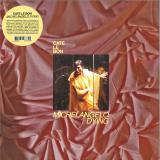
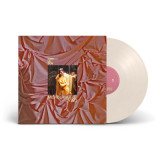
Cate Le Bons siebtes Album 'Michelangelo Dying', dessen Entstehung von purer Emotion geleitet wurde, hat das Album, das sie zu machen glaubte, verdrängt. Als Produkt eines alles verzehrenden Herzschmerzes überwanden ihre Gefühle ihren Widerwillen, ein Album über die Liebe zu schreiben, und wurden in diesem Prozess zu einer Art Exorzismus. Herausgekommen ist ein wunderbar schillernder Versuch, eine Wunde zu fotografieren, bevor sie sich schließt - und dabei auch in ihr zu stochern.
Musikalisch gibt es eine Fortsetzung und Erweiterung eines Sounds - eine Maschine mit Herz -, der auf ihren letzten beiden Platten 'Reward' (2019) und 'Pompeii' (2022) Gestalt angenommen hat, da Le Bon zunehmend selbst die Kontrolle über das Spielen und Produzieren übernommen hat. Wenn Gitarren und Saxophone durch Pedale gepresst und Perkussion und Stimmen durch Filter gejagt werden, entsteht ein schillernder, grüner und seidiger Sound, in dem die künstlerischen Eigenheiten von David Bowie, Nico, John McGeoch und Laurie Anderson aufblitzen und wieder verschwinden.
Was übrig bleibt, ist eine sich ständig verändernde, kontinuierliche Einheit, eine Art Songzyklus. Jede Iteration reflektiert die letzte und entwickelt sie weiter. „Jede ist eine Scherbe desselben zerbrochenen Spiegels“: Sie verschiebt sich, glitzert, verbirgt und enthüllt, je nachdem, wie sie im Licht gedreht wird. Letztendlich gibt es, so Cate, „keine Enthüllungen. Keine Schlussfolgerungen. Es gibt keinen Grund. Es gibt nur Wiederholungen und Chaos. Ich habe mir schließlich erlaubt, einen offenen Geist zu haben, um es ohne Widerstand zu erleben, ohne nach einer Offenbarung oder Ordnung zu suchen.“
'Michelangelo Dying' ist eine Übung in der Viszeralität des Lebens, der Liebe und der Menschlichkeit, sowohl für den Hörer als auch für die Künstlerin selbst, und es weiß, was es heißt Halt zu geben, gehalten zu werden aber auch sich ganz und gar allein zu fühlen. „Die Figuren sind austauschbar“, schließt Cate, „aber am Ende bin ich es, der sich selbst begegnet.“
Cate Le Bons siebtes Album 'Michelangelo Dying', dessen Entstehung von purer Emotion geleitet wurde, hat das Album, das sie zu machen glaubte, verdrängt. Als Produkt eines alles verzehrenden Herzschmerzes überwanden ihre Gefühle ihren Widerwillen, ein Album über die Liebe zu schreiben, und wurden in diesem Prozess zu einer Art Exorzismus. Herausgekommen ist ein wunderbar schillernder Versuch, eine Wunde zu fotografieren, bevor sie sich schließt - und dabei auch in ihr zu stochern.
Musikalisch gibt es eine Fortsetzung und Erweiterung eines Sounds - eine Maschine mit Herz -, der auf ihren letzten beiden Platten 'Reward' (2019) und 'Pompeii' (2022) Gestalt angenommen hat, da Le Bon zunehmend selbst die Kontrolle über das Spielen und Produzieren übernommen hat. Wenn Gitarren und Saxophone durch Pedale gepresst und Perkussion und Stimmen durch Filter gejagt werden, entsteht ein schillernder, grüner und seidiger Sound, in dem die künstlerischen Eigenheiten von David Bowie, Nico, John McGeoch und Laurie Anderson aufblitzen und wieder verschwinden.
Was übrig bleibt, ist eine sich ständig verändernde, kontinuierliche Einheit, eine Art Songzyklus. Jede Iteration reflektiert die letzte und entwickelt sie weiter. „Jede ist eine Scherbe desselben zerbrochenen Spiegels“: Sie verschiebt sich, glitzert, verbirgt und enthüllt, je nachdem, wie sie im Licht gedreht wird. Letztendlich gibt es, so Cate, „keine Enthüllungen. Keine Schlussfolgerungen. Es gibt keinen Grund. Es gibt nur Wiederholungen und Chaos. Ich habe mir schließlich erlaubt, einen offenen Geist zu haben, um es ohne Widerstand zu erleben, ohne nach einer Offenbarung oder Ordnung zu suchen.“
'Michelangelo Dying' ist eine Übung in der Viszeralität des Lebens, der Liebe und der Menschlichkeit, sowohl für den Hörer als auch für die Künstlerin selbst, und es weiß, was es heißt Halt zu geben, gehalten zu werden aber auch sich ganz und gar allein zu fühlen. „Die Figuren sind austauschbar“, schließt Cate, „aber am Ende bin ich es, der sich selbst begegnet.“
Was passiert, wenn man die apokalyptische Euphorie des Raves mit den Ruinen der Popkultur kurzschließt? Fat Dog liefern die Antwort – oder vielmehr: Jimmy Cauty tut es. Unter seinem Alias TowerBlock1 hat die legendäre Ikone des anarchischen UK-Sounds (The KLF, The Orb) sich den ohnehin schon exorzistisch-schwelenden “Peace Song” vorgenommen – und ihn in einen dystopischen Bastard aus Jungle, Sirenengeheul und dogmatischer Sample-Strategie verwandelt.
Nu-hardcore quintet, Bodyweb, are the sound of someone’s nervous system on the verge of breakdown—hyperactive, tormented and unflinchingly vulnerable. Born out of the Leeds hardcore scene, they’re a shape-shifting alloy of jagged emotion and precision chaos. What began as late-night jams between Louis Hardy (Higher Power, Big Cheese, Fate) and Ben Jones (Pest Control) eventually mutated into train_wreck_simulation, a debut EP filled with frantic breakdowns and nu-metal swag that felt like the soundtrack to a digital exorcism. The final piece of the puzzle came from Hardy’s estranged childhood friend, pq. His twisted samples and synthetic textures are haunted and disturbed, injecting cyberpunk soul into hardcore flesh. Contorting through several iterations in the following years, the band absorbed Luke Thompson (Stiff Meds) on drums, filmmaker Tom Hobson on guitar and Naomi Macleod (Empire State Bastard) on bass, and laid down their first collective offering. deadwired is due out on Flatspot Records later this year. Bodyweb's second EP is a violent thesis on connection and pain that sends Hardy’s unfiltered vocals through heaven and hell. Four overstimulating tracks run a gamut of styles and influences from Slipknot to Björk, constantly lane-switching between dizzying heaviness, ambient soundscapes and brain-burrowing hooks. Entirely self-produced, deadwired upgrades the sonic formula laid down on the last record and raises the question: what else could exist in Bodyweb’s twisted roadmap? Nothing seems impossible. What seems important, however, is retaining the rawness in a style that can often turn sterile. “We still wanted it to sound very human. It had to be well produced but not cold and lifeless.” shares Hardy. “We didn’t use a click track. All guitars were real amps with microphones. We tried to make everything as real and raw as possible, we recorded using all the same gear we use when playing live too to really capture the energy of how it feels when we jam together." ‘Deadwired’ is a snapshot of violent implosion. Four ADHD-fuelled transmissions from the edge of spiritual collapse. It drags metallic hardcore through glitched-out ambience to confront ego death, generational trauma, and the violence of being alive. On stage, Bodyweb don’t just perform, they purge. Raucous live electronics meld with digitally contorted guitars. Breakbeats meet breakdowns—no backing track in sight. Bodyweb enable a collective catharsis. Mosh, dance, dive, scream, heal. A physical therapy session screamed into the void.
After a two-year hiatus from recording, the OC based band reconvened in 2023, returning to where it all started: drummer Lucas Ovalle"s garage. It was in this familiar environment that Ovalle, guitarist lead singer Josiah, guitarist Corbin Jacques,and bassist Seth Thomson learned how to be friends again and shared all the anxieties and revelations they"d endured on hiatus through crafting songs. The 13 songs that make up Big Smile are the band"s emotional champions that track the tumultuous period between the start of their break and the peace they found on their way back to each other. In the studio with fellow California legends Rob Schnapf (The Vines, Beck) and Matt Schuessler (Kurt Vile, Cat Power), GREER grew up again, taking more ownership over their sound and learning to speak producer-ese. Big Smile is the sound of a band exorcising their demons, learning to trust themselves, and asserting themselves with newfound earnestness and maturity. It"s the sound of a band that"s fallen in love with rocking out again. It"s the sound of friends rediscovering each other and the magic that they can create together when they embrace each other"s vulnerable side. With Big Smile, GREER has arrived as a serious, and seriously fun, alt rock band with diversity of sound and unity of vision.
Limitiertes Orange mit schwarzem Splatter Vinyl! Gnosis ist das 8. Album von Russian Circles. Auf ihren bisherigen sieben Studioalben hat das in Chicago ansässige Instrumental-Trio Russian Circles mit seinem begrenzten Arsenal an Schlagzeug, Bass und Gitarre eine vielfältige Topografie an Klängen, Stimmungen und Ansätzen durchquert. Es ist schwierig, eine Entwicklung in ihrem Sound nachzuvollziehen, wenn sich ihre Platten immer wie gut kuratierte Playlists angefühlt haben. Es war nicht ungewöhnlich, dröhnende Meditationen, schillernde Prog-Übungen, knüppelharte Riff-Festivals, eindringliche Folk-Balladen und spannungsgeladenen Noise-Rock innerhalb eines Albums zu hören. Dennoch ist es schwierig, die Entwicklung von den nachdenklichen und komplizierten Melodien von Enter (2006) zu den verzerrten Klängen von Blood Year (2019) zu ignorieren. Es war eine allmähliche klangliche Veränderung, die auf den rigorosen Tourplan der Band und ihre Vorliebe für das Spielen ihres maßgeblichen Materials auf der Bühne zurückzuführen ist. Doch mit ihrem neuesten Album Gnosis verlassen Russian Circles das abwechslungsreiche Terrain ihrer früheren Arbeiten und bahnen sich einen Weg durch das turbulenteste und erschütterndste Gebiet ihres Sounds. Wie bei so vielen Künstlern im Zeitalter von COVID zwangen die Hindernisse der Geographie und der Isolation Russian Circles dazu, ihren Schreibprozess neu zu bewerten. Anstatt im Proberaum aus fragmentarischen Ideen Songs zu basteln, wurden komplette Songs unabhängig voneinander geschrieben und aufgenommen, bevor sie mit den anderen Mitgliedern geteilt wurden, damit ihre ursprüngliche Vision erhalten blieb. Obwohl das gesamte Album aus der Ferne geschrieben wurde, wurden die Songs mit der gesamten Band aufgenommen, um das Live-Gefühl des Materials zu bewahren. Dem Klima der Zeit und einer neuen Schreibmethode geschuldet, schufen Russian Circles ihr bis dato rauchigstes und fokussiertestes Werk - ein Album, das den Exorzismus der Spannungen von zwei Jahren der Melancholie und Zurückhaltung vorzieht, die oft ihre früheren Unternehmungen prägten.
Mannequin Records presents Artificial Salvation, the long-awaited next chapter from Taiwan-born, Berlin-based artist Jing. A visceral journey into fragmented identity, post-human desire, and sonic disobedience, the album marks a bold evolution in Jing's unmistakable language—where rhythm is weapon, voice is distortion, and silence is political.
Known for her uncompromising DJ sets and past releases exploring industrial textures, field recordings, and haunting spoken word, Jing now delivers her most narrative-driven and confrontational work to date. Artificial Salvation lives at the intersection of club dystopia and spiritual unease: glitched-out techno structures collide with ghostly chants and collapsing machinery, echoing themes of surveillance, digital exile, and existential displacement.
Crafted between Taipei and Berlin, the album draws from a palette both hyper-modern and deeply ancestral—melding broken beats, noise, and vocal manipulation into an unflinching statement of intent. This is not music for escapism. This is a sonic exorcism.
out of Stock
Last delivered 15 months ago available to reorder, subject to availability
In the mid-1970s, a force of nature swept across the continental United States, cutting across all strata of race and class, rooting in our minds, our homes, our culture. It wasn’t The Exorcist, Goodbye Yellow Brick Road, or even bell-bottoms, but instead a book called The Secret Life of Plants. The work of occultist/former OSS agent Peter Tompkins and former CIA agent/dowsing enthusiast Christopher Bird, the books shot up the bestseller charts and spread like kudzu across the landscape, becoming a phenomenon. Seemingly overnight, the indoor plant business was in full bloom and photosynthetic eukaryotes of every genus were hanging off walls, lording over bookshelves, and basking on sunny window ledges. The science behind Secret Life was specious: plants can hear our prayers, they’re lie detectors, they’re telepathic, able to predict natural disasters and receive signals from distant galaxies. But that didn’t stop millions from buying and nurturing their new plants.
Perhaps the craziest claim of the book was that plants also dug music. And whether you purchased a snake plant, asparagus fern, peace lily, or what have you from Mother Earth on Melrose Avenue in Los Angeles (or bought a Simmons mattress from Sears), you also took home Plantasia, an album recorded especially for them. Subtitled “warm earth music for plants…and the people that love them,” it was full of bucolic, charming, stoner-friendly, decidedly unscientific tunes enacted on the new-fangled device called the Moog. Plants date back from the dawn of time, but apparently they loved the Moog, never mind that the synthesizer had been on the market for just a few years. Most of all, the plants loved the ditties made by composer Mort Garson.
Few characters in early electronic music can be both fearless pioneers and cheesy trend-chasers, but Garson embraced both extremes, and has been unheralded as a result. When one writer rhetorically asked: “How was Garson’s music so ubiquitous while the man remained so under the radar?” the answer was simple. Well before Brian Eno did it, Garson was making discreet music, both the man and his music as inconspicuous as a Chlorophytumcomosum. Julliard-educated and active as a session player in the post-war era, Garson wrote lounge hits, scored plush arrangements for Doris Day, and garlanded weeping countrypolitan strings around Glen Campbell’s “By the Time I Get to Phoenix.” He could render the Beatles and Simon & Garfunkel alike into easy listening and also dreamed up his own ditties. “An idear” as Garson himself would drawl it out. “I live with it, I walk it, I sing it.”
But as his daughter Day Darmet recalls: “When my dad found the synthesizer, he realized he didn’t want to do pop music anymore.” Garson encountered Robert Moog and his new device at the Audio Engineering Society’s West Coast convention in 1967 and immediately began tinkering with the device. With the Moog, those idears could be transformed. “He constantly had a song he was humming,” Darmet says. “At the table he was constantly tapping.” Which is to say that Mort pulled his melodies out of thin air, just like any household plant would.
The Plantae kingdom grew to its height by 1976, from DC Comics’ mossy superhero Swamp Thing to Stevie Wonder’s own herbal meditation, Journey Through the Secret Life of Plants. Nefarious manifestations of human-plant interaction also abounded, be it the grotesque pods in Invasion of the Body Snatchers or the pothead paranoia of the US Government spraying Mexican marijuana fields with the herbicide paraquat (which led to the rise in homegrown pot by the 1980s). And then there’s the warm, leafy embrace of Plantasia itself.
“My mom had a lot of plants,” Darmet says. “She didn’t believe in organized religion, she believed the earth was the best thing in the whole world. Whatever created us was incredible.” And she also knew when her husband had a good song, shouting from another room when she heard him humming a good idear. Novel as it might seem, Plantasia is simply full of good tunes.
Garson may have given the album away to new plant and bed owners, but a decade later a new generation could hear his music in another surreptitious way. Millions of kids bought The Legend of Zelda for their Nintendo Entertainment System back in 1986 and one distinct 8-bit tune bears more than a passing resemblance to album highlight “Concerto for Philodendron and Pothos.” Garson was never properly credited for it, but he nevertheless subliminally slipped into a new generations’ head, helping kids and plants alike grow.
Hearing Plantasia in the 21st century, it seems less an ode to our photosynthesizing friends by Garson and more an homage to his wife, the one with the green thumb that made everything flower around him. “My dad would be totally pleased to know that people are really interested in this music that had no popularity at the time,” Darmet says of Plantasia’snew renaissance. “He would be fascinated by the fact that people are finally understanding and appreciating this part of his musical career that he got no admiration for back then.” Garson seems to be everywhere again, even if he’s not really noticed, just like a houseplant.
out of Stock
Last delivered 10 months ago available to reorder, subject to availability
The Argentinian punk-noise-queer combo Blanco Tet ais back with a new album from the underground scene of Buenos Aires. La debacle de las divas is a raw, satiric and emotional album about capitalism"s obsession with youth, and the burnout of always having to keep yourself "new." It dives into the sounds of pop and rock, noise, no wave and even metal and grunge, and it"s a record for the working-class divas, the Flixbus divas - too broke, too tired, too late, but still loud. Recorded live in one room, no overdubs, no edits-just the urgent chaos of cables, bodies and feedback. It"s danceable, glitchy, and full of heartache and rage. Fuck meritocracy. Fuck techno-feudalism. This is survival music for the ones paying subscriptions to platforms that censor them. La debacle de las divas is a shelter and also a call to arms for outdated divas.
High Roller Records, 180g schwarzes Vinyl, limitiert auf 500 Stück, Textblatt, 4-seitige Beilage, Poster, A5 Fotokarte, 425gsm schweres Kartoncover, gemastert für Vinyl von Patrick W. Engel bei Temple of Disharmony im März 2021. Geschnitten von SST Germany auf Neumann-Maschinen für optimale Qualität auf allen Ebenen. Die ultimative Wiederveröffentlichung dieses ewigen Thrash Metal Klassikers!
From "Spirit Of The Air"'s violence, "Cross Over"'s industrial poundings, the PCP-infused minimalism of "High On Angel Dust", to "Someone Was There" mixing techno and hardcore, Derniere Danse Part II outlines what Manu le Malin is as a producer : not afraid to visit experimental soundscapes nor ashamed to go straight to the dancefloor point... But always soaked in darkness. This is a black gateway to the world of MKNK's head, through five of his all-time favorite tracks, including one unreleased, all remastered by Scan X and Deathmachine.
But before pressing play, consider yourself warned : the first track "Spirit Of The Air", with its tortuous intro, piano break, screams samples and references to The Exorcist saga, is relentless, violent and unpredictable. And things don't go softer with "Cross Over", also an extract from his Fighting Spirit album (2002), a downright industrial attack that sounds particularly up-to-date.
Unreleased "High On Angel Dust" then shows Manu's admiration to the label PCP (hence the powdery title) and its founder Marc Acardipan. An oddity in his discography that almost never saw the light of the day : the synths and TR-909 based track was recorded in one night, and completely forgotten in a DAT for 28 years! "Someone Was There", from the soundtrack of Jalil Lespert's 24 Mesures, and the esteemed classic "One The Way Home", available as a bonus in the digital release, conclude this handpicked selection.
Diverse, personal, tormented and yet dancefloor compatible, Derniere Danse Part I and Part II feature some of Manu's best works. But they also are a stepping stone : MKNK will now open to new artists exploring every dark corner of what hardcore music can be.
out of Stock
Last delivered 10 months ago available to reorder, subject to availability
Sie maschen's noch einmal. THE SOUND OF MONEY mit "Two: Rhyme On". Die Band aus dem Münchner Pop-Underground - genauer: mit Albert Pöschl, direkt aus dem Kern des faszinierenden Echokammer Labels, Claudia Kaiser, ex-Moulinettes, mit der aparten Stimme, die an eine Münchener Nico ohne den Drogen BS erinnert und Martin Lickleder, der für Wortakrobatik, Referenzspielereien und flotte Discostreicher berüchtigt ist - mit der Weiterführung ihres spielerischen, nicht minder faszinierenden Konzeptes: An Anagrammatical Exorcism of the 70s. Sie nahmen die Titel ihrer 12 Lieblingsalben aus den 70ern als DNA - und schüttelten die Buchstaben kräftig durch! Heraus kamen 12 neue Titel, für neue Songs. Im Jahr 2017, auf ihrem Album MORE? WHY NOT! haben sie das Gleiche mit den 60ern gemacht. Jetzt toppen sie den Spaß sogar noch. Kurz zurückgespult, 2017: Pu?nktlich zum 50-ja?hrigen Jubila?um des Summer of Love 1967 pra?sentieren The Sound of Money 2017 ihre Konzeptplatte "More? WHY NOT! - AN ANAGRAMMATIC EXORCISM OF THE 60S". Dazu stellen sie die Titel von 12 ihrer Lieblingsplatten aus diesem Pop-Ur-Jahrzehnt zu Anagrammen um - und schwuppdiwupp hatten sie 12 Titel fu?r ganz neue Songs: Aus "Pet Sounds" wurde "Nude Spots", aus "Piper At the Gates of Dawn" wurde "Tiger T - Death Happens to a Few", aus Bobbie Gentry's "The Delta Sweete" wurde "Let's Eat The Weed",... 2025: Geradezu u?berpu?nktlich vor dem 50-ja?hrigen Punk-Jubila?um sind sie wieder zur Stelle: Am 23.5. wird, wieder über das Hamburger BB*ISLAND Label "TWO: RHYME ON - AN ANAGRAMMATIC EXORCISM OF THE 70s" erscheinen - mit Anagrammen von David Bowie bis Chic, von Nico bis Slits, von Bob Marley bis Kraftwerk. Beispiel? Aus "The Rise and Fall of Ziggy Stardust and the Spiders from Mars" wird "Dr. Dr. Themefart, Frustrating Himself, Posed as Gay Old Nazi SS".Exodus von Bob Marley wird zu Sex Duo. (Die beiden songs sind schon mal als Singles / videos veröffentlicht ) Und wie die Titel-Buchstaben haben sich auch Musik und Text zu einem schillernden, grotesken Kaleidoskop klassischer 70s-Popstile zurechtgeschu?ttelt: Landwirtschafts-P-Funk, Finanzcasino-Gospel- Disco, Anti-Pogo-Postpunk, zweifelnder Heimcomputer-Dub-Jazz, der gesamte Bowie in dreinhalb Minuten ru?ckwa?rts ... Nicht nur Live eine Wilde-Maus-Fahrt des Pop-Glam in Mu?nchner Underground-Allstar-Besetzung: CLAUDIA KAISER: Gitarre, Bass, Gesang ALBERT PO?SCHL: Bass, Gitarre, Gesang MARTIN LICKLEDER: Geige, Mundharmonika, Gesang TOM WU: Schlagzeug FRANZISKA ERDLE: Percussion SVENJA PFEIFER: Keyboards, Gesang
Im klassischen, nicht-popkulturellen Sinne bezieht sich der Begriff "Schamanismus" in erster Linie auf die spirituellen Praktiken der indigenen Völker Sibiriens. Schamanen interagieren als Beschützer ihrer Gemeinschaften über veränderte Bewusstseinszustände mit der Geisterwelt. Auf ihrem Album "Songs of the Shaman" interpretieren NYTT LAND traditionelle schamanische Gesänge und Zaubersprüche der mandschu-tungusischen Sprachgruppen unter Sibiriens Ethnien. Bei diesen Liedern kommen sehr alte musikalische Techniken wie Kehlkopfgesang und Trommeln zum Einsatz. Alle Gesänge wurden in der jeweiligen Originalsprache aufgenommen. Damit will die Band deren ursprüngliche Kraft bewahren, die auch aus der Intonation sowie dem Sprachrhythmus der Worte entsteht. Diese Sammlung alter Magie in Form von Geisterbeschwörungen, Abwehrzaubern und Segensprüchen wurde sorgfältig ausgewählt und schließt Schadflüche bewusst aus. NYTT LAND sind eine rituelle nordische Folk-Band, die das Ehepaar Natalya und Anatoly Pakhalenko im August 2013 in der westsibirischen Stadt Kalachinsk gründete, welche am Ufer des Flusses Om und als Station der Transsibirischen Eisenbahn errichtet wurde. Nach drei in Eigenregie veröffentlichten Alben, "Nytt Land" (2013), "Hávamál" (2015) und "Scopun: Songs from the Elder Edda" (2016), erschien im Jahr 2017 mit "Fimbulvinter" ihr Debüt bei einem Label, auf das kurz darauf das Album "Oðal" (2018) folgte. Während NYTT LAND auch weiterhin Werke in Eigenregie veröffentlichten, traten die sibirischen Elemente in ihrer Musik auf ihrem dritten Label-Album "Ritual" stärker als jemals zuvor in den Vordergrund.
Im klassischen, nicht-popkulturellen Sinne bezieht sich der Begriff "Schamanismus" in erster Linie auf die spirituellen Praktiken der indigenen Völker Sibiriens. Schamanen interagieren als Beschützer ihrer Gemeinschaften über veränderte Bewusstseinszustände mit der Geisterwelt. Auf ihrem Album "Songs of the Shaman" interpretieren NYTT LAND traditionelle schamanische Gesänge und Zaubersprüche der mandschu-tungusischen Sprachgruppen unter Sibiriens Ethnien. Bei diesen Liedern kommen sehr alte musikalische Techniken wie Kehlkopfgesang und Trommeln zum Einsatz. Alle Gesänge wurden in der jeweiligen Originalsprache aufgenommen. Damit will die Band deren ursprüngliche Kraft bewahren, die auch aus der Intonation sowie dem Sprachrhythmus der Worte entsteht. Diese Sammlung alter Magie in Form von Geisterbeschwörungen, Abwehrzaubern und Segensprüchen wurde sorgfältig ausgewählt und schließt Schadflüche bewusst aus. NYTT LAND sind eine rituelle nordische Folk-Band, die das Ehepaar Natalya und Anatoly Pakhalenko im August 2013 in der westsibirischen Stadt Kalachinsk gründete, welche am Ufer des Flusses Om und als Station der Transsibirischen Eisenbahn errichtet wurde. Nach drei in Eigenregie veröffentlichten Alben, "Nytt Land" (2013), "Hávamál" (2015) und "Scopun: Songs from the Elder Edda" (2016), erschien im Jahr 2017 mit "Fimbulvinter" ihr Debüt bei einem Label, auf das kurz darauf das Album "Oðal" (2018) folgte. Während NYTT LAND auch weiterhin Werke in Eigenregie veröffentlichten, traten die sibirischen Elemente in ihrer Musik auf ihrem dritten Label-Album "Ritual" stärker als jemals zuvor in den Vordergrund.
REPRESS of the highly acclaimed album. After the mind blowing success of the Witchcraft's album Legend, 2012, mastermind Magnus Pelander out did himself with "Nucleus". Combining what made its predecessor the modern classic it quickly became with elements of the band's earlier days, "Nucleus" is a melancholic, raging, fragile, melodic and at times noisy masterpiece between classic rock, doom and ambient music. With an all new line-up (Rage Widerberg on drums and Tobias Anger on bass) the band sounds more hungry and powerful than ever. In combination with the thrilling, yet very down-to-earth production by Pelander, Philip Gabriel Saxin and Anton Sundell, "Nucleus" throws you in dreamy sonic landscapes that will mesmerize and haunt you alike.
Magenta coloured vinyl, limited to 200 copies. REPRESS of the highly acclaimed album. After the mind blowing success of the Witchcraft's album Legend, 2012, mastermind Magnus Pelander out did himself with "Nucleus". Combining what made its predecessor the modern classic it quickly became with elements of the band's earlier days, "Nucleus" is a melancholic, raging, fragile, melodic and at times noisy masterpiece between classic rock, doom and ambient music. With an all new line-up (Rage Widerberg on drums and Tobias Anger on bass) the band sounds more hungry and powerful than ever. In combination with the thrilling, yet very down-to-earth production by Pelander, Philip Gabriel Saxin and Anton Sundell, "Nucleus" throws you in dreamy sonic landscapes that will mesmerize and haunt you alike.
With Horror Spectrum, Bunnies plunges headfirst into the shadowy abyss of their art-rock multiverse, unearthing sounds that slither, shimmer, and scream.
Equal parts psychedelic hallucination, krautrock ritual, and noise rock exorcism, this record feels like the sonic aftermath of mad scientists summoning ghosts through an analog synthesizer they excavated from a cursed tomb. It's less an album and more an experiment gone deliciously wrong—a séance that channels the chaotic energies of dimensions better left untouched.
From the extraterrestrial pulsations of “Eyer of Ire” to the technicolor bliss of “That Evil Ghoul,” Horror Spectrum is a seven-track odyssey that detonates the boundaries of Bunnies’ already unhinged catalog. These tracks drag you by the ankles into realms where sound has teeth, time melts into warped rainbows, and the music feels like it’s plotting something sinister. Few bands dare to tread where Bunnies boldly hop, but here they are, mapping out mythical soundscapes with the glee of cartographers lost in their own creation.
This freakish entity of a record is profoundly unsettling and weirdly exhilarating. Horror Spectrum is the sound of a band digging deep into their subconscious and inviting you to get lost in the labyrinth.
On April 4th, Brighton-based Australian vocalist, producer, and multi-instrumentalist Penelope Trappes will release her fifth full-length album ‘A Requiem’. It comes alongside news of her signing to London imprint, One Little Independent Records. ‘A Requiem’ collects ten haunting, ambient soundscapes - incantations of dreams and nightmares, of death and grief, as well as power and autonomy. Carnal, transcendent cello drones are used to exorcise historical and generational traumas in an evocative and macabre piece of gothic experimentalism.
Seeking solitude for what she knew would be an intense and cathartic writing experience, Trappes travelled to Scotland and isolated completely. Amidst meditative and psychedelic states, she channeled demons and accessed parts of herself she’d long desired to cleanse. During candle-lit recording sessions she found herself drawn to cello, an instrument she has no formal training in, she explains, “I always felt an affinity toward the cello, I embraced it, held it, and became one with it as a way to accompany my voice. The nerve-like strings of the cello became external chords of my vocal folds… I scratched on them, leaned into them, and conjured all of the textures I could muster”.
‘A Requiem’ is a musical service in honour of the dead, a sanctuary Trappes built for herself to explore familial chaos and history. “I was looking for an equilibrium between a ‘heaven' and a ‘hell’” she explains, “screaming out to the wisdom of our foremothers - surfacing and leading me into true strength and beauty. I listened to the sorrow closely. Death is a part of our reality. Inevitable. Omnipresent. But nightmares can be beautiful”.
She continues, “This album is my personal requiem for my parents, my ties to the land where I was born, along with all of my epigenetically connected ancestors before them. The songs helped me summon up the strength to move through my own awareness of mortality, death, and impending loss. This album is a living funeral. It’s a ceremonial collection of music. It’s an externalising of the power and strength to fight the generations of abuse and darkness that my parents self-admittedly played out in their parenting and to keep it away from my own social patterns and my psyche. It’s not an uncommon thing in the world and this lamented warcry goes out to everyone to help exorcise patriarchal, political, and religious systems of abuses of power”.
Liz Stringer has been a steadfast and captivating feature of the Australian musical landscape over a six album career. Venerated by her musical peers and devoted fanbase alike, Stringer's world-class vocals, multi-instrumental prowess, notoriously powerful live performances and story-rich, genre-defying songs place her among the most important songwriters of her era. Mirroring the scope and complexity of Stringer's sensibilities and accomplishment as an artist, The Second High draws from Stringer's wider influences of jazz, funk and soul, and takes her ability to dissect the minutiae of the human condition through song - and connect with her audience - to a new level. The album is redolent with motifs of self-actualisation, lessons learned, sharp and ever-relevant commentary on social issues, and a strong and consistent focus on justice and equality. Fuelled by keys-driven grooves ranging from poignant grand piano lamentations (When You Met Me), the Rhodes-led jazz odyssey of On the Level, hip-hop flavoured keys brightening the bottom-heavy and deeply funky The Second High, to virtuosic keys that dance between strings and soaring multi-layered vocals in To Survive, Stringer's seventh studio album is a fresh and engaging ride to a destination yet uncharted, even by Stringer's standards - thrilling, stark and transformative. If 2021's First Time Really Feeling was an excavation, The Second High is an exorcism.
Apollo / R&S are delighted to welcome back The Primitive Painter, aka the duo of Roman Flügel and Jörn Elling Wuttke for a timely reissue of their 1994 lost classic self-titled album of sonorous IDM.
Growing up in Frankfurt, in the 80s and 90s the duo met at an indie rock club in their home town of Darmstadt, bonding over their shared obsession with the first wave of acid, Chicago house and early Detroit techno as well as their patronage of now iconic Frankfurt club nights like The Omen or Dorian Gray or the infamous Delirium Record shop run by scene stalwarts Ata (Robert Johnson) and Heiko MSO (Playhouse).
Taking inspiration from the likes of The Black Dog and Transmat as well as seminal compilations such as Planet E’s Intergalactic Beats and Warp’s Artificial intelligence compilation the duo honed their inventive take on the Detroit techno blueprint under the monicker Acid Jesus, debuting on their freshly minted Klang Elektronik label. The label was started in conjunction with Ata and Heiko after Fluegel & Wuttke (regular patrons of the Delirium store) pressed a demo on them, muttering the immortal line; “Please listen to the tape, we are big Mr. Fingers fans.”
Through the mid ’90s the project flourished giving rise to a classic album and a brace of singles that number amongst the best of the era’s techno, winning them a influential fans most notably Sven Väth, David Holmes and Andrew Weatherall who invited them to play live at one of the legendary Sabresonic parties in London.
Alongside the success of the Acid Jesus project, the duo found great inspiration in outside of the club, including an ambient happening when the KLF came to play Frankfurt; “There were live sheep eating grass on stage while they played at Mark Spoon’s club XS”, as well as cinematic influence from the likes of Jim Jarmush and Wim Wenders. It was however the euphonic IDM grandeur of Apollo Recordings self titled compilation of 1993 that really got their creative juices flowing: “It was a ten track compilation with artists like David Morley, Model 500, Aphex Twin which still sounds so good today,” Jörn enthuses. “ It was really the trigger to go away from the Detroit sound and more towards the big melodies of B12 etc.”
Deciding to make their tribute to this style of music the duo turned out 10 tracks of gauzy, melodious electronica in a white hot fever, one after another over the ensuing months. Settling on a name for the new project they picked ‘The Primitive Painters’ taking inspiration from the band Felt. “We are both children of the C86 movement,” explains Jörn. “this attitude of noisy art school influenced rock like Primal Scream, MBV, The Jesus & Mary Chain really inspired us to take a DIY approach to our music.”
They sent the resulting demo cassette to Renaat at R&S / Apollo. “We really had no expectations,” Jörn explains. “So we were shocked and delighted when we received a fax saying that he wanted to release it”.
The resulting release was bungled by an R&S mix up that attributed the album to the duo’s own Klang Elektronik label which confused both fans and distributors alike, denying the release the critical boost and attention that it so richly deserved. Accordingly the release slipped out without much fanfare, with a chastened Fluegel & Wuttke returning to their Acid Jesus activities which would eventually lead to their blockbusting success as Alter Ego.
Over the ensuing years the reputation of The Primitive Painter album has only grown, with second hand copies (only 500 vinyl were pressed) changing hands for exorbitant amounts on Discogs, leading us to this opportune moment of a richly deserved ‘first’ release on the label for which the project was started, Apollo / R&S.
“This really brings us full circle,” says Jörn. “Apollo / R&S meant and means so much to us as artists and so it was bittersweet to not have the official release - to put that right all these years later feels really good.”
This new vinyl release comes in re-created original gatefold artwork and includes all original 10 tracks (Stoned Soul Picnic was previously on the CD only).
out of Stock
Last delivered 14 months ago available to reorder, subject to availability
Waxwork Records is thrilled to release PHANTASM Original Motion Picture Score by Fred Myrow and Malcolm Seagrave. In celebration of the iconic Horror film's 45th Anniversary, this special triple LP features the complete score sourced from the original 1979 master tapes for the first time in any format, a full LP of never before released cues from the Phantasm score recordings sessions, and the newly re-mastered original 1979 score album.
Directed by Don Coscarelli, Phantasm has become a horror classic due to its surreal and unconventional storytelling. Filming on weekends over the span of a year, and working with a budget of only $300,000, Coscarelli and his crew created a bizarre, gorey, and entirely original horror film. Some of the most famous aspects of the film, like the floating silver orb, come directly from Coscarelli’s dreams, which give the film an even more ethereal feel. Composers Fred Myrow and Malcolm Seagrave were inspired by the horror scores of Goblin (Suspiria) and Mike Oldfield (The Exorcist) to create the haunting sounds of Phantasm. Myrow and Seagrave were working with synthesizers in the early days of the instrument. Says Coscarelli, “The synthesizers we used back then were so primitive that you couldn't repeat something; you would program the synthesizer, which means setting all of these dials to create a sound, and you went back and tried to get it again and forget it - it was impossible.
"I recently received notice that our long-term film storage vault in the basement of the historic Howard Hughes Headquarters building on the corner of Romaine and Sycamore in Hollywood was being permanently closed. During the process of moving out our negative materials, I came across the original three reels of Ampex 456 analog tape used in the Phantasm score recording sessions. Listening now to the score, including the outtake tracks, I am impressed with how inventive and adventurous Fred and Malcolm were in their approach to scoring Phantasm."
Waxwork Records is excited to release the definitive PHANTASM Original Motion Picture Score by Fred Myrow and Malcolm Seagrave as a deluxe 3xLP with features including the expanded and complete score sourced from the original 1979 master tapes, never before released score cues from the Phantasm recording sessions, and the newly re-mastered original 1979 score album. Each disc is pressed to "Silver Sphere" metallic silver colored vinyl and housed in a heavyweight triple gatefold jacket. Also included are exclusive liner notes by Phantasm writer, director, and producer Don Coscarelli, an 11""x11"" insert, and full album artwork by Graham Humphreys.
In 2016, Cliche Morph offered the aquatic textures of "Liquid Materia". "Hidden Madness" is the return and a new beginning. Four tracks of intense introspection mark a collaboration and a founding, Deep Sound Channel and Postdynamic. Atmospheric and immersive, from the needle drop the listener is immediately drawn into the subterranean chambers of this cerebral piece. A stark beat is the guide rope, a snare that echoes and ricochets into the cavernous expanse of cold currents and all too real phantoms. Feeding off that palpable paranoia, Psyk pours a thick resonating syrup over the original before pulling the switch. Darkness descends, distortion and reverb dominate with a steady kick delivering some form of solid ground. Respite? No hope. Pound and thud tell the arrival of "Exorcist". Industrial groans and a clanking larynx are cut through by haunting strings, a meagre echo of humanity in this absorbing and unsettling track. Blazej Malinowski closes. Drum patterns are amplified and concentrated in the producer's purge of "Exorcist", hi-hats hissing as the spectral refrains of the original shift in shape and form. A 12" that plumbs the physical and the psychological depths of sound.
out of Stock
Last delivered 10 months ago available to reorder, subject to availability
Sanam is a free-rock post-folk sextet consisting of Sandy Chamoun, Antonio Hajj Moussa, Farah Kaddour, Anthony Sahyoun, Pascal Semerdjian and Marwan Tohme. The group first formed as part of a performance with Hans Joachim Irmler from the legendary German experimental group Faust, at the Irtijal music festival. Their music and performances are akin to a ritual, a marriage and an exorcism of traditional Egyptian song/Arabic poetry and improvised rock, free jazz and noise. They recorded their first albumAykathani Malakonin a traditional house in the village of Saqi Reshmaya, which was then mixed by Radwan Ghazi Mounmeh (Jersualem In My Heart).
out of Stock
Last delivered 16 months ago available to reorder, subject to availability
Kyle Falconer, prämierter Songwriter und Kopf der schottischen Indieband The View, bringt auf "The One I Love The Most" neue Acoustic-Versionen von Songs aus dem umfangreichen The View- und Solokatalog aus fast zwei Jahrzehnten (vom No.1 Debütalbum "Hats Off To The Buskers" (2007) bis zum Top-10-Comebackalbum "Exorcism Of Youth" (2023)), die alle nach Frauen benannt sind. Immer schon von der weiblichen Muse inspiriert, erzählt Kyle von guten Zeiten der Liebe und Lust, von schlechten Zeiten der Reue und des Kummers, von überlebensgrossen Charakteren ("Madonna") und fiktiver Verspieltheit. Bei dem ansonsten reduzierten "Lucy" fügt Rapper PROSE aus Manchester seine messerscharfen Reime hinzu.
Dies ist die LP-Version der sehr erfolgreichen CD-Einspielung des Arrangements für vier Klaviere von Mike Oldfi elds Kultstück "Tubular Bells".
"Tubular Bells", veröffentlicht 1973, ist das bahnbrechende Debütalbum des britischen Multiinstrumentalisten Mike Oldfi eld. Die Mischung aus progressivem Rock, Klassik und Volksmusik machte das Album für seine experimentelle Struktur berühmt, die zwei Teile erstrecken sich über insgesamt fast eine Stunde. Die Musik ist vollständig instrumental. Was "Tubular Bells" so einzigartig macht, ist die vielschichtige Komposition, bei der Oldfi eld alle Instrumente – insgesamt über 20 – selbst spielt, darunter Gitarren, Keyboards, Schlagzeug und natürlich die Röhrenglocken, die
"Tubular Bells". Das eröffnende Klaviermotiv, das im Film "Der Exorzist" von 1973 eine wichtige Rolle spielte, wurde zur Ikone und trug zum kommerziellen Erfolg des Albums bei
Louisville, Kentucky-based musician and artist Evan Patterson never planned for JAYE JAYLE to blossom from a stripped-down solo project into the otherworldly, full-band sonic experience that it is today. In the beginning, the songs were short and lighthearted, written on acoustic guitar with no intention of releasing them or even performing them publicly. Time, however, is a fickle thing. `After Alter' is an astounding collection of musical memories and emotional fragments, all drawn together from previous recording sessions and previous lives in order to chart a cathartic creative course into new, unknown territories. At once volatile, gut wrenching and serene; expect the unexpected. Raw remnants and lingering refrains from these pivotal moments are reframed to form a powerful reminder of what Jaye Jayle is and always has been: an unadulterated, unfiltered outlet for the sounds that pour out of Patterson's mind at any given time or place. `After Alter' is a document of the indecipherable, of feeting feelings dragged once again to the surface. Lead single and opening track `Father Fiction', for example, dives headlong into the fables and factious ideologies of organised religion with a hardened gaze and a wry smile as rolling drums and repetitive discordant guitar refrains spiral ever down into the labyrinth of meaning and misinterpretation. Elsewhere, `Fear Is Here' sees Jaye Jayle facing up to day-to-day examples of how terrifying everything around us can become within an instant as the song's truncated blues piano hook is pushed ever further, distorted over time into something strange and hideous whilst the crawling post-hardcore dirge of `A Blackout' serves as a searing critique of the American Dream; a nameless, homeless protagonist worships the alluring glow of billboard ads from their bed in the dirt on the side of the highway. Simultaneously both tracks five and eight though, the arresting `Bloody Me' is Jaye Jayle's dichotic, janiform identity made manifest. Written even before the band's debut album was released, track five's `Bloody Me' is a bolshy, bass-driven punk rock retaliation to dressing up for Halloween because Patterson is always dressed for Halloween. Track eight's `Bloody Me' however, is a tender solo acoustic recording cut straight to wax at Third Man Records in Nashville, mere hours before Patterson saw Bob Dylan perform for the first time. Two sides of the same coin; one ferocious and snarling, the other plaintive and bare but both unapologetically Jaye Jayle. By creatively exorcising these poignant moments, Jaye Jayle have opened themselves to even more inspiration. FOR FANS OF Leonard Cohen fronting Spiritualized, Spacemen 3, JJ Cale, Lungfish, Angels of Light, Young Widows The very limited Help Edition is single colour purple vinyl!
Kyle Falconer, prämierter Songwriter und Kopf der schottischen Indieband The View, bringt auf "The One I Love The Most" neue Acoustic-Versionen von Songs aus dem umfangreichen The View- und Solokatalog aus fast zwei Jahrzehnten (vom No.1 Debütalbum "Hats Off To The Buskers" (2007) bis zum Top-10-Comebackalbum "Exorcism Of Youth" (2023)), die alle nach Frauen benannt sind. Immer schon von der weiblichen Muse inspiriert, erzählt Kyle von guten Zeiten der Liebe und Lust, von schlechten Zeiten der Reue und des Kummers, von überlebensgrossen Charakteren ("Madonna") und fiktiver Verspieltheit. Bei dem ansonsten reduzierten "Lucy" fügt Rapper PROSE aus Manchester seine messerscharfen Reime hinzu.
Die französischen Pop.-Connaisseure aus Paris, LA FEMME, veröffentlichen ihr zweites Album ,Mystère".
Die Band hat die kulturelle Landschaft des modernen Paris massiv beeinflusst und ihre Musik an beiden Seiten der Stadt an der Seine verortet: im Glamour und an den weniger glamourösen Schauplätzen. Seit der Veröffentlichung ihres Debüts ,Psycho Tropical Berlin" haben LA FEMME prominente Bewunderer gesammelt: darunter die Regisseure Jacques Audiard und Romain Gavras, Legenden wie JEAN MICHEL JARRE und Hedi Slimane sowie eine stetig wachsende junge Fangemeinde, die ihnen den Titel ,French Best New Band of the Year" bei den französischen Music Awards und Plätze ganz oben in den französischen Charts einbrachte; dazu sorgten TV-Werbespots von Aplles, Renault und Sonos mit der Musik von LA FEMME für gespitzte Ohren.
Die Band kehrt mit einem psychedelischeren Sound und einer ganzen Reihe von Gastsängerinnen zurück, die eine Schneise durch die härtesten Elektrobeats schlagen. LA FEMME feiern ihre wunderbare Heimatstadt und hinterfragen das Ver- und Entlieben. ,Mystère" ist tatsächlich eine Kollektion von Kurzgeschichten über Liebe und Verlust. Jeder einzelnen Song überspringt Sprachbarrieren durch reine Melodie. Der retrofuturistische Surfpop-Sound der Band beruft sich noch immer auf den gleichen glamourös-punkigen Krach wie zuvor, doch dieses Mal ist er durchzogen von einer Zusammenstellung eleganter Einflüsse zwischen ENNIO MORRICONE, dem Disco-Rock von MARIE ET LES GARCONS und THE VELVET UNDERGROUND.
,Mystère" ist ein Fundament für die neue LA FEMME Vorliebe für orientalische Klänge; türkischen Disco, Tuareg Blues, mittelalterliche Psychedelia lehnen sich an an BRIAN ENO und PINK FLOYD.
out of Stock
Last delivered 21 months ago available to reorder, subject to availability
Die aus Bristol (UK) kommenden IDLES haben heute ihr kommendes fünftes Album 'TANGK' angekündigt. 'TANGK', der 11-Track-Nachfolger ihres Grammy-nominierten Albums CRAWLER, wurde von Nigel Godrich (Radiohead, The Smile, Beck), Mark Bowen und Kenny Beats (Denzel Curry, Vince Staples, Benee) und der Band selbst co-produziert. 'TANGK' - ausgesprochen "Tank" mit einem Hauch von "g" und einer lautmalerischen Anspielung auf den peitschenden Gitarrensound, den sich die Band als eine Art Siegel für das Leben in der Liebe vorstellte - ist das bisher ehrgeizigste und eindrucksvollste Album der Band.
IDLES sind eine der stärksten Rockbands des letzten Jahrzehnts. Godrich, Beats und Bowen waren auch für die IDLES ein hervorragendes Tandem, das sie in neues Terrain vorstieß und dann die Zügel anzog, wenn es nötig war. 'TANGK' ist gleichzeitig ausladend und konzentriert, einfallsreich und unmittelbar. Über das Album sagt Sänger Joe Talbot: "TANGK. Ich brauchte Liebe. Also habe ich es gemacht. Ich habe der Welt Liebe gegeben und es fühlt sich wie Magie an. Dies ist unser Album der Dankbarkeit und der Kraft. Alles Liebeslieder. Alles ist Liebe."
Wo IDLES einst darauf aus waren, die Welt zu verarschen, den ewig Gestrigen die Stirn zu bieten und persönliche Traumata in Echtzeit zu exorzieren, sind sie in diesem neuen Akt angekommen, um die Früchte solcher Beharrlichkeit anzubieten: Liebe, Freude und tatsächlich Dankbarkeit für die bloße Möglichkeit der Existenz. Diese Musik gedeiht nicht trotz unserer Probleme, sondern wegen ihnen. Wenn wir uns nicht um uns selbst und um die anderen kümmern, so scheint 'TANGK' in einem gewaltigen Hook nach dem anderen auszurufen, wer dann?
out of Stock
Last delivered 21 months ago available to reorder, subject to availability
In 1967, in the midst of Franco's dictatorship, a group of seminarians created a rock band: Enarak. They played pop, rock and psychedelia, styles that were strange in the society of the time and, only in Basque. Faced with a society that found these rhythms strange, they had the courage to play blues, psychedelia and progressive rock in Basque. In 1969 they recorded and released three songs and, over the next four years, they gave hundreds of concerts all over the Basque Country. The last one, in Larraitz, in the shadow of Mount Txindoki, on 31 October 1971. On a cold, misty night lit by a full moon, they brought together some 5,000 young people with the intention of enjoying modern music. After that night, they disappeared forever. Their only traces are the three songs you will find on this album. With the aim of recovering and making the history of the group known, the Bira Produkzioak cooperative has produced a documentary entitled 'Enarak'. Using the power of cinema for social transformation, we are organizing a concert on 21 May 2023. Again in Larraitz, Amorante, Rüdiger and Liher covered the three songs of Enarak. This is not just an album or a concert in the usual way. It is an exorcism, a ritual for the resurrection of Enarak, a historical piece and, at the same time, an object of memory that encapsulates the soul of the late 60s Basque group. In 1969 they recorded the original EP consisting of three songs including a version of the popular song "Solferinoko istua" and "Ama" and "Bañan ez", band's own compositions. The B side songs of this release are performed live in 2023 by Amorante, Rüdiger and Liher.
Mariano Melo, also known as Marian Sarine, is a Brazilian multi-instrumentalist based in Sao Paulo, specialising in percussion and drums. His latest album, Asas Terenas, is his first under this name and started with organ recordings made with Felipe Pato in late 2019 and was completed with additional instruments added in the years that followed. Asas Terenas features a mix of rhythmic improvisations built on modal scales, combining dynamic interplay between notes and percussion. Drawing inspiration from artists like Charanjit Singh, who merged traditional North-Indian ragas with electronic music, and African organists like Hailu Mergia, it combines old and new sounds, merging spiritual elements with energetic rhythms. As Sarine himself says, Asas Terenas is a sonic mixture that moves the feet and lifts the soul, creating an experience that is both pristine in sound and transcendental on the dancefloor.
out of Stock
Last delivered 8 months ago available to reorder, subject to availability
The members of the Peruvian psychedelic folk-pop band
Kanaku y el Tigre never thought that what started as a fun
project among friends would become one of the most
acclaimed bands in Latin America. Their first single,
"Bicicleta", was made without the pressure of trying to fit
into the local scene. This attitude fueled the creativity with
which they managed to create an important space for
themselves in the local music scene. "Bicicleta" is the city
of Lima, the constant search for an identity, the illusion,
the monsters, the carbon monoxide, the belonging and the
absence.
The indie folk and experimental pop group Kanaku y el
Tigre has a 15-year artistic career and is considered one of
the most influential contemporary bands in the Latin
American music scene.
The band has been part of festivals such as Rock al Parque
and Estéreo Picnic in Colombia, Vive Latino in Mexico, Río
Babel in Madrid, Primavera Sound in Barcelona, and has
toured in other countries such as Argentina, France, and
Chile.
Additionally, they have shared the stage with
Aterciopelados and collaborated with Jorge Drexler, Kevin
Johansen, Miki Gonzáles, Leonor Watling, among other
renowned musicians from Latin America.
"We could go so far as to say that it is the human condition to be grotesque, since the human animal is the one that does not fit in, the freak of nature who has no place in the natural order and is capable of re-combining nature's products into hideous new forms." So reckoned Mark Fisher in 'The Weird And The Eerie', which chronicled the means by which the uncanny can enter the everyday. Mwg Drwg, the second album from South Wales psychic seers Obey Cobra, is an album that dwells in exactly this kind of headspace, where the otherworldly meets the kitchen sink. Always a band who've sought out new dimensions to explore via their trademark warped post-punk, electronic and industrial influences, Obey Cobra have crafted surreal new shapes here. Taking influences as diverse as Diane Arbus, David Lynch and Sonic Youth, they balance out heaviosity and grace on the likes of the majestically discordant 'Ten Of Wands' Elsewhere, on the title track, the band sculpt a Jesus Lizard-esque rhythmic pulse, eerie vocal abstraction and the crepuscular downtempo atmosphere of Massive Attack's Mezzanine into a uniquely haunting dreamscape. Mwg Drwg is where the weird and eerie are amplified to intimidating proportions It's where grotesquely and beauty happily cohabit. It's an aural exorcism of William Friedkin proportions that demands your immediate attention.
Clothilde’s new album sounds like a constant departure from almost everything. Up until now, her music pieces seemed uncontrolled, a total commitment to the machines. She was, somehow, in between us - listener, audience - and the idea of a machine producing sounds she doesn’t seem to control. Of course, none of this was entirely true, she was mostly in control, but the fantasy, the orchestration of it was beautiful. It was sci-fi-ish, Metropolis-magnificent.
In “Cross Sections” everything is purposely under control. We feel, without being told, that Clothilde is directing the narrative, inviting us to partake of this raw and austere electronic sound, forcing us to learn to enjoy it. This is new. Whereas before she would expect you to stay put and listen, eventually you would understand and give in. Or your body would. Now she is telling you to be there, she doesn’t want to be alone, she wants us to feel this subterranean urgency at all costs.
The real eureka moment comes with “Medullary Rays”, when we start cohabiting with the sounds, when they feel familiar. The darkness becomes real; it is palpable how she is stretching each sound and making them come to life at every moment. It is violent, brutal. Like every track, it's a relief when it ends, it's like coming out of a car crash alive. Much of the A side of is Clothilde pushing the boundaries of her sound. She is not testing but finding new ground and sharing it with us. She is exorcising, demolishing and building over and over again, she is crying and screaming, dozing off with the demential levels of bass, making us constantly listen to alarm bells. She is scaring the shit out of us.
The B side keeps the levels of anxiety high up, especially on the 13-minute “Ring”. Surrealistic drones come and go, every second sounds like the end of something, the accumulation of tension is torrential and it never, never stops. We hope there is a conclusion to this. But there is not. “Cross Sections” builds and feeds on this darkness but, in a way, it is self-contained. Never explodes, never releases itself from itself. It is a continuous process of catharsis that it is never over. It never aims to be. Like, you know, life itself.
We've all been there. It feels familiar. Now it has a sound, or sounds. It can be heard and it is outer dimensional. “Cross Sections” is a tremendous effort from an artist trying to survive something. You never know what is. You don’t need to know what it is. It is just there. Cliché but it has to be said: highest possible volume on this one.