„A Danger to Ourselves“, das neue Album von Lucrecia Dalt, erscheint am 5. September 2025 bei RVNG Intl. und ist eine gewagte und doch intime Reflexion über die ungefilterten Komplexitäten menschlicher Beziehungen. Ohne die fiktiven Erzählungen der letzten Alben der Künstlerin kommt „A Danger to Ourselves“ von einem Ort der emotionalen Aufrichtigkeit. Dalts Stimme steht im Mittelpunkt und wird von einer üppigen akustischen Orchestrierung, perkussiven Instrumenten und einer Reihe hochkarätiger Mitstreiter unterstützt, die sich wie ein tiefes persönliches Gespräch entwickeln.
Die in Pereira, Kolumbien, geborene Dalt wuchs in einer musikbegeisterten Familie auf, die sie im Alter von neun Jahren dazu ermutigte, eine Gitarre in die Hand zu nehmen. Dalt folgte diesem kreativen Impuls, war fasziniert von computergestützter Produktion und verließ eine aufkeimende Karriere als Bauingenieurin, zog von Medellín nach Barcelona und schließlich nach Berlin, wo sie ihren unverwechselbaren, abenteuerlichen Sound entwickelte. Mit „Anticlines“ (2018) und „No era sólida“ (2020) und vor allem mit „¡Ay!“, Dalts bahnbrechendem Sci-Fi-Bolero-Album von 2022, hat sich ihre Arbeit auf immer anspruchsvolleres Terrain begeben. Auf dem Weg dorthin hat Dalt ihre Praxis auf die Vertonung von Filmen wie „On Becoming a Guinea Fowl“ (2024), die HBO-Serie „The Baby“ (2022) und den bevorstehenden psychologischen Horrorfilm „Rabbit Trap“ ausgeweitet, während sie Klanginstallationen und Performances kreiert, die ihre leuchtenden Modulationen und ihren unverwechselbaren, sich entwickelnden stimmlichen Ansatz zur Schau stellen. „A Danger to Ourselves“ entstand aus fragmentarischen Erklärungen, die Dalt aufschrieb, während sie das Leben auf der Tournee von „¡Ay!“ und die prägenden Momente einer neuen Beziehung meisterte. Im Januar 2024 begann sie, diese intimen Fragmente zu musikalischen Kompositionen zu kristallisieren, die allmählich zu einer zielgerichteten Konstellation von Songs wurden. Die Klangarchitektur des Albums basiert auf dynamischen Drum-Loops, die von Alex Lázaro beigesteuert werden, dessen perkussives Rückgrat wie bei „¡Ay!“ zur Leinwand für Dalts vielschichtigen Gesang wurde. Anstatt konventionellen melodischen Strukturen zu folgen, erzeugt das Album Musikalität durch das Zusammenspiel von Basslinien, Rhythmen und kompositorischem Design. „A Danger to Ourselves“ offenbart Dalts kompromissloses Streben nach klanglicher Klarheit, bei dem kühne Produktionsentscheidungen und sorgfältige Aufnahmetechniken Stimme und Instrument mit neuer Tiefe und Strahlkraft harmonieren lassen. „A Danger to Ourselves“ ist eindeutig anti-konzeptionell und ein poetischer Instinkt, mit dem Dalt den Fokus auf die Musik selbst lenkt, indem er Stimmen verwendet, die über die Parameter der Songs hinaus schwingen, und die perlenden Echos der ursprünglichen, romantischen Erregung beobachtet. Dalts klare Aufmerksamkeit für Details ist in jedem Takt spürbar, eine Hingabe, die sich in konzentrischen Kreisen dreht und ein Feld bildet, das das Persönliche und das Ätherische vereint. Das Album basiert auf intuitiven Experimenten und nutzt einfache Gesten und komplexe Kompositionen, um wandernde Linien zu weben, wie in „Divina“, das sich zwischen Spanisch und Englisch durch elastische Klanglandschaften bewegt. Der Titel des Albums geht auf David Sylvians Text „cosa rara“ zurück, der die Zerbrechlichkeit des Lebens, die Schwingungen der Liebe und die treibende Sehnsucht nach dem Wundersamen symbolisiert. „A Danger to Ourselves“ spiegelt diese transzendenten Zustände wider, indem es die Komplexität menschlicher Verstrickungen und den Wunsch nach Befreiung von Dopaminspiralen und gewöhnlichen Pfaden hin zu einer offeneren inneren Welt widerspiegelt. Sylvian selbst hat auf „A Danger to Ourselves“ eine Doppelrolle als Co-Produzent und Musiker gespielt. Es ist eine kollaborative Collage mit Beiträgen zahlreicher gefeierter Künstler. Weitere Kollaborationen ziehen sich durch das gesamte Album: Juana Molina ist Co-Autorin und Interpretin von „The Common Reader“, Camille Mandoki singt bei „Caes“, Cyrus Campbell spielt den grundlegenden Elektro- und Kontrabass, und Eliana Joy steuert bei mehreren Stücken Hintergrundgesang und Streicherarrangements bei. In den leuchtenden Tiefen von „A Danger to Ourselves“ inszeniert Dalt eine tiefgreifende Metamorphose, bei der das Persönliche durch klangliche Alchemie zum Universellen wird. Dieses Album ist sowohl Höhepunkt als auch Aufbruch - ein Portal, an dem ihre früheren experimentellen Reisen zu etwas verblüffend Intimem und doch Expansivem zusammenlaufen. Das Album ist ein Netz emotionaler Offenbarungen, jede Komposition ein präziser Indikator für Verletzlichkeit, in der Dalts Stimme eine Offenbarung in neuen harmonischen Gefilden verkörpert. Dalt hat ein lebendiges Dokument der Intuition jenseits konventioneller Grenzen geschaffen, das den Weg in Bereiche eröffnet, in denen die Musik sowohl Spiegel als auch Fenster ist.
Für Fans von PJ Harvey, Broadcast, St. Vincent, ML Buch, Stereolab, Cate LeBon, Aldous Harding, Mabe Fratti, Dry Cleaning, Juana Molina
Buscar:fen x
LA-based composer/arranger E. Lundquist (aka Eric Borders) returns with ‘Art Between Minds’. Having cut his teeth in the LA hip-hop and beats scene and explored realms of cosmic-funk under previous monikers, E. Lundquist’s music displays a rich tapestry of influences including the cinematic & experimental jazz-infused library music that influenced his previous LP ‘Multiple Images’. Now he is back with another ample helping of his hallucinogenic sonics, utilizing a bevy of vintage gear to replicate that warm glow of ’70s jazz-funk. From the Fender Rhodes MKI to the ARP Odyssey, to the Mellotron, the keys and synths he employs on these tracks display a genuine appreciation for the groove-driven music of The ‘Me” Decade.
The album plays like the score to a cult classic B-movie. The sun-drenched haze of “Soliloquy” could easily be what you hear during the calm before the storm in a Blaxploitation flick and the laidback crawl of “Euphoria” seems ripped right out of a fuzzy ‘70s blue movie. But there is a certain sophistication here, like the way the horn section, slinky guitar, and trippy synths combine on “Escape” to sound like liquid one moment and like a summer breeze the next.
While E. Lundquist’s artistry will eventually take him to new plateaus of sound, where he is right now is undoubtedly a high watermark in his career. He has become a torchbearer for jazz-funk in a new jazz revolution, updating the sub-genre with his delicate balance of digital and analog elements that will easily appeal to fans of Kamaal Williams, Surprise Chef, BADBADNOTGOOD, Khurangbin, Robohands and similar.
- A1: Black River (Introduction)
- A2: Bit’s Our World
- A3: Make It Right
- A4: Through Our Veins
- A5: No Harm (Intermission)
- A6: I Can’t Believe
- A7: Yasiin’s Lament
- A8: No Maybes
- A9: Message From A Creole (Interlude)
- B1: Freedom Song
- B2: Grandmamaland (Interlude)
- B3: Can’t Let Them
- B4: Throw Your Woes Away
- B5: Free Interlude
- B6: Just Keep On
- B7: More Love
- B8: Whole Hearted
- B9: Rivière Noire Decolonise Your Mind
- B10: No Time To Waste
„Rivière Noire“ ist das erste Album von Reginald Omas Mamode IV auf dem Kölner Label Melting Pot Music und sein erstes Solo-Projekt seit 2022.
Reginald Omas Mamode IV ist ein anglo-mauritischer Sänger, Produzent und Multiinstrumentalist. Geboren und aufgewachsen in Großbritannien, pflegt er eine enge Verbindung zur afrikanischen Insel Mauritius, der Heimat seines Vaters. Seine musikalischen Wurzeln reichen von Süd-London bis zu den Maskarenen-Inseln (Réunion, Mauritius und Rodrigues), wo seine Familie einst an den legendären „Electric Sega“-Aufnahmen der 1970er beteiligt war. Musik liegt den Mamodes im Blut: Auch seine Brüder sind als Musiker aktiv.
Reginalds Stil vereint Elemente aus Golden Era Hip-Hop, Jazz, Soul, Afro, Funk sowie den traditionellen mauritischen Stilen Sega und Maloya. Man hört Einflüsse von J Dilla und D’Angelo, aber auch den Spirit von Sly Stone, Shuggie Otis oder Lee Perry. Mit vier Soloalben auf dem Londoner Label Five Easy Pieces sowie zahlreichen Kollaborationen gehört Reginald zu den prägenden Stimmen der britischen Beat- und Jazzszene. Seit 2012 wird er regelmäßig von BBC-Legende Gilles Peterson unterstützt, der seine Musik seither kontinuierlich spielt.
Gemeinsam mit seinen Brüdern Mo Kolours und Jeen Bassa sowie langjährigen Weggefährten wie Al Dobson Jr. und Tenderlonious zählt Reginald zu den Mitbegründern der 22a-Kooperative. Das US-Magazin The FADER beschrieb deren Sound einmal als „ein kaleidoskopisches Patchwork aus Hip-Hop-, House- und Groove-Explorationen – verbunden durch den zeitlosen Glauben an Rhythmus als universelle Sprache.“
„Rivière Noire“ markiert eine künstlerische Weiterentwicklung – fast schon eine Wiedergeburt. Zum ersten Mal verzichtet Reginald vollständig auf Samples. Stattdessen spielt er sämtliche Instrumente und Gesangsspuren selbst ein. In seinem bescheidenen Studio erschafft er organische Grooves aus Live-Drums, Drumcomputern, Perkussion, Gitarre, Fender Rhodes und Synthesizern.
Seine Musik ist Ausdruck einer tiefen Sehnsucht nach universeller Liebe und Mitgefühl. Sie reflektiert globale Herausforderungen ebenso wie persönliche Erfahrungen: wachsende Armut, politische Spannungen, ethnische Spaltungen – aber auch alltägliche Beobachtungen. „Rivière Noire“ ist Reginalds Aufruf an die Menschheit, sich ihrer Verbundenheit bewusst zu werden.
Mocambo is proud to welcome Peki Momés, a Turkish artist who has always expressed herself creatively, but accidentally began recording music in 2023. With no pre-education in music, Peki Momés brings a stylish, fresh perspective to groove music, blending her vocals with a unique mix of intuition and uncompromising authenticity.
Her first two songs showcase her versatility, offering distinct sounds that work as both dancefloor hits and listening gems.
Göç Mevisimi transports listeners to a secret place between Japanese City Pop and outernational/tropical boogie sound. Dirty disco grooves, soothing Fender Rhodes, jazzy flute and charming lyrics in Turkish language about our constant search and movement that makes us all passagers of life create a bonafide piece of global underground.
Rüya, on the flip side, is a heavy psych joint that embodies the gritty sound of psychedelic Anatolia. With wobbling grooves, fuzzy guitars and contemporary vocals, it brings a raw, yet hypnotic energy.
Now collaborating with Mocambo Records, Peki Momés is working on an album that promises to offer a fresh approach to Turkish alternative music, ready to captivate music lovers around the world.
- A1: Blame The Mono - Ragtime Rotations
- A2: Aidan Rudd - Mutt
- A3: Sera J - Pulsewerk
- B1: Disguised - Quanta
- B2: Fenim0Re - Providence Of Yanagi
- B3: Regent - Fluxeon
- C1: Lucas Boston - Only 100 Backstage Passes
- C2: Slv - Jealous Mistress
- C3: Levzon - Back And Forth
- D1: Mython - Copper
- D2: Off/Grid - Kick In The Door
- D3: Drum Archive - Arrival
- A1: Strut Hear
- A2: Nerdball
- A3: Fender Bender
- A4: Drunk Trumpet
- A5: Roboshuffle
- A6: Barhopper 1
- A7: Music For Morning People
- A8: Naptime
- B1: A Night At The Nufonia
- B2: Temple Of Gloom
- B3: Scurvy
- B4: Like Irregular Chickens
- B5: Barhopper 2
- B6: Roll Credits
- Flexidisc A1. Chaos At The Chicken Factory
- Flexidisc B1. Bonus Chicken + Saxophone
Gold-braunes Farbvinyl (140g) mit zusätzlicher schwarzer Flexidisc mit zwei neuen Tracks in braunem Sleeve.
Carpal Tunnel Syndrome - die verrückte Soundcollage / 2000er Skratch-Odyssee des Musikgenies Kid Koala - wird zum 25-jährigen Jubiläum von Ninja Tune neu aufgelegt. Als wahrer musikalischer Visionär kombinierte Eric San alias Kid Koala eine sinnliche Herangehensweise an sein Handwerk mit wildem Humor und verlieh seiner Kunst damit eine völlig unnachahmliche Qualität. Als leidenschaftlicher Turntablist (Turntablism": die Kunst, Plattenspieler als Musikinstrument zu benutzen, um originelle Sounds, Mischungen und Rhythmen zu kreieren) nahm San Carpal Tunnel Syndrome ausschließlich mit Plattenspielern auf, indem er Vinylplatten von Hand auf einen Achtspurrekorder aufspielte. Das Ergebnis ist ein exzentrischer, fröhlicher Streifzug durch seinen einzigartig verdrehten und brillanten Verstand. Die neue Auflage ist erstmal auf Single LP mit umgedrehtem Artwork erhältlich inklusive einer Flexidisc mit zwei neuen Songs.
Skkkrt! Step Ball Chain is officially running redlights and disregarding road rules with Anderson in the driver’s seat. The US born, Berlin based producer and deejay offers up Cut The Breaks, a 5 track EP bursting at the seams with ruff, tuff and techy freakouts, never neglecting the groove. Transcending genre, the low key king of the underground reaches into new realms sprinkling in electro, tech house and bouncy techno with a nod and a wink to hip hop.
Sleek & sexy; the opening title track is as fresh as it gets, a soldering of prize elements from different electronic ecosystems. Whiplash drums and vocal chops that weave their way through the record, also cropping and popping up on the B Side. Pedal to the metal for Giving it All and Visconti Bounce; playfully traversing dancefloors with tongue & cheek turboness and rhythmic exploration that will drive you wild. Smell the rubber burn for STEP15; let Anderson strap you in and take the wheel.
Neuauflage zum 15. Jubiläum nach längerer Nichtverfügbarkeit!
Black Light ist das sechste Studioalbum des englischen Elektronik-Duos Groove Armada. Es verbindet den
eher Mainstream-orientierten Sound seines Vorgängers Soundboy Rock mit dem Rock-Spirit von Lovebox,
und die Band setzt erstmals 80er-Jahre-Synthesizer ein. Das Album ist von David Bowie, Fleetwood Mac,
Gary Numan, New Order und Roxy Music beeinflusst. Zu den Gesangseinlagen auf dem Album zählen
Bryan Ferry, Fenech-Soler, Jess Larrabee, Nick Littlemore, Saint Saviour und Will Young.
Following the resounding success of the first volume, which sold 600 copies during its confinement, Aktshun returns with a second E.P. featuring 6 vibrant, eclectic tracks. This new opus is rooted in smooth Detroit house, high-energy disco-funk, the wild nights of Paradise Garage and the unique ambience of Bronx block parties.
The Aktshun duo, formed by Marotti - producer and creator of electronic instruments - and Marrrtin - DJ, graffiti artist, producer and member of Funky Bijou -, unite their passions for house, disco, hip-hop, funk and musical illustration to offer a rich and captivating sonic experience.
The first track, “Light Headed”, featuring the American singer Saucy Lady, priestess of modern funk, who has collaborated with E Live and J-Zone, among others, blends frenzied percussion, warm Fender Rhodes chords and a heady melodic chorus, ideal for rocking dancefloors this summer.
“Respect” offers a hybrid fusion of house and disco, where we imagine Moodymann crossing paths with Chromeo, buoyed by a hypnotic Moog solo.
“Vibration” pays homage to Loleatta Holloway and her iconic ‘Love Sensation’, evoking David Mancuso's legendary evenings at the Loft, between gospel and dance.
“Brokjazz” has a deep house vibe, blending tropical vocals with bewitching sensuality.
“Chaussette” offers an irresistible jazz-funk groove, while ‘Gonalate’ is inspired by classic disco-funk sounds, with a piano reminiscent of the legendary compositions of bands such as Change, D-Train and West End Records legends.
Finally, the cover of this new E.P. is signed by Brazilian artist NIHAO, bringing a unique and colorful visual touch to this musical creation.
- Seven Days
- Black Sails (In The Moonlight)
- Exactly Like You
- A Girl Called Mine
- Sad Girl Mambo
- I Want You
- Cadalina
- No-One Else
- I Need No-One
- You Did Her Wrong
- Can You Tell Me
- Red Monkey
- Take You Home Tonight
- Wo' Now
Wiederveröffentlichung des zweiten Milkshakes-Albums als schwarze Vinyl-Stereo-LP! ,Vom eröffnenden Raspeln von ,SEVEN DAYS" bis zu den ausklingenden Tönen von ,WO' NOW" geht der rasende Beat weiter. Sogar die ruhigeren Tracks sind mit dem unverwechselbaren MILKSHAKES-Branding versehen, was darauf hindeutet, dass THE MILKSHAKES die unbestreitbaren Anführer des World Beat sind!", heißt es hier. Nach dem imaginären internationalen Erfolg ihres Debütalbums ,Talking Bout...", und der 45er Single "It's You" c/w ,Please Don't Tell My Baby" beschlossen die Milkshakes, das wenige Geld, das sie noch hatten, für einen weiteren Longplayer zu verschwenden. Das Ergebnis war das clever betitelte, wenn auch etwas prahlerisch klingende ,Fourteen Rhythm & Beat Greats". In der Tat, wenn man die Augen schließt und den Plattenspieler ausschaltet, könnten alle 14 - zähle sie (wenn du das nächste Mal deine Augen öffnest) - fein gearbeiteten Stücke auf dieser LP fast als ,großartig" bezeichnet werden, je nachdem, wo du musikalisch stehst. Mit Live-Favoriten wie ,Black Sails In The Moonlight" und ,Red Monkey" war der allgemeine Konsens, dass dies das bisher beste Werk von THE MILKSHAKES sei (fragt sie selbst). Das muss zum Teil stimmen, denn das renommierte Londoner Label Big Beat Records fand das Album gut genug, um es auf seinem eigenen renommierten Label Big Beat wiederzuveröffentlichen - und das gleich zweimal. Aber das war vor über 40 Jahren, also versucht bitte, eure Begeisterung zu zügeln und bildet eine geordnete Schlange... obwohl, je schneller sie ausverkauft ist, desto eher kann sie - wieder einmal - nachgepresst werden. Bassist Russ Wilkins erinnert sich an die Aufnahme der LP: ,Die Aufnahmen fanden in Herne Bay in Oakwoods zweitem Studio statt. Ich glaube, ich war gerade mit den Prisoners dort gewesen und hatte "Taste of Pink" aufgenommen. Ich benutzte meinen Framus Star Bass und fing gerade an, einen Fender-Bassverstärker zu benutzen, der mich im Studio im Stich ließ, also musste ich einen AC30 Top verwenden, der ziemlich verzerrt und nicht das war, was ich wollte, aber wir mussten damit arbeiten. Man kann es bei "No-one Else" hören, das bei den Proben großartig klang. "Can You Tell Me" war der Beginn des Strippings, bei dem wir versuchten, so minimal wie möglich zu sein, und ich schaffte es später, es auf nur zwei Noten zu reduzieren. Es gab natürlich auch die Wall City Version der Platte, die von Hansi Steinmetz in Berlin herausgebracht wurde - mit einem andersfarbigen Logo auf der Vorderseite. Da sind auch viel mehr Backing Vocals drauf. Ich denke, dafür muss ich etwas Verantwortung übernehmen. Es wurde eher wie die vorherigen Pop Rivets-Alben aufgenommen, indem wir uns alle zusammen in einem Raum aufstellten und live spielten, mit sehr wenigen Overdubs, abgesehen von dem einen oder anderen Solo. Wir haben noch ein weiteres in dieser Art gemacht und dann die Richtung geändert, als wir die sieben Alben an einem Tag oder was auch immer veröffentlichten." RUSS WIILKINS, MAI 2025
Motel d'amour - A Lost Electro-Funk Gem from the NDW Era Resurfaces
When we first collaborated with Collage member Markus Kammann on the EP project "Mit den Puppen tanzen" at the end of last year, we never imagined what would follow: Kammann approached us with a completely unreleased full-length album by his former band. Upon receiving the first three preview tracks, we were floored. One of them was "Nachtcafé" - a track that kicks off with a funky bassline layered over the punchy rhythm of a Roland TR-808. Add shimmering synths and Katrin A. Kunze's sharp, distinctive vocals, and we instantly knew we were hearing something special.
For a label dedicated to rediscovering lost treasures, this was exactly what we'd been searching for. The next two tracks - "Rendezvous" and "Casanova" - were just as compelling. When Kammann sent us the full album, we realized we were holding an electro-funk grail from the late golden days of the German Neue Deutsche Welle (NDW). We were listening to "Motel d'amour".
"Motel d'amour" is a concept album, offering a sharp, vibrant perspective from a confident, intelligent, and radiant young woman eager to experience nightlife, love, and music. Kunze's lyrics paint vivid scenes of flirtation ("Nachtcafé", "Rendezvous"), encounters with men ("Casanova"), the pulse of nightlife ("Die Nacht ist noch jung"), love ("Rotes Licht für rote Liebe"), one-night stands ("Motel d'amour"), and more. Rarely has a German album from that era captured emotional nuance and social dynamics so insightfully. Without veering into the overly personal, Kunze's direct, daring lyrical style was groundbreaking at the time - and remains refreshingly bold today.
While German listeners will fully appreciate the lyrical depth, the music speaks volumes on its own. Kunze's words are masterfully complemented by the production of Markus Kammann and Jürgen Grah. As heard on the in-demand "Mit den Puppen tanzen", their creativity seemed boundless. Each track is tightly composed, catchy, and full of character. While many German bands at the time leaned into rock, Kammann drew from the deep grooves of Earth, Wind & Fire, The Isley Brothers, Brothers Johnson, The Commodores, and the electro-futurism of Afrika Bambaataa's "Planet Rock" and "Looking for the Perfect Beat". The result: tracks with unmistakable electro-funk flair, powered by the classic 808 drum sound.
Though primarily rooted in funk and electro, the album retains flashes of NDW aesthetics - "Wir haben getanzt heut' Nacht" being a prime example. The instrumentation is a dream list for vintage gear lovers: Yamaha keyboards, Roland Juno-60, vocoder, Micromoog, Hohner D6 Clavinet, Fender bass, and a Telecaster guitar all feature prominently.
Recorded in 1985 at the high-profile Delta Studio by Richard Rossbach, the album attracted interest from Polydor. However, the label proposed using the compositions for a solo project with singer Inga Humpe (of Neonbabies), who was already signed to their roster. This would have required replacing Kunze as the vocalist, an idea the group firmly rejected. As a result, "Motel d'amour" was shelved, and Kammann, Grah, and Kunze moved on to form Cold End.
The album cover features a rare archival photo of Katrin A. Kunze - rediscovered by Kammann and now finally seeing the light of day, 40 years later.
We believe Motel d'amour deserves recognition alongside cult German classics like P!OFF?, 1. Futurologischer Congress' "Wer spricht?", Ami Marie's "Verrückt nach Glück", the funkier cuts of Cosa Rosa, or Piet Klocke's groove classic "Heute ist nicht sonst". It's a record that fits into adventurous DJ sets but also rewards a full, start-to-finish listen.
A note on audio quality: Sadly, the original master tapes were lost. The tracks were restored from a vintage TDK cassette. Thanks to modern digital tools, we were able to remaster them to a high standard - but in some songs light distortions remain. We appreciate your understanding and hope you enjoy this lost and undiscovered gem.
Motel d'amour - A Lost Electro-Funk Gem from the NDW Era Resurfaces
When we first collaborated with Collage member Markus Kammann on the EP project "Mit den Puppen tanzen" at the end of last year, we never imagined what would follow: Kammann approached us with a completely unreleased full-length album by his former band. Upon receiving the first three preview tracks, we were floored. One of them was "Nachtcafé" - a track that kicks off with a funky bassline layered over the punchy rhythm of a Roland TR-808. Add shimmering synths and Katrin A. Kunze's sharp, distinctive vocals, and we instantly knew we were hearing something special.
For a label dedicated to rediscovering lost treasures, this was exactly what we'd been searching for. The next two tracks - "Rendezvous" and "Casanova" - were just as compelling. When Kammann sent us the full album, we realized we were holding an electro-funk grail from the late golden days of the German Neue Deutsche Welle (NDW). We were listening to "Motel d'amour".
"Motel d'amour" is a concept album, offering a sharp, vibrant perspective from a confident, intelligent, and radiant young woman eager to experience nightlife, love, and music. Kunze's lyrics paint vivid scenes of flirtation ("Nachtcafé", "Rendezvous"), encounters with men ("Casanova"), the pulse of nightlife ("Die Nacht ist noch jung"), love ("Rotes Licht für rote Liebe"), one-night stands ("Motel d'amour"), and more. Rarely has a German album from that era captured emotional nuance and social dynamics so insightfully. Without veering into the overly personal, Kunze's direct, daring lyrical style was groundbreaking at the time - and remains refreshingly bold today.
While German listeners will fully appreciate the lyrical depth, the music speaks volumes on its own. Kunze's words are masterfully complemented by the production of Markus Kammann and Jürgen Grah. As heard on the in-demand "Mit den Puppen tanzen", their creativity seemed boundless. Each track is tightly composed, catchy, and full of character. While many German bands at the time leaned into rock, Kammann drew from the deep grooves of Earth, Wind & Fire, The Isley Brothers, Brothers Johnson, The Commodores, and the electro-futurism of Afrika Bambaataa's "Planet Rock" and "Looking for the Perfect Beat". The result: tracks with unmistakable electro-funk flair, powered by the classic 808 drum sound.
Though primarily rooted in funk and electro, the album retains flashes of NDW aesthetics - "Wir haben getanzt heut' Nacht" being a prime example. The instrumentation is a dream list for vintage gear lovers: Yamaha keyboards, Roland Juno-60, vocoder, Micromoog, Hohner D6 Clavinet, Fender bass, and a Telecaster guitar all feature prominently.
Recorded in 1985 at the high-profile Delta Studio by Richard Rossbach, the album attracted interest from Polydor. However, the label proposed using the compositions for a solo project with singer Inga Humpe (of Neonbabies), who was already signed to their roster. This would have required replacing Kunze as the vocalist, an idea the group firmly rejected. As a result, "Motel d'amour" was shelved, and Kammann, Grah, and Kunze moved on to form Cold End.
The album cover features a rare archival photo of Katrin A. Kunze - rediscovered by Kammann and now finally seeing the light of day, 40 years later.
We believe Motel d'amour deserves recognition alongside cult German classics like P!OFF?, 1. Futurologischer Congress' "Wer spricht?", Ami Marie's "Verrückt nach Glück", the funkier cuts of Cosa Rosa, or Piet Klocke's groove classic "Heute ist nicht sonst". It's a record that fits into adventurous DJ sets but also rewards a full, start-to-finish listen.
A note on audio quality: Sadly, the original master tapes were lost. The tracks were restored from a vintage TDK cassette. Thanks to modern digital tools, we were able to remaster them to a high standard - but in some songs light distortions remain. We appreciate your understanding and hope you enjoy this lost and undiscovered gem.
- A1: Go-Go Gadget Gospel
- A2: Crazy
- A3: St Elsewhere
- A4: Gone Daddy Gone
- A5: Smiley Faces
- A6: The Boogie Monster
- A7: Feng Shui
- B1: Just A Thought
- B2: Transformer
- B3: Who Cares?
- B4: Online
- B5: Necromancer
- B6: Storm Coming
- B7: The Last Time
In 2006, Danger Mouse is King Midas of the music world. He has an uncanny knack for creating jagged, dense, frenzied beats and odd, eerie, vivid soundscapes that never compromise the music's natural flow. Meanwhile, rapper and singer Cee-Lo, a veteran of Atlanta's Dirty South scene, has never been one to be constrained by hip-hop conventions, and is a willing partner in adventure. The result is an intrepid psychedelic blend of pop, hip-hop, soul, and rock that consistently challenges and delights. It's no wonder that "Crazy," with its modest riff, irresistible hook, and disarming opening line ("I remember when, I remember, I remember when I lost my mind") became a worldwide Internet sensation a full six months before the official release of St. Elsewhere. But that relatively simple soul-pop gem is the tamest track on this wide-ranging, often dark and introspective collaboration. (In fact, the duo considers Gnarls Barkley to be a wholly new creation, as opposed to a collaboration of existing artists.) "Everybody is somebody, but nobody wants to be themselves," Cee-Lo croons on "Who Cares?" He and Danger Mouse try very hard not to be their old selves as they creatively and confidently break down boundaries, but the brilliant cores of their musical personae Cee-Lo's eccentric spiritual soul man and Danger's bold sonic explorer remain. Marc Greilsamer.
Spirituelle Musik mit tiefer Resonanz, übertragen durch Klavier, Orgel und Harmonium von der geliebten Komponistin und äthiopischen orthodoxen Nonne Emahoy Tsege Mariam Gebru. "Church of Kidane Mehret" versammelt das gesamte musikalische Werk von Emahoys gleichnamigem Privatpress-Album von 1972 sowie zwei zusätzliche unveröffentlichte Klavieraufnahmen mit Emahoys ,Äthiopischer Kirchenmusik". Die Aufnahmen entstanden in Kirchen in ganz Jerusalem. Zum ersten Mal hören wir Emahoy auf dem Harmonium und der massiven, dröhnenden Pfeifenorgel, neben einigen ihrer bewegendsten Klavierstücke. Bei ,Ave Maria" hallt ihr läutendes Klavier gegen alte Steinmauern. Ihre vertrauten melodischen Linien erhalten eine neue Resonanz, wenn sie in ,Spring Ode - Meskerem" durch das Harmonium gespielt werden. Zwei überragende Orgelstücke bilden die B-Seite, die Emahoys klassische europäische Ausbildung mit ihrem lebenslangen Studium der äthiopischer religiöser Musik kombinieren. Nirgendwo ist Emahoys einzigartige Kombination von Einflüssen deutlicher als bei ,Essay on Mahlet", einem meditativen Dauerbrenner, in dem Emahoy die freien Verse der orthodoxen Liturgie Note für Note auf dem Klavier interpretiert. Dieses aufschlussreiche Stück stammt, neben der dramatischen Klavierkomposition ,The Storm", von einem anderen selbstveröffentlichten Album, "Der Sang Des Meeres" von 1963. Eines der einzigen bekannten Exemplare wurde vor dem Müll gerettet und von einer Mitschwester aus Emahoys Kloster am Rande von Emahoys Beerdigung im März 2023 an Mississippi Records weitergegeben. Die Vinylausgaben kommen im Oldschool Tip-On-Jacket mit metallischer Silberfolienprägung und einem 12-seitigen Booklet mit ausführlichen Linernotes des Gelehrten und Pianisten Thomas Feng.
Novoa/Kamaguchi/Cleaver Trio Delivers Electrifying Second Volume
A Bold, Experimental Fusion of Density and Dialogue
"The wait is over. If you’ve been holding your breath since hearing Novoa/Kamaguchi/Cleaver Trio, Vol. 1, it is time to let it out. Vol. 2 is almost here! The group has returned to 577 Records once more, serving a heaping second helping of addictive musical brilliance that comes out in May.
Even The Wire magazine celebrated the trio's first album, calling it “a deep and thoughtful release” – and Vol. 2 is no different. Eva Novoa is the Barcelona-born pianist/composer taking the world by storm with her creativity and talent. And she is back to wow us again on the piano, Fender Rhodes, Chinese gongs, and a little whistling.
To complete the trio, she chose her longtime comrade and collaborator of some fifteen years, bassist Masa Kamaguchi, and Detroit drum wizard Gerald Cleaver. The group has performed live in NYC since 2017. They made their first record (Vol. 1) with 577 Records in 2024. Their highly anticipated Vol. 2 marks Eva's fourth album with the label.
In their upcoming release, Novoa steers the trio through elegant experimentation of its full potential, confidently grasping golden threads from great masters of music to shape her own melodic universe. The multi-instrumentalist says it’s where melodic density meets contrapuntal dialogue, a free interplay of rich textures and riveting, masterly improvisation. This smooth complexity is what gives rise to the group’s uniqueness.
Like Vol. 1, the album cover art features the work of Novoa’s friend and collaborator, popular street photographer Richard Sandler."
Eva Novoa - Piano, Fender Rhodes, Chinese Gongs & Whistling.
Masa Kamaguchi - Bass.
Gerald Cleaver - Drums.
Recorded on January 19, 2020 at Oktaven Audio, Mount Vernon, NY by Jeremy Loucas.
Mixed and mastered by Jeremy Loucas at Sear Sound, New York City.
Photography by Richard Sandler.
Graphic design by Sergio Vezzali.
Graphic support by Mark Smith.
- A1: Free State Fence
- A2: The Surfer
- A3: Prayer For Civilisation
- A4: Hillbrow 1
- A5: Hillbrow 2
- B1: Hippo In Town
- B2: Independence Day
- B3: Don't Dance
- B4: Crossed Cheques
- B5: September 1984
This is an album made during a crucial period in South Africa’s history during which there was a palpable feeling of a slow turning towards the collapse of the apartheid state side by side with an increasingly well-organised culture of resistance through the formation of the United Democratic Front (UDF) and various affiliated bodies. However, as a result, there was increased pushback from the state security establishment, a turning to dirty tricks and the formation of hit squads whose members murdered and tortured many of our friends and created chaos throughout South Africa as well as neighbouring countries.
This album is situated in this political environment however it took advantage of the new do-it-yourself music technologies available at that time. Technologies that made it possible to make and release records without interference from traditional record company executives. Two musician friends of mine pooled their resources after their respective bands had broken up. Ivan Kadey (National Wake) and Lloyd Ross (Radio Rats) built an 8-track recording studio control room and fitted it out in a second hand caravan and called it Shifty. They parked it in a garage attached to the only house left in a demolished and derelict mining village near Soweto on the outskirts of Johannesburg.
All the work on this album was completed there, mainly after hours and mostly alone where I enjoyed an exhilarating freedom to develop a whole new set of musical skills and ideas, incorporating my love of a wide range of music I’d grown up with. Influences of 1970s progressive/kraut/and psychedelic rock combined with mbaqanga bass styles, early reggae/dub and Indian tabla rhythms. Stockhausen, early Zappa and Holgar Czukay were radio text and shredding influences, and Chris Cutler’s band Henry Cow & Art Bears helped me see a way to political expression. Mostly though was the exciting post-punk and no-wave music coming through to us from Europe and America: bands like This Heat, the Mekons, Raincoats, Sonic Youth and Pere Ubu were immensely important to me as was my reading from the period: J.M.Coetzee’s first 3 novels are strong influences on Free State Fence; the stark landscape, superstition, ritual, and sexual repression are in many of his settings. JG Ballard was a constant presence throughout that period, especially whilst living in such a surreal environment, surrounded by mine dumps, but mostly I think the whole French post-modern philosophical movement—Derrida, Foucault and of course, Baudrillard’s Simulacra and Simulation—set out a new sense of possibilities, possible ways to express oneself, ways to think, and ways to try and analyse the political intersection of public and private life. Most important at that time was the influence of sound recordings I had made and experiences garnered from working as a sound recordist on documentary films. These financed my work and later the studio and were consistent employment throughout the 1980s. Film work also enabled me to experience much of South Africa that was hidden from most. The track Independence Day is a good example; drawn from some time spent in the rural homeland of Venda. This then was the first full length Kalahari Surfers album, completed in summer of 1984 it was taken to EMI pressing plant but rejected by the cutting engineer as being ""political, pornographic and anti religious"". Chris Cutler at Recommended Records took up the challenge and released the album through his label. He wrote the original liner note
- A1: Pharoah Jones
- A2: Ghost Gospel
- A3: Ill Feeling
- A4: Capital Punishment
- A5: Do Not Adjust
- A6: Cool Green Trees
- A7: Chill Scratch
- A8: Poisonous Fumes
- A9: Welcome Aboard The Starship
- B1: Keep On Runnin
- B2: Sounds Impossible
- B3: Painted Faces
- B4: The Knew Style
- B5: Chicken Wing Blues Sauce
- B6: Kool Breeze
- B7: Sexx Bullets
- B8: Soul Child
- B9: Take Off Runnin
- B10: Centurian
- B11: Bozack
- B12: Church
- B13: Splash One
- B14: Hank
- B15: 73 Goatee
"Chasing the funky symphonies that filled my head and my dreams..."
December 25th, 2023 - an Instagram post. Stimulator Jones shared half a dozen FIRE tracks from his beat tape archive. We were immediately drawn to the rough hewn boom bap.
"I'd release that", Rob commented.
Hours of material was shared and the result is this: Cool Green Trees (1999-2005). A collection of beats and loops Stimulator Jones created between the ages of 14-20 at home in his basement, bedroom and computer room in Roanoke, Virginia.
You will not believe the profound soulful genius contained within these naive schoolboy melodies.
December 25th, 1998 - 25 years ago to the day and his much-coveted Yamaha SU10 sampler was finally bestowed upon young Stimmy AKA Sam Lunsford: "I immediately hooked up a CD Walkman to the input jack and looped the beginning two bars of Grover Washington Jr.'s "Mercy Mercy Me". I don't know what exactly was so thrilling about hearing two measures of music repeating over and over but it was so infectious and hypnotizing and enthralling to me. I'll never forget that ecstatic rush of making my first loop - an uncontrollable, gleeful smile plastered all over my face." When you hear the pocket breakbeat symphonies featured here on Cool Green Trees, you'll feel the same sense of frisson.
In the wake of his Stones Throw breakthrough - Exotic Worlds & Master Treasures - Stimulator Jones was pegged by many as a 90s throwback artist. However, he literally IS a 90s artist. He's been recording music most of his life and he's now 40. He created the bulk of Cool Green Trees as a teenager. Everything before 2004 was recorded when Sam was still in school. He was in 8th grade when he made the 1999 tracks - he didn't even have his learner's permit. This album is a snapshot of a young man in a simpler time. Things were still mysterious back then and he was flying blind, relying on his ears and having to figure things out for himself: "I had no road map for becoming a beatmaker. I have been collecting music since I was a kid, I am a lifelong digger and seeker of cool and interesting sounds. I was there in the golden age of Hip Hop, and while I may have been a suburban white kid in Roanoke, Virginia, I was tuned in and I bought so many classic albums when they came out. I was attracted to Hip Hop because of the musical and poetic quality. I was hypnotized by the rhythms, partially because I was a drummer. I didn't brag about collecting my breakbeat records or making beats - it was something I did in isolation. It wasn't something I generally wanted to bring attention to and it didn't really score me any cool points. I certainly wasn't flexing on social media about it."
Hell, he can do that now!
Opener "Pharoah Jones" was inspired by Yesterday's New Quintet and Madlib's ability to capture that classic 70s sound whilst playing all the instruments. Sam created this one stoned afternoon by laying down a 2 bar loop and a shaker loop on his Yamaha SU700 sampler. He hung a microphone from the ceiling and played his Yamaha Stage Custom drum kit over the top before adding ender Rhodes and playing his dad's Selmer tenor sax through an Electro Harmonix Memory Man echo pedal. Yes! Up next, "Ghost Gospel" utilises a dope loop from a gospel record and adds some soul-funk drums overtop, whilst working that filter knob. Says Sam: "The loop reminded me of something Ghostface would rap over. The sample was in 3/4 waltz time but I flipped it for a 4/4 groove, a technique I picked up from RZA. "Ill Feeling" uses sped-up pieces from a dusty old funk record and putting them over a classic NOLA drum loop; gain chopping up a slow, bluesy 3/4 time signature and bending it to a 4/4 groove. Classy shit. "Capital Punishment" features drums tapped in live, inspired by MF Doom's Special Herbs series. "Do Not Adjust" consists loops found on a compilation of 70s French music at Happy's Flea Market, a classic Roanoke digging spot.
The sublime, evocative title track, "Cool Green Trees" was created when Sam was still living at home. He dumped samples off his SU10 into the family desktop and arranged them in a demo version of Pro Tools: "This track was sort of my ode to the DJ Shadow style of sample based production. Super spacey, slow, and moody. The heavily filtered drums were inspired by Alec Empire's 'Low on Ice' album. I later added some scratches and sounds from a Spider Man storybook record." "Chill Scratch" snags the final bit of a bossanova record and pairs it with a drum loop before adding experimental scratching run through an Electro Harmonix Memory Man echo pedal. "Poisonous Fumes" was made using a sampler, mixer and a turntable; a kind of mixtape beat collage with added scratches and sounds from various records. Using dialogue from superhero records was a nod to Madlib. "Welcome Aboard The Starship" is dark, downtempo trip-hop with a spooky bent. Sam paired a slow, hard drum loop with a guitar sample grabbed off a psychedelic rock record. To finish, he added various backwards sounds and weird atmospheric effects and a little scratching. Swoon.
Side B opens with "Keep On Runnin", made on a borrowed Roland SP202 sampler. Having always loved the sound of the Lo-Fi filter on those machines, reminiscent of the Emu SP1200, Sam always imagined Del or another of the Hieroglyphics crew rapping over this beat. You can certainly hear why. "Sounds Impossible" sees Sam experimenting with layering multiple kick samples at different volumes to create patterns similar to those heard by Showbiz and Lord Finesse during their God-level 1995 period. "Painted Faces" was made by chopping up a REDACTED record which he had gotten from Happy's Flea Market and paired it with a REDACTED drum loop. By the time Sam recorded "The Knew Style", he had acquired a shitty old 1960s portable turntable off eBay. It didn't function properly when he bought it but his brother opened it up, cleaned it out and got it working: "I remember he told me that there was a bunch of sand inside of it when he opened it up, as if its previous owner had taken it to the beach. I would take that turntable on my Happy's Flea Market digs so I could preview records...that's how I found this loop."
"Chicken Wing Blues Sauce" loops up a classic blues joint and pairs it with some REDACTED drums. A bit of filtering and arranging et voilà! "Kool Breeze", from 1999, is one of Sam's oldest surviving beats, as is "Sexx Bullets". The Roots sampled the same record, leaving Sam frustrated yet vindicated. "Soul Child" was an early SU10 creation, looping a dusty old Soul Children 45 and pairing it with 70s rock drum loops to great effect. "Take Off Runnin" was another loop found digging with a portable turntable. Paired with some boom bap drums it makes for a hypnotic head-nod groove. "Centurian" was intended to be a little beat interlude a la Pete Rock. The sample is from a sun-dappled soft-psych record and it's paired with a Robin Trower drum loop that just happens to fit perfectly. Sometimes you slap things together kind of haphazardly and magic happens. "Bozack" was the first beat Sam made using Pro Tools, his first foray into using chopped sounds instead of loops, an exciting new world. "Church" is beat interlude using a Phil Upchurch loop with the "Long Red" drums - a favourite break of Dilla et al. Sam was really on a tear in late 2004, probably because he was unemployed and phoneless and able to just make beats all day. He made "Splash One" on a borrowed Yamaha SU700 and again was experimenting with tapping the drums in live with his fingers, instead of using a loop or sequenced pattern. Channeling 9th Wonder, Sam used a water splash sound effect from a Batman record as a percussive element, hence the title (also a 13th Floor Elevators reference). The main loop is a backwards portion of one of his favourite Roy Ayers songs.
"Hank" is another fun little beat interlude thing, created on a borrowed Roland SP202 sampler with the fantastic Lo-Fi effect that resembled the Emu SP1200 at a fraction of the price. "73 goatee", from 99, is another of his oldest surviving beats, created in his bedroom with his Yamaha SU10 and his brother's Vestax MR-300 4-track recorder: "This one will always feel special. I can remember having a feeling all the way back then on the night that I created it that this was a solid beat with a catchy loop. There was something in the Fender Rhodes melody that resonated with me emotionally, and I had never heard a producer sample that portion before. I felt like I had found my own unique sound, my own unique loop. It came from an Ahmad Jamal '73. I actually even recorded myself rapping and scratching over this beat way back then, I still have that version in all its imperfect sloppy glory."
Sam explains just how much these tracks mean to him: "They all have immense historical and sentimental value and I'm proud of them. These beats come from an innocent, simple time when I was just figuring out how to craft these sounds. They're something very personal to me. They are the initial part of a journey that I really was taking *alone*. There was no YouTube. I couldn't Google shit. I didn't even know any other beatmakers, producers or DJs in my town that could teach me anything. It was always just me, alone, in a room with some equipment - chasing the funky symphonies that filled my head and my dreams. What I was doing wasn't cool. Most of my peers thought I was a weirdo and couldn't care less. Creating these sounds was an anti-social endeavour. In a sense, I felt like it was me against the world, and all I had to instruct and assist me were the recordings produced by my heroes - RZA, DJ Premier, Erick Sermon, Beatminerz, Showbiz, Diamond D, Beatnuts, Prince Paul, The Bomb Squad, Pete Rock, Q-Tip, E-Swift, Mista Lawnge, DJ Shadow, Cut Chemist, Peanut Butter Wolf, El-P and so many more...I dedicate this collection to them, and to my older brother Joe who has always been a musical and technical guiding light for me.
This was a time before every kid was a self-described producer and beatmaker, before everyone had a DAW, before Kanye and "chipmunk soul", before Red Bull beat battles, before there was any social media beyond chat rooms and AOL Instant Messenger, before Soundcloud, before SP-404 mania, before lo-fi beats to study to, before Splice, before targeted ads for MIDI chord packs, etc. In 99 when I told people that I had a sampler and made beats I was mostly met with bewildered confusion and indifference. Kids and adults alike would wonder why I got this weird machine for Christmas instead of something worthwhile like a Playstation or a mountain bike or even a guitar for that matter because at least that could be used to make "real music". Back then, sampling was still not widely respected as an art form - it was seen as lazy, talentless and unoriginal at best and outright criminal theft at worst. I had gotten respect for playing drums and guitar and things of that nature but this was a step in the wrong direction in the eyes of many."
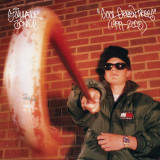
The cover photo is a picture of Sam standing on his back porch in the latter part of 1998, just before he got his first sampler. He was 13 years old, in 8th grade. His dad took the picture with his 35mm film camera: "I actually wanted to be pointing my dad's .22 pistol at the camera lens but he wouldn't let me. He gave me an old walking cane to use instead. The Tommy Hilfiger puffer jacket came from the lost and found at William Fleming High School where my mom worked as a secretary. I was thrilled when she brought it home because we never spent money on expensive name brand clothing like that - we were for the most part strictly a sale rack, bargain bin, thrift store, yard sale, flea market kind of family when it came to clothes. My watch is some cheap off-brand fake gold department store watch." Mastering for this vinyl edition was overseen by Be With regular Simon Francis and it was cut by the esteemed Cicely Balston at Abbey Road Studios to be pressed in the Netherlands by Record Industry.
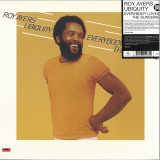
Mit "Everybody Loves the Sunshine" (1976) vermischt Roy Ayers nahtlos die Genres Soul, Funk & Jazz und erschafft einen zeitlosen Sound, der Musiker und DJs auf der ganzen Welt noch immer beeinflusst, mit dem Vibraphon als zentrales Instrument, ein Ansatz, der Ayers einzigartigen Stil definiert. Im Jahr 1976 veröffentlichte der legendäre Musiker und Komponist Roy Ayers mit ELTS eines der bedeutesten Alben seiner Karriere. Dieses Album festigte nicht nur Ayers' Stellung als Schlüsselfigur in der Welt des Jazz, sondern markierte auch einen Meilenstein in der Soulmusik und im zeitgenössischen Jazz-Funk. Es zeichnet sich durch eine raffinierte Mischung aus unwiderstehlichen Grooves, sanften Melodien und einem einzigartigen Sound aus, der über die Jahre hinweg nicht verblaaste und für mehrere Generationen von Musikern und Hörern zu einer Referenz wurde. Mitte der 70er Jahre hatte sich Ayers bereits mit seiner Band Roy Ayers Ubiquity und seinem unverwechselbaren Einsatz des Vibraphons, das zu seinem persönlichen Markenzeichen wurde, einen Namen gemacht. Und mit ELTS wagte sich Ayers an einen noch zugänglicheren Sound, auch als Reaktion auf den Aufstieg von Disco und das wachsende Interesse an Musik afro-amerikanischer Prägung überhaupt. In den zehn Tracks des Albums schafft Ayers eine Klangatmosphäre, die sowohl die Wärme des Sommers als auch die Raffinesse des Jazz jener Zeit heraufbeschwört, alles vor dem Hintergrund des modernen Soul. Produziert von Ayers selbst zusammen mit seinem Engineer und Freund David R. Williams zeichnet sich ELTS durch den wunderbaren Klang des Fender Rhodes Pianos von Phillip Woo sowie die kraftvolle Energie der restlichen Band aus, wodurch eine unverwechselbare Authentizität und Frische erreicht wird. Zu den bekanntesten Songs gehören der Titeltrack, "The Golden Rod" und "The Third Eye", die schnell zu Klassikern des Jazz-Funk und Soul wurden. Dieses Album ist für Roy Ayers' Karriere von entscheidender Bedeutung, da es seine Fähigkeit unter Beweis stellt, in einer sich ständig verändernden Musikindustrie relevant und kreativ zu bleiben. Im Laufe der Jahre wurde "Everybody Loves the Sunshine" zu einem Kultalbum, das häufig in DJ-Sets von Künstlern wie Gilles Peterson, Theo Parrish und Lefto gespielt Verwendung findet. Der Sommer-Soul-Klassiker jetzt wieder auf klassischem schwarzem 180g-Vinyl!