‘Let’s take a trip’ – with major names on the psytrance scene Avalon and GMS releasing on KNTXT for the first time, combining forces for a full-on attack, 4-track EP ‘The Underground’, out December 11th. Their joint mission? ‘Combining two worlds where psytrance meets techno, a fusion which will take you on a mind-expanding journey! Welcome to The Underground…you have arrived!
London DJ/Producer Avalon was recently awarded the number 1 top-selling psytrance artist on Beatport with over 30+ psytrance chart #1s and 5 top-selling LPs to his name, and performs at the likes of Tomorrowland, Boom, EDC Las Vegas, Glastonbury, Exit, Burning Man, Ultra, ASOT, Ministry Of Sound,... GMS (Growling Mad Scientists) was founded by Dutch Ibiza-based DJ/Producer Riktam with the sadly late Bansi, to establish pioneering psytrance label Spun Records and to have director Tony Scott no less, using GMS tracks on three of his films. A prolific producer with over 300K album copies sold, GMS holds the most psytrance records released overall.
‘I'm beyond honoured to release this stunning four tracker from psytrance legends Avalon and GMS. With this release, friendships were formed and worlds truly started colliding. I have massive respect for both these artists and their long standing impact on electronic music. This release feels like a bridge between generations and genres. It carries an energy that deserves to be heard, experienced, and felt on dancefloors around the world.’ Charlotte de Witte
Title track ‘The Underground’: hyperspeed trance beats support a wild variety of acid-dripping pulsations, spacey arps, otherworldly swoops, mind-teasing stabs, it’s like a lightshow in sound. That transports its listeners into another dimension. On ‘Horizen’, psytrance thrives, while ethereal vocals call, with intricate sound design painting a mythical soundscape. On ‘Machines’, it’s driven by hypnotic acid lines, pulsating Kick & Bass with sprinkles of techno infused percussion! Its choral notes and alien-like spoken lyrics, both gripping and disorientating as builds & breaks come thick and fast. ‘Rave to the Grave’: constant pulsing high synth and vocals with twanging acid together with frantic percussion create a sustained, agonizing build, build, build – until ‘On the 7th day, the Lord said ‘Let the beat drop!’’ Phew!
‘We are very excited about our debut release on KNTXT ‘The Underground’ and can’t wait to share this 4 track EP with you all. We hope you enjoy it as much as we did creating it. This fusion of techno/psytrance is brought together by all of our mutual love for acid & driving hypnotic dance music! Enjoy… Play it loud! Welcome to The Underground… You have arrived!’- Avalon & GMS
A mind-bending EP, with racing beats that give the ‘trance’ in psytrance a huge adrenalin shot. This is high energy reaching new altitudes; hold on to your brain cells, they’re going for a ride!
The former International DeeJay Gigolo records artist Adriano Canzian & Vitell1 assault the “PLEASURE COPS” precinct with bouncing synth-line, dark 80’ies bass and clanging beats in this extravagant 6 tracker Italo-Ebm release for SB sublabel -Belligeranza currently dedicated to brutalize Italo-Disco. Call 911 for further details!
Drummer-composer Tom Skinner announces Kaleidoscopic Visions, his second solo album, out 26th September 2025 via Brownswood Recordings and International Anthem
Kaleidoscopic Visions unfolds across two distinct sonic landscapes. Side A presents entirely instrumental compositions performed by Skinner's live Bishara band—bassist Tom Herbert, cellist Kareem Dayes, and Robert Stillman and Chelsea Carmichael on various woodwinds and reeds—with electric guitar on two tracks courtesy of Portishead's Adrian Utley. A drummer-composer bringing his wealth of experience to bear on the role of bandleader, Skinner composed primarily on guitar, embracing the freedom that came with writing on his secondary instrument.
These compositions include "Auster," dedicated to late novelist Paul Auster, and "Margaret Anne," which honours Skinner's mother Anne Shasby, a former classical concert pianist prodigy who abandoned her own promising career in the face of systemic misogyny, only to impart on her son what Skinner calls "the gift of music."
Skinner’s musical world opens further on Side B, where a collection of poised vocal collaborations stretch out from jazz and improvisation towards a more dream-like, soulful sound. The centerpiece is "The Maxim," a ten-minute collaboration with Grammy Award-winning Meshell Ndegeocello, a dubby, spacious meditation on life and death, delivered with a free-spirited grace. For Skinner, working with Ndegeocello—whom he first saw at Glastonbury as a teenager in 1994—represents a full-circle moment, indicative of the indirect paths and inspirational detours that have shaped his life.
The album goes on to feature South Carolina-based singer Contour (Khari Lucas) who appears on the low-lit soul ballad ‘Logue’, and closes with ‘See How They Run’, featuring London keyboardist-vocalist Yaffra (Jonathan Geyevu). It is the album’s most overtly lyrical track, an articulate exposition of jazz-inflected spoken word that speaks not only to the genre-fluid nature of the music but the breadth of Skinner’s palette.
This should come as no surprise. On Kaleidoscopic Visions, one of London’s most vital musical figures gives us a sparkling glimpse of the multi-coloured lens through which his unique sound is now refracting.
»Es ist wie die Essenz von SLEEP.« So beschreibt Max Richter Sleep Circle, die neue Veröffentlichung zum
zehnten Jubiläum seines bahnbrechenden Projekts SLEEP. Sleep Circle lädt ein zu einer 90-minütigen Reise
in eine andere Wirklichkeit – in jenes geheimnisvolle Zwischenreich zwischen Wachen und Schlafen, in dem
sich Träume formen.
Die 24 Tracks sind inspiriert von den Eindrücken und Einsichten, die Max Richter bei seinen Konzerten
einer gekürzten Version seines Opus Magnum gesammelt hat. Mit dieser intimeren und konzentrierteren
Gestaltung von SLEEP rückt das neue Album Stücke wie »Dream 11 / Moth-Like Stars« und »Non-Eternal«
in den Mittelpunkt und spannt einen musikalischen Bogen, in dem sich der natürliche 90-minütige REMZyklus spiegelt.
Aufgenommen im Studio Richter Mahr in Oxfordshire, zeigt Sleep Circle Max Richters einzigartige Fähigkeit,
tiefgreifende menschliche Erfahrungen in Musik zu übersetzen. Ein Raum öffnet sich, in dem das Innere
nachklingen darf.
"Next up in Mr Bongo's Groove Merchant Records reissue series, we present the only solo album saxophonist Ramon Morris recorded as a bandleader. Having cut his teeth playing with the iconic band Art Blakey & The Jazz Messengers and working with other jazz greats, including Reuben Wilson, Shirley Scott, Rashied Ali Quintet, and Woody Shaw, 1973 saw Ramon take the step into solo territory. The resulting album Sweet Sister Funk became a certified classic and a landmark showcase of the cherished ‘70s jazz-funk sound, later sampled by the likes of DJ Premier, The Alchemist and DJ Shadow.
Originally released on Sonny Lester's iconic Groove Merchant record label and produced by Lester himself, Sweet Sister Funk is a jazz-funk masterclass. It features a slick line-up including Cecil Bridgewater on trumpet, Mickey Roker on drums, and Albert Dailey on electric piano. Rich and beautiful, the seven songs ebb and flow in energy, fusing jazz funk and soul jazz with style and swagger. There are bags of groove with Ramon and Cecil trading off on sax and trumpet in an effortless conversation throughout the LP, supplemented by brilliant solos from the rest of the players.
A gold mine of sampling material, the album includes a sublime cover version of The Stylistics' much-loved 'People Make The World Go Round', which was sampled by DJ Shadow on Blackalicious's 'Swan Lake' in 1994. Elsewhere, the percussion and bass intro of the opening track 'First Come, First Serve' is a sampler's delight - a deep, heavy groove with a fine saxophone workout by Ramon. Head to 'Don't Ask Me' and you’ll find the swinging horn intro that formed the basis of 'You Came Up' by Big Pun featuring Noreaga from 1998, whilst 'Wijinia' has echoes of ‘70s indie jazz by labels such as Strata East & Black Jazz.
Here at Mr Bongo, we are proud to be delving into the vaults of Groove Merchant Records once again, reissuing this iconic LP from Ramon Morris."
The Éthiopiques series returns! Essential archive recordings from an extremely fruitful period in Ethiopian music.
Before “Swinging Addis” took over the world, there was Moussié Nerses Nalbandian — the Armenian-born composer who shaped modern Ethiopian music. Mentor, arranger, and pioneer, he laid the foundations of Ethio-jazz.
This Éthiopiques volume revives his forgotten legacy, recorded live by Either/ Orchestra First issue ever with new exclusive photos and in depth liner 8-page insert.
“Ethiopian jazzmen are the best musicians that we have seen so far in Africa.
They really are promising handlers of jazz instruments.”
Wilbur De Paris
(1959, after a concert in Addis Ababa)
አዲስ፡ዘመን። *Addis zèmèn* **A new era.**
The time is the mid-1950s and early 1960s, just before "Swinging Addis" bloomed – or rather boomed – onto the scene. Brass instruments are still dominant, but the advent of the electric guitar, and the very first electronic organs, are just around the corner. Rock’n'Roll, R’n’B, Soul and the Twist have not yet barged their way in. Addis Ababa is steeped in the big band atmosphere of the post-war era, with Glenn Miller's *In the* *Mood* as its world-wide theme song, neck and neck with the Latin craze that was in vogue at the same period. Life has become enjoyable once again, with the return of peace after the terrible Italian Fascist invasion of Ethiopia (1935-1941). The redeployment of modern music is part and parcel of the postwar reconstruction. *Addis zèmèn* – a new era – is the watchword of the postwar period, just as it was all across war-torn Europe.
The generation who were the young parents of baby boomers** were the first to enjoy this musical renaissance, before the baby boomers themselves took over and forever super-charged the soundtrack of the final days of imperial reign. Music is Ethiopia's most popular art form, and very often serves as the best barometer for the upsurge of energy that is critical for reconstruction. Whether it be jazz in Saint-Germain-des-Prés or the *zazous* who revolutionised both jazz and French *chanson* after the *Libération*, be it Madrid's post-Franco Movida, or Dada, the Surrealists and *les années folles* that followed World War I, the periods just after mourning and hardship always give rise to brighter and more tuneful tomorrows. Addis Ababa, as the country's capital, and the epicentre of change, was no exception to this vital rule.
**Two generations of Nalbandian musicians**
Nersès Nalbandian belonged to a family of Armenian exiles, who had moved to Ethiopia in the mid-1920s. The uncle Kevork arrived along with the fabled "*Arba Lidjotch*", the** "*40 Kids*", young Armenian orphans and musicians that the Ras Tafari had recruited when he visited Jerusalem in 1924, intending to turn their brass band into the official imperial band. If Kevork Nalbandian was the one who first opened the way of modernism, pushing innovation so far as to invent musical theatre, it was his nephew Nersès who would go on to become, from the 1940s and until his death in 1977, a pivotal figure of modern Ethiopian music and of the heights it. Going all the way back to the 1950s. Nothing less. And it is Nersès who is largely to thank for the brassy colours that so greatly contributed to the international renown of Ethiopian groove. While the younger generations today venture timidly into the genealogy of their country's modern music, often losing their way amidst a distinctly xenophobic historiographical complacency, many survivors of the imperial period are still around to bear witness and pay tribute to the essential role that "Moussié Nersès" played in the rise of Abyssinia's musical modernity.
Given the year of his birth (15 March 1915), no one knows for sure if Nersès Nalbandian was born in Aintab, today Gaziantep (Turkiye/former Ottoman Empire) or on the other side of the border in Alep, Syria... What is certain is that his family, like the entire Armenian community, was amongst the victims of the genocide perpetrated by the Turks. Alep, the place of safety – today in ruins.
Before Nersès then, there was uncle Kevork (1887-1963). For a quarter of a century, he was a whirlwind of activity in music teaching and theatrical innovation. *Guèbrè Mariam le Gondaré* (የጎንደሬ ገብረ ማርያም አጥቶ ማግኘት, 1926 EC=1934) is his most famous creation. This play included "ten Ethiopian songs" — a totally innovative approach. According to his autobiographical notes, preserved by the Nalbandian family, Kevork indicates that he composed some 50 such pieces over the course of his career. This shows just how much he understood, very early on, the critical importance of song as Ethiopia's crowning artistic form. Indeed, for Ethiopian listeners, the most important thing is the lyrics, with all their multifarious mischief, far more than a strong melody, sophisticated arrangements or even an exceptional voice. (This is also why Ethiopians by and large, and beginning with the artists and producers themselves, believed for a long time — and wrongly — that their music could not possibly be exported, and could never win over audiences abroad, who did not speak the country's languages).
Last but not least, one of Kevork's major contributions remains composing Ethiopia's first national anthem – with lyrics by Yoftahé Negussié.
Nersès Nalbandian moved to Ethiopia at the end of the 1930s, at the behest of his ground-breaking uncle. Proficient in many instruments (pretty much everything but the drums), conductor, choir director, composer, arranger, adapter, creator, piano tuner, purveyor of rented pianos,... he was above all an energetic and influential teacher. From 1946 onwards, thanks to Kevork's connexion, Nersès was appointed musical director of the Addis Ababa Municipality Band. In just a few years, Nersès transformed it into the first truly modern ensemble, thanks to the quality of his teaching, his choice of repertoire, and the sophistication of his arrangements. It was this group that would go on to become the orchestra of the Haile Selassie Theatre shortly after its inauguration in 1955, which was a major celebration of the Emperor's jubilee, marking the 25th anniversary of his on-again-off-again reign.
At some point or other in his long career, Nersès Nalbandian had a hand in the creation of just about every institutional band (Municipality Band, Police Orchestra, Imperial Bodyguard Band, Army Band, Yared Music School…), but it was with the Haile Selassie Theatre – today the National Theatre – that his abilities were most on display, up until his death in 1977. To this must be added the development of choral singing in Ethiopia, hitherto unknown, and a sort of secret garden dedicated to the memory of Armenian sacred music, and brought together in two thick, unpublished volumes. Shortly before his death (November 13, 1977), he was appointed to lead the impressive Ethiopian delegation at Festac in Lagos, Nigeria (January-February 1977).
His status as a stateless foreigner regularly excluded him from the most senior positions, in spite of the respect he commanded (and commands to this day) from the musicians of his era. Naturally gifted and largely self-taught, Nerses was tirelessly curious about new musical developments, drawing inspiration from the very first imported records, and especially from listening intensely to the musical programmes broadcast over short-wave radio – BBC *First*. A prolific composer and arranger, he was constantly mindful of formalising and integrating Ethiopian parameters (specific “musical modes”, pentatonic scale, and the dominance of ternary rhythms) into his “modernisation” of the musical culture, rather than trying to over-westernise it. It even seems very probable that *Moussié* Nerses made a decisive contribution to the development of tighter music-teaching methods, in order to revitalise musical education during this period of prodigious cultural ferment. Flying in the face of all the historiographical and musicological evidence, it is taken as sacrosanct dogma that the four musical modes or chords officially recognised today, the *qǝñǝt* or *qiñit* (ቅኝት), are every bit as millennial as Ethiopia itself. It would appear however that some streamlining of these chords actually took place in around 1960. It was only from this time onward that music teaching was structured around these four fundamental musical modes and chords: *Ambassel*, *Bati*, *Tezeta* and *Antchi Hoyé*. A historical and musical “details” that is, apparently, difficult to swallow, especially if that should honour a *foreigner*. Modern Ethiopian music has Nersès to thank for many of its standards and, to this day, it is not unusual for the National Radio to broadcast thunderous oldies that bear unmistakable traces of his outrageously groovy touch.
"The Land of the Sun, the Moon and Cosmic Melodies" is a conceptual Opera of III movements, inspired by a cosmogony that features the planets of the sun and the moon. These two characters guides us on a journey of light and shadow, rising and setting in a cycle of unexplored musical territories.
The Collective Move presents its debut album with a broad palette of sounds, ranging from jazz to opera, from southern Italian folk music to northern Indian classical music, orchestrating a 60-minute "sonic narration" that ends with the fable "What do the birds tell?".
The Collective Move is an international group of young musicians formed in the Amsterdam Conservatory in 2022. The Collective's vision is to unite diverse artistic expressions and musical genres, inviting diverse artists and musicians from diverse cultures and countries to collaborate in flexible and interdisciplinary formations.
Soma500 is a very special release that sees label heads Slam visit two memorable tracks for them over this past anniversary year. The duo of Stuart McMillan & Orde Meikle rework Robert Hoods, The Bond We Formed - taken exclusively from the Soma25 compilation and a track that has featured highly in countless sets, a unique Slam rework of Carl Craig s interpretation of Delia Gonzalez & Gavin Russom s, Relevee.
B A2 | Robert Hood - The Bond We Formed (Slam S25 Retro Fit)
We keep the fire burning with PAN009, a scorching slice of Latin soul from Puerto Rico’s own Nacho Sanabria, better known as El Sabor De Nacho. Originally released in 1973, his version of “Que Se Sepa” takes the Roberto Roena classic and injects it with a new energy — fiery brass, driving percussion, and that unmistakable swagger that defines the golden age of salsa.
Born in Cataño, Puerto Rico in 1929, Nacho Sanabria grew up surrounded by the rhythms of bomba and plena, performing on stage as early as age nine. After relocating to New York in the late 1940s, he became a key figure in the Latin dance scene, performing with groups like Sonora Boricua, Orquesta Panamericana, and later Rafael Cortijo’s Combo. By the mid-1960s, Sanabria formed his own band, El Sabor De Nacho, combining tight horn arrangements, sharp percussion, and his signature charismatic delivery. His 1970s recordings — including Alma Primitiva and Salsa Caliente — stand as shining examples of Puerto Rican salsa at its peak.
Sanabria’s version isn’t a straight cover — it’s his own Puerto Rican interpretation, full of character and swing. The rhythm section stays tight and earthy, the horns punch with intent, and his vocal delivery brings that effortless charm only a seasoned bandleader could deliver. A proper Latin soul mover that sits somewhere between the barrio and the dancefloor, perfect for warm evenings and deeper DJ sets.
Rescued from obscurity and lovingly restored for today’s floors, PANORAMA Records continues its mission to reintroduce rare and essential music to new generations. From deep funk, jazz and global grooves to Latin dancefloor heat, the label’s 45s series shines a light on overlooked gems that still sound fresh today. Supported by tastemakers like Gilles Peterson, Patrick Forge, and the Mr Bongo DJs, this one’s destined to move both hips and feet.
Two years after he first appeared on Balmat with 1977, Mike Paradinas returns with 1979. The sense of continuity between the two records is clear, and not just from their titles. Both capture the Planet Mu head venturing into the wilderness, seeking something—half-formed memories, thoughts caught in midair—in some of the most abstract, searching music he has released.
Just like 1977, 1979 surveys a synth-heavy array of ethereal soundscapes, ominous crevasses, and strange, psychedelic fugues. Like its predecessor, the new album’s atmospheric cast sets it apart from much of the work Paradinas has released as μ-Ziq on Planet Mu. It’s not strictly an ambient record, but it’s close, as close as this famously mutable artist ever comes to inhabiting a particular genre.
Paradinas’ inspiration for the record began on visits to the Spanish cities of Ávila and Majadahona, where his family hails from. That might account for the sense that there are spirits flitting through this music, presences you can intuit if not quite grasp. But 1979 is also a record to meet on your own terms, and to find your own meanings in.
It’s a stunning record, every track a world unto itself: the mysterious contours of “Majadahonda at Dawn”; the playful melodic fillips of “Clari”; the airy melancholy of “Galletas”; the full-scale breakbeat abandon (yes, you read that right) of “Houzz 14,” the rarest of dancefloor detours for Balmat. There are echoes of classic braindance and isolationist ambient and golden-age IDM; there are easter eggs and recurring themes and hidden symmetries. Every time we listen, we discover something new. Despite what the title might suggest, it’s less a trip back in time than a portal to another universe, a destination for(to?) which only Mike Paradinas knows the exact coordinates. – Philip Sherburne, Balmat
The first act signed to The Neptunes' newly formed Star Trak label was a Virginia based duo known as the Clipse. The first single “Grindin’” impacted the streets with its bare boned but infectious drum beat in the same way that “Sucker MC’s” did almost 20 years earlier. These brothers - Pusha T and Malice combined with The Neptunes groundbreaking production sent a clear message to the rap world – “we are not the same” (as rapped by Malice on his opening verse on “Cot’ Dam”). Clipse brings an authentic Virginia sound into the game and created a movement, with not only their darkly layered raps but The Neptunes as well. Pharrell Williams and Chad Hugo were able to combine their cyberpunk production with just the right group to create a street masterpiece. Following in the footsteps of such rap criminologists as Kool G Rap, Nas, Jay-Z, and Mobb Deep, the Clipse offer the Virginia hustler's viewpoint with clever, hard-hitting lyrics that is sprinkled throughout the entire album. With so many standout tracks on Lord Willin’ the album starts pulling no punches. On Track 1 simply (or maybe not) titled “Intro” you get a very personal and deep testament of crack and the drug game, a theme that is throughout this album…HEAVY. Songs like “Virginia” or “I’m Not You” (featuring Jadakiss, Styles P and Roscoe P Coldchain), have lyrics that play as a musical notes alongside The Neptunes tailored beats. “Young Boy”, “Comedy Central”… all fit perfectly alongside “When the Last Time” and “Cot Dam” as each song plays its part as chapters to the Lord Wilin’ masterpiece. “Gangsta Lean” (another one of the albums standout tracks) features a slightly lighter feel while paired with Pharrell's trademark falsetto hook. The truth of it is, it’s hard to just pick one track, or point out which is the albums star. Each song on Lord Willin’ is essential to making it the classic that it is. The Neptunes (who were busy turning out every other Pop hit on the radio) crafted an album that was deemed an instant classic, and cemented Clipse as Rap’s newest superstars.
Sedan is an obscure Soul group from Cincinnati, Ohio that was formed in the 80's.They released only one record, and little info is known about them.Craig E. Robinson was a one of the members (he later went on to form Dayton and became a producer) The record celebrates it's 40 year anniversary and features the singles “Snake Dancin’ & “You Ain’t Got Nothin’ To Do”. This hidden gem is widely seen among disco boogie electro funk fans as a rough diamond. Sedan is now available as a limited numbered edition of 500 copies on red coloured vinyl.
Tóxico and Subject To Restrictions Discs present a retrospective on Switzerland’s hidden analogue gear scene from 2017 and 2018. A vibrant yet undocumented chapter in the country’s music history. The 10 tracks, originally released exclusively on cassette and heard only by a small circle of listeners, are now compiled for the first time on vinyl as “Tóxico Tapes”. The collection captures the scene’s raw, hands-on energy through off-kilter rhythms, low-key EBM, ominous wave and free-form synth excursions.
Founded and curated by the former DJ and producer Narco Marco, the Tóxico label became a hub for Switzerland’s analogue gear enthusiasts. Between 2016 and 2020, it released a series of 10 tapes – albums and compilations – that now stand as a blueprint of the DIY, machine-driven underground of the time. Narco Marco is a key figure in Swiss electronic music. As a long-time clerk at “Oldiesshop” record store in Bern, he has championed eclectic sounds across decades. His in-depth knowledge of 1980s music, combined with his work as a musician, avid record collector, and founder of the “Hot Jam” label, influenced an entire generation of musicians and DJs in Switzerland at the time.
Subject To Restrictions Discs joins forces with Narco Marco to present a selected set of 10 songs as a tribute to Tóxico and this creative era. The material draws primarily from the Autumn Tape and Winter Tape compilations, which spotlighted artists from Zurich and Bern – two cities at the heart of this analogue revival.
With CAPTAIN, BNXN takes the wheel. The Nigerian singer-songwriter has always blurred the lines between afrobeats, R&B, and soulful introspection—but this time, he’s driving with full control, no co-pilot. The album marks a defining moment for BNXN (pronounced "Benson"): a confident, fully-formed statement from an artist who’s learned to trust his instincts, sharpen his pen, and follow his own creative compass.
From the cinematic opener to the late-night confessionals tucked between glossy hooks, CAPTAIN feels like a diary written at cruising altitude. BNXN threads personal stories through rich instrumentation—balancing Yoruba and English lyrics, weaving between amapiano pulses, stripped-down ballads, and smoky alt-R&B. Standout moments find him unpacking fame’s isolations, questioning loyalty, and wrestling with what it means to lead without losing yourself. There’s growth in every verse, not just in what he says, but how he says it: sharper, more intentional, and wholly unafraid to take risks. This is BNXN unfiltered—charting new territory without ever losing sight of home.
DJ Support: Raresh, Marco Corola, Jamie Jones, Joseph Capriati, Chris Stussy, DJ Seinfeld, D'Julz, Djebali, Voigtmann, Arapu
For Amsterdam’s Julian Anthony, club culture has always been about movement - between sounds, between scenes, and increasingly, across continents. Rooted in the Dutch underground, his path has taken him from intimate local spaces to international stages, with appearances at institutions such as Berlin’s Hoppetosse, Ibiza’s DC10, and London’s fabric. Along the way, he’s formed close ties with crews such as Slapfunk, VBX, Half Baked, and S.A.S.H, while recent tours across South America and Australia have further widened his reach. His connection with Enzo Siragusa and the FUSE family is longstanding, having previously dropped his track ‘It’s Showtime’ on sister label LOCUS while making appearances at both FUSE and LOCUS events across Europe, including this year at FUSE Malta, during ADE, and November’s fabric takeover. Now, his ‘Missing Pieces’ EP extends that relationship further, marking his fi rst release on FUSE and off ering a natural progression while showcasing his versatility as a producer.
In his productions and his sets, Julian threads together house, techno, and electro infl uences with a playful touch, resulting in a style that feels fl uid yet sharply defi ned. Title track, ‘Missing Pieces’, sets the tone with a heavyweight bassline at its core, coupled with a hypnotic groove and percussive drive, while ‘Endless Echoes’ stretches into more atmospheric territory, weaving rolling rhythms with cosmic textures. On the fl ip, ‘No Sleep’ ups the intensity with zipping synths and sharp drum programming built for peak-time play, before ‘TTS’ closes the record on a captivating note, fusing deeper house nuances and playful rhythms into a late-night trip.
With a growing catalogue across respected imprints such as Dungeon Meat, X-Kalay, and Bee You, and a touring schedule that continues to expand globally, Julian’s first outing for the London favourites highlights his talent for crafting tracks that are simultaneously precise, playful, and built for the club.
Welcome to the first release on Acid Lamour
A sub label for Lamour Records started in 2018 with a focus on techno and acid dedicated DJs. Releases are limited to 303 vinyls, no re-press.
Anders Ilar and John H are no newcomers to the electronic music scene.
Born in 1973, Anders Ilar began his explorations of electronic music in the mid 80s. Growing up in the small town of Ludvika in Sweden, Ilar spent all of his spare time playing with synthesizers, drum machines, keyboards and sequencers, learning the ins and outs of analogue and digital sound and music creation. Inspired by the early industrial and EBM wave he formed several bands with friends, started playing live shows
at smaller local parties, and released several demo tapes in very limited quantities. In the 90's he gradually shifted his creative influences towards ambient techno and acid and also started to DJ. He started using computer software to produce his music around 1999 and his first vinyl EP was released in 2001 on the german label Plong!, soon to be followed by
many more releases on labels such as Shitkatapult, Audio.nl and Echocord.
Developing his own flavor of deep minimal dub techno and ambient he gained critical acclaim with his album Nightwidth (2006) for Narita Records in the USA. Followed by highly appraised album Sworn on the german label Level Records in 2008. Ilar has also made remixes for celebrated artists such as Apparat, Mikkel Metal and Ripperton and has
appeared on numerous compilations and DJ-mixes. He's performed live on stage through-out most European countries and Japan, as well as doing a small tour with Notch Festival in China in 2008.
Up to 2018 Anders Ilar has produced 13 albums and 25 vinyl EP's and performed in over 15 countries.
Born in 1984 and based in Gothenburg. John H has been DJing, as well as producing tracks, since the late 90s, with Anders as his mentor and teacher, giving John early musical influences spanning across a wide range of genres, from Swedish techno to IDM, Cologne acid craziness and
the sound of Chicago house tracks. The musical output of his DJ-sets usually varies between techno, house, acid, electro and everything in between, depending on the time and location. John has performed on several locations all around Sweden, but also done appreciated gigs in other European countries at clubs like Tresor and Culture Box, and his music has been featured in sets by DJs such as Sven Väth, Adam Beyer,
Joris Voorn, Dense & Pika, Cari Lekebusch, Alan Fitzpatrick, Karotte,
Gregor Tresher, The Hacker and many more.
Coming For Your Tongue EP is Anders and John's 4th collab release, after
acclaimed releases on Flight Recorder and New York Haunted, recorded
during a jam session at John's studio in Bergsjön outside of Gothenburg,
Sweden, using a small setup of analogue synths and drum machines such as
the Roland TR-606, TR-808, a Devil Fish modified TB-303, Minimoog Voyager
and the Arturia Microbrute. After recording Anders spiced things up by
cutting and puzzling loops as well as adding extra effects and drums.
Limited edition of 303, no repress. Vinyl exklusive for 3 months
12” vinyl, full sleeve artwork with Mordançage front cover artwork by artist Jo Torres, design & centre labels by Ciaran birch. Limited run of 300.
“Singing Vessels” draws inspiration from the sonorities and aesthetics of Amazonian medicine ceremonies and traditional Andean music. At its heart is a collection of clay whistles from ancient South America, whose timbres conjure the vibrant soundworld of the Andes. The piece also incorporates shamanic instruments from the Amazon, such as the shacapa — a bundle of dry leaves whose rustling produces a deep, soothing texture with remarkable sensory resonance.
Interwoven with generative electronics, live looping and synthesisers, these organic timbres create evolving psychoacoustic spaces where the mystery of nature meets inner realms of perception and consciousness. The piece unfolds as a ceremonial passage through a shamanic ritual: beginning in a dense jungle of sounding entities, rising into moments of cathartic purging, dissolving into states of blessing and communion, and finally returning to the here and now with renewed awareness.
Nervio Cosmico is an electroacoustic experimental duo based in Bristol, formed by Chilean composer Daniel Linker and Italian sound artist Matteo Amadio. Blending acoustic instruments from ancient South American shamanic traditions with live looping, generative sound design, and live electronics, they craft sonic journeys that explore perception, consciousness, and a spiritual connection with nature.
In 1978 a newly formed Augusta, Georgia group Marshall, Donovan and Broomfield chose to record cover versions of two songs previously recorded in 1973 and 1974 respectively by Florida siblings group Cornelius Brothers and Sister Rose. These Eddie Cornelius penned songs “Let me Down Easy” and “Since I Found My Baby” would form both sides of Marshall, Donovan and Broomfield’s first 45 single, released on group founder John Marshall’s own Augusta label. The flipside “Since I Found My Baby” would eventually gain popularity across the pond with aficionados of the UK modern soul scene of the early 1980’s and beyond.
John Marshall began his musical career in a high school group called The Fabulous Gardenias who recorded the doowop ballad “It’s You, You, You” backed with the up-tempo R n B mover “What’s The Matter With Me” released on Tommy Brown’s local Liz label (named after his wife future Motown recording artist, Liz Lands) in 1961.The Fabulous Gardenias featured John Marshall, the late Atlanta alumni Calvin Arnold, “Little” Joe Jones Jr (later of the Tams) and a fourth guy only remembered as Harold. John Marshall later sang with another Atlanta group The Tams of “Hey Girl Don’t Bother Me” fame from 1970 through to 1978.
Later in 1978, John Marshall having relocated to Augusta, GA the previous year was casually emptying the contents of his mailbox outside his home when a car suddenly pulled up. The driver called out “Hey I recognize you, you’re John Marshall you used to be with the Tams!” The driver continued to introduce himself as John Donovan stating that he too was a singer, followed by an impromptu performance, and hey! sure enough he could sing! A later introduction to Charles Broomfield (John Marshall’s next-door neighbour at that time) would lead to the formation of the group Marshall, Donovan, Broomfield with the addition of Mary Marshall and Pat Donavan (the then, two John’s respective wives) as backing vocalists. The previously mentioned group’s first release the John Donovan led “Let Me Down Easy/Since I Found My Baby” was recorded at the now defunct Jam Studio’s in Atlanta. Upon release, the “Let Me Down Easy “side received considerable local radio play but only led to the group performing a handful of local shows. On the strength of the group’s first release a second 45 release followed in 1980 “Let’s Dance/That’s Love” both sides of this 45 were penned by Charlston, South Carolina native, Harold Thomas who John Marshall knew from his time with the Tams, Thomas having once been part of Bill Pinkney &the Original Drifters and later the Tams management teams. This second 45 never gained the same local attention of “Let Me Down Easy” and after three years together the Marshall’s, Donovan’s and Charles Broomfield went their separate ways. John Marshall lost contact altogether with his former group members and left the music business taking up employment at International Paper Mill until his retirement in 2013.
Due to the current resurgence in popularity of “Since I Found My Baby” with copies regularly selling for four figure sums, Soul Junction have reacquainted ourselves with John Marshall to you bring you “Since I Found My Baby” backed with “Let Me Down Easy” with the addition of the excellent and lesser, known stepper “That’ Love” making this an excellent value 45 release.
Magnificent Fall, The Notwist's new rarities compilation, compiles some special and wild moments from this unique German indie group's rich history. They've always snuck gorgeous songs and thrilling remixes onto split singles, extended plays, and other formats, across their career, and pieced together here – compiled thoughtfully, with sensitivity to flow and the listening experience – these thirteen selections work as a kind of ‘shadow narrative’ of The Notwist, an alternative index of the possibilities this shape-shifting group uncovered during their time together.
They've been smart to let go of chronology when sequencing Magnificent Fall, so the songs here move across phases and stages of The Notwist's career, helmed by brothers Markus and Micha Acher. This approach makes plenty of sense, as this music compiled here abstracts from two impulses – to push forward and not repeat what has come before, while building from the group's very specific musical language. Just one example: the loveliness of the instrumental “Avalanche”, from 2020's Ship, follows elegantly from the happy-sad glitch-pop of “Blank Air”, from a 2010 split with former member Martin Gretschmann's project Console. Different phases, different memberships, shared concerns.
The Notwist have always been interested in and open to community, and one of the many ways they reach out to others is through the remix. There are three here, sent back to The Notwist from different corners of the world, both aesthetically and geographically: Grizzly Bear take on “Boneless”, Ada tackles “Run Run Run”, and Odd Nosdam submerges “Sleep” in noise and clatter. Another connection, of course: Odd Nosdam is part of The Notwist's extended family, through Markus and Micha Acher's 13 & God project with fellow Anticon artists Themselves and Subtle.
So, the music on Magnificent Fall traverses varying terrain – abstract hip-hop, chamber pop, sweet and simple folk song, indietronica, free-floating improvisation. There are several unreleased songs, as well, drawn from across the group's history. Core to it all, though, the thing that makes The Notwist so singular, is the thumbprint of the Acher brothers, their gently poetic way of moving through the world and welcoming other musicians and artists into the fold, expressively and with generosity.
Historically aware without being nostalgic, Magnificent Fall is the perfect way to introduce The Notwist's reissue programme with Morr Music, too, including a box set, and the group's eight albums, documenting their three-and-a-half decades of music and community-making. Looking back to move forward? It's a very good idea.
For its debut release, Echoform presents a sonic palette of the shapes and colors that define its events.
The journey begins with Circles, a tension-packed peaktime driver. Built around a deep bassline, layered leads, and emotional pads, all tied together by a vocal that calls for love.
Next is Squares, a raw, heads-down groover made for sweaty dancefloors. Dreamy FX meet stripped-back rhythms in a hypnotic blend.
The EP closes with Another Shape, a 90s-inspired tech house cut with a deep emotional core. Subtle pads and a rolling groove carry you through the early hours.
Echoform is a newly formed record label based in Amsterdam and Berlin. Formerly known as boshuis, the label has been refreshed with a new mission: to unravel the mysteries of visualising sound. Have a look at their artworks and take some time. “Do you hear what you see?”
Reintroducing Soar - the alias of Christian Aebi, serial DIY taper and one-man orchestra from Langenthal, a fog-shrouded town in the Swiss provinces. Krautophobia, ambient lo-fi agriculture, analogue soul balm and slowspeed psych gelati-blitz cardboard pop only gesture towards the sound world he coaxed from his broken Tascam four-track recorder, in attics, churches, junkyards and at the kitchen table.
The spark for Soar was likely time and space, somewhere in the autumn of 1994. Armed with a cable salad of Sixties guitar/bass, fairground drums, mould-speckled organs and toy instruments, Aebi coaxed five albums, an unverified run of 25 cassettes, and a handful of gigs. Mostly issued through Zurich label Corazoo, the records arrived in hand-pasted sleeves, rough-cut reproductions of his teddy bear-fixated artwork that carried the same imperfect immediacy as the music. With Rudi Steiner, performances in galleries, clubs and halls bent into live sound-image happenings - part installation, part film, part flea-market-instrument theatre - invariably leaving the house engineers bewildered.
At the time of his untimely death in 2021, Aebi remained a village secret, his music passed quietly between friends and local ears. Now, Swiss graphic designer and Ghost Riders compiler Ivan Liechti has pieced together a portrait from the afterglow, gathering tangled audio formats, paintings, illustrations, photographs and notebooks with his family, former label and peers. What emerges is a first glimpse of Soar's intimate cosmos - brushing against Füxa, Spectrum, Dump, Stereolab and King Crimson, but orbiting a dimension entirely his own.
T.R.U. REALigion is the seventh mixtape by Atlanta rapper and legend, 2 Chainz and first release under his current artist name (formerly known as Tity Boi). The mixtape served as a major launching point for 2 Chainz as it was his first release to chart on the Billboard Top R&B/Hip-Hop Albums chart, and led to numerous major guest appearances ("Mercy" & "Beez In The Trap"). It achieved viral status in the mixtape era, having amassed over 1 million downloads on popular mixtape hosting site, Datpiff. Rereleased on streaming platforms for its 10th anniversary with 2 new songs featuring Wiz Khalifa & Big Sean, & now for Black Friday, the project finally sees the vinyl treatment during its original anniversary month (November 2011). Pressed on double Red, White & Blue Marbled Vinyl & housed in a denim-coated jacket, this album is a must have commemorative release for any Dirty South rap fan aficionado and serves as one of the great mixtapes of the early 2010s
2xLP, Pressed on Red, White & Blue Marbled Vinyl & Housed in a widespine jacket inside an embroidered denim outer slipcase.
The second instalment of SCHNRZ formed by LI & ZOL gathers resources from the thermal baths of Budapest. Exquisite blend of field recordings, floating dub athmospheres and fullfilling bass-adventures balanced out on mid-tempo minimalism. Shapeshifting series of releases by the two local heroes under the flag of Budapest-based SCHNRZ, that refers to Schonherz, the name of the neighbour dormitory of their basement studio - forged by Berlin-like mid-tempo minimalism with a pinch of Balkan, developed to the next level by dub carpets of the north.
Advanced Art was formed in Tampere, Finland, in 1985 by Jana, Pete, and Vince. Too young to be part of the first wave of Finnish groups inspired by German synth pioneers and New Romantics, they instead forged their own path and soon became pioneers themselves. For the next ten years, Advanced Art defined and dominated Finland’s small but growing electronic underground. They inspired a new generation of Finns to experiment with synthesizers, built an international cult following, and were deeply involved in the local scene—running clubs, organizing events, and performing at some of the very first warehouse parties in the country.
Although the line-up shifted over time, the group’s creative drive consistently came from the partnership between Jana, who supplied the voice and words, and Vince, who shaped the music with his machines. Together they defined the band’s distinctive blend of sharp electronics and lyrical vision.
After several cassette demos and two 7-inch singles, Advanced Art signed to Poko Rekords in 1991. The EPs Scar and Time raised their profile both at home and abroad, especially thanks to valuable exposure on MTV Europe’s 120 Minutes. Known for their perfectionism, they finally released their debut album Product in January 1993. On Product the line-up was Jana (lyrics, vocals), Vince (music, production), and Factor (percussion, studio work). Having moved through phases of synth pop, EBM, and industrial, the album showcased Vince’s vision of a unified sound and style more clearly than ever before.
Force followed in 1994, conceived as a multi-part concept album (Update / Live / Retro). Recorded with live percussionist PW joining Jana and Vince, it expanded on the groundwork of Product with new beats, ideas, and a sharper, more defined identity.
By 1995, exactly ten years after their founding, Jana and Vince decided to bring Advanced Art to a close on the band’s birthday, 13 October. Their run had been precise: one decade of creative output, ending with a legacy that laid foundations for Finland’s electronic scene.
Now, conveniently coinciding with the band’s 40th anniversary, Advanced Art present Forced Product. This double-LP set, fully remastered, features Product in its entirety, alongside the Update and Retro sections of Force, plus additional EP tracks and remixes recorded between 1991 and 1994 at “Audible Art” – less a studio than a concept, existing wherever machines and people met.
Limited to 450 copies, Forced Product comes in a gatefold sleeve with poster and sticker, offering a definitive document of Finland’s pioneering electronic cult heroes — a band that helped invent their country’s scene and left a lasting influence far beyond it.
Following on from the super-fast stock sell-outs of the 2LP of joyous Alfredo selections, Rebirth follow up with the first of the sample EPs of rare, cherished and formerly unreleased gems. Deep Joy of Brainiak (and Mo Wax) fame had their stunning “Fall” track remixed by lord Sabre, Andrew Weatherall himself; an often-missed indie-chug delight from the early 90’s. The Thrashing Doves and their scene stamping classic Je$u$ on the Payroll, needs very little introduction, but this Unreleased Instrumental Version, like it states, has never been on vinyl before. Flip over for another hip hop/club hybrid of a track with KC Flightt’s “Lets get Jazzy”, and its iconic sound which was remixed by the legendary Blaze; then finishing up with sunrise/sunset jamm, “Blinky Blue Eyed Sunrise”, by The Metaluna Mutant. A must for any lover of the white isle and it’s heritage.
Multi-faceted musician and co-founder of the Hungry Music label, Worakls, has unveiled the full tracklist for his stunning production 'Orchestra', an ambitious project filled with 10 brand-new productions, including recent single 'Cloches.'
Allowing his musical film influences to fully express themselves by incorporating them into his music, 'Orchestra' combines the grandiose feeling of album opener 'Nikki' with the melodic rhythms of 'By The Brook', and wistful yet percussive tones of tracks like 'Detached Motion.' Packed with cinematic elements throughout, Worakls explains his creative process, stating:
'Along the years, I have become more sensible to the emotions of film music, and I wanted to lead my universe into that direction. My aim is to mix in the emotions of this music with the freedom and energy of electronic music.'
With the original music composed to be specifically played with an orchestra, the album is accompanied by a tour of the most prestigious venues in Europe where Worakls will be accompanied by an orchestra formed of 20 musicians. Having recently kickstarted the schedule in Paris, the tour will take in a further 9 sold-out dates across France and Belgium throughout February, March, and April.
Spending the last ten years travelling the globe's most prestigious concert halls and festivals, Worakls' journey into composition started at the age of 3, learning the piano amidst his family of musicians. However, it was the 2015 launch of his 'Hungry Band' group alongside fellow frenchman N'to and Joachim Pastor which earned the French producer widespread acclaim. Proving his skills in composing film scores as well as electronic and orchestral productions, Worakls recently scooped the 'Best Original Soundtrack' prize at the Deauville Green Awards for Ushuaia and InFocus. The accolade was awarded to Worakls for his work on 'Une Oasis d'Espoir' alongside Nicholas Van Ingen & Jean Baptiste-Puchain.
More than a first album, more than a show, 'Orchestra' is the culmination of an inimitable artist whose inspirations touch all generations of music lover. After more than a decade of waiting, 'Orchestra' marks the first solo album from Worakls, and is set for a physical release in Spring 2019.
For their first album as Gilla Band (formerly Girl Band), the
foursome have redrawn their own paradigm. ‘Most Normal’ is like
little you’ve heard before, a kaleidoscopic spectrum of noise put in
service of broken pop songs, FX-strafed Avant-punk rollercoaster
rides and passages of futurist dancefloor nihilism.
Lockdown robbed Gilla Band of any opportunity to try the new
material out live, but the pandemic also incinerated any idea of a
deadline for the new album. They were free to tinker at leisure, to
rewrite and restructure and reinvent tracks they’d cut, to, as
drummer Adam Faulkner puts it, “pull things apart and be like,
‘Let’s try this. We could try out every wild idea.’”
The group also fell under the spell of modern hip-hop, “where
there’s really heavy-handed production and they’re messing with
the track the whole time,” says Fox. “That felt like a fun route to go
down, it was a definite influence.”
‘Most Normal’ opens with an absolute industrial-noise banger that
sounds like a manic house party throbbing through the walls of the
next room as a downed jetliner brings death from above. What
follows is unpredictable, leading the listener through a sonic house
of mirrors, where the unexpected awaits around every corner.
The common thread holding ‘Most Normal’’s ambitious Avant-pop
shapes together is frontman Dara Kiely. Throughout, he’s an antic,
antagonistic presence, barking wild, hilarious, unsettling spiels,
babbling about smearing fish with lubricant or dressing up in binliners or having to wear hand-me-down bootcut jeans (“It was a
big, shameful thing, growing up, not being able to afford the look I
wanted and having to wear all my brother’s old clothes,” says
Kiely).
‘Most Normal’, then, is a triumph, the bold work of a group who’ve
taken the time to evolve their ideas, to deconstruct and reconstruct
their music and rebuild it into something new, something
challenging and infinitely rewarding. It’s a headphone masterpiece.
It’s a majestic exploration of the infinite possibilities of noise. It’s a
bold riposte to your parochial beliefs on whatever a pop song can
or should be. It’s the best work these musicians have put to
(mangled) tape.
Gramrcy and John Loveless return to Phantasy with a double-A single, ‘Lucid / Feel So’. Three years on from their festival-rupturing hit ‘Highdive’, which found regular rotation in the sets of 2ManyDJs, Peggy Gou and Daniel Avery alongside soundtracking shows for Moschino and Hugo Boss, two new tracks expand the sound of the Berlin pair’s studio partnership.
‘Lucid’ features a unique vocal turn from Tony Morris, a former teacher, taxi driver and contemporary cult figure in Glasgow’s underground scene. Having begun DIY production only in his late sixties, he has since released on the city’s peerless Optimo Music and has been profiled by the BBC and NPR, alternately described by The Scottish Herald as “Scotland’s most unlikely pop sensation” and by himself as “a deviant cabaret artist”.
Morris’s hypnotic repetitions prove to be an earworming anchor for Gramrcy and Loveless’s pressure-cooker arrangement, a bubbling concoction that represents their most formative influences, combining the sheer bassweight of FWD-era UK dance with the ISDN-line scramble of the most out-there electroclash. Rich in rhythm and textural weirdness, ‘Lucid’ captures the sound of a deeply satisfying intersection of rave outsiders.
Eschewing the dreamy psychedelia of its counterpart, ‘Feel So’ instead tips the scales back toward the outright ecstatic. The influence of esoteric disco and post-punk percussion rides on a throbbing bassline that builds toward supreme dancefloor release, paying tribute to a legacy of hi-NRG, spanning Chicago to Rimini.
Gramrcy & John Loveless - ‘Lucid / Feel So’ will be available to download & stream on October the 10th via Phantasy There will also be a limited-edition run of just 200 hand-stamped 12” vinyl records, including the instrumental cut of ‘Lucid’, available to pre-order from Bandcamp and the Phantasy store.
Great Vacation! are just that: a momentary escape from a crazy world. Sunshine permeates every note, with good times abound when the band throws down. Both “Yellow Gold Diamond Fire” and “You Make It Look Easy” were recorded old school style with the whole band live in the studio to capture that special magic.
Artist Bio:
Great Vacation! was formed by Riley Geare in 2023. The lineup has rotated a bit but always includes Riley and guitarist Topher Mohr. Currently the group includes drummer Sheldon Reed (who appears on Yellow Gold Diamond Fire). Dedicated to an old school aesthetic, the band performs together live in the studio and has only ever done 2 takes of a song. Every track is recorded to tape for maximum stank. We thrive in the Southern California climate- lots of sunshine, classic cars, palm trees and love vibrations pervade the vibe.
The begena is a large ten-stringed lyre which is part of the traditional Amharic heritage of Ethiopia. The Amharas, who have long formed the politically and culturally dominant people of Ethiopia, mainly inhabit the central and northern part of the country. In the majority, they follow the monophysite Orthodox Tewahido Church established in the early fourth century AD.
Music plays a very important part in the life of the church. Most of the liturgy is sung and, contrary to secular music, it is accompanied by percussion instruments only. The begena occupies a special place because it is the one melodic instrument exclusively dedicated to the spiritual repertory. Because of its mythical origin, it is highly respected. Tradition holds that the begena was given to king David by God, and brought to Ethiopia by Menelik I, together with the Ark of the Covenant. It has always been the instrument of kings and nobles. Played by pious men and women of letters, it never became widespread. But it never disappeared either, not even under the Derg regime (1974-1991) which had banned the instrument.
Among Amhara string instruments, the begena is the most carefully crafted, especially with regard to the ornately sculpted crossbar. Its ten gut strings are cleaned and twisted several times. The characteristic buzzing timbre equalled by no other Amhara instrument is due to the enzirotch, that is, small bits of leather placed between each string and the bridge. This plays an important part in the sound production by creating a brief contact between the string and the upper rim of the bridge, thus modifying the vibrating properties of the string. In this manner, the spectrum of the sound is considerably enhanced (up to over 10 kHz).
The begena is a very powerful instrument, it keeps the devil thirty steps away, and its presence in the home wards off malicious spirits. Priests and preachers recommend its presence, especially during Lent (Fassika Tsom) when the Orthodox Amharas ponder their sins and repent. Because of its spiritual import, the begena generates intense emotion. According to some musicians, playing the begena brings them into direct contact with God or the Virgin Mary. The religious role of the begena is underscored by the shape of the instrument, each part symbolises an important element of the faith. The crossbar for instance, which reaches across the entire width of the instrument, represents God who is above all things. The belly which "gives birth" to the sound represents the Virgin Mary, and the ten strings recall the Ten Commandments.
Recorded by Stéphanie Weisser in Addis Ababa, Ethiopia, March 2002-December 2005.
They say that if you keep your ear to the ground, you might catch a sound welling up from the depths. That this sound takes shape underground, rising toward the cosmos. They say these lyrics speak of resistance, and that the words they’re made from flow from the subconscious. That through rhymes & rhythms, an oasis has formed, and that beneath the surface, another life is possible.
« l’important est de maintenir des oasis de resistance… » Edgar Morin
(What matters most is to preserve oases of resistance…)
Stand High Patrol presents « Underground Oasis » : an underground utopia, a new album.
The begena is a large ten-stringed lyre which is part of the traditional Amharic heritage of Ethiopia. The Amharas, who have long formed the politically and culturally dominant people of Ethiopia, mainly inhabit the central and northern part of the country. In the majority, they follow the monophysite Orthodox Tewahido Church established in the early fourth century AD.
Music plays a very important part in the life of the church. Most of the liturgy is sung and, contrary to secular music, it is accompanied by percussion instruments only. The begena occupies a special place because it is the one melodic instrument exclusively dedicated to the spiritual repertory. Because of its mythical origin, it is highly respected. Tradition holds that the begena was given to king David by God, and brought to Ethiopia by Menelik I, together with the Ark of the Covenant. It has always been the instrument of kings and nobles. Played by pious men and women of letters, it never became widespread. But it never disappeared either, not even under the Derg regime (1974-1991) which had banned the instrument.
Among Amhara string instruments, the begena is the most carefully crafted, especially with regard to the ornately sculpted crossbar. Its ten gut strings are cleaned and twisted several times. The characteristic buzzing timbre equalled by no other Amhara instrument is due to the enzirotch, that is, small bits of leather placed between each string and the bridge. This plays an important part in the sound production by creating a brief contact between the string and the upper rim of the bridge, thus modifying the vibrating properties of the string. In this manner, the spectrum of the sound is considerably enhanced (up to over 10 kHz).
The begena is a very powerful instrument, it keeps the devil thirty steps away, and its presence in the home wards off malicious spirits. Priests and preachers recommend its presence, especially during Lent (Fassika Tsom) when the Orthodox Amharas ponder their sins and repent. Because of its spiritual import, the begena generates intense emotion. According to some musicians, playing the begena brings them into direct contact with God or the Virgin Mary. The religious role of the begena is underscored by the shape of the instrument, each part symbolises an important element of the faith. The crossbar for instance, which reaches across the entire width of the instrument, represents God who is above all things. The belly which "gives birth" to the sound represents the Virgin Mary, and the ten strings recall the Ten Commandments.
Recorded by Stéphanie Weisser in Addis Ababa, Ethiopia, March 2002-December 2005.
For their first album as Gilla Band (formerly Girl Band), the
foursome have redrawn their own paradigm. ‘Most Normal’ is like
little you’ve heard before, a kaleidoscopic spectrum of noise put in
service of broken pop songs, FX-strafed Avant-punk rollercoaster
rides and passages of futurist dancefloor nihilism.
Lockdown robbed Gilla Band of any opportunity to try the new
material out live, but the pandemic also incinerated any idea of a
deadline for the new album. They were free to tinker at leisure, to
rewrite and restructure and reinvent tracks they’d cut, to, as
drummer Adam Faulkner puts it, “pull things apart and be like,
‘Let’s try this. We could try out every wild idea.’”
The group also fell under the spell of modern hip-hop, “where
there’s really heavy-handed production and they’re messing with
the track the whole time,” says Fox. “That felt like a fun route to go
down, it was a definite influence.”
‘Most Normal’ opens with an absolute industrial-noise banger that
sounds like a manic house party throbbing through the walls of the
next room as a downed jetliner brings death from above. What
follows is unpredictable, leading the listener through a sonic house
of mirrors, where the unexpected awaits around every corner.
The common thread holding ‘Most Normal’’s ambitious Avant-pop
shapes together is frontman Dara Kiely. Throughout, he’s an antic,
antagonistic presence, barking wild, hilarious, unsettling spiels,
babbling about smearing fish with lubricant or dressing up in binliners or having to wear hand-me-down bootcut jeans (“It was a
big, shameful thing, growing up, not being able to afford the look I
wanted and having to wear all my brother’s old clothes,” says
Kiely).
‘Most Normal’, then, is a triumph, the bold work of a group who’ve
taken the time to evolve their ideas, to deconstruct and reconstruct
their music and rebuild it into something new, something
challenging and infinitely rewarding. It’s a headphone masterpiece.
It’s a majestic exploration of the infinite possibilities of noise. It’s a
bold riposte to your parochial beliefs on whatever a pop song can
or should be. It’s the best work these musicians have put to
(mangled) tape.
For the 33rd release of the Acid Avengers series, we invited two projects made by four veterans of the french electronic scene. Fondzyo, a new duo composed of John Lord Fonda and Kazyo (half of Teenage Bad Girl), is delivering here its first release. Nomenklatur, the pair formed by the founders of Elektrofon, is already known for bomb releases on Module, Space Factory and their own imprint. On this new split EP, both projects offer a 303 journey made with mental groove, deep rythms and of course some pure acid techno. 5 tracks designed for the floor that are gonna kick your ass !
After an initial European release in 1976 on the Isadora label Age Of Earth was re-issued on Virgin Records in Summer 1977 and fast became a beacon for electronic music and what was becoming known as ambient - Some cite its very title as helping introduce 'new age' music - This re-issue faithfully replicates the original 1977 Virgin Records release and is pressed on 180g heavyweight vinyl.
Guitarist and synthesiser player Manuel Göttsching formed Ashra after disbanding Ash Ra Tempel, the outfit he had led since 1971. Moving away from the space rock of his previous group, Ashra was a far more electronics-based project. Recorded in Berlin, between March and June 1976, the four pieces on the album represent the very best of what became known as Kosmiche: dreamily repetitive, glancing to the stars while keeping feet firmly on the ground.
New Age Of Earth is a record full of contrasts: the throbbing, techno-predicting Sunrain opens the album; with its waves and crickets sound effects, Ocean Of Tenderness pulses gently like a space-age early Fleetwood Mac; Deep Distance brings elements of surf music into glacial electronica. At 21 minutes long, Nightdust occupies all of the album's second side, a ruminative, slowly unfolding piece that, after its crescendo, gives way to Göttsching's impressively celestial electric guitar solo.
File under house, breakbeat, techno and warehouse rave music. The Mental Groove Classic series returns with a treasure trove of rare and hard to find tracks plucked from the personal collection of label founder Olivier Ducret, a pivotal figure in Switzerland's acid house and rave-era party scene.
The compilation is inspired by a moment in time when musical boundaries were being redrawn in a wave of carefree optimism and the freedom that fueled new rave scenes across Europe and beyond.
The Mental Groove Classics series returns with a treasure trove of rare and hard-to-find tracks plucked from the personal collection of label founder Olivier Ducret, a pivotal figure in Switzerland's acid house and rave-era party scene.
On Volumes Two and Three of the series released last year, Olivier Ducret (founder of Mental Groove and Musique Pour La Danse, half of WRWTFWW) takes us back to the turn of the '90s. It was a time when he was promoting parties in fields, squats, forests, warehouses and former factoriesin and around Geneva, all while working behind the counter of a record shop called Mental Groove. While others in Switzerland's emerging dance music scene gravitated towards trance and garage, Olivier and his crew opted for a sound focused on bass, breaks, and techno. This unique approach was inspired by their regular trips to clubs, raves, and record shops in the UK. Drawing directly from his own record box and a memory bank full of euphoric dancefloor moments, this fourth installment sees Olivier reaching for more cuts of near-mythical rarity, genuinely overlooked gems, and undeniably brilliant classics - each selection has left a long-lasting impression on the local raving landscape. It's an autobiographical audio document, a historical archive, and a personal musical statement all rolled into one. The compilation is inspired by a moment in time when musical boundaries were being redrawn, if not exploded, in a wave of carefree optimism and thefreedom that fueled new rave scenes across Europe and far beyond.
Original artwork by Mark Wigan, co-owner of Soho's Brain Club and an artist of early British club culture.
Continuing the percussive-driven and emotive themes from his previous EPs, CAIN reaches beyond the boundaries of experimental electronic and Celtic music from the Scottish Highlands. "Lineage" is the result of a life-long goal to combine his passion and experience in these respective worlds. The album includes Brighde Chaimbeul on Scottish small pipes, James Mackenzie on flute and vocals by Katie Mackenzie.
The common thread that connects his discography is the intense rhythmic and melodic elements that convey his love of ‘infectious rhythm, ethereal beauty, or an otherworldly strangeness’. His productions have garnered support from DJs like Ben UFO, Gilles Peterson, Peggy Gou, Hunee, Haai, Erol Alkan, Ame, Oneman, and Midland, amongst others. Balancing rhythmic precision with profound harmonic depth, CAIN weaves evocative builders that ignite dancefloors at peak time and reveal intricate sonic tapestries in the intimate confines of headphones.
CAIN's musical background is rooted in traditional Scottish bagpipe music, which evolved through his competitive performances on an international level. His experience and knowledge enhanced CAIN’s understanding of how regional folk music reflects specific environments and cultures. Through the competition circuit he met Brìghde Chaimbeul, out on the scenic games fields of Uist, Glenfinnan and many others. He also competed against James Mackenzie, an amazing piper and flautist. James is a former member of the band Breabach. His wife, Katie Mackenzie is a superb Gaelic singer.
The recordings with James and Katie were done on the island of Bernera, off the Isle of Lewis in the Outer Hebrides and recordings with Brìghde were made in Edinburgh.
Mastered by Sam at Precise, Design by Alexander Horne, Pressed and printed at Record Industry
Drummer-composer Tom Skinner announces Kaleidoscopic Visions, his second solo album, out 26th September 2025 via Brownswood Recordings and International Anthem
Kaleidoscopic Visions unfolds across two distinct sonic landscapes. Side A presents entirely instrumental compositions performed by Skinner's live Bishara band—bassist Tom Herbert, cellist Kareem Dayes, and Robert Stillman and Chelsea Carmichael on various woodwinds and reeds—with electric guitar on two tracks courtesy of Portishead's Adrian Utley. A drummer-composer bringing his wealth of experience to bear on the role of bandleader, Skinner composed primarily on guitar, embracing the freedom that came with writing on his secondary instrument.
These compositions include "Auster," dedicated to late novelist Paul Auster, and "Margaret Anne," which honours Skinner's mother Anne Shasby, a former classical concert pianist prodigy who abandoned her own promising career in the face of systemic misogyny, only to impart on her son what Skinner calls "the gift of music."
Skinner’s musical world opens further on Side B, where a collection of poised vocal collaborations stretch out from jazz and improvisation towards a more dream-like, soulful sound. The centerpiece is "The Maxim," a ten-minute collaboration with Grammy Award-winning Meshell Ndegeocello, a dubby, spacious meditation on life and death, delivered with a free-spirited grace. For Skinner, working with Ndegeocello—whom he first saw at Glastonbury as a teenager in 1994—represents a full-circle moment, indicative of the indirect paths and inspirational detours that have shaped his life.
The album goes on to feature South Carolina-based singer Contour (Khari Lucas) who appears on the low-lit soul ballad ‘Logue’, and closes with ‘See How They Run’, featuring London keyboardist-vocalist Yaffra (Jonathan Geyevu). It is the album’s most overtly lyrical track, an articulate exposition of jazz-inflected spoken word that speaks not only to the genre-fluid nature of the music but the breadth of Skinner’s palette.
This should come as no surprise. On Kaleidoscopic Visions, one of London’s most vital musical figures gives us a sparkling glimpse of the multi-coloured lens through which his unique sound is now refracting.
The Belfast duo make ready this exceptional 6-Track Sampler from their forthcoming debut LP...
After showcasing their broad and boisterous tastes on a series of super limited Edits 12's, plus original releases on labels like Touch Sensitive, Hoga Nord, Duca Bianco and Optimo Music, we finally have a fully formed suite of original cuts which take us on a journey through their varied and vivid vibrations...
A general tip of the hat to the dark, post industrial basements illuminated by Weatherall's 9 O'Clock Drop comp.
From haunted dancehall, via beautifully throbbing ethno-chug and mesmerising clank-fests, to gloriously scuffed and foreboding Crammed Disc and Wax Trax! reminiscent offerings to the strobe gods.
One very limited press wrapped in screen-printed sleeves - one for the ages !
After two albums inspired by vast northern landscapes, the forces of nature, and an ever-present sense of duality, Glass Museum shifts gears. The Brussels-based group-originally formed in 2016 by pianist Antoine Flipo and drummer Martin Grégoire-welcomes bassist Issam Labbene as an official third member, opening up a richer, more immersive sound and setting its sights on the rhythms of the modern city.
A true turning point in Glass Museum's career, the new album 4N4LOG CITY twists the codes of electronic music, explores the depths of jazz, and asserts its eclecticism through a fresh and infectious groove.
Signed to the forward-thinking Belgian label Sdban Records, the group shapes its identity within the vaulted ceilings of Volta, a creative hub in Brussels frequented by the vanguard of Belgium's "new scene." Sharing space with acts like ECHT!, Lander & Adriaan, and Tukan, the band continues to push its boundaries through collaboration and reinvention.
Recorded between the French countryside of Drôme, the industrial edges of Brussels, and Volta, 4N4LOG CITY features striking guest appearances. Swiss drummer Arthur Hnatek-known for his work with Tigran Hamasyan and Erik Truffaz, and praised by Gilles Peterson and Laurent Garnier-drives the opener "GATE 1" into hypnotic, krautrock-inspired territory. Meanwhile, rising vocalist JDS lends soulful grace to "Call Me Names", evoking the emotive textures and elegance of vintage soul-jazz reminiscent of the likes of Jordan Rakei or Tom Misch & Yussef Dayes.
Without abandoning their melodic roots and foundational approach, the trio takes daring steps into new terrain. The experimental centerpiece "III" explores the piano as a textural and rhythmic force, drifting between ambient and breakbeat. Elsewhere, the gritty "VAN GLAS"-a hip-hop-tinged track featuring rapper JAZZ BRAK of STIKSTOF-the band ventures far beyond their comfort zone, injecting streetwise lyricism in their mix of electronics and jazz.
Fueled by the heartbeat of the city, 4N4LOG CITY captures the mechanical ebb and flow beneath concrete towers-the anonymous rhythms of daily life moving over the asphalt, and the fleeting, meaningful connections made along the way. Produced by Antoine Flipo and mixed by Elsa Grelot (Avalanche Kaito), the album stands at the intersection of human emotion and urban architecture-a post-modern, deeply cinematic work that asserts Glass Museum's place at the cutting edge of European music.
Miami-based house upstarts Sole Aspect Records welcome Life Recorder and Laak to take on their eighth EP. The former has been crafting deeply melodic and synth-laced house and techno soundscapes for some time and opens with 'Blues In Flight' which is all jacked-up beats and wispy, astral melodies and pads. Laak offers a more slinky and garage-infused sound on 'Apophis' and layers it up with twinkling modulations. Then comes a Laak Retroflex remix of the opener that reworks it into a deeper and more heads down sound before the Life Recorder House 2 Jazz mix of 'Apophis' explores cosmic jazz keys and shimmering deep house beats.
Move recordings continue the relaunch with this wonderful MV06 from By:Them, new duo former by Ludwig Buez & Jerome Lipani. Including a fantastic remix from the sound designer, DJ & Producer Hermanez. A 100% Belgian product!
"Never too old to dance," evolves with a big intensity, layering elements that cultivate an incredible atmosphere. The track unfolds through melody songs, progressing towards rich, deep chords punctuate, the experience with a sense, till a melodic break.
The Hermanez remix for Move recordings is an amazing sunny tune. Following his refreshing style, Hermanez remixing "never too old to dance" with grace and unequivocal individuality. With his captive melodic, he empowers the atmosphere, with a high-energy and a sexy flavor. A pure track to rock the summer.
Through defined grooves and rolling bass lines blends, "Rising away" melodic and atmospheric sounds to create a transcendent listening experience. With an energic groove, this track showcases an exceptional range, to craft atmosphere that goes beyond the dancefloor.
By:them truly strikes for his first ep and presents us with two dance floor weapons with a fantastic Hermanez reinterpretation.
Support by, Timo Maas, Joris Voorn, Alex Neri, Nick Varon, Just Her, Paco Osuna, Danny Howells, Ilario Alicante, Sahar Z, Nhar, Michel De Hey, Sasha, Adriatique, The Micronauts,
Retrospective of British mod / fReakBeat / pop-aRt heroes the eYes including all their cult classic 45s (“When the night falls”, “i’m RoWed out”, “MY degeneRation”...) plus cool rare tRacks souRced fRoM demos and acetates.
foRmed in london in 1964, the eYes took the earlY feedback experiments and pop aRt iMage of bands like the Who one step further. the band wore dyed parkas in various pastel colouRs and bRightly colouRed rugBY shiRts with huge eye symBols on the chest.
theiR raw, eneRgetic sound and distinctive stYle comBined aggRessive, fuzz-dRiven guitaR riffs with catchy melodies and a Youthful defiance that captuRed the eneRgy of the london mod scene. theiR music bRidged rawness fReakBeat with the eMeRging psYchedelic sound that would dominate the latteR half of the decade.
tracks like the feedback-laden “When the night falls” oR the fuzzed-out “you’re too Much” sounded YeaRs ahead of its time and they would influence the mod, garage revival and indie / shoegaze scene of the folloWing decades.
the eYes only released a handful of singles betWeen 1965 and 1966. theY disBanded in 1967 and unfortunatelY they never released a full album during their shoRt lifespan. heRe it is!
*ReMastered sound / *eight-page color insert with liner notes by paul “smiler” andeRson and rare photos / memorabilia / *doWnload card
Hilit Kolet and The Illustrious Blacks team up for the ‘Transatlantic Kiki’ EP. Dropping on Rekids late August, the package is remixed by Floorplan.
London-based artist Hilit Kolet returns to Rekids, collaborating with New York’s The Illustrous Blacks, the project formed by Manchildblack and Monstah Black, for the ‘Transatlantic Kiki’ EP, landing 29th August 2025 via Radio Slave’s Rekids. Legendary father-daughter duo Floorplan remix the single, with the release following up Kolet’s 2024 ‘Snap Talk’ EP, which won support from artists like Dam Swindle, Chloé Caillet, Bradley Zero, and more.
With lyrics that connect London and New York, ‘Transatlantic Kiki’ is a tough, funk-fueled roller true to Hilit Kolet’s signature production style, infused with an unmatchable personality via The Illustrous Blacks’ playful, vogue-like vocals. It’s hypnotic, bold, and irresistible, with the pair supplying a loopy ‘First Class’ mix that introduces vocal elements not featured in the original, amplifying the track’s qualities to hit even harder, and works the dancefloor into a sweat.
Robert and Lyric Hood, known together as Floorplan, remix Hilit Kolet & The Illustrous Blacks’ ‘Transatlantic Kiki’. Equally infectious as the original, they transform its rhythm into a drummy late-night cut. Stabs and vocal chops ride the groove, culminating in a proper lose-yourself-in-the-dance House cut that also comes with an instrumental version.
London’s Hilit Kolet came up through the former Soho Black Market Records shop, and has since become synonymous with the city’s House scene via releases on Defected, Snatch!, Domino, and Rekids, with a #1 debut on Music Week’s Upfront Club Chart and support from BBC Radio 1, Jamie Jones, HAAi, Skream, and more. NYC duo The Illustrious Blacks, comprising Manchildblack and Monstah Black, blend Afro-Electro, Funk, Disco, and House across releases on Soul Clap, Classic Music Company, and Defected, as well as collaborations with artists such as Osunlade, DJ Minx, Seven Davis Jr., and David Morales.
TCHDWN — former DMC Vice World Champion and Barcelona-based artist — makes his vinyl debut on Track Deluxe with BCN City Of Mind Spring Collection, a sonic tribute to the city that shaped his journey.
The EP includes five original tracks, an intro, interlude, outro, and a unique scratch bank sourced from the project itself. A locked groove nods to TCHDWN’s turntablism roots, making this a treat for vinyl heads.
“Every beat is infused with the energy and inspiration I’ve found here,” says the artist. The result is a fresh, timeless soundtrack that captures the essence of a Barcelona spring.
Just when you thought every holy grail must have been unearthed by now, here come Basic Unit with their deep cover late 90s masterpiece Timeline, the dankest darkcore-electronica-tech step album you've likely never heard.
Ben England and Rick Dallaway formed Basic Unit and debuted on Moving Shadow in 1997. They also moved on Nocturnal, a cult label that reached beyond D&B to platform some more experimental sounds. It was a short-lived label with some ominous footnotes — 'Several people involved with Nocturnal have vanished or are dead' reads the label's Discogs description. But in 1998 Nocturnal put out Timeline, a CD-only album from Basic Unit that cut a sharp, scathing figure against most D&B of the era. England and Dallaway embraced the album format as a chance to go deep, inhaling their inspiration from early days Autechre as much as Source Direct and boiling down the results to a steely, minimalist framework.
The likes of 'Resolution' are desolate, stark workouts that feel fractured and raw enough to align with early grime, complete with the strings, but the rhythms move in mysterious formations designed to confound like the most bloody minded electronica artists of the late 90s. Blown out bass and scattered flurries of machine gun breaks, squashed tundra drones that sound like they were pulled from 10th generation VHS b-movies and bit-crushed animal grunts fit for a Mega Drive beat 'em up. The sonics are redolent of the times, but Basic Unit chisel them mercilessly into their spartan vision, deploying brain-frying beat science with a stern restraint.
It's the kind of record that gives so much while holding so much back — a deadly tease that has flown under the radar for too long. This is the sort of shock reissue material that gets us gassed at Sneaker, and we're proud to be giving it a re-boost and a first ever outing on wax, all the better to shock you out.
The follow up to the critically acclaimed 'Environments', the new album takes a new, more melodic orientated path for the band.
The album is truly epic; 14 tracks and 57 minutes of strings, choirs, sea sounds, cellos, light beats and, of course, everything that made the first Environments album great.
Since the original release of the CD in 2008, and subsequent releases in the series to 'Environment 5' in 2014, there has been growing demand for vinyl and so for the first time this year we bring 'Environments 2' in that format. (CD TOT 62 still available)
Club Squisito is an electronic band formed in 2005 by Valerio Semplici, who dominated the scene for a decade as a member of Black Box. Here he joins up with Marina Santelli for a blissful new house groove, 'Come Into My Life,' which has a striking falsetto vocal and mournful horns unfurling over soulful drums. The From P60 pairs it back to late night depths for intimate clubs and an Infradisco remixes it into a downtempo and dubbed out delight. The Rudi'Kasti remix is awash with sultry synth work and jazz romance to close out a wonderful, heartfelt EP.
Ottagono Italian Dojo presents the second release on the Ottagono Retro outlet imprint label through South America. This special occasion marks the opening of a second Ottagono headquarters in Argentina, introducing an exclusive project that blends the essence of the Italian music family. If you’re familiar with Latin American music genres like Rock, Post Punk, Industrial, Minimal Synth, New Wave, Synth Pop, and the broader electronic music scene of the last 40 years, you’ve surely heard of iconic bands such as Virus, Soda Stereo, and Sumo. Among these bands, having in common their birth in Argentina, Alfredo Peria is another influential music pioneer and key figure in the entire Latin American underground movement. In the mid-80s, he founded the techno duo Mimilocos. Because of this, over the years, Alfredo has been renamed the “Juan Atkins de Latino America”. Later in the 90s, he joined major labels like Polygram and BGM, living between Spain and the United States. He founded another project called Limbo with Julio Moura, a member of Virus and brother of Federico Moura. In the late ’90s, he released his first solo album with Fonovisa. After spending years travelling the world, Alfredo returned to Argentina and, alongside Cecilia Olariaga, founded his own production company, Pulpería Discos. The music world once again showcases the strong connection between Argentina and Italy, evident in the heritage of artists and figures like Maestro Alfredo Peria and la familia Ottagono, including the new Latin America manager, Federico Luchetti.
A.1: Sentidos is a new wave Latin American classic! After over 30 years, it finally received its first vinyl release. Originally written in the early ’90s by Alfredo and Julio Moura, then members of Limbo, a band formed after Virus disbanded following the passing of Federico Moura, Julio’s brother, Virus frontman. This updated version, enhanced with synthesizers and additional production by tech wizard Franco Colombo , transforms the original lyrics into a retro-futuristic club anthem with 80s vibes, It captures the essence of early Depeche Mode, Nitzer Ebb, and the Chicago Warehouse scene, while also being a great fit for fans of Juan Atkins and Yellow Magic Orchestra as well.
A.2: Yo soy su Cuba – 3.0 Adicta mix is the latest version inspired by the original demo from the 80s. This mix showcases Electro Tech Synth Pop music created by Alfredo, Rudie Martínez, Joaquín Franco, Juan Pablo Bidegain, Germán Moreno, and Pablo Torterolo, collectively known as Adicta.
A.3: Castillitos de arena – original ’87 demo, it’s a classic in Argentina underground music movement, among fans and people lost in club culture, even though it never got an official release in any format. This was frequently performed during the early years of Mimilocos live shows, but it was never officially released. A few years later in Spain, a Latin pop tropical house version was released, presenting a fresh and entirely different take from the original’s obscure essence marked by minimal synth, EBM, and deep, atmospheric sounds, which thanks to Ottagono family will see the light.
B.1: Gesell – From Villa Gesell to Ibiza, from Alfredo with love to another renowned
“Argentino” known as DJ Alfredo. This is an Ottagono tribute to one of the Isla masters and the Balearic sound. Gesell feels like a fresh 90s UK track by Farley & Heller or DJ Harvey, immersed in the emotive Alfredo Peria landscape—something you could easily hear at Café del Mar during sunset, played by another maestro we all miss, José Padilla.
B.2: Yo soy su Cuba – Now available on vinyl for the very first time, featuring the original demo. There’s not much to add—just sit back and enjoy this pure 80s treasure in all its glory.
B.3: Over the past months, Claudio and Federico have listened to many unreleased
demos and tapes from Alfredo’s extensive musical career. Among them, “7 Days” stood out for its simple beauty and potential as a hit for underground enthusiasts. This track seamlessly combines post-punk, new wave, and tropical Balearic vibes. From ’95 to ’25, it has remained fresh and innovative, once again proving that the Ottagono crew understands the essence of timeless music.
Hommage is the 20th studio album from prolific Detroit rapper Boldy James. In following the formula that has brought him success, Hommage continues the series of full-length collaborative albums that his fans have come to love, and marks his first project with fellow Detroit producer, Antt Beatz (formerly of Team Eastside, production credits for Lil Baby, 42 Dugg, Eminem, Tee Grizzley). Steeped in the styles and sounds of Detroit, Hommage does exactly that – pays homage to the city that Boldy & Antt Beatz came up in. From the beats, to the tasteful features (all from fellow Detroit artists), to Boldy’s iconic style, it’s hard to come across an album that represents The Motor City better - polished and magnificent yet undeniably gritty and humbly hardworking. Previously released singles include “Super Mario,” “Dead Flowers,” & “Street Cred.”
Grittier than their previous work, they take techno themes we know and love in a decidedly personal direction, emphatically divorced from current tropes. Each song clearly captures a vibe, some of which are recognisable love letters to the genre and several of which are unrecognisable in a
great way. Their first album show how Neotex have been informed by parts of electronic music which formed a strong impression and then chose with clarity of mind to break with those patterns and carve their own path
Grittier than their previous work, they take techno themes we know and love in a decidedly personal direction, emphatically divorced from current tropes. Each song clearly captures a vibe, some of which are recognisable love letters to the genre and several of which are unrecognisable in a
great way. Their first album show how Neotex have been informed by parts of electronic music which formed a strong impression and then chose with clarity of mind to break with those patterns and carve their own path
Back in 1999, nestled in a cramped box room in his parents’ house in Cambridge, George Aretakis, one half of the newly-formed “I Like It” label (ili records) was on a sonic mission. Fresh from releasing their debut 12" All Alone by Hal, he dove headfirst into the world of self-engineering — no acoustic treatment, a sketchy Yamaha sound card, and a PC with a mind of its own.
What came out of that chaos is a collection of raw, imaginative tracks that blend hardware glitches with human quirks. Computer Rage was born from a technical meltdown — literal computer voices, warped vocals, coughing, and all. Its sibling, the Silicon Circus Mix, takes that same glitchy DNA and pushes it even further into bizarro territory.
Then there's Space You Know — a groovy slow-burner driven by a sticky bassline and the haunting vocal of Katie Jeans (courtesy of friends at Tummy Touch), chopped and recontextualized into something beautifully strange.
Rounding it out is Environ Mental, a moment of playful spontaneity made in a single night. Early morning birdsong, passing cars, and absurd vocalizations collide in a whimsical microcosm of lo-fi joy.
This release is a love letter to the unfiltered creativity of early bedroom production — messy, noisy, and bursting with heart. A must-have artifact for fans of DIY electronica and late '90s experimental house.
Past Inside The Present is back with another of its quietly powerful ambient records, this time from Almost An Island, which is a collaboration between Kenneth James Gibson and husband and wife duo James and Cynthia Bernard. This black version of the self-titled oeuvre drifts through ambient, Americana and experimental soundscapes with musical elegance and tasteful restraint. Muted textures, swirling guitar, pedal steel and subtle vocals create a mood that draws you in close but is also grand in scale. Tracks like 'Quadrivium' and 'What Got Us To Our Feet' blur the line between memory and melody, while 'Palo Verde' and 'Promise to Fade' linger like a half-remembered dream. This isn't ambient as background-it's a fully formed emotional landscape that is both meditative and melancholic.
Four Flies is thrilled to present the very first release of Gianfranco Reverberi's hidden masterpiece: a mind-blowing soundtrack, possibly his wildest and most daring. This Italian score is sort of a Holy Grail for fans of the spaghetti sound, especially thanks to the legendary track "Psicolimite".
In 1973, a mysterious 45 rpm single surfaced under the name 'Sharon Chatam e la sua Orchestra.' The single seemed to be a harmless cover of the theme from Last Tango in Paris, complete with a typical image from the film. But behind the innocent facade, a secret was hidden: the B-side track, "Psicolimite," was actually the main theme from Rivelazioni. When someone in the United States figured this out and realized the 'Sharon Chatam' moniker was a pseudonym for Reverberi and his team, the price of the record skyrocketed, making it a coveted collectible.
This makes the discovery of the full soundtrack even more exciting, considering that the music Reverberi composed for the infamous film by Renato Polselli - one of the most outrageous and uncompromising Italian genre cinema directors - was thought to be lost forever, perhaps vanished into the depths of some film processing lab. But thanks to the sleuths at Four Flies, this enigmatic masterpiece has been resurrected and presented in all its glory. It's available now as a luxurious gatefold double LP with original artwork by the brilliant Eric Adrian Lee.
While the film, despite some critics praising it as "psychotronic," is a bizarre mishmash of rambling pseudo-psychoanalytic theories and sexual deviance voyeurism, the music stands out as a foremost, vital element, able to exist on its own.
Reverberi's reputation as a serious, refined producer (for artists like Lucio Dalla, Gino Paoli, Luigi Tenco, and many more), however, led him to keep his distance from exploitation films like Rivelazioni. To maintain his image, he had his friend and former schoolmate Umberto Cannone take credit for the score – a tactic he also used for Polselli's next film, Mania (1974).
But this anonymity might have unexpectedly increased his creative freedom, for the score he put together and recorded is experimental, at times raw, and driven by a relentless rhythm section where bass and drums lay down the groove. The use of electronic instruments is impressive for the time, with drum machines and spacey synths creating a dark and dreamlike atmosphere. Psychedelic flutes, piano phrases, crazed percussion, filters, compressors, and jazzy improvisations on sax and vibraphone complete the mix.
The full soundtrack was recovered following the discovery of the original 1-inch, 16-track tapes, which were transferred, mixed, and mastered for optimal listening on both vinyl and digitally, with the digital version featuring 8 bonus tracks.
Plying refracted rhythms with an exacting poise, Aerae arrives on Samurai Music with a fully formed sound that plumbs the depths between techno immersion and D&B beat science.
An accomplished, palpable tension runs throughout Nefanda, Aerae's second solo release. Following up on the meditative pulse of her debut album on Annulled Music last year, the Paris-based artist digs deeper into ominous atmospheres filled with evocative reverb decays and taut, dynamic drum work - tools she wields to Redner tracks with specific meaning, coded by the Latin framing that runs through all aspects of her musical output. Contemplating the ancient language as an inescapable part of her European roots, on Nefanda Aerae ruminates on external trials and inner impulses, and conjures a jaw-clenching soundtrack to match.
'Mons' (translation: 'Mountain') speaks to challenges, strength and spiritual ascent, marked out by an urgent thrum of conga slaps and a 4/4 kick around the 170 BPM mark that finds power in minimalism even at the relatively high tempo.
The title track opts for a more broken framework, pivoting pointed percussion around a deft sub pulse while turning up the intensity with an exacting poise.
'Nefanda' translates as 'unspeakable,' or 'too horrific to name,' and the fraught, synthetic wraiths contorting through the track convey the dread the title implies.
'Fovea' (translation: 'pit') burrows deeper into spatial design with a looming low end rumble and subliminal sound sculpture, shaping out a dark, introspective chasm tipped towards disassociation. It's a powerful statement in any setting, but the all-consuming bass feels especially crafted for full, physical sound system immersion.
'Phrenesis' (translation: 'frenzy') rounds the EP out in fierce form, building up a high-pressure arrangement from ambient beginnings with ruthless control. There's a sense of duality in motion between half-time and double-time rhythmic elements, every incremental shift adding to the intensity of the track with the elegant, impactful touch that has fast become Aerae's calling card.
Finding her own language within the dialogue between techno, D&B and dark ambient, Aerae's music makes a vivid impression thanks to the ideas and intention that drive her in the studio. Nefanda confirms her status as a leading light in deep, psychedelic dance music, making something extremely personal that also reaches out beyond notions of the self like all the best transcendental music.
Dom Dolla makes a triumphant return, with 'Take It', a deep, dark, heaving club mix that combines an evocatively catchy vocal, with a deep groove beat to create one hooky production. Off the back of his 2017 ARIA nomination for Best Dance Release for the huge collaboration with Torren Foot on 'Be Randy', Dom has been busy touring the globe, stewing away in the dark corners of clubs, tweaking 'Take It', until it reached tech-house perfection.
"I put the bones of this tune together in a hotel room while road tripping between gigs in Arizona earlier this year, feeling heavily inspired by the west coast club audiences I was playing to. The vocals were written and recorded while sick in bed, using my tour manager's iPhone earbud microphone and a duvet as my vocal booth. At the time I had planned on replacing my recording with a cleaner take when I got home to Australia, but was never able to recreate something I liked as much, so it stayed! It's been slaying it for me ever since.", Dom Dolla had to say on explaining the origins of 'Take It'.
Having received over 20 million streams and consecutive ARIA Club Chart #1s for the former and Define, his 2016 collaboration with Go Freek, it becomes obvious that perfection is a common occurrence for Dom Dolla. Also, giving reason to why Dom has been cherry picked for official remixes by the likes of RUFUS DU SOL, Flight Facilities, Peking Duk, Madison Avenue, Motez and Sneaky Sound System and ongoing festival slots at Beyond The Valley (closing out the festival 4 years running), Splendour In The Grass, EDC Las Vegas and Splash House Palm Springs.
With Chris Lake, Kyle Watson and Billy Kenny already jumping on board, 'Take It' will be sure to garner a solid amount of support from the big-dogs. This goes without saying when Pete Tong is your biggest supporter, playing a spate of Dom Dolla releases across BBC Radio 1, a guest mix on All Gone Pete Tong and chosen as support for Pete Tong's huge orchestrated Ibiza Classics show at Melbourne's Sidney Myer Music Bowl.
After being tried and tested, this track is 100% guaranteed to rip your heart out and 'take it' straight onto the darkest dance floor out there. Australia, hold tight for a tour announce very soon, otherwise you can catch Dom on dance-floors throughout the US from July.
11 million streams across Spotify, SoundCloud + YouTube
#1 ARIA Club Chart
#1 Beatport Overall
Named as Pete Tong's artist to watch for 2019
For its third installment, NEUMA presents As Above, So Below—a collaborative
release by Matteo Manfellotti and Jorge Gamarra. On the A-side, Waveratio’s
Distorted Analytics and Heart of Darkness set the tone with a fusion of techno,
electro, and trance-infused energy. The B-side features both producers working
together under their new project, Former Being, delivering tracks that maintain
the same intensity while shifting toward a more EBM-influenced sound, marked
by evolving structures and a mysterious atmospheres.
For this new full-length output, Gil.Barte delivers on Teenage Menopause an 8 tracks LP full of formal strength and psychedelic grandeur. Unlike the vast near-death explorations or trancey adventures he developped on various labels such as Neubau, Big Science Records, Homemade Soundsystem or his own imprint Meth'O'Tapes, the meaningfully-named « Claviceps Purpurea » is a botanist guide to the valleys of the mind.
From the eponym opening to the ending echo, each entry is a glance at magical universal exotica. With an intense emphasis on rhythm, standing quite apart from his former releases, Gil.Barte draws the bouncing steps of a whirlwind dance rooted in western witchcraft.
Raging pieces of club-destroying material (for those who dare) meet sketches of electronic fever-dreams. A full circle that is meant to run on and on, breaking the veil of daylight consciousness.
Imagine having a song go viral for 17 years - without even knowing it. That's exactly what happened to the German 1980s band FEX. And this isn't just any song - it's The Most Mysterious Song on the Internet, a track that puzzled music detectives for decades before finally being identified in November 2024. Now, it has been officially released - twice.
The Story in Brief:
Sometime around 1984, a song was broadcasted on NDR Radio. The name of the song was Subways Of Your Mind - only found out 40 years later in November 2024. Back then, a listener recorded the NDR show on cassette, a common practice at the time. Decades later, the tape resurfaced, but while most songs from the recording were identified, one remained an enigma. On March 18, 2007, the track was uploaded to the internet in an attempt to uncover its origins. Due to its now-iconic opening lyric, it was tentatively titled Like The Wind. Over time, the mystery deepened, and the song was given a nickname: The Most Mysterious Song - or simply TMMS.
Starting in 2019, a dedicated Reddit group, TheMysteriousSong, now boasting over 63,000 members, took up the search. They meticulously documented every lead, hoping to solve the riddle of the song's origins. Then, in 2024, the breakthrough: Reddit user marjin1412 reached out to musician Michael Hädrich after discovering a reference to his band FEX in an old newspaper article. Hädrich, FEX's keyboardist, provided a recording from an old demo cassette which included an alternative version of the song. On November 4, 2024, the mystery was officially solved: FEX was the band, Subways Of Your Mind was the title.
What Happened Next:
Since then, FEX has released two singles - both featuring Subways Of Your Mind - through the Berlin-based independent label The Outer Edge. First, the demo cassette version was pressed onto vinyl, as the original NDR radio recording remained lost (see EDGE-028). The Remastered Demo Mix single instantly topped Bandcamp's global charts, holding the #1 spot for several days. By then, it was clear: this was more than just an internet curiosity. A real fanbase had formed. Enthusiastic comments on the sales page ranged from "best post-punk song to ever exist" to "FEX themselves (are) perhaps the most underrated musicians of all time."
But the story didn't end there. A higher-quality version of the NDR radio recording was rediscovered in late december, remastered, and now sent for a second vinyl pressing: the TMMS Version. This new vinyl 7" is backed with Talking Hands another great and unissued song that was found on the demo cassette.
Fame Comes with a Price
Suddenly, time isn't standing still for FEX. The band had to come to terms with the fact that they had become Lostwave super stars. A FEX fan club quickly formed on Reddit, fan-hosted FEX parties are popping up, and the internet is demanding more - an album, merchandise, live performances. But how does a band prepare for a comeback after a 40-year hiatus?
For now, FEX is carefully considering their next steps. Their demo cassette contains six songs - and a few other recordings have resurfaced which probably could be restored and compiled. But foremost, a brand new re-recording of Subways Of Your Mind is in progress.
One thing is certain: The Most Mysterious Song will continue its unstoppable journey around the world. Don't miss this (second) chance to own a piece of music history!
With a clutch of EPs under his belt spanning a wealth of pallets, Henzo narrows the focus on his debut studio album “The Poems We Write For Ourselves” - a culmination of persistent iterations over several years, distilling his sonic milieu into something that feels decidedly his own. The album proper is coupled with a debut live performance which reinterprets the tracks and splices them with omitted material from the time of writing - recorded in full in the intimate confines of Manchester’s growingly infamous Stage and Radio basement. Honing his craft in the shadows of Lancashire, Poems is an expansive reflection of the producer’s time spent away committing to the scope of an LP.
A thread of stratified sound design weaves throughout the record, but with a discerning dancefloor proclivity mostly prevalent. Cold opener “Noggin” riffs on noughties Raster-Noton a la Byetone rebuilt with fractal tear out DnB, with closer “Indulgence” following suit on a puckered plod of Dub Techno ambience. More club-focussed moments come in the form of “Rustica Slump” and “Blue Will...”, the former’s sickly sweet vocals resolved by the latter’s stoic UKG/Techno rudeness. “A Bouquet of Clumsy Words” channels mechanical shuffle with a stripped back 2/4 pulse whilst maintaining a firmly FWD>>energy alongside “Plant Your Roots In Me” on a similar vector - swapping out a straight kick pattern for a bludgeoning 808 assault on an early Hessle-indebted tip.
“Take Stock, Touch Grass” harks to golden era ClekClekBoom and Night Slugs with a bare bones kick and vocal motif, updating the formula with a tweaking lead line that places it firmly in the contemporary space. “Swell:Shrink” sings from the same sheet with a shrieking, space age wobble doing the heavy lifting, knocking the pace back to a shoulder-lean swagger on a slow fast conundrum Henzo has shown his flair for on previous releases.
The outliers to Henzo’s more known approach, “Worm Grunting” with Belfast’s Emby, an amalgamation of halfest time DnB and illest mannered Road Rap, plus “The Rest Is The Mess You Leave”, a starkly anti-retro Ghettotek endeavour, give grounds to the LP. Clearly rooted in the comfortable universe of the dancefloor, these tracks expand the producer’s realm into loftier heights as he graduates into long play land.
BPitch Berlin setzt die Erweiterung seiner Klangwelt fort und präsentiert die neunte Ausgabe von WE ARE NOT ALONE, einer 12-Track-Compilation, die eine Brücke zwischen verschiedenen Formen und Rahmen schlägt, die von einer echten Liebe für den Underground zusammengehalten werden.
Jede WE ARE NOT ALONE-Compilation ist ein Beweis für die stilistische und genreübergreifende Vielfalt, die BPitch ausmacht, und bietet einen Einblick in verschiedene Subkulturen und verbindet Künstler aus aller Welt mit einer gemeinsamen Vision. Von Acid bis Industrial, von EBM bis Trance - Genrebezeichnungen verpuffen und machen einem Gefühl Platz, das jedem Künstler die Möglichkeit gibt, seine eigene Interpretation einer Energie zu dokumentieren, die das Label und die Veranstaltungsreihe seit ihren Anfängen getragen hat. Verspielt wie immer, ohne dabei den funktionalen Kern von Techno aus den Augen zu verlieren, ist WE ARE NOT ALONE pt. 9 ein Versuch, ein Gefühl zu dokumentieren, und eine wichtige Momentaufnahme einiger der aufregendsten Stimmen der elektronischen Musik.
Toward the end of the 1980s South Africa's recording industry was booming. Searching for a sound that could cross over to all in the country's segregated society while also eyeing international success, a new duo emerged that quickly rendered its 'bubblegum' predecessors obsolete. Drawing on international trends and crafting lyrics for local ears, J.E. MOVEMENT — a duo made up of James Nyingwa and Elliot Faku — exploded onto the local scene with their debut album, 'Ma Dea Luv'. The future had arrived.
A talented bassist and composer, Nyingwa was at the time employed as an in-house producer at TRS Studios in Plein Street in downtown Johannesburg, run by two Greek immigrants, George Vardas and Chris Ghelakis. Together they formed a close bond as friends and musical partners at what would become CSR Records, recording original hits with acts like the NEW AGE KIDS and SIDNEY, while also cashing in on cover versions as BLACK BOX.
The six tracks on J.E. Movement’s 1988 debut give firm nods to UK Street Soul, New Jack Swing and Stock Aitken Waterman's 'Hit Factory' sound and infuse them with an African rhythmic flair and homegrown lyrical sentiment. Though not expressly political, the title track was received by many as a play on words referencing then-jailed and banned Nelson Mandela (coming after the similarly styled 'I'm Winning My Dear Love' by Yvonne Chaka Chaka in 1986 and 'We Miss You Manelow' by Chicco in 1987), giving it an added potency for those in the know. 'Jack I'm Sorry' was an underground hit in the townships, while 'Marco', 'Friends', 'Funkytown' and the eponymous closer are similarly bass and drum-driven, with hiphop-styled vocals.
Francis Bebey was a visionary who explored the intersection of African traditions and global music long before it became a global trend. Born in Cameroon, Bebey's sound was an eclectic blend of his rich cultural heritage and his deep exploration of modern music, spanning genres from traditional folk and jazz to funk and electronic experimentation. As an artist, Bebey was ahead of his time, using his unique voice and instruments to forge new paths for African music to be heard worldwide. His legacy is not just in the music he created but in the way he opened doors for the global recognition of African artists, influencing generations of musicians, producers, and fans alike.
This release marks an exciting moment, as we introduce remixes of bebeys iconic productions by contemporary electronic producers, giving new life through creative re imaginings.
Tracks:
Le Grand Soleil De Dieu (Psychemagik Remix): The UK-based musical duo are known for their eclectic blend of electronic music, psychedelic rock and mystical global sounds. Formed by Danny McLewin and Tommy McLewin, the duo has carved out a unique niche within the global music scene though their intricate arrangements. Their Remixes and Collaborations have been with artists like Fleetwood Mac, Tame Impala, and Hercules & Love Affair. Their psychedelic dub remix has otherworldly qualities, with dreamy atmospheres and bouncing baselines throughout this brilliant opening track.
Guinee (Turbotito Edit): The Berlin-based DJ and producer known for his infectious blend of house, disco, and funk. With a knack for smooth, groovy beats and a deep love for melody, Turbotito's music brings a fresh, energetic vibe to the dance floor. On this track, he effortlessly re-imagines and elevates the world of Guinee to match his signature sound. A combination of a great pulsing base line, ethereal vocals and bird sound effects incorporated into the percussion makes this track an absolute stand out.
Agatha (Voilaaa Remix): Bruno "Patchworks" Hovart from Lyon is the brains behind the Voilaaa project. Fusing soulful grooves, funk, and disco with an unmistakable French touch, Voilaaa creates infectious, feel-good rhythms that blend classic and contemporary influences. In this track we find the first big hook of the album vocally, coupled with Bebey's lively humour in spoken French on top of joyous instrumentation. The smooth vocals, catchy melodies, and vibrant arrangements, bring a fresh energy to the original hit track - a brilliant homage.
Forest Nativity (Red Axes Edit): Red Axes are a dynamic electronic music duo from Tel Aviv, blending disco, house, and psychedelic influences into infectious, genre-defying tracks. Known for their unique sound, warm analog textures, and hypnotic rhythms, Niv Arzi and Dori Simao craft music that moves both the body and the mind. Forest Nativity arrives as a full circle closer, incorporating some of the most authentic African instruments such as a Balafon, an instrument similar to a xylophone and a Djembe, a hand drum central to many West African traditions. The 7 minute track is guaranteed to take you on a fascinating journey through Bebey's culture and livelihood.
Gina X makes her way to Dark Entries for Greatest Fits, a compilation of gems and jams from the eccentric New Wave icon. Gina X Performance was formed in Cologne in 1978 when art history student and chanteuse Gina Kikoine teamed up with synth wizard Zeus B. Held. Inspired by Patti Smith and Lou Reed, Kikoine aimed to create "the absolute union of music, poetry and travesty," a lofty goal that she most certainly would achieve. 1979 saw the release of the classic first LP, Nice Mover, which put Held’s lush electronic production in dialogue with Gina X’s deadpan delivery. Songs explore androgyny, decadence, and avant-garde art in a fashion that is stylish, sexy, and more than a touch transgressive. Nice Mover quickly became a cult favorite thanks to tracks like the euphoric “Nice Mover” and the dancefloor bomb “No G.D.M.”, dedicated to queer icon Quentin Crisp. Three more LPs followed in the coming years: X-Traordinaire in 1980; Voyeur in 1981; and Yinglish in 1984. The duo continued their genre deviance throughout, exploring uptempo space disco on “Strip Tease,” punk-laced New Wave on “Babylon Generation,” and icy electro-pop on “French Lift.” Greatest Fits is the first-ever double LP compilation of Gina X material.
The 17 tracks on Greatest Fits were selected by Kikoine and Held, reflecting the duo’s most cherished moments from their wide-ranging catalog. The record comes housed in a gatefold sleeve designed by Eloise Shir-Juen Leigh featuring press clippings and photographs, and includes an insert with lyrics and memories about each song from Kikoine and Held.
Borghesia is an electronic music group, founded in 1982 in Ljubljana, Slovenia. The band was formed by four members of alternative theatrical group Theatre FV-112/15: Dario Seraval, Aldo Ivancic, Neven Korda and Zemira Alajbegovic. They established FV Video to self-publish their video projects and FV Založba – the first independent record label in ex-Yugoslavia. Aldo and Dario took care of songwriting, production and recording while Zemira and Neven handled the visuals. In the late 80s the band signed to PIAS and went on to release a string of successful albums and played world-wide tours.
Clones was Borghesia's second album, self-released on cassette only in 1984. The band borrowed synthesizers (Roland SH-101, Casio VL-1, Korg Polysix) and a Roland 808 drum machine from friends. Every song was played live - no overdubs - and recorded to a cassette deck over a few nights at their club Disco FV during 1983-1984. The music on "Clones" is meant to accompany various video installations and performances. All of the songs are instrumental and feature various cutting edge techniques for 1983. Hypnotic, proto-techno and acid rhythms and synth lines. Music on the A Side of the LP is faster and club oriented while the B Side offers a drugged out soundtrack to get lost in.
All songs have been remastered for vinyl by George Horn at Fantasy Studios in Berkeley directly from the original master tape. Each LP is housed in a silver jacket with original gelatin print by photographer Jane Štravs. A fold-out poster is included with unreleased photos, original artwork and liner notes by Željko Luketić. After 28 years, Borghesia's "music for video" is finally appearing on vinyl for the first time.
Trip-hop royalty Morcheeba make a blistering return with a stunning 11th studio album Escape The Chaos.
“This whole record is a process of trying to reconnect with what really matters. whether it’s what in your heart or with the world, putting your feet on grass and feeling the earth beneath you” says Ross Godfrey.
“For me, ‘We Live and Die’ is about my duration in the band and the music world and life in general,” Skye says of the lead single. “The lines become blurred after all this time. In a way, it’s a homage to the thirty years of being in Morcheeba which is 60% of my existence.”
Formed in London in 1995 the legendary band have extensively toured the globe, sold over 10 million albums worldwide and left their mark as one of the most influential acts of recent times. Releasing their acclaimed debut album Who Can You Trust? in 1996, the band have gone on to release a string of successful studio albums, including 1998’s platinum selling Big Calm, produced an album for Talking Heads’ David Byrne and produced soundtracks for Oscar-winning director Steven Soderbergh.
In their 30th year Morcheeba are as relevant as ever and are set to mark the celebration in style.
INDEPENDENT RECORD SHOP AND LABEL KLANG TONE RECORDS RE-ISSUE DEBUT ALBUM BY 8 PIECE INSTRUMENTAL EHTIOPIAN JAZZ/AFRO-BEAT/PROG COLLECTIVE;
TEZETA
“Absolutley gorgeous from start to finish…”
- Deb Grant, BBC 6 Music
“An instant obsession. Impeccable rhythms and hypnotic melodies—Tezeta crafts a spellbinding fusion of Addis and Avon that takes you on a journey."
- Don Leisure
“Gorgeous mood music with more than a nod to Addis. Lovely tapestries and textures”
- Matt Temple, Matsuli Music
'Formed in Bristol back in2014 Tezeta were an experimental 8 piece instrumental group effortlessly combining Ethiopian jazz, Afrobeat, prog and improvisation. The band spawned out of the much loved Bloom Collective - a collective of musicians and friends from an experimental corner of the city’s buzzing music scene.
Led by composer, pianist and bandleader Daniel Inzani (Spindle Ensemble, Cosmo Sheldrake) the band also featured tenor saxophonists Andrew Neil Hayes (Run Logan Run) and Lorenzo Prati (Count Bobo, the Evil Usses, Itchigo Evil), Harriet Riley (Spindle Ensemble, Paraorchestra) on Marimba, vibraphone and percussion, Pete Gibbs (Count Bobo) on bass, Conrad Singh (Alabaster dePlume, the Evil Usses) on electric guitar and finally two(!) drummers Matthew Jones (The Brackish, Slate Trio) and Daniel Truen (Yama Warashi, The Evil Usses, Rozi Plain, Count Bobo).
They initially got together to play music from ‘The Ethiopiques Volumes’, in particular, the work of Mulatu Astatke, hence the name Tezeta (Ethiopian for nostalgia) but quickly evolved into their own style with all original material, incorporating many other influences along the way. Their much loved, debut album 'Seventh Place' was released in Sept 2016.
“We at Klang Tone have been admirers of Daniel Inzani’s work with Spindle Ensemble and I was fortunate to catch Tezeta perform before they disbanded. I bought one of the last available copies of their home released cdr at their gig at local Stroud venue The Prince Albert. It became a firm favourite - a recording I keep playing and never got tired of. It’s such a beguiling mix of styles - always evolving and resolving in different ways to what you might expect - some thrilling ensemble playing rhythmically propelled by two drummers and a percussionist with Daniel’s evocative melodies at the centre. I was convinced this was a recording that deserved a bigger audience and felt it needed to be heard on vinyl so I started a conversation with Daniel about releasing it on Klang Tone as it perfectly encapsulated the raison d'être of the shop and label. We didn’t want this recording to languish online barely listened to - I felt it was in danger of becoming a lost classic. I hope that this vinyl release is a worthy testament to this great band and helps draw attention to the creative genius of composer Daniel Inzani and the talented ensemble of players featured on the recording.” - Sean Roe, Klang Tone Records
Tezeta had a cult following among other musicians and were known for their wild group solo wig outs, virtuoso musicianship and creative use of unusual rhythm, harmony and melody. They toured across the UK at various venues and festivals including Glastonbury, Shambala and Green Man, and subsequently released an EP named ‘Curious Bubble’ in 2020.
In 2023 Tezeta performed a sold out final show at Strange Brew, Bristol as Inzani decided to pursue solo releases, notably his critically acclaimed triple vinyl album ‘Selected Worlds’ released on Hidden Notes Records which landed in the Guardian Top 10 Contemporary Albums of the Year in 20204. The third disc ‘Play’ was a clear continuation and development of the music Inzani had developed with Tezeta and featured many of the same musicians.'
The cover image is from ‘Project Rewind’, a double exposure photography collaboration between Karen Dews and Paul Blakemore.
Graphic design by Adam Hinks.
Since launching in 2019, NuNorthern Soul’s Summer Selections series has become something of a must-check release for those seeking the sun-soaked pulse of the White Isle of Ibiza. It not only acts as a sampler for forthcoming digital-only EPs due for release over the summer season, but also a showcase for both established artists and label newcomers.
2025’s ‘selections’, the fifth in total, marks the popular series’ return after a three-year hiatus. Once again, it boasts six tracks, each taken from a forthcoming NuNorthern Soul EP, and touches on a variety of Ibiza-ready styles and sounds.
Up first are Manchester twosome Nightdubbing, who’s eponymous ‘Nightdubbing’ – first featured on their self-released 2023 debut album – is remixed by Archeo Recordings label boss Manu Archeo. He opts to brilliant blend slow motion electronic grooves and deep, warming bass with waves of ambient textures, eyes-closed melodic motifs and attractive lead lines.
George Koutalieries steps up next with the languid shuffle of ‘Seasons’, where imaginative vocalisation arrangements, mazy synth bass, calming acoustic guitars and cosmic electronics create a yearning afternoon delight, before label newcomer James E Burton combines pleasingly live-sounding drums and bass with picturesque electronics and the dreamiest of chords.
Next up is a teaser of what’s to come from recent signings Visions of Light, a fresh collaboration between Free Booter Lounge label founder Simon Sheldon and two of his artists, Muzka and Dan Dub Lounge. ‘The Mandela Vortex’ is a lightly dub-flecked Balearic shuffler rich in infectious hand percussion, meandering guitar solos, heady aural textures and echoing melodic motifs.
To draw the expansive collection to a close, we’re treated to two more yearning, picturesque and atmospheric treats. The first comes from another label debutant, Seafront International and Strictly Dub Records founder Saimon under the Roots Artefact alias. Deep, toasty and smothered in vintage effects, ‘The Big Calm Dubwise’ is a picture-perfect Balearic dub classic in the making.
Rounding things off is former Les Yeux Orange Contributor – and rising star of the French Balearic movement – Jilo, who gently takes us by the hand and leads us towards the dancefloor. Underpinned by a heavily electronic, nu-disco adjacent groove, ‘Shadow’s Tango’ is smile-inducing aural joy writ large – all huggable chords, Italo-house pianos, chugging bass and the most kaleidoscopic of chords. It provides a wonderfully uplifting conclusion to another fine collection of ‘Summer Selections’.
Hologram Teen is the solo project (and anagram) of former Stereolab keyboardist Morgane Lhote. Her colourful playful songs are heavily influenced by disco and 80s French pop.
Initially from Paris, Morgane relocated to Los Angeles where she concentrated on her solo material. Captain Fluo is a disco-fuelled love letter to 1980s Paris and its underground nightlife, record store discoveries and the exhilaration of growing up as a gay teenager in a world of self-discovery.
Produced and mixed by Andrew Claristidge (Acid Washed) at Duca Sonora Studios in Brittany Captain Fluo is a vibrant fusion of propulsive beats, bouncy synths and funky basslines. Morgane’s signature keyboards weave through a constellation of guest vocalists including Sandra Zettpunkt, Maxwell Farrington, Eric D Clark and Alex Aikiu. From the euphoric pulse of ‘Lust Pill’ to the radio crooner nostalgia of ‘Fréquence Gaie’ each track is a portal to the dance floors and late-night airwaves of a bygone era.
Drawing inspiration from French pop icons like France Gall, Michel Berger and Louis Chedid alongside the sleek productions of Italo disco pioneers Kasso and the genre-defining touch of David Bowie, Nile Rogers, Quincy Jones and Depeche Mode, Captain Fluo is a heartfelt ride through an era when music was liberation.
Featuring: Coby Sey, Mica Levi and Mark Pell (Good Sad Happy Bad / Micachu & The Shapes)
‘Affectionately’ is the debut album by London based songwriter and musician Raisa K. With self produced instrumentals supporting Raisa’s signature vocal performance, the record delves into the intricate emotional cycles of relationships with heartfelt sincerity. Melodies appear simple and direct, while the themes explored present a great level of complexity. Whether about trust, kindness, doubt, frustration, annoyance, regret, honesty, insecurity, loneliness or friendship, each of the album’s twelve songs lie somewhere in between a diary and a letter.‘Affectionately’ is almost entirely produced on Raisa’s laptop and written in her home in London, as well as finding small pockets of time on trains and buses, during breaks at work, during the kids' nap-times, at the playground, in the park. The production's backbone is formed by a synthesiser sample, weaving together a range of recordings and sonic textures.
This creates a consistent expression where diverse electronic styles merge with Raisa's crisp, candid vocals in unique and personal songwriting. Some listeners might recognise Raisa’s voice and musical language from records by the band Good Sad Happy Bad, which she is a part of. While ‘Affectionately’ certainly moves in its own space, a kinship with fellow London artists is also present, as the record includes a feature with Coby Sey as well as instrumental contributions from long-time collaborators Marc Pell and Mica Levi.
Human Engineering LP started with a performance photograph, taken during the first stages of the global Coronavirus lockdown in a disused municipal building in Easthampton, Massachusetts. Taking the form of a proficient and emphatic high-jump, with a recording of its sound, and a spoken text, amplified through the strings of an abandoned piano occupying the same space. The resulting photographic and sound documents formed the basis of an audio correspondence between Rick Myers, Andy Votel and Sean Canty which was recorded and arranged between Easthampton Mass. and Manchester from 2018 to 2024.
The latest transmission on Samurai tunes into half-time intensity with a psychedelic edge courtesy of leading French practitioner Vardae. Applying techno hypnotism and cinematic atmospheres to his snaking beat constructions, the Lyon-based artist delivers a pitch-perfect exercise in mystical meditation that follows a natural path from the Ancestral Voices LP.
Since first emerging around 2017, Vardae has been determined to establish a sound unbound by genre restrictions. To date he's successfully moved between cult labels such as Non Series and Ooda while pivoting from linear 4/4 to crooked broken beat without disrupting his immersive, finely sculpted production style.
Alongside his releases, Vardae is also responsible for the ouroboros festival that takes place every year in central France. Last summer, after the dancefloor closed on the final night of the the event, fabled Dutch transcendental ambient group Son Of Chi made an acoustic concert around the campfire that cast a spell over everyone present. This experience formed the inspirational basis for Vardae's new EP, drawing on the instinctive power of insistent rhythm and the spiritual intrigue that lies behind subtly dissonant tones - shadows cast by refined, restrained synthesis flickering in the imagined light of the flames.
From the rattle of timbale on 'The Light Motion' to the laser-focused ripples that charge through 'Voices Of Dispossession', Vardae bends and shapes his drum work with exacting intention across this EP. Treading the line between 85 and 170BPM, he approaches fierce peaks in his tracks with an exacting patience, building to the arp-soaked climax of 'Flaming As A Cloud' and its ecstatic, melodic crescendo.
Proudly individual and drawing from the deepest of musical experiences, Vardae's latest statement promises similarly profound moments when these pieces come into contact with the right souls and the right sound in the right setting.
An intersection of original dubs and outernational electronica, Ashtech’s Walkin’ Target, produced and co-written by Gaudi, was originally released in 2007 on cult Canadian label Interchill and is now presented for the first time on vinyl.
Tightly structured, Walkin’ Target revolves around Ashtech’s earth rattling basslines and Gaudi's solid production aesthetic, with three of the tracks featuring the inimitable vocal stylings of Cheshire Cat (Leftfield). A former bass player with Almamegretta, Ashtech’s intuitive style combined with Gaudi’s melodic flair to create a joyful collection of groove orientated roots and downtempo dubs that upon release found a home in the collection of music lovers worldwide.
Long deleted and not available on any mainstream download or streaming platforms, Ashtech dug out the original audio files, which were lovingly re-mastered for this pressing.
"Bassland Prophecy" was a collection of Southern California musicians, including Alex Xenophon (Deep Squared), Stuart Breidenstein (formerly of Skylab 2000), Alissa Kueker (vocals), and Maxx Vaxx (Euterpre, Butterfly Garden).
The act nourished and grew the emerging LA scene and was a renegade force in live electronic improvisation. Rather than composing full tracks, Breidenstein stated over email that they built musical "ingredients" on the fly, syncing DOS and hardware sequencers mid-performance. Their unpredictable sets, from illegal raves to makeshift desert parties, resulted in electrifying, unforgettable sonic trips.
Recalling 90s LA, Breidenstein said: “Before the internet, finding a rave was an adventure. You’d get a flyer with a phone number, call it the night of the event, then drive—sometimes 100 miles or more from a map point to the actual party. The scene was raw and underground, built by music obsessives hunting for the freshest sounds.”
Two standout tracks from 1996—“Nine / Deeper” and “Blue and Purple Starship of Trust”—perfectly represent their unique genre-bending concoctions. Against all odds, the recordings survived and have been given new life, remastered and reissued on Bristol-based *Sex Tapes From Mars*. To produce the wizardry, their setup included a Juno 106, Yamaha FB-01, a Roland S330 sampler, and a Sequential Circuits Pro-One mono synth with external MIDI, and some guitar effects pedals.
“Nine / Deeper,” born from one of their many spontaneous studio sessions, became eerily intertwined with recurring appearances of the number 9 and black cats. So much was the frequency of apophenia episodes that paranoia began to take over the artists. Recorded in a makeshift living room studio, the 14-minute excursion traverses genres and tempos, beginning quick and hypnotic, and climaxing chuggy and drenched in adlibbed acid lines, culminating in a surreal and legendary live performance in Hollywood. The piece captures the raw spontaneity of their sets, crafted with vintage gear, cassette tape recordings, and, as always, a DIY ethos. Breidenstein states, “While improvised sessions often failed, when it succeeded, it was definitely a kind of infectious magic the listener would recognize.”
“The Blue and Purple Starship of Trust” is a deeply personal piece, named after when Breidenstein saw a heavenly blue morning glory on a walk around his neighborhood, and emerged from heartbreak and the following deep depression entrenching his life at the time. Recorded in a single take onto cassette tape, blending piano, guitar, and heart-rending vocals into an emotional, dreamlike journey. The track starts with a lush, cascading synth sound, bolstered up by rolling, reverbing downtempo drums. Using Sequential Circuits Pro-One throughout, the rippling synths and off-key piano licks act like pipetted droplets of water, all elements bleeding into each other in some kind of hallucinogenic swelling, reflecting Breidenstein’s fading relationship. The guitar part is a nod to Bill Withers’ “Ain’t No Sunshine,” and Breidenstein recalls just “bawling as the guitar line was recorded.”
Created in a time of artistic struggle, living in an old school bus, surviving on instant noodles while hauling their gear from venue to venue, and scraping by on gig money, these recordings act as rare artifacts of a movement that thrived on passion and perseverance, standing as a poignant testament to resilience. Though they released a handful of tracks, ranging from deep house to ambient to techno, their true legacy lay in their high-energy, genre-blurring live shows, which are powerfully encapsulated within these recordings and leave a lasting impact on underground electronic music today.
Released in 1975, Teddy Lasry's Action Printing is a fascinating album where jazz-fusion, synthesizers and sonic experimentation intertwine to create immersive, cinematic music. A former member of Magma, Teddy Lasry's audacious syncopated rhythms and futuristic melodies evoke both film music and avant-garde electronics. Long under the radar, this visionary album has now been reissued on vinyl, offering a new chance to plunge into its captivating, hypnotic universe.
Limited to 200 copies worldwide exclusive at The Pusher Distribution!
Teddy Lasry "Escalade": first vinyl edition since 1976
Released in 1976, Teddy Lasry's Escalade is a jewel of jazz fusion and electronic experimentation, blending cosmic synthesizers, hypnotic rhythms and dreamlike atmospheres. A former member of Magma, Teddy Lasry explores a unique musical universe at the crossroads of space jazz and film music. Long out of print, this cult album is finally reissued on vinyl for the first time, offering a rare opportunity to rediscover this fascinating work, as avant-garde as it is timeless.
Limited to 200 copies worldwide exclusive at The Pusher Distribution!
Hitting release number three, Slush Records remaster and reissue Spacer IV aka James Zeiter’s sought-after 1997 EP on Pleasure Records. The man behind a slew of lauded records under a variety of different aliases, his sound is one that is cherished for orbiting the spheres of progressive trance and atmospheric dub techno. This four-track EP, however, saw James venture into unchartered territory, exploring a more melodic, house-tinted spectrum, before flipping back into the progressive techno-trance underbelly.
Having started life in 1995, Spacer IV had already gone from the leagues of limited white labels, to being the name stamped on one of Pleasure’s biggest-selling records by the time this EP came out. With only 195 white labels of his first record ARC 1/ARC 2 pressed, a copy was passed to Pete Robinson at Robs Records. ‘ARC 2’ was plucked from that release, supplemented with a new cut ‘ARC 3’ and given a proper pressing on Robs Records offshoot label Pleasure to notable success.
Fast forward to 1997 and James chose to depart the trance-infused techno sound of those first releases. Absorbing elements by osmosis, this EP sees James dipping his toes into fresh waters. Using what limited hardware he had available, including an Akai S950 sampler, Ensoniq ESQ-1 and Novation Bass Station 1, James laid down four distinctive and versatile club cuts.
‘Sirocco’ opens the EP, a tingling hit of endorphins that only the most timeless of tracks can elicit. Echoing pads feed acid murmurings, that sit atop dusty breakbeats and rattling sub-bass. An aural exploration, that is equal parts ethereal and empowering, taking cues from breaks, ambient, chill out and house. It’s one of those rare tracks that has the power to float you away or fuel your buzz, giving a healthy tug on the heartstrings in the process.
‘Mono’ follows, merging heads-down dancefloors with the embrace of warmer climates. It’s deep and Detroit-infused yet bolstered by a dream house bassline straight out of the Italian riviera. A dose of eyes-closed euphoria that hits just right.
The flipside sees James in more familiar territory with ‘Jetson’ and ‘Dust’. The former is a hit of space-age progressive house. Trippy, hypnotising, driving goodness, showcasing James’ ability to lock your body into a groove, yet send your mind to another world. The latter rounds out the EP, serving up an acid-swirling club stomper, forever building in intensity before dropping you into the vacuum of deep space.
Daryl Systems: The Wall Street Investor Turned Synth Maestro_
Daryl Systems, a former Wall Street stockbroker, found his true calling in music after a successful career in finance. Born and raised in the heart of New York City, Daryl made his fortune in the high-stakes world of stocks during the booming 90s. By the mid-90s, he had amassed significant wealth, allowing him to retire early and turn his attention to his lifelong passion: music.
Daryl relocated to Sweden, a country known for its rich history of electronic music, and began amassing a vast collection of vintage synthesizers. Inspired by the analog sounds of 70s and 80s synth music, Daryl became deeply immersed in the world of electronic production, creating lush, nostalgic melodies with a modern edge. His music blends the warmth of classic synths with innovative soundscapes, capturing a sense of retro-futurism.
Daryl's work is rooted in the tradition of vintage synth music, drawing influences from early electronic pioneers, while adding his own contemporary twist. He quickly gained a reputation within the underground scene for his impeccable taste in synthesizers and his ability to weave intricate, atmospheric tracks. His unique background and sound have made him a sought-after producer within the global electronic music community.
Mr. Fantasy: The Latin Italo Lover and Synth Collector
Mr. Fantasy is a true embodiment of the Italo disco movement, with a deep love for the genre and a keen passion for synthesizers. Hailing from Latin origins, Mr. Fantasy’s music is a vibrant tribute to the golden era of 80s Italo disco, blending nostalgic melodies with rich, rhythmic layers. With a particular obsession for collecting vintage synthesizers, Mr. Fantasy's music brings the analog warmth of the past into the present, creating a captivating blend of melodic hooks and captivating synths.
He grew up listening to the Italo disco classics, developing a fascination for the genre's distinctive sound, which he now incorporates into his music. Mr. Fantasy’s tracks are filled with pulsating beats, dreamy synths, and smooth basslines, all influenced by the golden age of Italian disco and electronic music.
His passion for synthesizers is matched only by his dedication to creating the perfect track. By blending his Latin roots with the shimmering sounds of Italo disco and the energy of modern electronic dance music, Mr. Fantasy has carved a niche for himself in the underground electronic scene.
The Collaboration: "Sensazione Elettronica" EP
In a highly anticipated collaboration, Daryl Systems and Mr. Fantasy have teamed up to release a new EP for the Italian record label Maledetta Discoteca. This collaboration brings together their shared love for vintage synthesizers, the Italo disco influence, and a passion for deep, atmospheric electronics.
Sensazione Elettronica features four electrifying tracks that blend retro vibes with fresh, forward-thinking production. Drawing from their unique backgrounds—Daryl's transition from the world of finance to full-time music production, and Mr. Fantasy’s deep connection to Italo disco—they have created a sound that is both nostalgic and innovative.
The EP showcases their mastery of classic synthesizers, with catchy melodies, driving basslines, and smooth, atmospheric textures that transport listeners to a world of neon-lit discos and timeless electronic rhythms. It’s an exhilarating project that marks the beginning of an exciting new chapter in both of their musical journeys.
180 G. BLACK VINYL WITH LINER NOTES IN CREOLE, FRENCH, ENGLISH
Originally released in 1979, "Spiritual Sound" lives up to its name, a soaring, triumphant album, six tracks of spirit magic from Guadeloupe.
Telluric, intense, terribly alive, the gwoka drums of Guadeloupe carry the identity of a painful and fervent island. Marked forever by the crime of slavery, Guadeloupe's créolité cherishes the ka drums and their natural environment: the low-pitched boula drum with male goatskin, the high-pitched soloist makè drum with female goatskin, the chacha, ti bwa, triangle, calabash and other percussion instruments that surround them, and the voices - the fiery, proud, timbred, urgent voices of the gwoka.
This album is also a legend for its voices: in his then dazzling youth, singer Lukuber Séjor was one of the first gwoka artists to largely feminize the chorus of répondè, who converse with his text delivered in a straight and powerful voice.
And everything here sets new standards. In 1979, Mizik Filamonik - Spiritual Sound proclaimed a spiritual patriotism of ferocious intensity. The album by Lukuber Séjor - whose spelling alone is a battle - sets out to give Guadeloupe the intangible weapons of self-respect and self-knowledge, through a singular practice of traditional music.
The genesis of gwoka music is less straightforward than one might imagine... The drums performed the servile task of accompanying the work of slaves in the fields and during the “corvées” imposed by the administration, before being freely practiced by the common people after the abolition of 1848. At the heart of the conviviality of the Guadeloupeans furthest from the cities - geographically and socially - the gwoka drums come out for carnival, funeral wakes and neighborhood celebrations, but also during strikes, fits of anger and armed vigils of the riots and revolts that have punctuated the island's history. For generations, governors of the colony and then the prefects of the overseas department of Guadeloupe have been viewing the gwoka as a potential for turbulence and a threat to public order.
But as the Beatlesmania, “chanson engagée” and rock revolutions unfolded in Europe, young people turned to the drums of mizik a vié nèg (“bad negro music”, in Creole), which Guadeloupeans had learned to despise by following the “assimilation” process advocated by the school system and most of the political class. At the end of the sixties, in a Guadeloupe mourning the deadly repression of the May 1967 social movement, they played traditional music, refusing to wrap it up in tourist prettiness and madras folk costumes. Instinctively, they played a rough and contemporary gwoka, led by the incendiary Guy Konkèt. This was the era of decisive 45 rpm records such as Robert Loyson's Kann a la richès, which brought to light the fieriest words of union rallies.
At his home in Sainte-Anne, Lukuber Séjor played with flautist Olivier Vamur and his brother Claude Vamur, who cobbled together a drum kit from tin crockery and became, a few years later, the most influential drummer in Kassav'.
These were the years of the Bumidom program, when young Guadeloupeans were encouraged to emigrate to mainland France. At the age of twenty, Lukuber Séjor embarked on the liner Irpinia, disembarking at Le Havre and taking the train to the Gare Saint-Lazare - the route taken by thousands of young West Indians who went on to study or looked for work, all the while trying to maintain a link with their homeland. In this case, it's at the Antony university residence, where Lukuber played the drum and participated in a thousand gwoka updates and aggiornamentos, while exile reinforced the need for a spiritual link with the native land.
In 1978, Guy Konkèt played at the Salle Wagram, a historic event for West Indian music. After serving as répondè - i.e. backing vocalist - on one of his home-recorded albums, Lukuber joined his live band. Little by little, he became one of the key artists on a circuit parallel to French show business. At a student party in Caen, he met a young woman from Martinique who, at the time, was more motivated by her ambitions as a visual artist than by her vocation as a musician. Her name was Jocelyne Béroard and, a few years before she plunged into the Kassav' adventure and became the greatest West Indian singer of her generation, she designed the cover of Lukuber Séjor's LP.
This ambition was obvious and imposed its will. A more or less regular band was formed, with Roger Raspail, Rudy Mompière and Éric Danquin on ka drums, Claude Vamur on ti bwa, Olivier Vamur and Françoise Lancréot on flutes and Annick Noël on keyboards. Lukuber Séjor is set on wanting to extend the gwoka palette to other instruments, as the jazz-rock revolution opens a thousand new doors. Annick Noël will play a wide range of timbres and textures on electric piano and synthesizer. Another novelty: the répondè are two men and two women, Roger Raspail, Olivier Vamur, Françoise Lancréot and Maryann Mathéus ...
Mizik Filamonik - Spiritual Sound is a self-production in which the singer and leader sank all his savings, allowing him no more than a single day in the studio. The first side is more of a musical manifesto, with the first two tracks, Éritage and Penn é plézi, being instrumentals. The third, Son, forcefully celebrates the need for Guadeloupeans to connect with the gwoka. In fact, Jocelyne Béroard's cover shows a tambouyé in the shadow of a cloudy sky, against which a radiant sun is rising and whose light will soon flood the entire landscape. The silhouette and face of this man strongly evoke the immense Vélo, master of the ka, rejected at the time on the fringes of society.
The second side of the LP is surprising. Formally, three tracks are explicitly linked like the three parts of a triptych. Primyé voyaj evokes the appalling tribulation of Africans deported as slaves to Guadeloupe; dézyèm voyaj speaks of the Bumidom program and the economic, political and social forces driving young Guadeloupeans towards the mirage of prosperity in France; twazyèm voyaj closes the cycle with the emigrants' return from Europe after years away from their island...
This gwoka, obsessed with the need to save Guadeloupe spiritually, appeals far beyond the politicized audience. Mizik Filamonik - Spiritual Sound instantly became a classic, although Lukuber Séjor never really made a career for himself as a musician.
After all, the album was released in 1980, with no promotional resources in France or Guadeloupe - and therefore no concerts. The thirty-two-year-old author, composer and performer made his own third trip back to Guadeloupe. He set up a small woodworking business, which he lost in Hurricane Hugo in 1989. His other activity, teaching in a medical-educational institute, became the core of his professional life. He continued to be an active campaigner - a campaigner for the Creole language, a campaigner for the reawakening of identity, a campaigner for special education, a campaigner for a thousand causes that he ignited with his generous and perceptive enthusiasm, such as the defense of breadfruit fries...
The echoes of his 1979 album have not died down. Of course, the use of Penn é plézi as the theme tune for Radio Guadeloupe's funeral notices from 1980 to 1992 kept him in the collective memory, but he continues to sing and compose sporadically, as with his all-female
vocal group Vwapoulouéka... Still convinced that music is a means of liberating the spirit, he continues the journey of a young man eager to deploy the power of Creole music and language.
Emerging from the suburbs of North London in the early 1990s, Hulusi was an experimental electronic music collective formed by four friends of multi-ethnic origin: Cypriot, Caribbean, Indian and English heritage. Cultivating their musical practice within very specific parameters of time and space, Hulusi instills the essence and spirit of the acid house movement (and its aftermath) that had taken much of England by storm from 1988 onwards. The ‘Dream’ EP was the collective's first release of their self-funded and limited output, offering up a categorically elusive record that could soundtrack the most esoteric and life affirming club moments, whilst simultaneously satisfying the ears and obscure desires of those found dwelling in the heavily occupied ‘chill out’ rooms and nocturnal after parties. As the emerging UK rave scene aligned with newfound accessibility of music production, the late 80s and early 90s became a fertile ground for experimental electronic music, spawning a generation of bedroom and basement producers interacting with and creating music for often the very first time. Like many, Hulusi was a musical project that connected the dots between DIY spirit, technological advancements and the burgeoning cultural phenomenon of acid house. The project operated outside of the then perceived, traditional band conventions, instead developing their sound and exchanging ideas through the format of demo tapes and floppy disks, nurturing their work through individual bedroom studios and feedback sessions. Considered a crucial and possibly defining element of the record, is Hulusi’s unconscious exploration of the groups hybrid cultural identity. Rooted in a shared desire for self-invention, the Dream EPreflects Hulusi's response to a world of rapid musical and technological change. Each track on the record draws inspiration from both Western and Eastern musical frameworks, symbolized through the record’s structure. The ‘Western Side’, featuring "Dream," echoes the ambient techno and acid house influences of early rave culture and bands like 808 State and Orbital. In contrast, the ‘Eastern Side’ of the record is highly decorated with samples, yet stripped back, through its purposeful use of organic sounds, reflecting the group's fascination with blending Western modernism with imagined Eastern themes. Despite operating in near obscurity, Hulusi - The Dream EP acts as an audible catalyst to transport the listener to a different time and place, offering a lucid snapshot into the musical and cultural explorations of the past whilst simultaneously remaining a timeless piece of music.
Following his acclaimed collaboration with Sw., Dreamlogicc is back on Kimochi, this time having his work remixed by some tasteful producers from across the electric spectrum. K-rAd is first up with a sharp, punchy rework of 'Fleetingly Jazzis' which then also gets reworked by Brendon Moeller & Todd Gys with their Eho Kates project. It's a gritty, stomping house cut and on the flip, Merix (formerly Midnight Circuitry) delivers a deconstructed breaks interpretation, while Shielding crafts a hypnotic re-edit of 'I'll Hausen You'. Shine Grooves wraps up with a slinky dub house remix which is perfect for early evening warm ups or late night wig outs.
Hard Times proudly welcomes a new release from an artist deeply connected to the label’s storied past. Alex Arnout presents BLACK LOGIC with their debut EP, ‘Pull Up’, a project born from passion, collaboration, and a return to House music's soulful roots
Hailing from West Yorkshire, Arnout spent his formative years on the Hard Times dancefloors, absorbing the beats and vibes that would later shape his own productions. His journey with the label reignited when he was invited to remix Michael Watford’s classic 'Love Change Over' and Steve Silk Hurley’s fresh hit 'All I Need'. Now, he returns with something truly special
“Black Logic was born out of the pandemic,” says Arnout. “I wanted to move away from drum machines and synths, getting back to sampling jazz and the deep house sounds of the ‘90s - taking inspiration from artists like Bugs in the Attic, Jazzanova, and Ernest Saint Laurent.
What began as a solo project soon evolved into a collective effort. Bassist and guitarist Alan Riggs, a former member of Delta 5, joined the sessions, bringing warmth and groove to the productions. Vocalists Tempo O’Neil, Anthony Beckford, Mariana Orsho, and Sophie Barker added their distinct voices, completing the vision.
The ‘Pull Up’ EP is the first of a debut double-header from Black Logic, delivering five stunning tracks that blend jazzy keys, deep grooves, and rich, soulful vocals. From the warm basslines to the celestial closing moments, this EP is a statement of intent - a wonderfully fresh, yet nostalgic take on deep house from a collective of masterful musicians.
Announcing the debut album from one of London’s most electrifying acts, New Regency Orchestra. An 18-piece Afro-Cuban big band, inspired by the musical melting pot of NYC in the 1950s, but with the punch and power of a whole host of London’s best Latin and jazz musicians. Blowing new life into these compositions, the album is a reimagining of some of the finest music from that golden era. From early 1950s René Hernandez and Tito Puente, through to the 1970s salsa of Rafael Labasta and Orlando Marin, produced and performed with fresh fire.
NRO is the brainchild of its artistic director, and the man behind Total Refreshment Centre and Church of Sound, Lex Blondin. Through a long-held passion for jazz, Lex discovered the explosive Afro-Cuban rhythms of mid-1940s NYC via the godfather of Afro-Cuban jazz, Mario Bauzá. A time when two musical worlds collided in a fusion of creativity and energy, jazz luminaries like Dizzy Gillespie and Charlie Parker joining forces with Cuban greats like Machito and Chano Pozo. This vibrant sound was music to dance to and found a home at The New York Palladium, a formative space of freedom and expression that was key to the scene’s development.
Although dance-focussed in their makeup, those early recordings are not often heard in modern club environments and Lex dreamt of retelling their story with a contemporary dynamism. A slice of serendipity followed, as a slot at a new festival opened up and Lex jumped at the chance to make this idea a reality, an 18-piece big band breathing new life into these beloved songs.
Enlisting the expertise of some of the capital’s finest talent, Lex and co-captain Andy Wood, of Como No fame, put together a world-class line-up of talent. Bringing in Eliane Correa as musical director and bandleader, a fluid and interchanging 18-piece band was formed.
The album itself is a hand-picked selection of timeless Afro-Cuban jazz classics, reimagined with NRO’s unbridled energy. It contains ten incredible instrumental tracks including 'Pregon' with its anthemic horn stabs and the addictive head nod bounce of 'Mambo Rama', alongside two scorching vocal numbers in 'Papa Boco' and 'Labasta Llego'. Coupling a heavyweight rhythm section with a wall of horns, they provide a fresh spin on songs from Tito Puente and Chico O'Farrill, René Hernandez through to Rafael Labasta.
“Some of the tunes like Tito Puente’s ‘Mambo Rama’ and ‘Scarlet Mambo’ might sound like they went to a gym as extra drums and bass synth were added to them whilst the tune ‘Sahib & Tito’ is a mix of Tito’s ‘Mambo Buda’ and Sahib Shihab’s ‘Nus’. Our intention is to be both respectful to the innovators and inventors of this incredible music and to pay our dues, but also to add something special from London where the city’s new jazz scene connects with its Latin American musicians and the musical influences around us.”
This pure collective joy, shared experience and music you can’t help but move to.
Strictly Ragga is a track that me & Mr Sensi finished together in 2014, but at the time, there was no label interest in it and besides some DJ support from Bailey, Equinox, Double O & a few others at the time, we sort of forgot that it had existed. Recently though, whilst organising my projects folder, I rediscovered the tune and thought it was worth releasing myself now that I'm able to do that on Future Retro London.
FM Dial, I sort of can't really remember the exact process behind it being made. If I remember right, Kid Lib sent me the parts of a tune called Unauthorized around 2013 (I think?), it was quite fully formed but it had no bassline on it. I never made time to work on it, so I think he sent it to Mr Sensi, who did some work on it but also didn't finish it. Then last year, I found a folder that Mr Sensi had sent me years back, which had the parts for a tune that he never finished, which I then finished. I sent the tune to Kid Lib when it was done, having forgotten about Unauthorized and it turned out that I finished a version that Mr Sensi had worked on of Kid Lib's track, without knowing anything about Mr Sensi's involvement in Unauthorized. All a bit confusing I know, but anyway, all that matters was that the tune was finished.
Nice one to Mr Sensi & Kid Lib for their involvement in this release and to Bailey, Equinox, Double O and everyone else that gave Strictly Ragga some support in its initial existenc
Portland's finest practitioners of Great Black Music offering to the planet! All Is Sound could not be a more apt title for this. Through saxophone, cello, piano, and flutes The Cosmic Tones Research Trio created a truly beautiful record. All Is Sound breaks new ground. At its heart, it's healing/meditation music, but the Gospel and Blues roots are in there too...as well as hints of forward-looking Spiritual jazz.
As sincere a record as you could ever hope for. Music is indeed the healing force of the universe. Formed by alto sax player and composer Roman Norfleet, cellist and multi-instrumentalist Harlan Silverman, and pianist Kennedy Verrett—who also plays a wide variety of wind instruments—, The Cosmic Tones Research Trio focuses on healing music. In All is Sound, delicate, profound melodies create peaceful, immersive soundscapes, which the group develops through their combined background in acoustic ecology, sound meditation, mindfulness, and active community involvement.
A noteworthy follow up to Norfleet’s first length with Mississippi Records (the self-titled Roman Norfleet and Be Present Art Group, from 2023), All is Sound offers the chance to engage with songs intended for healing. Following the steps of musicians such as Sun Ra, Alice Coltrane, and Pharoah Sanders, The Cosmic Tones Research Trio delivers music that is both restorative and sonically rich—each tone falling into perfect place, as if by magic. Praise for Roman Norfleet and Be Present Art Group: “A free-flowing suite.” — The Quietus // “Life-affirming music.
Garage Hermétique, returns with a new EP of music from Views, presenting the ‘Kyoto Love’ EP. An alias of Atilla Fidan - producer & live performer, founder of the Berlin label Tape Archive, and also known for releases as Waitress/ASWA - each of the four tracks hits a naturalistic groove driven by vintage Chicago-esque rhythms and warm, acidic tones.
On opening and title-track ‘Kyoto Love’, charming bird song flourishes into a rubbery bassline. ‘Go Well (Part 2)’ embarks on a similar tip, before loosening up into a soaring, somewhat new-age atmosphere, while never sacrificing it’s watertight drums.
On the flip, ‘Kimura’ and ‘Systems (Last Mix)’ move in deeper directions still; The former is a sparkling, detailed cut that rolls out nocturnal dance floor depth, while the latter rounds off the release with transcendent choral breaks.
Searchlight Moonbeam is the new narrative compilation from Time Is Away (Jack Rollo and Elaine Tierney) whose eponymous monthly NTS Radio shows, tinctured fusions of fugitive sounds and reverie-inducing archival speech, have won them an ardent following. It follows from the London-based duo’s Ballads, a remarkable driftwerk released on A Colourful Storm in 2022.
Searchlight Moonbeam is an autumnal dreamscape, intimate and vespertine, pensive and irresolute. An imagined community where differences drop off and resonances emerge – between Maher Shalal Hash Baz affiliates Kasumi Trio, Taiwanese score composer Chen Ming Chang whose ‘Rainwater’ (written for Hou Hsiao-Hsien’s 1986 film Dust In The Wind) is exquisitely heartbroken, and the plangent improvisations of self-taught French pianist Delphine Dora.
Revelations are frequent: the bedsit isolationism of Bo Harwood and John Cassavetes’ ‘No One Around to Hear It’ (from The Killing of a Chinese Bookie); the narked minimalism of Klang (an early 2000s band formed by ex-Elastica guitarist and featuring prize-winning experimental novelist Isabel Waidner on bass); the etude-grooves and echoic wobble of below-the-radar French avant-gardists Omertà ; the beautiful, plaintively dubby ‘Is It You?’ by Slapp Happy; a psych-tinged reimagining of PiL’s ‘Poptones’ by Simon Fisher Turner (one half of Deux Filles, and here, recording for él as The King of Luxembourg) that's as perverse as the cover of Throbbing Gristle’s 20 Jazz Funk Greats.
Searchlight Moonbeam is the musical analog of an Italo Calvino novel or a medieval fable. Associative, intuitive, borderless. Emotional and mysterious. Endowed with the tactility of Braille. A private language that is both unknowable and understood. It is a record of the seasons, for the seasons.
2023 marks the tenth anniversary of Time Is Away’s first broadcast. Featuring an evocative essay by writer Jeremy Atherton Lin and disarming cover art by Penny Davenport, Searchlight Moonbeam showcases Rollo and Tierney’s still-unrivalled talent for gloaming melodies, disques du crépuscule, ensorcelled storytelling.
Good friends and Record Mission co-captains, Dan Tyler (one half of the Idjut Boys) and Nick The Record, take the reins for the third volume of the Mr Bongo Edits 12" series. With previous editions coming courtesy of Danny Krivit and Luke Una, Dan and Nick set their sights on a hand-picked selection of iconic ‘70s Cuban recordings for this three-track cosmic whirlwind. Across the A side, Dan picks out two Juan Pablo Torres tracks, with Nick taking on Grupo Los Yoyi on the B. Tweaking, extending and reworking the recordings with a dose of extra magic they remould the tracks to fit the sounds and structure of today’s dancefloors.
Having formed the Idjut Boys in the early ‘90s, Dan and Conrad McDonnell have crafted a dubbed-out, disco-tinged style that permeates their countless productions, remixes and DJ sets. Speaking of the two tracks Dan has chosen to rework for this EP he mentions, “Having been caught under an avalanche of good music from Mr Bongo, I took it upon myself to extend and add effects to a couple of the fantastic tracks from the Juan Pablo Torres LPs they recently re-issued. Just for disco jockey and barn dance use.”
First, Dan looks to Cuban maestro Juan Pablo Torres’ 1978 album 'Algo Nuevo', taking one of the standout tracks ‘Cacao’ and giving it more space to breathe. Teasing out the scatting vocal line and percussive climax that nods to George Kranz's ’83 electronic disco anthem 'Din Daa Daa', whilst adding more cosmic tripped-out synths and space echoed dubs, Dan builds the tension to fine effect. This track sounds immense on a big club system and the swirling synths felt like they were lifting the ceiling off when we played it at the amazing La Paloma ballroom in Barcelona.
Dan then turns his attention to Torres’ 1977 'Super Son' album, giving the psych-Latin-funk track 'Pastel En Descarga' a dub makeover. Rich in delay and drama, whilst maintaining and extending the breakers funk intro, he juices it up into a punchy, no-nonsense, cosmic-funk delight.
On the B side, Tangent co-founder, long-standing Life Force resident and seasoned rework master, Nick The Record, revisits an edit that he originally constructed in 2009. Clocking in at over double the length of the original cut, Nick’s edit of Grupo Los Yoyi’s 1977 cut 'Paco La Calle', is made with dancers firmly in mind. This secret weapon builds and simmers, with the drums and percussion pushing and pulling before the psychedelic synth lines return in a sweltering fashion. In this new 2025 version, Dan is drafted in to work some brilliant new synth lines into the mix.
This group is led by Roland Nieto, a former trumpet player and composer for Or- questa La 33, who has 18 years of experience in international tours. Additionally, the lead vocalist and songwriter is the versatile musician Pío Molina. This album emerged from a desire to explore the origins of brass bands in various parts of the world, including Colombia, Mexico, the United States, Serbia, and Nigeria. In two of its tracks, it also delves into electronic sounds and Dub. While inviting listeners to celebrate with a powerful ensemble of winds and percussion, the album's lyrics address socially relevant issues.
Probably the most astonishing hard rock LP out of 1970s Spain, repressed by popular demand and this time offering a very limited transparent blue colour run.
THE STORM hailed from Sevilla and were acclaimed by both audience and press reviewers as one of the best rock bands from Spain. The combo was formed by the Ruiz Geniz brothers (Angel and Diego), on guitar and drums respectively, plus Luis Genil (organ) and José Torres (bass).
Their debut album, originally released on Basf in 1974, is one of the Crown jewells of Spanish hard rock, and changes hands for a small fortune among collectors all over the world, especially since its inclusion in Hans Pokora's 'Record Dreams' books.
This LP really rocks. It's high energy hard rock that follows the line marked by the big organ outfits of the era such as DEEP PURPLE, ATOMIC ROOSTER, BRAM STOKER, MEGATÓN...
It has also a deep classic prog sound root, which reaches the top on 'Un Señor Llamado Fernández De Córdoba'.
We are talking of one of the seminal Spanish hard rock LPs.
Marbles is the legendary 1970 proto punk / dance classic from John McLaughlin’s US debut album 'De?otion', recorded at the time in which he played on Miles Davis' Bitches Brew and taped the Record Plant session with Jimi Hendrix.
Marbles didn't just deliver jazz rock's most danceable 4/4 beat, played by Band of Gypsies / Electric Flag drummer Buddy Miles. It is also centered with a once-in-ageneration bass line performed by Billy Rich. Larry Young's otherworldly Hammond textures predate a lot of what synthesizers were about to do much later, and the blowtorch energy emanating from John McLaughlin's cranked amp went beyond what most would had dared during the defining era of heavy rock guitar. An apex achievement at the intersection of jazz rock, guitar rock and dance music without parallel, before or since.
Background: John McLaughlin arrived in New York in 1969 to join Tony Williams' new group Lifetime which also featured Larry Young and eventually Jack Bruce (of Cream). On the second day in town he found himself in the studio with Miles Davis, recording 'In a Silent Way.' His playing would also take center stage in Bitches Brew, Jack Johnson, On The Corner and several other Davis key works of his much beloved first electric era. In between a busy schedule with Lifetime and Davis, McLaughlin also recorded two solo albums in 1970, 'De?otion' with an all-electric group and ‚'My Goa|’s B?y?nd' as its acoustic counterpart. By the time he formed his group Mahavishnu Orchestra in 1972, John McLaughlin was firmly established as the most important practitioner of his instrument of his generation within and well beyond the emerging jazz rock / fusion genre, and he has continued to evolve and surprise until today.
Here, a thorough remaster is supplemented by a new and throbbing techno version by Stefan Goldmann.
Source of an all-time 'Breaks and Beats' classic, Mr Bongo reissue Herman Kelly’s timeless 1978 album Percussion Explosion!. Immortalised in hip-hop folklore, when the anthemic 'Dance To The Drummer's Beat’ was featured on the influential Ultimate Breaks & Beats compilation series in 1986.
Percussion Explosion! was the brainchild of drummer, percussionist, producer and arranger, Herman Kelly and his percussive disco-funk group from Miami, 'Life', that featured Aaron McCarthy, Oliver Well, John DeMonica, Michal Cordoza and Travis Biggs. The album houses a collection of disco, funk and Latin-inspired cuts that were destined for greatness. Nestled within the grooves is the B-Boy and B-Girl’s anthem, 'Dance To The Drummer's Beat’, which contains a now legendary break. A cursory glance at Whosampled will show that it has been sampled in over 125+ songs. These include Double Dee & Steinski on their groundbreaking 1985 production 'Lesson 3 (History Of Hip Hop Mix)', as well as by DJ Shadow, N.W.A, Masters At Work, Run D.M.C. and a whole host of heavyweights across hip-hop, dance and pop music.
When the album was released in 1978 it came out on two different labels, Alston Records and Electric Cat. Each label pressed different versions of 'Dance To The Drummer's Beat’, with the former featuring a 4:12 version and the latter a longer 5:09 version that has a different structure, crowd noise at the start and overdubbed percussion.
For this Mr Bongo reissue, we have chosen the classic 4:12 version from the Alston Records release, which would later find its way on to the illustrious Ultimate Breaks & Beats compilation. To make matters even more confusing the Alston version art on the back cover also states the track length as 5:09, whilst the centre label lists it correctly as 4:12.
Aside from the much celebrated 'Dance To The Drummer's Beat’, the album includes a range of other fantastic overlooked cuts. From the percussive soul stepper 'Share Your Love', to the beautiful Latin-flavoured 'A Refreshing Love' or the party disco-funk groover 'Who's The Funky D.J.?'.
This wonderful and inspirational record features an important piece of hip-hop heritage and deserves a place in every collection.
Last summer, London fusionistas Lokkhi Terra joined forces with former Fela Kuti keyboardist Dele Sosimi for the four track album "Cubafrobeat", an ingenious blend of Cuban dance music and Nigerian/Yoruban Afrobeat. MoBlack Records present dope up-tempo re-imaginations of "Cubafro" by Peppe Citarella who contributes an uplifting latin jazz infused interpretation, and Armonica, Francesco Chiocci and MoBlack who serve downright tantalizing afro house renditions oozing with their respective landmark style.
A Strangely Isolated Place presents a long-lost collaboration between Polish artists Olga Wojciechowska and Tomasz Walkiewicz as Monoparts—a partnership formed many years ago that resulted in an album once destined to remain unreleased.
Olga Wojciechowska, known for her modern-classical masterpieces such as Infinite Distances (2019) and Unseen Traces (2020), as well as her 2022 collaboration with Scanner, breaks all known expectations with Soothsayers. In a dramatic departure, Olga unveils a new and unexpected side, debuting her haunting vocals—a delicate, spellbinding performance that recalls the golden era of trip-hop, and comparisons to the sounds pioneered by Tricky, Massive Attack, and Martina Topley-Bird.
With Tomasz adding layers of depth through intricate beats and electronics, Olga’s voice becomes the emotional core of the record, conjuring an intimate and nostalgic atmosphere.
"This album is like becoming one with the earth itself—feeling the rawness of the wood, tasting the earth in your mouth, and sensing the presence of ancient spirits. The music carries a deep, primal energy, like being part of the forest, with creatures watching you from the shadows." - Olga Wojciechowska
To complete the journey, ASC lends his signature touch with a stunning drum’n’bass reinterpretation, amplifying the album’s nostalgic essence. Soothsayers emerges as a spellbinding ode to times gone by, in more ways than one.
Featuring artwork by Moon Patrol, with mastering and lacquer by Andreas LUPO Lubich.
Having shared stages with artists like Efterklang and Ólafur Arnalds, Samson has long felt like an outsider, caught between being “too experimental” for some and “too indie” for others. His struggle to fit into a defined space has deeply influenced his music. After the pandemic derailed a major indie record deal, Samson grew disillusioned with the industry, reflecting on how his search for belonging had often been met with barriers.
His new album “Songs of Beginning & Belonging” are reflections on these experiences. Moving away from the themes of home and displacement that coloured his earlier works, the new album reflects a sense of inner peace and renewal. It is a delicate, meditative collection that underscores Samson’s growth as an artist and a person, driven by a desire to move past old wounds and start anew.
“Songs of Beginning & Belonging” is an album that feels at once delicately sparse, at times even symphonic, but is tied together by a repeated and palpable feeling of quiet liberation - a determination for things to move forward rather than reflecting back on what’s come before.
Recorded between November 2022 and May 2024 in Will’s former studio, a secluded spot on the River Tejo in Almada, which he shared with Casper Clausen of Efterklang), the album was made specifically for Dauw, who had asked Will to create a piece of music for them. The album was, as always, largely recorded using his 1970's 'Uher 4200' tape machine, plus a small collection of other tape machines that wind their way in and out of the recordings and shape in it in a beautifully singular way.
90’s House Nostalgik duo “ No Hype DJ’s ” formed by DJ Stenn and DJ Stanic is coming back with new dancefloors heavy weapons, this time in ghetto house style like they used to make those Dance Maniacs bad Boyz .
Pure tribute to the Chicago House Pioneers Paul Johnson, DJ Deeon or Robert Armani and all the devoted.
Written, Mixed and Produced by St. David at TOW Records Studio in collaboration with No Hype Studios and Wildbox.
Toshihiko Mori – a former keyboard player with Riuichi Sakamoto – has made an EP for Biophon Records using the legendary Prophet 5 synthesizer as the main instrument.
Toshihiko Mori was born and lives in Tokyo. He toured with Riuichi Sakamoto all over the World in the 90s as a keyboard player and rhythm arranger. He also did all the drum programming on Sakamoto´s album Smoochy released in 1995.
Jinen is a different affair though. It contains no drums or sequencers, only improvisations on the Prophet 5, plus the occasional vintage Yamaha VSS-30 8-bit sampler, a few granular guitar pedals and some field recordings from Mori´s walks in the Japanese forests and mountains. Jinen is Japanese for Spontaneity.
"I was thinking Japanese culture, hi-tech and nature, Shinkansen, film directors like SABU, Masaki Kobayashi and Akira Kurosawa, and Riuichi Sakamoto´s first solo album B-2 Unit when I heard his music." (Geir Jenssen, aka Biosphere).
Tearra’s “Just Loving You” on it’s original U.S Midtown label due to its quality and desirability continues to regularly achieve four figure sale prices on the rare occasion that a copy comes on to the open market. Soul Junction through a licensing deal with Emandolynn Music first reissued this modern soul anthem back in 2017 as part of a dual 45 package that included the previously unissued Delights track “Listen To Me Girl” with the limited 500 copy pressing run selling out in a matter of days. Since then, copies of that Soul Junction release have regularly sold for circa £60 a copy with sales enquiries still being received for either side of this 45 to this day. Therefore, we at Soul Junction have decided to fulfill this continued demand by reissuing “Just Loving You” for the second this time paired with Teeah-Louise’s “You Happened To Me” as the featured flipside (reissued for the first time).
Tearra, real name Teeah-Louise a native of Mobile, Alabama was offered a recording contract by Philadelphian Record Producer/Label Owner Manny Campbell Jr during 1980. Campbell himself had relocated his Emandolynn Music operations from the city of Brotherly Love to Atlanta, Georgia some two years earlier. Campbell had planned to record a whole album on Teeah-Louise under the working title of “Great Love”. He firstly released a lead 45 single, the mid-tempo “You Happened To Me/Got To Keep You Mine” on his Coastal label logo with the artist credited as Teeah-Louise. Teeah’s fiancé didn’t share his future wife’s ambitions of a recording career and her prospective album project faltered and was never completed. Although as a further two tracks had been recorded this allowed a for second 45 release to follow “Ooh Let This Feeling (Last A Long, Long Time)” backed with the desirable “Just Loving You” these were released on the Midtown label, with Midtown by then being Coastal Records main record distributor. This second release was credited under the artist name of Tearra, due to Teah-Louise by now not wishing to use her real name. Both the Coastal and Midtown releases were only ever pressed in 500 promotional copies runs. Teeah-Louise left the recording business for good soon after her marriage.
In addition, a later 12” Coastal Records single issued on the group ‘Tomorrows Wish’ featuring the song “My Love For You” which shares the same backing track as Tearra’s “Just Loving You”. All four of Teeah-Louise’s songs were wrote by Manny Campbell, with Manny sharing the songwriting credits on “Ooh Let This Feeling (Last A Long, Long Time)” with his cousin, Keith “Toppie” Hill notably a former group member of the aforementioned ‘Delights’.
Ring the alarm - multi-instrumentalist Jimi Jules scheduled for the album „+“ in 2022, executive produced by Innervisions label boss Dixon. The album features the most sought after and requested tracks of the last month including „My City's On Fire“, revolutionary „Der Aufstand“, dancefloor romance „Burning“ and „Clinomania“ featuring Joy Tyson, and fabulous Lily Allen / Elton John drummer Nathan Curran. The artwork concept is developed and designed by iconic graphic artist Trevor Jackson, whose multi-disciplinary works formed the graphical identities of design, music, fashion, and art by the likes of Soulwax, HFD / Comme des Garcons or Apple Music. Jimi Jules’ second album signifies his return to future-focussed album concepts. A welcomed novelty and venture. Exploring themes such as free thoughts and togetherness after a period of interpersonal absence. Better Together Forever.
A unique character in the electronic music scene, Jimi Jules is a multi-instrumentalist and school-trained musician with much more to offer than the standard four-to-floor sound. Jimi plays nearly everything from drums to trumpet and sings almost all the vocals himself. The talent probably lies in his roots, as many of his family members are known for their playing in jazz bands and classical ensembles. Most recently awarded a silver disk marking 200,000 copies of the 2020 track “Pushin On” in the UK, Jimi Jules also commenced a new collaborative partnership with Berlin-based booking agency, Temporary Secretary, earlier this year.
As the new era is underway for Innervisions, Jimi Jules “+” takes center stage of the label’s fundamental core - artist first, label second. For Jimi Jules especially, this new project represents the beginning of a whole new platform and innovative space for collaborations and symbiosis of mixed media.
Zake's Drone Recordings label offers up this heartfelt collection in celebration of the label head's wife on a milestone birthday. Next to the man himself, awakened souls and Beno�t Pioulard also feature with the former offering 'Valleys and Peaks' from Julia's poem which blends Cynthia's ethereal vocals and James Bernard's bass with swirling synths and guitar. Beno�t Pioulard's lo-fi folk-pop 'A Heart Mirrored' and dreamy 'Our Era' reflect his signature style while Zake's cinematic pieces, including 'I Saw An Angel,' pay tribute to the inspiration of his wife. A lovely listen with a great concept
Vinz Giaimis comes from southern Italy, a former dj who, during his years of activity found inspiration in New Wave, Disco, Electronic and Kosmische Musik. He describes his musical experience as a journey between experimentation and psychedelic anarchy. In his first EP for the German label Climax! Electronic and Krautrock are blended in a organic and fluid way which leave the listner defenceless inside an unpredictable and multifaceted sound cage.
Celebrating the 20th anniversary of Callisto's impactful debut album, Svart Records is proud to bring it to you for the first time ever on wax! Callisto is a post-metal band from Turku, Finland formed in 2001. They've headlined several tours in Europe, opened for High On Fire on their UK tour, and showcased in Canada and the United States. Whilst their early works are hardcore and metal, the debut album True Nature Unfolds has a strong sludge metal and doom influence. It was recorded in 2004 by the late Mieszko Talarczyk (Nasum) and introduced to Earache Records a year later through Johannes Persson (Cult Of Luna), earning the band worldwide distribution. True Nature Unfolds was originally released only on CD in 2004 by Fullsteam Records in Finland and Earache Records in the US and UK a year later. The album delivers a breathtaking mix of atmospheric soundscapes, heavy riffs, and haunting melodies. Each track invites you on an emotional journey, blending post-metal intensity with introspective lyricism. Don’t miss this powerful musical experience—let the journey begin! The 20th anniversary edition of True Nature Unfolds is presented on double vinyl in a glorious gatefold cover, with new album art by the band's drummer Ariel Björklund. Available versions are the Svart exclusive green/red/black marble vinyl, limited golden yellow vinyl, and classic black vinyl. Release date December 13th, 2024.
Globetrotting Texan trio Khruangbin are set to release ‘Hasta El Cielo’, the band’s glorious dub version of their second album ‘Con Todo El Mundo’. The full album has been processed anew along with two bonus dubs by renowned Jamaican producer Scientist.
The band’s exotic, spacious, psychedelic funk aligns with the dub treatment particularly well. Indeed, keen fans won’t fnd this a surprising release. Dubs of tracks from their frst album ‘The Universe Smiles Upon You’ appeared on limited vinyl releases of ‘People Everywhere’ for Record Store Day 2016 and ‘Zionsville’ on the Boogie Futuro remix 12”. The especially eagle-eared willhave caught a dub of ‘Two Fish And An Elephant’ playing over the credits of the track’s celebrated video.
“For us, Dub has always felt like a prayer. Spacious, meditative, able to transport the listener to another realm. The frst dub albums we listened to were records mixed by Scientist featuring the music of the Rootsb Radics. Laura Lee learned to play bass by listening to Scientist Wins the World Cup. His unique mixing style, with the emphasis on space and texture, creates the feeling of frozen time; it was hugely influential to us as a band. To be able to work alongside Scientist, a legend in the history of dub, is an honor. This is our dub version of Con Todo El Mundo.”- Khruangbin.
Formed of Laura Lee on bass, Mark Speer on guitar, and Donald “DJ” Johnson on drums; Khruangbin’s sounds are rooted in the deepest waters of music from around the world, infused with classic soul, dub and psychedelia. Their 2015 debut album ‘The Universe Smiles Upon You’ was heavily influenced by 60’s and 70’s Thai cassettes the band listened to on their long car journeys to rehearsal in the Texan countryside. 2018’s follow up ‘Con Todo El Mundo’, which received hugely positive critical reactions and radio play around the world, took inspiration not just from South East Asia but similarly underdiscovered funk and soul of the Mediterranean and the Middle East, particularly Iran.
Since the album’s release, the band have continued their almost non-stop approach to touring, playing over 130 dates in 2018 alone. They return to the UK this summer for festival shows at Green Man, Latitude, Mostly Jazz, Funk & Soul Festival and Barclaycard British Summer Time.
KingCats are a German Show Band from West Germany, formed in 1972 first as AristoCats. They became KingCats in 1976. The lineup was Peter "Pit" Kurz and Norbert "Knox" Rieger on vocals and guitar, Theo Wild (and later, Hans-Jörg Koch) on keyboards and vocals, Eberhardt "Lupp" Krieg on bass and vocals, and Rolf Knauss on drums and vocals. French drummer/singer Patrick Buchmann, alias "Sdinganuff", joined the band in 1980 upon recommandation from Claus Backhaus (Studio 2000, Mannheim, Germany) and saxophone superstar Peter Drischel, alias « Pete Tex ». Before Buchmann’s departure to Los Angeles to study at Musicians Institute, he suggested they record an LP to document some of the band’s compositions which led to the original self titled "KingCats" album in January of 1983.
This rare album was recorded and mixed in Strasbourg, France at Omega Studio by sound engineer Francis Adam, the LP showcases a variety of 80’s unique compositions by Buchmann, Kurz and Rieger. The song "Down In California" gently made its way to the public ear since. Luckily, Francis Adam found the original 16 track, 1 inch tape in early 2024 and saved the original project from desintegration. This long awaited discovery led to this freshly edited, remixed and remastered 2024 version of "KingCats". Produced by Francis Adam, Patrick Buchmann and Peter Kurz, no instruments or vocals were added, and no animals or vegetables were harmed during this process. We hope you will like this new limited edition of "KingCats" !
'La Quinqui' / 'Llora' is Gipsy Power Band's debut single, where they merge flamenco rumba, rock and funk astonishingly, evoking a unique era of Spanish music.
Formed in Madrid in 2022, Gipsy Power Band was originally conceived to pay live tribute to the music of the Spanish exploitation film genre known as "cine quinqui", performing tracks from those movies and many other foundational songs: hits, some flops and hidden gems released in Spain from the mid-70s to the early 80s. Rock, funk, disco and flamenco rumba productions by Los Chichos, Las Grecas, Los Chunguitos and Los Chorbos, among others.
After two years setting the Madrid stages on fire and making the public dance to this vintage repertoire, the time has come to move to the next level. The band has evolved and now they are releasing their first own songs: a dramatic love story told from two points of view worthy of a period "cine quinqui" movie, the spirit of which inspires the compositions.
Ambient explorers SWIMS come up trumps with the debut record by London musician and visual artist Loz Keystone, and Glaswegian electronics tamperer and jazz trumpeter Christos Stylianides.
"Craobh Haven" is the dreamlike product of a week's residency in a little cabin in the Scottish village of the same name. Driving around the surrounding countryside each day to gather field recordings, evenings were spent by the duo assembling their findings into tape loops. These little rotating sculptures - containing stones and the rushing waters of the Craignish peninsula, the voices of locals and the cabin's oven timer - formed the basis for one track per night.
While Keystone's whirling touches of Moog, guitar and space echo suggest the murky, placid vastness of the record's setting, the pitch-shifted, probing trumpet of Stylianides soars and stacks countermelodies like vapour trails braided in the atmosphere.
For a record made out of loch water, Hebridean slate and mud - it is surprisingly tuneful and sometimes almost groovy. Recommended if you like Jon Hassell, Roméo Poirier, Spillage Fete.
Bushwacka’s first release for Radio Slave’s Rekids, the ‘Heaven On Earth’ EP, is out on October 11th 2024 and sees the UK House and Breakbeat innovator deliver two tracks complete with versions.
Title track ‘Heaven On Earth’ is a slice of low-slung House in which a drawling spoken-word vocal about love for music dominates. It’s a track with the sort of cast-iron, funky groove that has permeated Bushwacka’s music since day one. The ‘Instadub’ dubs out the vocals and takes ‘Heaven On Earth’ in a heady direction.
On the flip, Version One and Version Two of ‘Roger That’ see Bushwacka drop finely tuned funk-infused Deep House, with the former treading an earthy heads-down path while the latter ups the melody, chord and vocal sample prominence, creating a restrained euphoria throughout.
Bushwacka, aka Matthew Benjamin or Matthew B/Just Be/Makesome Breaksome and countless other aliases, has been a pivotal part of the electronic music scene for over 30 years. While his wildly successful project with Layo Paskin as Layo & Bushwacka! is his most prominent, this former London School Symphony Orchestra percussionist’s roots go much deeper. A pioneer of the nascent Rave and Acid House scenes who went on to be one of the progenitors of Tech House and UK Breakbeat scenes, Bushwacka’s influence is huge but far from static, with releases on the likes of Classic, Aus and NuGroove in the past few years alone.
'Cupar Grain Silo' is Sam Annand's first release on the Blackford Hill label. Its nine tracks blur the lines between ambient electronica and sonic history, as synthesised melodies and rhythms reverberate through the extreme acoustics of the disused Cupar Grain Silo in Scotland. Built in 1964 as a sugar store, the silo towers 60 metres above the surrounding Fife countryside. Its industrial life was short: in 1971 it was closed, and barring a short period as a grain store, remained empty for decades.
In 2014, Sam Annand was given access to the silo as part of the Resono project, set up to study a series of highly reverberant locations across Scotland. The ambitious industrial architecture of the Cupar Grain Silo has given the space a reverberation time of 36.5 seconds. This measurement describes the time a sound takes to decay or 'fade away' in a closed space. To put this in perspective, the Cupar Grain Silo reverb time is around three times longer than that in cathedrals like York Minster and St Paul's.
"The acoustics are immediately noticeable when climbing the ladder into the main chamber", Sam says. "The sound of your voice begins to circle around and above you, inviting you to shout, clap and bang objects to excite the space into revealing its intimidating architectural voice."
Sam began to experiment with musical compositions which responded to the unique acoustics of the silo space. He used impulse responses – a short, sharp sound like a gunshot – to record these acoustics, allowing him to experiment with the silo's reverb in his production. Sam's compositions were performed using a modular synth system, a Roland Juno-6 polyphonic synthesizer and a bowed ride cymbal.
"Chords can be constructed in time by hanging successive single notes in the air," Sam describes, "The flutter echoes from the immediate cylindrical walls can be used to create bursts of scattering spatial imagery and harmonic blooms, following short percussive moments."
Originally recorded on 21st May 2016, 'Cupar Grain Silo' is now released on 12" vinyl with an accompanying booklet of imagery and essays. The compositions are at once true to the unique architectural acoustics of the silo whilst also being playful and experimental with the creative possibilities it offered. Arpeggiated melodies ebb and fall across extended call-and-response shapes formed by the silo's reverb; modular drum patterns crackle like dying machinery; whilst bowed drones waver and wash over.
"We all love reverberation," reflects Prof. Peter Stollery, Professor of Composition and Electroacoustic Music at the University of Aberdeen, on the project. "As kids, we play in it – yelling in forests and caves, surreptitiously dropping objects in huge churches – mouths wide open at the lingering smears of sound which come back to us."
In 'Cupar Grain Silo', Sam Annand has harnessed the extraordinary acoustics of the disused silo to tap into this sense of joy and amazement that reverberation can bring.
Biomontana is just another moniker of the succesful duo formed by bassist Flavio Gemma and Massimiliano Bocchio (Urbanatribù). Based in Alessandria and devoted to all kinds of electronic wizardry, Biomontana, compared to Urbanatribù, is more related to their Progressive/Goa side. According to the artist, both records were only released as 2 different promo eps for just a few djs that were playing in the Indian state. As in the best "Goa tradition" the record had, on the flip side, a great slow tempo and acid infused number. Unfortunately the projects never had an official distribution until nowadays.
We are excited to announce the release of the Complete James Brown Christmas Collection, a three-LP set featuring music from 1966-1970.
You absolutely don’t need to be a holiday music lover to fall in love with the music spilling out over these James Brown records, as most of the tracks are original compositions that hold their own against many of the grooves that Brown was recording during this high-water mark of his career.
With bonus tracks galore and fantastic liner notes by Alan Leeds (former James Brown publicist and tour manager), and mastered/cut by legendary mastering engineer Kevin Gray, this is a must-have even if you have to give yourself a well-earned, early musical present this year!
As the tenth candle flickers atop the torta alla panna, Archeo Recordings play the Uno reverse card, breaking with tradition to give us a gift in celebration of its birthday: the first in a series of exquisite EPs on which the label's favourite contemporaries pay homage to past masters. Each re-polished gem is plucked either directly from the beatific back catalogue of the fine Florentine label or is at least Archeo-adjacent, perhaps a sign of future wonders to come. Like a musical version of Janus, who can be found at the heart of Bertoldo di Giovanni's frieze in the Medici villa, Archeo Recordings will continue to look forwards and backwards to provide sublime sounds for us all.
Pepe Maina officially joined the Archeo family in 2019 with the much-needed reissue of his 1979 masterpiece Scerizza (AR015), but his astounding music has been a constant companion to label head Manu for much longer. An inter-dimensional, multi-instrumental maverick, Maina weaves the frayed edges of prog rock, new age, organic jazz and global minimalism into a shimmering tapestry all of his own. The results are spread across fifty years and almost as many albums, largely self-released and always absolutely untarnished by commercial concerns.
Based in a small village in the hills of Brianza, just north of Milan, Maina translates the beauty of his surroundings into transformative tone poems, and the folkloric fusion of "The Infinite", originally released on his 2014 CD Tales From The Hill, is the perfect example of his practice. It opens with a recitation of Giacomo Leopardi's 1825s poem "L'Infinito" by famed Italian actor Vittorio Gassman. A leading figure in the romantic movement, Leopardi explores the idea of time and space within the natural world, and the peace that comes with an appreciation of the immensity of eternity. Manu, longtime digger and now a burgeoning producer, expands upon the original with tribal percussion, chirping electronics and a spheric bassline, folding Maina's elegant strings and gossamer pads into a new arrangement suited for a slow dance under the stars.
Unless you had a well-trained ear tuned to Italy's avant-jazz scene, chances are your first encounter with innovative flautist Roberto Aglieri came via the 2017 Archeo reissue of hisalmost untraceable LP Ragapadani (AR011). It's a true testament to Manu's digging credentials that he snatched this masterpiece out of the esoteric atmosphere and brought it attention it so richly deserved. A delicate union of digital synthesis and versatile flute - be it soft and silvery or
brilliant and clear - the 1987 album was a shapeshifting masterpiece, replaying scenes from Virgil, Verdi, Visconti and Pasolini with a neon glow. Quintessentially Italian, but uncanny and previously unimagined - Penthouse and Portico perhaps. Powered by a percolating prototechno sequence, cascading keys, hallucinogenic vocal snippets and a variety of tonal timbres from Roberto's reed, "Danza N. 1" long deserved the praise reserved for Jean-Luc Ponty's pinnacle, so many thanks to Manu for our collective introduction. The tall task of reinterpreting this particular paragon falls to Perugian polymath Daniele Tomassini AKA Feel Fly, whose peerless skills as both producer and musician have delighted DJs and dancers alike. Hot on the heels of his diverse and definitive remixes of Tony Esposito for AR027, Daniele delivers a radical rework of "Danza N. 1" perfect for both day rave sunshine and full moon party alike. Enhanced by snapping breaks and a rattling kick, the bassline gurgle emerges as a progressive powerhouse, laying the foundation for the trilling flute and circular keys to cast a psychedelic spell. As the slow-Goa revival picks up pace, this one is way ahead of the pack.
Archeo take us all the way back to the start of its story here - well almost. Though it bore the stamp AR001 (2015), this Radio Band reissue actually hit shelves months after Tony Esposito's "Je-Na' / Pagaia"; a false start perhaps but a true classic all the same. Radio Band were a group of DJs from Florence who all sailed the airways of Radio Fantasy in 1984 and whose one and only release was this super groovy slice of Italo-boogie. Following the example of Milanese DJs Band of Jocks but far surpassing their formulaic funk fizzle, Radio Band employed an intergalactic bassline, cosmic keys and that undeniably Italian style of rapping to deliver a sophisticated party-starter which even found its way to disco deity Ron Hardy. Back to the here and now, and if you've found yourself pumping an ecstatic fist to a supercharged Italian epic of late, chances are its from the mind of the mysterious Radiomarc. Operating on the ascendent Popcorn Groove imprint, this shadowy figure steers his country's lost classics into peaktime territories, finding a sweet spot between late Italo-disco, early Italo-house and contemporary cool. Pushing the tempo with a club-ready 4/4, setting the sequencer to stun and supplementing the original melodies with a series of synth riffs, the mystery producer send this one into orbit. Radio Band - Radio Rap - Radiomarc, the circle is complete.
Few have done more to develop cross-cultural musical exchange than Futuro Antico. A collaborative venture from musician, archeologist and ethnomusicologist Walter Maioli, keyboardist and tonal theoretician Riccardo Sinigaglia and multi-disciplinary artist and composer Gabin Dabiré, Futuro Antico formed in Milan in 1979, combining ancient international folkloric traditions with otherworldly electronics. The result is an arresting melange of Mediterranean, African and Asian instrumentation, mimicked by esoteric synth tones and hypnotic minimalism, which the group perfected on their acclaimed 1990 LP Dai Primitivi All'Elettronica. The meditative and transportive "Pan Tuning" belongs to their largely overlooked 2005 CD only release Intonazioni Archetipe, and has been amongst Manu's most loved tracks from the first moment he heard it. Who else is better placed to reshape this evocative opus into an immersive, transcendental dance floor journey than label favourites Mushrooms Project? The duo sows the original elements into a sprawling fifteen minute fusion of séance and science, at times propulsive with a ritualist rhythm of tuned percussion and crunching drum machine at others drifting off into ethereal ambience. Mushrooms Project continue to push the boundaries of the Afro-cosmic style, and this remix marks a new zenith.
No collaboration is unlikely when the end goals are the same. A meeting of two artists who illustrate different corners of the musical landscape, come together to create a new statement that takes their collective strengths to higher elevations and encompasses new terrains.
So it is on the first collaborative journey of Canadian musicians Venetian Snares and Daniel Lanois. What started as mutual respect for one another's work, led to several years of a creative germination resulting in an eight-track full-length exploration released May 4th on Timesig/Planet Mu.
The path began in 2014, after Lanois reached out to Venetian Snares (Aaron Funk) as a fan of his work. The project started to take root in Summer of 2016, after Funk hung around Toronto between shows. Taking his gear to Lanois' studio, the two began to play for the first time together in what would prove to be a formative moment in their creative journey together.
I love making music with Dan, he has a real understanding of how to create a world and build what may exist within that world. Bassdrums are trombones and they are a colossal whale which floats on clouds of leaves speaking to the blast furnace feeding the mammoth. A small painting of forest horses hangs in the cranium of the sea horse.' - Aaron Funk
Recorded live in a former Buddhist temple-turned-studio in Toronto,
'Venetian Snares x Daniel Lanois' travels to new zones in what Lanois describes as a body of work driven by exploration'. Like all the best collaborations, it's brought something new out of both musicians. Equipped with their production acuity, they let their natural workflow guide them through uncharted waters. Funk laid the groundwork with drums while Lanois rode the pedal steel, weaving their sounds together in a new sonic tapestry. The two ultimately landed at their destination, their work ready to be shared with those willing to explore.
In Daniel Lanois 'own words:
"To come upon a new form reassures the head that frontier lives on The unlikely pairing of Venetian Snares and Daniel Lanois may very well have provided us with a nice new pair of shoes to walk to new sonic frontier A melange of gospel and electronics As madness of the world trips over its heels these Canadian sonic innovators prepare for travel A body of work driven by exploration, brings to us in our modern times what we remember and admire from the Jazz explorations of the 50s A splintering An appetite for the unknown"
A 2020 cover by a UK soul/jazz unit is now available on a 7-inch record!
It is the first time released as a 45 single in analogue, it was on the compilation double album 『Soul Togethereness 2020』 on a (track 3 side D 33rpm) Expansion Records LP EXP 62.
The UK soul/jazz crossover unit, formed in 1993, has released a cover of Melba Moore's classic song, which was only available on CD and digital in 2019, for the first time on analog.
Paprika Soul, a unit by Alan Barnes and Andrew Spiller, who have left many great works in the UK soul/jazz scene, has welcomed female singer Jacqui Hicks. This cover, with its uplifting and beautiful melody, features a warm, lovely, and urban Side A, and a more beat-driven, refreshing Side B Disco House Mix that would lift the mood on the dance floor in the early morning. This release is another excellent cover work that lets you indulge in smooth and Balearic sounds.
Written, Produced, and Mixed by: Antoine Eole (aka In da Woods) Vocals on Tracks A5, B1, B2 by: Alex Catrine Le Thomas de Selve Track B1 contains a sample of: “And Birds Are Still” by Takashi Yoshimatsu Mastered by: Stephan Mathieu at Schwebung Mastering Original Artwork by: Barbara Orsingher Layout by: Riccardo Piovesan Limited Edition of 100 copies transparent In da Woods is the sonic project of Paris and Berlin-based composer and sound designer Antoine Eole, formerly of the electro-rock band Bad Pilot. Known for his work across TV series, documentaries, theater productions, and major ad campaigns (MTV, Disney, Hermès), Antoine blends cinematic soundscapes with the raw edge of experi- mental and future garage music. With Nuit Blanche, Antoine explores atmospheric and bassdriven compositions, featuring the ethereal vocals of Alex Catrine Le
Thomas de Selve
Two iconic 80s Disco/Boogie anthems of the era are set for a re-release on 12-inch vinyl via RCA, with a fresh mix from Brooklyn-based producer, Mike Maurro.
Keni Burke - Risin' to the Top (A Mike Maurro Mix)
'’Risin’ to the Top’, originally released in 1982 on Burke’s third solo album, ‘Changes’, has become Burke’s most successful hit as a solo artist since departing from his former band, Five Stairsteppers. Countless producers have utilised the song as a choice sample for their own tracks with artists such as Mary J. Blige, LL Cool J, Madlib and more.
Maurro’s mix works the stems and gives the record some fresh guitar licks alongside new percussive elements, whilst maintaining a heavy lean into the sensual, laid-back swing of the original.'
Evelyn ‘Champagne’ King - I'm In Love (A Mike Maurro Mix)
'The flip side sees the release of Evelyn 'Champagne' King’s hit single ‘I’m In Love’, originally released in 1981 and taken from King’s fourth studio album of the same name. A feel-good, sing-a-long anthem, once again given a fresh feel thanks to Maurro’s new take on the record.
Both tracks serve as trump cards to whip up any dancefloor at the right time'
Paddan's Sigtryggur Baldursson and Birgir Mogensen are lifelong friends from Kópavogur, Iceland, who started as mates on the local football team, then graduated to making music together as teenagers, and even later as young men doing time in the experimental punk collective KUKL, from 1983 - 1986.
KUKL was populated by survivors of the post-punk scene in Iceland in the early 80s, which is well documented in the film Rock in Reykjavik from 1982. The band was released by the Crass collective in London and featured members, apart from Birgir and Sigtryggur, like Guðlaugur Óttarsson, Einar Melax, Björk and Einar Örn, some of whom would become better known later in outfits like the Sugarcubes and their respective solo work and other collaborations.
Sigtryggur has a long career in music, having worked with among others, Emiliana Torrini, Howie B, Les Negresses Vertes, Tomas R. Einarsson, Petur Ben, KK, Kaktus Einarsson, and many many others. He also produces an award-winning documentary music show for RUV called Hljómskálinn.
Birgir Mogensen is a classically trained classical guitarist and bass player who has worked through the years with artists ranging from KUKL to Killing Joke to Spilafifl and Inferno5.
Birgir and Sigtryggur formed Paddan during the 2010s, and are now preparing to release their EP Fluid Time, which has been inspired by their perception of time and space. Birgir Mogensen says, "As a duo, we trusted our musical intuition and were guided by allowing the first idea to remain unchanged during the recording process"Recorded, produced, and arranged by the pair, Sigtryggur and Birgir play basses and drums along with various other instruments.
All recordings are played on live instruments except a modular synth which is programmed in the background of two tracks The duo is joined by the great harmonica and lap steel player Gaukur Davidsson on "Vaguely" and "Bug," and trumpet player Eirikur Orri Ólafsson on "Splash," not to mention the mixing expertise of Vaccines bassist Arni Hjörvar Árnason on "Bug," "Splash," and "Kokka," and sound-mixer Albert Finnbogason on "Vaguely."


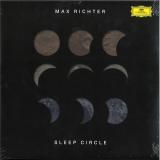









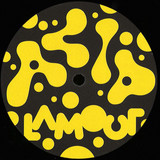


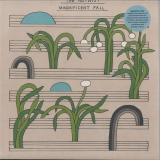





















![Ashtec - Walkin' Target [Produced By Gaudi]](https://www.deejay.de/images/l/2/5/1150225.jpg)