His discography has long been heard through the lens of the American folk tradition. But Just Beyond Endless Mountain, out October 9th on Anti- Records, quietly turns that perspective on its head. After returning to his native Dalarna in central Sweden, Matsson found himself listening to the music he had spent years trying to leave behind: the polskas, the old field recordings and the sounds of the local traditions that had surrounded him since childhood. The result is not a return to the past, but a step into new musical territory. Swedish folk music has reshaped his melodies, his voice, and the way he writes songs. The Tallest Man On Earth is back with his most deeply rooted album to date. Just Beyond Endless Mountain opens an unexpected new chapter in a career that has never settled for familiar ground
The pairing of two fiddles is a familiar sound in many folk traditions, but it has been heard less frequently in English traditional music. Morning of May, a new album from Sam Sweeney and Grace Smith, sets out to discover what happens when two fiddlers meet with this repertoire: taking turns carrying the melody, as the other takes a "seconding" role, weaving harmony and rhythm around the tune, elevating it and subtly reshaping the ground beneath it. Sweeney and Smith immersed themselves in a wide range of manuscripts and tune collections, delving into some of the more obscure sources. Within these archives, they found tunes that felt unexplored and rich with possibility. Some tunes arrived as complete hidden gems. Others required some restoration, their rough edges gently smoothed through the process of playing. Others were tiny fragments, inspiring almost total reimaginings. Alongside these old tunes sit a few original compositions by Sam Sweeney and Grace Smith, written in the same spirit of curiosity and continuity that informs their approach to archive material.
The pairing of two fiddles is a familiar sound in many folk traditions, but it has been heard less frequently in English traditional music. Morning of May, a new album from Sam Sweeney and Grace Smith, sets out to discover what happens when two fiddlers meet with this repertoire: taking turns carrying the melody, as the other takes a "seconding" role, weaving harmony and rhythm around the tune, elevating it and subtly reshaping the ground beneath it. Sweeney and Smith immersed themselves in a wide range of manuscripts and tune collections, delving into some of the more obscure sources. Within these archives, they found tunes that felt unexplored and rich with possibility. Some tunes arrived as complete hidden gems. Others required some restoration, their rough edges gently smoothed through the process of playing. Others were tiny fragments, inspiring almost total reimaginings. Alongside these old tunes sit a few original compositions by Sam Sweeney and Grace Smith, written in the same spirit of curiosity and continuity that informs their approach to archive material.
Their music draws from old folk sources, but it sounds vibrantly alive. On The Holy Coming of the Storm, their debut from 2010, the duo crafts original songwriting and seasoned acoustic musicianship into a timeless blend of old-time, bluegrass, folk and Americana traditions. Now, more than a decade later, these beloved recordings are finally being pressed on vinyl for the very first time in special limited-edition releases. Together, Cahalen and Eli tap the root of the old country and bluegrass duets. As the sparse landscapes of Cahalen's vocals reflect the warm glow of Eli's voice, it's clear that this duo was made to sing together
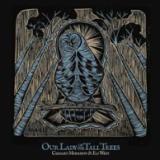
Their music draws from old folk sources, but it sounds vibrantly alive. On Our Lady of the Tall Trees , their sophomore release, the duo builds on the sensitive folk of their debut and shows why they are some of the finest roots songwriting of their generation. Now, more than a decade later, these beloved recordings are finally being pressed on vinyl for the very first time in special limited- edition releases. Together, Cahalen and Eli tap the root of the old country and bluegrass duets. As the sparse landscapes of Cahalen's vocals reflect the warm glow of Eli's voice, it's clear that this duo was made to sing together.
Their music draws from old folk sources, but it sounds vibrantly alive. Produced by Tim O'Brien, I'll Swing My Hammer With Both My Hands is the epic culmination of the duo's original run together. Now, more than a decade later, these beloved recordings are finally being pressed on vinyl for the very first time in special limited- edition releases. Together, Cahalen and Eli tap the root of the old country and bluegrass duets. As the sparse landscapes of Cahalen's vocals reflect the warm glow of Eli's voice, it's clear that this duo was made to sing together
Nearly a decade after relocating to Belgium, Cortese channels the profound shifts of marriage, motherhood, and dual citizenship into a collection that moves fluidly between chamber folk, roots rock, and indie pop. Recorded at Betty's - the rural North Carolina studio opened by Sylvan Esso - and produced by LOLLIES , with sessions centered on Laura Cortese 's voice and fiddle alongside reed instruments from longtime collaborator Matt Douglas (The Mountain Goats, Hiss Golden Messenger), Lucky Water transforms uncertainty and displacement into an affirmation of the relationships and communities that sustain us.
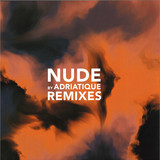
A year after the release of Adriatique’s debut LP, ‘Nude’, Afterlife presents a seven-track remix package to breathe new life into the originals.
The album found Adriatique, the duo of Adrian Shala and Adrian Schweizer, explore a more downtempo, contemplative sound than they were known for. Its profound musicality makes rich source material for a set of dancefloor interpretations, which Tale Of Us have curated together with Adriatique for the label’s 30th release.
First is Tale Of Us and Mathame’s version of ‘Mystery’, where they extend the blissful tones and Jono McCleery’s vocals into a euphoric dancefloor cut. Next Solomun brings some electro flair to the vocoder-led title track, before Kobosil toughens up ‘Tachykardia’ with a warehouse-ready kick drum and twists the serene voice of Delhia De France. Rampa is another new name for Afterlife Recordings; he gives ‘Nude’ a slick, techy overhaul to complete the vinyl release in fine style.
The digital release contains an Agents Of Time epic in their remix of ‘Buchla’s Dreaming’, Johannes Brecht’s shimmering take on ‘Ray Reincarnation’ and a chopped-up remix of Mystery by Isoleé. A diverse, tastefully-executed remix EP which does justice to the quality of Adriatique’s album.
out of Stock
Last delivered 6 years ago available to reorder, subject to availability
Gabriella Cilmi's talents were undeniable from a young age, leading her to sign to Australia's Mushroom Records when she was just 13-years-old. Just a few years later, the breakthrough success of 'Sweet About Me' and her Gold-certified UK Top 10 debut album 'Lessons To Be Learned' took the teenager global. But she discovered that the more success she had, the more she was subjected to countless opinions on what she should do next - an awkward situation for an artist who just wanted to be herself. 'Pure Love' is a record she made having discovered the confidence and freedom to make exactly the kind of album she wants to make: a soulful organic one, on which she could sing from the heart. And it's certainly worth the wait, a triumphant return in which her warm, throaty, unmistakably expressive contralto wraps itself around the deep soul, jazz and classic rock that has always been closest to her heart.
With Elvis Presley wishes you a "Blue Christmas", the Drifters wishing you a "White Christmas", a "Christmas Prayer" by Billy Fury, a "Christmas Present" from Solomon Burke, "Rockin' Around The Christmas Tree" with Brenda Lee, "Twistin' Bells" by Santo & Johnny, and the "Jingle Bell Rock" with Chubby Checker & Bobby Rydell. The Cadillacs sings "Rudolph The Red- Nosed Reindeer" and Chuck Berry "Runs With Rudolph", Frankie Valli & The 4 Seasons "Saw Mommy Kissing Santa Claus", Johnny Cash with his "Little Drummer Boy" and finally David Seville and the Chipmunks with "The Chipmunk Song".
The group's goal was, "Let's go back to melodic tunes, let's be more of a proper rock band," Hozie explains. Sonically, the band aimed for "this late '80's/ early 90's Stone Roses- meets- Janes Addiction thing, with more riffing and guitar solos." Where the band's earlier material took a more explicitly sociopolitical bent, Hozie and Belfilgio's writing on 'All Inside Aquarium' is deliberately more concerned with the personal, poetics, and play. With each single from the album, the band have created a limited edition 7" singles series. Each 7" has a unique colour and individual exclusive artwork that corresponds to a section of the 'All Inside Aquarium' album cover designed by Nikki. BODEGA, passionate defenders of the lost art of curating B- sides, made sure that each disc comes with an exclusive B- side track that's not available digitally, or on the album. Vinyl collectors and BODEGA heads will surely want to catch them all.
Former members of COWARD, an instrumental math rock quartet from Columbia, Missouri, Mikey Wheeler, Nathan Driskill, and Cody Mains began developing new material with former FAMINES bandmate Matt Cole in the summer of 2024. Dense, angular riffs underscore dynamic arrangements. Delicate melodies soften harsh edges. Core themes of death and loss juxtaposed against brief glimpses of acquiescence and hope... The GIFT HORSE sound searches for cracks in the dark where the light can come through. ABSENCE, recorded between June of 2025 and June of 2026, was produced, mixed, and mastered by Ian Dobyns at Element Studios in Kansas City, Kansas and Pachyderm Studios in Cannon Falls, Minnesota.
From the joyful swing of "Santa Claus Is Back In Town" and the evergreen charm of "Blue Christmas" to the peaceful reassurance of gospel favorites like "Peace In The Valley" and "Take My Hand, Precious Lord," this collection showcases Elvis at his most heartfelt and inspiring. Perfect for the holiday season and beyond, this vinyl is a musthave for fans of classic Christmas music and powerful gospel performances.
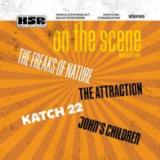
'On The Scene '66 Part One' highlights four of these acts with roots in the previous years and how the music changed: The wild freakbeat sound of THE FREAKS OF NATURE, the heavy R&B 45 from THE ATTRACTION, the pop- pysch from KATCH 22 mixed with the unique sound of JOHN'S CHIDREN pulled together to give a taster of future releases coming with this series.....
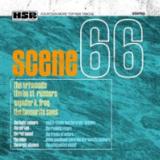
Rhythm & Blues, Club Soul, Hammond Grooves and Pyschedelic Mod - 1966 was a very mixed bag of musical styles! The US influences continued to seep into how records were being made but signs of the burgeoning later UK sound is evident too as 'Scene 66' takes you on a musical journey through a real turning point in how bands wanted to be heard
Much like a teacher, Meryl Streek imparts his knowledge and lived experiences to all who are willing to listen. His third album, ‘Stories They Don’t Teach You At School’, serves as an alternative form of education, delivered through a visceral blend of factual soundbites and raw emotion, loops and samples, guitars and bass. The lyrics resonate with core values of compassion, resilience, and community—themes rarely explored within a classroom setting or seen in today's fragmented society. By prioritising conviction over commercial success, the Dublin artist's outspokenness may invite controversy. Yet beneath the fervor lies a profound desire for positive social change at home in Ireland, and beyond.
Meryl Streek returned to Darkland Studios in Dublin to fine-tune the recordings previously made in a shed at the back of his ma's garden. Here he continued the genre-blurring nature of his earlier work, enticing listeners toward dissonant landscapes and hypnotic rhythms. Gentle piano tones collide with abrasive synths, creating a striking tension between beauty and noise. Streek tempers his rage when appropriate, integrating atmospheric textures and pop sensibilities into his ever-expanding sonic collage.
As is tradition with any Meryl Streek record, ‘Stories They Don’t Teach You At School’ unearths many uncomfortable truths. ‘Rotten Fruit’ examines media manipulation and the numbing proliferation of misinformation, all soundtracked by synth-punk. With gliding keys and a crunchy bassline, ‘Council Estates’ critiques systemic government failures affecting the working class. ‘Kelly’ is a slice of electronica that details an ongoing criminal investigation, currently classified as a “Contested Cause of Death”. The indie pop of 'The Chancer' brings much-needed attention to landlord politicians. As the album progresses, the mission remains absolute: to provide a voice for the voiceless.
To amplify these narratives, Meryl Streek handpicked a diverse group of collaborators for the project. ‘Rotten Fruit’ features Steve Ignorant of anarcho-punk collective CRASS. ‘Depression’ opens with a touching recording of the late Liam Norton, close friend and former touring companion, while Pete Holidai of The Radiators From Space contributes guitars on the song. Comedian Phill Jupitus provides the spoken outro for ‘The Chancer'. ‘Housing For All’ incorporates audio from Derelict Ireland campaigners Frank O’Connor and Jude Sherry. Venn Records owner and Gallows guitarist Laurent ‘Lags’ Barnard joins forces with Adebisi Shank bassist Vinny McCreith on the aggressive ‘Bullet,’ while Sophie Porter of Other Half provides bass guitar for ‘Life is Not a Rehearsal’. The album concludes with a three-minute spoken word piece by Frankie McNamara, the viral creator behind ‘Meditations for the Anxious Mind’.
In her 1990 protest anthem “Black Boys on Mopeds,” the late Sinead O’Connor warned, “To say what you feel is to dig your own grave”. With this release, Meryl Streek firmly holds the shovel.
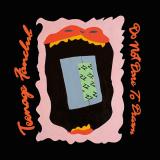
Norman Blake und Raymond McGinley machen seit 37 Jahren gemeinsam Musik bei Teenage Fanclub, und auch wenn manche Aspekte des Bandlebens mit der Zeit einfacher geworden sind, können ihnen die einfachsten Dinge immer noch einen Strich durch die Rechnung machen. Blake sagt dazu: "Es ist schwierig, wenn es darum geht, sich einen Namen für ein Album auszudenken. Vor allem, wenn man schon 12 davon gemacht hat." Der Titel ,Do Not Dare To Dream" leitet sich ab von Blakes ,I Do Not Dare To Dream", einem mitreißenden, hymnischen Song, der von klangvollen Akustikgitarren getragen und am Ende von einem Duell elektrischer Gitarren begleitet wird, die sich wie eine beruhigende Umarmung umeinander schlingen. Blake erklärt, dass der Titel jene Memes verspotten soll, die die Menschen dazu auffordern, zu träumen, was für ihn irgendwie lächerlich ist. "Ich glaube nicht, dass die Welt so funktioniert." Das 13. Album von Teenage Fanclub ist voller Songs, die ruhig und entschlossen sind und eine Bestandsaufnahme des angespannten Zustands der Welt vornehmen, ohne der Verzweiflung zu verfallen. Blakes warme, von Orgelklängen untermalte Midtempo-Ballade ,Day In The Sun" und Raymond McGinleys ,Over And Over" sprechen beide davon, wie jeder einen neuen Sinn im Leben finden kann, indem er sein Herz öffnet. "Wir können immer noch fröhlich und optimistisch sein, auch wenn die Lage nicht gerade rosig ist", sagt McGinley. Blake und McGinley werden auf ,Do Not Dare To Dream" von ihren Bandkollegen Euros Childs (Keyboards und Gesang), Francis Macdonald (Schlagzeug) und David McGowan (Bass) begleitet. Dieses Quintett spielt nun schon so lange zusammen, dass keiner der beiden Hauptsongwriter und Gitarristen von Teenage Fanclub das Bedürfnis verspürt, sich vor dem Gang ins Studio über ihre Songs den Kopf zu zerbrechen oder Arrangements auszuarbeiten. Sie warten lieber auf die Beiträge der übrigen Bandmitglieder. Die Aufnahmen fanden im Black Bay Studio in der Ortschaft Kirkibost auf der schottischen Insel Great Bernera in den Äußeren Hebriden statt. Wie langjährige Fans wahrscheinlich wissen, nimmt Teenage Fanclub jedes Album an einem neuen Ort auf, damit die einzigartige Atmosphäre dieses Ortes die Musik beeinflussen kann. Great Bernera war ihr bislang abgelegenster Aufnahmeort, was der Band half, sich auf die Arbeit zu konzentrieren, sie aber auch in einen Zustand der Ehrfurcht versetzte, da sie von der tosenden See und antiken Ruinen umgeben waren. Das Ergebnis ist eine Sammlung von Liedern, die von der richtigen Perspektive von Musikern durchdrungen ist, die schon eine Weile im Geschäft sind, aufgenommen an einem Ort, der schon noch länger existiert. Wie Blake es ausdrückt: ,Ich glaube, es läuft einfach so ab, dass man von einer Sache zur nächsten übergeht, und ehe man sich versieht, sind 30 Jahre vergangen." McGinley fügt hinzu: ,Ja, es ist schon eine ganze Weile her, seit wir mit dem angefangen haben, was wir tun, aber für uns kommt es uns vor, als wäre überhaupt keine Zeit vergangen. An dem Ort, an dem wir das Album aufgenommen haben, wurde schon vor Tausenden von Jahren gesungen. Das Leben ist kurz, aber die Musik ist ewig."
Official reissue for this long lost 1966 LP, the very first to be endorsed by the Trevor Lucas estate. Pressed on orange vinyl for RSD 2022. Ultra-rare 1966 solo album by singer/songwriter Trevor Lucas of Fairport Convention, Fotheringay, and Election. This Australian born folk legend recorded his own songs and a handful of covers – mostly solo acoustic, occasionally accompanied by bass, concertina, and fiddle. This is the first ever authorized reissue (by his estate), a long lost gem from a seminal songwriter.
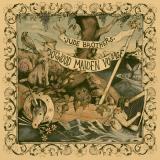
Jude Brothers sails toward a new shore with Dogwood Maiden Voyage. Created in living rooms, recording studios, and train tunnels between Tennessee and Arkansas, it's an adventurous album that's every bit as eclectic as its world-traveling creator. Here, Jude's vision of freethinking folk music — a multicultural sound that truly knows no borders, inspired by a vast array of global folk, sacred music, and pop songs— is given a lush update with string arrangements and vocal harmonies, shining new light on an artist who's always evolving.
Jude's songs are rarely linear. Instead, they explode outward in unexpected directions, exploring left-hand turns and detours before returning to their original paths. Caught halfway between the free-form, the freak-folk, and the finely-crafted, they tell stories about the complicated paths we take toward self-discovery, the push-and-pull between the desire to belong and the perpetual feeling of otherness, and the growth that emerges during times of barrenness. "You can sit with an old southerner on the porch and they’ll be telling you a story, and there are 17 different tangents," Jude says. "That's how I make music. I take all different plot lines and weave them together."
Throughout Dogwood Maiden Voyage, Jude indulges in childlike fantasy as an adult, encouraging fractured pieces of identity to communicate with one another. Much of that fantasy takes place in the woods, surrounded by trees, protected by the natural world that Jude's music so wistfully evokes. There's grief and darkness here, but there's light, too, like a forested landscape that's beginning to embrace spring after a long winter. Dogwood Maiden Voyage makes room for both sides of that divide. It's an album of multitudes — a record for all seasons.
A sought-after collaborator in Chicago’s indie music scene for over a decade, V.V. Lightbody’s third LP is a marvelous showcase of her singular production and arrangement skills, ear-catching melodies, and signature frank lyricism. Period Piece presents a deeply relatable audit of Lightbody’s own anxieties, imperfections, and charming peculiarities as she falls in love, ages, dabbles in divination, and re-evaluates her place in the world.
Notably, Period Piece also marks Lightbody’s debut as a lead producer on her own album – a dazzling and welcome emergence. With layers of perfectly tucked backing vocals, swirling guitars in harmony, chugging bass lines, and romantic, melodic flutes, Lightbody has crafted a playful and pristinely recorded collection of indie-folk songs, veering between 70s Brazilian samba and contemporary electro-pop. Think, Cate Le Bon strolling through an overgrown meadow. Dave Vettraino provided additional production and mixing support, and Lightbody called in a robust team of friends to contribute throughout, including Macie Stewart, Sam Cantor, Emma Hospelhorn, Jack Henry Lickerman, and Cassandra Jenkins.
A sought-after collaborator in Chicago’s indie music scene for over a decade, V.V. Lightbody’s third LP is a marvelous showcase of her singular production and arrangement skills, ear-catching melodies, and signature frank lyricism. Period Piece presents a deeply relatable audit of Lightbody’s own anxieties, imperfections, and charming peculiarities as she falls in love, ages, dabbles in divination, and re-evaluates her place in the world.
Notably, Period Piece also marks Lightbody’s debut as a lead producer on her own album – a dazzling and welcome emergence. With layers of perfectly tucked backing vocals, swirling guitars in harmony, chugging bass lines, and romantic, melodic flutes, Lightbody has crafted a playful and pristinely recorded collection of indie-folk songs, veering between 70s Brazilian samba and contemporary electro-pop. Think, Cate Le Bon strolling through an overgrown meadow. Dave Vettraino provided additional production and mixing support, and Lightbody called in a robust team of friends to contribute throughout, including Macie Stewart, Sam Cantor, Emma Hospelhorn, Jack Henry Lickerman, and Cassandra Jenkins.
Scottish musician Kay Logan (aka Helena Celle) self-released the prescient collection of oddball aleatoric bangers "Copy Music" in 2021, before pulling it from circulation. With the help of London imprint SWIMS, this cult album is now remastered and available on vinyl for the first time, under the new name "Endless Waltz". This will be the final Helena Celle album.
Raised on a diet of industrial queer pioneers Coil and Throbbing Gristle, occultish physics (John Dee, Aleister Crowley) and Frank Zappa, Kay's work has toyed and probed at the fringes of outsider art and technology for over ten years. Her 2016 album "If I Can't Handle Me At My Best..." established Celle's unique sonic language of unrepeatably gnarled techno, coaxed from a bewildering array of disintegrating midi controllers, Markov chains, and whatever else came to hand.
"Endless Waltz" pursues this formula to its bizarre conclusion: 18 fever loops of algorithmically crumpled dance music, pulled through a cheese cloth of obscure '90s computer game palettes and pop froth wordplay. Some of these delirious vignettes evoke a rudimentary AI regurgitating Captain Beefheart scores. Others, as one fan put it, are "sort of like if 'Commercial Album'-era Residents did an album on Rephlex". Enjoy the trip.
Recommended if you like Rezzett, Beau Wanzer, Hype Williams...
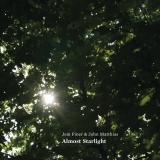
Almost Starlight is the extraordinary new album by Jem Finer (hurdy-gurdy) and John Matthias (violin). Produced by Jay Auborn and recorded in a Medieval Church, deep in the Devon countryside, in the Summer of 2025, the music is suffused with light, heat and the natural acoustics of the space.
The album defies categorisation; forced to pigeon hole it the nearest approximation would be ‘modern-classical’ but this ignores its myriad influences and explorations which encompass inspiration from Arvo Pärt through Terry Riley to Can via Delius, Alice Coltrane and a subtle reimagining of electronic music played purely with acoustic instruments, bending and shaping their possibilities in surprising and unexpected directions.
Jay Auborn plays cello on a number of the compositions and his production opens up and expands the music through a skilled and imaginative use of space, paying homage to the atmosphere of the church; ‘the sound evolved… chasing the imagined acoustics of that church in my mind; a place for worshipping light with sound.’
Almost Starlight will be released on the 4th September by Touch, available as CD, vinyl, cassette and on streaming platforms.
BIOS OF THE ARTISTS
Jem Finer
Since studying computer science in the 1970s, Jem Finer has worked in various fields, including photography, film, experimental and popular music, sound recording, sculpture and installation.
Much of his work relates to systems, extended processes and extremes of scale and includes Longplayer, a musical composition repeating once every 1000 years, and the Gurdy and Hurdy stones, ancient rocks set upright in fields in East Sussex and Gloucestershire with Jimmy Cauty. Their work together includes a band, The Standing Stones, whose most recent release is Twa Sisters, featuring Iona Zajac and Daragh Lynch.
He was a founder member of The Pogues, with whom he has played, written and recorded since 1981.
Recent music revolves around a fascination with the hurdy-gurdy and includes hrdy-grdy, a cassette released by Benedict Drew’s Thanet Tape Centre. His latest collaboration, with John Matthias, Almost Starlight, will be released by Touch in September 2026.
John Matthias
Since studying Theoretical Physics in the late 1980s and 1990s, John has created music and sound in many forms, including for installation, popular music, music for film, for dance and orchestra.
Much of John’s work plays with the physics of complex systems but he is also greatly influenced by stories and song. John has collaborated with Matthew Herbert, Stanley Donwood, Jay Auborn, Radiohead, Thom Yorke, Nick Ryan and many others to create music with a variety of textures and sonorities. He is particularly interested in simplicity and form and how context informs the way music sounds.
His latest collaboration, with Jem Finer, Almost Starlight, will be released by Touch in September 2026.
A1: Esther Abrami / Claudio Capéo / The City of Prague - Coup de foudre - 4:08
A2: Esther Abrami / The City of Prague Philharmonic Or - Envoutée - 2:22
A3: Esther Abrami & The City of Prague Philharmonic Or - Fusion 2:30
A4: Esther Abrami / Jimmy Whoo / The City of Prague Ph - Obsession 3:22
B1: Esther Abrami / The City of Prague Philharmonic Or - Jalousie - 1:59
B2: Esther Abrami / The City of Prague Philharmonic Or - Emprise - 3:40
B3: Esther Abrami / The City of Prague Philharmonic Or - Rupture - 3:16
B4: Esther Abrami & The City of Prague Philharmonic Or - Deuxième Chance - 4:20
B5: Esther Abrami / The City of Prague Philharmonic Or - Libérée - 1:29
C1: Esther Abrami & Marina Viotti & The City of Prague - Romeo & Juliet: Love Theme - 3:20
C2: Esther Abrami / The City of Prague Philharmonic Or - Le Cirque: Désillusion Amoureuse - 1:24
C3: Esther Abrami & The City of Prague Philharmonic Or - All by myself 3:18
C4: Esther Abrami & The City of Prague Philharmonic Or - Carmen, GB 9/WD 31: L'amour est un oiseau rebelle "Habanera" (Arr. for Violin & Orchestra by Esther Abrami & Max Knoth) 3:44
C5: Esther Abrami & The City of Prague Philharmonic Or - Moods, Impressions and Souvenirs, Op. 41/H 311, Book 4, No.14: Lento (Arr. for Violin & Orchestra by Jan-Peter Klöpfel) 2:02
D1: Esther Abrami / The City of Prague Philharmonic Or - Léocadia, FP 106: 1. Les chemins de l'amour (Arr. for Violin & Orchestra by Esther Abrami & Jan-Peter Klöpfel) 2:50
D2: Esther Abrami / The City of Prague Philharmonic Or - Orpheé et Eurydice, Wq. 41; Dance of the Blessed Spirits "Melody" (Arr. for Violin & Orchestra by Jan-Peter Klöpfel) 2:54
D3: Esther Abrami / The City of Prague Philharmonic Or - Chaconne in G Minor (Arr. for Violin & Orchestra by Esther Abrami & Max Knoth) 4:34
D4: Esther Abrami & Ensemble Plein Jeu - Coeur à Coeur - 1:26
"Amour" ist ein bedeutender künstlerischer Meilenstein für die Geigerin und Social-Media-Sensation Esther Abrami. Erstmals stellt sie auf einem Album eine groß angelegte Originalkomposition ins Zentrum. Ihre neun Sätze umfassende Suite für Violine und Orchester ist eine ausdrucksstarke Auseinandersetzung mit der Liebe in all ihren Facetten und fängt das gesamte Spektrum der Emotionen ein - von Zärtlichkeit und Leidenschaft bis hin zu Sehnsucht und Verlust. Über die Suite hinaus versammelt "Amour" eine vielfältige Auswahl ikonischer klassischer Werke rund um das Thema Liebe, die von Esther Abrami neu für Solo-Violine und Orchester arrangiert wurden. Ein besonderes Highlight ist Nino Rotas "Romeo and Juliet: Love Theme", mit der gefeierten Mezzosopranistin Marina Viotti. Ihre Stimme tritt dabei in einen musikalischen Dialog mit Esther Abramis Violine. Das Programm umfasst weiterhin Instrumentalarrangements von Céline Dions "All by Myself" sowie Georges Bizets "Habanera" aus "Carmen", wie auch neue Versionen für Violine und Orchester von Francis Poulencs "Les chemins de l'amour", Christoph Willibald Glucks "Tanz der seligen Geister" aus "Orfeo ed Euridice" und der virtuosen "Chaconne in g-Moll" von Tomaso Antonio Vitali. Auch eine neu arrangierte Version von Charlie Chaplins "Désillusion amoureuse" aus seinem Film "The Circus" ist auf dem Album enthalten. Im Laufe ihrer Karriere hat sich Esther Abrami einen Namen damit gemacht, klassische Musik einem breiten und vielfältigen Publikum vorzustellen. Mit "Amour" verbindet sie erstmals ihre unverwechselbare Stimme als Interpretin mit ihrem Schaffen als Komponistin. Das Album erscheint als CD sowie als Doppel-LP in einer limitierten Ecorecord InkPlosion Version, bei der jede LP individuell gestaltet ist. Die Doppel-LP enthält außerdem 3 Bonus-Tracks, die bisher nur digital erschienen sind.
Der moderne Folk-Klassiker von 2020. Mit Elisabeth lieferte Zach Bryan den Beweis seines einzigartigen Songwriting-Talents. In einer Scheune in Oklahoma aufgenommen, fängt das Album rohe Emotionen, akustische Arrangements und ehrliche Geschichten ein. Es enthält prägende Fan-Hymnen wie „Heading South“ und „Revival“.
DJ Support: Danny Valentino, Michael Gray, David Penn, Purple Disco Machine, Sam Feldt, Don Diablo, Fedde Le Grand, Mark Knight, Husky, DJ Dove, Hutch & more.
Fool’s Paradise’s latest Sampler sees 4 big releases from DJ Fudge, Soul Avengerz, Sparque, Michael Gray, Dr Packer, Danny Kane & Colonel Red.
DJ Support: FISHER, ACRAZE, AFROJACK, Rebuke, ALOK, Mau P, Tchami, MEDUZA, James Hype, Joel Corry, Hot Since 82, Dombresky, Oliver Heldens, OFFAIAH, Danny Howard, MEDUZA, Bob Sinclar, Joel Corry, Groove Armada, Sam Feldt & more.
Toolroom’s next Sampler showcases 4 big releases from Malaa, Zaark, ESSEL, Cristoph, Mark Knight & Wh0.
Im Januar 2025 sprengte Alex Cameron sein Leben in einer kontrollierten Detonation in die Luft, die vom Universum weitgehend ignoriert wurde. Die verkohlten Überreste von Camerons Leben zerfielen in Fragmente und fügten sich zu neun Songs im Stil des Synthetic Rock zusammen, die die tiefe Verwirrung und die Reue seiner Welt beschreiben.
Er findet weiterhin Teile seines eigenen Spiegelbilds in den zerrissenen Charakteren, die er erschafft und verkörpert. Der versprochene Messias. Agamemnons Kriegslust. Mel Gibsons Lösegeldforderung. Das kriegsbefürwortende Schicksal der Menschheit. Eine Trennung im Kalten Krieg. Dies sind Lieder des Protests gegen das Leben selbst. Dies ist die Welt, die unsere Väter fürchteten, und hier ist ihr Soundtrack.
Cameron Winter kündigt sein erstes Live-Album "Live at Carnegie Hall" an. Das Album dokumentiert Winters historischen Auftritt im Dezember 2025, bei dem er als einer der jüngsten Solokünstler überhaupt als Headliner im Hauptsaal der legendären Konzerthalle auftrat. Ganz allein, über sein Klavier gebeugt und mit dem Rücken zu einem ehrfürchtigen, ausverkauften Publikum, interpretierte der Frontmann der Band "Geese" Songs aus seinem gefeierten Debütalbum "Heavy Metal" neu. Ein Album, das von GQ in ihrem ausführlichen Bericht über diesen Abend in der Carnegie Hall als "eine der kühnsten und selbstbewusstesten Singer-Songwriter-Platten dieses Jahrhunderts bisher, ein Fiebertraum voller Gefühle von jemandem, der die Regeln gut genug verstand, um zu wissen, dass sie ihm kaum etwas bedeuteten" beschrieben wurde.
Auf dieser berühmten Bühne präsentierte er zudem drei bisher unveröffentlichte Kompositionen, von denen jede einen Einblick in seinen Fundus an Material bot. Die gesamte Darbietung war von einem unbestreitbaren Gefühl der Einmaligkeit geprägt, das die Bedeutung des Augenblicks einfing: Zeuge zu sein, wie ein Künstler, wie er nur einmal in einer Generation vorkommt, die Bühne eines der ehrwürdigsten Veranstaltungsorte der amerikanischen Musikszene beherrscht.
»Moondram Sevi«, ein Album, das vertraut und gleichzeitig aufregend anders klingt: Dub und Disco-Diaspora treffen auf Kollywood-Soundtracks, Balearic-Sound, Neo-Library-Music, Psychedelic, Prog und krautige Grooves. Sahana Naresh singt auf drei Songs, darunter »Pambu Mookan Uncle« und »Sa Re Ga Ma Pa«. In all seiner kaleidoskopischen Bildkraft und rauschhaften Fabulierfreudigkeit hat »Moondram Sevi« etwas Cineastisches – und auch das für Keshavara typische babylonische Sprachgewirr aus Deutsch, English, Tamil & Gibberish regiert wieder.
Bei Keshavara versteht sich die Sprache als Musik, während die Musik sich als Sprache versteht. Und mag diese Musik auch noch so filmisch daherkommen, so bleibt sie doch immer tanzbar: »Moondram Sevi« (Tamil für »das dritte Ohr«) ist Kopfkino für die Füße.
CODE, das kommerziell erfolgreichste Album der elektronischen Pioniere Cabaret Voltaire aus Sheffield, ist endlich wieder erhältlich – nach jahrelanger Vergriffenheit.
Das ursprünglich 1987 veröffentlichte achte Studioalbum der Band wurde von den Originalbändern durch Denis Blackham neu remastert, der seit über 20 Jahren sämtliche Alben von Cabaret Voltaire gemastert oder remastert hat. Die Neuauflage erscheint bei Mute und präsentiert das originale Artwork in restaurierter Form.
Gemeinsam produziert mit Dub-Ikone Adrian Sherwood, markiert CODE einen mutigen Schritt in Richtung Synth-Pop und mechanischem Funk. Es war das letzte Album von Cabaret Voltaire, das mit einem großen Produktionsbudget entstand und dabei dennoch kompromisslos glaubwürdig blieb. Mit den Singles „Don't Argue“ und „Here to Go“, die beide Charterfolge feierten, zählt es zu den Höhepunkten im Schaffen der Band.
Der Albumtitel verweist auf ein Thema, das damals von großer Aktualität war und heute relevanter denn je erscheint: die zunehmende Durchdringung des menschlichen Lebens durch Technologie, Computer und Programmierung. Für Cabaret Voltaire stand CODE dabei sinnbildlich für Kontrolle – nicht nur im kreativen Prozess des Musikmachens, sondern auch im Hinblick auf gesellschaftliche und wirtschaftliche Machtstrukturen vor dem Hintergrund einer Ära des Überflusses.
Aufgenommen wurde das Album im bandeigenen Western Works Studio in Sheffield. Adrian Sherwood war bereits in der Vorproduktion beteiligt, bevor die Aufnahmen für den Mix in die Red Bus Studios nach London verlegt wurden. CODE dokumentiert eine Band auf dem Höhepunkt ihrer kreativen und kommerziellen Schaffenskraft.
Diese Wiederveröffentlichung wurde 2019 gemeinsam mit Richard H. Kirk begonnen. Nach seinem viel zu frühen Tod wurde das Projekt anhand seiner Notizen und in enger Abstimmung mit Stephen Malinder sowie dem Nachlass von Richard H. Kirk vollendet – eine würdige Hommage an sein außergewöhnliches Vermächtnis.
Format: LIMITIERTE AUFLAGE AUF CODIFIED MARBLE VINYL. Inklusive 2-seitigem Einleger mit neuen Linernotes.
Nach „Révisé“ kehrt The Offline mit „Les derniers jours de juin / Marées“ zurück – einer neuen, limitierten 7"-Vinyl, inspiriert von einer Reise nach Biarritz an der französischen Baskenküste. Der Hamburger Produzent Felix Müller verbindet auf zwei neuen Stücken Cinematic Soul, Vintage-Library-Musik und moderne Instrumentals mit psychedelischen Surf-Gitarren, tiefen Grooves und nostalgischen Melodien. Mit weltweit über 3.000 verkauften Exemplaren von „La couleur de la mer“ und mehreren ausverkauften Vinyl-Veröffentlichungen hat sich The Offline bereits erfolgreich im internationalen Markt etabliert. Die limitierte 7" führt seinen charakteristischen warmen Analog-Sound konsequent weiter.
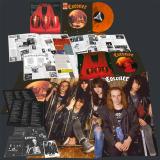
Der Schlüsselsong auf »R.I.P.« nannte sich „Reborn Through Hate“ (mit Gastgesang von Tom Fischer), eine Nummer, die die Band bis heute regelmäßig live spielt. Außerdem tauchte „Spiral Dream“ vom »Death Cult«-Demo wieder auf, diesmal gesungen von Ron. Im Februar 2026 von Patrick W. Engel bei TEMPLE OF DISHARMONY remastert und restauriert.
1986 veröffentlichten Bassist Ron Royce (Ron Broder), Gitarrist Tommy T. Baron (Tommy Vetterli) und Schlagzeuger Marquis Marky (Markus Edelmann) ihr erstes Demotape »Death Cult« mit Hilfe von Celtic Frosts Tom Gabriel Fischer am Gesang (Fischer war auch für die Texte verantwortlich).
Kurz darauf, Anfang 1987, unterschrieben Zürichs Avantgarde-Metal-Pioniere einen Vertrag mit Noise Records aus Berlin. Zu diesem Zeitpunkt hatte sich Bassist Ron Royce entschieden, selbst die Rolle des Leadsängers von Coroner zu übernehmen.
Schließlich buchte Karl-Ulrich Walterbach von Noise Records für Coroner Studiozeit im Berliner Music Lab Studio, damit sie ihr Debütalbum unter den wachsamen Augen von Harris Johns aufnehmen konnten. »R.I.P.« wurde im Juni 1987 veröffentlicht und erhielt ausgesprochen positives Feedback in der Presse.
1988 folgte auf Coroners Debütalbum »Punishment For Decadence« (diesmal produziert im Sky Trak Studio in Berlin, produziert von Guy Bidmead). Laut Gitarrist Tommy Vetterli war das eine natürliche Weiterentwicklung für die Band: „Wir haben uns mehr auf die Tiefe der Musik konzentriert, es war nicht mehr nur eine Demonstration unserer technischen Fähigkeiten. Die Band war ziemlich tight, definitiv tighter als auf unserem ersten Album. Insgesamt denke ich, dass die Platte etwas reifer ist. Es ging weniger darum zu zeigen: ‚Schaut her, wie gut wir spielen können‘, sondern der Fokus lag auf den Songs.“
Der herausragende Track auf dem Album ist „Masked Jackal“, ein Fanliebling bis zum heutigen Tage. Außerdem wurde ein Musikvideo zu dem Song gedreht, wie der Gitarrist erklärt: „Es ist das Stück, das auf dem Album heraussticht. MTV war damals für jede Band extrem wichtig. Deshalb ist ‚Masked Jackal‘ bis heute ein Favorit der Fans.“
»Punishment For Decadence« kam mit einem auffälligen Cover-Artwork daher (ein Gemälde mit dem Titel „Porte de L'enfer“), eine Idee von Schlagzeuger Marky: „Er kletterte mitten in der Nacht eine Leiter hinauf und fotografierte hier in Zürich das Artwork von Rodin. Das Plattenlabel fand jedoch, dass dieses Cover nicht ‚Heavy Metal‘ genug sei, also veröffentlichten sie für die zweite Pressung ein anderes Cover mit diesem Skelett, das Geige spielt. Jenes Motiv war eigentlich nur als T-Shirt-Design gedacht.“
Laut Tommy lief das Album in Sachen Verkaufszahlen ordentlich: „Anscheinend müssen die Verkaufszahlen befriedigend gewesen sein; sonst hätten wir wahrscheinlich nicht weitermachen können. Wir haben nicht viel Geld mit Coroner verdient, aber das Ganze hat viel Spaß gemacht. Wir konnten überleben und das tun, was wir lieben. Die Presse und andere Musiker mochten uns, aber wir erreichten niemals die breite Masse.“
Im Februar 2026 von Patrick W. Engel bei TEMPLE OF DISHARMONY remastert und restauriert. Die Schneidearbeiten wurden von SST Germany auf Neumann-Geräten durchgeführt, um in jeder Hinsicht optimale Qualität zu gewährleisten. Die ultimative audiophile Ausgabe dieses zeitlosen Klassikers!
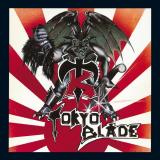
Die Wurzeln der NWOBHM-Legende Tokyo Blade gehen zurück bis in die frühen achtziger Jahre, als die Schulfreunde Andy Boulton (Gitarre), Andy Robbins (Bass) und Steve Pierce (Schlagzeug) in Wiltshire unter dem ursprünglichen Namen White Diamond starteten. Irgendwann tat man sich mit Sänger Alan Marsh zusammen und machte zuerst als Killer und dann als Genghis Khan weiter. Die Doppel-Single »Double Dealin’« erschien 1982 und sicherte Tokyo Blade einen Plattenvertrag beim neu gegründeten Label Powerstation Records. Im November 1983 stand schließlich das Debütalbum in den Läden.
Gründungsmitglied und Gitarrist Andy Boulton erläutert: “Die Platte wurde im Wickham Studio in Ost-London aufgenommen. Wir hatten lediglich vier Tage zur Verfügung und es war ein Albtraum. Immer wenn wir fertig waren, fielen wir todmüde um und schliefen sofort auf dem Studioboden ein. Und am nächsten Tag ging alles wieder von vorne los.“
Es wundert demnach kaum, dass Andy die Atmosphäre im Studio als angespannt bezeichnet: “Wir dachten, uns würden wenigstens zwei Wochen zur Verfügung stehen, aber am Ende mussten wir alles mehr oder weniger live aufnehmen. Im Grunde genommen haben wir die Songs für das Album ausgewählt, die uns am besten gefallen haben zu diesem Zeitpunkt.”
Während die Pressereaktionen im Vereinigten Königreich, speziell beim Kerrang!, nicht überwältigend waren, wurden Tokyo Blade in Kontinentaleuropa von Magazinen wie dem Aardschok (Niederlande) und Rock Hard (Deutschland) bereits als die neuen Iron Maiden gefeiert.
Diese erweiterte Re-Issue des ersten Albums von Tokyo Blade kommt mit einer Fülle von Bonus-Material: als da wären die vier Songs der »Midnight Rendezvous«-EP, nämlich “If Heaven Is Hell”, “Highway Passion”, “Midnight Rendezvous” und “Mean Streak”, sowie “Powergame” und ”Death On Main Street” von der »Powergame« 7”, plus ein Stück namens “Machine Run”, das 1982 auf der Ebony-Compilation »Metal Maniaxe« unter dem Bandnamen Madame Guillotine erschienen ist und in Hull aufgenommen wurde.
Transfer, Audio-Restaurierung und Mastering durch Patrick W. Engel bei TEMPLE OF DISHARMONY im Februar 2021 / Januar 2026. Cutting durch SST Germany auf Neumann-Geräten für optimale Qualität auf allen Ebenen. Die ultimative audiophile Ausgabe dieses zeitlosen NWOBHM-Klassikers!
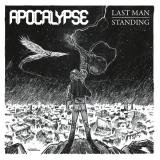
Die Londoner Band Apocalypse sollte kaum einer Einführung bedürfen. Sie erlangten unter Fans der New Wave Of British Heavy Metal durch ihre Single »Storm Child« von 1982 Ruhm, der drei Jahre später das vielbeachtete Album »The Prophet« folgen sollte, obwohl die Band zu diesem Zeitpunkt bereits eine Namensänderung durchlaufen hatte und nun als Omega bekannt war.
Spulen wir über vierzig Jahre vor. Apocalypse sind mit einem neuen Album zurück, »Last Man Standing«. Das aktuelle Werk knüpft nahtlos an »Abandon Hope an«, das 2010 von High Roller Records veröffentlicht wurde. Mittlerweile hat Gitarrist und Sänger Steve Grainger, der nach dem Tod sowohl seines Bruders Marc (ehemaliger Schlagzeuger der Band) und des Bassisten Dave Robertson tatsächlich als „letzter Mann übriggeblieben ist“, die Gruppe in Apocalypse NWOBHM umbenannt.
»Last Man Standing« kombiniert neues Material, das Steve geschrieben hat, mit älteren Songs, die in ihrer ursprünglichen Form aus der Vorgängerband Phaze stammen (die er und sein Bruder betrieben). Die Atmosphäre und der Drive von Apocalypse sind geblieben. Mit Beiträgen von Marc und Dave sowie textlichen Anspielungen auf einige frühere Stücke der Band ist »Last Man Standing« der neueste Teil der Apocalypse-Saga und in dieser Form definitiv eine würdige Ergänzung des Bandkatalogs.
HRR 1084LP, Einband aus schwerem Karton (425 gsm), 4-seitiges Booklet. Erste Auflage limitiert auf 500 Stück.
DIGITiSE knüpft dort an, wo HAAis Album HUMANiSE aus dem Jahr 2025 aufgehört hat, und versetzt uns direkt auf die Tanzfläche. Die zehn Tracks bewegen sich klanglich über verschiedene Genres und Stilrichtungen hinweg und sind von HAAis legendären All-Night-Long-DJ-Sets inspiriert.
Mit DIGITiSE setzt HAAi ihre Auseinandersetzung mit der Frage fort, was es bedeutet, in einer zunehmend digitalen Welt Mensch zu sein. Das Album beleuchtet das rasante Tempo von KI und technologischer Entwicklung, die Spaltungen, die dadurch entstehen, sowie die Belastungen, die damit einhergehen. Gleichzeitig bietet es ein Gegenmittel: Gemeinschaft. Menschen in einem Raum oder auf einer Tanzfläche zusammenzubringen, ein Gefühl von Zusammenhalt und Zugehörigkeit zu schaffen – dafür steht HAAi seit jeher mit voller Überzeugung. DIGITiSE öffnet sich diesem Geist vollkommen.
Für das Album arbeitet die in London lebende, australischstämmige Produzentin, Songwriterin und DJ mit neuen Kollaborateur:innen wie Echonomist, Skybreak und Cantoalegre (einem Kinderchor aus Medellín, Kolumbien) zusammen. Darüber hinaus sind auch Künstler:innen vertreten, mit denen HAAi bereits zuvor gearbeitet hat, darunter Pat Alvarez, ILA, James Messiah und Kaiden Ford.
DIGITiSE nimmt HUMANiSE an die Hand und führt es direkt in den Club.