
Suche:future materials
- 1

- A1: Astras Theme
- A2: Clearly Packing
- A3: Inspire (Draft)
- A4: Celebrate Some Time
- B1: Just One Bump
- B2: Inspire (Afterthought)
- B3: Whos The Kid ?
- B4: Radicalise
- B5: Living In The Future
- C1: Shine Your Light
- C2: Cyberfunk
- C3: Inspire (Deluxe)
- C4: Lifestyles Of The Hip And The Crazy
- C5: Radicalise (Urself)
- D1: Wavy
- D2: Baby Its U
- D3: Sylvester
- D4: Midas Touch
18
At the heart of this double album, and amid the intense internal struggle between creative instinct an artistic reasoning, Ziggy has identified two key themes: Inspire and Radicalise. It is within this duality that the 15 tracks of this new work, recorded between Berlin and London throughout January 2024, take shape. Throughout its creation, the crew enlisted a familiar pallet of materials, seeking those obscure and vintage music-making machines, meeting a myriad of percussion and drums with the new addition of electric guitar as the band ventures into disco / highlife inspired territories. bring this ambitious project to life, Ziggy enlisted a team of forward thinking musicians across Europe and the UK alongside old friends and collaborators from the grassroots in Melbourne, Australia: Lewis Moody (Energy Exchange Records), Szabolcs Bognar (Abase), Eric Owusu (Jemba Groove), and Tom Varrall (Jamie Cullum) form the core rhythm section alongside a hefty list of guest appearances (from the likes of Oscar Jerome & Tom Driessler) making this truly the most ambitious and diverse incarnation of ZFEX to date.

8
Vinkepeezer’s third album is a meditation in sound, inspired by the merging of spirituality and conspiracy theories. Guided meditations, esoteric voices and a plethora of samples from the most paranoid corners of the internet are combined with organ sounds and electronic pop music.
Plunging his listeners in apparent chaos, Dutch artist Vinkepeezer (Ivo Bol) leads you through a wild and varied soundscape with many unexpected turns. Vinkepeezer reworks found sounds, old and new electronics, and excess sounds from vinyl records and tapes into a new musical future, that can be as soothing as it is funny, chaotic and devastating. Everything is a frequency includes guest appearances of Raphael Vanoli, Ties Mellema, Udo Moll, Tom Aldrich, Jayne Bordeaux and Esther Mugambi.
The 180 grams Green Vinyl ® LP is made in an energy efficient way from less toxic materials. Sounds just as amazing. Cover art is by Ben Giles.

After the first Freedom Dance release “Earth on Faya/Is This The Future” already sold-out, we are glad to present the new Gigi Testa tracks taken from his unreleased materials and produced during this pandemic period.
Atlantis on A side is a raw house track created with only two elements: one drum machine and one synthesizer, this composition will take you deep exploring the underwater world;
Agua Fluida on B side is a bouncing gem including myriad of melodic
elements drums and sound efx creating a fluid percussive flow.
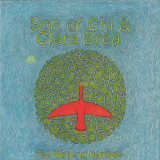
Son of Chi returns to Astral Industries, alongside Spanish artist Clara Brea, for the collaborative release of AI-29. A product of fate, chance experiments, but most of all, sensitive artistry - ’The Wetland Remixes’ exists as a confluence of two kindred musical spirits, a wayfaring epic that draws together a rich archive of ecological field recordings, live instrumentation and higher inspirations.
Ahead of Hanyo’s concert at Calma (Madrid) at the end of 2019, the curators organised a special dinner and arranged the meeting of Clara and Hanyo. As Hanyo recalls,“It was like stereochemistry. There was an instant match and understanding, and basically we decided in a split second to exchange recordings and to collaborate on future live and studio experiments.”
The auspicious meeting of the two ignited a remote exchange of materials and ideas, as the world descended into a series of pandemic-related lockdowns. The first of said recordings included the stems of Clara’s ‘Wetland Project’ - a site-specific audiovisual project originally produced for Eufonic Festival (Spain), using field recordings from the Ebro Delta nature reserve (one of the most threatened regions of climate change on the Iberian peninsula).
From this initial impetus, Hanyo began working on the first sketches of the album back in Rotterdam, Netherlands. Just like their meeting in Madrid, the project developed naturally and spontaneously with extraordinary ease. Later, Hanyo started adding field recordings from the Magic Cave and Wetlands of the ‘Kallikatsou’ (Patmos, Greece) as well as organic and acoustic overdubs, featuring bass, drums, percussion, guitars, oud, piano, hammond organ, wurlitzer, flutes, bells, and mouth harp.
In the distance, the sound of birds peak through the effervescent wash of the wetland soundscapes. The pass of running water flows deeper into a land full of secrets never told. On the strike of dusk, the silhouettes of shapely trunks and foliage melt slowly into the impenetrable darkness. As darkness passes, light emerges, with exquisite moments of tranquility that seemingly emerge from nothingness.
Beneath the shimmering veneer of textures, wildlife and melodies, one may hear the deeper references of ’The Wetland Remixes’. With credit to Clara’s input, for Hanyo the album process became a kind of refuge, and ultimately inspired the return to the core of Abstract Sound - what the Sufis call“Saut-i Sarmad.”Such references allude to the spiritual quality embedded in the music - the autonomous process of self-expression, the great mystery. Hanyo: “An ambience like this cannot be created by routine. There is no blueprint. The music has to find you. It’s like a blessing if it happens. You should not interfere, just observe and be impressed...”
Deep, luscious mind trips as per the classic Chi sound, ‘The Wetland Remixes’ beautifully correlates the interconnecting dots of geography, ecology, and mythology’s forgotten lore.
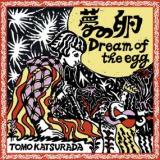
Solid Red Vinyl Edition - 10@ Mini album. Originally release in 2025 in a painfully limited 2x7" + Book edition.
"Dream of the Egg" is the debut solo album by Tomo Katsurada, known for his work with the Japanese psychedelic band Kikagaku Moyo. This project is a unique fusion of music and visual art, inspired by the Japanese 1920s children's book “Yume No Tamago (Dream of the Egg)”. It reveals a deeply personal journey, reflecting Tomo's dreams and the numerous rebirths experienced in 2024—a year marked by profound new beginnings in every facet of his life.
This mini album was driven by a passion for raw and immediate expression. Every song was crafted and recorded with only the materials available to him at the time, embracing an organic and handmade atmosphere. By eschewing rhythm clicks and standard instrumental tunings, a spontaneous sound emerged, capturing the essence of both uncertainty and immediacy. Adding to this distinctive sonic landscape, guest musician Jonny Nash (UK) contributed ethereal guitar sounds on the first and final tracks, enriching the record's dream-like quality.
The journey begins with the opening track, "Moshimo," which means "If..." in Japanese. Here, Jonny's guitar weaves seamlessly with the vocal melody, creating a harmonious dialogue. The first half of the album concludes with "Zen Bungalow" a cover of Gabriel Yared's “Bungalow Zen” from the soundtrack of the film “Betty Blue 37°2 Le Matin”. This particular track is his partner’s favourite song to listen to every morning and left a profound impression on him. One day, he heard a song in his dream that combined both of these tracks and loved how they blended together. This experience inspired him to create a new arrangement, "Zen Bungalow," which has become a central piece of the “Dream of the Egg” album.
The third track serves as an interlude, printed on a flexi disk attached to the middle of a picture book. This interlude transitions the listener into"Inner Garden," a bittersweet folk song that explores themes of love. The EP's narrative spans 20 minutes, culminating in the final title track “Dream of the Egg”. This piece features a delicate session between Tomo & Jonny, combining cello and guitar to create a spectrum of tones that evoke the imagery of a rainbow. The focus on smooth dynamics and meticulous play reflects an intent to convey a sense of physical trembling. This track sounds like the beginning of a new dream; as if the egg of one’s dream is about to hatch, bringing a sense of anticipation and wonder to the listener. Throughout the album, a variety of instruments come into play, drifting between notes and embracing the beauty of imperfection. By incorporating free-form sounds in a highly technological age, the record aims to reconnect listeners with the tangible, human-made quality of sound.
Special Thanks
Jonny Nash – Guitar
6
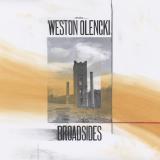
'In 2023, sound artist and composer Weston Olencki toured across the American South. Beginning in their hometown in South Carolina, they snaked a circuitous path from the mountains of West Virginia to the banks of the Mississippi River. As the miles accumulated, so did the initial seeds of new work.
'Instruments and artifacts they acquired hitched a ride in the backseat, while songs and sounds filled their portable recorder: water in its various states, the familiar insectoid buzz of those summer nights, trains cutting through the landscape, the traditional music that lived alongside the communities that kept it. Olencki took it all in, and over time, found ways that these experiences coalesced into a bramble-like perspective of time, where past, present, and future intersect in ways both barbed and beautiful.
'Broadsides, Olencki’s newest solo full-length is the multilayered result of this journey. The album follows their landmark release Old Time Music from 2022, which presented radical interpretations of traditional tunes from Appalachia and throughout the South alongside original compositions that drew significantly on archival recordings. On Broadsides, Olencki rejects delineations between the unmoored avant-garde and the rootedness of one’s cultural heritage, revealing their porous and intertwined nature. “My mother was a quilter. Her mother before that,” they write in the album’s liner notes. “Quilting, like music, is a practice of embedding knowledge and remembrance into the very core of the thing you are making. It’s not just about the materials, but how they’re reassembled, recontextualized, stitched, woven to form new patterns - the minutiae of craft holding significance to those looking to find it. Stories woven from stories, never told the same way twice.”
'Like all great road trips, Broadsides unfolds slowly and continuously, with moments of dramatic reverie punctuating the endless melt of highway in the rearview. We’re immediately confronted by the uncanniness of revisiting old haunts, as Southern storms break through the initial churn of the freight locomotives of Alabama. Olencki’s interpretation of the bluegrass standard “Foggy Mountain Breakdown” captures the euphoria of melancholy in motion. The permutational plucks of banjo are bounced around the frame by a computer, its pitches determined within algorithmic sequences and transcriptions of classic three-finger licks. The tonalities of old-time are smeared and stretched until all that’s audible is the insistence that Heaven might be real.
'In the album’s second half, “Omie Wise,” a murder ballad made famous by Doc Watson, follows an interlude recorded on the river in North Carolina in which the titular character’s body was laid. Ghostly echoes of a dozen other renditions float through the substrata as Tongue Depressor’s Henry Birdsey accompanies them on the pedal steel guitar. The album’s central composition, “all my father’s clocks,” is a profound meditation on entropy and impermanence. The sound of their father’s extensive clock collection ticks away as Olencki pulls a bow across the length of an autoharp sourced from a rural strip mall. The instrument was left as detuned as it was found, the resonance of its deep bass drone and clanging high-end the result of years of neglect and the warping effects of Southern humidity.
'Historically, broadsides were an early form of broadcasting, an often- musicalized telling of current news pasted in the public square. The name was later taken up by Sis Cunningham and Gordon Friesen in the 1960s, whose Broadside magazine published songs and social commentary when American folk music resurfaced as an urgent way of communicating the multifaceted politics of its time.
'Olencki borrows the phrase to recall both this old form of songmaking and that later prominent reexamination of traditional music’s role in modern life, but also to draw attention to the fragmented and machine- mediated way heritage is diffused in this very different, but no less pivotal, moment.
'As a sanitized past is used as justification for current violence and domination, we can turn to these artifacts to better understand the history of ourselves, but only if they are consciously pushed to evolve. Broadsides represents one personal, striking vision of what far-flung futurisms could be respun from = these high, lonesome sounds: a reflection of the unbridled joy and deep sorrow inherent to living together through time, and a desire to push further into the untold and unknown.'

4
Repress
The legendary partnership of NYC's Disco godfather Tom Moulton and Philadelphia International Records has long been documented.
A truly explosive collaboration that yielded endless classic tracks for dancers and deep listeners alike, Moulton seemed to be totally in tune with the labels output and the direction it should go in. Luckily we've been enjoying the fruits of this labour for the last 30+ years with a lot of these PIR classics becoming ingrained in the psyche of the modern day music fan as the building blocks of House music.
The names alone hark to the legendary voices of the era, major stars including The O'Jays, The Futures, Jean Carne & The Jones Girls all feature with classic after classic getting the TJM treatment. Moulton's supreme ear on this special PIR reissue 2 x 12" see's some all-time classics from the aforementioned artists in their full, unabridged, unedited Disco glory. The selections on this EP are absolutely top-shelf, flawless in fact. One could argue that these are the 'definitive' versions of these anthems. Pure Disco gold essentials. Anyone with even a passing interest in Disco will most certainly need this record in their possession, the 2012 pressing of this EP is super in demand among those in the know and it can change hands for £100+ second hand, so a repress was desperately needed.
These tracks are fully licensed and reissued in conjunction with Tom Moulton and PIR and all relevant rights holders. Remastered from original source materials to the highest spec and pressed onto top quality vinyl, courtesy of Above Board distribution for 2019.

Acclaimed Scottish composer Craig Armstrong releases his new work Pacific via his own label CMA Records. Written for piano, cello, and electronics, the three-movement piece was originally commissioned in December 2024 by Christian Kellersman, a pioneering figure in contemporary classical and jazz music, for his new live event series Berlin Confidential, co-curated with Alexander Szlovák. The series aims to promote innovative new music projects, with a particular focus on emerging musicians and composers.
Armstrong was among the first artists invited to perform as part of Berlin Confidential, premiering Pacific at Berlin’s historic Meistersaal concert hall in March 2025. The concert featured Armstrong on piano alongside cellist Lena Angelina von Almen and producer and musician Guy Sternberg, combining acoustic instruments with live electro-acoustic treatments to create a rich and atmospheric sound world.
Recorded in May 2025 at Lowswing Studios in Kreuzberg, Pacific continues Armstrong’s ongoing exploration of blending acoustic and electronic sound in a natural, seamless way. Over several days in the studio, Armstrong, von Almen and Sternberg developed the work’s intricate textures and dynamic interplay, resulting in a recording that captures both the intimacy and expansiveness of the original live performance.
Speaking about the inspiration behind the piece, Armstrong says: “I wrote this work during a time of great instability in the world, I wrote “Pacific” as an Elegy dedicated to the many suffering in today’s conflicts and in the hope that peace will prevail.”
Across its three movements, Pacific 1 is elegiac in nature, with the main themes stated and developed throughout the piece, punctuated by recurring piano motifs. The movement is reflective and atmospheric, with subtle electronic interventions. The second movement is arrhythmic in nature, following shifting time signatures that reflect a sense of uncertainty - the music is searching and static, ending without resolution but leaving hope for one to come. Pacific 3 moves towards peace and resolution, bringing the work to a close with quiet strength and emotional release.
When speaking about the creative process and his collaborators, Armstrong said: “Lena’s beautiful playing , tone and expression worked so beautifully on Pacific, Lena was also a great collaborator and was always willing to experiment and try new musical approaches. Lena is such a natural musician and she brought so much emotion and beauty to the piece. I wish her all the best in her future musical journey.”
He continues: Guy is a unique combination of being a brilliant engineer and mixer and a prolific very talented musician/composer. I was very fortunate to spend time with Guy in his studio in Berlin. His sensitivity to the project and his electronic programming made a wonderful contribution to the composition. His collaboration and friendship made the days working in Berlin such a great experience I would like to thank Emma Ford for her dedication, enthusiasm and guidance on Pacific”
For both von Almen and Sternberg, the collaboration was equally meaningful. Von Almen reflects on the experience of recording the piece, saying: “As a musician, it is always a great privilege to work on a piece together with the composer, and of course I felt even luckier to go through the process of creating something new with an artist like Craig Armstrong. Figuratively speaking, it felt like knitting a silk scarf: using the finest materials and taking the utmost care during the recording, we have realised another beautiful and touching work by Craig, which will bring us and certainly many others great joy. I feel very honoured to have been part of this and to have experienced this warm encounter.”
Sternberg adds: “Diving into Armstrong’s music while working on this record felt like examining a diamond under a microscope, discovering endless beauty within simplicity. Perfection and complexity emerging from simplicity, where every note, tone, noise, and gesture has meaning. I’m deeply grateful to have been part of this process, and for the freedom Craig gave me to express myself through his music, to let our sonic visions merge into one. It’s been both a lesson in music-making and in setting the ego aside, if only for a moment.”
Reflecting Armstrong’s belief in the role of music as a force for empathy and reflection, proceeds from Pacific will be donated to charities working towards peace: Médecins Sans Frontières and the Red Cross.
The limited-edition vinyl release has been pressed on Eco Vinyl at SeaBass Vinyl, a sustainable plant near Edinburgh. The record features striking cover art by Dirk Rudolph, who has designed several of Armstrong’s previous releases.

- The Sink Thank You
- Beers With My Name On Them
- Why I Bought The House
- Travel Safe
- Cobalt Room: Good Work / Silver Saab
- Voice Memo
- Like Another Planet Instrumental
- Country Girls
- Falls
On the cover of 8 Tips for Full Catastrophe Living, the new album by Asher White, The Statue of Liberty is in pieces but not destroyed - in progress, being built, not yet complete. Her torch is on the ground, her head somewhere out of frame. Before she was a symbol, she was metal, and living, sweating people riveted her together. The spirit of de/construction characterizes 8 Tips, White's 16th LP overall and first since signing to Joyful Noise. Like White's previous albums, 8 Tips for Full Catastrophe Living darts boldly among varied musical styles. Doom metal splits open into bossa nova; psychedelic rock and power pop flip into industrial techno. Each song emerges from its composite parts in the studio: White doesn't draft or demo before recording, but builds out her pieces sculpturally, sound by sound. "It's forever collage, forever assemblage," she says of her music. "To me, it has more to do with J Dilla, L.A. beat, and musique concrète than pop songwriting." The record's quick turns and vivid contrasts reflect White's cultural voraciousness. A writer, painter, and sculptor as well as a musician, she gathers materials constantly, always digging for new ideas in every possible form. The films of Claire Denis, the novels of Clarice Lispector, and the memoirs of Eve Babitz all funnel into White's reflection of 21st century disaster capitalism. 8 Tips is also White's first album to have been mixed outside her Providence studio; after recording it herself, she brought tracks to Seth Manchester (Lightning Bolt, Battles, The Body) who gave the album its brawny, unruly charge. "I was interested in making something that serves dually as a self-help book and a chronicle of self-destruction," says White. Overlaying autobiography onto character vignettes, 8 Tips for Full Catastrophe Living wrenches open the idea of apocalypse - an abrupt disaster rained down on uncomplicated innocents - and peers inside at its bursting, devastated particulars. Apocalypse is slow and uneven. Nations falter as do individual people, clinging fast to their old, dilapidated self-preservation strategies. What saved you in the past might destroy you in the future. Flip it around, shake yourself loose, ruin the person you've known yourself to be, and you might get the chance to become something else. "There have been so many end times, many other apocalypses." White says. "People were writing self-help tips, and people were partying." We have survived catastrophe before. Out of the ruins, people made work - art, books, culture. "I was interested in making something that sounds like a self-help book, but it's actually about self-destruction," says White. "In full catastrophe living, you just have to do a bunch of whippets. This album is mostly about doing whippets. I'm not even kidding."

12
Glasgow-based Effective Dreaming—the solo project of Scottish artist and musician Iain Ross—unveils Dream Catalogue Vol. 1, arriving June 21st, 2025 (Summer Solstice) via Swedish experimental label Fluere Tapes.
Issued as a limited run of 50 cassettes, each adorned with hand-worked, corroded copper sheet inserts and labels, Dream Catalogue Vol. 1 feels less like a release and more like an unearthed artefact: weathered, humming, quietly alive. The materials echo the music’s exploration of fragile impermanence and erosion: oxidised metal, magnetic tape, hiss, hum. A tactile world where sound wears its decay like a patina.
Across its length, the album unfolds in a series of flickering vignettes—drifting, dissolving, reappearing. Shaped by synths, environmental recordings, tape loops, and soft drones, the pieces move like glints of light on water—never fixed, always in motion. Achingly beautiful melodies rise and vanish, tracing fragile pathways through a landscape of shifting sensations. Some moments glow with a gentle warmth, like sunlit glass or breath on a fogged mirror. Others slip into shadow: slow, submerged passages feel closer to memory than music. The album feels loose and weightless, yet dense with feeling—a presence more sensed than held.
There is no fixed narrative here—only fragments and artefacts, half-remembered places, echoes of dreams. Each track hovers just at the edge of clarity, evoking not specific stories, but moods, textures, and the quiet drift of time. It’s music that feels both intimate and remote, like overhearing a distant signal only you can understand.
The name Effective Dreaming is drawn from Ursula K. Le Guin’s The Lathe of Heaven, where a dreamer's visions alter the very fabric of reality—past and present reshaped, histories rewritten, unnoticed by all but the dreamer himself. In a similar spirit, Ross’s music inhabits a space where memory, perception, and matter blur—where each sound carries the residue of something once real, now transformed and dissolving as one drifts through the seams of the world.
Dream Catalogue Vol. 1 is a meditation on texture, transience, and the quiet resonance of what slips away.
For listeners of: Wave Temples, Dolphins Into the Future, Guenther Schlienz"

- 1: The Pit (2024 Remaster)
- 1: 2Take Me To The Specialist (2024 Remaster)
- 1: 3I Am The Walrus (2024 Remaster)
- 1: 4Watching Scotty Die (2024 Remaster)
- 1: 5Going To Graceland (2024 Remaster)
- 1: 6Big Time Operator" (Duane Houser, J.d. Miller) (2024 Remaster)
- 1: 7Instant Club Hit (You'll Dance To Anything) (2024 Remaster)
- 1: 8The Badger Song (2024 Remaster)
- 1: 9Tacoland (2024 Remaster)
- 1: 0City Of Mud (2024 Remaster)
- 1: Rocketship (2024 Remaster)
- 1: 2Nitro Burning Funny Cars (2024 Remaster)
- 1: 3Surfin' Cow (2024 Remaster)
- 1: 4(Theme From) Blood Orgy Of The Atomic Fern (2024 Remaster)
- 1: 5Jellyfish Heaven (2024 Remaster)
- 1: 6(Untitled Instrumental) (2024 Remaster)
The first re-pressing of the Dead Milkmen's classic "Bucky Fellini" since its original release on Enigma Records in 1987. This album is a fan favorite and contains the Billboard charting "Instant Club Hit (You'll Dance to Anything)". Remastered by Phil Nicolo for contemporary vinyl, pressed in DUCKY YELLOW VINYL. The newly designed gatefold includes the original front and back covers on a beautifully produced tip-on jacket. The interior is filled with news clippings, previously unseen photographs, show posters, and QR Code WAV and MP3 downloads--all collaged together by the one and only Dean Clean. Also included, for the first time, is an inner-sleeve with lyrics and all new song-inspired art from Joe Jack Talcum. Additional bonus materials include a reproduction of a beat up, original Bucky Fellini poster and a link to download the elusive "Boner Beat" remixes. Hear what The Toronto Star deemed "a sarcastic masterpiece that takes the mickey out of a dozen cherished American icons" like never before. The Dead Milkmen aren't as stupid as they'd like to be ... Now they sound as if they might know how to play their guitars, and they produce some on-target commentary such as 'Instant Club Hit (You'll Dance to Anything)'. - eople Magazine As with all Giving Groove releases all label profits are directly donated to a 501(c)3 music-related charity-the recipient being the wonderful Philadelphia based organization Rock to the Future.
- A1: Distorted Clamor 21 52
- B1: Sweet Elephant 08 43
- B2: The Horizon Did It 05 45
- B3: Electromagnetic Ride 09 58
- C1: Your Hand In My Peace 05 27
- C2: And The Volcano 07 18
- C3: Hat Lives In Me 04 54
- D1: Quiet Races 06 59
- D2: Reen Stones 04 09
- D3: Look For What Is In Me From The Earth 05 04
- D4: Memory Crusher 06 45
11
'Distorted Clamor', the latest full-length album from legendary Spanish ambient composer Suso Saiz. Marking his eighth release with our label, the album showcases Saiz at his spellbinding best, continuing a prolific creative phase in a career that spans over 40 years.
Building upon 'Resonant Bodies' and 'Nothing Is Objective', his most recent full length releases for Music From Memory, Saiz's dedication to experimentation and conceptual approach to sound lie at the centre of 'Distorted Clamor'.
Discussing his process and the concept behind the album, Saiz says: “Thousands of beings cry out for their lives, for the sustainability of their habitats, for their future. Their
clamouring together generates a distorted, deafening and incomprehensible noise. Trying to go deeper into that distortion and understand all the voices and discover the strength and beauty in all of them. This was the first image I had when I started composing Distorted Clamor. Can distortion and all those sounds (clicks, clips, ticks, tocs, pluks, crashes) that we normally discard, generate beauty? This question has also accompanied the entire whole project.”
The transit of sound through various materials is also central to the work, with Saiz using water, wood, and metals as filters and sound-transforming pedals. The album was created without the use of synthesizers, relying entirely on acoustic sounds that were transformed in an unnatural way to achieve something completely new.
Spanning eleven compositions, Saiz's mastery of timbre and ability to paint layers of sound with the subtlest of touches stand out unmistakably to the listener. As always, his radiant drones are a nest of hidden feelings; they glisten with complex emotions and textures, teasing out moods of vulnerability and hope.
Sleeve art and design by Michael Willis.

4
2024 Repress
Micron Audio embodies a hub for a modern and futuristic electro sound, led by its master DJ Stingray 313. The imprint beckons intense electronic sounds, roughened textures and geometries that speak to a guiding principle of making technological advancement accessible to the people. These technoid adventures of sci-fi sound design and arrays of unabating rhythm, draw its listeners through warped microworlds and wicked contortions. Behind the sounds, it exists as a display of artistic responsibility, making statements and providing solutions from socio-political commentaries.? The first Micron Audio physical release emerged in 2011, with DJ Stingray 313's Electronic Countermeasures EP, following a digital-only compilation that is no longer available. Tracks from the Micron Audio hemisphere have featured in several compilation records released by the likes of Rush Hour and Creme Organization, including Stringray's Urban Tribe project. It represents a crisply defiant and firmly electronic approach, drawing in the infective indicators of video games. Relaunching afresh in 2021, Micron Audio is working with new artists and is stepping not only further into the future but into the foreground, where its clear scientific intention and political attitude is entrenched through top-shelf sound design and pumping rhythms.

Scriabin · Scarlatti creates a dreamlike meditation in which the boundaries between pieces, eras and states of mind fade away. Asal’s full performance of the Sonata is framed by a selection of Scriabin’s etudes and preludes, six sonatas by Scarlatti and two improvisatory Transitions by the pianist himself. Julius Asal chose two different Steinways for the recording, one for its sumptuous dark sonorities, the other for its clear, crisp sound. “These miniatures by Scriabin and Scarlatti are like mythical creatures from another dimension, with their own character, their own life, their own past, present and future.” Everything’s possible in a dream”, says the 27-year-old artist, who has a rare talent for innovative programme curation. “Even seemingly different materials from different times and with different densities can merge and create a new substance that’s never existed before.

- 1: Hello
- 2: A Love From Outer Space
- 3: Crack Up
- 4: Timewind
- 5: What's All This Then?
- 6: Snow Joke
- 7: Off Into Space
- 8: And I Say
- 9: Yeti
- 10: Conundrum
- 11: Honeysuckleswallow
- 12: Long Body
- 13: In A Circle
- 14: Fast Ka
- 15: Miles Apart
- 16: Pop
- 17: Mars
- 18: Spook
- 19: Sugarwings
- 20: Back Home
- 21: Down
- 22: Supervixens
- 23: Insect Love
- 24: Sorry
- 25: Catch My Drift
- 26: Challenge
26
A.R. Kive collates the three most astonishing works from that most miraculous of duos - A.R. Kane - comprising the ‘Up Home’ EP from 1988 that signified the band’s dawning realisation of their own powers and possibilities, their legendary debut LP ‘sixty nine’ (1988) and its kaleidoscopic, prophetic double-LP follow up ‘i’ (1989).
In founder-member Rudy Tambala’s new remastering, the music on these pivotal transmissions from the birth of dream pop, have been reinvigorated and re-infused with a new power, a new depth and intimacy, a new height and immensity. Vivid, timeless and yet always timely whenever they’re recalled, these records still force any listener to realise that despite the habits of retrospective myth-making and the
safe neutering effects of ‘genre’, thirty years have in no way dimmed how resistant and dissident to critical habits of categorisation A.R. Kane always were. Never quite ‘avant-pop’ or ‘shoegaze’ or ‘post-rock’ or any of those sobriquets designed to file and categorise, A.R. Kive is a reminder that those genres had to be coined, had to be invented precisely to contain the astonishing sound of A.R. Kane, because
previous formulations couldn’t come close to their sui generis sound and suggestiveness. This is music that pointed towards futures which a whole generation of artists and sonic explorers would map out. Now beautifully repackaged, remastered and fleshed out with extensive sleeve notes and accompanying materials, ‘A.R. Kive’ reveals that 35 years on it’s still a struggle to defuse the revolutionary and inspirational possibility of A.R. Kane’s music.
A.R. Kane were formed in 1986 by Rudy Tambala and Alex Ayuli, two second-generation immigrants who grew up together in Stratford, East London. From the off the pair were outsiders in the culturally mixed (cockney/Irish/West Indian/Asian) milieu of the East End, with Alex and Rudy’s folks first generation immigrants from Nigeria and Malawi, respectively. The two of them quickly developed and fostered an innate and near-telepathic mutual understanding forged in musical, literary and artistic exploration. Like a lot of second-generation immigrants, they were ferocious autodidacts in all kinds of areas, especially around music and literature. Diving deep into the music of afro-futurist luminaries such as Sun Ra, Miles Davis, Lee Perry and
Hendrix, as well as devouring the explorations of lysergic noise and feedback from contemporaries like Sonic Youth and Butthole Surfers, they also thoroughly immersed themselves in the alternate literary realities of sci-fi and ancient history (the fascination with the arcane that gave the band their name), all to feed their voracious cultural thirsts and intellectual curiosity.
It was seeing the Cocteau Twins performing on Channel 4 show the Tube that spurred A.R. Kane into being - “They had no drummer. They used tapes and technology and Liz Fraser looked completely otherworldly with those big eyes. And the noise coming out of Robin’s guitar! That was the ‘Fuck! We could do that! We could express ourselves like that!’ moment”, recalls Tambala - and through a mix of
confidence, chutzpah, ad hoc almost-mythical live shows and sheer innocent will the duo debuted with the astonishing ‘When You’re Sad’ single for One Little Indian in 1986. Immediately dubbed a ‘black Jesus & Mary Chain’ by a press unsure of WHERE to put a black band clearly immersed in feedback and noise, what was immediately apparent for listeners was just how much more was going on here - a
tapping of dub’s stealth and guile, a resonant umbilicus back to fusion and jazz, the music less a conjuration of past highs than a re-summoning of lost spirits.
The run of singles and EPs that followed picked up increasingly rapt reviews in the press, but it was the ‘Up Home EP’ released in 1988 on their new home, Rough Trade that really suggested something immense was about to break. Simon Reynolds noted the EP was: Their most concentrated slab of iridescent awesomeness and a true pinnacle of an era that abounded with astounding landmarks of guitar-reinvention, A.R. Kane at their most elixir-like.
If anything, the remastered ‘Up Home’ that forms the first part of ‘A.R. Kive’ is even more dazzling, even more startling than it was when it first emerged, and listening now you again wonder not just about how many bands christened ‘shoegaze’ tried to emulate it, but how all of them fell so far short of its lambent, pellucid wonder. This remains intrinsically experimental music but with none of the frowning orthodoxy those words imply. A.R. Kane, thanks to that second generation auto-didacticism were always supremely aware about the interstices of music and magic, but at the same time gloriously free in the way they explored that connection within their own sound, fascinated always with the creation of ‘perfect mistakes’ and the possibilities inherent in informed play.
‘sixty nine’ the group’s debut LP that emerged in 1988 had
critics and listeners struggling to fit language around A.R. Kane’s sound. As a title it was telling - the year of ‘Bitches Brew’, the year of ‘In A Silent Way’, the erotic möbius between two lovers - and as originally coined by the band themselves, ‘dream pop’ (before it became a free-floating signifier of vague import) was entirely apposite for the music A.R. Kane were making. Crafted in a dark small basement studio in which Tambala recalls the duo had “complete freedom - We wanted to go as far out as we could, and in doing so we discovered the point where it stops being music”. There was an irresistibly dreamy, somnambulant, sensual and almost surreal flow to ‘sixty nine’s sound, but also real darkness/dankness, the ruptures of the primordial and the reverberations of the subconscious, within the grooves of remarkable songs like ‘Dizzy’ and ‘Crazy Blue’. Alex’s plangent vocals floated and surged amidst exquisite peals of refracted feedback but crucially there was BASS here, lugubrious and funky and full of dread, sonic pleasure and sonic disturbance crushed together to make music with a center so deep it felt subcutaneous, music constructed from both the accidental and the deliberate, generous enough to dance with both serendipity and chaos. ‘sixty nine’ remains - especially in this remastered iteration - ravishing, revolutionary.
The final part of this ‘A.R. Kive’ contains 1989’s astonishing double-LP ‘i’ which followed up on ‘sixty nine’s promise and saw the duo fully unleash their experimental pop sensibilities over 26 tracks, plunging the A.R. Kane sound into a dazzlingly kaleidoscopic vision of pop experiment and play. Suffused with new digital technologies and combining searingly sweet and danceable pop with perhaps the duo’s strangest and boundary-pushing compositions, the album did exactly what a great double-set should do - indulge the artists sprawling pursuit of their own imaginations but always with a concision and an ear for those moments where pop both transcends and toys with the listeners expectations. Jason Ankeny has noted that “In retrospect, ‘i’ now seems like a crystal ball prophesying virtually every major musical development of the 1990s; from the shimmering techno of ‘A Love from Outer Space’ to the liquid dub of ‘What’s All This Then?’, from the alien drone-pop of ‘Conundrum’ to the sinister shoegazer miasma of ‘Supervixens’ — it’s all here, an underground road map for countless bands to follow.” Perhaps the most overwhelmingly all-encompassing transmission from A.R. Kane, ‘i’ bookended a three year period in which the duo had made some of the most prophetic and revelatory music of the entire decade.
After ‘i’ the duo’s output became more sporadic with Tambala and Ayuli moving in different directions both geographically and musically, with only 1994’s ‘New Clear Child’ a crystalline re-fraction of future and past echoes of jazz, folk and soul, before the duo went their separate ways. Since then, A.R. Kane’s music has endured, not thanks to the usual sepia’d false memories that seem to maintain interest in so much of the musical past, but because those who hear A.R. Kane music and are changed irrevocably, have to share that universe which A.R. Kane opened up, with anyone else who will listen. Far more than other lauded documents of the late 80s it still sounds astonishingly fresh, astonishingly livid and vivid and necessary and NOW.

Marc Richter aka Black To Comm released his debut record 20 years ago. In 2023 he is still busy releasing music under various disguises and is currently signed to the Thrill Jockey label. To celebrate this anniversary his own Cellule 75 label is re-releasing some classic out-of-print vinyl albums that originally came out on the defunct Type and De Stijl labels. The LP will feature a full-colour printed inner sleeve exclusive to this edition.
In 2009 the Type Recordings label run by John Twells had just released seminal records by Grouper, Jóhann Jóhannsson and Yellow Swans when they signed Richter and put out his breakthrough Alphabet 1968 album. The LP sold out within two weeks, receiving a glowing full-page review in The Wire Magazine by the late Mark Fisher (later reprinted in his book Ghosts Of My Life), was selected for Boomkat's Top 10 releases of the year (alongside debut albums by Leyland Kirby, Demdike Stare and Oneohtrix Point Never) and was greeted with universal praise in the underground blog network as well as established magazines such as The New Yorker and Pitchfork.
The music itself played with the notion of nostalgia without being nostalgic itself. It's the sound of half-remembered dreams, a surreal distorted vision of the past, an aural polaroid of long forgotten musics, a ghostly voice from a non-existent era.
From the original Type one-sheet:
"The mission statement for Alphabet 1968 was to write an album of "songs" for want of a better word. Short tracks which represented genre points, the milestones which stuck in Richter's mind when he thought back to his favorite records. What we arrive at is a breathtaking 10-track album which, over the course of 45 minutes, explores world music, techno, noise, avant-garde, ambient music and even exotica. Each track is linked with a loose thread of radio static or environmental sound, dragging you through the album, as if tuning in to a stray broadcast or a particularly adventurous mix. Richter has pieced the album together from hours of recordings made at his studio with home made gamelan, small instruments and loops gathered from a collection of ancient vinyl and 78 records. The scope of the album is admirable, but ignoring this, it is simply a shockingly arresting collection of experimental oddities, with references ranging from Moondog to Basic Channel by way of Bernard Herrmann. It's not hard to fall in love with Alphabet 1968, far harder would be to place exactly where the record should fit into your collection."
Mark Fisher in The Wire:
"But what if we were to take Richter's provocation seriously - what would a song without a singer be like? What would it be like, that is to say, if objects themselves could sing? It’s a question that connects fairy tales with cybernetics, and listening to Alphabet 1968, I’m reminded of a filmic space in which magic and mechanism meet: JF Sebastian’s apartment in Blade Runner. The tracks on the LP are crafted with the same minute attention to detail that the genetic designer and toymaker brought to his miniature automata, with their bizarre mixture of the clockwork and the computerised, the antique and the ultramodern, the playful and the sinister. Richter’s musical pieces have been built from similarly heterogeneous materials - record crackle, shortwave radio, glockenspiels, all manner of samples, mostly of acoustic instruments. ….. JF Sebastian's apartment was itself an update of older spaces in which science and sorcery co-existed: the workshops of ETA Hoffmann's inventor-magicians, or of Pinocchio's creator, Geppetto. I think, too, of Auguste Villiers de l'Isle-Adam's astonishing 1886 tale The Future Eve in which Edison, using the expertise he has recently acquired from inventing the phonograph, sets himself the task of constructing an artificial woman. But if there are songs here, they are sung by the gramophone and other recording and playback machines. Richter so successfully effaces himself as author that it is as if he has snuck into a room and recorded the objects as they played (to) themselves. Rather than simply automating his music, as in the case of Pierre Bastien and his mechanical machines, Richter makes us feel that he has merely recorded the unlife of objects. ….. Indeed, the impression of things winding down is persistent on Alphabet 1968. Entropy has not been excluded from Richter's enchanted soundworld. It feels as if the magic is always about to wear off, that the enchanted objects will slip back into the inanimate again at any moment."

- A1: Adiel - Adihell
- A2: Ahmet Sisman & Vnnn - Inorganic Transformation
- B1: Ben Sims - Stone Cold
- B2: D Dan - Nightshade
- C1: James Ruskin - Hanging Wall
- C2: Julia Govor - Standing Alone
- D1: Kink - Pots And Pans
- D2: Lady Starlight - 1X1
- E1: Lokier - Surface
- E2: Luke Slater - Grooving In A Cave
- F1: Megan Leber - Luster
- F2: Out Of Place Artefacts - Staublunge
- G1: Perc - Metamorphic
- G2: Setaoc Mass - Survival
- H1: Sterac - Noise Mechanics
- H2: Tommy Four Seven - Quarz
16
box-set clear / vinyl / 180 gr
The Stone Techno Series returns with another exciting compilation. This time alongside a new festival that celebrates forward thinking artists from 9th to 10th of July at Europe's biggest coal mine complex under the UNESCO World Heritage Zollverein. The project is exceptional at its core, bringing back excitement and inventiveness to the genre.
The project functions as a multidisciplinary ever-evolving experiment that brings different aspects together. Sampling, creating and releasing music made out of million years old inorganic materials which shaped and defined the Ruhr Area like nothing else. "Auf Kohle geboren - born on coal" stands for this region and the so-called "German Wirtschaftswunder".
The Stone Techno project wants to embrace the history of "the Ruhrpott" while looking into the future as well. Techno Music stands for upheaval and modernity, while coal is the symbol of the Ruhr Area. This unique project will lend audibility to the ongoing process of transformation in the cultural and natural history of this region. Science and museums crossing paths with contemporary electronic music culture.
The Stone Techno project is not shy of its obvious significance. World-famous Ruhr Museum and The Third Room collective mark a first of its kind of long-lasting collaborations between a techno brand and a cultural institution.
This time the project is conceptually going one step further: Before the final backfilling of the mine at Zeche Zollverein, the acoustic atmos
(Cargo Collective Title) RIYL: Barker, burger/ink, Andy Stott, Shackleton, Monolake, Jan Jelinek, Perila, Fax. 180gLP in 350gsm jacket + 190gsm inner + DL. CD in custom mini-gatefold paperboard jacket. T. Gowdy has kept up a productive albeit mostly virtual pace since the release of Therapy With Colour (his third full-length album and first for Constellation) which dropped just as things were locking down back in spring 2020: performances at numerous festivals including MUTEK Montréal, Node Festival and NEW NOW; audiovisual pieces exhibited at various European galleries and events; a track and video for Constellation’s Corona Borealis Longplay Singles Series; sound design for the documentary Atalaya by filmmaker Emma Roufs. Gowdy now returns with Miracles, his second full-length for Constellation, which draws on source materials originally performed in 2018 for an unreleased audio/visual project based around surveillance footage—a precursor to video1capped, monitor-based horizons that soon took on new meanings. Re-immersing himself in those recordings, Gowdy disassembles and deploys them as raw source material for new experiments with vactrols, noise gates and analog-to-digital triggering and aliasing, the original recordings juxtaposed anew amidst their successive textural and rhythmic treatments. Gowdy keeps this re-composition process stripped down, elemental and purposive, guided by an ascetic Aufhebung: synthesis as sublation—subjecting a temporal material/theme to analysis and transformation, reintegrating to form a whole that overcomes what it preserves without erasure, reshaping and intrinsically carrying its origins forward. Where Therapy With Colour was strictly and rigorously a set of stereo live performances, Miracles fuses iterative—though still spartan—layers of performance. “Therapy With Colour was about healing through self-hypnosis; Miracles is about forging a future with memory through subjection to trigger mechanisms” notes Gowdy. The result is a captivating collection of minimal IDM and oscillated electronics from the Montréal/Berlin producer, working primarily in a 120-140 BPM zone of tonal percussion and corrugated pulse. Gowdy’s sensibility and sound palette gets deeper and dirtier, summoning new pathways of alluvial flicker and abraded euphoria. As the album progresses, low-pass gate vactrols coalesce into a clear and vital theme, conveying immanence through woody timbres at times reminiscent of the Shinrin-yoku aesthetic (Japanese ‘forest bathing’), though always with a grainy transcendence rather than invoking any clean pure sheen. Gowdy consistently heats and heightens the presence of each component in the mix, balancing different elements in democratic compression/distortion, attaining an unornamental and earnest form of mantric-industrial majesty. Miracles is live, corporeal, activated electronic music of the highest caliber, deployed with monastic and meditative focus. Tracklist: 1 350J 2 Miracles 3 Déneigeuse 4 Transcend I 5 U4A 6 Vidisions 7 Clipse 8 Transcend II

8
T. Gowdy has kept up a productive albeit mostly virtual pace since the release of Therapy With Colour (his third full-length album and first for Constellation) which dropped just as things were locking down back in spring 2020: performances at numerous festivals including MUTEK Montréal, Node Festival and NEW NOW; audiovisual pieces exhibited at various European galleries and events; a track and video for Constellation's Corona Borealis Longplay Singles Series; sound design for the documentary Atalaya by filmmaker Emma Roufs. Gowdy now returns with Miracles, his second full-length for Constellation, which draws on source materials originally performed in 2018 for an unreleased audio/visual project based around surveillance footage_a precursor to videocapped, monitor-based horizons that soon took on new meanings. Re-immersing himself in those recordings, Gowdy disassembles and deploys them as raw source material for new experiments with vactrols, noise gates and analog-to-digital triggering and aliasing, the original recordings juxtaposed anew amidst their successive textural and rhythmic treatments. Gowdy keeps this re-composition process stripped down, elemental and purposive, guided by an ascetic Aufhebung: synthesis as sublation_subjecting a temporal material/theme to analysis and transformation, reintegrating to form a whole that overcomes what it preserves without erasure, reshaping and intrinsically carrying its origins forward. Where Therapy With Colour was strictly and rigorously a set of stereo live performances, Miracles fuses iterative_though still spartan_layers of performance. "Therapy With Colour was about healing through self-hypnosis; Miracles is about forging a future with memory through subjection to trigger mechanisms" notes Gowdy. The result is a captivating collection of minimal IDM and oscillated electronics from the Montréal/Berlin producer, working primarily in a 120-140 BPM zone of tonal percussion and corrugated pulse. Gowdy's sensibility and sound palette gets deeper and dirtier, summoning new pathways of alluvial flicker and abraded euphoria. As the album progresses, low-pass gate vactrols coalesce into a clear and vital theme, conveying immanence through woody timbres at times reminiscent of the Shinrin-yoku aesthetic (Japanese `forest bathing'), though always with a grainy transcendence rather than invoking any clean pure sheen. Gowdy consistently heats and heightens the presence of each component in the mix, balancing different elements in democratic compression/distortion, attaining an unornamental and earnest form of mantric-industrial majesty. Miracles is live, corporeal, activated electronic music of the highest caliber, deployed with monastic and meditative focus.

6
"Chance" is the second album of Société Étrange, composed of 6 love
songs without words, with equivocal rhythms, glaucous turquoise
bass and melodies affectionately tinged with melancholy.
The album was recorded in July 2020 in Vaulx-en-Velin from a collection of materials and collective drift. Composed in studio, it is by the live that is shaped their pieces, several years to test them together so that these three musicians let us glimpse a possible civilization. Not fantasies that cannot beapprehended, but a future that we can hope to desire. Their hypnotic compositions, drunk with dub, iron harmonics and polymetric measures, play a music that is a bit shady, one of those that provoke the space for the dance to happen, without anesthesia. Société Étrange was formed in 2012 by Antoine Bellini (Electronics) and Romain Hervault (Bass), joined in 2015 by Jonathan Grandcollot (Percussions) after the release of their first album "Au revoir"

Array expresses the experience of a remote Antarctic research station through the convergence of sound, site and performance. The result is an immersive and affective experience of the spaces, protocols and conditions comprising the bracing polar environment. Array is a companion piece to Polar Force, a performance-installation work by Philip Samartzis and Eugene Ughetti, presented by Speak Percussion.
Array features recordings of radar and scientific instrumentation used for upper atmospheric research and terrestrial communication. These sounds reveal the sophisticated technology and architecture used and heard within the Australian Antarctic Territory. Many of the recordings focus on the way the built environment is transformed through stress and fatigue caused by extreme climate and weather events including freezing temperatures and high velocity winds.
Together with the field recordings are layers of live performance using custom built instrumentation to produce a unique series of textures, rhythmic cycles, resonances and timbral phenomena. The application of tension and pressure upon the assorted instruments recalls the distressed state of highly specialised infrastructure found within the perimeters of a research station.
A polar research station comprises many types and volumes of prefabricated space. In dialogue with this are the unique spaces used to record the instrumental performance. By merging different spaces Array brings into focus various industrial resonances, spatial characteristics, timbres of metal and concrete, and sonic artefacts produced by hard and permeable materials and surfaces.
In three parts, Array presents Antarctica as a liminal space oscillating between representation and abstraction to challenge often repeated tropes. The intent is to blur the relationship between the recorded and performed to produce a hyper-realistic encounter of the powerful forces that operate at the margins of our planet. One hears the precariousness of a remote research station contorted by unrelenting stress, compressed air forced through waterborne fipples and the volatility of weather events.
Life on remote research stations is progressively resembling the broader contemporary experience, in which strict protocols are used to govern and preserve life. The resilient communities who live and work in these places have learnt how to co-exist with an increasingly hostile environment, along with its unknowns and necessity for hyper-vigilance. Rather than consider it as a place on the edge of elsewhere, Antarctica and its assemblage of durable, super modern colonies provides an archetype for an uncertain future in anticipation of the volatility that awaits.

What is the utility of pain? Can it do anything but fester? In Ferneaux explores pain in motion, building audio-spatial chambers of experience and memory. Using an archive of field recordings from a decade of global travels, isolation gave Blanck Mass an opportunity to make connections in a moment when being together is impossible. The record is divided into two long-form journeys that gather the memories of being with now-distant others through the composition of a nostalgic travelogue. The journeys are haunted with the vestiges of voices, places, and sensations. These scenes alternate with the building up and releasing of great aural tension, intensities that emerge from the trauma of a personal grieving process which has perhaps embraced its rage moment. An encounter with a prophetic figure on the streets of San Francisco presented the question of "how to handle the misery on the way to the blessing." This is the quandary of the impasse we now all find ourselves in, trapped in our little caves, grappling with the unease of the self at rest - without movement, without the consumerist agenda of "new experiences." The possibility of growth, always defined by our connections with others, held in limbo. Sartre said that "Hell is other people," but perhaps this is the Inferno of the present: the space of sitting with the self. A blessing is often thought of as a future reward, above and beyond the material plane. With In Ferneaux, Blanck Mass wrangles the immanent materials of the here-and-now to build a sense of transcendence. Here, the uncanny angelic hymn sits comfortably beside the dirge. The misery and blessing are one.

-LTD. MAGENTA VINYL-
What is the utility of pain? Can it do anything but fester? In Ferneaux explores pain in motion, building audio-spatial chambers of experience and memory. Using an archive of field recordings from a decade of global travels, isolation gave Blanck Mass an opportunity to make connections in a moment when being together is impossible. The record is divided into two long-form journeys that gather the memories of being with now-distant others through the composition of a nostalgic travelogue. The journeys are haunted with the vestiges of voices, places, and sensations. These scenes alternate with the building up and releasing of great aural tension, intensities that emerge from the trauma of a personal grieving process which has perhaps embraced its rage moment. An encounter with a prophetic figure on the streets of San Francisco presented the question of "how to handle the misery on the way to the blessing." This is the quandary of the impasse we now all find ourselves in, trapped in our little caves, grappling with the unease of the self at rest - without movement, without the consumerist agenda of "new experiences." The possibility of growth, always defined by our connections with others, held in limbo. Sartre said that "Hell is other people," but perhaps this is the Inferno of the present: the space of sitting with the self. A blessing is often thought of as a future reward, above and beyond the material plane. With In Ferneaux, Blanck Mass wrangles the immanent materials of the here-and-now to build a sense of transcendence. Here, the uncanny angelic hymn sits comfortably beside the dirge. The misery and blessing are one.

5
‘Synth Expressionism/Rhythmic Cubism’ LP from Chicago’s Jamal Moss aka Hieroglyphic Being is a collection of idioms that have no past and no future, his jarring use of polyrhythmic polyphony imbues a sense of timelessness.
The prolific catalog of Moss’ covers many musical dialects from his hometown and beyond. Never standing in one artistic sphere for too long, this adventure for On the Corner Records sees Hieroglyphic Being exploring a multitude of expressions of the American Avant-garde.
Abstractions Of The Future Past — Afro-Cubism: The Designation, conceived by an African With A Mainframe — An Etude Of Effigy — A Hieroglyphic Being.
Rhythmic Cubism: In this ‘Dissertation Of Disorientation’ Neal Andrew Emil Gustafson temporal considerations are put aside as polyrhythmic propulsion is the current flowing through the work. As prelude the fastidious ‘Rhythmic Cubism’, Moss enacts a flurry of white noise and musical coda as it phases in-and-out of synchronicity.
The disjointed dance of an alternative Black Music, ‘The Spiritual Or ‘Electromagnetic Worlds’ takes the meter down a fraction to exonerate a granular groove of visceral refracted complexity. Sonorus static sits alongside spastic shards of synthesis to reveal a melancholic medley before its conclusion.
‘Apocrypha’ collages distinct rhythmic source materials in an entrancing abstraction of ‘Hypersonic Hemiola’. An assertion of Art Blakey proportions. Perpetually pushed forward through the building of distorted percussion, Moss precludes into syncopated synapsis before and end of reductive symmetry.
Evolving into a studdered off-kilter groove, ‘The Redemption Project’ flows as a dissipating organ medley dissolves into a deluge of layered sonic textures, creating an indiscernible metric center before fading to a distant vanishing point.
Departing with a common-time ‘Timbuk2’ takes off like a classic Chicago Acid track, then makes a left turn towards the center as it drives the rhythmic motion into a dystopian dreamland, as the sax line surges forcing the track to break free from it’s charted course.
The Fragmented Fantasy of The Synth Expressionism/Rhythmic Cubism LP is a conclusive work that has no end, a conundrum of conceptual calculated improvisation. Drifting through time, this fragmented abstraction of Afro-Cubism leaves room for posterity, as each listen summons a new perspective on the suite. Something ever so common in the work of Jamal Moss. Charting new sonic directions, the very nature of its precedent makes it a truly Hieroglyphic affair.
Words By Neal Andrew Emil Gustafson
Destiny is made. Realised. Driven by the acts of vision. Hireroglyphic Being is a seer. Atomic resonance echoing from the big bang defies the conceptual reality of purity. The nuclear static of ‘white noise’ is HBs canvas. Channeling poly rhythms into the universe. Experience, repetition and eternal decay. From purity back to the absolute by way of a deluge of slurry across time. Infinite layers of distortion and refracted complexity. This is HBs canvas. Sound of eternity channelled through a bass bin, represented by its own impure reflection and fragments. Always more than it's whole but never as was before.
This album seeks to reach beyond ideas and emotions, beyond the comprehension of a human archetype. Beyond ultimate history, forwards and back. To ends and a singular beginnings. Timbuk2 is the frenetic intersection where the call and response of these ideas lock and dissipate back into the void.

When the past and the future collide, unexpected things can happen. And when we have music at the core and such talent providing the raw materials being the vector for this encounter is a privilege we like to gloat. Carioca avant-gardiste Guerrinha's Repetentes 2008 is a project that is close to our hearts and minds through its rare ability to convey deep nostalgia in a playful futuristic way, renovating a tradition that is the quintessence of their hometown's musical heritage with a zest for jest. Exactly what the offer here in two irresistible grooves that, while maintaining the clarity of references they lie upon, refresh them in a joyful way: 'Missão Misturebar' and 'Judas Preist'. The flipside 'Gelo Geronimo' takes us across a similar path, but intensifies the emotional element and desnifies the rhythmic components to deliver the kind of track that only a master of French alchemy such as Gilb'r could transmutate by subverting its principles in a somewhat darker take. How about that for science

11
Visible Cloaks' Reassemblage is a collection of delicately rendered passages of silence and sound that invokes - and invites - consciousness. The foundation of the duo's second album is gently poured upon the ground their musical predecessors explored, using the materials of chance operations, MIDI translation,' and other generative principles that favor inclusive musical environments over the narrowly constrained.
In 2010, Spencer Doran, one part of Visible Cloaks alongside Ryan Carlile, prepared the first volume of Fairlights, Mallets, and Bamboo, a mixtape indicated by Doran as an investigation into fourth-world undercurrents in Japanese ambient and pop music, years 1980 - 1986.' These mixes contextualized the outré orbit of Yellow Magic Orchestra-related solo projects and their abstract, radiant forays as forever futuristic modes of music.
Reassemblage evokes similar musical futures celebrated on the Fairlights mixes, but does so observantly rather than reverently. The title Reassemblage, for example, is taken from a film essay by Trinh T. Minh-ha, which explores the impossibility of ascribing meaning to ethnographic images. The author aims to speak nearby' rather than speak about.' In other words, to embrace lapses of understanding, and realize that the impulse to map direct meaning across a cultural gap often results in further disconnect.
In an effort to speak nearby' rather than speak about,' Visible Cloaks filters and forms source material to become young again. Often the duo strip tonal elements of their specificity or randomize melodies so they become stirring and lucid. Essential patterns emerge, conscious experience heightens. In these moments, the musical language of Reassemblage finds unlimited resonance and presents a path to uninhabited realities.
The origin of this language could be described as translingual or polyglottal, working within the eastern / western feedback loop of influence, Fourth World ambiguity, and the universality of human emotion. Incorporating an international array of virtual instruments to advance the idea of panglobalism through digital simulation, tones and colors cohere into a living, breathing pool of sensorial experience in Visible Cloaks' environs.
Beyond embracing the fluidity of worldly musical influences, Visible Cloaks works fluently between mediums. The contribution of stalwart digital and installation artist Brenna Murphy's dream dimensions to Reassemblage's cover artwork and surrounding videos extends the album's exploration of global headspace into a visual, visceral reality.

Spherical collections of stars form around black holes in situ; that is, locally to their cosmic neighbourhoods. It is said that future space colonization will rely on sourcing supplies in situ. Construction in situ uses raw materials at the site: colossal sculptures such as Naqsh-e Rustam, the Leshan Giant Buddha and Mount Rushmore were built in this fashion.
Wild, organic machine grooves, with a mind's eye on naked treetops and an early sunset. Melody breathes out from dubwise fx, percussion by turns sinewy and floating, sub blasts and stripped synth arrangements. Keys on air.
Spacious, witty, melancholic, deadly.
- 1
Artikel pro Seite:
