It’s obvious listening to Sarah Shook and the Disarmers’ clear-eyed, biting, and unafraid songs that integrity is the most important thing to the Chapel Hill, North Carolina, country-punk outfit. “A lot of artists are in this industry for fame, recognition, and money but those things don’t mean anything to me,” says bandleader River Shook. “Songwriting is it for me. It’s the only real healthy coping mechanism I've ever had. It’s life-saving. I don't care about any superficial things when I’m making a record.” On their resonant fourth album Revelations, produced by Shook and out March 29 via Thirty Tigers, these raw and resilient tracks come first. Throughout, Shook’s deft storytelling documents regular people getting by and keeping on, all presented without filter or pretension. In 2022, Shook was remarkably productive. They released two albums: debut solo indie rock record Cruel Liars under the moniker Mightmare (Kill Rock Stars) and a third Disarmers full-length called Nightroamer (Thirty Tigers). Compared to every Disarmers record before that, which captured the in-the-room energy of the band with live recorded songs, the latter LP was instead more of a product of the studio with meticulous tracking sessions and an outside producer. While that effort was well-received, Shook believed the songs on Revelations deserved a more direct approach. “Since the Disarmers started in 2015, our strength has always been in our live performance,” says Shook. “To me, an album should capture the essence of a band. With this new set of songs that are all super special to me, I didn't trust anybody else to capture the songs and decide how to best serve each song.” Shook, who honed their production skills with their Mightmare LP and Izzy Ryder’s debut record, confidently took the reins during a blistering recording session, capturing 10 songs in two days. For Shook, it was paramount the recordings match the band’s tangible live ferocity because these songs boast their most immediate lyrics yet.
Jaguar Sun is a solo project created by multi-instrumentalist Chris Minielly. Weaving together inspiration from bands such as STRFKR, Youth Lagoon, and Panda Bear, Minielly creates dreamy, pop-centric soundscapes with experimental flair. The Ontario based artist allows his instruments to speak equally to his voice urging listeners to get lost in richly layered guitar lines and deep droning synths.
For You is a collection of songs that reflect change, both the desire for it and the anxieties that hold you back from it. It’s about working through challenging transitions in your life, a call to be kind to yourself in the process, and a move towards a bigger picture in your life.
For fans of The Drums, Daywave, Goth Babe, Yot Club, Real Estate / Fruit Bats / JW Francis / Bon Iver / Barrie
Tom Saltas (Deathloop, PUBG, Halo) zutiefst beunruhigender Soundtrack zum Horror-Survival-Spiel 'The Outlast Trials' (Red Barrels Games, 2023) wurde komplett (35 Tracks) für 180g Heavyweight-Doppelvinyl gemastert und erscheint samt Linernotes-Einlage. 'The Outlast Trials' bietet einen abwechslungsreichen Horror-OST mit gruseliger Audioproduktion und ungewöhnlichen Orchester- und Musique-Concrète-Techniken, ergänzt durch einen nervtötenden falschen Mid-Century-Jingle, jazzige Fahrstuhlmusik und Honky-Tonk-Klavier. Salta nutzt geschickt die Sprache der Musik, um die Menschen in eine alptraumhafte emotionale Dimension eintauchen zu lassen und die grausamen Erlebnisse zu unterstützen, denen die Spieler begegnen werden.
When Sean Cimino and Isom Innis were getting ready to work on what would become Acid Star, the full-length debut of their syrupy electronic rock group Peel, they started by tapping into the music that they liked as kids. That is, the music they gravitated toward before they had "any taste or judgment," as Innis puts it. The results are an album that swirls dance-music paint onto a rock canvas. Inspired in part by genre-bending Creation Records bands like Primal Scream and Madchester groups like Happy Mondays, Acid Star gives a modern spin on a classic formula.
"This new song "Citizen X" does vibrate with the weird aura of a live show; there's a sense of disorientation and detachment, and Cimino's vocals--which are reminiscent of Paul Banks' in Turn on the Bright Lights--are like a guiding light." FLOOD
Tyler Pope's latest EP is an absolute belter, and the primary concern these four tracks are asking of you is right up front: Pay Attention to the Bass. And, honestly, with a sense low-end like what's on display here, how could you not? This new release from Pope-a dance veteran who's also known as a full-time member of LCD Soundsystem as well as a collaborator with artists like Hercules & Love Affair and Pantha Du Prince-arrives on his always eclectic Interference Pattern label, an imprint that has previously spanned left-field electronic sounds, noise rock, and avant-R&B. As such, Pay Attention to the Bass is anything but straightforward, with ricocheting rhythms and alluring textures that are as easy to get lost in as they are to move your body to.
Listeners familiar with last year's Make Each Other Happy EP, which embraced dark disco grooves and crisp percussion, will be delighted at the new curveballs on display here: "Why Must I" euphorically merges the propulsive charge of UK funky with delicious piano-house stabs, while "OKay" anchors itself around a rubbery bass line like a lost cut from the Remain In Light sessions. The flip side gets dark and dank with it, as "Close the Door" echoes with spooky clatter and dubby wobbles before sprightly vibes break through-and the closing cut "Where r they Hiding" goes full-on tunnel techno with it, conjuring a mood that recalls the haunted house music of Sandwell District as well as the cold-sweat futuristic visions of jungle. With Pay Attention to the Bass, Pope expands his sound wider than ever, and it just so happens that it's an absolute blast to listen to as well.
out of Stock
Last delivered 2 years ago available to reorder, subject to availability
The word Asapani is part of the artistic vocabulary of Paolo "Batà" Bianconcini, percussionist of the La Scimmia Records collective, founding member of the Circolo Psiconautico and part of the Neapolitan bands Parbleu, Funkin' Machine and Nu Genea. This ancient-sounding term is a creation of the artist, who defines it as a word of nature, but also the (italian) acronym of Listen to the Silence, Listen to the Peace, Listen to the Inner Nothingness. More than a simple term, an exhortation.
The music contained in Asapani was written and produced between 2022 and part of 2023 by Paolo “Batà” Bianconcini who together with the Circolo Psiconautico (Paolo Petrella on bass and synth, Pietro Santangelo on wind instruments and Roberto Porzio on synths) and takes shape from observation of time and the infinite possibility we have of blocking its fragments and making them our own and then sharing them in another form. The intent is to transport the listener outside of himself, through sound vibrations, during the span of four long tracks that melt into each other feeling like one singular body of work.
This album spans several genres, but at the same time is unique in its style. Spiritual jazz blended with primitive settings, achieving a sensation of sonic primitivism. The listener is projected into a circle of musicians who, sitting around a fireplace, are transported towards infinity by their internal vibrations.The research starts from the four elements of nature (water, fire, earth and air) and thus uniting and fusing with each other they make us question our existence, our depths.
As Batà himself explains, starting from the four fundamental elements in order to keep the search for the fifth element constant.
A location, Melizzano, on the western slopes of Monte Taburno, where the Batahaus stands, the physical and spiritual home of Batà, a magical place in which the Circolo Psiconautico meets, with the aim of navigating the waves of the unconscious and composing music which, through contamination and experimentation, captures the moods of the moment and projects images and colours from the inside out that speak to everyone. Like a real club, the Psiconauti come together to give each other the chance to explore together, create suggestions and get excited among friends.
out of Stock
Last delivered 2 years ago available to reorder, subject to availability
The title track "Who You Are" has become a dance floor favourite making appearances during Templé's DJ sets opening for the likes of Rick Wilhite, Osunlande, Trus’me, Rahaan, Alkalino, Late Nite Tuff Guy, Hidden Spheres and Harvey Sutherland.
It's the kind of track that can get the party started, keep it going or close it out with its tough verses, 303 acid line, drum machine build up and poppy chorus. It’s so versatile that it’ll never leave your record bag. Staying with side A, the EP's charm is further amplified by Prins Thomas's magical remix of the title track.
This luminary of the electronic music scene adds his Nordic touch in only the way that he knows how. Delicately weaving his disco sensibilities into the fabric of the original track, making the chorus the break down, turning the original track on its head. This one will get you in the feels.
Flipping the record over to the B-side, we encounter "Wait For Love." It's a powerhouse of a track, driven by a rolling acid bass line and a saxophone solo that lands right in the sweet spot, ensuring the party never stops.
The vocals soaked in effects and skilfully sliced and diced, guides the listener's focus making it the perfect tune for those late night dance floor occasions. Then there's "The Tetrah" - a departure from the rest of the EP. It's a deeper and more intricate piece featuring the soulful interplay of saxophone and trumpet throughout. These two instruments seem to tease and tantalise each other, never quite aligning until the final drop. It's a near 9-minute journey and each moment holds your attention.
out of Stock
Last delivered 2 years ago available to reorder, subject to availability
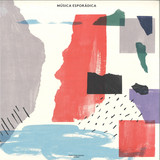
MFM044 sees the reissue of the cult Spanish studio project Música Esporádica with their incredible one off, self-titled album.
Another Suso Saiz side project, this one grew out of his work with his band Orquesta De Las Nubes, who were themselves the subject of a Music From Memory compilation last year.
The idea of getting Orquesta De Las Nubes to collaborate with Glen Velez and Layne Redmond arose after the two American musicians visited Spain during a series of seminars on frame drum techniques in 1985. Having met Glen Velez some years before in Madrid whilst Glen was performing with the Steve Reich Ensemble, Suso Saiz and Glen Velez quickly formed a strong friendship over their mutual love of non-Western music and the potentials of repetition within music. The two would play, talk and drinks for many hours in Suso’s studio space whenever Glen was in Madrid.
During one such session in 1985, Glen and Suso would be joined by Orquesta De Las Nubes and Spanish friend and musician Miguel Herrero. With exciting new ideas flowing quickly and easily, Suso decided to immediately call Track Studios in Madrid to see if they might have a space to record some of the material. With just a few days available the group would record for about 12, with what Suso would describe as ‘incredible fluency’, by which time they would have recorded the album they would later title Música Esporádica.
After its release 34 years ago Música Esporádica sounds as stunning as ever and Music From Memory are delighted to be able to share the fluency, spontaneity and close friendship which fuelled the recording of this amazing album.
out of Stock
Last delivered 2 years ago available to reorder, subject to availability
Bite Down, the Merge Records debut of Rosali, finds acclaimed songwriter and guitarist Rosali Middleman in the midst of transition. Written after moving to North Carolina from her longtime home of Philadelphia, Bite Down is a searching, hungry record by an artist who is resolved to bite down on life, in all its horror and joy. She is joined here by Mowed Sound_David Nance (bass, guitar), James Schroeder (guitar, synth), Kevin Donahue (drums, percussion)_and in studio by Destroyer collaborator Ted Bois (keys). Bite Down is Rosali's second album working with Mowed Sound, and there is urgency and ambition in their collaboration_a band pushing each other not just to expand on what they've already done together, but to break through into altogether new territory. Among those joining Rosali and her band there is Dan Bejar of Destroyer, who waxes poetically on where she's been, where she's going, and how thrilling Bite Down is to experience: It's hard to talk about Rosali's music. Songs that reach outward like this, but then constantly disarm with their intimacy. What do you call such inner searching that is hellbent on rollicking? Songs that long for a sense of peace and songs that want romance, all on equal footing in the same plot of earth? Performed wild, but always centered around the incredible lyrical calm that is Rosali's voice. Bite Down makes me think about singers and bands that throw themselves hard into the storm, the way the Rosali quartet does. (Jim captures the tone of this perfectly, again!) The calm of her voice over top of the band's raging_it is the emblem of songs that live to put themselves in harm's way. But it's not harm. It's just that you have to play hard to get at these goods. The calm of Rosali's voice, the straight talk of her inner search vs. the wildness of the band, the sonic storm she rides in on. That's their sound. The Mowed Sound. It's hard to talk about these last couple Rosali albums without talking about them. They play free and wild and relentlessly melodious. They rip and create space and fill it up with what seems like reckless abandon, but listen carefully or listen for a while and you'll find them paying real close attention to each other and exactly what the song demands. Maybe Fairport did this, maybe VU. It's a strange telepathic brew. Breezier songs like "On Tonight" and "Rewind" sound like they've fought their way to get to that sense of ease. Maybe that's the Mowed Sound "sound"_hard-won ease. Then add to that Ted Bois' patented Rhodes sleaze (see sinuous title track "Bite Down") steering the record into late-night corners; the incredible "Hills on Fire" (maybe the centerpiece of the album), the guitar-ripping and the singing taking turns in reaching new levels of intimacy. It feels listened-in on, exposed and invented on the spot. It is also simply a staggeringly beautiful song. There are a few of those on the album. In contrast, "My Kind" is a raucous, hand-delivered classic; the band throws tables over. For the most part, this is a moodier record than No Medium. It has the same sound of "I've traveled through fire to deliver you these songs," but it is also quieter, more nocturnal. The quiet dread of staring down an open road, and the excitement of that. By the final track, "May It Be on Offer," it is the prayer uttered as you hand yourself over to the world.
As the beats echo through time, Isolate proudly marks its fifth anniversary with a resounding celebration of creativity. Five years of great music, unforgettable events, and unwavering support from our dedicated community have brought us to this momentous occasion.
With gratitude for the boundless talents of our artists, the steadfast support from our community, and the dedication of our team, Isolate reflects on this joyful journey. Building on the anticipation we shared earlier this year, we are excited to unveil the grand finale—a remix compilation that breathes new life into some of our most cherished tracks.
This compilation isn't just a retrospective; it's a heartfelt exploration of Isolate's history. From melodic transformations to rhythmic reinterpretations, this remix compilation stands as a tribute to the nuanced fusion of emotions and relationships intricately woven into the fabric of our musical community.
Isolate's fifth anniversary transcends being a mere marker of our past; it stands as a promise for the future. It's a strong affirmation of our dedicated commitment to supporting emerging talent, offering a platform for them to share their distinctive musical stories. In this celebration, we see not just where we've been, but where we're heading—a future that echoes with the distinct voices of those yet to be discovered.
Stay curious, join the rhythm, and come celebrate with us
out of Stock
Last delivered 3 months ago available to reorder, subject to availability
This is The Wreckery album that never was but always should have been!
At the crest of the Australian post punk era, The Wreckery played atmospheric rock with film-noir swagger and renegade attitude, carving a loyal following. Critics quickly positioned them as successors to a darkly exciting avant-garde Melbourne tradition previously marked out by The Birthday Party.
Early recordings for Rampant Records (1985-87) showcased The Wreckery's fusion of swamp blues and noir-jazz, delivered with a deadpan, reckless, and romantic cut (check out the 'Ruling Energy' video!). Creative tensions saw the band implode as they were reaching their peak with the Laying Down Law album (Citadel Records, 1988). Yet another great and dangerous rock 'n' roll band who became a danger to themselves.
35 years later, the new album Fake is Forever delivers on unfulfilled promises, revealing The Wreckery on fire like never before. The DNA is still there – the signature sound of Charles Todd's baritone sax; the scathing lyrics and vocals of Hugo Race; the distorted angular guitars of Clayton-Jones; the eclecticism of multi-instrumentalist Robin Casinader; Nick Barker and former Plays With Marionettes drummer Frank Trobbiani fuse as the solid engine room of this iconic group. All the original edge with a new maturity and control.
The songs still emanate from the deep, dark end of the musical gene pool. The sarcastic, provocative lyrics of 'Smack Me Down', 'Get A Name' and 'Young People'; the musical fury of 'Stole it from Alpha Ray' and 'Evil Eye', the romantic melodrama of 'The Devil in You' and 'Whistle Clean', the deranged rock of 'Dragonfly' and 'Garbage Juice' – The Wreckery's range is as vast as it is ferocious. Whereas the band in the 80's were brash and angry this record finds the band conjuring quiet menace, sensual, intoxicating.
Robin Casinader - Hammond organ, mellotron, mandolin and violin
Frank Trobbiani - the drums and percussion
Recorded by Andrew 'Idge' Hehir at Soundpark Studios, Melbourne
Mixed by Hugo Race at Helixed
Mastered by Toto Strapporava at 3Faders Studio, Buenos Aires
Published by Peermusic
This is The Wreckery album that never was but always should have been!
At the crest of the Australian post punk era, The Wreckery played atmospheric rock with film-noir swagger and renegade attitude, carving a loyal following. Critics quickly positioned them as successors to a darkly exciting avant-garde Melbourne tradition previously marked out by The Birthday Party.
Early recordings for Rampant Records (1985-87) showcased The Wreckery's fusion of swamp blues and noir-jazz, delivered with a deadpan, reckless, and romantic cut (check out the 'Ruling Energy' video!). Creative tensions saw the band implode as they were reaching their peak with the Laying Down Law album (Citadel Records, 1988). Yet another great and dangerous rock 'n' roll band who became a danger to themselves.
35 years later, the new album Fake is Forever delivers on unfulfilled promises, revealing The Wreckery on fire like never before. The DNA is still there – the signature sound of Charles Todd's baritone sax; the scathing lyrics and vocals of Hugo Race; the distorted angular guitars of Clayton-Jones; the eclecticism of multi-instrumentalist Robin Casinader; Nick Barker and former Plays With Marionettes drummer Frank Trobbiani fuse as the solid engine room of this iconic group. All the original edge with a new maturity and control.
The songs still emanate from the deep, dark end of the musical gene pool. The sarcastic, provocative lyrics of 'Smack Me Down', 'Get A Name' and 'Young People'; the musical fury of 'Stole it from Alpha Ray' and 'Evil Eye', the romantic melodrama of 'The Devil in You' and 'Whistle Clean', the deranged rock of 'Dragonfly' and 'Garbage Juice' – The Wreckery's range is as vast as it is ferocious. Whereas the band in the 80's were brash and angry this record finds the band conjuring quiet menace, sensual, intoxicating.
Robin Casinader - Hammond organ, mellotron, mandolin and violin
Frank Trobbiani - the drums and percussion
Recorded by Andrew 'Idge' Hehir at Soundpark Studios, Melbourne
Mixed by Hugo Race at Helixed
Mastered by Toto Strapporava at 3Faders Studio, Buenos Aires
Published by Peermusic
Get ready to hit the dance floor with the Tech-House Remix by DFRST of Michael Jackson’s ‘Thriller’, presented by Deacon Frost Music. This song infuses the classic with fresh and electrifying rhythms, perfect for any party. Celebrate the 40th anniversary of ‘Thriller’ with a remix as fresh as it is nostalgic. Keep the legend alive and your feet moving with more remixes from Deacon Frost Music.
This is the Tech-House Remix by DFRST… First and foremost, this album is a tribute to the pop legend, the incomparable Michael Jackson, on the 40th anniversary of his best-selling album of all time, Thriller. Additionally, I want to express my gratitude to my loved ones for their unwavering support since my return to music production.
Undoubtedly, this is one of my most anticipated projects since I started producing music, although back in 1983, I used to cower in fear to cover up when those Jupiter 8 tracks came on the radio… I would like to express my gratitude to Lenny Jay for believing in my project and delivering an impeccable performance that showcases his talent and devotion to the artist.
Furthermore, I appreciate my engineer and vocal arranger, Austin, from Austin Music Spain, for his exceptional contribution to this track, always inspiring me with his friendship and motivation. It’s impossible not to mention my musical father, mentor, cricket player, and great friend, Mike Platinas.
He not only provided valuable guidance but also recorded the vocals, portraying Vincent Price in earnest. His work is unsurpassed
out of Stock
Last delivered 4 months ago available to reorder, subject to availability
Since 2011, For All We Know has been the side project of Ruud Jolie, known from Within Temptation. The debut album was released in the same year, followed by the second album called 'Take Me Home' in 2017. In 2023, both albums were released on vinyl via prog rock/metal label Construction Records.
The brand new third album, entitled 'By Design Or By Disaster', will also be released on CD and colored vinyl via Construction Records.
During the writing process, Jolie again worked closely with singer Wudstik, and the band consists of the same musicians who were featured on the first two albums: Léo Margarit (Pain of Salvation), Kristoffer Gildenlöw (ex Pain of Salvation), and Marco Kuypers (ex Cloud Machine). The 11 songs on the album were produced by Jolie herself and range from heavy, thrashy metal to calm melodies.
Compared to the previous two albums, 'By Design Or By Disaster' takes the listener to even more extreme corners, ranging from beautiful atmospheric strings to powerful rhythms and heavy guitars. Despite this diversity, Jolie continues to search for unexpected melodies and harmonies, where he is not afraid to go off the beaten path. There are also some 'Easter eggs' hidden for the attentive listener; melodies from the previous albums that return in an innovative way on this new album, making the first two albums together with this album a kind of trinity, which also applies to the artwork.
Since 2011, For All We Know has been the side project of Ruud Jolie, known from Within Temptation. The debut album was released in the same year, followed by the second album called 'Take Me Home' in 2017. In 2023, both albums were released on vinyl via prog rock/metal label Construction Records.
The brand new third album, entitled 'By Design Or By Disaster', will also be released on CD and colored vinyl via Construction Records.
During the writing process, Jolie again worked closely with singer Wudstik, and the band consists of the same musicians who were featured on the first two albums: Léo Margarit (Pain of Salvation), Kristoffer Gildenlöw (ex Pain of Salvation), and Marco Kuypers (ex Cloud Machine). The 11 songs on the album were produced by Jolie herself and range from heavy, thrashy metal to calm melodies.
Compared to the previous two albums, 'By Design Or By Disaster' takes the listener to even more extreme corners, ranging from beautiful atmospheric strings to powerful rhythms and heavy guitars. Despite this diversity, Jolie continues to search for unexpected melodies and harmonies, where he is not afraid to go off the beaten path. There are also some 'Easter eggs' hidden for the attentive listener; melodies from the previous albums that return in an innovative way on this new album, making the first two albums together with this album a kind of trinity, which also applies to the artwork.
96kHz - 48-bit HD Audio with digital booklet including original photography by Christopher Kayfield and liner notes by Shaun Brady.
Pianist Kevin Hays, bassist Ben Street, and drummer Billy Hart reunite for a second, scintillating trio date, BRIDGES, featuring original compositions by Hays and Hart with classics by Wayne Shorter, Bill Frisell, The Beatles, and Milton Nascimento.
Hays Street Hart, the trio of pianist Kevin Hays, bassist Ben Street, and legendary drummer Billy Hart, recorded their acclaimed 2021 debut, ALL THINGS ARE, under less than optimal conditions. The album began life as a performance in honor of Hart’s 80th birthday in December 2020, live-streamed from an empty Smoke Jazz Club in the final weeks of that grueling pandemic year. Despite those adversities, the music they created that night was spectacular enough to convince all involved that it should be released.
Two years later, the trio has reconvened, this time fully cognizant that they were going to record an album at Sear Sound Studios in NYC. The captivating BRIDGES brilliantly spotlights the unique chemistry and shared spirit of exploration that emerged fully formed on that initial impromptu session. The title succinctly hints at some of the reasons why Hays, Street and Hart work so well together: this is a trio that bridges generations, certainly, as well as a wealth of diverse experience and inspiration. But it also sums up a mutual desire to bring people together through music.
“In this world that seems to be crumbling beneath our feet,” Hays explains, “we sense the need to make allies where there might be adversaries. On the most intimate level, interpersonally and inter-psychically we set out to overcome any number of misunderstandings and adversarial situations.”
Not that there was any antagonism to overcome within the trio itself. More than anything, Hays Street Hart is a mutual admiration society of the highest order. The esteem in which the pianist and bassist hold Billy Hart likely goes without saying. The drummer was ordained in 2022 as an NEA Jazz Master, just one of the many honors he has chalked up over a breathtaking career. He began his career with an apprenticeship under the revered vocalist Shirley Horn and went on to make notable music with such luminaries as Miles Davis, McCoy Tyner, Herbie Hancock, Wes Montgomery, Jimmy Smith, Stan Getz, and as part of the quartet Quest featuring David Liebman and Richie Beirach.
But Hart is if anything, even more laudatory toward his younger bandmates. Street has been a member of the drummer’s stellar quartet for two decades, alongside pianist Ethan Iverson and saxophonist Mark Turner, a tenure that speaks for itself. As for Hays, Hart is quick to place the pianist in the exalted company of some of his iconic former collaborators.
“I’ve been lucky enough to have the chance to perform with Herbie Hancock and McCoy Tyner,” says Hart modestly. “Each generation presents their own equivalent, and Kevin is an example of the latest innovations. There was Herbie and McCoy, then it was Chick Corea and Keith Jarrett, and then you have what's coming next. I think Kevin is definitely part of that continuum.”
Though Hays sticks strictly to the piano on BRIDGES, he is also an accomplished singer whose vocal instincts fuel his inventive and lyrical melodicism. Street points to those facets as key to the connection between the pianist and Hart, who has enjoyed several meaningful collaborations with vocalists.
“It always seems to me that Kevin has the capacity to sing in his mind and then accompany himself on the piano,” Street describes. “That makes for such a nice connection with Billy, who has played with and learned from so many singers. I don't even feel like we're playing as a piano trio most of the time; it feels more like a quartet.”
Those qualities are especially clear on Hays’ “Butterfly,” which opens the album. Though it’s performed here as an instrumental, the pianist has composed lyrics for the piece, and its gorgeous, song-like quality shines through. Hays also contributed the breathtaking ballad “Song for Peace,” highlighted by Hart’s gentle, embracing brushwork and Street’s sturdy, stentorian tone. The pianist’s third original, “Row Row Row,” is constructed on a twelve-tone row, but as the playful title suggests, it has none of the more stringent qualities of the serialist composers.
Hart’s stunning “Irah,” originally recorded on his quartet’s self-titled 2006 debut, is dedicated to the composer’s mother and was recorded at Street’s suggestion. The bassist also brought guitarist Bill Frisell’s reflective “Throughout” to the date, imagining Frisell’s Americana influences would resonate with the similarly inclined Hays, who approaches the tune with a harp-like beauty. Hays’ love of pop and rock music is also reflected by the inclusion of The Beatles classic “With a Little Help from My Friends.”
The trio pays tribute to the late, great Wayne Shorter with “Capricorn,” originally released on the composer’s 1969 Blue Note album SUPER NOVA and later included on the Miles Davis Quintet set WATER BABIES. Hart called Shorter one of a kind. I think of the many times I heard him excel – with the Maynard Ferguson Big Band, with Art Blakey's Jazz Messengers, with Weather Report. And in each case, he was innovative.”
BRIDGES closes with the title track, a dazzling piece by the great Brazilian singer and songwriter Milton Nascimento, which Hays calls “one of my favorite compositions ever, by anybody.”
BRIDGES was recorded under ideal studio conditions by a now-established trio with a weeks-long European tour under their belts. Perhaps what’s most remarkable about the album is not that Hays, Street, and Hart play so masterfully together – with three artists of their caliber, who could expect any less? – but that this second outing maintains the bold spirit of inquisitiveness and spontaneity that its predecessor naturally possessed. Credit that to a trio perpetually determined to discover new bridges worth building.
Recorded in 1957, Paris.
Original LP issue: Guilde du Jazz J-1239.
When Miles Davis heard Barney Wilen for the first time during a jam session at the Club Saint-Germain in Paris, he exclaimed: “This is the best tenor saxophone I’ve heard in Europe, he plays tenor in an authentic way, much better than many current stars in the States.”
Barney Wilen’s mother was French, his father a successful American dentist-turned-inventor. He grew up mostly on the French Riviera; the family left during World War II but returned upon its conclusion. According to Wilen himself, he was convinced to become a musician by his mother’s friend, the poet Blaise Cendrars. As a teenager he started a youth jazz club in Nice, where he played often.
He moved to Paris in the mid-’50s and worked with such American musicians as Bud Powell, Benny Golson, Miles Davis, and J.J. Johnson at the Club St. Germain. His emerging reputation received a boost in 1957 when he played with Davis on the soundtrack to the Louis Malle film Lift to the Scaffold. Two years later, he performed with Art Blakey and Thelonious Monk on the soundtrack to Roger Vadim’s Les Liaisons Dangereuses (1960). He’s probably the first non-US musician to play at the Newport Jazz Festival – it was in 1959.
In 1957 he made his very first album as leader, The Barney Wilen Quintet for the US label Guilde du Jazz / Jazztone at the age of 20. Unfortunately, this record was not widely distributed in France because Barney was under contract with the French label Vogue. This album reflects joy and sadness on an emotional level by the subtletly of Wilen’s musical imagination and physical releasing the essential siprit of jazz swing. On this so rare record, Barney plays with : on alto Hubert Fol, who recorded couple of times with Django Reinhardt. On Piano Nico Buninck, born in Amsterdam, is considered one of the best Young pianist in his country. Lloyd Thompson is a Young talented bassist who played with Lester Young, Dizzy Gillespie and Kenny Clarke. On drums Al Levitt, 25, has already toured in the USA with Charles Mingus, Lennie Tristano, Stan Getz and Lee Konitz.
Patsy Cline (born Virginia Patterson Hensley; September 8, 1932 – March 5, 1963) was an American singer. She is considered one of the most influential vocalists of the 20th century and was one of the first country music artists to cross over into pop music. Cline had several major hits during her eight-year recording career, including two number-one hits on the Billboard Hot Country and Western Sides chart. Under the direction of producer Owen Bradley, her musical sound shifted and she achieved consistent success. The 1961 single "I Fall to Pieces" became her first to top the Billboard country chart. Her next single release "Crazy" would also become a major hit. During 1962 , Cline had hits with "She's Got You", "When I Get Thru with You" and "So Wrong". This Limited Edition comes on Solid White coloured vinyl.
In our 20th celebration year we welcome back Loz Goddard! It’s been quite a while since we last saw him on our label. With his standout debut collab release with Harry Wolfman in 2016 he has developed a unique mix of electronica, deep soundscapes and lush organic Deep House on labels such as “Oath”, “Razor N Tape”, “Church”, “Outplay” and “Apparel Music”. Now he finally returns with a mini album that features beautiful crafted ambient and electronica cuts paired with three upbeat tracks that will for sure shake the dance floors in and outdoors this summer! Enjoy!
In his own words, here are some insights on the influences and production process of these six pieces:
The release is named after a night in the White Hotel in Salford watching Skee Mask. At the time I had a bunch of unfinished ambient ideas as a result of making “Balloon Tree Road” (out on Oath). There were a lot of ideas I still loved that didn’t get finished for that release, so I set about finishing them late 2022 & early 2023 with the view to releasing an EP or ‘mini album’ that was again angled a bit more towards home-listening.
The more upbeat tracks are newer jams that I created in 2023. I wanted to include a few club-ready tracks on the record as well, so the release appeals to DJ’s as well as home listeners. I approached the production much like my past two records on Oath, with lots of live drum elements, some sampling and a mixing approach which keeps everything sound warm and organic. It’s rough round the edges - as has been the case with my productions of late - and offers a nice contrast to my DJ sets and radio shows at the moment, in which I am playing mostly Deep/Progressive House, Breaks & Techno. There’s some influence on the title track from the Deep & Lo-Fi House sound of artists like Baltra & Mall Grab, and I have taken influence from all the breaks I’ve been playing in DJ sets for ‘How’s This for a Vague Song Title’.
All tracks mastered by Salz Mastering in Cologne. Photography & Art by Break 3000.
out of Stock
Last delivered 15 months ago available to reorder, subject to availability
When the grunge explosion of the early `90s elevated Seattle's flannel-clad misfits out of the divey clubs of downtown and into the mainstream, a new generation of restless artists filled the void left in the Pacific Northwest's underground music scene. The under-21 crowd making music in the wake of Nevermind seemed even less enamored with the slick production values, classic rock nods, and testosterone-fueled moshing culture that came with the Zeitgeist, favoring their own kind of Revolution Summer-style pivot away from the popular sounds of the era towards a more emotionally nuanced, melodic, and inclusive style of punk. The Puget Sound trio Lync perfectly captured the spirit of that era, blending the passionate chaos of the DC and San Diego scenes with the rough-hewn DIY pop sensibilities of Olympia's thriving indie community into one unified sound. Though they were only a band for two years, they helped define the next era of the Northwest underground, inspiring countless other artists and instigating the creation of beloved records from the region. After being out of print for over a decade, the band's sole LP These Are Not Fall Colors has been remastered and expanded into a 2xLP with the inclusion of "Can't Tie Yet"_a compilation track from the album's recording session_into a deluxe edition available courtesy of Suicide Squeeze Records. Originally released on K Records in the summer of '94 just a few months before the band called it quits, These Are Not Fall Colors is a boisterous collection of scrappy basement-show anthems played on duct-taped-together gear. Led by the off-kilter melodies of late singer/guitarist Sam Jayne and hammered into place by the driving bass of James Bertram and drum battery of David Schneider, the album's eleven songs channel that undefinable sound of the early `90s before descriptors like "post-hardcore" and "emo" became pejorative terms. Sure, you get a sense of the more sophisticated mid-tempo punk approach on songs like "B" and "Silverspoon Glasses," and maybe catch wind of wistful songwriting on "Pennies to Save" and "Cue Cards," but Lync seemed to cull their ideas from whatever bits of inspiration they could find in the gray gloom and geographic isolation of western Washington, absorbing it all and churning it together into a style uniquely their own. Despite Lync's short existence, modest aspirations, and DIY approach, their work had a ripple effect. Jayne would go on to make music under the moniker of Love As Laughter. Built to Spill's Doug Martsch was so enamored by the album that he enlisted Bertram and Schneider to serve as his rhythm section on the There's Nothing Wrong with Love tour. These Are Not Fall Colors engineer Phil Ek would go on to help record and produce records by Fleet Foxes, Band of Horses, and The Shins. Early bassist Isaac Brock and These Are Not Fall Colors album art contributor Jeremiah Green would go on to form Modest Mouse. Bertram and Green would also go on to form the revered indie rock group Red Stars Theory. At times it feels like you could pick any major Northwest indie rock group from the `90s and `00s and trace their DNA back to Lync. The deluxe edition of These Are Not Fall Colors comes pressed on 180g vinyl and packaged in a gatefold cover with printed inner sleeves and expanded artwork by Jesse LeDoux. The 2xLP also features an 18x24 poster with extensive liner notes by Brian Cook. Altogether, this new version of These Are Not Fall Colors not only brings this celebrated classic back into analog libraries of old fans, it also provides new context and appreciation for Lync's ongoing impact on both a local and international level.
The early-mid "80s had their share of insane combos -- The Birthday Party, Black Flag and Minor Threat had the raw power to melt your mind in seconds. SWANS, Einsturzende Neubauten and Big Black created enough overwhelming sonic pressure their sounds might actually flatten you. And Sonic Youth displayed such a dizzyingly unpredictable mix of art, pop culture and violence you"d sometimes leave their shows drooling. The Buttholes shared elements with all of these groups, but added an insane psychedelic edge and a propensity for bizarre spectacle. This evolution continued on "Rembrandt Pussyhorse," which featured a set of tunes for which the Buttholes" rock-based form destruction was mixed with experimental, tape-mangling passages of many flavors. Haynes was handling all audible vocals by this point, and his mastery of post-tongue dynamism was finally in full flight. Meanwhile, their live shows became legendary examples of excess and derangement, and their music just kept getting louder and stranger and more savage. It was the diametric opposite of the hardcore scene from which it had emerged, which was heading in ever more codified and stylistically conservative directions.
With two critically acclaimed albums and a swathe of award-winning production turns under their belt, Ana Frango Elétrico present their most confident and accomplished work to date: Me Chama De Gato Que Eu Sou Sua / Call Me They That I’m Yours. Gesturing to a tradition of Brazilian boogie music, but bouncing with modern pop ebullience, the album sees the Rio artist evolve from a captivating upstart into a surefooted scene leader in full stride.
At just 25, the prolific artist and producer has already garnered worldwide admirers. Ana’s sophomore Little Electric Chicken Heart was nominated at the 2020 Latin Grammys. Since then, standalone singles have received the WME ‘Best Music Producer’ Award, recognising Ana’s deep passion for music production – a passion which has led to collaborations with nascent Brazilian stars Dora Morelenbaum, Illy and Sophia Chablau. Most recently, Ana was hailed for their co-production of Bala Desejo’s 2022 Latin Grammy-winning album Sim Sim Sim.
The new album finds Ana at their most assured and full voiced. Album opener “Electric Fish”, with funky bass and shimmering backing vocals, sets a buoyant tone. “Boy of Stranger Things” is its bombastic counterpart. It’s the grooviest Ana has ever sounded. And the most brazen. Lyrically, where Ana was once oblique on personal matters, they are now forthright – lucidly exploring their gender identity, citing accessible cultural references, and often singing in English.
“I started this album in 2021 with the intention of showing, in means of sound, understandings and feelings about queer love, subjectively exposing myself,” the non-binary artist states – before qualifying that though “feeling was its driving force, the album is really about musical production.”
“There’s so many references to different decades,” Ana explains. “Seventies drums with eighties processing … Going back, getting beyond … Testing the limits of organic sounds”. Characteristically playful, on Me Chama, Ana takes vivid and rewarding detours through funk-inflected R&B (“Dela”) and art pop (“Dr. Sabe Tudo”). “Nuvem Vermelha” is a cinematic chanson with lush strings that recalls Arthur Verocai. Then, “Coisa Maluca” loafs with the indie insouciance of Canadian slacker Mac Demarco. Later, “Let's Go Before Again”, is a full-on drum machine workout evocative of Stereolab.
“Even if people don't find my own references here, they'll find theirs,” observes Ana. “Maybe that’s this record’s biggest goal.”
Marilyn Monroe (born June 1, 1926, Los Angeles, California, U.S.—died August 5, 1962, Los Angeles). Known for playing comic "blonde bombshell" characters, she became one of the most popular sex symbols of the 1950s and early 1960s, as well as an emblem of the era's sexual revolution. She had a good voice that matched her seductive visual appeal, and her limited catalog includes effective interpretations of the work of such songwriters as Harold Adamson and Hoagy Carmichael, Harold Arlen and Johnny Mercer; Irving Berlin, Sammy Cahn and Cole Porter. Marilyn Monroe's singing constitutes a significant part of her overall appeal as a performer. On this album “Diamonds Are A Girl's Best Friend”," I Wanna Be Loved By You", “Happy Birthday (For President Kennedy) ”, “The River of No Return ”, “Two Little Girls From Little Rock (ft. Jane Russell)”. a.o. Limited Edition on Blue Transparent coloured vinyl.
Carpool have long since achieved and outgrown their initial goal of playing that city’s 200 capacity Bug Jar venue, their hometown is still embedded in their DNA. This record is a wonderful homage to where they’re from – and also serves as a warning to the rest of the world what Rochester has already known for years. Recorded with Jay Zubricky (Every Time I Die, Pentimento and Marigold, among others)My Life In Subtitles is an album with a cohesive thematic and musical narrative. “The way I like to listen to music is to put on an album and listen to it start to finish. I like albums that take me on a journey and that show me what those songwriters were feeling while making you feel the same way,” said Colasanto.
With this 12" reissue made for Giancarlo Meo, legendary producer of Easy Going, Vivien Vee, Capricorn, Amin-Peck, Steel Mind, Claudio Simonetti (aka Kasso) and many other artists, Best Record once again offers a great dance music service for those who perhaps don't know to need it. Claudio Casalini, who 40 years ago was not only a record producer, but above all one of the most important club-DJs in Italy, remembers well the cheering crowd of the jet-set in the elegant Roman lounges, with the dance floor full of people vibrating for that fusion of disco, soul and funk sounds that many Italo-Disco songs featured in those early Eighties. The three versions of "Out to Get You" contain all those sounds, but is mainly the version re-edited by the imaginative and passionate Massimo Berardi DJ that brings a portion of musical restoration making it current, and so exciting and modern, absolutely suitable for dancing again in every part of the world.
out of Stock
Last delivered 2 years ago available to reorder, subject to availability
My Back Was A Bridge For You To Cross, ANOHNI"s sixth studio album, expresses a world view by shape-shifting through a broad range of subject matter. Through a personal lens, ANOHNI addresses loss of loved ones, inequality, alienation, acceptance, cruelty, ecocide, devastation wrought by Abrahamic theologies, Future Feminism, and the possibility that we might yet transform our ways of thinking, our spiritual ideas, our societal structures, and our relationships with the rest of nature. On her first full album since 2016"s HOPELESSNESS, she explains the creative process was painstaking, yet also inspired, joyful, and intimate, a renewal and a renaming of her response to the world as she sees it. "Some of these songs respond to global and environmental concerns first voiced in popular music over 50 years ago." ANOHNI"s approach since her last record has shifted from someone tasked with challenging global denial, to an artist seeking to support others on the front lines. "I learned with HOPELESSNESS that I can provide a soundtrack that might fortify people in their work, in their activism, in their dreaming and decision-making. I can sing of an awareness that makes others feel less alone, people for whom the frank articulation of these frightening times is not a source of discomfort but a cause for identification and relief. On "It Must Change," ANOHNI soulfully describes systems in collapse with a note of compassion for humanity: "The truth is I always thought you were beautiful in your own way // That"s why this is so sad." ANOHNI"s voice is sensual and smoothed, selectively reaching to the edges of what it can contain. "We"re not getting out of here // No one"s getting out of here // This is our world," she murmurs. A portrait of legendary human rights activist Marsha P. Johnson taken by Alvin Baltrop features on the cover, reflecting a 25-year relationship with the memory of Johnson that ANOHNI has held space for in the presentation of her own work. Elsewhere, the album artwork states "IT"S TIME TO FEEL WHAT"S REALLY HAPPENING". In some ways it feels as if she is reaching across her life"s expression, and has found a moment of unique composure, wearing her long exploration of disarming intensity, with the maturity of a painter carefully choosing her colors. "I want the work to be useful, to help others move through these conversations we are now facing, to move with dignity and resilience through this bitter dawning."
out of Stock
Last delivered 2 years ago available to reorder, subject to availability
What Do We Do Now is the fifth solo studio LP recorded by J Mascis since 1996. This is obviously not a very aggressive release schedule, but when you figure in the live albums, guest spots, and records done with his various other bands (Dinosaur Jr., The Fog, Heavy Blanket, Witch, Sweet Apple, and so on), well, to paraphrase Lou Reed, "J's week beats your year." What Do We Do Now began to come together during the waning days of the Pandemic. Utilizing his own Bisquiteen Studio, J started working on writing a series of tunes on acoustic with a different dynamic than the stuff he creates for Dino. "When I'm writing for the band," he says, "I'm always trying to think of doing things Lou and Murph would fit into. For myself, I'm thinking more about what I can do with just an acoustic guitar, even for the leads. Of course, this time, I added full drums and electric leads, although the rhythm parts are still all acoustic. Usually, I try to do the solo stuff more simply so I can play it by myself, but I really wanted to add the drums. Once that started, everything else just fell into place. So it ended up sounding a lot more like a band record. I dunno why I did that exactly, but it's just what happened." Two guest musicians are playing this time out; Western Mass local Ken Mauri (of the B52s) plays piano on several tracks. Since J himself has some experience with keys, when asked why he needed a hired gun, he says, "Ken is great, and he plays all the keys. I tried playing some keyboards on the first Fog album, but I'm really only comfortable playing the white notes, so it's kind of limiting. laughs Nowadays, I could just turn the pitch on a mini Mellotron to play different sounds, but black keys just seem hard. For whatever reason, I just like banging on the white ones. Seems like it's harder to figure out how to stretch your fingers around the other ones." Mauri has no such qualms and plays all the keys very damn well. He sounds especially great on "I Can't Find You," where he is Jack Nitzsche to J's Neil Young, creating one of the album's loveliest tunes. The other guest musician, Matthew "Doc" Dunn, is also prominent on this track. Dunn's steel guitar manages to both widen and soften the musical edges of the music, giving it a full classicist profile. Dunn is an Ontario-based polymath who J met through Matt Valentine. After J played on Doc's great 2022 Sub Pop single, "Your Feel," he figured it was time for payback. Both Dunn and Mauri add beautifully to the songs here, helping to transform them from acoustic sketches into full-blown post-core power ballads. What Do We Do Now is the finest set of solo tunes J has yet penned, and the way they're presented is just about perfect. Asked if he would be touring to support the album, J says he'll be doing some weekend dates, but he probably won't be putting a band together. And I'm sure these songs will sound great solo and acoustic, but the arrangements on this album are truly great and put a cool, different spin on Mascis' instantly Recognizable approach to making music. So, what do we do now? Not sure. But apparently, what J does is to make one of his most killer records ever. Hats off to him. - Byron Coley
out of Stock
Last delivered 2 years ago available to reorder, subject to availability
Big Crown Records is proud to present the debut full length offering from Les Imprimés, Rêverie. The stirring and ethereal sounds of Les Imprimés have been making fans of anyone who hears them since their first 7" single hit the speakers. Morten Martens is the man behind the band. Born, raised, and working in Kristiansand, Norway, he keeps a low prole while making his heart felt, highly infectious, and unique music. This album is a long time coming for Martens and it is sure to make him a name to be reckoned with. The first thing you notice listening to Les Imprimés is the high level of musician-ship. Martens plays nearly every instrument on the recordings and handles the production and arranging. He has been making records for decades, winning a Spellemann Award (aka, the Norwegian Grammy) in 2006 for producing a HipHop album as well as getting nominations across three other genres. While awards and accolades speak to the level of his talent, this new album really shows who he is an artist on his own terms. Moving away from being a hired gun on the touring scene naturally led him to start doing more studio work. Slowly collecting gear and getting more experi-ence behind the boards he built his own studio on the island of Odderoya and was making a living playing with and recording other people's music. As the story goes, after those sessions would end he would work on his own project into the wee hours of the night. From these late night sessions, Les Imprimés was born and Rêverie began to take shape. However, "it wasn't until COVID, when things locked down, that I was really able to nd the time to focus on Les Imprimés" Morten says about creating and leading his own solo project. "It was a scary time. But I knew I had to do something with it." He took the sum of his inuences, combined them with his own vibe and got busy writing the music, playing the instruments, and singing the songs. "It's soul music, but I don't exactly have the soul voice," Morten explains humbly. "But I do it my own way, in a way that's mine. "It is his sound, his fingerprint, his sensibility, that makes his music hard to put in a box. The album showcases both Martens' range and his ability to make a cohesive album. The lead single "Falling Away" starts with a raw drum break and turns into a lushly arranged tune that paints the picture of love when it slips away. On "Still Here" he professes his resilience through life's twists and turns over a thundering track that puts a new spin on the B side ballad genre. Songs like "You" and "Our Love" mix tones from 60s and 70s Soul with arrangement nods to Doo Wop records while Martens' lyrics and delivery leave you singing the melodies long after they finish. "Love & Flowers" finds Martens in a moment of clarity with a song that ts the niche sub genre of happy break up tunes, the four on the floor track will move the dancefloor or while the message will resonate with anyone who put too much effort into the wrong situation in their lives. However, it is songs like "Muse" and "Chess" that really encapsulate the uniqueness of Les Imprimés as they push the boundaries of genre, one a profession of love for music and the other a cover of an electronic record respectively. Martens' lyrics, emotion, and delivery truly make the whole thing come together and stand out from any of his peers. There's an infectiousness and a pop sensibility in the writing that is done with the utmost class and taste giving Les Imprimés the rare quality of immediate attraction that only deepens the more you listen.
out of Stock
Last delivered 2 years ago available to reorder, subject to availability
Presenting a collection of deep spatial gems mined from the ever impressive TK Disco vaults for your playback listening pleasure!
The TK Disco music empire has blessed our ears and minds with an endless stream of music since it's late 1960's inception. Countless soul and funk sides were produced, cut and released by label founder Henry Stone and his associates, in turn changing the face of contemporary black music in the USA and across the world forever. It is true that the TK story originated on America's 'Space Coast', the modern frontier of lunar exploration and galactic travel, the home of NASA and countless missions beyond the stars nestled on the East Coast of the United States.
'Moon Ride' - The compilation you hold in your hands, is merely one strand of the incredible music that was beamed out of Hialeah, FL over the decades. The focus on this collection is the idea of the 'cosmic' from the Disco era. These are records that emit a spacey vibe, either from their lyrical content or equally from their sonic qualities, imbibing synths and electronics to create otherworldly grooves. These records were big hits on underground music scenes such as Daniele Baldelli's cosmic movement in the 70's and 80's in Lake Garda, they were vehicles of escapism and hedonism on the discerning dancefloors of NYC in the hands of progressive DJs like David Mancuso and Nicky Siano and they were also essential building blocks in the creation of House and Techno music in the Midwestern cities of Chicago and Detroit, inspiring legendary artists such as Mr Fingers and Jeff Mills and countless others. An essential collection of music for listening, dancing, loving and travelling!
TK Disco's influence is still felt today and this carefully curated selection of tracks showcases some absolute classics, overlooked nuggets and rarities from the label's huge output. Mastered with love by Optimum Mastering, Bristol UK. Brought to you by TK Disco / Henry Stone Music & Above Board Distribution 2021.
out of Stock
Last delivered 2 years ago available to reorder, subject to availability
"For a long time, I'd come across these discs without really understanding what connected them, apart from a button and that famous logo designed by René Dessirier. Then, with a little more digging, I discovered the "self-production" link. For choirs, schools, folk singers, young pop groups, popular homes and even great composers who engraved unique copies of certain recording sessions...
The French equivalent of the English "Derby Service", the Kiosque d'Orphée, formerly at 7 Rue Grégoire de Tours in the 6th arrondissement, was taken over by Georges Batard in 1967 and moved to 20 Rue des Tournelles in the 4th arrondissement of Paris. The adventure lasted until 1991. Georges Batard was a sound engineer who used a Neumann tube engraver to engrave acetates from the tapes he received, before printing the precious vinyls in the press factories of the day, where he was able to produce very small runs of between 50 and 500 copies.
Of course, there were other structures for releasing his records, such as Voxigrave or, later, FLVM, but none of them had so many records in their catalog. Le Kiosque d'Orphée was neither a label nor a publisher, but a structure that allowed you to press your own vinyl, at a time when it was quite an adventure to get your first 45 rpm or 33 rpm album released!
Georges Batard was described as passionate and conscientious. His son, bassist Didier Batard, wrote of him:
"Georges was passionate about recording and reproducing the stereo sound of his great passion, music. He paid close attention to distortion rates, signal-to-noise ratios, response curves, rise times and other damping factors in audio equipment. He was looking for the exact reproduction of concert hall sound in his living room (with the same sound level, if possible...). In the late '50s/early '60s, he found other sound enthusiasts in AFDERS (Association Française pour le Développement de l'Enregistrement et de la Reproduction Sonores). He became its honorary president. Every Saturday afternoon, its members met to test au- dio equipment. Their opinions were published in the monthly Revue du Son.
All you had to do was send in your tapes and choose the number of record copies you'd like to take home with you, so you could finally share your creations and, in a way, exist. You could opt for a generic sleeve, available in several colors, directly customizable with your name and credits, or you could design your dream sleeve yourself in your living room or at a printer's.
This "Do It Yourself" temple gave birth to some superb pouches. Stencilled, hand-written, illustrated with paintings, drawings, illustrations by friends or girlfriends of the time, photo prints hastily stuck in the middle of a blank, white sleeve, on which the traces of time would leave their imprints, so that collectors and the curious would come and buy them decades later, with the promise of a musical discovery, unfortunately not always fulfilled...
What most of these records have in common is the youth of their songwriters, whether or not they've had a career. Stories of buddies, of getting by and dreams of glory made up this catalog. Most of them were amateur productions, both in terms of the level of the musicians and the quality of the recordings, made on a two-track or, the ultimate luxury, a 4-track in a teenager's bedroom or parents' living room.
It was the beginning of the home studio, thanks to the advent of the Revox portable tape recorder. A bit of a shaky DIY system, but, in return, the luxury of setting no limits: one-sided tracks, no outside censorship, no artistic director, no manager, no Barclay or EMI/Pathé Marconi logos...
When you finally had your own record, you could give it away or sell it to friends, family or after concerts. You could also drop it off at the nearest record shop, with undisguised pride.
It was also a calling card that could be sent to radio stations or music labels, in the hope of launching a career...
Many of the protagonists in this story tried to sign with labels, but in those days, bridges were not so easy to build between one's hometown, or even one's village, and the major or more specialized label that might have released these records. At the time, the advertisements published in the press by the Kiosque d'Orphée opened up the field of possibilities for provincial composers. It was now possible to make their own record, without having to go through the process of signing with a label.
Some of the composers who have gone on to make a career have used this channel to release their first record or parallel projects (Claude Engel, Dominique A, Andy Emler, Michel Deneuve, Claude Mairet, Mick Piellard, Tristan Mu- rail...) and sometimes even single or very limited pressings of work or promotional copies (Bernard Parmegiani, Jef Gilson...).
This album is the conclusion of a long investigation, begun six years ago. It took a long time to find the records, scattered all over the place, in the homes of collectors and sometimes the musicians themselves, and then to listen to them, sometimes painstakingly, to unearth these moments of grace.
From this work, 23 tracks remain, but there are dozens of others that could have been included, so we had to choose, and the choice had to be as universal as possible. This selection is obviously not objective, but I hope you'll like it.
Most audiophiles know Alan Parsons Project's I Robot by heart. Engineered by Parsons after he performed the same duties on Pink Floyd's Dark Side of the Moon, the 1977 record reigns as a disc whose taut bass, crisp highs, clean production, and seemingly limitless dynamic range are matched only by the sensational prog-rock fare helmed by the keyboardist and his creative partner, Eric Woolfson. Not surprisingly, it's been issued myriad times. Can it be improved? Relish Mobile Fidelity's stupendous UltraDisc One-Step 180g 33RPM box set and the question becomes moot.
Mastered from the original master tapes and pressed at RTI on MoFi SuperVinyl, I Robot comes to life with reference-setting realism on this numbered, limited-edition reissue. Boasting immaculate highs and lows, generous spaciousness, and see-through transparency that takes you into the studio with Parsons and Woolfson at Abbey Road, this definitive edition is designed to demonstrate the full-range capabilities of the world's best stereo systems while offering listeners the convenience of having all the music on one LP.
Featuring a nearly inaudible noise floor, this transcendent UD1S edition functions as a repeat invitation to savor reference-grade soundstages, immersive smoothness, sought-after instrumental separation, three-dimensional imaging, and consummate tonal balances. Able to be played back at high volumes without compromise or fatigue, it is a demonstration record for the ages – the likes of which are no longer being made. This is the very reason you own and invest in high-end audio gear.
The special characteristics of this UD1S version extend to the premium packaging. Housed in an elegant slipcase, the reissue features special foil-stamped jackets and faithful-to-the-original graphics. Aurally and visually, it is made for discerning listeners who prize sound quality and production, and who desire to fully immerse themselves in everything about this conceptual landmark. The Alan Parsons Project's most famous record deserves nothing less.
Inspired by and loosely based around the Isaac Asimov stories of the same name, I Robot delves into themes of artificial intelligence and technological dominance that make the record extremely relevant in the 21st century. Indeed, Parsons and Woolfson's pinnacle creation dovetailed with the ascendency of Star Wars, which itself is experiencing a rebirth in an age of self-driving cars, smart devices, and mindless automation. Lyrically, songs such as "The Voice" call into question human behavior – and their relationship to increasing robotic supremacy – in everyday life. Parsons and Woolfson reflect the associated paranoia, dichotomy, and transformation via shifting sci-fi arrangements steeped in drama and moodiness.
The absorbing tunes on I Robot also continue to fascinate due to their perfectionism and innovation. Borrowing from Pink Floyd's strategies, Parsons and Woolfson utilize a looped sequence on the title track to create new downbeats. "Some Other Time" employs two different lead vocalists and yet gives the illusion that only one is involved. Captivating strings, a piccolo trumpet, and bona fide pipe organ grace "Don't Let It Show." The origins of "Nucleus" stem from a unique analog keyboard concoction dubbed "the Projectron," devised by Parsons and electronic engineer Keith Johnson. Andrew Powell's orchestral and choral arrangements top it all off, with "Total Eclipse" arriving as a frightening track that presages the climactic "Genesis Ch. 1 V. 32."
Does man or machine win in the end? Decide as you get lost in Mobile Fidelity's UltraDisc 180g 33RPM LP pressing. Secure your numbered copy today!
More About Mobile Fidelity UltraDisc One-Step and Why It Is Superior
Mobile Fidelity Sound Lab's UltraDisc One-Step (UD1S) technique bypasses generational losses inherent to the traditional three-step plating process by removing two steps: the production of father and mother plates, which are created to yield numerous stampers from each lacquer that is cut. For UD1S plating, stampers (also called "converts") are made directly from the lacquers. Since each lacquer yields only one stamper, multiple lacquers need to be cut. Mobile Fidelity's UD1S process produces a final LP with the lowest-possible noise floor. The removal of two steps of the plating process also reveals musical details and dynamics that would otherwise be lost due to the standard multi-step process. With UD1S, every aspect of vinyl production is optimized to produce the best-sounding vinyl album available today.
MoFi SuperVinyl
Developed by NEOTECH and RTI, MoFi SuperVinyl is the most exacting-to-specification vinyl compound ever devised. Analogue lovers have never seen (or heard) anything like it. Extraordinarily expensive and extremely painstaking to produce, the special proprietary compound addresses two specific areas of improvement: noise floor reduction and enhanced groove definition. The vinyl composition features a new carbonless dye (hold the disc up to the light and see) and produces the world's quietest surfaces. This high-definition formula also allows for the creation of cleaner grooves that are indistinguishable from the original lacquer. MoFi SuperVinyl provides the closest approximation of what the label's engineers hear in the mastering lab.
The lost tapes have surfaced, bringing with them a walloping new stereo mix! A sonic cocktail of acid garage, blues & psych rock from one of Detroit’s finest – featuring Ted Nugent! Dominated by gritty head-swirlers and heavy, fuzz guitar licks, their debut is considered to be an early innovator of heavy metal. Their five and a half minute version of “Baby Please Don’t Go” is an absolute acid garage classic with some fantastic feedback and great guitar sustain. Nugent creates some serious guitar noise on this number and shows off his brilliant chops. The album closes with another garage classic, “Gimme Love.” This song has some laser fuzz guitar riffs and angry Mike Drake vocals. In between these two garage monsters are many other great compositions. There are a few covers, two work really well (the splendidly bluesy “Let’s Go Get Stoned” and the gritty Who cover “It’s Not True”). They also hit real hard with “Colors,” a furious acid rock song with some sinister soloing. “Phillip’s Escalator” is very Syd Barrett era Pink Floyd with brit vocals, clanging chords and first class guitar scrape. It’s a true classic on this exceptional outing. The guitar freakouts, Who-like energy and great songs make this debut a prime slice of early Detroit rock. – The Rising Storm
Highway Heroine Bakersfield Twang backed by the Buckaroos! - Got your ears on? This album collects Kay Adams' live studio cuts from the Buck Owens Ranch Show - Along with Tammy, Patsy and Loretta, Kay was one of country's first female artists who elevated women in the genre - Gritty and country-to-the-bone, let this one spin & cut a rug! Includes 3 bonus tracks!
Miles Davis created just one studio album with his original sextet: Milestones. And he made every moment count. Pairing with Cannonball Adderley, John Coltrane, Red Garland, Paul Chambers, and Philly Joe Jones, Davis not only laid the groundwork for the modalism that immediately followed but tailored a genuine modern-jazz masterwork laden with performances among the most explosive of his distinguished career. Sandwiched between the more famous 'Round About Midnight and the epochal Kind of Blue, Milestones remains a seminal work of art.
Sourced from the original master tapes and pressed on dead-quiet SuperVinyl, Mobile Fidelity's numbered-edition 180g LP grants each musician their own space amid broad soundstages. Afforded the benefits of a nearly non-existent noise floor and supreme groove definition, this vinyl reissue doubles as a time machine back to the February-March 1958 recording sessions.
Colors, shapes, and dimensions appear in the manner that resembles what you'd glean from behind a studio control room's window. Davis' burnished trumpet is rendered in three-dimensional perspective and seemingly coaxes the band to play with unburdened zest. Coltrane's trademark saxophone teems with lifelike tonality and images with specificity; his solos work in tandem with and against the driving rhythms. Garland's swaggering piano lines? Visualize the keys as he hits full stride, the chords and fills slithering around skeletal frameworks.
Inducted into the Grammy Hall of Fame and selected as a "Core Collection" record by the Penguin Guide to Jazz, Milestones is as famous for its title track – widely considered ground zero for modalism and bolstered by Jones' hallmark "Philly Lick" rim shot – as the players that produced it. The launching pad for many of Davis' improvisational flights, the album teases the explorations Coltrane would soon chase. Davis' own solo work broaches territories that far exceed what he had done in his bop-rooted past. Every song is a highlight.
Take the bravado "Dr. Jackle," featuring a hot-foot pace and bebop strains, or "Sid's Ahead," which continues the album's blues theme while juggling edgy harmonics and inside-out structures. On "Billy Boy," distinguished with an arco bass solo from Chambers, Garland gets a turn in the spotlight and channels the openness practised by one of his heroes, Ahmad Jamal. Even more instructive is the band's reading of Dizzy Gillespie's "Two Bass Hit." Three years removed from the version Davis and company recorded for the trumpeter's Columbia debut, this interpretation demonstrates the extent to which the group had jelled in a relatively short amount of time.
Then there's "Straight, No Chaser," the definitive rendition of Thelonious Monk's signature piece. Coltrane's marbled playing pulls at the tune's borders, Adderley takes liberty with solos, and Davis dances around his mates, at one point quoting "When the Saints Go Marching In" while demonstrating his knowledge of tradition and casting an eye towards the future.
About that future. Garland already had one foot out the door during the Milestones sessions to the extent Davis spells him on "Sid's Ahead." Jones would stick around for a bit longer but soon plot his exit. History proves Davis navigated the changes with visionary aplomb. Yet the chemistry, excitement, and beauty the sextet achieves on Milestones cannot be overstated. This reissue helps put the album in proper perspective – and presents the music the fidelity it deserves.
Debut 7” from Dave Guy. Member of The Roots, El Michels Affair, Menahan Street Band, The Dap Kings, The Budos Band. Produced by Homer Steinweiss & Nick Movshon.
Big Crown Records is proud to present the debut offering from the newest artist to join the label, the man on trumpet, Dave Guy. Dave is a long time friend, collaborator, and contributor to a boatload of songs on the label and far beyond it.
A member of The Roots, The Dap Kings, and The Budos Band, he has lent his talents to the music of everyone from Amy Winehouse & Lizzo to Lee Fields & Charles Bradley. Now Dave steps to the front of the stage with a debut record that could have only come from a seasoned veteran. Teaming up in the studio with fellow long time collaborators Homer Steinweiss & Nick Movshon, who handle the production as well as play on the recordings, the set of songs on this 7" are telling of what's to come.
Side A, "Footwork" is a Latin inspired tune that gets you up from the intro drum fill and is sure to soundtrack many a dancefloor from Soho to Harlem and far beyond the city that inspired it. Dave's trumpet lines are infectious, something about his playing walks the line of jazz and vocal arrangement. The choruses are moving, the verses are gorgeous, the backing band couldn't be sharper as they push the tune down the tracks making this an instant classic. Side B, "Morning Glory" is drenched in swag. The trumpet line repeats to great effect over the walking beat and the arrangement takes you through all the changes while staying entirely in the groove. It is easy to draw comparisons to 70s soundtrack music a la Marvin Gaye's Trouble Man but Dave's music is clearly contemporary pulling the best influences from the past and pushing them forward.
The cheekiest band in the land is back with ROCKMAKER, The Dandy Warhols' 12th studio album. Produced and recorded by the band at their studio/funhouse The Odditorium in Portland, OR, ROCKMAKER sees the "Bohemian Like You" hitmakers celebrate their 30th year together with a sprinkle of glitter on their grime. Accompanied by guests Debbie Harry, Slash, and Pixies' Frank Black, The Dandy Warhols wrangle paranoia, untangle anxious discontent, and lust after life while the dance grooves go deeper, heady drones get weirder, and riffage fit for bong rips hammers. ROCKMAKER is the Dandy's clearest statement yet, at no sacrifice to their outré leanings. This is the sound of outsider alt-psych fixtures looking in as the walls come down.
Rockmaker by Dandy Warhols, released 15 March 2024, includes the following tracks: "Teutonic Wine", "I'd Like To Help You With Your Problem (Feat. Slash)", "Root Of All Evil", "Love Thyself" and more.
One of the most successful and enjoyable debuts in history, The Cars' self-titled album doubles as a greatest-hits collection. That's because not one song here is unrecognized or unknown. A huge reason why the Boston quintet became America's most popular new-wave band, The Cars launched eight tracks still regularly heard on radio stations everywhere. Consider the hit list: "You're All I've Got Tonight." "Good Times Roll." "Just What I Needed." "Moving in Stereo." "My Best Friend's Girl." "Don't Cha Stop." If you're a fan of pop music, this album is mandatory. Just call it the best new-wave rock album ever made.
And now, The Cars sounds better than it has in any previous incarnation. Mastered from the original analogue tapes, Mobile Fidelity's numbered-edition LP allows the music's oscillating rhythms, futuristic keyboard passages, panned stereo images, and rippling textures to be experienced like never before. The songs take on a surreal quality, the Cars manipulating the vibrant music at will to mesmerize the listeners' senses and hold them at bay. Mobile Fidelity's pressing epitomizes the sensation of "moving in stereo."
Led by Ric Ocasek and Benjamin Orr, the Cars managed to unite then-disparate styles: bubblegum pop melodies, angular art rock, progressive arrangements, and terse minimalism. Orr's low, understated singing and Ocasek's cool, detached vocals lend shades of doubt and double meaning to the lyrics, which are further counterbalanced by orchestral keyboard flourishes and electronic beats. The brilliant arrangements also benefit from a laidback cool and understated irony that remain uncommon in the over-the-top world of mainstream music. Obsessed with incorporating the latest technologies and sounds into its palette, the band spiced its tunes with delightfully quirky accents — country-tinged guitar fills, echoing Syndrums, reggae splashes, hard-rock tones, robotic pulses.
The results are the sounds of a creative landmark. At once accessible and eccentric, edgy and catchy, The Cars explodes with emotion, energy, and hooks. It's impossible not to get caught up humming and singing along to every song, an appeal that comes courtesy of Roy Thomas Baker's stellar production. The legendary producer, best known for his work with Queen, ensured that the record seamlessly packed a smooth midrange, spacious imaging, and call-and-answer choruses in one tight package. Baker's trademark touches with harmony vocals abound.
"The MoFi disc is much better than the original in every way. It's more dynamic, much more natural on top, and all three dimensions have a lot bigger space. This disc is great from start to finish, but "Moving in Stereo" will blow you away on a great system in a big room."
—Jeff Dorgay, TONEAudio