Der weltweit erfolgreichste Chor aller Zeiten setzt seine
Pure Chants-Reihe auch in diesem Jahr fort. Getreu dem
Motto: "In der Ruhe liegt die Kraft", nahmen Gregorian einen
großen Teil der Lieder weitgehend ohne instrumentale
Begleitung auf, um sich ganz auf die Kraft und Schönheit
der menschlichen Stimme zu fokussieren.
Bereits im November bereiten Gregorian ihren Fans ein
verfrühtes Weihnachtsfest und erweitern ihr wundervolles
Pure Chants-Repertoire um 12 brandneue Songs.
Pure Chants II vereint erneut wunderschöne und zeitlose
Neu-Interpretationen, darunter dieses Mal so berühmte
Klassiker wie „Greensleeves“, „Ave Maria“ oder „Hallelujah“.
Der jüngste musikalische Zuwachs enthält alles, was man
sich für eine entspannte winterliche Jahreszeit wünschen
kann und lädt mit den puristischen Chorgesängen dazu ein,
die Seele baumeln zu lassen und Kraft zu tanken.
Als besonderes Highlight für Sammler erscheint zudem
zeitgleich die erste Edition von Pure Chants als streng
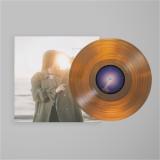
limitierte und nummerierte Vinyl.
Search:gregorian
- 1
When a Russian missile struck the ground not far from my studio in Kyiv, I vividly remember how my body reacted to the explosion, milliseconds before my mind did. That traumatic explosion reduced my essence to a primal state. There existed nothing but dread—the kind that, in scripture, accompanies the appearance of angels announcing, ’Be not afraid’.
The visions of Abbess, composer and mystic Hildegard von Bingen were preceded by bright, excruciating flashes of light. Modern medicine reduces them to cluster migraines, one symptom of which is the retinal aura, often accompanied by blurred vision and blind spots. Hildegard’s music can place great demands on the bodies of its performers, emphasizing uncomfortable intervals and the wide distance between the lowest and highest pitch. In comparison, Gregorian chant, the liturgical standard of the time, represents a tempered attempt to grasp God intellectually; indeed, Hildegard’s music was once described as a stick of dynamite thrown into a Gregorian chant.
This album is not a historically informed performance. Hildegard’s persona and music are a starting point—a distant mirror, akin to the shield of Perseus, used to reflect Medusa. It allows us to reflect, comprehend, externalise, and transcend traumatic wartime experience, reinstating the embodied origins of Christianity, which contained suffering but also offered the promise of transcendence. Andriana-Yaroslava Saienko emphasises this physical aspect of Hildegard’s music by drawing on authentic Ukrainian folk singing, a form that survived despite efforts by the Soviet occupation to replace it with a simulacrum that is naive, harmless, and devoid of contradictions—an attempt to ‘civilise’ the body by disembodying it.
The musical approach is also informed by my ongoing practice of reimagining early music in modular synthesis. I accompany Andriana-Yaroslava’s fiery singing with drones—extended sounds that also occurred in medieval music. The drones alternate with improvisations, one taking its starting point in medieval polyphony, the other working with the concept of the interchangeability of sound and light, referring both to Hildegard’s visions and the space in which we recorded the album: the Cistercian abbey of Sylvanès in Occitania, known for contemporary stained glass windows whose patterns reference the dispersion of acoustic waves inside the church.
The album features two compositions by Hildegard von Bingen: O Ignis Spiritus Paracliti (O Fire of the Spirit and Defender), dedicated to the Holy Spirit, and O Tu Suavissima Virga (O Sweetest Branch), in honour of the Virgin Mary. Both pieces are performed radically slower than usual, expanding in time and space. On vinyl, the compositions are designed to reflect one another and can be listened to in either order. In the digital edition, there is a bonus track titled Zelenaia Dubrovonka (The Green Oak Grove). Based on a Ukrainian folk song from the Polissia region, Andriana Yaroslava adapted the lyrics to reflect our contemporary reality. The green oak grove does not rustle with the wind; instead, it resonates with a different sound—perhaps the missile that struck near my Kyiv studio.
Jeder Künstler muss seine eigene Stimme finden. Gia Margaret fand sich selbst erst, als sie ihre Stimme verlor. Aufgrund einer Stimmbandverletzung, die sie jahrelang am Singen hinderte, entwickelte sie andere musikalische Ausdrucksformen und meisterte die Grammatik einer komplexen, heimeligen Form der Ambient-Musik, die von Ernest Hood begründet und von The Books perfektioniert wurde. Angeführt von sanften Klaviermelodien, die wie Atem auf Glas hauchen, jetzt, da ihre physische Stimme geheilt und ihre künstlerische Stimme geschliffen ist, schließt sich der Kreis mit Singing, ihrem ersten Gesangsalbum seit There's Always Glimmer aus dem Jahr 2018. Die Musik auf Singing zeugt von derselben Sensibilität für Details, die sie in ihrer Stille entwickelt hat. ,Es gab eine Zeit, in der ich wirklich nicht wusste, ob ich jemals wieder singen würde. Als ich dann geheilt war, stand ich unter großem innerem Druck, stark zurückzukommen", sagt Margaret. ,Ich wusste nicht mehr, wer ich war. Es fühlte sich an, als würde ich neu anfangen und mich wieder mit diesen sehr alten, alten Teilen meiner selbst verbinden." Dieses Gefühl der Vermischung von Entfremdung und Wiederentdeckung ist auf dem gesamten Album spürbar. Im Opener ,Everyone Around Me Dancing" beobachtet sie eine Party von den Seitenlinien aus und ist sich bewusst, wie ihr Körper sie von gemeinschaftlicher Freude abhält, ihr aber gleichzeitig neue Wege der Selbsterkenntnis eröffnet. Ausgeschlossen von der Szene ist sie ,näher am Boden, am Planeten". In ,Alive Inside" ist sie so weit entfernt von der Quelle, dass sie zu jedem betet, der sie hören könnte (,ein Gott, ein verstorbener Freund, ein Geist"). Wenn ihre Stimme anschwillt, scheint sie in einem Netz aus Verzerrungen gefangen zu sein; es ist, als würde sie in ihrem Streben die Grenzen des Sagbaren ausloten. Der Entstehungsprozess von ,Singing" war ein Prozess des Lernens, jedem dieser Gefühle zu vertrauen. Das Album wurde teilweise in London mit Guy Sigsworth von Frou Frou aufgenommen, der Margaret dabei half, die Vielzahl ihrer Ideen für ,Good Friend" zu vereinen, einem Highlight des Albums, das unter anderem gregorianische Gesänge von ILA und Turntable-Scratches enthält . David Bazan und Amy Millan sind ebenfalls zu hören, ebenso wie Kurt Vile und Sean Carey, während Margarets langjähriger Kollaborateur Doug Saltzman einen Großteil des Albums spielt und co-produziert. Deb Talan, ehemals Mitglied von The Weepies, steuert ihre Stimme, ihr Klavier und ihre Gitarre zum abschließenden und definitiven Statement des Albums ,E-Motion" bei. Gia Margaret singt stets. Jede Note dieses Albums singt ein warmes Requiem für ihr vergangenes Ich; jede Ebene singt ihr zukünftiges Ich ins Leben. Auf dem gesamten Album wendet sie die Lektionen der Sprachlosigkeit an - die quasi-rationalen Wege, auf denen wir kommunizieren, ohne zu kommunizieren, die Art und Weise, wie formlose Klänge wie ein Skalpell zum Kern der Dinge vordringen können - auf ihre eigene künstlerische Stimme.
- Everyone Around
- Me Dancing
- Cellular Reverse
- Alive Inside
- Moon Not Mine
- Rotten
- Rotten Outro
- Good Friend
- Phenomenon
- Ambient Peace
- Phone Screen
- Guitar Duo
- E-Motion
SUNSHINE VINYL[22,27 €]
Jeder Künstler muss seine eigene Stimme finden. Gia Margaret fand sich selbst erst, als sie ihre Stimme verlor. Aufgrund einer Stimmbandverletzung, die sie jahrelang am Singen hinderte, entwickelte sie andere musikalische Ausdrucksformen und meisterte die Grammatik einer komplexen, heimeligen Form der Ambient-Musik, die von Ernest Hood begründet und von The Books perfektioniert wurde. Angeführt von sanften Klaviermelodien, die wie Atem auf Glas hauchen, jetzt, da ihre physische Stimme geheilt und ihre künstlerische Stimme geschliffen ist, schließt sich der Kreis mit Singing, ihrem ersten Gesangsalbum seit There's Always Glimmer aus dem Jahr 2018. Die Musik auf Singing zeugt von derselben Sensibilität für Details, die sie in ihrer Stille entwickelt hat. ,Es gab eine Zeit, in der ich wirklich nicht wusste, ob ich jemals wieder singen würde. Als ich dann geheilt war, stand ich unter großem innerem Druck, stark zurückzukommen", sagt Margaret. ,Ich wusste nicht mehr, wer ich war. Es fühlte sich an, als würde ich neu anfangen und mich wieder mit diesen sehr alten, alten Teilen meiner selbst verbinden." Dieses Gefühl der Vermischung von Entfremdung und Wiederentdeckung ist auf dem gesamten Album spürbar. Im Opener ,Everyone Around Me Dancing" beobachtet sie eine Party von den Seitenlinien aus und ist sich bewusst, wie ihr Körper sie von gemeinschaftlicher Freude abhält, ihr aber gleichzeitig neue Wege der Selbsterkenntnis eröffnet. Ausgeschlossen von der Szene ist sie ,näher am Boden, am Planeten". In ,Alive Inside" ist sie so weit entfernt von der Quelle, dass sie zu jedem betet, der sie hören könnte (,ein Gott, ein verstorbener Freund, ein Geist"). Wenn ihre Stimme anschwillt, scheint sie in einem Netz aus Verzerrungen gefangen zu sein; es ist, als würde sie in ihrem Streben die Grenzen des Sagbaren ausloten. Der Entstehungsprozess von ,Singing" war ein Prozess des Lernens, jedem dieser Gefühle zu vertrauen. Das Album wurde teilweise in London mit Guy Sigsworth von Frou Frou aufgenommen, der Margaret dabei half, die Vielzahl ihrer Ideen für ,Good Friend" zu vereinen, einem Highlight des Albums, das unter anderem gregorianische Gesänge von ILA und Turntable-Scratches enthält . David Bazan und Amy Millan sind ebenfalls zu hören, ebenso wie Kurt Vile und Sean Carey, während Margarets langjähriger Kollaborateur Doug Saltzman einen Großteil des Albums spielt und co-produziert. Deb Talan, ehemals Mitglied von The Weepies, steuert ihre Stimme, ihr Klavier und ihre Gitarre zum abschließenden und definitiven Statement des Albums ,E-Motion" bei. Gia Margaret singt stets. Jede Note dieses Albums singt ein warmes Requiem für ihr vergangenes Ich; jede Ebene singt ihr zukünftiges Ich ins Leben. Auf dem gesamten Album wendet sie die Lektionen der Sprachlosigkeit an - die quasi-rationalen Wege, auf denen wir kommunizieren, ohne zu kommunizieren, die Art und Weise, wie formlose Klänge wie ein Skalpell zum Kern der Dinge vordringen können - auf ihre eigene künstlerische Stimme.
In 1975, Michael moved from Tucson to Los Angeles to study with Emilie Conrad at the Continuum Studio. Emilie had ‘live’ music for her ‘movement meditation’ classes, and Michael began performing with Fred Stofflet, Gary David, and Don Preston. Ancient Leaves (25:43) was Michael’s first album, recorded in 1976/77 with a Mini Moog synthesizer and a Finish lap harp (Kantele) onto 4 track tape. To the other instruments, Michael added Emilie chanting, an ascending choir with Susan Harper and Linda Olsen vocalists, Gregorian Chants and a night ambience recorded in the desert outside of Tucson, Arizona, his hometown. It was initially released on LP and cassette. The ‘B’ side, Elysian E (23:13) was performed with an Arp String Ensemble played through an MXR digital delay, one of the first, then slowed to half speed. To this he added Moog and EML synthesizers, The Beam and his voice.
Highly original material on a very limited EP... be quick!
POLYPHONIC WAVES OF SOULFUL MADRIGALS
The power of duality is an inscrutable thing: we’re endlessly fascinated by the interplay between light and darkness, East and West, voice and silence, our senses tingling from the compelling synergies that thrive in perceived opposites. Drawing from an urbane Antwerpian upbringing and a Moroccan family lineage, the Brussels-based multidisciplinary artist Younes Zarhoni, embraces these very dualities in all of his projects, exploring those murky areas of contrast and bringing all their ambiguous energy to crystal clear focus.
A longtime staple of the local electronic music scene with his hypnotic techno outings as YZ, Zarhoni’s latest focus is on the compositional power of pure harmony and silence: namely, his polyphonic renditions of medieval mystical poetry, sung in multiple voices and left to solemnly radiate beyond their given spatial grounds. Stripped of all instrumental accompaniments, what you get is Gregorian chant meets Boyz 2 Men, articulated by the lyrical ineffability of Arabic tongues and finding their rhythm in the silences that act as the juncture between observation and anticipation.
These sparse stanzas tread under an elusive referential threshold, conjuring visions of architecture and archaism, madrigals and MTV, the sacred and the profane ~ ostensibly disparate elements that seamlessly fold themselves into the radicality of the compositions. In these 20 minutes of verse, Zarhoni oversteps the margins of categorization to deliver an immersive story of song, flowing freely and sustaining the arc of the narrative long after it has ebbed into silence.
Prophecy, whose previous releases were received to great acclaim, returns with a new EP produced by the label head honcho Elias the Prophet. This time treating you to four original tracks and a stunning remix by Tensal:
"Creatures" could be described as a walk through the forest, but it's getting dark and thousands of eyes are watching you as you get lost in the thick undergrowth. As panic sets in and dark thoughts take over, you start running towards an uncertain fate!
On his remix of "Creatures", the one and only Tensal has masterfully blended powerful beats, eerie voices and pads from the original with his own frenetic synths, creating absolute chaos and madness!
More uneasy vibes with "Exorcism", as supernatural synth layers and Gregorian chants ride above hard percussion, if Satanists listened to techno (some probably do), this would be their jam!
The Keeper is an ideal dj tool, with its broken beat and ferocious FX it creates an unstoppable momentum that will destroy dance floors!
As a finishing touch, "Crime scene" paints a bleak picture of a dystopian future, warping FX and synths to infinity and beyond.
- A1: Psalm 34 4
- A2: Metatron, Archangel Of Kether
- A3: Raziel, Archangel Of Chokmah
- A4: Tzadkiel, Archangel Of Chesed
- A5: Tzaphkiel, Archangel Of Binah
- A6: Kamael, Archangel Of Geburah
- A7: Gabriel, Archangel Of Yesod
- A8: Michael, Archangel Of Hod
- B1: Raphael, Archangel Of Tiphareth
- B2: Haniel, Archangel Of Netzach
- B3: The Sun
- B4: Sandalphon, Archangel Of Malkuth
- B5: Anu/Enlil/Enki (The Way Of Anu) (The Way Of Anu)
John Bence can be described as a Savant in the world of Avant-Garde classical composition, and puts his mastery on full display in his newest release with Thrill Jockey. Archangels is a deep dive into the world and soundscape that Bence carefully crafts to offer a glimpse of the divine. Raised in Bristol"s burgeoning underground electronic music scene and a graduate of the Royal Birmingham Conservatoire, John Bence manages to employ compositional complexity to manifest potent emotions. Bence"s acclaimed early works focused on the human experience, charting the composer"s own experiences with addiction and alcoholism in both stark minimalism and caustic noise eruptions. Having written Archangels two years into his recovery, Bence deftly threads together gauzy electronic atmospheres, brooding orchestral passages, and minimalist piano meditations Throughout his work, he manages to finely sew together Gregorian chant, orchestral arrangements, rippling synthesizers, and field recordings to reveal new surprises at every turn. Archangels is a compelling addition to contemporary composition by an artist unbound by classical traditions.
- A1: Show Me
- A2: Amore
- A3: Im Nin Alu-2000
- A4: Sixth Sense
- A5: My Ethiopian Boy
- A6: Ahava
- B1: No Time To Hate
- B2: You've Got A Friend
- B3: You
- B4: Give Me A Sign
- B5: One Day
Includes insert with lyrics
Featuring the songs "Im Nin Alu-2000", "Show Me" and "Give Me a Sign" a.o.
Limited edition of 750 numbered copies on gold coloured vinyl
Ofra Haza is the eponymous 1997 album by Israeli singer Ofra Haza. It was produced by Frank Peterson (Enigma, Gregorian) and features
Pino Palladino on the bass guitar. The album was recorded in Hamburg and at Abbey Road Studios in London and contains an updated version of the
hit song "Im Nin' Alu". It also features the singles "Show Me" and "Give Me a Sign".
This was Ofra Haza's final full-length studio album before her passing in 2000.
Das estnische Vokalensemble Vox Clamantis und dessen Leiter Jaan-Eik Tulve haben sich im Laufe der
inzwischen 25 Jahre langen engen Zusammenarbeit mit Arvo Pärt als führende Interpreten seiner Musik
etabliert – eine Beziehung, die auf der fast ein halbes Jahrzehnt währenden künstlerischen Partnerschaft
zwischen Pärt und dem Produzenten Manfred Eicher baut. Über die ECM New Series-Aufnahme The Deer’s
Cry des Ensembles meinte das BBC Music Magazine: „Das künstlerische Niveau, das nötig ist, um eine so
lebendige und atmende Interpretation wie die von Vox Clamantis zu erreichen, ist selten anzutreffen. Diese
eindringlich authentische und hervorragend gesungene Aufnahme gehört wohl zu den überzeugendsten auf
einer CD befindlichen Einführungen in Arvo Pärts Musik”. And I heard a voice, aufgenommen im Dom zu
Haapsalu, Estland, und anlässlich von Arvo Pärts 90. Geburtstag veröffentlicht – zeigt, wie sich die enge
Verbindung zwischen Chor und Komponist, getragen von einem gemeinsamen Gespür für Gregorianischen
Gesang ebenso wie für zeitgenössische Musik, weiterhin vertieft.
- 1: Overture
- 2: Illusions Of Polyphony
- 3: Echos Et Fantasies
- 4: In Simplicity We Trust
- 5: Octus
- 6: Volatiles
- 7: Resonances
- 8: 224 Steps
- 9: Subtracting The Superflous
Crafted entirely on an analog monophonic synthesizer with no overdubs, Pièces Monophoniques is a tribute to simplicity in an era of limitless digital possibilities. Since his debut album, Music For Prophet (Les Disques du Festival Permanent, 2017), Majorca-born composer Marc Melià, now a long-time resident of Brussels, has been redefining the contours of electronic music through a minimalist, reductionist approach. Much like a solitary hike through the vastness of mountains, where one carries only the essentials, Melià’s work invites listeners on a journey stripped of excess, focusing instead on the purity of sound and intention.
While some have dismissed monophonic music as overly simplistic, others have embraced its distinct charm. Historical records, such as those by Johannes Quasten, reveal that early Church leaders were drawn to monophonic music because it resonated with the era's cosmological beliefs, highlighting the harmony and unity of all creation. In an age of digital abundance, Marc Melià deliberately embraces constraint, crafting an album that thrives within a limited palette of choices. Yet, from these self-imposed boundaries emerges a stunning universe, brimming with rich textures and elegant harmonies. For his debut album, Melià worked exclusively with a Sequential Prophet. With Pièces Monophoniques, his third LP, he returns armed solely with an analog monophonic synthesizer and handcrafted MIDI sequences etched directly onto a single stereo track. These recordings seek to uncover beauty within the boundaries of limitations and simplicity, rejecting any embellishments that are not essential. Melià presents the bare skeleton of music, highlighting the power of absence and silence as creative forces. Like the hidden mass of an iceberg, what is not heard becomes as significant as what is heard.
The album navigates the boundary where the quest for an uninhibited emotional response intersects with the mechanical sounds generated by synthesizer circuitry. Despite being a collection of beatless tracks, a pulse occasionally surfaces, like in the closing piece, "224 Steps. A sharp sequence blended with multiple delays and reverbs creates the vaporous celestial specter of multiple voices in "Illusions of Polyphony", while "Échoes et Fantasies" conjures the illusion of dual harmony. The expansive reverbs and silences between the euphoric synth phrases in "Overture" transport us to an imaginary magestic landscape shaped out of an electric field. "Resonances," a one-note drone-like sequence, embodies the album's aims as a series of resonances created with the synth filter emerge from the fundamental note.
"Pièces Monophoniques," aims to contribute to a tradition that dates back to the dawn of humanity. After all, there is no denying that the earliest music crafted by humanity was monophonic, from the soothing lullabies sung to newborns to Gregorian chants, traditional labor songs, and the repertoire of solo compositions by countless composers.
- A1: Opening Suite
- A2: Truth And Reconciliation Suite
- A3: Brothers In Arms
- A4: Enough Dead Heroes
- B1: Perilous Journey
- B2: A Walk In The Woods
- B3: Ambient Wonder
- B4: The Gun Pointed At The Head Of The Universe
- B5: Trace Amounts
- B6: Under Cover Of Night
- B7: What Once Was Lost
- B8: Lament For Pvt. Jenkins
- C1: Devils… Monsters…
- C2: Covenant Dance
- C3: Alien Corridors
- C4: Rock Anthem For Saving The World
- C5: The Maw
- C6: Drumrun
- C7: On A Pale Horse
- C8: Perchance To Dream
- C9: Library Suite
- D1: The Long Run
- D2: Suite Autumn
- D3: Shadows
- D4: Dust And Echoes
- D5: Halo
Halo Studios und Laced Records haben sich zusammengetan, um die ikonische Musik der ursprünglichen Halo-Trilogie zum ersten Mal auf Vinyl zu veröffentlichen.
Dieses Doppel-LP-Set enthält die Musik aus dem Spiel, mit dem alles begann, speziell für Vinyl neu gemastert und auf heavyweight LPs gepresst. Die Schallplatten befinden sich in einer breitrandigen Außenhülle und zwei bedruckten Innenhüllen.
Das Original-Cover-Artwork stammt von Art Director und Concept Artist Isaac Hannaford (alias Rhizus / Space Ship Guru), dem ehemaligen Lead Concept Artist und Mitwirkenden an Halo 3, Halo 3: ODST und Halo Reach. Das zusätzliche Artwork des Sets wurde von der Grafikdesignerin Maren Landsnes erstellt.
Halo: Combat Evolved war der Inbegriff des Konsolen-Ego-Shooters und sein Soundtrack legte den Grundstein für den legendären Sound der Serie. Der Soundtrack ist von verschiedenen Genres inspiriert und kombiniert schwungvolle Orchesterklänge mit marschierenden Militär-Snares, Prog-Rock-Percussion und - wer könnte den gregorianischen Mönchsgesang vergessen?
- 26 speziell remasterte Titel aus dem Spiel von 2001
- Cover-Artwork von Isaac Hannaford (ehemaliger Lead Concept Artist bei Bungie)
- A1: Opening Suite
- A2: Truth And Reconciliation Suite
- A3: Brothers In Arms
- A4: Enough Dead Heroes
- B1: Perilous Journey
- B2: A Walk In The Woods
- B3: Ambient Wonder
- B4: The Gun Pointed At The Head Of The Universe
- B5: Trace Amounts
- B6: Under Cover Of Night
- B7: What Once Was Lost
- B8: Lament For Pvt. Jenkins
- C1: Devils… Monsters…
- C2: Covenant Dance
- C3: Alien Corridors
- C4: Rock Anthem For Saving The World
- C5: The Maw
- C6: Drumrun
- C7: On A Pale Horse
- C8: Perchance To Dream
- C9: Library Suite
- D1: The Long Run
- D2: Suite Autumn
- D3: Shadows
- D4: Dust And Echoes
- D5: Halo
- E1: Halo Theme Mjolnir Mix
- E2: Peril
- E3: Ghosts Of Reach
- E4: Heretic, Hero
- E5: Flawed Legacy
- E6: Impend
- F1: Ancient Machine
- F2: In Amber Clad
- F3: The Last Spartan
- F4: Orbit Of Glass
- F5: Heavy Price Paid
- F6: Earth City
- F7: High Charity
- F8: Remembrance
- G1: Prologue
- G2: Cairo Suite
- G3: Mombasa Suite
- H1: Unyielding
- H2: Mausoleum Suite
- H3: Unforgotten
- I1: Delta Halo Suite
- I2: Sacred Icon Suite
- J1: Reclaimer
- J2: High Charity Suite
- J3: Finale
- J4: Epilogue
- K1: Luck
- K2: Released
- K3: Infiltrate
- K4: Honorable Intentions
- K5: Last Of The Brave
- L1: Brutes
- L2: Out Of Shadow
- L3: To Kill A Demon
- L4: This Is Our Land
- L5: This Is The Hour
- M1: Dread Intrusion
- M2: Follow Our Brothers
- M3: Farthest Outpost
- M4: Behold A Pale Horse
- N1: Edge Closer
- N2: Three Gates
- N3: Black Tower
- N4: One Final Effort
- N5: Keep What You Steal
- O1: Gravemind
- O2: No More Dead Heroes
- O3: Halo Reborn
- O4: Greatest Journey
- P1: Tribute
- P2: Roll Call
- P3: Wake Me Up When You Need Me
- P4: Legend
- P5: Choose Wisely
- P6: Movement
- P7: Never Forget
- P8: Finish The Fight
Halo Studios und Laced Records haben sich zusammengetan, um die ikonische Musik der ursprünglichen Halo-Trilogie zum ersten Mal auf Vinyl zu veröffentlichen.
Diese Box enthält 83 Titel aus den ersten drei Halo-Alben, die speziell für Vinyl neu gemastert und auf acht heavyweight LPs gepresst wurden. Jeder Soundtrack befindet sich in einer breitrandige Außenhülle und einer bedruckten Innenhülle. Diese wiederum befinden sich in einer stabilen Sammlerbox aus Karton mit silbernem Laminatüberzug und geprägtem Halo-Logo.
Das Original-Cover-Artwork stammt von Art Director und Concept Artist Isaac Hannaford (alias Rhizus / Space Ship Guru), dem ehemaligen Lead Concept Artist und Mitwirkenden an Halo 3, Halo 3: ODST und Halo Reach. Das zusätzliche Artwork der Box wurde von der Grafikdesignerin Maren Landsnes erstellt.
Halo: Combat Evolved war der Inbegriff des Konsolen-Ego-Shooters und sein Soundtrack legte den Grundstein für den legendären Sound der Serie. Der Soundtrack ist von verschiedenen Genres inspiriert und kombiniert schwungvolle Orchesterklänge mit marschierenden Militär-Snares, Prog-Rock-Percussion und - wer könnte den gregorianischen Mönchsgesang vergessen?
Für Halo 2 taten sich die Komponisten mit hochkarätigen Musikern zusammen und verpassten dem Halo-Thema mit dem neuen „Mjolnir Mix“ ein Heavy-Metal-Makeover. Es war der erste Videospiel-Soundtrack, der es in die Billboard 200 schaffte.
Halo 3 zeichnete sich durch Tribal-Drums und Prog-Rock-Refrains aus, während Klaviermelodien, begleitet von einem 60-köpfigen Orchester und einem 24-stimmigen Chor, dem Soundtrack emotionale Tiefe verliehen.
- 83 Tracks aus Halo: Combat Evolved, Halo 2 und Halo 3
- Speziell für Vinyl neu gemastert
- Cover-Artwork von Isaac Hannaford (ehemaliger Lead Concept Artist, Bungie)
** CASSETTE RELEASE
Spanish-born producer Digge Shim relocated to Malmö, Sweden a few years back and found his calling in the reincarnation of electro through his relentless output of acid-flavored 303 jams. Besides establishing the Malmø Traxx label he also ran the city’s foremost record shop for electronic dance music.
For his first release on @blundar.co the producer has sourced tracks from his archive of tapes and found a batch of unreleased gems that seemed to fit nicely together in a sort of megamix style. On Side I, he collects some indica-infused ambient and goes all in on Gregorian chants and samples of political speeches. Side II is a head nodding trip through leftfield experiments in downtempo, dubby disco and the tropical ghosts of boom bap.
Anlässlich des 20-jährigen Jubiläums des Albums „The Very Best Of“, erscheinen dieses und seine drei Vorgänger „The Mass“ (2003), „ERA I“ (2002) und „Era II“ (2000) zum ersten Mal auf Vinyl. Die ERA-Alben umfassen einen Mix aus Gregorianischen Gesängen, Rock, Pop, elektronischen Klängen und klassischer Musik. Für die Lyrics verwendet Eric Lévi, der Künstler hinter dem Projekt „ERA“, eine
imaginäre Sprache, die Latein ähnelt.
Statt Strukturen, die durch Zeit oder Kultur auferlegt wurden, zu folgen, ist der Künstler auf der Suche nach starken Emotionen. In seinen Alben setzt er diese anschließend musikalisch um. Außerdem, verfasst
Eric Lévi die meisten seiner Lieder mit dem Gedanken Soundtracks für epische Filme zu erschaffen. Die außergewöhnliche Arbeit von ERA berührt die Herzen und Seelen von Millionen Menschen weltweit.
ERAs Alben haben sich millionenfach verkauft und wurden in mehr als 18 Ländern mit Multi-Platin ausgezeichnet.
Anlässlich des 20-jährigen Jubiläums des Albums „The Very Best Of“, erscheinen dieses und seine drei Vorgänger „The Mass“ (2003), „ERA I“ (2002) und „Era II“ (2000) zum ersten Mal auf Vinyl. Die ERA-Alben umfassen einen Mix aus Gregorianischen Gesängen, Rock, Pop, elektronischen Klängen und klassischer Musik. Für die Lyrics verwendet Eric Lévi, der Künstler hinter dem Projekt „ERA“, eine
imaginäre Sprache, die Latein ähnelt.
Statt Strukturen, die durch Zeit oder Kultur auferlegt wurden, zu folgen, ist der Künstler auf der Suche nach starken Emotionen. In seinen Alben setzt er diese anschließend musikalisch um. Außerdem, verfasst
Eric Lévi die meisten seiner Lieder mit dem Gedanken Soundtracks für epische Filme zu erschaffen. Die außergewöhnliche Arbeit von ERA berührt die Herzen und Seelen von Millionen Menschen weltweit.
ERAs Alben haben sich millionenfach verkauft und wurden in mehr als 18 Ländern mit Multi-Platin ausgezeichnet.
Anlässlich des 20-jährigen Jubiläums des Albums „The Very Best Of“, erscheinen dieses und seine drei Vorgänger „The Mass“ (2003), „ERA I“ (2002) und „Era II“ (2000) zum ersten Mal auf Vinyl. Die ERA-Alben umfassen einen Mix aus Gregorianischen Gesängen, Rock, Pop, elektronischen Klängen und klassischer Musik. Für die Lyrics verwendet Eric Lévi, der Künstler hinter dem Projekt „ERA“, eine
imaginäre Sprache, die Latein ähnelt.
Statt Strukturen, die durch Zeit oder Kultur auferlegt wurden, zu folgen, ist der Künstler auf der Suche nach starken Emotionen. In seinen Alben setzt er diese anschließend musikalisch um. Außerdem, verfasst
Eric Lévi die meisten seiner Lieder mit dem Gedanken Soundtracks für epische Filme zu erschaffen. Die außergewöhnliche Arbeit von ERA berührt die Herzen und Seelen von Millionen Menschen weltweit.
ERAs Alben haben sich millionenfach verkauft und wurden in mehr als 18 Ländern mit Multi-Platin ausgezeichnet.
Anlässlich des 20-jährigen Jubiläums des Albums „The Very Best Of“, erscheinen dieses und seine drei Vorgänger „The Mass“ (2003), „ERA I“ (2002) und „Era II“ (2000) zum ersten Mal auf Vinyl. Die ERA-Alben umfassen einen Mix aus Gregorianischen Gesängen, Rock, Pop, elektronischen Klängen und klassischer Musik. Für die Lyrics verwendet Eric Lévi, der Künstler hinter dem Projekt „ERA“, eine
imaginäre Sprache, die Latein ähnelt.
Statt Strukturen, die durch Zeit oder Kultur auferlegt wurden, zu folgen, ist der Künstler auf der Suche nach starken Emotionen. In seinen Alben setzt er diese anschließend musikalisch um. Außerdem, verfasst
Eric Lévi die meisten seiner Lieder mit dem Gedanken Soundtracks für epische Filme zu erschaffen. Die außergewöhnliche Arbeit von ERA berührt die Herzen und Seelen von Millionen Menschen weltweit.
ERAs Alben haben sich millionenfach verkauft und wurden in mehr als 18 Ländern mit Multi-Platin ausgezeichnet.
Eszaid imagines the sonic paranoia of discovery with Brumes, a 9 part movement for FELT that coalesces industrialised murmurs from the currents of cavernous creep.
An electronic complexion shaded dusk haunts Eszaid’s output. Previous releases on L.I.E.S., Worship and his own Collapsing Market label exemplified a shutters-closed style of rhythmic and melodic variance that teetered on techno-related realities with the lights kept firmly off. The Avignon-based artist lands at Fergus Jones's FELT stable to further the imprint’s unpredictability, coaxing some of his most perturbed oddities yet with Brumes.
The mythologized voyage of Pytheas to the island of Thule provides the abstracted blueprint for Brumes’ 9 parts. Each movement is born of soundscapes inspired by envisaged scenes of his trip to the North, an aural construction of interpretation. Eszaid unwinds tense metronomic rhythms within sparse sound environments, sprung with globular textures of motorik warbles and darkside atmospherics. Its minimalist beat complexions are buoyant by an abstracted fear of the unknown, tracks defined by bobbling industriale, Gregorian dub and atonal menace. It’s an alternative experience to the often faux-jubilance of expeditious revelation, and something that will resonate long after Nord’s beatless modulation fade out.
- A1: Turn Of The Century
- A2: Holiday
- A3: Red Chair Fade Away
- A4: One Minute Woman
- A5: In My Own Time
- A6: Every Christian Lion Hearted Man Will Show You
- A7: Craise Finton Kirk Roval Academy Of Arts
- B1: New York Mining Disaster 1941
- B2: Cucumber Castle
- B3: To Love Somebody
- B4: I Close My Eyes
- B5: I Can't See Nobody
- B6: Please Read Me
- B7: Close Another Door
The group takes a psychedelic turn, adding lush orchestral arrangements to the group’s tight harmonies and narrative lyrics. The album was recorded at the famed IBC Studios in London. Barry Gibb commented that their recording process was one of impromptu creativity, in which they’d “think up a subject, then write a song on the spot.” The instrumental parts were added later, adding a fullness to the songs. For instance, ‘Bee Gee’s 1st’ opens with strains of oboe and harpsichord on the whimsical “Turn of the Century,” while “Every Christian Lion Hearted Man Will Show You” begins with dark Gregorian chants.
Motiviert von dem Wunsch, ihren eigenen künstlerischen Stil zu erforschen und neue Wege zu beschreiten, haben SYLVATICA ihr drittes Album mit dem Titel "Cadaver Synod" aufgenommen. Dieses Album taucht in die düsteren Geschichten des Mittelalters ein und enthält Elemente wie die eindringlichen Klänge von Kirchenorgeln, Theremin und gregorianischen Gesängen. Das Ergebnis ist eine Reihe düsterer und atmosphärischer Kompositionen, die durch den Einsatz von Hammond-Orgeln und Synthesizern bereichert werden und eine nostalgische 70er-Jahre-Stimmung mit gelegentlichen Doom-Einflüssen hervorrufen.
Die Produktion dieses Albums ist im Vergleich zu ihren früheren Werken absichtlich rauer, um die organischen und atmosphärischen Aspekte zu betonen und gleichzeitig einen spielerischen Ansatz zu verfolgen. Trotz dieser Veränderungen bleibt der unverwechselbare klassische Sound der Band erhalten, der mit einer frischen und aufregenden Wendung neu belebt wurde. Sylvatica kreiert seit 2009 fesselnde Melodien und liefert atemberaubende Soli, als die Band von einer Gruppe von Jugendfreunden gegründet wurde, die von der Folk-Metal-Bewegung der späten 2000er Jahre begeistert waren.
Die Band debütierte mit den Folk-infizierten EPs "Sagn & Sagaer" und "Mosemanden", dicht gefolgt von dem vom melodischen Death Metal inspirierten Album "Evil Seeds". Während dieser Zeit gingen sie mit bekannten dänischen Folk-Metal-Bands auf Tournee.
Lee Gamble’s UIQ label unveils a second album from Filipina-Australian artist Corin Ileto, deploying a brace of swarming alien chorales and rapturous digital rave noise to explore the idea of sound as a sentient being. Bold and operatic, cinematic and cybernetic.
Named after the iconic choral work by 20th Century avant-garde legend György Ligeti (as immortalised by Stanley Kubrick in 2001), ‘Lux Aeterna' explores the idea of micropolyphony, a term Ligeti described as a complex polyphony "in which harmonies do not change suddenly, but merge into one another." Like Ligeti, Corin isn't primarily concerned with melody or rhythm, but timbre: the colour and quality of sound itself.
Taking its time to unfurl, the album opens with ‘lumen naturae’, winding tonal clouds that eventually latch onto a misshapen hoover sound that curves into the abyss. Corin shows her hand more formally on 'sunta', balancing layered cybernetic drones against ratcheting metallic rhythms and unstable textures. When the track cuts to almost-silence, it reminds us of Akira Rabelais' ghosted 'Spellewauerynsherde' (itself an impressionistic granulation of vocal recordings), before being disrupted by a dynamic kick that shares DNA with club music.
But despite her occasional flirtations with the club, Ileto doesn't appear to have any interest in making functional dance music. Instead, she emphasises momentum and texture. Like a celestial opera, ecstatic trance is reimagined within the context of sacred liturgy – merging hyper-real soundscapes with Gregorian chant and medieval instrumentation. Chrome-plated clangs and growling subs highlight the album’s sci-fi leanings, tapping into a sort of retro-futurism that balances a hi-tech mindset with a feeling of deep vulnerability and alienation.
Ein einzigartiges Album, das 1999 seiner Zeit weit voraus war und ein absoluter Klassiker ist! Dieses Album ist eine Mischung aus Folk, Death Metal und Pagan Metal. Zum ersten Mal auf Vinyl!Ich lernte Hollenthon 1999 kennen, als "Domus Mundi" veröffentlicht wurde. "Domus Mundi" ist seitdem ein Lieblingsalbum, das ich mir immer wieder gerne anhöre, weil es einen unendlichen Wiederspielwert hat und eineneinzigartigen Stils, den keine andere Metal-Band nachahmen kann. Umso erstaunlicher, dass alles von einem Mann geschaffen und arrangiert wurde, nämlich von Martin Schirenc, der vor allem durch seine Arbeit bei Pungent Stench bekannt ist.Dieses Album lässt sich am besten als orchestraler Extrem-Metal beschreiben, aber auch episch, volkstümlich und mittelalterlich sind angemessene Adjektive für dieses Werk. Schirenc beweist, dass er nicht nur ein
großartigerSchirenc beweist, dass er nicht nur ein großartiger Gitarrist ist, sondern auch ein brillanter Arrangeur, der gregorianische Gesänge, Spoken Word, ethnische Musik aus dem Nahen Osten, neuseeländische Kriegsgesänge und jede Menge klassische Musik in seine Musik integriert.
Die Samples reichen von Rimsky-Korsakoffs "Sheherezade" bis zu einem Dudelsackfilm aus dem Film Braveheart, zu gesprochenen Samples aus Ridley Scotts Legend und vielem mehr. Diese Samples verleihen dem Album eine einzigartige Note und machen es extrem abwechslungsreich, etwas, das man so noch nie gehört hat. Schirenc verwendet einfache Songstrukturen und setzt Hooks in seiner Gitarrenarbeit ein, um lange Songs und sich wiederholende Strukturen interessant zu halten.
Brendan Perry und Lisa Gerrard haben als Dead Can Dance eine ganze Reihe herausragender Veröffentlichungen eingespielt. Doch ihr fünftes Album "Aion" von 1990 nimmt dabei noch einmal eine Sonderstellung ein. Es wurde in Perrys Studio im Süden Irlands aufgenommen. Mehr als alle anderen DCD-Einspielungen spiegelt "Aion" ein tiefes Interesse an der Musik des späten Mittelalters und der Renaissance wider. Die aus früheren Werken bekannten elektronischen Klangteppiche tauchen nur noch vereinzelt auf, die Instrumentierung ist damit überwiegend akustisch. Teilweise kommen mit Drehleier und Dudelsack sogar historische Instrumente zum Einsatz, verpackt in mittelalterliche Chorgesänge. Das Spektrum reicht von sakralen Arrangements mit gregorianischen Gesängen ("The Song Of The Sybil", "The End Of Words") über beschwingte Tanzmotive ("Radharc", "Saltarello") und Liedern wie "The Promised Womb", die von Gerards magischem, berührend-traurigem Elfengesang leben. Atmosphärisch!
- A1: Psalm 34:4
- A2: Metatron, Archangel Of Kether
- A3: Raziel, Archangel Of Chokmah
- A4: Tzadkiel, Archangel Of Chesed
- A5: Tzaphkiel, Archangel Of Binah
- A6: Kamael, Archangel Of Geburah
- A7: Gabriel, Archangel Of Yesod
- B1: Michael, Archangel Of Hod
- B2: Raphael, Archangel Of Tiphareth
- B3: Haniel, Archangel Of Netzach
- B4: The Sun
- B5: Sandalphon, Archangel Of Malkuth
- B6: Anu/Enlil/Enki (The Way Of Anu)
John Bence can be described as a Savant in the world of Avant-Garde classical composition, and puts his mastery on full display in his newest release with Thrill Jockey. Archangels is a deep dive into the world and soundscape that Bence carefully crafts to offer a glimpse of the divine. Raised in Bristol"s burgeoning underground electronic music scene and a graduate of the Royal Birmingham Conservatoire, John Bence manages to employ compositional complexity to manifest potent emotions. Bence"s acclaimed early works focused on the human experience, charting the composer"s own experiences with addiction and alcoholism in both stark minimalism and caustic noise eruptions. Having written Archangels two years into his recovery, Bence deftly threads together gauzy electronic atmospheres, brooding orchestral passages, and minimalist piano meditations. Throughout his work, he manages to finely sew together Gregorian chant, orchestral arrangements, rippling synthesizers, and field recordings to reveal new surprises at every turn. Archangels is a compelling addition to contemporary composition by an artist unbound by classical traditions.
- 1: A Plague Tale Requiem
- 1: 2 Beautiful Morning
- 1: 3 Hide And Seek
- 1: 4 The Dream
- 1: 5 No Turning Back
- 1: 6 The Friendly Lucas
- 1: 7 Arnaud's Men
- 1: 8 The Men After Me
- 1: 9 The Rage Within
- 1: 0 Unwilling Violence
- 1: The Rats And Hugok
- 1: 2 Reunion
- 1: 3 A New Foe
- 1: 4 A Wreck
- 1: 5 Along Togtherk
- 1: 6 Siblings
- 1: 7 Fragile
- 1: 8 The Wall
- 2: 1 The Storm
- 2: The Island
- 2: 3 L'efant Divin
- 2: 4 L'efant
- 2: 5 The Spirit Of The Island
- 2: 6 Heavy Heart
- 2: 7 The Truth
- 2: 8 La Nuit
- 2: 9 The Count
- 2: 10 The Duel
- 2: 11 A Knight
- 2: 1 At Peace
- 2: 13 Love And Friendship
- 2: 14 La Haut
- 2: 15 Brother
- 2: 16 Ma Belle Lune
Black Screen Records has once again teamed up with Focus
Entertainment to release the soundtrack to A Plague Tale:
Requiem - the sequel to the award-winning adventure game A
Plague Tale: Innocence - by IFMCA award-winning and BAFTA
nominated composer Olivier Derivière on 180g double vinyl and
CD. After signing the soundtrack for A Plague Tale: Innocence,
Olivier Derivière is back to enrich the intense emotional journey
of A Plague Tale: Requiem with his poignant compositions.
Olivier Derivière is a passionate video games composer and an
international star in the field, who won multiple awards and a
nomination for the 2017 BAFTA. His degree of implication is rare
among video games composers, putting the gameplay at the
center of his considerations and even influencing the
development through his input. The compositions also feature
the cellist Eric-Maria Couturier, and the Estonian Philharmonic
Chamber Choir. Eric-Maria Couturier is a distinguished member
of the Ensemble intercontemporain, a contemporary music
ensemble founded by Pierre Boulez, whom Eric-Maria Couturier
collaborated with among other eminent modern music icons.
The two-time Grammy Award-winning Estonian Philharmonic
Chamber Choir is one of the best-known Estonian ensembles in
the world. With a repertoire that extends from Gregorian chant
to contemporary music, it le
Our fascination with Adriaen Willaert's almost infinitely radiant oeuvre led us to
this beautiful, polyphonic monument of a Mass. The combination with the other
works on this LP is no coincidence: it illustrates how the composer was acutely
aware of what was going on musically in Venice, even outside the church walls of
St. Mark's Basilica. He turned folk songs, called Canzone Villanesche, into fourvoice musical gems that to this day leave no one unmoved. It is striking how
Willaert takes different approaches to turning spiritual texts, on the one hand, and
secular songs, on the other, into gripping compositions. For example, the Mass
has a polyphonic structure: one voice begins, the second voice imitates,
embellishes, and passes the torch to a third, fourth, and fifth voice. A braid of
melodies arises; a wall of vocal sounds that seems to never end is erected.
The text is difficult to understand, but here and there you recognize a snippet of
the main melody, the Gregorian melody "Benedicta es," on which all movements
of this Missa Benedicta es are based. It is different with the chansons: they
sound polyphonic, but homorhythmic. Everyone sings the same text at the same
time, so you can hear and understand the lyrics of the different verses very
clearly. Musicologists still debate to this day whether or not it was com- posed by
Willaert. Some say that it could have come from the pen of Nicolle de Celliers de
Hesdin... In any case, the fact that the mystery surrounding this music may never
be solved is no reason for us not to enjoy it to the fullest in the meantime!
Welcome aboard! We're about to slide into the wide musical landscapes of True Flavas Band. Please take place on your seat, enjoy the smell of a cup of Douchka black tea , close your eyes, the train's door is shutting then the locomotive pulls the heavyweight transSiberian slowly.
The Journey starts to reach the "Polar Circle" and its deep soaring atmosphere, snowy forest and the steppes' flatness. Now You recognize, that it's all about immersive laidback
funk. The band breaks with the white screen view blowing up at the wagon's window, crosses some more urban ensembles with the uptempo "Take It Straight", the intriguing "Estonia" and "Ghlmly". The expression touches climax offering a view from the mountain's
top in "4Hero" and "Double Trouble" with transversal dynamic and flight sensations. The four musicians offer nights full of stars and aurora borealis moments in tracks like "Gamekeeper" and "Jazz'N'Bass". At the end "Countryside" brings us into a gradual rise of leftfield ambience sustained by Krautrock guitars and Gregorian like chants, hypnotic.
With this first LP on Stereophonk, True Flavas Band show ten beautiful, fine and wellmatured pieces. Strong of a rich musical experience and influences, the quartet from SaintPetersburg composed by Roma (drums), Danik (keyboards and electronics), Dima (bass) and Alexey (guitar) have evolved since 2005 to achieve a perfect combination. TrueFlavas performed with artists such as Tricky, Dj Vadim, Dj Krush, Theo Parrish, Badbadnotgood, Gaslampkiller, Fatima, Themselves, Jimi Tenor... and toured all over Russia.
Type “Was Joan of Arc” into Google and the suggested endings for this statement give you an accurate gauge of her place in pop culture: “Catholic” / “a nun” / “canonised” / “a prophet” / “French” / “a witch” and so on. Related questions to “What were Joan of Arc’s last words” on the info-sharing site Quora include “Was Joan of Arc bisexual” and “Was Joan of Arc simply crazy?” Everyone seems to agree this person was burned at the stake in 1431, but beyond that, Joan’s narrative is an enigma. It is this lack of definition that the production duo Pillow Queen harnessed for their second release, Burn Me Up. Inverting the image of the devout Christian girl, the Joan who stands as this record’s heroine was a heretic, a transvestite, most definitely a dyke and a hot femme-top at that.
Opening up the A-side, the title track is a call— a battle cry, but also a summoning. In a time of need one calls upon their patrons and elders from history; a DJ beckons and gathers dancers to the floor; prayer and sweat go hand and hand. A traditional Irish bodhrán drum beats out the first rhythms, joined by a steamy vocal sample that gets caught, chopped, and soon “Burns Me Up” is pumping along with organ chords and distorted keys. Pivoting away from the 4/4 format, “Submission” is a textured, downtempo slow-burner, with close-mic’d vocals from Vani-T and the D. Tiffany’s deft drum programming. When the choral pads come in, there’s an echo of the 1990s German worldbeat project Enigma, with its Gregorian chants and flutes laid on top of lounge beats—here, though, the chorus is stripped of kitsch, only driving the track deeper into a mood.
If Burn Me Up’s sequence of tracks is read as a kind of narrative, they seem to tell the story of Joan’s last moments. “Burn Me Up” is, frankly, heat—aggressive, the high-end crackles and the bass puts a pyre under one’s feet. “Submission” is like an exhale, a giving-in to death’s grip; there is, along with the sensuous tread, a melancholy. It only makes sense that one flips the record to “Resurrection”, which rolls in a tremolo’d wail of pitched vocals for 30 seconds before a kick drum begins the 141-BPM march. The percussion is central here, as the track shifts between polyrhythms like a range of resuscitations, varied heartbeats. “Salvation” closes the record, again dialling back the tempo to the deep nod of dub. To no surprise, the scene of redemption here is not one of sunlit cherubs—the church bell sample tolls one strike every few measures of bass-throb and shadow, while Vani-T intones, “Then he lay down and died”. Death can be salvation to some; living as many selves, living in contradiction, is a saving grace to many more.
- A1: Sofia Suicidou-Se (Da Serie Samba Policial) (Da Serie Samba Policial)
- A2: Pecou A Rosa - Samba
- A3: Um Assalto No Morumbi (Da Serie Samba Policial) (Da Serie Samba Policial)
- A4: Incendio (Da Serie Samba Reportagem) (Da Serie Samba Reportagem)
- A5: Frida - Poema/Frida - Samba
- A6: Brasilia Seculo 1 - Samba
- B1: Um Crime (Da Serie Samba Policial) (Da Serie Samba Policial)
- B2: A Lenda Da Chuva - Poema
- B3: O Sorriso Da Praia - Samba
- B4: Mar De Sal - Samba
- B5: A Morte Do Violao - Samba
- B6: E A Chuva Nasceu - Samba
- B7: Samba Gregoriano (Da Serie Samba Erudita) (Da Serie Samba Erudita)
A virtuoso pianist and composer of seminal works in early electronic and experimental classical music, Jocy de Oliveira’s musical output has had a great influence within Brazil and abroad. Her sole contribution to Brazilian popular music, her 1959-recorded album, ‘A Música Século XX de Jocy’ in many ways stands apart from the rest of her artistic oeuvre.
The original vinyl release marketed the record as adding to Brazil’s samba heritage with a ‘simple and original dialectic’, naming its style ‘vanguard samba’, which differs from both traditional samba and Bossa Nova, in its infancy at the time.
Listening to Jocy’s ‘20th century music’ in the context of the contemporaneous and vastly more influential Bossa Nova style is especially striking. Where Bossa Nova’s innovators incorporated influences from jazz and French piano music to a samba foundation, Jocy de Oliveira took a greater leap, wedding her century’s classical music to samba. Where Bossa Nova dawned a new epoch of poetic lyricism in Brazilian popular songs with great poets such as Vinicius de Moraes and themes of longing, love and nature, Jocy de Oliveira’s lyrics are concerned with scenes of urban tragedy and decay, presenting an alternative vision to Brazil’s stereotypical tropical paradise image almost 10 years before the emergence of the Tropicália movement.
The sounds and lyrics of Jocy’s landmark release still shock today. Put in the context of a conservative Brazil on the eve of Brasília’s inauguration, it is even more startling that this record ever got made. An unconventional mix of classical and popular musical influences combined with socially critical, ironic and at times journalistic lyrics make for a unique listening experience.
A unique representation of Brazilian popular music, Jocy de Oliveira’s masterpiece ‘A Música Século XX de Jocy’ is reissued for the first time. Meticulously remastered, the record is pressed on high-quality 45-RPM vinyl, with a modernised back cover and printed inner sleeve including previously unseen pictures taken for the record’s release in 1959.
Tape / Cassette
Longstanding collaborators & Bay Area based experimental duo Kush Arora & Lucas Patzek aka Only Now & Orogen return with ‘AVULS’, the project’s sophomore release.
Building on the unearthly, black hole transmissions and creaking, exospheric ambience of their self-titled debut, Only Now & Orogen present an abyssal, elemental broadcast from another unchartered extra-terrestrial zone. Remote and astronomical yet tied to a newfound sense of rhythmic structure, ‘AVULS’ navigates a course through inverted beat-led frameworks, surging detonations of sub-bass, and severely turbulent, monumentally scaled soundscapes.
Amidst this large, slow-moving cyclone of sound sit fragmentary emergences of choral voices and Gregorian chants; a distant, esoteric presence within dense eruptions of attritional noise and infinite recesses of low end.
In harsh, pointillistic detail and through infernal surround sound, Only Now & Orogen channel dub, noise and power electronics, evoking a distorted, ritualistic inflection on the Voyager Golden Record; a mass of tectonic motion and friction; a storm in deep space.
Aggelos Baltas is a veteran of the global electronic music scene, responsible for a handful of celebrated EBM 12”s as Dream Weapons, and a particularly heady and open-ended brand of krautrock as Fantastikoi Hxoi. His newest project, Anatolian Weapons, was conceived as a way to bring together these two seemingly mismatched concepts, with the polyrhythmic percussion and wailing tones of Greek folk music serving as their unlikely bonding agent. His output garners praise particularly around the Golden Pudel scene, such as Vladimir Ivkovic, and Phuong Dan. Lena Willikens, from the same circle, included Baltas’ track “Disillusioned” on her Dekmantel Selectors compilation in 2018.
But where much of what Baltas has released as Anatolian Weapons is instantly recognizable as dance music, To The Mother Of Gods—Baltas’ debut album for Beats In Space—is something else entirely. Created in tandem with Greek folk musician Seirios Savvaidis, it is a work of simultaneous collaboration and subtraction whose meticulous construction becomes more apparent with every listen. An album-length exploration of what happens when the principles of dance music are applied to pre-digital musical modalities. It is a record of psychedelic folk music that has more in common with Kikagaku Moyo, Minami Deutsch, and the Habibi Funk label than it does with anything else Baltas has produced under any alias. It’s difficult to imagine this music in any kind of club setting.
And yet, it’s very much the work of a DJ. Baltas initially heard Savvaidis’ music through a friend, and was absolutely amazed. “It was his very esoteric, pagan [music and] beautiful lyrics that grabbed me,” he writes. Seirios is a composer and performer of traditional Greek folk music with a growing discography of regional psych-rock gems. Baltas reached out to collaborate and the seeds of To The Mother Of Gods were sown.
Savvidis contributed stems of ten songs, which Baltas deconstructs and rearranges with appreciation of the ancestry of their lineage and of the deceptively ancient eerie, droning qualities inherent in the style. Occasionally augmenting Savvaidis’ recordings with his own, Baltas treats these elements as if raw materials for an architectural process.
To The Mother Of Gods showcases Baltas’ arrangement skills. He treats Savvaidis’ songs as landscapes, filling them with slanted, droning light and setting the singer’s vocals in dead center. His years behind the decks have given him an intuitive understanding of dynamics—drums crest and recede like tides, snippets of bassline repeat and swirl. He knows how to entrance, and when to push the music from the head to the body. Opener “Taratchi Katarratchi” (“Stormy Cataract”) is sung as a spell to ward off the fear of death, but Baltas’ orchestration demonstrates that dancing is an equally effective way of dispelling the darkness. The beat he assembles from Savvaidis’ playing recalls the late-night ecstasies of Primal Scream circa Screamadelica.
To The Mother Of Gods is a reminder that folk music and dance music are both powered by their audience as much as the musicians themselves. Savvaidis’ lyrics echo pagan Greek themes, touching on what Baltas calls “the magic of nature.” At times, as on “Kalesma” (“Invitation”), this can feel incantatory. Savvaidis chisels his vocal melodies into hard, clipped syllables, their cadence recalling Gregorian chant, and yet Baltas cloaks these details in washes of distortion. “Ston Stavraito” (“In Stavraithos”) is delivered with a lamentive tenderness that Baltas swells into a prideful stomp, immersing Savvaidis in marching drums and distant vocals that form a resilient protest-song. To The Mother Of Gods is a testament to the ongoing and innate truth that music can take us beyond ourselves. That repetition and drone can shepherd us to a liminal space beyond thought and rationality, where the wall between perception and reality does not exist. Call it spirit, if you want, and watch as it courses its way through modern-day dance music, mid-century psych, and the ancient sounds of the anatol.
Anatolian Weapons’ To The Mother Of Gods will be available from Beats In Space on June 14, 2019 in limited vinyl and unlimited digital forms.
Artist Highlights
• Aggelos Baltas is an Athenian music producer creating and Djing under the monikers of Anatolian Weapons, Fantastikoi Hxoi, and Dream Weapons.
• The Anatolian Weapons moniker is an outlet for Baltas to explore global music—from African to Anatolian and Middle Eastern, while also incorporating sounds from his home country of Greece.
- A1: White Blindness
- A2: Appledore Fayre
- A3: Voyager
- B1: Lady Lovibonde/Goodwin Pavane
- B2: Lionel Mettle
- C1: Fanhare
- C2: I Was A Scientist (1892)
- C3: Did I Dream Pts. 1-4
- D1: The Terror Of Melton
- D2: The Ballade Of Layser Manne
- D3: Chromium Dioxide And The Crazy Data
- D4: Hanfare
- D5: Cold Blows The Whistle, Lonely Night
What kind of band would choose a double vinyl, gatefold LP for their first release The Hare and Hoofe. Their eponymous first release consists of two discs. Disc One rounds up their 'hits' so far - 2018's smash hit White Blindness, the space gregorian
chant that is Voyager, and the pastoral tale of Appledore Fayre. The second consists of their rock opera, The Terror of Melton. Time-travelling scientists. Giant laser-eyed robots. A rock opera to end all rock operas...
Pitched somewhere between The Who, The Stooges, ELO, Sparks, Pink Floyd, Voivod, Pete Townshend, Brainiac, Bowie and Judas Priest, The Terror of Melton is a headspinning,
ambitious journey. In turns stomping, tear-jerking, full-on rocking and dreamlike, it will transport you. Prog Magazine's Dom Lawson described it as 'absurdly entertaining and deliciously weird... An unmissable trip for fans of the fuzzy and farout'.
2018 saw the band recording a BBC6Music Marc Riley session before even releasing a physical record. In addition, they've had plays on Stuart Maconie's Freak Zone. The band have also gained a monstrously good live reputation, playing an instantly
legendary set at Hastings' Beatwave festival, as well as headlining Tannerfest, Pitch Fest, playing with Focus and The Fierce and The Dead, and the John Snow Society's annual celebration of the eminent epidemiologist.
Some describe them as 'educational psych', others prefer 'polytechnic beat', still more as 'a seventies garage band'. There's certainly primeval drums, fuzz bass, lashings of guitar and synth noises from another planet.
Formed from a gang of friends from Folkestone, Hoofe members have played in groups including The Heliocentrics, The Priscillas, Ye Nuns, Jail Cell Recipes, The Frank Sidebottom Oh Blimey Big Band, Chalet and Hyperglo.
Japanese vocal performer Hatis Noit will release her enigmatic EP Illogical Dance via Erased Tapes worldwide on 23rd March 2018.
The arresting 4-track record creates unique song-worlds with transcendent vocal interpretations that at once deconstruct and recombine Western Classical, Japanese folk and nature's own ambience atmosphere. Illogical Dance also features Björk-collaborators Matmos, who were so impressed with Hatis Noit's recordings, they volunteered to edit the lead track Illogical Lullaby.
Hailing from the distant Shiretoko, a small town in Hokkaido, which is the largest island in north Japan, Hatis Noit's accomplished range is astonishingly self-taught, inspired by everything she could find from Gagaku — Japanese classical music — and operatic styles, Bulgarian and Gregorian chanting, to avant-garde and pop vocalists. The sounds she created on Illogical Dance, co-produced by Haruhisa Tanaka and Matmos, bring to mind the experimental vocal patterns of Meredith Monk with the attentive production of Holly Herndon.
It was at the age of 16, during a trek in Nepal to the Buddha's birthplace, when she realised singing was her calling. While staying at a women's temple in Lumbini, one morning on a walk Hatis Noit heard someone singing. On further investigation it was a female monk singing Buddhist chants, alone. The sound moved her so intensely she was instantly aware of the visceral power of the human voice, a primal and instinctive instrument that connects us to the very essence of humanity, nature and our universe.
The name Hatis Noit itself is taken from Japanese folklore, meaning the stem of the lotus flower. The lotus represents the living world, while its root the spirit world, therefore Hatis Noit is what connects the two. For Hatis Noit, music represents the same netherworld with its ability to move and transport us to the other side, the past, a memory, our subconscious. It is the same for Illogical Dance, a set of transformative songs that taps into our most primal instincts.
The human voice is our oldest, most primal yet most powerful instrument. I use it to describe nature's many sounds, a language that isn't logical. Yet it forms a beautiful conversation that isn't restricted to words like the human language is. I want my music to remind us of that.' — Hatis Noit
Wanting to interpret and mimic the sounds Hatis Noit hears in nature, Illogical Dance is as unpredictable, beautiful and mysterious as the world around us. Each track is made up from multi layers of vocals, all improvised and without words, before being carefully pieced together. Astonishingly no samples are used throughout, even the sound of crushing leaves came from Hatis Noit's own vocal chords.
The result is a stunning array of sound sculptures that see her switching between multiple styles with great ease. From the sweet operatics on Illogical Lullaby, the manipulated vocal loops duplicating electronic production on Anagram c.i.y. to the primordial chanting call to arms of Angelus Novus, a 10-minute odyssey that features whispering and leaves crunching, it showcases Hatis Noit's full range and introduces a truly original artist.
Previously only available in Japan, Illogical Dance will receive a worldwide release on 23rd March 2018 including a first edition on 12' vinyl. After participating in a ceremony for memorial and appreciation tailored to the withdrawal of the evacuation area in Fukushima on 31st March 2017, Hatis Noit collaborated with renowned visual artist Nobumichi Asai on a project titled INORI (prayer) which they premiered live as part of an Erased Tapes showcase at Mutek Japan in Tokyo.
Having recently moved to London and performed a first string of UK shows, followed by a special live performance at the Milan Fashion Week and Mutek Japan appearance, Peter Broderick has invited Hatis Noit to support him at the Jazz Cafe on April 15th. She's also been announced as part of this year's Sea Change Festival line-up, and asked to participate in a workshop with the London Contemporary Orchestra.
In 1980 Ilitch mastermind Thierry Müller released his second LP, 10 Suicides, on the French imprint S.C.O.P.A. Unlike his debut Periodikmindtrouble (also available from Superior Viaduct), which featured intricately layered instrumentals, 10 Suicides explores a more art-damaged pop sensibility. While distorted guitars and atmospheric synth workouts remain a part of Müller's signature sound, several songs credit the mysterious Ruth Ellyeri, who was not an actual person, but rather Müller's female alter-ego. Opening track "Elle Voulait Que Je Sois Drôle" shows Ilitch's new direction with overloaded vocoders, driving Moog basslines and soft, Eno-like melodic flourishes. The androgynous vocals on "Waiting For Mabelle (Je Ne Viendrais Pas)" resemble an upbeat Gregorian chant bent through a 20th century lens. 10 Suicides is a staggeringly personal album that still sounds years ahead of its time.This first-time vinyl reissue comes with 16-page booklet and is recommended for fans of Ghédalia Tazartès, Chris & Cosey and Monoton.
- A1: Il Tempo Dello Spirito 2:25
- A2: Festività 2:00
- A3: Giubileo 1:50
- A4: Ave Maria 2:32
- A5: Gloria In Excelsis Deo 1:52
- A6: Pellegrinaggio 2:17
- A7: Salmo Gregoriano 2:00
- A8: Le Novizie 1:36
- A9: Il Peccato 2:25
- B1: Elevazione 1:50
- B2: Concilio 2:37
- B3: Black Allelujah 2:31
- B4: Funzione 2:14
- B5: Messa Solenne 3:05
- B6: Messa Solenne (Vers. Raccolta) 2:27
- B7: Presenza Di Dio 1:25
- B8: Deposizione 1:57
Amongst the first bunch of this new label releases, we couldn't miss a tribute to one of the greatest masters of libraries recordings, Alessandro Alessandroni, born in 1925. In his long career Alessandroni has published lots of soundtracks - and we mean lots of - and for this he's considered a real star of Italian music. As a friend, and close collaborator of Ennio Morricone, he's remembered as "the whistle man" for his fundamental contribution to the immortal scores of Sergio Leone's movies. His class allowed him to range between genres and atmospheres, from beat to avant-garde, from funky to abstract compositions, always reaching and keeping the highest quality. This is immediately clear in "Il Tempo Dello Spirito", originally published in 1971 for the meritorious Flirt label. It's an album full of sacred music, gospel and spiritual, yet capable of personal flashes that make it interesting, particular and unique. Simple church songs In some cases it may seems so - titles as Ave Maria, Gloria In Excelsis Deo, Pellegrinaggio or Messa Solenne do not leave much room for doubt and interpretations - but Alessandroni is able to astonish even in extreme cases like this.
- 1