Suche:grupo x

Styles
Alle
  • 1
anaiis & Grupo Cosmo - anaiis & Grupo Cosmo LP

The process of making this mini-album “anaiis & Grupo Cosmo” was truly life-altering for me. It changed my approach to making music and really brought me back to the roots of what creation is about. I went to Salvador for a month-long artist residency in February 2020 and during that time, I not only fell in love with Brasil’s culture and music, but I also wrote “Toda Cor” with the wonderful Luedji Luna. A few years later, I reached out Biel who’d co-produced “Estrela Acesa” with Sessa to see if they’d be interested in re-developing “Toda Cor” with me. They were enthusiastic and we fully reproduced the record in December, remotely. The connection between us all was electric and it felt like there was a collective enthusiasm for creating more together so I flew out to Brasil in April 2023 to continue this exploration. The beauty behind this record really lies in the experience of making it. We all stayed together in Biel’s house in Ilhabela for a week with Cabral, who co-produced the record with us and plays bass. We would go to the beach, eat communally, share stories, be around the kids, but then spend most of the days creating and jamming together. Each day we would record our songs live to tape, not a computer in the room. By the end of the week we had this album. It was refreshing to make music in this way. The music and approach really held us in that moment and gave us a chance to create freely, in a big moment of transition in our lives in a way that truly embraces imperfection, spontaneity, just very human.

vorbestellen20.04.2026

erscheint voraussichtlich am 20.04.2026

29,37
Grupo Los Yoyi - Paco La Calle

Grupo Yoyi's rare gem 'Paco La Calle' comes from 1977 and is now available on its own 45rpm for the first time ever, and is a fine window into the artist's pioneering blend of Afro-Cuban rhythms, jazz, funk and disco. Originally released on Cuba's iconic Egrem label, it's the only known solo project from producer Jorge Soler. It's brimming with lush horn arrangements and warm analogue synths, so both sides effervesce with genre-crossing spirit that feels timeless even now, almost half a century on. These are the sort of sounds that are perfect for both soundtracking a sunlit afternoon or heating up a dancefloor and will have Latin fusion freaks and crate-diggers alike in a spin.

Auf Lager

Bei uns am Lager und sofort versandfertig

20,59
Guilherme Coutinho E O Grupo Stalo - Guilherme Coutinho E O Grupo Stalo LP

We are proud to present the Mr Bongo pressing of Guilherme Coutinho E O Grupo Stalo's self-titled mythical album. Blending lo-fi, Brazilian tropicalia, jazz, funk and MPB with a unique aroma, this record is pure perfection.

It was originally released in 1978 on Erla - Estudio Rauland, an obscure record label from Belém in Brazil, that only released 7” singles, with this album being one of two exceptions. During the 1970s, Belém had a thriving nightclub scene, but it is thousands of miles away from the music industry hubs of Rio de Janeiro and São Paulo, making this record insanely difficult to find, even in Brazil. Added to the scarcity factor is the magical nature of the recording, which has naturally resulted in a hefty price tag to match. Original copies have become a prized, collector’s item.

The elusive Brazilian band leader and keyboard player, Guilherme Coutinho is a true cult artist. He passed away in 1983, at the age of just 41, and during his career he only seems to have appeared on a handful of marvellous records, which makes them all the more special. This album feels individualistic and distinctive from other albums of the day. Listening back to vocalist Elinho’s (aka Hélio Rubens de Oliveira) delivery, it sounds not too dissimilar to some of Belle & Sebastian’s songs. ‘Guilherme Coutinho E O Grupo Stalo’ is rich in charm, quirky and playful. It feels cinematic, soothing and benefits from being heard in its entirety. A proper album experience.

Auf Lager

Bei uns am Lager und sofort versandfertig

19,29
Grupo Um - Starting Point LP

In 1975, under the oppressive air of military dictatorship in Brazil, brothers Lelo and Zé Eduardo Nazario invited bassist Zeca Assumpção to join their musical experiments in a basement under Sao Paulo’s Teodoro Sampaio Street. As teenagers, the trio had already been playing together in Hermeto Pascoal’s Grupo, alongside guitarist Toninho Horta and saxophonist Nivaldo Ornelas, and it was while working together under Hermeto’s direction that the Paulista rhythm section (as they were then known) began to realise their own potential.

With many nightclubs and venues closed in the mid-70s and government censors dictating the output of radio, TV and art galleries, many Brazilian artists fled during the years of dictatorship. But underground, Grupo Um were fusing avant garde ideals with contemporary jazz and Afro Brazilian rhythm; making phenomenally free and expressive music - in stark contrast to the sterile, conservative conditions being imposed above ground.

Just like Hermeto Pascoal’s Viajando Com O Som from the following year, Starting Point was recorded over two days at Vice-Versa Studios, by revered engineer Renato Viola. The studio was one of the best in Sao Paulo and musicians communicated with engineers through cameras and a monitor, allowing the group complete immersion in the process. They also made use of the studio’s hemispherical tiled room, which served as an acoustic reverberation chamber.

The album begins with Zé Eduardo Nazario’s thunderous drum solo on “Porão da Teodoro”, before clearing the clouds with the lone Berimbau which opens “Onze Por Oito”. Built around a hypnotic electric bass line, heady Fender Rhodes improvisations, and more rip-roaring drums, it’s a rapturous, electrifying freak-jam in 11/8.

Like some invertebrate deep-sea curiosity, the free-form “Organica” is made up of Lelo Nazario’s playfully eerie prepared piano, with Zé Eduardo’s percussion flurries darting around Assumpçao’s double bass. The equally non-conformist, percussion-only piece “Jardim Candida” features many of Zé Eduardo’s home-made instruments, including a long saw blade played with vibraphone sticks and violin bow. While working with Hermeto, Zé Eduardo famously built his own all-in-one percussion set-up known as the “Barraca de Percussão” (Percussion Tent) - the first of its kind in Brazil, which he would also use on Hermeto Pascoal’s Viajando Com O Som and throughout his career.

“Suite Orquidea Negra'' (Black Orchid Suite) was written by Lelo Nazario as the score for an imaginary movie - the story of a rare, black orchid which produced a substance meant to cure all diseases, but which had mysteriously disappeared from the laboratory… “As a screenplay it’s not very good” reflects Lelo in jest, “but the music ended up being very interesting, the way its parts are chained to one another carries a little of the mystery I imagined for the movie.”

The album closes with the triumphant “Cortejo dos Reis Negros” (Procession of Black Kings) - a groovy variation on the Maracatu rhythm, with a two-note bassline underpinning piano improvisations, exultant wordless vocals, cuicas, slide-whistles and a very special guest appearance from Zé’s dog Bolinha.

Starting Point was to mark the inception of one of Brazil’s most daring instrumental groups. Their debut now sits in the lofty echelon of otherworldly 70s Brazilian music, alongside the likes of Marcos Resende & Index’s self-titled debut, Cesar Mariano & Cia’s Sao Paulo Brasil, Azymuth’s debut and indeed Hermeto Pascoal’s Viajando Com O Som. But just like all of those titles, which were either shelved or largely ignored at the time, Grupo Um - so radically ahead of their time - struggled to find a label to release their debut album. So Lelo kept the tapes safe in his archives, which is where they sat for almost half a century. Finally, almost fifty years later, this mesmerising piece of history is here, and it was only the beginning...

Grupo Um’s Starting Point will be released by Far Out Recordings, on vinyl LP, with an insert featuring unseen photos and liner notes by the Nazario brothers, as well as a CD on 17th February 2023.

Auf Lager

Bei uns am Lager und sofort versandfertig

19,96
GRUPO UM - NINETEEN SEVENTY SEVEN

Grupo um celebrate 50 years with release of lost dictatorship-era album nineteen seventy seven!

First time release - vinyl comes with printed innersleeves

Brazilian avant-jazz vanguardists Grupo Um celebrate their 50th anniversary, sharing a second previously lost 1970s album from the vaults. Nineteen Seventy Seven (titled after the year it was recorded) is another rip-roaring instrumental fusion treasure from the band which spawned from within Hermeto Pascoal’s famed mid-1970s São Paulo collective.

Like their debut album Starting Point, Grupo Um’s Nineteen Seventy Seven was recorded when Brazil's military dictatorship was at its most repressive. “There were no open doors to those who dreamt to be protagonists in creative instrumental music”, remembers drummer Zé Eduardo Nazario, “even popular composers and singers had to submit their songs to censors and many records were banned and confiscated from the stores.”

Just like Hermeto Pascoal's Viajando Com O Som (1977) and Grupo Um's previous album Starting Point (1975), both of which remained unreleased until the 21st century, Zé Eduardo asserts that the 1977 album was flatly 'without any chance to be released at that time."

Recorded at Rogério Duprat’s Vice-Versa Studios in São Paulo, the group were under both time and space restraints, “we chose the small Studio B,” Lelo Nazario recalls, “which had a Tascam (TE AC) 12x8 console and a 4-channel AMPEX AG 440 machine. Therefore, we had to record without overdubs, everything straight to tape.”

Expanding from a trio to a quintet, original Grupo Um members Lelo Nazario (keys), Zé Eduardo Nazario (drums), and Zeca Assumpção (bass) were joined by saxophonist Roberto Sion and percussionist Carlinhos Gonçalves. Carlinhos, Zé and Zeca had already played together in the group Mandala, while brothers Lelo and Zé had just finished a stint backing Hermeto Pascoal during his years in São Paulo.

Lelo was deeply immersed in modular synthesizer experimentation during this period, working extensively with the ARP2600 and EMS Synthi AKS. These electroacoustic explorations formed the sonic foundation for "Mobile/Stabile," one of his first compositions to merge modular synthesis with Brazilian music, a fusion that would ripple throughout the Brazilian jazz scene. The piece premiered at the first São Paulo International Jazz Festival in 1978, performed by Grupo Um with guest trumpeter Márcio Montarroyos. In a shocking moment, festival organizers interrupted the show mid-performance, sparking fierce backlash from both audience members and journalists who denounced the incident as artistic censorship during Brazil's era of political and cultural repression. The version on Nineteen Seventy Seven is the first recording of the composition.

Nineteen Seventy Seven combines Afro-Brazilian rhythm, modular synthesis and a plethora of whistles, percussion and effects pedals. Album opener “Absurdo Mudo” - so titled for the absurd difficulty it poses to the musicians performing it - starts out in a cloud of mysterious dissonance, before the haze breaks for a glorious keyboard and saxophone interplay atop an uptempo samba groove. “Cortejo dos Reis Negros (Version 2)” (Procession of the Black Kings), based on the maracatu rhythm, inverts the traditional jazz song structure by beginning with improvisations, which are followed by the theme and a final coda. “The studio also had two Parasound electronic reverb units,” Lelo notes, “and the timbre is very audible on the soprano sax and percussion.”

Grupo Um’s daring music represents a manifesto of resistance during the dictatorship years, but it’s one which remains just as relevant today. As Lelo puts it: “For me, the aesthetic issue has always been about combining contemporary avant-garde languages with Brazilian music, independent of categories and commercial interests. The result of this fusion takes music to a new level.”

Recording credits (1977)
Recorded at Vice-Versa B Studio, São Paulo, November 9, 1977
Produced by Lelo Nazario and Zé Eduardo Nazario
Engineered by Ricardo “Franja” Carvalheira


Lelo Nazario – Wurlitzer electric piano, acoustic piano, signal generator, percussion

Zé Eduardo Nazario – drums, percussion

Zeca Assumpção – electric bass

Carlinhos Gonçalves – percussion

Roberto Sion – soprano sax, clarinet

Release credits (2025)
Produced by UTOPIA Studio, São Paulo
Project Coordination in Brazil by Irati Antonio (Utopia Studio)
Tape Restoration and Digital Mastering by Lelo Nazario at Utopia Studio, July 2025
Liner Notes by Lelo Nazario and Zé Eduardo Nazario
Photography by Jorge Las Heras, Lelo Nazario, and artists' personal archives
Photo Restoration by Lelo Nazario
Artwork and Design by Alessandro Renaldin

vorbestellen30.01.2026

erscheint voraussichtlich am 30.01.2026

23,11
Grupo Jeje, Arrabalero, Turbo Sonidero - Sordeados Kasbah / Asuka

Little Beat More is delighted to present the new EP release from Grupo Jejeje, los místicos de la kumbia!
This release reflects the commitment of the duo founded by Turbo Sonidero and Arrabalero to musical exploration and innovation, blending synth-driven Mexican cumbia with hip-hop, electronic and Persian influences.
Whether it’s the hypnotic, bass-heavy pulse of "Sordeados Kasbah" or the wistful, laid-back tones of "Asuka," Grupo Jejeje’s music resonates with a rare depth and sophistication transforming their local roots into a global soundscape like sonic alchemists, and crafting a sound that feels both ancestral and futuristic.

Pressed on 7” vinyl, this release encapsulates what Grupo Jejeje does best: reimagining the essence of cumbia while anchoring it in a forward-thinking sound.
Let the mystics of cumbia guide you into uncharted musical territories.

vorbestellen30.10.2025

erscheint voraussichtlich am 30.10.2025

13,32
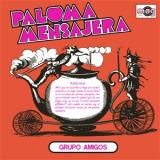
GRUPO AMIGOS - PALOMA MENSAJERA
  • No Sabes Que Me Siento Bien
  • Mujer
  • Dama
  • Son Las 5
  • En El Campo
  • Everybody Is Free Bonus Track
  • Ensueño
  • El Tren Del Señor Taylor
  • Atardecer De Un Verano
  • Buscando Un Hogar
  • Psiquiatra
  • Dirty Girl Bonus Track

"Paloma mensajera" (featuring members of New Juggler Sound / Laghonia) shows the shift that was taking place within Peruvian rock away from psych and hard rock which had predominated during the early 70s. The style adopted by Grupo Amigos (and other bands and artists during this period) highlights the influence of soft rock, UK, US and Latin American folk rock and, above all, the desire to keep the melodic greatness of The Beatles alive. This reissue includes bonus tracks and extensive liner notes. DESCRIPTION "Paloma mensajera" (featuring members of New Juggler Sound / Laghonia) shows the shift that was taking place within Peruvian rock away from psych and hard rock which had predominated during the early 70s. The style adopted by Grupo Amigos (and other bands and artists during this period) highlights the influence of soft rock, UK, US and Latin American folk rock and, above all, the desire to keep the melodic greatness of The Beatles alive. The positive reception albums by artists such as We All Together, Telegraph Avenue and Zulu garnered between 1972 and 1975, marked a change of paradigm and in preferences within the Peruvian rock scene. Eclecticism gained new ground, to the detriment of the sectarian and orthodox, while melody grew more present and visible, moving away from the progressive experimentation that typified underground Peruvian rock up to the beginning of the 70s. For their first single on MAG, included on this reissue, the band adopted a formula in which Beatles harmonies converged symmetrically with folk motifs. 'Dirty Girl' was a hit on the radio. A full album followed but only a fairly small number of copies of the album were pressed, which seems to have been the main reason for omitting it from the historical accounts of Peruvian rock music from the late 90s onwards. In "Paloma mensajera" all compositions were penned by the group, after several years during which cover versions were a staple. Some of the musical resources that the band had at their disposal in terms of composition and arrangements are striking and even surprising, considering that they were a debut band, whose members were under the age of 20. The arrangements included the clever use of a Moog synthesizer which had just arrived at the MAG studio. The success achieved by the Beatles tribute performances played by the members of Grupo Amigos for decades have eclipsed the songs that Edmundo, Andrés Da Ros and Simón Ames composed with youthful enthusiasm and energy between 1972 and 1973 to the point where they have almost been forgotten. This re-release of "Paloma mensajera" should help rectify this major injustice. It includes bonus tracks and extensive liner notes.

vorbestellen05.09.2025

erscheint voraussichtlich am 05.09.2025

22,27
GRUPO NATUREZA - Pode Acreditar (Vers o Vocal) / Pode Acreditar (Vers o Inst)

This is certainly both a mysterious one and an elusive one! Who were Grupo Natureza (Nature Group), and why is this release such a rarity? ‘Pode Acreditar’ was pressed on Som Livre Records in 1981 and it is believed very few copies were released into the commercial market. Those familiar with the productions of Lincoln Olivetti and Robson Jorge will no doubt recognise their hallmark sound here and that this single is ‘probably’ the work of the pair or one member at least. They were a regular in-house production team at Som Livre at the time, and there is a definite resemblance to Adriana’s song ‘Sei la Amor’ from 1978 which Lincoln Olivetti was involved in. Very little information is available about this release. A tantalising comment by Brazilian collector ‘bargainvinyl1’ on the original release’s Discogs page suggests ‘Pode Acreditar’ was a reaction to the Baby Consuelo and Pepeu Gomes pro-marijuana song ‘O Mal o Que Sai da Boca do Homem’, which caused controversy with Brazil’s governing military dictatorship at the time. Though condemning marijuana’s use, the word “baseado” (joint) is mentioned in the song, and this could be the reason behind the release being pulled by the heads of Som Livre and consequently it becoming one of the rarest releases on the label. Whilst its backstory is not crystal clear, it is an undeniable sun drenched, laidback boogie groove with AOR touches by the clandestine group. Pure 80s Riovibes, super-catchy and an earworm that sticks with you throughout the day.

- Next installment in BRAZIL45 Series.
- One of the rarest releases on the Som Livre label.
- Pure 80s laid back boogie grooves.

nicht am Lager

Bestelle jetzt und wir bestellen den Artikel für dich beim Lieferanten.

13,03

Last In: vor 8 Monaten
GRUPO LOS YOYI - YOYI LP

Grupo Los Yoyi

YOYI LP

12inchMRBLP286
Mr Bongo
27.09.2024

To launch Mr Bongo’s new Cuban Classic Series, we are thrilled to present this sought-after, psychedelic-funk masterpiece. A fusion of traditional Latin and Afro-Cuban rhythms meets disco, jazz, and funk, with hints of 70s soundtrack productions, this much-loved cult album featuring nine predominantly instrumental tracks is a real treasure that deserves a much wider appreciation. One look at the trippy artwork and you know it is going to be special.

Originally released in 1977 on Areito Records, a sub-label of the state-owned label Egrem, it has become one of the rarest (even in Cuba) and most in-demand albums to come from the label. It is the sole album from Grupo Los Yoyi and was composed, orchestrated, and produced by the mysterious, Jorge Soler Leó.

After Castro ring-fenced Cuba with an embargo on, among other things, Western music, the ‘Yoyi’ album had a sound more left of centre than what was normally allowed to be recorded there at the time. It subtly and covertly flirts with disco, jazz-funk, and electronic sounds coming from the US and Europe. It is probably best known for the space funk, bubbly club cut 'Paco La Calle’. A track that was edited in 2008 by the fantastic DJ / producer, Nick the Record, and one that is guaranteed to set a discerning dancefloor alight. However, ‘Yoyi’ is far from a one-track album. Other highlights include, 'Banana’, with its call and response trombone and horn section, squelchy keys, pulsating breaks and percussion, and a loose, floating vocal arrangement. 'Tu No Me Puedes Conquistar' is a beautiful, bouncing plodder with a variety of instruments interchanging as the track progresses. 'Ruta 30' takes things in a straighter Latin direction, which we are accustomed to from Cuba at that time, yet it is still full of personality, treats and vigour. Take our word for it, this album is strong throughout.

This is one of our favourites and most beloved albums to come out of Cuba and is the perfect flagship for our Cuban Classics Series. Look out for plenty more to come real soon.

nicht am Lager

Bestelle jetzt und wir bestellen den Artikel für dich beim Lieferanten.

27,31

Last In: vor 16 Monaten
GRUPO DE IMPROVISACION TERCER MUNDO - UN HILO DE LUZ

Unknown spiritual jazz gem recorded in Argentina in the 80s, under the influence of Pharoah Sanders, Don Cherry, Archie Shepp_, and originally released on Litto Nebbia's label Melopea. Already supported by Gilles Peterson on his radio show, this mind-blowing album combines ethno-free jazz passages and deep progressive compositions led by saxophonist Marcelo Peralta resulting a very impressive ode to the legacy of Coltrane. First time reissue. Includes extensive notes and many previously unpublished photos. 180g vinyl. DESCRIPTION Unknown spiritual jazz gem recorded in Argentina in the late 80s, under the influence of Pharoah Sanders, Don Cherry, Archie Shepp_, and originally released on Litto Nebbia's label Melopea. This is the first and only album ever released by this band, Grupo de Improvisación Tercer Mundo (Third World Improvisation Group), formed by a quartet of young musicians based in Buenos Aires accompanied by drummer Norberto Minchillo (López Fürst, Fernando Gelbard, Jorge Navarro_) and Litto Nebbia himself during the recording sessions. They would also organize weekly jam sessions in public spaces in Buenos Aires, getting visual artists, poets and even passersby involved in these communal actions that aimed to promote self-expression in an environment of total freedom. After the gigs they'd gather again for intense listening sessions of deep jazz for hours_ Already supported by Gilles Peterson on his radio show, this mind-blowing album combines ethno-free jazz passages and deep progressive compositions led by saxophonist Marcelo Peralta resulting a very impressive ode to the legacy of Coltrane and a very accomplished work of jazz improvisation. 'Almas Liberadas' and 'Un Hilo de Luz' sound as a clear tribute to Pharoah Sanders, as the subtitle of the latter openly states. First time reissue. Includes extensive notes and many previously unpublished photos.

vorbestellen12.07.2024

erscheint voraussichtlich am 12.07.2024

22,27
GRUPO CELESTE - ...EL FABULOSO! LP

Never before had the lyrics of Peruvian cumbia been able to touch the reality of migrants from the countryside living in the capital. In 1974, Grupo Celeste, under the direction of Víctor Casahuamán Bendezú, recorded 'En el campo', a first single that not only broke sales records, but also brought thousands of people into contact with their homeland. The band not only wove the nets of that urgent, necessary reconnection, but also gave birth to one of the most relevant popular singers in the history of Peru: Lorenzo Palacios Quispe 'Chacalón'. The year was 1974. Until then, only Los Destellos had recorded a non-instrumental cumbia song, 'Elsa', in 1970. Víctor Casahuamán Bendezú, a musician, creator and the composer behind Grupo Celeste understood that in order to continue the legacy of Peruvian bands from the sixties like Los Demonios de Corocuchay, Los Yungas and Los Demonios del Mantaro, it was necessary to address in his lyrics a special and urgent topic: the feeling of displacement from the homeland and the vicissitudes of the migrant sector. The experiences of those who traveled from the provinces to the capital in search of opportunities they could not find in their towns of origin; the process of settling and adapting in a foreign city; the challenges derived from this change of environment; the recognition of a different culture and the creation of a space they understood as their own were the stories that had to be told in the songs. This is why Grupo Celeste was the backbone of cumbia in Peru: it established a common story that thousands of migrants would identify with. From this idea and impetus was born 'En el campo', the band's first single.

nicht am Lager

Bestelle jetzt und wir bestellen den Artikel für dich beim Lieferanten.

23,49

Last In: vor 20 Monaten
MERIDIAN BROTHERS & EL GRUPO RENACIMIENTO - - MERIDIAN BROTHERS & EL GRUPO RENACIMIENTO LP

Meridian Brothers & El Grupo Renacimiento' excavates the forgotten sounds of the fantastical 1970s salsa dura group El Grupo Renacimiento. The group identifies as "B-class" salsa whose music explores human struggles in the urban city landscape, with themes such as police brutality, social marginalization, and addiction. Meridian Brothers collaborated with El Grupo Renacimiento in Bogota's Isaac Newton studios to capture their "fantasy salsa dura" sound. Although the group came out of myth, its members have been created in spirit. Embodied by Meridian Brothers and depicted in the graphic creations of illustrators Glenda Torrado and Mateo Rivano, the members of El Grupo Renacimiento have now come to life.

vorbestellen31.05.2024

erscheint voraussichtlich am 31.05.2024

25,42
Grupo Ébano - Grupo Ébano LP 2x12"

Grupo Ébano

Grupo Ébano LP 2x12"

2x12inchBBE765ALP
BBE Music
17.05.2024

GRUPO ÉBANO (Pr. "Grupo EH-ba-no") In the time-honored spirit of excavating gold from the unlikeliest dark corners, we bring you the shiniest of gems which is guaranteed to thrill lovers of classic Brazilian bossa and MPB. This self-titled album by Rio's Grupo Ébano, an all-female gospel vocal group, was originally released on CD only in 1997 on a small independent label and in small quantities. The songs, all originals from the pen of group leader (and backing vocalist to the stars) Gil Miranda, are richly melodic and sophisticated in the mode of all the 60s and 70s Brazilian classics (think Quarteto Em Cy) while their positive spiritual message is more reminiscent of the Clark Sisters if they sang in Portuguese. This first-time reissue, first-time vinyl & digital edition and debut international release will bring many new fresh ears to this lovely and very classy album which will appeal to different generations of Brazilian music lovers, from tastemaking DJs to their parents to even their grandparents.

vorbestellen17.05.2024

erscheint voraussichtlich am 17.05.2024

33,19
Kevin Haynes & Grupo Elegua - Ajo Se Po

Back In Stock!

Ajo Se Po is the third album by alto-saxophonist and percussionist Kevin Haynes, released with his band Grupo Elegua. The album integrates musical elements with references to his deepening spiritual understanding. Haynes has created a modal harmonic language incorporating Afro-Cuban melodies and classical kora playing - his alto-sax, infusing the album with a personal 'voice'.

Yoruba spirituality is at the heart of Haynes' musical thinking which also includes both Nigerian and Cuban dimensions. This is especially reflected by the use of recitation and Cuban bata drumming being employed on all tracks, with each piece growing out of a particular bata rhythm. Each such rhythm is dedicated to a particular Orisha, or divinity.

As well as influences from Afro-Cuban, Native Nigerian and folkloric Bata, Haynes' music is a fusion of contemporary jazz incorporating Mandinga folk and praise songs and hard bop.

Kevin Haynes and Grupo Elegua have performed at renowned jazz festivals including Havana Jazz Festival, Cuba and Salamanca Jazz Festival, Spain. Haynes has also featured on Moses Boyd's hit album Displaced Diaspora.

Previously available on digital only, Ajo Se Po is now released on vinyl.

nicht am Lager

Bestelle jetzt und wir bestellen den Artikel für dich beim Lieferanten.

19,29

Last In: vor 4 Jahren
GRUPO PAN/JEAN PAUL EL TROGLODITA - DICES/FUERA DE ATRACCION

The mind-flowing 'Dices' somehow did not make it onto the Grupo Pan's only album and instead found its home on the B side of a long-forgotten 1972 single. One can only wonder why this great song with a devastating guitar riff and an irresistible rhythm section was not granted a place in the grooves of the LP of the Venezuelan band_ Late 60s hard rock sounds made by salsa musicians! On the flip, a rare hard psych gem from Peru by the one and only Jean Paul "El Troglodita". First time single reissue! The few records released by Venezuela's most prolific percussionist, Nené Quintero, and his first band sound like a somewhat artisanal classic rock recording from the end of the 60s but made by "salseros" (as involved in Salsa music). Their only LP "Pan" (recently reissued for the first time on Vampisoul) succeeded in overcoming through its grooves the eternal rivalry between the followers of the hard rock sounds and those who, on the contrary, were devotees of salsa. Grupo Pan also released a bunch of 45s mostly comprising LP tracks. However, the mind-flowing 'Dices' somehow did not make it onto the album and instead found its home on the B side of a 1972 single. Enrique Tellería (aka Jean Paul) was nicknamed "El Troglodita" (The Caveman) due to his wild performances in his native Peru. Screams, extreme body shaking and, quite often, stage destruction were part of his energetic shows. His hard psych gem 'Fuera de Atracción' was originally released on a much sought-after 45 on the tiny Peruvian label Rey Record. We thought it would be a perfect pairing with the stunning A side to finish off this single. First time single reissue!

nicht am Lager

Bestelle jetzt und wir bestellen den Artikel für dich beim Lieferanten.

13,66

Last In: vor 2 Jahren
Grupo Irakere - Grupo Irakere LP

Grupo Irakere

Grupo Irakere LP

12inchMRBLP287
Mr Bongo
02.02.2024

For the second instalment in our Cuban Classics series, we proudly present this sought-after slice of sublime Afro-Cuban jazz from 1976. It comes courtesy of one of Cuba’s most influential acts, Grupo Irakere. Founded in 1973 by Chucho Valdés (son of the Cuban pianist and bandleader Bebo Valdés) the group was home to many of Cuba’s finest musicians over the years. With an electrifying style and sound, they mixed traditional Cuban music with jazz, funk, and rock.

This self-titled album includes the much-loved, dancefloor heavy-hitter 'Chequeré-Son’, a Latin-jazz funk masterpiece with Cubanized bebop-flavoured horn lines, lush keys, and ‘70s hip swagger. Though 'Chequeré-Son’ is the keystone of the record, the album is laced with brilliance at every turn, from the Carlos Santana-esque channelling ‘Iya’ with its percussive Latin power, to the sultry, slick and passionate '38 1/2’. Elsewhere, the absorbing, ever-building energy of 'Juana 1600’ and steamy vocal dancer ‘Xiomara’ are also highlights of this incredible album.

Pressed on Cuba’s state led Areito Records, the album was well received internationally, garnering distribution in Finland on Love Records, in Italy on Phase 6 Super Stereo, and also in the Dominican Republic, Mexico and Venezuela.

A cherished Afro-Cuban triumph, this album has been crying out for a reissue and we’re delighted to make that happen.

nicht am Lager

Bestelle jetzt und wir bestellen den Artikel für dich beim Lieferanten.

27,31

Last In: vor 2 Jahren
Grupo Magnetico - Vulcano V El Gato

Hard-hitting latin-tinged super-group Grupo Magnético formed from backgrounds in funk, hip-hop & soul, united by a love of Eddie Palmieri, Tito Puente, Ray Barretto, Fania and classic New York salsa. They have worked with legendary musicians from Cuba, Venezuela and America & over time the group, led by Toby "El León" Shippey, developed their own set and sound.

These two tracks have been lifted from the Athens Of The North album Positivo from 2018 and feature 'Vulcano V El Gato' (Medley) with 'Somos Latinos' on flipside. Already supported by DJ Koco, Patrick Forge, Colin Curtis Gilles Peterson, Kevin Beadle ,DJ Amir, Mr Thing, Dom Servini, Coco Maria, Cosmo Sofi, Rainer Truby, Miche, Skeme Richards, Elsewhere Sonido, DJ Gilla and more ! Limited to 300 hand numbered copies ! No repress.

"Wow. Sounds like '74 downtown NY Fania Records... Absolutely brilliant. " - Gilles Peterson

nicht am Lager

Bestelle jetzt und wir bestellen den Artikel für dich beim Lieferanten.

10,04

Last In: vor 2 Jahren
Various - WGANDA KENYA / KAMMPALA GRUPO LP

A wild and funky collection of Afro grooves that was ahead of its time in 1977 and has become a collector’s item in recent years, especially due to the growing international interest in Colombian picó sound system culture. Fruko and his studio bands Wganda Kenya and Kammpala Grupo treat us to a diverse set of African and Caribbean styles, laced with crazy synths, psychedelic guitar and infectious pan-African polyrhythms. By the time Discos Fuentes released the album “Wganda Kenya Kammpala Grupo” in 1977, Wganda Kenya’s discography was expanding with many 45 singles and appearances in various artists collections. The group’s 1975 debut record “África 5.000” was a full length LP in the U.S. and a various artists compilation in Colombia, which was followed by the self-titled long player the following year. However, Kammpala Grupo, which shared the album’s title and was credited to three songs on the record, had never appeared before, yet was basically the same studio group as Wganda Kenya. Most likely the creation of this short-lived studio band was just a ploy by the label to make it seem like there were more groups playing the type of exotic afro tracks favored by the picotero DJs of Colombia’s Caribbean coast (especially in Barranquilla and Cartagena). 1974 Discos Fuentes’ management had sent musician, band leader and producer Julio Ernesto “Fruko” Estrada to the coast on an A&R mission to discover what people were dancing to in the verbenas (communal open air neighborhood parties) run by the owners of picó sound systems (decorated mobile DJ rigs). Always game for an adventure, Fruko was tasked with bringing some popular examples of these esoteric, hard-to-find African, French and Dutch Antillean records back to Medellín to serve as inspiration (or to outright copy) so that the label could enter into the growing regional market and spread its popularity to the interior of Colombia and other Latin American countries via its own studio creation, Wganda Kenya. Fuentes was always returning to exploit the rich African-rooted culture of the coast as it had with the cumbia and other regional genres before, so in a way it was not surprising that they were attuned to this particular niche phenomenon from a marginalized sector of the population. The most popular genres with the champeta dancers in the 70’s and 80’s were styles like Congolese rumba, highlife, afrobeat, juju, mbaqanga and soukous as well as the music of Haiti, Guadeloupe, Martinique, Curaçao and Dominica, all of which were fiercely guarded by the DJs who had managed to acquire them often through extreme means of travel, barter and intense digging. The record kicks off with the joyful ‘El Gallo Africano’ which features exquisite interplay between Sepúlveda’s highlife style guitar and an authentic-sounding African style saxophone, perhaps played by Carlos Piña. In reality it was ‘Go Call Police Chief’ by prolific Nigerian highlife guitarist Chief Oliver Sunday Akanite, aka Oliver De Coque. Next up is Kammpala Grupo’s ‘La Yuca Rayá’ (‘Grated Yuca’), written by Isaac Villanueva in a style he termed son haitiano which sounds much more like Zimbabwe Shona mbira music. Wganda Kenya’s ‘Caimito’ (star apple, a type of tropical fruit), on the other hand, is actually a cover of a relatively well-known Haitian merengue song. Kammpala Grupo then takes us from the French Antilles to the multi-cultural discotheques of Paris, where a cover version of Black Soul’s Afro-boogie anthem ‘Black Soul Music’ is retooled and renamed ‘King Kong’, perhaps in a nod to the 1976 remake of the monster flick of the same name. Side two introduces us to the infectious merengue rebita of Angola via ‘La riphyta’ with “Paparí”, aka Mariano Sepúlveda, doing the vocals and faithfully replicating the Angolan guitar style. ‘La Trompeta Loca’ (‘The Crazy Trumpet’), probably the nuttiest track on the album, is an ingenious cover of ‘Ye Gbawa Oo Baba (Tribute To Nigeria)’ by Joe Mensah of Ghana. As with all their covers of African tunes, this rendition tightens up the original with some pop sheen, more consistent drumming and higher production values, remaking it into a powerful slow-burning dance floor filler. This is followed by one of the most powerfully original songs to come out of the entire Wganda Kenya project, Mike Char’s reggae anthem ‘El Nativo’ with Joe Arroyo on vocals. The record ends on a more authentically Caribbean sounding note with the instrumental ‘El testamento’, a cheerful islands banger with bright brass, syncopated calypso beats and chunky cuatro guitar (or ukulele). The original was in the mento genre and titled ‘Sweet meat’, written and recorded by Jamaican trumpeter Bobby Ellis. First time reissue. 180g vinyl.

vorbestellen30.06.2023

erscheint voraussichtlich am 30.06.2023

29,37
Hermeto Pascoal & Grupo Vice Versa - Viajando Com O Som LP

"Brazilian multi-instrumentalist Pascoal's magical 1976 album casts a spell over the listener from the first beat to the last"
Echoes ⭐⭐

"Viajando Com O Som is a wonderful
buried treasure from a better time."
Songlines ⭐⭐

It's a richly satisfying discovery; a snapshot of a master at his peak.
Record Collector ⭐⭐

"...One hell of a magic carpet ride."
FACT Magazine

"You may ask yourself what that was that you just heard. Then you'll want to hear it again."
Jazz Times

Recorded in just two days in 1976, at Rogério Duprat's Vice Versa Studios, São Paulo, Viajando Com O Som featured Zé Eduardo Nazario (drums), Zeca Assumpção (bass) and Lelo Nazario (electric piano), as well as saxophonists Mauro Senise, Raul Mascarenhas and Nivaldo Ornelas, guitarist Toninho Horta and vocalist Aleuda Chaves.

Not released until over 40 years later, now Viajando Com O Som is back again for a short time only, on limited edition green vinyl! Pre-order at the link below, Begins shipping 20th May 2022.

vorbestellen25.11.2022

erscheint voraussichtlich am 25.11.2022

28,99
GRUPO PAN - PAN LP

Grupo Pan

PAN LP

12inchVAMPI263
Vampisoul
30.09.2022

First time reissue of one of the essential and most sought-after Venezuelan rock albums, originally released in 1970, along the lines of what other artists such as Santana or El Chicano were doing from the United States in those same years. Grupo Pan was led by Carlos "Nené" Quintero, former member of Los Dementes, Ray Pérez's group, and through this record he aims to retain the rhythmic strength and brass arrangements typical of salsa, but also explore other sounds based on powerful guitars. This reissue includes original artwork, liner notes and exclusive photos. 180g vinyl Grupo Pan was formed in 1970 in the popular Caracas neighborhood of Marín at the initiative of Carlos "Nené" Quintero together with his brother Jesús "Chú" Quintero. His experience as a professional musician as part of Los Dementes, Ray Pérez's group, would allow him to retain the rhythmic strength and brass arrangements typical of salsa, but also explore other sounds based on powerful guitars. The band would be completed with Alfredo Padilla (percussion), David Azuaje and Carlos Guerra (trombones), Henry Camba (trumpet) and Rubén "Micho" Correa (electric guitar), already with a solid reputation as a guitarist after years playing in rock bands. Nené Quintero would resume contact with his acquaintance Mario Tepedino, at that time artistic director of 2001 Juvenil, a Venezuelan tv show focused on the promotion of young musical values, who would offer them to appear on said program. Through the popularity provided by their frequent television appearances, they were offered the opportunity to record an album. In December 1970 their first and only LP would release, recorded at the Fidelis studios in Caracas and produced by Mario Tepedino. It was published by Souvenir, a label responsible for the release of many other essential Venezuelan rock albums, such as the highly sought-after records by The Love Depression or Ladies W.C. "Pan" successes in overcoming through its grooves the eternal rivalry between the followers of the hard rock sounds and those who, on the contrary, were devotees of salsa. All the songs on the album are written by "Nené" Quintero himself and remain as fundamental milestones in the history of Venezuelan rock. The album would contribute to the birth of a new paradigm of Latin rock, along the lines of what other artists such as Santana or El Chicano were doing from the United States in those same years. After this Souvenir release, the band would also record two singles on another label called Promus. Grupo Pan would remain active until 1973 when the band members would follow different paths. "Pan", their only LP, has become one of the essential and most sought-after Venezuelan albums, and we are pleased to now be able to present the first-time reissue, including liner notes and exclusive photos.

vorbestellen30.09.2022

erscheint voraussichtlich am 30.09.2022

24,58
HERMETO PASCOAL E GRUPO - PLANETÁRIO DA GÁVEA (1981) 2x12"

On a balmy Brazilian night in February, 1981, a crowd gathered in Rio de Janeiro's Gávea neighbourhood under the iconic dome of the city's Planetário (Planetarium). Alongside musicians like Helio Delmiro and Milton Nascimento (who were in the audience that night), they were there to see the great "Bruxo" (sorcerer) Hermeto Pascoal live in concert, with his new band formation which would become known simply as "O Grupo" (The Group).

Growing up on a farm in Brazil's northeastern state of Alagoas, Hermeto has always been deeply in tune with, and inspired by nature. In his youth he would make his own flutes to play call and response with the birds and frogs. He would build scrap-metal instruments in his blacksmith grandfather's forge, and sit for hours by the lake listening to the sounds of nature. On the Planetário Da Gávea recordings though, Hermeto is cast as the "sorcerer" or the "cosmic emissary" (as the great Brazilian guitarist Guinga once called him), exhibiting an intuitive sense of harmony and melody beyond that of our own world.

"Tudo e Som" (All is Sound). It's a phrase Hermeto regularly returns to, and it points to the fact that not only can music be made from anything, but also alludes to something much more profound. It's an understanding of the universe as being in a state of constant movement, forever vibrating at the quantum level, like the string of a guitar, or a saxophone's reed. "Tudo e Som" is a declaration of the mystical and spiritual power of sound, as a fundamentally vibrational force.

The series of concerts at the Planetário marked the birth of "O Grupo" which would last with the same line-up (apart from Zé Eduardo Nazário) for the next eleven years. Every member of O Grupo was a phenomenal musician in their own right. It was one of saxophonist/flautist Carlos Malta's first gigs with the group, and the concert unusually featured two drummers, Zé Eduardo Nazário and Marcio Bahia. Nazário, from São Paulo, had played with Hermeto during the mid-70s (as well as with Milton Nascimento, Egberto Gismonti and Toninho Horta, to name a few). Bahia though had just joined the group. Acclaimed keyboard player Jovino Santos Neto was on keyboards, piano and organ, and the great Itiberê Zwarg (who remains in Hermeto's band to this day), played bass. Rounding the group off was the percussionist Pernambuco. During this period (up until the early 90s) the group would rehearse for hours on end, virtually seven days a week, with a total dedication to music and Hermeto's musical vision.

Most of the compositions performed that night at the Planetário had never been recorded before, and many are unique to this album, including the wild 'Homônimo Sintróvio', the exaltant 'Samba Do Belaqua', 'Vou Pra Lá e Pra Cá' and 'Bombardino', which features Hermeto's wonderfully absurd call and response mouthpiece soliloquy. Then there's the stunning 7/4 Samba 'Jegue' which builds with inventive dissonance, before releasing yet another celestially colourful, celebratory refrain. The show also features the first recorded performances of 'Era Pra Ser e Não Foi' and 'Ilza na Feijoada' (inspired by Hermetos' wife Ilza's famed black bean and meat stew), which Hermeto later recorded on his 1984 studio album "Lagoa Da Canoa Município De Arapiraca".

Dubbed by Miles Davis as "one of the most important musicians on the planet", a Hermeto Pascoal live show was (and still is) an experience like no other. Across the recording of the Planetário concert, wild improvisation meets groovy, virtuosic vamping on progressive, extended psychedelic jams. The tracks are generally built around a beautiful, transcendent melody; instantly recognisable as being Hermeto's, and for the most part, the musicians then solo over extended two chord vamps. There's a plethora of powerfully delivered rhythms, wild solos and the performances are punctuated by Hermeto's unpredictable, at times comical sonic antics.

Over forty years since this historic happening, Far Out Recordings is overjoyed to release this magical recording of Hermeto Pascoal e Grupo Live at Planetário Da Gávea, on double vinyl LP, CD and digitally for a February 4th 2022 release.

nicht am Lager

Bestelle jetzt und wir bestellen den Artikel für dich beim Lieferanten.

29,37

Last In: vor 3 Jahren
Raspadura & Grupo Pernil - Split Single No. 2

It's back-to-back hits with the return of the Names You Can Trust split single series featuring two new emerging artists and record debuts.

After years on the local New York scene as DJs, collaborators and permanent fixtures amongst the brightest of musicians and artists, Raspadura has spent a long time brewing behind the curtain, tucked away in the musical minds of real life partners Josue Granados (Sonidero Mixteco, Los Taxis) and Dayan Silva (Dayansiiita). Their coming out party as recording artists is a perfect encapsulation of the duo's raucous but delightful energy. "Pa Que Gocen" is pure punkera, but seasoned with a deep musical appreciation that abounds in the timeless tropical music universe, and surely a precursor to further recording adventures, as this debut should warrant. The appeal is obvious as soon as the needle drops. Silva's enchanting vocals grab you immediately, with tales of sweets upon sweets. Pure visions of dulce, panela and miel are chanted over the rhythm of Granados' low down ska-beat and hypnotizing tres cubano. For Raspadura, dessert is first!

Come fly with Grupo Pernil in this ode to the timeless vibes of gypsy rumba, merengue and guaracha. Featuring an international all-star cast of musicians from travelling adventures and collaborations of recent years, "Danza de la Cabra" was originally conceived at home in the NYCT studio, and later brought to life with additional sessions inside Amsterdam's Heat Too Hot and Barcelona's Nación Funk studios. This one-off instrumental recording turned into a case of severe psicodelica, under the influence and improvisation of the group's talented players and percussion professionals, then amped and electrified for maximum effect with a touch of studio magic and a taste for local iberico. Featuring members of Greenwood Rhythm Coalition, Conjunto Papa Upa, Fundación Tony Manero and Los Fulanos.

nicht am Lager

Bestelle jetzt und wir bestellen den Artikel für dich beim Lieferanten.

14,08

Last In: vor 3 Jahren
Grupo Pilon - Leite Quente Funana de Cabo Verde

At home, in the islands of Cabo Verde, there was grog, or grogu, a strong sugarcane moonshine not dissimilar to Colombian aguardiente, copiously consumed at Funaná parties. In the diaspora, in Europe, there was leite quente (hot milk). "I can still remember the taste of the first leite quente I drank in Lisbon," says Antonino Furtado Gomes, Pilon's drummer and current band leader.

Synthesize the Soul, Ostinato Records' second compilation, revealed chapter one of the Cabo Verde cultural story in Europe, zooming in on visionaries like Paulino Vieira who made Lisbon the headquarters spearheading the musical revolution taking place within Cape Verdean emigre communities across Europe in the 1980's. Musicians from across the diaspora would eagerly travel to the Portuguese capital to record.

Grupo Pilon represents the second chapter of the Krioulu diaspora story. In smaller pockets, second generation musicians were independently contributing to one of the most lush periods of cultural innovation by immigrants in Europe. In Luxembourg, in 1986, a group of teenagers formed the largely unknown (outside of Cape Verdean circles) but consistently brilliant band named after the blunt instrument used in the islands to pound corn for Cabo Verde's national dish, cachupa.

With only five members, Pilon combined searing estilo Krioulu drumming and the hybrid ColaZouk style with blissful synth work and rugged guitar licks, creating a stripped-down, addictive sound that masterfully straddled two worlds, a seductive electro-Funaná carnival born from the first few sips of hot milk.
The band drew from the inspiring political changes of the day: the release of Nelson Mandela in South Africa and the fall of the Berlin Wall. The right to democracy became a constant theme in Pilon's songs.

With access to better opportunities than their parents' generation, Pilon's roster were part time musicians. Music was not part of their academic upbringing nor a full-time gig. Their rhythm and style were wonderfully imperfect, made out of rawer skills and inexperience. Pilon did not follow the templates established by revered Cabo Verde bands. Keyboard player Emilio Borges played off beat and the band preferred arranging their songs to start from the beat normally heard in the middle of a composition rather than the beginning.

These two elements made Pilon's music simple, unique, and inimitable. From 1997-2015, a lack of concerts and professional musicians proved near fatal. Today, Antonino and what remain of the original quintet are slowly piecing back together the puzzle of their once mighty outfit from an unlikely pocket of Europe. In it's heyday in the 90's, Pilon serenaded audiences in Paris, Lyon, Marseille, Lisbon, Rotterdam and Frankfurt, securing their reputation as a respected and unifying cultural force.

This LP, drawing from the six most powerful songs from Pilon's three-album catalog, is the serving of still fresh leite quente to spice the summer and maybe even fuel the next generation of musicians in the Krioulu corners of Europe.

nicht am Lager

Bestelle jetzt und wir bestellen den Artikel für dich beim Lieferanten.

15,34

Last In: vor 2 Jahren
GRUPO CONTROLE DIGITAL - A FESTA É NOSSA

Soundway Records delivers a beautifully remastered reissue
of Brazilian duo Grupo Controle Digital's only album, 'A Festa
É Nossa'. First released in 1988, the album is now housed in a
tip-on heavyweight sleeve and restored artwork.
With the title track 'A Festa É Nossa' having circulated the
last few years in the DJ sets of influential tastemakers, the
album has become highly sought after by electronic fans
and collectors alike. Lo-f synths and cruising bass lines
permeate the record, influenced by the group's Brazilian
contemporaries at the time such as Tim Maia, Cláudio Zoli,
Secos E Molhados, and rock outft Made In Brazil.
Band members Billy Jaguar and Gel Valiery regularly
performed in various groups in São Paulo throughout the
80s and 90s, but after Gel passed away, Grupo Controle
Digital was no more - the band and the album faded into
obscurity and Billy became a priest, working with gospel
music. It remained that way until Brazilian DJ Millos Kaiser
(from label Selva Discos, and one half of Brazilian street party
organisers Selvagem) tracked down the remaining member
of the group to be able to include one of their tracks on the
highly anticipated Soundway compilation 'Onda De Amor:
Synthesized Brazilian Hits That Never Were (1984-94)',
released in July 2018.
Audio restored by Neal Birnie and re-mastered by Frank
Merritt at The Carvery, London. Artwork restored by Lewis
Heriz.
FOR FANS OF:
Soundway 'Onda De Amor' compilation, Music From Memory
'Outro Tempo' Brazil compilation, Spacetalk compilations,
Sabor Do Brasil

nicht am Lager

Bestelle jetzt und wir bestellen den Artikel für dich beim Lieferanten.

20,97

Last In: vor 7 Jahren
Abelardo Carbono y su Grupo - La Pina Madura

A native of the Caribbean coast of Colombia, Abelardo Carbono achieved legendary status in his country's storied ranks of musical icons by combining the homegrown sounds of cumbia with the chiming guitars of West African soukous, enormously popular with the local tropical sound systems, and drenching the whole thing in his off-kilter, surreal and slightly psychedelic sensibility.

With the exception of a well-received compilation of songs from his 1980s heyday, Carbono has been rarely heard from outside the sweaty dancehalls he still commands in his hometown of Barranquilla. Now, Names You Can Trust has welcomed the reclusive guitarist and singer back to the vinyl format with a simmering Afro-Carib beast of a cut, recorded with the assistance of Will "Quantic" Holland on rhythm guitar and Mario Galeano (Frente Cumbiero, Ondatropica) on keys and in conjunction with Lucas SIlva of Palenque Records & Polen Records. It's a true cross-generational and international collaboration that is uniquely possible via Colombia. The first release of this expansive & power packed studio session is a cover of vallenato pioneer Guillermo Buitrago's La Piña Madura. This updated take veers heavily towards Africa on a rock solid foundation of bass and drums, with Abelardo's trademark guitar and quirky vocals leading the way.

nicht am Lager

Bestelle jetzt und wir bestellen den Artikel für dich beim Lieferanten.

11,56

Last In: vor 7 Jahren
O Grupo / Ronaldo - Socorro / Retrato De Dete

'Socorro' is a banging, mid-tempo Brazilian funk groove taken from their second Copacabana LP and a 7' from 1977. Tough.
Half-speed heavy funk on 'Retrato De Dete', written by Arnaud Rodrigues. We don't know very much about Ronaldo unfortnately. The track surfaced on a Copacabana 45 in 1970 and is difficult/expensive to pick up now.

nicht am Lager

Bestelle jetzt und wir bestellen den Artikel für dich beim Lieferanten.

13,24

Last In: vor 8 Jahren
Grupo Magnético - Vampiras

Athens of the North does not release new material very often, when we do it has to be up to standard and Grupo Magnético most undeniably up to standard.

Recording a sound from a certain period is notoriously difficult to pull off, Grupo Magnético smashed that 70s boogaloo sound so much so people I played the tapes to thought it was old tapes I had dug up.

nicht am Lager

Bestelle jetzt und wir bestellen den Artikel für dich beim Lieferanten.

11,05

Last In: vor 3 Jahren
Grupo Almendra - Almendra

Grupo Almendra

Almendra

12inchBST-XLP003
Best Record Italy
19.12.2016

Limited edition remastered LP of an unknown group from Venezuela : Grupo Almendra, they released only one Album in 1978 today very hard to find containing a powerful mix of jazz latin funk and cosmic disco. Each song is unique!

nicht am Lager

Bestelle jetzt und wir bestellen den Artikel für dich beim Lieferanten.

14,24

Last In: vor 7 Jahren
Various - Cumbia Beat Volume 1 (2x12")
 
25

Peruvian cumbia, also know as "chicha", brings together tropical music styles from Colombia and Cuba, Western influences such as 60s beat and psychedelic rock, and mixes them with indigenous melodies from the Amazonian jungle and traditional Andean songs. The result is a unique and vibrant style of music which reverberates with life. Vampisoul's compilation includes tracks by the most important bands of the genre. Peruvian cumbia is currently being rediscovered by new audiences and there exists a thriving club and live venue scene in cities like New York, London and Madrid.
36-page booklet with extensive liner notes in English and Spanish plus photos and memorabilia.

nicht am Lager

Bestelle jetzt und wir bestellen den Artikel für dich beim Lieferanten.

40,63

Last In: vor 3 Jahren
Various - Onda De Amor: Synthesized Brazilian Hits That Never Were (1984-94)

Some Crate-digging Compilations Are Often The Result Of Someone Hand-picking Their Choice Favourites From Another Country's Musical History, Perhaps Unaware Or Uninvolved With Its Cultural Lineage In The Process. On Soundway's Latest Release - A Treasure Trove Of Synth Jams, Pop, Samba Boogie, Balearic And Electro From 1980 & '90s Brazil - The Tracks Are Picked By Millos Kaiser, One Half Of The Brazilian Duo Selvagem, Who Are At The Helm Of Throwing Some Of The Country's Best Dance Parties. It's A Rare Compilation That Offers Brazilian Music Actually Picked By A Brazilian.
Whilst Names Such As Ricardo Bomba, Villa Box, Fogo Baiano, Electric Boogies And Batista Junior May Not Be Household Names, They Tell An Untold, Yet Rich And Important Part Of Musical History In Brazil. The Release Also Covers A Decade That Has Been Intentionally Forgotten And Brushed Aside By Many In The Country.
Onda De Amor Is A Release That Is Loaded With Smooth Grooves, Bubbling Bass, Glistening Synthesisers, Funk Strutting Guitar Lines And Sheen Of Production That Undeniably Marks It Of Its Time. For Kaiser This Compilation Is About Reintroducing Music During A Period Of Reappraisal, Catching A New Wave And Hoping Contemporary Listeners Will Ride It With Him. the Idea Is To Do Justice To These Songs. Songs That Combine All The Right Ingredients That Should Have Put Them On
Radio Playlists When I Was Growing Up Or At Least In The Cases Of More Adventurous Djs'.
Millos Kaiser Is A Dj, Digger, Vinyl Junkie/dealer Born In Rio De
Janeiro And Living In São Paulo For The Past 8 Years. He Launched The Dance Party/club Night Selvagem With Partner Trepanado In 2010, Bringing Thousands Of Dancers One Sunday A Month To A Public Square In The Heart Of São Paulo.

nicht am Lager

Bestelle jetzt und wir bestellen den Artikel für dich beim Lieferanten.

27,19

Last In: vor 2 Jahren
Moses Boyd - Displaced Diaspora

Moses Boyd is at the forefront of the New British jazz scene having worked and recorded with like of Giles Peterson, Four Tet, Sons Of Kemet, Zara McFarlane and more. With 2 MOBO Awards to his name and Multiple Releases via his Label Exodus Records. Moses has established himself as one of the leaders in bringing the worlds of Jazz and Electronic music together.

This latest release is taken from the same sessions that brought us Rye Lane Shuffle. Displaced Diaspora is a collection of music from Moses Boyd recorded in 2015 that features some of the now leaders of the New British Jazz Scene Such as Theon Cross, Nubya Garcia and Nathaniel Cross. As well as the Iconic British Soul Vocalist Terri Walker, Saxophonist and Bata Player Kevin Haynes and his group, Grupo Eleggua and Rapper Louis VI. The music is a mix of Jazz, Yoruba chants with Hip Hop and electronica influenced beats.

nicht am Lager

Bestelle jetzt und wir bestellen den Artikel für dich beim Lieferanten.

17,61

Last In: vor 4 Jahren
Various - The Rough Guide To Psychedelic Cumbia

This Rough Guide features deeply cool cumbia influenced by 1960s Western rock and the hippy movement, spanning the spectrum of psychedelic cumbia from the 1960s pioneers to today's innovators. A classic selection ranging from the vintage Peruvian recordings to classic contemporary bands from Colombia, Chile, Mexico and beyond highlighting how cumbia was reborn in the 1960s to make it relevant to the younger generation.

Includes a FREE download card allowing you to download the full album

Peru has had its share of great electric guitarists bending strings to the rolling beats of cumbia - from Enrique Delgado to José Luis Carballo - who came from its own important domestic tradition of criollo guitar music as much as rock). So it's not an exaggeration to say cumbia peruana (and regional variants at times referred to as cumbia andina, cumbia selvática, and more recently chicha) has had the lion's share of Carlos Santana influences evident in the mix.

Interestingly the Peruvian psych sound so prevalent in the early 1970s had a profound effect on the originators of cumbia; hence we offer the two fine examples from 1970s Colombia that follow. We round out the mix with a gaggle of contemporary artists from Chile, Mexico, USA, Peru, Colombia, Argentina, and Germany, bringing the psychedelic tropical vibe up to date while still retaining the trippy trappings of yesteryear.

nicht am Lager

Bestelle jetzt und wir bestellen den Artikel für dich beim Lieferanten.

16,39

Last In: vor 7 Jahren
RADIO CUPITA - TUNUPA

RADIO CUPITA

TUNUPA

12inchREYLP9
REY Records
17.04.2026
  • 1: Q'ori Kinti
  • 2: Agüita Fría
  • 3: Puma
  • 4: Abuelo Fuego
  • 5: Puka Tika Feat. Grupo Norte Potosí
  • 6: Oro Negro Feat. Los Wemblers De Iquitos
  • 7: Tunupa
  • 8: Tu Partida
  • 9: Pantanal Feat. Henrique Maluf
  • 10: Yareta

"Tunupa", the second album by Bolivian band Radio Cutipa is out now on Rey Record (Peru)! Radio Cutipa fuses native Bolivian music with electronic soundscapes, mixing past and present in a unique musical experience. Radio Cutipa's second album, "Tunupa," fuses Bolivian musical roots with electronic soundscapes, creating an experience that connects the past and present. Released under the Peruvian label Rey Records and distributed worldwide by Vampisoul (Spain), this independent project seeks to position electrofolk as one of the region's most innovative expressions. "Tunupa" represents the encounter between the ancestral and the contemporary. Inspired by Bolivia's sacred landscapes, the album narrates a spiritual and sonic journey through rhythms such as Andean cumbia, electronic huayño, Bolivian rap, and high-altitude soundscapes.

vorbestellen17.04.2026

erscheint voraussichtlich am 17.04.2026

29,83
Various - River of Revenge: Brazilian Country Music 1929-1961, Vol. 1

Death Is Not The End present the first volume in a survey of a form of Brazilian country music known as música caipira ("hillbilly music") - a stripped-back forerunner to música sertaneja, the Brazilian equivalent to US country & western which in it's contemporary form has come to dominate the domestic music industry in recent decades. This collection covers some of the earliest recordings made by the pioneering folklorist Cornélio Pires at the end of the 1920s, through to records from the 30s, 40s & 50s and the beginning of the 60s.

Somewhat rooted in Portuguese troubadour folk traditions, música caipira is typically performed by a duo singing in parallel thirds and sixths, drawing upon a Portuguese-Brazilian style known as moda de viola - with the viola being the viola caipira, a Brazilian-style ten-string guitar that is the core instrument of the music. Born out of the "outback"-style region in north-eastern Brazil, these songs tell stories of pain, love, loss & betrayal - often backed by homemade guitars using invented tunings. Away from the polished pop country & western-stylings of the sertaneja, these recordings could be viewed as the Brazilian equivalent to the roots music of the American dustbowl or Appalachia.

vorbestellen17.04.2026

erscheint voraussichtlich am 17.04.2026

12,56
DJ KOCO - Cuban 45 Boxset (5x7")
  • A - Ricardo Eddy Martínez Y Expreso Rítmico - La 132
  • B - Juan Pablo Torres Y Algo Nuevo - Rompe Cocorioco
  • C - Farah María - Ámame Y No Pienses Mas
  • D - Grupo Ismaelillo - Amanecer - Dj Koco Edit
  • E - Fa-5 - Muévete Con Las Fuerzas Del Corazón - Dj Koco Edit
  • F - Grupo Los Yoyi - Paco La Calle
  • G - Juan Pablo Torres Y Algo Nuevo - Y Viva La Felicidad
  • H - Orquesta Riverside - En Casa Del Trompo No Bailes
  • I - Grupo Fa-5 - Ya Tengo Un Amor Verdadero
  • J - Rembert Egües - Tema Para Un Amanecer

Two years since DJ KOCO aka SHIMOKITA curated his sold-out Mr Bongo Brazil 45 boxset, he is back with another Record Store Day special, this time turning his attention to Cuba. Following a meteoric rise to the top, the Japanese DJ / turntablist extraordinaire has won the world over with his unquestionable humility, refreshing positivity, and flawless skills. The DJ’s DJ, it’s as much about taste as it is technicality for one of the world’s best showmen.

When the idea arose for a Cuban Classics 45 Boxset to mark RSD 2026, DJ KOCO was top of the list. With a deep-seated passion for Cuban music, its melting pot of cultures, its focus on rhythm, and its undeniable groove, DJ KOCO presents a selection of his favourite Cuban cuts, as well as two exclusive edits for the boxset.

It kicks off with the Latin funk sounds of Ricardo Eddy Martínez y Expreso Rítmico’s ‘La 132’ from 1978, before rolling into one of two spellbinding Juan Pablo Torres y Algo Nuevo cuts found on the boxset. Elsewhere, you’ll hear Farah María’s slow disco ‘Ámame Y No pienses Mas’, an unusual American-leaning production for Cuba at the time, given the state of US-Cuban political relations in that period. Other highlights include Orquesta Riverside’s ‘En Casa Del Trompo No Bailes’, taken from a rare collectable 7”, channelling a low-slung Latin bounce which explodes into an Afro-Cuban dancer as the track progresses.

In signature style, DJ KOCO has also served up two exclusive edits for the boxset. These include a reworking of the Cuban children's band Grupo Ismaelillo’s quirky ‘Amanecer’, giving it a more DJ-friendly structure. You’ll also find DJ KOCO’s take on FA-5’s much-loved funky dancer ‘Muévete Con Las Fuerzas Del Corazón’ with its heavy b-boy/girl break from 1976.

Testament to Cuba’s vast and vibrant musical landscape, DJ KOCO has cherry-picked some of the finest recordings to emanate from the country, spanning a wide range of styles and rhythms. Yet what ties all the tracks on this boxset together, is a hip hop sensibility and thirst for a breaks-heavy, danceable energy which radiates through DJ KOCO’s masterful DJ sets.

vorbestellen18.04.2026

erscheint voraussichtlich am 18.04.2026

27,10
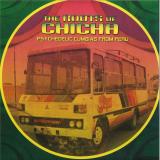
The Roots of Chicha - Psychedelic Cumbias from Peru 2x12"
 
23

The Roots of Chicha, compiled by Barbès Records, was originally released in 2007 and became the first recording to popularize psychedelic cumbia around the world.

From the late 60's through the 80's, Peruvians invented a new popular musical hybrid inspired by music from the Americas. In 1968, Enrique Delgado released his first record on Odeon with his new group, Los Destellos, single-handedly creating Peruvian cumbia. He codified the genre early on by using the electric guitar as the primary melodic instrument, and mixing cumbia rhythms with folkloric huaynos, criollo voicings, Cuban guarachas and guajiras, rock, boogaloo, surf, psychedelia, oriental music, classical music, and bits and pieces from Brazil, France, Chile... All Peruvian cumbia bands for the next thirty years would end up drawing from the exact same sources (Grupo Celeste, Los Mirlos, Juaneco Y Su Combo, Manzanita Y Su Conjunto...).

This new wave of Peruvian cumbia came to be known as chicha. Chicha is originally the name of an alcoholic drink, made of fermented maize, which the Incas were especially fond of. In the past thirty years, however, the word has taken on a pejorative connotation. Peruvian cumbia started being called chicha in the late 70s, around the same time that the music came to be viewed as the expression of the slums – the pueblos jovenes. Little by little, the word became an adjective, and people now talk of chicha culture, chicha press, chicha architecture, even of a chicha president, and none if it – you guessed right – is meant as a compliment. Chicha suggests corruption, shady deals, and cholos – a derogatory term for a person of Andean heritage that, of late, is being reclaimed and worn as a badge of honor by the very cholos it was supposed to demean in the first place.

Auf Lager

Bei uns am Lager und sofort versandfertig

26,01
Zeca Assumpção & Lelo Nazario - Depois do Silêncio (LP)

Elations Recordings presents "Depois do Silêncio", an intimate, forward-looking acoustic bass, digital keyboard and synthesiser recording by Brazilian avant-garde jazz luminaries Zeca Assumpção and Lelo Nazario. This release celebrates almost fifty years of the duo's friendship and musical affinity, continuing a musical dialogue between long-time collaborators. The duo began working together with Hermeto Pascoal's "Grupo Vice Versa" in the mid 1970s before forging one of Brazil's most adventurous experimental jazz groups "Grupo Um" in 1976; releasing three albums with a shared avant-garde and lateral, exploratory approach to sound fusing jazz and contemporary synthesis with expanded and prepared acoustic playing.

"Depois do Silêncio" reflects the duo's long development of a shared conception of music, resulting in a work that is both timeless and modern. The music on the album was primarily recorded in Nazario's UTOPIA Studio, São Paulo, in 1994, featuring Assumpção on acoustic bass and Nazario on his newly acquired Ensoniq TS-12; these recordings were supplemented with acoustic bass for "Quintal da Memória" in 2018 and completed with an additional layer of rich, complex analog and virtual synthesis following their rediscovery of the material in 2022.

Assumpção's deeply expressive acoustic bass playing forms the backbone of these compositions, augmented by Nazario's expansive and exploratory approach to synthesis, its constantly shifting timbres "making music a living organism, which adapts to situations as they appear." Nazario explains that "although the themes are written, much of the music is improvised based on an organic development of ideas, all intertwined and interrelated exactly as happens in a living organism".

The album title "Depois do Silêncio" (After Silence) references a phrase by the writer Aldous Huxley; "after silence, that which comes nearest to expressing the inexpressible is music". Assumpção and Nazario continue a search for new forms of musical expression, and here they succeed in creating music that "expands the sound of musical instruments, so opening new horizons in the minds of listeners".

Auf Lager

Bei uns am Lager und sofort versandfertig

21,81
Dan Tyler & Nick The Record - Mr Bongo Edits Volume 3

Good friends and Record Mission co-captains, Dan Tyler (one half of the Idjut Boys) and Nick The Record, take the reins for the third volume of the Mr Bongo Edits 12" series. With previous editions coming courtesy of Danny Krivit and Luke Una, Dan and Nick set their sights on a hand-picked selection of iconic ‘70s Cuban recordings for this three-track cosmic whirlwind. Across the A side, Dan picks out two Juan Pablo Torres tracks, with Nick taking on Grupo Los Yoyi on the B. Tweaking, extending and reworking the recordings with a dose of extra magic they remould the tracks to fit the sounds and structure of today’s dancefloors.

Having formed the Idjut Boys in the early ‘90s, Dan and Conrad McDonnell have crafted a dubbed-out, disco-tinged style that permeates their countless productions, remixes and DJ sets. Speaking of the two tracks Dan has chosen to rework for this EP he mentions, “Having been caught under an avalanche of good music from Mr Bongo, I took it upon myself to extend and add effects to a couple of the fantastic tracks from the Juan Pablo Torres LPs they recently re-issued. Just for disco jockey and barn dance use.”

First, Dan looks to Cuban maestro Juan Pablo Torres’ 1978 album 'Algo Nuevo', taking one of the standout tracks ‘Cacao’ and giving it more space to breathe. Teasing out the scatting vocal line and percussive climax that nods to George Kranz's ’83 electronic disco anthem 'Din Daa Daa', whilst adding more cosmic tripped-out synths and space echoed dubs, Dan builds the tension to fine effect. This track sounds immense on a big club system and the swirling synths felt like they were lifting the ceiling off when we played it at the amazing La Paloma ballroom in Barcelona.

Dan then turns his attention to Torres’ 1977 'Super Son' album, giving the psych-Latin-funk track 'Pastel En Descarga' a dub makeover. Rich in delay and drama, whilst maintaining and extending the breakers funk intro, he juices it up into a punchy, no-nonsense, cosmic-funk delight.

On the B side, Tangent co-founder, long-standing Life Force resident and seasoned rework master, Nick The Record, revisits an edit that he originally constructed in 2009. Clocking in at over double the length of the original cut, Nick’s edit of Grupo Los Yoyi’s 1977 cut 'Paco La Calle', is made with dancers firmly in mind. This secret weapon builds and simmers, with the drums and percussion pushing and pulling before the psychedelic synth lines return in a sweltering fashion. In this new 2025 version, Dan is drafted in to work some brilliant new synth lines into the mix.

Auf Lager

Bei uns am Lager und sofort versandfertig

19,54
REBOLU - Que Es Contigo

Rebolu

Que Es Contigo

7"-VinylNYCT7086
Names You Can Trust
30.10.2023

Grupo Rebolu has been a mainstay in the extensive Colombian community of New York City for well over a decade, bringing the quintessential sounds of their home country to countless live shows and events throughout the five boroughs. Musically steeped in the folkloric traditions of the Afro-Caribbean discourse, the band has consistently combined first class musicianship with the echoes of their upbringing. Throughout their four self-produced albums, they have incorporated some of Colombia's most cherished traditions —gaita,cumbia, andbullerenguebeing just a few of the disciplines that Rebolu has infused with the modern songwriting and compositions of band leader Ronald Polo. As a natural step in the band's continued musical evolution, Rebolu has connected with Names You Can Trust for a one-off recording to deliver two original songs and productions that seamlessly fit the preferred format and the label's catalog, while further incorporating the group's sound into the wider NY musical spectrum. Whether it's champeta gone disco, or bullerengue gone reggae, this handy double-sided single packs a fresh take on the roots and traditions of Rebolu's musical lineage.

Auf Lager

Bei uns am Lager und sofort versandfertig

18,07
Maga Bo - Amor (É Revolução) LP 2x12"
 
19

"Speaker-bangin' before all else" (XLR8R) with "some of the smartest ears in the game" (Chicago Reader), "few can make a room explode like Maga Bo" (Flavorpill). A purveyor of "international sonic weaponry and rhythm knowledge" (Rough Trade), the Rio de Janeiro-based DJ/producer is a veteran pioneer of global bass music, with 20+ years of dedicated experience searching out unheralded music bumping from speaker-boxes in the world's grittiest corners, from Addis Ababa to Zanzibar.

Simultaneously, Amor (É Revolução), the new album from Maga Bo, is statement of hope through change, a call to arms, a lament, a proclamation of resistance, a shout of resilience, an exuberant yell and a deep therapeutic groove all at once. The result of a multi-decade search for rhythmic common denominators with an Afro-Brazilian-centric focus. It joins raw, natural, acoustic timbres and textures with the grit, weight and power of modern electronic production. It is where heavy dub bass pulsations sync with rhythms coaxed from drums heated over an open flame and ancestral voices rise and fall in call and response.

Recorded in Rio de Janeiro, Salvador, Recife, Arcoverde and Porto Alegre, the album counts amongst many illustrious talents from the Brazlian music scene, long time collaborators, Russo Passapusso and Roberto Barreto of Baianasystem, the legendary singer, BNegão and São Paulo based, Rosângela Macedo. Grupo Bongar and Samba de Coco Raízes de Arcoverde provide backing percussion and vocals. It also brings newer collaborators, from Recife, the amazing voice of Isaar, the fabulous guitarist, Felipe Cordeiro, as well as long-time friends, ex-Digitaldubs, Jeru Banto and Jota 3, the Mestre of Tambors de Olokun, Alexandre Garnizé, on percussion, fellow nomadic electronic roots explorer, Teleseen and the rock solid percussionist from Salvador, Icaro Sá.

Auf Lager

Bei uns am Lager und sofort versandfertig

33,57
LOLA'S DICE - PURA MALDAD LP

Edition of 500 copies. Comes with download code and insert.

' Funkadelic touring the vast Caribbean coastline of Venezuela, together with Afrosound and Grupo Bota, with endless supplies of Aguardiente and other substances, in a “Back to the future” setting. ' ....?

Lola's Dice's debut album is the result of a radical musical transmutation, marked by the phenomenon of massive Venezuelan emigration. The songs contained in "Pura maldad" expose the current point of that process with amazing detail. Rhythms that were considered exclusively "traditional" and almost untouchable back home (Tamborera, Gaita) get twisted, stretched and pushed beyond any imaginary limit, while being combined with healthy doses of Disco, Funk, Electro, Techno and their Caribbean counterparts, Merengue, Salsa and Compass.

Having taken their first steps in the key of Funk-Rock, things first took a turn after the leader Javier Bohorquez met Venezuelan producer Alex Figueira (Fumaça Preta, Conjunto Papa Upa, etc) at a show and he handed him a business card. The tropical psychedelic sound Figueira was specialized on spoke immediately to Javier, as it did combine many of the crazy and groovy elements he loved from the most "out there" Funk (a la Funkadelic), with the countless Caribbean rhythms he had been exposed to, having grown up in Venezuela.

After the first EP "Viaje al centro del ritmo", where everything acquired a decisive tropical tone, a further eccentric exploration of the music of their homeland became inevitable. The subsequent single "Cacri 'e Playa / Sr Cartujo" clearly showed where things were moving towards.

“Pura Maldad” is a true tropical lysergic trip, and while you see vibrant colors and things move in very strange ways, the sun never seizes to shine. Despite its profoundly experimental character, the album proves very useful to anyone in need of getting a party started, maintained or fully blown up, depending at what point of the evening it’s played.

Artwork by Colombian artist Kevin Simón Mancera.

Produced by Alex Figueira at Heat Too Hot, Amsterdam.

Auf Lager

Bei uns am Lager und sofort versandfertig

24,58
LUKE UNA pres. E SOUL CULTURA - VOL 3 LP

LUKE UNA pres. E SOUL CULTURA

VOL 3 LP

12inchMRBLP328
Mr Bongo
20.03.2026

With two deeply cherished compilations already in the bag, Luke Una steps up for the third volume in his É Soul Cultura series on Mr Bongo. A love letter to the dancefloor and its power to unite people from all corners of society amid growing division and extremist politics. Genre-spanning in nature, the 15 tracks travel between cosmic soul, boogie, proto-house, slo-mo technoid grooves, drum machine afro, astral bass-bugging futurism, jazz funk, dance, and disco. Each having the ability to move the body as much as the heart.
 
From his formative years in Sheffield to co-founding Manchester’s much-fabled Electric Chair with Justin Crawford, through to helming the iconic LGBTQ institutions of Homoelectric / Homobloc, Luke has spent 40 years immersed in dance music. His latest outlet, É Soul Cultura, has grown from a label to a globe-spanning events series with Luke holding residencies and embarking on tours across the world from Japan and Australia to America and Europe. 
 
“For me, the dancefloor was never about a one-dimensional, thudding, 130 BPM beat only. It's a much more dynamic, broader vision than that. I cut my teeth in an era where a 100 BPM record had as much impact, excitement, and energy as a 134 BPM dancefloor jazz funk or techno record”, Luke mentions. É Soul Cultura Volume 3 is the perfect embodiment of that notion: “It’s about four decades in the trenches playing dance music, the late-night afters, the shebeens, the basements, warehouse parties, the eight-hour journeys in East London, through to festival sets at Houghton and We Out Here. It’s music unconstrained by genre or tempo and more about making your body move”. 

But this isn’t simply a collection of disparate dance tracks; they carry meaning and soul. “It’s less about escapism, more about reconnection. My experience of post-covid has been the coming together of all the clans in various clubs and gatherings. A reaction to a very toxic world out there, where the aggro rhythms of division have sought to divide us, and people don't meet as often. The coming back together face-to-face in clubs has encouraged a real love in the air, there's a real togetherness and collective spirit”.
 
Opening up the compilation is a track that channels that very message, the transcendental, soul-rousing Harris & Orr ‘Spread Love’. Joining the dots from there, to the low-slung deep house closer of Fatdog ‘Remember’, you’ll find electronic drum machine Nigerian funk, sitting side by side with dancefloor Cape Verdean brilliance, a post-punk cover of Fela Kuti, rubbing shoulders with cosmic electro, and an Una-championed, 8-minute, kickless DJ Harvey remix. There’s jazz funk in various guises moving from boogie synth to astral travelling, slo-mo acidic raw techno, and a ‘79 soul stepper, alongside swirling percussive Italo disco and tribal-charged house. All infused with an innate ability to bring people together.
 
As society becomes increasingly fractured, É Soul Cultura Volume 3’s message is more than movement. It’s about dance music’s power to unify people from all walks of life and break down the barriers that divide us.

nicht am Lager

Bestelle jetzt und wir bestellen den Artikel für dich beim Lieferanten.

26,68

Last In: vor 6 Tagen
LUKE UNA pres. E SOUL CULTURA - VOL 3 LP

LUKE UNA pres. E SOUL CULTURA

VOL 3 LP

12inchMRBLP328I
Mr Bongo
20.03.2026

With two deeply cherished compilations already in the bag, Luke Una steps up for the third volume in his É Soul Cultura series on Mr Bongo. A love letter to the dancefloor and its power to unite people from all corners of society amid growing division and extremist politics. Genre-spanning in nature, the 15 tracks travel between cosmic soul, boogie, proto-house, slo-mo technoid grooves, drum machine afro, astral bass-bugging futurism, jazz funk, dance, and disco. Each having the ability to move the body as much as the heart.
 
From his formative years in Sheffield to co-founding Manchester’s much-fabled Electric Chair with Justin Crawford, through to helming the iconic LGBTQ institutions of Homoelectric / Homobloc, Luke has spent 40 years immersed in dance music. His latest outlet, É Soul Cultura, has grown from a label to a globe-spanning events series with Luke holding residencies and embarking on tours across the world from Japan and Australia to America and Europe. 
 
“For me, the dancefloor was never about a one-dimensional, thudding, 130 BPM beat only. It's a much more dynamic, broader vision than that. I cut my teeth in an era where a 100 BPM record had as much impact, excitement, and energy as a 134 BPM dancefloor jazz funk or techno record”, Luke mentions. É Soul Cultura Volume 3 is the perfect embodiment of that notion: “It’s about four decades in the trenches playing dance music, the late-night afters, the shebeens, the basements, warehouse parties, the eight-hour journeys in East London, through to festival sets at Houghton and We Out Here. It’s music unconstrained by genre or tempo and more about making your body move”. 

But this isn’t simply a collection of disparate dance tracks; they carry meaning and soul. “It’s less about escapism, more about reconnection. My experience of post-covid has been the coming together of all the clans in various clubs and gatherings. A reaction to a very toxic world out there, where the aggro rhythms of division have sought to divide us, and people don't meet as often. The coming back together face-to-face in clubs has encouraged a real love in the air, there's a real togetherness and collective spirit”.
 
Opening up the compilation is a track that channels that very message, the transcendental, soul-rousing Harris & Orr ‘Spread Love’. Joining the dots from there, to the low-slung deep house closer of Fatdog ‘Remember’, you’ll find electronic drum machine Nigerian funk, sitting side by side with dancefloor Cape Verdean brilliance, a post-punk cover of Fela Kuti, rubbing shoulders with cosmic electro, and an Una-championed, 8-minute, kickless DJ Harvey remix. There’s jazz funk in various guises moving from boogie synth to astral travelling, slo-mo acidic raw techno, and a ‘79 soul stepper, alongside swirling percussive Italo disco and tribal-charged house. All infused with an innate ability to bring people together.
 
As society becomes increasingly fractured, É Soul Cultura Volume 3’s message is more than movement. It’s about dance music’s power to unify people from all walks of life and break down the barriers that divide us.

nicht am Lager

Bestelle jetzt und wir bestellen den Artikel für dich beim Lieferanten.

28,15

Last In: vor 27 Tagen
MONEY CHICHA - ONDA ESOTERICA

MONEY CHICHA

ONDA ESOTERICA

12inchVAMPILP336
Vampisoul
19.12.2025
  • Ojos Rojos
  • Carnaval De Jujuy
  • Chicha Justice
  • Cherry Jubilee
  • Chingaderas Crudas
  • Toe Jam
  • Cumbia Arabe
  • Pepper

Money Chicha, the Austin-based collective featuring members of the Grammy-winning Latin orchestras Grupo Fantasma and Brownout, unveils their third full-length album, "Onda Esotérica". Recorded at New Orleans' Marigny Studios, the album deepens their signature psychedelic cumbia amazónica sound with exotic textures, vintage organ swells, and inventive reinterpretations of classics such as 'Cumbia Arabe'. As KUTX puts it, "Listening to Money Chicha feels a bit like taking a hit of acid, downing a couple shots of Tequila, and hopping a plane to 1960s Peru_ it's the kind of music that rewires your brain, awakens your spirit animal, and takes you places you've never been." Add in some South Texas swagger and bruising Latin funk, and "Onda Esotérica" emerges as the band's most adventurous and transportive work to date-a kaleidoscopic journey equal parts ritual and revelation.

vorbestellen19.12.2025

erscheint voraussichtlich am 19.12.2025

22,27
CARLO SVIVES - LA TIERRA DEL OLVIDO (30 YEAR SPECIAL EDITION)
  • Pa' Mayte
  • Fidelina
  • La Tierra Del Olvido
  • Zoila
  • Rosa
  • Agua
  • La Cachucha Bacana
  • Diosa Coronada
  • Ella
  • Jam En Jukumey
  • La Tierra Del Olvido (Versión Salsa) Grupo Niche

Universo Vives proudly presents the 30th Anniversary Special Edition of La Tierra del Olvido (1995), the groundbreaking album by global icon and multiple GRAMMYr winner Carlos Vives. This collector's edition is pressed on 180-gram translucent clear vinyl and available in limited quantities - a must have for fans and vinyl lovers alike. Carlos Vives, the legendary Colombian singer, producer, and actor, revolutionized the sound of Latin music by bringing vallenato to the world stage. With 2 GRAMMYr Awards, 18 Latin GRAMMYsr, and the title of Latin GRAMMY Person of the Year 2024, Vives is one of the most celebrated artists of our time. His legacy has also been recognized by Billboard, the Latin Songwriters Hall of Fame, and major institutions across Spain and Latin America. Celebrate the 30th anniversary of "La Tierra del Olvido" with this special remastered vinyl edition - a timeless tribute to the album that redefined Latin music on the global stage. Originally released in 1995, Carlos Vives created a new sound by reimagining Colombian vallenato with pop and rock influences, inventing a groundbreaking sound that reshaped Latin Music and inspired a new generation of artists worldwide. Now, beautifully remastered for vinyl, this collector's edition invites music lovers around the world to rediscover a landmark recording that brought the heart of Colombia to the ears of the world.

vorbestellen26.09.2025

erscheint voraussichtlich am 26.09.2025

40,29
VARIOUS - JOROPOP

Various

JOROPOP

12inchMR487
MUNSTER
05.09.2025
  • Buenos Das Juventud El Zigui Y Una Luz
  • Dama Gentil Grupo Espiga
  • Viendo La Lluvia Grupo Syma
  • Lgrimas En Tus Ojos La Fe Perdida
  • People Ladies W.c
  • Quiero Claridad Los Fabricantes De Muñecas
  • El Cielo Est En Tu Mente Los Memphis
  • Sed De Amor La Cuarta Calle
  • Joropo Nº 2 Grupo C.i.m
  • Amor Y Felicidad Grupo Pan
  • Stormy Los Rangers
  • Regresa Junto A Mi Los Chicos Malos
  • Siembra Tus Sueños Ciruela
  • Conoce El Amor The Four Blues
  • Di Quién Es Feliz La Cuarta Calle

Welcome to a kaleidoscopic picnic where you can feast on a music scene that was rich, sparkling, multi-colored, ground-breaking and it'll blow your mind. A prodigious soundscape that blends the Caribbean and the Amazon sophistication and flavors; raw yet delicate textures. "Joropop. Psych Pop & Folk in Venezuela, 1968-1976" features infectious Latin rock rhythms and timeless folk melodies across 15 ultra-rare tracks-most of which have never been reissued until now. Let's set off together to discover the magic of Caracas in the late '60s! DESCRIPTION Welcome to a kaleidoscopic picnic where you can feast on a music scene that was rich, sparkling, multi-colored, ground-breaking and it'll blow your mind. A prodigious soundscape that blends the Caribbean and the Amazon sophistication and flavors; raw yet delicate textures. "Joropop. Psych Pop & Folk in Venezuela, 1968-1976" features infectious Latin rock rhythms and timeless folk melodies across 15 ultra-rare tracks-most of which have never been reissued until now. The golden age of Caracas pop started in 1965. It replaced the wave of cloyingly romantic song writing as fresh talents leant into richer and more complex styles: folk-rock, psychedelia, soul, hard blues, symphonic pop, Latin rock etc. Singer-songwriters, experimental electric guitars and jam sessions all appeared on the scene, creating music that became increasingly refined and free. The industry took a while to catch on to this new trend and leave behind the teen idols and dream lifestyles. By the late 60s, there was a long list of new bands in the capital city. Young people finally found their voice. Let's set off together to discover the magic of Caracas in the late '60s!

vorbestellen05.09.2025

erscheint voraussichtlich am 05.09.2025

22,27
BADBADNOTGOOD - Brazil 45 Boxset Vol.6

Grammy-nominated Canadian ensemble BADBADNOTGOOD present the latest edition of Mr Bongo’s iconic Brazil 45 boxset series.
Hailing from Toronto, the band, which now consists of Alexander Sowinski, Chester Hansen and Leland Whitty, made its name by crossing genres and developing a distinctive amalgamation of jazz, hip hop and psychedelic grooves. Their rise to the forefront of their scene has led to collaborations with icons such as Tyler, The Creator, Kendrick Lamar, MF Doom, Samuel T. Herring (Future Islands) and Ghostface Killah. With a penchant for an earworm hook, their sound takes cues from across the globe, both past and present, not least from the wealth of music that has emanated out of Brazil over the last 70 years.

Beatmakers, musicians and record collectors at their core, the influence of Brazilian music on BADBADNOTGOOD’s productions is clear to see, with previous collaborators including Arthur Verocai and Tim Bernardes. It seemed only right then, to hand them the reins for the next edition of our signature boxset series. As ever, the brief was simple, compile a selection of your favourite Brazilian cuts from the country’s rich musical makeup. A captivating collection of sought-after tracks crossing genres, decades and tempos, offering a glimpse into BADBADNOTGOOD’s eclectic tastes, whilst exploring ever further the richness of Brazil’s musical history.

nicht am Lager

Bestelle jetzt und wir bestellen den Artikel für dich beim Lieferanten.

49,16

Last In: vor 11 Monaten
Various - Chicha Por Favor Vol.1 - Grooves from El Volcan: The Heartbeat of Peruvian Cumbia

Bringing new life to the electrifying sounds of Peru’s golden era of cumbia, *CHICHA POR FAVOR Vol. 1 is a highly anticipated limited edition vinyl release, featuring 12 rare tracks from the historic El Volcan label, known for its groundbreaking cumbia in the highlands of Cusco, Peru. This curated collection, spanning the 1970s and 80s, delivers listeners an immersive sonic journey into the heart of Peru's tropical music heritage.

For vinyl collectors, cumbia enthusiasts, and aficionados of Latin American musical history, this album is a rare treasure, packaged with an exclusive insert detailing the cultural origins of each track and offering in-depth insights into the socio-musical evolution of Peruvian cumbia. This release is the inaugural volume of CHICHA POR FAVOR, a project aimed at preserving and celebrating the defining sounds of Peruvian tropical music.

The tracks featured in CHICHA POR FAVOR Vol. 1 offer a uniquely authentic perspective on Peruvian cumbia’s intricate layers, capturing the influence of coastal rhythms, Andean folklore, and Amazonian beats, fused with elements of rock and psychedelia. From the driving electric guitars of *Grupo Atlantic*’s “Danza Atlantic” to the lively, Amazonian-infused grooves of *Los Invasores* and *Los Tigres*, the album reflects a diversity of styles that arose during a transformative era in Peru’s music scene. Notably, the release revives the distinctive sound of *El Volcan* a Cusco-based label that became a beacon for cumbia in the Andes and beyond.

Peruvian tropical music emerged in the 1960s as a fusion of traditional Andean sounds with electric guitar-driven interpretations of Afro-Caribbean and American rock influences. The insert, included with each vinyl, presents a well-researched narrative of the genre’s genesis and evolution, from early instrumental adaptations of huayno rhythms to the psychedelic Amazonian sounds that became its signature.

This compilation is not only a celebration of Peru’s cultural legacy but also an educational experience, designed to give listeners a comprehensive understanding of the geographical, cultural, and musical landscapes that shaped this genre.

nicht am Lager

Bestelle jetzt und wir bestellen den Artikel für dich beim Lieferanten.

21,81

Last In: vor 14 Monaten
Various - Home Free - Original Motion Picture Soundtrack LP 2x12"

The soundtrack to the acclaimed 2024 indie comedy "Home Free" is produced by Adrian Quesada (Black Pumas, Grupo Fantasma) and features songs by Quesada, J. Mascis, Mix Master Mike, Fatlip (Pharcyde), Lucious Jackson, James Petralli (White Denim), Neal Francis, Ben Kweller, and many more. It's an eclectic blend of hip hop, funk, and more stripped down, singer-songwriter tracks, that help bring to live this coming-of-age story set in the 1990s.

vorbestellen01.11.2024

erscheint voraussichtlich am 01.11.2024

29,62
FA-5 - FA-5 LP

Fa-5

FA-5 LP

12inchMRBLP290
Mr Bongo
23.09.2024

The fertility of the Cuban music scene in the 1970s was rich and blooming. FA-5’s self-titled album from 1976 is a perfect example of the energy and vitality emanating from the country’s musicians and marks the next release in Mr Bongo’s Cuban Classics series. A unique musical fusion that encompasses Latin rock, funk, soul, disco and Afro-Cuban rhythms to form a diverse and alluring album.

The exquisite, funk-fuelled opener, 'Muevete Con Las Fuerzas Del Corazon', is maybe the most-known song on the album. It is a super catchy cut powered by a dynamite bassline, joy-filled horn playing and splashes of drum breaks that will ignite any dancefloor.

The record surfs through genres as it progresses. 'Di Tu Que Haras Sin Mi’ and 'Paso Sin Mas' lean back with a West Latin rock / AOR flavour to their grooves. Elsewhere, the dreamy, cosmic, Balearic-tinged 'El Blue' and fuzzy funk-rock breaks of 'Pero Lo Cierto Es Que No Quise Mas' further show the breadth of styles at play on the LP. Another big highlight on the album is the Latin, disco-funk sounds of 'Casa De Ladrillo', which morphs into a cover version of the Commodores 'Brick House'. The result is a superb alternative take on a much-loved classic.

Released on the state-owned Areito Records, the album was directed by Nestor Caballero, who arranged the songs alongside Aneiro Taño and Osvaldo Caraballoso. The prolific Tony Taño produced the album with the recording courtesy of Tony Lopez who worked with Juan Pablo Torres, Los Reyes 73, Grupo Los Yoyi, Raúl Gómez and many other Cuban greats that we have featured in the Cuban Series.

A fabulous, under-the-radar classic, that will enrich any collection.

nicht am Lager

Bestelle jetzt und wir bestellen den Artikel für dich beim Lieferanten.

25,42

Last In: vor 18 Monaten
Various - Other Size

“En este varios artistas no existe la posibilidad de respiro hasta el final”

La segunda referencia del sello DIALECTO PERIFERICO ya esta disponible en formato físico 12”.
Esta referencia abre sus brazos a Dagga y Manao, Lord Jalapeños, Saigg, PromisingYoungster, Korrupted brothers y Vema-Diodes.

1- Dagga X Manao - Cuidao

-Estos dos Colombianos afincados en Berlin, revientan la pista con este track de patron reinventado, haciendo que el tecno y el electro sean uno solo para que las suelas de las zapatillas se desgasten hasta llegar al hueso.

2- Vema-Diodes - Trois

-Sin duda la energía industrial mezclada con el sampleo funk de este tema no te dejara indiferente, las trompetas punzantes de este track son la clave, el sazonador principal la distorsión y para acompañar un chupiito de acido.

3- Saigg - Perfect Result

-Track extraído del recopilatorio solidario “ELECTRO U.N.I.T.Y 2”, donde si o si tanta potencia tenia que reflejarse en vinilo. Voces de ultratumba y bajos punzantes como una navaja hacen que este track funcione en todas las pistas de baile.

4- Lord Jalapeños - Cosmic Microwave Background

-Este joven francés con un estilo muy particular, uno de los mejores en el manejo de lo oscuro y la distorsión.Un diseño sonoro que hará que leas esta historia de terror se lea hasta el final.

5- Korrupted Brothers - Dark Holes

-Como no ivamos a contar con este grupo de la vieja guardia de Iruña; responsables de la escena electro de Navarra y compañeros en el sello “GENTE SERIA VISTE CHANDAL”.
Verdaderamente nos llevan a un agujero oscuro con esa pregunta respuesta que los bajos y los sintes tienen en este ritmo que parece sacado de los 80´s.

6- PromisingYoungster - Signals

-Y como todo final tenia que llegar la claridad, La Luz.
Este leones últimamente lo encontramos en los mejores sellos nacionales, desde “Analogical forcé” hasta “Util récords”, Electro-Brain-dance es nuestra definición para este track, el cual nos da ganas de cerrar los ojos y sentir la energía del sol.

nicht am Lager

Bestelle jetzt und wir bestellen den Artikel für dich beim Lieferanten.

12,40

Last In: vor 9 Monaten
Gitkin - Don't You Want Me Baby / Mi Lamento

In anticipation of Gitkin's upcoming album in October, Wonderwheel drops a cheeky little 7" with two Latin covers from the man himself. The A-Side finds an instrumental Cumbia cover of the eternal 80s classic by The Human League. Leading with the guitar for the verses, the song chugs along nicely with a faithful interpretation of the original with Simon Moushabeck's accordion leading the chorus. On the flip, Gitkin covers Peru's infamous Grupo Celeste's 1975 classic "Mi Lamento" with friend and collaborator Gabe Case on vocals. Keeping with the Tropical Andean sound of the original, Gitkin's funky, wah wah guitars drive the track set over uptempo, cumbia inspired drums while Case's melodic vocals float on top. Two fun, happy tunes to light up dancefloors this summer!

nicht am Lager

Bestelle jetzt und wir bestellen den Artikel für dich beim Lieferanten.

13,03

Last In: vor 13 Monaten
Various - Tardigrados - Kunda 08

Various

Tardigrados - Kunda 08

12inchKUNDA08
Kunda
01.07.2024

Nueva referecia del sello kunda, elegancia, contundencia y diversidad sonora.


Para esta ocasion contamos en Cara A con una colavoracion de dos artistas de alto calibre Sexual Relates y Vikks.Nos traen "Tormento", un track potente y oscuro con la voz original del grupo guatemalteco Obsolescencia programada de su tema Repulsion.


A continuacion tenemos una nueva formacion BLACKOUTband , con un tema electro e.b.m ,rompe pistas bajo el titulo postapocliptico " No Hay Salida" .

En la cara B contamos con R1D productor Madrileño que nos trae un viaje astral que nos trasporta a edades antiguas de la tierra atraves de puro tekno tribe.


Por ultimo Hiry un viejo conocido en la esecena free party manchega. Nos trae un track epico lleno de sonido Hardcore a 140 bpms para pistas duras y nostalgicos de los viejos tiempos.

nicht am Lager

Bestelle jetzt und wir bestellen den Artikel für dich beim Lieferanten.

15,08

Last In: vor 21 Monaten
INDUS - NEGRA LP

Indus

NEGRA LP

12inchZZKLP58
ZZK Records
21.06.2024

Four years after releasing their debut record, Indus are back in 2024 with Negra, their second album. This record explores the essence of the night through dance, seduction and mystery, while paying homage to Colombian amphibious cultures and the land as that place that has seen us moving and that we always return to. With these ten songs Barranquilla producer Oscar Alford, along with Andres Mercado and a select group of collaborators, builds a bridge between the sounds and histories of the Pacific and the Caribbean, bringing together territories like a river running through them and connecting them. Oscar says that on this record "there's this confluence of various cultural universes, on the one hand there's the traditional music of the coast and river areas, there are various maestros who collaborated on the record and they brought that, also there's electronica which is a universal language, and even hip hop and more urban genres like dembow." The record kicks off with "Deja," a ritual of initiation, a galactic, synthetic entrance into a place of plenty, a journey to the ethereal and the night. It's followed, like light and guide, by the song "Alfa Indi," with Gamero singer Nelda Piña, a release of electronic sounds evoking creation in all its senses. The night is an excuse for and a generator of desire, seduction and flirting in "Candela tu Trá," in collaboration with Tomás Llerena, grandson of the legendary Petrona Martínez. The earth is evident in tracks like "Canción del muerto," homage to the marimba maestro Gualajo, with his brother Pacho Torres and Bogotá rapper N. Hardem, a song that could be a farewell ritual and tribute to the land as the place to which we always return, one that holds the history of those who walked that land and left their mark on it. We hear this in "Corre Cimarrón" with Ka Oddun, portraying the journeys of fleeing enslaved ancestors as they tried to survive until they reached the palenque, a place of freedom. Negra explores the mysticism of the night and the cosmos within the Colombian musical tradition. A dialog between root rhythms, voices and synths with bases oscillating between techno-champeta, afro-tech and future-dembow. With this record Indus comes across as one of the most versatile acts on the Latin American scene, especially in the way they reinterpret ancestral music and resignify its sound.

vorbestellen21.06.2024

erscheint voraussichtlich am 21.06.2024

22,27
VARIOUS - CUMBIA CUMBIA CUMBIA!!! VOL.2 LP 2x12"
 
28
auch erhältlich

Vol.1[29,37 €]

Vol.3[30,46 €]


A selection of 28 Colombian cumbia bangers for the dance floor from the deep vaults of Codiscos and associated labels Costeño, Zeida and Famoso, all of them originally released between 1962 and 1983.

“Cumbia Cumbia Cumbia!!!” combines well-known classics and rarities that are difficult to find in their original formats. An invitation to enjoy and be amazed, above and beyond ethnographic and academic concerns.

The historical origins of cumbia in Colombia are nebulous and imprecise. The mythology surrounding it suggests an ancient past when Amerindian, African and European musical sounds were mixed together.

The main record companies in Colombia such as Discos Fuentes, Discos Tropical, Sonolux, Zeida-Codiscos, Silver, Ondina, Discos Atlantic, Vergara and Curro were created between Barranquilla, Medellín, Cartagena and Bogotá from 1936 to 1954. All of them, without exception, recorded Colombian tropical music that over the years was given different names such as porro, gaita, fandango, paseaito, merecumbé, mapalé, bullerengue or, of course, cumbia.

After digging deep into the overwhelming archive of Discos Fuentes in our previous volume, this second instalment in the series “Cumbia Cumbia Cumbia!!!” comprises 28 Colombian cumbia bangers for the dance floor from the deep vaults of Codiscos and associated labels Costeño, Zeida and Famoso, all of them originally released between 1962 and 1983. Legally established on July 1, 1950, Zeida (later Codiscos) was one of the companies that consolidated Medellín as the epicenter of the Colombian recording industry in the central decade of the last century.

“Cumbia Cumbia Cumbia!!!” combines well-known classics and rarities that are difficult to find in their original formats. An invitation to enjoy and be amazed, above and beyond ethnographic and academic concerns.

nicht am Lager

Bestelle jetzt und wir bestellen den Artikel für dich beim Lieferanten.

29,37

Last In: vor 18 Monaten
Shakira - Las Mujeres Ya No Lloran 2x12"
  • A1: Shakira & Cardi B - Puntería 3:10
  • A2: Shakira & Bizarrap - La Fuerte 2:47
  • A3: Shakira - Tiempo Sin Verte 3:15
  • A4: Shakira & Rauw Alejandro - Cohete 2:52
  • B1: Shakira & Grupo Frontera - (Entre Paréntesis) 2:48
  • B2: Shakira - Cómo Dónde Y Cuándo 2:58
  • B3: Shakira - Nassau 2:36
  • B4: Shakira - Última 3:00
  • C1: Shakira & Rauw Alejandro - Te Felicito 2:52
  • C2: Shakira & Ozuna - Monotonía 2:41
  • C3: Bizarrap & Shakira - Shakira: Bzrp Music Sessions, Vol. 53 3:38
  • C4: Karol G & Shakira - Tqg 3:19
  • D1: Shakira - Acróstico 2:50
  • D2: Shakira & Manuel Turizo - Copa Vacía 2:49
  • D3: Shakira & Fuerza Regida - El Jefe 2:49
  • D4: Bizarrap & Shakira - Bzrp Music Sessions, Vol. 53 3:39
auch erhältlich

Ruby Red Vinyl[35,50 €]


Shakiras 12. Studioalbum "Las Mujeres Ya No Lloran" wird am 22. März veröffentlicht! "Las Mujeres Ya No Lloran" ist ihr erstes Album seit sieben Jahren und zeugt von der Macht der Musik, die es Shakira ermöglicht hat, ihre schwierigsten Erfahrungen in kostbare Momente zu verwandeln. "Dieses Album zu machen, war ein alchemistischer Prozess. Während ich jeden Song schrieb, baute ich mich selbst wieder auf. Als ich sie sang, verwandelten sich meine Tränen in Diamanten und meine Verletzlichkeit in Stärke". Das neue Album wird 16 Songs enthalten, darunter 8 bisher unveröffentlichte Titel, einen Remix und 7 Hits, darunter "Music Sessions Vol. 53" mit Bizarrap, "TQG" mit Karol G, "Te Felicito" mit Rauw Alejandro, "Copa Vacía" mit Manuel Turizo und viele andere. Die sieben bereits veröffentlichten Songs vereinen insgesamt beeindruckende 3,7 Milliarden Streams auf sich

vorbestellen22.03.2024

erscheint voraussichtlich am 22.03.2024

33,07
Shakira - Las Mujeres Ya No Lloran 2x12" (Indie-Store-Vinyl Version)

Shakiras 12. Studioalbum "Las Mujeres Ya No Lloran" wird am 22. März veröffentlicht! "Las Mujeres Ya No Lloran" ist ihr erstes Album seit sieben Jahren und zeugt von der Macht der Musik, die es Shakira ermöglicht hat, ihre schwierigsten Erfahrungen in kostbare Momente zu verwandeln. "Dieses Album zu machen, war ein alchemistischer Prozess. Während ich jeden Song schrieb, baute ich mich selbst wieder auf. Als ich sie sang, verwandelten sich meine Tränen in Diamanten und meine Verletzlichkeit in Stärke". Das neue Album wird 16 Songs enthalten, darunter 8 bisher unveröffentlichte Titel, einen Remix und 7 Hits, darunter "Music Sessions Vol. 53" mit Bizarrap, "TQG" mit Karol G, "Te Felicito" mit Rauw Alejandro, "Copa Vacía" mit Manuel Turizo und viele andere. Die sieben bereits veröffentlichten Songs vereinen insgesamt beeindruckende 3,7 Milliarden Streams auf sich

vorbestellen22.03.2024

erscheint voraussichtlich am 22.03.2024

35,50
Various - Discomoda Salsa De Venezuela 1964-1977
 
21

Established in 1948 by César Roldán, Discomoda is one of the earliest record labels of Venezuela and the oldest family operated label in the country. Home to one of the most complete folkloric and popular music catalogues of Venezuela, the label also invested heavily in Afro-Caribbean and tropical rhythms that became popular in the 60s and 70s.

In the 1960s and before the Salsa era truly kicked off, Venezuela had a significant dance orchestra and big band movement. Unlike local record competitors dedicated to selling foreign productions, Discomoda achieved its leading position by recording the most important national bands, including Los Megatones de Lucho, Orquesta Sonoramica and Super Combo Los Tropicales; all featured in this compilation.

Later on, surrounding the festivities for the 400th anniversary of Caracas in 1967, the word "Salsa", which had been recently coined by famed radio host Phidias Danilo Escalona, was formalized to identify an Afro-Caribbean musical style with growing popularity in Venezuela and beyond. By then, the country was among the top 20 music markets in the world, with the local label Discomoda leading the way, responsible for one out of every five records sold in the country.

With the prolonged celebrations approaching due to the 400 years of the city, Discomoda and other labels began to capitalize on this new musical style by betting on both established and new local bands, such as Nelson y sus Estrellas, Los Kenya, Principe y su Sexteto and Los Satélites. As a result, this would kick off what could be considered a golden era of Salsa in Venezuela and which lasted until the mid-70s.

As we approach the 80s and with the emergence of new musical styles and bigger multi-national record labels funded by larger pockets, a lot of the previously popular bands begin to disband or choose to leave the country. Nonetheless, a few artists, like Rodrigo Mendoza, La Renovación and Grupo Yakambu, were still pushing out quality music.

We are thrilled and honored to celebrate one of Venezuela's and, equally, Latin America's most significant record labels, and to share a slice of their enduring influence in advancing Venezuelan-made Salsa music.

nicht am Lager

Bestelle jetzt und wir bestellen den Artikel für dich beim Lieferanten.

23,49

Last In: vor 21 Monaten
JARBAS MARIZ - Transas Do Futuro

Jarbas Mariz

Transas Do Futuro

7"-VinylMRB7218
Mr Bongo
02.02.2024

1000 miles away from the beating musical hearts of Rio and São Paulo in the late ‘70s, the Brazilian city of Belém gave rise to a little-known record label called Erla - Estudio Rauland. Though not prolific in its output, the label made up for it in quality and experimental offerings, with several records on the label now becoming sought-after pieces among collectors. One such release is the sublime four-track psych, MPB, rock EP by singer-songwriter Jarbas Mariz.

They say never judge a book by its cover, though on this occasion you pretty much can. The wonderful tripped-out ‘70s artwork by Baby is a sure-fire indication of the music lying within. Though the EP was recorded in ‘77, it clearly gained inspiration from the psychedelic hippy idols of the previous decade and could easily have been a soundtrack to an acid trip scene in an obscure Brazilian movie.

Low-fi and quirky, there are moments of beauty and splendour but also hints of darkness; with a sublime balance of music and styles throughout. At points Jarbas will have you drifting through a folk flute daydream, the next moment a growling, psych-distorted guitar breaks and parts the calm. An ability to make those elements blend cohesively is where Jarbas’ true brilliance shines through.

Jarbas played, and still plays, with some of the key figures in Brazil's musical underground. Guilherme Coutinho (whose Guilherme Coutinho - E O Grupo Stalo album from ‘78 was also re-issued on Mr Bongo) features on electric piano for this release, with fans of his work being able to pick out his tones and playing style. Elsewhere, Jarbas also collaborated with the late great Lula Côrtes on the 'Bom Shankar Bolenath' album from 1988 and 'Rosa De Sange' from 1980. He was a member of the wonderful Cátia de França band and is a regular in the legendary Tom Zé group.

'Transas Do Futuro' is a special record and one we are honoured to be reissuing.

vorbestellen02.02.2024

erscheint voraussichtlich am 02.02.2024

19,54
LOS PROBLEMAS - EL ULTIMO DE SU ESPECIE LP

Punk Rock Isn't Dead... It Lives in South America! Das schreiben sich Los Problemas selbst auf die Fahne! Die chilenische Punk-Rock- und Oi!-Band "Los Problemas" hat ihr mit Spannung erwartetes Debütalbum herausgebracht. Die LP mit dem Titel "El Ultimo de su Especie" markiert einen Meilenstein in der Karriere der Band und festigt, was sie über mehrere Jahre hinweg, von der Veröffentlichung von Singles bis hin zu ihrer ersten EP "Malos Vecinos" (2020), gezeigt haben. Es ist ein energiegeladenes Album geworden, das Einflüsse von Punk und Oi! mit deutlichen Anklängen an Bands wie The Crack, Cock Sparrer, Sex Pistols und andere verwandte Gruppen vermischt. Das Album ist sehr melodisch, macht Spaß und ist durchzogen von scharfen Gitarren, die manchmal an den Glam-Rock der 1970er Jahre erinnern, aber mit einer Essenz und Haltung, die eng mit dem Punk verbunden ist, besonders im Bereich des Oi! oder "Reality Punk". Das Album enthält 11 neue Originalsongs und eine kühne Interpretation von David Bowies ikonischem Song "Héroes", in dem die Band ihr erzählerisches Können und ihre einzigartige Herangehensweise an den vergangenen Ruhm unter Beweis stellt. 180 gr. schwarz/grün marmoriert, weltweit 500 handnumerierte Exemplare. SPA "El Ultimo de su Especie" es un álbum enérgico, que fusiona influencias del punk y el Oi!, con claras resonancias de bandas como The Crack, Cock Sparrer, Sex Pistols y otros grupos afines. Este disco es altamente melódico, fácil de escuchar y está impregnado de guitarras afiladas que en momentos nos recuerdan al glam rock de los años 70, pero con una esencia y actitud ligada al punk y especialmente a la rama del Oi! o "reality punk."

vorbestellen26.01.2024

erscheint voraussichtlich am 26.01.2024

21,22
Pablo Schneider - Sobre La Hierba Virgen LP

Mega rare soundtrack to the obscure Venezuelan sexploitation film “Sobre la Hierba… Virgen” originally released in 1976 and almost impossible to find in any condition. The album includes a wide variety of music to enjoy, from thrilling psychedelic jazz-funk to spacey experimental tracks, killer drum-breaks or romantic instrumental tunes. Composer and keyboard player Schneider had an outstanding body of work for the TV/film industry and recorded with the likes of Baby Bell, Grupo Syma, Vytas Brenner as well as huge mainstream artists like José Luis Rodríguez and Pecos Kanvas. He was also producer to Phirpo Y Sus Caribes’s highly collectable only LP, a brilliant Afro-Latin funk masterpiece. His much sought-after 1975 solo album on Polydor anticipated the sounds comprised on “Sobre la Hierba… Virgen”, featuring a variety of exotic arrangements ranging from Latin mood to jazz funk to electronic psychedelic. “Sobre la Hierba… Virgen” is one of the best recordings of Pablo Schneider at the peak of his career.

vorbestellen29.12.2023

erscheint voraussichtlich am 29.12.2023

24,79
Various - The Rough Guide to Capoeira

This Rough Guide features both the guardians of this musical tradition as well as some of today's key innovators who continue to push the boundaries of the genre. * An album which unlocks the mysterious and intriguing rhythms behind Capoeira * Following on from the success of other Brazilian-themed albums in the Rough Guide LP range * Capoeira combines dance and combat to the distinctive sound of the berimbau and other traditional instruments * Includes tracks by the legendary Grupo Muzenza & Capoeira Nago * A remarkable living-tradition originally developed by enslaved Africans inBrazil at the beginning of the 16th century * A seamless collection of tracks which provides a unique insight into today's vibrant scene * Featuring trailblazing artists who have taken the musical genre into a whole new electronic dimension * The music of Capoeira continues to serve as a major inspiration for Brazilian artists to this day * Music is the driving force behind capoeira which makes it so distinctive and captivating * Half-dance, half-combat, capoeira has become synonymous with the beaches of Brazil.

vorbestellen30.11.2023

erscheint voraussichtlich am 30.11.2023

16,77
Turbo Q 3000 - Ke Suene Machin / Chikas De Kristal

Repress!

Debut single by 'TURBO Q 3000', a project by Turbo Sonidero (Grupo Jejeje / Kumbia Net) & Principe Q (Kumbia All Stars / Royal Highness)

Turbo Sonidero is a music producer and record collector from San Jose, CA who blends Cumbia Sonidera (sound system) with Rap. He is a co-founder of Grupo Jejeje and also the-founder of Kumbia Net/Kumbia Obscura, a collective that promotes new and up-and-coming cumbia producers from Mexico and beyond. Turbo Sonidero is a pioneer who continues to lead the reemergence of cumbia globally. He has been featured in Vogue MX, The New Yorker, Fader, Vice MX, Afropop Worldwide, KQED, and XLR8R, among others.

Music producer/DJ Svani Quintanilla (aka Principe Q) is noted as the creator of "Screwmbia", pioneered by his duo Royal Highness (with DJ King Louie). "Screwmbia" is his modern take on cumbia, blending trap drums with slowed down cumbia rhythms. Bringing cumbia in to the modern times is an homage to his aunt, Selena Quintanilla-Perez, who also did so in the 80's and 90's. He is the oldest son of Kumbia All Star founder A.B. Quintanilla III and has recently joined the band as a percussionist.

Limited to 500 7" copies
Exclusive artwork by Jaime Ruelas

nicht am Lager

Bestelle jetzt und wir bestellen den Artikel für dich beim Lieferanten.

13,03

Last In: vor 18 Monaten
VARIOUS (¡NAINO! QUEENS) - Flamenco Groovy Beats On The Verge Of A Nervous Breakdown 1971-1979 LP

A Dream Team of folclóricas covering the wide spectrum of African-American influenced 1970s dance music spiced with flamenco. The hits of Isaac Hayes, Billy Preston or The Temptations in the charts showed the way to go. An almanac for 20th Century Rosalías headed by Lola Flores, Isabel Pantoja, Rocío Jurado and a bunch of female singers, copleras, cantaoras and rumberas. A black and white lysergic dream amidst post-Franco’s Spain. Stick your ears to the speakers. Here comes an emotional rollercoaster!


Antes de presentarte esta novedad, hay que entender que en la segunda mitad de los años setenta, algo estaba cambiando en la escena musical. Los grupos musicales estaban en su auge hasta que llegó la llamada al servicio militar obligatorio. Entonces, todo el mundo volvía de él sin sus largas melenas y sin dinero. Los baladistas sin personalidad tomaban el control de la música, según lo dictado por las discográficas. Es entonces cuando las copleras, cantaoras y rumberas se convierten en la respuesta necesaria para combatir la insípida melosidad. A pesar de un contexto sociocultural desfavorable, arreglistas y productores invertían horas de sueño para revivir un sonido que estaba al borde de la extinción. A pesar de los cambios que haya podido haber desde entonces, el más significativo es que ahora la inmediatez digital dicta el rumbo.


Es por toda esta importancia que finalmente ha llegado un álbum que reúne a un elenco de folclóricas en una combinación única, fusionando el concepto del groovy funk; con canciones que abarcan todo el espectro afroamericano de la música de baile de los setenta, con toques de gritos y susurros aflamencados que le dan un giro impresionante. Podríamos considerarlo el álbum destacado de las Rosalias del siglo XX, una especie de viaje lisérgico en blanco y negro a la España de la posfranquista. Con su hiperrealismo revolucionario, este disco nos ofrece a una una estirpe de artistas sin igual.

En este encontrarás las joyas ocultas de artistas como Flores, Pantoja, Jurado, Polaca, entre otras. Aunque se mantuvieron fieles a sus estilos, todas ellas fueron famosas por otras facetas de sus extensas discografías, y muchas incluso aparecieron en la portada de Interviú en más del cincuenta por ciento de los casos, como las feministas de los años setenta según Francisco Umbral.

vorbestellen

Der Artikel ist noch nicht erschienen. Du kannst den Artikel jetzt vorbestellen, dieser ist nach Wareneingang für dich versandbereit.

26,01
Various - Glücklich VI 2x12"

Die mega-erfolgreiche Compost-Compilation Serie erfährt eine Fortsetzung. Nach 20 Jahren eine neue Glücklich! Rainer Trüby hat tief in brasilianisch, lateinamerikanisch angehauchter Musik gefischt und macht uns damit mehr als glücklich.

Zurück im ganz großen Stil – denn eine Pause von zwei Jahrzehnten bedeutet ja auch, dass man besser stark zurückkommt, wenn man denn zurückkommt. Aber wir reden hier ja auch von Rainer Trüby, und er hat einen ganzen Sack voller brasilianischer und brasilianisch angehauchter Leckerbissen mitgebracht! Einige dieser Leckerbissen waren auf obskuren, von Vinylsammlern ignorierten CDs vergraben, andere sind bisher noch auf keiner Compilation zu finden aber alle werden uns den Sommer über auf‘s angenehmste begleiten und „Glücklich“ machen. Nebenbei bemerkt: Das Auto ist ein VW SP2, der zwischen 1972 und 1976 von Volkswagen do Brasil hergestellt wurde.

nicht am Lager

Bestelle jetzt und wir bestellen den Artikel für dich beim Lieferanten.

27,69

Last In: vor 2 Jahren
Various - Glücklich VI 2x12"

Various

Glücklich VI 2x12"

2x12inchCPT617-4LTD
Compost Records
14.07.2023

Clear Vinyl

Die mega-erfolgreiche Compost-Compilation Serie erfährt eine Fortsetzung. Nach 20 Jahren eine neue Glücklich! Rainer Trüby hat tief in brasilianisch, lateinamerikanisch angehauchter Musik gefischt und macht uns damit mehr als glücklich.

Zurück im ganz großen Stil – denn eine Pause von zwei Jahrzehnten bedeutet ja auch, dass man besser stark zurückkommt, wenn man denn zurückkommt. Aber wir reden hier ja auch von Rainer Trüby, und er hat einen ganzen Sack voller brasilianischer und brasilianisch angehauchter Leckerbissen mitgebracht! Einige dieser Leckerbissen waren auf obskuren, von Vinylsammlern ignorierten CDs vergraben, andere sind bisher noch auf keiner Compilation zu finden aber alle werden uns den Sommer über auf‘s angenehmste begleiten und „Glücklich“ machen. Nebenbei bemerkt: Das Auto ist ein VW SP2, der zwischen 1972 und 1976 von Volkswagen do Brasil hergestellt wurde.

nicht am Lager

Bestelle jetzt und wir bestellen den Artikel für dich beim Lieferanten.

28,15

Last In: vor 22 Monaten
VARIOUS - SAOCO VOL. 1 (2x12")
nicht am Lager

Bestelle jetzt und wir bestellen den Artikel für dich beim Lieferanten.

37,40

Last In: vor 2 Jahren
Una Luz Y El Zigui - Buenos Días Juventud

First time reissue of mega rare 1972 psych-folk album from Venezuela.
180g LP.
One of the most obscure records ever released in Venezuela that was originally distributed in tiny quantities as a promo-only album.

A magic blend of protest songwriting, with a strong environmentalist statement, and folky pop with psych ingredients —such as the use of sitar sounds— recorded by the collective of artists “Una Luz”, and “El Zigui” who was once described as the local Bob Dylan.

The late ‘60s was a short period of time, long enough to turn the world upside down.

Music, paying attention to the ancient Greeks who said that changes in society are also reflected in it, also undergoes violent transformations in its structure. The turbulent joy of rock and roll and twist gives way to the meditative sounds of the waves of the sea contained in surf to finally welcome music of soft and delicate harmonies with songs full of references in their lyrics to the state of society and their relationships with the environment.

On the other hand, in Venezuela, although the expansive wave of May 68 had not reached it, a certain degree of dissatisfaction began to be perceived, especially through the music of a singer-songwriter from the countryside of Venezuela known as Ali Primera, El Cantor del Pueblo. Thanks to a scholarship from the German government, he studied for a few years in that country, and it was there that he recorded his first album, with songs whose lyrics reflect the essence of authors such as Bob Dylan and Atahualpa Yupanqui. And Ali Primera becomes one of the greatest influences of our artist: El Zigui.

Guillermo Sánchez Corao —known as El Zigui for some strange reason— was born in the Venezuelan city of Maracay, capital of the State of Aragua, on January 13, 1948. From a very young age he began to study guitar playing and, already in his teens, we can find him as part of the duo El Zigui & Franklin together with Franklin Laudelino Mejías, another young man with a great musical pedigree.

It is during his bohemian phase as a troubadour, in the surroundings of the Ateneo de Caracas, when his music caught the attention of producer Mario Tepedino, the most important youth music producer at the time. Mario takes him to his TV show “2001 Juvenil”. With the incorporation of other musicians such as Rubén "Micho" Correa —who would later become a great arranger and record producer— he created the group El Zigui y Una Luz, which would later be joined by musicians such as Carlos "Nene" Quintero and Alfredo Padilla, members of the amazing Grupo Pan. Later on, another outstanding singer would also join Una Luz: Guillermo Carrasco.

With this formation they made it into a recording studio in 1972 where they managed to record, in just 30 hours, a long-playing album of which only 60 copies were pressed and has therefore gained cult status among collectors. As expected, the strong content of the lyrics was not supported by the media, making the promotion of the album impossible to accomplish. However, it was with the help of Mario Tepedino that they made it to television, with appearances on “2001 Juvenil” and “Antesala Lunar”, a show that was especially produced for the broadcast of the arrival of man on the Moon.

That was probably one of the main reasons for El Zigui to move to Canada and then France until 1978 when he returns to Venezuela. He would then join bands like Xabañón, Fogón and De Vuelta al Futuro, a 12-member super group. The former members of Una Luz had become well known musicians in the country, especially Guillermo Carrasco who was one of the greatest ballad artists in the ‘80s and targeted by the biggest record companies at the time. El Zigui died in a traffic accident on June 22, 1999. If he had lived through these crazy times... where would he have gone?

vorbestellen31.05.2023

erscheint voraussichtlich am 31.05.2023

24,79
Various - Perú Selvático LP 2x12"
 
18

Less than a hundred miles inland from the capital city of Lima lies the great Peruvian jungle, an untamed land of impenetrable forests and endless winding rivers. In its isolated cities, cut off from the fashions of the capital, a unique style of music began to develop, inspired equally by the sounds of the surrounding forests, the roll of the mighty Amazon and Ucayali Rivers, and the rhythms of cumbia picked up from distant stations on transistor radios. With the arrival of electricity, a new generation of young musicians started plugging in their guitars and trading in their accordions for synthesizers: Amazonian cumbia was born.

Powered by fast-paced timbale rhythms, driven by spidery, treble-damaged guitar lines, and drenched in bright splashes of organ, Amazonian cumbia was like a hyperactive distant cousin of surf music crossed with an all-night dance party in the heart of the forest. While many of the genre’s greatest tracks were instrumental, and others were simple celebrations of life in the jungle, the goal of every song was to keep the party going.

Radio stations in Lima remained unaware of the new electric sounds emanating from the jungle, but a handful of pioneering
record producers ventured over the mountain passes to the cities of Tarapoto, Moyobamba, Pucallpa – even Iquitos, a city
reachable only by boat or plane – and lured dozens of bands to the recording studios of the capital to lay down their best
tracks. Although many became local hits, few were ever heard outside the Amazonian region … until now.
With eighteen tracks from some of the greatest names in Amazonian cumbia, Perú Selvatico is both the improbable soundtrack
to a beach party on a banks of the Amazon and a psychedelic safari into the sylvan mysteries of the Peruvian jungle.

nicht am Lager

Bestelle jetzt und wir bestellen den Artikel für dich beim Lieferanten.

29,37

Last In: vor 3 Jahren
Matías Pizarro - Pelo de Rata LP

"Hey, there's this new guy around that plays like Herbie Hancock!!". When Chilean pianist Matías Pizarro arrived in Argentina fleeing Pinochet's dictatorship, word spread like wildfire in the local jazz scene.

In the two short years that Pizarro spent in Buenos Aires, he became one third of the Viejas Raíces project alongside local jazz heroes Jorge López Ruiz and Pocho Lapouble, recorded with famed Italian trumpeter Enrico Rava and released his own solo album, Pelo de Rata ("Rat's hair").

Pizarro was no beginner though. Whilst in Chile he had already participated in several music projects and worked as a producer and arranger for the IRT label, and was connected to influential bands such as Los Jaivas and Blops. He had also studied in the Berklee School of Music where he not only met and lived with the cream of an emerging new wave of musicians, but he also had the chance to attend live performances of giants such as Miles Davis or Thelonious Monk.

In the recording of Pelo de Rata Pizarro is joined by fellow Chilean Alejandro Rivera (Sacros, Grupo Sol) on quena and charango, Swedish bassist Bo Gathu on bass, Uruguayan saxophonist Finito Bingert and an impressive percussion team featuring Pocho Lapouble, "El Zurdo" Roizner and the mighty Domingo Cura. The album draws from the US jazz fusion currents of the time (think Chick Corea and Miles Davies), adding an undeniable Latin American character, all projected through Pizarro's own musical prism which displays his acute sense of harmony and a musical intimacy that reminds of those sincere, dreamy moments in Viejas Raíces.

The 8-page booklet that accompanies the vinyl edition will give you a deeper insight into the story of Matías Pizarro, with previously unseen pictures and liner notes by Argentinean journalist Humphrey Hinzillo (La Nación , Rolling Stone Argentina).

vorbestellen18.11.2022

erscheint voraussichtlich am 18.11.2022

24,33
Various - CUMBIA BEAT VOL 3. (2x12")
nicht am Lager

Bestelle jetzt und wir bestellen den Artikel für dich beim Lieferanten.

39,45

Last In: vor 3 Jahren
Milton Nascimento - Maria Maria

Repress incoming...

Far Out Recordings proudly presents Milton Nascimento's Maria Maria. Recorded in 1974 and unreleased until almost thirty years later, the album was written as the soundtrack to a ballet which dealt with the legacy of slavery in Brazil. Raw, atmospheric and emotionally charged, Maria Maria reveals one of Brazil's greatest ever songwriters at his creative peak. Featuring an all-star cast of fellow Brazilian legends including Nana Vasconcelos, Joao Donato, Paulinho Jobim, and members of Som Imaginario, Maria Maria holds what Milton considers to be the definitive versions of some of his classic songs, including 'Os Escravos De Jó' and 'Maria Maria'.

Originally released in 2003 as a double CD package, with Milton Nascimento's 1984 follow up ballet soundtrack Ultimo Trem, Maria Maria will be available on vinyl for the very first time from December 2019, with Ultimo Trem set for vinyl release early 2020.

Milton Nascimento possesses one of the most immediately recognizable voices in Brazilian music: high and sweet and as breathtakingly sublime as that of any soul singer. It was this voice that the legendary Brazilian singer Elis Regina fell in love with back in 1964, having heard Milton perform his song 'Canção do Sal (Sultry Song)' at a private party in Sao Paulo. Ellis went on to record the song in 1967 -giving Milton his first hit in Brazil and beginning a career that has spanned over 50 years.

Born in Rio on the 26th October 1942, Milton moved with his adoptive parents at the age of 18 months to Tres Pontas, a rural town in the state of Minas Gerais, 500 miles north of Rio. He began his musical career as a young teenager, singing in a crooner style he learnt from listening to Brazilian singers and US groups such as The Platters on the radio. Hungry for more opportunities to perform, Milton moved to Belo Horizonte, the capital of Minas Gerais, at the age of twenty. By the beginning of the 60s Milton had made a name for himself both as an accomplished singer and guitarist.

Milton became part of a local network of musicians, film makers, dancers, theatre directors and writers that included the journalist and song writer Fernando Brant as well as lyricist Marcio Borges and his younger brother Lo Borges. Together these four wrote and produced what would become Milton's milestone album, 'Clube da Esquina (Club on the Corner)'. The originality of 'Club da Esquina' shaped the local scene, and it reflects the essence of 'the Nascimento Sound'. Milton's religious upbringing as an Afro-Brazilian Catholic saw him exposed to church choral music from an early age. His love of this genre of music is apparent in both his celestial falsetto and vocal choral arrangements. This collection also displays his early fascination with evocative, non-verbal, scat-style singing, spare, harmonic guitar work and local folk music, jazz and rock.

In 1976, Milton and Fernando Brant teamed up with a new contemporary dance company called Grupo Corpo, whose Argentinian choreographer Oscar Araiz, would become a collaborator with the two musicians. Together, they conceived a show based on the composite life story of the daughter of a black slave called Maria. Nascimento wrote music to Brant's lyrics and "Maria Maria" was premiered in the main theatre of the Belo Horizonte Palacio das Artes that year. "Fernando wrote the lyrics for the ballet, but there were originally no lyrics for the theme song, "Maria Maria'". Milton and Fernando worked on the lyrics together, basing them on folk stories about black women of the countryside. Adds Milton "These memories are mostly things that we witnessed – Fernando and I – rather than what we experienced ourselves.

Milton's music is impressionistic, emotional and romantic. Relying on songs without lyrics as well as evocative vocalizing and choruses, Milton experimented heavily with Afro-Brazilian percussion and taped jungle sounds. His composing method for these recordings was highly unconventional: "I wrote the music for 'Maria Maria' in a tiny Rio apartment with friends and their kids running around and having fun! I love to be in noisy places, surrounded by people", he says.
The music on 'Maria Maria' was performed by an impressive group of young musicians who are today household names in Brazilian music, including Naná Vasconcelos (percussion and effects), Toninho Horta (guitars) and Paulo Moura (sax). Several vocalist including Naná Caymmi, Fafá de Belém, Beto Guedes, and Milton himself, had hits in years to come with reworkings of these songs.

Milton says his compositions follow his visions "like a movie", and he believes that reflects his long love affair with cinema. "I only began composing because of enjoying the movies so much," he says. "I wrote my first song "Peace for the Coming Love" after seeing 'Jules et Jim' (the cult 60s French film directed by François Truffaut), with my friend Marcio Borges. We went early in the morning and watched it four or five times in a row, then went to Márcio's home and wrote the song."

The songs also include solo spoken passages set to music, clearly influenced by this style of French art cinema. On the title track, Maria's story is narrated and translated to music through the use of African Percussion, drums and metal signifying the field slave tools of the day. 'Trabalhos (Works)' runs to work rhythms and whipcracks: no words, just pain. 'Lília' documents the beating of the slave woman. After 'A Chamada (The call)' and the triumphant 'Era Rei e Sou Escravo (I was a king now I am a slave' things begin to turn and Milton employs tropical jungle cries to symbolize freedom. 'Santos Catholicos x Candomble (Catholic Saints vs Candomble)' represents the battle between African and European religions through the music of both sides. Milton's heavenly falsetto pours into 'Francisco' and 'Pai Grande (Great Father)' and the outstanding 'Eu Sou Uma Preta Velha Aqui Sentada no Sol (I'm an old black lady, sitting under the sun)' conjures images of an old woman sitting deep in the forest, her memories painted in drums, piano and voices.

nicht am Lager

Bestelle jetzt und wir bestellen den Artikel für dich beim Lieferanten.

31,05

Last In: vor 6 Jahren
Soul Jazz Records Presents - CUBA: Music and Revolution: Culture Clash in Havana: Experiments in Latin Music 1975-85 Vol. 2
 
22

Cuba: Music and Revolution: Culture Clash in Havana: Experiments in Latin Music 1975-85 Vol. 2 is the new album compiled by Gilles Peterson and Stuart Baker (Soul Jazz Records) that takes off in exactly the same vein as the much-acclaimed Vol. 1 – exploring the many styles that came out of Cuba in the 1970s as Latin and Salsa mixed with heavy doses of Jazz, Funk, and Disco to create some of the most dancefloor-friendly music ever made!

The album comes as a heavyweight 3xLP and deluxe 2xCD set, complete with extensive sleeve notes, and is jam-packed with heavy bass lines, synth and Wah-Wah guitar funk combined with the heavyweight percussion, powerful brass lines and the all-encompassing Latin rhythms of Cuban music known
throughout the world.

Much of the music on this album is featured in the deluxe large format book ‘Cuba: Music and Revolution: Original Cover Art of Cuban Music: Record Sleeve Designs of Revolutionary Cuba 1959-90’, released by Soul Jazz Books and also compiled by Gilles Peterson and Stuart Baker (Soul Jazz Records),
featuring the music and record designs of Cuba, made in the 30-year period following the Cuban Revolution.

The music on this new album features a host of rarities from legendary Cuban artists such as Los Van Van, alongside Grupo De Experimentación, Farah Maria, Ricardo Eddy Martinez, Juan Pablo Torres, Grupo Sintesis and Orquesta Riverside, most of whose names remain largely unknown outside of Cuba but have long been favourite club tracks and secret-weapons in Gilles Peterson’s record boxes!
The music on this album reflects the most cutting-edge of Cuban groups that were recording in Cuba in the 1970s and 1980s – all searching for a new Cuban identity and new musical forms reflecting both the Afro-Cuban cultural heritage of a nation that gave birth to Latin music and its new position as a socialist state. Most of the music featured on this album has never been heard outside of Cuba.
Both Gilles Peterson and Stuart Baker have been involved in Cuban music for more than two decades – Gilles Peterson with his many Havana Cultura projects for his Brownswood label and Stuart Baker with a number of Soul Jazz Records albums recorded in Cuba. This Soul Jazz Records album is released in conjunction with Egrem, the Cuban state record company, and has been put together after the many crate-digging trips that both compilers have made on the streets of Havana and beyond in Cuba stretching over a 20-year period, searching out rare and elusive original Cuban vinyl records

nicht am Lager

Bestelle jetzt und wir bestellen den Artikel für dich beim Lieferanten.

40,97

Last In: vor 3 Jahren
Various - Brasil Novo LP

Brasil Novo is a compilation made up of eight contemporary Afro-Brazillian tracks disseminating the rich and percussive heritage of Brasil and Samba De Coco. The compilation was compiled by Sao Paolo’s DJ Tahira and London’s Tim Garcia and flits between Samba, Candomble, Batuques, Jazz, Folk and beyond, all selected with the dancefloor in mind.

Some of the tracks have never before been released on vinyl like Dona Celia Coquista’s ‘O Bar’ and the live version of Toró Instrumentals ‘Dunas’, and the release also features tracks from Grupo Bongar, Renata Rosa and women’s Afro Bloco, Ilú Obá De Min.

The compilation has so far been supported by the likes of Gilles Peterson and Jamz Supernova (BBC 6 Music) Lopa Kothari (BBC Radio 3) and Zakia (NTS) and many more.

nicht am Lager

Bestelle jetzt und wir bestellen den Artikel für dich beim Lieferanten.

20,97

Last In: vor 3 Jahren
Various - SATURNO 2000: LA REBAJADA DE LOS SONIDEROS 1962-1983 LP (2x12")

Analog Africa delves deep into the scene of the Mexican's sonideros (sound-system operators) to present the "Rebajada" movement they've created using locally made pitch controls, speakers and sound effects.

"In 2010, I had asked Eamon Ore-Giron - aka DJ Lengua - if he would be interested in compiling a Latin project for Analog Africa, and if so, if he had a theme in mind. He replied, “Have you ever heard of rebajada?“ The question mark above my head, together with the wall of China, must have been the only other object visible from out of space because Eamon, probably noticing I got paralysed, continued, “Rebajada in Spanish means “to reduce, to lower”. It’s basically Mexican sonideros (soundsystem operators) slowing down the beat of a Cumbia to create a much more tangible music to dance to. I’ll send you a mix I made last year and let me know what you think.“ And so he did.

That mix was called Rebajada Mota Mix and I began listening to it on a loop. Although I was not immediately hooked it was intriguing from the get-go, and so I kept listening until magic began unfolding. Slowed down music allows you enough time to hear right through it, revealing itself in ways I had rarely experienced before. Everything became more transparent and I was noticing sounds normally only perceptible by bats. A near psychedelic experience. That mysterious mix included a few Ecuadorian songs by Junior y su Equipo - aka Polibio Mayorga (a cult figure in the sonidero scene), a couple of Mexican tunes, one Colombian, and various Peruvian songs, undoubtedly the driving force behind this project.

The sonidero who brought Peruvian and Ecuadorian music to Mexico was the legendary Pablo Perea from Sonido Arco-Iris, and although his fingerprints are all over the compilation Saturno 2000, this selection of songs in rebajada is exclusive to DJ Lengua. With the exception of a few classics from Polibio Mayorga and La Sampuesana – the queen of all rebajadas – most of these songs were probably never performed as such before, let alone released.

So how did rebajada come to be? In a nutshell; Rebajada started with two families of brothers – the Pereas and the Ortegas – who travelled all over Latin America and returned to Mexico with heavy loads of records which they would sell to the various sonideros always on the lookout for new tunes. Colombian beats especially seemed to fit almost perfectly with the Mexican dance steps – but they were just a bit too fast. As a result some sonideros began experimenting with equipment, and Marco Antonio Cedillo of Sonido Imperial created a revolutionary pitching system that could slow records down to an extent other players could only dream about. And so rebajada was born . . . or so we thought.

At the same time in north of the country, in Monterrey, sonidero Gabriel Dueñez almost got electrocuted by a short circuit that nearly set his record player on fire. As a result the platter started spinning in slow motion for the rest of the party, turning Cumbia into a different affair altogether. The youngsters went crazy for it and started harassing the sonidero with requests to record cassettes for them. Reluctant at first, Dueñez finally began recording a series of pirated cassettes called “Rebajada” which included mainly Colombian cumbia and porro in slow-mo exclusively. Those tapes took the city by storm and turned rebajada into a celebrated and defiant movement of the youth.

Of course it would not be a Mexican urban legend if it didn’t include dramaturgical elements, and so for nearly 30 years, until this day and probably for ever, both cities have been arguing and claiming ownership the creation of rebajada for themselves. But sonidera Joyce Musicolor, who never has time for such trivial arguments, got straight to the point: “Rebajada, and the equipment to perform it, is from here Mexico City but it was Monterrey that popularised it.“

nicht am Lager

Bestelle jetzt und wir bestellen den Artikel für dich beim Lieferanten.

27,69

Last In: vor 16 Monaten
VARIOUS - CHICHA POPULAR: LOVE & SOCIAL POLITICAL SONGS FROM PERU’S DISCOS HOROSCOPO 1977-1987
nicht am Lager

Bestelle jetzt und wir bestellen den Artikel für dich beim Lieferanten.

31,93

Last In: vor 4 Jahren
Bruna Mendez - Corpo Possivel

Following highly praised releases by Hermeto Pascoal & Grupo, Leonardo Marques, Xenia Franca, Moons, and Gus Levy, 180g and the legendary Disk Union continue to explore the best of today's Brazilian music scene with this wonderful album by Bruna Mendez. A chill, mellow and futuristic musical masterpiece with funky and electronic flavours, Corpo Possível leads the way to the new era of Brazilian R&B.


Bruna Mendez is a female singer/songwriter from the inland city of Goiânia, Brazil. Originally a lyricist, she began her musical career in 2008 to express herself as a musician, joining several bands in Rio as well as in her hometown Goiânia. After releasing her debut EP "Pra Ela" in 2014, Bruna released her debut solo album "O Mesmo Mar Que Nega a Terra Cede à Sua Calma" in 2016, which received critical acclaim in Brazil.

After this first album, Bruna also finds interest in electronic sounds and textures, and starts incorporating these elements into her music. Her second album here, "Corpo Possivel", is the result of such an encounter between electronic beats, addictive melodies and a band and musicians playing a tight and propulsive sound. All of this makes Corpo Possivel an album standing out in today's Brazilian music scene, where many extraordinary talents are produced. 180g and Disk Union are proud to release Corpo Possivel for the first time outside of Brazil. This is an essential LP by an artist promised to a bright future on the Brazilian and international scenes.

This album comes on 180g vinyl format.

nicht am Lager

Bestelle jetzt und wir bestellen den Artikel für dich beim Lieferanten.

23,49

Last In: vor 4 Jahren
Various - Soul Jazz Records Presents Cuba 3x12"
 
23

‘Cuba: Music and Revolution’ is a new album compiled by Gilles Peterson and Stuart Baker (Soul Jazz Records) that explores the many new styles that emerged in Cuba in the 1970s as Jazz, Funk, Brazilian Tropicalia and even Disco mixed together with Latin and Salsa on the island as Cuban artists experimented with new musical forms created in the unique socialist state of Cuba.
The album comes as a deluxe double CD and heavyweight triple vinyl, complete with extensive sleeve notes, jam-packed with heavy basslines, synth and WahWah guitar funk combined with the heavyweight percussion, powerful brass lines and the all-encompassing Latin rhythms of Cuban music known throughout the world.
The album is released to coincide with the massive new deluxe large format book ‘Cuba: Music and Revolution: Original Cover Art of Cuban Music: Record Sleeve Designs of Revolutionary Cuba 1959-90’, which is also compiled by Gilles Peterson and Stuart Baker (Soul Jazz Records) and which features the music and record designs of Cuba, made in the 30-year period following the Cuban Revolution.
The music on this album features legendary Cuban groups such as Irakere, Los Van Van and Pablo Milanés, as well as a host of lesser known artists such as the radical Grupo De Experimentación, Juan Pablo Torres and Algo Nuevo, Grupo Monumental and Orquesta Ritmo Oriental, groups whose names remain largely unknown outside of Cuba owing to the now 60-year old US trade embargo which remains in place today and which prevents trade with Cuba - and thus most Cuban records were only ever available in Cuba or in ex-Soviet Union states.
The music on this album reflects the most cutting-edge of Cuban groups that were recording in Cuba in the 1970s and 1980s - who were all searching for a new Cuban identity and new musical forms that reflected both the Afro-Cuban cultural heritage of a nation that gave birth to Latin music - and its new position as a socialist state. Most of the music featured on this album has never been heard outside of Cuba.
Both Gilles Peterson and Stuart Baker have been involved in Cuban music for more than two decades - Gilles Peterson with his many Havana Cultura projects for his Brownswood label and Stuart Baker with a number of Soul Jazz Records albums recorded in Cuba. This Soul Jazz Records album is released in conjunction with Egrem, the Cuban state record company, and has been put together after the many crate-digging trips that both compilers have made on the streets of Havana and beyond in Cuba stretching over a 20-year period, searching out rare and elusive original Cuban vinyl records.
Press - Reviews & features in Mojo, The Wire, The Guardian, The Times, The Telegraph, Pitchfork, Irish Times, The Observer, Clash, Vice, Metro, Record Collector, Uncut, Independent, Q.

nicht am Lager

Bestelle jetzt und wir bestellen den Artikel für dich beim Lieferanten.

41,39

Last In: vor 4 Jahren
Gus Levy - Magia Magia

Gus Levy

Magia Magia

12inch180GDULP05
180g x Disk Union
16.03.2021

Following highly praised releases by Hermeto Pascoal & Grupo, Leonardo Marques, Xenia Franca and Moons, 180g and the legendary Disk Union continue to explore the best of today's Brazilian music scene with this wonderful psychedelic and funky pop album by Rio de Janeiro's Gus Levy: Magia Magia.


The mystical universe of Magia Magia reflects influences from the samba rock of Jorge Ben, the romantic grooves of Djavan and the psychedelic pop of Connan Mockasin and Negro Léo. The lyrics and sensations suggest a new way of seeing the reality of the world and relationships: union, spirituality, magic, complicity, happiness, courage, love, fraternity, dilemmas and contradictions lead the poetical subject of Magia Magia. Inspired by a conception of the universe ruled by feminine entities, Gus Levy brings with Magia Magia a masterpiece of modern Brazilian psychedelic and funky pop, with exquisite artwork by Fernanda Varella.

A composer and multi-instrumentalist from Rio de Janeiro, Brazil, Gus Levy has been gaining more and more attention on the Brazilian music scene during the last few years. He is also a producer at Rio de Janeiro's Estúdio Carolina studios, a member of the band "Os Dentes" for more than 10 years, and the guitarist of choice for artists like Antonio Neves, Filipe Marones and João Werneck.

nicht am Lager

Bestelle jetzt und wir bestellen den Artikel für dich beim Lieferanten.

20,38

Last In: vor 5 Jahren
BOCARACÁ - “Cahuita/ Talvez Mañana”

Discodelic presents the second release in this series of exclusive 45 RPM records. From the Caribbean coast of Costa Rica, province of Limón, the town of Cahuita, we present you with the incredible BOCARACÁ!

Bocaracá is without a doubt a gem from Caribbean Central America, bridging a spectacular concoction of Psychedelia with Afro Latin rhythms. Created by Isidor Asch and Luis Jákamo, two restless "limonenses", who were on the path of discovering their Latin musical roots since childhood, while also experimenting with soul and Rock in their own compositions. Together and on their own, they have written a big chunk of the history of Soul in Costa Rica with their subsequent outstanding groups: Marfil, Grupo Stop, and Manantial.

This limited edition is part of a project that has been in the making for several years. This is a labor of love and respect for the music of this singular band. Four “maes” who were known as “the only hippies in Limón” in their hometown.

This reissue includes historic material that was originally recorded between 1973 and 1974 in Audio Centro, a recording facility in San José. It’s a priceless and important document, a window to what was happening with music in the largely abandoned and forgotten province of Limón, where a musical revolution was cooking in the early ’70s, and where Bocaracá was the cornerstone.

Get to know the full story of Bocaracá in the special liner notes included in the release, prepared with love for all of you, featuring band anecdotes and photos.

nicht am Lager

Bestelle jetzt und wir bestellen den Artikel für dich beim Lieferanten.

19,29

Last In: vor 5 Jahren
Various - LA LOCURA DE MACHUCA LP 2x12"

La Locura de Machuca is the story of one man’s bizarre odyssey into Colombia’s coastal music underground, and the wild, hypnotic sounds he helped bring up to the surface.

One night in 1975, a successful tax lawyer named Rafael Machuca had his mind blown in Barranquilla’s ‘Plaza de los Musicos’. Overnight he went from a high ranking position in the Columbian revenue authority to visionary production guru of the newly formed record label that bore his name, Discos Machuca, and for the next six years he devoted his life to releasing some of the strangest, most experimental Afro Psychedelia Cumbias ever produced. La Locura de Machuca is the story of one man’s bizarre odyssey into Colombia’s coastal music underground, and the wild, hypnotic sounds he helped bring up to the surface.

The Colombian music industry was thriving in the mid-seventies, but while homegrown bolero and vallenato tunes were doing well on the charts, it was imported African records that were setting crowds on fire at the picos – the sound-systems that fuelled neighbourhood parties – and wherever those records were played there were always a handful of groups who were inspired to plug traditional Cumbia directly into the electric currents coming from across the Atlantic.

It was these obscure bands, who fused Colombian and African rhythms with the swirling organs and psychedelic guitars of underground rock, that fired Machuca’s imagination. While the label made its money releasing popular hits by legends such as Alejandro Durán and Aníbal Velásquez, that money was poured back into a unique run of experimental releases by fringe artists such as La Banda Africana, King Somalie, Conjunto Barbacoa, and Abelardo Carbono, one of the godfathers of Champeta Criolla.

When Machuca couldn’t find groups to realise his particular vision, he simply created them himself. Drawing on a fearsome roster of musicians associated with the label, he assembled bands that lasted only as long as it took to record an album ,and unleashed the results – complete with arrestingly unusual album covers – under a series of different names such as Samba Negra or El Grupo Folclórico. This unorthodox approach led his longtime recording engineer, Eduardo Dávila, to describes Machuca’s productions as the “B-Movies of Colombian music.”

The story of Doctor Machuca and his eccentric exploits tells of one of Colombia’s most atypical and peculiar record companies; a defining pillar of Afro-Caribbean psychedelia. His productions have come to represent the roots of Champeta and set the pedigree standards for Afro and Costeño avant-garde. The seventeen tracks on La Locura de Machuca, harvested from the darkest, strangest corners of the Discos Machuca catalogue, sound like little else recorded before or since.

nicht am Lager

Bestelle jetzt und wir bestellen den Artikel für dich beim Lieferanten.

36,09

Last In: vor 5 Jahren
Luisito Quintero - Percussion Maddness Revisited – Part Two 2x12"

Grammy award winner & multi grammy nominated Luisito Quintero grew up with the Latin American and African tradition of percussion. His father is just as much a percussionist as his uncle Carlos Nene Quintero and his cousin Roberto Quintero . He became a member of the Orquesta Simfonica de Venezuela , but soon appeared with ensembles such as Grupo Guaco and El Trabuco
Venezolano and toured with Oscar D'León .

He then moved to New York, where he initially worked with Latin jazz musicians such as Willie Colón , Eddie Palmieri , Tito Puente and Celia Cruz . He then turned to the fusion of jazz, funk, salsa and African music and performed with George Benson , Herbie Hancock , Ravi Coltrane and Toshiko Akiyoshi , but also with pop musicians such as Gloria Estefan and Marc Anthony .

Vega Records are proud to present his new vinyl release “Percussion Maddness Revisited” Part Two. From the Osibisa remake by Luisito Quintero “Music For Gong Gong” to collaborations with the Great Richard Bona, Latin Jazz legend Hilton Ruiz and Salsa Veterans Jose Mangual and Milton Cardona, you can see the caliber of musicians that make up this timeless piece. For the afrohouse heads you have the new track “Yemaya” Featuring Nina Rodriguez remixed by Afrohouse King Manoo. Prepare for the sonic fun with vinyl pressings by Optimal !!

Percussions Maddness Revisited Part Two Double Vinyl Set out soon at a vinyl store near you !!!

nicht am Lager

Bestelle jetzt und wir bestellen den Artikel für dich beim Lieferanten.

21,43

Last In: vor 11 Monaten
Various - Instrumental Gems Vol.1

· This compilation features the rarest and unknown instrumental tracks of that Funky Groove early sound.
· Light music along with wind section and keyboard ready to hit the dance-floor, that we call Spanish-Grooves.
· Composers, musicians & arrangers like Gregorio García Segura, Rafael Martínez, Antonio Barco, Antonio Latorre, Jaime Botey, etc.

During the 70's, an important number of orchestras and dance bands popped up in our country but not many of them released their own songs or covers on vinyl, so we can’t say that our music library has bulky volumes, rather it’s just the opposite.

You have to dig deep in the catalogue of obscure record labels to find some quality pieces, which we will usually attribute to Tinglado 13, Conjunto Nueva Onda, The Matches, Conjunto Don Pelegrin, Rafael Martínez, Carlos de Ros, Salgado y su Grupo, Mesié Bató, Pedro González, Jorge Enrique.

Most orchestras played bossa nova, soul, some lounge and easy listening, and a usual mix of light music with wind section and keyboards, something like “spanish-soul” or “rhythm'n'blues-pasodoble”.

It was a time when the bands survived playing shows with a repertoire based, mostly, on Spanish popular songs and international hits.

Many artists recorded with nicknames, many others used licensed songs paying rights to the original authors and some orchestras changed their names when they pressed their records, in an attempt to appear modern or simply for pure commercial purposes, that's why it is difficult to trace accurately the musical path of many of these artists. This scene was especially intense in Aragon and Catalonia, where a bunch of labels emerged, often simply as platforms for bands to promote their own music.

This compilation aims to discover to a wider audience some of the most sought-after instrumental gems by discjokeys and disco music collectors, eager for soul, groove and hot sounds.

nicht am Lager

Bestelle jetzt und wir bestellen den Artikel für dich beim Lieferanten.

27,27

Last In: vor 6 Jahren
Various - Instrumental Gems Vol. 2

· This compilation features the rarest and unknown instrumental tracks of that Funky Groove early sound.
· Light music along with wind section and keyboard ready to hit the dance-floor, that we call Spanish-Grooves.
· Composers, musicians & arrangers like Gregorio García Segura, Rafael Martínez, Antonio Barco, Antonio Latorre, Jaime Botey, etc.

During the 70's, an important number of orchestras and dance bands popped up in our country but not many of them released their own songs or covers on vinyl, so we can’t say that our music library has bulky volumes, rather it’s just the opposite.

You have to dig deep in the catalogue of obscure record labels to find some quality pieces, which we will usually attribute to Tinglado 13, Conjunto Nueva Onda, The Matches, Conjunto Don Pelegrin, Rafael Martínez, Carlos de Ros, Salgado y su Grupo, Mesié Bató, Pedro González, Jorge Enrique. Most orchestras played bossa nova, soul, some lounge and easy listening, and a usual mix of light music with wind section and keyboards, something like “spanish-soul” or “rhythm'n'blues-pasodoble”.

It was a time when the bands survived playing shows with a repertoire based, mostly, on Spanish popular songs and international hits.

Many artists recorded with nicknames, many others used licensed songs paying rights to the original authors and some orchestras changed their names when they pressed their records, in an attempt to appear modern or simply for pure commercial purposes, that's why it is difficult to trace accurately the musical path of many of these artists. This scene was especially intense in Aragon and Catalonia, where a bunch of labels emerged, often simply as platforms for bands to promote their own music.

This compilation aims to discover to a wider audience some of the most sought-after instrumental gems by discjokeys and disco music collectors, eager for soul, groove and hot sounds.

nicht am Lager

Bestelle jetzt und wir bestellen den Artikel für dich beim Lieferanten.

27,27

Last In: vor 6 Jahren
Various - Cumbia Beat Vol 2
nicht am Lager

Bestelle jetzt und wir bestellen den Artikel für dich beim Lieferanten.

31,05

Last In: vor 6 Jahren
Ze Eduardo Nazario - Poema Da Gota Serena

“Following on from Homenagem, Lugar Alto’s first critically acclaimed project, the São Paulo label's new endeavour is the reissue of another neglected masterpiece. This time, it’s “Poema da Gota Serena” turn by Zé Eduardo Nazário from 1982. This unique work gathers elements of free jazz, Brazilian Northeastern rhythms, Asian percussive instruments and electronics.

Zé Eduardo is a virtuoso drummer and percussionist with a prolific career as a musician and teacher. He was introduced to music in his youth and started playing professionally at the age of thirteen. In the late 60’s he was a regular at the famous Totem night club in São Paulo, where he performed alongside the pianist Tenório Jr. and other exceptional instrumentalists. It was there that he met Guilherme Franco, and together they formed the Grupo Experimental de Percussão. This period defined Nazário’s interest in different sonorities involving percussion, and he broke away from the more traditional genres, such as bossa nova and jazz. Over time, this distinctiveness in sound and playing allowed him to create his own path which culminated in an extensive number of remarkable works, including the colorful and psychedelic “M andala”, which examines Indian and hippie themes. He also played with Hermeto Pascoal’s group and joined him and Jaques Morelenbaum for the recording of the cult classic “Imyra, Tayra, Ypy” by Taiguara. For Egberto Gismonti’s “Nó Caipira”, Nazário performed with the khene, a mouth organ from Laos, a present from Gismonti himself.

But it is Nazário’s work with the 1976 collective Grupo Um which is his most well-known, who, during their 6-year legacy recorded, amongst movie and ballet soundtracks, 3 albums: “Marcha Sobre a Cidade”, “Reflexões Sobre a Crise do Desejo” and “Flor de Plástico Incinerada”. The combo is considered one of the most innovative formations of its time, unusually combining electro-acoustic elements, jazz and Brazilian traditional music.

Poema da Gota Serena was Zé Eduardo's first solo project and it was financed by the legendary Lira Instrumental, a collaboration between the ground-breaking venue, label and publisher for the São Paulo avant-garde, Lira Paulistana, along with the always interesting Continental Records, home to such luminaries as Tom Zé. The album was offered as a package deal simultaneously with the production of “Flor de Plástico Incinerada”, ensuring 2 studio sessions at JV studios in October 1982.

Each side of the album explores different duets which, with its suite formated tracks, give the album the feel of a cohesive whole. The first half of the A side, “Energia dos Três Mundos”, is shared with the improvised saxophone of Cacau. Nazário delves into free jazz rhythms and plays his drums with a rolling and tumbling swing, using the kit in full, demonstrating the power of Brazilian jazz fusion. The second half of the suite takes us into a more tranquil mode. “Só Prá Ouvir”, demonstrates Zé’s mastery on the glockenspiel, and Indian percussion instruments, such as the tabla and mridangam. Cacau, on his side, switches his saxophone for more delicate dancing flute driven passages, equal parts northeastern rhythms and deep Amazonian indigenous influences. The B side, with “Prá Pensar / Prá Sentir e Prá Contar”, contrasts heavily with the A side’s more organic and natural feel. In Prá Pensar Lelo Nazários’s synth clusters and electronic blasts strangely interact with the exploring, wandering percussion. This track leads into the sublime “Prá Sentir e Prá Contar” where South Indian inspired vocals, performed by Zé Eduardo, accompany the graceful synth chords and fluttering percussion. The result is a hypnotic, otherworldly feel to the music that is infectious and takes the listener on an extraordinary journey.
With Poema da Gota Serena, it is possible to hear music that extrapolates the lines of the avant-garde and popular music. It is an album the demonstrates that Brazilian jazz fusion can be both spiritual and challenging at the same time.

All the tracks were expertly remastered by Lelo Nazário, directly from the original tapes, maintaining the high quality of production that Lugar Alto are becoming renowned for. All the artwork was reinterpreted by the São Paulo design studio Sometimes Always, including an exclusive insert and unpublished images.
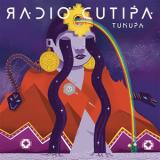
It seems that Lugar Alto have managed to excavate yet another gem from the seemingly bottomless Brazilian mines. Long may they continue to do what they do so well.”

nicht am Lager

Bestelle jetzt und wir bestellen den Artikel für dich beim Lieferanten.

15,50

Last In: vor 6 Jahren
ITIBERÊ ORQUESTRA FAMÍLIA - PEDRA DO ESPIA

Itiberê Zwarg is an award-winning Brazilian bassist and the longest-serving member of Hermeto Pascoal's ground-breaking ensemble 'O Grupo'. Since their first meeting in 1977, the two have been closely collaborating to create a unique musical language: a genre-defying polyharmonic, polyrhythmic music, now widely studied by musicians and musicologists alike, known as 'Universal Music'.

Back in 2001, Itiberê led a workshop at Villa Lobos School of Music, with twenty-nine of Rio de Janeiro's most exceptionally talented young musicians. Employing the principles of Universal Music alongside his long-held belief in the powers of listening and intuition, Itiberê composed and arranged in real time, transcribing the improvisations of the prodigious orchestra while allowing the players total freedom to experiment. The result was Pedra do Espia, an Amazonian orchestral masterpiece which is as difficult to categorise as it is fun to listen to.

Named after the beachside viewing point which translates as 'Spy's Rock', where Itiberê would sit as a child, daydreaming and gazing out over the Brazilian coast, the record harnesses the pure creativity of youth and nature, creating a magical sense of innocence amongst the striking compositions and astonishing musicianship.

nicht am Lager

Bestelle jetzt und wir bestellen den Artikel für dich beim Lieferanten.

18,45

Last In: vor 7 Jahren
  • 1
Artikel pro Seite:
N/ABPM
Vinyl