Scissorgun are a two-piece soundscape project from Manchester comprising Alan Hempsall (of Crispy Ambulance) on treated guitars, vocals, prose and trumpet, and David Clarkson (formerly of Triclops and Illuminati) on synths, keyboards, drum programming, rhythms and percussion.
The duo came together in the summer of 2016 with a view to creating spontaneous music, and by November had laid the foundations of Assault Two, their debut release, so named because it is the second release on Aural Assault Records, whose first outing was the debut single by Crispy Ambulance way back in April 1980.
This special 10' and CD package is released in a limited edition of 500 copies. The extended CD features longer versions of the five tracks on the vinyl disc as well as two bonus cuts. The artwork is by Pascal Blua.
Shoc Corridor was the London post-punk quartet of Paul O'Carroll (Voice, Synth), Andy Garnham (Synth, Drum), Chris Davis (Guitar, Bass, E-Bow) and Nogi Prass (Synth) named after the Sam Fuller film from 1963. Chris met Nogi shortly after moving to London in 1979 - they started playing music together, fell madly in love, and decided to form a band. They recruited Andy, who had previously played in a band with Stephen Luscombe of Blancmange, and lyricist and vocalist Paul. Their influences were wide reaching: Kraftwerk, Neu, Cabaret Voltaire, Brian Eno, PIL, and Joy Division.
The group recorded a 4-song demo during 1981 in a tiny flat Chris shared with Nogi in Notting Hill. As their collection of instruments grew they set up studio a few blocks away in Andy's flat at 20 All Saints Road. There they re-recorded Sargasso Sea' along with On Reflexion' on a TEAC reel-to-reel 4-track machine. In the summer of '82, the band was booked into Decibel Studios in Stoke Newington for two and a half days with Mark Easton of Shout Records, where they reworked the two songs. The group usually worked through studio experimentation rather than constructing their songs in a conventional way. Their equipment list included a Korg MS-20, Wasp, Pro-One, Roland TR-808, WEM Copicat, guitars, bass, e-bow and an assortment of effects pedals. On Reflexion' began as a Blancmange backing track, since Stephen Luscombe would sometimes use Andy's 4-track, Korg MS-20 and drum machine. Chris has memories of Paul disappearing from time to time to the neighboring graveyard for inspiration, where they had to procure him from to lay down vocals. Their debut 3-song 12' single, A Blind Sign', was released in October 1982 on Shout Records. For this re-issue we've included the original skeletal Sargasso Sea' 4-track demo from 1981. Evocative and dreamy, the music escorts you on a tour of icy landscapes, with Paul's rich vocals guiding the way.
All songs have been remastered for vinyl by George Horn at Fantasy Studios. Each EP comes in an exact replica of the original jacket, designed by Chris Davis with artwork by Paul and Jerry Neal. Each copy includes an 8x11' 2-sided insert with liner notes, lyrics and photos designed by Eloise Leigh.
Over the years, Phil Mison has become the go-to selector for those looking for Ibiza-themed compilations. None of his previous collections, though, have been quite as personal as Out Of The Blue, a compilation inspired by his first spell behind the decks at the Café Del Mar in 1993 - and the remarkable chain of events leading up to it.
Mison made his first trip to Ibiza in the summer of 1991 and quickly fell in love with the magical music being played by Café Del Mar resident DJ, Jose Padilla. On his return to the UK, Mison began to cultivate his own take on the laidback, open-minded style, recording mix-tapes of Ibiza style chill out' tunes to give to friends.
In November 1992, Mison was hanging out in Tag Records, Soho, when Padilla walked in. He plucked up the courage to speak to the Spaniard because earlier that summer Mison had given one of his friends some tapes to take out to Jose in Ibiza so he wanted to see if he had got them. During the conversation Mison invited him down to his next DJ set at Nicky Holloway's club, the Milk Bar and less than three months later, and clearly impressed by what he'd heard on the tapes, Padilla invited Mison to fill in for him at the Café Del Mar, beginning in April '93.
It's that first trip to DJ in Ibiza - a crazy six-weeks spent dividing his time between spinning records at Café Del Mar, hanging out in Jose Padilla's house in the hills, and meeting some particularly eccentric White Isle residents - that proved the inspiration for Out Of The Blue.
The compilation contains a mixture of records that Mison played in his earliest Ibiza sets, those that remind him of that period, and recent discoveries that boast a similarly warm, loved-up vibe. Mison is at pains to point out that it's not a track-for-track representation of his first sets, but rather a collection inspired by this most momentous of experiences.
As you'd expect from a selector of Phil Mison's standing, Out Of The Blue is an outstanding collection. Some will no doubt hear the influence of his mentor - the man he credits with effectively turning his DJing career around - in the undulating rhythms and new age melodies of Kamasutra's Sugar Step', the meandering synthesizer solos and Spanish language vocals of Congarilla's sublime Sacred Tree', and the lilting flamenco guitars of Gambarra', an unreleased mix from Mison's popular Cantoma project.
Elsewhere, listeners can marvel at the starry ambient bliss of Belgian legend Frank De Wulf's The End', recline to the saucer-eyed fusion jazz of the Christoph Spendel Group, shuffle along to tactile, hard-to-find period deep house from Language, Moodswings and Don Carlos, and marvel at The Cactus Rose Project's ridiculously rare Jelly', a sparkling, disco-era jazz-rock outing partly inspired by the Doobie Brothers' Long Train Running'.
Out Of The Blue may well be a very personal selection of tracks celebrating a moment in time, but it's happily one that we can all enjoy.
Hell Yeah is proud to present a new EP from an artist that has been on their radar for a while. That artist is Napoli's Quiroga aka Walter Del Vecchio, the Italian DJ and producer who also runs his own Really Swing label and has been given props by the in the know Test Pressing blog, as well as having all his tunes dropped by
Balearic Gabba Sound System at every opportunity.
One of the finest talents to come from Italy in recent times, Quiroga cooks up hypnotic and trance including sounds from a myriad of diverse influences from opiate jazz to shuffling funk beats, from shifty landscapes to library music.
First up is Viaggio a Tulum, a perfectly loose and jumbled mix of sunny vibes, feel good chords and clipped vocals full of soul. The sort of thing that has you day dreaming of lazy afternoons and drunken BBQs, it's perfect example of Quiroga's efforts style.
Non Dire Notte—featuring Acido and ReallySwing act 291Out members Luca "Presence" Carini on electric bass and Vincenzo "Warren" Ciorra on electric guitar—is even more lazy and elongated, horizontal and blissed out. Twanging guitars off set pixelated synths, squelchy chords and Afro signifiers bring the heat and overall you cannot fail to get lost in the groove.
Prati Bagnati is a serene ambient interlude that feels like laying on your back and looking into a deep blue sky and second ambient cut Bava is more textured and intense, with shifting drones and muffled voices bringing a sense of filmic unease to the table. Overall, this is a perfect window into Quiroga's most intoxicating musical world.
Support by Alexis Le Tan, Aficionado Djs, Coyote, Ibiza Sonica, Reza Athar, Gonno, Noema, Fabrizio Mammarella, Riccio, Bill Brewster, Private Agenda, Soft rocks, Tim Love Lee...
Acclaimed Russian producer, DJ and live musician Kito Jempere is back with a stunning second album, this time on Italian label Hell Yeah. Entitled Sea Monster and due for release in early 2017, the nine track album is a fantastic fusion of live instrumentation and electronic production.
Kito Jempere is a musical polymath. The Russian artist, producer, multi-instrumentalist and band leader has been involved in many projects over the last ten years plus. These range from rock to acid jazz to electronic bands and often call upon a rotating cast of other members who are all equally talented.
From playing in small bars to headlining big shows for thousands of people in Saint Petersburg, he has put out a number of albums and singles on labels like Freerange, Room With A View and Hell Yeah and DJs around Europe.
Jempere plays live as the Kito Jempere Band, and here he calls upon his bandmates for their many skills to lend the album a richly musical feel.
Mixed and co-produced by band member Roman Urazov, the album features Artemiy Gunbin aka Noteless, the voice of the Kito Jempere Band and front man of his own rock band Videatape, as well as Ruslan Gadzhimuradov, a long time drummer on many projects, plus Matvey Averin, the bassist but also co-producer for cult group Manizha and finally Sergey Lipsky who here plays guitar and is also half of Simple Symmetry as well as having played for Kito's other project Saint Petersburg Disco Spin Club group.
Sea Monster kicks off with Lifetime Theme, a heavenly groove with loose drums and percussion and gorgeous keys. Form there, Artemiy Gunbin's ethereal and crystal clear vocals take centre stage amongst balearic guitars on album single 'Ampa', and then 'To Talk' is a deeper cut with bumpy drums, long tailed pads and shiny synths all making for a curious and whimsical atmosphere.
'Grid Cells' is a lush instrumental track with clever revel and echo adding a sense of grandeur to the freeform jazz drums and frazzled synths, 'Uohha' is as sunny and laid back as an afternoon on the beach and 'Puzzled' then layers up scuzzy basslines, popping hits and suspenseful synths into something smooth and seductive.
The final third of the album closes out with blissful guitar licks, lazy broken beats and brilliant drum playing that all have you wishing it was summer again.
This is an album with elements of jazz, house, disco, balearic and many more sounds all smoothly blended into one coherent and captivating album full of soul and musical skill.
Espen Beranek Holm is a Norwegian musician and comedian, born 1960 and began his music career as a clarinetist. Inspired by early synthesizer bands Kraftwerk and The Residents, he began making experimental pop music. His debut single Dra te' hælvete' was released in 1981 and was immediately banned by national TV/radio channel NRK due to explicit lyrics. This gave the young artist tons of publicity, helping the single spend almost 6 months on the national charts.
Beranek returned to the Starholm Studios in Oslo from June - September 1981 to record nine new compositions. His debut album, Sound of Danger', was released on Mind Expanding Records in November 1981. Nowhere near as accessible as the previous single, the album fared poorly commercially. Withdrawing from the single's fun, kitsch pop, the album is cool and static, driven by thin rhythm boxes, cold synths, and glacial guitars. Taking heavy cues from David Bowie, all of the songs are sung in a nasally English accent, a rare occurrence in Norway at the time. The lyrics are melancholic, but tinged with paranoia. There are also upbeat tracks that evoke a prog or glam sensibility a la King Crimson, Alan Parsons, or Roxy Music.
All songs have been remastered for vinyl by George Horn at Fantasy Studios in Berkeley. Housed in the original jacket featuring red, black, and white lines that evoke a visualized Richter Scale designed by Monica Moltzau. Each copy includes a 2-sided 8x11' insert with lyrics and an autographed press photo of Beranek.
Lovin' Mighty Fire' is Howard Williams' third Japanese music compilation for the Ace Records house of labels - this time, for BGP International. Assembled in between his job as a record distributor and his monthly Japan Blues show for NTS radio, the first two have taken a look at the late 50s for a blast of Japanese rockabilly ( Nippon Rock'n'Roll' CDWIKD 313), then the 60s and 70s for a romp in Japanese surf music ( Nippon Guitars CDWIKD 297). Following his retrospective of jazz singer Maki Asakawa for Honest Jon's, this new outing searches for the soul music of Japan, from the early 70s to the early 80s.
Japan has long been known as the final destination for many a collectible soul record. Yet, who suspected that some fine soul grooves were recorded for the domestic market, from ballads, to funk and disco Strangely enough, some of the busiest writers and producers in this field came from a late 60s rock band, Happy End, but on listening to their collaborations, their rhythmic, soulful feel is immediately apparent.
The bluesy funk of Lily, the soul-diva brilliance of Minako Yoshida - represented here in both slow-grind mode and epic disco, the maverick genius of Haruomi Hosono, the lively songstress Yasuko Agawa, and the sultry steaminess of Mari Natsuki, and more. This album finally plants a Japanese flag firmly on the global map of soul.
It was the spring of 2007 when Paul 'Mudd' Murphy and Kevin Pollard announced the arrival of the former's Claremont 56 label with Villa Stavros', a magical frst collaborative 12'. It
seems somewhat ftting, then, that Claremont 56's fnal release of its' frst decade will be N7 Odyssey, the frst collaborative album from Mudd & Pollard. By the time Villa Stavros' came out, the pair had already been regular studio buddies for a couple of years. Initially, Murphy had recruited Pollard - a hugely talented keyboardist and composer - to play on tracks he was working on for Rong Music. One thing naturally led to another, and soon they were joining forces to make music as Murphy's home studio in
Holloway, North London. As the years rolled by, further acclaimed singles followed Villa Stavros' - the bubbly, Rhodes-laden Balearic disco shuffe of Vincent', and the lilting, intergalactic dub disco of Scaffold', most notably - before the duo's other musical commitments began to take precedence. Murphy had his hands full running the Claremont 56 and Leng labels, while Pollard carved out a successful career as a soundtrack composer for both flm and television. Now, the album they set out to make all those years ago is fnally fnished and ready to be
released. N7 Odyssey - titled in tribute to the Holloway studio they recorded in for many years before Murphy moved - draws together freshly re-mastered versions of their previously released singles with a clutch of previously unheard tracks. Built around the duo's own fne musicianship, with Pollard handling synths, keyboards and electric piano, and Murphy guitar, bass and percussion, the album's ten tracks offer a musical journey through their shared love of shuffing grooves, sun-kissed soundscapes and
gentle positivity. Highlights come thick and fast. There's the swirling strings, futtering futes, jammed-out electric pianos and heady female vocals of Far Away', the enchanting new age ambience of December', and the rush-inducing Balearic disco breeze of Mawson's Walk', a former single blessed with sublime horn solos and rising, cinematic strings. Check, too, the head-
nodding beats, fuid electric piano solos and jazzy guitars of Inatin', the gentle Eastern mysticism and vintage ambient house aesthetics of Anura', and the ultra-deep house pulse of N7 Odyssey'. The album fttingly fnishes with a sublime ambient interpretation of Scaffold', arguably the duo's most celebrated track. It may have taken a decade to emerge, fully formed, but Murphy and Pollard have delivered an album that's beguiling, magical, and hugely comforting. Clearly, it's an odyssey worth
taking.
Brazil 45, number 57: 'Zózoio - Como É Que É' also known as 'Zozoi' is an uptempo samba-jazz-MPB workout with a catchy chorus hook, guitars, subtle driving percussion and big horns. The song was written by Joyce's husband Nelson Angelo. The track appears on Celia's first self-titled LP that was released on Continental in 1971 and remains hard to find. We are also big fans of France Gall's more well-known version, which was reissued by Jazzman several years ago. Featuring slightly different lyrics, in French, by her husband Robert Gall. 'Para Lennon e McCartney' comes from the same Celia LP - a soaring anthem with big horns, vocals and tough funk drums underneath. Written by Márcio & Lô Borges and Fernando Brant.
Phantom Forth were the brother sister team of Paul Luker (Guitar, Bass, Vocals), Debbie Luker (Drums, Guitar, Vocals) and Lorraine Steele (Keyboards, Percussion, Vocals). They formed in 1981 in Auckland, New Zealand. Paul began recording his own music after purchasing a 2-track from Oceania Sound. He formed a band with his flatmate and eventually met Lorraine through Debbie. With a shared love of Young Marble Giants and Cabaret Voltaire they started to rehearse at LAB Studio.
'The EEPP' was recorded in 1983 within a few weeks at Progressive Music Studios. Slated for release in February 1984, the mini-album finally appeared in November on Flying Nun Records. It contained seven moody sketches of Auckland. Their sound blends cold wave guitars, drum-machine propelled post-punk with female vocals. The core recording set up was a Casio-Tone VL, Boss DR-55 Dr. Rhythm, Roland TR-606 and an acoustic Yamaha bass. All original vinyl copies contained many clicks and pops and due to paper bits from previous jobs that pressing plant melted down. Included with this reissue are two early demos recorded at LAB in 1982, made prior to Lorraine joining the band, plus a recording from the Flying Nun live compilation 'The Last Rumba'.
All songs have been remastered from the original master tapes for vinyl by George Horn at Fantasy Studios in Berkeley. The vinyl comes housed in sleeve with original artwork collage designed by Paul Lurker. Each LP includes a two-sided 8.5x11 poster with notes and photos.
Jam Money is the shared musical vision of Kevin Cormack and Mathew Fowler. Mathew (Bons) and Kevin (Half Cousin, Harry Deerness) first began collaborating as part of the Blank Tape Spillage Fete, an ongoing collective project of art and music which focuses on the creation and perpetuation of small DIY exhibitions, related events and limited releases that celebrates the hobbyist nature of home recording.
Jam Money revolves around a passion for the simple and sometimes restrictive nature of four-track cassette recording. Using old half-broken guitars, clarinets, charity shop keyboards, toys, family heirlooms, zithers, home-made percussion, and household objects a shared dialogue appears, involving both mark making and musical mishaps, allowing the makers to be carried along as the music finds its own way.
Genre definitions melt away in Jam Money's music as ambient dissolves into lo-fi rock, noise into fragile naive classroom melodies. Creativity beyond easy categorisation.The first recordings titled 'Blowing Stones' were self-released in 2014. The cover and insert artwork for this record featured abstract paintings by the artist Aimée Henderson whose work and process is a great influence on their music. Having played gigs alongside kindred spirits National Bedtime and Plinth, the tail end of 2015 saw the the band travel to Germany to play with the Notwist and Le Millipede for a series of 'Alien Disko' nights organised by Alien Transistor, a label with a shared kinship of both the weird and wonderful.
'A Gathering Kind' is the second album by Jam Money: a journey of sound and colour, subliminal images and narrative. The roots of this collection found Fowler and Cormack using an earthier, more instinctive language, making it a rougher-edged sibling to their other recordings, with parallels to the home-spun worlds of Flaming Tunes, Pumice, Maher Shalal Hash Baz and World Standard. Aimée's artwork features again, both paintings and music forming a collective language of dream-like adventure.
"Poignant and exploratory. Melting together acoustic and electronic elements, the narrative throughout is one of a ghostly world heading for winter. A firm fan favourite Stephen Pastel (The Pastels & Monorail Music) on Blowing Stones.
"Created in question and answer form, their songs exist like little sculptures - wayward and peaceful, sometimes whirring into automatic life under the pair's combined attention."
Miskotom is a project from Mik and Andra.Originally hailing from Russia but now both residents of Vilnius Lithuania. Both have a long history of music making going back as far as childhood.Andra was involved in 2Muchahos an ambient project which came out on Beko recordings. Mik came up through the indie scene playing in bands before finally settling in the dj booth and then as a producer....Miskotom's music has a magical dreamy quality, sometimes lovely Balearic or melodic pop sounding like long lost tracks form Wally Baderou, but also sounding like sleazy mid 80s chicago basement jams....Analog synths jam along with guitars ,voca land ,handmade percussion mixed down and recorded onto tape. Sometimes 4/4 sometimes no beat at all.....to round off this EP we have an excellant remix from Kito Jempere, who over the last few years has notched up a steady stream of releases over many labels , most recently a killer edits ep for the mysterious Bahnsteig label.
Double A-side from the legendary Brazilian disco-jazz-funk masters Banda Black Rio. Both cuts come from their brilliant 'Maria Fumaça' LP; an essential LP in our opinion, and one that we were delighted to be able to reissue in 2016.
Regularly played by the likes of Gilles Peterson and Theo Parrish.
Tight, tough drum grooves, funk bass, horns, guitars and keys feature on both tracks.
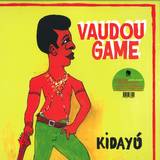
When faced with the decision to take a different direction at the risk of getting lost in a synthetic sound or to further explore the same musical path, Vaudou Game didn't need to consult the oracle for very long when putting together their new album. Since their first acclaimed album, Apiafo and its irresistible single "Pas Contente", these Lyon natives never turned down the heat on over 130 stages across Europe, Africa, America and Asia. Peter Solo has displayed his amulets, charisma and yellow pants around the globe.When time came for them to harness their Afro-Funk sound for the second time, they turned their attention once again to their analog strengths. Vintage material, instruments produced in the 70's and cassette tapes were the "grigris" (or lucky charms) which proved most effective to ward off digital corruption of their music and return them to a tight-knit group with a solid groove.This unbeatable trance rhythm, inherited from James Brown and Fela, icons of Funk and Afrobeat, becomes trident when joined by Mawu, the creative voodoo divinity hidden in each of the group's notes. This inspiration transcends their spirit of communion, plunges them deeply into Mother Earth and results in the telepathic trance which is directly connected to Togo Peter's native Togo.Each song then becomes a celebration where the listener becomes the group's voodoo doll, embraced by the rhythm, submitting itself to the mercilessly metronomic cutting of guitars, struck by the copper-colored flashes of lightning forged by the African voodoo deity Hevioso, pierced by the psychedelic visions generated by the organs and a six-string guitar, cheerful songs, and hypnotic incantations.KIDAYU means "sharing" in Kabye, the language spoken in northern Togo. Sharing, is the philosophy of Vaudou Game - both in their recorded music and on stage.Vintage African funk tinged with voodoo chanting: Togolese Peter Solo and his fellow musicians from Lyon electrify us in a frenzied ceremony" - Télérama
First complete Sonic Youth album is one of Thurston Moore's favorites. Includes live cover of The Stooges' I Wanna Be Your Dog'. Vinyl includes digital download. Originally slated to be a 7' to follow up their self-titled debut, Sonic Youth's Confusion Is Sex blossomed into the band's first album: a brain-bludgeoning, completely fried endeavor of dissonance and disarray, a perfect soundtrack for running from a chain-wielding gang near the SIN Club. This was the sound of 1983 New York City, nothing like the jangly roots of college radio rock starting to formulate in Athens, Georgia. It sounded like no one else on Earth, for that matter. The raw, Wharton Tiers 8-track production is dark, the Kim Gordon- scrawled cover figure art of Thurston Moore is dark, Lee Ranaldo's back cover photo-collage and Catherine Ceresole's crumpled-xeroxed images that adorned the inside are dark. It's an album that moves Sonic Youth forward from their first EP almost by devolving backwards into true ugly, lo-fi primitivity. The bareboned arsenal of junkpile guitars and implementation of alternate tunings was growing, and so were the songs that matched the individual attributes of each instrument: certain ones groan and growl a specific way that the band started to realize itself could become the compositional germ of a song. Herein is the threshold of a new explosion of the band's creativity, replacing the comparatively cleaner buzz of the Sonic Youth EP with guitars that spew fractured, uglier chunks of sound everywhere, held down by menacing minimalist basslines (actually played by Thurston on half of this LP, and for the only time ever on Protect Me You,' Lee) and the brutal-yet-controlled metronomic drumming of Jim Sclavunos, augmented with replacement drummer Bob Bert's notable bashing on Making the Nature Scene' and grotty no-fi live rendition of I Wanna Be Your Dog.' Hearing the crashedwindow intro of Inhuman' and subway-brake screech of The World Looks Red,' you can attest that while Sonic Youth's guitars are not quite yet being utilized in the totally controlled, lyrical fashion seen later on albums like Evol, Daydream Nation et al., they were well aware of the colors and tonalities that were unfolding and the possibilities presented. Also, they were getting a grasp on adding colors to the chaos with tempered, simmering moments like Gordon's Shaking Hell' and Renaldo's chimy, home-taped Lee is Free.' Making the Nature Scene' and The World Looks Red' even toss in glints of hip-hop vocal approach way ahead of its time, albeit through a blender. While its confrontationalism might have put off some critics, time has rewarded Confusion with a truly distinctive air and atmosphere in the Sonic discography, enough to have Moore declare it his fave along with the band's swan-song The Eternal. Brian Turner, WFMU.
TS08 is the 3rd EP of the TONE SERIES project and in line with the previous two releases TS09 and TS10. However, its two tracks HAWAIAN JAM and 24 BAR PER DAY present rather refreshing grooves, right on time for the summer.
HAWAIAN JAM makes you feel like in a Jeep, driving around the Hill of Mauï while looking at the best waves. And whereas HAWAIAN JAM follows the rythm of cutting edge and caraibian slide guitars with a touch of reggae, 24 BAR PER DAY unveals jumping drums and druggie pumping sounds surrounded by bitchy voice cuts.
With regard to the artwork, as shown on the cover, each track has its own colour. There is neither a A nor a B-side. The same applies to the record vinyl itself. Each track stands on it own. As a result, HAWAIAN JAM and 24 BAR PER DAY distinguish themselves from each other through their vibes and colours, although they remain in the same spirit.
TONE SERIES was born from the collaboration between Villa's former bouncer (one of the most underground clubs of Berlin) - Wolfram, French music producer, live performer and DJ - David K, and LumièresLaNuit's co-founder and An der Grenze's
founder - Edouard. In summary, TONE SERIES brings together the idea of interdependence between music and design: what colour follows on from music and, in return, which musicality
comes out of colours.
out of Stock
Last delivered 6 years ago available to reorder, subject to availability
So it's coming up for the 20th anniversary of the We Are Urusei Yatsura' album, so what better time to look back at the broken Woolworths guitars, damaged eardrums and bleeding knuckles of Glasgow's lo-fi, Tokyo dreaming geek rock quartet
You could say it all began at the Glasgow Sound City event, when legendary BBC DJ John Peel came along to check out Urusei Yatsura at the 13th Note at the invitation of future Franz Ferdinand front-man Alex Kapranos. Liking the chaos that he saw, Peel invited the band to record a session for his show, asking live on air while guitarist and singer Graham Kemp was visiting the studio to talk about his Kitten Frenzy' fanzine the next day.
Peel arranged for us to record the session in Glasgow' says Kemp, We didn't have any amps or any money to get to London.' Producer Stewart Cruickshank told the band that it was the first Peel Session recorded outside of Maida Vale since the Undertones. So no pressure there then.
This began a long association with John Peel and the BBC, which saw the band record 5 Peel Sessions, 3 Evening Sessions for Steve Lamacq, play live to air for Mark Radcliffe, and appear regularly on Radio Scotland for John Cavanagh and Mark Percival. Digging through old C-90's that had been partly taped over with that week's charts, the band have pieced together a compilation of the best tunes for you, the discerning 90's indie rock aficionado.
..they sounded a bit like the Saints' - Thurston Moore, SELECT
Some of the recordings we did for the BBC, I think, are better than what eventually made it onto vinyl. We did Kewpies Like Watermelon' live in the control room for Radio Scotland and we had just learned it so it sounds really fresh and exciting. The version of Siamese' is the best we ever captured, and I love the Dice/Nae Dice' tune we wrote especially for Peel'. - Kemp
The challenge of recording and mixing four songs in a single day brought out the best in the band, and suited their impulsive, DIY rock n' roll spirit. The album, available on CD and vinyl, features 11 songs, including session versions of 6 singles, choice album tracks and live favourites from the only band who have been threatened by both the Yakuza and the Mafia (the latter incident generating the hilarious headline Nerds Threatened With Death' in the Sun newspaper'). The band have decided to call this hand-picked selection of the highlights of an eight year career', You Are My Urusei Yatsura, BBC Radio Sessions.
Other highlights of said career include, a number one indie single with a video shot in a Star Trek themed bar (Phasers On Stun), a Peel Festive Fifty placing (Kewpies Like Watermelon) an actual top 40 hit (Hello Tiger), numerous chaotic tours of Europe, UK and USA ,narrowly surviving a collapsing stage at Benecassim and a tent fire at Phoenix Festival, releasing three studio albums and 13 singles (including splits with Mogwai, the Delgados and the Blisters), taking Mogwai, Eska and Pink Kross on their first UK tours, supporting Super Furry Animals, Pavement and Teenage Fanclub, playing at Roskilde, Reading and T In The Park festivals, The CMJ festival in New York and MIDEM in Cannes.
The band consisted of the writers Fergus Lawrie (guitar and vocals) and Graham Kemp (guitar and vocals), with brother and sister rhythm section Elaine and Ian Graham on bass and drums respectively.
Fresh off the heels of the success of their 'Waiting Ground' EP, the boys in black, Frank & Tony, are skating back onto the scene with another four track summer stomper, 'Under the Jaguar Sun'. The A-side starts things off with the titular track, a rollicking deep house number primed for sunset raves. A bouncing and lush bass line is the back bone of the track, as crisp hi-hats, distant, yearning pads, and shimmering bells propel dancers forward into eyes closed euphoria. Things ramp up quickly into peak-time ecstasy on the Breakaway edit of Solo Andata's A Ballet of Hands.' A whirling dervish of delicate music boxes, bowed guitars, delicate music boxes, and distant horns swirl around and weave in and out between a skipping drum pattern, pushing and pulling alongside a gruff and stuttering bass, perfect for those late night rooftop ventures. The B-side takes listeners into early morning after hours territory, starting with the groovy Difficult Loves.' An airy and luscious double bass keeps things bouyed as introspective pads shimmer alongside pillars of aquatic synths. Backed by a classic, shuffling NY House drum groove, this one is best served late into the evening. The boys wrap things up on a high note with the latin vibes of Sargasso.' Crisp tambourines keep things light as dense kicks and a bass line deeper than the deepest canyon pull dancers deep into the floor with a warm embrace. The star of the show is the bouncing and earnest synth line, which is partnered up with a pair of playful toms in a game of cat and mouse, making this track a weapon anywhere you place it in a set.
(180 gr vinyl incl. rmxs by Pharaohs, CFCF & Apiento) 'On Vacation' was hailed by many as one of the finest of 2016 so far. As ever we asked a few people we like to do some versions.
International Feel launched their minialbum series late last year and second in line was CFCF with 'On Vacation' which many hailed as one of the finest of 2016 so far. As ever we asked a few people we like to do some versions.
Pharaohs come from LA and blend Liston Smith vibes in a modern electronic context. They have released music on ESP Institute and 100% Silk. Their take on 'Pleasure Centre' is a bongo driven ride with acoustic guitars and jazz infused flute harmonics. It's a lovely thing.
CFCF himself takes on 'Fleurs laissés dans un taxi' in a beautiful balearic style. Super mellow with sweet guitar in a classic Pat Metheny style brings out the melody with the pads & syncopated drums and percussion rolling away in the background.
Apiento takes the chance to reedit 'Chasing' which was one of our favourites from the label. A little dub and an extension is all it takes to let this one breathe for a little longer.
Across the board good from International Feel. Enjoy.
Some believe that the environment in which you make music - from the studio space, to the location itself - has a profound effect on the creative process. Immerse yourself in the world around you, the theory goes, and it will shape the music you make. Listen to Gorthleck, the third album from veteran downtempo alchemists Benjamin Smith and Paul 'Mudd' Murphy, and you can almost visualize the craggy, windswept and breathtakingly beautiful environment in which it was made. Reconvening after a near seven-year hiatus last summer, the duo headed up to the Scottish Highlands to spend a week recording in the surrounds of Gorthleck House, nestled on the shore of Loch Mhor in Inverness-shire. Earlier this year, they returned to the same venue, with its' stunning views of the tranquil loch and rocky, wooded hills rising in the distance, to complete the nine-track set. Certainly, the immersive environment and famously changeable weather seems to have inspired the longtime friends and studio partners. The album's epic centrepiece, the nine-minute Mhor', sounds like an emotional love letter to the body of water they strolled alongside every day. Its' undulating synthesizer line - reminiscent of classic Tangerine Dream and the Orb's A Huge Ever Growing Pulsating Brain' - mimics the slow ebb and flow of water across the loch, while Smith's shimmering guitar lines mimic the glint of sunlight reflecting off the surface. Elsewhere, the audio references are a little more subtle, but no less relevant. The hazy jazz guitars, twinkling pianos, rich grooves and fluttering clarinets of Nether' sound like the perfect accompaniment to a single malt whisky-fuelled sunset session at the water's edge, while the quietly foreboding aural textures, layered guitars and urgent electric violin of Enos' evoke memories of watching storm clouds gathering behind distant Highland mountains. The same could be said of Mr Coats' - a track arranged in steamy Mexico, and blessed with all the humidity you'd expect from such an excursion - while you can hear gale force winds whistling around the rafters on Dogwood'. As for Errogie', it's as bracing as a crystal clear morning in the Highlands, chilly, but hugely life affirming. The duo's previous two albums, 2007's Blue River and its' 2009 follow-up, Le Suivant, were both hugely evocative, but neither captured a distinct a sense of time and place quite like Gorthleck. Listen carefully, and you could almost be there with them, watching the sunrise and sunset.
Shadows aka AnD remerge after their unforgettable debut on Shifted's Avian imprint in 2012. The long awaited return finds its home on Leyla Records, in the form of four diverse yet cohesive experimental cuts that take the listener on a journey through the oppressive, the rhythmic, the funky and abrasive.
Fear Of The Imagination commences with a paranoid piece of intense, evolving noise and rhythmic splattering. A spellbinding sense of woozy psychedelia entrances the listener with deconstructed drums punctuating the piece. The improvisational feel to 'Leaves In The Wind' sets the precedence for the non-conformity that flows throughout the EP.
Track two, 'What If They Are Watching You' sits somewhere between Nine Inch Nails and The Sprawl, with rhythmic intensity greeting the listener immediately at 120 BPM. Masked and ominous vocals creep in and out as metallic sound design washes over the track.
Track three 'On A Mad Train' is possibly the groups most experimental piece to date. Droned out guitars and ascending synth lines create an progressive palette that maintains masterful musicality dowsed with menace.
The closer 'Lights Out' bursts with slapping synth lines and a distorted kick which acts as the frame for the bed of noise. An ideal closer for an EP that exudes originality on a label that continues to push the boundaries.
For their latest slice of saucer-eyed Balearic perfection, Leng Records has looked to the North East of England for inspiration.
Lizards is a freshly minted project from Newcastle-based twosome Lee Forster - better known as one third of Balearic house combo Last Waltz, whose impressive releases have appeared on World Unknown, Futureboogie, Endless Flight and Is It Balearic - and long-time friend James Hadfeld of Nein Records' Elizabeth Collective. Despite writing music together on and off for the last 15 years, the duo only made their debut this month. As frst 12' singles go, their Tanni EP on Not An Animal was something of a gem, and featured two winding, ear-pleasing chunks of dreamy, sun-kissed Balearic disco loveliness. Their Leng debut is just as strong. A-side 'Frontier' sets the tone, layering bubbly, psychedelic electronics, vintage synthesizer arpeggio lines
and strummed acoustic guitar riffs over a head nodding, 102 BPM drum machine groove. By the time the jammed-out, eyes-closed electric guitars and jaunty synthesizer melodies come in, you'll be lost in the music. Flipside 'Coming In' stares at the sunset wistfully, effortlessly capturing the twilight humidity associated with lazy Croatian festivals and beautiful Bali beaches. Analogue synth lines futter in the breeze, whilst picked guitar lines,
spinetingling chords and a druggy bassline move the action forwards at a pleasingly loose and groovy pace. Go on, hug a stranger; after all, we're all friends in Lizards' baggy, melody-rich world.
TOM And His Computer is the newest alias for Copenhagen favourite Thomas Bertelsen. He started out as a teenager by looping and creating beats on his 4 track tape-recorder. Since then the very talented producer and DJ has been around the block. He produced two albums (with Lulu Rouge) and a number of songs, edits and remixes. He has also been DJing alongside Trentemøller every now and then since the early days and most recently TOM And His Computer performed live on the opening slot of Trentemøller's latest live tour and lately at Sonar Copenhagen 2015. Now we are happy and proud to present 'Small Disasters', TOM And His Computer's debut EP on Anders Trentemøller's label In My Room! Mixing elements as disparate as electronica, lo-fi guitars, driving beats, vocals and cinematic soundscape, this EP is a perfect example of why TOM And His Computer is tipped for big things in 2016. What maybe can be described as 'alternative electronic music' unfolds in different nuances. The lead track 'Organ' rides along on a crunchy rhythm track while throwing in psychedelic organs and howling electronics. Fizzing guitars weave in and project a paranoid undertone. Next up is 'Girl A Go Go' and its raw driving beat and bass hits in without any warning, before an agressive, hypnotising surf like guitar-riff comes in. Layers and layers of dirty distortion build a colapsing, overdriving climax. 'Tectonic' keeps the dark energy flowing, but packs it into a slow crawling creepy setting, drenched in reverb and noisy layers. Fraser McGuinness contributes the otherwordly vocals. Is he moaning Or conjuring Or proclaiming The song evolves from a fragile, fleeting feel into a massive, 'tectonic' pressure and all the way back. 'La Fountaine' completes the EP with another cut that perfectly fuses diverse elements from across the musical spectrum
Gone with the flow - after a little break the German musicians Julius Steinhoff and Abdeslam Hammouda revived their musical adventures and left all electricity untouched this time. For their new acoustic project the duo has chosen the alias Tonight Will Be Fine - a name that is familiar to those who followed their work in the past years. As Steinhoff & Hammouda they used the name for their first 12" on Smallville Records, the worldwide acclaimed house and beyond label and record store that Steinhoff co-runs. Now they reheated the phrase and chose it as the alias for a bittersweet acoustic singer/songwriter project. Their wonderful, captivating new musical venture came into life due to happenstance and old ferventness. After their trips into house music the duo parted geographically. Hammouda moved away from Hamburg while Steinhoff strengthened his label Smallville, built up a global DJ career and produced acclaimed house records on diverse labels - solo" and with his buddy Dionne as Smallpeople. In all the time Steinhoff and Hammouda never stayed out of touch, bound together through deep friendship.
At some point they met again for musical missions and started to record music that had nothing in common with their prior work. Steinhoff re-activated his self-taught guitar abilities and entered the studio of his friend Lawrence in the back of the Smallville record store to capture some steeldrums and vibraphone sounds. Hammouda brought more instruments like a banjo, a violine and tablas and they just started to record sketches and songs. Hammouda's musical backround leads to a widespread range of influences while growing up, before he got into producing hip hop and electronic music. For Steinhoff, the transformation from an electronic music producer into a singer/songwriter wasn't that new too, as his first musical steps have been routed in band music. Until his late teenage years, when he discovered house and techno, he played drums in a local indie group in Freiburg and for Tonight Will Be Fine he now also freed his old drum kit from cellar dust.
After the duo felt that their musical communication elevates into something more profound then a session thing, they provided themselves with additional instruments like new guitars, claves, an accordion, a piano and more. Initially the songs were very rough and sketchy. Musical ideas that did not have a real song structure. Then we started to arrange the tracks and added our voices and lyrics.' both reveal. Their charming singing covers almost the whole album with a characteristic sense of deep winking melancholy. Their lyrics are exercising the possibilities of words and are inspired by life, the world and all the those questions a human can ask in his time on earth. At some point both started to show their new songs to some friends and they liked it and encouraged the duo to move on. Somehow one of the tracks landed in Toshiya Kawasaki's mailbox. He instantly fell in love with it and asked if they would like to do an album for Mule Musiq. They did what was asked and after some reformatting and reinventing Tonight Will Be Fine originated 13 songs full of sweeping acoustic guitars, airy rhythms, piano melodies, gloomy accordion emotions, touching voices and a bunch of other exotic instruments, done without the help of electronics. They all form Elephant Island' - an incredibly inspirational place where impressionistic lyrics dance gently with kinetic acoustic music that comes out of plain jamming fun. The melange of a structured song base and free improvisation injects all songs a loose feeling. And shows two handsome fellas carving out their own musical utopia. It is a warming one, full of hope and musical freedom powered by an unabashed instrumental playfulness.
nstrumental playfulness.
Michael Ludwigs, 45 RPM Audiophile — 'Atlantic 75: Genesis, Bad Company, Phil Collins Against the Original Pressings.' YouTube video.
On his first solo album, 1981's Face Value, Genesis drummer-singer Phil Collins showed that he wasn't about to be left behind in the mire of classical-rock sludge. That LP boasted shorter songs and demonstrated that Collins had a true pop sensibility. Hello, I Must Be Going! continues that trend, with some familiar patterns emerging, wrote Rolling Stone's John Milward.
"First, there are the dramatic rock dirges that use drums as a lead instrument; 'I Don't Care Anymore,' with Collins' one-man band playing alongside Daryl Stuermer's atmospheric guitars, wins in this category. Then there are the buttery ballads, of which "Don't Let Him Steal Your Heart Away" is the best by virtue of a Beatles-like melody that buoys Collins' anonymously sweet voice. Both of these styles were already Genesis staples; it was Collins' uptempo soul tunes on Face Value and Genesis' Abacab that surprised old fans and found new ones. 'I Cannot Believe It's True,' with Earth, Wind and Fire's Phoenix Horns casting out clean lines, clobbers the other soul contenders on Hello, I Must Be Going!, especially his remake of the Supremes' 'You Can't Hurry Love.' Collins took the golden-oldie route on that song and the result isn't soulful, it's superfluous. Despite its trend-bucking boast of an 8-track recording, the album's rich luster is of the old classical-rock school. In fact, the LP sounds like stripped-down Genesis, ornamental but not too ostentatious. — John Milward, Rolling Stone (3 Stars)."
This Analogue Productions (Atlantic Series) reissue of Hello, I Must Be Going! has the essential elements that make it a standout for your collection. First, we turned to Chris Bellman at Bernie Grundman Mastering to cut lacquers from a 1/4" EQ'd Dolby tape copy of the original master. Pressing on 180-gram vinyl is by Quality Record Pressings, and the album is housed in tip-on old style gatefold double pocket jackets with film lamination by Stoughton Printing.
Hello, I Must Be Going! was a triple-platinum-selling hit in the U.S. for Collins in the 1980s and it stayed on the U.K. album charts for more than a year, peaking at No. 2. For the fans it is a drummer's album, a record that expresses rage and desperation as well as loneliness and longing. Not an album for every day, but one that really speaks to you when you need it, wrote Martin Klinkhardt.
Due to popular demand; a double A side from the one and only, Marcos Valle. This is the second time he has appeared in this Brazil 45's series LINK'Democustico' is a lush, uptempo MPB constructed from guitars, rolling percussion and soaring woodwind. Taken from his 1972 LP 'Vento Sul' on Odeon Brazil.
'Freio Aerodinâmico' is an uptempo piano driven, bossa/MPB, laden with hooky vocals, strings and horns, underpinned with a funk drum groove. Aeroplane sound effects thrown in for good measure! Taken from his 1970 self-titled LP on Odeon Brazil.
Fortuna Records reissues a double banger by Aris San, the absolute don of the 'Greek Jaffa sound'.
'Boom Pam' was released in 1967 becoming an instant hit nation-wide. The track ignited the 'Greek Craze' which would dominate Israeli taverns for nearly a decade. Replacing bouzoukis with electric guitars, San gave Greek music a psychedelic edge making it popular with the in-crowd of swinging Tel Aviv.
On the flipside, his 1972 tune 'Dam Dam' is an equally infectious, ouzo fueled, dancefloor saga, demonstrating the absolute best of San's unique and influential style.
Limited press as always, do not miss !!!
Awaking from the dreamstate of Gryningen's hazy library inspired 10", we find Aficionado's expert selectors well rested and in the mood for a dance.
Utilising their extensive network of global connections, Moonboots and Boardman enlist Hungarian producer San Laurentino to raise spirits and pulses with a deep and diverse collection of body movers.
Perfectly conjuring the nostalgic melancholy its title suggests, opening track 'First Love' takes us by the hand for one last dance under the stars.
Cinematic pads sweep around a snapping drum pattern as a signorina from Rimini embraces a Basildon boy, seeing out the summer season to the hair raising chords and spine tingling sequences of a San Laurentino's masterpiece.
While that holiday romance might have come to an end, 'Back To The Stars' leads you off in search of new experiences. Emotive pads, undulating bass sounds and celestial keys vie for attention while the solid kick, intricate percussion and lively hats play out a swaying rhythm. Then all of a sudden the track changes tack completely, tripping out to a modular melody and sinuous techno bassline before reaching a soul soothing conclusion.
On the B-side 'Long Way Home' lulls us into a false sense of security via a gentle drumbox bossa, before thick bass stabs and a tough new beat rhythm take control of our bodies. Once again San Laurentino packs the track with atmospheric chords but this time adds delicate guitars and subtle piano, balancing the steely rhythm section with deep emotional resonance.
Closing the EP with unrivalled sophistication, 'Amici' sees San Laurentino drop the tempo and concoct an irresistible low slung groove before expanding our minds with wavering pads, hypnotic chimes and misty synth vox.
The perfect finale to an EP certain to leave you misty eyed on the dancefloor. Officially Aficionado
Earlier this year, an email dropped into the Claremont 56 inbox. It was from a producer in the early stages of his musical career called Simon Peter, and contained a joyous slice of languid, organic Balearica entitled 'Arc of Lark'. Suitably impressed, Claremont 56 boss Paul Murphy had no hesitation in snapping up the track right away.It marks a new stage in Simon Peter's career. He made his debut in February 2014 with the Double Up EP on Silhouette Music, which contained the shimmering nu-Balearic disco of 'Espacio Temporal'. While that was laden with sun-kissed synthesizers, 'Arc of Lark' is a much more organic affair. Blissful electric piano keys, hazy guitars and fluttering flutes cascade over an undulating live bassline and shuffling, bongo-laden beats. Warm and humid, it's a slice of audible
sunshine to brighten up the grim winter months.Long-time friends of the family 40 Thieves handle remix duties, turning Simon Peter's picturesque original into an effects-laden chunk of slo-mo dub disco goodness. 40 Thieves member Layne Fox loved the track so much that he's also contributed an additional remix that focues the action around a loose, languid, dub reggae influenced groove, spiralling electronics and Peter's mesmerizing flute line. It's a fitting conclusion to a magical label debut.
New artist Daniel Wainwright brings his psychedelic vibrations to Is It Balearic ... Doing It is a slow motion sleazy trip into the acid house. Swirling vocals and psyched out guitars melt into chuggy acid beats and effects. Coyote up the tempo a touch and strip back the whole track on their remix. Dubby vocal samples and muted guitar groove along to an acidic finale. The second remix is a real thing of beauty from Mushrooms Project. Keeping the same slow tempo and adding space and texture with mellow guitars and extra sitar. A subtlely developing tribal workout. Groovy man.
Leave is the third album from Rasmus Rasmussens ethereal electronic project Aerosol. During the nearly six years that has passed since it's predecessor Airborne, Rasmussen has spent his musical efforts in acid rock outfit Causa Sui and as part of various constellations, playing alongside musicians from Sunburned Hand of the Man and legendary kraut bands Can and Faust.
These freeform psychedelic influences seep into the already recognizable style of hazy electronics, known from his own previous work as well as from the music of
his colleagues in former band Limp (Manual/Syntaks).
Cosmic sounds and psy- chedelic effects mingle with cascading guitars and kraut-infused beats on a collection of tracks that sends obvious nods to the german
synth pioneers of the seventies, but is still unmistakably an Aerosol-album - an album set on beating emotions, moods and melodies out of old synthesizers, cheap drum machines and Rasmus' trusty white Stratocaster.
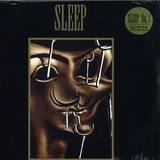
BACK IN STOCK NOW!! "Volume One is the debut album. It was the only album recorded with original guitarist Justin Marler, before he became an Orthodox monk. Volume One showcases a darker sound and stronger doom metal influence than Sleep's later work. The image featured on the cover is taken from the Salvador Dali painting "Soft Self-Portrait with Fried Bacon".
Their only album as a four piece of Al Cisneros, Matt Pike, Justin Marler and Chris Haikus
LP repressed for first time in many years.
allmusic
"For all their budding, precocious talent, Sleep's 1991 debut, Volume One, quickly betrays their still quite heavy debt to doom metal forefathers like Black Sabbath, Witchfinder, and Saint Vitus. Driven by Matt Pike and Justin Marler's lumbering mass of low-tuned guitar riffs, Al Cisneros' (still going as Luke here) serpentine bass and ragged screams, and drummer Chris Haikus' cyclopean kit pummeling, occasional highlights such as "The Suffering," "Nebuchadnezzar's Dream," and "The Wall of Yawn" prove less memorable than they are sensorially overwhelming. And yet, ironically, Sleep's rhythm guitars would never again be kept as under control, nor would their leads sound quite as refined as they do here (see the cleaner harmonies employed to good use on "Numb" and "Catatonic," for example). This was probably due to the onetime involvement of the significantly less stoned Marler, who would soon exchange the group for a monastery where he would study to become a monk. Fittingly enough, however, losing the versatility of a second guitarist was exactly what Sleep needed to focus their singular power into a crushing force, and the remaining trio would flourish immediately behind the sheer physicality of Pike's six-string style, as proven by 1993's superlative sophomore LP, Sleep's Holy Mountain."
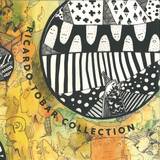
Let's focus on Ricardo Tobar: Born in Chile and now residing in France, Tobar picked the "creative border crossing" as the common thread for his album "Collection". Musical experimentation and crossing musical borders - Tobar refers here directly to the style and sound of the great new-wave-bands of the 80s and 90s. With the help and influence of their new electronic instruments (that often met classic rock guitars) the post-punk-electronic-movement turned almost everything upside down. No matter if the result was moody and mysterious or romantic and hedonistic, all sounded new and different back then and paved the musical path for a whole generation - the reverberations of that episode are noticeable until today.
Tobar plays with the musical approach of the post-punk-era, he mixes, merges and experiments fearless with styles and moods. He creates a wide range of "own styles" and even dives into abstract sound fields - listening electronic in best form! Ricardo Tobar breathes the air of his own musical universe and is not refering to the typical styles of this genre - you won't find any Detroit, Berlin or Sheffield reference here. Although produced in France, Tobar's album doesn't have anything of the sweet and lovely french listening touch. It also won't beam you into the north of England and the grey and cold Sheffield winter like so many other electronic albums try to do.
"Collection" contains full compositions, sound collages, experimental sounds and even proper beat based tunes. Tobar rather creates than produces and is presenting a bigger picture with his collection. Many electronic music artists are trying to do this however Tobar delivers a collection with an impressive range and it seems he did all this in an almost nonchalant way. He plays and combines his instruments and sounds at the same time very sensitive and harmonic but also brave and dissonant without risking to be inaudible at any point. He creates atmospheres by using electronic sounds and layers. Listening to the sound of "collection" almost appears like reading an acoustic book. This album is full of interesting sounds and ideas and is far from being boring or even too demanding.
Speedy Ortiz is proud to announce their sophomore album, Foil Deer, which will be released via Carpark Records on April 20th.
'Major Arcana' released in 2013 won them glowing reviews , features and several UK tours (highlights below):
- 4 PAGE NME FEATURE
- 9/10 LEAD REVIEW IN NME: 'One of the reasons 'Major Arcana' works so well is because it's addictive and fun. The guitars and bass sound incredible, like the last Deerhunter album without the Yankee Doodle Dandy'
8/10 Drowned In Sound : ' Speedy Ortiz are way too euphoric and glorious to suffer for their artfulness. Stripping away the frills, at heart Major Arcana is a mournful treasure that asks to be celebrated.'
*NME RADAR FEATURE: 'What's miraculous, though, is that Major Arcana doesn't sound at all self-pitying; it's torrid Slint-meets-Pavement rattle bolsters Sadie's relished words so that yelling along is an exercise in gleefully exorcising your own demons'
8.4 ON PITCHFORK: : 'There's the squalling, guitar-on-guitar carnage of Archers of Loaf, the grungy mysticism of Helium (Dupuis lifted the title Major Arcana from a book she was reading on black magic), and of course the deadpan wit of vintage Liz Phair ('I was never the witch that you made me to be,' Dupuis tells a burnt-out old flame on 'Plough', 'Still you picked a virgin over me').
Standard LP is gatefold, single black LP with chapbook, plus digital download card.
Deluxe LP Is as above but with metallic gold coloured vinyl, and sticker.(200 ONLY FOR UK)
CD comes in digipak with a folded poster approximating the chapbook in the LP.
Speedy Ortiz said they would get the flowers themselves. What a lark! What a plunge!
When considering Massachusetts' Speedy Ortiz, that line from Virginia Woolf comes to mind. Not only for the obvious echoes to DIY, a form and function that's characterized the band's nascency, but in the proto-feminist undertones driving much of their sophomore album, Foil Deer. "I'm not bossy, I'm the boss," Sadie Dupuis sings on "Raising the Skate," invoking in spirit one half of the Carter-Knowles clan and echoing the other's wordplay. And wordplay makes sense, considering Dupuis-the band's songwriter, guitarist, and frontwoman-spent the band's first few years teaching writing at UMass Amherst. She's drawn to the dense complexity of Pynchon, the dreamlike geometry of Bolaño, the confounded yearning of Plath-all attributes you could easily apply to the band's 2013 debut Major Arcana, which fans and press alike have invested with a sense of purpose and merit uncommon in contemporary guitar rock.
The group, including Mike Falcone on drums, Darl Ferm on bass, and new addition Devin McKnight of Grass is Green on guitar, have spent the last year on an almost endless cross-continental touring jag, tagging along with the likes of The Breeders, Stephen Malkmus & the Jicks, and Thurston Moore. That shift into full-time musicianship brought with it an attendant reordering of priorities when it came to songwriting, and the band members' lives in general. They would get the damn flowers themselves.
Dupuis wrote much of Foil Deer at her mother's home in the Connecticut woods, where the songwriter imposed a self-regulated exile and physical cleansing of sorts, finding that many of the songs came to her while running or swimming alone. "I gave up wasting mental energy on people who didn't have my back," she says. "Listening to our old records, I get the sense I was putting myself in horrible situations just to write sad songs. This music isn't coming from a dark place, and without slipping into self-empowerment jargon, it feels stronger." Many of the songs deal with a similar sense of starting over, editing out the unnecessary drama. "Boys be sensitive and girls be, be aggressive," she sings on "Mister Difficult."
And while their debut album was recorded on the fly, Speedy Ortiz spent almost a month in the studio on Foil Deer. Falcone's drums are taut, mechanistic; Ferm's bass ranges from the aggressive rattle of an AmRep classic to smoother, hip-hop inspired lines. McKnight, meanwhile, lends spacier, textural riffs to complement Dupuis' wiry, melody-driven guitar style. "The demos for our songs have always had tons of small details and production experimentation, but we never had any money to pay for more than a couple days in the studio, so the songs came out very live-sounding and guitar heavy," Dupuis says. It was recorded and mixed at Brooklyn's Rare Book Room with Nicolas Vernhes (Silver Jews, Enon, Deerhunter), with the record mastered by Emily Lazar (Sia, Haim, Beauty Pill), lending a more polished sound and a pop sensibility that will stand out to existing fans and new converts alike. For all the lyrical complexity and guitar-based excursions Speedy Ortiz have built their reputation on to this point, Foil Deer has a sense of light-footed fun. What's the point of doing things yourself if you're not going to enjoy the trip
Standard LP is gatefold, single black LP with chapbook, plus digital download card.
CD comes in digipak with a folded poster approximating the chapbook in the LP.
Factory Benelux presents a new studio album by cult Manchester postpunk group Crispy Ambulance, issued in a
limited edition of 500 vinyl copies to mark Record Store Day 2015.
In many respects Compulsion is the second album Crispy Ambulance might have recorded in 1982 after the release of
The Plateau Phase, with six of the eight tracks written and performed live at that time. To these are now added Rain
Without Clouds, an outtake from The Plateau Phase newly restored from the original multitrack masters, and WMTP.2
with added synth lines by producer-cum fifth member Graham Massey, of 808 State and Biting Tongues.
Almost uniquely, Crispy Ambulance has retained the same line-up since the group was originally founded in 1978: Alan
Hempsall (vocals, keyboards), Gary Madeley (drums), Robert Davenport (guitars), Keith Darbyshire (bass).
'There's a sense of feeling compelled by irresistible forces,' explains Alan Hempsall. 'Compulsion is an apt way to
describe our constant urge to go back and make music with people we've known since childhood. While the world may
have changed, our music continues to be the product of the same influences - the passing of time, the changing of the
seasons, the content of our sleeping dreams, and the existence of space.'
Cover art by Peter Staessens. The package also features a free digital download of the album.
Praise for The Plateau Phase: "One of the best albums Britain's second city has unleashed" (Q, 03/2006); 'Perfect,
wonderful and with a compelling gravitational pull' (Record Collector, 03/2013); "17 years on The Plateau Phase
sounds like what it probably always was: urgent, postmodernist psychedelia with less debt to Joy Division's music than to
the universal abstract existential tension that comes with being young" (Uncut, 12/1999); "Cold and ferocious, but with
enough inventive melody to lighten the black abyss of the overall mood" (Les Inrockuptibles, 02/2012); "An enthralling
glimpse at a moment in musical history when the DIY ethos of punk gradually gave way to experiments with electronics
and song structures" (NME, 01/2000); "Mixes driving rock, gritty new wave and odd atmospheric stuff" (Option, 1990)
He is not so easy to find. You have to follow the kilometres of pipes down and along a labyrinth of corridors, to enter in the basement den of Romain Turzi. This once cavernous space has been metamorphosised into a recording studio for the purpose of creating and completing the A & B albums trilogy with the latest LP release: C. Closed off from the world, without natural light and water supply, but full of consoles, synthesizers and old guitars, Romain cocooned himself here for several months to perfect his music and sonically construct the soundtrack that is C, with tracks entitled by nine types of birds, to glide you through this treasure hunt through the complexities of his musical mind.
After Turzi's sophomore album: B, recorded under the Corsican sun, the change of conditions is quite radical. Closing off from the world in a place where you can only do one thing, make music, Turzi was able to gain the greatest luxury within this process: time.
This EP was made during a period where my whole outlook on everything was transforming. The Voidloss project started as an investigation, I was conducting a lot of research and study on the mind, the occult, on different thought modes, and the Voidloss project represented this. The idea was about a leap in to the void. A leap of abandonment into the dark, with total acceptance, total commitment. The idea was to lose myself to the void. This was mainly a spiritual journey for me, and could be best explained by 3 things, the void of Miyamoto Musashi from Go Rin No Sho, The concept of the Tao from the writings of Lao Tzu, and the concept of the abyss from the works of Aleister Crowley. Part of this journey deep inside the self was frightening and horrific, the total loss of self, of all identity and ego, and part of it was beautiful and enlightening. I wanted the music to reflect this, and I wanted the music to change as I changed, as I went to and through all these interesting places. In essence this was about freedom. So fast forward some years and I felt I had sharpened my mind quite effectively, the music had twisted and changed and flowed with me. At the point I began making the music for this EP, I had grown quite angry with the amount of conformity I was perceiving in life. Politically, socially, musically, there was this drive of conformity in the world. I think part of it, and only a part, comes from the prevalence of social media, the need to belong and to be liked, the idea of judging yourself and your works through the perception of others. Musically I felt that within techno there was a tendency for the music to fit within a set of confines dictated by fashion and hype, and this was reducing the diversity of the music, it seemed also that the practices of commercial music were seeping in to techno as the music became more popular. Hype and business driven decisions, brand building and so on. I always felt techno was more about art, and I began to get frustrated. Equally I felt that politically there was less and less choice, as all decisions seemed to lead to the same outcomes. I became more interested in the concept of anarchism, of the idea that government was no longer needed. I have always in my life had a drive to question everything. I've always been 'naughty' and rebellious and done things my way, to my advantage or my disadvantage, I could never accept being anything other than myself all the way. If everyone walks in one direction, I will walk the other way, even if it takes me over the edge of a precipice, just to see what is there. All this stuff influences my music, and during the period of making this EP I was angry, kicking against the things I no longer liked or wanted, screaming dissent. There is a lot of anger and rage, and of course rebellion. I wanted the music to capture that unbridled fury you have when you are in your late teens, when you just start learning about yourself and you start rebelling and questioning things around the time the world is really pushing you to conform. I was soundtracking my own philosophical riot. Previous to this my Voidloss stuff had been more introverted, more pensive and melancholy, more self destructive, more cerebral. For this new music I wanted something more immediate but without being too obvious. In terms of the choices I made I still leaned more towards broken rhythms for beat structure. I find it very difficult to do anything interesting with 4x4 kicks any more, it's too rigid for me, it limits my freedom. I like the looseness you get from more 'drummer' like beats, I guess probably because I have been playing drums all my life. The challenge is to get the same rolling power from broken rhythms as you get from 4 to the floor. It's not easy, there is a ridiculous amount of trial and error and the rejection percentage is high. I also was trying to use less 'synthy' sounds. I wanted to try to take a more acousmatic approach to sound design. With the current modular synth revival in techno I was hearing a lot of 'old' synth sounds re-emerging, and this didn't seem like a progression to me. I wanted to make sounds that were hard to source for the listener, where they weren't sure if it was synth or real world sample, digital or analogue. This involved a lot of experimentation. My process involved a lot of field recording, especially with contact microphones, which open up a whole new world of interesting sounds. You are effectively recording sounds through objects in the environment, 'hearing' the world as these objects hear them, I was using guitars, feedback loops, handmade instruments as well. So I was combining this with different synthesis, granular synthesis, sample synthesis, physical modelling, FM synthesis and of course analogue. Everything was reprocessed and re-synthesised, I tried hard to obscure the source and make something new as much as possible. The stuff on this EP was part of my live PA for some time, so as I learned how the music worked live I could go back and make changes, sometimes the environment I was playing in transformed the sound as well, and so I would try to go back an incorporate this in to the music. For remixes I wanted to choose artists that I respected for their vision as well as for their output, so my list of people I wanted was extremely short. Inigo Kennedy has always been an artist I have respected greatly. His music has always been unique to himself, he remains outside of fashions and trends even though his name has become very big recently. He takes risks with his work, experimenting and exploring, yet remaining relevant to the club, and just tirelessly forging ahead, seemingly for the sake of art above all else. And he's just a really nice guy to deal with. His remix is everything I expected it to be in that it is the unexpected. Regis is another artist who forges his own path in music, you cant really even begin to discuss the avantgarde in techno without including his name, he is one of the foundation stones for artistry and the outsider mentality in techno. His music is always unique to his own vision, and along with it comes an interesting artistic philosophy taking in situationism, post punk and industrial ideology and a good dose of tricksterism ala PT Barnum, all of which comes out in his music and the way it is presented. The man is a truly singular force and it is an honour to have him on this record. Overall the concept here is that of rebellion and dissent. Of asking questions, following your own path, of maintaining some place in yourself that burns like a forest fire.
Whether or not I have succeeded I guess is down to the listener, I'm never happy with my music, I keep wanting to move forwards, or somewhere else, and am constantly trying and failing to capture some essence of perfection. But like Bukowski said
'It's the only good fight there is'
If we have press-agent, you can read now something like "smashed drums", "ultra fast broken beats", "sharp guitar riffs", "earfucking duel of vocals", "wall of noise", "absolutely dancefloor killers", and again about guitars - "hard, speedy, motorbike sounding", and again about drums - "punchy hammerbeats", and again about noise - "king size",
and again about vocals - "mouth full of nails, unique, sexy".
If we have press-agent, you can read: "industrial", "hardcore", "breakcore", "gabber", "noise", "digital hardcore".
If we have press-agent, you can read: "must have", "strongly recommended", "you can love it or hate it, but you can not stay in the middle".
But we have not.
We made this album, just because we are. We believe one hundred percent everything we says.
We don't make music - we are the music. It's sound of underground. It's our rock'n'roll.
Are you ready for blowjob, suckers Bon courage!
Rare and highly sought after in its original format, Os Brazoes self-titled album was originally released on RGE Discos in 1969. It is a psychedelic masterpiece that fuses samba, r'n'b and rock 'n' roll influences using fuzz guitars, synths, percussion, lush vocals and effects.
Os Brazoes formed in Rio de Janeiro in the late 1960's. They backed Gal Costa during her Tropicalia period, yet apparently never recorded in the studio with her. Miguel de Deus, the bands front man, recorded the highly sought after 'Black Soul Brothers' LP in 1977, which became an important record in the 'Black Rio' movement. Mr Bongo released the title track from that LP, on the 'Brazilian Beats: Brooklyn' compilation in 2006 and recently as part of their Brazil 45's re-issue series.
'Os Brazoes' features covers of Gilberto Gil's 'Pega a Voga, Cabeludo' and Jorge Ben and Toquinho's 'Carolina, Carol Bela'
The Mr Bongo LP reissue is manufactured in Japan, presented in a super high quality card sleeve with replica original artwork. The CD is presented in a 4-page digi-pack.
What better way to follow up Andy Meecham's (Chicken Lips / Emperor Machine) huge Gino Fontaine originals than a duo of remixes from Balearic chieftains Pete Herbert & Stratus
As one half of Reverso 68 alongside Phil Mison, and in his own right Pete has been behind a ton of mesmerising sunrise and sunset workouts, and he's more than delivered here - crisp and club ready percussion, those stark punk-funkin' guitars and his trademark synth work all conspire to cook up a storm on the floor
Martin Jenkins and Mat Anthony's Stratus outfit (remember their superb 'Spring Tide EP' on Aficionado last year ) take a pop at the sublime Konkondo on the flip
And what a masterpiece it is !
A ten minute, utterly absorbing and expertly evolving piece, which flips the darker elements of the original into a mesmerising, cinematic, early 90's style Balearic epic