Two original house cuts. One statement. Soulbound / Abracadabra lands as a double-header single as part of our new XPRESS Singles Series, bridging gritty South London soul with slick Franco-American house energy - a release designed for the salubrious moments on the dance floor.
“Soulbound” sees Bustin’ Loose deliver cutting-edge disco-soul infused house music straight from the concrete textures of South London. Sung and produced by Bustin’ Loose himself, the track rides a pumping, elastic bassline with warm strings and raw vocal emotion - modern house with classic soul DNA. Capturing the energy of London's expansive music culture, Soulbound is both uplifting, euphoric and street-wise. Inspired by the music of Fatboy Slim, rappers like JME and Ghetts and the club culture of London.
On the flip side, “Abracadabra” from Magnolia & Sam Karlson featuring LA wordsmith Relaye drips with French house sensibilities, blending glossy filters, catchy wah guitar and punchy grooves with razor-sharp rap vocals. Imagine Music Sounds Better With You colliding with the cool charisma of Q-Tip - hypnotic, stylish, and irresistibly repeatable.
The remix package pushes the release deeper into club territory:
• Dam Swindle transform Soulbound into a deep, bumping underground roller, rich in groove and late-night atmosphere.
• Phil Weeks delivers a signature Ghetto Mix of Abracadabra, crafted with his beloved MPC sampler - raw drums, stripped-back funk, and a pure nod to house music’s roots.
• La Felix closes the circle with a nostalgic, early-2010s-tinged deep remix of Abracadabra, balancing modern polish with timeless dance-floor warmth.
out of Stock
Last delivered 13 days ago available to reorder, subject to availability
Erleben Sie mit "Opus" die faszinierende Welt des Komponisten und Pianisten Ryuichi Sakamoto. Das Album wurde noch von ihm selbst - er starb im März 2023 - zusammengestellt. Diese Anthologie umfasst Jahrzehnte seiner wegweisenden Arbeit und vereint ikonische Filmscores, Klassiker des Yellow Magic Orchestra sowie zutiefst persönliche Kompositionen, die Sakamotos unverwechselbare musikalische Stimme widerspiegeln. Zum Programm gehören u. a. Musik zu Merry Christmas Mr. Lawrence, Andata und Aqua, ergänzt durch bislang unveröffentlichte Werke wie for J\u00F3hann (eine Hommage an den isländischen Komponisten J\u00F3hann J\u00F3hannsson), BB (dem Filmregisseur Bernardo Bertolucci gewidmet) und 20180219 (mit präpariertem Klavier). "Opus" ist mehr als eine Retrospektive - es ist eine bleibende Hommage an einen der einflussreichsten Komponisten unserer Zeit.
Das Album erscheint in einer 2CD-Version und einem 4LP Boxset:
Präsentiert in einem luxuriösen Digipak, gefertigt aus hochwertigem schwarzem Karton mit schwarzer Folienprägung und silberfarbenem Text, enthält die CD-Edition ausdrucksstarke Schwarz-Weiß-Fotografien, die Sakamoto während der Aufführung von "Opus" zeigen. Ein aufwendiges Booklet gewährt, neben Liner Notes und Credits, tiefere Einblicke in die Musik sowie in die letzten Reflexionen des Künstlers.
Gepresst für 45 RPM auf vier 180g Vinylplatten für außergewöhnliche Klangtreue, ist jede LP in einer eigenen Hülle mit passenden schwarzen Papierinnenhüllen untergebracht. Das Set wird in einem handgefertigten, strukturierten Schuber mit eleganten schwarzen Foliendetails präsentiert und enthält zudem ein Sammler Booklet mit Werknotizen und Credits.
out of Stock
Last delivered 34 days ago available to reorder, subject to availability
We Jazz Magazine, Issue 19 / Summer 2026 "Milestones" for Miles Davis.
128 pages, 170 x 240 mm in size and printed on 140g Edixion paper with laminated 300g Invercote covers.
All articles presented in English. Miles Davis by Alex Coles, Phil Freeman, Tony Higgins, Ashley Kahn, Tadayuki Naitoh & Anton Spice, Spiritual Jazz by Pierre Crépon & Francis Gooding, Kadi Vija by Wif Stenger, Jonah Parzen-Johnson by Giulio Pecci, Emma Rawicz by Rob Garratt, Courtney Pine by Gareth Allen, Discaholic column by Mats Gustafsson, album reviews, live review & more.
Death Is Not The End present a further volume of Arja Kastinen's eerie amalgamations of 110 year old wax cylinders with her own meticulously transcribed takes, this time focussing in on Armas Otto Väisänen's field recordings of kantele player Iivana Mišukka (b. 1861 d.1919).
"Ivana Mišukka (1861–1919) was one of the Karelian kantele players recorded by the folk music researcher Armas Otto Väisänen on wax cylinders in 1916 and 1917. In the early 20th century, the remote areas of Border Karelia were undergoing the final phase of a transformation in musical culture, with the ancient runo song tradition giving way to newer forms of music. This transition is reflected in Mišukka's repertoire and choice of instrument. The ancient small kantele, hollowed out of a single piece of wood, was already rare at the turn of the century. Mišukka's kantele was a new type of instrument with 26 strings, constructed of several parts, but he played it using the traditional plucking technique. Like other Border Karelian kantele players, his repertoire consisted of music rooted in runosong culture, as well as newer dances and songs from the east and west. Most of the recorded material falls into the latter category.
Ivan Bogdanov Mišukka was born out of wedlock in Suursara village, Suistamo, on 1 May 1861. He began playing the kantele at the age of five or six, quickly mastering the instrument. In adulthood, he was considered one of the area's best master players. Mišukka was landless for most of his life and lived in different parts of the Suistamo parish. His first wife, Tekla Markintytär, died in 1897 at the age of 40, and his second wife, Jevdokia Filipintytär Jeminen, died in 1907 at the age of 50. Seven children were born from the first marriage, two of whom died young. The third wife, Maria Ignatintytär Gurnan (Kuurnanen), was a well-known master of lamentations. Together with Maria, Iivana Mišukka worked as a tenant farmer in the village of Suursara. Mišukka suffered from rheumatism, which prevented him from participating in physical work like Maria. This was apparently partly the reason why Iivana Mišukka went to earn extra money by playing the kantele on gig trips. He often had other traditional artists from Suistamo as his travelling companions, such as the runosingers Konstantin Kuokka and Iivana Onoila. Iivana Mišukka died in Leppäsyrjä village, Suistamo, on 18 May 1919 at the age of 58, and his kantele was donated to Teppana Jänis.
Mišukka only used 14 of the 26 strings on his kantele, playing the same tunes either a fourth higher or lower. He tuned his kantele to the major scale using fifths, except for a low seventh scale degree on the upper strings, but not below the fundamental. Since he did not use the seventh note of the scale on the upper strings at all, he could use the major scale both lower and a fourth higher with this tuning. According to Mišukka, the sound of higher, or 'finer', strings is 'more beautiful', while that of lower ones is 'greater'. Among runosingers, the size of the thirds varied, ranging from major to minor to neutral. A similar phenomenon can be observed in kantele tunings, where the third, sixth and seventh scale degrees vary in a comparable way.
During a meeting, Väisänen suggested that Mišukka play the smaller kantele belonging to Konstantin Kuokka. The idea was to bring it closer to the horn to improve the recording quality. However, the kantele was completely out of tune, and now Mišukka tuned it to the Lydian scale (track 18).
Using the old plucking technique, Mišukka placed his right middle finger on the fundamental tone, his right index finger on the second scale degree, his left middle finger on the third scale degree and his left index finger on the fourth scale degree, and his right thumb on the fifth. The thumb also played the notes above the fifth note of the scale. As Mišukka remarked to Väisänen: 'Peigaloll' tuloo enemb ruadoa' (the thumb has to do more work). However, he did not use the seventh note of the scale on the upper strings at all. Below the fundamental note, he played the seventh and sixth notes of the scale with his right middle finger of and the fifth note of the scale with his right ring finger. This fifth scale degree below the fundamental is almost always used as a drone. Sometimes, when the melody required it, Mišukka, like other players, also varied the fingering. He would also occasionally strike the same string with the side of his fingernail after plucking it.
The wax cylinder recordings of Karelian kantele players are kept in the archives of the Finnish Literature Society in Helsinki, Finland. Copies were made of them onto reel-to-reel tapes in both the 1960s and 1980s. The 1960s copies are mono and the 1980s copies are stereo. However, not all kantele recordings from these decades have survived.
The sound of the kantele is difficult to hear in wax cylinder recordings due to its low volume, and it occasionally becomes completely obscured by noise. During the copying process, the cylinder sometimes rotates unevenly, resulting in breaks or jumps in the music. Additionally, the rotation speed of the cylinder in the copies does not correspond to the performance speed of the original music, which alters the pitch. However, since Väisänen's precise notes are available in the archive, it is possible to deduce the melodies, their speed, and the tuning level of the kantele in the recordings. Of the copies of the original recordings from the 1960s and 1980s, I have selected the one that best met the requirements of this publication and adjusted the speed of the recording to align with Väisänen's notes. To enhance the listening experience, I have replayed the songs, which now partly overlap the old recordings on this release."
Pariah’s cult album re-issued! “Blaze of Obscurity” brings you pure Thrash Metal fury! Satan changed their name to Pariah in 1988-1989. There’s Heavy Metal, Power Metal, Thrash Metal, Death Metal, the list seems almost endless. Sub-genres are important in metal and bands are quickly classified and labeled. Pariah (the last re-incarnation of Satan) is one of few bands that are difficult if not impossible to classify. Is it Heavy metal? NWOBHM? Thrash Metal? Pariah did not make it easy to describe their sound. It might be too sophisticated to simply label it Heavy Metal, which in its infancy was a rather simple affair.
They don’t sound like any Metal band out there, perhaps discounting some of the more aggressive and technical ones, and then the signature NWOBHM sound is added. The guitar playing by Russ Tippins and Steve Ramsey is undeniably what defines Pariah as well as Satan in the past. Undeniably, Satan has gone a long way; from humble NWOBHM beginnings, to Experimental/Melodic Mettal (in Blind Fury) and something that could be described as a NWOBHM/Thrash Metal hybrid (“The Kindred”). It’s as if they’ve been experimenting trying to find their identity, and theyfinally found it. Stylistically, “Blaze of Obscurity” could be seen a step back to “Suspended Sentence”, but this time around they got everything right, down to the last note. Those who have heard Satan know what to expect: great guitar playing.
And sure enough, “Blaze of Obscurity” is a demonstration of guitar mastery and is overall a very guitar-driven album, with plenty of mind-boggling riffs and solos are all over the place, but more importantly, it’s a demonstration of some amazing songwriting as well. This is easily Pariah/Satan’s creative peak and one of the most consistent albums I’ve ever heard, featuring eight great and conceptually perfect songs with lyrics that come across as sophisticated and thought-provoking. It is not fair to put the entire spotlight on Tippins and Ramsey though since the drumming and bass work from Sean Taylor and Graham English really shines. The rhythm is fast and tight, keeping it focused, aggressive and intense till the end. Vocalist Michael Jackson (yes, that’s his name) has to be commended too as this is easily his careers best performance.
The verdict: “Blaze of Obscurity”: the level of musical genius expressed here, along with near flawless songwriting, is more than enough to skyrocket it to heights reserved only for classics. Probably not your choice for some light listening those quiet Sunday evenings, but those who take a more serious, intellectual approach when selecting their music will find very much to appreciate here.
Tracklisting
Blue Lake reveals his most ambitious album yet, which finds its visionary creator Jason Dungan harnessing the collective alchemy of his band, with ten spirited tracks that resonate with a powerful directness, evoking an ecological connection to the wider world.
The solo project (Blue Lake), now on its fifth album, found its name and inspiration via Don Cherry's 1974 live album, sparking a creative epiphany in Dungan, who set off on a path into his own untapped sonic world, guided by what he cited as the emotional potential found within non-lyrical composition. With a newly inspired ethos aimed toward creating direct and simple instrumental music imbued with a deep sense of feeling, Jason began combining an array of musical elements that gave rise to his highly revered album 'Sun Arcs' (2023), with its "ornate, zither-led lattices" (Pitchfork, Best New Music). Conceived in the blissful isolation of a Swedish cabin set in the woods, this was music that soundtracked spring in full bloom. Then, in contrast to the solitary approach of 'Sun Arcs', the highly lauded mini-album 'Weft' (2025) began to set the tone for a more band-oriented approach to delivering the Blue Lake sound. Jason had by this time experienced a special collective energy with his band during a swathe of live performances, which he then sought to harness and distill on 'The Animal', leading him to take the project into a traditional recording studio (The Village) and its limitless potential along with his gifted cohorts.
'The Animal' at its core vividly celebrates human collaboration and is deeply rooted in a sense of community and non-hierarchical connectivity. The group's creative alchemy transcends outwards and beyond the musicians performing together, to summon an inclusive, existential and ecological connection to the wider world and its inhabited spaces. The album contemplates the idea of the human as an animal as Dungan explains: "I'm quite fascinated in thinking about humans more as part of the animal environment and not as something that's so separated into a "human" realm, or sitting on top of a hierarchical pyramid. So the Animal is also me, or us - that we are just living, existing, in the same way as a piece of moss or a sparrow or a cow.
'The Animal' is a form of musical metamorphosis, still acoustic, yet more amplified, elevating it to new dimensions. The Blue Lake project takes on a new lease of life to encompass collaboration with Jason Dungan bound in a universal connectivity, resulting in his most ambitious album to date. A harmonious rejoicing that cements his reputation as a transformative presence in contemporary music.
Expanded Edition Double Cassette Box Set including main album and Bonus Cassette with unique download cards
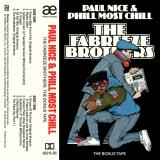
AE Productions in association with Sure Shot Recordings and In Effect Recordings are pleased to announce a 10 Year Anniversary Edition of the critically acclaimed Phill Most Chill and Paul Nice album as the Fabreeze Brothers.
The hugely successful first edition which was pressed on colour vinyl and supplied in double fold out sleeve sold out in only 2 weeks from release date and then the 2nd pressing black vinyl edition sold out a little while later but has for years been out of print but is increasingly requested by shops, via email, social media, AE Productions website back in stock requests, etc…
As it has been 10 years since original release back in 2015 at the time of proceeding with manufacturing, it was the perfect opportunity to do a 3rd pressing to mark the anniversary but we had to pull out all the stops for a 3rd run of this incredible album and also make it subtly different again in packaging design from the 1st and 2nd pressings so that each has it’s own particular feel and quality.
With help from the original designer and all-round vinyl artwork supremo Mr Krum we have found some nice adjustments for the gatefold sleeve where the detail from the insert sheet found in the original issues is incorporated into the inside panels of the sleeve. We have also tweaked the hype sticker to mark the 10th Anniversary Edition and updated the vinyl labels so as to work better with the new Splatter vinyl which follows the original red and yellow vinyl but each splattered with the opposite colour.
For something a little extra we have compiled a Limited Expanded Edition Double Cassette Box Set that includes the original album and also a ‘Bonus Tape’ which features all of the remixes, alternate versions, Original Versions of album cuts and bonus tracks found on B-sides of the array of singles and we included for good measure 2 tracks that only appeared on the promotional only LP sampler that ended up being different on the final release. This is limited to cassette just for the non-vinyl heads as all of these tracks already appear on vinyl. The outer box is A5 card in black with gold foil Fabreeze Brothers logo and comes with discography booklet.
‘The Bonus Tape’ from the box set is also available as a standalone cassette release with alternate j-card art work so that it has it’s own flavour and so that anyone that purchased one of the original run of cassettes that sold out before we could even ship any copies, did not need to purchase the main album again unnecessarily and to make it noticeable from the Expanded Edition Box Set version.
This version also has an alternate shell design in keeping with the clear shell with dark liner that was commonplace back in the 90’s and the cassette geeks may note the red text on the spine as was also a common design back then – giving this a pseudonym of ‘the 90’s tape’ during the design process.
We couldn’t stop there so we also have an extremely low quantity Limited Edition Mini Disc version which is the main album plus 8 of the bonus tracks from The Bonus Tape – only missing the 2 least significant alternate versions but clocking in at just a few seconds under 80 minutes – the absolute maximum for the format! Mini Disc???!!! You’re probably asking – yes!
While looking into the cassette duplication options we realised that the duplicator also offers Mini Disc production so we thought that it may be worth doing a very small run just because not only are professionally manufactured Mini Disc’s rare in Hip Hop, they are rare within the entire music industry as they never really took off as a medium to purchase music but ended up as the choice for home recorded Walkman and car use. Indeed, AE boss Mr Fantastic still has his main machine, portable and old discs. Amazingly also, the sleeve artwork transferred brilliantly to the Mini Disc template. They are manufactured using high quality Sony discs using ATRAC 4.5 codec.
All releases are supplied with unique free download codes on cards that are included inside the packaging but also with the Expanded Edition cassette and Mini Disc having 2 cards – 1 for the main album and a 2nd card for ‘The Bonus Tape’. The free downloads are supplied direct from Phill Most Chill’s Bandcamp page keeping it independent.
As collaborative projects often do, 33 has in time found a more fixed form, a kind of structure that turned it from a loose collection of collaborators gravitating around founders Bill John Bultheel and Alexander Iezzi into something resembling more of a traditional band. Not that there is anything conventional in their creative process tho, nor in the music itself… Nontheless Tripolar - their second album and first for Haunter - seems to take them closer to song territory than ever before.
The (progressive) graduation of multi-instrumentalist Cem Dukkha and vocalist/clarinet player Ivan Cheng from collaborators to full-time members has brought 33 to a more refined awareness of their possibilities as a creative unit, although their compositional process has retained a high level of spontaneity and musical madness. Tripolar was in fact assembled by editing hours of improvisation that Bultheel, Iezzi and Dukkah recorded with no specific endgame in mind. The sessions saw them exchange a variety of acoustic, electronic and electric musical instruments: percussions, guitars, strings, piano, hurdy gurdy, synthesizers and even CDJs as a tool of live sampling manipulation.
By molding the pieces into what they are now, the band managed to concoct some beautiful vignettes of contradictory mental and emotional states, as sonically playful as a renaissance fair happening within a broken timestream. Cheng’s lyrical and vocal contributions helped them coalesce even further into proper songs, adding a melodic presence that’s at once seductive and uncanny. But vocal duties are often ceded to guests, namely Danish pop-neoclassicist Astrid Sonne, Kenyan metal guru Lord Spikeheart, Irish goth raconteur Olan Monk and Japanese body-poet Golin.The amount of different sounds arranged into each of the tracks produces a unique sense of awe and bewilderment, a testament to the incredible talent and craft the musicians have employed into putting together such a broad range of influences and approaches into a coherent and extremely effective musical journey.
An equally erratic thematic thread seems to run through all the tracks, one ultimately preoccupied with mental health and its ramifications. Without turning the project into a concept album, 33 and their collaborators have sprinkled it with references to personality disorders and mental conditions that are all too relevant to the contemporary age, reflecting on the lineage of human inner life. A wide display of lyrical and musical tools is employed to explore these themes, ranging from Sonne’s expressionist depiction of ADHD in the opener, to Cheng’s queer-themed reinvention of an Irish murder ballad in closing track ‘Babymusicc’. Tracing lateral trajectories for introspection, Tripolar is not only highly captivating, but it ultimately sounds esoteric in the best possible way: progressively revealing layer after layer of incredible aural magic, its true meaning living in the form and in its manic scope of energies.
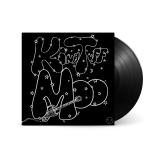
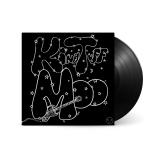
Moo is the first wide release on my new label MUP! When I decided to make a new record, it only seemed right to go back to what brings me the most joy, which is, Rock & Roll music. I got my Tascam 388 fixed, the same tape machine I had used to record my first album, King Tuff Was Dead. It had been sitting in my parent’s house in Vermont for the past 14 years, but I had finally dragged it out to LA. I stopped caring if there were mistakes. There’s not enough mistakes. I played my old, blue, Gibson SG, Jazijoo, and she spewed mangled electrified gold. For once, I sang and I didn’t hate my voice. I played the drums badly and bounced them in mono to one track and it sounded like glorious shit. I wish it sounded even worse. Rock & Roll is the music of rodents and bugs. It should sound like it crept from a decrepit trashcan or a crypt or a toilet. It is not chill or vibey, autotuned or on the grid. It is not perfect, which is why it’s perfect. And I don’t care if it’s dead or alive, cool or uncool: when I hear it, and when I play it, as a chubby and balding 43 year old punk weirdo, I FEEL ENERGIZED. All in all, MOO is a full circle moment. A return to form. A return to rock. A return to Vermont. A return to myself. Reconnecting the dots. Restarting the engine. Plugging in the stack. Finally letting King Tuff be King. Fucking. Tuff.
Moo is the first wide release on my new label MUP! When I decided to make a new record, it only seemed right to go back to what brings me the most joy, which is, Rock & Roll music. I got my Tascam 388 fixed, the same tape machine I had used to record my first album, King Tuff Was Dead. It had been sitting in my parent’s house in Vermont for the past 14 years, but I had finally dragged it out to LA. I stopped caring if there were mistakes. There’s not enough mistakes. I played my old, blue, Gibson SG, Jazijoo, and she spewed mangled electrified gold. For once, I sang and I didn’t hate my voice. I played the drums badly and bounced them in mono to one track and it sounded like glorious shit. I wish it sounded even worse. Rock & Roll is the music of rodents and bugs. It should sound like it crept from a decrepit trashcan or a crypt or a toilet. It is not chill or vibey, autotuned or on the grid. It is not perfect, which is why it’s perfect. And I don’t care if it’s dead or alive, cool or uncool: when I hear it, and when I play it, as a chubby and balding 43 year old punk weirdo, I FEEL ENERGIZED. All in all, MOO is a full circle moment. A return to form. A return to rock. A return to Vermont. A return to myself. Reconnecting the dots. Restarting the engine. Plugging in the stack. Finally letting King Tuff be King. Fucking. Tuff.
For more than 25 years, Black Label Society has stood as one of heavy music’s most unshakeable pillars, delivering album after album of blues-soaked grooves, hard-hitting riffs, and soul-baring ballads. “Engines of Demolition” makes no exception to the steady rule of unrelenting commitment to pure, uncompromising, hard rock.
In 2022, Wylde was invited to honor his fallen brothers, the late great Dimebag Darrell Abbott and his brother Vinnie Paul, as part of Pantera Celebration. Writing and recording with Black Label Society over these last four years is when Engines of Demolition was born. Engines of Demolition follows the release of four singles, “The Gallows” (2024), "Lord Humungus" (2025), “Broken and Blind” (2025) and “Name In Blood” (2026), and marks the first full-length album release since Doom Crew Inc. (2021).
Black Label Society is the pure expression of the paradox of Zakk Wylde’s darkest, loudest riffs and softest soul crushing ballads. BLS is a relentless heavy, bluesy, unhinged hard-rock-metal circus quartet summoning caffeine-fueled cacophony on records and the stage. BLS songs are odes to celebration and mourning from the darkest depths to the highest of highs.
A charismatic hard rock and metal marauder recognized as a living legend and guitar icon, Wylde rose to prominence when Ozzy Osbourne chose him as his loyal axe man. Multi platinum albums, countless guitar magazine covers, Worldwide sold out tours, his own guitar and coffee brands add to Wylde’s ever-growing legacy. He gets as much joy from fronting his Black Label Society as he did playing on stage with his hero, Ozzy Osbourne, to his Black Sabbath cover band, Zakk Sabbath.
Seit mehr als 25 Jahren ist Black Label Society eine der unerschütterlichsten Säulen der Heavy-Musik und liefert Album um Album bluesgetränkte Grooves, knallharte Riffs und gefühlvolle Balladen. „Engines of Demolition“ fügt sich nahtlos ein in das unerbittliche Bekenntnis der Band zu purem, kompromisslosem Hardrock.
Im Jahr 2022 wurde Wylde eingeladen, im Rahmen der Pantera Celebration seine verstorbenen Brüder, den großartigen Dimebag Darrell Abbott und seinen Bruder Vinnie Paul, zu ehren. Während er in den letzten vier Jahren mit Black Label Society Songs schrieb und aufnahm, entstand „Engines of Demolition“. Das Album folgt auf die Veröffentlichung von vier Singles, „The Gallows“ (2024), „Lord Humungus“ (2025), „Broken and Blind“ (2025) und „Name In Blood“ (2026) - und ist das erste Studio-Album seit Doom Crew Inc. (2021).
Black Label Society ist der pure Ausdruck des Paradoxons von Zakk Wyldes dunkelsten, lautesten Riffs und sanftesten, herzzerreißenden Balladen. BLS ist ein unerbittliches, bluesiges, verstörendes Hardrock-Metal-Zirkusquartett, das auf Platten und auf der Bühne eine koffeinhaltige Kakophonie hervorruft. BLS-Songs sind Oden an das Feiern und Trauern, von den dunkelsten Tiefen bis zu den höchsten Höhen.
Wylde, ein charismatischer Hardrock- und Metal-Musiker, der als lebende Legende und Gitarrenikone gilt, wurde bekannt, als Ozzy Osbourne ihn zu seinem treuen Gitarristen machte. Multi-Platin-Alben, unzählige Titelseiten von Gitarrenmagazinen, weltweit ausverkaufte Tourneen, seine eigene Gitarren- und Kaffeemarke tragen zu Wyldes ständig wachsendem Vermächtnis bei. Er hat genauso viel Freude daran, seine Black Label Society zu leiten, wie er sie hatte, als er mit seinem Helden Ozzy Osbourne auf der Bühne stand oder mit seiner Black Sabbath-Coverband Zakk Sabbath spielte.
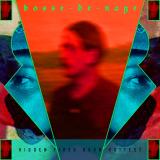
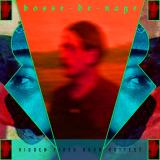
There's a tendency in metal to mistake aggression for honesty, volume for depth. To confuse the performance of darkness with its actual weight. Hidden Fires Burn Hottest, the new album from San Francisco-based post-black metal band Bosse-de-Nage, sidesteps this entirely. It’s the group’s most fully realized work yet, precisely because it refuses to be pinned down.
Bosse-de-Nage have been working with The Flenser for over fifteen years. They were one of the first bands the label ever partnered with and have the longest active relationship in the label's history. But unlike most bands who build momentum through constant touring and visibility, Bosse-de-Nage has largely existed apart from the music world's usual machinery. They've evolved on their own terms, in relative isolation, allowing the work to develop without outside pressure or influence. What began rooted in black metal anonymity has mutated into something that actively defies categorization. The aggression is still there, but it's no longer the point. Hidden Fires Burn Hottest finds the band treating emotions like physical objects, feelings with spatial properties. “No Such Place"" describes a space that can't exist but does anyway, somewhere between thought and location. ""Immortality Project"" examines infinite possibility not as promise but as problem, endless options collapsing under their own weight. These songs don't use metaphor to describe emotion. They make emotion into something you could theoretically touch.
Tracked by Jack Shirley (Deafheaven, Oathbreaker) at Atomic Garden East and mixed and mastered by Richard Chowenhill of Agriculture, Hidden Fires Burn Hottest was years in development, with some tracks beginning in 2018.
The long writing process offered time that most records don't get. Time to live with ideas, revise endlessly, to let structures settle. For the first time, lyricist Bryan Manning wrote everything in advance, creating a surplus to pull from rather than working under deadline pressure. The difference shows.
Coming off Further Still, an album built on constraint and economy, Bosse-de-Nage sought the opposite: sprawl, strangeness, fewer rules. Space for ideas to develop without rushing them. Dynamics that move through quiet as much as noise. Presence earned through atmosphere instead of volume. The record even includes ""Mementos,"" which might be considered the first love song the band has ever written.
Nothing here coheres into a theme. These are pieces pulled from low moments and private feelings made public through sound. The band has never been interested in positivity, in music that resolves cleanly or offers comfort. But bleakness doesn't mean humorlessness. There's something darkly funny running through much of it, even when it shouldn't be.
Hidden Fires Burn Hottest doesn't explain itself. It just insists: what you feel is as real as what you can see."
For more than 25 years, Black Label Society has stood as one of heavy music’s most unshakeable pillars, delivering album after album of blues-soaked grooves, hard-hitting riffs, and soul-baring ballads. “Engines of Demolition” makes no exception to the steady rule of unrelenting commitment to pure, uncompromising, hard rock.
In 2022, Wylde was invited to honor his fallen brothers, the late great Dimebag Darrell Abbott and his brother Vinnie Paul, as part of Pantera Celebration. Writing and recording with Black Label Society over these last four years is when Engines of Demolition was born. Engines of Demolition follows the release of four singles, “The Gallows” (2024), "Lord Humungus" (2025), “Broken and Blind” (2025) and “Name In Blood” (2026), and marks the first full-length album release since Doom Crew Inc. (2021).
Black Label Society is the pure expression of the paradox of Zakk Wylde’s darkest, loudest riffs and softest soul crushing ballads. BLS is a relentless heavy, bluesy, unhinged hard-rock-metal circus quartet summoning caffeine-fueled cacophony on records and the stage. BLS songs are odes to celebration and mourning from the darkest depths to the highest of highs.
A charismatic hard rock and metal marauder recognized as a living legend and guitar icon, Wylde rose to prominence when Ozzy Osbourne chose him as his loyal axe man. Multi platinum albums, countless guitar magazine covers, Worldwide sold out tours, his own guitar and coffee brands add to Wylde’s ever-growing legacy. He gets as much joy from fronting his Black Label Society as he did playing on stage with his hero, Ozzy Osbourne, to his Black Sabbath cover band, Zakk Sabbath.
Seit mehr als 25 Jahren ist Black Label Society eine der unerschütterlichsten Säulen der Heavy-Musik und liefert Album um Album bluesgetränkte Grooves, knallharte Riffs und gefühlvolle Balladen. „Engines of Demolition“ fügt sich nahtlos ein in das unerbittliche Bekenntnis der Band zu purem, kompromisslosem Hardrock.
Im Jahr 2022 wurde Wylde eingeladen, im Rahmen der Pantera Celebration seine verstorbenen Brüder, den großartigen Dimebag Darrell Abbott und seinen Bruder Vinnie Paul, zu ehren. Während er in den letzten vier Jahren mit Black Label Society Songs schrieb und aufnahm, entstand „Engines of Demolition“. Das Album folgt auf die Veröffentlichung von vier Singles, „The Gallows“ (2024), „Lord Humungus“ (2025), „Broken and Blind“ (2025) und „Name In Blood“ (2026) - und ist das erste Studio-Album seit Doom Crew Inc. (2021).
Black Label Society ist der pure Ausdruck des Paradoxons von Zakk Wyldes dunkelsten, lautesten Riffs und sanftesten, herzzerreißenden Balladen. BLS ist ein unerbittliches, bluesiges, verstörendes Hardrock-Metal-Zirkusquartett, das auf Platten und auf der Bühne eine koffeinhaltige Kakophonie hervorruft. BLS-Songs sind Oden an das Feiern und Trauern, von den dunkelsten Tiefen bis zu den höchsten Höhen.
Wylde, ein charismatischer Hardrock- und Metal-Musiker, der als lebende Legende und Gitarrenikone gilt, wurde bekannt, als Ozzy Osbourne ihn zu seinem treuen Gitarristen machte. Multi-Platin-Alben, unzählige Titelseiten von Gitarrenmagazinen, weltweit ausverkaufte Tourneen, seine eigene Gitarren- und Kaffeemarke tragen zu Wyldes ständig wachsendem Vermächtnis bei. Er hat genauso viel Freude daran, seine Black Label Society zu leiten, wie er sie hatte, als er mit seinem Helden Ozzy Osbourne auf der Bühne stand oder mit seiner Black Sabbath-Coverband Zakk Sabbath spielte.
Introducing Red D, the Belgian DJ and producer, one half of FCL (alongside San Soda), long standing club promoter (since 1992), owner of We Play House and general all round good guy. With releases on Ferrispark and Delusions Of Grandeur (with MCDE), remixes on Eskimo, regular sets at the likes of Panorama Bar and an RA Mix under his belt you could say things are falling into place nicely. On top of all this his FCL project continues to go from strength to strength with a new
EP dropping soon on Kai 'KZR' Alce's highly regarded NDATL label. When he sent over two originals for Freerange it was love at first listen as the simple, warm beats and emotive chord stabs of title track Chez oozed from the speakers. This sounded to me like house music in it's purest form, from the days when the focus was on a feeling rather than complex sounds or technological
trickery. And the proof is in the pudding with this one as you can feel the dance floor go into some kind of collective bubble of love whenever you play it. The second original follows drawing you into a false sense of security with familiar 707 beats and gentle pads before taking a left turn. Appropriately titled Into Darkness the blissful vibes of the intro begin to fall away as the
track reaches a breakdown and we're treated to the rudest of Chi-Town basslines taking us down a somewhat less wholesome path. Flipping over we're treated to two Jacob Korn remixes, one of each of the originals and if the A side is the good cop, we can trust the Uncanny Valley regular to deliver some pure badness on the flip. His Remix of Chez is clearly inspired by his studio hardware as you can hear the improvised and 'live'
sounding arrangement, the machines taking on a life of their own as things twist and turn in a spontaneous and unpredictable way. A rattling white noise pulse drives the rhythm whilst bubbling synths add some lightness to the pummeling
kick. Into Darkness gets the Korn treatment next and here he puts it right through the sonic mangler, tape saturation distorting the mix to within an inch of it's life. Jacob puts the focus on the bassline of the original, keeping things simple at
first before winding in layers of Juno chords and the bleepiest of synth lines resulting in the finest of raw, bassment house jams.
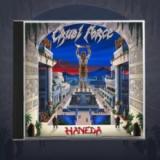
While many have tried to emulate the ancient German (black)thrash sound, CRUEL FORCE brimmed with an authenticity that could not be denied, as well as songwriting that added to that noble tradition rather than lazily picking at its corpse. Their two successive albums, 2010's The Rise of Satanic Might and 2011's Under the Sign of the Moon, made CRUEL FORCE a certifiably CULT name in the international metal underground. Sadly, the band fell into a hiatus following that second album, but returned reinvigorated with the comeback 7" EP Across the Styx in 2022 and, a year later, the glorious full- length Dawn of the Axe at the hands of new label home SHADOW KINGDOM. Continuing to make up for lost time, CRUEL FORCE storm back with swords gleaming high on their fourth full- length, Haneda.
Where a line could be drawn between the band's "first era" of The Rise of Satanic Might / Under the Sign of the Moon, so continues this Second Era that began with Dawn of the Axe - one that harkens to the "Jurassic period" of heavy metal, when everything was rawer, less polished, and more energetic and powerful. As displayed by that pivotal predecessor, Haneda further proves that CRUEL FORCE are more so an old-style speed metal band, largely bereft of that blackened edge during their First Era. The tradeoff is that there's a prominent mysticism coursing through that speed, and the blue-collared aspect of Dawn of the Axe is now spit-shined to a lethal slickness that makes Haneda hit that much harder.
However, it must be stressed that, while it follows logically from Dawn of the Axe, Haneda is very much its own headspace, its own continuation of a still-vital aesthetic. At times more epic, exuding both more and different atmospheres, CRUEL FORCE here take the listener on a journey from old temples to desert planes, from deep jungles to mountain tops, and other mysterious locales beyond; indeed, the whole record is like a journey through mystical realms. Although no concept album, Haneda is very conceptual in its aesthetics, even down to its production: BIG and naturaltoned, from the guitars to especially the drums, everything here is as '80s and authentic as possible, underlining
Thomas Peter debuts on Hallow Ground with »changing bodies,« an album inspired by the resonance and reaction of objects with and to sound. The Swiss composer and sound artist has worked with sounds generated with various materials, field recordings, and an array of analogue and digital synthesizers to create five ever-shifting pieces full of twists and turns in which even silence plays a significant role. Peter composed and recorded the album over the course of four years in an inherently physical process, led by both his intuition and his perception—what you hear on »changing bodies« is an artist intently listening to the material world around him.
Peter laid the foundation for »changing bodies« by making field recordings wherever he went, whether in closed rooms, cities, or rural environments, while also recording organic-sounding material with different synthesizers as well as working with objects made of wood, stone, or metal. »I viewed all these sounds as a kind of language that I was trying to understand,« he says. »I paid close attention to differences between sounds in motion, rhythmic patterns, and dense textures.« He further describes this as an inherently corporeal endeavour, quite literally becoming all ears and internalising the different sounds.
This process of concretion led to one of abstraction when Peter translated the source material and its psycho-physical reverberations into new musical structures. He applied repetition, densification, and recombination to unlock their true potential. Across its five tracks, the album sets literally unheard-of sounds into motion, creating intricate dynamics without ever overwhelming its listeners. »changing bodies« was born out of listening intently and physically.
It is recommended to listen to it in the exact same way.
Released on Limited Edition Black Vinyl with a replica of the original sleeve and insert (300 Copies only). The beginning of the 1980s wasn't a great time to be young. Between 1979 and 1981 youth unemployment more than doubled to over 900,000. Many approaches were tried to tackle the problem and one of the more innovative was the Arts Opportunity Theatre a charity founded in Bristol by Reynold Duncan and Yvonne Deutschman. Financed by assorted public bodies, it aimed to train young people in a range of performing arts as well as the multiple skills needed to produce, organise and put on shows. Over a seven year period the Arts Opportunity Theatre put on a succession of shows not only locally, but travelling as far as the Continent and trained hundreds of young people in everything from music to book keeping. People who passed through the collective would go on to form the core of many local bands and be involved in a large proportion of Bristol music releases, especially reggae. The first show put on in 1981 and 1982 was "Freedom City" which prominently featured Zion Band. In May 1982 the Zion Band musicians from the show went into Right Track Studio in Bristol and recorded four vocals and two dubs that would be released the following January on a 12" single. Back in 2011 Bristol Archive Records included "Twelve Tribes" on a compilation and would later also compile "Babylon Fire/Babylon Dub", but the other three tracks could only be found on the scarce original 12" which in recent years has rocketed in price fetching in excess of £150. We believe music should be affordable and available so 2026 will see Bristol Archive Records reissue the Zion Band "Freedom City" 12" in it's entirety, complete with its original picture sleeve and insert with a limited pressing of 300 copies on black vinyl. This release is dedicated to the late Reynold Duncan RIP.
Joff Bush and the Bluey Music team proudly present the brand-new Bluey album. Featuring 17 brand-new recordings including ‘Sleepytime’, ‘Flat Pack’, ‘Seesaw’, and the new ‘Bluey Theme Tune (Orchestral Version)’.
“This was our most ambitious album to date - so we wanted something extra special - something we’ve wanted to make for a long time."..."Hearing the music from episodes like ‘Sleepytime’ and ‘The Sign’ in all its orchestral splendour meant tissues needed to be on hand throughout the mixing process.”
“Fittingly, the theme of this album is ‘growing up’. Much of this music, like the episodes they derive from, explore what it means when kids start to discover their independence and venture out on their own. Whether that’s learning to sleep in their own bed or taking a spaceship to Mars. I hope you enjoy ‘Up Here’, as the opportunity I had to make this album is thanks to YOU!"
Special Friend have become the masters of weaving elegant and sophisticated pop musical webs while staying true to their low-fi indiepop roots. The French/American duo (Guillaume on guitar and vocals, Erica on drums and vocals) manage to create a sound like no other band. When they play live, audiences marvel at the huge, intricate structures the band construct, while falling in love with the crystal-clear vocal melodies that are threaded in between the shards of guitar and the rattle of the drums. How can a duo achieve so much? UK audiences will be able to ponder this question in March: Special Friend are coming over from France to do a substantial tour of the UK. These shows are highly recommended!
The new album is more diverse that the last, with the high-tempo indiepop of first single ‘Breakfast’, the majestic, Yo La Tengo-like dreampop of ‘Clipping’ and the country-ish, gentle, homesick melancholy of ‘Isolation’. Final track ‘OOO’ is a bold piece of Krautrock-inspired experimentation; ‘Mold’ is a beautiful slice of slowcore and opener ‘Paint A Picture’ is modern pop at its catchiest and most direct.
‘Clipping’, the album title, refers to the discipline of pruning growth back, removing dead wood to create a perfectly shaped tree with abundant blossoms: an accurate description of the album, and of the songs that hang from its elegant branches. The album artwork is by Erica: Special Friend are in control of every aspect of this elegant artefact.
‘Clipping’ was recorded in 2025 at Studio Claudio by Alexis Fugain and Margaux Bouchaudon. Set in an isolated rural environment conducive to immersion, the band had seven days in the studio—significantly more than for previous records—allowing for greater care in the recording process, particularly for vocals and arrangements. Several tracks feature synthesizers and organs, acoustic guitar, and even an electric bass on “Sanctuary,” a first for Special Friend. Overall, the record benefits from a more developed and detailed production while preserving the band’s direct approach and spontaneity.
The album was mixed by Syd Kemp, who has worked with artists such as Thurston Moore, Ulrika Spacek, Caroline, Crack Cloud, and Vanishing Twin.
Special Friend’s previous album on Skep Wax, ‘Wait Until The Flames Come Rushing In’ was an underground hit, with a significant amount of airplay in the UK and in the US.
‘Clipping’ is a co-release with Howlin Banana Records and Hidden Bay Records (both in France). Skep Wax is proud to present the album in the UK and in North America.
Formed in Galway City, Ireland James McGregor (vocals/ guitar), Sean Connelly (guitar) and Damian Greaney (drums) went to school together there and met Tom Freeman (bass) on the music scene. Relocating to London in 2019, the quartet signed to Alan McGee's new record label 'Creation23' almost overnight. They have since impressed audiences across Europe with live performances at festivals including Rock Werchter, Eurosonic and Electric Picnic, performing to a huge crowd at Sefton Park in Liverpool in support of Kings of Leon, as well as a head- turning televised appearance on Sky 1's Soccer AM. Media have been quick to show their support too plus previous singles, taken from their 2023 debut "Exit Strategy" received praise on BBC Radio 1's Annie Mac on her "New Names" showcase, BBC 6 Music's Steve Lamacq on his 'Recommends' show, received day-time radio play on RTE 2FM, and impressed the legendary Rodney Bingenheimer on Sirius XM.
The four-piece are drawn together by not only a mutual appreciation of music past and present but also a love of films and books, notably the ones on the more 'noir' side of the spectrum. You could say Arctic Monkeys got them into a band, The Strokes showed them how tightly you could distil it and Radiohead showed them how wide you could take it. But these days there not afraid to also put Billie Eilish and Charlie XCX into that mixture and films from director Fellini to "Drive". What matters is that from starting out playing acoustic folk, that turned into 3 minute (post-)punkish songs, they now have expanded a lot from there, taking in all the experience they have now recording and touring. Pushing the emotion by being authentic and creating what you really want despite the noise and haste around you.
PET NEEDS return with their fourth studio album ‘ELBOWS OUT! THIS IS CAPITALISM’ to be released on Xtra Mile Recordings on 27th March 2026. Recorded by George Perks (Enter Shikari, You Me At Six, Mogwai, Skindred) it follows the release of their Top 20 album ‘Intermittent Fast Living’ in February 2024. The album charts the exploits of the band buying a second-hand punk rock career at auction and trying (and failing) to make it work.
Over the course of the genre-spanning 12 tracks, the story unfolds with a mix of frenetic punk rock defiance; reflective melodic introspective and beat heavy party anthems as well as guest appearance by CJ Ramone, legendary auctioneer Eric Olson and friends The Whops and Jess Guise who help the story develop. The album is a satirical look at the pitfalls of trying to make it as a DIY punk band, delivered by a band at their most creative and bold as they continue on their own ascension of success.
PET NEEDS are a punk fuelled melodic rock fourpiece from Colchester who have toured the world since they signed with Xtra Mile in 2020. Their past three albums have helped catapult the band to the rising stars they are today. They regularly headline tours in UK, Europe and in America as well as huge support tours with Laura Jane Grace, Art Brut, Frank Turner, Flogging Molly, Skinny Lister, Bouncing Souls, NOFX, The Hives. The Lottery Winners, Spike & The Gimmie Gimmies and The Levellers. In the lead up to the album release the band will tour the UK’s regional towns giving fans exclusive listens to some of the new songs. And throughout week of release will perform instores and outstores to push for a high chart position.
April Records proudly presents the new album from Stockholm Stockholm-based bassist and composer Jon Henriksson - a confident and flexible statement that deepens his place within contemporary Scandinavian jazz. Following the success of his 2023 debut Harmonia which placed second in Orkesterjournalen s Golden Album " readers " poll, Henriksson returns with music that foregrounds collective interplay, shifting forms, and a strong compositional voice. Born in Gothenburg and now active across Sweden and Europe, Henriksson has collaborated and toured with artists including Lars Jansson, Hakan Broström, Erik Söderlind, Klas Lindquist, Jonas Kullhammar and Christina von Bülow. Alongside leading his own ensembles, he remains a soughtsought-after bassist in a wide range of projects, balancing a deep connection to the jazz tradition with a modern, exploratory approach. Shapeshifter is built around a core quartet of tenor saxophone, piano, double bass and drums, expanded with guitar on three tracks and trombone on two. The album moves fluidly between contrasting moods, from forceful and driving to reflective and restrained, with each piece shaped by the musicians " intuition and responsiveness. The title reflects Henriksson s compositional philosophy: allowing roles, textures, and forms to evolve as the music unfolds.The ensemble brings together long long-standing musical relationships. Pianist Rasmus Sorensen and Henriksson have collaborated since their studies at Skurups Folkhögskola (Henriksson is a longstanding member of Sorensen s own trio), while drummer Jonas Bäckman forms part of a well well-established rhythm section partnership with the bassist across numerous projects including the Britta Virves Trio. Saxophonist Karl Karl-Martin Almqvist, a member of the Danish Radio Big Band, completes the quartet, with guitarist Pelle von Bülow and trombonist Rasmus Holm joining the session shortly before recording to expand the album s sonic palette where the music called for it. Originally conceived as a quartet album, Shapeshifter took its final shape in the lead lead-up to recording as additional instrumental colours were introduced organically. The piece Toninho , a tribute to Brazilian guitarist and composer Toninho Horta, features acoustic guitar and subtle wordless vocals, reflecting melodic influences that sit naturally within the album s contemporary jazz framework. Across the record, space, pacing, and interaction remain central. Rather than forcing constant motion, the music allows ideas to develop with clarity and intent, resulting in an album that highlights Henriksson s growing assurance as a composer and bandleader, while keeping the collective at its core.
José González has delivered a new album, Against the Dying of the Light, a companion and further meditation on the themes of his critically acclaimed album, Local Valley. Where Local Valley turned inward toward place, language, and personal reflection, this new record widens its gaze, becoming an urgent call to preserve the light of humanity with all its flaws, at a moment when, technology increasingly shapes how we think, feel, and relate to one another.
While José has always embraced technological advancement, he questions the assumption that every new possibility must be pursued to its maximum potential, especially when progress comes at the expense of human flourishing, attention, and empathy.
Keeping in the tradition of folk music as protest, José’s new single — sharing its title with the forthcoming album — urges listeners to resist systems that dehumanize and divide: “Disconnect from every algorithm, every perverse incentive that drags you down. Let’s rebel against the replicators, against the dying of the light. Kill the codes that feed the hate, keep the codes that make you thrive, celebrate the **king fact that we’re alive.”
Across the album, González works within a deliberately minimal framework, pushing his familiar palette to new heights through subtle variation, restraint, and detail. Each song unfolds with its own distinct character, proving how much emotional and musical range can be achieved within self - imposed limitations. Written in English, Swedish, and Spanish, the record reflects his Swedish - Argentine roots and frames its humanist message as a global one rather than a purely personal or political statement.
José González is one of the most quietly influential artists of our generation. The Swedish - Argentine artist has built a singular musical world from hypnotic, minimal guitar work and his unmistakably gentle voice — a sound that has become deeply personal to millions of listeners worldwide. With billions of streams across platforms and hundreds of thousands of physical records sold, González’s songs often act as emotional landmarks. Ask almost anyone, and they can name at least one of his tracks tied to a defining moment in their lives.
Celebrating the 30th anniversary of Enlace Funk magazine, they present the world's first Flamenco-Jazz compilation, featuring 16 tracks from between 1978 to 2025, released on vinyl for the first time. A musical dialogue between Flamenco and Jazz, unique in the world, a journey through some of the most important artists of this style, starting with the seminal work of the group Dolores in 1978, and continuing to examples of the current sound of this exciting fusion. Includes tracks never before released on vinyl by artists such as Jorge Pardo, Chano Dominguez, Pedro Ojesto, and Marc Miralta. The first volume of Flamenco-Jazz aims to showcase this unique style that has proven to be a bridge of communication and dialogue between flamenco and jazz musicians, creating an inimitable sound that is constantly evolving and transcending barriers. We take as our starting point a 1978 recording by Dolores, featuring Paco de Lucía, which later led to the formation of her legendary sextet with musicians who had participated in this recording. Of course, this first volume wouldn't be complete without other masters like Josemi Carmona, Pedro Ojesto, and Marc Miralta. And of course, a new generation of names that have elevated the genre to its current status, such as flautists Trinidad Jiménez and Sergio De Lope, Juanfe Pérez and Juan Pérez Rodríguez from Huelva, Pablo Martín Caminero from Vitoria, and Miquel Alvarez from Valencia. Not forgetting innovators like Antonio Lizana and Enriquito, who are crossing borders and sharing their unique style. Ltd ed.classic black vinyl double LP in gatefold sleeve
As Selofan's fifth studio album, Vitrioli, from 2018, is a testament to the tragedy of life. The Greek duo, Joanna Pavlidou and Dimitris Pavlidis, who recorded the album in the Fabrika Records home studio, continue on in their poetic, but heartbreaking, music set to a dance beat. Between languages (Greek, English, German, and Spanish), Selofan feels on the brink of mania with Vitroli. However, the madness is controlled, the songs are restrained hysterics that culminate into the alchemic perfection of the band's specific moody sound.
From synthpop to synthpunk elements, the twelve-track LP leads listeners through dark corridors and into haunted, empty beds. There is a resignation to a doomed destiny with Vitroli—a trait that connects all Selofan releases—as a bitter pain and loneliness that cannot, or will not, subside.
The album begins with "Give Me a Reason" whose lyrics feel universal in this day and age: Give me a reason, to get out of bed / I could just watch the ceiling instead. Its heartbreak is profound as bells and voice pads echo under Joanna's voice. The adjacent music video for the song was directed by Dimitris Chaz Lee, and the band describes the video as "depicting the fragile nature, conflicts, emotional demands, and vulnerability of each person in a relationship."
"Billie Was a Vampire" is a story about an undead creature who works at a nightclub followed by the urgency of "Black Box." Brass sounds moan against the fast beat and suggest a frenzied need to escape.
"I'm Addicted" became the second single for the LP. I am addicted, you are mine, Joanna demands of the lover. The music video, also directed by Dimitris Chaz Lee, depicts a clean, white photoshoot primed for the most beautiful creatures of the Athenian wave scene. Alex Macharias, from the legendary Greek band In Trance 95, acts as the photographer for the session, as the models pose and flail under the bright bulbs. The director states: "Addiction is a mental state, something inside all of us. It altered our perception and created a parallel world of avant-garde beings and flashy lights making us part of this everlasting bond."
WARNING: THIS IS FLATCORE AND HAS TO BE PLAYED LOUD !
Let's start by explaining what "FLATCORE" is; which is represented on this 3rd vinyl from this special serie on Flatlife Records: Flatcore is a cross between Hardcore, Progressive Trance, ACID and Hard Trance with a wink to the '90s. A concept from the mind of Jack Wax, who himself is incredibly fascinated and passionate about the more progressive hard trance movements of the '90s.
First track from Jack: "What The World Is Becoming To" is a serious question. AI, robots that do everything for you, wars, the internet; so much that has happening in the past 50 years, and where is it all becoming to?
Jack is supported on this release by "Dysistor"; this artist has also released music as DJ Hidden and Scorch and is also one half of "The Outside Agency." Then there's fresh talent on the B-side: TRIPHAZ from France. A fantastic, dark flatcore banger; he sent it as a demo, and Jack immediately jumped up and started screaming that he wanted it for this project.
So in total; a fantastic flatcore release, limited to 200 copies pressed on white vinyl. If you
like the harder stuff... check this one out.
out of Stock
Last delivered 6 months ago available to reorder, subject to availability
DJ Support: Garnier, Opolopo, Worldwide FM, Marcia Carr, Bill Brewster, Timeout Moscow, Craig Smith, Delfonic, Tony Nwachukwu, Marcel Dettmann, DJ Rocca, Shuya Okino, Borrowed Identity, Titonton Duvante, Alex Attias, Rainer Truby, Sol Power All-Stars, Kyri R2, Robert Luis, Severino Panzetta, Lars Behrenroth, Kassian, Alkalino, Getdown Edits, Moodymanc, Gerd, Lea Lisa, Young Pulse, Mark de Clive-Lowe, Mark Grusane, Alex Barck….
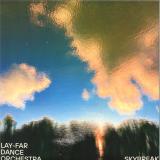
International dance music heavyweight, producer and DJ Alexander Lay-Far returns with a powerful new chapter - Lay-Far Dance Orchestra (LFDO) - a fully-fledged live band project that reconnects him with his jazz-funk and fusion DNA while pushing dance music forward with unmistakable groove, musicianship and emotional weight. Formed in early 2024, LFDO is no nostalgia exercise. With Lay-Far at the helm as bassist, bandleader, composer, arranger and sound engineer, the orchestra has already been turning heads with explosive live performances, reinventing classic Lay-Far cuts, and now unveil their first album “Skybreak” with all new and original material written and produced by Lay-Far together with his bandmates and star guests, including Lipelis, Antoha MC and Seven Davis Jr. This work shows the departure from the predominantly electronic sound of Lay-Far's previous solo albums in favour of live instrumentation recorded to analogue tape and effortlessly bridging the gap between Jazz, Library Music, Disco-Funk, House, Broken Beat and Drum’n’Bass. “Skybreak” is dynamic, passionate, spiritual, cinematic, playful, heartfelt, life-affirming, dreamy and deeply romantic. Ultimately, there’s something profoundly romantic in recording and releasing such music in this day and age!
“Take Flight (Part 1)” is opening the album with style. It takes us on a beautifully orchestrated journey, blending the sensuality of Library Music with high-octane Jazz-Funk and raw b-boy breaks, propelled by breathtaking flute and Rhodes solos of Timur Nekrasov and Maxim Glonti. This aural symbiosis of “beauty and the beats” will become more and more prominent as the album unfolds.
It’s time for “Aquarius Love” created with the inimitable artist and vocalist Seven Davis Jr. (Secret Angels, Ninja Tune). In this composition cinematic soul and heavy jazz meet the restless energy of live drum & bass with deep and heartfelt vocals - timeless sound combined with a timeless message about love and life!
Next is “Head In The Clouds” - a theme for an imaginary rom-com, an ode to all the dreamers - sweet, light, naive and heartwarming. Space-Disco-Funk at its best!
“Where You From” is a fiery Soulful House number with heavy Afro-Latin influences recorded in collaboration with Lipelis. It’s full of Sun, joy and passion. Its irresistible rhythm is emphasised by funky octave bass, wah-wah guitar, catchy piano riffs, guitar solo by Lipelis and seemingly light conscious message delivered by Lay-Far and Maryag. Summer is here!
Now the album takes an unexpected twist in the form of “The Harp of Boom” which at first glance appears to be a classic-sounding Boom-Bap banger. Yes, It’s loud, raw, and gritty, yet it gradually evolves into something delicately-touching and deeply-soulful thanks to a memorable flute melody and lush string arrangement. Definitely recorded with tongue in cheek.
Next is “Feel The Moment” a remarkable collaboration with one of the most recognisable and distinctive Russian artists, singer, trumpeter and cultural icon Antoha MC. It’s a feel-good song, hopeful, life-affirming and bittersweet. A stylish excursion into Brit-Funk and Soviet Jazz-Fusion sound, drawing inspiration from the likes of Atmosfear, Light Of The World or Soviet Jazz bands like Allegro and Arsenal, but reimagining the influences through the modern West London broken beat lens.
The spectacular music journey continuous with “Take Flight (Part 2)” - it’s all about the deep infectious jazz-funk groove, heavy beats, rolling percussion and the glory of the soloing instruments - saxophone and flute by Timur Nekrasov, demonstrating the wide range of emotions from thoughtful and lyrical to restless and borderline vicious. One for freestyle dancing!
As the album draws to an end a vibrant musical triptych “Soul Constant” awaits, mixing together the deep and sensual mood of spiritual jazz with heavy syncopated drum’n’bass rhythms by Michail Fotchenkov, lush orchestration, expressive saxophone solos and the ending which can simply be described as “aural bliss”. It’s breath-taking!
A pleasant bonus is the exclusive version of “Where You From” by Lipelis himself, who is taking it into dub territories, further enhancing the rhythm section and enriching the song with his trademark playful synth flourishes and dreamy guitar solos for maximum effect (and appeal).
The album “Skybreak” by Lay-Far Dance Orchestra is the work of real artistry and craftsmanship with timeless sound that’s not only deeply-rooted but also forward-thinking.
out of Stock
Last delivered 4 months ago available to reorder, subject to availability
Lo Recordings are very proud to announce the release of a beautiful collaborative project. A seamless sonic journey that guides us through the filmic landscape of a bygone era. Chiming in the past and resonating in the present.
Meg Morley and Haiku Salut combine their talents for the reimagining of a score for the 1930's silent film People on Sunday. Inspired by their live performance and screening of the classic at the Flatpack festival. The release was five years in the making as they set out to capture the compositions in the studio, blending Morley’s expressive piano with Haiku Salut’s textured electronics. The result has given rise to an album that belies its historic source with a fresh and clean sound and a complex ever moving series of compositions.. 'The Lost Score' is a vibrant contemporary album for our time.
Haiku Salut are an instrumental trio whose music blends electronica, neo-classical and folk into richly layered, cinematic soundscapes. Known for their enigmatic performances and live scores to silent films, they create immersive experiences that merge timeless visuals with modern experimental sound.
Meg Morley is a Melbourne-born London-based pianist, composer and improviser who pursues cross-cultural and interdisciplinary collaborations, focusing on storytelling. Her classically trained precision and jazz-inflected improvisations have brought her to prominence through her compositions for classical and jazz ensembles, accompaniment for dance companies (Pina Bausch, English National Ballet) and her internationally-acclaimed original scores for silent film.
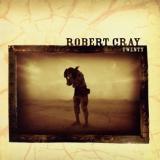
Not long after Strong Persuader became an unexpected crossover hit in 1986 - which was hard to imagine then and seems like a near impossibility now - Cray decided that he would rather pursue the sound of Stax and Hi soul than be a full-fledged bluesman. He punctuated his songs with stinging licks not dissimilar to Albert King, but the sound was closer to O.V. Wright. But what really separated Cray from his forefathers is that instead of getting dirty and gritty, he stayed classy and tasteful. After 25 years and 14 albums, Robert Cray has been mining the same low-key, mellow Memphis soul-blues groove for well over two-thirds of his career. He's found his sound and he's sticking to it. Now for the first time ever available on vinyl Twenty, his 14th album; a thoroughly pleasant listen indeed, it pack's a punch, and has just all the right ingredients. Twenty is available as a limited numbered edition of 750 copies on crystal clear 180 gram vinyl and includes an insert.
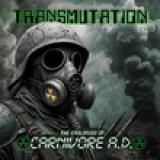
The Evolution Has Begun. Dedicated with love and honor to the memories of Peter Steele and Keith Alexander, Carnivore A.D. emerged as a post armageddon neo barbaric soundscape - a relentless force keeping the primal energy of Carnivore alive on stages and festivals around the world. Formed by NYC Hardcore and Metal veterans Baron Misuraca (vocals & bass – ex-SHEER TERROR), Chuck Lenihan (guitar – ex-CRUMBSUCKERS), and Joe Cangelosi (drums – ex-KREATOR, WHIPLASH, MASSACRE). Co-founded with full endorsement by original drummer Louie Beateaux, Carnivore A.D. has honored its roots by performing the explosive and brilliant works of Peter Steele with intensity, respect and raw power. But now, with the release of their first-ever studio EP "Transmutation", Carnivore A.D. transcends tribute.
They have challenged themselves to write new material - not to replace the original legacy, but to continue its spirit through their own lens. While the legacy of Carnivore remains sacred, Carnivore A.D. has become something more than its origin - a band with its own scars, its own instincts, and now, its own songs. “Think of Carnivore AD as a renowned dining establishment where it’s Chef passed on years ago but the recipes remain and folks still want to dine there instead of cooking the food themselves. And Chef Pete wouldn’t mind because his friends are making it with love.”- Louie Beateaux.
DYING VICTIMS PRODUCTIONS is proud to present MIDYRASI’S KULT’s highly anticipated debut album, Italian Dark Sound, on CD and vinyl LP formats. MIDRYASI'S KULT are revolutionary and uncompromised. Featuring veterans from such Italian doom stalwarts as Doomsword, Midryasi, Agarthi, and Fiurach, their unique blend of elements from the NWOBHM, doom metal, and early black metal – all fused in their distinctive national dark-sound tradition, which includes such cult legends as Black Hole and Death SS – results in an obscure, hypnotic, and exciting formula. In March 2025, after just one week on Bandcamp, MIDYRASI’S KULT were intercepted by Caligari Records, who released on cassette their debut demo, Mountain Devil. Featuring three songs in a concise 15 minutes, this demo reaped international acclaim for its originality and attitude. But that was but a foretaste of darker delights to come. Witness the first full-length of MIDRYASI’S KULT, Italian Dark Sound.
Truly titled, Italian Dark Sound is an intoxicating spelunk into catacombs both idiosyncratic and indefinable. Totaling 32 time-/mind-expanding minutes, the eight primary tracks here – the outro is titled “The Lost Son of Sylvester Anfang,” which should offer an obvious clue to the black-metal-minded out there – each offer something different from the next, and yet all add up into a shadowy experience that’s both rocking and atmospheric. In fact, if one were to single out an aspect between the demo and album, it’s that MIDYRASI’S KULT exude more energy on this full-length without sacrificing any of their occult aura. But, just like that demo, Italian Dark Sound features supremely pro production – gritty, earthy, and yet kaleidoscopic in texture – under the guidance of Gabry "The Way" Strada, head of RDF Studio and who’s now collaborating on the upcoming Doomsword new album. In the vein of an open artistic project, all the artwork is made by vocalist / bassist Geilt himself, and up to 11 musicians have been involved in these recordings
The track shows SUEP at their best - glistening synth pop with Marr-esque jangle, sweet but emotionally incisive. Singer Georgie Stott - also known for being the keyboardist of the recently ended Porridge Radio - is at peak performance, marrying catchy melodies with off-kilter storytelling.
Receiving acclaim across BBC 6 Music and the indie press for their ‘car boot sale’ pop music, SUEP rummage through the jumble bin of music history, selecting and reassembling its best parts into something playful, strange and deeply artful. The band are affiliates of the Gob Nation collective - including The Tubs, Sniffany & The Nits, Ex-Void, and others., described by the Guardian as uniting around “a leftfield sensibility, lacerating wit and snotty attitude.”
With a slightly darker edge than their delightful EP Shop or last year’s groovy The Rain, Highway II tells the story of hope slamming into disappointment - a Valentine’s date gone wrong. Tears, cigarette breaks, running makeup and snotty sleeves paint a picture of painful emotional dislocation. It comes with an incredible, multilayered dance-routine music video from frequent collaborator, artist Jess Power.
Singer Georgie Stott says: “The lyrics for this poured out of me on Valentine’s Day when me and my partner went out on a date in the Limehouse area, over the river from where we lived in Rotherhithe. I got drunk too quickly, he got grumpy, and tears started streaming down my face because I just wanted to have a nice romantic time. We made up in the Canary Wharf Wetherspoons at the end of the night, but I went to have a cigarette before, to get out all my sobs and wrote all the lyrics on my phone in one go. Then at a practice studio we quickly wrote it around some chords I made up in the room.”
Forever is a confident debut, a masterpiece of modern indie songcraft. Across the album SUEP dip into country, synthpop, garage rock, post punk, and pub rock, but always retain their signature penchant for melodic hooks, snappy structures and straight-to-the-heart lyrics. Artfully unpretentious, the album was recorded by friend Matt Green, best known for his work with The Tubs, and mixed by Mike O’Malley of the band caroline.
Led by Georgie Stott and Joshua Harvey, SUEP have become fixtures of south-east London’s underground through a series of shared living spaces, improvised studios and DIY venues. Now with George Nicholls (The Tubs, Joanna Gruesome, GN Band), William Deacon (PC World), and Louis Forster (The Goon Sax, Expiry) completing the line up, their debut is finally on its way.
Forever is a glimpse into one of the best bands on the scene, not fitting into any trend, but also never fading into obscurantism - SUEP are a band that wear a joie de vivre loosely but fashionably. Now is their time to shine.
Ruff Kutz presents 'Found Sound', a debut solo album by Pugilist.
At a time where art has become readily reproduced and seemingly disposable, I have made something longer-form to be enjoyed as a complete piece, rather than it's single elements.
Found Sound delves into my internal monologue, which I hope results in a personal and introspective listening experience. Building on my previous discography - you can expect versatile sounds and tempos, with a washy dub-wise feel, intoxicating atmospherics, all in a genre-free structure. The album is floaty, euphoric and perhaps a surprisingly light listen compared to my normal output, but with notably huge bass and intricate percussion throughout.
The album taps into nostalgic reference points without leaning on retrograde tropes. While sculpted by contemporary production and FX, the sound remains raw and not overly polished. The album is best described as a collage of sounds that I have steadily collected over the last decade, which have inspired me, some very cheeky sampling and many a late night working on my studio tan. It is a tribute to the music I grew up with and love the most, from past to the present. It is fitting that this release marks the 10 years since I started the Pugilist alias.
This wouldn't have been possible without Umeya, who the album is dedicated to.
out of Stock
Last delivered 4 months ago available to reorder, subject to availability
''Stealth' is certainly an apt title for this disarming collection of crypto-New Age. From its opening, one might be forgiven for assuming that what follows is a tableau of digital disruption, and noise in one of its less offensive iterations.
However, Takao instead presents a rich and detailed tapestry of compositions that take New Age affectations, fashioning them into something far grander. There's a penchant for the nai¨ve, the more garish of digital instruments in the vein of James Ferraro - but importantly, Takao steers away from submitting to gestures themselves nai¨ve or garish, opting instead to focus attention to a more nuanced, delicate style.
Indeed, a more intrinsic tradition to posit 'Stealth' as an inheritor of would be the Impressionism of Debussy, or even Satie, with Takao's approach drawing light and composure from his instruments at their most bare and unadorned. Ever so pleasing and atmospheric, 'Stealth' is remarkably affecting in its subtlety.' (Nico Niquo)
'Balconies' is an urgent, physical record shaped by momentum and heat. The album takes its title from a recurring metaphor: a balcony as a place of exposure and distance. Elevated, visible, yet removed from the action below. Throughout the record, Tin Fingers explore feelings of observation, displacement and restlessness, moving through places without fully belonging.
Musically, 'Balconies' marks a clear shift for the Antwerp band. Where earlier releases leaned into intimacy and melancholy, this album is louder, more direct and built for movement. Sharp, energetic songs are balanced by the band's continued attention to atmosphere and imagery.
The album was written instinctively over three months by frontman Felix Machtelinckx before being brought to the band, with arrangements coming together quickly thanks to years of shared experience. Recording took place over four hot summer days at The Old Carpet Factory on Hydra, Greece. The warmth, the sea and the island's isolation shaped both sound and mood, while limited time encouraged live recordings that capture the album's raw energy and immediacy. 'Balconies' was mixed by D. James Goodwin (The National, Kevin Morby, Whitney).
Following the release, Tin Fingers will present 'Balconies' live, with shows at De Roma (Antwerp), Mezz (Breda) and Supersonic (Paris).
Black 180g vinyl, limited to 200 copies. A decade has passed since the debut album Finnmark left a solid northern Norwegian mark on the rock and hardcore scene, and eight years since Natur pushed both genre boundaries and the listener's limits. Now, the Kirkenes-based band Ondt Blod returns with their third full-length album, Bauta. Here, the band distills the blend of hard-hitting hardcore and strong melodies they've become known for. The opening track "AUX" kicks the door in with a desire to tear down the established order, while songs like "Kembo" and "Flamma" (featuring guest vocals from Ida Maria) reveal a more nostalgic and melodic side of the band. Throughout their career, Ondt Blod has held firmly onto their northern Norwegian identity and Sámi roots. This has taken them from Kirkenes to stages across Europe and Japan, earning them both Norwegian Grammy (Spellemann) nominations and a loyal fanbase. Bauta confirms that the band still has plenty to say.
Bruno Silva, operating here under his restless Serpente alias, returns with Visita do Fogo — a sharp, stripped-back and incendiary counterpoint to the drifting, dream-jazz abstractions of Dias da Aranha. If that record floated like smoke, this one crackles and snaps like dry wood.
Visita do Fogo finds Silva stepping back into the heat of his beat-driven origins, embracing a raw, forward-leaning approach that feels closer to his live detonation than a studio construction. The record is built on stark materials — drum fragments, percussive jolts, scorched-earth loops — all manipulated with his unmistakable “screw” instincts: micro-cuts, sudden pivots, rhythmic false floors and the sense that the track might turn itself inside-out at any moment.
Rather than smoothing edges or leaning into atmospherics, Serpente doubles down on urgency. Each piece moves through the record with a chop-and-go physicality, a kind of ritual propulsion that never settles into comfort. Silva’s rhythmic language remains entirely his own: crooked but precise, feral yet meticulous, rooted in dance structures but constantly mutating away from them.
Visita do Fogo is less a sequel to Dias da Aranha than a flare shot into the same night sky — brighter, hotter, and designed to leave afterimages. It captures an artist burning forward, shedding everything unnecessary, trusting the flame.
Yeun Elez opens a breach: that of a forgotten threshold, a gateway to Hell concealed beneath the peat and legends of the Breton marshes, from which Hoel Moce borrows the name for this project.
Born from Celtic tales passed down in hushed tones, it summons wandering souls, suspended spirits, and those who have already reached the end of their journey. Having escaped from Techno Thriller, Hoel founded Yeun Elez in 2022, as an autonomous and haunting sonic territory.
Surrounded by talented collaborators (Maria: NaturaMorta, Lou Savary de Reymour), he weaves a ritualistic and visceral music, traversed by dreamlike landscapes, misty battlefields, and a fantastical medieval Brittany.
Between pagan symbolism and spectral visions, the project explores the murky depths of the human condition. Thus, birth, love, decline, death: the themes emerge as archaic truths. Betrayal and revenge exist alongside devotion and the quest for an ideal that transcends us.
Mixed by Luc Bersier (Reymour) and then mastered by Tioma Tchoulanov (UVB76, Nze Nze), this album by Yeun Elez doesn't reconstruct the past: it invents it to better haunt it.
Music like a rite of passage, both rooted and timeless, like an inner journey, dark and necessary, to a place where myths refuse to die.