Die Neuauflagen von The Runaway Found (2004), Nux Vomica (2006) und Sun Gangs (2009) geben Fans und Sammlern die seltene Gelegenheit, diese einflussreichen Alben in hochwertiger Vinyl-Qualität neu zu entdecken. Die Re-Releases sind besonders bemerkenswert, da die Originalausgaben auf Schallplatte in den 2000er-Jahren nur in begrenzter Stückzahl erschienen. Zu einer Zeit, als Vinyl kommerziell noch eine untergeordnete Rolle spielte, waren die Veröffentlichungen nur schwer erhältlich. Die neuen Pressungen ermöglichen nun ein Hörerlebnis mit der Klangtiefe, Detailtreue und dem Artwork, die den atmosphärischen Kompositionen von The Veils besonders gerecht werden. Unter der Führung von Sänger und Songwriter Finn Andrews, der die Band bereits als Teenager gründete, entwickelten The Veils mit ihren ersten drei Alben einen unverwechselbaren Stil. Zwischen üppigem Indie-Rock, romantischer Melancholie und filmischer Dramatik schufen sie einen Sound, der von orchestralen Arrangements, eindringlichen Rhythmen und emotionaler Intensität geprägt ist. Mit The Runaway Found, Nux Vomica und Sun Gangs etablierte sich die neuseeländische Band als eine der eigenständigsten Stimmen der internationalen Indie-Szene. Die Alben verbinden weitläufige, cineastische Klanglandschaften mit intimen, persönlichen Momenten und zeigen eine beeindruckende kreative Entwicklung während der frühen Bandjahre. Finn Andrews freut sich über die Wiederveröffentlichungen: "Es ist eine große Freude zu sehen, dass diese Alben, die uns und vielen anderen so viel bedeuten, von dem Label, das uns von Anfang an unterstützt hat, erneut auf Vinyl veröffentlicht werden. Ich bin Rough Trade und den Songs dieser leidenschaftlichen, suchenden und wunderbar jugendlichen ersten Jahre sehr dankbar."
Die Neuauflagen von The Runaway Found (2004), Nux Vomica (2006) und Sun Gangs (2009) geben Fans und Sammlern die seltene Gelegenheit, diese einflussreichen Alben in hochwertiger Vinyl-Qualitat neu zu entdecken. Die Re-Releases sind besonders bemerkenswert, da die Originalausgaben auf Schallplatte in den 2000er-Jahren nur in begrenzter Stuckzahl erschienen. Zu einer Zeit, als Vinyl kommerziell noch eine untergeordnete Rolle spielte, waren die Veroffentlichungen nur schwer erhaltlich. Die neuen Pressungen ermoglichen nun ein Horerlebnis mit der Klangtiefe, Detailtreue und dem Artwork, die den atmospharischen Kompositionen von The Veils besonders gerecht werden. Unter der Fuhrung von Sanger und Songwriter Finn Andrews, der die Band bereits als Teenager grundete, entwickelten The Veils mit ihren ersten drei Alben einen unverwechselbaren Stil. Zwischen uppigem Indie-Rock, romantischer Melancholie und filmischer Dramatik schufen sie einen Sound, der von orchestralen Arrangements, eindringlichen Rhythmen und emotionaler Intensitat gepragt ist. Mit The Runaway Found, Nux Vomica und Sun Gangs etablierte sich die neuseelandische Band als eine der eigenstandigsten Stimmen der internationalen Indie-Szene. Die Alben verbinden weitlaufige, cineastische Klanglandschaften mit intimen, personlichen Momenten und zeigen eine beeindruckende kreative Entwicklung wahrend der fruhen Bandjahre. Finn Andrews freut sich uber die Wiederveroffentlichungen: "Es ist eine große Freude zu sehen, dass diese Alben, die uns und vielen anderen so viel bedeuten, von dem Label, das uns von Anfang an unterstutzt hat, erneut auf Vinyl veroffentlicht werden. Ich bin Rough Trade und den Songs dieser leidenschaftlichen, suchenden und wunderbar jugendlichen ersten Jahre sehr dankbar."
Der Soundtrack enthält die rekordbrechende Nummer-1-Hit-Single „I Knew It, I Knew You“ – gesungen von
Taylor Swift und geschrieben sowie produziert von Swift und Jack Antonoff – sowie eine Original-Filmmusik
des Oscar®-Preisträgers Randy Newman.
Errands is the first duo recording from Marja Ahti, Swedish-Finnish sound artist and electroacoustic composer, and John McCowen, a native of Southern Illinois, now residing in Iceland, whose work centres on a radical exploration of clarinet multiphonics. Working without the aid of electronics, McCowen has spent years finessing performance techniques that allow him to layer beating patterns and split tones that belie their source in a monophonic instrument. Ahti, in contrast, has built up a stunning body of work in recent years using a classic electroacoustic palette of electronic, field recordings and instrumental sounds. Sharing a bill at the 2024 iteration of Stockholm’s Edition Festival, the pair discovered a sensibility shared across their different sonic means, beginning the collaborative process that would eventually result in the mercurial side-long pieces heard on Errands.
The word ‘errand’ suggests something purposeful but routine, and Ahti’s and McCowen’s work is suffused with the everyday. Meeting with McCowen to record in Iceland, Ahti used the opportunity to gather field recordings, capturing not the natural sublimity often associated with the country—think Chris Watson’s shifting glaciers—but everyday life in Reykjavik. Snatches of bustling streets and what could be humming engines thread between static sinewaves, stretches of clarinet resonances and fleeting textures, the latter often at once visceral and impossible to identify. Errands: we are a long way from the grandiose framing devices favoured by the pioneers of electroacoustic music, yet many of their principles are at work here. The gradual metamorphosis of one sound into another, the carefully achieved ambiguity between the acoustic and electronic, the treatment of the stereo field as a compositional element: all of these link Ahti and McCowen’s music to the electroacoustic tradition, yet their sensibility is radically different. The overall effect is a kind of stillness, but one at peace with continuous change. Like the unwieldy but somehow stylish everyday forms captured in the Hertta Kiiski photographs that adorn the record's sleeve, the music seems to prize a kind of deliberate awkwardness, interrupting static held textures not with an abrupt cut, but with a quick fade, suddenly revealing background as foreground.
Ahti and McCowen’s world is everyday and unornamented, but also shadowed by the numinous. Halfway through 'Chorales', we hear an arrangement for overdubbed recorders of an early motet of Messiaen’s, O sacrum convivium! Played on recorders, the piece shrinks into delicacy and dim memories of childhood music lessons, while at the same time its harmonies retain the grandeur of their liturgical origin. This double quality inflects much of what follows on Errands, including snatches of field-recorded water or air, which seem at once elemental and domestic. Enlivened with countless details that repay repeated relistening, Errands is a record that leaves the listener ready to open their ears anew to their own sound environment.
A Flower to Water, the staggering new album from Greek Progressive-Post Metal outfit Playgrounded, finds the five-piece pushing their boundaries even further; welcoming the unquantifiable depths of loss, grief and finitude into their meticulous, fractal process as friends in defiance of neglect. Hailing from Athens, Greece but predominantly based in Rotterdam, Netherlands, Playgrounded have never ceased to push the envelope of Post Metal with genre-defying contemporary electronic and cinematic neo-classical elements since the band's inception almost two decades ago. A Flower to Water is Playgrounded's third full-length offering and sees the band thriving in their creative relationship with Pelagic Records. Recorded and produced by the band across multiple studios back home in Athens and Rotterdam, Playgrounded enlisted the help of longtime collaborators C. Cederberg (Leprous, Anathema) who mixed the album at Cederberg Studios in Kristiansand, Norway and George Tandero (Madrugada, Satyricon, Jaga Jazzist) who mastered it in Oslo. A profound sense of patience is keenly felt throughout the album. The deliberate spaces between each hammerblow guitar riff, pulsing bass line or hypnotic drum groove; each heavy, breathless pause and fizzing glitchy whisper all tell of unspoken loss and absence as an indelible part of A Flower to Water and indeed of Playgrounded forever more. In marking this absence however, in embracing loss head on, Playgrounded reify memory in defiance of neglect. By extracting such a colossal, breathtaking piece of work from a seemingly unassuming collection of sounds, clips and sonics; the quintet slow time to a standstill to present grief in bloom; a beautiful, perpetual flower with its roots in loved ones lost. FOR FANS OF Karnivool, Katatonia, Nine Inch Nails, Deftones, Moderat, The Ocean, Vola, Leprous, Skyharbor, Anathema
A Flower to Water, the staggering new album from Greek Progressive-Post Metal outfit Playgrounded, finds the five-piece pushing their boundaries even further; welcoming the unquantifiable depths of loss, grief and finitude into their meticulous, fractal process as friends in defiance of neglect. Hailing from Athens, Greece but predominantly based in Rotterdam, Netherlands, Playgrounded have never ceased to push the envelope of Post Metal with genre-defying contemporary electronic and cinematic neo-classical elements since the band's inception almost two decades ago. A Flower to Water is Playgrounded's third full-length offering and sees the band thriving in their creative relationship with Pelagic Records. Recorded and produced by the band across multiple studios back home in Athens and Rotterdam, Playgrounded enlisted the help of longtime collaborators C. Cederberg (Leprous, Anathema) who mixed the album at Cederberg Studios in Kristiansand, Norway and George Tandero (Madrugada, Satyricon, Jaga Jazzist) who mastered it in Oslo. A profound sense of patience is keenly felt throughout the album. The deliberate spaces between each hammerblow guitar riff, pulsing bass line or hypnotic drum groove; each heavy, breathless pause and fizzing glitchy whisper all tell of unspoken loss and absence as an indelible part of A Flower to Water and indeed of Playgrounded forever more. In marking this absence however, in embracing loss head on, Playgrounded reify memory in defiance of neglect. By extracting such a colossal, breathtaking piece of work from a seemingly unassuming collection of sounds, clips and sonics; the quintet slow time to a standstill to present grief in bloom; a beautiful, perpetual flower with its roots in loved ones lost. FOR FANS OF Karnivool, Katatonia, Nine Inch Nails, Deftones, Moderat, The Ocean, Vola, Leprous, Skyharbor, Anathema
This year, Prohibition reissues their landmark 1996 album Towncrier on vinyl. A cult classic that once took them across Europe and onto the iconic French TV show Nulle Part Ailleurs, the record remains a defining moment in their career. To mark the occasion, the Paris-based quartet returns once again for a series of live performances at the end of 2026. "Prohibition is undoubtedly one of the most important rock bands France has ever produced." - MOWNO Formed in 1989, Prohibition emerged from the underground veins of the French post-punk scene-a time when the movement survived through a handful of fanzines, crumbling venues, and a sparse network of independent record stores. Their sound was raw, urban, and tightly wound, still reverberating with echoes of hardcore and skate culture. A jagged, abrasive form of rock, driven by atonal guitars, surgically precise bass lines, off-kilter rhythms, and biting vocals. What set Prohibition apart was its singular instrumentation: a saxophone unleashed and the hypnotic drone of a sitar cutting through the noise. Their reputation quickly spread across Europe and the United States, leading to relentless touring and shared stages with the likes of Blonde Redhead, Fugazi, David Grubbs, Condense, and Chokebore. The band came to a close in 1999, following the release of their fifth and final album, the enduring 14 Ups & Downs. In 2015, Prohibition reunited for a special tour marking the 20th anniversary of Prohibited Records, including a standout performance at the Teriaki Festival, later captured by Mowno. Celebrating 30 years in 2025, the band released a reimagined version of Cobweb-day, titled Cobweb-day (Revisited), and returned to the stage for a series of powerful, memorable shows. Now, in 2026, Prohibition reissues their landmark 1996 album Towncrier on vinyl. A cult classic that once took them across Europe and onto the iconic French TV show Nulle Part Ailleurs, the record remains a defining moment in their career. To mark the occasion, the Paris-based quartet returns once again for a series of live performances at the end of 2026. For fans of: The Ex, Fugazi, The Jesus Lizard
DJ T-Kut, Team Leader of Skratcher Madrid, Skratch Elementz & Tablist Lounge Spain, publishes a new volume of Skratch Practice. After the success of the previous volumes, this time, Skratch Fu-Finger Practice comes on boold red vinyl. This vinyl is a perfect tool for battle routines, freestyle scratching, in which you will find classic original sounds, phrases, Fx sounds and much more. This Battle Breaks & Scratch Tools vinyl promises hours of practice and is focused both for DJs who are beginning and advanced DJs. This edition is published on 7" vinyl Side A and B, consists of 6 loops per side at 100 BPM. Artwork: Adolfo Gerrero Mastered: Le Jad Producer: Dj T-Kut I hope you enjoy it and Happy Skratching!!!! Turn on your turntables!
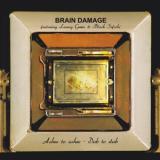
By 2004, dub had a history stretching back more than thirty years. This remarkable longevity can easily be explained by the evolving nature of this musical genre, which is constantly changing both artistically and technically, from Kingston to London, New York, and more recently Berlin, Paris, Lyon and Saint-Étienne. For example, it is worth noting that for some years now, in France and elsewhere, a good number of artists have been thinking in terms of dub from the outset, breaking free from the original Jamaican model, which involved drawing inspiration almost systematically from an existing vocal track. Thirty years on, with the release of their second album, Brain Damage aim to reconnect with this tradition. Recent collaborations with the two vocalists, Learoy Green and Black Sifichi, have indeed provided the ideal source material for the creation of five tracks, each rendered in their respective dub versions, thus forming an album with a symmetrical, even geometric character - from its very structure right down to its title: 'Ashes to ashes / Dub to dub'. At the heart of the project lies the astute choice of two guests, each operating in diametrically opposed spheres yet brought together for the occasion, thereby emphasising a certain 'unity of the circle': 'the unity of the circle'. Born of a genuine artistic vision, this geometric, symmetrical aesthetic-omnipresent in every detail of the album, both auditory and visual-complements Brain Damage's 'square' and robotic side, with its three-dimensional evocations. Always working in close collaboration with the very latest digital technologies. This brings to mind 'the balance of the cube'. Finally, the title itself, 'Ashes to ashes / Dub to dub', should be understood as a reference to the transience of all things in this world, against a backdrop of widespread, globalised, international, national and local crises_
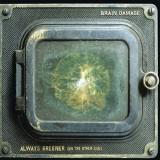
"The grass is greener_ elsewhere_" Brain Damage told us with their debut album, released in 2002. Yet here, they've reached full maturity. Rarely has a "made in France" dub album strayed so far from the Jamaican model while still harboring, in every detail, so many references and tributes to the inventors of the style (King Tubby / Lee Perry), as well as to many of the key figures in its evolution (Tikiman / Rhythm & Sound, Dub Syndicate, etc.). The recording studio, 7/11 Laboratory, is used here as a true musical instrument. The optimal use of three-dimensional stereo effects will immerse the listener in soundscapes ranging from classic space echoes and Mont Blanc tunnel-style reverberations to crackles, electronic interference, exogenous samples, and other parasitic noises coming straight from Babylon. For this album, continuing in the vein of his previous collaborations with the international dub scene (Zion Train, Alpha & Omega, Disciples, Spectre, Lab°_), Brain Damage traveled to London to record two tracks at Conscious Sounds Studio with Jamaican-born singer Tena Stelin. With the melancholic "Spirit World," one is reminded of the fruitful collaborations between Massive Attack and Horace Andy, while on "Genetic Weapon," the tone becomes more overtly assertive. Two vocal tracks, then, woven into these ten compositions, where the emotional moods and atmospheres will shift with each listen. "Always Greener (On the Other Side)" emerges as the manifesto of music conceived as cinema for the ear...
Life Creates Itself is the new album by Bill Baird, releasing September 25th, 2026 on Royal Oakie Records. After years of restless wandering that took him from the Bay Area to India to Abbey Road and back again, Baird has returned home to San Antonio, Texas. Inspired by Lone Star legends Doug Sahm and Roky Erickson, the album inhabits a world where outsider country, avant-garde pop, and psychedelic folk dissolve into one.
Produced by longtime collaborator Jasper Leach (Tony Molina, Color Green) and mastered by indie-rock legend KRAMER (Galaxie 500, Daniel Johnston, Will Oldham), Life Creates Itself was recorded at Sear Sound in New York City in a single remarkable day — fitting for an album as indebted to Arthur Russell and Captain Beefheart as it is to Sir Douglas Quintet and Townes Van Zandt. The sessions brought together a constellation of collaborators around Baird and Leach, including Pedrum Siadatian (Allah-Las, PAINT), Phil Carluzzo, Austin Day, Oliver O'Haver, Jordan Johns, Michael Vattuone, Clara Kennedy, and Carluzzo’s dog Ernie.
Lead single "Yanaguana" — the original Payaya name for San Antonio, meaning either "land of many waters" or simply "where I am right now" — serves as a thesis statement for the album, a restless soul reckoning with what it means to finally come home. Meanwhile, "Karma Loan" is a fuzzy, sprawling psych track that spilled out of Baird during a deep immersion in Bach that features cello by Clara Kennedy and closes with a sound collage of spiritual gurus hawking easy paths to enlightenment. Then there's "Horse Moon" — built around pedal steel that shimmers like rays of moonlight, drifting through vignettes from a late night walk across New York City, with Pedrum Siadatian's lead guitar lending the whole thing an unhurried, dreaming quality. The night they tracked it, Baird climbed to the roof of Sear Sound and watched a full moon wash the city in a warm glow.
Baird has never sounded more at home, and Life Creates Itself may be his most cohesive record yet – a songwriter record through and through that stands apart from the rest of his discography. Royal Oakie Records is proud to release Life Creates Itself on September 25th, 2026, available on vinyl LP, CD, and digital download/streaming worldwide.
First up in the series - Heavy Salsa and Latin Soul from Puerto Rico-born pianist Eddie Lebron and Orquesta Suave, the album that kickstarted Ghetto Records. Ghetto Records was Joe Bataan’s way to get over on “The Man” and out of the ‘hood, a bold move by an artist looking for independence and creative control in an industry that had exploited his talents and treated him like chattel. As Bataan puts it today, “Ghetto Records was part of my journey, a stepping stone to everything else that I’ve done. I learned enough that it enabled me to get out of the box with my thinking, it showed me how to deal with adversity.” Like many dreams and schemes born of the street, this one was audacious, perhaps even reckless to a fault. Hatched from desperation yet full of hope Ghetto Records came crashing down shortly after its inception. The seven albums in its discography languished out of print - until now. These are the definitive reissues of these albums, licensed from Joe Bataan, with his oversight and input into a 16 page oversize book by Pablo Yglesias that details Bataan’s larger-than-imagination life and his little Latin label that could.
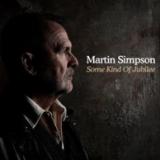
For acclaimed folk artist Martin Simpson, this release reflects not just a remarkable 50-year recording career, but over six decades shaped by song, tradition, and continual artistic growth. Yet this is not a retrospective, it's a forward-looking work, carrying the depth, skill, and passion of a lifetime into the present. Marking 50 years since his debut album Golden Vanity, Simpson describes Some Kind of Jubilee as "my best work to date." To realise this landmark project, he brings together an exceptional group of collaborators drawn from across his long and distinguished career. Among them are renowned pedal steel guitarist Greg Leisz, guitarist Zac Hobbs, cellist Liz Hanks, guitarist Louis Campbell, and double bassist Ben Nicholls. Together, they create a rich and textured soundscape that honours tradition while embracing fresh perspectives. Recorded at Groovemaster Studio in Santa Monica and completed in Yorkshire, the album blends newly written songs with reimagined traditional material and inspired reinterpretations from Simpson's own catalogue. The result is a deeply rooted yet vibrant collection that reflects both heritage and innovation. As Greg Leisz puts it, "This music has some profoundly deep roots - so dig in." With Some Kind of Jubilee, Martin Simpson honours his past while continuing to shape the future of folk music, reaffirming his place as one of the genre's most respected and enduring voices.
Originally conceived as the solo project of Izio Orsini (Rancho Bizzarro), Bantoriak has evolved into a collective sonic ritual, bringing together an impressive cast of friends and collaborators from the Italian and international underground scene. Steeped in warm 70s inspired sounds, hypnotic grooves, expansive jams and heavy psychedelic atmospheres, Vol. II travels from the dusty landscapes of the Californian desert to more mystical and introspective territories. The album features special appearances by Sergio Ch. (Los Natas, Soldati) on "Blu Bus" and Dome La Muerte on "Ritualism" and "La Muerte". For fans of: Kyuss, Los Natas, Colour Haze, Yawning Man, Monster Magnet, Dead Meadow and Black Sabbath.
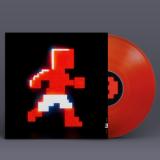
Featuring Nicholas Semrad (Empire of the Sun), Stu Brooks (Nine Inch Nails, Danny Elfman), Tim Lefebvre (David Bowie) and vocalist Gretchen Parlato, this new hardhitting, synth-fueled album distills Guiliana's vision into eight cinematic compositions that fuse retro production with futuristic playing. Transmitted through an original 8-bit visual universe created by artist and long-term collaborator Steve Wall, BEAT MUSIC 2.0 draws inspiration from early gaming culture and electronic music, looking both to the past and the future for answers. Guiliana's compositional voice is on full display alongside the energetic and precise grooves that define his singular approach. In an age increasingly shaped by automation, BEAT MUSIC 2.0 keeps its focus on human connection and collaboration.
A powerful new track arrives on 7-inch, marking a collaboration between MAJOR FORCE PRODUCTIONS and DJ KRUSH, featuring the gentle, soothing vocals of guest singer Kyoko Koizumi.
This joint production by MAJOR FORCE PRODUCTIONS-comprised of K.U.D.O and Kan Takagi, two key figures who have helped shape Japan’s music scene-and the internationally acclaimed DJ KRUSH results in a single that vividly captures everyday scenes and the deeper layers of human emotion through diverse beats and floating electronic textures.
Conceived as a sequel to Kan Takagi’s 1997 release “LOVE THEME,” the track unfolds with a memorable melody expressing a sincere longing for love and freedom. Refined yet warm, it stands as a timeless piece of electric folk blues.
For this 7-inch edition, the track has been given a single edit, making it a special and essential release.
eee gees Debütalbum „Winning“ erhielt mehrere 5-Sterne-Rezensionen und Album-of-the-Year-Auszeichnungen und etablierte sie als Alt-Pop-Act in ihrer dänischen Heimat. Inhaltlich dreht sich das Album um Herzschmerz, Depression und den Moment, in dem man vergangene Niederlagen akzeptiert – melancholisch, hoffnungsvoll und selbstironisch zugleich.
Hailing from Providencia, Colombia (Old Providence Island), Henner, Derrick, Luis, Feliciano and Senen are the Black Diamonds; a band that seamlessly blends the irresistible grooves of reggae with the infectious rhythms of calypso, creating a sound that is both timeless and refreshingly original.
For years, Black Diamonds have been synonymous with the laid-back, soulful reggae sound of Old Providence Island, crafting songs that reflect the Caribbean's easy rhythms and rich cultural heritage. Their debut release, however, takes an unexpected—and thoroughly enjoyable—detour into upbeat calypso, proving that the band is more than capable of stepping outside its comfort zone.
"De Seh Seh" (gossip.. chat and talk to much about the others in Creole) also features a remix by Venezuelan producer and multi-instrumentalist Caribombo, who transforms the song into a dancefloor-ready journey, blending electronic textures with soukous-inspired Afro-house rhythms for a bold, cross-Caribbean reinterpretation.
out of Stock
Last delivered 24 days ago available to reorder, subject to availability
Founded in 2019 by Nick Whaley and Luca Tantari, Piss Drunk Records was born in Northern California from a shared passion for underground electronic music and the DIY ethos that has always driven independent scenes.
Rather than waiting for opportunities, the label was created with a simple philosophy: if nobody releases the music you believe in, do it yourself. Every release represents that independent spirit, putting artistic freedom before commercial expectations.
Nick Whaley has been an active figure in the Northern California underground electronic scene for many years, continuously releasing music, cutting lathe records, and performing live sets while keeping the local DIY spirit alive. Luca Tantari, originally from Italy, lived in California where the idea for Piss Drunk Records was born. After returning to Italy, he continued developing the label, expanding its international reach while preserving its original vision and underground identity.
Although founded in California, Piss Drunk Records has always maintained strong roots in both the United States and Italy, creating a bridge between two underground communities.
The label embraces a broad spectrum of electronic music, from raw industrial techno, experimental electronics and noise to old-school hardcore, gabber and more dancefloor-oriented productions. Style is never the priority—authenticity is.
The first five releases were issued as hand-cut lathe records and a limited cassette, reflecting the label's commitment to small-run, handcrafted formats. PDR006 marks Piss Drunk Records' first professionally pressed vinyl release, representing a new milestone while remaining true to the DIY philosophy that inspired the project from day one.
Piss Drunk Records exists for one reason only: to release music that deserves to exist—without compromise, without trends, and without waiting for permission.
out of Stock
Last delivered 24 days ago available to reorder, subject to availability
"Solaris", das zwölfte Studioalbum von The Ocean, würdigt die bisherige Entwicklung der Band und verleiht ihr eine neue, intensive Note. Mit Mitgliedern aus sechs verschiedenen Ländern im Kern-Line-up kehrt The Ocean zu einer kollektiven Besetzung zurück und schöpft aus dem Erfahrungsschatz und Talent eines Pools außergewöhnlicher Musiker. Nachdem man mit dem Vorgängeralbum "Holocene" einen anderen Weg eingeschlagen hatte, zeichnet für den weitläufigen, organischen Klang von "Solaris" erneut der schwedische Produzent Jens Bogren verantwortlich, der bereits die beliebtesten Alben der Band - "Pelagial" sowie "Phanerozoic I" & "II" - gemischt hat. Das neue Album stellt die Sänger*innen Lane Shi und Enrico Tiberi sowie die Gitarristen Emmanuel Jessua und Marco Gennaro vor. Sie ergänzen den Gründungs-Gitarristen Robin Staps, den langjährigen Bassisten Mattias Hägerstrand und Schlagzeuger Jordi Farré. Jeder von ihnen bringt seine ganz eigene Note ein, um dieses fast 70-minütige Opus zum Leben zu erwecken. Für die Aufnahmen wurde der Kreis der Mitwirkenden noch weiter gefasst: Thorsten Quaeschning (Tangerine Dream) steuerte modulare Synthesizer bei, der griechische Komponist Orestis Zafiriou (Playgrounded) lieferte ebenfalls Elektronik- und Synthie-Elemente, und Simen Eifring von der norwegischen Post-Rock-Band Spurv übernahm den Posaunenpart. Aufgenommen wurde das Album in den legendären Berliner Hansa Studios, wo bereits Klassiker wie David Bowies Low und Heroes, Iggy Pops Lust For Life und Depeche Modes Construction Time Again entstanden. Innerhalb dieser Studiowände entwickelte sich "Solaris" zu einem lebendigen Zeugnis für die Kraft von Entdeckergeist und Teamarbeit. Da der neue Sänger Tiberi zudem ein versierter Pianist und Multiinstrumentalist ist, wurden Klänge von Celesta, Flügel, Rhodes-Piano und Hammond-Orgel zu einem integralen und unverwechselbaren Bestandteil des Solaris-Sounds. Der für The Ocean typische, atmosphärische Post-Metal wird durch den experimentierfreudigen Geist der neuen Mitglieder sowie die Beiträge der exzellenten Gastmusiker bereichert. Ein Werk, das für The Ocean hinsichtlich Ambition und erzählerischer Tiefe einen neuen Höhepunkt darstellt. Das CD- und 2LP Gatefold-Sleeve ist jeweils aus 360g Spezial-Karton gefertigt und auf Vorder- wie Rückseite mit roter Metallic-Heißfolien-Prägung veredelt. CD mit 6seitigem Fold-Out-Booklet, die 2LP in bedruckten Innenhüllen kommt zusätzlich mit A2-Poster.
out of Stock
Last delivered 24 days ago available to reorder, subject to availability
In den vergangenen Jahren hat Nate Amos einen bemerkenswerten Aufstieg erlebt. Ob als Solokünstler unter dem Namen This Is Lorelei oder mit seiner Band Water From Your Eyes - aus gefeierten Veröffentlichungen wurden ausverkaufte Tourneen rund um den Globus, während seine Songs von einigen der einflussreichsten Künstler der Gegenwart neu interpretiert wurden. Mit The Singer in My Band, seinem ersten Album für das renommierte Label Matador Records, legt Amos nun ein Werk vor, das seinen Status als eine der spannendsten Stimmen der modernen Indie-Musik untermauert. Das Album greift die Tradition des Great American Songbook auf und übersetzt deren grundlegende Stärken (starke Melodien, prägnante Texte und zeitlose Songstrukturen) in eine moderne, eigenwillige Klangsprache. Entstanden während ausgedehnter Tourneen, ist The Singer in My Band zugleich das erste echte "Road Album" in Amos" Diskografie. Viele Ideen entwickelten sich unterwegs, fernab von Instrumenten und Studios, geprägt von den Eindrücken des ständigen Reisens. Die Vorabsingle "Billy Came Back" verkörpert diesen kreativen Ansatz beispielhaft. Der Song begleitete Amos über Monate hinweg, verschwand immer wieder aus seinem Bewusstsein und kehrte dennoch ständig zurück, bis er schließlich vollendet wurde. Wie viele Stücke des Albums verbindet er eingängige Melodien mit einer erzählerischen Offenheit, die Raum für eigene Interpretationen lässt. Bevölkert wird das Album von Figuren wie Billy, Joey, Genevieve, Sarah und Buddy, die durch ein Panorama amerikanischer Schauplätze wandern. Ihre Geschichten bewegen sich zwischen Realität und Fiktion und spiegeln die flüchtigen, oft widersprüchlichen Erfahrungen des Unterwegsseins wider. Musikalisch setzt Amos auf Reduktion und die Stärke klassischer Songkunst. Der Einfluss seiner lebenslangen Verbundenheit zur Bluegrass-Musik zeigt sich weniger im Klang als in den kompositorischen Prinzipien: Ein Song muss durch Melodie, Text und Harmonie überzeugen. Mit The Singer in My Band gelingt Amos ein Album, das Tradition und Gegenwart verbindet und seinen wachsenden Einfluss innerhalb der internationalen Indie- und Songwriter-Szene eindrucksvoll bestätigt.
out of Stock
Last delivered 24 days ago available to reorder, subject to availability
Named after a now-shuttered nightspot that overlooked the beach on Italy's picturesque Tuscan coast, Maxime Denuc's 'Club Imperiale' is a work of speculative historical fiction, a record that imagines a point of creative symbiosis between the Catholic church and the ecstatic dancefloors of the early '90s.
Using a MIDI-controlled pipe organ, Denuc creates dense clouds of impossible-to-play notes that ricochet backwards and forwards through history, from Rome's reverberant cathedrals to the white, sandy beaches of the Balearic Islands.
Two years ago, the Brussels-based French composer was forwarded a surprising video by a Belgian fan. It was shot during a Wedding at a church in Menorca, where the organist was playing 'Infinite End', the lead track from 2022's 'Nachthorn'. Immediately, Denuc knew that this was the thematic backdrop he'd been waiting for; he imagined the aftermath of the event, wandering through small villages and teetering on a cliff's edge, finding a provincial nightclub and retracing his steps back to the beach to witness the
sunrise.
out of Stock
Last delivered 17 days ago available to reorder, subject to availability
Rapidly gaining momentum, Drumcode’s new DC4 series returns to serve up a collaborative feast for its fourth edition.
Since debuting in summer 2025, DC4 has done exactly what it says on the tin: serving up four elite tracks that deserve the spot to shine.
You know you’re going to get A+ quality when you cue up a Victor Ruiz & Alex Stein collaboration. The Brazilians have a long history of studio jaunts and they deliver the goods via ‘Core’, a brilliant brain-scrambling outing with a strong dramatic arc.
Charles D & Weska follow up last year’s ‘The Answer’ on 1001 Recordings with ‘Can’t Get Enough’ feat. Bexxie. With a foot in prog and techno alike, this is driven by low-slung grooves and Bexxie’s sexy vox, packing an exhilarating energy throughout.
Enter two Drumcode debutants – SCRIPT & OKAYVAL. The former is a fast-rising American artist who is coming off collaborating with Brazilian superstar ALOK, while the latter is a Colombian born, US-based artist whose earned gigs at EDC Vegas and Tomorrowland this year. ‘LIKE THAT’ is a high-energy jam marked by tight rolling percussion and a sharp vocal loop designed for peak-time impact.
Another pair of fresh faces land on the comp as Martin Costas & Gabriel Gil drop ‘It’s All Around’. Lock in for a pulsating slice of prog driven by hypnotic rhythms and lush melodic textures. A versatile cut fit for a variety of party situations.
out of Stock
Last delivered 11 days ago available to reorder, subject to availability
With Flow Tide, Artefakt returns to their trusted Delsin homebase and continues where they left off with their last Brain Dripper EP from 2022; a flawless fusion of melancholic electronica and impeccable techno grooves. The A-Side emphasizes organic and mysterious atmospheres, strengthened by the rippling rhythms of the sea. The B-Side picks up the pace and presents two excellent, reverberating techno trips. It's a well-rounded package from Artefakt, as we know it, comprising many moods and sounds, molding them into its own unique universe. Flow Tide also also marks a significant change in their long-standing recording career. Having produced and performed as a duo since 2012, this is the first EP produced solely by Nick Lapien, marking a new chapter for the project as he continues Artefakt's live performances as a solo artist.
out of Stock
Last delivered 18 days ago available to reorder, subject to availability
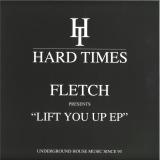
For his debut on Hard Times Records, Manchester's FLETCH delivers 'Lift Me Up’ - a four-track EP rooted in rolling grooves, warm musicality and a refined dancefloor energy.
The release follows a busy run for FLETCH, with releases on Circoloco, Three Six Zero, MVSON and ANOTR's No Art, where his Play House EP reached the top of the download charts. His connection with Hard Times began behind the decks at the label's sold-out Miami Winter Music Conference showcase, where a shared appreciation for the music soon developed into plans for a release.
"After playing for the Hard Times crew in Miami, I told them how I'd been a fan of the label for years and that i’d love to release something with them one day," says FLETCH. "I sent over some tracks that I felt were a natural fit and the guys signed them on the spot. The rest, as they say, is history!"
The title track sets the tone for the EP with rolling drums, elastic basslines and understated vocal hooks, while 'Stand Up’ leans into swung percussion and classic chord stabs. On the B-side, 'Touch Me' shifts into deeper territory with stripped-back, late-night groove, before '1000 Years' closes the EP with dusty scratches, crisp hats and an understated sense of drive.
Since its digital release, lead track "Lift You Up" has received strong support on BBC R1, plus heavy DJ support from the likes of TSHA, Hilit Kolet, Laurent Garnier, Jamie Jones, Groove Armada, Riva Starr, and more.
FLETCH's sound continues to evolve while remaining firmly rooted in the traditions of house, making 'Lift Me Up' the perfect debut on Hard Times.
out of Stock
Last delivered 11 days ago available to reorder, subject to availability
Die britische Singer-Songwriterin und Musikerin Martina Topley-Bird wurde durch ihre Zusammenarbeit mit
den Trip-Hop-Pionieren Tricky und Massive Attack in der Musikbranche bekannt. Besonders hervorzuheben
ist ihr gefühlvoller Gesang auf dem Track ”Teardrop” von Massive Attack aus deren Album ”Mezzanine”,
der zu seiner atmosphärischen Wirkung beiträgt. Auch auf Trickys Debütalbum ”Maxinquaye” (1995)
hat ihre eindringliche Stimme den unverwechselbaren Sound geprägt. Als sie 2003 zu einer Solokarriere
überging, erntete sie mit ihrem für den Mercury Award nominierten Debütalbum ”Quixotic”, das bei Independiente Records erschien, großen Beifall der Kritiker. 2004 erweiterte Topley-Bird ihre Zusammenarbeit
und lieh ihre Stimme den Gorillaz-Tracks ”All Alone” und ”Kids with Guns” von deren Debütalbum ”Demon
Days”. Seitdem hat sie weitere Alben veröffentlicht, darunter ”Anything” (2004), ”The Blue God” (2008)
und ”Some Place Simple” (2010).
Martina Topley-Birds von der Kritik hochgelobtes und für den Mercury Award nominiertes Debütalbum
”Quixotic” wird zum ersten Mal auf Vinyl veröffentlicht. Diese erweiterte Ausgabe enthält das Originalalbum sowie drei B-Seiten und einen unveröffentlichten alternativen Mix der ersten Single ”Sandpaper
Kisses”. Sie wird auf Doppel-Vinyl gepresst und in einem Gatefold-Sleeve verpackt sein.
out of Stock
Last delivered 25 days ago available to reorder, subject to availability
The late sixties and early seventies spectacle of Jamaican Deejays taking their live performances out of the dance halls and translating them into hit records, not only marked the beginning of forty years of dance hall driven music on the island but also provided the original inspiration and template for the global dominance of rap and hip hop.
The art of deejay was now rightly recognised and the toasters or talk over artists advanced from introductions and interjections to stringing complete sets of lyrics together and riding the rhythm for the entire length of the song.
Deejays including U Roy, I Roy, Dennis Alcapone, Big Joe ,Little Joe and Prince Jazzbo who built their reputations working live on sound systems,now went one step beyond and moved on to become recording deejays with entire catalogues of hit singles and albums to their credit.
Throughout the seventies a whole host of mic men followed in their wake including Dillinger,Dr.Alimando,Clint Eastwood and Jah Stitch.
Talking records were not new, but 'talk over' records were...the repercussions of this uniquely Jamaican phenomenon would go on to reverberate worldwide...
Recorded in a remote mountain cabin,'Liguna' gradually found its form. What began as an open ended collaboration between Tarjei Nygard and Are M. Foss unfolded through recording sessions, splitting firewood and changing seasons. Ideas arrived from many directions: a guitar phrase, a synthesizer line, a change in season, the mood of the forest itself. The result is nine tracks connected less by genre than by atmosphere and a shared sense of place. Debut album by Norwegian duo Liguna. Its members have previously released music on Full Pupp, Eskimo Recordings and ESP Institute.
out of Stock
Last delivered 25 days ago available to reorder, subject to availability
FJAAK returns to their own imprint with a new four track EP 'FJAAK015', showcasing the raw, analogue driven techno that has become synonymous with the Berlin duo. There are no unnecessary diversions, just carefully controlled changes in pressure and texture that allow the groove to do the work.
out of Stock
Last delivered 25 days ago available to reorder, subject to availability
Entre Nous is the debut album from Eden Aurelius. A beautifully poised collection for Short Span. A gorgeous showcase of her singular talent within a sparkling scene. Recorded in Brooklyn, NY, this is an innovative, and graceful body of music that feels truly contemporary.
This album felt important for us to have out in time for summer. Emerging out of the heat, a feeling brought alive with the sun. Music that evolves throughout seasons and carries a spectrum of emotional range.
Entre Nous is tight, but expansive. Its depth and complexity is languid but has gravitational pull. Like much of her work, this record feels so refreshing because its tracks are both sensory and illusory tones built in gossamer and transitory layers of satin. They have a remarkable sense of presence and pressure - floating rhythmically without sharp edges. There is guidance and gentle control that lead throughout the record.
The B side opens with “Ion” featuring Pontiac Streator. The song is formed out of a textural haze. A glistening, iridescent light appears, broken through fabric, projecting a blurred image onto the surface nearby. A hypnotic and evocative collaboration. The shared connection between the two artists’ command of rhythm and ambient language.
Mastered and cut by Mike Grinser at Manmade.
Art by Lucas Dupuy.
out of Stock
Last delivered 25 days ago available to reorder, subject to availability
Tsuyushi Hamada, a.k.a. Dayzero, has been producing and DJing for well over a decade, dropping deep heaters on labels including Livity Sound, ZamZam, and many more. We’re very happy to welcome him to the Tectonic family with this epic six-tracker, which sees Dayzero explore the deeper outer reaches of dubstep, techno - and the spaces he gravitates to in between.
‘Ego’ opens the EP at 134 BPM with a primal calling, conjuring spirits from the fire around a delicate but deliberate pitter-patter of interlocking drums and finely tuned delays. Moving up to 140 BPM for the rest of the EP, we’re skirting through the city lights with the techno-compatible energy of ‘Midnight Train’ and taking in old-school grime echoes with ‘Furious Dogs’.
Flip the vinyl here (if you have one!), and ‘Blur’ generates a light disorientation with its polyrhythmic melody. ‘Kingdom’ soundtracks a brooding sense of dread on a late-night drive, before we close with the title track, ‘Soaring’—a conga workout with a thousand-mile stare on it!
out of Stock
Last delivered 25 days ago available to reorder, subject to availability
Galaxy 2 Galaxy) on strings, and the return of STRIPPERTM (Sleeve) on the B side for some twisted bass work. Holding light and shade, and pushing out plenty of low end, this record has two cuts for different times of night…
The A side, "In Light," starts with a pulsing kick, bright chords, and shakers, with a string line that slowly builds towards a soaring conjunction with the massive bassline that drops underneath. Filled with bittersweet emotion, this collaboration represents a beacon of light, like the golden hour after sunrise.
On the B side, "In Darkness," gnarly bass textures come to the fore as a harbinger of the dark, turbulent night, dropping into a massive twisted groove. Shakers, tribal percussion, and pulsing sub-bass keep things in a tight rhythm, while Esteban’s strings arrive to guide us through the darkness to dawn.
out of Stock
Last delivered 25 days ago available to reorder, subject to availability
Pariter continues its acclaimed archive series with another essential London tech house reissue from the Strange Weather Studios catalogue. Produced by two of the scene's key figures, Timmy S and Justin Bailey, this release captures a defining moment in the evolution of the UK sound.
Originally released on Wiggle in 2001, the EP arrived during the golden era of Nathan Coles and Terry Francis's legendary Fabric residency, when Strange Weather was helping shape the future of London's underground tech house. More than twenty years on, these tracks have lost none of their impact.
Meticulously remastered from the original DAT masters, the EP features three deep, tripped-out, acid-tinged tech house cuts, now presented on heavyweight 180g vinyl for the first time. Gold.
out of Stock
Last delivered 26 days ago available to reorder, subject to availability
""Röntgen" is Ø's (aka Mika Vainio) subliminal, minimal techno classic, and was featured on the first Sähkö Recordings release in 1993. Spatial, silvery-sharp, and reduced yet frenetic, it's a blueprint of drum machine and synth work that helped redefine an era in techno. This special-edition 12" also features a full-side cut of a previously unreleased Ø track from 1995. The untitled B-side carries the same approach as the title track—minimal TR-808 and acidic synthesis—but in contrast to the hard-edged A-side, this track features a subtle, warm melody towards the end, a melodic approach also heard on later Ø productions. THIS 12" IS CUT WITH LOUD VOLUME FOR EXCELLENT CLUB USE!
out of Stock
Last delivered 26 days ago available to reorder, subject to availability
Gi Gi describes his process as “dubwise sampledelia.” It begins with fragments and ends somewhere else entirely, destabilizing its source material until it stops pointing backward. A borrowed sound, looped and bent, eventually forgets where it came from; it stops referencing anything but itself.
This liquid sensibility shaped his earlier work, music that hovered between drift and propulsion, suggesting the dance floor without fully stepping onto it. Presence was implied, edges stayed soft. The center was always there, but diffused like mist on a screen.
With In Lieu, that center comes into focus. Half written in Texas, half in Australia, the shift isn’t simply geographic, but internal. The record moves with a coiled, anticipatory energy; the drums arrive with more force and the bass organizes the room instead of melting into it. It's dense with the feeling of more bodies in the frame. Textures still smear and refract, but they move around a clearer axis.
Where past records circled their core, these inhabit it, pulling closer to the body. “Some Of” and “Arque” lean into low-end pressure without abandoning his instinct for drift. "Pink Dirt" circles around mechanical drums and dizzying vocal chops, head-down and visceral. Elsewhere, voices gain newfound contour, materializing in “Downswept” with intimate musings and nearly forming a lead vocal on the title track before dissolving again.
In Lieu moves with a newfound confidence, compressing inward, sounding closer to the source of its own pulse.
Deas joins the CROWD family with 'Silent Tension', a refined EP that channels the Polish producer's signature blend of hypnotic groove and hardware driven production. Known for his precise studio craftsmanship and deeply intuitive approach to groovy techno, Deas has steadily built a reputation as one of the standout figures of the contemporary Polish scene. Through years of releases and international touring, he has developed a sound that feels both timeless and unmistakably personal, as proven on the label's 12th record. Opening track 'I Won't Cry' immediately sets the tone with classy vocal sampling from Loleatta Holloway, warm chord progressions and rolling swung percussion anchored by Deas' characteristically rich bass. Following up, 'Waterfall' introduces bleepy modular sequences and chopped vocal fragments, with a sweeping drone synth cutting through the mix above the track's rolling bass. On the flip side, 'Silent Tension' continues deeper into minimal territory, combining crisp clap fills, subtle vocal chops and delayed chord repetitions into a slow burning groove. The vinyl's closing cut 'Where Do They Go' brings dense low end weight and fast dubby chord stabs, accompanied by sharply placed vocal cuts, creating a track that balances restraint and impact. The digital addition 'Here Again' is a classic Deas production, characterised by repetitive synth stabs that gradually transform the cut into a hypnotic hook, while stripped back percussion and a powerful kick give the track a commanding presence. Throughout CROWD012, Deas remains firmly focused on groove and subtlety, while retaining a strong impact. The tracks unfold patiently, with a focus on tension, repetition and gradual escalation, maintaining the hypnotic functionality that has become both Deas' trademark and a defining characteristic of the sound of the label founded by FJAAK and Ellie Acula. The 'Silent Tension' EP stands as a sophisticated and deeply effective club record that further cements Deas as one of the most distinctive voices in contemporary techno.
out of Stock
Last delivered 10 days ago available to reorder, subject to availability
The first HEREAFTER label release enters the universe with three deep, rolling cuts from DOTT and a pumped-up peak-time remix from JUAAN.
“1955 Revival” sets the tone with a killer groove, warm drone-filled textures and DOTT’s off-kilter character. “Grumpy Merlin” moves deeper into the murk, while “Drunken Tune” brings an infectious, eyes-closed groove to the B-side. JUAAN closes the EP by flipping the original into a tight peak-time driver built to ignite the dancefloor.
After seeing these tracks captivate the crowd at one of the UK’s best-loved festivals, we knew we had to share them with the world through the HEREAFTER label.
out of Stock
Last delivered 4 days ago available to reorder, subject to availability
Some recordings herald the future in ways that are impossible to see in real time. Teodros Makonnen With His Organ (ቴዎድሮስ መኮንን ከኦርጋኑ ጋር), by the artist Teodros Makonnen, also known as Teddy Mak, is one of those. Today, electronic sounds, synthesizers, and digital production are taken for granted in Ethiopian music, but in the early 1980s, they were novelties that polarized opinion. Even to this day, the story of Teodros Makonnen’s legacy has never been properly told. He played a decisive role in defining the sound of the digital era of Ethiopian music that emerged in the 1980s and beyond, both as a keyboard player and as a producer, songwriter, performer, and sound designer.
Ethiopian music was at a crossroads in the early 1980s. Much like music in the rest of the world, technology and automation heralded either a quantum leap in musical development or the annihilation of musicianship, depending on who you’d ask. The changes were incremental nonetheless, but with the benefit of hindsight one can clearly see that the changes meant different things in different contexts. Drum machines and electric organs came to replace many hotel bands because, all of a sudden, one musician could control drums, melody, and accompaniment. Teodros was one of the first musicians in Ethiopia to explore the possibilities this opened up.
Teodros’ father, Captain Makonnen Beri, was a chief pilot at Ethiopian Airlines and a music enthusiast at that. This would prove important to his development, as Makonnen brought back a piano from Germany, which would lead to the first steps in Teodros’ long musical career. Captain Makonnen’s work as Head of Flight Operations and as a pilot exposed him to the wider world that was far from commonplace for most Ethiopians. In a house where music captivated the whole family, the piano gave Teodros’ talent an outlet. Not only was a piano at home rare in Ethiopian households, his father also brought an Indian teacher to their home to teach Teodros and his brother, Captain Samuel Makonnen, music theory (solfeggio or ear training) and piano. Teodros and his youngest brother, the late great Dereje, a member of both the legendary Ibex Band and the Ethiopian reggae group Dallol, took up music from that point onward, with Teodros beginning to develop his proficiency at the age of eight. His father encouraged him to practice tirelessly at home, and Teodros later received musical schooling at the German School in Addis Ababa. His obvious talent led to studies and formal education at the Yared School of Music, followed by continued studies in American jazz at Northern Virginia Community College in Virginia. Teodros cut his teeth professionally in his mid-teens, not only as a keyboardist, but also as an arranger for the Wabi Shebelle and Dahlak bands in the 1970s. He mastered electronic sequencing early, rising to prominence through the midnight recording sessions held during the military curfew. The pressures imposed by the curfew required precise and disciplined recordings, and Teodros delivered just that. This, in turn, led to collaborations with iconic artists such as Mulatu Astatke, Aster Aweke, Menelik Wossenachew, Tilahun Gessesse, Mahmoud Ahmed, and Alemayehu Eshete. In those days, he sat in as a keyboardist with the Dahlak Band when Dawit Yifru took a hiatus to study in Russia, and also with the Ethiostar Band. He secured a residency at the Wabi Shebelle Hotel with the Shebele Band, together with Zelalem Tadese (drums), later succeeded by Elias Bekele, Mulugeta Hailu (bass), Teferi ‘Bibisha’ Mengesha (guitar), Kumelachew G/Selassie (trumpet), and Teshome Deneke (saxophone). A friendly competition developed between the bands associated with the Ras Hotel (the Ibex Band), Ghion Hotel (the Dahlak Band), and Wabi Shebelle Hotel (the Shebele Band). The music scene at Wabi Shebelle saw teenagers commanding the spotlight in an industry otherwise dominated by musicians of an older generation. At the Wabi Shebelle Hotel, Teodros met a diplomat from Saudi Arabia and later visited him at his home in Addis Ababa, a meeting that had unexpected musical consequences. The man owned a Yamaha double-deck keyboard. That evening, they recorded Teodros Makonnen With His Organ (ቴዎድሮስ መኮንን ከኦርጋኑ ጋር) in one take. This recording, a cornerstone in the early digital sound of Ethiopian music, came about almost by chance, simply because Teodros got the opportunity. Traditional Ethiopian songs were cast in a wholly electronic style. Once freed from backing duties, Teodros’ keyboards could explore dreamlike soundscapes that took Ethiopian music in new directions. Even though the cassette contained well-known Ethiopian songs, they were given highly original arrangements, performed on an electric organ with drum machine backing and rhythm patterns that left the listener with suggestive, lingering sounds. “Libesh Kabashen” (also known as “Anchi Bale Game”) and “Odu Gol Golesa” wrap you in the very stuff that dreams are made of. Originally released on cassette only, this recording exudes a mystique that surpasses even some of the most obscure Ethiopian recordings of the day. It remained more or less unknown outside of Ethiopia until now. Some of the tracks, like “Addis Fikir,” are permeated with an almost naive buoyancy, free-floating sounds that lost contact with the ground the moment they were conceived. Others, like “Meche New Hageren Yemayew” and “Lelitu Alnega Alegn,” carry a moodier, quirkier timbre, with pulsating rhythms in the background. Yet even the darker pieces contain an unmistakable wave, something essentially Ethiopian. If most recordings of Teodros’s contemporaries at the time were teeming with atmosphere, his songs seem instead at home in the stratosphere, almost ethereal. Some of the music here could be filed under “lullabies,” were it not for the recurring, almost brooding feeling that engulfs the listener on the aforementioned tracks. You could easily be forgiven for drifting into a blissful haze as the music washes over you.
Up to the advent of electronic music production, Ethiopia was totally dominated by big bands on the one hand, and small groups on the other. The former were tied to large institutions such as the military, the latter emerged from the entertainment industry, in hotel bars and nightclubs. These groups were commercially driven, and bands ultimately had to foster a mercenary approach to employment, albeit not to the passion for music. In the light of this, Teodros’ musical legacy can be seen in two ways. On the one hand, he is a key player in Ethiopian music from the 1970s onwards, leaving an indelible mark through hundreds of compositions and arrangements, including soundtracks for numerous documentary films and advertisements for different companies. On the other hand, the way he and others employed electronics brought Ethiopian music onto a fork in the road.
The replacement of traditional instruments with electronic equipment was seen as impending doom by some. Others, like Teodros, saw new avenues for performance, production, and creativity. Just as later producers like Abegasu Shiota of Admas, Teodros was a trailblazer who opened paths that it took Ethiopian music as a whole more than a decade to rush into. The hotel scene had already been pushed toward electronic music by financial necessity and cost-cutting. Today’s revived global interest in Ethiopian music from the seventies and eighties, alongside a broader resurgence, has changed the reasons for using digital means of music production. They have become tools for musical dreaming. This is where the dreaming began.