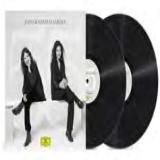
Fünfundfünfzig Jahre nach der Veröffentlichung ihrer ersten Aufnahme feiern Katia und Marielle Labèque
eine außergewöhnliche künstlerische Laufbahn mit „55“, einer wegweisenden 2LP, die neue Aufnahmen und
sorgfältig ausgewählte Archivschätze aus mehr als einem halben Jahrhundert vereint. Das Debütalbum der
Labèque-Schwestern, das 1970 unter der künstlerischen Leitung von Olivier Messiaen erschien, markierte
den Beginn einer der einzigartigsten Karrieren in der zeitgenössischen Musik.
Dieses Album bietet ein intimes Porträt zweier Künstlerinnen, die über Jahrzehnte hinweg konsequent die
Grenzen zwischen Klassik, zeitgenössischer Musik, Jazz, Minimalismus und populären Traditionen überschritten haben.
„55“ legt dabei einen besonderen Schwerpunkt auf Komponistinnen, deren Werke einen wichtigen Platz im
Repertoire von Katia und Marielle Labèque einnehmen. Über diese Komponistinnen sagen die Schwestern:
„Ihr scheinbares Schweigen war nur ein Schleier, den die Geschichte ihnen auferlegt hatte. Ihre Geschichten
– außergewöhnliche Lebenswege und mutige Schicksale – hallen heute mit beeindruckender Kraft nach.“
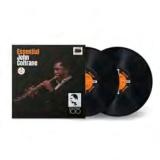
Wenn man nur eine Coltrane-LP haben kann, sollte es diese sein!
Wie fasst man das Werk von John Coltrane zusammen? Eigentlich gar nicht. Zu groß ist die Spannweite zwischen Ballade und Ekstase, zwischen Blues, harmonischer Forschung, modaler Freiheit und jener
spirituellen Suche, die insbesondere sein späteres Werk bestimmte. Coltranes Vermächtnis sprengt alle
Grenzen. Von seinen Anfängen in Philadelphia bis zu seinen ekstatischen Vorstößen in musikalisches Neuland erweiterte Coltrane die moderne Musik immer wieder um neue Dimensionen.
Auf dem Impulse!-Label finden sich seine aufregendsten Werke. „Essential John Coltrane“ versammelt
jetzt auf zwei LPs im Gatefold-Sleeve beispielhafte Aufnahmen aus einem an Sensationen reichen Katalog
und nimmt den Hörer mit auf eine Reise durch die Impulse!-Klassiker „John Coltrane and Johnny Hartman“ (1963), „Impressions“ (1963), „Crescent“ (1964), „Live at Birdland“ (1964), „Duke Ellington & John
Coltrane“ (1963) und natürlich „A Love Supreme“ (1965). Hochinteressante Linernotes steuert Marcus J.
Moore bei, Autor von Büchern über Kendrick Lamar und De La Soul
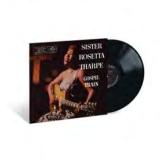
Wer wissen möchte, weshalb Sister Rosetta Tharpe (1915-1973) bis heute als die “Godmother of Rock and
Roll” und “Original Soul Sister” gefeiert wird, muss nur ihr bahnbrechendes Album “Gospel Train” aus dem
Jahr 1956 hören. Wie keine andere verstand sie es, die Intensität des Gospel mit bluesigen Phrasierungen
und rhythmischem Drive zu verbinden. Dadurch schuf sie die musikalischen Grundlagen, die den frühen
Rock ’n’ Roll und die spätere Popmusik prägen sollten. Bei den Aufnahmen für “Gospel Train” ließ sich
die E-Gitarristin mit der kraftvollen Stimme von einer Band mit Jazzmusikern wie dem Bassisten George
Duvivier und dem Schlagzeuger Panama Francis sowie dem Gospel-Vokalquartett The Harmonizing Four
begleiten. Das Repertoire, eine Mischung aus selbst komponierten Spirituals und Gospel-Standards, wird
von Sister Rosetta Tharpe mit der für sie typischen Leidenschaft und rhythmischen Vitalität vorgetragen.
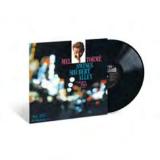
Die Shubert Alley ist eine Straße im Theaterviertel von Manhattan in New York City und gilt als Zentrum
der Broadway-Theater. Für sein Album “Swings Shubert Alley” griff der Sänger Mel Tormé 1960 natürlich auf das Repertoire der vielen bekannten Kompositionen zurück, die Cole Porter, Stephen Sondheim,
Leonard Bernstein, Harold Arlen und andere Koryphäen des Genres für Broadway-Aufführungen geschrieben
hatten. Obwohl er dabei auch einige etwas balladeskere Nummern interpretiert, ist die allgemeine Stimmung von ungezügelter Begeisterung geprägt. Dazu trägt nicht zuletzt das fulminant swingende, elfköpfige
Orchester des Pianisten und Spitzen-Arrangeurs Marty Paich bei, mit dem Tormé hier so meisterhaft um
die Wette eifert. Die agile Band, in der hochkarätige Solisten wie der Altsaxofonist Art Pepper und der
Posaunist Frank Rosolino spielen, wird von dem Bassisten Joe Mondragon und dem Schlagzeuger Mel Lewis
angetrieben.
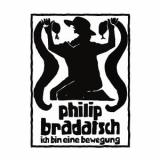
Mit Ich bin eine Bewegung legt Philip Bradatsch sein erstes neues Album nach einer Phase des kreativen Rückzugs vor und knüpft dabei an seinen Ruf als außergewöhnlicher Songwriter, Gitarrist und poetischer Erzähler an. Die Veröffentlichung erscheint bei Trikont als Vinyl-Only-Edition und präsentiert einen Künstler, der seine musikalische Sprache neu fokussiert hat. Zentrales stilistisches Element des Albums ist eine seltene Recording King-Gitarre aus dem Jahr 1936, deren charakteristischer Klang die Atmosphäre der Aufnahmen maßgeblich prägt. Zwischen Folk, Americana und deutschsprachiger Liedkunst entstehen intime, zeitlose Songs, die Themen wie Orientierung, gesellschaftliche Umbrüche und persönliche Erneuerung aufgreifen. Bradatsch zählt seit Jahren zu den markanten Stimmen der deutschen Independent- und Songwriter-Szene. Ich bin eine Bewegung unterstreicht seine künstlerische Relevanz und ergänzt das Trikont-Programm um ein hochwertiges Album mit nachhaltigem Publikumspotenzial.
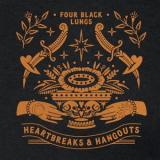
Seit 2019 schrauben FOUR BLACK LUNGS behutsam an ihrem Sound, feilen an Melodien und Songs, die sich sofort vertraut anfühlen, ohne jemals beliebig zu werden. Die vier neuen Stücke klingen wie der erste Kaffee am Morgen: warm, vertraut und voller Energie. Unter der eingängigen Oberfläche stecken jedoch Geschichten, die mit einer ordentlichen Portion Weltschmerz und Hoffnung erzählt werden. Midwestern Pop-Punk trifft auf Heartland Rock und große Melodien.
Neun Songs, gepresst auf 100 einseitig bespielte 12 Inches mit bedruckter B-Seite. New tricks by old pricks. Schnell, dreckig und verdammt eingängig - Gen-Y-Punk-Hymnen für Fans von Amphetaminen und all den großartigen Bands, deren Name mit "The" beginnt. Das namenlose Debüt ist der perfekte Einstieg in die Welt von Cheap Shots. Neun Songs voller Energie, rotziger Hooks und Melodien, die sich sofort im Kopf festsetzen. Die Band verbindet Punk, Garage und Power Pop zu einem Sound, der gleichermaßen vertraut wie eigenständig wirkt - als hätte man ihn schon einmal gehört, ohne genau sagen zu können, wann:
Born and raised in Kanagawa (Japan) Iu Takahashi is a sound artist based in Tokyo. She produces her own musical worldview mainly using synthesizers, ambient sounds, and voices.
Previously, Iu Takahashi pursued a career as a singer and since 2018, she has focused primarily on creating ambient music and provides her tracks to serve as background music for exhibitions or promotional videos.
Inspired by Japanese ambient music such as Hiroshi Yoshimura and Satoshi Ashikawa, Iu Takahashi creates some sounds works based on Japanese ambient music. As part of the "soundscape" concept, she always takes care to offer music that takes the listener’s thoughts and feelings into account, as well as music that resonates with the subconscious.
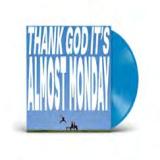
Das Indie-Pop-Trio almost monday aus San Diego – Dawson Daugherty (Gesang), Cole Clisby (Gitarre)
und Luke Fabry (Bass) – präsentiert mit „THANK GOD IT’S ALMOST MONDAY“ bereits sein zweites
Album.
Die 13 Songs verbinden die energiegeladene Leichtigkeit der Band mit einer neuen emotionalen Tiefe. Nach
intensiven Tourneen und persönlichen Höhen und Tiefen entstand ein Album über Freude, Verlust, Freundschaft, Nostalgie, Dankbarkeit und den Mut, seinen eigenen Weg zu gehen.
Musikalisch entwickelt die Band ihren Sound weiter und arbeitete dafür mit Simon Oscroft und Chase
Lawrence zusammen. Zu den Highlights zählen die Singles „leaving is easy“, „no more regrets“, „french
kids“ und „better late than never“. Die erste Single des neuen Albums „No More Regrets“ ist bereits im
Mai erschienen und hat auch in Deutschland schnell die Airplay Charts erobert.
Nach dem vorherigen #1-Hit „can’t slow down“, einer ausverkauften Welttournee und Auftritten bei Lollapalooza, BottleRock und Outside Lands knüpfen almost monday mit ihrem neuen Album an ihre bisherigen
Erfolge an.
DJ Support: Kerri Chandler, Chris Stussy, Archie Hamilton, Fabe, Groovesh, Vlad Caia, Andrey P Ush Krav, Thor, Masimillano Pagliara, Dubtil, Reboot, East End Dubs, IULY.B, Josh Wink
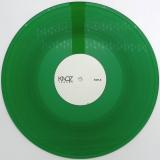
Now repressed on Limited Edition green vinyl.
Kerri Chandler’s Kaoz Theory welcomes Amsterdam’s Chris Stussy onto its roster with the ‘A Glimmer Of Hope’ EP.
Amsterdam based producer and DJ Chris Stussy has become one of the most eminent figures in the contemporary house scene of the Netherlands and across the globe over the past five years, racking up releases on the likes of Eastenderz, Moscow, PIV, Contstant Sound and most recently his own Up The Stuss imprint. Here though he delivers his new four-tracker for Kaoz Theory.
Leading the release is ‘Central Frenzy’, laid out across six and a half minutes with skippy percussion, a snaking bass groove, intricate synth sequences and sweeping vocal chants. ‘Riva De Biasio’ follows and tips the focus over to airy atmospherics a jazz-tinged bass groove and squelchy acid licks atop swinging drums.
‘Deviant Shadow’ opens the flip-side and merges an amalgamation of expansive dub chords and bouncy sub bass tones with a robust 4/4 rhythm. Lastly to round things out is title-cut ‘A Glimmer Of Hope’, wrapping up the release on a deeper tip courtesy of ethereal pad swells, metallic synth licks and shuffled drums.
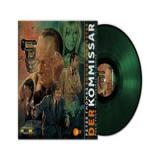
Zum 100. Geburtstag des legendären Komponisten Peter Thomas erscheint mit DER KOMMISSAR eine außergewöhnliche Sammlung seiner Musik für die gleichnamige ZDF-Kultserie (1969-1976) - jetzt auf exklusivem grünem Vinyl. Die stilprägende Serie gilt als Meilenstein der deutschen Fernsehgeschichte und überzeugt bis heute durch ihre atmosphärische Dichte und musikalische Vielfalt. Thomas verbindet klassische Filmmusik mit Beat, Soul und avantgardistischen Klangexperimenten zu einem einzigartigen Soundtrack. Neben bekannten Themes enthält die Veröffentlichung zahlreiche erstmals verfügbare Aufnahmen, darunter der Hit "Du lebst in deiner Welt". Ein faszinierendes Zeitdokument zwischen Krimi, Popkultur und musikalischer Innovation - ein Must-have für Sammler und Soundtrack-Liebhaber.
Die Debüt-EP mit vier Songs des bayerischen Quartetts Morgan Pines, besetzt mit (ehemaligen) Mitgliedern von Point Baker, Irish Handcuffs und Worst Advice. Musikalisch bewegt sich die Band irgendwo zwischen Indie, Heartland-Rock, Country und Punk - mit eingängigen Melodien, warmen Harmonien und genau der richtigen Portion Melancholie. Wer Bands wie Limbeck, Chamberlain oder Racquet Club schätzt, sollte hier unbedingt reinhören.
Deaf Star is a shoegaze / noise-pop / electronic project founded in San Francisco and now based in Barcelona, Spain. Rooted in melancholy-driven personal songwriting, the project drags those intimate impulses through blown-out textures, crude production, bass-heavy electronics, and walls of distortion, arriving at a sound that feels both fragile and annihilating.
Drawing from the jet-engine narcotic haze of Astrobrite, damaged intimacy of Sebadoh, nocturnal drift of Bowery Electric, dubwise productions of Andy Stott and The Bug, Deaf Star occupies a space where beauty is constantly on the verge of collapse, where “the nightmares were rehearsals”.
The album was mastered by Simon Scott (Slowdive) and features a collaboration with Dania.
All music by Ivan Zoloto, except 4 (with Dania Shihab). Voice message on 8 by Danielle Lefczik. Recorded and mixed in San Francisco, Belmont, and Barcelona. Mastered by Simon Scott. Photography by Nina Rathbone.
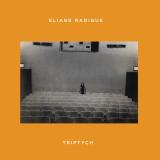
The final collaboration between Eliane Radigue and Important Records is this double LP edition of Triptych. Radigue insisted that her music only be released on vinyl if the pieces would fit without being edited or cut. Triptych met those requirements leaving room for an etching on the 4th side.
Back to music after three years of silence... On the suggestion of Robert Ashley, Douglas Dunn commissioned Triptych from Eliane Radigue for choreography. Only the first part of Triptych was staged at the premiere at the Dancehall/Theatre of Nancy on February 27 1978. Recorded in the composer's studio in Paris.
After the 1974 premiere of Adnos in San Francisco, a group of French students introduced Eliane Radigue to Tibetan Buddhism. When she returned to Paris, she†began to explore this spirituality in depth, which slowed her musical production up until 1978. Triptych marks her return to composition, and draws its inspiration from "the spirit of the fundamental elements, water, air, fire, earth" Eliane Radigue likes to add that this has often been useful to her in her moments of research and transitions.
This three-part composition, with its great humility and contemplative simplicity, heralded a new period of her work and was the first in a series of masterpieces inspired by Tibetan Buddhism: Adnos Trilogy (1980), Songs of Milarepa (1983) - with the voices of Lama Kunga Rinpoche and Robert Ashley , "Jetsun Mila"(1986), as well as the Trilogy of Death: Kyema (1988), Kailasha†(1991) and Koume†(1993).
Time Heals Everything is the fifth studio album from Blu and Exile, a duo that first connected in 2007 and has spent nearly two decades refining a chemistry that continues to evolve. The ten-track LP follows 2024’s Love (the) Ominous World and leans deeper into their core strengths: soul-forward production, incisive writing, and left-field choices that feel instinctive rather than experimental.
The album opens with “Soul Unusual,” a mission statement that builds on the lineage of “Soul Provider” and “Soul Amazing,” reframed through Blu’s present-day perspective. “The word special comes to mind,” Blu explains. “This is my perspective of those songs now.” Exile adds that the record went through multiple iterations before landing in its final form. “Once I changed the beat, it really came together for me, and his words hit differently,” he says, setting the tone for a project rooted in refinement and intention.
“Crumbs” pairs Blu with Rome Streetz and ICECOLDBISHOP on a golden era-inspired backdrop, taking aim at the ‘crumbs’ people are expected to accept from corrupt systems of power. The track underscores one of the album’s central themes: clarity through experience, and the perspective that comes with time.
Time Heals Everything finds Blu and Exile honoring their foundation while continuing to push forward, proving once again that soul and risk-taking can coexist without compromise. “We took a different approach with the direction while still staying true to the culture our music has built with our fan base,” Blu says. In 2026, that culture remains alive, evolving, and resonant as ever.
Released in 1971, Maggot Brain stands as the towering masterpiece in Funkadelic’s groundbreaking catalog. Initially misunderstood upon release, the album is now widely regarded as one of the most influential records of all time. Anchored by Eddie Hazel’s otherworldly guitar performance on the legendary title track and featuring enduring favorites like “Can You Get To That,” Maggot Brain redefined the possibilities of funk, rock, and psychedelic music.
For this definitive 2026 reissue, the album was mastered directly from analog tape, preserving the raw power, depth, and atmosphere of the original recordings with extraordinary detail. A longtime holy grail for collectors, Maggot Brain receives the fully analog treatment it has long deserved.
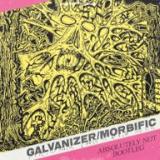
The Galvanizer/Morbific Split, once trapped in cassette‑only form, erupts again in a remastered version with a blast of rancid Finnish death metal for the first time on CD!
Two of the filthiest underground abominations collide in a whirlwind of chainsaw riffs and grave‑stench vocals and if you missed it the first time on cassette, this is your chance to seize a slab of pure decay before it sinks back into the crypt!
After having paid all their dues in the underground with tapes and eps like we were used back in the 90s, Galvanizer have quickly become one of the most promising underground acts around, their old school approach perfectly combines with their youthful energy and their sound will perfectly please both fans of old school finnish death metal and more modern death-grind approaches.
After "Sanguine Vigil" and "Prying Sight Of Imperception" the band is now ready to embark on a European tour with Malformed and finally launch the third, long awaited, third full length album!
---
Morbific is a death‑metal trio from Kitee, Finland, formed in 2020 by brothers Onni and Olli together with Jusa. They play a rotted, old‑school style steeped in horror, filth and Finnish morbidity, drawing on the spirit of early Autopsy and Undergang. Their debut demo and first album "Ominous Seep of Putridity" quickly pushed them to the forefront of Finland’s new wave of grave‑soaked death metal, followed by "Squirm Beyond the Mortal Realm" and several splits that cemented their reputation for raw, putrid heaviness.
For fans of Xysma, Autopsy, Machetazo, Undergang.
2020 album from Colorado’s freewheelin’ melodist Josephine Foster. Revolving between her adopted Spain and her native American West, Josephine was stationed this spring in Nashville with maverick guitarist and comrade-in-arms Matthew Schneider. The result: ‘No Harm Done’, a spacious and enveloping love letter of an album. Eight new slow-burning songs branch forth from idiosyncratic country folk blues, sung with sibylline wit and a hint of the absurd, awash in sensually anachronic lyricism. “The Wheel of Fortune”, nearly a title track by virtue of its refrain: 'No harm will come/if there's no harm done', are words of a homebound wanderer finding refuge in healing stillness with her beloved, having 'time to kill' in the midst of 'hard times to feel at home'. All delivered with calm sagacity upon the pedestal of Mr. Schneider's pedal steel and underscored by a knowing trebled chorus in Foster's lower register. Going nowhere never felt like so righteous of a destination before. Devotion in all its permutations, spiritual to carnal, are seamlessly explored. In 'Conjugal Bliss', overtones of the 12-string and autoharp gently interplay, sounding like some unearthed Carter family wedding hymn (it bears the subversive subtitle '69' ) while 'How come, Honeycomb?' bounces low in the hips like a sultry old music hall number à la Harry Nilsson. The obliquely sapphic 'Leonine', it's unquiet harp scaling right out of ancient Lesbos, dreams of a kingless land; in 'Sure Am Devilish', a stargazer humbly confesses to a lowercase lord. 'Old Saw', the mesmeric album closer, is a medium's petition to cross the threshold and merge with the holy spirit. Josephine's enigmatic voice captured once more by frequent co-producer Andrija Tokic in his analog Bomb Shelter studio, where layers of her guitar, piano, organ entwine with Schneider's 12-string, pedal steel and electric bass to rouse a spectral yet full blooded band. The ensuing cycle of songs pulse and glow within the ruins and deep fundamental roots of American song. “Remarkable, ghostly music” The Guardian.
Brighton’s Moon Attendant team up with Go! Team's leader and drummer Ian Parton for new LP ‘Dum Evol’. Following their debut ‘One Last Summer’ with this incendiary, heart-pounding, drum-led masterwork full of untutored surf-guitar, Scarlet Rivera style fiddle, psychedelic orchestration and sharp-playful lyrics, all within just over 30 thrilling minutes.Since their debut, Paul Blewett and Nick Holton had been knee-deep in experimental music and needed something or someone to smash the shit out of the new songs. Instead of making heavier music, the result left lofty but wobbly structures teetering on fractured Giacometti-like frames, exposed, more arresting. Paring back the Musical palette from previous wash of synths and reverb to surf guitars, Moog, and violin, leaving Blewett's vocal (often compared to Colin Bunstone) leaning into an unvarnished, direct sound like Jimmy Campbell. Thematically, Dum Evol turns inward. Where their debut asked questions, this record sits with the answers, exploring love, conflict, and growth as experiences that must be lived first hand - “It’s such dumb evolution, you still have to learn the hard way”. Their lyrics get under the skin and under The Establishment in a wistful worm like way. Nudging at the truths. Smiling but always ready to bare some fangs.The fantastic instinctive violinist, Roger Proctor, joined as fourth member, bringing raw fragile beauty to ‘Look The Other Way’ & ‘Difficult Ifficult’, blending swooping string lines with the monster-surfing-Sonic Youth racket elsewhere. They explain - “We kept to a first take policy generally as it keeps everything just fresh and daisy like.” Dum Evol’s restraint allows the band’s more experimental instincts to land with greater weight. Musically, the record occupies a space somewhere between the slacker-rock nonchalance of Pavement and the gypsy swagger of Dylan - 'Desire' through a lens that is consciously, almost defiantly, English. It’s a sound that channels the 60's pastoral folk tradition alongside the sharp-edge of The Auteurs, an honest version of England, one to be proud of, existing in stark contrast to the hollow jingoistic nationalism of flag-shaggers climbing lamp posts. Jagged, lived-in, and entirely vital, Dum Evol is a record that feels fully realised, yet remains dangerously built to unravel in a hair's breadth.“Psychelelic grungy synth-pop - Moon Attendant marry analogue electronics to a lovely burbling pop sound, like Felt exploring the recesses of krautrock. Trippy, ramshackle and a cult in waiting.” Shindig!
Brighton’s Moon Attendant team up with Go! Team's leader and drummer Ian Parton for new LP ‘Dum Evol’. Following their debut ‘One Last Summer’ with this incendiary, heart-pounding, drum-led masterwork full of untutored surf-guitar, Scarlet Rivera style fiddle, psychedelic orchestration and sharp-playful lyrics, all within just over 30 thrilling minutes.Since their debut, Paul Blewett and Nick Holton had been knee-deep in experimental music and needed something or someone to smash the shit out of the new songs. Instead of making heavier music, the result left lofty but wobbly structures teetering on fractured Giacometti-like frames, exposed, more arresting. Paring back the Musical palette from previous wash of synths and reverb to surf guitars, Moog, and violin, leaving Blewett's vocal (often compared to Colin Bunstone) leaning into an unvarnished, direct sound like Jimmy Campbell. Thematically, Dum Evol turns inward. Where their debut asked questions, this record sits with the answers, exploring love, conflict, and growth as experiences that must be lived first hand - “It’s such dumb evolution, you still have to learn the hard way”. Their lyrics get under the skin and under The Establishment in a wistful worm like way. Nudging at the truths. Smiling but always ready to bare some fangs.The fantastic instinctive violinist, Roger Proctor, joined as fourth member, bringing raw fragile beauty to ‘Look The Other Way’ & ‘Difficult Ifficult’, blending swooping string lines with the monster-surfing-Sonic Youth racket elsewhere. They explain - “We kept to a first take policy generally as it keeps everything just fresh and daisy like.” Dum Evol’s restraint allows the band’s more experimental instincts to land with greater weight. Musically, the record occupies a space somewhere between the slacker-rock nonchalance of Pavement and the gypsy swagger of Dylan - 'Desire' through a lens that is consciously, almost defiantly, English. It’s a sound that channels the 60's pastoral folk tradition alongside the sharp-edge of The Auteurs, an honest version of England, one to be proud of, existing in stark contrast to the hollow jingoistic nationalism of flag-shaggers climbing lamp posts. Jagged, lived-in, and entirely vital, Dum Evol is a record that feels fully realised, yet remains dangerously built to unravel in a hair's breadth.“Psychelelic grungy synth-pop - Moon Attendant marry analogue electronics to a lovely burbling pop sound, like Felt exploring the recesses of krautrock. Trippy, ramshackle and a cult in waiting.” Shindig!
Features Rasco, L da Headtoucha, Edo. G, Esoteric, Pace Won, Young Zee, Danja Mowf, Lonnie B, J-Live, Shabaam Sahdeeq, Lucky Dice, Ripshop and more, plus the first production from Statik Selektah and beats by Soul Searchers, Eddie Bones of Skitzofreniks, Ray Fernandes & Fakts-1.
Along Came the Chosen dropped in 2001 and was the first solo album from Reks, and the first album by a solo artist released on Boston-based Brick Records, which celebrates its 30th anniversary in 2026 too. Its release was a defining building block in the long and storied history of Boston independent hip-hop, and this album set the bar for what was expected from MCs and Beatmakers on the Beatown rap scene and beyond.
Brick Records and Reks are proud to celebrate its 25th anniversary with this deluxe double-vinyl pressing. "Along Came the Chosen reaching its 25 year anniversary, being the piece of art that established my hip hop career, is something monumental to celebrate. The fact that individuals still reach out to me to express how they grew with this album means so much to me. There were so many voices in my ear telling me that being a successful artist in this game required bending to popular trends and styles. This album allowed me to establish my own voice and identity, and I am thankful for Soul Searchers (Magoo and Rockwell) for being the foundational sound bed, Shay Boogs for being my first manager, and Brick Records for being the label that believed in me. I am happy to say we have put out some incredible art together. This album boasts the first-ever Statik Selektah beat placement too! We have come a long way. Here’s to 25 more!" REKS.
Seit ihrem Durchbruch im Jahr 2016 gehört Åsa Söderqvists ShitKid zu den interessantesten Acts überhaupt, die immer wieder Erwartungen unterlaufen und Konventionen brechen. Nachdem sie das Projekt 2020 abrupt beendet hatte und komplett aus der Musikszene verschwunden war, kehrt ShitKid nun mit Compilations und einem Live-Comeback im Jahr 2026 zurück, bei dem sie um die ganze Welt tourt. ,The Essential (Vol. 2)" versammelt Tracks aus der ruhigeren und experimentelleren Seite von ShitKid und knüpft damit an das rauere, rocklastige ,Vol. 1" an. ,The Essential (Vol. 2)" erscheint, während ShitKid im Herbst durch Großbritannien, Europa, Japan und Kanada touren wird - nach einer ersten Tour im Frühjahr mit ausverkauften Konzerten in London, Berlin, Paris und Stockholm.Die Veröffentlichung erfolgte parallel zu den Tourterminen in Großbritannien und der EU im September; das Live-Comeback, das mit ausverkauften Konzerten in London begann, führte später im Jahr weiter durch Kanada, Japan und Skandinavien. Im Laufe der Jahre hat ShitKid Unterstützung von Medien wie The FADER, NME, DIY, The Line of Best Fit, KEXP und NPR erhalten.
If you’re as obsessed with unfairly unheralded bands as we are, bringing out a proper, well-deserved official re-release to change that course is always an honor. Case in point, Jackpot Records proudly announce GANDALF’s 1969 self-titled release as one of our proudest moments. Working alongside band member Peter Sando from the original master tapes, it is time for the rest of the uninitiated to catch up with this beautifully crafted haunting psych-pop record (fans of THE LEFT BANKE, KALEIDOSCOPE, THE MILLENNIUM, and THE ZOMBIES, take note!). Recorded at Century Sound in Manhattan with Grammy-winning producer Brooks Arthur (who engineered Neil Diamond’s “Sweet Caroline” and Van Morrison’s “Brown Eyed Girl”), the production of the album was created on the spot in the studio with arrangements being thrown about and the incredibly haunted vocals being recorded directly from the band’s PA using a Binson Echorec to make this innovative sound (Pink Floyd later used the same echo unit to great effect). Add to that sitars, vibes, B3 organs, harpsichord, minor tragic guitar chords, and bass drones aplenty, and you’ve got the recipe for an album that bears listening to with eyes closed, music cranked, mind open. So get in on the beauty of this record, and as Sando says on the liner notes: “Put the needle in the groove, sit back, and take the trip with GANDALF.” Enough said.
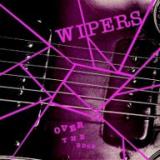
The bleak, hard-driven third LP by the Wipers (originally released in 1983) offers Greg Sage at his most chased and breathless, lashing out with sharp staccato notes as if melody were his only defense. The 3rd LP from the PDX punks finds them tightening up their sound to create what is arguably the Wipers' definitive album statement. Kurt Cobain listed it in his top 50 albums of all time. A distant cousin of the preceding Youth of America but undoubtedly no less excellent and no less venomous, Over the Edge is a return to the easily digestible song lengths of Is This Real?; however, it all but leaves that debut in its wake. On the strength of some brave/smart radio stations that decided to play this album's "Romeo" (a propulsive horn-flecked slammer in the vein of "Youth of America"), Wipers solidified their status as a certifiable force in the American underground of the early '80s. Songs like "Messenger" and "What Is" show Greg Sage's increasing skill as a pop songwriter. Despite the fusion of punk and pop, the record hardly mirrors the bands that would later be called punk-pop. In fact, this collision of the two elements makes what followed decades later seem twee.
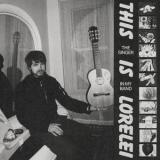
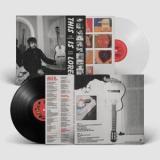
In den vergangenen Jahren hat Nate Amos einen bemerkenswerten Aufstieg erlebt. Ob als Solokünstler unter dem Namen This Is Lorelei oder mit seiner Band Water From Your Eyes - aus gefeierten Veröffentlichungen wurden ausverkaufte Tourneen rund um den Globus, während seine Songs von einigen der einflussreichsten Künstler der Gegenwart neu interpretiert wurden. Mit The Singer in My Band, seinem ersten Album für das renommierte Label Matador Records, legt Amos nun ein Werk vor, das seinen Status als eine der spannendsten Stimmen der modernen Indie-Musik untermauert. Das Album greift die Tradition des Great American Songbook auf und übersetzt deren grundlegende Stärken (starke Melodien, prägnante Texte und zeitlose Songstrukturen) in eine moderne, eigenwillige Klangsprache. Entstanden während ausgedehnter Tourneen, ist The Singer in My Band zugleich das erste echte "Road Album" in Amos" Diskografie. Viele Ideen entwickelten sich unterwegs, fernab von Instrumenten und Studios, geprägt von den Eindrücken des ständigen Reisens. Die Vorabsingle "Billy Came Back" verkörpert diesen kreativen Ansatz beispielhaft. Der Song begleitete Amos über Monate hinweg, verschwand immer wieder aus seinem Bewusstsein und kehrte dennoch ständig zurück, bis er schließlich vollendet wurde. Wie viele Stücke des Albums verbindet er eingängige Melodien mit einer erzählerischen Offenheit, die Raum für eigene Interpretationen lässt. Bevölkert wird das Album von Figuren wie Billy, Joey, Genevieve, Sarah und Buddy, die durch ein Panorama amerikanischer Schauplätze wandern. Ihre Geschichten bewegen sich zwischen Realität und Fiktion und spiegeln die flüchtigen, oft widersprüchlichen Erfahrungen des Unterwegsseins wider. Musikalisch setzt Amos auf Reduktion und die Stärke klassischer Songkunst. Der Einfluss seiner lebenslangen Verbundenheit zur Bluegrass-Musik zeigt sich weniger im Klang als in den kompositorischen Prinzipien: Ein Song muss durch Melodie, Text und Harmonie überzeugen. Mit The Singer in My Band gelingt Amos ein Album, das Tradition und Gegenwart verbindet und seinen wachsenden Einfluss innerhalb der internationalen Indie- und Songwriter-Szene eindrucksvoll bestätigt.
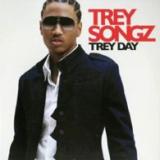
Trey Songz released Trey Day, the follow-up to his debut album I Gotta Make It, on October 2, 2007, via Atlantic Records. Almost 20 years later, the album is being issued on vinyl for the first time. Hailing from Petersburg, VA, Trey Songz launched his career after graduating from high school, went on to record eight studio albums, sell over 32 million albums worldwide, and began acting in movies and TV shows in 2008. Troy Taylor, along with a team of producers, released four singles from the album, including the Grammy-nominated "Can't Help But Wait." Featuring an intro by Bun B, the album's production was more influenced by Hip-Hop, a departure from his debut, which was more akin to modern-day soul and featured an intro by Aretha Franklin. Get On Down, in partnership with Rhino and Atlantic Records, has issued the album on tinsel-town-colored vinyl, limited to 1,000 copies.
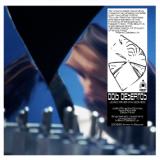
Recorded in Los Angeles over the course of a single day at a studio in the Eagle Rock neighborhood, Dois Desertos was produced by Mario Caldato Jr. and emerged without a predetermined plan or schedule. The project took shape during Portuguese musician João Pimenta Gomes' stay in Los Angeles with his family. During that time, through Rodrigo Amarante, João met Mario and Samantha Caldato, as well as musicians Abe Rounds (drums and percussion) and Gabe Noel (bass and cello). From those encounters, the album began to unfold organically.
Working from simple scores—some containing little more than chord progressions—the sessions left plenty of room for improvisation. Every performance was captured live, in a single take, with no overdubs. The mixing process, also carried out live by Mario Caldato Jr., followed the same philosophy: effects and level adjustments were performed in real time and printed directly to the final two-track master.
At the heart of the album's sound is the Cristal Baschet, a rare instrument played by rubbing glass rods with the hands, causing metal resonators to vibrate and produce an ethereal, resonant tone. João describes its sound as "a trace, almost like a shadow." Rather than taking the lead, the instrument serves as a textural foundation, while the bass and cello carry the melodic lines. Some of these melodies are original compositions, while others draw from traditional Portuguese fado, reimagined through an open and exploratory approach.
The album has a dreamlike atmosphere, reflecting the perspective of someone experiencing Los Angeles from the outside—not in a rush to belong, but fully receptive to the city's unique energy. Two films helped shape this imaginary landscape: Model Shop (Jacques Demy, 1969), in which the French filmmaker uses Los Angeles as a pretext to simply observe and inhabit the city, and Thom Andersen's Los Angeles Plays Itself. The result is Dois Desertos, an album that, in João's own words, "could never have been made anywhere else."
With Dois Desertos, João Pimenta Gomes invites listeners into a deeply immersive experience, revealing a more exploratory side of his artistic practice while reinforcing Amor in Sound's commitment to releasing original works that engage with the many languages of contemporary music.
In den vergangenen Jahren hat Nate Amos einen bemerkenswerten Aufstieg erlebt. Ob als Solokünstler unter dem Namen This Is Lorelei oder mit seiner Band Water From Your Eyes - aus gefeierten Veröffentlichungen wurden ausverkaufte Tourneen rund um den Globus, während seine Songs von einigen der einflussreichsten Künstler der Gegenwart neu interpretiert wurden. Mit The Singer in My Band, seinem ersten Album für das renommierte Label Matador Records, legt Amos nun ein Werk vor, das seinen Status als eine der spannendsten Stimmen der modernen Indie-Musik untermauert. Das Album greift die Tradition des Great American Songbook auf und übersetzt deren grundlegende Stärken (starke Melodien, prägnante Texte und zeitlose Songstrukturen) in eine moderne, eigenwillige Klangsprache. Entstanden während ausgedehnter Tourneen, ist The Singer in My Band zugleich das erste echte "Road Album" in Amos" Diskografie. Viele Ideen entwickelten sich unterwegs, fernab von Instrumenten und Studios, geprägt von den Eindrücken des ständigen Reisens. Die Vorabsingle "Billy Came Back" verkörpert diesen kreativen Ansatz beispielhaft. Der Song begleitete Amos über Monate hinweg, verschwand immer wieder aus seinem Bewusstsein und kehrte dennoch ständig zurück, bis er schließlich vollendet wurde. Wie viele Stücke des Albums verbindet er eingängige Melodien mit einer erzählerischen Offenheit, die Raum für eigene Interpretationen lässt. Bevölkert wird das Album von Figuren wie Billy, Joey, Genevieve, Sarah und Buddy, die durch ein Panorama amerikanischer Schauplätze wandern. Ihre Geschichten bewegen sich zwischen Realität und Fiktion und spiegeln die flüchtigen, oft widersprüchlichen Erfahrungen des Unterwegsseins wider. Musikalisch setzt Amos auf Reduktion und die Stärke klassischer Songkunst. Der Einfluss seiner lebenslangen Verbundenheit zur Bluegrass-Musik zeigt sich weniger im Klang als in den kompositorischen Prinzipien: Ein Song muss durch Melodie, Text und Harmonie überzeugen. Mit The Singer in My Band gelingt Amos ein Album, das Tradition und Gegenwart verbindet und seinen wachsenden Einfluss innerhalb der internationalen Indie- und Songwriter-Szene eindrucksvoll bestätigt.
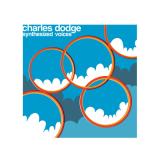
The compositions recorded here are a product of work with computers in synthetic speech, song and vocal sounds and were created between 1972 and 1975. The music was realized on two different computer music systems and takes advantage of, and attempts to extend and explore their features. The system employed to realize speech songs was created at the Bell Telephone Laboratories for research in synthetic speech and speech communication. Since the system was not designed for musical purposes, its limitations were severe and its musical use a great (and often rewarding) challenge. The system used for In Celebration and The Story of Our Lives was designed with the expressed purpose of creating synthetic musical voices, and was therefore much better suited to the task at hand. As with any high technology project, there was extensive collaboration in the production of the works.
The works on this disk are called computer music because the sounds were created numerically in a computer before reaching magnetic tape and loudspeakers. The computer did not compose the music. However, it was only used as a sound synthesis and analysis medium. In order to hear the sounds which are represented in the computer as successions of numbers it was necessary to attach a digital-to-analogue converter to the computer. The converter transformed the succession of numbers into a fluctuating voltage which was recorded directly on to audio tape.
The technique used to create the synthetic voices is called speech synthesis-by-analysis. For this method of speech synthesis, only those words, phrases and sentences which have been spoken into the computer previously (via an analogue-to-digital converter) may be synthesized. First the digitally-recorded speech is analyzed by programs which extract the attributes (parameters) of the speech for short time segments (.01 sec.). From these parameters the speech may be recreated in a form which resembles the original recording very closely. But for musical purposes the parameters are most often altered before synthesis. It is possible, for example, to change the natural pitch contour of the speech into a melodic line or to change the speech speed without altering the natural pitch level.
The variety of musical patterns which may be created from the analytic parameters is limited only by the composer's imagination. Most of the speech sounds on the recording were created by changing the pitch and duration attributes of the original on resynthesis, but for a few, the resonances (the formants) of the speech were altered as well. The voice of the book in The Story of Our Lives was created by replacing the program which simulates the sound of the human vocal cords with one consisting of 64 sine tones glissandoing at different rates. All the textures in which more than one voice is heard were obtained by mixing the synthetic voices together digitally.
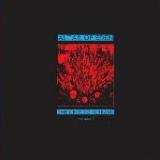
They live! If this summer’s endless bout of heatwaves seems an odd setting for a new Altar Of Eden record, maybe we should consider that the fast-accelerating destruction of life on Earth is an appropriate setting for more deathrock. The eagle-eyed among you might recognise guitarist Ben Redman from recent lineups of symphonic noiseniks …And You Will Know Us By The Trail Of Dead, while vocalist Albert Efraim has been making a thrillingly unholy racket with Texan hardcore faves like the Creamers and Nosferatu - and they both played together in gothed-out sensations Altar Duata before that band’s untimely demise. Altar Of Eden have thus far produced two mighty LPs of smartly chilling post-punk for Drunken Sailor - 2020’s wondrous The Grotto Screams and 2022’s superb follow-up Chimeras - but now they return with a sequel to their debut: The Grotto Screams II.
In keeping with their previous offerings, it’s superb. Redman’s guitar is brittle and minimal, but lurches into eardrum-lacerating strafes of deafening, brutal noise without warning, while Jake Cloud brings driving, pulsating basslines to the fore, dripping with the influence of Killing Joke’s Youth as they hold it all together somehow. Efraim intones his lyrics solemnly over the top, drenched in reverb and tucked deep into the mix; as much a texture as a means of delivering hooks. He’s cited the poetry of Jean-Pierre Duprey and Rene Daumal as influences in the past, and tracks like The Erasure and Light And Shade certainly contain their own suffocating sense of surrealism and obfuscated reality. It all builds to the epic finale of closing track The Moon, which handles their signature tricks in moodily grandiose fashion - a bleakly compelling version of post-punk that sears and soars even as it chills the heart. Arguably Duprey’s most famous line goes, “I shouldn't have got stuck in this galaxy,” and as humanity brings about its own destruction, it’s worth suggesting that this applies to us all. But at least Altar Of Eden bring a hell of a soundtrack while we all burn.
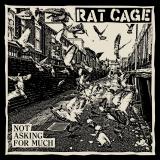
It feels like a lifetime ago that the first Rat Cage demo tape was spat into the Hardcore Punk underground. Maybe that’s because for the past 10 years Bry Suddaby has been relentlessly chucking out a slew of pummelling records, arming many Punks worldwide with a soundtrack to survival in the modern age of death and destruction.
Fourteen bloody releases later, the third RAT CAGE LP comes crashing in as the state of global horror reaches a grave pinnacle. In true RAT CAGE fashion, the drums relentlessly hammer away under rollercoaster riffs, while Bry’s viciously cynical bark spills the trials and tribulations of trying to get by in 2026.
For the uninitiated, RAT CAGE pulls influence from 80’s Northern European Punk like MISSBRUKARNA or APPENDIX, contemporary Swedish sweet spot Hardcore like HERÄTYS or FYFAN, ripping USHC ala POISON IDEA or OUT COLD, while naturally adding a classic British injection of GBH or THE VARUKERS.
As always, there’s the constant apprehension that you never quite know what’s around the next bend, and with ‘Not Asking for Much’ Bry has cast the net even further. There’s moments that get as heavy as BASTARD, as melodic as the UK SUBS, and even a title track that gets as rocking as the PINK FAIRIES. All amounting to a distinctive and characterful sound that’s unmistakably RAT CAGE.
With little to be hopeful about as we all suffocate within the authoritarian nightmare, this LP could once again be your beacon of fire. So, light the match and burn alone at maximum volume.
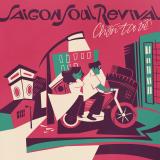
Following international tours across Australia, Southeast Asia, China and Europe, as well as a live session for KEXP, Saigon Soul Revival return with their new album “Chốn Ta Về” (“The Place We Return To”).
Their single “Ai Thật Lòng Yêu Ai” was recently included in the permanent exhibition of the Philharmonie de Paris, underlining the band’s growing cultural impact.
Produced by Jan Hagenkötter and recorded in Ho Chi Minh City, the album blends Vietnamese musical heritage with global influences. Singer and songwriter Nguyễn Anh Minh describes it as a journey of finding one’s way back home through love, loss and self-discovery.
Building on 2024’s “Mối Lương Duyên,” the album expands its sound with traditional instruments such as the T’rung and Sáo Trúc. Guest appearances include Vietnamese multi-instrumentalist Đinh Nhật Minh and renowned jazz saxophonist Trần Mạnh Tuấn, featured on “Ơ Kìa, Em Ơi.” Longtime collaborator Nguyễn Thị Hải Phượng returns on Đàn Tranh and Đàn Bầu, while guitarist Indy Laville plays Đàn Nguyệt on selected tracks.
Tracks like “Lý Qua Dub” and “Khúc Tình Yên Vui” highlight connections between Vietnamese and regional musical traditions, while “Chachacha Ngây Thơ” reflects Latin influences long embraced in Vietnam.
Recorded and mixed fully analog at In The Box Studios in Saigon by engineer Benjamin James, the album embodies the band’s self-described style: “Global Pop” rooted in Vietnamese culture and open to the world.
The band also contributed music to the upcoming James Bond game “007 First Light” and the documentary “Y Vân: The Lost Sounds of Saigon.”
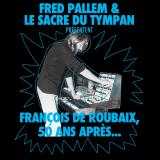
Le Sacre du Tympan est mon orchestre et mon instrument d’expression depuis 25 ans.
Avec cet ensemble a géométrie variable qui possède une dizaine d’albums a son actif, et de nombreux concerts en France et a l’étranger, je m’exprime en tant que compositeur mais aussi
arrangeur.
En 2008, nous avions crée un programme au festival Jazz a la Villette, avec cinq musiciens, en privilégiant la musique électronique et les synthétiseurs dans la musique de De Roubaix, pionnier du home studio et des Synthés. En 2015, nous avons enregistré ce programme.
Pour le cinquantenaire du compositeur qui aura lieu en 2025, j’aimerais élargir le programme autour de la musique orchestrale également très présente dans son oeuvre, ce qui permettra d’accentuer l’aspect intemporel de sa musique, tout en la confrontant aux œuvres de quelques autres compositeurs, pour démontrer l’influence qu’il a pu avoir y compris auprès de légendes telles que Morricone, Michel Legrand, ou John Barry.
Revenir sur les compositions de François de Roubaix permettra de mettre en avant la richesse des thèmes, des harmonies, et des timbres qui émanent de ses oeuvres, qui ont traversé les décennies en mettant en valeur leur portée intergénérationnelle auprès de tous les publics.
Fred Pallem, janvier 2025
Erleben Sie den packenden Soundtrack des australischen Horrorklassikers "Wolf Creek" (2005) wie nie zuvor – neu remastert und auf Red+Black Splatter-Vinyl gepresst, mit exklusivem Artwork und Liner Notes. Der Komponist Francois Tétaz erschuf mit Klavier, Alan Lambs einzigartigen Telefonleitungsaufnahmen aus dem Outback Westaustraliens und einem Streichquartett einen Soundtrack, der als philosophischer Kontrast zum Horror von "Wolf Creek" fungiert. Eine eindringliche Mischung aus atmosphärischen Klanglandschaften, sparsamer Instrumentierung und unterschwelliger Bedrohung – die Musik fängt die Einsamkeit und Bedrohlichkeit des Outbacks in jeder Rille ein. Exklusive Collector's Edition für alle Horrorfans, Soundtrack-Sammler und Vinyl-Liebhaber gleichermaßen.
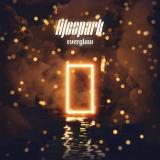
Mit „Everglow" veröffentlichen Lifespark. ihr Debütalbum - einen Longplayer, der modernen Alternative Rock und Post-Hardcore mit atmosphärischer Tiefe und internationalem Anspruch verbindet. Die Band aus Koblenz hat sich mit starken Singles und intensiver Live-Präsenz bereits europaweit einen Namen gemacht.
Für Sänger David Lukacs markiert „Everglow" einen echten Neuanfang. „Everglow eröffnet uns zum ersten Mal die Möglichkeit, unsere Vision von Lifespark auf einer deutlich größeren Skala zu leben", sagt er. Er beschreibt das Album als eine Art Lifespark 3.0: Nach den Anfangsjahren zwischen 2018 und 2022 - geprägt von Corona, Besetzungswechseln und ersten kleinen Shows - festigte sich von 2023 bis 2025 das heutige Line-up, mit erster großer Support-Tour, erster eigener Headline-Tour und der Debüt-EP. Mit den „Everglow"-Singles beginnt 2026 die nächste Stufe - mit dem klaren Ziel, Lifespark. auf die ersten großen Festivalbühnen zu bringen.
Nach Support-Shows für We Came As Romans, Our Last Night, Hands Like Houses, Escape The Fate und Rain City Drive hat sich die Band eine stetig wachsende internationale Fanbase erspielt und sich europaweit als vielversprechender Newcomer etabliert. 2026 setzen sie diesen Weg konsequent fort – unter anderem als Support für Acres auf großer Europa-Tour im Herbst 2026 mit Stopps in Großbritannien, Deutschland, Österreich und weiteren Ländern.
„Everglow" ist weit mehr als ein Debüt. Es ist das geschlossene Statement einer Band mit klarer künstlerischer Vision: Musik zu schaffen, die verbindet, Kraft spendet und lange nachhallt - und die Menschen für einen Abend zusammenbringt, ganz gleich, woher sie kommen. Zwischen Verletzlichkeit und Stärke entsteht ein Sound, der ehrlich, packend und bereit für die nächsten großen Bühnen ist.
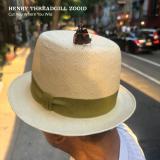
Mit "Cut You Where You Was" kehrt Zooid, die Flaggschiff-Band des Saxofonisten, Flötisten und Pulitzer-Preisträgers Henry Threadgill zurück. Die Künstler feiern damit das 25-jährige Jubiläum ihres ersten Albums "Up Popped the Two Lips", der ersten Veröffentlichung von Pi Recordings, dem Label, das ursprünglich angetreten war, die Veröffentlichungen von Threadgill zu dokumentieren. Das Album umfasst eine Reihe kurzer Stücke, die von Threadgills Faszination für frühe Aufnahmetechniken inspiriert sind: Ihre kurze Spieldauer zwingt jeden Musiker dazu, sich schnell zu äußern, anstatt sich in langwierigen Entwicklungen zu verlieren und eröffnet so neue Möglichkeiten des musikalischen Ausdrucks.
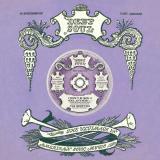
Die A-Seite stammt von den weitgehend unbekannten Modettes – einer von George Kerr produzierten Gruppe, die über eine außergewöhnliche Leadsängerin verfügte. Die Dame lässt ihren Emotionen freien Lauf und beklagt die Unvernunft ihrer jüngsten Beziehung. Auch die Shaladons sind eine rätselhafte Formation; sie nahmen drei exzellente Songs für Larry Banks bei GWP Productions auf – noch bevor das Label überhaupt offiziell an den Start ging. Es handelt sich um eine großartige Sweet-Soul-Interpretation von Banks’ Titel „Showdown“, der bereits ein Highlight der ersten CD aus der Reihe „Dave Godin’s Deep Soul Treasures“ darstellte.
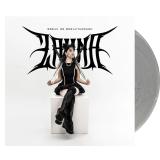
„Break or Breakthrough“ zeigt Zahna in Höchstform – mit kraftvollen Riffs, mitreißendem Gesang und der Durchbruch-Single „Defiler“ ft. Brian „Head“ Welch (Korn). Mit über 22 Millionen Streams und vier Wochen in den Top 40 der Active-Rock-Charts ist dies der erste Chart-Hit von XOVR Records. Das von Kellen McGregor (Memphis May Fire) produzierte Album liefert explosiven, cineastischen Hardrock.