I’ve started to work on this album before I knew it.
During June 2018, I was in Japan for a month to release my previous album "Cairn" as well as my first solo exhibition of drawings in Tokyo.
Everyday on my way to the gallery I passed in front of the same building, its name kept haunting me : Rogue Hill.
Back then I was digging for cheap 80’s Japanese CD’s (Balearic, New Age, Ambient,...) in second hand stores. Most of them set the tone of this album and the direction I wanted to follow. I feel there’s a direct connection between these original sources and the sound I pursue by their meditative aspect.
Most of the demo songs were done before my daughter’s birth on August 2019 and were finalized since then. Many of the titles refer to this main event and relate to how it changed my position in life : being a link through time by becoming a father.
Home is a powerful concept with an abstract definition. This solo album takes those subjective ideas and unifies them under one roof. Evolving from Jerve’s #dailypiano posts in 2019, ‘The Soundtrack of My Home’ relays thoughts and improvisations that trace his journey from childhood home to adult and now, father. Nurturing a mood or feeling, each song begets a sonorous story of someone close to him, expressed through the language of piano playing.
Jerve makes use of his hands as a human step sequencer, often programming two or more motifs of varying lengths in a polymetric fashion. These melodic patterns and arpeggios evolve at varying rates but grow around clear progressions with standard 8-bar forms.
The first track - ‘Kjetil’ enters with an earnest, gentle and endearing character - like a young river near its source. As with such a river, it will grow to varied sizes throughout the album but must begin as a humble expression from the source. The following titles sketch his interpretations of the people that have made up his home.
There is a theme across the album that unites the songs, so much so that differentiating tracks can at times be difficult. Though, Jerve punctuates this overarching mood with a few distinct structures, as found in tracks ‘Karoline’ (wife), ‘Espen’ (brother) and ‘Sven’ (father). ‘Turid’ (daughter) and ‘Jon Eirik’ (brother) seem less directive and welcome more intrigue, reminiscent of a curious child wandering through the dappled light of a forest.
‘Iben’ (daughter) and ‘Eivor’ (daughter) have a hypnotic, three-pointed melodic structure that leaves the listener suspended; transfixed - while ‘Sussi’ (cat) carries unique momentum and suitably feline autonomy. ‘Mette’ (mother) has a mood of ascending, like that of a child's upward gaze at their maternal carer. Utterly nuanced in structure, Jerve leaves ample space for subjective interpretation and allows the listener to weave their own life into the tones.
As expected from the founder of Dugnad rec - this album signifies a deeply personal sentiment. Sometimes we are forced to confront the music and other times, we are left to wonder. Here, we find a balance and unity that allows little thoughts and worries to drift away, bringing us warmly to rest in the present. The LP edition's bonus track features producer/performer extraordinaire Stian Balducci, drawing a line to the next chapter of piano-based music from Dugnad rec: TOKYO TAPES: PIANO RECYCLE.
The official soundtrack of the 2021 'Rumba Rules, New genealogies' documentary movie by Congolese artist Sammy Baloji and Quebec filmmaker David Nadeau-Bernatchez. A deep dive into Kinshasa’s vibrant Rumba scene, including remastered classics by Brigade Sarbati, Werrason, Papa Wemba, Franco & le Tout Puissant O.K. Jazz
Rumba Rules, New genealogies is about contemporary rumba in Kinshasa, but this music has deep historical roots nevertheless. Born in the interstices of the colonial world and thriving during the three decades of the Mobutu era in Zaïre, Congolese rumba has been iconic and popular all over Africa for decades. The roots of Rumba are even deeper, and the many paths it evokes trigger the imagination. The story goes that this music came with the migration of the ‘Kumba’ drum and dance in previous centuries, African slaves having carried it all around the Americas and giving birth to Cuban ’Rumba’, Colombian ‘Kumbia’ and many others. With its varied rhythms, guitars and horns, through LPs and radio stations, Rumba came back to (re)conquer Africa throughout the 20th century, paving the way for new practices. One could say this music is a sort of palimpsest, a memory in itself of Atlantic migrations and histories.
Rumba is nowadays discussed all around the world, igniting many debates among the Congolese diaspora. Being the constant talk of the town sometimes overloads public debate, and many people get tired of this broken record. Thus, over the last decade, enterprising producers have worked hard to promote Kinshasa’s musical diversity and tried to emulate new sounds to reach worldwide attention. But Kin’ locals and urban dwellers will not be fooled : new shoots cannot hide the forest. Despite some difficulties to innovate, despite the pastoralist sermons and the diaspora fighters pushing for concert cancelations, rumba is still at the core of the Congo today. Talented artists such as Fally Ipupa, Ferré Gola, Brigade Sarbati and others are leading the fifth generation, and the religious world has also proven to be a nurturing environment for the cultural and economic dynamism of this music.
Focusing on the music of Brigade Sarbati and his Orchestra, this record offers a deep dive into Kinshasa’s rumba scene. Halfway between professional studios and Zoom H4 field recordings, the rumba herein is about today’s youth: dense, full of energy and breakdowns, insights and name-dropping. The cavacha rhythm, the solo and bass guitar’s playing style, the singing style and numerous dedications all resonate with the history of Rumba. In an era where digital sound is taking over, it is interesting to highlight the instrumental and live performance compositions of this music. Digital technology is indeed used during the recording and mixing phases, but Congolese rumba still relies strongly on instrumental playing. There is all that but also, many other things to hear on this record… It’s time to let it be. A big thanks to Étienne Tron for making it possible: it is on his initiative and through his patience that this album is in your hands today. (David Nadeau-Bernatchez, december 2021)
A selector, producer and label head at the top of his game, Enzo Siragusa continues to prove exactly why he’s held in such high regard as a staple of the underground music scene. While developments have seen the FUSE boss adjust his approach, recent months have combined a wealth of studio time with the unveiling of new projects – most recently announcing the launch of his new genre-bending all-night-long event series, E:Dimension. Yet, there’s something about a release from Siragusa on home turf that stands out amongst the pack, with productions like ‘Sagamore’, ‘Desire’, ‘Flexin’ and the ‘Kilimanjaro’ cuts instantly recognisable after just a few seconds, and the same looks set to happen as he makes his highly-anticipated return with his first solo material on the label for over two years. Unveiling one of his most heavily requested tracks to date alongside further peak-time business on the flip, April finally welcomes the arrival of the two-track ‘Nothing Matters’.
A track that’s been making waves for months, ‘ICV (Double Flake Mix)’ brings the sub-shaking, cavernous reese bassline now captured by many across the globe as Siragusa launches into his signature blend of heads-down, hands-up sonics, while the vinyl-only dub delves into afterparty territories to offer up an exclusive version for wax owners. On the flip, title cut ‘Nothing Matters’ graces the B-Side and keeps things moving as meandering melodies ride rumbling low-ends, swinging drums and chunky grooves to shape up proceedings in emphatic fashion. It’s safe to say Siragusa’s back, and he’s back like he never left.1
Los ingenieros oníricos se sirven de los artefactos para poder manipular su conciencia y diseñar mundos oníricos por los que viajar. De origen incierto, los artefactos se encuentran dispersos entre planos y han intentado ser rediseñados en nuestro mundo mediante el uso de frecuencias, convirtiéndose en elementos de estudio plenamente funcionales para el ingeniero onírico del plano físico. La correcta correlación de uso entre artefactos permite al onironauta saltar entre los diferentes estados de la experiencia para la formación de universos.
El artefacto Onirógeno es capaz de inducir al sueño. Sirve de puerta de enlace al mundo onírico y está presente en un estado de semi-consciencia. Dicho artefacto esférico, de naturaleza cromada, reproduce de manera cíclica el proceso de encendido de la máquina de sueños por un operador en un espacio ilusorio. El ingeniero sucumbe a un estado aletargado que permite el vínculo con otros artefactos al ser testigo de una de estas reproducciones.
El artefacto Hipnagogia es capaz de provocar alucinaciones visuales de intensidad creciente. Permite formar protomundos inconexos. Es un artefacto propio del plano semi-consciente. Debido a lo efímero de los protomundos formados, el ingeniero es incapaz de controlarlos y dotarlos de sentido.
El artefacto Efialtes es uno de los más inestables y volátiles. Este ente del plano semiconsciente provoca la incapacidad transitoria para realizar movimientos voluntarios durante la transición entre el sueño y la vigilia. Permite al ingeniero crear un canal al plano transitorio. Su presencia o interacción puede darse en los primeros o últimos estadíos. Está muy presente en el mundo semi-consciente y puede ser atraído por el uso de otros artefactos. Emite un zumbido muy característico cuando interacciona.
El artefacto Proyector, toroide derivado de Efialtes, solo presente en el plano transitorio. Crea un canal y permite al ingeniero ingresar, precediendo a la separación física, y materializar la consciencia en el nuevo plano.
Extracorpóreo es un derivado del artefacto Proyector, presente en el plano transitorio y con influencia en el plano físico. Permite a la conciencia materializada del ingeniero comunicarse con los impulsos básicos motrices y órdenes cerebrales del plano físico, traduciendo los diferentes protocolos implicados.
El artefacto Vacío es un espacio unidimensional que interconecta el plano transitorio con el plano onírico.
El artefacto Arquitecto, presente en el plano onírico, forma y diseña espacios acorde con las órdenes del ingeniero onírico en el caso de que el canal de comunicación sea lo suficientemente consciente. Es una pequeña recreación esférica del universo elevado a infinito en forma de fractal.
El artefacto Escultor, de hormigón y presente en el plano onírico, crea las diferentes imágenes e inteligencias que habitan el mundo onírico en construcción. Aunque puede ser controlado, a menudo actúa con un mayor libre albedrío, creando imágenes recurrentes.
El artefacto Programador, de código en cascada y presente en el plano onírico, es la inteligencia encargada de dotar a los mundos oníricos de acontecimientos.
El artefacto Devoramundos es el artefacto más inestable conocido y con mayor rango de influencia entre planos. Destruye el mundo creado como un agujero negro engulle todo a su paso.
El artefacto Cordón, de plata y presente en todos los planos, sirve como nexo entre el cuerpo físico y la consciencia materializada. A menudo, debido al influjo de otro artefacto, o a la inestabilidad en el canal creado por correlación, es capaz de obligar a la regresión, clausurando el canal de comunicación. Existe un artefacto Cordón que une cada una de las conciencias proyectadas con sus correspondientes cuerpos así como del cuerpo físico. Se desconoce que ocurre en caso de fisión.
El artefacto Regreso, presente en el plano transitorio-semiconsciente permite al ingeniero recuperar la consciencia y restablecer sus signos vitales.
SUMMER OF SEVENTEEN are MONIKA KHOT (NORDRA, ZEN MOTHER), WILLIAM FOWLER COLLINS, DANIEL MENCHE, FAITH COLOCCIA (MAMIFFER), and AARON TURNER. (SUMAC, SPLIT CRANIUM).
Wildfires plagued Washington state during the summer of 2017, their smoke drifting westward toward the Seattle area and toxifying the air. Shortly before that trauma, MONIKA KHOT, WILLIAM FOWLER COLLINS, DANIEL MENCHE, FAITH COLOCCIA, and AARON TURNER had gathered at the latter two musicians' House Of Low Culture studio on idyllic Vashon Island with revered producer RANDALL DUNN. There they cut eight songs that capture the makeshift band's feelings of what COLOCCIA calls "a kind of doomsday lurking in the background." It's as if these highly attuned players had a premonition.
"Summer Of Seventeen" -which was edited and arranged by MONIKA KHOT, who records apocalyptic music solo as NORDRA and plays in the avant-rock band ZEN MOTHER—is a nuanced admixture of these musicians' sounds and a culmination of all of their previous collaborations. COLOCCIA and TURNER have created eldritch folk and chamber rock for over a decade in MAMIFFER while engaging in various solo and group projects that explore their profound spirituality in sound. MENCHE has been a fixture on the abstract composition scene for 31 years and COLLINS is a savvy explorer of drone and ambient forms. Their ephemeral summit meeting has yielded a masterwork for the ages.
A heaven/hell and beauty/beastliness dichotomy pervades the album—as if a titanic struggle was transpiring in that small studio. The fearsome trumpet fanfare that starts "Chorus Of The Innocents" heralds a baleful fate. With a subliminal industrial rhythm bristling beneath the eerie exhalations, the song submerges us in a slow-motion maelstrom, a horror-film facsimile of MILES DAVIS' "Bitches Brew". "Perceived Slight" threads death-metal screams through a stark, suspenseful atmosphere, with austere glints of guitar and beats like fists on a casket lid intensifying the dread.
Angelic chants and celestial drones perfume the air in several of the songs on "Summer Of Seventeen", countered with muted blast beats, serrated hums, jagged glitches, simulacra of grinding gears and lightning. It's as if no good deed goes unpunished. "Spirits Of Redeemer" could be an elegy for the human race while "Cultural Orphan" sounds like a symphony for a malfunctioning factory. The album ends with "Theatre Needs An Audience," a harrowing ballad somewhere between EINSTÜRZENDE NEUBAUTEN and MERZBOW; it's a savage rent in the space-time continuum.
"Thinking about this record now," COLOCCIA recalls, "it seems like we were all sort of anticipating something like this current pandemic happening, although we were thinking about it as fire in the hands of man (literal fire, and also gunfire) that would overturn the normal running of things and reveal the current false beliefs systems holding up most of America."
That grave aura infiltrates "Summer Of Seventeen", However, a hopefulness bubbles beneath the foreboding architecture of sound and noise summoned here. The bunker is the new penthouse.
There must be something in the air just now over in Italy with a steady stream of brilliant disco and house releases emanating from the country. Of all artists doing the business recently DJ Rocca has definitely stood out as being behind more than his fair share of incredible music.
Rocca is a veteran of the scene producing since the 1990’s. Recently he has had stand out tracks working with some of the key artists of the scene including Dimitri From Paris and Daniele Baldelli. There have also been a huge number of solo projects and remixes for everyone from Blaze to Andrew Weatherall to Soul Clap. It’s a varied and expansive list which shows the depth of his production skills.
His latest release a three track EP ‘Journey to Kizimkazi’ comes courtesy of one of the stand-out labels of 2019 in Samosa Records. This one is heavy on the Afro Disco feels with Combo Rox, Ju Ju Jackie and Kuma Rox all coming from slightly different angles of the genre.
Lead track ‘Combo Rox’ is peak-time hands-in-the-air disco goodness. Huge brass hooks cruise next to a bounce of a bassline, ever so funky guitars, smooth keys and a monster vocal hook. This is a track with everything in needs to cause a serious dancefloor commotion.
On the flip ‘Ju Ju Jackie’ combines a much heavier percussive drum line with multiple percussive motifs, it’s a track which will take no prisoners. Yet more off the wall vocal hooks merge perfectly with the carnival atmosphere of the percussion and some crazy brass licks. A unique and exciting track.
Last up is Kuma Rox a deeper hypnotic groove of a track, warm tribal vocals, smooth keys, a sparse but hooky bassline and brilliant percussion give this one a real timeless class.
Dark Entries is honored to release a 4-track EP by Swiss musician Carlos Perón, founding member of Yello. Carlos was born in 1952 in Zurich and began collecting music at a young age. Inspired after attending a concert of Karlheinz Stockhausen in the 1960s, he began to compose Musique Concrete pieces using a 4-track reel to reel and found sounds. In 1979 Perón founded the trio Yello with musician Boris Blank and vocalist Dieter Meier. Yello released their first album in 1980 and the following year Carlos released his first solo album 'Impersonator'. In 1983 Carlos left Yello in order to pursue a solo career and released the soundtrack to Die Schwarze Spinne" and 1984 his second solo album Nothing Is True, Everything Is Permitted'. In 1988, Belgian label LD Records released a 4-song EP of instrumental tracks from 1984 that predated, influenced and became staples in the New Beat scene.
Dirty Songs' is a collection of songs from Carlos Perón recorded between 1980 and 1986. The recordings were made with the core set up of an ARP 2600, Roland's Drumatix, TB-303 and TR-808. Nothing Is True, Everything Is Permitted (Instrumental)' recorded in 1984 is a slow burner with dark, gloomy atmospherics, presented here in an extended version with a bonus intro. The song was inspired by William S. Borroughs' Naked Lunch' and paints a bleak futuristic landscape. Breaking In (Instrumental)', from 1984, is a crossover of electronic body music and pitched down Chicago acid house featuring overplayed snares by hand though an Ovomaltine Box. Originally featured on the soundtrack for Die Schwarze Spinne', the song is about breaking into a large pharmaceutical company to steal drugs. On the B-side is A Dirty Song (Instrumental)', originally recorded in 1986 and released by Play It Again Sam in 1988. The song uses one of the earliest Roland SH synthesizers, the SH-1 A, as a solo instrument and is strikingly aggressive with percussive rhythms. Et' was recorded in 1980 on a 4-track and later and remixed to 8-tracks in 1984 for the Frigorex' EP, which is where this extended version comes from. Featuring eerie, cut up vocals and Dadaist lyrics by Isa Nogara atop a proto-Techno beat.
All songs have been remastered for vinyl by George Horn at Fantasy Studios in Berkeley. The jacket features a never before seen black and white photo of Carlos taken in 1988. Each album includes an double-sided postcard featuring the cover art from the Frigorex' EP. Prepare to make your own movie to the Swiss John Carpenter soundtrack vibes of Carlos Perón.
After a debut outing on International Black last year with his best friend Mallard, LT graduates onto Rhythm Section INTL with a stunning debut solo effort: FOREST FLOOR.Aged just 20 years old, Lewis Taylor aka LT is another prodigal talent from the north of England, whose association with Rhythm Section goes back to his school days. A fan of the label from an early age, Lewis regularly made pilgrimages to the pool hall as soon as he was old enough to do so. It was these visits with his old school friend Mallard (who had recently moved down to London from Derbyshire to study music) which proved to be a formative influence, prompting him to try his hand at production...It turned out he was quite the natural, with his second ever effort as an 18 year old making it onto this very EP. Sitting somewhere between electro, house and techno with a healthy dose of breaks - LT constructs complex arrangements with as much of a nod to the retro summer of love stylings of Lone as to the new age bounce of the Pender Street Steppers. The piano house stabs of 'Untitled (Chesney)' reverberate around chopped breaks and screaming samples, anchored down by bouncy organ bass and FM lead synth which really begs the question: 'How did LT develop such a rich lexicon of club culture references in such a short time' We'd be tempted to believe it was just pure luck, if this mastery of rave aesthetics wasn't repeated throughout the EP...
Mesosphere fizzes with arpeggiated energy before giving way to a magnificent yet subtle drop that will serve festival main stages as well as it will back room clubs. Before the EP is over, LT has one more trick up his sleeve in Forest Floor - the titular track which is the musical equivalent of watching the sun rise through a misty glade after a night spent alone in the wilderness. With this gentle touch, LT proves he's more than another kid on Ableton making bangers - he has breadth, incredible musicality and a rare ability to transcript sceneries into sounds. Finishing with 'North Circular' possibly a reference to the free Parties on the London Orbital or merely just a coincidence you decide.
We couldn't be happier to welcome LT onto the RS INTL roster in what feels like a fulfilment of destiny. It's such a great honour to have nurtured and now introduce the next generation via the Rhythm Section platform.
Captivating, ethereal and majestic, Mammal Hands (saxophonist Jordan Smart, pianist Nick Smart and drummer and percussionist Jesse Barrett) has carved out a refreshingly original sound from a disparate array of influences: drawing on spiritual jazz, north Indian, folk and classical music to create something inimitably their own. Hailing from Norwich, one of Britain's most isolated and most easterly cities, they have forged their own path away from the musical mainstream and their unique sound grew out of long improvised rehearsals. All three members contibute equally to the writing process: one that favours the creation of a powerful group dynamic over individual solos. Their records are entrancing and beautiful affairs, while their hypnotic live shows have seen them hailed as one of the most exciting bands in Europe as they push their unique line-up to the outer limits of its possibilities.
Shadow Work is their third album and the first they have self-produced. Recorded at 80 Hertz Studios, Gondwana Records home from home in Manchester, it is the result of 18 months of intensive touring and mammoth writing sessions. The energy from their exhilarating live performances has fed into the writing process and yet there is a quiet reflective side to this album, giving it an expanded emotional range that draws the listener deep into Mammal Hand's sound world. One that builds on the sound of their previous recordings, Animalia and the beautiful Floa, but is wider than ever, with the use of prepared piano strings, more prominent effects and field recordings all adding to the band's most ambitious and accomplished album to date. The striking artwork is by Daniel Halsall and reflects the organic, natural influences underpinning the band's music alongside a darker, modern minimalism.
Villa Åbo in the alternative solo project of Swedish musician and Villa Åbo in the alternative solo project of Swedish musician and producer Jan Svensson, who has been making electronic music for the better part of 30 years as the artist behind such aliases as Frak, Studio SS and Alvars Orkestra. Svensson also runs legendary Swedish dance and experimental music label Börft, the product of a mutual appreciation for Severed Heads and Terse Tapes. As Villa Åbo he released two records in 1997 on Börft and remained inactive for 17 years until the Dutch label Bio Rhythm coaxed him into revisiting the project and released a double 12 in 2014. Jan has since followed with a steady stream of 12' singles for Kontra-Musik, Noise In My Head and Radio Lundberg. 'Magnetic Moves' is Villa Åbo's debut album, originally released inan limited edition of 65 hand-numbered cassettes by Funeral Fog in 2016. Clocking in at over 46 minutes, this first-ever vinyl edition spreads the 8 ragged techno tracks across four sides for maximum loudness. Some songs are aggressively potent, with cyclical synth riffs and razor-sharp acid lines riding a heavy, funk-fuelled techno groove. Others tracks are more fluid, vintage Underground Resistance or Derrick May with killer drum machine workouts that come in handy as DJ tools. All songs have been remastered by George Horn at Fantasy Studios in Berkeley. The record is housed in a custom made jacket designed by Eloise Leigh, featuring a photograph of Jan's mother's house, the meaning behind 'Villa Åbo'. Each copy includes a double-sided postcard with notes.producer Jan Svensson, who has been making electronic music for the better part of 30 years as the artist behind such aliases as Frak, Studio SS and Alvars Orkestra. Svensson also runs legendary Swedish dance and experimental music label Börft, the product of a mutual appreciation for Severed Heads and Terse Tapes. As Villa Åbo he released two records in 1997 on Börft and remained inactive for 17 years until the Dutch label Bio Rhythm coaxed him into revisiting the project and released a double 12 in 2014. Jan has since followed with a steady stream of 12' singles for Kontra-Musik, Noise In My Head and Radio Lundberg.'Magnetic Moves' is Villa Åbo's debut album, originally released in an limited edition of 65 hand-numbered cassettes by Funeral Fog in 2016. Clocking in atover 46 minutes, this first-ever vinyl edition spreads the 8 rgged techno tracks across four sides for maximum loudness. Soe songs are aggressively potent, with cyclical synth riffs and razor-harp acid lines riding a heavy, funk-fuelled techno groove. Others tracks are more fluid, vintage Underground Resistance or Derrick May with killer drum machine workouts that come in handy as DJ tools. All songs have been remastered by George Horn at Fantasy Studios in Berkeley. The record is housed in a custom made jacket designed by Eloise Leigh, featuring a photograph of Jan's mother's house, the meaning behind 'Villa Åbo'. Each copy includes a double-sided postcard with notes.
After dropping several tracks and performing at select festivals throughout the years, Ólafur Arnalds and Janus Rasmussen dedicated the year 2014 to explore the area in-between Ólafur's more acoustic, piano-based solo work and Janus's synth-heavy electro pop, with their collaborative electronic project Kiasmos.
By focusing solely on their self-titled debut album, Ólafur and Janus have been able to combine and further develop their unique sound aesthetics to complete an album driven by their mutual love for electronic music. Made in Ólafur's newly build studio in Reykjavík, Iceland, a majority of the album was recorded using acoustic instruments next to a variety of synthesisers, drum machines and tape delays. It features a live drummer, string quartet and Ólafur performing on the grand piano, producing an ambient, textured sound, which makes it a perfect home listen and equally danceable record. If you listen closely, you can spot them record the thumb piano, finger snapping and even the sound of the metal grinder of a lighter slowly to replace the usual electronic hi-hat sounds, giving the album a far more intimate and unique atmosphere.
We decided to start almost completely over with this record, so most of the material is written this year with the idea of making a record that can stand as one piece rather than a collection of songs. I am very excited to get a proper record out exploring a different territory than I am used to. I touch a lot on electronic genres in my own music but never have the opportunity to go full out electronic like we do here.' - Ólafur Arnalds
The Kiasmos project has been around since 2007, but because of all our other projects we never really got the time to sit down and write all the tracks we always wanted to. So when we early this year finally found the time to sit down and make a full length album there was so much we wanted to try out. The result surprised us a bit, it's deeper and more emotional than we imagined it to be, but that's the beauty of being able to make an album.' - Janus Rasmussen
Long-term Erased Tapes graphics collaborator Torsten Posselt at Feld Studios in Berlin created the cover artwork. Feld Studios was a natural choice for Kiasmos, seeing he also designed the cover for their Thrown EP, released previously.
Kiasmos is made up of Icelandic BAFTA-winning composer Ólafur Arnalds, known for his unique blend of minimal piano and string compositions with electronic sounds, and Janus Rasmussen from the Faroe Islands, known as the mastermind of the electro-pop outfit Bloodgroup. Based in Reykjavík, Arnalds used to work as a sound engineer, often for Rasmussen's other projects, where the two musicians discovered their common love for minimal, experimental music. They eventually became best friends, often hanging out in their studio, exploring electronic sounds.
A solo project that started in 2011 releasing limited vinyl only releases and continuing to focus on techno and bizarre raw grooves produced exclusively by Developer.
The grand opening of the new label serie Obscura Europa Sampled Artists', a various artists 12' EP serie to present darkwave bands that escapes a little from the usual electronic sound of the label. On this volume 1 we will find a 90's ultra classic darkwave hymn of the dissolved german band Behind The Scenes, uncomprehensively never pressed on vinyl to date. On the other hand, the Polish solo act Undertheskin shows with 2 cold but extremely rhythmic tracks why his acclaimed debut mini album is one of the most exciting and interesting proposals of 2015. All tracks have been analogically remastered specially for this vinyl version. Only 200 copies are available for distribution. Including Fate' of Behind The Scenes and Cold' and tRain' of Undertheskin.
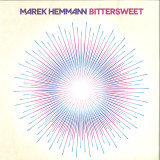
endlich: mit bittersweet legt marek hemmann sein zweites Soloalbum auf Freude am Tanzen vor. ein großer Schritt nach der letzten duo-Veröffentlichung unter dem namen marian, und in seiner weiter gedachten Pop-klangsprache ganz eindeutig: ein echter hemmann. zehn Tracks, schnörkellos und vorwärtsdrängend, nach hemmann-manier diffe- renziert abgemischt und lakonisch betitelt durch knappe wortmarken. der feine elektronische Sound wird immer wieder aufgebrochen durch den einsatz knarzig-poppiger Synthies, eingespielt mit einem augenscheinlich stark vermehrten maschinenpark. diese warmen, bassigen Sounds sind der stete begleiter durch das album, und führen die analoge Vergangenheit in die digitale zukunft. denn sie sind nicht mittelpunkt, sondern Teil eines erdigen bodens, auf dem alle Songs stehen. es gibt kaum einen Song, der in seinem Stil dem anderen gleicht, das album führt seine hörer von tiefem house über knackige Tanzflächenkracher und ambientsongs bis hin zu frühlingshaften romanzen mit gitarrensamples. Schon auf seinen bisherigen Veröffentlichungen offenbarte sich hemmann immer ganz einfach als großer liebhaber elektronischer musik mit einem feinen händchen für vielschichtige arrangements und den gewissen schwebenden, ins unendliche weisenden Sound. Ja, er ist gewiss der große romantiker unter den elektro-musikern, und er weiß seine musikalischen Talente auch dementsprechend einzusetzen. und so ist auch bittersweet wieder solch ein schönes, geheimnisvolles wesen zwischen Tanzfläche und balkon, zwischen süßem Sonnenaufgang und energiegeladener club-nacht.
Musik Krause, the label with that special funk and the wide view releases the fourth album in their 10-year history. The circle is complete. In 2002 they started with Metaboman. Now there is the album. As a part of the record-spinning Krause Duo he's known a number of escapades having to do with the 'bash' or rather party culture. Inventively they go about things on a winding path. The have a developed a completely singular metaphoric like a Krauzy schroud and trashno effect. Even if on this long player there is a good deal of gravitation and disengaged handbrake, the beloved notorious krause-vibe swings in every beat, as Metaboman forges the iron. He wants to go further and let himself be taken away, and above all with the musicians he has won over with his live-project to massage the masses from the stage. Krause Duo remains. The album comes in this regard as a gesture providing the direction. Solo here is the conductor, the arranger and the composer in one. Various artists is the keyword, good ol' Metaboman. On all ten songs our friendly neighborhood sonic meister sets the notes and vibes between the skillful, grooving rhythms. In this way there is a bonafied club album in the room that understands rhythm-feeling. Music that in the club context brings an attribute that stands far above the plain acoustic shock and scream. Party But of course, yet still both feet in the game with not a little insubordination, depth, plumes of smoke and indulgence. Metaboman has always had his own vision, which plays out and mirrors his own authentic uniqueness. He doesn't find sounds. He finds shapes and forms and that is the progressive aspect, not the new sounds but rather the new forms. He 's not merely about the subteranean bassdrum, but rather telling his own story. He gives his pieces space and depth. The music itself is positioned somewhere within a sonic cosmos. The listener can functionally hear the record in a club. A freak and his freaks invite you and in your heart you know long before it is apparent that you belong. You can clearly hear that this dude and his folks want me to be there! This album encompasses the moment and keeps it safe for posterity. This music is the language of Metaboman and it is the understood. inkl. digital download code
This LP, the second set from Soul4Real based on songs mostly associated with Jackson, MS label Malaco, is another stunning showcase of the breadth of soul music. Featuring tracks ranging from the 70s through to the new millennium and from the deepest of blues-tinged ballads to disco beats, there is something on this LP for all soul enthusiasts to relish. The biggest name here is undoubtedly Bobby “Blue” Bland. A towering presence in both soul and blues for over 50 years, his influence – and sales – were immense. Other hitmakers are here as well, such as the prodigious vocal talent of Shirley Brown, whose massive “Woman To Woman” kick-started her long and successful career, and the delightful Dorothy Moore, whose immortal “Misty Blue” saved Malaco from bankruptcy in the mid-70s. Moore’s lovely duet with star Eddie Floyd was a one-off, as was Natural High’s Malaco subsidiary Chimneyville album. Always welcome on sets like this are lesser-known artists like sometime funk band Solid Gold Revue member Ray Crumley, who released a small handful of solo 45s,New Orleans singer Richard Caiton, who has had Northern soul plays, and mystery Mississippi native J.J. Lewis. Cult southern soul heroes such as the outstanding Tommy Tate – memorably described by Malaco boss Tommy Couch as “America’s best kept secret” – and the gifted and prolific down home songwriter George Jackson, whose BMI catalogue runs to over 400 songs, are prominent here. Jackson’s effort is previously unissued, and the more obscure item from Marvin Morrow is a first time on vinyl. Like Jackson, Morrow earnt his living as a writer for such luminaries as Gladys Knight and Chaka Khan. A treat for all connoisseurs. Malaco gave themselves the byline of “The Last Soul Record Company”, and listening to their output of over 50 years and the way they outlasted every other southern independent label, it’s impossible to disagree.
Experience the music of Hans Zimmer like never before with this limited collector’s edition 2× color laser-etched vinyl. Featuring highlights from the acclaimed “The World of Hans Zimmer” albums, this premium release combines Hans Zimmer’s iconic music with cutting-edge vinyl design—an essential for collectors and fans alike. The set includes 10 electrifying tracks across the A-sides of two vinyl records, housed in a high-quality gatefold sleeve. The B-sides feature stunning laser-etched artwork instead of audio: a detailed clockwork design on one disc and a cosmic landscape on the other. These unique engravings reflect light across the full spectrum of colors, creating a stunning rainbow-like effect that changes with every movement of the vinyl.
This exclusive edition presents concert suites for orchestra, choir, and the legendary soloists of Hans Zimmer’s band, specially arranged by Hans Zimmer. Each suite reimagines the original film scores in a powerful new symphonic form. The album features excerpts from concert suites based on: Man of Steel, Wonder Woman, The Dark Knight, The Rock, Pirates of the Caribbean, No Time To Die, The Lion King, Gladiator, Interstellar, and Inception.
Performed by world-class musicians, including long-time collaborators such as Lebo M, Lisa Gerrard, and Pedro Eustache, alongside the Odessa Orchestra & Friends (conducted by Gavin Greenaway), the Vienna Radio Symphony Orchestra (conducted by Martin Gellner), and the Nairobi Chamber Chorus. A visually stunning and sonically powerful collector’s vinyl release—perfect for fans of film music, audiophiles, and Hans Zimmer enthusiasts.
out of Stock
Last delivered 6 days ago available to reorder, subject to availability
Official reissue for this long lost 1966 LP, the very first to be endorsed by the Trevor Lucas estate. Pressed on orange vinyl for RSD 2022. Ultra-rare 1966 solo album by singer/songwriter Trevor Lucas of Fairport Convention, Fotheringay, and Election. This Australian born folk legend recorded his own songs and a handful of covers – mostly solo acoustic, occasionally accompanied by bass, concertina, and fiddle. This is the first ever authorized reissue (by his estate), a long lost gem from a seminal songwriter.
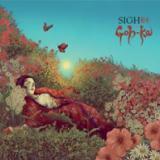
THE EPIC NEW STUDIO ALBUM FROM THE LONG-STANDING JAPANESE METAL PIONEERS, INCLUDING GUEST APPEARANCE FROM OPETH'S MIKAEL AKERFELDT - PRESENTED ON DIGIPACK CD & VINYL LPJapanese metal pioneers Sigh formed in 1989/1990 Their genre- classic Black Metal debut 'Scorn Defeat' arrived in 1993, & with a subsequent journey through the strange & the psychedelic, incorporating a whole eclectic mix of genre styles & ideas throughout their career, Sigh has remained a vital creative force in the avantgarde field whilst maintaining their old school roots, as witnessed on the 2022 album (& first for Peaceville Records), 'Shiki'. This was followed by the remaking of their 'Hangman's Hymn' album as part of the band's 35th anniversary celebrations, in the shape of 'I Saw The World's End: Hangman's Hymn MMXXV' (2025).