The last twelve months have been a whirlwind for Henry Counsell and Louis Curran, the men who make up Joy (Anonymous). Having established themselves during the Covid-19 era by playing impromptu meet-ups on London’s South Bank, they have graduated to bigger venues, travelled to far-flung locales and recorded their second album, Cult Classics, while maintaining the spontaneous energy and irrepressible joy that made their name. Their music revels in the euphoria of being alive and all the feelings, good or bad, that come with it. It invites us into a community, draws us close and promises the night of our lives.
Recorded over the course of a year, the blueprint for Cult Classics was laid down over a two-week span at Imogen Heap’s Round House in east London. Joy (Anonymous) invited friends old and new to visit - they’d record live instruments in jam sessions upstairs and then retreat to a second room to flip and loop and generally mess with the sounds, moulding them into sizzling dance tracks. “Loads of people were coming up to me like ‘I thought this was going to be a dance record?’” Louis says, remembering the quietly beautiful music they’d be recording. “I’d be like, don’t worry about that, just keep playing.” He’d send it back to people later and they’d be floored - “That was my bit and you’ve made it... jungle!”
It was an organic and creatively fulfilling approach, one that didn’t allow any of the music to get stale or stagnate. As they built the tracks from the sounds they’d collected, Joy (Anonymous) would weave the new songs into their famously improvised live sets, testing them, refining them, taking note of the audiences’ reactions. In a year punctuated by a lot of travel, they’d also incorporate the voices of people they met along the way - “Beazley’s Poem”, which opens the record, features the words of a man who was working security at a Fred Again show at New York’s Terminal Five. “He was basically doing the opposite of his job and being a hype man, climbing on the fence and ramping up the crowd - we ended up hanging out with him - like, who’s this legend?” Louis explains. “He just speaks really amazingly about his life, all these amazing thoughts and opinions - he started jumping on the mic when we were playing, preaching these amazing messages to the crowd, like that we all need to be nicer to each other. The first time we played the record in its entirety, he introduced us and that’s the recording we’ve used.”
Joy (Anonymous) remain dedicated to the spirit of spontaneity. They shut a street down with a surprise waterside party in New York. On a trip to Copenhagen they played an impromptu set in a cafe, which turned into a house party and a night-long good time. In Lithuania, they ended up playing in a decommissioned prison. It’s harder, perhaps, to keep that spirit alive now that they are operating more within the confines of the music industry but they will keep lugging their kit to wherever the party calls for as long as they can. “I think if we lose that, we’ve kind of lost what makes us us,” Henry says.
Bursting with multi-genre reference points and disparate influences, Cult Classics is very much a dance album. The samples we made ourselves or we took from music that is quite different to dance music, but we definitely wanted to shout out a lot of the dance influences that we love,” Henry says. They listened to a lot of Daft Punk and Basement Jaxx as well as The Prodigy (“more rage stuff”), taking songwriting tips from their dance forebears, but also recording bits that felt more like jazz and motown (see: A Place I Belong and the lovely album closer, You’re In Or You’re Out). Emir Taha’s gentle classical guitar runs like a thread throughout Cult Classics, washing into the undertones of the record, tying it all together.
The album follows the beat of a night out, from frenetic, sweaty movement to the gentler winding down as the dawn breaks. At times it is euphoric, celebratory and pure, whirling fun, at others it seeks the joy in the darker emotions that life throws our way. 404 is designed to encapsulate everything about the Joy (Anonymous) journey so far. Skittering beats and ghostly vocals give way to vibrating house chords: sirens blare as we approach a dubstep drop. It’s dramatic and wild, ratcheting up, seeming to settle then hitting you with an intense and frantic breakdown before the ghostly vocal returns to lull us back into the world. It has the feel of a hungry cat playing with a mouse, toying with it before letting it get away.
What sounds like someone playing the spoons on playful, housey How We End Up Here is actually Louis’ restless habit of clicking his rings on everything, one of a myriad of calling cards and easter eggs that day one fans will recognise. They rework Miley Cyrus and Swae Lee’s Party Up The Street into a French-electro-inspired future classic, adding a note of melancholy to a tune that you can imagine hearing blaring from every car on a summer drive. The lyrics on Cult Classic are generally reassuring, inspirational, originally drawn from Henry in stream-of-consciousness freestyles. You’re fine the way you are, they seem to say - the repeated “No need to try” of A Place I Belong, the assurance that “It’s in me all the time” on In Me All The Time. Even the summery but regretful Did You Wrong hints at the growth that is possible from less than ideal behaviour. For Joy (Anonymous), joy isn’t about just being “happy” all the time - it’s about relishing every element of your being.
The name ‘Joy (Anonymous)’ is taken from the work Henry did with Alcoholics Anonymous groups: it is a way to build a community around sharing joy. Their impromptu live sets are known as ‘meetings’; they encourage fans to share moments of joy to their website. They care deeply about the scene they’ve come up in and are determined not to leave it behind. Every show is another chance to reach out and connect with people who love to come together and revel in music as loud as it can go.
Support slots for Fred Again and The Streets, wild B2Bs with Fred and Skrillex, and a set at Four Tet’s Finsbury Park all-dayer this summer have given the duo the opportunity to live out childhood dreams and introduced their infectious live shows to new audiences at huge venues.
With an album as assured and joyful as Cult Classics on the horizon (and a killer collab with The Blessed Madonna coming up), they’re only going to reach higher heights. But the essence of Joy (Anonymous) remains on the South Bank. Between shows at Ally Pally in September, they dragged their camping chairs and gear back down to the banks of the Thames: and it just felt right.
Suche:hard stuff
History has shown that the greatest bands–bands with that certain, ever elusive quality called lasting power–neither conform to nor buck the trends of their time, but rather force the times to catch up to them. Sheer Mag has such lasting power in droves. After almost a decade spent carving out a career that has already become the stuff of modern underground legend, the band’s new stand-alone single, “All Lined Up,” comes alongside the announcement of their signing to Third Man Records–their first partnership with a larger independent label–who will also be physically and digitally re-releasing the entirety of Sheer Mag’s back-catalogue, including their cult-beloved early EPs I (2014), II (2015), and III (2016), as well as their first two breakthrough LPs, Need To Feel Your Love (2017) and A Distant Call (2019). Sheer Mag’s sensibility, as fervently beloved by baseball-tee clad garage rockers and tattoo-less indie kids as it is by leather-and-stud-loyal punks, finds its strength in an unconventional mixture of refined complexity and straight-forward pop prowess. Seamlessly trading between head-turning guitar heroics and a charmingly timeless blend of disco, hard rock, and garage inflected hooks, Sheer Mag’s oft-referenced, never-replicated sound has played an undeniably large role in stoking the current resurgence of interest power-pop forward rock music. While quickly adopted as a fan-favorite amongst the sweat-caked crowds of the early 2010’s underground, time has attested to Sheer Mag’s singular cultural mutability: though never straying too far from their home-town Philadelphian origins
Nicht nur in der aktuellen Hardrock/Metal-Szene beziehen sich immer mehr junge Bands, darunter auch viele deutsche Acts (als Beispiel seien Wucan genannt), auf die heute wesentlich mehr gewürdigten Jahre des Krautrock. Natürlich handelt es sich bei dem Begriff nicht direkt um einen Stil, denn von Hardrock bis Jazz/Fusion wurde einst fast alles in diesen Topf geworfen.
Neben Elektronikpionieren wie Can, Tangerine Dream oder Kraftwerk gab es eben auch die Gruppen, die man im Rock verorten kann: Jane, Birth Control oder Lucifer´s Friend sind nur drei Beispiele. Auf „German Rock“ findet man in der Tat auch eine der frühen Bands: Floh De Cologne, die schon Anfang der Siebziger Rock mit deutscher Sprache geboten haben. Die Hardrocker Mass aus Regensburg, lieferten ihr Debütalbum, welches auf „German Rock“ ebenso gewürdigt wird, im Jahr 1977 ab.
Der Rest der ungewöhnlichen Compilation, welche es nur auf Vinyl gibt, befasst sich mit späten Gruppen, die Anfang der 80er noch einen Sound geliefert haben, der durchaus ein paar Jahre früher seinen Ursprung hätte haben können. Und in der Tat wurden auch mindestens zwei Songs nach Ende der 70er geschrieben, allerdings kam der Plattenvertrag oder das Kapital für eine Eigenpressung „zu spät“. Viele dieser spannenden Bands wie Iris, Cannock oder Sphinx waren bei Erscheinen nicht mehr dem Zeitgeist entsprechend, so dass
sie nur wenige, oder nur lokale Chancen hatten. Heute suchen Fans und Neugierige eben nach solchen unbekannten Acts, die eine vergangene Zeit neu zum Leben erwecken. Handgemachte Musik, und das nicht nur live, sondern eben auch noch im Tonstudio. Das Material der Frühachtziger-Gruppen auf dieser Compilation erinnert den einen oder anderen vielleicht auch an die regionalen Helden, wie man sie in den 80ern noch in lokalen Sporthallen erleben konnte…
Nostalgie ist aber nicht das Hauptanliegen dieser LP, sondern der Erhalt wertvoller Musik, die damals nicht bei den großen Majorlabels
erschienen ist.
Not only in the current hard rock/metal scene more and more young bands, among them also many German acts (as an example Wucan may be mentioned), refer to the nowadays much more appreciated years of Krautrock. Of course, the term is not directly a style, because from hard rock to jazz / fusion was once almost assigned to this style.
Besides electronic pioneers like Can, Tangerine Dream or Kraftwerk, there were also the groups that can be categorized as rock: Jane, Birth Control or Lucifer‘s Friend are just three examples.
On „German Rock“ you can indeed also find one of the early bands: Floh De Cologne, who already offered rock with German language at the beginning of the seventies. The hard rockers Mass from Regensburg delivered their debut album, which is also honored on „German Rock“, in 1977.
The rest of the unusual compilation, which is only available on vinyl, deals with late groups that still delivered a sound in the early eighties that could well have originated a few years earlier. And indeed, at least two songs were written in the late seventies, but the record deal or the capital for a selfpressing came „too late“. Many of these exciting bands like Iris, Cannock or Sphinx were no longer in line with the zeitgeist when they appeared, so they had few or only local chances.
Today, dedicated fans and the curious are looking for just such unknown acts that bring a bygone era back to life. Handmade music, and not only live, but also in the recording studio.
The stuff of the early eighties groups on this compilation may remind some of the regional heroes, as you could still experience them in the eighties in local gyms... Nostalgia is not the main concern of this LP, but the preservation of valuable music, which was not released by the big major labels at that time.
Legendary 2010’s indie band Crocodiles’ guitarist Charles Rowell’s new synthpop-meets-gothic rock project. Think Nick Cave crooning over Martin Rev’s minimal electronics or The Lords of the New Church-era Stiv Bators jamming with Wayne Hussey and Douglas Pearce.
After relocating from New York to France, Charles Rowell began stuffing his suitcase with various synths and samplers while taking cheap bus rides to bordering countries.
While living out of a hotel in north east Paris, he played his demos for Third Coming Records who quickly released the Bad Trip EP in 2020. Concerts became more frequent after the pandemic, with the release of Spellwound and a few have become infamous with guitars smashed to pieces, broken glasses, unruly audience front flipping onto the stage.
With Paris providing the background and a scene of friends such as avant-garde drag artist Tuna Mess and industrial techno veteran Poison Point who pushed his creativity even further, Crush Of Souls constant spirit is that it remains unpredictable and thrives on collaboration.
This is even more true with his upcoming album (A)Void Love.
Written over a period of intense insomnia that coincided with a run of shows playing guitar for Australian legend Harry Howard, Crush Of Soul’s main man Charles Rowell finally found rest after writing and recording the last song entitled World of Fear. Six months prior he had quit his job as a chef, traveled east to Prague for inspiration and returned ragged and sleepless.
Rowell’s insistence on keeping the instrumentation simple and clean came from an arduous two years of literal blood, sweat and tears. Every bit of drama, eastern excursion and sleep psychosis can be found within the walls of (A)Void Love.
Acoustic guitars and dramatic synths provide a cold wilderness for the various rhythms to inhabit; touches of minimal electronics, cold wave and synth pop can be found while the song writing remains classic for lovers of Echo & the Bunnymen and Nick Cave & the Bad Seeds.
There’s always been a thread of synth-punk, death rock and DIY noise running through all of Charles’ projects (Crocodiles, ISSUE, Flowers of Evil), however Crush Of Souls pushes harder and further into the darkness with the new album ‘(A)Void Love’.
Lost in time yet always in season, here’s a blast of that old perennial, the punk rock, representative of the swiftly changing times around Bailey’s Crossroads, just outside Washington DC, in the early 80s. Skam recorded this stuff in 1982-1983, then broke up, leaving these songs to be released… maybe never? Or more preferably, now, to race into the bloodstream of jaded, faded today with all the vigour and rigour of Skam’s eternal youth.
Though they didn’t release any records during their three years of existence, it’d be wrong to call Skam ‘never-was’ - in addition to these recordings, there’s a trail of flyers for shows with Scream, No Trend, United Mutations and Media Disease, as well as the memories of the student alumni from Bishop O’Connell High, class of ‘83 or so.
The conglomeration of scenes around the greater DC area at that time produced a variety of bands, but the prevailing recollection of the era is of the incendiary hardcore punk and subsequent straight edge values of the Dischord bands. The band that became Skam was a world apart; they were posited for the first time by 8th graders Vince Forcier and Jack Anderson at a Jackson Browne concert, and their initial rehearsals in their parents’ basement were highlighted by covers of Beatles, Stones, Who and Led Zeppelin songs. Bad covers.
It wasn’t until they’d been playing a bit that they discovered The Ramones, and it was then that the die was cast and pedal pressed to the metal for another frantic couple of years.
The Skam recordings from 1982 have an undeniably Clash-like countenance that sets them definitively apart from the ‘First Four’ of Dischord - in some ways, prefiguring the pop-punk sound of Green Day at the dawn of the 1990s instead - but subsequent recordings found them quickly evolving - or devolving - into a personal mastery of savage riffs and tempos, as well as post-punk conceptions.
But even as they were verging into this new territory, their three years together had frayed their alliance and they soon broke up. Jack joined No Trend, Vince played in Racer X and then Second Wind. And life went on. However, the rediscovered Skam tapes make for an incredible addendum to the more well-known music of that incredible time and place
It’s been nearly eight years since the last Mondo Drag album came out. In that time, the Bay Area psych-prog band toured the US and Europe, performed at major festivals and—once again—reformed their rhythm section. But in the context of the band’s nearly two-decade existence, this period may have been the most fraught. Vocalist and keyboardist John Gamiño lost friends and family members. Meanwhile, humanity suffered the throes of a global pandemic. “It was a dark chapter,” he recalls. “I was going through a lot of stuff personally—there’s been a lot of death, loss of family members, and grief. Plus, the band was inactive. It felt like time was slipping away from me. I felt like I was wasting my opportunities. I felt like I wasn’t participating in my story as much as I could have.” This feeling of time slipping away is the prevailing theme on Mondo Drag’s new album, Through the Hourglass. “For me, Through the Hourglass really encompasses the quarantine/pandemic years,” Gamiño says. “But in a way that includes a couple of years before that for us, because the band was stagnant during that time. Living with that was really impactful on our daily lives. So, the album is reflective. It’s looking at time—past, present, future.” Luckily, Mondo Drag emerged from this dour period reborn. Freshly energized by bassist Conor Riley (formerly of San Diego psych squad Astra, currently of Birth), who joined in 2018, and drummer Jimmy Perez, who joined in 2022, Gamiño and guitarists Jake Sheley and Nolan Girard have triumphed over the seemingly inexorable pull of time’s passage. “Astra was the one contemporary band that we felt was on the same tip as us,” Gamiño says. “We saw the similarities and felt the same vibe. Conor moved to San Francisco in 2018 and heard we were looking for a bassist, so we got in touch. For us, it was like, ‘The synth player from Astra wants to play bass for us?’ We couldn’t think of anybody more perfect.” Perez, meanwhile, brings deep psych-prog knowledge and impeccable skill. “He’s an amazing drummer, and he allowed us to do what we’ve been trying to do,” Gamiño says. “Before he came along, it was like, ‘Where are the drummers who like psych and prog and can play dynamically?’ We ended up trying out metal drummers, but they couldn’t swing. Jimmy was the final piece of the puzzle.” The result is a dazzling and often plaintive rumination on the hours, days, and years—not to mention experiences—that comprise a lifetime. Two-part opener “Burning Daylight” smolders with melancholy, offering a whirl of multi-colored and hallucinatory imagery. “It’s about the California wildfires and a feeling of helplessness,” Gamiño explains. “There’s a juxtaposition between the dark lyricism and upbeat music which is meant to imply a sort of delusional state—and choosing our own delusion to overcome the crushing despair of reality.” Eleven-minute centerpiece “Passages” is a sprawling prog-rock adventure, festooned with lofty guitar melodies, sweeping organ flourishes and a delicately finger-picked outro. But the heaviest song, thematically speaking, might be the mournful and hypnotic “Death in Spring,” which borrows its title from the like-named Catalan novel. “In the novel, people are placed inside opened trees and their mouths filled with cement before they die to prevent their souls from escaping,” Gamiño explains. “The song is about three people I knew who lost their lives to gun violence, addiction, and mental health. It’s my way of cementing their souls in song form.” Mondo Drag fans might be surprised by this blend of hard reality with literary surrealism, but it’s a perfect example of how the last several years have impacted Mondo Drag—and Gamiño in particular. “On all of our previous albums, the lyrical content is more psychedelic and out there,” he acknowledges. “This is the most personal stuff I’ve ever done, so I’m definitely feeling vulnerable on this one.” The title Through the Hourglass comes from the opening of the long-running soap opera Days of Our Lives. It’s less inspired by a predilection for daytime TV than Gamiño’s connection with his late mother, who passed during the time since the last album. “I used to watch Days of Our Lives with her everyday growing up,” he explains. “The song is kind of a reinterpretation of the theme song, although it’s different enough that probably no one will catch it. Now that I’m getting older, I like to put these little Easter eggs in the songs for myself and for archival purposes—for memories.” Through the Hourglass was tracked at El Studio in San Francisco, with an additional ten days of recording at the band’s rehearsal space, which doubles as a hybrid analog-digital recording studio. The album was engineered and mixed by Phil Becker, drummer of space-punk mainstays Pins Of Light. “We’re still here,” Gamiño says. “We’ve been in the studio working on our craft and honing our skills. Now we’re re-emerging for the next stage of our life cycle.”
There's a buzz building around Australia’s Featherstone and his debut EP for the UK's Gated cements his reputation for acidic, emotive electro. These four tracks see the Adelaide-based artist with one eye on the dancefloor and one on pulling as much soul as he can from his gear. This is glassy-eyed stuff, deeply melodic but punchy as hell, with all four tracks hitting hard
With a full color sleeve, bringing happyness and pleasure, a bloody visual from Pescalux...
The music is a pure Hardtek/tribe old school hardfloor mental banger, in the vein of Psychospores... I love that stuff, lost between hardtek and hardcore, brutal, leaving lots of space to the Deejay... reverbless, not acid, and defenitly efficient built around the kick choice... to be dancefloor at max !
BIG
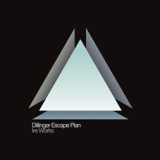
After Miss Machine, Dillinger Escape Plan fans were divided. Many of the folks who were attached to the screaming mathematical metal of Calculating Infinity bailed on the band, disapproving of the experimental musical direction and the meathead appearance of new singer/screamer Greg Puciato. Open-minded listeners were excited about the progressive journey they were taking and many critics hailed the group as a true innovator of metalcore. Ire Works succeeds in many of the same ways that their previous album did, while branching out creatively. They continue to toy with technical metal, blistering hardcore, jazz breaks, and post-punk, but here they evolve again by adding more twists and turns with additional electronic elements. While the merging of too many styles in hardcore can make for a convoluted result (see Avenged Sevenfold's self-titled release), the added instruments and genre changeups enhance the result rather than acting as ornamental distractions. Edgy Aphex Twin-style drill'n'bass drum breaks and stretched and squeezed electro blips feel strangely at home next to the psychotic time-signature changes and manic riffs, especially on the tracks "Sick on Sunday," "Dead as History," and "When Acting as a Wave." Violins, pianos, and trumpets sit nicely in the mix, and the group's willingness to take chances leads to stunning artistic endeavors rather than stale attempts at crossing genres just for the sake of being clever. Original vocalist Dimitri Minakakis makes an appearance, as does Mastodon guitarist Brent Hinds, but the most notable inclusion is drummer Gil Sharone, who proves himself an expert at picking up the slack after the departure of founding member Chris Pennie to play in Coheed and Cambria. Undoubtedly, this act added anger to fuel the fire of their heavier numbers. "82588," "Fix Your Face," and "Party Smasher" are as wicked and manic as their most difficult earlier stuff; conversely, the melodic hooks and falsetto of "Black Bubblegum" and the watery ambience of "Mouth of Ghosts" balance out the album nicely. It can be inaccessible and terrifying all at once, but in a genre overly saturated with formulaic groups, Ire Works is a true standout. If DEP aren't careful and continue down this innovative path, they could easily be labeled the Radiohead of metalcore
Tribe pumpin, very structed tunes, funky and Hardtek at the same time...
A masterpiece !
Notice a very funny/danecfloor /party time AND musical tune : The Fly (A3), a sound morphing from a fly-sound (the very very annoying one we all know^^) to an Acid electro wicked sound !
Exciting stuff really !! ahahah
From teddy grahams to pussy hats, California forest fires to cash cabs, the stuff of American nostalgia and horror adorns a personal reckoning on Christina Schneider’s triumphant third album as Locate S,1. With a name culled from a Daschel Hammitt noir novel, Wicked Jaw pulls from wildly disparate references and textures to survey the history of American pop music. Like Pat Benatar soundtracking an Adam Curtis documentary, the album trades in dramatic juxtapositions across its kaleidoscopic ten tracks. Only Schneider could pull off singing a line like “season finale 2020 death machine” as a soothing lullaby, but jarring contrasts echo the tumultuous personal journey woven throughout. “I was in hell ... and loving it,” Schneider said of her childhood, describing a murky cocktail of sentimentality and despair. “It’s like when you escape the matrix and then you remember your wonderful time in the matrix.” The Athens, Georgia based songwriter, producer, and virtuosic pop connoisseur authored the album over two years while beginning treatment for childhood sexual abuse by a relative. “I was using these songs as an expression valve for all of these
The Side Eyes are back with the follow up to their 2017 self-titled debut album and are asking the question What’s Your Problem? Anyone suspecting that the Southern California band may have mellowed out in the five years between albums will have those suspicions shattered within the first twenty seconds of the opening track “Get Me Out.” If anything, the band is now harder, faster and angrier than they were the first time around. Vocalist Astrid McDonald is in fiery fine form calling out everything from phonies to shit-talkers to people that simply aren’t nice. Brothers Kevin and Chris Devine on guitar and bass and drummer Sam Mankinen thunder through the twelve tracks here at a breakneck speed that is positively pummeling. While The Side Eyes sound like a throwback to early Southern California hardcore punk rock like Circle Jerks and the Adolescents, the band also sites more recent bands like Ceremony, Glue and Babes In Toyland as influences. Produced by Steve McDonald (Redd Kross / Melvins) and clocking in at under twenty minutes (while spinning at 45 RPM), What’s Your Problem is a modern punk rock gem that blows past the sonic barriers of their past inspirations. This is great stuff!
Über Iris aus dem Raum Stuttgart/Esslingen ist nicht viel bekannt. 1981 hat die siebenköpfige Band ihr einziges Album für das kleine Label PEAK aufgenommen, die natürlich nicht die finanziellen Mittel hatten, Iris zu etablieren. Zudem klang das anspruchsvolle und dennoch teils hart rockende Material nach dem, was man allgemein als Krautrock bezeichnet, oder bezeichnen kann. Somit war ein Drängen in die damals angesagte NDW-Richtung absolut ausgeschlossen.
Der Übergang von den späten Siebzigern zu den frühen Achtzigern war musikalisch auch in Deutschland extrem spannend. Iris hielten stilistisch eher an den Siebzigern fest, was ihnen heute mit dieser Wiederveröffentlichung posthum neue Fans bringen wird. Auch in der Hardrock- und Heavy Metal-Szene gibt es immer mehr junge Bands, die mit der Klangästhetik spielen, die auch auf „Iris“ zu hören ist. Ein
„veralteter Sound“ wird wieder modern.
Die CD und LP kommt mit Liner Notes von Fachmann Michael Lörber. Ausserdem wurden alle Komponenten des Albums, also auch das Textblatt, gescannt und hinzugefügt. Den Audiotransfer hat Patrick Engel (Sony Music, High Roller, etc.) vorgenommen, das Remastering erfolgte durch Neudi.
Ein in Zukunft nicht mehr vergessenes Stück deutscher Rockgeschichte!
Not much is known about Iris from the Stuttgart / Esslingen area.
In 1981, the seven-member band recorded their only album for the small label PEAK, which of course did not have the financial means to mainstream Iris. In addition, the sophisticated yet sometimes hard rocking stuff sounded like what is generally called, or can be called, Krautrock. Thus, a push towards the NDW style that was in vogue at the time was absolutely out of the question.
The transition from the late seventies to the early eighties was musically extremely exciting, even in Germany. Iris stuck stylistically more to the seventies, which will bring them new fans posthumously today with this re-release. Also in the hard rock and heavy metal scene there are more and more young bands playing with the sound aesthetics that can also be heard on „Iris“. An „outdated sound“ is becoming modern again.
The CD and LP comes with liner notes by expert Michael Lörber. In addition, all components of the album, including the lyric sheet, were scanned and added. The audio transfer was done by Patrick Engel (Sony Music, High Roller, etc.), the remastering was done by Neudi.
A piece of German rock history that will not be forgotten in the future!
- A1: Hawking And Fire
- A2: Super Erotica
- A3: The Bends
- A4: J P. Walk
- A5: The Build Up (Gentle In The Night)
- B1: Back Up To The Bumper Boogie
- B2: Can't Get Enough (Of That Buttered Stuff)
- B3: Night Driving Scene (From The Thrill Is On)
- B4: Greg's Groove Thing
- B5: Rollerblade Escapade (From Jailbait)
- B6: Gabi's Theme (From Dagmar Zeigt's Euch)
- C1: Four Weelin' Meat Movers
- C2: Nightclub Theme (From The Devil Made Me Do It)
- C3: Pimp Fight
- C4: Bang 'Em Hard
- C5: Hot Buttered Buns (From The Manimal)
- C6: Portobello Surprise (From Brighton Beach Bunnies)
- D1: Bedtime For Busty
- D2: Love Theme (From Sir Lancealot)
- D3: I Dig Your Vibe
- D4: Theme (From A Thousand And One Knights)
- D5: Motion Lotion
- D6: Exchanging Glances
Music follows strange paths, goes where it wants, always. This is how music created for use only as a background for adult films in the 70s today sounds so current, sophisticated, groovy and cool.
In this new chapter of Sexopolis "Beyond The Valley Of The Beats" ( Pornobeats ), we will in fact find songs "for adult listeners" who have made non-trivial musical research their final destination. 23 soul, funk, jazz, lounge and more songs that are not so easy to label with a musical genre, believe me.
18 of the songs in this selection have never been made on phonographic support before, a real "first time" that you can discover with all the taste, curiosity and kindness due, please.
The fourth chapter of the Sexopolis series is certainly the most alternative and ambitious, the result of an accurate and difficult musical research that will satisfy listeners at all times. The turquoise double vinyl is as always a limited edition. Then, all that remains is to add it to your collection and ... make your own mental private film.
Enjoy!
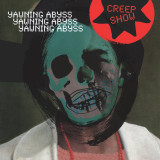
In the five years since Creep Show’s acclaimed Mr Dynamite album was released it’s fair to say that we’ve all been through a fair bit. Sitting here, in 2023, things don’t seem to be getting any better. There’s the cost of living crisis and political meltdowns; we're in deep water with global warming and to top it all there’s a war on our doorstep.
Back in 2018 everything seemed less complicated. Sure, there was stuff to get riled about, but we knew nothing about what was to come. Mr Dynamite was a fairground ride into the dark corners of a world that was on the brink of being blitzed in a blender. It was a record teetering on the edge. Five years down the line you’d expect the follow-up, Yawning Abyss, would double-down and bring the white-knuckled, teeth-gritted fury of the last five years to the boil. And yet….
A quick recap? No problem. Wrangler + John Grant = Creep Show. And Creep Show? “A band of musical misfits who have found a voice or two”, says Wrangler’s Ben “Benge” Edwards, whose Bond villain studio on the edge of a moorland is Creep Show Grand Central as well as home to an analogue synth arsenal that could sink ships.
Wrangler have known each other for a while. Tunng’s electronics wizard Phil Winter and Cabaret Voltaire’s trailblazing, pioneering frontman Stephen Mallinder go way back, while Phil and Benge crossed paths in the 21st century when they seemed to be increasingly in the same venues at the same times. Meanwhile, Mal had been living in Australia since the mid-90s and when, in 2007, he returned to the UK his old pal Phil suggested he meet Benge and the three of them immediately began working together.
Wrangler collectively bumped into Grant at their soundcheck for Sheffield’s Sensoria Festival in 2014 where they were playing with Carter Tutti. A friendship blossomed and when they were invited to perform together for Rough Trade’s 40th anniversary show at London’s Barbican in 2016, well, they jumped at the chance... and Creep Show was born.
Let’s talk about the new album... What is the ‘Yawning Abyss’? You might well ask. According to Mal, it’s “a cosmic event horizon that I can see from my attic window when stand on a chair”. Yeah. Thanks.
“On this album”, offers Benge, feet firmly on the floor, “Wrangler wrangled some vintage synths, mostly Roland, Moog, and the ‘Crystal Machine’ - then John Grant joined in the fun at Memetune Studios where lots of musical experiments were carried out. Then Mal and John ran off to Iceland with the master tapes and recorded a load of madcap vocals. Back at Memetune, me and Phil were left to try and make sense of it all. Which wasn’t hard because what they did in Iceland was totally magnificent.”
Which kind of brings us back to where we began. You’d imagine ‘Yawning Abyss’ would be blowing steam out of its furious ears. Mr Dynamite but kicking a wasps nest. Repeatedly. And yet…
Opener ‘The Bellows’ comes on like a modular ‘Radio Ga Ga’, the singalong ‘Moneyback’ (“You want your money back? / I didn’t think so”) sounds like Godley & Creme’s ‘Snack Attack’ meets Prince Charles And The City Beat Band (“Pennies, pounds, dollar bills, signed agreements, death wills”). ‘Yahtzee!’ is an unhinged electro breakdance party in four minutes and nine seconds.
Where Mr Dynamite was menace, a mélange of mangled voices, with Grant and Mallinder being heavily treated, pitched up or down, rendering their contributions largely indistinguishable, Yawning Abyss takes a more direct approach. You hesitate to say feelgood, but there’s a skip in the step here for sure.
The title track plays John Grant’s vocal straight. Completely. It’s good, so very good. Like ‘Axel F’ covered by Vangelis. The delicious shimmering synths of ‘Bungalow’ also plays those Grant pipes with a straight bat. ‘Matinee’ delves into darker, very funky territory. With Mal upfront it comes on like ‘The Crackdown’. Choice lyric: “You are starting to breakdown / And it’s so fun for me to see / You should have thought of that / You should have come prepared / You can see what’s happening and you look a little scared”.
So, you know, not all feelgood. But it does feel good. It’s probably best to draw your own conclusions... This is Creep Show after all.
Lucky For You is Bully's most close-to-the-bone album yet. It's an album that's searing and unmistakably marked by its creator's experiences, while still retaining the massive sound that Alicia Bognanno has become known for over the last decade. Her fourth album draws from personal pain and the universal struggle that is existing, learning, and moving on-and it's all soundtracked by Bognanno's rock-solid melodic sensibilities and a widescreen sound that's impossible to pin down when it comes to the textures explored. These ten songs are simply the most irresistible Bognanno's put to tape yet, making Lucky For You her greatest triumph to date in a career already packed with them. Work on Lucky For You began last year, when Bognanno brought some in-progress demos to producer J.T. Daly in his Nashville studio to see if they could strike creative kismet. "Authenticity is always on my mind, without even knowing it," she explains while discussing their recording process together. "It was great with J.T., because I could tell he was a genuine fan who wanted to emphasize what's actually good about my writing instead of changing it. I could tell how much he cared about the project, and it meant alot to me." The album came together over the course of seven months, the longest gestation process for a Bully record to date, but that time allowed inspiration to emerge in new ways. The result is a kaleidoscopic rock record spanning punk's grit, the crunchy bliss of shoegaze, explosive Britpop, and the type of classic anthems Bully has been known for. Lucky For You's thematic focus zooms in on grief and loss: The record is largely inspired by Bognanno's dog and best friend Mezzi passing away, at a time when her life already felt as if in metamorphosis. The oceanic first single "Days Move Slow" was written shortly after Mezzi's passing, reflecting the persistence of Bognanno's incisive wit in the face of adversity. "There was nothing I could do except sit down and write it, and it felt so good." And then there's the passionate opening track "All I Do," which kicks in the door with huge riffs atop her lyrical reflections on three years of sobriety. "Once I stopped drinking, I felt like I was still haunted by mistakes and things that had happened when I was drinking, and it's still taking me a long time to forget about that while existing in this house. How do I shed the skin from a path I've moved on from?" In that vein, Lucky For You is a document of perseverance in the face of the big and the small stuff. "I'm so overly emotional and sensitive, it's a blessing and a curse" she says with a laugh, but there's no downside to her expressions of vulnerability on this record; it's the latest bit of evidence that nothing can hold Bognanno back.
- 1: Secretly Bad 03:08
- 2: I Like To Pretend 0:53
- 3: Rude Body 02:57
- 4: If I Ask Her 02:18
- 5: Stripey Horsey 03
- 6: Lean 03:2
- 7: I Have A Lot To Say 03:09
- 8: Born To Care 03:00
- 9: Done With The Day 03:30
- 10: Lighter Better 03:12
- 11: Wakey Wakey 01:57
PURPLE VINYL[22,65 €]
In a world of endless, bottomless content, to find something that stands out from the crowd is a rare thing. But it’s something that 7ebra manage without breaking a sweat. Based in Malmö, twin sisters Inez and Ella Johansson deal in sparkling indie-rock that’s pretty without being soft, sweet without losing its edge and catchy without being cheap. With Inez on guitar and vocals and Ella on keys, organ and Mellotron, their minimal set-up makes a virtue of simplicity – with a sliver of guitar fuzz, and organ lines snaking around stark, striking vocals, augmented by shivering harmonies, they don’t need a lot to make music that’s colourful, kaleidoscopic, and effortlessly original.
7ebra debuted in 2022 with the double-single “I Have A Lot To Say”/ “If I Ask Her”, two helpings of psych-tinged, street-smart rock and roll, and the music scene around them wasn’t slow to notice. They opened for the Future Islands and the Dandy Warhols, were picked out by Apple Music’s Matt Wilkinson as a Hidden Gem of 2022 and were booked for prestigious showcases SXSW and Eurosonic. With a packed schedule of shows across Europe and the UK already planned for 2023, their world looks set to get a lot bigger – something that their debut album Bird Hour makes certain. The record is a warm, elegant introduction to the sound 7ebra have crafted. The songs are full of personality and character, but also retain a little bit of enigma, a sense of keeping something secret to themselves. To unwrap that elusiveness is a daunting task, but one the listener can’t resist leaping into.
Ella and Inez’s parents played in bands as they were growing up, so picking up music was a natural thing for them. The origins of 7ebra start with Inez whiling away the hours playing guitar in her bedroom. “I learned by playing covers by myself in my room”, she says. “Ella didn’t do that as much, but we sometimes played and sang together, country songs”. Eventually she would start writing her own. Ella wasn’t involved originally (“we did play together a few times”, she says, “and it just went to shit laughs. We fought a lot”), and Inez was originally reluctant: “I was a bit unsure whether I wanted to be in a band with my sister. Because you get clumped together all the time, when you’re twins”. But Ella was keen to join, and eventually persuaded Inez to let her join for a show. It went – so well that producer Tore Johansson (The Cardigans, Franz Ferdinand), saw it and asked if they’d like to record with him. That changed things, says Ella: “It made us think there might be something in this music”. As a duo, 7ebra were in flight. “In the end, it’s kind of a nice thing too being sisters in a band”, Inez says. “It doesn’t bother me anymore. It just made sense to play together”.
On the album that they eventually came up with, the talent that caught Johansson’s eye is immediately obvious. Opener “Secretly Bad” has a way of walking along your nerves, an eerie echo of a hymn in Inez’s vocal backed by a swirl of woozy blend of guitars and organ. That’s followed up by “I Like To Pretend”, an easily charming song that has a sleepy brightness about it, like morning sunlight breaking through a window. They take a couple of different genres for a whirl on Bird Hour – they’re tense and snappy on “If I Ask Her”, breezy and cocky on “Lighter Better”, and there’s even a couple of droplets of blues and folk in the mix, in the raw intensity of the emotions in the slower songs, the vulnerability and aching of songs like “Lean” and “Stripey Horsey”. The record has a way of sweeping you along in its mood and tones, fuelled in part by the band’s use of repetition, sometimes fast and fevered, sometimes crawling and hypnotic. The duo’s musical input blends perfectly, with Inez’s guitar and vocals forming the core, and Ella drawing in the detail with keys, organ, and harmonies, to really bring out the vivid nature of the songs. Indie rock that’s melodic and sweet, but with enough shadow mixed in to make it really compelling.
On Bird Hour, what strikes you first about 7ebra’s sound is how fully formed it is, how much they’ve carved out their own sonic territory, perfected by trial and error in the studio with Johansson. “Tore wanted us to try everything possible”, says Ella. “We had moments where things weren’t working. But that was necessary in order to find the good stuff”. 7ebra’s signature might be found in the deft way they deal with emotion – unafraid of being open, but a little too clever to make things too clear cut: “You can’t take yourself that seriously. It’s too emotional to take it seriously, to start hating yourself. But at the same time, it is quite serious”, says Ella. Another trademark is the simplicity – a 7ebra song has just enough to make it work, and nothing more. “I think it was important for me that our voices were at the centre of the songs”, says Inez, “that all the little melodies have their place, and don’t get overwhelmed. With lyrics, I sometimes come up with something, and just feel ‘there’s no need to add more to this’. Sometimes a line works by itself. You don’t have to add a bunch of lyrics”. Finally, the album’s themes are ones that will resonate with most people that have set foot on this planet. “I guess it’s about trying to understand yourself, in relation to others. Just life. ‘Why am I not good at this, why is this thing happening to me, why is this thing so hard, why am I so stupid?’”, laughs Ella.
7ebra haven’t been around for very long – but a handful of songs and their fizzing live shows have stirred up the biggest buzz in Scandinavian music in quite a while. Their debut album justifies it all. It showcases the magic they’re capable of conjuring up, and hints at even more to come in the future. But from where they are right now, they’ve made something very special. Bird Hour takes all that promise and turns it into something concrete, in the form of one of the year’s best rock debuts.
In a world of endless, bottomless content, to find something that stands out from the crowd is a rare thing. But it’s something that 7ebra manage without breaking a sweat. Based in Malmö, twin sisters Inez and Ella Johansson deal in sparkling indie-rock that’s pretty without being soft, sweet without losing its edge and catchy without being cheap. With Inez on guitar and vocals and Ella on keys, organ and Mellotron, their minimal set-up makes a virtue of simplicity – with a sliver of guitar fuzz, and organ lines snaking around stark, striking vocals, augmented by shivering harmonies, they don’t need a lot to make music that’s colourful, kaleidoscopic, and effortlessly original.
7ebra debuted in 2022 with the double-single “I Have A Lot To Say”/ “If I Ask Her”, two helpings of psych-tinged, street-smart rock and roll, and the music scene around them wasn’t slow to notice. They opened for the Future Islands and the Dandy Warhols, were picked out by Apple Music’s Matt Wilkinson as a Hidden Gem of 2022 and were booked for prestigious showcases SXSW and Eurosonic. With a packed schedule of shows across Europe and the UK already planned for 2023, their world looks set to get a lot bigger – something that their debut album Bird Hour makes certain. The record is a warm, elegant introduction to the sound 7ebra have crafted. The songs are full of personality and character, but also retain a little bit of enigma, a sense of keeping something secret to themselves. To unwrap that elusiveness is a daunting task, but one the listener can’t resist leaping into.
Ella and Inez’s parents played in bands as they were growing up, so picking up music was a natural thing for them. The origins of 7ebra start with Inez whiling away the hours playing guitar in her bedroom. “I learned by playing covers by myself in my room”, she says. “Ella didn’t do that as much, but we sometimes played and sang together, country songs”. Eventually she would start writing her own. Ella wasn’t involved originally (“we did play together a few times”, she says, “and it just went to shit laughs. We fought a lot”), and Inez was originally reluctant: “I was a bit unsure whether I wanted to be in a band with my sister. Because you get clumped together all the time, when you’re twins”. But Ella was keen to join, and eventually persuaded Inez to let her join for a show. It went – so well that producer Tore Johansson (The Cardigans, Franz Ferdinand), saw it and asked if they’d like to record with him. That changed things, says Ella: “It made us think there might be something in this music”. As a duo, 7ebra were in flight. “In the end, it’s kind of a nice thing too being sisters in a band”, Inez says. “It doesn’t bother me anymore. It just made sense to play together”.
On the album that they eventually came up with, the talent that caught Johansson’s eye is immediately obvious. Opener “Secretly Bad” has a way of walking along your nerves, an eerie echo of a hymn in Inez’s vocal backed by a swirl of woozy blend of guitars and organ. That’s followed up by “I Like To Pretend”, an easily charming song that has a sleepy brightness about it, like morning sunlight breaking through a window. They take a couple of different genres for a whirl on Bird Hour – they’re tense and snappy on “If I Ask Her”, breezy and cocky on “Lighter Better”, and there’s even a couple of droplets of blues and folk in the mix, in the raw intensity of the emotions in the slower songs, the vulnerability and aching of songs like “Lean” and “Stripey Horsey”. The record has a way of sweeping you along in its mood and tones, fuelled in part by the band’s use of repetition, sometimes fast and fevered, sometimes crawling and hypnotic. The duo’s musical input blends perfectly, with Inez’s guitar and vocals forming the core, and Ella drawing in the detail with keys, organ, and harmonies, to really bring out the vivid nature of the songs. Indie rock that’s melodic and sweet, but with enough shadow mixed in to make it really compelling.
On Bird Hour, what strikes you first about 7ebra’s sound is how fully formed it is, how much they’ve carved out their own sonic territory, perfected by trial and error in the studio with Johansson. “Tore wanted us to try everything possible”, says Ella. “We had moments where things weren’t working. But that was necessary in order to find the good stuff”. 7ebra’s signature might be found in the deft way they deal with emotion – unafraid of being open, but a little too clever to make things too clear cut: “You can’t take yourself that seriously. It’s too emotional to take it seriously, to start hating yourself. But at the same time, it is quite serious”, says Ella. Another trademark is the simplicity – a 7ebra song has just enough to make it work, and nothing more. “I think it was important for me that our voices were at the centre of the songs”, says Inez, “that all the little melodies have their place, and don’t get overwhelmed. With lyrics, I sometimes come up with something, and just feel ‘there’s no need to add more to this’. Sometimes a line works by itself. You don’t have to add a bunch of lyrics”. Finally, the album’s themes are ones that will resonate with most people that have set foot on this planet. “I guess it’s about trying to understand yourself, in relation to others. Just life. ‘Why am I not good at this, why is this thing happening to me, why is this thing so hard, why am I so stupid?’”, laughs Ella.
7ebra haven’t been around for very long – but a handful of songs and their fizzing live shows have stirred up the biggest buzz in Scandinavian music in quite a while. Their debut album justifies it all. It showcases the magic they’re capable of conjuring up, and hints at even more to come in the future. But from where they are right now, they’ve made something very special. Bird Hour takes all that promise and turns it into something concrete, in the form of one of the year’s best rock debuts.
- A1: Ghosts Of Decay (Album Mix)
- A2: Let's All Make Brutalism (Album Mix)
- A3: You've Heard This One Before (Album Mix)
- A4: (B) Owls In Tesco Bags (Album Mix)
- B1: Open Your Head (Album Mix)
- B2: Harder Times (Album Mix)
- B3: (B) We Never Wanted You (Album Mix)
- B4: 98 Russell Street (Album Mix)
- C1: (We Never Needed This) Fascist Groove Thang (Album Mix)
- C2: Thee Difference Ov Girls (Album Mix)
- C3: Empire Statement Humanoid (Album Mix)
- C4: Circus Ov Daath (Album Mix)
- C5: (B) Let Me Dada (Album Mix)
- D1: This Is Phil Talking (Album Mix)
- D2: Sound Ov Thee Crowd (Album Mix)
- D3: I Dare You (Album Mix)
- D4: Borstal Communications (Album Mix)
Sometimes, things "just happen". For months, we’d been working away on various projects and then, without really thinking about it, The Black EP just happened. It seemingly appeared from nowhere.
We’d been talking about the old days; making music with friends and dodgy kit, renting small practice rooms and using makeshift recording studios. It was such a common thing back then, you could pick a dusty space in a half-derelict building for as little as £25 a month. In those days, the Cabs and Human League had studios with posh-sounding names, but in reality, they were the same old workspaces long abandoned by the industries they were built for. Nevertheless, the grand names made them sound magical.
Sheffield had thousands of these spaces, and some still exist today, but their abundance and low-cost made Sheffield a very active place. Someone was always doing something. They’d exploded onto the scene in a flurry of excitement before disappearing just as quickly.
There’s something about these little mesters (workshops) that we believe lives in the very consciousness of Sheffield. It’s one of the reasons we never really had big scenes like Manchester or Leeds. The Hacienda would've never been built here.
We don’t really do big gangs or have that kind of mentality. We tend to exist in little pockets, often leaving each other alone. It would be 30 years before any member of The Black Dog talked to Cabaret Voltaire. Sure, we’d stood outside their practice room as kids, trying to listen in, but never felt any reason to approach. Sheffield is like that.
Once we had the first two tracks of the Black EP, we set off to see Jon at Do It Theesen, where he manually cut the tracks to an extremely limited set of 7" singles using a vinyl lathe. It just felt right to go back to the old ways; a small gang creating something special in workshops and sheds. There’s something very satisfying about it, a perfect circle, if you will.
We pushed further by adopting old practices, working with one synth per person and limiting the use of our computers. We only stopped short of putting everything on beer crates. It seems like madness these days, but there is raw creativity within these confines. Pretty much every band started this way. Depeche Mode travelled to the studio on the London Underground for their first appearance on Top Of The Pops, all lugging a synth each. That's how we approached the creation of this album; stripped back, raw and minimal - it just felt so right.
And then there’s the competitive element that was influenced when the original Human League split and became Human League MK II and Heaven 17. Both continued to use the same studio to write what became the albums "Dare" and "Penthouse and Pavement". There is something about that drive that is very Sheffield, just making stuff and hoping everything falls into place.
In Sheffield, we do things differently, because that’s how we are built. away on various projects and then, without really thinking about it, The Black EP just happened. It seemingly appeared from nowhere.
Swedish Doom/Death Metal from the Champions League of that genre!
Runemagick mines the darkest seams of crushing Death/Doom Metal for unremitting headbanging groove. Runemagick are among the most
underrated bands in the history of Metal. Their relative obscurity is hard to pin down. Musically, in terms of songcraft, atmosphere, and immersion into the unearthly realms of the occult, they are basically without peers. Yet despite a prolific thirty-year existence, their reputation exists on the fringes: highly regarded by some but not highly enough considering the overall quality of their output.
From start to finish Runemagick plays well done ancient Death/Doom metal, very slow and heavy, but the balance between Death and Doom Metal is very well chosen! This will relive the glory days of the good old 90’s stuff from the United Kingdom! Deep and intense grunts, the freezing thick guitars and the intense bass lines really spread a gloomy frightening atmosphere. Runemagick have written an album against all kinds of trends hailing a style which.
blue vinyl
A previously Self Distributed release from Valerie Ace's label. We have the last 40 copies. Blue Vinyl, full of Hard Techno Stuffing. Featuring; NARA, VALERIE ACE, RYAN JAMES FORD and VEL. 140g 12" blue transparent vinyl with hand-stamped center labels, hand stamped disco sleeve and PE foil outer sleeve
When Leon Michels and El Michels Affair released their first record, Sounding Out The City, in 2005, it was hard to guess what was next for Michels and his then-introduced, now-patented “cinematic soul” sound. Now, four EMA studio albums and scores of tribute and remix projects later all while producing for some of the biggest names in the industry Michels has trademarked his sound, with each project taking audiences somewhere new and pushing the boundaries of what he is known for. The man is a river, not a lake and this time he takes his golden touch into the realm of hip-hop laying down a musical bed for one of the greatest to ever rhyme into a microphone: Black Thought of The Roots crew.
Releasing on Big Crown Records, the LP is called Glorious Game and it is a remarkable debut partnership in more ways than one. Michels provides his bottom-heavy, soul-tinged production for Black Thought who gives us some of the more personal and transparent verses we've ever heard from him. Michels and Black Thought have been in each other's orbit for a while now. The two first met in the 2000s when Thought was first getting familiar with the contemporary soul scene. "Out of that whole world, Menahan Street Band was probably my favorite," recalling the funk and soul group Michels was a founding member of back in 2007. Fast forward a few years and musicians from that collective Dave Guy on trumpet and Ian Hendrickson-Smith on sax are now full time players with The Roots. This connection eventually led Leon and Thought to doing a few fundraising events around NYC and Philly together. "Before long, Black Thought was coming around the studio and would jam with us from time to time," Michels explains. "Then, fast forward to 2020 and COVID lockdowns, he just hit me up out of the blue, wanting me to send him stuff to write to. We both were looking to stay busy."
Being that Black Thought is the co-founder and emcee for, hands down, the best live-band group in hip-hop. Michels took a decidedly different approach to this project and instead of sending recorded tracks of live compositions, he pulled out the sampler and sampled himself and some records from his collection. "I'm a big fan of soul music," as if Michels has to remind us. "And part of hip-hop's appeal to me has always been the sample-based production".
For Glorious Game, Michels would make wholly composed and recorded soul songs in his studio, sample himself, then chop and/or loop up his sounds and create instrumentals for Black Thought. On some tracks he took a more traditional hip-hop approach, starting from samples of other people’s music but then adding live instrumentation on top. But for the most part, it's him reinterpreting his own compositions into something new.
The result is an organic feel of loop-based tracks that breathe and fluctuate enough for Black Thought to ‑ex on. "What I write about is determined by the equation of the producer's energy and my energy," Black Thought says. "It's about where we meet." So armed with Michels sampled and re-sampled soul cinematics, Black Thought rhymes through personal memories and distinctive.
When Leon Michels and El Michels Affair released their rst record, Sounding Out The City, in 2005, it was hard to guess what was next for Michels and his then-introduced, now-patented "cinematic soul" sound. Now, four EMA studio albums and scores of tribute and remix projects later - all while producing for some of the biggest names in the industry - Michels has trademarked his sound, with each project taking audiences somewhere new and pushing the boundaries of what he is known for. The man is a river, not a lake and this time he takes his golden touch into the realm of hip-hop laying down a musical bed for one of the greatest to ever rhyme into a microphone: Black Thought of The Roots crew. Releasing on Big Crown Records, the LP is called Glorious Game and it is a remarkable debut partnership in more ways than one. Michels provides his bottom-heavy, soul-tinged production for Black Thought who gives us some of the more personal and transparent verses we've ever heard from him. Michels and Black Thought have been in each other's orbit for a while now. The two first met in the 2000s when Thought was first getting familiar with the contemporary soul scene. "Out of that whole world, Menahan Street Band was probably my favorite," recalling the funk and soul group Michels was a founding member of back in 2007. Fast forward a few years and musicians from that collective - Dave Guy on trumpet and Ian Hendrickson-Smith on sax - are now full time players with The Roots. This connection eventually led Leon and Thought to doing a few fundraising events around NYC and Philly together. "Before long, Black Thought was coming around the studio and would jam with us from time to time," Michels explains. "Then, fast forward to 2020 and COVID lockdowns, he just hit me up out of the blue, wanting me to send him stuff to write to. We both were looking to stay busy" Being that Black Thought is the co-founder and emcee for, hands down, the best live-band group in hip-hop. Michels took a decidedly different approach to this project and instead of sending recorded tracks of live compositions, he pulled out the sampler and sampled himself and some records from his collection. "I'm a big fan of soul music," as if Michels has to remind us. "And part of hip-hop's appeal to me has always been the sample-based production" For Glorious Game, Michels would make wholly composed and recorded soul songs in his studio, sample himself, then chop and/or loop up his sounds and create instrumentals for Black Thought. On some tracks he took a more traditional hip-hop approach, starting from samples of other people's music but then adding live instrumentation on top. But for the most part, it's him reinterpreting his own compositions into something new. The result is an organic feel of loop-based tracks that breathe and uctuate enough for Black Thought to ex on. "What I write about is determined by the equation of the producer's energy and my energy," Black Thought says. "It's about where we meet." So armed with Michels sampled and re-sampled soul cinematics, Black Thought rhymes through personal memories.
SKY HIGH BLUE COLOURED VINYL
When Leon Michels and El Michels Affair released their rst record, Sounding Out The City, in 2005, it was hard to guess what was next for Michels and his then-introduced, now-patented "cinematic soul" sound. Now, four EMA studio albums and scores of tribute and remix projects later - all while producing for some of the biggest names in the industry - Michels has trademarked his sound, with each project taking audiences somewhere new and pushing the boundaries of what he is known for. The man is a river, not a lake and this time he takes his golden touch into the realm of hip-hop laying down a musical bed for one of the greatest to ever rhyme into a microphone: Black Thought of The Roots crew. Releasing on Big Crown Records, the LP is called Glorious Game and it is a remarkable debut partnership in more ways than one. Michels provides his bottom-heavy, soul-tinged production for Black Thought who gives us some of the more personal and transparent verses we've ever heard from him. Michels and Black Thought have been in each other's orbit for a while now. The two first met in the 2000s when Thought was first getting familiar with the contemporary soul scene. "Out of that whole world, Menahan Street Band was probably my favorite," recalling the funk and soul group Michels was a founding member of back in 2007. Fast forward a few years and musicians from that collective - Dave Guy on trumpet and Ian Hendrickson-Smith on sax - are now full time players with The Roots. This connection eventually led Leon and Thought to doing a few fundraising events around NYC and Philly together. "Before long, Black Thought was coming around the studio and would jam with us from time to time," Michels explains. "Then, fast forward to 2020 and COVID lockdowns, he just hit me up out of the blue, wanting me to send him stuff to write to. We both were looking to stay busy" Being that Black Thought is the co-founder and emcee for, hands down, the best live-band group in hip-hop. Michels took a decidedly different approach to this project and instead of sending recorded tracks of live compositions, he pulled out the sampler and sampled himself and some records from his collection. "I'm a big fan of soul music," as if Michels has to remind us. "And part of hip-hop's appeal to me has always been the sample-based production" For Glorious Game, Michels would make wholly composed and recorded soul songs in his studio, sample himself, then chop and/or loop up his sounds and create instrumentals for Black Thought. On some tracks he took a more traditional hip-hop approach, starting from samples of other people's music but then adding live instrumentation on top. But for the most part, it's him reinterpreting his own compositions into something new. The result is an organic feel of loop-based tracks that breathe and uctuate enough for Black Thought to ex on. "What I write about is determined by the equation of the producer's energy and my energy," Black Thought says. "It's about where we meet." So armed with Michels sampled and re-sampled soul cinematics, Black Thought rhymes through personal memories.
Tape
When Leon Michels and El Michels Affair released their rst record, Sounding Out The City, in 2005, it was hard to guess what was next for Michels and his then-introduced, now-patented "cinematic soul" sound. Now, four EMA studio albums and scores of tribute and remix projects later - all while producing for some of the biggest names in the industry - Michels has trademarked his sound, with each project taking audiences somewhere new and pushing the boundaries of what he is known for. The man is a river, not a lake and this time he takes his golden touch into the realm of hip-hop laying down a musical bed for one of the greatest to ever rhyme into a microphone: Black Thought of The Roots crew. Releasing on Big Crown Records, the LP is called Glorious Game and it is a remarkable debut partnership in more ways than one. Michels provides his bottom-heavy, soul-tinged production for Black Thought who gives us some of the more personal and transparent verses we've ever heard from him. Michels and Black Thought have been in each other's orbit for a while now. The two first met in the 2000s when Thought was first getting familiar with the contemporary soul scene. "Out of that whole world, Menahan Street Band was probably my favorite," recalling the funk and soul group Michels was a founding member of back in 2007. Fast forward a few years and musicians from that collective - Dave Guy on trumpet and Ian Hendrickson-Smith on sax - are now full time players with The Roots. This connection eventually led Leon and Thought to doing a few fundraising events around NYC and Philly together. "Before long, Black Thought was coming around the studio and would jam with us from time to time," Michels explains. "Then, fast forward to 2020 and COVID lockdowns, he just hit me up out of the blue, wanting me to send him stuff to write to. We both were looking to stay busy" Being that Black Thought is the co-founder and emcee for, hands down, the best live-band group in hip-hop. Michels took a decidedly different approach to this project and instead of sending recorded tracks of live compositions, he pulled out the sampler and sampled himself and some records from his collection. "I'm a big fan of soul music," as if Michels has to remind us. "And part of hip-hop's appeal to me has always been the sample-based production" For Glorious Game, Michels would make wholly composed and recorded soul songs in his studio, sample himself, then chop and/or loop up his sounds and create instrumentals for Black Thought. On some tracks he took a more traditional hip-hop approach, starting from samples of other people's music but then adding live instrumentation on top. But for the most part, it's him reinterpreting his own compositions into something new. The result is an organic feel of loop-based tracks that breathe and uctuate enough for Black Thought to ex on. "What I write about is determined by the equation of the producer's energy and my energy," Black Thought says. "It's about where we meet." So armed with Michels sampled and re-sampled soul cinematics, Black Thought rhymes through personal memories.
2023 Repress
Noisia's uncompromising approach to dance music has never been more keenly felt. While they're turning out remixes for commercial acts such as Katy Perry and Deadmau5 that sound just as filthy as any usual Noisia production, the Dutch trio are also sticking to their D&B roots with releases on their own Vision imprint.For Vision's latest release label bosses Noisia team up with long-term collaborators, Phace, to whip up 'Program'. As you'd expect from one of their collabs, this one is hard and heavy complete with an intense breakdown reminiscent of Wolfgang Gartner's 'Undertaker'. Winding bass notes finish the job and rib-crushing subs will have the dancefloor churning every time this drops.Flip over and 'Regurgitate' brings you in slowly, stuffing you gently with an epic atmosphere and sultry guitar licks. Looped vocals bring you up to the drop before a trademark Noisia bassline pukes all over your best dancing shoes. If this one doesn't get people 'going sick' we don't know what will!
A lot can happen in ten years.
Rewind back to Gateshead in 2008 - the producer Smoove is round his friend and keyboard player - Mike Porter's house. Together they are working on tracks for his project and all of a sudden they hear a heavenly voice from the neighbour. Transfixed by the vocals that are caressing their ears they go and investigate to find a youthful John Turrell doing his thing at a practice with a local band he played with when he wasn't teaching carpentry at the local college. Together they woo him with their Geordie charms and the initial line up of 'Smoove & Turrell' is born. The group instantly gel and soon after have penned the killer track 'I Can't Give You Up'...
Flash forward to 2019 and the carpentry community looks on with jealousy as the group has gone from strength to strength. Signed to the independent label Jalapeno Records they are now five albums deep and they have achieved multiple radio-playlisted singles, won awards, toured with the likes of Chic, gained sync success across the world and continue to wow venues in all continents with their thrilling live shows on the regular.
All of this in an age where attention spans are shorter than ever and there is more access to music than ever. This is certainly an achievement worth celebrating. Doubly so in fact as not only is it their ten year anniversary collection but also it is the 300th official release on Jalapeno Records so it only seems right that the occasion gets commemorated properly - a double gatefold LP with brass coloured vinyl somehow seems appropriate...
Comprising of 18 tracks taken from all five of their studio albums as well as two new barnstorming tunes exclusive to this release - it's a veritable feast of northern funk gems from start to finish. Favourites from their deep catalogue including 'Slow Down', 'Beggarman', 'In Deep', 'Have Love' and 'You Could've Been A Lady' are all present and correct, lining up next to the two newbies which also hold their own.
"But what about the new tracks!" we hear you cry - well Smoove's solo rework of The Spencer Davis Group - I'm A Man is the stuff of legend with physical copies changing hands for huge sums (if you are lucky enough to be able to locate one in the first place!). The track has long been a staple of S&T live sets but they've never laid it down in a studio recording... That is until now. It's a monster of a tune and the perfect way to kick proceedings off on this record.
That's not all though, as the lads also serve up the aptly reflective 'Give it Back'. It's signature Smoove & Turrell stuff - full of soul with deep and heartfelt lyricism. Turrell's chorus refrain "We love the ones who give it back" is typically honest and true of a band that prides themselves on community. Proper canny that. Proper canny.
Sniffany & The Nits are a deranged, genuinely troubling punk band
from London featuring members of Joanna Gruesome, Ex-Void and
The Tubs. Their debut album, ‘The Unscratchable Itch’, is released
via PRAH Recordings.
Drawing a through line between the British post-punk of The Fall and
the new wave of insolent hardcore typified by bands like Lumpy &
The Dumpers, The Nits have developed a knack for writing unhinged
punk earworms.
But it’s Sister Sniffany, and her singular lyrical and performance style,
who elevates the band beyond the sum of their influences. Her lyrics
inhabit the same world as her “macabre, visceral” (It’s Nice That)
cartoons - a world of hidden humiliations, girl abjection, crumpled
lager cans, clam chowder and lumpy, over-stuffed dollies.
Over the course of ‘The Unscratchable Itch’, Sniffany ventriloquises a
cast of pathetic, unbalanced characters: A secretarial administer tails
her Casanova husband to a suburban swingers party: “I can smell
him from here: a mix of Vaseline, foot cream and Stella beer.” A poor
old grandmother’s glasses fog up as she chastises her
granddaughter: “You self-entitled selfish little twat! / Left me to die in a popcorn-walled flat! / Spotty little smelly little prick! / Making your poor grandmother sick!”
But these characters aren’t detached, impersonal creations. As
Sniffany explains: “In Sniffany & The Nits I like to exorcise and exhibit
the deeply shameful parts of myself that I see as the toxic aspects of
my own femininity.” These are confessional songs about love
addiction, jealousy, possession, self-loathing and “egg smashingfury.” Though occasionally they are literally just about Sex & The City, red-pilled incels or grandmothers. O Williams (drums), Max ‘Wozza’ Warren (bass) and Matt Green
(guitar) have been entrenched in the UK DIY scene for years, having
played in the aforementio ned bands, as well as countless others.
Warren also runs the influential left-field label Gob Nation - a home
for ‘egg punks’ across the country. As such, the band veer between
atonal no-wave guitar assault, straight-up hardcore, goth/anarcho or
whatever takes their fancy, while remaining identifiably Nit-like.
Always grounded by a pounding, pogo-ing rhythm section, The Nits
provide the perfect backdrop for Sister Sniffany’s wild, relentless live
performances.
Fazerdaze, aka Auckland-based singer / producer / multi
nstrumentalist Amelia Murray, is back with new music after a
very intentional five year pause.
Fazerdaze returns with ‘Break!’, an air-punch purge in musical
form, marking an important reintroduction to an essential artist
of our times.
In a society where being strong and resilient is often held up like
a badge of honour, it’s much, much harder to acknowledge
when enough is enough - to accept when it’s time to let go. It’s
a truth that Murray has spent years wrangling with, but one
whose story thankfully comes with an empowering punchline of
personal reclamation. Rewind back half a decade and,
objectively, things for Fazerdaze were hitting their stride. Then
residing in Auckland, an early determination to graft hard and
“put herself in the right places” had led to working for and then
signing with legendary New Zealand label Flying Nun. A debut
LP - 2017’s ‘Morningside’ - followed, full of gauzy melodies and
nfluenced by Frankie Cosmos, Japanese Breakfast, and the
dream-pop landscape of the time.
Finishing up touring for the record at the end of 2018, Amelia
speaks of a deep sense of burn out and, more than that, of
feeling the “wheels starting to come off” in her general life. “No
longer being stoic and strong was the best thing I ever did for
myself. Giving up on the people and things that weren’t working
in my life was this big release where I could finally put down this
weight that I was carrying, and ever since then everything has
been better in my life overall,” she continues with an audible
sense of relief. “I can hear my intuition and write songs and be
creative; I signed a record deal, I moved into my own place. It’s
like the floodgates opened for good stuff coming into my life.”
Black vinyl in a single sleeve jacket and printed inner sleeve.
Design by Joey Clough.
Press - Reviews & features in The Guardian, The FADER, Brooklyn Vegan,
Complex, Consequence, DIY, Narc Magazine, Pigeons and Planes.
Radio - BBC 6 Music A-List.
Online - Support from both fans & fellow musicians, including posts shouting
out ‘Break!’ from King Krule & Lorde.
Some 30 years after first putting on a slab of vinyl in front of an audience Belgian DJ mainstay Red D presents his debut album called ‘Fantasize Then Realize’ under his Red Basics guise. An experienced and versatile DJ if ever there is one, it was logical that his album takes in a wealth of influences from around the house and techno block and features some of his best musical friends and inspirations. From his ‘go to’ singer Lady Linn, to his musical friend and partner in FCL San Soda via Belgian stronghold Lefto, to his Detroit buddy Reggie Dokes: these are the people Red D has been working with and learning from for years on end.
The music ranges from the dreamy beatless title track to the sleazy spoken word ‘Just Like Hercules’ up to the Larry Heard-inspired deepness ‘Compelled’ and including the melancholy of ‘The Larkin’.
Locked down during the first months of the Covid 19 madness Red D had no more ‘I’m too busy to get into the studio’ excuses and all the inspiration gathered during the countless hours of DJ’ing and listening to records in the last 30 years simply poured out. Making track after track was daily (and nightly) business and after a while the idea of a full album simply came naturally. The next lockdowns were spent fine-tuning the tracks, coming up with lyrics and finalizing the tracklist.
The result is ‘Fantasize Then Realize’, Red D’s debut album and a testament to his sound and attitude.
DJ FEEDBACK:
Mousse T:”22 Shoulders, hell yeah!”
Laurent Garnier: “Thanks a lot for these tracks. There’s some lovelyyyyyyy deeeeeepness in there. Love it.”
Levon Vincent: “I gave the LP a listen, nice one! I thought ‘Devious Monday’ was captivating and I liked the work with Classy Lassy as well. Congrats!”
Ka§par:"When a guys knows what he's doing, it sounds like it's real. Great tracks, loving it more and more the further we go."
Roberto Rodriguez: "Classy album! Red D quality!"
Nacho Marco: "Loving it, hard to pick a favorite. Thanks!!"
Kong: "Big up Bart, well done. Belgium = house = Red D!!"
Melon: "House music represent! Love it, feel it & gonna drop it. Great stuff :)"
Simon Caldwell: "Some really special house music on this album. Many thanks!!"
OOFT!: "Yes! This sounds amazing! Authentic underground house music just the way I like it :)"
Massimiliano Pagliara: "Nice tunes!"
Tomaz: "We all knew Bart knows where it's at but this is ridiculously good. Hard to pick a fave. The collabs are great, so are the ‘solo’ tracks. I picked the single with Lien as fave because that'll hopefully draw the deserved attention to the rest of the album. Top marks !"
Juliano: "Congrats for your album Bart ! love the deepness of the tracks and the authenticity you brought. Thank you"
Harri: "Liking these a lot, will play and support."
Alex Barck: "That's a great piece of work"
Quintessentials: "All around fantastic album! Congrats!"
Lauer: "Respect, amigo!"
Darko Esser: "Beautiful album, congrats mate great work!"
Repress!
Tarenah was one of only two singles pressed under the nom de plume of Psychedelic Research Lab - a collaboration between Scott Richmond and John Selway which began while the pair were attending music conservatory at SUNY Purchase College, in upstate New York. Scott produced the first version of the track for a modern dance performance in 1993. A mix of electronics and room full of live musicians, the session featured an afro-cuban percussionist, a Bangladeshi vocalist / tabla player, a classical flautist, and a reggae guitarist, with Scott on keys and engineering, and John on multiple TB-303s. The duo played the piece to a pal, who said, “Listening to your music is like being in a psychedelic research lab” and the moniker was born. DJ Jonathan Kadish, the chill out resident at pioneering NYC rave, NASA, championed the track and subsequently commissioned four remixes for his label, Gyroscopic Recordings.
The tune has been elevated to legendary status in certain circles - due to it being a firm favourite of “The Godfather Of Chill-out”, the late DJ Jose Padilla. Jose at this time had a penchant for “ambient breaks / breakbeats” - seminal stuff like the work of San Francisco's Hardkiss crew and other Bay Area artists. According to close friend Phil Mison, drawn to the Chill Mix, Jose Padilla played and played Tarenah at Ibiza`s Cafe del Mar. It was a daily constant in Jose`s sets for several seasons, and he eventually included the track on the second volume of his essential compilation series honouring said White Isle shrine - put together in the mid-90s for the label React. Sealing the tune`s fate and making Tarenah forever synonymous with Jose and the golden, halcyon, San Antonio, Cala Des Moro, sunsets he soundtracked.
The 3rd Floor Mix, named after the location of the SUNY Purchase studio, is tribally-tinged uplifting progressive house - taking its cues from the contemporary Dutch imprints, Fresh Fruit and Touche. John Selway’s Remix (titled “Spy’s Sub Mix” on the original pressing) strips the track back to a cool, more minimal, jack - heavily influenced by the “bleep” sound of Sheffield`s Warp Records. The Sleepwalker Mix is beatless. Tailored from twisting, intertwining, 303 drones.
Following Tarenah, Scott and John continued devoting their life to dance music. Scott went behind the scenes, founding - alongside Jonathan Kadish - the famous Satellite Records dance music record store chain. He also ran the house and trance labels, Central Park and Pitch Black. In recent years, Scott has worked in artist management, and within the global music festival scene, primarily with Vh1 Supersonic and Ticket Fairy India, which has taken him to Mumbai, Goa, and Pune. John has had an amazingly prolific electronic music career, building a vast, and varied catalogue of productions - both solo, and through collaboration. From Disintegrator and working on Deep Dish`s debut single, to Smith & Selway and The Rancho Relaxo Allstars. Along the way finding the time to run labels such as Serotonin and CSM. Currently John is teaching and mentoring the next generation of electronic music artists at 343 Labs music school, while still producing forward-thinking techno and electro.
This is the first time Tarenah has been reissued in full on vinyl, and Midnight Drive are very proud to present this sublime underground classic once more. Reissued in full conjunction with John Selway and Scott Richmond, remastered by Curvepusher, London and distributed worldwide by Above Board distribution 2022.
- A1: Hardy's Jet Band – Sorry, Doc! (3 12)
- A2: Hardy's Jet Band – Wind It Up (2 52)
- A3: Hardy's Jet Band – Safari Track (2 58)
- A4: Hardy's Jet Band – Look At Me (2 27)
- A5: Hardy's Jet Band – Blue Butterfly (2 44)
- A6: Hardy's Jet Band – What You Call To Be Free (3 03)
- B1: Orchestra Klaus Wuesthoff – Lady In Space (2 26)
- B2: Orchestra Klaus Wuesthoff – Big Beat (2 45)
- B3: Jan Troysen Band – A Blue Message (3 31)
- B4: Jan Troysen Band – Pop Happening (2 29)
- B5: Orchestra Gary Pacific – Ghetto Gap (2 43)
- B6: Orchestra Gary Pacific – Soft Wind (2 07)
- B7: Orchestra Gary Pacific – So Far (1 38)
Behold! Yes, Blue Butterfly, one of the absolute stunners on the revered Selected Sound, is finally available for all the beat-heads. Heavyweight library funk with a psychedelic touch, the super in-demand Blue Butterfly from *deep breath* Hardy's Jet Band, Orchestra Klaus Wuesthoff, Jan Troysen Band and Orchestra Gary Pacific - was originally released in 1971. Incredibly ahead of its time, it's been rare and sought-after for decades.
For many aficionados, this is the best Selected Sound release. Loaded with fuzzy wah-wah guitar, deep flute-lines atop soulful psych-rock breakbeats and huge organ action, its uncompromising funk will blow you away. Sampled for many hip hop beats and dropped by well known rare groove DJs around the world, one jewel in particular from this glorious German vault needs little introduction. The intro to Orchestra Gary Pacific's mesmeric "Soft Wind" rides the illest, crispest drum break you've perhaps never heard - like, the drum break to end them all - alongside a smooth, deep bass line from the heavens. It featured notoriously on the beloved Dusty Fingers comps of the 90s and was brilliantly sampled by Pacewon for his eternal "Sunroof Top". Just listen and be dazzled.
Beyond this mini-masterpiece, the other killer tracks offer brilliance in abundance. Hardy's Jet Band take control of the full A side, and it's full of dynamic psych-funk bombs. Hard, "big city" industrial groovers. In particular, the initial one-two of "Sorry, Doc!" and "Wind It Up" provide thrilling funky-blues rock instrumentals showcasing relentless guitars, flutes, sax and organ, the latter containing gorgeous, hypnotic breakdowns; these tracks just slay. The title track, "Blue Butterfly" is a real deep strut of a track with fantastic soloing from guitar and flute over crisp drums whilst the highway banger "What You Call To Be Free" certainly sounds a lot like unbridled, rhythmical liberty.
On the flip, the ghost-riding "Lady In Space" is a string-drenched acid-western foxtrot. Yep. “Pop Happening” by Jan Troysen Band is a heavy, druggy psych-fuzz organ groover whilst their slow beat-organ-flute gem "A Blue Message" is a gorgeous psych floater conjuring deeply strange frontier lands. Preceding their monster "Soft Wind", the soulful, uptempo groover “Ghetto Gap” by Orchestra Gary Pacific contains solo piano and flute whilst closing out the set is the free-and-easy samba beat of "So Far".
Founded in the late 60s by German composer and musician Klaus Netzle (who recorded under the alias Claude Larson for Sonoton) Selected Sound began as a production music company specialising in jazz, orchestral and electronic recordings. You can’t miss those early LPs in their iconic glossy metallic copper sleeves with minimal German typography. Serious, classy stuff.
The audio for Blue Butterfly has been remastered for vinyl by Be With regular Simon Francis whilst Richard Robinson has handled reproducing the glossy metallic (iconic) original Selected Sound sleeve. Essential.
Industrial Techno to Hard Techno Acid... Definitely dark ambiances, deep and dry...
A bunker ambiance. Hot stuff chasing the strobo dark dancefloor !
Alex Chilton’s Feudalist Tarts (1985) found the Big Star/The Box Tops front man re-making himself as a southern fried hipster offering up original tunes like “Stuff” and sly soulful covers “B-A-B’Y” and “Thank You John” while adding a horn section to his road tested rhythm section. Side Two features a number of rare Chilton tracks including “Rubber Room” and “Wild Kingdom.” Chilton had hit rock bottom in his home town of Memphis after 15 years of substance abuse and hard partying. He chose New Orleans as the city where he would re-make himself. One of the benefits was exposure to all the music he would hear down there. He immediately immersed himself in the city’s laid back, stretched out grooves. The covers he chose for this record were songs he heard being played by older musicians around New Orleans. Expanded version includes a side of rare tracks. Out of print on vinyl since 1986. Includes seven original Chilton compositions. Original album release coincided with his most prolific touring schedule since his days in The Box Tops.