Award-winning UK based genre-blending roots singer songwriter Elles Bailey returns with her stunning new album "Beneath The Neon Glow". The album, Elles" fourth studio album, comes out on Cooking Vinyl Records. "Beneath The Neon Glow" sees Elles intertwine British roots, Americana and blues across ten powerfully, uplifting tracks. Produced by Dan Weller (Enter Shikari) and recorded with Elles" exceptional and trusted live band, the album is an exploration of love"s myriad forms. Through lyrically vulnerable and brutally honest songwriting, Elles delves into the depths of heartbreak, the resilience of friendship, and the enduring power of love that spans a lifetime. From the fleeting moments to the love that withstands the test of time, she fearlessly navigates through the spectrum of human emotion, offering listeners an intimate glimpse into her journey.
Ten bad boy digi riddims from the myspace era by Copenhagen’s Maffi crew, dubbed out into 3D space by disrupt in 2024. Raw, minimalist CyberDancehall at its best, nostalgic and oddly futuristic at the same time, this album is quickly becoming RoboCop’s favorite playlist when going to work.
…………………………………………………………………
Maffi Promotions a.k.a. Maffi Boys come straight outta 1773 Kbh V, Copenhagen, Denmark. Originally founded in 1990 by the two homeboys, lazy body Moog and Junior the Rat, Maffi Promotions have been a steady producer of simple digital riddims for years. Hanging out in the streets of Hummel City Junior & Moog used to entertain their friends with the primitve riddims of the Maffi sound. Not knowing that they would do the exact same thing fifteen years later, they continued to believe that one day they would move up the ladder, break out of the underground and reach for the stars.
Now, after finally adopting a little sense of realism, the two homeboys have realised that stardom is nothing compared to spamming people on myspace. So the two stoners decided to get a couple of friends together and turn up the bass online. Together with their sound crew FIREHOUSE, Maffi deal nuff weed and gyals!
Maffi Boys are very dedicated to the art of playing Sensible World of Soccer, rolling weed joints with Manitou tobacco and keeping it real in a Vesterbro-style. So watch out! And don’t test! We’ll be putting up new riddims on a weekly basis. We have nuff things brewing – including a delicious chicken!
………………………………………………………………
Growing up in the streets of Hummel City, Vesterbro, MOOG learned the pleasures of sleeping late, playing Sensible World Of Soccer and picking up hot gyals at an early age. He has spent most of his life trying to master these crucial skills. Taking a break from the dog race, Moog is currently focused on reaching a higher understanding of reggae-science and weedology.
JUNIOR experienced the necessity of rolling well-made spliffs at an early age. Incorporating the aestethic heritage of Scandinavian design, he has spent most of his life perfectionizing this old and traditional art form. Junior is currently taking his ph.d. in digital reggae by buying crates of 80’s 7″ and selecting for his sound system Firehouse.
out of Stock
Last delivered 23 months ago available to reorder, subject to availability
Imagine a Latin remake of Back to the Future. The mad scientist is Arsenio Rodriguez (the godfather of salsa) and the young student who travels through time with him is Eblis Alvarez (Meridian Brothers). This album can only be described as the perfect soundtrack for that movie that never was.
After the massive buzz generated by his first solo album, Mentallogenic, Alex Figueira got back in the studio to work in a more collective fashion this time, carefully assembling the second album of his largest project to date, Conjunto Papa Upa; a team of 6 musicians, spanning 3 generations of some of the best talent in the Latin and avant-garde scenes.
In an era where tropical music is dominated by purely electronic and rhythmically uniform sounds, the ten songs encompassed in “Fruta Madura” (“Ripe Fruit”) wander through the most diverse tempos, rhythms, and motifs effortlessly. A real breath of fresh air that gracefully incorporates soul, funk, jazz, psychedelia, and electronics into a solid tropical, irresistibly polyrhythmic foundation, without ever succumbing to the many genre clichés.
The distinctive production and catchy songwriting of Figueira shine in a very distinctive light on this second full-length. Living up to his reputation (Miles Cleret, founder of Soundway Records, called him “one of the scene's truly authentic and eccentric producers”), he takes the opportunity to show he’s not afraid to keep walking his own path.
Taking the band for a wild ride through the traditions of Africa, America, and the Caribbean; contrasting them with a ridiculously wide plethora of vintage, contemporary, and futuristic sounds, and pivoting on the exuberant musicality displayed by his musicians; the result leaves no doubt: this album is destined to be considered a future classic of the exciting tropical psychedelic music of the 21st century.
Addressing the most diverse themes in this new collection of songs, things take on a much more mature tone, as the title clearly suggests.
The opening track “El segundo es más sabroso” (“The second one is tastier”) sets the tone in the most assertive way imaginable, with the band boldly declaring, through multiple metaphorical references (laid upon a crazy mix of Dominican merengue, Detroit techno, classic and free jazz, dub, and electro), that the bar will be set higher with this second album.
The remaining compositions touch upon the most diverse subjects, with a fair dose of humor, sarcasm, and postmodern “magic realism”. “El Algoritmo” (The Algorithm) is a parranda-cumbia hybrid (for lack of a specific term) about the omnipresence of technology in our lives. The sophisticated Latin soul of the titling track “Fruta Madura” makes a case for the beauty of the maturity process. Some key philosophical teachings of Marcus Aurelius (the role of causality, the impositions of “the logos” and the importance of self-control) get a twisted cumbia treatment on “Reos del Deseo” (Prisoners of Desire). “No le pongas Coca-Cola” (“Don’t put Coca Cola in it”) shows us the most satirical side of the band, accusing those who mix Coca Cola with Rum of committing "sacrilege", on a powerful base of Dem Bow (the grandfather of Reggaeton), intertwined with touches of soul, salsa, and Cuban comparsa.
"Háblame Claro" (“Talk to me clearly”) is a story of heartbreak that evokes in its first part the spirit of the erotic salsa of the 80s (a subgenre deeply despised by purists), and after an unexpected samba interlude, leads to the hardest salsa of the 70s (a subgenre adored by purists), to end up in the surprising form of pure Afro-Cuban ceremonial music.
“Tu mamá tenía razón” ("Your Mom Was Right") is an attempt to exalt the spirit of the Latin American soap opera in the key of “acid bachata”, to recount a real-life case, witnessed by the band on countless occasions: the partying woman who arrives at the show accompanied by her bitter husband, who obviously does not like to dance. A very cheeky song to talk about the very serious and pertinent topic of female empowerment.
“La misma vaina” (“The same thing”) with its indescribable blend of bantú, candomblé, and Mozambique rhythms with abstract synthesizers, is an ode to adventure in favor of the aversion to taking risks and seeking predictability.
“Amigas picadas” (“Salty friends”) is another humorous song recounting another real-life case witnessed by the band on countless occasions: a love encounter sabotaged by the girlfriend's friends, who all happen to fancy the same guy. A jazzy take on the ancient Dominican rhythm of pambiche (grandfather of merengue), with generous psychedelic touches, resembling the classy late 60s releases of Guadeloupe's legendary producer / label owner Henri Debs.
“Vinimos a hablar” (“We came to talk”) takes sarcasm to the highest level, to ridicule the absurdity (also experienced by the band firsthand) seen in live music venues where people pay a ticket to go and have conversations that could be carried out much better on any bar, where no band is playing. The music alternates between a delicate melody with loose, sparse percussion and a full-on, pumping Angolan semba, with a techno kick drum included; bringing things to an apotheotic grooving finale, where the peculiar swing of Venezuelan calypso from the Callao region is thrown on top of all the precedent elements; closing the album in the most uplifting, “end of the carnival parade” feel.
The artwork is a delicate and impactful oil painting by Colombian artist Kevin Simón Mancera, who has collaborated many times with the label before (“Maracas, tambourines and other hellish things” tape and the Lola’s Dice LP).
What the experts are saying:
“Alex (Figueira) dove into this work with a brutal cohesion between lyrics and synths. Timbre poetry, sound poetry (you name it). And that, superimposed on his always impeccable percussive base, confirms the title of “avant-garde visionary of our beautiful Latin music”".
EBLIS ALVAREZ (MERIDIAN BROTHERS)
“Papa Upa's infectious quirkiness is a balm against boredom. A mature album, but without an expiration date”.
GLADYS PALMERA
“Here there is a lot of strength, drum, cadence and psychedelia, lost dance rhythms, united in an intercontinental Latin/African/and Caribbean journey, a unique winning combination that we could consider the new “Ritmo Figueira”.
DISCODELIC
All songs written by Alex Figueira.
Arranged and performed by Conjunto Papa Upa.
Recorded, produced, mixed and mastered by Alex Figueira at Heat Too Hot, Amsterdam.
This feels deliciously fated. Musical soulmates, Cromby is the only person Sally C will go record shopping with. The duo minted their friendship back in 2016, not long after both migrated to Berlin. A friendship forged through shared dancefloors, long hours at the pair’s beloved Bikini Waxx and impromptu B2B sessions, they have a common passion for good times and serious digging. If you want a sense of the genesis of Sally’s label baby Big Saldo’s Chunkers, just listen to the cult-favourite ‘Big Saldo & Cromby Dusty Hip Haus Mix’ that’s lived on her Soundcloud since 2019.
Cromby knows a Chunker that’s for sure. His contribution to the label is elite. Rinsed by the pair all year, it’s supports also include Job Jobse and Bambounou. In January it highlighted Nachtiville, where it was played all weekend long and became an unofficial hype anthem of the festival. A fiercely hunted track I.D ever since, lock this in as one of those catchy Crombyclassics we all love and can’t stop playing (and singing). ‘Pump It’ is an atmospheric roller, a perfect cut for maintaining the energy after the hands-up vibes of ‘House Flava’. ‘Free’ features Cromby’s own vocal debut – “I didn’t realise at the time of writing how fitting the lyrics would be for our times unfortunately,” he shares. Driven by punchy purring bass, it brings plenty of rugged energy with 303 flourishes, while dreamy keys balance things nicely. One for the after-hours.
The EP is rounded out with the wicked hoover-led ‘Best Not Miss’, that transports us back to a steaming Trade dancefloor circa 1997 and is thrilling in every sense.
out of Stock
Last delivered 19 months ago available to reorder, subject to availability
Writing music for film and theatre has always been a big part of Hania Rani's musical world. It is also a part of the creative process that can be tantalisingly out of reach for listeners, either the project doesn't come to fruition or the music simply isn't available away from the film or play. From early collaborations with friends, to last year's two scores for full length films (xAbo: Father Boniecki directed by Aleksandra Potoczek and I Never Cry directed by Piotr Domalewski') Rani has been involved in many such projects, each representing an important step in her artistic development and life as a composer and artist:
"Composing for motion picture or theatre is for me a very different kind of work than writing for my own projects. Firstly, I need to collaborate with somebody else who sees the world through the lense of their own art and craft. That's why these kinds of encounters can be so exciting - they are a promise of creating something very new, as a result of creative work of so many people from all walks of life. Secondly, I feel that music in film is an invisible character, a missing emotion that creates a special atmosphere and sensation. It doesn't illustrate, it completes the work of art. I think it is an extremely sensitive matter that rejects banal associations and easy solutions. I feel like composing for film works like an exercise for my imagination."
It is the nature of these collaborations though, that sometimes the composers own preferred compositions don't make the final cut. This is where Music for Film and Theatre comes in as it allows Rani to present a selection of her own personal favourite pieces composed for film and plays. Pieces that made it to the final cut and pieces that were rejected by the director or the producer. Bringing the music together as an album offers a chance for Rani to share her music with her listeners on her own terms and a chance for her fans to hear a different side of her art.
"I put them in one place, as a collection of precious objects that were kept for years in a drawer. Some of them were composed a couple years ago, some are the result of recent research. I am very happy to finally be able to present them as a separate project."
Rani is of course grateful to all of the directors who have entrusted her to create music for their projects, but she professes especially warm feelings for the pieces composed for her first 'real' theatre play, Pradziady, directed by Michał Zdunik. The title comes from 'Dziady' a term in Slavic folklore for the spirits of the ancestors and a collection of pre-Christian rites, rituals and customs that were dedicated to them. The essence of these rituals was the 'communion of the living with the dead', namely, the establishment of relationships with the souls of the ancestors. "I felt this story needed extremely dark and fragile music, and at the same time a sound that could express the mixture of the two worlds - the living and the dead. I decided to compose part of the soundtrack with a string quartet but including two cellos, viola and only one violin. We recorded in a little house, completely built from wood, mostly from Finnish pine. I always felt this space has a very special, warm and natural acoustics - especially when it is combined with string instruments. The track composed for this theatre play is called Ghosts but actually didn't finally make it to the performance, although I like it so much that I thought it would perfectly fit
this compilation". Other highlights include the enchanting Soleil Pâle written for a collaboration with director Neels Castillon, and improvising dancers Alt Take, the beautiful melancholy of In Between (from the film score for xAbo: Father Boniecki) and the magical bliss of The Beach (from I Never Cry) and together they create a beautiful offering from an artist whose every note is worth hearing, but for whom the journey is just beginning:
"I am very happy to see that many artists consider my music as the right soundtrack for their works, because film music was always a huge inspiration for any of my compositions. I find there a lot of life and real emotions, but also a feeling of freedom. Freedom from my own thinking patterns and prejudices. I also believe strongly in collaboration between people, I always feel this is the way to create something really new, based on a mixture of different ways of thinking, feeling, expressing."
This then is Hania Rani, Music for Film and Theatre – enjoy!
out of Stock
Last delivered 2 years ago available to reorder, subject to availability
Pleasure Planet’s kaleidoscopic debut album has been a long time coming, but good things come to those who wait. Developed over years of late-night studio improvisations, ‘Pleasure Planet’ is an affectionate and colorful patchwork of the New York City-based trio’s knotted influences that’s suspended between the rave and the chill-out room, weaving glistening pads and chunky basslines into vocal earworms and warm, saturated rhythmic cycles. Bandmates Andrew Potter, Kim Ann Foxman and Brian Hersey enter into a lysergic dialog with their discrete personal musical histories, drawing inspiration from vintage EBM, ambient music and heady early ’90s West Coast rave sounds and launching these classic elements into a transcendent new sonic universe.
Celebrated DJ and producer Foxman was a lead singer of Hercules and Love Affair when she first ran into DC rave veteran Potter, and the two rapidly realized their musical interests overlapped. So when Potter was recording with his studiomate Hersey, a NYC underground club scene mainstay, and they needed to bring in a vocalist, the choice was simple. Working together was a refreshing, freeing experience for the three seasoned artists, and the more they experimented, the closer they became; Foxman ended up moving into the studio, and Pleasure Planet was manifested into existence. “We’re like family,” says Potter. “We’re always on the same page – we couldn’t make this music solo.”
For Foxman, the open-ended jam sessions provided her with a chance to try something new, a few steps from the dancefloor-forward DJ tracks she’s best known for producing. And as the trio pooled their adolescent rave memories, reflecting on them with more mature ears, they began to develop the signature sound that was first heard on the Throne Of Blood-released ‘Animals’ 12″. Pleasure Planet aren’t trying to re-capture the past, but suggest a poetic contemplation that layers their recollections and musical obsessions into a hypnotic sci-fi dream. Harnessing a self-described “Aladdin’s cave” of analog and digital gear that help galvanize the timeline, they bridge the gap between avant-pop and icy bleep techno, curving suggestive words through lattices of tightly-engineered electronics.
On ‘Endless’, Foxman’s voice is echoed into a glistening haze that hovers around ethereal pads and tense, electroid pulses. Slow-moving and evocative, it’s a track that capture the open endedness of post-rave euphoria, touching the afterparty but moving far beyond the material world. She’s more recognizable on ‘Alien’, the album’s most upfront track, singing in a glassy, upper-register coo over urgent bass bumps, taut guitars and florid electronic atmospheres. “Are you an alien, or are you an angel?” she asks, fractalizing the borders between genres. And the band’s sense of cosmic togetherness bubbles to the surface on ‘Saved by the Bells’, a meditative after-hours experiment that diminishes the pulsing beats for a moment to bring out a spectrum of interconnected, serpentine melodies.
Modular bleeps and echoing percussion anchor the swooning ‘Planet Love’, one of Pleasure Planet’s most recent compositions and one of the album’s most outwardly psychedelic cuts, while the urgent and anthemic ‘Go With Madness’ steps back towards the main stage, evaporating Foxman’s memorable calls into a thumping procession of analog drums and squelchy, acidic bass tweaks. But they save the best for last, tugging at the heartstrings with ‘Remember (In Dreams)’, a giddy spiral of blipping synth arpeggios and haunting, reverberated chorals. It’s the perfect way to conclude an album that cryptically gestures towards the vulnerability of friendship, celebrating the shared experiences that result in some of the most meaningful memories of all.
out of Stock
Last delivered 12 months ago available to reorder, subject to availability
Whisper it quietly, but Andrew Meecham’s ninth album as The Emperor Machine, Island Boogie, may well be the long-serving producer’s strongest set to date. Of course, all his albums ripple with vintage synth sounds, colourful lead lines, dub-flecked electronic disco grooves and lashings of cosmic intent, but this one just feels a little more special. Island Boogie is certainly special. Meecham’s “most personal” full-length to date, it was inspired by his experiences at the Rotation Garden Party – a beloved micro-festival promoted by a group of friends (including sometime Bizarre Inc and Chicken Lips partner Dean Meredith), renowned for the quality of its custom-built Klipschorn soundsystem. “The album’s title sums up the vibe that you get from Rotation,” he explains. “It may be held in a landlocked venue but it gives a wonderful sense of isolation – it is an audiophile paradise.”
Meecham road-tested rough versions of the album’s eight tracks at Rotation 2023, with the feedback and dancefloor reaction guiding the sound and arrangement of the final mixes. Fittingly, Meecham will return to the event to showcase the album at Rotation 2024 this July. Given the inspiration he’s drawn from previous editions of the festival, that will be a very special occasion. Musically, Island Boogie offers the most fully functioning and expertly constructed expression of The Emperor Machine sound yet, a style Meecham describes as “electronic cosmic disco-boogie”. It’s a sound that takes cues from early ‘80s NYC punk-funk and dub disco, vintage electro, proto-house and left-of-centre synth-boogie, but one that’s instantly recognisable to those who have followed Meecham’s career over the last three decades.
Island Boogie also sees Meecham continue his blossoming working relationship with Severine Mouletin, whose stylish and distinctive vocals previously graced his popular ‘Dance Por Amor’ and ‘Your Own Style’ singles. Here Mouletin features on four tracks: the acid-flecked retro-futurist wave-boogie of ‘La Cassette’ (featuring additional percussion by Rupert Brown); the infectious, bleep-sporting headiness of recent single ‘Devoilez-Vous’; and the squelchy analogue synth-funk of ‘Wanna Pop With You’ and ‘Vas-y-Le Chat’. Meecham also finds space for a cover of Fox’s 1976 pop-rock classic ‘S-s-s-single Bed’, one of the Stafford-based artist’s all-time favourites. His version, featuring headline-grabbing lead vocals by Michelle Bee and guitar from Dave Atherton, re-imagines the track as a subtly Chic-influenced slab of infectious electro-pop rich in kaleidoscopic synth sounds, sing-along choruses and shuffling drums.
The instrumental foundations of the classic Emperor Machine sound come to the fore on the album’s three other cuts. There’s the jazz-funk-flecked warmth of the LP-opening title track; the sparse squelches, bleeps, TB-303 style bass and brightly coloured electronics of ‘Walk The Dog’; and the exotic, slow-motion cosmic electronica of ‘Cha Murrah Etem’, a warm but poignant affair dedicated to his late father. Heady and intoxicating, with hints of Balearica and digital reggae, it offers a fittingly beautiful and tactile conclusion to Meecham’s most expressive and accessible album yet.
out of Stock
Last delivered 10 months ago available to reorder, subject to availability
WAR’s head-nodding mix of music and message started a revolution 50 years ago that continues to win over the hearts and hips of fans around the world. “Greatest Hits 2.0” will be available 29th October and is a new, career-spanning collection that expands on WAR’s platinum-certified 1976 greatest hits album, featuring the legendary songs “Spill The Wine,” “Low Rider,” “Galaxy,” and “Why Can’t We Be Friends?”
WAR’s “Greatest Hits 2.0” 2LP contains 20 tracks, 2CD contains 24 tracks recorded between 1970 and 1994, including the gold-certified singles “Slipping Into Darkness,” “The World Is A Ghetto,” “The Cisco Kid,” and “Summer.” Another gold single, “Why Can’t We Be Friends?” stayed on the charts for 31 weeks and became the soundtrack to the US-Soviet space mission where astronauts and cosmonauts linked up in the spirit of friendship. In the modern era, it has been streamed more than 100 million times. Also included is the #1 R&B smash “Low Rider,” which was inducted into the Grammy Hall of Fame in 2014.
In the collection’s liner notes, Los Angeles Times columnist Gustavo Arellano says GREATEST HITS 2.0 does more than capture WAR at its creative and commercial peaks. He writes: “All the big hits are here, of course, in chronological order from the Eric Burdon days up through cuts from 1982’s underrated Outlaw…But what I love about this collection is that it’s a symphonic suite for a perfect Southern California Sunday afternoon, the kind the rest of the world wants to experience but can only dream about. You can envision it by playing these albums from start to finish.”
Continue As Amery is the debut album by Montreal-based artist Amery. Formerly recording under the moniker Alpen Glow, Continue As Amery sees the songwriter step out into a bold, colourful world full of pop hooks, snagging feelings of abandon and the mornings after. Amery Sandford began releasing as Alpen Glow in 2020 after years playing in punk groups in Newfoundland and as half of Montreal pop duo Born At Midnite (Arbutus). Recorded in Montreal by David Carriere (TOPS, Marci), Patrick Holland, and Kristian North, Continue As Amery is a blast of melodic joie de vivre. On her debut Sandford brings her punk and DIY credentials into sharp focus on 8 perfect pop odes to city living, making mistakes and figuring it out as you go along. Suffuse with powerful imagery and an almost uncanny talent at spinning out hooks brimming with humour and spirit, Amery’s soundworld is informed by friendship, experience and by her day job as a renowned illustrator and visual artist. Beginning Alpen Glow in a spirit of fun and now shedding the alias, Amery’s ready to hotwire the nite. Each song is rich with story. Mountain FM, named for the radio station in Sandford’s home town in the mountains of Alberta, launches into a tale of speeding, blasting the radio too loud, the giddy burning of rubber with no care in the world to slow you down. Featuring live band members Sarah Harris, Jack Bielli, and Frank Climenhage, the singer bristles to get out of her stifling hometown while lamenting the wide eyed adventurer who left for the big city. On Hotwire The Nite, Amery is out on the town, with imagery loaded with the night’s promise. Amery sings “Black candle / Dripping intel / Dagger hanging by an emerald handle / Holy roller that I just can’t have without my hand on an old flame,” diving in and out of fantasy and desire over a pulsating banger. Moments like these feel like a thesis on aural pleasure, with the production sleek and silky playfulness persisting throughout. Spirit Is Broken is a pep talk the artist is giving herself in the mirror. Only Amery could write something so joyous and harmonically glorious while singing about low ebbs. Every line shines with humour, the chorus starting with an exasperated “oh my god, alright” and the refrain nailing the bittersweet feeling of enjoying feeling down. It’s a mood continued on slow groover Ennui, a melter striking out at being stuck; same parties, same faces, daring to dream beyond. As an illustrator and visual artist, Sandford’s images detail dancing instrument-clad animals, party scenes that nod to historical image making heavy hitters like Hieronymus Bosch and Ludwig Bemelmans. On Miracles, Amery deals in bold pop production and her yearning to escape into fantasy, given wings by Korgs and drum machines. On Rocker Blues, originally by French artist FR David, Amery brings the heavy with synth-guitar and an undeniable chorus. C9 is in some ways the album’s centrepiece, a mid tempo funk jam and duet with Montreal stalwart Fireball Kid, it’s the party just out of reach on the horizon. The thing about Cloud 9 is that on the comedown you might get a hella lot of rain. The world Amery builds is intoxicating, rich and most importantly open for anyone to fall into. To be continued…
Das erste Album des legendären amerikanischen Rockduos, "Tenacious D", erscheint im Doppel-LP-Format. Die unzertrennlichen Kumpels Jack Black und Kyles Gass haben sich bei der Aufnahme dieses Albums mit bekannten Musikern umgeben (Dave Grohl, Page McConnell oder Steven Shane McDonald). Dieses neue Vinyl ist die perfekte Gelegenheit, um in die Anfangszeit des Duos einzutauchen, zwischen Liedern.
Following a ten-year hiatus, multi-instrumentalists Rafael Anton Irisarri and Benoît Pioulard return with »How to Color a Thousand Mistakes«, their third LP together as Orcas. Building on the electronic minimalism of »Orcas« (2012) and the Twin Peaks-inspired haze of »Yearling« (2014), the duo have expanded their sound and vision into a full-spectrum ensemble.
In the time since their last major collaboration, Irisarri and Pioulard have done plenty on their own, while also traversing significant life changes: relocation from Seattle to New York, separation and divorce, illness, hospitalizations, and the loss of siblings, parents, and friends. Yet from these tribulations, they gleaned inspiration to reconstruct their lives, creating music with new collaborators and partners. Recorded in a variety of studios and cities including Brooklyn, Cambridge, Oxford, Seattle, and upstate New York, the resulting album, under the tutelage of UK producer James Brown (Arctic Monkeys, Kevin Shields, Nine Inch Nails), is a patiently-crafted beast, equally inspired by impressionism, British new wave, and dream pop.
With Irisarri’s guidance and Brown’s encouragement, Pioulard brings his velvety voice to its harmonized peak on songs like »Wrong Way to Fall« and the Durutti Column-indebted »Fare«. Where his most recent solo albums for Morr Music (»Sylva« and »Eidetic«) navigated foggy forests of ambient pop and stacked tape loops, here his characteristic blur shifts into focus with a unique degree of clarity and confidence. »How fare against balance do I / Navigate my errors?«, Pioulard sings in a heartbreaking tenor, echoing the album’s broader themes of introspection, grief, loss, trial and trauma.
Lead single, »Riptide«, is a summary of Pioulard’s life changes and personal upheavals in the past decade, »flitting eastward toward a yen deep in the past« and learning to glide through the tumult of ocean waves, as a metaphor for the punches one takes in pursuit of grace. Its towering, key-changing midsection arrives with the monumental drumming of Slowdive’s Simon Scott, a long-time friend and cohort who appears on most songs in the set. Scott’s quintessentially English, jazzier approach offers a balance of force and restraint as the backdrop for Irisarri’s majestic guitars, analog synth lines, and Martin Heyne’s Fender Rhodes counterpoints.
Second single, »Next Life«, began as a sketch by Scott, and reached its final form in the hands of Pioulard and Irisarri, at a point that each had endured major concurrent losses, finding a commonality in the need to gaze over the horizon while acknowledging the unavoidable bittersweetness of letting go – not only of people, but of routines, places, and expectations. It’s one of Orcas’ most nuanced pieces, with a mid-tempo, sunset glow that unfolds into a sparkling, slide-guitar finale as it disappears in the rear view.
On third-act highlight, »Bruise«, Scott is doubled on the drum kit by MONO’s Dahm Majuri Cipolla, whose Liebezeit-influenced metronomy anchors a nimble bass groove from Andrew Tasselmyer (of Hotel Neon), and some of the album's most syncopated, spaced-out interplay, courtesy of Puerto Rican guitar player Orlando Méndez (a childhood friend of Irisarri’s). Originally a droney, fingerpicked guitar demo, »Bruise« is the most storied composition here, having gone through almost a dozen versions and lyrical edits, with Brown distilling hours of improvised performances into the final arrangement.
Throughout »How to Color a Thousand Mistakes«, Irisarri uses his deep well of production experience to paint the stereo field with meticulously designed textures, exemplified on the slow burn of »Heaven’s Despite« and the heady rush of »Swells«. As a mixing and mastering engineer with Black Knoll, he has built a client list that reads as a who’s-who of modern, forward-thinking composition, including Temporary Residence, All Saints Records, and Ghostly International, among many others.
As with previous collaborations, Irisarri and Pioulard bring disparate styles and specialties to the table, but with an interpersonal dynamic that transcends friendship into brotherhood, their open-minded workflow and mutual respect are evident at every turn. »How to Color a Thousand Mistakes« brims with tight, complex art rock songwriting, masterful production, and sonic versatility, informed by a plethora of genres and tonal hues. The title might promise answers, but the gravitational center of the album is the dawning realization that, as you reckon with the infinite whims of the cosmos, there could be none.
Come Play With Me and Breed Media are excited to present Come Play With Breed, Vol. 2. Featuring D5, Graft, Hannah Rowe and Mica Sefia, the 10” compilation spotlights the Northern Hip Hop and Soul scenes respectively. On the A-side, D5’s upbeat UK Rap opener, “What’s That”, is followed by Graft’s reflective Jazz-influenced Hip Hop track “Vows To The Art.” Hannah Rowe opens the B-side with an addictive fusion ballad for old souls. Finally, Mica Sefia closes the release with a powerful narration on her experiences as a black woman.
Artist Bios:
D5
Hailing from Leeds, West Yorkshire, D5 draws influence from the likes of Drake, Skepta and Brent Faiyaz and his sound flits between moody R&B and upbeat Rap that oozes a calm confidence. Elements of genres such as Garage, UK Rap and US Hip-Hop intertwine neatly to create his signature style. A style that crystalised on his 2020 EP Channel 5. Consisting of 8 songs, all helmed by producer and close friend CSHARP, the project is D5 at his most personal and led to the video for lead single ‘Silence’ premiering on Link Up TV and garnering him his highest streams to date. However, before ‘Channel 5’ D5 had created the EP If Only We Could Go Outside during the height of the pandemic. The track ‘Movies’ received airplay from the esteemed BBC Radio 1 Presenter Melvoin Odoom. With backing from the likes of GRM Daily and DJ Target spinning 2022 single ‘What’s Up’ on BBC Introducing, D5’s star is surely set to rise as he continues to develop his artistry. In addition to this, he has opened up for the likes of Novelist and fellow hometown hero Graft, proving with every successive performance and release that he is worthy of being a headline act.
Graft
Graft, winner of MOBO Unsung and BBC Three's The Rap Game UK, has propelled himself to national recognition for his unwavering sense of self and musical talent. Hailing from the vibrant city of Leeds, Graft’s topical and poetic approach to songwriting takes inspiration from genres such as Hip Hop, Neo-Soul, Jazz and Alternative Rap. This fusion of inspiration has seen him grace the stage at the acclaimed Reading and Leeds Festival, and has collaborated with esteemed brands such as Adidas, Virgin Media, Boohoo and Leeds United. Now with this national acclaim, Graft prepares for the release of his highly anticipated EP, Golden Child.
Hannah Rowe
Hannah Rowe’s emotional range transcends generations; the young singer writes about experiences and shifts in life, offering all listeners a sense of reflection within her rich, authentic, jazz-infused sound. Hannah is backed by a group of highly accomplished musicians who happen to be her adored closest friends. After finding one another at university, Sam Hughes on guitar, Luke Harrison on bass, Owen Moriarty on keys and Charlie Tanner on drums intertwined their varied influences to paint their own alluring and soulful sound - one difficult to define, but has been said to resemble the likes of Raye, Lianne La Havas, Moonchild and Yebba.
Mica Sefia
Liverpool born, Leeds-based future-soul Queen Mica Sefia endorses the interpretive nature of music as an art to be studied and related to by the public. Mica’s own exploration of self-expression solidified her passion in the production of a timeless and authentic style of music. Preferring to keep her lyricisms and narrative open to interpretation, Mica relates to a balanced approach to songwriting, in which her music remains subjective, but retains its emotive sensitivity. Mica’s music leans into the genres of Alt Soul, Rock and Jazz intertwining them to create atmospheric sounds and textured layers.
Hannah Mohan’s new album is a first in more ways than one. Time Is a Walnut is the first solo release from the Western Massachusetts singer and songwriter, after nearly a decade fronting indie-pop band And the Kids. The album also comes amid the longest stretch Mohan has spent in one place since she left home at 16 to hop freight trains and hitchhike across North America.
Making music has been at the center of Mohan’s life ever since, even as other circumstances have changed—sometimes radically. A long-term relationship crumbled in 2019. Then the pandemic arrived, bringing an end to her band. After writing a batch of new songs taking stock of her situation, Mohan asked Alex Toth of Rubblebucket and Tōth to produce them, the latest installment of a longtime friendship and occasional creative collaboration.
Although Time Is a Walnut is a breakup album, don’t go in expecting tearjerkers. Mohan draws from a richer palette here, with themes of messy eroticism on the sultry “Soaked,” altered consciousness on the buzzy rocker “Heaven and Drugs,"" and navigating personal hells with Lady Lamb on “Hell.” Throughout, the songs showcase Mohan’s powerful voice, prismatic melodicism and distinctive lyrical sensibility as she processes major events in her life.
Emerging from the shadows and plumes of smoke, Chicago, IL ensemble HUNTSMEN are set to make their return in 2024 with their third album, The Dry Land, set to be released via Prosthetic Records on June 7. On their first full-length in four years, HUNTSMEN’s The Dry Land traverses the liminal space between the living and the dead by lifting the veil of the abyss itself. Born of suffering and hardship, The Dry Land unifies the dark and light that resides in all of us through allegories of purgatorial strife and human spirit. Following the release of their sophomore full-length, Mandala of Fear, in 2020 and The Dying Pines EP in 2022 HUNTSMEN’s intervening years between studio albums were marked with devastatingly contrasting highs and lows. Whilst their body of studio work continued to garner acclaim from fans and critics alike, chronic illness would become a recurring uphill battle for the ensemble. As these jarring mixed fortunes reached their apex towards the end of 2022, the band reached towards each other outside of their craft as old friends. Taking stock of four years of tribulations led to a reevaluation of what it is to be creatives and, in turn, ushered in a collective rebirth. Writing sessions saw a number of artistic firsts for HUNTSMEN, most notably with the first full collaborative inclusion of vocalist Aimee Bueno-Knipe. The creative process soon saw HUNTSMEN adding more black metal influences into their Americana and folk tinged doom, evidenced most overtly on tracks such as This, Our Gospel and lead single In Time, All Things. Elsewhere, HUNTSMEN’s knack for finely crafted and richly layered melodies offer moments of resplendence on the slow burning Lean Times and closer The Herbsight. Mirroring the circumstances and environment that led to its creation, The Dry Land’s pacing is one rooted in the art of rise and fall dynamics both musically and lyrically. Tales of escaping religious violence, malevolent apparitions and death incarnate all play key roles throughout the album’s narrative thread. HUNTSMEN treat each tale as both exorcism and exaltation, adding a pervasively unsettling quality to The Dry Land that is sure to stick long after the runtime is over. The Dry Land was recorded and mixed by Pete Grossmann at Bricktop Studios before being placed in the hands of Brad Boatright for mastering, with the resulting sound adding a towering grandiosity to the album whilst simultaneously highlighting HUNTSMEN’s newfound corrosive qualities. The Dry Land’s striking cover art was created by Derek Setzer, depicting an immolating dancer in high contrast black and white amongst rusted gold. Through the fire, HUNTSMEN find themselves reborn on The Dry Land.
out of Stock
Last delivered 2 years ago available to reorder, subject to availability
Chris Cohen was always a quiet kid. In fact, this introversion was one reason he began playing music as a toddler-to communicate without speaking, to identify with others without the direct representation of words. It has worked, too, with Cohen's terrific stint in the mighty Deerhoof and his own captivating art-rock act The Curtains, preceding production and session work for the likes of Weyes Blood, Kurt Vile, Le Ren, and Marina Allen. Somewhere along that long way, Cohen started writing lyrics. He found that, though it didn't come naturally, the process offered a new sense of self-discovery and reckoning, a way to see himself and the world from unexpected angles. His three twilit albums of casually complicated pop during the last decade radiated these epiphanies: handling family strife, navigating advancing age, and understanding social woes. But Cohen has never had as much to sing so directly as he does on Paint a Room, his first album in five years and his debut for Hardly Art. If Cohen's meanings have previously lurked inside the tessellated musical layers he built alone, they are newly clear and resonant here, animated and underscored for the first time by a band playing in real time. There is the endless miasma of state violence on the subversively melodious opener "Damage," the existential exhaustion of modernity on the horn-traced jangle "Laughing": this is Cohen communicating with friends not only through his deep understanding of groove, harmony, and hook but also with his listeners through songs that croon of our uneasy little era. On Paint a Room, Cohen's music feels like a warm spring breeze, easy to love and gentle to feel. But it's often carrying something heavy, as if blowing in from some unseen storm cloud. Paint a Room both reckons with reality and conjures an alternate one, where nighttime walks and a neighbor's wind chimes offer endless escapes for the imagination, space for the mind to roam. Sublime and sun-lit, these 10 songs consider dreamy new ways out of old predicaments, clearly stating the problem and dancing and singing their way somewhere new. Paint a Room features Jeff Parker contributing the fluttering horn arrangement on "Damage," and Parker collaborator Josh Johnson (who produced Meshell Ndegeocello's Grammy-Award-winning album The Omnichord Real Book) supplying flute, sax, and clarinet arrangements throughout the record.
"Enjoy The Toons Records in partnership with Walt Disney Records and Enjoy The Ride Records, is proud to present the premiere vinyl release for Walt Disney Pictures' Chip 'n Dale: Rescue Rangers.
A comeback 30 years in the making, Chip 'n Dale: Rescue Rangers catches up with the former Disney Afternoon television stars in modern-day Los Angeles. In this hybrid live-action/CG animated action-comedy, Chip and Dale are living amongst cartoons and humans in modern-day Los Angeles, but their lives are quite different now. It has been decades since their successful television series was canceled, and Chip (voice of John Mulaney) has succumbed to a life of suburban domesticity as an insurance salesman. Dale (voice of Andy Samberg), meanwhile, has had CGI surgery and works the nostalgia convention circuit, desperate to relive his glory days. When a former castmate mysteriously disappears, Chip and Dale must repair their broken friendship and take on their Rescue Rangers detective personas once again to save their friend.
Featuring the fantastic score by Brian Tyler, featuring ""Chip 'n Dale Rescue Rangers Theme"" Performed by Post Malone and ""Disney Afternoon Theme / Whale Rap Performed"" by Andy Samberg, John Mulaney & Nathaniel Motte. The 2xLP album is available on an Enjoy The Ride Records exclusive color vinyl variant, a Mondo exclusive split color vinyl, and two additional colored vinyl variants.
"We Can Live Together is the first full LP by Earthtones on Wonderwheel. The title is a message, a prayer, and a vision for humanity. It is a reminder that we are in this life together, that love binds us all, and it is only the ideologies and social systems built to prohibit our ability to recognize how close we are that hold us back. We can live, together. The record is based in Folkloric Futurism, a movement that explores the convergence of global folk traditions with technology. Channeling the influence of proto House & Techno pioneers like Mr. Fingers, Kevin Saunderson and Inner City, Earthtones combines analog synthesizers & vintage drum machines with folkloric vocals and instrumentation in a way uniquely his own. It's a celebration of the intersection of past and future, here and there, ancestry and technology. It celebrates themes of spirituality, feminism, love, and most of all, peace. Highlights include "Ọ̀sanyìn", a prayer to the Orisha Ossain, with Maikel Alberto Salazar of rumba super-group Obbatuké on vocals. Recorded in Santiago De Cuba, the track is evocative of Mala's classic "Mala In Cuba" album that broke down barriers between electronic music & traditional music. "La Mujer Serpiente", having seen a sellout 7" last year features Polaris prize winning artist Lido Pimienta-behind the live cumbia rhythms, bass synths, analog keys, 808 drums & guitars, the vision of this track is one of uplifting womxn and femmes everywhere. Ancestral and contemporary Colombian voices are present on the mid-tempo dancefloor track that is the single "Limones" with Semblanzas Del Rio Guapi, Oliwa & the chugging analog rap soundscapes of "Quiero Que Mami" with Verito Asprilla . The album also touches into ambient moments ("Song of the Wind" , Waves") – inspired by friends Carlos Nino, Matthew David, Colloboh and the vibrant West Coast environmental sound movement. credits
g 07: Selam (Dub) [feat. Etsegenet Mekonnen]
out of Stock
Last delivered 2 years ago available to reorder, subject to availability
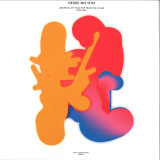
Music From Memory is excited to announce a special compilation that they’ve been working on for some time now; MFM053 – VA – Heisei No Oto – Japanese Left-field Pop From The CD Age (1989-1996). Compiled by long-time friends of the label, Eiji Taniguchi and Norio Sato, Heisei No Oto delves into a world of music released almost exclusively on CD and brings together a fascinating selection of discoveries from a little known and overlooked part of Japan’s musical history.
The last ten or so years have seen a global wave of interest in Japanese music encompassing ambient, jazz, new wave and pop records from the 1980s, some of which is increasingly considered the most innovative and visionary music of that time. Although some music from this period, in the form of ‘City Pop’ or ‘rare groove’ records, had been coveted by collectors and DJs for a number of years, most Japanese music from the time was little known outside and often even within Japan.
Sometime around the mid 2000s, two Osaka record store owners, Eiji Taniguchi of Revelation Time and Norio Sato of Rare Groove, along with a handful of deep Japanese diggers such as Chee Shimizu of Organic Music records in Tokyo, began to explore beyond the typical ‘grooves’ or ‘breaks’. Much like their counterparts in Europe and the US, they began delving into home-grown ambient, jazz, new wave and pop records, discovering visionary music, often driven by synthesizers or drum computers, that broke beyond the typical confines of their genres.
Spending tireless hours in local record stores and embarking on digging trips across the country, Eiji Taniguchi and Norio Sato, much like Chee Shimizu, have been at the forefront of unearthing and introducing many of the very Japanese records now loved and sought after around the world. Yet as YouTube algorithms and vinyl reissues would transport such music into the global consciousness and demand and therefore scarcity intensified for such records, so Eiji and Norio have recently begun to turn their attention to CDs.
The title of the compilation Heisei No Oto refers to the sound of the Heisei era, which began in 1989 and corresponds to the reign of Emperor Akihito until his abdication in 2019. Marking the culmination of one of the most rapid economic growths in Japanese history, 1989 also coincided with the music industry’s final shift away from vinyl in favour of CDs. And, although compact discs were first introduced seven years earlier it wasn’t until late into the ‘80s that, beyond dance music labels, CDs became the exclusive format for major and independent labels in Japan and throughout the world.
This however didn’t signal the end of the innovation in Japan. Many of those same musicians who have become known for their work in the ‘80s would continue to produce outstanding music well into the mid ‘90s, as greater innovation and advances in musical equipment allowed Japanese musicians and producers to refine and explore new sounds. While musicians such as the seminal Haruomi Hosono, whose productions feature on a number of tracks, would continue to push the boundaries of these new technologies, these technological advances also meant less established musicians were able to make use of increasingly affordable but state-of-the-art equipment.
Including music by Haruomi Hosono as well as Yasuaki Shimizu, Toshifumi Hinata and Ichiko Hashimoto who have become known and loved around the world in recent years, Hesei No Oto also features Japanese pop star Yosui Inoue, producers Jun Sato and Keisuke Kikuchi in aaddition to less established artists from the contemporary, jazz, new wave, pop and dance music scenes. Bringing together a selection of tracks that seem to define these specific genres and in fact move fluidly between a number of them, the music on the compilation is again underscored by experimentations with synthesizers and drum computers though with something of a gentle Pop sensibility. Reimagined here then under the encompassing term ‘Left-field Pop’, this is an exciting chapter in Japanese musical history that has only just begun to be fully explored.
VA - Heisei No Oto - Japanese Left-field Pop From The CD Age (1989-1996) is a 2xLP/2xCD that includes liner notes by Chee Shimizu and artwork by Hagihara Takuya and is released on February 28th.
out of Stock
Last delivered 17 months ago available to reorder, subject to availability
Self-described as “expansive, harmonious folk-rock”, Luke Edwards states, “Pie Town is the next step down the Heartland trail for us - it’s a collection of songs about my experiences over the past few years addressing the reticence to “grow up” and all the bulls**t that comes with that loss of innocence. Recorded here in Seattle, it reflects our most expansive and explorative instrumentation. I’m excited for this album, stay young my friends.”
The excellent Minimal Wave serves up a long-awaited LP here that features unreleased treasures from the influential UK duo, Vicious Pink, who first met at The Warehouse night-club in Leeds in the late 1970s and went on to reshape synth-pop. They notoriously lent their backing vocals to friends Soft Cell but went on to have success as a duo with avant-garde singles that defied norms and climbed the UK dance charts between 1982 and 1986. Now, Unexpected offers glimpses into their creative process and is packed with pop experiments recorded on the fly, some of which are with Dave Ball of Soft Vell/Grid fame. Limited to 999 copies on Coke bottle clear vinyl, this release is a true collector's gem that includes an exclusive postcard.
out of Stock
Last delivered 4 months ago available to reorder, subject to availability
"Learn To Die is a bold new step for a group of musicians, artists, and writers that has at least nominally been considered a punk band. A stylistic overhaul. For those who have been following along, it’ll carry some surprises. Slender began over a decade ago as a semi-improvisational cassette recording project, a casual collaboration between a few friends that was initially documented by two self-titled cassette-only releases released in 2014 and 2015 respectively, now both unavailable and out of print. Most fans, however, will know Slender for their two most recent releases, Walled Garden (2017) and Time On Earth (2019), both released on the tastemaking London art-punk label La Vida Es Un Mus. "Their prior work has earned them comparisons to anarcho-punks Crass and The Snipers, lo-fi flagbearers Swell Maps and Pink Reason, and artrockers Cromagnon and Amon Düül. Here, however, such comparisons feel largely unfounded and the band feels somewhat peerless. Moments of artpunk brutalism, lo-fi experimentalism, and kosmiche detours grace the fabric of Learn To Die, but the album reaches for more than pastiche. Teasing the rarified worlds of chamber music and musique concrete, Slender manages something intangible and strange. A vocoded voice intones multi-lingual poems alongside tinny guitars and sampled strings and flutes. Three chord janglepunk anthems arise suddenly out of a cosmic mist crafted by analogue synths reciting the poetry of machines. The album moves in ways reminiscent of works by artists as varied and singular as Nobukazu Takemura, Chuquimamani-Condori, Coil, and Robert Wyatt, but it doesn’t necessarily occupy the same realm as any of them.” – Leah B. Levinson
All Again. That's the title of the upcoming full-length record from Philadelphia's Queen of Jeans. The LP tracks an entire arc that, by the final hazy vibrato wash of "Do It All Again," bleeds back into the ambient first seconds of the record. "Thought I'd call tonight, hear how you're dealing," Miriam Devora sings to a distant lover on opener "All My Friends" in a neon-lit, melancholy tenor, the precise sound of lonesome love. The full band joins her in a beautiful night time sway, but it's still no use: "I got all my friends around, but I'm not home til I'm alone with you."The rest of the record follows this relationship as it tumbles through loneliness and longing, to elation and joy, to pain and anger, and finally to its foggy close, where Devora admits, "If I got to do it all again, I'd find you there like I did back then."Releasing on Memory Music, All Again is principally an enveloping, rich indie-rock record, changing dance partners between cheek-to-cheek '60s pop sweetness, '90s alt-rock dirt, spacious and pained emo, and the songcraft and melodicism of the sharpest acoustic singer-songwriter acts. Devora (vocals, guitar, keys) and Matheson Glass (lead guitar, piano) took extra care this time to create a Queen of Jeans full-length that reflected in sound and structure the emotional depths they were exploring.It's the first time since their 2015 debut, Dig Yourself, that they've had a full band, with drummer Patrick Wall and bassist Andrew Nitz, to build with. Where on releases like 2022's sparkling lockdown-pop Hiding In Place Devora and Glass had gone into producer and mix/master engineer Will Yip's Studio 4 with sketches and worked with Yip to arrange the songs in studio, this time, they went in with a complete vision for the record. That allowed them to use studio time to expand the record's sonic boundaries. "We had a lot more room to play with some of the ear candy we've always wanted to explore and get weirder in the studio," says Glass.Those elements lend a physicality and playfulness to the memory and emotions that unfurl through All Again. "We're trying to tell the story of when you look back at an important relationship," says Glass. "Years go by, and the more you reflect on it, it becomes more warped and the facts become a little bit more murky. We wanted to play with that and get surreal with the story." (Literally: listen for a "monster" voice in the already-released banger "Karaoke.") The record's artwork, conceptualized by Devora, renders this idea with devastating clarity.
1982, Brussels: The former au pair for Rick Wakeman of Yes and two of her teenage friends are at the doorstep of Les Disques Du Crepuscule, ready to cut an album with Gilles Martin. Living on busking wages and next door to Tuxedomoon, their work results in a contemporary bossanova record that would provide a missing link between Antonio Carlos Jobim and Kraftwerk. Camino Del Sol was issued and promptly forgotten, with Isabelle Antena moving toward jazz in Asia and the others returning to France. Twenty years later, it was findable only as a VG+ LP with a sticker price of $4.99. Intrigued by the striking cover's sunlit patio furniture emptiness basking in the south of France, we scooped up Camino Del Sol and grouped the extant Antena recordings from that exceptional period by session. Numero Group's definitive 2LP reissue of the original five-song mini-LP adds the group's first 12" (a cover of Jobim's "Girl From Ipanema," naturally), the Seaside Weekend 12", compilation tracks, and two previously unissued cuts, recasting this short-lived combo's forward-thinking milemarker as a modern-day masterstroke. 2x150g LP in a 2-pocket gatefold tip-on jacket with 2 printed inner sleeves.
out of Stock
Last delivered 15 months ago available to reorder, subject to availability
Die dreifach Grammy-nominierte Band, Hiatus Kaiyote, veröffentlicht ihr kommendes Album, „Love Heart Cheat Code“ am 28. Juni 2024 auf Brainfeeder.
„Love Heart Cheat Code“ ist eine Momentaufnahme von vier Musiker:innen, die gemeinsam am Rande des Abgrunds tanzen, mit elf verspielten, überschwänglichen Tracks, die Licht ausstrahlen. Doch für eine Band, die sich mit ihrer Komplexität einen Namen gemacht hat und für ihren Maximalismus von der Kritik gelobt und mehrfach für den Grammy nominiert wurde, ist eines der auffälligsten Dinge an „Love Heart Cheat Code“ seine Einfachheit. Die Richtung, in die sich die Band auf dem kommenden Album bewegt, wird nicht immer auf direktem Wege erreicht, sondern eher durch Nachdenken und Abdriften: in Jam-Sessions, die bis spät in die Nacht und früh am Morgen dauern, bei gemeinsamen Mahlzeiten, beim Herumspielen mit dem Equipment und miteinander. Auf dem Album sind auch andere Musiker:innen aus Melbourne zu hören, wie Taylor „Chip“ Crawford, der ein von ihm selbst erfundenes Instrument namens Frello spielt, der Gitarrist Tom Martin und der Flötist Nikodemos, sowie ein weiterer, noch nie dagewesener kreativer Kopf: Mario Caldato, dessen Arbeit mit den Beastie Boys und Seu Jorge Stoff für Legenden ist.
out of Stock
Last delivered 2 years ago available to reorder, subject to availability
Die dreifach Grammy-nominierte Band, Hiatus Kaiyote, veröffentlicht ihr kommendes Album, „Love Heart Cheat Code“ am 28. Juni 2024 auf Brainfeeder.
„Love Heart Cheat Code“ ist eine Momentaufnahme von vier Musiker:innen, die gemeinsam am Rande des Abgrunds tanzen, mit elf verspielten, überschwänglichen Tracks, die Licht ausstrahlen. Doch für eine Band, die sich mit ihrer Komplexität einen Namen gemacht hat und für ihren Maximalismus von der Kritik gelobt und mehrfach für den Grammy nominiert wurde, ist eines der auffälligsten Dinge an „Love Heart Cheat Code“ seine Einfachheit. Die Richtung, in die sich die Band auf dem kommenden Album bewegt, wird nicht immer auf direktem Wege erreicht, sondern eher durch Nachdenken und Abdriften: in Jam-Sessions, die bis spät in die Nacht und früh am Morgen dauern, bei gemeinsamen Mahlzeiten, beim Herumspielen mit dem Equipment und miteinander. Auf dem Album sind auch andere Musiker:innen aus Melbourne zu hören, wie Taylor „Chip“ Crawford, der ein von ihm selbst erfundenes Instrument namens Frello spielt, der Gitarrist Tom Martin und der Flötist Nikodemos, sowie ein weiterer, noch nie dagewesener kreativer Kopf: Mario Caldato, dessen Arbeit mit den Beastie Boys und Seu Jorge Stoff für Legenden ist.
Ltd. Purple & Black Splatter Vinyl. It's been four years since Zach Saginaw, aka Shigeto, returned home to Michigan from a stint in Brooklyn, NY, and since then, the multi-faceted musician has become a part of the fabric of Detroit's music scene. While always having a personal approach to his projects, Saginaw's influences for his third album, The New Monday are more about the community of Detroit than anything else. Named after a weekly DJ event called Monday is the New Monday that Saginaw does at the unassuming Motor City Wine with a group of friends, The New Monday is the result of Saginaw diving into the city's deep record culture, where there legacy of artist's of the past help Saginaw embrace his own contributions. "It's focused on a couple things and they all kind of come together to represent dierent things," explains Saginaw. "My time back in Detroit, back living in Michigan and spending time with a lot of kind of original people who have always been here, learning from them, hearing stories from them, being influenced by them, and inspired by them." While, in the past, projects like Lineage or No Better Time Than Now were rooted in strong personal messages, family and relationships respectively, The New Monday represents a communal eort where solidarity is the key. Going for a simplified approach of just trying to make good tracks, The New Monday is diverse in its styles leaning more into a dance music direction - new ground for a Shigeto project. A new air of confidence in Saginaw has expanded his horizons since his return to Detroit, but traces of his past work will continue to be present. "I don't want people to think I'm leaving anything," says Saginaw. "I'm still me. It's a result of me being immersed in the culture, and inevitably making music that is influenced by that culture whether it be house, techno, jazz, rap. It doesn't matter. It's all coming from what I love about Michigan." While The New Monday still features the jazz textures long associated with Shigeto projects, the varied elements that make up the album cohesively come together to show the distinct inspiration that Saginaw has drew from since his return home to Detroit. Like on "Barry White", which features Detroit hip-hop artist ZelooperZ (a member of Danny Brown's Bruiser Brigade crew who Saginaw also has a side project with called ZGTO), Saginaw captures everything he's been doing all on one track. As much as it's hip-hop influenced, it's a mutant that encompasses elements of dance music, jazz, and ambient sounds. Throughout The New Monday, Saginaw poignantly references the musical influences that have either always been with him or newly discovered. It is Saginaw's interpretation of Detroit's rich culture of innovative artistry, but done so with respect for the history and to contribute, not disrupt. "I think over the past four years, I can confidently say that I found my place here," describes Saginaw. "I'm happy here and I feel that I have the respect from the people I need respect from, that I want respect from. It's all of the result of embracing it and embracing, not Detroit, but embracing community, embracing family,
f A2D (FT. ZEELOOPERZ & SILAS GREEN) AAPV
f A2D (FT. ZEELOOPERZ & SILAS GREEN) [AAPV]
out of Stock
Last delivered 2 years ago available to reorder, subject to availability
The revered British singer/songwriter Linda Thompson's latest project, the aptly named 'Proxy Music' features artists handpicked by Linda and her son (and album co-producer) Teddy Thompson, to record a new set of her tunes by "proxy". Thompson, who Rolling Stone hailed as having "one of rock and roll's finest voices," has limited singing capabilities now due to a rare vocal condition. 'Proxy Music', however, impressively showcases her songwriting range and prowess. Tracks like "Darling This Will Never Do," and "Mudlark" hold a timeless quality, while "Those Damn Roches" and "John Grant" (sung by John Grant himself) boast very modern sensibilities. 'Proxy Music' contains performances from Linda's long-time friends and admirers as Rufus Wainwright, Martha Wainwright, Eliza Carthy, The Proclaimers, Dori Freeman, and Grant, along with many talented Thompsons, including her children Teddy and Kami, and her ex-husband Richard Thompson playing guitar on several tracks. "Music in my family," Thompson shares. "It's like glue. It binds us."
Eleventh album consisting of eleven songs, Pink Air, by Elysian Fields, cult New York band led by Jennifer Charles and Oren Bloedow, was released in September 2018. Recorded in the mountains around Woodstock, Pink Air was finalized in Thomas Bartlett's studio (The National, Sufjan Stevens) in Manhattan. A single rock wave unites the tracks with its cavernous reverberation, as if shrouded in the darkness of a night club or pinned to the shadow of a modern nightmare. Pink Air is a post-apocalyptic rock'n roll getaway. The album tackles themes as varied as the ecological threat, the regime of a potential narcissist dictator, white supremacy, censorship, the erasure of history, the social drama of families ... as well as meditations on time, friendship, loss, death. Despite the biting tone, the words never sound too heavy, lightened by many touches of humor. Jennifer Charles's vocals are at their highest, infusing each song with its legendary languid charisma, in a lyrical breath whose spellbinding power has remained intact. By portraying the landscape of the present day with her precise, often caustic lyrics, Jennifer sets her special veil on the intimate, the spiritual, brushing her characters, friends and lovers, in a pure novelist style. All against a background of fear of our time, of its social and political drifts. With Elysian Fields, the angelic singer and her acolytes have always been carried by the highest currents of the sky. For Pink Air, they fold their wings, land on the ground, and roam the scorched lands of America, animated by the rock'n roll spirit of the animal. The feathers turned into so many spiky hairs
2024 first time vinyl release, 140g double vinyl, remastered audio with restored artwork.
Limited and Non-Returnable.
Holy grail hip-hop alert! Superstar Quamallah's Invisible Man was never released on wax so, to celebrate the 15th anniversary of this astounding record, we present the first ever vinyl edition. A stunning record which gained accolades upon its initial release, such as a prominent feature on Gilles Peterson's renowned Best Of 2009 show, it's one of the most essential jazz rap albums of all time.
Deep jazz rap on that mellow-melodic tip, Invisible Man is an unforgettable album with nothing but dope beats and dope bars. There's a strong chance this album has passed you by but we truly believe it to be a lost hip-hop masterpiece. It supremely captures the essence of a golden age classic without being slavish to the past. No, this ain't some facile throwback rap. It's a fresh and deeply soulful, original album shot through straight from the heart. Perfect to chill to, Invisible Man is profoundly jazz-oriented and captures with simplicity and sincerity the essence of hip-hop circa 1983-1994. It sounds like vibing with your nearest, dearest and oldest friends on a long hot summer night as the tantalising thought that anything is possible fills the air. You know what, we can just call this "magic hour rap" and we think you'll know what we mean. It's just beautiful. Just Listen.
Brooklyn-born, California-based emcee, DJ, and producer Superstar Quamallah was active in the West Coast underground scene throughout the 90s and recorded extensively with such revered names as Defari and Tajai. His parents were some serious artistic heavyweights, too; his father was soul organist Big John Patton, a giant in the jazz world known for his releases on Blue Note whilst his mother was an active designer. However, he remains relatively unknown. Invisible Man, named ostensibly after the classic Ralph Ellison novel, could also refer to how he is viewed by the public at large. With close affiliations to the Hieroglyphics, Dilated Peoples and Likwit crew, his debut EP "Don't Call Me John" arrived in 1999 on ABB Records, after which he took a sabbatical from recording which included graduate school, travelling, teaching at Inglewood High and eventually a professorship of African Studies at Berkeley.
With a laidback flow and deep, relaxing presence on the mic, Superstar Quamallah is equal parts Big Daddy Kane, Rakim and Guru. Invisible Man is refined, soulful, feel-good hip-hop of the old school. Its wise, spiritual and literate sound, combined with the summertime vibes projected by the smooth beats and the nostalgia-inducing samples and vocal scratches, created jazzy boom-bap rap reminiscent of prime De La Soul, A Tribe Called Quest and Gang Starr.
Irresistibly bouncing opener "You Need Knowledge" loops sparkling pianos, horns and a nagging whistle refrain with scratched vocal refrains from Slick Rick, Mobb Deep and Guru. The super-smooth head-nod classic "88 Soul" also utilises a beautifully swelling piano line and dusty breaks whilst Quamé reminisces about his childhood in NYC. Deeply moving, the silky, sultry "Black Shakespeare" is built around an elegant piano loop and goes hard on the superman lover tip whilst "For My People...It's Spiritual" is transcendental rap in conversation with Rakim and older gods. The "Moment Of Truth"-sampling "Lonely At The Top" is striking for its undiluted boom-bap stylings and the staccato flute-hop of "Just Listen" is riddled with soulful refinement. The deeply-affecting, wistful-yet-triumphant bells and horn-drenched single "California Dreamin'" is top-tier rap of unimpeachable quality. What a flow!
Another highlight is the rich melodic piano-rap of "Purity", a beautiful ode to the foundations of rap and those keeping the culture authentically alive. Beautifully played instruments and spiritual jazz samples elevate the deep thinking present on "Kunta Kente" whilst the darker jazz-tinged battle-rap of "93 Shit" goes super hard both in a lyrical sense and with its no-holds drum punches. The breezy Rhodes and string loops that serve as the sonic backdrop to the slinky jazz rap of "We Got Plots" are just gorgeous as our hero evokes Common's "I Used To Love H.E.R." with a head-spinning tale of crime, deception and double crossing. And some twist! "Do Win-Dis" has a tense crime-funk backing and rolling beats which complement Quamé's flow perfectly before the record is rounded out by the tough yet jazzy brilliance of rap confessional "Hope She Remembers Me". Just sensational.
Upon its original release, Quamallah himself declared: "My favorite time period for Hip Hop music was definitely between 1983 and 1994 with 1988 and 1993 being two years that standout as extremely impressive years musically and culturally. The fashion, slang, movies, TV shows and vibe during those years was incredible. While totally submerged in the feelings and music of that entire time period, I went to work on Invisible Man and I am excited for people to hear the result! It is an album that I would want to hear from some of my favorite artists of the past and present today. This is not a RETRO trip for me; this is me at my best lyrically and spiritually using the accessories of the 80s and 90s to fuel me. I am a 88 soul as the song states!"
This album goes deep. It goes all in. When Invisible Man first came out it had a real hold on us here at Be With HQ. We couldn't stop listening to it. We'd venture to say it's one of the top 25 rap records of the 2000s. In the years since its release, it has remained a criminally underrated record, an increasingly hidden gem. We sincerely hope this first time double LP release will go some way to correct this.
It's been mastered for vinyl by Simon Francis, cut by Cicely Balston and pressed at Record Industry. Finally available on the format it should always have been on, it must never be rendered invisible again.
out of Stock
Last delivered 2 years ago available to reorder, subject to availability
Any reasonably knowledgeable fan of post-punk will likely recognise the name of Una Baines. A founder of both The Fall and Blue Orchids, Una's influence in the development of both bands is a matter of historical fact . . . so much so that people scarcely realise how few recordings she's actually made - a solitary 7" with The Fall, one LP and a few singles by Blue Orchids, and that's it, barring her most recent recording, The Fates' obscure album "Furia", released nearly forty years ago on a tiny label until its rediscovery a few years back on the Finders Keepers label. Una's spent much of the last four decades working in community organising, raising a family, and functioning as a symbolic godmother to many Mancunian artists and musicians who cite her as an aspiration and mentor. Her band Poppycock has undergone several line-up changes between their sporadic - almost exclusively local - live appearances. Una was never shy in describing her personal ideals and artistic expression in terms of feminism - even if the term was occasionally derided by some female punk artists. "Magic Mothers" displays a consistency of vision rare traceable back to interviews she did during The Fall. Hearing it, we're reminded of the emotional fierceness set against pop arrangements from acts like Look Blue Go Purple and Dead Famous People, or the spare pop jazziness found in songs by Marine Girls, Tracey Thorn's pre-fame combo. The arrival of "Magic Mothers" will come as a surprise to many. Though recorded in fits and starts over the last fifteen years, it's a cohesive statement with an expansive cast of friends and allies, including Blue Orchids' Howard Jones and The Fall / House Of All's Simon Wolstencroft, plus many others. The original keyboardist for both The Fall and Blue Orchids, Una Baines returns with her brilliant musical partners for her first album in 39 years
Black vinyl back in for the first time in a while, note new price. Produced by Leon Michels. Toured with Chicano Batman. Planned touring with Lee Fields & The Expressions. What is Buck? Buck is a state of mind, a way of life, a demeanor that gets you through the good times and the bad. If you ask Brainstory, It is also the energy that permeates their debut album. Kevin, Tony, and Eric are a trio of brothers bounded by blood, fate, and a small town with nothing to do. Their story begins in the long lost lands of the San Bernardino Valley, in the twilight zone known as Rialto, California: An arid wasteland of boredom and empty lots. Through punk rock and skateboarding they found temporary liberation from the local monotony. However, it wouldn’t be long before a hunger for more led them to explore musical realms beyond that of the hardcore punk they admired. After stints at music school and steady disappointment trying to navigate their local jazz scene they moved to Los Angeles and Brainstory was born. Through a introduction from Chicano Batman’s bassist, Brainstory caught the ears of Big Crown head honchos Danny Akalepse and Leon Michels. Shortly thereafter they were on their way to Queens, to record at The Legendary Diamond Mine with Michels at the helm. An instant chemistry yielded 10 songs in 10 days and now Brainstory has gifted the world with one hell of an introduction to all things Buck. Highlights include the sublime slow burner, “Dead End” which was the A-side to their first 45 on Big Crown that sold out in a matter of days. With Kevin’s sublime falsetto floating atop Tony and Eric’s unflappable and unmistakable backbeat, this tune has become a favorite with the ballad heads, the low-riders, and the slowie collectors. “Breathe” showcases another side of their sound taking a page out of the Shuggie Otis playbook and flipping the script with some stoned out west coast swag. Kev and Tony’s father, Big Tone, an accomplished performer himself, steps in on “Peter Pan” to sing lead vocals over a chorus of friends and family. Bassist extraordinaire, Tony, takes over lead vocal duties on “Sorry”, a smoked out, G Funk groove that is just waiting to be sampled. These guys have come a long way from their self released EPs and opening tours with Chicano Batman. Their musical growth is undeniable, and taking their California sunshine vibes and mixing them with Michels’ NYC aesthetic has proven to be an amazing combination. It’s a debut record that pulls influences from so many genres seamlessly it’s hard to nail down. Call it Funk, call it Rock, call it Soul, but over here at Big Crown HQ, we’ve decided to call it BUCK.
First time on vinyl!
Newly remastered. LP housed in a gatefold jacket.
Featuring Herbie Hancock, Martha Reeves, Alphonse Mouzon, Chuck Rainey, Patryce “Choc’let” Banks, Carlos Morales, and members of The Pointer Sisters.
In the 1970s, Betty Davis defied genre and gender by pushing her voice to extremes and embracing the erotic. She articulated a kind of pre-punk, funk-blues fusion that had yet to be normalized in mainstream music – a style that few musicians have come close to replicating. As one of the first Black women to write, arrange, and produce her own albums, Betty was a visionary who disregarded industry boundaries and constraints. Raw, unapologetic and in full control, Betty paved the way for generations of future artists who said “funk you” to the music industry and social norms.
In 1979, when Davis entered an L.A. studio to record her fifth and final album, she was reeling from a series of setbacks. Three years earlier, after recording her fourth album, Is It Love Or Desire, Davis was dropped from her label and the LP was subsequently shelved. In 1978, her beloved band Funk House went their separate ways. Looking for a fresh start, Davis relocated to Hollywood to focus on songwriting. Before long, British manager Simon Lait (Toni Basil), offered to fund her next project.
With renewed vigor, Davis reunited with former Funk House guitarist Carlos Morales and brought together industry veterans like fusion drummer Alphonse Mouzon and session bassist Chuck Rainey. Old friends Anita and Bonnie Pointer (The Pointer Sisters) and Patryce “Choc’let” Banks joined Davis on vocals, as did Motown legend Martha Reeves. The resulting album, Crashin’ From Passion, was her most musically diverse, blending elements of reggae and calypso (“I’ve Danced Before”), jazz (“Hangin’ Out in Hollywood,” “Tell Me a Few Things”), dark synth-pop (“She’s a Woman”), and even disco (“All I Do Is Think of You”). Equally exploratory are Davis’ vocals, as she trades in her signature sass and snarls for more nuanced stylings.
Among the album’s few funk tracks is “Quintessence of Hip,” in which Davis hails musicians like Bob Dylan, Billie Holiday, Stevie Wonder, and John Coltrane, while deftly integrating elements of their work. The song also offers a moment of stark vulnerability, as she sings, “Isn’t rich? Isn’t it queer? Losing my timing so late in my career.” It would prove to be a prophetic line in the months to follow.
The mixing process was mired by artistic differences and then cut short, amid the death of Davis’ beloved father. Bereft and exasperated, Davis returned home for the funeral, setting into motion her retirement from the music industry. Crashin’ From Passion, meanwhile, would be shelved for 15 years and licensed for a CD-only release, without Davis’ consent, in the ‘90s. This 2023 edition of the album, made with Davis’ full approval and cooperation, marks its first official release and first time ever on vinyl. The package was designed by GRAMMY®-winning artist, Masaki Koike, while the album cover features an incredible shot of Betty captured in London in the mid-1970s by renowned photographer Kate Simon.
Crashin’ From Passion was remastered by Dave Cooley at Elysian Masters and pressed on vinyl at Record Technology, Inc. (RTI). The accompanying booklet includes a treasure trove of rare photos from the era, plus lyrics, and new liner notes by writer, ethnomusicologist, and Betty’s close friend, Danielle Maggio, who integrates interviews that she conducted with Davis, marking her last ever interviews.
"In the wake of SQUID PISSER’s “Vaporize A Neighbor” EP and Comic Book Set and “Vaporize A Tadpole” Collection comes “Dreams of Puke”, the band’s second full length album. Weighing in at a meaty 12 songs and cut at a lean 45 revolutions per minute, “Dreams of Puke” refuses to let up or let down - emitting climax after scintillating climax - a bounteous bouquet of dayglow viscera and tumor-filled sonic snot.
“Dreams of Puke” is the face ripping, dolphin-loving, anthropomorphized mountain of nuclear sludge intravenously injected with methamphetamines that listeners have been clamoring for. Tommy Meehan's use of effects pedals and sonic textures create a dense soundscape of intestinal debris, mortared with a grout of pus, goo, gummy candy and pure, unadulterated insanity. Meanwhile, Seth Carolina's all out, rage-fueled and categorically pummeling approach to slamming the beats down lays out a visceral scene of absolute intensity - a great white shark attack on The Mall of America.
Tommy explains “The writing sessions for this album resulted in about 100 songs... Demos, seedlings, and scraps were strewn about everywhere. Then Seth and I assembled them into a viable and tangible fruition. I tracked all of the guitars, bass, and vocals myself at Los Angeles’ Castle Barf Studios. The drums we did at Sea Horse Sound downtown”.
“Dreams Of Puke” is an aural DMT trip that will leave brains boggled. Its atonal anthems of slime are a kaleidoscope of brilliant, bespeckled rage that, in the end, will scalp the world & mutate the throne.
Glass Mastered Compact Disc includes Mystery Matrix Message and comes packaged in a Six Panel Tri-Fold Jacket with corresponding Fold-Over Lyric Insert. LP and CD formats each sport unique, subliminally different cover art by painter Gregory Jacobsen of the band Lovely Little Girls. Parental Advisory: Explicit content"
Worst Case Scenario started out in 1994 with Justin Trosper and Brandt Sandeno from Unwound as another of the many bands they formed together. That summer was a little slow for Unwound’s hoped-for tour schedule so they decided to start another hardcore-influenced band while working day jobs. As they began practicing in the basement of the Olympia punk house “Lucky 7”, long time friend and roommate Chris Jordan jumped in as the vocalist. Sandeno soon recruited his college friend, Scott Larsen, that had recently moved from Minneapolis. They quickly wrote about an album’s worth of songs and recorded them with Tim Green at the Red House for a “demo tape” that Tobi Vail released on her tape label, Bumpidee. 1995 saw another Tim Green recording with 7-inch records on Lookout Records and Troubleman. This LP contains all of the forementioned material. In 1996 they recorded a full length record with “Seasick” Steve Wold in Olympia for Vermiform which resulted in the self-titled vinyl LP and The Complete Works of Worst Case Scenario CD collection a year later. WCS played a few random shows, mostly in Olympia, with friends’ touring bands from 1994-96 and set up a national tour for the summer of ’97. Shortly before the tour Jordan was injured in a random accident and then Larsen broke his wrist in a work accident, rendering the band unable to embark on the tour. To cap it off, the one sheet of paper that had all the venues’ contacts for the tour was destroyed in a laundry related incident and the band was unable to properly cancel the tour. Apropos to their name. They disbanded amicably later that year with members moving away from town and taking on more demanding tour and work schedules.
Los Angeles April 18, 2024The origin of this record is a weird one. In 2019, we had just returned from two long European tours when we decided to take a “little break” from the road. You all know what happened next. That “little break” turned into a couple of years and during that time Dane, our drummer, decided to quit the band and music in general (no hard feelings).. Sean and I had a discussion and thought about ending the band as a whole, but I knew I had to go out on my own terms. I had an ace in the hole, though. Jeff Murray, drummer from LA rippers The Shrine. I had been friends with Jeff and The Shrine’s founder, Josh Landau since our “Scavenger” 7” came out, around 2012. We had run into them in Berlin a few months back and I knew they weren't playing anymore. I called Josh first, ‘cause asking a dude if you can take his drummer, is like asking your girlfriend's Dad if you can marry her. And Josh said “go for it”. And Jeff was in. Honestly if he had said no, that would have been the end. I had written a ton of stuff since our last album but I had shelved most of it. I was trying too hard - basically. Eventually Sean, Jeff and I said, ‘Fuck it, let’s make a “Fake Live” record’ - like Kiss or Slayer did. John Dwyer from Osees was opening his new studio, Discount Mirrors and it seemed like the perfect place to record it. We settled on re-recording a bunch of old stuff while simultaneously demoing our new material, as the three of us were now starting to really get in the groove. The result is Strange Masters Vol. 1. These are not new songs. These are Zig Zags classics re-recorded with a ripping-ass band that’s old and angry and just wants to get on with it. We are already on to recording the next album of new songs. That one is coming soon, but in the meantime, enjoy this one…while you still can!-Jed Maheu-Guitars-Vocals-Zig Zags
With two successful albums and a sold-out world tour under their belt, Paris-based L'Impératrice have matriculated from a good-times instrumental act created by music critic Charles de Boisseguin to a six-piece powerhouse whose sashaying mixes of funk and French Touch, disco and deep house now include the fetching vocals of singer Flore Benguigui. Their new album Pulsar, is a focused but far-reaching record, the jubilant testament of a band with plenty to say and the skills to say it themselves. Across 10 tracks, L'Impératrice move freely and authoritatively among the sounds they love, bridging hip-hop, kosmische, and modern pop with their most unabashed embraces of French Touch and international house ever. Benguigui, meanwhile, boldly sings of self-empowerment by shirking beauty standards, ageism, and drab normalcy, with a little help from an exciting set of new friends. A longtime fan who had seen the band multiple times, Maggie Rogers flew to Paris to lead the svelte and graceful "Any Way," approaching the song with an unabashed vim. They had a similar encounter with Erick the Architect, who was so enthusiastic about the sample- based and panoramic "Sweet & Sublime" that Benguigui scrapped one of her own verses to make more room for him. And Italian singer Fabiana Martone (Nu Genea) crafted the melody for "Danza Marilu" the moment she heard its disco thump. Throughout these 10 songs, L'Impératrice espouses the rare willingness to be real about life and its woes while also sounding like a perfect picture of joy. Pulsar opens like a window being slid open onto an unimagined world. During the title-track finale, where a casual confession of suffering climbs into a mighty climax rooted in redemption, the band intertwines dubstep, turntablism, and symphonic strings to offer a bracing conclusion: however we are is OK.
out of Stock
Last delivered 13 months ago available to reorder, subject to availability