
Search:hermann
- 1


Feiern Sie klassische Weihnachten mit der Deutschen Grammophon und dieser stilvollen Schallplatte, gepresst auf 180gr Vinyl bei Pallas. Die Vinyl erscheint im originalen Artwork. Aufgenommen im Sommer
1966 wurde dieses Weihnachtsalbum leider die letzte Studioaufnahme von Fritz Wunderlich, der im September 1966 viel zu früh verstorben ist.
Nach ihrer Veröffentlichung im November 1966 wurde diese Schallplatte ein Weihnachtsklassiker für viele
seiner Fans. Traditionelle Weihnachtslieder wie „Maria durch ein Dornwald ging“, „Es ist ein Ros‘ entsprungen“ oder „Still, Still, Still“ sind verknüpft mit geschmackvollen Werken von Albinoni oder Telemann. Zwischen den musikalischen Stücken liest Will Quadflieg die Weihnachtsgeschichte aus dem Lukas-Evangelium.

Mastered By Frederic Alstadt at ängstrom Studio Brussels.
Superb Crazy insane sound from HK. An immersions in poetry and middle age first serial killer.
Experimental zone !
LTD 200 copies - Printed Sleeve
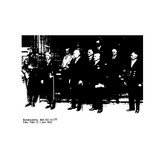
- A1: Franz Von Papen
- A2: Konstantin Freiherr Von Neurath
- A3: Wilhelm Freiherr Von Gayl
- A4: Johann Ludwig Graf Schwerin Von Krosigk
- A5: Hermann Warmbold
- A6: Hugo Schäffer
- B1: Franz Gürtner
- B2: Kurt Von Schleicher
- B3: Paul Freiherr Von Eltz-Rübenach
- B4: Magnus Freiherr Von Braun
- B5: Franz Bracht
- B6: Johannes Popitz
- B7: (Bonuswitz)
13
Shortly before the turn of the year 2017/18, my friend Jan Müller wrote me an e-mail: »Dear Martin, I'll send you the new album of my band ›Dirty Dishes‹ now. The album is titled ›Kabinett Von Papen‹. It is a concept album, which has the third-last government cabinet of the Weimar Republic as a subject. So, please tell me how you see it - whatever your verdict, I'll use it as an incentive to put my mind and body in the service of global pop culture even more so in the future«.
Dirty Dishes is founded in 2005 by Jan »Rasmus Engler« Müller (Tocotronic) and Rasmus »Jan Müller« Engler (MHerrenmagazin, Little Whirls, Ludger) when the two are bored during recording sessions for the second album of their group Das Bierbeben. Immediately, they write two pieces of music (»Bon Giorno«, which has alcohol and drug abuse as a subject, as well as »Drink a Coke«, a Brigitte-Mira-dedicated anthem for the caffeine-containing soft drink), which are released in the same year as a single under the title »Hurra...! Endlich Ferien!« on the label K.i.N.d.V. Two years later, the duo releases their debut album »Tea Is Not Our Cup of Coffee«. Here one can hear the first experimental and more conceptual works such as »Dirty Dishes as Goofy as Asterix«. The following albums (»Mit uns nicht!«, 2009, and »Von der raffinierten Kunst, jemanden in einen Tümpel zu stoßen«, 2013) juxtapose song and experiment. The first pure concept album, including now-permanent members ALEXANDER (Schrottgrenze, Station 17), Guido vom Flockenberg (Back On The Road), Isabella Stellmann (pedagogue) and Zopfus (ByteFM), is »Der Egel vom Tegel - Die kleine Rock-Operette der Dirty Dishes« (2010), followed by »Round about Ignaz Kiechle«(2013). The latter brings together songs that deal with significant events in the life of former Agriculture Minister Kiechle and were recorded freely improvised in just one recording session.
On the now-available »Kabinett Von Papen«, composed in monastic retreat, each piece is named after a minister from Papen's presidential cabinet (1.6.1932-3.12.1932) and represents them tonally and/or lyrically succinct.

10
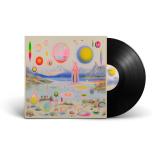
'A Part Of Me' is the debut album by Ivan Arlaud alias 1954, a young musician from Lyon, France. It's an immersive journey between nostalgic and synthetic sounds, melancholia and hope, fears and confidence. He contrived to describe all the bright, warm, cold and dark moments of his restless imagination in rhythms without being intrusive. As the title says, it's his personal disclosure.
8
Selection of IKIGAI Album by Nadia Struiwigh. IKIGAI was born in the quiet space between grief and remembering... Made entirely on hardware, from my living room in Berlin near Hermannplatz (my dad's name is Herman -- the odds), in the months my father passed away. Every sound, every sequence, every texture carries his fingerprint. Not because he made music, but because he made me love gadgets. Circuits, signals, blinking lights. He was the man who opened me up to machines and taught me how, eventually, to listen to them and use them for my craft. The name IKIGAI, a Japanese word for ''reason for being,'' found me when I was at a crossroads. The kind where you ask yourself: Why am I still here? What am I still creating for? What part of me still believes in beauty when everything feels like it's falling apart? These pieces came through slowly, on Japanese gear like Yamaha SEQTRAK, KORG, Roland -- like threads weaving a tapestry I didn't know I was making. Each track is a kind of purge... to him, to myself, to the listeners who find themselves in the in-between. The space where you're not who you were, and not yet who you're becoming. I found myself back into soundscapes and Ambient with a touch of Electronica. I weaved in sounds I captured from daily life, memories -- like the laugh of my sister. I built in silence and let the machines cry for me and let them tell the story I couldn't find the words for. IKIGAI is spacious. It's not trying to impress anyone. It's trying to just be, and hold space for all kinds of emotions. It moves like memory... slow, sacred, shifting. This release needs to be close to home, and will be released on my own imprint Distorted Waves, on the day 11.11 -- which refers to my first album that my dad had hanging up in his shed. For my father. Nadia

15
»White Noise« is a cooperation project between raster-media and the Max Planck Institute for Empirical Aesthetics. Artistic sound projects generated in the context of the scientific research institute will appear at irregular intervals. The themes and questions of empirical aesthetics research are taken up, questioned or challenged in very different ways. »White Noise« is conceived as an audio archive of the MPIEA artists in residence which records the artistic works on vinyl and documents the respective concepts and working methods in text form.
Victioria Keddie’s »Pshal P’shaw« (white noise #002) is a multimedia exploration delving into phonetic expression’s auditory and rhythmic nuances of phonetic expressions through an amalgamation of text, sound, video, data, and customized learning software. Drawing inspiration from the painter and architectural theorist Hermann Finsterlin who made speculative architectural renderings, the project originated during a residency at the Max Planck Institute of Empirical Aesthetics in Frankfurt in 2023.
The project’s engagement with the sonic landscape of the eight diphthongs in US English, documented through recorded sessions at EEG labs with participants of diverse international backgrounds, is not just a technical analyses. The applied script for the recording session, infused with a contemporary Western US dialect, ventures beyond, exploring the primal essence of phonetic expression and its impact on the oral landscape of mouth, throat, and tongue.
This work focuses on the spoken aspect of language: the art of oration, conversation, and mimicry. It reflects the beauty of our perpetual change, speaking directly to our humanity and the raw, tender moments of existence. It embraces the awkward, beautiful and vulnerable essence of our shared human experience.
Victoria Keddie is a multidisciplinary artist delving into sound, video, installation, and performance. Her work uncovers hidden narratives within ordinary artifacts and spaces, emphasizing their role in shaping our collective story. The examination of acoustic phenomena and language is a recurring theme in her artistic work. Keddie’s current projects navigate the acoustic complexity of language and dialects.
For over a decade, Keddie was co-director of E.S.P. TV, exploring the televisual medium for performance and sound. Keddie has performed and exhibited internationally. Recent fellowships include the NYSCA/NYFA for Music/Sound (2022), the Max Planck Institute for Empirical Aesthetics (2023), and the Bemis Center for Contemporary Art, Sound Art and Experimental Music Fellowship (2024).
»White Noise«, 40 p. magazine English/German, vinyl LP, cardboard box

12
UILTY RAZORS, BONA FIDE PUNKS.
Writings on the topic that go off in all directions, mind-numbing lectures given by academics, and testimonies, most of them heavily doctored, from those who “lived through that era”: so many people today fantasize about the early days of punk in our country… This blessed moment when no one had yet thought of flaunting a ridiculous green mohawk, taking Sid Vicious as a hero, or – even worse – making the so-called alternative scene both festive and boorish. There was no such thing in 1976 or 1977, when it wasn’t easy to get hold of the first 45s by the Pistols or the Clash. Few people were aware of what was happening on the fringes of the fringes at the time. Malcolm McLaren was virtually unknown, and having short hair made you seem strange. Who knew then that rock music, which had taken a very bad turn since the early 1970s, would once again become an essential element of liberation? That, thanks to short and fast songs, it would once again rediscover that primitive, social side that was so hated by older generations? Who knew that, besides a few loners who read the music press (it was even better if they read it in English) and frequented the right record stores? Many of these formed bands, because it was impossible to do otherwise. We quickly went from listening to the Velvet Underground to trying to play the Stooges’ intros. It’s a somewhat collective story, even though there weren’t many people to start it.
The Guilty Razors were among those who took part in this initial upheaval in Paris. They were far from being the worst. They had something special and even released a single that was well above the national average. They also had enough songs to fill an album, the one you’re holding. In everyone’s opinion, they were definitely not among the punk impostors that followed in their wake. They were, at least, genuine and credible.
Guilty Razors, Parisian punk band (1975-1978). To understand something about their somewhat linear but very energetic sound, we might need to talk about the context in which it was born and, more broadly, recall the boredom (a theme that would become capital in punk songs) coupled with the desire to blow everything off, which were the basis for the formation of bands playing a rejuvenated rock music ; about the passion for a few records by the Kinks or the early Who, by the Stooges, by the Velvet mostly, which set you apart from the crowd.
And of course, we should remember this new wave, which was promoted by a few articles in the specialized press and some cutting-edge record stores, coming from New York or London, whose small but powerful influence could be felt in Paris and in a handful of isolated places in the provinces, lulled to sleep by so many appalling things, from Tangerine Dream to President Giscard d’Estaing...
In 1975-76, French music was, as almost always, in a sorry state ; it was still dominated by Johnny Hallyday and Sylvie Vartan. Local rock music was also rather bleak, apart from Bijou and Little Bob who tried to revive this small scene with poorly sound-engineered gigs played to almost no one.
In the working class suburbs at the time, it was mainly hard rock music played to 11 that helped people forget about their gruelling shifts at the factory. Here and there, on the outskirts of major cities, you still could find a few rockers with sideburns wearing black armbands since the death of Gene Vincent, but it wasn’t a proper mass movement, just a source of real danger to anyone they came across who wasn't like them. In August 1976, a festival unlike any other took place in Mont-de-Marsan – the First European Punk Festival as the poster said – with almost as many people on stage as in the audience. Yet, on that day, a quasi historical event happened, when, under the blazing afternoon sun, a band of unknowns called The Damned made an unprecedented noise in the arena, reminiscent of the chaotic Stooges in their early adolescence. They were the first genuine punk band to perform in our country: from then on, anything was possible, almost anything seemed permissible.
It makes sense that the four+1 members of Guilty Razors, who initially amplified acoustic guitars with crappy tape recorder microphones, would adopt punk music (pronounced paink in French) naturally and instinctively, since it combines liberating noise with speed of execution and – crucially – a very healthy sense of rebellion (the protesters of May 1968 proclaimed, and it was even a slogan, that they weren’t against old people, but against what had made them grow old. In the mid-1970s, it seemed normal and obvious that old people should now ALSO be targeted!!!).
At the time, the desire to fight back, and break down authority and apathy, was either red or black, often taking the form of leafleting, tumultuous general assemblies in the schoolyard, and massive or shabby demonstrations, most of the time overflowing with an exciting vitality that sometimes turned into fights with the riot police. Indeed, soon after the end of the Vietnam War and following Pinochet’s coup in Chile, all over France, Trotskyist and anarcho-libertarian fervour was firmly entrenched among parts of the educated youth population, who were equally rebellious and troublemakers whenever they had the chance. It should also be noted that when the single "Anarchy in the UK" was first heard, even though not many of us had access to it, both the title and its explosive sound immediately resonated with some of those troublemakers crying out for ANARCHY!!! Meanwhile, the left-wing majority still equated punks with reckless young neo-Nazis. Of course, the widely circulated photos in the mainstream press of Siouxsie Sioux with her swastikas didn’t necessarily help to win over the theorists of the Great Revolution. It took Joe Strummer to introduce The Clash as an anti-racist, anti-fascist and anti-ignorance band for the rejection of old-school revolutionaries to fade a little.
The Lycée Jean-Baptiste Say at Porte d’Auteuil, despite being located in the very posh and very exclusive 16th arrondissement of Paris, didn’t escape these "committed" upheavals, which doubled as the perfect outlet for the less timid members of this generation.
“Back then, politics were fun,” says Tristam Nada, who studied there and went on to become Guilty Razors’ frontman. “Jean-Baptiste was the leftist high-school in the neighbourhood. When the far right guys from the GUD came down there, the Communist League guys from elsewhere helped us fight them off.”
Anything that could challenge authority was fair game and of course, strikes for just about any reason would lead to increasingly frequent truancy (with a definitive farewell to education that would soon follow). Tristam Nada spent his 10th and 11th unfinished grades with José Perez, who had come from Spain, where his father, a janitor, had been sentenced to death by Franco. “José steered my tastes towards solid acts such as The Who. Like most teenagers, I had previously absorbed just about everything that came my way, from Yes to Led Zeppelin to Genesis. I was exploring… And then one day, he told me that he and his brother Carlos wanted to start a rock band.” The Perez brothers already played guitar. “Of course, they were Spanish!”, jokes their singer. “Then, somewhat reluctantly, José took up the bass and we were soon joined by Jano – who called himself Jano Homicid – who took up the rhythm guitar.” Several drummers would later join this core of not easily intimidated young guys who didn’t let adversity get the better of them.
The first rehearsals of the newly named Guilty Razors took place in the bedroom of a Perez aunt. There, the three rookies tried to cover a few standards, songs that often were an integral part of their lives. During a first, short gig, in front of a bewildered audience of tough old-school rockers, they launched into a clunky version of the Velvet Underground's “Heroin”. Challenge or recklessness? A bit of both, probably… And then, step by step, their limited repertoire expanded as they decided to write their own songs, sung in a not always very accurate or academic English, but who cared about proper grammar or the right vocabulary, since what truly mattered was to make the words sound as good as possible while playing very, very fast music? And spitting out those words in a language that left no doubt as to what it conveyed mattered as well.
Trying their hand a the kind of rock music disliked by most of the neighbourhood, making noise, being fiercely provocative: they still belonged to a tiny clique who, at this very moment, had chosen to impose this difference. And there were very few places in France or elsewhere, where one could witness the first stirrings of something that wasn’t a trend yet, let alone a movement.
In the provinces, in late 1976 or early 1977, there couldn’t be more than thirty record stores that were a bit more discerning than average, where you could hear this new kind of short-haired rock music called “punk”. The old clientele, who previously had no problem coming in to buy the latest McCartney or Aerosmith LP, now felt a little less comfortable there…
In Paris, these enlightened places were quite rare and often located nex to what would become the Forum des Halles, a big shopping mall. Between three aging sex workers, a couple of second-hand clothes shops, sellers of hippie paraphernalia and small fashion designers, the good word was loudly spread in two pioneering places – propagators of what was still only a new underground movement. Historically, the first one was the Open Market, a kind of poorly, but tastefully stocked cave. Speakers blasted out the sound of sixties garage bands from the Nuggets compilation (a crucial reference for José Perez) or the badly dressed English kids of Eddie and the Hot Rods. This black-painted den was opened a few years earlier by Marc Zermati, a character who wasn’t always in a sunny disposition, but always quite radical in his (good) choices and his opinions. He founded the independent label Skydog and was one of the promoters of the Mont-de-Marsan punk festivals. Not far from there was Harry Cover, another store more in tune with the new New York scene, which was amply covered in the house fanzine, Rock News (even though it was in it that the photos of the Sex Pistols were first published in France).
It was a favorite hang-out of the Perez brothers and Tristam Nada, as the latter explained. “It’s at Harry Cover’s that we first heard the Pistols and Clash’s 45s, and after that, we decided to start writing our first songs. If they could do it, so could we!”
The sonic shocks that were “Anarchy in the UK”, “White Riot” or the Buzzcocks’s EP, “Spiral Scratch” – which Guilty Razors' sound is reminiscent of – were soon to be amplified by an unparalleled visual shock. In April 1977, right after the release of their first LP, The Clash performed at the Palais des Glaces in Paris, during a punk night organised by Marc Zermati. For many who were there, it was the gig of a lifetime…
Of course, Guilty Razors and Tristam were in the audience: “That concert was fabulous… We Parisian punks were almost all dressed in black and white, with white shirts, skinny leather ties, bikers jackets or light jackets, etc. The Clash, on the other hand, wore colourful clothes. Well, the next day, at the Gibus, you’d spot everyone who had been at this concert, but they weren’t wearing anything black, they were all wearing colours.”
It makes sense to mention the Gibus club, as Guilty Razors often played there (sometimes in front of a hostile audience). It was also the only place in Paris that regularly scheduled new Parisian or Anglo-Saxon acts, such as Generation X, Siouxsie and the Banshees, the Slits, and Johnny Thunders who would become a kind of messed-up mascot for the venue. A little later, in 1978, the Rose Bonbon – formerly the Nashville – also attracted nightly owls in search of electric thrills… In 1977, the iconic but not necessarily excellent Asphalt Jungle often played at the Gibus, sometimes sharing the bill with Metal Urbain, the only band whose aura would later transcend the French borders (“I saw them as the French Sex Pistols,” said Geoff Travis, head of their British label Rough Trade). Already established in this small scene, Metal Urbain helped the young and restless Guilty Razors who had just arrived. Guitarist for Metal Urbain Hermann Schwartz remembers it: “They were younger than us, we were a bit like their mentors even if it’s too strong a word… At least they were credible. We thought they were good, and they had good songs which reminded of the Buzzcocks that I liked a lot. But at some point, they started hanging out with the Hells Angels. That’s when we stopped following them.”
The break-up was mutual, since, Guilty Razors, for their part, were shocked when they saw a fringe element of the audience at Metal Urbain concerts who repeatedly shouted “Sieg Heil” and gave Nazi salutes. These provocations, even still minor (the bulk of the skinhead crowd would later make their presence felt during concerts), weren’t really to the liking of the Perez brothers, whose anti-fascist convictions were firmly rooted. Some things are non-negotiable.
A few months earlier (in July 1978), Guilty Razors had nevertheless opened very successfully for Metal Urbain at the Bus Palladium, a more traditonally old-school rock night-club. But, as was sometimes the case back then, the night turned into a mass brawl when suburban rockers came to “beat up punks”.
Back then, Parisian nights weren’t always sweet and serene.
So, after opening as best as they could for The Jam (their sound having been ruined by the PA system), our local heroes were – once again – met outside by a horde of greasers out to get them. “Thankfully,” says Tristam, “we were with our roadies, motorless bikers who acted as a protective barrier. We were chased in the neighbouring streets and the whole thing ended in front of a bar, with the owner coming out with a rifle…”
Although Tristam and the Perez brothers narrowly escaped various, potentially bloody, incidents, they weren’t completely innocent of wrongdoing either. They still find amusing their mugging of two strangers in the street for example (“We were broke and we simply wanted to buy tickets for the Heartbreakers concert that night,” says Tristam). It so happened that their victims were two key figures in the rock business at the time: radio presenter Alain Manneval and music publisher Philippe Constantin. They filed a complaint and sought monetary compensation, but somehow the band’s manager, the skilful but very controversial Alexis, managed to get the complaint withdrawn and Guilty Razors ended up signing with Constantin with a substantial advance.
They also signed with Polydor and the label released in 1978 their only three-track 45, featuring “I Don't Wanna be A Rich”, “Hurts and Noises” and “Provocate” (songs that exuded perpetual rebellion and an unquenchable desire for “class” confrontation). It was a very good record, but due to a lack of promotion (radio stations didn’t play French artists singing in English), it didn’t sell very well. Only 800 copies were allegedly sold and the rest of the stock was pulped… Initially, the three tracks were to be included on a LP that never came to be, since they were dropped by Polydor (“Let’s say we sometimes caused a ruckus in their offices!” laughs Tristam.) In order to perfect the long-awaited LP, the band recorded demos of other tracks. There was a cover of Pink Floyd's “Lucifer Sam” from the Syd Barrett era – proof of an enduring love for the sixties’ greats –, “Wake Up” a hangover tale and “Bad Heart” about the Baader-Meinhof gang, whose actions had a profound impact on the era and on a generation seeking extreme dissent... On the album you’re now discovering, you can also hear five previously unreleased tracks recorded a bit later during an extended and freezing stay in Madrid, in a makeshift studio with the invaluable help of a drummer also acting as sound engineer. He was both an enthusiastic old hippie and a proper whizz at sound engineering. Here too, certain influences from the fifties and sixties (Link Wray, the Troggs) are more than obvious in the band’s music.
Shortly after a final stormy and rather barbaric (on the audience’s side) “Punk night” at the Olympia in June 1978, Tristam left the band ; his bandmates continued without him for a short while.
But like most pioneering punk bands of the era, Guilty Razors eventually split up for good after three years (besides once in Spain, they’d only played in Paris). The reason for ceasing business activities were more or less the same for everyone: there were no venues outside one’s small circuit to play this kind of rock music, which was still frightening, unknown, or of little interest to most people. The chances of recording an LP were virtually null, since major labels were only signing unoriginal but reassuring sub-Téléphone clones, and the smaller ones were only interested in progressive rock or French chanson for youth clubs. And what about self-production? No one in our small safety-pinned world had thought about it yet. There wasn’t enough money to embark on that sort of venture anyway.
So yes, the early days of punk in France were truly No Future!

- A1: Nichts Für Immer 4:21
- A2: Patientenkollektiv 4:01
- A3: Auf Sie Mit Gebrüll 3:57
- A4: Direkter Vergleich 3:46
- A5: Muttertag 1:15
- A6: Oberbürgermeister 2:37
- B1: Enkeltrick 3:51
- B2: Gestern War Nicht Besser 3:26
- B3: Mir Kann Nichts Passieren 3:19
- B4: Wünsch Dir Nix 5:10
- B5: Das Leben Ist Schön 4:14
- C1: American Fitness Am Hermannplatz 2:23
- C2: Der Romantische Mann 3:41
- C3: Weg Von Hier 2:28
- C4: Army Parka 5:01
- C5: Sympathie Für Meine Hater 3:54
- C6: Beate Zschäpe Hört U2 3:45
- D1: Für Wenige 4:51
- D2: Verliebt 4:13
- D3: Pizza 3:29
- D4: Anti Alles Aktion 5:47

- A1: Nichts Für Immer 4:21
- A2: Patientenkollektiv 4:01
- A3: Auf Sie Mit Gebrüll 3:57
- A4: Direkter Vergleich 3:46
- A5: Muttertag 1:15
- A6: Oberbürgermeister 2:37
- B1: Enkeltrick 3:51
- B2: Gestern War Nicht Besser 3:26
- B3: Mir Kann Nichts Passieren 3:19
- B4: Wünsch Dir Nix 5:10
- B5: Das Leben Ist Schön 4:14
- C1: American Fitness Am Hermannplatz 2:23
- C2: Der Romantische Mann 3:41
- C3: Weg Von Hier 2:28
- C4: Army Parka 5:01
- C5: Sympathie Für Meine Hater 3:54
- C6: Beate Zschäpe Hört U2 3:45
- D1: Für Wenige 4:51
- D2: Verliebt 4:13
- D3: Pizza 3:29
- D4: Anti Alles Aktion 5:47

- A1: Nichts Für Immer 4:21
- A2: Patientenkollektiv 4:01
- A3: Auf Sie Mit Gebrüll 3:57
- A4: Direkter Vergleich 3:46
- A5: Muttertag 1:15
- A6: Oberbürgermeister 2:37
- B1: Enkeltrick 3:51
- B2: Gestern War Nicht Besser 3:26
- B3: Mir Kann Nichts Passieren 3:19
- B4: Wünsch Dir Nix 5:10
- B5: Das Leben Ist Schön 4:14
- C1: American Fitness Am Hermannplatz 2:23
- C2: Der Romantische Mann 3:41
- C3: Weg Von Hier 2:28
- C4: Army Parka 5:01
- C5: Sympathie Für Meine Hater 3:54
- C6: Beate Zschäpe Hört U2 3:45
- D1: Für Wenige 4:51
- D2: Verliebt 4:13
- D3: Pizza 3:29
- D4: Anti Alles Aktion 5:47
21

Foehn & Jerome feat. Sonya Zlo - Macho Madness (PFFD003)
Berlin, Summer 2025 - A raw, hypnotic, and deeply conceptual collaboration is about to make waves. Austrian DJ and producer duo Foehn & Jerome, residents of Berlin's iconic Club Der Visionaere and founders of the Perfumed Freedom label, team up with Ukrainian artist and producer Sonya Zlo to present "Macho Madness" - a wild and genre-bending release born from an unfiltered studio jam that spiralled into something bigger. In addition to their experimental project Space Curls, with which the three artists also perform live shows, Sonya, Fabian, and Jerome have been working on their new techno/house project.
In a world where stereotypes wrestle for power, "Macho Madness" challenges everything we thought was normal. Overblown masculinity, the illusion of strength, and staged rituals of dominance – that is what we call the "Macho Madness".
Foehn & Jerome, known for their electrifying DJ sets, have been shaping Berlin's underground scene for over a decade. Sonya Zlo, who moved to Berlin from Kyiv in 2022, stumbled upon their gig by chance - and what started as a conversation about track ID's turned into a full-on collaboration.
"Working with Foehn & Jerome has taught me so much," says Sonya. "I come from a jazz background, so this was completely new territory for me - but bringing my melodic instincts into this heavy, industrial sound was crazy exciting".
Following Perfumed Freedom's recent releases "The Frisbee of No Return" and "Hermanngirl", the new record "Macho Madness" will be released in summer 2025. Play it, stream it, or pick up the limited vinyl - just don't expect anything ordinary.
Erdmöbel sind ein Phänomen und im Jahr 2025 feiern sie 30jähriges Bestehen. Sie geben allen die Gelegenheit, ihr Werk, die großen und bewegendsten Songs, noch einmal völlig neu zu entdecken. Dafür konnten sie das renommierte Kaiser Quartett gewinnen. Dafür haben keineswegs ein paar Streicher nur mal eben über ein paar alte Songs gestrichen, sondern Bassist und Produzent Ekki Maas entwickelte mit dem Hamburger Kaiser Quartett brillante Neu-Arrangements. Drei komplett neue Erdmöbelsongs gibt es auch! Das Jubiläumsalbum repräsentiert das Phänomen Erdmöbel, dabei insbesondere die Einzigartigkeit der hell in die Gegenwart strahlenden Texte von Markus Berges. Mit all den Neu-Arrangements und einem tollen Sound irgendwo zwischen ELO und schräger Sixties-Filmmusik à la Bernard Hermann (Psycho), mit all dem, was es auch inhaltlich Neues zu entdecken gibt, kommt Erdmöbels Jubiläumswerk aber zugleich auch rüber wie eine taufrische und absolut berührende Platte.

- Monadnock
- The Lost Weekend
- Great Western
- Long Island Sound
- Prophet Harmonic
- Enchanted Rock
- Caretaker Of Kings
- Mountain Part 1
- Mountain Part 2
- Linger In Silence Feat. Marta Del Grandi
- The Lost Weekend (Revisited)
- Splendor Falls
Der gefeierte Komponist (A Scanner Darkly, Before Midnight, Hit Man) und musikalische Außenseiter Graham Reynolds veröffentlicht sein erstes Soloalbum für Fire Records. Gepresst auf limitiertem lila/weißem Splatter-Vinyl in einem Deluxe Die Cut Mountain Sleeve. Eine sozio-geografische Reise entlang der Sierra im Kopf. Der herausragende Titeltrack "Mountain (Part 1)" ist voll von romantischen orchestralen Schwüngen, die das Bild einer weiten Landschaft heraufbeschwören, die von einem einzelnen Gipfel unterbrochen wird, während "...Part 2" einen zerklüfteteren Weg einschlägt, der einen kantigen Bergrücken überquert, bevor er sich in einem Hermann-esken Hitchcock-Stück festigt. "Mt. Monadnock" in New Hampshire wird namentlich erwähnt, während der "Enchanted Rock" (ein donnerndes, an die Einstürzenden Neubauten erinnerndes Wiedererwachen der Sinne, das von Grahams charakteristischer dröhnender Orchestertrommel begleitet wird) etwas außerhalb von Austin, Texas, steht, wo Reynolds seit über 30 Jahren zu Hause ist. Das Album wurde von Reynolds komponiert und eingespielt, mit Beiträgen vieler seiner musikalischen Freunde. Produziert und abgemischt wurde es von geheimnisvollen englischen Duo PeterTalisman. Das Album birgt einige Überraschungen, Austin-Nachbar Jad Fair (Half Japanese) taucht mit Backing Vocals auf, ebenso die italienische Chanteuse Marta del Grandi, deren beschwörende Worte auf "Linger In Silence" das exquisite siebenminütige "Prophet Harmonic" wieder zum Leben erwecken. ,Dieses Album ist sehr persönlich. Es beginnt mit Monadnock, dem ersten Berg, den ich je bestiegen habe, oben in Neuengland. Die erste Seite endet mit dem Enchanted Rock, dem ersten Berg, den ich in meiner Wahlheimat Texas bestiegen habe. Und obwohl ich schon mein ganzes Leben lang Musik veröffentlicht habe, ist dies das erste Mal, dass ich für etwas Eigenes, das nicht an einen Film oder ein anderes Medium gebunden ist, echte Labelunterstützung bekomme. In gewisser Weise ist es also mein erstes echtes Soloalbum", so Graham Reynolds.

- Highway Road
- Living In My Hometown
- When I Remember
- Reflections
- Under The Sun
- Under The Sun
- Devil Song
- Game To Play
- Annabell Lee
- Abc
Bis ins Jahr 1973 reicht die Historie von Mass zurück, als Günther V. Radny (das V. steht für Viktor) mit Sänger Josef Hartl, Gitarrist Walter Speck und dem Schweizer Drummer Charles Frey (heute als Akron bekannter Autor) die Formation Black Mass startete. Nachdem Speck wegen psychischer Probleme mit tödlichen Folgen ausfiel, ersetzte ihn der Saarbrücker Gitarrist Gerd Schneider, der zuvor mit ScorpionsSchlagzeuger Hermann Erbel alias Herman Rarebell bei RS Rindfleisch gespielt hatte. Schneider musste allerdings nach einem Jahr wegen massiver Drogenproblemen wieder gehen und wurde durch den englischen Gitarristen Mick Thackeray (The Merseys), der in der Schweiz mit den Slaves und Countdowns, und in München mit Abi Ofarim spielte, ersetzt. Zur gleichen Zeit ersetzte Johannes Eder, von der englischen Band I Drive kommend, Drummer Frey, der sich laut Radny auf den Büchertripp begeben hatte. Zudem wurde der Bandname auf Mass verkürzt.
In dieser Besetzung nahm MASS im April 1975 im Studio 7o in München mit Dave Siddle am Mischpult, der unter anderen mit den Beatles, Jimy Hendrix, Jeff Beck, Animals und Deep Purple arbeitete ein Album auf. Aufgrund der Drogenprobleme von Sänger Josef Hartl wurde dieses Album nie veröffentlicht. Leider sind diese Bänder bis heute verschollen. Doch damit nicht genug der unruhigen Zeiten: Ein Jahr später mussten Hartl (Drogenprobleme, verstorben 1998) und Thackeray (Übermäßiger Alkoholkonsum), gehen.
Mit dem aus Berlin gekommenen Detlef „Dave“ Schreiber als neuem Gitarristen war die Formation als Trio 1976 erst einmal stabilisiert. 1977 entstand das Album Back To The Musicâl, welches bei United Artists Records (Hawkwind, ELO, Don McLean) erschien. In Folge wurden Mass als teils boogieorientierte Hardrockgruppe, anschließend als Heavy Metal Band bekannt und genießen heute ähnlich wie Accept, Scorpions, Trance oder Fargo Pionierstatus. Nach einer zeitweisen Umbenennung in Monsters kehrte Bandboss Günther V Radny kürzlich mit Mass zurück und lieferte eine gefeierte Reunion-CD. Die Band wurde auch kürzlich von Golden Core/ZYX geehrt, da je ein Track von Mass und Monsters auf der Compilation Sound & ActionGerman Hardrock & Heavy Metal Rarities Vol. 1 zu finden ist. Im Zuge dieses Kontaktes kam es zu der längst überfälligen Idee, das Debütalbum von Mass erstmals auf CD (und erneut auf Vinyl) zu bieten. Dieses Gesamtpaket gibt es jetzt als Bundle und ist somit ein absolutes Sammlerstück.

With his second album, 'All The Others', the award-winning German trumpeter
and composer Jakob Bansch cements his status as one of the most
promising musicians of the young jazz generation
Building on the success of his critically acclaimed debut 'Opening', the artist from
Pforzheim, Southern Germany presents himself as even more mature and versatile on
his sophomore release. 'All The Others' blends influences from classical music, jazz,
and film scores into a musical work that tells personal stories and resonates deeply.
Bansch's approach to this album is remarkable: "I wanted to musically portray
characters and themes that have personally inspired me - whether from literature,
films, and series, or from the real world," he explains. Alongside his impressive
trumpet playing, it is above all the narrative depth of his compositions that defines the
album. Highlights include the epic opener "Ouverture", inspired by classical
composers such as Maurice Ravel and Olivier Messiaen, as well as the rhythmically
driving "Mephisto", which showcases Bansch's extraordinary technique and his
penchant for complex structures. The album features nods to Avatar: The Last
Airbender, Ahsoka Tano - the Jedi Knight from Star Wars: The Clone Wars and Maeve
from the series Sex Education. The music reaches a particularly poignant depth in
pieces like "Vasudeva", a homage to Hermann Hesse's Siddhartha, where Bansch
conveys warmth and tranquility through the gentle tones of his flugelhorn.
His working band - pianist Niklas Roever, bassist Jakob Obleser, and drummer Leo
Asal - returns for this album, displaying an almost telepathic musical chemistry. The
ensemble is further enriched by Latvian guitarist Ella Zirina and vocalist Zuza
Jasinska, who add additional sonic nuances to the work. A standout moment is
Roever's composition "Kauai'o'o", which musically processes the tragic story of an
extinct bird, powerfully highlighting the importance of conservation.
With 'All The Others', Jakob Bansch delivers a remarkable second album that
demonstrates his artistic growth. It is not only a continuation of his journey but also a
bold step into new musical dimensions - a work that takes its listeners on an
emotionally moving journey.
12
2026 Repress
MOLA's music is the unadorned antithesis to a rosy world. She celebrates herself to death, pulls you into her inner chaos and does without the usual romanticising transfiguration of the merciless disorientation that catches up with you on the way home after the last cigarette.
MOLA knows better than anyone that she is a border commuter - and she has never made a secret of it. Perhaps it was fate that the course of events abandoned her shortly after her birth in Erba, Italy, in Germany's most austere metropolis. In Munich, where flying free and falling free are a little more complicated than in the cesspit of Berlin, where one would naturally place Isabella Streifeneder and her music if one didn't know better.
Temporarily reduced to intimacy, then escalating into iconic 80s "Purpel Rain" pathos, MOLA illustrates the emotional chaos that the inner dialogue of left and right brain triggers in her. Unconventional pop music that bundles the nonchalance of great soul anthems, the grace of the Italo-disco of the eighties and the ingenuousness of lascivious hip-hop bangers instead of trying to sound modern by force.
MOLA celebrates defeat, exposes life lies, criticises adulthood, documents radical mood swings. She balances along the abyss in her ball gown, jokes about things you don't joke about, praises and curses intoxication and love - "Vino Bianco no longer tastes like dolce vita, it only tastes like losing".
You can now see MOLA supporting Fatoni, Roy Bianco & the Abbrunzati Boys, Mayberg and Kaffkiez in a flurry of strobe lights after sold-out "nothing breaks me" shows in Munich, Cologne, Berlin & Hamburg. In addition to a festival season that couldn't have been more beautiful, they finally have a big tour of their own coming up for their next album, which will see the light of day in September.
After more than 40 festivals "Snow in Summer" on well-known stages like Lollapalooza Berlin, Rocken am Brocken, Puls Open Air, but also as support for Udo Lindenberg at the Hermann-Hesse-Festival, "Life is Beautiful", the darned second record, sounds almost cynical, ironic or simply naive? In the end, it doesn't matter, because when you are overcome by this spontaneous feeling that is far removed from any rationality, you don't ask any questions. It tastes like the melancholy of a summer in its last breaths, like the last drink of an uncompromisingly insane night.
There is sweating, pogoing and feeling together. Even where it hurts.
You are not just an onlooker or a silent spectator, but part of this empowering feeling of "we".

10

"The Seeker is a musical reinvention of Hermann Hesse’s classic novel, Siddhartha, that has captivated readers for over 100 years.
Now vividly retold by composer and writer Rachel Fuller as a double album accompanied by a beautifully illustrated book-launched seperately on 7th Nov. The Seeker follows the quest of the young Siddhartha as he embarks on a journey of self-discovery and enlightenment during the time of the Gautama Buddha. Alongside the complete lyrics and narrative from the album, Siddhartha’s adventures and search for wisdom are brought to new life by the striking artwork of Emilia Wharfe. The album includes narration by the late Christopher Plummer, and features a dazzling array of performances from Pete Townshend, Sir Elton John, Nakhane, Emeli Sandé, Layton Williams, Sunidhi Chauhan and the Royal Philharmonic Orchestra. Lifetime followers of this timeless story and a new generation of seekers alike will be enchanted by this magical reimagining."

- A1: Nichts Für Immer 3:10
- A2: Traumtänzer Und Schönmaler 3:24
- A3: Oktober In Europa Feat. Sophie Hunger 3:58
- A4: Rannte Der Sonne Hinterher 3:22
- A5: Direkter Vergleich 3:49
- B1: Das Leben Ist Schön 3:55
- B2: Für Wenige 3:09
- B3: Alter Wegbegleiter 3:33
- B4: Sympathie Für Meine Hater 3:58
- B5: Wenn Das Hier Vorbei Ist 4:00
- C1: Oberbürgermeister 2:36
- C2: Ich Helfe Nicht Bei Umzügen 2:34
- C3: American Fitness Am Hermannplatz 2:18
- C4: Weg Von Hier 2:27
- C5: Aal 1:22
- C6: Kein Problem 1:39
- D1: Netter Nachbar 2:52
- D2: Ruhrpott Rodeo 2:27
- D3: Muttertag 1:06
- D4: Mord Auf Dem Kreuzfahrtschiff 2:12
- D5: Der Romantische Mann 2:38
- D6: Destroy (Nichts Soll Mehr Kaputt Gemacht Werden) 1:27
22
Die große Antilopen Gang hat zwei (!) neue Alben im Kasten. Pünktlich zum fünfzehnten Bandjubiläum legen Danger Dan, Koljah und Panik Panzer nicht nur ihre sechste gemeinsame HipHop-Platte, sondern zugleich auch ihr längst überfälliges Punkrock-Debüt vor. Beide Alben ergeben zusammen die Doppel-LP »ALLES MUSS REPARIERT WERDEN« und bündeln mit Nachdruck, was im Antilopen-Kosmos seit jeher Hand in Hand geht. »ALLES MUSS REPARIERT WERDEN« ist kein schnödes Crossover-Experiment, sondern das erste Hälfte-Rap-Hälfte-Punk-Doppelalbum der Musikgeschichte. Und: Das Punk-Album enthält keine Interpretationen alter Lieder, sondern ausschließlich neue Songs, auf denen auch nicht gerappt, sondern gesungen oder geschrien wird. Ein Meilenstein! »ALLES MUSS REPARIERT WERDEN« erscheint am 13. September 2024 auf dem bandeigenen Label Antilopen Geldwäsche.

- A1: Nichts Für Immer 3:10
- A2: Traumtänzer Und Schönmaler 3:24
- A3: Oktober In Europa Feat. Sophie Hunger 3:58
- A4: Rannte Der Sonne Hinterher 3:22
- A5: Direkter Vergleich 3:49
- B1: Das Leben Ist Schön 3:55
- B2: Für Wenige 3:09
- B3: Alter Wegbegleiter 3:33
- B4: Sympathie Für Meine Hater 3:58
- B5: Wenn Das Hier Vorbei Ist 4:00
- C1: Oberbürgermeister 2:36
- C2: Ich Helfe Nicht Bei Umzügen 2:34
- C3: American Fitness Am Hermannplatz 2:18
- C4: Weg Von Hier 2:27
- C5: Aal 1:22
- C6: Kein Problem 1:39
- D1: Netter Nachbar 2:52
- D2: Ruhrpott Rodeo 2:27
- D3: Muttertag 1:06
- D4: Mord Auf Dem Kreuzfahrtschiff 2:12
- D5: Der Romantische Mann 2:38
- D6: Destroy (Nichts Soll Mehr Kaputt Gemacht Werden) 1:27
22
Die große Antilopen Gang hat zwei (!) neue Alben im Kasten. Pünktlich zum fünfzehnten Bandjubiläum legen Danger Dan, Koljah und Panik Panzer nicht nur ihre sechste gemeinsame HipHop-Platte, sondern zugleich auch ihr längst überfälliges Punkrock-Debüt vor. Beide Alben ergeben zusammen die Doppel-LP »ALLES MUSS REPARIERT WERDEN« und bündeln mit Nachdruck, was im Antilopen-Kosmos seit jeher Hand in Hand geht. »ALLES MUSS REPARIERT WERDEN« ist kein schnödes Crossover-Experiment, sondern das erste Hälfte-Rap-Hälfte-Punk-Doppelalbum der Musikgeschichte. Und: Das Punk-Album enthält keine Interpretationen alter Lieder, sondern ausschließlich neue Songs, auf denen auch nicht gerappt, sondern gesungen oder geschrien wird. Ein Meilenstein! »ALLES MUSS REPARIERT WERDEN« erscheint am 13. September 2024 auf dem bandeigenen Label Antilopen Geldwäsche.

After a sought after debut EP on their Perfumed Freedom label Foehn & Jerome return to the imprint with their versatile “Hermanngirl” release. The record spans across four original cuts, brimming with a nostalgic minimalist approach, incorporated with the distinct sound of modern times from the Berlin based duo, a reflection of the highly anticipated Perfumed Freedom parties they run. Diving into PFFD002 you will discover a refined blend of hypnotic and stripped back structures infused with distinct house grooves with an intricate and detailed energy for the floor. A producer pairing that continue to evolve their sound, developing the direction of their Perfumed Freedom set up but maintaining the direction at the core, timeless yet hypnotic.
7
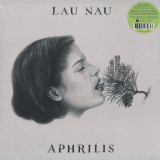
The title of the Lau Nau's 10th album, Aphrilis, derives from the Latin word aperire, meaning "to open." A fitting verb for the month of the year it is closely associated with — April. And while the images of plants and blossoms coming back to colorful life after a long, cold winter feels appropriate when listening to the rich and lustrous bloom of music on Aphrilis, another definition of open feels even more apt. For under the abundance lies the memory of times of austerity, the friction of hard choices, the acceptance that nothing is fixed and the future is unknown. This literal and metaphorical exploration of complexity and contradiction makes Aphrilis a multi-dimensional antidote for our troubled times, one that emphasizes the quiet and communal over noise and spectacle. Laura Naukkarinen, the Finnish artist behind this project, has long kept her mind and spirit open to whatever sounds and creative ideas felt appropriate for the moment. For the past six years that has meant primarily working with modular synthesis — learning how to build modules and releasing acclaimed work centered on its sounds like 5x4 (2023) or Puutarhassa (2022). Running parallel to this work, however, has been a continued exploration of acoustic instruments and group performances with her trio Lau Nau ja Seitsemäs Taivas. Aphrilis arrives then like fresh growth in a creative season cycle. A companion to her brilliant 2017 release Poseidon, the album, says Naukkarinen, "felt like a needed moment to embrace songs with lyrics again." And through the creation of this work, she remained open not only to her own creative muse, but also the input of her chosen collaborators. Each player on Aphrilis — Matti Bye on celesta and synths, Pekko Käppi on jouhikko, Hermanni Yli-Tepsa on violin and contrabass, Topias Tiheäsalo on electric guitar, Samuli Kosminen (Múm) on various instruments — was given free reign to arrange their own parts to accompany Naukkarinen's compositions. Kosminen’s lush fingerprint can also be heard in the mixing and production of the album, as with Poseidon six years ago. The moniker of this project may be taken from Naukkarinen’s own name, but Lau Nau feels more like a band than ever before. The delicacy and softness of the music is reflected in Naukkarinen’s lyrics. Each song is rife with imagery and creatures from the natural world. The spiders in the forest. The animals that keep a young woman company in her refuge in the woods. Wet grass. The feeling of the music is almost tactile, as if listening to the album will leave a bit of dew or sap on your fingers. The theme of this material, says Naukkarinen, runs even deeper. “The songs tell about cracks and changes of direction in different histories: personal, societal, planetary,” she says. “About moments when a yes can become a no and vice versa. The album wants to propose that at the moment of a crisis there is a possibility to influence the histories by our choices.” That may feel like a lot for such a fragile sounding collection of songs to bear. But Aphrilis is an album of surprising strength and resilience

Runar Magnusson is an Icelandic/Danish sound artist and musician, currently based in Austria. With a masters degree in Electronic Music Composition from The Royal Academy of Music, Aarhus, Denmark, he is inspired by the sounds of nature, noise, and meditation. Magnusson specialises in atmospheric disturbances through minimalist compositions. A sly humour cuts through the dark hues of his works.
Magnusson writes: "The two works which make up "Inside Out of Chaos" are somewhat related. They were made at the same time and share the same source materials somewhat – a pool of sounds I had been experimenting with for a couple of years. Two separate projects created the opportunities for me to realise them in these finished forms.
At the beginning of 2020 I was invited to participate in an acousmatic concert series at the Traktorfabrikken in Vienna. Curated by Austrian composer Christian Tschinkel and performed on his Akusmonautikum sound system this particular event, titled Kill & Kaoss, was the last in the series. I named my piece after the event and dedicated it to Tschinkel´s Akusmonautikum system. Without my knowing, I had witnessed this system in action half a year earlier at a concert at the Hermann Nitsch Museum in Mistelbach, with Hermann Nitch playing the organ and Tschinkel operating the sound system – a profoundly enjoyable performance. I was very happy when I connected the dots soon after the invitation to participate. I intended my work for Kill & Kaoss to be a way to greet the new lunar year of the rat – a year which held many surprises… The event took place on 22nd of February 2020 at Traktorfabrikken, Vienna.
"Inside Out (for Trattner)" was composed for Austrian artist Josef Trattner. It was the soundtrack for a film that was a part of his exhibition "Inside Out" at the Kiesler Foundation in Vienna, 2020. I assisted with the installation of the exhibition, itself a filmed action that evolved into the movie of which this is the score. The installation was a very hard physical process that left me bloody and blistered. It was also a fascinating, trance-inducing experience. Mining with ones bare hands, digging out this huge structure and creating a womblike cave, a tunnel system, a playground, a hideaway while experiencing ever-increasing pain in the fingers and hands. The exhibition ran from 27 February 2020 until 23 December 2020.
I consider this release as the final part of a trilogy I refer to as "the three sisters of sorrow". These three releases are an insight into my state of mind at the time – a mental collapse, somewhat triggered by a move to a new country, the death of my friend Jóhann Jóhannsson and the loss of my father a year later. Between 2018 and 2021 I had the trilogy almost ready but had not been able to finish them. I sought professional help to lift me up from the deep and was diagnosed with ADHD, which explained many things in my life. Only after the darkness had lifted could I see that these three releases were connected. They depicted both the mental state I had been in – an incapacitating downward spiral, a crushing chaos – and also my search for the light, a way out of the maze and my path up to the surface."
Runar Magnusson, Vienna, 13 November 2023

7
Introducing De Mond's debut LP, 'Glow.' Stijn Wybouw (also known as Kramp) and Arno de Bock (who provided drums for Hermann among other projects) throw you into a maelstrom of bold sounds and rhythms. From squiggly synth bursts to kaleidoscopic loops, they push the outer parameters of 21st-century musical art.

- A1: Main Title
- A2: Ghoulies Flambé
- A3: Sneaking
- A4: Ghoulieboppin’
- A5: An Old Tomato
- A6: Patty Gets It
- A7: For The Benefit Of Mr. Satie
- A8: Ghouliepalooza
- A9: Help Him
- A10: Montage
- A11: Organus Maximus
- A12: Sex Critters
- A13: Slice ‘Em, Dice ‘Em
- A14: Merle’s Mummy
- A15: Yuppie Agenda
- A16: Ned Discovers
- A17: Larry Sees
- B1: They’re Real
- B2: Interlude
- B3: Ned’s Showdown
- B4: Ned Is Gone
- B5: Nigel
- B6: Studio Chatter
- B7: Nicole’s Story
- B10: Fighting
- B11: Gang’s All Here
- B12: Clown’s Jaws
- B13: Froggy
- B14: Cuteness
- B15: Hell Breaks Loose
- B16: Ghoulies Jazz
- B17: Danger Zone (Studio Chatter)
- B18: Slate 9M2 (Studio Chatter)
- B19: Gastroburgers From Hell
- B20: Mazel Tov, Molotov
- B21: Baroque Indigestion
- B22: Ghoulies Ii Finale
- B8: Prepping The Carnival
- B9: Larry In Satan’s Den
39
WRWTFWW Records is proud to announce the first ever release of the long-lost original motion picture soundtrack from the 1988 cult horror comedy sensation Ghoulies II by the incomparable Fuzzbee Morse. Digging deep to uncover a true gem of the VHS era, this limited-edition vinyl release (500 copies worldwide) marks history in the making as a piece of film score lore is resurrected from the depths of oblivion. The LP is packed with 39 tracks and features an exclusive artwork by French illustrator Pierre Thyss, as well an obi and composer notes.
The captivating melodies that once played hauntingly in the background of Ghoulies II were long believed to be lost forever. It took over 30 years and Fuzzbee Morse's unwavering determination to dig out the legendary recordings – and restore them for full audio pleasure!
The superb soundscape of Ghoulies II perfectly captures the chilling and wacky essence of the cult movie, as well as its creepy carnival setting. Morse, citing influences such as Bernard Hermann, Frank Zappa, and Igor Stravinsky, flexes his multi-instrumentalist skills, flowing with ease between magical fairground elements (with brilliant use of calliope, tuba, flutes and sparkly sounding synthesizers), dark atmospheres and frightening attacks (tribal percussion, strings, along with dissonant, atonal gongs, bowed cymbals), and goofy moods (bassoon, bass clarinet, glockenspiel, trumpet, clarinet). It’s big cinematic horror movie music with a lighter comedic touch – the 80s live again!
To complete this collector's edition, French illustrator Pierre Thyss (the man behind the WRWTFWW Records logo) lends his (immense) talent to provide awe-inspiring visuals that flawlessly encapsulate the juxtaposition of horror and comedy.
Ghoulies II follows the release of the full uncut soundtrack of Ghoulies (1985) which was released on vinyl for the first time ever by WRWTFWW Records in 2020 alongside soundtracks for other Richard Band-composed, Empire Pictures-produced classics: TerrorVision and Troll. All these 80s horror favorites are still available – complete the collection now!

In 1995 the self-titled full-length debut of Die Anarchistische Abendunterhaltung (DAAU) was released. The band consisted of four young, 'classically derailed' musicians who played their own compositions with acoustic instruments such as violin, cello, clarinet and accordion. Their work contained influences from Roma music, Eastern European folk, klezmer and jazz, but was performed with the energy, rebellious spirit and Sturm und Drang of a bona fide punk band. DAAU was part of the fertile Antwerp scene, which also produced dEUS, Zita Swoon and Kiss My Jazz, and soon signed an international record deal with Sony Classical.
The group's influential first record, which has been out of print for a while, is now finally being released again and is available on vinyl for the very first time.
In those early days, DAAU consisted of four young, classically trained musicians who tackled their instrumental compositions with a true punk spirit. 'If we'd had guitars, bass or drums at that time, we would probably have been just another rock band', says accordionist Roel Van Camp, who, together with his schoolmates Buni Lenski on violin, the latter's brother Simon on cello and Han Stubbe on clarinet made up the Antwerp quartet. 'With our acoustic instruments we tried to create our own version of the music we loved listening to, from sixties rock and prog to new wave.'
The quartet, which initially played in streets and cafes, appealed to a diverse audience and sometimes joked that they were a classically trained unit that had 'gone off the rails'. 'As befits teenagers, we wanted to shake things up', Stubbe remembers, 'even though we always kept cherishing our classical backgrounds.' Van Camp: 'Our education was never supposed to feel like a straitjacket. We were free-spirited enough to ignore the laws and regulations of the music academy and to create our own sound. Our compositions were open to influences from Roma music, Eastern European folk, klezmer and jazz'. 'That eclecticism was a direct result of the zeitgeist', Han Stubbe adds. 'We loved different styles and happily mixed them together'.
The monniker Die Anarchistische Abendunterhaltung was derived from Steppenwolf, a novel by German writer Hermann Hesse about a character who was outside society. 'In the book, the narrator talks of a theatre', Van Camp explains. 'And at the entrance there is a warning sign sign that says: if you go in here, you are guaranteed to lose your mind. That was an apt description of the way our music worked'.
Almost all tracks on DAAU's first album were 'Drieslagstelsels' (or 'three-course rotations'). The term referred to an agricultural method of the early Middle Ages, but also to the fact that each song of the group consisted of three major movements. Van Camp: 'The titles of those pieces referred to our method of writing. We piled up a huge bunch of ideas, because we wanted to tell more than just one story. With each composition, we took the listener for a ride'.

In 1995 the self-titled full-length debut of Die Anarchistische Abendunterhaltung (DAAU) was released. The band consisted of four young, 'classically derailed' musicians who played their own compositions with acoustic instruments such as violin, cello, clarinet and accordion. Their work contained influences from Roma music, Eastern European folk, klezmer and jazz, but was performed with the energy, rebellious spirit and Sturm und Drang of a bona fide punk band. DAAU was part of the fertile Antwerp scene, which also produced dEUS, Zita Swoon and Kiss My Jazz, and soon signed an international record deal with Sony Classical.
The group's influential first record, which has been out of print for a while, is now finally being released again and is available on vinyl for the very first time.
In those early days, DAAU consisted of four young, classically trained musicians who tackled their instrumental compositions with a true punk spirit. 'If we'd had guitars, bass or drums at that time, we would probably have been just another rock band', says accordionist Roel Van Camp, who, together with his schoolmates Buni Lenski on violin, the latter's brother Simon on cello and Han Stubbe on clarinet made up the Antwerp quartet. 'With our acoustic instruments we tried to create our own version of the music we loved listening to, from sixties rock and prog to new wave.'
The quartet, which initially played in streets and cafes, appealed to a diverse audience and sometimes joked that they were a classically trained unit that had 'gone off the rails'. 'As befits teenagers, we wanted to shake things up', Stubbe remembers, 'even though we always kept cherishing our classical backgrounds.' Van Camp: 'Our education was never supposed to feel like a straitjacket. We were free-spirited enough to ignore the laws and regulations of the music academy and to create our own sound. Our compositions were open to influences from Roma music, Eastern European folk, klezmer and jazz'. 'That eclecticism was a direct result of the zeitgeist', Han Stubbe adds. 'We loved different styles and happily mixed them together'.
The monniker Die Anarchistische Abendunterhaltung was derived from Steppenwolf, a novel by German writer Hermann Hesse about a character who was outside society. 'In the book, the narrator talks of a theatre', Van Camp explains. 'And at the entrance there is a warning sign sign that says: if you go in here, you are guaranteed to lose your mind. That was an apt description of the way our music worked'.
Almost all tracks on DAAU's first album were 'Drieslagstelsels' (or 'three-course rotations'). The term referred to an agricultural method of the early Middle Ages, but also to the fact that each song of the group consisted of three major movements. Van Camp: 'The titles of those pieces referred to our method of writing. We piled up a huge bunch of ideas, because we wanted to tell more than just one story. With each composition, we took the listener for a ride'.

Vor gerade einmal zwei Jahren veröffentlichten JEREMIAS mit „golden hour“ ihr Debüt. Und was für eines: Auf ausverkaufte Tourneen folgten Streams in Millionenhöhe, Konzerte vor tausenden Fans. Auf dem zweiten Album „Von Wind und Anonymität“ verarbeitet die Band die letzten zwei Jahre im Leben von Sänger Jeremias Heimbach, Bassist Ben Hoffmann, Drummer Jonas Hermann und Gitarrist Oliver Sparkuhle. Es ist ein Aufbruch, der sich in der musikalischen Vielfalt des Albums widerspiegelt und zu dem alle Bandmitglieder beigetragen haben.
Es gibt keine andere Band in Deutschland, die so klingt wie JEREMIAS. Der Nachfolger von „golden hour“ strotz vor raffnierten Harmonien und klugem, reflektiertem Songwriting. Das Album erinnert zuweilen an Größen wie John Legend und Sam Smith, zwischen Sanftheit und Schwere stellt man sich die Band zwangsläufig auf den ganz großen Bühnen vor. Je länger man JEREMIAS auf „Von Wind und Anonymität“ zuhört, desto klarer wird: Das hier ist ein wirklich herausragendes deutschsprachiges Popalbum von einer Band, die ihren ganz eigenen Sound gefunden hat und von diesem Punkt aus losgezogen ist, um Experimente zu wagen. „Von Wind und Anonymität“ handelt von dunklen Zeiten, stellt diesen aber ein Grundvertrauen ins Leben entgegen, gibt sich zuversichtlich und zeugt von einer Band, die wieder gelernt hat, ihrem eigenen Traum zu vertrauen. Und das ist eine sehr gute Nachricht.

- A1: Don't Stop
- A2: Message From The Other Side
- A3: 3 A.m. At Moëf Gaga
- A4: When The Rain Is Falling ('85 Interlude)
- A5: Talk Too Much (Instrumental)
- B1: Jump In The Water (24-Track Mix)
- B2: Armer Teufel Am Morgen Nach Dem Maskenball
- B3: Close To You ('86 Interlude)
- B4: September Garden (Instrumental)
- B5: Message From The Other Side (Alternative Instrumental Mix)
10
"Don't Stop" is the third album retrospectively released by Ghia. As the subtitle "Early Works & Artefacts 1984-1987" implies, it features some of their earliest compositions as well as tracks that were recorded during the same period as their "Curaçao Blue" LP.
The album is a fusion of diverse music styles. Listeners will delight in a range of genres, including electro, funk, soul, jazz-funk, synth pop, and even rap/hip-hop, all woven together as a cohesive work that remains mostly instrumental. As a whole, "Don't Stop" represents Ghia's funkiest and most experimental release to date. Notably, the LP features a rap version of Hermann Hesse's controversial German poem "Armer Teufel am Morgen nach dem Maskenball" ("Poor Devil the Morning After the Costume Ball") from 1926, accompanied by a drum machine rhythm and funky guitar. This poem depicts a person who drank too much the night before, telling the story and describing his hangover. The title track "Don't Stop" and the thrilling minimal electro-funk tune "3 A.M. at Moëf Gaga" both evoke old-school electro influences. The latter references the Spanish discotheque Moëf Gaga, located on the Balearic coast, which the dynamic duo of Lutz Boberg and Frank Simon frequented during their 1980s holidays. While the exact music played at 3 A.M. is unknown, listening to Ghia's track will undoubtedly capture the mood of the place.
One of the key tracks of the album is "Message From The Other Side", which could easily be noted as one of the nicest European synth-funk instrumental pieces ever. The track is based on a sick synth bass line, sparkled with DX7 chord hits, funky guitar, and a delightful "marimba" solo in the last third. The solo was actually played on Boberg's keyboard, using a special sound cartridge. This particular track had to be edited and technically revised by Marian Tone and DJ Scientist as the existing demo version of the song could not be used as is. With its stunning groove, this track will surely be a DJ's favorite.
Listening to the complete album, there is more of Boberg's keyboard wizardry: could you believe that the trumpet solo on "Jump In The Water" as well as the short but stunning slap bass solo on "Talk Too Much" were both played by on the DX7? However, this new release, unlike the jazzy "Curaçao Blue", is not about solos or virtuous playing - it clearly shows the duo's direction towards more electronic composition and clear song structures. The versions of "September Garden", "When The Rain is Falling" as well as "Talk Too Much" are actually instrumental mixdowns of vocal songs. And again, we get a blissful take of "Close To You", here a version from 1986. This soulful jazz-funk ballad could already be heard on "Curaçao Blue" while the final vocal version with singer Lisa Ohm can be found on the recently released "This Is" LP. This shows that the Ghia composers, Boberg and Simon, were perfectionists - tracks were reworked again and again, making them better and better.
The album was mastered and restored with great care, and we are pleased to provide you with a perfect example of mid 1980s home-recording pleasures, tinged with a youthful spirit and providing a sound that cannot be recaptured anymore nowadays. Alongside "This Is" and "Curacao Blue" it should be another perfect addition to any 80s groove collection as well as a great pick for DJs that love and play disco, leftfield electro and funk. The LP is limited to 500 copies.

- A1: A Beautiful Thought (Pt 1)
- A2: Harry Dreams The Dream
- A3: A Wolf Of The Steppes
- A4: Interlude
- A5: The Title On The Cover
- B1: Divided
- B2: Magic Theatre
- B3: Soul Track
- B4: The Mothers And The Fathers
- B5: A Beautiful Thought (Pt 2)
- C1: Stupid Steppenwolf (Pt 1)
- C2: Stupid Steppenwolf (Pt 2)
- C3: Human Avatars (Pt 3)
- D1: Human Avatars (Pt 1)
- D2: Human Avatars (Pt 2)
15
Factory Benelux presents the very first vinyl edition of the only soundtrack album recorded by The Durutti Column, the Factory Records ensemble fronted by lauded guitarist and composer Vini Reilly. A limited edition of 1000 copies on 180gm black vinyl have been pressed for Record Store Day 2023. (NonReturnable) Treatise on the Steppenwolf is a soundtrack to the performance piece of the same name by experimental theatre group 12 Stars, written and directed by Gerard McInulty (of fellow Factory band The Wake), first staged in Glasgow in May 2003. Freely adapted from the celebrated counter-culture novel by Hermann Hesse, the performance is a portrait a divided character in an ongoing state of conflict.
‘Steppenwolf was something I’d read recently and when we approached Durutti Column with the idea it turned out they were interested too,’ explained McInulty. ‘People have described their music as ambient, although that’s a description they don’t care much for. It’s certainly atmospheric and there’s something about their sunny-sounding guitar that seemed appropriate to a book that, although published in 1927, didn’t become popular in America until the 1960s.’
This expanded vinyl edition combines the studio recordings of the 12 pieces performed live by The Durutti Column during the Glasgow run, along with 3 long and previously unreleased tracks from the Human Avatars art installation at Manchester MOSI in 2005.
Newly mastered for vinyl by Peter Beckman at TechnologyWorks, this limited Record Store Day edition also features new gatefold artwork by Howard Wakefield.

If you're among the legions of Widespread Panic fans, you already know
that the band is legendary for never playing the same show twice or the
same song the same way twice - What makes this performance that
much more special is the inspiring presence of founding member
Michael Houser (whose nickname Panic inspired the band's name), who
died of pancreatic cancer less than two years later
As much as anything, this is a celebration of Houser's life and the sheer joy he
brought to a band that became one of the biggest draws on the international
concert circuit and created a vibe that makes the Panic experience unique in the
pop rock world.
But anybody who knows anything about them knows that Widespread Panic is so
much more than just a jam-happy rock band. From the time Houser and John Bell
(JB) began playing duets around Athens, Georgia, in the early 80's, their repertoire
ranged from early covers of the Grateful Dead and Bob Marley to a host of
original songs (among them Space Wrangler , included here) that demonstrate, as
The Village Voice wrote, a willingness to dip their collective toe into just about any
genre. This is classic Widespread Panic, including David Schools on bass, John
Hermann on keys, Todd Nance on drums and Domingo Ortiz on percussion.
One look at this show and it'll quickly become obvious there was something
strange going on in the house that night. Yes, it was Halloween, 2000, and the
rabid fans went beyond even their usual hard-core delirium. This was one time the
audience almost threatened to steal the show!
-Terry Lickona (Producer Austin City Limits).

7
Clear Vinyl
Downwards’ deep bonds with NYC catalyse the debut LP by Jim Siegel’s Vivid Oblivion, a reveberating post-industrial salvo produced by adopted Brooklynite Karl O’Connor (Regis), and co-mixed by Anthony Child (Surgeon) and Simon Shreeve, who also mastered it. It’s a super deep, highly atmospheric beast somewhere between Valentina Magaletti’s most expressive percussion work, Bark Psychosis, and classic, moody 4AD, which is coincidentally referenced via the artwork, made by Chris Bigg - legendary graphic designer and longtime assistant to Vaughan Oliver.
Invoking the density, vertiginous scale, and dark grimy nooks of NYC, ‘The Graphic Cabinet’ was realised by Jim Siegel - hardcore legend and occasional/regular drummer with everyone from Raspberry Bulbs to Damo Suzuki and Boredoms, made in close collaboration with Karl O’Connor aka Regis during 2021.
Stemming from intently deep listening sessions immersed in LPs by Viennese aktionist Hermann Nitsch and the myriad eras of Killing Joke, while also absorbing the atmospheres of classic Tarkovsky flicks, the album began life as gonzo field recordings of Siegel smashing the f*ck out of his drum kit, zither, scrap metal and gongs in an array of abandoned warehouse spaces. The recordings formed the basis of Karl’s compound productions, which add depth charge bass and sonorous metallic atmospheres to the mix, along with birdsong and gibbon hoots, plus guitar textures by Nick Forté (Raspberry Bulbs, Rorschach) for a dread-lusting jag deep in the belly of the Big Apple.
With a palpable tang of rust and blood in the air and grime under the fingernails, the seven tracks evoke a resoundingly brutalist portrait of space and place. Siegel’s nervy percussive discipline is framed in alternating barometric and light settings from cut to cut, variously snaking from the poltergeist clang and haunted resonance of ‘Converging and Dissolving’ to slamming motorik thrum in ‘Oblivion’ via imaginative descent into cyberpunk simulacra of the city as jungle-at-night in ‘Remnant Corridor’, replete with animalistic atmospheres that recall Organum.
While the raw attack and devilish swerve of the rhythms are utterly fundamental to the record, Karl’s atmospheric content and the animist mixing magick of Anthony Child and Simon Shreeve most potently give flesh to its bones. Patently evident on the stepping pulse and searching zither that keens into detuned orchestration on ‘Immediate Possession’, the zoned-out klang of ‘Stand Aside’ or in the flooded warehouse chaos of ‘Test For Traps’. The attention to spatial, textural and proprioceptive detail is tightened throughout, peaking with ‘Bargemaster’, a dense slab of tension that sounds like Jon Mueller’s Silo recordings fed through The Caretaker’s fogged machinery.
It’s one of the most impressive records on Downwards for a long while, bound to gnaw and spark the nerves of experimental rock and post-industrial’s greats, anything from The New Blockaders to Faust, Flying Saucer Attack and into iconic Blackest Ever Black releases in the modern era.

12
Long before Lina Seybold became a geologist, the singer and guitarist was already writing songs and making a name for herself far beyond the city limits of Munich with her Steve Albini-trained (and produced) quartet candelilla, before the band dispersed into new projects. During her studies, she met Moritz Gamperl and the two realised that what they learned in rock research could also play a role in rock music. Thus, the material history of the planet became both a source of existential reflections for the two and the impetus for a highly accomplished and often graceful sound, which has been expressed in the band pirx together with drummer Sascha Saygin since 2019: Technically sovereign, obstinate songs that - with Seybold now on bass and vocals - create subtle dramaturgies, cinematic aesthetics, far-reaching arcs of tension.
With Lamina, the trio now presents an excellent debut album, recorded by Martin M. Hermann, which shoots out of the earth with explosive force as hot lava, only to flow into the valley in glowing beauty the next moment, changing the earth's surface, telling of elemental forces - until it finally evaporates the water in the sea and lays a comatose fog over all existence. Or in other words: pirx make creation music, in all directions of time!

10
Bis ins Jahr 1973 reicht die Historie von Mass zurück, als Günther V. Radny (das V. steht für Viktor) mit Sänger Josef Hartl, Gitarrist Walter Speck und dem Schweizer Drummer Charles Frey (heute als Akron bekannter Autor) die Formation Black Mass startete. Nachdem Speck wegen psychischer Probleme mit tödlichen Folgen ausfiel, ersetzte ihn der Saarbrücker Gitarrist Gerd Schneider, der zuvor mit ScorpionsSchlagzeuger Hermann Erbel alias Herman Rarebell bei RS Rindfleisch gespielt hatte. Schneider musste allerdings nach einem Jahr wegen massiver Drogenprobleme wieder gehen und wurde durch den englischen Gitarristen Mick Thackeray (The Merseys), der in der Schweiz mit den Slaves und Countdowns, und in München mit Abi Ofarim spielte, ersetzt. Zur gleichen Zeit ersetzte Johannes Eder, von der englischen Band I Drive kommend, Drummer Frey, der sich laut Radny „auf den Büchertrip“ begeben hatte. Zudem wurde der Bandname auf Mass verkürzt. In dieser Besetzung nahm MASS im April 1975 im Studio 7o in München mit Dave Siddle am Mischpult,
der unter anderem mit den Beatles, Jimy Hendrix, Jeff Beck, Animals und Deep Purple arbeitete ein Album auf. Aufgrund der Drogenprobleme von Sänger Josef Hartl wurde dieses Album nie veröffentlicht. Leider sind diese Bänder bis heute verschollen. Doch damit nicht genug der unruhigen Zeiten: Ein Jahr später mussten Hartl (Drogenprobleme, verstorben 1998) und Thackeray (übermäßiger Alkoholkonsum), gehen. Mit dem aus Berlin gekommenen Detlef „Dave“ Schreiber als neuem Gitarristen war die Formation als Trio 1976 erst einmal stabilisiert. 1977 entstand das Album „Back To The Music“, welches bei United Artists Records (Hawkwind, ELO, Don
McLean) erschien.
In Folge wurden Mass als teils boogieorientierte Hardrockgruppe, anschließend als Heavy Metal Band bekannt und genießen heute ähnlich wie Accept, Scorpions, Trance oder Fargo Pionierstatus. Nach einer zeitweisen Umbenennung in Monsters kehrte Bandboss Günther V Radny kürzlich mit Mass zurück und lieferte eine gefeierte Reunion-CD. Die Band wurde auch kürzlich von Golden Core/ZYX geehrt, da je ein Track von Mass und Monsters auf der Compilation „Sound & ActionGerman Hardrock & Heavy Metal Rarities Vol. 1“ zu finden ist. Im Zuge dieses Kontaktes kam es zu der längst überfälligen Idee, das Debütalbum von Mass erstmals auf CD (und erneut auf Vinyl) zu bieten.

- 1: Several Hands On Our Piano
- 2: Don't
- 3: Flashback Caruso
- 4: Voices And Trumpet And All
- 5: J'ai Mal Aux Dents
- 6: Beim Nächsten Ton Ist Es
- 7: Two Drums, Bass, Organ
- 8: Dr. Schwitters Intro
- 9: Several Hands On Our Piano (Continued)
- 10: Beam Me Up, Scotty
- 11: Elerimomuvid
- 12: Dr. Schwitters (Continued)
- 13: Have A Good Time, Everybody
- 14: Above And Under Our Piano
- 15: Hermanns Lament
- 16: Donnerwetter
- 17: Was Ist Hier Los?
- 18: Rudolf Der Pianist
- 19: Ricochets
- 20: I've Heard That One Before
- 21: Watch Your Step
- 22: Under Our Piano Again
- 23: Fluid Chorus
- 24: Stretch Out Time
- 25: Der Baum
- 26: Chère Chambre
26
There's something perversely fabulous about the thought of this warped masterwork wandering into 60,000 unsuspecting British homes in 1973. Faust's second-and-a-half album hit the shops to celebrate their signing to the nascent Virgin Records, who were looking to take advantage of the zeitgeist for German music at that time. Undeterred by the fact the band's unwillingness to engage with the commercial landscape had seen them dropped from Polydor, Branson and co cooked up a suitably spectacular marketing strategy, selling the LP for 49p, the bargain price of a single. Shoppers flocked in their thousands to grab a copy, raced home and then spent the next forty five minutes checking their tracking, banging the speakers and blowing the needle, all to no avail. Do not adjust your set - This is Faust.


8
LIMITED BLACK VINYL
The very first solo album from Greg Anderson aka The Lord (Engine Kid, sunn O))), Goatsnake and Southern Lord Recordings curator) is an 8 song collection of dark heavy cinematic inspired darkness.
Taking cues from legendary film composers: Bernard Herrmann & John Carpenter and injecting lethal doses of early 90s Scandinavian Death Metal.
Very special guest vocalist: Attila Csihar (Mayhem, sunn O))), Tormentor) lends putrid vocals to the track: Triumph of the Oak.

9
Reinhold Weber, born in 1927, was known as a pioneer of electronic music. In his compositions, Weber placed a focus on twelve-tone music, he became increasingly fascinated in the field of computer music since the 1970s. He produced numerous works at the Studio for Electronic Music at the University of Karlsruhe.
Reinhold Weber was born in Gießen on July 18, 1927. He studied at Robert Schumann Conservatory in Düsseldorf (including composition with Jürg Baur, piano with Max Martin Stein) and passed his exam in composition, theory, piano and ear training with distinction. He completed further masterclasses with Wolfgang Fortner, Hermann Heiss, Oliver Messiaen (composition), Kurt Thomas (choral conducting), Andor Foldes (piano) and Gerhard Nestler (electronic music). Reinhold Weber was a professor at the Baden Conservatory of Music in Karlsruhe and also worked in the Studio for Electronic Music of the University of Karlsruhe. His works have been performed in numerous concerts and were broadcasted by SDR, WDR, NDR, HR, SWF and Radio Bremen. Reinhold Weber died March 25, 2013.
Actor Kurt Müller-Graf was born in 1913. After visiting the Theater Academy of Baden in Karlsruhe, he appeared on stage at National Theaters of Karlsruhe, Kassel and Munich since 1935. During World War II he performed in about 10 feature films by Bavaria Film Munich. After 1945 he played at National Theaters in Karlsruhe, Stuttgart and at Theaters in Nuremberg, Cologne, Munich, Mannheim, Baden-Baden and Burgtheater Vienna. Furthermore he had guest performances in Zurich, Basel, Salzburg and Heidelberg. Kurt Müller-Graf was touring and had broadcasts on radio and television shows at home and abroad. Kurt Müller-Graf died August 10, 2013.


- A1: Columbia Symphony Orchestra & Bernstein - Rhapsody In Blue (Excerpt)
- A2: Rr Orchestra - Sarabande
- A3: John Barry - Midnight Cowboy
- A4: Pascal Roge - Gnossiennes #3
- A5: Michael Andrews - Mad World (Feat Gary Jules)
- A6: Arthur Fielder & Boston Pops Orchestra - March Of The Siamese Children
- A7: Nick Ingman & Orchestra London Sinfonietta - Adagio For Strings
- B1: John Williams - Cavatina
- B2: Philip Glass - Powaqqatsi
- B3: Michael Kamen - The Office
- B4: Bernard Hermann - Outer Space
- B5: Ray Noble & His Orchestra - Midnight, The Stars & You
- B6: Thomas Newman - Horse
- B7: Wendy Carlos & Mark Ayres - Ode To Joy
- C1: Deodato - Also Sprach Zarathustra
- C2: Thomas Newman & Hollywood Studio Symphony - Brooks Was Here
- C3: Mike Oldfield - Tubular Bells (Excerpt)
- C4: Hotei - Battle Without Honor Or Humanity
- C5: John Carpenter & Mark Ayres - Halloween (Main Theme)
- C6: Bernard Hermann - Main Title
- D1: Giorgio Moroder - Chase
- D2: Isaac Hayes - Theme From Shaft
- D3: Lalo Schifrin - Bullitt (Main Title)
- D4: Vangelis - Tears In Rain
- D5: Louis Armstrong - We Have All The Time In The World
25
"60 Years of cult and classic soundtracks presented on 2 x 180g
Featuring Bernard Hermann, John Barry, Thomas Newman, Giorgio Moroder, Isaac Hayes, Lalo Schifrin, Mike Oldfield, Vangelis...

- A1: Columbia Symphony Orchestra & Bernstein - Rhapsody In Blue (Excerpt)
- A2: Rr Orchestra - Sarabande
- A3: John Barry - Midnight Cowboy
- A4: Pascal Roge - Gnossiennes #3
- A5: Michael Andrews - Mad World (Feat Gary Jules)
- A6: Arthur Fielder & Boston Pops Orchestra - March Of The Siamese Children
- A7: Nick Ingman & Orchestra London Sinfonietta - Adagio For Strings
- B1: John Williams - Cavatina
- B2: Philip Glass - Powaqqatsi
- B3: Michael Kamen - The Office
- B4: Bernard Hermann - Outer Space
- B5: Ray Noble & His Orchestra - Midnight, The Stars & You
- B6: Thomas Newman - Horse
- B7: Wendy Carlos & Mark Ayres - Ode To Joy
- C1: Deodato - Also Sprach Zarathustra
- C2: Thomas Newman & Hollywood Studio Symphony - Brooks Was Here
- C3: Mike Oldfield - Tubular Bells (Excerpt)
- C4: Hotei - Battle Without Honor Or Humanity
- C5: John Carpenter & Mark Ayres - Halloween (Main Theme)
- C6: Bernard Hermann - Main Title
- D1: Giorgio Moroder - Chase
- D2: Isaac Hayes - Theme From Shaft
- D3: Lalo Schifrin - Bullitt (Main Title)
- D4: Vangelis - Tears In Rain
- D5: Louis Armstrong - We Have All The Time In The World
25
60 Years of cult and classic soundtracks presented on 2 x 180g
Featuring Bernard Hermann, John Barry, Thomas Newman, Giorgio Moroder, Isaac Hayes, Lalo Schifrin, Mike Oldfield, Vangelis...

The Fall is a deconstruction of November by Dennis Johnson.
Written for solo piano in 1959, November is the first example of minimalist music composition and was the inspiration for La Monte Young's The Well-Tuned Piano (1964). The 66 minute piece is a collaboration between legendary artist Lustmord and renowned classical pianist Nicolas Horvath, in which they reduces Johnson's original November to its core element and place it in a landscape of complimentary sound. The Fall echo's November but with further resonance.
Recorded in May-June 2019 in Los Angeles, and Misy-sur-Yonne, France.
Lustmord
Active since 1980, born of the original 'industrial' scene of the period. With its own distinctive approach, blurring the line between music and sound design Lustmord's work has featured in 45 motion pictures including The Crow and Underworld and also in video games, television and commercials. Recently Lustmord scored the music for Paul Schrader's movie First Reformed. While Lustmord is often credited for creating the 'dark ambient' genre there is much more nuance to its work than what that label implies. The music is not dark, but is a light that shines into and upon the darkness. Notable collaborations amongst many include Tool, Melvins, Jarboe, John Balance of Coil, Clock DVA, Chris & Cosey, Paul Haslinger, Karin Park and Robert Rich.
Nicolas Horvath
An unusual artist with an unconventional résumé, pianist and electroacoustic composer Nicolas Horvath is known for his boundariesless musical explorations. Horvath is both an enthusiastic promoter of contemporary music - he has commissioned numerous works (including no fewer than 120 as part of his Homages to Philip Glass project in 2014) and collaborated with leading contemporary composers from around the world, including Alvin Lucier, Mamoru Fujieda, Jaan Rääts, Alvin Curran and Valentyn Silvestrov - and a rediscoverer of forgotten or neglected composers such as Moondog, Nobuo Uematsu, Germaine Tailleferre, François-Adrien Boieldieu, Hélène de Montgeroult, Jean Catoire, Karl August Hermann.

Following 2019’s New Atlantis LP under his experimental techno alias Efdemin, Phillip Sollmann’s Monophonie is a project dedicated to uniting different strands of utopian music. His approach: combining and recontextualizing rare historical instruments of sonic research of Hermann von Helmholtz (19th century) with the self-designed, microtonal instruments of Harry Partch and metal sound sculptures of Harry Bertoia.
The result is a psychedelic investigation into just intonation – alternative tuning systems that create unique sets of harmonics not found in conventional scales. Monophonie recasts these sounds into new rhythmic environments where epic kosmische, polyrhythms, acoustic techno and microtonal glow are interwoven into a rare music.
Over nine tracks, the album explores multiple forms of minimalism, from unwavering repetition to paired-down chords and sparse sonic environments. But it also seeks to expand the sound spectrum of Partch’s custom built organs and melodic percussion instruments as well as Bertoia’s sonambient singing metal rods into a atmospheric otherworldliness.
Monophonie was first composed in 2016 and premiered at Berlin’s Volksbühne theatre in 2017, before it went on to the renowned Ruhrtriennale and Kampnagel in Hamburg. It was performed by one of Germany’s premier neue musik collectives Ensemble Musikfabrik together with Sollmann himself on von Helmholtz’s original double siren, with set design by Michael Kleine and wardrobe by Peter Kisur of Honeysuckle Company.

- A1: Ouverture
- A2: Les Règles
- A3: Sirine
- A4: Concerto Pour Batterie Et Cour De Récréation
- B1: Savana, Céline, Aya (Pt 1)
- B2: Savana, Céline, Aya (Pt 2)
- B3: Your Hands
- B4: Koh & Sam
- B5: Mikado Walking
- B6: Poltergeist
- B7: Esatabemakuru
- B8: Tetris Synths
- B9: Tetris Crystal
- C1: I Think The Game (Pt 1)
- C2: I Think The Game (Pt 2)
- C3: I Think The Game (Pt 3)
- C4: I Think The Game (Pt 4)
- C5: Dribbles & Beats
- C6: Camarades
- C7: Rollercoaster (Pt 1)
- C8: Rollercoaster (Pt 2)
- D1: On Top
- D2: I Love Vertigo
- D3: Game Rule
- D8: Générique (Benjamin)
- D4: Le Jeu De La Phrase
- D5: Wolf Music
- D6: Les Anneaux De Saturne
- D7: Wolf Music (Finale)
29
Christophe Chassol is reshuffling the deck. After making his name worldwide with three magnificent ultrascore compositions (Nola Che?rie in 2011, Indiamore in 2013 and Big Sun in 2015), working with Solange and Frank Ocean, and playing the most prestigious halls, he's taking his quest to arrange reality even further with Ludi, his new project that includes an album, film and show. It's play - an all-important word in music - that underscores this impressive, masterful construction freely inspired by Hermann Hesse's The Glass Bead Game. Everything is part of the melody: a playground or basketball players in the suburbs, an arcade in Tokyo, a roller coaster, singer Crystal Kay and rapper Kohh. Solo musicians were filmed in rehearsal, like flautist Jocelyn Mienniel and the composer's partner, drummer Mathieu Edward, who managed to reprise on stage
Chassol drew from the great German author's utopic book, where music, mathematics, aesthetics and spirituality intermingle, to create a passionate work produced by Bertrand Burgalat's label Tricatel that once again justifies his special place in the musical landscape.
With Ludi, Chassol directs his own round of Hermann Hesse's game, taking on the title of Magister Ludi, master of The Glass Bead Game. With this double album, Chassol realises his ambition: to compose unprecedented music that fills us with joy and prompts reflection.

It's easy to fall for a nostalgic approach to dance music, to cuddle oneself in the warm analogue sounds of late 1980's dance productions - especially with the heavy ongoing reissue trend going on. However, we have to stay focus: look out for contemporary sounds and means of production. Parisian producer Nathan Melja makes his debut on Antinote with an idiosyncratic three-tracker and our guess is that it sounds contemporary.
On the A-side: one tune: Deadrums. Both the name and the music speak for themselves. It's hard, it's efficient and at the same time, there's quite a lot going on, tiny bumps on the straightforward road to techno ecstasy. Nevertheless, Deadrums is a precise piece of machinery, an atmospheric banger, yes, but with deadly jaws made out of tempered steel to tear a dancefloor apart, piece-by-piece. On the B-side, Angels stands out as a perfect example of a song that has many dancefloor qualities but, like some of DJ Sprinkles' seminal recordings, turns out to be more of a late-night tale of urban wanderings on wet pavements (think Taxi Driver and its soundtrack by Bernard Hermann). Contemplative, melancholic and - let's say it - sad, its nagging melody can bring a little tear to the eyes of the most sensitive ones. Rounding up the 12' is Candy, a tune under the influence of bad boys like DJ Overdose, or Ghettotech legend DJ Assault - so that you can dry your tears.
It's Nathan Melja's first release on Antinote, but he's definitely not a newcomer. He's been around since Antinote exists, and we're glad to finally collaborate with him.

"After almost 20 years of making tracks with blaringly loud kicks, you tend to start producing with the other elements first to give yourself a break from the constant pounding of monitors at point blank range. Following an analog filter shopping spree, I began working on a group of tracks where the low end was satisfied by the filtering, and realized these songs worked just fine without a bass drum. Therefore this record is called "Rareforms" since most of my other work consists of a kick drum and lots of loud effects. This record is dedicated to the brilliant synthesist and interpreter Isao Tomita, whose records always provide inspiration in the lab. Also to master storyteller Rod Serling and his frequent collaborator Bernard Hermann, whose score for the Hitchcock film Vertigo I adapted through some MIDI processes and wavetable synthesis, then sent it through a 4-foot spring reverb." - Phil Moffa

4
Berlin-based Marlon Hoffstadt drops 'Coach Mike', the fourth EP on his own Retrograde imprint, featuring remixes from Massimiliano Pagliara and The Friend and following a hat trick of successful releases. The four-track EP is the sophomore release from Hoffstadt on his burgeoning label, which he co-founded with Natureboy Gold and Matteo Luis in August 2015. Previously featuring the likes of Kris Wadsworth and Tuff City Kids, Retrograde provides a platform for the artists to explore music alongside other forms of expression such as art, particularly surrealism. The vinyl sleeve artwork from the first four releases, when fitted together, completes the painting 'Interaction' by surrealist Hermann Reimer. With previous releases on FFRR and Play It Down, Hoffstadt boasts a sound that is both innovative yet authentic, and 'Coach Mike' displays the sonic alchemy that the talented producer, aged only 22, has already become known for. The title track starts as a grooving acid-based cut peppered with percussion before building up suspense to a surprising yet satisfying breakdown. This is his first release without vocals, allowing him to focus entirely on creating pure soundscape. Panorama Bar resident and Live at Robert Johnson mainstay Massimiliano Pagliara's rework of the A side is a Balearic-tinged affair, starting with a solid drum and building to a crescendo of bass, pads and synths, along with the analog synth elements for which he's known. This is an undeniable summer anthem that will captivate dancefloors across the world. 'Broncos' is a club track created for the floor. An acid bassline sits alongside industrial elements and stabbing synths.

4
The second outcome on Retrograde signifies the first release of head-honcho Marlon Hoffstadt on his and Natureboy Gold's new imprint. After a short timeout the young Berlin producer presents his new work on this four-tracker in collaboration with Chicago House Music icon and pioneer Paris Brightledge, accountably for releases since 1987 on substantial labels such as DJ International Records. He recently delivered the vocals on Paranoid London's killers 'Paris Dub 1 & 2'. 'Smile' the title track of the EP, highlights Paris' ability to hypnotize the dance floor with his unique voice combined with Marlon's production smoothness. With 'Smile' Paris displays: 'torn from the angst of my soul concerning the tragedy of love and life lost'. 'Smile' got a special treatment by Detroit's very own Kris Wadsworth. His Venus Rx Remix lived up to its name and has some 'pretty nasty analog stuff going on' to catapult yourself right into the atmosphere. The B-side 'Lies' discusses how coming from the streets doesn't always allow feelings to be displayed in life or in love. It's a percussion driven, 303 based club workout. No rest for dancers on this one. Remix comes from label artist Matteo Luis, providing a more synth accented version, introducing an engrossing sound that will be continued on his upcoming RTGD 003. The EP is Paris' and Marlon's first collaboration and we can already promise it won't be the last one on Retrograde. Every copy comes with a full cover artwork by Hermann Reimer.

As the first output of our new label we present you RTGD001: the Won't Cry' EP by Matteo Luis & Lo, both part of the fam & currently finishing the last touches of their upcoming debut album. The young cologne natives offer a warming and moony/dreamy/atmospheric work from their archives to start the labels catalogue as smooth as possible. Alongside Matteo's deeply driven signature sound, Lo's lyrics will lead you into a dreamy state with blue pills in backstreets and babies and pigs in the sky. The original was reworked trice by amongst others, friends of the emerging label as well as long time role models of the label heads Marlon Hofffstadt and Goldberg. The former delivers a drifty and impulsive close to the floor interpretation of Won't Cry, whilst buddy Johnjons remix gleams through percussive sequence sounds and a further deep touch. Besides these two auspicious interpretations, no other than Running Back boss Gerd Janson and fellow Philipp Lauer are highlighting their perspective on the title track in appearance of their renowned and outstanding supergroup Tuff City Kids. The duos' outcome is an ingeniously constructed rework of Matteo Luis and Lo's original that never fails to raise euphoria throughout the whole track. Each copy is fully printed with an artwork of Berlin based surrealist Hermann Reimer.

4
SVS Records was set up by Beni Brachtel and Daniel Hermann-Collini as an imprint of Brachtel's sister project Selbstversorgersound (SVS). A compilation titled "SVS 1" was released in Oct 2012. This was the first official collection made up of songs from the last three years by various artists whose backgrounds could hardly be more diverse. Next up is a three vinyl series named "Polyrhythmic Series 1-3". Volume 2 contains exclusive productions from Gnther Lause (Karlsruhe/ Berlin, Crosstown Rebels, Paradise Now!, Laut und Luise, SVS), Larkin & the Sky (London/Munich, Paradise Now!, Goldsmith, SVS), Bartellow (Munich, Pollyester, Tambien, Columbus, GTA Hoffmann, SVS) and Konrad Wehrmeister. Five techno tracks of the highest calibre ranging from from dubbed out to tripped out and way beyond!
DJ support by Norman Nodge, Extrawelt, Ripperton, Trus'me, Ben Westbeech, Alland Byallo, Archiepelago, Brett Johnson, Eric Duncan, Agoria, Jonas Kopp
- 1
Items per Page:
