
In StockPronto per la spedizione
Pronto per la spedizione
18,28 €
Pronto per la spedizione

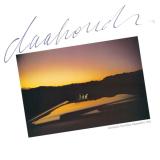
Hiroshi Sato's masterpiece “Awakening” has been reissued for the fourth time in a new color “Pastel Blue Vinyl”. The album was cut by world-renowned engineer Bernie Grundman based on high-spec sound data digitally converted to 96KHz/24bit from the original master tapes. The pressing was done at Sony Music's factory in Japan. This is Hiroshi Sato's fourth original album released in June 1982 after his career in Los Angeles, and his first album for Alpha Records. Featuring Canadian female vocalist Wendy Matthews and using the most advanced drum machine at the time, “LinnDrum,” this mellow and soulful album is a perfect fusion of Sato's sound sense and the atmosphere of American West Coast, and has transcended generations, continues to influence many musicians. Guest guitarists include Tatsuro Yamashita, Tsunehide Matsuki, and Yuji Toriyama! Limited edition.
dovrebbe essere pubblicato su 19 ott

VOL. 3[25,84 €]
Following the success of Denshi Ongaku No Bigaku Vol. 1 and Vol. 2 in 2023, Cosmocities returns in 2026 with two new chapters in its acclaimed compilation series dedicated to the rich heritage and continuing evolution of Japanese electronic music.
Compiled by label owner Matt Soulie, Denshi Ongaku No Bigaku Vol. 4 further explores the depth, sophistication and diversity that have long made Japan's electronic underground one of the world's most inspiring musical landscapes.
Since its inception, the Denshi Ongaku No Bigaku project has celebrated the artists and sounds that have profoundly influenced the Cosmocities vision. Across four volumes, the series has journeyed through ambient soundscapes, deep house, boogie, jazz-infused electronics and forward-thinking club music. Volume 4 shifts the focus firmly towards the deeper end of the dancefloor, bringing together timeless classics, rare gems and sought-after reinterpretations from some of Japan's most respected producers.
Opening proceedings is Kaoru Inoue's remix of Soft's "Art Farmer", a rolling percussive Afro-house excursion rich in hypnotic groove and organic rhythm. XTAL's "Heavenly Overtone" follows with a beautifully cosmic house journey, combining shimmering keys and celestial atmospheres that perfectly capture the compilation's expansive spirit.
On the B-side, Slow Didi's "Follow Me (Hidaway Mix Instrumental)" delivers a deep and hypnotic groove before Tokyo Black Star's "Fantastique Voyage" channels the soulful, sophisticated energy of classic 1990s deep house. The journey continues with Manabu Nagayama and Soichi Terada's "Low Tension", presented here in a sublime instrumental remix by Satoshi Fumi and Yoshi Horino, where warm piano melodies and elegant synth work create a timeless late-night mood.
The final stretch moves into more driving territory. Hiroshi Watanabe's "The Orionids (2025 Revised)" subtly raises the tempo, blending deep house sensibilities with sleek tech-inflected textures. Kaoru Inoue's "Ground Rhythm", reworked by The Backwoods, plunges deeper into hypnotic territory with a heads-down groove designed for intimate basement spaces and low-lit dancefloors.
Closing the compilation is Bitowa and YAMADAtheGIANT's "Forest (Mixtacy Exclusive Version)", a trippy, immersive finale that leaves listeners suspended in a dreamlike state between nature, rhythm and imagination.
A carefully curated collection of deep, cosmic and forward-thinking sounds, Denshi Ongaku No Bigaku Vol. 4 once again showcases the enduring creativity, innovation and global influence of Japanese electronic music.
dovrebbe essere pubblicato su 22 ott
![Khabiar - Hirameki 2.0 [Acid EP]](https://www.deejay.de/images/l/3/0/1263230.jpg)
dovrebbe essere pubblicato su 23 ott
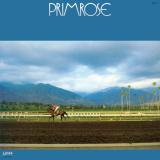
A representative work by popular pianist Tsuyoshi Yamamoto, known for his swinging and bluesy feeling. Backed by Tsutomu Okada and Hiroshi Murakami, Yamamoto gives elegant performances of famous standards such as "Stella by Starlight" and "Alone Together" in a relaxed atmosphere.
dovrebbe essere pubblicato su 23 ott

With NIGHTS AFTER VAMP, Magnolia Park have spun an electrifying mix of hard rock, punk, nu-metal, hip-hop and metalcore into a dizzying, multisensory experience. Throughout its 17 songs, the record soundtracks an ominous journey through the fictional world of Nocturne Nexus; where rulers and rebels battle with the future hanging in the balance. Heavily inspired by the band's love of anime, horror and fantasy, the album's narrative was spurred by the long-running Vampire Hunter D, iconic works like Star Wars, Dracula and Joseph Campbell's legendary monomyth. Produced by the band's in-house producers alongside Andrew Wade (A Day To Remember, Wage War), Hiram Hernandez (blessthefall) and Andy Karpovck (408, Taylor Acorn) and mixed by Zakk Cervini (Bad Omens, Bring Me The Horizon) - Magnolia Park soundtrack this dramatic tale of crimson blood and chrome-plated courage through their own mix of man and machine, stacking whirring electronics and industrial undertones alongside sledgehammer breakdowns, walls of detuned guitars and Roberts' seam-splitting vocals.
dovrebbe essere pubblicato su 23 ott

"Fragments of Light" documents seven years of creative dialogue between Purl (Ludvig Cimbrelius) and Ecovillage (Emil Holmström & Peter Wikström). Their journey began with a spontaneous meeting in Los Angeles during October 2019, evolving into a transcontinental process where Ludvig refined ideas during Sri Lankan train journeys while Emil and Peter furthered their ambient dreaming in northern Sweden. Sonically, the album inhabits a space between pop ambient and new age—combining atmospheric textural depth with accessible melodies, while also carrying forward the contemplative nature central to the artists' work and personal lives. Ecovillage, who has collaborated with many revered artists (such as Laraaji, Carlos Niño, and Fennesz), here pour their own deep sensibilities into the ever widening river of Purl—this initial, ambient-rooted alias of Ludvig Cimbrelius. Featuring original, hand-painted artwork by Steven Jackson and delicate mastering work by Ludvig for a special limited physical edition released via his own LILA लीला imprint, “Fragments of Light” carries the hallmarks of an ambient classic-to-be. The album fits naturally alongside works by artists like Brian Eno, Harold Budd, and Hiroshi Yoshimura, as well as contemporary artists who bridge the ethereal with melodic sensibility.
dovrebbe essere pubblicato su 23 ott

Slacker and Seth Troxler presents He Ain’t Here. 15 tracks by Slackers for Slackers. All exclusives.
Featuring exclusive music from: Seth Troxler, O.bee & Tomas Station, Audion, Jonny Rock, Dr Dunks, Krystal Klear, Marc Houle, Hiroko Yamamura and more. This is our dysfunctional family – and this will get weird.
Seth Troxler:
"When I created Slacker I wanted to make something to remind me of my youth in the ’90s. Being born in ’85, the ’90s was a decade that defined me. Culturally America was at a pivotal point. Post Reaganism of the ’80s, the ’90s was defined by the anti-hero. The idea that we had had enough. From grunge to hip hop, house and techno.
"This was the time of independence and indie music. Life without boundaries. A world where everything felt possible and a belief that the future was coming. Home game consoles, futuristic new sports like the X Games. It was about being radical. Living life on the edge and turning away from the imaginary cookie cutter American dream.
"I feel we are in similar times. The future we were promised every day seems more like a nightmare than a utopian dream. And all we have left are our minds and bodies, but who knows how long our freedom to be an individual will exist.
"This compilation is protest – from fight songs to moments of joy. It’s about living, dancing and being. It’s for the freaks, perverts, for the rebels, for those who forever were other, and dared the impossible to just be themselves in a world where everyone wants to be the same. The revolution will not be televised because it’s within ourselves. It’s about being unapologetically individual.
"Freedom is a state of mind as well as a state of being. Being a slacker is as much about pushing, as it is about being. Not giving a f#ck about the rules and making your own. I’m a slacker, you’re a slacker, a loser and nobody. History will forget me, history forgot Elvis.
"The world is about to change. Might as well have a bit of fun while it burns. Welcome to our dysfunctional family. Join us for the bonfire, I promise you things are going to get weird, in the best possible way. HE AIN’T HERE."
Pronto per la spedizione
Pronto per la spedizione

Mehr als zwanzig Jahre nachdem Nouvelle Vague mit ihrem inzwischen kultigen Debütalbum den Post-Punk neu erfunden haben, schlagen sie mit A Date with Depeche Mode ein mutiges neues Kapitel auf – einer abendfüllenden Neuinterpretation eines der einflussreichsten und beliebtesten Songkataloge der modernen Musik.
Nur wenige Bands haben die Popkultur so geprägt wie Depeche Mode. Nur wenige Künstler beherrschen die Kunst der musikalischen Neuinterpretation so meisterhaft wie Nouvelle Vague. Diese beiden Welten zusammenzubringen wirkt zugleich völlig unerwartet und doch unvermeidlich.
Aufgenommen zwischen Rio de Janeiro und Paris, verwandelt das Album dreizehn Depeche-Mode-Klassiker in intime, filmische und tief emotionale Songs. Was einst von Maschinen und elektronischen Klängen geprägt war, wird hier warm, organisch und zeitlos – und legt das Songwriting offen, das den Kern dieser ikonischen Kompositionen bildet.
Gesungen von einer außergewöhnlichen internationalen Besetzung von Gastvokalistinnen und -vokalisten – darunter Skye Edwards (Morcheeba), Beth Hirsch, Flavia Coelho, Mélanie Pain, Phoebe Killdeer, Fredrika Stahl und weitere – bietet jeder Titel eine einzigartige Begegnung zwischen einer Stimme und einem Song und bleibt dabei dem charakteristischen Stil von Nouvelle Vague treu
dovrebbe essere pubblicato su 30 ott
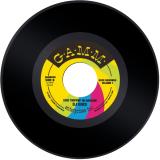
Introducing the first in a series of reworks on GAMM from Macedonia's finest curator of urban music, DJ Goce...
Deeply rooted in hip-hop, Goce has a worldwide rep for exploring all things funky, soulful, and jazzy, releasing tracks on labels like Dusty Donuts and Baller Beats.
For his GAMM debut, he tackles a classic Beatnuts anthem, complete with a wild intro using the original sample source.
On the B, Goce keeps the momentum going with a rework of an Al Hirt rare groove classic, famously sampled by De La Soul and The Roots.
Keep an eye out - there is plenty more to come from DJ Goce on GAMM !
dovrebbe essere pubblicato su 30 ott
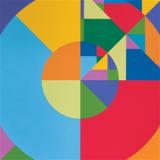
Eine Hommage an innovative mexikanische Musiker, die elektronische und indigene Instrumente mit Minimalismus, Ambient, Jazz und New-Age-Ästhetik verschmolzen haben Mit 12 visionären Künstlern, darunter Luis Pérez, Arturo Meza, Jorge Reyes, Aristeo und Tribu, um nur einige zu nennen Zusammengestellt und produziert vom mexikanischen Journalisten, Musiker und DJ Carlos ,Tropicaza" Icaza sowie dem Gründer von dublab radio und Creative Producer des LA Phil, Mark ,Frosty" McNeill Cover-Artwork vom legendären Künstler Eduardo Terrazas sowie Design und Layout von D.Norsen Design Doppel-LP, gepresst bei Optimal, inklusive Booklet mit Liner Notes Audio remastered vom GRAMMYr-nominierten Toningenieur John Baldwin Limitierte Farbvinyl-Edition, gepresst auf violettem und rosa Vinyl //// ,A LA ALTURA" - oder ,To The Height" - würdigt mexikanische Musiker, die sich in den letzten Jahrzehnten des 20. Jahrhunderts mit elektronischen und indigenen Instrumenten auf experimentelles Terrain wagten und dabei im Dialog mit Minimalismus, Ambient, Jazz und New-Age-Ästhetik standen. Über ein Jahrzehnt in Arbeit und liebevoll kuratiert vom mexikanischen Journalisten, Musiker und DJ Carlos ,Tropicaza" Icaza sowie dem Gründer von dublab radio und Creative Producer des LA Phil, Mark ,Frosty" McNeill, basiert A LA ALTURA auf Originalbändern und Masteraufnahmen mit unveröffentlichten, längst vergriffenen und privat gepressten Aufnahmen. Die Bände 1 & 2 präsentieren 25 visionäre Künstler, die sich aktiv für eine Art Bewusstseinserweiterung einsetzten - sei es durch die Suche nach den Sternen mittels ihrer Musik oder durch die Weiterentwicklung der Kunstform selbst. Ebenso kühn setzen diese beiden Bände ein Zeichen dafür, dass mexikanische Künstler und Komponisten wie Luis Pérez, Arturo Meza, Jorge Reyes, Ana Ruiz und Antonio Zepeda in einem Atemzug mit Michael Rother, Terry Riley, Hiroshi Yoshimura und den vielen anderen Künstlern genannt werden sollten, die zu Recht für ihren Experimentiergeist gefeiert wurden.
dovrebbe essere pubblicato su 30 ott
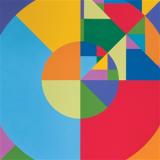
Eine Hommage an innovative mexikanische Musiker, die elektronische und indigene Instrumente mit Minimalismus, Ambient, Jazz und New-Age-Ästhetik verschmolzen haben Mit 12 visionären Künstlern, darunter Luis Pérez, Arturo Meza, Jorge Reyes, Aristeo und Tribu, um nur einige zu nennen Zusammengestellt und produziert vom mexikanischen Journalisten, Musiker und DJ Carlos ,Tropicaza" Icaza sowie dem Gründer von dublab radio und Creative Producer des LA Phil, Mark ,Frosty" McNeill Cover-Artwork vom legendären Künstler Eduardo Terrazas sowie Design und Layout von D.Norsen Design Doppel-LP, gepresst bei Optimal, inklusive Booklet mit Liner Notes Audio remastered vom GRAMMYr-nominierten Toningenieur John Baldwin Limitierte Farbvinyl-Edition, gepresst auf violettem und rosa Vinyl //// ,A LA ALTURA" - oder ,To The Height" - würdigt mexikanische Musiker, die sich in den letzten Jahrzehnten des 20. Jahrhunderts mit elektronischen und indigenen Instrumenten auf experimentelles Terrain wagten und dabei im Dialog mit Minimalismus, Ambient, Jazz und New-Age-Ästhetik standen. Über ein Jahrzehnt in Arbeit und liebevoll kuratiert vom mexikanischen Journalisten, Musiker und DJ Carlos ,Tropicaza" Icaza sowie dem Gründer von dublab radio und Creative Producer des LA Phil, Mark ,Frosty" McNeill, basiert A LA ALTURA auf Originalbändern und Masteraufnahmen mit unveröffentlichten, längst vergriffenen und privat gepressten Aufnahmen. Die Bände 1 & 2 präsentieren 25 visionäre Künstler, die sich aktiv für eine Art Bewusstseinserweiterung einsetzten - sei es durch die Suche nach den Sternen mittels ihrer Musik oder durch die Weiterentwicklung der Kunstform selbst. Ebenso kühn setzen diese beiden Bände ein Zeichen dafür, dass mexikanische Künstler und Komponisten wie Luis Pérez, Arturo Meza, Jorge Reyes, Ana Ruiz und Antonio Zepeda in einem Atemzug mit Michael Rother, Terry Riley, Hiroshi Yoshimura und den vielen anderen Künstlern genannt werden sollten, die zu Recht für ihren Experimentiergeist gefeiert wurden.
dovrebbe essere pubblicato su 30 ott

Eine Hommage an innovative mexikanische Musiker, die elektronische und indigene Instrumente mit Minimalismus, Ambient, Jazz und New-Age-Ästhetik verschmolzen haben Mit 12 visionären Künstlern, darunter Luis Pérez, Arturo Meza, Jorge Reyes, Aristeo und Tribu, um nur einige zu nennen Zusammengestellt und produziert vom mexikanischen Journalisten, Musiker und DJ Carlos ,Tropicaza" Icaza sowie dem Gründer von dublab radio und Creative Producer des LA Phil, Mark ,Frosty" McNeill Cover-Artwork vom legendären Künstler Eduardo Terrazas sowie Design und Layout von D.Norsen Design Doppel-LP, gepresst bei Optimal, inklusive Booklet mit Liner Notes Audio remastered vom GRAMMYr-nominierten Toningenieur John Baldwin Limitierte Farbvinyl-Edition, gepresst auf violettem und rosa Vinyl //// ,A LA ALTURA" - oder ,To The Height" - würdigt mexikanische Musiker, die sich in den letzten Jahrzehnten des 20. Jahrhunderts mit elektronischen und indigenen Instrumenten auf experimentelles Terrain wagten und dabei im Dialog mit Minimalismus, Ambient, Jazz und New-Age-Ästhetik standen. Über ein Jahrzehnt in Arbeit und liebevoll kuratiert vom mexikanischen Journalisten, Musiker und DJ Carlos ,Tropicaza" Icaza sowie dem Gründer von dublab radio und Creative Producer des LA Phil, Mark ,Frosty" McNeill, basiert A LA ALTURA auf Originalbändern und Masteraufnahmen mit unveröffentlichten, längst vergriffenen und privat gepressten Aufnahmen. Die Bände 1 & 2 präsentieren 25 visionäre Künstler, die sich aktiv für eine Art Bewusstseinserweiterung einsetzten - sei es durch die Suche nach den Sternen mittels ihrer Musik oder durch die Weiterentwicklung der Kunstform selbst. Ebenso kühn setzen diese beiden Bände ein Zeichen dafür, dass mexikanische Künstler und Komponisten wie Luis Pérez, Arturo Meza, Jorge Reyes, Ana Ruiz und Antonio Zepeda in einem Atemzug mit Michael Rother, Terry Riley, Hiroshi Yoshimura und den vielen anderen Künstlern genannt werden sollten, die zu Recht für ihren Experimentiergeist gefeiert wurden.
dovrebbe essere pubblicato su 30 ott

Eine Hommage an innovative mexikanische Musiker, die elektronische und indigene Instrumente mit Minimalismus, Ambient, Jazz und New-Age-Ästhetik verschmelzen Mit 13 visionären Künstlern, darunter Ana Ruiz, Oxomaxoma, Gerardo Bátiz, Antonio Zepeda und Airwaves, um nur einige zu nennen Enthält 4 bisher unveröffentlichte Titel Zusammengestellt und produziert vom mexikanischen Journalisten, Musiker und DJ Carlos ,Tropicaza" Icaza sowie dem Gründer von dublab radio und dem Creative Producer des LA Phil, Mark ,Frosty" McNeill Covergestaltung vom legendären Künstler Eduardo Terrazas, Design und Layout von D.Norsen Design Doppel-LP, gepresst bei Optimal, inklusive Booklet mit Liner Notes Audio remastert vom GRAMMYr-nominierten Toningenieur John Baldwin Limitierte Farbvinyl-Auflage auf gelbem und blauem Vinyl ///// ,A LA ALTURA" (zu Deutsch: ,Zu den Höhen") würdigt mexikanische Musiker, die sich in den letzten Jahrzehnten des 20. Jahrhunderts mit elektronischen und indigenen Instrumenten auf experimentelles Terrain wagten - im Dialog mit Minimalismus, Ambient, Jazz und New-Age-Ästhetik. Über ein Jahrzehnt in der Entstehung und liebevoll zusammengestellt vom mexikanischen Journalisten, Musiker und DJ Carlos ,Tropicaza" Icaza sowie dem Gründer von dublab radio und Creative Producer des LA Phil, Mark ,Frosty" McNeill, basiert A LA ALTURA auf Originalbändern und Masteraufnahmen mit unveröffentlichten, längst vergriffenen und privat gepressten Aufnahmen. Die Bände 1 und 2 präsentieren 25 visionäre Künstler, die sich aktiv für eine Form der Bewusstseinserweiterung einsetzten - sei es durch das Streben nach den Sternen mittels ihrer Musik oder durch die Weiterentwicklung der Kunstform selbst. Ebenso kühn setzen diese beiden Bände ein Zeichen dafür, dass mexikanische Künstler und Komponisten wie Luis Pérez, Arturo Meza, Jorge Reyes, Ana Ruiz und Antonio Zepeda in einem Atemzug mit Michael Rother, Terry Riley, Hiroshi Yoshimura und den vielen anderen Künstlern genannt werden sollten, die zu Recht für ihren Experimentiergeist gefeiert wurden.
dovrebbe essere pubblicato su 30 ott

Blue System is the studio project founded by Dieter Bohlen after the break-up of the iconic synth-pop/Eurodisco duo Modern Talking. Bohlen, prolific as he is, took care of composing, writing, producing, mixing, arranging, and of course singing, while hiring session musicians for additional voices and instruments. The project ended up producing 13 albums over a span of about 10 years before being retired in favour of Bohlen's many other projects.
Hello America is the seventh album, released in 1992. It contained 11 new tracks all penned by Bohlen, of which "I Will Survive" and "Romeo & Juliet" were released as singles. The album eventually peaked at #29 on the German Albums chart. Now, after almost 25 years, we're reissuing it on vinyl for the first time.
Hello America is available as a limited edition of 2000 individually numbered copies on blue vinyl and includes an insert with lyrics.
dovrebbe essere pubblicato su 30 ott

Beste Hira'nin minimalist zarafeti, Kansas City'den Loidis'in remiksiyle bulusuyor. Jaja until infinty.
Pronto per la spedizione

Uyama Hiroto, one of the most important artists behind Nujabes works, released his debut album 'a son of the sun' on 2LP after 12 years.
Uyama Hiroto provided "Letter From Yokosuka" for Nujabes "metaphorical music" released in 2003 and was featured on the title track of "modal soul" released in 2005.
A son of the sun" was released in 2008 and continues to fascinate many listeners to this day.
dovrebbe essere pubblicato su 02 nov

Gilles Peterson: "Fascinating… love this. Thoroughly recommended"
The Observer: "The focus is on great grooves and fine playing. A band to seek out."
The Guardian: "Delightfully quirky album of folk songs reimagined from Afrobeat to reggae"
The Times: "Minyo Crusaders sound like nothing else lurking on your Spotify playlist"
(PRESS FOR PREVIOUS ALBUM)
Minyo Crusaders return with theiir highly anticipated sophomore album TOUR OF JAPAN following on from their debut that has sold 4k on vinyl since release and their runaway single smash 'Cumbia Del Monte Fuji' that has almost hit 5million streams on Spotify.
Since the release of their debut in 2019 the band have toured Europe four times playing major European festivals such as Roskilde, Best Kept Secret, Green Man Festival, WOMAD, Fusion, Les Escales, Lowlands and many, many more, succesfully road-testing the songs from this album.
On this new album which has been mixed by Mario from Frente Cumbiero, Minyo have finessed their winning formula of adapting ancient Japanese folk somgs to global rhythms with influences this time from Ethiopia, boogaloo, salsa, West Africa and jazz. Says band-leader Katsumi: "The concept of this album is the sea with various expressions".
dovrebbe essere pubblicato su 02 nov

Some 15 years into the label's story, Japanese deep house minimalist Sasaki Hiroaki continues to offer up EPs rich in ultra-deep ambient chords, hushed and hypnotic beats, and the kind of beautiful musical touches that have always been a key part of Japanese deep house culture. Opener 'Geograph' sees him place echoing piano motifs and pulsing ambient electronics atop a sparse tech-house groove, while 'Projection' is a deliciously deep, dreamy and shuffling slab of ambient house excellence. Over on side B, 'Do It (repeat)' is a spaced-out chunk of minimalist dub techno goodness and title track 'The Last Bohemian' is a warming and meditative dancefloor drift.
Pronto per la spedizione

DJ DIE SOON is the apocalyptic alter-ego Daisuke Imamura, whose performances of masked malice have been a fixture in the Berlin underground for the past decade. His latest record My Brothel The Wind takes inspiration from Sun Ra at his most grotesque, conjuring a distorted phantasmagoria with an eclectic crew of compatriots like Rully Shabara, Sara Persico, and longtime collaborator Kiki Hitomi. Film director Hiroo Tanaka’s visual contributions in the album art, poster, and music video complete the album’s narrative, telling a story not of villainy but of phantom caprice in a dying world.
My Brothel The Wind shows DJ DIE SOON as an alchemist of distortion, transmuting the club-forward beats of his 2020 debut Kappa Slap and the seething horrorscapes of DIEMAJIN, his 2022 collaboration with Tokyo vocalist MA. Imamura’s obsession with noise stems from his upbringing in Tokyo, where he grew up hearing the deafening roar of trains every day. “The buildings were really tall, so the sounds reflected so much and it was so loud that you couldn’t even have a conversation on the phone. Hearing this noise every minute when living in this flat, it became a normal thing,” he says. While most would content themselves with avoiding loudness, DJ DIE SOON seeks to unpack its visceral potential.
DJ DIE SOON’s subterranean productions form a monstrous gestalt with the eclectic contributions of his network of co-conspirators. “Unfinished” and “Directions” are pulsating chimeras that highlight animalistic vocalizations from Hitomi and Shabara; Italian MC Franco Franco’s verses snake underneath the noisy onslaught. The tectonic textures of “Dandelion Crackers” are courtesy of multi-instrumentalist Laure Boer’s handmade stone synth. Sara Persico’s mangled vocables hang as fleshy reminders of human fragility on “SAQ4IME”; in the Hiroo Tanaka-directed music video, the track’s sonic uncanniness is made cinematic, with an ambient dread that references Hiroshi Teshigahara’s 1964 psychological thriller Woman in the Dunes.
While Sun Ra’s intergalactic Moog reached for the stars, DJ DIE SOON plunges into the depths of hell. “Everybody, Shake Your Body, We Chill At Party” feels like the sonic equivalent of a wax museum burning to the ground, rigid smiles melting into the fire. Rather than a vision of the future, My Brothel The Wind is a laugh-cry of despair in the face of a Hadean present. DJ DIE SOON confronts the world with a new hand-made mask, reborn in the ashes.
Pronto per la spedizione

Intersecting sharpness and passion. An innovative work born from the collision of two rare and extraordinary talents.
On one side was Hiroshi Suzuki, a trombonist in such demand that people said, “If you want to record a good work, secure his schedule.” On the other hand was Masahiko Togashi, a drummer who rose to prominence at a young age and dominated the jazz world, from modern jazz to free jazz. The collision of these two personalities and talents created a new current in the Japanese jazz scene. From "Castle Cats," which moves between jazz rock and free jazz, to "Suzu No Uta," where Yuji Ohno’s piano spins a beautiful melody amid the sound of bells falling like rain, and "Passion," where each musician cuts in with sharp intensity, the entire work is filled with creativity and passion. Recorded in 1969, this is said to be the first work in Japan in which new jazz and free jazz were recorded and released as an album. From this turning point, Japanese jazz began to move in a major way.
Hiroshi Suzuki (Trombone)
Masahiko Togashi (Drums)
Yuji Ohno (Piano)
Jun Suzuki (Bass)
Tetsuo Fushimi (Trumpet)
dovrebbe essere pubblicato su 06 nov

Hiromasa Suzuki, the hidden force behind Hiroshi Suzuki’s ""Romance"" and Jiro Inagaki’s ""Breeze,"" gathered a superb lineup of musicians and perfected the crossover sound on this masterpiece.
Hiromasa Suzuki was a composer, arranger, and keyboardist who played an active role not only in jazz, but also across the wider Japanese music world, including kayoukyoku, film, television, and commercials. From the late 1960s through the mid-1970s, he was deeply involved in works by Terumasa Hino, Akira Ishikawa, Jiro Inagaki, and others during their most cutting-edge periods, fully demonstrating his remarkable skill. His innovation, always one step ahead of the times, reached a kind of culmination in this work, recorded in 1976. Featuring young Shuichi “Ponta” Murakami, Akira Okazawa, and Masayoshi Takanaka, this is a masterpiece of pre-fusion and crossover.
dovrebbe essere pubblicato su 06 nov

Colorful, powerful and elegant. A watershed masterpiece that embraces before then and after that by Kiyoshi Sugimoto, the master of the era.
Since turning professional in 1960, Kiyoshi Sugimoto has been active in many sessions and recordings. From the latter half of the 1960s, he joined groups such as Hideo Shiraki, Akira Ishikawa, and Terumasa Hino, gaining attention and solidifying his position with leader works such as “Country Dream” and “Babylonia Wind.” This work was recorded with Akira Ishikawa, Hiromasa Suzuki, Takao Uematsu and others right after studying in America for about a year. Starting with the groovy and luscious “Our Time” and “Marmalade Sky”, the dubious keyboards of “Jones Street”, and the melancholic and beautiful “Quiet Pulse”, it can be said to be a gap between jazz rock and fusion. There are attractive songs. This work represents Sugimoto’s work in the mid-1970s.
dovrebbe essere pubblicato su 06 nov
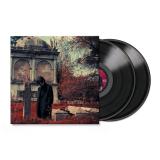
Dark Green Vinyl[34,03 €]
A haunting, cinematic journey into a village that exists beyond time and place, Requiem For A Village is Steven Wilson’s most intimate and imaginative work yet. Blending dark folk, rock and electronica, the album unfolds as a continuous 54-minute “film for the ears,” populated by strange archetypes and eerie folklore. The album is narrated by David Tennant and written with Andy Partridge (XTC).
dovrebbe essere pubblicato su 06 nov

A haunting, cinematic journey into a village that exists beyond time and place, Requiem For A Village is Steven Wilson’s most intimate and imaginative work yet. Blending dark folk, rock and electronica, the album unfolds as a continuous 54-minute “film for the ears,” populated by strange archetypes and eerie folklore. The album is narrated by David Tennant and written with Andy Partridge (XTC).
dovrebbe essere pubblicato su 06 nov
dovrebbe essere pubblicato su 06 nov
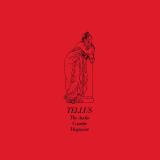
Long before streaming services, podcasts, or even the compact disc, there was Tellus—a radically ambitious publication that imagined recorded sound as an exhibition space. Founded in 1983 in downtown New York, Tellus transformed the humble audio cassette into a magazine, commissioning and publishing new works by musicians, composers, visual artists, poets, writers, choreographers, and performers who were reshaping the boundaries of contemporary art. Each issue invited listeners into a world where no wave, industrial music, spoken word, Fluxus performance, electroacoustic composition, downtown pop, conceptual art, and avant-garde experimentation could coexist on equal footing. More than forty years later, Earth Libraries proudly presents TELLUS: The Audio Cassette Magazine Anthology Vol. 1, the first comprehensive anthology devoted to the groundbreaking publication. The story of Tellus begins, fittingly, at the Rum Runner Bar on Canal Street. There, in 1983, visual artist Joseph Nechvatal, curator Claudia Gould, and composer Carol Parkinson conceived an entirely new kind of publication. Portable cassette players were transforming how people experienced music, and the trio saw an opportunity to use the cassette itself as a curatorial medium—one capable of circulating work that traditional record labels, galleries, and magazines simply couldn't accommodate. Early recordings by Sonic Youth and Liquid Liquid sit alongside works by James Tenney, George Brecht, Takehisa Kosugi, Carol Parkinson, Y Pants, Live Skull, Shelley Hirsch, Lenny Pickett, Paul Dresher, Gregory Whitehead, and dozens of other artists whose work helped define one of the most fertile creative communities of the era. For Earth Libraries, restoring Tellus represents a continuation of the label's commitment to preserving overlooked musical histories. Working from the original cassette masters, every recording on TELLUS: The Audio Cassette Magazine Anthology Vol. 1 has been carefully restored and newly mast
dovrebbe essere pubblicato su 06 nov

A haunting, cinematic journey into a village that exists beyond time
and place, ‘Requiem For A Village’ is Steven Wilson’s most intimate
and imaginative work yet.
Blending dark folk, rock and electronica, the album unfolds as a
continuous 54-minute ‘film for the ears’, populated by strange
archetypes and eerie folklore.
The album is narrated by David Tennant and written with Andy
Partridge (XTC).
Steven Wilson is one of contemporary music’s definitive auteurs. A
six-time GRAMMY nominee and founding member of Porcupine Tree,
Wilson’s last three solo albums have all been Top 5 in the UK. His
most recent albums have garnered career best reviews, including one
that noted Wilson had somehow pulled off the unusual trick of being
able to do whatever he wants, whilst still achieving a level of
commercial success.
A pioneer in the world of spatial audio, Wilson has recently remixed
New Order, The Who, King Crimson, Suede, XTC and Tears For
Fears among many others.
dovrebbe essere pubblicato su 07 nov

SIDE B presents the first installment of a new series aimed at eroding classic structures within club music from inside the playing field. 'The Unshaped Series' pushes depth into the label's mission statement, isolating tone and texture, and confronting its listeners by raising not only the experimental undertones of the music it has been showcasing. This new take provides an opportunity for these spaces to be described and for new emotions to glow between the same walls in turn.
For 'The Unshaped Series' first volume, SIDE B emphasizes its name by challenging ten techno producers to detach themselves from their habitual arrangements. If the rhythm that we hold so dear is taken out of the equation, what is left? This question is answered by the bleeding edge of the international scene and pressed on wax to offer a unique product in concept and quality. Techno has spearheaded sonic research and its artistic application since its beginnings, so to honor this tradition, SIDE B compiles these pieces to boil down the true essence of club music into what it truly is : sculpting time and space.
Words by Noah Hocker
dovrebbe essere pubblicato su 20 nov

On Board Music returns for its sixth installment of the Various Artists EP series, but this time with a different approach. Five fresh remixes breathe new life into Point C, originally released in 2021 and consisting of tracks from Foreign Material, Hironori Takahashi, Hiver, Sylve and Alan Backdrop.
For the 2024 update, On Board enlists five of the finest deep techno practitioners to twist the originals into bold new forms. US artist Patrick Russell dives deep into his signature, tripped-out zone, with dub and half-time sensibilities grounding the remix in an eyes-down headspace. Estrato Aurora, who remixes Hiver’s cut, goes equally subterranean, perfectly setting up the nimble drumming and bright melodies of Polygonia’s contribution.
Pronto per la spedizione
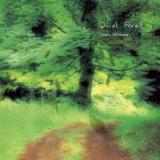
*First-ever release on vinyl
*Produced in full cooperation with Hiroshi Yoshimura's estate
*Remastered from original sources by John Baldwin
*English translations of original 1996 release liner notes
*Reproductions of Yoshimura's handwritten recording notes
*Vinyl includes 5" x 7" postcard print
"My encounter with the Hoh Rain Forest, located inside Olympic National Park across the water from Seattle, felt like seeing a whole new world for the first time in my life. Long green fronds draped along the branches, like a scene in which fairies could be heard whispering to one another. But when you try to listen, no sound can be heard. Amidst the mysterious silence, in which no birds or insects make a sound, every living thing seemed to have stopped in its place, only to start dancing when some kind of spell is cast over them.
-Hiroshi Yoshimura
Originally issued on compact disc in 1996, Quiet Forest was Hiroshi Yoshimura’s last album-length work to be released before his passing in 2003. Largely inspired by his trip to the vast forests of the North American Pacific Northwest, the album is an aural reflection of the fantastical, surreal beauty he experienced as he walked through the otherworldly wilderness for the first time. The basic tracks were recorded in the fall of 1993. After numerous revisions to the song titles and a scrapped idea to overlay the tracks with nature field recordings, Hiroshi ultimately produced a latter-day masterwork that feels like the spiritual follow-up to Green, one of his defining works from a decade earlier."
dovrebbe essere pubblicato su 04 dic
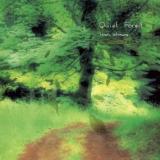
CASSETTE VERSION
*Produced in full cooperation with Hiroshi Yoshimura's estate
*Remastered from original sources by John Baldwin
*English translations of original 1996 release liner notes
*Reproductions of Yoshimura's handwritten recording notes
"My encounter with the Hoh Rain Forest, located inside Olympic National Park across the water from Seattle, felt like seeing a whole new world for the first time in my life. Long green fronds draped along the branches, like a scene in which fairies could be heard whispering to one another. But when you try to listen, no sound can be heard. Amidst the mysterious silence, in which no birds or insects make a sound, every living thing seemed to have stopped in its place, only to start dancing when some kind of spell is cast over them.
-Hiroshi Yoshimura
Originally issued on compact disc in 1996, Quiet Forest was Hiroshi Yoshimura’s last album-length work to be released before his passing in 2003. Largely inspired by his trip to the vast forests of the North American Pacific Northwest, the album is an aural reflection of the fantastical, surreal beauty he experienced as he walked through the otherworldly wilderness for the first time. The basic tracks were recorded in the fall of 1993. After numerous revisions to the song titles and a scrapped idea to overlay the tracks with nature field recordings, Hiroshi ultimately produced a latter-day masterwork that feels like the spiritual follow-up to Green, one of his defining works from a decade earlier."
dovrebbe essere pubblicato su 04 dic

"Scorched tales of Manifest Destiny from the best to do it…Montana Bar Rock of the highest order!" - Stephen Malkmus
The question asked most frequently of us is: “When will you reissue Silkworm's Firewater?”
The answer is December 4th, 2026.
Firewater, the ambitious Matador Records debut for SKWM, released thirty years ago after the band condensed to a trio following the departure of Joel RL Phelps, is back in print on 2xLP with a bonus CD included courtesy Comedy Minus One containing nearly 20 minutes of additional material on top of the original hour's run. Some of which has never been heard previously. Like an alternate take of Don’t Make Plans This Friday with the original lyrics, for example.
Both records are housed in full-color Stoughton sleeves inside the record’s gorgeous jacket, highlighting the paintings of Hiroshi Kimura.
dovrebbe essere pubblicato su 04 dic

Die Rare Groove Collection: Ethiopian Rare Groove beleuchtet einen der faszinierendsten Schmelztiegel moderner Musikgeschichte. In den Clubs und Cabarets des vibrierenden Addis Abeba der 1960er und 1970er Jahre entstand ein einzigartiger Sound, der äthiopische Traditionen mit Soul, Funk, Jazz und Disco verschmolz. Diese Edition versammelt rare und prägende Aufnahmen einer Szene, die bis heute weltweit nachhallt. Künstler wie Mulatu Astatke, Mahmoud Ahmed oder Getatchew Mekurya stehen für eine Musik von hypnotischer Kraft, getragen von polyrhythmischen Grooves, markanten Bläserlinien und unverwechselbaren Melodien. Das Doppel-Vinyl ist mehr als eine Compilation: Es ist ein musikalisches Zeitdokument, das die kreative Energie einer urbanen Hochphase einfängt - rau, elegant und zeitlos zugleich.
Pronto per la spedizione

New edition coming in Blue-Green Marbled Vinyl.
Dragon Ball Z - Best Collection brings together 15 iconic songs from the series, including "CHA-LA HEAD-CHA-LA" and "WE GOTTA POWER", performed by Hironobu Kageyama. This edition features two 33 RPM vinyl records in translucent blue/green marble. Available as a limited pressing, this album gathers in a single release the greatest musical themes from one of the most popular Japanese animated series in the world.
dovrebbe essere pubblicato su 18 dic

Nippon Psychedelic Soul 1970-1979 is Time Capsule’s continuation of the deep dive into Japan’s rich history of folk and psychedelic soul music.
Vinyl LP with 4 page insert, original artwork and photos
The kaleidoscopic psychedelia of 1970s Japan captured a fragile and fertile moment as the country sought its future in funk grooves, heavy reverb and lyrical hallucinations.
The follow-up compilation to Time Capsule’s Nippon Acid Folk, Nippon Psychedelic Soul takes myriad pathways into the tripped-out undergrowth of 1970s Japan. Finding their feet at home and looking for inspiration abroad, the musicians featured here were engaged in the communal soul-searching that followed the breakdown of the 1960s protest movements. Some made it big, others drifted into oblivion. The music they left behind shimmers with intensity.
At the core was Happy End, the first project of YMO’s Haroumi Hosono, whose distortion-heavy guitar and crisp back-beat laid the foundations for Japanese lyrics that flipped the paradigm of Japanese rock music on its head. With it came a new found sonic ambition, such as in the bold Philly-soul style arrangements of producer Yuji Ohno, whose work with occult wandered Yoshiko Sai shares some of the bittersweet grandeur of Rotary Connection or David Axelrod.
Then there was Jun Fukamachi, a pioneer of Japanese synthesis, whose debut album was a carnival of orchestral funk, euphoric horn lines and rich production, complete with soaring guitar solos, psychedelic organ and a truly cinematic finale. The first and only time Fukamachi would sing on record, ‘Omae’ rips like the ultimate end-of-nighter.
Influenced by giants of the US soul scene, maverick composer Hiroshi “Monsieur” Kamayatsu (otherwise known as ‘the Brian Wilson of Japan’) went one step further, enlisting Tower of Power to play on ‘Have You Smoked Gauloises?’ The B-side to Monsieur’s biggest-selling single, it coasts with sophisticated cool - a liquid bassline and suave keys comping under a roaring trademark ToP sax solo. No surprise it found favour once more on the Acid Jazz dance floors of ‘90s London.
Such was the spirit of experimentation that big studio productions and private press releases sat side-by-side, with the likes of Momotaro Pink and Kazushi Inamura, taking their hopes of success into their own hands with the resources available to them. More reflective but no less robust, theirs was a heavy, fat-backed drum sound, soaked in dramatic, soulful psychedelia.
If some were dreamers and others space cadets, none were further out than sci-fi writer, musician, activist and self-made scientist Tadashi Goino, who transformed his own fantasy novel Messenger from the Seventh Dimension into an operatic prog odyssey with few discernible musical reference points – a majestic and completely bonkers outlier even among company as strange and brilliant as that which is collected here.
Less a compilation of a scene, as a compilation of a sentiment, Nippon Psychedelic Soul is a wild ride from start to finish, shattering the narratives of the Japanese folk and rock tradition into a million tiny pieces.
Pronto per la spedizione

EP- Warehouse find /Pressing Mint and NOS Copies
by this label ditsributed by the Long gone Japanese Companies Cisco and DMR (Dance Music Records)
Credits:
Guitar – Yusuke Horikoshi (Titel: A)
Horns – Yokan (Titel: A)
Mixed By – Osamu Hirose
Programmed By – Soichi Terada, Tetsuto Yoshida (Titel: AA)
Vocals – Kayoko Ishu (Titel: AA)
Vocals, Written-By – Momoko Suzuki (Titel: A)
Written-By – Masanori Ikeda
Preordina ora
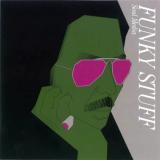
What Soul Media, led by Jiro Inagaki, ultimately arrived at was a tight, cool, and ultimate groove.
As Inagaki himself has stated that he “played black funk” on this album, the explosive jazz-rock foundation he had cultivated up to that point is fused with the stickiness, elasticity, and physicality of black music—elevating his musical vision to an entirely new dimension. Combined with the masterful arrangements of Hiromasa Suzuki, the groove is polished to a high sheen, growing richer, more fluid, and subtly seductive.
Every track stands out: the vibrant, driving energy of “Painted Paradise”; the coexistence of funkiness and mellowness on “Breeze”; and the low-slung, razor-sharp cover of Kool & The Gang’s “Funky Stuff”.
Now regarded as a definitive classic, this album remains in constant demand from listeners around the world.
Preordina ora

There’s no direct English translation for the word “hiraeth”. In the Welsh language, it describes a form of longing for an intangible something, somewhere or someone that no longer exists. Sofie Birch and Antonina Nowacka draw on the concept to guide their second collaborative album, a suite of vulnerable, open-hearted improvisations and reflections that attempt to grasp an image of the past that’s chimeric, dissolving almost as soon as it materializes. The duo’s process follows the same distant beacon; unlike Languoria, their critically acclaimed debut, Hiraeth is, at heart, an acoustic record, informed by in-person improvisations with voices and string instruments that gesture to an era before computers, AI and DAWs. It’s just as lush, but Hiraeth is warmer and more muted than its predecessor.
Nowacka and Birch conceived the album in the wake of a slew of collaborative live concerts, spurred on by serendipitous improvisations and an interest in paring down their setup. Unsound arranged a retreat in Sokołowsko, an idyllic village nestled in the verdant hills of Southern Poland, close to the Czech border. Sokołowsko surrounds a large ruined sanatorium that’s rumored to have inspired Thomas Mann’s 1924 novel The Magic Mountain, and has long been a magnet for artists. The two took the opportunity to rethink their approach completely, arriving with just a guitar, a zither and a portable Nagra reel-to-reel machine. Recording directly to tape, they sketched out ideas with just their voices and instruments, reflecting their surroundings without being distracted or mediated by modern technology.
“We wanted to get away from screens as much as possible,” says Birch, “to bring to the world something vulnerable and honest. Without advance preparation, every day we went out into the open air, finding places to sit, during sunset or the midday sun. We discovered new tunings on our instruments, picked up a melody, and started the machine, playing over
and over till we got a take.” In the autumn, they met again in a Copenhagen studio, sparingly and carefully layering old synths and organs to add more depth without muddying the mix.
Both Nowacka and Birch sing throughout, their voices threading the acoustic instruments and tangling with each other, almost becoming one. But it’s the environment of Sokołowsko, “the birds and the light, even the wind playing against the harps,” that’s woven into the music’s lining. Affected by time spent meditating and in nature, as well as the fact that Birch was pregnant whilst recording, the album feels alive and remarkably present. Even the sound quality of the tape machine gives Hiraeth a tactile, organic quality, as Nowacka puts it, “like being in a warm bath.”
They still have the raw recordings from Sokołowsko on old reels, physical souvenirs of their time spent making music in a “habitat for intuitive songs, a little ecosystem, alive and spirited.” The outmoded gear and remote setting helped the duo disengage from the modern world for a few moments and imagine an existence that’s been lost to time and nominal progress. With digital technology receding into the background, Nowacka and Birch had space to make “intuitive connections with frequencies and people,” as Birch explains. Hiraeth is a testament not to nostalgia, but to the power of kinship.
Pronto per la spedizione