16 moderne krautige elektronische Tracks inspiriert von Kraftwerk, CAN, Neu, Rother Klaus Schulze und Konsorten. Kuratiert und kompiliert von Compost Künstler Fred und Luna. Seine Auswahl (mit sechs exklusiven Stücken!) zeigt, wie gut jüngere Künstler die Kraut-Szene beleben. Die langjährig Bekannteren wie Pyrolator, Sankt Otten, I:Cube, sowieso. Und Vol. 2 ist auch schon in der Mache, folgt im Winter 2023. Die Collage auf dem Cover ist von der fantastischen Künstlerin Norika Nienstedt extra für die FSOK angefertigt worden. Sie lebt in der Kraut Metropole Düsseldorf.
Intro: Future sounds of Kraut, what’s it all about? Keine Ahnung, I don’t know. Überraschung, where we go...Alles andere als einfach oder im Grunde unmöglich, die Begriffe „Krautrock“ oder „Kraut“ zu definieren. Dennoch begeben sich Compost Records und Fred und Luna auf eine Zeitreise, um die unterschiedlichen Elemente deutscher elektronischer Musik der 1970er und 1980er Jahre und ihre Auswirkungen auf die neuere deutsche und weltweite Musikszene zu entdecken. Auf „Future Sounds Of Kraut, Vol. 1“ präsentieren die beiden Kuratoren Fred und Luna als erste „Forschungsergebnisse“ hauptsächlich Bands, die vom repetitiven Charakter vergangener deutscher Elektronika à la Kraftwerk, Can, Neu!, Harmonia und Cluster, beeinflusst sind.
Viel Vergnügen und erfolgreiches Krautifizieren!
out of Stock
Last delivered 3 years ago available to reorder, subject to availability
Welchem 60s-Fan klingen die Songs nicht in den Ohren: 'Painter Man', 'Making Time', 'Cool Jerk', 'Tom Tom', 'Biff Bang Pow', ihre ultra-coolen Versionen von 'Like A Rolling Stone' oder 'Hey Joe' und einige mehr. Speziell in Deutschland hatte die 1966 formierte Beat-Band um Gitarrist Eddie Phillips eine treue Fan-Gemeinde.. Stilistisch nah bei The Who und den Kinks wurde The Creation von deren Produzenten Shel Talmy produziert. Bis sich die Band 1968 erstmalig auflöste, entstand kein reines Studioalbum, aber jede Menge Single-Hits. Später wurde das legendäre Label von Alan McGee nach ihnen benannt. Das luxuriöse 2CD-Set im 7inch Format hält nochmal alle Klassiker bereit, die die Band in den 1960er Jahren aufgenommen hat. Die im Tracklisting reduzierte Halfspeed-Master-LP kommt mit dem dänischen Artwork , OBI-Strip, 4-Seiten-Booklet und natürlich auf 180Gr. Black Vinyl.
Doppel-LP im Klappcover mit zwei bedruckten Innersleeves, 140 Gramm Vinyl. Was tun, wenn die Welt stehen bleibt? März 2020 ist der Moment, als die deutsche Schauspielerin Melanie Wiegmann auf der kleinen maltesischen Insel Gozo landet, um dort ihren Lebensgefährten, den Musiker Carl Carlton, zu besuchen. Pandemie, Quarantäne, Reisebeschränkungen - nichts geht mehr. Carl, international vernetzter und bekannter Rockgitarrist, ist gezwungen, sämtliche musikalischen Projekte auf Eis zu legen. Auch für Melanie wird die Reise zur Zäsur. Sie bricht Brücken ab und verlässt die laufende Produktion der ARD-Telenovela "Sturm der Liebe", mit der sie zum Star wurde. Aus ihrem ursprünglich geplanten Vier-Tage-Trip werden schließlich drei Jahre. Das Paar nutzt die Zwangspause auf der Mittelmeerinsel, um sich der Musik zu widmen. Im Vordergrund stehen der Spaß und die gemeinsame Liebe zu den Songs, an eine kommerzielle Verwertung denkt niemand. Der rote Faden, der sämtliche Songs verbindet: das ewige Thema Liebe - mit allen Schattierungen. Melanie und Carl entwickeln Arrangements und stellen fest, dass nicht nur ihre Stimmen, sondern auch ihre Geschmäcker harmonieren. Das Great Americana Songbook bildet die Grundlage. Neben Genre-Klassikern wie "Love Hurts" und "If I Needed You" kommen auch die Beatles ("Here, There And Everywhere") und Perlen aus den Katalogen großer Songwriter wie Leonard Cohen ("Dance Me To The End Of Love"), Tom Petty ("Wildflowers") und John Prine ("Long Monday") oder Bob Dylan ("I'll Be Your Baby Tonight") ins Spiel. Als Reisen endlich wieder möglich ist, packen die beiden die Koffer, um Carls weltweit verzweigte Musikerfamilie zu besuchen. Die Aufnahmen der Songs entstehen in Irland, Berlin und schließlich auf Malta. Den Feinschliff für das Album gab es in New York von Mastering-Legende Fred Kevorkian. Mit "Glory Of Love" ist ein warmherziges musikalisches Tagebuch entstanden, das mit eigenwilliger Songauswahl, unprätentiösen Arrangements und natürlichem Charme überzeugt. Die vielleicht schönste Überraschung: Hier haben sich nicht nur zwei Seelen, sondern auch zwei wundervoll harmonierende Stimmen gefunden.
The ‘imaginary’ soundtrack to the adventures Of Kindaichi Kosuke, the cult detective book series by writer Seishi Yokomizo is on many DJ want-lists. Arranged by soundtrack master Kentaro Haneda and featuring a mysterious group of the best 70s Japanese Funk musicians, the album is pure undiluted Disco Funk. This reissue is the album's first official release outside of Japan. Remastered from the original tapes, it features artwork by renowned illustrator Ichibun Sugimoto, OBI strip and a 4 page insert with a new introduction by British journalist Anton Spice.
out of Stock
Last delivered 5 years ago available to reorder, subject to availability
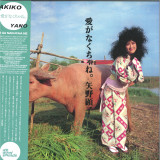
Wewantsounds continues its Akiko Yano series with the reissue of her cult classic 'Ai Ga Nakucha Ne' recorded in 1982 and co-produced by Ryuichi Sakamoto. Featuring Japan, the album includes additional recording in Tokyo with YMO and is mixed by Steve Nye and Shinichi Tanaka. It is the first time the album is released outside of Japan and the deluxe LP features the original artwork with gatefold sleeve and a lavish 24-page colour booklet with sessions photos by Pennie Smith (famous for The Clash's London Calling photo). The reissue also includes a new introduction by Mac DeMarco and a dual interview with Akiko Yano and Steve Jansen by journalist Paul Bowler. The audio remastered from the Original tapes by Mitsuo Koike.
'Ai Ga Nakucha Ne' ('there must be love' in Japanese) is Akiko Yano’s 6th studio album and follows 'Tadaima' in 1981. It continues exploring the electro-pop sound of its predecessor, hot on the heels of her touring with Yellow Magic Orchestra between 1979 and 1980. For this album, Akiko decided to try something new; she enrolled English fellow musicians Mick Karn, Steve Jansen and David Sylvian from Japan and booked the Air Studios in London under the supervision of engineer Steve Nye. Over a couple of weeks, the musicians created a fascinating soundscape full of catchy pop tunes, sung in both Japanese and English. Reminiscing about the studio sessions, Steve Jansen notes "Our music’s different but we maybe had a similar process of working. It was a great environment because the studio was a great place to work. It was very insular. There were four studios and there were always groups working in there 24/7."
The eleven tracks featured on "Ai Ga Nakucha Ne," mostly composed by Akiko - are a great collection of catchy tunes featuring her distinctive vocals and accompanied by the Japan musicians. As Akiko explains about the creative process, "I didn’t think to imitate or to make another Tin Drum. But I had Steve Jansen and Mick Karn, these excellent musicians. They were eager to understand the songs, then they put in everything they had. I knew the material was different from what they usually played in Japan. But it was a great experience working with them.
There are many highlights on the album, from the pop edge of "Aisuru Hito Yo" to the avant groove of "Another Wedding Song", each song is memorable and the album ends with the superb “Good Night” sung by Akiko and David Sylvian.
The original 1982 LP release included a 24 page booklet featuring many photos by Pennie Smith and Japanese photographer Bishin Jumonji. The booklet is reproduced in its entirety here and the album on top of contributions by Mac DeMarco, a longtime fan of the album, Akiko and Steve Jansen making this release of 'Ai Ga Nakucha Ne' a unique testament to Akiko Yano's greatness.
out of Stock
Last delivered 5 years ago available to reorder, subject to availability
The contributions of the late Detroit producer James DeWitt Yancey -better known to the world as J Dilla- to the world of hip-hop can't be overstated, and nowhere is his legacy more apparent than his work as a member of Slum Village. A founding member of the trio, (Alongside rappers T3 and Baatin) Dilla provided the group's distinctly esoteric, free-wheeling sound, built around winding basslines, quirky drumbeats, subtle low-end frequencies, and classic jazz & soul samples. Against the backdrop of Dilla's rich production, T3 and Baatin's free-flowing style of rhyming would also earn wide critical praise, leading to comparisons as the successors to A Tribe Called Quest. (A label they themselves have rejected.) After the success of Slum's 1997 studio debut, Fan-Tas-Tic Vol. 1, the group went to work on their follow up. Though the project was completed in '98, label turmoil kept the project on ice until 2000. By the time Fantastic Volume II hit Dilla was well on his way to his status as a hip hop legend having produced cuts for Common, Busta Rhymes, Erykah Badu, A Tribe Called Quest and many more. Later works from Slum Village may have had more of an impact sales-wise (in the immediate) but Fantastic Vol. 2 had fans and many critics saying that Slum Village, and Dilla in particular, may single-handedly save rap music.' Perhaps that statement is hyperbole but many consider Fantastic Volume II to be Slum Village's finest work ever to this day. Ne'Astra Media Group now presents the album reissued on vinyl, for the first time in several years. Every wobbling bass note of J Dilla's production has been preserved to maintain the legacy of this hip hop rap classic and maintain the legend of one of hip-hop's greatest beatsmiths.
out of Stock
Last delivered 3 years ago available to reorder, subject to availability
The Whatnauts emerged from Baltimore in the late 60's and were produced by George Kerr & Michael Watson.
This 8-song original LP has become a classic 70s soul album, mixing ballads and groovy tracks. While "You forget too easy" could be played on any lowriders mixtape, "Im So Glad I Found You" featuring Linda Jones is the perfect Northern soul floor filler. The beatmakers & producers are given their share too, with the drum breaks of the groovy "Why Can't People Be Colors Too?" And to make this reissue even more collectable, Playoff Records added the 80s funky "Help is on the way" sampled by De La soul as the perfect bonus track. A must have for any diggers or soul music fans.
Der Soundtrack zur HBO-Serie "The Last of Us" basiert auf der beliebten Musik und Klangwelt des gleichnamigen Videospiels. Geschrieben wurde der Soundtrack vom mit einem Academy Award ausgezeichneten Komponisten Gustavo Santaolalla und von David Fleming.Die intime, gitarrenbetonte Klanglandschaft spiegelt die Emotionalität der Serie wider und nimmt die Hörer mit auf die ungewisse Reise durch die USA in einer postapokalyptischen Welt, zwanzig Jahre nach der Zerstörung der modernen Zivilisation durch eine, von einem Pilz verursachte Epidemie.
Based on the critically acclaimed video game of the same name developed by Naughty Dog for the PlayStation® platforms, The Last of Us is written and executive produced by co-creators Craig Mazin (Emmy® Award-winning creator of HBO’s “Chernobyl”) and Neil Druckmann (creator and writer of the award-winning “The Last of Us” franchise and Naughty Dog Co-President).
The Last of Us takes place twenty years after modern civilization
has been destroyed by a viral outbreak. Joel, a hardened survivor, is hired to smuggle Ellie, a 14-year-old girl, out of an oppressive quarantine zone. What starts as a small job soon becomes a brutal, heartbreaking journey, as they both must traverse the U.S. and depend on each other for survival.
The vinyl release to the acclaimed series contains soundtrack
highlights from the show. Featured are score tracks by composer Gustavo Santaolalla, with additional music by David Fleming as well as songs by Depeche Mode, Pearl Jam, Jessica Mazin & Nick Offerman.
The package contains 2x vinyl, standard weight at 140g, 1x green and 1x clear, a double-sided poster of the show’s key art, spot gloss and soft touch on the gatefold and an insert featuring liner notes by Neil Druckmann, Craig Mazin, Gustavo Santaolalla & David Fleming and images from the show.
out of Stock
Last delivered 3 years ago available to reorder, subject to availability
Eclipse kehren zurück mit ihrem neunten Album "Megalomanium". Nach ihrem bisher erfolgreichsten Album "Paradigm" (das die massive Single "Viva La Victoria" enthält, die allein bisher über 26 Millionen Streams auf Spotify hat)) veröffentlichten die schwedischen Hard Rocker ihr letztes Album "Wired" Ende 2020 (Platz 23 der deutschen Charts). Trotz der fehlenden Tourneen gelang es ihnen, weiter zu wachsen. Das neue Album bietet den fröhlichen, hooklastigen und gitarrenorientierten Sound von Eclipse in seiner reinsten Form, 80er beeinflusster Melodic Hard Rock. Die Band ruht sich jedoch nicht auf Lorbeeren aus und bietet einige neue Elemente für einen Sound, der vor allem in Europa bereits Massen von Fans gewonnen hat. Während die erste Single "The Hardest Part is Losing You" einfach zeigt, dass die Inspiration intakt ist - eine der besten Hymnen von Eclipse überhaupt! - Songs wie "Got It!" oder das von Victor Crusner gesungene "High Road" zeigen, dass die Band sich nicht scheut, neue Wege zu gehen. Trotzdem können sie im hymnischen "Children of the Night" mit einem Riff, das die Erinnerungen an den besten Dio/Sabbath-Sound weckt, sehr hart rocken. Weitere Highlights sind das sofort erkennbare "Hearts Collide" und das treffend betitelte "Anthem", das die Fans, die die Shows der Band genießen, in Brand setzen wird. Megalomanium hat absolut alles, was man von den Jungs aus Stockholm erwarten würde, und noch mehr. Erik Martensson (auch W.E.T.) zeigt einmal mehr, warum er einer der gefragtesten Autoren und Produzenten der Szene ist. Sein Geschmack für Melodien, Songwriting und Harmonien ist absolut herausragend und wenn er sich mit Magnus Henrikssons Gitarren duelliert, ist absolute Magie da. Große Europa Tournee von Juni bis November.
'Brexit Music' ist kein politisches Album. Aber im Titel, der dem Künstler lange nach der Idee des Repertoires in den Sinn kam, steckt eine Vorliebe für britischen Spott: Am Ende soll die Kunst alle gesellschaftlichen Modeerscheinungen überleben. Der französische Pianist und sein Akustik Jazz-Trio wollten einen frischen, verspielten Sound, Groove und ein bisschen Humor. Ein beliebtes Lied zu covern ist für Jazzmusiker gängige Praxis, dennoch war die Idee eines ganzen Albums, das sich ausschließlich um britische Popmusik dreht, nicht selbstverständlich: Es war eine Herausforderung, ohne die Texte lebendig zu bleiben. So blieb oft das schlichte Material dieser Songs, auch wenn die meisten davon ein aufregender und freudiger Teil von Trotignon's Teenagerjahre waren. CD-Digipak und 180Gr. Doppel-LP mit vier Bonustracks!
“Upopo Sanke“ means “Let's sing a song" in the Ainu language. Umeko Ando (1932-2004) was one of the best-known artists of the Ainu, an indigenous, long-suppressed community in northern Japan. She sings their traditional songs together with Oki Kano on the Tonkori harp, who also recorded the album. The two are supported by members of the female vocal group Marewrew as well as Ainu percussionists, a string player and a male singer who provides rhythmic shouts and also throat singing. The call-and-response structure of many of the songs is performed with a mantric quality in a vocal style that is perhaps best described as elastic and breathing. There seems to be a gentle smile in every note and syllable. This music softly hits the heart.
Upopo Sanke was recorded on a farm in Tokachi in the summer of 2003. We hear dogs barking, a distant thunderstorm and voices imitating animals. The liner notes that accompany the 2LP release gather the anecdotal memories of Umeko Ando and Oki Kano about the stories of the 14 songs. Oki Kano is a musical ambassador of the Ainu culture who tours worldwide with his Oki Dub Ainu Band and also gives solo concerts, always playing the Tonkori, the five-stringed Ainu harp.
The Ainu have suffered from the oppression of their culture and language by Japan, especially since the 18th and 19th centuries. Only recently, in 2008, were the Ainu officially recognized again as an indigenous people culturally independent of Japan. As a result of the marginalization, there are now only a few hundred native speakers of the Ainu language left, making it a particularly worthy object of preservation.
"Upopo Sanke" was mixed again in part by Oki Kano, before being mastered and cut to vinyl by Kassian Troyer. The 2LP plays on 45rpm and it sounds fantastic. This album was the second album by Umeko Ando, the follow-up to „Ihunke" and also re-released in 2018 by Pingipung together with Oki Kano.
out of Stock
Last delivered 2 years ago available to reorder, subject to availability
teely Dan's gold-selling third studio album Pretzel Logic, charted at No. 8 on the Billboard 200 and restored the group's radio presence with the single "Rikki Don't Lose That Number," which became the biggest pop hit of their career and peaked at No. 4 on the Billboard Hot 100. The 1974 album was produced by Gary Katz and was written primarily by Walter Becker (bass) and bandleader Donald Fagen (vocals, keyboards). The album marked the beginning of Becker and Fagen's roles as Steely Dan's principal members.
They enlisted prominent Los Angeles-based studio musicians to record Pretzel Logic, but used them only for occasional overdubs, except for drums, where founding drummer Jim Hodder was reduced to a backing singer, replaced by Jim Gordon and Jeff Porcaro on the drum kit for all of the songs on the album. Steely Dan's Jeff "Skunk" Baxter played pedal steel guitar and hand drums.
Pretzel Logic has shorter songs and fewer instrumental jams than the group's 1973 album Countdown to Ecstasy. Steely Dan considered it the band's attempt at complete musical statements within the three-minute pop-song format. The album's music is characterized by harmonies, counter-melodies, and bop phrasing. It also relies often on straightforward pop influences. The syncopated piano line that opens "Rikki Don't Lose That Number" develops into a pop melody, and the title track transitions from a blues song to a jazzy chorus.
Other standout tracks include "Any Major Dude Will Tell You," a reflective ballad with lush harmonies, and "Parker's Band," a playful ode to the jazz great Charlie Parker.
Lyrically, the album explores themes of nostalgia, lost love, and the struggles of the creative process. In "Barrytown," the band reflects on their early days as struggling musicians, while in "Through with Buzz," they offer a biting critique of the music industry and the pressure to conform to commercial expectations.
One of the defining characteristics of Pretzel Logic is its use of unusual chord progressions and unexpected musical twists and turns. The band's intricate arrangements and skilled musicianship are on full display throughout the album.
Rolling Stone praised the album, calling Steely Dan the "most improbable hit-singles band to emerge in ages."
"When the band doesn't undulate to samba rhythms (as it did on 'Do It Again,' its first Top Ten single), it pushes itself to a full gallop (as it did on 'Reelin' in the Years,' its second). These two rhythmic preferences persist and sometimes intermingle, as on 'Rikki Don't Lose That Number,' which jumps in mid-chorus from 'Hernando's Hideaway' into 'Honky Tonk Women.' Great transition." — the review said.
AllMusic gave the album 5 stars, with reviewer Stephen Thomas Erlewine noting that "instead of relying on easy hooks, Walter Becker and Donald Fagen assembled their most complex and cynical set of songs to date." Dense with harmonics, countermelodies, and bop phrasing, Pretzel Logic is vibrant with unpredictable musical juxtapositions and snide, but very funny, wordplay.
The album's cover photo featuring a New York pretzel vendor was taken by Raeanne Rubenstein, a photographer of musicians and Hollywood celebrities. She shot the photo on the west side of Fifth Avenue and 79th Street, just above the 79th Street Transverse (the road through Central Park), at the park entrance called "Miners' Gate."
After a brief battle with esophageal cancer, Walter Becker died on September 3, 2017 at the age of 67. Steely Dan has sold more than 40 million albums worldwide and were inducted into the Rock and Roll Hall of Fame in March 2001. VH1 ranked Steely Dan at No. 82 on their list of the 100 Greatest Musical Artists of All Time. Rolling Stone ranked them No. 15 on its list of the 20 Greatest Duos of All Time.
This stereo UHQR reissue will be limited to 20,000 copies, with gold foil individually numbered jackets, housed in a premium slipcase with a wooden dowel spine.
Overall, Pretzel Logic is a standout album in Steely Dan's discography. The album's blend of catchy hooks, complex arrangements, and thoughtful lyrics has made it a favorite among fans of classic rock and pop music.
Made when mono was still king, Bob Dylan's self-titled 1962 debut is as understated of an entrance as any significant musician as ever made. Already well-versed in American roots music, Dylan simultaneously pays homage to tradition and extends it by putting his own stamp on classic material that metaphorically functions as the soil of our contemporary songs and styles. Free of ego, and performed with masterful conviction, Bob Dylan ranks with the debut efforts of similar artistic giants Elvis Presley and the Rolling Stones.
Mastered from the original master tapes, pressed at RTI, and limited to 3,000 copies, Mobile Fidelity's restored 180g mono 45RPM 2LP version brings the contents of this seminal release as closest as they've ever come to master tape-quality in the original mono configuration. Transparent to the source, the simple sounds of Dylan's voice, acoustic guitar, and harmonica take on lifelike perspective and directness – the "husk and bark" to which Robert Shelton referred in his now-legendary New York Times review of a Dylan appearance at Gerde's Folk City. MoFi has made possible an inexpensive time-traveling trip back to the Greenwich Village coffeehouses and folk clubs in which Dylan cut his teeth, albeit in much better fidelity and without any annoying background chatter. Wider grooves mean more information reaches your ears.
As the preferred mix at the time of the recording, the mono version presents Dylan as he and his producers originally intended. Since the separation of the stereo versions isn't as sharp, the mono edition places Dylan's vocals in the heart of the musical action and as one with the accompaniment. It paints listeners an incredibly accurate portrait of the attention-getting, concrete mass of sound that features no artificial panning and straight-ahead immersion into the music. This is how almost everyone first heard this timeless album – making the mono mix all the more historically valuable and truthful.
Much has been made of the commercial indifference that greeted the album upon its low-key release. Yet focusing on sales figures and the reaction of a public not yet hip to Dylan's name or music is to miss the forest for the trees. Distinguished from the era's other folk efforts by way of the determination, brazenness, and lived-through-this worldliness Dylan approaches the material and sings the songs, Dylan lays the groundwork for the path he'd soon trailblaze and everyone else would follow.
By nodding to Woody Guthrie at the same time he completely re-imagines a sobering tune such as Blind Lemon Jefferson's "See That My Grave Is Kept Clean," Dylan straddles the past and future. He also displays, with challenging authority and savant-like expertise, the ability to handle weighty topics such as death, sorrow, and lamentation with the vaudeville flair, bluesy mannerisms, and poignant command of an artist three times his age.
As Dylan scholar and pop-culture critic Greil Marcus observed in 2010, "Everybody knew Joan Baez and the Kingston Trio; if you knew Bob Dylan, you knew something other people didn't, something that soon enough everybody had to know. Within a year, an album could put an adjective in front of the singer's name as if it were already common coin." It all starts here.
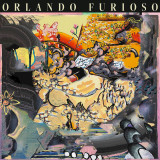
“Orlando Furioso is a haunting, one-of-a-kind statement, from an important new voice in improvised music.” - Steve Lehman
“…imagining instruments that haven’t been invented yet: space harps, cosmic gamelan, Venusian banjo. It’s the purest distillation of Atria’s musical language, simultaneously grounded and unearthly.” - Stewart Smith for The Wire (November 2022)
“Making liberal use of microtonal harmony and hypnotic, ostinato rhythms – as well as the occasional stylistic smash-cut, reminiscent of John Zorn – Orlando Furioso announced itself on Wednesday as a punchy, creative force on the New York scene. (…) Atria’s rhythms had a welcoming, social propulsion, and the microtonality of his writing for keyboard proposed an individual – even insular – language.” - Seth Colter Walls for The New York Times.
Early European composers felt that their work reflected in its structure the divine nature of the material world. Via tuning, form, and contrapuntal alchemy, these musicians sought to illuminate and edify the complex and perfect order of existence. The music recorded here also reflects the contours of an ordered world, but it is no place any of us has ever visited. By assembling far-flung building blocks from the detritus of a 21st-century musical vocabulary, Orlando Furioso brings the listener into a bizarre new cosmos. The result is deeply expressive music that speaks not with the voice of a narrator or memoirist, but with that of a cartographer. Like a science-fiction Dante, the listener is taken on a tour of many diverse and colorful provinces of an alien world. Though each composition references its own set of real-world musical locales (from the Andes to Indonesia to Italy to New Orleans), they are bound by stylistic consistency into a coherent, continuous geography. Permeating this world is an uncompromising commitment to microtonal harmony, rhythmic intensity, and an ability to deploy the esoteric (Nicola Vicentino's notorious 31-tone temperament) and the head-smackingly obvious (a surprise djent breakdown) with equal conviction. Though Vicente's compositions are steering the ship, serious recognition is due to all the players on the record for their ability to meet these demands.
Our omnivorous musical diets offer real abundance. They enrich our craft by providing access to limitless approaches from which to choose - more masters to study, traditions to absorb, and techniques to hone than is possible in multiple lifetimes. They can also inflict heavy and often contradictory burdens of influence. When every corner of the map has been charted, it becomes difficult to find a new direction in which to travel. One solution I hope to see more often is the one pursued on this record: breaking down distinct musical worlds into component parts and reassembling them into a language. When completed with precision and with no stone left unturned, the seams between the pieces vanish and the listener is deposited somewhere beautiful and strange, left to assign their sensations meanings of their own. - Mat Muntz
Orlando Furioso is led by Vicente and features David Acevedo, David Leon, Andrew Boudreau, Alec Goldfarb, Daniel Hass, Simón Willson, and Niña Tormenta. Orlando Furioso celebrated its release at Roulette Intermedium in Brooklyn, NY, as a part of Wet Ink Ensemble's 24th Season opening concert, a performance which The New York Times heralded as "virtuosic", "punchy, creative" and "even revelatory."
Winner of the Deutscher Jazz Preis: Best International Debut Album 2023
The West Indian-born alto saxophonist Joe Harriott was one of the most convincing boppers outside of the USA, though by the end of the 1950s he was exploring freer musical pastures, and the quintet with which he undertook the exploration was an outgrowth of the hard bop band with which he'd made a name on the British scene.
Often in the past the group's music, in which trumpet and flugelhorn player Shake Keane figured alongside Harriott in the front line, has been compared with that of the early Ornette Coleman quartets, but here it's far more interactive, a fact borne out most obviously by the lack of soloists. Here on Free Form (1961) is where the rhythm of that indigenously West Indian form is extraordinarily maintained in the midst of characteristic group exchanges.
A pioneer of bebop, Max Roach went on to work on many other styles of music and is generally considered alongside the most important drummers in history having worked with such musicians as Coleman Hawkins, Dizzy Gillespie, Miles Davis, Duke Ellington, Charlie Parker, Stan Getz and more! A seminal set, stretching out towards the directions Max would explore fully on the Candid, Impulse, and Fantasy labels in the 60s. Group members include Booker Little on trumpet, George Coleman on tenor, Ray Draper on tuba, and Art Davis on bass – and the lack of a piano makes for a very exciting sound!
Matching expansive ambience with environmental sound, Chihei Hatakeyama’s new album continues Field Records’ exploration of Japan and the Netherland’s shared approach to water management. As with Sugai Ken’s 2020 album Tone River, a specific project becomes Hatakeyama’s area of focus - in this case the Hachirōgata Lake in Akita Prefecture.
Previously the second largest body of water in Japan, the government ordered extensive drainage work of Hachirōgata Lake after the second world war with the help of Dutch engineers Pieter Jansen and Adriaan Volker. After the project was completed in 1977, reclaimed land took up eighty percent of Hachirōgata Lake’s total size. As a result, a new ecosystem was established as plants spread from surrounding areas, bringing with them a wider variety of birds and other wildlife.
Hatakeyama’s approach to this unique subject matter took in field recordings from particular locations around the lake - the drainage channels, the Ogata bridge, grassland conservation reserves and other key areas. The aquatic subject matter and sonic material is a natural fit for Hatakeyama’s accomplished sound, which has featured on numerous solo works for labels including Kranky, Room40 and his self-run White Paddy Mountain.
From the intimate intricacies of the sampled material to the glacial expanses of droning synthesis and languid guitar, Hatakeyama creates a tangible environment which at once reflects the settings around Hachirōgata Lake, while offering the listener any number of imagined scenes to observe in their mind’s eye.
out of Stock
Last delivered 2 years ago available to reorder, subject to availability
Whispers is the first proper P.G. Six album since 2011"s Starry Mind. Time passes slowly, as they"ve been known to say out in the country, and before you know it, there"s a bunch of it behind you. After five releases in the first decade of P.G. Six, it may seem a bit of a surprise to have not heard something new in the past twelve years - but a cursory listen to Murmurs & Whispers will answer why, as the deep acoustic focus of the tracks imply an investment of the type of compassion and understanding that takes time and concentrated effort to conjure. Additionally, Pat Gubler"s always got a few pots going at once in his ever-expanding musical universe. He"s been active since the mid-90s, first with Memphis Luxure and Tower Recordings, then as P.G. Six, and as a member of Metal Mountains, Wet Tuna, Garcia Peoples and Weeping Bong Band. Additionally, some time was spent making collaborative records with Dan Melchior (in 2019) and Louise Bock (in 2021). Pat"s been playing the harp for more years than he"s been in bands, but when he realized that he was writing a set of songs centered around harp compositions, he spent some time in the woodshed with his instrument, a late 80s model Triplett Celtic 34 String Harp (which replaced a lovely Paraguayan harp he"d played for years previously). After the previous P.G. albums of electric band arrangements, he was in a place of writing songs with more silence in them. He ended up playing a lot of the parts himself on Murmurs & Whispers, adding guitar, bass, keyboards, recorder and hurdy gurdy, in addition to his harp and vocals. Clark Griffin and Wednesday Knudson, who Pat plays with in Weeping Bong Band, played and sang a bit themselves, and the record was recorded piece by piece in houses around upstate New York by Mike Fellows. Returning to the quiet acoustic sound of the first couple of P.G. Six albums, Parlor Tricks and Porch Favorites (which has seen a much-needed reissue in the past year after too many years OOP) and The Well of Memory, Murmurs & Whispers is more straightforward in expressing its vision of rural celestial wonder. Bucolic and comfortably lived in, Murmurs & Whispers nonetheless projects the transcendent heart of P.G. Six once again, and as ever, it is magnificent to hear it passing through us.
NOTE. WITH THE PURCHASE OF THE VINYL YOU WILL ALSO RECEIVE THE TRACKS OF THE TOTAL 23 DIGITAL VERSION AS A DIGITAL DOWNLOAD. THE DOWNLOAD CODE CARD CONTAINS ALSO ALL TRACKS OF THE CD.
Okay, you’re listening to the 23rd edition of Kompakt’s annual compilation series TOTAL… hold on… 23??? It’s impossible to look at this number without thinking of William S. Burrough’s Captain Clark anecdote, the Illuminatus trilogy and the Justified Ancients of Mu Mu. But don’t you worry, we’re not giving in to eikositriophobia. We’re enlighted folks, after all.
Total 23 kicks off in a disco mood with a well tempered double punch from label co-founders Michael Mayer and Jürgen Paape. Jörg Burger calls out a trippy new genre named Cinematic Dance before C.A.R. and Patrice Bäumel resurface with a club mix of their early 2023 single ‘Four Down’. Sofia Kourtesis’ sultry remix of Perel ‘Matrix’ finally gets a well deserved vinyl release. ‘Ice Cream Cake’ by Cologne’s newcomer M.A.P.E. helps cooling things down a bit before another debutante, Argia from Madrid makes her first entry to the Kompakt catalogue. Gui Boratto’s recent single ‘Drink In Paris’ raises the energy levels just in time for Reinhard Voigt’s ruthless closing track ‘Endlich XXL’, an ode to some of the best things in this world: Beer and techno.
Okay, du hörst die 23. Ausgabe der jährlichen Kompilationsreihe TOTAL von Kompakt. Moment mal… 23??? Man kann diese Zahl unmöglich betrachten, ohne an William S. Burroughs’ Anekdote über Captain Clark, die Illuminatus-Trilogie und die Justified Ancients of Mu Mu zu denken. Aber keine Sorge, wir erliegen nicht der Eikositriophobie. Immerhin sind wir aufgeklärte Leute.
Total 23 beginnt in Discostimmung und einem wohltemperierten Doppelschlag von den Mitbegründern des Labels, Michael Mayer und Jürgen Paape. Jörg Burger ruft ein psychedelisches neues Genre namens Cinematic Dance aus, bevor C.A.R. und Patrice Bäumel mit einem Club-Mix ihrer Single ‘Four Down’ aus dem Frühjahr 2023 wieder auftauchen. Der tropisch-schwüle Sofia Kourtesis Remix von Perels ‘Matrix’ erhält endlich eine verdiente Vinyl-Veröffentlichung. ‘Ice Cream Cake’ von M.A.P.E., einem Newcomer aus Köln, sorgt für etwas Abkühlung, bevor mit Argia aus Madrid eine weitere Debütantin ihre ersten Spuren im Kompakt Katalog hinterlässt. Gui Borattos aktuelle Single ‘Drink In Paris’ steigert rechtzeitig das Energielevel für Reinhard Voigts gnadenlosen Schlusstrack ‘Endlich XXL’, eine feierliche Ode an einige der besten Dinge dieser Welt: Bier und Techno.
out of Stock
Last delivered 79 days ago available to reorder, subject to availability
Die 10 Tracks von Primal Prayer, die erstmals 2004 unter dem Pseudonym 'Phynix' veröffentlicht wurden, sind eine wilde, kreative Fusion aus Jazz, World Music, Dance und klassischen Einflüssen. Klanglich ist das Album nahezu unvergleichlich, ein lebensbejahendes Bekenntnis zu den vielen Wegen, die wir Menschen beschreiten, um unsere Herzen und Leben füreinander zu öffnen.
Östro 430 waren schon immer eine sehr besondere Band. Eine kurze Zeitreise: Es sind die späten 70er- und frühen 80er-Jahre, und in Düsseldorf proben Dutzende junger Gruppen die Revolution: Male, Mittagspause (später Fehlfarben), ZK (später Tote Hosen), S.Y.P.H., Der Plan, DAF. Ihre Barrikade, Bühne und Biertresen ist der Ratinger Hof, der schnell zum deutschen "Mekka des Punk" wird. Doch selbst hier verstoßen Östro 430 gegen jedes Gesetz. Ihre Musik ist aufgedreht, melodiös, brachial und Do-it-Yourself. Die Krönung sind die Songtexte: Lieder wie "Sexueller Notstand", "S-Bahn" und "Zu cool" werden zu Klassikern. Sie schaffen es ins Fernsehen, den britischen NME und sogar in die BRAVO. Die Welt braucht die Östros, aber sie verpasst ihre Chance: 1984 lösen sich Östro 430. 39 Jahre später bekommt die Welt eine zweite Chance. Östro 430 können nicht anders, als anders zu sein als alle anderen. Punkrock, aber nach Hausfrauenart: keine Gitarren - und trotzdem straight. Dazu Texte, die das Reimlexikon neu erfinden: Sie dichten "Diktator" auf "Vibrator" und "Hintern" auf "Pimpern". Sie teilen aus gegen jede Art von Spießertum: machtgeile Populisten, konservative Alt-Punks, ignorante Umweltschweine und politisch Überkorrekte, die Shitstorms diktieren. Und die Östros können sogar anders als anders, nämlich verletzlich sein. In "Bleib hier" heißt es: "Du sagst, ich lieb aus Angst vor dem Alleinesein und jedes Wort tritt meine Zukunft ein". Östro 430, die ungewollten Role-Models der Ü50-PunkerInnen, teilen wieder aus & prangern an - schmackhaft, nachhaltig & wohl bekömmlich. Auf "Punkrock nach Hausfrauenart" sagen nun auch Bela B. von den Ärzten, Bärchen & die Milchbubis und Stefan Stoppok mit ihren musikalischen Gastbeiträgen als Kronzeugen für die Gruppe aus. Einst waren Östro 430 Vorbilder, als es Bezeichnungen wie Rrriot Girls und Role Models noch nicht gab. Und auch heute sind sie wieder Wegbereiter. Wegbereiter wofür? Bis die Welt das passende Wort gefunden hat, nennen wir"s einfach "Punkrock nach Hausfrauenart".
Östro 430 waren schon immer eine sehr besondere Band. Eine kurze Zeitreise: Es sind die späten 70er- und frühen 80er-Jahre, und in Düsseldorf proben Dutzende junger Gruppen die Revolution: Male, Mittagspause (später Fehlfarben), ZK (später Tote Hosen), S.Y.P.H., Der Plan, DAF. Ihre Barrikade, Bühne und Biertresen ist der Ratinger Hof, der schnell zum deutschen "Mekka des Punk" wird. Doch selbst hier verstoßen Östro 430 gegen jedes Gesetz. Ihre Musik ist aufgedreht, melodiös, brachial und Do-it-Yourself. Die Krönung sind die Songtexte: Lieder wie "Sexueller Notstand", "S-Bahn" und "Zu cool" werden zu Klassikern. Sie schaffen es ins Fernsehen, den britischen NME und sogar in die BRAVO. Die Welt braucht die Östros, aber sie verpasst ihre Chance: 1984 lösen sich Östro 430. 39 Jahre später bekommt die Welt eine zweite Chance. Östro 430 können nicht anders, als anders zu sein als alle anderen. Punkrock, aber nach Hausfrauenart: keine Gitarren - und trotzdem straight. Dazu Texte, die das Reimlexikon neu erfinden: Sie dichten "Diktator" auf "Vibrator" und "Hintern" auf "Pimpern". Sie teilen aus gegen jede Art von Spießertum: machtgeile Populisten, konservative Alt-Punks, ignorante Umweltschweine und politisch Überkorrekte, die Shitstorms diktieren. Und die Östros können sogar anders als anders, nämlich verletzlich sein. In "Bleib hier" heißt es: "Du sagst, ich lieb aus Angst vor dem Alleinesein und jedes Wort tritt meine Zukunft ein". Östro 430, die ungewollten Role-Models der Ü50-PunkerInnen, teilen wieder aus & prangern an - schmackhaft, nachhaltig & wohl bekömmlich. Auf "Punkrock nach Hausfrauenart" sagen nun auch Bela B. von den Ärzten, Bärchen & die Milchbubis und Stefan Stoppok mit ihren musikalischen Gastbeiträgen als Kronzeugen für die Gruppe aus. Einst waren Östro 430 Vorbilder, als es Bezeichnungen wie Rrriot Girls und Role Models noch nicht gab. Und auch heute sind sie wieder Wegbereiter. Wegbereiter wofür? Bis die Welt das passende Wort gefunden hat, nennen wir"s einfach "Punkrock nach Hausfrauenart".
Black Truffle is pleased to announce The Leisure Principle, a new solo LP from London-based bassist and sound artist Otto Willberg. A key player in the London underground, Willberg is often heard on acoustic and electric bass in free improv settings and bands with Laurie Tompkins (Yes Indeed) and Charles Hayward (Abstract Concrete), as well as the fractured No Wave unit Historically Fucked. His previous solo releases have ranged from extended technique double bass to explorations of the acoustics of a 19th century artillery fort. But nothing Willberg has committed to wax so far prepares a listener for The Leisure Principle, six unashamedly melodic improvisational workouts created almost entirely with heavily filtered bass harmonica and electric bass. On the opening ‘Reap What Thou Sow’, a single-note bass harmonica loop pulses along underneath a roaming bass solo, the side-chained envelope filtering (where the dynamic behaviour of the bass determines the filter for both bass and harmonica) fusing the two instruments into a single stream of burbling shifts in resonance. After several minutes of patient exploration of this low-end landscape, the music suddenly opens up in widescreen with the entrance of Sam Andreae’s graceful melodica chords, spreading out across the stereo field. From this epic opener, each of the remaining pieces goes on to explore a slightly different aspect of the terrain. On ‘Shadow Came into the Eyes as Earth Turned on its Axis’, a similarly buoyant harmonica bass line provides the foundation, but this time playing a soulful descending riff, its almost R&B feel abstracted and half-obscured by the filtering. On ‘Mollusk’, echoed bass arpeggios skitter between elegiac chords somewhat reminiscent of the opening of John Abercrombie’s ‘Timeless’, before settling into a hypnotic groove. On the record’s second half, Willberg pushes further into the possibilities of his idiosyncratic instrumentation. On ‘Wetter’, bass and harmonica come together into a monstrous, growling jaw harp; on ‘Had we but world enough and more time’, the subtly shifting pulsating patterns start to feel almost like a kind of evaporated, drum-less dub techno until an eruption of wheezing bass harmonica gives the piece a comically folkish turn. Willberg’s melodically inventive and virtuosic bass performance calls to mind any number of fusion touchstones, from Jaco Pastorius to Mark Egan’s singing tone in the early Pat Metheny Group—even Anthony Jackson’s work with Steve Kahn. But with its radically reduced instrumentation, The Leisure Principle is also an exercise in minimalism, and the absence of percussion gives even its funkiest moments a strangely abstracted quality. At times, its uncanny blend of the abstruse and the immediate suggests the fried pop experiments of David Rosenboom or the skewed but deeply musical DIY of 80s underground groups like De Fabriek. Both easy on the ear and profoundly strange, The Leisure Principle proudly takes its place among the most eccentric offerings on the Black Truffle menu.
out of Stock
Last delivered 3 years ago available to reorder, subject to availability
65daysofstatic feiern 2023 das 10-jährige Bestehen von "Wild Light" mit einer längst überfälligen Vinyl-Wiederveröffentlichung des beliebten Albums auf 180g transparent-magenta-farbenem Vinyl. Das ursprünglich 2013 erschienene sechste Studioalbum der Band wurde von The Quietus als "an exploration and expression of sonic freedom" bezeichnet und hat sich seitdem zu einem Favoriten unter den Fans entwickelt. Im September 2023 geht die Band auf eine UK- und Europa-Tournee, auf der sie das Album in voller Länge sowie weitere Titel ihrer Karriere vorstellen wird.
In 1972, a foursome of design students set out to make a record. This was, in many ways, a strictly creative endeavor. The quartet — composed of Dave Pescod, Alan Lewis, Phil Rawle, and Ted Rockley — were all trained, not as musicians, but as creatives. Art school heavyweights, the four were well-versed in the methodology of intentional experimentation, in the delicate balance of pushing the limits without completely unmooring oneself from a guiding creative intention. Emboldened by a high-brow familiarity with thoughtful experimentation and all the non-conviction of non-musicians, Bowes Road Band’s stint in the world of popular music yielded a record that is as much mind-melting as it is a direct product of its time. Their sprawling LP “Back in the HCA” embodies the exigence “art for art’s sake,” but it is for art’s sake that this record, however off the deep end it seems to travel (hear: “Doctor, Doctor”), remains a unified, and stunning, body of work. The LP’s do-ityourself garage rock noisemaking meets highfalutin creative processes. “Back in the HCA” is warbling psychedelic freakout (“Two Fingers,” “Doctor, Doctor”), Donovan-esque English countryside folk stylings (“Inside My Head,” “Goodbye to Rosie”), and avant-garde jazz improvisions (“Grass is Grass,” “Tomorrow’s Truth”) in one luminous release.
Originally an 9-track LP, Jakarta, Uno Loop, and Bowes Road Band decided to mine the six most cohesive tracks for the reissue, though the extras may be released somewhere down the line. Cohesion efforts aside, “Back in the HCA” stands alone in its singular conception of a genre-bending continuum — it evades definition. That said, the LP can easily be situated in the sonic environment in which it was conceived. By the end of the 60s, England was crawling with blues-based rock outfits that were starting to venture into prog rock territory. You can hear this popular dint cast over the folkier side of the LP. But Bowes Road Band was armed with their non-musicianship: they existed completely liberated from the motivating yet ultimately paralyzing lust for stardom. Enjoying this liberation, Bowes Road Band was utterly free to make noise. This freedom meant drawn out sax interludes amidst sweetly folk stylings (“Grass is Grass”) and Shaggs-like fuzzed-out freakouts that spiral into a void (Doctor, Doctor). This freedom also meant straight-forward tuneful cuts like “Goodbye Rosie” that conspicuously introduce heavily distorted auto-organ accompaniment mid-track amidst poignant lyricism. Bowes Road Band crafts a unified sound and then cracks it open.
With a completely off-the-radar status, Bowes Road Band could only press 50 copies of the record — 10 for each of them and 10 for the school. The band’s lifespan was to end there, or so they thought. “Back in the HCA” was the accidental fruit of a Berlin flea market treasure hunt by Jannis Stürtz, DJ and co-founder of Habibi Funk and Jakarta Records. After finding and sharing the LP with a few colleagues, Stürtz managed to get in touch with the band, get ahold of the master tapes collecting dust in Ted Rockley’s attic, and start the reissuing process. The record is still adorned with its original cover art designed by Alan Pescod, both reminiscent of bygone school days and the Zoom calls of yesterday — in short, reunion. Its re-discovery was happenstance and ought to be listened to as such. That is, “Back in the HCA” was not made to be listened to on a broad scale, or, at least, was not made with this goal in mind; it is neither in its time nor of its time. Of course, the group explicitly cites the folk tunes of the English countryside, the distorted rock groups that reigned during the record’s conception, and the fringes of psychedelic music that only the uber-underground might recognize (e.g., “Dreaming of Alice”). Yet still with these obvious influences, “Back in the HCA” always existed beyond the domain of both traditional musicianship and conventional commodification. Bowes Road Band’s DIY musicality beams through in technicolor across “Back in the HCA.” The vinyl includes an 8-page booklet detailing the albums creation and interviews with the band.
Lead single “Grass is Grass,” out July 14 along with album pre-order, encapsulates the record’s range: the track unfurls into a sprawling sax-driven trip following a sundrenched, Donovan-esque intro w/ lyrics “naively about parks and gardens, not marijuana!” The keyed-down folk cut “Goodbye to Rosie” is single 2 and elevates stripped-down acoustics with golden tinges, out August 4th. Focus track “Tomorrow’s Truth” constructs the fuzzed-out underbelly of acid folk. Listen for echoes of late Beatles, Mark Fry, and Donovan (if they were armed by an unshakabele willful naiveté). Like Sgt. Pepper’s on a shoestring budget—take a trip to the underground with LP “Back in the HCA,” available everywhere physically and digitally on September 1st via Jakarta Records and Uno Loop.
Besides online promotion from label profiles, the album will be further promoted by external agencies within the UK and US.
Following on the somnambulant heels of When I See The Sun, our massive, near-complete Codeine overview, comes What About The Lonely?, an eight-track LP recorded at the group's live zenith. Captured direct from the mixing board at a stop on Codeine's November 1993 swing through the Midwest, opening for Mazzy Star, this document finds Stephen Immerwahr, John Engle, and Doug Scharin running through their hits at Chicago's notorious Lounge Ax for a crowd of chatty "120 Minutes" fans. Gastr Del Sol's David Grubbs adds his guitar to two songs, slinking on and off the 24-inch stage with little fanfare, but leaving his signature indelibly on the performance.
András Cséfalvay makes simple music with a potent atmosphere. A well-known figure in the Slovak underground (artistic, literary and music) scene, he returns after years of silence with a collection of intense songs. It's music which tackles both fantasy concepts and environmental trauma; Cséfalvay, armed only with the voice of a bard and his own hand-made guitar, will kindle your imagination and take you to the most unexpected corners of your mind.
More than a singer, on 'Future Role of the Church in the Forthcoming Enviromental Transformation' Cséfalvay acts like a narrator, wearing his heart on his sleeve. He sings of his hate of percussion instruments, Jupiter and other planets, tells tales of guns and love, nature and Mithrandir. His unique style is completely absorbing, despite the minimal, traditional set-up known from his live performances. Existential, yet light, these twelve songs mark a welcome return of a fascinating artist who presents his own vision of the past, present and future – it's bleak and existential, but also filled with purity and honesty that's impossible to resist.
'Future Role of the Church in the Forthcoming Environmental Transformation' is András Cséfalvay's second album, and his first for the sincere label Weltschmerzen.credits
Following on the somnambulant heels of When I See The Sun, our massive, near-complete Codeine overview, comes What About The Lonely?, an eight-track LP recorded at the group's live zenith. Captured direct from the mixing board at a stop on Codeine's November 1993 swing through the Midwest, opening for Mazzy Star, this document finds Stephen Immerwahr, John Engle, and Doug Scharin running through their hits at Chicago's notorious Lounge Ax for a crowd of chatty "120 Minutes" fans. Gastr Del Sol's David Grubbs adds his guitar to two songs, slinking on and off the 24-inch stage with little fanfare, but leaving his signature indelibly on the performance.
Whispers is the first proper P.G. Six album since 2011"s Starry Mind. Time passes slowly, as they"ve been known to say out in the country, and before you know it, there"s a bunch of it behind you. After five releases in the first decade of P.G. Six, it may seem a bit of a surprise to have not heard something new in the past twelve years - but a cursory listen to Murmurs & Whispers will answer why, as the deep acoustic focus of the tracks imply an investment of the type of compassion and understanding that takes time and concentrated effort to conjure. Additionally, Pat Gubler"s always got a few pots going at once in his ever-expanding musical universe. He"s been active since the mid-90s, first with Memphis Luxure and Tower Recordings, then as P.G. Six, and as a member of Metal Mountains, Wet Tuna, Garcia Peoples and Weeping Bong Band. Additionally, some time was spent making collaborative records with Dan Melchior (in 2019) and Louise Bock (in 2021). Pat"s been playing the harp for more years than he"s been in bands, but when he realized that he was writing a set of songs centered around harp compositions, he spent some time in the woodshed with his instrument, a late 80s model Triplett Celtic 34 String Harp (which replaced a lovely Paraguayan harp he"d played for years previously). After the previous P.G. albums of electric band arrangements, he was in a place of writing songs with more silence in them. He ended up playing a lot of the parts himself on Murmurs & Whispers, adding guitar, bass, keyboards, recorder and hurdy gurdy, in addition to his harp and vocals. Clark Griffin and Wednesday Knudson, who Pat plays with in Weeping Bong Band, played and sang a bit themselves, and the record was recorded piece by piece in houses around upstate New York by Mike Fellows. Returning to the quiet acoustic sound of the first couple of P.G. Six albums, Parlor Tricks and Porch Favorites (which has seen a much-needed reissue in the past year after too many years OOP) and The Well of Memory, Murmurs & Whispers is more straightforward in expressing its vision of rural celestial wonder. Bucolic and comfortably lived in, Murmurs & Whispers nonetheless projects the transcendent heart of P.G. Six once again, and as ever, it is magnificent to hear it passing through us.
Als nächstes erscheint bei BPitch eine neue 4-Track EP mit ungefiltertem Techno und tadellosem Sounddesign des Turiner Duos Boston 168. Nach drei Veröffentlichungen auf dem Label und einem Beitrag auf dem vielversprechenden Sublabel UFO Inc im Jahr 2019 begibt sich das Duo mit der EP Gigantia, die am 14.07.23 digital veröffentlicht wird, in industrielle Gefilde und in lebhafte psychedelische Trips. Sergio Pace und Vincenzo Ferramosca, die seit 2014 gemeinsam Musik produzieren, haben sich mit einer besonders räumlichen Form von Techno einen Namen gemacht, der ihnen bis heute eine illustre Karriere beschert hat. Auf "Gigantia" greift das Duo auf die industriellen Wurzeln ihrer Heimatstadt zurück und verschmilzt eine Reihe von Einflüssen mit einer ausgesprochen melodischen Version von Acid Techno.
out of Stock
Last delivered 2 years ago available to reorder, subject to availability
Mit wenig mehr als einer unerbittlichen Reihe von Live-Auftritten und einem zweimal gepressten (und anschließend ausverkauften) selbstbetitelten Demo hat sich die in New York ansässige Band Lathe of Heaven als ein starkes und zusammenhängendes Element inmitten der Flut von Punk und synthiegetriebenem Pop-Revival erwiesen, das derzeit im US-Underground wuchert. Die 2021 gegründete Band setzt sich aus Mitgliedern bemerkenswerter Brooklyner Projekte wie Pawns, People's Temple, Porvenir Oscuro, Android, Hustler und anderen zusammen. Obwohl diese Liste vergangener und alternativer musikalischer Bestrebungen ein breites Spektrum an Genres und Fähigkeiten aufzeigt, kann Lathe of Heaven nur als eine Abkehr von solchen Einflüssen verstanden werden und erforscht einen völlig eigenen Sound. Nun, fast zwei Jahre später, sind Lathe of Heaven endlich bereit, ihr Debütalbum "Bound by Naked Skies" zu veröffentlichen. Die elf Tracks umfassende LP verbindet Elemente von düsterem britischem New-Wave und finnischem Post-Punk zu einer nuancierten Gegenüberstellung von 80er-Jahre-Soundwahn. "Bound by Naked Skies" greift Themen der klassischen und zeitgenössischen Science-Fiction auf, die den einzigartigen und bewussten Sound prägt, und verdankt seinen literarischen Einflüssen ebenso viel wie der Musik. Als kraftvolle Hommage an die unheimlichen Welten der Autoren Arthur C. Clarke, Octavia Butler, Ken Liu und natürlich Ursula Le Guin (nach deren Roman die Band benannt ist), verweben sich Themen der Kosmologie ("Ekpyrosis"), Simulation ("Heralds of the Circuit-Born"), Geisteskrankheit ("Moon-Driven Sea") und Ontologie ("Entropy", "The Spider" etc.), und ziehen sich wie ein roter Faden durch das Album. Ein Einblick in die Gedankenwelt derer, die von der Ungewissheit der erschreckenden und gar nicht so fernen Zukunft der Menschheit geplagt werden.
Der Soundtrack zu Star Trek: Picard Staffel 3 in limtierter Auflage als Doppel-LP auf Sky Blue w. White Burst Vinyl mit Gatefold-Hülle und Inserts
Die Vertonung des Spiels durch den preisgekrönten britischen Komponisten Stephen Barton (Star Wars Jedi: Fallen Order, Call of Duty 4: Modern Warfare, Titanfall, 12 Monkeys, Apex: Legends) und dem deutschen Emmy-Gewinner Frederik Wiedmann (All Hail King Julien, Green Lantern: The Animated Series, Justice League: The Flashpoint Paradox, Son of Batman, Justice League: Thron von Atlantis und Justice League: Gods and Monsters) Barton verfügt über einen umfangreichen Erfahrungsschatz als Produzent, Dirigent, Musikarrangeur und Programmierer bei der Komposition von Musik für verschiedene Videospiele. Er gilt auch als Experte für das aufstrebende Gebiet der räumlichen und immersiven Audiotechnik. Wiedmann war ein wichtiger Bestandteil des DC-Filmuniversums, beginnend mit seiner Arbeit an Green Lantern - The Animated Series, der seine Arbeit an Green Lantern folgte (für die er zwei aufeinanderfolgende Annie-Nominierungen erhielt). Dies führte zu großartigen DC-Projekten wie Justice League - The Flashpoint Paradox, Son of Batman, Justice League - Throne of Atlantis, Justice League - Gods and Monsters.
Toying with the familiar but not afraid to break with expectations, AVEM presents a versatile range of works that make up his debut album.
Dream State was largely written and produced in times of the pandemic, specifically during lockdown periods — a context that grants the album an air of melancholic isolation. Offering seven songs on a double LP, it marks the collective imprint LOKD’s vinyl premiere. Merging sounds of Electronica, House and Techno, LOKDLP001 finds its place neatly outside of common categories.
In the past years, the Swiss DJ, producer and live act has made a name for himself with a steadily growing catalogue: not only through a handful of EPs, but also by releasing countless singles, remix- es and live recordings. In autumn of 2023, the Basel– based artist now reveals his first studio album.
Instrumentation ranges from studio percussion re- cordings, synthesizer & drum machine classics, all the way to ethereal piano and vocal performances; all performed and recorded by the artist himself.
Familiar structures of House and Techno are introduced, only to be broken again by gleam- ing twists and turns. A focus on percussion is ap- parent throughout the album, be it in the dynamic texture of drum recordings or in the evolving break- beat rhythms of a guiding bass drum.
Dream State tells an ephemeral tale of the uncertain, treading through an unique territory of opposites — from rapid progression to outright hypnosis, from weightless yearning all the way to euphoric catharsis.
out of Stock
Last delivered 21 months ago available to reorder, subject to availability
Das neunköpfige australische Spiritual-Jazz-Ensemble Menagerie um Produzent, Songwriter, Gitarrist, DJ und Aufnahmeleiter Lance Ferguson expandiert seinen Sound weiter in das Musikuniversum. Das neue Album 'The Shores Of Infinity' ist ein zukunftsweisender, rhythmuslastiger Ausdruck des zeitgenössischen Jazz, der, tief in der Tradition verwurzelt, sich jeder Genre-Schublade entzieht. Inspiriert sowohl von der Post-Coltrane-Generation der 70er Jahre als auch von der aktuellen New Wave Of Jazz haben Menagerie international große Wellen geschlagen und bei Worldwide FM, Jazz FM und Jazzwise mehrfach ausgezeichnet.
'So well - and lovingly - executed that it's ultimately impossible to ignore.' - Jazzwise
"There is an overarching sense of profound amazement throughout it all.' - Blues & Soul
'A stunning work, full of integrity and class… Essential.' - Echoes
'Wonderful record, full of some great Kamasi/Donald Byrd/even Art Blakey moments!' - The Guardian
Los Angeles rapper Earl Sweatshirt releases his new project SICK!, out now via Tan Cressida / Warner Records. The new 10-track project includes previously released singles "2010," "Tabula Rasa (feat. Armand Hammer)," and "Titanic" and features collaborative contributions from artists and producers Zelooperz, Nak-el Smith, Armand Hammer, Black Noi$e, and The Alchemist.
Speaking about the new project, Earl says:
"SICK! is my humble offering of 10 songs recorded in the wake of the worldwide coronavirus pandemic and its subsequent lockdowns. Before the virus I had been working on an album I named after a book I used to read with my mother ('The People Could Fly'). Once the lockdowns hit, people couldn't fly anymore. A wise man said art imitates life.
People were sick. The People were angry and isolated and restless. I leaned into the
chaos cause it was apparent that it wasn't going anywhere. these songs are what happened when I would come up for air. Peace and love to Zelooperz the enigma, The Armand Hammer, and my good friends Alchemist and Black Noi$e. Peace and love to u."
Following the project's release, Earl Sweatshirt will embark on his North American 2022 NBA Leather Tour later this month with Action Bronson, and The Alchemist with Boldy James. The 19-date run will see stops in Los Angeles, Chicago, and New York City before wrapping up in Austin in February. Tickets are available here.
Listen to SICK! above and find full album details and upcoming live dates below. Stay tuned for more from Earl Sweatshirt coming soon.
Long festering on the West Coast, Frankie and the Witch Fingers have carved out a niche that’s equal parts molten tar pit teardown and end-stage anxious careen. As they wind out of the stoned-ape psychedelics of their 2020 opus Monsters Eating People Eating Monsters… their sound, over a series of singles, has begun to thicken and throb. It’s coalesced into a darker strain that ingests the explosive impulses of R&B, the rhythmic insistence of 70’s German Progressives, and the elasticity of funk fusionists alike. They weld their arsenal of influences to a chassis of nail-bitten bombast. On the upcoming Data Doom the band hurtles the listener head first into the wood-chipper of technological dystopia, systemic rot, creeping fascism, the military-industrial profit mill, and a near-constant erosion of humanity that peels away the soul bit by bit. With a fuse lit by these modern-day monstrosities the band seeks to find salvation through a thousand watt wake-up of rock n’ roll exfoliation.
Black cloud is descending – Black Magic Six set to release their fifth album in September, new single Blood of Babylon out now The title of Black Magic Six’s upcoming album Black Cloud Descending really sums up the mood and thoughts of its creators during the album making process. It tells stories of constant escaping, accepting defeat, destinies of outcasts, failures, and drunks. Tales of the wiser, exaggerated lies, vague rumours, fuzzy states of mind and suspicious circumstances – even the thought in the back of your head about the possibility of redemption while standing on the edge of the cliff right before falling in; it’s all there. The album’s first single Blood of Babylon is a garage rocking song about Sam Berkowitz’s relationship with Sam Carr’s speaking dog. Lyrical themes of the upcoming album are moving between reality and the imaginary world; remembering the moments at Belo Horizonte, how to use the powder that protects you from the evil eye, how it felt to wonder in the same alleyways with the werewolf of Istanbul or diving to safety to the bottom of a pond in Northern Savo. Listen Blood of Babylon here: https://youtu.be/S7mEujUIlrw Musically the album is on a narrow path. All the sounds heard on Black Cloud Descending are produced by Taskinen and Motherfuckin’ Japa. Sure, there are two exceptions; the gong heard in the end of Werewolf of Istanbul was recorded by Sakke Koivula at his home and the church bells in the outro of Full House Blues are ringed by unknown. Previous albums of BM6 had lots of guests playing guitar, percussions, harmonica, and visiting singers. People that one could call actual musicians. These past albums have had a softer, more versatile, and maybe even a livelier touch to them. This time around there’s only the core; the percussionist and the singing guitar player. The result is more raw, rugged, and rougher than before. Black Cloud Descending is out on September 1st on vinyl, CD, and digital platforms. The album was produced, recorded, and mixed by Mitro Kylliäinen at Kung Fu Audio along with BM6 during 2022-2023. Original art used for the album cover was made by Greger Grönholm. The band will play selected live shows to celebrate the new album in Finland, Germany, Denmark, and Spain. Dates of these gigs will be announced closer to the release date of the album.
Wann immer EVERGREY-Frontmann Tom S. Englund und der US-amerikanische Pianist/Komponist Vikram Shankar (Redemption, Lux Terminus) zusammenkommen und ihre Kreativität gemeinsam als SILENT SKIES nach außen kehren, entsteht Magie! Mit Dormant veröffentlicht das schwedisch-amerikanische Cinematic-Pop-Duo nun das nächste, magische Stück Musik. Das dritte Studioalbum von Englund und Shankar erscheint am 1. September 2023 über Napalm Records. Getragen von vertonten Emotionen und skandinavischer Melancholie reiht sich Dormant in die klangliche Welt der vorherigen Alben Nectar (2022) und Satellites (2020) ein und bietet atemberaubende Klaviermelodien, atmosphärische Keyboards, weitläufige Soundlandschaften und eindringlich schöne und intensive Vocals auf zehn Eigenkompositionen, begleitet von mehreren Bonustracks. Für Letztere haben SILENT SKIES bekannte Klassiker gecovert, unter anderem von Iron Maiden und Linkin Park, und diese an ihren ganz eigenen, unverkennbaren Sound angelehnt.
Auf Dormant lädt der atmosphärische Eröffnungstrack „Construct"" die Hörer dazu ein, die beiden Musiker auf einer gefühlvollen Reise zu begleiten. „New Life“ schlägt hingegen dunklere Pfade ein. Englunds einfühlsamer Gesang spricht direkt zur Seele und harmoniert perfekt mit Shankars ausgefeilter Instrumentierung, die von zartem Piano getragen und einer einnehmenden Produktion unterstrichen wird. Das harmonische „Churches"" sowie das Pop-inspirierte „Just Above The Clouds"" – Letzteres mit einem fesselnden Solo des Leprous/Musk Ox-Cellisten Raphael Weinroth-Browne – bauen sich zu einem hypnotischen Tagtraum auf, um in den gefühlvollen Tönen von Dormant zu versinken. Einfühlsam kreieren „Reset"" und „Tides"" schier endlose melancholische Klanglandschaften, während das ergreifende „The Real Me"" mit elektronischen Tönen eine weitere Facette des Albums aufzeigt.
Die durch und durch stimmige Zusammenarbeit beider Künstler bildet das Fundament aller SILENT SKIES Kreationen. Durch viel Feingefühl und Liebe zum Detail, gepaart mit tiefgründigen, ausdrucksstarken Lyrics, entsteht ein einzigartiger Charakter, der mit jedem Ton die Handschrift von Englund und Shankar trägt. Auf das tief bewegende „Light Up The Dark"" und den Titeltrack „Dormant"" folgt mit „The Last On Earth"" die letzte Eigenkomposition des Albums.
Das dritte Werk von SILENT SKIES ist melancholisch und beruhigend, aber auch sprudelnd und glühend – es erweitert das klangliche Universum des Duos in alle Richtungen. Dormant reflektiert das Leben selbst und ist das Ergebnis mutiger klanglicher Experimente in Verbindung mit genau der künstlerischen Ästhetik, die SILENT SKIES auszeichnet. Mit ihrer Musik schreiben Tom S. Englund und Vikram Shankar so intensive Geschichten wie das Leben selbst und erreichen damit Menschen in unterschiedlichsten Lebenslagen mit verschiedensten musikalischen Vorlieben."
"Featuring Nate Morgan on piano, Jesse Sharps on reeds, Danny Cortez on trumpet, Rickey Kelly on vibes, Joel Ector on bass and Derek Roberts on drums. This music was recorded in Santa Barbara in July of 1987. Since the passing of the great pianist /composer / bandleader Horace Tapscott, the Nimbus West label has continued to document the underground L.A. jazz scene that Mr. Tapscott was once at the center of. A number of great musicians who once collaborated
with Tapscott, like Jesse Sharps & Nate Morgan, have recorded albums as leaders on Nimbus West. The short liner notes state that "trying to play serious music in an area as shallow & fad-driven as Los Angeles, were too much for this band to deal with..." so they didn't last too long. No doubt. This LP is proof that this collective's music was strong, spirited, original and had a great deal to offer. I
can't say that I've heard of any of the rhythm section players but all six members of the collective are excellent musicians nonetheless.
Nate Morgan's "Retribution, Reparation" is first and it has one of those McCoy Tyner-like 70's ensemble vibes with spirited piano and Trane-ish tenor sax sailing on top. The entire sextet is in great form with impressive solos from trumpeter Danny Cortez, vibist Rickey Kelly and pianist Nate Morgan. How musicians as incredible as this escaped notice, I will never understand. The sextet is ultra-tight and swings furiously throughout. Bassist John Ector's "Big Spliff" has a most memorable theme that had me smiling all the way through. The long & inspired soprano solo by Jesse Sharps and that great piano interplay & solo makes this piece even more special. The only cover on this LP is Monk's "Well You Needn't" and it too is done exuberantly. There are over 100 minutes of outstanding music on this wonderful release. Another buried treasure to add to your collection of great gifts from the gods." - Bruce Lee Gallanter, Downtown Music Gallery