United by a shared love of 1960s music and Garage Punk, the band has carved out a distinctive sound rooted in infectious riffs, vintage swagger, and raw energy. Their catalog sits comfortably alongside unearthed '60s Garage Rock and Psychedelic gems, delivering songs that jump between English and Spanish, instrumental and vocal, reflecting both their creativity and diverse musical influences. Onstage, THE KILLING FLOORS are electrifying. Their shows are a whirlwind of highvoltage energy, tight harmonies, and explosive performances that pull audiences straight into their world. Each member is a vital piece of a well- oiled Rock 'n' Roll machine, creating a live experience that's impossible to ignore and even harder to forget. And it's precisely that wild live- energy that has been transported onto their debut album "Los Angeles Chicano R'n'R"!
For nearly four decades, since its founding during the mid 1980s, the Belgian imprint, Sub Rosa, has continuously plumbed the depths of numerous, radical creative histories, assembling a catalog of releases that has almost no equivalent, while remaining nearly impossible to nail down. That said, for most of its run, Sub Rosa has been primarily recognized for its rigorous explorations of the lesser explored shadows of experimental sound practice (sound-art, sound-poetry, early electronic and electroacoustic music, free-improvisation, etc.), delivering a remarkable body of artifacts that have collectively helped to rewrite history in their wake. While it's always been impossible to anticipate where the label might take us next, threading their catalog are plenty of releases that throw further wrenches in the cogs, expanding our understanding of what they pursue, as in the case of a handful of titles, appearing as early as the 1980s, dedicated to ethnographic field-recordings from various parts of the world. Among the most striking and celebrated of these was 2017's Ethiopian Urban And Tribal Music: Mindanoo Mistiru / Gold From Wax, comprising an astounding body of recordings made by Ragnar Johnson and Ralph Harrisson in Ethiopia during 1971, reissuing material originally released by Lyrichord the following year. Now, Sub Rosa returns to the incredible work embarked upon by the pair and captured on that same trip with Ethiopian Musics 1971, comprising the recordings originally released by Ocora shortly after their completion, expanded in this edition to include an entire disc of never before released music. Widely regarded as some of the most important field-recordings ever made of indigenous Ethiopian folk music (as captivating and intoxicating as they are revelatory: providing insights into the roots of the country's singular traditions of popular music and jazz that have come to be celebrated the world over), this incredible collection is issued by Sub Rosa in a beautifully produced 2LP edition, complemented by a four page insert providing detailed descriptions of each song, as well as notes by the ethnomusicologists and recordists, as well as a 2CD edition, with a twelve page booklet. Insanely good and absolutely essential for any fan of field-recording, ethnomusicology, the music of Ethiopia, or the label's mission at large. Once again, Sub Rosa has defied our expectations and delivered a remarkably important intervention in the history of recorded sound.
Located in the Horn of Africa region of East Africa, few cultures are distinctly singular, while being so diverse (containing 80 distinct ethnic groups who speak 70 languages and 200 dialects) as that of Ethiopia. The home to some of the oldest surviving sects of Judaism, Christianity, and Islam (each contributing important aspects of its collective cultural body), particularly the country's culinary and musical traditions have become celebrated the world over, and (generally speaking) feel entirely independent of those of its neighbors. Given this, it's unsurprising that, during the summer of 1971, the young ethnographer, Ragnar Johnson, accompanied by Ralph Harrisson, traveled to Ethiopia to begin his brief career as a field recording ethnomusicologist, capturing material on reels of magnetic tape that would be subsequently released across three LPs for Lyrichord and Ocora, respectively, coming to form a cornerstone of documentation and study of the country's many indigenous musical traditions, as well as providing wide, global access to them for the first time. While Johnson's recording career was relatively brief, ending toward the end of the decade when he began to focus more on teaching in UK universities, with a focus on the anthropology of art and social anthropology, his impact on the field was lasting. Between 1971 and 1979, in addition to those he made in Ethiopia, he made hugely significant recordings in Yemen (also issued by Lyrichord before being reissued by Sub Rosa) and Papua New Guinea, which were originally released by David Toop's Quartz Publications to wide celebration, before being revisited by Ideologic Organ in 2023.
While it's worth noting that commercial releases of ethnomusicological recordings by labels like Folkways, Lyrichord, and Ocora were still in their relatively early days when he entered the field, Johnson's recordings quickly stood apart for their vivid qualities and clarity of space, allowing them to stand the test of time. As he later stated: "I used a Uher Report L stereo tape recorder, BASF quarter inch tapes at a recording speed of seven and a half inches per second with two directional microphones mounted to record an isosceles triangle of stereo sound," he reveals. "The location of the microphones and musicians was critical. The musicians were fully informed of all aspects of the recording process."
Johnson's recordings are extremely vivid, there is a clear sense of space and the cries of the flutes exist across the entire stereo field. It's a reflection of Johnson's skill as a field recordist that his recordings continue to be reissued over forty years later. "I used a Uher Report L stereo tape recorder, BASF quarter inch tapes at a recording speed of seven and a half inches per second with two directional microphones mounted to record an isosceles triangle of stereo sound," he reveals. "The location of the microphones and musicians was critical. The musicians were fully informed of all aspects of the recording process… I used to enjoy being in the moment and hearing something wonderful despite the stress of the vigilance required to ensure that the recordings were accomplished according to plan. The responsibility is to record and document the music as effectively as possible so that it has been preserved for posterity. It is better to actually record music than to sit in a seminar room debating the ethics of recording music." It is this very ethos and sense of clarity that can be encountered across the length of Ethiopian Musics 1971.
For the sake of clarity, the two LPs of material that comprise Ethiopian Musics 1971 should be regarded as a single body of recordings alongside those made in Ethiopia by Ragnar Johnson and Ralph Harrisson during the summer of 1971 (previously issued by Lyrichord and reissued by Sub Rosa), and as two that have, until now, remained historically distinct. The first LP gathers that material released by Ocora during the early 1970s on Musiques Ethiopiennes, while the second comprises (as far as we can tell) twelve never before issued recordings, expanding the journey and making this the definitive edition of the release with its incredible total of 23 recordings of songs, allowing it ever greater scope to achieve the recordists' modus operandi of capturing the broadest and most diverse cross section of Ethiopia's many musical cultures, ranging from different forms of urban music captured in Addis Ababa, documenting largely orally transmitted idioms within which lyrical content is given greater emphasis than the instrumental components (played on masenko fiddles, craar and bagana lyres, washint flutes and kabaro drums), to folk idioms hailing from the Danakil desert and the border regions with Sudan and Kenya. There are songs sung and played in bars, divination chants, laments, dances, Christian songs, and Amharic sung poetry, to only begin to scratch the surface.
Ethiopian Musics 1971 is one of those rare albums where each musical moment is pure, intoxicating gold, while also being greater through the sum of its parts. There are the many songs, forming a rich tapestry of remarkable range across the respective two LPs/CDs (moments that wondrously flirt with sonic abstraction; hypnotic rhythms; pulsing chant; melodies that, in structural arrangement and tonal combination, help us reframe how such a thing might be understood, and a great deal more), each imbued with a remarkable directness and emotive sensibility, and there is the stunning quality of these recordings themselves, transporting each sound to our ears as though we intimately share its creator's space, while being imbued with the pure heart and remarkable spirit with which they were made. As we said before, it's little wonder, once heard, why these recordings and this music feels as fresh and relevant (enduring more than 50 years) today as when they were made. Once again, Sub Rosa has raised the bar with this essential addition to the incredible work that Ragnar Johnson and Ralph Harrisson did back in Ethiopia during 1971, radically expanding our access to the sounds that they captured with these stunning, beautifully produced 2LP and 2CD editions. Absolutely engrossing from the first sounding to the last, this one can't be missed.
ROCK JUSTICE is a new hard rock/metal act featuring singer Maggy Luyten (Ayreon, Beautiful Sin, The Prize, ex-Nightmare) and guitarist Bas Maas (Doro, After Forever).
The upcoming debut album, You’ve Been Served, is the result of Bas Maas’s long-held dream. He teamed up with Maggy Luyten to shape the powerful, driving sound of ROCK JUSTICE. The album blends varied song styles, tied together by a nostalgic vibe and well-crafted production.
“The idea came to life when I was still playing in After Forever, where I didn’t get a serious chance to contribute to the songwriting. I had written a couple of songs that didn’t make the cut and realized that if I wanted to get my own music out there, I’d have to do it myself, or at least with other people,” says Bas. When he decided to form a band, he had two rules: he wouldn’t sing himself, and it wouldn’t be a female singer. Finding the right guy proved impossible and after several try-outs, one name kept coming up: Maggy Luyten. “Mag’s voice completely blew me away. I thought, ‘This chick sings like a dude and she delivers.’ Not long after that, we met at an Ayreon album presentation in Utrecht. She wanted to hear my songs to see if they inspired her. They did.” The rest is history. Maggy recalls with a smile: “When Bas came over to hear what I’d worked on, we both knew we had something. I still picture him driving back home: window down, our demo blasting, arm out, metal horns up, huge smile!”
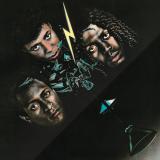
WRWTFWW Records unleashes the first ever release of legendary post-disco, funk, soul and electronic UK trio Imagination's cult album Night Dubbing in (well deserved) double LP format. The limited edition full-length comes with pristine audiophile treatment and luxurious packaging : a 45rpm and Half Speed Mastered DLP housed in heavyweight silver cardboard sleeve.
Imagination's singular 1983 album Night Dubbing is a refined deconstruction of black British soul and club pop, filtered through the deep studio and mixing techniques of dub music. Elegant, restrained, and, in its very own subtle way, radical, the record reshapes choice selections from the group's stellar catalogue into an immersive and out-of-this-world listening experience.
The special mixes on Night Dubbing are built on time and space. Basslines elongate and dissolve. Vocals appear, vanish, and reappear like ghosts. Drums fall away into vast silences, while echoes, tape edits, and precise engineering manoeuvres smoothly slide across the stereo field, revealing themselves like magic over repeated listens. Far from simple extensions or 12" versions, Night Dubbing treats the studio itself as an instrument, opening new dimensions of sound.
Often cited as a foundational record in the genesis of the house genre, the album also features the historic Larry Levan remix of "Changes", a Paradise Garage anthem that helped shape the direction of club music for decades to come.
More than 40 years on, Night Dubbing remains a seminal work. Its influence continues to echo through contemporary dance music, offering a blueprint for how pop could be transformed into something darker, stranger, more physical - a timeless sound that drifts effortlessly from the dancefloor into space.
Important note : it sounds amazing played on 33rpm too !
out of Stock
Last delivered 3 months ago available to reorder, subject to availability
This 45 reissues two Spanish classics—DJ’d, sung, and danced to exhaustion—featuring striking arrangements and rhythms inspired by soul, funk, and rock, pushing flamenco-influenced popular music into previously uncharted territory. The flamenco rock of ‘Orgullo’ (1974) by Las Grecas will appeal to international listeners already captivated by the Anatolian sound of Baris Manço, Mogollar… On the B-side, Paco, Paco, Paco’ (1969) by Encarnita Polo is a soul-pop hit with an irresistible syncopated rhythm and killer bass lines. In the final years of Franco’s dictatorship, when Spain’s popular music was kept on the sidelines of avant-garde and countercultural trends, a number of records emerged that dared to bend and hybridize the country’s so-called “national” musical genres (calling it flamenco outright would be imprecise) and infuse them with a dose of modernity. This single brings back two of those local popular classics—DJ’d, sung, and danced to exhaustion—which featured arrangements and rhythms inspired by what their creators had heard in international soul, funk, and rock productions. The first 20 seconds of ‘Orgullo’ (1974) hit with a powerful sonic punch built on ferocious fuzzed-out guitars, distorted keyboards, and thunderous drums that could easily belong in the discography of Led Zeppelin, The Guess Who, or Cream… until, suddenly, Las Grecas start to sing and Flamenco rock is born. It will undoubtedly resonate with international audiences already drawn to the Anatolian sounds of Baris Manço or Mogollar. A few years earlier, in 1969, the brilliant Argentine producer and arranger Adolfo Waitzman had already transformed a harmless light pop tune recorded by a yeyé girl, Encarnita Polo, into a soul-pop hit driven by an irresistible syncopated groove and killer bass lines. The playful ‘Paco, Paco, Paco’ became a bestselling single in Spain and, more than 50 years later, is still celebrated as a brilliant example of the romance between flamenco-inflected sounds and soul-pop. First-ever single reissue.
‘Falling Backwards’ is the debut album from Him & Earl via Wah Wah 45s, serving up a mystic brew of desert blues, English folk, Americana and stirring southern soul, with tentacles stretching out into psychedelia and prog, across 11 hot and hazy tracks.
Singer-songwriter Olly Him and DJ, producer and composer Wyndham Earl both have deeply-dug roots in the south coast of England, with the former making his name as a solo artist before exploring his soulful folk/prog sound with a number of live acts, and the latter collaborating on albums and sharing stages with Bonobo, Khruangbin, Alice Russell and TM Juke, having remixes released by Tru Thoughts and Mr Bongo Records and releasing his solo projects on his Time Spun imprint.
The pair first met in 2015 when Wyndham produced some songs for now defunct hypnotic Afro-folk outfit Creatures Of The Deep, of which Olly was a founder member. They instantly clicked, but after the group broke up it was a few years before serendipity brought them back together; a chance encounter at a gig saw them begin hatching plans to make a full album under the name Him & Earl with Olly writing the songs and Wyndham arranging and producing the project.
After so long floating in the creative ether, the connective power of these songs has been strikingly immediate. The debut Him & Earl live show in early 2026, before any tracks had even come out, blew Olly and Wyndham’s expectations out of the water as their five-piece band found themselves toe-to-toe with a sellout crowd – a sweaty room full of happy music fans, on an otherwise bleak January night, throwing shapes to live percussion showdowns, losing themselves in psychedelic guitar and bass wig-outs, and singing along to choruses they’d never heard a note of before.
Since then, the first two singles “Bottled Up” and “Away” have had high profile airplay from the likes of BBC 6 Music’s Huw Stephens and Cerys Matthews, and Radio X’s John Kennedy, adding to widespread tastemaker and specialist support around the world, as excitement builds for the album.The LP’s introspective and philosophical lyrics are brought to life by a sonorous yet strangely uplifting sound palette that morphs by stealth into a darkly propulsive, psychedelic and bluesy trip.
Opening song “Away” taps straight into a key theme of the record – journeying, in both a physical and mental sense, and the quest to move on and embrace the unknown – and its sunny guitars, trumpet and violin barely even hint at the tumultuous sonic adventure that’s set to unfold. A stronger indication comes in the title track,“Falling Backwards”, as its elegant web of staccato finger-picked hook, fluid piano melodies and strings unfurls into a six-minute exploration of what Olly describes as “going through every day normality while feeling close to chaos and like things could fall apart at any moment… when there is a myriad of different things holding everything together and if one thing goes wrong everything can fall apart around it.”
“Better Days” swiftly restores a sense of upbeat calm, with lively Kora and Afrobeat-inspired guitar licks, atmospheric trumpet and a harmony-clad mantra of hope on the horizon; the folky “Bottled Up” continues that blissful notion with undulating finger-picked guitar, earthy clarinet counter-melodies and celestial murmurations of delicately plucked strings. The magnetic pull toward more mysterious horizons comes via the dusty twang of Wild West-esque guitars on “Open Road”, a nomadic journey of self-discovery through spacious sonic plains embellished with eerie flickers of flute and clarinet. This leftward turn gathers pace in the trancelike
psych-prog depths of “Preside”, an instrumental cut at the album’s pivotal halfway point. Hypnotic, guttural desert blues-infused riffs on “Inside” channel the feeling of a psychedelic or spiritual trip where, in Olly’s words, “something clicks and you understand things on a different level – it makes you see inside yourself and see things in a different way.” “Shadow overhead” brings a lighter touch to a darker subject – the feeling of paranoia and being locked away from the world – drawn from Olly’s own experience and also his years of working in and around mental health.
Exuberant horns lend hope to loosely looping suspense on “Blindside” (about being caught out by the unexpected, and searching for something to see or hear to pick you up again) and then mesh with urgent strings, low-slung guitars and subterranean bass on “Around Again”, which explores the modern fight to stay afloat amid the endless churn of information and distractions. Still plumbing the bassy, bluesy depths of this journey into the psyche, “You Can Only Know” is a dreamlike revelation about finding someone or something that helps to make sense of the world. Luminescent synths duck and weave, while a rock-solid bass riff is tracked by a soul-soothing four-part “hey hey” harmony, reassuring as a glowing lamp in the window at the end of a life-changing trip.
Colombian artist Nicolás Vallejo, performing under the moniker Ezmeralda, has officially joined the roster of the Swedish electronic label blundar.
Known for his deconstruction of traditional cumbias, Ezmeralda has become a defining voice in the Latin American ambient scene. His arrival at blundar marks an exciting cross-continental fusion, bringing his signature "post-impressionistic" soundscapes—a blend of fluid textures, synthesizers, and loops—to the Swedish imprint's curated electronic catalog.
Ramping up the intensity from his 2025 debut, Joe Milli returns to Livity Sound with a spring-loaded EP of upfront club workouts that once again split the difference between techno propulsion and UK Funky swagger.
Milli's previous release, Deep Forest, carried a dubby atmosphere on top of its bassweight rhythms. On this new four-track EP, the shroud lifts and he leans in on raw, impactful drums and sparse sound fields.
'Retreat' piles percussion into an uptempo stomper with a looped intensity and carnival accents on top, and 'Mantra' offers a similar 4/4 thrust around the 140 mark. Meanwhile, 'Revival' locks down low into a heavy dembow-informed groove and 'The Less You Know' prizes tense, precisely arranged hand drums with a minimal finish primed for creative blends.
Zeroing in on stark, heads-down production for the club, the Repetitions EP offers a different slant on Milli's emergent, sharply executed sound.
The ongoing importance of this album is indisputable, essential both to techno and to Tresor. It is a history intertwined. This work elevates its maker as master, and remain a cherished moment in the Tresor story, sharing an irrefutable singular magic, sounding as present and indispensable as when first created. To understand this work fully is to stand back and celebrate its impact.
Originally released in 1994, 'Internal Empire' marks a point of transition for Robert Hood moving on from his previous collaborations within Underground Resistance. Robert Hood advanced uncovering the power of true minimalism. Deep soul through a simplicity that showed how much could be done with so little. The devastating rhythms of this album forge the unmatched spirit of this sound, influencing generations to come.
out of Stock
Last delivered 3 months ago available to reorder, subject to availability
After five years Simone Guerra (aka Relative) returns to the "House of Mikkit" on his own Flexi Cuts imprint. This dancefloor-oriented album is a manifesto of raw obsession and future patterns, crafted for those who’ve stopped chasing trends to find something real.
The record breathes through deep fat analog basslines and hypnotic arpeggios, layered with dreamy synth lines and ghostly vocoder textures.
It’s a gritty, essential dive into the Italian underground—eight tracks where the machine finds its soul.
If you’re feeling down with your things, if you’re always chasing the tail end of the wave and looking back to it saying "wow"… this is a record you might want to listen to.
______________
Packaged in a protective PVC sleeve with a super raw hand-printed cover.
Including a postcard + 8 tracks download code.
******-----**
Produced, composed and mixed by Simone Guerra aka Relative at Studio Noce (Lugo) between dec '24 and sept '25.
Mastered by Francesco Brini
Design by Yari Calanna and Pietro Galeati.
Words by Matteo Garavini
out of Stock
Last delivered 3 months ago available to reorder, subject to availability
‘They went beyond punk before punk had properly started…the entire album is a controlled explosion of ideas. Nearly fifty years on, This Heat’s debut is something the world has still not completely caught up with.’ - Simon Reynolds
‘Over the years, there have been bands to play as aggressively, or even as strangely, but very few have been able to rise from their collective influences and histories to create music so singularly distinctive and inspiring.’ – Pitchfork 9/10
‘This Heat sounded like the future then ... and still do now.’ - Dan Snaith (Caribou)
Although widely considered to be Post-Punk’s finest, This Heat actually began performing and recording their music in 1976, the early days of London’s punk era. Within their two albums and an EP they perfected a strange and volatile new strain of avant-garde rock that time has proved to be massively influential, a blueprint for much that would follow: post-rock, math rock, homemade musique concrète, experimental electronica.
Numerous critics have recognised the band's influence on the music of Sonic Youth, Glenn Branca, Steven Wilson, Public Image Ltd., Radiohead, Swans, Shellac, Young Knives, Black Dice, Lightning Bolt and numerous other experimental and post-rock bands. Disbanding in 1982 they have left an undeniable legacy that has only continued to grow in stature and relevance.
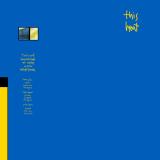
The album This Heat, also known to fans and critics as the ‘Blue and Yellow’, was their eponymous debut release, recorded in sessions between February 1976 and September 1978 in a variety of studios including their own Cold Storage, a converted cold storage room in the Acme Studios complex. Innovating throughout, they combined loops and tape manipulation (producing for example the proto-drum and bass ‘24 Track Loop’) with live performance and haunting vocals to a complex, dissonant whole. The band recorded everything they ever did – including gigs – and tracks such as “Water” were entirely improvised in the studio.
Having recently passed the 50 year anniversary of their first gig, and the recording of material that appears on their debut album, the group’s surviving members Charles Bullen and Charles Hayward, true to their DIY roots, have set up an imprint to release their recordings for their growing fan base that is increasingly recognising their influential place in music history.
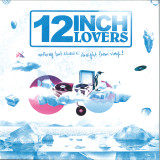
Since 2020, 12 Inch Lovers have been releasing new samplers every year, eagerly anticipated by collectors. These samplers have now become a staple and are easily added to vinyl collections across Europe. They offer timeless classics and rare tracks that are often hard to find elsewhere.
With Samplers 9 & 10, they surprise again with a mix of modern classics and tracks that have never been released on vinyl or are difficult to find. By adding unique and exclusive tracks, the 12 Inch Lovers samplers remain innovative and high-quality. They are a must-have for DJs, collectors, and fans of contemporary classics!
Released in 2014 on the German label KOMPAKT, this remix by Maceo Plex features Ten Walls-like horns, vocals, and pumping drums, making it a true Ibiza floorkiller. The vocals are by Konstantin Sibold. This remix was only released as a white label (Kompakt Exclusive) and has yet to have an official vinyl release. Despite this, it remains a favorite among DJs and clubbers worldwide, regularly played at festivals and clubs.
A2) Plaything - Into Space (Original Release 2001)
This groovy track, released in 2001, contains a sample from Sheila & B. Devotion's Spacer, with Nile Rodgers as one of the producers. The original trackSpacer is an iconic disco hit from the 1970s, and Plaything put a contemporary spin on this classic. The track was a hit in Belgian clubs in the early 2000s, often played by prominent DJs. It has since been released on various labels and remains a timeless favorite in the electronic music scene.
B1) Ion - W.B. (Original Release 2002)
This trance classic by DJ Ion was first released in 2002 on the Belgian label B². The track quickly became a beloved classic within the trance community. Danny Casseau, the producer behind this track, is also known for other legendary works, including the trance classic Ion 98 - Tructure, which had a significant impact on the trance scene. W.B. is a pure, old-school trance track, crafted in the way only tracks from that era were!
This vinyl is extremely rare and hard to find, making it a sought-after item for collectors and trance lovers. It is still played in the sets of DJs who cherish the older trance sound, and it fits perfectly in contemporary sets as well!
This club banger was released in 2007 on the French label Voices Records and was a popular track in well-known Belgian clubs like Illusion and La Rocca. The Ledge Remix added an energetic, infectious vibe that made it a true hit on the dancefloor. It received an official vinyl release in 2007, but it is now difficult to obtain. Subaltern's Forever remains an unforgettable club classic still appreciated by electronic music lovers.
C1) Lykke Li - No Rest For The Wicked (Joris Voorn Remix) (Original Release 2014)
Swedish singer-songwriter Lykke Li scored a worldwide hit with I Follow Rivers, but also had great success with the powerful track No Rest For The Wicked. The Dutch producer Joris Voorn gave his own tech-house spin to the track in his known style!
Voorn's remix keeps the atmospheric mood of the original but adds a new, dancefloor-friendly dynamic that makes it suitable for the electronic music world.
This is the first time this remix is being released on vinyl since the original release in 2014, making it a rare and desirable item for both collectors and DJs. Thanks to the powerful mix of melody and rhythm, this remix of No Rest For The Wicked remains a timeless favorite that has found its place both in clubs and in vinyl collections of music enthusiasts and DJs.
C2) The Roc Project feat. Tina Arena - Never (Filterheadz Luv Tina Remix) (Original Release 2002)
This Spanish dance track hit Europe in 2003, thanks in part to the legendary remix by the Belgian techno duo Filterheadz. Brothers Bert and Maarten Wilmaers, known for their distinctive techno sound, gave the track their own twist with strong beats and an uplifting bassline, creating a timeless club hit that was heard everywhere in the early 2000s.
The vocals by Tina Arena add an emotional layer, while the Filterheadz Luv Tina Remix has stood the test of time and still gets everyone moving. At 12 Inch Lovers parties, this track never goes unnoticed and often brings the night to a high point. This track is a must-have for both collectors and DJs who love a mix of emotion, energy, and a solid techno sound.
D1) Soul Syndicate - Inside Of Me (Steel Union Remix) (Original Release 1995)
Speaking of a trance classic, this one is a true gem! Inside Of Me was released in 1995 during the golden years of Belgian trance music on the legendary Belgian label Aquatic Records. The Steel Union Remix by Zzino is an absolute favorite among trance lovers.
With its iconic sound and unmatched energy, this track is a true ode to the Belgian trance scene. It remains an unadulterated classic that still makes an irresistible impact, not only at retro trance events but also in the sets of contemporary DJs. Since its release, this remix has been hard to find, making it an even rarer piece of trance history. A track that has stood the test of time and is a must-have for collectors and fans of old-school trance.
D2) Ken Laszlo vs. Disco Dice - Hey Hey Guy (House Dub) (Original Release 2003)
Ken Laszlo, the Italian singer who became globally famous in the 1980s with the iconic Italo-disco hit Hey Hey Guy, received a re-release in 2003 on the house label Dubmental. This version was reimagined by Disco Dice, who gave the track a fresh house vibe with a more modern sound. Belgian DJ Jean, known for his influence on the Belgian nightlife scene, introduced this track into the clubs and transformed it into a club classic.
This release, although released in 2003, is now very rare and hard to find on vinyl. It's a hidden gem that continues to withstand the test of time, making it a valuable collector's item for lovers of both Italo-disco and house.
The Australian band Icehouse released the iconic track Hey Little Girl in 1982 on the British label Chrysalis. This synth-pop track was a big hit and still remains one of the classics from the 1980s. The original track was later included in the remix album Meltdown in 2003, where the Australian duo Infusion created a contemporary electronic remix that gave the track a new dimension.
The Infusion Remix adds a modern, danceable twist to the original synth-pop sound. This version surprised both fans of the original hit and lovers of electronic music, remaining a sought-after track in DJ sets.
This track has been unavailable on vinyl since its original release in 2003, making it a rare collector's item.
out of Stock
Last delivered 3 months ago available to reorder, subject to availability
,Future Development" ist das dritte Album von Del The Funky Homosapien und war nach seinem Weggang vom Major-Label Elektra sein erstes Solo-Album für sein Independent-Label Hieroglyphics Imperium Recordings. Ursprünglich 1997 auf Kassette veröffentlicht und später 2002 auf CD und Vinyl neu aufgelegt, stützte sich das Album größtenteils auf Dels eigene Produktion sowie Beiträge von Hiero Crew-Mitgliedern A-Plus, Opio und Toure. Der einzige Gastbeitrag auf dem Album stammt von Crew-Mitglied Casual, der Del auf dem energetischen ,Checking Out The Rivalry" begleitet. Klanglich schlägt ,Future Development" eine Brücke zwischen den funklastigen Stilen von Dels Debüt und den dunkleren, futuristischeren Texturen, die er auf ,No Need for Alarm" erkundete. Textlich verfeinert Del sein rasantes Wortspiel mit einer schärferen thematischen Ausrichtung und beschäftigt sich mit dem Leben in Oakland, gesellschaftlichen Beobachtungen und der Hip-Hop-Kultur - alles mit einer Mischung aus Humor, straßenkluger Einsicht und mehrsilbiger Gewandtheit. Letztendlich fängt das Album einen Schnappschuss seiner Entwicklung vom rohen Talent zu einem konzeptionell gereifteren Songwriter ein. Es bleibt ein bedeutendes und unterschätztes Kapitel in Dels Entwicklung, das die frühen Keime der Kreativität und Unabhängigkeit zeigt, die einen Großteil seiner weiteren Karriere prägen sollten.
out of Stock
Last delivered 3 months ago available to reorder, subject to availability
Atkinson first saw Les yeux sans visage when she was a teenager, around the turn of the century. The film made an impact for its iconic imagery and the way Franju draws on the aesthetics of early filmmaking, from its score that relies on stylistic markers typical of the 1940s or 50s to the decision to shoot in black and white. Even four decades after its first release, it was clear that this was a work that stood outside of the cultural moment that birthed it, speaking through time in ways that were uncanny, but profound.
A quarter-century later, Atkinson was approached by the Belgian cultural center VIERNULVIER to create a new score for Les yeux sans visage for its celebrated Videodroom series, which has seen artists like claire rousay, Mabe Fratti, Lee Renaldo, and many more create new original scores for cult classics and genre cinema. Atkinson's music, with its sublime meditations on space and proximity, its elusive sense of narrative development, mirrors the pacing and mystery at the heart of horror filmmaking. There is a shadow at the heart of her soundtrack to Les yeux sans visage, an ever-shifting wisp and an insinuation of encroaching transfiguration. Echoing a climactic moment in the film, the music obliquely points to "the Beyond," an impossible place of discovery and revelation.
Atkinson envisioned her music as something akin to the air moving throughout and beyond the many cages that appear in the film, unconstrained by the bars and with undefined borders. Those cages hold the victims of a madman surgeon, determined to graft a new face onto his daughter, the protagonist Christiane Génessier, who lost hers in a car accident while he was behind the wheel. Atkinson was reminded of her predecessors at the pioneering French studio the GRM, who approached sound in a less sinister, but similarly surgical manner, and took inspiration from their playful approach to cerebral soundmaking for the electroacoustic topography into which the piano is embedded. As such, Atkinson’s reactions to the larger themes and the minute-by-minute happenings onscreen are both audible simultaneously.
A film about a man who destroys the lives of young women marked by their beauty and similarity to his daughter in a shame-fueled rage has clear, continuous cultural resonance. "Through the music, I decided to bring back their empowerment despite what they endure," says Atkinson. "This is why the record is also dedicated to Gisèle Pelicot, whose trial happened while I was in the process of composing the music and kept thinking of her strength and her decision to share her trial in order to reverse the shame."
This recorded version of the soundtrack is a 34-minute synthesis of the full 90-minute score, presented on LP along with an essay by writer-musician Claire Cronin and drawings by Momo Gordon, together forming a complex reflection on the film's themes. If these sounds move as if the bars of cages are no barrier, they also intimate the freedom and power of those held behind them. Rather than simply mirroring the fear and confinement shown onscreen, Atkinson offers an elusive escape, a beacon for the characters, and the listener, to follow as they reckon with the narrative and move through it.
out of Stock
Last delivered 3 months ago available to reorder, subject to availability
Communique Records USA is re-issuing the next big release from their impressive catalog.
Communique011 by Invisible aka Kevin Whitley from 1995!!! Midwest Acid Techno at it's best!
Recorded from original DAT and re-mastered.
out of Stock
Last delivered 3 months ago available to reorder, subject to availability
FIMIANI is an Italian music digger, passionate DJ and producer with an unmistakable House, Soul and American influences from black music, funk, soul and disco.
FIMIANI is one of the best DJs in the TOY TONICS camp.
His track “Disco Music” is a hit. Played by DJs like Palms Trax, Folamour, Louie Vega of Masters at Work, Horse Meat Disco, Seth Troxler, Mousse T. and many others.
Combining the original NYC house sound from the 1990ies with the best of Italian Disco history. Turning it all into a very contemporary flow of afro-american and Italian music based on funk, soul, melodies and rhythm. Just listen to his 2 EPs he did on Toy Tonics and you understand. All played live with musicans (no samples) this sounds like the best organic house tracks you can get at the moment.
Fimiani lands a major milestone with his remix of John Julius Knight’s Find a Friend (Sulfuric Trax), hitting number 1 on the Overall & House chart via Traxsource.
Check also FIMIANI’s edits of extremely rare Italian disco on his own imprint Caffè Corretto edits. Under the name BPLAN.
out of Stock
Last delivered 59 days ago available to reorder, subject to availability
Poitiers based Heavy Rock band RedRedRed deliver a debut album built on grit, groove and a decade of uncompromising attitude. Deaf Gods is a stoner and progressive metal release driven by thick riffs, dynamic structures and a raw live feel that avoids overproduction in favor of impact and authenticity.
Drawing from a deep heavy rock foundation, the band blends groove driven riffs with dark atmospheres and restless songwriting. The album moves between massive low end impact and more intricate, tension filled passages, always grounded in a direct, physical, and uncompromising sound.
A consistent and focused record with strong replay value, Deaf Gods stands out for its honest delivery, strong identity and wide appeal within the heavy underground, appealing to fans of stoner rock, heavy metal and modern prog infused riff driven music.
DJ Support: Enzo Siragusa, Traumer, Laidlaw, Voigtmann, Janeret and many more
Mateo Dufour and Cosenza return to Key Records as part of the label’s family, this time joining our second vinyl release with Sweat, representing the Rio de la Plata sound on the dancefloor.
The A-side is led by ‘Sweat’, a high-impact, peak-time track driven by a penetrating vocal and a distinct vintage character. Road-tested over the past months, it has become a true secret weapon in sets by artists such as Traumer and Enzo Siragusa. Following that, ‘Girl (I Want To)’ lowers the intensity, moving into a more groove-driven and sensual territory, creating a natural contrast within the side.
The B-side shifts into a more playful and character-driven territory, suited for transitional moments, whether at sunrise or during deeper phases of the night — perfectly fitting summer settings. ‘Why So Freak?’ stands out for its distinctive synth line and catchy vocal, giving it a strong and recognisable identity. Closing the EP, Dan Ghenacia delivers a deep and refined remix, adding an elegant layer to the release.
From peak time to early morning, just drop it and let it speak.
A record that balances impact and subtlety, reinforcing the connection between the artists and the Key Records universe.
out of Stock
Last delivered 23 days ago available to reorder, subject to availability
KiNK & Raredub launch new sub-label Raw on SHDW's Mutual Rytm with bold two-tracker 'You And Me', backed by a VIP remix of 'Time To Change' from Paul Woolford aka Special Request.
Following their standout debut on Spectra with 'Time To Change', Bulgaria's finest dance music export KiNK & Raredub return to the Mutual Rytm universe to launch the label's new sub-series: Mutual Rytm Raw. Their latest release, 'You And Me', marks the next step in their collaboration - two stripped-back yet anthemic cuts that embody their signature sound: "Rude Boy Techno", a fusion of techno's drive with the swing and grit of UK Garage. Both versions of 'You And Me' are built for the floor, combining sharp percussion, catchy vocal hooks, and powerful low-end pressure - minimal in structure but rich in character and groove.
Rounding off the release is a standout VIP remix from Paul Woolford aka Special Request - one of his infamous 'Variation in Production' versions - offering a stripped yet high-impact reinterpretation of KiNK & Raredub's previous single 'Time To Change'. Raw, rolling, and unmistakably shaped by his UK Garage-influenced style.
out of Stock
Last delivered 4 months ago available to reorder, subject to availability
Yes here we are 50 years on from year zero 1976 (where did that go!!!). To celebrate this and the fact we are all still here and talking about the importance of the Punk Rock movement i put together an album under the banner Punk Rock Daze. The title reflects it was all such a daze, as it ran by so fast and also as a reminder of an old Malcolm McLaren remark that came to mind. That when the band and management were discussing the look and name of the Sex Pistols forthcoming album ‘Never Mind The Bollocks’. Malcolm remarked, lets sell it as you would sell washing powder, bright, simple and with fluorescence colours. Great idea so here is my homage to that thought.
So I hope you enjoy the gesture and here’s to another 50 years of Alchemy, Joyousness and
instruction (Anarchy, Chaos and Destruction).
Near the end of fifth grade, Eli Edwards’ mom gave him $20 and told him to go find a friend. His team had won its soccer game that day, so they were out celebrating at a local pizza parlor with games. But, more importantly, there had been one other Black kid that day on the pitch in Spanaway, WA, a Tacoma suburb and military-base town at the rainy northwest corner of the United States. That kid just happened to be Xayvien Young. An instant deep connection was formed between Edwards and Young—Eli and Xay, as they prefer to be called were inseparable— and now twelve years later they are the electrifying, boundary-skipping duo Casi.
Along the way, Eli had relocated to Los Angeles with the indie rock band Enumclaw he had helped found, but he found himself flying home maybe a little too much. He was ostensibly visiting his girlfriend, but he spent most of his time with Xay. They cut tracks in every bit of free time they found until they had an epiphany: Maybe this music they’d made together for a dozen years was actually something special. Casi’s 10-track, self-titled debut out on Carpark Records is the electrifying proof they needed.
On the record, they enthusiastically explore every musical interest they have ever had—explosive hip-hop and unbridled hardcore, high-gloss nü metal and a little bit of emo—as a pair. These songs don’t ignore genre lines; they delight in destroying them, in finding ways to slam hip-hop and hardcore, emo and nü metal together until it seems illogical that they were ever apart. Take “Jumper,” where heavy metal guitars and face-kicking drums stir the moshpit for rabid verses about crushing ICE and the lessons you learn riding the poverty line. And take closer “Bridges,” where the melodic imprint of Deftones meets the relentless confessions of Death Grips. Here are the hard, funny, and loud stories of two 23-year-olds, screaming about the world over a breathless composite of all the music they’ve ever loved.
When Eli was in Los Angeles, Xay missed his friend. But in his absence, he also felt the spark of inspiration. Music was something that had just been their childhood hobby, but now Eli was in a rock band that had press accolades and tours. He got serious about the craft. Eli would write about the dislocation and isolation he felt in California, while Xay would document the hardships of being a young Black man with a complicated family while working menial jobs in Spanaway.
This isn’t a coming-of-age album for Casi; it is, instead, a raw and riveting snapshot of that process, painful as it can be. “Eleven87” is a breakup song, a soul beat springing beneath arching emo vocals. And “Intrusive Thoughts” treats that topic like a punching bag, Eli and Xav fighting against the mental habits that keep them down. These 10 songs instantly close that gap.
Soul Jazz Records celebrate 25 years of working in partnership with Studio One with brand new editions of FIVE of their best-selling CLASSIC Studio One collections all released on limited-edition one-off pressing coloured double vinyl. Also available in new limited-edition card wallet CD editions. The new edition featured albums are Studio One Funk, Studio One Dub, Studio One Ska, Studio One Roots and Studio One Classics.
A blistering collection of non-stop Ska classic tunes featuring classic cuts from the originators of Ska alongside a heavy dose of superb rarities from the might vaults of 13 Brentford Road - pure fire! This compilation features classic tracks from The Skatalites, Bob Marley & The Wailers, Delroy Wilson alongside super-rare tracks from the likes of Ken Boothe, The Maytals, Jackie Mittoo, Tommy McCook and many more. Clement ‘Sir Coxsone’ Dodd’s musical empire was founded on Ska, the first explosive and most exciting music to come out of newly independent Jamaica. This album is a celebration of the music of Studio One Records’ seminal Ska releases and features a who’s who of some of the most important artists in the history of reggae music.
out of Stock
Last delivered 4 months ago available to reorder, subject to availability
Strut Records presents a brand new reissue of the 1975 Brian Auger’s Oblivion Express original album Reinforcements. A gem from the later years of the Oblivion Express band, Reinforcements sees Auger evolve from his early ‘70s jazz-rock fusions towards smoother jazz funk sophistication, continuing his journey from the previous year’s Straight Ahead.
With two former Oblivion Express drummers joining Average White Band, there are obvious comparisons to draw as several tracks lean into groove-driven arrangements and polished mid-’70s production.Never one to follow a predictable path, Auger crafts a steadfast, stylish album that captures the evolving sound of the era, offering a rich snapshot of mid-’70s British soul and jazz-funk.
A fan favourite, the album also marks the return of vocalist Alex Ligertwood (later of Santana), whose soulful delivery is a highlight of many Oblivion Express recordings.
He is joined by Jack Mills (guitar), Lennox Langton (percussion), Dave Dowle (drums), and new addition Clive Chaman (bass, flute) – a family affair with their various kids joining for the cover shoot, the full cast adorned in an array of fine mid-‘70s tank tops.
Album highlights include the heavy funk instrumental jam ‘Brain Damage,’ a dynamic, keyboard-driven showcase of Auger’s virtuosity alongside the burning latin jazz workout ‘Something Out of Nothing’ and soaring closer ‘Future Pilot’ taking us from our present day troubles to “thread the skies to a new location.”
‘Big Yin’ is a heartfelt tribute to former drummer Robbie McIntosh following his untimely death. As with all Auger albums, the energy is nothing but positive and soulful – his back cover quote states “May the love you bring to this world be reflected upon you.”
This new Strut reissue of Reinforcements is curated by Greg Boraman of Impressive Collective in collaboration with Brian and Karma Auger. Fully remastered from the original tapes by United Archiving’s Bill Smith, it is presented as a high-quality single LP replica edition.
Strut presents the second studio album from Brian Auger’s Oblivion Express and a firm favourite with Auger aficionados, the “little known masterpiece” A Better Land from 1971. Marking a clear evolution from their more jazz-rock leaning debut, the band shifts into a mellower direction on these tracks, echoing the feel of Befour released in the Trinity's later years. A Better Land embraces warmer, more melodic and understated compositions, primarily written by guitarist Jim Mullen. With its languid and spacious approach, the album brings an grounded message to make the most of the simple pleasures in life with a hopeful, but wary, eye to the future. Musically, Auger brings acoustic guitars, country rock melodies and three-part vocal harmonies into his musical palette. Key tracks include the groove-driven title track ‘A Better Land’, the sparse ‘Dawn of Another Day,’ (sampled by Air and Black Milk among others) while ‘Fill Your Head With Laughter’ returns to Auger's trademark driving Hammond-led sound, akin to early Traffic.
The record features the Brian Auger’s unique sound on organ and electric piano, joined by Jim Mullen on guitar, Barry Dean on bass and Robbie McIntosh on drums and percussion, with Auger, Mullen and Dean all contributing vocals. Mullen co-wrote seven of the album’s nine tracks, with additional contributions from Alan Gorrie (later of Average White Band). These songwriters should take immense pride in their work as Auger’s favourite singer of all time, Sarah Vaughan, recognised the quality of these compositions by covering three of them; ‘Trouble’, ‘On “Thinking It Over’, and ‘Tomorrow City’ for her 1972 album A Time in My Life. This new official Strut reissue is curated by Greg Boraman of Impressive Collective in collaboration with Brian and Karma Auger. Fully remastered by Cosmic Audio, it is presented as a high-quality single LP replica edition.
Orange Splatter vinyl. "Sermon of Mockery" by Pyrexia is not an album that tries to be accessible - it is built to be heavy, direct, and unsettling, and it delivers exactly that. Released in 1993, it sits right in the middle of a key moment when American death metal was evolving into something more technical and extreme. The sound is rooted in the New York scene: tight, compact riffing, constant stop-and-go structures, aggressive drumming, and deep guttural vocals with no room for melody. It's not about speed alone, but about control - everything feels deliberate, almost surgical in how the songs are constructed. Lyrically, the album revolves around a strongly blasphemous and anti-Christian theme. It's not just shock value; it's more like an inverted liturgy, where religious symbols are twisted into something dark and violent. This concept is consistent throughout the music, lyrics, and visuals, as you can see in the booklet. It may not be a mainstream landmark, but it played a key role in shaping the brutal death metal sound that followed. It influenced many underground bands and is still regarded today as a cult record. Listening to it now, the production may feel dated, but that's also part of its strength - it's raw, honest, and uncompromising. In short, it's a record that perfectly captures a specific era and mindset within the genre.
Karates trotziges und letztes Studioalbum rundet eine 12-jährige Diskografie ab, die von harDCore-artiger Katharsis bis hin zu feedbackgesättigten Improvisationen reicht. Dieser Klassiker aus dem Jahr 2004 verzichtete auf die Friendster-Migration zugunsten eines zurück zum Wesentlichen gerichteten Songwritings, das von Jazzphrasierungen und beatinspirierter Lyrik durchdrungen ist. Mit Chris Brokaw, dem Gitarristen von Codeine/Come, wurde ,Pockets" von den originalen Analogbändern neu gemastert und kommt in einer Deluxe-Hülle mit reproduzierten Songtexten.
Lifeforce is the 1985 sci-fi horror cult film directed by Tobe Hooper, responsible for the 1974 horror classic The Texas Chain Saw Massacre. Based on Colin Wilson's 1976 novel The Space Vampires, the film is about the remnants of a race of intergalactic vampires who are brought to London, where they soon begin to infect its population.
Legendary composer Henry Mancini has soundtracked this apocalyptic descent into chaos. He is widely regarded as one of the greatest composers in film history exemplified by his impressive trophy wall: he won four Oscars, a Golden Globe, and twenty Grammy Awards, plus a posthumous Grammy Lifetime Achievement Award. He is most famous for "Moon River" performed by Audrey Hepburn in Breakfast at Tiffany's and of course The Pink Panther.
James Horner was first asked to compose the score, but Mancini was brought in instead and crafted a piece of music both bombastic and ambient (and sometimes even atonal), employing the London Symphony Orchestra. Sit back and feel the fear...
The soundtrack of Lifeforce is available as a limited edition of 500 individually numbered copies on purple marble vinyl, and includes a 4-page booklet containing an alternate cover, film stills, and a fold-out movie poster replica.
Mit "The Gods Laugh" erreicht Alison Cotton einen neuen Grad an emotionaler Tiefe und klanglicher Klarheit. Das Album ist ein eindringliches Werk zwischen Folk, Drone und Minimalismus, getragen von Improvisation, Wiederholung und einer meditativen Offenheit. Ausgehend von langsam kreisenden Drones entfalten sich Stücke von großer innerer Spannung, die Raum für Intuition und Resonanz lassen. Entstanden in einer Phase persönlicher Umbrüche, wirkt The Gods Laugh zugleich fragil und kraftvoll. Alison Cotton arbeitet überwiegend mit akustischen Instrumenten - Viola, Harmonium, Klavier, Dulcimer, Recorder - ergänzt durch sparsame rhythmische und elektronische Akzente. Die meist in einem Take eingespielten Aufnahmen bewahren eine besondere Unmittelbarkeit. Das Album bestätigt Alison Cotton als eine der eigenständigsten Stimmen der zeitgenössischen britischen Folktradition - experimentell, erdverbunden und zutiefst berührend.
Over the course of more than a decade, the French quartet Lost in Kyiv have refined a sound that fuses cinematic ambition, electronic precision, and visceral live energy into something unmistakably their own. With their new album, `We're All Going To Be Fine', they push that identity further than ever; sharpening their production, intensifying their dynamics, and embracing a darker, more immersive sonic architecture. Lost in Kyiv's music has always thrived on tension between the organic and the synthetic. On `We're All Going To Be Fine', that integration reaches a new level of clarity and depth. The writing and production process was long and exacting, allowing the band to refine every transition and tonal detail. Songs unfold with architectural precision, motifs are introduced subtly before expanding into vast, multi-layered climaxes. Dynamics are handled with patience and control, silence and minimalism are deployed as strategically as explosive crescendos. This careful pacing gives the album a cinematic flow and larger narrative in which struggle and compassion coexist. Guitars surge and recede in wide, panoramic arcs. At moments they shimmer and support, at others they thrash violently, accumulating layers of distortion and harmonic overtones. Acoustic instrumentation is interwoven with sequenced synth lines, pulsing arpeggiators, and carefully sculpted electronic textures that give the band's sound a sense of forward propulsion. Rhythm plays a central role in Lost in Kyiv's identity. The drums provide impact and structure, locking into intricate patterns that interact with bass-driven synth pulses. At times the groove feels almost mechanical, echoing the steady insistence of electronic music; at others, it breathes and swells with human elasticity. This interplay creates a powerful sense of movement, an impression that the music is always advancing, even in its most introspective passages. "We almost consider this album as the first record of a new version of the band. That's why we decided to use the name Lost in Kyiv now. We don't want to erase the past, but it really feels like a new direction. Artistically, I think this album marks the beginning of a new direction, louder and more metal-oriented than what we did before." (Lost in Kyiv) FOR FANS OF Russian Circles * P.G.Lost * The Ocean * Cult of Luna * Brutus * This Will Destroy You
Over the course of more than a decade, the French quartet Lost in Kyiv have refined a sound that fuses cinematic ambition, electronic precision, and visceral live energy into something unmistakably their own. With their new album, `We're All Going To Be Fine', they push that identity further than ever; sharpening their production, intensifying their dynamics, and embracing a darker, more immersive sonic architecture. Lost in Kyiv's music has always thrived on tension between the organic and the synthetic. On `We're All Going To Be Fine', that integration reaches a new level of clarity and depth. The writing and production process was long and exacting, allowing the band to refine every transition and tonal detail. Songs unfold with architectural precision, motifs are introduced subtly before expanding into vast, multi-layered climaxes. Dynamics are handled with patience and control, silence and minimalism are deployed as strategically as explosive crescendos. This careful pacing gives the album a cinematic flow and larger narrative in which struggle and compassion coexist. Guitars surge and recede in wide, panoramic arcs. At moments they shimmer and support, at others they thrash violently, accumulating layers of distortion and harmonic overtones. Acoustic instrumentation is interwoven with sequenced synth lines, pulsing arpeggiators, and carefully sculpted electronic textures that give the band's sound a sense of forward propulsion. Rhythm plays a central role in Lost in Kyiv's identity. The drums provide impact and structure, locking into intricate patterns that interact with bass-driven synth pulses. At times the groove feels almost mechanical, echoing the steady insistence of electronic music; at others, it breathes and swells with human elasticity. This interplay creates a powerful sense of movement, an impression that the music is always advancing, even in its most introspective passages. "We almost consider this album as the first record of a new version of the band. That's why we decided to use the name Lost in Kyiv now. We don't want to erase the past, but it really feels like a new direction. Artistically, I think this album marks the beginning of a new direction, louder and more metal-oriented than what we did before." (Lost in Kyiv) FOR FANS OF Russian Circles * P.G.Lost * The Ocean * Cult of Luna * Brutus * This Will Destroy You
Als John Coltrane 1965 für Impulse! Records das Album “Ascension“” aufnahm, war er sowohl in künstlerischer als auch in kommerzieller Hinsicht einer der erfolgreichsten Jazzmusiker. Das Album besteht
aus einem fast 40-minütigen Stück, das am 28. Juni 1965 im Rudy Van Gelder Studio in zwei verschiedenen Takes (Edition I und Edition II) aufgenommen wurde, die nun erstmals gemeinsam auf einer
Doppel-LP präsentiert werden. Für die Aufnahme hatte Coltrane sein bestens eingespieltes Quartett um
sieben Musiker zu einer Art Big Band erweitert. Die Musik, die Coltranes entschiedene Hinwendung zur
Avantgarde markierte, wechselt zwischen dicht strukturierten kollektiven Improvisationen und ausgedehnten Solopassagen und entfesselt einen wahren Wirbelsturm aus Klängen
Composer Vasco Mendonça presents his third album “Third Places”. The album brings together a collection of landmark performances and features some of the leading names in international contemporary music, including countertenor Iestyn Davies, mezzo-soprano Barbara Kozelj, the Porto Casa da Música Symphony Orchestra, the ensemble Het Muziek, and conductors Brad Lubman and Ernest Martínez Izquierdo.
More than just a record, “Third Places” stands as a space for artistic and political reflection on the present. Inspired by Ray Oldenburg’s concept of the ‘third place’ – a space beyond home and work where community life takes place – the album’s title refers to the venues where these works came to life, Casa da Música and the Muziekgebouw aan ’t IJ in Amsterdam: spaces for encounter, dialogue and cultural resistance. For Vasco Mendonça, these spaces symbolise “the ability to elevate the way we communicate with one another and to resist our most primitive and violent impulses”.
The voice lies at the heart of this work. The compositions explore the theatrical, intimate and political dimensions of vocal expression, drawing on texts of great social and emotional weight to create a shared space for listening and questioning the current state of the world.
One of the album’s central works stems from a profound contemporary concern. Inspired by the turbulent political climate in the United States following the 2016 elections and by his discovery of the poetry of Terrance Hayes and Tracy K. Smith, Vasco Mendonça composed a cycle of songs initially conceived for voice and percussion, later transposed for orchestra. The result is described by the composer as “a kind of imaginary American folklore”, where excess, transcendence, fascination and fear coexist.
The album also includes a reworking of material from the opera “Bosch Beach”, created in 2016 to mark the 500th anniversary of the death of Hieronymus Bosch, commissioned by the Dutch foundation Stichting Bosch 500. Based on a libretto by the writer Dimitri Verhulst, the work reflected on the European migration crisis through a scathing portrait of human indifference. In “Third Places”, Mendonça revisits some of this musical material to construct an incisive reflection on contemporary political discourse, transforming the opera’s numbers into archetypes of election campaigns, populism and performative communication.
Straddling contemplation and confrontation, lyricism and political tension, “Third Places” stands as one of the most ambitious recording projects in contemporary Portuguese music, offering an experience that is both aesthetic and critical, where music and thought intersect in a visceral way.
The digital version of the album will include a bonus track, “Marathon”, which explores the analogy between music and long-distance running, creating a piece in which time is transformed through breathing, the heartbeat and the ritualised repetition of movement and the body, in a constant tension between exhaustion and survival.
Following the massive success of their sophomore album Fading Forward, Les Imprimés, by popular demand, press two standout tracks from the album on the coveted 7" format. The A side, 'You & I,' is a feel-good, upbeat homage to the kind of love that endures "through the chaos and the blunders." Punchy drums and keys create an undeniable two-stepper for frontman Morten Martens' vocals to float above. Dreamers dream and dancers dance as Martens paints a picture of a devoted, understanding love that few are lucky enough to find. On the B side, Les Imprimés offer their take on the classic slow jam. 'Miss The Days' unfolds gradually, with slow pulsing drums and building instrumentation that evoke longing and nostalgia. Martens sings of simpler times impossible to forget-moments free of adult responsibilities, when "it was you and me, hand in hand, sometimes wasted_" Ama Li joins him on vocals, transforming the track into a killer modern take on the classic soul duet, a tune sure to resonate far and wide.
Vince Staples is one of the most revered voices of his generation. Though he's a celebrated multi-hyphenate, making an impact in TV, film, & contemporary culture, music is where he most naturally pushes boundaries as an artist, storyteller, & creative force. Following a string of acclaimed introspective projects, Ramona Park (a melancholic tribute to his hometown) & Dark Times (deeper, more personal themes), Cry Baby is a more outwardly facing artistic statement and piece of social commentary.
Brazilian duo DEAFKIDS returns with a vital and combustive new album, CICATRIZES DO FUTURO (SCARS OF THE FUTURE).
This nine-track sonic assault forges a path beyond the conventions and boundaries of static musical genres. Here, electronic fury and feverish organic percussion collide with a relentless Latin American punk spirit.
Vinyl is opaque orange with black dot splatter. Limited
PRESS FOR PREVIOUS ALBUM ‘METAPROGRAMACAO’ (NR113)
LEAD REVIEW IN WIRE MAGAZINE: 'BRAZIL'S DEAFKIDS PERFECT AN UNHOLY COLLISION OF DUB, METAL AND PSYCH ON THEIR CACOPHONOUS NEW ALBUM'
'OPENER 'MENTE BICAMERAL' SOUNDS LIKE BAD-TRIP MINISTRY AND THE SEVEN MINUTE CENTREPIECE 'RAIZ NEGATIVA' IS ABSOLUTELY HUGE' 4.5/5 NARC
“ONE OF THE MOST INDIVIDUAL ENDEAVOURS OUR COMMUNITY WILL DELIVER THIS YEAR” ZERO TOLERANCE.
9/10 REVIEW IN LOUDER THAN WAR: “. IT'S NOISY, IT'S INDUSTRIAL, IT'S PUMMELLING AND ULTIMATELY, IT'S COMPLETELY SATISFYING..
Conceptually, the album is a visceral diagnosis of a world intoxicated by its own fictions
of power, tracing the anatomy of a systemic grand deception and exploring its mechanics
of psychological, social, and material domination, the indelible marks imprinted on bodies
and minds and its catastrophic consequences.
It is a journey from the poisoned and addicted collective psyche to the desperate search for an antidote, while the future seems to be already cursed by the very forces that pretend to build it. Yet, for all its thematic weight, CICATRIZES DO FUTURO is hypnotically danceable - physical and ritualistic music that demands body movement as a form of mental cleansing. The album doesn’t just reflect a fractured and violent world — it breathes desire to live and resist through new sonic paths
out of Stock
Last delivered 4 months ago available to reorder, subject to availability
Ten years ago, Anderson .Paak didn't just release an album; he staged a full-scale takeover of the soul and hip-hop landscape. Released on January 15, 2016, Malibu served as the definitive arrival of an artist who had spent years grinding in the underground before a star-making turn on Dr. Dre’s Compton. While his previous work hinted at his potential, Malibu was the moment the world met the "Cheeky Andy" persona in full—a virtuosic drummer, a raspy-voiced crooner, and a sharp-witted rapper all rolled into one. The album is a sprawling, sun-drenched journey through the Southern California coast, blending 1970s funk, church-reared gospel, and gritty boom-bap into something that feels both nostalgic and entirely futuristic. With a heavyweight production lineup including 9th Wonder, Madlib, Kaytranada, and Hi-Tek, the record maintains a warm, analog texture that was a breath of fresh air in an increasingly digital era. It’s an album that breathes, full of intentional imperfections and the kind of "in-the-pocket" groove that can only come from a seasoned live performer. Beyond the infectious, dance-floor-ready energy of tracks like "Am I Wrong" and "Come Down," the album is a deeply autobiographical masterwork. .Paak uses the 65-minute runtime to unpack his life story with startling clarity, touching on his mother’s gambling addiction, his father’s incarceration, and his own brushes with homelessness with a sense of resilience that never feels heavy-handed. He weaves these heavy themes through a lens of triumph, grounded by vintage surfing documentary samples that give the project its cinematic, coastal atmosphere. It’s a celebratory record born out of struggle, anchored by his impeccable technicality on the drums and a guest list—featuring ScHoolboy Q, Rapsody, and The Game—that feels hand-picked to complement his specific brand of West Coast swagger. A decade later, Malibu stands as a modern classic and the blueprint for the soulful revivalism that would eventually lead .Paak to global superstardom and Grammy-winning heights. It remains a testament to the idea that the most profound music often comes from the most personal places, proving ten years on that the best way to move forward is to stay rooted in the groove.
out of Stock
Last delivered 31 days ago available to reorder, subject to availability
Recorded by J. Robbins (Jawbox, The Dismemberment Plan), mixed by Barrett Jones (KARP, Autoclave, Foo Fighters, Nirvana, Mission Impossible), mastered by Matthew Barnhart (Silkworm, FACS, Metz). "We have a limited amount of time on this Earth." A.C. Thompson, author of Torture Taxi stood mouth to ear, and gave me an earful. "So if I have to choose how I want to spend this time I absolutely don't want to spend any of it doing stupid shit." It was a cold and overcast San Francisco night but the words had the ring of the eternal and remembering them while listening to Birth (Defects) final record of alt takes, covers and unreleased from an underground songbook of significance, a rejoinder: you're goddamned right.
Pure, Distilled Dub. Upholding Jamaica's Legacy As Well As Germany's Unequivocally Influential Dub Techno Spirit, Moonshine Recordings Proudly Welcomes Their Next Addition To The Roster. On The Controls For The 9th Full-length Album Release, A True-to-the-roots, All-analogue Musician: Another Channel. Having Put Himself On The Map With Releases On Soukah's Blacksoil Records, Bristol's Transient Audio As Well As On Australian Imprint Modern Hypnosis, It's Now Time For The Album Release, We've All Been Waiting For. No Computer Involved As Impeccable Arrangements And Analogue Reverberations Unfold. Live And Direct In The Original Dub Mixing Fashion, The Augsburg-based Artist Uniquely Transports The Sonic Characteristics Of Rhythm & Sound Into The Present Time.
Subtle Vinyl Crackles Gently Introducing Meditative Beats, 'run Dub' Sets The Pace. Keen Listeners Find Themselves Embedded In Lively Echoes And Reverbs, Left To Bask In Smooth, Sonic Contemplation. Engineered To Soothe The Soul, Timeless Foundation Sound. Intensified Groove Meets Low-frequency Pressure In 'amir Dub' Among Haunting Melodica Fragments. '(yes!) Badness' Unsheathes Its Off-kilter Swing, Vocal And Foley Samples Musing In The Distance - Further Showcasing Another Channel's Technical Prowess. Heavy Chord Stabs And Delicate Overdrive Counterpoint The Immense Scope Of Conjured Space In 'ael Na Dub', Concluding A Beautiful A-side.
Lush Chords Lure Us To The Flip-side - 'solid' Kicks Off With A Staccato Bass-line In The Midst Of Lavish White Noise Surges And Minimal Drums. Rooted In Endless Feedback Trails, Steadily Kept In Check. Previously Teased, The Mighty 'ethiopian Dub' Steps Through In Full Glory, Carried By Militant Drum Motion And Forceful Low-end. On A More Spacious Excursion, 'uranus' Takes A Brightly Lit Stroll Through The Analogue Dub Universe, Led On By Another Channel's Signature Groove Propulsion. Pointing Back Towards A-side, Prolific Dub Proponent Babe Roots Presents His Musical Qualities In A Monumental Remix Of 'run'.
out of Stock
Last delivered 3 months ago available to reorder, subject to availability
The Debut LP released by Cardinal Fuzz (UK) & Feeding Tube Records (USA). Presented in a hand stamped metallic copper ink (front and back) print on a black card sleeve with insert. Recorded during downtime but sounding anything but casual, Celestial Power emerged when Dead Sea Apes’ Brett Savage and Chris Hardman linked synaptic overload with Cardinal Fuzz’s own Dave Cambridge to form a three-headed amplifier cult. Heavy, raw, and deeply resonant, this is music that embraces volume, repetition, and the beauty of imperfection. What they’ve summoned is a sprawling liturgy of overdriven guitar mantras: brutal, blown-out, and gloriously repetitive. Imagine the Velvet Underground locked in a warehouse mainlining the kosmische pulse of some forgotten Krautrock commune while Bardo Pond’s ash-coated spirit hovers overhead, scattering embers into a storm of PSF-style amplifier abuse. Not so much songs as tectonic events. Not riffs, but rituals. This thing doesn’t purr it howls. You hear the room breathing. You hear amplifiers gasping as they’re pushed past mercy, past design, into some ecstatic mechanical breakdown. Every repetition drills deeper, pushing beyond the horizon line until time itself starts peeling back in sheets. And that’s the point. This is repetition as revelation. Volume as transcendence. Human hands wrestling raw electricity into shape, then losing control of it entirely. On “Mandate Of Heaven,” the circle widens with the arrival of Nik Rayne (The Myrrors), adding another dimension to the ritual, a desert prophet stepping into the feedback storm, pushing the album’s gravitational pull even further into the void. No compromise. No softening. No edges filed off. Just pure voltage, scorched earth repetition, and the kind of heavy psychedelic communion that feels less like listening and more like surviving. Step inside. Bring ear protection. Or don’t. 4 Tracks - 42 Minutes.