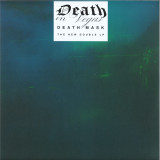
- A1: Empty Hearted Town
- A2: Steady Rain
- A3: Join Me In L.a
- A4: Hasten Down The Wind
- A5: Werewolves Of London; Written-By – Leroy Marinell*, Waddy Wachtel, Warren Zevon
- A6: Tule's Blues
- A7: The French Inhaler
- B1: Going All The Way
- B2: Poor Poor Pitiful Me
- B3: Studebaker
- B4: Accidentally Like A Martyr
- B5: Carmelita
- B6: I Used To Ride So High
- B7: Stop Rainin' Lord
- B8: Back In The Highlife; Producer, Engineer – Paul Q. Kolderie, Sean Slade; Written-By
- C1: The Rosarita Beach Café
- C2: Desperados Under The Eaves
- C3: Workin' Man's Pay
- C4: Frozen Notes
- C5: Some Kind Of Rider
- C6: I Was In The House When The House Burned Down; Producer, Engineer – Paul Q. Kolderie, Sean Slade
- C7: Don't Let Us Get Sick (Solo Acoustic); Engineer – Bill Johnson (8)
- D1: Warren Speaks On Songwriting And The Early Days Of His Career
- D2: Musings On Mortality, Song Noir, Religion In His Music And The King Of Rock N' Roll
- D3: A Chat About The Producers Of "Life'll Kill Ya," The Album's Stark Sound And Other Singers Covering His Songs
- D4: His Take On Steve Winwood's Classic, The Split Personality, Images And Inspirations In His Compositions
- D5: Talk Of Tv, Movies, Acting And Performing
quête:inspirations
Mysticisms is delighted to present the music from one of the inspirations for the whole Dubplate series, the lesser known, but admired Digi Dub label. Hailing from the late 80s / early 90s South-East London squat scene, the music of label head Lee Berwick and cohorts was unlike any other at the time. Not simply a retake on digital dub emanating from Jamaica, Digi Dub mixed the heritage of reggae with the alternative-culture of Britain to forge a unique version.
Inspired by punk and the early electronics of the likes of A Certain Ratio, Cabaret Voltaire and Throbbing Gristle, Berwick came to music production later, after first quitting a career as a computer programmer to travel through Asia, returning after several years just as electronic “computer music” was gaining a fundamental new lease in 1988. A regular at Jah Shaka gigs over the burgeoning rave scene of the time, he steadily built a studio centered around the Akai Sampler.
Based, at the time, in South-East London, it’s lack of underground “Tube” lines and challenging transport links, helped create its own social and music eco-system. Squatted houses, shops, clubs and parties all thrived around the triangle of Bermondsey, New Cross and Camberwell. After meeting Kenny Diezel and the Mutoid Waste Company, he started to formulate his “dubby electronic sound” by literally play live to thousands of wide-eyed Ravers at Mutoid Waste parties.
Recording as Launch DAT, the first tracks with Kenny formed, soon joined by Harry and Nick, the trio progressed from building a sound system to L.S. Diezel being created. Friends since their teens Harry and Nik progressed from playing in bands, jamming Sly and Robbie dubs to moving from the countryside of the Home Counties to urban Peckham and into the orbit of Mutoid Waste and the squat and party scene.
Progressing to include Atari S1000HD, Akai S3200XL, Alesis Sequencer and Roland 303, the sound expanded but the raw spirit remained. The early recordings with Berwick, in the beautiful “Lovers style” that is For The Love Of and its stripped-back instrumental “Stepper” dub accompaniment in Bad Boys, as well as an early take on take on the merging of digital dub and hip hop in Skunk Funk, all capture the essence of that London period.
However, the inclusion of the seminal Suicidal Dub, that appeared as the title to their debut album and was recorded on a bus a few years later after Mutoid had relocated to Rimini, Italy, offers a glimpse to the future. Heralded as a proto-dubstep classic it has long been sought after and its inclusion makes for the essential.
Mutate The Mystery.
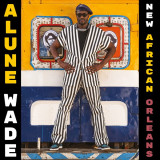
In his sixth and latest album “New African Orleans”, released by ENJA and Yellow Bird, bass guitarist and composer Alune Wade explores the multiple junctions between his native West African rhythms, the Afrobeat and juju rhythms from Lagos and the brass band repertoire immortalized in New Orleans. “I’m exploring a world that goes from my roots to the lost branches on the other side of the Atlantic,” explains the musician from Senegal. He has whittled down around 50 compositions – both original and standards - to a dozen which Alune recorded in Paris, Dakar, Lagos and New Orleans. “The idea first came to me during the Jazz à Gorée festival I organized back in 2014,” he explains. “It had me reflect on the notion of reversing the musical trip most people take from the United States to the African continent. I wanted to set out westward and begin a musical conversation with the best artists, both in Nigeria and the US.”
To achieve this, Wade has invited top artists from both sides of the Atlantic, including the Nigerian talking drummer Olaore Muyiwa Ayandeji, the percussionist Weedie Braimah and the jazz drummer Herlin Riley from New Orleans. The musical inspirations are equally transatlantic, ranging from Dr. John to Manu Dibango and Charlie Parker. But the 45-year-old also pays homage to his father who was a brass band star in his native Senegal back in the Sixties.
BACKGROUND
We only have a partial idea of the birth and remarkable development of the music born of the transatlantic slave trade. From Malinke ballads to Cuban son, from call-and-response patterns to field hollers and hip-hop, Yoruba rhythms to Argentinian tango, from Angolan percussions to the New Orleans brass band sounds… all have roots in Africa and a shackled migration that lasted four centuries. No more so than Congo Square in the Louisiana capital. In 2024, we mark the 300th anniversary of the implementation of the Code Noir which “gave enslaved Africans Sundays off to dance”. A drop in the ocean, but one which shows the importance of culture as a lifebuoy against this barbaric trade. As the Guadeloupian writer Daniel Maximin once claimed: “Our music guided us from the scream to the song, from dragging our chains to dancing.”
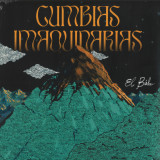
Earthly Measures are proud to present the release of ‘El Búho - Cumbias Imaquinarias’, this time on wax with some added remixes.
'Cumbias Imaquinarias' is an EP that flows full circle with one of El Búho’s earliest inspirations for making electronic music; digital Cumbia. It was a scene that exploded out of Buenos Aires around 2008 and went global. The scene soon saturated and fell out of fashion, but gave birth to artists like Chancha Via Circuito, Frikstailers, El Remolon and was a big inspiration for him as a young producer.
For El Búho there was always something there; the entrancing magic of the Cumbia rhythm reimagined for the electronic dancefloor. Cumbia is a music that is globally connected but also so diverse, evolving and growing into many subshoots of this one simple rhythm. This EP presents three Cumbia’s and one Porro rhythm (a derivation of the Cumbia rhythm from the Colombian Caribbean which evolved into its own style).
Joining El Búho on remix duties for this release are ARN4L2, Lagartijeando, Auntie Flo, La Jungla, Earthly Measures x Dreems, La Forasteria and Sun Sone. Each artist offering a completely unique approach and their own magic touch to this El Búho masterpiece.
After a collage tape collab with Bardo Todol back in 2022 (SUC52, Magnetic Road to Hell) Robert Millis finally gets his Discrepant debut proper, a much overdue entryin our random catalogue of lost musical oddities.
The not so self explanatory title Interior Music explores Millis obsession with hidden sounds and its anomalies. An hermetic rearrangement of emptiness could be another more big headed title. But I leave the man to talk about his thing:
‘’The phrase interior music occurred to me a few years ago as a way to describe some recent work. It’s about the resonances inside of hollow wooden chambers (and hollow heads) like gramophones and talking machines, music boxes, instruments, metal containers, and resonant rooms. It’s about exploring tiny audio fragments—single notes, vinyl and shellac surface noise, recording mishaps and anomalies—and arranging them into something meaningful. It is about my own interior mishaps and anomalies and attempts to arrange THEM into something meaningful. It also references “interior design” with the placement of sounds in specific locations, layers or in juxtapositions.
Inspirations include Steve Roden’s lowercase work, Toshiya Tsunoda’s field recordings, Eliane Radique’s slowly shifting ambiances, and the musique concrete of Pierre Schaeffer, as well as the dhrupad and kayal traditions of Indian classical music—especially Kesarbai Kerkar and the Dagar family who have a sublime way of stretching out individual notes and exploring their endless permutations, combinations and connotations.’’
Robert Millis is a sound artist known for his work with Climax Golden Twins, the Helen Scarsdale Agency, the soundtrack to cult horror film Session 9, the Victrola Favorites book and cassette series, and many releases on Sublime Frequencies including Indian Talking Machine, Paris to Calcutta: Men and Music on the Desert Road, compilations of the earliest music recorded in Korea, Japan and Myanmar, and the documentaries This World is Unreal Like a Snake in a Rope and Phi Ta Khon: Ghosts of Isan. Somehow he is a Fulbright scholar (to India 2012-13) and the recipient of a Guggenheim Fellowship (2020). He has or currently does play with AFCGT, Idol Ko Si, and/or Telescoping.
- Basho
- Sill Forms
Der Titel dieser Arbeit von Beatrice Dillon ist dem Begriff ,basho" entnommen, der von Kitaro Nishida, dem japanischen Philosophen und Vater der Kyoto-Schule, entwickelt wurde. Kitaros ,basho" bezieht sich auf einen grundlegenden Ort oder ein Feld, in dem Dinge existieren und interagieren. Dabei geht es nicht nur um einen physischen Ort, sondern um einen abstrakteren Raum, in dem alle Erfahrungen, Gedanken und Phänomene miteinander verbunden sind. In Nishidas Philosophie ist ,basho" ein dynamischer, lebendiger Ort, an dem Subjekt und Objekt, Selbst und Welt, nicht getrennt sind, sondern sich gegenseitig bedingen. Inspiriert davon entwickelt Beatrice Dillon eine Musik von komplexer Natur, die nie aufhört, sich als reine Präsentation zu konstituieren, die ständig neu belichtet wird und in jedem Moment sowohl das Objekt der Aufmerksamkeit als auch den Hörer, der darauf zielt, reaktiviert. Dillons Basho, das sowohl seine Klänge (die keinen wirklichen Ursprung oder inneren Raum haben) als auch seine Idiome aus der elektronischen Musik entlehnt, ist eine Ablenkung, eine Neuanordnung, die uns durch vertraute, aber plötzlich fremde Elemente in ein Feld des reinen Hörens zurückführt. Still Forms des japanischen Komponisten Hideki Umezawa schöpft sein Klangmaterial aus der Erforschung der Baschet-Klangstrukturen, Instrumente, die von den Brüdern Bernard und François Baschet in den 1950er Jahren entwickelt wurden und seitdem in der Welt des zeitgenössischen Musikschaffens hoch geschätzt werden. Diese Strukturen wurden 1970 auf der Weltausstellung in Osaka vorgestellt, und einige sind in Japan geblieben. In verschiedenen Aufnahmesitzungen in Japan, aber auch in Frankreich, erforscht Hideki Umezawa das faszinierende klangliche Potenzial dieser atypischen Instrumente neu, um sie in eine hochgradig beherrschte Komposition einzubinden, in der Klänge akustischen Ursprungs und elektronische Texturen aufeinander reagieren, wie in der verzerrten Reflexion der Resonatoren der Baschet-Strukturen. Still Forms ist somit eine Hommage an und eine Zeitreise durch die unglaubliche Inspirations- und Erfindungskraft dieser Klangstrukturen, aber auch ein zugespitzter Vorschlag für eine zeitgenössische elektroakustische Komposition, die sich zu erneuern weiß, ohne ihre Ursprünge zu verleugnen.
LP + insert. A cosmically poetic duo playing Afro-Roots-Electro with a clear nod to spiritual jazz. Esinam Dogbatse (flute, synths, vocals, fx, percussion) | Sibusile Xaba (guitar, vocals, percussion).
ESINAM & Sibusile Xaba is a meeting of nomadic, wandering and kindred spirits in music. Both artists draw upon their ancestry: Belgian-Ghanaian(ESINAM) and Kwazulu Natal-South Africa (Sibusile Xaba) through a unique connection, a deep artistic and spiritual level, they use rhythms and grooves to translate stories to the audience. Their vocal chanting enhances trance to rhythmic patterns that grace us by melodies of the future and past.
On April 25th 2025, ESINAM & Sibsile Xaba will release their first joint album entitled 'Healing Voices'.
This album is a reflection of the kaleidoscopic multitude of musical inspirations running through the veins of two very talented solo artists. Both multi-instrumentalists, they provide many different layers to their music. Each track is a reflection of their cross-pollination. Musically inspired by Ghanaian Highlife and traditional songs from Zulu and Ewe culture, but with a distinct contemporary interpretation where their acoustic sound is enhanced by electronic gadgets.
As multi-instrumentalists, the two artists translate messages from their ancestors through rhythms and grooves. Their vocal chanting enhances trance to rhythmic patterns that grace us by melodies of the future and past.
Thanks to their Belgian-Ghanaian and South-African roots, they are unique in their being, strong in their union and connected on deep artistic and spiritual levels. The collaboration between ESINAM and Sibusile Xaba is bringing healing to body and soul.
In 2018 Esinam discovered Sibusile Xaba during his European (solo)tour. She was enchanted by his musical energy and craftsmanship and invited him as a vocal guest feature on the track 'Flowing River', from her debut album 'Shapes in Twilights of infinity'. When she was asked at the first edition of WOMAD Festival in South Africa if she wanted to collaborate with a 'local artist', she didn't have to think twice.
So in October 2022, Esinam and Sibusile seized this opportunity to dive into the rehearsal and recording studio, and discover and combine each other's musical universes to shape up new music together.
In May 2023 this collaboration continued with rehearsals, recordings and a first European tour with performances in Belgium, The Netherlands, France, Germany and Slovenia.
In March 2024 they released the first single 'Africa Wola' out of the fothcoming album. In November 2024, they released a remix of their first single by South-African DJ and producer DaCapo and played at Visa for Music in Morocco.
"No sign of Rotten Leaves" is Selma French's second album and draws inspiration from life's paradoxes.
Selma French is a songwriter and musician renowned and revered within the Norwegian folk scene. She grew up with traditional music and has played and created music all her life. Her musical inspirations include Linda Perhacs, Nick Drake, Judee Sill, Frøkedal, Sundfør and Sandy Denny.
Her debut album Changes Like the Weather in the Mountain was released in 2022 to critical acclaim and was ranked among the top Norwegian albums of 2022 by notable Norwegian newspapers such as Dagsavisen and Aftenposten. In the fall of 2024, she did a lot of touring in the UK together with Euros Childs (Gorky’s Zygotic Mynci / Teenage Fanclub).
Selma has also toured extensively throughout Scandinavia and is a member of the bands such as Masåva, Frøkedal & Familien - (with whom she toured in the UK as special guests of Teenage Fanclub), Sondre Lerche and Norwegian Grammy award winners Morgonrode. Her music is widely recognized in her native country and has recently featured as the theme song in the hit Viaplay T.V series Furia.
Her music reflects an admiration for Norwegian and English folk music and is infused with an airy, enigmatic energy. Her rich landscape of guitars, wurlitzer, fiddles and high pitched choir voices manages to convey a roar of frustration, obscure portraits of the present and a gathering force of hope.
Looking behind the obvious, forming an orchestra out of everyday surroundings.
Finding the essence in the trivial, clarity in the complex, poetry in simplicity. All of this is part of the goal, meaning and character of Oh No Noh, the project of Leipzig-based guitarist, robot programmer, magnetic tape crumpler and composer Markus Rom. All of this floats and shines through "As Late As Possible", the third Oh No Noh album, which will be released on April 4th, 2025.
The focus of this album, as the title "As Late As Possible" suggests, was patience. A creative lingering, the selfimposed principle of letting ideas mature, consciously leaving them lying and looking at them again in order to discover and refine new things. Always looking for new ways of producing musical sounds, Markus Rom has been blurring the boundaries between LoFi, Indietronica, Postrock, Kraut and Pop with his solo project for several years. His main instruments for this are electric guitar, MIDI robots, tapes and samples. For “As Late As Possible”, Rom expands his setup with a new sound sources (acoustic guitar, banjo, organ) and musical guests: Damian Dalla Torre (Squama) on bass clarinet and Andi Haberl (the Notwist, Sun) on drums.
“As Late As Possible” continues the signature of past releases and adds new facets. Rom's distinctive looping in and over each other is particularly evident in the tracks “Missing the Point”, “Orb” and “Almost Everywhere”. With "Loot", a straightforward and folk-pop piece finds its way onto the album and coexists with math-trained tracks like "Dog Years" or "Dot", which conjure up associations with Weilheim bands like COUCH. The tracks "Bliss of Disconnect" and "Fawn" were created in collaboration with the featured guests Liz Kosack and KMRU. The confidently unplanned is one of the principles around which Oh No Noh itself is also continuously evolving. Part of this development: the radio series "Oh No Noh Radioh", which has so far consisted of over 40 parts, for which Rom invites a guest in each episode to research music together along roughly defined concepts, ideas and inspirations. Together with technology composer Hainbach, free jazz artist Limpe Fuchs and sound artist Elsa M’Bala, for example, encounters were created whose patient search and find and whose controlled coincidences also characterize “As Late As Possible” – but here concentrated, concise, and with all the love of sound and experimentation always committed to the song. With this will to create a song-like narrative, to move, to develop, “As Late As Possible” remains suspended and searching. Its concentration seems light-footed, its happy accidents well-placed, the melancholic beauty of outdated technologies, forgotten musical toys and broken noise sources always forward-looking. Music like the one that comes about when someone programs an entire robot band, which then becomes just a friendly part of the whole.
The artwork for “As Late As Possible” was created by Leipzig comic artist Anna Haifisch. The album was mixed by Adam Lenox and mastered by Frida Claeson Johannsson.
"On Kit-Cat, Casper Skulls become a fully involved effort shared between band members and longtime friends Melanie St. Pierre-Bednis, Neil Bednis, and Fraser McClean. Neil and Melanie, the husband-and-wife duo at the forefront of the indie rock project, split the songwriting, guitar-playing, and vocals on Kit-Cat while also sharing instruments with Fraser, who carries more than his own weight on drums, bass, and guitar throughout.
The combined effort that fueled Kit-Cat paints a poignant picture of what Casper Skulls has evolved into since their last record, Knows No Kindness, was released in 2021. The result is an 11-track mosaic of the band’s life in recent years, grieving loved ones and lost relationships, full of self-love and love shared between longtime bandmates who not only explore new lyrical inspirations but shuffle their lineup from track-to-track to showcase their ultimate strength: collaboration.
Following a lineup change (down to 3), a change of scenery (north to Sudbury), and several major life changes (Neil and Melanie welcomed their first child in 2023, while Fraser was hitting the road as a guitar tech for Tokyo Police Club and Pup), the one thing that remains steadfast in Casper Skulls’ identity as a band is its synchronicity. Listen close as they embrace each other’s skills and celebrate all that each member brings to the table.
Casper Skulls have successfully grown into their own on Kit-Cat, ultimately delivering the best album of their career."
This reissue of ENV001 "Premise EP" is remastered from the original tapes and features the original artwork by Todd Sines. Featuring a remix from The Connection Machine, the 1995 EP was recorded in Ohio and originally mastered inDetroit by the legendary Ron Murphy. The release marked the end of four years of Geist living the midwest and his return to the metro area of New York City, a dramatic shift that would soon be reflected in Environ's sound.
In 1994, with only a single 12" in his discography, Morgan Geist decided to start his own record label. His debut on Dan Curtin's Metamorphic label was inspired by the sounds of Detroit techno and Chicago house. But Geist was equally fascinated by UK imports from labels like Warp, B12, and ART. He sought to combine these inspirations on the first release of his new label, Environ. Featuring a remix from The Connection Machine, whose unique "Bitflower" was released the year before on Carl Craig's Planet E, "Premise EP" (1995) was recorded in Ohio and mastered in Detroit by the legendary Ron Murphy. The release also marked the end of four years of Geist living the midwest and his return to the metro area of New York City, a dramatic shift that would soon be reflected in Environ's sound. This reissue of ENV001 "Premise EP" is remastered from the original tapes and features the original artwork by Todd Sines.
Japanese artists Yumiko Morioka and Takashi Kokubo unite for Gaiaphilia, a journey through ambient soundscapes that seamlessly blends Morioka’s graceful piano compositions with Kokubo’s immersive field recordings and atmospheric synthesisers.
This collaboration brings together two of Japan’s most influential pioneers in ambient and new age music, each with decades of groundbreaking work. Morioka, celebrated for her 1987 album Resonance—reissued to critical acclaim by Métron Records—infuses her introspective playing with Kokubo’s vivid environmental textures, creating a dialogue between nature and melody.
After releasing Resonance, Morioka stepped away from music, moving to America to raise her family. For years, her work was quietly cherished by fans, only gaining wider recognition with its reissue in 2020. A devastating wildfire destroyed her California home seven years ago, prompting her return to Tokyo where she became a chocolatier before rediscovering her passion for the piano in recent years, playing live shows and making new recordings.
Takashi Kokubo’s legendary discography spans over 30 years, and has found wider acclaim in recent years via YouTube algorithms and bootleg uploads, wracking up tens of millions of plays. Yet he is probably best known for his sound design work, specifically the Japanese earthquake alert sound as well as credit card payment jingles - his creations are pervasive in Japanese society.
“From our love and concern for our planet, we both offer a unique sensibility and spirit of inquiry which we express through our music.”
Rooted in shared philosophical interests, Gaiaphilia reflects a profound reverence for nature’s resilience and harmony. Themes of Gaia, Mother Earth’s renewal, and the interconnectedness of life are central, with inspirations drawn from cosmology, sacred geometry, and Japan’s mystical Katakamuna tradition. The album invites listeners into a meditative space where sound mirrors the delicate balance of the natural world.
A master of sound design, Kokubo enhances this vision with his distinctive field recordings, captured using a self-made binaural microphone shaped like a crash test dummy’s head. From the jungles of Borneo to the gentle rhythm of ocean waves, Kokubo’s globe-spanning recordings transform into immersive soundscapes that perfectly complement Morioka’s introspective piano compositions.
“The title, Gaiaphilia, is a newly created word to encompass our love and respect for nature and life, this feeling is the theme we hoped to express.”
Released on Métron Records on 12/03/25 and with artwork from Ventral Is Golden, Gaiaphilia marks a remarkable new chapter for Morioka and Kokubo. Recorded at Kokubo’s log house studio named Studio Ion in Yamanashi, their collaboration offers listeners a deeply emotional and transcendent experience, rooted in the timeless beauty of Japan’s natural landscapes.
180g black vinyl - limited to 200 numbered copies.
"What is my heart now"is the debut solo album by Ziemowit Klimek, known so far from bands such as Immortal Onion, Hania Rani, and Magda Kuraś Quintet. It is a cycle of five improvised compositions – "What," "Is," "My," "Heart," and "Now" – unified by a unique artistic concept, with each piece created in collaboration with a different musician.
The creative process for each of the five duets began with a conversation between Ziemowit, the guest artist, and the video team. Deconstructing the title word into its fundamental elements through questions like "What does 'What' mean? What emotions and associations does this word evoke in us? How can we capture its essence in sound and image?" became the starting point for artistic exploration.
To preserve the authenticity of the material as much as possible, both sound and image were recorded live, with no cuts or post-production editing. Equally important was the choice of spaces that corresponded to the meaning of each title word. Instead of sterile studios, the recordings took place in a variety of unique locations – "Heart" was captured in Ziemowit's most personal space, his bedroom, while "Now" was recorded inside a car during a dynamic drive, where the physical forces acting on the musicians significantly influenced their decisions while playing.
The album resonates with dialogue – not only musical but also emotional and intellectual. It is a meeting of individualities who, for Ziemowit, are not only inspirations as artists but also significant people in his life."What is my heart now"is an album about defining one's identity and capturing the moment, created in an atmosphere of honesty and trust. Ultimately, the question arises: is it even possible to definitively answer the question posed in the album's title?
"What Is My Heart Now"
Ziemowit Klimek (Double bass, Bass, Piano, Moog)
feat.
Krzysztof Hadrych - Guitar
Michał Jan Ciesielski - Saxophon, Volca
Hania Rani - Piano
Mikołaj Kostka - Violin
Jacek Prościński - Drums
Limited double 180g gatefold vinyl.
Good block say:
"Presenting our debut album ‘Window'. A collection of works recorded between 2017 - 2024.
Self released - mix, art direction, design and photography by ourselves. This collection of tracks, varied in style and emotion, offers an insight into the wide variety of inspirations that have shaped our sound over the last 15 years. These tracks weave together an unexpected blend of influences such as acid, synth, world and electro bound by our signature sound.
The album is our fourth release on our own Good Block imprint following, 4 Corners EP, Aquaculture EP and Naiad
Mannequin Records proudly presents the debut release from Children Of The Night, a dynamic duo whose music is rooted in cinematic soundscapes. The project brings together Mexican techno producer Alejandro Barba, also known as Dellarge, and French documentary/film producer Pierre Labret, forging a distinctive creative partnership. Their collaboration masterfully combines dark, atmospheric elements with driving electronic rhythms, drawing heavily from the worlds of classic horror and psychological thrillers. The result is a collection of soundscapes that are as eerie as they are captivating, creating an immersive and haunting listening experience.
This album stands as an unconventional horror soundtrack for a film that never came to be—a tribute to the legendary Spanish filmmaker Jess Franco, known for his prolific work in the exploitation and horror genres. Born out of the quiet chaos of the pandemic, this project was originally intended to accompany a slasher film that was halted due to financial constraints. Despite the film’s cancellation, the duo pressed forward, turning the unfinished narrative into an imaginative auditory experience. The soundtrack will serve not only as a homage to Franco but also as a nod to Juan Mendez, better known by his alias Silent Servant, whose dark, minimalist electronic productions have left a deep mark on the underground music scene.
Dellarge and Labret’s creative process is shaped by an eclectic array of inspirations, pulling from both literature and cinema. They’ve cited films such as Franco’s "Paroxismus," "Gritos," and "Faceless" as vital to their sonic direction, as well as the eerie black-and-white imagery of F.W. Murnau's "Nosferatu." Additionally, the duo draws on the disturbing psychological tension of Stephen King’s "Carrie" and "Misery," and the surreal dystopian world of Stanislaw Lem's "Congreso de Futurología." The giallo horror aesthetics of Dario Argento's "Deep Red" also serve as a significant influence, merging surreal visuals with nerve-racking, visceral soundtracks—elements mirrored in Dellarge and Labret's own compositions.
The LP is not only rich with atmospheric storytelling but also boasts a range of remarkable remixes by prominent artists in the electronic music scene. Contributions from Alessandro Adriani, David Carretta, Legowelt, and Broken English Club inject new life into the original tracks, offering reinterpretations that span from industrial techno to Italo disco, further enhancing the project’s depth and versatility. Each remix complements the overarching horror theme while adding a modern, avant-garde twist to the duo’s work.
This debut album promises to be more than just a musical release—it's a vivid exploration of the horror genre through sound, creating a sensory experience that brings forgotten films, unrealized visions, and nightmarish stories to life through music. As the lines between fiction and reality blur, Dellarge and Labret invite listeners into a world where the echoes of lost films can finally be heard.
- La La La
- Cruz
- Lost Angel
- Taquero
- Dream Suite
- The Mystery Of Miss Mari Jane
- Cha Cha Cha
- Sea Changes
- Cinema Lover
- Die Again, Yesterday
- Hollywood Ten
As Jess Sylvester finished his Hardly Art debut as Marinero in the fall of 2020, he realized it was time for a change. Sylvester grew up in Marin County, on the doorstep of San Francisco. It was a nurturing community for a high-school punk with a pompadour and, later, for a sober songwriter with a proclivity for moody psychedelia. But he wanted to be challenged and inspired by a new setting and scenario around strangers who prompted him to approach his music in unexpected ways. So in September 2020, as the world continued to reel in lockdown, Sylvester headed several hours south to Los Angeles, a city that, despite the relative proximity, the film buff knew largely from classic and cult films situated there. When he arrived, he kept digging into that cinematic past-Robert Altman's The Long Goodbye, with John Williams' classic theme, or classic 90s movies about East LA, many featuring Edward James Olmos. They shaped his understanding of his new town just as it began to open. This is one pillar of the multivalent and endlessly lush La La La, Marinero's new album about sobriety, identity, and fantasy that is playfully named both for the city that helped shape it and the sophisticated pop it contains. Sylvester wrote about characters outside of himself, whether considering the heroine reckoning with her own version of keeping clean or the screenwriters whose work was deemed communist simply as a political convenience. He linked those songs with motivational anthems about self-acceptance and playful numbers about flirting through food, shaping a 12-song set rich with humor, empathy, and encouragement. Sure, La La La is a continuation of the slippery genre play Sylvester started with 2021's Hella Love, 2019's Trópico de Cáncer, or even before that. But it also feels like a fresh beginning for Marinero, as Sylvester realizes how boundless this project can be. He began to think about the music of his childhood, how his mother is from San Francisco with Mexican roots, and how he'd heard so much salsa growing up as an impetuous teenager. So he wrote "Taquero," a red-hot salsa tune that uses tacos and their trappings as a source of endless metaphors for come-ons. And then there was the Ray Barreto or Santana-inspired "Pocha Pachanga," with organ gliding and percussion pulsing beneath his yearning vocals, warped as if by desert winds. In Los Angeles, he found a wealth of players who spoke this music like language itself (including Chicano Batman's Eduardo Arenas), all ready to play with and push these familiar forms. Sylvester has also been sober for 21 years, since a cross-country sojourn to attend college in Boston ended in a chemical haze. Today, he sees friends facing the same decisions he made two decades ago, and he brings bits of that experience to bear in songs that feel like self-help anthems. Recorded with a musical hero (and labelmate) of his, Chris Cohen, "Sea Changes" feels like sunshine breaking through dark clouds, as Sylvester acknowledges the newfound confidence and clarity in a friend who has stepped away from destructive habits. In the past, Sylvester has been intractably linked to his identity as a Mexican-American, born to parents from Mexico and Irish- American descent who settled in San Francisco. That can be limiting, of course, tying him to notions of sound and style that aren't always correct. On La La La, he simultaneously steps into and out of those preconceptions, singing tracks above salsa in joyous Spanish or pondering the dynamics of the Hollywood Ten and blacklists above mysterious lap steel and teasing trumpet. His identity, then, should now be clear: He is a Californian, making music shaped by the diversity of encounters and experiences that are a central part of that state's fabric. Never before has he presented himself so fully and unabashedly on tape as with La La La, an album Sylvester built with new inspirations to deliver new charms.
Nesa Azadikhah returns on Kulture Galerie with a 4 track EP on Filippo MSM’s cassette tape sub-label Digital Artefacts.
With “My Life” Nesa tells a personal story of influences and inspirations split in 4 parts / tracks. Each of the tracks is in fact named after who matters the most to the artist: her 2 dogs, her life partner and herself. Sonically the EP is a unique blend of music that Nesa loves and its hard to not fall in love with. The A side is very UK tinged Techno whilst the B side includes a slow chuggy Dark Disco track and a super trippy dub cut. Fall in love with Nesa's life.
YSE Saint Laur'Ant returns with Saudade, an EP that digs deep into groove-rich territories, effortlessly blending genres and inspirations. Side A opens with an intriguing cut that merges gospel flair with ESG-inspired rhythms, driven by raw beats and a bassline that hooks instantly.
Following up is Special, where YSE’s long-time collaborator adds soft, spacey vocals over a supremely laid-back groove, creating a floating, heady vibe. Flipping to Side B, New York Boys offers a curious, spaced-out pulse with a touch of big-city grit, setting up the EP's final track, Gone Fighting. This midtempo closer stands out with an infectious Slavic sample infusion that rounds off Saudade on a note that's both groovy and reflective.
For roundabout a decade now, The Lavender Flu has been pumping their inimitable, underground group-sound way past all manner of lesser modern muck, moving only and always as their varied inspirations prompt them. As players, Chris Gunn, Ben Spencer, and Scott Simmons remain open to where any given moment might take them, which has resulted in thrilling experiences both live and on record at every turn. Tracing The Sand By The Pool, their latest album for In The Red, finds The Flu firing at their most crisp and direct, a full-band collection of meander-free hits triumphantly captured to tape by the lads themselves. Moments will tug, others will stun, but there can be no doubt this new communiqué is their mightiest. The record unfolds from “Within,” born out of a Kiwi brightness that is methodically guided through a series of near-crashes and sly, inward moves, spotlighting the key pillars of the band’s songcraft and tailored to convert the uninitiated. Gunn’s guitar work continues to fascinate and marvel, boasting too many moments of both melodic sweetness and violent shattering to detail here. Their cover of the hangmen’s “I’m Gonna Love You” capably inverts Suicide’s menace to a hopeful, romantic sheen. Of critical note are a pair of guest contributions from The Spatulas’ Miranda Soileau-Pratt, who lends vocals to multiple songs including the deceptive 80s dosed pop of “Snail On The Map”, and The Tube Alloys’ Shelby Jacobson, who takes lead on a cosmos-injected cover of Fleetwood Mac’s “That’s Alright,” as well as “Patron Eyes (Cocoon 2069),” the most vicious, smashingly punk moment the band has unleashed to date. From the jump to its final rest, the album is boundless and full of gifts.
Maybe this warning is not really relevant. It doesn’t scare anyone anymore. We all know that what is actually hiding behind this green fence is a sweet doggy only waiting to happily greet you.
First there's Gabriel, who you probably already saw playing crazy drums (with Terrenoire, Cola Boyy…). And then there's Facundo, the magician on the synth and on his choice of shirts.
Together they are Chien Méchant: a duo made of two friends who met at the hairdresser (and in high school), and that makes you wonder if groove, rock, funk and synths could maybe coexist one more time.
The release of their first self titled EP Chien Méchant gave prominence to their first inspirations - as first releases usually do - and showed off their influences. They were at the same time trying to prove themselves but also preparing us for what is to come: the real journey.
A journey that will start next January with Métamorphose. A first album that will display a cast smelling like leather, like a John Carpenter movie with GrandMarnier (Yelle) directing, Ouai Stéphane on the mix and of course Gabriel & Facundo taking a twisted pleasure in deconstructing our common preconception on pop music.
Métamorphose has many shapes - don’t forget a dog can have 3 heads. The track “Nuit Blanche” reminds us of our dancefloor trances. “Sens Contraire” is a drum/synth ballad that takes us by the hand and slowly whispers in our ear that it is ok to be anxious. “Point Final” is pretty self explanatory and makes us feel like we are back on the dancefloor saying “ok this is the last one”. There are ten tracks on this album that will be released alongside their label - Nowadays Records.
You will quickly understand that Chien Méchant is a live band. You will dream about these drums, these blinking synths, these psychedelic carpets, and about dancing without thinking about what’s next. But beware, Métamorphose also reminds us that they are way more than that.
Come Ahead ist das 12. Album von Primal Scream. 11 neue Songs, mit denen Bobby Gillespie sich darauf
vorbereitet, einige der persönlichsten Songs der Bandkarriere zu veröffentlichen.
Der Songwriting-Prozess für Come Ahead begann 2019. Zu diesem Zeitpunkt hatte Bobby Gillespie noch
keine Ahnung, ob er noch einmal ein Album von Primal Scream machen würde. Zum ersten Mal kamen
die Texte vor der Musik. Die Geschichte kam zuerst. Bobby schrieb allein, mit einer Akustikgitarre. Die
Ideen flossen schnell, in langen Inspirationsschüben. Dieser Prozess, zusammen mit der Ermutigung durch
Produzent David Holmes, bot einen neuen Einstieg. In Zusammenarbeit mit Holmes und Primal ScreamGitarrist Andrew Innes wurden die Come Ahead-Sessions in Belfast, London und Los Angeles durchgeführt.
„Ich bin sehr aufgeregt über dieses Album, so als würde man seine erste Platte machen. Wenn es ein
Gesamtthema für Come Ahead gäbe, wäre es vielleicht ein Konflikt, ob innerlich oder äußerlich. Der Titel
ist ein Begriff aus Glasgow. Wenn jemand droht, mit dir zu kämpfen, sagst du: ‚Komm schon!‘ Es erinnert
an den unbezwingbaren Geist der Glasgower, und das Album selbst vermittelt diese aggressive Haltung und
Zuversicht. Sie haben da oben ein Wort dafür: gallus. ‚Come Ahead‘ ist auch ein ziemlich frecher Titel.“
Bobby Gillespie
After the incredible interest in the KOSMONAUCI debut album, we created a dedicated version for the Japanese market. "Japan Edition" has an insert translated into Japanese. The vinyl is black (180g). The label also has Japanese markings. Each record also has a special Japanese OBI.
U JAZZ ME is a boutique label rooted in U Know Me Records.
"Sorry, nie tu"is the debut album of the boys band KOSMONAUCI. The album consists of original compositions by the band members that were created over several years and evolved with the artists. The music of the Cosmonauts derives from jazz and improvisation, but over time the musicians have developed many new ways and possibilities to draw from many other, seemingly distant musical genres. Songs characterized by improvisation and rhythm of drum & bass or hip-hop are one of the characteristic features of the album "Sorry, nie tu". The music of the band KOSMONAUCI is stylistically extensive and at the same time very coherent, thanks to the combination of beautiful lyrical melodies with catchy and often surprising polyrhythms or bold improvisations. KOSMONAUCI have been playing together since high school, which can be heard very well in the chemistry of the whole band and the emotions flowing from the album. On March 21, 2024, the premiere of the debut album entitled "Sorry, nie tu" will take place. The album will be released by U Jazz Me, a sublabel of U Know Me Records. It will be the inaugural sublabel album.
KOSMONAUTS– a boys band originating from jazz traditions, which in its musical language draws onhip-hop,drum & bassandimprovisation. The instrumentarium, which includes saxophone (Miłosz Pieczonka), bass (Bartłomiej Lucjan), vibraphone (Tymon Kosma) and percussion (Jan Pieniążek), creates a unique style of the group, balancing between emotional melodies and polyrhythmic structures. The roots of the band's music go back to the jazz traditions of the 1950s to the 1990s. Their current sound, on the other hand, is much more varied by the search for ideas in genres such as hip-hop, drum & bass, alternative pop or the contemporary London Yass scene. KOSMONAUCI have been playing with each other since high school and have known each other since elementary school. They went to school together, to the concerts and grew up together in the field of music as well. The artists have classical and jazz education, which gives them a wide range of possibilities in the field of improvisation, performance and composition. Each of them has an individual style and different inspirations, which find a common denominator in the band, allowing them to create a unique style of playing and sound. Despite the fact that they have been active on the music scene in Poland and abroad since 2018. Their first album is released in 2024. Over the past few years, KOSMONAUCI have had the opportunity to perform at renowned jazz festivals, collaborate with renowned artists and learn from the best artists in Europe. The resultant of all these factors is the band's debut album "Sorry, nie tu", which will be released on the sublabel of the U Know Me label - U Jazz Me.
Lost Control 2097 present the long awaited follow up to last years debut Hydro-Trip Vol. 1 EP from Berlin based producer Black Eyes who's fresh off releases on Upstairs Asylum and Rawax.
Hydro-Trip Vol. 2 is a mixture of warm rugged soulful house drawing inspirations from the oceans wildly flowing life. A combination of subterranean chord rawness, crunchy drum workouts, sleazy basement vox and a very dope remix from Detroit myth-like producer 'Walt J' round off an EP constructed for the real deep house katz. As per usual, scuba gear is heavily encouraged.
Let's keep it REAL deep!
- 1: The Spanish Master
- 2: Cesca
- 3: Tigris
- 4: First Light
- 5: Village Of The Sun
- 6: Ted
Village Of The Sun return today with the announcement of their highly anticipated debut LP “First Light”. Due out 4th November on heavyweight vinyl via London analogue specialists Gearbox Records, the record follows their widely acclaimed double A-side single “Village Of The Sun / “Ted”. Village Of The Sun is an enigmatic collaboration between UK jazz virtuosos Binker Golding & Moses Boyd and electronic music legend Simon Ratcliffe of Basement Jaxx fame. Born out of a shared passion for improvised instrumental music, the new project sees all three of the artists steps into relatively new territory, combining their respective sensibilities to create something all at once atmospheric and danceable. Evocative of some of Simon’s inspirations such as Alice Coltrane, Airto Moreira and Masters at Work, Village Of The Sun embodies a hybrid of electronic beats, heady jazz improvisation, and sheer, raw energy, breaking ground between pseudo-Samba rhythms, dreamy ambient textures, and explosive sax and percussion. The new single “The Spanish Master” is a total embodiment of what Village Of The Sun is at it’s heart. Combining atmospheric synth lines with percussive electronics, which gently ebb around Boyd’s intricate drumming and Golding’s expressive sax. With tension building around every element the track careens into a movement of frenetic drumming, electronic idiosyncrasies, and fervent sax breakouts, which find the trio performing at their energetic, adrenaline-fuelled best. The album is truly a project of passion and exploration, and one that refuses to follow just one path. Tracks such as “Cesca” and “Tigris” emphasise Ratcliffe’s ability to weave shapeshifting keys and electronics around Golding and Boyd’s interplay, changing the mood and direction of the track at a moment’s notice. Whereas the title track “First Light” channels the sound of the current UK jazz scene with Ratcliffe imbuing a sense of dramatic tension and release with electronic atmospherics and keys that ferment alongside the almost shamanic, semi-free sax lines and uncomprimising drums. As part of one of British dance music’s biggest ever acts, Basement Jaxx, Ratcliffe and collaborator Felix Buxton led the progressive house sound in the 90s/00s with ground-breaking albums Remedy and Rooty, and by releasing a string of Top 10 singles including Red Alert, Rendez-Vu, Romeo, and Where’s Your Head At?. Ratcliffe’s own solo work includes the 1995 EP City Dreams and the 2011 EP Dorus Rijkers - both releases prove his musical versatility and virtuosity. Speaking about the Village of the Sun collaboration, Simon says, “I’ve always liked improvised instrumental music. It has this intensity and eccentricity that takes me places.
- A1: Poppy Jean Crawford - Glamorous (Compiled By Angel Olsen)
- A2: Coffin Prick - Blood
- A3: Sarah Grace White - Ride
- A4: Maxim Ludwig - Make Believe You Love Me
- A5: Camp Saint Helene - Wonder Now
- B1: The Takeover (Poppy Jean Crawford Cover - Performed By Angel Olsen)
- B2: Swimming (Coffin Prick Cover)
- B3: Sinkhole (Sarah Grace White Cover)
- B4: Born Too Blue (Maxim Ludwig Cover)
- B5: Farfisa Song (Camp Saint Helene Cover)
A few years ago, Angel Olsen quietly formed somethingscosmic, a new imprint and a home for Olsen to have “the flexibility to release when and how I want to with the help from my longtime partners at Jagjaguwar.” Somethingscosmic’s second release, ‘Cosmic Waves Volume 1’ is a compilation reimagined as a dialogue; side A features artists chosen by Olsen, with each artist choosing their own song for the collection. Side B is a collection of songs from the same artists, but chosen by Olsen and recorded by her. Each song, unsurprisingly, illuminates a new artist Olsen finds spectacular. Hearing Olsen refract the artists’ songs back to them reveals the depth of Olsen’s imagination, while spotlighting multiple exciting artists at work.
“As someone that emerged into the music scene through a small tape label,” says Olsen, “I’ve wanted to continue the spirit of discovery and of my debut release, ‘Strange Cacti’, while supporting and collaborating with artists and friends whose music I have been moved by. I feel there is something unique and special about covering another artist's song,” she continues. “We all make it our own, or we try to, but I personally always learn something new about the process when I’m engaging someone else’s words and melodies in such a close way. Time and again I find that putting myself into various different styles of songs can lead to new ways of thinking and creating.”
The artists on “Cosmic Waves Volume 1” draw from a sprawling, myriad sounds, eras and inspirations. Poppy Jean Crawford’s magnetic growl and guitar-god heaviness; Coffin Prick’s reckless, psychedelic fuzz; Sarah Grace White’s hypnotic voice and melody; Maxim Ludwig’s expert minimalism; and Camp Saint Helene’s beautiful, big sky folk. “Thank you for listening and supporting this experiment,” Olsen says. “If you like what you hear, please support these artists by buying some of their music, merch, a ticket to their show, or telling your friends about them. It goes a long way. Love, Angel”
Comprising someof Denmark"s most prominent young musicians, Copenhagen"s trailblazing neo-jazz quintet OTOOTO refer to their innovative blend of jazz tradition and modern indie-pop as "homeshake meets the jazz messengers". Their third studio album"2nd Quake" is set to release on November 8th on April Records. OTOOTO, consisting of Jonas Due (trumpet and flugelhorn), Oilly Wallace (alto sax and flute), Calle Brickman (keys), Andreas Svendsen (drums and percussion), and Matthias Petri (bass), has been a fixture on both the Danish and international jazz scenes since their 2021 debut "This Love Is For You". Their new release marks a new chapter in their journey, reflecting a bold, mature artistic vision that promises to cement their place as leaders in Scandinavian contemporary jazz. "Our mission is to reflect the modern society and put a sound to its vibrations. And through this sound we seek to transmit purity, love, and joy." Navigating through a wide array of inspirations from 70"s rock and European church music, to the pioneering sounds of Jean-Michel Jarre and Vangelis, the five piece - led by trumpeter Jonas Due and saxophonist Oilly Wallace - self describe their sound as"a roaring sea of analogue synths and velvety horns". Featuring eight meticulously composed original pieces, 2nd Quakebalances strong memorable melodies with intricate orchestration, a continuous sense of groove, thick layers of texture and fearless, lyrical improvisations. A collaboration with electronic producer Sofie Birch, the record is an electro-organic sonic exploration of the union between acoustic instrumental timbres and electronic manipulation, spearheaded by the sound of the legendary Juno 106 synth alongside stellar jazz-informed musician-ship.
Jabu return with ‘A Soft and Gatherable Star’, an LP that sees the Bristol-based trio evolve from a uniquely spectral take on trip hop to proffer a singular vision between cloudy, downered dream-pop, off-kilter ambient, and the warm, low-end throb of sound system culture. This development is aligned with contemporaries like HTRK, Dean Blunt, Tarquin Manek, YL Hooi and Rat Heart Ensemble, whilst also harkening back to the likes of AR Kane (with whom they are set to play shows and release a collaborative single), the languorous drift of 'Victorialand' era Cocteau Twins or The Cure circa ‘Disintegration’. Comprising Jasmine Butt (vocals, guitar), Alex Rendall (vocals, keys) and Amos Childs (production, bass guitar), the trio’s method may have shifted but the feel remains consistent - slow, spatial, sensuous and gently melancholic. With a career arc unlike almost any other current guitar outfit, Jabu sit within a strong lineage of off-centre Bristolian music, and a very British strain of home-spun DIY bands. Self-recorded between Jas and Amos’ home in South Bristol and Amos’ mum’s house in rural North Somerset, the album came together via a process of trial and error - learning to play on borrowed instruments, using the equipment “wrong”, staying up late recording and slipping into strange, semi-conscious sleep deprived/inebriated headspaces. Having captured over 50 tracks, they honed in on those they liked most, shaping them further, whilst carving out space to allow input from people they love and admire - Daniela Dyson’s voice and Will Memotone's clarinet on ‘Ashes Over Shute Shelve’, Birthmark's synth on ‘Gently Fade’ and ‘Sea Mills’, Rakhi Singh (Manchester Collective) and Sebastian Gainsborough (Vessel)’s strings and arrangements on ‘All Night’, Josh Horsley’s cello on ‘If I Asked You, You'd Tell Me’, and Lorenzo Prati’s sax, again on ‘Sea Mills’. The album was mastered by Amir Shoat (HTRK, ML Buch, Dean Blunt, Carla Dal Forno). Influence-wise, the guitar-based material recalls the bands Amos listened to when younger, and Jas’ more folk-leaning inspirations. Deep-lying dub, hip hop and soul influences are also evident in both the way the LP was mixed, and the space ingrained in their subconscious. Tinged with melancholy, the songs cohere as a set of soliloquies and ruminations on love and tenderness. The album’s title comes from a poem by Amos’ late father which hangs on his wall and seeped into the record. ‘Ashes Over Shute Shelve’ is formed of lines from another poem of his. Recited by longtime collaborator Daniela Dyson and with Will Yates (Memotone) playing his mother’s clarinet, the track was imagined as a conversation between his parents. Geography and location also play a big part in the record, with several significant places name-checked in songs. Shute Shelve itself is a hill near Amos’ mum’s house, who explains “There’s a tree at the top with a 360° view of the Mendips, where my dad’s ashes were scattered. We used to go up there when we could first buy booze from the petrol station down the road, get drunk, light a fire, listen to music from my little battery powered CD player and sleep out without tents.” Titled after a Bristol suburb near where Amos’ grandparents lived and where Jas would spend time as a teenager, ‘Sea Mills’ references her being abandoned by friends on the Downs while high on mushrooms, stranded and missing the bus back. ‘Kosiše Flower’ references the city in Slovakia where Amos and Jas holidayed shortly after getting together and a flower he gave her, which she pressed in a book after an argument. ‘Oceanside Spider House’ is a location in Nintendo 64 game The Legend of Zelda: Majora’s Mask, where someone seeks shelter from the falling moon. Genre: Electronic / Ambient / Dream-pop
- Once Upon A Time
- Come To Me
- Premonition
- Herr Knock
- Ellen's Dream
- Incantation
- Goodbye
- The Inn / Moroi
- Shrine
- A Carriage Awaits
- Come By The Fire
- Destiny
- The Castle
- Covenant
- The Crypt
- Lost
- Hysterical Spell
- Devourance
- The Monastery
- Solomonar
- Increase Thy Thunders
- The Professor
- Dreams Grow Darker
- Possession
- An Arrival
- A Return
- Grünewald
- Despair In My Coming
- A Curious Mark
- Orlok's Shadow
- The Vampyr
- The First Night
- Death, All Around Us
- I Know Him
- The Second Night
- These Nightmares Exist
- A Priestess Of Isis
- Last Goodbye
- Never Sleep Again
- The Third Night
- The Prince Of Rats
- Daybreak
- Liliacs
Oxblood Vinyl[30,04 €]
Robin Carolan's latest soundtrack for Robert Eggers' highly anticipated Nosferatu is a haunting, gothic-infused and meticulously crafted work that draws from a vast palette of sounds, instruments, and inspirations. Following their successful collaboration on The Northman, Carolan reunites with Eggers to bring the legendary tale of Nosferatu to life, infusing the film with a score that is as complex and nuanced as the story itself. With Daniel Pioro, one of Britain's most exciting young classical musicians, at the helm as the orchestra leader and first chair for a vast majority of the recording, the soundtrack features a vast orchestration, including 60 string players, a full choir, various horns and woodwinds, a harpist, and two percussionists. Despite the grandeur of the orchestration, one of the most challenging pieces was the music box used at the film's beginning. Carolan and Eggers struggled to perfect its sound, a process marked by their meticulous attention to detail, which Carolan describes as almost telepathic. Set in the 1800s, Nosferatu allowed Carolan to incorporate contemporary instrumentation, though he made a deliberate effort to ensure the score didn't sound overly modern. Letty Stott, who also worked on The Northman, contributed ancient horns and pipes, enhancing the soundtrack's eerie atmosphere. Additionally, percussionist Paul Clarvis custom-built a toaca-like instrument for added authenticity. Carolan's inspirations for the soundtrack were as eclectic as they were profound. He frequently drew upon the works of Bartok and Coil, while films like The Innocents, Angels and Insects, and Eyes Wide Shut provided cinematic inspiration. Additionally, he explored the more obscure side of Hammer Horror soundtracks and found a deep connection to the music of the Ukrainian film The Eve of Ivan Kupalo, which helped shape the score's otherworldly tone. Carolan intentionally moved beyond the typical horror score, focusing on capturing the tale's melancholy and tragic elements while weaving in a sense of warped romanticism. The result is a soundtrack that not only complements the film but also stands on its own as a testament to Carolan's artistry and the enduring power of collaboration.
- A1: Once Upon A Time
- A2: Come To Me
- A3: Premonition
- A4: Herr Knock
- A5: Ellen's Dream
- A6: Incantation
- A7: Goodbye
- A8: The Inn/Moroi
- A9: Shrine
- A10: A Carriage Awaits
- A11: Come By The Fire
- A12: Destiny
- A13: The Castle
- B1: Covenant
- B2: The Crypt
- B3: Lost
- B4: Hysterical Spell
- B5: Devourance
- B6: The Monastery
- B7: Solomonar
- B8: Increase Thy Thunders
- B9: The Professor
- B10: Dreams Grow Darker
- C1: Possession
- C2: An Arrival
- C3: A Return
- C4: Grunewald
- C5: Despair In My Coming
- C6: A Curious Mark
- C7: Orlok's Shadow
- C8: The Vampyr
- C9: The First Night
- C10: Death, All Around Us
- C11: I Know Him
- D1: The Second Night
- D2: These Nightmares Exist
- D3: A Priestess Of Isis
- D4: Last Goodbye
- D5: Never Sleep Again
- D6: The Third Night
- D7: The Prince Of Rats
- D8: Daybreak
- D9: Liliacs
Black Vinyl[28,78 €]
Robin Carolan's latest soundtrack for Robert Eggers' highly anticipated Nosferatu is a haunting, gothic-infused and meticulously crafted work that draws from a vast palette of sounds, instruments, and inspirations. Following their successful collaboration on The Northman, Carolan reunites with Eggers to bring the legendary tale of Nosferatu to life, infusing the film with a score that is as complex and nuanced as the story itself. With Daniel Pioro, one of Britain's most exciting young classical musicians, at the helm as the orchestra leader and first chair for a vast majority of the recording, the soundtrack features a vast orchestration, including 60 string players, a full choir, various horns and woodwinds, a harpist, and two percussionists. Despite the grandeur of the orchestration, one of the most challenging pieces was the music box used at the film's beginning. Carolan and Eggers struggled to perfect its sound, a process marked by their meticulous attention to detail, which Carolan describes as almost telepathic. Set in the 1800s, Nosferatu allowed Carolan to incorporate contemporary instrumentation, though he made a deliberate effort to ensure the score didn't sound overly modern. Letty Stott, who also worked on The Northman, contributed ancient horns and pipes, enhancing the soundtrack's eerie atmosphere. Additionally, percussionist Paul Clarvis custom-built a toaca-like instrument for added authenticity. Carolan's inspirations for the soundtrack were as eclectic as they were profound. He frequently drew upon the works of Bartok and Coil, while films like The Innocents, Angels and Insects, and Eyes Wide Shut provided cinematic inspiration. Additionally, he explored the more obscure side of Hammer Horror soundtracks and found a deep connection to the music of the Ukrainian film The Eve of Ivan Kupalo, which helped shape the score's otherworldly tone. Carolan intentionally moved beyond the typical horror score, focusing on capturing the tale's melancholy and tragic elements while weaving in a sense of warped romanticism. The result is a soundtrack that not only complements the film but also stands on its own as a testament to Carolan's artistry and the enduring power of collaboration.
- A1: Steven Julien - Payn Me Mind Ft Kristian Hamilton
- A2: D'eon - Transparency
- A3: Ryuichi Sakamoto - A Day In The Park
- B1: Steven Julien - Retriate Ft Dreamcastmoe
- B2: Elli - Just For Me & You
- B3: Steven Julien - Number
- C1: Brothermartino - Kah
- C2: Dam-Funk - Morphing
- C3: My Girlfriend - Uber Hype
- D1: Mr Flash - Disco Dynamite
- D2: Devin Morrison - Shesbi
- D3: Ryuichi Sakamoto - Rio
London-based DJ and producer Steven Julien’s career has always been about contrasts. Across a decade of releases on labels including Eglo and his own Apron Records, as well as club sets around the world, he’s consistently mixed light and dark, soft and heavy, yin and yang. From rough-edged house and techno to laid-back soul and boogie, or meditations on his familial and musical heritage with 2018’s Bloodline LP Julien’s music has always moved between moods, styles and emotions.
That eclecticism also defines Julien’s upcoming instalment in !K7’s iconic DJ-Kicks mix series. Featuring a broad spectrum of artists including Ryuichi Sakamoto, DāM-FunK and Todd Edwards, alongside a selection of his own exclusive productions, Julien takes us on an imagined journey from day to night: from a bucolic afternoon in nature to heady domestic vibes before a big night out, and finally the euphoric embrace of the dancefloor itself.
Julien describes his creative approach to DJing in general, and this mix in particular, as letting his energy and intuition guide him - it’s only on listening back to the finished session that he realised how often he mixes tracks in key, creating smooth transitions from one moment to the next.
That instinctive approach, where seamless mixing becomes second nature, speaks to Julien’s decade of appearances in DJ booths around the world: he cites sets at Ormside Projects in London, Doka and De School in Amsterdam, or Mitsuki in Tokyo as specific inspirations for this mix. Julien describes the feeling he’s tried to capture on tape as an out-of-body energy: just letting loose, and being yourself. “When you get in that position of doing what’s true to you, playing what’s true to you” he says, “people just resonate with that.”
Come Ahead ist das 12. Album von Primal Scream. 11 neue Songs, mit denen Bobby Gillespie sich darauf
vorbereitet, einige der persönlichsten Songs der Bandkarriere zu veröffentlichen.
Der Songwriting-Prozess für Come Ahead begann 2019. Zu diesem Zeitpunkt hatte Bobby Gillespie noch
keine Ahnung, ob er noch einmal ein Album von Primal Scream machen würde. Zum ersten Mal kamen
die Texte vor der Musik. Die Geschichte kam zuerst. Bobby schrieb allein, mit einer Akustikgitarre. Die
Ideen flossen schnell, in langen Inspirationsschüben. Dieser Prozess, zusammen mit der Ermutigung durch
Produzent David Holmes, bot einen neuen Einstieg. In Zusammenarbeit mit Holmes und Primal ScreamGitarrist Andrew Innes wurden die Come Ahead-Sessions in Belfast, London und Los Angeles durchgeführt.
„Ich bin sehr aufgeregt über dieses Album, so als würde man seine erste Platte machen. Wenn es ein
Gesamtthema für Come Ahead gäbe, wäre es vielleicht ein Konflikt, ob innerlich oder äußerlich. Der Titel
ist ein Begriff aus Glasgow. Wenn jemand droht, mit dir zu kämpfen, sagst du: ‚Komm schon!‘ Es erinnert
an den unbezwingbaren Geist der Glasgower, und das Album selbst vermittelt diese aggressive Haltung und
Zuversicht. Sie haben da oben ein Wort dafür: gallus. ‚Come Ahead‘ ist auch ein ziemlich frecher Titel.“
Bobby Gillespie
Transparent Blue Vinyl. After years of preparation, Marcus Drake emerges from the basement networks of the resistance underground to claim the first save point along his quest ahead. Welcome to Save Point 1, a universe where popular forms of the past collide at warp speed with Marcus's mutant inspirations to produce sounds and genres hitherto unknown. Save Point 1 is a visionary and singular Debut work of Avant Rock & Pop Alchemy, blown apart and reassembled under the laws of Quantum Musical Mechanics. Written, Produced & Performed by Marcus Drake, the album eludes classification, but sounds like a sci-fi fusion of musical DNA from Nine Inch Nails, Prefab Sprout, Nobuo Uematsu (the Final Fantasy video game composer), Animal Collective, Prince, Mr. Bungle, Liars, The Mars Volta, and Lil Ugly Mane. The album marks the first release under Drake's own name, and the latest since his 2017 release as Anthony Fremont's Garden Solutions_his idiosyncratic side-project with Water From Your Eyes' Nate Amos, Options' Seth Engel, and NNAMDI. He has also since scored for film and video, including the Adult Swim short Thoron the Conqueror. Save Point 1 isn't just a new beginning, but a reintroduction to Marcus Drake the artist and composer. Drake experimented with new techniques and approaches for many years while recording Save Point 1, a process that transformed his sound, voice, and artistic identity. The resulting oeuvre is giddy and dreamy, an Olympic-height diving board from which to descend through indie rock and videogame soundtracks, thrilling math-rock riffs that turn experimental, and synths that glow in rainbow hues. Just turn to the glitchpop of "Heaven's in the Rot" or the slow-motion acoustic glitter that is "Dragon It Out" to hear it in motion. And note the two-part "Haunted" suite that funnels his unpredictable experimentation into darker, weirder directions.
SYML—Welsh for “simple”—makes music that taps into the instincts that drive us to places of sanctuary, whether that be a place or a person. Born and raised in Seattle, Brian Fennell studied piano and became a self-taught producer, programmer, and guitarist. This May marked the fifth anniversary of his self-titled debut album, which included the platinum-selling song “Where’s My Love” and the Gold Record fan favorite, “Girl,” and one year since his sophomore album, The Day My Father Died, which was recorded and produced with fellow Seattle-native Phil Ek (Band of Horses, Father John Misty, Fleet Foxes) and features Elbow’s Guy Garvey, Lucius, Sara Watkins of Nickel Creek, and Charlotte Lawrence. In the last year, he was also featured on Lana Del Rey’s song, “Paris, TX,” from her Grammy-nominated album Did You Know That There’s A Tunnel Under Ocean Blvd, and realized several other notable collaborations including UK-electronic artist George Fitzgerald, Latin Grammy-nominated Colombian artist Elsa Y Elmar. In February 2024, he launched his imprint, FIN. Recordings, a new venture in collaboration with his label, Nettwerk Music Group, and management team, Good Harbor Music. Says Fennell about Infinity, “Sometimes, songs are wandering souls with no home, and it’s not until enough of them are written that the home is realized. I have a proud obsession with all things apocalyptic and the doom and wonder of an ever-expanding universe. This group of songs is an ode to the absurdity of human existence and my fondness for it. My inspirations were very cinematic ranging from big blaring soundscapes to more gentle, dusty settings like Ennio Morricone was so gifted in painting. I am fascinated by what humans are capable of, especially the stories we tell ourselves to explain our world and the space around it. Importantly, I am thankful for the creative space to make art without rules or expectation.
'We're excited to be able to bring you the latest wonderful album from Chester's boycalledcrow, after a series of superb releases for labels such as Mortality Tables, Waxing Crescent Records and Subexotic Records, including the wonderful Kullu from earlier this year.
Knott's music doesn't sit easily in any pre-existing genres, being at once strange and experimental, yet melodic and somehow comforting. His music is intimate and evocative, deeply personal, and manages to be both bucolic and yet totally 21st century, like Kraftwerk's robots dreaming of sheep.
The songs and sounds on “eyetrees” are inspired by a rich family life and the wonderful times spent with his wife and kids, both at home and out in nature.'
Knott said of the album and its inspirations:
“We enjoy spending time in the woods with our young children, creating stories about the "eye tree”. This tree, with thousands of eyes, watches over us and cares for us like family. We make fox medicine and cherish these blissful moments. The music reflects these times, seen through the colors of an old, fuzzy reel—orange, red, and yellow with blurred edges, like an old photo scorched by the sun.
I feel a deep spiritual connection to the countryside; the hands of Arcadia cradle me when I feel sad. Some of the album was created during times of sadness when I felt death was close and the lines between worlds were blurred. This feeling—that anything can happen and that life is delicate and can be taken away in a flash—permeates the music.
The song titles are stories and memories of my family, filled with hazy pinks, yellows, reds, and oranges.
Wonky acoustic guitar, broken electronics, and a warm, otherworldly space."
NoLand sounds like a story already experienced. A series of lyrical landscapes infused with deviant pop sonorities.
In the second album on Knekelhuis, Reymour gives us the keys to three years of life's passages through mist and clearings, delving deep into their innermost selves and emotions.
By merging new inspirations with new encounters, they weave and unravel their tale.
* After the stunning success of their critically-acclaimed third album Sharpener, which reached number 3 in the jazz charts and number 14 in the independent music charts, London’s brass juggernauts Hackney Colliery Band blaze back onto the scene with their first collaborative album, ushering in a whole new era for the band.
* Featuring collaborations with a host of key names in jazz and world music including amongst others the father of Ethio-jazz Mulatu Astatke, British jazz funk legend James Taylor, trombonist Dennis Rollins, UK saxophonist Pete Wareham and Beninese singer-songwriter and Grammy Award-winner Angélique Kidjo, Hackney Colliery Band have effortlessly transformed their explosive live energy into 11 original recordings that push the groove and form in an accomplished manner.
*On ‘Collaborations: Volume One’, writers Steve Pretty, Olly Blackman and Luke Christie have between them penned the outfit's most dynamic material to date. ‘Mm Mm’ (feat. Angélique Kidjo and Roundhouse Choir) merges Beninese grooves with wah pedal trumpet textures, and the rousing call-and-response between Kidjo’s soaring vocal and the exhilarating choir adds a richness and depth to the composition.
*On ‘Snowfire’, innovative Norwegian pianist Bugge Wesseltoft brings a euro/nu-jazz feel to the album, while Dennis 'Funkybone' Rollins adds his trademark virtuoso trombone to the carnival-flavoured ‘Ricochet’.
*There’s an energy, respect for tradition and the exuberance of London in Hackney Colliery Band’s work, best exemplified in the evocative and downright thrilling James Taylor collaboration ‘Hypothetical’, with Taylor’s Hammond organ recalling the Acid Jazz era in which he made his name.
*New single ‘Netsanet’ (feat. Mulatu Astatke) is a deep exploration of Mulatu's trademark Ethio-jazz, while ‘Crushing Lactic’, composed by Tom Rogerson (fresh from a recent collaboration with Brian Eno) has a frenzied flow, with big horns and driving rhythm section.
*Elsewhere, Pete Wareham (stalwart of the London jazz revival) lends his free-flowing sax to ‘What’s Gone Before’, leading us into a powerful communion of jazz and brass as Mulatu Astatke’s ‘Derashe’ takes the listener down a vibrating rhythmic path while accompanied by blasts of horns and Mulatu’s trademark vibraphone.
*Two spoken word compositions (‘Why Yellow’ and ‘Climbing Up My Own Life Until I Die’) featuring York born writer and comedian Rob Auton lend an introspective voice to ‘Collaborations: Volume One’.
*A band never content to rest on its laurels, Hackney Colliery Band already have a number of collaborations in the works for ‘Volume Two’, and with further live shows planned for 2019, including the album launch at the famous Ronnie Scott’s Jazz Club, 2019 looks set to be HCB’s biggest year yet, both live and on record.
* Steve Pretty, the band’s frontman said: “It’s hard to believe that 2019 is our tenth anniversary, but now we’re ten years older it felt like the right time to get back to our jazz roots. It’s been such a privilege to work with so many of our musical inspirations both old and new on this record, and we’re super excited to be ushering in the next ten years with this new collaborative spirit: this is called ‘Volume One’ for a reason…”
After recent explorations into ambient and pop under his full name, Sacha Renkas switches back to his Antenna moniker for ALT013. The Kiev-born, longtime Rotterdam-based artist uses a rough-around-the-edges, hiss-laden palette to construct his intricate, pensive club tracks. Often recording on the fly, he embraces the limitations and quirks of the hardware he works with, curating the happy accidents that come with them and that help make his music feel as alive as it does. It is emotional and imaginative in spirit, yet raw, almost instinctive in its rendering. Renkas cites the new wave and synth-pop from his youth and the sounds coming from Chicago and Detroit, as well as the Dutch West Coast he encountered later on, as inspirations. The sensitivity and hands-on approach associated with these are also tenets throughout his work. The ''Another Wave EP,'' a selection of tracks created over nearly a decade, further substantiates this approach. Made on multiple MPCs, Juno synthesizers, and an Akai S900, and mixed on a Mackie 16-channel mixer, it blends, among others, elements of first-wave techno and European proto-trance. Opener ''Alisa'' stacks angular sine melodies and formant basslines one upon another yet flows like silk, its balance immaculately kept in check. On ''Everyone M1,'' the bass organ patch from which the track derives its title finds itself amidst a lo-fi flux of capricious arpeggiators, ethereal pads, and decocted drums. ''Another Wave'' is a carefully sculpted slow burner, collected in its unfolding. Wisps of melody, gated pads, and whisper seem to wind between its drum patterns; the tension looming beneath this patchwork never entirely reveals itself. ''Quasar'' blends signature dramatic chords and off-rhythm bells with a creeping acid bassline and more kaleidoscopic drum patterns. It closes an EP distilled in its form, confident in its intent, and nowhere too bothered by genre boundaries or other formal constraints.
Following on from his percussion driven 'Rhythm Trainx Vol 2' EP on the renowned Running Back Ketiov returns with something special for the fourth outing on his own self-titled label. The 'King Of Hypocrisy' LP is a journey of personal development and musical discovery built around soundscapes, field recordings and new monotone arrangements. From the start the Ketiov alias has been about free expression and musical direction and in stark contrast to the Running Back EP this record shows the broad spectrum of the artist's influences and inspirations. Each track holds a special meaning and background story, written in private and kept private until totally finished. From the spooky vocals of 'the Wait' to the blissed-out guitars of 'Today' and the analogue arpeggiators of 'Dual Morality' the ten short tracks come together as an exceptional personal listening experience, which leave us wondering... what else does Ketiov have in store for the future
- 01: Burgundy Dotted Black Cow
- 02: Kreisler`s Prealudium
- 03: Introvert
- 04: Victorsson
- 05: J. K. Lasocki
- 06: Nail File
- 07: Self Grown
- 08: Little Wing
- 09: Artus
- 10: My Space
- 11: Jazz Madness
- 12: The Envelope
- 13: More Gigs!
- 14: Crossing
- 15: Christiansgade
- 16: The First Bike
- 17: Roux
- 18: Tiu Droppar
- 19: Trash Nylon
- 20: Koshaolin
- 21: Crates
- 22: Collective
- 23: Onesemble
- 24: Mellomaniac
- 25: Beat The Road
- 26: Freedum
- 27: Artsty Fartsy
- 28: Full Cycle (Enough)
Burgundy[33,57 €]
The 180g vinyl is available in two colors: Classic Black and a Limited Burgundy Edition, with the outer cover hand-colored and numbered (100 copies) by Moo Latte himself.
Mellomaniac, the seventh full-length album by Moo Latte, is different. These 28 compositions, written and recorded in 2021/22, were initially created for Moo's personal use, serving as a life soundtrack during many weeks and months spent away from home while touring with the band. Most of the tracks were recorded in hotel rooms and even backstage areas, fully embracing the lo-fi mindset and philsophy. Comparing to his previous works, this one holds a special significance and it's the most personal of them all.
What's Mellomaniac? The wordplay combines "melomania"—defined as an excessive and abnormal attraction to music—with the "mello" vibe that reflects both Moo Latte's personality and the nature of the music itself. The album leans toward a mellow sound, designed more for an intimate, individual listening experience where each spin of the record leads to new discoveries.
Why is this album different? Each of these pieces was created without any predetermined goal, which is why the tracklist is so eclectic—much like Moo Latte's palette of inspirations. These influences stretch back to when he was just four years old, singing in front of others for the first time or listening to his sister practice the violin. These early memories and instincts are blended with more deliberate musical choices, refined over two decades of music education. Each song is dedicated to a person, place, or situation that shaped him both as a musician and as an individual, reflecting the journey he has been on so far.
After six previous albums rooted in beat-making culture, this is the first one that is 95% drumless and free from sampling of any kind. Although the stories in these songs are told without words, Moo Latte incorporates his voice alongside a wide array of instruments, using it more expressively than ever before. The album's sonic quality is both raw and lush. The grit comes from the way it was recorded, using gear and microphones that, while not top-tier, were simply what was available. Everything was mixed in Moo Latte's bedroom and mastered on analog tape, resulting in a personal, intimate, and dynamic listening experience.
- 01: Burgundy Dotted Black Cow
- 02: Kreisler`s Prealudium
- 03: Introvert
- 04: Victorsson
- 05: J. K. Lasocki
- 06: Nail File
- 07: Self Grown
- 08: Little Wing
- 09: Artus
- 10: My Space
- 11: Jazz Madness
- 12: The Envelope
- 13: More Gigs!
- 14: Crossing
- 15: Christiansgade
- 16: The First Bike
- 17: Roux
- 18: Tiu Droppar
- 19: Trash Nylon
- 20: Koshaolin
- 21: Crates
- 22: Collective
- 23: Onesemble
- 24: Mellomaniac
- 27: Artsty Fartsy
- 28: Full Cycle (Enough)
- 25: Beat The Road
- 26: Freedum
Black[27,31 €]
The 180g vinyl is available in two colors: Classic Black and a Limited Burgundy Edition, with the outer cover hand-colored and numbered (100 copies) by Moo Latte himself.
Mellomaniac, the seventh full-length album by Moo Latte, is different. These 28 compositions, written and recorded in 2021/22, were initially created for Moo's personal use, serving as a life soundtrack during many weeks and months spent away from home while touring with the band. Most of the tracks were recorded in hotel rooms and even backstage areas, fully embracing the lo-fi mindset and philsophy. Comparing to his previous works, this one holds a special significance and it's the most personal of them all.
What's Mellomaniac? The wordplay combines "melomania"—defined as an excessive and abnormal attraction to music—with the "mello" vibe that reflects both Moo Latte's personality and the nature of the music itself. The album leans toward a mellow sound, designed more for an intimate, individual listening experience where each spin of the record leads to new discoveries.
Why is this album different? Each of these pieces was created without any predetermined goal, which is why the tracklist is so eclectic—much like Moo Latte's palette of inspirations. These influences stretch back to when he was just four years old, singing in front of others for the first time or listening to his sister practice the violin. These early memories and instincts are blended with more deliberate musical choices, refined over two decades of music education. Each song is dedicated to a person, place, or situation that shaped him both as a musician and as an individual, reflecting the journey he has been on so far.
After six previous albums rooted in beat-making culture, this is the first one that is 95% drumless and free from sampling of any kind. Although the stories in these songs are told without words, Moo Latte incorporates his voice alongside a wide array of instruments, using it more expressively than ever before. The album's sonic quality is both raw and lush. The grit comes from the way it was recorded, using gear and microphones that, while not top-tier, were simply what was available. Everything was mixed in Moo Latte's bedroom and mastered on analog tape, resulting in a personal, intimate, and dynamic listening experience.