Has there ever been a soundtrack so thrilling and beautiful? This is the pinnacle of cine-jazz, crafted by the master Norio Maeda.
Released in 1971, Shadow Of The Highway is a suspense-action film produced and starring Jiro Tamiya, and directed by Jun Fukuda.
True to its tagline—“A sports car tearing vertically through Japan, from Kagoshima to Hokkaido”—the film features a Mitsubishi Galant GTO racing
across the country. Often compared to the American New Cinema classic Vanishing Point, it stands as a Japanese road movie gem.
The music was composed by the legendary Norio Maeda. His piano corners with elegance, the vibraphone dashes forward with flair, the bass charges
ahead with power, and the drums shift gears with precision. Motion and stillness, obsession and desire, joy and sorrow—thrilling performances and
beautiful melodies elevate the film to new heights.
As a soundtrack, it is exceptional. But even more, it represents an extraordinary level of quality for Japanese jazz in 1971. The performances are so
remarkable that it’s unfortunate the exact personnel remain unidentified. However, it has long been rumored that the musicians may have been associated
with Takeshi Inomata’s Sound Limited—or possibly The Third.
Text by Yusuke Ogawa (UNIVERSOUNDS / DEEP JAZZ REALITY)
The song sets the tone of this album. A simple structure, over which a web of rhythm is woven using an instrumentation of old drum machines in dialogue with live drums and percussion. Lots of sax, tenor and baritone! A pumping bass. A frisky pizzicato violin. And some classic keyboards: the Fender Rhodes, the Hohner Clavinette D6, the L-100 Hammond organ. And lots of analogue synthesisers: a rippling Juno-106 marks the path to follow, which is crossed with phrases from other museum pieces: Crumar's Stratus, Farfisa's Synthorchestra, Sequential's Prophet-10. Or still the Casio Club M-100, which is basically a toy, but has been subtly colouring SKC's songs for years!
SKC has often dived deep into the repertoire of artists he holds in high esteem, looking for pearls, forgotten or not, to work on. Likewise on this album with versions of songs by Prince, Dez Mona, Alain Bashung…
Kimberly Claeys, known as Little Kim, has been pursuing her musical career for 20 years. She has performed with the Western Swing band Little Kim & The Alley Apple 3 in Belgium, the Netherlands, France, and Germany, and has released four albums. Since 2019, she has brought a breath of fresh air to the folk monument Kadril, with whom she released the album Jolie Flamande in 2022. Little Kim is also known as one of Guido Belcanto’s regular guest singers.
Her solo debut, Moederland (2022), was produced by Guido Belcanto, who also appears on several songs and lent her his band Het Broederschap. In addition to Belcanto, Bruno Deneckere and Lieven Tavernier wrote and interpreted songs for her, drawing from artists such as Gillian Welch, Nathalie Merchant, and Bob Dylan. The album was very well received by both the press and fans.
On 28 March 2025, her new album, Ademhalen, was released, featuring Dutch-language songs written especially for Little Kim by Bruno Deneckere, Lieven Tavernier, Lennaert Maes, and Wigbert.
Little Kim offers a mix of country, folk, roots, and Americana — you could call it Flandricana, or as record boss Felix Huybrechts describes it: “Country molded from Flemish clay.”
For the recording of Ademhalen, Kim was able to rely on her regular band and the support of Gianni Marzo (Marble Sounds, Isbells). Together, they created a new sound that can be abrasive at times and soothing at others, but always centered on the pure beauty of the song.
Her new single, Bij Jou, was featured on Radio 2's playlist for weeks.
Little Kim performs as a soloist, a trio, or with a full band.
LITTLE KIM & GROUP
With: Kimberly Claeys – vocals | Bruno Deneckere – vocals, guitar | Bart Vervaeck – pedal steel, guitar | Andries Boone – violin, mandolin, accordion | Jasper Hautekiet – double bass | Bert Huysentruyt – drums
Matt Watts (1987–2024) was born in Philadelphia, in the USA. He recorded his first songs along the banks of the Missouri River in Montana when he was 15, touring the north-western states extensively as a young troubadour. He arrived in Belgium at the tender age of 19 and grew into a full-fledged singer-songwriter that combines a profound respect for the folk tradition with contemporary influences.
His solo album, Songs from a Window, was released in 2014 by Starman Records and received glowing praise in the press.
Matt Watts played dozens upon dozens of shows in the Benelux, often together with Stef Kamil Carlens and Nicolas Rombouts. While his predecessor Songs from a Window was a true solo album, How Different It Was When You Were There includes personal stories by Watts that have been subtly seasoned with wonderful musicians such as Nathalie Delcroix, Bjorn Eriksson, Geert Hellings (Stanton, Guido Belcanto), Maarten Moesen (Guido Belcanto), and bassist and this album’s producer, Nicolas Rombouts (formerly with Dez Mona, Stef Kamil Carlens, The Colorist, Guido Belcanto, and many others).
One of the highlights of this album, which truly showcases Matt Watts’ awakening, is “Many a Friend Too Kind”: a fabulous duet with Stef Kamil Carlens. Watts also performed in Zita Swoon Group’s production, The Ballad of Erol Klof. Sadly, Matt Watts passed away in June 2024.
MORE QUOTES
“Watts, who washed up in Belgium, sings his personal, poetic lyrics in a high, whispering voice that immediately brings Nick Drake to mind.” 4/5 **** (De Standaard)
‘This is an album full of sincere sentiment and stimulating, evocative stories in fine songs that have been beautifully coloured by Watts and his band, and on which he brings the narrative aspect to the fore more than ever.’ (daMusic)
‘Sensitive songwriter, exceptional storyteller... Introverted, dark, more country, less Nick Drake.’ (OOR)
‘This is real, raw, authentic. Well done, Matt, very well done.’ (Keys And Chords)
‘And no matter how young Matt Watts may be, the singer/musician writes timeless songs reminiscent of those by David Blue and John Martyn...’ (Rootstime)
‘Matt knows how to strike that chord in the same way as Cohen, which immediately moves you. From the beginning to the end of this record.’ (Gigview)
‘A singer-songwriter who believes in simplicity (not a note too many), but grabs you by the scruff of the neck from the start and confronts you with the painful beauty of romance.’ (Luminous Dash)
‘Let's be honest here: Belgium has simply become too small for an album like “How Different It Was When You Were There”. Song material of this calibre deserves a much, much wider audience!’ 4.5***** (ctrl.alt.country)
Everything Is Recorded, the collaborative music project centred around producer Richard Russell, returns with a brand new single, “Porcupine Tattoo” - a stripped-back lament featuring two American musical icons - Noah Cyrus and Bill Callahan - who appear on record together for the very first time. The collaboration came together while Russell was hosting sessions for a forthcoming Everything Is Recorded album, one set to build on previous acclaimed releases including 2018’s eponymous, Mercury Prize-nominated debut album. Reaching out to Callahan - an artist he’s long admired and whose song “I’m New Here” was covered by, and provided the title for, Gil Scott-Heron’s final, Russell-produced studio album - Russell asked the simple question “who would you like to write a song for?”. “Noah Cyrus” was Callahan’s reply. The final single features Callahan’s original demo vocal, pitched down and resting on layers of sub bass and complemented by Cyrus’ crystalline counterpoint vocal. It was recorded during a rainy week of sessions in a bungalow at Los Angeles’ Chateau Marmont, which Russell described as “comfortable but haunted”. The song continues a lineage of Russell productions – from “I’m New Here” to Bobby Womack’s “Deep River” and Damon Albarn’s “History of a Cheating Heart” – that explore a sparser, more acoustic side of his sound. The limited edition 7” vinyl single is released on XL Recordings in partnership with Drag City, Bill Callahan’s long term label home. The 7” exclusively features a second collaboration between Everything Is Recorded and Callahan in the form of “Norm”, a tribute to the Austin-based singer songwriter’s favourite comedian Norm MacDonald”
out of Stock
Last delivered 13 months ago available to reorder, subject to availability
Barcelona-based producer Ikari debuts on NIX with When It’s Over, a tightly constructed EP that brings together the weight of low-end pressure with crisp percussive detail. Built for the club but with a strong emotional pull, the release folds bass-rooted aesthetics into tightly wound techno frameworks, led by carefully sculpted sound design and a deep sense of mood.
Each track acts as a standalone world, but together they form a cohesive whole, driven by feeling rather than formula. There is a subtle melancholy running through the release, not overbearing, but present in the tonal shifts, textural tension and soft-release moments that flicker throughout. It is a record that sharpens Ikari’s already distinctive voice, pushing his technical process further without losing the raw edge that defines his work.
On When It’s Over EP, the focus isn’t on maximalism. Every choice feels deliberate: harmonic details, spatial effects, rhythmic structure. All of it is aimed at stirring something visceral in the listener. It is the sound of an artist locked into his own narrative, inviting us to step in.
Mitsubishi Fuso is the first single from Ikari’s debut EP for NIX, out on 4th of July. The full EP follows on the 18th of August as a limited stamped white label, mastered and cut by Tim Xavier at Manmade Mastering.
out of Stock
Last delivered 47 days ago available to reorder, subject to availability
Leon Michels ist still und leise zu einem der gefragtesten Produzenten der Musikszene geworden.Sein unverwechselbarer Sound hat die Aufmerksamkeit des Mainstreams auf sich gezogen und inspiriert gleichzeitig weiterhin die Underground-Szene. Seit dem 2023 erschienenen Album Glorious Game von El Michels Affair & Black Thought war Michels als Produzent für andere Künstler aktiv - darunter Norah Jones' Grammy-prämiertes Visions, Clairos Grammy-nominiertes Charm, Kali Uchis' ,Moonlight" sowie Alben für seine Labelkollegen Brainstory, Derya Yildirim & Grup Simsek, Thee Heart Tones und Liam Bailey. Sein neues Album 24 Hr Sports markiert die langersehnte Rückkehr unter seinem eigenen Namen: El Michels Affair.24 Hr Sports wurde inspiriert von Mode und Grafikdesign der Sports-Illustrated-Magazine der 80er- und 90er-Jahre, MF DOOMs Special Herbs-Alben, den dort verwendeten Sample-Quellen und Gospelmusik à la Pastor T.L. Barrett. Die Summe dieser Einflüsse, gepaart mit Michels' unfehlbarem kreativen Gespür, ergibt ein Rezept für einen Instant-Klassiker - ein Werk, das zweifellos zu den meistgefeierten Veröffentlichungen des Jahres 2025 zählen wird.Der Album-Opener ,Drum Line" ist ein hymnischer, mitreißender Track mit Marschband-Schlagzeug und donnernden Bläserarrangements, die sofort alle Aufmerksamkeit auf sich ziehen und den Ton für das folgende Album setzen. 24 Hr Sports bedeutet eine deutliche Abkehr von der bisher überwiegend instrumentalen Musik im Katalog von El Michels Affair. Mit einer Vielzahl von Gesangsfeatures spiegelt das Album das schwer einzuordnende Genre seiner Musik wider.Das erste dieser Features ist ,Mágica" mit dem brasilianischen Künstler Rogê, der die ohnehin energiegeladene Nummer mit seinen fußballinspirierten Lyrics auf ein neues Level hebt. Weiter geht es von Brasilien nach Ghana: In ,Say Goodbye" feiert Florence Adooni ihre Individualität mit lässigem Selbstbewusstsein und wechselt mühelos zwischen Frafra und Englisch, besonders eingängig im Refrain: ,never gonna find a girl like me_".Labelkollege und weltbekannter Trompeter von The Roots, Dave Guy, veredelt den 70er-Jahre-Groove von ,Oakley's Car Wash" mit seinen charakteristischen Bläserlinien, bevor der Track in ein Dub-artiges Outro übergeht. Vom wilden zum sanften Klang: ,Anticipate" mit Clairo knüpft an die musikalische Chemie an, die das 2024er-Album Charm hervorgebracht hat. Clairo gleitet über die typischen EMA-Arrangements, während sie sich nach unerreichbarer Liebe sehnt - getragen von einer perfekt eingespielten Band.,Eastside" ist ein Stück, das einen Sonnenaufgang am Meer vertonen könnte - Leon Michels' Sinn für Raum und Arrangement wird hier besonders deutlich. Aus Japan ist der Suginami Children's Choir auf dem üppigen Track ,Clean The Line" zu hören - sie singen ein Lied über den Mond, die Sonne und Vögel. Danach reißt ,Cortex" mit verzerrten Gitarren und donnernden Drums die Tür auf - ein Moment purer, filmreifer Intensität in der Mitte des Albums.Leon Michels übernimmt selbst den Lead-Gesang auf ,Shining", einem Song über die Suche nach einem Freund, mit dem man die Freude eines sonnigen Tages teilen kann. Der international gefeierte Shintaro Sakamoto ist auf ,Indifference" zu hören - ein lässiger Song mit federnden Basslinien und gefühlvollen Flöten, in dem Sakamoto zwischen Gesang und gesprochener Poesie über eine vergängliche Liebe reflektiert.Das Grammy-prämierte Duo Norah Jones und Michels kommt auf ,Carry Me Away" erneut zusammen: Jones' honigsüße Stimme schwebt über einem schwer einzuordnenden, aber sofort liebenswerten Track. Michels lehnt sich hier wieder mehr in Richtung El Michels Affair-Stil, der sich klar von seinen bisherigen Produktionen für Norah Jones abhebt. ,Take My Hand" stellt den Gospel-Einfluss in den Vordergrund - mit dem Fabulous Rainbow Singers Choir im Refrain und einem Saxophon-Solo der verstorbenen Jazzlegende Rahsaan Roland Kirk.,Open Season", ein Piano-getriebener Midtempo-Track mit Gruppenrufen wie ,we want the gold, we want the gold_", könnte den perfekten Soundtrack für eine Slow-Motion-Highlight-Reel liefern. Der treffend betitelte Albumabschluss ,Victory Lap" schließlich ist ein traumhafter, euphorischer Ausklang, der dem gesamten Werk würdig ist.Am Ende spricht die Trophäe auf dem Albumcover Bände: El Michels Affair ist Champion Sound - und 24 Hr Sports macht das unmissverständlich klar.
out of Stock
Last delivered 13 months ago available to reorder, subject to availability
In Guadeloupe, many people think that jazz and ka music are like a ring and a finger. To some extent, the same could be said about so called Latin music and the music played in the French West Indies.
Both aesthetics were born in the Caribbean and bear so many connections that they can easily be considered cousins. In constant dialogue, there are lots of examples of their fruitful alliance and have been for a while. The English country dance that used to be practiced in European lounges came to be called kadrille in Martinique and contradanza in Cuba. They both featured additional percussion instruments inherited from the transatlantic deportation. Drawing from shared feelings about the same traumatized identity – later to be creolized – it would be hard not to assume that they were meant to inspire each other. The golden age of the orchestras that graced the Pigalle nights during the interwar period further proves the point. As soon as the 1930s, Havana-born Don Barreto naturally mixed danzón and biguine music in a combo based at Melody's Bar. In the following decade, Félix Valvert, a conductor who was born and raised in Basse-Terre in Guadelupe, also worked wonders in Montparnasse with La Coupole, which was an orchestra made up of eclectic musicians. Afro- Caribbean performers of various origins were often hired on rhythm and brass sections in jazz bands, which used to enliven the typical French balls of the capital. In the 1930s and onwards, Rico’s Creole Band was one of them.
Martinican violinist-clarinettist Ernest Léardée, who would become the king of biguine music as well as the main figure of French Uncle Ben's TV commercials (a dark stigma of post-colonial stereotypes), had musicians from the whole Caribbean sphere play at his Bal Blomet – and they all enchanted "ces Zazous-là" (according the words of Léardée's biguine-calypso piece). In les Antilles (French for French West Indies), music history started to speed up in the 1950s, when trade expanded and radio stations grew bigger. The Guadelupean and Martiniquais youth tuned in their old galena radio sets to South American and Caribbean music. As for the women traders, les pacotilleuses, they bought and sold goods across different islands (the "passing of items through various hands" was thought to be most pleasurable) and brought back countless sounds in their luggage. Such was the case of Madame Balthazar, who once returned from Puerto Rico with the first 45rpm and 33rpm to ever enter Martinique.
Out of this adventure was created the famous Martinican label La Maison des Merengues, a music business she opened and undertook with her husband and which proved to be a major landmark. At the end of the 1950s, in Puerto Rico, Marius Cultier competed in the Piano International Contest playing a version of Monk's Round 'Midnight. He won the first prize and this distinction foreshadowed everything that was to come. Cultier, the heretic Monk of jazz, was quickly praised for writing superb melodies, always tinged with a twist that conferred a unique sound to his music. It didn't take long for the gifted self-taught musician to get to play with Los Cubanos, making a name for himself thanks to his impressive maestria on merengues.
The rest is history. Besides, in the late 1950s, Frantz Charles-Denis, born into the upper middle class in Saint-Pierre and better known by his first name Francisco, went back home after working at La Cabane Cubaine – a club located rue Fontaine where he had caught the Latin fever. Francisco's music was therefore heavily marked by his Cuban cousins' influence, which gave the combos he led a specific style and also led to renewal. Things were swinging hard in La Savane, located in the main square in Fort-de-France. He set up the Shango club close by and tested out the biguine lélé there, a new music formula spiced up with Latin rhythms. Soon afterwards, fate had him fly to Puerto Rico and Venezuela.
As for percussionist Henri Guédon (percussions were only a part of his many talents), he was born in Fort-de-France in May 22nd 1944, the day marking the celebration of the abolition of slavery. As an old man, he could remember that in " his father's Teppaz, a lot of hectic 6/8 music was constantly playing...". In the opening lines of his Lettre à Dizzy, a small illustrated collection of writings published by Del Arco, he highlighted the huge impact that cubop had on him as a teenage boy, around 1960. He eventually turned out to be the lider maximo in La Contesta, a big band steeped in Latin jazz. He was also the one who originated the word zouk to describe music which brought the sound of the New York barrio to Paris. It was the culmination of a journey that started in Sainte-Marie: "a mythical place for bélé, the equivalent of Cuban guaguancó". In the early 1960s, the tertiary economy developed to the detriment of agriculture. Yet rural life was where roots music emerged in Martinique and in Guadeloupe.
Record companies played a major part in the process of Latin versions sweeping across the islands – before reaching everywhere else. Producer Célini, boss of the great Aux Ondes label, and Marcel Mavounzy, both the head of Émeraude records - a firm which was founded in 1953 - as well as the brother of famous saxophonist Robert Mavounzy, were big names to bear in mind. Although there were many of them - all of whom are featured on this record - Henri Debs was definitely the major figure in the recording adventure. He proved to be so influential that he even got compared to Berry Gordy. In the mid 1950s, when he acquired his first Teppaz, he worked on his first compositions: a bolero and a chachacha. Then, he became the one man who made people discover Caribbean music, from calypso to merengue. He was among the first ones to rush out to San Juan, Puerto Rico, to buy records and distribute them through a store run by one of his brothers in Fort-de-France. He had members of the Fania All Star come and perform there, which he was madly proud about. He was also the first one to pay attention to Haitian music, such as compas direct and various other rhythms which would soon flood the market. As a result, many of the combos hitting his legendary studio would end up boosted by widespread "Afro-Latin" rhythms. However, he never denied his identity: gwo ka drums were given a major role, although they were instruments which had long been banned from the "official" music spheres. The present selection bears witness to such a creative swarming. Here are fourteen tracks of untimely yet unprecedented cross-fertilization: all types of music rooted in the Creole archipelago have found their way, whatsoever, to the tracklisting. Whether originating from the city or being more rural, they all go back to what Edouard Glissant, in an interview about the place of West Indian music in the Afro-American scope, called "the trace of singing, the one which got erased by slavery." "It is so in jazz, but also in reggae, calypso, biguine, salsa... This trace also manifests through the drums, whether Guadelupean, Dominican, Jamaican or Cuban... None of them being quite the same. They all point to the idea of a trace, seeking it out and connecting to each other through it. This is the hallmark of the African diaspora: its ability to create something new, in relation to itself, out of a trace. It may be the memory of a rhythm, the crafting of a drum, a means of expression which doesn't resort to an old language but to the modalities of it." The opening track features one of the emblematic orchestras of this aesthetic identity, criscrossing many music types from the archipelago. The 1974 Ray Barretto guajira – Ray Barretto was a major New York drummer influenced by Charlie Parker and Chano Pozzo – is magnificently performed by Malavoi, a legendary Fayolais group (i.e from Fort-de-France). Additionally, the compilation ends on a piece by Los Martiniqueños de Francisco. It symbolically closes the circle as it is a genuine potomitan of Martinique culture which also functions as a tireless campaigner for Afro-Caribbean music. Practicing the danmyé rounds (a kind of capoeiria) to the rhythm of the bèlè drum, it delivers a terrific Caterete, a kind of champeta of Afro- Colombian obedience which was originally composed by Colombian Fabián Ramón Veloz Fernández for the group Wgenda Kenya. The icing on the cake is Brazilian Marku Ribas, who found refuge in Martinique in the early 1970s, bringing his singing to the last trance-inducing track. These two "versions" convey the whole tone of a selection composed of rarities and classics of the tropicalized genre, swarming with tonic accents and convoluted rhythms. It is the sort of cocktail that the West Indians never failed to spice up with their own ingredients. For instance, the Los Caraïbes cover of Dónde, a famous Cuban theme composed by producer Ernesto Duarte Brito, has a typical violin and features renowned Martinique singer Joby Valente and his piquant voice.
The track used to be – or so we think – their only existing 45rpm. The meaningful Amor en chachachá by L'Ensemble Tropicana, a band which included Haitian musicians among whom was composer and leader Michel Desgrotte, also recalls how Latin music was pervasive in the tropics in the mid-1960s. They were the ones keeping people dancing at Le Cocoteraie in Guadelupe and La Bananeraie in Martinique. Around the same time, another "foreign" band, Congolese Freddy Mars N'Kounkou's Ryco Jazz, achieved some success on both islands by covering Latin jazz classics – such as their adaptation of Wachi Wara, a "soul sauce" by Dizzy Gillespie and Chano Pozo whose interweaving of strings and percussions can have anyone hit the dancefloor. How can you resist Dap Pinian indeed, a powerful guaguancó by Eugene Balthazar, performed by the Tropicana Orchestra and published by the Martinique-founded La Maison des Merengues? It also acts as a symbol of the maelstrom at work. Going by the name Paco et L'orchestre Cachunga, Roger Jaffory used to play guaguancó too: his Fania-inspired Oye mi consejo is one example of his style. Baila!!!!! Dancing was also one of the Kings' focus points. Oriza is a Puerto Rican bomba and a "classic" originally composed by Nuevayorquino trumpeter Ernie Agosto, which reserves major space for brasses, giving it a special sheen.
Emerging from the New York barrios crucible was also La Perfecta, a Martinique group originating from Trinidad, whose name directly references the totemic Eddie Palmieri figure as well as his own band, also called La Perfecta. Here they borrow Toumbadora from Colombian producer and composer Efraín Lancheros and interpret it by emphasizing percussions, which set fire to the track even more than the wind instruments. The same goes for Martinique's Super Jaguars, who use Tatalibaba – a composition by Cuban guitarist Florencio "Picolo" Santana which was made famous by Celia Cruz & La Sonora Matencera – as a pretext for sending their cadences into a frenzy. In a more typically salsa vein, the Super Combo, a famous Guadelupean orchestra from Pointe-Noire that was formed around the Desplan family and had Roger Plonquitte and Elie Bianay on board, adapt Serana, a theme by Roberto Angleró Pepín, a Puerto Rican composer, singer and musician also known for his song Soy Boricua. Here again, their vision comes close to surpassing the original. In the 1970s, L'Ensemble Abricot provided a handful of tracks of different syles, hence reaching the pinnacle of the art of achieving variety and giving pleasure. They played boleros, biguines, compas direct, guaguancó and even a good old boogaloo - the type they wanted to keep close to their hearts for ever, "pour toujours", as they sang along together in one of their songs. Léon Bertide's Martinican ensemble excelled at the boogaloo which had been composed by Puerto Rican saxophonist Hector Santos for the legendary El Gran Combo.
Three years later, in 1972, Henri Guédon, with the help of Paul Rosine on the vibraphone, tackled the Bilongo made famous by Eddie Palmieri. Such a classic!!!!! And so were the Aiglons, the band from Guadelupe: choosing to execute Pensando en tí, a composition by Dominican Aniceto Batista, on a cooler tempo than the original, they noticeably used a wonderfully (un)tuned keyboard in place of the accordion. On the high-value collectible single – the first one released by Les Aiglons under the Duli Disc label – there is a sticker classifying the track under the generic name "Afro". Now that is what we call a symbol. Jacques Denis
out of Stock
Last delivered 6 months ago available to reorder, subject to availability
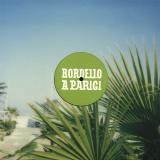
Balearic sounds and Mediterranean warmth are the inspirations for Bruno Belissimo’s Bordello A Parigi debut. Drawing on disco, house and funk, Ottimo! is a four tracker of electronic exuberance with Belissimo’s musical ability and range immediately spilling from the speakers. Guitar strings curve around synthlines in the title piece, percussive textures giving way to the mantra-like refrain of “Ottimo!” Thick bass echoes into beaming keys for “Meduse.” Bright notes cascade, grooves melting with vocoder lyrics as classic disco tones are reimagined in this modern mirrorball medley. Organic rhythms introduce the flip. “Mirage” opens to ripples of bongos and toms as a loose structure takes hold. Hedonistic chants rise to a shimmering chord, kicks and snares funnelling the building energy as bold blasts and samples shriek with delight. “Las Piramides De Ibiza” brings the quartet to a close. Clean drum patterns support joyous notes, a machine dipped voice calling time.
out of Stock
Last delivered 7 months ago available to reorder, subject to availability
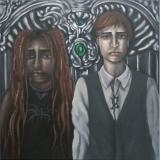
Introducing the Evil B-Side Twins — A New Era from Yazzus & DJ TOOL
Two of the most unpredictable forces in the underground are colliding at full velocity: YAZZUS and DJ TOOL are proud to launch Evil Twin Rekords — a label and collaborative project born from the wildest corners of their shared sonic imaginations.
Under the moniker The Evil B-Side Twins, the duo are setting out to warp time and space through a blazing fusion of trance, gnarly breaks, and techno rhythms. Their sound? Think hyper-speed rave transmissions beamed in from another galaxy — distorted basslines, and acidic euphoria intersecting 90’s psychedelic textures as they soundtrack a playful, alien-friendly universe. It’s high-energy, no-rules, evil as hell club music with a space-age edge. And their debut EP Relentless Spirit delivers just that.
Four rave-ready ‘in your face’ anthems, breaking the boundaries of modern electronic music. A collision of catchy grooves, iconic motifs from the old school trance world and mental melodies that you won’t forget easily.
Evil Twin Rekords isn’t just a label. It’s a wormhole into a sound that’s too futuristic, too feral, and too fun to fit into anyone’s algorithm. Expect inter-dimensional anthems, and records that feel like they’ve been smuggled from the B-side of a black hole.
This is rave culture turned inside out — full-throttle, unapologetically weird, and always one step ahead. From the UK to Scandinavia let the band expand your horizon and welcome you to the Evil Era. Listen without prejudice.
The artwork is a specially commissioned portrait of the twins, hand painted by friend and collaborator Ryo Koike, known for his eerie, whimsical fantastical style. Throughout his visual ident, he provides an imaginative window into the twins’ cosmos and beyond.
out of Stock
Last delivered 13 months ago available to reorder, subject to availability
REPRESSED !!
Warp präsentiert die ersten 3 Autechre LP-Klassiker "Incunabula" (1993), "Amber" (1994) und "Tri Repetae" (1995), die seit 2001 nicht mehr erhältlich waren. Das britische Duo hatte mit seinem polyrhythmischen, abstrakten, dissonanten Stil einen massgeblichen Einfluss auf das 1990'er Electronica-Genre. Die ersten AE Werke reichen von Post-Acid-House-Electronica über zerstreute-hypnotische Ambient-Klanglandschaften bis zum B-Boy-Flavour ihrer Mitt-90'er-Exkursionen in Jungle, Industrial und HipHop-Gefilde. Schwarzes Doppel-Vinyl im Gatefold mit Download-Coupon in Postkarten-Grösse.
out of Stock
Last delivered 72 days ago available to reorder, subject to availability
Phantasy are delighted to introduce Greek duo Boys' Shorts for their debut EP on the label, ‘Athena’. The project of music obsessives Vangelis and Tareq, the Boys’ Shorts sound has helped redefine timeless strains of disco, house and Italo for Europe’s queer club underground, with similar charisma spilling into their collaborative productions on labels including Live at Robert Johnson, Permanent Vacation and Polari.
Boys' Shorts appearance on Phantasy is coupled with their most ambitious and fulfilling songwriting to date. Featuring a rare vocal performance from beloved selector and cosmic disco expert Budino, appearing alongside Elisa Paradiso, the instantaneous lead cut ‘Summer’s Here and Summer’s Missing’ recounts a sun-drenched romance cut short. The duo’s soft, bittersweet synthesis mingles with Budino’s Italian-language lyrics, gently pulsing to find closure, or at least further pleasure, while up late in a Balearic discoteque.
Under those same hot lights, Boys' Shorts go deeper still with the leading oscillations of ‘Stereo on Acid’, in which classic, wobbly-hearted 808 sounds flirt playfully with a bassline that bumps like downtown traffic on a sweltering Athens afternoon. Reflecting the hidden pleasures and true underground culture of the city after nightfall, title track ‘Athena’ is a sensual and sophisticated groove with an epic yet understated touch, that one can imagine soundtracking a future soiree or centuries of ancient history alike.
out of Stock
Last delivered 6 months ago available to reorder, subject to availability
Following a sold-out UK tour, Factory Floor return to Phantasy with a new single, ‘Tell Me’.
As propulsive and direct as anything the cult UK electronic group has ever released, ‘Tell Me’ continues to perfect the dynamic in the band’s current lineup of Gabe Gurnsey, Nik Colk Void, and Joe Ward, with additional drum tracking by Stephen Morris of New Order. Situated between the sonic promise of enduring indie culture, yet naturally imbued with the band’s relentless forward-thinking ethos. Throughout, Colk Void’s inquisitive vocal guides the listener through an elastic square-wave bass groove that forms the rhythmic backbone to Tell Me, before Gurnsey and Ward's frenetic drumming breakdown rains with pure abandon, exemplifying the band’s personal alchemy between genre, scenes, human, and machine.
‘Tell Me’ arrives digitally and on limited 12” vinyl, housed in a riso-print sleeve, backed with an extended mix for dance floor play. There will also be a limited Rough Trade exclusive vinyl edition featuring an alternate sleeve.
out of Stock
Last delivered 12 months ago available to reorder, subject to availability
Raw voices / iron chords / sub-heavy drift. Cut, resample, re-solder: tape hiss → grit → glow. Detroit pulse, UKG swing — still cruising, now voiced. Bass below sea level; chords flare like warning lights!!! Intimate. Industrial. Intent. press // drop // disappear into the tunnel… The Cruiser 003 — built at night, for nights
out of Stock
Last delivered 13 months ago available to reorder, subject to availability
Schwefelgelb show their diversity in an impressive manner. A vibrant record with a very positive
aura, which makes you want to dance with a smile. Minimalistic and clearly arranged, showing each
element's full potential. Unfolding dance music's power with no distraction.
"Ay" is all about its irresistible groove, which is smooth but yet punchy. A compelling opener which
reminds Leftfield House.
"Randseiter" is an intriguing Techno track balancing stomping EBM rhythm and playful syncopic
melody patterns.
With "Sie Lacht" we turn to a cheerful and uplifting combination of subtle Jungle rhythms, prominent
bass and quirky lead, undoubtedly referencing UK Bass music.
If you're out for some rumble you'll find it in JANEIN's remix of "Ay". Despite its Industrial darkness
it's not too shy to implement melodic parts. A haunting mix of pumping kick and funky stab
sequences.
There isn't really a box for Danny Daze's remix of "Sie Lacht". This digital bonus track is full of
creative surprises.
"Marginale" will be released 5th of September on n-PLEX, 140 g colored vinyl including download
code.
out of Stock
Last delivered 7 days ago available to reorder, subject to availability
In an ever-expanding musical universe, Azymuth have long existed as a celestial giant, drawing countless artists, musicians and followers into their orbit. Marking fifty years since their 1975 debut album Azimuth, their new album Marca Passo proves that the band’s alchemic brew of Brazilian jazz-funk and cosmic samba soul remains as vital as ever, as the group honours the profound legacy of their departed founders.
Recorded in Rio de Janeiro, Marca Passo is the first full-length release since the passing of founding drummer Ivan "Mamão" Conti in 2023, following the earlier loss of keyboardist José Roberto Bertrami in 2012. Alex Malheiros, the sole remaining original member, sees his stewardship of the band’s musical legacy as his spiritual duty. He is joined by the equally devoted Kiko Continentino (Milton Nascimento, Djavan) on keyboards, who has been with the group since 2016, and new recruit Renato Massa (Marcos Valle, Ed Motta) on drums.
Yet since their earliest recorded music, Azymuth have always been far greater than the sum of their parts. The "three-man orchestra’s" unmistakable sound is rooted in Brazil's MPB studio scene of the 1970s and early 1980s—a time when artists blended traditional Brazilian rhythms with global jazz, rock, and emerging psychedelic and progressive elements. Marca Passo continues this legacy, seamlessly fusing Brazilian musical traditions with global influences while showcasing the exceptional musicianship that powers Azymuth's distinctive, multi-dimensional sound.
The album is produced by studio mastermind Daniel Maunick, responsible for Azymuth’s two previous studio albums, Fênix in 2016 and Aurora in 2011. Daniel’s credits also include albums by Marcos Valle, Sabrina Malheiros and Terry Callier. Azymuth also invited Daniel’s father, British jazz-funk royalty Jean Paul “Bluey” Maunick, of Incognito, to play guitar on a new version of Azymuth’s eighties classic “Last Summer In Rio”, in tribute to the song’s composer, José Roberto Bertrami. Equally, “Samba Pro Mamao” is a new composition dedicated to Azymuth’s beloved original drummer, Ivan “Mamão” Conti.
Produced, Engineered, Mixed & Arranged by Daniel Maunick
Co-Produced & Arranged by Alex Malheiros
Executive Producer: Joe Davis
Recorded by:
Daniel Maunick & Leonardo Vieira @ Estúdio Nos Trilhos, Santa Teresa, Rio, Brazil
Daniel Maunick & Amadeu Signorelli @ Sigstudio, Niterói, Rio, Brazil
Daniel Maunick & Alex Malheiros @ Estúdio Basslab, Piratininga, Rio, Brazil
Mixed by Daniel Maunick @ The Sugar Shack, Carluke, Scotland
Artwork & Design: Tyler Askew
out of Stock
Last delivered 11 months ago available to reorder, subject to availability
It"s been six years since LA DISPUTE released their last album, Panorama. Since then, the Michigan post-hardcore band-made up of Jordan Dreyer on vocals, Brad Vander Lugt on drums, Chad Morgan-Sterenberg and Corey Stroffolino on guitar, and Adam Vass on bass-dealt with the stagnance of the pandemic, celebrated the ten-year anniversaries of Wildlife and Rooms Of The House, and began working on NO ONE WAS DRIVING THE CAR. The fifth studio LP is the first entirely produced by the group, and it came together in Grand Rapids and Detroit, the United Kingdom, Australia, and the Philippines: "I think the change in environment was really helpful to breathing new life into the process each time we came back to it," Dreyer says. Partly inspired by the 2017 psychological thriller First Reformed, NO ONE WAS DRIVING THE CAR reckons with malaise in the shadow of the looming apocalypse, which has noticeably been worsened by the advancement of tech. The title comes from a quote from a police officer Dreyer read in a news article about a lethal self-driving Tesla crash, an absurd event which raises questions about the amount of control we have in our own lives. In fourteen dynamic tracks, the band grapples with the existential topic and the human need to find comfort and a sense of security in an existence where we"re often thrust into chaos without permission.
Who doesn't love a good edit? And who really does them much better than Danny Krivit, a veteran of the game with millions of them (probably) to his name. Here he turns his hand to Sjuya Okino's 'Thank You (feat Navasha Daya)' which is a jazz dancer with effervescing broken beats, busy chords and live percussion under a freeform scat vocal that brims with soul. On the flip, DJ Kawasaki edits a Dimitri Form Paris mix of 'Give Your Love A Chance (feat Clara Hill)' which has a Chic-style bass riff and big disco energy that's ripe and ready to bring good times to any party.
out of Stock
Last delivered 12 months ago available to reorder, subject to availability
Mark "Shaboom" Bell's classic Mecca Funk album is best known for its standout cut 'Woman Cry' and it is that fan-fav which gets pressed up here with three fresh reworkings. The classic cut famously opens Andrew Weatherall's iconic Heavenly Social DJ mix and is ripe and ready for these bold reinterpretations from Ricardo Villalobos, DJ Sneak, and Spatial Awareness. Villalobos transforms the 1999 original into a deep, hypnotic journey full of his signature minimal textures, while Sneak delivers a bass-heavy, dub-soaked house bomb made for peak-time floors. Rounding things out, Spatial Awareness offers a respectful yet electrified remix imbued with some fresh sonic flair.
out of Stock
Last delivered 8 months ago available to reorder, subject to availability
„A Danger to Ourselves“, das neue Album von Lucrecia Dalt, erscheint am 5. September 2025 bei RVNG Intl. und ist eine gewagte und doch intime Reflexion über die ungefilterten Komplexitäten menschlicher Beziehungen. Ohne die fiktiven Erzählungen der letzten Alben der Künstlerin kommt „A Danger to Ourselves“ von einem Ort der emotionalen Aufrichtigkeit. Dalts Stimme steht im Mittelpunkt und wird von einer üppigen akustischen Orchestrierung, perkussiven Instrumenten und einer Reihe hochkarätiger Mitstreiter unterstützt, die sich wie ein tiefes persönliches Gespräch entwickeln.
Die in Pereira, Kolumbien, geborene Dalt wuchs in einer musikbegeisterten Familie auf, die sie im Alter von neun Jahren dazu ermutigte, eine Gitarre in die Hand zu nehmen. Dalt folgte diesem kreativen Impuls, war fasziniert von computergestützter Produktion und verließ eine aufkeimende Karriere als Bauingenieurin, zog von Medellín nach Barcelona und schließlich nach Berlin, wo sie ihren unverwechselbaren, abenteuerlichen Sound entwickelte. Mit „Anticlines“ (2018) und „No era sólida“ (2020) und vor allem mit „¡Ay!“, Dalts bahnbrechendem Sci-Fi-Bolero-Album von 2022, hat sich ihre Arbeit auf immer anspruchsvolleres Terrain begeben. Auf dem Weg dorthin hat Dalt ihre Praxis auf die Vertonung von Filmen wie „On Becoming a Guinea Fowl“ (2024), die HBO-Serie „The Baby“ (2022) und den bevorstehenden psychologischen Horrorfilm „Rabbit Trap“ ausgeweitet, während sie Klanginstallationen und Performances kreiert, die ihre leuchtenden Modulationen und ihren unverwechselbaren, sich entwickelnden stimmlichen Ansatz zur Schau stellen. „A Danger to Ourselves“ entstand aus fragmentarischen Erklärungen, die Dalt aufschrieb, während sie das Leben auf der Tournee von „¡Ay!“ und die prägenden Momente einer neuen Beziehung meisterte. Im Januar 2024 begann sie, diese intimen Fragmente zu musikalischen Kompositionen zu kristallisieren, die allmählich zu einer zielgerichteten Konstellation von Songs wurden. Die Klangarchitektur des Albums basiert auf dynamischen Drum-Loops, die von Alex Lázaro beigesteuert werden, dessen perkussives Rückgrat wie bei „¡Ay!“ zur Leinwand für Dalts vielschichtigen Gesang wurde. Anstatt konventionellen melodischen Strukturen zu folgen, erzeugt das Album Musikalität durch das Zusammenspiel von Basslinien, Rhythmen und kompositorischem Design. „A Danger to Ourselves“ offenbart Dalts kompromissloses Streben nach klanglicher Klarheit, bei dem kühne Produktionsentscheidungen und sorgfältige Aufnahmetechniken Stimme und Instrument mit neuer Tiefe und Strahlkraft harmonieren lassen. „A Danger to Ourselves“ ist eindeutig anti-konzeptionell und ein poetischer Instinkt, mit dem Dalt den Fokus auf die Musik selbst lenkt, indem er Stimmen verwendet, die über die Parameter der Songs hinaus schwingen, und die perlenden Echos der ursprünglichen, romantischen Erregung beobachtet. Dalts klare Aufmerksamkeit für Details ist in jedem Takt spürbar, eine Hingabe, die sich in konzentrischen Kreisen dreht und ein Feld bildet, das das Persönliche und das Ätherische vereint. Das Album basiert auf intuitiven Experimenten und nutzt einfache Gesten und komplexe Kompositionen, um wandernde Linien zu weben, wie in „Divina“, das sich zwischen Spanisch und Englisch durch elastische Klanglandschaften bewegt. Der Titel des Albums geht auf David Sylvians Text „cosa rara“ zurück, der die Zerbrechlichkeit des Lebens, die Schwingungen der Liebe und die treibende Sehnsucht nach dem Wundersamen symbolisiert. „A Danger to Ourselves“ spiegelt diese transzendenten Zustände wider, indem es die Komplexität menschlicher Verstrickungen und den Wunsch nach Befreiung von Dopaminspiralen und gewöhnlichen Pfaden hin zu einer offeneren inneren Welt widerspiegelt. Sylvian selbst hat auf „A Danger to Ourselves“ eine Doppelrolle als Co-Produzent und Musiker gespielt. Es ist eine kollaborative Collage mit Beiträgen zahlreicher gefeierter Künstler. Weitere Kollaborationen ziehen sich durch das gesamte Album: Juana Molina ist Co-Autorin und Interpretin von „The Common Reader“, Camille Mandoki singt bei „Caes“, Cyrus Campbell spielt den grundlegenden Elektro- und Kontrabass, und Eliana Joy steuert bei mehreren Stücken Hintergrundgesang und Streicherarrangements bei. In den leuchtenden Tiefen von „A Danger to Ourselves“ inszeniert Dalt eine tiefgreifende Metamorphose, bei der das Persönliche durch klangliche Alchemie zum Universellen wird. Dieses Album ist sowohl Höhepunkt als auch Aufbruch - ein Portal, an dem ihre früheren experimentellen Reisen zu etwas verblüffend Intimem und doch Expansivem zusammenlaufen. Das Album ist ein Netz emotionaler Offenbarungen, jede Komposition ein präziser Indikator für Verletzlichkeit, in der Dalts Stimme eine Offenbarung in neuen harmonischen Gefilden verkörpert. Dalt hat ein lebendiges Dokument der Intuition jenseits konventioneller Grenzen geschaffen, das den Weg in Bereiche eröffnet, in denen die Musik sowohl Spiegel als auch Fenster ist.
Für Fans von PJ Harvey, Broadcast, St. Vincent, ML Buch, Stereolab, Cate LeBon, Aldous Harding, Mabe Fratti, Dry Cleaning, Juana Molina
out of Stock
Last delivered 11 months ago available to reorder, subject to availability
Leon Michels ist still und leise zu einem der gefragtesten Produzenten der Musikszene geworden.Sein unverwechselbarer Sound hat die Aufmerksamkeit des Mainstreams auf sich gezogen und inspiriert gleichzeitig weiterhin die Underground-Szene. Seit dem 2023 erschienenen Album Glorious Game von El Michels Affair & Black Thought war Michels als Produzent für andere Künstler aktiv - darunter Norah Jones' Grammy-prämiertes Visions, Clairos Grammy-nominiertes Charm, Kali Uchis' ,Moonlight" sowie Alben für seine Labelkollegen Brainstory, Derya Yildirim & Grup Simsek, Thee Heart Tones und Liam Bailey. Sein neues Album 24 Hr Sports markiert die langersehnte Rückkehr unter seinem eigenen Namen: El Michels Affair.24 Hr Sports wurde inspiriert von Mode und Grafikdesign der Sports-Illustrated-Magazine der 80er- und 90er-Jahre, MF DOOMs Special Herbs-Alben, den dort verwendeten Sample-Quellen und Gospelmusik à la Pastor T.L. Barrett. Die Summe dieser Einflüsse, gepaart mit Michels' unfehlbarem kreativen Gespür, ergibt ein Rezept für einen Instant-Klassiker - ein Werk, das zweifellos zu den meistgefeierten Veröffentlichungen des Jahres 2025 zählen wird.Der Album-Opener ,Drum Line" ist ein hymnischer, mitreißender Track mit Marschband-Schlagzeug und donnernden Bläserarrangements, die sofort alle Aufmerksamkeit auf sich ziehen und den Ton für das folgende Album setzen. 24 Hr Sports bedeutet eine deutliche Abkehr von der bisher überwiegend instrumentalen Musik im Katalog von El Michels Affair. Mit einer Vielzahl von Gesangsfeatures spiegelt das Album das schwer einzuordnende Genre seiner Musik wider.Das erste dieser Features ist ,Mágica" mit dem brasilianischen Künstler Rogê, der die ohnehin energiegeladene Nummer mit seinen fußballinspirierten Lyrics auf ein neues Level hebt. Weiter geht es von Brasilien nach Ghana: In ,Say Goodbye" feiert Florence Adooni ihre Individualität mit lässigem Selbstbewusstsein und wechselt mühelos zwischen Frafra und Englisch, besonders eingängig im Refrain: ,never gonna find a girl like me_".Labelkollege und weltbekannter Trompeter von The Roots, Dave Guy, veredelt den 70er-Jahre-Groove von ,Oakley's Car Wash" mit seinen charakteristischen Bläserlinien, bevor der Track in ein Dub-artiges Outro übergeht. Vom wilden zum sanften Klang: ,Anticipate" mit Clairo knüpft an die musikalische Chemie an, die das 2024er-Album Charm hervorgebracht hat. Clairo gleitet über die typischen EMA-Arrangements, während sie sich nach unerreichbarer Liebe sehnt - getragen von einer perfekt eingespielten Band.,Eastside" ist ein Stück, das einen Sonnenaufgang am Meer vertonen könnte - Leon Michels' Sinn für Raum und Arrangement wird hier besonders deutlich. Aus Japan ist der Suginami Children's Choir auf dem üppigen Track ,Clean The Line" zu hören - sie singen ein Lied über den Mond, die Sonne und Vögel. Danach reißt ,Cortex" mit verzerrten Gitarren und donnernden Drums die Tür auf - ein Moment purer, filmreifer Intensität in der Mitte des Albums.Leon Michels übernimmt selbst den Lead-Gesang auf ,Shining", einem Song über die Suche nach einem Freund, mit dem man die Freude eines sonnigen Tages teilen kann. Der international gefeierte Shintaro Sakamoto ist auf ,Indifference" zu hören - ein lässiger Song mit federnden Basslinien und gefühlvollen Flöten, in dem Sakamoto zwischen Gesang und gesprochener Poesie über eine vergängliche Liebe reflektiert.Das Grammy-prämierte Duo Norah Jones und Michels kommt auf ,Carry Me Away" erneut zusammen: Jones' honigsüße Stimme schwebt über einem schwer einzuordnenden, aber sofort liebenswerten Track. Michels lehnt sich hier wieder mehr in Richtung El Michels Affair-Stil, der sich klar von seinen bisherigen Produktionen für Norah Jones abhebt. ,Take My Hand" stellt den Gospel-Einfluss in den Vordergrund - mit dem Fabulous Rainbow Singers Choir im Refrain und einem Saxophon-Solo der verstorbenen Jazzlegende Rahsaan Roland Kirk.,Open Season", ein Piano-getriebener Midtempo-Track mit Gruppenrufen wie ,we want the gold, we want the gold_", könnte den perfekten Soundtrack für eine Slow-Motion-Highlight-Reel liefern. Der treffend betitelte Albumabschluss ,Victory Lap" schließlich ist ein traumhafter, euphorischer Ausklang, der dem gesamten Werk würdig ist.Am Ende spricht die Trophäe auf dem Albumcover Bände: El Michels Affair ist Champion Sound - und 24 Hr Sports macht das unmissverständlich klar.
out of Stock
Last delivered 13 months ago available to reorder, subject to availability
Leon Michels ist still und leise zu einem der gefragtesten Produzenten der Musikszene geworden.Sein unverwechselbarer Sound hat die Aufmerksamkeit des Mainstreams auf sich gezogen und inspiriert gleichzeitig weiterhin die Underground-Szene. Seit dem 2023 erschienenen Album Glorious Game von El Michels Affair & Black Thought war Michels als Produzent für andere Künstler aktiv - darunter Norah Jones' Grammy-prämiertes Visions, Clairos Grammy-nominiertes Charm, Kali Uchis' ,Moonlight" sowie Alben für seine Labelkollegen Brainstory, Derya Yildirim & Grup Simsek, Thee Heart Tones und Liam Bailey. Sein neues Album 24 Hr Sports markiert die langersehnte Rückkehr unter seinem eigenen Namen: El Michels Affair.24 Hr Sports wurde inspiriert von Mode und Grafikdesign der Sports-Illustrated-Magazine der 80er- und 90er-Jahre, MF DOOMs Special Herbs-Alben, den dort verwendeten Sample-Quellen und Gospelmusik à la Pastor T.L. Barrett. Die Summe dieser Einflüsse, gepaart mit Michels' unfehlbarem kreativen Gespür, ergibt ein Rezept für einen Instant-Klassiker - ein Werk, das zweifellos zu den meistgefeierten Veröffentlichungen des Jahres 2025 zählen wird.Der Album-Opener ,Drum Line" ist ein hymnischer, mitreißender Track mit Marschband-Schlagzeug und donnernden Bläserarrangements, die sofort alle Aufmerksamkeit auf sich ziehen und den Ton für das folgende Album setzen. 24 Hr Sports bedeutet eine deutliche Abkehr von der bisher überwiegend instrumentalen Musik im Katalog von El Michels Affair. Mit einer Vielzahl von Gesangsfeatures spiegelt das Album das schwer einzuordnende Genre seiner Musik wider.Das erste dieser Features ist ,Mágica" mit dem brasilianischen Künstler Rogê, der die ohnehin energiegeladene Nummer mit seinen fußballinspirierten Lyrics auf ein neues Level hebt. Weiter geht es von Brasilien nach Ghana: In ,Say Goodbye" feiert Florence Adooni ihre Individualität mit lässigem Selbstbewusstsein und wechselt mühelos zwischen Frafra und Englisch, besonders eingängig im Refrain: ,never gonna find a girl like me_".Labelkollege und weltbekannter Trompeter von The Roots, Dave Guy, veredelt den 70er-Jahre-Groove von ,Oakley's Car Wash" mit seinen charakteristischen Bläserlinien, bevor der Track in ein Dub-artiges Outro übergeht. Vom wilden zum sanften Klang: ,Anticipate" mit Clairo knüpft an die musikalische Chemie an, die das 2024er-Album Charm hervorgebracht hat. Clairo gleitet über die typischen EMA-Arrangements, während sie sich nach unerreichbarer Liebe sehnt - getragen von einer perfekt eingespielten Band.,Eastside" ist ein Stück, das einen Sonnenaufgang am Meer vertonen könnte - Leon Michels' Sinn für Raum und Arrangement wird hier besonders deutlich. Aus Japan ist der Suginami Children's Choir auf dem üppigen Track ,Clean The Line" zu hören - sie singen ein Lied über den Mond, die Sonne und Vögel. Danach reißt ,Cortex" mit verzerrten Gitarren und donnernden Drums die Tür auf - ein Moment purer, filmreifer Intensität in der Mitte des Albums.Leon Michels übernimmt selbst den Lead-Gesang auf ,Shining", einem Song über die Suche nach einem Freund, mit dem man die Freude eines sonnigen Tages teilen kann. Der international gefeierte Shintaro Sakamoto ist auf ,Indifference" zu hören - ein lässiger Song mit federnden Basslinien und gefühlvollen Flöten, in dem Sakamoto zwischen Gesang und gesprochener Poesie über eine vergängliche Liebe reflektiert.Das Grammy-prämierte Duo Norah Jones und Michels kommt auf ,Carry Me Away" erneut zusammen: Jones' honigsüße Stimme schwebt über einem schwer einzuordnenden, aber sofort liebenswerten Track. Michels lehnt sich hier wieder mehr in Richtung El Michels Affair-Stil, der sich klar von seinen bisherigen Produktionen für Norah Jones abhebt. ,Take My Hand" stellt den Gospel-Einfluss in den Vordergrund - mit dem Fabulous Rainbow Singers Choir im Refrain und einem Saxophon-Solo der verstorbenen Jazzlegende Rahsaan Roland Kirk.,Open Season", ein Piano-getriebener Midtempo-Track mit Gruppenrufen wie ,we want the gold, we want the gold_", könnte den perfekten Soundtrack für eine Slow-Motion-Highlight-Reel liefern. Der treffend betitelte Albumabschluss ,Victory Lap" schließlich ist ein traumhafter, euphorischer Ausklang, der dem gesamten Werk würdig ist.Am Ende spricht die Trophäe auf dem Albumcover Bände: El Michels Affair ist Champion Sound - und 24 Hr Sports macht das unmissverständlich klar.
"Cutthroat ist eine wilde Fahrt. Es ist für den unerfahrenen Fahrer. Für denjenigen, der einfach nur schnell fahren will, ohne einen anderen Grund als den, dass es Spaß macht. Es wird von Hunger angetrieben. Hunger nach etwas Besserem. Nach etwas, von dem man einem gesagt hat, dass man es nicht verdient. Es ist instinktiv. Es ist roh. Es ist kompromisslos. Es ist die Person, die unangekündigt auf der Party auftaucht. Denn wenn du am Boden liegst, gibt es nur einen Weg - nach oben. Wenn du nichts hast, hast du nichts zu verlieren." - shame "Cutthroat" ist shame in seiner besten Form. Das neue Album mit Grammy-Preisträger John Congleton am Ruder ist unerbittlich, aufgemotzt und überladen. Es ist genau da, wo man shame haben möchte. "It's about the cowards, the cunts, the hypocrites", sagt Sänger Charlie Steen und ergänzt: "Seien wir ehrlich, von denen gibt es im Moment eine Menge." Die fünf Freunde aus Kindertagen - Charlie Steen, die Gitarristen Sean Coyle-Smith und Eddie Green, Bassist Josh Finerty und Schlagzeuger Charlie Forbes - sind noch in ihren Zwanzigern und haben shame exponentiell wachsen lassen, mit ehrgeizigen klanglichen Ideen und den technischen Möglichkeiten, sie umzusetzen. shame haben sich mit ihren legendären Liveshows und drei von der Kritik gefeierten Alben bereits mehrfach bewährt und waren bereit, mit "Cutthroat" ein neues Ground Zero zu schaffen. "Hier geht es darum, wer wir sind", sagt Steen. "Unsere Live-Shows sind keine Performance-Kunst - sie sind direkt, konfrontativ und roh. Das war schon immer der Kern von uns. Wir leben in verrückten Zeiten. Aber es geht nicht um 'Armes Ich'. Es geht um 'Fick dich'." Entscheidend für diese aufrüttelnde neue Sichtweise war Produzent John Congleton (St. Vincent, Angel Olsen). Von ihrem ersten Treffen an wurde Congletons "No-Bullshit"-Herangehensweise zu einer treibenden Kraft, um die Ideen der Band zu optimieren. Das Album ist durch und durch von shames typischen Sinn für Humor geprägt und nimmt sich der großen Themen unserer Zeit an und spielt fröhlich mit ihnen. Mit Trump im Weißen Haus und shame in den Salvation Studios in Brighton, werfen sie einen gnadenlosen Blick auf Themen wie Konflikte und Korruption, Hunger und Begehren, Lust, Neid und den allgegenwärtigen Schatten der Feigheit. Auch musikalisch spielt die Platte mit neuen Ideen, die ins Herz gehen. Coyle-Smith, der auf Tournee zum Spaß elektronische Musik macht, hatte die Loops, die er herstellte, zuvor als etwas anderes betrachtet als das, was er für shame schrieb. Dann wurde ihm klar, dass sie das vielleicht gar nicht sein müssen. "Diesmal konnte man alles verwenden, wenn es gut klang und man es richtig machte", sagt er. Die erste Single und der Titeltrack von "Cutthroat" greifen diese Idee auf und machen daraus den vielleicht besten Song, den shame je auf Band gebracht haben. Es ist ein Knäuel kaum zu bändigender Attitüde, verpackt in drei Minuten Indie-Dancefloor-Hedonismus. Er führt auch meisterhaft in die lyrische Perspektive des Albums ein: eine, in der selbstsichere Arroganz und tiefe Unsicherheit zwei Seiten der gleichen Medaille sind. "Ich habe viele Stücke von Oscar Wilde gelesen, in denen sich alles um Paradoxe dreht", erklärt Steen. "In 'Cutthroat' geht es um diese ganze Idee aus 'Lady Windermere's Fan': 'Das Leben ist viel zu wichtig, um ernst genommen zu werden'." Auch diese freche Selbsterkenntnis ist wichtig. So sehr shame die Seifenblasen des Getöses und des Egos zerplatzen lassen wollen und uns ermutigen, in den Spiegel zu schauen und uns zu fragen: "Wer den ersten Stein wirft...", so sehr verstehen sie auch, dass das Leben im Grunde genommen oft lächerlich ist. Das Ergebnis ist ein Album, das in den Idiosynkrasien des Lebens schwelgt, eine Augenbraue hochzieht und die unangenehmen Fragen stellt, die so oft taktvoll übergangen werden. Aber die einzige Antwort, die "Cutthroat" mit durchschlagendem Erfolg gibt, ist, dass shame im Moment nie besser klangen.
"Cutthroat ist eine wilde Fahrt. Es ist für den unerfahrenen Fahrer. Für denjenigen, der einfach nur schnell fahren will, ohne einen anderen Grund als den, dass es Spaß macht. Es wird von Hunger angetrieben. Hunger nach etwas Besserem. Nach etwas, von dem man einem gesagt hat, dass man es nicht verdient. Es ist instinktiv. Es ist roh. Es ist kompromisslos. Es ist die Person, die unangekündigt auf der Party auftaucht. Denn wenn du am Boden liegst, gibt es nur einen Weg - nach oben. Wenn du nichts hast, hast du nichts zu verlieren." - shame "Cutthroat" ist shame in seiner besten Form. Das neue Album mit Grammy-Preisträger John Congleton am Ruder ist unerbittlich, aufgemotzt und überladen. Es ist genau da, wo man shame haben möchte. "It's about the cowards, the cunts, the hypocrites", sagt Sänger Charlie Steen und ergänzt: "Seien wir ehrlich, von denen gibt es im Moment eine Menge." Die fünf Freunde aus Kindertagen - Charlie Steen, die Gitarristen Sean Coyle-Smith und Eddie Green, Bassist Josh Finerty und Schlagzeuger Charlie Forbes - sind noch in ihren Zwanzigern und haben shame exponentiell wachsen lassen, mit ehrgeizigen klanglichen Ideen und den technischen Möglichkeiten, sie umzusetzen. shame haben sich mit ihren legendären Liveshows und drei von der Kritik gefeierten Alben bereits mehrfach bewährt und waren bereit, mit "Cutthroat" ein neues Ground Zero zu schaffen. "Hier geht es darum, wer wir sind", sagt Steen. "Unsere Live-Shows sind keine Performance-Kunst - sie sind direkt, konfrontativ und roh. Das war schon immer der Kern von uns. Wir leben in verrückten Zeiten. Aber es geht nicht um 'Armes Ich'. Es geht um 'Fick dich'." Entscheidend für diese aufrüttelnde neue Sichtweise war Produzent John Congleton (St. Vincent, Angel Olsen). Von ihrem ersten Treffen an wurde Congletons "No-Bullshit"-Herangehensweise zu einer treibenden Kraft, um die Ideen der Band zu optimieren. Das Album ist durch und durch von shames typischen Sinn für Humor geprägt und nimmt sich der großen Themen unserer Zeit an und spielt fröhlich mit ihnen. Mit Trump im Weißen Haus und shame in den Salvation Studios in Brighton, werfen sie einen gnadenlosen Blick auf Themen wie Konflikte und Korruption, Hunger und Begehren, Lust, Neid und den allgegenwärtigen Schatten der Feigheit. Auch musikalisch spielt die Platte mit neuen Ideen, die ins Herz gehen. Coyle-Smith, der auf Tournee zum Spaß elektronische Musik macht, hatte die Loops, die er herstellte, zuvor als etwas anderes betrachtet als das, was er für shame schrieb. Dann wurde ihm klar, dass sie das vielleicht gar nicht sein müssen. "Diesmal konnte man alles verwenden, wenn es gut klang und man es richtig machte", sagt er. Die erste Single und der Titeltrack von "Cutthroat" greifen diese Idee auf und machen daraus den vielleicht besten Song, den shame je auf Band gebracht haben. Es ist ein Knäuel kaum zu bändigender Attitüde, verpackt in drei Minuten Indie-Dancefloor-Hedonismus. Er führt auch meisterhaft in die lyrische Perspektive des Albums ein: eine, in der selbstsichere Arroganz und tiefe Unsicherheit zwei Seiten der gleichen Medaille sind. "Ich habe viele Stücke von Oscar Wilde gelesen, in denen sich alles um Paradoxe dreht", erklärt Steen. "In 'Cutthroat' geht es um diese ganze Idee aus 'Lady Windermere's Fan': 'Das Leben ist viel zu wichtig, um ernst genommen zu werden'." Auch diese freche Selbsterkenntnis ist wichtig. So sehr shame die Seifenblasen des Getöses und des Egos zerplatzen lassen wollen und uns ermutigen, in den Spiegel zu schauen und uns zu fragen: "Wer den ersten Stein wirft...", so sehr verstehen sie auch, dass das Leben im Grunde genommen oft lächerlich ist. Das Ergebnis ist ein Album, das in den Idiosynkrasien des Lebens schwelgt, eine Augenbraue hochzieht und die unangenehmen Fragen stellt, die so oft taktvoll übergangen werden. Aber die einzige Antwort, die "Cutthroat" mit durchschlagendem Erfolg gibt, ist, dass shame im Moment nie besser klangen.
I H8 Camera is the improvisation collective of ‘Master of Ceremonies’ Rudy Trouvé who, for more than 15 years now, has been leading an ever-changing line-up of absolute top-notch musicians through an insane adventure across rock, jazz, folk, krautrock, no wave, post-punk...boundless improvisation starting from a few brief pointers...innovative, contrary, abrasive and often very brilliant.
This double album was recorded during a 5 day residency at the famous club L’Archiduc in Brussels with a killer line up of Rudy Trouvé (Guitar, vocals) Stef Kamil Carlens (Bass, vocals), the late and dearly missed Matt Watts (Vocals), Teun Verbruggen (Drums), Teuk Henri (Guitar) and Jef Mercelis (Korg MS 10). Guest appearances by a.o. Roland Van Campenhout (Guitar) and Catherine Graindorge (Violin).
An intense and adventurous album, super hot CBGB’s vibes in Brussels!
Die aus Marokko stammende und in L.A. lebende Singer-Songwriterin, Ami Taf Ra veröffentlicht ihr Debütalbum „The Prophet And The Madman“ Ende August auf Brainfeeder!
Inspiriert von Khalil Gibrans bahnbrechendem Werk, „Der Prophet“, wurde das Album von Ami Taf Ra vom legendären Saxophonisten und Komponisten Kamasi Washington produziert, mit dem sie häufig zusammenarbeitet. „The Prophet And The Madman“ ist eine zu eine Reise über elf Tracks, an denen unter anderem Ryan Porter, Miles Mosley, Brandon Coleman, Tony Austin, Taylor Graves, Cameron Graves, Ronald Bruner Jr., Allakoi Peete, Kahlil Cummings und Kamasi Washington beteiligt sind. Die LP ist ein kühnes Statement einer Sängerin, die in den Traditionen arabischer Größen wie Fairuz, Umm Kulthum und Warda verwurzelt ist und sich dennoch furchtlos auf neues klangliches Terrain begibt. Es ist ein Album, das nicht nach Antworten, sondern nach Präsenz sucht - eine Hingabe an die Reise, nicht an das Ziel.
Im Laufe ihrer Karriere hat Ami Taf Ra auf Bühnen in aller Welt gestanden und das Publikum in Dänemark, der Türkei, Marokko, Belgien, Israel, dem Libanon und Jordanien begeistert. Sie ist auf angesehenen Festivals wie dem South East Jazz Festival und dem Haarlem Jazz Festival in den Niederlanden aufgetreten, ebenso wie mit dem niederländischen Royal Metropole Orchestra in der königlichen Konzerthalle der Niederlande, dem weltbekannten Concertgebouw, und dem Dutch Blazers Ensemble. Ami Taf Ra war mit Kamasi Washington auf ausgedehnten Tourneen unterwegs und trat gemeinsam an namhaften Orten und auf Festivals in den Vereinigten Staaten auf, darunter City Winery in Boston, das Hollywood Bowl Jazz Festival und die Just Jazz Concert Series in der Mr. Musichead Gallery in Los Angeles. Darüber hinaus ist sie mit einer Vielzahl von Musiker:innen aufgetreten, darunter Posaunist Ryan Porter, Saxophonist Rickey Washington, Perkussionist Kahlil Cummings, Bassist Ben Williams, Schlagzeuger Jonathan Pinson und Pianist Jamael Dean.
out of Stock
Last delivered 10 months ago available to reorder, subject to availability
Ben Pest and ARA-U unite for the next release on No Static / Automatic. Kaos Sympatic EP started life with the pair recording jams of various vintage studio kit, including an EMS VCS3, Roland VP330 and an Orgon Systems prototype known only as the “Silver Box”, which developed into full tracks over subsequent sessions. Ben Pest has been busy releasing high grade club tracks including collabs with Radioactive Man and Kursa for Asking For Trouble and Love Love Records last year, and with solo EPs dropping on Cultivated Electronics and Posh End music. Here he links with NS/A boss ARA-U, turning out some of their headiest material to date.
The EP kicks off with ‘Err Hello’, it’s wholly discordant, lairy, and unapologetically weird. ‘‘Get A Grip’ drifts in with hallucinatory wafts of sound over a warped riff, building into a granular, distorted headfuck of a hoover-bass moment. This one will make the subs rattle on the right side of distortion. On the B Side title track ‘Kaos Sympatic’ gets stuck in with a big broken beat and guttural sub that transforms into a techno drop to drive this track home. Finishing up, ‘Slapback’ serves up a cut of high energy electro funk, coming off like classic ERP on heat. Limited edition purple vinyl.
out of Stock
Last delivered 12 months ago available to reorder, subject to availability
World Of Echo announces the reissue of two remastered albums by Japanese guitarist and songwriter Naoki Zushi, 1988’s Paradise, and 2005’s III. Two classics of Japanese psychedelia, both Paradise and III were originally released on Org Records, the imprint of Shinji Shibayama of acid-folk group Nagisa Ni Te, with whom Zushi has guested on second guitar for decades. Both intimate and expansive, rich with revelatory songwriting and blasted, sky-scouring guitar, these reissues return these albums to print for the first time since the 2000s. It’s the first time III has been officially released on vinyl, with an extra, previously unreleased track, “Under The June Moonlight.”
Recorded in Kyoto’s Townhouse Studios in mid 1987 and released in limited-to-500 vinyl pressing in 1988, Paradise emerged from a scene in Kansai, Japan that was embracing the idiosyncracies of 1970s singer-songwriters, the soaring solos of early seventies psychedelia, and the DIY impulse of 1980s post-punk. While Zushi’s musical history stretched back to the early eighties – he was a founding member of Jojo Hiroshige’s noise outfit Hijokaidan – he found his feet with groups like Hallelujahs, whose dream-pop collection Niku O Kuraite Chikai Wo Tateyo was recently reissued by Black Editions, and Idiot O’Clock.
Paradise appeared two years after that Hallelujahs album and share much the same membership – Zushi’s backing band on several of the songs includes Shibayama on drums and Ken-Ichi Takayama (aka Idiot) on electric guitar, though just as often, Zushi plays all the instruments himself. The coordinates here are wide-reaching – you can hear the volume and intensity of Neil Young & Crazy Horse (on “Hallelujah: Left Side” and “Paradise: Midday”), the slow-motion magic of Galaxie 500, the idiosyncratic spirit of The Only Ones, all mixed up with tender guitar miniatures and stumbling garage-psych-pop moves.
Seven years later, after the transitional album Phenomenal Luciferin, Zushi released III. Perhaps his masterpiece, it’s already been bootlegged on vinyl, but this reissue is the real deal. The album was recorded at Studio Nemu over seven years, and sees Zushi backed by Shibayama (bass) and Masako Takeda (drums), his erstwhile bandmates in Nagisa Ni Te. By this stage, Zushi had started to really stretch out, and many of the songs on III swoon languorously, taking their sweet time to say what they need to say. It’s rich with lovely, melancholy songs, in a similar realm to bandmates Nagisa Ni Te, of course, but you can also hear traces of everything from Syd Barrett’s The Madcap Laughs, through seventies private press loner folk, to the slow-burn meanderings of the likes of early Low or Damon & Naomi.
When interviewed by Shibayama in the mid-nineties, Zushi said of Paradise, “it was a sort of collection of songs that had meant something to me up to that point… it was my paradise. I wanted to create paradise.” That’s something Zushi achieves on both of these albums – visionary Japanese psychedelia, en route to paradise. - Jon Dale
Nu-hardcore quintet, Bodyweb, are the sound of someone’s nervous system on the verge of breakdown—hyperactive, tormented and unflinchingly vulnerable. Born out of the Leeds hardcore scene, they’re a shape-shifting alloy of jagged emotion and precision chaos. What began as late-night jams between Louis Hardy (Higher Power, Big Cheese, Fate) and Ben Jones (Pest Control) eventually mutated into train_wreck_simulation, a debut EP filled with frantic breakdowns and nu-metal swag that felt like the soundtrack to a digital exorcism. The final piece of the puzzle came from Hardy’s estranged childhood friend, pq. His twisted samples and synthetic textures are haunted and disturbed, injecting cyberpunk soul into hardcore flesh. Contorting through several iterations in the following years, the band absorbed Luke Thompson (Stiff Meds) on drums, filmmaker Tom Hobson on guitar and Naomi Macleod (Empire State Bastard) on bass, and laid down their first collective offering. deadwired is due out on Flatspot Records later this year. Bodyweb's second EP is a violent thesis on connection and pain that sends Hardy’s unfiltered vocals through heaven and hell. Four overstimulating tracks run a gamut of styles and influences from Slipknot to Björk, constantly lane-switching between dizzying heaviness, ambient soundscapes and brain-burrowing hooks. Entirely self-produced, deadwired upgrades the sonic formula laid down on the last record and raises the question: what else could exist in Bodyweb’s twisted roadmap? Nothing seems impossible. What seems important, however, is retaining the rawness in a style that can often turn sterile. “We still wanted it to sound very human. It had to be well produced but not cold and lifeless.” shares Hardy. “We didn’t use a click track. All guitars were real amps with microphones. We tried to make everything as real and raw as possible, we recorded using all the same gear we use when playing live too to really capture the energy of how it feels when we jam together." ‘Deadwired’ is a snapshot of violent implosion. Four ADHD-fuelled transmissions from the edge of spiritual collapse. It drags metallic hardcore through glitched-out ambience to confront ego death, generational trauma, and the violence of being alive. On stage, Bodyweb don’t just perform, they purge. Raucous live electronics meld with digitally contorted guitars. Breakbeats meet breakdowns—no backing track in sight. Bodyweb enable a collective catharsis. Mosh, dance, dive, scream, heal. A physical therapy session screamed into the void.
Les Dunes is an alternative band from Haugesund, Norway. Consisting of members from bands like The Low Frequency in Stereo, Undergrünnen, Lumen Drones, Helldorado and Action & Tension & Space. The band consists of Per Andreas Haftorsen on guitar, Morten Jackman on drums and Per Steinar Lie on bass. The result reminds of the fantastic slow-core era bands of the 90ies, like Codeine who create their own version of Explosions In The Sky songs or like Per Steinar Lie claims "it feels like the vibe of the early days of The Low Frequency in Stereo". The music is rooted in a thought of a long freeway drive at night where time stops and the mind flows.
Nach dem ausgiebig gefeierten Meisterwerk ,Slave Ambient" (2011) erscheint nun zwei Jahre später - im März 2014 - das dritte Album der aus Philadelphia stammenden Band THE WAR ON DRUGS. "Lost in the Dreams" heißt das neue Glanzstück der Band um Adam Granduciel, deren Gründungsmitglied Kurt Vile mittlerweile solo unterwegs ist. Mit der Veröffentlichung des letzten Albums ,Slave Ambient" gelang der Band der langersehnte und verdiente Durchbruch. Daraufhin tourte die Band zwei Jahre lang von North Carolina bis New York City durch alle Rockclubs, spielte auf unzähligen Festivals und in Late Night-TV-Shows, die Amerika so zu bieten hat. Mit dieser Erfahrung im Gepäck tüftelte Granduciel gemeinsam mit dem Produzenten Jeff Zeigler (Lymbyc Systym, Kurt Vile u.a.) am neuen, dritten Album. Die Band komplett machen außerdem Dave Hartley (Bass) und Robbie Bennet (Piano u.a.), die auch im privatem Leben zu Granduciels engstem Umfeld gehören. Er sagt selbst zu seinem neuen Werk: ,Ich wollte, dass es ein Projekt unter Freunden wird. Jeder einzelne in der Band nimmt unser Projekt ernst. Davon handelt auch unser Album - Freundschaft, Erwachsen werden, das Leben leben und einander zu helfen." Diese persönliche und berufliche Weiterentwicklung ist auch im Sound der Band zu hören. Nicht zuletzt ist Granduciel nicht nur Kopf einer Indie-Rockband, sondern hat auch eine unverkennbare Stimme, um sich der Welt mitzuteilen.
CRYSTAL STILTS haben zum ersten Mal mit ihrer selbstbetitelten EP 2005 und dem Nachfolger "Alight Of Night" aufhorchen lassen - ein kleines Vorbeben der Welle von fuzzigen, Hall-orientierten Bands, die ihnen auf dem Fuße folgen sollten. In den Jahren, die seitdem ins Land gezogen sind, hat sich die Band weiterentwickelt und 2011 das kräftige ,In Love With Oblivion" und die ,Radiant Door"-EP veröffentlicht. Gegründet von Sänger Brad Hargett und Gitarrist JB Townsend haben sich CRYSTAL STILTS mit Andy Adler am Bass, Keegan Cooke am Schlagzeug und dem Organisten Kyle Forester zu einer kompletten Band gemausert. Dementsprechend wurde das neueste Album der Band, ,Nature Noir", vom Quintett eingespielt. Aufgenommen im Frühjahr 2013 weiten CRYSTAL STILTS ihre Soundpalette aus und spielen mit Streichern, Percussion und Synthies. Auf Tracks wie ,Star Crawl" und ,Sticks And Stones" verfügt der Gesang von Hargett über eine brillante Klarheit und Gefühlstiefe, während die musikalischen Arrangements eine Gewandtheit bezeugen, die die überraschen wird, die CRYSTAL STILTS bisher in die Lo-Fi-Schublade gesteckt hatten.
DESTRUCTION UNIT sind eine amerikanische Band, die in der Wüste Arizonas zusammenkam. Gegründet von Ryan Rousseau waren D. UNIT ursprünglich ein synthielastiges Trio, dessen andere Mitglieder Jay Reatard und Alicja Trout (LOST SOUNDS) waren - ebenso war Rousseau ein Mitglieder der REATARDS, bevor Jay auf Solopfaden wanderte. Geboren im Dunstkreis der Memphis Goner Records Szene und verpflanzt nach Tempe, Arizona, hat Rousseau des Band zu einem kompletten Soundangriff geformt, für den drei Gitarristen (er selbst, Nick Nappa und Jesco Aurelius), sein Bruder Rusty am Bass und ein 19-jähriger, klassisch ausgebildeter Schlagzeuger, Andrew Flores, verantwortlich sind. DESTRUCTION UNIT haben auf dem bandeigenen Label Ascetic House bereits einige Kassetten, auf Jolly Dream eine LP namens ,Void" und kürzlich eine limitierte 7" auf Suicide Squeeze veröffentlicht. ,Deep Trip" ist ihr erstes echtes Studioalbum. Produziert von Ben Greenberg von THE MEN, HUBBLE & PYGMY SHREWS im Vacation Island Studio in New York. Morphium Boogie für den Noisesüchtigen des 21. Jahrhunderts. "Skull-crushing repetition, menacing walls of nuanced guitar noise, feedback magick wah'd from hell to the sky, a sprawling kraut backbone, evil melodies." - Pitchfork
Gastr del Sol"s second album returns at last to the vinyl format - its first physical manifestation in well over a decade. Once again, a drop of the needle may ignite any number of queries, summed simply in one: What IS this music? Such is the potent energy of Crookt, Crackt, or Fly, retaining its otherworldly qualities some 32 years and countless musical movements since. Crookt, Crackt, or Fly expands upon The Serpentine Similar"s minimalist stance in unexpected ways, imposing further austerity in the soundscape but for an unpredictable expansive quantity periodically overflowing, waves of blood sluicing through the elevator doors. This is partially due to a change within the group dynamic: the departure of bassist Ken "Bundy" Brown and the arrival of a new partner for guitarist and singer David Grubbs - guitarist and sound fuckerer Jim O"Rourke. O"Rourke"s initial work with Gastr involved editing and recomposing recordings of the Grubbs-Brown-&-sometimes-John-McEntire lineup, producing an utterly outré collage of cut-ups and other types of tape processing. This became the "20 Songs Less" single, after which he was invited to play with the group. It was a time of flux; Brown recalls playing a Gastr show at the Metro around this time featuring himself, John McEntire, Grubbs and O"Rourke - and one of the pieces played was a Tortoise song! Throughout these shifts, Gastr del Sol"s music was never less than fully considered and composed, even in moments redolent with the suggestion of the random and the non-sequitur. Grubbs and O"Rourke made no attempt to replicate Serpentine"s arrangement of thick, scaly drones and hypnotic song-visions in their own partnership, finding Crookt, Crackt,"s sound instead in spiny, gamelan-like interactions between their (mostly acoustic) guitars, played precisely in and out of formation with bright, fleet-fingered abandon. O"Rourke"s fondness for field recordings and his capacity for tape manipulation intersected with Grubbs" sensibilities, edifying his evolving song style: written with increased sharpness and sly surreal humor, sung closer to silence. Halfway into "Work from Smoke", the sudden collapse of the sound-walls around us signals Crookt, Crackt"s major departure. From the thicket of guitars, a swell of drones and free-jazz squeals, made up of bass clarinet, vibraphone and organ, pulls the listener into an entirely other acoustic space. "Every Five Miles" derails in similarly tactile fashion: a guitar duet boils up thunderously, then fragments and spirals apart. As a free electric guitar part crops up, improbably holding the center, the acoustic space around it continues to disintegrate in ambient stereo. A wedding of folk music idioms to classical, improvised and modern compositional modes (including Gastr"s own formative post-punk mode), Crookt, Crackt, or Fly is a song-based reality steadily giving way to its alternative alchemies playing out within.
Back from the undead in the fresh (because we believe in upgrades & afterlifes!) is this new pressing of the first of all Gastr del Sol records, The Serpentine Similar. It is one of several distinct initiators of a definitive musical drift in the 1990s, and a drift all of its own, to boot! At the time, this album was largely heard within an underground whose boundaries were clearly defined - but if today"s sound-pool of "commercial" music is deeper and wider than it was back then, it is without a doubt due to the cracking open of certain doors of perception by Gastr del Sol, alongside their esteemed others. The year was 1992. After a bruising run of tour dates the year before, the final lineup of Bastro, a power-trio of David Grubbs, Ken (Bundy) Brown and John McEntire, retired, exhausted. Shortly thereafter, they were rebirthed, sans drums, via a new set of ideas composed in the cut-down configuration of Grubbs on guitars, keyboards and vocals and Brown on bass. Playing in duo format opened up sound and intention, leaving the need for speed (and the stock in rock) out, while letting in an expanse of brooding, droning acoustic space that highlighted the songs" serpentine shapes. This was something so radically different as to require a new calling card: henceforth, Gastr del Sol. Signing to Teen Beat, Gastr del Sol completed The Serpentine Similar in late 1992 for release the following year (the DC reissue came in "97). In the final rendering, Serpentine"s roof-rent, white-sky execution was attenuated with several percussion appearances from the prodigal John McEntire. Over the next five years, his cameo presence was a constant in Gastr del Sol"s steadily-evolving tradition of significant breaks from tradition at every turn. There would be an even more significant tradition-breaker onboard for all this; following the release of The Serpentine Similar, Jim O"Rourke joined Grubbs in Gastr as Brown exited (to focus on Tortoise, with McEntire et al). For the new Gastr duo, a world of new directions in music awaited, the future became the past, and the music of Gastr del Sol emerged from the thin air, then returned there. Now, The Serpentine Similar has been returned to vinyl from the temporal streams of contemporary music listening, a glorious rematerializing of all its spatial details on LP for the first time in 20 years.
Als er 2011 von Scion angesprochen wurde, um ein Album für die Musik-Promotion-Abteilung der Automarke aufzunehmen, konnte sich Reigning Sound Frontmann Greg Cartwright nicht weigern - trotz oder geraden wegen der prekären Existenz seiner Band zu dieser Zeit. "Mehrere Besetzungswechsel hatten sich ergeben. Die Ursprungsbesetzung, das "Memphis-Quartett", war längst aufgelöst, und ich dachte über die Möglichkeit nach den Namen Reigning Sound zurückzulassen", so Cartwright. "Ich hatte beschlossen eine Pause einzulegen, um an Produktionen für andere Leute zu arbeiten und Songs zu schreiben für The Parting Gifts, meine Zusammenarbeit mit Coco Hames." Aber plötzlich hatte Reigning Sound dieses Toyota Angebot auf dem Tisch, und es gab keine Band. Neben Cartwright war die eine Konstante der letzten drei Reigning Sound Jahre Keyboarder Dave Amels, der ansonsten in der Brooklyn-Soul-Combo The Jay Vons Schwarzarbeit machte. Etwa zur gleichen Zeit war Dan Auerbach von den Black Keys nach Nashville gezogen und kümmerte sich dort in seinem Privatstudio darum, dem Gitarrensound der Parting Gifts Platte den letzten Schliff zu verpassen. "Dan war begierig darauf, etwas im neuen Studio zur Vorbereitung auf eine bevorstehende Sitzung mit Dr. John zu tun, und bot er mir etwas Studiozeit sowie seine Produktionsunterstützung an. Da saß ich nun ohne Band in einem Nashville-Studio, die Uhr tickte. Ich rief in Brooklyn an und The Jay Vons sagten ja. Ich rief Scion an und bat um drei Flugtickets und Hotelzimmer. In wenigen Stunden war die Band auf dem Weg nach Nashville. In zwei Tagen nahmen wir fünf Songs auf. Ich habe diese fünf mit drei Outtakes der vorherigen Reigning Sound LP "Love and Curses" mit Lance Wille am Schlagzeug und Dave Gay am Bass kombiniert.", erzählt Cartwright und fügt hinzu: "Greg + The Jay Vons ist die bis heute gültige Reigning Sound Besetzung." Nach der Veröffentlichung von "Abdication...." brachten Reigning Sound 2014 die beliebte "Shattered" LP raus. Cartwright war zudem seitdem ausgiebig mit den reformierten Oblivians auf Tour.
Two years after Jazz N Palms served up his sumptuous Ses Rodes album, the Ibiza-based Italian is back with a series of 'Revisades', which means reviews in local language. Each track on this double 12" takes the original instrumentals into fresh realms with new mixes, new drum arrangements and the recovery of old takes not used on the original album.
The Jazz N Palms label and producer is Riccio, an artist who makes lush jazz-fusion, jazz dance, Balearic and downtempo instrumental music. Ses Rodes was inspired by the quiet, organic, slower side of Ibiza. It was written with young, talented local musicians, Riccio met at a jazz night at the famous Pikes hotel, and the record harks back to the island's beautiful natural charms that have been captivating visitors for hundreds of years. ‘They didn't ask me, but I did it anyway,’ he says of these magical new Revisades.
The reworks kick off with a smooth but busy broken beat rework of 'Manana', which is doused in romantic chords. 'Mediodia' becomes a jazz-funk gem, 'Tarde' picks up the pace with silky disco licks and 'Noche' glows warm with dreamy pads and soft focus vibraphone. The gentle grooves of 'Mar' are led by a sexy sax line and intimate interplay between funky bass and jazzy keys, 'Playa' is loved-up, sun-down bliss, 'Bosque' is an irresistible invitation to dance and 'Cielo' is a rich tapestry of horns, keys and percussive patter to soothe the soul.
With its deeper textures and looser grooves, Ses Rodes (Revisades) is a love letter to Ibiza’s slower side and healing spirits.
out of Stock
Last delivered 3 months ago available to reorder, subject to availability
A hard-hitting slab of electro-boogie released on the legendary Street Level label in 1985, Lemuria’s Thunder In Your Love was written and
produced by Phil Valentine, who also provides the gritty lead vocals, and features backing from members of the influential Italo-American post-
disco outfits B. B. & Q. Band and Change, including New York session aces Leslie Ming (drums), Timmy Allen (bass) and guitarists Kevin
Robinson and Ira Siegel, whose impressive fret work powers this highly addictive track. This is a must-have for collectors of funky sounds and
rare groove from the mid-1980s.
Ein kammermusikalisches Cool-Jazz-Juwel aus dem Jahr 1955 von einer der letzten bedeutenden Bands
des West Coast Jazz. Auf dem Album stellte der Schlagzeuger und Bandleader Chico Hamilton ein neues
Quintett in der damals ungewöhnlichen Besetzung mit Saxofon, Gitarre, Cello und Bass vor. Mit seinem
einzigartigen Klang und seinen nuancierten, einfallsreichen Arrangements errang das Ensemble, das in der
derselben Konstellation noch zwei weitere Alben einspielte, schnell beträchtliche Popularität.
In South London members Alan Lancaster (bass) and Francis Rossi (guitar) were the original members and founders of Status Quo. _x000d__x000a_Formerly known as The Spectres and later renamed to Traffic or Traffic Jam they settled for Status Quo as their band name in 1967. _x000d__x000a_The following years they were joined by John Coghlan (drums), Roy Lynes (keyboard) and Rick Parfitt (guitar)._x000d__x000a_Status Quo’s first hit record "Pictures of Matchstick Men" was released in 1968 .The single reached #7 in the UK, and remains the band's only major hit single in the US, where it reached #12. Their debut Picturesque Matchstickable Messages from the Status Quo soon followed. It features several covers, including "Green Tambourine" by The Lemon Pipers and "Spicks and Specks” by The Bee Gees. _x000d__x000a_Another highlight from the album is their second single, "Ice in the Sun." Even if this is not the most representative album from Status Quo, it is a good psychedelic pop exercise ._x000d__x000a__x000d__x000a_Picturesque Matchstickable Messages from the Status Quo is now available as a numbered limited edition of 1000 copies on turquoise coloured vinyl_x0009_