Fresh off of their 2020 offering Adult Themes, El Michels Affair is back with a new full-length release. Titled Yeti Season, this newest album has everything we've come to expect from EMA's patented cinematic style of instrumental soul music. Where Adult Themes inspired a soundtrack to an imaginary film, Yeti Season brings us to a different place in time_with new inspirations. Taken with Turkish-styled funk and an almost Mumbai-esque take on soul, El Michels Affair offers us a different kind of drama and imagination with Yeti Season. If you've been following along, this shouldn't be viewed as too far a departure for El Michels Affair. The first single off of Yeti Season showed their hand back in 2018. A double-sided banger, that release brought the musical textures to the fore that dominate this record. The first song, titled "Unathi," is fully realized with the beautifully haunting-yet-hopeful vocals of Piya Malik, formally of 79.5_another Big Crown artist. Singing in Hindi, Piya's ethereal voice is telling us to work and strive together toward progress. Even if you don't understand her language, you can still hear the urgency of purpose, creating a lasting vibe that sits on top of it all. Leon Michels explains that Piya had a vital influence on this record: "When Piya started singing in Hindi, she had a different voice, a different tone. I knew we had to do something together." And so Piya appears on three other songs on Yeti Season: "Zaharila," "Murkit Gem," and "Dhuaan." Each providing particular signatures to the album. "Zaharila" is a building and changing love song punctuated by blaring trumpets, driving drums, and Piya's pleading lyrics. While the more upbeat "Murkit Gem" opens with a fuzzed out, Wu-Tang-esque baseline that buoys Piya's stylings. The psychedelic guitar and Piya's changing tones and textures singing about an all-consuming love are what pushed "Dhuaan" on to the second single from Yeti Season. There is also a vocal appearance from Shannon Wise of The Shacks, yet another Big Crown artist. Her song called "Sha Na Na," lies more in the familiar EMA vein: melodic, hypnotic, soulfully visual. But between Shannon's airy singing, the jumpy baseline, moody vibes, the active drum lines, it sounds like a pensive walk home after a strangely dramatic night. So what is Yeti Season? It could be more of a feeling than an actual place or time of year. It's a heavy album_as evidenced by the signature musicianship and dramatic vocal expressions. But it's also a hopeful record, with phrasings, textures, and chord changes that hint at something better_or fuller_coming our way. You hear it in songs like "Ala Vida," with its stabby, pulsing chords laying a bedrock for EMA's bright, atmospheric horn lines. Or even in "Fazed Out," which leaves you with a feeling of determination, a striving for resolution even though the driving, march-like song structure should accompany some conquering army. This persistence has to come from the fact that Leon Michels and company finished this record during the lockdown. It was a tough and troublesome time. But look at what has come of it: Yeti Season_a record of high and heavy drama, but also one of hope and promise. It may take a year like 2020 behind us to find hope in a winter big footed creature like a Yeti, but that's where we are.
out of Stock
Last delivered 44 days ago available to reorder, subject to availability
Ty Segall, precleared for flight in full rock congress with the band (Ben Boye/Evan Burrows/Mikal Cronin/Emmett Kelly), shifts Chrome. Songs of massive riffs, swung, tightly arrayed lines of fuzz & distortion, twin-guitar attack-and-parry, endopic keyboards kicking, precise & thudding power, a rhythmic core on the march in full BAND energy. The songs are lyrically allusive trips, dark passages in the labyrinth, everything in the air bristling collectively, as minds collide.
a1 Hospital
a2 Running to Nowhere
a3 Black Paint
a4 Glass
a5 Play Cowboys
b1 Everything You've Been
b2 Let Go
b3 Separation
b4 Chrome
out of Stock
Last delivered 44 days ago available to reorder, subject to availability
Dark Entries helps Suzanne Ciani come out of the closet as Steve! Legendary composer, sound designer, and Buchla maestra Suzanne Ciani has a staggering list of accolades and accomplishments, from scoring Hollywood films to releasing influential new age records to literally designing the Coca-Cola bottle-opening sound. In the late 70s/early 80s, Ciani, while living in New York, acquired an Eventide H 949 harmonizer, which offered high fidelity pitch-shifting. In her words, “When I adjusted the pitch of my voice to 0.80, my natural voice became re-invented as what was clearly a gay man, who I called Steve. I became Steve; and Steve expressed himself as only he could.” Ciani adopted the male persona and collaborated with Peter Baumann of Tangerine Dream on “Steve Goes to a Party.” The track features Ciani-as-Steve adlibbing in decadent and delirious fashion alongside Baumann’s robotically funky beats. Steve would emerge again a few years later at George Louvis’s Stardust Studios in New Jersey, to create “Steve Saves the World,” an absurdist and ecstatic proto-house groover complete with a gospel-esque chorus from the Stardust All-Stars. This EP is rounded out by a birthday wish to Ciani’s then-boyfriend Alfred on “Steve Happy Birthday Wishes” featuring Suzanne. Steve’s Out of the Closet perfectly captures the delirious techno-poptimism of the 1980s downtown avant-garde, with parallels in Robert Ashley’s Perfect Lives or Lynn Goldsmith’s project Will Powers, responsible for the track “Adventures in Success.” The Steve sleeve was designed by Eloise Shir-Juen Leigh, and the record also includes a birthday card with liner notes from Ciani.
“La Conga Vieja” channels the spirit of the Nickodemus, Quantic and Tempo’s evergreen hit “Mi Swing Es Tropical” - a driving 4/4 groove built on Afro-Latin percussion, salsa piano, and punchy horn lines. What started as an improvised moment at a Puerto Rico show playing a borrowed, decades-old conga became the foundation for this uptempo dancefloor cut. Featuring vocals from Puerto Rican poet Flaco Navaja and trumpet from Carlos Sarduy, the track blends classic Latin rhythms with modern club sensibility. Perfect for DJs moving between tropical, house, and global sets. Includes a bonus beat, radio edit, and instrumental.
This release pairs 'In the Heights' standout Flaco Navaja with Grammy Award–winning trumpeter Carlos Sarduy (Chucho Valdés), delivering a globally rooted, crossover-ready sound. The track comes from internationally respected producer/DJ Nickodemus, whose catalog spans five albums and 11 Turntables on the Hudson compilations, backed by strong digital metrics (52k+ followers, 704k+ monthly listeners, 300M+ streams), including “Mi Swing Es Tropical” (63M+) and multiple other high-performing tracks. The release also features Italian percussionist Gabriele Poso, whose catalog has surpassed 10M+ streams. Nickodemus tours globally to consistent demand, with strong listenership across the USA, France, Spain, Germany, UK, Netherlands, Mexico, Italy, Canada, and Australia. Supported by press in Billboard, Rolling Stone, Complex, The FADER, and Paste, plus global radio (BBC 6, FIP, RFI, KCRW, KEXP).
c 03: La Conga Vieja (Radio Edit) feat. Flaco Navaja & Carlos Sarduy
[d] 04: La Conga Vieja (Rado Edit Instrumental) [feat. Flaco Navaja & Carlos Sarduy]
[c] 03: La Conga Vieja (Radio Edit) [feat. Flaco Navaja & Carlos Sarduy]
[d] 04: La Conga Vieja (Rado Edit Instrumental) [feat. Flaco Navaja & Carlos Sarduy]
out of Stock
Last delivered 46 days ago available to reorder, subject to availability
Joaquin ‘Joe’ Claussell returns to the Spring Revisited project, and he delivers another jazz-infused house mix of a classic funk track by the iconic Fatback Band. Spring Revisited is collaborative project between Ace Records and Acid Jazz, inviting influential house music producers to reinterpret classic tracks from seminal New York label Spring Records, a pioneer in funk, soul and disco. After a series of sell-out and chart-topping 12” and 7” releases, as well as a 2LP compilation, the project continues with these two new mixes of the Fatback Band’s ‘(Do The) Spanish Hustle)’. Claussell combines the original classic funk elements with Latino percussion and samba-styled trumpets.
First up is his 'Sacred Rhythm Version’, which lifts the tempo and loops a section of the original's percussion. Keeping the trumpets, and soulful vocal phrases, he adds a DJ-friendly kick drum and shows off his improvisation skills with a vibrant synth line. On the flip, he strips back some of the drums and horns and focuses on the bassline with the 'Spanish Harlem Dub,' which is a moody rework utilising some funk-infused organ chords. On the original track Joe says: "I can vividly recall the very first time I heard Spanish Hustle blasting through my brother Jackie’s stereo system. Not long afterward, I experienced its energy again on the dance floor at a discotheque known as The Inferno, where it was masterfully delivered by the legendary René Hewitt. The record left an imprint on my spirit that never faded.’ A spectacular continuation of the series, presented in the nowsignature Spring Revisited housebag, resembling an original worn-in promotional 12”, pressed in a strictly limited run!
out of Stock
Last delivered 18 days ago available to reorder, subject to availability
Comes with liner notes and interview on the back of the sleeve.
Dennis & Christy Soares are a husband-and-wife duo whose prolific output - over 100 albums and nearly 2,000 songs recorded across CD, cassette, vinyl, and streaming - stands as one of the most quietly remarkable self-made catalogs in contemporary music. Based for two decades on the Big Island of Hawai'i before recently relocating to Centralia, Washington, the pair have been making music together since meeting at San Joaquin Delta College in 1986, channeling a DIY spirit rooted in sincerity, spirituality, and an unshakeable belief in the power of a song. Their work spans platforms most listeners have never heard of, distributed through sheer determination and an infectious enthusiasm for reaching new ears.
Free At Last is an 11-track anthology compiled by AGS founder Roger Bong, representing less than 1% of Dennis & Christy's total recorded output. Drawing from more than 600 songs considered over the course of 12 years, the collection makes no claim to being definitive - instead, it offers what Bong calls "simply an invitation": a way in for new listeners, and a distillation of the warmth and pure intention that runs through everything this duo creates. From their earliest recordings to the present day, Dennis & Christy have never stopped making music on their own terms. Free At Last is an introduction long in the making, and very much overdue.
Originally released on Philips Ethiopia in 1973. A mixture of modern and traditional instruments marks the stages of an Amhara wedding. Wedding photos and liner notes inside.
When everything around is racing blindly toward ruin, change direction and spin as fast as you can until you defy gravity and rise above the ground into blissful madness. "K-drone", the debut album by three renegades—Jakub Šimanský, Michal Vaľko, and Ján Podracký—is like a hallucinatory Calvary with five stations. Each station is a time-loop capsule, a tiny utopia sneering at the phantom progress of the world outside.
The opening track, "Speedrone", is pure vertigo; for seven long minutes, there's nothing to hold onto. Šimanský’s banjo cuts through the air, Vaľko’s hurdy-gurdy sounds like someone scraping a rusted sheet of metal with a handful of nails, and Podracký’s bass recorder hums like a slowly intensifying migraine. "Sine" is like a train journey through a barren wasteland, where the images outside the window constantly repeat like a bad trip. "Pro DJ" starts like a gig in a bar at the end of the line—a gig that never actually goes anywhere. It’s as if all three are locked in a spasm, their repeated motifs turning into haunting earworms. "Alien Radigue" shifts into a strange idyll in a clearing in the middle of the forest, where an unknown bird species trills in the background. The end and definitive dissolution come in "Slush", where everything suddenly slows down. Šimanský plucks a simple guitar melody, Podracký’s harmonica drifts from side to side like a boat gently rocking by the shore, and Vaľko’s hurdy-gurdy drones like a drunken mosquito buzzing around.
"K-drone" sounds like an acid anti-western movie recorded in a tucked-away burrow, like smoke-soaked folk and experimental campfire songs echoing through a deep forest. It evokes Third Ear Band's "Alchemy", it screeches and repeats like some of Henry Flynt's experiments, and you could easily imagine hearing it drifting from one of the windows on the cover of Hala Strana's eponymous album.
Jakub Šimanský is the bard of Czechoslovak guitar primitivism, an earthy folk sommelier whose fingerpicking you may also know from the duo Šimanský Niesner. Michal Vaľko, aka Line Gate, needs no introduction to fans. He has released three albums on mappa, and his hurdy-gurdy meditations hold an important place in the drone and minimalist music scene. "Den", "Apex", and "Trap" have become essential listening. Ján Podracký is a self-taught composer and musician whom you might know from various participatory music projects, such as an orchestra where all the players play diatonic harmonicas. Besides harmonicas, he has long explored a wide range of flutes. In short, a pied piper who will guide you through other worlds.
Released in 1993 and never reissued on vinyl since, this album was recorded at Music Works Recording Studio, which was renamed that same year Anchor Recording Studio, well known among reggae enthusiasts. It was produced by Doctor Dread and mixed at the prestigious Lion & Fox Recording Studio, the American base of the RAS Records label.
The line-up is impeccable, featuring of course Flabba Holt on bass, Tee Bird on keyboards, Dwight Pinkney on guitar, and Sky Juice on percussion—in short, the full Roots Radics line-up.
As usual, Skelly, Wiss, and Apple take turns singing lead while the other two enhance the vocals with high-pitched melodic harmonies.
In a Roots Rock Reggae vein, this album is a cornerstone of the group’s discography, presented to you remastered, with a sound it had never been given before. The 180g vinyl pressing, glossy finish, and 350g sleeve make it a choice piece for all lovers of quality Roots reggae.
Mit ihrem fünften Album Memories of the Future entwerfen The Fourth Wall ein eindringliches Klangbild einer Zukunft in der Krise. Inspiriert von Denkern wie Mark Fisher und Frederic Jameson thematisieren die neun Songs die schwindende Fähigkeit, sich eine lebenswerte Zukunft vorzustellen - und die psychologischen Spannungen, die daraus entstehen. Aufgenommen im urbanen Umbruchgebiet Portlands, spiegelt das Album die Atmosphäre zwischen Verfall und Neuanfang wider: verlassene Industriebauten treffen auf beginnende Gentrifizierung. Diese Kulisse prägt den Sound - eine Mischung aus distanzierten Klangräumen, körnigen Gitarren und kantigen Synths. Die Songs bewegen sich zwischen Nostalgie und Eskapismus: Während City Lights Receding die Sehnsucht nach einer verlorenen Vergangenheit einfängt, erzählt Kármán Line von radikalem Ausbruchswillen und der Suche nach Bedeutung im Spektakel. The Fourth Wall verbinden auf Memories of the Future Indie-Rock mit konzeptueller Tiefe - ein atmosphärisches Album über Stillstand, Überreizung und die Frage, was von unseren Zukunftsträumen bleibt.
Graham Hunt kann einfach nicht aufhören, Alben aufzunehmen. Seit 2019 hat der in Madison, Wisconsin, lebende Songwriter ein umfangreiches Repertoire an einzigartiger Musik zusammengetragen - in einem Tempo, das nur von der Qualität der Werke selbst übertroffen wird. Nun, bereits bei seinem sechsten Album ,American Pyramid", hat Hunt sich aus seiner Komfortzone herausgewagt, die bodenständigen, computerorientierten Experimente seiner früheren Arbeiten hinter sich gelassen und stattdessen Minnesotas legendäres Pachyderm Studio mit einer neunköpfigen Band, um zu versuchen, eine andere Seite seiner grenzenlosen Kreativität einzufangen. Das Ergebnis ist ein Album, das musikalisch und textlich neue Wege geht, wobei Hunt mit seinem surrealistischen Ansatz sowohl die Traditionen des amerikanischen Indie-Rock als auch die beunruhigende Distanziertheit der amerikanischen Erfahrung selbst seziert. Zusammen mit einer Reihe von Multi-Instrumentalisten aus früheren Besetzungen seiner Live-Auftritte zog Graham ins Pachyderm Studio, den berühmten Aufnahmestandort unzähliger Kultalben, von Nirvanas ,In Utero" und PJ Harveys ,Rid of Me" bis hin zu neueren Alben wie ,Sugaregg" von Bully oder ,Once Twice Melody" von Beach House. Die Session erwies sich als fruchtbar, da die meisten Songs, die es auf ,American Pyramid" schafften, jene maximalistische Ambition ausstrahlen, die in Grahams meisterhaftem Songwriting offensichtlich ist - doch nachdem er nach Hause zurückgekehrt war, wurde Hunt von noch weiterer Inspiration erfasst - und das Album schwelgt in der Dualität beider Prozesse. Tracks wie der bei Pachyderm aufgenommene Rave-up ,Riverboat Blues" gehen nahtlos in die zu Hause aufgenommene Musik wie ,Dust Underwater" über, wobei beide in eskapistische Fantasien abdriften, in denen lebhafte Produktionselemente die surreale Erzählung untermalen. Oder anderswo bietet der Album-Highlight ,Getting Older" einigen von Hunts unmittelbar befriedigendstem Gitarrenpop und die bodenständigsten Texte auf ,American Pyramid". Die Fähigkeit, so viele verschiedene Klänge, Emotionen und Stimmungen zu vereinen, macht Graham Hunt zu einem so besonderen Songwriter. Nur sehr wenige würden es überhaupt versuchen, Westerberg-artigen Everyman-Rock mit gonzoartigen, autotune-bearbeiteten Gesangspassagen oder psychedelischen lyrischen Abstraktionen mit offenherzigen Gedanken über den unaufhaltsamen Lauf der Zeit zu kombinieren - und noch weniger könnten das so umsetzen, wie Hunt es auf ,American Pyramid" tut.
Illusive Bristolian beatmaker Claude Cooper returns with a visceral blast of psychedelic-hip-hop, enlisting IDLES frontman Joe Talbot and BEAK> bassist Billy Fuller for ‘Perfect Execution’, a limited edition 7" single in aid of War Child UK.
Claude Cooper has found a kindred spirit in Joe Talbot. The IDLES frontman has long worn his hip-hop influences as openly as his post-punk ones, and on ‘Perfect Execution’ that affinity finds its fullest expression yet. Cooper's raw, dissonant production collides with Talbot's breathless, confrontational lyricism in a track that draws its lineage from Public Enemy as readily as it does from Bristol's own bruised musical history.
The lyrics pull no punches. Talbot inhabits a landscape of public spectacle and private suffering, circling images of crowds, chains, hanging and the hollow comfort of slogans. The repeated refrain of “No pain no gain” hits differently when set against the track's subject matter, its bludgeoning repetition somewhere between protest chant and bitter irony.
Joe says, “It’s an honour to work with some beautiful Bristol heads on this track for Warchild. All is love”.
Carpark are the kind of band that turn everyday frustration into something loud, sharp, and impossible to ignore. Their debut EP *Born to Be Average* leans into the chaos of modern life with biting lyrics, jagged guitars, and a raw, unfiltered energy that feels both familiar and defiantly unpolished. Across five tracks, they blur the line between self-deprecation and quiet rebellion, capturing the sound of a generation stuck somewhere between apathy and ambition. It’s messy in all the right ways: honest, hooky, and built to be played loud on repeat. Pressed on vinyl, this release isn’t just a record, it’s a statement that being “average” was never really the point.
Andy Bell, Erasure-Frontmann und Electro-Pop-Legende, veröffentlicht mit "Extended Blue" sein Solo-Debütalbum "Electric Blue" (2005) als limitierte Deluxe-Edition auf dreifarbig-blauem Vinyl neu. "Electric Blue" - samt den Duetten mit Claudia Brücken (xPropaganda) und Jake Shears (Scissor Sisters) - wurde gemeinsam mit Manhattan Clique geschrieben und produziert, einem Duo, das zwei Jahrzehnte lang die Welt der Pop-Dance-Club-Remixe dominierte und mit Weltstars (Katy Perry, Britney Spears, Lady Gaga, OneRepublic, Moby) und wegweisenden Electronic-Acts (The Human League, Soft Cell, OMD, The B-52s und natürlich Erasure) zusammenarbeitete.
Die Deluxe-3LP enthält zudem sämtliche Bonustracks & B-Seiten der "Electric Blue"-Sessions erstmals auf Vinyl. Das Deluxe-Booklet kommt mit ausführlichen Liner Notes des Classic Pop-Autors John Earls samt Interviews mit Andy Bell und den Manhatten Clique-Produzenten Philip Larsen & Chris Smith, sowie unveröffentlichten Fotos aus der 2005er Session mit dem renommierten britischen Fotografen Tim Flach. Bei Erasure- und Electro-Pop-Fans zählt "Electric Blue" weithin als 'verlorenes Juwel', da kurz nach Veröffentlichung das damalige Label Sanctuary Records zusammenbrach und dieses herausragende Album sein Potential nicht vollständig ausschöpfen konnte.
Eine streng limitierte Erstauflage der 3LP enthält zusätzlich die CD "Extended Blue" mit dem identischen Tracklisting des Vinylformats.beitete.
Ty Segall, precleared for flight in full rock congress with the band (Ben Boye/Evan Burrows/Mikal Cronin/Emmett Kelly), shifts Chrome. Songs of massive riffs, swung, tightly arrayed lines of fuzz & distortion, twin-guitar attack-and-parry, endopic keyboards kicking, precise & thudding power, a rhythmic core on the march in full BAND energy. The songs are lyrically allusive trips, dark passages in the labyrinth, everything in the air bristling collectively, as minds collide.
Few bands have defined the sound of American melodic rock quite like Night Ranger. From the thunderous riffs of “Don’t Tell Me You Love Me” to the soaring anthem of “Sister Christian,” this new Best Of collection captures the very essence of their decades-long career — now reimagined for 2026. Featuring the classic hits alongside fan favorites and standout tracks from their most recent albums, this compilation spans the full spectrum of Night Ranger’s signature sound: anthemic choruses, blazing guitar solos, and unforgettable melodies. Highlights include the power-pop perfection of “(You Can Still) Rock in America,” the heartfelt balladry of “When You Close Your Eyes,” and the cinematic sweep of “Four in the Morning.” But “Best of the last 20 years… and Some Hits” is not just a look back. It also celebrates the band’s creative output over the last 20 years, spotlighting tracks like “Time of Our Lives,” “High Road,” “No Time to Lose,” “Somehow Someway,” and “Truth,” proving that Night Ranger’s energy, songwriting, and musicianship have only grown stronger with time. These songs show that the band continues to innovate while staying true to the melodic rock roots that made them legendary.
The current lineup — Jack Blades (bass and vocals), Kelly Keagy (drums and vocals), Brad Gillis (guitars), Eric Levy (keyboards), and Keri Kelli (guitars) — delivers every track with the energy and precision that have kept Night Ranger at the forefront of rock for more than four decades. This edition also features two bonus tracks that make this compilation truly special: a fresh studio take on “Wasted Time” recorded at Sweetwater Studios, accompanied by an exclusive music video, and a festive live performance of “Feliz Navidad” that showcases the band’s playful side. Perfectly timed ahead of their summer 2026 tour, this Best Of serves as both a definitive introduction for new fans and a must-have collection for longtime followers. Whether revisiting the classics or discovering the new 2026 renditions and recent masterpieces, Night Ranger – Best of the last 20 years… and Some Hits is a celebration of enduring melodies, electrifying performances, and the unforgettable spirit of one of rock’s most iconic bands.
Son Volt’s latest album, Sound Signal Serenades, will be released as a Record Store Day exclusive. Featuring twelve originals, Son Volt return to the elemental strengths that have long defined their sound—restless guitars, melodic clarity, and songs rooted in the lived experience of American landscapes. Anchored by Jay Farrar’s steady, unvarnished voice, the record balances reflection and resolve, drawing lines between personal memory and the wider currents of history, change, and endurance. The songs move fluidly between stripped-down intimacy and full-band drive, blending folk-rock, country, and electric grit with the confidence of a band that knows exactly who they are. There’s a sense of forward motion throughout the album—never nostalgic for its own sake, but deeply aware of where it’s been. Lyrically, Farrar explores themes of connection, resilience, and place, finding meaning in both the ordinary and the unsettled. This album stands as another chapter in Son Volt’s enduring catalog: honest, grounded, and quietly powerful, reaffirming their role as one of America’s most consistent and thoughtful rock bands.
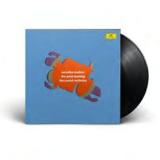
Album #4 der brandneuen Vinyl-Serie mit zukunftsweisenden Aufnahmen der musikalischen Avantgarde.
Unter den 24 Alben, aus denen sich die Originalausgabe der Avant-Garde-Reihe der Deutschen Grammophon zusammensetzt, die zwischen 1968 und 1971 erschien, zählt die Interpretation von „Paragraph 2
& 7“ aus „The Great Learning“ des englischen Komponisten Cornelius Cardew mit dem Scratch Orchestra
nach wie vor zu den beliebtesten und komplexesten.
Nach Abschluss seines Studiums an der Royal Academy of Music in London zog Cardew 1958 nach Köln
und arbeitete dort als Assistent von Karlheinz Stockhausen im Studio für elektronische Musik des Westdeutschen Rundfunks (WDR).
John Tilbury sagte, dass es Cardews Ziel sowohl mit dem Scratch Orchestra als auch mit „The Great
Learning“ war, „die grundlegendsten Prinzipien der westlichen Kunst und insbesondere das des Künstlers
als Aristokraten zu überwinden. Das Scratch Orchestra war ein Ausdruck der Universalität der Kunst;
Kunst als Lebensweise.“
Diese 1971 aufgenommene Veröffentlichung von „The Great Learning“ ist nach wie vor die wichtigste
Quelle für eine klangliche Erfahrung mit dem Scratch Orchestra und der bedeutendste Beitrag zu seinem
bleibenden Vermächtnis.
Gemastert und geschnitten von den originalen analogen ¼-Zoll-2-Spur-Masterbändern von Rainer Maillard
und Sidney Claire Meyer in den Emil Berliner Studios.
Limitierte und nummerierte Auflage mit Original-Artwork und einer neu gestalteten, wunderschön gearbeiteten Sammler-Cover mit neuen Liner Notes von Bradford Bailey, gepresst auf 180-g-Vinyl.
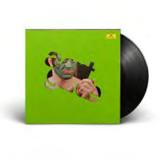
Album #5 der brandneuen Vinyl-Serie mit zukunftsweisenden Aufnahmen der musikalischen Avantgarde.
Mauricio Kagel (1931–2008) wurde als Sohn jüdischer Eltern in Buenos Aires geboren. Seine Familie
war vor politischer Verfolgung in Russland nach der Oktoberrevolution nach Argentinien gekommen. Kagel
wuchs in einer der dynamischsten gesellschaftspolitischen Phasen der argentinischen Geschichte auf.
Exotica ist seiner Zeit zwar bemerkenswert voraus, steht aber gleichermaßen im Einklang mit der Kulturlandschaft der frühen 1970er Jahre. Als sich der Hippie-Trail seinen Weg um den Globus bahnte, fanden
Sitars, Gongs, Bambusflöten, Gamelans und gestimmte Perkussionsinstrumente zunehmend Eingang in die
Pop- und Avantgardemusik Europas und der USA.
Exotica – unter Einsatz von mehr als 200 Instrumenten aus aller Welt – spielt sich wie eine fröhliche
Komödie in fünf Akten. Ähnlich wie Shakespeare und Beckett setzt Kagel Humor meisterhaft als Mittel
der Kritik ein und hält der Kulturlandschaft seiner Zeit einen grellen Spiegel vor.
Gemastert und geschnitten von den originalen analogen ¼-Zoll-2-Spur-Masterbändern von Rainer Maillard
und Sidney Claire Meyer in den Emil Berliner Studios.
Limitierte und nummerierte Auflage mit Original-Artwork und einer neu gestalteten, wunderschön gearbeiteten Sammler-Cover mit neuen Liner Notes von Bradford Bailey, gepresst auf 180-g-Vinyl
pre-order now28 Aug
expected to be published on 28 Aug
35,25 €
0 Cart
Nino Antonellini, Roland Kayn, Coro da Camera della RAI, Roma,
Marino Zuccheri
Album #6 der brandneuen Vinyl-Serie mit zukunftsweisenden Aufnahmen der musikalischen Avantgarde.
Luigi Nono (1924–1990) genoss während seiner gesamten Karriere große Anerkennung. Als zentrale Figur
des Nachkriegsserialismus trat der venezianische Komponist in den 1950er Jahren als eines der drei Mitglieder der „avant-garde trinity“ neben Karlheinz Stockhausen und Pierre Boulez in Erscheinung.
„Contrappunto“ wurde 1968 für 2-Kanal-Tonband komponiert, in einer Zeit, in der Nono sich intensiv für
die internationalen Studentenbewegungen sowie gegen den Vietnamkrieg engagierte. Nono stützte das
Werk auf eine Madrigal-Komödie von Adriano Banchieri aus dem frühen 17. Jahrhundert und erklärte,
er habe „versucht, die Art des musikalischen Prozesses widerzuspiegeln, den Banchieri verwendete: die
Konzentration auf die Stimme, die Einbeziehung von Klangmaterial der damaligen Zeit, humoristische und
parodistische Verzerrungen, insbesondere in den lyrischen und dramatischen Elementen … aber in der heutigen Aktualität“.
Roland Kayns „Cybernetics III“ nimmt auf beeindruckende Weise die Fortschritte in den Bereichen Synthese, Computer- und Aufnahmetechnik sowie die Entwicklung von Samplern und Sequenzern vorweg. Die
Art und Weise, wie diese Werkzeuge von den Künstlergenerationen, die in Kayns Fußstapfen traten, aufgegriffen wurden, hat die Rahmenbedingungen der elektronischen Musik grundlegend verändert. In diesem
Sinne hat „Cybernetics III“ tiefgreifende Veränderungen im kreativen Denken vorausgesehen.
Gemastert und geschnitten von den originalen analogen ¼-Zoll-2-Spur-Masterbändern von Rainer Maillard
und Sidney Claire Meyer in den Emil Berliner Studios.
Limitierte und nummerierte Auflage mit Original-Artwork und einem neu gestalteten, wunderschön gearbeiteten Sammler-Cover mit neuen Liner Notes von Bradford Bailey, gepresst auf 180-g-Vinyl.
Euronymous’ Deathlike Silence Productions in 1993, & with each subsequent release, Sigh grew to become one of the country’s greatest & most revered metal exports. With a journey through the strange & the psychedelic, incorporating a whole eclectic mix of genre styles & experimentation throughout their career, Sigh has remained a vital creative force in the avantgarde field whilst maintaining their old school roots, as witnessed with the stellar 2022 album, ‘Shiki’. 2025 also saw Sigh remaking their ‘Hangman’s Hymn’ album for a release on Peaceville as part of the band’s 35th anniversary celebrations, in the shape of ‘I Saw The World’s End: Hangman’s Hymn MMXXV’.
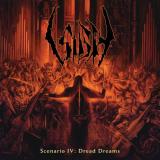
With the ongoing early line-up of Mirai Kawashima, Shinichi Ishikawa, & Satoshi Fujinami, ‘Scenario IV: Dread Dreams’ was the band’s fourth studio album, originally surfacing in 1999. This was also notably the final title in partnership with Sigh’s then-label, Cacophonous Records. Delving evermore into the experimental side of music to conjure an interlinked gallery of twisted soundscapes; ‘Dread Dreams’ became more of a journey into the realm of psychedelia & rock over black metal, with this Zappa-inspired odyssey acting as somewhat of a direct pre-cursor to what was to follow with the celebrated ‘Imaginary Sonicscape’ opus.
‘Dread Dreams’ was once more recorded at Shinjuku On Air Studio with J. Yamada, with a selection of guests including Damian Montgomery of Ritual Carnage lending lyrics plus guest vocals, along with King Fowley (Deceased), & Killjoy (Necrophagia) supplying additional song lyrics. Cover art came courtesy of renowned artist Joe Petagno (Motörhead, Autopsy).
Continuing with Peaceville’s re-issues of Sigh’s classic works, this edition of ‘Dread Dreams’ contains a new master created by Patrick Engel at Temple of Disharmony.
The release also includes a new interview with main-man Mirai Kawashima conducted by Dayal Patterson of Cult Never Dies, with his thoughts, influences & reflections on the album & its challenges.
Buckshot returns with The Package, his latest solo album and his first to be entirely self-produced. The Brooklyn legend handles every beat himself this time, with features from General Steele of Smif-N-Wessun bringing the Boot Camp Clik brotherhood full circle.
Co-founder of Duck Down Music with Drew "Dru-Ha" Friedman, Buckshot has spent over three decades building one of hip-hop's most respected independent labels while staying prolific on the mic: a solo studio album, three with producer 9th Wonder, one with KRS-One, four with Black Moon, and four with the Boot Camp Clik. He's the voice behind "Straight from Crooklyn, better known as Brooklyn," a line that still echoes through the culture, prominently featured on two Crooklyn Dodgers tracks.
Formed in 1981 by two Rockford, Illinois, and two Brookfield, Wisconsin, natives in the midpoint of Milwaukee, Die Kreuzen (pronounced dee kroyt-zen) chose their name specifically to avoid stereotyping because “no one knows what it means. 'Die Kreuzen' roughly translates out of German meaning 'to intersect' or 'to hybridize,' which is exactly what they did on their five LP's for Touch and Go. Their self titled debut is considered one of the most seminal hardcore records of the early 80’s. As far as October File is concerned, remember that flannel shirt movement in the 90's? This is what those guys were listening to.
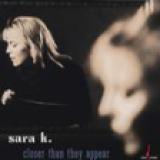
Originally released in 1992 and long elusive to collectors, this timeless tour-de-force launched the international career of the acclaimed singer- songwriter. Backed by an incredible lineup of musicians assembled by musical director and second guitarist Bruce Dunlap , the album showcases Sara's distinctive voice and unique 4- string acoustic guitar style. While her songwriting seamlessly weaves together elements of jazz and folk, the album poses a brilliant artistic statement: an intuitive, live dialogue that transitions effortlessly from sweet serenity to thunderous emotion. Rather than standard acoustic arrangements, the world- class ensemble treats the material with deep empathy, subtle accents, and constant creative daring
John Tchicai (1936 – 2012) was one of the most important free improvising saxophonists of the 20th Century: an artist of rare vision and aptitude whose lines soared and stood out even in the most hallowed company, and whose body of work as a leader / composer is among the most singular and distinct within the entire canon of that music. But Tchicai’s importance doesn’t end there. Born in Copenhagen, Denmark, to a Danish mother and a Congolese father, his life and career represent a crucial bridge between the European and American traditions of free jazz. Initially trained on violin as a child, Tchicai shifted his focus to the clarinet and alto saxophone during his mid-teens, and began touring Europe as a professional musician by his early 20s, which landed him at a socialist youth festival in Helsinki, Finland, where he met the trumpeter Bill Dixon and saxophonist Archie Shepp. Impressed by what they heard, Dixon and Shepp encouraged the young saxophonist to move to New York, and in so doing changed the history of jazz forever.
Tchicai’s arrival in New York marks the rare occurrence of a European player joining the intimate circle that was first wave of American free jazz. Following his landing in the city in November of 1962, in addition to regularly sitting in with Don Cherry’s group, Tchicai began playing with Bill Dixon's band alongside Archie Shepp and Roswell Rudd, forming the nucleus of the foundation of the New York Contemporary Five - one of the most important groups of the era - which counted Tchicai, Shepp, Cherry, Don Moore, and J. C. Moses as its members. From the ashes of this group, Tchicai would go on to found the legendary ensemble, New York Art Quartet, with Roswell Rudd, Milford Graves, and Lewis Worrell, as well as working within Albert Ayler's band, recording “New York Eye and Ear Control”, Shepp’s band, recording “Four for Trane”, the ensemble that recorded John Coltrane's “Ascension”, and the Jazz Composer's “Orchestra”.
By the time he decided to return to Denmark in 1966, had Tchicai chosen to record little else, his legacy within the history of music would have been ensured. Incredibly ambitious, his arrival home marked the beginning of an incredible period of activity which saw him radically expanding his creative explorations, which by the end of the decade would include becoming a founding member of Amsterdam's Instant Composers Pool and helping to record John Lennon and Yoko Ono's “Unfinished Music No.2: Life with the Lions”. This, however, was proceeded the formation of a new orchestra, Cadentia Nova Danica, led by Tchicai, dedicated to radical cross-disciplinary exploration. Remaining together between 1966 and 1971, the group and its shifting membership regularly fell into collaboration with artists and composers, notably Musica Elettronica Viva, who existed beyond the realms of jazz, as well as participating within multi-media events that incorporated the visual realms.
Cadentia Nova Danica’s only two LPs - “Cadentia Nova Danica” (Polydor, 1968), and “Afrodisiaca” (MPS, 1969) - are effectively Tchicai recorded efforts as a leader, and are legendary. There’s little mystery, once heard, why the later landed on Thurston Moore’s iconic “Top Ten from the Free Jazz Underground”, published by Grand Royal in 1996. Sadly, despite playing extensively during their five year run, with exception of a CD documenting a performance at Jazzhus Montmartre, in 1966, until now there has been no other publicly available recordings that allow us to capture a glimpse of this astounding band at work. Alga Marghen / Formalibera’s vinyl pressing of a never before released body of recordings, made in Copenhagen between 1969 and 1970, changes that in the most exciting of ways.
Comprising three pieces - “Mc Gub Gub, (I–VIII)”; “Ode to Skt. John”; and “Pladepip” - the material on this stunning LP comes from two specific events. The first, which encompasses the first side, “Mc Gub Gub, (I–VIII)” was recorded by Cadentia Nova Danica - in this instance, Tchicai, Sune Weimar, Theo Rahbek, Christian Kyhl, Niels Holt, Jørgen Thorup, Michael Schou, Morgens Bollerup, Allan Gregersen, Ole Matthiessen, Pierre Dørge, Willy Jaegert, Anthony Barnett, and Jon Finsen - on May 29th, 1969, at the ABC-Theatre in Copenhagen. Penned by Tchicai, the piece is a sprawling, evolutionary composition at the outer reaches of free jazz, rooted in large blocks of colliding tonality and rhythm - a sound only accessible to larger ensembles - that push territories explored by Charles Mingus to previously unimagined heights, threaded by moments of hard blown fire. Writhing like a stormy sea - skronking and devilish - “Mc Gub Gub, (I–VIII)” is a work of profound complexity that singlehandedly illuminates not only Tchicai’s singular vision as a composer, but also the power and uniqueness of Cadentia Nova Danica during the band’s most vital period.
The two pieces - “Ode to Skt. John” and “Pladepip” - taking up the flip side, were recorded on February 21st, 1970, at the Danish Broadcasting Corporation’s Radio House, and are the outcome of Cadentia Nova Danica’s extended residency there between 1969 and 1970. In many ways, these two recordings offer some of the best insights into the broad collaborative approaches that defined the band, in this case encountering them working with Danish experimental composer, Svend Erik Werner, who was among the earliest in his country to embrace stylistic pluralism and the use historical forms within a modern context. “Ode to Skt. John” - based on aspects of Gregorian music - was penned by Werner, incorporating heady improvisation by the members of Cadentia Nova Danica, this time made up by Tchicai, Sune Weimar, Hugh Steinmetz, Theo Rahbek, Christian Kyhl, Michael Schou, Morgens Bollerup, Ole Kühl, Torben Enghoff, Mauritz Tchikai, Kjeld Ipsen, Willy Jaegert, Ole Matthiessen, Ole Thilo, Pierre Dørge, Steffen Andersen, Jon Finse, and Clause Bøje. The piece is a fascinating binary of the composed and improvised, utilising the band’s large scale to introduce a remarkable sound within its slow progressions and furious, driving free moments, in this incredible meeting of worlds.
The album’s final piece, “Pladepip”, is arguably its most historically significant: an entirely singular piece, unlike anything in Tchicai’s recorded canon as his foray into musique concréte. Drawing upon two recordings of full-band improvisations by Cadentia Nova Danica, for its creation Tchicai also gouged the surfaces of 78rpm records in his collection to skip and create repeated phrases and patterns, creating a stunning sound collage of hard angles and abrupt phrase, that creates a striking counterpoint to the band’s flowing improvisations that bookend those passages. The result is an engrossing listen and easily one of the most unique and culturally important gestures in the entire history of musique concréte.
Truly incredible, Alga Marghen / Formalibera’s vinyl pressing of this never before released body of recordings, made by John Tchicai’s Cadentia Nova Danica, in Copenhagen between 1969 and 1970, offers an unprecedented window into one of the most important groups working in Europe during that period, significantly expanding their rare and slim discography to date. Accompanied by extensive exploratory liner notes by veteran jazz writer, Ed Hazell, this is easily one of the most historically important archival releases of the year and is impossible to recommend enough. Absolutely essential on every count.
The compositions recorded here are a product of work with computers in synthetic speech, song and vocal sounds and were created between 1972 and 1975. The music was realized on two different computer music systems and takes advantage of, and attempts to extend and explore their features. The system employed to realize speech songs was created at the Bell Telephone Laboratories for research in synthetic speech and speech communication. Since the system was not designed for musical purposes, its limitations were severe and its musical use a great (and often rewarding) challenge. The system used for In Celebration and The Story of Our Lives was designed with the expressed purpose of creating synthetic musical voices, and was therefore much better suited to the task at hand. As with any high technology project, there was extensive collaboration in the production of the works.
The works on this disk are called computer music because the sounds were created numerically in a computer before reaching magnetic tape and loudspeakers. The computer did not compose the music. However, it was only used as a sound synthesis and analysis medium. In order to hear the sounds which are represented in the computer as successions of numbers it was necessary to attach a digital-to-analogue converter to the computer. The converter transformed the succession of numbers into a fluctuating voltage which was recorded directly on to audio tape.
The technique used to create the synthetic voices is called speech synthesis-by-analysis. For this method of speech synthesis, only those words, phrases and sentences which have been spoken into the computer previously (via an analogue-to-digital converter) may be synthesized. First the digitally-recorded speech is analyzed by programs which extract the attributes (parameters) of the speech for short time segments (.01 sec.). From these parameters the speech may be recreated in a form which resembles the original recording very closely. But for musical purposes the parameters are most often altered before synthesis. It is possible, for example, to change the natural pitch contour of the speech into a melodic line or to change the speech speed without altering the natural pitch level.
The variety of musical patterns which may be created from the analytic parameters is limited only by the composer's imagination. Most of the speech sounds on the recording were created by changing the pitch and duration attributes of the original on resynthesis, but for a few, the resonances (the formants) of the speech were altered as well. The voice of the book in The Story of Our Lives was created by replacing the program which simulates the sound of the human vocal cords with one consisting of 64 sine tones glissandoing at different rates. All the textures in which more than one voice is heard were obtained by mixing the synthetic voices together digitally.
Anderson .Paak returns with K-POPS! (Music from and Inspired by K-POPS! Motion Picture), a bold cross-cultural soundtrack accompanying his Netflix directorial debut. Featuring an all-star lineup including G-DRAGON, aespa, JID, DEAN, NMIXX, and members of SEVENTEEN, ATEEZ, and i-dle, the 17-track project blends K-pop, R&B, hip-hop, and soul into a vibrant celebration of music and storytelling. More than a soundtrack, K-POPS! captures the spirit of collaboration, connection, and global creativity at the heart of the film.
out of Stock
Last delivered 50 days ago available to reorder, subject to availability
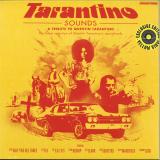
Die Compilation vereint ikonische Tracks aus Tarantinos gesamtem filmischen Werk: von Pulp Fiction über Kill Bill bis Once Upon a Time in Hollywood. Mit dabei sind musikalische Größen wie Dick Dale, Johnny Cash, Joe Tex, The Coasters, The 5.6.7.8"s, Dee Clark, Keith Mansfield und viele mehr. Tarantino Sounds entführt in eine Welt aus Surf-Rock, Soul, Rockabilly und Retro-Vibes - genau wie Tarantino sie liebt und inszeniert.
out of Stock
Last delivered 52 days ago available to reorder, subject to availability
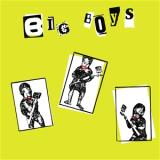
Die Big Boys begannen ihre Karriere in der Punk-Szene von Austin Ende der 1970er Jahre. An der Spitze der Band stand der gelegentlich als Frau verkleidete Randy ,Biscuit" Turner, begleitet von Tim Kerr an der Gitarre, Chris Gates am Bass und einer Reihe von Schlagzeugern - der bekannteste unter ihnen ist Rey Washam (Scratch Acid). Im Gegensatz zum Rest der damaligen frühen Hardcore-Szene scheuten sie sich nicht, von superschnellen Tempi abzuweichen und stattdessen auf netten White-Boy-Skate-Funk zu setzen. Abgesehen von den Funk-Einflüssen spielte die Band zeitweise eine frühe Form des Post-Punk, nicht unähnlich ihren Zeitgenossen The Minutemen. Dank ihrer Teilnahme an einigen der ersten ,Skate-Compilations" des Thrasher-Magazins waren die Big Boys bei der neuen Skate-Punk-Szene der 80er Jahre enorm beliebt. Sie waren auch dafür bekannt, das Publikum zum Mitmachen zu animieren und so die Barrieren zwischen Künstlern und Zuschauern abzubauen. Sie coverten sogar Kool & the Gang und ließen sich nie beirren, wenn sie sich auf musikalisches Neuland wagten. Also, Leute, gründet jetzt eure eigene Band!
out of Stock
Last delivered 52 days ago available to reorder, subject to availability
En Direct presents “No More Spectacles”, the fourth release from one of the finest electro EBM projects worldwide. With this new work, En Direct leans further into a sharper and more emotionally charged EBM sound while making clear they do not renounce their roots as the driving force behind the influential electro imprint Clear Memory. The record is infused with strong post- punk overtones, somewhere between the cold intensity of classic body music and the melancholic tension of post-punk reimagined through EBM structures. No More Spectacles delivers a sound that feels both immediate and deeply atmospheric. Drill-like kicks hammer through the mix while distorted basslines split the tracks wide open, locking into martial and commanding vocal lines that push the energy forward with relentless precision. Mechanical yet deeply human, the record balances darkness, groove, and emotional weight with remarkable control. Built for strobe-lit floors and restless bodies, “No More Spectacles” confirms En Direct as masters of a sound where post- punk sensibility and EBM functionality collide at full force. Presented in ONE-OFF truly limited edition of 300 copies lacquered pressed on 180 gr. high quality solid BLACK vinyl. All tracks have been specially remastered and mastered for vinyl by Daniel Hallhuber at Young and Cold Studios (Germany).
out of Stock
Last delivered 52 days ago available to reorder, subject to availability
Berlin’s Phil Berg, one of techno’s most distinctive rising names, debuts on Mutual Rytm with his ‘Dārin’ EP. First invited as the debut guest DJ for Mutual Rytm’s inaugural label night back in 2022, Berlin’s Phil Berg has maintained a close relationship with the imprint ever since. Known for his shadowy, immersive sound, Berg has carved out a singular position within the scene - equally respected for his high-impact DJ sets, his improvisational live performances, and a production style defined by clarity, tension, and a deeply recognisable sonic identity. While his live shows remain a vital part of his artistic DNA, often shaping the raw ideas that later evolve in the studio, his work extends far beyond the club floor, marking him out as a fully formed and increasingly essential voice in contemporary techno. That connection between stage and studio is fully realised on ‘Dārin’, where Berg delivers a darker, more driving statement for his Mutual Rytm debut, with the title track already becoming a standout in the sets of label founder SHDW. The title cut opens the EP with great urgency, as flaming drums and machine-gun synths are fired across the night sky, with sensuous whispers and sonar pulses adding the pull of the groove. Next, ‘Tempest’ brings big, banging hits, nailing down the kicks while rising tension appears through the backlit synths and distant bass rumbles. ‘Tanoo’ releases the pressure with a more luminous synth line that locks you in a trance as linear drums race on, while ‘Mephisto’ keeps you on edge with twitchy motifs and a burrowing bassline that drills down deep into a moody underworld. The EP closes with ‘Destiny Bond’, which rises with undulating, tactile lines, sleek synth smears, and a cosmic sense of travel. As digital bonus cuts, ‘Seiko’ and ‘Nyx’ bring anxiety and foreboding to the fore with two more muscular and physical deep techno hitters crafted for maximum impact.
out of Stock
Last delivered 15 days ago available to reorder, subject to availability
Originally released in 1990 by Happy Mondays, Pills ‘n’ Thrills and Bellyaches captured the chaotic, euphoric spirit of the Madchester movement, blending indie rock, acid house rhythms and funk grooves into a sound that helped reshape British alternative music. Featuring era-defining tracks such as “Step On” and “Kinky Afro,” the record became both a commercial breakthrough and a cultural snapshot of a generation fuelled by dance culture and Northern nightlife.
More than three decades later, its grooves, attitude and genre-blurring production still resonate strongly with contemporary audiences, influencing modern indie and electronic artists alike.
1LP Red Edition. All original audio remastered from Factory Records master tapes. Includes original album and brand new liner notes by James Brown.
This is the first leader album by Akira Miyazawa, one of the greatest tenor saxophonists in Japanese jazz history. It features first-class jazz musicians including Sadao Watanabe (as, fl), Akira Nakano (tp, tb), Takeshi Inomata (dr), and Masahiko Sato (p). Without a doubt, this is one of the most important works in the history of Japanese modern jazz. The title also reflects Miyazawa’s love of fishing, and the jacket features him as a figure casting a fishing line.
A ferocious beat struck out by Takeo Moriyama, a treasure of the Japanese jazz world and one of its most powerful drummers.
This important work, recorded in April 1994 and serving as the catalyst for Takeo Moriyama’s revival, is being released on analog for the first time.
Together with a rock-solid lineup of players including Fumio Itabashi (P), Yoshihiko Inoue (S.Sax & T.Sax), Eiichi Hayashi (A.Sax), and Hiroshi Yoshino (B), Moriyama delivers an overwhelming performance that condenses the entire universe of his fighting spirit into what became “Moriyama’s body.”
The original liner notes by Kazutomi Aoki from the album’s first release in 1994 are also reprinted for this LP edition.
Keith Freund’s music occupies a space where careful musicianship and homebrewed experimentation meet and shake hands. On “Window Left Open,” spacious melodies drift through dense fields of electronic activity: saxophone lines rise above buzzing circuitry, percussion flickers at the edges of the frame, and clustered glitch textures dart through the music like insects in tall summer grass. Every sound feels vividly animated, a charged part of the same mercurial ecosystem.
Freund’s talent lies in balancing warmth and unpredictability with remarkable ease. Patient motifs recall the exploratory spirit of early folktronica, while bit-reduced textures, degraded loops, and idiosyncratic synthesis techniques continually reshape the terrain beneath them. Rather than treating acoustic and electronic elements as opposing forces, Freund allows them to intermingle until distinctions dissolve, creating compositions that reward close listening while retaining immediate warmth. This record finds Freund working with a fully formed vocabulary that is truly his own, transforming glitch, melody, improvisation, and atmosphere into songs that are both fundamentally curious and disarmingly engaging.
*Single/Focus Track
Auf Lambchops siebzehntem Album 'Punching the Clown' kehrt Kurt Wagner zu den Ursprüngen zurück. Angeregt durch eine nächtliche Radiobegegnung mit einer unbekannten Gospel-Aufnahme tauchte Wagner tief in die Welt des „Lined-Out-Singing“ ein – einer jahrhundertealten schottisch-appalachischen Call-and-Response-Tradition, bei der ein einzelner Vorsänger einen Chor Wort für Wort und ohne Schnörkel durch Hymnen führt. Dieser Geist roher, gemeinschaftlicher Stimmen prägt jeden Moment von „Punching the Clown“: Wagner verbrachte Jahre damit, große Songwriter zu studieren und sein Handwerk von Grund auf neu zu erlernen, wobei er Dutzende von Songs auf zwölf reduzierte. Aufgenommen in drei Tagen mit dem Gitarristen Andrew Broder, Justin Vernon (Bon Iver) am Banjo und einem sechstimmigen Chor, zusammengestellt von Blake Morgan und unter der Toningenieurschaft von Lambchop-Veteran Mark Nevers, ist das Album anmutig, ironisch und auf stille Weise erschütternd. Erscheint am 21. August 2026 bei City Slang.
Produziert von Ryan Olson und aufgenommen vom 25. bis 27. August 2025 im April Base, Wisconsin. Die Platte wurde in drei Tagen fertiggestellt und präsentiert Kurt Wagner (Gesang), Andrew Broder (Gitarre), Justin Vernon (Banjo) sowie ein sechststimmiges Vokalensemble, ergänzt durch zusätzliche Choraufnahmen in London und Minneapolis.
*Single/Focus Track
Auf Lambchops siebzehntem Album 'Punching the Clown' kehrt Kurt Wagner zu den Ursprüngen zurück. Angeregt durch eine nächtliche Radiobegegnung mit einer unbekannten Gospel-Aufnahme tauchte Wagner tief in die Welt des „Lined-Out-Singing“ ein – einer jahrhundertealten schottisch-appalachischen Call-and-Response-Tradition, bei der ein einzelner Vorsänger einen Chor Wort für Wort und ohne Schnörkel durch Hymnen führt. Dieser Geist roher, gemeinschaftlicher Stimmen prägt jeden Moment von „Punching the Clown“: Wagner verbrachte Jahre damit, große Songwriter zu studieren und sein Handwerk von Grund auf neu zu erlernen, wobei er Dutzende von Songs auf zwölf reduzierte. Aufgenommen in drei Tagen mit dem Gitarristen Andrew Broder, Justin Vernon (Bon Iver) am Banjo und einem sechstimmigen Chor, zusammengestellt von Blake Morgan und unter der Toningenieurschaft von Lambchop-Veteran Mark Nevers, ist das Album anmutig, ironisch und auf stille Weise erschütternd. Erscheint am 21. August 2026 bei City Slang.
Produziert von Ryan Olson und aufgenommen vom 25. bis 27. August 2025 im April Base, Wisconsin. Die Platte wurde in drei Tagen fertiggestellt und präsentiert Kurt Wagner (Gesang), Andrew Broder (Gitarre), Justin Vernon (Banjo) sowie ein sechststimmiges Vokalensemble, ergänzt durch zusätzliche Choraufnahmen in London und Minneapolis.
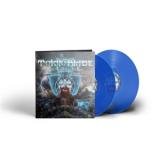
Blue vinyl. Hailing from Wiltshire, forming in 1982, Tokyo Blade was initially considered part of the NWOBHM scene but quickly outgrew the tag, enduring over the course of 14 studio albums and five EPs. Producing genuine early classics such as their self-titled debut and follow-up 'Night Of The Blade', the band went through multiple line-up changes over the years, yet continued to enjoy the support of the metal community and die-hard fans across the globe.
It’s no disrespect to the man to not believe, in part or in whole, every word that Ray Wylie Hubbard writes, sings, or speaks — and frankly, he’d probably respect you a little less if you did. As celebrated songwriters of the outlaw poet/down-home-country-blues persuasion go, Hubbard’s credibility is unimpeachable. And to be fair, even as a somewhat notorious raconteur, his overall truthiness is a lot more bankable than your average politician or fundamentalist grifter.
But fold your cards every time he goes all in across a table from you, or swallow as fact every nugget of wisdom he sharpens into verse or stretches into a yarn without catching the gleam in his eye or wry tell between the lines, and odds are you’ve been played. But honestly, that’s all just part of what makes Hubbard so damn fun. “You know, a lot of artists when they put out a record, they go, ‘This is the best record I’ve done up to this point,’” the Americana legend considers sagely after a pause when asked how to best sum up Reel 2 Reel 4 Real, his 20th album in a recording career stretching back to the mid-70s. “But I’m not going to say this is the best record I’ve done. I’ll say it’s the best record I’ve ever heard.” No matter how many awards and Hall of Fame inductions others might honor him with (he’s a member of both the Austin Music HOF and the Texas Heritage Songwriters HOF), Hubbard never swaggers or sings his own praises without keeping his tongue planted firmly in cheek.
But after brushing aside his bluff with a chuckle, Hubbard gets real. “I am very proud of it,” he answers sincerely. “Everybody that played on it put a lot of work into it, and it just felt right doing it. I’m very grateful.” Set for release August 21, 2026 (with the first taste, “Cassette Mix Tape,” dropping May 29, followed later this summer by a second single, “Dog or Wolf”), Reel 2 Reel 4 Real marks Hubbard’s return after a two-album major-label joyride on Nashville’s Big Machine Records. “They treated me great, and did everything they could,” he says, “but it was kind of limited because I’m an old guy. I’m no longer a country hunk, you know?”