Born in São Paulo, Caetano Malta embodies the vibrant creative energy of one of Latin America's most dynamic cities. A singer, songwriter, and multi-instrumentalist, he has spent more than twenty years crafting a distinctive musical universe shaped by Brazil's rich and diverse traditions. Tropicalia, MPB, Afro-Brazilian rhythms, psychedelic folk, and contemporary pop blend seamlessly in his work with effortless elegance.
Over the years, he has become a highly sought-after collaborator. Since 2004, he has performed with numerous leading Brazilian artists, including Lucas Santtana, Bixiga 70, Karina Buhr, and many others. After two decades of international touring, he eventually settled in Paris, where he became the guitarist for Flavia Coelho, Luiza, Guts, among others. As a songwriter, he has also co-written with artists such as Lucas Santtana, Wado, MOMO, Rubinho Jacobina, and Arto Lindsay.
With Eterna Juventude, his long-awaited debut solo album, due for release in autumn 2026, Caetano Malta reaches a new artistic milestone. The record reveals a radiant songwriting style where harmonic sophistication, organic rhythms, and instantly memorable melodies come together naturally. Filled with joyful energy and deep tenderness, Eterna Juventude celebrates imagination, movement, and childhood's unique ability to reinvent the world. It is a remarkably accomplished debut, showcasing an artist whose singular voice and musical identity are already fully formed.
2024 feiern die Broilers ihren runden Geburtstag: 1994 - 2024, 30 Jahre Broilers. 30 gemeinsame Jahre bedeuten Wachsen und Zusammenwachsen. Auch miteinander streiten und zusammen streiten – für die gute Sache. Zusammen feiern und zusammenstehen, in den Besten aller Zeiten und den Schlechtesten aller Zeiten. Und weil es für jede gute Geburtstagsparty auch die passende Musik geben muss, hat die Band zum ersten Mal alle ihre Hits und Lieblingslieder auf einem Album versammelt. Und nicht nur das, die Broilers machen sich selbst ein Geschenk: Zehn der 22 enthaltenen Songs, nämlich alle, die vor 2011 eingespielt wurden, haben sie noch einmal komplett neu aufgenommen. So erstrahlen legendäre Broilers-Klassiker in zeitgemäßem Glanz, ohne ihre Wurzeln zu verleugnen. Die Broilers sind ein Phänomen: Seit über einem Jahrzehnt gehören sie konstant zu den erfolgreichsten Rockbands im deutschsprachigen Raum. Millionen verkaufter Konzertkarten, Nummer- 1-Charts-Platzierungen, Edelmetallauszeichnungen in Folge, kaum ein Superlativ, den die Gruppe sich noch nicht zu eigen gemacht hätte. Ein paar Schulfreunde aus den Vierteln am Stadtrand von Düsseldorf gründeten 1994 eine Band, die sich am ruppigen Sound einer Streetpunk-Variante orientierte, der schon Anfang der 80er-Jahre unter der Bezeichnung „Oi!“ auf der britischen Insel das Licht der Welt erblickte. Die bedingungslose Liebe, die ihnen bis heute von vielen ihrer Anhängerschaft entgegengebracht wird, hat ihren Ursprung in dieser Zeit. Neben den Liedern, mit denen sie über die Jahre ihren Hörern stets aufs Neue aus dem Herzen sprachen, führte aber auch die Kombination der individuellen Charaktere der einzelnen Musiker an die Spitze: Wie fünf Superhelden aus einer Comicserie bündeln sie als Team ihre Kräfte, begeistern so die Fans und können aus dieser Unterschiedlichkeit Kraft schöpfen und spenden. Die Broilers haben keine Angst vor Pathos, Emotionen und Kontrasten: In ihrer Musik sind wuchtige Bläsersätze, Offbeats, da ist Soul und Rocksteady, da sind Flirts mit Power-Pop und Kitsch und das alles, als wäre es das Logischste und Normalste auf der Welt. Diese eklektische Mischung trauen sich nicht viele. Die Broilers wollen es sich anders gar nicht mehr vorstellen. »Jolly Good Fellas – Best of Broilers 1994 - 2024« legt davon eindrucksvoll Zeugnis ab!
Die Welt war nie bereit für The Monsters, und The Monsters waren nie bereit für diese Welt. Nach vierzig Jahren, in denen sie zu einem echten Monster aus Fleisch und Blut herangereift sind, präsentieren sie ihr neuntes Album: gut ein Dutzend kompromissloser, wilder, lärmiger und fuzz-geladener Tracks. Ein Mix aus Ein-Riff-Beat, Trash, Garage, "Bern Metal", Boogie, Punk und Grunge - Songs, die einen von innen nach außen stülpen, aufgenommen mit "Miracle" Robert "Worker" Butler und abgemischt von Jim "Dirtbomb" Diamond - ein echtes Garage-Punk-Dreamteam. Vor vierzig Jahren, 1986, war die Jugendkultur-Revolution in Bern (Schweiz) in vollem Gange, Jugendliche und junge Erwachsene wollten sich aus den konservativen Fesseln befreien. Die Straßen brannten, Clubs entstanden und eine neue Schweizer Musikkultur wurde geboren. Dies markierte auch den Beginn von The Monsters. Vierzig Jahre später hat sich der Zustand der Musikkultur - oder vielmehr der Welt im Allgemeinen - wohl eher verschlechtert. Individuelles Denken und Schaffen sind nach wie vor nicht sonderlich anerkannt oder gar erwünscht (Hey KI!). Im März 2026 blieb der Band also nichts anderes übrig, als ihre Instrumente, das Aufnahme-Equipment und ihre Ideen in den Proberaum zu verfrachten. Sie verbrachten einen Monat mit Robert Butler (u. a. The Miracle Workers) und seinem mobilen "Two Cent Recording Studio". Sie schrieben Texte (insgesamt etwa 100 Wörter - mal sinnvoll, mal unsinnig, über das ganze Album verstreut), tüftelten am Sound und nahmen Gitarren in allen erdenklichen Variationen auf. Das Ganze wurde gewürzt mit Percussion, Schlagzeug, Bass sowie obskuren Orgeln und Synthesizern, die sie auf Flohmärkten oder in den Kellern von Freunden aufgetrieben hatten. Nach diesem vierwöchigen Trip schickten sie das gesamte Chaos an Jim Diamond (Ghetto Recorders Studios in Detroit, Dirtbombs, White Stripes, Gories, André Williams... klar, worum es geht, ne?!), um es einem umwerfenden Mix-Abenteuer zu unterziehen. Das Ergebnis ist ein Dutzend Songs ohne Kompromisse, Schwächen oder Stärken. Einfach nur roher, ungeschliffener Lo-Fi-Garage-Punk'n'Roll voller Energie - und das mit vierzig Jahren "Nicht-Erfahrung". Erhältlich sind schwarzes Vinyl und eine pinke Picture-Disc (beide mit Insert & DLC), eine höchst audiophile CD sowie Kassette, die bei doppelter Geschwindigkeit leiert! Für Fans von Reverend Beat-Man, VRR, The Mummies, Oblivians, Billy Childish, Damaged Goods, Monks, very early Hives, Garagepunk, Lo-Fi-Roll, Alternative Beat
Die Welt war nie bereit für The Monsters, und The Monsters waren nie bereit für diese Welt. Nach vierzig Jahren, in denen sie zu einem echten Monster aus Fleisch und Blut herangereift sind, präsentieren sie ihr neuntes Album: gut ein Dutzend kompromissloser, wilder, lärmiger und fuzz-geladener Tracks. Ein Mix aus Ein-Riff-Beat, Trash, Garage, "Bern Metal", Boogie, Punk und Grunge - Songs, die einen von innen nach außen stülpen, aufgenommen mit "Miracle" Robert "Worker" Butler und abgemischt von Jim "Dirtbomb" Diamond - ein echtes Garage-Punk-Dreamteam. Vor vierzig Jahren, 1986, war die Jugendkultur-Revolution in Bern (Schweiz) in vollem Gange, Jugendliche und junge Erwachsene wollten sich aus den konservativen Fesseln befreien. Die Straßen brannten, Clubs entstanden und eine neue Schweizer Musikkultur wurde geboren. Dies markierte auch den Beginn von The Monsters. Vierzig Jahre später hat sich der Zustand der Musikkultur - oder vielmehr der Welt im Allgemeinen - wohl eher verschlechtert. Individuelles Denken und Schaffen sind nach wie vor nicht sonderlich anerkannt oder gar erwünscht (Hey KI!). Im März 2026 blieb der Band also nichts anderes übrig, als ihre Instrumente, das Aufnahme-Equipment und ihre Ideen in den Proberaum zu verfrachten. Sie verbrachten einen Monat mit Robert Butler (u. a. The Miracle Workers) und seinem mobilen "Two Cent Recording Studio". Sie schrieben Texte (insgesamt etwa 100 Wörter - mal sinnvoll, mal unsinnig, über das ganze Album verstreut), tüftelten am Sound und nahmen Gitarren in allen erdenklichen Variationen auf. Das Ganze wurde gewürzt mit Percussion, Schlagzeug, Bass sowie obskuren Orgeln und Synthesizern, die sie auf Flohmärkten oder in den Kellern von Freunden aufgetrieben hatten. Nach diesem vierwöchigen Trip schickten sie das gesamte Chaos an Jim Diamond (Ghetto Recorders Studios in Detroit, Dirtbombs, White Stripes, Gories, André Williams... klar, worum es geht, ne?!), um es einem umwerfenden Mix-Abenteuer zu unterziehen. Das Ergebnis ist ein Dutzend Songs ohne Kompromisse, Schwächen oder Stärken. Einfach nur roher, ungeschliffener Lo-Fi-Garage-Punk'n'Roll voller Energie - und das mit vierzig Jahren "Nicht-Erfahrung". Erhältlich sind schwarzes Vinyl und eine pinke Picture-Disc (beide mit Insert & DLC), eine höchst audiophile CD sowie Kassette, die bei doppelter Geschwindigkeit leiert! Für Fans von Reverend Beat-Man, VRR, The Mummies, Oblivians, Billy Childish, Damaged Goods, Monks, very early Hives, Garagepunk, Lo-Fi-Roll, Alternative Beat
Die Welt war nie bereit für The Monsters, und The Monsters waren nie bereit für diese Welt. Nach vierzig Jahren, in denen sie zu einem echten Monster aus Fleisch und Blut herangereift sind, präsentieren sie ihr neuntes Album: gut ein Dutzend kompromissloser, wilder, lärmiger und fuzz-geladener Tracks. Ein Mix aus Ein-Riff-Beat, Trash, Garage, "Bern Metal", Boogie, Punk und Grunge - Songs, die einen von innen nach außen stülpen, aufgenommen mit "Miracle" Robert "Worker" Butler und abgemischt von Jim "Dirtbomb" Diamond - ein echtes Garage-Punk-Dreamteam. Vor vierzig Jahren, 1986, war die Jugendkultur-Revolution in Bern (Schweiz) in vollem Gange, Jugendliche und junge Erwachsene wollten sich aus den konservativen Fesseln befreien. Die Straßen brannten, Clubs entstanden und eine neue Schweizer Musikkultur wurde geboren. Dies markierte auch den Beginn von The Monsters. Vierzig Jahre später hat sich der Zustand der Musikkultur - oder vielmehr der Welt im Allgemeinen - wohl eher verschlechtert. Individuelles Denken und Schaffen sind nach wie vor nicht sonderlich anerkannt oder gar erwünscht (Hey KI!). Im März 2026 blieb der Band also nichts anderes übrig, als ihre Instrumente, das Aufnahme-Equipment und ihre Ideen in den Proberaum zu verfrachten. Sie verbrachten einen Monat mit Robert Butler (u. a. The Miracle Workers) und seinem mobilen "Two Cent Recording Studio". Sie schrieben Texte (insgesamt etwa 100 Wörter - mal sinnvoll, mal unsinnig, über das ganze Album verstreut), tüftelten am Sound und nahmen Gitarren in allen erdenklichen Variationen auf. Das Ganze wurde gewürzt mit Percussion, Schlagzeug, Bass sowie obskuren Orgeln und Synthesizern, die sie auf Flohmärkten oder in den Kellern von Freunden aufgetrieben hatten. Nach diesem vierwöchigen Trip schickten sie das gesamte Chaos an Jim Diamond (Ghetto Recorders Studios in Detroit, Dirtbombs, White Stripes, Gories, André Williams... klar, worum es geht, ne?!), um es einem umwerfenden Mix-Abenteuer zu unterziehen. Das Ergebnis ist ein Dutzend Songs ohne Kompromisse, Schwächen oder Stärken. Einfach nur roher, ungeschliffener Lo-Fi-Garage-Punk'n'Roll voller Energie - und das mit vierzig Jahren "Nicht-Erfahrung". Erhältlich sind schwarzes Vinyl und eine pinke Picture-Disc (beide mit Insert & DLC), eine höchst audiophile CD sowie Kassette, die bei doppelter Geschwindigkeit leiert! Für Fans von Reverend Beat-Man, VRR, The Mummies, Oblivians, Billy Childish, Damaged Goods, Monks, very early Hives, Garagepunk, Lo-Fi-Roll, Alternative Beat
The premise of this compilation is simple: music we’d like to hear at the airport.
The idea came after learning that Honolulu’s international airport has been playing AI-generated music over its speakers since November 2025. First reported by Civil Beat, the news has caused frustration and disappointment among residents and visitors, as well as within the local music community.
Everyone knows Hawaii is one of the most musically rich regions in the world — why then is the airport using AI music? 'Music For The Airport' is our response.
Located in the middle of the Pacific at the outskirts of one the most remote cities on the planet, Honolulu’s Daniel K. Inouye International Airport (HNL) is for most people the first place they encounter when they arrive in Hawaii. Warm sun, tropical tradewinds, playful palm trees and majestic mountains welcome every traveler, as do the sounds of birds, familiar music from Hawaiian artists like Aunty Genoa Keawe and Israel Kamakawiwo’ole, and—at least for now—seventeen “island-themed” AI-generated songs.
In late 1977, while sitting in Germany’s Cologne Bonn Airport on a Sunday morning, Brian Eno noticed how terribly uncomfortable he felt hearing the airport’s “muzak” overhead. For a harried, hurried place like the airport where travelers scramble to their gates, stand in long border control lines, and wait impatiently for their luggage at the carousels, music can create more anxiety than calm. Asking himself, "What should we be hearing here?", Eno soon created ‘Ambient 1: Music For Airports’, a sonic remedy aimed at reducing nervousness in public spaces.
When we heard the news that HNL airport is playing AI-generated “muzak”, we were immediately reminded of Eno’s genre-defying 1978 album. And we were similarly inspired to react. But how? Recreating an ambient masterpiece wasn’t in our wheelhouse. We started digging through our catalog of licensed music which we haven’t yet re-released. We quickly realized this was our chance to highlight some of favorite songs from the so-called CD era: the 1990s and 2000s (with a few exceptions). In less than 20 minutes, we pulled 17 original songs recorded by local artists between 1984 and 2017.
The speed at which this project came together surprised us; reactionary gut instinct often produces swift and lasting results. Ironically, our new compilation likely took less time than it did for the state Department of Transportation to commission its AI songs in question. But even though ‘Music for the Airport’ came together in less than one week, the truth is that this collection of 17 songs is the result of years of hard work, trust, sacrifice, patience, and understanding. Building relationships with and licensing music from artists doesn’t happen overnight, but more importantly: these songs are the result of people pouring their hearts and souls into something they believe in. This music wouldn’t exist today without the artists and their loved ones who supported them along the way.
As of this writing, the DOT states its intention in creating AI-generated songs is to “highlight different aspects of the islands, aviation and the airport” and that “no state funds were used to produce them”. Okay, but at what cost? Technology disrupting the music industry isn’t news to anyone. AI music in public spaces are cost-saving measures, since its users (airports, for example) don’t have to pay the licensing fees typically required, which can be a worthwhile source of revenue for artists. But what happens when a place like HNL airport, which hosts more than 21 million passengers annually, uses music created by machines instead of people to represent Hawaii? The identity of a place beings to erode, diluted by a language learning model’s conceptual summary of what a people and its culture sounds like. To echo Brian Eno: what should we be hearing here? In other words: what should the music of Hawaii sound like?
We believe in the power of music, especially when it comes from the soul. We believe in supporting artists, especially as AI disrupts our lives. We believe that Hawaii must be represented authentically, especially when it comes to song. And of course we believe in vinyl, especially since it was a record from 1978 (Mackey Feary Band’s debut LP) that inspired Aloha Got Soul’s origins in 2010.
We hope you find as much joy in this compilation as we have. Perhaps it’ll soundtrack your next journey to Hawaii. At the very least, we hope some people take a moment to hear these sounds: in your headphones for now‚ maybe someday overhead at the airport in Honolulu.
The duo Jolie Gentiane come to us straight from a wild and unpredictable mountain peak, a perched place far from civilization, where the beauty and cruelty of mother nature reign but harmonize the elements. They walk the high, steep paths, looking down on the chaotic and industrial world. This increasingly smoky world, which, from the top of the mountains, looks metamorphosing dangeroulsy, but would only need a few changes to make it less crazy. Or perhaps infinitely more so. Jolie Gentiane is a skilful concoction of sound and daring. Unclassifiable, impalpable, the contemporary embracing the tradition and the acoustic swinging with the electronics. Autotuned/vocoderized vocals, 4th world, kitsch sax, psychedelic arpeggios, acoustic guitar, techno, it's all there: the story told by Jolie Gentiane on this album is rich and complete. Nature, love, celebration, struggle, work. Yes, even work. Because the energy deployed to create this album was surreal, patient, extremely methodical, and the abnegation of the protagonists has been vertiginous: the cliff of the highest peak is finally climbed. This album is like an ode to the earth, to the respect we owe it, an ode also to music in its purest essence, that which does not confine itself to borders, but shout for federation, dance and uprising.
Reissued Rise Against: Revolutions Per Minute (2026) anlässlich der aktuellen Feierlichkeiten zum 35-jährigen Jubiläum von Fat Wreck auf violettem Vinyl gepresst! Ursprünglich 2003 über Fat Wreck Chords veröffentlicht, entstand das zweite Album von Rise Against "RPM" inmitten von Tourneen durch die USA, Kanada und Europa. Nach einigen Wochen im Studio Blasting Room Studio, wo sie gemeinsam mit Bill Stevenson (Descendents) und Jason Livermore die Aufnahmen einspielten, präsentierte sich das Quartett mit diesem von der Kritik gefeierten zweiten Studioalbum. Revolutions Per Minute verbindet auf meisterhafte Weise die rasante Energie des Punk mit scharfen, eingängigen Melodien. Tim McIlraths leidenschaftlicher Gesang transportiert gesellschaftskritische Texte in herausragenden Songs wie "Like the Angel" und "Black Masks & Gasoline". Das Album prägte den Punk der 2000er Jahre maßgeblich, schlug die Brücke zwischen rohem Underground-Hardcore und Mainstream-Rock und gilt heute als Meisterwerk des Genres sowie als das definitive Underground-Werk der Band. Band credited with creating a new sound - branch of melodic hardcore and political punk Rise Against's sophomore breakout album, produced by Bill Stevenson and Jason Livermore at Blasting Room Band has amassed 2 platinum records and 5+ gold records in multiple countries and 5+ Top-Charting Alternative Rock Radio hits Features hit singles "Heaven Knows", "Black Masks & Gasoline" and "Leaving Jesusland" Known for their progressive politics, veganism, and outspoken views
The Rio-based project Pra Gira Girar presents a new interpretation of the song Atabaque Chora, originally made famous by the trio Os Tincoãs. Written by Dadinho and Mateus Aleluia, the piece opens the group’s iconic 1977 album Os Tincoãs —and has now been chosen to mark the beginning of Pra Gira Girar’s own recording journey.
Formed by Alvaro Lancellotti, Michele Leal, and Alan de Deus on vocals, Pedro Costa on guitar, Kassin on bass, Zé Manoel on piano and vocals, Zero Telles (in memoriam) and Anna Magalhães on percussion, and Diogo Gomes on trumpet, the project was born from Alvaro Lancellotti’s long-standing admiration for the work of Os Tincoãs and his wish to create a live show celebrating the legendary trio.
For a year, Alvaro, Michele, Alan, and Pedro made up the core of the group, meeting weekly for rehearsals that became a deep dive into Os Tincoãs’ intricate vocal arrangements. These sessions were essential to recreating the grandeur and complexity of the Bahian trio’s music. Pedro Costa transcribed the vocal lines and, together with Michele Leal — a singer-songwriter with a background in choral singing — adapted the arrangements for a formation that, unlike Os Tincoãs, features a female voice.
For the label's latest, Oath is proud to present 'Honey Tangerine', the newest mini-album from producer extortionaire Olsvangèr, who serves up his signature blend of hyper-kinetic, ever-shifting dance music.
Olsvangèr's sound and musical journey are forever rooted in the liminal spaces that make up the broad-reaching and ever-shifting electronic music landscape, with his records consistently channeling that in-betweenness that imprints lasting impressions. A classically trained musician with a profound passion for house and techno, Olsvangèr's sonic palette is one of both broad and delicate brush strokes, applying an array of compelling motifs within amorphous arrangements that blend and blur perspectives. His records seek out the faraway fringes as much as focusing on the intensity found in the detail, creating cavernous soundscapes that are impeccably tuned and effortlessly free-flowing. Seemingly genreless, his records are anchored in all that is known and loved, yet due to the music's perspective situated at the intersectionality of electronica, a beautiful anticipation resides within every stanza of his tracks at what may come next. His musical language has found him releasing on the likes of Kalahari Oyster Cult, Hooj Choons and Craigie Knowes, and follows through within his imprint Tofistock, which has been pushing some of the most forward-thinking dance music of recent times.
'Honey Tangerine' touches upon the classic motifs of Olsvangèr's sound, and as always, the room for growth within the record's parameters remains truly endless. Over six tracks, Olsvangèr lays bare the directions of travel, with paths unravelling that feel well trodden yet with some that branch out towards new horizons. 'Source of Thought' opens up proceedings with a captivating ambience, where twinkling hues and lively tones paint the parameters of sound. The chuggy breaks that land deep within the mix drop in and out of view, allowing a deft balance between pure ambiance and rhythm to exchange dialogue between one another. 'In a Nutshell' shifts gears in atmosphere and energy, with all eyes placed upon the club. The shifting rhythm section lifts the acidic melodic features up above, with driving bass notes and a euphoric vocal like lead linking the depths to the heavens. 'Tulpa Nine' swings into heads-down territory, where the drums swing slow and the throbbing bass hits heavy. The auto-tune vocal line up above creates an atmosphere of hazy, smoke-filled rooms, where the party yearns for downtime in anticipation of the next shift in energy.
'Sunrise on the Lips' gives over further chill out room vibrations, where the lights remain low, and smiles reside all around. The enriching drums provide the basis for sitars and glossy keys to glide across the top ends, with the mind invited to dip deep within this enthralling ensemble. 'Zoom It Out' provides the release into the room, with the ante upped. A breaky house leaning number, this cut grooves through its chiming melodic section and groove-laden bass line, with the polyrhythmic drumming pattern doing much to keep the energy residing very high indeed. The record is wrapped up with 'Some Air', which gives over one final jaunt through the airy, slowed-down slipstreams. A wondrous beat is complemented by melodic elements that chime, absorb and quiver, glowing through the night with such charm and feel. An engrossing composition that demonstrates what Olsvangèr is all about - a crafter of sound, where adventure is sought and found, never wavering but curating new connections, feelings, and tones, with an eye on what might come next.
Whether softly undulating or boundlessly expressive, Olsvangèr's music remains a beautiful enigma that serves up both the glorious knowns and the captivating unknowns - 'Honey Tangerine' is yet another chapter in his glorious discography.
Norman Gervais and Charles Bals return after last year’s Transcoastal compilation with their first project for the Italian label Periodica Records and its newly founded imprint, Periodica International.
The concept behind SiRENE 89 is quite particular and took six years to develop. It is presented as the live recording of one long evening, with different bands taking the stage one after another on the terrace of a Mediterranean holiday resort in 1989, inspired by the places Charles and Norm remember from their summer holidays around that time.
The songs were recorded between 1982 and 1993 and gathered from small-time artists, beach-club vagabonds, local micro-labels, library records and privately released tapes. The music moves lightly between mystical ballads, digital samba and loose, sunburnt dance songs, carried by drum machines, not-quite-tuned guitars and college-band voices.
The audience on the terrace remains quietly present throughout, joining the tracks into one continuous, partly improvised set. By the end, it feels less like a compilation and more like a place where you have spent the night, proving that charm can carry further than perfection.
Georg Danzer war eine Lichtgestalt der Austropop Szene. Wie kein anderer hat er mit seinen Songs und Texten ins Schwarze der österreichischen Seele getroffen. Die Anekdoten auf "13 schmutzige Lieder" sind schlüpfrig, verwegen und oftmals herrlich unkorrekt. Danzers lässiger Dialekt macht den Reiz aus, er gibt den schmutzigen Liedern den Charme, der sie so unverwechselbar macht. Am 7. Oktober hätte Georg Danzer seinen 80. Geburtstag gefeiert. Zu diesem Anlass veröffentlicht Sony Music eine Neuauflage seiner "13 schmutzigen Lieder" auf "schmutziger Vinyl" - als Spezialpressung auf Black Dust Vinyl mit Orange & Schwarz. GEORG DANZER - "13 schmutzige Lieder" - ab 2.10.26 auf schmutziger Vinyl erhältlich! Tracklist: New Orleans Alptraum Stomp | Murphy's Law | Sado-Maso | Swinging Prostata | Rosarode Gummihandschuach | Gnädige Frau in Malaga | Eigentlich bin ich ein Schwein | Der imaginäre Vibrator-Walzer vom 22. Juli 1998 | Karibik in Unterhosen | Olle Weiber san G'frassta | A alte Drecksau | Strandbrunzer-Tango | Ballade vom versteckten Tschurifetzen | Ruaf die Zeitansage an | Leck Mich | Ich denk an Sex | Suche nette Partnerin zum Bumsen ... | Kreuzritter | Tanz Erotisch
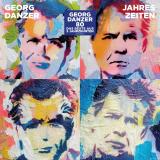
GEORG DANZER - "JAHRESZEITEN" - Das Beste aus fünf Jahrzehnten Anlässlich des 80. Geburtstags des großen österreichischen Liedermachers GEORG DANZER veröffentlicht Sony Music eine von Georg Danzers langjährigem Wegbegleiter und Manager Franz Christian Schwarz liebevoll kompilierte Best Of mit dem Titel "Jahreszeiten". Das auf farbiger 2LP sowie auf 1CD erhältliche Album umfasst Lieder aus jeder Schaffensphase des 2007 verstorbenen Künstlers, dessen musikalisches Erbe die österreichische Musik nachhaltig prägte. Das Albumcover setzt sich aus vier Portraits Georg Danzers zusammen, die von Nina Maron, Tochter des unvergessenen Sigi Maron, gemalt wurden. Franz Christian Schwarz beschreibt die Zusammenstellung der Best Of mit folgenden Worten: "Alle meine Lieder sind wie Sonne Mond & Sterne" ist der Beginn eines Liedes auf der CD-Single "Sonne, Mond & Sterne", die anlässlich der gleichnamigen DVD-Veröffentlichung von Georg Danzer erschienen ist. Diese Liedzeile gab auch den Ausschlag, die vorliegende Doppel-LP "Jahreszeiten" zu nennen, um die Bandbreite von Danzers musikalischer Vielfalt unter Beweis zu stellen. Danzer schaffte es wie kaum ein anderer Beobachtungen, Erzählungen, Gedanken und Emotionen in Worte und Melodien zu fassen. Mit über fünfhundert veröffentlichten Liedern für sich selbst und andere Interpretinnen und Interpreten zählt Danzer zu den produktivsten Liederschreibern des Landes. Einige seiner Lieder hielten auch in Schul- und Notenheften Einzug. Die vorliegende Doppel-Vinyl und die um einen Titel verkürzte CD-Version wurden eine spezielle Zusammenstellung, auf der neben bekannten Liedern auch solche zu hören sind, die entweder bisher unbekannt oder dem Zuhörer nicht so geläufig sind, aber das musikalische Spektrum des großartigen Poppoeten widerspiegeln. Sie dient zur Auffrischung von Erinnerungen ebenso wie als Anreiz, sich mit dem Werk Danzers vertraut zu machen oder es neu zu entdecken. Der Frühling ist für viele Menschen ein Zeichen dafür, das
Mutant präsentiert in Zusammenarbeit mit WaterTower Music und DC Studios stolz die erste physische Veröffentlichung von Claudia Sarne’s Original-Soundtrack zu „Supergirl“. Die Komponistin Claudia Sarne sagte über die Entstehung der Musik für „Supergirl“: „Die Vertonung von ‚Supergirl‘ war wie ein wilder Fiebertraum. Ich habe mich besonders mit der Unordnung und Komplexität ihrer Figur identifiziert und liebte die Bandbreite, die der Film erforderte. Die Möglichkeit, von dreckigen Synth-Basslinien und -Sequenzen zu großen thematischen Orchesterstücken und traurigen Solo-Klavierpassagen zu wechseln, war eine unglaubliche Reise. Craig wünschte sich Musik, die das Gefühlsleben der Figuren zum Ausdruck bringt – von Ruthyes Herzschmerz und Idealismus über Karas Verzweiflung und Rebellion bis hin zu Lobos Nihilismus und Krem’s Schrecken; all das verbunden durch die Liebesgeschichte zwischen Kara und Krypto.“ Mit einem Cover-Artwork von Bilquis Evely, gepresst auf 2x 140 gm Farbvinyl, mit einer im Siebdruckverfahren bedruckten D-Seite.
Fontaines D.C. announce their fifth studio album, Dopamine Chamber, released on 16th October via XL Recordings. Produced by James Ford, it is the follow-up to 2024’s UK platinum-certified Romance – and the sound of a band moving decisively away from the guitar language of their early records into something colder, stranger and more synthetic. It arrives today alongside lead single “Marianne” and its accompanying video, directed by Dave Meyers.
Dopamine Chamber arrives like a constellation behind undulating sighs of smog: potent balladry, anthemic melodies glinting through the murk. In a world tipping towards collapse, it asks how pleasure mutates amid peril—and what our pursuit of it reveals about us. Across the album, Fontaines D.C. – Grian Chatten, Carlos O’Connell, Conor Curley, Conor Deegan and Tom Coll – move between gratification and dread until the two meld together, reflecting the overwhelm of artificial intelligence, environmental collapse and political violence all riding the same algorithms as memes, jokes and celebrity culture. “The album itself is a dopamine chamber,” says Chatten. “You step inside and we test these different mind- or mood-altering pieces of music on you.”
Where Romance held its tension in balance, this record tips it. “I think Romance was maybe 60 per cent human and 40 per cent corrupted by automation, and a loss of feeling,” says Chatten, who spent time among the faded grandeur of Venice, Vienna and Sicily in search of lyrical inspiration. “This one feels more like 60 per cent corrupted — the mask is wearing the face a little more.” He resisted any pull towards easy optimism: “I felt it would be more powerful to leave the hope out and reflect the ugliness honestly. This one needed to feel more like a catastrophic warning.”
“Our albums have always questioned a sense of place,” says bassist Conor Deegan. “First Dublin, then being away from Dublin, and then trying to find the romance elsewhere. On this record, the question became: where do you escape to?” Into the self, perhaps – or hedonism, fantasy, cosmetic perfection, eternal youth or the endless refresh of a screen.
Fontaines D.C. have spent five albums refusing to repeat themselves – from Dogrel (2019) through A Hero’s Death (2020), the No. 1 Skinty Fia (2022) and the anarchic, kaleidoscopic Romance (2024). Dopamine Chamber is their most radical turn yet: cold synthesiser tones, marching drums, samples and triggers, several songs with no guitars at all, and the swooning strings of 1960s Italian pop pulled into something synthetic. For guitarist Conor Curley, the aim was to break from the band’s own reference points: “I was trying to find stuff that pointed into the future.” It was made with James Ford between London, the English countryside and Palermo, where Chatten recorded vocals in a makeshift booth built from mattresses and cushions.
“There’s a poignant sense of us being on the brink of some other kind of form of humanity, or non-humanity,” says Chatten. For their fifth album, Fontaines D.C. have built the chamber. What happens to the listener inside it will be the experiment.
Fontaines D.C. announce their fifth studio album, Dopamine Chamber, released on 16th October via XL Recordings. Produced by James Ford, it is the follow-up to 2024’s UK platinum-certified Romance – and the sound of a band moving decisively away from the guitar language of their early records into something colder, stranger and more synthetic. It arrives today alongside lead single “Marianne” and its accompanying video, directed by Dave Meyers.
Dopamine Chamber arrives like a constellation behind undulating sighs of smog: potent balladry, anthemic melodies glinting through the murk. In a world tipping towards collapse, it asks how pleasure mutates amid peril—and what our pursuit of it reveals about us. Across the album, Fontaines D.C. – Grian Chatten, Carlos O’Connell, Conor Curley, Conor Deegan and Tom Coll – move between gratification and dread until the two meld together, reflecting the overwhelm of artificial intelligence, environmental collapse and political violence all riding the same algorithms as memes, jokes and celebrity culture. “The album itself is a dopamine chamber,” says Chatten. “You step inside and we test these different mind- or mood-altering pieces of music on you.”
Where Romance held its tension in balance, this record tips it. “I think Romance was maybe 60 per cent human and 40 per cent corrupted by automation, and a loss of feeling,” says Chatten, who spent time among the faded grandeur of Venice, Vienna and Sicily in search of lyrical inspiration. “This one feels more like 60 per cent corrupted — the mask is wearing the face a little more.” He resisted any pull towards easy optimism: “I felt it would be more powerful to leave the hope out and reflect the ugliness honestly. This one needed to feel more like a catastrophic warning.”
“Our albums have always questioned a sense of place,” says bassist Conor Deegan. “First Dublin, then being away from Dublin, and then trying to find the romance elsewhere. On this record, the question became: where do you escape to?” Into the self, perhaps – or hedonism, fantasy, cosmetic perfection, eternal youth or the endless refresh of a screen.
Fontaines D.C. have spent five albums refusing to repeat themselves – from Dogrel (2019) through A Hero’s Death (2020), the No. 1 Skinty Fia (2022) and the anarchic, kaleidoscopic Romance (2024). Dopamine Chamber is their most radical turn yet: cold synthesiser tones, marching drums, samples and triggers, several songs with no guitars at all, and the swooning strings of 1960s Italian pop pulled into something synthetic. For guitarist Conor Curley, the aim was to break from the band’s own reference points: “I was trying to find stuff that pointed into the future.” It was made with James Ford between London, the English countryside and Palermo, where Chatten recorded vocals in a makeshift booth built from mattresses and cushions.
“There’s a poignant sense of us being on the brink of some other kind of form of humanity, or non-humanity,” says Chatten. For their fifth album, Fontaines D.C. have built the chamber. What happens to the listener inside it will be the experiment.
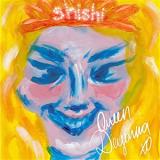
shishi, das sind drei Frauen, die an den Ufern der litauischen Ostsee Post-Punk und Indie-Rock mit Surf-Einflüssen spielen. Diese physische Split-EP (und ihr Debüt auf Vinyl) enthält die neue QUEEN DEYONNA-EP und die frühere FAQ-EP. Ihre Musik verwandelt die Angst und Paranoia einer Welt im Umbruch in kathartische Verrücktheit. Ihre Live-Auftritte sind legendär - voller reichhaltiger dreistimmiger Harmonien, ineinander verwobener Gitarrenparts, grooviger Basslinien und treibender Schlagzeugbeats.
ADULT. kooperiert nicht. Seit über 25 Jahren verkörpert die dystopische Detroit-Synth-Punk-Institution, gegründet von Nicola Kuperus und Adam Lee Miller, unbeirrbare Frustration, Misstrauen und Beklemmung. Man könnte erwarten, dass sich die Kanten mit der Zeit abschleifen, doch ADULT. hat kein Interesse am Komfort eines Vermächtnisses. Noch nie klang die Musik des Duos so unmittelbar, so dringlich und so unverhohlen wütend wie auf dem abschließenden, kompromisslosen Kissing Luck Goodbye.Mit aufgerüstetem Equipment und einer neuen Klangbibliothek gebaut, ist das Material erdrückend dynamisch, lauter - und zugleich klarer. Kuperus' dominante Darbietung rückt im Mix stärker in den Vordergrund und skizziert ein Arsenal aus lebhaften, ätzenden Rufen, Sprechchören und Gedankensplittern. Lachen - ob in den Texten oder als besessene Präsenz - fungiert als Leitmotiv und verweist auf die bedrohliche Absurdität der modernen Zeit.,THE CHAOS IS WHAT THEY WANT", singt sie in ,R U 4 $ALE" - zugleich eine Absichtserklärung: einer brennenden Welt aus Gier und Unordnung mit trotzigem, meisterhaft zusammengebautem Chaos zu begegnen. ,Du hast in dieser Höllenlandschaft, in der wir gerade leben, zwei Möglichkeiten: kämpfen oder depressiv sein", sagt Miller. ,Beides ist okay. Aber, na ja, die Entscheidung war einfach."ADULT. ist bekannt für hochriskante Katharsis auf der Bühne und griff kürzlich auf seinen Backkatalog an Bassgitarren-Songs aus den 2000ern zurück, wobei sie die vorausschauende Anxiety Always-Ära erneut nachzeichneten - teils aus Notwendigkeit angesichts der heutigen politischen und technologischen Angsttemperatur. Die Reaktion war sofort spürbar: ,Wir waren in Paris, und die Kids sind von der Bühne gesprungen. Und ich dachte nur: Das ist großartig. Das ist irgendwie die Energie, in die ich wieder zurückwill", sagt Kuperus.Diese Erkenntnis fiel mit einer Reihe von Rückschlägen zusammen - Kuperus' Anfällen von chronischem Schwindel, dem Verlust ihres engen Freundes und Kollaborateurs Douglas McCarthy von Nitzer Ebb, dem das Album gewidmet ist - alles unter dem drohenden Regime noch einmal erheblich verschärft. ,Wir dachten nur: Alles zerbricht. Wir zerbrechen. Wir sind kaputt." Dieses Gefühl hielt jedoch nicht an, denn letztlich waren sie viel zu sehr von Wut aufgeladen, um stillzuhalten. Die Stimmung vor Kissing Luck Goodbye waren vier Mittelfinger, die kerzengerade nach oben zeigten.Anstatt sich zurückzuziehen, konzentrierten sie sich auf den Prozess und überarbeiteten ihr Setup - inklusive der ersten neuen Mikrofone seit 20 Jahren. Hält man das Album an irgendeiner Stelle an, zählt man wahrscheinlich ein Dutzend Dinge, die gleichzeitig passieren, in seltsamer, schwindelerregender und dissonanter Harmonie. ,No One Is Coming" attackiert Untätigkeit angesichts des Faschismus - ,NO ONE IS COMING TO YOUR RESCUE". ,None of It's Fun" feuert mit atemloser Dringlichkeit, rasenden Glissandi und pointierten Zeilen wie: ,OH I AM TEARING MY GUTS OUT / LOOK AT ME_ DO YOU THINK THAT THIS IS AMUSING?"Eine geradlinige Basslinie und Kickdrum prallen im Abschlusstrack ,Destroyers" auf pulsierende Mantras, werden dann vollständig gesättigt und kakophonisch. Ihre jüngeren Ichs hätten den Song vielleicht sich selbst zerstören lassen, doch hier gelang es ihnen, die Lautstärke durch alle Extreme hindurch zu stabilisieren und Raum für ein eindringliches, abschließendes A-cappella zu schaffen: WE PAY THE PRICE FOR THOSE IN POWER EXPLOITING YOU EXPLOITING ME CONSUMING YOU CONSUMING ME SICK SICK SICK SICKENING IT IS US THAT ARE DEVOURED BY EVERYTHING I WILL EAT YOUR HATE
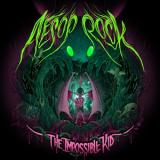
,The Impossible Kid" ist das 2016 erschienene Album von Aesop Rock und gilt als eines seiner persönlichsten Werke. Der Indie-Hip-Hop-Veteran verarbeitet darin Themen wie Depressionen, familiäre Beziehungen und die Veränderungen in seinem Leben, die ihn schließlich aus San Francisco in die Abgeschiedenheit des ländlichen Raums führten. Musikalisch und textlich verbindet das Album Aesops komplexe Reimstrukturen mit mehr Offenheit und Selbstreflexion als je zuvor. Gleichzeitig zeigt er auch seine humorvolle Seite. Wie bereits beim Vorgänger ,Skelethon" übernahm Aesop Rock die Produktion selbst und schuf damit eines der stärksten und zugänglichsten Alben seiner Karriere.
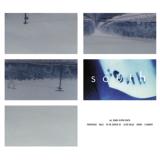
Das selbstbetitelte Debüt von South 1998 (ehemals South) ist vielleicht das, was dem alten Label Jagjaguwar jemals am nächsten kam, Musik zu veröffentlichen, die sich auch bei, sagen wir mal, ECM Records wie zu Hause anhören würde. Spitzt die Ohren, und ihr werdet es hören - Pat-Metheny-artige, klare, ausgefallene Gitarrenklänge, die geduldig zu trägen, hypnotischen, an Steve Reich erinnernden mathematischen Sackgassen geschichtet werden; ineinandergreifende Hackbretter und Vibraphone, die fallen und wogen wie an einem seltenen Tag mit starkem Schneefall in einer Stadt im Süden; die leisen und selbstbewussten Gesänge von Patrick Phelan und Nathan Lambdin, untermalt von den gleichmäßigen Rhythmen des Schlagzeugers Tod Parkhill. Bei der Erstveröffentlichung bezeichneten wir das Projekt aus Richmond, Virginia, als ,Exegese der großen Ambient-Rock-Momente des 20. Jahrhunderts". Daran halten wir fest. Doch bei näherer Betrachtung und mit dem Rückblick auf fast 30 Jahre seit der Veröffentlichung der LP sind ihre kleinen, kniffligen Schätze erst richtig zur Entfaltung gekommen. Es fällt schwer, keinen Vergleich zu einer zeitgenössischeren Künstlergeneration anzustellen, wenn man ,South 1998" wiederentdeckt, das nun aus SEO-Gründen umbenannt wurde (wer hätte das damals gedacht!?!?). Der experimentelle Slowcore-Experimentalismus von Escho Records aus Kopenhagen und ML Buch; ein bisschen von den Vorreitern der Cloudrock-Szene (und Jag-Labelkollegen) Chanel Beads; eine ganze Reihe von Veröffentlichungen des angesehenen (und unterschätzten) norwegischen Labels Hubro. Aber es verdient auch einen Platz im Regal neben seinen zeitgenössischen ,Post-irgendwas"- und ,Pre-irgendwas"-Kollegen von damals - Tortoise, Bark Psychosis, The Sea & Cake. ,South" von 1998, ein unbestrittener Jagjaguwar-Klassiker, war an sich nie verloren gegangen, aber wir haben es für euch wiederentdeckt - zum ersten Mal überhaupt auf Vinyl, als Teil unserer Feierlichkeiten zum 30-jährigen Jubiläum.
After two highly praised singles on consecutive Razor-N-Tape Family Affair compilations, Dennis Liber brings his signature tropical disco sound to the Astro Danza EP, his first solo outing on the label. Inspired by years living in and creating community in the Caribbean, the EP brings together an international crew of musical cohorts to take listeners on a journey through different shades of paradise. From the hypnotic night time energy of the title track, to the tropical joy of Être Heureux (with a standout remix from French producer Anoraak), and the dreamy celebration of feminine freedom in Femme Papillon, the Astro Danza EP is the cosmic and sensual sound of endless summer!
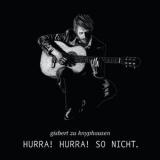
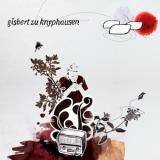
Mit Hurra! Hurra! So nicht. veröffentlichte Gisbert zu Knyphausen 2010 den Nachfolger seines vielbeachteten Debüts und festigte damit seinen Ruf als eine der prägendsten Stimmen des deutschsprachigen Singer-Songwriter-Genres. Das Album wirkt gegenüber dem Erstling reifer, melancholischer und musikalisch ausgearbeiteter, ohne dabei die unmittelbare emotionale Kraft seiner Songs zu verlieren. Entstanden im renommierten Electric Avenue Studio von Tobias Levin und eingespielt mit seiner damaligen Liveband, profitiert die Aufnahme von der Erfahrung zahlreicher Konzerte und einer außergewöhnlich eingespielten Besetzung. Mit der Wiederveröffentlichung auf dem bandeigenen Label Rastplatz Krachgarten wird ein zentrales Werk im Katalog von Gisbert zu Knyphausen erneut verfügbar gemacht und richtet sich sowohl an langjährige Hörer als auch an eine neue Generation von Songwriter-Fans.
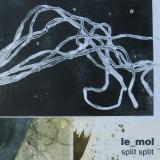
Alles spaltet sich. le_mol loopen. Was bleibt? SPLIT SPLIT - ihr 6. Post-Rock-Album (Noise Appeal Records). Während manche Spaltungen unvermeidlich ("Splitsville"), erzwungen ("Splitter") oder sogar pathologisch ("Split Brain") sind, wirken viele Spaltungen vermeidbar und durch bestimmte diskursive Kräfte vorangetrieben ("Split The Rich"). Würde man Spaltungen jedoch immer weiter aufspalten, käme es dann nicht zu einer Rückkehr von Nuancen, Meinungspluralität und Gemeinschaft? SPLIT SPLIT. Da bei den Instrumentalstücken von le_mol Wort und Musik getrennt sind, dienen die Titel jedoch ohnehin bestenfalls als Interpretationshinweise. Eine Ausnahme bilden die existentialistischen Lyrics von The Zew ("Split Tongue") - einer selbsternannten Cyborg Folk Musikerin aus Wien. Das Konzept setzt sich fort in den Collagen und Monotypien der wienerischen Künstlerin Hanna Hollmann. Musikalisch bietet 'SPLIT SPLIT' eine Mischung aus melancholischem Post-Rock und Shoegaze ergänzt durch Elemente aus Post-Punk, Ambient und Industrial. Der Einsatz mehrerer Loop-Stations ermöglicht es den beiden Multiinstrumentalisten wie eine fünfköpfige Band zu klingen und sorgt für überrasche Wendungen im Songwriting, die gängige Hörgewohnheiten herausfordern. Loops stick together - they never split! FFO: Mogwai, Radiohead, Godspeed You! Black Emperor, Sigur Ros Marketing Hardfacts: - begleitende Konzerte 2026/27 (bestätigte Daten bis hierhin): TBA - eine Vorabsingle (splitter!)
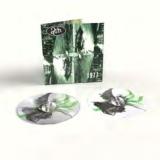
Das 1996 erstmals erschienene Debütalbum „1977“ erreichte Platz 1 der Charts und erreichte Platinstatus. Es katapultierte Ash vom Teenager-Newcomer zum Indie-Rock-Pionier. Drei Jahrzehnte später feiert
diese Jubiläumsausgabe das Album, das mit seiner mitreißenden Energie, den eingängigen Melodien und
unvergesslichen Hymnen wie „Girl From Mars“, „Goldfinger“, „Kung Fu“ und „Oh Yeah“ eine ganze Generation prägte. Die Jubiläumsausgabe erscheint als Doppel-LP (EcoRecord InkPlosion) im Gatefold-Cover,
als Doppel-CD im Digisleeve mit Booklet.
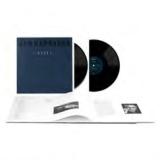
Jan Garbareks kraftvolles Doppelalbum Rites, auf dem der Meistersaxofonist von seinen langjährigen
Weggefährten Rainer Brüninghaus und Eberhard Weber sowie der Perkussionistin Marilyn Mazur und
dem Elektronikkünstler Bugge Wesseltoft begleitet wird, galt bei seiner ursprünglichen Veröffentlichung
1998 gleichermaßen als Magnum Opus und als eindrucksvolle Retrospektive der künstlerischen Bandbreite Garbareks. Auch heute noch überzeugt es als gelungenes Kompendium und als völlig eigenständiges,
modernes musikalisches Statement. Über die weit gespannte stilistische Landschaft des Albums verteilen
sich Bezüge zu den unterschiedlichsten Musikkulturen der Welt – von Norwegen bis Indien. Hinzu kommen
eine Vertonung eines Gedichts der indigenen Bevölkerung Nordamerikas für Stimmen und Saxofon sowie die
überraschende Fassung von Jansug Kakhidzes „The Moon Over Mtatsminda“, gesungen vom Komponisten
selbst gemeinsam mit dem Tbilisi Symphony Orchestra.
Als Teil der ECM-Reihe Luminessence veröffentlicht, e rscheint R ites n un e rstmals a uf V inyl – i n einem
hochwertigen Tip-on Gatefold plus umfangreichem Booklet mit Texten, Fotografien s owie sämtlichem
Originalmaterial der ersten CD-Veröffentlichung.
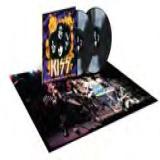
Vor 30 Jahren, im Jahr 1996, kamen Paul, Gene, Ace und Peter wieder zusammen – um diesen bedeutsamen
Anlass zu feiern, wurden Auszüge aus „Alive!“ und „Alive II“ zusammengestellt und unter dem Titel
„You Wanted The Best, You Got The Best“ veröffentlicht. Diese Sammlung, die nun erstmals aus dem
KISSTERIA-Vinyl-Boxset herausgelöst wurde, erscheint auf 180-Gramm-Schwarzvinyl in einer erstmals
erhältlichen Gatefold-Hülle mit erweiterten Fotos.
Als das selbstbetitelte Debütalbum von Gisbert zu Knyphausen im Jahr 2008 erschien, entwickelte es sich schnell zu einem der prägenden Werke des deutschsprachigen Singer-Songwriter-Genres. Presse und Publikum reagierten gleichermaßen begeistert auf die besondere Mischung aus poetischer Beobachtungsgabe, persönlicher Verletzlichkeit und einer stets hoffnungsvollen Grundhaltung. Heute gilt das Album längst als moderner Klassiker, dessen Songs über die Jahre nichts von ihrer Relevanz und emotionalen Kraft verloren haben. Die Wiederveröffentlichung auf dem bandeigenen Label Rastplatz Krachgarten macht dieses wichtige Werk erneut verfügbar und richtet den Blick auf den Beginn einer außergewöhnlichen Karriere. Für den Handel bietet das Re-Release die Gelegenheit, einen zentralen Katalogtitel eines der bedeutendsten deutschen Liedermacher seiner Generation erneut prominent zu platzieren.
This five piece combines their love for pop music and dark sentiments with a punk ethos. Drawing inspiration from a wide range of artists they've crafted a sound that's truly and twistedly their own. Part of the Dutch indie wave that includes bands like Personal Trainer, Real Farmer, Lewsberg and Pip Blom, The Klittens consists of Yaël Dekker (vocals), Winnie Conradi (guitar), Katja Kahana (guitar), Marrit Meinema (bass guitar), and Laurie Zantinge (drums) (vocalist Dekker is also a member of The Hobknobs with Lewsberg's Arie van Vliet). This debut album follows their EP's "Citrus" (2022) and "Butter" (2024). With these EP's the band has toured extensively across Europe and the UK, including as the support for Otoboke Beaver and BODEGA during their European tours. The band combine their love for pop music and dark sentiments with a punk ethos, drawing inspiration from a wide range of artists - such as The Ronettes, MF Doom, Dry Cleaning and Kate Bush - crafting a sound that's truly and twistedly their own. Reviews for Klittens Butter EP: 'Ambition meets weirdo cool on Amsterdam gang's superb EP. By executing both indie-pop and brittle post-punk styles with ease, the band unearth a vibrant space of their own' NME, 4/5 - 'With glorious harmonies, off kilter beats, jangly guitars and a whole manner of instruments throughout it's a joy.' CLASH
Die langjährigen Freunde Bibio und Dorian Concept tun sich nach diversen Kollaborationen für das gemeinsame Instrumentalalbum "Answers" zusammen. Ein Großteil der Musik entstand aus der Ferne; Ideen wurden zwischen Wales und Österreich hin- und hergeschickt, was die Vorliebe beider Künstler für einen eher zurückgezogenen, prozessorientierten Schaffensprozess widerspiegelt. Der britische Produzent Bibio, bekannt für die Verbindung von Folk, Ambient und Lo-Fi-Tape-Texturen, steuert eine greifbare, von der Gitarre geprägte Wärme bei, während der Wiener Dorian Concept, Autodidakt am Keyboard und Improvisationskünstler am Synthesizer, seinen fließend-experimentellen Ansatz elektronischer Komposition einbringt. Auch an der visuellen Gestaltung arbeitete das Duo eng zusammen; Videos und Artwork entstanden gemeinsam, inspiriert von der geteilten Liebe zu Vintage-Kameras und visuellem Spiel. Das Ergebnis ist ein texturreiches Instrumentalalbum, das sich weniger wie eine erste Zusammenarbeit anfühlt, sondern vielmehr wie eine Fortsetzung: Zwei eigenständige Stimmen treffen in einer gemeinsamen Sprache aufeinander, die über Jahre gegenseitiger Inspiration und stillen Experimentierens gereift ist. Beide Formate enthalten ein Concertina-Booklet, gefaltet in Ziehharmonika-Form.
The track titles on Post Dub Cities – the new album by Adriano Zanni, photographer, sound artist, and field recordist – evoke the aftermath, that moment when a place continues to exist and live on, but no longer serves anyone. The human element has vanished, whether it happened overnight or through a slow abandonment that lasted for years. The perspective shifts: buildings, homes and palaces reveal a dimension of reality all their own, in which even the ruins give shape to this landscape that endures, transforming into pure presence.
This, after all, is our fate. The fate of us human beings, of our civilisation, of every civilisation: to pass away, to be forgotten, to erect monuments whose significance no one will remember once we are gone.
The opening track Crisopoli transforms the sonic dimension of a city into an echo chamber: a dark, urban dub built from delays and resonances, holding the imprint of what is no longer there — like a bassline that keeps vibrating even after its source has gone silent. What we see is not the presence, but its reverb.
Available from September 11, second excerpt Warosha gives us a minimalist, enveloping, solemn beat, like the symbols on a map that no one can read anymore. Warosha was the district of luxury hotels overlooking the sea in the city of Famagusta. After the island of Cyprus was invaded by the Turkish army, the entire area, emptied of its inhabitants, who had fled south, was fenced off and surrounded by barbed wire. No one has been allowed to enter it since 1974. Now, on these unspoilt beaches, sea turtles have found the perfect place to breed.
Fordlândia, on the other hand, is the symbol of Henry Ford’s failed dream of conquest. An industrial settlement built deep within the Amazon rainforest, several hours’ boat journey from the nearest towns, to gain access to natural rubber for the tyres of his mass-produced cars in Michigan. An extremely costly project, it quickly became a ruinous pipe dream: a town that has been uninhabited for almost a century and has since been reclaimed by nature.
For a long time now, Adriano Zanni has been exploring, through music and photography, the landscape that unfolds before our eyes, as attentive yet silent observers. As if we were absent, a civilisation that has long since vanished: human presence has dissolved, preparing to fade into oblivion. The precise depiction of places through field recordings, and the black-and-white imagery, give rise to apparitions, hallucinations, and memories. The less present we are, the more we seek meaning. We resist abandonment and the indifference of time.
In the ten tracks (plus three bonus tracks) of Post Dub Cities the echoes and reverberations of dub grant us access to an unknown future, as yet untold – in which we are nothing more than a vague memory. The deep sound guides us through a landscape that is familiar yet unknown, unrecognisable. The cold, distant, industrial rhythm resonates within us as if we were the last, all too aware, inhabitant of a now-deserted village.
Every place – be it an abandoned mining settlement on an island in Svalbard, or a ghost town in Pennsylvania evacuated following an underground fire that has been burning for sixty years at a depth of one hundred metres – leaves questions unanswered, shrouds itself in mystery, and makes us wonder, ceaselessly: what happened here?
In the end, we realise that we don’t really care that much about knowing the details of the disappearance. We can guess them, we’ve seen it happen a thousand times before. Just like in the photos accompanying the album, portraits of ghostly, deserted cities: Belgrade, like Venice, Dublin, Sarajevo, Lisbon, Kraków, Sofia, Naples, Hanoi, Lampedusa, Tehran. Unexpectedly, pleasantly emptied of people, and of their obsessions, struggles, illusions.
Then, suddenly, the crowd returns. Busy, feverish, hardworking. The record ends, the spell is broken. We feel a sense of longing for a future that has not yet come to pass, for a place we were only able to observe because we were not there.
On its latest album »Music For Air«, the Berlin-based interdisciplinary duo Gamut Inc explores new possibilities of the computer-controlled pipe organ — from hypervirtuoso excess to nuanced automation and rhythms beyond the fixed grid. Composed and recorded during a two-week residency in Toulouse, the pieces move between harmony and noise, conjuring a euphorically intoxicating maelstrom of overlapping, accelerating sound.
Gamut Inc’s work with the computer-controlled organ actually began in 2009 with a commission from ON – Neue Musik Köln for the Kunst-Station Sankt Peter — at a time when few congregations were ready to open their instruments to this kind of work. When the duo of Marion Wörle and Maciej Śledziecki officially founded the ensemble in 2013 as an interdisciplinary project, they first developed their own music machines with instrument builder Gerhard Kern, returning to the organ in 2018 when more churches and venues had opened their doors … and Gamut Inc carried their practice across Europe and beyond, developing AGGREGATE (first a concert series and then an annual festival) into a platform dedicated to organ music of the 21st century.
Sharpening a critique of mechanisation, digitality, and the human in between, the project is conceived around the construction of pre-modern instruments and the control of these instruments by contemporary technologies, resulting in an aesthetic that bridges the very old and the very new. Recent works include the human-machine trilogy »Over The Edge Club« (2021), »Rossum’s Universal Robots« (2022), and »Zeroth Law« (2023, performed at Deutsche Oper Berlin with the RIAS Chamber Choir and the Logos Robot Orchestra), and »Black Square« (2025), a wind-dynamic modular organ built by Tony Decap, inaugurated at CTM Festival and broadcast on Deutschlandfunk Kultur and SWR Kultur. Their organ installation AGGREGAT#10, commissioned by Sónar Festival, was acquired for the permanent collection of Palau Güell Barcelona in 2022.
Gamut Inc’s latest album »Music For Air« was composed and recorded during a two-week residency in Toulouse on the wind-dynamic organ »L’Explorateur«, with individually computer-controlled wind pressure per pipe. The seven pieces move between harmony and noise, conjuring a euphorically intoxicating maelstrom of overlapping, accelerating sound and again exploring new possibilities of the computer-controlled pipe organ — from hypervirtuoso excess to nuanced automation and rhythms beyond the fixed grid. Sensual and ecstatic.
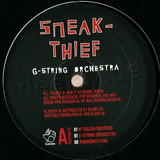
Great new Klakson release! Sneakthief rocks it with some 80's New York disco Funk with a twist (Think D-train, Kano, Putsch 79). File under House and Disco. Klakson brings back the good times
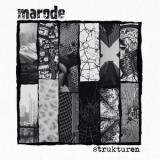
Marlon von der Band Scherben sagt folgendes zur Platte: marode aus Düsseldorf legen drei Jahre nach ihrem Debüt mit ihrem zweiten Studioalbum ordentlich nach. Das elf Songs starke Album "Strukturen", verpackt in ein stimmiges Schwarz-Weiß-Cover, arbeitet sich mit einer Mischung aus Resignation, Frust und kämpferischem Optimismus am Irrsinn der postkapitalistischen Gesellschaft ab, ohne dabei in Phrasendrescherei zu verfallen. Persönlich hab ich mich besonders über die schallende Erkenntnis "Ich bin zu dumm für Turbostaat" aus dem Lied "Angekommen" gefreut. Musikalisch bleiben marode sich treu: Tempowechsel, gute Breaks und der harmonierende Wechselgesang sorgen dafür, dass keine Langeweile aufkommt. Insgesamt ist das zweite Album noch einmal runder und fetter als das erste. Wer musikalisch irgendwo zwischen Razzia und Dackelblut zu Hause ist, wird hieran sicherlich Freude haben. Schönes Ding!
For the last decade and change, Lazarusman has steadily worked his way towards becoming a seminal voice in electronic music. In that time, he has left no genre untouched, bringing his brand of metaphysical, pun-heavy, imagery-driven, uplifting poetry to audiences across the globe.
These exploits have earned him a 2021 Grammy nomination and countless chart-topping records with some of the most remarkable producers in the industry.
His debut album, Skin, is an exploration of identity. Lazarusman questions his place in the world, reflecting on growing up in a now-free South Africa. The album touches on colourism, racism, faith, love and the existential crisis of existing in a divided world.
The album is also a celebration of the many genres that inspire his poetry from deep, tech and Afro house to breakbeats and jazz. But it is equally a celebration of the word, and the power it carries.
“A man is only as good as his word.”This quote epitomises Lazarusman’s honest approach to an album that reflects the last 15 years of his career. With productions from FKA Mash, Stimming, Dwson, Boogie Vice, Zitow Mowa, Axone and Johannes Brecht, Lazarusman presents a kaleidoscope of sounds.
DJ support by Keinemusik, Stimming, Acid Pauli, Xinobi, Stavroz, Xique Xique, Paco Osuna, and many more.
Cameron Winter kündigt sein erstes Live-Album "Live at Carnegie Hall" an. Das Album dokumentiert Winters historischen Auftritt im Dezember 2025, bei dem er als einer der jüngsten Solokünstler überhaupt als Headliner im Hauptsaal der legendären Konzerthalle auftrat. Ganz allein, über sein Klavier gebeugt und mit dem Rücken zu einem ehrfürchtigen, ausverkauften Publikum, interpretierte der Frontmann der Band "Geese" Songs aus seinem gefeierten Debütalbum "Heavy Metal" neu. Ein Album, das von GQ in ihrem ausführlichen Bericht über diesen Abend in der Carnegie Hall als "eine der kühnsten und selbstbewusstesten Singer-Songwriter-Platten dieses Jahrhunderts bisher, ein Fiebertraum voller Gefühle von jemandem, der die Regeln gut genug verstand, um zu wissen, dass sie ihm kaum etwas bedeuteten" beschrieben wurde.
Auf dieser berühmten Bühne präsentierte er zudem drei bisher unveröffentlichte Kompositionen, von denen jede einen Einblick in seinen Fundus an Material bot. Die gesamte Darbietung war von einem unbestreitbaren Gefühl der Einmaligkeit geprägt, das die Bedeutung des Augenblicks einfing: Zeuge zu sein, wie ein Künstler, wie er nur einmal in einer Generation vorkommt, die Bühne eines der ehrwürdigsten Veranstaltungsorte der amerikanischen Musikszene beherrscht.
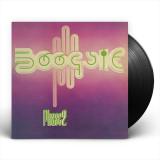
Mr Bongo reissues, in full for the first time, a pioneering Trinidadian steelband album from 1979. Masterminded by the key and highly influential calypso / soca steelpan player, Len "Boogsie" Sharpe, Phase2 showcases Boogsie’s innovative fusion of jazz, funk and Caribbean rhythms in stunning style.
Dubbed ‘the Mozart of Pan’ by Wynton Marsalis, Boogsie began playing pan at the age of five and composed his own music by the age of nine years old. Across a long and illustrious career, he has won seven National Panorama Championships in Trinidad and Tobago with his compositions and band, a world Steelband Music Festival with his original compositions “In the Rainforest”, and two Notting Hill Panorama Championships with Mangrove Steel Orchestra. Over the years he has also played with Andre Tanker, Lord Shorty, Lord Kitchener, Leston Paul, Clive Zanda, and other amazing Caribbean greats. Len became an arranger for the National Steelband of Trinidad and Tobago and is a cultural ambassador for the country promoting the instrument.
A stylish selection of city pop, funk and modern soul from Japanese label Nippon Columbia, selected by DJ Notoya and featuring cult classics and rarities by Hiroshi Sato, Hatsumi Shibata, Hitomi 'Penny' Tohyama & many more.
Annotated by Notoya with journalist Nick Luscombe and artwork by Optigram.
Newly remastered audio.
The selection on ‘Tokyo Glow’ starts with 'Kimugare' a relaxed mid-tempo track by Kumi Nakamura, actually a famous actress who only recorded one album in 1980 for Columbia.
The set continues and flows effortlessly with the sunshine grooves of Miyuki Maki, Hatsumi Shibata and cult keyboard player Hiroshi Sato before the pace starts going faster and funkier with New Generation Company, Kengo Kurozumi - with his superb boogie, 'Juggler'
- and one of the queens of the genre, Hitomi 'Penny' Tohyama with 'Tuxedo Connection'.
Another fine example on the set is the mid-tempo groove of "I Wander All Alone Part III" by New Generation Company, an aggregate group of some of the best Japanese session musicians led by arranger Katz Hoshi and including Hiroyuki Namba (key), Kazuo Shiina (gtr) and Yutaka Uehara (ds) who all played with Tatsuro Yamashita among many others.
There are many other excellent examples in 'Tokyo Glow', showcasing the diversity and specificity of Japanese City Pop during the late 70s and 80s.
Nippon Columbia opened their much-guarded vaults to curator DJ Natoya. Tracks were remastered in Tokyo and the result, ‘Tokyo Glow’, is a unique insight into a most creative period in Japanese music.
In their own words, it's "more focussed, paced and thought-out." Over 13 tracks that explore the horrors of the outside world and the internal minefield of the brain, Mould's debut also hits with the thrills of a brilliant live band who've distilled that energy to tape. The title comes from a line taken from the time signature-warping 'Emotive Language' that distills what it means to be a band in 2026 down to one concise sentiment. "This has always been the dream, playing with your mates and making good songs and getting to tour and make records," says Kane. "But the realities of trying to start a band now, when you're 30 and also have other goals at the same time are hard. We'd be doing it regardless, but you have to learn a lot. " This duality runs throughout the record, where tracks like lead single 'Float' speak of "strolling through hellscapes" of social media yet surround their frustrations with the sort of barbed, visceral musicality that sounds like if Interpol had grown up in gloomy, rain- soaked Britain. "You're endlessly doom scrolling, past a funny video of a sausage, and then there's Farage and then there's an ad for something," Joe says of the track. "That mindnumbing flashy distraction turns you into idiots."
In their own words, it's "more focussed, paced and thought-out." Over 13 tracks that explore the horrors of the outside world and the internal minefield of the brain, Mould's debut also hits with the thrills of a brilliant live band who've distilled that energy to tape. The title comes from a line taken from the time signature-warping 'Emotive Language' that distills what it means to be a band in 2026 down to one concise sentiment. "This has always been the dream, playing with your mates and making good songs and getting to tour and make records," says Kane. "But the realities of trying to start a band now, when you're 30 and also have other goals at the same time are hard. We'd be doing it regardless, but you have to learn a lot. " This duality runs throughout the record, where tracks like lead single 'Float' speak of "strolling through hellscapes" of social media yet surround their frustrations with the sort of barbed, visceral musicality that sounds like if Interpol had grown up in gloomy, rain- soaked Britain. "You're endlessly doom scrolling, past a funny video of a sausage, and then there's Farage and then there's an ad for something," Joe says of the track. "That mindnumbing flashy distraction turns you into idiots."
An evolution of her radio show, event series and Bandcamp community under the same name, this compilation plots a globe-spanning day-into-night voyage across 16 tracks, from artists, countries and scenes that have shaped Jamz' musical worldview. Each track, many of which are exclusive to this comp, tells a story of heritage and roots, whilst pushing boundaries and pioneering new sounds in their respective regions. From the Reunion Island to Latin America, East Africa to the Caribbean and Pacific, it's a 24-hour cycle moving from downtempo to dancefloor. The concept of Dance Around The World began in the summer of 2025 but has ultimately been a part of Jamz' journey in music since the beginning. At the centre of it is her 15-year career as radio presenter - her tastes evolving from the early days on Reprezent Radio, to a 1Xtra residency and now a Saturday daytime show on BBC 6Music. There has always been a desire to highlight music from underrepresented scenes to new audiences.
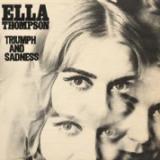
Standing up for joy and pain and all the messy, confusing, beautiful details that make life worth living. Soulful and timeless, her songs tell stories of the heart, finding universal truths in the honesty of personal experience. Released on UK label Mr Bongo and College of Knowledge in Australia and New Zealand, Triumph & Sadness is her most profound album yet - a powerful and unique record inspired by a classic sweet soul sound and rooted in the contemporary moment. Reaching out with vulnerability and poise, it is a plea for connection in a world gone numb. Recorded over four fruitful days at an all- analogue studio in the stunning natural surroundings of rural Victoria (with additional sessions for horns vocals and overdubs at Sound Park in Northcote), Triumph & Sadness was cut directto-tape with all the urgency and warmth of the iconic '60s and '70s sessions that first inspired her. Written alongside Liam McGorry (Temporary Blessings), featuring collaborators from bands Surprise Chef and Karate Boogaloo and mixed by Daptone and The Womack Sisters collaborator Wayne Gordon, it captures the live energy of a band at the top of their game.
Wewantsounds is delighted to continue its Ziad Rahbani reissue program with Ana Moush Kafer, a classic album by the Lebanese legend Ziad Rahbani, recorded at his By-Pass Studio in Beirut during the height of the Lebanese Civil War in 1985. Showcasing Rahbani’s signature blend of Arabic music infused with touches of jazz-funk and bossa nova, the album has attained cult status over the years. Originally released on cassette, it has never before been available on vinyl. Newly remastered, this edition features the original Relax-In cassette artwork from 1985 and includes new liner notes by Mario Choueiry of the Institut du Monde Arabe in Paris.
Ziad Rahbani, who passed away in 2025, remains one of the most influential figures in modern Arabic music and a cultural icon in Lebanon. A musician, composer, pianist, producer and playwright, he helped modernize Arabic music over five decades. The son of composer Assi Rahbani and singer Fairuz, he shaped her late 70s–80s recordings producing Wahdon and Maarifti Feek, while building a major solo career with classics such as Abu Ali and Houdou Nisbi, which have become cult favourites for a new generation of DJs and music lovers.
Released in 1985 in Lebanon, Ana Moush Kafer stands as one of Rahbani’s key achievements. Recorded at his By-Pass Studio during the Lebanese Civil War, it blends Arabic melodic traditions with jazz-funk, bossa nova and Western arrangements. Originally cassette-only, it became one of his most revered releases. Throughout the album, Rahbani’s writing reflects the turbulence of wartime Beirut with a blend of sharp social observation, political satire and melancholy. It captures a moment in Lebanese cultural history where experimentation, satire and popular song intersected, giving the album its enduring influence among music lovers.
Sung by Rahbani and Sami Hawat, alongside Beirut-based musicians, the album features both Western and traditional Arabic instruments. It balances refined arrangements with lyrical irony, social commentary and political reflection, which remain deeply resonant in today’s context in Lebanon.
One of the highlights of the album is the song “Shou A’ada Ma Bada,” with lyrics by Joseph Harb, which reveals a clear bossa nova influence, while the closing track, “Al Mokawama Al Watania Al Lobnani,” offers a deeply human view of war, avoiding patriotic cliché in favour of a nuanced perspective rooted in lived experience.
As Mario Choueiry observes in his liner notes, “Ana Moush Kafer stands as one of the high points of modern Arab political songwriting, yet transcends its historical and geographical context through the universal relevance of its themes and the timeless quality of its music.”
Forty years on, Ana Moush Kafer remains a landmark of Arab music. Wewantsounds presents it on vinyl for the first time, newly remastered and featuring original artwork. This long-awaited reissue restores one of Ziad Rahbani’s most important works to circulation, reaffirming its place as a defining statement in modern Arabic music.
a 1. Ana Moush Kafer 5:03
b 2. Shou Hal Ayyam 5:46
c 3. A'anitham 4:37
d 4. Shou A'ada Ma Bada [3:45]
[e] 5. Yessa'ed we Yea'en [5:05]
[f] 6. Bi Halyawmayn [3:46]
[g] 7. Bharf Esheen [1:12]
[h] 8. Bhaneek [5:34]
[i] 9. Al Mokawama Al Watania Al Lobnani [3:06]
[a] 1. Ana Moush Kafer [5:03]
[b] 2. Shou Hal Ayyam [5:46]
[c] 3. A'anitham [4:37]
[d] 4. Shou A'ada Ma Bada [3:45]
[e] 5. Yessa'ed we Yea'en [5:05]
[f] 6. Bi Halyawmayn [3:46]
[g] 7. Bharf Esheen [1:12]
[h] 8. Bhaneek [5:34]
[i] 9. Al Mokawama Al Watania Al Lobnani [3:06]
[a] 1. Ana Moush Kafer [5:03]
[b] 2. Shou Hal Ayyam [5:46]
[c] 3. A'anitham [4:37]
[d] 4. Shou A'ada Ma Bada [3:45]
[e] 5. Yessa'ed we Yea'en [5:05]
[f] 6. Bi Halyawmayn [3:46]
[g] 7. Bharf Esheen [1:12]
[h] 8. Bhaneek [5:34]
[i] 9. Al Mokawama Al Watania Al Lobnani [3:06]
[a] 1. Ana Moush Kafer [5:03]
[b] 2. Shou Hal Ayyam [5:46]
[c] 3. A'anitham [4:37]
[d] 4. Shou A'ada Ma Bada [3:45]
[e] 5. Yessa'ed we Yea'en [5:05]
[f] 6. Bi Halyawmayn [3:46]
[g] 7. Bharf Esheen [1:12]
[h] 8. Bhaneek [5:34]
[i] 9. Al Mokawama Al Watania Al Lobnani [3:06]
[a] a1. Ana Moush Kafer [5:03]
[b] a2. Shou Hal Ayyam [5:46]
[c] a3. A'anitham [4:37]
[d] a4. Shou A'ada Ma Bada [3:45]
[e] b1. Yessa'ed we Yea'en [5:05]
[f] b2. Bi Halyawmayn [3:46]
[g] b3. Bharf Esheen [1:12]
[h] b4. Bhaneek [5:34]
[i] b5 Al Mokawama Al Watania Al Lobnani [3:06]
[a] a1 | Ana Moush Kafer [5 03]
[b] a2 | Shou Hal Ayyam [5 46]
[c] a3 | A'anitham [4 37]
[d] a4 | Shou A'ada Ma Bada [3 45]
[e] b1 | Yessa'ed we Yea'en [5 05]
[f] b2 | Bi Halyawmayn [3 46]
[g] b3 | Bharf Esheen [1 12]
[h] b4 | Bhaneek [5 34]
[i] b5 | Al Mokawama Al Watania Al Lobnani [3 06]
[a] a1 | Ana Moush Kafer [5 03]
[b] a2 | Shou Hal Ayyam [5 46]
[c] a3 | A'anitham [4 37]
[d] a4 | Shou A'ada Ma Bada [3 45]
[e] b1 | Yessa'ed we Yea'en [5 05]
[f] b2 | Bi Halyawmayn [3 46]
[g] b3 | Bharf Esheen [1 12]
[h] b4 | Bhaneek [5 34]
[i] b5 | Al Mokawama Al Watania Al Lobnani [3 06]
[a] a1 | Ana Moush Kafer [5 03]
[b] a2 | Shou Hal Ayyam [5 46]
[c] a3 | A'anitham [4 37]
[d] a4 | Shou A'ada Ma Bada [3 45]
[e] b1 | Yessa'ed we Yea'en [5 05]
[f] b2 | Bi Halyawmayn [3 46]
[g] b3 | Bharf Esheen [1 12]
[h] b4 | Bhaneek [5 34]
[i] b5 | Al Mokawama Al Watania Al Lobnani [3 06]
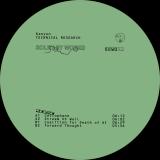
NYC’s Kanyon debuts his new label “Solitary Works” with an EP paying homage to the old-school. A1-B1: 3 raw, jacking techno tracks relay Kanyon’s vision of classic loop techno revival. On B2, Kanyon flexes his live production madness showcasing an electro track which is sure to convert the non-believers.
With 'Songs For Tova' Dolly introduces a brand new producer called Afik Naim. This rough diamond was pulled out of a cave near Jerusalem. He has a cinematic experimental take on what you would call Techno but he is rather hard to classify to be honest. Exactly what we like, somebody who stands out with his typical sound pallet! Another perfect player on this 'Songs For Tova' team is the never disappointing Kassem Mosse with a killer remix to wrap up this high class 4 tracker!
Green Goose Vol. 2 marks the second chapter of the label’s various artists series, bringing together a handpicked selection of artists who embody the sound and spirit of the project.
Featuring Jesse You, Kashawar, Nicolas Duque, and Ducato Driver, the EP explores a diverse spectrum of house and techno influences, blending deep grooves, hypnotic rhythms and late-night energy into a cohesive journey.
UK-based DJ and producer Drum Dance returns with a fresh three-track dance 12” on his Into The Cosmos label. Opening title track ‘Space Ritual’ is an almost 12-minute-long journey beginning somewhere in dreamy ambient, dub techno territory before evolving into a deep meditative trance with hypnotic percussive rhythms, rolling dubbed out hi-hats and euphoric synths; like Balearic meets Black Ark. The track then veers off in a new direction; playful arpeggiated synthesizers and stripped-back electronic drums taking it somewhere resembling early house or a cosmic Italo disco dub mix.
Techno goes outernational on ‘Arp Sequence 3 Dub’; stuttering lo-fi machine sounds and samples collide with pitched calypso percussion, dubbed out roots steppers drums and a deep walking bassline before heating up into a driving frenzy of 4/4 drums, siren synths and run-away FX.
‘Cosmo Jam’ starts life like a raw, moody Detroit house jam; tape-saturated kalimba, electric keys and loose drums skipping in and out of time. The track eventually gives way to a more ruff UK broken beat sound; cosmic jazz keys weave around outernational percussion, rhythmic vocals and a heavy low-end.
Exit Records expands on dBridge' sophomore album A Love I Can't Explain with two new interpretations by The Fear Ratio (James Ruskin & Mark Broom) and Kahn. In keeping with the label's ethos the artists were left alone to deliver remixes without any stylistic requests and as a result we have two tracks that are personal & uncompromising.
dBridge has been a firm supporter of both Kahn and TFR so it's very fitting that Exit Records releases TFR's debut remix and Kahn's rework, which repurposes what you thought you knew about him as an artist. The ALICE remixes are another leap forward for Exit Records.
You wake up abruptly on cold floorboards, your body aching as if from a great fall. White light floods your vision. Where are you? Last thing you can remember you were hurtling through the Genesis Domain at breakneck speed, but this is definitely somewhere different. As your eyes come into focus you see the hall is grand, intimidatingly opulent. A full house of seated onlookers peers at you expectantly. You’re on a stage, you realize. Flames creep up the walls, engulfing the room and lighting the faces in the audience; the heat is oppressive, but nobody seems to notice. A voice booms out.
“And now, ladies and gentlemen, the moment you’ve all been waiting for! Presenting: a performer of great renown all across the land, yours for one night only… introducing—”
Tiny bells jangle around your head as you shift your weight, obscuring whatever name the announcer just called out. You try to sit up. The jester’s hat tumbles off with a clatter. Not this again, you groan. Your head spins with vertigo. You grimace, trying to remember something. You had just gleaned an urgent and existential truth in the Genesis Domain, but it’s slipping away now… what was it?
Off to your left, a whip cracks. The impresario glares at you from the wings, fist clenched around a diamond-encrusted whip, mouthing at you to get up.
You try to run, but the weight of an incorporeal authority bears down upon you. The impresario cracks his whip again, an impish smirk forming on his lips.
With resignation, you begin to work the room. What else can you do? Tendrils of giggling and gossip creep through your periphery. The heat is suffocating and the smoke stings your eyes, but the show goes on. Remembering your bag of tricks as if from a dream, you raise your hands in the air, invoking the universal call to audience participation. The crowd goes wild. You feel the rush of a familiar thrill. Being the Fool comes naturally to you, you realize, as the palace burns around you.
180g Heavy double vinyl LP with liner notes by Tyran Grillo. Limited Japanese Obi for the first pressing. Original artwork by Russell Mills and photography by Jean-Baptiste Mondino.
The third Time Capsule is a body of dub reinterpretations by celebrated producer Bill Laswell of Ethiopian singer Gigi. Curated by Tokyo record collector, music researcher and seasoned reissue supervisor Ken Hidaka, it is the first time Illuminated Audio is pressed to vinyl after its CD release in 2003.
Ejigayehu Shibabaw was born in 1974 in Chagni, northwestern Ethiopia and by pursuing a career as a singer, went against her father’s strict, traditional gender roles. As Gigi, she embraced the same musical freedom she had strived for in her personal life, incorporating the Ethiopian church, funk, hip-hop, West and South African music into her work. She first settled in Nairobi, then Addis Ababa, where she quickly established herself as one of the city’s leading singers. A move to San Francisco in 1998 led to a long and fruitful creative partnership with bassist and producer Bill Laswell.
Around the same time, Chris Blackwell had stepped away from Island Records to start the art house film company and label Palm Pictures. He took an interest in Gigi and together with Laswell, pulled together an all-star cast of musicians for her self-titled US debut album, including Herbie Hancock, Pharoah Sanders and Wayne Shorter. It won international critical acclaim, not just for its musicianship but for making Gigi a “defining voice for the Ethiopian expatriate community”, as journalist Tyran Grillo praises in his Time Capsule liner notes. From the nation-defining 1896 victory over Italian invaders to the quiet revolutionaries who wear simple shemma garments, Grillo believes the themes in Gigi make it “a shower of sunlight on her homeland for those ignorant of its struggles.”
After its success, Blackwell encouraged them to go back into the studio to rethink the album and Illuminated Audio was born. “Anyone can make a voice sound worldly”, Grillo remarks, “but rare are those who can make one sound inner-worldly.” Gigi was clear with Laswell to give her vocals a minor role “because it’s already been done.” Instead her Amharic verse is fleeting, exhaling through the textures like ghostly fragments; soaring yet muted. Yet the album is still titled under her name, an assertion by Laswell of her central role in the album’s creation. Not only was it a fully endorsed project by Gigi, but she would be present throughout its development, giving feedback on half-finished ideas as Laswell played them back in the studio. “It works perfectly”, she reflected after the album’s release. “We wanted to capture the whole spirit of each track, and Bill’s remixes create a different music language that really puts you in a pleasant place”.
This new vocabulary takes its lead from a technical approach that Laswell had been perfecting during a furtive creative period at the turn of the millennium. Much like his ambient interpretations of Miles Davis (Panthalassa, 1998), Bob Marley (Dreams of Freedom, 1997), and Carlos Santana (Divine Light, 2001), Laswell approached Illuminated Audio by returning to the original multitrack masters. Gigi wasn’t just reworked, but recomposed into an expansive lattice of instruments, submerged in a watery ambience of dub and trance undercurrents.
Sonically, this new language that Gigi refers to, is manifested by the original album’s more understated parts being pushed to the fore. Explaining his contrasting methods, Laswell saw Gigi as being “put together in a way that fits”. Contrastingly, in Illuminated Audio, “a lot of things that I featured in the remix weren’t as audible in the original.” Instrumentation laying near-dormant, deep in the mix, are brought to the fore: the acid rock guitar and Wayne Shorter’s saxophone on ‘Tew Ante Sew’, Graham Haynes’ flugelhorn on ‘Nafekeñ’, Laswell’s bass on ‘Kahn’, the melodica in Mengedegna or the floating synths and talking drums in ‘Gud Fella’.
Brought to his attention by mentor DJ Nori, Hidaka describes Illuminated Audio as a “masterful sonic exploration into ethereal ambience and dub” and made sure this reissue also contained a full remaster to give its “deep musicality” much better dynamics and density in the overall sound. Hidaka admits that Laswell's music “is sometimes so out-there, it is often misunderstood” and, indeed, to dub album non-believers this might seem like a prolific producer imposing himself on another artist’s work; eternally developing rearrangements that never quite get to its destination. But that’s missing its true power and triumph. This is more than the reissue of a remix, but “a wholly unique musical entity”, as Hidaka describes. Illuminated Audio refers to the illuminated manuscripts that comprise the major part of Ethiopian art and its new compositions stand in proud solitude as a rare body of reworks that both informs and enhances their originals.
Accomplished trumpeter, composer, bandleader and educator, Kamal Abdul-Alim has been actively involved in creative music for decades. He has toured Africa, Europe, the Caribbean and the United States. He has recorded with all kinds of bands, large and small, and performed in festivals all over the world. “He takes the postbop of the 50s and free-form jazz of the 60s and turns it into an even balance of fine textures. Alim, who is highly underrated, has one of the most beautiful tones and concepts of jazz. A master of improvisation, he knows the art of weaving different ideas, whether they stem from Manhattan’s lower East Side or Europe” (Hugh Wyatt, New York Daily News). “Dance” was recorded in 1983 but first released on vinyl in 1987. Rhythm section includes drummer Idris Muhammad. Original pressings are extremely rare and expensive. “Brotherhood” is a much sought after track on the jazz dance scene. There is a high demand for this title again on vinyl and pressings are limited to 1000 copies, all individually hand numbered.
STAR TREK: STRANGE NEW WORLDS is based on the years Captain Christopher Pike manned the helm of the U.S.S. Enterprise. The series will feature fan favorites from season two of STAR TREK: DISCOVERY: Anson Mount as Captain Christopher Pike, Rebecca Romijn as Number One and Ethan Peck as Science Officer Spock, and follows Captain Pike, Science Officer Spock and Number One in the years before Captain Kirk boarded the U.S.S. Enterprise, as they explore new worlds around the galaxy. Drivers: * Focus track scored written, produced and conducted by Emmy Award winner, and 3 time nominee, Jeff Russo (The Man Who Fell To Earth, Legion, Fargo, Oslo, The Night Of, Umbrella Academy, Altered Carbon, Star Trek: Discovery, Short Treks, Strange & New Worlds, Picard series, Love & Death) * Jeff is a founder, lead guitarist and songwriter of 2x Grammy Award nominated, multi platinum rock band, Tonic. * Russo's main theme is a modern adaptation of Alexander Courage's original Star Trek theme, and includes a theremin as a way to foreshadow Courage's vocal arrangement of the theme. * Tracks taken for Season 2, episode 9, titled, Subspace Rhapsody
KRK Rap Atak 2.0 is a limited-edition compilation that unites Kraków's old and new school hip-hop talent. Mastered by DJ Eprom and featuring artwork by Maciej Wroblewski, this album showcases the city's vibrant rap culture. Each vinyl copy is hand-numbered, making it a true collector's item. With exceptional production and a unique artistic identity, KRK Rap Atak 2.0 celebrates the evolution of Kraków’s hip-hop scene.
Building up from his multiple appearances on the label, one of our closest producers, Luca Durán, makes his full studio album debut on TraTra. This work is meant to showcase the vast world of influences the diasporic experience comes with: his rhythm-driven tracks coexist in high contrast, but fluidly, with the experimental and textures of his european school of sound. The title itself works amongst these two edges of Luca's aesthetic existence, the softness from the flight of a Mariposa with the harsh hit of a death blow.
Killing Mariposas is filled with seemingly clashing techniques, field recordings, acoustic instruments, and analogue synthesis, which converge with modern and forward-thinking production tools to build heavily layered music. Constructing an emotional narration from the contemplative to the euphoric. A sort of contextual shapeshifter, with hints of cumbia, grasps of reggaetón and dembow, but always submerged deeply in a windy and fragmented memory.
This whole project gets rounded up by the packed lineup of collaborators, both vocal features and production partners. Astute minds from distinct internet niches: Kelman Durán, Gavsborg, Iceboy Violet, Debit, Rosa Pistola, BEBE YANA, Kamohelo & Kacha.
One true reflection of Luca's production abilities and sonic poetry.
Ediciones Espectro Oculto returns with EOD003, its third release and the opening instalment of a new Split Series — a side each for two artists who deal in the shadows: Mick Wills & Blackmoon77.
Mick Wills handles the A-side in familiar territory, mining the margins of European DIY synth culture for cuts & edits. A1, “Six Six Six Sex”, resurrects a forgotten wave track laid down in 1983 by Venlo duo Carin & Henk, Carin Kollenbrander’s conspicuous, sexed-up vocals carrying the unmistakable spirit of the early-’80s minimal synth underground. A2 cuts “New York” by MCL a new beat staple first issued on German’s Boy Records, tightened into a playful, dancefloor-ready tool. Closing the side, Mick Wills turns to Folkvett’s “Kommando Kamprad” — originally out on Pater Noster Ltd. in 2012 — an ethereal, out-of-body drift that pulls the mood inward.
On the flip, Blackmoon77 doubles down on their signature across three originals: dark, raw and hypnotic wave built for bold & audacious DJs and fierce dancers.
All tracks mastered by Alden Tyrell.
As always, this is a one-time pressing of 250 copies — no repress, and no digital until the vinyl is gone.
'Double Seven, released by Trojan in late 1973, was the last album Lee 'Scratch' Perry would release on the label for some considerable time, and it was essentially the final album project he put together before establishing his own Black Ark studio. Opening track 'Kentucky Skank' sets the tone with a slow creeper whose frying sounds underscore its role as a praise song to the Colonel's KFC recipes; the cosmic Moog blips come courtesy of Ken Elliott at Camden's Chalk Farm studio, also prominently featured on U-Roy's double-tracked, stereo-panned gambling ode 'Double Six.' David Isaacs' 'Just Enough' was cut a few years prior, which makes it slightly out of phase with the rest of the set, though the enigmatic 'In The Iaah' sounds mightily fresh, with its uncredited chorus said to come courtesy of the Wailers. Perry's own 'Jungle Lion' has hilarious roars from the maestro at the start, strangely grafted atop a reggae re-make of Al Green's 'Love and Happiness.'
'Overall, Double Seven melds the soul, funk, reggae and dub elements that were constant in Perry's work during this phase. His enhanced audio spectrum and endless reference points would keep his music continually apart from that made by his peers.'
—David Katz (excerpt from the liner notes)
"Just As I Am" – wer spät seine Karriere startet, kann sich bereits ein ausdrucksvolles Persönlichkeitsprofil erarbeitet haben, auch wenn es so wie bei Bill Withers zunächst nicht von Musik geprägt worden ist. Withers diente viele Jahre in der US-Marine, jobbte als Milchmann und installierte bei einem amerikanischen Flugzeugbauer Toiletten in Jets, während seine selbst gefertigten und fleißig verschickten Demo-Tonbänder bei den Plattenfirmen im Abfluss landeten. 1971 folgte der steile Aufstieg, als der erfolgreiche Producer Booker T. Jones ihn ins Schlepptau nahm und ihm Top-Musiker wie den Gitarristen Stephen Stills, den Drummer Al Jackson und Donald 'Duck' Dunn als Bassmann ins Studio stellte.
In seinem Debüt-Album zeigt Withers seine universellen und ausgereiften Fähigkeiten als Sänger, Komponist und Interpret, die er in späteren Aufnahmen kaum mehr übertraf. "Harlem", ein ungeschönter Milieu-Funk über die die New Yorker Slums, "Grandma’s Hands", der obligatorische Rückblick in die Kindheit und die gemütslastige Ballade "Ain’t No Sunshine" mit ihrem gebetsmühlenartigen im Off-Beat kreisenden »I know, I know …« sind freigelegte musikalische Jahresringe eines erfahrenen Mittdreißigers, der endlich zu Wort kommt. Zu dieser Schallplatte des großen Songwriters mit dem kleinen Repertoire gibt es keine Alternative.
High Focus Records are proud to present the latest collaboration from Verb T & Illinformed. ‘Stranded in Foggy Times’ both continues and completes the trilogy that began back in 2015, with ‘The Man with the Foggy Eyes’, before broadening the horizons with last year’s release ‘The Land of the Foggy Skies’. This final chapter returns to the same conceptual landscape as its predecessors, but also sees Verb T & Illinformed returning to a more classic approach to album making. In spite of its concept, the Foggy Trilogy is something of a personal outpouring for Verb T, with the original aim being to vicariously discuss the trials and tribulations that play a part in his life, including his struggles with chronic illness and the feeling of alienation from leaving his hometown, while also reflecting on the state of the world as a whole. Their approach to making the album meant taking it back to the most natural form, where the idea for the track would be outlined, Illinformed would make the beat, Verb T would write to it and then they would tweak and adjust accordingly. The result is 19 of the most finely crafted tracks to emerge from the UK shores this year. As with the previous albums, ‘Stranded in Foggy Times’ finds Illinformed moving away from the more rugged sound that has shrouded the British scene over the last few months, thanks to his collaborations with the likes of Datkid and Wish Master, instead providing Verb T with an arguably more mellow backdrop. From the string and piano driven introduction on ‘Legacy’, to the blissful head-nod vibes of the closing track, ‘Blind Faith’, the union between beats and rhymes sits at the perfect level. The album also boasts one of the most impressive guestlists of the year, one that is very much a product of both players’ worlds. Thanks to Illinformed’s Bristol connection, there are features from the likes of Res One, Datkid, Leaf Dog, Smellington Piff and Chillman, as well as some locally sourced cuts from DJ Rogue. While on Verb T’s side of the fence, we have features from Rye Shabby and Moreone, along with a collaboration that reignites the same creative spark he found in his early days, as King Kashmere steps into the booth on Feeling Strange. All in all, ‘Stranded in Foggy Times’ does exactly what it sets out to do, by drawing the trilogy to a close while also providing insights into Verb T’s personal world and the world at large. The fact that it also happens to be one of the strongest rap albums of the year is the icing on the cake
An absolute, hard-charging funk hammer from the Dap-Kings - an incredible instrumental co-written and co-produced by Dapper Bosco Mann and Kenny Dope! If "Nervous Like Me" has a title that reflects some kind of apprehension, the track is anything but! It's simply pummeling - with a rhythm that kicks out from some stealth bongo and rolling trap that build into some playful guitar and bass response until the horns crash and boom! The beats on the flip isolate the funky drums, providing a sizzling beat track.
Project Pat, the older brother of Three 6 Mafia’s Juicy J, is a legend in the Memphis rap scene. He began rapping in the 90s with Killa Klan Kaze and released several independent mixtapes. In 1999 he released his debut album Ghetty Green via Hypnotize Minds/Loud Records. In December of 2000, he released a new single and video “Chickenhead” which blew up on the charts and led to the release of his second album Mista Don’t Play: Everythangs Working. Mista Don’t Play produced by Three 6 Mafia’s DJ Paul and Juicy J was certified Gold a mere two months after its release.
Foil Jacket - Pink, White and Blue Merge with Splatter. Der sechste Teil von Relapses umfassender Wiederveröffentlichungskampagne des immens einflussreichen DEATH-Katalogs ist Leprosy, das gigantische zweite Album der Band. Ursprünglich 1988 veröffentlicht, war Leprosy ein bahnbrechendes Album, das auf dem Thrash-Sound von Metallica und Slayer aufbaute, aber eine bis dahin ungehörte Extremität hinzufügte. Das gesamte Album sowie das Bonusmaterial wurden von Alan Douches (Mastodon, Nile, etc.) akribisch remastert.
An assorted mixtape-style collection of recordings from Constantin Brăiloiu's World Collection of Folk Music archive, originally broadcast on NTS Radio in July 2017, issued as part of DINTE's 10th anniversary series.
Comprising field recordings made by the pioneering Romanian ethnomusicologist of English, Irish, Gaelic, Norwegian, Breton, Japanese, Italian, Swiss, Basque, Fulah, Sardinian, Estonian, Georgian, Greek, Turkish, Judaeo-Spanish, Portuguese, French, Chinese, Russian, Hausa, Tuareg, Indian, Corsican, Ethiopian, Romanian, Walloon, Flemish, German, Kabyle, Bulgarian, Macedonian, Bosnian and Caribou Eskimo folk songs & dances.
Ltd Edition! Das Darkwave Elektronik-Duo BOY HARSHER aus Northampton, Massachusetts veröffentlichen nochmals ihre Katalog-Klassiker in verschiedenen Farben!
Kassie Krut is comprised of Kasra Kurt and Eve Alpert — former members of Philadelphia math rock institution Palm — alongside Matt Anderegg (Mothers, Body Meat). On their self-titled debut EP, the newly minted Brooklyn three-piece have retained the fangled snarl of their prior work, outlining sugary melodies with visceral flourishes. Front to back, 'Kassie Krut' smudges starkness & filth, settling into a commanding partnership fit for muddy raves, basement punk spaces, and festival stages alike.
After years of twisting rock instrumentation into unknown shapes, the first release by Kassie Krut represents a transformative refocusing of energies. These tracks evince the kind of wisdom that only comes from experience—and the kind of experience that can only be scored by new sounds, still glittering with the metal filings of their making
DJ Himitsu is a Tokyo-born, London-based producer and DJ, known for his understated approach and deep knowledge of Japanese vinyl and book culture. Following a debut EP of acid house on Australian imprint Lunatic Music in 2023, 'Exotic Animals' marks a new waypoint in Himitsu's artistic evolution.
On this debut full length, driving 303 basslines and kickdrums are traded in for obscure recordings and convoluted samples, which spiral and fuse to form shuffling, heady new compositions. Like shattered pottery reassembled into top-heavy sculptures with golden glue, 'Exotic Animals' shapes and juxtaposes opposing forms and fragments, with lolloping aplomb.
When not producing, DJ Himistu runs Caravan - a vintage Japanese record, ceramics and bookshop in London. It's with the same warmth, care and curiosity that he arranges his findings in the plunderous grotto of 'Exotic Animals'. In this way, stepping inside this work is like entering a remote trading post of instruments, memoirs and other sonic curios - as Himitsu stands patiently at the counter.
Recommended for fans of Jon Hassell, Giovanni Venosta, Discrepant.
RANDY'S 50th ANNIVERSARY CHAPTER ONE / VARIOUS - First time on vinyl for Chapter Two second part of the acclaimed previously CD only set that was released to celebrate the 50th Anniversary of Randy's Records. From Augustus Pablo's groundbreaking 'Java' to Carl Malcolm's UK pop crossover hit 'Fattie Bum Bum' Chapter Two showcase classic after classic from a all-star line up of the 70's reggae music greats including Black Uhuru, Horace Andy, Dennis Brown, Gregory Isaacs, The Heptones & Big Youth. Beautifully packaged with inner sleeves featuring rare photos and liner notes by reggae historian, Dennis Katz.
Italian cinematic funk heroes Calibro 35 announce a limited edition 45 rpm vinyl featuring two previously unreleased singles. The record is pressed on clear orange vinyl, limited to 600 copies, making it a must-have collector’s item.
On the A side, Calibro 35 reimagine Grover Washington Jr.’s jazz-funk classic “Mister Magic” with an ultra-groovy cinematic funk stormer, perfect for DJs and collectors alike. On the B side, the Milan-based combo revitalizes Can’s krautrock anthem “Vitamin C” with a fresh jazz-punk energy, a track recently brought back into the spotlight through Kanye West’s sampling. Both tracks are taken from the Deluxe Edition of their latest studio album Exploration, set for digital worldwide release on February 6th via Record Kicks.
Praised by Rolling Stone as “the most fascinating, retro-maniac and genuine thing that has happened to Italy in the past few years,” Calibro 35 have built an international reputation as one of the coolest independent bands around. Their music has been sampled by Dr. Dre, Jay-Z, and The Child of Lov (featuring Damon Albarn), and they’ve collaborated with icons such as PJ Harvey, Mike Patton, and Stewart Copeland, continuing to push their cinematic funk universe further.
To celebrate the release, Calibro 35 will hit the road starting mid-October, with two special U.S. shows in Miami and Los Angeles, followed by a European tour including Barcelona, Berlin, Paris, and London.
Swedish visionary Boko Yout is releasing their long-awaited debut album GUSTO, out via Hoopdiggas Recordings.
GUSTO is Boko Yout’s debut album – a kaleidoscopic journey through memory, trauma, humour and healing. Framed as a fictional therapy programme led by the eccentric Dr. Gusto, each track represents a confrontation with a different shadow of the self: unspoken fears, inherited burdens, or unresolved inner conflicts. But GUSTO is not just about darkness – it’s also about hope, longing and the light that makes those shadows visible in the first place.
Boko Yout weaves together raw emotion, spiritual symbolism and bold experimentation. Referencing vodun philosophy, Jungian archetypes and post-genre production, they draws inspiration from artists like Yves Tumor, Odd Future and LCD Soundsystem. The result is a debut that feels more like a sonic manifesto – driven by love, intention and a deep commitment to artistic freedom.
"I’m very excited to work with deep medi again. I was buzzing to be releasing topper top with them on their 10th anniversary and it’s even better to be back for their 20th". Sir Spyro
Kicking off our 20th anniversary year, and arriving 10 years after his iconic release ‘Topper Top’, grime, dubstep and UK bass pioneer Sir Spyro returns to DEEP MEDi with his new dancefloor rattling EP, 2ND SQ.
The EP opens with the unrelenting ‘2ND SQ’, the track’s stuttering hi-hats and all consuming bass cut through by an icy, industrial-sized snare. The desolate ‘Be Afraid’ creates a sense of vastness via its minimal production, resulting in an eerie and energised track designed for dark warehouse raves.‘Diagonal’ continues in the same dark vein, the track’s brooding,looping production sure to send listeners into a mystified trance. Closing the EP is ‘Patch Bae’, a glitchy joyride that calls to mind the16-bit era of gaming, leading listeners on an exhilarating, kaleidoscopic journey.
Dan Kye is the mysteriously evoked moniker from multi-instrumentalist, producer, and vocal sensation Jordan Rakei. The New Zealand-born artist - who now resides in London - presents his first long-player from Dan Kye, ‘Small Moments’, on Bradley Zero’s Rhythm Section INTL. An ode to the dancefloor, the musical project was born out of Jordan’s lockdown experience, created from the comfort of his own home. Recorded with just a laptop, extra live instruments and guest musicians, ‘Small Moments’ seamlessly transcends across electronica, jazz and funk, with each genre being effortlessly fused with Jordan’s melancholy vocals. Allowing himself to push the boundaries, Jordan’s Dan Kye moniker draws on the energetic and uplifting elements of house and techno and perfectly mixes it with the sultry vocals and emotion that come with the live elements we know and love from Jordan Rakei. The record offers listeners a journey through more floor-heavy tracks such as ‘Mogeri’ and ‘Raro’ to more groove infused offerings such as ‘Rainbow Road’ (which is named after one of the maps in Mario Kart and inspired by the energy of Prince’s iconic live concert at The Aladdin in Las Vegas), whilst tracks, like ‘Sober’, take on a more lyrical and anthemic feel.
Jordan Rakei: “Rhythm Section INTL was my entry point into dancefloor orientated music, and it was Bradley who asked me whether I could head in that direction so he could play my music out in the clubs. Dan Kye has still got melodies, but the main focus is to keep it high energy.”
After meeting Bradley Zero online whilst living in Australia, Jordan eventually moved to London in 2014. The same day he landed, he went straight to a Rhythm Section party to meet Bradley, and it was here that he first got a taste for house music. He enjoyed Rhythm Section INTL’s ability to draw on both live and electronic talent; and thus, after Bradley asked him for some productions for the parties, the idea for Dan Kye was born. ‘Small Moments’ is a musical masterpiece that can be enjoyed as much on the dancefloor as it can in the comfort of your own home and is a perfect step into Jordan’s landscape and idealism of dance orientated music.
Bradley Zero - “In around 2014 the proprietor of the famous Northside Records in Melbourne handed me a self released 12” from a new, unknown artist based in Brisbane. It was Jordan Rakei - Franklin’s Room. I’d been home almost a year before I actually got round to listening to it and I remember that moment like it was yesterday. I lay down on the sofa, put the record on and was transported! The Dan Kye project is a testament to the experimental and independent ethos Jordan lives by and is a product of an artist reaching full stride but not afraid to still try something new. This ‘Small Moments’ LP was conceived in a record store, born in a club on Rye Lane and is now flying the nest, throwing caution to the wind and making a bold statement.”
Als Post Animal ihr neues Album IRON aufnahmen, waren zum ersten Mal seit fast einem Jahrzehnt alle sechs Originalmitglieder wieder zusammen im Studio. Das Ergebnis ist die Verkörperung von 30 Tagen voller Kameradschaft und grenzenloser musikalischer Entdeckungsreise – ihre erneuerte Verbundenheit ist unerschütterlich. Das Album nutzt die neue Schärfe, um Genregrenzen zu überwinden und erweitern, von Synthpop über Folk und Vintage-Radiorock bis zu spannungsgeladener Psychedelia. IRON versetzt den Hörer direkt in den Raum der Band – freizügig und experimentell, aber dennoch präzise gespielt. "Das Zusammentreffen all dieser kreativen Kräfte war wie geschärftes Eisen," sagt Sänger/Bassist Dalton Allison. "Wenn wir nah beieinander sind, machen wir uns gegenseitig besser."
Der dämonisch großartige Soundtrack zum erfolgreichen Action-Roguelite-X-Base-Management-Game CULT OF THE LAMB von River Boy (Narayana Johnson). 42 speziell für Vinyl gemasterte Tracks erscheinen auf 180g rot-schwarzem Splatter-Doppelvinyl im Deluxe-Gatefold, verziert mit Kunstwerken des Illustrators Carles Dalmau.
Selected by Lea Lisa, Many Shades Of House - Vol 2 is a reflection of time, movement and memory. Built from decades of digging, collecting and playing records, this new chapter captures the many emotional layers of house music.
From uplifting, groove-led moments to deeper, more obscure and cerebral territories. Each track has been chosen not only for its musical strength, but for the stories it carries: nights behind the decks, connections on the dancefloor, and the quiet influence these records have had along the way.
True to the spirit of the first volume, this selection celebrates diversity and timelessness without compromise. It is a tribute to the artists’ vision, to the culture that surrounds this music, and to the shared experience that continues to unite listeners, dancers and selectors across generations.
Following the success of two collaborative releases (EMC “The Show”/2008 and Ace & Edo G “Arts & Entertainment” /2009), Masta Ace joins forces with the metal faced MF Doom for Son of Yvonne, a highly personal concept album that celebrates the life and legacy of Ace’s recently departed Mother. Like his 2004 landmark Disposable Arts, Son of Yvonne is meticulously constructed with stories, settings, and characters that resonate with flesh and bone humanity. Interstitial vignettes provide a thematic backbone to the experience, and each track complements and completes the previous to form a narrative whole: a sometimes visceral, sometimes nostalgic slice of Ace’s young life in Brownsville, Brooklyn. Entirely underscored by MF Doom’s iconic Special Herbs instrumentals, Son of Yvonne features the Juice Crew general Big Daddy Kane, new comers Pav Bundy (The Bundies), Reggie B and even MF Doom on the mic. It’s Masta Ace’s no frills flow, however, that looms largest above the dusty samples and digger loops that define Doom’s production. Ace’s photo-realistic rhymes about stick-up kids, spraycan artists and wack emcees add extra gravity to his already celebrated reputation as “truly an under-appreciated rap veteran and underground luminary” (Allmusic Guide). Like Eminem recalls in his 2008 autobiography The Way I Am, “Masta Ace had amazing storytelling skills. His thoughts were so vivid.” TRACKLIST: A1. DJ Ski's Intro A2. Ninteen Seventy Something A3. Son Of Yvonne B1. Da Pro B2. Store Frontin B3. Me & My Gang B4. Crush Hour feat Pav Bundy C1. Think I Am feat Big Daddy Kane & Mf Doom C2. Fresh Fest Reggie B C3. Hoe-Tel-leftovers C4. Slow Down D1. Home Sweet Home feat Pav Bundy D2. Dedication D3. I Did It D4. In Da Spot feat Milani The Artis D5. Outtakes
Yes, yes funky people, another super sexy, soul, classic dancer makes it onto the DYNAMITE CUTS 7” series. This all-time soul gem “That what friends are for” by the amazing Madeline Bell and Alan Parker. This version is taken from her solo album, uplifting, with a touch of Latin hip movement, is the fresh, must-have 45 everyone is waiting for. On the flip “That’s the way I like it” is a banging version club mover. When you get the best British Library musicians with one of the hottest American soul singers, the magic happens. The band is made up of some of the biggest library legends; Alan Parker, Alan Hawkshaw, Chris Karan and Duncan Lamont to name a few.
Expanding on his signature cinematic canvas, the EP solidifies the immersive, spiritual space Common Saints occupies in the contemporary landscape, a distinct sound with trademark intricate studio arrangements.
Following the structural foundation laid by the project's breakout singles "Night Light" and the title track "Illusions", the full EP stands as a striking philosophical assessment of the modern human condition. Age Of Illusions serves as an artistic reflection of cultural anxieties surrounding hyper-technological advancement, guiding the listener through a deliberate sonic architecture of self- discovery, spiritual rebirth, and final enlightenment.
Following the success of Denshi Ongaku No Bigaku Vol. 1 and Vol. 2 in 2023, Cosmocities returns in 2026 with two new chapters in its acclaimed compilation series dedicated to the rich heritage and continuing evolution of Japanese electronic music.
Compiled by label owner Matt Soulie, Denshi Ongaku No Bigaku Vol. 4 further explores the depth, sophistication and diversity that have long made Japan's electronic underground one of the world's most inspiring musical landscapes.
Since its inception, the Denshi Ongaku No Bigaku project has celebrated the artists and sounds that have profoundly influenced the Cosmocities vision. Across four volumes, the series has journeyed through ambient soundscapes, deep house, boogie, jazz-infused electronics and forward-thinking club music. Volume 4 shifts the focus firmly towards the deeper end of the dancefloor, bringing together timeless classics, rare gems and sought-after reinterpretations from some of Japan's most respected producers.
Opening proceedings is Kaoru Inoue's remix of Soft's "Art Farmer", a rolling percussive Afro-house excursion rich in hypnotic groove and organic rhythm. XTAL's "Heavenly Overtone" follows with a beautifully cosmic house journey, combining shimmering keys and celestial atmospheres that perfectly capture the compilation's expansive spirit.
On the B-side, Slow Didi's "Follow Me (Hidaway Mix Instrumental)" delivers a deep and hypnotic groove before Tokyo Black Star's "Fantastique Voyage" channels the soulful, sophisticated energy of classic 1990s deep house. The journey continues with Manabu Nagayama and Soichi Terada's "Low Tension", presented here in a sublime instrumental remix by Satoshi Fumi and Yoshi Horino, where warm piano melodies and elegant synth work create a timeless late-night mood.
The final stretch moves into more driving territory. Hiroshi Watanabe's "The Orionids (2025 Revised)" subtly raises the tempo, blending deep house sensibilities with sleek tech-inflected textures. Kaoru Inoue's "Ground Rhythm", reworked by The Backwoods, plunges deeper into hypnotic territory with a heads-down groove designed for intimate basement spaces and low-lit dancefloors.
Closing the compilation is Bitowa and YAMADAtheGIANT's "Forest (Mixtacy Exclusive Version)", a trippy, immersive finale that leaves listeners suspended in a dreamlike state between nature, rhythm and imagination.
A carefully curated collection of deep, cosmic and forward-thinking sounds, Denshi Ongaku No Bigaku Vol. 4 once again showcases the enduring creativity, innovation and global influence of Japanese electronic music.
Esoteric Ears is a new label from Barcelona’s Conor Brophy.
Its first release comes from an unsung hero of the early 00s: Julian Foddy. As Katakana, Foddy released a string of now sought-after EPs, with a signature, brooding sound in the sweet spot between progressive, breaks and tech house. EARS 01 represents Katakana’s first release in over two decades, archival tracks forgotten for 20 years but that sound like they could have been produced yesterday, perfectly tuned for contemporary dance floors and listeners.
Side-long A1 ‘Incline’ is a driving but patient percussive progressive groove: heavy but spacious. On side B the stabs and bass pressure of ‘Xii’ are primed for peak time play; B2 ‘Fear of the Unknown’ is more heads down and pensive, with gradually unfurling hopeful melodies, perfect for mornings and after hours.