Belt drive DJ turntable with USB interface and recording software, silver
Built-in USB port and phono preamplifier, for a high-quality and convenient digitization of analog vinyl records
Plug & play: no driver installation required, unit is identified automatically
Sampling rates of 44.1 kHz and 48 kHz in stereo, resolution: 16 bits
Incl. software for recording and editing
2 speeds, pitch control ±10 %
Large start/stop button
Strobe lamp for exact speed adjustment
Adjustable anti-skating
Shock-absorbing feet
Switchable phono/line output
Delivery includes removable acryl dust cover, pick-up system, RCA and USB cable
USB 1.1 support
Suitable for Windows XP, Vista, 7, 8, 10 and Mac OS X
the device can be connected via USB to the PC
Power supply: 115/230 V AC, 50/60 Hz
Power consumption: 8.00 W
Protection class: Protection class II
Power connection: Fixed Power supply cord with Euro plug
Frequency range: 20 - 20000 Hz
Drive type: Belt Drive
Brushless DC motor
Drive: Start time: 1 sec.
Stop time: 1 sec.
Speed change time: <1s 1khz 5cm/sec
Wow and flutter: <0.25 % WRMS
Rumble: 50 dB DIN B
Speed: 33 RPM, 45 RPM
Tonearm: S-shape with Cardan''s suspension
Length: 220
Overhang: 10 mm
stylus pressure: 3-4 g
output level: phono 1.5-3.6 mV/ 1 kHz 5 cm/sec
line 90-216 mV/ 1 kHz 5 cm/sec
Color: Silver
Connections: Output: line/phono via Stereo RCA
Output: via USB B (W) mounting version
Pitchrange: ±10%
USB port: 1 x USB 1.1, Typ B
Material: Plastic
PC connect: via USB
Width: 45 cm
Height: 14.5 cm
Depth: 36 cm
Weight: 3.90 kg
Turntable platter
Material: Plastic
Diameter: 33 cm
Comparsa is the third studio release by the musical group Deep Forest. The group consists of the duo Michel Sanchez and Éric Mouquet and are known by composing a style of world music, mixing ethnic with electronic sounds and beats. Comparsa features a pronounced focus on Latin and Caribbean grooves, provided by musicians from Cuba, Belize, Mexico and Madagascar, among other places. It became #8 French export album of 1998 and was certified Platinum by SNEP Export Awards, with more than 500,000 albums sold outside France.
Previously Unreleased Recording. Limited to 1200 copies on transparent cherry vinyl. Tip-on jacket, Download code. Insert featuring LP sized original art by Grungie O'Muck. Includes the original recording of Richard Tucker's "Are You Leaving For The Country", later covered by Karen Dalton, and the only song co-written by Karen & Richard, "Sleeping In The Garden". "Richard, Cam & Bert seem to have grasped The Great Harmony. That is, ensemble singing that is at once sweet, precise, funky and a bit sardonic..." -Mike Jahn / New York Times (1970) "For a few years in the late sixties and early seventies Richard Cam & Bert ruled MacDougal St. walking a fine line between the increasingly commercialized demands created by groups like Crosby Stills and Nash and the fierce integrity of earlier folk performers, the generation to which Richard belonged. They managed this with great aplomb, producing original tunes of great integrity and obvious folkloric origins, as well as those which expressed the anarchic omnipresent psychedelia of the moment. They also never abandoned the idea of including some traditional material in their performances. But for the usual random application of luck they could have been very big." - Grungie O'Muck / Artist, Bluesman, Cover artist for their first album and contributor to this one. Richard Tucker, Campbell Bruce, and Bert Lee coalesced as a trio in the spring of 1968, and by the end of that year had become regular performers at fabled Greenwich Village nightspots - The Gaslight, The Bag I'm In, Cafe Feenjon, among others. But mostly they were street singers, busking regularly in Central Park. Their only LP, Limited Edition, was released in 1970, and sold mainly at gigs and on the street. Somewhere in The Stars compiles earlier, previously unreleased recordings, when all three members were signed with Peer-Southern Music publishers as writers and began using their studio to make demos and experiment musically. Beautifully recorded by house engineer Charlie Mack (supervised by Jimmy Ienner), the demos capture a back room casualness and rustic, homespun quality. For me, listening to their songs and harmonies is like entering a world you always hoped existed but had never experienced. Some of the songs were re-recorded the following year for Limited Edition, but many are heard here for the first time. Among them is the original demo for Richard Tucker's song, "Are You Leaving For The Country", which Karen Dalton covered on her seminal 1971 release, In My Own Time. Richard and Karen were husband and wife for much of the 1960s, performing as a duo (initially as a trio with Tim Hardin), and navigating their time on the Village scene while alternating living in a small mining town outside Boulder, Co. before splitting up in 1967. Also making its debut, is the only song Richard and Karen ever wrote together, the haunting "Sleeping In The Garden". Also contains two epic songs by Cam "One Of These First Nights", and "Stockholm") not on their LP, but staples of their live performances, and noted in a gig review by The New York Times, and in a column by future A&R hero, Karin Berg, who was an early champion. Another rarity is the only cover of "Sweet Mama" by Fred Neil we've ever heard. Campell Bruce came to New York in 1967 as lead singer with a band from Washington, DC, The Natty Bumpo. They'd recently signed a record deal with Phillips, but were falling apart. Cam landed in the Village with an acoustic guitar and first started playing and singing in the basket houses, and shortly thereafter at The Gaslight, as the "Cam Bruce Trio" (which included Collin Walcott). After opening for Mose Allison, Cam's hero, the trio went their separate ways, and Cam returned to regular solo gigs at The Flamenco, and the basket houses on Bleecker. Richard and Cam met up on that scene and quickly found a musical kinship as well as becoming best pals. Bert Lee arrived in New York as a runaway the following winter, and began playing and sleeping wherever he could. His sometime accompanist, Ron Price, introduced Bert to Richard and Cam just as Bert's own songs were garnering attention from publishers. According to Bert, "I arrived on the New York scene during a time of great change, and it was the notion of change that influenced me. All around me I saw there were two sorts of songwriters, on the one hand dedicated to the traditions that had inspired them, folk, jazz, the American songbook. On the other hand were songwriters influenced by the wave of experimentation that The Beatles were the perfect example of. Mixing genres, writing lyrics that weren't just about ordinary love and loss. Richard Tucker was a country blues player, with a relaxed and melodic approach to the craft. Cam wrote something more akin to soul songs, with a hint of jazz in the changes. I was writing tunes that sometimes drew on classical structures with a tendency toward what I suppose would be known as prog-rock. But I was rather adamant about not being pinned down stylistically, and so I would write, for example, a song based on some complex classical chord structure, and then go right ahead and write a simple folk song, like Evelyn. Our band was popular locally, and it was this variety that made it distinct." Delmore is excited to present this unearthed treasure, fifteen years in the making. In the words of Richard Tucker, "Tap on your knee, roll on the floor; if you aint free, what's it all for?" "The trio's singing, playing, and writing have all withstood the test of time. Believe me, because I was there. In 1969 R,C&B, myself, Charles John Quarto, David Bromberg, Ron Price, and Keith Sykes were just a few of that year's crop of song-slingers. We were young turks back then, out on the prowl in New York's Greenwich Village for record deals, gigs, and beautiful young women to sleep with and maybe even write a song about. I've lost the names and numbers of those lovelies and I'm not sure what happened to Ron Price, but Richard, Cam, and Bert are back! - Loudon Wainwright lll
There are ghosts all across AVANTI, the debut album from Malice K. At points it's howling and unhinged, a grungy layer atop a lush foundation of melodic capital-s Songwriting, but in other moments it dissolves into a gentle, wistful haunting. Malice K's songs are blunt, uncomplicated and unflinching as he probes the interiority of memories, of mistakes - saturated with an innate intensity that sucks you into his gnarled and visceral world, so barbed it could draw blood. Malice K is helmed by visual artist and songwriter Alex Konschuh, New York-based but born and raised in Olympia, Washington. Following a stint living in Los Angeles, where he became a member of the artist collective Death Proof Inc., a trip to New York resulted in him simply never leaving the city. A period of chaos ensued, Malice K exhausted and unmoored and ultimately, unwell. The record is unpredictable across its 11 songs. The album opens with a jarring scream on "Halloween," Malice K's breathless vocals buried beneath a grungy, roving Nineties riff. The track emanates a manic energy, enveloping. It's a fitting entrypoint for the record, and for the vividness of Malice K. The snarling and obsessive "You're My Girl" has a swaggering paranoia: "I got so high I thought my hand touching my hand was your hand." But AVANTI exists in quieter moments too; "Radio," with its fluttering morose cello, moves at an almost glacial pace comparatively. The aching wistfulness of "The Old House" is an album stand-out, anchored in an acoustic guitar, an uneasy lullaby that never quite settles into itself: "I think to myself I got the things that I wanted, but I can't help think there's something else that I forgot to do." A recent press interview called Malice K a shapeshifter, but he's not amorphous in that way. He's decisive and intense, more concerned with carving his own path, and building his own world. Every part of Malice K is distinctly himself: from his sweaty high-octane shows to the high-flash high-contrast photos; from his gnarled and unsettling illustrations to the studio recordings that vacillate between grief and tenderness, there's an exceptional ferocity across everything Malice K touches. AVANTI feels lived in, like peering into an abandoned house through a window smeared with grimy fingerprints, relics of a life well-lived scattered inside - despite being a debut, there's the sense that Malice K arrived fully-realized, imperfections and all.
There are ghosts all across AVANTI, the debut album from Malice K. At points it's howling and unhinged, a grungy layer atop a lush foundation of melodic capital-s Songwriting, but in other moments it dissolves into a gentle, wistful haunting. Malice K's songs are blunt, uncomplicated and unflinching as he probes the interiority of memories, of mistakes - saturated with an innate intensity that sucks you into his gnarled and visceral world, so barbed it could draw blood. Malice K is helmed by visual artist and songwriter Alex Konschuh, New York-based but born and raised in Olympia, Washington. Following a stint living in Los Angeles, where he became a member of the artist collective Death Proof Inc., a trip to New York resulted in him simply never leaving the city. A period of chaos ensued, Malice K exhausted and unmoored and ultimately, unwell. The record is unpredictable across its 11 songs. The album opens with a jarring scream on "Halloween," Malice K's breathless vocals buried beneath a grungy, roving Nineties riff. The track emanates a manic energy, enveloping. It's a fitting entrypoint for the record, and for the vividness of Malice K. The snarling and obsessive "You're My Girl" has a swaggering paranoia: "I got so high I thought my hand touching my hand was your hand." But AVANTI exists in quieter moments too; "Radio," with its fluttering morose cello, moves at an almost glacial pace comparatively. The aching wistfulness of "The Old House" is an album stand-out, anchored in an acoustic guitar, an uneasy lullaby that never quite settles into itself: "I think to myself I got the things that I wanted, but I can't help think there's something else that I forgot to do." A recent press interview called Malice K a shapeshifter, but he's not amorphous in that way. He's decisive and intense, more concerned with carving his own path, and building his own world. Every part of Malice K is distinctly himself: from his sweaty high-octane shows to the high-flash high-contrast photos; from his gnarled and unsettling illustrations to the studio recordings that vacillate between grief and tenderness, there's an exceptional ferocity across everything Malice K touches. AVANTI feels lived in, like peering into an abandoned house through a window smeared with grimy fingerprints, relics of a life well-lived scattered inside - despite being a debut, there's the sense that Malice K arrived fully-realized, imperfections and all.
The latest full-length from Kishi Bashi, Kantos is a work of exquisite duality: a party album about the possible end of humanity as we know it, at turns deeply unsettling and sublimely joyful. In a sonic departure from the symphonic folk of his critically lauded 2019 LP Omoiyari - a career-defining body of work born from his intensive meditation on the mass incarceration of Japanese-Americans during World War II - the Seattle-born singer/songwriter/producer's fifth studio album encompasses everything from Brazilian jazz and '70s funk to orchestral rock and city pop (a Japanese genre that peaked in the mid-'80s). Informed by an equally kaleidoscopic mix of inspirations - the cult-classic sci-fi novel series Hyperion Cantos, the writings of 18th century enlightenment philosopher Immanuel Kant, a revelatory trip to ancient ruins on the island of Crete - Kantos ultimately serves as an unbridled exaltation of the human spirit and all its wild complexities. During the earliest stages of creating songs for the album, Ishibashi's main intent was to return to his highly eclectic musical roots, in part by tapping into his jazz background and by delving into the dance-rock-leaning sensibilities he previously embraced as co-founder of Brooklyn-bred indie band Jupiter One. But not too long into the songwriting process, he stumbled upon an AI-equipped website capable of composing catchy song hooks based on a prompt - a turn of events that quickly catalyzed the existential inquiry at the heart of Kantos. Although his ruminations on AI, transhumanism, and humanity's troubled fate indelibly guided the making of Kantos, Ishibashi nonetheless views the album as "less of a warning about this kind of hubris but more a celebration of the very characteristics that make us human: desire, passion, empathy, and love." "If there's anything I want people to come away with when they hear this record, it's a feeling of excitement about the possibilities of human-created art," he says. "Even as we're learning more about all the amazing things AI can do, I think humans will always be one step ahead in terms of our creativity and innovation. There's still no limit to what we have to offer."
‘The Oakland band’s wide-ranging debut is a whirlwind of biting critique, nervy post-punk guitars, and absurdist humor. Rarely does a first record speak with such a trenchant voice.’ 7.5 PITCHFORK
‘Post-punk lovers have a new act to follow" - PASTE
Fake Fruit’s visceral indie rock operates so firmly in the present that it’s transportive and unmooring. The Oakland trio’s songs careen with volatile energy and lead singer Ham D’Amato’s lyrics are enveloped with acerbic humor and resonant perceptiveness. Though their new LP Mucho Mistrust is a sly reference to a beloved Blondie lyric, the title encapsulates both the anxieties of daily life, a bloodless music industry, and global capitalism as well as the clear-eyed skepticism needed to rebel against it. Across 12 propulsively unpredictable tracks, the album is both their most collaborative and most immediate yet.
Following the 2021 release of Fake Fruit’s self-titled debut LP, the band’s personal lives hit a turbulent and transformational period. “There were big life changes and I was so close to boiling over,” says D’Amato. “I left a bad relationship, entered a more stable and loving one, got diagnosed with alopecia, and I'm turning 30 soon too.” This personal upheaval was channeled into the explosive lead single “Mucho Mistrust.” The track is simultaneously disorienting and direct, with clanging guitars from Alex Post, off-kilter drums from Miles MacDiarmid, and D’Amato snarling, “How you gonna blame me / when you could’ve done something about it / it’s not right / How you gonna marinate me / in shitty things overnight.” She explains, “This song was a snapshot of how I got through a difficult year.”
Recorded live at the Bay Area’s Atomic Garden studio with producer Jack Shirley (Deafheaven, Home Is Where), the band’s palpable ferocity shines throughout the record. Single “Más o Menos” is searing punk, with buzzsaw guitars and surging bass. It’s a clenched-fist song, one where D’Amato sings, “I decided to assert myself / After I lost all my sense of self.” Later in the track, D’Amato, who is Chicana, sings in Spanish, “¡No me hables! / ¡No escuchare!” While some of these songs deal in heartbreak, they are charged with way bigger themes. “There's also wanting to break up with capitalism and feeling upset about things politically,” says D’Amato.
For the band, these themes are personal. “I'm managing us while I'm in between changing diapers in my day job as a nanny,” says D’Amato. “Everyone in the band still believes in it and is motivated to keep wading through the bullshit.” On this album, they had no choice but to bet on themselves and each other. No track broadcasts their evolution better than the single “Cause of Death,” which morphs from a gorgeous sax-laden banger to something cathartic and anthemic.
As adventurous and righteous as Mucho Mistrust gets, there’s still an inviting core that never takes itself too seriously. From the ripping “Cause of Death,” which self-deprecatingly takes aim at anxiety and indecision, to the searing title track, Fake Fruit imbue their songs with humor and heart. “Our band is fun,” says D’Amato. “My number one coping mechanism for all of life is to joke about it. Even when the album talks about serious things, I am proud of how funny it can be.”
Gilligan Moss - das aus Brooklyn stammende Duo, bestehend aus den Kindesfreunden Ben und Evan - ist mit seinem neuen Album “Speak Across Time” zurück auf ODESZA’s Foreign Family Collective!
Auf „Speaking Across Time“ kapselt jeder der zwölf Tracks des Albums persönliche Momente durch eine Linse der Zeitlosigkeit ein. 90er-Jahre-Rave, Old Country, 70er-Jahre-Soul, Honky-Tonk-Piano-House und sogar ein Sample des Dichters und langjährigen Mentors, David Mason, kollidieren unter Gilligan Moss' gekonnter Einbindung von Samples und moderner Tanzmusikproduktion.
Die Band arbeitete mit der bildenden Künstlerin, Orly Anan, in Mexiko-Stadt zusammen, um farbenfrohe Kostüme und Masken für das Single- und Album-Artwork zu kreieren. Das Kunstwerk ist eine Erkundung von Dualität, Spaltung, Zwillingsschaft und Zusammengehörigkeit. Orly war von entscheidender Bedeutung für diese Aufgabe.
Das Duo trat bereits auf namhaften Festivals wie Coachella, Pitchfork Paris und Electric Forest auf und spielte im Vorprogramm von u.a. Glass Animals, Toro Y Moi, Tourist, Chromeo, ODESZA, Elderbrook und vielen mehr.
Das unerbittliche Debütalbum von EDGE OF SANITY, "Nothing But Death Remains", ist 33 Jahre nach seiner Entstehung wieder zu haben. Aus der Feder von Songwriter/Frontmann/Produzent Dan Swanö (Bloodbath, Dissection, Incantation) kriecht "Nothing But Death Remains" in drei Formen bedrohlich ans Licht: als remasterte Original-Albumversion (LP, CD, Digital), als spezieller 2024-Remix (CD Bonus und Digital) und als eine nie zuvor veröffentlichte Rough-Mix-Version von 1991 in alternativer Reihenfolge (CD Bonus). Das 1991 erstmals veröffentlichte Death-Thrash-Meisterwerk von EDGE OF SANITY enthält die brutalen Angriffe von "Human Aberration", "The Dead", "Immortal Souls" und das unnachahmliche "Tales...". Erhältlich als Limited Deluxe 2CD Jewelcase mit O-Card und in 180g Vinyl, finden langjährige Fans und neue Anhänger von EDGE OF SANITY "Nothing But Death Remains" in seinen ultimativen Konfigurationen.
Abstrack Records is back with a new EP, putting the emphasis on instrumental music. Angers based band Auroboros, whose paths crossed on numerous time with Abstracks, largely on the occasion of infamous Freaks Pop festival, delivers twenty minutes of a progressive and cosmic, rocky jam.
«Camel» feels like a pursuit, a chase after an uncatchable vanishing point. The relentless acceleration of the tempo and the increasing power of the instruments feel like they’re leading us to an inconcei- vable paroxysm.
During the breakdown, everything strangely feels faster and calmer at the same time, we think we’re catching a glance at this horizon, even believing we’re reaching it as drums are fading away. But the ascent starts again and the trance is non negotiable. The power stream of the instrumental energies washes over the immobiles and the sceptics.
On the B side, two very different reworks complete the picture. Romain FX distills the dancefloor essence of «Camel». With a cosmic, almost oriental approach. The original piece gives birth to a proper peak-time banger, pure leg shaking material.
Mytron gives us a more playful and trippy remix. Seven minutes of a vibe that seems to be spinning and drifting, without ever breaking the patiently settled groove, filled with tribal spirit and sometimes even humour.
out of Stock
Last delivered 2 years ago available to reorder, subject to availability
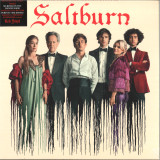
Motion picture soundtrack to the critically acclaimed 2023 black comedy starring Barry Keoghan, Jacob Elordi and Rosamund Pike. Includes the huge resurgent hits Murder on the Dancefloor by Sophie Ellis-Bextor and Perfect (Exceeder) by Mason vs Princess Superstar.
Saltburn is the 2023 black comedy psychological thriller film written, directed, and co-produced by Emerald Fennell. The film stars a student (Barry Keoghan) at Oxford University, who finds himself drawn into the world of a charming and aristocratic classmate (Jacob Elordi), who invites him to his eccentric family’s sprawling estate for a summer never to be forgotten. The film became one of the most-streamed films upon its streaming release on Amazon Prime Video in December 2023. It received critical acclaim and several accolades, including nominations for two Golden Globe Awards and five BAFTA Awards.
out of Stock
Last delivered 2 years ago available to reorder, subject to availability
In 2004, California-based indie band Golden Shoulders followed up their highly acclaimed debut with their second album, Friendship Is Deep. Now, on the twentieth anniversary of its release, the album most requested by their fans for a vinyl release is finally set for one on Unspun Heroes. Described as “one of the great semi-lost albums of the 21st Century”, the album showcases singer, songwriter, and band mainstay, Adam Kline’s knack for lyrical hooks and penchant for catchy melodies. But, like friendship, this is deeper than its pop sensibilities might suggest.
From the moment the opening track I Will Light You On Fire opens with its simple piano refrain and vocal harmonies you know you’re listening to something worthy of further exploration. From this building of tension between its temporary aural chaos and the beauty that ultimately emerges, you’ll be hooked. Yet, scratch beneath the surface and you’ll find this is an album that carries with it a political, pro-peace, and pro-humanity message, albeit somewhat more satirical than you might expect of a band hailing from America’s West Coast. This is particularly notable on tracks such as Golden Soldiers and the Committee, where Kline’s turn of phrase and wit shines through, cleverly weaving words so they create detailed poetic mosaics.
Golden Shoulders is a loose and ever-changing lineup of international talent, with Kline as the kingpin and sole songwriter. Given the pedigree of those whose talents grace the album – among them, Todd Roper and Greg Brown (Cake), Josh Klinghoffer (PJ Harvey, RHCP, Pearl Jam), Neal Morgan (Joanna Newsom, Fleet Foxes), and Dan Elkan (Broken Bells) – it’s no surprise the compositions and attention to detail present in each and every one of the 14 songs is top notch. It’s this pleasing mix of accomplished individuals, and their mishmash of influences, which lend a pinball effect to the set of stylistically diverse songs on Friendship Is Deep. Collectively though, the music you’ll hear has a focus, one that channels late 90’s Brendan Benson, the poppier side of 80’s Violent Femmes, and even the mid-60’s flair of the Beatles’ Rubber Soul.
The Circus is a place of lights and colors, but also of shadows, even darkness. Admittedly, it delights children and makes adults laugh. But you only need one rainy autumn evening near a circus tent and the smell of fodder to think of the sadness of the clowns, the endless training of the animals and the freaks who are hidden in some caravan... cinema, the essence of the circus – movement, light, danger and burlesque – will have been admirably rendered in Notes on the circus by Jonas Mekas (1966), one of the inventors of the filmed diary. With Cirque, Michèle Bokanowski does similar work, entirely dedicated to spinning, in the musical field.
She distinguished herself in particular in the composition of musique concrète, among others Tabou and Trois chambres d'inquiétudes, after having studied with Pierre Schaeffer and Éliane Radigue. The latter, great lady of drone and minimalism, fell under the spell of Cirque and wrote the booklet for the piece as a poem.
The piece, divided into five movements, is based on the handling and editing of recordings captured within one or more circuses (this is not specified and is of no importance) between 1988 and 1993. The initial allegro reveals the gallop of a horse joined gradually by other images. The idea of the circular space of the circus tent is immediatly and magnificently rendered and will be constantly recalled by an insistent use of the loop technique. Children's laughter, applause and drum rolls are thus sheared, repeated before being brutally interrupted. Accordion interludes and the distortion of sounds create a dreamlike atmosphere. This beautiful nightmare reminds us, to quote Éliane Radigue, the "Magic of childhood still living in the heart of man even beyond its abrupt end."
Words by Alexandre Galand, from the book “Field Recording – L’usage sonore du monde en 100 albums” (ed. Le mot et le reste, 2012)
Major member of the french musique concrète scene, Michèle Bokanowski was born on August 9, 1943 in Cannes, FR, to a musician mother and a writer father. She now lives and works in Paris.
Music lover since adolescence, it was relatively late, at the age of 22, that Michèle Bokanowski decided to study composition. Reading In Search of a Concrete Music by Pierre Schaeffer was decisive. After classical training on harmony, she met Michel Puig, a student of René Leibowitz, who taught her writing and analysis based on the Treatise of Schönberg. In September 1970 she began a two-year internship in the ORTF Research Department under the direction of Pierre Schaeffer. She takes part in the same time in a research group on sound synthesis, studies musical computing at the Faculty of Vincennes and electronic music with Éliane Radigue.
Her main works are intended for concert: Pour un pianiste, Trois chambres d’inquiétude, Tabou, Phone Variations, Cirque, L’étoile Absinthe, Chant d’Ombre, Enfance, Rhapsodia, Cadence, Elsewhere. She has also composed for theater (with Catherine Dasté), dance (with choreographers Hideyuki Yano, Marceline Lartigue, Bernardo Montet) and cinema: music for the short films of Patrick Bokanowski and his two feature films L'Ange ( 1982) and A Solar Dream (2016).
Following a ten-part series of unannounced artist records and a spectacular high-concept album on Mask Records, label head ZentaSkai returns to the imprint for his next solo vinyl-only release, ‘Bob’.
The A1 sees the Berlin-based ZentaSkai combine a dusty, taped white noise feel with subtle, swirling dub chords as its high-end propels the track forward. It’s a stunning and evocative piece before the A2 continues with minimal drums and electric acid bleeps, a smooth organ lead completing its gorgeous soundscape.
On the B-side of the ‘Bob’ EP, ZentaSkai joins forces with long-time collaborator Sebastian Klenk. It follows their
‘Apeiron’ track on ZentaSkai’s 2023 ‘Architecture Of The Mind’ LP, among other joint work, and sees them deliver a near-twelve-minute track that is a true masterpiece. The track takes listeners through found-sound texture samples, intricate drum patterns, crunchy breakbeats, and more beautiful dub melodics.
‘Bob’ is another fantastic listening experience on Mask Records, already supported by Satoshi Tomiie, Raresh and Laurent Garnier.
out of Stock
Last delivered 16 months ago available to reorder, subject to availability
With their new album 'Rhapsody, the extraordinary vocalists fedayo Gatling, Dennis Bailey, and George Marage are able to fully explore the entire range of music that influenced them. The follow-up to their acclaimed 2021 release 'Look Up!', the record is a dive into a lesser-known but hugely important era in the evolution of gospel music.
Starting in the mid-1960s, local gospel groups and singers began incorporating elements of popular soul and funk styles and in 2006, Chicago-based reissue label Numero Group released Good God! A Gospel Funk Hymnal. HGT's longtime friend and mentor Eli.
"Paperboy Reed" approached the group with the idea of digging through the Numero catalog and recording some of the gospel funk material, reinterpreted in their own way from the high-energy, old-school soul of "God's Been Good to Me" to the hip-hop-inflected "Get Involved."
The Harlem Gospel Travelers story began when Gatling and Marage met while studying under Reed's tutelage. The group put out their debut LP, 'He's On Time', to rave reviews in 2019, earning them high profile fans like Elton John and landing them festival slots everywhere from Pilgrimage to Telluride Jazz. Originally a quartet, they brought in Bailey and reconfigured as a trio prior to recording Look Up!, their first album of all original material.
At a moment when the world is reconsidering the concepts of genre and category and who's allowed to participate in which traditions, HGT are squarely on the cultural pulse.
"We always found it difficult to stay in this one lane of what people think gospel is supposed to be," says Gatling. "This record allowed us to hear people that were innovators in their own time, pushing how gospel music sounded, and now we've created this project that is message-wise gospel, but the feeling and the sound can be whatever you want it to be."
Die aus Hawthorne, Kalifornien, stammenden Thee Heart Tones setzen mit ihrer Musik sowohl eine Tradition fort als auch neue Grenzen. Leadsängerin Jazmine Alvarado ist gerade mal 19 Jahre alt und das älteste Mitglied der Gruppe, Jorge Rodriguez, ist 21, aber wenn man sich ihre Platte anhört, wird deutlich, dass sie weit über ihr Alter hinaus talentiert sind. Thee Heart Tones, das sind Jazmine (Gesang), Ricky Cerezo (Tasten und Orgel), Jorge (Schlagzeug), Jeffrey Romero (Bass), Peter Chagolla (Leadgitarre) und Walter Morales (Rhythmusgitarre). "Eines Tages bekam ich eine Mail von Ricky Cerezo mit der Frage, ob ich einen Song für seine neue (damals noch namenlose) Band schreiben wolle", erzählt Jazmine. "Ich kannte seinen Schlagzeuger und die anderen Jungs aus der Mittelschule, sie waren also bekannte Gesichter. Sie schickten mir ein mp3 eines Instrumentalstücks, das sie geschrieben hatten, und sagten mir, sie wollten einen Text, also schrieb ich einen und schickte ihn ihnen." Dieser Song wurde schließlich "Don't Take Me as a Fool", eine schwermütige Moll-Ballade, in der Jazmines schwülstiger, perfekter Gesang erklingt, und die nun für ihr Debütalbum bestimmt ist. Ricky ging nach Hause und spielte seinem Vater "Don't Take Me As a Fool" vor, das er als Sprachnotiz auf seinem Telefon aufgenommen hatte. "Ich war zögerlich. Dad kannte diese Musik besser als jeder andere, er ist damit aufgewachsen. Aber er hat sich mein Telefon geschnappt und es an sein Ohr gehalten. Seine Zustimmung bedeutete mir sehr viel. Aber er hatte die gleiche Reaktion wie Jorge und ich, als wir Jazmine zum ersten Mal singen hörten. 'Das wird ein Hit', sagte er mir. Ihr habt hier etwas ganz Besonderes". Es war dieselbe Aufnahme, die Leon Michels und Danny Akalepse von Big Crown Records aufhorchen ließ, die beide sofort das Potenzial der Gruppe erkannten. Nachdem sie bei dem Label unterschrieben hatten, flog Leon nach Los Angeles, um mit Tommy Brenneck in Tommys Diamond West Studio ihr Debütalbum aufzunehmen. In fünf Tagen haben sie 14 Songs aufgenommen, die den Charme des Teenager-Souls einfangen und ihn mit ihren bewährten Produktionsfähigkeiten mischen - das Ergebnis ist ein modernes klassisches Soul-Album. Der Album-Opener und Titeltrack "Forever & Ever" ist ein ansteckender Two-Stepper, der sofort die Stimmung hebt, während schwere B-Seiten-Balladen wie "Should I Call You Tonight", "Cry My Tears Away" und "It's Time" den Klassikern des Genres den Rang ablaufen. Mit "Need Something More" ziehen sie das Tempo an und füllen die Tanzfläche, während Jazmine mit einem Track im Northern-Soul-Stil ganz sachlich die Dinge auf den Punkt bringt. Sie covern den Klassiker "Sabor A Mi" aus der Feder von Alvaro Carrillo mit großem Effekt, werden ihm gerecht und stellen ihre Version auf eine Stufe mit den besten von ihnen. Ein weiterer Höhepunkt ist ihre Version des The Vanguards-Klassikers "Somebody Please", den sie auf eine ganz andere Ebene heben. Die stampfenden Drums von "No Longer Mine" stehen im Kontrast zu Jazmines honigsüßem Gesang und enden mit der düsteren Energie eines Hip-Hop-Samples aus den mittleren 90ern. Forever & Ever ist sowohl ein Beweis für die unverwechselbare musikalische Chemie als auch für das Talent der beiden. Ihre Intentionen als Band sind ein Beweis für ihren kollektiven Charakter. Die Entscheidung, "Sabor A Mi" zu covern, "erlaubt es uns, unser Publikum wissen zu lassen, dass wir zu unseren Wurzeln zurückkehren", sagt Jazmine. "Wenn man in L.A. aufwächst, wird man von der Stadt, den Kunstwerken und der Musik beeinflusst", sagt Ricky. "Dad besaß kein Lowrider-Auto, aber andere Mitglieder unserer Familie schon. Impalas. El Caminos. Wir waren von der Kultur beeinflusst, insbesondere von der Chicano-Kultur. Und Oldies und Soulmusik spielten eine große Rolle." Der Stil. Die Kultur. Die Anspielung auf die Vergangenheit. "Das ist es, was wir anstreben. Wir wollen junge Chicanos mit ihrem Erbe verbinden. Und wir wollen die Menschen vereinen_ alt und jung."
Die aus Hawthorne, Kalifornien, stammenden Thee Heart Tones setzen mit ihrer Musik sowohl eine Tradition fort als auch neue Grenzen. Leadsängerin Jazmine Alvarado ist gerade mal 19 Jahre alt und das älteste Mitglied der Gruppe, Jorge Rodriguez, ist 21, aber wenn man sich ihre Platte anhört, wird deutlich, dass sie weit über ihr Alter hinaus talentiert sind. Thee Heart Tones, das sind Jazmine (Gesang), Ricky Cerezo (Tasten und Orgel), Jorge (Schlagzeug), Jeffrey Romero (Bass), Peter Chagolla (Leadgitarre) und Walter Morales (Rhythmusgitarre). "Eines Tages bekam ich eine Mail von Ricky Cerezo mit der Frage, ob ich einen Song für seine neue (damals noch namenlose) Band schreiben wolle", erzählt Jazmine. "Ich kannte seinen Schlagzeuger und die anderen Jungs aus der Mittelschule, sie waren also bekannte Gesichter. Sie schickten mir ein mp3 eines Instrumentalstücks, das sie geschrieben hatten, und sagten mir, sie wollten einen Text, also schrieb ich einen und schickte ihn ihnen." Dieser Song wurde schließlich "Don't Take Me as a Fool", eine schwermütige Moll-Ballade, in der Jazmines schwülstiger, perfekter Gesang erklingt, und die nun für ihr Debütalbum bestimmt ist. Ricky ging nach Hause und spielte seinem Vater "Don't Take Me As a Fool" vor, das er als Sprachnotiz auf seinem Telefon aufgenommen hatte. "Ich war zögerlich. Dad kannte diese Musik besser als jeder andere, er ist damit aufgewachsen. Aber er hat sich mein Telefon geschnappt und es an sein Ohr gehalten. Seine Zustimmung bedeutete mir sehr viel. Aber er hatte die gleiche Reaktion wie Jorge und ich, als wir Jazmine zum ersten Mal singen hörten. 'Das wird ein Hit', sagte er mir. Ihr habt hier etwas ganz Besonderes". Es war dieselbe Aufnahme, die Leon Michels und Danny Akalepse von Big Crown Records aufhorchen ließ, die beide sofort das Potenzial der Gruppe erkannten. Nachdem sie bei dem Label unterschrieben hatten, flog Leon nach Los Angeles, um mit Tommy Brenneck in Tommys Diamond West Studio ihr Debütalbum aufzunehmen. In fünf Tagen haben sie 14 Songs aufgenommen, die den Charme des Teenager-Souls einfangen und ihn mit ihren bewährten Produktionsfähigkeiten mischen - das Ergebnis ist ein modernes klassisches Soul-Album. Der Album-Opener und Titeltrack "Forever & Ever" ist ein ansteckender Two-Stepper, der sofort die Stimmung hebt, während schwere B-Seiten-Balladen wie "Should I Call You Tonight", "Cry My Tears Away" und "It's Time" den Klassikern des Genres den Rang ablaufen. Mit "Need Something More" ziehen sie das Tempo an und füllen die Tanzfläche, während Jazmine mit einem Track im Northern-Soul-Stil ganz sachlich die Dinge auf den Punkt bringt. Sie covern den Klassiker "Sabor A Mi" aus der Feder von Alvaro Carrillo mit großem Effekt, werden ihm gerecht und stellen ihre Version auf eine Stufe mit den besten von ihnen. Ein weiterer Höhepunkt ist ihre Version des The Vanguards-Klassikers "Somebody Please", den sie auf eine ganz andere Ebene heben. Die stampfenden Drums von "No Longer Mine" stehen im Kontrast zu Jazmines honigsüßem Gesang und enden mit der düsteren Energie eines Hip-Hop-Samples aus den mittleren 90ern. Forever & Ever ist sowohl ein Beweis für die unverwechselbare musikalische Chemie als auch für das Talent der beiden. Ihre Intentionen als Band sind ein Beweis für ihren kollektiven Charakter. Die Entscheidung, "Sabor A Mi" zu covern, "erlaubt es uns, unser Publikum wissen zu lassen, dass wir zu unseren Wurzeln zurückkehren", sagt Jazmine. "Wenn man in L.A. aufwächst, wird man von der Stadt, den Kunstwerken und der Musik beeinflusst", sagt Ricky. "Dad besaß kein Lowrider-Auto, aber andere Mitglieder unserer Familie schon. Impalas. El Caminos. Wir waren von der Kultur beeinflusst, insbesondere von der Chicano-Kultur. Und Oldies und Soulmusik spielten eine große Rolle." Der Stil. Die Kultur. Die Anspielung auf die Vergangenheit. "Das ist es, was wir anstreben. Wir wollen junge Chicanos mit ihrem Erbe verbinden. Und wir wollen die Menschen vereinen_ alt und jung."
Die aus Hawthorne, Kalifornien, stammenden Thee Heart Tones setzen mit ihrer Musik sowohl eine Tradition fort als auch neue Grenzen. Leadsängerin Jazmine Alvarado ist gerade mal 19 Jahre alt und das älteste Mitglied der Gruppe, Jorge Rodriguez, ist 21, aber wenn man sich ihre Platte anhört, wird deutlich, dass sie weit über ihr Alter hinaus talentiert sind. Thee Heart Tones, das sind Jazmine (Gesang), Ricky Cerezo (Tasten und Orgel), Jorge (Schlagzeug), Jeffrey Romero (Bass), Peter Chagolla (Leadgitarre) und Walter Morales (Rhythmusgitarre). "Eines Tages bekam ich eine Mail von Ricky Cerezo mit der Frage, ob ich einen Song für seine neue (damals noch namenlose) Band schreiben wolle", erzählt Jazmine. "Ich kannte seinen Schlagzeuger und die anderen Jungs aus der Mittelschule, sie waren also bekannte Gesichter. Sie schickten mir ein mp3 eines Instrumentalstücks, das sie geschrieben hatten, und sagten mir, sie wollten einen Text, also schrieb ich einen und schickte ihn ihnen." Dieser Song wurde schließlich "Don't Take Me as a Fool", eine schwermütige Moll-Ballade, in der Jazmines schwülstiger, perfekter Gesang erklingt, und die nun für ihr Debütalbum bestimmt ist. Ricky ging nach Hause und spielte seinem Vater "Don't Take Me As a Fool" vor, das er als Sprachnotiz auf seinem Telefon aufgenommen hatte. "Ich war zögerlich. Dad kannte diese Musik besser als jeder andere, er ist damit aufgewachsen. Aber er hat sich mein Telefon geschnappt und es an sein Ohr gehalten. Seine Zustimmung bedeutete mir sehr viel. Aber er hatte die gleiche Reaktion wie Jorge und ich, als wir Jazmine zum ersten Mal singen hörten. 'Das wird ein Hit', sagte er mir. Ihr habt hier etwas ganz Besonderes". Es war dieselbe Aufnahme, die Leon Michels und Danny Akalepse von Big Crown Records aufhorchen ließ, die beide sofort das Potenzial der Gruppe erkannten. Nachdem sie bei dem Label unterschrieben hatten, flog Leon nach Los Angeles, um mit Tommy Brenneck in Tommys Diamond West Studio ihr Debütalbum aufzunehmen. In fünf Tagen haben sie 14 Songs aufgenommen, die den Charme des Teenager-Souls einfangen und ihn mit ihren bewährten Produktionsfähigkeiten mischen - das Ergebnis ist ein modernes klassisches Soul-Album. Der Album-Opener und Titeltrack "Forever & Ever" ist ein ansteckender Two-Stepper, der sofort die Stimmung hebt, während schwere B-Seiten-Balladen wie "Should I Call You Tonight", "Cry My Tears Away" und "It's Time" den Klassikern des Genres den Rang ablaufen. Mit "Need Something More" ziehen sie das Tempo an und füllen die Tanzfläche, während Jazmine mit einem Track im Northern-Soul-Stil ganz sachlich die Dinge auf den Punkt bringt. Sie covern den Klassiker "Sabor A Mi" aus der Feder von Alvaro Carrillo mit großem Effekt, werden ihm gerecht und stellen ihre Version auf eine Stufe mit den besten von ihnen. Ein weiterer Höhepunkt ist ihre Version des The Vanguards-Klassikers "Somebody Please", den sie auf eine ganz andere Ebene heben. Die stampfenden Drums von "No Longer Mine" stehen im Kontrast zu Jazmines honigsüßem Gesang und enden mit der düsteren Energie eines Hip-Hop-Samples aus den mittleren 90ern. Forever & Ever ist sowohl ein Beweis für die unverwechselbare musikalische Chemie als auch für das Talent der beiden. Ihre Intentionen als Band sind ein Beweis für ihren kollektiven Charakter. Die Entscheidung, "Sabor A Mi" zu covern, "erlaubt es uns, unser Publikum wissen zu lassen, dass wir zu unseren Wurzeln zurückkehren", sagt Jazmine. "Wenn man in L.A. aufwächst, wird man von der Stadt, den Kunstwerken und der Musik beeinflusst", sagt Ricky. "Dad besaß kein Lowrider-Auto, aber andere Mitglieder unserer Familie schon. Impalas. El Caminos. Wir waren von der Kultur beeinflusst, insbesondere von der Chicano-Kultur. Und Oldies und Soulmusik spielten eine große Rolle." Der Stil. Die Kultur. Die Anspielung auf die Vergangenheit. "Das ist es, was wir anstreben. Wir wollen junge Chicanos mit ihrem Erbe verbinden. Und wir wollen die Menschen vereinen_ alt und jung."
"Vanatühi" by Kiwanoid is a technopagan concept album. Track titles refer to the word "nothing" in various languages.
The sonic landscape is crafted using deprecated tools: a first-generation 4-bit laptop, the DOS operating system, and a tracker program. Inspired by glitch aesthetics, the sound palette includes clicks, error noises, and low-bitrate techno sounds. Initially, the structures of the pieces may appear complex and chaotic. This electronic thicket might seem abstract, cold, and inaccessible, yet upon closer examination, it reveals a plethora of diverse species, coming across as somewhat nostalgic and warm, evoking surreal associations. From beneath towering sequoias peek pixelated ferns, LED eyes are blinking from below the undergrowth, and against the backdrop of a crackling campfire and cave paintings, a lively stomping of microchips unfolds.
Sudden contrasts, sharp cutting edges, a tachycardic bass drum engine, and irregular polyrhythms make themselves physically felt. Elsewhere, haunting lo-fi textures, hidden ambient drones, mysterious hums, and obscurely garbled samples offer introspective breathers. The dynamic range of the music is favourably extensive, and the raw imperfections of the sound are unmasked by reverb effects or other generic tools. Interwoven throughout are outsider rhythm loops, which could find a home at an alien rave party or a hobgoblin honky-tonk. Various human voice samples build a bridge to the listener, allowing them to embody a cyborg-like experience.
While each twist and turn remains unpredictable, these diverse approaches align in complementary patterns and stochastic regularities, making the whole surprisingly coherent, despite its chaos. The album doesn't bore the audience with intentionally irritating compositions or pseudocomplexity - it demands attention, but doesn't try to outrun its listeners.
out of Stock
Last delivered 2 years ago available to reorder, subject to availability
With their new album 'Rhapsody, the extraordinary vocalists fedayo Gatling, Dennis Bailey, and George Marage are able to fully explore the entire range of music that influenced them. The follow-up to their acclaimed 2021 release 'Look Up!', the record is a dive into a lesser-known but hugely important era in the evolution of gospel music.
Starting in the mid-1960s, local gospel groups and singers began incorporating elements of popular soul and funk styles and in 2006, Chicago-based reissue label Numero Group released Good God! A Gospel Funk Hymnal. HGT's longtime friend and mentor Eli.
"Paperboy Reed" approached the group with the idea of digging through the Numero catalog and recording some of the gospel funk material, reinterpreted in their own way from the high-energy, old-school soul of "God's Been Good to Me" to the hip-hop-inflected "Get Involved."
The Harlem Gospel Travelers story began when Gatling and Marage met while studying under Reed's tutelage. The group put out their debut LP, 'He's On Time', to rave reviews in 2019, earning them high profile fans like Elton John and landing them festival slots everywhere from Pilgrimage to Telluride Jazz. Originally a quartet, they brought in Bailey and reconfigured as a trio prior to recording Look Up!, their first album of all original material.
At a moment when the world is reconsidering the concepts of genre and category and who's allowed to participate in which traditions, HGT are squarely on the cultural pulse.
"We always found it difficult to stay in this one lane of what people think gospel is supposed to be," says Gatling. "This record allowed us to hear people that were innovators in their own time, pushing how gospel music sounded, and now we've created this project that is message-wise gospel, but the feeling and the sound can be whatever you want it to be."
In these uncertain times marked by doubt and fear, hope is born in the hearts of those who believe that one day, humanity will resurface from the ashes of history to shed light on the dark territories.
To revive the spirit of resistance through sound, Detroit’s enigmatic SCAN 7 used its rethinkable frequencies to connect with a few chosen producers and craft an antidote to our orchestrated reality.
After months in their lab, SCAN 7 is happy to present Hallowed Ground, a six-track vinyl compilation freshly released on their new SCAN label. The compilation pays tribute to the epicenter of artistic, physical, and intellectual movement: Detroit.
The musical journey features the legendary AUX88, The Man With No Name, eMICee, Inohs Sivad, Charles Prophet Jr., Demiån Monét, Dre Brown, and of course, SCAN 7. This project also includes Scott Avery’s “Low-Key Seduction Mix” of SXERANADE on the digital release.
Hallowed Ground is a testament to the richness and depth of Motor City’s musical background. It encapsulates a diverse range of genres, from the soulful rhythms of Soul and Funk to the pulsating beats of Techno and beyond.
out of Stock
Last delivered 8 months ago available to reorder, subject to availability
One of the greatest UK White Labels of all time. Terrestrial Funk brings you an absolute summer sensation over three decades delayed. Relegated to obscurity until now, this four track EP boasts the downtempo hit ‘Summertime’ alongside three electronic bangers… and mash. The dubbed out stabs of ‘Jennifer’ on the A2 and two never before heard versions of ‘Let’s Climb’. Feel the festival ready power of the ‘Come To Me Mix’ and lose yourself to the hypnotic squelch of the ‘Glad You Made It Dub’, ready for sweaty summer nights.
In the late eighties, Simon Akers and Jason Brown began producing in a quaint home studio. Later collaborating with likeminded talents through the early nineties. Terrestrial Funk has worked with the group to transfer all their old digital audio tapes and bring you a series of fresh music yet to see the light of day. Jacqueline Foster aka Jacquoda brought her stunning voice to the project on this massive single showcasing vocals that shine brighter than the summer sun. Grab your copy today!
out of Stock
Last delivered 19 months ago available to reorder, subject to availability
Across the vast expanse of the cosmos we approach a shimmering satellite globe. Entering its orbit in a hypnotic swirl our eyes peer closer and closer to the glowing sea below. We land near an intertidal zone wondering what enchants this world and its waters.
Coral Morphologic’s first album took us on a journey through space. Now with their sophomore LP we arrive at our destination, an aquatic world teaming with life.
*features a foldout poster with album art by Robert Beatty*
Across the vast expanse of the cosmos we approach a shimmering satellite globe. Entering its orbit in a hypnotic swirl our eyes peer closer and closer to the glowing sea below. We land near an intertidal zone wondering what enchants this world and its waters.
Coral Morphologic’s first album took us on a journey through space. Now with their sophomore LP we arrive at our destination, an aquatic world teaming with life.
*features a foldout poster with album art by Robert Beatty*
Action Speaks Louder Than Words is the 1975 debut album by Chocolate Milk, a funk and soul band from New Orleans. The band emerged in the mid-1970s and quickly gained recognition for their unique sound that blended the rich musical traditions of their hometown with the influences of contemporary funk and soul. The band was discovered by producer Allen Toussaint, a legendary figure in New Orleans music, whose influence is evident in the polished arrangements and the band's tight, cohesive sound. The album's themes of social awareness and personal reflection, combined with its infectious grooves and skilled musicianship, have ensured its lasting appeal. Also due to the single and title track ""Action Speaks Louder Than Words"", which charted well and was later sampled by numerous artists, including Public Enemy, Eric B. & Rakim, Aaliyah, Neneh Cherry and Toni Braxton feat. The Notorious B.I.G & Puff Daddy, cementing its place in music history. Action Speaks Louder Than Words is available as a limited edition of 500 copies on red coloured vinyl.
Sara May grew up on a dirt road just outside a small Ontario town known for its Honda plant and Potato Festival. Over the course of ten indie-leaning, alt-country tracks on 'Legacy', her latest album as Falcon Jane, she expounds on that origin story through the great archetypes of country music: the drinker, the vagabond, the absent father. She presents these characters with a clarity and empathy that feels almost transgressive-a loving touch that crosses our rural / urban divides. But these are Sara's stories too: her rural childhood, her move to Toronto, her current home in the working class town of Shelburne, and her life on the road. She comes by it honest. And the transformation on 'Legacy' isn't just lyrical. Alongside producer José Contreras (By Divine Right), Falcon Jane refine their sound-pushing toward folk and country like contemporaries Waxahatchee and Angel Olsen. May's voice, the one constant from 2015's 'Alive n Well' EP, through the dream pop of her 2018 debut album 'Feelin' Freaky', to the sprawling indie rock of 2020's 'Faith', is more powerful here, sitting atop the warm, Nashville-leaning production. The result is both striking and blindingly obvious: Sara May has found her way back home.
Sara May grew up on a dirt road just outside a small Ontario town known for its Honda plant and Potato Festival. Over the course of ten indie-leaning, alt-country tracks on 'Legacy', her latest album as Falcon Jane, she expounds on that origin story through the great archetypes of country music: the drinker, the vagabond, the absent father. She presents these characters with a clarity and empathy that feels almost transgressive-a loving touch that crosses our rural / urban divides. But these are Sara's stories too: her rural childhood, her move to Toronto, her current home in the working class town of Shelburne, and her life on the road. She comes by it honest. And the transformation on 'Legacy' isn't just lyrical. Alongside producer José Contreras (By Divine Right), Falcon Jane refine their sound-pushing toward folk and country like contemporaries Waxahatchee and Angel Olsen. May's voice, the one constant from 2015's 'Alive n Well' EP, through the dream pop of her 2018 debut album 'Feelin' Freaky', to the sprawling indie rock of 2020's 'Faith', is more powerful here, sitting atop the warm, Nashville-leaning production. The result is both striking and blindingly obvious: Sara May has found her way back home.
skorri is an icelandic producer and performer. following his contribution to "hot steel: round 3", "randyrtsport" is his solo debut on Trip and a deep dive into the indulgent world of sound he crafts so meticulously.
randyrtsport, named after 'dyrt sport', an icelandic saying meaning an expensive hobby, explores this theme; each track showcasing the high stakes and rich rewards of skorri's audio adventures. "randyrtsport" stands as a compelling body of work featuring 11 bangers from a producer who views his craft through the lens of lavish auditory explorations.
out of Stock
Last delivered 8 months ago available to reorder, subject to availability
Fourplay is a contemporary American smooth jazz quartet, who released their eighth studio album Journey in 2004. The line-up consisted of Bob James on keyboard, Harvey Mason on the drums, guitarist Larry Carlton and Nathan East on the bass. The vocals included in a few of the selections add a dimension of freshness to those selections reflecting earlier albums. While Carlton leads the Sting cover “Fields of Gold,” it is the opening riff, East‘s vocals on the bridge, and his signature bass runs at the end that make it attractive. The complete album is self-penned, except for the opening ""Fields of Gold"". For the very first time, Journey is being released on vinyl. The album is available as a 20th anniversary edition of 1000 individually numbered copies on smokey coloured vinyl.
"Magdalena Bay, the Los Angeles-based duo of Mica Tenenbaum and Matthew Lewin, create magical pop music that floats in the ether of our collective social cosmos. While they call California home, their essence lies in the clouds, emitting unique yet familiar frequencies of synthesized nostalgia, kitschy catchiness, and warped neo-hooks. Suited for the times, Magdalena Bay blends the known and felt with innovative sonic landscapes.
Tenenbaum and Lewin met as teenagers in a Miami high school music program. Tenenbaum, who moved from Buenos Aires to Florida at age one, and Lewin, a guitar shredder influenced by his dad’s prog and concept rock records, quickly recognized their kindred spirits. They formed a prog band called Tabula Rasa and began a romance. Both were skilled musicians; Tenenbaum a pianist and singer, and Lewin self-taught in production and music theory. Despite attending different colleges, they maintained their band, traveling hours to rehearse before realizing two things: their relationship was undeniable, and prog rock wasn’t resonating with young audiences.
Shifting their focus to pop, they explored its craft, leading to the creation of Magdalena Bay. They learned the complexities of pop writing and production, striving to create something interesting within the genre. Describing their music broadly as ""pop,"" they released several EPs and singles before debuting their album, ""Mercurial World,"" in 2021. Praised for its melodic hooks and meticulous production, it was often labeled as ""synth-pop.""
Their success is reflected in streaming numbers, social media followers, and festival appearances. Magdalena Bay's stylized online aesthetic complements their music, creating a cohesive artistic vision. Tenenbaum says, “We love extending the world of our music past sound into videos or graphics.” Lewin adds, “We’re trying to create an atmosphere or an emotional quality with it.” This integrated approach, termed ""world-building,"" is central to their artistry."
out of Stock
Last delivered 18 months ago available to reorder, subject to availability
Ungod is the debut album by industrial rock band Stabbing Westward, released in 1994. The album blends aggressive guitar riffs with dark, brooding electronic elements, capturing the angst and intensity of the early 90s alternative scene. Produced by John Fryer, known for his work with Nine Inch Nails and Depeche Mode, Ungod features standout tracks like ""Violent Mood Swings"" and ""Nothing,"" showcasing Christopher Hall's raw, emotive vocals and the band's gritty, atmospheric sound. Although it didn't achieve mainstream success, Ungod gained a cult following, establishing Stabbing Westward as a significant force in the industrial rock genre. The album's dark, introspective themes and innovative production remain influential in the industrial rock landscape. Ungod is being reissued for the first time since its original release and is available as a 30th anniversary edition of 1000 individually numbered copies on translucent red & black marbled vinyl. The vinyl package includes an insert.
BBsitters Club is a rock band based in Chicago that features Doug Kaplan and Charlie Olvera on guitar and vocals, Max Allison on bass, and Paul Birhanu on drums. As the label’s de-facto in-haus band, BBsitters Club satisfies Hausu Mountain co-founders Allison and Kaplan’s urge to remain connected to the rock and roll music they grew up loving and playing — far across the spectrum from the experimental electronics featured on the lion’s share of HausMo releases.
A solid four years after the one-two-punch releases of BBsitters Club & Party, the band’s 2020 debut studio album, and Joel’s Pick’s Vol. 1, the first volume in a series of audience-recorded live takes from shows around Chicago, we find the BBs reviving the Joel’s Pick’s series with Vol. 2. Charged with the energy of a close-knit group of friends willing to follow along with each other’s most outlandish ideas both in composition and live performance, JPV2 offers us a bewildering yet always tongue-in-cheek palette of ideas cherry-picked and mashed together into amalgams that both embrace “rock traditions” and defy them with a cherubic grin.
BBsitters Club’s amorphous compositions land somewhere between the world’s most baked prog band and a jamband that’s never content to lapse into wheel-spinning complacency. On JPV2, BBsitters Club cartwheel between eras and styles of rock music with abandon — a TV stuck flipping channels after your dad falls asleep with one leg on the remote. We encounter the elliptical dueling guitars and autumnal atmospheres of midwest emo / math rock, the gregarious stomp of electrified country rock, blues rock that has melted from ingesting one too many hallucinogens, and fried Devo-style art punk that breaches into the realms of ska before melting into free-form noise rock flecked with the bizarro imitative instrument tones of Kaplan’s MIDI guitar.
10 years after its release, Lydia Loveless sits down at the piano for an intimate reimagining of her landmark album, Somewhere Else. Title track featuring guest vocals by Jason Isbell. “Over the last 10 years I’ve been told by countless people, emotional and earnest, that their favorite record of mine is Something Else. I love that, and I nod in amused reverence to it here. The me of 2012-2013 was drowning in pain and insecurity and my own press, pissed off that nobody could see me for who I really was, what I had really been through, and how hard it was to be me. I was walled in by fears and worries that I would never be good enough. I was struggling with my voice after a debilitating virus and a six week tour. I had rented a little room in the Grandview neighborhood of Columbus and was plugging away on my splintered acoustic guitar with a tape recorder.
I was frustrated as could be, not coming up with anything that I felt was 'me' or even remotely song like. One day, when I finally thought I had a nugget of something, I read the lyrics aloud to my then husband and he looked at me confused and said, 'what are you even trying to say in this, though? Who is the narrator?' I don’t remember what I said to that but I’m sure it wasn’t kind. When I went back into the studio with my friend Caeleigh Featherstone recording me this go round, she looked at me at one point and said, 'Were you singing these songs in front of old dudes? Like, your husband?' Yes, I was, I told her. We both shook our heads and laughed at the hubris on 22-year-old Lydia Loveless.” - Lydia Loveless
Gregory T.S. Walker’s Minstrels & Minimoogs was self-published by a young, nomadic composer and virtuoso in 1988 to accompany an immersive multimedia performance at the University of Colorado Boulder’s Fiske Planetarium. Created with this outer, and other, world setting in mind, the four tracks find Walker stretching toward an ancient-to-future vision where Egyptian myths and Hieronymus Bosch-ian tableaus are rendered in a screaming three dimensional circuitry of electronic drums, synth guitars, and, of course, Minimoog. Given the musical terrains and outmoded topics traversed, and that this entirely DIY effort was originally released as a micro one-sided 12” edition, Minstrels & Minimoogs is as perplexing and euphoric a document lost-to-time as it is now found.
Born in 1961 into an intensely musical family spanning four generations, Gregory’s mother Helen Walker-Hill was a noted musicologist specializing in the rediscovery and work of historical Black female composers, while his father, George Walker, was the first African American composer to win the Pulitzer Prize for music. Both parents studied with the famed (and famously strict) Nadia Boulanger in Paris in the 1950s, and held to lofty aesthetic standards in their home life. Walker began studying the violin as a child, but when a burgeoning interest in the electric guitar and rock music as a teen manifested, it was largely verboten in the household. The rule was that the music played in the home was to be acoustic and classical. Although the elder Walkers eventually relented and allowed Gregory’s guitar to be plugged in for a brief interval on the weekends, the remaining days he settled for strumming it sans amplification.
Gregory, conditioned and eager for a life in music but looking to get out from under the influence and yoke of his famous composer father, ultimately chose to study computer music at the University of California at San Diego, where he earned a Master of Arts. This was followed by another MA in electronic music composition at that hotbed of West Coast experimental music, Mills College. Intermedia and multimedia in the arts was the rage in the 1980s, and Mills was one of the centers for it; audacious spectacle meeting visionary performance, such as one of the realizations for Anthony Braxton’s music for multiple orchestras a young Gregory performed in with his violin.
After a series of solo synthesizer concerts around California, Gregory followed a girlfriend on a mid-country move to Boulder, Colorado. After picking up yet another composition degree at University of Colorado Boulder, his life as a composer really started, writing a piece for extended technique for guitar, a passacaglia for vocoder and orchestra, as well as Minstrels & Minimoogs.
Envisioned as a multimedia performance such as the kind he’d experienced at Mills (which was all but unknown in Boulder at the time), Gregory roped in a number of college going or aged friends of varying skill levels and musical sympathies to accompany him with distorted sax or oblique spoken interludes. Confronted with a lack of finances, but driven to get his ideas captured in a complete musical package, the album was recorded in his brother’s apartment. If not every player assembled was on Gregory’s virtuosic level, so be it; it was more about capturing the spirit of his intentions and embracing the serendipity of mistakes.
An inspired attempt at world building, Minstrels & Minimoogs draws on the deep well of musical knowledge Gregory gathered from his parents and teachers, but all the while subverting that historical basis by incorporating mutant strains of prog and pop music. The work accumulated is not unlike the playful 1980s work of Gregorio Paniagua, where medieval estampies and rondeaus are wrenched into an anachronistic present where Hildegard Von Bingen and Kate Bush are contemporaries. Ars nova, new art, a 20th century minimalist jester and troubadour.
A one sided LP was the cheapest option Gregory found to have Minstrels & Minimoogs memorialized on vinyl, so somewhere between 50 to 100 copies were pressed. There was no distribution, outside of copies that were handed out to friends or sold at the performances at the planetarium. Gregory T.S. Walker’s cosmic-futuristic forays into oblique pop and baroque subversion could forever reside perfectly in both the domed simulacrum of our universe for which it was composed, in the formats it is being reintoduced now, and our own biblical firmament. For in the words of Gregory, straight from the original liner notes: “God Is A Minimoog”
Gregory T.S. Walker’s Minstrels & Minimoogs arrives again August 23, 2024 on vinyl and digitally as part of uncommon¢ (“uncommon sense”), an open-ended, serialized endeavor from Freedom to Spend that provides new meaning for rarefied recordings from music's outermost fringe.
Lavender Vinyl. In the late 1970s, a peculiar sound began bubbling up from the land of 10,000 lakes. Buried beneath 50 solid inches of annual snow, Minneapolis made a Sound quite different than what the pop world foresaw. It issued forth as a slick, black, technologically advanced fusion, poised to storm the charts. Never known for sizable African-American populations, the Twin Cities of Minneapolis and St. Paul in fact harbored a tight-knit community of musicians working feverishly through the late '70s and early '80s toward a radical manipulation of American dance music, coating futuristic funk with the glamorous sheen of guitar rock. Synthetic ebony and ivory met electricity, with sexed-up results sent shockingly across the pop heavens like violet lightning.
"Leopard II" heißt die 2. LP der Kolossalen Jugend aus Hamburg. Wurde schon ihr Debüt "Heile, heile boches" lobend aufgenommen, zählt "Leopard II" wohl zu den ernstzunehmendsten und wichtigsten deutschen Produktionen überhaupt. Im Original 1990 auf LADO erschienen. Die LP-Reissue enthält Linernotes von Dietmar Dath.
Music On Vinyl proudly presents the second installment of the acclaimed Miles Davis Bootleg series on pristine 180 gram vinyl! Part 1 (Live in Europe 1967, MOVLP421) was voted Historical Album Of The Year in the Down Beat Readers and Critics Poll. Bootleg 2: Live In Europe 1969 skips two years ahead to record Davis with his ‘third great quintet’ also known as ‘the lost band’ of 1969-’70. This line-up consists of Miles Davis, Wayne Shorter, Chick Corea, Dave Holland and Jack De Johnette at their peak – they were never recorded in studio. Their European tours of 1969 are some of the only existing recordings of the group; the first legitimately released audio recordings by this stellar lineup. Bootleg 2: Live In Europe 1969 captures the short-lived quintet in three separate concert settings across 4 LPs, containing selections from two nights at Festival Mondial Du Jazz D'Antibes in France and one night in Stockholm, Sweden. Special recordings include a pre-studio recording version of “Bitches Brew” which would be recorded in the studio for the infamous record by the same name a few months later. The audio sources of Live In Europe 1969 have been remastered from the highest quality masters available, secured from the European broadcast centres where the material was originally documented.
"Civilians" lädt Fans auf eine Reise in Joe Henrys poetische
Lyrik ein. Das Album überzeugt mit einem Mix aus Jazz-, Folkund Blues-Einfl üssen. Begleitet von langjährigen Weƽefährten
kehrt Henry mit "Civilians" zu einem traditionellen SongwritingAnsatz zurück
Joe Henry is one of the artists who have shaped the sound of modern American folk and blues music like hardly anyone else. “Civilians”, his 10th studio album, was originally released in 2007. It takes the listener on an intimate journey into Henry’s poetic lyricism and is heavily influenced and inspired by the more melancholic sounds of folk and jazz music. Recorded in Henry’s home studio at the time, the Garfield House in Pasadena, the album has a raw and stripped-back feel, with several of Henry’s close friends and collaborators, like Loudon Wainwright III, Bill Frisell, Greg Leisz, and Van Dyke Parks, joining him in the studio to bring these songs to life. Now available on 180g black double vinyl for the first time ever, the 2024 reissue edition of “Civilians” features not only the 12 songs of the original release, but also previously unheard bonus material, including intimate demo versions of several songs on the album, as well as the all-new bonus track “Bread & Flowers”.
A late period hard-rock, proto-punk entry in Zambian guitarist and bandleader Paul Ngozi’s extensive catalog. Featuring drummer Chrissy Zebby Tembo. LP includes oversized 8 page booklet detailing Ngozi’s arc, rare photographs, discography and annotations. Released under license from the Estate of Paul Nyirongo. “Zambia's Zamrock movement that exploded in the 1970s ... provided young musicians access to European and American music, and created a unique sound. At its root, Zamrock melded fuzz-toned psychedelia, chugging garage rock and roiling funk with a broad mix of African cadences and beats.... enlivening a scene that included bands like Musi O Tunya, Amanaz and the Ngozi Family.” - The New York Times Zamrock was a bona-fide rock scene, with albums released through independent labels based in Zambia. This music scene was complete, encompassing the genres of rock, acid folk, fusion, Afro-beat, South African jazz and traditional Zambian melodies. It quickly became a uniquely Zambian movement, befitting of its name. WITCH, Paul Ngozi and Amanaz sound nothing like other rock music from the African continent or elsewhere.
Wer die Leoniden auch nur ein einziges Mal auf einer Bühne hat performen sehen, wird sich noch lange
erinnern: An surreal glückselige Gesichter auf und vor der Stage, an breite Sound-Kulissen, an solidarische
Circle Pits, Salto-Schläge, experimentelle Synth-Verrenkungen und zirkulierende Gitarren. Der überbordende, von Punk-Spirit getragene Live-Moment bildet seit Tag eins das Zentrum der Band-DNA. Lennart
und Felix Eicke, Jakob Amr, Marike Winkelmann und Djamin Izadi verbreitern die eigene Nische, erhalten
den subkulturellen Geist früher Tage, hieven das Indiepop-Postpunk-Synthgrunge-Ding auf’s nächste Level
und transformieren mit »Sophisticated Sad Songs« kollektives Unbehagen in Sekunden gemeinschaftlichen
Glücksgefühls.
Und damit wären wir beim Leoniden-Paradoxon. Die Lieder des Kieler Fünfgespanns sind maximal tanzbar
und für die größtmöglichen Bühnen prädestiniert. Im direkten Kontrast dazu transportieren dieselben Stücke
auf lyrischer Ebene fast immer negative, weltverschmerzte Gedanken, die nur darauf warten, im kollektiven
Tanzrausch ertränkt zu werden. Musikmachen war und ist für die Leoniden immer Selbsttherapie, Ausdruck und Ventil der eigenen Verkopftheit, kathartisches Dampf-Ablassen - das macht sie ja erst so stark,
so mitreißend. In der anstehenden Festivalsaison wird das Quintett einmal mehr über Bühnen klettern und
hunderte Individuen im Moshpit verknäulen lassen - mit seinem neuen, vierten Album »Sophisticated Sad
Songs«.