the debut release of women’s brightest hope “polygonia” on mule musiq.
our friend&label artist “simone de kunovich” introduced her and she sent us
an excellent unique house music.
she sung,wrote the lyric, playing violin and flute.
a1 “upside down” reminds us bit early herbert style.unique melody and vocal.
a2 “eyes between letters” is kind of excentric afro brazilian deep house.we love this deep house.
b1 “beyond light and shade is like electronic version of midori takada or mkwaju ensemble.
it reminds us japanese 80’s kankyo ongaku.
b2 “complementary senses” is highlight of the release.very playful organic psychedelic mini-mal deep house.we think this kind of music is very rare these days.
so polygonia´s new 12nch is definitely on of the highlights on mule musiq in this year.
we love it so much!
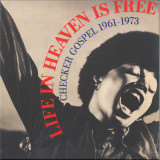
Gospel melts into Soul in this dazzling collection of sides originally released by the Chess subsidiary.
Devised by the same team supporting the likes of Muddy Waters and Etta James at Chess, the vintage of Checker Gospel celebrated here is distinguished by its expertly raw, rugged, live feel — thumping bass and pounding drums, bluesy guitar and horns — and its keen engagement with contemporary realities and politics, with an underlying, unwavering commitment to the Civil Rights movement. Not forgetting its sheer, startling, richly diverse soulfulness.
Key architects of the Chicago Sound and Motown are amongst the scores of contributors: Charles Stepney, Gene Barge, Eddie Kendricks, and Leonard Caston Jr. are in the house… Morris Jennings, drummer on Curtis’ Superfly and Terry Callier’s What Color Is Love… Louis Satterfield from The Pharaohs and Earth Wind & Fire… Ramsey Lewis’ guitarist Byron Gregory… Phil Upchurch… Laura Lee…
Producer Monk Higgins joined Checker in 1967, bringing his experience of R&B and Gospel hit-making for the labels One-derful and Satellite, together with a loyal cohort of musicians. A protege of Willie Dixon, engineer Malcolm Chisholm set up the Ter Mar studio as if preparing for a live gig, carefully teasing measures of bleed into the microphones. With Ralph Bass from King Records running A&R, they knew exactly what they were after. ‘I’m using horns and an R&B sound in gospel recordings,’ said Bass. ‘We have no charts. All the musicians are given the chord changes. I want the cats to think when we’re cutting. I want spontaneity, and that’s what we’re getting.’ And: ‘There is more to gospel than just finding solace in the church. This follows the same message of Martin King, who was fighting for a new way of life. Kids are tired of hearing Jesus Give Us Help. They want a positive message.’
Focussed on the late sixties and early seventies, the twenty-five recordings here are all killer no filler, but try these four, random entry points: the heavy funk ostinato of the Violinaires’ Groovin’ With Jesus, working itself up into a post-James-Brown brass frenzy, sure to knock your socks off; Cleo Jackson Randle’s title track, for those who like their Gospel straight-up and hard-core; Eddie Kendricks’ achingly timely choral call-to-arms, Stand Up America, Don’t Be Afraid; the East St Louis Gospelettes’ heart-stopping, fathoms-deep rendition of Bobby Bland’s I’ll Take Care Of You.
A beautiful gatefold sleeve; a full-colour booklet with excellent notes by Robert Marovich; top-notch sound. Another knockout selection by Greg Belson and David Hill.
Nat Birchall returns with a new studio album with an expanded Unity Ensemble. Six original compositions played by a seven-piece group featuring the legendary UK tenor saxophonist, Alan Skidmore and guest percussionist Mark Wastell.
Both musicians joined the group onstage at a John Coltrane tribute concert at London’s Café Oto last year, the resulting performance showing just how compatible all the musicians were, so Nat thought it would be propitious to record the group in the studio with their special guests.
Both Nat and Alan are Coltrane devotees of the highest order, but they each have their own individual style, and at the sessions their playing complimented each other’s beautifully. With no trace of anyone attempting to “outdo” the other one the recording dates were a testament to the whole group’s selfless approach to music making.
The first in a new compilation series, "How We Walk on the Moon," was selected and supervised by the project "VINYL GOES AROUND," which operates under the concept of "redefining record culture" in the era of subscription services.
The album is themed on "quiet nights." It is not too close to healing/easy listening, but has a beautiful tension and a pure, mellow mood, and the fantastic soundscape that makes you want to listen to it under the moonlight blends into the environment.
The selection of beautiful pieces is a woven ensemble of various genres, including not only ambient and jazz, but also soul, library, and alternative, and will serve as an introduction to the pop side of ambient music, which many people find intimidating. It is a must-listen for all music fans.
In addition, the LP comes with a completely new type of obi called "ORIGAMI" supervised by "VINYL GOES AROUND". It is a special design that further deepens the worldview of the album.
The tracks included are "Harmonica and...", a 7-inch only track by Sven Wonder, an up-and-coming artist who was nominated for the Jazz category of the 2024 Swedish Grammy Awards; "Clouds" by Gigi Masin, which has been cited by Namedaruma, Nujabes, and Bjork; and "Morning Sunrise", a popular song by Weldon Irvin that has been sampled in countless songs since the 2000s. The lineup is set apart from conventional healing/ambient compilations, and will be useful for DJs as well.
This is a record that will make spending an evening with you feel incredibly luxurious, as if your mind is being freed to go on a free-spirited journey.
*****
It is an honor to be included in this compilation alongside so many other talented artists who have been an important part of my musical journey and hold a special place in my heart. - SVEN WUNDER
Limited Edition! The "LaBush - Temple of House" Volume 2 Vinyl Box Set for the 30th Anniversary of the Legendary Club!
Barely six months after the phenomenal success of the first box set, La Bush - Temple of House makes history once again, celebrating its 30th anniversary with the release of Volume 2 in a limited edition 10x12" vinyl box set. A true must-have for collectors and electronic music enthusiasts!
This exclusive box set features no less than 35 tracks, an incredible number for a vinyl collection, offering unparalleled pressing quality that guarantees an exceptional listening experience, perfectly suited for any turntable. Each track has been meticulously remastered, preserving the essence of the original versions while enhancing every sonic detail.
The deluxe packaging of this box set is a work of art in itself, designed to captivate the most discerning vinyl lovers. Moreover, with tracksfrom legendary artists like Paul Kalkbrenner, Paul van Dyk, David Guetta, Tomcraft, Oliver Lieb, Matthew Herbert, and La Bush resident Mr. Sam, this box set is an essential treasure.
For those who already own the first box set, this new volume is the perfect opportunity to complete your collection in the best possible way, adding a new centerpiece to your La Bush ensemble.
Don't miss this unique opportunity to add a masterpiece to your vinyl collection. Order now before it's too late!
Zy The Way hails from Taiwan and are a jazz ensemble that interlaces their dynamic sounds with ancient Chinese poetry compiled by Confucius. They also bring in more contemporary compositions which results in an utterly original sound and great gateway to some of the world's oldest literary works. They recently finished a debut full-length album and now the single 'Blue Collar' from it comes on limited edition vinyl. The track tells the ancient tale of young scholars in love with a powerful narrative and moving melodies. The one and only DJ Spinna steps up on the flip to offer his own classy deep-house remix.
It’s approximately been a year since Antoine lost what would have been his debut album, ironically dubbed ‘Humour. Positivity & Affection’. In its wake, stemmed the idea for the producer to reform his conceptually based project (Mise En Place) into a vinyl only label.
The Land Down Dunder EP being the first, of hopefully, many releases throughout this new imprint. The label head feels there is no better way to start this campaign, than with a body of work, entirely inspired by the modern, timeless TV Sitcom - The Office (US).
The opener ‘Australian Reds’ looks to bridge the gap between Progressive House and Antoine interpretation of Minimal. Matched with Ghanian inherited grooves of course.
‘Colombian Whites’ as suggested by its title, widens the eyes and warms the soul with its textbook, 90’s House inspired Kicks, Hi’s and Baseline. Synthy melodies run throughout the mid(s) of the track to marry the ensemble together. Fitting for all terrains, but would be highly favoured in the Summer.
The B-Side flips the script in tone, tempo and texture - pulling on Antoine’s repertoire for groove laden Techno - ‘Cafe Disco (AK’s Rare Groove Dub)’ brings you to the after hours of any setting with it’s full bodied percussive rhythms, beautifully automated soundscapes and highly persuasive swing. Lastly, the EP is capped off by ‘Threat Level Midnight’. A nod to Antoine’s versatility within the realms of House and Techno. An incredibly versatile track, structurally inspired by the producers love of Hip-Hop. A cacophony of ethereal chord progressions run throughout the track alongside one moody baseline, as well as solemn drum patterns which progress in both body-feel and stature.
Standard version on 2LP black vinyl in gatefold sleeve. ‘Lefto presents Jazz Cats' is back with volume 3 and still doing what it does best: putting you in the front row of what the thriving Belgian jazz scene currently has to offer and revealing a melting pot of the musical talent.
'Lefto presents Jazz Cats' is back with volume 3 and still doing what it does best: putting you in the front row of what the thriving Belgian jazz scene currently has to offer and revealing a melting pot of the musical talent coming out one of the smallest countries in Europe. Never change a winning team they say, so we're happy to have Belgian DJ and eclectic connoisseur Lefto on board again.
Although you expect thecompilation to be talking jazz, volume 3 explores a broader array of styles, genres, and sounds than ever before, arriving at a point where the 'young cats' of today don't bother no more. It may focus on the Belgian scene, but let's face it, seeing the influences, this one could be compiled from all over the world. From the empowering and bittersweet voices of Oriana Ikomo and Adja, over the more acoustic-electronic productions of Moodprint, Ciao Kennedy, Kassius and echofarmer. It's even expanding the Jazz Cats universe to dub and bass-heavy tracks with Kin Gajo and Le Ministère, Ethio-jazz from Azmari, while sending you back to earth with bodies' swirling sax and drums. That saxophone still rings in your ears when you end up in the orbit of the march-like drums of Bodem, Orson Claeys' piano testing your ability to follow him, slamming the breaks to go smooth cruisin' with HONEY (Morricone meets Khruangbin, anyone?), to crashing in a raging tempo on that last track of Bruno x Soet x Moene. And there you are, back with us.
2018's 'Lefto presents Jazz Cats' included tracks from some of Belgium's biggest hitters, including Black Flower, STUFF. De Beren Gieren and Glass Museum who have all gone on to receive global acclaim. The album was given the accolade of 'Album of the Week' on Worldwide FM and also received further radio support from Jazz FM in addition to numerous glowing reviews. The 2022 follow-up 'Jazz Cats volume 2' paved the way for a new generation inspired by its peers, entering another era of very talented individuals and collectives. Maybe even more so than 4 years before. It uncovered a beautiful balance of more established but also obscure musicians and artists. Opening up to electronics and dance, enter bands like ECHT!, Stellar Legions and TUKAN. Thrilling innovative soundscape grooves and jazz fusion with Bandler Ching and L?p?GangGang, not to forget about the weaving musical odyssey that is M.CHUZI. In addition, there's the balanced unease of One Frame Movement, the laidback 'acoustic electronica' of Boombox Experiments, the classic funky jazz stylings of Cargo Mas and cinematic The Brums, all of these have set volume 2 on the map as an essential release for any jazzhead with a passion for new sounds.
Tastemaker, selector, curator, DJ and producer, these words often get mentioned when Lefto's name pops up in discussions. And rightly so. If you've ever had the pleasure to listen to one of his incredible Boiler Room sets or one of his many radio shows, you'll know why. Famed for his gloriously eclectic taste on the decks, he switches effortlessly between hip hop, funk, breaks, neck-snapping beats, future bass, South-American influences, bruk riddims, some wild African rhythms and of course, jazz.
Growing up as a child, his father would have the sounds of jazz flowing through the speakers. Which led him to bars around town to hear the latest jazz ensembles. Falling in love with the genre, he would later refine his knack for record digging and fine ear for music working at Belgium's legendary Music Mania record store in his hometown Brussels. Which makes that Lefto is consistently a couple steps ahead. He doesn't wait for the next thing to land in his lap, but actively seeking it out.
Lefto on Jazz Cats volume 3:
"Another release in less than two years! I am very impressed by the amount of creative "jazz" talent we've managed to compile over the last couple of years. Thanks to the internet, young musicians find inspiration from around the globe and incorporate diverse influences into their work. Given the history and heritage of jazz in this country, it has managed to create a healthy jazz scene supported by festivals, venues, press, and labels. Therefore, I am very proud to present to you the thirdinstallment of Jazz Cats. This compilation is dedicated to the young and hardworking musicians who are the present and the future of Belgium's jazz scene."
A collection of music for the various films and theatre plays by Mirko Krsticevic, Croatian and Yugoslavian composer and musician active since 1970s. All and Nothing at All (Film and Theatre Music 1978 - 1988) focuses on his work for the underground and avantgarde cinema from the era: directors Ivan Martinac, Svemir Pavic, Lordan Zafranovic, Aleksandar F. Stasenko and Vanca Kljakovic are all part of the Split Cinema Club association; their work explores art, death, sexuality and eroticism. Pavic's portrait of surrealist painter Ljuba Popovic, made in the same year as its counterpart by Walerian Borowczyk, features scenes form Beaubourg Gallery in Paris and Udo Kier as a guest. Side B of the record is all about theatre: plays by Sam Shepard, Rainer Werner Fassbinder and Jean Giraudoux were all produced in Sarajevo and Split in the 1980s, with the rare electronic takes by Mirko Krsticevic and his subtle minimalist soundings of the themes from the Cold War era. This unique and diverse compositions by founder of the rock band Metak and sound studio Tetrapak from Split, are document of the time that is, especially in the closing Chernobyl theme, relevant again. Composer, musician and musical arranger Mirko Krsticevic was born in 1948 in Sibenik. He graduated in music theory at the Pedagogical Academy in Split and then at the Music Academy in Sarajevo. He studied composition with Josip Magdic, Mladen Pozajic and Miroslav Spiler. He is the co-founder of the Tetrapak music studio in Split, where numerous performers and musicians have recorded (Animatori, D'Boys, Haustor, Oliver Mandic, Gibonni, Srdjan Marjanovic, Stil, Trotakt Projekt and others). The first group he founded was the rock group Che, which performed his own songs, in which he played bass guitar. It was founded in the summer of 1969. Together with Ranko Boban and Momcilo Popadic, he founded the Metak group in the spring of 1978 in Prigradica on Korcula. In the group, he is the author of songs and lyrics, and he also plays the bass guitar. "Da mi je biti morski pas" is the group's most successful single, which in 1980 became one of the most played songs on radio and television. Metak performed in Belgrade in front of 70,000 people, and the media declared them the best group along with Macedonian Leb i sol. In compositional work and arrangements for other pop and rock artists, Krsticevic had high commercial success with Tutti Frutti Balkan Band, Biljana Petrovic, Seid Memic Vajta, Pepel in kri, Osmi putnik, Oliver Dragojevic , Djordji Peruzovic, Henda and others. Parallel to his pop and rock career, Krsticevic composed stage and film music for 45 films, mostly collaborating with the circle of experimental and amateur directors of the Split Cinema Club (Kino klub Split) as well as the rest of the local underground scene. He is the author of stage music for 130 theatre plays, and also records his own compositions in the field of contemporary music. He wrote over 30 works for solo instruments, chamber and symphonic music. At the end of 2007, he founded the Split society for contemporary music and the contemporary music ensemble Splithesis. In 2015, he founded his own orchestra The Highway to Well Family, composed of fourteen musicians and three singers. In 2021, he founded Arthesis, an artistic organization for contemporary music and visual arts. He is the author of four operas: "Krvava svadba" (1997), "Halugica" (1999), "Atlantida - Legenda o Dan'zoru" (2018) i "Atlantida II - Lu'blis Kaoamos" (2020). He is the winner of numerous awards, lives and works in Split. Gatefold LP with extensive liner notes, Direct Metal Mastering (DMM) from original tapes, pressed at Record Industry. File under: Soundtrack, Stage, Electronica
SHIFTING - The brandnew album by FRANK POPP ENSEMBLE, the first since 2005! It has been quiet during the last years, apart from an album as „Frank Popp“ called „Receiver“ in 2009 on his own label TV Eye Records. Frank Popp was always busy tho, working as a producer for other bands (Odd Couple, Sun And The Wolf, etc), designing hundreds of posters and booking top notch concerts in Berlin (The Jesus And Mary Chain, Billy Childish or 60s legends The Pretty Things, just to name a few. Once a month Mr. Popp runs several dance partys since many years. Now he is back at his desk for his own musical project FRANK POPP ENSEMBLE! And again he got help from many wonderful special guests lending this project their voices, such as Jesper Munk, Aydo Abay, Lucy Kruger, Kat Ott from 24/7 Diva Heaven, Anna Glahn and classic FPE singer Sam Leigh-Brown. Mr. Popp wrote, recorded, produced and mixed „Shifting" in Spain between january and march 2021, accompanied by Jascha Kreft (Odd Couple) for the songwriting sessions. The 16-song heavyweight takes us on a colourful journey through vintage soul scorchers, psychedelic soundtrack scapes, spector-esque sound walls, bootboy glamrock and even a riviera space-disco tune can be found on the new longplayer. Of course lotsa things changed in that many years. Many lyrics are written by Popp himself, out for trouble in impertinent phrasing here and there. The music has become mature and deeper and his voice can be heard on two songs, the first time ever. It sure is a remarkable piece of high quality music, that’s been delivered here. Watch out, world!
Another one from the fruitful collaboration with LA's highly regarded Patrick Houchen aka Shakaman. After Shakeena's “I bet you” 12" re-issue flying off the shelves, we deepen the exploration within Shakaman's treasure chest of Reggae/Dub gems with Shakeena's first and last album on Majicaa Records. Originally released in 1987, this album is a proper act of musical generosity, not so easy to point out the “hit” track here – clearly a case of all killer no filler. Unlike too many albums where the format length sadly gets the best of the artists' work, rest assured with this one you can play from the beginning to end and you'll only have to come back to flip it. The professional execution of what is hands down an ensemble of highly seasoned musicians sets the tone for the dreamy lyrics and arrangements to unravel. Besides expected reggae rhythms, Shakaman brings in other influences with subtle electro/freestyle hints that might have been hard to ignore in LA at the time. New remastered version sounding especially big and cozy on the low end. Can't go wrong!
„Christmas Cocktail Jazz“ verbindet Weihnachtsklassiker wie „I’ll Be Home For Christmas“, „Winter Wonderland“, „Let It Snow“ und „Baby, It’s Cold Outside“ mit entspannten Jazz-Arrangements. Mit dabei sind u. a. Stephen Kummer, The Lori Mechem Quartet, The Jeff Steinberg Jazz Ensemble und Beegie Adair. Die Vinyl-Ausgabe enthält zusätzlich Cocktail-Rezepte und eignet sich damit als stimmungsvolles Weihnachts-Geschenkprodukt.
Love or its absence dominates the intimate songs on the new album from ARBORIST – the musical outlet of Mark McCambridge. Looking For Love, Arborist’s fourth album of exquisitely inventive Americana, places us firmly in his hometown of Belfast, allowing it to act as a microcosm of the wider-world, with all its foibles and charms. We find fictional protagonists scouring the dark corners of the city, wiling-away afternoons in strip clubs, wandering the streets in all weather and reflecting on the harsh reality of modern society, all in search of an elusive love – emphasising our need for it now more than ever.
Looking for Love is ARBORIST’s first album to be self-produced by McCambridge, largely from his home studio in Belfast – and at times it feels like we are in the room with him. It’s a different kind of record for him as previously he has always sought collaboration; whether it be with Kim Deal who chose to sing intertwined harmony on his debut single “Twisted Arrow”, or recording in The Curfew Tower owned by The KLF’s Bill Drummond who described Mark’s songwriting as being “riven with more loss than any record since Leonard Cohen quit this world”, and who Matthew E White and his Spacebomb band collaborated with to such astonishing effect on the previous Arborist LP, 2023’s An Endless Sequence of Dead Zeros, winner of the prestigious Northern Ireland Music Prize. This time, with no outside producer steering the way, McCambridge found that the quiet hours were where he felt most at ease, despite periods of trial and error, and, by his own admission, moments of feeling genuinely lost in it all.
Despite playing many of the parts himself, McCambridge still called upon old friends from the community around him; Spacebomb’s resident bassist Cameron Ralston (Bonnie Light Horseman, Hiss Golden Messenger) again features throughout the record, alongside Eamon Ferris (The Waterboys) on drums, with the great and the good from Belfast’s vibrant music scene. Grainne Meyer plays concert harp and Aga Olek plays violin for the quasi-title track “Looking 4 Love” – an off-kilter love-letter to Belfast. Meilana Gillard provides a sleazy saxophone on “Bye Bye Johnny Cash” – a seedy tale of a man obsessively visiting a dancer in a club, and The Larne Community Youth Choir provide backing vocals for “Go Kill The Fatted Calf” – a song Mark wrote about his son growing up, a take on the parable of the prodigal son, with Jonny Ashe’s blistering guitar solo adding an album highlight. The Errigal Ensemble String Quartet and Aisling Agnew’s breathtaking flute solo feature on “What Is It You’re Asking” – a song about love, or its absence, both personally and universally in these times.
McCambridge was recently honoured with a “Fellowship” by the Seamus Heaney Centre at Queen's University Belfast where he collaborated with such illustrious names from the literary world as Nick Laird, Caoilinn Hughes and Conor McPherson. Through the University he was given access to the music department's Steinways and pipe organs, and decided to try one out for the album’s centrepiece “I’ve Been A Flaneur”. As Mark explains, "The drone on the pipe organ — and the sound of it starting and stopping — was so visceral that I decided to try a half-written song against it right there and then, and this came out in one take… The song was a breakthrough artistically - I don't think I'll ever record in the same way again after this."
The album was engineered by longtime collaborator Ben McAuley (Van Morrison) and mixed by Jimmy Robertson (Anna Calvi, Beth Gibbons, Fat Dog). The results are staggering, devastating and uplifting in equal measure, calling to mind albums such as Songs Ohia’s Magnolia Electric Co., The Divine Comedy’s Regeneration, The Blue Nile’s Hats and Wilco’s Ode to Joy, as well as early-70s records from John Cale, John Lennon and Bill Fay.
Belfast native Mark McCambridge played his first show as Arborist supporting James Yorkston. A solo tour followed, and impressive performances led to notable support slots alongside Low, Cat Power, Echo & The Bunnymen and Guy Garvey. Arborist's debut single, the Americana-tinged "Twisted Arrow," caught the attention of the critics with an astonishing duet with Kim Deal of The Breeders. The debut album Home Burial (2016) and its follow-up, A Northern View, both received glowing praise, from The Guardian ("instant classic" ----) to MOJO ("devastatingly bleak… upliftingly beautiful" ----) to Uncut (8/10), with BBC 6 Music play from Cerys Matthews, Cillian Murphy, Lauren Laverne, Radcliffe and Maconie and Gideon Coe — and Steve Lamacq calling single "Taxi" "one of those records that makes you immediately stop what you're doing." He went on to even greater success with the 2023 Northern Irish Music Prize winning third LP, An Endless Sequence of Dead Zeroes, which was recorded at SpaceBomb Studios in Virginia with musician and producer Matthew E White. For his fourth LP, Looking For Love, he has signed with Fika Recordings and with a tour approaching in November, 2026 looks set to be a seminal year for the Irish artist.
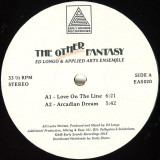
We Welcome Ed Longo And His Studio Project The Applied Arts Ensemble Debut On Early Sounds With the Other Fantasy', The Result Of Many Recording Sessions That Took Place In Different Places Around Europe.
Conceived With A Strong Jazz-funk, Fusion And Boogie Sound It Has Been Conceptualized Around The Idea That The Schizophrenia Of The Internet-age, The Visions Of Otherness (the Undiscovered Lands, The Primitive Happiness, The Impossible Love) Permeate The Collective Consciousness And The Idealized "other" Loses Any Correspondence With The Physical World.
out of Stock
Last delivered 2 years ago available to reorder, subject to availability
It's hard to explain an album when one listen is enough. All the more so with MaMaMa: there's no room to stay passive. Listening to his new album, EST, means immersing yourself in an atmosphere that's softly psychedelic, comforting and organic all at once. A dreamy, electronic pop that proves this Strasbourg-at-heart, Paris-by-adoption musician, arranger, singer, songwriter and producer never stops reinventing himself. After changing his name — formerly Petit Prince — and delivering two critically acclaimed albums ("MaMaMa-gnificent." / "Hooks you carry in your head for a long time" / "sumptuous arrangements"), Elliott Diener now offers an even more sincere record. Real songs in French, after two albums where production sometimes took up all the space: "when you make heavily produced music, once you strip away the layers of sound, there's no fruit left underneath. On EST, I don't need makeup for the songs to work," he admits.
That's what this new album is about: the song and the French language first, then the pleasure of sound. An album less concerned with talking about its own making, more inhabited, more embodied, within a contemporary folklore. With this new album, don't expect to be bored: EST is his best record yet.
No pretense
Entirely conceived in his studio in Pantin — a room of his own, at last — imagined as a space free of any daydream, open to every sonic landscape, MaMaMa offers a record that's both hazy and downy soft. Often composed very early in the morning, it has become nostalgic without being dark, melancholic without being sad, with a few lineages showing through: Flavien Berger, Moodoïd, Feu! Chatterton for the taste for words and unease, Mount Kimbie for the approach to sound and rhythm. Unsurprising, given that EST was finalized with the British duo's producer. Live, MaMaMa is preparing a show in the style of Nicolas Jaar or UTO. Hypnotic and immersive.
The most liberating thing is that EST is an album without pretense. With it, we move through perseverance (in Aussi loin qu'il tiendra debout), the small arrangements we make to avoid facing reality (Tout sauf la vérité), and the fragility of bonds we thought were solid (Si bien ensemble). We also touch on lasting conflicts with the people we love (Anywhere You Are, There You Are), misunderstanding (Elle me parle une langue), and the erosion of friendships (S'envoler). EST draws an intimate and redemptive map of human relationships, in a body of work that's both lucid and sensitive — like when he also addresses social masks such as filial love (in Beau garçon, dedicated to his son) or relationships that have become impossible.
"It's really the album that sounds most like me, in terms of sonic landscape," Elliott points out. A record that rises above the noise of an imperfect, shifting world — like us — joyful in its words, liberating in its production. A true gem.
Les Disques du Crepuscule presents a new 180 gm vinyl edition of Fidelity, the 1996 studio album by cult Manchester ensemble The Durutti Column.
Limited to just 500 copies, this special double disc edition is pressed on heavyweight 180 gm vinyl and features cover artwork by Crepuscule design director Benoit Hennebert, based on a portrait by Vini Reilly of filmmaker Carol Morley.
Originally released by Crepuscule on CD only in April 1996, Fidelity featured 10 tracks written and performed by Vini Reilly, with occasional guest vocals by Eley Rudge. In addition to Vini’s trademark guitar stylings, the album showcased sleek electronic textures and programmed beats.
This 2019 vinyl re-master features two bonus tracks: My Only Love was originally released in 1995 on a covermount CD with a specialist guitar magazine, while experimental piece The New Fidelity was issued on a Portuguese compilation album from 1992 called Hare, Hunter, Field.
out of Stock
Last delivered 2 years ago available to reorder, subject to availability
"Spiritual Jazz 19" besteht aus zwei Doppel-LP-Sets, die den Einfluss und die Ausdrucksformen jenes Underground-Jazz beleuchten, der sich in der zweiten Hälfte des 20. Jahrhunderts in Kalifornien und den angrenzenden Bundesstaaten entwickelte. Die insgesamt 24 Titel erscheinen in Gatefolds und enthalten Liner Notes, Fotos und Download-Codes.
Die US-Westküste wird oft mit dem Boom des Cool Jazz in den 1950er Jahren in Verbindung gebracht; doch überall dort, wo Jazz gespielt wurde, florierten auch modale, afrozentrische und spirituell geprägte Strömungen – und die Westküste bildete da keine Ausnahme. In der Nachkriegszeit rangierte die Central Avenue in L.A. als bedeutendstes Jazz-Viertel Amerikas direkt hinter Manhattan. Auch wenn Manhattan in jenen Jahren das faktische Zentrum des Jazz-Universums war, übte Kalifornien eine stärkere Anziehungskraft auf die Kultur im Allgemeinen aus und zog Menschen aus dem ganzen Land in den Bann seiner aufkeimenden Gegenkultur der 1960er Jahre.
Hier untersuchen wir die Auswirkungen dieser Gegenkultur auf den Jazz. Wir beleuchten den Einfluss der Black Panthers – der prägendsten Kraft innerhalb der schwarzen politischen Bewegung nach der Ära der Bürgerrechte – und widmen uns den neuartigen spirituellen Praktiken und Religionen des aufkommenden New Age. In Kalifornien waren zahlreiche eigenwillige Independent-Labels wie Arhoolie, Theresa und Nimbus sowie viele weitere private Unternehmungen ansässig; wir präsentieren die Ergebnisse ihres Strebens nach musikalischer Freiheit. All diese Faktoren beeinflussten die Entwicklung und Blütezeit des Jazz und der Jazzmusiker an der Westküste – und die Evolution des Spiritual Jazz in dieser Region wird hier eingehend betrachtet.
out of Stock
Last delivered 3 days ago available to reorder, subject to availability
The title of Ghost Bridge, the East-Coast-spanning chamber ensemble Hour's fifth record, is less metaphorical than one might expect. Bandleader Michael Cormier- O'Leary repurposed it from an unrealized movie concept about a bridge that inexplicably starts disappearing. On the nearly-ten-minute title track of this richly imaginative suite of songs_written for a 13-piece ensemble that includes woodwinds, strings, and vibraphone as well as a rock rhythm section_Hour conjures up this central image with spectral string harmonics and free-time percussion gestures. While writing the keyboard pieces that became the takeoff point for the album, Cormier-O'Leary also found himself reflecting on the loss of loved ones or even his own mortality. The six kaleidoscopic instrumental pieces on Ghost Bridge, though, feel more cosmically inquisitive than straightforwardly elegiac, sketching a progression from existential doubt toward understanding and acceptance. Ghost Bridge forms a contrast with Hour's art-rock-informed, more improvisatory early releases, representing a step further into intricate chamber orchestration. Known for his work with Friendship, Wendy Eisenberg, and 2nd Grade, Phillybased multi-instrumentalist and Dear Life Records founder Cormier-O'Leary has made Hour a home for increasingly cinematic instrumental compositions since the mid-2010s. With dazzling production by Lucas Knapp, Ghost Bridge delivers plenty of the live ensemble's trademarks, especially cyclically developing guitar and keyboard melodies. However, even more than on Hour's last studio album, unconventional harmonies and sophisticated counterpoint take center stage here. These emotionally multifaceted compositions feel as rooted in contemporary classical and film soundtrack music as in indie rock. One of the most striking elements of Ghost Bridge is the more significant developmental role the orchestral instruments assume in each piece. Instead of underscoring Cormier-O'Leary's central hooks, there is a new mesmerizing level of detail to the group's conversational interactions and kinetic energy. "Centralia" is a stately and idiosyncratic fugue built from repeated and overlapping phrases, while Ghost Bridge's compositions are full of unexpected pivots in harmony that allow recurring melodic motifs to sound continually reshaded. On "Pearls," the chords modulate drastically around Cormier-O'Leary's inviting central melody in a way that emulates cuts in a film telling several parallel stories. There is an unsettled quality to the chords on Ghost Bridge, with Cormier- O'Leary's progressions avoiding firm grounding in either clearly sunny or melancholy tonalities. This mood is made more concrete by the record's sole vocal track, the jazz-inflected "Sky is Blue," featuring an uncannily gorgeous performance by Heeyoon Won. The song seems to be a communication from a person who has departed, offering consolation or perspective to someone left behind. Though its sonic palette is often tranquil, Ghost Bridge explores heartbreak, grief, anger, and helplessness in a distinct and pretense-free way. The project represents a bold step forward for Cormier-O'Leary as a composer and arranger, and on Ghost Bridge Hour reaches its most fully realized form to date, connecting soaring themes with an inventiveness that perfectly suits the searching nature of the subject matter.
A1: Esther Abrami / Claudio Capéo / The City of Prague - Coup de foudre - 4:08
A2: Esther Abrami / The City of Prague Philharmonic Or - Envoutée - 2:22
A3: Esther Abrami & The City of Prague Philharmonic Or - Fusion 2:30
A4: Esther Abrami / Jimmy Whoo / The City of Prague Ph - Obsession 3:22
B1: Esther Abrami / The City of Prague Philharmonic Or - Jalousie - 1:59
B2: Esther Abrami / The City of Prague Philharmonic Or - Emprise - 3:40
B3: Esther Abrami / The City of Prague Philharmonic Or - Rupture - 3:16
B4: Esther Abrami & The City of Prague Philharmonic Or - Deuxième Chance - 4:20
B5: Esther Abrami / The City of Prague Philharmonic Or - Libérée - 1:29
C1: Esther Abrami & Marina Viotti & The City of Prague - Romeo & Juliet: Love Theme - 3:20
C2: Esther Abrami / The City of Prague Philharmonic Or - Le Cirque: Désillusion Amoureuse - 1:24
C3: Esther Abrami & The City of Prague Philharmonic Or - All by myself 3:18
C4: Esther Abrami & The City of Prague Philharmonic Or - Carmen, GB 9/WD 31: L'amour est un oiseau rebelle "Habanera" (Arr. for Violin & Orchestra by Esther Abrami & Max Knoth) 3:44
C5: Esther Abrami & The City of Prague Philharmonic Or - Moods, Impressions and Souvenirs, Op. 41/H 311, Book 4, No.14: Lento (Arr. for Violin & Orchestra by Jan-Peter Klöpfel) 2:02
D1: Esther Abrami / The City of Prague Philharmonic Or - Léocadia, FP 106: 1. Les chemins de l'amour (Arr. for Violin & Orchestra by Esther Abrami & Jan-Peter Klöpfel) 2:50
D2: Esther Abrami / The City of Prague Philharmonic Or - Orpheé et Eurydice, Wq. 41; Dance of the Blessed Spirits "Melody" (Arr. for Violin & Orchestra by Jan-Peter Klöpfel) 2:54
D3: Esther Abrami / The City of Prague Philharmonic Or - Chaconne in G Minor (Arr. for Violin & Orchestra by Esther Abrami & Max Knoth) 4:34
D4: Esther Abrami & Ensemble Plein Jeu - Coeur à Coeur - 1:26
"Amour" ist ein bedeutender künstlerischer Meilenstein für die Geigerin und Social-Media-Sensation Esther Abrami. Erstmals stellt sie auf einem Album eine groß angelegte Originalkomposition ins Zentrum. Ihre neun Sätze umfassende Suite für Violine und Orchester ist eine ausdrucksstarke Auseinandersetzung mit der Liebe in all ihren Facetten und fängt das gesamte Spektrum der Emotionen ein - von Zärtlichkeit und Leidenschaft bis hin zu Sehnsucht und Verlust. Über die Suite hinaus versammelt "Amour" eine vielfältige Auswahl ikonischer klassischer Werke rund um das Thema Liebe, die von Esther Abrami neu für Solo-Violine und Orchester arrangiert wurden. Ein besonderes Highlight ist Nino Rotas "Romeo and Juliet: Love Theme", mit der gefeierten Mezzosopranistin Marina Viotti. Ihre Stimme tritt dabei in einen musikalischen Dialog mit Esther Abramis Violine. Das Programm umfasst weiterhin Instrumentalarrangements von Céline Dions "All by Myself" sowie Georges Bizets "Habanera" aus "Carmen", wie auch neue Versionen für Violine und Orchester von Francis Poulencs "Les chemins de l'amour", Christoph Willibald Glucks "Tanz der seligen Geister" aus "Orfeo ed Euridice" und der virtuosen "Chaconne in g-Moll" von Tomaso Antonio Vitali. Auch eine neu arrangierte Version von Charlie Chaplins "Désillusion amoureuse" aus seinem Film "The Circus" ist auf dem Album enthalten. Im Laufe ihrer Karriere hat sich Esther Abrami einen Namen damit gemacht, klassische Musik einem breiten und vielfältigen Publikum vorzustellen. Mit "Amour" verbindet sie erstmals ihre unverwechselbare Stimme als Interpretin mit ihrem Schaffen als Komponistin. Das Album erscheint als CD sowie als Doppel-LP in einer limitierten Ecorecord InkPlosion Version, bei der jede LP individuell gestaltet ist. Die Doppel-LP enthält außerdem 3 Bonus-Tracks, die bisher nur digital erschienen sind.
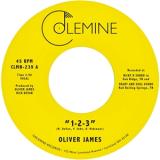
Möge es den Menschen im bekannten Universum gefallen, dass das musikalische Ensemble mit zahlreichen Namen, das rechtlich unter dem Namen ,Kay-Bee Funk Music Group" firmiert, sein - alphabetisch gesehen - erstes Album mit dem Titel ,Access All Areas" veröffentlicht. Diese Aufnahmen, die mit der von Karate Boogaloo patentierten ,Lovely Recording Technique" entstanden sind, machen deutlich, dass jeder ein VIP ist, wenn man KB hört. ,Access" war das einzige Wort, das The Old Kar-Boo's bei diesem Projekt philosophisch leitete. Wurde ein Stück zu verworren, landete es im Papierkorb. Nur diejenigen, die von jedem und allen gesummt werden konnten, blieben erhalten. Dieses Sieb kam während des gesamten Prozesses zum Einsatz; Arrangements und Formen wurden straff gehalten, Schnickschnack auf ein Minimum reduziert. War ,Hold Your Horses" aus dem Jahr 2024 noch ein Epos, so ist ,Access All Areas" ein Haiku. Der bewährte Aufnahmeprozess der Band wurde gewissenhaft eingehalten, abgesehen von einer wunderbaren Ergänzung: den großartigen ,Sound Recordings" unter der Leitung ihres Inhabers und außergewöhnlichen Toningenieurs Alex Bennet. Alex, der den 4-Spur-Ampex 440 bei Bedarf abseits der ausgetretenen Pfade steuerte und stets dafür sorgte, dass die Stimmung stimmte, ist ein waschechter Booger. Auch wenn es sich nur wie ein Augenblick anfühlt, sagt uns die Uhr, dass fast 20 Jahre vergangen sind, seit Kay's Bees zum ersten Mal versuchten, die Songs ihrer musikalischen Helden - The Meters, Booker T & The MG's und The JB's, um nur einige zu nennen - zu spielen. Seitdem haben die Famous Flying Karate Boogaloo Brothers einen Schritt nach dem anderen gemacht und ihren eigenen Sound entwickelt - einen, der die Geschichte der instrumentalen Funk- und Soul-Musik respektvoll würdigt und die Zeit widerspiegelt, die sie damit verbracht haben, ihren unverwechselbaren Sound zu entwickeln. So sehr jedes Mitglied auch für sich allein glänzt, ist es doch ein besonderes Ereignis, wenn alle vier Planeten im Booger-System in einer Linie stehen. ,Access All Areas" ist eine solche Finsternis - ein künstlerischer Ausdruck, an dem jedes Mitglied gleichermaßen beteiligt ist und der einen Schatten wirft, der einzigartig für diesen Anlass ist. Jede Sekunde der Musik wurde unter voller Beteiligung aller Mitglieder komponiert und produziert; das Mixing übernahm Henry Jenkins, das Artwork stammte von Hudson Whitlock und Callum Riley, und Darvid Thor vollbrachte Dinge, die man gesehen haben muss, um sie zu glauben. Musik ist ein Mannschaftssport, und es gibt kein ,Ich" im Funk. Das Album erscheint bei den beiden großartigsten Plattenlabels der Galaxie: ,Colemine Records" aus Loveland, USA, und ,College of Knowledge" aus Coburg, Australien. Hören Sie sich bitte das neue Album ,Access All Areas" von Karate Boogaloo an.
Möge es den Menschen im bekannten Universum gefallen, dass das musikalische Ensemble mit zahlreichen Namen, das rechtlich unter dem Namen ,Kay-Bee Funk Music Group" firmiert, sein - alphabetisch gesehen - erstes Album mit dem Titel ,Access All Areas" veröffentlicht. Diese Aufnahmen, die mit der von Karate Boogaloo patentierten ,Lovely Recording Technique" entstanden sind, machen deutlich, dass jeder ein VIP ist, wenn man KB hört. ,Access" war das einzige Wort, das The Old Kar-Boo's bei diesem Projekt philosophisch leitete. Wurde ein Stück zu verworren, landete es im Papierkorb. Nur diejenigen, die von jedem und allen gesummt werden konnten, blieben erhalten. Dieses Sieb kam während des gesamten Prozesses zum Einsatz; Arrangements und Formen wurden straff gehalten, Schnickschnack auf ein Minimum reduziert. War ,Hold Your Horses" aus dem Jahr 2024 noch ein Epos, so ist ,Access All Areas" ein Haiku. Der bewährte Aufnahmeprozess der Band wurde gewissenhaft eingehalten, abgesehen von einer wunderbaren Ergänzung: den großartigen ,Sound Recordings" unter der Leitung ihres Inhabers und außergewöhnlichen Toningenieurs Alex Bennet. Alex, der den 4-Spur-Ampex 440 bei Bedarf abseits der ausgetretenen Pfade steuerte und stets dafür sorgte, dass die Stimmung stimmte, ist ein waschechter Booger. Auch wenn es sich nur wie ein Augenblick anfühlt, sagt uns die Uhr, dass fast 20 Jahre vergangen sind, seit Kay's Bees zum ersten Mal versuchten, die Songs ihrer musikalischen Helden - The Meters, Booker T & The MG's und The JB's, um nur einige zu nennen - zu spielen. Seitdem haben die Famous Flying Karate Boogaloo Brothers einen Schritt nach dem anderen gemacht und ihren eigenen Sound entwickelt - einen, der die Geschichte der instrumentalen Funk- und Soul-Musik respektvoll würdigt und die Zeit widerspiegelt, die sie damit verbracht haben, ihren unverwechselbaren Sound zu entwickeln. So sehr jedes Mitglied auch für sich allein glänzt, ist es doch ein besonderes Ereignis, wenn alle vier Planeten im Booger-System in einer Linie stehen. ,Access All Areas" ist eine solche Finsternis - ein künstlerischer Ausdruck, an dem jedes Mitglied gleichermaßen beteiligt ist und der einen Schatten wirft, der einzigartig für diesen Anlass ist. Jede Sekunde der Musik wurde unter voller Beteiligung aller Mitglieder komponiert und produziert; das Mixing übernahm Henry Jenkins, das Artwork stammte von Hudson Whitlock und Callum Riley, und Darvid Thor vollbrachte Dinge, die man gesehen haben muss, um sie zu glauben. Musik ist ein Mannschaftssport, und es gibt kein ,Ich" im Funk. Das Album erscheint bei den beiden großartigsten Plattenlabels der Galaxie: ,Colemine Records" aus Loveland, USA, und ,College of Knowledge" aus Coburg, Australien. Hören Sie sich bitte das neue Album ,Access All Areas" von Karate Boogaloo an.
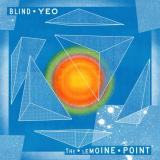
Based in Cornwall, Blind Yeo emerged from the isolation of lockdown. Built as an open collective, the project brings together musicians, visual artists and performers, developing a practice rooted in improvisation, live energy and shared creation.
The Lemoine Point, their debut album, was recorded on a disused airfield near St Agnes. The title refers to a hidden geometric centre where lines converge, a metaphor that runs through the record as past, present and future meet within a single moment.
Much of the album was captured live by a core ensemble including Sam Pert, Phil Self, Henry Greenham, Philippa Blum, Jake Sheridan, Will Greenham and Anousk Helm. These recordings are balanced by more intimate sessions, shaping a sound that moves between reworked folk traditions, electronic textures and raw, organic energy. Across the album, fragments of stories and emotions intertwine, exploring themes of love, duality and disorientation in time. Rooted in the Cornish landscape yet open in form, The Lemoine Point unfolds as a space where place, people and memory converge into a fluid and immersive whole.
The scent of fresh greenery rising into the air. A youthful Hidefumi Toki weaves a vivid and beautiful story through a one-horn quartet.
Making his professional debut while still in high school, Hidefumi Toki went on to perform with groups led by New Herd, Isao Suzuki, Terumasa Hino, Ryo Kawasaki, and Fumio Itabashi. From the late 1970s onward, he also collaborated with Ryuichi Sakamoto and Tatsuro Yamashita, contributing broadly to Japan’s music scene across jazz, fusion, and pop.
This album, recorded in 1976, is his third release, following Toki and Lover Man, a dual-leader project with Yoshio Otomo. It features a lineup of dazzling performances and compositions, including “Sky View”, where his soaring saxophone shines over delicate arrangements, and “Let’s Get Together”, evoking the uplifting fragrance of fresh greenery.
With outstanding support from Mikio Masuda—who also contributes compositions—alongside Yoshio Ikeda and Steve Jackson, the ensemble achieves a remarkable balance.
Defined by a gentle perspective and refined, youthful playing, this is a masterpiece filled with the charm of Hidefumi Toki in his early years.
»Pipe Dreams II & III« presents two new, side-long organ works by Mary Jane Leach, extending the sonic investigations of her 1989 landmark »Pipe Dreams«. Recorded in Ghent and Cologne, the two side-long pieces use shifting stops, resonance and beating tones to turn the pipe organ into a vivid, physical field of sound.
When »Pipe Dreams« was issued on vinyl for the first time by Blume in 2017, it was effectively the first time many of us encountered Mary Jane Leach’s music, finally placing her work in its proper historical context amid the searching Downtown milieu of Julius Eastman, Arthur Russell, Arnold Dreyblatt, Ellen Fullman, Philip Corner, Daniel Goode, and Peter Zummo. Leach collaborated with most of these artists at one point or another, either in Downtown Ensemble or as a guest on their records.
Now »Pipe Dreams II« and »Pipe Dreams III« arrive, recorded in 2023 and 2024 at Miry Concertzaal in Ghent, Belgium, and Kunst-Station Sankt Peter in Cologne, respectively.
»When I was a young child, my family lived next door to a church, where my mother was the organist. I spent many hours lying on the floor of the sanctuary listening to the music, letting the sound of the organ envelop me. I also liked to play the piano loudly with the pedal down, producing clouds of sound, much to my family’s annoyance. These two organ pieces explore some of my earliest musical interests and aesthetics.
In 1989, I lived in a tower attached to St Peter’s Church in Cologne, where I had access to its organ. It had two sets of pipes, front and back, which could create antiphonal effects. I spent countless hours exploring the possibilities of all the permutations of notes, space, and the resulting sound phenomena. I wrote »Pipe Dreams« for that organ. Fast forward to 2023, when I was asked to create a piece for organ for a concert at the Miry Concertzaal in Ghent, Belgium: »Pipe Dreams II«. I had a few days to familiarise myself with the organ, its available stops, and the layout of the console. I choreographed stop changes for a volunteer, as I couldn’t reach them myself. Some amazing sounds began to happen, and at one point the sound was so visceral that I felt as though I were taming a wild beast.
»Pipe Dreams III« was performed in 2024 on the organ that I had spent so much time playing in 1989–90. One big difference, though, was that the console was totally new and computerised. Having access to the organ for only a few hours before the concert, I decided that I did not have enough time to feel comfortable with the console and should not attempt to recreate the piece I had written in 1989. I would instead use the same sequence of stops and perform an improvised piece. I loved the sounds that were being created, and I was having so much fun that at one point I even started to laugh quietly. I began to visualise the beating notes as if they were atoms, opening them up to expose their innards, with the beating, higher-pitched notes — neutrons and protons — shimmering at the top, and the lower notes — the electrons — throbbing away at the bottom. I was playing notes not so much for their pitch value, but for how they affected the notes and sound phenomena already being played. Instead of a time signature, I timed the entries by listening to the beating patterns, waiting for the right moment to enter. And no, I wasn’t hallucinating.«
The legends of the golden era of Italian soundtracks and library music go by many names, but the backbone of that era’s definitive sonic identity is most often identified as I Marc 4 (also known as Marc 4 or I Marc Quattro). While the moniker might be less familiar to the uninitiated, it is a simple acronym derived from its founding members: Maurizio Majorana (bass), Antonello Vannucchi (organ), Roberto Podio (drums and percussion), and Carlo Pes (guitar). The number “4” serves to highlight.
The record is largely sung in Scots language, one of Scotland’s three official languages along with Gaelic and English. “Scots gives me a way of expressing myself which is connected directly with the landscapes I love. It brings the songs alive and it is a fascinating language. The name of the record is in Scots - Forefowk means the people who came before, or ancestors. When we say ‘mind me,’ we can mean a few things- remind, remember, watch over or care for me. The record explores how tradition needs to be constantly reconnected with, built upon, looked after, and shared.”
Quinie sings with a style inspired by Scottish Traveller singers. “I began singing unaccompanied Scots Song in 2015 after hearing Scots Traveller singer Sheila Stewart on the radio. Initially I felt like I shouldn't sing these songs because I'm not a Traveller, and I saw people around me doing that in a way that made me uncomfortable. But on the other hand this music made sense to me and I felt driven to learn. Over the years I have met Traveller friends who taught me that settled people sharing these songs could contribute to raising awareness. Scottish Travellers are marginalised and discriminated against in modern Scotland, despite being custodians of so many of our important traditions. So I started to perform them and tell this story. From there I built on my repertoire and started writing my own songs”.
To develop this record, Quinie travelled across Argyll with her horse. They went on a pilgrimage of sorts through the ancient landscapes of the West of Scotland to explore the interconnected relationships between people, ancestors, animals, and place. The album’s vinyl release is accompanied by a book and film, documenting this unusual research process.
Forefowk, Mind Me was recorded in August 2024 at The Big Shed in Highland Perthshire with support from Creative Scotland. Quinie is accompanied by an ensemble of musicians: Ailbhe Nic Oireachtaigh (viola), Oliver Pitt (duduk, bouzouki, percussion), Harry Górski-Brown (small pipes, violin), and Stevie Jones (double bass, recording, and mixing). Each of these artists brings their own distinctive voice, bridging contemporary experimental practice with worlds of traditional and early music.
From Berlin to Lagos: Jembaa Groove expand their sound on "Be A Lover"
Berlin-based outfit Jembaa Groove return with "Be A Lover", a four-track EP set for full release on 18 September via global soul imprint Agogo Records. Following two critically acclaimed albums and an intensive period of touring across Europe and the US — including a SXSW showcase and a widely acclaimed KEXP session — this latest release marks a new chapter in the band’s trajectory. Built around highlife rhythms and shaped by Afro-jazz and the more organic edges of Afrobeats, "Be A Lover" unfolds with a warm, languid and deeply soulful feel, capturing different strands of today’s multifaceted Afrofusion scene.
Here, the band strips back from a seven-piece ensemble to its two founding members, while at the same time opening outward into a deeply collaborative space. At its centre is a close creative partnership with celebrated Nigerian highlife revivalists The Cavemen., alongside contributions from London-based, Nigerian born soul artist Azekel, Lagos vocalist Tim Lyre, and Malian icon Fatoumata Diawara.
“This record has a different flavour,” says Owusu. “It’s really about collaboration — different feelings, different thoughts, different energies coming together.” While centred around the Lagos contemporary scene, the record is shaped by a wider diasporic network stretching across London, Lagos, Berlin and Amsterdam, cities producer and bass player Yannick Nolting describes as “the pillars where everything that is happening in today’s highlife and Afro-fusion scene.”
Formed in Berlin in 2020, Jembaa Groove began after a chance meeting between bassist, producer and composer Yannick Nolting and percussionist, vocalist and songwriter Eric Owusu. Drawing on their respective musical journeys — Nolting’s years working with Lusophone artists in Lisbon and Owusu’s deep roots in Ghana’s highlife tradition, including work with Pat Thomas and late highlife legend Ebo Taylor — the project quickly took shape: their debut album Susuma established a powerful, poly-rhythmic sound grounded in highlife, jazz and soul, while 2024’s "Ye Ankasa | We Ourselves" expanded that vision through collaborations with artists across Ghana and its diaspora, including UK based Ghanaian singer, rapper, percussionist, and arranger K.O.G and legendary Ghanaian highlife musician Gyedu-Blay Ambolley.
The collaborative spirit continues on "Be A Lover", most of which grew out of a meeting with sibling duo The Cavemen. at Supersonic Jazz Festival in Amsterdam in 2023, leading to a sustained exchange of ideas between Berlin and Lagos. With two acclaimed albums behind them, The Cavemen. have emerged as central figures in both Lagos’ alternative music scene and the wider contemporary highlife revival, bringing the genre to a new generation through a stripped-back, melody-driven sound. “There was some kind of magnetism towards Lagos,” says Nolting; for Owusu, who is Ghanaian but spent much of his life in Nigeria, the connection runs even deeper. “I feel lucky to be able to bring different cultures together and make something really beautiful,” he says. A key part of that process was a close working exchange between Nolting and The Cavemen.’s Kingsley Okorie, who effectively stepped into a co-producing role on three out of four of the tracks.
The one exception is opener No Pain No Gain, which features Nigerian-born, East London-based Azekel, whose smooth, R&B-leaning vocal moves through a slow-burning arrangement of bright keys, gently rising horns and atmospheric synths, anchored by Owusu’s organic percussion.
The title track Be A Lover, featuring Afro-fusion Lagos artist Tim Lyre, distills the EP’s central message into its most immediate form. Backed by syncopated percussion and a gently smouldering arrangement, Lyre’s voice moves with a laid-back, melodic ease, delivering a simple refrain: “be a lover, not a fighter.” “It’s a very simple message,” says Nolting, “It’s about showing more love, on a personal level but also more broadly… just show love.” That same sense of warmth runs throughout the record, reflecting its core idea.
On Obi, The Cavemen. take centre stage, with Kingsley Okorie leading through melancholic, plaintive vocals rooted in classic highlife. In contrast, his brother Benjamin James punctuates the track with high-pitched vocal interjections, heightening the emotional tension against a backdrop of slow, restrained instrumentation.
Waka follows with a more melodic, hook-led refrain from Eric Owusu, whose loose, almost conversational delivery creates a striking contrast with Fatoumata Diawara’s unmistakably powerful, raspy vocal. The collaboration grew out of a chance meeting while Owusu was on tour, with ideas exchanged quickly and Diawara returning a finished vocal within days. “We are so proud to have her. It’s a privilege” says Owusu. "Be A Lover" is a record shaped by connections like these — between people, scenes, and cities. “It was partly intention, partly destiny,” says Nolting. “We met these people along the way, and somehow Lagos was meant to come into our path.”
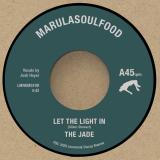
Lovemonk and Barcelona’s Marula Café bring back their Marula Soulfood 7" series with two standout tracks taken from The Jade’s debut album, "Love Harder". Behind The Jade is Oli Stewart, aka Casbah 73, leading a transatlantic ensemble of top-tier musicians equipped with heart and heat, bridging worlds while remaining firmly centered around home base Madrid.
‘Let The light In’ is a radiant burst of sunshine and a riotous cross-pollination of sounds. Nebraska’s Josh Hoyer delivers a powerhouse vocal performance, soaring over exuberant rhythms and fluid grooves that feel right at home in sweat-filled basement clubs or an open-air set as the sun dips low over the horizon. On the flip, ‘At The Queensboro’ is a beautiful jazz-funk instrumental that stretches out with elegance, giving its wonderful groove plenty of room to breathe. It was highlighted as one of BBC 6 Craig Charles’ favourite tracks of 2025.
Eden Samara grew up in the mountains of western Canada, writing folk songs and performing in the theatre. Following a trip to Europe where she had her first formative clubbing experiences, she relocated to London in 2019 where she’s become a consistent presence and voice in the city’s underground, collaborating with artists like Parris, Ciel and Loraine James and earning praise from The Guardian, Pitchfork, Rolling Stone, Crack and DJ Mag.
2022 saw Eden release her debut album Rough Night on Local Action, blending freaky club-pop, introspective R&B and more while collaborating with leading scene figures TSVI, Call Super and Shanti Celeste. Described by Dazed as ‘an embarrassment of riches’ and by Mixmag as one of the best albums of the year, in Eden’s words it was simply ‘a tragicomedy in seven scenes and an interlude’. She’s downplaying things: to us it was a rich tapestry that explored everything from fleeting moments in smoking areas to the Madonna-whore complex. Both, for better or worse, still make the world go round.
On her second album Odyssey, Eden brings more elements into her ensemble (jungle, choral singing, live harp) while honing her song-writing – it’s an expansion and a tightening at the same time. Inspired by epic literary works like Homer’s Odyssey, The Alchemist and The Picture of Dorian Gray, the album reimagines the archetypal quest through a personal lens: a healing journey amid the collapse of close relationships to addiction, mental illness, and the weight of codependency disguised as love. In Eden’s words: 'This work is a narrative and sonic expedition - part myth, part memoir - that traces my path through the emotional aftermath of watching loved ones struggle with drug addiction and mental health crises, and the impact it
had on my own mental wellbeing. The album addresses substance abuse, toxic relationships, and the internalised belief that love must come through sacrifice, even at the cost of one’s selfhood.'
For this special release, Barcelona’s Lapsus and London’s Local Action join forces for the first time in their respective journeys, reflecting the affinity between both platforms and their shared vision of contemporary electronic music.
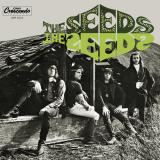
The Seeds stand tall amongst the handful of mid-60s American garage bands whose influence is palpable in rock to this day. Led by charismatic frontman Sky Saxon, the original Hollywood-based quartet’s unique and exciting brand of minimalist rock’n’roll still sounds contemporary and is perfectly encapsulated on this first album. If second album “A Web Of Sound” was pop-art flash, and 1967’s “Future” a florid take on psychedelia, then the July 1966 debut remains The Seeds’ grand statement; an all-original programme of rock and R&B-inflected garage punk that buzzed with a peculiar-yet-riveting energy that was the ensemble’s very own.
Whilst ”The Seeds” contains a pair of familiar classics in ‘Can’t Seem To Make You Mine’ and ‘Pushin’ Too Hard’,’ it is instructive to remember that it was recorded and released some time before either tune became a hit. Unlike so many albums of that era, the Seeds’ debut was not a quickie thrown to together to take advantage of singles chart success. Instead, the record constitutes a sharp definition of their unique and aberrant style, featuring several key items within their canon, be they the rough-hewn rockers ‘Girl I Want You’ and ‘No Escape’, the pot-boiling blues ‘Nobody Spoil My Fun’,’ or the lengthy and downright sinister ‘Evil Hoodoo’.’
Über die neun Songs des Albums hinweg erschafft Elanor Moss mit feinsinnigem Psych Folk ein eindringliches Wechselspiel aus Freude und Schmerz. Ihre düster-verträumten Momentaufnahmen bieten dabei weniger Katharsis als vielmehr ein Verständnis für die Komplexität des Wegs dorthin - Heilung nicht als Zustand, sondern als Prozess. Der Weg hin zu ihrem Debütalbum "The Knife, The Needle" war für Elanor Mos selbst eine komplexe Reise. Zeitweise fühlte sie sich von ihrer eigenen Musik entfremdet und suchte nach einem neuen Sound, anstatt den Raum zu besetzen, den sie sich bereits geschaffen hatte. "Nichts fühlte sich richtig an", erinnert sie sich, "also nahm ich den Druck heraus und versuchte, meine Beziehung zum Songwriting und zur Musik neu zu kalibrieren." Die drei Jahre, in denen die Songs für "The Knife, The Needle" entstanden, führten sie letztendlich zurück zu ihren Wurzeln und ihrer Liebe zu, wie sie es ausdrückt, "der Musik, die mich wirklich etwas fühlen ließ; der Musik, die ich schreiben wollte." "Das waren Folk- und zeitgenössische Folk-Songwriter", fährt sie fort. "Ich habe viel Zeit damit verbracht, Gitarre zu spielen", fährt sie fort. "Ich habe mir ein Vierspur Tape Gerät geliehen und darauf Demos aufgenommen. Ich habe mich intensiv mit Kurzgeschichten beschäftigt. Die schlichte, direkte Wahrhaftigkeit von Autor*innen wie Raymond Carver hat mich sehr angesprochen und inspiriert, während ich darauf wartete, dass meine Lust am Schreiben zurückkehrt. Ich habe außerdem wieder eine Therapie begonnen, in der ich anfing zu verstehen, woher ich komme, wie sich meine Familiengeschichte in meinem Handeln widerspiegelt und wie ich liebe und Liebe annehme. Aus der Langsamkeit und Stille dieser Rhythmen sind diese Songs entstanden." ,Sarah Waiting in the Car" gibt den Ton an, mit Moss' zartem, nachdenklichem Gitarrenspiel und den Pinselstrichen von Matthew Herds Ensemble - Marcus Hamblett (Horn), Jool Owen (Horn), Andrew Stuart-Buttle (Violine), Reid Jenkins (Violine), Linus Fenton (Kontrabass) und Herd (Saxophon) - die ihre Texte mit herzzerreißender Ernsthaftigkeit untermalen, während sich die Erzählung, die aus Moss herausfließt, von einem Treffen in der Bar zu den Nachwirkungen einer missbräuchlichen Beziehung wandelt, wobei Sanftheit in Gewalt umschlägt. In ,Fixer" ringt Moss mit der Tatsache, dass Liebe jemanden ebenso verletzen kann, wie sie ihn heilen kann. Ihr Album ,The Knife, The Needle" beschäftigt sich damit, wie Beziehungen durch die Liebe verändert, verkompliziert und erschüttert werden. Es ist ein erschütterndes Werk, zugleich geduldig und verletzlich, opulent umgesetzt und tief empfunden. Beide Objekte, die im Albumtitel genannt werden, können Blut vergießen, doch durch ihre Stimme und Gitarre erhellt, ist das, was aus den Wunden fließt, die sie hier teilt, nichts Geringeres als Poesie.
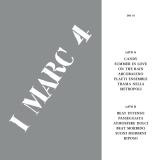
The legends of the golden era of Italian soundtracks and library music go by many names, but the backbone of that era’s definitive sonic identity is most often identified as I Marc 4 (also known as Marc 4 or I Marc Quattro). While the moniker might be less familiar to the uninitiated, it is a simple acronym derived from its founding members: Maurizio Majorana (bass), Antonello Vannucchi (organ), Roberto Podio (drums and percussion), and Carlo Pes (guitar). The number "4" serves to highlight the core synergy of these four master musicians. Their journey began in Rome’s vibrant jazz scene of the 1950s and early 1960s, where they honed their craft as members of the RAI national orchestra and collaborated with the most prominent jazz and pop icons of the day. However, it was their pivotal role in defining the Italian cinematic sound of the 1960s and 1970s that secured their legacy. Their unmistakable style was an eclectic fusion of beat, jazz, classical, and Latin influences—textured with early synthesizers, experimental sound effects, and a blend of electronic and baroque instrumentation. Consequently, their initials are etched into the credits of countless landmark recordings by legendary composers such as Nino Rota, Armando Trovajoli, Gianni Ferrio, Alessandro Alessandroni, Piero Umiliani, and Ennio Morricone.
Beyond their work as session luminaries, they produced a vast body of library music under their own name at the legendary Telecinesound Studios in Rome. These recordings were released through prestigious library labels like Sermi, Ricordi, and Fonit Cetra, as well as through their own imprints: Nelson Records, Silver Men, and Silver Music, spanning a definitive series of sixteen albums. Ten of these volumes were issued on Nelson Records during the 1970s, featuring the now-iconic military stencil design. Each release was color-coded: red (G.L.P. 1001), dark blue (G.L.P. 1002), gold (G.L.P. 1003), light green (G.L.P. 1004), brown (G.L.P. 1005), black (G.L.P.1006), light blue (G.L.P. 1007), yellow (G.L.P. 1008), orange (G.L.P.1009), and cool green (G.L.P. 1010). The series was completed by two elusive companion releases: S.M. 2001 on Silver Music and S.M. 2002 on Silver Men, both presented in the same distinctive brown sleeve. Rediscovered in the 1990s and 2000s, these Nelson releases have since achieved cult status among collectors, producers, and DJs worldwide. The final two installments, S.M. 2001 and S.M. 2002, remain the rarest and most enigmatic of the set.
Often overlooked, they contain some of the most profound "hidden gems" in the group’s catalog. The tracklist traverses a wide stylistic spectrum: from the rare groove and proto-hip hop energy of "Trama Nella Metropoli", "Beat Morbido", and "Candy", to the lush cinematic atmospheres featuring the ethereal vocals of Edda Dell'Orso on "Summer In Love", "On The Rain", and "Arcobaleno". The collection is rounded out by sophisticated jazz pieces like "Flauti Ensemble", "Passeggiata", and "Atmosfere Dolci”. Sonor Music Editions has meticulously curated the finest moments from these two rare albums for this first-ever dedicated reissue. Bringing together the best of Silver Music (S.M. 2001) and Silver Men (S.M. 2002), this release retains the iconic stencil artwork but introduces a striking silver finish. This design choice honors the original ten-album sequence while shedding new light on these outstanding recordings—works that remain, in every sense, golden.
out of Stock
Last delivered 71 days ago available to reorder, subject to availability
In a world currently defined by unrest, uncertainty, and cultural fracture, acclaimed saxophonist, composer, and bandleader Isaiah Collier returns with Joy, a 5-track EP that reframes one of humanity’s most nuanced emotions both as a devotional grounding and political act.
Collier’s deeply personal compositions present joy as an act that isn’t rooted in escapism or abstraction, but rather, as something hard-won rooted in lived experience, shaped by transformation, and sustained through connection. Throughout the album’s five compositions, Collier positions joy as a guiding light during challenging times, an expression of challenging yourself to utilize your gifts, an affirmation of love and discovery, and as an affirmative source of reassurance.
“We are in a paradoxical time, where so much is being revealed to us,” Collier shares. “Everything feels political from every scope… our collective hearts feel the heaviness in the air. Yet I say to you all—don’t despair. For right now, the most political thing we can do is share joy.”
That ethos is made clear in the opening title track and lead single “Joy.” A pulsing rhythmic motif anchors the melody with a sense of both searching and certainty. Collier conceived the piece around 3 years ago reflecting on a time where many people in his life were experiencing loss of family and friends and experiencing profound life transitions. “Everything just felt like it was falling apart with no aim in sight,” he reflects. “Yet, there is a light at the end of it all.”
As he played the chords with a sense of urgency, he could feel the vibration of yellow in the piece. That initial triplet motif serves as the guiding light on the piano and the only word Collier could hear was Joy. In addition to Collier at the helm singing and playing piano and tenor sax on the track, it features an expansive 11-piece ensemble with a full horn and string section allowing Collier’s propensity for composition and arrangement to shine with an eclectic sonic palette.
“Landscape of Dreams” finds Collier serendipitously leaning into utilizing his gifts as a multi-instrumentalist. While he had a sketch of the piece going into the studio, a traffic delay caused musicians to be late arriving at the studio. Never one to waste time in the studio environment, Collier stepped into new creative territory and took up the challenge of executing playing all instruments himself as an act of trust and experimentation. “I’ve never done this before, and so it was a leap of faith for me,” he asserts. “I always dream of doing stuff like this, and being part of the small percentage of people who can do it like Prince, Steve Lacy, Frank Zappa, and Stevie Wonder. The end result finds Collier immersed in a hypnotic soundscape playing layered flutes, drums, Metatron, Wurlitzer, and auxiliary percussion.
Another layer of joy is revealed in “Where I’m Loved” that serves as a love letter and leaning into the process of stepping into the willingness to explore life and love with a partner. On the intimate meditation of vulnerability and connection, Collier's vocal prowess is on full display, exerting effortless falsetto reminiscent of D’Angelo over soulful Wurlitzer and guitar as he crosses over into more R&B-inspired realms. “I believe everyone deserves this feeling or to honor the memories of it. Furthermore, I believe you should also go where you’re celebrated and not tolerated.”
“When the Dust Settles” captures the electricity of live collaboration and Collier further steps out of being confined to any specific genre. He had just gotten a microKORG keyboard from co-producer Sonny Daze and was exploring the vast array of sounds on the instrument. Collier plays synth bass on the microKORG joined by the electrifying improvisation of Cole Runge on guitar and the combustible rhythm of his brother Jeremiah Collier on drums with additional post-production work from Sonny Daze.
The album’s final track “God’s By Your Side” reflects on perseverance and artistic legacy, directly inspired from the passing of D’Angelo, whose life’s work was a huge part of Collier’s childhood growing up in the late 90s and early 00s. With gospel flavor and direct influence both from D’Angelo’s vocal and instrumental arrangements, the track speaks to resilience and persistence in the face of obstacles—an affirmation of source and reassurance. “And what’s better than having God by your side, right?” asserts Collier.
Joy is a through-and-through expression of the arc of joy in its truest form. Joy transcends fleeting happiness and is conscious gratitude shaped by taking chances, leaning into your gifts, fostering community, and lived experiences.
“Joy is partially happiness,” Collier explains. “But to me it means happily being grateful for family, friends, lovers, teachers, and good times. These are the things that anchor us.”
The release of Joy comes off the heels of significant momentum for Collier, whose work continues to garner accolades and resonate across cultural spheres. He was featured on the cover of DownBeat’s April 2025 issue, where he was named “The Next Sax Giant,” and profiled on NPR’s Jazz Night in America for his ambitious 13-movement interdisciplinary suite The Story of 400 Years, that traces 400 years of Black American History. He released two full-length albums in 2024 with The World Is on Fire highlighted in The New York Times’ Fall Arts Preview and The Almighty named among the publication’s Best Jazz Albums of the year.
Beyond performance and recoding, Collier’s influence is recognized in broader cultural and intellectual spaces as he was the recipient of the Jazz Journalists Association’s 2025 Up and Coming Artist of the Year Award, the 2024 Chicagoan of the Year in Jazz, and was named a Steve Jobs Archive Fellow joining an elite cohort of the next generation of artistic visionaries through a yearlong program.
In addition to the release of Joy, Collier is touring his “Collier Plays Coltrane” program throughout 2026 in honor of John Coltrane’s centennial. Rather than presenting Coltrane’s expansive catalog as repertory, Collier approaches this music as something living, reshaping it in real-time with a sense of space and improvisational dialog reflecting both reverence to the past and present times.
out of Stock
Last delivered 67 days ago available to reorder, subject to availability
Ancient Infinity Orchestra return with their third album, It’s Always About Liberation, a new record that deepens the vision of their acclaimed recent work while moving into darker, more searching emotional territory.
Conceived as a partner to It’s Always About Love, this new body of work shares its predecessor’s generosity and spiritual openness, but carries a different charge. Where the previous album focused on healing and warmth, It’s Always About Liberation is largely animated by struggle, perseverance and the desire for transformation while still offering a path to betterment. It is music made in full awareness of a fractured world, yet unwilling to surrender to it.
Like It’s Always About Love the album title draws inspiration from words spoken by Moor Mother during their 2024 We Out Here festival performance that deeply affected bandleader Ozzy Moysey: “It’s always about love / It’s always about liberation.” Those twin ideas became a framework for the two albums Ancient Infinity Orchestra were creating. If one album explored love as repair, this one explores liberation as movement, continually striving toward freedom, clarity and deeper connection.
The 16-member ensemble is led by double bassist and composer Ozzy, with a distinctive line-up that explains their sound better than any artificial genre divisions: two double basses, harp, saxophones, clarinets, violin, viola, cello, oboe, flutes, mandolin, congas, piano, drum kit, with bells, shakers and other percussion instruments scattered on the floor of live sets and recording sessions, ready for members to use whenever the spirit takes them.
This orchestration, and the overlap between membership and friendship, gives Ancient Infinity Orchestra a sound that is at once expansive and intimate, earthy, and cosmic, constantly shifting yet grounded in shared intention. The attention to intention and the inviting sonic world connects the music to artists ranging from Alabaster dePlume to Gondwana label boss Matthew Halsall.
Gradually, the Orchestra became a grounding force in the emerging jazz scene in Leeds, bringing together individuals from different musical backgrounds co-founding the Café Oto-inspired Limpet Club or co-hosting the monthly Sonic Plunge (‘a platform for adventurous experimentation’) and co-founding the Leeds Improvisers Orchestra. Additionally, the ensemble acted as a bridge between musicians in Brighton and Leeds, after Ozzy spent a stint back on the south coast between 2020 and 2022.
Their debut, River of Light, was a vibrant celebration of togetherness recorded in three days and released on Gondwana in 2023. A Maida Vale session for Jamie Cullum’s BBC Radio 2 show brought them to a broader audience, as did bookings at North Sea Jazz Festival and Gretchen, Berlin. Since then, Ancient Infinity Orchestra has become a by-word for music that could be framed as ‘spiritual jazz’. Whilst Ozzy avoids the phrase when describing his music, he’s crystal clear that his heroes are associated with those words – citing Art Ensemble of Chicago, Pharoah Saunders, Coltrane (Alice and John), and Don Cherry as major influences.
Across trance-like meditations, rising grooves, moments of grief and collective uplift, It’s Always About Liberation speaks to the battle within the mind as much as the inequalities of the wider world. It acknowledges the darkness but lets connection and creativity have the last word Ancient Infinity Orchestra is a gathering of voices, traditions, and energies converging into something timeless. Their music is a journey inward and outward, always reaching toward the universal.
out of Stock
Last delivered 78 days ago available to reorder, subject to availability
Step into the golden era of soul-jazz with the long-awaited vinyl reissue of “Vibrations” by Roy Ayers Ubiquity — a record that captures the unmistakable warmth, groove, and sophistication that defined Roy Ayers’ sound at its peak.
Originally released in 1976, “Vibrations” stands as a cornerstone in Ayers’ catalog, marking a moment where his signature blend of jazz, funk, and soul reached a refined, deeply cohesive form. Building on the foundations laid in earlier works, this album presents a tighter, more focused musical vision without sacrificing the lush textures and emotional depth that made his music resonate worldwide.
Roy Ayers was a pioneering vibraphonist, composer, and producer whose influence stretches far beyond jazz into R&B, neo-soul, and hip-hop. Often referred to as the “Godfather of Neo Soul,” Ayers crafted a sound that feels both timeless and forward-thinking, pairing silky vocals with hypnotic grooves and rich instrumental arrangements. His work throughout the 1970s helped shape the sonic DNA of modern Black music, and “Vibrations” is one of its purest expressions.
The album flows effortlessly between moods: from the jazz-inflected elegance of ‘Searching’ to the irresistible funk pulse of ‘The Memory,’ the dancefloor-ready ‘One Sweet Love to Remember,’ and the laid-back, atmospheric title track ‘Vibrations.’ Each track showcases a masterful balance between musicianship and groove, brought to life by a stellar ensemble of collaborators who elevate every moment.
Beyond its original impact, “Vibrations” has taken on a second life through hip-hop. Its grooves, breaks, and melodies have been extensively sampled by generations of producers and artists, becoming a foundational source for crate diggers and beatmakers alike. Tracks from the album have been reinterpreted and flipped by influential names such as A Tribe Called Quest, J Dilla, Dr. Dre, and Common, cementing its legacy as a vital bridge between 1970s soul-jazz and contemporary hip-hop culture.
After almost two decades out of print, we are pleased to present this much-needed vinyl reissue of an essential album in Roy Ayers’ career. Whether you’re discovering it for the first time or returning to a beloved classic, this album remains an essential piece of musical history. Pressed on 180g vinyl.
out of Stock
Last delivered 3 months ago available to reorder, subject to availability
‘Cécile McLorin Salvant ... sings standards, show tunes and old novelties in a taut, flinty, elusively beautiful voice, erring toward material with difficult lyrics and tough places in history. Salvant wins over her audiences by tweaking them slightly: daring them to go there with her—not just into the archive, but toward the darkness of the past.’ – New York Times
‘Although Salvant is known as a jazz musician, her approach to music is defined by her instinct for experimentation ... Her music is beloved for ... embracing theatre and subverting classics with playful renditions.’ – Guardian
Salvant, who has performed with orchestras regularly over the last decade-and-a-half and intended to make an album with one sooner in her career, but logistics and her abundant creative ideas led to other new projects intervening. Having finally found time to make this album, With Every Breath I Take is a different sort of record than it might have been even ten years ago.
“It is a rare opportunity to be able to make an album at this scale, which has been a dream of mine for many years,” Salvant says. “Darcy James Argue wrote stunning arrangements and the Metropole Orkest, conducted by the extraordinary Jules Buckley, gave these stories a cinematic dimension. We overcame quite a few obstacles to even get into the recording studio for this project; it took almost four years for us to do so, and I am so incredibly proud to share it.
“I did not choose these songs because they are beautiful, but because they are crucial to me,” she adds.
Cécile McLorin Salvant, a 2020 MacArthur Fellow and three-time Grammy Award winner, is a singer and composer bringing historical perspective, a renewed sense of drama, and an enlightened musical understanding to both jazz standards and her own original compositions. Classically trained, steeped in jazz, blues, and folk, and drawing from musical theater and vaudeville, Salvant embraces a wide-ranging repertoire that broadens the possibilities for live performance.
Salvant’s performances range from spare duets for voice and piano to instrumental trios to orchestral ensembles. Her unreleased work Ogresse is an ambitious long-form musical fairy tale that is being made into a feature length animated film. She has performed at national and international venues and festivals such as the Newport Jazz Festival, the Monterey Jazz Festival, the Village Vanguard, and the North Sea Jazz Festival. Her previous Nonesuch albums, Ghost Song (2022) Mélusine (2023), and Oh Snap (2025) received critical accolades; the former two were both nominated for Grammy Awards. Salvant is also a visual artist, and Oh Snap was named a best album of 2025 by the Guardian, Jazzwise, JazzTimes, and the Francis Davis Jazz Critics Poll.
Bill Withers was a modest, gentle, and yet towering musical figure responsible for some of the most important, universally known soul hits ever written. It’s no wonder that “Just the Two of Us” and “Ain’t No Sunshine” won him two Grammy awards and undoubtedly played a huge role in getting him inducted into both the Songwriters and Rock and Roll Hall of Fame.
Live at Carnegie Hall is Withers' only live album, recorded on October 6, 1973 but not released until April 21, 1973. The fact that Bill got to play his heartfelt and honest soul at one of the most prestigious venues for both classical and pop music speaks volumes: his first two records Just As I Am and Still Bill were really that influential.
Bill Withers' Live At Carnegie Hall was recorded more than 50 years ago on a rainy Friday evening, but it is still regarded as one of the best live performances in the history of Soul music. Withers appears on stage with an ensemble of only the best session musicians the 1970s had to offer: Melvin Dunlap, Ray Jackson, James Gadson, Benorce Blackmon, and Bobbye Hall, at the time one of the few female session percussionists. They all had worked together on Still Bill and had the knack for expanding Bill's intimate songs to fit a hall of that size and stature. And as far as the recording goes, no corners were cut; it really feels like you're up there with them.
The set features evergreens such as "Ain't No Sunshine", "Lean On Me", "Grandma's Hands", but also tunes that are only available as part of this live set, such as "World Keeps Going Around" and "I Can't Write Left-Handed".
Bill Withers Live at Carnegie Hall is available as a limited edition of 5000 individually numbered copies on magenta vinyl, and includes printed inner sleeves and a 4-page booklet featuring liner notes on Bill Withers written by Ahmir “Questlove” Thompson and reflections by Aloe Blacc.
Oliver James aus Tennessee, eine Zeitkapsel des klassischen R&B-Sounds, kehrt zum Label Colemine zurück - mit zwei neuen Stücken auf einer unverzichtbaren 45er-Single. Auf der A-Seite ist sein erster neuer Track seit 2022 zu hören. ,1-2-3" ist ein mitreißender Soul-Stomper im Stil von Memphis und Stax. Nick DeVan und Vincent John (Eraserhood Sound) haben den Track gemeinsam geschrieben; sie haben die Instrumentalparts fertiggestellt, waren aber bei den Texten ratlos. Da wurde James hinzugezogen, und er nutzte seine Zeit bei der Arbeit in einer Kirche, um die Texte zu formulieren, aus denen schließlich dieser Song entstand. Die B-Seite entstand in Zusammenarbeit mit Nashvilles Gritty-Funk-Ensemble The Gripsweats. Es ist ein ernsthafter Song mit Texten, die von James' und DeVans Mitgefühl inspiriert sind. ,I'm no stranger to love that I used to know", klagt James; seine Lieblingszeile des Songs. Untermalt von üppigen Streicher- und Bläserarrangements ist ,Nothing Is Forever" ein melancholischer und herzlicher Gegenpol zur A-Seite.