Klaus Kotai, a Viennese who had made Berlin his home, found a receptive audience in Cologne as early as the mid-90s with his records on Elektro Music Department. This club and label conglomerate, run with co-producer and DJ Mo Loschelder and the artist Daniel Pflumm, was working towards a radical streamlining of techno. A certain kinship with the pre-Kompakt sound of Cologne could not be denied. They exchanged greetings from afar.
Then came the 2000s, an exciting era for club music, rich in innovation and characterised above all by the burgeoning genres of minimal and electro clash. In 2002, Kotai’s ‘Sucker DJ’ was released, featuring the brilliant remix by Marcin “Highfish” Kozlowski, on WMF Records – the label belonging to the eponymous cult Berlin club. A true hit that struck a perfect balance between both worlds and was played across genres by virtually every DJ.
Exactly 20 years after the last re-release on Elektro Music Department (also distributed by Kompakt at the time), it’s now time for ‘Sucker DJ’ to make a comeback. Judging by Marco Cariolaa’s ‘Cringe Vibes’, it’s needed more urgently than ever.
Remastered, with new artwork by Daniel Pflumm, and still “fucking up your place”.
Der Wiener Wahlberliner Klaus Kotai stiess in Köln schon Mitte der 90er Jahre mit seinen Platten auf Elektro Music Department auf offene Ohren. Dieses mit Co-Produzentin & DJ Mo Loschelder sowie dem Künstler Daniel Pflumm betriebene Club-/Label-Konglomerat arbeitete sich an einer radikalen Entschlackung des Techno ab. Eine gewisse Seelenverwandtschaft zum Kölner Prä-Kompakt-Sound war nicht von der Hand zu weisen. Man grüßte sich aus der Ferne.
Dann kamen die 2000er, eine aufregende, an Innovationen nicht arme Ära für Clubmusik, die vor allem von den aufblühenden Genres Minimal und Electro Clash geprägt war. Im Jahr 20 02 kam dann Kotais ‘Sucker DJ’ mit dem kongenialen Marcin “Highfish” Kozlowski Remix auf dem zum gleichnamigen Berliner Kult-Club gehörenden Label WMF Rec ords heraus. Ein echter Konsenshit, der äußerst komfortabel zwischen beiden Welten saß und genreübergreifend von nahezu allen DJs gespielt wurde.
Genau 20 Jahre nach der letzten Wiederveröffentlichung auf Elektro Music Department (damals ebenfalls im Kompakt Vertrieb) ist es nun an der Zeit, dass der ‘Sucker DJ’ zurückkommt. Wenn man sich Marco Cariolaa’s Cringe Vibes so anschaut, wird er dringender gebraucht denn je.
Neu gemastert, mit neuem Artwork von Daniel Pflumm und immer noch “fucking up your place”.
"26/70 - Die Songs von STOPPOK" ist weit mehr als ein klassisches Tribute-Album. Zum 70. Geburtstag der Ruhrpott-Ikone versammelt diese Compilation 18 Interpretationen, die den Kern von STOPPOKs Songwriting freilegen: Haltung, Humor, Menschlichkeit und eine unverwechselbare erzählerische Kraft. Statt ehrfürchtiger Nachahmung entstehen neue Lesarten - persönlich, mutig und stilistisch vielfältig. Künstler:innen aus mehreren Generationen geben den Songs ihre eigene Stimme und holen sie gleichzeitig ins Heute. Ob folkig reduziert, rockig aufgeladen, popaffin oder weltmusikalisch gefärbt - die Kompositionen erweisen sich als erstaunlich zeitlos. Produziert von Sebel entsteht ein Album, das STOPPOKs enorme Wirkung als Songautor sichtbar macht: Seine Lieder funktionieren unabhängig vom Original, bleiben im Ohr, im Kopf und im Herzen. "26/70" ist eine Würdigung ohne Verklärung - und ein Beweis dafür, dass große Songs kein Verfallsdatum kennen.
Since The Summoned announced Mama Terra as one of Britain's more intriguing modern jazz propositions, anticipation has only gathered pace, and this latest offering more than answers it, with Marco Cafolla's Glasgow ensemble stretching spiritual jazz into widescreen territory, enriched by Conrad Roberts' evocative narration on the title track and 'Bliss'. Elsewhere, 'Isha' drifts with serene assurance, then 'The Observers' gives way to a far more expansive finale. It's another bold step from a group whose musical vocabulary seems to grow richer with every outing.
out of Stock
Last delivered 70 days ago available to reorder, subject to availability
Iconic return with “II”, a second album that doesn’t just continue the band’s journey — it defines it. Where their debut introduced the chemistry between five world-class musicians, II sharpens that vision into a clearer, heavier, and more confident sonic identity, delivering a sound that is more powerful, more direct, and unmistakably rock. At the heart of the album lies the electrifying guitar partnership of Joel Hoekstra and Michael Sweet, delivering a masterclass in soaring melodies, blazing solos, and muscular riffs that perfectly balance technical brilliance with pure hard-rock attitude. Beneath them, the rhythm section of Tommy Aldridge and Marco Mendoza drives the record with thunderous authority, creating a groove that is both massive and relentless. The album kicks off with “Cry No More”, a high-octane opener that immediately sets the tone — an energetic slice of hard rock packed with driving riffs, explosive drums, and a chorus built to stick. On the other side of the emotional spectrum, “Tears Keep On Falling” showcases the band’s dynamic range, unfolding as an electrifying power ballad where melody, atmosphere, and intensity come together in dramatic fashion. Towering above it all is Nathan James, whose performance on II is nothing short of extraordinary — powerful, soulful, and commanding, elevating every track with unmistakable presence. With bigger riffs, deeper grooves, and a stronger sense of identity, II captures Iconic at full force: a band no longer introducing itself but fully owning its sound.
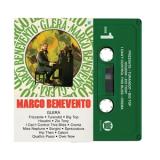
Big Crown Records freut sich, Glera zu präsentieren, Marco Beneventos Debütalbum auf dem Label. Marco Benevento hat sich schon immer wie jemand bewegt, der das Studio als eigenes Instrument begreift - nicht bloß als Raum, in dem das Spielzeug herumsteht. Lange bevor er auf Bühnen mit Freddie Gibbs und Madlib auftauchte oder in den Liner Notes von Alben von Clairo und Leon Bridges erwähnt wurde, dachte Benevento bereits wie ein Produzent: Er hörte auf Texturen, Spannungen und Negativräume - und auf jene seltsame emotionale Alchemie, die entsteht, wenn Groove und Neugier aufeinandertreffen. Sein neues Album Glera schärft diesen Instinkt und rückt Benevento nicht nur als virtuosen Keyboarder und Bandleader ins Licht, sondern als Komponisten, der aus Rhythmus, Klang und Gefühl ganze Welten formt.Glera ist ein genreübergreifendes Jazzalbum, das Soul und das elastische Low-End des Reggae mit einem offenen Sinn für Möglichkeiten verbindet. Das Projekt begann vor drei Jahren als eine Art privates Experiment: Benevento schrieb intuitiv, inspiriert von italienischen Filmmusiken und Melodien. Mit der Zeit entwickelten sich diese Skizzen zu etwas Größerem und Kraftvollerem - und mündeten schließlich in die hier zu hörende majestätische Ausformung.Entstanden ist Musik mit filmischer Bewegung, ohne dabei kostbar oder überladen zu wirken. Die Stücke fühlen sich mal wie Verfolgungsjagden, mal wie langsame Überblendungen an - manchmal sogar innerhalb desselben Songs. Jazz-Improvisation teilt sich den Raum mit Reggae-Grooves, orchestralen Elementen und einer psychedelischen Pop-Atmosphäre. Explorativ, aber geerdet; komplex, doch stets klar groove-orientiert.Der Album-Opener ,Frizzante" ist eine reine musikalische Feier - ein energiegeladener Feel-Good-Banger, auf Band gebannt, in dem Marco über einem unnachgiebigen Groove Melodien mit sich selbst austauscht. Auf ,Turandot" wird Benevento von Italiens Marianne Mirage am Gesang begleitet; der düstere, cineastische Track bewegt sich mühelos zwischen den Welten von Portishead und Serge Gainsbourg.Mit ,Big Top" erweitert sich die klangliche Palette noch weiter: ausgestattet mit Sprachaufnahmen und Pfauengeräuschen lässt sich der Song am treffendsten als ,Zirkus-Funk" beschreiben. Ein Pfiff - und das Spiel beginnt mit ,Houdini", einem jazz-fusionhaften Dancefloor-Füller, der vom ersten Schlagzeugschlag an die Tür eintritt. Auf ,I Can't Control This Bliss" mischt Benevento Dream Pop unter und bittet Dream Crease ans Mikrofon - für eine Dosis lo-fi-getränkter Schönheit. Elizabeth Steiner steuert ihre renommierte Harfenarbeit zu ,Miss Neptune" bei, getragen von einem tief vibrierenden, reggae-inspirierten Fundament.Mit Vollgas prescht ,Sprezzatura" wie eine Hochgeschwindigkeitsverfolgung durch enge Straßen, während ,Quattro Passi" das Tempo drosselt und zum entspannten Schlendern einlädt - mit Jazzsängerin Chiara Civello als Feature.Marco Benevento agiert hier auf höchstem Niveau, formt Klang mit Zielstrebigkeit und Neugier. Dieses Album kündigt sich laut an - zugleich nach außen gerichtet und zutiefst intim. Es ist Musik in Bewegung: zwischen Genres, Tempi und Registern, stets verankert in der Freude am Entdecken. Ein Album, das Bewegung verkörpert, die Vergangenheit mitnimmt und doch niemals stehen bleibt.
Big Crown Records freut sich, Glera zu präsentieren, Marco Beneventos Debütalbum auf dem Label. Marco Benevento hat sich schon immer wie jemand bewegt, der das Studio als eigenes Instrument begreift - nicht bloß als Raum, in dem das Spielzeug herumsteht. Lange bevor er auf Bühnen mit Freddie Gibbs und Madlib auftauchte oder in den Liner Notes von Alben von Clairo und Leon Bridges erwähnt wurde, dachte Benevento bereits wie ein Produzent: Er hörte auf Texturen, Spannungen und Negativräume - und auf jene seltsame emotionale Alchemie, die entsteht, wenn Groove und Neugier aufeinandertreffen. Sein neues Album Glera schärft diesen Instinkt und rückt Benevento nicht nur als virtuosen Keyboarder und Bandleader ins Licht, sondern als Komponisten, der aus Rhythmus, Klang und Gefühl ganze Welten formt.Glera ist ein genreübergreifendes Jazzalbum, das Soul und das elastische Low-End des Reggae mit einem offenen Sinn für Möglichkeiten verbindet. Das Projekt begann vor drei Jahren als eine Art privates Experiment: Benevento schrieb intuitiv, inspiriert von italienischen Filmmusiken und Melodien. Mit der Zeit entwickelten sich diese Skizzen zu etwas Größerem und Kraftvollerem - und mündeten schließlich in die hier zu hörende majestätische Ausformung.Entstanden ist Musik mit filmischer Bewegung, ohne dabei kostbar oder überladen zu wirken. Die Stücke fühlen sich mal wie Verfolgungsjagden, mal wie langsame Überblendungen an - manchmal sogar innerhalb desselben Songs. Jazz-Improvisation teilt sich den Raum mit Reggae-Grooves, orchestralen Elementen und einer psychedelischen Pop-Atmosphäre. Explorativ, aber geerdet; komplex, doch stets klar groove-orientiert.Der Album-Opener ,Frizzante" ist eine reine musikalische Feier - ein energiegeladener Feel-Good-Banger, auf Band gebannt, in dem Marco über einem unnachgiebigen Groove Melodien mit sich selbst austauscht. Auf ,Turandot" wird Benevento von Italiens Marianne Mirage am Gesang begleitet; der düstere, cineastische Track bewegt sich mühelos zwischen den Welten von Portishead und Serge Gainsbourg.Mit ,Big Top" erweitert sich die klangliche Palette noch weiter: ausgestattet mit Sprachaufnahmen und Pfauengeräuschen lässt sich der Song am treffendsten als ,Zirkus-Funk" beschreiben. Ein Pfiff - und das Spiel beginnt mit ,Houdini", einem jazz-fusionhaften Dancefloor-Füller, der vom ersten Schlagzeugschlag an die Tür eintritt. Auf ,I Can't Control This Bliss" mischt Benevento Dream Pop unter und bittet Dream Crease ans Mikrofon - für eine Dosis lo-fi-getränkter Schönheit. Elizabeth Steiner steuert ihre renommierte Harfenarbeit zu ,Miss Neptune" bei, getragen von einem tief vibrierenden, reggae-inspirierten Fundament.Mit Vollgas prescht ,Sprezzatura" wie eine Hochgeschwindigkeitsverfolgung durch enge Straßen, während ,Quattro Passi" das Tempo drosselt und zum entspannten Schlendern einlädt - mit Jazzsängerin Chiara Civello als Feature.Marco Benevento agiert hier auf höchstem Niveau, formt Klang mit Zielstrebigkeit und Neugier. Dieses Album kündigt sich laut an - zugleich nach außen gerichtet und zutiefst intim. Es ist Musik in Bewegung: zwischen Genres, Tempi und Registern, stets verankert in der Freude am Entdecken. Ein Album, das Bewegung verkörpert, die Vergangenheit mitnimmt und doch niemals stehen bleibt.
Big Crown Records freut sich, Glera zu präsentieren, Marco Beneventos Debütalbum auf dem Label. Marco Benevento hat sich schon immer wie jemand bewegt, der das Studio als eigenes Instrument begreift - nicht bloß als Raum, in dem das Spielzeug herumsteht. Lange bevor er auf Bühnen mit Freddie Gibbs und Madlib auftauchte oder in den Liner Notes von Alben von Clairo und Leon Bridges erwähnt wurde, dachte Benevento bereits wie ein Produzent: Er hörte auf Texturen, Spannungen und Negativräume - und auf jene seltsame emotionale Alchemie, die entsteht, wenn Groove und Neugier aufeinandertreffen. Sein neues Album Glera schärft diesen Instinkt und rückt Benevento nicht nur als virtuosen Keyboarder und Bandleader ins Licht, sondern als Komponisten, der aus Rhythmus, Klang und Gefühl ganze Welten formt.Glera ist ein genreübergreifendes Jazzalbum, das Soul und das elastische Low-End des Reggae mit einem offenen Sinn für Möglichkeiten verbindet. Das Projekt begann vor drei Jahren als eine Art privates Experiment: Benevento schrieb intuitiv, inspiriert von italienischen Filmmusiken und Melodien. Mit der Zeit entwickelten sich diese Skizzen zu etwas Größerem und Kraftvollerem - und mündeten schließlich in die hier zu hörende majestätische Ausformung.Entstanden ist Musik mit filmischer Bewegung, ohne dabei kostbar oder überladen zu wirken. Die Stücke fühlen sich mal wie Verfolgungsjagden, mal wie langsame Überblendungen an - manchmal sogar innerhalb desselben Songs. Jazz-Improvisation teilt sich den Raum mit Reggae-Grooves, orchestralen Elementen und einer psychedelischen Pop-Atmosphäre. Explorativ, aber geerdet; komplex, doch stets klar groove-orientiert.Der Album-Opener ,Frizzante" ist eine reine musikalische Feier - ein energiegeladener Feel-Good-Banger, auf Band gebannt, in dem Marco über einem unnachgiebigen Groove Melodien mit sich selbst austauscht. Auf ,Turandot" wird Benevento von Italiens Marianne Mirage am Gesang begleitet; der düstere, cineastische Track bewegt sich mühelos zwischen den Welten von Portishead und Serge Gainsbourg.Mit ,Big Top" erweitert sich die klangliche Palette noch weiter: ausgestattet mit Sprachaufnahmen und Pfauengeräuschen lässt sich der Song am treffendsten als ,Zirkus-Funk" beschreiben. Ein Pfiff - und das Spiel beginnt mit ,Houdini", einem jazz-fusionhaften Dancefloor-Füller, der vom ersten Schlagzeugschlag an die Tür eintritt. Auf ,I Can't Control This Bliss" mischt Benevento Dream Pop unter und bittet Dream Crease ans Mikrofon - für eine Dosis lo-fi-getränkter Schönheit. Elizabeth Steiner steuert ihre renommierte Harfenarbeit zu ,Miss Neptune" bei, getragen von einem tief vibrierenden, reggae-inspirierten Fundament.Mit Vollgas prescht ,Sprezzatura" wie eine Hochgeschwindigkeitsverfolgung durch enge Straßen, während ,Quattro Passi" das Tempo drosselt und zum entspannten Schlendern einlädt - mit Jazzsängerin Chiara Civello als Feature.Marco Benevento agiert hier auf höchstem Niveau, formt Klang mit Zielstrebigkeit und Neugier. Dieses Album kündigt sich laut an - zugleich nach außen gerichtet und zutiefst intim. Es ist Musik in Bewegung: zwischen Genres, Tempi und Registern, stets verankert in der Freude am Entdecken. Ein Album, das Bewegung verkörpert, die Vergangenheit mitnimmt und doch niemals stehen bleibt.
AcidReflux returns with ARX001, a five-track manifesto from Delta Division. Dead Channel Rituals explores communication beyond collapse, ritualistic rhythms born from broken systems where distortion becomes language.
From the surgical tension of “Rupture” to the grit of “ST600,” the EP defines a new era for the label. Heavyweight remixes from Kincaid and Suncell complete the transmission, re-activating a once-dead channel through hyper-modern sound design.
credits
releases July 6, 2026
W&P by Delta Division
Mastered by Ankur at Seres Studio
Designed by Marco Paganotto
Distributed by One-Eye Witness
Pressed by Intakt
out of Stock
Last delivered 87 days ago available to reorder, subject to availability
Ever since the late 1950s bossa-nova revolution, Brazil’s influence on French music has been undeniable. Pierre Barouh, Georges Moustaki and a vast array of lesser known artists, all made the Musica Popular Brasileira (MPB) an axis of promotion at the service of a cool and metaphysical, modern and mixed Brazilian lifestyle. Some were seduced by the poetic languors of the bossa, some were looking for fun, and others just loved the American hybridization of jazz-bossa, jazz-samba.
What is bossa nova? One of its creators, Joao Gilberto said: "Its style, cadence, everything is samba. At the very start, we didn't call it bossa nova, we sang a little samba made up of a single note - Samba de uma nota so .... The discussion around the origins of bossa nova is therefore useless”. It is nevertheless useful to remember that these magnificent Brazilian songs, which the guitarist describes as samba, were shifted and balanced around improbable chords. "I like things that lean, the in-betweens that limp with grace," said Pierre Barrouh, quoting Jean Cocteau.
With emotion, arrangements for violin and supple guitar licks, bossa nova rapidly changed. A transformation that can be heard in the Tchic, tchic, French Bossa Nova 1963-1974 compilation, the result of a cultural reappropriation, which traveled through the United States and supplemented itself in France.
A musical revolution that has remained significant, bossa nova was born in Rio. From 1956 to 1961, Brazil lived through its golden years. In five years, the country had invented its modernist style. Elected president in 1956, Juscelino Kubitschek de Oliveira, an elegant man with a broad forehead, brandished a promising slogan: "Fifty years of progress in five years". He quickly got to work. Not worried about increasing debt, he launched the project for a new federal capital, Brasilia, designed by the communist architect Oscar Niemeyer. Volkswagen opened state-of-the-art factories and created the “fusquinha”, the Beetle. In Rio, the Vespa made its first appearance. The Arpoador Surf Club crew run into the “girl” from Ipanema, Helô Pinheiro - the tanned garota ("chick"), between a flower and mermaid, who at 17 walked by the Veloso bar, where the fiery author and composer, Tom Jobim and Vinicius de Moraes, were getting drunk on whiskey. From then on, bossa symbolized cool.
In 1958, Joao Gilberto recorded Chega de Saudade, which the directors of Philips denied, calling it "music for fagots". The marketing director, who believed in it, secretly pressed 3000 78-inch vinyls and distributed them at schools around Rio, creating a tidal wave.
American jazzmen then took over. In particular, trumpeter Dizzy Gillespie and guitarist Charlie Byrd. In November 1962, the Brazilian Ministry of Foreign Affairs funded a "Bossa-Nova" concert at Carnegie Hall in New York, inviting the genre’s pioneers. Unprepared, the show soon turned to disaster. But the troupe was invited to the White House by Jackie Kennedy. The first lady loved "the new beat" and in particular Maria Ninguem, a song by Carlos Lyra, later covered by Brigitte Bardot.
In Brazil, the 1964 military coup quickly ended this euphoria. The destructive atmosphere that ensued pushed many Brazilian musicians to leave, if not to exile. Thus, Tom Jobim, Sergio Mendes and Joao Gilberto arrived to the United States. In New York, Joao Gilberto met saxophonist Stan Getz. At the time, he was married to the Bahianese Astrud Weinert Gilberto, who had a German father. She had never sung before, but she knew how to speak English. Getz therefore asked her to replace her husband on The Girl From Ipanema. The Getz/Gilberto record with Tom Jobim on piano, was released in March 1964. Phil Ramone, the "pope of pop" was in charge of sound.
Bossa nova arrived in Paris through the classic “guitar-voice” channel (Pierre Barouh, Baden Powell, Moustaki…) But France loved jazz and Paris had already welcomed its American contributors. All these good people were to pass through Saint-Germain-des-Prés. The cabaret l'Escale became the Mecca of Latin American sound where one could find Pierre Barrouh and his friends, such as the Camara Trio, samba-jazz aces, whose only record was published by the Saravah label. With a band strangely called Les Masques (a band that included Nicole Croisille and Pierre Vassiliu, among others), the Camara Trio recorded an interesting Brazilian Sound, including the track Il faut tenir which is present on this tasty compilation of rarities.
Other enlightened musicians can also be found on the compilation, such as Jean-Pierre Sabar (songwriter for Hardy, Auffray, Leforestier ...) and the French pop rock organist Balthazar. In 1975, Sabar recorded Aurinkoinen Musiikkimatka on a Finnish label, which featured the crazy Vai, Vai, included on this record. We are now following the footsteps of Brazilian electronic musicians such as Sergio Mendes, Eumir Deodato or Marcos Valle who created funk and disco sounds on their keyboards and synthesizers. A style that influenced Véronique Sanson when she wrote Jusqu’à la Tombée de la nuit in 1969 for Isabelle de Funès, the niece of Louis and a great friend of Michel Berger - Sanson did end up singing this track on her 1992 Sans Regret record.
The pinnacle of exoticism and travel, Sylvia Fels’ Corto Maltese includes bongos, sea mist and ocean sounds. The title was taken from Jacky Chalard’s concept album written in 1974, Je suis vivant, mais j’ai peur (I am alive, but I am scared), based on Gilbert Deflez’s science fiction novel.
However, bossa nova extended the scope of popularity. "In the 1970s, I was a fan of Sergio Mendes, Getz / Gilberto. I fell in love with this music that I knew because I had been an orchestral singer, " explained Isabelle Aubret, who in 1971 delivered a composite record of covers by the very funky Jorge Ben, Orfeu Negro, Tom Jobim, Vinicius de Morais and Jean Ferrat. "I recorded this album for Meys Records in Paris, far from Brazil, with wonderful musicians, François Raubert, Roland Vincent, Alain Goraguer...". The latter wrote the arrangements for Casa Forte, a very percussive title borrowed from Edu Lobo, one of the initiators of the bossa who spent time in California. "Jazz and bossa came together and produced very rhythmic music. I love singing, it allows me to dream, to have fun, to feel a high on stage, and these songs brought me joy, made me swing, my singing felt like a dance.”
The world tours of French singers and their desire for the tropics, often brought them to Rio with its hills, forests, caipirinhas and tanned bodies. There are surprises though, like this Iemenja (Iemenja is the goddess of the sea in the Afro-Brazilian candomblé religion). Not unlike the composer and musician Jean-Pierre Lang, based in Sao Paulo, Claire Chevalier taught Brazil to Brazil. In 1970, the singer and painter published a 45-inch vinyl, Mon mari et mes amants (My husband and my lovers), under the improbable pseudonym of Clarinha (little Claire). She was then living in Rio, with her husband, Joël Leibovitz, who founded a band called Azimuth, and who owned a record label specialized in "sambas enredos" songs for samba school parades.
For its B side, she asked Pierre Perret to come up with lyrics for a song composed by Carlos Imperial: "Oh goddess of the sea, o goddess Iemenja, I bring a white rose to adorn your long hair ..." . "Perret came to see us, and we had fun, remembers Joël Leibovitz. We wrote Lemenja for fun, we recorded it at the Havaí studio, behind the Central do Brasil the central station. Erlon Chaves, the arranger who worked with Elis Regina, joined us" adding his share of Afro-Brazilian percussions and funky brass to the mix.
There is a common misunderstanding in Franco-Brazilian history: that bossa, admittedly hedonistic, is perceived as funny, even though the poets who wrote the texts are often philosophizing on the human condition. Its French interpreters pull it towards a carnival inspired universe, far removed from its fundamental essence. Thus, Jean Constantin covered the famous Samba da minha terra, an ode to the art of samba written by the classic Bahian composer Dorival Caymmi, renaming it with the enticing title of Pas tant de tchi tchi pompon: "On your pier there is no tchi tchi / when you arch your back, you know everything is alright ”(lyrics by Gérard Calvi). This expedited bossa aims for the absurd, but retains a certain elegance.
Indeed, Jean Constantin was not an idiot, the rather large man had a huge mustache and liked fantasy, (Les pantoufles à papa, Le pacha, inspired by cha-cha-cha-cha, salsa and jazz) but he was also the lyricist of Mon manège à moi interpreted by Edith Piaf, the composer of Mon Truc en plume by Zizi Jeanmaire and the soundtrack of François Truffaut’s 400 Blows. Le Poulpe, published in 1970, from which this bossa is extract, was arranged by Jean-Claude Vannier, an accomplice of Serge Gainsbourg’s Melody Nelson. In short: "There is enough of samba / By looking at the parasol / Because my poor cabeza / Is going to die in the sun".
Even the American actress Marpessa Down, who was at the heart of the bossa nova revolution with her role as Euridyce in Marcel Camus’ film Orfeu Negro, winner of the 1959 Cannes Palme d'or, fed the clichée with Je voudrais parler au petit cuica - "Tell me how you manage to always make people want to dance / It's true, I must admit that I cannot resist your magic" - in consequence, once can hear the cuica, a little drum inherited from the Bantu.
But bossa nova had many angles. Societal, of course, pushing actresses who were symbols of women's liberation like Brigitte Bardot, Jeanne Moreau, or Sophia Loren to engage in the exercise of accelerated bossa. In February of 1963, Sophia Loren made a record in French in Rome, Je ne t'aime plus, featuring the song De jour en jour, a bossa written by two Italians, Armando Trovajoli and Tino Fornai, which was released a little later by Barclay. Bossa accompanied the 1960s, a decade of moral liberation. Ann Sorel, who interpreted La Poupée des favellas, caused a sensation with L’amour à plusieurs, a provocative song written by Frédéric Bottom and Jean-Claude Vannier. As for the actress Andrea Parisy, she displayed her bourgeois cheekiness in Marcel Carné's Les Tricheurs before interpreting Les mains qui font du bien. And Magalie Noël, the friend of Boris Vian, who sung Johnny fais-moi mal, was hired to sing Une énorme Samba, composed by Alain Goraguer (arranger to Gainsbourg, Bobby Lapointe and Jean Ferrat) with lyrics by Frédéric Botton.
But in the end, of what wood is bossa nova made of? The answer is given by Christianne Legrand, daughter of Raymond the conductor, and sister to Michel the composer: "With me, with jà" - jà means "immediately" in Portuguese. In 1972, the singer, an expert in vocal jazz and a member of the Double Six, published Le Brésil de Christianne Legrand. Two songs included on the Tchic Tchic compilation that demonstrate how bossa, jazz, funk, rock, etc. work like a swiss army knife: the music is used to denounce broken systems, or miracles, HLM et ciné roman, Cent mille poissons dans ton filet, two songs from the O Cafona soundtrack, a successful telenovela broadcast, at the time in black and white, on TV Globo. The first was adapted in French by the fighter and friend of the Legrand tribe, Agnès Varda. The second is content with a play on words, jostling them into a summer fun.
Véronique Mortaigne
out of Stock
Last delivered 3 months ago available to reorder, subject to availability
New Ep by Ozelot Co-Founder Prioleau, with a remix by Seouls rising star Mogwaa.
Direct, driving, clear and no compromises.
All killers, no fillers.
Built for late mornings and big stages alike.
A homage to easier times, the zürich scene in the mid 2010s – with a futuristic twist!
Early support by Dubfire, Marco Carola, Doc Scott, Slam, i. jordan, Raresh, Joseph Capriati, Oliver Hafenbauer, Massimiliano Pagliara, Thomas Hoffmann and many more.
All tracks written & produced by Prioleau, in Zürich,
Remix written & produced by Mogwaa in Seoul.
Mixing, engineering and mastering by Matthias Millhoff at Embeat Studios Berlin
Artwork by Silvan Possa
out of Stock
Last delivered 41 days ago available to reorder, subject to availability
„A Toda Cuba Le Gusta“ (1997) ist das Debütalbum der Afro-Cuban All Stars, einem Projekt unter der
Leitung von Juan de Marcos González, das die goldene Ära der kubanischen Musik feiert. Aufgenommen
wurde es 1996 in den EGREM Studios in Havanna, denselben Studios, in denen auch „Buena Vista Social
Club“ entstand. Das Album vereint legendäre Veteranen wie Rubén González und Raúl Planas mit jüngeren
Musikern zu einer mitreißenden Darbietung von Son, Danzón, Rumba und Mambo.
Die Platte sprüht vor Energie und wurde live aufgenommen, um die Atmosphäre eines Havannaer Tanzsaals
einzufangen. Sie erntete internationale Anerkennung und wurde für einen Grammy in der Kategorie „Best
Tropical Latin Performance“ nominiert. Als Hommage an Kubas musikalisches Erbe und zugleich als Auslöser für dessen weltweite Wiederbelebung gilt „A Toda Cuba Le Gusta“ als Meilenstein der kubanischen
Musikrenaissance der 1990er Jahre.
Zur Feier des anhaltenden Erfolgs des Albums veröffentlicht WorldCircuitRecords eine spezielle SplatterVinyl-Edition von ATodaCubaLeGusta, die an den 30. Jahrestag der Aufnahmen von 1996 erinnert. Diese
limitierte Sammleredition besticht durch ein auffälliges Vinyl-Design in den Farben der kubanischen Flagge
und eine Jubiläumsverpackung und bietet langjährigen Fans wie neuen Hörern gleichermaßen ein hochwertiges Format, um dieses Meilenstein-Album erneut zu entdecken.
Somewhere between krautrock, noise rock, decaying psychedelia, and pagan proto-punk, Dééfait makes music like one performs a ritual: in trance, on repeat, and without a safety net. From the chaotic arteries of Mexico City to the basement venues of the Paris suburbs, Dééfait sculpts noise rock in apnea. Their self-titled debut EP is a noise rite: a wall of guitars, incantatory percussion, and possessed voices. With Dééfait, sound twists, repeats, stretches, until exhaustion and ecstasy. Formed in 2023, Dééfait brings together the Valero brothers (Lucas on guitar / Pablo, ex-Pays P, on drums), Enir Da (bass - Temir Alcy, Dali Muru & the Polyphonic Swarm), Grégoire Couvert (guitar), and Riki Lara, a Mexican-born vocalist and performer whose lyrics _ chanted, whispered, shouted _ alternate in three languages: English, Spanish, and French. Active on the Paris underground scene since 2024 (La Mécanique Ondulatoire, Le Cirque Électrique, Nouveaux Sauvages_), Dééfait imposes a ritual tension, physical, almost hallucinatory. No choruses to hum along to, no comforting melodies _ just a dense sonic flow that seeps and vibrates. This debut EP, set for release in December 2025 on Ici, d'ailleurs (Zëro, Matt Elliott, Bruit Noir_), lines up six long tracks resembling pagan litanies. Six extended pieces forming a possessed monologue, as if a camera had been slipped inside a burning body. Everything pants. Everything overflows. From We Love Each Other So Much That We Won't Belong To Any Species Anymore, love exceeds expected forms and becomes an organic pact, a ritual of species departure: "Cut me like you want, in bloom your fire," "We scratch consanguinity / We don't belong to any species anymore." It quickly suggests a call to ecstasy, to trance. The EP as a whole navigates unstable zones where desire, sacrifice, and alienation entwine like serpents on acid. Molokh 8 chants an offering to a carnivorous deity, between severed tongue and chemical body. In Bondbondbond, voices entangle, seek each other in a delirious, sensual chiaroscuro where pleasure derails into compulsion. It's a dogma-free ceremony, a game of inverted masks. Alether _ a live-explosive track and perhaps the most powerful of this first project _ shatters frameworks: convulsive dancing, possessed rhythms drowned by waves of guitar. Finally, Ferreri, cook for us closes the EP as a dark farce: a deviant homage to Italian filmmaker Marco Ferreri, the track chews and regurgitates words as if digesting an overfed world. Recorded in the chaos of DIY and mixed as a raw work, the record captures Dééfait's electric discharge in its purest state. The sound is dirty, visceral, possessed. Think Terminal Cheesecake, Boredoms, Nick Cave-era Birthday Party on acid, but also CAN impaled on an autopsy table, or a Giallo under a strobe light_ Yet it emerges as a singular work.
Instead of looking back with longing, Futurebirds uses the past as fuel - after more than 15 years together, the band has channeled everything they've lived and learned into their best project yet, one that elevates and adds new dimension to their signature cosmic Americana, psychedelic country-rock sound Self-reflective lyricism explores themes of isolation, release, love lost and found again, and ultimately, embracing life in all its chaos.
Studiomaster Digipack Vol. 2 sees Marco Passarani back with another serving of unique club sounds straight from Rome. Following the vibe of the first volume,
this new edition delivers his unmistakable blend of house pressure and pure techno, featuring two brand new gems: “Hypercuatro” and “Locked In A Trance.” Both are wired for late hours and low ceilings, where acid grooves meet hypnotic drum programming and forward leaning intent.
Completing the set are three remastered tracks from his Bandcamp vault, making their first appearance on vinyl: Analog Fingerprints (“Unusual Behaviour”, “Motion 5”) and PSS2099 (“Kir’Shara”). Together, these digitalonly transmissions sketch a lean map of Passarani’s studio practice: tactile, direct, and crafted with that in the moment feel.
No nostalgia trip here, just functional futurism with character. Whether you know these tunes from online drops or the first 12”, Vol. 2 delivers real deal dancefloor tools ready for heavy rotation. No fillers, just groove for dancers who still believe the floor is a testing ground for what comes next.
out of Stock
Last delivered 42 days ago available to reorder, subject to availability
In an engrossing lattice of polyrhythmic beat science and deep atmospheric meditation, Samurai Music is thrilled to welcome Marco Shuttle to the fold for the Sumud EP.
Since his early years locked into the 00s London techno scene, Marco Sartorelli has developed as an artist entirely on his own terms. Through the rush of new ideas and cross-pollination that has characterised cutting-edge techno over the past 20-odd years, Sartorelli has travelled as Marco Shuttle from one considered stylistic concept to the next. On his own Eerie label and across expansive releases for respected outposts such as Spazio Disponibile, Incensio and Astral Industries, he's taken an exploratory approach to rhythm and spatial design while always drawing on intentional thematic frameworks, creating distinctive and immersive dance music in the process.
As Samurai Music continues to celebrate the rich seams of inspiration where deep techno and drum & bass intersect, Sartorelli's malleable, mysterious strain of drum work fits right in and sets a captivating tone for the label's operations in 2026. 'Sumud' is a steely drum mantra dealing in fractured patterns with the primal patina of the early Artificial Intelligence era, while 'Las Dunas de Taroa' leans on gently pulsing melancholia undulating at a half-time pace. 'Iso 50' taps into raw, analogue minimalism once more, evoking the sound of Roman Flugel's Ro70 records in their icy, alien formation. Completing the set, we're guided towards the tense electronica of 'Polylayering What I've Got', where uneasy melodic chimes interlock with intricately programmed drum machines.
There's a distinct sense of golden-era, mid-90s electronica coursing through Sumud EP, but Sartorelli shrouds the classic tools at his disposal in his subtle signature atmospherics, pushing towards a plain of expression that transcends time.
out of Stock
Last delivered 77 days ago available to reorder, subject to availability
The second volume of this series is as good as the first with more finely tuned twilight dubs and Balearic chuggers, expertly curated by a master of this form in Pete Herbert. Across two sides, the comp flows between low-slung grooves, deep synth atmospheres and sun-kissed dancefloor moments. Highlights include Statues' warming 'Andromeda' and a powerful synth-driven turn from Imogen Soundsystem, while side two leans further into Balearic romance, from Herbert's nostalgic 'At Zuka to Kasper Bjorke's proto-dancefloor elegance. Cohesive, tasteful sunset music with real substance.
DJ Feedback
Phil Mison/Cantoma/Ambala:
"Great tunes as always , full support. Lovingthe Zuka tune!"
Sean Johnston/ALFOS:
"Killer Petey! Next few ALFOS sets sorted"
Conrad/Idjut Boys:
"Nice selection, totem project rmx has it for me"
Sally Rogers/A Man Called Adam:
"Excellent, dependable DJ fodder from Pete and Co. Thanks for the consistency :) "
Camilo Miranda/Ibiza:
"Nice combo of tracks here ! loving these!!"
Dream Chimney/Blog:
"SF vol 2 is 10/10 every track a winner on here"
Logan Fisher/Try Outs:
"Superb comp. full of goodies"
4Trepanado/Selvagem/Brazil:
"Great compilation! the Pete Herbert Remix for Time is a great weapon to flip the switch at the dancefloor"
Simon Lee/Faze Action:
"Stunning compilation, hard to pick a winner but I'm heading for Pete Herbert - Zuka"
Marco Gallerani/Hell Yeah:
"Beautiful selection!!! loving it. Can't wait for summer now"
Dicky Trisco/File Under Disco:
"Classy release. All winners. Giselle is my fave. Nice one Pedro xxx"
Felix Joy/Rinse FM:
"Sounding great!"
Jaime Fiorito/Ibiza:
"Some cool bits! Time is my favorite!"
out of Stock
Last delivered 3 months ago available to reorder, subject to availability
Marcos Valle is one of those artists you simply can’t overlook if you have even a passing interest in Brazilian music. Whether your taste leans toward bossa jazz, samba, psychedelic folk, or modern soul, Valle has surely recorded a great album for you.
By the late 1960s he had already released enough outstanding records to secure a place among the greatest Brazilian artists of all time, but fortunately his career didn’t stop there. He has continued recording fabulous albums over the following decades, right up to the present day.
This second album by Marcos Valle (1965) is one of the foundational works of bossa nova. In fact, the record includes one of the most widely heard and covered Brazilian songs in history: ‘Samba de Verão.’ In addition to his work as a composer—alongside his brother Paulo Sergio—Marcos Valle also begins to reveal himself here as a great singer, with a soft, almost fragile voice, while his acoustic guitar recreates the same intimacy of the nighttime atmosphere in which he composed most of the songs.
The arrangements were co-written with Eumir Deodato, with the participation of other renowned Brazilian musicians, and they surround Valle’s compositions with elegant string orchestrations, bossa rhythms, and jazzy touches of swing. Highlights include the sophisticated beauty of songs like ‘Preciso Aprender a Ser Só,’ the rhythmic 3/4 feel of tracks such as ‘Seu Encanto,’ and the powerful ‘Deus Brasileiro.’
Verve Vault ist die preisgünstigere LP-Serie des legendären Verve-Labels. Alle Titel werden von Ryan K.
Smith bei Sterling Sound von den analogen Originalbändern geschnitten und gemastert, bei Optimal auf
180-Gramm-Vinyl gepresst. Faksimiles der ikonischen Artworks, je nach Original in Gatefold- oder SingleSleeve-Hüllen.
Marcos Valle - Samba ’68
Obwohl der brasilianische Sänger, Songwriter, Pianist und Gitarrist Marcos Valle oft der zweiten Generation der Bossa Nova zugerechnet wird, hat er sich auch einen Namen als einer der besten modernen
Samba-Komponisten gemacht. Internationale Bekanntheit erlangte Valle 1968 durch sein einziges VerveAlbum “Samba ‘68”, auf dem er elf seiner groovenden Songs präsentierte, darunter natürlich auch sein wohl
bekanntestes Stück “Samba de Verão” aka “So Nice (Summer Samba)”. Das Album ist längst ein RareGroove-Klassiker und laut AllMusic “eines der besten brasilianischen Crossover-Alben der 1960er Jahre”.
Die luftigen Arrangements schrieb der ebenfalls aus Brasilien stammende legendäre Eumir Deodato.
First Word Records is extremely proud to welcome back Kaidi Tatham, with a brand new 12-track album entitled 'Don't Rush The Process'.
This is Kaidi's 4th solo album under his own name, following on from 'An Insight To All Minds' (2021), 'It's A World Before You' (2018), and 'In Search Of Hope' (re-pressed in 2020), all released on First Word, along with several EPs from 2017 onwards.
To bring you up to speed, Kaidi Tatham is a legendary multi-instrumentalist born in the Midlands and based in Belfast. Once dubbed "the UK's Herbie Hancock" by Benji B, he's a virtuoso on the keys and a true innovator in sound production as one of the original creators of the Broken Beat sound. Over the years his musical prowess has blessed numerous projects, recently with the likes of DJ Jazzy Jeff, Andrew Ashong and with longtime accomplice, Dego. This in addition to session and remix work for artists such as Mulatu Astatke, Slum Village, Marcos Valle, Amy Winehouse, Soul II Soul, Nubya Garcia, Rosie Frater-Taylor and Leroy Burgess, along with First Word label mates Eric Lau, Children of Zeus, Allysha Joy and Darkhouse Family. Kaidi is also a revered DJ known for rocking parties globally, whilst his solo catalogue spans tons of EPs and releases for labels such as Dego's 2000 Black, Alex Nut's Eglo Records and Theo Parrish's Sound Signature.
This new album 'Don't Rush The Process' opens with an intro of sweet strings on 'Mystery Solved', ahead of lead title track, which is on a mid-tempo boom bap vibe, before switching to a more uptempo boogie vein, with the assistance of The Easy Access Orchestra, who also appear on 'We Chillin' Out', which is on a similar boogie tip. 'All I Need' is some gospel flavoured hip hop, whilst 'Knocknee Donkey' steps things up in a jazz-funk fashion. The second half of the album takes on a very Brazilian flavoured stance, with a set of delicious latin flavoured grooves on 'Any Flavour', 'Runnin' Tru', 'What A Dream' and 'Sooretama', the latter featuring the additional prowess of pianist Robert Mitchell. There's a touch more of the hip hop beats thrown in via 'Funky Fool' and the album closes out in inimitable Kaidi style with a short message: 'Mind Yourself'.
A hugely prolific artist, here he adds to an already impressive catalogue, a body of work that falls within the cracks of jazz and dance music, exemplifying modern British black brilliance; uncompromising, innovative, groundbreaking, intricately sophisticated and deeply funky. His fanbase expands on every release and it's no surprise that that fanbase includes a diverse set of peers such as Madlib ("ahead of his time"), Gilles Peterson ("a key part of an entire movement"), K15 ("a limitless source of inspiration") and Kyle Hall.
'Don't Rush The Process' is released on vinyl & digital worldwide, July 2022 via First Word Records.
out of Stock
Last delivered 2 years ago available to reorder, subject to availability
Colored Der kreative, kollaborative Ansatz führt dazu, dass Next To Die im Wesentlichen in zwei unterschiedliche Seiten unterteilt ist - Death und Groove - was in einem klanglichen Meisterwerk resultiert, das SIX FEET UNDER als Künstler erfüllt und gleichzeitig jedem Fan etwas bietet. Das Album wurde von Owen und Barnes produziert sowie von Mark Lewis in den MRL Studios in Nashville, Tennessee gemischt und gemastert. Es folgt auf Killing For Revenge von 2024. Es ist das dritte Album, das Barnes und Owen seit ihrer Wiedervereinigung im Jahr 2017 gemeinsam geschaffen haben. "Wir sprechen nicht über lyrische Themen, wir schreiben jeweils das, was wir fühlen", erklärt Barnes. "Wir schreiben einfach das, was wir interessant finden." SIX FEET UNDER wurde ursprünglich als Nebenprojekt für Barnes während seiner letzten Jahre bei der Band gegründet, die er mitbegründet hatte: Cannibal Corpse. 1995 wurde es mit der Veröffentlichung des Debüts Haunted zu seinem alleinigen Fokus. Die aktuelle Besetzung - Barnes, Owen, Lead-Gitarrist Ray Suhy, Bassist Jeff Hughell und Schlagzeuger Marco Pitruzzella - bildet eine verheerende Einheit. Diese klangliche Zerstörung zeigt sich auf der Single "Unmistakable Smell Of Death", auf der Owen seine Blast- und Fast-Riffs mit dynamischen Pull-offs und Stopp-Passagen voll ausspielt. "Dieser Song entstand musikalisch, bevor ich überhaupt eine Idee für den Text hatte", sagt Owen. "Ich habe mein Riff-Archiv nach Blast- und Fast-Riffs durchsucht und sie mit einigen Pull-offs und Stopps auf den neuesten Stand gebracht. Auch die Riffs im Mittelteil stammen aus meinem Archiv. Bei meinen Demos mache ich grobe Lead-Spuren, aber Ray macht die Leads immer viel besser." "Lyrisch schreibe ich hier aus der Perspektive eines Killers, der mit seinem Opfer spielt und es fesselt und wieder losbindet, um ihm die Möglichkeit zu geben zu kämpfen. Er unterschätzt die Fähigkeit des Opfers, sich zu wehren - und das Opfer gewinnt die Oberhand, spießt den Killer schließl
180g Black Der kreative, kollaborative Ansatz führt dazu, dass Next To Die im Wesentlichen in zwei unterschiedliche Seiten unterteilt ist - Death und Groove - was in einem klanglichen Meisterwerk resultiert, das SIX FEET UNDER als Künstler erfüllt und gleichzeitig jedem Fan etwas bietet. Das Album wurde von Owen und Barnes produziert sowie von Mark Lewis in den MRL Studios in Nashville, Tennessee gemischt und gemastert. Es folgt auf Killing For Revenge von 2024. Es ist das dritte Album, das Barnes und Owen seit ihrer Wiedervereinigung im Jahr 2017 gemeinsam geschaffen haben. "Wir sprechen nicht über lyrische Themen, wir schreiben jeweils das, was wir fühlen", erklärt Barnes. "Wir schreiben einfach das, was wir interessant finden." SIX FEET UNDER wurde ursprünglich als Nebenprojekt für Barnes während seiner letzten Jahre bei der Band gegründet, die er mitbegründet hatte: Cannibal Corpse. 1995 wurde es mit der Veröffentlichung des Debüts Haunted zu seinem alleinigen Fokus. Die aktuelle Besetzung - Barnes, Owen, Lead-Gitarrist Ray Suhy, Bassist Jeff Hughell und Schlagzeuger Marco Pitruzzella - bildet eine verheerende Einheit. Diese klangliche Zerstörung zeigt sich auf der Single "Unmistakable Smell Of Death", auf der Owen seine Blast- und Fast-Riffs mit dynamischen Pull-offs und Stopp-Passagen voll ausspielt. "Dieser Song entstand musikalisch, bevor ich überhaupt eine Idee für den Text hatte", sagt Owen. "Ich habe mein Riff-Archiv nach Blast- und Fast-Riffs durchsucht und sie mit einigen Pull-offs und Stopps auf den neuesten Stand gebracht. Auch die Riffs im Mittelteil stammen aus meinem Archiv. Bei meinen Demos mache ich grobe Lead-Spuren, aber Ray macht die Leads immer viel besser." "Lyrisch schreibe ich hier aus der Perspektive eines Killers, der mit seinem Opfer spielt und es fesselt und wieder losbindet, um ihm die Möglichkeit zu geben zu kämpfen. Er unterschätzt die Fähigkeit des Opfers, sich zu wehren - und das Opfer gewinnt die Oberhand, spießt den Killer schließl
SHDW & Obscure Shape launch new label Mutual Rytm with powerful eight-track V/A "Federation Of Rytm I", featuring VIL & Cravo, Lars Huismann, Grindvik and more.
Favourites for many within today's modern techno landscape, Stuttgart-based pairing Marco Blasi and Luigi Urban, aka SHDW & Obscure Shape, continue to grow their profile and position as artists leading the current new wave of techno. Having launched their first label From Another Mind in 2014, releasing material from themselves alongside remixes from the likes of Rodhad, James Ruskin and Dax J, early December welcomes the arrival of a new project and a second imprint to the fold, Mutual Rytm.
Showcasing a new dimension of techno and electronic music, celebrating originality and innovation by combining timeless cuts from the past with cutting edge sounds of the present and the future, the label will serve as a breeding ground for new artists alongside established talent and legends from the scene. Opening the imprint in style, the label bosses head up the first-ever release and the first V/A "Federation Of Rytm I" as they welcome a selection of new and established talent.
"Since the beginning of the global pandemic, we have been diving deep into the roots of our music and working on the aesthetics of our sound. That's when we realized that now is the right time to start a new project which differs from FAM, in both musical and artistic direction. The project will showcase a new dimension that aims to channel the authentic perspectives of both established and up-and-coming talents. With our new label, we want to give all artists the opportunity of musical freedom and expression of their versatility as producers. It is an honour to accompany the young artists on their careers, to see them grow and to help them in their development as musicians." - SHDW & Obscure Shape
The duos rolling opener "Conquest Of Paradise" quickly sets the tone and builds to reveal a classy and slick offering, combining rich stabs with tough drums and sharp hats, while Invexis keeps the tempo high as he weaves escalating synths and pacy kicks across "Elektronenwind". VIL & Cravo combine on the jacking and lively "Apolonia Loop", as eerie synths work amongst warped vocals across a tweaked out peak-time effort, before Alarico keeps the energy levels up throughout the relentless funk of "I'm Into You".
The second half of the package sees Lars Huismann enter the fray with the no-nonsense, snaking grooves of "Hyper Dub", with Nicolas Vogler's "Sauva Bite" fusing hypnotic tones with straight regimented claps for an intense yet playful ride through sounds and sonics. "Your Dry Lips" switches up the aesthetic as Grindvik journeys down a wormhole of metallic percussion and warping low-ends, before closing the show with authority via Stigmata's grinding and menacing offering "Gestas".
out of Stock
Last delivered 4 months ago available to reorder, subject to availability
Summer Card, is the debut release on Safe Trip of SDK – a new project by Simone de Kunovich. Refining his sound into a more glossy, dancefloor-driven direction, this summer anthem blends nostalgic, early-2000s chords with a clean, propulsive groove. The release includes a vinyl-only DJ Tool tweak by Young Marco (M’s Freak Mix), pushing things into obscure territories. You have been hearing this one been played out by a select few past year, and now its finally here!
out of Stock
Last delivered 10 days ago available to reorder, subject to availability
Mit Buddha-Bar XXVIII öffnet sich erneut das Tor zu einer Welt voller Eleganz, Sinnlichkeit und globaler Klangfarben. Die legendäre Compilation-Reihe, die längst zu einem internationalen Lifestyle-Phänomen geworden ist, präsentiert mit diesem Kapitel erneut einen Mix, der die Balance zwischen elektronischer Finesse, weltumspannenden Melodien und tiefen Chill- und House-Vibes meisterhaft hält. DJ Ravin, seit Jahren prägende Sound-Signatur des Buddha-Bar-Universums, führt Hörer:innen mit sicherer Hand durch eine Reise voller Atmosphäre und subtiler Spannung. Jeder Track reiht sich wie ein Mosaikstein in ein großes Ganzes ein - perfekt geeignet für entspannte Abende, stilvolle Lounges oder Momente der Entschleunigung. "Buddha-Bar XXVIII" steht exemplarisch für die besondere Kunst dieser Serie: Musik als Erlebnis, als Raum, als Stimmung. Eine Einladung, abzuschalten, einzutauchen und die Welt für einen Augenblick in warmen Farben zu hören.
The new HARDLINE album ‘Shout’ sees the band helmed by American vocalist Johnny Gioeli (Axel Rudi Pell, Crush 40) and his Italian team mates, keyboardist Alessandro Del Vecchio, guitarist Luca Princiotta, bassist Anna Portalupi and drummer Marco Di Salvia, take up where their 1992 Melodic Rock masterpiece "Total Eclipse" left off.
Like its cover, Nicolas Remondino's Hìeratico plays in the rich shades of crepuscular spaces. A night-tuned, percussion led album where prepared drums are accompanied by flickers of spoken word, acoustic instruments and muted electronics,
The title translates to 'hieratic', for Remondino a "black and gold" term laden with dualities and complex connotations. A sense of teetering between sparkling light and richly coloured darkness imbues the music, the compositions simulating a sense of heightened acuity as they convey us through a spooky elemental soundworld. The opening title track begins with a metallic shimmer, a drum skin activated in a way that sounds like it's being smelted. A cushioned rhythm enters, a smothered timbre akin to hearing something lurking around the garden. On "litho non-danse", percussion cracks like branches and dried foliage under foot.
Remondino recorded initial outlines for the pieces at Giuseppe Ielasi's studio in Milan, before fleshing out these ideas with his own additional instrumentation and contributions from a globe-spanning network of collaborators. On "blue hymne", chiming percussion equal parts jubilant and sinister heralds spoken word from Limpe Fuchs. "Tombal" opens with Massimo Silverio whispering in the Carnic dialect, a minority language from the Carnic Alps. Around, Marco Baldini, Pierre Bastien and Remondino construct a somber soundscape that cranks and sighs in the crevices.
Hìeratico is an album of hybrids. Diverse voices, accents and dialects deliver its lyrics, the instrumentation underpinning it crosses idioms. The drumkit at its core is modified to amplify its resonant tones and harmonics. Inspired by natural substances and phenomena: stone, wood, wind, earth, metal, grass, rain, clouds and bark, Remondino explores how percussion could evoke their materiality, treating drums as lucid textural instruments as much as rhythmic timekeepers. It gives the album a finely shaded depth and clarity as it conjures the vibrancies that reside in darkened corners. Hìeratico dwells in a sensation that crosses borders, the speckles of light in the oblique night sky. Listening is an aural equivalent to stepping into a pitch black forest and waiting for your eyes to adjust, a lightless void turning into a spectacular tableau of shadows and glows. Daryl Worthington
out of Stock
Last delivered 6 months ago available to reorder, subject to availability
On Psalm Funk, Bnnyhunna deepens the artistic language he first articulated on his celebrated debut Echoes of a Prayer. Rather than retracing familiar ground, the Amsterdam-based composer and producer expands his palette, allowing rhythm and space to carry as much narrative weight as harmony and lyricism.
While Echoes of a Prayer felt personal and devoted, Psalm Funk opens things up. Gospel harmonies stay central to his music, but now they are energized by smooth funk rhythms and heightened by the flexibility of jazz improvisation. Bnnyhunna moves between styles effortlessly, in a way that nothing seems borrowed, but everything feels lived in.
At the center of the record is an understanding of space. Silence acts not as an absence but as a structure. Breath, restraint, and patience shape the music just as much as basslines and backbeats. This awareness of dynamics allows the album to grow without losing its focus. It signifies a subtle but important change in Bnnyhunna as an artist, moving from inward reflection to forward momentum, from prayer as personal dialogue to prayer as a physical expression. The clarity, discipline, and emotional depth that marked his debut remain, now directed into something more rhythmically confident and spiritually uplifting.
Fusing gospel, funk, jazz, and African rhythmic traditions, Psalm Funk serves as both a meditation and an outpouring. It invites deep thought while demanding a physical response.
The album includes collaborations with American saxophonist Braxton Cook, trumpeter Sheila Maurice-Grey of Kokoroko, 3DDY, and Reggie Dartey, among others. The singles "Sorry Not Sorry" and "Waiting For You" have already hinted at the project's range, while the latest single, "The Heart Part 2," further expands on the album's dynamic and emotional scope.
To celebrate the release, Bnnyhunna will tour the Netherlands in April, with performances in Amsterdam, Rotterdam, and Nijmegen before heading to the UK for a show at The Great Escape.
Released in October 2024, Bnnyhunna's debut album Echoes of a Prayer was created as a dialogue with God, a personal call expressed through sound. The record resonated both with fans and media, gaining support from platforms like 3voor12, Rolling Stone Africa, and Afromixx. It reached the airwaves of BBC Radio 1 in the UK, KEXP in the US, J-Wave in Japan, and 3FM in the Netherlands, and landed in playlists such as BUTTER, Morning Rhythm, and Vanguard.
In 2025, Echoes of a Prayer earned the Edison Pop award for Soul/R&B/Funk and received Grammy consideration for Best Alternative Jazz Album. On stage, Bnnyhunna established his presence with performances at festivals such as Lowlands, Couleur Cafe, Brick Lane Jazz Festival, Dour, and Super Sonic Jazz, as well as his first tour in Japan.
Upcoming live shows:
10/04/26 - BIRD, Rotterdam (NL)
11/04/26 - Doornroosje, Nijmegen (NL)
12/04/26 - Tolhuistuin, Amsterdam (NL)
13/05/26 - The Great Escape, Brighton (UK)
Stacey Kent is an American jazz singer in the mould of the greats, with a legion of fans, a host of honors and awards including a Grammy nomination, album sales in excess of 2 million and more than one billion streams, and Platinum, Double-Gold and Gold-selling albums that have reached a series of chart-topping positions.
Stacey, a comparative literature graduate with a passion for music, travelled to Europe to further her studies after receiving her degree from Sarah Lawrence College in NY. Through a series of twists of fate, she found herself in London where she enrolled in a graduate music program at the Guildhall School of Music and Drama, where she met her future husband and musical partner, Jim Tomlinson.
Kent's musical journey began with childhood piano lessons. A keen ear and true voice lead her to search out opportunities to express her love of music. However, nothing suggested the shift from the academic path to the one that propelled her to international recognition as one of the foremost jazz singers of her generation. With a catalogue of 13 studio albums, including the Platinum selling, Grammy-nominated Breakfast On The Morning Tram (Blue Note/EMI 2007) and an impressive list of collaborations, Stacey has graced the stages of nearly 60 countries over the course of her career.
Her worldwide fan base is testimony to her ability to express the emotional heart of her songs with delicately nuanced interpretations that transcend borders and defy categorization. Her unique multi-lingual repertoire includes standards, chanson, Bossa Nova, and originals written by Jim Tomlinson, her saxophonist/producer/composer/arranger husband in collaboration with the Nobel Prize-winning author, Kazuo Ishiguro with whom they have worked since 2006. She has also recorded with Brazilian legends, Marcos Valle, Roberto Menescal and Danilo Caymmi, and the celebrated French string quartet, the Quatuor Ébène.
Stacey's last studio album, Summer Me, Winter Me, was released in November 2023 on Naïve Records. A collection of fans' requests from her as yet unrecorded concert repertoire, Summer Me, Winter Me entered the French jazz charts at number 1 and has quickly established itself as a new highlight in her discography. She now returns with A Time For Love.
Field Green Vinyl. Big Crown Records is proud to present the instrumental version of El Michels Affair's 2025 instant classic 24 Hr Sports. The roster of vocal features on 24 Hr Sports is amazing, Clairo, Norah Jones, Florence Adooni, Shintaro Sakamoto, two different choirs, and even some singing from the man himself, Leon Michels. The background vocals contributions are amazing; Lady Wray and Kevin Martin from Brainstory to name a few. But alas, there's a new energy that shows up in the listen when you pair it down to the impeccable musicianship and Leon's tried and true "Midas Touch" production. Leon plays a ton of instruments across the album and is joined by the regular cast of heavy hitters; Homer Steinweiss, Nick Movshon, Dave Guy, Marco Benevento, Hether, and more. There is even a saxophone solo by the late, great Rahsaan Roland Kirk.Some would argue this is some of the best music being made by some of the best musicians of our time. We wouldn't argue with anyone...we let the music do what it does.
Lange bevor er jemals ein Studio von innen sah, war Sam Snitchy auf der Straße unterwegs und schrie unter dem Namen Maniporno Gedichte - roh, furchtlos und im Einklang mit dem Chaos um ihn herum. Dann begann er, diesen Lärm in Platten zu verwandeln - zuerst als Melker, später als Sam Snitchy. Im April 2026 erscheint nun das dritte Snitchy-Album bei Voodoo Rhythm Records - ein weiterer Schritt auf diesem Weg, tiefer hinein in den Lärm, den Puls, die Verwirrung, mit der alles begann. Das neue Album ist ein klanglicher Exorzismus, aufgenommen mit Marco Fuorigioco, der Bass, Synthesizer und Gitarren verzerrt und das Tonband zerreißt, Philipp Schlotter (Me&Mobi, Music Against Airports) der den Raum mit geisterhaften Synthesizer- Halluzinationen erfüllt, und Domi Chansorn (Sophie Hunger, Knackeboul, Fai Baba, Bonaparte, Marie Krüttli, Béatrice Graf) der die Drums wie einstürzende Türme hämmert. Gemeinsam zerren sie dich durch psychedelische Punkwut, verschmelzen mit den Schatten dunkler Waves, mutieren zu Industrial Noise und Dub-Nebel, verwandeln sich in einen verzerrten Techno-Puls, bis du nicht mehr unterscheiden kannst, wo das eine aufhört und das andere anfängt - alles nährt das Feuer. Und über diesem Sturm spuckt Sam Snitchy seine Worte wie zerbrochene Spiegel - verzerrte und selbstreflexive Geschichten über Menschen, die in ihren eigenen Widersprüchen gefangen sind, über leere Routinen und bedeutungslose Lebensstile, die als Erfolg getarnt sind, über den absurden Tanz zwischen Ekstase und Verzweiflung. Die Texte erklären nicht - sie verstören. Sie halten dir ein zerbrochenes Glas vor und zwingen dich, dich selbst anzusehen, bis du nicht mehr weißt, ob du lachen oder schreien sollst. In VVR's own words: "Sam Snitchy transforms chaos into sound. Once a street poet known as Maniporno, he now blends punk energy with techno pulse, industrial grit, dub tension, and psychedelic garage haze. It's raw and hypnotic _ words like broken glass, beats like heartbeat and collapse spring to mind."
Spectral Bounce’s latest offering comes direct from Norway, courtesy of Anders Hajem — co-founder of Boring Crew Records. To date, the Oslo producer’s previous releases have been vessels for the exploration of myriad dance musics, seeing the artist fluently turn his hand to soulful house, dub techno and 2-step.
SPEC07 — the Myr EP — is a much more focused affair, finding Hajem in techno mode across 4 potent cuts typified by undulating drums and swelling echoes. Despite its emphasis on percussion, atmosphere has not been sacrificed for rhythm: vivid FX and meticulous attention to detail bring these tracks to life beyond the context of the dancefloor. This is music that can be stepped into and explored, productions that reward repeat listens.
Opening at full throttle, “Myr” is a jackin’ percussive workout, harnessing punchy drums for maximum effect. Its pulsating low-end runs in tandem with trembling synths that perpetually reflect and refract in the stereo field. Atop its rolling drums, hardgroove-inflected “Sprett” utilizes timestretched vocals, cavernous reverb and ecstatically quivering tones, elevating this 2000s-era framework to new heights. “Existence” brings things to a deeper and more hypnotic place: delays are turned up, siren calls reverberate and timbres ebb and flow. Hajem goes more chasmic still on “Concussion”, hitting the brakes for a much slower cadence and allowing space for a truly expansive listening experience. Heady and mystical, entrancing and otherworldly — listen close enough; beneath the dizzyingly shifting pulses and rattling drums you’ll hear incantations, while bass tones pulse in the depths.
SPEC07 — immerse yourself!
Credits:
Art by Susanne Janssen
Mastering & Cut by Marco Pellegrino @Analogcut
Words by Cameron Leaf
out of Stock
Last delivered 3 months ago available to reorder, subject to availability
Belgian artist, label boss and DJ, End-jy, glances back at one of his most revered releases to date, the 2003 ‘Red Alert’ EP, originally released on Lupp Records it marked a defining moment, earning widespread support from scene-shaping artists including Carl Cox, Tiësto, Marco Bailey, Dave Clarke and Mark Broom. Long regarded as a personal milestone, the track now returns in renewed form on the artist’s own label as MV08. This forthcoming EP revisits the original with fresh perspective, featuring a powerful remix from Pig&Dan alongside a newly reworked version by Dimitri Andreas and the artist himself, bridging the track’s enduring legacy with a contemporary evolution.
Pig&Dan take the reins first, extracting fragments of the original version of ‘Red Alert’ and reshaping them into a dub tinged, deep techno cut fuelled by circling synth stabs, robust percussion, tension building atmospherics and a driving bottom end. Following on is ‘Red Alert’ (Dimitri Andreas & End-jy 2026 Remix), the pair lay down a deeper, more hypnotic and minimalist interpretation courtesy of crisp, stripped-down drums and oscillating resonant synth flutters underpinned by the original’s dark, dubby aesthetic.
The original version of ‘Red Alert’ opens the flip side, capturing the essence of the underground at the turn of the millennium, the track fuses, gritty stabs with organic percussive elements, hypnotic siren like synths and a subtly evolving feel throughout.
‘Flexibeat’ then concludes the release, a composition that veers into the realms of early Detroit techno and electro via an amalgamation of twitchy synth pops, cinematic strings, saturated 808 drums and murky bass tones.
Already Supported by Jamie Jones, Calao, Amé, Marco Faraone, Timo Maas, Nick Varon, Steve Parry, Just Her, Dax J, Perc, Massimiliano Pagliara, Alex Neri.
out of Stock
Last delivered 19 days ago available to reorder, subject to availability
KALEIDOBOLT’s fifth album is pungent to the ears – KARAKUCHI out in March Karakuchi is one record you can judge by its cover. The first time Kaleidobolt’s faces have adorned an LP, they have been fused into a torpedoing biomechanical vehicle. Echoing The Birthday Party’s Junkyard or Motörhead’s Orgasmatron (…on acid?!), the illustration epitomises perfectly Kaleidobolt’s agenda of “hyperkinetic rock”. Their feverish, psych-prog sound is full of motion. It jerks around at different speeds, threatening to spin out of control and crash into flames at any given moment. What’s more, it isn’t taken too seriously. This is heavy and intricate music, yes. But as bassist and co-singer Marco Menestrina puts it, the Kaleidobolt attitude is “an ugly smirk more than an angry face with a fist.” On their fifth album since forming in 2014, the Helsinki-based outfit lean into their strengths as a formidable power trio. With their previous two records, 2019’s Bitter and 2022’s This One Simple Trick, they had thrown everything at their disposal into the recording with no expense spared on overdubs, effects and kitchen sinks. Produced again by Niko Lehdontie (Oranssi Pazuzu), Karakuchi comes from tightly rehearsed, live-in-the-studio takes. Kaleidobolt realise that greater sparsity can be a strength, and they’ve allowed their instruments extra space to breathe. It makes for their earthiest, purest and perhaps most authentic record to date. Karakuchi’s exuberant style emerges from the individual members’ contrasting listening habits. These span classic prog, Japanese city pop, noise rock, post-hardcore and historical podcasts. One record they can all agree is a masterpiece, the centre of the Venn diagram where all three members meet, is King Crimson’s Red. As for their new album’s title, that’s as suitable as the cover art. “Karakuchi” is the slogan of the Japanese beer brand Asahi Super Dry. Translated literally, this means “pungent to the mouth”. As drinkers of that product, Kaleidobolt acknowledge its parallels to their songs. “It’s very intense, right at the front, like at the first bite,” explains Menestrina. “And then it leaves your mouth feeling refreshed. The flavour doesn’t linger in your mouth, basically. It has a quick, hard finish. With a bit of a stretch, we thought that that could also be said of our music.” Karakuchi is Kaleidobolt at their hardest, fastest, tightest and super-driest. Pungent to the ears. -JR Moores, November 2025
KALEIDOBOLT’s fifth album is pungent to the ears – KARAKUCHI out in March Karakuchi is one record you can judge by its cover. The first time Kaleidobolt’s faces have adorned an LP, they have been fused into a torpedoing biomechanical vehicle. Echoing The Birthday Party’s Junkyard or Motörhead’s Orgasmatron (…on acid?!), the illustration epitomises perfectly Kaleidobolt’s agenda of “hyperkinetic rock”. Their feverish, psych-prog sound is full of motion. It jerks around at different speeds, threatening to spin out of control and crash into flames at any given moment. What’s more, it isn’t taken too seriously. This is heavy and intricate music, yes. But as bassist and co-singer Marco Menestrina puts it, the Kaleidobolt attitude is “an ugly smirk more than an angry face with a fist.” On their fifth album since forming in 2014, the Helsinki-based outfit lean into their strengths as a formidable power trio. With their previous two records, 2019’s Bitter and 2022’s This One Simple Trick, they had thrown everything at their disposal into the recording with no expense spared on overdubs, effects and kitchen sinks. Produced again by Niko Lehdontie (Oranssi Pazuzu), Karakuchi comes from tightly rehearsed, live-in-the-studio takes. Kaleidobolt realise that greater sparsity can be a strength, and they’ve allowed their instruments extra space to breathe. It makes for their earthiest, purest and perhaps most authentic record to date. Karakuchi’s exuberant style emerges from the individual members’ contrasting listening habits. These span classic prog, Japanese city pop, noise rock, post-hardcore and historical podcasts. One record they can all agree is a masterpiece, the centre of the Venn diagram where all three members meet, is King Crimson’s Red. As for their new album’s title, that’s as suitable as the cover art. “Karakuchi” is the slogan of the Japanese beer brand Asahi Super Dry. Translated literally, this means “pungent to the mouth”. As drinkers of that product, Kaleidobolt acknowledge its parallels to their songs. “It’s very intense, right at the front, like at the first bite,” explains Menestrina. “And then it leaves your mouth feeling refreshed. The flavour doesn’t linger in your mouth, basically. It has a quick, hard finish. With a bit of a stretch, we thought that that could also be said of our music.” Karakuchi is Kaleidobolt at their hardest, fastest, tightest and super-driest. Pungent to the ears. -JR Moores, November 2025
Since 2020, 12 Inch Lovers have been releasing new samplers every year, eagerly anticipated by collectors. These samplers have now become a staple and are easily added to vinyl collections across Europe. They offer timeless classics and rare tracks that are often hard to find elsewhere.
With Samplers 11 & 12, they surprise again with a mix of modern classics and tracks that have never been released on vinyl or are difficult to find. By adding unique and exclusive tracks, the 12 Inch Lovers samplers remain innovative and high-quality. They are a must-have for DJs, collectors, and fans of contemporary classics!
SAMPLER 11
A1) Paul Kalkbrenner - No Goodbye (2019)
Berlin techno producer Paul Kalkbrenner became world-famous with his 2008 hit Sky & Sand. Since then, he has released one record after another and performed all over the world in the biggest venues and at the most renowned festivals. No Goodbye is one of his more recent hits, released in the summer of 2019.
The track was created using an a cappella he received on a demo tape while on tour. He was immediately inspired by the vocal and built his own sound and production around it. Interestingly, Kalkbrenner rarely uses vocals, but for No Goodbye he collaborated with Australian singer Chiara Hunter, giving the track a unique and instantly recognisable character. The result is a stylish, dance-floor-friendly track with a rolling house groove that quickly became a modern classic on dance floors worldwide.
A2) Water World - Give Me Love (2000)
This trance classic by Water World appeared in 2000 on the French label Adequat Records and is the perfect tune for a sunny summer evening. Warm melodies and pulsing beats instantly create that beach feeling, as if you were dancing with your feet in the sand. The record recalls Beachball by Nalin & Kane, sharing the same dreamy, sun-drenched vibe.
Behind Water World were producers Laurent David and Frédéric De Backer-names well known to many trance fans. In the nineties De Backer was active with projects such as Global Trance Mission (Dream Mission) and Y-Traxx, the trio that released the 1997 classic Mystery Land.
Give Me Love clearly bears their combined signature: euphoric, warm and melodic, with a timeless build that perfectly balances emotion and energy. The track was released on vinyl as part of Trance E.P. Vol. 01 and remains a fixture in retro-trance sets to this day.
B1) Panoramic - Colors (1996)
Colors by Panoramic is a Belgian trance classic released in 1996 on the legendary label XTC Records, a sub-label of Bonzai Records. Panoramic was a collaboration between Belgian techno icon Marco Bailey and Mauro Mirisola. The duo, also known under playful aliases such as The Coke Man & Sniff, released an EP featuring two powerful trance tracks.
We chose Colors, a tune with pure Belgian trance DNA: driving rhythm, dreamy synths and a catchy female vocal. The combination of Bailey's production expertise and Mirisola's creative touch resulted in a timeless track that still appears in many classic playlists.
B2) Natasha Bedingfield - Pocketful Of Sunshine (StoneBridge Club Remix) (2008)
British singer-songwriter Natasha Bedingfield released the album Pocketful of Sunshine in 2008, featuring the title track as a single. The original pop version became a major hit in North America, reaching the Top 5 in the US. Swedish DJ and producer StoneBridge (Sten Hallström) reworked the song into a groovy house version, released in the summer of 2008.
StoneBridge gave the upbeat pop tune a club-ready beat and an infectious piano riff that made it shine on dance floors worldwide. It was not his first time transforming pop into house gold-he had already achieved global fame with his remix of Robin S - Show Me Love (1992), one of the greatest house anthems of all time. He also remixed Sia - The Girl You Lost to Cocaine in 2008, another club favourite.
The StoneBridge Club Remix of Pocketful of Sunshine appeared on a special remix EP in July 2008 and was played endlessly in clubs-by us too, in the venues where we performed. The result is a timeless, sun-soaked house classic thatmakes sitting still impossible.
C1) Y-Traxx - Mystery Land (Fred Baker vs Mr Sam's Magical Mystery Dub Mix) (original release 1995)
Y-Traxx was a nineties trance project by DJs Laurent David and Fred Baker. This trance classic first appeared in 1995 as a B-side but gained real attention when it featured on a Paul Oakenfold mix album. Thanks to that success it received an official re-release in 1998 on the respected French label FFRR (Full Frequency Range Recordings).
In 2003 an excellent remix by Mr. Sam & Fred Baker followed on the Nebula label. That version is highly sought after on vinyl by trance collectors, and we are proud to feature it on our new sampler.
C2) Weiss - Feel My Needs (2018)
Feel My Needs by British producer Weiss (alias Richard Dinsdale) is the tune with that unmistakable old-school piano and catchy vocal that instantly pulls you onto the dance floor. Released in May 2018on the UK label Toolroom Records, the track is pure feel-good house with a modern touch. From the very first piano riff, hands go up in the air.
Toolroom even called it a "future anthem" for the summer of 2018, and indeed Feel My Needs became a huge floor-filler. The record charted high on global dance lists and gained massive popularity at festivals and clubs that year. With its warm piano chords, tight beat and soulful vocal, this is a modern house classic that will stay in the collective club memory for a long time.
D1) The Killers - Mr. Brightside (Jacques Lu Cont's Thin White Duke Mix) (2005)
American band The Killers formed in 2001 and scored a massive hit a few years later with Mr Brightside. Taken from their debut album Hot Fuss (2004), it became their biggest and best-known track-a true rock-pop anthem.
In 2005 the song was given an electronic twist when renowned producer and remixer Jacques Lu Cont (the alias of Stuart Price) created an eight-minute dance version titled Mr Brightside (Jacques Lu Cont's Thin White Duke Mix). This remix replaced the raw rock energy with a more progressive and electronic vibe, driven by a steady beat and long build-up.
The track found a second life in club culture and quickly became a dance-floor favourite. For vinyl collectors it was an instant must-have, and to this day it stands as the perfect party closer. The Killers themselves loved it so much that they often used the remix live as an outro, followed by the original version. A remix that perfectly bridged rock and club culture-and has since become a genuine classic.
D2) Sia - Drink To Get Drunk (Different Gear Remix) (2001)
The legendary ice-cube sleeve says it all: Drink to Get Drunk was a huge club hit in the early 2000s. Released in 2001 on the UK label INCredible, a sub-label of Sony Music, it was a collaboration between British DJ duo DifferentGear (Gino Scaletti & Quinn Whalley) and singer Sia.
The producers took Sia's original song Drink to Get Drunk from her album Healing Is Difficult and gave it a complete transformation, keeping her distinctive vocal and placing it over a hypnotic progressive-house groove.
The combination of Sia's unmistakable voice and the deep, driving production hit hard: the track became hugely popular in Belgian clubs and turned into an anthem of its time. In Belgium it even reached number one in the dance chart in early 2001, and it also performed strongly in the UK and the Netherlands.
To this day it remains a nostalgic crowd-pleaser that perfectly captures the atmosphere of the early 2000s.
out of Stock
Last delivered 11 days ago available to reorder, subject to availability
Hidden away amidst the bustle of Rio de Janeiro’s Catete neighbourhood is a small alleyway behind a cast iron gate. At its end is Bairro Saavedra, the courtyard surrounded by Neo-colonial houses where Brazilian guitar virtuoso Fabiano do Nascimento spent much of his childhood. Built in 1928, this secluded neighbourhood with its wooden shutters, tiled floors and tranquil benches, provides the inspiration for the title of Do Nascimento’s new album VILA, a collaborative project with a sixteen piece orchestra led by trombonist and arranger Vittor Santos.
Recorded between Rio de Janeiro and Los Angeles, VILA is grand, tender, warm, playful and nostalgic. On this stunningly ambitious work, the delicate compositions led by Nascimento's guitar, which sits central in the mix, are surrounded by Santos’ breathtaking orchestral arrangements which swirl in all directions: complimenting, questioning, responding; in constant conversation.
Like the eclecticism of the architecture Do Nascimento grew up surrounded by, his music straddles many worlds at once. He is known as a Brazilian acoustic guitar master and as such has collaborated with Arthur Verocai, Airto Moreira and Itibere Zwarg. But equally at home in Los Angeles's jazz and experimental music scenes, Do Nascimento is also known for his work with artists like Sam Gendel and Carlos Nino.
Vittor Santos is an arranger and Trombonist who has worked extensively with many of the greats of Brazilian music, including João Donato, Marcos Valle, Toninho Horta, and Elza Soares.
=====================================
Credits:
Fabiano do Nascimento – 6, 7 and soprano guitars.
All orchestral arrangements and production by Vitor Santos.
Recorded at Electro-Sound studio, Los Angeles and Estúdio Fibra, Rio de Janeiro
Engineered by Jason Hiller and Garbiel Lucchini
Mastered by Mike Bozzi
Oboe – Francisco Gonçalves
Contrabaixo – Rodrigo Villa
Drums – Márcio Bahia
Violino - Ricardo Amado
Violino – Thiago Teixeira
Violin – Daniel Albuquerque
Violin – Márcio Sanches
Viola – Ivan Zandonade
Viola – Dhyan Toffolo
Cello - Hugo Pilger
Cello – Janaína Salles
Double Bass – Rômulo Gomes
Clarinet – José Batista
French Horn – Philip Doyle
Trombones - Vittor Santos
Violin – Daniel Guedes
out of Stock
Last delivered 3 months ago available to reorder, subject to availability
Alex Rex, the project of acclaimed musician and former Trembling Bells bandleader Alex Neilson, is set to release his fourth and final studio album, The National Trust, on March 28th. Written in the wake of the sudden death of his younger brother, Alastair, the album is a poignant reflection on loss, love, and renewal, deeply rooted in the landscape of Carbeth—a cabin community in the Scottish countryside that Alastair called home. For Neilson, the cabin became both a physical and emotional project, a symbol of restoration and reconnection.
"For the first four years after Alastair died, his cabin lay empty and exposed to the remorseless Scottish weather. It came to look like a rotten tooth in a beautiful mouth. Cladding was dropping off its veneer, the ashen baubles of dead wasps nests clung to the rafters, all his possessions were just as he'd left them but eaten by mice, moths and time. Ashtrays still carried the crushed centimetres of his old tab ends. The cabins are so joyfully animated by their host's specific personality and this one looked like a haunted house. Guilt, unrealised hopes and encroaching nature yoked together in a wandering sadness. Combined with the fact that I didn't know the right way round to hold a hammer made the project of its restoration seem hopeless.”
Neilson, however, gradually began chipping away at the task, determined to transform the cabin into something he hoped would resemble “a National Trust site occupied by a psychopath,” with a little help from some friends, including Lavinia Blackwall and Marco Rea.
“They poured love into the cabin and helped restore Alastair's original vision. The project also helped restore my relationship with Lavinia which had fractured after Trembling Bells broke up in 2017. Alongside long-term Rex lieutenant Rory Haye, we applied the same intensity of dedication that we did in renovating the cabin, into creating The National Trust.”
As with Neilson’s previous albums, the recording process was intentionally unpolished, with songs presented in the studio with no rehearsals and captured in just a few takes. This raw, immediate approach amplifies the emotional weight of the album, which Neilson describes as being at a “personal apex of sour self-reflection, mock misanthropy, and self-exposure.” Longtime collaborators Lavinia Blackwall, Marco Rea, and Rory Haye return, alongside guest musicians like Jill O’Sullivan (Jill Lorean) and Trembling Bells guitarist Mike Hastings, to bring Neilson’s vision to life. The result is a deeply personal and multifaceted work, blending acid wit with haunting introspection.
The songs on The National Trust traverse a wide emotional and thematic range. The title track opens the album with a sharp and confessional edge, exploring love, loathing, and cultural critique with Neilson’s signature wit. “Boss Morris” pays tribute to the all-female Morris dancing troupe that reinvents British folk with vibrant energy, while “Two Kinds of Song” turns self-referential humour into an avalanche of remorse, culminating in the unforgettable chorus: “I’ve got two kinds of song. Which one will it be; one where I hate myself or one where you hate me?” Elsewhere, tracks like “Psychic Rome” draw from the decadence and hysteria of ancient Rome, while “The Coward in the Tower” breaks new ground as the only song Neilson has composed on an instrument before recording.
Throughout the album, Neilson’s lyricism is as vivid as ever, transforming personal tragedy into poignant and often darkly humorous art. Yet, there is a sense of finality to this work. "Songwriting has encouraged me to see the whole world as a resource. The things people say and throw away can be chiselled and polished and plopped into a lyric. It’s the same with building the cabin- scouring the edges of society for pallets, discarded wood, ornaments for the garden. But while song writing brings to life orphaned parts of my personality, the cabin is a synthesis of all my interests – nurturing my emotional health instead of exploiting it. With that in mind, I think this will be my last album as Alex Rex.”
With The National Trust, Neilson closes a significant chapter of his career, blending masterful musicianship with deeply personal storytelling. Known for his collaborations with artists such as Bonnie "Prince" Billy, Shirley Collins, and Current 93, as well as his decade-long tenure leading the psych-folk outfit Trembling Bells, Neilson has long been celebrated for his eclectic and uncompromising vision. This final album serves as a fitting culmination of his journey as Alex Rex, capturing the essence of his artistry while offering a profound exploration of loss, renewal, and the enduring power of love.
Shake Stew ist mehr als eine Band - sie ist ein Ereignis. Seit ihrer Gründung durch Bassist und Komponist Lukas Kranzelbinder umweht die Formation ein Hauch von Magie und Energie, der sich live in eine hypnotische Kraft verwandelt. Zwei Schlagzeuge, zwei Bässe und drei Bläser erzeugen einen Sound, der zwischen tranceartigen Basslinien, eruptiven Grooves und fragilen Klanggebilden oszilliert. Die Jury des Preises der deutschen Schallplattenkritik sprach von "etwas Kultischem", das den Jazz bereichert, während MOJO begeistert: "Shake Stew twists, blisters and burns like a fevered dream!" Ob im Club oder im Wiener Konzerthaus - die Band zieht alle in ihren Bann. Mit dem Jubiläumsprojekt TEN ONE TWO öffnet sich Shake Stew noch weiter: neue Klangfarben, freie Improvisationen, Kooperationen und eine Besetzung, die mit Yvonne Moriel eine aufregende Stimme integriert. Nach zehn Jahren, zahllosen Konzerten und internationalen Auszeichnungen ist klar: Shake Stew definiert Jazz als lebendige Kunstform - kompromisslos, visionär und voller Dynamit.
Supercoole Debüt-7"-Single von Marco Benevento, einem echten Klaviervirtuosen, der schon seit seinem siebten Lebensjahr spielt. Seine Karriere hat ihn schon oft um die ganze Welt geführt, wodurch er eine umfangreiche Diskografie und einen Ruf als gefragter Session-Musiker aufgebaut hat. Leon Michels, Mitbegründer von Big Crown und Grammy-Gewinner, hat Marco zum ersten Mal während der Aufnahmen zum Album ,Adult Themes" von El Michels Affair ins Boot geholt. Seitdem hat er sein Talent in unzähligen Big Crown-Projekten eingebracht. Außerhalb des Labels ist Marcos unverwechselbarer Stil unter anderem auf Alben von Clairo, Kevin Morby und Freddie Gibbs zu hören. Aber genug davon, was er für andere gemacht hat - diese Veröffentlichung zeigt Marco von seiner besten Seite: Er macht sein eigenes Ding und das richtig gut. Die A-Seite ,Frizzante" ist pure Feierlichkeit, eingefangen auf Vinyl, die darauf wartet, von der Nadel befreit zu werden. Es ist ein energiegeladener, gut gelaunter Kracher, bei dem Marco Melodien mit sich selbst über einem unerbittlichen Groove austauscht. Von der ersten Note an zieht dich der mitreißende Topline-Riff in seinen Bann und macht Platz für kaskadenartige Klavierläufe, üppige Bläserarrangements und Schichten von E-Piano und Synthesizern, die die Energie immer weiter steigen lassen. Es gibt keine Pause, keine Entspannung - nur einen richtigen Soul-Jazz-Tanz. Auf der 2. Seite zeigt Marco mit ,Turnadot" eine ganz andere Seite seines Sounds, zusammen mit der italienischen Sängerin Marianne Mirage. Der Song ist eindringlich schön und filmisch und passt perfekt zwischen Portishead und Serge Gainsbourg. Mariannes Gesang schwebt über Marcos perfekt ausgewogenem Arrangement - seine Produktion ist sowohl zurückhaltend als auch ausdrucksstark und macht den Song universell fesselnd, unabhängig davon, ob man Italienisch spricht oder nicht.
out of Stock
Last delivered 5 months ago available to reorder, subject to availability
The journey through French-speaking pop archives continues with this fifth volume, packed with fuzz, gimmicks, and dissent. Far from the charts, the selected tracks display a great creative freedom, often backed by corrosive humor. Welcome to the surprising, kaleidoscopic, and colorful world of the late sixties and early seventies, Wizzz!
Born in Montauban, Robert Pico stumbled into music by chance when he met René Vaneste, then artistic director at Pathé-Marconi. René brought him to Paris to record his first 45 RPM EP in 1964. A year later, Pierre Perret introduced him to Vogue, where he recorded his second album with Claude Nougaro’s orchestra. Sylvie Vartan then introduced him to RCA, where he recorded four singles, including the astonishing "Chien Fidèle," a track backed by a hair-rising fuzz guitar. Alongside his solo career, he also composed for other artists like Alain Delon (the song was recorded but remains unreleased), Magali Noël, Bourvil, and Georges Guétary. In the Paris of the sixties, he mingled with Mireille Darc, Elsa Martinelli, Marie Laforêt, France Gall, Françoise Hardy, Petula Clark, Régine, Dani, Serge Gainsbourg, Joe Dassin, Franck Fernandel, Charles Level, and Roland Vincent. Despite his efforts and winning a Grand Prix Sacem for his final record, Robert Pico didn’t achieve the expected success in show business and decided to leave Paris and return to the Southwest, where he devoted himself to writing. He is the author of 23 books (including Delon et Compagnie, Jean-Marc Savary Editions 2025, a memoir about his youth and his many encounters). Today, he is relieved to never have become a celebrity and devotes himself to his work with passion.
In 1969, the Franco-Italian movie Erotissimo was released, directed by Gérard Pirès (who later directed Taxi in 1998, written and produced by Luc Besson). This pop comedy features Annie Girardot, Jean Yanne, Francis Blanche, Serge Gainsbourg, Nicole Croisille, Jacques Martin, and Patrick Topaloff. The soundtrack was written by Michel Polnareff and William Sheller, with lyrics by Jean-Lou Dabadie. "La Femme Faux-cils," performed by Annie Girardot. It recounts the feelings of a rich CEO's wife who seeks to develop her sex appeal under the influence of advertisement and magazines. Groovy, sparkling and light, this track, with ITS lush arrangements humorously critiques consumer society and feminine beauty standards.
“Je suis l’Etat” (1967) is the flagship track of the first EP by singer-songwriter Spauv Georges, aka Georges Larriaga, better known as Jim Larriaga (1941-2022). Born into a family of bakers, the young man was initially planning to become a hairdresser when he discovered English-speaking music through Elvis Presley and the Beatles. After this revelation, he decided he would become a songwriter and gave himself five years to succeed. He recorded his first two EP’s independently for RCA under the pseudonym Spauv Georges; meaning “that poor George”, a nickname given to him by the mother of her friend Jean-Pierre Prévotat (future drummer of the Players, Triangle, or Johnny Hallyday). Portraying a depressed and eccentric young man, Spauv Georges created corrosive and amusing songs that didn’t reach a wide audience, despite a TV appearance with Jean-Christophe Averty.
Supported by his loyal friend and fellow songwriter Jean-Max Rivière, Georges Larriaga met the future singer Carlos in the early '70s, then Sylvie Vartan’s assistant. He wrote songs for Carlos, including the popular "La vie est belle," "Y’a des indiens partout," and "La cantine", which went onto become a huge hit in 1972. He also composed for Claude François (“Anne-Marie”, 1971), Charlotte Julian (“Fleur de province”, 1972), helped launch child singer Roméo (who sold 4 million records), and later wrote the hit "Pas besoin d’éducation sexuelle" (1975) for the young Julie Bataille. In 1971, Jim recorded an album for Disc'Az: “L’univers étrange et fou de Jim Larriaga”, which featured pop gems like “La maison de mon père”.
The story of the song "Zoé" began when Pierre Dorsay, artistic director at Vogue Records, asked Swiss singer and musician Pierre Alain to write a song for a new female singer. The inspiration came when he realized that Zoé (the artist's name) was also the name of France's first atomic battery, created in 1948, which consisted of uranium oxide immersed in heavy water! The lyrics reflect a bubbling energy that must be handled with caution, while the instrumentation echoes this atomic theme, notably with the use of a theremin.
Zoé’s career lasted only as long as a single 45 RPM, but it seems Christine Fontane was the vocalist behind this pseudonym, who is known for several EPs, a good "popcorn" album in 1964, and a handful of children’s singles in the '70s. Regardless, the photograph on the cover is of a different girl entirely.
Later, Pierre Alain continued his career, writing songs for himself, Marie Laforêt, Danièle Licari, Alice Dona, Arlette Zola (3rd place in Eurovision 1982), and achieving multiple gold and platinum records in Canada. Also an inventor with several patents, president of the Romande Academy, and head of the French Alliance in Geneva, he now composes atonal music, books, and poetry. Moreover, he is also the host of "Les Mardis de Pierre Alain" at "Le P'tit Music'Hohl" in Geneva.
Filled with oriental choruses and fuzz guitar, "Fou" is from Jacques Da Sylva's only EP released by Vogue in 1967. Despite the quality of this recording, all traces of this singer disappear after this first effort.
Valentin is a baroque pop singer born in Belgium. He is the songwriter and composer of most of the tracks on his three singles released in the late 60s in Canada. A legend says that he reincarnated himself as Jacky Valentin during the 1970s for a rock'n'roll revival career in Belgium, but his older brother sadly debunked this story. Valentin's first two singles were arranged by Claude Rogen, a Parisian session pianist who had come to Canada to promote the song “Mister A Gogo”, a cover of David Bowie’s “Laughing Gnome”, adapted by singer Delphine, his wife at the time. Far from his usual network, Claude Rogen arranged music for Polydor, including the arrangements for “Je suis un vagabond” in 1969, a jerk tune with string arrangements and a furious optimism.
Jacques Malia wrote, composed, and recorded his only 45 EP for Festival in 1966. “Histoire de gitan” is an incredible beat track with bohemian scat that tells the story of a gypsy musician who came to Paris to make it in the Music-Hall, to no avail. The hero of the song and its author probably shared a similar fate, as Jacques Malia faded into anonymity after this remarkable attempt.
Bernard Jamet recorded two EPs for Barclay in the late sixties and co-wrote several songs with Christine Pilzer, Pascal Danel, and prolific songwriters Michel Delancray and Mya Simile. The track “Raison Légale” (1968), his masterpiece, immerses the listener in a courtroom right when a murderer is being judged, with jerk rhythm and free arrangements. A unique, paranoid, judicial, and psychedelic oddity.
Jean-Pierre Lebrot-Millers started his career in show business in 1967 as a singer and songwriter for the Philips label. After three singles, he wrote several songs of a new kind with his friend Pierre Halioche, in the midst of the sexual liberation movement and the democratization of drugs. With provocative lyrics, “Les filles du hasard” and “Barbara au Chapeau Rose” were released on a Philips singles in 1968. The character of Barbara was inspired by a queen of Parisian nightlife during the psychedelic years: model Charlotte Martin, who dated Eric Clapton from 1965 to 1968, then Jimmy Page from 1970 to 1983. Jean-Claude Petit’s arrangements, with a table-filled intro, soul brass, and Hendrixian guitar, emphasize the flamboyance of a hedonistic and sexy character, whose dog is named Junkie because “Junkie est un nom exquis”! The track was recorded live in three takes with a full orchestra.
Upon its release, the record was censored by Europe 1 and RTL due to its references to drug use. Jean-Pierre Lebrot was then banned from the airwaves and later dismissed by his record label. He changed his artist name to Jean-Pierre Millers, while his companion Pierre Halioche became D. Dolby for a new dreamy composition, “Chilla”, which Jean-Pierre produced himself with arrangements by Jean Musy. Once again, the song was immediately censored everywhere. After this setback, he decided to stop singing and started taking on odd jobs to support his Swedish wife and their son until the day he met Jean-Pierre Martin, then production manager at Decca, who had worked with Manu Dibango. Martin offered Jean-Pierre Lebrot-Millers, then employed at Rank Xerox, the position of artistic director at Decca. He accepted and became, a year later, promotion director (radio, press, TV). He worked on Julio Iglesias’s first album for Decca, which became a massive hit and allowed him to meet Claude Carrère. The latter asked him to write new songs and find their performers, much like a “talent scout.” It’s through him that Jean-Pierre discovered Julie Pietri and Corinne Hermès. He composed “Ma Pompadour” for Ringo, Sheila’s husband, and took the microphone again for the syncope hit “Rendez-Vous” in 1982.
That same year, Jean-Pierre Lebrot-Millers tried to release a track for which he had heavily gone into debt: “Si la vie est un cadeau”. Having recorded it in London, he presented it to numerous professionals, all of whom refused to get involved. The same thing happened with Antenne 2 and the Sacem when he proposed the song as France’s entry for Eurovision. He then met Haïm Saban, who was producing cartoon soundtracks and had just launched the Goldorak theme song. Saban, having listened to the song, declared it had the potential to become a hit. He sent Jean-Pierre and Corinne Hermès to meet the CEO of the Luxembourg radio and television network. The latter received them, asked to hear a verse and chorus a cappella in his office, and immediately hired them to represent Luxembourg at Eurovision 1983. They reworked the arrangements and recorded a new version with Haïm Saban as co-producer. The song ended up winning Eurovision 1983, a great comeback for our hero. He continued producing and hung out with the band Nacash in Belgium when a couple came to introduce their daughter for an impromptu audition in a hotel room. The girl sang “Les démons de minuit” while dancing to a radio cassette. Impressed, he had her take singing lessons for a year and composed a song for her (for which he had the melody and title, but no lyrics). This required him to go on the hunt for a lyricist, who ended up being Guy Carlier. They recorded the song, which was initially a ballad, at Bernard Estardy’s CBE studio, and gave the singer a new name: Melody. They showed the song around their industry network without success. Later, Estardy called Jean-Pierre to suggest changing the rhythm and making it pop-rock. Orlando, Dalida’s brother, liked the result and decided to co-produce the track. “Y’a pas que les grands qui rêvent » became a classic hit. The song has since been covered by Juliette Armanet (as a ballad, like the original) and Valentina.
Born into an aristocratic Breton family, Hervé Mettais-Cartier worked as a DJ at Queen Kiss, a nightclub in Poitiers, where he formed the band Les Concentrés with Michel (an actor) and Christian (a radio technician). Together, they created a repertoire of whimsical songs (“Ma bique est morte”, “J’suis un salaud”, “Fils de dégénéré”...) that they performed on stage dressed in white (in homage to “concentrated milk”). They performed at Bliboquet and Olympia in 1968 for the 10th edition of the “Relais de la chanson Française” organized by L’Humanité-Dimanche and Nous les Garçons et les Filles, sponsored by Pepsi Cola. Winners in the author-composer category, alongside Danish singer Dorte, their visibility allowed them to record a 45, and appear on television in Jean-Christophe Averty’s show. The A-side of the disc features Bruno le ravageur, a casatchok dedicated to Bruno Caquatrix, the director of Olympia, nicknamed in the song “Coq Atroce” or “croque-actrices”. The B-side is dedicated to “Fils de dégénéré”, a quirky tribute to Hervé's aristocratic roots, mixing absurdity with sophisticated vocal harmonies.
After Les Concentrés, Hervé Mettais-Cartier formed the duo La Paire et sa Bêtise with his friend Olivier Robert. They performed in Parisian cabarets and toured with Pierre Vassiliu. In the late 1970s, Hervé began a solo career. He recorded two albums for the Motors label in 1978 and 1979, which did not achieve their anticipated success due to lack of promotion. In 1980, he met Bernadette, with whom he started a family and created a “Chansons à voir” (songs to see) show that he performed until his death at the end of 2024.
Publicité comes from the final EP by the Missiles (Ducretet Thomson, 1966), a disc that also includes “La (nouvelle) guerre de cent ans”, featured on Volume 4 of our Wizzz! series. Please refer to the booklet for the story of the band.
“He’s 1.82 meters tall, 28 years old, weighs 135 kg, is black and Belgian”: this is the description of singer Hegesippe on the back of his sole single (Decca, 1967). He appears on the album cover wearing a Greek toga, like a hippie gag – we are at the end of the year 1967. In “Le crédo d’Hegesippe”, this former bodyguard of Antoine and the Charlots plays the delightful card of the thick brute converted to Flower-Power and non-violence, with arrangements by Jean-Daniel Mercier, aka Paul Mille.
“Ethéro-disco” was released on a promotional record for clients of the Maréchal company (Liège, Belgium) for the New Year 1979. Over a funky rhythm, celebrity impersonations (Brigitte Bardot, Jacques Dutronc, Fernandel…) deliver an enigmatic text about pharmaceutical products like ether, bismuth, and aspartate. The track was composed by Dan Sarravah (responsible for Joanna's “Hold-up inusité” featured on Wizzz! Volume 3) and Tony Talado, who was also a singer (one 45 in 1967), songwriter (with over a dozen credits between 1964 and 1985 in various styles from surf music to disco), author (Devenez Végétarien, Dricot Editions, 1985), ad designer, and psychologist.
Décollez-les is on the A-side of Mamlouk's only single, a pseudonym for Marsel Hurten, who is known for his work on several EPs in the late sixties, as well as composing music for Hervé Vilard’s “Capri, c’est fini”, Claude Channes' “La Haine”, Annie Philippe’s “On m’a toujours dit”, and Nancy Holloway’s “Panne de Cœur”.
This strange song, with Afrobeat horns and absurd dialogues between a chef and his kitchen staff, is the result of a collaboration between Marsel Hurten and one of his neighbors, a photographer from Pavillon-sous-Bois (93), where the musician settled after returning from the Algerian War. A music video was shot to promote the record.
Marsel Hurten was born in Tourcoing (59) into a musical family. At a young age, he joined the brass band founded by his grandfather, playing the piston before studying trumpet at the conservatory, as well as teaching himself how to play the guitar. As an orchestra musician, he toured in France, Belgium, Germany, and England. He released a series of solo 45’s between 1965 and 1968 for the DMF and Az labels before stopping recording to focus on working for other artists (Gilles Olivier, Noëlle Cordier…).
“L’amour nu” (Vogue, 1971) is the work of the short-lived Belgian band Mozaïque. The track, written by singer Jacques Albin, closely resembles another of his compositions, “Carré Blanc”, which he recorded in 1969 for Disc’AZ.
Represented by the Lumi Son micro-label based in Marignane (Côte d'Azur), Jean-Marc Garrigues released two 45 RPMs in the late sixties, defending the French jerk sound. The song “Je dis Non” is a short, joyful ode to youth, pop music, and rebellion.
Songwriter and performer Jacques Penuel released three singles. The first one, “Astronef 328” (Fontana, 1969), features a dizzying series of chords punctuated by sound effects, a sci-fi story, and arrangements by Jean-Claude Vannier.
We would like to sincerely thank Pierre Alain, Moon Blaha, Marsel Hurten, Bastien Larriaga, Jean-Pierre Lebrot-Millers, Bernadette Mettais-Cartier, Robert Pico, Olivier Robert, Claude Rogen, Micky Segura.
out of Stock
Last delivered 8 months ago available to reorder, subject to availability
Delve into the quirky and psych-tinged world of Brazilian pianist, composer and multi-instrumentalist Mauricio Fleury.
With more than a hint to Brazilian jazz greats like Azymuth, Deodato and CTI Records in their prime, Revoada is a groove based jazz-framed record, primed with other transitory musical vignettes which touches on Turkish psych and soul-jazz born out of the 70's film soundtrack genre.
Revoada is a 6 track album and storyboard of Mauricio's migration and travels through Brazil's geographical oddities , its rural and urban enclaves. Recorded in Brazil, it's the result of numerous treks through funky flea markets, soaking up old vinyls and vintage cultural artefacts combined with a new life led in Berlin since 2022.
Mauricio, as well as a founding member of Bixiga 70 (google Brazilian Afrobeat pioneers), a band he fronted for over 12 years, is also an in-demand collaborator and musician who as a pianist, guitarist and even percussionist has shared stages and studios with the likes of Brazilian greats including Gal Costa, Emicida, Lucas Santtana, João Donato and Liniker.
In 2007 he had a life-changing experience meeting Tony Allen, at the Red Bull Music Academy. After hanging out, chatting music and life, Tony insisted to Mauricio to participate with Tony in a jam with blacktronica and soulful house music pioneers Ron Trent, Theo Parrish and Steve Spacek. Mauricio sums it up, "From that moment on, I was never afraid to collaborate musically with anyone, no matter who's playing. It also brought me to researching the connection between Brazilian music and Afrobeat which is something that still means the world to me".
Another unforgettable session Mauricio undertook happened alongside João Donato and Marcos Valle, playing Donato's classic album Quem É Quem, live, a record seen as a blueprint for second generation bossa nova. Mauricio has worked with Gal Costa on two albums, Estratosférica Ao Vivo and her last studio album A Pele do Futuro. Fabio Sá and Vitor Cabral (bassist and drummer on Revoada) were playing with Gal at her last concerts, including in Berlin in 2022 before she passed.
In contemporary music, Mauricio was part of Toy Selectah and Mexican Institute of Sound's Compass project. He's worked with Colombia's Los Pirañas and has even recorded a mysterious and unreleased album with Quantic.
Revoada shows signature traces of Thelonious Monk, Ramsey Lewis' swinging soul sound, Deodato's drama, and styles from further afield, spreading into Turkish psych and Ethiopian jazz, when the time is right. Each track, led always by Mauricio playing multiple instruments with a choice selection of guests and core members on bass and drums, highlights Fleury's meticulous approach to finding the right timbre, utilising his arsenal of organs and effects pedals to set the mood, taking the listener to a specific place or memory that has shaped him.
A vinyl DJ for over 25 years and someone who is immersed in digger and collector's culture, Mauricio places a lot of emphasis on the importance of the complimentary relationship between two artforms (DJ and composer/producer) in the sense of having a broad repertoire of musical knowledge, references and perhaps predictably, being a Brazilian, understanding the connection between rhythms. This is an impressive debut album that struts itself right into the runout groove.
out of Stock
Last delivered 8 months ago available to reorder, subject to availability
2026 Repress
DJ Support: Seth Troxler, Marco Carola, Sasha & Digweed, Camelphat, Dennis Cruz and many more
The chances are you've already heard this track being played all over the place this summer; It's been causing some damage on the dancefloor all over, and is now it's finally available on wax for a limited time
'Triple Pocket Napkin Fold' brings together the work of 12 artists, poets, musicians and theatre makers, facilitated by GHOST, a DIY nomadic platform working between Rotterdam, NL, and Marseille, FR.
out of Stock
Last delivered 8 months ago available to reorder, subject to availability
The roots of African music are always open to new possibilities. This is revealed in the music of this unprecedented quartet. Alongside the Malian singer Rokia Traore', Mamah Diabate, Malian griot and djeli ngoni player, has been playing for several years with Stefano Pilia (Afterhours, Massimo Volume). Now, their path intertwines with the artistic and human partnership between Jabel Kanuteh, Gambian griot and kora virtuoso, and percussionist Marco Zanotti(Classical Afrobeat Orchestra, Cucoma Combo). The union of these two pairs develops unusual geographies and architectures, where dual African and Italian identities merge into one universal sensibility. The predominant Malian and Gambian modes chase each other, but all is fused into a broader rhythm factory or embellished by more abstract and liquid experimental digressions. The curiosity and pliability of the individual musicians search for a language that is both current and contemporary, always poised between ancient and modern, landscape and narrative, with jazz, rock and folk influences.
Blue note / Schema / Far Out recordings artist shares a new compilation of golden age italian library music.
Following his acclaimed five-part Viagem compilation series celebrating Brazil's forgotten bossa nova and samba jazz, Far Out, Blue Note and Schema recording artist and international DJ Nicola Conte turns his curatorial attention homeward with Viaggio, an extraordinary exploration of Italy's library music renaissance 1970-79.
The 12-track compilation spotlights the remarkable creative explosion that occurred during the seventies: when some of the greatest yet most historically overlooked composers, including Amedeo Tommasi, Alessandro Alessandroni and Max Rocci, were composing and recording huge amounts of original music for film and television libraries.
Unlike commercial releases designed for mass consumption, library music was created specifically to accompany images on screen. This meant creative freedom for composers who imagined scenarios, feelings and worlds to soundtrack. Pressed in limited quantities, these recordings were distributed only to internal circles of music supervisors, journalists, and television professionals – making them virtually invisible to the general public for decades.
"This is a journey through a largely forgotten world," explains Conte. "While major jazz recording opportunities were scarce, an incredible network of small labels owned by publishing companies – often created by the composers themselves – began to flourish. This created an open space where musicians could express more experimental and free thinking sounds."
At the heart of Viaggio stands Amedeo Tommasi, the sophisticated jazz pianist who emerged in 1960 backing international stars like Chet Baker, Bobby Jaspar, and Jacques Pelzer. Tommasi was among Italy's earliest artists to introduce Black US modal jazz influences, and when traditional recording opportunities dwindled, he pivoted to soundtrack and library music, helping define a distinctly Italian sound that bridged experimental jazz with the emerging possibilities afforded by developments in synthesizer and recording technologies.
The compilation features rare gems from small label outputs, namely the Cenacolo and Rotary label catalogs. Tommasi's contemporaries include the great Alessandro Alessandroni and his vocalist wife Giulia De Mutiis (Kema), Stefano Torrosi (under the alias Farlocco - meaning fake/phony), and Belgian composer Joël Vandroogenbroeck. The recordings capture the technological evolution of the era as beguiling synthesis often combines with global influences spanning Brazilian rhythms, jazz-funk explorations, and Middle Eastern scales.
"You can hear both the haunting melodies and sun-kissed atmospheres so typical of Italian culture from that era," Conte observes. "Some of these albums could have been proper artist releases, while others were specifically designed for accompanying images on screen, yet all were crafted with exploratory creativity that still resonates powerfully today."
out of Stock
Last delivered 7 months ago available to reorder, subject to availability
The stunning debut album by Peki Momés is back in store after selling out the first edition in a few weeks! This 2nd pressing has a different label design. Featuring twelve outstanding original tunes. Turkish psychedelic, global disco and outernational!
Peki Momés is a Turkish artist living in Germany - who only started to record music by accident in 2024. Blessed with style and intuition rather than formal education, her fresh and uncompromisingly authentic approach to music took hearts and ears by storm.
Ever since her debut 45 on Mocambo Records, Peki Momés has become a little sensation in and outside the organic groove scene: turntablist DJ Koco played doubles of "Göc Mevsimi" in his set, Iggy Pop announced "Rüya" on his "Iggy Confidential" show on BBC and the second vinyl single surprised everyone with a mesmerizing cover of Marco Valle's much loved "Estrelar" in the turkish language. Both records sold out quickly and are in the bags of tastemakers like Coco Maria.
Peki Momés' music is an eclectic mix of sounds from the global underground, tastefully crafted by producer Dustin Braun and a troupe of ridiculously talented jazz musicians. Dirty disco, fuzzy funk, anatolian rare grooves, experimental synth, library music and japanese city pop all blend naturally with her distinct vocals to create a unique ethereal outernational sound that is all her own.
Once dubbed as 'turkish discodelic', Peki's songs have a dreamlike, enchanted and psychedelic quality and instantly take the listener on a journey. In a poetic way, she approaches topics like "dreams and a naive fear of losing or not fulfilling them" or expresses "worries about our weary world and call for solidarity from all" - always with an outlook of hope. You do not have to speak turkish to understand - the message is transported by a universal language.
With her debut album, Peki Momés is now telling her full story. Displaying a young Peki on the cover, the artwork hints at the freshness and enthusiasm of the project. We should consider ourselves lucky that Peki chose to disrespect rules in favor of self-empowerment and made this wonderful longplayer that you never knew you needed.
out of Stock
Last delivered 4 months ago available to reorder, subject to availability
Kai Winding (1922 -1983) was a Danish-born American trombonist and jazz
composer, particularly remembered for his collaborations and solo
exchanges with fellow trombonist JJ Johnson
Fans of their classic album 'The Great Kai & JJ' (Impulse!) will welcome 'Duo Bones'
with Kai trading solos with renowned Italian valve trombonist Dino Piana (1930 -
2023). The programme includes three original compositions by Kai, 'Duo Bones', 'Lady
H', and 'Stop Following Me', and one by Piana aptly titled, Kai & Dino. The rest of the
programme includes Cole Porter's 'Get Out Of Town', Bronislawl Kaper's 'On Green
Dolphin Street', Gorden Jenkin's 'This Is All I Ask', and an original composition by
producer Enrico Pieranunzi titled 'Soul Dance'.
"A series of pieces played very well, characterised by a marked swing and with solos
that transmit to the ear the joy felt by the musicians in performing them. An album of
pure fun, impeccable in execution, full of dizzying and spectacular phrasing,
impressive in the speed with which Winding and Piana intertwine their sounds in
elaborate counterpoints." - Marco Giorgi, from the liner notes
Kai Winding: trombone
Dino Piana: valve trombone
Enrico Pieranunzi: piano
Giovanni Tommaso: bass
Tullio De Piscopo: drums
Recorded by Francesco Melloni, Giovanni Fornari, Emmequattro Studio, Rome, Nov. 17
& 18, 1979.
Sunny Crypt reaches double digits on their release catalogue with a fully remastered new edition of the now sought after debut EP from Most Significant Beat. M.S.B. is an electronic music project active since the early 90s, formed by Maurizio Martinucci and Saverio Evangelista; their first record - originally released by Marco Passarani’s Nature Records in 1994 - is a masterclass in hypnotic patterns, pulsating rhythms and mind-bending leftfield techno. While “Heart Thinks Wide” and “A Flux To Follow” on A side give more breath to lushy textures and classy, dreamy pads, B side
reflects more carefully another aspect of the duo’s background with a rawer, electro leaning, percussion driven sound palette; in fact, both Martinucci and Evangelista have deep roots in the industrial and experimental music scenes. Martinucci has been a member of Clock DVA since 2010, while also working on a wide array of projects including The Anti Group and his solo Pragma alias. Evangelista, on the other hand, has been a core member of the cult industrial outfit Esplendor Geométrico since 1990.
out of Stock
Last delivered 6 months ago available to reorder, subject to availability
Limited edition PLUTONIUM vinyl 1000 copies worldwide. Remastered by Bob Weston at Chicago Mastering Service. Originally released in 1986 vinyl reissue includes 2 bonus tracks. "This is a bit different than previous records in that there's only a couple of songs with their distinctive bass licks and chunky melodies. So instead of bordering on redundancy, they prove their diversity by being more melodic, rockin', and even pop. This LP is more challenging than before and really great." - MaximumRockNRoll, April 1986 - // Naked Raygun were an extraordinary staple in the Chicago music scene - beginning in the early 80's and continuing until their quiet demise in the early 90's. Their music showed the world that punk rockers could play and be really good at it. Founded in Chicago in 1980, by Marco Pezzati, Jeff Pezzati and Santiago Durango, Naked Raygun released six albums during their eleven year career that would change the sound of punk rock indefinitely. The band is widely recognized as being one of the most influential punk bands of the 80's. Their anthemic style incorporated politics in a uniquely accessible way, melding pop and hardcore into one cohesive sound, that would later be dubbed, "The Chicago Sound". Shortly after their first release, Basement Screams, Durango left to join Big Black permanently, and was replaced by John Haggerty, whose unique style of buzzsaw guitar would define Raygun's sound for their next four albums. Additionally, Pierre Kezdy replaced Camilo Gonzalez and Eric Spicer took over drums for Jim Colao. In 1990, Haggerty left the band to start Pegboy. Bill Stephens joined the band for their final studio release entitled, Raygun...Naked Raygun.
Limited edition GRAPE CRUSH vinyl 1000 copies worldwide. Remastered by Bob Weston at Chicago Mastering Service. Originally released in 1988 vinyl reissue includes 4 bonus tracks. "Plenty of bands can claim Naked Raygun as an influence, from post-punkers to hardcore acts. All of them could learn a thing or two or three by studying the whoas. With Jettison... Naked Raygun achieved creative bliss. Here is an album that successfully combines dissonant instrumentation with supremely catchy vocals." - Punknews.org - // Naked Raygun were an extraordinary staple in the Chicago music scene - beginning in the early 80's and continuing until their quiet demise in the early 90's. Their music showed the world that punk rockers could play and be really good at it. Founded in Chicago in 1980, by Marco Pezzati, Jeff Pezzati and Santiago Durango, Naked Raygun released six albums during their eleven year career that would change the sound of punk rock indefinitely. The band is widely recognized as being one of the most influential punk bands of the 80's. Their anthemic style incorporated politics in a uniquely accessible way, melding pop and hardcore into one cohesive sound, that would later be dubbed, "The Chicago Sound". Shortly after their first release, Basement Screams, Durango left to join Big Black permanently, and was replaced by John Haggerty, whose unique style of buzzsaw guitar would define Raygun's sound for their next four albums. Additionally, Pierre Kezdy replaced Camilo Gonzalez and Eric Spicer took over drums for Jim Colao. In 1990, Haggerty left the band to start Pegboy. Bill Stephens joined the band for their final studio release entitled, Raygun...Naked Raygun.
Limited edition ORANGE SWIRL vinyl 1000 copies worldwide. Remastered by Bob Weston at Chicago Mastering Service. Originally released in 1990 vinyl reissue includes 3 bonus tracks. "We drove up there and my cousin Tracy had turned punk rock. And she said, 'I'm going to this show tonight. Come with me.' And so I went to this club called The Cubby Bear - it's right across the street from the baseball stadium - and a band called Naked Raygun were playing, and they're this legendary Chicago punk rock band. But I'd never seen live music. So my introduction to rock and roll was in a club that held about 150 people that was half full and I was belly up against the stage watching this incredible live band, like, sweat and spit and bleed in front of me." - Dave Grohl interview, The Record, 2011- // Naked Raygun were an extraordinary staple in the Chicago music scene - beginning in the early 80's and continuing until their quiet demise in the early 90's. Their music showed the world that punk rockers could play and be really good at it. Founded in Chicago in 1980, by Marco Pezzati, Jeff Pezzati and Santiago Durango, Naked Raygun released six albums during their eleven year career that would change the sound of punk rock indefinitely. The band is widely recognized as being one of the most influential punk bands of the 80's. Their anthemic style incorporated politics in a uniquely accessible way, melding pop and hardcore into one cohesive sound, that would later be dubbed, "The Chicago Sound". Shortly after their first release, Basement Screams, Durango left to join Big Black permanently, and was replaced by John Haggerty, whose unique style of buzzsaw guitar would define Raygun's sound for their next four albums. Additionally, Pierre Kezdy replaced Camilo Gonzalez and Eric Spicer took over drums for Jim Colao. In 1990, Haggerty left the band to start Pegboy. Bill Stephens joined the band for their final studio release entitled, Raygun...Naked Raygun.
Auf seiner dritten Studio-LP präsentiert Werkha einen einzigartigen Blend aus jazziger, Breakbeat-angehauchter Elektronik und analoger Ästhetik. Mit Ríoghnach Connolly und Daudi Matsiko sind zwei renommierte Künstler mit Wurzeln in der Folkmusik dabei, die Werkhas enge Verbindung zur Natur unterstreichen. Werkha (aka Tom Leah) ist ein Multiinstrumentalist aus Manchester mit Releases auf First Word und Tru Thoughts. Seine bisherigen Kollabos umfassen Quantic, A Certain Ratio, Marcos Valle, Eska, Chunky, Andrew Ashong, Keisha Thompson und Bryony Jarman-Pinto. Er tourte zusammen mit Bonobo, Chet Faker, Mr Scruff, Crazy P, GoGo Penguin, Todd Terje, Lefto und MCDE. Zu seinen Supportern gehören Gilles Peterson, Nemone, Don Letts, Jamz Supernova, Mo Ayoub), Julie Adenuga, Scratcha DVA, Tom Ravenscroft und Afrodeutsche
“Daniele Baldelli: A Cosmic Life” is a documentary that tells the life and career of Daniele Baldelli, a pioneer of Italian and international dance music. The film pays homage to the creator of “cosmic sound,” a musical genre that revolutionized club culture in Italy and worldwide. It traces his career through archival footage and testimonies from artists and producers, showcasing how his vision influenced entire musical scenes.
The film, along with its soundtrack, highlights Baldelli’s ability to blend electronic, funk, Afro, rock, ethnic, and experimental music, creating a unique sound that has made four generations of young people dance in iconic venues around the world.
The record primarily includes new tracks specifically created for the film and the dancefloor, alongside his classics such as “Isotropo Funk,” “Funk Me Again,” and “Diffrazione” which are now difficult to find on vinyl. It also features an unreleased track produced for the film by his trusted collaborator Marco Dionigi.
– Lose yourself in the Cosmic Sound –
LP with insert.
out of Stock
Last delivered 6 months ago available to reorder, subject to availability
"Taking influence from the pioneers of Música Popular Brasileira, Wolfgang Pérez has crafted an exquisite album of summery experimental pop music that encapsulates the beauty and chaos of modern Brazil. A must-listen for fans of Tom Zé, Gilberto Gil, Kiko Dinucci, Negro Leo, Ricardo Dias Gomes, and João Gilberto.
Genre-blending songwriter, arranger, and guitarist Wolfgang Pérez is set to release his highly anticipated new album Só Ouço in July 2025 on Hive Mind. Known for his unique fusion of influences, the German-Spanish artist first captured attention with his 2021 debut WHO CARES WHO CARES (Fun In The Church), followed by the critically acclaimed Spanish-language album AHORA (BAUMUSIK, 2024).
Só Ouço is the fruit of an 18-month creative residency in Rio de Janeiro, where Pérez collaborated with a group of young Brazilian musicians. Deeply inspired by the city's sounds and rhythms, the album marks an exciting chapter in Pérez’s evolving artistic journey.
In 2022, Wolfgang Pérez arrived in Rio de Janeiro on a university exchange to study composition, and quickly found himself immersed in the city’s rich musical landscape. Introduced early on to Rio icons like Thiago Nassif, Arto Lindsay, and Ana Frango Elétrico, what began as a semester turned into a transformative three-semester stay. Pérez absorbed the city's contrasts - it's beauty, its people, it's chaos and violence, all it's contradictions and life - while deeply studying Brazilian music at UFRJ/UNIRIO under the guidance of masters Josimar Carneiro, Marcello Gonçalves and Almir Cortes.
Wolfgang spent the first 6 months or so soaking in as much as possible, going to shows, to the baile funk parties, walking the streets, hiking the mountains in and around Rio, listening to music, making friends, learning where to go and where not to, learning the language, learning the slang, incorporating the culture. He used the time to forget himself in the vibrance of the city.
After this the band came together through a series of chance encounters and happy accidents...some loose jam sessions led to shows around Rio, where Wolfgang, alongside Luis Magalhães (bass), Pedro Fonte (drums) and Paulo Emmery (electric guitar), started to flesh out some of Wolfgang's compositions. At a show at Audio Rebel they met Angelo Wolf (owner of Wolf Estúdio and engineer for artists such as Bala Desejo, Dora Morelenbaum, Zé Ibarra, Marcos Valle, Antonio Neves and Ana Frango Elétrico); moved by the music, Wolf offered Pérez residency and studio time at Wolf Estúdio, providing the foundation for Só Ouço. Angelo was a catalyst for the production of Só Ouço, his openness and generosity helping to shape the sound of the record. Carol Maia, a young guitarist, lyricist and singer brought a sensitivity and tenderness to the songs, while Antonio Neves helped to pull together the brass and woodwind players who would complete the lush sound of the album.
Meticulously arranged, and beautifully composed, Só Ouço is a joy to listen to and surprising at every turn. Classic songwriting and cutting edge production blend to produce an album that is by turns tender and gentle, abrasive and unsettling, a joyful celebration of life in all its complexity."
out of Stock
Last delivered 11 months ago available to reorder, subject to availability
TV CULT haben vor zwei Jahren beeindruckend gezeigt, was Postpunk heute alles sein kann, wenn man nur mutig genug ist, dessen Grenzen auszuloten, um selbige dann respektvoll niederzureißen. Jetzt melden sich die vier Kölner zurück und präsentieren nach "Colony" dessen gewaltiges Gegenstück "Industry". Ein kolossales Zweitlingswerk, das die Tugenden des Debüts an die Hand nimmt, um diese noch ein paar Schritte weiter in Richtung Abgrund zu führen. Was geblieben ist, ist die stimmgewaltige Umarmung Sänger Marcos, der es erneut schafft, TV CULTs markante Kernschmelze aus croonigem Factory-Sprech und brutalen DC-Hardcore-Shouts erstrahlen zu lassen.
Produziert von dem mit einem Grammy ausgezeichneten Produzenten Leon Michels (Norah Jones, Clairo) und mit musikalischen Beiträgen von Homer Steinweiss, Nick Movshon, Marco Benevento und Brainstory. Lady Wray meldet sich mit "Cover Girl", ihrem dritten Album bei Big Crown Records, mit Spannung erwartet zurück. Der Album-Opener "My Best Step" sagt alles: "My next step is my best step", und in der Tat hebt sie ihre künstlerische Leistung auf ein neues Niveau und macht die beste Musik ihres Lebens. Das feierliche "Cover Girl" nimmt den Hörer mit auf eine ausgelassene Spritztour, die von Soul und Disco der 60er und 70er Jahre, Hip-Hop und R&B der 90er Jahre und dem vielleicht wichtigsten Element, dem Gospel, geprägt ist. Nach dem 2022 veröffentlichten "Piece of Me" trat Nicole Monique Wray a.k.a. Lady Wray in der Late Show With Stephen Colbert und bei NPR's Tiny Desk auf und tourte durch die ganze Welt. "Cover Girl" ist mühelos und unbestreitbar der bisherige Höhepunkt ihrer langjährigen Zusammenarbeit mit dem Produzenten Leon Michels (Norah Jones / Clairo / El Michels Affair), die sich über ein Jahrzehnt erstreckt. "Ich habe mich mit diesem Album mehr der Liebe und der Selbstfürsorge zugewandt. Piece of Me war die Erkenntnis, dass ich Mutter werde, und all diese Gefühle lagen mir auf dem Herzen", sagt Lady Wray. "Jetzt kann ich mich zurücklehnen und eine echte Chefin sein. Ich habe meine Karriere, meine Mutterschaft und meine Ehe in den Griff bekommen. Ich bin zu einer selbstbewussteren und schöneren Werbeträgerin für Cover Girl geworden." Die Singer-Songwriterin mit der allmächtigen Stimme, den aufrüttelnden Texten und ihrer anziehenden Persönlichkeit erzählt von ihrer Wertschätzung für ihre Familie, ihrem Glauben und ihrer erneuerten Liebe zu sich selbst - all das ist der Antrieb für ihr neues Album. Die Leadsingle "You're Gonna Win" ist ein tanzbarer Feel-Good-Banger. Nicole lässt sich gehen, während sie ihre Macht benennt und einfordert: "I do not care who came before me, after me there will be none". Der Chor der Fabulous Rainbow Singers schließt sich dem Refrain an und bringt die ganze Angelegenheit in die Kirche und stellt sie neben die besten Gospel-Disco-Platten, die je gepresst wurden. "Be a Witness" ist ein funkiges Mid-Tempo-Kraftpaket, das Prince stolz machen würde. Nicole findet den perfekten Groove über druckvollen Drumcomputern und ansteckenden Synthesizern, singt über eine Liebe, die dazu bestimmt ist, zu geschehen, und verbreitet die guten Vibes an jeden in Hörweite. Der Titeltrack von Cover Girl ist einer der verletzlichsten Momente des Albums. Lady Wray liefert eine atemberaubende Darbietung in dem schlichten Stück, in dem sie ihre Reise zur Selbstfindung beschreibt: ""I lost myself trying to please someone else / I want to be me again." Der Titel leitet sich von einem Spitznamen aus ihrer Kindheit ab, den sie sich wegen ihres stets gepflegten Stils zulegte. Lady Wray erklärt. "Als ich erwachsen wurde und ins Musikgeschäft einstieg, verlor ich diesen glücklichen Teil von mir. Ich sehe dieses Glück in meiner Tochter, die einfach wunderschön, talentiert und klug ist. Mit ,Cover Girl' kehre ich zu diesem kleinen Mädchen zurück. Es geht darum, sich selbst wieder zu lieben". In ähnlicher Weise fordert sie in "Where Could I Be" das Glück und den Sinn für Identität zurück, den sie durch die Kämpfe des Lebens verloren hatte. In "Best For Us" und "Hard Times" schwärmt Nicole von ihrer Liebe und ihrem Respekt für ihre Ehe, wobei sie sowohl die Unvollkommenheit anerkennt als auch auf die Stärke und Widerstandsfähigkeit der wahren Liebe verweist. In "Higher" singt sie für ihre Tochter und lehrt sie, wie man liebt und geliebt wird, und ermutigt sie, beharrlich und ausdauernd zu sein. Lady Wray wurde geboren, um zu singen und ihre Seele und ihr Leben durch ihre Musik mit uns zu teilen. Mit ihren glaubwürdigen Botschaften und ihrer unvergleichlichen Stimme hat sie sich weltweit eine treue Fangemeinde geschaffen. Egal, ob sie von ihren Kämpfen oder ihren Stärken singt, es ist tröstlich zu hören, dass sie uns wissen lässt, dass wir nicht allein damit sind. Nicole Wray ist inspirierend und aufbauend. Sie hat viel durchgemacht und ist durch all das zu einem besseren Menschen und einer besseren Künstlerin geworden. "Du musst deine eigene Welt beherrschen. Lass niemanden in deinen Weg kommen. Du rockst mit deinen Träumen, bis die Räder abfallen", sagt Lady Wray. "Das ist es, was ich mit meiner Karriere seit 1998 mache. Ich weiß, wer ich bin und was ich auf den Tisch bringe. Es war eine Wahnsinnsreise, und ich bin so glücklich, die beste Musik meines Lebens zu machen."
Produziert von dem mit einem Grammy ausgezeichneten Produzenten Leon Michels (Norah Jones, Clairo) und mit musikalischen Beiträgen von Homer Steinweiss, Nick Movshon, Marco Benevento und Brainstory. Lady Wray meldet sich mit "Cover Girl", ihrem dritten Album bei Big Crown Records, mit Spannung erwartet zurück. Der Album-Opener "My Best Step" sagt alles: "My next step is my best step", und in der Tat hebt sie ihre künstlerische Leistung auf ein neues Niveau und macht die beste Musik ihres Lebens. Das feierliche "Cover Girl" nimmt den Hörer mit auf eine ausgelassene Spritztour, die von Soul und Disco der 60er und 70er Jahre, Hip-Hop und R&B der 90er Jahre und dem vielleicht wichtigsten Element, dem Gospel, geprägt ist. Nach dem 2022 veröffentlichten "Piece of Me" trat Nicole Monique Wray a.k.a. Lady Wray in der Late Show With Stephen Colbert und bei NPR's Tiny Desk auf und tourte durch die ganze Welt. "Cover Girl" ist mühelos und unbestreitbar der bisherige Höhepunkt ihrer langjährigen Zusammenarbeit mit dem Produzenten Leon Michels (Norah Jones / Clairo / El Michels Affair), die sich über ein Jahrzehnt erstreckt. "Ich habe mich mit diesem Album mehr der Liebe und der Selbstfürsorge zugewandt. Piece of Me war die Erkenntnis, dass ich Mutter werde, und all diese Gefühle lagen mir auf dem Herzen", sagt Lady Wray. "Jetzt kann ich mich zurücklehnen und eine echte Chefin sein. Ich habe meine Karriere, meine Mutterschaft und meine Ehe in den Griff bekommen. Ich bin zu einer selbstbewussteren und schöneren Werbeträgerin für Cover Girl geworden." Die Singer-Songwriterin mit der allmächtigen Stimme, den aufrüttelnden Texten und ihrer anziehenden Persönlichkeit erzählt von ihrer Wertschätzung für ihre Familie, ihrem Glauben und ihrer erneuerten Liebe zu sich selbst - all das ist der Antrieb für ihr neues Album. Die Leadsingle "You're Gonna Win" ist ein tanzbarer Feel-Good-Banger. Nicole lässt sich gehen, während sie ihre Macht benennt und einfordert: "I do not care who came before me, after me there will be none". Der Chor der Fabulous Rainbow Singers schließt sich dem Refrain an und bringt die ganze Angelegenheit in die Kirche und stellt sie neben die besten Gospel-Disco-Platten, die je gepresst wurden. "Be a Witness" ist ein funkiges Mid-Tempo-Kraftpaket, das Prince stolz machen würde. Nicole findet den perfekten Groove über druckvollen Drumcomputern und ansteckenden Synthesizern, singt über eine Liebe, die dazu bestimmt ist, zu geschehen, und verbreitet die guten Vibes an jeden in Hörweite. Der Titeltrack von Cover Girl ist einer der verletzlichsten Momente des Albums. Lady Wray liefert eine atemberaubende Darbietung in dem schlichten Stück, in dem sie ihre Reise zur Selbstfindung beschreibt: ""I lost myself trying to please someone else / I want to be me again." Der Titel leitet sich von einem Spitznamen aus ihrer Kindheit ab, den sie sich wegen ihres stets gepflegten Stils zulegte. Lady Wray erklärt. "Als ich erwachsen wurde und ins Musikgeschäft einstieg, verlor ich diesen glücklichen Teil von mir. Ich sehe dieses Glück in meiner Tochter, die einfach wunderschön, talentiert und klug ist. Mit ,Cover Girl' kehre ich zu diesem kleinen Mädchen zurück. Es geht darum, sich selbst wieder zu lieben". In ähnlicher Weise fordert sie in "Where Could I Be" das Glück und den Sinn für Identität zurück, den sie durch die Kämpfe des Lebens verloren hatte. In "Best For Us" und "Hard Times" schwärmt Nicole von ihrer Liebe und ihrem Respekt für ihre Ehe, wobei sie sowohl die Unvollkommenheit anerkennt als auch auf die Stärke und Widerstandsfähigkeit der wahren Liebe verweist. In "Higher" singt sie für ihre Tochter und lehrt sie, wie man liebt und geliebt wird, und ermutigt sie, beharrlich und ausdauernd zu sein. Lady Wray wurde geboren, um zu singen und ihre Seele und ihr Leben durch ihre Musik mit uns zu teilen. Mit ihren glaubwürdigen Botschaften und ihrer unvergleichlichen Stimme hat sie sich weltweit eine treue Fangemeinde geschaffen. Egal, ob sie von ihren Kämpfen oder ihren Stärken singt, es ist tröstlich zu hören, dass sie uns wissen lässt, dass wir nicht allein damit sind. Nicole Wray ist inspirierend und aufbauend. Sie hat viel durchgemacht und ist durch all das zu einem besseren Menschen und einer besseren Künstlerin geworden. "Du musst deine eigene Welt beherrschen. Lass niemanden in deinen Weg kommen. Du rockst mit deinen Träumen, bis die Räder abfallen", sagt Lady Wray. "Das ist es, was ich mit meiner Karriere seit 1998 mache. Ich weiß, wer ich bin und was ich auf den Tisch bringe. Es war eine Wahnsinnsreise, und ich bin so glücklich, die beste Musik meines Lebens zu machen."
Produziert von dem mit einem Grammy ausgezeichneten Produzenten Leon Michels (Norah Jones, Clairo) und mit musikalischen Beiträgen von Homer Steinweiss, Nick Movshon, Marco Benevento und Brainstory. Lady Wray meldet sich mit "Cover Girl", ihrem dritten Album bei Big Crown Records, mit Spannung erwartet zurück. Der Album-Opener "My Best Step" sagt alles: "My next step is my best step", und in der Tat hebt sie ihre künstlerische Leistung auf ein neues Niveau und macht die beste Musik ihres Lebens. Das feierliche "Cover Girl" nimmt den Hörer mit auf eine ausgelassene Spritztour, die von Soul und Disco der 60er und 70er Jahre, Hip-Hop und R&B der 90er Jahre und dem vielleicht wichtigsten Element, dem Gospel, geprägt ist. Nach dem 2022 veröffentlichten "Piece of Me" trat Nicole Monique Wray a.k.a. Lady Wray in der Late Show With Stephen Colbert und bei NPR's Tiny Desk auf und tourte durch die ganze Welt. "Cover Girl" ist mühelos und unbestreitbar der bisherige Höhepunkt ihrer langjährigen Zusammenarbeit mit dem Produzenten Leon Michels (Norah Jones / Clairo / El Michels Affair), die sich über ein Jahrzehnt erstreckt. "Ich habe mich mit diesem Album mehr der Liebe und der Selbstfürsorge zugewandt. Piece of Me war die Erkenntnis, dass ich Mutter werde, und all diese Gefühle lagen mir auf dem Herzen", sagt Lady Wray. "Jetzt kann ich mich zurücklehnen und eine echte Chefin sein. Ich habe meine Karriere, meine Mutterschaft und meine Ehe in den Griff bekommen. Ich bin zu einer selbstbewussteren und schöneren Werbeträgerin für Cover Girl geworden." Die Singer-Songwriterin mit der allmächtigen Stimme, den aufrüttelnden Texten und ihrer anziehenden Persönlichkeit erzählt von ihrer Wertschätzung für ihre Familie, ihrem Glauben und ihrer erneuerten Liebe zu sich selbst - all das ist der Antrieb für ihr neues Album. Die Leadsingle "You're Gonna Win" ist ein tanzbarer Feel-Good-Banger. Nicole lässt sich gehen, während sie ihre Macht benennt und einfordert: "I do not care who came before me, after me there will be none". Der Chor der Fabulous Rainbow Singers schließt sich dem Refrain an und bringt die ganze Angelegenheit in die Kirche und stellt sie neben die besten Gospel-Disco-Platten, die je gepresst wurden. "Be a Witness" ist ein funkiges Mid-Tempo-Kraftpaket, das Prince stolz machen würde. Nicole findet den perfekten Groove über druckvollen Drumcomputern und ansteckenden Synthesizern, singt über eine Liebe, die dazu bestimmt ist, zu geschehen, und verbreitet die guten Vibes an jeden in Hörweite. Der Titeltrack von Cover Girl ist einer der verletzlichsten Momente des Albums. Lady Wray liefert eine atemberaubende Darbietung in dem schlichten Stück, in dem sie ihre Reise zur Selbstfindung beschreibt: ""I lost myself trying to please someone else / I want to be me again." Der Titel leitet sich von einem Spitznamen aus ihrer Kindheit ab, den sie sich wegen ihres stets gepflegten Stils zulegte. Lady Wray erklärt. "Als ich erwachsen wurde und ins Musikgeschäft einstieg, verlor ich diesen glücklichen Teil von mir. Ich sehe dieses Glück in meiner Tochter, die einfach wunderschön, talentiert und klug ist. Mit ,Cover Girl' kehre ich zu diesem kleinen Mädchen zurück. Es geht darum, sich selbst wieder zu lieben". In ähnlicher Weise fordert sie in "Where Could I Be" das Glück und den Sinn für Identität zurück, den sie durch die Kämpfe des Lebens verloren hatte. In "Best For Us" und "Hard Times" schwärmt Nicole von ihrer Liebe und ihrem Respekt für ihre Ehe, wobei sie sowohl die Unvollkommenheit anerkennt als auch auf die Stärke und Widerstandsfähigkeit der wahren Liebe verweist. In "Higher" singt sie für ihre Tochter und lehrt sie, wie man liebt und geliebt wird, und ermutigt sie, beharrlich und ausdauernd zu sein. Lady Wray wurde geboren, um zu singen und ihre Seele und ihr Leben durch ihre Musik mit uns zu teilen. Mit ihren glaubwürdigen Botschaften und ihrer unvergleichlichen Stimme hat sie sich weltweit eine treue Fangemeinde geschaffen. Egal, ob sie von ihren Kämpfen oder ihren Stärken singt, es ist tröstlich zu hören, dass sie uns wissen lässt, dass wir nicht allein damit sind. Nicole Wray ist inspirierend und aufbauend. Sie hat viel durchgemacht und ist durch all das zu einem besseren Menschen und einer besseren Künstlerin geworden. "Du musst deine eigene Welt beherrschen. Lass niemanden in deinen Weg kommen. Du rockst mit deinen Träumen, bis die Räder abfallen", sagt Lady Wray. "Das ist es, was ich mit meiner Karriere seit 1998 mache. Ich weiß, wer ich bin und was ich auf den Tisch bringe. Es war eine Wahnsinnsreise, und ich bin so glücklich, die beste Musik meines Lebens zu machen."
Azymuth bassist Alex Malheiros doesn't remember recording this single. It's understandable—the sessions happened over forty years ago, and at the time, Malheiros, Ivan Conti and José Roberto Bertrami were backing countless MPB artists throughout the genre's golden age. As one of Brazil’s most influential groups, Azymuth's story is well known. Vocalist Luisa, however, remains something of an enigma. She recorded this, her one and only single, in 1981 for Carlos Lemos' Piramide Label.
With Luisa’s powerful yet understated vocal, Bertrami's futuristic synths and José Carlos Bigorna's brow-raising tenor sax licks, the stirring early-80s pop ballad "Romantica" should have been a radio hit. On B-side, "Lenha na Fogueira", Azymuth lock into an exceptional samba-funk groove with legendary guitarist Paulinho Guitarra. The record also features backing vocals from the lesser-known vocal group Arco Iris.
Luisa will be reissued for the first time on 7" vinyl and digital on September 5th, 2025, via Far Out Recordings.
out of Stock
Last delivered 11 months ago available to reorder, subject to availability
In an ever-expanding musical universe, Azymuth have long existed as a celestial giant, drawing countless artists, musicians and followers into their orbit. Marking fifty years since their 1975 debut album Azimuth, their new album Marca Passo proves that the band’s alchemic brew of Brazilian jazz-funk and cosmic samba soul remains as vital as ever, as the group honours the profound legacy of their departed founders.
Recorded in Rio de Janeiro, Marca Passo is the first full-length release since the passing of founding drummer Ivan "Mamão" Conti in 2023, following the earlier loss of keyboardist José Roberto Bertrami in 2012. Alex Malheiros, the sole remaining original member, sees his stewardship of the band’s musical legacy as his spiritual duty. He is joined by the equally devoted Kiko Continentino (Milton Nascimento, Djavan) on keyboards, who has been with the group since 2016, and new recruit Renato Massa (Marcos Valle, Ed Motta) on drums.
Yet since their earliest recorded music, Azymuth have always been far greater than the sum of their parts. The "three-man orchestra’s" unmistakable sound is rooted in Brazil's MPB studio scene of the 1970s and early 1980s—a time when artists blended traditional Brazilian rhythms with global jazz, rock, and emerging psychedelic and progressive elements. Marca Passo continues this legacy, seamlessly fusing Brazilian musical traditions with global influences while showcasing the exceptional musicianship that powers Azymuth's distinctive, multi-dimensional sound.
The album is produced by studio mastermind Daniel Maunick, responsible for Azymuth’s two previous studio albums, Fênix in 2016 and Aurora in 2011. Daniel’s credits also include albums by Marcos Valle, Sabrina Malheiros and Terry Callier. Azymuth also invited Daniel’s father, British jazz-funk royalty Jean Paul “Bluey” Maunick, of Incognito, to play guitar on a new version of Azymuth’s eighties classic “Last Summer In Rio”, in tribute to the song’s composer, José Roberto Bertrami. Equally, “Samba Pro Mamao” is a new composition dedicated to Azymuth’s beloved original drummer, Ivan “Mamão” Conti.
Produced, Engineered, Mixed & Arranged by Daniel Maunick
Co-Produced & Arranged by Alex Malheiros
Executive Producer: Joe Davis
Recorded by:
Daniel Maunick & Leonardo Vieira @ Estúdio Nos Trilhos, Santa Teresa, Rio, Brazil
Daniel Maunick & Amadeu Signorelli @ Sigstudio, Niterói, Rio, Brazil
Daniel Maunick & Alex Malheiros @ Estúdio Basslab, Piratininga, Rio, Brazil
Mixed by Daniel Maunick @ The Sugar Shack, Carluke, Scotland
Artwork & Design: Tyler Askew
out of Stock
Last delivered 10 months ago available to reorder, subject to availability
Originally released in 2003, Marcos Valle’s Contrasts combined early noughties production techniques with his trademark Brazilian songwriting brilliance. The album quickly became one of Valle’s most in-demand, with tracks like the triumphant “Parabéns” (which was sampled by Childish Gambino, covered by Tom Misch and remixed by Misa Negra) and bossa beach classic “Agua de Coco”, both becoming firm fan favourites.
Produced by Roc Hunter, and executive produced by Joe Davis, with musicians including Robertinho Silva (percussion), Alex Malheiros (bass), and Marcos’ wife Patricia Alvi (vocals), Contrasts encapsulated Valle’s ever evolving musical vision, bringing together samba, baião, bossa pop, broken beat, house, trip-hop and more, on one era-defining record.
After 22 years, Contrasts is finally set for a double LP vinyl and CD reissue, with the original mix of “Valeu” and “My Nightingale” making it onto the vinyl edition for the first time.
"HARTE WORTE" melden sich zurück! Nach dem ungewollten Chart-Erfolg 2018 ihres letzten Albums "So wie ihr uns kennt" wurde es 7 Jahre sehr still um die Band. Genauer gesagt hatte die Band sich eigentlich aufgelöst ohne dies mit den üblichen Tränendrüsen-Pathos groß zu kommunizieren. Der Proberaum gekündigt, alle Social Media und Bandseiten wurden einfach abgeschaltet und gelöscht. Aber nicht nur Stephen King wusste schon: "Manchmal kommen Sie wieder"_ Was Du im Herzen trägst und wofür Du brennst, kannst Du zwar eine Zeit lang ignorieren, aber unmöglich abschalten. Jedenfalls nicht, wenn jede verdammte Textzeile und Note authentisch und ein Teil Deines Leben ist! Und so hat Sänger Marco mit seinen Mitstreitern vor ein paar Wochen die Band reaktiviert und arbeitet an einem neuen Album und den ersten Live-Auftritten. So lange wollten wir aber nicht warten. Deshalb gibt es mit "Extrem Unangenehm" ein ziemlich gesuchtes Album der Band aus dem Jahr 2012 in limitierter Auflage. Erstmals auf Vinyl und erstmals offiziell überhaupt! Die Lieder gehören seit Jahren zu den beliebtesten Pogo-Highlights bei jedem Harte-Worte Konzert. Wir wissen echt nicht wie oft wir gefragt wurden, wann Songs wie "Helden unserer Jugend", "A.O.G." oder "Sisierra" endlich veröffentlicht werden. Jetzt ist die Zeit reif oder um es mit dem Opener des Albums zu sagen: "Der Ruhrpott meldet sich zurück!" Punk, Oi!, Streetpunk, Pott Core
"HARTE WORTE" melden sich zurück! Nach dem ungewollten Chart-Erfolg 2018 ihres letzten Albums "So wie ihr uns kennt" wurde es 7 Jahre sehr still um die Band. Genauer gesagt hatte die Band sich eigentlich aufgelöst ohne dies mit den üblichen Tränendrüsen-Pathos groß zu kommunizieren. Der Proberaum gekündigt, alle Social Media und Bandseiten wurden einfach abgeschaltet und gelöscht. Aber nicht nur Stephen King wusste schon: "Manchmal kommen Sie wieder"_ Was Du im Herzen trägst und wofür Du brennst, kannst Du zwar eine Zeit lang ignorieren, aber unmöglich abschalten. Jedenfalls nicht, wenn jede verdammte Textzeile und Note authentisch und ein Teil Deines Leben ist! Und so hat Sänger Marco mit seinen Mitstreitern vor ein paar Wochen die Band reaktiviert und arbeitet an einem neuen Album und den ersten Live-Auftritten. So lange wollten wir aber nicht warten. Deshalb gibt es mit "Extrem Unangenehm" ein ziemlich gesuchtes Album der Band aus dem Jahr 2012 in limitierter Auflage. Erstmals auf Vinyl und erstmals offiziell überhaupt! Die Lieder gehören seit Jahren zu den beliebtesten Pogo-Highlights bei jedem Harte-Worte Konzert. Wir wissen echt nicht wie oft wir gefragt wurden, wann Songs wie "Helden unserer Jugend", "A.O.G." oder "Sisierra" endlich veröffentlicht werden. Jetzt ist die Zeit reif oder um es mit dem Opener des Albums zu sagen: "Der Ruhrpott meldet sich zurück!" Punk, Oi!, Streetpunk, Pott Core
Gary Beck returns to Mutual Rytm as he unveils a selection of impactful cuts across his debut 12'' on the label, 'Upside Criminal'.
Bek Audio boss and Glasgow techno mainstay Gary Beck has long been a key figure in the scene with a unique sound that has shaped a vast discography. One of the genre's best, with appearances across iconic institutions and collaborations with legendary talents, he is a definitive talent. Returning to SHDW's Mutual Rytm imprint, his new EP lands following his recent appearance on the label's 'Federation Of Rytm III' VA, with the tracks on the package proving as go-to favourites for the label boss over recent months.
''Mutual Rytm has been nothing short of inspirational to me over the last years. I've been playing almost
everything from the label, as the tracks really suited what I was selecting in my DJ sets. The high-quality output really got my juices going to create something for the label, and I was delighted when Marco liked what I sent. This EP signals exactly where I am musically. I'm an absolute sucker for tracks with relentless groovy energy and little breaks, so it felt like a perfect fit. Tracks from the EP have been an absolute joy to play in my sets recently,
and I'm so excited to deliver this EP on my current favourite label, Mutual Rytm.'' - Gary Beck.
The powerful 'Upside Criminal' kicks off with hammering drums and pounding hits that create an inescapable wall of sound that will dominate dance floors of any size. There is more loopy energy to 'Sambana' with its ever more jagged synth stabs and fizzing drum textures while 'Pepper Track' is a futuristic techno workout with rattling snares and mutant synth details peeling off the straight-up groove. 'Rejected' is built around trapped vocal fragments that swirl about the mix to a disorientating effect as the high-speed drums and sheet metal synths race onwards, 'while
Ghost' closes out with a subtle sense of uplifting celebration from the synths that rise up through rusty, rickety techno grooves. Digital Bonus 'Variation 6.1' offers another searing and funky techno stomp, once again providing an extra gem for digital purchasers.
out of Stock
Last delivered 38 days ago available to reorder, subject to availability
Recorded live in one session at age 18, this album helped launch Tania Maria's career as an acclaimed Brazilian jazz artist, celebrated for her virtuoso combination of piano and vocals. Produced by Romeo Nunes (Meirelles e Os Copa 5, Rio 65 Trio, Elis Regina, Elza Soares), the album features the pioneering Edison Machado, who transformed samba and was instrumental in the development of Bossa Nova through his groundbreaking "samba no prato" (samba on the cymbals) technique. His work helped shape the sounds of Jobim, Getz, and Milton Nascimento. On guitar is the legendary Neco, who played on over 500 albums. Initially self-taught, he later studied under maestros Guerra Peixe and Moacir Santos. He collaborated with icons like Elis Regina and Chico Buarque, and was a member of Os Ipanemas, Os Catedráticos, and Os Gatos. His solo work includes Velvet Bossa Nova (1966), which became an acid jazz favorite. The album features compositions by Caetano Veloso and Marcos Valle,alongside early samba classics.
Blending Brazilian rhythms with elements of samba, bossanova, and jazz fusion,it captures the early development of Tania Maria's signature style. Born in São Luís, Brazil in 1948,Tania Maria began playing piano at age seven. She learned samba, jazz, and chorinho through her father's weekend jam sessions. Leading her own band by age13, she performed across the region while collecting records from influential artists. Though she earned a law degree and started a family,her passion for musicu ltimately won out—she left law to pursue music full-time.
"redrum" (with lowercase r) is the original music written for the homonymous dance show by gruppo nanou (with lowercase g and n) Composed in 2023 and put on stage in 2024, it won the Ubu Prize (Italian theatre awards) as best dance show of the year. The music is almost entirely electronic, with spare guitars, bass and vocal parts. Bruno Dorella plays, produces and mixes everything. As the previous album "Paradiso" (also a soundtrack for gruppo nanou), there is a constant dialogue between the musician and the choreographers Rhuena Bracci and Marco Valerio Amico, and with the dancers' bodies, for a longtime collaboration that will hopefully evolve more and more
"redrum" (with lowercase r) is the original music written for the homonymous dance show by gruppo nanou (with lowercase g and n) Composed in 2023 and put on stage in 2024, it won the Ubu Prize (Italian theatre awards) as best dance show of the year. The music is almost entirely electronic, with spare guitars, bass and vocal parts. Bruno Dorella plays, produces and mixes everything. As the previous album "Paradiso" (also a soundtrack for gruppo nanou), there is a constant dialogue between the musician and the choreographers Rhuena Bracci and Marco Valerio Amico, and with the dancers' bodies, for a longtime collaboration that will hopefully evolve more and more
After making their mark with their debut album, The Risen Dread returns with their highly anticipated second studio album. Produced, recorded, mixed, and mastered by Marco Mastrobuono at Bloom Studios in Guidonia, Rome, Italy. This new record showcases the band's evolution, delivering an even heavier, darker, and more intense sonic experience.
While not a concept album, death looms large as the central theme, weaving through the lyrics with raw emotion and unsettling storytelling. From existential dread to violent ends, each track explores different facets of mortality, drawing the listener into a visceral journey through the inevitable.
The music delivers heavy riffs, dynamic drumming, and a mix of intensity and melody, further refining the band’s identity while pushing their sound forward.
Set for release on June 13, 2025, via Time to Kill Records, the album builds on the band's signature sound with a balance of aggression, atmosphere, and storytelling.
After making their mark with their debut album, The Risen Dread returns with their highly anticipated second studio album. Produced, recorded, mixed, and mastered by Marco Mastrobuono at Bloom Studios in Guidonia, Rome, Italy. This new record showcases the band's evolution, delivering an even heavier, darker, and more intense sonic experience. While not a concept album, death looms large as the central theme, weaving through the lyrics with raw emotion and unsettling storytelling. From existential dread to violent ends, each track explores different facets of mortality, drawing the listener into a visceral journey through the inevitable. The music delivers heavy riffs, dynamic drumming, and a mix of intensity and melody, further refining the band's identity while pushing their sound forward.
WRWTFWW Records is very happy to release Swiss cult band Grauzone’s recording of their April 12th 1980 live show at Gaskessel in their hometown of Bern. The 9-track album, documenting the very beginnings of the group, is available as a limited edition white vinyl LP in heavy 350gsm sleeve with special artwork by band member Stephan Eicher.
Experience the early Grauzone days, live from Bern, Switzerland, with a concert recorded at legendary local venue Gaskessel, with Martin Eicher on guitar and vocals, Christian G.T. Trüssel on bass, Marco Repetto on drums, Stephan Eicher on synth, and Claudine Chirac on saxophone. The performance is a true time capsule of the early 80s underground, showcasing the punk side of Grauzone with renditions of songs that were never officially released, as well as future fan-favorite “Moskau”. A piece of Swiss music history, This limited release is a must have for all Grauzone fans and DIY archivists.
About Grauzone:
The pioneering band from Bern (Switzerland) had a short-lived but highly-regarded career which birthed a cult discography that still fascinates and resonates today. Consisting of core members Martin Eicher, Stephan Eicher, and Marco Repetto, and on-and-off participants Christian GT Trüssel, Claudine Chirac, and Ingrid Berney, the elusive group broke new grounds in the early 80s, experimenting with punk and industrial music, early techno sounds, minimalism, new wave, pop, and various electronics. With an innovative and polished approach to design, visuals, performance, and all around style and philosophy on top of their superb music, the constantly transforming unit developed a whole experience - the Grauzone experience: wild and unpredictable, yet sophisticated and cohesive, or as Swiss music historian Lurker Grand would call it, "an Art band with a Punk attitude".
Completely rejecting the music industry rules and refusing to play the game of promotion, touring, release schedules, and TV appearances even though they had a multi-platinum international hit with the song "Eisbär", the band quickly disintegrated in full convention-defying glory, leaving behind an inspiring music legacy for the world to discover and discover again, one generation after the other.
Stephan Eicher went on to be, arguably, the most successful Swiss musician ever, with an international career extending from pop chanson to experimental escapades and collaborations with Moondog, artists Sophie Calle and Sylvie Fleury, and author Martin Suter among many other luminaries. Marco Repetto flourished as a techno and ambient producer, releasing multiple projects including releases on Aphex Twin’s Rephlex label.
out of Stock
Last delivered 15 months ago available to reorder, subject to availability
After two decades, the indietronic veteran returns with a powerful sonic reflection on today’s sociopolitical climate and a poignant reminder of music’s enduring ability to heal, unite, and inspire. Blending experimental electronics with krautrock sensibilities, the album thrives on spontaneity, collaboration, and the beauty of ‘happy accidents’.
While many of Nitrada’s sonic trademarks remain — intricate, rickety beats; enigmatic field recordings; and gut-punching string melodies — EVERYTHING THAT IS NOT COUNTED WILL BE LOST marks a shift in approach. Experimenting with different constellations of musical machines, Christophe Stoll, the mind behind Nitrada, recorded hours of improvisations (some shared on his Instagram). These sketches became the raw material for more elaborate, carefully structured arrangements.
True to his collaborative spirit, Stoll brought in like-minded artists to shape the final album: Jan Sturm (aka STURM) lends his touch to the shimmering FRAGMENTS OF LIGHT. The euphoric dystopian WE DANCE IN THE CHAOS features Landobe (Marco Heinle) and Patrick Siegfried Zimmer on vocals. Luca di Mira (of Giardini di Mirò fame) contributes synths, cello, and delicate textures to some tracks, while Johannes Schardt’s guitar work brings a visceral, post-rock edge to NO HYMN FOR NOBODY and IL ROMANTICISMO DELL’APOCALISSE, nodding to Stoll’s roots in punk and indie.
“The goal is to take listeners on a journey through different timbres and sonic landscapes — a collage of diverse ideas and inspirations,” says Stoll about his album which effortlessly juxtaposes experimental ambient soundscapes, heavy jagged guitars, and minimal techno pulses, making them feel as though they’ve always belonged together. Because, in the end, they do – all part of the shared vocabulary of our universal language: MUSIC.
Hell Yeah have been busy making musical connections and reaching out to like-minded beatmakers once again. This time, it is Pier Paolo Polcari aka Polcari, a founding member of cult Italian band Almamegretta, who steps up with the magnificent new album I Will Try To Imitate The Birds. The eight-track record also features Adriano Viterbini, another Italian music icon and guitarist with the revered Bud Spencer Blues Explosion and I Hate My Village as well as Ubjk, San Ignacio and Sergio Dileo.
Label head Marco first got in touch with Polcari after he remixed Italian cultural hero Sergio Messina's cover of 'Fly Away' back in 2021. The pair began sharing music, discussing their favourite records and, eventually, the natural next step was to work towards the album now served up here.
The multi-talented Polcari is a master of downtempo sounds and as well as several solo projects that fuse trip hop, folk, dub and world music, he made a global mark as part of Almamegretta. The revered Naples band formed in the late 80s and has worked with greats like Massive Attack and Adrian Sherwood across more than 15 albums and are currently on a special 30th anniversary tour. Also playing on the album are Adriano Viterbini, a composer and member of blues-rock outfit Bud Spencer Blues Explosion, San Ignacio who is a downtempo and cumbia innovator behind the much sought-after albums like La Identidad Es Una Trampa and Sergio Dileo, sax player in the much-loved Naples band Nu Genea as well as being a busy jazz collaborator.
Opener 'Jardino' Feat. San Ignacio sets a laidback vibe from the off with gently breaking drums topped with whimsical melodies. 'Vita Nova' is cavernous dub with more lush instrumentals, xylophones and wispy synth motifs making for a world escape and 'Mundo' (Feat. Ubjk) has an air of Eastern melody with delicate pads and glowing keys floating above the pillowy drums. 'The Birds' (Feat. Adriano Viterbini) has fluttering harp strings that bring real beauty to a downtempo groove packed with vocoder vocals, synth smears and organic percussion.
'Orcos Ou Fadas' carries on with a rich blend of strings and percussion, shuffling rhythms and curious moods, 'Raifuki' lurches on moody drums and introverted melodies and 'Ligea' Feat. Sergio Dileo brings some romantic Latin rhythms and seductive clarinet while 'Superluna' completes the odyssey with more wavy dub and magnificent collages of melody and percussion.
I Will Try To Imitate The Birds will lift you off your feet and carry you away to a lush world of cathartic, sun-kissed musical pleasure.
out of Stock
Last delivered 14 months ago available to reorder, subject to availability
Der Sänger und Multiinstrumentalist Nad Sylvan kehrt mit seinem fünften Studioalbum "Monumentata" zurück. Die 8 Tracks zei-gen Sylvan von seiner verletzlichsten und persönlichsten Seite, mit einer Sammlung, die ein breites Spektrum an Themen und Stilen abdeckt, von dunklem und schwerem Prog bis hin zu Pop und R&B. Auf dem Album wird Nad von einer hochkarätigen Band unterstützt, darunter Tony Levin (King Crimson), Randy McStine (Steven Wilson), Nick Beggs (Steven Wilson), Jonas Rein-gold (Steve Hackett), Lalle Larsson (The Flower Kings), Mirko De Maio (The Flower Kings), Joe Deninzon (Kansas), Marco Min-nemann (The Aristocrats), Felix Lehrmann (ex-The Flower Kings), David Kollar (Steven Wilson), Sheona Urquhart, Jade Ell & Neil Whitford. Das Album wird als Ltd CD Digipak, Gatefold LP in transparent-grünem Vinyl sowie als Digital Album erhältlich sein.
In Emptyverse, Biemsix crafts a sonic exploration through the infinite expanse of emptiness - a state where all meaning is stripped away, leaving only the raw potential for reinvention. The release captures the fragile yet powerful moment of self-discovery, as awareness emerges from the void. Each track embodies the tension between nothingness and creation, drawing listeners into a space where they can confront and redefine their own transformations. Both a mirror and a map, the record leads listeners through the profound depths of self-discovery. For Biemsix, this collection serves as a personal odyssey, reflecting an emotional state where emptiness is not an end but a canvas for creation and growth. ''What lies beyond meaning?'' w/p: Marco Bianchino remix contribution by: Felix Benedikt Contains insert with D/L Code and bonus track. design: Janu Krohm mastering: Giuseppe Tillieci a.k.a. Neel @ Enisslab, Rome distributed by: Clone
out of Stock
Last delivered 3 months ago available to reorder, subject to availability
Marconi Union, one of the most influential names in contemporary ambient and electronic music, announce their twelfth studio album, The Fear of Never Landing, set for release 6th June via Just Music. The news is paired with the release of first single Eight Miles High Alone, out 20th March on all major streaming platforms.
Known for their ability to craft cinematic, immersive soundscapes that blur the lines between ambient, electronic, and experimental music, the Manchester-based duo once again push the boundaries of sonic exploration. The Fear of Never Landing takes us on a dynamic journey that’s atmospheric, diaphanous and never short of mesmerising. While the new record is certainly infused with a sense of hope, there’s more than a soupçon of anxiety too, as the title suggests.
A 55-minute odyssey presented as one seamless piece divided into nine movements, they transcribe the nexus of modern living into a mostly wordless odyssey. The album encapsulates Marconi Union’s ability to translate the complexities of the human experience into sound, all while maintaining a stunning sense of cohesion.
While the music feels effortless, the creative process was anything but. During the two years it took to complete the album, members Jamie Crossley and Duncan Meadows faced creative struggles that even led them to briefly question the band’s future. A pivotal moment came when they performed a live soundtrack to the 1975 skateboarding film Downhill Motion, rekindling their connection to atmospheric composition. By testing new material live and returning to their roots, Marconi Union redefined their creative process, leading to some of their most emotionally impactful work to date.
“We’ve always made atmospheric music but we had started to lose that aspect. Other than some rough ideas, we had no sense of what we were doing anymore, a kind of musical wilderness. Eventually a couple of things fell into place, and it was like, ‘Ah, okay.”
With a foundation to build upon, they went back to basics and decided to take their time going forwards. “We tried out a few new tracks live which gave us the opportunity to see what worked and what didn’t. We've never given ourselves that luxury before.”
The first track to be shared, Eight Miles High Alone, is a mesmerizing sequencer-driven track that builds an immersive, atmospheric soundscape. Its hypnotic pulses and intricate layers evoke a sense of solitude and weightlessness, perfectly capturing the album’s blend of tension and introspection. “Eight Miles High Alone was the first piece that we managed to complete and helped to inform our approach to the rest of the album.”
Formed in Manchester in 2003, their debut album, Under Wires and Searchlights (2003), introduced their signature sound, but it was their 2011 release of Weightless that brought international acclaim. Developed in collaboration with a sound therapist, Weightless was scientifically recognised as “the world’s most relaxing song”, praised for its ability to reduce anxiety and heart rates. With over 900 million streams and widespread coverage across media, the track remains a cultural phenomenon.
Over the years, Marconi Union has continued to evolve, producing critically acclaimed albums such as Signals (2021), Ghost Stations (2016), and Tokyo+ (2017). Their work has been hailed for its emotional resonance and sonic depth, with The Quietus noting their ability to find “beauty in the bleakest places” and The Sunday Times describing them as “amongst today’s most talented musicians.”
Beyond their studio albums, Marconi Union has collaborated with visual artists, provided soundtracks for installations, and remixed notable acts like Max Richter and Vök. Their invitation by Brian Eno to perform at Norway’s Punkt Festival further cemented their reputation as innovators in the ambient music sphere.
With The Fear of Never Landing, Marconi Union once again showcases their unmatched ability to create immersive soundscapes that resonate deeply. The album reaffirms their position as masters of atmosphere and emotional storytelling, making it an essential addition to their storied catalog.
The stunning debut album by Peki Momés is back in store after selling out the first edition in a few weeks! This 2nd pressing has a different label design. Featuring twelve outstanding original tunes. Turkish psychedelic, global disco and outernational!
Peki Momés is a Turkish artist living in Germany - who only started to record music by accident in 2024. Blessed with style and intuition rather than formal education, her fresh and uncompromisingly authentic approach to music took hearts and ears by storm.
Ever since her debut 45 on Mocambo Records, Peki Momés has become a little sensation in and outside the organic groove scene: turntablist DJ Koco played doubles of "Göc Mevsimi" in his set, Iggy Pop announced "Rüya" on his "Iggy Confidential" show on BBC and the second vinyl single surprised everyone with a mesmerizing cover of Marco Valle's much loved "Estrelar" in the turkish language. Both records sold out quickly and are in the bags of tastemakers like Coco Maria.
Peki Momés' music is an eclectic mix of sounds from the global underground, tastefully crafted by producer Dustin Braun and a troupe of ridiculously talented jazz musicians. Dirty disco, fuzzy funk, anatolian rare grooves, experimental synth, library music and japanese city pop all blend naturally with her distinct vocals to create a unique ethereal outernational sound that is all her own.
Once dubbed as 'turkish discodelic', Peki's songs have a dreamlike, enchanted and psychedelic quality and instantly take the listener on a journey. In a poetic way, she approaches topics like "dreams and a naive fear of losing or not fulfilling them" or expresses "worries about our weary world and call for solidarity from all" - always with an outlook of hope. You do not have to speak turkish to understand - the message is transported by a universal language.
With her debut album, Peki Momés is now telling her full story. Displaying a young Peki on the cover, the artwork hints at the freshness and enthusiasm of the project. We should consider ourselves lucky that Peki chose to disrespect rules in favor of self-empowerment and made this wonderful longplayer that you never knew you needed.
In an ever-expanding musical universe, Azymuth have long existed as a celestial giant, drawing countless artists, musicians and followers into their orbit. Marking fifty years since their 1975 debut album Azimuth, their new album Marca Passo proves that the band’s alchemic brew of Brazilian jazz-funk and cosmic samba soul remains as vital as ever, as the group honours the profound legacy of their departed founders.
Recorded in Rio de Janeiro, Marca Passo is the first full-length release since the passing of founding drummer Ivan "Mamão" Conti in 2023, following the earlier loss of keyboardist José Roberto Bertrami in 2012. Alex Malheiros, the sole remaining original member, sees his stewardship of the band’s musical legacy as his spiritual duty. He is joined by the equally devoted Kiko Continentino (Milton Nascimento, Djavan) on keyboards, who has been with the group since 2016, and new recruit Renato Massa (Marcos Valle, Ed Motta) on drums.
Yet since their earliest recorded music, Azymuth have always been far greater than the sum of their parts. The "three-man orchestra’s" unmistakable sound is rooted in Brazil's MPB studio scene of the 1970s and early 1980s—a time when artists blended traditional Brazilian rhythms with global jazz, rock, and emerging psychedelic and progressive elements. Marca Passo continues this legacy, seamlessly fusing Brazilian musical traditions with global influences while showcasing the exceptional musicianship that powers Azymuth's distinctive, multi-dimensional sound.
The album is produced by studio mastermind Daniel Maunick, responsible for Azymuth’s two previous studio albums, Fênix in 2016 and Aurora in 2011. Daniel’s credits also include albums by Marcos Valle, Sabrina Malheiros and Terry Callier. Azymuth also invited Daniel’s father, British jazz-funk royalty Jean Paul “Bluey” Maunick, of Incognito, to play guitar on a new version of Azymuth’s eighties classic “Last Summer In Rio”, in tribute to the song’s composer, José Roberto Bertrami. Equally, “Samba Pro Mamao” is a new composition dedicated to Azymuth’s beloved original drummer, Ivan “Mamão” Conti.
Produced, Engineered, Mixed & Arranged by Daniel Maunick
Co-Produced & Arranged by Alex Malheiros
Executive Producer: Joe Davis
Recorded by:
Daniel Maunick & Leonardo Vieira @ Estúdio Nos Trilhos, Santa Teresa, Rio, Brazil
Daniel Maunick & Amadeu Signorelli @ Sigstudio, Niterói, Rio, Brazil
Daniel Maunick & Alex Malheiros @ Estúdio Basslab, Piratininga, Rio, Brazil
Mixed by Daniel Maunick @ The Sugar Shack, Carluke, Scotland
Artwork & Design: Tyler Askew
out of Stock
Last delivered 7 months ago available to reorder, subject to availability
In an ever-expanding musical universe, Azymuth have long existed as a celestial giant, drawing countless artists, musicians and followers into their orbit. Marking fifty years since their 1975 debut album Azimuth, their new album Marca Passo proves that the band’s alchemic brew of Brazilian jazz-funk and cosmic samba soul remains as vital as ever, as the group honours the profound legacy of their departed founders.
Recorded in Rio de Janeiro, Marca Passo is the first full-length release since the passing of founding drummer Ivan "Mamão" Conti in 2023, following the earlier loss of keyboardist José Roberto Bertrami in 2012. Alex Malheiros, the sole remaining original member, sees his stewardship of the band’s musical legacy as his spiritual duty. He is joined by the equally devoted Kiko Continentino (Milton Nascimento, Djavan) on keyboards, who has been with the group since 2016, and new recruit Renato Massa (Marcos Valle, Ed Motta) on drums.
Yet since their earliest recorded music, Azymuth have always been far greater than the sum of their parts. The "three-man orchestra’s" unmistakable sound is rooted in Brazil's MPB studio scene of the 1970s and early 1980s—a time when artists blended traditional Brazilian rhythms with global jazz, rock, and emerging psychedelic and progressive elements. Marca Passo continues this legacy, seamlessly fusing Brazilian musical traditions with global influences while showcasing the exceptional musicianship that powers Azymuth's distinctive, multi-dimensional sound.
The album is produced by studio mastermind Daniel Maunick, responsible for Azymuth’s two previous studio albums, Fênix in 2016 and Aurora in 2011. Daniel’s credits also include albums by Marcos Valle, Sabrina Malheiros and Terry Callier. Azymuth also invited Daniel’s father, British jazz-funk royalty Jean Paul “Bluey” Maunick, of Incognito, to play guitar on a new version of Azymuth’s eighties classic “Last Summer In Rio”, in tribute to the song’s composer, José Roberto Bertrami. Equally, “Samba Pro Mamao” is a new composition dedicated to Azymuth’s beloved original drummer, Ivan “Mamão” Conti.
Produced, Engineered, Mixed & Arranged by Daniel Maunick
Co-Produced & Arranged by Alex Malheiros
Executive Producer: Joe Davis
Recorded by:
Daniel Maunick & Leonardo Vieira @ Estúdio Nos Trilhos, Santa Teresa, Rio, Brazil
Daniel Maunick & Amadeu Signorelli @ Sigstudio, Niterói, Rio, Brazil
Daniel Maunick & Alex Malheiros @ Estúdio Basslab, Piratininga, Rio, Brazil
Mixed by Daniel Maunick @ The Sugar Shack, Carluke, Scotland
Swans kehren mit 'Birthing' zurück, dem neuesten Album, das im Laufe einer einjährigen Tournee 2023-2024 entstand.
'Birthing' wird über Mute und Young God Records veröffentlicht. Die Erstpressungen der Deluxe-Vinyl und CD enthalten eine Bonus-DVD mit Swans Live 2024 (Rope) The Beggar, einem Konzertfilm von Marco Porsia, der die letzte US-Tour der Band dokumentiert. Die DVD enthält außerdem 'I Wonder If I'm Singing What You're Thinking Me To Sing', eine Dokumentation von Christopher Nicholson über Michael Gira's Solotournee 2022.
'Birthing', das durch unerbittliche Improvisation und Live-Performance sowie neu komponierte Studiostücke verfeinert wurde, ist ein Zeugnis von Michael Giras kompromissloser klanglicher Vision. Die Songs, die als akustische Kompositionen begannen, wurden im Studio mit langjährigen Live-Mitgliedern und Kollaborateuren schrittweise erweitert und transformiert.
"Dieses Album, zusammen mit der kürzlich erschienenen Live-Veröffentlichung Live Rope, ist mein letzter Ausflug (als Produzent/Impresario) in die alles verzehrenden Klangwelten, die mich seit Jahren besessen haben. Wir werden in diesem Modus gegen Ende 2025 eine letzte Tournee machen, und das war's dann. Danach wird es mit Swans weitergehen, so lange ich dazu in der Lage bin, allerdings in einer deutlich reduzierten Form. Hinweise auf diese Richtung sind in einigen Momenten auf dem aktuellen Album zu finden. In der Zwischenzeit hoffe ich, dass die Musik eine positive und fruchtbare Atmosphäre bietet, in der man träumen kann." - Michael Gira / Swans
Produziert von Gira, wurde 'Birthing' in der Soundfabrik Berlin aufgenommen, im Candy Bomber Studio von Ingo Krauss gemischt und von Doug Henderson bei Micro-Moose gemastert.
out of Stock
Last delivered 15 months ago available to reorder, subject to availability