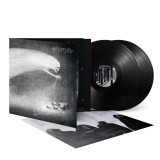
OVERVIEW: DUB TREES is one of Youth’s most revered dub projects, it helped define the Liquid Sound Design sound that fans around the world hold dear. This project is the third in a triptych of albums Youth has made with a specific Celtic / Hindu fusion. Starting out with the classic Celtic Cross ‘Hicksville’ 20 years ago, featuring the mythical Simon Posford (Shpongle) through to ‘East of the River Ganges’ (ft Klaus Shultz / Tangerine Dream amongst many others) in 2004 followed by the last piece of this mystical puzzle ‘Celtic Vedic’ ,released on compact disc only in 2016 , which charts the journey of the Celt from Northern India to Snowdonia. The idea stems from Youth’s firm belief that there is a strong correlation between Celtic and Vedic cultures and their Northern Indian roots. Youth has assembled a host of collaborators to weave their labrynthine magic on ‘Celtic Vedic’: Jah Wobble (PiL) on bass, Matt Black/Coldcut (Ninja Tunes) on warped soundscaping duties, Galician Celtic pipe and flute player Daniel Romar, Bollywood contemporary Indian singer Shridevi Keshavan and Elfic Circle. It features many field recordings made by Youth on his various Indian odysseys and is all harnessed together with cutting-edge electronica that the Liquid Sound Design team pioneered 20 years ago. The team today are still pioneering new directions within ‘Downtempo Electronica Music’ and beats that create 3 dimensional landscapes for the helioscopic imagination to explore and psychoactive maps for the inner astronaut in all of us. ‘Celtic Vedic’ promises unchartered bass annihilation and heliotropic soundscapes, pounding basslines overlayed on 3D holographic beats and wrestles with serpentine melodies and psychedelic textures.
Erik Rico returns to Cosmocities with The Rare Groove Project, a limited-edition EP featuring funk-heavy, soulful covers of groove gems from Matt Soulie’s vinyl vault, alongside standout remixes from Gerd, DJ Nature, and Aroop Roy.
The EP opens with a brassy, high-energy take on P.J. City’s Straight Forward, followed by Gerd’s Chicago house-inspired remix and a funkier alternate version full of disco-era charm. Rico then revamps Franklyn’s Future Love into an electrified P-funk boogie blast, while NYC’s DJ Nature turns out a synth-laced, bass-driven after-hours groove.
Rico also reworks Star Lighters’ Disco Funk into a high-impact, slap-bass purple tinged stomper, with UK house and jazz funk expert Aroop Roy rounding things out with a dancefloor house flavoured summer anthem.
Limited pressing—act fast.
out of Stock
Last delivered 60 days ago available to reorder, subject to availability
Michael Nau's solo career began with songs crafted and composed in private moments, later to be shared with musical compatriots and reimagined with auxiliary input on records like Michael Nau & The Mighty Thread, Mowing, The Load EP, and Some Twist. These early drafts were stashed away in the vault as Nau strode forward, but after a taxing spring of touring in support of his latest album Less Ready to Go, and recording and self-releasing the stripped-down informal release So On So On, Nau found himself hunkering down at home and rediscovering old gems in his archives. The search yielded a new digital collection of Nau's initial forays into solo work, bundled together as Demo Versions, 2014 to 2017. In their initial incarnations, these songs were less about the end result and more about the discovery. "They're the seed," Nau says of the material. "These recordings are essentially the writing of the songs_ written and recorded at the same time. There's something exciting about them for that reason. It feels magical any time the start of a song arrives, let alone gets `finished.'" These early drafts don't just serve to shed light on the creative process or expose the malleability of Nau's songwriting approach; they often frame the material in an entirely new context. Demo Versions' opening track "The Glass" is a bare-bones affair of acoustic guitar, bass, and vocals_a breezy Sunday morning song that sounds markedly different than the layered lounge-rock approach that later appeared on Mowing. "Light That Ever," with its wall-of-sound production, serves as a climax to Some Twist, but in its infant stage on this collection, it's a beautiful, intimate folk song. Ultimately, all ten songs off Demo Versions, 2014 to 2017 reveal a new side to these fan favorites, with Nau's lush arrangements and unorthodox accompaniments largely absent, and the simple beauty and grace at the heart of the material at front and center.
L.A. Witch haben schon immer eine Aura müheloser Coolness ausgestrahlt, sei es in Form des Americana Noir und des lakonischen Back-to-Basics-Rock'n'Roll ihres selbstbetitelten Debüts oder des glühend strengen Abenteurertums ihres zweiten Albums "Play With Fire". Die Band - bestehend aus Sade Sanchez (Gitarre/Gesang), Irita Pai (Bass) und Ellie English (Schlagzeug) - begann als informelle Angelegenheit, aber die schwülen und betörenden, von Hall umhüllten Songs, die sie schufen, fanden beim Publikum Anklang und brachten das Projekt über den isolierten Raum von Freunden und Gleichgesinnten in Südkalifornien hinaus in die weite Welt. Auf ihrem neuesten Album "DOGGOD" geht das Trio über die bisherigen kreativen und geografischen Grenzen hinaus - das Material wurde in Paris produziert und die Tracks im Motorbass Studio in der Rue de Martyrs aufgenommen. "DOGGOD" erkundet ein breiteres klangliches Terrain, setzt ein größeres Arsenal an Sounds ein und erforscht größere existenzielle und kosmische Themen, ohne dabei den für die Band typischen Sinn für das Verbotene, das Verlassene und die Vorahnung zu verlieren. "DOGGOD" ist ein Weg, das universelle Rätsel der spirituellen Natur von Liebe und Hingabe anzugehen. "Ich habe das Gefühl, eine Art Dienerin oder Sklavin der Liebe zu sein", sagt Sanchez. "Ich bin bereit, für die Liebe zu sterben, indem ich ihr diene, für sie leide oder nach ihr suche - so wie ein treuer, ergebener Diensthund es tun würde." Der Titel des Albums ist ein Palindrom, das DOG und GOD zusammenfasst - eine Verherrlichung des Unterwürfigen und eine Subversion des Göttlichen. Es ist eine Anspielung auf die Reinheit von Hunden und eine Anerkennung ihrer bedingungslosen Liebe und ihres beschützenden Wesens, die im Widerspruch zu den verschiedenen abwertenden Assoziationen stehen, die mit dieser Spezies verbunden werden. "Es gibt diese symbolische Verbindung zwischen Frauen und Hunden, die die untergeordnete Stellung der Frau in der Gesellschaft zum Ausdruck bringt", erklärt Sanchez. "Und alles, was solche göttlichen Eigenschaften verkörpert, hat es nicht verdient, als Schimpfwort benutzt zu werden." Diese widersprüchlichen Erkundungen von Liebe und Unterwerfung manifestieren sich in der sanften und rauchigen Garagerock-Alchemie der Band, mit einer neu entdeckten Nutzung der disziplinierten Zurückhaltung und eisigen Instrumentierung des Post-Punk. Der Album-Opener "Icicle" zeigt, wie L.A. Witch aus dem Proto-Punk, der Psychedelia und den düsteren Riffs der 70er Jahre in die von Refrains durchtränkten Gitarren und den verlorenen Minimalismus von Joy Division und den frühen The Cure reist. Es wird eine Parallele zwischen romantischem Selbstmord und Märtyrertum gezogen, die sich im zweiten Song, "Kiss Me Deep", fortsetzt. Hier beschreibt Sanchez eine Liebe, die so rein ist, dass sie die Zeit übersteigt und sich über mehrere Leben erstreckt. Es ist ein Lied über Leidenschaft, vorgetragen mit dem weltlichen und verletzten Stoizismus der frühen Goth-Pioniere. Von dort aus geht die Band zur Leadsingle "777" über, einem Song über Hingabe bis hin zum Tod. Ein treibender Beat, ein treibendes, verzerrtes Riff und Sanchez' ätherischer Gesang vereinen sich zu einem Song, der sowohl düster in seinem Fatalismus als auch sinnlich in seiner treuen Leidenschaft ist. Auf dem gesamten Album "DOGGOD" weichen L.A. Witch nie von ihrer Muse ab. In "I Hunt You Pray" legt Pai einen hypnotischen Basslauf hin, während English einen zyklischen Krautrock-Groove einsetzt und Sanchez das Bild eines verlassenen Hundes am Straßenrand malt, der allein in der Nacht ist und sowohl als Jäger als auch als Gejagter lebt. Auf "Eyes of Love" macht sich die Band die meditativen Mid-Tempo-Wiederholungen, dekonstruierten Akkorde und esoterischen Betrachtungen über Liebe, Tod und Spiritualität zunutze, die Lungfish zu einer so beliebten Band gemacht haben. Es unterstreicht die Parallele zwischen der unerschütterlichen Liebe in den Augen eines Hundes und der Selbstaufopferung eines Erlösers. Auf "The Lines" nimmt die Band den treibenden Puls des Post-Punk und fügt dem Mix eine Extraportion Chorus hinzu. "Chorus ist ein moderner Effekt, der auf der Idee beruht, die leichten Tonhöhenunterschiede eines Chors nachzubilden. Es gibt eine schimmernde Qualität, die uns zurück zu diesem spirituellen, göttlichen Gefühl bringt", erklärt Sanchez. Gepaart mit dem Einsatz von Orgel und einer grüblerischen Moll-Melodie, beschwört der Song gleichzeitig das Heilige und das Sakrileg. Der Titeltrack "DOGGOD" hat vielleicht die größte Ähnlichkeit mit dem Material des Vorgängeralbums "Play With Fire", in den schlanken und gemeinen Gitarren auf eine raue Rhythmusgruppe und verträumten Gesang treffen. Aber während ihr vorheriges Album ein Aufruf war, seinen eigenen Weg zu gehen, bleibt "DOGGOD" dem "Bis dass der Tod uns scheidet"-Thema des Albums treu und geht sogar so weit, ein Maß an Unterwerfung zu beschreiben, das in gefährliche und ungesunde Gefilde übergeht, wobei Sanchez singt "hang me on a leash / `til I wait for my release". Letztendlich ist "DOGGOD" eine perfekte Verkörperung des Ansatzes von L.A. Witch. Es ist gleichzeitig romantisch und bedrohlich, ehrfürchtig und profan, eine Feier und ein Klagelied. Es spannt den Bogen zwischen Vergangenheit und Gegenwart, indem es vertraute Klänge aufgreift und sie für die Jetztzeit aufbereitet. Aber es läutet auch eine neue Ära für die Band ein, die über die Kodachrome-Erinnerungen an das Amerika der Jahrhundertmitte hinausgeht und tiefer in den mittelalterlichen und gotischen Energien von Paris und darüber hinaus gräbt, während sie gleichzeitig ein besudeltes Herz erforscht.
Cornell Campbell's distinctive falsetto voice alongside his Rastafarian beliefs during the 70's gave
him a musical style that added urgency and righteousness to songs that few other singers could match.
The Sound of Now...mentioned in 'The Return of Jack Slade' by Derrick Morgan was the sound of 1969/1970 and that sound was the sound of Jamaican Reggae.The look at the time was the Skinhead fashion borrowed heavily from the Jamaican Rude Boy style.
The Skinhead movement started around 1968 and by the following year of 1969 became the style and fashion of many British teenagers.The uniform of the Skinheads consisted of boots,braces and jeans and the upbeat Reggae sound seemed to match the style perfectly.
Never before has a music matched a look more perfectly than that of the Skinhead/Rude Boy and Jamaican Reggae sound.
So stand up and move your feet one more time to the Skinhead Reggae Sound!!!
Hope you enjoy the set....
out of Stock
Last delivered 4 years ago available to reorder, subject to availability
First ever release of pioneering radiophonic / experimental / electronic / soundtrack composer you may never have heard of but really should have by now. 26 tracks in all.
As we began the mammoth task of whittling down material for this album Elizabeth recalled the time she met Delia Derbyshire. It was during a party for existing and former Radiophonic Workshop composers at BBC Maida Vale in the early 1980s. Delia introduced herself with typical energy and exuberance proclaiming "It's up to you now - I'm passing the baton. Show these men how we get things done". That must have been quite an honour and responsibility for a young, female composer establishing herself within the male-dominated environs at Delaware Road.
Looking back over a musical career spanning almost five decades, it's clear Elizabeth rose to the challenge and made her mark. She was consistently in demand with television and radio producers, composing for an array of ground-breaking, critically acclaimed and popular BBC projects. Whilst Delia's legacy has achieved mythical status with her position as an innovator and feminist icon secured, the majority of Elizabeth's recorded work remains unavailable so her contribution to the output of the Workshop and evolution of British electronic music is somewhat under-appreciated.
Perhaps this record will help start to remedy the situation. Included are early tape experiments, home demos and non-BBC commissions from the early 1970's to the late 2000s. Having listened to 260+ digital audio tapes from Elizabeth's personal archive we have barely scratched the surface but hope to provide an indication of the breadth of her compositional and sound design skills.
Classically trained in cello and piano, Elizabeth graduated from the University of East Anglia with a degree in Music in 1973. She was mentored by Tristram Cary who helped her to become UEA's first recipient of a Masters in Electronic Music and later awarded an Honorary Doctorate by Staffordshire University. Joining the BBC as a studio manager in 1975, Elizabeth transferred to the Radiophonic Workshop in 1978. One of her first tasks was to create special sound effects for Blake's 7 using tape loops, the EMS 100 and trusted VCS3.
Her celebrated score for The Living Planet in 1982 featured early use of the PPG synthesizer and earned an Emmy nomination. Over the following years studio technology evolved rapidly, but Elizabeth transitioned from analogue recording techniques to newer digital platforms with relative ease, using samplers, midi sequencing and computer controlled workstations.
With an incredible 1,400 commissions to her name, she created special sound for The Day Of The Triffids, Lord Of The Rings, countless radio dramas including Iris Murdoch's The Sea, The Sea, Harold Pinter's Moonlight, all of Howard Barker's plays, productions of King Lear, Wordsworth's Prelude and The Pallisers. The success of The Living Planet led to further work for the BBC Natural History Unit followed by numerous commissions for The Natural World. At one point in the late 1980's at least five of her signature tunes were being broadcast every week including Points Of View, Horizon, Doctors To Be and Everyman.
After the closure of the Workshop in 1996 Elizabeth became freelance, arranging Faure's Pavane for the BBC World Cup '98 coverage (reaching no. 9 in the UK singles chart). She wrote additional music for Monty Python's Holy Grail DVD, scored Michael Palin's Full Circle and Sahara TV series, The Lost Gardens Of Heligan and The Human Body with Robert Winston.
Retiring from the music industry in the late 2000's, Elizabeth recently returned to her East Anglian roots and now lives near the coast. She walks daily, listening to all kinds of music, new and old, on her beloved air-pods.
out of Stock
Last delivered 16 months ago available to reorder, subject to availability
In ,What's The Matter, M. Ross?", dem dritten Album des eigenwilligen Autors M. Ross Perkins, befindet sich unser Junge auf einer Reise nach innen, auf der er das Transzendente und und Existenzielles mit seinem lyrisch bisher bekenntnishaftesten Album verbindet. Multiinstrumentalist Perkins muss man dem Singer/Songwriter-Zeitgeist zurechnen, der für MJ Lenderman und Waxahatchee schwärmt und gleichzeitig Optimismus vermittelt. "What's the Matter, M Ross?" wurde komplett von Perkins komponiert, gespielt und in seinem Studio in Dayton, OH aufgenommen. Die Kopfhörer-Symphonien bewegen sich mit einer bedächtigen, komponierten Raffinesse, während die Texte neues Terrain erkunden. Die Eckpfeiler des Psych-Pop bleiben: die Schnörkel von Nilsson sind noch da, aber auch Gram Parsons und Jonathan Richman. Wenn man "What's the Matter, M. Ross?" geografisch einordnen will, dann ist das Album zu gleichen Teilen Laurel Canyon und Big Pink, mehr Woodstock die Stadt als das Festival. Perkins ist ein in sich geschlossener Teenage Fanclub (aus der Spätphase) mit George Harrisons spirituellem Sinn für inneres Fernweh.
In ,What's The Matter, M. Ross?", dem dritten Album des eigenwilligen Autors M. Ross Perkins, befindet sich unser Junge auf einer Reise nach innen, auf der er das Transzendente und und Existenzielles mit seinem lyrisch bisher bekenntnishaftesten Album verbindet. Multiinstrumentalist Perkins muss man dem Singer/Songwriter-Zeitgeist zurechnen, der für MJ Lenderman und Waxahatchee schwärmt und gleichzeitig Optimismus vermittelt. "What's the Matter, M Ross?" wurde komplett von Perkins komponiert, gespielt und in seinem Studio in Dayton, OH aufgenommen. Die Kopfhörer-Symphonien bewegen sich mit einer bedächtigen, komponierten Raffinesse, während die Texte neues Terrain erkunden. Die Eckpfeiler des Psych-Pop bleiben: die Schnörkel von Nilsson sind noch da, aber auch Gram Parsons und Jonathan Richman. Wenn man "What's the Matter, M. Ross?" geografisch einordnen will, dann ist das Album zu gleichen Teilen Laurel Canyon und Big Pink, mehr Woodstock die Stadt als das Festival. Perkins ist ein in sich geschlossener Teenage Fanclub (aus der Spätphase) mit George Harrisons spirituellem Sinn für inneres Fernweh.
NIGHTBEARER melden sich mit ihrem dritten Albumkracher "Defiance" zurück. Die deutschen Death-Dealer aus der ostwestfälischen Stadt Paderborn bleiben dabei dem typischen HM-2 Kettensägen-Gitarrensound ebenso treu wie auch ihrer unverhohlene Liebe zum melodischen Death Metal schwedischer Prägung. Dabei markiert "Defiance" dennoch einen weiteren Schritt in der ebenso stetigen wie umsichtigen Evolution ihres Sounds, indem sie ihrem Old-School-Stil beispielsweise angeschwärzte Passagen und doomige Momente hinzufügen. Das Ergebnis dieser Horizonterweiterung ist ein enorm atmosphärisches Werk, das perfekt zu seinem lyrischen Konzept passt. Denn dieses Album wurde direkt von der berühmten "His Dark Materials"-Trilogie des englischen Autors Sir Philip Pullman inspiriert. Auf einer tieferen Bedeutungsebene drehen sich die Texte um die Emanzipation der Menschheit von ihrer Unterdrückung durch Religion. Als NIGHTBEARER im Jahr 2017 von Sänger Michael Torka und Gitarrist Dominik Hellmuth gegründet wurden, bestand ihre Motivation an erster Stelle aus der brennenden Leidenschaft zum Old School Death Metal - und besonders dessen goldenen Zeiten in den glorreichen 1990er Jahren. Im Gefolge der 5-Track-EP "Stories from Beyond" (2018) erreichte ihr Debütalbum "Tales of Sorcery and Death" (2019) auf Anhieb eine Top Ten Position (#8) im Soundcheck des deutschen Rock Hard Magazins; neben reichlich weiterem Lob von Fans und Kritikern. Auf ihrem zweiten Studioalbum "Ghosts of a Darkness to Come" (2022) erweiterten NIGHTBEARER den Rahmen ihrer lyrischen Themen auf konzeptionelle Größe, indem sie den Hörer auf eine Reise in die dunklen Ereignisse von Robert Jordans epischer Saga "Das Rad der Zeit" mitnahmen. Mit ihrem dritten und bisher komplettesten Album beweisen NIGHTBEARER ein perfektes Gespür für das richtige Timing, indem sie der Welt mit "Defiance" einen ebenso wörtlichen wie metaphorischen Death Metal Akt des Widerstands auf Grundlage der "His Dark Materials" Trilogie präsentieren!
Nonverbal Language unveils its third chapter with CVRDWELL at the helm, delivering two originals shaped by emotional depth and precise sound design, backed by remixes from Casual Treatment and Mathys Lenne.
"The Message" blends groovy low-end, lush textures, and melancholic energy into a powerful statement for the dancefloor. Casual Treatment (Hayes, Token, Mord) transforms it into a deeper, hypnotic techno voyage.
"Haunted" descends into eerie, cinematic territory-slow, brooding, and charged with tension. Mathys Lenne (Mord, Hayes, Float) amplifies the unease with a remix that's both refined and fearsome
out of Stock
Last delivered 89 days ago available to reorder, subject to availability
The ASM trio return this year with their most sophisticated and focused work to date: "The Frenzy of Bacchus". An album that combines the vivid imagery and lyrical talent of MCs FP & GT Lovecraft with the richly orchestrated production of beatmaker Rhino, and the participation of The Hot City Horns, Harleighblu (British-born soul singer who has worked with Tru Thoughts & Illa J) and Mattic (long-time collaborator of ASM and the ?FFKILTR crew).
HEXVESSEL erkunden auf ihrem epischen siebten Album "Nocturne" liminale Räume, z.B. zwischen Licht und Dunkelheit sowie Natur und Einsamkeit. Die sich kontinuierlich wandelnde finnische Band besinnt sich wieder auf ihre Wurzeln im Folk und im psychedelischen Rock, indem sie akustische Zwischenspiele, kosmische Synthesizer und geisterhafte Pianoklänge kunstvoll mit den frostgesponnenen Fäden ihres Black Metal Geflechts verwebt. "Nocturne" klingt sowohl vertraut als auch unverhohlen progressiv, da HEXVESSEL ihre eigene Tradition mit einer frischen Neuerfindung ihres charakteristischen Sounds vermischen. Der Keim für dieses Meisterwerk wurde durch die Aufführung eines Auftragswerks beim Roadburn Festival 2024 gesetzt, das ursprünglich den Titel "Music for Gloaming: A Nocturne" trug. Mit diesem Album nimmt das Projekt eine ausgearbeitete physische Gestalt an. Dieses opus magnum verbindet den rauen Geist von Quorthons Black Metal mit dem komplexen Minimalismus zeitgenössischer Komponisten wie Philip Glass, György Ligeti und Avro Pärt. Den eklektischen Charakter von "Nocturne" unterstreichen ausgewählte Gastauftritte wie der ätherische Gesang von Saara Nevalainen oder die harschen Stimmen der Avantgarde Black Metal Vorreiter Yusaf Vicotnik Parvez (DHG/DØDHEIMSGARD) und ORANSSI PAZUZUs Juho Vanhanen. HEXVESSEL stammen zwar aus dem finnischen Tampere, die Band wurde aber vom englischen Sänger und Songwriter Kvohst alias Mat McNerney gegründet, nachdem er im Jahr 2009 in das nordische Land gezogen war. In vielerlei Hinsicht spiegeln HEXVESSEL die Natur ihres Gründers wider. Der Sänger und Songwriter war schon in vielen erfolgreichen Gruppen und Projekten aktiv, deren Spektrum von der britischen Black Metal Band CODE über einen Abstecher bei den norwegischen Legenden DHG bis hin zu den Rock-Shootingstars BEASTMILK reicht, die er später mit GRAVE PLEASURES fortsetzte. Mit "Nocturne" laden HEXVESSEL alle dunklen Seelen der Erde zu einem transzendentalen Nachtritual ein, das unter anderem die Klangvisionen von DARKTHRONE, TANGERINE DREAM und Philip Glass aus der toten Vergangenheit erweckt und mit neuem Leben erfüllt.
With their seventh full-length "Nocturne", HEXVESSEL explore the liminal spaces between light and darkness, nature and solitude on an epic album. The ever evolving and shifting Finnish band has reawakened their treasured roots in folk music and psychedelic rock as they artfully weave acoustic interludes, cosmic synths, and spectral piano into the frost-spun threads on their black metal loom. "Nocturne" sounds both familiar and fearlessly progressive as echoes of tradition entwine with a fresh reinvention of their characteristic sound. The seed of this masterpiece was sown by the performance of a commissioned work at Roadburn Festival 2024 that was originally entitled: "Music for Gloaming: A Nocturne". With this album, it arrives fully fleshed in recorded form. This opus magnum blends the raw spirit of Quorthon's black metal with the intricate minimalism of contemporary composers such as Philip Glass, György Ligeti, and Avro Pärt. Its eclectic nature is elevated and underlined by select guest performances, including the vocals of Saara Nevalainen, as well as the avant-garde black metal luminaries Yusaf Vicotnik Parvez (DHG/DØDHEIMSGARD), and ORANSSI PAZUZU's Juho Vanhanen. While HEXVESSEL are based in Tampere, Finland, they were founded by English singer & songwriter Kvohst aka Mat McNerney after he moved to the country in 2009. In many ways, HEXVESSEL reflect their founder. The vocalist and songwriter has instigated and been involved in various bands ranging from UK black metal act CODE, a stint in Norwegian legends DØDHEIMSGARD, and to rock shooting stars BEASTMILK – later 'continued' with GRAVE PLEASURES to name but a few of his success stories. With "Nocturne", HEXVESSEL invite all souls on earth to a transcendental night ritual that is imbued with DARKTHRONE, TANGERINE DREAM, Philip Glass, and sounds unearthed from the dead past, now instilled with new life.
Welcome to the ancient Disboard where the 10 rules of the game did not yet exist. War consumes the world, splits the heavens, destroys the stars and even threatens the human race. In the midst of this chaos, a young man named Riku tries to lead humanity towards a tomorrow he firmly believes in. One day, in the ruins of an Elven city, he finds Schwi, an "ex-machina" android who wishes to understand the heart of Man. Their meeting will change the course of history...
Music composed by Yoshiaki Fujisawa, arranger and composer. He is a member of the group Franz Maxwell I. He worked on the anime of LoveLive!, Issekai Cheat Magician and GATE.
He knew, through his music, to transport us in the universe at the origin of this "Issekai" to make us feel all the emotion of a meeting between two completely different beings.
For his third long-player under the Phi-Psonics banner, Ford-Young marshalled a series of live recordings at the Healing Force Of The Universe record store in Pasadena, sculpting fourteen tracks, largely composed in the moment with a fluctuating cast of players, which wonderfully transmit his ideals of community and inner peace. Called "Expanding To One", it features exquisitely calming yet searching pieces like "There"s Still Hope", where Seth"s softly undulating bassline underpins beatific explorations from core Phi-Psonics members, Sylvain Carton and Randal Fisher (both on saxophone), and Josh Collazo (drums), alongside guests Zach Tenorio (Wurlitzer piano) and Mathias Künzli (percussion). Equally sublime, "Healing Time" ripples like a mountain stream, with Ford-Young, Carton, Fisher and Tenorio joined by Minta Spencer (harp), Dylan Day (guitar) and, on drums/percussion, Jay Bellerose, a revered LA stickman most recently under the spotlight in Jeff Parker ETA IVtet.
out of Stock
Last delivered 16 months ago available to reorder, subject to availability
Iori Wakasa, one of the leading lights of the Tokyo club scene is set to release his second 12” from his own label, “BOTANICA” which he established to express his own primal sensibilities.
The Concept of the Label:
Tokyo-based DJ/producer, Iori Wakasa launched BOTANICA to assert that his label’s activities in itself is art and a palette for his creative, self-expression. It is also based on 2 main concepts: To integrate the sensibilities of both "nature" and “artificial and human activities" and to “contribute music that presents a scenery from the listener's point of view”.
For Iori, his label is an interface of some sort and is also a symbol of his own personal musical expectations.
Iori produced these 2 new tracks during the recent pandemic when the world was under severe restrictions. While taking into account and focusing on both 'his current outlook' and returning to “the roots of his own production aesthetic', he strived to produce something that would substitute it and as a result, created these two new tracks and the artwork that are presented in the label's second release, 'The Party Is Here EP’.
In this EP, he also attempts to express the sentiment that 'the experience that music provides to people is invaluably infinite' and that 'if you truly want to go out and party, it will happen, then and there!’.
About the tracks:
For the track, ’Bedroom Disco’, Iori tries to express his memories of 'a virtual night of partying’ that he experienced during Covid and created this track while being ‘in a state of wanting to break free from oppression’ and reminiscing about a party in a bedroom at night.
He also wanted to express the idea that no matter what situation or environment you are in, you can go to anywhere you want if you really want to and with that sentiment, he wanted to express a scenerio that transcends it and at the same time, he also wanted to convey his feelings of nostalgia for the past, rebellion against the environment and his feelings of desire.
For this track, Iori did not use any sampled voices or field recordings and created it by layering pure sonic imagery repeatedly folded and desolved which triggered the creation of new developments while imagining the thought that “a party actually begins when you step out” and the swaying of emotions that take place from it.
’Tropica' is a track that Iori produced by heavily mixing a utopian feel that people have inside of them with his own sensuality and is designed to ‘guide you to a tropical seaside', regardless of what the listener may have experienced in the past.
Unlike 'Bedroom Disco', this track uses a variety of samples and envisages "many elements intertwining with each other, working together to create this sound structure”. And it also expresses that equal opportunity exists for anyone who wants to visit an imaginary tropical land as well as the hope that even a brief break of the mind can be created by yourself and those close to you, if one pursues it.
About the artwork:
The cover of this new EP, the concept text 'Is your window open?', and the label's logo was designed by illustrator, HILOSHI SHINOZAKI who also worked on the first release, BOTANICA EP. For over 10 years, he has been a regular visitor of Hawaii, where he tries to cultivate his "true way of life” in his art.
And, artwork for the cover and label design of the EP is complemented by the label design and art direction of the record by hiro, a graphic designer who has been his partner and best friend since the first Botanica EP.
hiro expresses Bedroom Disco track's shifting compositional changes and its complex series of sound waves by creating an intricately multi-layered design that is a perfect representation of the way he sees it.
Also initially inspired by the fluctuations of waves, islands, sun, rays, sky and time, the artwork of Tropica also found inspiration from a drawing that made by Iori’s daughter who drew a picture of a scenery when she listened to the track. So through this design, one of the label’s concept of “the label’s activities is in itself art” was realised via the surprising contribution coming from his own family.
out of Stock
Last delivered 16 months ago available to reorder, subject to availability
“I did this piano/Rhodes recording, played live, without overdubs. I believe your approach to sound could match very well these tracks….” That’s how Giovanni Di Domenico’s collaboration with Rutger Zuydervelt started, though the first seeds were planted when the duo did a short live improv together in 2019, and Giovanni joining Hydra Ensemble on stage in 2022.
Painting a Picture / Picture a painting is -as the title suggest- an album of two long-form pieces, swapping the working method for each - one takes Giovanni’s recordings and has Rutger processing and adding to it, while the other one started with Rutger creating its foundation (with manipulated sounds of the first piece), and Giovanni building upon it. This resulted in two meandering tracks that are clearly linked, like two sides of the same coin. The cover, a painting of an empty canvas, is made by Christiaan Kuitwaard. A beautiful and ultimately fitting visual addition to this mysterious release.
Repress of 2018’s classic compilation from Brownswood.
A primer on London’s bright-burning young jazz scene, this new compilation brings together a collection of some of its sharpest talents. A set of nine newly-recorded tracks, We Out Here captures a moment where genre markers matter less than raw, focused energy. Looking at the album’s running order, it could easily serve as a name-checking exercise for some of London’s most-tipped and hardworking bands of the past couple of years. Recorded across three long, fruitful days in a North West London studio, the crossover between each of the groups speaks to the close-knit circles which make up the scene.
Surveying the way that London’s jazz-influenced music had spread outside of its usual spaces in recent years, this album bottles up some of the vital ideas emanating from that burgeoning movement. Giving a platform to a scene where mutual cooperation and a DIY spirit are second-nature, it’s a window into the wide-eyed future of London’s musical underground.
Ubiquitous, much-lauded saxophonist Shabaka Hutchings is the project’s musical director. His own recent projects span from South Africa-connected, spiritually-minded jazz players Shabaka and the Ancestors to Sons of Kemet, who match diasporically-connected compositions with viscerally-direct live shows. His entry on the album, ‘Black Skin, Black Masks’, is typically difficult-to-define: with an off-kilter, shifting rhythmic backbone, repeated phrases – mirrored between clarinet and bass clarinet – shape the track with an alluring hue. His input ties together a deft, genre-agnostic sensibility that’s shared through all the players on the record.
Theon Cross – who’s also part of Sons of Kemet with Hutchings – starts his track, ‘Brockley’, with the solo, distinctive low rumble of his tuba. Winding and mesmeric, it sees tuba and sax lines winding together in rhythmic and melodic parallels. Ezra Collective – whose drummer and bandleader Femi Koleoso has toured with Pharaohe Monch – run a tight, Afrobeat-tipped rhythm on ‘Pure Shade’, with the final third changing gear into a melodic, momentous closing stretch.
Joe Armon-Jones, whose ludicrous chops on the piano have seen him touring with the likes of Ata Kak, showcases earworm-like, insistent motifs on ‘Go See’, balanced with a playful, improvisatory approach with room for ad-libbing and solos a-plenty. Taking a softer tact than many of the other entries, Kokoroko – whose guitarist Oscar Jerome has been making waves with his solo material – spin a lyrical, steady-paced meditation on ‘Abusey Junction’, matching chanted vocals with gently-played guitar.
Nodding to spiritual jazz influences, Maisha’s ‘Inside The Acorn’ is a wandering, explorative rumination, balancing delicate washes of piano and percussion with sharp interplay between flute and bass clarinet. In contrast, Nubya Garcia’s ‘Once’ is taut and carefully-poised, her tenor sax guiding a carefully-built energy to an explosive conclusion. And finally, Triforce’s ‘Walls’ is a performance in two parts: starting with Mansur Brown’s languorous, lyrical guitar, the second half switches up to a low-slung, g-funk-tipped groove.
out of Stock
Last delivered 8 months ago available to reorder, subject to availability
Murder by Death has earned a much needed break. The 25 years the band has spent on the road have been catching up to them lately, so they’ve decided to take a step back from touring before it grinds them to dust. This year, they’ll be embarking on a massive farewell tour, hitting more than 50 cities in the US, UK, and Canada. And as their parting gift, they are leaving behind their tenth album, Egg & Dart. Murder by Death has accomplished more than they’d ever dreamed since forming in Bloomington, Indiana, in 2000, when Turla and cellist Sarah Balliet started the project with fellow college dorm-mates under the name Little Joe Gould. They traveled the world several times over, released ten studio albums, built an intensely dedicated following, and shared stages with artists from a wide array of genres.
,Dogs" ist Cash Langdons zweites Album unter eigenem Namen, aber das erste mit seiner Band Meadow Dust (Bassist Matt Whitson und Schlagzeuger Reagan Bruce). Die Aufnahmen fanden größtenteils in den Portside Studios (dem ehemaligen Standort des legendären Muscle Shoals Sound) statt und wurden in nur zwei Tagen aufgenommen. Der Tontechniker Brad Timko (Dan Sartain, St. Paul and The Broken Bones) sorgte dafür, dass das Trio wild und tight klingt. Ihre unscharfe Interpretation von schwerem Country-Rock erinnert an Neil Young & Crazy Horse und verströmt die Hitze von Langdons Heimatstadt Birmingham. Wie bei Young ist seine Stimme gleichzeitig ernst und weltmüde, aber es gibt auch einen Sinn für Humor und die Resignation, weiterzumachen (,Dogs"). Diese Songs sind wunderschöne, brennende, südlich-gotische Zeugnisse der fortwährenden Gewalt, die es bedeutet, wach zu sein für die Welt um einen herum (,Lilac Whiskey Nose") und die Entschlossenheit, trotzdem wach zu bleiben (,Magic Again").
Listening to CD3, I'm reminded of how the Vincent Over The Sink record '22 Coloured Bull Terriers' made me feel all those years ago. There's a free ranging quality to it.
It feels calmly capable of doing whatever it wants. It feels mysterious and self-generating, almost aloof to the humans who made it. I adored that record; it cascaded into so many epiphanies.
I don't want to implicate Cooper and David's music in any fleeting desire towards currency, but listening to this CD3 record over the last few weeks has felt weirdly, thematically correct. There's an echo-ey kind of referentiality to it. Not to particular styles of music, but to the recently elapsed histories those styles of music evoke. It's something that Th Blisks kind of gestures towards, but which this project seems to own entirely.
It's a kind of melted reconfiguration of popular (occasionally popular-on-the-fringes) styles. These familiar sounds are reconfigured and muddied. Hindsight frames the sources in an almost primordial light, to the extent that they feel like folk art.
Glyphted and Franzbranntwein sound like pop songs stripped to their bones and distorted, as if the styles they vaguely recall are as old as time. It's a stunningly weird effect. Songs like The Duchess and Farmhand exacerbate this impression. The record comes to feel yearningly ahistorical. But in a way that feels pertinent?
It might just be where my head is at, but the implacable nature of the record feels important to me, somehow. It's something far, far north of post-modern but... ancient too. - Shaun Prescott
On its tenth anniversary outing, Sofia Records doesn’t just mark a milestone - it distills its essence in a four track EP. The compilation reunites the original, 25 year strong, pBPM crew and the fresh talent of Impe´rieux.
KiNK delivers a dancefloor juggernaut “Let The Bass Kink” - raw, kinetic and unmistakably his.
KEi counters with “Killing God Theme“ - a deep, hypnotic slow-burner, rich in emotion that evolves with patient intensity. Then we have the debut of Tegav - a new alias from the pBPM forming member Kalin Baychev with “Stomper“ - an edgy melody on top of a percussive backroom swagger. Impe´rieux, ever the outlier, continues his quest for dance music’s future with “Jarka”, a leftfield yet playful groove that breaks convention while rattling the floor.
With a smiling family snapshot, framed in smoke, strobe light and sweat, Sofia shows how to throw the needle where it matters - squarely pointed to the future.
out of Stock
Last delivered 15 months ago available to reorder, subject to availability
Blues Rock aus Irlands tiefem Süden: Dieses Power-Trio verbindet nach wie vor Elemente des Hard Rock mit dem Blues von Bands wie Gov't Mule, Lynyrd Skynyrd und Led Zeppelin. Jetzt sind die Jungs mit ihrem vierten Studioalbum zurück, zwei außergewöhnliche Live-Alben gibt's ebenfalls. Die Band wurde 2009 in Cork City gegründet, als Leadsängerin Christy O'Hanlon die ehemalige Rhythmusgruppe der Clonmel Punk Rock Band Aural Ammunition, Stephen McGrath (Bass) und Gev Barrett (Schlagzeug) traf. Allmusic über das Debüt des Trios: "Electric Soup" ist nicht nur ein vielversprechendes Debüt, sondern ein wildes Biest von einem Album: dreckig, mager, gemein und gefühlvoll." Classic Rock Blues Mag über das zweite Album: ,Ich liebe das Album, "Rumble Shake" ist umwerfend". Classic Rock Blues Magazine. In CBCs eigenen Worten: ,Wir haben "Ghost dance" genau so gemacht, wie wir es immer machen wollten. Wir haben unser Lager in den Gaf Studios in Co Tipperary aufgeschlagen, nur wir und der Produzent Philip Magee. Wir haben die Tracks so aufgenommen, dass sie unsere berühmte Live-Energie einfangen, und dann hat Philip die Tracks in den nächsten Monaten in seinem eigenen Studio fertig produziert. Wir sind unheimlich stolz auf dieses, unser neues Album. Das gesamte Werk führt direkt zurück in die 70er Jahre, als Bands wie Ten Years After, George Thorogood, Johnny Winter, Allman Brothers, Cream, Rory Gallagher und viele andere an der Spitze ihres Könnens standen. Und da stehen Crow Black Chicken jetzt auch. Die CD ist ein Digpak, die LP ist rot mit einem schwarzen Marmor-Effekt versehen.
Space-surf-psych-rock quartet Japanese Television’s album ‘Automata Exotica’ has been remixed by invited friends and peers; including Goat Fool from GOAT, Factory Floor’s Gabe Gurnsey, and Edgar Breau from cult band Simply Saucer. Informed by UFO encounters, ritualism, robots, Northern Soul, and nuclear weapons, ‘Automata Exotica’ was released in March 2024 and was described as “Heavy but also joyful” by The Quietus, “A fuzzy blast of space-surf energy”in Shindig and “A remarkable and unique proposition” by Louder Than War.
Rather than having been transformed out of all recognition, “reimagined” is a more apt term to describe this new version of ‘Automata Exotica’. With the album’s eight tracks presented via considered, alternative mixes with pertinent sonic application, it hangs together incredibly coherently - albeit as a wild and feverish psychedelic experience.
JTV toured with GOAT while writing ‘Automata Exotica’, with the fat fuzz tones and extended middle percussion section of ‘Typhoon Reggae Police’ heavily influenced by their time watching and learning from side stage. Starting life as an uneasy mixture of scratchy 60s garage rock and 70s Afghan psych folk, Goat Fool from GOAT ripped the song apart and stitched it back together. Recognisable but weird and uncanny, it’s a stripped down, oppressive, shimmering voodoo nightmare.
“We used to go and see Gabe’s weird, excellent band Factory Floor playing dark little club nights in Shoreditch years ago and marvel at the racket” says JTV. “Gabe’s been a long time collaborator of ours, in fact he’s the only person to not only do more than one remix for us, but has featured on every remix release we’ve done. Our most ecstatic, cathartic song, ‘Tabadaboum’ was the perfect match for Gabe - the motorik krautrock bassline fits right in with the pneumatic grind of his vintage drum machine loops and synth flurries”.
It's hard to measure the impact cult 1970s Canadian space rock proto punk psych band Simply Saucer had on the formation of Japanese Television. The band reached out to Edgar Breau - the band’s founding member and guitarist - who guitarist Tim says was “really generous with his time, and really kind to an overly keen and slightly awkward Simply Saucer mega fan. It's a real honor to have him playing guitar on one of our records”. His cosmic reimagining of ‘Golden Birds’ layers on the delay, reverb and screaming guitars, launching the track into outer space.
‘Automata Exotica (Remixed)' is set for release on 6th June 2025 on limited edition LP and digital formats. Japanese Television tour in Europe through March and April. The album is released by cult underground label Tip Top Recordings (Jim Wallis, Mandrake Handshake, Pearl & The Oysters), run by Ben Rimmer and David Warn.
Marconi Union, one of the most influential names in contemporary ambient and electronic music, announce their twelfth studio album, The Fear of Never Landing, set for release 6th June via Just Music. The news is paired with the release of first single Eight Miles High Alone, out 20th March on all major streaming platforms.
Known for their ability to craft cinematic, immersive soundscapes that blur the lines between ambient, electronic, and experimental music, the Manchester-based duo once again push the boundaries of sonic exploration. The Fear of Never Landing takes us on a dynamic journey that’s atmospheric, diaphanous and never short of mesmerising. While the new record is certainly infused with a sense of hope, there’s more than a soupçon of anxiety too, as the title suggests.
A 55-minute odyssey presented as one seamless piece divided into nine movements, they transcribe the nexus of modern living into a mostly wordless odyssey. The album encapsulates Marconi Union’s ability to translate the complexities of the human experience into sound, all while maintaining a stunning sense of cohesion.
While the music feels effortless, the creative process was anything but. During the two years it took to complete the album, members Jamie Crossley and Duncan Meadows faced creative struggles that even led them to briefly question the band’s future. A pivotal moment came when they performed a live soundtrack to the 1975 skateboarding film Downhill Motion, rekindling their connection to atmospheric composition. By testing new material live and returning to their roots, Marconi Union redefined their creative process, leading to some of their most emotionally impactful work to date.
“We’ve always made atmospheric music but we had started to lose that aspect. Other than some rough ideas, we had no sense of what we were doing anymore, a kind of musical wilderness. Eventually a couple of things fell into place, and it was like, ‘Ah, okay.”
With a foundation to build upon, they went back to basics and decided to take their time going forwards. “We tried out a few new tracks live which gave us the opportunity to see what worked and what didn’t. We've never given ourselves that luxury before.”
The first track to be shared, Eight Miles High Alone, is a mesmerizing sequencer-driven track that builds an immersive, atmospheric soundscape. Its hypnotic pulses and intricate layers evoke a sense of solitude and weightlessness, perfectly capturing the album’s blend of tension and introspection. “Eight Miles High Alone was the first piece that we managed to complete and helped to inform our approach to the rest of the album.”
Formed in Manchester in 2003, their debut album, Under Wires and Searchlights (2003), introduced their signature sound, but it was their 2011 release of Weightless that brought international acclaim. Developed in collaboration with a sound therapist, Weightless was scientifically recognised as “the world’s most relaxing song”, praised for its ability to reduce anxiety and heart rates. With over 900 million streams and widespread coverage across media, the track remains a cultural phenomenon.
Over the years, Marconi Union has continued to evolve, producing critically acclaimed albums such as Signals (2021), Ghost Stations (2016), and Tokyo+ (2017). Their work has been hailed for its emotional resonance and sonic depth, with The Quietus noting their ability to find “beauty in the bleakest places” and The Sunday Times describing them as “amongst today’s most talented musicians.”
Beyond their studio albums, Marconi Union has collaborated with visual artists, provided soundtracks for installations, and remixed notable acts like Max Richter and Vök. Their invitation by Brian Eno to perform at Norway’s Punkt Festival further cemented their reputation as innovators in the ambient music sphere.
With The Fear of Never Landing, Marconi Union once again showcases their unmatched ability to create immersive soundscapes that resonate deeply. The album reaffirms their position as masters of atmosphere and emotional storytelling, making it an essential addition to their storied catalog.
‘You are behind the damn wheel every day and you don’t even know it’ , weightily remarks Powerplant’s band leader Theo Zhykharyev on the reading of his latest single. London-based project signals the return to signature formula of marching drum machines and wailing synthesisers, matured by life experiencing of prolonged touring. ’Car is life, brother. Sometimes you drive it, other times - the car drives you. And, statistically, we’ll all see the airbags go off sooner than later as consequence of choices made by us or onto us, consciously or not.’
Crashing Cars breaks out the gates to the heavy low end driven dance floor. ‘I was listening to a lot of Bladee when I wrote it and needed a similar thick kick to get you moving’, says Theo. Its an emotionally loaded cannon of a track that will keep you in its grip until it has run its course and told its story. Yearning from connection unfulfilled, rings out through the heartbroken and weeping synth and choir lines. The ever-morphing and dynamic bass works in tandem with razor sharp guitars. The instrumentation, through combined ‘no looking back’ forward charge and immediacy, conjure a manic and emotional forward momentum, which rings out in the song’s lyrics. The vocal performance ranges from the trademark Powerplant goblin squeaks, to more mature, tour-hardened singing. On a sonic aesthetic level, Crashing Cars vibrates in a familiar fashion to Powerplant’s biggest hit Dungen. However, this time far less playful and harder hitting. Described as the fallout of “avoiding, chasing and running away”, lyrically it paints a dead end in human relationships concluding it car-crash heading for the scrapyard. The song concludes with a loaded four line spoken word poetry segment, that hangs over the fleeting outro.
The B side of the single, Never Smile, rolls the speed back, but throws in jangly guitar hooks and bouncy bass lines. Zhykharyev’s vocals sit in a lower register, hence are more stoic and melancholic. If this track had to be a day of the week, it would be a calm, introspective Sunday. With lyrics about looking into evil omens, the sky and reading people as ‘not something different’, it paints an ambiguous, but heavy conclusion about the world and its people. It tells a story about circumstantially settling into an identity and playing the assigned part for the convenience of the external world. It’s easier to fit than to stand apart. It's a perfect balance of mid-tempo radio-rock that builds and changes, before exploding into a shaggy guitar solo, only to go into an unexpected ethereal outro and this 7”s crescendo.
‘Both of these songs are kinda old now, sitting at around 4 years old. And although I haven’t changed the lyrics since then, I somehow find new meaning in them as time goes on. Being Ukrainian and going into the fourth year of the full scale Russian invasion back home, the chorus “my death to you - a better price to pay” makes a lot of sense looking at how the world powers are trying to spin the devastation of my people for a quick profit and an easier life for themselves. This single coming out now at this very point in my life feels both profound and very ironic. Life never ends’, summarises Zhykharyev.
Matthew Bower's Total released 'Sky Blue Void' in 1994 through Freek, recorded the same year as previous NOHL reissue Skullflower's "Last Shot at Heaven." "Sky Blue Void" is the zoner of zoners, as heavenly and crushing as the rapturous cover art suggests. Release yourself to the void.
Having spent the last half decade building up a name as a jazz and soul singer of rare distinction, Ada Morghe now presents her fourth album, 'Pure Good Vibes', which features the British reggae icon Maxi Priest A trip to Jamaica in January 2024 set 'Pure Good Vibes' in motion. Ada headed to th island after hearing that her bassist and producer Livingstone Brown, was flying the to work with Maxi Priest. It was an idea that was underlined by her desire to explo the music, culture and Jamaican heritage that had also shaped the lives of her oth band members Luke Smith (keyboard) and Josh McNasty (drums). The resulting album is a beautiful, intimate reflection on adult themes, such a keeping the passion alive, making the most of life's sweet moments and capturing th closeness of two people in love, which is underpinned by a sound that, though n beholden to Jamaica's musical traditions, certainly shares a spirit with them. The are other influences - such as Michael Kiwanuka's soulful fervour, the vibrancy of '60 R&B, and a love of Sade's 'Diamond Life'. Before stepping whole- heartedly into music, Ada Morghe was already a renowne actress and an award-winning author in her homeland of Germany. Having written an starred in the play-turned-film 'Frau Mutter Tier' and been asked to write songs for i soundtrack, she found herself working with former Prince sound engineer Han Martin Buff. That led her to Abbey Road studios in London, her debut album 'Picture and 2020's 'Box', an expression of her refusal to be tied down to any one genre o profession. From there came 2023's 'Lost', a free-flowing vocal jazz suite based on th four elements. 'Pure Good Vibes', however, pulls her toward what sounds like her most natural albu yet: sophisticated jazz and soul that deals with both the romance and reality o matters of the heart.
Housey Doingz, widely regarded as one of the most influential collectives to emerge from the London scene, returns to Sushitech with an extraordinary new release, set to become a cornerstone for discerning collectors.
This exclusive 10x10” series reflects Sushitech's 20th anniversary, featuring remastered tracks, rare and previously unreleased material carefully selected from the legendary Strange Weather DAT archives.
The first installment includes a remastered version of the iconic Flying Saucer, a true Fabric classic, alongside a never heard before, unreleased dub version.
Sushitech 20th anniversary.
out of Stock
Last delivered 16 months ago available to reorder, subject to availability
Housey Doingz, widely regarded as one of the most influential collectives to emerge from the London scene, returns to Sushitech with an extraordinary new release, set to become a cornerstone for discerning collectors.
This exclusive 10x10” series reflects Sushitech's 20th anniversary, featuring remastered tracks, rare and previously unreleased material carefully selected from the legendary Strange Weather DAT archives.
The second installment features a remastered version of Belly Wobbler, originally released in 1998 and highly sought after ever since. On the B side, an alternative unreleased mix of the massive Chess With Dwarves, taken from the original studio session.
Sushitech 20th anniversary.
out of Stock
Last delivered 16 months ago available to reorder, subject to availability
Housey Doingz, widely regarded as one of the most influential collectives to emerge from the London scene, returns to Sushitech with an extraordinary new release, set to become a cornerstone for discerning collectors.
This exclusive 10x10” series reflects Sushitech's 20th anniversary, featuring remastered tracks, rare and previously unreleased material carefully selected from the legendary Strange Weather DAT archives.
The forth installment in the series is big, bold and raw, driven by 303 basslines. On the A side, the unreleased Without You with heavy dub version on the flip. These house rarities come straight from the exclusive archives of these legendary pioneers
Sushitech 20th anniversary
out of Stock
Last delivered 16 months ago available to reorder, subject to availability
Housey Doingz, widely regarded as one of the most influential collectives to emerge from the London scene, returns to Sushitech with an extraordinary new release, set to become a cornerstone for discerning collectors.
This exclusive 10x10” series reflects Sushitech's 20th anniversary, featuring remastered tracks, rare and previously unreleased material carefully selected from the legendary Strange Weather DAT archives.
The sixth installment features a freshly remastered version of the iconic house classic Lounge, originally released on Eukahouse 25 years ago and still massive to this day. On the flip DMT, an unreleased track from a long lost studio session at Strange Weather, finally sees the light of day.
Sushitech 20th anniversary
out of Stock
Last delivered 16 months ago available to reorder, subject to availability
Housey Doingz, widely regarded as one of the most influential collectives to emerge from the London scene, returns to Sushitech with an extraordinary new release, set to become a cornerstone for discerning collectors.
This exclusive 10x10” series reflects Sushitech's 20th anniversary, featuring remastered tracks, rare and previously unreleased material carefully selected from the legendary Strange Weather DAT archives.
The seventh installment features a long lost, unreleased session with house legend Robert Owens. These tracks, recorded over two decades ago, have remained unheard until now. A true house classic vinyl with both original and dub versions. Think, I'm Your Brother or New Day but with a more techy Housey Doingz twist.
Sushitech 20th anniversary
out of Stock
Last delivered 8 months ago available to reorder, subject to availability
When one makes mention of Deee-Lite, the 90's house-funk trio of Lady Miss Kier, and DJs Dmitry and Towa Tei, invariably their Billboard smash single “Groove Is In The Heart” will come up, and for good reason. With its Herbie Hancock-sampling bassline, some classic rhymes from Q-Tip, and guest vocals by Parliament-Funkadelic legend Bootsy Collins, the song became an indelible classic of 90s music, a massive commercial hit for Deee-lite and is widely considered one of the greatest dance songs of all time. Although a massive success for the group, “Groove Is In The Heart” led to some pigeonholing from critics and reviewers, who had specific expectations for future records. Rather than deliver more of the same free-wheeling, breezy dance music of World Clique, Deee-lite took a more politically-minded approach with their second album, spurred largely by front-woman Lady Miss Kier, who had a lengthy history of political activism prior to forming the group. 1992's Infinity Within rendered several Dance-chart hit singles, but was not as commercially or critically lauded as its forebear. Deee-lite were undaunted by their change in commercial fortune, regrouping with the addition of junglist DJ Ani, replacing the absent Towa Tei to record their third record. 1994's Dewdrops In The Garden was the result of their efforts, which struck a remarkable balance between the celebratory grooves of World Clique, and the social justice-driven Infinity Within. Lady Miss Kier had done a lot of world-traveling in the time between albums, and the material in Dewdrops was a reflection of her experiences, applying a spirit of global togetherness to their house-funk grooves. Regrettably, Dewdrops In The Garden was not a commercial success, yet it still managed to render its share of #1 Dance Chart singles; the atmospheric techno bounciness of “Bring Me Your Love”, and the spacious funk-house track “Call Me.” Though Deee-lite would disband soon after Dewdrops In The Garden's release, the record remains an unheralded favorite among dance music devotees for its coupling infectiously bright, and soulful melodies, with banging dance-floor grooves, and unshakably optimistic vibes.
out of Stock
Last delivered 16 months ago available to reorder, subject to availability
Give bread and circuses to Brazilians in 1968, and they"ll turn it into an anthem. Under the yoke of a monstrous dictatorship, this foundational album of the tropicalist movement forever changed the way music was thought of and made. Looking for bossa nova and bolero? Fine, but they added Batman, macumba, yé-yé, and psychedelic rock. With an album cover inspired by Sgt. Pepper"s, Caetano Veloso, Gilberto Gil, Gal Costa, Tom Zé, Nara Leao, Torquato Neto, Capinam, Os Mutantes, and their brilliant arranger Rogério Duprat etched their names into history.
out of Stock
Last delivered 16 months ago available to reorder, subject to availability