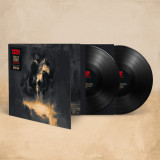
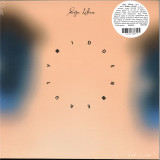
Der New Yorker Songwriter und Multiinstrumentalist Nate Kinsella aka Birthmark liefert mit 'Birth Of Omni' sein bislang dynamischstes und experimentellstes Album ab. Im Laufe von 10 Songs nimmt er den Hörer mit auf eine wilde Fahrt voller Emotionen und innerer Gedanken zu den Themen Identität, Dualität, Sexualität, Verantwortung als Elternteil, Feminismus und Angst vor Männern. Kinsella, selber noch Mitglied bei American Football und LIES, holt sich dabei auch die Vocal-Unterstützung von Craig Wedren (Think). Goldrutenfarbiges Vinyl im Gatefold samt 24x12inch Einlage & DL-Code.
The concert at Sonic Morgue (Berlin), opened by the song Nerissimo, was part of a series of European dates, culminating in the Berlin gig. A sort of homecoming for the duo that has made the Rome/Berlin axis a membrane continuously crossed by sounds and words in Italian, German and English. The reception given everywhere to songs like Mi Scusi, despite being sung in Italian, continues to excite. A Quiet Life, originally written for the film "A Quiet Life" directed by Claudio Cupellini, has severed some of the connection it had with the film because many now associate it with the final episode of Dark, the highly successful Netflix series. For many years Teho and Blixa have been playing live with Laura Bisceglia on cello and bells, Gabriele Coen on bass clarinet and, for the Berlin concert, the Oriel Quartett string quartet with Anna Eichholz and Kundri Schafer on violin, Robin Hong, viola, Alice Dixon, cello. The album cover image is a mixed media piece by Blixa Bargeld entitled "Aldebaran". Currently, Teho Teardo is busy on a long theatrical tour with famous Italian actor Elio Germano with two live performances of words and music: "Il Sogno di una cosa", freely inspired by Pier Paolo Pasolini"s novel of the same name, and "Il Paradiso di Dante", an original performance of acting, music and multimedia installations inspired by the XXXIII canto of the "Divine Comedy".
out of Stock
Last delivered 2 years ago available to reorder, subject to availability
MRG223LP is black vinyl in a jacket + printed sleeve + printed insert for full album download. File Under: Alternative. In 2003, everything broke open for Ward with the release of Transfiguration of Vincent. Critically lauded and long beloved, Pitchfork hailed it as an album that “broadcasts timelessness and defies genre constraints,” and Slant placed it on their list of the best albums of the 2000s.
On Transfiguration of Vincent, Ward’s elegant fingerpicking, evocative croon, and heartrending lyricism came into full bloom, casting a spell so powerful that even a song as universal as David Bowie’s “Let’s Dance” felt not only new but irrevocably his.
One of the most cherished albums in the Merge catalog, Transfiguration of Vin- cent is both a great place to begin your love affair with M. Ward and a deep, stunningly realized work that listeners have returned to over and over again for 20 years. Tracklisting: SIDE A. 1 Transfiguration No. 1 2. Vincent O’Brien 3. Sad, Sad Song 4. Undertaker 5. Duet for Guitars No. 3 6. Outta My Head 7. Involuntary. SIDE B. 8. Helicopter 9. Poor Boy, Minor Key 10. Fool Says 11. Get to the Table on Time 12. A Voice at the End of the Line 13. Dead Man 14. Let’s Dance 15. Transfiguration No. 2
The MENZINGERS are an absolute institution. The Philadelphia punk legends’ multi-decade reputation as road warriors with an unbeatable catalog is cemented as hard truth—and their seventh album, Some Of It Was True , stands as their most immediate-sounding and energetic record to date. The follow-up to 2019’s sensational Hello Exile accomplishes the daunting task of capturing The MENZINGERS’ distinctive live energy in the confines of the studio, resulting in a sound that’s both rich, raw, and complementary to the group’s increasingly prismatic songwriting approach. More than 15 years in, the MENZINGERS are still holding their listeners square in the immediate present, and Some Of It Was True documents that power in thrilling fashion. “We wanted to make a fun record and write songs that we wanted to play live, and that’s exactly what we did,” co-vocalist/guitarist Greg Barnett says “We’ve always said that we want every album to sound live, but we never recorded an album live before. This was the first time we committed to that idea. We wanted to sound like how our band sounds onstage.” Making the process easier: Grammy-nominated producer Brad Cook (Bon Iver, the War on Drugs, Waxahatchee), who joined The MENZINGERS in El Paso’s legendary Sonic Ranch studios and lent his incredible ear for raw, immediate sound to help the band achieve Some Of It Was True‘s in-the-room live feel. “ T H E M E N Z I N G E R S are as real as it gets,” Cook says on his time in the studio with the band. “I had an absolute blast working with these guys and was moved to tears many times. They are truly dedicated to artistic growth, and to each other, in ways I found both refreshing and beautiful. I am now a lifer.”
The MENZINGERS are an absolute institution. The Philadelphia punk legends’ multi-decade reputation as road warriors with an unbeatable catalog is cemented as hard truth—and their seventh album, Some Of It Was True , stands as their most immediate-sounding and energetic record to date. The follow-up to 2019’s sensational Hello Exile accomplishes the daunting task of capturing The MENZINGERS’ distinctive live energy in the confines of the studio, resulting in a sound that’s both rich, raw, and complementary to the group’s increasingly prismatic songwriting approach. More than 15 years in, the MENZINGERS are still holding their listeners square in the immediate present, and Some Of It Was True documents that power in thrilling fashion. “We wanted to make a fun record and write songs that we wanted to play live, and that’s exactly what we did,” co-vocalist/guitarist Greg Barnett says “We’ve always said that we want every album to sound live, but we never recorded an album live before. This was the first time we committed to that idea. We wanted to sound like how our band sounds onstage.” Making the process easier: Grammy-nominated producer Brad Cook (Bon Iver, the War on Drugs, Waxahatchee), who joined The MENZINGERS in El Paso’s legendary Sonic Ranch studios and lent his incredible ear for raw, immediate sound to help the band achieve Some Of It Was True‘s in-the-room live feel. “ T H E M E N Z I N G E R S are as real as it gets,” Cook says on his time in the studio with the band. “I had an absolute blast working with these guys and was moved to tears many times. They are truly dedicated to artistic growth, and to each other, in ways I found both refreshing and beautiful. I am now a lifer.”
Die New Visionaries sind der in Großbritannien lebende australische Künstler Joel Sarakula und der niederländische Musiker Phil Martin. Ihr fesselndes Neo-Soul-Debüt 'Roadmaps' lässt den Hörer in eine Klangexpedition eintauchen, bei der Grenzen verwischen und sich zeitgenössische Elemente mit Anspielungen auf musikalische Pioniere zu einem charakteristischen Sound für Soul-Enthusiasten, Filmgrooves-Liebhaber und Musikentdecker verbinden. Trotz Phils Engagement in der europäischen Soul/Funk-Szene und Joels Neigung zum Soul-Pop ist ihre gemeinsame Affinität zu modernen Instrumentalbands (Khruangbin, Calibro 35, Air El Michels Affair) und klassischen Einflüssen (David Axelrod, KPM Library Series) massgebend.
Presenting the second thematic volume on the “Aquapelagos" series - a collection of split LPs where selected artists offer their own take into water surrounded cultures and communities. After the initial release of the Anthology compilation Aquapelago in 2022 (Discrepant ,CREP91) and the split LP Atlantico by Lagoss & Banha da Cobra (Keroxen, KRXN027) we proudly introduce an unique collaboration in the series in the shape of no other than two improvising giants, Mike Cooper and Pierre Bastien.
This second volume blows the lid wide open with a sound journey inspired by the equally majestic and mysterious Indian Ocean, a wide space of open ocean bounded by Africa, to the west, Asia to the north and north-west and Australia, to the south west.
From Philip Hayward and Matt Hill’s liner notes:
‘’The album opens with Return To Chagos by emphasising human presence in the oceanic space, opening with gentle percussive taps and distant looped male vocalisation that gradually come into sharper focus, layered and thickened, accompanied by thicker percussion and mouth harp. The sense of departure is taken up in Trincomalee, which lifts over the oceanic textures, opening with slow, struck and scraped metallic sounds before thick low pitched wind instrument sounds enter, oscillating around shifting microtonal frequencies. The shore returns on Side 2, with the miniature epic of Nicobar elaborated over looped ‘atmos’ sounds of birds and insects over which tonal, slightly distorted electric guitar lines enter before looped high pitched feedback squeals join the texture. Summoning tropical storms and the disruption to the region caused by western intrusion, strong and startling brass accents appear, melding with the looping guitar feedback, creating eeriness and a sense of alarm. Tuangku is permeated by restrained dynamics and an expressive, breathy, low pitched, animalistic melodic voice that offers intermittent and ambiguous utterances, as if rendered in a language essential to and evocative of a place and time but impossible to precisely comprehend – coming from an ocean-aquapelagic beyond that can only be glimpsed and rendered by affect.’’
Philip Hayward and Matt Hill, March 2022
Svaneborg Kardyb are Nikolaj Svaneborg – Wurlitzer, Juno, piano and Jonas Kardyb – drums, percussion a multi award winning duo from Denmark, with a fast-rising international reputation and with an NPR Tiny Desk concert – number one on many artist’s wish lists - in the bag before even the release of their Gondwana Records debut album Over Tage last November.
Their beautiful, exquisite compositions draw on Danish folk music and Scandinavian jazz influences, resulting in a joyful melding of beautiful melodies, delicate minimalism, catchy grooves, subtle electronica vibes, Nordic atmospheres and organic interplay. All of this and more shines through on their NPR session, first broadcast in May 2022 on YouTube. But of course, not everyone watches YouTube and so here, remastered for vinyl and download, is a strictly limited to 1500 vinyl, four tracker - At Home (An NPR Tiny Desk Concert) featuring bespoke artwork from Gondwana Records’ Daniel Halsall.
Here is what Kara Frame had to say for NPR, “Svaneborg Kardyb's Tiny Desk (home) concert was recorded in the countryside of Djursland, Denmark. "You have to drive for a while on a gravel road, and then you come to a lovely old house surrounded by hills and a stream on one side and a very flat landscape on the other, where you can see 10 miles away," the band wrote to us, describing the location of the shoot. It's this place that inspired Svaneborg Kardyb's second album, Haven (or "garden" in English). "Haven celebrates places we like to be," the duo said.
The Danish jazz duo is composed of Nikolaj Svaneborg on the Wurlitzer, synthesizer and piano, and Jonas Kardyb on drums and percussion. Their instrumentation set-up is untraditional, with the drums and keys facing each other, a position that they play in on stage just as they do in Kardyb's kitchen and living room here. They open up their set with the title track from Haven, which begins with a quiet melody over an effervescent loop. The sound mimics the shimmy of leaves in the breeze.”
Ty Segall follows 2022"s acoustic introspection opus "Hello, Hi" with a deeper, wilder journey to the center of the self. With Three Bells, he"s created a set of his most ambitious, elastic songs, using his musical vocabulary with ever-increasing sophistication. It"s an obsessive quest for an expression that answers back to the riptide always pulling him subconsciously into the depths. Questions we all ask in our own private mirrors are faced down here - and regardless of what the mysterious "Three Bells" mean in the context of the album"s libretto, you can be assured that Ty"s ringing them for himself, and for the rest of us in turn.
Zum 25-jährigen Jubiläum des Kult-Animes "Cowboy Bebop" erscheint die Doppel-Vinyl "COWBOY BEBOP: The Real Folk Blues Legends" mit liebevollem Design von Icon Toshiaki Uesugi. Die Musik kommt von der Originalkomponistin des Animes Yoko Kanno und enthält Titel aus der gesamtem Cowboy Bebop-Reihe wie Blue, No Disc und Knocking on Heaven's Door, mit dem kultigen "The Real Folk Blues". Mit diesem Release werden erstmals Klassiker wie "Call Me Call Me" und "Blue" auf der Vinyl zu hören sein - ein einzigartiges Klangerlebnis für Fans!Dieses Vinyl-Set umfasst zwei rosa-dunkelblau marmorierte Deluxe-LP Discs, ein Einlegeblatt mit der Tracklist, Song-Credits sowie ein ausführliches Booklet mit Interviews zu Yoko Kanno.
Aufbauend auf dem Fundament ihres Debütalbums "Sunyata", ein Titel, der frei übersetzt Leere oder Nichtigkeit bedeutet, präsentiert VIPASSI auf ihrem zweiten Album "Lightless" ihre außergewöhnliche Kunstfertigkeit, ein Album, das sich mit dem zeitlosen Thema von Licht und Dunkelheit beschäftigt.
Benannt nach dem zweiundzwanzigsten Buddha, charakterisiert VIPASSI treffend die Aura der absoluten Hellsichtigkeit der Band. Diese Qualität spiegelt sich in ihrer erstaunlichen technischen Musikalität wider, die sie als instrumentale Superstars auszeichnet. Lightless" ist ein Zeugnis ihrer Entwicklung und zeigt einen Grad an Reife, der im Bereich des instrumentalen Progressive Metal beeindruckend ist.
Was VIPASSI wirklich auszeichnet, ist ihre Fähigkeit, eine fesselnde musikalische Erzählung zu schaffen, die über Worte hinausgeht. Jedes Instrument in ihrem Arsenal ist nicht nur ein Werkzeug, um Töne zu erzeugen, sondern vielmehr ein fein abgestimmtes Instrument in der Sinfonie der Emotionen, die sie schaffen. Der Zuhörer wird in ein klangliches Universum eingeladen, in dem er zum Autor seiner eigenen Geschichte wird.
Die Töne des Fretless-Basses umspülen das Publikum wie sanfte Wellen, beruhigend und einhüllend. Die eklektischen Gitarrensätze, die mit einer Präzision ausgeführt werden, die an das Jenseitige grenzt, schaffen eine dynamische und sich ständig weiterentwickelnde Klanglandschaft. Diese Elemente werden durch das donnernde und komplizierte Schlagzeugspiel wunderbar ergänzt, das der Musik eine dynamische und kraftvolle Unterströmung verleiht.
VIPASSI's "Lightless" ist mehr als nur ein Album; es ist eine Reise, eine Erkundung von Emotionen und eine Einladung, tief in die Gefilde von Licht und Dunkelheit einzutauchen. Es ist ein Beweis für das außergewöhnliche Können der Band und ihre Fähigkeit, eine Leinwand zu schaffen, auf der der Hörer seine eigene lebendige und persönliche Geschichte malen kann. In der Welt des instrumentalen technischen Metals ist VIPASSI ein unübertroffenes Leuchtfeuer der Kreativität und musikalischen Meisterschaft.
Aufbauend auf dem Fundament ihres Debütalbums "Sunyata", ein Titel, der frei übersetzt Leere oder Nichtigkeit bedeutet, präsentiert VIPASSI auf ihrem zweiten Album "Lightless" ihre außergewöhnliche Kunstfertigkeit, ein Album, das sich mit dem zeitlosen Thema von Licht und Dunkelheit beschäftigt.
Benannt nach dem zweiundzwanzigsten Buddha, charakterisiert VIPASSI treffend die Aura der absoluten Hellsichtigkeit der Band. Diese Qualität spiegelt sich in ihrer erstaunlichen technischen Musikalität wider, die sie als instrumentale Superstars auszeichnet. Lightless" ist ein Zeugnis ihrer Entwicklung und zeigt einen Grad an Reife, der im Bereich des instrumentalen Progressive Metal beeindruckend ist.
Was VIPASSI wirklich auszeichnet, ist ihre Fähigkeit, eine fesselnde musikalische Erzählung zu schaffen, die über Worte hinausgeht. Jedes Instrument in ihrem Arsenal ist nicht nur ein Werkzeug, um Töne zu erzeugen, sondern vielmehr ein fein abgestimmtes Instrument in der Sinfonie der Emotionen, die sie schaffen. Der Zuhörer wird in ein klangliches Universum eingeladen, in dem er zum Autor seiner eigenen Geschichte wird.
Die Töne des Fretless-Basses umspülen das Publikum wie sanfte Wellen, beruhigend und einhüllend. Die eklektischen Gitarrensätze, die mit einer Präzision ausgeführt werden, die an das Jenseitige grenzt, schaffen eine dynamische und sich ständig weiterentwickelnde Klanglandschaft. Diese Elemente werden durch das donnernde und komplizierte Schlagzeugspiel wunderbar ergänzt, das der Musik eine dynamische und kraftvolle Unterströmung verleiht.
VIPASSI's "Lightless" ist mehr als nur ein Album; es ist eine Reise, eine Erkundung von Emotionen und eine Einladung, tief in die Gefilde von Licht und Dunkelheit einzutauchen. Es ist ein Beweis für das außergewöhnliche Können der Band und ihre Fähigkeit, eine Leinwand zu schaffen, auf der der Hörer seine eigene lebendige und persönliche Geschichte malen kann. In der Welt des instrumentalen technischen Metals ist VIPASSI ein unübertroffenes Leuchtfeuer der Kreativität und musikalischen Meisterschaft.
As the BBE Music J Jazz Masterclass Series hits its 19th title, the milestone is suitably matched by a collaboration between two giants of jazz brought together to deliver an exceptional album, working with a band of the very best Japanese jazz musicians. ‘Reminicent Suite’ by American pianist Mal Waldron and Japanese trumpeter Terumasa Hino was originally released in 1973 on the famed Victor label and was one of several Japan-only albums recorded and released by Waldron over a thirty-year period, most of which have never been available outside Japan. ‘Reminicent Suite’ comprises two extended tracks, both taking up a side each. The title track on Side A is composed by Waldron, and is a dark, brooding heavy groove typical of his early 70s sound. ‘Black Forest’ on side B is written by Hino and is a vivid and energetic piece, layered and textured with dense percussion and Hino’s signature trumpet tone. Mal Waldron started out in the early 1950s working extensively on the Prestige label with notable figures such as Gene Ammons, Jackie McLean and Charles Mingus. Most famously, he worked with Billie Holiday before leaving the States in the mid-60s and relocating to Europe where he established himself as a major figure working across many countries including France, Italy, and Germany, where he made his home in Munich. In 1969, Waldron recorded the first releases for two major European jazz labels, ECM and Enja, before visiting Japan on tour for the first time in 1970. Waldron instantly fell in love with Japan and, over the next three decades, extensively toured and recorded there for numerous labels. Terumasa Hino is one of the towering figures of post-war modern jazz in Japan. Coming to prominence via the Hideto Shiraki and Sadao Watanabe bands in the mid-60s, Hino soon emerged as one of the prime movers in new jazz generation that changed the direction of jazz in Japan. He explored a more open, freer, and improvised sound, mixing psychedelic and rock elements with freeform and post-bop jazz. Hino recorded for many of the leading jazz labels of the era including Columbia, Three Blind Mice, and East Wind and would go on to relocate to the US in the mid-70s, immersing himself with the leading fusion players of the New York scene including Larry Corryell, Mtume, Al Foster, Dave Liebman and many more. In the early 80s, Hino’s jazz funk tracks were dancefloor smashes on the UK jazz dance scene. Joining Waldron and Hino on ‘Reminicient Suite’ is a band made up of the very best Japanese jazzman of their day: Takeo Uematsu on sax, Terumasa’s brother, Motohiko Hino, on drums, and the legendary bass master, Isao Suzuki. Together, they deliver one of the very best albums of the era, a richly articulated and dynamic session that exemplifies the very best that the Japanese jazz scene was doing in the early 1970s. ‘Reminicent Suite’ is pressed on 200g vinyl presented in a gatefold sleeve plus obi strip, with new photos by Tadayuki Naito; translated original sleeve notes; and a 7500-word essay including interview with Terumasa Hino from Tony Higgins, co-curator of the J Jazz Masterclass Series. This is the first time this album has been available outside of Japan
Anna Calvis fesselnde und atmosphärische Kompositionen für der 5. und 6. Staffel von Peaky Blinders, der rekordverdächtigen BBC-Fernsehserie, werden über Domino Soundtracks veröffentlicht. Der Original Score umfasst 37 Tracks, die verschiedene Mitglieder der Shelby Company Limited sowie neuere Charaktere wie Oswald Mosley einbeziehen. Das Album enthält auch die zuvor veröffentlichten Originalsongs "You're Not God" und das schwungvolle "Ain't No Grave" sowie Calvis Cover von "Red Right Hand", dem Peaky Blinders-Titelsong von Nick Cave & The Bad Seeds.
Early Life Forms is a new quartet fronted by Belgian guitarist and sound wizard Vitja Pauwels, and on the 26th January, they are set to release their self-titled debut album via W.E.R.F. Records; a stunning, one-off live show recorded with American guitarist Marc Ribot (Robert Plant, Tom Waits, Wilson Pickett, Marianne Faithfull, The Black Keys, John Zorn).
Having already earned his spurs as a sideman with artists including Naïma Joris, Bombataz and Lara Rosseel, rising Belgian star Pauwels released his debut album 'Day at Half Speed' in 2019, which explored the possibilities of acoustic guitar and live electronics. This experiment became a new artistic path for Pauwels and showcased his musical versatility, with second album 'Drift By, Sink In', released to critical acclaim in 2022.
The same year, Pauwels was invited as special guest by the BRAND! Festival, Mechelen, to showcase new material and he came up with the idea of putting together his 'dream' live band which included his hero Marc Ribot, one of world's most accomplished and acclaimed guitar players. Reaching out to him via videos and early demos for this new recording project, Ribot liked what he heard and agreed to perform with Pauwels and his new project Early Life Forms in what would be the band's first ever live show.
Joined by Frederik Leroux (baritone guitar), Laurens Dierickx (Hammond organ) and Casper Van De Velde (drums), during the lead up to the festival, Pauwels wrote a number of songs he felt would work for the live show, with the only agreement being that there would be no rehearsals ahead of the performance, only a brief soundcheck beforehand with Ribot. The music was stripped down to its essentials - compelling melodies, themes, and clear forms but with the possibility to change direction at any given moment. "The music was played and heard for the first time, and it felt like a birth of something that needed to be alive. We felt connected in the right state of mind - relaxed and focused - and it all happened in a rush of shared energy. No ego's or fear, only connection and the music", states Pauwels.
Drawing on latin, jazz, cuban, and rock with a touch of exoticism and cinematic explorations, 'Early Life Forms' cites Ry Cooder, Henry Mancini, Los Lobos, Ennio Morricone and of course Ribot, as heavy influences. There is something existential, primary, something epic and at the same time youthfully uncomplicated, which is strongly associated with the music. From the mischievous and imaginative 'My Little Renaissance' to the adventurous and hypnotic 'Latin Dancer', 'Early Life Forms' is overflowing with sharp twists and turns, with Ribot's heavily rhythmic, distorted guitar amplifying the cinematic feel to the sound. The on-stage relationship between each member of the band and Ribot is childishly uncomplicated, something primary but always epic. The music is left to the moment and the magic of their first encounter with their hero Ribot. "Marc's commitment in the music was better than I could have hoped for. What he played was with 200% intention, putting the rest of us in a state of hyperfocus. Given the fact that it was a one-time thing and a recording, we took risks without 'overplaying' or overthinking it. Right before the gig, we felt an urge to play, Marc said, "Let's rock!!" and we hit the stage", says Pauwels.
Following Far Out’s reissue of Agustin Pereyra Lucena Quartet’s La Rana, the label continues its memorialisation of the late, great Argentinian guitarist’s music, with the first ever direct from tape, audiophile reissue of Pereyra Lucena’s self-titled debut album from 1970.
One of the outstanding South American guitarists, Agustin Pereyra Lucena commanded a unique position in Latin music history. He hailed from Buenos Aires, but was obsessed with the music of Brazil. A disciple of Antônio Carlos Jobim, Baden Powell and Vinicius De Moraes, the nature of Agustin’s Argentinian roots combined with the nurture of Brazil and its music to give Agustin a sound entirely his own.
After being scouted in a nightclub, by musician and guitar craftsman Jorge Demonte, Agustin was invited for an audition at Argenitinian label Tonodisc. Before he knew it, aged 22, he was in the studio recording his first album.
Agustin enlisted fellow Argentinian Brazilophiles Mario "Mojarra" Fernandez who played bass and drummer Enrique "Zurdo" Roizner. He had first heard the duo backing Vinicius de Moraes, Toquinho and Maria Creuza on their legendary La Fusa live album, also recorded in Buenos Aires. For vocals, Agustin brought in his old friend, a French teacher called Helena Uriburu, who at the time had (unbelievably) never sung in a studio before.
The atypical bossas and spiritual swinging sambas, composed by many of Agustin’s aforementioned heroes, were elevated to new heights by Agustin’s dazzling arrangements and phenomenal guitar playing. The almost cosmic reaches Agustin achieved with his sound are balanced against the stylish sophistication and breezy nature of the music.
Moments of calm serenity include Agustin’s own composition “Nina No Divagues”, Durval Ferreira and Pedro Camargo’s “Chuva” and the Brazilian bossa classic “Tristeza Nos Dois”, which feels like it draws equally upon exotica and early library records. Accompanied by Roizner’s shuffling samba jazz drums, opener “O Astronauta” is Agustin’s cover of the Brazilian guitar standard composed by Baden Powell. Another Baden Powell classic, “Consolacao” is an extended full-band set, which features Agustin’s crisp guitar dancing around a hypnotic rhythm section. Upright bass is swapped out for a big, round-sounding electric one, which sits loud in the mix for almost seven minutes of deep, groovy, distinctively early-seventies magic.
Agustin passed away in 2019, and it is only in recent years that he is starting to gain his plaudits as one of South America’s greats. On the liner notes of the album Vinicius De Moraes writes: “I think I never saw, with the exception of Baden Powell and Toquinho, anyone more linked to his instrument than Agustín Pereyra Lucena. It would give the impression that if the guitar were taken away from him, he would fade into music as one dies from the amputation of an arm.”
Agustin Pereyra Lucena will be released on audiophile vinyl LP, CD and digitally on the 26th January 2024 via Far Out Recordings.
Im Jahr 2003 kam der Durchbruch für M. Ward mit der Veröffentlichung von "Transfiguration of Vincent". Pitchfork lobte es als ein Album, das "Zeitlosigkeit ausstrahlt und sich über Genregrenzen hinwegsetzt", und Slant setzte es auf ihre Liste der besten Alben der 2000er Jahre. Auf "Transfiguration of Vincent" ist Wards elegantes Fingerpicking, sein beschwörender Gesang und seine herzzerreißende Lyrik in voller Blüte. Selbst ein so universeller Song wie David Bowies "Let's Dance" klingt nicht nur neu, sondern unwiderruflich als wäre es sein eigener. Als eine der meistgeschätzten Platten im Merge-Katalog ist "Transfiguration of Vincent" sowohl ein großartiger Ort, um die Liebesbeziehung zu M. Ward zu beginnen, als auch ein tiefes, atemberaubend realisiertes Werk, zu dem die Hörer seit 20 Jahren immer wieder zurückkehren.
'Why Black Man Dey Suffer', aufgenommen 1971, wurde von Fela Kuti's damaligen Label EMI ursprünglich als zu kontrovers für eine Veröffentlichung angesehen. Geprägt von der amerikanischen Black-Power-Bewegung und einer neuen panafrikanischen Weltsicht, diente dieses Album Fela als musikalisches Vehikel, um die kolonialen Ungerechtigkeiten und die Korruption der herrschenden Eliten seiner Zeit aufzudecken und herauszufordern.
Der Titelsong "Why Black Man Dey Suffer" ist eine Geschichtsstunde über die Unterdrückung des afrikanischen Menschen. Er beschreibt die Litanei des Missbrauchs, den Schwarze erlitten haben - von der Versklavung bis hin zur Auferlegung einer neuen Kultur durch ein fremdes Volk, das ihnen ihr Land wegnahm, sie bekämpfte und sie gegeneinander aufbrachte.
Der folgende Track, 'Ikoyi Mentality', bringt Felas Identifikation mit den unterdrückten Massen und seine Ablehnung der Lebensweise der herrschenden Klasse im Stadtteil Ikoyi in Lagos deutlich zum Ausdruck.
'Why Black Man Dey Suffer' ist Teil des von Chris Martin und Femi Kuti zusammengestellten Box Sets #5 und ist jetzt endlich auch einzeln erhältlich auf transparent gelbem Vinyl. Inkl. einer bedruckten Innenhülle.
The Bronx in the 1970s, marked by the presence of notorious gangs, presented a complex and challenging urban landscape. Amidst the crumbling infrastructure and economic decline, neighbourhoods bore the scars of disinvestment, reflected in abandoned buildings and neglected public spaces. The prevalence of street gangs, such as the Ghetto Brothers, contributed to an atmosphere of heightened tension and occasional violence. Graffiti adorned subway cars and buildings, expressing both social unrest and the vibrant creativity of the community. Despite the challenges, there was a resilient spirit among residents, evidenced by grassroots efforts to address social issues. The Bronx during this era was a dynamic yet tumultuous mix of cultural expression, social struggle, and the determined spirit of a community facing adversity. The Ghetto Brothers, originating from the Melendez family who moved from Puerto Rico to the South Bronx in the 1950s, faced challenges involving violence and crime. Despite this, Benjy, a key figure, directed the group towards community improvement. The Ghetto Brothers embraced music, crafting a potent, NYC-flavored musical fusion that caught the attention of record mogul Ismael Maisonave (Salsa Records). Their collaboration resulted in the recording of eight tracks in a single electrifying day at Manhattan's Fine Tone Studios, skillfully produced by Latin studio maestro Bobby Marin (Harvey Averne, La Lupe, Brooklyn Sounds…). This musical odyssey showcases the band's ability to seamlessly blend genres, creating a NYC-flavored stew that captivates listeners with its authenticity. The hypnotic rhythms, infectious guitar riffs, and impassioned vocals reflect the Ghetto Brothers' commitment to expressing their unique experiences and uplifting their community through the universal language of music. "Power-Fuerza" is not just an album; it's a sonic testament to the Ghetto Brothers' fusion of resilience, cultural richness, and musical innovation. Each track is a vibrant tapestry, weaving together the
raw energy of the South Bronx streets and the soulful melodies born from the trio's Puerto Rican heritage. Embrace the timeless resonance of the Ghetto Brothers’ “Power-Fuerza”, one of the best Latin funk albums ever recorded…
'Why Black Man Dey Suffer', aufgenommen 1971, wurde von Fela Kuti's damaligen Label EMI ursprünglich als zu kontrovers für eine Veröffentlichung angesehen. Geprägt von der amerikanischen Black-Power-Bewegung und einer neuen panafrikanischen Weltsicht, diente dieses Album Fela als musikalisches Vehikel, um die kolonialen Ungerechtigkeiten und die Korruption der herrschenden Eliten seiner Zeit aufzudecken und herauszufordern.
Der Titelsong "Why Black Man Dey Suffer" ist eine Geschichtsstunde über die Unterdrückung des afrikanischen Menschen. Er beschreibt die Litanei des Missbrauchs, den Schwarze erlitten haben - von der Versklavung bis hin zur Auferlegung einer neuen Kultur durch ein fremdes Volk, das ihnen ihr Land wegnahm, sie bekämpfte und sie gegeneinander aufbrachte.
Der folgende Track, 'Ikoyi Mentality', bringt Felas Identifikation mit den unterdrückten Massen und seine Ablehnung der Lebensweise der herrschenden Klasse im Stadtteil Ikoyi in Lagos deutlich zum Ausdruck.
'Why Black Man Dey Suffer' ist Teil des von Chris Martin und Femi Kuti zusammengestellten Box Sets #5 und ist jetzt endlich auch einzeln erhältlich auf transparent gelbem Vinyl. Inkl. einer bedruckten Innenhülle.
With her captivating voice and richly detailed songwriting, Sarah Jarosz has emerged as one of the most compelling musicians of her generation. A four-time Grammy Award-winner and ten-time nominee at the age of 30, the Texas native started singing as a young girl and became an accomplished multi-instrumentalist by her early teens. After releasing her full-length debut Song Up in Her Headat 18-years-old, she went on to deliver such critically lauded albums as Follow Me Down, Build Me Up From Bones, and Undercurrent, in addition to joining forces with Sara Watkins and Aoife O’Donovan to form the acclaimed folk trio I’m With Her. Her fifth studio album, World On The Ground, produced by John Leventhal, went on to win the Grammy award for Best Americana Album. In 2021 Jarosz released the Grammy-nominated Blue Heron Suite, a much-anticipated song cycle which she composed after being the recipient of the FreshGrass Composition Commission.
The seventh album from Sarah Jarosz finds the highly decorated songwriter at the apex of change. A Texas native, she’s spent most of her adult life living in New York City, but shortly before writing the album Jarosz left her adopted home to join her soon-to-be husband in Nashville, TN. The geographic shake-up led to a sonic one as well for Polaroid Lovers. For the first time in her career she opened herself up to collaborators, leading to writing sessions with Daniel Tashian, Ruston Kelly and Natalie Hemby. The creative reorganization of her writing process evolved to include a much richer and more electric sound in the studio and being in Nashville meant access to a world of hot shot players. She tapped guitarist Rob McNelley (Miranda Lambert, Carrie Underwood), Tom Bukovac (Tom Petty, Vince Gill) on guitar and organ, her husband- bassist Jeff Picker (Nickel Creek), and drummer Fred Eltringham (Sheryl Crow, Lucinda Williams) for the album recording. Tashian took the helm as producer and the whole album was laid down at the legendary Sound Emporium.
As it goes with all change, Jarosz’s major life events had her feeling contemplative. While sitting on the precipice of adulthood, Polaroid Lovers finds her reflecting on past loves, childhood dreams, the places she lived in and all the versions of herself that she’s been. Although the listener experiences the sonic shift forward, the album’s subject matter is a photo album of the past. Jarosz has never sounded more assured. Polaroid Lovers is filled with the kind of confidence that comes from hard won life experiences and the conviction of someone who truly knows herself.
From the disarming build of "Tripping with the One You Love" to the slowcore croon of "Don't You Think I'm Funny Anymore," Dougie Poole's debut LP is the synth-country masterpiece that many of his biggest fans may not even know they were missing.
PRESSING OF 500 COPIES WORLDWIDE. INCLUDES POSTER.
The sound of today. A very strong statement. Yet, fifty years later, it remains undisputed. Today’s sound is Piero Umiliani's manifesto, his will to demonstrate to the world that he always has his finger on the pulsating vein of the world, ready to embrace the heartbeat of the future.
In the summer of 1973, Piero Umiliani, in his futuristic recording studio in Rome, much like Miles Davis for his 'Bitches Brew,' gathered an extraordinary collective of musicians, both old and new guard to measure themselves against some of his compositions.
Besides strongly emphasizing the backbeat, what stands out the most is the timbre provided by his 'electronic instruments,' as he liked to call them. Minimoog, Arp 2600, Fender Rhodes, EMS VCS3, Clavinet, Lowrey organ, Space Echo, self-built envelope filters—machines impossible to see all together in an Italian recording studio at the time and made available to the musicians.
The line-up is stellar; under the name 'Sound Workshoppers,' the 'Wrecking Crew all'Amatriciana' is hidden an impossible mix where Marc 4, Gres and Perigeo are blended, along with a brass section of veterans and pioneers of Italian jazz, all members of the RAI Symphonic Rhythm Orchestra.
Comparing the recordings from the original scores, one can also understand the space left by Piero Umiliani for his musicians. They are free to move, to contribute solutions, to enrich the maestro's music.
The perfectly preserved original masters, once transferred at the maximum possible sampling frequency, allowed for the recovery of many lost frequencies, restoring brilliance and the remarkable low end expertly captured in recording by engineer Claudio Budassi.
Today’s sound was extremely difficult to control and fully render with the mastering technology of that time.
Paradoxically, Today's sound could not sound as I have managed to make it sound today: urgent, majestic, more alive than ever.
Previously Unreleased Album. In the Fall of 1993, between contracts with Capitol and RCA, The Smithereens ventured into Crystal Sound Studios NYC to write and record a new album for their own label. The results of those one month marathon recording sessions is this album, unheard by the outside world until now, and appropriately titled “Lost Album”. The Smithereens’ take no prisoners sound, reflecting their Garden State roots, has resonated with fans worldwide over the course of 17 albums and 2500+ live shows. They've also inspired generations of musicians, including Kurt Cobain, who counted The Smithereens as a major influence. Founded in New Jersey in 1980, The Smithereens have been creating electrifying, original rock’n’roll for 41 years. Jim Babjak (guitar) Dennis Diken (drums) and Mike Mesaros (bass) grew up together in Carteret and lead singer, the late Pat DiNizio, hailed from Scotch Plains. The Smithereens’ fame escalated, they were in heavy rotation on MTV and appeared on The Tonight Show, Conan O'Brien, and Saturday Night Live.
Comes with a biographical interview insert telling the fascinating story behind Fantasy Train and the creation of their unique 1984 album for the first time.
File together with: Donnie & Joe Emerson - Dreamin' Wild and Jr. & His Soulettes - Psychodelic Sounds albums.
"From a southern small town this after school project is hard to describe other than there's nothing else like it. Teens exploring soul, funk and rock and this album is their interpretation of all three. Catchy tunes, plenty of effects and earnest vocals. Fantasy Train is one of the freshest sounds I've heard in many years of digging." Rich Haupt (Rockadelic).
"Cool teen rock meets DIY modern soul laden with psyched guitars, weird sci-fi effects, and alternate male/female vocals. There's also cheesy synth-wave realms and dreamy late night gospel overtones." Taro Miyasugi (Vinyl Anaconda).
"Fantasy Train is a unique, genre-bending album cooked up in the sweltering Southern heat that impresses me with a special kind of style and panache. It is an amazing venture - their sound is clearly rooted in the soul of the '60s and the funk of the '70s but flourishes even further with the added electro-swagger of the '80s, and there is a certain genius to its fluidity. I don't really believe in genres anyway. The band's wild imagination and their excellent musical use of a laser pistol made clear to me that this album was one of a kind." Sam Swig (Mystery Brew).
All true improvisation involves an element of chance: the coming together of a nexus of influences impulses and actions that result in spontaneous creation. Often in the world of jazz these creative sparks blaze briefly in performance, and then disappear as the sonic vibrations fade from the air, but sometimes chance intervenes again, and moments thought to be gone forever can resurface in unexpected ways. As master drummer Jeff Williams sorted through his archive of cassette tapes from his extensive international career, he had no idea that hidden within it would be a recording of a 1991 evening when he joined storied NYC legend David Liebman for a set of spontaneous performances. Reunited together fifteen years after the breakup of their seminal band Lookout Farm in 1976, the two players reaffirmed their deep musical bond with a set of free-flowing exploratory dialogues in front of a receptive audience. Believed lost for many years, these performances can now be experienced again, with all their fearless freshness and pure committed musicianship undimmed by the passage of time.
Jeff Williams has established a formidable reputation as a drummer, composer, educator and bandleader on both sides of the Atlantic. His relationship with Liebman was forged in the exciting, expansive atmosphere of the New York scene in the early 70s: the meeting of Williams, the laid back Midwesterner, and Liebman, the mercurial, quintessential New Yorker, was an inspired coming together of opposites that always made the creative sparks fly. Williams remembers the journey that led to the Bar Room 432 on that 1991 evening:
“Just as I was leaving my home town of Oberlin, Ohio to move to New York City in 1971, I was given David Liebman’s phone number by someone who told me that Dave had started an organisation for jazz musicians there. I knew of Dave, from Ten Wheel Drive and John McLaughin’s My Goals Beyond, but I couldn’t have imagined what a significant role he would play in my musical life. Shortly afterwards, Dave would leave Elvin Jones and Miles Davis to start his own band, with Richie Beirach, Frank Tusa, and myself, (later adding Badal Roy), naming it Lookout Farm. We released two albums on ECM and one on A&M to wide critical acclaim, and toured across Europe, Japan, India and the US.”
“Following the dissolution of Lookout Farm, Dave and I embarked on a short duo tour opening for Gary Burton. That would be the last time the two of us would play until the occasion of this recording, fifteen years later.”
“Fast forward to 1991 when I discovered an attractive bar located on the far West Side of 14th Street in Manhattan. Bar Room 432 would become a six night a week jazz club for a few years, providing me, and many others, with the opportunity to perform our music. Catching wind of this, Dave suggested we do a duo performance there.”
“Luckily, I recorded it.There was no preparation, no set music to be played - we simply improvised, picking up where we’d left off. David’s mastery of the soprano saxophone is in full bloom here, as well as his incredibly resourceful musical mind.”
The performances are revelatory, moving in pure improvisation from clear, songlike melody to furious density, from ambience to pulsing groove, from light into darkness and back again. Cleaned up and remastered by Alex Bonney, the sound of the tape captures the warm, wood-lined ambience of the room, allowing the full power and dynamics of William’s drums and the warmth and fullness of Liebmans’ soprano sax to sing out, engaging the contemporary listener just as it engaged the hip Manhattan crowd thirty three years ago.
In 1948, Moses Asch founded Folkways Records with a self-proclaimed mandate to record the sounds of the entire world. From the Sounds of North American Frogs to Speech After the Removal of the Larynx, Folkways documented the audible nooks and crannies of existence on hundreds of LPs produced by field recordists, scientists, and experimentalists probing the margins of the human soundscape. Seventy-five years later, electronic music duo Matmos have diced, looped, stretched, and recontextualized these recordings on their new album Return to Archive, which was assembled entirely from the so-called non-musical sounds released on Folkways. On just the album’s first track, dolphins, beetles, telephones, humans stretching the limits of their vocal cords, a shortwave radio, and metal balers co-mingle in a fantasia of sound both everyday and extraordinary. Each track on Return to Archive morphs its source material into something completely unexpected, honoring and expanding on Folkways’ legacy of sonic exploration. Featuring Evicshen and Aaron Dilloway.
The Ganjas Meets Nairobi. The Space Rock of the Chileans together with the Dub of the Argentines. First time on vinyl celebrating 10th anniversary. Sounding laid-back and incisive at once, crisp production and rock sensibilities. The Ganjas are one of the best exponents of Chilean Space Rock and a fundamental-must-listen to understand the new Chilean psychedelic scene of the last decade. They began 25 years ago with long jam -kind -of-playing, with steady drum beats and simple basslines, but adding innovative and colorful lyrics and synths, without never losing the song structure. On the other side of the Andes, the eclectic by nature Nairobi laid the groundwork for a new style in Dub. Since 2009 they had released 3 studio albums and worked with the best legendary Dub producers: Mad Professor, Lee “Scratch” Perry and Sly & Robbie. Touring the same year 2014 in Chile they coincided with The Ganjas at BYM Studios for an unforgettable session that brought this recording, that boasts an intricate rhythm, sumptuous keyboards, and soaring guitars offering elastic grooves, disembodied vocals, and deep bass lines. The album itself revisits the past while also looking to the future. The songs are particularly creative, with the Bob Marley & The Wailers cover ‘The Heathen’ totally revitalized and other passages like ‘Pastor’ and ‘Eagle & Snake’ that travel through an incredible mix of styles, brilliantly blending Trip-Hop, Dub FXs from soundboard, a Brian Jones-esque style slide guitar, and songs like ‘Soul Salvation’ that brings an steady reggae beat with genius saxophones lines from Ignacio Czornogas (King Krule). Mastered by Cem Oral at Jamming Masters (Berlin). AVAILABLE 300 BLACK VINYLS. For fans of: Primal Scream (Echo Dek), Sumo, Dub Syndicate-Murder Tone, Upsetters, Peaking Lights, Peter Tosh-Mama Africa.
Heinz & Franz was a home recording project by Heinz Havemeister and Frank Bretschneider. The recordings took place in 1987 and ’88 in the DIY studio “Sonnenklang” in Karl-Marx-Stadt (now Chemnitz), always at night. The mixing desk was self-built. 50 copies of the tape were released on Bretschneider’s label klangFarBe. Heinz Havemeister was a guitarist with the Bolschewistische Kurkapelle and co-editor of the art samizdat “LIANE”. Frank Bretschneider is considered an electronic pioneer of the GDR underground scene. He worked in a range of projects, including with the legendary band AG Geige. In 1995, Bretschneider co-founded the Rastermusic label, which cooperated with musician Carsten Nicolai’s noton label. Both labels merged in 1999 to form Raster-Noton, an influential label for experimental music in Germany. Bretschneider’s work has appeared on labels such as Mille Plateaux, Quatermass or Staalplaat.
":Duett" - der Name ist Programm auf diesem Album, dem zweiten aus dem Hause ASP. Endlich kommen die Fans in den Genuss, auch dieses Werk als limitierte Picture-Vinyl ihr eigen nennen zu dürfen. Nicht nur verhalf das zweite Kapitel des Zyklus den Musikern zum finalen Durchbruch auf den Tanzflächen der Schwarzen Szene, es brachte damals auch viel Licht in die Geschichte rund um den Schwarzen Schmetterling. So wurde die Rahmenstory vor allem in der trancigen "Kleinen Ballade vom Schwarzen Schmetterling" erläutert (und von Pit Hammann im gleichnamigen Bilderbuch kongenial bebildert), und in "Versuchung" wohnt die Zuhörerschaft der Zwiesprache zwischen zwei Wesen bei, die nicht mit- und auch nicht ohne einander können. Eine Zerrissenheit, die vielen Hörern eine ebenso nachvollziehbare wie spannende Reise ins eigene Ich ermöglichte.
Auch das energetische "Kokon" - wie der Rest des Albums noch stark vom elektronischen Sound der Anfangstage geprägt - erhielt einen Ehrenplatz in den Herzen der Fans und stellt besonders im Live-Kontext einen veritablen Nackenbrecher dar. Weitere All-Time-Fan-Favourites wie das epische "Schwarz" oder das zornige "Besessen" runden das Gesamtkunstwerk ab und belegen schon zu Beginn ihrer Karriere die musikalische und textliche Vielseitigkeit des ASP'schen Œuvres.
1996 Detroit Electro Bass classic, first released on Direct Beat. Remastered original and previously unreleased Alt Mix and Bonus Beats. Also know from Dave Clarkes seminal late 90s Electro Boogie mix release.
out of Stock
Last delivered 2 years ago available to reorder, subject to availability
"Javelin" verbindet musikalischen Schwung mit emotionaler Weite. Manchmal hat man das Gefühl, dass das Album von einem großen Team produziert wurde - aber das ist es ganz und gar nicht: Fast jeder Sound hier ist das Ergebnis von Stevens zu Hause, der selbst etwas geschaffen hat, das sich manchmal wie ein Zeugnis der Studio-Opulenz der 70er Jahre in Los Angeles anfühlt. Die Beiträge stammen von einem engen Freundeskreis - Adrienne Maree Brown, Hannah Cohen, Pauline Delassus, Megan Lui und Nedelle Torrisi -, die bei vielen Songs Harmonien beisteuern, sowie von Bryce Dessner, der bei "Shit Talk" akustische und elektrische Gitarre spielt. Der zärtliche und mystische Abschluss des Albums, "There's A World", wurde von Neil Young geschrieben. Während "The Ascension", das von der New York Times als "ein Schrei der Verzweiflung und ein Gebet um Erlösung" gelobt wurde, eine kunstvolle, aber dringliche Elektronik verwendet, um sich dem Moment zu nähern, beginnt "Javelin" wie ein Selbstporträt, detailliert und doch schlicht. Dies ist Stevens' intimstes Werk, das an "Seven Swans" oder "Carrie & Lowell" erinnert und den Hörer in die Nähe seiner inneren Abrechnung ruft. "Javelin" wird von einem 48-seitigen Booklet mit Kunst und Essays begleitet, die alle von Stevens geschaffen wurden, darunter eine Reihe von akribischen Collagen, zerschnittenen Katalogfantasien, Puff-Paint-Wortwolken und sich wiederholenden Farbfeldern. Die 10 kurzen Essays - abwechselnd lustig, tragisch, ergreifend, stumpfsinnig und spezifisch - bieten kleine Einblicke in Lieben und Verluste, die ihn und diese Lieder geprägt haben.
out of Stock
Last delivered 2 years ago available to reorder, subject to availability
"Javelin" verbindet musikalischen Schwung mit emotionaler Weite. Manchmal hat man das Gefühl, dass das Album von einem großen Team produziert wurde - aber das ist es ganz und gar nicht: Fast jeder Sound hier ist das Ergebnis von Stevens zu Hause, der selbst etwas geschaffen hat, das sich manchmal wie ein Zeugnis der Studio-Opulenz der 70er Jahre in Los Angeles anfühlt. Die Beiträge stammen von einem engen Freundeskreis - Adrienne Maree Brown, Hannah Cohen, Pauline Delassus, Megan Lui und Nedelle Torrisi -, die bei vielen Songs Harmonien beisteuern, sowie von Bryce Dessner, der bei "Shit Talk" akustische und elektrische Gitarre spielt. Der zärtliche und mystische Abschluss des Albums, "There's A World", wurde von Neil Young geschrieben. Während "The Ascension", das von der New York Times als "ein Schrei der Verzweiflung und ein Gebet um Erlösung" gelobt wurde, eine kunstvolle, aber dringliche Elektronik verwendet, um sich dem Moment zu nähern, beginnt "Javelin" wie ein Selbstporträt, detailliert und doch schlicht. Dies ist Stevens' intimstes Werk, das an "Seven Swans" oder "Carrie & Lowell" erinnert und den Hörer in die Nähe seiner inneren Abrechnung ruft. "Javelin" wird von einem 48-seitigen Booklet mit Kunst und Essays begleitet, die alle von Stevens geschaffen wurden, darunter eine Reihe von akribischen Collagen, zerschnittenen Katalogfantasien, Puff-Paint-Wortwolken und sich wiederholenden Farbfeldern. Die 10 kurzen Essays - abwechselnd lustig, tragisch, ergreifend, stumpfsinnig und spezifisch - bieten kleine Einblicke in Lieben und Verluste, die ihn und diese Lieder geprägt haben.
out of Stock
Last delivered 2 years ago available to reorder, subject to availability
A lovely selection of mixes from Paolo Baldini’s Dubfiles, all mixed
at his Alambic studio in San Foca Italy. The vocal is supplied by Al Brown and music is from his band from the 80s the Inner Force.
There are 3 rumbling dubs as well as the opening vocal cut from
Al Brown. We have added some keyboard action from Toike Mitsuhiro.
The best of the traditional elements of Jamaican music, with modern mixing, and all done with a strong sense of respect towards
the original recording and playing. Comes in a custom Pressure Sounds sleeve.
out of Stock
Last delivered 3 years ago available to reorder, subject to availability
Föllakzoid wächst durch Entschlackung und versucht mit jeder Platte, längere Zeiträume mit immer weniger Elementen zu füllen. Und wie der beste Techno, Kraut und Psychedelia im Laufe der Zeit bewiesen haben, ist manchmal der minimalste Rahmen das stärkste Gefäß für Transzendenz. Das ist es, was Föllakzoid mit V erreicht haben, ein immersives Werk, das den Hörer auf eine verführerische Reise direkt auf die Tanzfläche mitnimmt. Die kreative Perspektive der Band bestand schon immer darin, die narrativen, musikalischen und visuellen Paradigmen, die physische und digitale Vorstellungen prägen, zu verlernen, um eine metrische Zeit-Raum-Struktur zu schaffen, die sowohl den Autor als auch die Erzählung auflöst. Als kreatives Projekt der queeren und transsexuellen Künstlerin Domingæ hat die Band eine einzigartige Erfahrung in der Psychedelic-Rock-Szene gemacht. Im Gegensatz zu früheren Föllakzoid-Platten, die in einzelnen Takes mit der gesamten Band aufgenommen wurden, dauerte es einen Monat, um ihr neuestes Album V aus mehr als 70 einzelnen Stems zu erstellen. Gitarren, Bass, Schlagzeug, Synthesizer und Gesang wurden isoliert aufgenommen, und der Produzent Atom TM, der bei den Aufnahmen nicht anwesend war, wurde dann gebeten, die vier Sequenzen der Stems ohne jegliche Länge, strukturelle Einschränkungen oder Richtlinien neu zu organisieren. Die dem Spiel innewohnenden Möglichkeiten waren endlos und wurden doch durch die innere Logik des Spiels selbst und durch den Geist der Spieler zusammengehalten. V ist eine Übung, bei der es darum geht, mit der kleinstmöglichen Anzahl von Wörtern eine ausführliche Geschichte über nichts zu erzählen. Es ist eine Geschichte über die Elektrizität und den Code, den wir bewohnen - oder der uns bewohnen könnte - und die man sich mit herzzerreißenden Bässen, flirrenden Beats, kopfschüttelnden Melodien und einer unheilvollen Anziehungskraft vorstellen kann, die sich manchmal wie echte Hypnose anfühlt.
out of Stock
Last delivered 2 years ago available to reorder, subject to availability
Sign Libra's third album Hidden Beauty is an intimate voyage through feminine nature, guided by the arts of subtext, musical collage, and mysterious allusions. Elegantly arranged, enigmatic, and mischievous, Hidden Beauty seeks to "release the invisible and bring fragility to the surface." From the rainforests of Closer to the Equator (Sounds of the Dawn, 2016 / Antinote, 2018) to the surreal lunar landscape of Sea to Sea (RVNG Intl., 2020), Agata Melnikova, the Latvian musician behind the Sign Libra symbol, has developed a signature blend of evocative composition with lyricless, ethereal vocalizing. Hidden Beauty attends to a closer space than her first two albums, a playfully layered pastiche of refined references, drawing musical inspiration from the assortment of Erik Satie, the early work of Mylène Farmer and Laurent Boutonnat, and 90s R&B. The first inklings of Hidden Beauty arrived in 2019, with the basic contours of the album sculpted in 2020 and early 2021. Like Sea to Sea, Hidden Beauty was invented as a solitary creative effort, but this time under uniquely hermetic impositions. Tethered to the world only by screen, the artist sought inspiration from an unlikely array of activities: new, unorthodox approaches at composing, learning French, a virtual pedagogical practice, and plenty of jubilant dancing in her flat, sunglasses on, to 90s dance music. Hidden Beauty moves inward from the distant spaciousness of Sea to Sea in favor of a "chamber-like" sound, reflecting the intimate environs of its creation. Balancing the New Age balletic resonance of Closer to the Equator and the cosmic-dancerly tracks of Sea to Sea, Hidden Beauty combines deft, postmodern arrangements with popular, contemporary suggestions. The reverb drenching her previous recordings is sponged up in the songs of Hidden Beauty, giving the exercises contained within a feeling of presence, and closeness. And always Agata's crystalline vocal furnishings, less a lead vocal than a first instrument, the ever-returning counterpoint in a beatific swirl. The other hidden elements of this work are plenty, and perhaps best left concealed for the listener's enjoyment. Or perhaps they are hidden in plain sight and sound, depending on what the puzzle pieces reveal to your imagination. Sign Libra's Hidden Beauty will be released in vinyl, Japanese import CD, and digital editions on November 3, 2023. A portion of the proceeds from this release will benefit Coral Guardian, a non-governmental organization working internationally and with local communities to protect coral ecosystems.
out of Stock
Last delivered 2 years ago available to reorder, subject to availability
Die Jubiläumausgabe zum 30-jährigen Geburtstag des zeitlosen Meisterwerks von East Village!
Das zeitlose Meisterwerk 'Drop Out' von East Village erscheint nach 30 Jahren in einer eleganten Neuauflage. Das Album, eine Mischung aus süßen Mollakkorden, dylanesken Texten und folkigen Einflüssen, verbindet geschickt Vergangenheit und Gegenwart, und gilt als verlorener Klassiker der Ära. Ein Must-have für Liebhaber zeitloser Gitarren-Pop-Musik.
out of Stock
Last delivered 2 years ago available to reorder, subject to availability