Am 27. Oktober erscheint ihr neues Album "Chronicles of a Diamond" bei ATO Records. Produziert von Quesada und hauptsächlich abgemischt vom sechsfachen Grammy-Preisträger Shawn Everett (Alabama Shakes, The War on Drugs), übernimmt Burton auf den zehn Songs die Rolle des Co-Produzenten und lässt seine freigeistige Musikalität in jeden Track einfließen.
“It felt like a metamorphosis in a way that was both beautiful and difficult, but in the end feels more true to who we are as collaborators“, erzählt der Sänger. Die Songs entstanden zwar im Studio, fangen aber definitiv auch die verrückte Energie ein, die während den Live-Shows der beiden entsteht. Das endet in einem besonderem Hybrid aus Soul und symphonischem Pop, der verrückter und extravaganter als sein Vorgänger komponiert wurde. Inklusive unerwartete Ausflüge in Jazz-Funk und psychedelische Gefilde samt hypnotischen Rhythmen, wilden Gitarrenriffs und stimmungsvollen Mellotron-Melodien, die eine tranceartige Euphorie ausstrahlen. „With this album I felt very free in my vocal performance, which has a lot to do with Adrian hearing something in my voice and helping me to explore that”, ergänzt Burton.
Als Black Pumas 2019 ihr selbstbetiteltes Debüt veröffentlichten, löste das Duo aus Austin eine Reaktion aus, die fast so außergewöhnlich und mitreißend war wie ihre Musik selbst. Gefeiert von den Medien, hagelte es insgesamt 6 Grammy Award-Nominierungen (darunter Best New Artist und Album of the Year). Neben Live-Auftritten bei den genannten Grammy Awards, spielten die Black Pumas außerdem bei der Übertragung des NFL Drafts sowie zur Amtseinführung von Joe Biden. Sie tourten durch ganz Europa sowie Nord- und Südamerika und waren bei bekannten Late-Night-Shows wie Jimmy Fallen, Jimmy Kimmel, Ellen DeGeneres oder Stephen Colbert zu sehen. Ihr Album verkaufte sich über eine Millionen Mal, alleine ihre Single "Colors" steht inzwischen bei über 450 Millionen Streams. Nun ist es an der Zeit, das zweite Kapitel der Band aufzuschlagen.
out of Stock
Last delivered 2 years ago available to reorder, subject to availability
Auf den 12 Tracks von "God Games" stoßen Alison Mosshart und Jamie Hince in neue klangliche Gefilde vor, ohne dabei die für die Band typische Bravour zu verlieren. Nach der Doppelsingle "New York/LA Hex" vom Juli 2023 wird die Albumankündigung am 30. August von der Single "103" begleitet. Während "LA Hex" seinen Blick auf die emotionalen und zwischenmenschlichen Realitäten des modernen Lebens in Los Angeles richtete, beleuchtet "103" (Fahrenheit) die brutale Realität der beängstigenden Unbewohnbarkeit der Stadt durch die Linse eines dunklen, verdrehten Liebesliedes - Mosshart singt schneidende Texte wie "stick with me under the last palm tree / and sip a little water from the dirty fountain meant to be / the sum of it all".
"God Games" konzentriert sich auf das ursprüngliche Call-and-Response zwischen Mossharts ganzkörperlicher Stimmkatharsis und Hince' schwadronierendem, guillotine-glatten Gitarrenspiel. Sie haben den typischen Sound der beiden erweitert und sich entschieden, aus neuen Perspektiven zu schreiben. Zum ersten Mal hat das Duo hauptsächlich auf dem Klavier geschrieben und innovative Elektronik- und Bläsertexturen, eine kristallklare Produktion und zutiefst menschliche Texte sowie eine Zusammenarbeit mit dem Compton Kidz Club Choir bei "LA Hex" und "My Girls My Girls" einbezogen. Die Arbeit am Album begann 2019 und das Duo zog in eine alte Kirche, um das Album mit dem Academy®- und GRAMMY®-Award-prämierten Produzenten Paul Epworth Adele, Paul McCartney aufzunehmen, der 2002 ihr allererster Soundmann war.
Auf den 12 Tracks von "God Games" stoßen Alison Mosshart und Jamie Hince in neue klangliche Gefilde vor, ohne dabei die für die Band typische Bravour zu verlieren. Nach der Doppelsingle "New York/LA Hex" vom Juli 2023 wird die Albumankündigung am 30. August von der Single "103" begleitet. Während "LA Hex" seinen Blick auf die emotionalen und zwischenmenschlichen Realitäten des modernen Lebens in Los Angeles richtete, beleuchtet "103" (Fahrenheit) die brutale Realität der beängstigenden Unbewohnbarkeit der Stadt durch die Linse eines dunklen, verdrehten Liebesliedes - Mosshart singt schneidende Texte wie "stick with me under the last palm tree / and sip a little water from the dirty fountain meant to be / the sum of it all".
"God Games" konzentriert sich auf das ursprüngliche Call-and-Response zwischen Mossharts ganzkörperlicher Stimmkatharsis und Hince' schwadronierendem, guillotine-glatten Gitarrenspiel. Sie haben den typischen Sound der beiden erweitert und sich entschieden, aus neuen Perspektiven zu schreiben. Zum ersten Mal hat das Duo hauptsächlich auf dem Klavier geschrieben und innovative Elektronik- und Bläsertexturen, eine kristallklare Produktion und zutiefst menschliche Texte sowie eine Zusammenarbeit mit dem Compton Kidz Club Choir bei "LA Hex" und "My Girls My Girls" einbezogen. Die Arbeit am Album begann 2019 und das Duo zog in eine alte Kirche, um das Album mit dem Academy®- und GRAMMY®-Award-prämierten Produzenten Paul Epworth Adele, Paul McCartney aufzunehmen, der 2002 ihr allererster Soundmann war.
Modernists loved the latest R&B, blues and soul sounds coming from US cities such as Chicago, Memphis and Detroit and when British groups started playing their own interpretations in clubs and dancehalls they gained their own mod followings, their music remaining popular on the mod scene today.
Side 1 of this bespoke collection spotlights the British R&B scene and features a founding father of British blues Alexis Korner with the rare ‘Taboo Man’ alongside ace mod tracks from The Bo Street Runners, The Others, Mickey Finn and The Blue Men (featuring a youthful Jimmy Page on harmonica) and more.
Side 2 starts with British R&B groups developing their own sound by turning up their guitars, employing distortion, feedback and fuzz pedals to take the music in a new direction. Highlights include the Joe Meek produced ‘Crawdaddy Simone’ by The Syndicats (described as proto punk because of its ferocity), The In Crowd’s snarling ‘Things She Says’ and The Artwoods’ fuzz drenched mod favourite ‘I Take What I Want’ featuring future Deep Purple organist Jon Lord on organ.
Denny Laine (later of Wings) sings with The Moody Blues calming things down with some soulful beat.
Side 3 focuses on UK soul music - Rod ‘the mod’ Stewart backed by The Brian Auger Trinity takes on Sam Cooke’s ‘Shake’, the godfather of ska Laurel Aitken proves he’s also a natural soul man with his floor filling version of The Mar-Keys’ ‘Last Night’ and the amazing Barry St. John sings the funky ‘Gotta Brand New Man’. Popular club acts Lucas & The Mike Cotton Sound and Carl Douglas & The Big Stampede would regularly bring the house down at mod clubs and also feature.
Side 4 includes mod club dancefloor smashes from The Spencer Davis Group and Rupert’s People (AKA mod group Fleur De Lys) while mod heroes The Action go psychedelic with ‘Look At The View’. A moonlighting Jeff Beck of The Yardbirds plays on John’s Children’s ‘But She’s Mine’ and there are brilliant singles revered by freakbeat and psych collectors such as Double Feature’s ‘Baby Get Your Head Screwed On’ and The Drag Set’s ‘Day And Night’.
Rarities from The Trendbender Band and The Union (featuring Elmer Gantry) appear on vinyl for the first time.
I Talk To Water, the fifth album for Kompakt by Danish producer Kölsch, is the artist’s most personal statement yet. While all the trademarks that make his music so popular and powerful are still present – lush, melodic techno; swooping, trance-like figures; sensuous, shivery texturology – I Talk To Water is also a deep and intimate rapprochement with family and history, a beautiful, finely detailed document of loss and memory, and a tracing of the long, unbroken thread of grief that runs through our lives once we’ve lost those we loved.
The emotional core of I Talk To Water, then, is a cache of recordings by Kölsch’s father, Patrick Reilly, who passed away in 2003 from brain cancer. With time rendered elastic by the pandemic and its associated lockdowns, its sudden, alienating shifts in everyday living, Kölsch found himself reflecting on his father’s passing and ongoing spiritual presence, thinking about how best to memorialise such a significant figure in his own life. Those recordings opened a gateway, of sorts, for Kölsch to move through – a way to bring past and present together and entwine them in a sensitive, poetic manner.
Kölsch’s father was a musician – “touring in the sixties and seventies, in the Middle East especially, he was doing the whole hippy trail, playing guitar, and wrote some songs over the years,” he recalls. “But all in all, he decided to focus on family rather than pursue a musical career.” Reilly kept playing and writing music over the years, though Kölsch hadn’t listened to the material for some time: “I’d never had the guts to listen to it, because I just felt too fragile listening to his voice. It’s such a tough thing to go through.”
During the pandemic, though, Kölsch listened through the fragmented body of work that his father had produced over the years. “I decided I’m gonna finally release my dad’s music twenty years after his passing,” he reflects. “This whole album is about the process of loss, and for me it’s been one of my main driving forces in my musical life, the whole emotional aspect of whatever I’ve done has been based in that feeling that he’s not there anymore.”
Recordings of Reilly appear on three songs across I Talk To Water. His guitars drift pensively across “Grape”, offering a lush thread of melody that Kölsch wraps with clicking, driftwood rhythms and droning, melancholy bass. “Tell Me” is a lovely three-minute art song, a sadly beautiful reflection, minimally adorned with gentle keys and a muted pulse. And on the closing “It Ends Where It Began”, Kölsch lets his father’s acoustic guitar take centre stage for a lament that’s unexpectedly folksy, a guitar soli dream, which Reilly originally recorded in 1996. “He actually recorded it for my first album that never came out,” Kölsch reveals, “and I had it sitting around forever. That is purely him.”
These three imagined collaborations between father and son are poised and delicate. But their relationship also marks the gorgeous music Kölsch has made across the rest of I Talk To Water, from the itchy yet lush “Pet Sound” (titled in tribute to one of Reilly’s favourite albums), the flickering synths and yearning vocal samples that slide through “Khenpo”, the ecstatic shuddering that marks “Only Get Better”, or “Implant”’s slow-motion pans and subtle reveals.
There’s also the title song, where Kölsch is joined by guest Perry Farrell (Jane’s Addiction, Porno For Pyros), singing a mantra for internal reflection: “I talk to water / Searching for myself / Looking for answers / Oceans of you.” Farrell’s appearance brings another timbre, another spirit to the album, aligning neatly with his recent interest in electronic music. “He was completely taken by this idea of talking to water,” Kölsch says, thinking about the ways we collectively lean towards the natural world as a comfort and a listener, a guide through mourning, a way to map out the terrain of the heart. This mapping is something that Kölsch has proven remarkably adept at through the years; dance music for both body and mind, but also both for the here-and-now, and for the hereafter.
“I Talk To Water”, das fünfte Album des dänischen Produzenten Kölsch für Kompakt, ist zweifellos das persönlichste Statement des Künstlers bislang. Während alle Markenzeichen, die seine Musik so beliebt und kraftvoll machen, immer noch präsent sind – üppige, melodische Techno-Tracks; schwebende, tranceartige Elemente; sinnliche, fiebrige Texturen – ist “I Talk To Water” auch eine tiefe und intime Annäherung an Familie und Geschichte. Es ist ein wunderschönes, fein ausgearbeitetes Dokument des Verlusts und der Erinnerung, und es verfolgt den langen, ungebrochenen Faden der Trauer, der durch unser Leben läuft, sobald wir diejenigen verloren haben, die wir liebten.
Der emotionale Kern von “I Talk To Water” besteht aus Aufnahmen von Kölschs Vater, Patrick Reilly, der 2003 an Hirnkrebs verstarb. Durch die Pandemie und ihre damit verbundenen Lockdowns, die plötzlichen, entfremdenden Veränderungen im Alltag, fand Kölsch sich in Gedanken an den Tod seines Vaters und seine fortwährende spirituelle Präsenz wieder. Er überlegte, wie er eine so bedeutende Figur in seinem eigenen Leben am besten verewigen könnte. Diese Aufnahmen öffneten ihm sozusagen ein Portal, um Vergangenheit und Gegenwart miteinander zu verbinden und sie auf sensible und poetische Weise zu verweben.
Kölschs Vater war Musiker – “er tourte in den sechziger und siebziger Jahren, vor allem im Nahen Osten, auf dem Hippie Trail, spielte Gitarre und schrieb im Laufe der Jahre einige Songs”, erinnert sich Kölsch. “Aber alles in allem entschied er sich, sich auf die Familie zu konzentrieren, anstatt eine musikalische Karriere zu verfolgen.” Reilly spielte und schrieb jedoch im Laufe der Jahre weiterhin Musik, obwohl Kölsch das Material lange Zeit nicht angehört hatte: “Ich hatte nie den Mut, es anzuhören, weil ich mich einfach zu zerbrechlich fühlte, seine Stimme anzuhören. Es ist so schwer, das durchzustehen.”
Während der Pandemie hörte sich Kölsch jedoch durch das fragmentierte Werk, das sein Vater im Laufe der Jahre produziert hatte. “Ich beschloss, die Musik meines Vaters zwanzig Jahre nach seinem Tod endlich zu veröffentlichen”, reflektiert er. “Dieses ganze Album handelt von dem Verlustprozess, welcher für mich generell eine der Hauptantriebskräfte in meinem musikalischen Leben ist. Der ganze emotionale Aspekt von dem, was ich getan habe, basierte auf dem Gefühl, dass er nicht mehr da ist.”
Auf “I Talk To Water” sind Aufnahmen von Reilly in drei Songs zu hören. Seine Gitarren ziehen nachdenklich durch “Grape”, bieten einen üppigen Melodiefaden, den Kölsch mit klickenden, treibenden Rhythmen und dröhnendem, melancholischem Bass umwickelt. “Tell Me” ist ein schönes dreiminütiges Kunstlied, eine traurig-schöne Reflexion, minimal geschmückt mit sanften Tasten und einem gedämpften Puls. Und auf dem Abschlusstrack “It Ends Where It Began” lässt Kölsch die akustische Gitarre seines Vaters im Mittelpunkt stehen, ein überraschend folkiger Klagegesang, den Reilly ursprünglich 1996 aufgenommen hatte. “Er hat es tatsächlich für mein erstes Album aufgenommen, das nie veröffentlicht wurde”, enthüllt Kölsch, “und ich hatte es ewig liegen.”
Diese drei erdachten Kollaborationen zwischen Vater und Sohn sind ausgewogen und zart. Aber ihre Beziehung prägt auch die wunderschöne Musik, die Kölsch im Rest von “I Talk To Water” geschaffen hat, angefangen bei dem nervösen, aber üppigen “Pet Sound” (benannt als Hommage an eines von Reillys Lieblingsalben), den flimmernden Synthesizern und sehnsüchtigen Vocal-Samples in “Khenpo”, den ekstatischen Erschütterungen in “Only Get Better” oder den langsamen Schwenks und subtilen Enthüllungen in “Implant”.
Es gibt auch den Titelsong, in dem Kölsch von Gast Perry Farrell (Jane’s Addiction, Porno For Pyros) begleitet wird, der ein Mantra für die innere Reflexion singt: “I talk to water / Searching for myself / Looking for answers / Oceans of you.” Farrells Auftritt bringt eine weitere Klangfarbe, einen weiteren Geist in das Album, der gut zu seinem jüngsten Interesse an elektronischer Musik passt. “Er war völlig fasziniert von der Idee, mit Wasser zu sprechen”, sagt Kölsch und denkt darüber nach, wie wir kollektiv zur Natur als Trost, Zuhörer, Führer durch die Trauer neigen, um die Gelände des Herzens zu kartieren. Diese Kartierung ist etwas, in dem Kölsch im Laufe der Jahre erstaunlich geschickt war; Tanzmusik für Körper und Geist, sowohl für das Hier und Jetzt, als auch für das Leben danach.
out of Stock
Last delivered 9 months ago available to reorder, subject to availability
Jeder Song auf HOWLING GIANTs zweitem Album "Glass Future" erzählt seine eigene Geschichte. Doch auch ohne ein übergreifendes Konzept scheinen alle Storys der Amerikaner in ein und demselben Universum zu existieren. Die ausgeklügelten lyrischen Weltentwürfe der Amerikaner gehen auf ihre Liebe zu Fantasy und Science Fiction Literatur zurück. "Glass Future" könnte leicht ein Buch oder eine Graphic Novel inspirieren. Musikalisch bietet "Glass Future" eine Fortsetzung und Weiterentwicklung all jener Elemente, die bereits das Debütalbum "The Space Between Worlds" (2019) zu einem durchschlagenden Erfolg werden ließen. HOWLING GIANT lassen klassischen Metal und Hardrock dynamisch mit spacigen, Prog-lastigen Passagen, Desert und Psychedelic Metal-Momenten, Rock-Orgeln und eingängigen Hooks interagieren. Grandiose Stimmharmonien setzen ihrem Sound die Krone auf. HOWLING GIANT kommen aus Nashville, Tennessee, USA - einer legendären Musikstadt. Obwohl der Ruf der Stadt zuletzt etwas durch Fließband-Country Pop gelitten hat, bleibt Nashville ein geschichtsträchtiger Ort, an dem brillante Songwriter und virtuose Studiomusiker diverse musikalische Vermächtnisse am Leben erhalten. Aus diesem fruchtbaren Boden sprossen HOWLING GIANT als herausragendes Stoner Power Trio, das ganz bewusst die Nähe dieser Traditionen sucht. In den letzten zwei Jahren integrierte die Band ihren neuen Bassisten Sebastian Baltes, den Sohn des ehemaligen ACCEPT-Bassisten Peter Baltes, als Co-Autor. HOWLING GIANT gelingt mit "Glass Future" ein gewaltiger Sprung nach vorne.
Seit 18 Jahren führen sie Echtzeitgespräche, ohne sich dabei aufzuführen. 2-9 Berliner Ladies, die sich live durch Stile und Geschichten spielen und dabei schon an die 200 B a n d s f o r m i e r t e n . G e n r e : K o n z e p t - P e p . Jedes Konzert und damit jede Band sind textlich und namentlich unauflösbar mit allen Beteiligten, Spielort und Setup verknüpft, Wiederholungen waren nur in Ausnahmen erlaubt. Doch nun gibt es sie doch: Festplatte. Eine Compilation.
Auf Seite A sehnen sich Spassbremse mit Engelsstimme nach Freiheit, während die Abstände im dunkel treibenden Offbeat über den Kontrollstaat schmunzeln. Pimmelbett rappen und schwelgen episch in the „Infinite Nature of Dreams“. Und nachdem die supersymmetrischen Teilchen elegisch über Einsamkeit sinnieren, feiern Leh Kokott ihren Sommerhit 2015 „un Bouton“.
Four-to-the-floor sagen Fräuleinschein auf Seite B und denken dabei an „Kartoffelpüree“, worauf eine unbekannte Band in finnischer Tradition ihrer Stammkneipe hinterher weint. Die Kraft der Selbstbefriedigung wird im Blues zelebriert und balkanesk besingt Puncikák ein dringendes Bedürfnis in allen ihr zur Verfügung stehenden Registern. Die Flöhe und die Drunken Sinkers vollenden im Punk.
An den Vocals lernt man alle Musikerinnen kennen, begleitet von einer klassischen Bandbesetzung, eingestreuten Spielereien und diesem unwiderstehlichen Cello. Festplatte - ein Fest von Platte. Im Herzen der Punk, im Ohr ein Wurm.
YELKA, die sich tatsächlich erst während der Corona-Pandemie als Band gefunden haben, bleiben jedenfalls ihrem "10 Alben in 3 Jahren"-Masterplan wider aller Umstände treu. Klar, das tun Volkswagen und die EZB auch: Wachstum forever!
Aber bei YELKA reden wir erstmal nur von limitierten 300er Vinyl-Auflagen. Und wie schon bei den Vorgängeralben „Nowhere Jive“ & “1976“ wurde wieder im Berliner Popschutz-Album aufgenommen und die Musik von Norman Nietzsche fertig gemischt und gemastert.
Die Cover-Zeichnung von Chriegl Farner ist mit Sicherheit das auffälligste Motiv der bisher erschienenen YELKA-Alben.
Überhaupt hat man das Gefühl, dieses Trio hat sich jetzt richtig eingespielt. „Can I use your name!? Can I use your dream?!“, fragen YELKA im Album-Opener und erinnern mit dem stoischen Beat, der Dub-Remix kompatiblen Bassline und seinen No-Wave-Gitarren
an die Au Pairs oder SLITS. Durch diverse Interlude-Wurmlöcher hindurch landen wir plötzlich in einer postkrautigen Coverversion von "Tausendmal Du" - im Original von Münchener Freiheit! Ein Song, der sich aber erstaunlich gut ins bisherige YELKA-Repertoire einfügt zwischen Chicago-Postrock, Ruhrpott-Kraut und Berliner Elektronik-Schule.
Out of print since 2015, this special EP now returns on 12″ vinyl!
Originally recorded for Big Star’s iconic Third, “Jesus Christ” has become a holiday staple. What better way to celebrate this time of year than to experience this classic track on vinyl—along with the gift of rare material!
This collectible 12″ EP features the Three Wise Men artwork from a 1973 Big Star promo poster. In addition to the original album version of its namesake, the audio program features a demo of “Jesus Christ” which first appeared on the Grammy® winning box set, Keep An Eye On The Sky, as well as 5 rare tracks.
Fans have been clamoring for an official release of “Another Time Another Place & You” for decades, and it made its first-ever appearance on this EP when Omnivore first issued it as a limited 2015 Black Friday/Record Store Day 10″ EP, long with a TV Mix of Third’s “Thank You Friends.” Two more unissued instrumentals joined them. All four of these tracks were mixed in 2012 for use in the acclaimed documentary Nothing Can Hurt Me. A demo version of “Big Black Car” (the studio version also appears on Third) completes the playlist.
The legacy of Big Star continues to shine, and the Jesus Christ EP will not only make a glowing addition to any fan’s collection, but will provide them with not only what they’ve been searching for, but make them rejoice in what they’ve found.
New Jersey, Brick City hip-hop legend Beneficence and UK based producer duo Jazz Spastiks unearth a timeless treasure with the release of their collaboration album "Summer Night Sessions". With a completely jazzy street feel and slick written, soothing, intellectual lyrics the Ill Adrenaline co-founder releases his 8th full length album. Over 25 years of successfully releasing independent music, Beneficence set the bar high by using lo-fi, jazzy boom-bap sounds masterfully. Following his most successful "Stellar Mind" (2021) release accompanied with a memoir ("Concrete Soul - The Memoir & Making of Ill Adrenaline Records") of his life and music journey, the close Artifacts affiliate delivers a personal collage of authentic hip-hop music with a brilliant Jazz Spastiks backdrop. Well selected guest appearances in these "Summer Night Sessions" include Skyzoo, Saukrates, Doodlebug (of Digable Planets), Awon, El Da Sensei (of The Artifacts), J-Live, Rakaa Iriscience (of Dilated Peoples), Kid Abstrakt, Shabaam Sahdeeq, and grammy nominated R&B singer Anthony David on a CD/digital only bonus track. On the first single "Do This, Do That" feat. Awon, Beneficence flows smoothly over simple but captivating horns reminiscing about his come up on the music scene. "At the time I was seated behind Diddy and Biggie, '95 Source Awards keys to the city". "Mic Epps" displays lyricism in its finest form when Beneficence playfully pans between a reference to comedian Mike Epps and microphone episodes. "Civilize 'em with a mic check, I get funny on 'em, Mike Epps, you coming ugly imma swipe left, what we giving you is priceless, the nicest!". The musical marriage between the beautiful sounds of Jazz Spastiks and the sharp pen of Beneficence is tactfully done with rich and hypnotic bangers for hip-hop lovers with an ear for certified dopeness
Cardiff-based, DIY-folk-pop collective, Quiet Marauder, are set to release their 5th album at the end of October 2023. This follows on from their madcap 111-song debut album, MEN (2013), as well as the more recent Tiny Men Parts (2020) and The Gift (2021), and continues their long-established relationship both with their label, Bubblewrap Collective, and Canadian collaborators, The Burning Hell.
Recorded in a Snowbird Studios pop-up in Lourinha, Portugal, Introducing Malcolm Del Monte continues the band’s fascination with high concepts and musical, album-length storytelling. At its core, it is an album about self-identity, isolation, and our innate fluctuations as human beings. Set during the pandemic, the album's a very loosely autobiographical (read: almost entirely false) account of band leader Simon M. Read's day-to-day life during Covid lockdowns with partner, Kadesha Drija, and imaginary friend, Malcolm Del Monte.
Choosing to largely avoid the topic of the pandemic altogether, Introducing Malcolm Del Monte instead charts the highs and lows of these living arrangements. These range from outrageous daytime drinking (high) to disagreements on the nature of perversion (low), with the first half of the album covering Malcolm’s emergence and ultimate expulsion from the house. With his absence being sorely felt, the second half sheds light on the alternative voices looking to fill that Malcolm-shaped space: a murderous green giant; a despondent Milk Tray Man; and a broken-necked, hypersexual Jet from Gladiators.
As with their previous story-based albums, the foreground narratives act to enable background allusions to other core concerns: the power of nostalgia; advertising and cultural consumption; well-being and isolation; balancing acts of the self. Ultimately, the album’s message is of striking a balance between self-questioning and improvement, and most of all, not being too hard on yourself when things don’t feel quite right.
Sonically and seamlessly ranging from alt-folk to industrial synth to melodic indie-pop, Introducing Malcolm Del Monte covers a lot of ground. Injected with the musicality of Quiet Marauder themselves, as well as Canadian kindred spirits, The Burning Hell, instrumentation includes flute, piano, chunky bass, acoustic and electric guitar, programmed beats, synthscapes, bamboo clarinet, bongos, and a heap load of vocals. Indeed, alongside the main lead voices of Simon M. Read, Kadesha Drija and Malcolm Del Monte (Rowan Liggett) there are guest performances from My Name Is Ian and The Burning Hell’s Mathias Kom.
The album will be preceded by lead single and video Momma Mia! I Made You Some Sangria! on 22nd September,
Originally a solo project led by Toronto-based producer Josh Korody (known for his work with Tess Parks, Dilly Dally, Fucked Up, Weaves, Dirty Nil, Beliefs), Breeze has since evolved into a full band following their debut performance for KEXP Live At Home Sessions.
"Sour Grapes" is a new wave - britpop inspired album was recorded by Korody at his Candle Recording studio, at Hotel 2 Tango with Shae Brossard, and mastered by Mark Gardiner of RIDE. "Sour Grapes" marks an exciting direction for this anticipated full-length and full band follow up.
"a fun, referential mix that celebrates the idealized hedonism of his favorite records" - PITCHFORK
"a rising electro-psych artist makes a bold new impression" - CLASH
"a playful mix of shoegaze, Britpop, and disco" - NEW & NOTABLE / DAILY BANDCAMP
"frenetically fun album - energetic and eclectic" - SONG OF THE DAY / KEXP
"an intriguing ambience that meshes disco with post-punk" - STEREOGUM FOR FANS OF: Happy Mondays, Gang of Four, Wire, Gorillaz, Nation Of Language, Shame, Slowthai, Fontaines D.C.
"Put simply, 'Tired Sounds Of...' is one of the most unremittingly beautiful albums I've ever heard." Drowned In Sound
"Unspeakably beautiful." AllMusic
"One of the most beautiful recordings we have ever heard." Aquarius Records
"A fantastic masterpiece, missing this would be foolish." Touching Extremes
"Their relentless commitment to subtlety sets them apart, as does their masterful hand with tone... dissonance is doled out in small portions, perfectly coloring the sculpted elds of sound." Pitchfork
"When all else fails and you need to shut the rest of the world out, this is a guaranteed mute button." Self- Titled
I f1. A Lovesong For Cubs Pt. 1
out of Stock
Last delivered 2 years ago available to reorder, subject to availability
Through 35 hedonistic highlights stretched across three volumes, Music For The Radical Xenomaniac delivers the first ever deep dive into The Netherlands’ colourful house sound of the 90s and the under-celebrated producers and record labels whose music soundtracked a countrywide cultural movement.
Plenty of books and documentaries have celebrated the riotous raves, legendary clubs, high profile DJs and promoters who shaped The Netherlands’ hedonistic house scene throughout the 90s. Music For The Radical Xenomaniac dares to challenge these narratives by shining a light, for the first time, on those who created the scene’s kaleidoscopic, game-changing and globally influential soundtrack.
Leading the charge were a disparate group of key creators who not only forged links with their counterparts in Detroit, Chicago, New York, Belgium, Germany and the United Kingdom, but also became celebrated figures on the worldwide electronic underground (Eric Nouhan, Aad De Mooy, Orlando Voorn, Stefan Robbers and Steve Rachmad). Alongside key underground imprints (Stealth Records, Basic Energy, ESP, Prime and Outland Records included) and lesser-known producers, these pioneers gave flavour to a radical musical movement via open-mindedness, unheard-of creativity and a genuinely futuristic ethos. All of these artists and labels are represented throughout the series.
So, what defined this hedonistic house sound from The Netherlands? Stylistically, it was varied – as the series so emphatically proves – but was defined by a set of distinctive sonic characteristics: emotive musical motifs, high-frequency synth sounds, mellow basslines, pulsating rhythms and more than a touch of hallucinatory intent.
Volume 2 contains a wealth of notable tracks and slept-on gems. These include Q’s ‘From Within (Body Mix)’, a lesser-known cut from the trio better-known as Quazar (Gert van Veen, R.o.X.Y co-founder Eddy De Clercq and Eric Cycle), Eric Nouhan’s melodic masterpiece ‘Technobility’, which is appearing on vinyl for the first time since 1994, and a rare collaboration between regular production partners Maarten van der Vleuten and Mike Kivits (better known as Aardvarck), which was initially released on a special R&S Records’ offshoot set up by the label’s co-founder, Renaat Renaat Vandepapeliere (Integrity II’s ‘Living In Fantasy’).
Other highlights include Exposure’s ‘Love Quest’, a highly sought-after 1991 track by The Hague-based DJ/producer Maurits Paardekooper, and an ambient-infused Andrew Weatherall favourite originally released by Stealth Records in 1993, Hole In One’s ‘Spiritual Ideas For Virtual Reality’.
Packed full of forward-thinking 90s gems remastered for today’s dance floors by Alden Tyrell, Music For The Radical Xenomaniac Volume 1 is a life-affirming celebration of a distinctly Dutch musical movement, whose rich textures and melodies are still inspiring new generations of DJs and dancers today.
out of Stock
Last delivered 15 months ago available to reorder, subject to availability
Through 35 hedonistic highlights stretched across three volumes, Music For The Radical Xenomaniac delivers the first ever deep dive into The Netherlands’ colourful house sound of the 90s and the under-celebrated producers and record labels whose music soundtracked a countrywide cultural movement.
Plenty of books and documentaries have celebrated the riotous raves, legendary clubs, high profile DJs and promoters who shaped The Netherlands’ hedonistic house scene throughout the 90s. Music For The Radical Xenomaniac dares to challenge these narratives by shining a light, for the first time, on those who created the scene’s kaleidoscopic, game-changing and globally influential soundtrack.
Leading the charge were a disparate group of key creators who not only forged links with their counterparts in Detroit, Chicago, New York, Belgium, Germany and the United Kingdom, but also became celebrated figures on the worldwide electronic underground (Eric Nouhan, Aad De Mooy, Orlando Voorn, Stefan Robbers and Steve Rachmad). Alongside key underground imprints (Stealth Records, Basic Energy, ESP, Prime and Outland Records included) and lesser-known producers, these pioneers gave flavour to a radical musical movement via open-mindedness, unheard-of creativity and a genuinely futuristic ethos. All of these artists and labels are represented throughout the series.
So, what defined this hedonistic house sound from The Netherlands? Stylistically, it was varied – as the series so emphatically proves – but was defined by a set of distinctive sonic characteristics: emotive musical motifs, high-frequency synth sounds, mellow basslines, pulsating rhythms and more than a touch of hallucinatory intent.
Volume 3 is packed with in-demand tracks and hard-to-find gems, including a previously CD-only cut from Dutch techno originator Orlando Voorn (1999’s ‘Still’), a genuine rave classic from The Hague by hardcore DJ Charly Lownoise as Fluxland, and a killer cut from prolific producer – and genuinely influential pioneer – Aad De Mooy AKA D-Shake. He’s represented on this volume by Paradise 3001 cut ‘Surfin The Cuban Waves’, which first appeared on ESP Records in 1993.
Other highlights include Direct Movement’s ‘Natural Chemistry’, a sought-after slow house cut produced by Dennis Buné, who had an enormous impact on the Dutch house scene as Jaimy, and ‘Delphi (Rewaxed)’ by NYX, a highly regarded and hard to find single from former new wave and synth-pop producer Bart Barten, and occasional studio partner Hanz Meyer.
Packed full of forward-thinking 90s gems remastered for today’s dance floors by Alden Tyrell, Music For The Radical Xenomaniac Volume 3 is a life-affirming celebration of a distinctly Dutch musical movement, whose rich textures and melodies are still inspiring new generations of DJs and dancers today.
out of Stock
Last delivered 20 months ago available to reorder, subject to availability
Bei der Konzeption von 'Switched-On' orientierte sich Pachy García, alias Pachyman - Multi-Instrumentalist aus L.A. -, am Reggae der Lovers-Rock-Ära und dem legendären Studio One. Doch das Album ist auch eine Hommage an die Ära, in der Musiker begannen, Synthesizer für herrlich schräge Bleeps und Bloops zu manipulieren. Seine Entwicklung wird auf You Looked at Me deutlich, wo ein Krautrock-artiger Beat mit Synthies, die an Boards of Canada erinnern, verschmilzt. Pachys Sound erweitert sich auf Trago Coqueto, einem frechen Liebeslied, das durch das Prisma eines Cocktails gesungen wird und eine Ode an seine puertoricanischen Wurzeln ist.
out of Stock
Last delivered 2 years ago available to reorder, subject to availability
Sofia Kourtesis veröffentlicht ihr lang-erwartetes Debütalbum ‘Madres’ ,welches ihrer Mutter gewidmet ist, auf Ninja Tune! Als sie mit der Arbeit an ihrem Debüt begann, war Kourtesis scheinbar unaufhaltsam. Eine Reihe von begeistert aufgenommenen EPs und Singles machten sie zu einem der am schnellsten aufsteigenden Stars in der elektronischen Welt und darüber hinaus. Sie zierte bereits das Cover von Mixmag, veröffentlichte eine brillante, energiegeladene und bewegende RA Session für Resident Advisor, erschien auf den Jahresendlisten der New York Times, Pitchfork, DJMag und Spotify (#6 bester elektronischer Song) und spielte sofort ausverkaufte erste Shows sowie herausragende Auftritte beim Pitchfork Music Festival, Glastonbury und Primavera neben Tourneen als Support von Caribou und Bicep. „Madres“ enthält alles, was Kourtesis bereits so beliebt gemacht hat: der doppelte Klang ihrer peruanischen Heimat und ihrer Wahlheimat Berlin ist präsent („mein Herz ist sehr lateinamerikanisch, aber mein Motor ist deutsch“), ebenso wie der Aktivismus für die Gleichstellung der Geschlechter, den Schutz queerer Menschen und den Zugang zu sicheren Abtreibungen in Peru, der ihr so sehr am Herzen liegt.
out of Stock
Last delivered 2 years ago available to reorder, subject to availability
Because Hold, Jack Tatum's fifth album under the moniker Wild Nothing, was written in the aftermath of new parenthood during the pandemic, it was probably inevitable that it would be searching and existential music. But during the recording process, the artist known for synth-pop tastefulness used it as an opportunity to reach for a new sonic maximalism and wider set of influences. With contributions from longtime collaborator Jorge Elbrecht, Tommy Davidson of Beach Fossils and Hatchie's Harriette Pilbeam, first single "Headlights On" features an acid house-worthy bass groove and breakbeat that prove Tatum is playing for the rafters. Tatum produced the rest of the record on his own, partially out of necessity, due to the challenges of the pandemic. The songs were eventually brought to Adrian Olsen at Montrose Recording in Richmond to begin recording drums and filling in the gaps. While largely a product of isolation, Hold also reflects the things Tatum has learned from collaborators, both on previous records and during his acclaimed work with Japanese Breakfast and Molly Burch. The rest of the record was mixed by Geoff Swan, who listeners might know for his work with Caroline Polachek and Charli XCX. Swan put Tatum's vocals high in the mix, and throughout the album, he embraces playful vocal processing like never before. Tatum moved from Los Angeles back to his home state of Virginia about five years ago in search of a scaled-back lifestyle. The relatively suburban environment - and the occasional regret it inspired - proved to be great artistic fodder. It's the paradox of modern America - the suburbs are supposed to be stultifying to art, but they are so full of human desperation perfect for dramatizing. On "Suburban Solutions", he presents an anti-jingle with an acidly bright synthesizer melody, imploring you to sign on the dotted line, put your feet up, and embrace sweet oblivion. Adding to the song's menacing cheeriness is a chorus-sung bridge, made with assistance from Molly Burch and Tatum's wife, Dana, It was loosely inspired by the classic Martika song "Toy Soldiers" and the long-ago pop craze for children's choirs, and he embraces the trend's less-than-stellar reputation. By design, Hold dwells in uncertainty and fear, but in a package that encourages meditation and a bit of fun. "In the face of the pandemic, I think being a parent really forced my hand," Tatum said. "I felt that I had no other choice but to have a positive outlook on the world. Because if I were to give in at any moment and say, "Oh, everything is horrible," then I'll feel as if I've lost and I've given up on my son being able to thrive in this world."
Sea Blue in Coke Bottle Clear Vinyl LP + artist signed art print. Only 200 available.
Because Hold, Jack Tatum's fifth album under the moniker Wild Nothing, was written in the aftermath of new parenthood during the pandemic, it was probably inevitable that it would be searching and existential music. But during the recording process, the artist known for synth-pop tastefulness used it as an opportunity to reach for a new sonic maximalism and wider set of influences. With contributions from longtime collaborator Jorge Elbrecht, Tommy Davidson of Beach Fossils and Hatchie's Harriette Pilbeam, first single "Headlights On" features an acid house-worthy bass groove and breakbeat that prove Tatum is playing for the rafters. Tatum produced the rest of the record on his own, partially out of necessity, due to the challenges of the pandemic. The songs were eventually brought to Adrian Olsen at Montrose Recording in Richmond to begin recording drums and filling in the gaps. While largely a product of isolation, Hold also reflects the things Tatum has learned from collaborators, both on previous records and during his acclaimed work with Japanese Breakfast and Molly Burch. The rest of the record was mixed by Geoff Swan, who listeners might know for his work with Caroline Polachek and Charli XCX. Swan put Tatum's vocals high in the mix, and throughout the album, he embraces playful vocal processing like never before. Tatum moved from Los Angeles back to his home state of Virginia about five years ago in search of a scaled-back lifestyle. The relatively suburban environment - and the occasional regret it inspired - proved to be great artistic fodder. It's the paradox of modern America - the suburbs are supposed to be stultifying to art, but they are so full of human desperation perfect for dramatizing. On "Suburban Solutions", he presents an anti-jingle with an acidly bright synthesizer melody, imploring you to sign on the dotted line, put your feet up, and embrace sweet oblivion. Adding to the song's menacing cheeriness is a chorus-sung bridge, made with assistance from Molly Burch and Tatum's wife, Dana, It was loosely inspired by the classic Martika song "Toy Soldiers" and the long-ago pop craze for children's choirs, and he embraces the trend's less-than-stellar reputation. By design, Hold dwells in uncertainty and fear, but in a package that encourages meditation and a bit of fun. "In the face of the pandemic, I think being a parent really forced my hand," Tatum said. "I felt that I had no other choice but to have a positive outlook on the world. Because if I were to give in at any moment and say, "Oh, everything is horrible," then I'll feel as if I've lost and I've given up on my son being able to thrive in this world."
out of Stock
Last delivered 2 years ago available to reorder, subject to availability
Das Debütalbum des experimentellen Elektronikprojekts von James 'Munky' Shaffer und Chris Hunt, mit Gastauftritten von Jacob Duzsik (HEALTH), Rizz (VOWWS), Alain Johannes und Deantoni Parks.
Das Debütalbum des experimentellen Elektronikprojekts von James 'Munky' Shaffer und Chris Hunt, mit Gastauftritten von Jacob Duzsik (HEALTH), Rizz (VOWWS), Alain Johannes und Deantoni Parks.
Jeder, der genau hinschaut, kann erkennen, dass Cincinnati, OH, derzeit eine wahre Brutstätte musikalischer Kreativität ist, und die drei Mitglieder von The Serfs - Dylan McCartney (Gesang, Perkussion, Gitarre, Bass, Elektronik), Dakota Carlyle (Elektronik, Bass, Gitarre, Gesang) & Andie Luman (Gesang, Synthesizer) - und ihre jeweiligen Nebenprojekte (The Drin, Crime of Passing, Motorbike) sind unbestreitbar im Zentrum der New-Underground-Szene von Cincinnati. Nach der Veröffentlichung von Alben auf dem Berliner Minimal-Synth-Label Detriti und dem in Seattle ansässigen DREAM Records im Jahr 2018 bzw. 2022 macht die Band für ihr drittes und bisher bestes Album den Schritt zu Trouble In Mind. "Half Eaten By Dogs" gibt dem modernistischen Twitch von Future-Forward-Bands wie Total Control oder Cold Beat sowie dem post-industriellen Dancefloor-Grime von Skinny Puppy, Dark Day, This Heat oder Factrix einen entschiedenen Midwestern-Spin. "Half Eaten by Dogs" ist ein Blick durch ein Fernrohr in eine dystopische Vision, in der eisverkrustete Synthie-Harmonien triefende chemische Rhythmen und aufgebohrte elementare Rockformationen beherrschen. Die Musik ist eine Mischung aus düsterem Drum- und Synthesizer-Industrial und stygischen Gitarreninstrumenten, mal mit vorsichtiger Paranoia, mal mit melodischem Trotz und Ausgelassenheit (und in manchen Momenten mit Mundharmonika, Saxophon oder Flöte). "Half Eaten By Dogs" fasst erfolgreich alles zusammen, was The Serfs bisher erreicht haben, aber mit weitaus größerer Absicht und Zielsetzung als ihre vorherigen Alben. Es gibt Songs zum Tanzen und Songs, die man während eines Sturms oder beim Fahren durch die Straßen der Welt in sich aufnehmen kann. Es mag für die Band ein weiterer Schritt hinunter in die Katakomben sein, dabei aber auf dem Weg zu etwas Höherem.
Jeder, der genau hinschaut, kann erkennen, dass Cincinnati, OH, derzeit eine wahre Brutstätte musikalischer Kreativität ist, und die drei Mitglieder von The Serfs - Dylan McCartney (Gesang, Perkussion, Gitarre, Bass, Elektronik), Dakota Carlyle (Elektronik, Bass, Gitarre, Gesang) & Andie Luman (Gesang, Synthesizer) - und ihre jeweiligen Nebenprojekte (The Drin, Crime of Passing, Motorbike) sind unbestreitbar im Zentrum der New-Underground-Szene von Cincinnati. Nach der Veröffentlichung von Alben auf dem Berliner Minimal-Synth-Label Detriti und dem in Seattle ansässigen DREAM Records im Jahr 2018 bzw. 2022 macht die Band für ihr drittes und bisher bestes Album den Schritt zu Trouble In Mind. "Half Eaten By Dogs" gibt dem modernistischen Twitch von Future-Forward-Bands wie Total Control oder Cold Beat sowie dem post-industriellen Dancefloor-Grime von Skinny Puppy, Dark Day, This Heat oder Factrix einen entschiedenen Midwestern-Spin. "Half Eaten by Dogs" ist ein Blick durch ein Fernrohr in eine dystopische Vision, in der eisverkrustete Synthie-Harmonien triefende chemische Rhythmen und aufgebohrte elementare Rockformationen beherrschen. Die Musik ist eine Mischung aus düsterem Drum- und Synthesizer-Industrial und stygischen Gitarreninstrumenten, mal mit vorsichtiger Paranoia, mal mit melodischem Trotz und Ausgelassenheit (und in manchen Momenten mit Mundharmonika, Saxophon oder Flöte). "Half Eaten By Dogs" fasst erfolgreich alles zusammen, was The Serfs bisher erreicht haben, aber mit weitaus größerer Absicht und Zielsetzung als ihre vorherigen Alben. Es gibt Songs zum Tanzen und Songs, die man während eines Sturms oder beim Fahren durch die Straßen der Welt in sich aufnehmen kann. Es mag für die Band ein weiterer Schritt hinunter in die Katakomben sein, dabei aber auf dem Weg zu etwas Höherem.
Orchestral Manoeuvres In The Dark (OMD) return with their 14th studio album Bauhaus Staircase, over six years after the triumph of their Top 4-charting record The Punishment of Luxury. The album was born from the impetus to kickstart new explorations during lockdown when as Andy McCluskey admits: “I rediscovered the creative power of total boredom.”
The album’s first offering as a single is the title track which serves as a nod both to Andy McCluskey’s love of the Bauhaus era & the power of protest art. “I am a huge lover of visual arts especially mid 20th century movements” Andy comments. “The song is a metaphor for strength and artist passion in the face of criticism and adversity. When times are hard there is a tendency for Governments to look at cutting funding for creativity just at the moment when the arts are most needed to nourish our souls. It seems appropriate that the song and its eponymous album were created during Covid Lockdown.”
Ranging further from the beautiful film noir ballad of ‘Veruschka’ and the dance stylings of ‘Anthropocene’ - a term for the current epoch in Earth’s evolution to the sinister ‘Evolution Of Species’ and the hectic ‘Kleptocracy’ - OMD’s greatest straight-up protest song - the new album is a broad electronic sonic masterpiece that lyrically tackles the topics of the future. The record closes on ‘Healing’ - a moment of reflective calm.
By rights OMD should be in semi-retirement performing classics like Enola Gay and Maid Of Orleans on the nostalgia festival circuit like so many peers. Instead they’ve created a landmark album worthy of their finest work. Bauhaus Staircase remains unmistakably the work of a duo who are still perfectly in sync 45 years after their first gig at legendary Liverpool club Eric’s.
“I’m very happy with what we’ve done on this record" McCluskey summarises. “I’m comfortable if this is OMD’s last statement.”
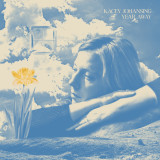
In March of 2020, after learning that a dear friend’s life was coming to an end, Johansing sat down and in one sitting wrote the song “Daffodils”. An elegiac tribute to someone facing death with grace and curiosity, the lyrics confront Johansing’s own mortality by observing the brief lifespan of a Hlower. Only a week later when the world came to an abrupt standstill, she soon found herself processing this recent loss while trying to make sense of a new global reality. Across the ensuing months, Johansing found herself increasingly untethered by a world of isolation and political upheaval.
Having been a frequent touring member of bands like Hand Habits and Fruit Bats, and often being called into the studio to lend her harmonies and multi-instrumental talents to records, Johansing’s phone no longer rang. Living in Los Angeles she feared her musical community was vanishing, as friends and collaborators continually announced they were leaving the city. It was in returning to her piano nightly that she found the greatest solace, feverishly writing the songs that would be collected on her next album. Resulting from this new sense of time and focus was a deepening of her songwriting. As Johansing recalls, “I felt like a metamorphosis happened during that time. There was a lot of personal growth and healing.”
Throughout Year Away Johansing traverses uncharted emotional landscapes brought upon by the changes occurring all around her. The forced self-reflection of the moment is aptly captured by “Old Friend”, featuring an aching melody and swooning production that recalls the best of Harry Nilsson. The epic piano and saxophone-driven “Smile with My Eyes” addresses the loss of community as friends became distant and political divides between family grew. On “Smile” Johansing pushes her vocals further than ever, expanding her range and using her peerless voice as the singular instrument it is. Facing the loss of a family home due to environmental destruction, “Shifting Sands” is marked by soaring Hlutes, Hield recordings and glassy synthesizers that nod to Japanese New Age.
“Daffodils”, the stunning album centerpiece, is built from a pastiche of looping samples, swirling Mellotron and dazzling vibraphone. “Keep your heart open wide, you never know your time / Keep your heart wild, true Hlower child”, Johansing sings as she says goodbye to an elder, while the band reaches a grief-stricken crescendo of woodwinds and chiming bells. On the title track, Johansing takes listeners on an eerily meditative journey of collective experiences. “I wanted to keep the progression simple and repetitive so that musically we could add new elements little by little, while the emotional tone of the lyrics becomes increasingly more strained and expressive”. The song grows to a fever pitch as Johansing sings higher than she thought possible; the tension of the repeating chords Hinally resolving into a hopeful coda as multiple soloists weave around each other.
Amidst heavier themes, Johansing still leaves room for her love of irresistible pop melodies and lush production. The driving “Last Drop” and mid-tempo “Valley Green” are two of her catchiest songs to date. On the former Johansing sings the anthemic chorus, “As if it were the last drop, and nothing ever lasts forever / As if it were the last stop, too far out to come back ever”, longing for a love that she’ll never take for granted, while also admitting that she doesn’t always know how good she has it. “Valley Green” features shimmering layers of 12- string guitars, stacked horns and an impeccable solo by co-producer and multi- instrumentalist Tim Ramsey (Vetiver, Fruit Bats), hinting at a love for bands like NRBQ.
Having been eager to capture the initial spark of songwriting, Johansing booked time at Highland Park’s 64 Sound Studio the week that it reopened. Over the course of three days, she and her band gathered basic tracks for 10 songs, before returning home to Hinish the record with Ramsey. Setting forth to make an album that paid homage to the music that kept them company during the months spent alone together, the duo pulled inspiration from a wide net including Burt Bacharach, John Carroll Kirby & Haruomi Hosono. Ramsey’s newfound love of early digital synthesizers dovetailed effortlessly with Johansing’s fondness for classic 70’s horn and string arrangements, creating a sound that is distinctly modern yet warm and familiar.
Once again Johansing called upon some of the Hinest players of Northeast Los Angeles’ vibrant music community to lend a hand with the record. The 70s R&B-folk of “Watch It Like a Show” features an electric guitar solo from Hand Habits’ Meg Duffy, while album closer “Endless Sound” boasts backing vocals from electronic musician Kaitlyn Aurelia Smith and swooping Indian-inspired violins from Amir Yaghmai (HAIM, The Voidz). The record shines brightly thanks to an ace mix from veteran producer Rob Schnapf (Beck, Elliott Smith, Cat Power), woodwinds from Logan Hone (John Carroll Kirby, Eddie Chacon), and a featured rhythm section of drummer Josh Adams (Jenny Lewis, Bedouine) and bassist Todd Dahlhoff (Feist, Devendra Banhart). Recorded across multiple studios including LA’s famed Sunset Sound, the album remains steadfastly buoyed by the adept engineering of Tyler Karmen (MGMT, Alvvays).
Though born of turbulent times, Year Away is ultimately interested in moving forward. The album ends with “Endless Sound,” where Johansing laments seismic global changes, (“The water is hotter, the mighty thaw / The current’s reversing, the last are lost”) but vows to keep going (“No storm can take me down / Endless light, endless sound”). It’s Year Away’s resilience that shines through despite the darkness. It’s a sound all her own and Johansing’s most cohesive set of songs yet.
The highly acclaimed and most influential album in the mallsoft subgenre of vaporwave. Released almost 10 years ago by
Lien de téléchargement12 fichiers - 512.4 Mo - valide jusqu'au 16 sept. 2023
the mysterious artist Disconscious, it continues to captivate listeners with its haunting and relaxing soundscapes, creating a vivid atmosphere of abandoned malls, combining elements of nostalgia, emptiness, and a touch of sinister undertones. Tracks like "Enter Through the Lobby" and "Lunar Food Court" stand out as fan favorites, transporting listeners to a bygone era of ultra consumerism, offering a unique and immersive experience that has stood the test of time.
Official vinyl edition of the classic album
Remastered including 3 bonus tracks,
Limited to 500 split cristal & curacao vinyl.
out of Stock
Last delivered 22 months ago available to reorder, subject to availability
Die unerschrockenen Australier VOYAGER legen mit ihrem brandneuen Album "Fearless in Love" ihren bisher epischsten Electro-Progressive-Pop-Metal vor. Das Album ist eine berauschende Mischung aus 80er Jahre Synthpop und modernem Progressive Metal und bietet ihr bisher mitreißendstes und hymnischstes Werk. Mit dem Eurovisions-Top-10-Titel "Promise" und dem Australia Decides-Favoriten "Dreamer", dem pulsierenden "Prince of Fire", dem beschwingten "Submarine" und vielem mehr ist "Fearless in Love" Prog-Metal auf höchstem Niveau und sprengt alle Erwartungen.
Wewantsounds is delighted to announce the release of "TOUCH," a selection of sought-after tracks produced by Yuji Ohno, one of the most revered producers and arrangers on the Nippon music scene. His blend of Jazz, Space Funk and Disco have long been highly sought-after by DJs around the world and we've been given unique access to the Nippon Columbia vaults and to Mr. Ohno himself to come with a versatile selection from his 70s body of work, all bearing his uniquely recognisable sound. The set includes works with singers Nanako Sato, Hatsumi Shibata and Ken Tanaka alongside tracks from his cult anime soundtracks for "Lupin III" and "Captain Future." Approved by Yuji Ohno himself, "Touch" was remastered in Tokyo by Nippon Columbia and features liner notes by Nick Luscombe in conversation with the maestro and artwork by Optigram's Manuel Sepulveda.
Born in Atami in 1941, Yuji Ohno started learning the piano at a young age and formed his own band during his teenage years, getting into Jazz in the process. After high school, he entered the prestigious Keio University in Tokyo and played in the revered university big band alongside two other pianists, Masahiko Sato and Hirosama Suzuki, who would have an illustrious career in their own right. After University, Ohno became a professional musician and started playing with the new wave of Japanese Jazz musicians forming his own trio and recording with the likes of Hideo Shiraki, Terumasa Hino and Masahiko Togashi from 1967 onwards.
At the turn of the 60s, Ohno started to veer away from the Jazz scene as he realised, as told to Nick Luscombe that "the jazz music being played by the Japanese at the time was only chasing the cutting edge, and was ignoring the roots and origins of jazz." Ohno therefore shifted his efforts to film and TV and also to producing artists for various Japanese labels, becoming one of the most in-demand composers, arrangers and producers in Japan. This is when Ohno developed his unique sound across a wide variety of styles. More than anything else, he got renowned for his anime soundtracks, particularly with the Lupin III series - represented here by the superbly funky "Silhouette" - which made his fame in Japan
Whether it's jazz, funk, disco or Pop, the "Ohno Sound" is unmissable both in terms of melodies and arrangements, on a par with those of such legends as Quincy Jones and Michel Legrand. Ohno's melodies are sophisticated yet accessible and there's a great sense of space in his productions especially when it comes to slow-burning grooves as heard on "Kirameku Inner Space" from the cult anime soundtrack "Captain Future" or "The Soaring Seagull" from the sought-after 1975 album "Electro Keyboard Orchestra." This album was recorded with seven fellow musicians including Kentaro Haneda and Ohno's old friend, Masahiko Sato and using twenty Korg synths to create a unique blend of futuristic jazz funk. "The Soaring Seagull" could be the perfect embodiment of Ohno's signature sound when it comes to instrumentals. The producer was however equally at ease with producing lush disco extravaganzas such as "Subterranean Futari Botchi" by Nanako Sato or "I Wish You Love" by Hatsumi Shibata, a revamp of Charles Trenet classic, both colourful and glitzy.
Ohno's versatility is on display here with a couple of jazz vocal tracks, "Speak Low" by Ann Young accompanied by the Yuji Ohno Trio and Mieko Hirota's fast and furious "I Want to Be Happy" while he also excelled at crafting gorgeous mellow songs such as Ken Tanaka's "Lilac-gai No Aki" and Hatsumi Shibata's "Mouichido Kikasete" closing the selection on a perfect note. "Touch" is just a tiny selection from Yuji Ohno's immense body of work and it will hopefully open the ears of Japanese music lovers to one of the most important musician, producer and arrangers of his generation.
After 14 years and nearly 150 CD releases, Cherry Red's psychedelic imprint Grapefruit finally produces its first-ever vinyl issue.
A 90-minute, 30-track anthology, ‘When The Alarm Clock Rings’ is an all-encompassing overview of the late 60s British psychedelic scene.
The set features major underground names (Crazy World of Arthur Brown, Blossom Toes, Dantalian's Chariot, John's Children), cult 45s (The Voice, Paper Blitz Tissue, The Syn), future legends (Alex Harvey, Genesis, Greg Lake's early venture The Shame) and pop groups who occasionally turned dayglo (The Merseys, Plastic Penny, Picadilly Line).
Limited to 1000 copies and containing Grapefruit's trademark combination of photos and annotation on stylish 12” x 12” inserts, ‘When The Alarm Clock Rings’ is an essential purchase for vinyl aficionados and a tantalising taster of further plastic platters!
Sechs Jahre nach Ihrem Debüt und direkt nach ihrer Tournee als Special Guest für Depeche Mode erscheint mit „Navel" das langerwartete zweite HOPE Album auf Haldern Pop Recordings.
NAVEL, das zweite Album der Berliner Band Hope ist eine Übung in Verletzlichkeit. Die vier Musiker*innen wagen sich hinter den Soundwänden hervor, die sie in der Vergangenheit um sich herum errichtet hatten, und zeigen, wie sie hinter den Barrikaden sind: sanft, nah- und fehlbar.
Das hat zum einen mit einer inneren Entwicklung der Sängerin Christine Börsch-Supan zu tun und mit der sich daraus ergebenden neuen musikalischen Richtung der Band. Wo früher Wut und Wucht war, ist heute so etwas wie Ruhe. An die Stelle von Monumentalität ist Meditation getreten. Erzählte das 2017 erschienene HOPE in seinem vollkommen eigenständigen dunklen, dystopischen Noise-Sound von Zwängen, unterdrückten Gefühlen und Gewalt, stellt sich auf NAVEL nun Heilung ein. „Solace“ singt Christine Börsch-Supan mit ihrer genauso klaren wie warmen Stimme im gleichnamigen Song immer wieder: Trost, Trost, Trost.Die Sängerin, auf deren eigener Gefühlswelt die Texte der Band basieren – und damit auch ihr emotionaler Klangraum –, hat sich in den vergangenen Jahren von einer Essstörung befreit und damit von der großen Wut, der anklagenden Haltung und dem Aufbegehren, die die Musik von Hope lange bestimmten. Mit NAVEL hat die Band nun eine Art Zen-Garten errichtet. Einen offenen, auf das Maximale reduzierten, luftigen Raum, der dazu einlädt, ihn zu durchschreiten, der sich aber nicht aufdrängt – und der niemandem eine Deutung aufzwingt. Die Moog-Sounds, die zarten Gitarrenakkorde, das Schlagzeug, oft nur so auf den Fellen der Trommel gespielt, dass ein Sound entsteht, der wirkt wie elektronisch erzeugt – alles auf NAVEL ist durch die Weite bestimmt, die sich zwischen den Elementen auftut. Für NAVEL hat sich die Band von der Idee von Perfektion und Kontrolle verabschiedet und damit – schönstes Paradox – ein nahezu perfektes Stück Musik geschaffen.
Zum 50. Geburtstag von "Pin Ups" erscheint die LP im Half Speed Mastering Die Vinyl-Sonderveröffentlichung ist erhältlich ab 20. Oktober 2023. David Bowies siebtes Studioalbum " PIN UPS" ist in doppelter Hinsicht ein besonderes, denn nicht nur ist es eine Sammlung von Coversongs, sondern zugleich das letzte, das er als sein Alter Ego Ziggy Stardust und mit seiner Begleitband The Spiders from Mars veröffentlichte. Kommenden Monat jährt sich die Veröffentlichung zum 50. Mal - das Album erschien ursprünglich am 19. Oktober 1973, gerade einmal sechs Monate nach dem legendären " ALADDIN SANE" und drei Monate nach der berüchtigten letzten Ziggy-Stardust-Show im Hammersmith Odeon, bei der er zusammen mit The Spiders From Mars die Rolle des Ziggy zu Grabe trug.
Am 20. Oktober 2023, einen Tag nach dem Goldenen Jubiläum, wird "PIN UPS" in einer limitierten Auflage als LP im Half Speed Mastering veröffentlicht. Diese neue Pressung wurde auf einer maßgeschneiderten Neumann VMS80-Drehmaschine mit vollständig überarbeiteter Elektronik von restaurierten 192kHz-Mastern der Original-Masterbänder geschnitten, ohne zusätzliche Bearbeitung beim Transfer. John Webber schnitt das Half Mastering in den AIR Studios
2CD DIGIFILE/2LP MIT RICHARD HAWLEYS BELIEBTESTEN TITELN.
Die erste Best-Of-Sammlung von Richard Hawley (Pulp, Longpigs), die seine über 20-jährige Solo-Karriere umspannt, enthält Titel der für den Mercury Prize nominierten Alben Coles Corner (2005) und Standing at
the Sky's Edge (2012).
Kuratiert von Richard Hawley und Colin Elliot. Enthält außerdem eine brandneue, exklusive Bearbeitung von Not The Only Road, die in der Fernsehserie The Full Monty zu hören war.
Im Vorfeld der Aufführung von Standing at the Sky's Edge im Londoner West End (23. Februar) und des brandneuen Albums im Jahr 2024 wird sich "Now Then" sowohl auf das alte als auch auf das neue Publikum von Richard Hawley konzentrieren.
"Now Then" erscheint als Doppel-CD im Digifile (32 Songs) und Deluxe-Doppelvinyl im Gatefold Sleeve (22 Songs) mit halb schwarzem/halb blauem sowie halb weissem/halb blauem Vinyl.
Midwestern psychiatrist Suzanne Mathis' world is turned upside down when she decides to protect Mae, a fragile teenager on the run from a cult. As Suzanne’s daughter Jules begins to suspect there’s more to Mae’s story, a series of incidents – seemingly brought on by Mae’s presence - leave the family in chaos. Soon the Mathis family is fighting for survival against a strange cult while Suzanne and a local police detective try to unravel the clues of Mae’s past and sinister happenings in the town she escaped. Adapted from Daria Polatin’s best-selling book inspired by true events, DEVIL IN OHIO is a thrilling, shocking tale of demonic mayhem and mystery in the heart of small-town America.
British composer Will Bates incredible work on DEVIL IN OHIO began with a hymn for the cult, written before shooting. It expanded with songs for Bishop Briggs and Maiah Manser, with melodies for hurdy-gurdy and synth, until it became a haunting world of its own, blending score, soundtrack and diegesis. Now, together with Netflix Music, we’re excited to release DIO’s first-ever full-length soundtrack on vinyl.
Inspiration kann ein komponierender Jazzmusiker - und das sind streng genommen alle, bedeutet Improvisation doch "instant composing" - aus den unterschiedlichsten Quellen schöpfen: aus den Charakteristika seines Instruments, aus der Musik seiner Vorgänger, aus dem Erleben der Welt, ob als Erinnerung oder als aktueller Eindruck und mehr als in jedem anderen Genre, aus der Begegnung mit anderen Musikern. Beim ersten Duo-Album des Akkordeonisten Klaus Paier und des Bassisten Florian Dohrmann kann man den seltenen Fall erleben, dass alles zusammenkommt. Wie immer taucht Paier, so sensibel wie kein anderer, in den Klang seines Bandoneons und seines Akkordeons ein und Dohrmann merkt man ein besonderes Gefühl für die dicken Saiten seines Basses an - perfekt illustriert schon durch das aus einer Bass-Saite und einer Akkordeon-Tonklappe bestehende Kunstobjekt auf dem Cover. Ihre Themen finden die beiden Virtuosen in Standards von Ellington und Mingus ebenso wie in eigenen Kompositionen und Improvisationen. Ein Kaleidoskop an Motiven, Klangfarben und Rhythmen spiegelt ihre Gedanken und Gefühle wider. Und über allem thront der mitreißende Fluss ihres Zusammenspiels, das nur aus seiner musikalischen Seelenverwandtschaft jenseits aller Stile und Genres kommen kann. Ein Duo und ein Album, für das man keinen besseren Titel hätte finden können als: "Inspired Rendezvous".
Chicago-based producer/multi-instrumentalist Ben Billington makes music under the name Quicksails.
A pillar of the Chicago experimental scene and its branches across the midwest and national DIY circuits, Billington has enriched his communities through overlapping roles as a musician and curator /
promoter of freak sounds for more than two decades. In addition to his work as a solo artist, he has performed with bands such as ONO, ADT, Circuit Des Yeux, Tiger Hatchery, and Ryley Walker’s
band. Billington’s solo recordings as Quicksails encompass everything from free jazz-inspired electro-acoustic production to rhythmic synth-pulse tapestries to music focused on what could be
considered one primary instrument among the many he works with: the drum kit and auxiliary percussion. Surface, his fifth release to appear on Hausu Mountain, combines all of these idioms into
one diverse program while also expanding his palette to rope in his more recent experiments with touch-sensitive custom synthesizers and modular systems. Surface shimmers with a sense of tonal
sophistication and emotional resonance that sets a high-water mark for the Quicksails project.
The album’s mind-bending juxtapositions of electronic and acoustic sound sources of contrasting fidelities charge each composition with energies at once alien and familiar — rooted in free improvisation and
jazz traditions while streaking off into realms of lush synth arrangement, and textural abstraction.
Within Quicksails’s dense fields of sound, one voice stands out with particularly bold contrast: the saxophone of modern experimental stalwart Patrick Shiroishi (Fuubutsushi, The Armed, a multitude of
improvised collaborations on labels like Astral Spirits and Touch Records), who guests on three of the album’s ten tracks. Shiroishi’s sax performances alternately burst out in squalling atonal spirals and
glow with neo-noir melodicism as if glimpsed in the smoke under a streetlamp on a darkened city corner.
History has shown that the greatest bands–bands with that certain, ever elusive quality called lasting power–neither conform to nor buck the trends of their time, but rather force the times to catch up to them. Sheer Mag has such lasting power in droves. After almost a decade spent carving out a career that has already become the stuff of modern underground legend, the band’s new stand-alone single, “All Lined Up,” comes alongside the announcement of their signing to Third Man Records–their first partnership with a larger independent label–who will also be physically and digitally re-releasing the entirety of Sheer Mag’s back-catalogue, including their cult-beloved early EPs I (2014), II (2015), and III (2016), as well as their first two breakthrough LPs, Need To Feel Your Love (2017) and A Distant Call (2019). Sheer Mag’s sensibility, as fervently beloved by baseball-tee clad garage rockers and tattoo-less indie kids as it is by leather-and-stud-loyal punks, finds its strength in an unconventional mixture of refined complexity and straight-forward pop prowess. Seamlessly trading between head-turning guitar heroics and a charmingly timeless blend of disco, hard rock, and garage inflected hooks, Sheer Mag’s oft-referenced, never-replicated sound has played an undeniably large role in stoking the current resurgence of interest power-pop forward rock music. While quickly adopted as a fan-favorite amongst the sweat-caked crowds of the early 2010’s underground, time has attested to Sheer Mag’s singular cultural mutability: though never straying too far from their home-town Philadelphian origins
Thomas Walsh is the founder and frontperson in critically endorsed Irish cult-pop band Pugwash. His
classic pop songwriting has garnered him an impressive collection of celebrity recognition from artists
like Brian Wilson, Jeff Lynne and Joe Elliot. Guest contributions on the album comes from Dave
Gregory (XTC, Dukes Of Stratosphere), Joe Elliott (Def Leppard), Michael Penn, Neil Hannon (The
Divine Comedy), Matt Berry (What We Do In The Shadows). ANDY PARTRIDGE - "Pugwash
(Thomas Walsh), at their best, are almost Beatle-like in their greatness. They are THAT good”
Thomas Walsh is the founder and frontperson in critically endorsed Irish cult-pop band Pugwash. His
classic pop songwriting has garnered him an impressive collection of celebrity recognition from artists
like Brian Wilson, Jeff Lynne and Joe Elliot. Guest contributions on the album comes from Dave
Gregory (XTC, Dukes Of Stratosphere), Joe Elliott (Def Leppard), Michael Penn, Neil Hannon (The
Divine Comedy), Matt Berry (What We Do In The Shadows). ANDY PARTRIDGE - "Pugwash
(Thomas Walsh), at their best, are almost Beatle-like in their greatness. They are THAT good”
Turning trash into treasure ist das Motto von Crystn Hunt Akrons neuem Album 'Lick My Fur'.
Darauf nimmt die interdisziplinäre Künstlerin den akustischen Trash unserer Zeit her, transformiert ihn und setzt ihn neu in Beziehung. Der überladene Rausch, die groteske Künstlichkeit und der gezwungene Spaß von Plastik-Pop und Aprés Ski wurden zerlegt und neu kombiniert im Kontext kontemporärer elektronischer Musik. Dabei prallen Welten aufeinander: Hyperpop-Overstatement und Techno-Minimalismus, große Pop-Gesten und abgeklärte Coolness, Club und Performance.
Seit mittlerweile zwanzig Jahren zählen „Das Ich“ als prägendes Urgestein zur Speerspitze der weltweiten schwarzen Szene. Ohne je an Aktualität verloren zu haben, mischen die beiden Protagonisten Stefan Ackermann und Bruno Kramm einen radikalen Klangcocktail aus tanzbarer Elektronik, sinfonischen Versatzstücken und morbiden, deutschsprachigen Hymnen voller lyrischer Direktheit, die ihresgleichen sucht. Staub entstand im Jahre 1993 nach der ersten großen Europa Tournee und unter dem Eindruck des riesigen Erfolges von Die Propheten. Staub ist mit seinen Midtempi und den lyrischen Texten weniger aggressiv wie Die Propheten. Songs wie Unschuld Erde und Von der Armut gehören zu den Szene Everblacks.