
Auf Lager
Bei uns am Lager und sofort versandfertig
Last In: vor 48 Tagen
12,40 €
Bei uns am Lager und sofort versandfertig

"First released way back in 1992, Stefano Curti ,Mauro Tamino and Stefano De Carlo's first 12" as Minimal Vision (they'd previously released numerous as The True Underground Sound of Rome) remains one of the classiest and most ear-pleasing Italian deep house records of all time. For proof, check 'Magic Staircase', where picturesque synthesizer melodies rise and fall atop skittish beats, 'Pacific' style chords and a chunky Korg M1 bassline, and the bleep-sporting Chicago deep house tribute 'Prelude'. Those searching for something a little more energetic should take a listen to the warm and beautiful 'Milky Way' and 'Night of Love', whose programmed percussion, fizzing synth solos and jaunty bassline doff a cap to Detroit tech-jazz."
Thanks
Bei uns am Lager und sofort versandfertig

* These tracks were long-forgotten recordings, rediscovered purely by chance when one of us moved house.
In the process, an old Atari ST 1040 computer was unearthed from a box, and as we sifted through its stored files,
we stumbled upon this material—music recorded in our home studio years ago.
We've decided to release it as a testament to the power of creativity and the ability to produce music even with
modest equipment, proving that a professional studio isn't always a necessity.
* Stefano Curti
Bestelle jetzt und wir bestellen den Artikel für dich beim Lieferanten.

Detroit techno visionary Keith Tucker returns through his acclaimed alter ego Optic Nerve with AUGMENTATIONS EP, a forward-thinking exploration of minimalist machine funk, futuristic sound design, and deep electronic movement.
Crafted with precision and unmistakable Detroit character, AUGMENTATIONS merges hypnotic analog sequences, mechanical rhythm structures, atmospheric synth textures, and driving electronic beats into a powerful sonic statement rooted in the city’s enduring techno legacy. Sparse yet immersive, the EP balances raw underground energy with cinematic futurism — designed equally for dark warehouse floors and deep headphone listening.
Pressed as a Limited Collector’s Edition Clear Vinyl 12-inch, PBX-38 captures the sleek, transparent aesthetic of the music itself: pure signal, machine emotion, and uncompromising Detroit innovation.
A1 — Augmented 1 (Optic Nerve Original Mix)
A deep, stripped down Detroit techno workout driven by pulsing drum programming, evolving synth modulation, and hypnotic minimalist sequencing. Functional futurism engineered for late-night motion.
B1 — Augmented 2 (Infinite Worlds Mix)
Built around a rolling funky bass line and eerie flowing string textures, this expansive composition moves through layers of atmospheric electronics and mechanical groove architecture. The track creates an immersive sense of drifting through endless digital landscapes while maintaining a sharp rhythmic intensity designed for the underground dance floor.
B2 — Augmented 3 (Visual Shapes Mix)
Abstract melodic fragments, and precision electronic rhythms collide to form a futuristic minimalist soundscape filled with movement, tension, and cinematic pulsed chords.
erscheint voraussichtlich am 30.09.2026
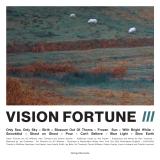
Surprises are nice. Unexpected, delightful - Vision Fortune last released music in 2015, and so odds were off that we’d hear from them again.
But against all odds, Vision Fortune III is coming out on Gringo Records, following the release of their last album ‘Country Music’ on ATP Records.
The trio first agreed to record a new album as somewhat of a dare over a marathon pasta and wine heavy luncheon in Palermo, Sicily. Waking up with sore heads, they realised in mild panic that flight tickets had been purchased, a cottage in rural Wales was booked, and it was too late to pull out.
And so it was - the Fortunes arrived in Machynlleth Wales in Spring of the following year. The rules were simple - takes were live, songs minimal and the fireplace kept roaring.
Drummer Andres Ayerbe’s strict roast lamb dinner cooking schedule resulted in an album less frenetic and agitated than previous work - instead, III explores a softer, more subdued and subtle side of Vision Fortune. Additional overdubs were recorded in New York City and Birmingham, by AC Williams and Alex Townend. III was completed - a new, leaner Vision Fortune. Like a good lamb dinner - more meat, less fat.
Press Quotes for Country Music:
"An impressively brutal record" NME 8/10
"Immersive and introspective musique concréte rippling rippling with dub rhythms, orchestral strings, tolling bells and discordant drones coming close to the alien beauty of Mica Levi's sonically extreme soundtrack work." Uncut 7/10
"Unsettling, strangely cathartic and hook-free (in a good way)." Dazed ("Twenty albums to look out for in 2015")
"Assembling whole scrapyards of sound and turning them into something better than what went before" The Guardian
"Swaddling the senses in soundwaves, Minimal ambient sketches and harsh electronics abound on this fascinating 12-song affair" The FADER
"Basically just one long, connected droney throb. But it's an awesome long droney throb." Brooklyn Vegan
erscheint voraussichtlich am 02.10.2026

Flug brings his singular vision to Backspin Records with 'From My Soul', a 7-track EP that marks a powerful new chapter for both artist and label, rounded out by a remix from Kashpitzky. Moving between deep emotional techno, raw percussive functionality and high intensity, the release showcases Flug's signature precision and narrative depth while keeping things classy and never falling for overused tropes. Kashpitzky completes the package with a remix that reinterprets the source material from a darker, more straight-forward angle. ??
Opening with the title track 'From My Soul', Flug sets off on an epic 8-minute journey built on reverberating melodic layers, shimmering chord pads and a strong low endthat unfolds slowly and deliberately, balancing emotional weight with a hypnotic drive. 'Make It Loud' follows with a more stripped, functional direction, where warm low-end energy, minimal percussion and reverb-drenched sine wave synth hits create a tight, circular groove anchored by a subtle but sinister vocal presence. ??
On the flip side, 'Human Instinct' turns the energy more direct and physical, driven by a saturated kick drum, looping synth motifs and sparse vocal cuts that heighten tension without disrupting the flow. 'The Awakening' expands the emotional scope with a deep kick and tom-driven bassline, expansive droning pads and dragging percussion that build a rich, cinematic atmosphere. Kashpitzky's remix reimagines the original at a faster BPM with distorted chord stabs, off-grid hi-hats and layered synth work creating a tense, industrial atmosphere that breaks into a spacious breakdown before dropping back into a stripped,high-impact groove. ??
With the 'From My Soul' EP, Flug marks a strong first statement on Regal's Backspin Records, delivering a cohesive body of work that balances depth, emotion and dancefloor utility, reinforcing the label's dedication to innovative techno.
erscheint voraussichtlich am 02.10.2026
»Baby Ghost« is the debut album by double bassist and vocalist Jordan Sand. Released through Hallow Ground, it blurs the lines between different genres and modes of expressions, improvisation and composition and showcases the unique playing style the composer has developed. Sand blends her voice with the bowed harmonics and subharmonics of her double bass. At once conceptually rigorous and musically open-ended, Sand’s wordless meditations on death and what comes after are both visceral and explorative.
Sand is a boundary-crossing instrumentalist, performer, and session musician who has worked in folk, free jazz, pop, classical and new as well as experimental music. In 2020, she took a hiatus. When she picked up the bass again, she began stripping down the relationship to her instrument to its core elements, searching for a way to melt the sounds of bow and voice together. This resulted in the appearance of ghost notes, tones emerging from the addition or subtraction of two frequencies, and harmonics that she adds with her falsetto.
On »Baby Ghost,« Sand utilises this acoustic sound and the spontaneous precision of her improvisational practice for pieces that deal with the subject of dying. They move from more polyphonic improvisations toward abstraction, touching upon harsh noise and minimalistic bow-chants before returning briefly to a melodic soliloquy, and finally landing on an extended subharmonic drone. This progression reflects the journey of the spirit after death; the experience of visions, memories, ecstasies and terrors before the dissolution of the self.
Sand performs this process physically, blending her voice with her instrument to explore how the senses might dissolve and merge when they enter a state between life and beyond-or-between-life. Born out of the moment and dedicated to a lost friend, »Baby Ghost« is quite literally an otherworldly achievement.
erscheint voraussichtlich am 02.10.2026

After holding down a residency at Berlin’s Club der Visionaere for over a decade with their Perfumed Freedom events, dynamic duo Foehn & Jerome look to launch an exciting new record label under the same name. The Berlin based Austrian’s have teamed up for the inaugural release, wandering between tripped out minimalistic vibes with tinges of house textures spread across the record. This is “The Frisbee Of No Return”.
Join Foehn & Jerome as they evolve the Perfumed Freedom journey with their unrivalled chemistry, giving themselves and dedicated artists a platform to express themselves in the years to come.
erscheint voraussichtlich am 02.10.2026
“Neither from here nor from there” is often used to describe migrant identities in territorial terms. In the case of Siete Catorce, it works better temporally: his music has always been so far ahead of its moment that it ultimately carved out a space of its own within both Latin American and global electronic music.
Born in Mexicali and shaped between the Bay Area and northern Mexico, his musical identity emerged through hip hop, dubstep, and the independent borderland scenes. After several years in Mexico City — without a clear place inside the local circuit — he created his own space through his music, developing a distinctive DJ/live set and a singular vision of contemporary Mexican electronic music, becoming a key figure within the city’s most forward-thinking underground.
In 2026, he releases El Valle, his first album in nearly three years. The record moves through different currents of electronic music — ambient, techno, cumbia, and tribal — filtered through a unique rhythmic language marked by syncopation, unpredictable breaks, and a constant tension between restraint and energy.
The album opens with “Mexicali,” alongside Andre Pereda, a tribal track stripped down to its percussive essence, evoking the genre through an ambient and synthetic approach. From there, “Aragón” and “El Rancho” progressively increase the tempo and intensity, combining cadenced phrases with minimalist tribal beats and unexpected turns.
In the second half of the album, now moving through territories of 140 BPM and beyond, tracks like “Montecarlo 1” and “Tierra Roja” drift between futuristic bass music and large-scale techno structures. This is followed by the 8-minute epic “East LA,” where Siete Catorce expands the energy of syncopated techno before releasing it into a pre-Hispanic tribal journey with flute and all the drums required for the occasion.
The closing section arrives with “Tlatelolco,” accelerating into an epic cumbia infused with trance references, and “Los Pinos,” a direct and forceful finale sustained by some of the album’s most precise sound design.
More than genres, Siete Catorce’s work is defined by meticulous sound design and an exceptional rhythmic sensibility — qualities that have established him as one of the most respected drum programmers of his generation.
Bei uns am Lager und sofort versandfertig

Hailing from Paris, Wonderkidz reveals their very first Various Artists compilation, a project featuring exclusively producers from the Parisian scene. Through this compilation, the collective spotlights a new generation of artists who share a common vision of electronic music, while asserting an identity deeply rooted in the capital.
Spanning house, tech house, and minimal, the tracks explore different facets of contemporary club culture while maintaining a distinctly Parisian flair. Each track reflects the energy, diversity, and creativity of a constantly evolving local scene.
This debut release naturally centers on artists close to the collective, in keeping with the philosophy Wonder Kidz has upheld since its inception: building bridges between the talents in its circle, showcasing producers with whom it shares a history, a vision, or a common artistic sensibility, and providing a platform for expression to a vibrant independent scene.
Bei uns am Lager und sofort versandfertig

Devotional music most often gets distilled into earthy chants and ancient folklore, it doesn't always ascend to the sky like Julinko’s ‘Naebula’ an album that from the first organ note clearly trades in terrestrial dreams for ethereal visions. A feverish quality permeates the whole record, as if a ritualistic performance was being captured from start to finish, a collection of hallucinatory doom, synthetic neo-folk hymns and ghostly art-rock.
Julinko, stage name for Giulia Parin Zecchin, has long been one of the best kept secrets of the experimental community in North-East Italy, with three records that helped define her unique blend of heavy psychedelia, slowcore and dark ambient. On ‘Naebula’ what really stands out is how powerful and soaring her voice is, a weapon of undeniable force that can transform into a vessel of raw fervour or glide effortlessly as a delicate lament. Her unconventional approach shines through on tracks like ‘Jeanne De Rien’, where a marching pulse acts as a pillar for an extended mantra, almost verging into powwow territory. ‘Peace Of The Unsaid’ uses its arrhythmical structure to create space, a crepuscular night ode that reaches the heights of Sinead O’Connor’s most intimate force-fulness while retaining a sweet composure. Whether it’s glacial murderous shrieks or gospel-esque vitality, songs like ‘Cloudmachine’ or ‘Kiss The Lion’s Tongue’ seem to draw as much from a tradition of European minimalism, the use of drones and repetition, to the tradition of folksongs as hymns, where modal harmonies make way for an apparent stasis. Another key element in Julinko’s songwriting is the seamless blend of her minimalistic approach with these dense textures borrowed from a distant outsider metal heritage, Lynchean noir on steroids or wordless exorcisms with deep undercurrents.
erscheint voraussichtlich am 05.10.2026

A highlight from Sleaford Mods' acclaimed The Demise Of Planet X album, Elitest G.O.A.T. had already brought together the duo's minimalist electronics and Aldous Harding's light-as-a-cloud guest vocals, but why not throw another visionary artist into the mix? Bolstered with vicious beats and squelchy synths, The Prodigy have upped the elite levels with their Acid Thunder Mix, seamlessly fusing their pioneering spirit with Sleaford Mods' innovative energy. The G.O.A.T. just got greater..
erscheint voraussichtlich am 05.10.2026
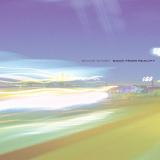
Space Ghost returns with Back From Reality, his first solo album since 2022. Blending ambient, downtempo and house, the LP explores themes of escapism, introspection and the search for moments of calm in an increasingly overwhelming world. Out October 9th, 2026 via Space Ghost’s own Peace World Records.
Drawing influence from late '90s and early 2000s ambient and electronic music, the record channels the nostalgic atmosphere of PS2-era video game soundtracks, console startup screens, and save menus. “I used to play games like Spyro, Crash, Ape Escape, Gran Turismo. It's fun for me to reimagine songs that could have lived in games from that era. ” The project reveals Space Ghost's interest in writing music for video games, with tracks such as "System Reset" reimagining an alternate PS2 startup screen or “VGM” visualizing a stage selection screen for an imaginary game.
Visually, the project emulates the minimalist design trends of album artwork from the same era: sparse industrial landscapes paired with minimal type. Space Ghost took the cover photo himself while driving around the quiet, empty Oakland ports at night. Tracks like “Sugar Cube” and “Back From Reality” mimic these late night environments and create a downtempo zone for listeners to get lost in. “One of my favorite things to do after writing songs, is to drive around Oakland listening to them. It's almost like the final test for the songs, to see if their emotion holds up.
”
Written over the course of five years, Back From Reality reflects Space Ghost’s experience of balancing everyday life with the desire to be creative. “This album is me coming home from my day job and returning back to the place where I feel the joy and freedom in making my music. If I could, I would work on my music full time, but for now it's part time and often a form of escapism. ” Beneath its calming surface, the LP quietly wrestles with larger questions. Against the backdrop of global conflict, environmental decline, and economic uncertainty, the album searches for small moments of optimism through creativity and introspection. Back From Reality holds a moment of space away from these overwhelming times, allowing listeners to pause and recharge.
Back From Reality releases on Peace World Records October 9th, 2026
erscheint voraussichtlich am 09.10.2026

Wewantsounds is delighted to reissue Brigitte Fontaine’s landmark 1970 Saravah album Comme à la Radio, recorded with Areski Belkacem (who sadly died last June), Wadada Leo Smith and the Art Ensemble of Chicago. This deluxe 2-LP edition pairs the original album with a second LP of rare bonus material. The release is accompanied by a lavish 24-page bilingual booklet featuring an introduction by journalist Andy Beta, essays by Wadada Leo Smith, Brigitte Fontaine biographer Benoît Mouchart and Benjamin Barouh, plus a recent interview with Brigitte Fontaine and the late Areski Belkacem. The booklet also includes complete lyrics and a selection of rare archival photographs by Jean-Pierre Leloir and Philippe Gras. The reissue is announced alongside its companion, the deluxe 2-LP set Comme à la Radio "On Air", featuring previously unreleased ORTF live recordings and additional studio rarities.
Wewantsounds pursues its Brigitte Fontaine reissue program with Comme à la Radio, originally released in 1970 on Pierre Barouh’s cult Saravah label, fusing Fontaine’s radical lyricism with Areski Belkacem’s minimalist compositions and the fearless improvisations of the Art Ensemble of Chicago + Wadada Leo Smith. Its title track has since become a cult classic in jazz and groove circles.
The album has been newly remastered from the original tapes and is reissued in a deluxe 2-LP edition featuring 11 bonus tracks. The first LP presents the original album in restored clarity, while the second gathers rare non-album singles, English-language takes, alternate versions and previously unreleased instrumental recordings showcasing the Art Ensemble's artistry, including the elusive English version of Comme à la Radio, and a striking early version of L’été L’été.
Also included is a 24-page bilingual booklet featuring rare archival photographs by cult photographers Jean-Pierre Leloir and Philippe Gras, complete lyrics, and contributions by Andy Beta, Wadada Leo Smith, Benoît Mouchart and Benjamin Barouh, plus a recent interview with Brigitte Fontaine and the late Areski Belkacem. The reissue is announced alongside its companion Comme à la Radio "On Air", a deluxe 2-LP set presenting previously unreleased ORTF live recordings and additional studio rarities.
Comme à la Radio stands as a visionary landmark of French music and a defining statement in Brigitte Fontaine’s career. This expanded edition confirms its enduring influence more than fifty years after its original release.
a A1. Comme À La Radio 8.03
[b] A2. Tanka II [2.04]
[c] A3. Le Brouillard [3.24]
[d] A4. J'ai 26 Ans [3.04]
[e] B1. L'été L'été [3.56]
[f] B2. Encore [1.34]
[g] B3. Léo [3.50]
[h] B4. Les Petits Chevaux [0.43]
[i] B5. Tanka I [1.45]
[j] B6. Lettre À Monsieur Le Chef De Gare De La Tour De Carol [6.04]
[l] C1. Comme À La Radio – English Version [8.08]
[m] C2. J’ai 26 Ans – English Version [3.56]
[n] C3. Le Goudron – 7’’ Single [4.12]
[o] C4. Le Noir C'est Mieux Choisi – 7" Single [5.03]
[p] D1. Les Beaux Animaux – 7’’ Single [3.16]
[q] D2. L'été L'été – Early version [4.38]
[r] D3. L'été L'eté – Instrumental Version [4.23]
[s] D4. Tanka I – Instrumental Version [1.47]
[t] D5. Tanka II – Instrumental Version with Flute [1.40]
[u] D6. Le Brouillard – Instrumental Version [3.57]
[v] D7. Lettre À Monsieur Le Chef De Gare – A Cappella English Version [2.46]
[a] A1. Comme À La Radio [8.03]
[b] A2. Tanka II [2.04]
[c] A3. Le Brouillard [3.24]
[d] A4. J'ai 26 Ans [3.04]
[e] B1. L'été L'été [3.56]
[f] B2. Encore [1.34]
[g] B3. Léo [3.50]
[h] B4. Les Petits Chevaux [0.43]
[i] B5. Tanka I [1.45]
[j] B6. Lettre À Monsieur Le Chef De Gare De La Tour De Carol [6.04]
[l] C1. Comme À La Radio – English Version [8.08]
[m] C2. J’ai 26 Ans – English Version [3.56]
[n] C3. Le Goudron – 7’’ Single [4.12]
[o] C4. Le Noir C'est Mieux Choisi – 7" Single [5.03]
[p] D1. Les Beaux Animaux – 7’’ Single [3.16]
[q] D2. L'été L'été – Early version [4.38]
[r] D3. L'été L'eté – Instrumental Version [4.23]
[s] D4. Tanka I – Instrumental Version [1.47]
[t] D5. Tanka II – Instrumental Version with Flute [1.40]
[u] D6. Le Brouillard – Instrumental Version [3.57]
[v] D7. Lettre À Monsieur Le Chef De Gare – A Cappella English Version [2.46]
[a] A1. Comme À La Radio [8.03]
[b] A2. Tanka II [2.04]
[c] A3. Le Brouillard [3.24]
[d] A4. J'ai 26 Ans [3.04]
[e] B1. L'été L'été [3.56]
[f] B2. Encore [1.34]
[g] B3. Léo [3.50]
[h] B4. Les Petits Chevaux [0.43]
[i] B5. Tanka I [1.45]
[j] B6. Lettre À Monsieur Le Chef De Gare De La Tour De Carol [6.04]
[l] C1. Comme À La Radio – English Version [8.08]
[m] C2. J’ai 26 Ans – English Version [3.56]
[n] C3. Le Goudron – 7’’ Single [4.12]
[o] C4. Le Noir C'est Mieux Choisi – 7" Single [5.03]
[p] D1. Les Beaux Animaux – 7’’ Single [3.16]
[q] D2. L'été L'été – Early version [4.38]
[r] D3. L'été L'eté – Instrumental Version [4.23]
[s] D4. Tanka I – Instrumental Version [1.47]
[t] D5. Tanka II – Instrumental Version with Flute [1.40]
[u] D6. Le Brouillard – Instrumental Version [3.57]
[v] D7. Lettre À Monsieur Le Chef De Gare – A Cappella English Version [2.46]
erscheint voraussichtlich am 23.10.2026

VIOLET COLORED Vinyl[23,74 €]
The Garden, experimental punk duo made of twin brothers Wyatt and Fletcher Shears and their new album Bootleg is available on vinyl and CD via Epitaph Records. Recorded in Los Angeles and produced by Wyatt and Fletcher, the 14-track album is packed with The Garden"s eclectic instrumentation and visceral production work. Formed in 2011 by twin brothers Wyatt Shears and Fletcher Shears, The Garden built their signature "Vada Vada" style from the raw foundation of bass, drums, and eerie electronic textures. Their minimalist approach delivers an explosive, genre-defying sound that is equal parts chaotic, precise, and unmistakably original. Blending an uncanny, arthouse-inspired visual identity with fearless creativity, The Garden has become one of alternative music"s most influential cult acts, beloved by Tyler, the Creator and Mac DeMarco. Renowned for their explosive live performances, they"ve cultivated a fiercely dedicated global following while inspiring a new generation of artists and fans drawn to their singular creative vision.
erscheint voraussichtlich am 23.10.2026
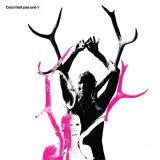
For more than two decades, Vidmantas ?epkauskas has occupied a singular position within European underground culture. As the driving force behind Opium Club and gallery 1986 in Vilnius, founder of Ant Bangos, Alfavilnius and OLE festivals, curator, label owner, promoter, DJ and artist, he has spent much of his life creating the conditions for other people's music to be heard.
It makes sense then that he has no shortage of friends and collaborators in play. Across ten tracks, V presents shades of Italo, krautrock, post-punk, minimal synth, industrial pop and neon-noir romanticism, arriving somewhere between the dancefloor and a dream-state. The cast of collaborators both contextualize and help sharpen the vision.
First and foremost, much of the album was crafted alongside Frankfurt's Philipp Lauer, whose friendship with V grew through marathon studio sessions. Curses lends his unmistakable blend of dark romance and theatrical energy to "Is This What You Want?", Australian cosmic journeyman Dreems joins for the kaleidoscopic "Blitz Disc," Domenique Dumont brings their unmistakable emotive touch to "Avventura," while Lithuanian artists Noyus and Ruta MUR, both distinctive voices from the country's queer scene, whose vocals add another dimension to the record's emotional palette. As V puts it, "These are the people I've been vibing with."
That he finally delivers a full-length LP with such elusive qualities is more than a clue to his character. The title itself, a nod to Magritte's famous paradox and his years living in Brussels, suggests that any attempt to define V through a single image is destined to fail. At once playful and philosophical, 12:55 (Ceci n'est pas une V) questions ideas of identity and artistic value while marking the closing chapter of the musical persona that followed ?epkauskas' earlier success as Vidis. Neither retrospective nor statement of intent, it feels like a connected set of reflections spanning a lifetime of influences.
erscheint voraussichtlich am 23.10.2026
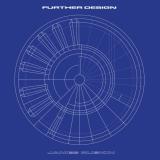
UK techno lynchpin James Ruskin celebrates 30 years of Blueprint with a remastered edition of his 'Further Design' LP, releasing 4th September 2026. Founded by Ruskin and Richard Polson in 1996, the infl uential label has spent three decades documenting uncompromising techno through releases from the likes of Rommek, Kr!z, Truncate, and many more, with 'Further Design' originally landing in 1998. The anniversary celebrations have already seen Mark Broom revisit seminal Regis recordings on the 'Power Is Neutral' EP, with further releases from Kerrie, Nastia, and more to follow, alongside a merchandise run later this year.
James Ruskin has been a constant presence in techno for over three decades. He defi ned the sound of British techno through his DJ sets, productions, and the releases on his infl uential Blueprint label. His stripped-back, functional, and forward-thinking sound has remained utterly uncompromising, with performances at clubs and festivals around the world while never straying from underground ideals. Substance over trends has always been his MO, through a catalogue spanning Blueprint, Tresor, and numerous collaborations that remain timeless.
The purposeful titles of the tracks on this essential album hint at the minimalist approach to sound. This is bold, linear techno with 'Enter', 'Below', and 'Indirect World' kicking off with rolling low ends and smart sound designs that even now sound futuristic. The likes of 'The Divide' bring spangled synths and crunchy percussive textures that jerk you into motion, while 'Time And Place' is an immersive cosmic odyssey and 'Unknown Destination' melts the mind with liquid synth work that loops around hypotonic rhythms. 'Work' is another perfectly calibrated cut with meticulous percussive placement and the shimmering of bells that dissolve space and time.
It is testament to Ruskin's original vision that 'Further Design' remains as evocative today as it was upon its release, full of otherworldly imagery and grooves that continue to move dance fl oors around the world.
erscheint voraussichtlich am 23.10.2026

The Garden, experimental punk duo made of twin brothers Wyatt and Fletcher Shears and their new album Bootleg is available on vinyl and CD via Epitaph Records. Recorded in Los Angeles and produced by Wyatt and Fletcher, the 14-track album is packed with The Garden"s eclectic instrumentation and visceral production work. Formed in 2011 by twin brothers Wyatt Shears and Fletcher Shears, The Garden built their signature "Vada Vada" style from the raw foundation of bass, drums, and eerie electronic textures. Their minimalist approach delivers an explosive, genre-defying sound that is equal parts chaotic, precise, and unmistakably original. Blending an uncanny, arthouse-inspired visual identity with fearless creativity, The Garden has become one of alternative music"s most influential cult acts, beloved by Tyler, the Creator and Mac DeMarco. Renowned for their explosive live performances, they"ve cultivated a fiercely dedicated global following while inspiring a new generation of artists and fans drawn to their singular creative vision.
erscheint voraussichtlich am 23.10.2026
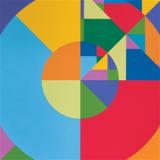
Eine Hommage an innovative mexikanische Musiker, die elektronische und indigene Instrumente mit Minimalismus, Ambient, Jazz und New-Age-Ästhetik verschmolzen haben Mit 12 visionären Künstlern, darunter Luis Pérez, Arturo Meza, Jorge Reyes, Aristeo und Tribu, um nur einige zu nennen Zusammengestellt und produziert vom mexikanischen Journalisten, Musiker und DJ Carlos ,Tropicaza" Icaza sowie dem Gründer von dublab radio und Creative Producer des LA Phil, Mark ,Frosty" McNeill Cover-Artwork vom legendären Künstler Eduardo Terrazas sowie Design und Layout von D.Norsen Design Doppel-LP, gepresst bei Optimal, inklusive Booklet mit Liner Notes Audio remastered vom GRAMMYr-nominierten Toningenieur John Baldwin Limitierte Farbvinyl-Edition, gepresst auf violettem und rosa Vinyl //// ,A LA ALTURA" - oder ,To The Height" - würdigt mexikanische Musiker, die sich in den letzten Jahrzehnten des 20. Jahrhunderts mit elektronischen und indigenen Instrumenten auf experimentelles Terrain wagten und dabei im Dialog mit Minimalismus, Ambient, Jazz und New-Age-Ästhetik standen. Über ein Jahrzehnt in Arbeit und liebevoll kuratiert vom mexikanischen Journalisten, Musiker und DJ Carlos ,Tropicaza" Icaza sowie dem Gründer von dublab radio und Creative Producer des LA Phil, Mark ,Frosty" McNeill, basiert A LA ALTURA auf Originalbändern und Masteraufnahmen mit unveröffentlichten, längst vergriffenen und privat gepressten Aufnahmen. Die Bände 1 & 2 präsentieren 25 visionäre Künstler, die sich aktiv für eine Art Bewusstseinserweiterung einsetzten - sei es durch die Suche nach den Sternen mittels ihrer Musik oder durch die Weiterentwicklung der Kunstform selbst. Ebenso kühn setzen diese beiden Bände ein Zeichen dafür, dass mexikanische Künstler und Komponisten wie Luis Pérez, Arturo Meza, Jorge Reyes, Ana Ruiz und Antonio Zepeda in einem Atemzug mit Michael Rother, Terry Riley, Hiroshi Yoshimura und den vielen anderen Künstlern genannt werden sollten, die zu Recht für ihren Experimentiergeist gefeiert wurden.
erscheint voraussichtlich am 30.10.2026
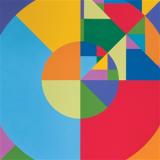
Eine Hommage an innovative mexikanische Musiker, die elektronische und indigene Instrumente mit Minimalismus, Ambient, Jazz und New-Age-Ästhetik verschmolzen haben Mit 12 visionären Künstlern, darunter Luis Pérez, Arturo Meza, Jorge Reyes, Aristeo und Tribu, um nur einige zu nennen Zusammengestellt und produziert vom mexikanischen Journalisten, Musiker und DJ Carlos ,Tropicaza" Icaza sowie dem Gründer von dublab radio und Creative Producer des LA Phil, Mark ,Frosty" McNeill Cover-Artwork vom legendären Künstler Eduardo Terrazas sowie Design und Layout von D.Norsen Design Doppel-LP, gepresst bei Optimal, inklusive Booklet mit Liner Notes Audio remastered vom GRAMMYr-nominierten Toningenieur John Baldwin Limitierte Farbvinyl-Edition, gepresst auf violettem und rosa Vinyl //// ,A LA ALTURA" - oder ,To The Height" - würdigt mexikanische Musiker, die sich in den letzten Jahrzehnten des 20. Jahrhunderts mit elektronischen und indigenen Instrumenten auf experimentelles Terrain wagten und dabei im Dialog mit Minimalismus, Ambient, Jazz und New-Age-Ästhetik standen. Über ein Jahrzehnt in Arbeit und liebevoll kuratiert vom mexikanischen Journalisten, Musiker und DJ Carlos ,Tropicaza" Icaza sowie dem Gründer von dublab radio und Creative Producer des LA Phil, Mark ,Frosty" McNeill, basiert A LA ALTURA auf Originalbändern und Masteraufnahmen mit unveröffentlichten, längst vergriffenen und privat gepressten Aufnahmen. Die Bände 1 & 2 präsentieren 25 visionäre Künstler, die sich aktiv für eine Art Bewusstseinserweiterung einsetzten - sei es durch die Suche nach den Sternen mittels ihrer Musik oder durch die Weiterentwicklung der Kunstform selbst. Ebenso kühn setzen diese beiden Bände ein Zeichen dafür, dass mexikanische Künstler und Komponisten wie Luis Pérez, Arturo Meza, Jorge Reyes, Ana Ruiz und Antonio Zepeda in einem Atemzug mit Michael Rother, Terry Riley, Hiroshi Yoshimura und den vielen anderen Künstlern genannt werden sollten, die zu Recht für ihren Experimentiergeist gefeiert wurden.
erscheint voraussichtlich am 30.10.2026
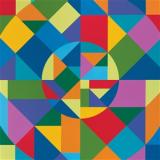
Eine Hommage an innovative mexikanische Musiker, die elektronische und indigene Instrumente mit Minimalismus, Ambient, Jazz und New-Age-Ästhetik verschmolzen haben Mit 12 visionären Künstlern, darunter Luis Pérez, Arturo Meza, Jorge Reyes, Aristeo und Tribu, um nur einige zu nennen Zusammengestellt und produziert vom mexikanischen Journalisten, Musiker und DJ Carlos ,Tropicaza" Icaza sowie dem Gründer von dublab radio und Creative Producer des LA Phil, Mark ,Frosty" McNeill Cover-Artwork vom legendären Künstler Eduardo Terrazas sowie Design und Layout von D.Norsen Design Doppel-LP, gepresst bei Optimal, inklusive Booklet mit Liner Notes Audio remastered vom GRAMMYr-nominierten Toningenieur John Baldwin Limitierte Farbvinyl-Edition, gepresst auf violettem und rosa Vinyl //// ,A LA ALTURA" - oder ,To The Height" - würdigt mexikanische Musiker, die sich in den letzten Jahrzehnten des 20. Jahrhunderts mit elektronischen und indigenen Instrumenten auf experimentelles Terrain wagten und dabei im Dialog mit Minimalismus, Ambient, Jazz und New-Age-Ästhetik standen. Über ein Jahrzehnt in Arbeit und liebevoll kuratiert vom mexikanischen Journalisten, Musiker und DJ Carlos ,Tropicaza" Icaza sowie dem Gründer von dublab radio und Creative Producer des LA Phil, Mark ,Frosty" McNeill, basiert A LA ALTURA auf Originalbändern und Masteraufnahmen mit unveröffentlichten, längst vergriffenen und privat gepressten Aufnahmen. Die Bände 1 & 2 präsentieren 25 visionäre Künstler, die sich aktiv für eine Art Bewusstseinserweiterung einsetzten - sei es durch die Suche nach den Sternen mittels ihrer Musik oder durch die Weiterentwicklung der Kunstform selbst. Ebenso kühn setzen diese beiden Bände ein Zeichen dafür, dass mexikanische Künstler und Komponisten wie Luis Pérez, Arturo Meza, Jorge Reyes, Ana Ruiz und Antonio Zepeda in einem Atemzug mit Michael Rother, Terry Riley, Hiroshi Yoshimura und den vielen anderen Künstlern genannt werden sollten, die zu Recht für ihren Experimentiergeist gefeiert wurden.
erscheint voraussichtlich am 30.10.2026
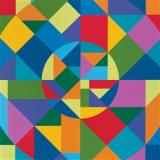
Eine Hommage an innovative mexikanische Musiker, die elektronische und indigene Instrumente mit Minimalismus, Ambient, Jazz und New-Age-Ästhetik verschmelzen Mit 13 visionären Künstlern, darunter Ana Ruiz, Oxomaxoma, Gerardo Bátiz, Antonio Zepeda und Airwaves, um nur einige zu nennen Enthält 4 bisher unveröffentlichte Titel Zusammengestellt und produziert vom mexikanischen Journalisten, Musiker und DJ Carlos ,Tropicaza" Icaza sowie dem Gründer von dublab radio und dem Creative Producer des LA Phil, Mark ,Frosty" McNeill Covergestaltung vom legendären Künstler Eduardo Terrazas, Design und Layout von D.Norsen Design Doppel-LP, gepresst bei Optimal, inklusive Booklet mit Liner Notes Audio remastert vom GRAMMYr-nominierten Toningenieur John Baldwin Limitierte Farbvinyl-Auflage auf gelbem und blauem Vinyl ///// ,A LA ALTURA" (zu Deutsch: ,Zu den Höhen") würdigt mexikanische Musiker, die sich in den letzten Jahrzehnten des 20. Jahrhunderts mit elektronischen und indigenen Instrumenten auf experimentelles Terrain wagten - im Dialog mit Minimalismus, Ambient, Jazz und New-Age-Ästhetik. Über ein Jahrzehnt in der Entstehung und liebevoll zusammengestellt vom mexikanischen Journalisten, Musiker und DJ Carlos ,Tropicaza" Icaza sowie dem Gründer von dublab radio und Creative Producer des LA Phil, Mark ,Frosty" McNeill, basiert A LA ALTURA auf Originalbändern und Masteraufnahmen mit unveröffentlichten, längst vergriffenen und privat gepressten Aufnahmen. Die Bände 1 und 2 präsentieren 25 visionäre Künstler, die sich aktiv für eine Form der Bewusstseinserweiterung einsetzten - sei es durch das Streben nach den Sternen mittels ihrer Musik oder durch die Weiterentwicklung der Kunstform selbst. Ebenso kühn setzen diese beiden Bände ein Zeichen dafür, dass mexikanische Künstler und Komponisten wie Luis Pérez, Arturo Meza, Jorge Reyes, Ana Ruiz und Antonio Zepeda in einem Atemzug mit Michael Rother, Terry Riley, Hiroshi Yoshimura und den vielen anderen Künstlern genannt werden sollten, die zu Recht für ihren Experimentiergeist gefeiert wurden.
erscheint voraussichtlich am 30.10.2026
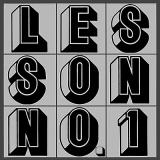
After cutting his teeth in the late '70s No Wave scene with bands Theoretical Girls and The Static, Glenn Branca made his first solo statement, Lesson No. 1, in 1980. The inaugural release on legendary post-punk / dance label 99 Records, Lesson No. 1 unveils Branca's visionary guitar concepts with two monstrous, side-long compositions that helped forge NYC's downtown art-punk sound and acted as a massive influence on countless young groups, including Sonic Youth and Swans.
The title track is easily Branca's most-accessible moment; its driving beat and interlocking patterns resemble German pioneers Neu! playing Philip Glass. Never before (or since) has minimalism sounded so euphoric. "Dissonance" is the A-side's polar opposite. Dark, skittish and unhinged, Branca leads his band (guitar, keyboard, bass, drums and sledgehammer) through block after block of industrial terror, leaving listeners drained in the process.
erscheint voraussichtlich am 30.10.2026

Anlässlich des 10-jährigen Jubiläums von ,Lost Themes II" präsentiert Sacred Bones stolz eine neue, erweiterte Kunstausgabe von John Carpenters gefeiertem zweitem Album mit Nicht-Soundtrack-Kompositionen. Mit neu in Auftrag gegebenem Artwork von Randy Ortiz vereint diese Jubiläumsausgabe das Originalalbum auf limitiertem "Violet Sunrise" Vinyl mit einer Bonus-7"-Single, die ,Real Xeno" enthält - nun zum ersten Mal auf Vinyl erhältlich, abseits der ursprünglichen, limitierten Veröffentlichung der Sacred Bones Society. Die B-Seite zeigt ein exklusives, speziell für diese Ausgabe entworfenes Gravurdesign. Die ,Lost Themes"-Reihe hat sich zu einem der prägendsten Kapitel in Carpenters Karriere entwickelt. Befreit von den Zwängen der Leinwand haben diese Kompositionen ein Eigenleben entwickelt und Carpenters Vermächtnis über Filmmusik hinaus erweitert. Das 2016 erschienene ,Lost Themes II" erweiterte die Klangwelt seines Vorgängers und verband Carpenters unverkennbares Gespür für Atmosphäre und Spannung mit seinem charakteristischen Minimal-Synth, reichhaltigeren Arrangements sowie elektrischen und akustischen Gitarren. Ein Jahrzehnt später bleibt ,Lost Themes II" ein Meilenstein in einer Reihe, die weit über imaginäre Soundtracks hinausgewachsen ist und als unverzichtbare Werke in Carpenters Katalog gilt - ein Zeugnis seiner musikalischen Vision und seiner bemerkenswerten Fähigkeit, Welten zu erschaffen, die weit über den Film hinausreichen.
erscheint voraussichtlich am 30.10.2026
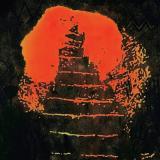
This is the sound of dream Texas, the cinematic Texas conjured in film and 20th century literary and art myth… big dark blueing horizons swallowing the infinite distance, a lonely poetry of sound, but also a stock taker of the iconoclastic, psychedelic, art rebel side of Texas… the cracked rock music side of Texas, the avant-garde in concrete cracks, the recklessly used, mind expanding drugs Texas, the dripping eastern swamps, the Houston house parties with the sounds of records blasting down the block and becoming musique concrète in the hot summer night.
Chrome Chasm’s debut album Interpreter is ambient, minimal in feel, maximal in texture, beautifully disorienting, vastly spacious— until it isn’t. It's a naturalistic shapeshifter, taking majestic form in the aforementioned elements and then dissolving back to raw genetic material to form anew. Spiritual jazz overtones, pedal steel moans and buzzing, noisy ambient visions are upended by grey-folded psychedelic unveilings. Interpreter’s three expansive tracks present a most detailed performance by its three deft musicians and the outcome often feels like a gorgeous collage in real-time.
Chrome Chasm was formed in 2024 by three of Houston’s brightest underground stars: Mlee Marie (Hearts Of Animals) on alto saxophone, flute and voice (whose long-form experimental sax performances helped inspire the formation of the band), Will Adams (Lower Dens/ Ka-Nives) on pedal steel, synth, percussion and voice, and Tom Carter on guitar. Carter has been casting a long shadow over Texas psychedelia and American underground music for over 3 decades, most notably with the Houston based Charalambides, a powerful creative force of the pre-new weird America era of experimental and avant psychedelic music, and most notably since with his solo guitar magnum opus Long Time Underground (which was deemed among the best experimental albums of 2015 by Pitchfork).
Interpreter’s opening track “The Star,” recorded almost completely live in one room and one take, is a 16-minute manifesto on ‘Dream Noir.’ An astute scholar of cross-genre connectivity and the through-lines of kosmische and spiritual-leaning sonic realms can hear echoes of Cluster, the skronk and beauty of Rahsaan Roland Kirk, and the architectural ambient flow of Harold Budd and Philip Glass in the tidal lapping of distorted guitar, mantra-like saxophone and pedal steel flow. From its deconstructed, pastoral opening moments to its proto-electronic center that crests into a bombastic polytonal climax, Chrome Chasm never neglect narrative arc for experimentation and avant technique. In fact, as a group, they effortlessly control, open, fill and contract space in abeyance to emotional vibration. “The Star,” and indeed the album as a whole, feels more like a communion or extended poem, in direct communication with the listener, than it does a ‘captured experience.’
Across the three longform tracks of Interpreter, Chrome Chasm conducts a masterclass in fusing real time performance energy with an abstract, cut-up master’s reimagining of the literal. They demand the listener meet their music with dream logic and then, like the best dream peddlers, they present a labyrinth to fall into and experience, a place where explanation and conclusion become obsolete, and engagement and immersion become sublime.
erscheint voraussichtlich am 30.10.2026

Limen brings together two artists whose musical paths converge around a shared sensitivity to listening, resonance, and the evocative power of sound.
Recorded at Ritmo e Blu Studio during a five-day residency between spring and summer 2025, the album emerged from a series of spontaneous encounters free from predetermined structures. The pieces preserve their original form, retaining the immediacy and temporal flow of the dialogues as they first unfolded.
Subsequent interventions were conceived not as revisions, but as an exploration of the open spaces already present within the recordings—deepening what remained unspoken and extending resonances without altering the music's natural evolution.
The title, derived from the Latin word for “threshold,” reflects the nature of the project itself: a place of passage between improvisation and composition, silence and vibration, memory and imagination. Limen inhabits a suspended territory where listening becomes an experience of openness, presence, and transformation.
---
Lino Capra Vaccina
Lino Capra Vaccina is one of the most distinctive voices in Italian experimental music. A percussionist, composer, and pioneer of minimalist and meditative sound practices, he first emerged in the early 1970s as a founding member of the influential group Aktuala, whose visionary fusion of ancient traditions, improvisation, and contemporary research anticipated what would later become known as world music.
Over a career spanning more than five decades, Vaccina has cultivated a unique artistic language centred on vibration, resonance, and the transformative power of sound. His landmark 1978 album Antico Adagio remains a touchstone of European minimalism, while his collaborations have included figures such as Franco Battiato, Juri Camisasca, Markus Stockhausen, Keith Tippett, Paolo Tofani, and many others.
Whether working with percussion, piano, electronics, or voice, Vaccina's music seeks a state of suspension and contemplation. His compositions unfold as immersive sonic environments whereancient echoes and contemporary sensibilities meet, inviting listeners into an experience that is at once intimate, spiritual, and timeless.
---
Luca Formentini
Luca Formentini is an Italian composer, sound artist, and improviser whose work unfolds at the intersection of experimentation, atmosphere, and deep listening. Active since the late 1990s, he has developed a highly personal language in which guitar, voice, field recordings, and electroacoustic processes become tools for exploring memory, perception, and the expressive potential of sound itself.
His music resists easy categorization, moving freely between ambient, contemporary composition, improvisation, and sound art. Throughout his career he has released numerous solo works and collaborated with a wide range of internationally acclaimed musicians, including Holger Czukay, Robert Rich, Markus Stockhausen, Steve Jansen, Theo Travis and Steve Lawson.His recordings have appeared on labels across Europe, Asia, Australia, and the United States.
Rooted in a practice of attentive listening and sonic exploration, Formentini creates evocative musical landscapes that invite reflection rather than certainty, opening spaces where silence, texture, and resonance become as meaningful as melody itself.
erscheint voraussichtlich am 06.11.2026

Outer Place Records proudly presents its seventh vinyl release: Jungle EP by Kamyar Keramati with included a remix from Domenico Rosa . A sonic expedition through intricate rhythms and emotive textures, this EP marks a significant chapter in our label's journey. Berlin-based Iranian producer Kamyar Keramati delivers a compelling four-track EP that traverses the realms of techno, breakbeat, and ambient soundscapes.
A1. "Jungles"
An immersive opener that sets the tone with layered percussions and atmospheric depth, inviting listeners into a dense sonic forest.
A2. "Sakhiff"
A rhythmic journey blending intricate beats with subtle melodies, showcasing Keramati's prowess in crafting dynamic electronic narratives.
B1. "One For All"
A unifying track that melds diverse sonic elements into a cohesive whole, reflecting the EP's complete theme of interconnectedness.
B2. "Jungle (Domenico Rosa Remix)"
Italian producer Domenico Rosa reinterprets the title track, infusing it with his signature minimalistic but techno flair, adding a fresh perspective to the original composition.
Each track demonstrates Keramati's ability to weave complex rhythms with emotive undertones, creating an EP that resonates on both the dancefloor and in introspective settings. Visual Identity by Henrik Delehag Complementing the auditory experience, the EP features cover art by Swedish artist Henrik Delehag . Known for his distinctive black-and-white iconography, Delehag's work explores the interplay between chaos and harmony. His art distills complex realities into symbolic forms, providing a visual narrative that mirrors the EP's sonic journey.
This collaboration marks the beginning of an ongoing partnership, with Delehag set to design all future vinyl covers for Outer Place Records. His unique artistic vision aligns seamlessly with our label's vision, enhancing the holistic experience of our releases.
Jungle EP is more than a collection of tracks; it's a curated experience that fuses sound and visual art.
Available soon on vinyl and digital platforms.
Bei uns am Lager und sofort versandfertig
The NE21 stands as one of the most mysterious and elusive projects within the contemporary post-punk and minimal wave landscape. With only two previous releases—through Domestica and She Lost Kontrol—the project has already secured an unquestionable place among the essential names of the genre. After five years of complete silence on the release front, “No Zone” marks their long- awaited return. The record expands the project’s unmistakable universe: cold synth lines, suspended atmospheres, hypnotic rhythms, and a haunting sense of isolation that moves between Trisomie 21 minimal wave austerity and Neon’s emotionally charged post-punk tension, aligned with other Italian wave visionaries such as DsorDNE while connecting with newer tendencies in electronic krautrock and proto-experimental music. Everything in “No Zone” feels deliberate and restrained, unfolding a ghostly elegance, balancing shadowy electronics with sharp melodic instinct. With “No Zone”, The NE21 not only return—they reaffirm their singular position as one of the most distinctive and enigmatic voices operating in the darker edges of underground electronic music. Presented in ONE-OFF truly limited edition of 300 copies lacquered pressed on 180 gr. high quality solid BLACK vinyl. All tracks have been specially remastered and mastered for vinyl by Daniel Hallhuber at Young and Cold Studios (Germany).
Bei uns am Lager und sofort versandfertig

Stereoblaster launches its journey with a powerful Various Artists release.
More than a compilation, this project defines the sonic identity of the label — blending deep, minimal and acid influences into a cohesive club-driven experience.
Each artist brings a unique perspective, contributing to a shared vision rooted in underground culture and forward momentum.
This is Stereoblaster.
A sound explosion.
Bei uns am Lager und sofort versandfertig

2026 Repress
ANNE & SERA J return for the second edition of their Symbiosis series on Mutual Rytm.
ANNE, known for potent techno on the likes of Soma and Hardgroove, and Nechto and Life In Patterns associate Sera J, have had standout years that have seen them put out a stream of essential club tracks. They are partners in both life and music, and the first volume of 'Symbiosis' on SHDW's Mutual Rytm imprint was their first release together. Delivering an honest representation of their innermost feelings, having also contributed to the label's 'Federation Of Rytm III' VA in February, this new six-track EP (plus bonus cuts) presents a 'mature and refined connection between their souls'.
The second instalment of 'Symbiosis' reflects not only their deep personal connection, but also their collaborative synergy as musical peers with the same goals. The EP captures the essence of their mutual artistic journey and showcases the strength of their bond both in life and through their shared creative vision - to create a storyline through sounds coming from their souls and convey a narrative that many listeners may find relatable.
SERA J kicks off with the lithe and melodically elegant techno of 'Your Soul Is Art' which will have both heart and heels dancing. 'Illusions' is a more heavy and dubby cut with paired back grooves and pulsing synths, while 'Glacial Pace' is an urgent deep techno roller with turbocharged stabs and huge icy hi hats locking you into a trance.
ANNE steps up on the B-side with 'Floating Waves' exploring physical, chunky drum funk and raw synth textures. 'Planetary Dust' is a dark and moody astral techno journey to the stars, before 'Sweet Seventeen' brings a more melodic cut with a sense of hope and joy in the bright pads that shimmer above the glitchy grooves.
Both artists also offer two digital bonus cuts with SERA J's 'Syncrosonix' and 'Space Velocity' delivering perfectly reduced minimal techno monsters, while ANNE's 'Gentle Loop' and 'Starburst' are interplanetary trips with widescreen cosmic synths.
Bei uns am Lager und sofort versandfertig

Micro Driver III is here back again, from a large period of such as an hybernation status. As previous targets: the combination and compilation from several electronic music producers are shown in this series to enhance and spread the sonic spectrum of the label.
So we are also proud of this release for a particular reason: A nice moment of having on board two of the greatest veteran electronic music activists from Madrid City, Roberto Gemelin with his aka Groof and Luis Rozalén with his HD Substance moniker gives to this 12" an exclusive meeting to show the most electro side of both producers after their long careers producing and creating full of different electronic music alias and stuff.
In the other hand, sharing the vinyl we are pretty excited by the music of Spectrum Data Forces the Electro alias of the well established techno producer C-System, with his high-energy, powerfull and tigh Electro. And the last but no least track of Emulador with a minimal and futuristic Düsseldorf/Detroit vibes to accomplish this compilation.
This four spanish artists are definately full of talent with four different styles and visions of Electro. Micro Driver is a series compilation from several artists of the Electro community.
Bei uns am Lager und sofort versandfertig

Kaizen is a Japanese philosophy that means “continuous improvement.”
The new Lisbon-based label is built around a vision of constant evolution in groove and rhythm. The label’s debut release comes from its founder, Stan Yaroslavsky, delivering a deeply personal project that reflects his artistic growth throughout years of musical exploration and production.
The 4-track EP showcases different sides of his musical identity, with each track representing a unique approach to sound, groove, and atmosphere. Blending elements of House and Tech House with subtle minimal influences, the release captures both movement and progression while staying true to the label’s core philosophy of continuous change.
Bei uns am Lager und sofort versandfertig

erscheint voraussichtlich am 14.12.2026

Coming off the back of what could only be described as ‘THAT’ CBRK001 track, we are thrilled to welcome Lindsey Herbert back to circuit|breaker with our first full length artist EP. Lindsey presents four highly effective, stripped back weapons - displaying her artistry in style. ‘You and Me’ opens the A side, perfectly encapsulating the essence of Lindsey’s signature peak time sound. An unfolding journey, leading with a wonky, yet sinister synth on top of driving percussive elements. As we begin to explore the world of the A1, the track is elevated once more, with a homemade vocal cut, paired with some expertly engineered percussion, giving us a greater sense of depth and flow through call and response techniques. Up next is ‘Tunnel Vision’ - a minimalistic tool injected with a thumping low end, dense rhythms and metallic textures, exhibiting a unique atmospheric restraint
with the dance floor in mind. As the track progresses we are introduced to a murky bleep sequence, keeping the track grounded for those deeper moments on the floor.
The B side launches into ‘Fluctuations’, once again presenting us with a classic peak time slammer. Carrying the track, a huge funky swinging hook, enticing the listener into its trance, feeling like it will never let you go. Amongst its energy, there is a sensation of playfulness that will invite the listener into its groove and functionality. We cap off the release with ‘Fragments of Light’ - a stripped back, potent cut, indulging into a more textural approach and allowing the track to breathe through subtle atmosphere, moments of low end resonance and percussive exchange. A detroit-esque dub hitgives the track a soulful offering and reminds us of the nucleus of techno.
Bei uns am Lager und sofort versandfertig

The first release in the Between Dimensions vinyl series, BDREP001 , presents Oi Zé EP by Lipp — a deep and hypnotic journey rooted in minimal grooves, organic percussion, and timeless underground aesthetics.
Crafted for intimate dance floors and extended listening sessions, the EP balances raw rhythmic energy with refined textures, delivering a warm and immersive sound signature that reflects the identity of Between Dimensions.
On the A side, “Atleta Do Ano” and “Oi Zé!” explore stripped-back grooves, subtle melodic movements, and rolling low-end pressure. The B side features a special reinterpretation of “Oi Zé!” by Barac, transforming the original into a deeper and more atmospheric late-night tool.
BDREP001 marks the beginning of the Between Dimensions wax journey — a carefully curated series focused on timeless electronic music, connecting artists from different parts of the world through a shared vision of depth, rhythm, and dance floor storytelling.
Credits
Original Tracks
by Filipe Rodrigues Bezerra
Remix by Nicolae Barac
Mastering by Rob Smalls
Visual art by Steph Gar
Bestelle jetzt. Wir sammeln aktuell Bestellungen für eine Nachpressung.
Derek Kamm is the American producer behind the Kidislive project and brings more than two decades of experience.
The Long Island-raised DJ and producer has previously received support from the likes of Richie Hawtin, Marco Carola and Carl Craig, while releasing on Visionquest, but now hones his craft, combining influences from micro house, minimal and experimental. Fresh off a third outing on 8 Head Records, he is back on his own new label to explore more compelling grooves.
Opener 'Down To The Penny' has a lively carnival feel, with an excitable mix of shimmering synths and subtle guitar riffs bursting through the mix. Sweeping filters ramp up the scale as more delicate melodies hang in the air, helping to hypnotise the dance floor. There is plenty of sunshine in the rich, multilayered instrumental 'Never Stop Reaching', which builds through rousing chords and florid flute lines. Vocals arrive with an empowering message that will bring real rapture. The fantastic 'Dipper Fox' is a rugged rhythm with chunky bass and a muscular feel that's softened by wispy, swirling synths and soaring choral vocals. Last but not least, 'Shorty Circuitry' is a study in emotional soundscaping - a warm, effervescing brew with strings and breathy vocals, long-tailed chords and a sense of joy all swarming around a subtle bass guitar that moves things onward and upwards.
Bei uns am Lager und sofort versandfertig

LOKLTD007 proudly brings you GUDJ, a rising talent from the UK minimal electronic scene. With Andromeda EP, the British producer delivers four sophisticated tracks that blend hypnotic grooves, futuristic sound design, and cinematic atmospheres.
From the mesmerizing energy of “Andromeda” to the dreamlike textures of “Mirage”, and the driving momentum of “Orza” and “Bravora”, each track unfolds as a chapter in a cosmic journey. A refined and immersive release that showcases GUDJ's unique artistic vision and his growing presence within the international minimal scene.
Bestelle jetzt. Wir sammeln aktuell Bestellungen für eine Nachpressung.
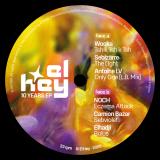
10 years of El Hey, pressed into wax.
A decade of sweat, sound, and raw energy has led us to this: our 10 years anniversary various.
Six tracks, one vision, and zero boundaries.
From the deep textures of Dub and IDM to the groove of House, and the driving force of Techno, Break and Minimal, this record is a celebration of the eclectic sound we’ve been digging since day one.
Featuring the core family Antoine LV, Elhadji, Sebizarre, and NOCH, alongside special guests and long-time friends Camion Bazar and Wooka.
6 tracks. 10 years. One record.
Bei uns am Lager und sofort versandfertig
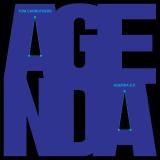
With Agenda EP, Tom Carruthers closes a landmark trilogy on Skylax Records, following Neutralise EP and Deepline. Three records. Fifteen tracks. One coherent vision of machine-driven house music stripped to its raw, functional core. This final chapter dives deeper into direct, club-focused energy, where groove, repetition and tension do the talking. Agenda is less reflective, more physical — built for movement, sweat, and long transitions in dark rooms. Opening track “Chrome” sets the tone: sharp drum programming, metallic pressure, and looping synth phrases that lock the body into motion. “Agenda (Raw Mix)” follows with a tougher, stripped-down approach — no excess, just pure rhythmic insistence rooted in early Chicago jack and warehouse discipline. “Beat Down” pushes further into machine funk territory, where relentless patterns and rugged textures meet in hypnotic repetition. On the flip, “Fade Away” brings a deeper, moodier tension — a late-night track where subtle emotion seeps through minimal structures. Closing cut “What You Want” is classic Carruthers: jacking drums, understated melody, and a groove that feels timeless rather than retro. As with the previous releases, the visual identity is handled by H5, whose modernist, reduced artwork mirrors the sonic philosophy: clarity, impact, and purpose. Agenda EP completes the Skylax trilogy as a statement of intent — not revivalism, not nostalgia, but dance music reduced to its essential elements.
Bei uns am Lager und sofort versandfertig

2026 Repress
Berlin-based producer Red Rooms launches his new imprint ROT with a debut EP called Endurance that captures the full spectrum of his techno vision. From hypnotic minimalism to peak-time drive and closing-time euphoria, ROT001 delivers versatile tools for every moment of the night.
The record opens with Znakva, a mesmerizing ambient piece that sets the tone with atmospheric depth and introspection. Septima, Not Gonna Last Forever, and Disturbance bring the raw energy: pounding low-end pressure, whipping hi-hats, trippy synth lines, and gritty textures designed to ignite the floor. Closing the EP, Endurance lifts the mood with an emotive, uplifting finale -balancing intensity with a sense of release.
A statement debut, ROT001 introduces ROT as a label committed to deep, hypnotic, and dancefloor-focused techno.
Bei uns am Lager und sofort versandfertig
