Equal parts soft and sorrowful, Myriam Gendron’s stunning Not So Deep As A Well LP became something of a sleeper hit upon its initial release back in 2014. Her debut album shone a warm lamp-light glow upon a curious and captivating new voice in the Quebecois folk world.
Nearly ten years on from its release in her native Canada and America, Not So Deep As A Well gets a European release for the first time this autumn, with a new pressing on the Basin Rock label (Julie Byrne, Aoife Nessa Frances, Trevor Beales, Juni Habel) which features two tracks not included on the original release - ‘Bric-à-brac’ and ‘The Small Hours’ - both written and recorded in the early days of 2014.
Recorded alone in her apartment, with no knowledge of sound engineering, it could almost be a lost artefact, a dust-lined document of a forgotten time and place. Taking the poems of Dorothy Parker, whose work Gendron stumbled upon by chance in a Montreal bookstore, she imbues the words with a graceful, gentle expression, a lingering sense of sorrow always present.
A stark, spellbinding collection, Not So Deep As A Well is raw and unyielding in so many ways we no longer expect to hear. As if sitting in the room with her, Gendron’s voice is cracked and unadorned, quietly forced into a push and pull between
Huey Mnemonic (Detroit) and D. Strange (Chicago) are not only interested in the future, but they offer a stark reminder of an ever desolate present.
Their split EP State of Emergency (via Mnemonic’s Subsonic Ebonics label) sonically structures a bleak narrative across 4 electro-laden tracks from the midwest-based producers.
The escapade begins with “Black Manta Corps”, Huey’s classically styled 808 programming accompanying modulated analog synth play up front, while a stirring crescendo of soundtrack-esque chords provides cover from the rear. “Red Alert” offers the juxtaposition of funk-tinged bounce to a searing siren lead. Midway we’re offered a brief moment of repose with Huey demonstrating a masterful computer-funk bridge before the sirens’ sobering tone returns.
D. Strange continues the journey lacing haunting synth interplay that steadily stacks the tension alongside stimulating melodies, chest-pounding bass, and scattered triplets on “Exoframe”. While “Drapetomania” closes things out with zipping percussion, a mutated bass line, and atmospheric droning pads panning like a shadow creeping closer and closer…
out of Stock
Last delivered 23 months ago available to reorder, subject to availability
Nach 6 jähriger Pause ist die Rockband Heisskalt wieder zurück. Dass die Fans das sehnsüchtig erwartet haben, merkt man nicht nur an den
Streamingzahlen, die in 6 Jahren Inaktivität beständig hoch waren, sondern auch an der kürzlichen Ankündigung der ersten Tour, die innerhalb
kürzester Zeit zu großen Teilen ausverkauft war und hochverlegt wurde.
Die Single "Wasser, Luft und Licht", mit der Heisskalt ihr kommendes Album "Vom Tun und Lassen" ankündigen, lässt keine Fragen offen und lädt mit
großem Ohrwurm-Potenzial direkt zum Tanzen ein. Doch wie es typisch ist für die Band, die zu den einflussreichten der letzten 10 Jahre im Deutschen
Band-Markt gehört, steckt dahinter auch eine tiefere Message:
"Es geht um einen Prozess des sich Gewahr werdens, dass alles irgendwie doch eins ist, auch wenn es für uns einfacher scheint, zu trennen und
voneinander zu unterscheiden. Wir atmen alle die selbe Atmosphäre, trinken das selbe Wasser, wärmen uns am selben Licht. Wenn wir uns als Teil
dessen erkennen, dann ist das ganz schön friedlich. Und es braucht Frieden."
Nice Swan veröffentlicht das neue Album der L.A. Alternative-Rocker Jagged Baptist Club. "Physical Surveillance" handelt davon, alte Gewohnheiten, alte Realitäten und das alte Selbst sterben zu lassen. Es geht darum, vorwärts zu gehen, sich zu entwickeln und zu versuchen, sich auf die Gegenwart zu konzentrieren und in die Zukunft zu blicken. Zu erkennen, dass man eine bessere Version seiner selbst werden kann und dass es in Ordnung ist, das Buch über seine Vergangenheit zu schließen, und zwar auf eine Art und Weise, die die Vergangenheit nicht auslöscht, sie aber zumindest unter Glas legt. Es macht auch einfach richtig Spaß, sich das anzuhören.
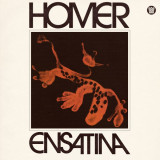
Homer Steinweiss has an incredibly storied career in music that started when he was just a teenager. He's drummed for nearly every "retro soul" group that mattered and his distinctive stickwork helped blend the raw-but-receptive soul sound back into the mainstream via the likes of Amy Winehouse & Sharon Jones. He's now one of the most in demand drummers in the world, playing with Jonas Brothers, Clairo, Solange, Adele, and Bruno Mars to name a few. With his debut solo release Ensatina, Homer is stepping to the forefront as both musician and producer. His new record is a reection of who he is now and a testament to how struggle often brings about a needed change. In 2020 Homer had to reckon with considerable emotional turbulence; at the same time that his band Holy Hive broke up, a personal relationship of 20+ years fell apart putting Homer in an uncertain place mentally. The fallout was signi‑cant enough for him to seek professional help. "I was going through these super manic highs and then very depressive lows," Homer describes. "And being in all that, it's just so tough to imagine that the other side is there, that it'll be ok." But, with time, professional help, and support from friends and family, Homer made it through and has been forever changed. This album is a product of that period of his life. The ‑rst song from these sessions, "Now That It's Over" perfectly sums up Homer's triumph through those tough times. It's a song of changing perspective and contemplation with haunting vocals from Hether and Flikka. "Paul (Castelluzzo_ aka, Hether), as a friend, saw me through these highs and lows," Homer points out. "I only had the one line, 'Now that it's over, I'm alright,' but he felt that lyric so much that he wrote all these sections and lyrics and basically completed the song. It was like he was writing to me." Hether also features on album standouts "Deep Sea", a modern love song, "Start Select", a juxtaposition of inspiration and melancholy, and "Forever and Ever and Ever and Ever" which is an incredible contemporary take on the B side soul ballad. Homer uses his innate gift for bringing seemingly opposing energies together on "Racecar Driver", pairing the vocals of Hether & long time friend and collaborator KIRBY to make a genre challenging banger. KIRBY also graces the album opener "Rollin'", an airy, warm-weather invoking song that her raspy voice perfectly compliments. He puts his drumming front and center on "So Get Up!", a bottom heavy infectious track that MINOVA's vocals turn into an instant hit that is sure to smash speakers. On "Wishing Well" & "Hide It Behind the Light I'm Shining Through" Homer is joined by girl named GOLDEN, who's unique voice effortlessly ‑nds the pocket in each tune. The man on trumpet, and fellow Big Crown label mate Dave Guy, puts his incomparable playing on the album closer "Goldie" which Homer says is the part of the movie where the credits roll. Making this album was a refuge for Homer and it put him back on track. Ensatina is a glimpse into the different energies and inuences that make Homer tick. To say he was always much more than a drummer would be an understatement, and this ‑rst solo offering is just the beginning of his next chapter.
Homer Steinweiss has an incredibly storied career in music that started when he was just a teenager. He's drummed for nearly every "retro soul" group that mattered and his distinctive stickwork helped blend the raw-but-receptive soul sound back into the mainstream via the likes of Amy Winehouse & Sharon Jones. He's now one of the most in demand drummers in the world, playing with Jonas Brothers, Clairo, Solange, Adele, and Bruno Mars to name a few. With his debut solo release Ensatina, Homer is stepping to the forefront as both musician and producer. His new record is a reection of who he is now and a testament to how struggle often brings about a needed change. In 2020 Homer had to reckon with considerable emotional turbulence; at the same time that his band Holy Hive broke up, a personal relationship of 20+ years fell apart putting Homer in an uncertain place mentally. The fallout was signi‑cant enough for him to seek professional help. "I was going through these super manic highs and then very depressive lows," Homer describes. "And being in all that, it's just so tough to imagine that the other side is there, that it'll be ok." But, with time, professional help, and support from friends and family, Homer made it through and has been forever changed. This album is a product of that period of his life. The ‑rst song from these sessions, "Now That It's Over" perfectly sums up Homer's triumph through those tough times. It's a song of changing perspective and contemplation with haunting vocals from Hether and Flikka. "Paul (Castelluzzo_ aka, Hether), as a friend, saw me through these highs and lows," Homer points out. "I only had the one line, 'Now that it's over, I'm alright,' but he felt that lyric so much that he wrote all these sections and lyrics and basically completed the song. It was like he was writing to me." Hether also features on album standouts "Deep Sea", a modern love song, "Start Select", a juxtaposition of inspiration and melancholy, and "Forever and Ever and Ever and Ever" which is an incredible contemporary take on the B side soul ballad. Homer uses his innate gift for bringing seemingly opposing energies together on "Racecar Driver", pairing the vocals of Hether & long time friend and collaborator KIRBY to make a genre challenging banger. KIRBY also graces the album opener "Rollin'", an airy, warm-weather invoking song that her raspy voice perfectly compliments. He puts his drumming front and center on "So Get Up!", a bottom heavy infectious track that MINOVA's vocals turn into an instant hit that is sure to smash speakers. On "Wishing Well" & "Hide It Behind the Light I'm Shining Through" Homer is joined by girl named GOLDEN, who's unique voice effortlessly ‑nds the pocket in each tune. The man on trumpet, and fellow Big Crown label mate Dave Guy, puts his incomparable playing on the album closer "Goldie" which Homer says is the part of the movie where the credits roll. Making this album was a refuge for Homer and it put him back on track. Ensatina is a glimpse into the different energies and inuences that make Homer tick. To say he was always much more than a drummer would be an understatement, and this ‑rst solo offering is just the beginning of his next chapter.
Live-Album des legendären Singer/Songwriters Steve Earle:
Steve Earle ist einer der renommiertesten Singer-Songwriter seiner Generation. Als Schützling der legendären Songwriter Townes Van Zandt und Guy
Clark wurde er schnell zu einem meisterhaften Geschichtenerzähler, und seine Songs wurden von Johnny Cash, Waylon Jennings, Joan Baez, Emmylou
Harris, The Pretenders und unzähligen anderen aufgenommen. 1986 erschien sein Album Guitar Town, das bis auf Platz eins der Country-Charts
schoss und heute als Klassiker des Americana-Genres gilt. Zuletzt wurde Earles Hit Copperhead Road aus dem Jahr 1988 zum offiziellen Song des
Bundesstaates Tennessee im Jahr 2023 ernannt. Nachfolgende Veröffentlichungen wie The Revolution Starts...Now (2004), Washington Square
Serenade (2007) und TOWNES (2009) wurden mit aufeinanderfolgenden GRAMMY® Awards ausgezeichnet. Sein jüngstes Album Jerry Jeff (2022)
besteht aus Earles Versionen von Songs, die Jerry Jeff Walker, einer seiner Mentoren, geschrieben hat.
Earle hat sowohl ein Buch als auch eine Sammlung von Kurzgeschichten veröffentlicht. Earle produzierte Alben für andere Künstler wie Joan Baez (Day
After Tomorrow) und Lucinda Williams (Car Wheels on A Gravel Road).Als Schauspieler hat Earle in mehreren Filmen mitgewirkt und hatte
wiederkehrende Rollen in den HBO-Serien The Wire und Tremé. 2009 spielte Earle in dem Off-Broadway-Stück Samara mit, für das er auch die Musik
schrieb, die die New York Times als „exquisit unterschwellig“ bezeichnete. Im Jahr 2020 wurde Earle in die Nashville Songwriters Hall of Fame
aufgenommen.
a The Devil's Right Hand (Acoustic[Live])
[b] My Old Friend The Blues (Acoustic[Live])
[c] Someday (Acoustic [Live])
[d] Guitar Town (Acoustic [Live])
[e] I Ain't Ever Satisfied (Acoustic[Live])
[f] Now She's Gone (Acoustic [Live])
[g] Goodbye (Acoustic [Live])
[i] South Nashville Blues (Acoustic[Live])
[j] CCKMP (Acoustic [Live])
[k] Transcendental Blues (Acoustic[Live])
[l] It's About Blood (Acoustic [Live])
[m] Dominick St. (Acoustic [Live])
[n] The Galway Girl (Acoustic [Live])
[o] Copperhead Road (Acoustic [Live])
The eighth and latest slate of refined retro-futuristic synth-pop by Liz Wendelbo and Sean McBride aka Xeno & Oaklander is named after and inspired by "the study of what not to do, a negative image of a positive, the other side, the other:" Via Negativa (in the doorway light). Recorded in the fall of 2023 at their modernist Connecticut home fashioned into a two-story synthesizer laboratory and mixing studio, the album is uniquely visionary in spirit yet precision in execution, a contrast central to the duo's enduring chemistry. Embryonic piano sketches were translated to nuanced modular systems, which McBride weighted with "harmonic padding," tuned percussion, and a spectral transfer device capable of "rendering spasms of rhythmic overtonal filigree." Despite the technological complexity of their craft, emotively the songs require no deciphering - these are technicolor widescreen anthems of the cybernetic age. The eponymous opening track sets the pace, soaring sleekly over glittering synths and call-and-response vocals about arias, shattered light, and faces in stereo. From there the record expands and contracts, cycling through a gallery of moods and masks, animated by the band's fascination with drama, "the idea of personae," and theatrical characters. Track by track, a murky, tragic backstory reveals itself: forlorn figures navigating a treacherous mercury mine, alternately poisoned by fumes or buried in collapsing caverns. The tension between Teutonic, utopian synthetic pop and lyrical narratives of ghosts in silos, ruined mills, and the traumas of mineral excavation creates a compelling friction, alternately futurist and obsolete, elevated and subterranean. Wendelbo describes the music's polarities perfectly: "The heavy machinic din of extraction in contrast with the enchantment of the mined precious gems and metals." From bilingual odes to bloodstones ("O Vermillion") to cosmic chrome dance floor classics ("Lost & There" "The present tense can never feel real / So many pasts conspire in the burning sun") to strutting EBM sensualities ("Actor's Foil"), Xeno & Oaklander re-prove themselves masters of the axis of technology and poetry, snaking cables and synesthesia, mining melodies and myths across 15 years of focused artistry. Theirs is a muse still gilded and gleaming, burnished red and silver, attuned to "the unobservable, the unfamiliar, that which you don't see directly."
The eighth and latest slate of refined retro-futuristic synth-pop by Liz Wendelbo and Sean McBride aka Xeno & Oaklander is named after and inspired by "the study of what not to do, a negative image of a positive, the other side, the other:" Via Negativa (in the doorway light). Recorded in the fall of 2023 at their modernist Connecticut home fashioned into a two-story synthesizer laboratory and mixing studio, the album is uniquely visionary in spirit yet precision in execution, a contrast central to the duo's enduring chemistry. Embryonic piano sketches were translated to nuanced modular systems, which McBride weighted with "harmonic padding," tuned percussion, and a spectral transfer device capable of "rendering spasms of rhythmic overtonal filigree." Despite the technological complexity of their craft, emotively the songs require no deciphering - these are technicolor widescreen anthems of the cybernetic age. The eponymous opening track sets the pace, soaring sleekly over glittering synths and call-and-response vocals about arias, shattered light, and faces in stereo. From there the record expands and contracts, cycling through a gallery of moods and masks, animated by the band's fascination with drama, "the idea of personae," and theatrical characters. Track by track, a murky, tragic backstory reveals itself: forlorn figures navigating a treacherous mercury mine, alternately poisoned by fumes or buried in collapsing caverns. The tension between Teutonic, utopian synthetic pop and lyrical narratives of ghosts in silos, ruined mills, and the traumas of mineral excavation creates a compelling friction, alternately futurist and obsolete, elevated and subterranean. Wendelbo describes the music's polarities perfectly: "The heavy machinic din of extraction in contrast with the enchantment of the mined precious gems and metals." From bilingual odes to bloodstones ("O Vermillion") to cosmic chrome dance floor classics ("Lost & There" "The present tense can never feel real / So many pasts conspire in the burning sun") to strutting EBM sensualities ("Actor's Foil"), Xeno & Oaklander re-prove themselves masters of the axis of technology and poetry, snaking cables and synesthesia, mining melodies and myths across 15 years of focused artistry. Theirs is a muse still gilded and gleaming, burnished red and silver, attuned to "the unobservable, the unfamiliar, that which you don't see directly."
Here we have the third LP by the excellent Guy Hamper Trio, featuring James Taylor on Hamond organ, and Guy Hamper on guitar (sometimes called Childish) and what a first-class LP this is! 'Instrument of Evil' in particular has a very eerie vibe. We asked the man himself what was the inspiration for it? G.H. The track is the sequel to '7% Solution', which featured on the last Guy Hamper Trio LP (with Thee Headcoats standing in as rhythm section). A 7% Solution being the amount of morphine Dr Watson administered to Sherlock Holmes. For 'Instrument of Evil' I took Sherlock Holmes' later designation of his syringe as "an Instrument of Evil". This is originally a quote from the bible- "Wicked men do at times reject God's purpose for the state, transforming the good of civil government into an instrument of evil." Point of interest: Morphine addiction happens to tie in with another aspect of the song. In the section that nods to Elmer Bernstein's main title theme to the film of the book The Man With the Golden Arm, in which the main character is also a morphine addict. Another ingredient - we added six-string bass to that section in tribute to Jet Harris - he formerly of top group The Shadows, who recorded a great version of Bernstein's classic. To top it all off the record sleeve references the fine graphics of the great Saul Bass. The track also features contributions from Tom Morley (trumpet) and Anna Jordanous (sax) . Both Were a pleasure to work with. My job at the wheel is to basically make a playground and let Jamie, Anna and Tom loose in it with very little direction, apart from pointing out the swings and location of the roundabout. I told Tom "you're a Spanish trumpeter stood on a hill in Spain." For Anna, I think we said "go low and nasty." Other titles are taken from early poetry chapbooks I made in my youth. 'The First Creature is Jealousy' and 'Dog Jaw Woman' being examples. The title 'Incense Rising From a Censer' comes from Dostoevsky's The Brothers Karamazov, a book I really recommend. Prayer rises to God on the smoke of the incense burning in the censer. I imagine this track being some kind of antidote to 'Instrument of Evil'. They are all excellent tracks. I imagine film companies will be queuing up to use many of them.
Transcendental poetry meets Southern Nightmare Jazz on the third album by Alabama-based artist Johnny Coley Mister Sweet Whisper is the meeting of poet & artist Johnny Coley and the band Worst Spills, led by guitarist & arranger Joel Nelson. (Imagine "King Tubbys Meets Rockers Uptown," but more like "William Burroughs Meets Lounge Lizards in Ghost Swamp"). Joined by vibraphone player and recordist of the group, Jasper Lee, Mister Sweet Whisper centers Coley as a gifted writer and unique elder voice, supported by an eclectic cast of friends & collaborators. Tapping into French surrealism and transgressive American poets such as John Ashbery, the songs in Mister Sweet Whisper evolve, cinema-like, with Coley as an uninhibited, almost mystical, narrator. Textural, jazz-like playing complements Coley's decadent landscapes, which glide by like cigarette-inspired invocations. Echoing, and at times, dissonant notes of saxophone, crystalline tones of vibraphone, and jagged guitar arrangements punctuate Coley's dreamlike visions, populated by ballet dancers, haunting nightclubs, and ghostly car drivers. Wistful and expansive, the songs in Mister Sweet Whisper speak of Coley's talent and natural ability to channel his poetic world into songs. A remarkable follow-up to Coley's first two albums_Antique Sadness, from 2021, and Landscape Man, from 2022_which were praised as "exquisitely haunting, sublime, hilarious" and falling "somewhere between Robert Ashley, David Wojnarowicz, and Intersystems," Mister Sweet Whisper arrives in full form: unpredictable and brilliant. LP comes with a 4-page booklet featuring artwork and writing by Johnny. Pressed in black vinyl.
**Synopsis:** Kazuya Kinoshita is a fairly ordinary college student who has just been dumped by his girlfriend, who decided to move on. Devastated and feeling at rock bottom, he decides to download the new trending app, Diamond, on his phone and rents a new girlfriend to feel better. He ends up meeting a certain Chizuru Mizuhara, a young woman who, at first glance, seems to have everything he's looking for.
This vinyl includes songs dedicated to each girl from the anime (Ruka, Chizuru, Nami, Sumi) sung by their respective Japanese voice actresses, as well as the corresponding instrumental versions. Each song reflects the adventures, thoughts, and emotions that each of the girls experiences.
MAMMOTH GRINDER kehren mit ihrer neuen EP, Undying Spectral Resonance, zurück - fünf Tracks purer Grime und Grit - eine Mischung aus
knurrendem, punkigem Old School Death Metal. Undying Spectral Resonance macht da weiter, wo Cosmic Crypt aufgehört hat.
„Ich habe versucht, mich an der letzten Platte zu orientieren, weil ich das Gefühl hatte, unseren Sound auf dieser Platte gefunden zu haben“, sagt
MAMMOTH GRINDER-Gründungsmitglied Chris Ulsh (Power Trip, Devil Master, u.a.). Ulsh spielte alle Instrumente und übernahm den Gesang auf
Undying Spectral Resonance, das im neuen Heimstudio von Arthur Rizk, einem langjährigen Mitarbeiter, außerhalb von Philadelphia aufgenommen
wurde. Der Titel Undying Spectral Resonance bezieht sich auf eine Theorie über übernatürliche Energiespeicherung. „Es geht um die unheimliche
Atmosphäre eines Ortes, an dem etwas Morbides passiert ist, und darum, dass er ein Tor zwischen der Erde und der immateriellen Welt sein kann“,
erklärt Ulsh. Jetzt haucht MAMMOTH GRINDER neues Leben ein mit einem überarbeiteten Lineup, zu dem nun Sebastian Phillips von
Noisem/Exhumed an der Gitarre und Andy Horn von den Richmond-Rippern Loud Night am Bass gehören. Ryan Parrish von Iron Reagan sitzt nach wie
vor am Schlagzeug, während Ulsh vom Bass zurück zur Gitarre gewechselt ist und natürlich den Gesangsposten beibehält. Die EP enthält auch ein
Gastsolo von Rizk, der die EP produziert, gemischt und gemastert hat.
Turning their gaze to the buoyant culture of wyrd, modernist German folk music, Quindi welcome a spectacularly idiosyncratic offering from Johannes Schebler, aka Baldruin. Bewildering narrative twists, high drama and intricate delicacy make Mosaike der Imagination an engrossing listen from the outset, as baroque atmospheres and tumbledown drums intertwine with tactile string plucks and needlepoint synthesis in an authoritative bridging of ancient and hypermodern sonic sensibilities.
Schebler's catalogue as Baldruin is extensive, reaching back to the late 00s and covering a lot of ground through cassette albums on respected underground labels like SicSic, A Giant Fern and Lullabies For Insomniacs. Meanwhile, his work has been recognised as part of a broader movement of experimental electronic music in Germany taking inspiration from folk traditions, as documented on last year's essential Bureau B compilation, Gespensterland. Beyond his solo work, Schebler also works with Jani Hirvonen as Grykë Pyje (mappa), and both collaborate with Paul Wilson as Yayoba (Not Not Fun). Christian Schoppik of leading dark folk project Brannten Schnüre joins him as Freundliche Kreisel (STROOM). It's a tangled, fascinating and evocative sound world which Mosaike der Imagination offers a compelling window into.
No two tracks on the album follow the same pattern or palette, whether gliding through the Giallo synth undulations and post rock tonal arcs of 'Stimme des Wegelagerers' or spelling out miasmic incantations through flickering flames on 'Aus dem Feuer, aus dem Licht'. 'Hinein, hinaus, hinüber' revolves around meditative drum mantras and cascading melodic phrasing, densely layered and evolving with purpose. 'Gemeinsam hindurch' flicks between swooping strings and pizzicato plucks in a purely romantic expression of orchestration, 'Mit verbundenen Augen' is a bewildering choral voice study and 'Im Sternstrom' revels in ecstatic synth arpeggios. Nothing can be predicted except the vibrancy and clarity of Schebler's vision.
It's a vision which extends to the front cover artwork for Mosaike der Imagination — a glorious tapestry created by Finnish artist Jan Anderzén, with a responding design and layout from Schebler adorning the rear sleeve.
Stepping to the side of the cosy daydream reveries that inhabit much of the Quindi output, Mosaike der Imagination indulges the label's penchant for sophistication in a freakily fascinating new framework from the heart of an exciting movement in experimental folk music.
out of Stock
Last delivered 23 months ago available to reorder, subject to availability
Lili Holland-Fricke and Sean Rogan’s debut album “dear alien” is a constellation of radiant improvised impulses, imagined in lucent fragments of cello, guitar and voice. Spacious, tender and glistening with rich electronic distortion, the record melds a spectrum of processed and natural sound as the artists invite listeners into their dreamlike world of synergetic introspections.
Cultivated through a shared spirit of resourcefulness and play, “dear alien” emerges as an organic meeting place in the compositional output of British-German experimental cellist Lili Holland-Fricke and Manchester-born guitarist and producer Sean Rogan. Having studied their respective instruments at the Royal Northern College of Music, both artists have flourished in eclectic solo and collaborative projects, creating intricate and intimate spheres of sound with a deep appreciation for songwriting and improvisation.
Holland-Fricke’s transition from the classical world to writing her own material, and later vastly expanding her palette with electronics, first converged with Rogan’s distinctive flair for production in 2022 on her EP “birdsong for breakfast” and single ‘draw on the walls’. Now, the duo present an album envisioned through true ‘50/50’ collaboration during the summer of 2023, written across two intensive weeks of improvising and experimenting at Rogan’s Greenwich home studio. A convergence of the artists’ sounds and influences, the music was fostered by the idea of making an album with ‘no plan’ and their shared recent discovery of Arthur Russell, to whom the final track is dedicated.
“dear alien” assembles eight compositions that emerged naturally as the duo created sketches with cello and pedals, guitar, tape loops and poetic vocal musings, forming songs that explore themes of waiting, circling back around, and glitchy communication. Moments of drifting through pillowy layers of sound contrast with saturated visions of electronic modification, where the record’s glowing instrumental contours are pushed to the extremes.
The plaintive shades of ‘half blue’ and meandering deliberations of ‘slow thing’ are teased by the friction of static signals and a sense of ever-mutating sonic mass – a sensibility most acutely realised in ‘dawning’, where cello-vocoder eruptions grow in magnitude, the absence of sound between them burdened with something sinister and unspoken. As the artists expand on this piece, ‘It’s the sound equivalent of squeezing your eyes shut to shield against the brightness of something you don’t want to see, only to find that each time you open them again the world is not softening but getting more relentlessly overwhelming, to the point of being totally blinding.’
Three tracks with lyrics – ‘at first’, ‘dear alien’ and ‘seem asleep’ – refract the album’s wistful and melancholic colours into poetic imagery and metaphors, ushering in reflections on relationship tensions and someone close feeling unknown, with hints towards wider unsettled feelings about climate change. In the spirit of lyrical improv, ‘seem asleep’ compiles lone lines from Holland-Fricke’s journals into a cut-and-paste collage around hopeful patience or futile lingering – either way conjuring a softness that welcomes the hazy ambience of ‘for a. r.’, the final composition which soundscapes the summer days spent making the album. As the artists describe of this track, ‘The music kind of leads somewhere, but then kind of leads nowhere, and just meanders around where it is, content to just be walking in a circle back to where it started.’
Indignation Meeting are punky rail fans from Leeds. 15-year-old Peter is the driver - he's the drummer and lead singer, writes most of the songs, and also plays bass and trumpet on the album. The rest of the crew is his dad Michael on guitar, Hugo on bass, and with Keith, Heather and Sally often along for the ride when they play out. Here at DGHQ we loved listening to their self-released debut album Trouble In The Shed so much we eventually released it on vinyl for the first time. They now have a second album! Vocalist/drummer Peter very kindly talks us through the (train) tracks_ * "The Trainspotting Song" - Now, as a train geek, I go out filming trains an awful lot, and one thing you can't help noticing whilst out in the wilds of Staffordshire or the moors of Lancashire are a whole load of unnecessary 'Private Land' signs. This song is my response_ * "The Talyllyn Railway" - The history of the Talyllyn Railway is a fascinating one that I've long since wanted to explore, due to its unique nature as the first railway to ever be taken over by volunteers. This is the result! * "The Middleton Railway" - As a volunteer at the Middleton Railway, I had felt that a song needed to be written for quite a while. However, our guitarist Michael, ended up beating me to it! * "A Model World" - It was late one night, and I was lying on my sofa, trying my hardest to gain an ounce of enjoyment from 'Hornby; A Model World.' It was proving quite hard, due to the alarming lack of substance in the programme, so instead I decided that its name was rather good, and could be the basis of a song explaining my 'model world.' And, well, here it is! * "The Fifth Black Five" - This song is dedicated to the railway preservationists of old, who spent countless hours in cold, damp, dreary sidings, all to make sure us future generations would be able to enjoy the smell of a steam train. Thanks guys! * "Case Study" - This song is a commentary on the sensationalisation of disasters, when there's a massive tragedy and people at home just sit in their comfy sofas, watching the news and drinking tea. We know what's going on, but we can just choose to turn off the TV and forget it ever happened and continue with our lives. It also relates to the dehumanisation of those disasters you experience in school, where you have to write essays on someone who's just become homeless. It seems quite heartless sometimes_ * "Loco Motives" - This song is a fictional story of a man's personal struggle with a railway company, and the drastic measures he took to fix them_ * "That Would Never Suit His Grace" - With model railways, you always seem to get a few people who can never be satisfied with a layout or a model - no matter how hard someone's tried, there's always something to improve on, and they're never nice about it either. This song is a reality check for them_ * "Small Black Shunter" - This is our second homage to Zounds - Electrification would never be truly complete without its B-side. And this B-side is the story of a little loco who wanted to see the world. * "Rhydyronen" - Slowly but surely, we're going to pick off all of the stations on the Talyllyn Railway. Starting where Abergynolwyn left off, this is the story of our second favourite station on the TR. * "Typically English Day" - This is an homage to Mark Astronaut, a true punk genius who was gone before his time. Although there were many songs we could've picked to cover, it only seemed right to punk up one of his most popular tracks, and one of the main ones that got me into the Astronauts in the first place - Typically English Day, a heart-wrenching tale of an elderly couple trapped in the middle of a nuclear war, following their last moments before their inevitable demise. * "Just For The Record" - There is too much misinformation in the media these days, and one case I found particularly egregious was the gross misrepresentation of the strikers, who aren't so evil as the media want you to believe_
Discover La Boulangerie - Back Burners on vinyl for the first time!
Part of the famous La Boulangerie series by La Fine Équipe, Back Burners features exclusive tracks specially composed for the 10th anniversary of La Boulangerie. Until now, these tracks were only released as part of a special box set created to celebrate this 10th anniversary, which is now sold out.
Includes the track "Tiramisu Fraise," which has accumulated millions of streams on various platforms.
"101, MILKY WAY" ist ein wahrer Schatz aus Klaus Schulzes musikalischen Vermächtnis. Es ist eines dieser KS-Werke, die unbedingt der Welt
präsentiert werden müssen und natürlich hat die Entstehungsgeschichte dieses Albums - wie immer - ihre ganz eigene Geschichte:
Alles begann Ende 2008 mit der Anfrage einer deutschen Filmproduktionsfirma, ob Klaus vielleicht die Musik für eine geplante Filmdokumentation
über Computerhacker kreieren würde. Am Ende wurde daraus ein komplettes Studioalbum, aus dem der Regisseur des Dokumentarfilms "Hacker" -
Alex Biedermann - aber nur kleine Teile als sanfte Hintergrundmusik verwenden sollte. Mit "101, MILKY WAY" liegt nun erstmals das Gesamtwerk vor
- ein Gruß aus Klaus' neuer kosmischer Heimat irgendwo im Universum.
, INCANTATION,
Vier Jahre und zahllose Gigs später sind wir stolz, den Nachfolger des viel gelobten „Where Paths Divide“ aus dem Jahr 2020 der schwedischen
Old-School-Death-Metal-Legende TOXAEMIA zu präsentieren. Und zu sagen, dass „Rejected Souls of Kerberus“ ihr zweites und bisher gelungenstes
Studioalbum ist, wäre eine große Untertreibung. Für das Mixing und Mastering des Albums arbeitete der Fünfer erneut mit Dan Swanö zusammen, da
sowohl die Band als auch die Fans mit der Arbeit, die er bei Toxaemias letztem Album geleistet hat, äußerst zufrieden waren. Außerdem haben die
Schweden diesmal, wie schon beim letzten Mal, zwei Songs aus den Archiven ihrer alten Demos geholt: „Beyond the Realm“ und ‚Tragedies Through
Centuries‘. Auch ein Coversong ist zum ersten Mal auf einem Toxaemia-Album vertreten: Dismember und ihr „I Saw Them Die“. Das Ergebnis: ein
reiner schwedischer Death-Metal-Bastard. Kein Wortspiel beabsichtigt. Obwohl Toxaemia sich für einen moderneren Sound als auf dem letzten
Album entschieden haben, ist die Platte insgesamt härter ausgefallen. Die Band wollte auch sicherstellen, dass sie viel Abwechslung in das Album
bringt, um ihm die nötige Würze zu verleihen, um „Where Paths Divide“ zu übertreffen. Darüber hinaus wurde Freund und Gründungsmitglied Emil
Norrman zurück ans Schlagzeug geholt, um seinen eigenen, einzigartigen und sehr kernigen Toxaemia-Sound in den Mix einzubringen und „Rejected
Souls Of Kerberus“ zu einem Endergebnis zu machen, das jeden Fan von Death Metal begeistern wird.
, INCANTATION,
Vier Jahre und zahllose Gigs später sind wir stolz, den Nachfolger des viel gelobten „Where Paths Divide“ aus dem Jahr 2020 der schwedischen
Old-School-Death-Metal-Legende TOXAEMIA zu präsentieren. Und zu sagen, dass „Rejected Souls of Kerberus“ ihr zweites und bisher gelungenstes
Studioalbum ist, wäre eine große Untertreibung. Für das Mixing und Mastering des Albums arbeitete der Fünfer erneut mit Dan Swanö zusammen, da
sowohl die Band als auch die Fans mit der Arbeit, die er bei Toxaemias letztem Album geleistet hat, äußerst zufrieden waren. Außerdem haben die
Schweden diesmal, wie schon beim letzten Mal, zwei Songs aus den Archiven ihrer alten Demos geholt: „Beyond the Realm“ und ‚Tragedies Through
Centuries‘. Auch ein Coversong ist zum ersten Mal auf einem Toxaemia-Album vertreten: Dismember und ihr „I Saw Them Die“. Das Ergebnis: ein
reiner schwedischer Death-Metal-Bastard. Kein Wortspiel beabsichtigt. Obwohl Toxaemia sich für einen moderneren Sound als auf dem letzten
Album entschieden haben, ist die Platte insgesamt härter ausgefallen. Die Band wollte auch sicherstellen, dass sie viel Abwechslung in das Album
bringt, um ihm die nötige Würze zu verleihen, um „Where Paths Divide“ zu übertreffen. Darüber hinaus wurde Freund und Gründungsmitglied Emil
Norrman zurück ans Schlagzeug geholt, um seinen eigenen, einzigartigen und sehr kernigen Toxaemia-Sound in den Mix einzubringen und „Rejected
Souls Of Kerberus“ zu einem Endergebnis zu machen, das jeden Fan von Death Metal begeistern wird.
After more than a decade of lighting up Australia's soul scene and stages across the country, Fulton Street is all grown up with the release of their sophomore album 'Hard Truths' – and they aren't holding back. Raw and real, 'Hard Truths' is forthright funk that shoots straight from the heart.
Made with great reverence to the roots of funk and soul, 'Hard Truths' is made up of 11 songs recorded directly to tape. Produced and mixed by Fulton Street's very own Jamie Stroud, the album was recorded with Alex Bennett from Sound Recordings in Castlemaine and is a tribute to the rawness of analogue recording, resulting in a sound that makes you feel like you are right there in the room.
From their Uni days, Fulton Street has retained a truly vibrant sound that has only grown into a lion's roar. Recorded and produced to perfection, 'Hard Truths' is a record for retro music lovers who are looking to hear something true.
Fulton Street has lit up festival stages across Australia's biggest events, as well as continuously selling out feature shows. They have enthralled crowds at Moomba Festival, Tasmanian Wine Festival, Caloundra Music Festival, Boogie Festival, Brunswick Music Festival, St Kilda Festival, Melbourne Music Week, Stonnington Jazz Festival, as well as Bluesfest sideshow support slots.
Coming to full form in Melbourne's most iconic and sweatiest soul venues, Fulton Street is regularly featured nationally on the stations where the true music aficionados live: PBS, Triple R and Triple J.
Nach einem denkwürdigen Auftritt bei der Eröffnungsfeier der Paralympischen Spiele in Pais ist Lucky Love der Künstler, den man im Auge behalten muss. An seinem 30. Geburtstag hat Lucky Love bereits 1.000 Leben gelebt: Schauspieler, Tänzer, Drehbuchautor, Schriftsteller, Model, er trat als Sänger in der Kabarettgruppe von Madame Arthur auf, bevor er eine außergewöhnliche Solokarriere startete. Seine erste Ep öffnete ihm die Türen zu einer internationalen Tournee, die ihn in so unterschiedliche Länder wie Georgien, Lettland und die USA führte. Der Grund: der Titel "Masculinity", der zusammen mit seiner sonnigen Ausstrahlung die Herzen von Millionen von Menschen vom ersten Hören an berührte. Das Debütalbum "I don"t care if it burns" ist nun endlich in dern Startlöchern, und es ist genau wie er: leuchtend! 13 Tracks, gemischt mit Gospelchören, die Unterschiede überwinden und die dunklen 80er mit den unbeschwerten 60er Jahren versöhnen, für einen originellen Cocktail des Jahres 2024, der den Nerv der Zeit trifft! Es ist schwer, sich dem Charme des Debütalbums von Lucky Love zu entziehen: eine Einladung zu Toleranz und Brüderlichkeit, die uns alle verbindet.
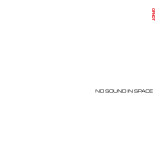
Blake Lee has always been fascinated by the unknown, and space, in its isolating, mysterious vastness, embodies this theme immaculately. The open void, captured so memorably by Stanley Kubrick in '2001: A Space Odyssey', is Blake's far-reaching canvas on 'No Sound In Space', a cinematic meditation on the cosmos that's painted in nuanced, emotionally sincere colors. The Los Angeles-based composer has been contemplating his full-length debut since 2021, using his guitar as a sonic paintbrush rather than find himself snared in its traditional aesthetic constraints. Transforming its characteristics with effects and subtle processes, he layers sustained tones and intimate improvisations, creating richly visual polychromatic utopias teeming with unknown life.
Since 2011, Blake has been most known for being the guitarist and a music director for Lana Del Rey, notching up three songwriting credits on her acclaimed ‘Ultraviolence’ full length. He sees his solo work is a form of escapism, a place where he can experiment and find comfort and catharsis outside of expectations and formal structure. The album was written instinctively, and Blake made sure he didn't force anything, letting go and getting out of his own way, listening intently as sounds and textures materialized organically. "I didn't want to ruin it by being a perfectionist," he laughs. And his collaboration with Kenyan sound artist KMRU, who runs the OFNOT label and contributes to two of the tracks on the album, occurred similarly organically.
Blake was moved to reach out to KMRU when he caught a performance of 'Natur' at Los Angeles' Zebulon in 2022, leading to a prolonged back-and-forth. They didn't meet in person until earlier this year, by which time they'd become firm friends, continuously sharing music and conversation. KMRU had lent a valuable ear to Blake, who sent early playlists of 'NSIS' that, over the months, slowly evolved into the finished album. It's the first release on OFNOT that's not by KMRU himself; the label emerged last year with the release of KMRU's own 'Dissolution Grip', and Blake's debut immediately expands its sonic universe. Alongside the playlists, Blake also provided KMRU with the tracks' raw stems, which KMRU began to edit and expand in his Berlin studio. 'Miura' and 'Waiting' are the result of this process, two sublime abstractions that augment Blake's dreamlike, euphoric tones with KMRU's pebbly distortions and booming low-end rumbles. And this same playful sense of freeness seeps into Blake's other compositions.
On the misty 'In A Cloud', he surrounds cascading string tones with soft-focus pads that swell until they're like crashing waves, and on the two 'Echoplexx' pieces, he uses delay and reverb to smudge his sounds until they're viscous residue, the harmonies obscured by whooshes of white noise and distant chimes. The mood is quieted somewhat on 'Moving Air', as Blake's swirling tones form half-heard lullabies, coalescing into a dense, melancholy crescendo, and he fills out the sound with reverberant airport recordings on 'Pan Am', letting pitchy My Bloody Valentine-esque drones warble beneath the transitory chatter. Each track melts into the next, forming a billowing, cryptic narrative that leaves more questions than answers. Blake is constantly searching, and fills his unoccupied space with warmth, perception and sensitivity.
Blake Lee has always been fascinated by the unknown, and space, in its isolating, mysterious vastness, embodies this theme immaculately. The open void, captured so memorably by Stanley Kubrick in '2001: A Space Odyssey', is Blake's far-reaching canvas on 'No Sound In Space', a cinematic meditation on the cosmos that's painted in nuanced, emotionally sincere colors. The Los Angeles-based composer has been contemplating his full-length debut since 2021, using his guitar as a sonic paintbrush rather than find himself snared in its traditional aesthetic constraints. Transforming its characteristics with effects and subtle processes, he layers sustained tones and intimate improvisations, creating richly visual polychromatic utopias teeming with unknown life.
Since 2011, Blake has been most known for being the guitarist and a music director for Lana Del Rey, notching up three songwriting credits on her acclaimed ‘Ultraviolence’ full length. He sees his solo work is a form of escapism, a place where he can experiment and find comfort and catharsis outside of expectations and formal structure. The album was written instinctively, and Blake made sure he didn't force anything, letting go and getting out of his own way, listening intently as sounds and textures materialized organically. "I didn't want to ruin it by being a perfectionist," he laughs. And his collaboration with Kenyan sound artist KMRU, who runs the OFNOT label and contributes to two of the tracks on the album, occurred similarly organically.
Blake was moved to reach out to KMRU when he caught a performance of 'Natur' at Los Angeles' Zebulon in 2022, leading to a prolonged back-and-forth. They didn't meet in person until earlier this year, by which time they'd become firm friends, continuously sharing music and conversation. KMRU had lent a valuable ear to Blake, who sent early playlists of 'NSIS' that, over the months, slowly evolved into the finished album. It's the first release on OFNOT that's not by KMRU himself; the label emerged last year with the release of KMRU's own 'Dissolution Grip', and Blake's debut immediately expands its sonic universe. Alongside the playlists, Blake also provided KMRU with the tracks' raw stems, which KMRU began to edit and expand in his Berlin studio. 'Miura' and 'Waiting' are the result of this process, two sublime abstractions that augment Blake's dreamlike, euphoric tones with KMRU's pebbly distortions and booming low-end rumbles. And this same playful sense of freeness seeps into Blake's other compositions.
On the misty 'In A Cloud', he surrounds cascading string tones with soft-focus pads that swell until they're like crashing waves, and on the two 'Echoplexx' pieces, he uses delay and reverb to smudge his sounds until they're viscous residue, the harmonies obscured by whooshes of white noise and distant chimes. The mood is quieted somewhat on 'Moving Air', as Blake's swirling tones form half-heard lullabies, coalescing into a dense, melancholy crescendo, and he fills out the sound with reverberant airport recordings on 'Pan Am', letting pitchy My Bloody Valentine-esque drones warble beneath the transitory chatter. Each track melts into the next, forming a billowing, cryptic narrative that leaves more questions than answers. Blake is constantly searching, and fills his unoccupied space with warmth, perception and sensitivity.
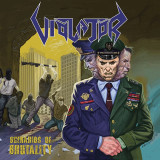
Violator wurde 2002 in der brasilianischen Hauptstadt Brasília gegründet und hat sich zum Ziel gesetzt, eines der Aushängeschilder der postmillennialen neuen Welle des Old-School-Thrash-Metal zu werden. Die vierköpfige Band entstand aus der gemeinsamen Vorliebe der Mitglieder für genreprägende Acts aus der goldenen Ära der Szene in den 1980er Jahren. Sie mischten den unerbittlichen Stil der frühen Pioniere aus ihrem Land (Sepultura, Korzus) mit der amerikanischen Tradition (insbesondere den Genre-Titanen Exodus) und einer Prise Hardcore-Crossover. High Roller Records sind stolz darauf, vier Schlüsselveröffentlichungen der Gruppe auf Vinyl neu aufzulegen, wobei „Violent Mosh“ 2004 ihr erstes professionelles Werk auf dem brasilianischen Label Kill Again Records war. Nach einem Demo und einem Vierer-Split gab die Sechs-Track-EP den Ton an für das, was zwei Jahre später auf Violators Debütalbum „Chemical Assault“ folgen sollte. Beide Titel fangen die energiegeladenen Live-Shows ein, die sie sowohl alleine als auch als Support von internationalen Größen wie Destruction spielten. Apropos, auf der „Annihilation Process“-EP von 2010 konnte Sänger/Bassist Pedro Arcanjo nicht mehr nur den deutschen Frontmann Schmier oder Kreators Mille imitieren, während die Musik reifer wurde und Songs wie das ausgefeilte „Futurephobia“ haufenweise Potenzial erkennen ließen. Mit ihrem zweiten Album „Scenarios of Brutality“ (2013) löste die Band dieses Versprechen ein, indem sie ihren mittlerweile unverkennbaren Sound voll zur Geltung brachte, der das Flair eines neuzeitlichen Genre-Klassikers verströmt. Riff-lastig, mit intensivem Tempo und glaubwürdig Zorn und Wut durch etablierte Themen ausdrückend, die von gesellschaftspolitischem Bewusstsein und Doom-Mongering bis hin zu schlichter Thrash-Selbstreferenzialität reichen und mit rohen, aber kraftvollen Produktionen aufwarten, sind diese vier Platten äußerst wichtige Ergänzungen zum Genre-Kanon - Let the Violation Begin!
Mastered for vinyl by Christoph Brandes at Iguana Studios
Violator wurde 2002 in der brasilianischen Hauptstadt Brasília gegründet und hat sich zum Ziel gesetzt, eines der Aushängeschilder der postmillennialen neuen Welle des Old-School-Thrash-Metal zu werden. Die vierköpfige Band entstand aus der gemeinsamen Vorliebe der Mitglieder für genreprägende Acts aus der goldenen Ära der Szene in den 1980er Jahren. Sie mischten den unerbittlichen Stil der frühen Pioniere aus ihrem Land (Sepultura, Korzus) mit der amerikanischen Tradition (insbesondere den Genre-Titanen Exodus) und einer Prise Hardcore-Crossover. High Roller Records sind stolz darauf, vier Schlüsselveröffentlichungen der Gruppe auf Vinyl neu aufzulegen, wobei „Violent Mosh“ 2004 ihr erstes professionelles Werk auf dem brasilianischen Label Kill Again Records war. Nach einem Demo und einem Vierer-Split gab die Sechs-Track-EP den Ton an für das, was zwei Jahre später auf Violators Debütalbum „Chemical Assault“ folgen sollte. Beide Titel fangen die energiegeladenen Live-Shows ein, die sie sowohl alleine als auch als Support von internationalen Größen wie Destruction spielten. Apropos, auf der „Annihilation Process“-EP von 2010 konnte Sänger/Bassist Pedro Arcanjo nicht mehr nur den deutschen Frontmann Schmier oder Kreators Mille imitieren, während die Musik reifer wurde und Songs wie das ausgefeilte „Futurephobia“ haufenweise Potenzial erkennen ließen. Mit ihrem zweiten Album „Scenarios of Brutality“ (2013) löste die Band dieses Versprechen ein, indem sie ihren mittlerweile unverkennbaren Sound voll zur Geltung brachte, der das Flair eines neuzeitlichen Genre-Klassikers verströmt. Riff-lastig, mit intensivem Tempo und glaubwürdig Zorn und Wut durch etablierte Themen ausdrückend, die von gesellschaftspolitischem Bewusstsein und Doom-Mongering bis hin zu schlichter Thrash-Selbstreferenzialität reichen und mit rohen, aber kraftvollen Produktionen aufwarten, sind diese vier Platten äußerst wichtige Ergänzungen zum Genre-Kanon - Let the Violation Begin!
Mastered for vinyl by Christoph Brandes at Iguana Studios
Violator wurde 2002 in der brasilianischen Hauptstadt Brasília gegründet und hat sich zum Ziel gesetzt, eines der Aushängeschilder der postmillennialen neuen Welle des Old-School-Thrash-Metal zu werden. Die vierköpfige Band entstand aus der gemeinsamen Vorliebe der Mitglieder für genreprägende Acts aus der goldenen Ära der Szene in den 1980er Jahren. Sie mischten den unerbittlichen Stil der frühen Pioniere aus ihrem Land (Sepultura, Korzus) mit der amerikanischen Tradition (insbesondere den Genre-Titanen Exodus) und einer Prise Hardcore-Crossover. High Roller Records sind stolz darauf, vier Schlüsselveröffentlichungen der Gruppe auf Vinyl neu aufzulegen, wobei „Violent Mosh“ 2004 ihr erstes professionelles Werk auf dem brasilianischen Label Kill Again Records war. Nach einem Demo und einem Vierer-Split gab die Sechs-Track-EP den Ton an für das, was zwei Jahre später auf Violators Debütalbum „Chemical Assault“ folgen sollte. Beide Titel fangen die energiegeladenen Live-Shows ein, die sie sowohl alleine als auch als Support von internationalen Größen wie Destruction spielten. Apropos, auf der „Annihilation Process“-EP von 2010 konnte Sänger/Bassist Pedro Arcanjo nicht mehr nur den deutschen Frontmann Schmier oder Kreators Mille imitieren, während die Musik reifer wurde und Songs wie das ausgefeilte „Futurephobia“ haufenweise Potenzial erkennen ließen. Mit ihrem zweiten Album „Scenarios of Brutality“ (2013) löste die Band dieses Versprechen ein, indem sie ihren mittlerweile unverkennbaren Sound voll zur Geltung brachte, der das Flair eines neuzeitlichen Genre-Klassikers verströmt. Riff-lastig, mit intensivem Tempo und glaubwürdig Zorn und Wut durch etablierte Themen ausdrückend, die von gesellschaftspolitischem Bewusstsein und Doom-Mongering bis hin zu schlichter Thrash-Selbstreferenzialität reichen und mit rohen, aber kraftvollen Produktionen aufwarten, sind diese vier Platten äußerst wichtige Ergänzungen zum Genre-Kanon - Let the Violation Begin!
Mastered for vinyl by Christoph Brandes at Iguana Studios
Violator wurde 2002 in der brasilianischen Hauptstadt Brasília gegründet und hat sich zum Ziel gesetzt, eines der Aushängeschilder der postmillennialen neuen Welle des Old-School-Thrash-Metal zu werden. Die vierköpfige Band entstand aus der gemeinsamen Vorliebe der Mitglieder für genreprägende Acts aus der goldenen Ära der Szene in den 1980er Jahren. Sie mischten den unerbittlichen Stil der frühen Pioniere aus ihrem Land (Sepultura, Korzus) mit der amerikanischen Tradition (insbesondere den Genre-Titanen Exodus) und einer Prise Hardcore-Crossover. High Roller Records sind stolz darauf, vier Schlüsselveröffentlichungen der Gruppe auf Vinyl neu aufzulegen, wobei „Violent Mosh“ 2004 ihr erstes professionelles Werk auf dem brasilianischen Label Kill Again Records war. Nach einem Demo und einem Vierer-Split gab die Sechs-Track-EP den Ton an für das, was zwei Jahre später auf Violators Debütalbum „Chemical Assault“ folgen sollte. Beide Titel fangen die energiegeladenen Live-Shows ein, die sie sowohl alleine als auch als Support von internationalen Größen wie Destruction spielten. Apropos, auf der „Annihilation Process“-EP von 2010 konnte Sänger/Bassist Pedro Arcanjo nicht mehr nur den deutschen Frontmann Schmier oder Kreators Mille imitieren, während die Musik reifer wurde und Songs wie das ausgefeilte „Futurephobia“ haufenweise Potenzial erkennen ließen. Mit ihrem zweiten Album „Scenarios of Brutality“ (2013) löste die Band dieses Versprechen ein, indem sie ihren mittlerweile unverkennbaren Sound voll zur Geltung brachte, der das Flair eines neuzeitlichen Genre-Klassikers verströmt. Riff-lastig, mit intensivem Tempo und glaubwürdig Zorn und Wut durch etablierte Themen ausdrückend, die von gesellschaftspolitischem Bewusstsein und Doom-Mongering bis hin zu schlichter Thrash-Selbstreferenzialität reichen und mit rohen, aber kraftvollen Produktionen aufwarten, sind diese vier Platten äußerst wichtige Ergänzungen zum Genre-Kanon - Let the Violation Begin!
Mastered for vinyl by Christoph Brandes at Iguana Studios
Violator wurde 2002 in der brasilianischen Hauptstadt Brasília gegründet und hat sich zum Ziel gesetzt, eines der Aushängeschilder der postmillennialen neuen Welle des Old-School-Thrash-Metal zu werden. Die vierköpfige Band entstand aus der gemeinsamen Vorliebe der Mitglieder für genreprägende Acts aus der goldenen Ära der Szene in den 1980er Jahren. Sie mischten den unerbittlichen Stil der frühen Pioniere aus ihrem Land (Sepultura, Korzus) mit der amerikanischen Tradition (insbesondere den Genre-Titanen Exodus) und einer Prise Hardcore-Crossover. High Roller Records sind stolz darauf, vier Schlüsselveröffentlichungen der Gruppe auf Vinyl neu aufzulegen, wobei „Violent Mosh“ 2004 ihr erstes professionelles Werk auf dem brasilianischen Label Kill Again Records war. Nach einem Demo und einem Vierer-Split gab die Sechs-Track-EP den Ton an für das, was zwei Jahre später auf Violators Debütalbum „Chemical Assault“ folgen sollte. Beide Titel fangen die energiegeladenen Live-Shows ein, die sie sowohl alleine als auch als Support von internationalen Größen wie Destruction spielten. Apropos, auf der „Annihilation Process“-EP von 2010 konnte Sänger/Bassist Pedro Arcanjo nicht mehr nur den deutschen Frontmann Schmier oder Kreators Mille imitieren, während die Musik reifer wurde und Songs wie das ausgefeilte „Futurephobia“ haufenweise Potenzial erkennen ließen. Mit ihrem zweiten Album „Scenarios of Brutality“ (2013) löste die Band dieses Versprechen ein, indem sie ihren mittlerweile unverkennbaren Sound voll zur Geltung brachte, der das Flair eines neuzeitlichen Genre-Klassikers verströmt. Riff-lastig, mit intensivem Tempo und glaubwürdig Zorn und Wut durch etablierte Themen ausdrückend, die von gesellschaftspolitischem Bewusstsein und Doom-Mongering bis hin zu schlichter Thrash-Selbstreferenzialität reichen und mit rohen, aber kraftvollen Produktionen aufwarten, sind diese vier Platten äußerst wichtige Ergänzungen zum Genre-Kanon - Let the Violation Begin!
Mastered for vinyl by Christoph Brandes at Iguana Studios
Violator wurde 2002 in der brasilianischen Hauptstadt Brasília gegründet und hat sich zum Ziel gesetzt, eines der Aushängeschilder der postmillennialen neuen Welle des Old-School-Thrash-Metal zu werden. Die vierköpfige Band entstand aus der gemeinsamen Vorliebe der Mitglieder für genreprägende Acts aus der goldenen Ära der Szene in den 1980er Jahren. Sie mischten den unerbittlichen Stil der frühen Pioniere aus ihrem Land (Sepultura, Korzus) mit der amerikanischen Tradition (insbesondere den Genre-Titanen Exodus) und einer Prise Hardcore-Crossover. High Roller Records sind stolz darauf, vier Schlüsselveröffentlichungen der Gruppe auf Vinyl neu aufzulegen, wobei „Violent Mosh“ 2004 ihr erstes professionelles Werk auf dem brasilianischen Label Kill Again Records war. Nach einem Demo und einem Vierer-Split gab die Sechs-Track-EP den Ton an für das, was zwei Jahre später auf Violators Debütalbum „Chemical Assault“ folgen sollte. Beide Titel fangen die energiegeladenen Live-Shows ein, die sie sowohl alleine als auch als Support von internationalen Größen wie Destruction spielten. Apropos, auf der „Annihilation Process“-EP von 2010 konnte Sänger/Bassist Pedro Arcanjo nicht mehr nur den deutschen Frontmann Schmier oder Kreators Mille imitieren, während die Musik reifer wurde und Songs wie das ausgefeilte „Futurephobia“ haufenweise Potenzial erkennen ließen. Mit ihrem zweiten Album „Scenarios of Brutality“ (2013) löste die Band dieses Versprechen ein, indem sie ihren mittlerweile unverkennbaren Sound voll zur Geltung brachte, der das Flair eines neuzeitlichen Genre-Klassikers verströmt. Riff-lastig, mit intensivem Tempo und glaubwürdig Zorn und Wut durch etablierte Themen ausdrückend, die von gesellschaftspolitischem Bewusstsein und Doom-Mongering bis hin zu schlichter Thrash-Selbstreferenzialität reichen und mit rohen, aber kraftvollen Produktionen aufwarten, sind diese vier Platten äußerst wichtige Ergänzungen zum Genre-Kanon - Let the Violation Begin!
Violator wurde 2002 in der brasilianischen Hauptstadt Brasília gegründet und hat sich zum Ziel gesetzt, eines der Aushängeschilder der postmillennialen neuen Welle des Old-School-Thrash-Metal zu werden. Die vierköpfige Band entstand aus der gemeinsamen Vorliebe der Mitglieder für genreprägende Acts aus der goldenen Ära der Szene in den 1980er Jahren. Sie mischten den unerbittlichen Stil der frühen Pioniere aus ihrem Land (Sepultura, Korzus) mit der amerikanischen Tradition (insbesondere den Genre-Titanen Exodus) und einer Prise Hardcore-Crossover. High Roller Records sind stolz darauf, vier Schlüsselveröffentlichungen der Gruppe auf Vinyl neu aufzulegen, wobei „Violent Mosh“ 2004 ihr erstes professionelles Werk auf dem brasilianischen Label Kill Again Records war. Nach einem Demo und einem Vierer-Split gab die Sechs-Track-EP den Ton an für das, was zwei Jahre später auf Violators Debütalbum „Chemical Assault“ folgen sollte. Beide Titel fangen die energiegeladenen Live-Shows ein, die sie sowohl alleine als auch als Support von internationalen Größen wie Destruction spielten. Apropos, auf der „Annihilation Process“-EP von 2010 konnte Sänger/Bassist Pedro Arcanjo nicht mehr nur den deutschen Frontmann Schmier oder Kreators Mille imitieren, während die Musik reifer wurde und Songs wie das ausgefeilte „Futurephobia“ haufenweise Potenzial erkennen ließen. Mit ihrem zweiten Album „Scenarios of Brutality“ (2013) löste die Band dieses Versprechen ein, indem sie ihren mittlerweile unverkennbaren Sound voll zur Geltung brachte, der das Flair eines neuzeitlichen Genre-Klassikers verströmt. Riff-lastig, mit intensivem Tempo und glaubwürdig Zorn und Wut durch etablierte Themen ausdrückend, die von gesellschaftspolitischem Bewusstsein und Doom-Mongering bis hin zu schlichter Thrash-Selbstreferenzialität reichen und mit rohen, aber kraftvollen Produktionen aufwarten, sind diese vier Platten äußerst wichtige Ergänzungen zum Genre-Kanon - Let the Violation Begin!
BigʼN was, is and always shall be a legacy noise rock band from Chicago (est. 1990) comprised of vocalist William Akins, guitarist Todd Johnson, bassist Fred Popolo, and drummer Brian Wnukowski. After releasing a stellar debut album (1994), followed by their sophomore and signature effort Discipline Through Sound on Skingraft Records (1996) and a split single with Shellac, the band became inactive for some years. In 2018, BigʼN recorded and released a new EP, Knife of Sin, via Computer Students™. In 2022, they released DTS 25, an expansion of their pioneering second album. Both were recorded by the late, great Steve Albini. BigʼN is back once again with a ruthless new album, End Comes Too Soon — their first in 28 years — released via Computer Student. It's all still here as present and disciplined as ever — Brianʼs powerful, reliably precise drumming with melodic phrasing that shapes the songs, Fredʼs metallic superstructure of a bass that builds the defined framework of the music, Toddʼs clangorous guitar that has more harmonic content than a lot of his noisier peers, and William Akinsʼ yarling vocals, the most recognizably human thing about the band, that convey layers of tension and intent, all the emotional content of a hellbound therapy session. Tragically, on May 7, 2024, Steve Albini suddenly passed away of a heart attack. Naturally, BigʼN were shocked and devastated. End Comes Too Soonʼs title comes from a lyric, and is unrelated to Albini; still, the album became a roundabout love letter to the man, his studio, and his legacy. Like its predecessors, the album is structured by snippets of musical interludes or Transmissions — and there are six here, under the common code "XMSN."
BigʼN was, is and always shall be a legacy noise rock band from Chicago (est. 1990) comprised of vocalist William Akins, guitarist Todd Johnson, bassist Fred Popolo, and drummer Brian Wnukowski. After releasing a stellar debut album (1994), followed by their sophomore and signature effort Discipline Through Sound on Skingraft Records (1996) and a split single with Shellac, the band became inactive for some years. In 2018, BigʼN recorded and released a new EP, Knife of Sin, via Computer Students™. In 2022, they released DTS 25, an expansion of their pioneering second album. Both were recorded by the late, great Steve Albini. BigʼN is back once again with a ruthless new album, End Comes Too Soon — their first in 28 years — released via Computer Student. It's all still here as present and disciplined as ever — Brianʼs powerful, reliably precise drumming with melodic phrasing that shapes the songs, Fredʼs metallic superstructure of a bass that builds the defined framework of the music, Toddʼs clangorous guitar that has more harmonic content than a lot of his noisier peers, and William Akinsʼ yarling vocals, the most recognizably human thing about the band, that convey layers of tension and intent, all the emotional content of a hellbound therapy session. Tragically, on May 7, 2024, Steve Albini suddenly passed away of a heart attack. Naturally, BigʼN were shocked and devastated. End Comes Too Soonʼs title comes from a lyric, and is unrelated to Albini; still, the album became a roundabout love letter to the man, his studio, and his legacy. Like its predecessors, the album is structured by snippets of musical interludes or Transmissions — and there are six here, under the common code "XMSN."
Die PBS-Serie Earth Focus befasst sich mit den komplizierten Verbindungen zwischen Südkaliforniens Naturlandschaften und städtischer Entwicklung. Jede Episode erforscht einen bestimmten Ort, darunter den Los Angeles River, das Diablo Canyon Nuclear Power Plant, Joshua Tree National Park und die Mojave Wüste. Der Soundtrack der Serie, komponiert von Elori Saxl, unterstreicht die emotionalen Erzählungen dieser Orte und betont das Zusammenspiel zwischen Menschen und der Natur sowie die Auswirkungen der vom Menschen geschaffenen Umwelt. Dabei ließ sie sich von Künstlern wie Alice Coltrane und Hiroshi Yoshimura inspirieren, Saxl hat die Musik mit digital manipulierten Aufnahmen von Wasser und Wind, analogen Synthesizern, MIDI-Samples und bearbeiteten Holzbläsern gespielt von Stuart Bogie (Klarinette, Bassklarinette, Flöte) kreiert. Diese einzigartige Mischung aus Klängen erinnert an das musikalische Erbe von Los Angeles und an die allgemeine Atmosphäre von Wind, Sonne und südkalifornischer Kultur. Die Musik bezieht sich lose auf die psychedelischen und traumhaften Klänge, die mit der Vergangenheit und Gegenwart von Los Angeles verbunden sind. Sie enthält jedoch einen modernen Twist, der reale und synthetische Elemente vermischt, um das zeitgenössische und zunehmend spürbare der von Menschenhand geschaffenen Landschaft in Los Angeles und den angrenzenden Regionen zu reflektieren.
Pascal Obispo, französischer Singer-Songwriter aus Bergerac, begann 1988 ber der New-Wave-Band Senso als Bassist und übernahm später die Rolle des Leadsängers. Sein erstes Soloalbum, Le Long du Fleuve, erschien 1990 und wurde mit den Mitgliedern von Senso aufgenommen. Das Album blieb von den Kritikern weitgehend unbeachtet, aber es verhalf Pascal Obispo zu einem Plattenvertrag mit Epic, wo 1992 Plus Que Tout au Monde erschien. Mit dem Titeltrack und anderen Singles wie Tu vas me manquer" festigte er seinen Status als einer der am schnellsten aufsteigenden Stars der französischen Popmusik. Diesem Erfolg ließ er 1994 Un Jour Comme Aujourd'hui folgen, das Platz 17 der französischen Charts erreichte und mit Platin ausgezeichnet wurde. Sowohl Superflu (1996) als auch Soledad (1999) erreichten in Frankreich Platz 2, und das Live-Album Live 98 (1998) brachte ihm seine erste Nummer-1-Platte ein. In den folgenden Jahren wiederholte Pascal Obispo dieses Kunststück noch einige Male mit den Alben Studio Fan - Live Fan (2004), Les Fleurs du Bien (2006), Millésimes (2013) und Billet de Femme (2016). France, sein elftes Album, erschien 2021 und verfehlte nur knapp den Spitzenplatz der Albumcharts und landete auf Platz 2. Das neue Album L'Archipel des Séquelles besteht aus unveröffentlichten Songs von Pascal Obispo - aufgenommen und abgemischt von seinem treuen Begleiter Youri Benaïs in seinen Pariser Studios. Dieses Konzeptalbum mit intimen, akustischen, jazzbeeinflussten Liebesliedern wurde erneut von seinen beiden New-Wave-Jazz-Freunden Fred Nardin und Max Pinto produziert und basiert ausschließlich auf Begegnungen mit Künstlerinnen mit inspirierenden Stimmen: Da wären Zazie, mit der Obisipo seit ,Les meilleurs ennemis" nicht mehr gesungen hatte, mit einem Lied, das sie gemeinsam geschrieben und nie aufgenommen hatten, Carla Bruni, die zwei Songs beisteuert, Elodie Frégé, mit der er bereits auf ihrem Album ,Le grand amour" gemeinsam aufgenommen hat. Oder Nolwenn Leroy, für die er seine allererste Single ,Cassé" produziert hat. Anne Sila, die grandiose Interpretin der Maria in seinem Musical über Jesus von Nazareth. Sharon Laloum, die Interpretin der Myriam in der neuen Version der Zehn Gebote, und nicht zu vergessen sind Isabelle Boulay, die große Künstlerin aus Quebec, für die er bereits Lieder geschrieben hat, und Nawel Ben Kraïem, die junge tunesische Künstlerin, mit der er an seinem ersten Musikprojekt gearbeitet hat. Der Rest des Albums wurde gemeinsam mit Pierre-Dominique Burgaud geschrieben. Mit dem Album ,L'archipel des Séquelles" setzt Pascal Obispo seine Suche nach Schönheit und Stille fort. Als CD oder farbiges Vinyl.
'This Is The Breaks' ist ein 12-Track-Blick auf die Geschichte des Breaks - und es sind alles für immer großartige Jazz-, Funk- und Soul-Nummern. Ace hat nicht nur Tracks aufgenommen, die im ersten goldenen Zeitalter des Samplings gesampelt wurden, sondern auch Tracks, die von einigen der größten Namen von heute verwendet wurden. Der Vorhang öffnet sich mit Millie Jacksons Version von 'If Loving You Is Wrong I Don't Want To Be Right'. Einer der größten Produzenten des Hip-Hop ist DJ Premier von Gang Starr, dessen Beatpicking beispielhaft ist und dessen Art, wie er diese Beats verwendet. Seinen Einsatz von Joe Simons 'Drowning In The Sea Of Love', das er bearbeitete und manipulierte, um den Hook von Gang Starrs Single 'You Know My Steez' aus dem Jahr 1997 zu bilden. Während die Musik auf dieser Compilation gesampelt wurde, um brillante neue Songs zu komponieren, haben die Originale den Test der Zeit bestanden. Klassisch, schwarzes Vinyl!
Ace Records ist seit der Veröffentlichung diverser Vinyl-Compilations in den 1980er Jahren die erste Adresse für Sampler von US-Girlgroups aus den 1960er Jahren. Nach vielen CD-Serien ist die LP jedoch wieder als bevorzugtes Format für anspruchsvolle Sammler beliebt.
'A Good Thing Goin'!', die neueste in der aktuellen Ace-Serie wunderschön verpackter 12-Zöller, erscheint diesen Monat. Wie in der Serie üblich, enthält die schicke Innenhülle ein 3.000 Wörter langes, mit Bildern vollgepacktes Song By Song-Essay des langjährigen Compilers Mick Patrick.
Bernadine oder Berna-Dean Washington nahm Anfang der 60er Jahre sieben Singles für den Produzenten Dave Bartholomew in New Orleans auf. Als Protegé von Earl King wurde ihre letzte Single 1964 auf dem Label GNP Crescendo in Los Angeles veröffentlicht und ähnelt stilistisch ihren früheren Imperial- und Post-45ern. 'Don't Try To Tell Me' und 'Laughing On The Outside' wurden für GNP aufgenommen. Beide Tracks sind in einem gefühlvolleren Stil und erregen viel Aufmerksamkeit in der aktuellen Retro-R&B-Szene.