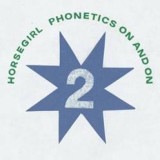
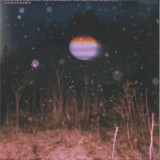
Seit der Veröffentlichung ihres gefeierten Debüts "Versions of Modern Performance" 2022 (u. a. mit Höchstwertung um US-Rolling Stone) hat sich vieles für Nora Cheng, Penelope Lowenstein und Gigi Reece verändert. Im Herbst desselben Jahres zog die junge Band von Chicago in die Ostküstenmetropole, wo Penelope und Nora an der New York University ihr Studium begannen und das erste Mal überhaupt Musik außerhalb des elterlichen Zuhauses schrieben. Der Einfluss der neuen Umgebung macht sich unmittelbar im Sound bemerkbar. Zugleich wendet sich der Blick in Zeiten beispielloser Veränderungen nach innen. Im Januar 2024 kehrten Horsegirl nach Chicago zurück, um die neuen Songs aufzunehmen. Im "The Loft" Studio stellten sich dort ein Fokus und eine Intimität ein, wie sie wohl nur entstehen können, wenn es schlicht zu kalt ist, das Gebäude zu verlassen. Cate Le Bon führte die Band derweil in neue, helle und klare Sound-Gefilde, die Raum und Textur gegenüber den dichten Soundflächen des Debüts in den Vordergrund rücken und das charakteristische Songwriting von Horsegirl betonen. Dazu zählt auch der erstmalige Einsatz von Violinen, Synths und Gamelan. Die Leadsingle "2468" ist ein Beispiel für die offenkundige Experimentierlust auf "Phonetics On and On". Mit seinen Raincoats-artigen Streichern und energischen Drums verdreht einem der Song in seinem fortlaufenden Crescendo immer mehr den Kopf. Das dazugehörige Video stammt von der Schriftstellerin und Regisseurin Eliza Callahan und wurde von Alexa West choreographiert. Es ist schwer vorstellbar, dass Songs wie die auf "Phonetics On and On" augenblicklich von irgendwem anderes stammen könnten als von diesem Trio bester Freundinnen. Nora, Penelope und Gigi schreiben mit ungefilterter Aufrichtigkeit über Szenen ihrer Jugend als Momentaufnahmen des Lebens. Die Liebe zueinander ist dabei in jedem Augenblick spürbar und resoniert durch und durch im Zusammenspiel auf ihrem zweiten Album. Horsegirl gründeten sich 2019 in der umtriebigen DIY-Szene Chicagos. Die damals 17- und 18-jährigen Schülerinnen zählen Yo La Tengo und Pavement zu ihren erklärten Vorbildern. Ihr Debüt, auf dem Steve Shelley und Lee Ranaldo als Gäste zu hören sind, nahm die Band in Steve Albinis Studio mit John Agnello (Sonic Youth, Dinosaur Jr.) auf. Zuletzt tourten Horsegirl u. a. mit The Breeders.
Suche:ol ga
Black Vinyl / 350 mcn double white coated paper / Poster sleeve / PVC outers / Original artwork / Exclusive 30x30 cm insert with Q&A by Tony Higgins with Ole Matthiessen printed on on 250 gram Gardamat coated paper. Archive picture from original recording session printed on 350 gram Gardamat paper. Archive pictures printed on 375 gram Vintage Bindakote Monolucido. All papers are acid free an printed with food based inks.
Personnel:
Jesper Nehammer - tenor saxophone
Ole Mathiessen – piano
Jon Finsen – drums
Henrik Hove - bass
Notes:
Danish jazz band founded in 1969. Band line up: Henrik Hove on bass, Ole Mathiessen on piano, Jesper Nehammer (later Thors Hammer, Alrune Rod and Entrance) on tenorsax, and Jon Finsen on drums. Played for a while every Monday in the famous Jazzhouse Montmatre in Copenhagen.
Tordenskjolds Soldater only made this record (1970).
The small record label Spectator Records was founded in 1969 by Jørgen Bornefeldt a former journalist from Danmarks Radio in coorporation with the jazz musician Carsten Meinert. Meinert recorded two albums on the label. He only joined the company in the beginning. Cindarellaistudiet The studio was destroyed august 6th 1972 by a major fire. And that was the end of Spectator Records. From 1969 to the end, the label recorded at least 23 lp albums and 9-11 singles/EP's. The picture shows Henning Kragh Pedersen from Cinderella in Spectators studio. The great Danish rock band Gasolin recorded their first single – Silky Sally - on Spectator Records. It was no success and sold only 155 copies. Silky Sally is now one of the most sought after Gasolin singles among collectors and is of course very expensive.
The music from Spectator Records is mostly jazz, progressive rock and hippie free style. But they also made strange records for children, education etc. Most records were issued in very small numbers (300-500). Some of the best progressive rock in Northern Europe was recorded here.
Quality of vinyl was often poor - even new looking records can have audible problems. Covers and labels are primitive and cheap. On the other hand the creativity could be outstanding - check the Furekaaben cover gallery or the artwork of William Skotte Olsen from Green Grass. Several record from the labels are cult today. A perfect copy of certain records costs a fortune.
Master tapes was never found after the fire in 1972. Unofficial reissues and bootlegs are therefore made on the base of the original records. Recordings that never made it to the vinyl got lost in the fire. Both Cinderella and The Copenhagen based band, Lines lyst, had material readdy for lp's which was never recorded. (Tony Higgins)
- 1: The Gloam (Acoustic)
- 2: Bad Sun
- 3: Shadow Boxing
- 4: Listless Blue (Acoustic)
- 5: Alien Blues (Acoustic)
- 6: Time
- 7: Tungs
- 8: Aphasia (Acoustic)
- 9: Idea
- 10: Statue
- 11: Sing Yrself To Sleep
Ten years later, and with ve full-length records out, Vundabar-Hagen, bassist Zack Abramo, and drummer Drew McDonald-are marking their time together with a new 11-track collection called Good Old. Four of the songs are acoustic reinterpretations of previous Vundabar tracks, while the remaining seven were created during recording sessions between the releases of 2015's Gawk and 2018's Smell Smoke. The songs from these sessions are raw, loud, elastic, and energetic, crackling with the banged-up spirits of punk-, art-, pop-, grunge-, and indie-rock-and they've never been heard until now.
- 01: King Of Rock And Roll
- 02: Hey, Hey, Hey, Hey
- 03: Spreadin' Natta What's The Matter
- 04: Shake A Hand
- 05: Dew Drop Inn
- 06: True Fine Mama
- 07: Great Gosh A'mighty
- 08: Poor Dog
- 09: Send Me Some Lovin
- 10: Slippin' And Slidin
- 11: Bama Lama Bama Loo
Black Vinyl[22,65 €]
Diamond Dogs may be a bunch of renaissance rockers deeply rooted in the early 70s British rock and roll, but just like our forerunners, we owe
almost everything to Little Richard, the architect of it all! It's impossible to even imagine rock and roll without him.
Little Richard is the soul, spirit and passion of the Diamond Dogs lifestyle, and I was six years old when I first heard 'Rip It Up' with love at first feel.
The raw energy and the blood screaming lyrics over that manic hammering piano embodied everything I craved in music, straight from the speakers to my young heart. Even if I discovered a lot of other influences later on in life, I always kept Little Richard close to where he once hit me. One of Diamond Dogs' early tunes is called 'Lunatic Eye-Rolling Delivery' which is a line nicked from a concert review of Little Richard, and we believe it sums up the essence of his greatness pretty well. He was much more than a rock pioneer, the way he dressed up and spoke was something the world had never experienced before.
Little Richard got Paul McCartney to write 'I Saw Her Standing There', got James Brown a new haircut, and put a silly little mustache on Prince!
So, the idea of recording a homage to the true king of rock and roll had been with all of us for many years when Chris Spedding one day called me
and asked if we should record something together. Of course, I immediately said yes, and then asked him to join Diamond Dogs in the upcoming
studio session to record some well selected Little Richard gems for an LP. All said and done, and Chris was extra thrilled that his favorite 'Send Me
Some Lovin'' was among the songs we picked.
And on a cold and windy January day we gathered the Dogs and the new old puppy in the sweet premises of Dog Pound Studios, along with our
beloved friend and engineer Jonas Åhlén.
So, when the room is geared up, we do our melodies as we normally do it, no rehearsals, all live, straight to tape. One hour per track is usually a
good thing! An amazing energy and swagger filled the atmosphere as Diamond Dogs and Chris fulfilled my dream.
Now that I'm listening through the vinyl, I must say that I've never been prouder of anything we've achieved with this shady bunch so far. It's like
walk the full circle, like I've been graduating from the 12-bar rock and roll academy.
Sulo, Stockholm/Sweden, 2024
Sound Like: The Faces, Rod Stewart, Frankie Miller, Elton John, Mott
The Hoople, J Geils Band, The Rolling Stones, Steppenwolf, Little
Richard
Diamond Dogs may be a bunch of renaissance rockers deeply rooted in the early 70s British rock and roll, but just like our forerunners, we owe
almost everything to Little Richard, the architect of it all! It's impossible to even imagine rock and roll without him.
Little Richard is the soul, spirit and passion of the Diamond Dogs lifestyle, and I was six years old when I first heard 'Rip It Up' with love at first feel.
The raw energy and the blood screaming lyrics over that manic hammering piano embodied everything I craved in music, straight from the speakers to my young heart. Even if I discovered a lot of other influences later on in life, I always kept Little Richard close to where he once hit me. One of Diamond Dogs' early tunes is called 'Lunatic Eye-Rolling Delivery' which is a line nicked from a concert review of Little Richard, and we believe it sums up the essence of his greatness pretty well. He was much more than a rock pioneer, the way he dressed up and spoke was something the world had never experienced before.
Little Richard got Paul McCartney to write 'I Saw Her Standing There', got James Brown a new haircut, and put a silly little mustache on Prince!
So, the idea of recording a homage to the true king of rock and roll had been with all of us for many years when Chris Spedding one day called me
and asked if we should record something together. Of course, I immediately said yes, and then asked him to join Diamond Dogs in the upcoming
studio session to record some well selected Little Richard gems for an LP. All said and done, and Chris was extra thrilled that his favorite 'Send Me
Some Lovin'' was among the songs we picked.
And on a cold and windy January day we gathered the Dogs and the new old puppy in the sweet premises of Dog Pound Studios, along with our
beloved friend and engineer Jonas Åhlén.
So, when the room is geared up, we do our melodies as we normally do it, no rehearsals, all live, straight to tape. One hour per track is usually a
good thing! An amazing energy and swagger filled the atmosphere as Diamond Dogs and Chris fulfilled my dream.
Now that I'm listening through the vinyl, I must say that I've never been prouder of anything we've achieved with this shady bunch so far. It's like
walk the full circle, like I've been graduating from the 12-bar rock and roll academy.
Sulo, Stockholm/Sweden, 2024
Sound Like: The Faces, Rod Stewart, Frankie Miller, Elton John, Mott
The Hoople, J Geils Band, The Rolling Stones, Steppenwolf, Little
Richard
- Barren Room
- Love And Lie
- Kingdom For A Second
- White Clouds
- Flavour
- Song For Ella
- Button Man
- Sparkling Lights
Einige werden diesen Moment kennen: Plötzlich ist alles klar. Als sich Lulu (Electric Moon) und Oli (ex-Urlaub in Polen) bei einem Konzert im legendären Vortex Surfer Musikclub in Siegen über den Weg laufen, wissen beide noch am selben Abend: Wir sind eine Band. Sie erzählen es Falko, der gerade mit seiner instrumentalen Post-Metal-Band Sarkh den Club verwüstet hat. Wenige Monate später entstehen bei den ersten Proben die ersten Songs - von Oli geschriebene Gedichtfragmente und Wortspiele, Melodielinien und Ideen, die von der Band aufgegriffen und an den jeweiligen Instrumenten verfeinert wurden. Das Debüt WHITE CLOUDS entstand in weniger als einem Jahr - aufgenommen, gemischt und gemastert in Falkos Underground-Tonstudio Institut Für Angewandten Krach. Während dieser Zeit besucht die Band eines der letzten Konzerte der wunderbaren Noise-Post-Math-Rock-Band Shellac in Amsterdam. Alle drei sind gleichermaßen tief beeindruckt und bewegt von dieser Show und lassen den Geist von Steve Albini in ihr Debüt einfließen, dass sie ihm schließlich widmen. Hinzu kommt ihr ganz eigener Drift - Schmerz und Hoffnung, der unbedingte Wille zum Rock'n'Roll, Tiefgang und Steilflug, hochdynamische, verspielte, hypnotisch treibende Passagen und immer wiederkehrende Melodien mit Nachhall sowie die Verbindung zwischen den drei Musikern versprechen ein Debüt und Live-Konzerte mit Yeah-Faktor.
CLEAR VINYL[21,81 €]
Seit der Veröffentlichung ihres gefeierten Debüts "Versions of Modern Performance" 2022 (u. a. mit Höchstwertung um US-Rolling Stone) hat sich vieles für Nora Cheng, Penelope Lowenstein und Gigi Reece verändert. Im Herbst desselben Jahres zog die junge Band von Chicago in die Ostküstenmetropole, wo Penelope und Nora an der New York University ihr Studium begannen und das erste Mal überhaupt Musik außerhalb des elterlichen Zuhauses schrieben. Der Einfluss der neuen Umgebung macht sich unmittelbar im Sound bemerkbar. Zugleich wendet sich der Blick in Zeiten beispielloser Veränderungen nach innen. Im Januar 2024 kehrten Horsegirl nach Chicago zurück, um die neuen Songs aufzunehmen. Im "The Loft" Studio stellten sich dort ein Fokus und eine Intimität ein, wie sie wohl nur entstehen können, wenn es schlicht zu kalt ist, das Gebäude zu verlassen. Cate Le Bon führte die Band derweil in neue, helle und klare Sound-Gefilde, die Raum und Textur gegenüber den dichten Soundflächen des Debüts in den Vordergrund rücken und das charakteristische Songwriting von Horsegirl betonen. Dazu zählt auch der erstmalige Einsatz von Violinen, Synths und Gamelan. Die Leadsingle "2468" ist ein Beispiel für die offenkundige Experimentierlust auf "Phonetics On and On". Mit seinen Raincoats-artigen Streichern und energischen Drums verdreht einem der Song in seinem fortlaufenden Crescendo immer mehr den Kopf. Das dazugehörige Video stammt von der Schriftstellerin und Regisseurin Eliza Callahan und wurde von Alexa West choreographiert. Es ist schwer vorstellbar, dass Songs wie die auf "Phonetics On and On" augenblicklich von irgendwem anderes stammen könnten als von diesem Trio bester Freundinnen. Nora, Penelope und Gigi schreiben mit ungefilterter Aufrichtigkeit über Szenen ihrer Jugend als Momentaufnahmen des Lebens. Die Liebe zueinander ist dabei in jedem Augenblick spürbar und resoniert durch und durch im Zusammenspiel auf ihrem zweiten Album. Horsegirl gründeten sich 2019 in der umtriebigen DIY-Szene Chicagos. Die damals 17- und 18-jährigen Schülerinnen zählen Yo La Tengo und Pavement zu ihren erklärten Vorbildern. Ihr Debüt, auf dem Steve Shelley und Lee Ranaldo als Gäste zu hören sind, nahm die Band in Steve Albinis Studio mit John Agnello (Sonic Youth, Dinosaur Jr.) auf. Zuletzt tourten Horsegirl u. a. mit The Breeders.
- Focus Ring
- Older And Free
- A House With
- Making Love
- Clockmaker
- Confessions
- Lost In My Head
- Shade I'll Never See
- Slow Motion Snow
- Brother's Keeper
Denison Witmer returns with a new collection of ten vibrant and pensive folk-pop songs recorded and produced by Sufjan Stevens, his long-time friend and collaborator. Anything At All finds Denison in a suitably reflective mood, mining sublime revelation from an ordinary, domesticated life. Topics like bird watching, carpentry, houseplants, and hiking offer insights into bigger, existential questions about life, death, meaning, and purpose. What are we doing with the precious time we have left on this earth? Whether it's spent making clocks, gathering berries, planting trees, or putting the kids to bed at night, these songs suggest that a life lived with thoughtfulness and care can lead to deeper joy and fulfillment. Recorded sporadically over a period of two years, Anything At All was primarily created at Sufjan's Catskills studio during the pandemic, with additional sessions recorded by Andy Park, in Seattle, WA. Contributors include Stevens and Park as well as Sam Evian, Hannah Cohen, Sean Lane, and Keenan O'Meara, amongst others. The album's musical aesthetic marries Denison's folksy, Mennonite vibe with Sufjan's signature bells and whistles: lush strings and woodwinds, women's choir, and an occasional jazzy saxophone weave their way around Denison's matter-of-fact vocals and acoustic guitar. These are simple folk songs with bursts of awe and wonder.
This incredible 10" 5 vinyl box set is limited to under 200 copies, and comes with 3 black, and two white vinyl records. This is Ray Keith under his "Dune" name changing the entire game with some combination jungle and old skool rave in a way that only Ray can do. Absolutely epic, and absolutely unmissable!!!
Free jazz poetry by a spry, 85 year old Joe McPhee, adapting his renowned improvised practice to words - juxtaposed with Mats Gustafson’s sparing brass and electric gestures. It’s an utterly timeless and transfixing salvo, another shiny notch for Smalltown Supersound’s Le Jazz Non Series.
As a common ligature to the OG free jazz scene of ‘60s NYC, with formative binds to its European offshoots and the experimental avant garde, Joe McPhee is a true force of nature who has represented jazz at its freest over a remarkable lifetime. In duo with Swedish free jazz and noise standard bearer Mats Gustafson, he upends expectations with an astonishingly vivid and upfront example of his enduring contribution to freely improvised music. In 11 parts he variously reflects on everything from the neon sleaze and scuzz of NYC to contemporary US politicians and laugh out loud imitations of his previous sparring partners such as Peter Brötzmann, with a head-slapping immediacy that leaves you reeling, spellbound.
McPhee’s flow of rare, organic cadence, ranging from urgent to contemplative and dreamlike, is blessed with a unique turn-of-phrase that surely mirrors his decades of instrumental work. Gustafsson, meanwhile, dextrously takes up the mantle with a multi-instrumental spectrum of sounds, leaving McPhee unbound and able to float and sting on the mic. There’s obvious wisdom in his perceptively penetrative observations, as derived from a rich cultural life well spent, but also a playful naivety and levity in his ability to veer from almost melodic speech to explosive aggression and a knowing, bathetic wit. It’s perhaps hard to believe that McPhee only started incorporating and performing spoken word in his work in the past ten years, a half century since his declaration of “What Time Is It‽” announced his arrival on a legendary debut ‘Nation Time’ (1971), ushering in one of free jazz’s most singular characters in the process.
Oscillating between discordant reflections on life as a touring musician, set to Gustafsson’s skronk and culminating in a snort-worthy imitation of Peter Brötzmann’s gruff German accent, on ‘Short Pieces’ or the glowering growl and noise exhortations of ‘Guitar’, he evokes a more sweetly consonant calm in ‘When I Grow Up’ and eerie threat of ‘The Dreams Book’, and viscerality of ‘Disco Death’, where Gustafson’s tonal versatility comes into hugely mutable play, whilst McPhee’s extraordinary, unaffected voice is a constant. It’s perhaps McPhee’s balance of cool measuredness and wellspring of barbed energies that allows us, at least, to get the most out of this one; not stifling with mannered or manicured enunciation that can trigger certain icks; keeping close to the nature of spoken word in a way that avoids cliche and becomes inherently critical of it within his purposeful, non-hesitant clarity and unflinching approach.
Hardanger is a collaboration by Mariska Baars (aka Soccer Committee), Niki Jansen, and Rutger Zuydervelt (aka Machinefabriek). The title refers to the instrument played by Jansen, the Hardanger fiddle. It’s a fresh addition to the established musical chemistry from regular collaborators Baars and Zuydervelt.
The music on Hardanger started with improvisations by Niki Jansen, guided by Mariska Baars, who responded with vocal and guitar recordings. Rutger Zuydervelt used this material as the building blocks for the two long-form pieces found on the album. These tracks are like two sides of the same coin, one a collage-like electro-acoustic piece, the other more drawn-out and contemplative.
--
Mariska Baars is probably better known as soccer Committee, creating an experimental blend of ambient rooted in folk music, with minimal arrangements. She has been releasing albums since 2005. In addition to her solo output she is part of improvisation ensemble Piiptsjilling and Fean (Laaps, 2020) and has worked on several duo albums with Rutger Zuydervelt. On other occasions she collaborated with a.o. Annelies Monseré, Wouter van Veldhoven, Peter Broderick and Greg Haines.
Niki Jansen is a violinist who plays both the regular and a hardanger fiddle.She specializes in folk music, especially old Dutch folk music. She plays in various ensembles like Twee violen en een bas (with Jos Koning and Willem Raadsveld), and country quartet Daisy Chain. In addition to music, she also works as a sustainability advisor for governments and institutions and manages a food forest in a cooperative.
Rutger Zuydervelt is perhaps better known as Machinefabriek, the alias under which he releases music since 2004. The stream of releases since is vast, many of them collaborations (with Peter Broderick, Gareth Davis, Chantal Acda, Dirk Serries, and many many more). He regularly works with Mariska Baars, with whom he also plays in Piiptsjilling and Fean (Laaps, 2020). Zuydervelt is an avid composer of scores for film and dance performances, and also works as a graphic designer.
- A1: Progetto Tribale - The Sweep
- A2: Onirico - Echo Giomini
- A3: Open Spaces - Artist In Wonderland
- B1: Alex Neri – The Wizard (Hot Funky Version)
- B2: M C.j. Feat. Sima - To Yourself Be Free - Instrumental Mix Energy Prod
- B3: Mato Grosso - Titanic Expande
- C1: Dreamatic - I Can Feel It (Part 1)
- C2: Carol Bailey - Understand Me Free Your Mind (Dream Piano Remix)
- C3: The True Underground Sound Of Rome - Secret Doctrine
- D1: Don Carlos - Boy
- D2: Lazy Bird – Jazzy Doll (Odyssey Dub)
Vol 2[28,99 €]
Volume 1 of this expertly curated project of 90s Italian House - put together by Don Carlos.
If Paradise was half as nice… by Fabio De Luca.
Googling “paradise house”, the first results to pop up are an endless list of European b&b’s with whitewashed lime façades, all of them promising “…an unmatched travel experience a few steps from the sea”. Next, a little further down, are the institutional websites of a few select semi-luxury retirement homes (no photos shown, but lots of stock images of smiling nurses with reassuring looks). To find the “paradise house” we’re after, we have to scroll even further down. Much further down.
It feels like yesterday, and at the same time it seems like a million years ago. The Eighties had just ended, and it was still unclear what to expect from the Nineties. Mobile phones that were not the size of a briefcase and did not cost as much as a car? A frightening economic crisis? The guitar-rock revival?! Certainly, the best place to observe that moment of transition was the dancefloor. Truly epochal transformations were happening there. From America, within a short distance one from the other, two revolutionary new musical styles had arrived: the first one sounded a bit like an “on a budget” version of the best Seventies disco-music – Philly sound made with a set of piano-bar keyboards! – the other was even more sparse, futuristic and extraterrestrial. It was a music with a quite distinct “physical” component, which at the same time, to be fully grasped, seemed to call for the knotty theories of certain French post-modern philosophers: Gilles Deleuze, Félix Guattari, Paul Virilio... Both those genres – we would learn shortly after – were born in the black communities of Chicago and Detroit, although listening to those vinyl 12” (often wrapped in generic white covers, and with little indication in the label) you could not easily guess whether behind them there was a black boy from somewhere in the Usa, or a girl from Berlin, or a pale kid from a Cornish coastal town.
Quickly, similar sounds began to show up from all corners of Europe. A thousand variations of the same intuition: leaner, less lean, happier, slightly less intoxicated, more broken, slower, faster, much faster... Boom! From the dancefloors – the London ones at least, whose chronicles we eagerly read every month in the pages of The Face and i-D – came tales of a new generation of clubbers who had completely stopped “dressing up” to go dancing; of hot tempered hooligans bursting into tears and hugging everyone under the strobe lights as the notes of Strings of Life rose up through the fumes of dry ice (certain “smiling” pills were also involved, sure). At this point, however, we must move on to Switzerland.
In Switzerland, in the quiet and diligent town of Lugano, between the 1980s and 1990s there was a club called “Morandi”. Its hot night was on Wednesdays, when the audience also came from Milan, Como, Varese and Zurich. Legend goes that, one night, none less than Prince and Sheila E were spotted hiding among the sofas, on a day-off of the Italian dates of the Nude Tour… The Wednesday resident and superstar was an Italian dj with an exotic name: Don Carlos. The soundtrack he devised was a mixture of Chicago, Detroit, the most progressive R&B and certain forgotten classics of old disco music: practically, what the Paradise Garage in New York might have sounded like had it not closed in 1987. In between, Don Carlos also managed to squeeze in some tracks he had worked on in his studio on Lago Maggiore. One in particular: a track that was rather slow compared to the BPM in fashion at the time, but which was a perfect bridge between house and R&B. The title was Alone: Don Carlos would explain years later that it had to be intended both in the English meaning of “by itself” and like the Italian word meaning “halo”. That wasn’t the only double entendre about the song, anyway. Its own very deep nature was, indeed, double. On the one hand, Alone was built around an angelic keyboard pattern and a romantic piano riff that took you straight to heaven; on the other, it showcased enough electronic squelches (plus a sax part that sounded like it had been dissolved by acid rain) to pigeonhole the tune into the “junk modernity” section, aka the hallmark of all the most innovative sounds of the time: music that sounded like it was hand-crafted from the scraps of glittering overground pop.
No one knows who was the first to call it “paradise house”, nor when it happened. Alternative definitions on the same topic one happened to hear included “ambient house”, “dream house”, “Mediterranean progressive”… but of course none were as good (and alluring) as “paradise house”. What is certain is that such inclination for sounds that were in equal measure angelic and neurotic, romantic and unaffective, quickly became the trademark of the second generation of Italian house. Music that seemed shyly equidistant from all the rhythmic and electronic revolutions that had happened up to that moment (“Music perfectly adept at going nowhere slowly” as noted by English journalist Craig McLean in a legendary field report for Blah Blah Blah magazine). Music that to a inattentive ear might have sounded as anonymous as a snapshot of a random group of passers-by at 10AM in the centre of any major city, but perfectly described the (slow) awakening in the real world after the universal love binge of the so-called Second Summer of Love.
For a brief but unforgettable season, in Italy “paradise house” was the official soundtrack of interminable weekends spent inside the car, darting from one club to another, cutting the peninsula from North to centre, from East to West coast in pursuit of the latest after-hours disco, trading kilometres per hour with beats per minute: practically, a new New Year’s Eve every Friday and Saturday night. This too was no small transformation, as well as a shock for an adult Italy that was encountering for the first time – thanks to its sons and daughters – the wild side of industrial modernity. The clubbers of the so-called “fuoriorario” scene were the balls gone mad in the pinball machine most feared by newspapers, magazines and TV pundits. What they did each and every weekend, apart from going crazy to the sound of the current white labels, was linking distant geographical points and non-places (thank you Marc Augé!) – old dance halls, farmhouses and business centres – transformed for one night into house music heaven. As Marco D’Eramo wrote in his 1995 essay on Chicago, Il maiale e il grattacielo: “Four-wheeled capitalism distorts our age-old image of the city, it allows the suburbs to be connected to each other, whereas before they were connected only by the centre (…) It makes possible a metropolitan area without a metropolis, without a city centre, without downtown. The periphery is no longer a periphery of any centre, but is self-centred”.
“Paradise house” perfectly understood all of this and turned it into a sort of cyber-blues that didn’t even need words, and unexpectedly brought back a drop of melancholic (post?)-humanity within a world that by then – as we would wholly realise in the decades to come – was fully inhuman and heartless. A world where we were all alone, and surrounded by a sinister yellowish halo, like a neon at the end of its life cycle. But, for one night at least, happy.
- A1: Miłość
- A2: Intro Po Pierwszym Kawałku Feat. Ola Duong
- A3: Suck My Tongue
- A4: Ole Ole
- A5: Kururydziane Flipsy
- B1: Limbo
- B2: Oddzwoń Kurwo
- B3: Kentuckyfrieddick.pl Feat. Marta Malinowska
- B4: Dzwonię Do Ciebie Z Kieszeni Feat. Cool P
- B5: Piach
- C1: Lecą Lata Feat Kieru, Marcin Van
- C2: Wymyśliłem Sobie Na Nowo Feat. Miły Atz
- C3: Gówno Mnie Obchodzi Feat Gospel
- D1: Za Mocno
- D2: Znakigangów.pl Feat. Filip Kosior
- D3: Wieczne Odpoczywanie Feat. Siekan, Michal Urbaniak
- D4: Zabij Dziecko W Sobie
- E1: Zwykły Chłopak
- E2: Spędzaczczasu.pl Feat. Ola Duong, Gurugomez, Ceci Loel, Vnm
- E3: Grzybki Feat. Skorup
- E4: Gandalf
- F1: Energetyczny Wampir
- F2: Uliczna Matematyka
- F3: Dzwonię Na Psy
- F4: Żabka Feat. Kieru, Opol
- F5: Gość W Dom Feat. D.white
The second album by Wini, Mops, and DJ Pete, the group FOREVAYANG from Germany and Poland. Before we kill the child within us, let’s dance one more time.
26 tracks released on 3 vinyl records in a GATEFOLD sleeve.
Uncompromising lyrics paired with unique humor, set to exceptional arrangements, guarantee a hip-hop journey like you've never experienced before. On the albums guests around the world such as, Michal Urbaniak, Ola Duong, Ceci Loel, D.White, Cool P & more
VERVE ACOUSTIC SOUNDS SERIE: Stereo, komplett analog von Ryan K. Smith bei Sterling Sound von
den Originalbändern gemastert, QPR-Pressung (180 g), stabiles Tip-On-Gatefold (Stoughton Printing),
wattierte Innenhülle.
Einer der ganz großen Albumklassiker des Impulse!-Labels: “Alfie” wurde 1966 als Soundtrack zum gleichnamigen britischen Film mit Michael Caine in der Hauptrolle veröffentlicht. Tenorsaxofonist Sonny Rollins
hatte die Musik, die er eigens für den Film geschrieben hatte, zuvor schon in London mit britischen Musikern für den Film eingespielt. Für das Impulse!-Album, das zum Filmstart veröffentlicht wurde und Platz 17
der Billboard Rhythm’n’Blues-Charts erreichte, nahm er die Musik mit amerikanischer Starbesetzung und
Arrangements von Oliver Nelson aber noch einmal neu auf.
Old School Runebreaks is album of official remixes of the old school RuneScape OST sanctioned by Jagex, the game's developer.
I was thrilled when Jagex asked me to put together an official remix album of the old school runescape OST. Like so many of us who grew up gaming in the 00s, RuneScape was my first introduction into online RPGs and the soundtrack is something that's stayed with me ever since. Choosing which tracks to remix was no easy task; I decided on a blend of personal favorites and iconic tunes that hold a special place in the community. It was an honor to be chosen to rework this legendary OST and I hope you all enjoy the result as much as I enjoyed creating it.
'Challenge Me Foolish' is an almost lost album of µ-Ziq material circa 1998-99, an era that saw Mike Paradinas release 'Royal Astronomy' on the now defunct Virgin subsidiary Hut records, and also tour with Björk.
It's an era of his music that's definitely worth re-exploring, in which Mike went against the grain by producing music that was baroque, melodic and whimsical, while the IDM movement he was lumped with made instrumental music that was often neurotic and complicated. His taste for melody and dreamy beauty above roughness and intricacy confused people who were hanging on too tightly to the rules. He even brought in Japanese vocalist Kazumi, adding an extra human touch.
'Challenge Me Foolish' is something of a companion to the Royal Astronomy record, arguably even better given the fresh ears selecting the material. It's imbued with a confident sense of pastoral colour, and a gentle optimism, utilising bells, studied orchestral arrangements and airy synthesisers that sit the album somewhere between, Jean Jacques Perrey (the French electronic composer whose whimsy was always balanced with serious innovation and chops) and the colourful, optimistic soundtracks of Joe Hisaishi. There's a strange sense of the old and new throughout, the sentimental and utopia, with nary a hint of darkness. Even when the album dips into the hyperkinetic rhythms of jungle, the melodies and mood still retain a sense of gentle warmth. Dive into peak time Paradinas.
- A1: My Funny Valentine
- A2: I Get A Kick Out Of You
- A3: All Of Me
- A4: Love & Marriage
- A5: You Make Me Feel So Young
- A6: Night & Day
- A7: The Lady Is A Tramp
- A8: Come Fly With Me
- A9: April In Paris
- B1: Saturday Night (Is The Loneliest Night Of The Week)
- B2: A Fine Romance
- B3: I've Got You Under My Skin
- B4: Bewitched
- B5: Swinging On A Star
- B6: Fly Me To The Moon (In Other Words) (With Count Basie)
- B7: It Was A Very Good Year
- B8: That's Life
- C1: Strangers In The Night
- C2: All Or Nothing At All
- C3: Somethin' Stupid (With Nancy Sinatra)
- C4: Sunny (Feat Duke Ellington)
- C5: The Girl From Ipanema (With Antonio Carlos Jobim)
- C6: Both Sides Now
- C7: My Way
- D1: For A While
- D2: Send In The Clowns
- D3: Bad, Bad Leroy Brown
- D4: Theme From New York, New York
- D5: It Had To Be You
- D6: La Is My Lady (With Quincy Jones)
- D7: Mack The Knife (With Quincy Jones)
Frank Sinatra was one of the greatest performers and first musical superstar of the last century. His voice, timing and performance created the standards for vocalists ever since. Even today’s performers like Michael Bubble, Jamie Cullum and Robbie Williams are highly inspired by “Ol’ Blue Eyes.”
On Frank Sinatra Collected, his career and musical legacy is celebrated on 2 LPs, spanning over 5 decades. In association with Frank Sinatra Enterprises, the 31 recordings on Collected include not just his most famous songs, but also delves into some of his best album tracks and collaborations with Count Basie, Quincy Jones and his daughter Nancy, all showcasing the versatile artist he was.
Frank Sinatra Collected is available as a 2LP, housed in a deluxe gatefold sleeve with liner notes inside. 10.000 numbered copies are pressed on “Sinatra Ol’ Blue Eyes” translucent blue coloured vinyl.
- A1: Vertigo
- A2: Death On The Stairs
- A3: Horrorshow
- A4: Time For Heroes
- A5: Boys In The Band
- A6: Radio America
- B1: Up The Bracket
- B2: Tell The King
- B3: The Boy Looked At Johnny
- B4: Begging
- B5: The Good Old Days
- B6: I Get Along
- C1: Horror Show
- C2: Vertigo
- C3: The Delaney
- C4: What A Waster
- C5: Begging
- D1: Time For Heroes
- D2: Death On The Stairs
- D3: Boys In The Band
- D4: I Get Along
Black Vinyl[27,69 €]
Up The Bracket arrived like a raging bull in a tired post-Britpop china shop and introduced the world to The Libertines, a new gang of London bohemians, whose ragged tunes, red military tunics, opiated poetry and "live now pay never" lifestyle came to define the millennial angst of the early noughties. At the heart of the band is the blood bond bromance between the ramshackle Music Hall Jagger/Richards, Peter Doherty and Carl Barat, ably assisted by the rock solid rhythm twins John Hassall and Gary Powell. Any bookie worth his salt would have given you short odds on this quartet surviving more than a month or two, given the teetering on the brink lifestyle they chose to lead, but here we are two decades later and our Byronic heroes, though older and wiser, are still fighting the good fight and making music every bit as vital as their debut. The belief, talent and fervour that Doherty spoke of in their earliest manifesto has stood them in good stead. Up The Bracket, justly considered one of the greatest albums of the noughties, was originally released on October 21st 2002 by Rough Trade Records. The album, a heady stew of indie rock, skiffle, blues, dub and English bucolic pop, was a huge shot in the arm to a largely redundant music scene and helped to inspire the rebirth of guitar music, going on to influence countless artists who followed in its wake. Up The Bracket, which was produced by Mick Jones of The Clash, takes you on a wondrously poetic journey into the band"s mythical world and their fevered dreams of Albion, a land of squalid glamour, liberty, equality, fraternity, gin palaces and chip shops. Quite simply Pete, Carl, Gary and John created a hugely compelling timeless British rock"n"roll classic debut as relevant now as it was upon its release.
Singer, songwriter and composer Melike Şahin is set to releases her new album AKKOR via Gülbaba Records in partnership with Day Dreamer
An empowering assertion of survival that propels traditional Anatolian pop and folk influences into the future, AKKOR rises like a phoenix from the flames to reintroduce the Turkish superstar diva to an international audience. An expression of Şahin’s personal growth, the album is an affirmation of her growing status as the voice of a generation, and hose lyrics have been adopted as a callto rights for the women’s movement in Turkey.
Recorded live in London with producer Martin Terefe (London Brew, Buika, Jamie Cullum), AKKOR features a selection of the most talented and forward-thinking musicians on the scene, including guitarists Dave Okumu and violinist Raven Bush, as well as terling Campell (David Bowie) on drums, Glen Scott (Eric Bibb) and Nikolaj mTorp Larsen on keyboards. Bringing an international feel to her mheart-rending performances, the record represents the most focussed and complete expression of Şahin’s sound to date. Melike Şahin has made a career of facing down criticism and censorship to make sumptuous and provocative music that captures the defiant tone of progressive creativity in contemporary Turkey. Having performed around the world with Turkish psych legends BaBa ZuLa, Şahin released her debut album Merhem in 2021, gathering billions of streams and building a reputation for unforgettable live performances in the process. Influenced by the style of Sade, cutting an elegant and beguiling figure on the stage. Where Şahin describes Merhem as about healing, she says AKKOR is about survival, both on an emotional level, coming to terms with difficult relationships, childhood trauma and the pressures of newfound fame, and on a social level, in continuing the champion the rights of the oppressed in the face of state and media violence. Powerful and vulnerable in equal measure, AKKOR demonstrates an orchestral grandeur and a dramatic flair drawn from Şahin’s love for traditional Anatolian pop and folk music, injected with the urgency of contemporary production. Bound together by Şahin’s inimitable voice AKKOR skips between Middle Eastern melancholy and classic disco hedonism, for an album that is as stylistically open, pluralistic and affirmative as the messages the music carries.
Although she does not describe herself as an activist, Şahin’s poignant lyrics have come to define the women’s movement in Turkey, with the words, “I deserve each and every inch of this smile,”adorning protest banners on International Women’s Day and celebratory posters at Pride.
“This is the moment that I told myself, Yes, I am an artist,” Şahin says. “I am bearing all of the other things because of this, because I am affecting people's lives, and I am giving some power.” AKKOR – which translates as candescent – finds Melike rising again and burning brighter than ever before.
Overall though, Şahin says AKKOR is her rebirth album – a statement of self-empowerment, through which she hopes tocontinue to raise up the voices of those around her. “You are seeinga woman who falls down, but who rises again and flies,” sheexplains. “Maybe she doesn't win, maybe she doesn't lose, but she's a survivor,” Şahin concludes. “She is a phoenix.”
X-Coast unveils 9-track 2xLP The Riviera Collection on his label Riviera Records.
Hot on the heels from remixing instant dance hits such as Shygirl's '4eva' and DJ Gigola's 'La Batteria' and spotted in the studio with adored vocalists Eartheater and Miss Bashful, Serbian-born, NYC-based DJ/producer X-Coast returns with a collection of signature tracks that feel like the lost treasure chest of his dance island.
X-Coast is your favorite DJ's favorite producer, whose tracks you’ve undoubtedly danced to, whether on a massive festival stage or at an intimate, underground rave. Over the past decade, he has quietly but consistently shaped the pulse of dancefloors worldwide, with a distinctive style that traverses genres like house, techno, electro, drum and bass, and trance. This rare versatility has led X-Coast to release on the likes of Mall Grab’s Steel City Dance Discs, Diplo’s Higher Ground, Anetha’s Mama Told Ya and DJ Haus’s Unknown To The Unknown, to name a few.
What sets X-Coast apart is not just his ability to move fluidly between styles but the unique character embedded in every track. His productions have an undeniable warmth and authenticity, often evoking the raw, euphoric spirit of the 90s and 00s rave era. This nostalgic yet forward-thinking approach makes his music feel timeless, effortlessly blending old-school rave energy with modern production techniques. It's a quality that has made him a go-to for DJs across the board, whether they’re playing peak-time techno sets or deep, groovy house sessions.
On The Riviera Collection, released on his own label, Riviera Records, X-Coast opens the vault to reveal a diverse range of tracks that showcase his deep connection to multiple eras of electronic music. This collection reflects the breadth of his eclectic DJ sets, where various sounds and styles converge into a cohesive journey. Each track feels like a contemporary reimagining of a classic moment in dance music history.
From the early 2000s tribal influences layered with X-Coast’s signature chord work on ‘Neapolis,’ to the soaring, synthetic trance energy of ‘Desert Storm,’ and the infectious, camp vibe of the diva house ‘Hold Me Baby,’ the collection takes us on a nostalgic trip back to the origins of rave culture. It echoes a time when DJs crafted a journey through genres, playing everything from house to trance to techno in one seamless night.
The collection’s first hidden gems and long-awaited singles are “Da Boing Boing Trak” and "Put Your Hands Together". Both staples in his sets at iconic venues and festivals like Pitch Music & Arts, fabric, Circoloco, AVA Festival, Melt!, and Intercell, this track has been in high demand among fans, finally seeing its release. With The Riviera Collection, X-Coast continues to cement his status as a versatile producer capable of bridging the gap between past and present, while delivering music that moves crowds everywhere.