Detroit based Graphic Artist/ Fashion Designer/ Producer/ and DJ Johnny Malek has quickly fallen into the hearts and minds of the house music community.
Coming off a powerful 2022 with his debut Beatport EP “Hope” hitting number 1 on Beatport followed up with a string of releases including a 4 track organic house EP titled “Tales of Tulum” and two full length albums “How to Pray” and “Memories”.
Keeping his foot on the gas and continuing to dial in his sound in preparation for his Yoruba Records debut Johnny delivers with “I Promise” - A Deep House Anthem with banging afro house drums and an extremely powerful gospel vocal encapsulating the classic sounds of House Music.
Johnny has no plans of slowing down anytime soon as he continues to dive deep into his original sound and style and pushing the boundaries of the next generation of House Music artists and producers.
out of Stock
Last delivered 23 months ago available to reorder, subject to availability
Vecchio's Afro-Rock is one big horn-heavy, bass-blasting, Latin groove funk-rock party. Only now, you're all invited because this, ladies and gentleman, is officially...a grail no more. With copies currently starting at 400 Euros for an original, this beautifully presented reissue, part of Be With's fresh campaign with Music De Wolfe, is well overdue. A magnificent and somewhat obscure library set that's just a total, cohesive joy from start to finish, this here is the soundtrack to all your smokin' summer BBQs and communal cookouts.
Afro-Rock is the debut album by Argentine keyboardist Luis Vecchio. Recorded for the sound library label De Wolfe, the album is frequently mentioned in hushed reverence among the beat digger DJ collecting crowd. It features fiery brass charts, funky bass lines, fluttering flute, choppy organ and additional hand tribal percussion. The band let loose too and jam hard; yet there's a certain thread of solidity that runs throughout, the tracks just belong together, not disparate sound and rhythm experiments like some library records; this is just straight up, no messin', consistent funk-rock FIRE! Hips will sway, heads will nod to the steady vibes. It's insanely good.
The humid, building funk of the appropriately titled "Megaton" is a dramatic explosion of swirling, dazzling organ lines, ferocious beats and heavy horns throughout. It just don't stop. The tempo slows slightly for the deep and deeply addictive "Renegade". It's all heavy jazz horn refrains, always triumphant, coupled with devastating percussive breakdowns and killer guitar riffing. It's an insistent organ-led juggernaut. The frenetic "Facade", up next, is no less driving, horns high up in the mix over rattling percussion and brilliant organs lines. Just sensational. The bright "Chabati" is another glorious extension of the optimistic Vecchio sound, the organs wilder than ever before. The moody "Green Hell" is a real highlight and closes out the A-Side with some outrageously funky refrains - be it horns, organ or guitars - and is complimented by gorgeous flute work that galvanises the piece, elevating it to downright heavenly status.
Knowing full well that he's on to a surefire thing, Vecchio opens the flipside in much the same vein. Indeed, "Boss" is yet another uptempo highlight, a sensual orgy of proud horns, hand percussion and melodic flute playing over driving organ and guitars. It's followed by "Nsambei", which is rightly adored for its briefly open drum break, fantastically propulsive percussion breakdowns throughout and the jazzy, loose organ and guitar shreds. The bright "Waboco" ups the tempo and the pressure, hanging on one hell of a guitar hook and infectious horn refrain. Perhaps foreseeing how this album would come to be viewed, the aptly-titled "Cult" is possibly the finest song on the record. Which is saying something, because this record is insanely good. Riding a steady, confident organ groove straight out the gate, the kinda melancholic flute line over the top serves as a beautiful counterpoint which the horns often come in and imitate/riff off. Goddamn this is so so good, it needs to be played everywhere. The overwhelmingly mighty 7-minute jam "Ngoma-ku" rounds out this quite staggering record brilliantly in its heavy, mid-tempo blues with countless extended solos.
The audio for Afro Rock has been meticulously remastered by Be With regular Simon Francis, ensuring this release sounds better than ever. Cicely Balston's expert skills have made sure nothing is lost in the cut whilst the records have been pressed to the highest possible standard at Record Industry in Holland. The original, iconic sleeve has been restored here at Be With HQ as the finishing touch to this long overdue re-issue.
out of Stock
Last delivered 2 years ago available to reorder, subject to availability
Vocal Shades And Tones is a miraculous leftfield library classic from the genius mind of celebrated UK composer/singer/vocal arranger Barbara Moore. It's a heavenly groove-based blend of jazz, Latin, soft-psych, folk-funk and gospel soul. Recorded for the legendary Music De Wolfe in 1972, it's an audacious start-to-finish listen, as dizzying as it is dazzling. It's a perfect snapshot of a musical era, supported by Moore's glorious vocal arrangements. Widely regarded among collectors, DJs, and lounge/easy-listening acolytes as an absolute essential it is viewed as the holy grail by many production music heads, rarely appearing for sale and disappearing in a flash when it does. Indeed, originals now go for over £300 and it's easy to see why. Just one of the reasons why this fresh Be With reissue, part of a wider De Wolfe reissue campaign, is so utterly crucial.
Racing out the gate, the driving "Hot Heels" is a bright, sophisticated scat groove which sounds Brazilian, richly produced as if coming by the hand of Arthur Verocai. Yes, *that* good. It's followed by "It's Gospel" which is, er, a wonderfully slow and deeply soulful gospel treasure. The appropriately monikered "Steam Heat" is a darker, breathy gem, one for salacious crates and one of the record's most infamous tracks. "Fly Away" is pastoral West Coast soft rock, very much in conversation with John Cameron and Keith Mansfield's epochal KPM recording, Voices In Harmony. "His Name Was" is a stop-you-dead-in-your-tracks Beach Boys accapella church-organ stunner, whilst "Swing Over" is another carefree, richly produced sun-dappled smasher. The gentle Bossa and sunshine soul of the aptly-titled "Touch Of Warmth" closes out a virtually perfect A-Side.
The B-Side opens with the easy grace and dramatic build of "Voice Force Nine". The jaunty "Very Fine Fellow" may be the only track to slightly grate so we advise heading to the slower, moody "Shades-Tones", eminently more compelling with sparkling, hypnotic piano throughout, underpinning the gorgeous wordless vocals. Just beautiful. It was sampled by Redman for his Method Man-featuring "Do What Ya Feel" on the great Muddy Waters. We're back in Brazilian territory with the cool, uptempo "I'm Feather" before swooning to the warm, relaxed "Drifting", another total highlight which was famously sampled by Koushik on his legendary remix of Madvillain's "America's Most Blunted (Doom's Verse)". The penultimate track, "Take Off" is a bright, organ lounge groove before this remarkable set is rounded out by the beaty "Fly Paradise". It's so so good, it sounds like Rotary Connection fronted by The Mamas & the Papas. As noted in a recent Guardian article on Moore's life, "there is a plushness and electricity in the tight vocal harmonies that spring out, sung with the precision of cathedral choristers decades before Auto-Tune." Amen.
In the 1960s, Barbara Moore was a member of Top of the Pops’ resident vocal-harmony group, The Ladybirds and sang backing vocals for Dusty Springfield’s TV show. Her own outfit, the Barbara Moore Singers, were regulars on TOTP, singing with Jimi Hendrix when he performed "Hey Joe" live in Lime Grove Studios. An important detail for Moore was the shepherd’s pie she bought Hendrix when she found him alone, looking emaciated, near the BBC canteen. By 1970, she was working as a session singer for De Wolfe and, by 1972, was composing her own tracks for De Wolfe and working within their tight creative strictures. Each short track had to evoke an obvious mood and theme, with no significant key or tempo changes. Her response, this very album, managed to stay between the lines while cohering as an overarching artistic masterpiece.
The audio for Vocal Shades And Tones has been carefully remastered by Be With regular Simon Francis, ensuring this release sounds better than ever. Cicely Balston's expert skills have made sure nothing is lost in the cut whilst the records have been pressed to the highest possible standard at Record Industry in Holland. The original, iconic sleeve has been restored here at Be With HQ as the finishing touch to this long overdue re-issue.
out of Stock
Last delivered 2 years ago available to reorder, subject to availability
The Roger Webb Sound's Moonshade is one of the coolest records ever. Originally appearing via the legendary De Wolfe library in 1971, it's a sumptuous jazz-soul-funk instrumental set. Full of melodic, melancholic yet sun-drenched songs, rich with colour and contrast, it was composed by self-taught jazz pianist Roger Webb and features vocal performances by Barbara Moore. That's right; *the* powerhouse library music duo! It makes Moonshade the perfect precursor and accompaniment to Barbara Moore's eternal classic Vocal Shades And Tones. It will come as no surprise that original copies, if you can ever find them, will set you back north of 200 notes.
Moonshade is a phenomenal showcase of Brit maestro Webb's own roots in jazz. Those roots are served up here with a plethora of fast-stepping rhythms that truly give flight to the vocals of Barbara Moore, as they soar in wonderful ways. Moore sings wordlessly throughout, allowing her voice to act like another instrument in concert with the horns and keyboards elevating the fine arrangements. This is a deeply beautiful record.
The album opens with the ornate Baroque pop splendour of the sun-dappled melancholia of "Sunshine". Strings, piano and wordless female vocals combine to create this brief beauty of unimaginable grace. The cool "Gentle Eyes" features haunting and beautiful vocals, smooth jazz piano and horns and a general easy vibe without being easy listening, if you know what we mean. You do. Just listen. The pounding "Heavy Lace" is one for the beat-heads, funky open drums (!) with muted organ, bassy piano chords and ace horns. Sampled by Quakers for their great debut album on Stones Throw. The nostalgic "Yesterday" is wistful and beautifully melodic instrumental soul music with gorgeous acoustic guitar and flutes. It's followed by the light, lilting "Petal Soft" which features more Baroque styles, overflowing with flutes and harps. The bright, bouncing "Coaster" is an easy-going piano-led, guitar-driven swinger whilst "Grey Sigh" is another classic. A real highlight, with more fantastic propulsive drums and percussion and plaintive wordless vocals courtesy of Barbara. Speaking of which, the soft, sweet Rhodes jazz of the lilting "Sweet Thing" is another staggering showcase of the brilliance of Barbara. Just astounding.
Head straight past the honky-tonk-by-numbers piano jaunt "Cough Drop" and luxuriate in the soft, delicate beauty of the album's melodic, cyclical title track, "Moon Shade". Fragile flutes and acoustic guitar float across judicious bass notes before giving way to slightly ominous piano and, again, those beguiling wordless vocals. And then round again to the flute refrain of the intro. This time with the vocals to see us out. Majestic drama jazz at its finest. The cello-and-flute adorned "Sapphire" is a fluid orchestral beauty whilst "Interweave" rides with more urgency in its string and bass stabs. When the warm keys enter, it's a bonafide mellifluous wonder. The softer "Musette" begins in beautifully gentle fashion before pivoting for a driving yet elegant piano middle section. It reverts back to the mellow intro, for its outro. Understood? The melodic organ and prominent rhythm section running through "Reminiscence" makes for a delightfully understated folk-funk instrumental whilst the cool, rolling piano feels of "7.30 For 8.00" seem to perfectly suit the phrase "dinner jazz". It's no bad thing, c'mon. This classy, memorable set is rounded out by the half-minute mince of the Barbara-blessed "Sparky". It's just over too soon!
The audio for Moonshade has been brilliantly remastered by Be With regular Simon Francis, ensuring this release sounds better than ever. Cicely Balston's expert skills have made sure nothing is lost in the cut whilst the records have been pressed to the highest possible standard at Record Industry in Holland. The original, iconic sleeve has been restored here at Be With HQ as the finishing touch to this long overdue re-issue.
out of Stock
Last delivered 2 years ago available to reorder, subject to availability
»Arches« is the first collaborative album by brothers Simon and Tobias Lanz. It was written for and performed on self-built prototypes of wind instruments that were inspired by the classic pipe organ, but allowed the two composer-performers to go beyond its limitations in several ways. The music on this 40-minute long album for the Swiss Hallow Ground label was conceived and recorded by the two co-founders of the CRTTR collective and label during an artist residency in May 2022 in their home town of Bern. More than a mere document of a performance however, »Arches« combines the artists’ interest in exploring uncharted new creative and tonal ground inside of and beyond the realm of drone music with their background in visual art and design as a conceptually concise whole.
Simon and Tobias have a combined background in electronic music as well as a shared penchant for drone music. They hence designed these novel instruments in a way that allows for microtonal tuning to be able to overcome the restrictions inherent to the dominance of a twelve tone-based scale in Western music and work with a sonic palette that is much wider and nuanced than that of the conventional pipe organ. Furthermore, the physical design of these instruments widely differs from that of those which inspired them. This allows—or more precisely, forces—the musicians to freely invent and explore entirely novel playing techniques.
These factors, of course, also have an impact on the compositional process, which by design needs to be unconventional. The Lanz brothers worked with a graphic score for the four movements of the piece that forms »Arches« so as to adequately visualise the manifold tonal nuances of their instruments. This graphic score in turn was reinterpreted for the album release by Ramon Keiming, adding another dimension to it. Read from left to right, this remix of the score allows the listeners to follow an interpretation of the evolution of these dronescapes while the record plays, urging them to add their own interpretation.
This retroactive visualisation and thus spatialisation of the music is perfectly in line with its performance, which at all times factored in the acoustic affordances of the Prozess Bar in Bern. In many different ways, the Lanz brothers now invite their audience to join them there and explore the near-infinite possibilities of their curious instruments together with them. Much like Hallow Ground label mates such as Kali Malone or FUJI||||||||||TA, they are dedicated to enriching and expanding upon the musical and sonic qualities of pipe organs, but with widely different aesthetical results. To call »Arches« a unique record with an unheard-of sound is not hyperbole, but only factually correct.
Experimental rock quintet from Los Angeles for fans of Unwound, Duster, Slint, and Lowercase. Mixed and engineered by Tim Green at Louder Studios (Unwound, Melvins, Jawbreaker). Live appearances with Flenser labelmates, Have a Nice Life, Chat Pile, Midwife, and tour dates planned throughout 2023. Since its formation in 2018 by like-minded Calarts students Alex Kent (guitar, vocals), April Gerloff (bass), and Sylvie Simmons (guitar), as well as the recent addition of Clint Dodson (percussionist), Los Angeles-based quartet Sprain has honed its signature flavor of experimentalism to a razor-fine point. Gradually moving from twisting conventions in its early works of minimalist slowcore to now transcending the confines of genre altogether, Sprain's evolution over the past several years has encouraged the band to embrace a sound true to its muse. With its latest record, The Lamb As Effigy or Three Hundred And Fifty XOXOXOS For A Spark Union With My Darling Divine, the band has translated this intent into an ambitious work that pairs its resplendent scale with uncompromising honesty towards the band's artistic and conceptual essences. The most extraordinary of art isn't created without its fair share of trials, of which Sprain faced numerous during the recording process of The Lamb As Effigy, with the sum and circumstances of them nearly sealing the album's fate in limbo. With obstacles including session reschedulings as a result of a line-up change and a major studio electrical failure at the last possible moment, a mixing process that demanded the organization of several years of material across four separate studios, and the recording of the actual songs pushing the members of Sprain to their own physical limits, there were several times where the band considered scrapping the whole thing altogether. But Sprain persevered, applying the knowledge and willpower derived from those struggles to get The Lamb As Effigy across the finish line. Clocking in at nearly two hours, The Lamb As Effigy resembles an aural parallel to the human experience itself, with all the glorious beauty, crushing brutality, and unexplainable chaos that comes with it intact. Explosions of earth-sundering guitars, angelic keys, swirling strings, and bursts of improvised electronic noise coalesce to weave a visceral yet unique sonic tapestry bearing hints of no-wave, sound collage, 20th-century avant-garde, and free jazz. Spanning bellowing howls, emphatic spoken word, and nuanced croons, Alex Kent's dynamic vocal delivery adds texture to these eight meditations on otherwise immaterial topics and the meaning or the lack thereof they embody.
"Galt MacDermot (1928-2018) was an award-winning Canadian-American composer, pianist, writer of classical music and theatrical pieces. MacDermot also composed music for several film soundtracks (like the 1970 blaxploitation film `Cotton Comes To Harlem') and released several exceptional jazz and funk albums on his own label Kilmarnock Records. He is best known for his work on the Grammy winning 1967 musical Hair (which also produced several number-one singles like "Aquarius/Let The Sunshine In") and Two Gentlemen of Verona (1971) for which he won a Tony Award. In 2009 Galt MacDermot was inducted into the Songwriter's Hall of Fame and in 2010 he received the Lifetime Achievement Award. In 1979, MacDermot formed the New Pulse Jazz Band, which performed and recorded his original music. Galt MacDermot's music is extremely popular with collectors of jazz and funk. Working with jazz and soul musicians such as Bernard Purdie and Idris Muhammad, MacDermot created pieces that used African rhythms (he made the study of African music his speciality). In recent decades, his work has become popular with hip-hop musicians including Busta Rhymes, Ol' Dirty Bastard, Gang Starr, Action Bronson, Public Enemy, MF Doom, Madlib, J Dilla, Obie Trice, Naughty By Nature, Run DMC and Digable Planets_the list is endless. The album "Ghetto Suite" was written in 1970 and released in 1972 and is considered one of the most ground-breaking records ever issued on Galt MacDermot's Killmarnock label and consists out of a selection of songs and poems by Harlem/Bronx school children, set to Galt's music, and sung by vocalist Angela Ortega. Given That Galt's handling the music, you can bet that there's plenty of nicely executed funky touches - supported by rolling bass-work, snapping drums, and organ virtuosity. But the real charm of these groovy tunes comes from the lyrics, which have a simple and to the point way of dealing with issues of racism, poverty and other issues of the time. The story telling is surprisingly gripping even after all these years. The whole album creates an extremely personal direct sensitivity to the environment of Ghetto kids_telling us with defiantly honest intensity what it was like to be young and black, the drugs and the deaths, the topic of incarceration_or simply the fact of being battered by the frustration of Ghetto existence. Ghetto Suite is way more than an entertainment record, it has been used by teachers and counsellors to inspire and motivate the muted voices of the black inner cities_ documenting both their anguish and their triumphs. Tidal Waves Music now proudly presents the FIRST EVER vinyl reissue of this exceptional conceptual album (originally released in 1972 and a highly sought-after pricey collectable ever since) This unique record now comes as a deluxe 180g vinyl edition (strictly limited to 1000 copies) with obi strip and features the original artwork and extensive sleeve notes.
An album crammed full of rare & unreleased tracks from the vaults of swell map founder Jowe Head. o Swell Maps formed out of various bedrooms in the mid -70s and became the pioneers of DIY punk. o Swell Maps founding members were Nikki Sudden, Epic Soundtracks, Jowe Head & Phones Sportsman o Includes demo versions of 2 of the bands Singles "Dresden Style" & "Read about Seymour". o Exclusive Liner notes by Jowe Head o Exclusive artwork originally designed by Epic Soundtracks & Jowe Head in 1977 o 2 Lps with printed inner bags in extra wide spine LP sleeve with cover sticker
This is a presentation of Xexa's different sensibilities as a composer, musician and sound designer, mapping what are in effect her initial explorations with voice, rhythms, synths, ambience, ever searching for an organic final result. As a student at the Guildhall School of Music and Drama (London) between 2019 and a still fresh 2023, she presented in her third year a portfolio that included what we can now listen as "Clarinet Mood", the final track on "Vibrações De Prata". Her intention was to «study the feeling of listening to music as an environment one inhabits and not as a sound that follows you throughout the day. Walk into, instead of listening to, an ambience». With no previous clarinet training, Xexa explores its palpable sound as a physical doorway to this realm.
Four other tracks ("Assim", "Nha Dêdê", "Fragmented Breath" and "Prendes Nh'Alma") formed part of what she named the 2021 Sound Calendar. Out of a (natural) total of 12 compositions, these four connect with other intimate moments to tell a broader story, one of fragility, «like a flower about to bloom, we can detect first glimpses of colour and form but can't yet divine its final form».
This sort of imaginative sonic micro-management can also be found on "Libelula", where the synth attempts to recreate the beating of a dragonfly's wings. Minute details are a major feature in jewelry, an art Xexa studied in her native Lisbon's António Arroio school. Free spirited as she is, Lisbon is merely a geographical location where she was born, no particular feeling of being Portuguese attached to her position in the world. So far, Xexa's origins in São Tomé and Príncipe and a prolonged stint in London (it feels prolonged, at such a young age) are the two other major environments that form her experience as a human being but also as an artist. We are extremely proud to have been able to access truly special creative, intimate moments and help bring out into the world this physical manifestation of beautiful contemporary music.
ONE OF JAZZ'S ALL-TIME GREATS PLAYING TURKISH RHYTHMS!
Don Cherry delves into Turkish rhythms, accompanied by his long-time Don Cherry Trio members: Turkish drummer Okay Temiz and South African bassist Johnny Dyani.
The vinyl LP is manufactured in Istanbul under the guidance of Mr. Okay Temiz, the only living member of this iteration of the Don Cherry Trio. The LP has been remastered from original material housed in BYG Records' vaults by Okay Temiz & Mert Ucer and licensed from BYG Records, France.
This LP features the recording by the Don Cherry Trio in Paris 1971 for the Sound and Vision program at the legendary ORTF studios in Paris 1971. Serving as the second chapter of our 'Turkish Jazz Trilogy', it follows Okay Temiz's magnum opus, 'Okay Temiz's Oriental Wind at Montreux Jazz Festival 1982' LP. We present one of the paramount Jazz figures of all time interpreting Turkish rhythms in Don Cherry Trio - The ORTF Recordings Paris 1971 LP
This release also stands as one of the most important recordings prior to Don Cherry's legendary "Organic Music Society" album in 1973, in which Okay Temiz also plays drums.
"Don Cherry Trio as an 'Applied Universe of Thought.'
In the spring of 1971, while we were playing as the Don Cherry Trio in Paris, Don (Cherry) seamlessly flowed from the trumpet to the piano, with improvisation as the lighthouse of the melody. This approach opened up a realm of boundless freedom for Johnny and me. It is to be observed as a melody within a melody. From the Organic Music Society album we recorded a year after this concert, up until the ECM album we recorded before Don's final departure from this planet, this principle has been the gravitational force of the Don Cherry universe.
That, indeed, is the true legacy of the Don Cherry Trio."
Excerpt from the liner notes by Okay Temiz and Haluk Damar
out of Stock
Last delivered 2 years ago available to reorder, subject to availability
An artist as imaginative and unique as Ana Mazzotti doesn’t come around often. Dubbed a “super-musician” by fellow Brazilian virtuoso Hermeto Pascoal, Mazzotti’s short but rich musical career culminated in just two studio albums: Ninguem Vai Me Segurar (1974), and Ana Mazzotti (1977). Outside circles of Brazilian funk aficionados, these two gems of spellbinding samba-jazz, lysergic funk and trippy bossa have remained relatively obscure. This was partly as a result of Mazzotti’s premature death (she lost her battle with cancer in her mid-thirties), but also due to financial restraints and the prejudice she faced as a female songwriter in a fundamentally sexist society.
Born in Caixas, in Brazil’s Rio Grande do Sul municipality, Mazzotti began to play the accordion aged five, before moving with prodigious ease onto the piano. By the age of twelve she was already conducting her convent school’s choir, and at twenty-one she led her city’s premier chorus, the Coral Bento Goncalves. When rock and roll hit South America in the sixties, a young Mazzotti was one of the early adopters, fronting various guitar groups including an all female Beatles cover band, and an eclectic, eight-piece psychedelic group Desenvolvemento. Before moving to Sao Paulo to start her career proper, Mazzotti met drummer, producer and fellow music educator Romido Santos, who she would later marry. Romildo introduced Mazzotti to jazz, and music by the likes of Chick Corea and Hermeto Pascoal who she would later befriend and perform with.
In 1974 Mazzotti recorded her first album Ninguem Vai Me Segurar (1974), enlisting the in-demand arrangement talents of Azymuth’s original keyboard maestro Jose Roberto Bertrami who co-wrote several of the tracks and plays organ, piano and synthesizers on the album. It also features Azymuth’s bassist Alex Malheiros and percussionist Ariovaldo Contestini, with Romildo Santos who produced the album on drums. Recorded in Estudio Haway around the same time Azymuth recorded their debut album there, it’s no wonder the samba jazz-funk pioneer’s distinctive aesthetic is present throughout, and Mazzotti’s sensational compositions are made even more beautiful for it.
Kicking off with the swirling samba-jazz-dance masterpiece ‘Agora Ou Nunca Mais’, the album hosts several groove-heavy Brazilian cult-classics including ‘Roda Mundo’ and ‘Eu Sou Mais Eu’. Deeper moments come in the form of the alluring future soul synth sounds on ‘Bairro Negro’ and ‘Sou’, and Mazzotti’s tender, hallucinatory version of ‘Feel Like Making Love’ (made famous by Roberta Flack) perfectly reflecting the idiosyncratic genius Mazzotti achieved with Bertrami’s visionary arrangements, and Romildo’s impeccable production approach.
Far Out Recordings is proud to present the official reissue of this cult favourite Brazilian treasure. Remastered and pressed to 180g vinyl, Ninguem Vai Me Segurar (1974) will be available on vinyl LP, CD and digitally from 13th September.
out of Stock
Last delivered 8 months ago available to reorder, subject to availability
Record number 3 from Unveiled Nuance brings a new confidence in the further developed sound of owner Means&3rd. A continued eye for detail as well as a roughness that breathes dark soul into the production aesthetic that we have yet to hear from the artist.
“Hardship Repackaged As Growth” Opens the EP with boomy, rugged low end and grainy driven synth lines with sharp hits of wide sonic impact and a depth of layered atmosphere, placed on a bed of dense percussion until its break point exposes contorted, abrasive stabs just surviving the crunch of their processing, that then take the forefront. “Countenance” replies to the previous track with a more calculated, rounder and organic palette of audio that focuses on a cadenced synth line that breaths with the arrangement, fizzing to break point and engaging the deeper listen. Swung percussion keeps the groove providing a propulsive backing that sits on ganrled bass hits before the focus returns on the charged lead line.
“Character Ethic” carries deep suspense from the off, with filtered menace being teased below the surface, warping atmospheres are stacked and build the apprehension against a militant 16th shaker before an almost vocal like modulated synth reveals itself and is left to dance prominently across the stereo field. Layers of energy providing percussion complete the picture for a mesmerising trip. “Desperate And Relevant” the most driving of the 4 cuts takes an effectively reduced stand where square wave accents build new levels of intensity. Propulsive low-end and cohesive percussion writhe through the track’s arrangement closing out the EP with a powerful ending, a blistering siren sees the track’s breakpoint provide a release worthy of the pressure built.
out of Stock
Last delivered 2 years ago available to reorder, subject to availability
After two years, Carl and Andreas present their second album, and once again, it opens up a wide associative space for us. What strikes us initially is the uncommon instrumentation: a church organ, harpsichord, glass tubes, and more. Like their first album (The Aporias of Futurism), it is mysterious and dark. But it also carries a strong touch of rebellion and adrenaline, sometimes quite pointedly. The pieces are now shorter and feature intricate yet irresistible rhythms. The impact is immediate, yet it maintains a sense of solemnity and ceremony. The Apollonian complexity of the rhythms and subtle melodic interweavings is transformed into a Dionysian, ecstatic, hypnotic, and at times tribal context. "Music for Unknown Rituals" oscillates between primitive instincts and avant-garde intrigues.
The process began in Döblitz, a small village on the Saale river in Germany, inside an old church that houses an organ built in 1886 by Johann Adolph Ibach. Carl and Andreas gained access and secluded themselves there for a few days, accompanied by the organ, an instrument made of glass tubes, and a set of modular synthesizers. After recording the basic tracks in Döblitz, the work continued in Munich and Berlin. Carl played electric guitars, harpsichord, bass, metallophone, xylophone, Indian harmonium, and various percussive instruments. Andreas added layers of electronic sounds, noises, and atmospheric drones. He also created percussive structures extracted and derived from recorded material of technical and industrial noises, which contrasted with the acoustic drums played by Carl. The antithetical approach continues with the dichotomous arrangement of the instruments, often panned hard left and right in the stereo field, creating an antiphonic communication. Some parts, especially the use of the electric guitar, evoke memories of the psychedelic sixties. However, this is anything but a nostalgic album—these musical references are merely remnants, set pieces, and fragments used from a contemporary, post-modern, post-youth-cultural, and post-romantic perspective.
Although Andreas and Carl continue on their chosen path of composing music with an almost literary narrative structure, this album is conceptually and formally completely different from their first effort. If “The Aporias of Futurism” was a revolutionary manifesto (in a pataphysical sense), "Music for Unknown Rituals" is more like the implementation in action; it is the practical application of the previous statement. To put it another way, if "The Aporias of Futurism” was the conceptual manifesto of a dark utopia of modernity, "Music for Unknown Rituals" is the staging of free will surrendering to the myths and catharsis of a Greek tragedy. And in response to this, the artwork features a leitmotif of histrionics with hands, the hands being the first and intuitive part of the body to express something: a ritual, a prayer, a defeat...
— Andreas Gerth is one half of Driftmachine, and Carl Osterhelt is part of F.S.K and collaborates with Hans-Joachim Irmler of Faust. Both became connected through their participation in the Tied & Tickled Trio.
Taipan Tiger Girls’ third and final LP is a hypnotic, cosmic freakout that combines analogue electronics, drums, guitar and the mammoth drones of the Melbourne Town Hall Grand Organ. Recorded live at Melbourne Music Week in 2017 in front of an ecstatic sold out hometown crowd, this record marks the zenith of the short but incendiary career of an extraordinary band. An instrumental outfit with a relentless drive to experiment, Taipan Tiger Girls are composer, producer and all-round electric statesman Ollie Olsen (WhirlyWirld / Max Q / NO / Third-Eye / Psy-Harmonics), experimental drummer and synth obsessive Mat Watson (Boredoms BoaDrum / E.S.G / ULMD / Other Places), and feedback guitar droner and organist Lisa MacKinney (Mystic Eyes / Hospital Pass / Super-Luminum). On Live At the Melbourne Town Hall they are joined by very special guest guitarist Bonnie Mercer (Grey Daturas/Hospital Pass/Breathing Shrine) with MacKinney commanding the historic Melbourne Town Hall pipe organ. Live at the Melbourne Town Hall is a monument to the combined talents of a group of phenomenal musicians whose fusion created a magic elixir made all the more precious by its temporary nature. Showcasing the improvisatory prowess of the band at the peak of their powers and bolting off into the stratosphere in a thrilling surge of psychedelic expansion. GENRE: EXPERIMENTAL, DRONE, ELECTRONIC, ANALOGUE SYNTH, LIVE, PSYCHEDELIC, IMPROVISED Released in conjunction with Heavy Machinery Records
DOOM JAZZ II: Deception continues the epic story of the DOOM JAZZ saga, with Jamie Saft and Bobby Previtetrading the slow, sensual lines of DOOM JAZZ I for a more active, muscular sound Side One, "The New Friend" and "Everyone is Aware" uses a vintage Yamaha organ to create an atmosphere of mystery and space. Side Two, "Deception"moves into different territory, Saft's distorted Hammond Organ sailing over Previte's active, commanding tom toms in a blues based jam of wild ferocity and intense foreboding. The plot thickens
DOOM JAZZ II: Deception continues the epic story of the DOOM JAZZ saga, with Jamie Saft and Bobby Previtetrading the slow, sensual lines of DOOM JAZZ I for a more active, muscular sound Side One, "The New Friend" and "Everyone is Aware" uses a vintage Yamaha organ to create an atmosphere of mystery and space. Side Two, "Deception"moves into different territory, Saft's distorted Hammond Organ sailing over Previte's active, commanding tom toms in a blues based jam of wild ferocity and intense foreboding. The plot thickens
2023 Repress
Moon in Earthlight describes the phenomenon one can see in the first few days after a New Moon, when the slim crescent of the moon is completed into a full circle by a faint light that is not lit by sunlight but by the light reflected from Earth. It is also the apt title for the first album from an artist whose first love was astronomy. After 6 EPs over the course of 5 years, Wolfgang Tillmans now releases his first album, Moon in Earthlight, a singularly plural 53-minute piece comprised of 19 tracks.
Opening with more that connects us than divides us, 'Celloloop / More That Connects Us', a looped cello sets out a discursive path for a bright keyed melody to flirt with while the sounds of the organ and synthesizer build their supporting roles, all along a bouncing four-to-the-floor beat punctuated with bright electronic chimes and the rhythmic tempo of a shaker. The invitation is hard to resist as a yearning voice opens up to let us know he's left his "place in security." And, "you're shining … All the way down to this glittering place … you're shining." Where voices and laughter are then overheard in the background of another field recording sounding water dripping from a 'Rain Gutter' later caught by the soft, warm rhythmic bounce between two synth notes on 'Fourth Floor' where chime-like and percussive timbres resonate from the metal tine keys of the kalimba creating a meditative acuity, which Tillmans peppers with arpeggiated synth riffs.
A composition of multiplicities, Tillmans' album debut is a collage of sounds, field recordings, words, studio jam sessions and live recordings, voice, soundscapes, and instrumentation scored with audible space to breathe along the way. Keeping pace, the first 'Kardio Loop' is a vocal callisthenics contemplating 'the possibility of a happy life' and/or the propositional properties of its semantic constructions backed by the recording of a heartbeat from a cardiogram. This movement is gradually accompanied by a set of orchestral synth pads that build to a crescendo before the soft, twirling melody of 'Stonerella' carries us along a carousel-like melodic, pop, instrumental timed in the percussive clapping of pebbles.
Not knowing where one leaves off and the other begins is part of this album's enigma, as we move in and out of these aural spaces choreographed with the slightest, open hand, where we can float through 'Don't Kill It by Naming It' before dancing along 'Insanely Alive' all the while contemplating the inherent, fragile complexities of language and being.
This enigma also stems from the raw vulnerability of Tillmans' voice. Whether lyrically playful or introspective, it is always giving: intimately unfolding as in the surprising take on Simon & Garfunkel's 'El Condor Pasa' or shapeshifting in 'Can't Escape into Space' or fully naked as raw material expression in 'Kantine' and 'Ocean Walk'.
Whether it's Tillmans voice or voices overheard, a field recording or a pop synth melody, these sounds defy track listings, audibly held together as one of many in an aural space that becomes a reflective cycle that develops over the course of the album. The accumulative effect of which (reminiscent of the artist's installations), drives the singularity of each of the album's elements into a complete, unconsolidated whole. Like a phenomenon that marks time, Moon in Earthlight is the shadow and the reflection, fifty-three minutes in time.
out of Stock
Last delivered 4 years ago available to reorder, subject to availability
The drums of fire scorch the age. With his young and talented Sound Limited, Takeshi Inomata heralds the arrival of the golden age of jazz rock in high spirits. Drummer Takeshi Inomata, who led the Japanese jazz scene with his precise stick work and musicality with an eye on the times, formed Sound Limited at the end of the 1960s, influenced by the brass rock music that was flourishing at the time. He said, “I wanted to fuse jazz and rock and bring together young musicians to play music with vitality. I want this group to be a group with a large scale that is not confined to the small frame of modern jazz,” he said, launching a new axis. Their first album, “The Sound of Sound Limited” (1970), became their masterpiece. It is a masterpiece that is full of energy and enthusiasm throughout the album, starting with “Theme~Mustache,” which has become one of the most beloved and iconic songs of the band.
From the opening “The Vamp” to the final “Head Rock”, this is a dazzling jazz rock showcase with dreadnought songs that are filled with ideas and passion you can hold. A masterpiece that has an overwhelming presence in the history of jazz in Japan, as a heresy left on the prestigious jazz label Tact.
''Early" brought together a series of formative recordings from the late 70s and early 80s, for an America-only vinyl release in 2005. The collection, accompanied by sleeve notes from Green Gartside, included the band"s debut single "Skank Bloc Bologna", along with seminal tracks including The "Sweetest Girl", "27/8/78" and "Lions After Slumber", and offered a stunning chance to enjoy the long-overlooked musical foundations of Scritti Politti again. Emerging from the scene around Leeds Art School, with fellow travellers The Mekons and The Gang Of Four, and recorded while the band were residing in a Camden squat organised along Marxist principles, these post-punk rallying cries which prefigured Green and co"s pop-leaning rebirth several years later, were the songs that grabbed the attention of John Peel, Rough Trade founder Geoff Travis and a generation of music fans who helped bring the indie music scene - and the labels that accompanied it - into existence. A musical community in which Scritti Politti played an influential and formative role.
The soundtrack to the comic strip "Lou! Sonata 2" will plunge you into the heart of Dead Dung Fest, the music festival organised by the heroine and her friends. The ten (fictional, created by the Krystal Zealot collective) bands who perform there are present on this record.
Existential bossa nova (Le Marquis du Néant), Swedish electronic folk (Frikoppling), steamy fusion (Cyriak's Oak) or relaxed disco pop (Fur Pants): each track reinterprets the themes of the story and the moods of the characters.
The vinyl edition includes several bonus tracks based on the world of "Lou! Sonata" and the Dead Dung Fest: a poster, a series of 10 illustrated album covers corresponding to the different groups, the flyer and the official festival woven bracelet.
Brueder Selke, a polyinstrumental composer duo originally from East Berlin, consistently enriches the repertoire of their two primary instruments: cello and piano. Their independent curator role shines through as they frequently host boutique concerts and happenings, featuring both established and emerging artists during their yearly Q3Ambientfest.
'Go East' marks a significant milestone in the long-term collaboration of Brueder Selke, two brothers who grew up on the socialist side of the Berlin Wall. The tracks are driven by the essential components of a restored Piano-Strings machine, along with two electronic organs named Sandy and the ET6-1, and a E-Piano, all manufactured by Vermona in the late 1970s and early 1980s.
Their innate sense of interplay, developed during their upbringing in GDR times, stems from a deep-rooted longing for connection and exchange with like-minded musicians and individuals. Through their music, they convey ideas that embrace a universal duality, showcasing how diverse elements harmoniously complement each other. The album encompasses a wide range of atmospheric moods, from intimate classical chamber music to expansive textural landscapes created by these now rarely intact socialist synthesizers, with their parameters mimicking strings and keyboard instruments. In this ironic and thoughtful manner, Sebastian and Daniel once again skilfully let their main instruments, cello and piano, merge into one another.
'Go East' aptly reflects the artist's profoundly experimental yet accessible approach, making it their 8th duo album. The 2x2 recordings were produced in their Klingenthal Studio in Potsdam in February 2022.
NEA Jazz Master, Toots Thielemans, is widely considered to be the preeminent jazz harmonica
player. It is safe to say that before him, the harmonica in jazz was simply not done, and Thielemans
can be credited with legitimizing the instrument in the genre. Born in Brussels, Belgium in 1922.
Theileman’s excelled on accordion as a small child, before picking up the guitar as a teenager after
hearing Django Reinhart. Along the way, he taught himself to play harmonica as a hobby. In 1948,
during a visit to the US, he sat in on guitar with a jazz group at small club in New York and was
“discovered.” Engagements soon followed with the likes of Benny Goodman, Charlie Parker, Miles
Davis, Oscar Peterson, Dizzy Gillespie, Quincy Jones and more. As the story goes, in response to a
musicians’ union restriction, Thielemans was forbidden to play guitar at a gig. So, he pulled out his
harmonica. The rest, as they say, is history. He went on to have a long and prolific career on the
instrument, as both a band leader and session musician. With his unique sound, he became a go-to
for film scores in the 1970s (The Pawn Broker, Midnight Cowboy). Perhaps most notably, Thielemans
is unconsciously known to generations for having played the melody on Sesame Street’s famous
closing theme. Organized as a purely jazz session, the date here prominently features a young Joanne
Brackeen on piano. It is perhaps Brackeen’s presence that makes this set so interesting. As an
avant-garde player she provides the vehicle for Thielemas to explore more advanced ideas. The
album covers a wide range of material, including two originals by Brackeen, alongside standards by
Coltrane, Ellington, Mercer and Mancini.
Berlin party series and label AWAY Music continues its limited vinyl series called "Reissued", dedicated to re-releasing iconic cuts from the vast collaborative catalog of Move D & Pete Namlook. The third installment "Reissued 3", which follows the series' first two EPs from previous years, features again some exceptional pieces that were previously only available on CD. Move D and Pete Namlook are electronic visionaries whose 26-album relationship explored and intertwined psychedelic synthscapes, deep house and techno, future jazz, and downtempo on Namlook's cult imprint Fax Records. Their innovative and influential works keep inspiring electronic music producers today, showcasing their willingness to collaborate and push the boundaries of electronic music. First up on the A side, “Der Strahlender Verlierer”, from the 2006 Album “Let the Circle Not Be Broken”, begins atmospherically before pushing subtly into open filter and undulating synth territory. Introspective and accepting, the piece gradually lets the sum of its parts coalesce into a peaceful whole with sustained chords and the flicker of played steel strings.
“Hardwired Tangent” from the 2001 Album “Wired” rounds out the first side with edgier and more ominous tones. Brooding and bubbling its way through artificial textures absorbed by carefully weighted rhythmic tension. Shuffling jazz electronics. The moody low-mid hum providing buoyancy throughout. Also from the 2001 album, the B side’s “Hardwired Hypotenuse + Asymptote” is a synthetic journey. Textural, pseudo-organic, pulsating with urgency. The motoric percussion imparting structure to the sonic alchemy. Tactile yet integrated components offer the listener (or dancer) multiple entry points into the music. This is both artful and kaleidoscopic — a treatise on contemplative and psychoactive house music.
"Reissued 3" is a true testament to the innovative spirit and pioneering work of Move D and Pete Namlook. With these tracks now available on vinyl for the first time, AWAY's limited series is a must-have for old and new fans alike.
out of Stock
Last delivered 19 months ago available to reorder, subject to availability
Berlin party series and label AWAY Music continues its limited vinyl series called "Reissued", dedicated to re-releasing iconic cuts from the vast collaborative catalog of Move D & Pete Namlook. The third installment "Reissued 3", which follows the series' first two EPs from previous years, features again some exceptional pieces that were previously only available on CD. Move D and Pete Namlook are electronic visionaries whose 26-album relationship explored and intertwined psychedelic synthscapes, deep house and techno, future jazz, and downtempo on Namlook's cult imprint Fax Records. Their innovative and influential works keep inspiring electronic music producers today, showcasing their willingness to collaborate and push the boundaries of electronic music. First up on the A side, “Der Strahlender Verlierer”, from the 2006 Album “Let the Circle Not Be Broken”, begins atmospherically before pushing subtly into open filter and undulating synth territory. Introspective and accepting, the piece gradually lets the sum of its parts coalesce into a peaceful whole with sustained chords and the flicker of played steel strings.
“Hardwired Tangent” from the 2001 Album “Wired” rounds out the first side with edgier and more ominous tones. Brooding and bubbling its way through artificial textures absorbed by carefully weighted rhythmic tension. Shuffling jazz electronics. The moody low-mid hum providing buoyancy throughout. Also from the 2001 album, the B side’s “Hardwired Hypotenuse + Asymptote” is a synthetic journey. Textural, pseudo-organic, pulsating with urgency. The motoric percussion imparting structure to the sonic alchemy. Tactile yet integrated components offer the listener (or dancer) multiple entry points into the music. This is both artful and kaleidoscopic — a treatise on contemplative and psychoactive house music.
"Reissued 3" is a true testament to the innovative spirit and pioneering work of Move D and Pete Namlook. With these tracks now available on vinyl for the first time, AWAY's limited series is a must-have for old and new fans alike.
out of Stock
Last delivered 2 years ago available to reorder, subject to availability
Harry Romero returns to Crosstown Rebels as he links with vocalist Shyam P for ‘Mind Games’.
With a catalogue as rich as any and continuing at the top of his game two decades after his emergence within New York’s fabled nightlife scene, Harry Romero continues to serve up his own take of Latin-inspired and percussive- driven house music via a long list of the industry’s leading imprints. Having previously remixed Chilean favourite Francisco Allendes on the label last year alongside his collaborative ‘It Hurts’ EP with Jessica Eve in 2021 and his contribution to the ‘Spirits III’ compilation before that, the Bambossa Records head honcho is back on Damian Lazarus’ revered Crosstown Rebels for his latest EP project, uniting London-bon, Dubai based singer/ songwriter Shyam P for the excellent ‘Mind Games’.
Crafting a slick and heady groove before launching into a hypnotic haze accenting by a bubbling bassline, ‘Mind Games’ is an infectious and vibrant house cut as Shyam P’s alluring vocals take hold amongst emotive builds and breaks. Nest, ‘Mira’ is a classic Romero offering as the focus shifts to crisp organic percussion arrangements, carnival-esque whistles and hooky Latin vocals for a bustling terrace number, before ‘Analog Bugz’ takes cues from its title as crisp drum shots and sharp stabs unite to create a no-nonsense builder made for the main room.
out of Stock
Last delivered 15 months ago available to reorder, subject to availability
New West Records is proud to present Strange Country, the new full-length album from the young and gifted cousin-duo Kacy & Clayton. The ten-song collection was recorded over seven freezing Canadian winter days at Ghetto Box Studios, a historic community hall turned studio. The product of a lifetime of deep kinship, the record showcases the purity and astounding beauty of Kacy Anderson's voice, one that has been notably compared to Fairport Convention's Sandy Denny. Only Clayton Linthicum's intricate guitar work, expert time changes and vocal harmonies could forge the foundation for Kacy's voice to soar even higher - the result being an enormously satisfying and organic album. Drawing a wide swath of inspirations ranging from the Greenwich Village folk scene to the ancestral music of Southern Appalachia and the British Isles, the cousins fashion songs steeped in those traditions, simultaneously paying homage and building on those sounds.
For The Nude Party, nearly a decade has flown by in the blink of an eye. In that time, the New
York-based band has released a pair of well-received albums, an EP and played numerous shows.
The band has historically worked with a producer to help them create a distinct sound in their records
but with their latest effort, Rides On, the band decided to handle production duties by themselves. The
hands-on approach allowed the band to have as much fun creating as they ever had at any other point
in their career. They recorded over 20 songs, including some that dabbled in electro-pop and
stripped-down country before settling on the final 14 songs containing the best elements of ‘70s-driven
blues rock. The relaxed vibe of the session also unleashed a diverse sonic texture compared to their
previous releases. Sonically, the album is reminiscent of Sticky Fingers-era Stones, but the lyrics are
mini-vignettes that embody the spirit of what The Nude Party are going for — and their growth as a
band. Rides On, the band confidently says, is their best record. It’s also the most homegrown and
organic record The Nude Party has created to date.
This is the first color pressing of this performance. Doug Sahm AKA Sir Doug was both a Texas rock & roll legend and pioneer. True, there were others before him (Buddy Holly and Roy Orbison come to mind), but the Sir Douglas Quintet counterattacked the British invasion of the mid 1960’s with their own brand of Chicano-influenced rock that they had been playing around their hometown of San Antonio. Wearing their tight-fitting, English-looking suits, they hit the charts with “She’s About A Mover” in ’65, riding the waves with Doug’s incessant guitar twangs and Augie Meyer’s much-imitated, two-to-a-beat Vox electric organ chords. This performance, recorded October 14, 1975, came after Doug had temporarily retired the Sir Douglas name, but features original member Meyer along with musical compadres Martin Steitle, John Barber, Steve McDaniels and Harry Hess. All the Sir Douglas Quintet classics are here, including “She’s About a Mover,” “Mendocino,” and “Rains Came,” and Doug ventures into other musical territory ranging from T-Bone Walker to Bob Wills. Long before the Quintet, Doug had been making music since even before the birth of rock & roll. He began his career as “Little Doug,” a guitar-playing prodigy who was invited to join the Grand Ole Opry when he was only 13. Over time, with the help of his irrepressible personality, he became a voice for Texas music, the original “cosmic cowboy” back in the heyday of the Armadillo World Headquarters in Austin. But his influence went beyond Texas; in 1973 he even lured Bob Dylan out of hermitage to record with him, and Bob in turn invited him to join his legendary Rolling Thunder Review Tour. Doug left us suddenly in 1999, but he left behind a unique legacy, a “Groover’s Paradise” indeed. - Terry Lickona (Producer Austin City Limits®)
The first color pressing of this title. We’re talkin’ TEX-MEX ROCK ‘N’ ROLL! In this show from January 21, 1981, Doug Sahm (AKA Sir Doug) reunites with original band members Augie Meyers and Johnny Perez, along with the legendary Alvin Crow on guitar and Speedy Sparks on bass for a no-holds-barred, rip-snortin’ Texas rock ‘n’ roll revival. Back in the day, the SIR DOUGLAS QUINTET was Texas’s answer to the British Invasion. With the arrival of the Beatles, Sir Doug & Co. saw their chance to break out the rough, Chicano-influenced rock they had been playing in the joints around San Antonio. They donned English-looking suits and hit the charts with “She’s About A Mover” in 1965. Nobody was quite sure where they came from, but they rode the English-pop wave to fame. There’s something contagious about Augie’s cheesy, pumping Vox organ chords and Sir Doug’s chang-a-chang rhythm guitar over Johnny’s Mexican drumming style, drenched in psychedelia, that stood out from everything else at the time. And it still does today. You may not be able to sit down through “She’s About A Mover” or “Mendocino,” but that’s OK. Doug is no longer with us, but you can be sure that somewhere he’s still kickin’ out the jams. - Terry Lickona (Producer Austin City Limits®)
Istanbul born performing artist, producer, composer and instrument builder Berke Can Ozcan, in collaboration with critically acclaimed Norwegian trumpet mastermind Arve Henriksen and Brooklyn-based baritone saxophonist Jonah Parzen-Johnson, takes you on a captivating journey through the depths of nature on the Lycian Way, immersing the listener in a mesmerizing soundscape that echoes the wonder and mystery of the trail leading to the ancient Lycia As Ozcan ventures deeper into uncharted territory, he stumbles upon a sight that would spark an artistic flame - the Twin Rocks. This collaboration weaves together a tapestry of sonic explorations that capture the essence of Ozcan's journey. The ambient-jazz album's delicate balance between organic sounds and electronic manipulation creates a dreamlike atmosphere that transports the listener to the rugged terrain of the Lycian Way. Mastered by three time Grammy winner Dave Darlington, each track on this ethereal album mirrors a different aspect of the journey to the Twin Rocks, meticulously composed by Ozcan, Parzen-Johnson and Henriksen with each section of the trail in mind. The album is infused with melodic bird songs and sound walk memories that add depth and texture to the ethereal soundscape. Ozcan's array of self- crafted instruments made out of bamboos, soda bottle caps, straws, house keys, terracotta flower pots alongside with his long time companions like his steel drums, chimes, gongs, and vibraphone, serve as the medium through which he expressed the reflections of his encounters in his own world of rhythm and melody
Sister 9 Recordings are proud to present the third instalment in the Phantasmagoria series of vinyl-only compilations, set for release on Pink LTD Edition 12” Vinyl on November 10, 2023. The album features artists featured on the bill of the Phantasmagoria Festival in Leeds, which is organised by Happy Daze. The bands included are PYNCHER (an energetic and moody 4-piece from Manchester), MAGICK MOUNTAIN (a fuzzed out, psychedelic, proto-punk power trio from Leeds), BEIGE BANQUET (a Leeds/London Post-Punk five-piece), PLEASURE CENTRE (a Leeds/Scarborough four-piece who play Shoegaze/Dreampop), SISTER WIVES (a four-piece from Sheffield) and DIM IMAGERY (a five-piece post-punk band from Leeds). Phantasmagoria Vol.3 features exclusive artwork by Lewy Jones and was mastered by Matthew Doxey at Tesla Studios Sheffield. The Phantasmagoria compilations are not released digitally, but each vinyl copy includes an Exclusive Download Card
Considered one of the most innovative groups on the Colombian musical circuit in 1973, Columna de Fuego forged its sound by creatively and organically mixing elements of heavy rock with rhythms rooted in the music of the Pacific and Caribbean coasts of the country. Columna de Fuego, the first Colombian rock band to tour outside South America, was the supporting act for Leonor González —La Negra Grande de Colombia— for months and featured members of Los Young Beats, Los Speakers and Siglo Cero. Their only LP, recorded in Spain and released in Colombia only in 1974, was a turning point in the history of Colombian rock, an album full of funk, soul, cumbia and currulao that maintains a fast pace from start to finish. After unsuccessful attempts to establish themselves in Europe, the group parted ways; some members returned to Colombia and others stayed in Europe as part of La Banda Salsa, a vibrant and little mentioned chapter in the history of Latin rock. Roberto Fiorilli, the stand-out drummer of Colombian rock, returned to his native Italy. Over the following five decades, the myth of Columna de Fuego, that wonderful Bogota rock band that dared to experiment with the music of the Colombian coastline, grew. The curiosity of musicians interested in the traditional music and folklore of the coasts since the late 80's, the consequent mixture of different musical genres (modern and roots) at the end of the 20th century and the almost impossible desire of collectors to find a copy of the album or one of the band’s singles, gave it the status it should always have had as a pioneer, milestone and beacon. After remaining unavailable for five decades, we are proud to now present the first-time reissue of this obscure gem with its original artwork, including an insert with notes and rare photos. Sleeve
out of Stock
Last delivered 2 years ago available to reorder, subject to availability
We at BDQ are delighted to release Brian Auger, Julie Driscoll & The Trinity's long lost, swinging Hammond Organ version of the jazz dance classic ‘Jeannine’. Released for the very first time on a 45, ‘Jeannine’ had lain forgotten about for 55 years, and was only discovered whilst Brian and his son were looking for previously unreleased material to include on the recent ‘Auger Incorporated' compilation (Soul Bank Music) Julie Driscoll’s unmistakable voice paired with Auger’s fiery playing makes for a fresh take on this evergreen classic.
On the B side, for the first time on a UK release we have the hip swinging, big band 'mod jazz' dancer 'In & Out'. Taken from The Trinity's 1967 album 'Open' and is built around guitarist Gary Boyles' Wes Montgomery inspired playing. 'In & Out' was only released on a 45 in the US by ATCO Records, making this it's only ever single release outside of the United States - this special BDQ 45 single is a strictly limited edition release and will not be repressed.
Brian himself has been very supportive, making it very clear that this 45 was a priority project for him, and we are very lucky to collaborate on our second project with this legendary artist. Many will be aware that Brian and BDQ first collaborated on the single ‘Truth In My Tears’ which featured his trademark Hammond Organ sound alongside the sultry voice of Lydia Sharpe to great effect. We extend our gratitude to Brian and Karma Auger, Brians' manager Greg Boraman, and all at Soul Bank Music/K7 Music.
When Kronos plays a piece, they become fellow composers, true collaborators. Without them, we wouldn’t have the kind of string quartet playing that we find around us today. There are two kinds of string quartet playing: the ‘Before Kronos’ and the ‘After Kronos’.” – Philip Glass
‘Kronos Quartet has broken the boundaries of what string quartets can do.’ – New York Times
Nonesuch releases Kronos Quartet’s acclaimed album Kronos Quartet Performs Philip Glass on vinyl for the first time to coincide with Kronos Quartet: Five Decades, a year-long celebration marking the quartet’s 50th anniversary. Originally released in 1995, the album features David Harrington (violin), John Sherba, (violin), Hank Dutt (viola) and Joan Jeanrenaud (cello) performing Quartet No. 2 (Company) (1983), No. 3 (Mishima) (1985), No. 4 (Buczak) (1990), and No. 5 (1991), the first piece Glass wrote especially for Kronos. Recorded at Skywalker Sound in California, the album was produced by Judith Sherman, Kurt Munkacsi and Philip Glass. The cover art features Francesco Clemente’s painting The Four Corners (1985). At the time of the album’s release, the New York Times said, ‘It contains some of Glass's best music since Koyaanisqatsi. His ear for sumptuous string sonorities is undeniable,’ while the Washington Post called it ‘An ideal combination of composer and performers.’ It was a top 10 hit on Billboard’s Top Classical Albums, and spent 12 weeks on Billboard’s Classical chart.
In his original liner note, critic Mark Swed wrote, ‘Glass’ string quartets may contain his most intimate music. They are works through which a very public composer, perhaps the most important opera reformer of our age and a longstanding collaborator in large-scale music theater, holds up a mirror to himself and his way of composing. “In an odd way,” Glass explains, “string quartets have always functioned like that for composers. I don’t really know why, but it’s almost impossible to get away from it. It’s the way composers of the past have thought and that’s no less true for me. It’s almost as if we say we’re going to write a string quartet, we take a deep breath, and we wade in to try to write the most serious, significant piece that we can.” Glass says that as he sat down to write String Quartet No. 5, he had discovered that perhaps not taking a serious tone might be the most serious way to deal with it. “I was thinking that I had really gone beyond the need to write a serious string quartet and that I could write a quartet that is about musicality, which in a certain way is the most serious subject.”’
Glass’ first numbered quartet was written in 1966; however, he did not return to the string quartet medium until 1983, when he provided incidental music for a dramatization of Samuel Beckett’s prose poem, Company. During those 17 years, Glass had formed an ensemble and developed his style in a series of increasingly elaborate pieces for it. String Quartet No. 3 is also adapted to dramatic music, this time from his score to the 1985 Paul Schrader film, Mishima. It was with the music of Mishima that Kronos became associated with Glass, recording the string quartet sections of the soundtrack and subsequently working extensively with the composer on all five of his numbered quartets. Kronos also gave the first concert performances of Company and Mishima. String Quartet No. 4 was composed in remembrance of the artist Brian Buczak, who died of AIDS in 1988.
As Kronos’ anniversary season continues with further concerts around the world, Nonesuch will reissue Black Angels on vinyl on February 16. First released in 1990, the award-winning album includes George Crumb’s title piece, which inspired David Harrington to found the quartet. Called ‘an unusually elevated and searing Vietnam War protest’ by the New York Times, it sets a dark, powerful tone for this collection, which addresses the political/physical/spiritual consequences of war. Also featured are works by Charles Ives, István Márta, Thomas Tallis, and Dmitri Shostakovich. ‘Stylishly packaged, intelligently programmed, superbly recorded and brilliantly performed,’ proclaimed Gramophone. ‘In short, very much the sort of disc we’ve come to expect from the talented and imaginative Kronos Quartet.’ The Evening Standard included it among its ‘100 Definitive Classical Albums of the 20th Century’.
Born in Baltimore, Maryland, in 1937, Philip Glass is a graduate of the University of Chicago and the Juilliard School. By 1974, he had created a large collection of music for The Philip Glass Ensemble. The period culminated in the landmark opera, Einstein on the Beach. Since Einstein, Glass’s repertoire has grown to include music for opera, dance, theatre, orchestra, and film. His scores have received Academy Award nominations (including Kundun and The Hours, as well as Notes on a Scandal) and a Golden Globe (The Truman Show). Recent works include his memoir, Words Without Music, his first Piano Sonata, opera Circus Days and Nights, and Symphony No. 14. Glass received the Praemium Imperiale in 2012, the US National Medal of the Arts from President Barack Obama in 2016, and 41st Kennedy Center Honors in 2018.
Nonesuch’s relationship with Glass began in 1985, with the release of the score for Paul Schrader’s Mishima featuring Kronos Quartet. Over the years other Glass works on Nonesuch have included Einstein on the Beach (1993), Kronos Quartet Performs Philip Glass (1995), Music in Twelve Parts (1996), Glass Box (2008), as well as the soundtracks for Powaqqatsi (1988), Kundun (1997), Koyaanisqatsi (1998), and The Hours (2002), amongst others.
For 50 years, San Francisco’s Kronos Quartet – David Harrington (violin), John Sherba (violin), Hank Dutt (viola), and Paul Wiancko (cello) – has challenged and reimagined what a string quartet can be. Founded at a time when the form was largely centred on long-established, Western European traditions, Kronos has been at the forefront of revolutionizing the string quartet into a living art form that responds to the people and issues of our time. In the process, Kronos has become one of the most celebrated and influential groups of our era, performing thousands of concerts worldwide, releasing more than 70 recordings of extraordinary breadth and creativity, and collaborating with many of the world’s most accomplished composers and performers. Through its nonprofit organization, Kronos Performing Arts Association, Kronos has commissioned more than 1,000 works and arrangements for string quartet – including the Kronos Fifty for the Future library of free, educational repertoire. Kronos has received more than 40 awards, including three Grammy Awards and the Polar Music, Avery Fisher, and Edison Klassiek Oeuvre Prizes.
Kronos is prolific and wide-ranging on recordings. The ensemble’s expansive discography on Nonesuch includes three Grammy-winning albums: Terry Riley’s Sun Rings (2019), Landfall with Laurie Anderson (2018), and Alban Berg’s Lyric Suite featuring soprano Dawn Upshaw (2003); the 40th-anniversary boxed set Kronos Explorer Series; Nuevo (2002), a Grammy- and Latin Grammy–nominated celebration of Mexican culture; Pieces of Africa (1992), a showcase of African-born composers that simultaneously topped Billboard’s Classical and World Music charts; and Folk Songs (2017), Nonesuch’s 50th album with Kronos, which featured Sam Amidon, Olivia Chaney, Rhiannon Giddens, and Natalie Merchant singing traditional folk songs.
out of Stock
Last delivered 2 years ago available to reorder, subject to availability
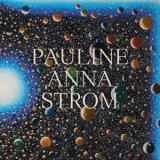
Echoes, Spaces, Lines collects Trans-Millenia Consort, Plot Zero, and Spectre, the first three albums by the late West Coast composer, healer, and medium Pauline Anna Strom. Exploring all corners of the multiverse through transpersonal form and freedom, Strom’s first three albums share a singular sensibility, different streams flowing from the same oracular font. Echoes, Spaces, Lines establishes Strom’s rightful place in the canon of great synthesists. Restored and mixed from the original reels by Marta Salogni, newly remastered, and adding Oceans of Tears, a fully realized but previously unreleased album exclusive to this box set, these are the first official reissues and the definitive encapsulation of Pauline Anna Strom’s prolific and visionary early work. These four-disc LP and CD box sets include 12 and 16 page booklet containing liner notes, an unearthed interview with Strom, and unseen ephemera.
"Alles ist nur Übergang": So heißt das neue Album Max Riegers. Man kann dies als künstlerisches Credo betrachten, als Selbstbeschreibung, als ästhetisches Programm. Bei Max Rieger war es schon immer so; es ist immer schon alles im Übergang gewesen: im Werden, im Fluss. Seit über einem Jahrzehnt gehört er zu den prägendsten Künstlern im deutschen Pop, wandlungs- und erfindungsreich wie kaum einer sonst. Mit seiner Gruppe Die Nerven hat er dem elektrisch verstärkten Gitarrenrock hierzulande eine neue Gestalt und neue Schärfe geschenkt. Fünf Alben haben Die Nerven seit 2012 herausgebracht, zuletzt 2022 ihr schwarzes Album, finstere, harte, zugleich nihilistische und ironische Musik, getragen von großer Weisheit und dem Wissen um die Weisheit des Primitiven. Max Rieger ist auch ein großer Klangschöpfer, er ist jemand, der Musik und Ideen zu veredeln versteht, der sich ebenso inspirieren lässt wie er inspiriert. Für eine ganze Generation junger Künstlerinnen und Künstler ist er zu einem wichtigen, prägenden Partner und Mentor geworden, als Produzent und als unterstützender Songwriter. Er hat für Casper 2022 das Album "Alles war schön und nichts tat weh" produziert, Mia Morgan, Stella Sommer, Ilgen-Nur, Jungstötter und Drangsal gearbeitet und zuletzt mit den legendären Noise-Pionieren Swans. Wer die wahre Größe Max Riegers ermessen will, der - freilich - muss seine Soloalben anhören, die er unter dem Namen All diese Gewalt veröffentlicht. "Kein Punkt wird mehr fixiert" hieß das Solo-Debüt 2014, seither sind zwei weitere Alben erschienen, das majestätisch-weiche "Welt in Klammern" 2016 und das kühle "Andere" von 2020. "Alles ist nur Übergang" ist nun sein viertes Werk als All diese Gewalt, es führt die großen Linien des Rieger"schen Schaffens fort und hebt seine Kunst doch auf eine neue Ebene: So organisch, so schwebend hat seine Musik noch nie geklungen, so scheinbar anstrengungslos dahingespielt und zugleich intensiv, mit einem unwahrscheinlichen Gespür für Dramaturgien, für das rechte Maß zwischen dem Treibenlassen der Klänge und dem plötzlich alles ändernden Break.
"Alles ist nur Übergang": So heißt das neue Album Max Riegers. Man kann dies als künstlerisches Credo betrachten, als Selbstbeschreibung, als ästhetisches Programm. Bei Max Rieger war es schon immer so; es ist immer schon alles im Übergang gewesen: im Werden, im Fluss. Seit über einem Jahrzehnt gehört er zu den prägendsten Künstlern im deutschen Pop, wandlungs- und erfindungsreich wie kaum einer sonst. Mit seiner Gruppe Die Nerven hat er dem elektrisch verstärkten Gitarrenrock hierzulande eine neue Gestalt und neue Schärfe geschenkt. Fünf Alben haben Die Nerven seit 2012 herausgebracht, zuletzt 2022 ihr schwarzes Album, finstere, harte, zugleich nihilistische und ironische Musik, getragen von großer Weisheit und dem Wissen um die Weisheit des Primitiven. Max Rieger ist auch ein großer Klangschöpfer, er ist jemand, der Musik und Ideen zu veredeln versteht, der sich ebenso inspirieren lässt wie er inspiriert. Für eine ganze Generation junger Künstlerinnen und Künstler ist er zu einem wichtigen, prägenden Partner und Mentor geworden, als Produzent und als unterstützender Songwriter. Er hat für Casper 2022 das Album "Alles war schön und nichts tat weh" produziert, Mia Morgan, Stella Sommer, Ilgen-Nur, Jungstötter und Drangsal gearbeitet und zuletzt mit den legendären Noise-Pionieren Swans. Wer die wahre Größe Max Riegers ermessen will, der - freilich - muss seine Soloalben anhören, die er unter dem Namen All diese Gewalt veröffentlicht. "Kein Punkt wird mehr fixiert" hieß das Solo-Debüt 2014, seither sind zwei weitere Alben erschienen, das majestätisch-weiche "Welt in Klammern" 2016 und das kühle "Andere" von 2020. "Alles ist nur Übergang" ist nun sein viertes Werk als All diese Gewalt, es führt die großen Linien des Rieger"schen Schaffens fort und hebt seine Kunst doch auf eine neue Ebene: So organisch, so schwebend hat seine Musik noch nie geklungen, so scheinbar anstrengungslos dahingespielt und zugleich intensiv, mit einem unwahrscheinlichen Gespür für Dramaturgien, für das rechte Maß zwischen dem Treibenlassen der Klänge und dem plötzlich alles ändernden Break.
In the decade or so that hard-working New York quartet Sunwatchers have operated, the group has steadily & subtly refined their sound - a brain-blasting mixture of jazz, psychedelia, krautrock, punk, noise, & Saharan blues - into something that is avant-leaning enough to appeal to the discerning jazz & experimental music fan & weird & wooly enough to get the true heads' toes tapping. "Music Is Victory Over Time" is the band's 5th album, and fourth for Chicago-based Trouble In Mind Records, seeing the long-running lineup of Peter Kerlin (bass guitar), Jim McHugh (guitars), Jason Robira (drums), and Jeff Tobias (alto saxophone and keyboards) in prime form. Album opener "World People" is a classic Sunwatchers number whose title expresses their Anarcho-Internationalist ideology (and the atypically multi-culti make up of their crowds), with an underlying melodic resonance to New Orleans funeral marches à la Albert Ayler _ a triumphant call to arms to all peoples. Live fave "Too Gary"'s gang vocal shout punctuates a motorik rager named for a phrase often uttered by a badass eight year old skateboarder McHugh knew with a speech impediment (it means "that's too scary"). "T.A.S.C." (or "Theme For Anarchist Sports Center") is inspired by Sonny Sharrock's maligned 80's output & sounds exactly like a wrathful, mutant version of a prime-time athletic show theme, replete with the requisite "sitcom ending." The sun- scorched "Foams" - a longform piece intended to depict natural stuff like tides, nightfall, and time slowly passing, ancient, peaceful and slightly gross all at once - practically jumps out of the speakers, its palpable intensity crackling in your eardrums. The title of "Tumulus" might reference an ancient burial mound, but the music itself might be the group's most high-tech song to date, complimented by an arpeggiating sequencer, three different forms of tape delay and an electric saxophone; ecstatic, fiery & deeply spiritual. "There Goes Ol' Ooze" is a smoky creeper that lets Tobias & Kerlin take a walk for a while, with respectful nods to the Stones and Steve Reich. "Song For The Gone" closes out the album, showcasing a sincerely tender moment for the gang, as an expression of love and resolve for dear friends who had recently, tragically died. Its cascading, bluesy melody attuning itself to our own collective unconscious grief. Having the distinct pleasure of being the first band to record in John Dwyer 's new LA-based recording studio Discount Mirrors, "Music Is Victory Over Time" boasts a beefed up sound. The band worked closely with in-house engineer Eric Bauer - facilitator, troubleshooter, sonic obsessive, a legendary freak and a DIY lifer. The band also had full access to the studio's epic armory of gear: amps, axes (it's Dwyer's Eddie Harris model electric sax), synths, a bass guitar once belonging to Klaus Flouride of the Dead Kennedys. Crucial for the sounds and the vibe. The album art was created by Josh MacPhee, the activist artist, author, archivist and founding member of both the radical artist collective Just Seeds and Interference Archive, a public collection of materials from social movements based in Brooklyn. MacPhee's participation in the project works as a statement of Sunwatchers' progressive utopian intentionality, and organically underscores their involvement in revolutionary projects within and without of their hometown. Listening to "Music Is Victory Over Time", Sunwatcher's rebellious spirit & unbridled enthusiasm remain fully intact, but the secret sauce is their infectious irreverence in the face of the horrors of this world. Much of our best cultural commentary is Trojan-horsed to the general public via humor & satire & the band has a knack for lacing the ridiculous with the radical. It's good to have them back. "Music Is Victory Over Time" is released worldwide digitally via most DSPs, on CD, black vinyl & a limited "Sunflare" blue/red splatter vinyl while supplies last.
In the decade or so that hard-working New York quartet Sunwatchers have operated, the group has steadily & subtly refined their sound - a brain-blasting mixture of jazz, psychedelia, krautrock, punk, noise, & Saharan blues - into something that is avant-leaning enough to appeal to the discerning jazz & experimental music fan & weird & wooly enough to get the true heads' toes tapping. "Music Is Victory Over Time" is the band's 5th album, and fourth for Chicago-based Trouble In Mind Records, seeing the long-running lineup of Peter Kerlin (bass guitar), Jim McHugh (guitars), Jason Robira (drums), and Jeff Tobias (alto saxophone and keyboards) in prime form. Album opener "World People" is a classic Sunwatchers number whose title expresses their Anarcho-Internationalist ideology (and the atypically multi-culti make up of their crowds), with an underlying melodic resonance to New Orleans funeral marches à la Albert Ayler _ a triumphant call to arms to all peoples. Live fave "Too Gary"'s gang vocal shout punctuates a motorik rager named for a phrase often uttered by a badass eight year old skateboarder McHugh knew with a speech impediment (it means "that's too scary"). "T.A.S.C." (or "Theme For Anarchist Sports Center") is inspired by Sonny Sharrock's maligned 80's output & sounds exactly like a wrathful, mutant version of a prime-time athletic show theme, replete with the requisite "sitcom ending." The sun- scorched "Foams" - a longform piece intended to depict natural stuff like tides, nightfall, and time slowly passing, ancient, peaceful and slightly gross all at once - practically jumps out of the speakers, its palpable intensity crackling in your eardrums. The title of "Tumulus" might reference an ancient burial mound, but the music itself might be the group's most high-tech song to date, complimented by an arpeggiating sequencer, three different forms of tape delay and an electric saxophone; ecstatic, fiery & deeply spiritual. "There Goes Ol' Ooze" is a smoky creeper that lets Tobias & Kerlin take a walk for a while, with respectful nods to the Stones and Steve Reich. "Song For The Gone" closes out the album, showcasing a sincerely tender moment for the gang, as an expression of love and resolve for dear friends who had recently, tragically died. Its cascading, bluesy melody attuning itself to our own collective unconscious grief. Having the distinct pleasure of being the first band to record in John Dwyer 's new LA-based recording studio Discount Mirrors, "Music Is Victory Over Time" boasts a beefed up sound. The band worked closely with in-house engineer Eric Bauer - facilitator, troubleshooter, sonic obsessive, a legendary freak and a DIY lifer. The band also had full access to the studio's epic armory of gear: amps, axes (it's Dwyer's Eddie Harris model electric sax), synths, a bass guitar once belonging to Klaus Flouride of the Dead Kennedys. Crucial for the sounds and the vibe. The album art was created by Josh MacPhee, the activist artist, author, archivist and founding member of both the radical artist collective Just Seeds and Interference Archive, a public collection of materials from social movements based in Brooklyn. MacPhee's participation in the project works as a statement of Sunwatchers' progressive utopian intentionality, and organically underscores their involvement in revolutionary projects within and without of their hometown. Listening to "Music Is Victory Over Time", Sunwatcher's rebellious spirit & unbridled enthusiasm remain fully intact, but the secret sauce is their infectious irreverence in the face of the horrors of this world. Much of our best cultural commentary is Trojan-horsed to the general public via humor & satire & the band has a knack for lacing the ridiculous with the radical. It's good to have them back. "Music Is Victory Over Time" is released worldwide digitally via most DSPs, on CD, black vinyl & a limited "Sunflare" blue/red splatter vinyl while supplies last.