Die Neuauflagen von The Runaway Found (2004), Nux Vomica (2006) und Sun Gangs (2009) geben Fans und Sammlern die seltene Gelegenheit, diese einflussreichen Alben in hochwertiger Vinyl-Qualitat neu zu entdecken. Die Re-Releases sind besonders bemerkenswert, da die Originalausgaben auf Schallplatte in den 2000er-Jahren nur in begrenzter Stuckzahl erschienen. Zu einer Zeit, als Vinyl kommerziell noch eine untergeordnete Rolle spielte, waren die Veroffentlichungen nur schwer erhaltlich. Die neuen Pressungen ermoglichen nun ein Horerlebnis mit der Klangtiefe, Detailtreue und dem Artwork, die den atmospharischen Kompositionen von The Veils besonders gerecht werden. Unter der Fuhrung von Sanger und Songwriter Finn Andrews, der die Band bereits als Teenager grundete, entwickelten The Veils mit ihren ersten drei Alben einen unverwechselbaren Stil. Zwischen uppigem Indie-Rock, romantischer Melancholie und filmischer Dramatik schufen sie einen Sound, der von orchestralen Arrangements, eindringlichen Rhythmen und emotionaler Intensitat gepragt ist. Mit The Runaway Found, Nux Vomica und Sun Gangs etablierte sich die neuseelandische Band als eine der eigenstandigsten Stimmen der internationalen Indie-Szene. Die Alben verbinden weitlaufige, cineastische Klanglandschaften mit intimen, personlichen Momenten und zeigen eine beeindruckende kreative Entwicklung wahrend der fruhen Bandjahre. Finn Andrews freut sich uber die Wiederveroffentlichungen: "Es ist eine große Freude zu sehen, dass diese Alben, die uns und vielen anderen so viel bedeuten, von dem Label, das uns von Anfang an unterstutzt hat, erneut auf Vinyl veroffentlicht werden. Ich bin Rough Trade und den Songs dieser leidenschaftlichen, suchenden und wunderbar jugendlichen ersten Jahre sehr dankbar."
Das 1997 erschienene Album „Romanza“ verhalf Bocelli zum weltweiten Durchbruch: Es verkaufte sich
weltweit fast 20 Millionen Mal und wurde zu einem der meistverkauften Alben der modernen Klassik aller
Zeiten.
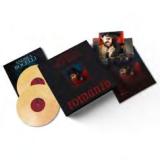
„Romanza (30th Anniversary)“ wird sowohl als Standard- als auch als Deluxe-Edition erhältlich sein. Das
Deluxe-Paket enthält zwei goldfarbene Schallplatten, eine von Bocelli signierte Lithografie sowie einen
Bildband mit eigens in Auftrag gegebenen Begleittexten des renommierten Journalisten Craig McLean, der
Bocellis außergewöhnlichen Aufstieg vom aufstrebenden italienischen Tenor zu einem der weltweit gefeiertsten Künstler nachzeichnet. Beide Editionen enthalten zudem bisher unveröffentlichte Fotos von den
Aufnahmen zum Album.
Die Sammlung vereint alle 16 Titel des Originalalbums, darunter die zeitlosen weltweiten Hits „Time
to Say Goodbye“ mit Sarah Brightman und „Vivo per Lei“ mit Giorgia sowie eine bisher unveröffentlichte
Extended Version von Bocellis Hit „Con te Partirò“.
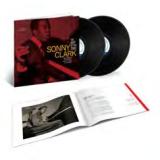
Das im Oktober 1957 aufgenommene Album “Sonny Clark Trio” sticht aus zweierlei Gründen aus der
Blue-Note-Diskografie des Pianisten Sonny Clark (1931-1963) heraus. Einerseits, weil er sich nicht wie
auf seinen anderen Alben für das Label mit einem Quintett oder Sextett präsentierte, sondern im Trio mit
dem Bassisten Paul Chambers und dem Schlagzeuger Philly Joe Jones. Zum anderen, weil er darauf keine
Eigenkompositionen spielte, sondern auf subtile Weise erstmals ausschließlich Standards aus dem Great
American Songbook und Werke führender Jazzkomponisten jener Zeit interpretierte. Das Album kam bei
den Fans und Kritikern so gut an, dass Clark im Dezember 1957 und im November 1958 nach demselben Muster mit zwei anderen Trio-Besetzungen zusammenarbeitete. Aus unerfindlichen Gründen sollten
diese Aufnahmen jedoch erst lange nach Clarks Tod veröffentlicht werden - und zunächst auch nur in Japan.
Nun erscheinen die kompletten Aufnahmen zusammen mit alternativen Takes des Albums “Sonny Clark
Trio” auf einer Doppel-LP innerhalb der audiophilen Blue-Note-Tone-Poet-Serie unter dem Titel “The Art
of the Trio”. Die Veröffentlichung kommt in einer luxuriösen Tip-On-Gatefold-Hülle daher und enthält ein
Booklet mit neuen Liner Notes von Syd Schwartz, den Original-Liner Notes von Ben Sidran und Bob Porter
sowie bisher unveröffentlichten Fotos von Francis Wolff.
Der Soundtrack enthält die rekordbrechende Nummer-1-Hit-Single „I Knew It, I Knew You“ – gesungen von
Taylor Swift und geschrieben sowie produziert von Swift und Jack Antonoff – sowie eine Original-Filmmusik
des Oscar®-Preisträgers Randy Newman.
Der Soundtrack des von Jon Favreau inszenierten Weihnachtsklassikers „Elf“ mit Will Ferrell in der Rolle
des Buddy, eines Menschen, der am Nordpol als Elf aufgewachsen ist, kommt in einer brandneuen, festlichen
Picture-Disc Vinyl und Deluxe Edition CD wieder! Nachdem Buddy entdeckt, dass er in Wirklichkeit ein
Mensch ist, macht er sich auf den Weg nach New York City, um seinen Platz in der Welt und seinen Vater
zu finden. Dabei findet er nicht nur seine Familie wieder, sondern schafft es auch, den Weihnachtsgeist in
der Stadt wieder aufleben zu lassen. Die mitreißende Originalmusik stammt vom legendären Komponisten
John Debney, der auch an Familienklassikern wie „Hocus Pocus“, „Spy Kids“, „Das Dschungelbuch“ und
vielen anderen mitgewirkt hat.
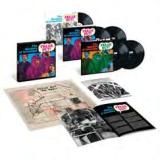
Die 5-LP-Box enthält den bisher unveröffentlichten 2-LP-Pre-Master-Mix, den längst vergriffenen 2-LPMono-Master-Mix, eine LP mit Highlights aus dem Super-Deluxe-Box-Set zum 60. Jubiläum, darunter
Live-Aufnahmen aus dem „The Fillmore“ in San Francisco (1966) sowie „Mothers“-Demos, ein erweitertes
Booklet mit seltenen Fotos, neuen Essays, einem ganz besonderen neuen Abschnitt mit noch mehr „Relevant Quotes“, der originalen doppelseitigen ausklappbaren „Freak Out!“-Hot-Spots-Karte von Frank Zappa
und einem Lithografie-Druck.
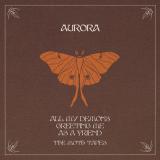
Ten years after All My Demons Greeting Me As A Friend introduced AURORA’s extraordinary musical universe to a global audience, The Moth Tapes takes listeners back to where it all began.
Built from intimate early recordings, demos and previously unreleased material from the original era, ‘All My Demons Greeting Me As A Friend (The Moth Tapes)’ opens AURORA’s archive to offer a new perspective on the creative foundations of her landmark debut and on the beginnings of an artistic journey that has since taken her around the world.
Unrefined and deeply personal, The Moth Tapes is both a celebration of where AURORA began and a bridge to the artist she has become.
Errands is the first duo recording from Marja Ahti, Swedish-Finnish sound artist and electroacoustic composer, and John McCowen, a native of Southern Illinois, now residing in Iceland, whose work centres on a radical exploration of clarinet multiphonics. Working without the aid of electronics, McCowen has spent years finessing performance techniques that allow him to layer beating patterns and split tones that belie their source in a monophonic instrument. Ahti, in contrast, has built up a stunning body of work in recent years using a classic electroacoustic palette of electronic, field recordings and instrumental sounds. Sharing a bill at the 2024 iteration of Stockholm’s Edition Festival, the pair discovered a sensibility shared across their different sonic means, beginning the collaborative process that would eventually result in the mercurial side-long pieces heard on Errands.
The word ‘errand’ suggests something purposeful but routine, and Ahti’s and McCowen’s work is suffused with the everyday. Meeting with McCowen to record in Iceland, Ahti used the opportunity to gather field recordings, capturing not the natural sublimity often associated with the country—think Chris Watson’s shifting glaciers—but everyday life in Reykjavik. Snatches of bustling streets and what could be humming engines thread between static sinewaves, stretches of clarinet resonances and fleeting textures, the latter often at once visceral and impossible to identify. Errands: we are a long way from the grandiose framing devices favoured by the pioneers of electroacoustic music, yet many of their principles are at work here. The gradual metamorphosis of one sound into another, the carefully achieved ambiguity between the acoustic and electronic, the treatment of the stereo field as a compositional element: all of these link Ahti and McCowen’s music to the electroacoustic tradition, yet their sensibility is radically different. The overall effect is a kind of stillness, but one at peace with continuous change. Like the unwieldy but somehow stylish everyday forms captured in the Hertta Kiiski photographs that adorn the record's sleeve, the music seems to prize a kind of deliberate awkwardness, interrupting static held textures not with an abrupt cut, but with a quick fade, suddenly revealing background as foreground.
Ahti and McCowen’s world is everyday and unornamented, but also shadowed by the numinous. Halfway through 'Chorales', we hear an arrangement for overdubbed recorders of an early motet of Messiaen’s, O sacrum convivium! Played on recorders, the piece shrinks into delicacy and dim memories of childhood music lessons, while at the same time its harmonies retain the grandeur of their liturgical origin. This double quality inflects much of what follows on Errands, including snatches of field-recorded water or air, which seem at once elemental and domestic. Enlivened with countless details that repay repeated relistening, Errands is a record that leaves the listener ready to open their ears anew to their own sound environment.
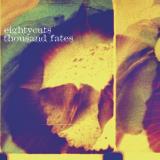
Perhaps because this debut album takes its title from the 80 duplications of the original cell, Eightycuts' first album seems constructed according to an organic logic: one idea contains another, a motif divides, bifurcates, transforms.
The tracks then function like organisms in motion, traversed by passages, secret chambers, and successive metamorphoses.
Nothing remains quite identical to itself. Through these krautrock repetitions, the psychedelic experiments of Siam and Greg, sometimes joined by Frédéric D. Oberland, the group constructs songs that unfold through proliferation. Nervous drums propel the tracks forward while the guitars open up more ambiguous spaces, both abrasive and melodic. Somewhere between the urgency of punk and the slowness of trance.
DJ T-Kut, Team Leader of Skratcher Madrid, Skratch Elementz & Tablist Lounge Spain, publishes a new volume of Skratch Practice. After the success of the previous volumes, this time, Skratch Fu-Finger Practice comes on boold red vinyl. This vinyl is a perfect tool for battle routines, freestyle scratching, in which you will find classic original sounds, phrases, Fx sounds and much more. This Battle Breaks & Scratch Tools vinyl promises hours of practice and is focused both for DJs who are beginning and advanced DJs. This edition is published on 7" vinyl Side A and B, consists of 6 loops per side at 100 BPM. Artwork: Adolfo Gerrero Mastered: Le Jad Producer: Dj T-Kut I hope you enjoy it and Happy Skratching!!!! Turn on your turntables!
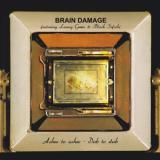
By 2004, dub had a history stretching back more than thirty years. This remarkable longevity can easily be explained by the evolving nature of this musical genre, which is constantly changing both artistically and technically, from Kingston to London, New York, and more recently Berlin, Paris, Lyon and Saint-Étienne. For example, it is worth noting that for some years now, in France and elsewhere, a good number of artists have been thinking in terms of dub from the outset, breaking free from the original Jamaican model, which involved drawing inspiration almost systematically from an existing vocal track. Thirty years on, with the release of their second album, Brain Damage aim to reconnect with this tradition. Recent collaborations with the two vocalists, Learoy Green and Black Sifichi, have indeed provided the ideal source material for the creation of five tracks, each rendered in their respective dub versions, thus forming an album with a symmetrical, even geometric character - from its very structure right down to its title: 'Ashes to ashes / Dub to dub'. At the heart of the project lies the astute choice of two guests, each operating in diametrically opposed spheres yet brought together for the occasion, thereby emphasising a certain 'unity of the circle': 'the unity of the circle'. Born of a genuine artistic vision, this geometric, symmetrical aesthetic-omnipresent in every detail of the album, both auditory and visual-complements Brain Damage's 'square' and robotic side, with its three-dimensional evocations. Always working in close collaboration with the very latest digital technologies. This brings to mind 'the balance of the cube'. Finally, the title itself, 'Ashes to ashes / Dub to dub', should be understood as a reference to the transience of all things in this world, against a backdrop of widespread, globalised, international, national and local crises_
Life Creates Itself is the new album by Bill Baird, releasing September 25th, 2026 on Royal Oakie Records. After years of restless wandering that took him from the Bay Area to India to Abbey Road and back again, Baird has returned home to San Antonio, Texas. Inspired by Lone Star legends Doug Sahm and Roky Erickson, the album inhabits a world where outsider country, avant-garde pop, and psychedelic folk dissolve into one.
Produced by longtime collaborator Jasper Leach (Tony Molina, Color Green) and mastered by indie-rock legend KRAMER (Galaxie 500, Daniel Johnston, Will Oldham), Life Creates Itself was recorded at Sear Sound in New York City in a single remarkable day — fitting for an album as indebted to Arthur Russell and Captain Beefheart as it is to Sir Douglas Quintet and Townes Van Zandt. The sessions brought together a constellation of collaborators around Baird and Leach, including Pedrum Siadatian (Allah-Las, PAINT), Phil Carluzzo, Austin Day, Oliver O'Haver, Jordan Johns, Michael Vattuone, Clara Kennedy, and Carluzzo’s dog Ernie.
Lead single "Yanaguana" — the original Payaya name for San Antonio, meaning either "land of many waters" or simply "where I am right now" — serves as a thesis statement for the album, a restless soul reckoning with what it means to finally come home. Meanwhile, "Karma Loan" is a fuzzy, sprawling psych track that spilled out of Baird during a deep immersion in Bach that features cello by Clara Kennedy and closes with a sound collage of spiritual gurus hawking easy paths to enlightenment. Then there's "Horse Moon" — built around pedal steel that shimmers like rays of moonlight, drifting through vignettes from a late night walk across New York City, with Pedrum Siadatian's lead guitar lending the whole thing an unhurried, dreaming quality. The night they tracked it, Baird climbed to the roof of Sear Sound and watched a full moon wash the city in a warm glow.
Baird has never sounded more at home, and Life Creates Itself may be his most cohesive record yet – a songwriter record through and through that stands apart from the rest of his discography. Royal Oakie Records is proud to release Life Creates Itself on September 25th, 2026, available on vinyl LP, CD, and digital download/streaming worldwide.
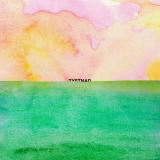
The word ‘Tystnad’ – literally translated – means silence. In this case, the Silence is less that of zen buddhism or that of John Cage, rather the name of the studio where Flowers Must Die – carriers of the torch of Swedish psychedelia for now nearly 20 years – retreated to make their most head-expanding album to date. Located near the Norwegian border in the verdant rural Värmland region, Silence Studios has been a countercultural hub for decades, attaining a legendary status as a residential outpost where bands can retreat to stretch out creatively and focus their psychic powers.
From just such origins, Flowers Must Die have crafted a collection of expansive and incandescent jams that maps out a lysergic trajectory between the idealistic, anything-goes mania of early ‘70s psychedelia and the 21st century. Tystnad is the sound of a band buoyed by the afterglow of their last Rocket release, 2017’s Kompost and its attendant touring, and expanding into extrapolations that marry the wildest free improv with haunting melody.
If Tystnad, as the band claim, is to be their last recording made in one room at the same time, then it displays a formidable escape velocity. Who’s to say whether Flowers Must Die have tapped into a Swedish continuum, one including the like of Pärson Sound, Dungen or Goat. What’s clear is that Tystnad is a timeless treatise, and a potent channeling of spirits –transcending genre in search of enlightenment anew.
Marking their second release for GULF COAST RECORDS, the collection favours raw performance over polish, capturing the chemistry, spontaneity, and fearless musicianship that have defined the group for more than three decades. Fronted by the unmistakable voice of JERRY LANGER and the soulful guitar work of RANDY JACOBS - formerly of Was (Not Was) - the EP embraces honest, acoustic arrangements where every note and breath remains beautifully exposed. Produced by Jacobs, Langer, and JOHN WOOLER, the project reveals a band confident enough to let the songs speak for themselves. Recorded primarily at Kaleidoscope Studios in Berlin, the sessions continued wherever the road allowed, with additional performances captured in U.S. studios and hotel rooms between shows. This wandering spirit gives the EP a sense of movement and lived experience. A remarkable ensemble of collaborators adds depth throughout, including Holly Montgomery, Arthur Thompson, Joe Sublett, Mark Pender, Jon Gilutin, and Oliver Leiber. Across six tracks - bold reinterpretations and originals - the band blends Detroit soul, New Orleans groove, blues, and rock & roll swagger. Pull Up the Roots celebrates authenticity, proving that great songs and genuine soul need no embellishment.
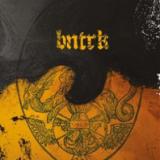
Originally conceived as the solo project of Izio Orsini (Rancho Bizzarro), Bantoriak has evolved into a collective sonic ritual, bringing together an impressive cast of friends and collaborators from the Italian and international underground scene. Steeped in warm 70s inspired sounds, hypnotic grooves, expansive jams and heavy psychedelic atmospheres, Vol. II travels from the dusty landscapes of the Californian desert to more mystical and introspective territories. The album features special appearances by Sergio Ch. (Los Natas, Soldati) on "Blu Bus" and Dome La Muerte on "Ritualism" and "La Muerte". For fans of: Kyuss, Los Natas, Colour Haze, Yawning Man, Monster Magnet, Dead Meadow and Black Sabbath.
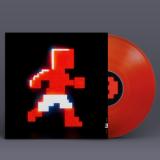
Featuring Nicholas Semrad (Empire of the Sun), Stu Brooks (Nine Inch Nails, Danny Elfman), Tim Lefebvre (David Bowie) and vocalist Gretchen Parlato, this new hardhitting, synth-fueled album distills Guiliana's vision into eight cinematic compositions that fuse retro production with futuristic playing. Transmitted through an original 8-bit visual universe created by artist and long-term collaborator Steve Wall, BEAT MUSIC 2.0 draws inspiration from early gaming culture and electronic music, looking both to the past and the future for answers. Guiliana's compositional voice is on full display alongside the energetic and precise grooves that define his singular approach. In an age increasingly shaped by automation, BEAT MUSIC 2.0 keeps its focus on human connection and collaboration.
Originally released in 1978. A Classic Reggae album re-released on 180 gram vinyl and produced by Linval Thompson with extensive sleeve notes.
Recorded at Channel One Recording Studio & Harry J's Recording Studio.
Cornell Campbell is one of an elite group of Jamaican reggae singers who has weathered the changes throughout the music's development - in his case, from the ska era to right up to date - whilst retaining their relevance. Witness his recent alliance with UK Afrobeat/reggae band The Soothsayers or Jazmine Sullivan's R & B hit Need U Bad, which sampled his classic 'Queen Of The Minstrel' -a song that still sounds fresh more than thirty years later.
Sweet Baby was pressed on bright red vinyl, which only added to the excitement when you saw the selector position it carefully on the deck.
On the LP cover was a painting of Cornell wearing an emerald green shirt and framed by a lurid sky, which might have left some people wondering if it was a soul album. It wasn't, although there is certainly soul in the grooves, and especially on R&B covers like Gonna Take A Miracle - first recorded by the Royalettes -and Darling You Send Me, which Sam Cooke had introduced to the US Billboard charts some twenty years earlier.
Both are among the highlights but then the whole album is good in truth, and a heartfelt I Need Somebody and My Sweet Baby, plus the two-step favourite Just Enough were regularly played on sound system. Blinded By Love, I Didn't Know and Can't Hide My Love are tinged with melancholy and like the seductive Whenever You Need Me, display all the hallmarks of a classic Cornell Campbell side -swooping vocals, a driving rhythm and seductive lyrics included.
Nearly forty years later, it is gratifying to know there is still no mistaking him when his records are played in a dance. That relaxed vocal style draws you in but it's his falsetto, quivering with understated emotion that hooks you and turns you into a lifelong fan.
Nach der Breakout-EP „Discount Fireworks“ haben Roman Candle ihren Sound konsequent weiterentwickelt. Die jüngsten Singles zeigen eine Band, die emotionale Direktheit mit kontrolliertem Chaos verbindet; „Can We Watch Something Happy?“ basiert auf persönlichen Erfahrungen von Piper und unterstreicht den ungefilterten erzählerischen Ansatz der Band.
Originally released by CRI in 1974 and now reissued on vinyl for the first time by Death Is Not The End, Music by Earle Brown is a concise overview of the composer's landmark early experiments with graphic notation, open form structures and magnetic tape.
_______________________________
Times Five (1963): Govert Jurriaanse (flute), John Floore (trumpet), Harry Sparnaay (bass clarinet), Jaring Walta (violin), Roelof van Driesten (violin), Gerrit Oldeman (viola), and Harro Ruijsenaars (cello). Ton Hartsuiker acts as piano leader, with Earle Brown conducting the acoustic instruments alongside pre-recorded magnetic tape.
Octet I (1953): Composed, created, and realised entirely by Earle Brown using multi-channel magnetic tape.
December 1952: Composed by Earle Brown, solo piano by David Tudor.
Novara (1962): Govert Jurriaanse (flute), John Floore (trumpet), Harry Sparnaay (bass clarinet), Jaring Walta (violin), Roelof van Driesten (violin), Gerrit Oldeman (viola), Harro Ruijsenaars (cello), and Ton Hartsuiker (piano), with Earle Brown conducting.credits
Originally released by CRI in 1974 and now reissued on vinyl for the first time by Death Is Not The End, Music by Earle Brown is a concise overview of the composer's landmark early experiments with graphic notation, open form structures and magnetic tape.
_______________________________
Times Five (1963): Govert Jurriaanse (flute), John Floore (trumpet), Harry Sparnaay (bass clarinet), Jaring Walta (violin), Roelof van Driesten (violin), Gerrit Oldeman (viola), and Harro Ruijsenaars (cello). Ton Hartsuiker acts as piano leader, with Earle Brown conducting the acoustic instruments alongside pre-recorded magnetic tape.
Octet I (1953): Composed, created, and realised entirely by Earle Brown using multi-channel magnetic tape.
December 1952: Composed by Earle Brown, solo piano by David Tudor.
Novara (1962): Govert Jurriaanse (flute), John Floore (trumpet), Harry Sparnaay (bass clarinet), Jaring Walta (violin), Roelof van Driesten (violin), Gerrit Oldeman (viola), Harro Ruijsenaars (cello), and Ton Hartsuiker (piano), with Earle Brown conducting.credits
Das 1997 erschienene Album „Romanza“ verhalf Bocelli zum weltweiten Durchbruch: Es verkaufte sich
weltweit fast 20 Millionen Mal und wurde zu einem der meistverkauften Alben der modernen Klassik aller
Zeiten.
„Romanza (30th Anniversary)“ wird sowohl als Standard- als auch als Deluxe-Edition erhältlich sein. Das
Deluxe-Paket enthält zwei goldfarbene Schallplatten, eine von Bocelli signierte Lithografie sowie einen
Bildband mit eigens in Auftrag gegebenen Begleittexten des renommierten Journalisten Craig McLean, der
Bocellis außergewöhnlichen Aufstieg vom aufstrebenden italienischen Tenor zu einem der weltweit gefeiertsten Künstler nachzeichnet. Beide Editionen enthalten zudem bisher unveröffentlichte Fotos von den
Aufnahmen zum Album.
Die Sammlung vereint alle 16 Titel des Originalalbums, darunter die zeitlosen weltweiten Hits „Time
to Say Goodbye“ mit Sarah Brightman und „Vivo per Lei“ mit Giorgia sowie eine bisher unveröffentlichte
Extended Version von Bocellis Hit „Con te Partirò“.
out of Stock
Last delivered 20 days ago available to reorder, subject to availability
“Speed is power is structure is reason is human is terror is speed…”
LOL SeWitt
Inspired by Sol LeWitt’s drawing “Six Thousand Two Hundred And Fifty-Five Lines“ (1970), Sonic Belligeranza 12’s sound is generated by a code that translates the lines and the spaces between the lines of the original drawing into 6255 speedcore kicks at 33 RPM (disc 1) and 45 RPM (disc 2). Also contains the ‘holy structuralist’ and ‘sphexish threshold’ versions with Six Thousand Two Hundred And Fifty-Five hertz drones accompanying the ultra-kinetic machine-gun bursts on both discs.
THE VIEWER BECOMES THE LISTENER!
Think generative speedcore, think I.D.M. (Informational Dance Music), think aural extravaganza. Think of a number: Six Thousand Two Hundred and Fifty-Five.
out of Stock
Last delivered 19 days ago available to reorder, subject to availability
Hailing from Providencia, Colombia (Old Providence Island), Henner, Derrick, Luis, Feliciano and Senen are the Black Diamonds; a band that seamlessly blends the irresistible grooves of reggae with the infectious rhythms of calypso, creating a sound that is both timeless and refreshingly original.
For years, Black Diamonds have been synonymous with the laid-back, soulful reggae sound of Old Providence Island, crafting songs that reflect the Caribbean's easy rhythms and rich cultural heritage. Their debut release, however, takes an unexpected—and thoroughly enjoyable—detour into upbeat calypso, proving that the band is more than capable of stepping outside its comfort zone.
"De Seh Seh" (gossip.. chat and talk to much about the others in Creole) also features a remix by Venezuelan producer and multi-instrumentalist Caribombo, who transforms the song into a dancefloor-ready journey, blending electronic textures with soukous-inspired Afro-house rhythms for a bold, cross-Caribbean reinterpretation.
out of Stock
Last delivered 19 days ago available to reorder, subject to availability
Founded in 2019 by Nick Whaley and Luca Tantari, Piss Drunk Records was born in Northern California from a shared passion for underground electronic music and the DIY ethos that has always driven independent scenes.
Rather than waiting for opportunities, the label was created with a simple philosophy: if nobody releases the music you believe in, do it yourself. Every release represents that independent spirit, putting artistic freedom before commercial expectations.
Nick Whaley has been an active figure in the Northern California underground electronic scene for many years, continuously releasing music, cutting lathe records, and performing live sets while keeping the local DIY spirit alive. Luca Tantari, originally from Italy, lived in California where the idea for Piss Drunk Records was born. After returning to Italy, he continued developing the label, expanding its international reach while preserving its original vision and underground identity.
Although founded in California, Piss Drunk Records has always maintained strong roots in both the United States and Italy, creating a bridge between two underground communities.
The label embraces a broad spectrum of electronic music, from raw industrial techno, experimental electronics and noise to old-school hardcore, gabber and more dancefloor-oriented productions. Style is never the priority—authenticity is.
The first five releases were issued as hand-cut lathe records and a limited cassette, reflecting the label's commitment to small-run, handcrafted formats. PDR006 marks Piss Drunk Records' first professionally pressed vinyl release, representing a new milestone while remaining true to the DIY philosophy that inspired the project from day one.
Piss Drunk Records exists for one reason only: to release music that deserves to exist—without compromise, without trends, and without waiting for permission.
out of Stock
Last delivered 19 days ago available to reorder, subject to availability
Release description Chesster lands on Rutilance Recordings with a four-track EP rooted in classic deep house. Blending old-school influences with a modern touch, the project captures the essence of his sound: groove-led, warm, and true to its foundations. Originally from Italy and now based in Los Angeles, Chesster has been building strong momentum across the global house scene, with a run of standout releases and defining moments over the past year. This EP marks an important step in that journey - not only as his first on the label, but also as a more personal statement. After a run of highenergy, peak-time records, the project sees him step into a deeper, more refined lane. The EP also features a special contribution from Rutilance boss DJ Steaw, adding an extra layer of character and tying it closely to the label’s identity.
Pittsburgh Tracks presents the second Cheek Inc. record - “Next 2 U” - a catchy vocal house record for summer. The collaboration between longtime friends keeps going.
The A1: original mix features a bouncy groove where the infectious vocal hook and shuffly drums keep everyone dancing.
The A2 “bang mix” amps things up with pianos, an energetic 303 lead, a build up, and subs that drop for maximum impact.
The B1 “club mix” is as it says on the tin: plenty of energy with a manic bassline, tight, stripped down rhythms, and a top-line melody that emphasizes the vocals.
The B2 “bass mix” features Sleeve’s STRIPPERTM bringing the heat with staccato beats, a twisting midrange vortex of sound, and plenty of darkness with discordant pads, where the stripped-back vocal punctuates to bring a bit of air at the right moments.
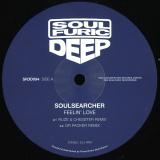
Feelin’ Love returns to Soulfuric Deep with a fresh remix package built around one of house music’s most recognisable vocal anthems, bringing new energy to a timeless dancefloor favourite.
Originally released by Soulsearcher, the track has remained a staple across house and disco sets for decades, celebrated for its uplifting vocal, infectious groove and enduring crossover appeal.
This new edition pairs the original Soulsearcher Club Mix with a selection of contemporary reinterpretations, including brand-new remixes from RUZE & Chesster and Dr Packer, alongside the Ian Carey Main Mix, offering a versatile package for both modern and classic house DJs.
Blending soulful vocals, groove-led rhythms and contemporary production touches, the release bridges generations of house music while retaining the feel-good energy that made the original such a lasting success.
Back on fresh 12" vinyl, Feelin’ Love continues to resonate with both long-time collectors and a new wave of DJs, making it a strong addition to any house-focused record selection.
A highly recognisable and DJ-friendly release for stores supporting house, deep house and soulful dancefloor sounds.
out of Stock
Last delivered 20 days ago available to reorder, subject to availability
The late sixties and early seventies spectacle of Jamaican Deejays taking their live performances out of the dance halls and translating them into hit records, not only marked the beginning of forty years of dance hall driven music on the island but also provided the original inspiration and template for the global dominance of rap and hip hop.
The art of deejay was now rightly recognised and the toasters or talk over artists advanced from introductions and interjections to stringing complete sets of lyrics together and riding the rhythm for the entire length of the song.
Deejays including U Roy, I Roy, Dennis Alcapone, Big Joe ,Little Joe and Prince Jazzbo who built their reputations working live on sound systems,now went one step beyond and moved on to become recording deejays with entire catalogues of hit singles and albums to their credit.
Throughout the seventies a whole host of mic men followed in their wake including Dillinger,Dr.Alimando,Clint Eastwood and Jah Stitch.
Talking records were not new, but 'talk over' records were...the repercussions of this uniquely Jamaican phenomenon would go on to reverberate worldwide...
Die britische Singer-Songwriterin und Musikerin Martina Topley-Bird wurde durch ihre Zusammenarbeit mit
den Trip-Hop-Pionieren Tricky und Massive Attack in der Musikbranche bekannt. Besonders hervorzuheben
ist ihr gefühlvoller Gesang auf dem Track ”Teardrop” von Massive Attack aus deren Album ”Mezzanine”,
der zu seiner atmosphärischen Wirkung beiträgt. Auch auf Trickys Debütalbum ”Maxinquaye” (1995)
hat ihre eindringliche Stimme den unverwechselbaren Sound geprägt. Als sie 2003 zu einer Solokarriere
überging, erntete sie mit ihrem für den Mercury Award nominierten Debütalbum ”Quixotic”, das bei Independiente Records erschien, großen Beifall der Kritiker. 2004 erweiterte Topley-Bird ihre Zusammenarbeit
und lieh ihre Stimme den Gorillaz-Tracks ”All Alone” und ”Kids with Guns” von deren Debütalbum ”Demon
Days”. Seitdem hat sie weitere Alben veröffentlicht, darunter ”Anything” (2004), ”The Blue God” (2008)
und ”Some Place Simple” (2010).
Martina Topley-Birds von der Kritik hochgelobtes und für den Mercury Award nominiertes Debütalbum
”Quixotic” wird zum ersten Mal auf Vinyl veröffentlicht. Diese erweiterte Ausgabe enthält das Originalalbum sowie drei B-Seiten und einen unveröffentlichten alternativen Mix der ersten Single ”Sandpaper
Kisses”. Sie wird auf Doppel-Vinyl gepresst und in einem Gatefold-Sleeve verpackt sein.
out of Stock
Last delivered 20 days ago available to reorder, subject to availability
Trance music fans, get ready to experience Push’s iconic anthem “Universal Nation” like never before with this exclusive 2 x 12" vinyl release repress.
Strictly limited to 500 copies worldwide, this special edition features a unique Inside Out cut pressed on stunning Starlight vinyl — black with striking coloured speckles, giving every copy its own distinctive look.
Featuring an array of incredible remixes, including Airwave’s Vocal Theatrical Version, James Harcourt’s remix, Gai Barone’s remix, and DJ Ghost & Danny C’s remix, this release is a must-have for any Push and trance collector.
Presented in it's original modern remastered artwork and pressed in the exclusive Starlight colour, this highly limited release offers a fresh way to rediscover the magic of “Universal Nation.”
Only 500 copies available — once they’re gone, they’re gone.
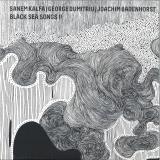
On this new album, the trio of Sanem Kalfa, George Dumitriu, and Joachim Badenhorst invites you on a poetic and sonic voyage. While their debut Black Sea Songs (2021) drew from traditional folk melodies, this work is a collection of original compositions and one improvisation, inspired by the rich cultures and emotions surrounding the Black Sea.
The music of this trio is elegant yet adventurous, blending jazz, improvisation, world traditions, and contemporary classical influences. Kalfa's distinctive voice and cello, Dumitriu's versatile viola and guitar, and Badenhorst's expressive clarinet and occasional vocals create a unique, dreamlike atmosphere. From the melancholic dance of "Denizi Özleyenler ?çin" (inspired by Orhan Veli Kan?k) to the hypnotic rhythms of "Intermezzo" and the narrative depth of "Fisherman" and "Black", each track breathes the freedom, longing, and interconnectedness that the Black Sea symbolizes.
This album is not just a collection of songs but a living story of travel, encounter, and belonging-whether evoking the ports of Istanbul, the shores of Bulgaria, or the emotional landscapes that connect us all. Black Sea Songs is a celebration of spontaneity, familiarity, and the universal language of music.
out of Stock
Last delivered 21 days ago available to reorder, subject to availability
Pariter continues its acclaimed archive series with another essential London tech house reissue from the Strange Weather Studios catalogue. Produced by two of the scene's key figures, Timmy S and Justin Bailey, this release captures a defining moment in the evolution of the UK sound.
Originally released on Wiggle in 2001, the EP arrived during the golden era of Nathan Coles and Terry Francis's legendary Fabric residency, when Strange Weather was helping shape the future of London's underground tech house. More than twenty years on, these tracks have lost none of their impact.
Meticulously remastered from the original DAT masters, the EP features three deep, tripped-out, acid-tinged tech house cuts, now presented on heavyweight 180g vinyl for the first time. Gold.
out of Stock
Last delivered 21 days ago available to reorder, subject to availability
Can you believe it Fall of 2014 marks the 20TH ANNIVERSARY of YOSHITOSHI, the seminal record label founded by Deep Dish in 1994.
To celebrate, we are bringing the classics back, remastered and with new remixes from an amazing group of heavy hitters from all corners of the dance world.
Given that Yoshitoshi's roots are ingrained in house music, it's only fitting to start the re-release campaign with Eddie Amador's classic House Music.
Released in 1997 it went on to become a global phenomena with its hypnotic hook and infectious Not Everyone Understands House Music that has become the preach anthem for generation of house music lovers.
Along with the remastered original the package includes remixes by Uto Karem, Robosonic & Anthony Attalla...
Introducing the second release from Principauté de Bowl-Air — PBAVINYL002
Principauté de Bowl-Air is a label founded by DJ Bowlcut, a key figure in supporting Seoul’s underground scene through Seoul Community Radio. The project presents his vision of deep, glitchy minimal house music, woven with the story of a secret micronation hidden in the heart of Seoul.
Following the debut vinyl release, PBAVINYL002 features an original track by DJ Bowlcut alongside reinterpretations by his friends Slowmouth and Furz.
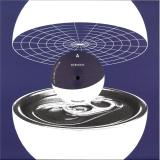
The cover artwork references one of the first K-pop acts to introduce rave sounds to Korean audiences — Seo Taiji and Boys. Their first techno album featured an image of the top of an aluminum can, and PBAVINYL002 draws from the same visual reference. The track “Dig This” also reworks elements from their song “You in Illusions (Techno Taiji Mix).”
The A-side opens with “Falling”, a hypnotic-groove track built around deep synths and designed for afterhours. It works as a perfect DJ tool for gently guiding the crowd into a subtle trance state, further enhanced by the vocal sample “Everybody Falling, Anybody Feel that Falling?”, which pulls listeners into a slow, spiraling moment.
The second A-side track, “Dig This”, takes direct inspiration from one of the earliest K-pop tracks to feature rave stabs, TB-303, and classic rave elements — “You in Illusions (Techno Taiji Mix)”. DJ Bowlcut reuses many of the same samples that Seo Taiji originally layered, reconstructing them into a deep minimal cut with a distinctive Mentasm stab woven into the minimal house framework.
The B-side features remixes by Slowmouth and Furz.
Slowmouth transforms “Falling” into a brighter, more festive exploration that reveals the hidden layers of the original hypnotic groove.
Furz, meanwhile, turns “Dig This” into a funky, dancefloor-ready banger aimed at a wider crowd.
A well-timed remastered version of this killer jacking electro cut from Aaron Carl on the legendary Metroplex label, featuring none other than Juan "The Man" Atkins. The release includes four versions. Dirty, essential Detroit electro.
For its third release, Ambient Sans turns to one of the most quietly beloved works in Japanese ambient music.
Recorded at Biwa Studio in 1989, White Morning is the work of Fumio Miyashita — composer, arranger, and multi-instrumentalist whose output through the late 1980s and early 1990s occupies a singular space between healing music, environmental sound, and meditative ambient. Where his contemporaries were mapping the exterior world, Miyashita turned inward: his music was designed for the body as much as the ear, conceived explicitly for rest, focus, and presence.
White Morning distills that vision into its purest form. Two extended pieces — 目覚め (See The Light) and 朝の祈り (Morning Prayer) — built from soft synthesizer layers, delicate acoustic textures, and a stillness that feels less composed than discovered. Music that doesn't impose itself. Music that simply stays.
Originally released on CD in 1991 and circulated quietly ever since among devotees of kankyo ongaku and Japanese new age, White Morning has never appeared on vinyl — until now. Essential listening for anyone drawn to the environmental music of Hiroshi Yoshimura, the meditative depth of Satoshi Ashikawa, or the healing ambient of Klaus Wiese.
out of Stock
Last delivered 22 days ago available to reorder, subject to availability
The first HEREAFTER label release enters the universe with three deep, rolling cuts from DOTT and a pumped-up peak-time remix from JUAAN.
“1955 Revival” sets the tone with a killer groove, warm drone-filled textures and DOTT’s off-kilter character. “Grumpy Merlin” moves deeper into the murk, while “Drunken Tune” brings an infectious, eyes-closed groove to the B-side. JUAAN closes the EP by flipping the original into a tight peak-time driver built to ignite the dancefloor.
After seeing these tracks captivate the crowd at one of the UK’s best-loved festivals, we knew we had to share them with the world through the HEREAFTER label.
Some recordings herald the future in ways that are impossible to see in real time. Teodros Makonnen With His Organ (ቴዎድሮስ መኮንን ከኦርጋኑ ጋር), by the artist Teodros Makonnen, also known as Teddy Mak, is one of those. Today, electronic sounds, synthesizers, and digital production are taken for granted in Ethiopian music, but in the early 1980s, they were novelties that polarized opinion. Even to this day, the story of Teodros Makonnen’s legacy has never been properly told. He played a decisive role in defining the sound of the digital era of Ethiopian music that emerged in the 1980s and beyond, both as a keyboard player and as a producer, songwriter, performer, and sound designer.
Ethiopian music was at a crossroads in the early 1980s. Much like music in the rest of the world, technology and automation heralded either a quantum leap in musical development or the annihilation of musicianship, depending on who you’d ask. The changes were incremental nonetheless, but with the benefit of hindsight one can clearly see that the changes meant different things in different contexts. Drum machines and electric organs came to replace many hotel bands because, all of a sudden, one musician could control drums, melody, and accompaniment. Teodros was one of the first musicians in Ethiopia to explore the possibilities this opened up.
Teodros’ father, Captain Makonnen Beri, was a chief pilot at Ethiopian Airlines and a music enthusiast at that. This would prove important to his development, as Makonnen brought back a piano from Germany, which would lead to the first steps in Teodros’ long musical career. Captain Makonnen’s work as Head of Flight Operations and as a pilot exposed him to the wider world that was far from commonplace for most Ethiopians. In a house where music captivated the whole family, the piano gave Teodros’ talent an outlet. Not only was a piano at home rare in Ethiopian households, his father also brought an Indian teacher to their home to teach Teodros and his brother, Captain Samuel Makonnen, music theory (solfeggio or ear training) and piano. Teodros and his youngest brother, the late great Dereje, a member of both the legendary Ibex Band and the Ethiopian reggae group Dallol, took up music from that point onward, with Teodros beginning to develop his proficiency at the age of eight. His father encouraged him to practice tirelessly at home, and Teodros later received musical schooling at the German School in Addis Ababa. His obvious talent led to studies and formal education at the Yared School of Music, followed by continued studies in American jazz at Northern Virginia Community College in Virginia. Teodros cut his teeth professionally in his mid-teens, not only as a keyboardist, but also as an arranger for the Wabi Shebelle and Dahlak bands in the 1970s. He mastered electronic sequencing early, rising to prominence through the midnight recording sessions held during the military curfew. The pressures imposed by the curfew required precise and disciplined recordings, and Teodros delivered just that. This, in turn, led to collaborations with iconic artists such as Mulatu Astatke, Aster Aweke, Menelik Wossenachew, Tilahun Gessesse, Mahmoud Ahmed, and Alemayehu Eshete. In those days, he sat in as a keyboardist with the Dahlak Band when Dawit Yifru took a hiatus to study in Russia, and also with the Ethiostar Band. He secured a residency at the Wabi Shebelle Hotel with the Shebele Band, together with Zelalem Tadese (drums), later succeeded by Elias Bekele, Mulugeta Hailu (bass), Teferi ‘Bibisha’ Mengesha (guitar), Kumelachew G/Selassie (trumpet), and Teshome Deneke (saxophone). A friendly competition developed between the bands associated with the Ras Hotel (the Ibex Band), Ghion Hotel (the Dahlak Band), and Wabi Shebelle Hotel (the Shebele Band). The music scene at Wabi Shebelle saw teenagers commanding the spotlight in an industry otherwise dominated by musicians of an older generation. At the Wabi Shebelle Hotel, Teodros met a diplomat from Saudi Arabia and later visited him at his home in Addis Ababa, a meeting that had unexpected musical consequences. The man owned a Yamaha double-deck keyboard. That evening, they recorded Teodros Makonnen With His Organ (ቴዎድሮስ መኮንን ከኦርጋኑ ጋር) in one take. This recording, a cornerstone in the early digital sound of Ethiopian music, came about almost by chance, simply because Teodros got the opportunity. Traditional Ethiopian songs were cast in a wholly electronic style. Once freed from backing duties, Teodros’ keyboards could explore dreamlike soundscapes that took Ethiopian music in new directions. Even though the cassette contained well-known Ethiopian songs, they were given highly original arrangements, performed on an electric organ with drum machine backing and rhythm patterns that left the listener with suggestive, lingering sounds. “Libesh Kabashen” (also known as “Anchi Bale Game”) and “Odu Gol Golesa” wrap you in the very stuff that dreams are made of. Originally released on cassette only, this recording exudes a mystique that surpasses even some of the most obscure Ethiopian recordings of the day. It remained more or less unknown outside of Ethiopia until now. Some of the tracks, like “Addis Fikir,” are permeated with an almost naive buoyancy, free-floating sounds that lost contact with the ground the moment they were conceived. Others, like “Meche New Hageren Yemayew” and “Lelitu Alnega Alegn,” carry a moodier, quirkier timbre, with pulsating rhythms in the background. Yet even the darker pieces contain an unmistakable wave, something essentially Ethiopian. If most recordings of Teodros’s contemporaries at the time were teeming with atmosphere, his songs seem instead at home in the stratosphere, almost ethereal. Some of the music here could be filed under “lullabies,” were it not for the recurring, almost brooding feeling that engulfs the listener on the aforementioned tracks. You could easily be forgiven for drifting into a blissful haze as the music washes over you.
Up to the advent of electronic music production, Ethiopia was totally dominated by big bands on the one hand, and small groups on the other. The former were tied to large institutions such as the military, the latter emerged from the entertainment industry, in hotel bars and nightclubs. These groups were commercially driven, and bands ultimately had to foster a mercenary approach to employment, albeit not to the passion for music. In the light of this, Teodros’ musical legacy can be seen in two ways. On the one hand, he is a key player in Ethiopian music from the 1970s onwards, leaving an indelible mark through hundreds of compositions and arrangements, including soundtracks for numerous documentary films and advertisements for different companies. On the other hand, the way he and others employed electronics brought Ethiopian music onto a fork in the road.
The replacement of traditional instruments with electronic equipment was seen as impending doom by some. Others, like Teodros, saw new avenues for performance, production, and creativity. Just as later producers like Abegasu Shiota of Admas, Teodros was a trailblazer who opened paths that it took Ethiopian music as a whole more than a decade to rush into. The hotel scene had already been pushed toward electronic music by financial necessity and cost-cutting. Today’s revived global interest in Ethiopian music from the seventies and eighties, alongside a broader resurgence, has changed the reasons for using digital means of music production. They have become tools for musical dreaming. This is where the dreaming began.
out of Stock
Last delivered 9 days ago available to reorder, subject to availability