Cerca:ornette coleman

Generi
Tutto
Ornette Coleman - Friends And Neighbors LP

'This is an unusual album in the catalogue of Ornette Coleman, and one that passes by most critics. It is however a unique insight into the ‘free jazz’ pioneer’s way of working in the early 70s. Recorded at his large loft space in downtown New York which inspired a whole scene of experimental musicians who were locked out of playing established venues.

The music is a romp showing Ornette playing trumpet as well as saxophone. His quartet which featured second saxophonist Dewey Redman alongside long term cohorts Ed Blackwell and Charlie Haden prove to be the perfect foil for this short set.

This is the first vinyl reissue in nearly 20 years and utilises a fresh 24/96 transfer from the original production master.'

In Stock

Disponibile in Stock e pronto per la spedizione

20,13
The Ornette Coleman Double Quartet - Free Jazz LP
  • A1: Part 1
  • B1: Part 2

Free Jazz: A Collective Improvisation is a studio album by American jazz saxophonist Ornette Coleman, released in September 1961.
The album features what Coleman called a "double quartet," i.e., two self-contained jazz quartets: each with a reed instrument, trumpet, bass, and drums.

The two quartets are heard in separate channels, with Coleman's working quartet at the time in the left channel, and the second quartet, including
the former Coleman rhythm section of Charlie Haden and Ed Blackwell, on the right.

The two quartets play simultaneously. Free Jazz was the first album-length improvisation at thirty-seven minutes, unheard of at the time.

The original LP package incorporated Jackson Pollock's 1954 painting The White Light. The cover is a gatefold with a cutout window in the lower right corner allowing a glimpse of the painting;

opening the cover revealed the full artwork, along with liner notes by critic Martin Williams.
Free Jazz served as the blueprint for later large-ensemble free jazz recordings such as Ascension by John Coltrane and Machine Gun by Peter Brötzmann.

Free Jazz is available as a limited edition of 1000 individually numbered copies on white vinyl.

pre-ordina ora14.11.2025

dovrebbe essere pubblicato su 14.11.2025

31,30
Ornette Coleman - Ornette!
  • A1: W.r.u
  • A2: T. & T
  • B1: C. & D
  • B2: R.p.d.d

Remastered using pure analogue components only, from the master tapes through to the cutting head.

Ornette Coleman, who died in June 2015 from cardiac arrest, must be counted as one of the most influential musicians in the jazz genre. His importance does not only lie in his ground-breaking recordings in the late Fifties and early Sixties, but lies more significantly in the educational effect of his work – in the fact that he always went beyond himself to the very end.

Just a little more than a month after his ground-breaking release "Free Jazz", Coleman recorded the present album, in which he perhaps distanced himself somewhat from the conceptual idea, but still guided his quartet to ever more richness of detail and creativity. "Ornette!" was the first recording with bass-player Scott LaFaro and Coleman, and the difference in approach between LaFaro and Charlie Haden is noticeable from the very first note of "W.R.U.". His playing is more direct and agile, and one can hear how he drives Coleman and Don Cherry actively onwards and more aggressively than Haden’s warm, languid phrasing.

The tracks, with titles that are taken from the works of Sigmund Freud, are all gems and serve as a wonderful starting point for the musicians’ improvisations. By now, Coleman felt himself comfortable in lengthy pieces, and neither he nor his fellow musicians had trouble in filling out time, never once lacking for new ideas. Ed Blackwell deserves a special mention – he shows himself here at his very best. "Ornette!" is a superb release and an absolute must for all fans of Coleman and creative, improvised music in general.

pre-ordina ora10.10.2025

dovrebbe essere pubblicato su 10.10.2025

40,13
Ornette Coleman - Change of the Century LP
  • A1: Ramblin
  • A2: Free
  • A3: The Face Of The Bass
  • B1: Forerunner
  • B2: Bird Food
  • B3: Una Muy Bonita
  • B4: Change Of The Century

"Change of the Century" is the second album recorded by Ornette Coleman's quartet featuring Don Cherry on trumpet, Charlie Haden on bass, and Billy Higgins on drums and is considered one of the essential recordings of the avant-garde jazz movement. Ornette Coleman was a revolutionary figure in jazz, known for his innovative approach to improvisation and composition. He pioneered the "free jazz" movement, which broke away from traditional jazz structures and harmonic conventions.

His music often emphasized collective improvisation and thematic development over chord changes. The album's title reflects the spirit of innovation and change that Coleman brought to the jazz world with a significant departure from the bebop and hard bop styles dominant at the time, paving the way for new directions in jazz expression. "Change of the Century" remains a timeless and influential recording that continues to inspire musicians across genres and stands as a testament to Ornette Coleman's Visionary approach to jazz: an essential listening for anyone interested in exploring the outer reaches of improvisation and creativity in jazz.

pre-ordina ora10.07.2025

dovrebbe essere pubblicato su 10.07.2025

20,13
Ornette Coleman - The Shape Of Jazz To Come LP

Ornette Coleman's hugely influential 'The Shape Of Jazz To Come'
pressed on limited edition 180g premium orange vinyl.

'The Shape of Jazz to Come' was a watershed event in the genesis of avant-guard jazz. The record shattered traditional concepts of jazz harmony, disposing of both the piano player and the whole idea of concretely outlined chord changes. The album includes Coleman's classic tune 'Lonely Woman.'

"The element that pours out of this disc is creativity in strong, concentrated waves. Four of the half dozen Coleman originals in this collection grow out of bop roots, but Coleman hears other things, too. This is not easy music for the listener, but even at its most difficult it remains compelling." - John S. Wilson, DownBeat

pre-ordina ora15.11.2024

dovrebbe essere pubblicato su 15.11.2024

44,33
Ornette Coleman - The Shape Of Jazz To Come LP

Ornette Coleman's hugely influential 'The Shape Of Jazz To Come'
pressed on limited edition 180g premium orange vinyl.

'The Shape of Jazz to Come' was a watershed event in the genesis of avant-guard jazz. The record shattered traditional concepts of jazz harmony, disposing of both the piano player and the whole idea of concretely outlined chord changes. The album includes Coleman's classic tune 'Lonely Woman.'

"The element that pours out of this disc is creativity in strong, concentrated waves. Four of the half dozen Coleman originals in this collection grow out of bop roots, but Coleman hears other things, too. This is not easy music for the listener, but even at its most difficult it remains compelling." - John S. Wilson, DownBeat

pre-ordina ora13.05.2024

dovrebbe essere pubblicato su 13.05.2024

17,23
Ornette Coleman - The Shape Of Jazz To Come LP

Ornette Coleman's hugely influential 'The Shape Of Jazz To Come'
pressed on limited edition 180g premium orange vinyl.

'The Shape of Jazz to Come' was a watershed event in the genesis of avant-guard jazz. The record shattered traditional concepts of jazz harmony, disposing of both the piano player and the whole idea of concretely outlined chord changes. The album includes Coleman's classic tune 'Lonely Woman.'

"The element that pours out of this disc is creativity in strong, concentrated waves. Four of the half dozen Coleman originals in this collection grow out of bop roots, but Coleman hears other things, too. This is not easy music for the listener, but even at its most difficult it remains compelling." - John S. Wilson, DownBeat

pre-ordina ora

Questo articolo non è stato ancora rilasciato. È possibile pre-ordinare il prodotto ora.

25,00
Ornette Coleman - The Shape Of Jazz To Come LP

Ornette Coleman's hugely influential 'The Shape Of Jazz To Come'
pressed on limited edition 180g premium orange vinyl.

'The Shape of Jazz to Come' was a watershed event in the genesis of avant-guard jazz. The record shattered traditional concepts of jazz harmony, disposing of both the piano player and the whole idea of concretely outlined chord changes. The album includes Coleman's classic tune 'Lonely Woman.'

"The element that pours out of this disc is creativity in strong, concentrated waves. Four of the half dozen Coleman originals in this collection grow out of bop roots, but Coleman hears other things, too. This is not easy music for the listener, but even at its most difficult it remains compelling." - John S. Wilson, DownBeat

pre-ordina ora

Questo articolo non è stato ancora rilasciato. È possibile pre-ordinare il prodotto ora.

16,60
Ornette Coleman - The Shape Of Jazz To Come LP

Ornette Coleman's hugely influential 'The Shape Of Jazz To Come'
pressed on limited edition 180g premium orange vinyl.

'The Shape of Jazz to Come' was a watershed event in the genesis of avant-guard jazz. The record shattered traditional concepts of jazz harmony, disposing of both the piano player and the whole idea of concretely outlined chord changes. The album includes Coleman's classic tune 'Lonely Woman.'

"The element that pours out of this disc is creativity in strong, concentrated waves. Four of the half dozen Coleman originals in this collection grow out of bop roots, but Coleman hears other things, too. This is not easy music for the listener, but even at its most difficult it remains compelling." - John S. Wilson, DownBeat

pre-ordina ora

Questo articolo non è stato ancora rilasciato. È possibile pre-ordinare il prodotto ora.

20,80
Ornette Coleman - Crisis LP

A superb and under-recognized recording, Crisis is one-third of a trilogy of extraordinary albums -- the others being Broken Shadows and Science Fiction -- by Coleman's small groups of the late '60s and early '70s. A rendition of the piece "Broken Shadows" itself, a dirge of astonishing beauty second only to his "Lonely Woman," opens the live performance and offers solos of deep and poignant probity from Coleman and tenorist Dewey Redman, whose earthy growled tones counterbalanced the leader's so well for so long. Crisis somehow lacks the reputation of the revolutionary Coleman albums from early in his career, but on purely musical grounds it ranks among his most satisfying works.

pre-ordina ora29.09.2023

dovrebbe essere pubblicato su 29.09.2023

23,74
Ornette Coleman - Friends And Neighbors  LP

Ein ungewöhnliches Album und einzigartiger Einblick in die Arbeitsweise des 'Free -Jazz'-Pioniers in den frühen 70er Jahren. Aufgenommen in seinem großen Loft in der Innenstadt von New York, tobt eine Musikform bei dem Colemann sowohl Trompete als auch Saxophon spielt. Sein Quartett mit dem zweiten Saxophonisten Dewey Redman sowie den langjährigen Kollegen Ed Blackwell und Charlie Haden erweist sich als perfekte Ergänzung zu diesem legendären Set. Die erste Vinyl-Neuauflage seit fast 20 Jahren nutzt eine neue 24/96-Übertragung des ursprünglichen Produktionsmasters.

pre-ordina ora22.09.2023

dovrebbe essere pubblicato su 22.09.2023

29,62
Ornette Coleman - Tomorrow Is The Question! LP

'Drummer Roy Haynes swings as the leader of this 1962 Impulse! session, featuring A-list jazzmen Roland Kirk (multiple instruments including stritch and nose flute!), Tommy Flanagan (piano) and Henry Grimes (bass). Verve’s Acoustic Sounds Series features transfers from analog tapes and remastered 180-gram vinyl in deluxe gatefold packaging.

pre-ordina ora15.09.2023

dovrebbe essere pubblicato su 15.09.2023

44,96
ORNETTE COLEMAN - FRIENDS AND NEIGHBORS (LIVE AT PRINCE STREET) LP

• This is an unusual album in the catalogue of Ornette Coleman, and one that passes by most critics. It is however a unique insight into the ‘free jazz’ pioneer’s way of working in the early 70s. Recorded at his large loft space in downtown New York which inspired a whole scene of experimental musicians who were locked out of playing established venues.

• The music is a romp showing Ornette playing trumpet as well as saxophone. His quartet which featured second saxophonist Dewey Redman alongside long term cohorts Ed Blackwell and Charlie Haden prove to be the perfect foil for this legendary set.

• This is the first vinyl reissue in nearly 20 years and utilises a fresh 24/96 transfer from the original production master.

pre-ordina ora25.08.2023

dovrebbe essere pubblicato su 25.08.2023

28,15
Ornette Coleman - Round Trip: Ornette Coleman on Blue Note

Ein echtes Prachtstück für Blue-Note- und Vinyl-Liebhaber: “Round Trip: Ornette Coleman On Blue Note”
ist das allererste Boxset, das als Teil der audiophilen Tone-Poet-Vinylserie veröffentlicht wird. Das 6-LPSet präsentiert vollanaloge 180g-Editionen aller sechs Blue Note-Alben, auf denen der legendäre Saxofonist
Ende der 1960er Jahre zu hören war: “At The ‘Golden Circle’ Stockholm, Vol. 1 + 2” (1965), “The Empty
Foxhole” (1966), “New And Old Gospel” (1967), “New York Is Now!” (1968) und “Love Call” (1968).
Wie immer bei der Tone-Poet-Serie wurde die Wiederveröffentlichung von Joe Harley produziert und von
Kevin Gray bei Cohearant Audio direkt von den originalen Analogbändern gemastert. Das Vinyl wird
bei Record Technology Incorporated (RTI) hergestellt, die wie immer liebevoll faksimilierten Hüllen stecken
diesmal in einem stabilen Hardcover-Schuber mit einem Booklet mit seltenen Fotos und einem aufschlussreichen Essay des Kritikers Thomas Conrad.

pre-ordina ora17.08.2023

dovrebbe essere pubblicato su 17.08.2023

292,56
Ornette Coleman - Something Else!!!
  • A1: Invisible
  • A2: The Blessing
  • A3: Jayne
  • A4: Chippie
  • B1: The Disguise
  • B2: Angel Voice
  • B3: Alpha
  • B4: When Will The Blues Leave?
  • B5: The Sphinx

Contemporary Records Acoustic Sounds Series präsentiert diese 180-Gramm-LP-Ausgabe von Ornette Colemans Debütalbum Something Else!!!!. Das ursprünglich 1958 veröffentlichte und vom legendären Tontechniker Roy DuNann aufgenommene Album machte die Welt mit Colemans innovativem Stil bekannt und wurde von seiner Band bestehend aus Don Cherry, Walter Norris, Don Payne und Billy Higgins eingespielt.

Diese Neuauflage wurde von Bernie Grundman von den analogen Originalbändern gemastert, bei QRP gepresst und in einem Tip-On-Jacket präsentiert

pre-ordina ora14.07.2023

dovrebbe essere pubblicato su 14.07.2023

16,18
ORNETTE COLEMAN - Tomorrow Is The Question!

AN EXCLUSIVE NEW LABEL DEDICATED TO JAZZ, HARD BOP, R&B AND SOUL MASTERPIECE IN STRICTLY LIMITED CLEAR VINYL EDITION.

Limited Clear Vinyl edition, 500 copies! “Bossa Nova Soul Samba” came as Ike Quebec’s best contribution to the fruitful marriage between Jazz and Brazilian music. Recorded in 1962 and released on Blue Note in the same year. this was Quebec’s final recording before his death in January 1963. A beautiful studio session dominated by Quebec’s tenor sax warm tone and the light and gentle groove provided by Kenny Burrell - guitar, Wendell Marshall - bass, Willie Bobo - drums and Garvin Masseaux - chekere.

pre-ordina ora16.12.2022

dovrebbe essere pubblicato su 16.12.2022

21,81
ORNETTE COLEMAN - Tomorrow Is The Question!

AN EXCLUSIVE NEW LABEL DEDICATED TO JAZZ, HARD BOP, R&B AND SOUL MASTERPIECE IN STRICTLY LIMITED CLEAR VINYL EDITION.

Limited Clear Vinyl edition, 500 copies! “Bossa Nova Soul Samba” came as Ike Quebec’s best contribution to the fruitful marriage between Jazz and Brazilian music. Recorded in 1962 and released on Blue Note in the same year. this was Quebec’s final recording before his death in January 1963. A beautiful studio session dominated by Quebec’s tenor sax warm tone and the light and gentle groove provided by Kenny Burrell - guitar, Wendell Marshall - bass, Willie Bobo - drums and Garvin Masseaux - chekere.

pre-ordina ora16.12.2022

dovrebbe essere pubblicato su 16.12.2022

21,81
ORNETTE COLEMAN - Change Of The Century LP

Change Of The Century is an album by jazz saxophonist Ornette Coleman, who is regarded as the inventor of free jazz. Change Of The Century was released on Atlantic Records in May 1960. It sold very well soon after its release. Recording sessions for the album took place on October 8 and 9, 1959 in New York City. The album consists of seven compositions, all by Coleman himself. We hear Coleman on alto saxophone, Don Cherry on pocket trumpet, Charlie Haden on bass and Billy Higgins on drums. Change Of The Century was recorded in early October 1959 and was released by Atlantic Records. Some songs could be classified as free jazz, but there are also compositions that could easily be considered as hard bop.

Change Of The Century is available as a limited edition of 1000 individually numbered copies on gold coloured vinyl.

pre-ordina ora04.11.2022

dovrebbe essere pubblicato su 04.11.2022

31,89
Ornette Coleman - The Shape Of Jazz To Come LP

Ornette Coleman's hugely influential 'The Shape Of Jazz To Come'
pressed on limited edition 180g premium orange vinyl.

'The Shape of Jazz to Come' was a watershed event in the genesis of avant-guard jazz. The record shattered traditional concepts of jazz harmony, disposing of both the piano player and the whole idea of concretely outlined chord changes. The album includes Coleman's classic tune 'Lonely Woman.'

"The element that pours out of this disc is creativity in strong, concentrated waves. Four of the half dozen Coleman originals in this collection grow out of bop roots, but Coleman hears other things, too. This is not easy music for the listener, but even at its most difficult it remains compelling." - John S. Wilson, DownBeat

pre-ordina ora25.03.2022

dovrebbe essere pubblicato su 25.03.2022

21,43
The Ornette Coleman Double Quartet: - Free Jazz

"Free Jazz " - Ornette Coleman (as); Eric Dolphy (b-cl); Don Cherry, Freddie Hubbard (tp); Charlie Haden, Scott LaFaro (b); Billy Higgins, Ed Blackwell (dr)

The term 'free jazz' was already inexistence – but it had a quite different meaning, namely jazz without paying for an entrance ticket. The album "Free Jazz", however, was intended to lend its name to a quite different style of jazz. 'Free' playing – now this meant that no one was bound to conventions, you could let your imagination run loose. Free jazz gave one the chance to find new rules for every new composition. And it was to be the greatest boost to innovation in the world of jazz. Ornette Coleman’s album from December 1960 stands at the beginning of the free jazz era like a massive portal. Coleman thought big: he brought two quartets into the studio at the same time, both with two wind instruments and no piano, and let them play together for 36 minutes without a break – a collective improvisation. There aren’t any precise themes, although short, fanfare-like motifs do exist in which the winds come together. A continuousdense rhythmic beat underlies the music almost throughout – and the pulse is felt rather than heard. One musician after the other comes into the foreground to improvise, almost like at a jam session. First Coleman, then Dolphy, then the two trumpeters. The other winds, however, never remain silent, then make comments and support one another continually – the energy level is immense the whole time (it was cold in the studio ...). Only when it is the turn of the bass and drum players do the winds remain silent for about eleven minutes. This album is not only a historic caesura, but a truly great experience over andover again.

This Speakers Corner LP was remastered using pure analogue components only, from the master tapes through to the cutting head. More information under pure-analogue

All royalties and mechanical rights have been paid.

Recording: December 1961 in A&RStudios, New York City, by Tom Dowd

Production: Nesuhi Ertegun

pre-ordina ora12.11.2021

dovrebbe essere pubblicato su 12.11.2021

30,21
Ornette Coleman - The Shape Of Jazz To Come

"The Shape Of Jazz To Come" - Ornette Coleman (as); Don Cherry (crt); Charlie Haden (b); Billy Higgins (dr)

It was John Lewis, pianist of the Modern Jazz Quartet, who brought Ornette Coleman to the renowned Atlantic label, having heard him play in Los Angeles. »Ornette Coleman is doing the only really new thing in jazz …« he reportedly said. The present initial Atlantic album was released just in time to coincide with the New York debut of the Coleman Quartet in November 1959. Lewis was sure that Coleman would open up new paths for jazz, and his opinion is reflected in the title of the album – "The Shape Of Jazz To Come". After the rather worn-out hard bop routine of the past years, this music was like a breath of fresh air. The fast numbers ("Eventuality", "Chronology") remind one of wildly hyped-up bebop. Other numbers ("Congeniality", "Focus On Sanity") juggle with catchy, almost folk like short motifs. This album contains two of Coleman’s most beautiful compositions: "Peace" and "Lonely Woman", which was later given lyrics and often heard in its vocal version. The Mulligan-Baker Quartet provided the model for the pianoless quartet – and when the band swings along once in a while with a moderato tempo, it is truly reminiscent of cool jazz. Be that as it may, the two wind instrumentalists just love the frenetic 'cry' and the intentionally 'imprecise' interplay. Clearly defined stanzas or traditional harmonic forms were not for them. The jazz musicologist Peter N. Wilson wrote: »A record, which is not unjustifiably so entitled« about this LP which was given 5 stars by the magazine Rolling Stone.

This Speakers Corner LP was remastered using pure analogue components only, from the master tapes through to the cutting head. More information under pure-analogue

All royalties and mechanical rights have been paid.

Recording: May 1959 at Radio Recorders, Hollywood, CA, by Bones Howe

Production: Nesuhi Ertegun

pre-ordina ora19.07.2021

dovrebbe essere pubblicato su 19.07.2021

15,08
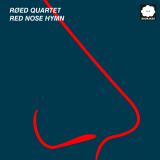
Røed Quartet - Red Nose Hymn

Røed Quartet

Red Nose Hymn

12inchSAU009LP
Sauajazz
22.05.2026
  • 1: One Half Step For Me (A Whole Step For My Brother)
  • 2: Fanfare For Judee
  • 3: Red Nose Hymn
  • 4: Between The Wish And The World
  • 5: Time To Go

The debut album from brothers Aksel (sax) and Lyder Røed's (trumpet, flugelhorn) quartet! Already a well established band on the Norwegian jazz scene, featuring Swedish drummer Cornelia Nilsson (Aaron Parks) and double bass player Ola Høyer (Cortex). A modern and innovative jazz quartet with clear links to the golden age of the 60s, nodding to artists such as Ornette Coleman, Tom Harrell and Mark Turner.

pre-ordina ora22.05.2026

dovrebbe essere pubblicato su 22.05.2026

26,01
Sussan Deyhim & Richard Horowitz - Desert Equations: Azax Attra

When it first appeared in 1986, the 'Desert Equations: Azax Attra' album
was greeted with enthusiasm, awe and disbelief: nobody had done
anything quite like that before, and this dizzying, inspired blend of
Persian tradition, New York avantgarde and electronic music remains
incomparable, powerful and mesmerising to this day
A haunting and futuristic album, it combines the sublime voice of Iranian vocalist
Sussan Deyhim and the electronic wizardry of US composer Richard Horowitz.
'Desert Equations' wonderfully blends the duo's multiple sources, including their
experiences at the epicentre of New York's early 1980s avantgarde music and
theatre scene, Sussan Deyhim's knowledge of traditional Persian music and its
reverberation in modern Iranian arts, and Richard Horowitz's background in jazz,
electronics and Moroccan folk music. This 2021 remastered reissue includes
three previously- unreleased bonus tracks, one included on the LP and two only
available on the CD and digitally, and a rich booklet with photographs and notes
recounting the duo's fascinating life stories.
Sussan Deyhim went on to work with the likes of Peter Gabriel, Jah Wobble,
Bobby McFerrin, Adrian Sherwood, Ornette Coleman, and renowned visual artist
Shirin Neshat. Richard Horowitz has collaborated with David Byrne, was the
original artistic director of the Gnaoua Festival in Essaouira, and has written and
recorded film soundtracks for the likes of Oliver Stone. In April 2021, Deyhim and
Horowitz were invited to perform at the first Nobel Prize Summit.

In Stock

Disponibile in Stock e pronto per la spedizione

27,94
Byard Lancaster - The Complete Palm Recordings 1973-1974 (5x12") (BOXSET)

Souffle Continu records presents Byard Lancaster – The Complete Palm Recordings 1973-1974, the definitive package of Philadelphia-born jazz wizard Byard Lancaster including his 4 legendary albums released on Jef Gilson’s Palm Records in the 1970s, Us, Mother Africa, Exactement and Funny Funky Rib Crib, along with the first ever standalone edition of Love Always, a fifteen minute modal jazz beauty plus a 20 page booklet with rare photos and in-depth article about Byard Lancaster’s Parisian years by Pierre Crépon.

At the beginning of the 1960s, at the Berklee College of Music, Byard Lancaster met some feisty friends: Sonny Sharrock, Dave Burrell and Ted Daniel. It is easy to see why he rapidly became involved in free jazz. Once he was settled in New York, he appeared on Sunny Murray Quintet, recorded under the leadership of the drum crazy colleague of Albert Ayler.

In 1968, the saxophonist and flutist recorded his first album under his own name: It’s Not Up To Us. The following year he came to Paris in the wake of... Sunny Murray. He would come back to France in 1971 (again with Murray) and in 1973 (without Murray for a change). This is when he met Jef Gilson, the pianist and producer who encouraged him to record under his own name again. On Palm Records (Gilson’s label), he would release four albums: Us, Mother Africa, Exactement and Funny Funky Rib Crib.

“Us”, the first of the four records was recorded on November 24th, 1973 with Sylvin Marc on electric bass (a Fender... Lancaster?) and the evergreen Steve McCall on drums.

On the album, the trio works from the John Coltrane model; free jazz shook up by the timely contributions of the bassist, followed by a mesmerizing atmospheric music. Then, Lancaster delivers a sinuous solo path, which is a reminder of his unique tone. On the album’s companion single, the trio launches into great black music of a different genre which would lead the clairvoyant François Tusques to claim that Byard Lancaster is an “authentic representative of soul/free jazz”, to sum up this is Great Black Music! A few months after recording “Us”, Lancaster recorded “Mother Africa” along with Clint Jackson III, a trumpeter, partner of Khan Jamal or Noah Howard on other recordings.

On march 8th, 1974, Lancaster and Jackson headed up a group composed of Jean-François Catoire (electric and double bass), Keno Speller (percussion) and Jonathan Dickinson (drums). Together, they create an immediate impression. From the first seconds of “We The Blessed”, they develop a free jazz which rapidly abandons any virulence under the effect of blues and soul based interventions. When Gilson’s composition “Mother Africa” begins, listeners are transported into the studio, listening to the musicians setting up: chatting and joking... Then comes the melody: a dozen or so notes of a repeated theme which is accelerated and deformed according to their whims... The jazz played by the association Byard Lancaster / Clint Jackson III is rare: creative AND recreational. “We the blessed”, is apt listening to this again today!

The recording of “Exactement” required two sessions in the studio: February 1st and May 18th 1974 – in between the two dates, Lancaster recorded, alongside Clint Jackson, the excellent Mother Africa.

Two names appear on the cover of “Exactement”: Lancaster (Byard) and Speller (Keno). Byard Lancaster wanted to be precise, moving regularly from one instrument to another: first on piano, which was the first instrument he learned. On “Sweet Evil Miss Kisianga”, his inspiration is first and foremost Coltrane (even if leaning more towards Alice than John), this announces the storm to follow.

It is Lancaster’s horn-playing which really stands out: on alto (the sound of which is transformed by an octavoice on one track, "Dr. Oliver W. Lancaster") or soprano saxophones, as well as on flute or bass clarinet, the musician walks a tightrope making the most of all the risks he takes. Using the full register of his instruments, he has fun with the possibilities.

Then, Lancaster invokes or evokes Ornette Coleman, Eric Dolphy and even Prokofiev, before going into a danse alongside Keno Speller on percussion. Above all, he has a unique sound. Byard Lancaster, on whatever instrument he plays and by continually seeking, always ends up hitting the right note... ends up by playing exactement the note he had to play.

“Funny Funky Rib Crib” is an unforgettable recording (made up of several sessions dating from the middle of 1974) of creative jazz overwhelmed by funk and soul. If Lancaster had already made successful albums in the same genre – notably New Horizons, under the name Sounds Of Liberation which he co-led with Khan Jamal –, this one is an homage to James Brown and Sammy Davis enjoying the company of a host of guests including François Tusques (electric piano), Clint Jackson III (trumpet), François Nyombo (guitar), Joseph Traindl (trombone)...

Funny Funky Rib Crib’s cover is a three-quarter profile portrait of the saxophonist (who can also be heard on flute, piano and even vocals), however, on the record, it is the whole group, inspired and frenetic, that tests the melodies of “Just Test”, “Dogtown” or “Rib Crib” – the two versions of which display leader Lancaster’s art of nuance. On both sides of the album, the group also moves into a calmer groove, infused by blues and soul, “Work And Pray” and “Loving Kindness” are meditative tracks where listeners can lay back and relax before asking for more: Funny Funky Rib Crib!

The magnificent “Love Always” was originally released on the fourth (and last) volume of the Jef Gilson Anthology series released in 1975.
Recorded on 8th March 1974, it is a beautiful 15-minute-long modal jazz piece. Four notes from the bass (the relentless Jean-François Catoire, who makes up the rhythm section alongside drummer Jonathan Dickinson and percussionist Keno Speller), and the group is up and running!
On piano, Gilson shows the subtle tact of a sideman, leaving the lions’ share of the place to the horns. This allows us to hear the trumpet of Clint Jackson III and the alto (which sometimes sounds almost flute-like) of Byard Lancaster each staking their claim in a long hallucinatory march which moves from moments of direct exaltation to profoundly sensitive collective playing. And if further proof was required of the confidence that Byard Lancaster and Jef Gilson inspire, “Love Always” provides it on this one sided release exclusive to the box set.

In Stock

Disponibile in Stock e pronto per la spedizione

110,04
John Carter, Bobby Bradford - Self Determination Music

'The John Carter and Bobby Bradford Quartet/Quintet were critical to the progressive jazz movement around Los Angeles in the late 60s alongside the likes of Horace Tapscott. Both hailed from the Watts area and trumpeter, Bradford played with a woodshedding Ornette Coleman for two years in the early 60s when the legendary free movement leader decided not to record for a while but wanted to hone his trademark sound on the saxophone. Multi-reed player, Carter also worked with Coleman who brought them together to lead their own band.

Their first outing on Flying Dutchman was “Flight For Four” as the Carter Bradford Quartet that was released in 1969. This is the second album they recorded where Carter and Bradford were supported by Tom Williamson (bass), Buzz Freeman (drums) and another uncredited bass player on four extended improvisations – ‘The Sunday Afternoon Jazz Blues Society’, ‘The Eye Of The Storm’, ‘Loneliness’ and ‘Encounter’.'

In Stock

Disponibile in Stock e pronto per la spedizione

27,69
Sachi Hayasaka - Free Fight

Sachi Hayasaka

Free Fight

12inchBBE807ALP
BBE Music
13.02.2026
  • 1: The Song Of Yamato-Minzoku
  • 2: Free Fight
  • 3: The Thrilling Corner
  • 4: Ellen David
  • 5: Yellow Monk
  • 6: La Pasionaria
  • 7: Nbagi
  • 8: Monster's Teardrops
  • 9: Another Country

BBE Music’s acclaimed J Jazz Masterclass returns with its 20th release, a super rare private press from one of the more laudable female jazz figures of Japan, saxophonist and composer Sachi Hayasaka, together with her band, Stir Up! Released in 1988 on the private label Mobys, Free Fight was Hayasaka’s debut album and announced the arrival of an essential and primal force onto the Japanese jazz scene. Part free jazz, part post-bop, and part heavy groove, Free Fight is one of the most varied yet engaging albums BBE Music has reissued in the J Jazz Masterclass Series, showcasing Hayasaka’s inventive and muscular playing as well as her highly original and surprising compositional powers. Given the album’s eclectic yet cohesive sound, it’s no surprise that it originally found a home at Mobys, the label established by esteemed jazz critic and promoter Teruto Soejima. Mobys only issued a handful of albums from some of the leading free and open players including J Jazz Masterclass alumnus, pianist Aki Takase, as well as free jazz guitar icon Masayuki Takayanagi, and free jazz figureheads Itaru Oki and the great Masahiko Satoh. Born in Tokyo in 1960, Hayasaka took lessons from saxophonist and recording artist Toki Hidefumi and fully immersed herself in the jazz life, working part-time at various jazz kissas including Peter-Cat, a kissa managed by novelist Haruki Murakami. She has performed regularly across Japan at venues like the famous Pit Inn and formed a strong alliance with the classic Tokyo jazz kissa Paper Moon, which continues to this day. Heavily influenced by players such as Roland Kirk, David Murray and Ornette Coleman, Hayasaka has played with free jazz legend Yosuke Yamashita and performed around the world (as well as up Mount Fuji!). In the late 1980s she moved to New York for several years and worked with notable musicians including drummer Pheeroan akLaff and pianist Cliff Korman. She has recorded a number of albums to her name for Japanese jazz labels such as Three Blind Mice and Kitty as well as leading European imprints such as Enja.

pre-ordina ora13.02.2026

dovrebbe essere pubblicato su 13.02.2026

32,14
BELLBIRD - THE CALL

BELLBIRD

THE CALL

12inchCSTLP190
CONSTELLATION
06.02.2026
  • Firefly Pharology
  • Murmuration
  • Soft Animal
  • Blowing On Embers
  • Eternity Perspective
  • Phthalo Green
  • The Call
  • Mourning Dove

Bellbird hat seinen Namen und seine musikalische Inspiration von dem Vogel, der für einen der lautesten und markantesten Rufe im Tierreich bekannt ist. Die Band beschäftigt sich mit Themen wie der Verbundenheit zwischen Musikern, Genres und der Natur. Ihr zweites Album und erstes für Constellation, The Call, ist direkt vom Weißglockenvogel inspiriert, dessen extremer, unverwechselbarer Ruf analysiert und direkt in den explosiv schönen Titeltrack des Albums eingewoben wurde. Das in Montréal ansässige Quartett bestehend aus Claire Devlin (Tenorsaxophon), Allison Burik (Altsaxophon, Bassklarinette), Eli Davidovici (Bass) und Mili Hong (Schlagzeug) begann während der Pandemie bei Park-Jams zusammen zu spielen, inspiriert von der Jazz- und Free-Improvisationsszene, die sich um das Café Résonance gebildet hatte. Aber die vier Montrealer Neuzuzügler fanden erst nach einer Einladung zum Ottawa Jazz Festival 2021 als Bellbird zusammen und haben seitdem ihre Harmonie und ihren gemeinsamen Sound durch jahrelanges Touren und Zusammenspiel verfeinert. Das Quartett geht über sein gefeiertes, 2023 selbst veröffentlichtes Debütalbum ,Root in Tandem" hinaus und setzt auf einen stark kollaborativen Kompositionsprozess. Nachdem sie zuvor die Kompositionsaufgaben aufgeteilt hatten, entstanden die acht Songs auf The Call aus musikalischen Workshops und Improvisationsspielen, wobei sie sich auf Gedichte und Gespräche stützten, die sie während ihrer Aufenthalte außerhalb der Stadt ausgetauscht hatten. Das Ergebnis ist ein kraftvolles, stimmiges Statement, das ihre jazzzentrierte Instrumentierung mit Einflüssen aus Rock, Fusion und Folk verbindet, von Mingus und Eric Dolphy bis hin zu Ornette Colemans Prime Time und Indie-Rock. Ein wesentliches Merkmal ihres Sounds ist, wie sie die üblichen Rollen ihrer Instrumente umkehren, wobei die Blasinstrumente rhythmische Muster und unterstützende Texturen einsetzen, während Akustikbass und Schlagzeug die Form bestimmen. Dieser Ansatz ist ein Mikrokosmos der egalitären Ethik der Band: Sie agieren als echtes Kollektiv, ohne ihre individuellen Stimmen zu opfern. Das Album schafft einen Ausgleich zwischen kraftvollen Kompositionen wie dem Titelsong ,The Call" und Momenten, in denen die Band das Tempo drosselt, um sich der thematischen Einfachheit hinzugeben, wie in ,Soft Animal" und ,Phthalo Green". Im Gegensatz zu ihrem Debütalbum, das in der Stadt erarbeitet, aber auf dem Land aufgenommen wurde, wurde ,The Call" im legendären Hotel2Tango in Montréal von der Toningenieurin Sylvaine Arnaud aufgenommen, die die rohe Energie der Live-Auftritte der Band einfängt. Die Produktion verzichtet weitgehend auf eine traditionelle Ästhetik und setzt stattdessen auf kraftvolle Drums und einfallsreiche analoge Bearbeitung, die die viszerale Wirkung der Musik unterstreichen. Obwohl die Musik oft melodisch reichhaltig und zugänglich ist, scheut sich die Band auch nicht vor ,hässlichen" Klängen und nutzt Multiphonics, gestrichenen Bass und metallische Texturen, um eine Klangpalette zu schaffen, die ebenso eindringlich und naturalistisch wie explosiv ist. Das Album ist sozial und politisch engagiert und ein Beweis für die tiefgründige Musik, die nicht von einem einzelnen Leader, sondern von einem zutiefst einfühlsamen Quartett geschaffen wurde, das als Einheit zuhört, reagiert und kreiert. The Call vermittelt die Gefühle der Band zur Klimakrise und zur globalen Solidarität, wobei einer der zentralen Titel des Albums, ,Blowing on Embers", ausdrücklich einem freien Palästina gewidmet ist. The Call ist ein entscheidender Schritt nach vorne, ein einheitlicher Aufschrei einer Band, die ihre kraftvolle kollektive Stimme voll und ganz gefunden hat.

pre-ordina ora06.02.2026

dovrebbe essere pubblicato su 06.02.2026

21,43
Alder Ego - III

Alder Ego

III

12inchWJLP31
WE JAZZ
06.02.2026

Helsinki quartet Alder Ego, led by drummer/composer Joonas Leppänen, returns with their new album "III" on 9 April on We Jazz Records. A follow up to their successful 2018 We Jazz album, "III" finds Leppänen and his bandmates extracting more depth and punch out of their tenor sax + trumpet + double bass + drums setup, which echoes the greats in the game, such as Ornette Coleman, yet adds a readily identifiable edge to it all. Leppänen's writing is evolving, becoming more and more of a signature of the band and sounding delightfully angular yet easily flowing. On "III", Alder Ego features Leppänen on drums, Jarno Tikka (of OK:KO) on tenor sax, Tomi Nikku (of Bowman Trio) on trumpet and the new addition Nathan Francis on bass.

Kicking off with a key track introducing the band's deep sound, "Love And Maladies", "III" moves through a sonic landscape which is constantly surprising yet identifiable as Alder Ego guided by Leppänen's musical vision at all times. This is true even during moments when the composer himself steps aside, namely in the Tikka–Nikku duo cut "Impermanence" and Nathan Davis's highly memorable solo outing "Nathan's World".

The album's many highlights include singles "November Ghost" and "I Saw It In a Dream", plus the stunning closing track "Ephemeral", featuring Natalia Castrillon on harp.

Alder Ego "III" is available on We Jazz Records on as orange and black vinyl editions, digitally, plus as a bundle bringing together "III" and the band's 2018 album "II".

non in magazzino

Ordina ora e ordineremo l'articolo per te presso il nostro fornitore.

20,80

Last In: 4 years ago
Don Cherry & Latif Khan - Music / Sangam LP

Don Cherry, armed with a voracious musical appetite and boundless imagination, first made a name for himself - though not always fully understood - alongside Ornette Coleman, playing trumpet or cornet. In Los Angeles and then New York, he stood at the heart of a revolutionary approach to improvisation based on melody rather than harmony, later baptized "Free Jazz," the final structural development of American jazz. Over time, he became a champion of improbable fusions - gradually integrating into his style a whole array of "exotic" instruments, and more importantly, the cultures from which they originated. Among them: India, Brazil, Africa, Indonesia, and even China. The time had come for the emergence of "world music": in hindsight, a patchwork rich in imagination and seduction, but once the novelty wore off, often lacking in substance.
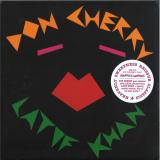
In Don Cherry's case, however, the commitment ran deep - tied to his personal engagement with a global vision of art and the human condition. Ustad Ahmed Latif Khan, from the Delhi gharana (a musical lineage), was part of a new generation of accompanists - percussionists, sarangi players, flutists, etc. - who had extended both the technical and conceptual possibilities of their predecessors to gain recognition as soloists and soon to venture onto the international scene. Among them, Latif stood out for his taste for irregular, highly syncopated rhythmic patterns - rich in variety and originality. Don and Latif had never met before the recording session, but the two quickly recognised one another as kindred spirits - calm, focused... and full of laughter. Don clearly knew what he wanted to create, and nothing seemed to pose a challenge for Latif, who grasped the American's intentions immediately, warmed up his fingers at astonishing speed, and with his perfect pitch, naturally took on the role of tuning Don's diverse instrument collection to match whatever was found in the studio - from concert piano and Hammond B3 organ to chromatic orchestral timpani.

non in magazzino

Ordina ora e ordineremo l'articolo per te presso il nostro fornitore.

26,47

Last In: 57 days ago
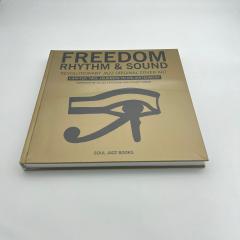
Gilles Peterson & Stuart Baker - Freedom, Rhythm & Sound CHAPTER TWO: Revolutionary Jazz Cover Art

Freedom, Rhythm and Sound showcases the stunning graphic works of independently published jazz record cover designs in the 1960s, 70s, 80s and beyond, from radical jazz musicians such as Sun Ra, John Coltrane, Pharoah Sanders, The Art Ensemble of Chicago and others. This second Freedom, Rhythm and Sound book is a new ‘chapter’, featuring hundreds more unique, rare and beautiful jazz record cover designs.

This book documents the continued development in jazz as African-American artists set out on new journeys to enlightenment, heading out into Europe at the end of the 1960s. The artwork of these (often self-produced) record cover designs during this era reflected their radical agenda, spiritual awareness and singular search for musical and personal freedoms. From raw, DIY aesthetics to lyrical and poetic illustrations, sometimes containing futuristic worlds and ancient landscapes, the designs are always bold, strikingly graphic, and most importantly capture the spirit of the music, giving them a unique beauty. The book also includes sections on African-American poets and writers, Civil Rights and Black Power Movement leaders (Martin Luther King, Malcolm X) and early musical pioneers (Yusef Lateef, Max Roach, Art Blakey and others), all of which helped influence and shape the world of radical and spiritual jazz from the 1960s and onwards to its rebirth today. Since the 1980s, Gilles Peterson has been a pivotal figure in the club scene, renowned for his genre-defying approach to music with jazz at its core. As one of the UK’s most iconic DJs, he has spent over 40 years shaping music trends as a radio presenter, club DJ, producer, and festival curator.

He hosts a flagship show on BBC Radio 6 Music and, in 2016, launched Worldwide FM. He is founder of the Worldwide Festival in the South of France and We Out Here festival in the UK. He runs the label Brownswood Recordings, dedicated to discovering and promoting new talent and bringing fresh voices to the global stage. Stuart Baker founded Soul Jazz Records in 1992. For more than 30 years the record company has released over 500 records covering a genre-defying array of non-mainstream musical worlds – Jazz, Reggae, Punk, Latin, Brazilian, Disco, African, Gospel, Acid House and more.

In 2017, part of Stuart Baker’s jazz record collection (much of which appears in Freedom, Rhythm and Sound) was featured and displayed as part of the Soul of a Nation: Art in the Age of Black Power exhibition at Tate Modern in London, and subsequently at The Broad in Los Angeles (2019) and Brooklyn Museum (2019). Soul Jazz Books launched in 2007, a similarly diverse and critically acclaimed publishing house with graphic art, culture and photography titles that include ‘Voguing and The House Ballroom Scene of New York’, ‘Dancehall – The Rise of Jamaican Dancehall Culture’, ‘Yo! The Early Days of Hip-Hop’, ‘Freedom, Rhythm and Sound – Revolutionary Jazz Cover Art 1965-83’, ‘Punk 45 – The Singles Cover Art of Punk 1976-80’ and others. Reviews of the first Freedom, Rhythm and Sound: “A remarkable book” The New Yorker “If there can be such a thing as a revolutionary coffee table book, Freedom Rhythm & Sound is it―a chance to wallow in the Afrocentric visual language of the non-mainstream black jazz vinyl of this extraordinary fertile and creative period.” Eye “Like the uncompromising music they represent, all the covers broadcast a sense of bold, brazen ideology” Pitchfork “A definitive account of a complex passage of cultural upheaval.” The Independent “For decades, no one was sure how to refer to this extraordinary music.

Calling it ‘fire music’ does justice to its incandescent spirit, still burning from the pages of a book that preserves the memory of a special time.” The Guardian “These sleeves are the original independent legacy to America’s premier art form – Jazz. In terms of African-American cultural expression they are part of a long line of thought that was charged in the 1960s by John Coltrane, Martin Luther King, Ornette Coleman, Malcolm X and others” The Wire “A hefty compendium of radical jazz cover art” Mojo

non in magazzino

Ordina ora e ordineremo l'articolo per te presso il nostro fornitore.

34,87

Last In: 63 days ago
Jackie McLean - One Step Beyond

Jackie McLean

One Step Beyond

12inch7507951
CM BLUE NOTE
21.11.2025

Inspiriert von Ornette Coleman wagte sich der Altsaxofonist Jackie McLean Anfang der 1960er auf eigene
Faust in die Welt der Avantgarde vor. Dabei gab er dennoch nie seinen feinen Sinn für Swing und musikalische Strukturen auf. Ein Musterbeispiel für diese experimentierfreudige Phase ist sein 1963 erschienenes
Album “One Step Beyond”, das bei AllMusic die Höchstwertung von fünf Sternen erhielt. Darauf schuf
McLean mit einem einzigartigen Quintett einen unverwechselbaren neuen Sound, den er selbst als “InsideOut” bezeichnete.

pre-ordina ora21.11.2025

dovrebbe essere pubblicato su 21.11.2025

25,63
Don Cherry - Complete Communion

Don Cherry

Complete Communion

12inch5827008
CM BLUE NOTE
05.09.2025

Der Kornettist Don Cherry erlangte ab 1958 als Mitglied der revolutionären Bands von Ornette Coleman weltweite Bekanntheit in der Free-Jazz-Szene. Als eigenständiger Bandleader präsentierte sich Cherry
jedoch erst 1965 auf seinem Blue-Note-Debütalbum “Complete Communion”. Mit einem aus Free-Jazzerprobten Musikern bestehenden Quartett lotete der Kornettist zwei suitenähnliche Kompositionen aus, die
sich jeweils über eine ganze Plattenseite erstreckten und seinen Mitspielern reichlich Raum gaben, sich
ebenfalls solistisch einzubringen.

pre-ordina ora05.09.2025

dovrebbe essere pubblicato su 05.09.2025

34,03
Joey Baron, Fred Hersch, Drew Gress - The Surrounding Green
  • Embraceable You
  • Plainsong
  • Law Years
  • First Song
  • The Surrounding Green
  • Anticipation
  • Palhaço

Das meisterhafte Zusammenspiel des Trios, das sich auf eine ausgefeilte Kommunikation zu dritt und einen raffnierten Sinn für Understatement stützt, macht Fred Herschs dritte Aufnahme für ECM zu einem unverzichtbaren Beitrag zum Klaviertrio-Kanon. Zusammen mit Drew Gress am Bass und Joey Baron am Schlagzeug, zwei langjährigen Weggefährten, die seit den späten 80er bzw. frühen 90er Jahren immer wieder mit ihm zusammenspielen, nimmt sich Hersch eine Handvoll Kompositionen des 20. Jahrhunderts vor - von Standards bis hin zu seltener gespielten Jazztiteln. Dazu kommen drei Eigenkompositionen, „Ich habe das Gefühl, dass man auf dieser Platte wirklich die Geschichte hört“, merkt der Pianist an. „Ich hoffe, dass die Leute die Reife der Interaktion, die Klangwelt und die Sensibilität im Spiel spüren können.“ Freds eigene Stücke bestechen durch ihre lyrische Intensität, leuchten mit ausgefeilten Harmonien und verwobenem Kontrapunkt in „Plainsong“, zeitloser melodischer Erfindung im Titelstück „The Surrounding Green“ und unwiderstehlichem Latin-Groove in „Anticipation“. Der Ansatz des Trios bei Ornette Colemans „Law Years“ ist eine frei swingende Angelegenheit, während Egberto Gismontis „Palhaço“ eine elegante Reise durchdachter Trio-Interaktion darstellt. Und bei „Embraceable You“ von den Gebrüdern Gershwin glänzen der Pianist und seine Begleiter mit ansteckender Nonchalance. Mit viel Hingabe an die eindringliche Qualität der melancholischen Melodie erkundet das Trio Charlie Hadens „

pre-ordina ora27.06.2025

dovrebbe essere pubblicato su 27.06.2025

25,63
Isaiah Collier, William Hooker, William Parker - The Ancients LP 2x12"

The debut recording by The Ancients, the intergenerational coalition of Isaiah Collier, William Hooker, & William Parker formed by parker to play concerts in conjunction with the milford graves mind body deal exhibition at the institute of contemporary art los angeles & now a working group. across x2LPs of side-length long-form improvised sets recorded at 2220 arts & archives in LA & the chapel in San Francisco, The Ancients bring the free jazz trio languages first explored by the Cecil Taylor Unit & Ornette Coleman’s -Golden Circle- band (expanded upon in later eras by Sam Rivers' Trio & Parker’s collective trios with Charles Gayle/Graves & Peter Brötzmann/Hamid Drake) into their own unique & scintillating realms of expression.

As we tumble further into the throes of history’s tides, people of hope & creativity rely on the works of our great artists to lift our spirits & focus our resolve. -ascension- was recorded less than a year after the passage of the civil rights act & four months after the assassination of Malcolm X. -journey in satchidananda- was recorded the month reagan was re-elected governor of California. M’boom made its debut recording weeks after the watergate scandal broke & a couple months after the wounded knee occupation ended. The music of the ancients builds on these great musical legacies. it resounds with the pride of survival & the joys of making & sharing music. It delivers to us hope & balm. something real in you, real in history, & real in the music is shared, right on time.

When Eremite records commenced operations during the 1990s free jazz resurgence, heavyweight freedom-seeking tenor saxophonists such as Fred Anderson, Peter Brötzmann, Charles Gayle, Kidd Jordan, & David S. Ware were at the height of their powers. Isaiah Collier’s tenor playing in the ancients is bracing testimony that the wellspring lives on. to hear the young chicago firebrand blowing freely with veteran improvisers in an entirely open-form group music is a revelatory study of his vast talent, personal voice, & the intensity of his expression —as well as a bold complement to his composition-based albums as a bandleader (including -the almighty-, a new york times' best albums of 2024 selection).

I've admired drummer William hooker since first encountering his music in a hartford ct city park, early ‘90s (on a double bill with Jerry González & Fort Apache Band). From the man himself right off the bandstand i bought his even-then rare 1st recording, the 1976 self-released x2LP opus -is eternal life- (reissued 2019 by superior viaduct). An imposing force on his instrument & an intrepid DIY cat, Hooker’s been exuberantly swinging in&out of free time for 50+ years. informed by the innovations of Sunny Murray & Tony Williams yet entirely himself, there is no other term for it than “pure hooker.” at age 78, with the ancients & everywhere else, THE HOOK is in peak form.

With a discography approaching 600 entries & 50+ years working across the musical maps, including in the history-defining bands of Don Cherry, Cecil Taylor, Bill Dixon, Peter Brötzmann, in his own wondrous ensembles from small group to orchestra to opera, a bastion of compassionate leadership & a poetic champion of his musical community, in tireless service to what he rather egolessly refers to as “the tone world”, multi-instrumentalist, improviser & composer william parker is a living hero of the grassroots & the black mystery musics, not to mention one of the great bassists in the history of jazz. To quote George Clinton, conquering the stumbling blocks comes easier when the conqueror is in tune with the infinite.

Live to 2-track concert recordings by Bryce Gonzales, Highland Dynamics. Mastered by Joe Lizzi, Queens, NY.

non in magazzino

Ordina ora e ordineremo l'articolo per te presso il nostro fornitore.

30,21

Last In: 3 months ago
Paul Bley - Ramblin'

Paul Bley

Ramblin'

12inchBYG529313
CHARLY
18.04.2025

Definitive remastered audiophile edition, restored from the original tapes. Deluxe gatefold sleeve featuring faithfully reproduced original artwork. Comes with an insert featuring exclusive notes by author and jazz specialist Kevin Le Gendre

Relive the timeless brilliance of Paul Bley's 1966 Rome session where bold improvisation, groundbreaking composition and heartfelt tribute redefined the art of jazz trio. BYG Records and Charly Records present the reissue of Ramblin', the seminal jazz album by pianist Paul Bley, originally released in 1969 as part of the iconic Actuel series on BYG Records. This definitive remastered edition invites listeners to experience the unparalleled artistry of Paul Bley's groundbreaking 1966 Rome session in unprecedented clarity. Recorded at Studio RCA in the Eternal City on July 1, 1966, Ramblin' captures Paul Bley alongside the rhythm section of double bassist Mark Levinson and drummer Barry Altschul. Together, the trio carved out a bold statement in the evolving world of jazz. With roots that include collaborations with luminaries such as Charlie Mingus, Art Blakey, Ornette Coleman, Jimmy Giuffre, and Albert Ayler, Paul Bley was a pioneer of improvisational interplay and unorthodox structures that continually pushed the boundaries of the genre. This session brims with vitality and innovation, featurioriginalng compositions such as the introspective 'Touching' and 'Albert's Love Theme', a heartfelt tribute to Albert Ayler. Carla Bley's tender and evocative 'Ida Lupino', written in honour of the trailblazing filmmaker, resonates with even greater poignancy following her passing in October 2023. Meanwhile, the album's title track, Ornette Coleman's exuberant 'Ramblin'' showcases a joyous yet rebellious spirit emblematic of this groundbreaking trio.

pre-ordina ora18.04.2025

dovrebbe essere pubblicato su 18.04.2025

34,87
HIDEFUMI TOKI QUARTET - TOKI LP
  • A1: Lullaby For The Girl
  • A2: Darkness
  • B1: Blues
  • B2: When Sunny Gets Blue
  • B3: Old Song Blues

Discover the deeply personal work of Japanese saxophonist Hidefumi Toki through his 1975 masterpiece, "Toki". Accompanied by a quartet featuring Kazumi Watanabe on guitar, Nobuyoshi Ino on bass, and Steve Jackson on drums, Toki's expressive alto and soprano saxophone fill the space with gentle, raspy tones. The album's laidback and mellow atmosphere, highlighted by original compositions like "Darkness" and "Lullaby For The Girl," as well as soulful renditions of classics such as "When Sunny Gets Blue" and Ornette Coleman's "Blues," creates a captivating listening experience.

Recorded May 17, 1975 at AOI Studio, Tokyo.

pre-ordina ora31.01.2025

dovrebbe essere pubblicato su 31.01.2025

40,55
Noah Howard - Patterns

Noah Howard

Patterns

12inchZORN91
Aguirre Records
06.12.2024

Classic free jazz album reissued for the first time since the 70s. Old-style gatefold sleeve LP, with liner notes by Ed Hazell.

Noah Howard, an alto saxophonist and composer, was known for weaving intricate and innovative musical patterns, often likening his work to "sound paintings." His 1971 album Patterns, the first LP he self-produced on his Altsax label, stands as a testament to his experimental and spiritual approach to music. In interviews, Howard frequently used visual terms like "patterns" and "shapes" to describe his compositions, emphasizing the importance of melody and structure even in highly improvisational settings. For Howard, patterns and melodies were essential to guiding listeners through his explorations without alienating them, maintaining a balance between innovation and accessibility. Howard's quest for an original sound was deeply influenced by jazz greats like Charlie Parker, Ornette Coleman, and Jackie McLean. While he admired these legends, Howard avoided imitation, striving instead to develop his own distinct voice. His sound was unmistakably his own, and he felt a deep obligation to carry the jazz tradition forward through personal expression, not by mimicking others. His music was also rooted in spirituality, a legacy he traced to his upbringing in the Black Baptist Church. He believed jazz had always contained a spiritual essence, from Louis Armstrong to John Coltrane, and his work aimed to channel this cosmic, spiritual energy.

Patterns was recorded in the Netherlands during Howard's second stint in Europe, where he found a more open, less racially charged environment compared to the U.S. For the album, Howard collaborated with Dutch musicians such as Misha Mengelberg (piano), Han Bennink (drums), and Earl Freeman (bass). Despite the challenges faced by guitarist Jaap Schoonhoven, who felt out of place in the session, the album came together as a powerful mix of blues, jazz, and classical elements.

The music on Patterns is a high-energy fusion of American free jazz and Dutch improvisation. Howard's saxophone work alternates between leading with passionate, lyrical lines and blending into the collective improvisation. The album’s dynamic interplay, particularly between Mengelberg’s dissonant piano clusters and Bennink’s thunderous drumming, creates a vivid "sound painting" full of contrasting forms and colors. Patterns remains one of Howard’s most unique and celebrated recordings, showcasing his visionary approach to jazz.

pre-ordina ora06.12.2024

dovrebbe essere pubblicato su 06.12.2024

26,68
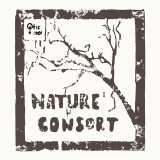
Nature’s Consort - Nature’s Consort

Obscure & outstanding free jazz album reissued for the first time since it’s original release in 1969. Old-style gatefold sleeve LP, with liner notes by Ed Hazell.

In the late 1960s, young jazz musician Bobby Naughton, a keyboardist and vibraphonist, faced significant challenges as he sought to record his first album. With major record labels and jazz clubs catering only to big names, Naughton and other creative musicians of his generation found themselves sidelined by the mainstream music industry. They turned to self-reliance and self-production, becoming part of a movement of independent musicians. Naughton’s debut album, Nature’s Consort, was a DIY effort in every sense—recorded on home equipment and featuring a hand-printed woodblock cover. The album was distributed independently at concerts and by mail, receiving little attention initially, but over the years it gained a reputation as a rare, sought-after artifact of the period.

Though recorded during an outdoor concert in Connecticut, Nature's Consort reflected the "loft jazz" scene in New York City. This avant-garde jazz movement centered around musicians who lived and played in loft spaces in lower Manhattan. Naughton commuted from his home in Southbury, Connecticut, to play with his bandmates Mark Whitecage, Mario Pavone, and Laurence Cook in New York's lofts. These musicians regularly performed at venues like Studio We, a key gathering spot for free-form jazz, where musicians could experiment and develop their sound, often with no audience present.

Naughton’s journey into jazz was a winding one. Originally from Boston, he played rockabilly and blues-rock before transitioning into free jazz. Inspired by avant-garde artists like Carla Bley and Paul Bley, Naughton sought to explore new forms of music that went beyond traditional jazz structures. His bandmates, Mark Whitecage and Mario Pavone, were both deeply affected by the death of John Coltrane in 1967, which prompted them to quit their day jobs, attend Coltrane’s funeral, and move to New York to pursue jazz full-time.

Nature’s Consort was a collective project, with band members sharing equally in any profits. However, Naughton was the driving force behind the group’s creative direction. He composed much of the original material and selected pieces by Ornette Coleman and Carla Bley for the band’s repertoire. Jazz critic Nat Hentoff praised the album for its “high-risk improvisation” and the musicians' ability to anticipate each other’s moves. Though Nature’s Consort received little press at the time, it has since been recognized as a significant early document of the loft jazz era, representing Naughton’s disciplined, improvisational approach to music.

pre-ordina ora06.12.2024

dovrebbe essere pubblicato su 06.12.2024

26,68
Oliver Nelson - The Blues And The Abstract Truth
  • Stolen Moments
  • Hoe Down
  • Cascades
  • Yearnin
  • Butch And Butch
  • Teenie's Blues
disponibile anche

Black Vinyl[44,50 €]

Coloured Vinyl[20,80 €]

White/Blue Splatter Vinyl[25,42 €]


The Blues and the Abstract Truth is not just a landmark album in Oliver Nelson's career but in the history of jazz itself

The album features an incredible ensemble of top-tier jazz musicians, often referred to as a "supergroup": Oliver Nelson (alto saxophone, tenor saxophone), Freddie Hubbard (trumpet), Eric Dolphy (alto saxophone, flute), George Barrow (baritone saxophone), Bill Evans (piano), Paul Chambers (bass), Roy Haynes (drums). The early 1960s were marked by a shift from the hard bop of the 1950s to more experimental forms, including modal jazz, free jazz, and the incorporation of avant-garde elements. Musicians like John Coltrane, Ornette Coleman, and Charles Mingus were all pushing the boundaries of jazz, and Oliver Nelson's work fits within this broader movement: in this album there's a perfect combination of modern compositional techniques, virtuosic performances, and emotional depth make it an essential listening experience for any jazz fan. It captures the moment when jazz was evolving into new, exciting directions while staying connected to its roots in the blues. The Blues and the Abstract Truth is considered one of the essential albums in modern jazz where Oliver Nelson's compositional style blends hard bop, modal jazz, and blues influences with sophisticated harmonic structures and striking arrangements. The album is noted for ts rich orchestration despite having a relatively small ensemble with use of textures and colours, particularly in tracks like "Stolen Moments," created a new standard in azz arranging.

pre-ordina ora29.11.2024

dovrebbe essere pubblicato su 29.11.2024

20,59
THELONIOUS MONK - Brilliant Corners LP

Brilliant Corners is an exceptional example of Monk's distinctive approach to jazz, which was characterized by angular melodies, unusual chord progressions, complex rhythms, and an idiosyncratic sense of timing

The title track, "Brilliant Corners," for example, was so intricate that it took multiple takes to complete, and the musicians found it challenging to follow its unconventional structure. This difficulty speaks to Monk's originality and his pushing the boundaries of what jazz could be at the time. The LP is one of Thelonious Monk's most acclaimed and influential albums, recorded in 1956 and released in 1957. It stands as a cornerstone in Monk's discography, showcasing his innovative approach to jazz composition and performance, and is often regarded as one of his finest works. Upon its release, Brilliant Corners was met with widespread critical acclaim and remains a significant album in jazz history and helped solidify Monk's status as one of the great innovators of modern jazz. It was a breakthrough album for Monk commercially as well, attracting attention from jazz critics and listeners who were beginning to appreciate his genius more widely. Today, Brilliant Corners is considered an essential jazz record, often cited as one of the greatest jazz albums of all time: musicians like Ornette Coleman, Cecil Taylor, and Eric Dolphy were influenced by Monk's ability to push the boundaries of jazz without losing its essence. The album is not just a masterwork in Thelonious Monk's discography but a pivotal moment in the evolution of modern jazz.

pre-ordina ora29.11.2024

dovrebbe essere pubblicato su 29.11.2024

20,59
Sussan Deyhim & Richard Horowitz - The Invisible Road: Original Recordings, 1985–1990 LP

The Invisible Road: Original Recordings, 1985–1990 compiles an unheard, previously unreleased body of recordings by Sussan Deyhim and Richard Horowitz, dissidents from diametric backgrounds who met during the heady days of Downtown New York in the 1980s. This collection reveals the creative and life partners’ radical shared vision of avant-garde pop in all of its boundary pushing freedom, combining Deyhim’s singular approach to vocalization, Horowitz’s invention of new musical languages, and touchstones of traditional music from around the world, creating a new music that ultimately retains a voice entirely its own. Despite their difference in backgrounds and respective journeys, at the time of their meeting in the early 1980s in New York City, Sussan Deyhim and Richard Horowitz were both products of the search for freedom and understanding (and resultant awakenings) that swept the globe and helped culturally define the late 1960s and 70s. Deyhim, born and raised in Tehran, spent her teens dancing with Iran’s Pars National Ballet company, performing weekly on Iranian national television, and travelling her home country studying with master folk musicians and dancers, before relocating to Belgium and joining Maurice Béjart’s prestigious Béjart Ballet of the 20th Century. Horowitz, born and raised in Buffalo, New York, had spent much of the decade before abroad, first departing for Paris under the shadows of the Vietnam War, where he studied piano, Eastern philosophy, and became entrenched the city’s free jazz scene, playing with the likes of Steve Lacy, Anthony Braxton, and Alan Silva, before embarking south to Morocco where his friendship with Paul Bowles helped cultivate a deep passion for the country’s musical traditions and a shift in his musical practice.


The pair met by chance sometime in 1981 at Noise New York, a small studio on West 34th Street founded by the musician and recording engineer, Frank Eaton, as a utopian creative laboratory that beckoned artists and bands like Arthur Russell, Christian Marclay, Liquid Liquid and Butthole Surfers into its orbit. Both artists had recently relocated to the city, Horowitz having recently released his debut album, Oblique Sequences (Solo Nai Improvisations), on the legendary Paris based imprint Shandar, and fallen in with members of New York avant-garde like La Monte Young, Jon Hassell, David Byrne, and Brian Eno, and Deyhim having begun to more actively incorporate singing into her practice, notably recording a vocal score for choreography she was doing at La MaMa Experimental Theatre.


Initially bonding over a cassette tape of field recordings made by Paul Bowles that had been given to mutual friend and writer Brian Cullman (seeking answers for Ornette Coleman’s question “what is the sound of sound”), their earliest collaboration was documented on Horowitz’s 1981 album, Eros In Arabia, with Deyhim contributing vocals to the track “Queen Of Saba.” Over the coming years, their deep connection would routinely gravitate them into the studio, culminating in the body of recordings that would appear on their 1986 album for Crammed Discs, Desert Equations: Azax Attra. Unknown to nearly all but the artists, laying in wait over the decades on numerous multi-track and stereo reels, DAT tapes, and reference cassettes, were a vast array of recordings made by Deyhim and Horowitz bookending Desert Equations. The 13 pieces represented on The Invisible Road: Original Recordings, 1985–1990 were recorded largely between Noise New York and Daylight Studio in Brussels, during a period that Deyhim describes the partnership between herself and Horowitz’s as seeking a music “free of any specific cultural reference, with a personal musical signature,” blossoming into a body of sonority that embraced the energy of contemporary boundary pushing pop and the avant garde, filtered through their mutual love and study of various musical traditions from across the globe and deep engagement with the ideas and tactics of experimental music.


Undeniably rooted in Horowitz’s study of the North Africa ney and the music of the Berber and Gnawa cultures during his time in Morocco, Deyhim’s deep engagement with the folk traditions of Iran, and the couple’s immersion in the interconnected Downtown underground music scenes, each piece on The Invisible Road offers its own vision creative and cultural hybridity. Deyhim sings in both English and Farsi, as well as a composite tongue that she developed by drawing upon numerous indigenous vocal techniques from around the world, intuitively responding to Horowitz’s simultaneous sound syntax forming and combining a wide range synthetic and acoustic instrumentation, and experimental tape techniques, within a visionary series of free-standing expressions.

non in magazzino

Ordina ora e ordineremo l'articolo per te presso il nostro fornitore.

23,49

Last In: 14 months ago
VARIOUS - LIKE SOMEONE I KNOW: A CELEBRATION OF MARGO GURYAN LP
  • Sunday Morning
  • Sun
  • Love Songs
  • Thoughts
  • Don't Go Away
  • Take A Picture
  • What Can I Give You
  • Think Of Rain
  • Can You Tell
  • Someone I Know
  • Love
  • California Shake

Auf dieser Tribute-Compilation finden sich Interpretationen von Margo-Guryan-Songs von TOPS, Rahill, Clairo, June McDoom, MUNYA und Kainalu, Frankie Cosmos und Good Morning, Kate Bollinger, Pearl & The Oysters, Bedouine und Sylvie, Empress Of, Barrie, und Margo Price. Die meisten unserer Geschichten über Kultmusiker, die ein oder zwei Alben machen und dann zu verschwinden scheinen, sind von Trauer, Verzweiflung und ausgefranstem Ehrgeiz umrahmt. Nicht so bei Margo Guryan, einer begeisterten Jazz-Ausnahmeerscheinung, die Popmusik verachtete, bis sie 1966 „God Only Knows“ hörte, das ihr ein Fenster zu den Wundern öffnete, die diese Musik-Form enthalten konnte. Nur zwei Jahre später veröffentlichte sie auf dem Album „Take a Picture“ ihre eigenen kleinen Popsinfonien und erntete dafür großes Lob und hohe Erwartungen. Aber da sie sich bereits von dem Posaunisten Bob Brookmeyer hatte scheiden lassen, lehnte sie es ab, ein Musikerleben zu führen und auf Tournee zu gehen oder auch nur darüber zu sprechen. Ihre Zurückhaltung führte dazu, dass „Take a Picture“ bald in den Regalen der Discounter und letztlich in den Mülleimern landete. Sie schrieb weiterhin Songs und nahm noch jahrelang auf, arbeitete sogar mit der Band von Neil Diamond zusammen, aber meistens schien sie mit ihrem relativ privaten Leben zufrieden zu sein. Wie es sich für eine so atemberaubende und subtile Musik gehört, erlebte die 2021 verstorbene Guryan in den letzten sechs Jahrzehnten mehrere Wiederauferstehungen. Und jetzt geschieht es wieder: Kurz nachdem ihre fast geflüsterte und liebeskranke Hymne „Why Do I Cry“ sie 2021, im selben Jahr, in dem sie starb, zum TikTok-Star machte, startete die Numero Group eine Wiederveröffentlichungskampagne, aus der 2024 das hochgelobte Set „Words and Music“ hervorging. Und jetzt haben ein Dutzend Künstler - von denen keiner geboren war, als „Take a Picture“ entstand - das gesamte Album (plus einen Bonustrack) für „Like Someone I Know: A Celebration of Margo Guryan“ neu interpretiert. Empress Of, Margo Price, Clairo, June McDoom: Sie alle bestätigen Guryans Schärfe als Songwriterin und die Brillanz eines Albums, das den Werbezyklus, den Guryan vor so langer Zeit ablehnte, bei weitem übertroffen hat. Guryan wurde in einer weitläufigen Familie in Far Rockaway geboren, als der Ort noch größtenteils von Bäumen umrahmt war. Während ihres Kompositionsstudiums an der Boston University stolperte Guryan in einen Auftritt als Pianistin zwischen den Konzerten des Miles Davis Quintet, unterschrieb einen Vertrag als Songwriterin bei Atlantic Records und verpatzte eine Session mit Nesuhi Ertegun. Aber sie war nicht darauf aus, ein Gesangsstar zu werden. 1959 ging sie an die Lenox School of Jazz in den Berkshires, um für Ornette Coleman und Don Cherry zu schreiben, die Aufmerksamkeit des Dozenten Max Roach zu gewinnen und in Gunther Schuller einen langjährigen Mentor und Freund zu finden. Sie wurde eine versierte Texterin und schrieb nicht nur für Coleman und Nancy Harrow, sondern auch für Harry Belafonte und Gary MacFarland. Aber es war die spätere Begegnung mit den Beach Boys, die Guryan die Tür zu „Take a Picture“ und einer Reihe anderer großartiger Songs öffnete, von denen viele auf „Words and Music“ erschienen sind. „Take a Picture“ ist eine ausgefeilte Bestandsaufnahme der Romantik und Unentschlossenheit der Mittzwanziger, vom koketten Treiben in „Sunday Morning“ und der Verliebtheit in „Can You Tell“ bis zur verzweifelten Hilflosigkeit in „What Can I Give You“. Ihre ewig weiche Stimme, ihre kühne Songkunst und ihre völlige Offenheit: Guryan machte 1968 und darüber hinaus gewagte Musik, egal wie sanft sich diese Klänge zu bewegen schienen. „Like Someone I Know: A Celebration of Margo Guryan“ unterstreicht die Stärke von Guryans Liedern, indem es einem Dutzend verschiedener Künstler erlaubt, sie auf ihre eigene Reise mitzunehmen. Im Laufe der letzten Jahrzehnte ist immer deutlicher geworden, wie gut Guryan war, wie stabil ihre Lieder inmitten der wechselnden Geschmacksrichtungen. „Like Someone I Know: A Celebration of Margo Guryan“ ist eine absolute Bestätigung, ein Zeugnis für die anhaltende Relevanz und Brillanz von Guryans Arbeit. Ein Teil des Erlöses dieses Albums wird für die Bereitstellung von und den Einsatz für erschwingliche reproduktive Gesundheitsdienste gespendet.

pre-ordina ora08.11.2024

dovrebbe essere pubblicato su 08.11.2024

23,95
The Joe Harriott Quintet - Movement LP

On 4 October 2024 Universal Music Recordings and Decca Records are making Jamaican/British jazz saxophonist Joe Harriott’s album ‘Movement’ available again for the first time since it was released in 1964. Long sought after by collectors and connoisseurs, original copies now sell for upwards of £1,000.

This new edition was mastered at Abbey Road using high definition 24bit/192kHz audio files, copied directly from the original stereo analogue master tapes (previously only the mono version has been on vinyl). Images of those tapes are included in the package alongside new sleeve notes written by noted author, compiler and documentary maker Tony Higgins, who also acts as Executive Producer for Decca’s ‘British Jazz Explosion’ series.

Recorded in 1963, ‘Movement’ was released as part of the Lansdowne Series, overseen by the influential Denis Preston, one of the UK’s first independent record producers, and engineered by Adrian Kerridge. Of the nine tracks, seven are Harriott originals, whilst the other two were written by another pioneer of British Jazz, Michael Garrick. Playing alongside Joe were bassist Coleridge Goode (b. 1914 Jamaica, d. 2015 London), drummer Bobby Orr (b. Scotland 1928, d. 2020), pianist Pat Smythe (b. Scotland 1923, d. 1983), and trumpet/flugelhorn player Ellsworth ‘Shake’ Keane (b. St. Vincent 1927, d. 1997).

Born in Jamaica in 1928, Joseph Arthurlin Harriott was a pupil at the Alpha Boys School (alma mater to Harold McNair, Dizzy Reece, and a myriad of Ska greats). He arrived in Britain in the early ’50s, initially touring with the Ozzie Da Costa Band, followed by a brief spell with the Ronnie Scott Big Band, and sessions backing the likes of George Chisholm, and Lita Roza.

By the mid ’50s Joe was a big enough draw to release records under his own name, and whilst these early recordings conform to the then popular bop style, the following decade would see him release albums whose titles chart his development; ‘Free Form’ in 1960, and ‘Abstract’ in 1963.

‘Movement’ is a testament to Joe Harriott’s visionary approach to jazz. It blends structure with freedom, tradition with innovation, and individual expression with collective creativity. His development of free-form jazz represents a significant contribution to the genre, paralleling yet distinct from the work of Ornette Coleman and other American free jazz artists. It is an essential listen, not only for fans of British jazz, but jazz fans in general.

It is perhaps best summed up by the epitaph that now adorns Joe’s gravestone; “Parker? There’s them over here can play a few aces too.”

pre-ordina ora04.10.2024

dovrebbe essere pubblicato su 04.10.2024

30,67
Royal Trux - Twin Infinitives LP 2x12"

Ltd Double Silver Vinyl, Monochrome edition artwork, DL card. Originally released in 1990, Royal Trux’s ‘Twin Infinitives’ is being re-issued in all its (yet to be translated) alien glory, by Fire Records. A dismantled overture that sprawls out over two records, an avant-garde masterpiece that was the spark for Drag City Records and generations of new sound seeking musicians. Hailed in the same immortal breath as Beefheart’s ‘Trout Mask Replica’, the Velvets’ at their frenzied peak and Ornette Coleman at his most avant-garde, the duo of Pussy Galore’s Neil "Michael" Hagerty and Jennifer Herrema recorded ‘Twin Infinitives’ while imbibing all kinds of mind-altering substances to create an inadvertent blueprint for what the duo was building with Moogs, guitars and melodicas to name a few ingredients. It is the legendary second album from the masters of the genre mashup - long before “genre mashups” even existed. Arguably, the term “mashup” was coined to describe what Trux, as they subconsciously scrolled through the radio stations of their lives. The album’s chaotic sound and offbeat construction laid the foundations for a string of Royal Trux albums that spiralled between genres, tunings, and noise. Through the 90s they would re-invent the rock ‘n’ roll ethic, straddle alien surf music, re-align boogie rock, not to mention 80s hair metal, and confound critics by their wildly meandering and courageous rites of passage. Remastered as part of a career spanning catalogue deal with Fire Records. The infamous and influential duo of Jennifer Herrema and Neil Hagerty will be delving into the archive with a comprehensive reissue series, unearthing the vaults and revisiting what made them such a compelling benchmark for their contemporaries and imitators. Reawakening their prolific output within a new monochrome vinyl series covering 1988-1993, they begin with their seminal deconstructed rock masterpiece Twin Infinitives. “Sounding like a subway ride inside a television inside an earthquake inside the end of the world and a pounding death rhythm of apocalyptic now.” Pitchfork. Track List: Disc One: A1 Solid Gold Tooth A2 Ice Cream A3 Jet Pet A4 RTX-USA A5 Kool Down Wheels B1 Chances Are The Comets In Our Future B2 Yin Jim Versus The Vomit Creature B3 Osiris Disc Two. C1 (Edge Of The) Ape Oven D1 Florida Avenue Theme D2 Lick My Boots D3 Glitterbust D4 Funky Son D5 Ratcreeps D6 New York Avenue Bridge

pre-ordina ora30.09.2024

dovrebbe essere pubblicato su 30.09.2024

30,21
HOLM-SVENDSEN, CHRISTIAN WITH DANIEL SOMMER & MARIUSZ PRASNIEWSKI - TOTEM

Beginning in the 60"s, the small chamber group ensemble became increasingly important in the advancement of jazz, enabling horn players including Sonny Rollins, Joe Henderson, and Ornette Coleman to seek uncharted sonic territories and achieve new levels of freedom without the support of chordal instruments. With a mature, cohesive ensemble sound, the young trio juxtaposes tranquility and space with energy and tenacity across nine original compositions showcasing their stylistic breadth. From the swinging waltz "December" with a melodic contour reminiscent of a jazz standard, the soothing folk-influenced simplicity of "Vent", the intimate lyrical interplay between bass and clarinet in "Duo", to the heavy, propulsive power of the title track, the trio demonstrates fearlessness, listening, and spontaneity in a raw and personal recording that puts each of their distinctive voices in the spotlight. Christian Holm-Svendsen, currently resides in New York, studying for a master of music at Manhattan School of Music. In Denmark he played with, among others, The Danish Radio Big Band, Copenhagen Jazz Orchestra, Odense Jazz Orchestra, Jesper Zeuthen, and Regnfang. Daniel Sommer is an award-winning artist and sought-after drummer on the international jazz scene. Known for crossing the borders of different musical landscapes with a distinctive musical approach, Sommer currently performs with Karmen Roivassepp Quartet, Foyn/Hess/AC/Sommer and recently released the trio album "From Within" with Arild Andersen and Rob Luft on April Records. Mariusz Prasniewski is a Polish double bass player, residing in Copenhagen. A part of the Danish and European jazz scene for more than a decade, the bassist has worked with musicians like Tomasz Dabrowski, Anders Mogensen, and Gilad Hekselman.

pre-ordina ora26.07.2024

dovrebbe essere pubblicato su 26.07.2024

22,90
MARIO RUSCA TRIO - Monochrome Blues LP 2x12"

Mario Rusca is most probably the biggest living Italian jazzman. His major influences are Duke Ellingtons composing abilities and Hampton Hawes' brilliant sound. He immersed himself in the harmonic inventions of the incredible pianists of the 60s and 70s: from Bud Powell to Bobby Timmons, Wynton Kelly and Bill Evans. Mario Rusca has been the house pianist of Capolinea, the most important Italian jazz club of the 70s and 80s. He went on to perform in important national and international settings-representing Italy in the "Piano Solo'' category of the "International Festival of Varsavia" and participating with his quintet at the "International Festival of Montreal". He has collaborated with a multitude of prestigious names: Chet Baker, Tony Scott, Curtis Fuller, Gerry Mulligan, Lou Donaldson, Art Farmer, Bob Berg, Lee Konitz, Dusko Gojkovic, Al Gray, Kay Winding, as well as Stefano Bagnoli, Enrico Rava, Tullio De Piscopo, Kenny Clarke, Stan Getz, Jimmy Owens, Toots Thielemans, Gianni Basso, Pepper Adams, Steve Lacy, Steve Grossman, Franco Ambrosetti, Woody Shaw, and Eddie "Lockjaw" Davis. With Gerry Mulligan, in particular, he toured in 1976 and with Lee Konitz, he recorded Wheres The Blues? at the end of the 90s. In this regard, Suspension in 1975 with Tullio De Piscopo and Recreations in 1976 with the phenomenal Larry Nocella playing saxophone are still very beautiful and modern recordings. As Mario says, "In jazz, you choose the companions that you can dialogue the most with.there needs to be an interplay, there needs a...a way of feeling, which is why you choose musicians because they feel like you, or, if nothing else, they follow you". The chemistry between the three of them is perfectly aligned, synergistic. Tonys drums and Riccardos bass create a soft and essential rhythmic tapestry that never hinder the creative prowess of the band leader. Here Mario Rusca is interpreting the most dynamic jazz standards. Blues for Gwen by McCoy Tyner, Blues Walk by Lou Donaldson, Blue Minor by Sonny Clark, Turnaround by Ornette Coleman, Bass Blues by John Coltrane or even Super Jet by Tadd Dameron. You cant help but imagine yourself on top of a convertible, smiling and carefree, while they travel through the soloist progressions of Turnaround and Super Jet. We need to underline the four originals included in this recording: Blue Dream (for Allerim), Tempo Blues, Double Horn e Monochrome Blues, extremely suggestive compositions, rich of intuitions and which well exhibit Mario Rusca composition skills and his ability to play the blues. MONOCHROME BLUES is a winning trio album which will deeply please the most demanding jazz hears. The musicians Mario Rusca (piano) Riccardo Fioravanti (bass) Tony Arco (drums)

pre-ordina ora05.07.2024

dovrebbe essere pubblicato su 05.07.2024

38,61
DAWDA JOBARTEH & STEFAN PASBORG - LIVE IN TURKU

Gambian kora virtuoso Dawda Jobarteh and Danish master drummer Stefan Pasborg join forces to release their exhilarating live album, "Live In Turku"Turku". A captivating fusion of traditional West African sounds and contemporary improvisation. Jobarteh was born and raised in Brikama, Gambia into a musical legacy - his uncle and grandfather before him are recognized as great masters of the kora. Initially learning calabash and all other kinds of percussion at the feet of his uncle, it wasn t until Dawda s travels to Denmark that he picked up the 2121-stringed kora. He s since gone on to tour worldwide with the famous Pierre Dorge & New Jungle Orchestra and release five albums under his own name to rave reviews from leading magazines such as Songlines. Stefan Pasborg, godson and protege of famous Danish drummer Alex Riel, is a world class drummer with a deep understanding of African music few western musicians possess, evidenced by his many collaborations with the likes of Morocco s Majid Bekkas and their joint project Magic Spirit Quartet, as well as Danish trio Ibrahim Electric. Drawing on their rich musical backgrounds and extensive experience, Jobarteh and Pasborg deliver an electrifying performance that transcends borders and genres. Recorded during a mesmerizing live set at a festival in Turku, Finland in April of 2023, the album captures the essence of their collaborative spirit and explorative energy. A followup to their landmark 2016 release "DUO"", at the heart of "Live In lies a deep connection between two extraordinary musicians. Jobarteh brings his soul soul-stirring melodies and innovative approach to the traditional instrument - going electric and drawing from the explosive energy of Jimi Hendrix in jangling improvisations soaked in psychedelic futurism. Meanwhile, Pasborg, renowned for his dynamic drumming style and eclectic musical palette sits somewhere between Art Blakey, Mitch Mitchell and John Bonham, providing a rhythmic foundation that propels the music to new heights. The album"s repertoire spans a diverse range of influences, from traditional West African rhythms to contemporary jazz and beyond. Tracks such as " first recorded in 1979 by a band of Ornette Coleman alumni, pay homage to the Jazz s origins in African music, while originals like "Communication of a Kind" showcase the duo"s improvisational prowess and boundless creativity.

pre-ordina ora28.06.2024

dovrebbe essere pubblicato su 28.06.2024

22,90
ROYAL TRUX - TWIN INFINITIVES LP 2x12"

Originally released in 1990, Royal Trux's 'Twin Infinitives' is being re-issued in all its (yet to be translated) alien glory, by Fire Records. A dismantled overture that sprawls out over two records, an avant-garde masterpiece that was the spark for Drag City Records and generations of new sound seeking musicians. Hailed in the same immortal breath as Beefheart's 'Trout Mask Replica', the Velvets' at their frenzied peak and Ornette Coleman at his most avant-garde, the duo of Pussy Galore's Neil "Michael" Hagerty and Jennifer Herrema recorded 'Twin Infinitives' while imbibing all kinds of mind-altering substances to create an inadvertent blueprint for what the duo was building with moog's, guitars and melodicas to name a few ingredients. It is the legendary second album from the masters of the genre mashup - long before "genre mashups" even existed. Arguably, the term "mashup" was coined to describe what Trux, as they subconsciously scrolled through the radio stations of their lives. The album's chaotic sound and offbeat construction laid the foundations for a string of Royal Trux albums that spiralled between genres, tunings, and noise. Through the 90s they would re-invent the rock 'n' roll ethic, straddle alien surf music, re-align boogie rock, not to mention 80s hair metal, and confound critics by their wildly meandering and courageous rites of passage. Remastered as part of a career spanning catalogue deal with Fire Records. The infamous and influential duo of Jennifer Herrema and Neil Hagerty will be delving into the archive with a comprehensive reissue series, unearthing the vaults and revisiting what made them such a compelling benchmark for their contemporaries and imitators. Reawakening their prolific output within a new monochrome vinyl series covering 1988-1993, they begin with their seminal deconstructed rock masterpiece Twin Infinitives. "Sounding like a subway ride inside a television inside an earthquake inside the end of the world and a pounding death rhythm of apocalyptic now." Pitchfork Ltd Double Silver Vinyl, Monochrome edition artwork, DL card.

pre-ordina ora14.06.2024

dovrebbe essere pubblicato su 14.06.2024

28,99
Charlie Haden - The Golden Number

In this collection of bass-led duets, Charlie Haden enlists Don Cherry (trumpet/flute), Archie Shepp (tenor), Hampton Hawes (piano) and a trumpet playing Ornette Coleman on the four tracks. Hawes’ playing on the Ornette-penned “Turnaround” is the clear straight-ahead highlight of this generally exploratory album. This Verve By Request title is pressed on 180-gram vinyl at Third Man in Detroit.

pre-ordina ora07.06.2024

dovrebbe essere pubblicato su 07.06.2024

30,04
Miles Davis - E.S.P.  LP 2x12"

A landmark recording and masterful symphony of performance, composition, and execution, Miles Davis' E.S.P. established the template jazz would follow for the following decade. The 1965 record splits the gap between accessible hard-bop and the cutting-edge approach Davis increasingly pursued into the 1970s. Adventurous, sophisticated, and yet altogether cohesive, E.S.P. stands out not only due to its elastic compositions but via its chemistry, interplay, and feeling attained by the instrumentalists. The first album Davis' classic second quintet made together, it's also very arguably the group's best. Never before has the effort been experienced in such transformational sound.

Pressed at RTI, this 180g 45RPM 2LP set of E.S.P. renders the music's dynamics, pitch, colors, and textures with lifelike realism and proper scale. Reference-caliber separation, wall-to-wall soundstages, and distinct images magnify the intensity and beauty of Davis and Co.'s creations. Whether it's the distinctive snap of Tony Williams' drum sticks against the snare head, air moving through Davis' trumpet, acoustic thrum of Ron Carter's bass, or upper register of Herbie Hancock's piano, the sound is better than you'd even hear in the most intimate jazz clubs. Prepare to be swayed on every level.

For many, E.S.P. looms among the decade's best albums if only because of the significance of Davis' line-up. While Hancock, Williams, and Carter are holdovers that began playing with one another on 1963's Seven Steps to Heaven, Wayne Shorter functions as the secret weapon and key addition responsible for this ensemble hitting a new peak. Indeed, the saxophonist helped pen two of the seven compositions here – notably, E.S.P. is entirely comprised originals and clocked in as one of the longest-running jazz LPs issued at the time – and, more importantly, grants Davis the confidence and leeway necessary for the eruption of enigma, steadiness, and tension.

As he did with John Coltrane year earlier, Davis hangs back and picks his moments to solo, with Shorter stepping up to supply the churn. Their bandmates respond in kind, itching to take off into new stratospheres all the while keeping their improvisations grounded and connected to the piece at hand. Guided by Davis' visions and inspired by current boundary-pushing works by the likes of Ornette Coleman, Cecil Taylor, and Coltrane, the magnificent results spark with variation, harmony, emotion, energy, and brilliant movement.

Interlocking lines drive "Little One," alternating rhythms pulse through the funky "Eighty-One," melodies soar on the balladic "Iris," the aptly titled "Mood" broods over minor-key structures, and "Agitation" – goosed by a two-minute percussive introduction by Williams – delivers on its promise. No record – and no group of musicians – have ever balanced coherent themes and exploratory playing in better fashion than Davis' quintet on E.S.P. It's the avant-garde record even jazz traditionalists love, and essential on every level.

pre-ordina ora31.05.2024

dovrebbe essere pubblicato su 31.05.2024

83,99
Kamasi Washington - Fearless Movement LP 2x12"

Tanz ist das zentrale Thema des fünften Studioalbums "Fearless Movement" von Kamasi Washington. Dass er sich dem Tanz zuwendet und das Publikum mitnimmt, ist eine natürliche Weiterentwicklung von Washingtons fortwährender Beschäftigung mit Musik als Mittel der zwischenmenschlichen Verbindung. "The Epic" von 2015 und "Heaven and Earth" von 2018 waren Alben, die Genregrenzen überwunden haben und eine neue Generation in die Jazz Musik einführte. Beide Platten waren musikalischen Epen mit viel Chor und Streichern, "Fearless Movement" hingegen bietet etwas anderes. Es klingt immer noch gewaltig, aber rhythmischer - denn dieses Mal hat er den Rap in seinen musikalischen Kosmos geholt. "Die Welt ist stehen geblieben, aber ich habe definitiv nicht aufgehört", sagt Washington. "Fearless Movement" begann in den Tagen der globalen Pandemie. "Meine Tochter wurde genau in der Mitte davon geboren. Das sind zwei ziemlich große und monumentale Dinge, die gleichzeitig passieren". Das Elternsein hat Washington ein neues Gefühl der Dankbarkeit gegeben. Während die Tourneen pausierten, verbrachten sie die ersten Jahre damit, gemeinsam Washingtons Lieblingsplatten von John Coltrane, Ornette Coleman und Eric Dolphy zu hören. "Ich wollte ihr all die beste Musik zeigen", sagt er. Und eines Tages, als sie knapp zwei Jahre alt war, fiel ihr eine Melodie ein. "Wir spielten auf dem Klavier, und sie spielte sie einfach immer wieder", sagt er. Aus dieser Melodie wurde der Song "Asha The First". Washington und seine langjährigen Bandmitglieder nahmen die Melodie auf und ließen einige Lücken offen, die ein potenzieller Gast füllen sollte. " In Leimert Park, wo ich aufgewachsen bin, ist die Schnittmenge zwischen Jazz und Hip-Hop sehr groß". Also zog er Taj und Ras Austin hinzu, das Rap-Duo Coast Contra und Söhne des L.A.-Rappers Ras Kass, die er beim Herumstöbern auf YouTube entdeckt hatte. Washingtons langjähriger Freund und Kollaborateur Thundercat ist ebenfalls auf "Asha The First" zu hören. Washington ist nicht der Einzige, der auf "Fearless Movement" mit den Konventionen bricht. Andre 3000, der vielleicht beste Stilist des Rap, spielt sein allererstes Flötenfeature auf "Dream State". "Fearless Movement" vermittelt ein Gefühl der Verbundenheit, das Washingtons Arbeit über die Zeit hinweg mit der Black Music in L.A. verbindet - von der Vergangenheit über die Gegenwart bis zur Zukunft. Auf dem entspannten und funkigen "Get Lit", bei dem es darum geht, das Licht in jedem von uns zu nutzen, um unsere Gemeinschaften aufzubauen, bringt Washington den legendären Bandleader George Clinton und den Rapper D Smoke für einen der coolsten Tracks des Albums zusammen. Dieses Ethos der Elastizität und der Möglichkeiten erstreckt sich auch auf die Mitglieder von Washingtons Band, von denen einige auf dem Album zu hören sind. Unter ihnen auch Sängerin Patrice Quinn, Saxophonist Terrace Martin, Bassist Thundercat und Schlagzeuger Ronald Bruner Jr., DJ Battlecat und BJ The Chicago Kid. Die stetige Bewegung und Flexibiltät verleiht den neuen Songs eine gewisse Geschmeidigkeit, sowohl thematisch als auch musikalisch.

non in magazzino

Ordina ora e ordineremo l'articolo per te presso il nostro fornitore.

29,37

Last In: 15 months ago
Kamasi Washington - Fearless Movement LP 2x12"

Tanz ist das zentrale Thema des fünften Studioalbums "Fearless Movement" von Kamasi Washington. Dass er sich dem Tanz zuwendet und das Publikum mitnimmt, ist eine natürliche Weiterentwicklung von Washingtons fortwährender Beschäftigung mit Musik als Mittel der zwischenmenschlichen Verbindung. "The Epic" von 2015 und "Heaven and Earth" von 2018 waren Alben, die Genregrenzen überwunden haben und eine neue Generation in die Jazz Musik einführte. Beide Platten waren musikalischen Epen mit viel Chor und Streichern, "Fearless Movement" hingegen bietet etwas anderes. Es klingt immer noch gewaltig, aber rhythmischer - denn dieses Mal hat er den Rap in seinen musikalischen Kosmos geholt. "Die Welt ist stehen geblieben, aber ich habe definitiv nicht aufgehört", sagt Washington. "Fearless Movement" begann in den Tagen der globalen Pandemie. "Meine Tochter wurde genau in der Mitte davon geboren. Das sind zwei ziemlich große und monumentale Dinge, die gleichzeitig passieren". Das Elternsein hat Washington ein neues Gefühl der Dankbarkeit gegeben. Während die Tourneen pausierten, verbrachten sie die ersten Jahre damit, gemeinsam Washingtons Lieblingsplatten von John Coltrane, Ornette Coleman und Eric Dolphy zu hören. "Ich wollte ihr all die beste Musik zeigen", sagt er. Und eines Tages, als sie knapp zwei Jahre alt war, fiel ihr eine Melodie ein. "Wir spielten auf dem Klavier, und sie spielte sie einfach immer wieder", sagt er. Aus dieser Melodie wurde der Song "Asha The First". Washington und seine langjährigen Bandmitglieder nahmen die Melodie auf und ließen einige Lücken offen, die ein potenzieller Gast füllen sollte. " In Leimert Park, wo ich aufgewachsen bin, ist die Schnittmenge zwischen Jazz und Hip-Hop sehr groß". Also zog er Taj und Ras Austin hinzu, das Rap-Duo Coast Contra und Söhne des L.A.-Rappers Ras Kass, die er beim Herumstöbern auf YouTube entdeckt hatte. Washingtons langjähriger Freund und Kollaborateur Thundercat ist ebenfalls auf "Asha The First" zu hören. Washington ist nicht der Einzige, der auf "Fearless Movement" mit den Konventionen bricht. Andre 3000, der vielleicht beste Stilist des Rap, spielt sein allererstes Flötenfeature auf "Dream State". "Fearless Movement" vermittelt ein Gefühl der Verbundenheit, das Washingtons Arbeit über die Zeit hinweg mit der Black Music in L.A. verbindet - von der Vergangenheit über die Gegenwart bis zur Zukunft. Auf dem entspannten und funkigen "Get Lit", bei dem es darum geht, das Licht in jedem von uns zu nutzen, um unsere Gemeinschaften aufzubauen, bringt Washington den legendären Bandleader George Clinton und den Rapper D Smoke für einen der coolsten Tracks des Albums zusammen. Dieses Ethos der Elastizität und der Möglichkeiten erstreckt sich auch auf die Mitglieder von Washingtons Band, von denen einige auf dem Album zu hören sind. Unter ihnen auch Sängerin Patrice Quinn, Saxophonist Terrace Martin, Bassist Thundercat und Schlagzeuger Ronald Bruner Jr., DJ Battlecat und BJ The Chicago Kid. Die stetige Bewegung und Flexibiltät verleiht den neuen Songs eine gewisse Geschmeidigkeit, sowohl thematisch als auch musikalisch.

non in magazzino

Ordina ora e ordineremo l'articolo per te presso il nostro fornitore.

29,37

Last In: 23 months ago
VANDERWOLF - Great Bewilderment

The sophomore album from acclaimed US musician Vanderwolf and follow-up to 2022 debut '12 Little Killers' ("Soul, gospel, theatrical rock and more" Mojo), 'The Great Bewilderment' is a major rock record full of big emotions and adventurous songs. Whereas '12 Little Killers' was written and recorded during Vanderwolf's final years in London following the break-up of his semi-legendary band Last Man Standing, 'The Great Bewilderment' was mostly written during the pandemic, during which he relocated from New York to Los Angeles. For the recording, Vanderwolf reached out to an old friend, drummer Angie Scarpa, while a recommendation from John Cale's guitarist, Dusty Meadows, led to bassist H Chris Roy joining the band. Tim Sonnefeld contributes a variety of guitars, including beautiful crying feedback throughout album centrepiece "Gaza", which also features a guitar solo from Portishead's Adrian Utley. The album title itself is drawn from the mood of writing music during the pandemic. "I think we're still in that great bewilderment," insists Vanderwolf. "With threats to democracy, the division of opinion, plus this latest war on top of the war in Ukraine, and the climate crisis becoming acute, there's a looming sense that there's nothing we can do. 14 years of Tory corruption in an alleged democracy...that is bewildering. That a twice impeached President with 91 indictments against him can be the frontrunner in a presidential election...that is bewildering." As a music programmer and concert producer, Max Vanderwolf has worked for some of the worlds' most celebrated clubs and concert venues. These include New York's legendary Knitting Factory and London's internationally renowned Royal Festival Hall, where for 9 years he produced the Meltdown Festival working closely with artists including David Bowie, Patti Smith, Jarvis Cocker, Massive Attack and Ornette Coleman.

pre-ordina ora20.04.2024

dovrebbe essere pubblicato su 20.04.2024

35,08
Don Cherry - Where Is Brooklyn

Don Cherry

Where Is Brooklyn

12inchMJJ383CC
KLIMT
30.11.2023

Clear Vinyl - Repress!

Trumpeter Don Cherry, an Ornette Coleman soulmate and a world musician decades ago, became one of jazz's many early losses 10 years back. But saxophonist Pharoah Sanders, who joins him on this fizzing 1966 set, has since ascended to cult status, and he is still around to admire . In the 1960s, he knew no melodic fear at all, in which respect he was aptly partnered with Cherry. This is a quartet set, strongly influenced by the melodic approach of Coleman, but with a fierce abstraction of tone quite different from Coleman's playful lyricism.

Moreover, the rhythm team of Ed Blackwell on drums and Henry Grimes on bass provides a scintillating underpinning for the music that is worth listening to all on its own. Sanders' mix of Coltrane's yearning long notes, Ayler's ghostly, fluttering wail, Coleman's fast, bumpy phrasing and his own manic bagpipe screams certainly separates the faint-hearted from the stayers on the opening Awake Nu. But the conversation between Sanders and Cherry is light, lyrical and engaging on The Thing, and the saxophonist even gets into a stubborn, Sonny Rollins-like repeating Latin vamp on There Is the Bomb. An unflinchingly quirky classic. (THE GUARDIAN)

pre-ordina ora30.11.2023

dovrebbe essere pubblicato su 30.11.2023

16,60
George Coleman - Amsterdam After Dark LP

George Coleman (born March 8, 1935) is an American jazz saxophonist best known for his work with Miles Davis and Herbie Hancock in the 1960s. Coleman was born in Memphis, Tennessee and learned to play the alto saxophone in his teens. After his work with Ray Charles, George started working with B.B. King in 1953 and switched to playing the tenor saxophone.

George Coleman was a member of legendary outfits such as Max Roach’s quintet, The Slide Hampton Octet, Miles Davis’ Quintet and The Chet Baker Quintet. The list of his collaborations is impressive to say the least, Mr. Coleman recorded and performed with greats such as Freddie Hubbard, Herbie Hancock, Charles Mingus, Ahmad Jamal, Idris Muhammad, Pharoah Sanders, Ornette Coleman, Melvin Sparks, ArtBlakey…and many others.

Coleman was named an NEA Jazz Master, was added to the Memphis Music Hall of Fame in 2015, and received a brass note on the Beale Street Brass Notes Walk of Fame. George Coleman’s performances were included on classic recordings released by prominent labels from the likes of Blue Note, Atlantic, Prestige, Strata-East, Muse, Verve and Impulse!

On the album we are proudly presenting you today: Amsterdam After Dark (Recorded in 1978 at the famous NY Sound Ideas Studio and released on Timeless Records in 1979) the listener is treated to six majestic tracks of the highest caliber and features a remarkable outing of advanced musicianship by jazz-giants in their prime, delivering an inspirational gem of an album.

The all-star line-up includes Sam Jones (Dizzy Gillespie, Duke Ellington, Ben Webster) on bass, Billy Higgins (Donald Byrd, Thelonious Monk, John Coltrane) on drums and Hilton Ruiz (Roy Brooks, Rashaan Roland Kirk, Sonny Rollins) on piano. Most players featured here were also part of the legendary ‘Eastern Rebellion’ collective responsible for releasing multiple ground-breaking albums over several decades.

Amsterdam After Dark shows off George Coleman’s mastery of the sax, his brilliant vintage techniques and deep soulful tones. Coleman plays from the heart and is on top of his game. Expect both original compositions as well as standards, beautiful ballads with elegant (yet fierce) solos alternating between the instruments, growling blues-oriented themes…this is a contemporary sounding Hard Bop & Post-bop crossover album and a must have for any self-respecting jazz fan or collector!

pre-ordina ora11.11.2023

dovrebbe essere pubblicato su 11.11.2023

40,29
Don Cherry - Art Deco LP

Don Cherry

Art Deco LP

12inch5586118
Verve Records
10.11.2023

Don Cherry reunites with his bandmates Charlie Haden and Billy Higgins from the original Ornette Coleman Quartet along with ‘Teaxs tenor’ saxophonist James Clay on this stellar session from 1989. This Verve By Request title is pressed on 180-gram vinyl at Third Man in Detroit.

pre-ordina ora10.11.2023

dovrebbe essere pubblicato su 10.11.2023

16,18
Geri Allen, Charlie Haden, Paul Motian - In The Year Of The Dragon LP

Pianistin Geri Allen, Bassist Charlie Haden und Drummer Paul Motian schließen sich in den 80er Jahren zu einem Trio zusammen. Haden, weltberühmt als Mitglied von Ornette Colemans Doppelquartett sowie von Keith Jarretts Trio mit Motian am Schlagzeug, der wiederum mit dem Bill Evans Trio Jazzgeschichte schreibt, und Allen, der mit Steve
Coleman die Jazzwelt revolutioniert, präsentieren Bud Powells groovigen Klassiker „Oblivion", Ornettes Post-BopIkone „The Invisible" und ihre eigene geschaffene Werke, die die hohe Kunst des Trios manifestieren.

pre-ordina ora22.09.2023

dovrebbe essere pubblicato su 22.09.2023

20,80
JOE HARRIOTT QUINTET - FREE FORM Lp

The West Indian-born alto saxophonist Joe Harriott was one of the most convincing boppers outside of the USA, though by the end of the 1950s he was exploring freer musical pastures, and the quintet with which he undertook the exploration was an outgrowth of the hard bop band with which he'd made a name on the British scene.

Often in the past the group's music, in which trumpet and flugelhorn player Shake Keane figured alongside Harriott in the front line, has been compared with that of the early Ornette Coleman quartets, but here it's far more interactive, a fact borne out most obviously by the lack of soloists. Here on Free Form (1961) is where the rhythm of that indigenously West Indian form is extraordinarily maintained in the midst of characteristic group exchanges.

pre-ordina ora01.09.2023

dovrebbe essere pubblicato su 01.09.2023

21,64
KASPER TRANBERG - NOBODY'S HEART

Renowned Danish trumpeter Kasper Tranberg reforms his delicate chord-less trio with Nils Davidsen (bass & cello) and Frands Rifbjerg (drums) for the release of "Nobody"s Heart". Active on the jazz and improv scenes since the early 90s, Tranberg has been described as a player of great heart and purpose. Inspired by the iconic improvisers of our time, the album explores the connection between their instrument, their body and their soul. A collection of eight songs that Tranberg has deemed his favorites of the past few decades, the repertoire ranges from tin pan alley legends Rodgers and Hart, to visionaries like Ornette Coleman, to contemporary Danish singer/songwriter C.V. Jorgensen. On selecting the repertoire, Tranberg says "it was not about surface flash, technique or speed, but I followed my heart, my own footsteps and encounters in the previous 2 or 3 decades". Tranberg, Davidsen & Rifbjerg have been performin together since the early 1990"s, united by their passion for an exploratory and unpredictable playing style. With emphasis on stillness, melody, and texture, the record"s tone is melancholy, peaceful, and restorative. Tranberg"s intimate, warm trumpet sound soars above a bed of fluid bass and drum texture, slowly evolving from miniscule and sparse to dense and chaotic. Egoless, mature, and without flash, it is apparent the ensemble holds listening in high regard The trio seems to breathe as one, with each member aiming to make every note and sound mean something. Capturing the essence of each of the songs and making them undeniably their own, "Nobody"s Heart" is deeply personal, meditative and intricate. "Sometimes something else sings through the room and music - not often, but it"s a great feeling when it happens." - Kasper Tranberg

pre-ordina ora04.08.2023

dovrebbe essere pubblicato su 04.08.2023

25,63
Various - Old And New Dreams (Luminessence Series) LP

Don Cherry, Dewey Redman, Charlie Haden und Ed Blackwell verbündeten sich ursprünglich, um das Werk ihres Mentors Ornette Coleman zu würdigen, aber das Repertoire ihres Quartetts Old and New Dreams entwickelte sich bald zu einem Projekt von viel größerer Tragweite, das auch die musikalischen Erfahrungen einbezog, die die Spieler auf ihren Reisen rund um die Welt gemacht hatten. Neben einzigartigen Versionen von Ornettes ”Lonely Woman” und ”Open or Close” umfasst dieses einflussreiche, heute als Klassiker geltende Album von afrikanischer Musik inspirierte Stücke von Cherry und Blackwell, Redmans rätselhaftes ”Orbit of La-Ba” und Hadens impressionistisches ”Song for the Whales”. Das Album wurde im August 1979 in Oslo aufgenommen und von Manfred Eicher produziert. Die Vinyl-Neuauflage der Luminessence Serie enthält einen neuen Begleittext, der historischen Kontext und Hintergrundinformationen liefert.

non in magazzino

Ordina ora e ordineremo l'articolo per te presso il nostro fornitore.

36,09

Last In: 2 years ago
ROBOHANDS - SHAPES

ROBOHANDS

SHAPES

12inchKU072
King Underground
29.06.2023

Repress!

‘Shapes,’ the third album from London-based multi-instrumentalist, Robohands, fuses elements of jazz, krautrock, hip hop and ambient music. For fans of Khruangbin, Yusef Dayes, CAN, Coltrane and 70s library music moods.

Shapes is the solo project of London based composer, instrumentalist and producer Andy Baxter. His debut LP Green was released on Village Live Records in 2018 and was received with much love and acclaim in the UK Jazz, hip hop and surrounding scenes.

His follow up full-length, 'Dusk’, dropped in 2019, combining soul, funk, Latin & experimental moods. It featured vocalists & musicians from around the world including legendary New York French horn player, John Clark, who has worked with Isaac Hayes, Gil Evans Orchestra, McCoy Tyner, Jaco Pastorius, Ornette Coleman and many more greats.

'Shapes' is inspired by 1970s library music and their legendary composers including Piero Umiliani, David Axelrod, Brian Bennett and co. The album builds on these influences and incorporates modern motifs, contemporary jazz/hip hop drumming styles with a nod to 1990s Mo Wax artists such as DJ Shadow. The theme for the record is future/nostalgia, mixing vintage & modern instruments and production techniques.

Much of ‘Shapes’ was recorded with JB Pilon at Buffalo Studios in Limehouse, London. Due to the COVID restrictions that changed everything in 2020, the remaining parts were recorded in Andy’s flat using a collection of old mixing desk preamps and instruments.

For the heads – ‘Shapes’ features an array of vintage snares, including a 1960's Ludwig Pioneer and a mono, overhead ribbon mic on the drum kit provided extra old school points! The kick drum was re-amped through a huge vintage bass amplifier on a couple of tracks to give it some real character: “My favourite guitar sound achieved on this LP project is a Sontronics Sigma ribbon microphone in front of a WEM Dominator amp, which you can hear on the track 'Odysea'. The bass sound for all the tracks is a 1973 Fender Precision into an old Altec valve preamp, the one used on most Motown recordings."

non in magazzino

Ordina ora e ordineremo l'articolo per te presso il nostro fornitore.

25,17

Last In: 2 years ago
Black Artist Group - In Paris, Aries 1973

Repress!

Outstanding free jazz session recorded in 1973 in Paris by Chicago outfit BAG.

It was Lester Bowie, trumpeter with the Art Ensemble of Chicago, who suggested that the Black Artists' Group (BAG) should head for Paris. In 1972 several members of BAG took his advice and flew to France for an extended stay. The following year a concert featuring saxophonist Oliver Lake, trumpeters Baikida Carroll and Floyd LeFlore, drummer Charles Bobo Shaw and trombonist Joseph Bowie (Lester's younger brother) was recorded and subsequently issued as In Paris, Aries 1973, a strictly limited edition LP on the group's own label.

Since the formation of Black Artists' Group in 1968, the home of this multidisciplinary arts collective had been St Louis, Missouri, the city where the Bowie brothers had grown up. It was there that Lester Bowie had started to investigate the expanding horizons of jazz before moving, in 1966, to Chicago where he joined the recently established Association for the Advancement of Creative Musicians (AACM). His close friend Oliver Lake visited Bowie, attended AACM concerts and meetings and was inspired not only by their artistic vision and integrity but also by their efficient organisation. In Chicago musicians were making things happen for themselves, taking control of their own destinies and giving shape to their lives as creative artists.

In June 1969, the Art Ensemble of Chicago had taken their music to France. During the preceding decade Paris had established a reputation for audiences that were unusually well-informed and open-minded, receptive to the uncompromising music of black American innovators such as Cecil Taylor, Ornette Coleman, Albert Ayler and Sun Ra. The city that had nurtured not only Cubism and Surrealism, but also Jean-Luc Godard and contemporary cinema's Nouvelle Vague was well prepared for the sonic collage forms and stylistic dislocations of the Art Ensemble. During that same month violinist Leroy Jenkins, trumpeter Leo Smith and saxophonist Anthony Braxton also arrived in Paris, three further emissaries from the AACM.

The adventure of collective improvisation resonated with the Parisian zeitgeist. Enthusiastic audiences attended their concerts and coverage in the media. In Paris, Aries 1973 offers an isolated and fascinating glimpse into that phase of the group's existence. The album is dedicated to the memory of Kada Kayan, a bassist who had hoped to make the trip from St Louis to France but, tragically, had grown ill and died. His absence adds special poignancy to the sound of the bass when it appears on this recording, played by Baikida Carroll. Listeners keen to hear Kayan himself in the company of Lake, Bowie, Shaw, LeFlore and Carroll should seek out Red, Black and Green by the 10-piece Solidarity Unit, Inc. That album, recorded on 18th September 1970 and dedicated to Jimi Hendrix, who died on that day, features an earlier version of Shaw's composition 'Something to Play On.'

In Paris, Aries 1973 reveals BAG's musical affinities with the Art Ensemble of Chicago. Both groups preserved an independently minded approach to the notion of free jazz and a carefully filtered awareness of pan-African musical practices, while their creative interest in space, mobile structure, chance occurrences and simultaneity also suggests parallels with the concerns of leading experimental composers working at that time. These performances in Paris of Shaw's 'Something to Play On' and Lake's 'Re-Cre-A-Tion,' plus two collective compositions/improvisations, display the dedication to structural fluency and sensitivity to coloration that accompanied BAG's unorthodox group dynamics and their unconventional instrumental combinations. In this case the musicians embrace congas, log drums, marimbas, woodblocks, cowbells and gongs. This is not a showcase for solos, but a shape-shifting and multi-centred statement of togetherness, quest and discovery. Removed from BAG's original multidisciplinary context the music still exudes an exhilarating spirit of collaborative exploration and shared excitement.

non in magazzino

Ordina ora e ordineremo l'articolo per te presso il nostro fornitore.

24,75

Last In: 7 years ago
Various - This Is Flying Dutchman

• Bob Thiele is one of the great producers. For his work with John Coltrane alone, where he gave free reign to the saxophone great's wildest musical visions including “A Love Supreme”, ignoring the usual cost consciousness of a major label, he deserves to be lauded. In addition to this, his eight years at Impulse! saw him recording seminal works by scores of musicians including late-blooming masterpieces by Duke Ellington and Johnny Hodges, and a whole wave of 'new thing' jazzers such as Archie Shepp and Pharoah Sanders. He didn't stop there and when he launched his own label, Flying Dutchman in 1969, he continued to innovate and record music that reflected its times, but that also resonates down through the ages. It is to Flying Dutchman that we are paying tribute on this compilation.

• Gil Scott-Heron's recordings for the label ran to three records, which sold well but not spectacularly at the time. They have since taken on a resonance that makes the album "Pieces Of A Man" in particular one of the most important recordings of the last century, and its opening track 'The Revolution Will Not Be Televised' an anthem. Pianist Lonnie Liston Smith had been on Thiele's final important Impulse! Recording, Pharoah Sanders’ "Karma", and continued to appear on Flying Dutchman, first as a sideman and then as a leader. His 1975 album "Expansions" was the perfect encapsulation of his 'cosmic jazz' and the title track is a moment of near perfection which has become one of the foundation pieces of modern dance music.

• Flying Dutchman's other great discoveries are here. Vocalist Leon Thomas found a new route for jazz vocals in the early 70s, which made him a star and earned him a place in Santana. Gato Barbieri became one of the major saxophone stars of the era, after Thiele enabled him to meld his free jazz leanings to the rhythms of South America. The label also made important recordings with Tom Scott (featured on Thiele's own 'Head Start'), Ornette Coleman and Oliver Nelson, whilst interesting records appeared by Esther Marrow, Harold Alexander and many more.

• This is Flying Dutchman is a considered tribute to the label, and features in depth and fully illustrated sleeve notes. In the year when Bob Thiele's son is gearing up to release the first new music on the label since 1976, it is an apt and timely reminder of the power of the music.

pre-ordina ora31.03.2023

dovrebbe essere pubblicato su 31.03.2023

26,01
Emile Londonien - Legacy (Black Vinyl)

Emile Londonien

Legacy (Black Vinyl)

12inchBLVM8002LP
Naive
03.03.2023

Hervorgegangen aus der Straßburger Szene und dem Omezis-Kollektiv, dem etwa zwanzig Künstler, Musiker, DJs und Videografen angehören, saugt Emile Londonien die englische Jazzszene der letzten fünfzehn Jahre auf. Der Spitzname Emile Londonien, eine doppelte Anspielung auf ihre britischen Einflüsse als auch auf einen berühmten, französischen Saxophonisten, entstand spontan. Als Symbol einer Generation, die in der Clubkultur aufgewachsen ist, wurde eine Band gegründet, die genau diese Kultur mit Jazz-Trio-Tradition verbindet. Ihre ersten Produktionen, die regelmäßig auf der BBC-Playlist aufgeführt werden, fanden ein begeistertes Echo. Bis vor wenigen Monaten unbekannt, spielte die Band beim Worldwide Festival von Sète, beim Montreux Jazz Festival im Sommer 2021 und bei Nancy Jazz Pulsations.
Beeinflusst von Yussef Kamaal, The Comet Is Coming, Atjazz, SunRa, Ornette Coleman oder Thelonious Monk, aber auch von der Broken Beat-, Jazz-, House- und Hip-Hop-Szene, verkörpert Emile Londonien diesen französischen Jazz-Stil der "nächsten Generation" perfekt.
Als CD und LP (Black Vinyl) erhältlich!

pre-ordina ora03.03.2023

dovrebbe essere pubblicato su 03.03.2023

20,80
Joanne Brackeen and Ryo Kawasaki - Trinkets and Things

The album Trinkets And Things by pianist Joanne Brackeen and guitarist Ryo Kawasaki was recorded in 1978. Brackeen performed with jazz giants Chick Corea, Freddie McCoy, Ornette Coleman, Joe Henderson and later formed her own trio and quartet. Kawasaki was a Japanese jazz fusion guitarist and helped develop the guitar synthesizer in collaboration with Roland and Korp. The album features duets, while the song “Trinkets And Things” shows Brackeen using her piano skills and Kawasaki supports with guitar solos.

Trinkets and Things is available as a limited edition of 500 individually numbered copies on turquoise vinyl.

pre-ordina ora24.02.2023

dovrebbe essere pubblicato su 24.02.2023

33,83
Don Cherry - Where Is Brooklyn?

Don Cherry

Where Is Brooklyn?

12inch3876171
KLIMT
10.02.2023

Cornetist Don Cherry first rose to prominence as part of the revolutionary Ornette Coleman Quartet that turned the jazz world on its ear in 1959 when it arrived at the Five Spot Café in NYC. Though Cherry co-led the album The Avant-Garde with John Coltrane in 1961, it wasn’t until he signed with Blue Note in 1965 that he began his career as a leader with a run of fiery albums including Complete Communion, Symphony for Improvisers, and 1966’s Where Is Brooklyn? This last session was a highly interactive quartet date that featured Pharoah Sanders on tenor saxophone and piccolo, Henry Grimes on bass, and Ed Blackwell on drums. This Blue Note Classic Vinyl Edition is all-analog, mastered by Kevin Gray from the original master tapes, and pressed on 180g vinyl at Optimal. from Coleman's playful lyricism.

Moreover, the rhythm team of Ed Blackwell on drums and Henry Grimes on bass provides a scintillating underpinning for the music that is worth listening to all on its own. Sanders' mix of Coltrane's yearning long notes, Ayler's ghostly, fluttering wail, Coleman's fast, bumpy phrasing and his own manic bagpipe screams certainly separates the faint-hearted from the stayers on the opening Awake Nu. But the conversation between Sanders and Cherry is light, lyrical and engaging on The Thing, and the saxophonist even gets into a stubborn, Sonny Rollins-like repeating Latin vamp on There Is the Bomb. An unflinchingly quirky classic. (THE GUARDIAN)

pre-ordina ora10.02.2023

dovrebbe essere pubblicato su 10.02.2023

23,74
Don Cherry - Brown Rice

Don Cherry

Brown Rice

12inch7725259
Blue Note
10.02.2023

On vinyl in the U.S. for the first time since 1977, this 1975 release includes African, Indian, Arabic and 70's era Miles Davis style electric rock fusions. Featuring contributions from former Ornette Coleman bandmates Charlie Haden and Billy Higgins, and liner notes from Stanley Crouch.

non in magazzino

Ordina ora e ordineremo l'articolo per te presso il nostro fornitore.

20,80

Last In: 6 years ago
Dickie Landry - Solos LP 2x12"

Broadway in Soho to perform a wholly improvised concert. This ensemble’s solos spring from collective improvisations and a tumultuous backbeat, loosely inspired by the creations of Coltrane, Coleman, Albert Ayler, and their brethren. The de facto leader was Richard “Dickie” Landry, a saxophonist and keyboardist who joined composer Philip Glass’s group in 1969. Landry had become a fixture in downtown New York’s loft and art scenes at the close of the 1960s, after he high-tailed it by car from Louisiana to the Lower East Side and auspiciously encountered Ornette Coleman at the Village Gate the night of his arrival.

For this concert, fellow Glass reedists Jon Smith and Richard Peck joined in, alongside Rusty Gilder and Robert Prado, both doubling on bass (upright and electric) and trumpet. The drum chair was occupied by New Orleans firecracker David Lee, Jr., who brought alto saxophonist Alan Braufman along for the session (Braufman was the only non-Louisiana player in the band). The ensemble stretched

out in the gallery for several hours in a configuration reflecting those that took place at Landry’s Chinatown loft, documented in photos by artists Tina Girouard and Suzanne Harris that adorn the inside of the original gatefold album jacket. Recorded live by Glass’ sound engineer Kurt Munkacsi, the album was released as a double LP on Chatham Square, the small imprint Landry and Glass co-ran, in a stark greyscale cover and simply titled Solos. The order of the players’ improvisations was laid out on the album inner labels, though unsurprisingly there’s a fair amount of blend. At the end of the day Solos is beyond category, a rousing exploration of instrumentation, rhythm, and life.

pre-ordina ora18.11.2022

dovrebbe essere pubblicato su 18.11.2022

32,14
Anomalie - Galerie LP

Anomalie

Galerie LP

12inch313331
Nettwerk Records
27.10.2022

As Anomalie, the shape- shifting production project he unveiled in 2016, Dupuis has channeled his musical upbringing (his mother, a piano teacher; his father, a host on Radio- Canada), formal schooling, and stage- seasoned chops into two companion EPs — Metropole and Metropole II — the Chromeo collaboration Bend the Rules, and a series of singles lighting a pathway to his upcoming long-form debut, Galerie.
Galerie’s forward-facing approach may call to mind a timeless phrase familiar to any jazzhead: The Shape of Jazz to Come. Ornette Coleman’s 1959 opus reconfigured traditional notions of harmonic structure, its title and content serving as both a blueprint and open question for progressive music’s future. With Dupuis’ reverent but revolutionary project, that answer is no longer in the past or on the horizon; it’s here.

non in magazzino

Ordina ora e ordineremo l'articolo per te presso il nostro fornitore.

21,43

Last In: 3 years ago
Don Cherry - The Summer House Sessions

Note price increase and cat number change from last time around. In 1968, Don Cherry had already established himself as one of the leading voices of the avant-garde. Having pioneered free jazz as a member of Ornette Coleman's classic quartet, and with a high profile collaboration with John Coltrane under his belt, the globetrotting jazz trumpeter settled in Sweden with his partner Moki and her daughter Neneh. There, he assembled a group of Swedish musicians and led a series of weekly workshops at the ABF, or Workers' Educational Association, from February to April of 1968, with lessons on extended forms of improvisation including breathing, drones, Turkish rhythms, overtones, silence, natural voices, and Indian scales. That summer, saxophonist and recording engineer Göran Freese who later recorded Don's classic Organic Music Society and Eternal Now LPs invited Don, members of his two working bands, and a Turkish drummer to his summer house in Kummelnäs, just outside of Stockholm, for a series of rehearsals and jam sessions that put the prior months' workshops into practice. Long relegated to the status of a mysterious footnote in Don's sessionography, tapes from this session, as well as one professionally mixed tape intended for release, were recently found in the vaults of the Swedish Jazz Archive, and the lost Summer House Sessions are finally available over fifty years after they were recorded. On July 20, the musicians gathered at Freese's summer house included Bernt Rosengren (tenor saxophone, flutes, clarinet), Tommy Koverhult (tenor saxophone, flutes), Leif Wennerström (drums), and Torbjörn Hultcrantz (bass) from Don's Swedish group; Jacques Thollot (drums) and Kent Carter (bass) from his newly formed international band New York Total Music Company; Bülent Ates (hand drum, drums), who was visiting from Turkey; and Don (pocket trumpet, flutes, percussion) himself. Lacking a common language, the players used music as their common means of communication. In this way, these frenetic and freewheeling sessions anticipate Don's turn to more explicitly pan-ethnic expression, preceding his epochal Eternal Rhythm dates by four months. The octet, comprising musicians from America, France, Sweden, and Turkey, was a perfect vehicle for Don's budding pursuit of "collage music," a concept inspired in part by the shortwave radio on which Don listened to sounds from around the world. Using the collage metaphor, Don eliminated solos and the introduction of tunes, transforming a wealth of melodies, sounds, and rhythms into poetic suites of different moods and changing forms. The Summer House Sessions ensemble joyously layers manifold cultural idioms, traversing the airy peaks and serene valleys of Cherry's earthly vision. In the Swedish Jazz Archive quite a few other recordings from the same day were to be found. Some of the highlights are heard as bonus material on the CD edition of this album. The octet is augmented by producer and saxophone player Gunnar Lindqvist, who led the Swedish free jazz orchestra G.L. Unit on the album Orangutang, and drummer Sune Spångberg, who recorded with Albert Ayler in 1962. The bonus CD also includes a track without Cherry featuring Jacques Thollot joined by five Swedes including Lindqvist, Tommy Koverhult, Sune Spångberg, and others. With liner notes by Magnus Nygren and album art featuring a cover painting by Moki Cherry: Untitled, ca. 1967-68. Track list: 1. Summer House Sessions 2. Summer House Sessions.

pre-ordina ora02.09.2022

dovrebbe essere pubblicato su 02.09.2022

30,67
Albert Ayler Quartet - The Hilversum Session

Jazz iconoclast Albert Ayler took the experimental leanings of contemporaries like John Coltrane and Ornette Coleman as a starting point and then blasted them to stratospheric extremes, creating some of the most polarizing and brilliant music of the 20th Century. In particular, 1964 was a pivotal – and well documented – year in the free jazz artist’s career. After returning to New York, Ayler assembled a brilliant group with Sunny Murray on drums and Gary Peacock on bass, recording Spiritual Unity, Ayler’s first record for the legendary ESP-Disk’ label, that summer.

Soon after that session, Ayler took his trio to Europe where they were joined by cornetist Don Cherry for a tour of The Netherlands, Sweden, and Denmark. The Hilversum Session is a live radio session recorded on November 9th, 1964. At that point the quartet was months into its European tour and the interplay is extraordinary. On classic Ayler compositions like “Spirits” and “Ghosts” the band absolutely rip, with a kind of intuition and connectivity rarely heard, creating some of the most untethered and undeniably powerful music in the history of free jazz. Our Swimmer is pleased to present the first official vinyl reissue of The Hilversum Session in over thirty years.

pre-ordina ora26.08.2022

dovrebbe essere pubblicato su 26.08.2022

22,06
Articoli per pagina:
N/ABPM
Vinyl