Amsterdam via Wales DJ & producer Maroki unveils a darker, more eccentric side to his productions, this time opting for four bass heavy, left-leaning cuts of idiosyncratic dance-floor experimentation on LTFIRE. Nestled amongst the trees along the river lJ, Maroki is surrounded by influence, from the city's bustling streets to the tranquility of nature's boundless beauty; Maroki's work walks the tight-tope between these two spaces, a place where machines and human complexity meet.
'Pots & Pans & Handstands' opens up the A-Side with a highoctane journey, meshing breaks and shape-shifting bass with hoovering pads that sound like landing UFOs. 'Hasnoot'
continues this menacing theme, providing an immersive experience that feels compulsive and raw. Yet, there's elements of fun and flashes of colour, adding to the almost audio visual vibe Maroki can create.
The B side opens with 'Boiler' a nocturnal groove that sways ominously in the wind; If the UFOs were landing on the records A side, this is the soundtrack to their dystopian future. Maroki completes his metamorphosis with 'San Andras', visuals of large spaces with high concrete ceilings come to mind, where the track's mechanics can thrive, reverberating beautifully amongst the looming shadows of dancers.
It has become a tradition for The Maghreban to make records commemorating the passing of cats he knew and loved. One of these tracks is for Martha.One of the tracks someone said sounded like "too many pots and pans". The other one he made using Elka X705 organ sounds.
It's a shame that these tracks together make for such a tepid, middling, unremarkable record. Not his best work by any stretch. Perhaps there is different music around the corner.
Next on Berlin's Renate Schallplatten is Longhair, a project formed by Marko Pelaic and Benedikt Bogenberger, two residents of Berlin's Wilde Renate. Mangostine, a four-tracker, follows last year's 12' on Dutch label Bordello A Parigi and a track contribution on House Is OK. It lands with an Axel Boman remix. The EP opens with the title track, its name drawn from the exotic fruit. Over a brooding bassline we hear light, fluttering melodies and uplifting keys, creating a peak-time roller that'll put smiles on faces across the dancefloor. 'Pans & Pots,' the A2, starts as a darker affair with trippy vocal samples and fluttering drum patterns, before warm keys and intricate instrumentation lift the mood to make for a fun-filled jam peak-hours feel-good jam. On the flip, Studio Barnhus head Axel Boman reworks the title track into a more subtle, deeper cut; the melodies remain but in the background, replaced at the forefront by tribal drums and abstract vocals. Closer 'Aquamen,' meanwhile, opens as a straight-edged techno cut with a heavy bassline and fluttering snares, before playful keys and intermittent sci-fi samples add some texture. It's another late-night jam that'll lift the energy without ever being too forceful. The release is Renate Schallplatten's first since 2017's various artist compilations. Earlier EPs have landed from Moscoman, Sebastian Voigt, Wareika, and more.
Music springs eternal. Recognising the enduring power of timeless albums to guide us through life, Forever Records is a reissue series dedicated to rediscovering lost musical treasures from across the spectrum of head-feeding, heart-rending electronic music.
Established by Rush Hour co-founder Christiaan Macdonald and Delsin founder Marsel van der Wielen, Forever Records places heartfelt faith in a carefully curated sequence of seminal, largely forgotten records from disparate eras, scenes and spaces within electronic music history. Tipped towards the mellow and introspective, these are albums that stop time when the needle hits the groove, stirring only when it's time to flip over before you sink back into the experience. That's what albums were always meant to be about, back then, right now, always and forever.
The Release:
Striking the sweet spot between sampledelic downtempo and earth-rooted deep house, Fila Brazillia's Old Codes New Chaos is a maverick patchwork of grooves and soundscapes. Crafted in North East England in the vibrant period before chill-out was co-opted by advertising, Steve Cobby and Dave McSherry's sharp-eared funk formula remains a cult classic suite of exquisite productions spanning deep house, broken beat and ambient shot through with wry humour.
Last physically released in limited quantities in 2002, Forever Records are revisiting this 1994 gem with an extensive reissue led by a triple vinyl pressing. As well as a new LP edition of the album, there will also be a uniquely numbered, limited edition housed in a gatefold sleeve that comes with a bonus 10" featuring two previously unreleased tracks.
'Chemistry' and 'Rankine', plus an exclusive print of Catherine Brennand's watercolour painting that graces the front of the album. All editions also features liner notes by veteran music journalist John McCready.
Press response to Old Codes New Chaos:
"The album that made the world finally sit up and take notice of the avant funk grooves coming from Hull's immaculately stoned tech funk magicians." Frank Tope, Mixmag, UK 1994.
"This album… stands out a mile from most of its peers as a work of untouchable genius." Bill Brewster, DJ Mag UK 1994.
"Fila works because they fit into that no man’s land, the space in your record collection where ambient seems too much like wallpaper and house seems just too braindead for your bedroom " Frank Tope, Mixmag, UK 1994.
"Having already created the perfect desert island disc, "Mermaids" and explored the darker side of sub bass on the 17-minute extravaganza "Fila Funk", Fila Brazillia have just unleashed their moving debut LP, "Old Codes New Chaos", and to be quite honest, you'd be fool to miss out this time around." Mandi James, Melody Maker, UK 1994.
“Where Cobby and Man rip up the rulebook on the four to the floor and probably make the greatest afterhours house album in the word”. Tony Marcus, Mixmag, 1996.
Maman Küsters return to Oráculo Records with “Oniromancia Completa”, a third vinyl release carved from tension and precision. The duo—Gaël Loison and Cyril Pansal— refine their language into something sharper, harder to define: a rigid hybrid of EBM and electro where structure becomes intensity. Furious step-sequenced arpeggios cut through dense low-end pressure, while knife-edged drums lock the body into a mechanical trance. On “Dos Mundos”, Pedro Peñas (UPR) enters the system with vocals that fracture the surface, adding a human pulse to an otherwise relentless machine. Built for dark rooms and uncompromising floors, Oniromancia Completa is not just played —it is deployed. There is no ornament here—only function, force, and control. A decisive strike for both electro and EBM purists.
Poet, novelist, musician and academic, Anthony Joseph teams up with legendary UK producer Dave Okumu for forthcoming album, ‘Rowing Up River To Get Our Names Back’
Dave Okumu, known perhaps best as frontman for The Invisible, though digging deeper into his production credits, huge names emerge such as; Grace Jones, Amy Winehouse, Jesse Ware, Rosie Lowe and Eska. On this album, the magic and alchemy of Dave’s production style showcase subtle sonics and deep layering resulting in a contemporary sound to carry Anthony’s afrofuturistic metrical meanings.
Anthony and Dave first came across each other when working with Shabaka Hutchings during Covid broadcasts, and then after Anthony performed some poems on Dave’s 2023 album ‘I Came From Love’, the seeds of collaboration were sown.
With a little more psychedelia, a little more experimentation, Dave’s eclectic vision focuses on the actual sounds on these pieces. Anthony stated that “The best producers guide you, not push you” now add to that the fact that both these humans were born on the same day, a concoction of laid back attitudes in people with strong purpose, some real magic can happen, naturally.
Early writing sessions for this record took place in 2022, around Mount Blanc in France. Anthony was away touring with long-time collaborator, Jason Yarde. Ideas were a little thin and they found themselves somewhat repeating previous work resulting in Anthony rethinking things a little, and so entered Dave Okumu.
LP opener ‘Satellite’ is a fine example of how this new partnership pans out. New musicians have been enlisted; Dan See (Drums), Aviram Barath (Synths), Nick Ramm on Fender Rhodes and Byron Wallen (Trumpet). Add to that the mighty vocal power house of Eska and we have a whole new dimension of soul and depth, to carry Anthony’s statements. “You build a wall, we go under, you build it higher, we go higher, like a satellite” .
On the album's second single, ‘Tony’ - there’s a nod to all drummers and creators of African rhythms, from the point of view of Afrobeat legend Tony Allen. Highlighting this is drummer’s drummer Richard Spaven as Dave’s choice of skin beater. He successfully reminds us that Tony was someone who understood the real power of rhythm and how it is used to unite people.
As well as the new musicians on this LP, Dave Okumu played all the guitars and used the studio as his tool. On ‘A Juba for Janet’ - a poem to Joseph’s mother, and a track so bass heavy that it feels as though it could sit in a deep dubstep set in Plastic People days, - Anthony’s voice reaches straight down your ear canals next to dark drums, huge synths and delayed saxophone stabs from Colin Webster. Slightly more introspective verses on ‘An Afrofuturist Poem’ see Dave’s beats show off the real future sound of this record, kalimba, moog bass and guitars all played by the man himself.
Mellower and deeper moments are also present, Anthony’s cryptic yet informative storytelling is at its absolute best on ‘Churches Of Sound (The Benetiz-Rojo)’ - Caribbean and Windrush history reeled off alongside a linear musical timeline of Black music in the diaspora.
A reminder that this body of work is first of 2 volumes, ‘Rowing Up River To Get Our Names Back’ is not a follow up to Anthony’s previous album, but more a development of his 2006 novel, ‘The African Origins of UFOs’ a book where experimental elements of afro-futurism, metafiction, science fiction, surrealism, mythology are rewritten in Anthony’s innovative language. Look out for Volume 2 also coming in 2025.
Anthony Joseph releases, ‘Rowing Up River To Get Our Names Back’ (Vol. 1) via Heavenly Sweetness 7th February 2025 and he will play live at Ronnie Scotts in London on 14th March 2025, with Dave Okumu as a special guest.
September 26th, 1994 - Jamiroquai released a song that still to this day sounds futuristic. Blending electronic, funk, jazz, soul & pop.
The record was then famously remixed by the legendary David Morales, taking the song to a whole new audience and anthem level… giving the band their first ever Billboard Dance #1.
The iconic music video was directed by Vaughan Arnell & Anthea Benton, and features Jay Kay dancing around a blue room with multiple versions of him and the other band members appearing and disappearing. The use of motion control photography allowed for a seemingly continuous shot as the camera pans around the room.
2024, Michael Gray delivers a modern club interpretation of the classic Jamiroquai anthem on his Sultra Records imprint.
Keeping the original funk, soul undertones of Jamiroquai, he takes us on a housey ride of funky disco rhythms laden with hi-pitched synths, a soul oozing chord melody and grooving drum pattern that sits relaxed allowing the emphasis on Jay Kay’s vocal and new worked bass line to do it’s thing. A lovely alternative to the dance floor classic we all know and love.
Leng’s San Francisco connection has long been strong, with the 40 Thieves collective – and their friend Cole Odin – providing some of the label’s most memorable releases of the last decade. That Bay Area connection comes to the fore once more on the imprint’s latest release, which sees Odin join forces with fellow San Francisco resident Marshall Watson, a long-serving producer, engineer and live performer known globally for his Balearic-minded productions.
‘Voyager’, the pair’s first collaborative single, is a genuine meeting of minds. It combines Odin’s love of low-slung dub disco, dancefloor psychedelia and low-tempo cosmic house with Watson’s
picturesque Balearic synths, sparkling piano riffs and immersive sound design. It’s this blend that dominates on the EP-opening Original Mix, an infectious workout that gets progressively more blissed-out and saucer-eyed as it progresses. Listen carefully and you’ll hear some suitably psychedelic guitar solos nestling amongst the heady washes of sound, sun-bright piano riffs and weighty bass.
Those languid, stretched-out guitar parts naturally take a more prominent role on the Extended
Guitar Mix. On this alternative take, the pair deliver a lightly tweaked take on the original groove, stretching it out while overlaying eyes-closed guitar solos, pots-and-pans percussion and a more DJ-friendly outro. It’s effectively an extended club mix – the club in question being a Bay Area basement at 5am. To round off the EP, Odin and Watson dust off their dancing shoes and pay tribute to San Francisco great Patrick Cowley. On the appropriately titled Cosmic Rave Mix, the pair swap their bass guitar for a pulsating sequenced bassline, trance-inducing synth sounds, and locked-in electronic loops designed to take you to a higher state of consciousness. By the time the track’s familiar piano refrain drops midway through, you’ll be reaching for the lasers in no time at all.
Mickey Nox is a techno enthusiast, label owner, DJ and producer from Melbourne, Australia. His impressively unique style and attitude towards his constantly evolving productions and DJ sets is dark, menacing and always maniacally exhilarating as he becomes progressively more entangled within his heavy hitting hardware.
Continuing with the ‘Limited As Fuck’ series of releases, on our fiercely independent techno label based in Scotland, we witness the return of the Australian assassin himself with the most rampant, fast paced release we’ve ever put out on our infamous label …….. so far. After the rip-roaring success of his first RIOT Radio Records release a few years back with his double vinyl album ‘Mad As A Cut Snake’, he’s back once more to knock some sense out of, or is it into you?
He’s pulled out all of the bashing implements he can muster into forging this conk buster of a release. Full bore mallets, truncheons, heavy mounted metal clubs and even franticly abused frying pans have all been industriously employed by this long-haired behemoth of an artist for driving, battering, pummelling, pounding, striking, bludgeoning and cudgeling all for the purpose of taking you into his world of being a ‘Hammerhead’.
The full digital release also features one bonus track with the ‘Rough Mix’ of ‘Tropic Corridors’ which you won’t find nowhere else. Rough by name, rough by nature.
WARNING: LISTENING TO THIS WEAPONIZATION WILL ENDUCE FILTH OF THE MOST OBSCENE NATURE
Steel Drum covers of Drake, Snoop Dogg & Dr Dre, Claudja Barry, The Game & 50 Cent, A$AP Rocky, Stranger Things Theme, and more. Bacao Rhythm & Steel Band, the mysterious steel pan outfit hailing from Hamburg, Germany have amassed a cult following around the globe. With a slew of classic 7”s and three critically acclaimed full length albums, they set a high bar for themselves, one they clearly intend on pushing even higher with this new offering. On their fourth album BRSB, Bacao are back with more of the same, but more of the same with them is inherently different. Covering songs that span genres and range from mega hits to underground album cuts, they make them their own with their unique approach to the traditional steel pans of Trinidad and Tobago. While part of the allure of a new Bacao Rhythm & Steel Band album is finding out what covers they do it is equally intriguing to see what original tunes they cooked upland this record is foul of standout originals. The album opener, “In The Crosshairs” is a rough and tough mid-tempo head nodder while both “Grilled” & “Treasure Quest” pick up the tempo with heavy African Funk in‑fluences on both. Bacao goes deep with “Hazy Memories”, a bass heavy slow burner that walks a line between hypnotic and hype. All these originals stand as testament that the term “cover band” is a shoe that could never fit Bacao. However, in the tradition of steel pan music, they do a heavy amount of covers. This time around there is a big West Coast Hip Hop influence with covers of Game & 50 Cent’s “How We Do”, Dr Dre & Snoop Dogg’s “Nuthin But A G Thang”, and Tupac’s “Got My Mind Made Up” all of which take on new energy and lend themselves to the BRSB steel treatment. Bacao puts another certified dance‑floor filler on their resume with their cover of Claudja Barry’s uber Disco classic “Love For The Sake Of Love” which they flip into a dubbed-out affair aptly changing even the title to “Love For The Sake Of Dub”. Pulling from the contemporary smash hit section of Hip Hop they cover Drake’s “Hotline Bling” and “Love$ick” by Mura Masa & A$AP Rocky. Then they go very unexpected with “Stranger Things Theme” where they take the synth heavy theme song to the hit show and give it a more hypnotizing tone than the original. By the time BRSB is through, Bacao has taken the listener on a journey spanning a myriad of energies, tempos, and moods while keeping it all under one umbrella. For all that, these songs are alive, and they will be taken out of the context of this album and sewn into the fabric of DJ sets around the globe for many years to come. Bacao Rhythm & Steel Band continues building their legacy and pushing the boundaries of steel pan music forward with another rock solid musical offering. Enjoy
Between 2009 and 2013 Kim recorded a bunch of music; in the old tramtransfer at the Kinkerstraat in Amsterdam (now de Foodhallen), in Berlin living in a biodynamic living community in Lichtenberg & in an apartment on the Hoofdweg in Amsterdam, that doubled as a grow-house.
The title ‘Oostwestkruisbest’ is a combination of the sayings ‘oost west thuis best’ and ‘ieder huisje heeft zijn kruistje’. The first translates as ‘home sweet home’, where the second means every home has its own troubles.
‘Infinity hours remaining’ was made during a prolonged period of sleepless nights. ‘Kopievankopie’ features, amongst other things, a guitar Kim borrowed from his sister. It directly translates as ‘copy of copy’. ‘Die Trommel, der Trum’ was made using a Casiotone 701 with a drummer boy in mind. The title is German for ‘the drum, the dream’. ‘Ongecontroleerde Dagrestanten’ was made with an elastic band (a broad one, that in the Netherlands were used by mailmen) and a clarinet without a mouthpiece. ‘Oostwestkruisbest’ features pots and pans from Kim’s kitchen.
The debut collaboration between techno alchemists Ben Klock and Lucy will probably provoke quivers of anticipation before a single note has been heard. After all, both producers have carved out names for themselves as scene innovators at what they do, and both have already proven that they can more than capably work in a duo format without sacrificing an iota of their unique aesthetics: in Lucy's case, there has already been the sublime Zeitgeber pairing with Speedy J., and Klock has joined forces with the likes of Marcel Dettmann to craft some of the more memorable output from the Ostgut Ton label. This new release makes good on each producer's talent for working with epically unfolding tracks, maintaining a strong command of both 'drone' and melodicism, and envisioning sound as a kind of inter-dimensional mass transit. As the record indicates, things can get very interesting when the two working methods superimpose perfectly, but can be just as interesting when the two fall slightly out of phase with one another.
Listeners familiar with the classic kosmische feel will be taken immediately by the opening gambit "Bliss," whose feeling of floating through the coldness of space is accompanied here by nicely warm production values. The bassline that introduces the subsequent track ("War Lullaby") is close to being a continuation of the opener's leitmotif sequence, although with a change in atmosphere that will keep curious ears from turning away too soon: an FX-shrouded voice delivers a monologue at once seductive and foreboding, followed by a confident kick thump with ephemeral trailing clatters in tow. This affective orientation pulses through the whole record well, building up to the second rhythmic track ("Santeria") which is the busiest and most engaging of the bunch. Here a variety of sonic flavorings are ritually thrown into the pot and allowed to simmer - fleeting snatches of conga, phasing zaps and rhythmic ricochets all make for a rich concoction that epitomizes the progress that has been made in techno music within this decade. The closing "A Ghost Love story," like the opener, is a non-'dance' piece, but is no less compelling for that fact: as a foam of white noise pans between the listener's ears, a slurred / pitch-bent refrain conjures the feeling of either entering or exiting from some erotically tinged hypnagogic state.
Speaking of which, the overall impression given off by this record is that of a special kind of reciprocity: that is, of dreams influencing reality and reality feeding back into dreams. The rhythmic intensity of these tracks, at once an indicator of a hard and immediate reality, is regularly complemented by oneiric flourishes that make the partitioning line between these two realms of consciousness less distinct. As the next chapter in the Stroboscopic Artefacts saga, and in the personal journeys of both Ben Klock and Lucy, it will contribute to the ongoing mission of all these parties: giving longtime fans what they want while expanding their consciousness and inquisitiveness.
One of the beating hearts of the film Hola Frida is its soundtrack, composed by Laetitia Pansanel-Garric in collaboration with Olivia Ruiz. More than just accompaniment, the music is a true extension of its universe: it paints emotions with vibrant sounds and pays tribute to Frida's roots while exploring modern and universal soundscapes.
From Olivia Ruiz's rendition of the original song ‘Hola Frida’ to the
rich orchestral sounds of the Budapest Symphony Orchestra, each note invites you to immerse yourself in an artistic tribute that will appeal to young
and old alike.
out of Stock
Last delivered 3 days ago available to reorder, subject to availability
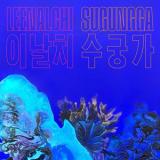
This is the first full-length release from South Korea"s beloved pansori psych-pop band available worldwide. The release follows an extremely successful and eventful year for LEENALCHI. They had their first-ever North American tour, opening for Japanese Breakfast at Stern Grove, sessions at KCRW and (rumor has it) KEXP, and in the fall, they"ll be on the East Coast, including opening for Geese at Forest Hills on the very same date this record comes out. LEENALCHI is led by the great composer Jang Young-Gyu, who has undoubtedly scored all your favorite Korean horror movies, including The Wailing, Train To Busan, and the Good, The Bad, The Weird. Sugungga sounds like animals talking to each other over tripped-out bass lines. It gets its name from the old Korean folk tale about a clever and loyal turtle who tries to lure a rabbit underwater and into the lair of a Dragon King who has come down with an illness that can only be cured by the rabbit"s liver. What is the fate of the rabbit? This fall, you will find out.
Wondrous ethereal folk songs by a reclusive pen pal of Maxine Funke, first introduced to A Colourful Storm by Funke while sharing music and ideas during her Australian tour. Ghost faced pansies. A moth coloured cat. Cauliflowers, cabbages undying. I hear the spine of the dictionary crack. Is what they call a creature who only wakes at dusk. And turning backs. My afternoon has turned pitch black. For a trace. For a shape. I wipe the steam from the window like the bloom on a grape. Ghost faced pansies. A moth coloured cat. Light of stars long since died.
out of Stock
Last delivered 32 days ago available to reorder, subject to availability
Sing Forever (Singing Is Free): Songs from 2021-2023 meets us as a foreword to A Profound Non-Event, Daily Toll's debut album from 2025. Offering an earlier chapter in the ever-growing songbook of the Sydney/Gadigal-based group, Sing Forever... is a collection in demo-form that maps their initial formative period as a duo, largely marked by Covid-era isolation, diabolical housemates, sonic experiments and copious amounts of wine sourced from Kata's job at the time. As bowerbirds of song, Kata and Jasper are making sounds from their own pocket - their world! - singing from nowhere to no-one from (in) a context of global upheaval, loss and mass confusion. Here we find the urge to sing forever, to share a morsel of spirit, and with it a mode of grounding one's humanity. The songs are loose, off-beat and textural, a period of "first thought, best thought" in boundless practice that finds inspiration from all over: a bracelet and a solo afternoon in Budapest; lyrics formed via a black-out poem scrawled across the page of a Neil Young biography; the scratch of paper daisies, toy drums, typewriters, and pots and pans all welcome melodies repeating and fumbling unto themselves until ultimately falling apart and into something else. These songs were never initially intended to find a physical release or to even be distributed further than the Bandcamp void, and yet here we arrive at a kind of essence of Daily Toll, or at least one iteration thereof, before the studio, before the additional band members, and before being known (perhaps, even loved) by more beyond. Sing Forever (Singing Is Free): Songs from 2021-2023 was initially released as a seven song cassette that came with early copies of A Profound Non-Event. Now with the addition of an extra song and a remastering by Mikey Young, it is now released as a limited 12" LP via Tough Love in a ww ltd edition of 275 copies.
This quintessentially Australian rock band is one of the main highlights of Newcastle's music scene. It consists of singer Hugh Westcotta true ball of energy who leaps around the stage like a Peter Garrett on caffeineguitarist Jed Pratten, drummer Nick Worrad, and bassist James Pansini. Following in the footsteps of AC/DC and '70s Aussie punk, Where's Jimmy presents these two EPs combined on a single vinyl record. Written in Orange, New South Wales, back when we were all working our respective jobs in the construction industry. It pokes fun at life at work.Simple, blues-inspired themes, like working for the boss, being broke, or getting dumped by your girlfriend. Add a dash of punk and rock 'n' roll, and you get the EP "Paycheck Blues." EP "Staring at the Wall" - Where's Jimmy's second 5-track EP. The punk rock sound with bluesy undertones is more pronounced on these tracks. Pure, no-frills, high-octane noise that makes you want to get up and move.
"Here Comes That Crow" is the Korean psych-pop band Leenalchi"s first worldwide release (on Luaka Bop). Like much of their music, many of these songs are chopped and screwed pansori tales (a traditional form of storytelling that dates back to Korea"s Joseon Dynasty). But really, it"s just good dance music. "Leenalchi has changed the way I think about music, dancing and Korea. I have never heard anything quite like this". Brian Eno
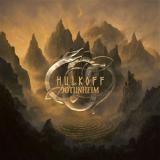
On May 15, HULKOFF returns with his fifth studio album; Jotunheim - a towering new chapter that bends space and time, and throws you back to the very darkest void where the nordic sagas began - Etunaheimar. The first spiritual landscape known in the blood-memory of Fennoscandia, today referred to as Jotunheim - the realm of Giants. Founded by the former frontman of Raubtier, HULKOFF has dominated Swedish charts with multiple #1 releases, including Pansarfolk (2020), Ragnarök (2021), and Hersir (2023). As with some of the previous releases, HULKOFF once again drops a double album. With 20 tracks split across two discs -one in Swedish, one in English- the album invites the world into the frostbitten heart of the North, expanding the saga without loosing its roots. With Jotunheim, HULKOFF delivers what has become his hallmark: iron-hard riffs over folky melodies and thunderous drums. Often described as "Music for the Viking hearted", Jotunheim once again presents the established HULKOFF sound - Metal refined and enhanced by the primal organic sound from Talharpa and violin - wood, horsehair and steel. A symbiosis that is adding an earthy, ritualistic texture to the otherwise dark and heavy sonic landscape.
Following on from his debut album, Miles Spilsbury returns to New Dawn with Spirit Level. A new project in collaboration with close friend Gorse Panshawe (formerly known as Slugabed - who also produced Miles Spilsbury's first album Light Manoeuvres).
Recorded over one weekend in a weaving shed in Frome, in the English countryside. Surrounded by reels of yarn, they explored saxophones, flutes, dusty old keyboards & drum machines. The resulting record conjures the murk and moss of Forestland and grounds with grooves from the Bongo setting on a Casio keyboard. Jake Long added mallet drums from his London studio to round off the album.
out of Stock
Last delivered 5 months ago available to reorder, subject to availability
In ,Osni the Flare", dem zweiten Teil von Tristan Allens mythischer Trilogie, zeigt der Komponist, Produzent und Puppenspieler, wie ein Sterblicher durch die Entdeckung des Feuers zu einer Gottheit wird. ,Osni the Flare" wurde über vier Jahre hinweg mit wortlosen Gesängen, Orgeln, Okarinas, einer Menge Spielzeuginstrumenten und einem ausgeklügelten Sounddesign aufgenommen und erzählt in vier akustisch und visuell beeindruckenden Akten von den Ursprüngen der Flamme und der Zeitlichkeit. Allen webt einen Schöpfungsmythos, der zwischen Schönheit, Schatten und wehmütiger Glut wechselt, und schafft so ein Portal zu einem sorgfältig gestalteten, emotional kraftvollen Klang und einer Geschichte, die durch ein fantastisches Reich hallen. Allen wurde in Saratoga Springs, New York, geboren und hat Kindheitserinnerungen an den Aufenthalt seiner Familie in Japan. Sein Weg führte ihn zu prägenden Begegnungen, darunter mit seinem Lehrer Andy Lorio, der das wachsende Interesse und Können des jungen Musikers am Klavier durch Improvisationstechniken förderte, und Amanda Palmer, die ihn mit 16 Jahren während eines Sommerprogramms am Berklee College entdeckte und seine erste Veröffentlichung durch Crowdfunding finanzierte. Nachdem er an der Berklee Klavier studiert, das Live-Elektronik-Kollektiv Nue mitbegründet, mit der Metal-Band Dent durch China getourt und zwei Solo-Klavier-EPs veröffentlicht hatte, zog Allen 2018 von Boston nach Brooklyn. Eine Anzeige auf Craigslist führte zu einer Puppenspielausbildung bei Mike Leach, der ihnen sechs Monate lang beibrachte, wie man eine Marionette richtig führt, was ihnen eine Stelle als Darsteller am renommierten Puppetworks Theater einbrachte. Diese harte Arbeit, zusammen mit dem Kontakt zu den Artefakten des Bread and Puppet Theater ihres Vaters und dem balinesischen Schattenspiel, brachte Allen zu ihrer kreativen Praxis: Komponieren für akustische Instrumente, elektronisches Arrangieren und Auftritte mit Puppenspiel. Osni the Flare erzählt einen Schöpfungsmythos, in dem die Titelfigur in einem Garten aufwacht und Äpfel von einem Baum pflückt. Von einem Loon herbeigerufen, macht sich Osni auf, den Baum vor der Kälte des Winters zu schützen. Als der Loon von einem Drachen verschlungen wird, wagt sich Osni in dessen Bauch und entdeckt dort Glut. Als er diese Glut dem Baum anbietet, entzündet sich dieser - der Ursprung des Feuers selbst. Iso, der Gott des Meeres, greift mit einer Flut ein, die Osnis Garten überschwemmt. Nach seinem Tod gelangt Osnis Seele in das Reich der Schatten, wo sie sich Tin und Iso anschließt und zur Gottheit des Feuers wird - Osni the Flare. Das Album klingt menschlicher und kindlicher als sein Vorgänger ,Tin Iso and The Dawn" und wechselt von der Perspektive der Götter als Beobachter zu der des ersten sterblichen Charakters in Allens Welt. Unterstützt durch neue Liebe, kanalisiert das Projekt Gefühle in Musik, die zu einem ganz eigenen Zauber wird. Wie Tin Iso beginnt und endet das Album mit Klavierklängen als Portal, das die Heimat repräsentiert, während Osni sich auf eine Reise durch drei Reiche begibt: das Land der Lebenden, das Zwischenreich und das Jenseits. Osni the Flare wurde fast komplett mit einem Aston-Kondensatormikrofon in Allens Wohnung in Brooklyn mit Blick auf den Cypress Hills Friedhof aufgenommen und besteht aus Spielzeugklavier und Flöten, Okarinas, Harmonium, Pumporgel, E-Bass und Kontrabass, Gadgets und einer umfangreichen Sammlung von Spieluhren und Glocken. Die Gesangsmelodie - inspiriert vom Summen seiner Partnerin Virginia Garcia Ruiz, das an Pans Labyrinth erinnert - war Allens erster Ausflug in den Gesangsbereich, wobei er eine Melodie ohne Worte verwendete, um den Zuhörern zu ermöglichen, die Protagonisten zu bleiben. Die Flöten wurden Note für Note akribisch aufgenommen, darunter balinesische Sulings, Fundstücke aus chinesischen Souvenirläden und vogelförmige Okarinas. Die Spieluhren wurden langsam aufgezogen, einzeln gesampelt und dann neu arrangiert und gestimmt, um Virginias Summen zu verdoppeln. Ein ausgedientes Casio SK-1 mit einem kaputten Lautsprecher wird mit einem Harmonium kombiniert, um Akkordtexturen zu erzeugen. Stundenlange Improvisationen, die durch Bastl Thyme und NanoVerb geleitet wurden, erzeugten lange, ausklingende Delays, wobei die besten Momente für Songs ausgewählt wurden. Feuergeräusche entstanden durch Fingernagelklicken auf Klaviertasten. Feldaufnahmen hielten das Zerlegen eines Klavieruntergestells, das Löschen von Kerzen und Geräusche aus einem Hospiz fest. Die Stimme des Drachen spricht Worte aus Allens erfundener Sprache. Die Melodie liegt oft im Bass - inspiriert von Goth und Gamelan - mit nach oben gerichteten Verzierungen. Der detailreiche Ansatz spiegelt eine Punktierung wider, die Allens Original-Artwork für das Albumcover ähnelt und durch ihre obsessive Arbeit kleine Teile zu einem großen Bild zusammenfügt - unter der Dusche, vor dem Einschlafen, mitten im Satz. Das Klavier wurde von der Toningenieurin Katie Von Schleicher bei Figure 8 Recording neu aufgenommen, gemischt wurde das Album von Paul Corley. Der technische Leiter Jim Freeman arbeitete vier Monate lang am Halsgelenk und fünf Monate lang an den Schultern der Basswood-Stabpuppe, die von Bruce Schwartz' Ballerina inspiriert ist. Freeman verbrachte Jahre damit, ein selbstgebautes LED-System zu entwickeln, um das Puppenspiel von der Bühne aus zu beleuchten, und sein unwillkürliches Pfeifen während der Arbeit wurde heimlich aufgenommen und ist im Schlussmoment zu hören. Die Herstellung der Puppen wurde von Miryam Moutillet und Lauder Weldon überwacht, die hybriden Köpfe wurden von Duygu Bayar Ekren entworfen. Seit der Veröffentlichung von Tin Iso im Jahr 2023 hat Allen in der experimentellen Puppenspiel-Community von New York City eine Heimat gefunden und wird von der Jim Henson Foundation und La MaMa unterstützt. ,Osni the Flare" steht für Tristan Allens kontinuierliche Weltgestaltung mit akribischer Kontinuität - viele bewegliche Teile, die in funkelnder Kohäsion präsentiert werden, wobei sich jede Komponente aus einer Idee entwickelt, wie eine Fantasy-Serie, die im selben Reich spielt. Das Album erreicht das, was sich Allens kindliches Ich beim Anschauen von Fantasy-Filmen vorgestellt hat: Musik, die nicht so klingt, als würden Menschen Instrumente spielen, sondern wie das Werk der fantastischen Welt selbst. Durch die Kunst des Puppenspielers, ,wahre Lügen zu erzählen", lädt Allen die Zuhörer ein, etwas Ursprüngliches und Unmittelbares zu erleben. Während Osni sich von einem Sterblichen zu einer Gottheit verwandelt, zeichnet das Album nicht nur den Ursprung des Feuers nach, sondern auch den Ursprung des Mythos selbst.
After traveling through Mexico, Miami, the Bahamas, and New Orleans, Nishioka recorded his fourth album South American Journey in Los Angeles,
released in 1979. From this album, two of his most celebrated tracks—“GYPSY SONG”, a fan favorite with numerous cover versions, and “NEVER LAND”,
featuring the distinctive sound of steel pans and a Japanese reggae vibe are now being pressed on 7-inch vinyl for the first time in a limited edition!
The recording features members of the So What Review band, including Junshi Yamagishi (guitar) and Osamu Ishida (guitar), along with renowned steel pan
player Robert Greenidge, known for collaborations with Van Dyke Parks and Taj Mahal.
(FLATT THE LAIDBACK)
Kyozo Nishioka Profile
(Born May 7, 1948 – Died April 3, 1999)
Singer songwriter from the Shima Peninsula in Mie Prefecture, affectionately nicknamed “Zo-san”.
After enrolling at Kinki University and moving to Osaka, Nishioka became a regular at the folk cafe Dylan in Namba, opened in August 1969 by Masaji Otsuka
and Yoko Ishimura. Dylan was a gathering spot for folk music enthusiasts from all over Japan.
Nishioka formed the folk group The Dylan with Masaji Otsuka and You Nagai, performing at folk camps and the Nakatsugawa Folk Jamboree. In 1971, Nishioka
left the group, and Otsuka and Nagai continued as The Dylan II. Nishioka wrote and composed the song “Puka Puka” under the pen name Zokyozo, which became
one of his signature works. The song was first released in July 1971 as the B-side of The Dylan II’s single “Otoko rashii tte Wakarukai” on URC Records.
Nishioka began his solo career, releasing his debut album “Dylan nite” in July 1972, produced by Kinji Yoshino on Bellwood Records, which included his own
version of “Puka Puka”. In September 1973, he appeared at the farewell concert of Happy End titled CITY – LAST TIME AROUND at Bunkyo Public Hall in Tokyo.
His 1974 album “Machiyuki Murayuki” was produced by Haruomi Hosono, and his 1975 album “Rokka My Baby” featured support from Shigeru Suzuki’s band
HUCKLE BACK. Nishioka recorded three albums under Hosono’s production, deepening their friendship.
Together with his wife and lyricist KURO, Nishioka wrote songs for artists such as Eikichi Yazawa. The couple traveled the world, recording overseas albums such
as “Nanbei Ryoko” (1977), “Yoh-Sollo” (1979), and “New York to Jamaica” (1981), incorporating reggae, calypso, and other global sounds. In the 1980s, he released
works under the duo name KYOZO & BUN with Yoshifumi Okajima, and in the 1990s returned to solo projects with albums like “START” (1993) and “Farewell
Song” (1997).
After KURO’s passing in 1997, Nishioka continued his musical activities until his own death in 1999 at the age of 50. His music transcended the boundaries of folk,
blending jazz and tropical elements to create a unique world view, leaving an indelible mark on Japanese music history.
The anticipation is there in Elizabeth Stokes’ solo guitar riff under the opening lines of “I’m Not Getting Excited”: a frenetic, driving force daring a packed Auckland Town Hall to do exactly the opposite of what the track title suggests.
As the opener of The Beths’ Auckland, New Zealand, 2020 expands to include the full band, the crowd screeches and bellows. It’s a collective exhalation, in one of the few countries where live music is still possible.
The album title, and film of the same name, deliberately include the date and location, lead guitarist Jonathan Pearce says. “That’s the sensational part of what we actually did.” In a mid-pandemic world, playing to a heaving, enraptured home crowd feels miraculous.
In March 2020, everything seemed on track for another huge year for The Beths. Home after an 18-month northern hemisphere tour, they had just finished recording sophomore album Jump Rope Gazers and were primed for more extensive touring. But within days, New Zealand’s lockdown split the band between three separate houses. All touring was cancelled.
“It was existentially bad,” Stokes says. As well as worrying about economic survival, they lost something crucial to the band’s identity: live performance. “It's a huge part of how we see ourselves... What does it mean, if we can't play live?”
The band found an outlet through live-streaming, returning to the do-it-yourself mentality of their early days to connect with a global audience. The album and film have their genesis in that urge to share the now-rare experience of a live show, as widely as possible.
The fuzzy-round-the-edges live-streams pointed the way aesthetically. Native birds, wonkily crafted by the band from tissue paper and wire, festoon the venue’s cavernous ceiling while house plants soften and disguise the imposing pipes of an organ. The presence of the film crew isn’t disguised: much of the camerawork is handheld; full of fast zooms and pans.
With much of the material still fresh, the band was less focused on re-invention than playing “a good, fast rock show”, Pearce says. The tempo is up on crowd favourites “Whatever” and “Future Me Hates Me” (released as a live single on its third anniversary) as both band and audience feed off the mutual energy in the room.
Certain songs have taken on special resonance post-Covid. Pearce has found “Out Of Sight”, a tender rumination on long-distance relationships, hits particularly hard with live audiences.
Album closer “River Run” visibly brings Stokes to tears as a mix of achievement and relief kicks in. “You can finally relax at that point … You play the last note, breathe out a sigh and look up - and you’re in a giant room full of people happy and smiling.”
Born in Antwerp in 1939, Ferre became a true icon in the sixties, adored by youngsters and hippies and hated by the establishment. His successful debut album in 1966, which featured the hits “Ring Ring, I’ve Got to Sing,” “Crucified Jesus,” and “Drunken Sailor,” brought him an international breakthrough with concerts in Paris, London, and Hamburg, leading to a contract with the famous French Barclay label. The next three albums did not equal the initial commercial success — a pressure the music business was happy to put on his shoulders. Still, these three albums, reissued in their original packaging and artwork on vinyl for the very first time, are loaded with hidden gems, combining folk, blues, and psychedelics in Ferre’s original songs.
Grignard sadly succumbed to throat cancer in 1982 at the early age of 43.
REPRESSED !!
Exhumed '77 OST frond 'Riddles Of The Sphinx'...magick Mike Ratledge unfurls coils of ARP, Moog &VCS-AKS via Denys 'Lucifer' Irving's hacked Z-80 sequencer...these post-Soft Machine plumes spiralin stasis to the frame pans and lockdown Maddox's
& Mulvey's dialogue like SE17 dunes...the concentric riddle of the missing original master tapes...film reel audio prised from the BFI vaults & transferred straight to zeros & ones by hieroglyphic
happenstance...this acrobatic dredge has revealed more than enough mercury to further protract the riddles within..."You've got my number if you need anything"...IBM 'The film's ground-breaking electronic score, by The Soft Machine's Mike Ratledge, was composed on synthesisers which were developed in collaboration
with Denys Irving (the man behind the mysterious and controversial 1970s band Lucifer).'Film extract (Official BFI Trailer: http://youtu.be/UlBaUd5Y58M)
Please note: The digital will be available to
download from Monday 28th of October. The
vinyl will start shipping from Friday 8th of
November....
out of Stock
Last delivered 14 months ago available to reorder, subject to availability
For the seventh installment of his Hardspace series, Len Faki selects three standout tracks from his personal vault - polishing them up with signature flair for maximum impact.
The A-side features a powerhouse mix of Jimmy Edgar´s Strike. Len Faki brings extra drive and spatial depth to the mix: sizzling hi-hats pan sharply across a tight stereo field, vocal chops flicker in and out, and the groove is stripped, slick, and forceful. A subtle reverb treatment adds atmosphere without compromising punch.
On the B-side, Faki dives into Robert Armani's 1994 album Right to Silence, revisiting two Chicago-style jacking tracks that are nodding to the Dance Mania era.
Up rides on a fierce hi-hat shuffle and a pounding stomp, centered around a bold vocal loop that captures the rough, battle-cry attitude of classic Chicago jack tracks. Faki's edit sharpens the angles and tightens the structure, giving the track even more bite.
Road Tour originally leaned on a harsh, detuned lead synth. Len´s Hardspace version removes the abrasive top line and lets the looping arp take center stage, which subtly shifts in tone and pans across the stereo field. The groove doesn't push forward so much as it sways side to side, creating a warped sense of motion. A pitched-up vocal sample-half command, half tease-injects just the right dose of jack attitude.
HS007 channels the raw, functional energy of vintage Chicago trax through Faki's modern lens - respectful to its roots, but fully tuned for today's sound systems.
out of Stock
Last delivered 6 months ago available to reorder, subject to availability
The highly anticipated 3rd full-length by this Finnish band. Morbific is a rotten-to-the-core Death Metal trio deformed in the filthy and profaned boneyard of Kitee in early 2020, featuring Olli (guitar), Jusa (vocals / bass) and Onni (drums). The band’s Pestilent Hordes demo was unleashed in the summer of 2020, and it rapidly gained them some following amongst the finest gourmets of the variety of festering, moldering and disgusting Death Metal that’s malignantly influenced by Autopsy, Rottrevore, Deteriorot, Mortician, Grave, Maimed, Undergang, Impetigo and ancient Finnish masters of death and decay, such as Funebre and Disgrace. Shortly after, in the spring of 2021, the debut full-length Ominous Seep of Putridity saw the odious light of day to unanimous praise by both the fans and the media. Just a year later, and now aligned with Memento Mori, Morbific released their second full-length, Squirm Beyond the Mortal Realm. Aptly titled, the album quickly became a cult favorite of utterly uncomfortable, slimy Death Metal. Now, Morbific are prepared to eclipse such a sewer-dwelling “highwater” mark with Bloom of the Abnormal Flesh. Whereas its not-inconsiderable predecessor confronted the listener with a blown-out, almost demo-level feel, the Finns’ third full-length proves that they can move and mesmerize and maim no matter what the soundfield is. And on Bloom of the Abnormal Flesh, it’s a raw-yet-robust show of strength, “classic” Death Metal production in a most late 80’s fashion; just witness that gurgling, fuzz-tinged bass and feel its radioactive waves envelope you. But production is one thing and songwriting is another, and with the latter, Morbific are truly hitting their stride here. Lumbering and stomping, with well-timed bouts of disgusting gallop or even ragged blasts, their songwriting twists and indeed squirms with off-kilter insanity; some would call it chaos, if not for the exceptionally tight musicianship on display here, with the sum result being an uncomfortableness that bubbles up from a deeper gutter. Thankfully, Bloom of the Abnormal Flesh conveys its dark, disgusting and unconventional aura across every element -said chops simply heighten these sensations- and is, thus far, Morbific’s best melding of form and content. Cro-Magnon as ever but somehow enlightened in the creepiest sense possible, Morbific continue their reputation as Finland’s filthiest and Death Metal’s untrendiest weirdoes. Vividly captured by Chase Slaker’s cover artwork, Bloom of the Abnormal Flesh is the foulest stench only for the brave!
The German steel pan outfit has amassed a collection of 7s on the label that are all essential pieces in DJ boxes around the world.
The A side "Nautilus" is a cover of the Bob James uber classic that has been sampled by hip hop more times than maybe any other record. It is a DJ staple that has soundtracked many a dance floor and breakdance cypher. Bacao's version is a welcome new take on the tried and true original.
The B side is their cover of the Khruangbin cult classic "Maria También" and Bacao give the original version a run for its money. Steel pans ride over chunky drums to great effect and make this another must have for DJs around the globe
out of Stock
Last delivered 15 months ago available to reorder, subject to availability
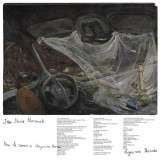
The road is a wrinkled timeline. Uncanny flatness conceals unfolding textures, transparent layers and open tabs. The truck cuts the landscape, tracing the road with a line of mad logic that composites time, space, thought. On “Le Camion de Marguerite Duras,” French duo Jean-Marie Mercimek have returned with a road movie for the blind. Composed and recorded by Marion Molle and Ronan Riou over six years across France and Belgium, this unlikely distillation of microtonal MIDI composition, French B.O., and post-punk chansons brazenly expands the duos’ penchant for lowkey narrative spectacle.
Across “Le Camion,” sounds form a theatrical screen. Our ears are the curtains drawn wide and listening with a look that pans across the shot. No title cards, they cut straight to action. The truck is a camera, zooming and framing the tracks as scenes. Songwriting and sound design blur in a tangle of delicate economy. The balance of mutant music-boxes and dewy miniatures recalls otherworldly hits from Gareth Williams’ Flaming Tunes, Residents, and catchier corners of the Lovely Music catalog. Strange, sure, but this flick is never quite a cartoon. Molle and Riou’s vocals dilate into a cast of very human characters. Voices sing borrowed texts like untrained actors (playing themselves, in fact) stepping into the frame once before disappearing forever. And when they’re gone, you miss them. But here in the truck, it all comes back again under the cyclic spell of repose in perpetual motion. Turn up the radio and appuyez sur le champignon. - Turner Williams Jr.
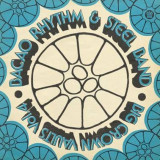
Bacao Rhythm & Steel Band, das mysteriöse Steel-Pan-Outfit aus Hamburg, machte 2024 von sich reden, als der französische Film „Anatomy of a Fall“ einen Oscar für das beste Originaldrehbuch gewann. Bacaos Cover von 50 Cents „PIMP“ war prominent in dem Film vertreten und spielte eine so große Rolle in der Handlung, dass es zum Synonym für den Erfolg des Films wurde. Später sorgten sie dafür, dass bei der Oscar-Verleihung zum ersten Mal Steel Pans im Orchestergraben auftauchten, um die Melodie zu spielen, als die Regisseurin Justine Triet die Bühne betrat, um den Preis entgegenzunehmen. All dies brachte Bacao eine Menge neuer Fans und ließ die Streaming-Zahlen von „PIMP“ auf weit über 40 Millionen steigen. Der Song erschien erstmals 2008 auf dem eigenen Mocambo-Imprint von Bandleader Bjorn Wagner und wird oft mit dem Original-Sample verwechselt, aus dem 50 Cent seinen Hit gemacht hat. Abgesehen von den Auszeichnungen und internationalem Ruhm ist „PIMP“ buchstäblich nur die Spitze des Eisbergs von Bacao. Mit vier Alben und einem großen Stapel 7"-Singles, die zu Grundnahrungsmitteln für DJs auf der ganzen Welt geworden sind, sind sie, seit sie bei Big Crown unter Vertrag stehen, sehr produktiv gewesen. Trotz der ständigen Veröffentlichungen und des umfangreichen Katalogs hat jede Aufnahmesession mehr Früchte getragen, als auf ein Album passen, so dass mehr als nur eine Handvoll Songs im Tresor lagert. „Big Crown Vaults Vol. 4“ gibt den meisten dieser Stücke eine angemessene Pressung und Veröffentlichung. Das Album beginnt mit ihrer Coverversion des Bob James Klassikers „Nautilus“, ein „Must Have“ für alle Hip-Hop- und Breakbeat-Fans. Sie bleiben auf dem Gaspedal und geben dem Khruangbin-Klassiker „Maria También“ die BRSB-Behandlung mit ihren charakteristischen basslastigen Drums, die die Energie des Stücks in eine völlig neue Dimension bringen. Berühmt dafür, bei der Neuinterpretation von Material tief in den Kisten zu wühlen, nehmen sie sich als nächstes den von J Dilla produzierten Royce Da 5'9"' Track ‚Let's Grow‘ vor. Dann gibt es „PIMP (Version)“, ursprünglich die B-Seite der Erstpressung von „PIMP“, auf der sie ihrer Originalaufnahme eine ordentliche Dub-Behandlung mit Melodica und Bandecho verpassen. Sie erhöhen das Tempo und den Funk mit „Great To Be Here“ von den Jackson 5 und tauchen mit dem Billy-Jones-Tanzflächenbrenner „Lookout Baby (Here I Come)“ wieder tief in die Dunkelheit ein. Während ein Teil des Reizes eines neuen Bacao Rhythm & Steel Band-Albums darin besteht, herauszufinden, welche Coversongs sie aufnehmen werden, ist es ebenso faszinierend zu sehen, welche originellen Melodien sie ausgearbeitet haben. „BCR Vaults Vol. 4“ enthält zwar nur ein einziges Original, „Kaiso Noir“, aber es ist ein Up-Tempo-Kracher, der wie eine Mischung aus einem B-Boy-Break und einem James-Bond-Score klingt. Diese Sammlung von Songs umfasst den Zeitraum von 2008 bis 2023 und lässt eine Vielzahl von Genres von Hip-Hop über Jazz bis hin zu Soul und Pop durch die Bacao-Linse laufen. Die Band arbeitet bereits an ihrem 5. Studioalbum, und diese Zusammenstellung dürfte die perfekte Überbrückung für die Fans sein, bis es erscheint.
Die vierköpfige Band aus Columbus, Ohio in den Vereinigten Staaten ist seit langem für ihre kraftvolle Mischung aus treibenden Rhythmen, melodischem Gesang und eindringlichen Klanglandschaften bekannt. Mit "Get Well Soon" fügen sie dieser Liste noch packendes Songwriting hinzu. LO-PAN definieren ihren amerikanischen Hard Rock weiter und tiefer aus: Dieser mischt brutzelnden Hardrock mit Metal und einer satten Prise Grunge. LO-PAN haben sich in der pulsierenden Underground-Szene von Columbus, Ohio aufgrund ihrer geteilten Liebe zu Vintage Rock, Stoner Metal und modernem Heavy Metal zusammengefunden. Die vier Musiker eint außerdem die Leidenschaft zur Grenzüberschreitung. Es war kein Zufall, dass sie sich nach dem magischen Erzschurken aus dem Kultfilm "Big Trouble in Little China" benannten, denn die Band wollte filmisches Drama mit überlebensgroßer Energie verbinden. Von Anfang an zeichneten sich LO-PAN auch durch eine intensive Live-Präsenz und einen Sound aus, der klassischen Rock mit dem erdrückenden Gewicht von Stoner- und Doom-Einflüssen kombiniert. LO-PANs Debütalbum "Sasquanaut" aus dem Jahr 2009 brachte den sofortigen Durchbruch. Das zweite Album "Salvador" (2011) verfeinerte das Klangerlebnis und demonstrierte musikalische Reife. Im Jahr 2019 veröffentlichten LO-PAN "Subtle", das eine Weiterentwicklung ihres Sounds markierte. Die Band wagte das Risiko, mit einer introspektiven und atmosphärischen Herangehensweise neue emotionale Tiefen zu erkundete, was sich bei Kritikern und Fans gleichermaßen auszahlte. "Get Well Soon" läutet einen weiteren großen Sprung nach vorne für LO-PAN ein. Heavy, cool, eingängig und mit einer ausgeprägten emotionalen Kraft, die aus Erfahrung und Reife erwachsen ist, trägt "Get Well Soon" die Amerikaner sicherlich an neue Orte rund um den Globus.
Features members of Pansy Division, Avengers, Camper Van Beethoven, Anohni and the Johnsons, Oranger, Enorchestra and the State Band of Guanajuato. Panorama is an LGBTQIA+ album and it is a bilingual Spanish/English album .Recorded in Leon, Guanajuato with a cross section of notable US underground music stalwarts and emerging Mexican instrumentalists. VIDA VELLA is the manifestation of a dream a lifetime in the making. Apocalyptic yet optimistic balladry. Tijuana native and NYC transplant Luis Gabriel Illades, longtime member of Pansy Division, Avengers and touring drummer for countless acts steps in the singer/songwriter role with VIDA VELLA, a bilingual exploration of universal human emotional themes.
Fresh off a trip to the watercooler, London’s Clive From Accounts is circling back with his most expansive offering to date, the full length LP 'The Very Best Of Clive From Accounts.' Action items include lead-off single 'Save Me' with its driving organ stabs, soulful vocals, exuberant steel pans and just a touch of acid, as well as second single 'Heavier' which lives up to its name as a dark and weighty club number that boasts some heavy toasting from Riko Dan. But you’ll also want to go ahead and put a pin in 'Konsumu Suru' for a more melancholic tone with Japanese vocals by Maya Kuroki & violin by Jessica Roch, the mideastern tinged 'It Began,' and classic drum & bass vibes of 'Spectrum' amongst others!
out of Stock
Last delivered 8 months ago available to reorder, subject to availability
Another instant classic 45 guaranteed to be all over DJs set lists. With their sophomore full length coming in September, they treat us to another bomb of a two sider. Side A is a cover of the Dr Dre hit XXplosive done up in proper BRSB fashion, smashing drums and steel pans playing the lead and bass lines. They take this one into new territory by adding synth parts and dubbed out horn lines playing Nate Dogg's infamous vocal hook melodies. Side B takes on one of NYCity's grimiest Hip Hop club anthems, Mobb Deep's Burn . We decided to do this tune and demoed it out long before the unfortunate passing of Prodigy. Unfortunately, he will never get to hear this cover, and that has been one of the nicest things in covering some of these more current Hip Hop tunes. Rest In Peace P. BRSB manages to do it again.....a version equally as raw and punchy as the original. Pans bang out the iconic riff from the original, theremin ushers in the changes, and the low rubble of the synth bass is sure to crush the subwoofers.
Though 潘PAN is an entirely new artist - new outlook, new message, new material and name - you may have met the woman herself before. Back in the mid-‘10s, the Taipei-born rapper went by the moniker Aristophanes. After performing a career-changing feature on ‘SCREAM’, taken from Grimes’ celebrated NME Album of 2015 ‘Art Angels’, Aristophanes went on to build a cult fanbase, releasing her debut mixtape ‘Humans Become Machines’ two years later and then her distributor went bust during covid. Signed to Transgressive she re-released her mixtape followed by Reborn and Ghosts EPs earlier this year.
Across a constantly morphing sound palette that moves from metallic, apocalyptic beats to delicate nods to the traditional music of her Asian heritage, via heavy, industrial moments, spacious soundscapes and much more, the thread is Pan’s utterly mesmeric vocal. Performing in a mix of Mandarin and English, she explains that having the two languages to play with is “like featuring another artist who has a different way of describing things”.
Across the releases, confident sexual expression mixes with tenderness, empathy and a particularly feminine sort of strength to create a world that Pan hopes will transcend language and connect her audience via something more innate. “The music is a place to feel safe,” she says. “The message that I want to carry through these two EPs and the album is to demonstrate the strength of accepting your own situations. When you can’t make things right but you’ve done your best, sometimes it’s really hard to admit that to yourself. It takes strength to do that. I use lots of sexual metaphors, but I feel like it’s more about the female need to be seen and heard. I want to build something more delicate and layered and connected to our life experience - to the trauma and the pleasure and the growth.”
In the time since she last stepped into the spotlight, the musician has experienced her fair share of all these things. Now, it’s as an entirely evolved artist that she returns with a new collection of music that revels in it all: the trauma, the pleasure, the growth and the long-awaited rebirth of 潘PAN
out of Stock
Last delivered 20 months ago available to reorder, subject to availability
Inhaler is the third studio album by American rock band TAD, originally released on October 19, 1993. It was the band's major label debut after two albums and an EP released by Sub Pop, and it was also their first album with drummer Josh Sinder, formerly of The Accüsed. Producer J. Mascis (Dinosaur Jr.) gave TAD a more focused and driven sound on this record. He can be heard playing the piano on ""Luminol"". The song ""Grease Box"" was played during the end credits of the 1994 movie Brainscan. Inhaler is easily their best and most consistent album to date and obtained positive critical reception upon release. Fortunately, the group has lost none of the grit that marked them as the grungiest of the Seattle scene. In promotion of Inhaler, TAD toured with Soundgarden. Inhaler is available on black vinyl and includes an insert.