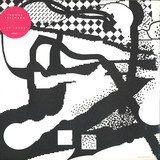
Here at Death & Leisure we are on a continuing mission to surprise and experiment, and so with our new release we present something very special, Blackmoon1348 and The Tibetan Monks of The Tashi Lhunpo Monastary. This project sounds like nothing else, it fuses heavy drone guitar sounds with traditional tibetan throat singing and live instrumentation.
BlackMoon1348 in collaboration with the Tibetan Monks of the Tashi Lhunpo Monastery (Tibet/ India). 2017 BlackMoon1348 embarked on a cultural experimentation of cultural diversity in the arts, forming a collaboration of ancient Tibetan ceremonial practises and instrumentation with sub-harmonic drones and industrial soundscapes. The music amalgamates sacred mantras that date back to the early teachings of Tibetan Buddhism practised in the Tashi Lhunpo Monastery, with heavy detuned western instruments, synths, and electronic music for the first time in recorded history. The Tashi Lhunpo monastery was once home to the Panchen Lama who subsequently 'disappeared' under the oppressive Chinese rule of Tibet. A handful of the Tashi Lhunpo monks were fortunate to escape into exile and have since re-built the monastery in Mysore, South India - now flourishing with over 400 monks practising within the monastery. Tibetan Buddhism is an outlawed ancient tradition within Tibet - monks, nuns, and Tibetans cannot openly practise their heritage and traditions, forcing Tibetans to inhabitable plateaus, with such areas are now under 'Chinese Re-development', the land being stripped of natural resources for China's ever growing economy and totalitarian rule. Tibetans face persecution for as little as owning a Tibetan flag, or picture of the Dali Lama, with such actions landing you in jail, tortured, poised, and/or being released just before the point of death. It is important for us to remember and celebrate the traditions of the Himalayas and its sacred, peaceful practises.
The music was recorded live in one take at Flesh and Bone studio in Hackney for NTS Radio's Black Impulse show. Engineered, mixed, and mastered by Oliver and Owen at Flesh and Bone, capturing the raw, ethereal essence of the collaboration and ceremonial sounds buried deep within the Himalayas. This was the first time in history for such collaboration of tradition, ideology from Adeline Rozario and orchestrated by David Kerry of BlackMoon1348 who created this music to diversify and bring together ceremonial instruments, diversifying the metaphysics of transcendence through ceremonial Tibetan practises.
It is important to understand that BlackMoon1348 are not attempting to change the fundamental meaning or belief of the Tashi Lhunpo Monks, or assume to have a deep-rooted understanding of the ancient traditions of Tibetan Buddhism, This is our understanding of Tibetan culture and practices as truly and honestly as we see and feel it, and our attempt to spread this beautiful, sacred, culture, and keep it alive within today's society.
"The Room", Fenster's fourth album and their first release on Altin Village & Mine marks the beginning of a new chapter for the band. After releasing three albums, a feature length film, and touring extensively throughout Europe and North America since 2012, "The Room" serves as an entry point into their sonic evolution. The essential characteristic of the band is transformation - within and between genres, albums, and songs. Their sound is a window framing psychedelic, groovy, hypnogogic, playful pop.
Fenster is Elias Hock (Germany), Jonathan Jarzyna (Germany), Lucas Ufo (France) and JJ Weihl (USA). Their mission in creating this album was to compose and arrange every song together in a room. It is an experiment in collective creativity that pushed all of them to transcend their individuality and create something together which is greater than the sum of its parts.
The songs were tracked live in a house where the band ate, slept, and played together. Often the songs were recorded without implementing a click track. They were intent on finding and locking into a human groove—one open to imperfection—while still maintaining a tightness between them. They wanted to make the songs feel alive—as if the listener were present in the room with them in the moment of creation.
The album's title track "The Room" opens the record like a rollercoaster ride. There is a tension in the first bars that ties us to earth, a minimal riff that guides us to the first chorus where we feel we are slowly lifting into the air—and by the time we reach the second chorus it has exploded into a space far away from the planet's gravitational pull.
The band's use of juxtaposition is not just a way of channeling a vast library of musical genres and concepts, it is a means of expression. Combining tender pop melodies with kraut-beats, disco grooves and psychedelia frees the band from any one sound and creates a genre all its own.
This playfulness is especially vibrant in songs like "Rhythm A" and "HAHA lol" which deconstruct and fuse together disparate moments of explosive rock, tender harmonies, percussion made of splashing water, voices from a radio, and electric piano. Even "Feel Better", a sparkly pop ballad is cracked wide open by a long trippy interlude that appears unexpectedly within an otherwise classic structure.
The cover art, created by the band's own Lucas Ufo, invites us into a room in the shape of a human skull. If one looks "out" the window in the picture, one finds oneself looking in to an infinite portal of rooms within rooms. The record plays a lot with this idea of perception. In "HBW", the relationship between the bass and the drums creates the feeling of an infinity loop. The lyrics lend an enigmatic tint to the landscape of so called objective reality v. perceived reality: "I was a phase — you were going through — said I was the one but there is no one — there's only the sun — that gives shape to the moon"
The record starts with "The Room" and ends with "Two Doors". Maybe one door is an exit, and one leads to another room... who knows The song has something mysterious and expansive, like a digital ocean flooding the room, carrying everything away. The whole process of making a record is about capturing a moment in time. This is the record they made - in this point in time, all together, in a room. The last words of the record roll out with the waves: "What you leave behind for someone else to find — Two doors inside — neither one is right"
Die Beta Band war eine britische Musikgruppe, die ihren
eigenen Stil als Folktronic bezeichnete, was eine Mischung aus
Folk, Rock 'n' Roll, Trip Hop und hemmungslos
experimentellem Jammen darstellt.
Die Beta Band wurde 1996 in der Nähe von Edinburgh von
den Musikern Steve Mason (Gesang, Gitarre) und Gordon
Anderson gegründet. Als sie gemeinsam Songs für ihre Debüt-
EP Champion Versions verfassten, stießen mit Robin Jones
(Schlagzeug) und John MacLean (DJ, Sampler, Keyboard-
Pianist) noch zwei weitere Mitglieder hinzu. Im Juli 1997
veröffentlichten sie die von Nick McCabe produzierte EP
Champion Versions, die von Kritikern vor allem aufgrund des
innovativen "Cut'n'Paste"- Sample-Konzepts umjubelt wurde.
Zwei ähnliche EPs folgten bald darauf: The Patty Patty Sound
im März des folgenden Jahres und Los Amigos del Beta
Bandidos im Juli. Alle drei erschienen im September 1998
unter dem passend gewählten Titel The Three EP's in einer
Kollektion.
'Garage bands suddenly obtain cult status and become the antithesis of their initial appeal'
Garage Class were a group of reluctant outliers who produced one of the finest contributions to the wave of UK DIY music that emerged during the late 70s and early to mid-80s.
Hailing from Alsager in North West England and comprised of Tim Shutt (vocals) Phil Murphy (lead guitar) Clive Williams (guitar) Lynne Sanders (bass) and Phil Bourne (drums / bass on studio recordings) Garage Class originally went by the name of The Pits before their then manager Steve Hurt imposed an alias which, though unpopular within their ranks, would nevertheless reflect the shambolic art they would eventually capture on their first and only single.
As The Pits the group offered a loutish inflection on glam-punk flamboyance, evoking Johnny Thunder hitting the north and remaining disowned yet undeterred in a dreary old boozer. But as Garage Class the group distilled a roughcast and homespun primitivism that felt quintessentially their own. In this they proved too unruly to be assimilated into any wider scene. Early gigs descended into acrimony and recognition proved elusive. Yet what they managed to make back then now sounds like an extraordinary article of underdog ambition.
Released in 1984, four years after it was originally recorded, the Terminal Tokyo single is an unlikely triumph of exceptional messthetic punk. Though raw and unpolished the songs here are precariously pop-minded and indisputably anthemic. The titular A-side reveals the dry and detached drawl of Shutt aka The Subliminal Kid, a sharp, jaded and poetic voice that has some of the most iconic lines never heard in punk. Accompanied by second-hand guitars, on-the-fly handclaps and a chorus like a terrace chant this is the cult hit that never was, a heroically artless masterpiece that has all the ragged character and misfit euphoria of Swell Maps and The Buzzcocks if they were more impulsive and boisterous, and left to their own devices in the remote margins of a Cheshire town. The original B-side is here substituted for I Got Standards, a track that, until now, has somehow remained unreleased. An ideal twin to Terminal Tokyo there's the same brusque and dog-eared quality to the band's delivery, as well as the same upfront emphasis on strong hooks and insistent momentum. Yet again, Shutt is on impeccable form, perfecting an inflated, adolescent antagonism that has all the sardonic, malcontented charm of similarly 'shirty' buggers like Dan Treacy (Television Personalities), Patrik Fitzgerald and Mark Perry (Alternative TV).
Although never accepted in their own time both tracks represent a brief but inspired moment of fervent imperfection, one that epitomized the best of a diffuse and autonomous underground movement spearheaded by The Desperate Bicycles and built upon by the likes of Amos & Sara, The Homosexuals, The Cleaners From Venus and Family Fodder. Like them Garage Class were situated at a point where punk, art, humour and a sense of stubborn independence all intersected.
In the years since Terminal Tokyo has accumulated a retrospective appeal among certain trusted circles, with Jon Dale celebrating the single in his exhaustive and essential Story of UK DIY for Fact Magazine, and original copies regularly changing hands for a foolish forty quid or so. With this inaugural release on the Outer Reaches label Terminal Tokyo is not only restored for the very first time but given a worthy expansion courtesy of JD Twitch (Optimo).
Continuing his own fascination with the fringe history of UK DIY - documented on his own outstanding compilation Cease & Desist: DIY! (Cult Classics From The Post Punk Era 1978-1982) and in his re-edits of Crass Records classics for an early release on RVNG INTL - Twitch reinterprets I Got Standards as an incisive, dubwise outing that pictures Jaki Liebezeit and Muslimgauze on a bender in England's provinces, tasked with remixing the raw product of local punks. A new slant on Garage Class' crude magnificence, built to play loud on contemporary soundsystems.
Although the latter part of 1980 spelled the end for Garage Class with members moving on to other projects (Bourne fell in with The Colours Out of Time, Murphy went on to front The Regular Guys and Shutt eventually left to form Happy Refugees) this reissue attempts to give their fleeting time together and the unique single statement they made the treatment it deserves. If this means Garage Class have obtained cult status, their initial appeal remains. Just listen for yourself.
This is already our seventh Deep Love compilation and we dare to say our most complete yet in sound and flow. The ten pieces on this sampler blend in perfectly with that laid back 'late' summer mood. We are very pleased to welcome yet again some new acts to Dirt Crew with the likes of 'Jaxx Madicine', 'Ouer', 'Times are Ruff' and 'S3A'. We cross many borders not only in genres but also country wise. From the heavy Disco sampled jam by French producer 'S3A' to the Jazz and Funk laden epos of the Italian 3 piece 'Jaxx Madicine' over to the Dutch deep house boys 'Times Are Ruff' who are well known from their, same named, label and finally to the Berlin duo 'Ouer' who also run an own label and released with our good friends at 'Heist Recordings', delivering an ecstatic electronic floating tune here.
This is all completed by some excellence from long time Dirt Crew artists. '25 Places' have been with us for many years now and their two Ep's have gotten so much love from the deeper deep house community. Here they drop an epic almost IDM techno like tune that closes this great album in the best possible way. Our Icelandic stall wart 'Felix Leifur' drops a heavy hitter named 'Buster'. After his recent 'Bobby Donny' Ep earlier this year we are thrilled to have him back on Dirt Crew! 'Harry Wolfman' and 'Ponty Mython' need no introduction really, they are adding Electro/ Disco/ Electronica fuelled cuts that form a great middle part to this mix of tunes. Harry going in very smooth and relaxed, something else than his usual House workout which we really loved to present to you. 'Ponty Mython' drops an irresistible 'good times' indie acid track in his unique 'free' style.
Last, we must of course not forget 'Dan Only' and key wizzard 'Lorenz Rhode'! With another beautifully smooth cut 'Dan Only' follows up on his latest debut Ep with us. Again a smart cross over in Techno and House with a distinct relaxed groove and atmosphere to it. Lorenz is back 'On Top' here after his super successful first offering to the Deep Love series last year and his 'And I Said' EP which stormed many charts. In the middle of touring and working with Detroit Swindle on their 'High Life' album we are super happy that he found the time to make another gem with that raw n funky live feel to it... We couldn't have started this compilation off with a better joint than 'Marakuja'.
Enough words for now ... just put these vinyl on your decks or stream/play it on the go and don't forget to drop them at a sweaty club night. Deep Love is here to stay!
Right after the Ombra Intl. EP 'Ella' and the Duro release 'Luna', Theus Mago presents a new single, "Inertials", which continues his series of pieces inspired by Philip K. Dick's 'Ubik'. Influenced by the main characters of the groundbreaking sci-fi book, "Inertials" is an energetic breaks track with unearthly vocals that reaches it's peak with a dazzling trumpet-like synth. The single is accompanied by a remix from Mexican producer INigo Vontier, which successfully combines organic sounds with an industrial edge, as well as a take from Jamie Paton (Cage & Aviary) that subtlely evokes the soundscapes of Cabaret Voltaire.
DJ Dan has been a pinnacle of the dance music scene in America since the early 90s and has toured around the world with the likes of Carl Cox, DJ Sneak and Pete Tong to name a few. Dan's label imprint InStereo is played by many top DJs around the world and Dan has chosen some of his strongest releases for Vol. 2 of the Slammin Trax series.
The music contained in this album invokes the vibes and spirit that were so crucial to much of the music recorded during the 1960's & 70's in Jamaica. If you talk to the musicians and singers of this era, they will tell you that the driving force behind the songs they created was the sheer love of music. This is one of the reasons these recordings are so powerful and move listeners to this day. Music like this can only be made by those who were schooled in the studios and yards around Kingston and is not something that can be easily reproduced outside Jamaica. The Kingston All Stars represent some of the most legendary musicians to ever grace the little island & it is thanks to their passion and dedication that we have a lifetime of music to enjoy.
The members of KAS have been working & recording with each other in some of Jamaica's most legendary studios for over 50 years. The vibes and music that are created when they get together is nothing short of magic. This is the 3rd KAS LP showcasing the talents of Jamaica's top session musicians from the golden era of Jamaican music. These are the artists who laid the foundation for Rocksteady, Reggae, Roots and beyond in countless recording sessions around Jamaica & without them the music we love would not exist.
The album's intro piece 'Boo Rock', is a tribute to the legendary drummer Mikey 'Boo' Richards. Mikey has recorded with many of the Kingston All Stars in some of Jamaica's most fabled studios. It is obvious that Mikey is revered by all of the Kingston All Stars and it is fitting that this is the 1st track on the album.
Singer Allen Jahsana who is known for his work with Mikey Chung in the early 70's brings two amazing songs to the project. The first 'Jungle Justice' is a commentary on the lack of justice in the tough streets of Kingston, one which Alan knows firsthand as a longtime Kingstonian. The second vocal 'Rising from the Ghetto' is a call to the youth to rise up out of sufferation with some seriously heavy basslines courtesy Jackie Jackson.
New to the KAS family Carol Brown's 'Only Jah Knows' on a sweet dubbed out Rocksteady riddim shines that much brighter with the help of her daughter, Krystal Mittoo. Carl was married to Jackie Mittoo before his untimely passing.
Greenwich Farm rasta and legendary roots vocalist Prince Alla adds a real classic vibe to a new he wrote titled 'My Vision". The deep and powerful style Alla is known for was voiced on a riddim built by keyboard legend Ansel "Stagalag" Collins.
'Guns & Pulpit', the companion vocal for 'Clappers Dub' which saw release on the KAS Dub LP, finally sees the light of day. A proper roots anthem from singer RZee Jackson with conscious lyrics and RZee's unique vocal style.
The Kingston All Stars include Sly Dunbar, Hux Brown, Mikey 'Mao' Chung, Ansel Collins, Jackie Jackson, Robbie Lyn, Everton & Everald Gayle with the guidance of musician, writer & engineer Moss ' Mossman ' Raxlen. Members of the Kingston All Stars have been part of / or recorded with The Revolutionaries, Lynn Taitt & The Jets, Studio One's Sound Dimension and Soul Vendors Band, Lee 'Scratch' Perry's Upsetters, Peter Tosh's Word Sound and Power Band, Toots and the Maytals, Now Generation, In Crowd, Wailers Band and countless others.
The music contained in this album invokes the vibes and spirit that were so crucial to much of the music recorded during the 1960's & 70's in Jamaica. If you talk to the musicians and singers of this era, they will tell you that the driving force behind the songs they created was the sheer love of music. This is one of the reasons these recordings are so powerful and move listeners to this day. Music like this can only be made by those who were schooled in the studios and yards around Kingston and is not something that can be easily reproduced outside Jamaica. The Kingston All Stars represent some of the most legendary musicians to ever grace the little island & it is thanks to their passion and dedication that we have a lifetime of music to enjoy.
The members of KAS have been working & recording with each other in some of Jamaica's most legendary studios for over 50 years. The vibes and music that are created when they get together is nothing short of magic. This is the 3rd KAS LP showcasing the talents of Jamaica's top session musicians from the golden era of Jamaican music. These are the artists who laid the foundation for Rocksteady, Reggae, Roots and beyond in countless recording sessions around Jamaica & without them the music we love would not exist.
The album's intro piece 'Boo Rock', is a tribute to the legendary drummer Mikey 'Boo' Richards. Mikey has recorded with many of the Kingston All Stars in some of Jamaica's most fabled studios. It is obvious that Mikey is revered by all of the Kingston All Stars and it is fitting that this is the 1st track on the album.
Singer Allen Jahsana who is known for his work with Mikey Chung in the early 70's brings two amazing songs to the project. The first 'Jungle Justice' is a commentary on the lack of justice in the tough streets of Kingston, one which Alan knows firsthand as a longtime Kingstonian. The second vocal 'Rising from the Ghetto' is a call to the youth to rise up out of sufferation with some seriously heavy basslines courtesy Jackie Jackson.
New to the KAS family Carol Brown's 'Only Jah Knows' on a sweet dubbed out Rocksteady riddim shines that much brighter with the help of her daughter, Krystal Mittoo. Carl was married to Jackie Mittoo before his untimely passing.
Greenwich Farm rasta and legendary roots vocalist Prince Alla adds a real classic vibe to a new he wrote titled 'My Vision". The deep and powerful style Alla is known for was voiced on a riddim built by keyboard legend Ansel "Stagalag" Collins.
'Guns & Pulpit', the companion vocal for 'Clappers Dub' which saw release on the KAS Dub LP, finally sees the light of day. A proper roots anthem from singer RZee Jackson with conscious lyrics and RZee's unique vocal style.
The Kingston All Stars include Sly Dunbar, Hux Brown, Mikey 'Mao' Chung, Ansel Collins, Jackie Jackson, Robbie Lyn, Everton & Everald Gayle with the guidance of musician, writer & engineer Moss ' Mossman ' Raxlen. Members of the Kingston All Stars have been part of / or recorded with The Revolutionaries, Lynn Taitt & The Jets, Studio One's Sound Dimension and Soul Vendors Band, Lee 'Scratch' Perry's Upsetters, Peter Tosh's Word Sound and Power Band, Toots and the Maytals, Now Generation, In Crowd, Wailers Band and countless others
A year after his debut outing on the label, Max Essa makes a welcome return to Hell Yeah with the Han zon Roc EP, which is another of his impossibly laidback offerings.Essa is of course the long time UK talent who has become a part of the Balearic mafia thanks to releases on labels like Aficionado, Music for Dreams, and his own Jansen Jardin. This is the second coming together of artist and label and is another timeless excursion far out to sea.
Opener 'Han zon Roc (Midori Coup)' is an epic 12 minute adventure that slowly awakens your spirit with new age guitar plucks and heavenly ambience before organic drums slowly being to drift into earshot. They grow ever larger as synths start to spray about the mix, hand drums pitter patter and big chords bring the soul-shine. It's like the soundtrack to an afternoon boat party all condensed into one brilliant cut. 'How You Showed Me Everything' then gets super chill with lazy drum tumbles, bendy guitar lines and scattered hits. Withering cosmic chords colour the airwaves and its a track that will slow your heartbeat to nothing. Last of all, 'Rain Bird's Alfalfa Jam' is a analogue drum work out with early 90s hip hop influences and diving basslines. It's light and airy, nimble and playful and of course filled with the sort of tropical rays that make all of Essa works so brilliantly escapist.
Nach Dem Sensationellen Erfolg Des Ersten Albums - oracle Im Letzten Jahr, Erscheint Nun Das Zweite Album Der Deutschen Jazz-supergroup Web Web. - dance Of The Demons Ist Ein Furioser Tanz Mit Den Dämonen - Mal Im Positiven Spirit Soul Jazz Rausch Wie Bei - land Of The Arum Flower , Das Mit Seiner Ergreifenden Melodie An Ethopian Jazz Der 60er Jahre Erinnert, Oder Mal Verrückt, Entfesselt Wie Bei - sandia .
Web Web Spielt Nun Mittlerweile Seit 2 Jahren Intensiv Zusammen, Man Hat Duzende Konzerte Absolviert Und Man Spürt Förmlich Die Geschlossenheit, Intensität Und Kraft, Die Sich Als Homogener Organismus Aus Einem Guß Heraus Zu Einem Phantastischen Sound Zusammenbraut.
Als Einen Besonderen Glücksfall Konnte Die Band Den Berühmten Marrokanischen Sänger Und Gembri-spieler Majid Bekkas Gewinnen, Der In Rabat Beheimatet Ist. Tony Lakatos Arbeitete Mit Majid Und Joachim Kühn In Den Letzten Jahren Immer Wieder Zusammen, Ebenso Roberto Digioia In Zusammenhang Mit Klaus Doldinger. Insofern Lag Es Nahe, Diesen Brillianten Musiker Mit Seinen Nordafrikanischen Wurzeln Mit Dem Ungeschliffenen Konzept Von Web Web Zu Verbinden. In - maroc Blues , Einer Soloperformance Von Majid, Hört Man Den Warmen Klangkörper Der Gembri, Einem Kontrabassartig-klingendem Instrument (dreisaitige Langhalslaute), Sowie Auch Majids Wunderbare Stimme, In Der Sich Die Jahrhunderte Alte Tradition Der Berber Widerspiegelt. - safar Zeigt Ebenso Die Große Improvisatorische Klasse Von Web Web, Vor Allem Wie Sie Auf Allen Ebenen In Die Spirituelle Sprache Eintauchen.
Majid Bekkas Ist Einer Der Bedeutendsten Musiker Und Vertreter Der Gnawa-musik, Die In Der Südlichen Sahara Beheimatet Ist. Am Konservatorium Für Musik Und Tanz In Rabat Studierte Er Seit 1975 Klassische Gitarre Und Oud.
Nach Ersten Erfahrungen Mit Eigenen Bands In Den 80er Jahren Gründete Er 1990 Sein Trio Gnaoua Blues Band, In Dem Er Blues Mit Gnawa-musik Verband. In Den Darauffolgenden Jahren Interessierte Er Sich Zunehmends Für Jazz, Trat Schon Bald Mit Größen Wie Archie Shepp, Louis Sclavis, Peter Brötzmann Oder Hamid Drake Auf.
- dance Of The Demons- Wurde Wie Auch - oracle An Einem Wochenende Live In München Eingespielt
Toningenieur Ist Wie Auch Bei - oracle Jan Krause (beanfield, Poets Of Rhythm U.v.m.)
Das Nächste, Dritte Web Web Album Wird Im Winter 2018 Ebendort In München Aufgenommen, Und Es Werden Wíeder Ein Oder Zwei Hochkarätige Gäste Dazu Eingeladen.
Web Web Sind: Roberto Di Gioia (piano, Synth, Percussion), Tony Lakatos (tenor- Und Sopranosaxophone), Christian Von Kaphengst (upright Bass) Und Peter Gall (drums).
Roberto Di Gioia Arbeitete Mit Zahlreichen Jazz-legenden Zusammen, Wie Z.b. Mit Woody Shaw, Art Farmer, James Moody, Johnny Griffin, Charlie Rouse, Clifford Jordan, Clark Terry, Roy Ayers, Gregory Porter U.v.m.
Anfang 1990 Wurde Er Mitglied In Klaus Doldingers Passport.
Als Pianist Machte Er U.a. Aufnahmen Mit Udo Lindenberg (mtv-unplugged,2011), Charlie Watts (- music Of The Rolling Stones , 2005), Console (- reset The Preset , 2003), The Notwist (- shrink 1998, - neon Golden , 2002).
Seit 2007 Arbeitet Er Zusammen Mit Samon Kawamura Und Max Herre Als Kahedi: Max Herre (- hallo Welt , 2012), Joy Denalane (- gleisdreieck , 2017), U.v.m.
Seine Eigene Band Marsmobil (produziert Von Peter Kruder) Wird Im Herbst Ihr 4.studioalbum Veröffentlichen.
Tony Lakatos Stammt Aus Der Berühmten Lakatos-familie Aus Budapest, Ungarn. Sein Vater War Ein Berühmter Geiger, Ebenso Sein Jüngerer Bruder Roby. Er Begann Mit Dem Saxofon-spiel Als Er 15 Jahre Alt War.
Tony Studierte Auf Dem Bela-bartok-konservatorium In Budapest, Machte Seinen Abschluß 1979 Und Spielte Seither Auf Über 350 Jazzproduktionen Weltweit Mit, U.a. Mit Al Foster, Kirk Lightsey, Randy Brecker, George Mraz, David Witham, Terri Lyne Carrington, Anthony Jackson. Tony War Mitglied Der Band Pili Pili Von Jasper Van´t Hof. Seit 1993 Ist Er Solist In Der Hr Radio-bigband.
Christian Von Kaphengst Bekam Mit 6 Jahren Klassischen Klavierunterricht Im Peter-cornelius-konservatorium In Mainz.
Von 1988 Bis 1995 Studierte Er Jazz-kontrabass Sowie Instrumentalpädagogik An Der Musikhochschule In Köln.
Sein Jazzquartett - cafe Du Sport Absolvierte Im Auftrag Des Goethe-instituts Tourneen Nach Pakistan, Indien, Türkei Und Westafrika. Seit 1999 Ist Er Regelmäßig Bassist Von Patti Austin Sowie Der New York Voices Für Europäische Konzerte.
Von Kaphengst Spielte U.a. Mit Randy Brecker, Nat Adderley, Roy Hargrove, Joe Sample, Charlie Mariano, Katja Ebstein, Xavier Naidoo, Roachford, Yvonne Catterfeld.
Peter Gall Gewann Bereits In Jungen Jahren Erste Preise Bei Jugendjazzt Und Tourte Mit Dem Bundesjazzorchester Unter Leitung Von Peter Herbholzheimer. Er Studierte An Der Berliner Universität Der Künste Und Am Jazz Institut Berlin Bei John Hollenbeck. Gall Absolvierte Sein Masterstudium An Der Manhattan School Of Music Bei John Riley.
Er Arbeitete U.a. Mit Kurt Rosenwinkel, Seamus Blake, Ben Street, Gabriel Rios, Jasmin Tabatabai, Thomas Quasthoff, Peter Fessler.
Feedback - Web Web - oracle :
"oracle Ist Nicht Nur Ungemein Packend, Sondern Klingt Auch Absolut International, Bewegt Sich Auf Einer Ebene Mit Leuten Wie Kamasi Washington Oder Shabaka Hutchings." - Jazzthetik
"sun Ra Wäre Stolz Gewesen Auf Web Web Und Ihr Erstes Album Oracle." - Soultrainonline.de
"...the Album Is Engaging And Fascinating In Equal Measures. ... Sonically, The Album Embraces The Various Late 1960s And '70s Jazz Aesthetics Of Modal, Fusion And Spiritual Jazz Soundscapes, But 'oracle' Isn't A Strata East Or Black Jazz Tribute Record. This Is Very Much A Contemporary Affair With Its Richness Emanating From The Group's Varied Musical Tastes And Sensibilities And It Favours An Entire Listening Experience." - Ukvibe.org
"raise A Glass And Toast This Supremely Enjoyable Recording." - Birdistheworm
"oracle Contains 13 Tracks Of Pure Retro Sounding Perfection. This Is Like A Long Forgotten Treasure. It's Certainly An Album Serious Lovers Of The Genre Will Embrace." - Reviewgraveyard
"wonderful Album!!" - Simon Harrison / Basic Soul
"this Is Amazing. Going To Have To Grab A Vinyl Copy For The Collection" - Kev Beadle
"fantastic Record ! Love It ! We Need More Music Like This !!" - Peter Kruder
Daniel Terndrup Is A Los Angeles-based Dj And Producer. A Longtime Record Collector And
Digger, Daniel Has Become A Local Authority On Bygone Music. He Hosts Regular Radio Shows
On Dublab (crosseyed & Painless) And Nts (heat-wave) While Also Throwing A Weekly Party
For Heat-wave In Collaboration With Wyatt Potts At Former Hollywood Stripclub, Gold
Diggers. Daniel Started Making Music A Decade Ago As One Half Of Cosmic Kids. Alongside
Ron Poznansky, He Made A Name For Himself Producing Heady House And Astral Dance Tunes,
And Releasing Records With Cult Labels Throne Of Blood, Let's Play House And Dfa. In Addition
To Racking Up Plays On Original Cuts, The Duo Was Regularly Tapped To Deliver Remixes For
Heavyweights Like The Rapture, Holy Ghost!, Poolside And Superhumanoids.
After A Handful Of Releases With Cosmic Kids, Daniel Pivoted Toward His Own Project As Daniel
T. His Solo Output Is Inspired By Everything That You Might Find Leafing Through His Record
Collection: Funk, Post Punk, New Age And Pop Of Yesteryear (think: Compass Point All Stars To
Yellow Magic Orchestra). The Music He Releases As Daniel T. Is A Reflection Of His Global Taste,
But Indelibly Filtered Through His Southern California Surroundings
Blurb Attached
Following His 2015 Solo Debut Tetrachromat, Released On Friends Of Friends Sister Label
Young Adults, Daniel T. Returns With A New Album Called Heliotrope, Out This Summer On
Cascine. In Contrast To The Steady Dance-oriented Tempos Of Tetrachromat, Heliotrope
Moves Across More Dynamic Landscapes, All United Under Daniel's Sun-soaked Sensibility.
From The Breezy Bounce Of call,' To The Lithe Cover Of Tatsuro Yamashita's Classic windy
Lady,' He Effortlessly Wades Into Pop Territory. Elsewhere, On The Neon Glow Of moonlight
Bounce' (inspired By Dan's Near-religious Love Of Roller-skating) And The Ebullient First Single
'heat-wave', His Trademark Mid-tempo Swing Shines As Bright As His Synths. Heliotrope Is A
Reflection Of His Global Taste, But Indelibly Filtered Through His Southern California
Surroundings
Like all great music, it's difficult to pinpoint what this sounds like exactly - but Toronto's Block Univers have cited their influences to include "boogie, house music, cold wave synths, gospel vocals, 808s and moog basslines" - so that would go some way to explaining the magic here. We tried to jam in as many of our favourites on this release as possible. More BANG for your buck!
Thomas Fehlmann steps away as co-member of The Orb following two acclaimed full lengths on Kompakt (COW - 2016, Moonbuilding 2703 AD - 2015) and embarks back on his solo career with a career defining album 'Los Lagos' - from Detroit to Schaffel techno he conducts a broad spectrum of electronic music into a seamless flow.
Thomas Fehlmann has been active since the late 1970's from Palais Schaumburg, the Tresor defnining trio 3MB (with Moritz von Oswald and Juan Atkins), Ocean Club (together with Gudrun Gut) and of course The Orb.
Artwork direction and design by DESIGNERS REPUBLIC.
'Los Lagos' is Thomas Fehlmann's seventh solo full-length, his 4th for Kompakt following his Berlin inspired 2010 full length 'Gute Luft'. in the musician's own words it's about "checking the juice".
Establishing a picture of his current artistic condition, as suggested by the title - los lagos / die lage / the situation (literally translating to 'the lakes' but taking the meaning of 'wassup' in the context of a relaxed discussion between friends), the album refers to Fehlmann's "musical motivation, dreams and wishes" through the language of music exclusively: a way to "allow myself to techno" he says, "to techno as a means to deconstruct and rebuild again. Set up an area of tension, loose it in the flow of the grooves. Magnifying some detail out of proportion, regroup around that and slowly knit a texture. Expand."
"It was time to take a bend and head where the sun rises or sets, wherever my heart drives me." This is pretty much the kind of decision Thomas Fehlmann has made. 61 and shining, longstanding member of The Orb, multi-talented composer and boundless experimentalist, had to make in the twilight of his collaboration with Alex Paterson, eager to taste the flavours of the unknown on his own again. "It was the moment when felxibility would have become compromise'. Far from being the demise of their joint dream, this was bound to split it in two distinct, parallel fantasies - rich of their own singularity.
As goes with that essential love of his for the free-flowing nature of electronic music, a fascination born out of its "lack of borders", capable of "inventing, changing the emphasis, experimenting with an unpredictable outcome", 'Los Lagos' "freely connects disparate extremes. Art, disco, minimalism, schmalz, jazz and funk". As he likes to say, Fehlmann's head functions as a sampler, capturing elements and re-assembling them under his own embracing perspective ; not afraid to leap from a deep, dubbed-out hypnotism ('Window', 'Morrislouis', 'Freiluft') to the playfulness of '90s-style bleepy schaffel ('Tempelhof' featuring Max Loderbauer), through out-there, muscle-flexing dancefloor cuts ('Triggerism') onto the calmness of ambient ('Geworden').
In need to keep his inner balance in check, Fehlmann committed himself to "switch off the control" and follow his intuition, which isn't so much of an easy process as he also wanted to incorporate the side disturbances experienced: "it's a complex process of search and destroy to bring out a new beauty trying to expand my vocabulary". With 'Los Lagos', Fehlmann looked at finding "the structure that's surprising, disturbing and rewarding". The artwork for the record, courtesy of contemporary artist and friend Albert Oehlen whom he shares lots of artistic ambitions with, echoes the producer's "funky use of shape and space, sludge and clarity" like a second skin. A search for light and harmony that Fehlmann sums up eloquently: "Does your inner musical voice respond", that is the question. Then "doors open up in unexpected corners, rays of light appear; you follow through and you're in - in your oasis."
The keeping of pets marks humans' attempt at taking possession of a part of reality that is not at his disposal. Dressing a piece of the real that lives according to entirely non-human rules and which only in the saddest case does not resist the discipline of the human symbolic order vehemently and in a sustained matter, is a violent act of protection. Because in the non-place of the real, all that which we are helpless in the face of looms: the non-logical and the nameless, the violence and the noise, yet also the unrestrained and unfiltered desire.The innocuous figure of the pet marks a gateway to an investigation of these eerie milieus, while electronic dance music lends itself to this investigation in an outstanding way. This constellation marks the subject of Column's 'Pets II.'
Column is the name of Cologne based renaissance man Jan Philipp Janzen, who, as chief emissary of Cologne's pop internationalism, has been playing the field in various functions for Von Spar, Cologne Tapes, Urlaub in Polen, Owen Pallett, Scout Niblett or The Field, and who has also, in one way or another, been involved in most relevant records coming out of Cologne for the past number of years. After his excellent solo debut 'Pets I' (Areal, 2016), Janzen presents another extraordinary record in 'Pets II,' perfectly complemented by another ghostly oil work of Burkhard Mönnich on the cover.Sonically, 'Pets II' marks a clear development for Column. In its exploration of the thresholds of the real, it sets two points of focus, corresponding with the split in sides A and B.
Side A, on which Janzen teams up with long-time friend myr. (PNN), explores the uncanny as a fissure of the symbolic order, and the subsequent breaking in of the real. It opens with two peaktime rockets that have their wooden, nether-regional groove narrated by grim, down-pitched vocals. The ethereal remix by Leibniz (hundert) seems to be observing the situation from a hiding place, and is the side's clandestine and no less dark closer.
Side B, for which Janzen invited studiomate Marvin Horsch (Dorfjungs/Beats in Space) along, delivers two swaying synthesizer workouts, the second of which, 'Molly and Swerve,' is directed firmly at the dancefloor again. What is at stake here is the transition between a free, undirected jouissance of the real and a more ordered becoming-lust. Here, as in Map.ache's (Kann/Giegling/Altin Village) remix which closes out 'Pets II,' it becomes clear what connections dance music can foster between a free, impersonal desire and the sphere of interpersonal wanting, but also the losses that are negotiated in it. Above all, however, it becomes evident what a courageous daring project 'Pets II' is in all of its conceptual and aesthetic determination; with Von Spar's standout 'Garzweiler' 12' (Altin Village & Mine, 2017), it documents a New Cologne Realism.
Krikor Is Back On The Label With A New Six Tracker. Following Up His Pacific Alley Lp From Last Year, We Now Get Pacific Alley In Dub, Taking Tracks From The Lp And Re-working With Ample Echo And New Riddims Strictly Made For The Dancefloor. Spacious Pads And Linn Drum Claps Are Run Through The Board As Voices Ping Back And Forth In The Chamber, Equally Blissed Out And Trippy Turning These Tracks Into Completely New Freaked Out Compositions. Summer Jams Guaranateed
Released on Leeds Jazz & Soul labelATA Records, the debut LP fromThe Lewis Express takes the rich legacy of the soul-jazz outfits of the 1960s as the initial blueprint of their sound. Taking inspiration from the likes of Ramsey Lewis, Young-Holt, Eddie Cano, Ray Bryant and Cannonball Adderley, they present a collection of tracks that range from introspective spy film themes to burning Brazilian jazz.
Primarily based in Leeds, The Lewis Express is comprised of many of the musicians that have graced previous ATA releases: George Cooper, Piano (Abstract Orchestra) Neil Innes, Bass (The Sorcerers, The Magnificent Tape Band, Tony Burkill), Sam Hobbs, Drums (Dread Supreme, Tony Burkill, Matthew Bourne) and Pete Williams, Percussion (The Sorcerers, The Magnificent Tape Band, Tony Burkill). Recorded over an intense two-day session by the band of the same name, "The Lewis Express" is a nod to the classic soul jazz recordings of The Young Holt Trio / Young-Holt Unlimited and Ramsey Lewis, from who this group take their name. But, delivered with a distinctly European feel. As with many of the classic Ramsey Lewis cuts, this album was recorded live, capturing the rich inter-relationship between the players.
Kicking off the album isLove Can't Turn A Man, a slow burner that introduces the piano of George Cooper as he works over a rock solid backbeat.Cancao De Momentois an up-tempo Brazilian Workout in the style of Milton Banana with rhythmic piano punctuated by percussion.Brother Move Onis probably the most recognizable as being in the soul jazz vein, with nods to such classics as Ramsey Lewis'The 'In' CrowdandSoulful Strutby Young Holt Unlimited, particularly the latter. Moving intoHawkshaw Philly(their nod to session music legend and leader of The Mohawks, Alan Hawkshaw) the band create what sounds like a rare library cut.Theme From The Watcheris a nod to the cinematic soul-jazz of the 60s, conjuring up the sort of imagery that coincides with the black and white spy thrillers, espionage and intrigue.Last Man In The Chain Ganghas a very strong Ramsey Lewis feel and offers some of the most powerful piano playing of the whole album. The final track,Straight Seven Strut, is the only vocal track of the album. The staccato swing and French vocals lend it some of the qualities of 60s yé-yé music but with a far jazzier backbone, spiced with percussive handclaps.
Re-mastering by: Ray Staff at Air Mastering, Lyndhurst Hall, London
Genius work from the Detroit underground of the 70s - one of the greatest records ever on the now-famous Tribe Records label, and a masterpiece of soul, jazz, and righteous spirit! The session's headed by tenor player Wendell Harrison - and it's got an all-star Motor City lineup that includes Marcus Belgrave on trumpet, Phil Ranelin on trombone, Jeamel Lee on vocals, Charles Eubanks on electric piano, and Charles Moore on flugel horn. The tracks have a spacious spiritual approach that recalls some of the later Archie Shepp on Impulse - a blend of soul jazz with slight touches of electric instrumentation, some vocals, and a very progressive spirit overall - stepping proud in the new freedoms of the 70s, yet still swinging and very groovy.
Originally from West Yorkshire, but now resident in Manchester, composer, bassist and producer Phil France is probably best known as a key collaborator alongside Jason Swinscoe in the Cinematic Orchestra, where he co-wrote, arranged and produced on classic albums including Everyday, Man With The Movie Camera, Ma Fleur and also the triple award winning soundtrack for The Crimson Wing nature documentary. In 2013 France released his debut solo album, The Swimmer (GOND016), an emotive, epic record influenced by the great second wave of film composers including John Carpenter and Vangelis, as well as minimalist composers such as Steve Reich and Philip Glass
Five years later, France presents the follow up, the enigmatically titled, Circle, which again represents a very personal journey for the artist. For France the album is an extension of work he began on The Swimmer. A process he has described as: " blocks of sound containing intricate minimal arpeggiated patterns and electronic textures that develop and shift in subtle, original and melodic ways. The trancelike quality, mood and electronic character of title track Circle led France to think of the circular patterns which eventually became a potent concept for the album. "Ideas and fashions repeat themselves in cycles. Events are said to travel 'full circle' and this is important to me because it represents my own recent personal and musical journey after 15 years touring as bassist and composer with The Cinematic Orchestra. I consider circles to be a strong symbol of unity, strength and inclusiveness and ultimately I've aspired to make something beautiful with those values at its heart".
The album opens with the title track, Circle, built on a minimal looped pattern with melodic embellishment and shifting additional harmonic textures. Bells was developed from the arpeggiator and offers a nod to the melodicism and atmosphere of French electronic music. The Jackal features an idea originally developed for The Crimson Wing score but which finally bears fruit here. Cathedrals features an improvised intro, Philip Glass inspired organ and vocal textures inspired by the work of Colin Stetson. Finally, the album ends with a reprise of Circle this time featuring layered pianos. But it isn't the conclusion of the journey, for France: "The Circle is infinite - During the process of making this record, I have been constantly reminded that nothing ever stays the same and that all is in constant flux. The challenge for me is always to respond positively, be aware of and seize the opportunity for progression constant change provides" And it is that sense of movement and flow, but also calm and beauty that permeates Circle and make it such a worthy successor to The Swimmer.
Ein Schlussakt voller Dissonanzen, Spannungen und Unklarheiten mit süchtig machendem Potenzial.
Der aus Kanada stammende und in Europa lebende Pianist, Entertainer und Grammy-Gewinner Chilly Gonzales ist für den innigen Klavierklang seiner Erfolgsalben "Solo Piano" (2004) und "Solo Piano II" (2012) ebenso bekannt wie für seine Selbstdarstellung auf der Bühne und Kompositionen für preisgekrönte Stars wie Jarvis Cocker, Feist und Drake. "Gonzo", wie ihn engste Weggefährten nennen, strebt stets danach, ein Mann seiner Zeit zu sein. Er nähert sich dem Klavier auf der Basis einer klassischen und jazzmusikalischen Ausbildung - aber mit der Haltung eines Rappers. Wie die beiden vorangegangenen "Solo Piano"-Alben findet auch die dritte Folge ein glückliches Ende in C-Dur, doch auf dem Weg dorthin finden sich mehr Dissonanzen, Spannungen und Unklarheiten als früher. Denn mittlerweile ist es Chilly Gonzales egal, ob seine Musik gefällt oder nicht, und damit werden falsche Noten auch nicht mehr glattgebügelt. Dadurch erhalten seine geheimnisvollen Akkorde und seltsamen Strukturen einen solchen Suchtfaktor, dass sie schließlich wie unvermeidlich klingen. Im Gegensatz zu den ersten beiden Editionen ist die musikalische Reinheit von "Solo Piano III" kein Gegengift für unsere Zeit, sondern reflektiert all das Schöne wie auch Hässliche, das uns umgibt.
The young virtuoso producer Prins Emanuel follows up his acclaimed debut album on Music For Dreams with something quite different than what we're used to hearing from him. While Arbete & Fritid was an epic odyssey into the furthest corners of disco with an array of studio wizardry and complex rhythms, Diagonal Musik is a sparse and delicate exploration of the acoustic guitar. Steering away from his comfort zone, the Prins follows his intuition for experimentation and lands somewhere in a field of genre-defiant folk-jazz meditations; a development that fits like hand in glove for the eccentric nature of Music For Dreams. The album reads like a soundtrack to the country house Emanuel shares with his family and friends, a place on the map called Oran. From atop a hillside overlooking a lake, Oran is lodged deep in the heart of the Skåne landscape, the southern part of Sweden that once belonged to Denmark. This place encompasses the whole of the album, as the track titles all pinpoint crucial locations on the courtyard and its surroundings. 'Orön' which opens the album is named after the small half-island that sits in the centre of the lake. There's the hand-built sauna ("Bastun") at the edge of the yard, and behind that in a slope the old root cellar ("Jordkällaren"). While the nature here is anything but balearic, the overwhelming calm of the country life seems to inspire the same laid-back attitude and passion for all things organic (and not just musically, as this is where Emanuel also makes cider from local apples according to the vin naturel school). Upon listening to Diagonal Musik one might be keen to draw references to works in similar style, such as the output of late 80's new age label Windham Hill or the dreamy lullabies of long-time friend and Music For Dreams affiliate 55 Cancri e. This is all circumstantial however, surprising as it may seem.
On The Latest Release From Make Mistakes, Roy England And Friends Take Us On A Ride Into The Beautiful, Soulful Depths. From Uplifting Love Jams, To The Chunkiest House Funk, As Always, The Gang Has You Covered.
Roy England's Original Mix Soars Through The Night Skies. Pitter-patters, Emotive Pads, And A Driving Groove Bring Us The Softer Side Of Our Little Boogie Baron. Perfect For The Euphoric Abandon Of A Sweat Soaked Dance Floor.
Alexi Delano, A Man Who Needs No Introduction, Kicks Things Up A Notch, Taking The Original And Giving It A Restructured, Pumping Groove. A Dubby Line Runs Through, With Echoing Pads, A Pulsing Bass, And Fluttering Keys And Synths. A Beautiful Dance Floor Meditation, With Plenty Of Junk In The Trunk.
Fredy Grogan Takes A Hard Left, And Steps Confidently Into A Psychedelic, Tribal Funk. Teasing New Vibes Out Of The Original Material, Grogan Transforms Beauty In Rhythm Into A Classic House Groove, Before Settling Us In To A Hypnotic Groove.
Make Mistakes Keeps On Keepin' On. That's All We Know. the Tears Of The World Are A Constant Quantity. For Each One Who Begins To Weep Somewhere Else Another Stops. The Same Is True Of The Laugh. Let Us Not Then Speak Ill Of Our Generation, It Is Not Any Unhappier Than Its Predecessors.
Originally released in 1972, Lord Of Lords was Alice Coltrane's final album for Impulse! and the last installment in her awe-inspiring trilogy that also included Universal Consciousness and World Galaxy. While all three records featured strings alongside a jazz ensemble, Lords Of Lords stood apart from its predecessors due to the sheer size of the orchestra (12 violins, 6 violas and 7 cellos, arranged and conducted by Coltrane herself) and its refined, blissful performances - shining a vital light on the devotional path that she would follow for the rest of her career.
On the first two pieces, "Andromeda's Suffering" and "Sri Rama Ohnedaruth" (titled after the spiritual name for her late husband), Alice's dazzling piano and harp blend perfectly with the blanket of strings, while the haunting rhythm section of Charlie Haden and Ben Riley and a magnificent, droning electric organ emerge immaculately on the title track and closer "Going Home." Coltrane's musical vision is bold in its imagination and cosmic in scope, yet remains intensely personal and immediate. Lord Of Lords points inward as much as to the beyond, recalling her classical roots and recasting Eastern modes to radically invert the American avant-garde and spiritual jazz traditions.
This first-time vinyl reissue has been carefully remastered from the original master tapes.
One afternoon in 1975, friend and fellow music traveler, Harold Schroeder, showed up at Poo-Bah Record Shop where Tom Recchion worked selling records and experimental music to people, forcing them to buy albums that he swore would change their lives. Harold asked if Tom wanted to share in a studio space close to the shop. After seeing it Tom immediately said "YES!". They moved in and divided the space in half. On Tom's half he made drawings, paintings, performances, video, sculptures, installations, and music. Harold had his all set up for music with his newly acquired Steiner-Parker synth and guitars and things. At the beginning they played under the name The Two Who Do Duets. Soon the late-night jam sessions that took place in the back of Poo-Bah moved over to the fourth floor of 35 South Raymond. It was pretty beat up and derelict, the way one imagines an artist's studio to look. They could make all the noise they wanted. No one else was on their floor. The music heard on this LP has remained unheard since it was recorded and was created just before and right after the inaugural concert by the Los Angeles Free Music Society (LAFMS) groups Le Forte Four, Doo-Doettes, and Ace & Duce. That concert took place in late January 1976. The sessions on this release feature members of the newly formed and expanded Doo-Doettes, which now included Dennis Duck, Juan Gomez, Harold Schroeder, and Tom Recchion, as well as Ju Suk Reet Meate from Smegma and Ace, of Ace & Duce. 35 S. Raymond eventually became a sort of LAFMS headquarters, with Chip Chapman of Le Forte Four, artist and future Extended Organ vocalist/guitarist Paul McCarthy, and soon to become singer for Nervous Gender, punk/folk artist Phranc, who along with many other artists and musicians, moved into the building. 35 S. Raymond allowed for free expression and explorations of all sorts. Some wild parties ensued, not to mention the luxury of endless hours of experimentation. Parking was free and so was the art and music. Ace found the tapes for side one ("Tom's Studio") in his archive and Ju Suk Reet Meate found the tapes for side two ("50 Of Every American Are Machines") and edited them both for this release. No overdubs or remixing was emplo
- Direct from Spain and totally lost in time the orchestra Enterprise was a great blend of the ''Disco Orchestral'' and ''Space Disco'' styles.
- Amazing project, wisely conducted by Josep Llobell Oliver, a Spanish keyboard player, composer, engineer and producer.
- Enterprise was the perfect soundtrack to your space trip, that dancing hidden treasure you always wanted to discover.
- Remastered reissue includes pictures and linernotes by Dr. Vinilo (Madmua Records).
#funk #soul #spacedisco #cosmicdisco #josepllobell #oliversplanet #spanishgrooves
In 1975 he was commissioned by the label's artistic director to produce a studio album with a hefty budget. It was his first company and he named it after the intergalactic ship Enterprise. He assigned the bands logo (inspired by the musical group Chicago) to a friend-musician and selected the tracks: Barry White, Chick Corea, the everlasting Beatles, sonidos calientes and other well-known hits, all played by Llobell along with the labels other musicians, all on payroll thanks to Belter. Javier Cubedo, Enrique Tudela, Gabriel Martinez, Kitflus, Ricard Roda, etc. all gave their best on a magnificent first album that would be followed by 3 more, one per year, all including original compositions by the group along with international hits that are currently part of our countries wonderful music library, even though they still haven't received all the recognition they deserve, Garcia Segura, Santisteban, Calderón, Pepe Nieto, José Solà, Manolo Gas, Adolfo Waitzman and Algueró, Ramón Farrán, Miguel Ramos, Albert Peter, Jaume Cristau, Josep Llobell and many others, published albums in the 70's.
Josep has been inexhaustible, for many years he has influenced the career of soloists and bands, modernizing their sound, Manolo Escobar, Peret, Junco, arrangements and productions for Marfil, Bachelli, Ana Reverte, even great artists from 'La Movida' and rock music like Burning or El Último de la Fila.
Hive Mind Records are delighted to present Congo, the debut album from Brazilian guitarist and composer Rodrigo Tavares.
Maintaining a meditative mood across it's nine instrumental pieces, Congo blends composition and improvisation with subtly experimental yet sophisticated arrangements that evoke the mood and rhythms of classic Brazilian artists such as João Gilberto, Dorival Caymmi, Tom Jobim, Milton Nascimento and Caetano Veloso.
Rodrigo's work draws on elements of jazz, post rock, minimalist composition and disparate global sounds to create a deep listening experience that falls between genres and wilfully defies categorisation. Congo is a lush soundworld that rewards exploration and will appeal to fans of music as diverse as Joshua Abrams and Natural Information Society, Collocutor, BadBadNotGood, Slint or late Talk Talk, as much as it does to lovers of classic Brazilian music.
Hive Mind Records are proud to be releasing Congo on vinyl in gatefold sleeve designed by Brazilian graphic artist, Andrea Gomes, and featuring the original painting of celebrated Brazilian artist, Cristiano Lenhardt.
Unreleased baroque jazz horror score to controversial lesbian sex cult witchcraft exploitation drama from 1973, composed by the man who wrote the Catweazle theme! Hell yeah!
HISTORY:
Ted Dicks is not that well known as a composer these days, but back in the mid 1960s he was composing library music as well penning some of the greatest comedy songs of the era, including 'Hole In The Ground' and 'Right Said Fred'. His work was performed by Kenneth Williams, Petula Clarke, Bernard Cribbins, Topol and more. But until now, little has been known of his brief flirtation with film music.
Virgin Witch was his first brush with film scoring - one of only two score he wrote. The film was produced by legendary wrestling commentator Ken Walton (under his Sexploitation pseudonym of 'Ralph Solomans'), with the help of Hazel Adair, a woman famed for co-creating the long running UK TV soap Crossroads. Virgin Witch was a racey film, turned down at least once for certification by the BBFC, passed uncut with an X for release just in London, then cut and passed for general release shortly afterwards.
The score itself is a unique and quite beautiful pop baroque work, utilizing the cimbalom, an instrument more than likely played here by 'Ipcress file' musician John Leach.
This is a very limited release of a most unique 1970s pop horror lesbian witch score. Get it before they are all sold and you start moaning you didn't order it in time.
Detroit label My Baby focusses on letting underground local talent shine, and that is the case with the second EP, a various artists affair featuring label boss Mister Joshooa, plus Remote Viewing Party and Tammy Pickle with a remix from My Baby.
The acts featured on this release are all residents of the famous TV Lounge/TV Bar venue in Detroit. The 12" includes Eddie C along with My Baby boss and TV Bar booker Mister Joshooa-who work together here as Tammy Pickle-plus Rickers, who is one half of ATAXIA, and How to Kill Detroit co-founders Remote Viewing Party, while Rickers and Joshooa also link as My Baby to remix one of the tracks.
First up are Remote Viewing Party with the superb '410'. It's five bumping minutes of silvery tech with whirring machines and gurgling synths all weaving around well programmed and punchy drums. Sure to infect real energy and freakiness into any club set.
Mister Joshooa makes his first appearance with the alluring 'Alright Fine', a slow and absorbing track of gloopy bass, percolating drums and unsettling vocals. Subtle acid lines and prickly hi hats all make this one really jump out of the speakers.
Next up, Mister Joshooa links with Rickers for a standout remix of '410' that is even more physical and driving. The metallic groove is run through with alien sounds, shooting synths and ghoulish voices that are filled with paranoia and will make a great atmosphere in the club.
Joshooa and downtempo disco don Eddie C then collaborate as Tammy Pickle for 'Indifference,' which is a perfectly slow and sensuous number with elastic synths and bass. Crisp hits drive it along and encourage you to sink deep into the groove.
This record is jam packed with talent and original ideas, and one that marks out this label as one to watch.
out of Stock
Last delivered 6 years ago available to reorder, subject to availability
Shortly before the turn of the year 2017/18, my friend Jan Müller wrote me an e-mail: »Dear Martin, I'll send you the new album of my band ›Dirty Dishes‹ now. The album is titled ›Kabinett Von Papen‹. It is a concept album, which has the third-last government cabinet of the Weimar Republic as a subject. So, please tell me how you see it - whatever your verdict, I'll use it as an incentive to put my mind and body in the service of global pop culture even more so in the future«.
Dirty Dishes is founded in 2005 by Jan »Rasmus Engler« Müller (Tocotronic) and Rasmus »Jan Müller« Engler (MHerrenmagazin, Little Whirls, Ludger) when the two are bored during recording sessions for the second album of their group Das Bierbeben. Immediately, they write two pieces of music (»Bon Giorno«, which has alcohol and drug abuse as a subject, as well as »Drink a Coke«, a Brigitte-Mira-dedicated anthem for the caffeine-containing soft drink), which are released in the same year as a single under the title »Hurra...! Endlich Ferien!« on the label K.i.N.d.V. Two years later, the duo releases their debut album »Tea Is Not Our Cup of Coffee«. Here one can hear the first experimental and more conceptual works such as »Dirty Dishes as Goofy as Asterix«. The following albums (»Mit uns nicht!«, 2009, and »Von der raffinierten Kunst, jemanden in einen Tümpel zu stoßen«, 2013) juxtapose song and experiment. The first pure concept album, including now-permanent members ALEXANDER (Schrottgrenze, Station 17), Guido vom Flockenberg (Back On The Road), Isabella Stellmann (pedagogue) and Zopfus (ByteFM), is »Der Egel vom Tegel - Die kleine Rock-Operette der Dirty Dishes« (2010), followed by »Round about Ignaz Kiechle«(2013). The latter brings together songs that deal with significant events in the life of former Agriculture Minister Kiechle and were recorded freely improvised in just one recording session.
On the now-available »Kabinett Von Papen«, composed in monastic retreat, each piece is named after a minister from Papen's presidential cabinet (1.6.1932-3.12.1932) and represents them tonally and/or lyrically succinct.
Set for release on June 23 via Asylum Records, x (multiply) is the hugely anticipated new album by Ed Sheeran.
It follows his critically acclaimed and hugely successful 2011 debut +; an album that was certified 6 times platinum in the UK alone and has achieved worldwide sales of over 4 million copies to date. It also saw Ed asthe recipient of various awards for the record, including 2 Brits, an Ivor Novello and multiple Grammy nominations.
Never an artist to stand still, Ed recorded x at various locations around the globe (all the while drawing on experiences and influences encountered on his over three years of unrelenting touring) with such luminary producers as Rick Rubin (Eminem, Jay-Z, Red Hot Chilli Peppers), Pharrell Williams (Daft Punk, Robin Thicke, N.E.R.D), Benny Blanco (Rhianna, Wiz Khalifa) and Jeff Bhasker (Alicia Keys, Jay-Z) adding new flavours to the classy work of key collaborators Johnny McDaid (Snow Patrol) and Jake Gosling (who produced +). xhas the musical ingredients to make it one of the most important global releases of this year.
The new set showcases the exponential growth (both vocally and musically) of an incredible artist, who at 23 exhibits the poise of a seasoned veteran. The songs for x came together whilst touring + and, in the same way as the latter was a snapshot of his life and relationship to-date, x charts his loves and life since. Only 'One', the perfect album opener and first song written for the record (in 2011 whilst on tour in Australia) looks back to that time and is the link between the two records. With 'One' under his belt, almost before he noticed he was writing, Ed had ten new songs and counting.
The breath-taking album-closer 'Afire Love' was written about his grandfather who passed away last Christmas. 'Always the hero of the family - such a cool guy - he'd been suffering with Alzheimer's for some time and I actually started writing that song two weeks before he passed away," Ed says. "I was thinking 'What if' and then he did...' Then there is the timeless ballad 'Photograph' written in May 2012 in a hotel room in Kansas whilst on tour with Snow Patrol. McDaid had a piano loop playing on his laptop while Ed was making a Lego X-wing Fighter to give to a charity auction. He just started singing as he put the pieces together and the song grew from there. 'Don't' started life as a riff on his phone and grew into another of x's massive moments. The deluxe version of the album also includes the original song, 'I See Fire', which Ed wrote, produced and recorded for the second Hobbit movie. This was after Academy award-winning filmmaker Peter Jackson personally commissioned him. With no promotion besides 3 tweets from his personal twitter account, it reached #2 on the UK iTunes chart.
However it's the Pharrell-produced lead single 'Sing', due out in the UK on June 1, that's pushing the envelope for Ed. #Sing was the number one trend on twitter globally ahead of launch with the track immediately tearing up airwaves nationwide including a 7-week add to Radio 1 and an unprecedented addition straight to the Super Hit list at Capital FM and Kiss Network. The audio upload on YouTube was Ed's biggest ever video launch, clocking 650k views in its first 24 hours. Already i-tunes Top 5 in 15 different countries (number 3 in the US), Top 20 in 36 countries and with all chart positions climbing, 'Sing' is well on the way to being a global smash.
On the back of 'Sing's' launch, x reached No.7 in the UK iTunes chart on pre-order alone with that success mirrored internationally with No.1 positions in the US and Canada, Top 5 in New Zealand, Sweden, Australia and Top 10 in 20 countries.
'I'm really proud of my new album and can't wait for people to hear it.' Ed says. 'It's definitely my best work.'
'A love project' from the heart and mind of UK broken beat stalwart and iconic keyboard maestro Kaidi Tatham, alongside an outstanding group of Danish musicians led by percussionist Peter Stenbæk.
12 Senses debuts with the Movement EP, a record drawing on jazz-funk, broken beat and disco, laced with the distinctive melodic progressions and boogie touches Kaidi Tatham is known for. Recorded over an intensely productive three-day session, which produced 20 plus songs, this EP is a first taste of what's to come from this creative gathering.
With recent records on First Word, Sound Signature and 2000Black, plus a brand new solo album 'It's A World Before You' it appears there is no letup in Kaidi Tatham's prolific output spanning a 2 decade long career, that has seen him work with artists such as Bugz In The Attic, 4Hero, Slum Village, Jazzy Jeff & Will Smith, Amy Winehouse, Leroy Burgess, Moonchild, Soull II Soul, Amp Fiddler, Mr Scruff and Dego, to name but a few.
Touch starts with the heavily syncopated rhythms of drummer Anders Meinhardt, accompanied by a bed of airy Rhodes, synths and guitar on top of a ruthless, disco-tinged bassline. Life evolves on a spiritual and hypnotic tip with a driving lick that just keeps on building, sprinkled with beautiful intertwining organ, piano and synth solos by Kaidi and pianist Poul Reimann. Movement slows the mood to a soul-tinged stepper with soothing choir and deft touches from the trumpet of Rasmus Juel. Kaidi changes up the pace on his remix with a smooth boom bap vibe before hitting the halfway point and switching up to his signature, breakneck latin bruk funk.12 Senses evolved from yearly marathon concerts at the Copenhagen Jazz Festival, arranged by percussionist Peter Stenbæk, who simply e-met Kaidi Tatham and insisted on him coming to Denmark to share the festival stage. Over the course of five years the friendship and musicianship between the two has gone from strength to strength, reinforced by the skilled musicians around them; drummer Anders Meinhardt, guitarist David Rosenkilde, bassist Andreas Hatholt, trumpeter Rasmus Juel and pianist Poul Reimann. The record was brought to life by Morten Trust (aka. Soulmagic), who kindly contributed his heart, studio and mixing skills to Movement.
It is said that every generation casts its mind back to a previous era in times of crisis; the resources that will allow us to decode the questions of our moment may lie in the myths of another era.
Le Renard Bleu, the new musical and cinematic collaboration between Lafawndah and composer Midori Takada, and filmmakers Partel Oliva, takes a cross- generational echo as ground zero for recovering a crucial myth for uncertain times: the blue fox.
As transmitted by Takada, the fox appears in both ancient Senegalese and Japanese folktales as the trickster archetype; belonging both to the heavens and to the earth, the fox is the agent of chaotic good, shaking the world up when its energy has become stagnant. Above all else, the fox is famous for its cunning nature.
Renard Bleu marks the first new music released by Takada in nearly twenty years; it would be difficult to overstate the importance of her return to the public eye. Her first solo record, 1983's Through the Looking Glass, has been rediscovered and heralded as a lost classic; the influence of her percussion trio, the Mkwaju Ensemble, continues to permeate and inspire a new generation entranced by its lucid beauty, playfulness, and sensual patience. Takada has performed in numerous film score orchestras, including the ensemble for Akira Kurasawa's Dreams, coincidentally a key influence on Renard Bleu.
In the ensuing years, Takada has worked closely with theater group the Suzuki Company of Toga on productions of Electra and King Lear, an experience, she says, that allowed her to pursue 'a unity of music, body and space.' Recent live solo performances have evinced the depths of her exploration of all three.
Equally, it is Lafawndah's freedom of tone, decentralized maps of ancient and modern music cultures, and alloying of devotional intensity with modern songcraft casts her as a distinct relative of Midori Takada's.
Over the course of two EPs, self- directed music videos, and countless live performances, Lafawndah has drawn out an uncompromising exploration of how theater, situational intervention, and choreography can amplify the affective palate of forward pop music. One can trace the influence of artists such as Meredith Monk, Carlos Sara, and Andy Kaufman as much as musical antecedents AR Rahmann, Missy Elliott, or Geinoh Yamashirogumi.
It is in a mutual commitment to this unity that Lafawndah, Takada and Partel Oliva find fertile aesthetic common ground.
The music of Renard Bleu originated in Takada's preoccupation with the legend of the fox; after constructing a vivid instrumental composition dramatizing the spirit animal's journeys through waterphone, bells, marimba and various forms of drums, Lafawndah responded - in her inimitable mix of fairytale and undertow-- with melodies and lyrics capturing a dialogue between her and the fox himself. Eventually, the duo met in Tokyo for a week of communing with the material at Avaco Creative Studios, where new elements were composed on site.
Created in partnership with KENZO and premiered today via their channels, it was Partel Oliva who imagined a contemporary cinematic frame for the myth of the fox to re- appear, creating a hybrid of choreography and narrative around Takada and Lafawndah's performance of their joint composition (also titled Le Renard Bleu.) Returning to film in Japan for the third time, Partel Oliva's moving image work (Club Ark Eternal, The Pike and the Shield) has set the standard for and revolutionized the fashion art film. Their deployment of original music, dance, and a highly stylized mis en scene coalesces here in the casting of Los Angeles krump artist Qwenga as the eponymous fox, stalking the halls of the ancient Noh theater in which Takada and Lafawnda's performance takes place.
Why call up the myth of the fox now In Le Renard Bleu, Lafawndah and Takada's collapsing of distance between generations, styles, and milieus intimates that the relationship to time must be shaken. The future lies in fragments in the past; to remember is to recover it; the fox rises to thicken the plot.
Matthew Halsall first met the La-based, spiritual jazz vocal legend, Dwight Trible(Kamasi Washington, Pharoah Sanders and Horace Tapscott) at the Joy of Jazz Festival in South Africa back in 2015, when a chance encounter backstage led to Trible sitting in with The Gondwana Orchestra for an impromptu reading of the classic Pharoah Sanders and Leon Thomas anthem 'The Creator Has A Master Plan'. In 2017 they released the deep, soulful Inspirationsalbum together (GOND017) but inspired by their first meeting Matt arranged some classic Pharoah tunes for Dwight to revisit. This then is The Gondwana Orchestra featuring Dwight Trible, Colors: a 4 track vinyl and digital only EP featuring brilliant new versions of Colors,The Creator Has a Master Plan, Love is Everywhereand You've Got to Have Freedomand featuring the Gondwana Orchestra with pianist Taz Modi, bassist Gavin Barras, drummer Jon Scott, harpist Rachel Gladwin and Matt himself on trumpet.
Packed in a distinctive bright orange Gondwana Records sleeve this is the second in a collectors series of spiritual jazz limited-edition EPs set for release in 2018 as part of Gondwana Records' 10th anniversary.
out of Stock
Last delivered 4 years ago available to reorder, subject to availability
World Music And Ethno Sounds With An Obvious Japanese Origin Meet Progressive Rock And Psyche. The Result Is A Captivating Piece Of Melodic And Deeply Atmospheric Music That Paints Pictures Of Life In Ancient Japan Into Your Mind When You Lay Back, Close Your Eyes And Listen Closely With Your Thoughts Turned Off. If Pink Floyd Were Japanese Their Music Might Have Sounded Like That. The Frequency Of The Arrangements On - benzaiten Reminds Of What Our English Heroes Have Created In The Early To Mid 70s Just With A Different Ethnical Approach. - benzaiten Is Even A More Progressive Effort Than Anything Most British Bands Have Ever Managed To Fabricate And Still Utterly Natural And Vivid Concerning The Flow Of The Music. All Participating Musicians Here Are Professionals And Their Performances Are Tight And Still Passionate. The Sound Is Warm And Vivid, The Song Structures Are Wide Open And Welcome You To Slip Inside. East Meets West On This Record And Osamu Kitajima And His Companions Really Grab You By The Soul. Electronic Elements In The Percussion Section Add Some Oddity To The Whole Musical Picture. Not Sure What Osamu Kitajima And His Band Intended When They Recorded This Record But I Am Certain They Achieved It. The Cool Aspect Of - benzaiten Is The Rocking Guitar Which Keeps The Whole Album Together. Must Be The Japanese Pendant To German Acts Like Amon Düül Ii, Embryo And Guru Guru. Well, There Is Definitely Some Truth In This Comparison. Anyway, This Album Will Enchant You!
The Song Says - Bruno Pronsato´s label restarts after 4 years of hiatus with a Vinyl Version of his seminal "Lovers Do"
It's been fours years since the original release of Lovers Do. For the first time now finally released on vinyl. In the meantime he's kept very busy--primarily with side projects. First there was Others, his experimental house outfit with Daze Maxim. Then came Public Lover, his duo with the French artist Ninca Leece that debuted last year on thesongsays (Bruno's label). He's continued to join forces with Sammy Dee as Half Hawaii, playing live shows around Europe and putting out tracks on Perlon and Diamonds & Pearls. As half of the duo Ndf, he coproduced Since We Last Met, a single that marked his debut on DFA and landed in Pitchfork's top tracks of the year. But while he was juggling all these different projects, one piece of music was slowly taking shape: his third and most immersive album, Lovers Do. Like much of Bruno's work to date, Lovers Do is experimental without being snobby--or to use his own term, accidentally avantgarde'-- but this one takes it further than the others. It has a looseness that's truly rare in techno, scrapping formulaic verses and breaks, it winds along like an abstract sketch, guided by intuition instead of logic. Some songs are fraught with nervous tension, others are soothing and rich with detail, from dappling rhodes to orchestral swells, jazzy drum fills and wet hand claps. Human voices swirl in and out of the mix, serving only to make things more surreal. Many of the tracks stretch well beyond ten minutes, one bows out after less than three. The album overall is delicate and subtle, but it also features Bruno's best club tune in years, the eerie and delirious Feel Right.' Brian Eno once described his own
currently the rediscovery of long forgotten japanese electronic, jazz and new age music is at a peak like never before. but although many re-issues already flood the record stores around the world: the large, diverse musical culture of japan still got some gems in store that are really missing.
for example, it is still quiet around the the work of japanese bass player, new-age and ambient musi-cian motohiko hamase. when the today 66-years old artist started to be a professional musician in the 1970's, he quickly gained success as a versed studio instrumentalist and started to be part of the great modern jazz isao suzuki sextett, where he played with legends like pianist tsuyoshi yamamoto or fu-sion guitar one-off-a-kind kazumi watanabe.
he also was around in the studio when legendary japanese jazz records like 'straight ahead' of takao uematsu, 'moritato for osada' of jazz singer minami yasuda or 'moon stone' of synthesizer, piano and organ wizard mikio masuda been recorded.
in the 1980's hamase began to slowly drift away from jazz and drowned himself and his musical vision into new-age, ambient and experimental electronic spheres, in which he incorporated his funky medi-tative way of playing the bass above airy sounds and arrangements.
his first solo album 'intaglio' was not only a milestone of japanese new-age ambient, it was also fresh sonic journey in jazz that does not sound like jazz at all. now studio mule is happy to announce the re-recording of his gem from 1986, that opens new doors of perception while being not quite at all.
first issued by the japanese label shi zen, the record had a decent success in japan and by some overseas fans of music from the far east. with seven haunting, stylistically hard to pigeonhole compo-sitions hamase drifts around new-age worlds with howling wind sounds, gently bass picking and dis-creet drums, that sometimes remind the listener on the power of japanese taiko percussions. also, propulsive fourth-world-grooves call the tune and all composition avoid a foreseeable structure. at large his albums seem to be improvised and yet all is deeply composed.
music that works like shuffling through an imaginary sound library full of spiritual deepness, that even spreads in its shaky moments some profound relaxing moods. a true discovery of old music that oper-ates deeply contemporary due to his exploratory spirit and gently played tones. the release marks another highlight in studio mule's fresh mission to excavate neglected japanese music, that somehow has more to offer in present age, than at the time of his original birth.
out of Stock
Last delivered 11 months ago available to reorder, subject to availability
Fresh off the release of his 'Cosmo EP' earlier this year, longstanding label stalwart Fetisch reignites the fire with 'Singularity EP' - the second EP from the forthcoming Terranova album. A six-tracker featuring four original cuts plus a pair of remixes from Seattle's Pezzner and Istanbul's Rising Star Alican along with collaborations with Sifa (Congo) & Ivory (Milan). The outerspace'y stomp of Terranova's prime versions of 'Cosmochord' feat Flashmob and 'Cosmocode' feat Voltague, both lifted from his latest outing Cosmo EP, resonates deep into the grooves of the present platter, whilst the ethereally hypnotic vibe of 'Let It Fail' (feat. Sifa & Ivory), with its brittle percussions and slow-scudding pad tapestries, as well as the left-of-centre, hovering electro of 'Powergrid' draw in a further zero-G atmospheric vein and 'Sophia (Ode to a Robot)' are tailored for dawn-time party communion and intense stargazing momentums. All of these tracks are inspired by Fetisch's obsession with the current developments in creating artificial intelligence and robotic technology and his ambition to add androids to the impressive list of humanoid guests of the Terranova Soundsystem.
Already quite the jacking pumper, 'Cosmochord' gets a further menacing treat with Pezzner at the controls - ramming the doors of the club by means of loud kicks and lusty piano chords - each of them pounding with the impact of an apposite Glasgow kiss. Meanwhile Alican takes 'Cosmocode' further into Saturnian confines, densifying the minimal backbone of the track with an extended battery of arpeggios, bleeps and middle-eastern percussions thrown in for good measure. With the rolling techno shuffle of 'Escape Ism' and stuttering rhythmic engineering of 'Tempelhof' (the 'Terranova Maschinenraum' studio is located inside Berlins old airport). Fetisch loops the loop on a pulsating note, expanding the mind to horizons both poetic and physical - further establishing his unmatched sound signature.
out of Stock
Last delivered 2 years ago available to reorder, subject to availability
The music on this EP was conceived in China, between 1989 and 1993. The original tracks were mixed to DAT in real time, in a small neighbour-proof studio inside my apartment in Macau, a 19th floor with a view to the hurricanes. There's a small, unexpected or improbable story behind each track, some little magic fused with the local atmosphere, certainly guaranteeing their lasting authenticity 25 years later.
TAIPEI DISCO
Late 80s Guangzhou was an exotic city where the traditional past coexisted in harmony with the present and even already with the future.
I'd rather spend my weekends in Guangzhou than diving into Hong Kong consumerism - as most ex-pats in Macau did. I took a cab at the border and travelled 150 Km through chaotic roads with family and friends until reaching the hot, humid, mega South China metropolis.
We ate on street joints in the evenings, went on to a karaoke bar and ended up at Taipei Disco, the only proper club in town. All the others were inside hotels and played generic music or they were seedy, sleazy, smoky cabarets.
Taipei Disco used to be a cinema and played cantonese pop music and anglo-saxon pop/rock (that was new). The spacious dance floor was generously lighted, the atmosphere was airy and modern. Boys and girls were in the habit of dancing in pairs, one in front of the other, observing a respectful yet sensual distance. When the girl took a few steps back, the boy went along and vice versa. With legs and feet (more than the upper bodies) synchronized with the music, they never exceeded in extroversion. Cool.
I always carried a MicroComposer and a portable DAT recorder in my travels through China and weekends in Canton. Any spontaneous musical idea was imediately recorded and memorized. The MicroComposer allowed multitrack recording, which was very handy on the road. Based on the emphatic choreography of Taipei Disco's dancers, i started to compose a rhythm track while sitting at a table, with headphones, listening to Cantopop in the background. As if by magic - not a rare occasion in music - everything began fitting together. Odd as it may seem, the track ended up sounding more germanic (Kraftwerkian) than Cantonese pop.
The story ends in a circle: the cantonese DJ at Taipei Disco, whom i used to ask to play certain records, wanted to play my music at the disco when it was basically only just a rhythm track and little else. From a cupboard under his set up he took out a battered keyboard (unrecognizable brand) and invited me to play over the track with the available sounds on the keyboard. The circle was complete, with Cantonese clubbers happily dancing forwards and backwards, as if it were another Cantopop hit.
I didn't get payed but the house offered us free ice cream cups in which little Portuguese flags were sticked.
The track would be finished later, in studio, with vocoder strings ensemble and synth solos.
TAIPEI DISCO (LIVE)
The live version of 'Taipei Disco' was recorded during a live set at the China Pop venue, in Macau, 1993. China Pop was a rock club built in the ample space of an old fishing warehouse, located in the labyrinthic Inner Harbour area. It was decorated with large Mao Zedong and Cultural Revolution posters and memorabilia and had a unique atmosphere, fusing Pop Art with film noir. We began our performance at 1AM, pretty early for Macau's nightlife standards. We were lucky. An audience showed up. And in Macau there were always several friends among the audience, which tranformed a musical performance into a relaxed party.
The atmosphere was particularly surreal on that night. The front row was dominated by French Crazy Horse dancers, a sort of Oriental Moulin Rouge. The girls had finished their last performance of the evening at the Crazy Horse and were still energized from their show. During our performance, right in front of us and perfectly synched, we could hear the famous irreverent screams of can-can dancers. You always had to expect the unexpected in Macau.
RED MAMBO (IMPROMPTU)
I was familiar with the Portuguese-speaking African countries well before having lived in China. I found myself returning several times to one in particular, always attracted by its magic and very distinct, identitary culture and music: Cape Verde.
During the early years of DWART a lot of the inspiration for drum machine rhythms (Roland's TR series) came from African music, especially from new musical trends that gained full autonomy with Cape Verde's independence from Portugal, as was the case with funaná.
I had the privilege of having known and befriended some of the greatest Capeverdian composers, musicians and singers during the 70s and 80s, such as Bana, Luís Morais, Cesária Évora, Paulino Vieira, Chico Serra, Tito Paris, and historical bands such as Bulimundo (ambassadors of funaná) and Os Tubarões (great innovators of morna, coladera and funaná, with the sonic impact of an afro-beat big band).
When Luís Filipe de Barros began playing Os Tubarões for the first time on Portuguese radio, that was the turning point for African music in Portugal. The 'Tabanca' album was so widely heard and talked about that it quickly got a Portuguese release through one of the big labels of the time.
The mystic of this band from the Santiago Island would reach the East. Os Tubarões played to a packed room in Macau in 1992, and after the bombastic gig we arranged a dinner and party at my place.
We ate and drank generously and the moment came for a jam session at the small studio on the 19th floor. Because Os Tubarões didn't all fit in the studio, we recorded an impromptu with only three of the musicians: Tótó Silva (electric guitar), Mário Russo Bettencourt (bass) and Zeca Couto (piano). And there we were improvising without barriers, suddenly detached from cultural roots, labels and constraints, a truly unique moment. The track is now being released exactly as it was recorded, imbued with the real communion between the musicians. And it could only be titled 'Red Mambo'. I wish to dedicate it to the memory of Ildo Lobo and Jaime do Rosário, founders of Os Tubarões, sadly and too soon departed from the land of music.
Goatherder is the seventh album from underground London producer Kristian Craig Robinson, AKA Capitol K. This ace manipulator of audio and punk warlord of groove has crossed a tapestry of styles and approaches with his own secret compass since 1998.
Along with everything from Chinese pop to the marching band music of the United Arab Emirates in his early musical vocabulary, the influence of rave, new wave, grunge, and noise-core would collide to create a bold new sound. His early studio experiments gave birth to his debut, Sounds of the Empire (Planet Mu, 1999) built upon a heady balance of samples and live sources that placed Capitol K at the forefront of the UK's electronic scene. The follow-up, 2002's Island Row, was released via XL Records, with lead single Pillow becoming a daytime Radio 1 crossover. Nomad Junk (2005) combined Asian field recordings into a vibrant psychedelic collage, while Notes From: Life On The Wire With A Wrecking Ball (2008) paid homage to London's squats and free anarchistic artistic spaces of which K was a part for many years. Andean Dub (2012) was an exploratory South American-influenced album of heavy synth laden cumbia sound system tracks.
The last seven years have seen Capitol K's stature as a producer elevated with his establishment of the renowned Total Refreshment Studio and recording work with musicians such as the Mercury Music prize nominated The Comet Is Coming, global dance act Ibibio Sound Machine (Merge), the pan-Arabic Flamingods (Moshi Moshi), Serafina Steer and her BAS JAN project, and contemporary folk artist Rozi Plain, among many more.
This latest work was developed and recorded in his native Malta, where he built a studio in a cave (a former goat stable). K gathered bamboo instruments collected around the world, including an ancient Quecha reeded pipe (his new-found lead instrument), and various resonating vessels and percussive objects including dry fennel storks collected from Punic troglodyte sites, and atonal flutes built from fresh cut farmland reed. Ritualistic improvisations took place over a series of seasonal visits, awakening genetic memory and plant communication.
Back in London the tracks were interfaced and expanded with post-industrial machine beat and bass guitar lock down. Homage is paid to New Age synthscapes, while a Spirit Jazz overtone arrives from K's recent years as the sonic muscle behind a plethora of luminous albums born in his Total Refreshment Studio. Goatherder follows on from the 2016 collaborative incarnation LOOSE MEAT and sonically abridges 2012's Capitol K album Andean Dub.
Outside of studio production and his solo repertoire as Capitol K, Kristian has toured as guest musician with multiple bands over the last 15 years, including Brazil's Cibelle (Crammed Discs), Archie Bronson Outfit (Domino) (whom he also co-produced), and recently Du Blonde (Mute Records).
His last project, Loose Meat, was a collaborative album of poetic dance music received lots of radio play in the UK and toured across the country for a year, performing a number of festivals.
He established the Faith and Industry record label which handled his subsequent releases and through which now he releases a number of other artists that he develops and produces.