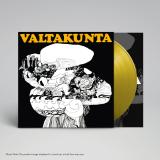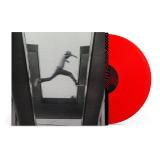
With "De Verlosser EP," producer Uit De Hoogte leaves the dance floor behind. In five murderous ballads, he explores themes of loneliness, faith, longing, love, and lust. Dutch poetry and electronica merge into a sound that leans on synthpop, indie, dream pop, wave, and even the Dutch folk song.
Search:poe
Kim Gordon hat Kunst und Noise über Jahrzehnte immer wieder neu gedacht - und dabei nie an Schärfe verloren. Vierzig Jahre nach ihren Anfängen wirkt ihre Vision noch immer provokant. Dieses Abenteuer setzt sie mit ihrem dritten Soloalbum "PLAY ME" fort, das am 13. März bei Matador Records erscheint. Mit der Ankündigung erscheint die erste Single "NOT TODAY", begleitet von einem Kurzfilm der Modedesignerinnen und Filmemacherinnen Kate und Laura Mulleavy (Rodarte). Gordon trägt darin ein eigens für sie gefertigtes, handgefärbtes Seidentüllkleid. Der Song offenbart eine neue, fast poetische Spannung in ihrer Stimme: "Da kam eine andere Stimme zum Vorschein", so Gordon. "PLAY ME" ist ein konzentriertes, direktes Album, das ihren Sound um melodischere Beats und den motorischen Drive des Krautrock erweitert. Entstanden ist es erneut mit Produzent Justin Raisen (Charli XCX, Sky Ferreira, Yves Tumor). Die Songs sind kurz, prägnant und stark rhythmusorientiert - fokussierter und selbstbewusster als zuvor. Nach "No Home Record" (2019) und "The Collective" (2024, zwei Grammy-Nominierungen) richtet Gordon den Blick auf die Gegenwart: Tech-Macht, KI-getriebene Kulturverflachung, den Abbau demokratischer Strukturen und den absurden Alltag des Spätkapitalismus. Trotz dieser Themen ist "PLAY ME" ein nach innen gewandtes, geradezu körperliches und ebenso emotionales Album. Mit verzerrten Stimmen und schroffen Beats legen Songs wie "Square Jaw", "Dirty Tech" oder "Busy Bee" gesellschaftliche Realitäten frei. Der Titeltrack entlarvt die Logik einer durchkuratierten Komfortkultur. "PLAY ME" ist radikal gegenwärtig, widerständig und kompromisslos eigenständig.
Die französisch-afrikanische Künstlerin Amy Gadiaga (AH-mee GAH-dee-ah-gah) ist eine in London lebende Bassistin, Sängerin und Komponistin. Ihre Debüt-EP "All Black Everything" hatte eine wichtige neue Stimme in der Londoner Jazzszene angekündigt. Mit ihrem neuen Projekt "BabyGoated" macht Gadiaga einen mutigen Schritt in Richtung Farbe und Selbstbewusstsein. Sie folgt ihrem Instinkt, über den Jazz hinaus zu expandieren und Musik zu machen, die sich weitläufig, grenzenlos und ihren Wurzeln treu anfühlt. "BabyGoated fasst zusammen, wer ich bin", erklärt Gadiaga. "Sowohl verletzlich (Baby) als auch mutig (Goated). Es ist niedlich und liebenswert, aber auch ein bisschen arrogant." Der Titel spiegelt die Dualitäten wider, die das Projekt prägen: zwischen Demut und Stolz, Sanftheit und Stärke, göttlicher Energie und menschlicher Unvollkommenheit. ,Das ganze Projekt ist ein ständiger Kampf zwischen Selbstbewusstsein und Verlorenheit - aber immer voller Anmut." Während "All Black Everything" sich auf erweiterte Jazz-Instrumentierung stützte, tauscht "BabyGoated" diese gegen Direktheit ein. Gadiagas Stimme rückt in den Vordergrund und verleiht ihrem inneren Dialog mit ungeschützter Klarheit Gestalt. "BabyGoated" setzt auf organische Texturen und nutzt warmes Klavier, Trompete und folkige Gitarrenklänge. Zum ersten Mal schreibt sie auch in französischer Umgangssprache. Das ist eine befreiende Wendung, die ihre französische und afrikanische Identität verbindet. "Normalerweise schreibe ich auf Französisch poetisch und extravagant", sagt sie. "Aber dieser Song entstand aus der Absicht, etwas zu schaffen, mit dem sich mein jüngeres Ich identifizieren und das es genießen kann." Die EP ist durchzogen von einer überschwänglichen Stimmung, sowohl in der Musik als auch in den Bildern. In Zusammenarbeit mit einem Kreis enger Mitarbeiter, die sie liebevoll ihre African Baddies nennt, ließ sich Gadiaga von ihrem afrikanischen Erbe inspirieren, um die Welt von "BabyGoated" zu einer farbenfrohen Vision zu formen, die Individualität und panafrikanischen Stolz zelebriert. Letztendlich ist "BabyGoated" eine Geschichte über Selbstvertrauen, Verwandlung und Freude.
Turma da Bênção – A Semba Gathering Across Generations
Conjunto Angola 70 & Paulo Flores
The Turma da Bênção project brings together Conjunto Angola 70, a collective dedicated to recreating and preserving the golden-era sound of Angolan music from the 1970s, and Paulo Flores, one of the most important ambassadors of semba worldwide and one of the creators of kizomba. Throughout his career, Flores has built bridges between tradition and modernity, helping shape the global understanding of contemporary Angolan music.
Recorded in Lisbon in 2018 in an intimate “roda de semba” setting, informal jam sessions rooted in collective rhythm and storytelling, Turma da Bênção gathers legendary musicians such as Botto Trindade (guitar), Joãozinho Morgado (congas) and Teddy N’Singui (guitar); mid-generation artists including Galiano Neto (percussion), Paulo Flores (vocals and artistic direction) and Pirika Duia (viola); and younger creators such as Mayo Bass (bass), Jéssica Pina (trumpet) and Armando Gobliss (keys).
The result is a powerful dialogue between eras. Classic Angolan repertoire meets new compositions, all deeply rooted in semba — the rhythmic and poetic foundation from which kizomba later emerged.
The album revisits emblematic songs such as Runfo da Liberdade, Memórias de Gui and Lamento de Duia, while introducing new works including Morgadinho, Catuta 45, Boas Festas Conterrâ and Réveillon, the latter awarded Semba of the Year at the Angola Music Awards in 2020.
Before this LP, Keep On Pushin Records released the singles Turma da Bênção presents: Joãozinho Morgado and Turma da Bênção presents: Botto Trindade, building anticipation for what now becomes the label’s first full-length vinyl release.
Issued on vinyl in the year Angola celebrates 50 years of Independence, Turma da Bênção stands as a symbolic statement, honoring the elders, empowering the present generation, and ensuring that the pulse of semba continues to resonate across borders.
Turma da Bênção is more than an album. It is a rare intergenerational encounter and a living celebration of Angola’s musical heritage.
Becoming Forest is the fifth full-length record by Amuleto. It comes from an encounter between the group’s core duo, Francesco Dillon and Riccardo Wanke, and multi-instrumentalist performer and composer Stefano Pilia (Mike Watt, Rokia Traoré, 3/4HadBeenElminated, Massimo Volume, Afterhours, Zaire).
This meeting — developed from long-term parallel collaborations and converging musical paths — produced a set of tracks that combine acoustic and traditional instruments (cello, guitar, harmonium, voice) with electronics, natural sounds and unconventional sound manipulations.
Drawing on literature, travels, drawings, poetry and little-known traditions from around the world, the tracks of Becoming Forest sit in a subtle equilibrium between contemporary composition, folk themes and electronic music.
This is a journey through memories of the past and echoes of the future — intimate and aggressive; music that combines minimal textures with distorted progressions, with delicate vocal lines inhabiting post-digital, noisy environments — a reminder that individual voices form part of a larger, living forest.
- 1: Grief (Feat. Maya Al Khaldi)
- 2: Karakoz
- 3: Echoes Of The Harvest (Feat. Alabaster Deplume)
- 4: Old Poem Made Of Sand
- 5: Dawn On The Cremisan Valley (Feat. Julmud)
- 6: Jinn Of The Bethlehem Souk (Feat. Osama Abu Ali)
- 7: Wondering Through The Crowded Paths Of Al-Hisba
Mai Mai Mai’s artistic path has never rested on laurels, it’s been a constant evolution, a profound and poetic research, a dark and dusty journey through awareness and collaborations where the heart of the process has always been about building connections and understanding people and their rituals. Mai Mai Mai’s new album ‘Karakoz’ was mostly recorded in Palestine (Ramallah and Bethlehem) in 2024 during an ongoing genocide and follows his acclaimed Southern Gothic double-album ‘Rimorso’. The album opens a new chapter for the Roma based artist, a deeply personal record where his traditional industrial miasma flows into a weeping vortex of spiritual hymns, Mediterranean hauntology and Middle Eastern chants of sorrow, carrying the despair of a battered population and matching the fighting hope with echoes of ambient bliss. Recorded during his artistic residency in collaboration with Radio Alhara and Wonder Cabinet, the album is the result of an immersive six-week residency between January and May 2024, in Bethlehem and Ramallah, where Mai Mai Mai delved deep into the traditional music of Palestine, meeting and collaborating with local musicians, exploring archives, and recording the resonances of the land. This deep engagement allowed him to unearth the intricate layers of Palestinian sonic heritage, weaving them into his own sonic language.
- Les Bourgeois
- 1: 2Les Paumes Du Petit Matin
- 1: 3Bruxelles
- 1: 4Le Plat Pays
- 1: 5On N'oublie Rien
- 1: 6La Valse A Mille Temps
- 1: 7Les Flamandes
- 1: 8Ne Me Quitte Pas
- 1: 9Le Moribond
- 1: 0Quand On N'a Que L'amour
- 1: Rosa
- 1: 2Au Printemps
- 1: 3Les Prénoms De Paris
- 1: 4Madeleine
Mit der Harcourt Edition würdigen Wagram und das legendäre Studio Harcourt Paris den belgischen Chanson-Poeten Jacques Brel. Die exklusive Reihe ist den größten Stimmen Frankreichs vorbehalten und präsentiert ikonische Schwarzweiß-Porträts aus dem berühmten Studio Harcourt, das seit 1934 für seine unverwechselbare Bildsprache steht. Diese Kompilation vereint Brels bedeutendste Werke - darunter Ne Me Quitte Pas, La Valse à Mille Temps und Les Bourgeois. Zeitlose Klassiker, die das französische Chanson geprägt haben und bis heute nichts von ihrer emotionalen Kraft verloren haben.
Mit seinem Debütalbum "Mesdames, Messieurs !" sorgt Sam Sauvage für einen elektrisierenden Neustart der französischen Popmusik. Seine 13 Songs sind gleichermaßen ungestüm, poetisch und kompromisslos ehrlich - ein Sound, der zwischen Synth-Poesie, Rock-Theatralik und intensiver Erzählkraft oszilliert. In Stücken wie "Avis de tempête" oder "La fin du monde" entfacht Sam eine dramatische Energie, die den Nerv unserer Zeit trifft: der Tanz am Rand des Chaos, gepaart mit einer eindringlichen Botschaft, den Moment festzuhalten. Gleichzeitig zeigt er in "Boulogne" oder "Roi du silence" eine zerbrechliche, fast intime Seite, die seine Songs zu emotionalen Miniaturen macht. Sam Sauvage ist ein Ausnahme-Performer: körperlich, direkt, nahbar. Seine Stimme und Präsenz - geschärft durch Straßenmusik, Bar-Gigs und Support-Shows für u. a. Zaho de Sagazan, Eddy de Pretto und Benjamin Biolay - machen jede Live-Situation zu einem Ereignis. Ein Album, das berührt, provoziert und bleibt. Ein neuer Name, der nicht mehr zu überhören ist.
- 01: Le Bleu Du Ciel Central
- 02: Ils Chevauchaient Le Vent
- 03: La Mémoire De La Mer
- 04: Fin De Partie
- 05: Le Dialogue Des Machines
- 06: Autoroute B
- 07: Le Lendemain De L&Apos;Explosion
- 08: Perdus Dans Des Rêves Inutiles
- 09: En Attendant L&Apos;Envahisseur
- 10: Les Contrées Solitaires
- 11: L&Apos;Ancienne Voie Romaine
- 12: L&Apos;Ultime Archipel
Michel Houellebecq is, of course, well-known for his novels, translated into more than 40 languages, and his Goncourt Prize (The Map and the Territory, 2010), but perhaps less so for his debut album, released exactly a quarter of a century ago on Tricatel label. One can sense the influence of Serge Gainsbourg's L'Homme à la Tête de Chou, a disillusioned Procol Harum and a world-weary Burt Bacharach hovering over Houellebecq's poems in Présence Humaine, a now cult classic album orchestrated by Bertrand Burgalat and the musicians of Eiffel. Twelve thousand copies sold and a few concerts later, the writer decided (or so we thought) to bid farewell to the stage, only to generate more media attention though his literary success. Frédéric Lo is, of course, known as an exceptional lyricist, composer, arranger, and producer, author of a sublime fourth solo album (L'Outrebleu, released last March) and a master of collaborative work, notably with Bill Pritchard, Peter Doherty and Daniel Darc. Initially, Michel Houellebecq and Frédéric Lo met for the tribute album that the latter was planning for the tenth anniversary of Daniel Darc's death, but their recording of "Psalm XXIII" was, to their great disappointment, rejected by the label and therefore did not appear on the final version of Cœur Sacré (2023). Fortunately, every cloud has a silver lining, and the two men decided to take their collaboration a step further. Lo decided to set the writer's words to music, in his studio in Pantin. Raw, stripped-down music draped in electronica, adorned with piano and antediluvian drum machines, often minimalist, sometimes repetitive, provides the perfect backdrop for twelve tracks that question and reflect on humanity's past and future (if indeed there is one). Reflections on the human condition, 21st-century style, a work of speculative fiction conceived by two eternally modern "young lads," Souvenez-Vous de l'Homme (Remember Man) is an album that might occasionally evoke The Stranglers' La Folie, and, given the title, that's probably no coincidence. But above all, it's a hypnotic and melancholic album, uncompromising and captivating. Most importantly, it's an album like no other.
- 1: You Wanna Dance Or What?
- 2: Interlude - It Won't Always Be Like This
- 3: It Always Was
- 4: This Is The Place
- 5: Interlude - What You Need To Hear
- 6: Could Be Forever
- 7: Mum Does The Washing
- 8: Don't Let It Get You Down
- 9: My Love
- 10: Interlude - How I Found Forgiveness
- 11: Brother
- 12: Whatever Comes
- 13: Choose Yourself
- 14: Everything Everywhere All At Once
- 15: Everything Everywhere All At Once - Reprise
- 16: Turn It Around
- 17: What Is Redemption
Lately, it feels like the world is one endless bad news cycle. Joshua Idehen isn’t here to pretend otherwise – but on the spoken word artist’s new album, I Know You’re Hurting, Everyone Is Hurting, Everyone Is Trying, You Have Got To Try, he provides a phenomenal sonic, poetic space. Made with his creative partner, musician Ludvig Parment, the album (out 6 March 2026) is an urgent but transcendent collection that holds you through it all, filled with grief, euphoria and hope.
I Know You’re Hurting… comes after the virality of Idehen’s track Mum Does The Washing, a wry and whipsmart poem examining how the world works (which started life as a Twitter thread), set to Parment’s spacious beats. The song has seen the pair propelled beyond Idehen’s wildest dreams this past year.
Across the album, that means uplifting choirs, cozy samples and exuberant, sometimes house-tinged beats. “I am personally drawn to music that transports you to a place, or scene or mindset,” says Parment. This is topped with ruminative musings on morality and human connection; about the longer loves in life – like friendships, family – that sustain us. These come from Idehen and Parment, along with a host of friends and collaborators, including writers Leone Ross and Charlotte Manning, and vocalist Amanda Bergman, to help expand on the topics of the record without sounding preachy. Similarly, there are musical guests including saxophonist Pete Fraser and Shabaka Hutchings on flute, each helping to imbue the album with a rich warmth.
- A1: Jackson Mico Milas - Sea, Interior
- A2: Majid Bekkas & Magic Spirit Quartet - Annabi
- A3: Jesse Bru - The Coast
- A4: Loket - Afternoon At Barenquell
- B1: Superpitcher - Yves (Exclusive Lnt Edit)
- B2: Scott Orr - Scott B3 Barry Can't Swim - Sometimes I Feel So Alone
- B4: Marigold Sun - Here Lies Love
- B5: Barry Can't Swim - Chala (My Soul Is On A Loop)
- B6: Freddy Da Stupid - Back To Pangea Part Ii (Jazzapella Version)
- C1: Factory Floor - How You Say(Daniel Avery Remix)
- C2: Ronald Langestraat - Lowdown
- C3: Lance Desardi - The Power Of Suggestion
- D1: O'flynn - Kola
- D2: Accelera Deck - This Bliss
- D3: Pépe - Goma (A-Mix)
- D4: This Mortal Coil - The Lacemaker
- D5: St Francis Hotel - Dawn
- D6: Barry Can't Swim - Ferdinand Magellan (Exclusive Felt Cover Version)
- D7: Seamus - Ultrasound (Exclusive Lnt Spoken Word Track)
Yellow Vinyl[25,84 €]
In the last two years, Barry Can’t Swim has released two albums – When Will We Land? and Loner. The debut was nominated for a Mercury Music Prize, winning 2024’s Best Dance Act on BBC Radio 1 and being nominated for Best Dance Act at the BRIT Awards in the same year. The latest album, 2025’s Loner, hit the top ten in the UK charts and was number one in the dance charts. This summer, Barry Can’t Swim cemented his position as one of the most singular new voices in electronic music with a gangbusting performance as a headliner at All Points East in London’s Victoria Park, building on his back-to-back performance with Bonobo at Coachella in 2024. Barry’s Late Night Tales mix brings together disparate styles and forms them into a coherent narrative. The powerful house tracks, like Lance DeSardi’s ‘Power of Suggestion’ and Daniel Avery’s remix of Factory Floor, intertwine with the abstract grooves of Freddie Da Stupid or Ronald Langestraat’s leftfield reading of Boz Scaggs’ ’70s smash ‘Lowdown’. There are exclusive tracks from Barry Can’t Swim himself (in the form of new single ‘Chala’ and an exclusive edit of Superpitcher’s ‘Yves’) and from friends and contemporaries, like Ninja Tune labelmate O’Flynn. Leaving aside the obvious quality of the mix, with its serpentine twists and dramatic turns, you can tell Josh is a fan of this series by bringing in his own personal poet, the brilliant Seamus, for the spoken word section right at the end. He’s a one-man Late Night Tales programmer.
- A1: Jackson Mico Milas - Sea, Interior
- A2: Majid Bekkas & Magic Spirit Quartet - Annabi
- A3: Jesse Bru - The Coast
- A4: Loket - Afternoon At Barenquell
- B1: Superpitcher - Yves (Exclusive Lnt Edit)
- B2: Scott Orr - Scott B3 Barry Can't Swim - Sometimes I Feel So Alone
- B4: Marigold Sun - Here Lies Love
- B5: Barry Can't Swim - Chala (My Soul Is On A Loop)
- B6: Freddy Da Stupid - Back To Pangea Part Ii (Jazzapella Version)
- C1: Factory Floor - How You Say(Daniel Avery Remix)
- C2: Ronald Langestraat - Lowdown
- C3: Lance Desardi - The Power Of Suggestion
- D1: O'flynn - Kola
- D2: Accelera Deck - This Bliss
- D3: Pépe - Goma (A-Mix)
- D4: This Mortal Coil - The Lacemaker
- D5: St Francis Hotel - Dawn
- D6: Barry Can't Swim - Ferdinand Magellan (Exclusive Felt Cover Version)
- D7: Seamus - Ultrasound (Exclusive Lnt Spoken Word Track)
Black Vinyl[24,58 €]
In the last two years, Barry Can’t Swim has released two albums – When Will We Land? and Loner. The debut was nominated for a Mercury Music Prize, winning 2024’s Best Dance Act on BBC Radio 1 and being nominated for Best Dance Act at the BRIT Awards in the same year. The latest album, 2025’s Loner, hit the top ten in the UK charts and was number one in the dance charts. This summer, Barry Can’t Swim cemented his position as one of the most singular new voices in electronic music with a gangbusting performance as a headliner at All Points East in London’s Victoria Park, building on his back-to-back performance with Bonobo at Coachella in 2024. Barry’s Late Night Tales mix brings together disparate styles and forms them into a coherent narrative. The powerful house tracks, like Lance DeSardi’s ‘Power of Suggestion’ and Daniel Avery’s remix of Factory Floor, intertwine with the abstract grooves of Freddie Da Stupid or Ronald Langestraat’s leftfield reading of Boz Scaggs’ ’70s smash ‘Lowdown’. There are exclusive tracks from Barry Can’t Swim himself (in the form of new single ‘Chala’ and an exclusive edit of Superpitcher’s ‘Yves’) and from friends and contemporaries, like Ninja Tune labelmate O’Flynn. Leaving aside the obvious quality of the mix, with its serpentine twists and dramatic turns, you can tell Josh is a fan of this series by bringing in his own personal poet, the brilliant Seamus, for the spoken word section right at the end. He’s a one-man Late Night Tales programmer.
Jorge Ben is someone who needs no introduction. Since his first hits in the early 60s, this the greatest icons of the greatest icons of Brazilian pop music. His anthems 'Mais Que Nada' or 'Pais Tropical' are among two of the most ever listened Brazilian songs of all time. Ben's self-titled 1969 album is a true samba-soul masterpiece from one of Brazil's most creative voices. This isn't your typical late-'60s LP: Jorge Ben blends the hypnotic swing of samba with funk, psychedelia, and sun-soaked soul in a way that feels both classic and ahead of its time. Released in November 1969, this was Jorge Ben's sixth studio record, and his first back with the Philips label after a creative hiatus. He recorded it with the tight-knit, percussive groove of Trio Mocoto -- whose rhythms lock in beautifully with Ben's laid-back guitar and vocals. On top of that, the album features lush orchestral arrangements from Jose Briamonte and Rogerio Duprat, adding a soaring, psychedelic dimension to Ben's sound. Standout tracks? You've got the joyous anthem 'Pais Tropical', a perfect celebration of Brazilian life.
Then there's 'Take It Easy My Brother Charles', a socially conscious number that tells the story of a rebellious sailor -- Ben weaves in themes of race, identity, and resilience. And songs like 'Que Pena' bring in that sweet, soulful melancholy, while breezy cuts like 'Criola', 'Domingas', and 'Barbarella' highlight his playful, poetic side. This record is a rare blend of genres -- samba, soul, funk, psychedelia -- and it's got a timeless energy. Whether you're already into Brazilian music or just looking for something fresh and soulful, Jorge Ben's 1969 album is a joyous entry point. Reissue on 180g vinyl.
- Punkrock Lebensberatungstermin
- Der Demagogische Wandel
- Kiezblock (Feat. Chris Kotze)
- Wenn Ich Mal Groß Bin
- Auf Der Suche
- Weißt Du Noch
- Plattensammlung
- Swipe Leben
- Streit Mit Dings Gpt
- Wassereis
White Vinyl[22,48 €]
ULI SAILOR -> File under: Punkrock am KlavierNach über 30 Jahren auf Bühnen zwischen Punkkeller und Festivalhauptbühne bringt Uli Sailor nun sein erstes Piano Solo-Album heraus. ,Besser Anders" ist das Ergebnis von zwei Jahren intensiver Arbeit - zehn Songs voller Energie, Melancholie und Haltung. Produziert wurde das Album halb in Berlin von Thies Neu, halb in Köln von Tobias Röger (Wohlstandskinder, Udo Lindenberg, Slime).Musikalisch schlägt Uli eine Brücke zwischen Indie-Rock und Punk, bleibt dabei aber weit entfernt von weichgespültem Pop. Klavier, Cello und Gesang treffen auf kantige Arrangements und Texte, die irgendwo zwischen Tagtraum und Knochenfabrik liegen - poetisch, wütend, reflektiert. Themen wie Gentrifizierung, digitale Entfremdung und die unerschütterliche Liebe zum Punk ziehen sich durchs ganze Werk.,Besser Anders" ist ein Album gegen die Austauschbarkeit. Kein KI-Produkt, keine Routine - sondern Handarbeit, Schweiß und Herzblut. Uli zeigt, dass Punkrock auch mit Klaviertasten funktionieren kann, solange man das richtige Maß an Wut, Humor und Zärtlichkeit mitbringt.Patrick Reerink (GUTS PIE EARSHOT) sorgt auf dem Album für die Cello-Parts. ,Kiezblock" entsteht gemeinsam mit Chris Kotze (KOTZREIZ), unterstützt von Totze Trippi (BEATSTEAKS) am Bass und einem Chor von Freund*innen - unter anderem Dead End Kids, Berlin Blackouts, Von.Orten und Töff Malstroem. In ,Der demagogische Wandel" greift Guido Donot (DONOTS) zur Gitarre und setzt ein Solo, das hängen bleibt. Das macht ,Besser Anders" zu mehr als einem einsamen Solo-Projekt, sondern ein kollektives Statement mit Haltung.Mittel-Version (2600 Zeichen)Sommer 2025: In einem Berliner Proberaum sitzt ein Mensch und macht das, was er am liebsten tut - Musik. Dieser Mensch heißt Uli Breitbach, besser bekannt als Uli Sailor. Seit über 30 Jahren ist er kreativer Arbeiter, mal euphorisch, mal verzweifelt, und nach zwei Jahren intensiver Arbeit erscheint nun sein erstes Solo-Album: ,Besser Anders".Was wie eine klassische Musikerbiografie klingt, steht im Kontrast zur Gegenwart. Während Künstliche Intelligenz längst komplette Bands ersetzt, bleibt Uli Sailors Musik das Gegenteil davon: handgemacht, ehrlich, mit hörbarem Herzblut. Uli geht auf die 50 zu und bringt sein Debüt erst jetzt heraus - nach Jahrzehnten als Teil verschiedenster Bands wie den Skatepunks D-SAILORS, den Indierockern TUSQ und der legendären Deutschpunkband TERRORGRUPPE.Nach deren Ende wagte Uli ein ungewöhnliches Experiment: Punksongs seiner Jugend auf dem Klavier - unterstützt von Cello. Was zunächst abwegig klang, traf einen Nerv. Seine Konzerte führten ihn in kleine Clubs ebenso wie auf große Bühnen - vom Sisyphos über Rock am Ring bis zur Volksbühne. Egal ob Punkkneipe oder Festival: Uli Sailor funktioniert überall.2024 folgte die EP ,Für immer jung", fünf eigene Songs zwischen Wut und Sentimentalität, die von Kritikern durchweg gelobt wurden. Jetzt also das Album. ,Besser Anders", das am 27. Februar 2026 erscheint - zehn Songs, produziert zur Hälfte von Thies Neu (SHIRLEY HOLMES, DYSE, DEAD END KIDS) in Berlin und von Tobias Röger (WOHLSTANDSKINDER, SLIME, UDO LINDENBERG) in Köln.Musikalisch wagt Uli den Schritt vom Piano-Punkrock hin zu einem Mix aus Indie und Punk, ohne dabei seine Haltung zu verlieren. ,Sellout?", mögen manche rufen. ,Hört doch erst einmal rein", wäre die passende Antwort. Denn ,Besser Anders" ist weit entfernt von weichgespültem Befindlichkeits-Pop. Die Texte bewegen sich zwischen Tagtraum und Knochenfabrik, kraftvoll, poetisch und differenziert. Uli Sailor benennt Missstände, bleibt aber empathisch, reflektiert und wirkt nie platt. Es ist ein vielseitiges, eigenständiges Album mit Songs über Gentrifizierung, digitale Abhängigkeit, verblühende Liebe und die unerschütterliche Kraft des Punk.Patrick Reerink von GUTS PIE EARSHOT steuerte die Cello-Parts bei. Mit Chris Kotze (KOTZREIZ) entstand eine gemeinsam geschriebene Anti-Gentrifizierungshymne, unterstützt von Totze Trippi (BEATSTEAKS) am Bass und einem Backgroundchor, der sich gewaschen hat: Mitglieder von Berlin Blackouts, Dead End Kids, Von.Orten und Töff Malstroem. Bei ,Der demagogische Wandel" wiederum griff Guido Donot (DONOTS) zur Gitarre und setzte ein Solo, das man so schnell nicht vergisst. ,Besser Anders" ist damit weit mehr als ein Solo-Album - es ist ein Gemeinschaftswerk mit Haltung.Vielleicht wird Uli Sailor keine Millionen Klicks erzielen. Aber das ist gut so. Dieses Album ist kein Algorithmusprodukt, sondern das Ergebnis ehrlicher Handarbeit, Leidenschaft und einer großen Liebe zur Musik. Punkrock bleibt hier der rote Faden - anders, besser, echt.

- The Silver Key
- The Crosshair
- Rooftop
- The Child In You
- Return Of The Reapers
- The Trickster
- I Lit A Light
- The Rifleman's Wedding
- As I Dive
- Beginning Of The End
- Shared Fate
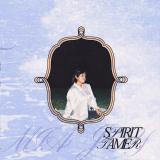
With `The devil's door' And Also The Trees, one true original Post-Punk/New Wave band, presents a quiet storm of an album. At times filmic, poetic and intense with an undercurrent of dark psychedelia. It completes a trilogy of works `The Bone Carver', `Mother-of-pearl Moon' and now `The devil's door' created by the current line-up. Here there are signature `And also the trees' poetic lyrics, orchestral guitar and soundtrack influenced songs inspired by newsreel, oil paintings and folklore. But with this work we have the addition of some surprising instruments that skew the album towards a world where John Barry meets Bela Bartok. And also the trees (AATT) formed during the original post-punk era in rural Worcestershire, an environment that has provided a constant inspiration to a group whose music has often explored the dark underbelly as well as the beauty of the British countryside. They are renowned for their captivating live performances, a unique style of mandolin-like electric guitar, evocative lyrics and dark jazz rhythms - not to mention a creative independence fiercely preserved for over four decades. Back then AATT immediately caught the attention of Robert Smith of The Cure, who invited them to tour with his group on several occasions. Smith was also involved with their early recordings alongside his bandmate Lol Tolhurst, who produced their first records. This longterm friendship and mutual respect was further solidified when AATT were invited to perform at the Robert Smith curated 2018 Meltdown festival in London. This July AATT appear as The Cure's special guests at the Nimes festival. Founded by singer Simon Jones and his guitarist brother Justin, AATT have maintained a continuous presence on the post-punk, and alternative rock scenes worldwide, with a solid fanbase e.g. in Germany.
- Never Come Never Morning
- Cannibal World
- A Short History Of Decay
- The Rain Don't Care
- Purple Strings
- Toothless Coal
- Ballet Of The Traitor
- Nerve Scales
- Essential Tremors
Nothing waren schon immer Regelbrecher. Shoegaze-Rebellen, die das typischerweise leichtgewichtige Genre nach ihrem eigenen, knallharten amerikanischen Image neu erfunden haben. Outlaw-Poeten, die existenzielle Ängste auf kilometerbreiten Leinwänden aus Fuzz und Hall ausbreiten. Angefangen als Solo-Projekt in einem Schlafzimmer in Philadelphia im Jahr 2010, hat die Musik von Nothing immer die ganze Bandbreite des Menschseins eingefangen, sowohl die schreiende Wut als auch die flüsternde Traurigkeit. ,A Short History of Decay", das fünfte Soloalbum von Nothing und das erste für Run For Cover Records, erweitert diesen Horizont noch weiter und bietet die bisher hochauflösendste Darstellung von Nothing. Die Band hat noch nie so kolossal geklungen, sich noch nie so intim angefühlt, war noch nie so ehrlich. Mit dem stärksten Arsenal in der sich ständig verändernden Besetzung von Nothing - Gitarrist Doyle Martin (Cloakroom), Bassist Bobb Bruno (Best Coast), Schlagzeuger Zachary Jones (MSC, Manslaughter 777) und dem dritten Gitarristen Cam Smith (Ladder To God, ebenfalls von Cloakroom) - wusste Singer-Songwriter Domenic ,Nicky" Palermo wusste, dass er die nötige Manpower hatte, um das bisher ambitionierteste Album der Band aufzunehmen. Mitgeschrieben und produziert wurde es zusammen mit Whirr-Gitarrist Nicholas Bassett, zusätzliche Produktions- und Mixing-Arbeiten übernahm Sonny Diperri (DIIV, Julie). a short history of decay ist das musikalisch ausgereifteste Statement im Katalog von Nothing. Songs wie ,Cannibal World" und ,Toothless Coal" sind katastrophale Ausbrüche mechanisierten Industrial-Gaze, die wie My Bloody Valentine klingen - nur extremer. Am anderen Ende des Spektrums steht das kunstvoll-düstere ,Purple Strings" mit einem wunderschönen Streicharrangement, an dem die Harfenistin und zweifache Nothing-Mitwirkende Mary Lattimore beteiligt ist. Diese barocke Zartheit durchdringt auch andere Höhepunkte von ,A Short History of Decay", insbesondere ,The Rain Don't Care", eine beschwingte Ballade, die die abgenutzte Eleganz von Mojave 3 kanalisiert, sowie ,Nerve Scales", ein prasselnder Bop, der in seiner Verbindung von jenseitiger Atmosphäre und tödlicher Präzision an Radiohead erinnert. Palermo bezeichnet das neue Album als ,letztes Kapitel". Nicht das Ende von Nothing, sondern der Abschluss einer Geschichte, die mit dem Debütalbum von Nothing aus dem Jahr 2014, Guilty of Everything, begann - einem weiteren Album über Zeit, Reue und die Konfrontation mit unangenehmen Wahrheiten - und nun mit A Short History of Decay ihren Abschluss findet. Es ist ebenso sehr eine Momentaufnahme von Palermos Vergangenheit wie ein Sprung in die Zukunft von Nothing.
My Days of 58 is the eighth Bill Callahan album, his first since 2022. The twelve tunes here open uncanny depths of expression as Bill continues to blaze one of the most original songwriting-and-performance trails out there. Applying the living, breathing energies of his concerts to this album production, he sharpens his slice-of-life portraiture to cut deeper, releasing a stream of singalong consciousness: poetic, cinematic, novelistic, comedic - and above all - musical.
- A1: Sextape 2 - Side A
- B1: Sextape 2 - Side B
- C1: Sextape 2 - Side C
- D1: Sextape 2 - Side D
Now available on double vinyl, the second and final volume of Sextapes brings together the iconic mixtapes by Drixxxé (Triptik’s beatmaker) in a brand-new, exclusive mix, originally released between 2013 and 2018.
Built from the soundtracks of 1970s and 1980s erotic and porn films, the five Sextapes volumes quickly gained cult status upon their release. Spreading first through word of mouth, then supported by influential media such as Nova, OkayPlayer, Paper Mag and Wax Poetics, the series has now amassed nearly one million listens worldwide.
This exclusive vinyl edition faithfully recreates the raw, sensual atmosphere of these vintage soundtracks and will appeal to lovers of retro soul/funk, disco, jazz and psychedelic rock, as well as true connoisseurs of underground culture.
- A1: Les Marie Louise
- A2: Ces Gredins De Légumes
- A3: Le Rêve De La Maison Dans La Maison
- A4: Coteau Caché
- A5: La Paix Du Dimanche
- B1: Ce Que Le Chien Veut
- B2: A Qui N'a Rien
- B3: Le Jus D'une Cerise
- B4: Sur Les Chemin De Contrebande
- B5: Les Morsures D'escargo
Vol.2[17,94 €]
With the album Cousin Zaka Vol. 3, Blundetto is closing the series he began in 2019, ending it on a psychedelic note.
A voodoo spirit of harvests, Zaka is the guardian of agricultural activities and, by extension, a protector of nature.
It is under his protection that Max Guiguet delivers his wandering music and instrumental escapades — those in-between states he strives to capture in his notebooks, mood journals composed between each album and collaboration.
Rooted in the landscape and nourished by long observation, it allows itself to distort, stretch and blur the outlines of this peaceful scenery.
For this last volume of Cousin Zaka, the atmosphere is psychedelic, hippie, and free.
A freedom drawn as much from the poetry of Francis Picabia as from that of musicians Pierre Barouh, Moondog, and Eden Abhez — free spirits whose work informed the composition of this record. The idea is to take a path and let oneself be carried away, to drift as one would during a long walk in the forest.
Cousin Zaka, Vol. 3 is a wide, gentle experience, reminiscent of 1970s freedoms.
Mit "In The Low Light" präsentiert die britische Singer-Songwriterin Lucy Kitchen ein zutiefst persönliches und atmosphärisches Album, das sich mit Themen wie Verlust, Erinnerung und innerer Wandlung auseinandersetzt. Entstanden in einer Zeit intensiver Trauer, verarbeitet Kitchen den Tod ihres Partners und verwandelt Schmerz in musikalische Schönheit. Die Songs bewegen sich zwischen traditionellem Folk, feinen Americana-Elementen und dem Geist der Singer-Songwriter der 1970er Jahre. Ihre eindringliche Stimme, kombiniert mit melancholischen Melodien und subtilen Arrangements, schafft ein klangliches Geflecht aus Intimität und Stärke. Vogelgesang, Hammond-Orgel und Bandbesetzung verleihen einzelnen Stücken eine warme, organische Tiefe. Lucy Kitchen ist bekannt für ihre poetische Ausdruckskraft und wurde bereits von BBC Introducing, Radio X und Amazing Radio USA unterstützt. Ihre Vielseitigkeit zeigt sich auch in Kollaborationen mit elektronischen Musikprojekten und Features bei BBC Radio 1. Mit Beiträgen zu Compilations wie "Folk Funk & Trippy Troubadours Vol. 2" und "Sounds of Southampton Vol. 3" hat sie sich als feste Größe in der britischen Indie-Folk-Szene etabliert.
Scupltures is composer and pianist Derek Hunter Wilson’s third solo album, an ode to the ancient and contested shorelines of the Pacific Northwest. Deeply embedded in place, the six longform pieces that make up the album reflect the artist’s journey through grief (including losing his father) and the passage of time, each one built upon loops created from extended sessions with harpist Joshua Ward. Like the foggy, moss-encrusted locations that inspired the album, Sculptures has a timeless feel to it, shadowed by the rumblings of a colonial system in decay.
Award-winning poet Mathias Svalina composed a poem for the album, entitled “A Dream for Sculptures”. It is reproduced on an insert that accompanies each LP.
Derek Hunter Wilson is a composer and multi-instrumentalist based in Portland. He has released two solo albums on Beacon Sound (Travelogue, 2017; Steel, Wood, & Air, 2019), as well as a collaborative album with Location Services entitled Wake (2022). In 2018 he collaborated with visual artist Gregory Euclide for his Thesis Project label, resulting in a split 10" with Spanish musician Rauelsson. He has additionally worked with poets Zachary Schomburg and Brandi Katherine Herrera for several sound and performance pieces, and has performed live on the West Coast and in Berlin, sharing the stage with artists such as Colleen, Amulets, Patricia Wolf, Pulse Emitter, and Liima.
- 1: You Are My Sunshine
- 2: Next Stop
- 3: Icarus-Breakthrough
- 4: Vicious Nonbeliever (Feat. God's Wisdom)
- 5: New Eardrums
- 6: Dominatrix
- 7: Old Intro
- 8: Never See Me Do It
- 9: Crowd Pleaser
- 10: The Room Is Spinning/Rough
- 11: Contracts
- 12: Skyline Arms/Reach Out
- 1: Fire
- 2: You Are All That You Need
- 3: To Be Unwilling
- 4: I Could Tell
- 5: The Skies
- 6: Dangerous
- 7: If You Are Waiting
- 8: Shomberg Isn't The Place
- 9: Slept On
- 10: Rum
- 11: O Ivory
- 12: Sunrise
- 15: Forest
- 16: Raw As The Hands Of The Sun
- 17: Forget That I
- 13: My Potential
- 14: You Go To My Head
Mal Devisa is the songwriting, liberation, and poetry project of multifarious artist Deja Carr. Starting in 2014 and breaking through with 2016's Kiid, Mal Devisa's work spans a selfmade spectrum of sound from gravitic, soulful rock to soliloquy to unabashed hip hop. Although known for her unmistakable, smoldering voice and loop-based, bass-forward compositions, Carr's talents also extend to reaches of spoken word and production, paralleled by aspirations to start both a youth foundation and Afrobeat orchestra. Such boundless inspiration is a central facet of Mal Devisa's work, whose sonically and narratively unrestrained passages teem with empathy and liberatory visions for a better world.
"And what about you? What are you looking for?" - René Daumal
This musical journey pays tribute to René Daumal and his enchanting world of mysteries and magic. The album shares its title with Daumal's novel, Mount Analogue: A Novel of Symbolically Authentic Non-Euclidean Adventures in Mountain Climbing, published posthumously in 1952, eight years after the author's untimely death.
Mount Analogue is a classic allegorical adventure novel. The novel describes an expedition undertaken by a group of mountaineers to travel to and climb the titular Mount Analogue an enormous mountain on a surreal continent, that is invisible and inaccessible to the outside world and can be perceived only by the application of obscure knowledge. The central theme of mountaineering is extensively explored through literary and philosophical lenses. Daumal died before the novel was completed, providing an uncanny one-way quality to the story, which ends abruptly in the middle of a sentence.
The first disc features a fifty-minute composition divided into six chapters: Introduction, Meeting, Supposition, Crossing, Arrival, and Conclusion. This album weavestogether a rich tapestry of diverse instruments, sounds, and voices that collectively tell the story of this conceptual work, loaded with a synesthetic multitude of colors, aromas, meanings, textures, and moods.
Contributors to this musical poem include Bill Laswell (bass), Henry Kaiser (guitar), Anna Clementi (vocals), Percy Howard (voice), Hideo Yamaki (percussion), Graham Haynes (cornet), Dorian Cheah (violin), Nils Petter Molvaer (trumpet), Peter Apfelbaum (keyboard), and P.ST (concept, electronics), who all lend their talents to a series of excerpts from Daumal's text.
A truly global project, the recordings took place across various locations in Europe, North America, and South America, culminating at Orange Music Studio in New York, thanks to the collaborative efforts of Bill Laswell, James Dellatacoma, and Michael Fossenkemper.
The second disc presents five improvisations for solo electric guitar by Henry Kaiser. The first solo, Jodorowsky's Peradam, draws its inspiration from Alejandro Jodorowsky's 1973 film The Holy Mountain, which was inspired by the Daumal novel. Kaiser's initial forty-eight-minute guitar solo serves as a foundational guide for his four subsequent, Rashomon-esque, solo musical interpretations of Mount Analogue, as seen through the psychedelic labyrinth of Jorodrowsky's cinematic masterpiece.
"And what about you? What are you looking for?" - René Daumal
This musical journey pays tribute to René Daumal and his enchanting world of mysteries and magic. The album shares its title with Daumal's novel, Mount Analogue: A Novel of Symbolically Authentic Non-Euclidean Adventures in Mountain Climbing, published posthumously in 1952, eight years after the author's untimely death.
Mount Analogue is a classic allegorical adventure novel. The novel describes an expedition undertaken by a group of mountaineers to travel to and climb the titular Mount Analogue an enormous mountain on a surreal continent, that is invisible and inaccessible to the outside world and can be perceived only by the application of obscure knowledge. The central theme of mountaineering is extensively explored through literary and philosophical lenses. Daumal died before the novel was completed, providing an uncanny one-way quality to the story, which ends abruptly in the middle of a sentence.
The first disc features a fifty-minute composition divided into six chapters: Introduction, Meeting, Supposition, Crossing, Arrival, and Conclusion. This album weavestogether a rich tapestry of diverse instruments, sounds, and voices that collectively tell the story of this conceptual work, loaded with a synesthetic multitude of colors, aromas, meanings, textures, and moods.
Contributors to this musical poem include Bill Laswell (bass), Henry Kaiser (guitar), Anna Clementi (vocals), Percy Howard (voice), Hideo Yamaki (percussion), Graham Haynes (cornet), Dorian Cheah (violin), Nils Petter Molvaer (trumpet), Peter Apfelbaum (keyboard), and P.ST (concept, electronics), who all lend their talents to a series of excerpts from Daumal's text.
A truly global project, the recordings took place across various locations in Europe, North America, and South America, culminating at Orange Music Studio in New York, thanks to the collaborative efforts of Bill Laswell, James Dellatacoma, and Michael Fossenkemper.
The second disc presents five improvisations for solo electric guitar by Henry Kaiser. The first solo, Jodorowsky's Peradam, draws its inspiration from Alejandro Jodorowsky's 1973 film The Holy Mountain, which was inspired by the Daumal novel. Kaiser's initial forty-eight-minute guitar solo serves as a foundational guide for his four subsequent, Rashomon-esque, solo musical interpretations of Mount Analogue, as seen through the psychedelic labyrinth of Jorodrowsky's cinematic masterpiece.
Mia Zapata was the greatest rock singer of her time. She may have likely been the greatest blues singer in punk rock history, the woman who married the 78 and the '78. Tragedy did not make this true. Mia Zapata made this true, and the ferocious, spring-loaded shrapnel frame that was built around her by Andy Kessler (guitar: metronomic and furious), Matt Dresdner (bass: fluid, punching, beat-addicted and melodic), and Steve Moriarty (drums: martial and explosive) - who, with Mia, combined to form The Gits - made it true. The Gits were formed at Antioch College in Yellow Springs, Ohio in mid-1986, grabbing and swapping pieces of art, thrash, noise, punk rock, classic rock, and all the sorts of magical silly and bookish jingle bells that an old-school liberal arts education handed you; for the next few years they worked on turning it all into something tough, sensitive, both brutal and kind. Andy, Matt, Mia, and Steve moved to Seattle in middish 1989, landing in a house on Capitol Hill where they (and fellow travelers) wood-shedded and rehearsed for the next few years. The Gits put out three EPs in 1990 and '91 before signing with C/Z Records and releasing their first full-length album, Frenching the Bully. Seattle quickly claimed the quartet as their own and embraced the Gits blend of ferocious fangs and soft heart, the slug/slap of the guitars, and the gorgeous, soft underbelly of the poetic emotions. These qualities not only fit in with the doe-eyed/sharp-clawed grunge ethos but earned the Gits the respect of their peers, including Nirvana, who tapped them to open a major local show in 1990. Then other stuff happened, and their frantic, confessional barbed-heart snowball began rolling up hill very, very fast; the Gits "quickly" (hah! After half a decade learning to implode and explode hearts and stomping their boots on manifold beer-softened, Marlboro-weeded wood stages!) inspired rapture, awe, and the levitation that happened when peak emotion meets peak grindage in front of amps spitting out something that sounded like the mad marriage of Bolan swagger and Dischord tension_ all fronted by a genuinely incomparable woman who held her heart in her mouth and shared it, in all its celebration and fear, without hesitation. The Gits were an angry, inflamed slinky fully in tune with and tuned by the Bessie Patti Smith of her time, truly the only singer who could summon Joplin, Poly Styrene, Sam Cooke, Iggy Pop and Ian MacKaye all in the same goddamn song. In 1993, less than four weeks after accepting an offer from Atlantic Records, Mia died. I leave it at that, because this is not about death; it's about an extraordinary life. I do not say, "You should have been there," I say, "We are lucky so many of us were, and I am so glad we have this extraordinary evidence of the power and gifts of Mia and the Gits that you now can hold in your hands." And I note that Frenching the Bully, this extraordinary testament to the soul, shock, fury and feeling of the Gits, has been long out of print on vinyl and CD, and this new edition - remastered by legendary Seattle engineer Jack Endino - joyfully rectifies that. -Tim Sommer
My Days of 58 is the eighth Bill Callahan album, his first since 2022. The twelve tunes here open uncanny depths of expression as Bill continues to blaze one of the most original songwriting-and-performance trails out there. Applying the living, breathing energies of his concerts to this album production, he sharpens his slice-of-life portraiture to cut deeper, releasing a stream of singalong consciousness: poetic, cinematic, novelistic, comedic - and above all - musical.
French artist Trypheme debuts on Impatience with “Odd Balade”, a darkly-hued collection of songs drawn from human delicacy and dreamworld mythology.
“Odd Balade” is Trypheme’s most ambitious and boldest record to date - both lyrically and musically. The album’s thirteen tracks resist rigid genre boundaries and flutter from medieval folk realms, sprawling synths, gothic 80s wave, leftfield pop, haunted vocals, mutant electronica to reverbed guitars - all reflected through her own shadowy prism. Especially album closer “A Walk In The Vercors” evokes a soothing serenity that echoes the sonic balm of Julee Cruise.
Trypheme’s musical repertoire trends heavily electronic and somewhat abstracted, but on “Odd Balade”, the artist slips into the role of the modern troubadour with a shift to a more poetically and personal songwriting that is infused with symbolism and dreamlike fantasies. The connective tissue of the album is the audacity to love and the vulnerability that ensues. As intimate and introspective as the lyrics are, the themes remain universal and human to the core: the fear of losing a loved one, the melancholia of leaving places and t“the fear of losing a loved one, the melancholia of leaving places and the cycles of life. The record was largely composed in Chars, stirred by the French village’s eerie atmosphere and frequent trips to the seaside in Brittany, where Trypheme resides. Drawing inspiration from the rugged terrain of the seaside landscapes, the writings of Allen Ginsberg and Mark Fisher and the hyperrealist art of Scott Prior, Trypheme uses her songs to depict life with broad strokes of rhythm.
On “Odd Balade” Trypheme consolidates herself as a gifted, nimble songwriter, masterly producer and subtly powerful vocalist. The record combines her skill for crafting lush, alien sound worlds and efficient, alluring arrangements with stealthily devastating songs. Belin’s voice becomes a key ingredient, appearing on eleven of Odd Balade’s thirteen tracks, by turns heavily manipulated, sampled and replayed as a form of percussion, or basically bare.
“Odd Balade” is the manifestation of Trypheme’s roving artistic practice, a ceremonial-grade sacrament cast in a rich nocturnal glow. Pairing the mundane with the mythic, the album stays true to its core: odd and strangely familiar.
RIYL - Riding off into the sunset to an unknown destination, hauntology, present, tales told by the fireside, hot summer rain, adventures, to feel a warm presence when you are walking in the forest or in the mountain, coastal landscapes, sailor’s stories, slow motion, vitesse, heavy blossoms, colors, the warmth of the sun, the tenderness of the moon, getting lost in unfamiliar streets, city’s lights, motorway rest area by night, magic numbers, rendez-vous, picnic, serendipity, poetry, the smell of old records and old books.
Tiphaine Belin has been releasing music as Trypheme since 2016. Odd Balade was written and produced by Belin, and mixed by Belin and Abel Roux. It was mastered by Amir Shoat. Cover art photography is by Ariane Kiks, with art direction by Ariane Kiks in collaboration with Mathilde Chaize.
Nachdem Ásgeir jahrelang mit Übersetzern wie John Grant zusammengearbeitet und die Poesie seines Vaters, Einar Georg Einarsson, vertont hat, betritt er nun neues Terrain: Zum ersten Mal in seiner langen und gefeierten Karriere hat er die Texte komplett selbst verfasst.
Ásgeir wird seit Langem für seinen detailreichen Folk-Pop, die opulente Produktion und sein sehnsüchtiges, gefühlvolles Falsett gefeiert. „Julia“ markiert eine Wende – nicht nur hin zu lyrischer Eigenständigkeit, sondern auch zu kathartischer Direktheit, mit Songs, die nicht nur meisterhaft vorgetragen, sondern auch durchlebt wirken. „Das war irgendwie das erste Mal, dass ich die Texte völlig allein geschrieben habe“, erzählt er. „Es war beängstigend. Ich versuche immer noch, mich darin zu finden. Aber ich habe versucht, mich zu öffnen, und habe in diesem Prozess viel gelernt. Es war auf jeden Fall therapeutisch für mich.“
Dieses neue Gefühl der Verletzlichkeit zieht sich durch die zehn Stücke des Albums, die über einen Zeitraum von fast zwei Jahren geschrieben und aufgenommen wurden. Viele der Songs entstanden zunächst auf der Gitarre, wobei Ásgeir auf Schlichtheit setzte und Melodie, Klarheit und Bedeutung in den Vordergrund stellte. Die Produktion, gemeinsam mit seinem langjährigen Weggefährten Guðm. „Kiddi“ Kristinn Jónsson entwickelt, bleibt organisch und zurückhaltend – und gibt so Ásgeirs Stimme, und vor allem seiner Stimme als Songwriter, den nötigen Raum.
Der aus Nashville stammende Cellist Nathaniel Smith, den Ásgeir als „Zauberer“ beschreibt, steuert hier und im gesamten Album atmosphärische Klangteppiche bei. Mit improvisierten Melodien verleiht er den Stücken Leben und Tiefe – auf eine Weise, die Ásgeir sich zuvor nicht vorgestellt hatte.
Stefan Missios, one of Gothenburg’s most distinctive and soulful voices, returns with his fourth solo album “Fæst i verkligheten” – a raw blend of Swedish folk, soul, groove, and gospel. With unfiltered emotion and poetic urgency, Missios explores themes of faith, longing, and resilience. The result is a deeply human record – timeless, rhythmically alive, and impossible to ignore..
We are alive and well — thank you for asking. As the seasons begin to fade, we had no choice but to release this record by the mysterious Stockholm – ish duo (?) Ation Rop and Iceman MK. Expect everything you might find on other tanzmusik – platten — minus, well, everything. This one is actually fun, warm, close to the heart, and dare we say: very, very, very good. If you have an open and sincere interest in life, art, literature, and poetry, this might be something for you. Otherwise, please look elsewhere — these ar en’ t the droids you’re looking for!
A limited vinyl reissue of the third album of Dictaphone from 2012, with a new artwork.
Already formed in the late nineties in Berlin, Dictaphone was born by Brussels-bred multi-instrumentalist Oliver Doerell. In 2000 Oliver Doerell found a partner in Berlin's Roger Döring, who shares Doerell's love for the Brussels-based music of the eighties. In the following years the duo and several guest musicians (e.g. Stephan Wöhrmann (SWOD) , Malka Spigel (Minimal Compact) & more) released the critically highly acclaimed "m.= addiction" (2002), the "Nacht" EP (2004) and "Vertigo II" (2006) via the City Centres Offices label of Thaddeus Herrmann and Shlom Sviri (Boomkat, Modern Love). In 2009 the violin player Alex Stolze joined the band. During their two decades of existence Dictaphone played shows in more than 20 countries with festival appearances at Mutek, Transmediale, Unsound, Benicassim & more. Their latest release "Poems from a rooftop" from 2012 came as a very limited edition through the Berlin-based boutique label Sonic Pieces. In 2017 the band released the long awaited third album "APR 70" on denovali. The label now also offers a reissue of the trio's past repertoire.
Dictaphone never make music for the sake of it, they always want to create something which was missing before. And they did.
Dictaphone are back with their 6th full length called "Unstable". In the 25th year of the project Brussels born composer and mastermind Oliver Doerell is surrounded again by a lot of musicians & friends. Roger Döring is there, his clarinet and saxophone play has always been a trademark sound of the band - also Alexander Stolze's ghostly violins. The dark atmosphere and experimental sound of the new album is a reference to the 80s belgian art music scene, which Doerell had the luck to experience in his formative years. Minimal jazz meets musique concrete meets a postpunk mind. On this new album “Unstable“ more voices and vocals than usual can be heard - especially Helga Raimondi (who already sang on the last album “Goats and Distortions 5") . As a collage artist she is also responsible for the visual side of Dictaphone - she designed the cover artwork and the visuals for the live shows.
The Brussels-Berlin-Teheran connection: Other guests on "Unstable" are the voices of Kaveh Ghaemi and Ashkan Afsharian, who Doerell met during a modern ballet production by Modjgan Hashemian (2008). The trumpet of Shahab Anousha can be heard in the track “La fin“ - Oliver Doerell and Shahab Anousha also share the spoken words Project “Noufān”. For nearly 20 years Oliver Doerell is linked to the Iranian Diaspora in Berlin and the Dictaphone track “Rattle” from the classic album “ Poems from a rooftop “ (2012) has been a hit in Teherans underground scene since the beginning. Furthermore the title track “Unstable“ is a homage to Ian Curtis of Joy Division. The words of this piece are based on the setlist of Joy Divisions last show.
Dictaphone played more than two hundred shows all over the world (including festivals Mutek, Transmediale, Unsound , Benicassim and many others). Their music can be heard in countless films, tv series and theatre pieces - (“the responder“ (BBC) , “the love he knows” (Ali Mohammad) , “Don´t move“ (Modjgan Hashemian) , Ring (Felix Ruckert) among others.
Siavash Amini is a composer from Tehran, Iran. He Has worked with labels like Room40, Hallow Ground, Opal Tapes and Umor Rex for the better half of the past ten years. He has performed at festivals like CTM & MUTEK and many other well known international events. Apart from it Siavash is a co-founder of the “SET experimental art events” and “SETfest” in Tehran, Iran. His work ranges from fragile ambient pieces and brittle IDM (incorporating his distinctive style of atmospheric guitar playing) to noisy drones and bleak modern classical pieces. His compositions have been inspired by films such as Andrei Tarkovsky's The Mirror as well as novels by Dostoyesvky and poems by T.S. Eliot.
Saffronkeira is the Sardinian sound researcher Eugenio Caria being active in the electronic music scene since almost two decades. His most recent work - a cooperation with the Italian jazz trumpet legend Paolo Fresu - earned a lot of praise from the international music press for the pure timelessness of the album.
"Upon hearing a small snippet of sound an image is conjured, not a memory but not unfamiliar. A shell of a memory, thousand events superimposed on each other. While trying to extract points of a narrative to ease the discomfort of this recollection, I try to separate and unfold the image and with it the points of the spectrum which make up the sound, a shell of a narrative. Here is an album based upon an almost entirely imagined/ synthesized happening upon hearing a snippet of sound. It sounded like of a whole story that never happened but yet I felt myself amongst it’s participants, a sound triggering a false memory. Each sound in Eugenio’s collection of sounds and ideas guided me a to a point in the narrative and it’s construction. He had handed me a portals of some kind to a few scenes of the whole narrative. This is the soundtrack for that false memory from all the perspectives I can think of."
- A1: Monsters
- A2: Alien Point Of View
- A3: Cardinal Newman
- A4: Fat Cow
- A5: Nothing To Hide
- A6: People Like You
- A7: Regress For You
- A8: Christian Lovers
- A9: Exorcism
- B1: Bathroom Sluts
- B2: Pie On A Ledge
- B3: Push, Push, Push
- B4: Alice's Song
- B5: Praise The Lord
- B6: My Mommy's Chest
- B7: Slave
- B8: Poets (Early Version)
- B9: Pretty Vacant
- C1: Miscarriage
- C2: Scandinavian Dilemma
- C3: Poets
- C4: Confession
- C5: She Works For Safeway
- C6: Bible Stories
- D2: Green Tile Floor
- D3: Bathroom Sluts (Demo)
- D4: Waterpiss
- D5: Baby Face
- D6: Berlin Red Head
- C7: Dyptheria
- D1: Castration
Nervous Gender’s legendary synthpunk LP Music From Hell burbles up from infernal depths to resurface on Dark Entries. Confrontational, unhinged, and unabashedly queer, Music from Hell is an unholy grail for fans of the strangest underbellies of post-punk, minimal synth, and early industrial music, and is presented here newly remastered and on expanded double LP.
Nervous Gender (de)formed in LA in 1978 at the hands of Phranc, Gerardo Velaquez, Edward Stapleton, and Michael Ochoa. Phranc, the androgynous embodiment of the band’s name, left in 1980. Following her departure, a wide cast of LA freaks would find themselves drawn into the band’s orbit, including Alice Bag of the Bags, Paul Roessler of the Screamers, the Germs’ Don Bolles, and an 8-year old drummer named Sven Pfeiffer. In 1980, Nervous Gender appeared on the seminal Live at Target compilation alongside Factrix, uns, and Flipper. With the band’s notoriety cemented, Music from Hell followed in 1981 on Subterranean Records (as no LA label would touch this material).
Side A, dubbed “Martyr Complex”, presents a more punk-forward sound with live drum salvos and slabs of aggressive synth. These twitchy, unsettling shockers ooze with the kind of snotty misanthropy that will endear them to fans of the Screamers or Crass.
Side B, known as “Beelzebub Youth”, is a live performance the band labeled "an electronic bruto-canto dissertation on the banality of spiritual transcendence." Mutant melodies cede way to synthesized clangs, whirs, bleeps, manipulated tapes, and howls of despair.
In addition to all the material from the original LP, we’re treated to a full disc of the band’s demos, the material from the Live at Target compilation, and early live recordings. Included are unrecognizable covers of Carly Simon and Lou Reed, and the Sex Pistols that are so despairingly skewed they fall into the void. This reissue of Music From Hell includes a 36 page lyric booklet, foldout poster, and gatefold sleeve with photos, flyers, and news-clippings designed by Eloise Leigh. Tackling taboo issues like sexual kinks, mental illness, drug use, and childhood molestation, Music From Hell is still surprising – even shocking - over 40 years after the album’s release. Nervous Gender stand as one of the most genuinely anti-establishment outfits in underground music, a colossal fuck you to social norms from religious strictures to gender essentialism.
Chicago legend K. Alexi returns to Dark Entries with K.A. Posse’s Strkes Again, an EP of preleased unreleased acid and house mayhem. K’Alexi Shelby’s illustrious career has included releases on legendary labels such as Trax, DJ International, and Transmat, as well as collaborations with high-profile artists like Marshall Jefferson and Pet Shop Boys. But his musical journey began at the young age of 12, when he befriended Ron Hardy and Frankie Knuckles while frequenting the Music Box and Warehouse. In high school, he began to write songs and hone his poetic craft. “I recognized I had a gift to say what I was thinking. I would study Prince and Marvin Gaye, figure out what they meant and put my spin on it. The power of the word. I was writing love notes for all my boys in high school and making a killing. I would know what to say and what they should do.”
Dark Entries previously reissued Shelby’s debut record, Essence of a Dream, which was recorded under the name Risque III in 1987. Strikes Again brings us six tracks recorded in Chicago between 1988 and 1990, which come courtesy of Mike Dunn’s personal archive. This record showcases the rawer, more immediate side of Shelby’s sound, with tracks full of overdriven 808’s, careening sirens, and dangerously funky breakbeats. “Imported Taste” brings Shelby’s signature deep pads to the front of wild congo-laced percussion. “Suckas Be Ready” is a slamming hip-house cut featuring vocals from MCD-TA, while disco-samples duel with crunchy 909s on the jacking “Muzic Box.” Strikes Back showcases the real underground sound of Chicago, where sonic abstraction meets full-body kinetics. The record comes housed in a retro-styled sleeve designed by Eloise Shir-Juen Leigh.