Moving Pressure 03 lands as Rene Wise's third release on his imprint. With a refined approach to rhythm and restraint, the artist once again distills techno to its purest form: hypnotic, percussive, and propulsive. Across four tracks and in line with the label's essence, MP03 thrives on movement-low-end mastery meets tightly coiled grooves, while textural elements shift and evolve with subtle precision.
A1 'Relax' sets the foundation with a mighty sub-base, rolling forward with effortless force. Chopped-up claps ricochet through the mix, while a funky, disembodied vocal repeats a single command: "relax". Then comes 'Chomp Chomp', a denser offering in Wise's sensorial arsenal. Layered with gritty textures, his signature percussion builds a soundscape that is both tactile and weightless, evoking a kinetic dream state where groove and space are in constant conversation. On the flip, 'Cave' plunges into murkier terrain. Swathed in fog and sinister atmospherics, it unfolds through an eerie blend of sci-fi surrealism and grounded physicality. Bleeps hover like distant signals, their sharpness softened by a cavernous, smothering embrace. It's a study in tension-hypnotic and unsettling in equal measure. Closing the release is 'Deep Under', a track that embodies its name with subterranean mystique. The soundscape is rich with detail, an ecosystem of sonic fragments shifting beneath the surface. It's immersive yet elusive, like catching glimpses of something just out of reach-a mirage that flickers between the tangible and the ethereal.
This is minimalism with intent, built for deep immersion. Less, here, is infinitely more.
That 27th split of the series is dedicated to the homeland of acid music - the United Kingdom. On my right, cult acid producer Roy of the Ravers, with some melancholic braindance and raw techno coming from his tormented acid jams. On my left, 707-addict Jerry LaFlim, with two disturbed tunes mixing funky electronica, dark breakbeat and groovy electro. From Melchester to Brighton, four heavy tracks for the 303 trainspotters !
Darwin Chamber is a veteran of the prog game, and now that sound is very much back en vogue, it's no wonder new generations are falling for the American's sounds. Back in March, he dropped this EP which was inspired by a San Fran acid trip, and it became an instant classic that meant the initial translucent yellow vinyl edition, limited to 303 copies, soon sold out. Now it reappears on black wax and obviously it still bangs. 'The Acid Test (DJ Spun mix)' is a heavy, raw jam with plenty of trippy details, warped pads and vocals that come and go so subtly you can't really be sure they're there. 'Never Coming Down' is a deep and dark workout with cold analogue hits and paranoid vocals, then '25th Century Acid Cat' is a little brighter with its synths but no less of a mind-fuck. 'Get Down' is gurgling, coruscated, sleazy and mid-tempo acid techno for the freaks. Brilliant.
Jhobei has been on a constant ascent in the last couple of years, and he's worked with some of the most credible labels in the game in that time, from Fuse to Picnic to Semi Delicious. Now he steps up to Burnski's Pilot with four absolute nuggets. 'Pulse Reflex' is amped right up and ready to go - tightly circling synths, buoyant beats, garage shuffle and slick fills that all demand you bust out some moves. 'Believe' dials things back into a more heady, deeper dub tech vibe and 'Cannei Getcha (To Feel)' brings crispy electronic synths and pensive pads to a future groove before 'Synthetic Symphony' closes with buffed neon pads and smooth progressive chords that ride clean, meticulous drums.
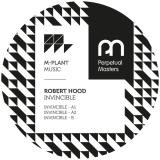
The next release in M-Plant's Perpetual Masters series is Robert Hood's "Invincible" EP, freshly remastered for 2026 by Thomas Heckmann.
Originally released in 2001, "Invincible" stands as another defining example of his stripped-back, approach to Techno while still radiating tough funk and groove. Released during a period when Hood was refining the minimalist aesthetic he helped pioneer, the record balances mechanical precision with emotional intensity. The tracks unfold through subtle shifts in percussion, looping synth patterns and driving basslines, to create a meditative momentum that sounds just as fresh today. "Invincible" draws its power from restraint, demonstrating Hood's belief that minimal elements can produce maximum impact on the dance floor.
Each track will be released digitally in May, followed by the full vinyl EP in July.
Rhythm Cult welcoming back UK house stalwart Huxley for a focused three-tracker that lives up to its name. The 7th Cycle finds the producer in confident, unhurried form, threading together the dusty warmth of deep house with the propulsive edge of tech house in a way that feels both timeless and floor-ready.
Sa Pa launches Dub Techno For Life: a dedicated outlet for the artist’s more dancefloor-focused material - work that has largely sat outside the conceptual frame of his previous releases.
The label’s first release, Girls on Tour EP, opens with “Mokira Ultra Dub”, a 10-minute club rework of Mokira classic “Manipulation Musik”. Originally produced alongside an ambient version commissioned for Kontra Musik’s 2016 Kontra X compilation, the dancefloor mix was ultimately shelved until now. With Andreas ‘Mokira’ Tilliander’s blessing, it finally surfaces as a standalone Sa Pa production. A track too banging to go unreleased.
“Waiting For You” traces back to Sa Pa’s orbit around the giegling ecosystem via FORUM. Once lined up for an official release on the parent label before plans stalled, the track slipped into the archives. Buoyant and disarmingly pop by Sa Pa standards, it finds its place here as the A2 - tuned to the collective memory of mid-2010s German house music.
Harnessing the spirit of Chain Reaction from the abandoned patches and borrowed machines of a rainy night’s recording in Taipei, the B-side’s “Modular System” captures a late-night, one-take modular jam. A broken yet hopeful “World Saving Banger” closes the EP with some raw and IDM-leaning force, showcasing Sa Pa’s new label - and the Girls On Tour EP - as a space for neo dub techno ideals to take shape.
Mit "Adonia" erscheint ein außergewöhnliches Werk zwischen elektronischer Avantgarde, Progressive Rock und kosmischer Klangforschung. Entstanden 1978 in Paris, vereint das Projekt um Hervé Picart musikalische Vision, literarischen Anspruch und technische Innovation zu einem beeindruckenden Gesamtkonzept. Gemeinsam mit Richard Pinhas (Heldon) und Schlagzeuger François Auger entwickelt Ose einen Sound, der sich zwischen Berlin School, Kraut-Elektronik und klassischem Prog bewegt. Analoge Synthesizer wie das Moog-System treffen auf dynamische Gitarren und präzise Rhythmik. Inhaltlich verbindet das Album Mythologie und Science-Fiction: Der imaginäre Planet "Adonia" wird zur Projektionsfläche für eine Klangwelt zwischen organischer Wärme und elektronischer Weite. Erstmals 1978 veröffentlicht und bis 1979 international auf Vinyl erschienen, blieb das Album über Jahrzehnte hinweg ohne offizielle CD-Veröffentlichung zugänglich. Adonia entwickelte sich so zu einem faszinierenden Dokument einer kreativen Übergangsphase - visionär, atmosphärisch und stilistisch einzigartig.
At the cusp of a new millennium, British electronic music was rapidly changing. Jungle and garage had broken into the mainstream, but were running out of creative gas – what fresh movement would next captivate the underground? On the outer edges of London, a small group of bass lovers had the answer. Through a new strain of subloaded beats that stripped jungle, rave, techno and garage for parts, this scene returned to the dub roots, prizing the fundamentals of soundsystem culture: bass, space and togetherness. They called it dubstep.
In Aftershock: The Seismic Impact of Dubstep, seasoned music writer Lauren Martin charts the origins of one of the 21st century’s most innovative music genres in an oral history format. Through the testimonies of its architects and an immersive array of photography, flyers and unseen scene history, Aftershock chronicles the rise of artists like Skream, Mala, Coki, Loefah, Horsepower Productions and Rusko, as well as labels and parties such as Hyperdub, Tempa, DMZ, FWD>> and Skull Disco.
Together, this movement shook the British underground, exploded onto the internet and, within a decade, had rocked global music at unprecedented scale. Through first-hand storytelling, Aftershock is a testament to how the imagination and persistence of a few can transform culture.
Quotes
“Written via interviews with 28 leading scene figures from London and beyond, Lauren Martin’s oral history of dubstep is a landmark document of British club culture. This heavy, asymmetric music, informed by Jamaican soundsystem culture, garage, grime, breaks and more, could only have mutated in the UK, and Martin’s cast of characters take you back to the Croydon record shops, Shoreditch clubs and online forums where it came together. Amid funny tales of infighting and the inside stories of classic tracks, the artists’ pluck and passion are what shine through brightest, and make this such an inspirational read.” – Ben Beaumont-Thomas, Editor at Guardian Music
D91LINKSERIES_01 inaugurates a new split record series by Distrito 91 focused on connecting artists, sonic identities and parallel visions through the classic 12” format.
For its first transmission, the series brings together two projects emerging from different areas of Spain’s underground electronic landscape: Geistform and Half Mute.
On Side A, Geistform, also known for his electro alias Univac, delivers three tracks driven by raw machine energy, analogue sequences and industrial pressure. His sound draws from rhythmic noise and minimal electronics, evoking the mechanical intensity of the European industrial tradition.
Side B features Half Mute, an alias of Madrid based artist Groof, one of the long standing figures connected to the Spanish underground techno scene. His tracks move through dark electro structures, hypnotic sequencing and minimalist techno, balancing tension and functionality within a distinctly nocturnal atmosphere.
Kaizen is a Japanese philosophy that means “continuous improvement.”
The new Lisbon-based label is built around a vision of constant evolution in groove and rhythm. The label’s debut release comes from its founder, Stan Yaroslavsky, delivering a deeply personal project that reflects his artistic growth throughout years of musical exploration and production.
The 4-track EP showcases different sides of his musical identity, with each track representing a unique approach to sound, groove, and atmosphere. Blending elements of House and Tech House with subtle minimal influences, the release captures both movement and progression while staying true to the label’s core philosophy of continuous change.
Portuguese producer Ramos debuts on Bloop Recordings, crafting a sonic journey through three tracks that weave together progressive, techno, and melodic textures. Vinyl Only
New Source gladly welcomes Bruno Sugga aka Borrego Matrix, a DJ and producer from La Paz, Uruguay, with over a decade inside the local electronic scene. Trained by pioneer DJ Koolt, his sound has always moved through house, techno and minimal with a clear focus on groove and dancefloor connection.
Source 05 captures that same language in four tracks — introspective, raw and organic, with the coherence of someone who knows exactly what they want to say.
Constantly pushing his studio craft into unexplored realms, Pugilist returns to Samurai with a fresh clutch of innovative hybridised meditations transmitting from upper tempos. The versatility in Alex Dickson's approach is proven by the broad spectrum of labels he releases on — as comfortable shelling down for Shall Not Fade as he is tearing out on Rupture London. As the Melbourne / Naarm-based producer opens up the Triads EP with 'Rune', he hones in on a dynamic fusion of insistent technoid propulsion and brooding bass snarls with a mysterious portent. 'Pyre' swiftly turns up the percussive intensity with bludgeoning kicks and whipcrack snares that evoke classic electronica as much as D&B. For all the sharp attack of the drums, though, Dickson manages his ingredients with ruthless restraint, creating a fierce kind of meditation in the process. 'Woven' allows a rich variety of snaking synth lines to take centre stage as we tunnel into the second half of the EP, relishing the space for dynamic modulation and slowly evolving, cinematic pads that offer a glacial foil to the twitchy pace of the snappier elements in the mix. 'Machiavellian' plays the consummate closer in its lead in, playing a patient game in ritualistic drums before the herald of rave tropes rear up in some pronounced, choppy snare science. Yet again, Dickson opts for a softer approach where you might be expecting an explosive drop, allowing the skittering drums to roll on until they become a mesmerising texture in the track. In the end, it's an expert flourish demonstrating the energetic possibilities that lie in the spaces beyond more obvious peaks and troughs. Across four brilliantly original, highly advanced rollers, Pugilist nails the balance between subtlety and impact and proves himself a worthy advocate for the path less travelled.
After his 2024 sold-out debut 12" "Selective Attention", which was praised by many artists like Karotte, Jamie Jones, Michel de Hey, Stefan Weise, Sam Paganini, Slam, and more, Blauert releases his new 4-tracker for the episode of 2026. Four deep dub and house-influenced techno tracks!
Written and produced by Dominic Jabs
Mastered by Emanuel Geller at Salz Mastering
Joves, the alias of Joseph Tagliabue, arrives on space•lab with Escape — a beautifully constructed four-track journey through deep techno, minimalism and acid.
Escape (Into The Forest Mix) sets the tone with brooding atmospheres, hypnotic rhythms and intricate textures, unfolding into a deeply immersive opener. Morphosis strips things back into leaner territory — a rolling minimal groove built around subtle movement, tension and alien electronics.
On the flip, Escape (Acid Space Mix) pushes forward with driving energy, fusing resonant acid lines with propulsive drums and clinical sound design for a powerful late-night workout. Closing track Aurora Lunare brings the EP to an emotional finish, combining melodic flourishes and euphoric harmonics.
People Pleasers label head Shep' is back with a new EP while his last from July is still doing plenty of damage. Dealing in more of his lithe, trimmed down minimal tech, this one kicks off with 'Continental Beak Fest', a playful yet jacking groover with a charming personality driven by whimsical synth lines. 'Suburban Unicorn' features light but deep chords, dancing on a rubbery groove that's hooky as hell. Over on the flip, 'The Bullet Proof Fringe' assumes the more stern character usually associated with this sound, laced with an emotive vocal amid the darker grooves. Finally, 'Salad Spinner' on the B2 is back to the good times with celebratory vintage-tinged synths and cheery vibes. Refreshingly smiley tech.
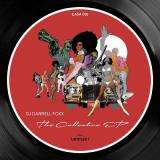
West Coast tech house had long since taken shape by the time it made its way over to the UK at the turn of the new millennium, and that's in part because of the pioneering work of the Casa Del Soul crew. The "DJ-first, producer-second collective" was founded in Denver in 1999 by a bunch of artists including DJ Darrell Foxx, who put out several records that laid out the blueprint for this raw, gritty sound across several EPs. His debut, 'The Collective EP', was one of them - two live-session, warehouse-ready tracks of low-slung and stripped-back tech with swing in the drums and dust in the percussion. The original DAT tapes were lost in a blizzard, which meant original copies have become ever more scarce and pricey on the second-hand market... until now. This fantastic remaster brings them back to life with the same distinctive rawness that made them favourites with Doc Martin and Tyrant (Craig Richards and Lee Burridge) the first time around. Utterly essential.
Featuring rare- and first-on-vinyl tracks from beloved producers such as 2000 And One, Stasis, and CiM. Remastered by DMX Krew and with an accompanying online essay by Oli Warwick.
Across eight carefully selected slices of starry-eyed machine soul, Cold Blow presents an exquisite tour through backroom techno and downtempo electro. With a focus on thematic flow and an immersive listening experience, the London-based label explores works from leading lights of the 1990s and previously unreleased cuts that celebrate the human heart that can be discovered in synthetic sound practices. The development of techno in the 1990s saw the music evolve in different directions across the world. From the expressive blueprint laid out by the Detroit pioneers, a wide range of tempos and energies emerged. Techno's evocative synthesis and intricate drum machine programming was especially potent for deeper explorations away from the dancefloor. Documents Of A Different Reality casts back to when technology was steering quantum leaps in communication and creativity and the future was shot through with naive optimism. It was also a time when the media and industry hadn't caught up with the music to box it into distinct categories. As such, there's a sense of creative freedom that informs the older tracks on the album, from 2000 And One and Sandy Huner's sparkling example of early Dutch techno to London-based LA Synthesis' detailed take on braindance and the majestic night sky vision of cult legend Stasis. There's also space for rare, late 90s machine funk from Icelandic outlier Thor alongside Connective Zone's charmingly fractured bleep dream and a more contemporary offering from Barcelona-based duo Permutation. Meanwhile Mind Control and CiM both capture the spirit of stylistic fusion with twitchier rhythms that take influence from hardcore and jungle as much as techno. With an atmospheric through-line of melancholic pads and harmonious leads, this small but perfectly formed collection naturally follows on from previous, equally thought-out compilations on Cold Blow, and adds a distinct perspective on the history and continuing legacy of pioneering early ambient techno.
2026 Repress
Oscar Mulero and Another Machines join forces together for the next installment of their Joven Prisionero Project. No less than seven cuts on the zeroes and ones version and a six cut vinyl gonna be released on our 78th release. You may wonder what's inside this new outcome, and the answer is easy and direct: Pure techno with no roundabouts. But techno is an open language and this duo speaks all dialects: From the merciless and bleepy Conocete to the functional and fast paced minimalism on De tunica roja passing thru the drilling Surrealista Entorno stopping via Birmingham on Persiguiendo ecos, breaking the grooves and going martian for Mundo Efimero, back to Birmingham again with El nuevo jardin to finalize the duties with Identidad Variable in a pure scifi mood. If you want to spend your money on a totally useful collection of tools here you have the perfect package. El Joven Prisionero delivers to you exactly what your bodies and minds need under the strobe light. Soon available in your trusted physical and digital dealers.
MASK Records founder ZentaSkai joins forces with Berlin-based creative Laura Merino Allue under the name Cuddling Monsters, a project centered on analog processes and tactile sound design. Debuting in March 2024, the project explores Detroit-infused House, dub Techno, and minimal soundscapes shaped by raw texture and spatial depth. Working exclusively with analogue instruments, the duo prioritise warmth, imperfection, and presence over polish. Alongside her music work, Laura Merino Allue is also a graphic designer, bringing a strong visual identity to the project’s wider aesthetic.
‘Cuddling Monsters' is inspired by real-life experiences — the raw, imperfect, beautiful moments we move through. We believe in staying present, feeling everything deeply, and embracing the analog flow of the now. It’s about living the moment fully — and like a cuddle on the dancefloor, creating a space where sound holds you, warmth surrounds you, and even the wildest monsters feel safe enough to soften.’ -
Cuddling Monsters
The Cuddling Monsters ‘Vol. 3’ EP opens with ‘Bubble Bloom’, a melodic house track featuring warped, filtered synth tones that set a hazy foundation before a dub-leaning beat settles in. It’s layered with aquatic, bubbly textures and fragmented samples, adding warmth and movement. ‘Warm Waves’ shifts into a lighter, more atmospheric space, increasing the tempo slightly while maintaining a restrained, ethereal character. The B-side closes with ‘Secret Signal’, a long-form techno piece stretching over ten minutes, where evolving synth lines gradually merge with soft, dubby drums and analogue percussion, building steadily without excess before easing out.
There are records that do not so much belong to an era as they pass through it, leaving traces rather than statements, circulating in the margins where function outweighs discourse. World Cup, written at the end of the 1990s by Kiko, emerged in precisely that way — as a techno track whose presence was felt less through promotion than through repetition, carried from booth to booth, absorbed into the working vocabulary of DJs who recognized in it something immediate and self-evident. Its architecture is minimal yet insistent, driven by tension and release, a form of clarity that resists ornament and instead privileges duration, pressure, and movement.
When it resurfaced in 2006, it did not return as a revision but as a continuation, reaffirming its role within the ecology of the dancefloor. The same internal logic remained intact, allowing it to re-enter circulation without friction, as though it had simply been waiting to be picked up again. In both instances, the track operates less as a fixed object than as a tool — something to be used, extended, and recontextualized in real time.
Bringing together these two versions alongside Tainted Life, the release traces a subtle but telling trajectory. If World Cupdefines a certain techno functionalism, Tainted Life reveals another dimension: a proto-Italo sensibility that gestures toward what would later coalesce as electroclash, not through stylistic declaration but through texture, tone, and attitude. Long absent from digital circulation and largely confined to obscurity, it appears here not as a rediscovery, but as a piece whose relevance has simply remained latent.
Nothing has been added, nothing has been altered beyond what was necessary to restore presence. The recordings are allowed to exist in their own continuity, detached from the temporal markers that might otherwise confine them.
The artwork, conceived by H5, extends this approach into the visual field. Its restraint is not aesthetic minimalism for its own sake, but a form of structural clarity, where composition and absence articulate a space in which the record can be encountered without interference, as if resurfacing from a parallel timeline that never fully closed.
Inweys is the new project from Scottish musicians Conal Blake (Feedback Moves, Domestic Exile, Infant Tree) and Murray Collier (Dip Friso, Grim Lusk, Real Landscape). Their debut self-titled 12’ was recorded in the summer of 2024 at La Chunky Studios in Glasgow.
They asked Fielding Hope of Counterflows Festival to write a short summary of the record:
“Inweys debut release arrives as four pieces of broken body music. Lurking, barely human fragments brought into the present. Using a short drum-machine improvisation as core material, the pieces are formed from a processes of mining and re-mining for small details, with each fragment zoomed in on and turned into new pieces. There’s a transformation taking place, but one that doesn’t obscure the materiality of the recording tapes as sticky, corrosive matter. On skewed and stretched fabric they enact their palimpsestic play, sketching and altering the grid with itchy technologies. What their edits and improvisations don’t say they let space say the rest, with vacuum aerated frames for bass to diffuse and beats to wriggle. More King Tubby than Cage, more Mantronix than Reich: minimalism with molten tips.
Both Conal and Murray’s past work has embraced malleable and iterative technologies; music whose feeliness figures itself out in space in a messy precomposed/improvised dialectic. This is the sort of thing most “new music” experimentalists (or anyone who spends most of their time obsessively manipulating tapes in expensive studios) often can’t achieve; a liveness, birthed from learning in situated play. Like the lore of Phuture’s Acid Trax, a poverty of material is at the heart of this, rendering the work with an abortive conviction: a corpse waking to consciousness becomes amphibious. Instead of the composer we have a relation, two people navigating the awkward spooling between the two reels of tape. Inweys is scots for “inwards”, and in their working process this is what they do. But the result is circular motion. Until the tape runs out, all in ways move out.”
Christian Prommer – producer, drummer, DJ and multi?instrumentalist best known for his work with Trüby Trio, Fauna Flash, Drumlesson, Voom:Voom (with Peter Kruder), Prommer & Barck (with Alex Barck), and as the producer of DJ Hell’s Teufelswerk – presents his new album Rhythmic Nocturne, spanning spiritual deep house, jazz, balearic trip?hop and hypnotic rhythm explorations. A must for fans of St. Germain, Floating Points and refined grooves at all speeds.
This album distills ten years of Berlin into a twilight drift between order and abandon. Daytime studio sketches are pulled apart at night, reshaped by shifting perspectives that swing between jazz harmony, textural experimentation, and the heavy gravity of techno basslines and analog drums. Intimately close-mic’d piano, drums, percussion, cello, and strings are constantly recontextualized—dropped into new rooms, resonances, and imagined spaces—so their meaning keeps mutating. Room noise, human breath, and accidental sounds are folded into the pulse, turning spill and imperfection into rhythm. Even a piano lid thudding shut on “Dark Matter” is claimed as part of the beat, underscoring an album that embraces freedom, spontaneity, and the beautiful lack of accountability that defines this city at night.
A (new) vinyl version for one of our favourite Mika Vainio (Pan Sonic) albums; originally recorded between 1999–2004 and issued on CD only under his revered Ø alias for Finland’s Sähkö Recordings in 2005.
»Kantamoinen« is perhaps the most intimately beautiful yet little-known LP in the Ø canon, bridging the gap between his classic ’90s minimal techno productions and the project’s subsequent turn to more ambient, kosmic, and dubwise dimensions in the coolly brilliant »Oleva« and »Konstellaatio« albums.
Dedicated to Mika’s grandma, Laina Vainio (1913–1991), and adorned with a cover image of her garden in Artjärvi, Finland, the 16-part 2LP is the closest you’ll get to a type of nostalgia in Mika’s catalogue.
Whilst recorded 1999–2004 at an early crest of his game-changing work with Pan Sonic, the album clearly manifests a quieter space for Mika to emote far more nuanced feels, from the wide-eyed vastness of »Galaxy« to a breathtaking »Sound Picture«, transitioning from Hans-Ulrich Obrist’s snippet of Oskar Sala into icy bliss, and the rosy warmth of »Summerland« clearly dedicated to his nan’s garden. The rest is better defined as ephemeral snapshots adding up to a broader picture, like a mind’s eye filling gaps in the memory from illusive vapours and sensations, generating all-time gems in the steepled choral synth voice of »In Wind«, or a sense of magic realism in the swaying organ of »Antenna-ant«, with the blooz folk wheeze of closer »To Home« that could feasibly score the most haunting moments of a Béla Tarr flick.
Coming off the back of what could only be described as ‘THAT’ CBRK001 track, we are thrilled to welcome Lindsey Herbert back to circuit|breaker with our first full length artist EP. Lindsey presents four highly effective, stripped back weapons - displaying her artistry in style. ‘You and Me’ opens the A side, perfectly encapsulating the essence of Lindsey’s signature peak time sound. An unfolding journey, leading with a wonky, yet sinister synth on top of driving percussive elements. As we begin to explore the world of the A1, the track is elevated once more, with a homemade vocal cut, paired with some expertly engineered percussion, giving us a greater sense of depth and flow through call and response techniques. Up next is ‘Tunnel Vision’ - a minimalistic tool injected with a thumping low end, dense rhythms and metallic textures, exhibiting a unique atmospheric restraint
with the dance floor in mind. As the track progresses we are introduced to a murky bleep sequence, keeping the track grounded for those deeper moments on the floor.
The B side launches into ‘Fluctuations’, once again presenting us with a classic peak time slammer. Carrying the track, a huge funky swinging hook, enticing the listener into its trance, feeling like it will never let you go. Amongst its energy, there is a sensation of playfulness that will invite the listener into its groove and functionality. We cap off the release with ‘Fragments of Light’ - a stripped back, potent cut, indulging into a more textural approach and allowing the track to breathe through subtle atmosphere, moments of low end resonance and percussive exchange. A detroit-esque dub hitgives the track a soulful offering and reminds us of the nucleus of techno.
First EP from new Australian label Royston Park Records is straight out the gate with five heavy tracks from High Priestess - Raw Loops For The Heads. Drawing inspiration from tech-house, electro and more!
Low-key Detroit producer, Aubrey Hoermann, gained notoriety with his Odic Force label launched in 1998 (home for his own minimal techno productions until 2002).
2001's 'The Dance Flo-Funk EP' is widely considered his most iconic release - a minimal percussive journey and the perfect DJ tool. Stripped to the bone. A sound that echoes the late 90s Detroit movement.
Hugely sought after, now reissued for the first time from the original tapes and remastered with love
After the success of Made in the Emirates – Volume 1, which documented a wide spectrum of the UAE’s independent music scene, the series returns with its second installment.
Made in the Emirates – Volume 2 shifts focus to the country’s electronic underground, bringing together 8 original tracks spanning deep house, breaks, techno, and experimental club sounds. A snapshot of a thriving scene, built by artists shaping it on their own terms.
The compilation brings together a cross-section of artists shaping the UAE’s electronic underground today:
- Tarik Omar opens the record with Sample Sunday, reflecting his deep-rooted approach to rhythm and sampling.
- Adam Rahman delivers K Lock, a tightly wound club tool driven by percussive precision.
- Sons Of Rhythm revisit their catalogue through a Rhythm Plate Italo 90 Remix, bridging classic house influences with a forward-facing Italo touch.
- Megadon Betamax - a co-founder of boutique imprint Voyeurhythm Records brings Maha Monastery, an atmospheric funk-infused cut that leans into experimental yet groovy electronics.
- Curator Shadi Megallaa contributes Word Jazz, reflecting his long-standing role in shaping Dubai’s underground through Ark to Ashes and The Flip Side.
- OHFFF a project born from spontaneity, sonic curiosity and sequencer experiments. Dwelling is a club-friendly.
- Tacit presents The Lakritze Suite, a multi-layered, hard beat composition that moves between abstraction and industrial structure.
- Closing the record, Nasrawi’s Intention Dub channels deep, and dubby, grounding the compilation in a reflective, low-end driven finale.
- Curated and compiled by Shadi Megallaa (Ark to Ashes / The Flip Side, Dubai).
Red Deviil returns to X-IMG with their first ever vinyl release titled “Tesoros Infernales” featuring five original cuts of their uniquely sinister Techno Body Music topped off by three exquisite remixes by distinguished veterans of the underground dark electronics scene. The LP consists of forty minutes of sinister, brooding, groovy & cutting edge tracks with a bonus digital track included with the attached download code. Remixers include Filmmaker, Arnaud Rebotini & Mind | Matter. This release follows their incredible first X-IMG debut album from 2023 titled “Tendencias Ocultas”.
Red Deviil is the project of Guni Ca & Blak G hailing from the deceptively picturesque town of Tuxtla Gutiérrez in Chiapas Mexico. They are based out of their Astro Bar headquarters & event space where they host regular nights of underground electronic music, cultivating the local scene in Mexico while inviting and performing alongside international acts. The pair’s thick & heavy dark electronic music output contrasts heavily with their idyllic surroundings where they play a key role in developing the local underground community.
Raving Molecules, a record label and events collective focused on promoting the underground electronic music scene from Iasi, Romania, make their debut on wax with Creeptoid EP, signed by the resident artist and label curator Jo Creep.
The tracks featured on Creeptoid EP evokes the oldskool Tech House sound of the early 2000s and could be wrapped up and mixed between a maniac eclectic melancholy and a frantic unsettling ensemble of emotions carrying you effortlessly from one sound trip to another.
Chlar returns to his Primal Instinct label with 'Modern Survival'
Following the widely praised Funk Assault (Chlar & Alarico) 'Minimum One Post A Week' EP, which kicked off the Primal Instinct label last summer and won the support of the likes of Rodhad, Tasha, and Luke Slater, as well as routine plays from Sarah Story on BBC Radio 1, Chlar now returns to his imprint with solo venture 'Modern Survival'. While the first Primal Instinct release saw references to artist urges and behaviours on social media, this next instalment explores a modern recontextualisation of humanity's hierarchy of needs in yet another high-concept EP.
First up, 'Internet Soulmate' boasts a crunchy bassline as its drum work chugs along the track playfully. The groove twists and turns before the hypnotic and tribal 'Supermarket Hunting' continues with sounds of nature, loopy rhythm and syncopated bleeps.
On the B-side's 'Body Control Officer', human-made grooves intertwine with machine-like thrum, synths whirring and zapping, while 'Competitive Influencing' takes off with rolling percussion, subtle whistles and distorted vocal one-shots. Closing out another stellar offering from the Primal Instinct frontman, Chlar brings the dark 'Scout My Algorithm', a brooding slow-burner offset by smooth arpeggio snippets and warped slices of digital noise.
"In an era where technology entwines our everyday existence, where the virtual realm shapes our interactions, and where the pursuit of influence takes centre stage comes an EP that delves deep into the modern tapestry of human existence. 'Modern Survival' is not merely a collection of songs and visual clips, but a poignant reflection on the intricate dance between our primal instincts and the brave new world we navigate today. The EP invites listeners on a journey of self-discovery and reflection, prompting them to ponder the fundamental essence of our existence in an environment of fast-paced technological evolution." - Chlar
Connecters Vol. 1: Original Recordings, 1992-1999 ist die erste Veröffentlichung von Larrison, dem Pseudonym des bildenden Künstlers und Musikers Larrison Seidle aus dem Mittleren Westen. Larrison komponierte, programmierte und nahm alles komplett auf einem Casio CZ-5000 auf, während der guten alten Zeit der selbstgemachten Experimente und Entdeckungen in den frühen 90ern. Er lebte in einer Traumwelt, die er selbst erfunden hatte, mit Soundtracks aus Space-Age-Pop-Vignetten, gespickt mit hypnotischen, überschwänglichen, vielschichtigen Synthesizer-Melodien. Mit 26 Tracks, die alle neu restauriert und aus den Originalquellen gemastert wurden, erfindet sich Connecters Vol. 1 Song für Song neu, überwindet die Zeit und trotzt der vorbestimmten Vergessenheit dieser brillanten, diskreten Musik, die vor drei Jahrzehnten entstanden ist. Larrison Seidle wuchs in den 70er und 80er Jahren in Greenwood, Indiana, einem Arbeitervorort von Indianapolis, auf. Er stammte nicht aus einer Musikerfamilie, aber aus einem Haushalt, in dem Musikalität gefördert wurde. Sein Vater kaufte eine elektrische Orgel, in der Hoffnung, dass Larrison und sein älterer Bruder das Instrument lernen würden. ,Am Ende saß mein Vater einige Abende an der Orgel, improvisierte und spielte immer wieder dieses eine Lied, von dem ich mich noch an die ersten Takte erinnern kann", erinnert sich Larrison. Möglicherweise war es in diesem Moment, in dem es zwar keine formale Ausbildung gab, aber viel Ermutigung und Entdeckungsfreude, dass der Künstler seine ersten musikalischen Experimente machte. Diese Erlaubnis, sich auszuprobieren, sollte seine kreative Arbeit in den folgenden Jahren deutlich prägen. Während in Larrisons Elternhaus klassische Rockplatten leicht zugänglich waren, lieh sich sein Vater 35-mm-Dokumentarfilme aus der Bibliothek aus, um sie im Wohnzimmer zu zeigen, die alle mit skurrilen Instrumentalstücken unterlegt waren. Als Teenager nahm er John Carpenters und Alan Howarths Endthema aus ,Die Klapperschlange" mit einem kleinen Kassettenrekorder neben dem Fernsehlautsprecher auf und liebte Tangerine Dreams Beiträge zu Ridley Scotts düsterer Fantasy ,Legend". Seine Faszination für diese weitgehend textlosen, synthesizerbasierten Kompositionen führte zu einem eigenwilligen Verständnis davon, wie Musik nicht nur das ergänzt, was wir vor uns sehen, sondern auch das, was wir in den Tiefen unseres Bewusstseins erleben. 1985, als er dreizehn Jahre alt war, überzeugte Larrison seinen Vater, ihm ein Casio CZ-5000-Keyboard zu kaufen. Wie zuvor die Orgel war auch dieses Instrument eine Neuheit im Haushalt der Seidles. Erst nach seinem Highschool-Abschluss 1991 und dem Beginn seines Studiums an der Herron School of Art in Indianapolis entdeckte er den in das Casio integrierten Sequenzer und begann, seine Kompositionen auf Band aufzunehmen. ,Das CZ-5000 und sein 8-Spur-Sequenzer sind die einzigen Musikinstrumente, die ich benutzt habe. Es hat eine fast unbegrenzte Funktion zur Erzeugung neuer Klänge", erklärte Seidle. Während seiner Zeit an der Herron School of Art freundete sich Larrison mit seinem Kommilitonen und Klangkünstler Michael Northam an, den er bei einem Konzert auf dem Campus kennengelernt hatte. Nachdem Northam Larrison für die Musik von Severed Heads, Throbbing Gristle und Roger Doyle begeistert und damit seine Zuneigung und sein Vertrauen gewonnen hatte, überredete er ihn, nach Austin, Texas, zu ziehen, das in den frühen 90er Jahren für seine lebendige Kunst- und Musikszene bekannt war. Die beiden wohnten zunächst bei Northams Freund Daniel Plunkett, dem Herausgeber und Verleger von ND, einem einflussreichen Magazin, das sich von 1982 bis 1999 mit DIY-Musik und Tape-Trading beschäftigte. In seiner Blütezeit hatte ND Tausende von Lesern, und Plunkett verschickte die Ausgaben weltweit. In den letzten Monaten des Jahres 1993 und Anfang 1994 schrieb und nahm Larrison mit begrenzten Mitteln und grenzenloser Intuition eine Reihe von Songs mit seinem CZ-5000 in einer kleinen Wohnung nördlich der Innenstadt von Austin auf, bastelte eine farbenfrohe, illustrierte Beilage, in der einige Songtitel durch Linien oder Pfeile dargestellt waren, und gab sie an Plunkett weiter, damit er sie für ND rezensieren konnte. Diese einzelne Kassette mit dem Titel Connecters sic war eine von 1200, die im Laufe des Bestehens der Publikation bei ND eingereicht wurden und die Jed Bindeman, Mitbegründer von Freedom To Spend, 2020 erworben und fast wie durch ein Wunder entdeckt hat. ,Ich hatte große Schwierigkeiten, mir die Kassetten in dieser Sammlung anzuhören", gibt Bindeman zu. ,Aber dann legte ich Larrisons Connecters ein und dachte sofort: ,Wow! Was höre ich da?' Die Kassette war von Anfang bis Ende einfach fantastisch." Mit Musik von genau dieser Kassette und anderen Aufnahmen aus Larrisons Experimenten in den 90er Jahren ist Connecters eine Übersicht über Instrumentalmusik, die sowohl durch vielfältige konzeptionelle Strategien als auch durch spielerische Neugierde geprägt ist. Seidle arbeitete unter Bedingungen, die viele Musiker als Einschränkung empfinden würden, und entwickelte technisch innovative Ansätze, um die Klänge und integrierten Effekte des CZ-5000 zu modifizieren. Das Gerät ermöglichte es ihm, die Wellenform, die Hüllkurve und die Tonart von Klängen mithilfe der Phasenverzerrungssynthese zu verändern und so im Grunde genommen Instrumente zu schaffen, während er Songs komponierte. Die Tracks zeichnen sich durch eine durchdachte impressionistische Vielfalt aus, die mal lo-fi, mal symphonisch klingt. Inmitten der Zerlegung und Verstärkung der Fähigkeiten des CZ-5000 gibt es auch einen geschmackvollen Rückgriff auf eine kindliche Interaktion und Erfahrung von Klang. Vielleicht ist es diese Erfahrungsqualität, die es so schwierig macht, Larrisons Projekt einfach als Ambient oder Elektronik zu verstehen. Sein Wille, die ihm zur Verfügung stehenden Werkzeuge zu transformieren, hebt die daraus resultierenden Kompositionen auf eine persönliche Ebene und verleiht der Musik einen bezaubernden Sinn für Mystik. Connecters ist ein Beweis für eine künstlerische Vision, die sich nicht durch Grenzen einschränken lässt und keine Angst vor Informalität hat. Diese Aufnahmen, die dreißig Jahre nach ihrer Dokumentation auf magische Weise an die Oberfläche kommen, zeigen, wie personalisierte Produktionsmittel die Zeit ausdehnen und verkürzen können. Larrison lädt die Zuhörer ein, sich auf die Wunder der auditiven Vorstellungskraft einzulassen - eine Brücke zwischen visueller Erinnerung, emotionaler Resonanz und der grenzenlosen Möglichkeit, mit den uns zur Verfügung stehenden Mitteln Musik zu machen. Larrison's Connecters Vol. 1: Original Recordings, 1992-1999 wird am 3. April 2026 von Freedom To Spend als Vinyl- und Digitalausgabe veröffentlicht.
A decade into life, Secret Society marks this notable milestone year with a release that stays true to its ethos of depth and groove. Ewan Jansen started producing in the early 90s in Perth, often with the same hardware he used in his live shows. He's back on the label with two driving cuts built squarely for the dancefloor: 'Hydroid' is bright mid-tempo techno with pixelated synth charm, and 'Bodywash' is a deeper, more syrupy sound for late-night cruising. Alongside them sits a more introspective collaboration with Italian producer Luca that trades peak-time punch for texture and restraint. On remix duties, John Dimas adds his trademark crisp momentum and understated flair, a fitting choice given his long-standing connection to the camp.
New 4-track Ep From Austin, Texas Analogue Hardware Enthusiast Bill Converse. Immersed In The Early Days Of The 90s Midwest Rave Scene, Bill Began Djing At A Young Age In Lansing, Michigan. Luminaries Such As Claude Young, Traxx, And Derrick May Were Key Early Influences. Techno, Noise, Ambient And Tape Processing Are All Part Of His Uncanny Sound Palette. His Debut Album 'meditations/industry' Was Released On Cassette In 2013 And Edited For A Vinyl Release On Dark Entries In 2016 Followed By Two 12' Singles 'warehouse Invocation' And '7 Of 9' The Same Year. In 2017 Converse Released His Second Album 'the Shape Of Things To Come' Followed By The Double Ep 'salt Of Mars'.
'hulled' Is A 25 Minute Journey Spread Across 4 Tracks Of Glacial Abandon. All Tracks Were Recorded Directly To Tape With No Overdubs, Made At Converse's Home Studio. Bill Says These Tracks Represent 'ocean Waves In Stormy Conditions, Dark Grey Blue Water, Or More Generally Speaking Something Ominous And Beautiful.' The Songs On This Album Reveal A Sublime Influence From Detroit Techno, Idm, And Acid. Built Around Vintage Synthesizer Lines And Gritty Drum Machine Percussion, The Tracks Ebb And Flow Like The Effect Of Sun Shimmering On Water, Woozy, Gauzy And Ephemeral. All Songs Were Mastered For Vinyl By George Horn At Fantasy Studios In Berkeley.
Each Ep Is Housed In A Die-cute Jacket Designed By Eloise Leigh With Peachy Pink Patterns Landing On An Alien Water Planet And Seeing Mysterious Playing Forms Under The Turquoise Water. Each Copy Includes A Postcard Featuring Photo Of Bill With Notes.
'Electronic lullabies and folk songs from Ethiopia! A landmark recording from Ethiopia’s vibrant cassette era of the 1980s, Resonance of Time features pioneering composer Wesenyeleh Mebreku reimagining Ethiopian folk melodies through the humble circuitry of an early Casiotone keyboard.
'Historically, the works featured on Resonance of Time (የጊዜ ቃና Yegizie Kana) stand as quiet documents of Ethiopian musical memory. Many of the original songs included in this release emerged during important moments in Ethiopian history when music carried the collective emotion of the nation - love, loss, resistance, dignity, and hope. By arranging these pieces from Ethiopia’s musical heritage instrumentally, Wesenyeleh Mebreku aimed to preserve their essence while protecting them from being confined to a single era or performance style. In doing so, his preservation of Ethiopia’s musical heritage became a contribution to his country’s musical legacy itself, as Resonance of Time serves as an important musical milestone of this composer’s innovative recordings and musical developments in the prolific era of Ethiopia’s 1980s cassette tape culture.
'On Resonance of Time, Wesenyeleh made use of the first Casio electronic keyboard - the Casiotone CT-201 - to arrange and perform Ethiopian folk songs in his own unique style. Implementing the soulful, lo-fi character of the keyboard, Wesenyeleh’s interpretations of these works take on a life of their own. Charming analog tones interpret swirling sounds of organ and piano in kignit modality to the beat of a nostalgic rhythm machine while twinkling synthesizer sounds carry the melodies drifting out of time. The recordings reflect a watershed moment in Ethiopian musical history - when traditional melodies started being interpreted on electronic keyboards, and the advent of cassette tape recording allowed for music to be transmitted more accessibly than centuries-old oral traditions. During this time, Ethiopian musical modes were syncretized with new technology and budding musical experimentation, and Wesenyeleh’s interpretations on Resonance of Time are a landmark recording of this era, following in the tradition of reflecting upon and re-interpreting historical Ethiopian music for a new generation.
'Featured on the release are timeless Amharic folk songs and lullabies, Tigrinya love songs, Gurage and Oromifa popular songs, and even works closely associated with performers from Ethiopia’s 1970s popular music era such as Tiz Alegne Yetintu (ትዝ አለኝ የጥንቱ) which was famously performed by Tilahun Gessesse. Each piece, thoughtfully chosen by Wesenyeleh, is beautifully transformed into instrumental music of his own style - allowing these worlds of song to echo into the future while they are synthesized with the electronic innovations of the 1980s and Wesenyeleh’s own musical history.
'Wesenyeleh says this about his musical approach - ”Instrumental music, for me, is a space of reflection. Without words, the listener is invited to remember, imagine, and feel freely. In Resonance of Time, I hear my own musical philosophy: respect for Ethiopian kignit, careful dialogue with Western harmony, and a deep trust in melody as a storyteller.”
'Each piece performed on Resonance of Time speaks to a time when Ethiopian music was shaped by oral transmission through live performance and communal listening. In today’s fast-moving musical environment, revisiting these works is an act of cultural responsibility. These works remind us that melody once traveled slowly, settling deeply in the listener’s heart. The instrumental format allows these works to cross linguistic and generational boundaries, making them accessible to audiences who may not know the original lyrics but can still feel their spirit.
'Resonance of Time also reflects a broader historical dialogue: the meeting of tradition and adaptation. Ethiopian music has always evolved while holding onto its core identity. These arrangements affirm that evolution does not mean abandonment. Instead, it can be a form of safeguarding - ensuring that the musical wisdom of the past continues to resonate in the present and inspire the future.
'In this sense, the album is both personal and collective. It carries Wesenyeleh Mebreku’s own musical fingerprint, shaped by decades of practice, but it ultimately belongs to a wider cultural continuum. It is the artist’s contribution to keeping time audible so that memory, history, and sound may continue to speak to one another.'
Few names carry as much weight in German techno as Alexander Kowalski. A producer and live performer since early 90, his work has shaped the sound of an era, from his early days at Tresor through to releases on Kanzleramt and MORD, and a live reputation that has held firm across three decades on stages worldwide.
Now Kowalski opens his own imprint. Cycles Music launches with Live II, and the choice of format makes perfect sense. Two sides, two cuts, no detours. Techno built from the same instinct that has made his live sets a benchmark in the underground for as long as most people can remember.
CYC001 is not an introduction. It's a continuation, and a clear statement of what Cycles Music is here to do.
Field Records proudly presents the first complete vinyl edition of Monolake’s seminal excursion into experimental dub techno, Hongkong. Originally released on the now-classic Chain Reaction label in 1997, this collection of early singles by Robert Henke and Gerhard Behles has gone on to become a vital listening experience in its own right - a genre classic alongside the other groundbreaking works from the likes of Porter Ricks and Vladislav Delay.
The tracks which make up Hongkong were made while Henke and Behles studied computer science and immersed themselves in Berlin’s techno scene. Their early forays into computer-based music production were enabled by the use of the Max/MSP programming environment, forming a backdrop to the landmark work they would undertake in developing the Ableton Live DAW. Henke and Behles travelled to Hong Kong in 1996 to attend the annual International Computer Music Conference, and while there recorded extensive field recordings. These recordings became the glue that pieced together their collaborative tracks into a fluid listening experience for a CD-compilation at Chain Reaction’s request.
While absolutely rooted in the embryonic sound of European dub techno, Monolake’s early work possesses a back room, headphone-ready demeanour which lends itself to the album listening experience. In the cascade of rhythms created by precision engineered delays and subliminal, expansive spatial world building occurring throughout Hongkong, the stage is set for a full and thorough immersion. Before the Monolake sound progressed into a more pointillist form of computer music as Henke’s solo project, Hongkong presented a gritty, grainy sonic still tied in some way to the traditional methods of techno production, even as the artists’ ideas were sending the sequencing and arranging in exciting new directions.
Remastered and presented for the first time as a complete double 12” package, this is the definitive edition of an essential work in the evolution of experimental techno. As Henke himself explains, “twenty-five years later, this record still holds immense value to me in many ways.”
ORANGE - Limited Edition! SPANDAU20 returns, bridging Berlin and UK lineage, with new material from Mr. G, Elli Acula, FJAAK and Dajusch, continuing to showcase the many shades of contemporary club music through its forward-facing approach. On its 12th release, the Berlin label presents a record that reflects individual artistry as much as the unmistakable identity of the SPANDAU20 sound. Opening the release is Mr. G with 'I Came To See You'. The track is a true embodiment of his distinctive production style, unfolding through bouncing basslines, swinging percussion and hypnotic looping vocals and capturing the raw spirit of old-school dance music with fresh spirit. Sitting somewhere between house and techno, it sets the tone with a particular kind of hypnosis, taking the listeners deep into the endlessly circling groove. Elli Acula follows with 'Take One Higher', a fierce and uncompromising techno track that perfectly reflects the label's hallmark aesthetic. She channels the raw energy of the 90s through a modern lens, pairing rough edged stabs, cavernous kicks and gritty percussion programmed with unfiltered dancefloor intensity in mind. The result is a high-pressure track designed to fully consume the room. On the flip side, FJAAK unleash 'Drip Code', showcasing the duo's signature blend of powerful low-end pressure and analogue grooves. Having spent over a decade shaping Berlin's techno landscape through their machine-driven approach, the pair deliver crisp percussion, huge open hi-hats and teeth-rattling drum machine combinations, while racing chords and looping vocals propel the track forward. It is a direct and highly effective example of the energy that has come to define the SPANDAU20 universe. Closing the release is Dajusch with 'Tongue In Cheek'. Deeply influenced by the foundational sounds of Detroit and Chicago, the classically trained producer leans into warmer, more uplifting territory. The track combines grooving basslines, saturated 909 percussion and piano-led melodies with disco-tinged vocal loops that glide effortlessly across the arrangement. This closer highlights Dajusch's refined understanding of groove, texture and atmosphere, rounding off the release with a distinctly euphoric touch. SPANDAU20 012 is another example of classy production skills merged with genuine dancefloor purpose. As ever, the label lets the music speak for itself. The many shades of sound are on full display, bound together by the singular identity that has made SPANDAU20 one of Berlin's most distinctive voices in the electronic music landscape.