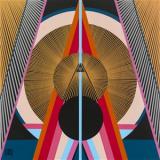
,Altarpiece H. af K." ist das neue Album von Eric Wubbels bei Kou Records - Komponist, Pianist, Co-Direktor des New Yorker Wet Ink Ensembles und Preisträger des Ernst von Siemens-Komponistenpreises 2023, einer der renommiertesten Auszeichnungen in der zeitgenössischen Musik. ,Altarpiece H. af K." hat seinen Namen und seinen inspirierenden Geist den Gemälden ,For the Temple" von Hilma af Klint entlehnt - monumentale Werke, die für einen Raum konzipiert wurden, der noch gar nicht existierte, gerichtet an einen zukünftigen Zuhörer. Wubbels begegnete ihnen 2018 im Guggenheim und ließ diese Begegnung in ein Stück einfließen, dessen vollständige Umsetzung sieben Jahre in Anspruch nehmen sollte: von einer E-Mail aus der Pandemiezeit an die Fagottistin Dana Jessen, in der er etwas Einfaches vorschlug - Multiphonik, Überlagerungen, vielleicht einen Kanon -, über Live-Auftritte in der Fairchild Chapel, bei Elastic Arts und in einer existentialistischen Kirche in Atlanta bis hin zu einer Aufnahmesession im Dezember 2025 im Power Station Studios in Midtown Manhattan, dem Raum, in dem ,Like a Virgin" und ,Let's Dance" entstanden sind. Die Besetzung - drei Fagotte, gespielt von Dana Jessen, Ben Roidl-Ward und Katherine Young - ist rein akustisch: keine Live-Bearbeitung, keine Elektronik. Was du hörst , ist das Instrument selbst, bis an seine Grenzen getrieben. Wubbels' Komposition nutzt die Fähigkeit des Fagotts zu Multiphonik und mikrotonaler Modulation, um sich überlappende Spektren aufzubauen, die voll und ganz aus den grundlegenden akustischen Eigenschaften der Instrumente entstehen - Obertöne, Differenztöne und Schwebungsfrequenzen, die den drei Musikern im selben Raum entlockt werden und einen seltenen Raum zwischen den spektralen Welten von Scelsi und Dumitrescu und dem anhaltenden physischen Gewicht von Sunn O))) einnehmen. Über zwei lange Sätze (Reh. A und Reh. C) hinweg häufen sich diese dichten, vibrierenden Spektren zu etwas an, das sich zwischen Stillstand und Vorwärtsdrang bewegt und an der Schwelle zwischen Tonhöhe und Rauschen schwebt. Das Stück gipfelt nicht in einer Auflösung, sondern in einer Transformation durch anhaltende Aufmerksamkeit. Aufgenommen, abgemischt und produziert von Randall Dunn. Gemastert von Ben Greenberg. Dolby Atmos-Mischungen von Ben Greenberg. Lackpressung von Paul Gold bei Salt Mastering. Cover-Artwork von Thomas Hooper; Porträt auf der Rückseite von Julie Bell.
With his last three records all landing within a calendar year (2024-25), enigmatic Swedish producer Civilistjävel! (aka Tomas Bodén) is on a hot streak of releases, his singular vision increasingly ambitious and expansive. There are few artists working at this level so consistently right now, reinventing, revising and continually developing their language. Following on from 2025’s radically re-worked ‘Versions’ (of Mayssa Jallad’s ‘Marjaa…’), Bodén returns to break further fresh ground with his new album, ‘Älvgång’. Featuring contributions from Soccer Committee, Carrier and guest (aka Jabu’s Jasmine Butt), ‘Älvgång’ foregrounds a more brittle and insistent rhythm-based sound, whilst comprising his most broad-ranging collection of material to date.
‘Älvgång’ grew out of a series of sketches made from late ‘24 and throughout the whole of ‘25 at Stockholm’s renowned EMS Studios, which gave Boden free rein to its extensive collection of vintage analogue equipment and rare modular synthesizers such as the Serge and Buchla systems. As a loose framework of tracks began to take shape, so did a reflection of sorts, on family and foundations, underpinned or influenced by sounds that drifted into Tomas consciousness around this time - ancient Swedish pastoral music, Georgian lithurgical chants, gongs, chimes. An idea settled into place, a dedication to his Grandfather, as the earlier release Fyra Platser (tr. ‘Four Places’) was to his Grandmother. Älvgång is grounded with the sense of time and place of an old family photograph, with the tracks over each side bearing one of two names that are more or less the same location - Strinne was the old name for a this loose collection of villages. These days it is more commonly known as Bjärtrå. Metaphorically speaking, the river runs through both.
Civilistjävel! conjures so many adjectives and descriptors, ‘glacial’ and ‘ambient’ frequently among them - but while not altogether untrue, such terms belie the tension and drama so often present in Tomas’ music. Listening to ‘Älvgång’ is not a passive experience. The eight tracks here feel like a patchwork of memories that bathe in the same ethereal, otherworldly glow of Tarkovsky’s polaroids’.
The machine pulses that dominate this landscape are reigned in and tempered by a human hand; lithe, untethered coils, breathing in and out. ‘Strinne Ett’ sets out with purpose, sensing awe and wonder through the murk, but as the final tone unfurls like a question mark, another chapter begins, unfolding/building like a Tarjei Vesaas novel. These lyrical, abstract miniatures combine to reveal a wider context, fragile humanity standing alone against nature.
Guest appearances on Civilistjävel! records have become a regular occurrence (including recent collaborations with Mayssa Jallad, Laila Sakini, Cucina Povera, Thomas Bush, Eldon + Withdrawn), but are used sparingly and with increasing precision. On ‘Strinne Tre’ Mariska Baars’ (Soccer Committee) voice feels like a balm, a clearing. But as her simple, three-word incantation drifts further into fog, the meaning changes, and her words seem to curdle. Carrier’s beats widen the parameters on ‘Strinne Fyra’, a skittering promise that builds tension then refuses to release it; all false starts, Photek gongs, and trinkling modulars. Jabu’s Jasmine Butt pulls all the threads together for the final track, Thomas Tallis’ ghost walking over offset machine impulses, that work against their own symmetry.
Side two begins inquisitively, scanning bleached, alien surroundings, its sparse pads recalling Aphex Twin’s ‘Selected Ambient works Vol 2’. 'Bjärtrå Två’ picks up the baton from ' Strinne Fyra’ with a ruptured Simmons SDS200 analogue drum synth set free from its shackles, the rhythm eventually slotting into the spaces that were hiding in plain sight. What follows seems like an epiphany; ‘Bjärtrå Tre’ is achingly beautiful, a euphoric, winding ascent that leads to devotional plainsong. ‘Bjärtrå Fyra‘s final unheralded shift feels both tragic and haunting.
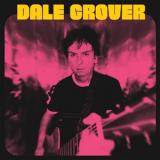
Limitierte Auflage von weltweit 666 Exemplaren. Dale Crover sieht Neil Young sehr ähnlich so sehr, dass Neil ihn selbst engagiert hat, um die, ähm, junge Version von sich selbst im legendären Harvest Moon"-Video zu spielen. Es ist schwer, sich jemanden vorzustellen, der besser geeignet wäre, den Song zu covern als Crover, dank seiner Präsenz im Video und seiner langen Karriere als Solokünstler sowie seiner 43-jährigen Zugehörigkeit als Schlagzeuger bei den Melvins, dieser Rock-Institution aus dem Pazifischen Nordwesten. Crovers Version von Harvest Moon" eröffnet seine neue EP Get Yer Ba-Ba's Out" und geht nahtlos über in eine Interpretation des Melvins-Klassikers The Bit" aus dem Album Stag", denn Crover hat den Gitarrenpart geschrieben er ist in der gleichen Tonart, und warum auch nicht? Die EP enthält außerdem Akustikversionen von drei Songs aus Crovers Soloalbum Glossolalia" (Doug Yuletide", Rings" und Jane"), einen aus dem 2021 erschienenen Rat-A-Tat-Tat!" (I Can't Help You There") und den brandneuen Titelsong. Diese intime Inszenierung von Crovers Songs steht hier im Kontrast zum elektrischen, mit Gastmusikern gespickten Glossolalia", aber man kann diese Musik kaum als ausgemustert" bezeichnen. Es fühlt sich eher wie eine Weiterentwicklung des glam-beeinflussten Power-Pop an, den Crover seit The Fickle Finger of Fate" aus dem Jahr 2017 produziert. Die Arrangements von Produzent Toshi Kasai füllen den verfügbaren Leerrum mit Slide-Gitarre, Maultrommel, verschiedenen Glocken und anderen Idiophonen. Der Geist von Crovers Musik war noch nie deutlicher ein rastloses Verlangen, Neuland zu erkunden, kombiniert mit einer tiefen Liebe zum Rock 'n' Roll, dieselbe, die die Melvins zu einer der interessantesten und einflussreichsten Bands ihrer Generation gemacht hat.
Phoenix-based DJ and producer Paul West lands on eudemonia with a stellar 5-track EP, seamlessly picking up right where his impressive debut Blue Sun on Rocky Hill left off.
The record delivers a wonderful blend of breakbeats, house, electro, and Detroit techno, keeping the energy raw, warm, and deeply atmospheric throughout. The A-side builds intensity towards its third track, the spacey title track "Nebulae". Flipping over to the B-side, the journey comes to a close with the playful, melodic tones of „Stardust".
Dusky return to Anjunadeep with their forthcoming studio album ‘Signals’. The London duo first debuted on Anjunadeep in 2011 with their critically acclaimed album Stick By This. Expanding the boundaries of deep house and UK club music, the record marked the beginning of Dusky’s rise as one of the scene’s most respected acts. Their breakout track ‘Careless’, released via Aus Music, further cemented their reputation, amassing more than 14 million streams and becoming one of the defining UK house records of its generation. In 2014, the pair launched their own imprint, 17 Steps, which has since hosted releases and remixes from artists including Nathan Micay, LTJ Bukem, Interplanetary Criminal, Denham Audio and Shed. Since then, Dusky have released two further studio albums, Joy and Pressure, alongside a string of acclaimed singles. Their music has earned support from Pete Tong, Danny Howard and Sarah Story on BBC Radio 1, as well as widespread backing from leading DJs including Jamie Jones, Peggy Gou, Gorgon City, TEED and TSHA. While 'Signals' represents a natural continuation of the Dusky story, it also ventures into more reflective territory than previous releases. The album's wider range of influences and more contemplative mood offer a fresh perspective on the duo's sound, while also paying subtle homage to their acclaimed debut album ‘Stick By This’. Featuring multiple collaborations with vocalist Rromarin, alongside a contribution from Nadeem and Pritt, 'Signals' reflects a creative process that unfolded over many years. Some tracks grew from ideas first sketched long ago, while others emerged more recently, giving the album a sense of both history and momentum. Across its 13 tracks, 'Signals' balances Dusky's club-rooted instincts with downtempo offerings. Tracks such as 'Next Life', 'Kadhalan' and 'Lab' showcase the duo's signature combination of bold basslines, driving rhythms and emotional resonance. Elsewhere, 'Elm' and 'Bindweed' slow the tempo and draw on the warmth of soul, the deeper edges of disco and richly textured live instrumentation.
SPIKE & THE GIMME GIMMES sind zweifellos die unterhaltsamste Coverband aller Zeiten. Die Band, die bis letztes Jahr noch unter dem Namen ME FIRST AND THE GIMME GIMMES umherreiste, hat sich den Titel Supergroup redlich verdient: Jedes der fünf Gründungsmitglieder konnte bereits auf eine ernstzunehmende Musikkarriere zurückblicken. Ursprünglich fanden Spike Slawson (Swingin' Utters), Fat Mike (NOFX), Chris Shiflett (Foo Fighters), Joey Cape (Lagwagon) und Dave Raun (Lagwagon) durch ihre gemeinsame Liebe zum Punk zusammen. Mittlerweile tritt die Band in wechselnder Besetzung rund um Sänger Spike Slawson auf. "Shit the Bed", das Debüt von Spike and the Gimme Gimmes, bietet genau das, was man von einer Veröffentlichung der Gimmes erwartet: sofort eingängige Songs und herausragendes musikalisches Können - ihre Versionen deiner Lieblingslieder musst Du einfach lieben. PUNKt. Alle Einnahmen aus der hochkarätig besetzten Version von "We Are the World", die hier als Abschluss des Albums enthalten ist, gehen an den Sweet Relief Musicians Fund, du bist also moralisch dazu verpflichtet, mindestens ein Exemplar zu kaufen. Falls die Unterstützung notleidender Musiker als Grund nicht ausreicht: Die fantastische Gruppe von Sängern, die für dieses Projekt zusammengekommen ist, besteht aus den Gimmes mit Spike, CJ, Swami, Pinch and Jake as well as Milo, Nikki Corvette, Tony Reflex, Har Mar Superstar, Dani Miller, Dickey Barrett, Robert "El Vez" Lopez, Stacey Dee, Greg Antista, Johnny Bonnell, Joe Principe, Jolie Holland, Darius Koski, Jesse Wagner, Eva Walker, Chaki Funk Wizard, Jim Lindberg, Efram Schulz, Matt Caughthran, Jon Snodgrass, Blag Dahlia & Miss Guy! Auf Europatour im Oktober/November 2026. EU exklusive braune Vinyl-LP sowie CD mit Falt-Booklet erhältlich.
SPIKE & THE GIMME GIMMES sind zweifellos die unterhaltsamste Coverband aller Zeiten. Die Band, die bis letztes Jahr noch unter dem Namen ME FIRST AND THE GIMME GIMMES umherreiste, hat sich den Titel Supergroup redlich verdient: Jedes der fünf Gründungsmitglieder konnte bereits auf eine ernstzunehmende Musikkarriere zurückblicken. Ursprünglich fanden Spike Slawson (Swingin' Utters), Fat Mike (NOFX), Chris Shiflett (Foo Fighters), Joey Cape (Lagwagon) und Dave Raun (Lagwagon) durch ihre gemeinsame Liebe zum Punk zusammen. Mittlerweile tritt die Band in wechselnder Besetzung rund um Sänger Spike Slawson auf. "Shit the Bed", das Debüt von Spike and the Gimme Gimmes, bietet genau das, was man von einer Veröffentlichung der Gimmes erwartet: sofort eingängige Songs und herausragendes musikalisches Können - ihre Versionen deiner Lieblingslieder musst Du einfach lieben. PUNKt. Alle Einnahmen aus der hochkarätig besetzten Version von "We Are the World", die hier als Abschluss des Albums enthalten ist, gehen an den Sweet Relief Musicians Fund, du bist also moralisch dazu verpflichtet, mindestens ein Exemplar zu kaufen. Falls die Unterstützung notleidender Musiker als Grund nicht ausreicht: Die fantastische Gruppe von Sängern, die für dieses Projekt zusammengekommen ist, besteht aus den Gimmes mit Spike, CJ, Swami, Pinch and Jake as well as Milo, Nikki Corvette, Tony Reflex, Har Mar Superstar, Dani Miller, Dickey Barrett, Robert "El Vez" Lopez, Stacey Dee, Greg Antista, Johnny Bonnell, Joe Principe, Jolie Holland, Darius Koski, Jesse Wagner, Eva Walker, Chaki Funk Wizard, Jim Lindberg, Efram Schulz, Matt Caughthran, Jon Snodgrass, Blag Dahlia & Miss Guy! Auf Europatour im Oktober/November 2026. Die goldige Vinylversion ist nur dem Indie-Handel vorbehalten!
Originally released in 2014, Tales from the Realm of the Queen of Pentacles is now being reissued on limited-edition gold vinyl.
The album tells a story of the intersection of the material world and the world of the spirit. Includes fan favorites "I Never Wear White" and "Crack in the Wall,” plus "Song of the Stoic" and “Don't Uncork What You Can’t Contain,” and "Horizon", written for Vaclav Havel.
Produced and arranged by Gerry Leonard, the album features an illustrious group of musicians including longtime Vega bass player Mike Visceglia and drummer Doug Yowell, bass player Gail Ann Dorsey and drummer Zachary Alford (David Bowie), bass player Tony Levin (Peter Gabriel), drummer Jay Bellerose (T-Bone Burnett), and Larry Campbell (Bob Dylan) who plays banjo, mandolin, and cymbal throughout the album. Additional contributions feature drummer Sterling Campbell (David Bowie, B52s) and Alison Balsom, the virtuoso principal trumpet for the London Chamber Orchestra. Catherine Russell, known for her work with David Bowie and Paul Simon, adds background vocals.
The strings were recorded in the Czech Republic with the Smichov Chamber Orchestra. The album was mixed by Grammy Award-winning engineer Kevin Killen.
Für die Deluxe-Edition ihres zweiten Albums hat dodie neue Songs und Neuinterpretationen einiger ihrer
Songs aufgenommen. Die britische Singer-Songwriterin hat sich vom YouTube-Phänomen zur international
erfolgreichen Indie-Pop-Künstlerin entwickelt. Mit knapp zwei Millionen Abonnenten und rund 460 Millionen YouTube-Views verfügt sie über eine große, loyale Fangemeinde.
Ihr zweites Album „Not For Lack Of Trying“ erschien 2025 und wurde von ihr gemeinsam mit dem
Grammy-nominierten Produzenten Joe Rubel (Maisie Peters, Griff, Sigrid) produziert. Für die DeluxeEdition kommen mit „Fruit In The Sun“ und „As Far As We Know“ zwei neue Stücke hinzu, außerdem
erscheint „Maybe, Finally“ erstmals auf einem physischen Tonträger. Vier Songs aus „Not For Lack Of
Trying“ wurden zudem in den Middle Farm Studios mit Freunden und musikalischen Weggefährten komplett neu interpretiert.
Die Deluxe Edition mit sieben zusätzlichen Songs erscheint als transparente/graue 140g Eco-Doppel-LP
sowie als CD.
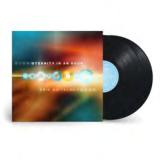
Eric Whitacre verbindet William Blakes Poesie mit Stimmen, Synthesizern, Streichern und Klavier.
Mit *Eternity in an Hour* präsentiert der Grammy-prämierte Komponist ein neues, rund 60-minütiges
Werk. Inspiriert wurde es von William Blakes Gedicht *Auguries of Innocence* und dessen berühmter
Anfangszeile „To see a world in a grain of sand“. Das Album markiert zugleich den Beginn einer erneuerten
Zusammenarbeit mit Decca Classics.
Whitacre dirigiert seine Eric Whitacre Singers sowie Streicher und verbindet ihren Klang mit elektronischen Texturen, Synthesizern und Klavier. Das Werk wurde 2024 bei den BBC Proms uraufgeführt.
Ausgangspunkt der Komposition ist die Granularsynthese: Für jeden Satz werden kleinste Ausschnitte aus
Blakes Versen herausgelöst und musikalisch neu zusammengesetzt.
Zum Einsatz kommen unter anderem ein Lyra-8-Synthesizer, ein Tascam-424-Tonbandgerät und der 125
Jahre alte Flügel von Whitacres Großmutter, dessen Klang ihn seit seiner Kindheit begleitet.
Die digitale Ausgabe und die CD ergänzen das Werk um *Auguries of Innocence*, eine Sammlung atmosphärischer Neubearbeitungen mit IDRA, Jess Gillam und Elin Piel.
Ein facettenreiches Album, das Whitacres musikalische Entwicklung in konzentrierter Form hörbar macht.
Portuguese musician and expert experimentalist Diogo steps up for Heion Records second outing. Diogo signs two originals for his Healiocentric EP, joined by a remix from legendary Wild Bunch selector and producer Milo Johnson, aka DJ Nature whose roots in New York’s late-80s underground shaped his raw blend of early house. The EP opens with "Healiocentric" unfolds as a deep atmospheric journey where modular synthesis meets live instrumentation and tuned percussion. Arpeggiated sequences glide through hovering brass-like tones and modulated pads with effortless positivity, riding a syncopated landscape of rim shots and broken beats.
"Traums" dives deeper into Diogo's intricately woven world. Monochordal spoken word samples drift sparingly across organic clicks and rich analogue textures, conjuring a jazz-like atmosphere that rewards careful listening. Lush pads echo the craft of artists like Two Lone Swordsmen or Ricardo Villalobos, but the steady thump of a 909 kick and a fluid bassline leave no doubt: this is a deep-of- night heater for the enlightened dance floor. DJ Nature closes the EP by taking "Healiocentric" on an inspired tangent into disco-techno territory. Acoustic beats anchor a minimalistic take on acid funk, while a near-naive piano line sets Chicago house against Berlin school repetition. Gated noise, field recordings, wah-wah electric piano pads and classic house organs complete the picture. Cannon fodder of the highest order.
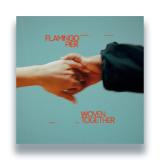
Flamingo Pier, the New Zealand–born, London shaped trio of Luke Walker, Dominic Jones and Brad Craig, step confidently into a new chapter with the announcement of their second album ‘Woven Together’ arriving in October. Long celebrated as one of the southern hemisphere’s best kept dancefloor secrets, the group now move firmly into global view with a record written, produced and released entirely on their own terms. Since first emerging with their Kitsuné debut in 2015, Flamingo Pier have carved out a distinctive space in contemporary dance. Their 2019 Soundway EP earned international acclaim was played on BBC Radio 1 and KEXP, with their 2021 debut album featuring jazz icon Nathan Haines.
Further releases on Razor 'N' Tape and Soundway included collaborations with Nigerian disco legend Steve Monite.
The first glimpse of ‘Woven Together’ arrives with lead single ‘Cool Nights’, a modern, playful take on 80s Italo Disco - powerful on the dancefloor yet built for top down drives along the Italian coastline. A late night story of connection and possibility, the track sets the tone for an album that brings Flamingo Pier’s melodic warmth, rhythmic precision and global influences into sharp, confident focus.
Following on from back-to-back hit albums, Bristol beatmakers The Allergies keep the heat coming with Beneath This Sun. The sample-heavy LP deftly mixes up musical styles, like one of the duo’s dynamite DJ sets.
Soul-stompers ‘Bye Bye Baby’ burn the floor, while double bass banger ’Dig It Up’ adds a boom to the bap that’ll have ’90s hip-hop heads throwing their hands in the air.
Other standout moments are stolen by the earth-shaking cinematics of psych-rock-meets-rap epic ‘Resistance’, featuring Knytro – The secret weapon MC for stadium acts like Chase & Status. And ‘Leave Me Alone’ – a dancehall-on-steroids breakup record brought screaming to life by self-proclaimed "sound system baby" Aziza Jaye.
More new faces to The Allergies camp include tongue-twisting Dutch mic master, BlabberMouf. And rising stars from the Bristol scene, HybridMP & KAI, who shine with their radiant jazz-hop lament ‘Lost My Soul’.
Blume presents The Days Pass Quickly Immersed in the Shadow of Eternity, a new work by Lea Bertucci commissioned by the ZKM Center for Art and Media Karlsruhe and premiered in Karlsruhe in November 2025. Written for, and created in collaboration with, the flutist Norbert Rodenkirchen, it draws on his collection of Renaissance, Medieval, and Neolithic instruments, harnessing sounds that have been largely absent from the modern world. What does it mean to employ one of humanity's oldest known technologies, the flute, appearing in human hands tens of thousands of years before the advent of the wheel, within an experimental, electroacoustic composition that is inherently forward-thinking?
Since her emergence within New York City's Noise scene during the early 2010s, Bertucci has balanced a fierce dedication to the DIY ethos and immediacy of the underground with a refined sense of creative rigor and ambition, moving from brittle, challenging compositions for saxophone, electronics, and tape toward investigations of acoustic phenomena, site-specific resonance, and complex harmonic interplay. Following her return to the rural environments of Upstate New York where she was born and raised, her work has entered a more introspective phase, with an expanded instrumental, technical, and vocal palette that has found her increasingly composing for others, as on 2023's Of Shadow and Substance and on Fata Morgana, a work for organ released earlier this year.
The piece grew from a meeting with Rodenkirchen after a performance by the early music ensemble Sequentia, to which he belongs. Struck by his ability to conjure "spirits from deep within human memory, as a clarion call into the present", Bertucci began a series of conversations that led the pair into the studio at ZKM in the summer of 2024. Conceived for ZKM's 42.4 speaker system, grouped into 8 discrete outputs before being mixed down to stereo, the work aligns with the collaborative process she has honed alongside her solo efforts, in duos with Ben Vida, Lawrence English, and Olivia Block: a dialog with personal and responsive agency offered to both musicians.
It carries forward her inquiry into the fundamentally human aspects of listening ("I am looking for sounds that call from somewhere deep within the listener and that tap into archetypal human knowledge and feeling") and her investigation of psychoacoustic phenomena and otoacoustic emissions through a meticulous alignment of pitches and timbres. Where many of her most celebrated efforts played, and played with, the room, this one is rooted in an implied space: the flutes recall and blur the boundaries between the eras and environments in which those instruments were originally played, from acoustically engineered Renaissance and Medieval halls to the naturally reverberant caves of the Neolithic, and those of the present.
Bertucci is not the first to bring ancient sound sources into experimental music: Harry Partch's instruments drew on Greek, Chinese, and Japanese precursors, Alvin Curran regularly plays a conch shell, and Walter Maioli has spent decades working at the borders of experimental music and archaeology. Her piece occupies a more rarefied position through its hybridity, combining advanced technology with archaic sound sources while sidestepping the exoticism and romantic primitivism that can hobble such efforts. Compared with its closest cousin, Phill Niblock's Four Full Flutes, where the instruments are manipulated beyond clear recognition, here the flutes remain recognizable and embrace the layers of history they carry. The result is an electroacoustic work that largely forgoes the auditory signifiers of the idiom: it could easily pass for a live ensemble, and only attentive listening reveals that it could only have been made through advanced technology.
As Rodenkirchen's playing interweaves with Bertucci's computer-facilitated arrangements of flute samples, ranging from pulsing clusters to dense combinations of sustained tones, timbres, and distances, the piece draws connections with folk and spiritual traditions across human history: Medieval polyphonic ecclesiastical music, Sardinian canto a tenore, Pygmy vocal music, Buddhist chant. By conjoining one of our earliest known technologies with our most advanced, Bertucci proposes that our tools are not the message, but rather the unending continuum of humanity itself. Issued by Blume in a highly limited vinyl edition of 300 copies on transparent light blue vinyl, with newly commissioned liner notes by Bradford Bailey.
ATA00BS will be released in a Number Stamped Edition, with Full Cover Art made by Pepe and will be Sealed / Shrinkwrapped.
'Keep it simple' 103636;"Reissue- Tracklist A1. Unknown A2. Pain Is Full B1. Damaged Memory B2. Damaged Memory ( Iori Remix ) Shortinfo: Roberto Bosco has selected Kiny's music to better prepare his first 12, consisting of four tracks, named 'Damaged Memory'.The track Unknown (A1) leads off the dance of the release on Last Drop Records imprint. It's a proper exploration in an unknown sonic territory to most of the people, and also a difficult element to make out for those who are novice to the visonary component in the musical poetic of Kiny. The track starts with rounds of recurring sirens, almost deafening, framed by dark and ghostly noises. Something not easily identifiable, ambiguous and unknown, as the title itself says, is perceptible in its sound. All this helps to shape a bad presage that fades away into the mystery. On the same side we find Pain Is Full (A2) that, according to the producer, was born in a moment of pain which can be overcome only by fighting. In fact, the track is characterized by a more combative and insistent tone, made up by the sound of snare and tom entering since the start and determining an atmosphere of contrast able to shake the listener until the end. Shouts of encouragement suggest an initiation rite in which there is struggle for survival. The titletrack, Damaged Memory (B1) has more quiet register with less ghostly vocals, perceived at times, unlike the previous tracks. The sounds have a vanished effect, such as when you create a halo on a white sheet with the dust of a pencil just sharpened. You will hear a sort of democracy among the sounds held together by the voice, a metaphor of a damaged memory, as the title itself recite, that always makes the same process till the end: it commences by recalling but then forgets. Last, is the version of the producer Iori, Damaged Memory (B2), on the same side.
GRAMMY® Award-winning reggae icon Buju Banton returns to familiar ground with renewed purpose, setting the tone for a bold new era. Officially reunited with longtime partner VP Records, this full-circle moment reconnects one of Jamaica’s most influential voices with the label that helped define a pivotal chapter of his career. “Butterflies” serves as the first offering from his upcoming al bum, arriving Summer 2026. Produced by internationally acclaimed hitmaker Supa Dups (Rihanna, Drake, Bruno Mars), the track delivers a vibrant, feel-good sound anchored on a re-lick of the ‘Answer rhythm.’ Buju’s unmistakable cadence glides effortlessly across the track, blending classic dancehall energy with a modern sonic edge. The single exemplifies a confident return, one that bridges legacy with evolution while reintroducing the essence of dancehall to a new generation!
Crossing their distinctive techno practices in the spirit of mutual appreciation and experimentation, DJ Nobu invites JakoJako to Bitta. Each delivering an original track and then remixing each other's work, both artists examine where their creativity converges, and what happens when their differing qualities collide. JakoJako has forged a reputation within techno and electronica circles centred on her accomplished exploration of modular synthesis. While she comfortably embraces ambient projects, she's also firmly entrenched in the club matching a tough rhythmic sensibility with adventurous textures and subliminal emotional content. As Nobu himself describes, "Beyond standard techno functionality, I deeply respect JakoJako's approach to music making, which stems from a pure, unyielding curiosity about sound itself. Her sound aligns perfectly with Bitta's core philosophy--the coexistence of experimentation and physicality." Nobu's own 'Wax and Wane' opens up the release in a melancholic mosaic of bleeping leads and natural-sounding drum tones, patiently laid out over a dense pad and developed with the elegant but driving style he's made his own over many years. JakoJako's 'Nodus' is a more cybernetic affair--lithe layers of frequency modulation moving over the rugged kick drum thump before opening up to celestial arps and jagged flurries of percussion. For the remixes, Nobu immediately reframes 'Nodus's melodic crescendo as the core theme while steering the track towards an immersive, linear arrangement that ebbs and flows with poise. In the process, he finds his own expressive sound design language to put a unique spin on JakoJako's original sound. Meanwhile, JakoJako steers 'Wax and Wane' into a mesmerising lattice of needlepoint percussion and swooning synth strokes, creating emotive swells out of the raw ingredients of Nobu's original melodies. The end result is a record made up of four distinct pieces, all logically compatible but bringing forth different aspects of two dedicated, ceaselessly curious practitioners of contemporary techno.
Diaspora II continues Exit Safe Mode’s evolution with a sound that leans deeper into
dub-influenced textures while maintaining their techno foundation. The album shifts
into noticeably darker territory, embracing heavier tones, more brooding energy, and
a mood that feels both introspective and ominously intense.
Juxtaposing acid-tipped breakbeats with influences of acoustic behaviour in nature, Sully unveils a debut release for Critical Music with two-track 12” ‘Flux’ b/w ‘Chatter’. Sully says: "‘Flux’ and ‘Chatter’ were another attempt to take the groove and feel of the breakbeats I've been previously working with and build them from the ground up. The aim was to find space for the tonal elements to breathe and end up in a place I'd not been to before." Birdsong became an unexpected reference point during the writing process, with Sully using synthesis to analyse and recreate natural calls as compositional material. The resulting dialogue between acoustic behaviour and digital sound generation forms part of the release's underlying methodology rather than a surface aesthetic. "The contrast and contradiction of the organic world captured by digital processes is always a pull for me," Sully explains. "It never fails to inspire." Jack Stevens aka Sully has spent much of the last two decades developing a body of work that sits slightly outside the obvious cycles of revival that have shaped UK bass music. While his records draw from established rhythmic forms, they rarely settle within a single tradition, instead examining the shared characteristics between them. His releases have consistently explored the points where 2-step swing, breakbeat construction, and jungle's rhythmic vocabulary begin to overlap. Sully’s records retain a relevance that extends beyond the moment of their release, continuing to circulate through DJ sets and specialist record collections. This 12” adds another chapter to a catalogue defined by sustained investigation into rhythm, texture and soundsystem music.
Mining the rich seam between transcendental escapism and crushing physical pressure, Sciama delivers his first album for Samurai Music. Exploring an energetic pitch between half-time and full-tilt 170, the London-based producer sculpts brooding soundscapes of sheer peaks and deep pits, driven by unrelenting but light-footed forward motion and an imposing strain of sound design. As Sciama, Michael Watters has been marking out his exacting sound since 2019 with an assured run of albums on ASC's Auxiliary label. His second EP for Samurai — the Wave Interaction 12" released earlier this year — pointed to his current area of focus inspired by the teachings of electronic music pioneer Daphne Oram. Contemplating the relationship between precise electronic frequencies and human perception, Celetal Form now delivers the full findings of his exploration. Oram coined the term 'celetal' in her 1972 book An Individual Note of Music, Sound and Electronics, trying to sum up a connection between the celestial and electrical. It's this spiritual dimension contained within sound waves Watters is concerned with, and the shape of the music on Celetal Form follows suit. In an opening statement of abyssal ambience, 'Overload Into Silence' establishes an atmosphere that endures throughout the album. Caught between steely textures, vaporous reverb tails and subtle harmonic interactions, the glacial shift of the many layers under Watters' control reveals an intense amount of detail at play even before drums and bass come into play. From there on in, the intensity ramps up from one heavyweight stepper to the next. There is agile, brittle top-end percussion at work on the likes of 'Induced Resonance' and 'Consuming Pulse', perhaps the most closely connected to D&B, while 'Rational Echoes' and 'Scanning Waveband' deal in urgency and techno-coded tension. A half-time roll guides the huge kick drum undulations of 'No Panacea', and 'Celetal Emergence' opens up into more spacious surroundings to let the subtle microtonal inflections of the synth tones set a curious mood. The two 'Intermodulation' tracks bring Watters' exacting approach into sharp focus, pushing the drums back and foregrounding alien frequencies that coalesce into unfamiliar yet strangely uplifting forms. Throughout Celetal Form this uncanny sensation charges the music with a power that reaches beyond its immediate, surface level impact. This intentional reflection on Oram's visionary thinking charges the current sound of Sciama with energetic intrigue that stands apart and invites a mindful, maybe even spiritual, engagement.
Toneblind continues charting its course with a second release for 2026: TB03 presents four sleek, spherical groovers from AI Robot.
A relatively new project of Romania’s Calin Dumitrescu, with previous releases via EYA and Lirica Archives, the Damage Control EP is AI Robot’s most focussed release to date. All four tracks fit snugly with Toneblind’s developing vision: sci-fi inflected, craftily contemporary, dancefloor tested and ready for immediate play.
Side A is perfectly primed for peak time, with the playful vocal snippets of ‘Random Factory’ and slinky, snaking bass showing of ‘Damage the Disco’ providing serious fun. Side B is more pensive but still propulsive, with the bubbling arpeggiations of ‘Take Control’ and spiralling synth lines of ‘Bridge to Bliss’ already both Toneblind sound signatures.
Every coastline develops its own rhythm. The Adriatic is no exception.
For decades, Italy’s eastern coast has been shaped by funk, Cosmic Disco, Balearic sounds, Italo Disco, House, Latin rhythms, Brazilian music and countless other influences. Rather than blending into a single style, these musical worlds have lived side by side, constantly inspiring new generations of DJs, musicians and dancers. For more than fifteen years, Soul Fingers and Funk Rimini have explored that landscape from different perspectives. Founded by Claudio Cavallaro in 2013, Soul Fingers grew into a vinyl-driven community where groove matters more than genre. Its philosophy has always been simple: if the groove is right, genres stop mattering. Brothers Ricky and Francesco Cardelli developed Funk Rimini into a project rooted in funk, disco, live performance and electronic production. Anima Adriatica is where these two journeys meet.
The project didn’t begin with the ambition of making an album. It began behind the turntables. As DJs, Claudio Cavallaro and Ricky Cardelli found themselves constantly searching for records capable of connecting distant musical worlds inside their sets; from Afrobeat into disco, from hip hop into Latin, from Brazilian grooves into boogie, from cosmic electronics into deep funk. Sometimes those records existed. More often, they didn’t. So they stopped searching and started writing them. Not records designed to belong to one genre, but records designed to travel between genres. That space between musical worlds became Anima Adriatica.
The music grew through spontaneous jam sessions with Ricky and Francesco Cardelli, drummer Enrico Mao Bocchini and, gradually, a wider circle of musicians, singers and longtime friends, making Anima Adriatica less a traditional band than the beginning of an open collective. Recorded at SynthPosio Studio, founded by Ricky and Francesco Cardelli inside Rimini’s iconic skyscraper, the project also carries a symbolic connection to the building itself, where many Italo Disco classics (including records by Betty Miranda, The Creatures and many others) were recorded decades earlier.
Betty Miranda returns not as a nostalgic guest, but as a bridge between generations. On the title track she performs a spoken-word text written by Claudio Cavallaro, reflecting on the invisible thread connecting the Adriatic dancefloor across time. From Baia degli Angeli to Cocoricò, from the legendary clubs of Riccione to today’s independent communities gathered around projects such as Soul Fingers and Funk Rimini, the places have changed, but the dancefloor continues to tell the same story. Much like Pier Vittorio Tondelli’s Rimini captured the Adriatic through literature, Anima Adriatica imagines its soundtrack.
Brazilian musician Daniel Plentz (Selton) expands that vision on Açúcar and Alegria, bringing another coastline into the story. Across its four tracks, the EP moves naturally between analogue funk, boogie, Brazilian music, underground disco, cosmic textures and the wider Black musical tradition, with All Down The Line paying tribute to the Paradise Garage era.
Released by Bordello A Parigi, the project found its natural home through a shared love of adventurous dance music, records and club culture. More than the title of an EP, Anima Adriatica marks the beginning of an open collective; a meeting point where musicians, DJs, producers and friends continue building bridges between genres, generations and communities.
Because Anima Adriatica doesn’t live inside a genre. It lives between genres. If soul music has always reflected the places where it was born, Anima Adriatica is simply our own Adriatic Soul.
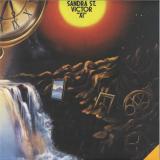
Powerhouse vocalist Sandra St. Victor returns with Eleven, her eleventh studio album and first solo release in over a decade. From her years with The Family Stand to collaborations with Roy Ayers, Curtis Mayfield, Chaka Khan, Prince and Lalah Hathaway, Sandra has built a remarkable career that has consistently blurred the lines between soul, funk, jazz and gospel.
Executive produced by Sandra St. Victor and Patrick Gibin for Mother Tongue, Eleven brings together Sandra's longtime collaborators alongside the Mother Tongue family, bridging her rich musical legacy with a fresh, forward-looking sound rooted in soul, jazz, boogie and soulful dance music.
The album combines brand new compositions with inspired reinterpretations, from Kaidi Tatham's stunning reimagining of Captain Sky's Moonchild and his masterful reinvention of the Leon Ware/Syreeta underground gem Tiki Tiki Donga, to a beautifully understated new version of Sandra's own Dizzy, originally released on Gemini: Both Sides in 2001 featuring Questlove, Roy Ayers and Donald Byrd, here reimagined by Mark de Clive-Lowe. Along the way, the lo-fi soul of Black Ice, the timeless duet No More Water featuring Lalah Hathaway, and the straight-up funk of Makes Me Wanna Fall In Love Again and What Would Miles Do showcase an artist continuing to evolve while remaining true to her artistic voice.
Rooted in experience yet driven by curiosity, Eleven bridges Sandra's remarkable musical legacy with the creative vision of Mother Tongue, resulting in an album that feels both timeless and unmistakably
For its second outing, Sonum invites Matteo Point, whose Acid People EP expands the label's catalogue with four cuts navigating the space between acid house, progressive textures and analogue-driven club music.
The title track, "Acid People," sets the tone with tightly wound 303 sequences, sparse drums and a hypnotic sense of momentum, landing somewhere between functional peak-time tool and late-night trip. "Fresh Morgen" follows with a rolling low end before gradually unfolding into darker, more melodic territory, recalling the subtle tension of late-'90s European underground records.
On the B-side, "Musika Progressiva" revisits progressive house without falling into nostalgia, reshaping familiar motifs through a contemporary lens while maintaining its analogue warmth. Closing cut "Vvvaneggg" shifts towards Detroit-inspired rhythms and understated machine funk, offering a stripped-back groove built for patient selectors.
Across four tracks, Matteo Point delivers a collection that feels both immediate and enduring—club-focused without sacrificing character. With Acid People EP, Sonum continues to carve out its own space, championing records that draw equally from the past and the future of underground dance music.
Chopping Mountain, das neue Album von Ibibio Sound Machine, ist die bislang deutlichste Umsetzung der langjährigen Mission des Londoner Kollektivs, Liebe, Einheit und Widerstand durch Musik zu fördern. Es ist das sechste Album der Band in voller Länge und das erste, bei dem Max Grunhard seit ,Doko Mien" aus dem Jahr 2019 als Produzent mitwirkt. Nach ihrem von Hot Chip produzierten Durchbruch ,Electricity" (2022) und dem düstereren, clubbigen Einschlag des von Ross Orton produzierten ,Pull the Rope" (2024) fühlt sich ,Chopping Mountain" an, als stamme es direkt aus den Herzen und Erfahrungen der von Eno Williams und Grunhard angeführten Band. Williams ist wie immer eine Sirene - eine Frontfrau, wie sie nur einmal in einer Generation vorkommt, deren Ruf, sowohl auf die Tanzfläche als auch nach einer besseren Zukunft, unmöglich zu widerstehen ist. Wie sie das macht, ist ein Rätsel. Nimm zum Beispiel einen Song wie ,Return to Sender". Inspiriert von einem Autounfall, bei dem sie spürte, wie ihr das Lenkrad buchstäblich aus den Händen sprang - was sie mit ,einem spirituellen Angriff durch unsichtbare Kräfte" verglich -, ist der Track ein kraftvoller, kathartischer Rager, ein Ganzkörper-Workout und eine lautstarke Ablehnung des Bösen in mehreren Sprachen, Englisch und ihrer Muttersprache Ibibio. Sie ist natürlich kaum allein am Fuße des ,Chopping Mountain". Ibibio Sound Machine - Grunhard (Saxophon, Keyboards), Alfred Bannerman (Gitarre), PK Ambrose (Bass, Keyboards), Joseph Amoako (Schlagzeug), Afla Sackey (Percussion), Scott Baylis (Trompete, Keyboards) und Tony Hayden (Posaune, Synth) - sind übernatürlich eingespielt und schöpfen aus ihren Wurzeln und Inspirationen in Highlife, Disco, Afrobeat, Funk, Post-Punk und Electropop, um um ihre Stimme herum gewaltige Klangkathedralen zu errichten. Vor dem Hintergrund einer entmutigenden Welt bleiben Ibibio Sound Machine hoffnungsvoll, auf der Suche nach Bewusstsein und Verbundenheit. Sie setzen den Weg fort, den sie erstmals auf ,Pull the Rope" eingeschlagen haben: Viele Songs auf ,Chopping Mountain" entstanden aus Jam-Sessions, bei denen sie sich auf einen Groove, ein Instrument oder einen Text konzentrierten. Auf ,Concept of Love" formen sie einen Afro-Disco-Song, auf ,Love" vertiefen sie das Konzept und liefern ein ätherisches Stück Highlife. Bei ,Give Me Peace" ist sogar Dele Sosimi von Fela Kutis Egypt 80 zu hören. Diese berauschende Mischung aus unterschiedlichen Stilen und Herkunftsorten verschmilzt über das gesamte ,Chopping Mountain", wobei die Songs darin vereint sind, dass sie die schärfsten Werkzeuge sind, die Ibibio Sound Machine im gegenwärtigen Moment einsetzen können. Sie stellen den Kampf um Freiheit als einen gemeinschaftlichen dar. Der Weg zur Befreiung ist lang und beschwerlich, aber er ist nicht ohne Freude - hier ist ein Album, das vor ihr nur so strotzt.
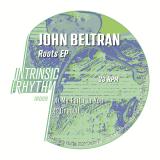
"John Beltran joins forces with Ireland’s Intrinsic Rhythm for a masterclass in emotional Detroit Techno with his "Roots EP" featuring a deep & soulful remix from Fireground.
Few names command the same reverence in electronic music as John Beltran. Since pioneering the more melodic, ambient-soaked textures of Detroit techno in the 1990s and 00s, the Michigan producer has spent over three decades crafting electronic music with an unmistakable human soul.
For his latest outing, Beltran links up with Irish imprint Intrinsic Rhythm for a physical and digital release after previously providing a remix for IR004 . The A1 "My Faith In You" is a perfect distillation of his signature sound: lush, cinematic chord progressions, propulsive rhythm arrangements, and that deep-running emotive warmth that makes his catalog timeless and this continues on the A2 with "Gratiot" a timeless piece of Deep Detroit Techno with a shuffling groove and precise tones and textures.
Sharpening the edge of the package is a stellar remix from dynamic Italian duo Fireground. Known for their driving, soulful and rich sound on labels like Tresor and Ilian Tape, Fireground adds a deeper more textured version of "Gratiot" and reconstructs it into a sun drenched musically rich remix. Together, the release forms a beautiful bridge between the two artists. "
Regelbau chief Natal Zaks, who you may better known as Danish house talent Central, returns to his Picture alias hot on the heels of a full-length under the same moniker on his usual home, Short Span. This EP comes on P-TON, NMP's sub label, and is pristine dub techno with clean lines and minimal fuss. 'Faaaaaaaaa' has the right amount of swing and pop under sleek chords, 'Gaaaaaaaaaa' is less about firmware demotion and more about locking you in an endless cycle of brain cleansing thought. 'Kaaaaaaaa' is a darker world of cavernous bass and icy futurism and 'Tuuuuuuuu' nods to the best of Basic Channel. Proper dub techno that reinvents nothing but does everything exceptionally well.
It’s Italian time! Sam Ruffillo is back. Sicilian producer doing smooth Balearic disco with Italian vocals. The direction is clear: Sam Ruffillo's music brings us back into the Italian riviera and the hippy days of Ibiza in the late 1970ies. Even his way of production is similar to how the early days disco producers in Italia used to work: No samples needed. Instead a few guest musicians come to jam over Sam's beats in his Italian studio space. Guitar, bass, percussions. Sam later makes the production and added keyboard solos and put together the vibes into what is this new EP.
The girl voice comes from NINFA. It’s the classic studio story: Ninfa is a singer and DJ and friend of Sam. She was hanging at the studio while Sam was finishing these tracks. She stated to sing along... the words came up spontaneously… so they decided to record her and finally decided to keep them. The vibe was too good. Why talk English if u can do it better: in Italian! :)
This is second for Toy Tonics after his Sport House EP from last year. Sam also appeared on the solo record of Joel Holmes on Toy Tonics. Together with Kapote Modica he co-produced and made the beats on that record. Now Sam is back with this pure Italian EP. Inclusive remixes by new German artists Gome and Italian Musemeci - known to many from his fabulous Italo-trance releases on Diynamic records.
More than five decades into one of Brazilian music's most remarkable careers, Joyce Moreno returns with a new collection of songs that reflect the warmth, lyrical sophistication and innovation that have made her one of Brazil's most defining musical voices.
Produced by Joyce Moreno alongside her husband and longtime collaborator Tutty Moreno, the album finds the Rio-born singer, guitarist and composer at her most reflective. Across nine beautifully crafted songs, Joyce pairs intricate guitar work, lyrical intimacy and effortless swing with the musical curiosity that has defined her work for more than half a century.
Invited into the studio by Roberto Menescal at just sixteen years old, Joyce emerged during a transformative period for Brazilian music, releasing her self-titled debut in 1968. She soon established herself as one of Brazil's pioneering female songwriters, writing unapologetically from a woman's perspective at a time when few women were afforded that voice. Her song “Me Disseram” sparked national debate, while later works including “Feminina” cemented her reputation as an artist unafraid to challenge convention.
While some of her politically charged songs were censored during Brazil's military dictatorship, Joyce continued to write with honesty and independence. After studying journalism in the late 1960s, her gift for observation and storytelling became an even more defining feature of her songwriting. Over the following decades she released a succession of acclaimed albums, including the now-classic Feminina and Água e Luz, earning widespread recognition both in Brazil and internationally. Antônio Carlos Jobim would later describe her as "one of the greatest singers", while generations of musicians have drawn inspiration from her fearless artistry and enduring originality.
That same artistic fearlessness remains at the heart of her latest work. The album brings together an exceptional ensemble of Brazilian musicians. Tutty Moreno's expressive drumming underpins Joyce's vocals and guitar throughout, while Jorge Helder's bass, Lula Galvão's guitar and Marcos Nimrichter's warm Fender Rhodes create a sound that is both intimate and expansive. Contributions also come from the legendary Toninho Horta, alongside José Arimatéa, Teco Cardoso, Nailor Proveta, Josué dos Santos and Raphael Sampaio, whose additions add colour and texture without overshadowing Joyce's understated brilliance.
Throughout the album, Joyce balances quiet reflection with effortless rhythmic vitality. “Chovendo na Horta” serves as both a heartfelt dedication and a celebration of Joyce's enduring musical connections, featuring the unmistakable guitar of Toninho Horta. Elsewhere, “Aldeia de Ogum” receives a fresh new arrangement by Nailor Proveta, revisiting one of Joyce's most beloved compositions. Originally released in 1980, the track has enjoyed a remarkable resurgence in recent years, embraced by a new generation of listeners and became an underground favourite among DJs including Floating Points, Four Tet and Danilo Plessow. Now a staple of Joyce's live performances, this reimagined version brings renewed energy to a song that continues to transcend generations.
At seventy-eight, Joyce Moreno continues to write with the same curiosity, generosity and quiet innovation that have defined her career from the very beginning. "For me, it's never too soon to try something new, either in music or in life," she reflects - a philosophy that gives both the album and its title their enduring sense of optimism. This latest album is neither a retrospective nor a reinvention, but the work of an artist who continues to refine her voice with remarkable grace, proving that her most compelling music remains firmly rooted in the present.
Following the album's release, Joyce Moreno will embark on a European tour this November, bringing her celebrated live show to audiences across the UK and Europe. A rare opportunity to experience one of Brazil's most influential and enduring artists in concert, the tour showcases a songwriter whose voice, virtuosity and musical vision remain as compelling today as ever.
With one foot in the Mexican underground rock scene and the other one in the global tape trading circuit, Las Ánimas del Cuarto Obscuro found themselves in the middle of a crossroad after their first LP. México wasn´t the same country as when the band first started. Even though access to non-commercial music still was a difficult task in the late eighties, the fringes of culture had way more resources thanks to the stubbornness of certain anonymous heroes: dwellers of El Tianguis Cultural del Chopo, niche record stores, illegal underground parties and hosts of late night Mexican public radio shows.
Ubiquitous social unrest expressed itself in every way possible. The aftermaths of the 1985 earthquake weren’t the only matters on the table. Protests erupted after a rigged presidential election and a student strike hit Mexico’s biggest public university. This was just the tip of the iceberg of issues PRI’s perfect dictatorship was or wasn’t addressing. The clash of the authoritarian regime against new and fresh ideas.
If the first record was about the loneliness of self-destructive youth and it’s urban phantasmagories, LACO’s second LP dealt with change as the axis of human existence. Las Ánimas is just the beginning of the sonic metamorphosis Toño Sánchez went through until this very moment.
The departure of former bandmembers set a different approach towards more experimental and atmospheric sounds. As the project’s only member, Toño Sanchez took an alchemical trip aiming for more mysterious horizons.
Despite the fact that we can still find conventional dark pop and catchy songwriting, the record rests on sound landscapes closer to Jorge Reyes or Tuxedomoon and This Heat than the orthodox ways of so called post-punk, seasoned of course with the lack of music gear and the economic reality prevalent in Mexico of those convulsed times.
Las Ánimas is a goodbye letter to underground but not because the next move is the mainstream. Far away from it, it’s a farewell to traditional rock and a the first steps down into the depths. From now on, Toño Sánchez will dedicate his musical efforts to weirder sounds and scarcer audiences in the search of the arcane, possessed by a mania of constant change that infects the soul after crossing the black door’s threshold.
„Rejoice“ ist eine ganz besondere Zusammenarbeit zwischen Tony Allen, dem legendären Schlagzeuger und
Mitbegründer des Afrobeat, und Hugh Masekela, dem Trompetenmeister des südafrikanischen Jazz.
Die beiden weltberühmten Musiker, die sich in den 1970er Jahren durch ihre jeweiligen engen Verbindungen
zu Fela Kuti kennengelernt hatten, sprachen jahrzehntelang davon, gemeinsam ein Album aufzunehmen.
Als sich ihre Tourneepläne im Jahr 2010 in Großbritannien überschnitten, bot sich die Gelegenheit, und
Produzent Nick Gold nutzte den Moment, um ihr Zusammentreffen aufzunehmen. Kurz nach dem sehr
traurigen Tod von Hugh Masekela im Jahr 2018 und mit neuem Elan holten Tony Allen und Nick Gold
– mit dem Segen und der Beteiligung von Masekelas Nachlassverwaltung – die Originalbänder hervor und
stellten die Aufnahmen im Sommer 2019 fertig; dies geschah in jenem Londoner Studio, in dem auch die
ursprünglichen Sessions stattgefunden hatten.
Das von der Kritik gefeierte Album wurde vom „Guardian“ als „bemerkenswert stimmige Mischung aus
Swing und Afrobeat“ beschrieben, die „einige von Allens bisher besten Arbeiten am Schlagzeug sowie
Masekelas unnachahmliche Bläsermelodien“ präsentiert.
Anlässlich des 40-jährigen Jubiläums von World Circuit Records erscheint diese Veröffentlichung nun auf
„Splatter-Vinyl“ in den Farben Orange, Pink und Weiß.
Hanne Lippard and Renato Grieco's Today's Special is a suite of language works synthesising melody and diction that integrates the literary and the audible in a repertoire of songs that bask in the melody of voice and the punctuations of structured composition. Working with methods of reduction rather than opulence in both tonal composition and rhetoric, each piece pegs the poetic to the musical with compositional schematics and methods. It is important to state that there is little to none improvisation here, instead, the duo set up matrices, rules and structural links that facilitated meaningful locus of exchange between their two practices. Lippard's texts are a collection of new and previously completed works. In these, as is typical for her work, she enjoys the easy pleasure of wordplay, iterative language, and decontextualised anecdote, as in opener Portrait of a Betrayal, a piece about the loss of a phone and the way it haunted the owner who dropped it, based on a lived experience. Grieco's instrumentation works with Lippard's language art as a form of acoustic typography. "I studied graphic design and I think about how you can express typography through voice," she says. "Renato's use of the viola da gamba becomes like an underline, or a font's brushstrokes, in ways that feel typographical." In this, the classically-trained composer Grieco often finds and echoes the pitch movements of Lippard's voice, intonation mirrored and revealed, linguistic meaning doubled and shadowed by plucked, strummed or bowed strings. His main instrument is the viola da gamba, the instrument considered closest to the human voice for its tonal range and ability to mimic inflections and timbre, and here he brings it even closer to the voice, building systems by which it moves with and around Lippard. He also plays piano and Wurlitzer, and joins her in speaking on Receiver and in conversation for final track The Black Rose. "Hanne's voice is an artist's voice, embodied as the artwork itself," he says. "But where my approach is from the perspective of a composer, hers is around rhetoric and language. We worked towards each other in this sense, Hanne finding a space to welcome my voice, and me designing an acoustic space to enhance her vocal persona." In some tracks the structural connections are obvious - the matched tumbling delivery and stepped pitches of voice and piano in Aficionado sounding like two tipsy friends descending a staircase. In others, like the triptych of tracks Three Rungs Ladder, structured with rules derived from nursery rhymes, or cumulative song (akin to the 12 Days of Christmas). For the Colour 1 and Colour 2 pieces, the duo worked from palettes of colours connected to clusters of harmonies, which underlined the power of the word and its articulation. The absurd Labradorable personifies a people pleaser, A Story About Being Blue is an imagined playful monologue from the Deep Blue supercomputer - requesting in sing-song stop motion to be called Debbie, and Larry - as Grieco echoes in factual reportage. Hurtbeat unpacks and recomposes a tweeted non-apology by a Russian art collector about owning a piece of racist art, Grieco shadowing Lippard's generating a third `drop-shadow' performer from the resonances between the duo, typographic re-articulation of the source material. The Receiver includes lines from Robert Ashley's Improvement (Don Leaves Linda), Ashley existing as a spiritual parent of sorts to the practices contained on Today's Special, and here interpolated as if he is being quoted and written through within the audible world of the piece in a palimpsest of borrowed sentences. Closing track The Black Rose contains its own self-aware comedy, a lightly distorted conversation sourced from a Reddit thread about whether black roses exist, recorded as if it were an internet radio or a low budget podcast, the casual exchange stilted in the delivery of platitudes as scripted speech. Today's Special was developed in person over the course of a series of small residencies - at Deutsche Akademie Rom Villa Massimo, Rome; Fondazione Morra, Napoli; Callie's, Berlin. In these limited periods that rarely stretched beyond a week, Lippard and Grieco developed strategies for the works, keeping tightly locked to musical concepts. This, for Grieco, is about maintaining a solid, meaningful connection within the compositions, and committing to everything having a purpose for existing within the work. Each element pulls its weight; has something to say, literally and metaphorically speaking. In the same way that Lippard's work leaves nowhere for her to hide, he wants the music to exist with its own naked purpose: "It's is about exposing nudity via reduced materials," says Grieco. "This is a form of courage we want to embrace. Once we take off everything, it needs to be extremely precise to maintain a connection with the audience. We have a lot of tools to hide behind now, to protect ourselves and our identities as artists, performers, and in life more generally. It's something I don't want to do. I want extreme reduction: no hiding."
The Five Green Moons present Moon 3. The third sphere to find its way into orbit. On its surface the evolution of a many faceted creature has taken place. Now with long, long tentacles and a million mouths the creature dances and sings. Its voice is the sound of the ghost dub ritual. The echo of spirits passing through the translucent veil. The chants of souls lost in the vampire woods. The clap, clap of its limbs colliding is the sound of frequencies being bent into fascinating new shapes by machine/ human hybrids. Post punk dubwise angular electro folk, Pastoral dub, whatever name you give to this music is of no consequence. It is alive and spinning in orbit.
The third Five Green Moons album sees Justin Robertson's sonic pallet blossoming into new exciting shapes. These 11 tracks offer a wide vista of across the frequencies including a truly remarkable and uncanny tale from celebrated author David Keenan on ' To Haunt of the Dark Earth A Spot' that brings to mind a vision of M.R. James merging with African Headcharge. Another refreshing collaboration can be found on 'Message from the Tone Generator' where underground electronic producer Nickelle adds her magical poetry to the psychedelic swirl. This is a bold and magical offering in a time of pastiche where new shapes are drawn from the sketches of the past.
If you need a sonic shorthand imagine Public Image Limited meeting the haunting chants of a new age Incredible String Band. The spiritual tones of late 70's Don Cherry. The whispering psych swooshes from Planet Gong and most importantly a solid bass foundation straight out of King Tubby's studio.
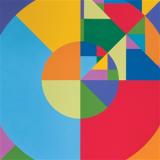
Eine Hommage an innovative mexikanische Musiker, die elektronische und indigene Instrumente mit Minimalismus, Ambient, Jazz und New-Age-Ästhetik verschmolzen haben Mit 12 visionären Künstlern, darunter Luis Pérez, Arturo Meza, Jorge Reyes, Aristeo und Tribu, um nur einige zu nennen Zusammengestellt und produziert vom mexikanischen Journalisten, Musiker und DJ Carlos ,Tropicaza" Icaza sowie dem Gründer von dublab radio und Creative Producer des LA Phil, Mark ,Frosty" McNeill Cover-Artwork vom legendären Künstler Eduardo Terrazas sowie Design und Layout von D.Norsen Design Doppel-LP, gepresst bei Optimal, inklusive Booklet mit Liner Notes Audio remastered vom GRAMMYr-nominierten Toningenieur John Baldwin Limitierte Farbvinyl-Edition, gepresst auf violettem und rosa Vinyl //// ,A LA ALTURA" - oder ,To The Height" - würdigt mexikanische Musiker, die sich in den letzten Jahrzehnten des 20. Jahrhunderts mit elektronischen und indigenen Instrumenten auf experimentelles Terrain wagten und dabei im Dialog mit Minimalismus, Ambient, Jazz und New-Age-Ästhetik standen. Über ein Jahrzehnt in Arbeit und liebevoll kuratiert vom mexikanischen Journalisten, Musiker und DJ Carlos ,Tropicaza" Icaza sowie dem Gründer von dublab radio und Creative Producer des LA Phil, Mark ,Frosty" McNeill, basiert A LA ALTURA auf Originalbändern und Masteraufnahmen mit unveröffentlichten, längst vergriffenen und privat gepressten Aufnahmen. Die Bände 1 & 2 präsentieren 25 visionäre Künstler, die sich aktiv für eine Art Bewusstseinserweiterung einsetzten - sei es durch die Suche nach den Sternen mittels ihrer Musik oder durch die Weiterentwicklung der Kunstform selbst. Ebenso kühn setzen diese beiden Bände ein Zeichen dafür, dass mexikanische Künstler und Komponisten wie Luis Pérez, Arturo Meza, Jorge Reyes, Ana Ruiz und Antonio Zepeda in einem Atemzug mit Michael Rother, Terry Riley, Hiroshi Yoshimura und den vielen anderen Künstlern genannt werden sollten, die zu Recht für ihren Experimentiergeist gefeiert wurden.
Eine Hommage an innovative mexikanische Musiker, die elektronische und indigene Instrumente mit Minimalismus, Ambient, Jazz und New-Age-Ästhetik verschmolzen haben Mit 12 visionären Künstlern, darunter Luis Pérez, Arturo Meza, Jorge Reyes, Aristeo und Tribu, um nur einige zu nennen Zusammengestellt und produziert vom mexikanischen Journalisten, Musiker und DJ Carlos ,Tropicaza" Icaza sowie dem Gründer von dublab radio und Creative Producer des LA Phil, Mark ,Frosty" McNeill Cover-Artwork vom legendären Künstler Eduardo Terrazas sowie Design und Layout von D.Norsen Design Doppel-LP, gepresst bei Optimal, inklusive Booklet mit Liner Notes Audio remastered vom GRAMMYr-nominierten Toningenieur John Baldwin Limitierte Farbvinyl-Edition, gepresst auf violettem und rosa Vinyl //// ,A LA ALTURA" - oder ,To The Height" - würdigt mexikanische Musiker, die sich in den letzten Jahrzehnten des 20. Jahrhunderts mit elektronischen und indigenen Instrumenten auf experimentelles Terrain wagten und dabei im Dialog mit Minimalismus, Ambient, Jazz und New-Age-Ästhetik standen. Über ein Jahrzehnt in Arbeit und liebevoll kuratiert vom mexikanischen Journalisten, Musiker und DJ Carlos ,Tropicaza" Icaza sowie dem Gründer von dublab radio und Creative Producer des LA Phil, Mark ,Frosty" McNeill, basiert A LA ALTURA auf Originalbändern und Masteraufnahmen mit unveröffentlichten, längst vergriffenen und privat gepressten Aufnahmen. Die Bände 1 & 2 präsentieren 25 visionäre Künstler, die sich aktiv für eine Art Bewusstseinserweiterung einsetzten - sei es durch die Suche nach den Sternen mittels ihrer Musik oder durch die Weiterentwicklung der Kunstform selbst. Ebenso kühn setzen diese beiden Bände ein Zeichen dafür, dass mexikanische Künstler und Komponisten wie Luis Pérez, Arturo Meza, Jorge Reyes, Ana Ruiz und Antonio Zepeda in einem Atemzug mit Michael Rother, Terry Riley, Hiroshi Yoshimura und den vielen anderen Künstlern genannt werden sollten, die zu Recht für ihren Experimentiergeist gefeiert wurden.
Eine Hommage an innovative mexikanische Musiker, die elektronische und indigene Instrumente mit Minimalismus, Ambient, Jazz und New-Age-Ästhetik verschmolzen haben Mit 12 visionären Künstlern, darunter Luis Pérez, Arturo Meza, Jorge Reyes, Aristeo und Tribu, um nur einige zu nennen Zusammengestellt und produziert vom mexikanischen Journalisten, Musiker und DJ Carlos ,Tropicaza" Icaza sowie dem Gründer von dublab radio und Creative Producer des LA Phil, Mark ,Frosty" McNeill Cover-Artwork vom legendären Künstler Eduardo Terrazas sowie Design und Layout von D.Norsen Design Doppel-LP, gepresst bei Optimal, inklusive Booklet mit Liner Notes Audio remastered vom GRAMMYr-nominierten Toningenieur John Baldwin Limitierte Farbvinyl-Edition, gepresst auf violettem und rosa Vinyl //// ,A LA ALTURA" - oder ,To The Height" - würdigt mexikanische Musiker, die sich in den letzten Jahrzehnten des 20. Jahrhunderts mit elektronischen und indigenen Instrumenten auf experimentelles Terrain wagten und dabei im Dialog mit Minimalismus, Ambient, Jazz und New-Age-Ästhetik standen. Über ein Jahrzehnt in Arbeit und liebevoll kuratiert vom mexikanischen Journalisten, Musiker und DJ Carlos ,Tropicaza" Icaza sowie dem Gründer von dublab radio und Creative Producer des LA Phil, Mark ,Frosty" McNeill, basiert A LA ALTURA auf Originalbändern und Masteraufnahmen mit unveröffentlichten, längst vergriffenen und privat gepressten Aufnahmen. Die Bände 1 & 2 präsentieren 25 visionäre Künstler, die sich aktiv für eine Art Bewusstseinserweiterung einsetzten - sei es durch die Suche nach den Sternen mittels ihrer Musik oder durch die Weiterentwicklung der Kunstform selbst. Ebenso kühn setzen diese beiden Bände ein Zeichen dafür, dass mexikanische Künstler und Komponisten wie Luis Pérez, Arturo Meza, Jorge Reyes, Ana Ruiz und Antonio Zepeda in einem Atemzug mit Michael Rother, Terry Riley, Hiroshi Yoshimura und den vielen anderen Künstlern genannt werden sollten, die zu Recht für ihren Experimentiergeist gefeiert wurden.
Eine Hommage an innovative mexikanische Musiker, die elektronische und indigene Instrumente mit Minimalismus, Ambient, Jazz und New-Age-Ästhetik verschmelzen Mit 13 visionären Künstlern, darunter Ana Ruiz, Oxomaxoma, Gerardo Bátiz, Antonio Zepeda und Airwaves, um nur einige zu nennen Enthält 4 bisher unveröffentlichte Titel Zusammengestellt und produziert vom mexikanischen Journalisten, Musiker und DJ Carlos ,Tropicaza" Icaza sowie dem Gründer von dublab radio und dem Creative Producer des LA Phil, Mark ,Frosty" McNeill Covergestaltung vom legendären Künstler Eduardo Terrazas, Design und Layout von D.Norsen Design Doppel-LP, gepresst bei Optimal, inklusive Booklet mit Liner Notes Audio remastert vom GRAMMYr-nominierten Toningenieur John Baldwin Limitierte Farbvinyl-Auflage auf gelbem und blauem Vinyl ///// ,A LA ALTURA" (zu Deutsch: ,Zu den Höhen") würdigt mexikanische Musiker, die sich in den letzten Jahrzehnten des 20. Jahrhunderts mit elektronischen und indigenen Instrumenten auf experimentelles Terrain wagten - im Dialog mit Minimalismus, Ambient, Jazz und New-Age-Ästhetik. Über ein Jahrzehnt in der Entstehung und liebevoll zusammengestellt vom mexikanischen Journalisten, Musiker und DJ Carlos ,Tropicaza" Icaza sowie dem Gründer von dublab radio und Creative Producer des LA Phil, Mark ,Frosty" McNeill, basiert A LA ALTURA auf Originalbändern und Masteraufnahmen mit unveröffentlichten, längst vergriffenen und privat gepressten Aufnahmen. Die Bände 1 und 2 präsentieren 25 visionäre Künstler, die sich aktiv für eine Form der Bewusstseinserweiterung einsetzten - sei es durch das Streben nach den Sternen mittels ihrer Musik oder durch die Weiterentwicklung der Kunstform selbst. Ebenso kühn setzen diese beiden Bände ein Zeichen dafür, dass mexikanische Künstler und Komponisten wie Luis Pérez, Arturo Meza, Jorge Reyes, Ana Ruiz und Antonio Zepeda in einem Atemzug mit Michael Rother, Terry Riley, Hiroshi Yoshimura und den vielen anderen Künstlern genannt werden sollten, die zu Recht für ihren Experimentiergeist gefeiert wurden.