Powerfully epic breaky sound hailing from the UK during the early 90s. Beautiful tempo juxtaposition of fast passed driving beats pushed by low ph bass lines under slower piano riffs and patient vocal elements making it a hard one to forget.
Low end elements clearly carved from primordial UK Bass aesthetics taking the amen break to new plateaus already very much overlapping with Drum & Bass territory.
Ultra dreamy vocals on some kind of The Mamas and The Papas reincarnation, UK dreaming all the way. Heavy ending track vibes. In addition, Juan Ramos' masterful half tempo remix offers the listener a completely different experience with full respect for the original, what else to expect from someone with this caliber of dance floor education <3 meticulously remastered.
out of Stock
Last delivered 22 months ago available to reorder, subject to availability
Lady Tazz's Mind Medizin label welcomes Marcal for an adventurous new techno two-tracker.
Brazilian-born and based, Marcal has now reached a global audience with his spellbinding techno and haunting atmospherics. His intelligently designed sounds on labels like Rekids Special Projects have found favour with everyone from Charlotte de Witte to Richie Hawtin. He has built a local scene in his hometown of Goiânia and now lands on the forward-thinking Mind Medizin label.
Opener 'Infectious' is a mind-altering and wonky techno workout. The unbalanced synths warp and wrap around each other to dynamic effect, while oversized hi-hats ramp up the pressure. The drums hit hard and it results in supple, stylish and high impact backroom techno. The equally excellent 'LambdaCore' is more dark and glitchy, with scraping hits and scuffed-up kicks. The textured sound designs really bring this track alive as ghoulish vocals and hyposonic loops take you down a late-night techno tunnel.
This is a brilliant brace of muscular and emotive techno tunes.
out of Stock
Last delivered 18 days ago available to reorder, subject to availability
Louis Armstrong was a widely beloved American icon and cultural ambassador. On this vinyl some of his hits, o.a.: “What a Wonderful World”, “La Vie en Rose” and “Mack The Knife”’. LP 2 are live tracks performed on several different stages in Chicago, Germany, France and Sweden between 1956 and 1967.
Die Bob Dylan World Tour 1978 markierte die ersten internationalen Konzertdaten des Künstlers seit 1966 und seine ersten Live-Shows seit der Rolling Thunder Revue, die 1975-76 durch Nordamerika führte. Die einjährige Tournee war ein internationales Musikereignis, bei dem Bob Dylan in großer Besetzung weltweit vor mehr als zwei Millionen Fans spielte. Die Tournee begann im Februar 1978 mit elf historischen Auftritten: Dylans allererste Konzerte in Japan, darunter acht Auftritte in der berühmten Nippon Budokan Hall in Tokio. Zwei der Budokan-Konzerte - der 28. Februar und der 1. März 1978 - wurden auf analogen 24-Kanal-Mehrspurbändern aufgezeichnet. "The Complete Budokan 1978" ist das erste Mal, dass Dylans komplette Konzerte von seiner Welttournee 1978 offiziell als 4CD-Box erhältlich sind. Die Doppel-LP "Another Budokan 1978" ist speziell für Vinyl-Fans zusammengestellt, sie enthält 16 bisher unveröffentlichte Highlight-Titel aus dieser Box.
Unknown Mortal Orchestra came to life in basements and bedrooms, the musical vision of Portlander-via-New Zealand Ruban Nielson that fused guitar-god riffs, choppy percussion, soul and funk. II, the sophomore album from UMO, emerged in an era rampant hedonism and isolationism and became the blueprint for everything Nielson has become renowned for. It was, and is, the solidification of Unknown Mortal Orchestra as an endlessly intriguing, brave and addictive band. Ten years on, it's back with an expanded edition. Written during a punishing, debauched touring schedule during which Nielson feared for both his sanity and health, II illustrates the emotional turmoil of life on the road, painting surrealist, cartoonish portraits of loneliness, love and despair. These conflicting themes are evident immediately; on the album's sleeve is an unnerving image of Janet Farrar, the famous British witch, Wiccan, author and teacher of witchcraft. The chilling refrain of opener "Into The Sun" sees Nielson deliver the line "Isolation can put a gun in your hand," softly, his words starkly intelligible above a warm, slow-burning melody that quickly brands itself onto your brain. His playful imagery ("I'm so lonely I've gotta eat my popcorn all alone") mirrors the melody, before a solo that borders on psychotropic ends II`s introduction. UMO is unafraid to dig deeper than the rest, their intoxicating, opiate groove bringing rock'n'roll's exaggerated myths to life. And as it unfolds, II does find Nielson reenergized. "One At A Time" and "Faded In The Morning" boast dizzying choruses and instrumentals; these crusty hunks could have been excavated from a lost 1960s treasure trove. "Monki" unravels over seven minutes like the yarn from a stoner's cardigan with an eye-frying pattern. "Dawn" is a minute of disconcerting noise that stands out between the nooks and crannies of the choruses, guitar solos, groove-heavy bass and drums that were recorded live by newly-recruited drummer Greg Rogove and Kody Nielson in a move away from the electronic percussion employed on album one. II closes with "Secret Xtians," a tender observational puzzle that fizzes to a satisfied end. In celebration of the album's 10th anniversary Nielson's complete collection from the II era is finally available in one compilation, and features the five acoustic tracks from the Blue EP as well as two additional B-sides. Unknown Mortal Orchestra was once Nielson's closeted concern. With an album that uses his singular musical imagination and extraordinary talent to parade his emotions with unyielding honesty, it is now a fully realized band operating at the peak of its powers ten years on.
A Flor de Piel, the new album from singer-songwriter and composer Maria Monica Gutierrez (aka Montañera), is a meditative journey of self-discovery across oceans, time, and the traditional confines of genre. Originally from Bogota, Colombia, Gutierrez began the album as a way to explore her identity after a difficult move to London left her feeling untethered in a strange new place. The result is an examination of the immigrant's experience through a rich sonic lens of ambient pop textures, inspired by sources as disparate as Colombian traditional music, traditional Senegalese music, and whalesong from the depths of the Atlantic. The album begins with the title track "A Flor de Piel," Gutierrez's indelible vocals floating above a vast expanse before being joined by deep, silky bass and the plucks of a koto-like stringed instrument. "The song was inspired by traditional Japanese music," Gutierrez explains, "It's about making my heart a little lighter; I know that inside of me I can be as light as mist in heat, I can be fragile as the song of a sparrow." That sentiment perfectly encapsulates much of what makes A Flor de Piel so special. The album comes with a message of healing for all people, without forgetting the centuries of struggle and hurt that form the bedrock of modern society. The track "Santa Mar," for instance, is inspired by the musical traditions of afro-pacific women in Colombia, and the crucial role that they play as peacebuilders in the region. Backed by a hypnotic beat, the song features contributions from marimba player Cankita, alongside Las Cantadoras de Yerba Buena, an all-female vocal group that utilizes traditional Afro-Colombian music to preserve their history and promote peace. Standout track "Como Una Rama" is a futuristic take on bullerengue, a traditional style of music and dance originally developed by Maroon communities on Colombia's Caribbean coast. Deeply affecting, the song combines Gutierrez's indomitable voice with electronics that recall Steve Reich's rhythmic minimalism. "Cruzar," the final track on the album, feels almost like a lullaby, with a meditative harmonic style and trance-like vocal melody. "The lyrics," Gutierrez explains, "are a personal reminder of what is important to me: healing, letting go, breathing, evaporating, forgetting, changing, crystallizing." Across the 40-odd minutes of A Flor de Piel, Gutierrez triumphs at recontextualizing traditional sounds and sentiments into a modern form using synth-based and electronic textures. It's a fitting representation for the personal struggles that the artist endured during her move to London. Rather than dwelling solely on the past Guitierrez uses A Flor de Piel to summon the strength of past generations, and forge a new path forward. As she describes it, "The album has accompanied me through inner journeys of finding myself in a new territory _ of redefining myself, of remembering who I am _ in a strange place." As we drift towards an increasingly frightening and uncertain future, perhaps Montañera's A Flor de Piel is exactly what we need: something to give us strength, to bring us peace, and to accompany our journey into a strange new place.
Two and a half decades into a career that's never delivered the stardom forecast by legions of champions, John Hiatt has settled into a niche that's about as comfortable as a maturing singer-songwriter could ask for. No longer a major-label priority, Hiatt has hooked up with the stalwart folk label Vanguard for his 15th release. Crossing Muddy Waters adroitly captures Hiatt's comfort and confidence. Not so much blues as blusey, Crossing Muddy Waters features 11 new Hiatt compositions, half of which feel instantly familiar. The rambunctious "Lift Up Every Stone" sounds a little like some of Tom Waits's more accessible recent efforts, while "Take It Down" is a love-lost lament that's as heavy as a foggy evening. Crossing Muddy Waters was cut in three days and features only two accompanists--the uncommonly sympathetic Davey Faragher and David Immerglück. Just goes to show that Hiatt moves just fine when he's not dragging a lot of added weight and heavy expectations behind him.
This performance by Waylon Jennings was no April Fool's joke. This was the "new" Waylon, both personally and professionally. He had kicked a 20-year drug habit, split with RCA and signed a new deal with MCA Records. He discovered a passion for songwriting, teamed with legendary producer Jimmy Bowen, and produced some of the best work of his 30-year-plus career. He credited his wife and soul mate, Jessie Colter, for much of his inspiration. This was Waylon's second trip to the ACL stage, but the one that best captures the raw edge and driving urgency that pushed country music way past its Nashville boundaries starting in the mid-1970's. He was described as the leader of the country "Outlaw" movement, which he often dismissed as just another marketing scam, but there's no denying that he turned the music on its head and took it way beyond its rural southern roots. This West Texas boy who worked as a DJ and started his own band at 14, then later played with Buddy Holly, left an indelible mark on the music he loved. He was a class act, this man called Hoss. -Terry Lickona (Producer Austin City Limits®)
Chainsaw Massacre Garage Dirty Rock'n'Roll Ultra Trash Punk from Bern Switzerland, incl. Blow Um Mau Mau and disturbing Scorpions cover version of: Speedy's coming Beat-Man: "1986 Bern, Schweiz, die Monsters wurden gegründet 2011 ihr Neues und insgesammt 8thes Album wird geboren POP UP YOURS , alles hat angefangen als Mix zwischen ihren Rockabilly und Garage Punk legenden und in der zwischenzeit sie die Monsters zu Richtigen Monster herangewachsen, die ihr ganzes leben Tun und Schaffen in eine ihr eigene musik 'SIMPLE RAW TRASH ROCK' rein bringen, eine ins Minimalste gezerrte von trash triefende Ein Riff Gitarre gekopelt mit einem Stupiden ein Ton direkten in den magen hauenden Bass zusammen mit 2 Schlagzeuger die differenter nicht sein können einer virtuos der andere stupid Bum-Täg das ist das rezept der Musik der Monsters, angefangen mit der inspiration und das lebensgefühl der mitte 50er rock'n'roll bewegung und jetzt angekommen im jahre 1974 die geburt der Blues Explosion, inspiriert von bands wie AC/CD, TEN YEARS AFTER, CREAM, THE RAMONES etc mit ihrem eigenen Dreh drin Chainsaw Masseacre Garage Punk Trash, the Monsters woollen ihrer musik Pop up Yours nennen wir nennens einfachheitshalber TRAAAAASHHH !!! die Scheibe fängt an mit einem der einfachsten und direktesten Love songs ever I WANT YOU ein Riff und eine Linie wo direct sagt auf was es ankommt, noch mehr Einfachheit findet man in 'more you talk less I here you' was auch heute eigentlich zu fast einer politischen aussage gewertet werden kann , aufegommen wurde fast das ganze album in Italien's Outside Inside Studios und abgemischt von Nene/Guz und Pumi die Trashigsten der songs wurden im Hauseigenen Jesus Loves you studio aufgenommen, die Songs sind alles eigen kompositionen ausser das von den Kraut Rock Legenden Scorpions gecoverte Speedy's coming aus ihrem Fly to the Rainbow album aus dem jahre 1974 . so ..wilkommen zu den Monsters und ihrem SIMPEL RAW ONE RIFF TRASH ROCK!"
This time we welcome our friends Dedy Dread & Mr Bird to the family. “Theme from Marzipan” arrive right on time to bring some flavors into your last sunset beach party.
Flip it and get deeply shaked by another Restless Leg Syndrome production. The Austrian trio bring into the game a classic middle eastern groove, already 10 years old but for the first time on vinyl.
Pull up guaranteed!
Pressed on high quality black and green vinyl (48 gr.)
Edition of 500, cut it loud and fat, highly recommended for big sound systems.
out of Stock
Last delivered 2 years ago available to reorder, subject to availability
From south Kampala, via South London, comes this upfront Electro butt-shaker, the product of a collaboration between one of Uganda’s most talented MCs, Blessed San, and veteran British producers, DJ Moocha and Controlled Weirdness.
Got Your Rolex shamelessly revampes ODB & Kelis’ “Got Your Money”, in a pungent homage to Uganda’s legendary egg-based street snack, the Rolex. This driving Hip Hop headbanger was originally released as the lead single from Blessed & Moocha’s 2020 album "Animal Farm".
On this 2022 Remix EP, Controlled Weirdness ramps up the bass with a full-on Electro Remix bonus Dub Version, with an Extended Discodub of the original tune by DJ Moocha.
“A piece of music never truly comes to An end. Revisiting a theme illustrates this idea that life goes on.” These are the words of Wayne Shorter, uttered in 2018 upon the release of Emanon, his final opus. On this record, the octogenarian uses dusky hues to shade in the passions of his youth - drawing and science-fiction, as well as the causes he has defended all his life - the fight against ecological upheaval and structural racism. This sentiment did not fail to resonate with Julien Lourau, who has reached a stage in life where he has begun to look back over certain pages written by the man he has always considered one of the masters of his trade. Five years later, this Parisian native has also chosen to revisit his glory days, offering reworked versions of specific tracks composed by his titular elder throughout the 80s. “When I play this music, I find myself back in my teenage bedroom. These are my standards, and they remind me of autumn in Rambouillet.” At that time, after practising his scales, Julien would also play Dungeons & dragons, and immerse himself in SF as well as heroic fantasy - epic influences which are not without a certain connection to the dreamworlds Shorter conjured up, as another fan of landscapes beyond the grasp of reality.
This album features four themes taken from Atlantis, which came out in 1985, and two from Joy Ryder, released three years later. To these, he has added a composition penned at around the same time for Sportin’ Life, the penultimate LP by Weather Report. This is rounded off by a tune taken
from Native Dancer, the record which, ten years earlier, in 1975, brought together this saxophonist who learnt his trade alongside Art Blakey, before joining Miles’ second quintet, and Brazilian Milton Nascimento.
“Between Native Dancer and Atlantis, Shorter did not release anything under his own name, but he took the time and care to really perfect his writing. Upon his return, he injected a very Brazilian form of subtlety into his compositions, especially rhythmically. And from a harmonic point of view, these themes are extremely sophisticated, and reveal truly singular colours. In fact, he decided to display the score as if it constituted the liner notes of Atlantis.”
Julien Lourau is a fan of every Wayne Shorter era, from his Blue Note days, where Mr Gone defined the bases of a truly unique repertoire, all the way to his final quartet - a reference like no other. He decided to focus on this “highly electric” period, which is not necessarily Shorter’s best known, nor his most widely appreciated - despite being a unanimous reference, Shorter has nonetheless never had a direct descendent. In Lourau’s line of sight there lies a desire to focus on typically South American tonic accents which characterise this repertoire, twinned with the ambition to switch up their actual sound “by attempting to open up onto a production highly influenced by eighties fusion". However, he admits that modifying the structures of these most unique of worlds constituted a fresh challenge. “There’s this labyrinthine harmonic system where you’ve no idea how it holds together, but where it’s actually impossible to touch the slightest element without the whole edifice wavering. It is in fact a very difficult thing to achieve!”
In order to successfully transcribe all this creativity free of obstacles, Julien Lourau once again called upon the help of Mathieu Debordes. From January 2023 onwards, Mathieu endeavoured to break down all the musical elements, on paper, before creating any actual music. The record was therefore constructed on the faith of these scores, without necessarily transiting through a creative residency - just two live gigs, to make sure the setup worked. Besides Mathieu Debordes and his synthesisers, Julien Lourau has assembled an ad hoc team by his side. On the bass, according to the track, we can hear erstwhile companion Sylvain Daniel or a new acolyte on the fretless bass, Joan Eche Puig.
Stéphane Edouard, on percussion, even dives headfirst into an unlikely proto-rap of sorts, on Pearl On The Half Shell (where, on the original version, Bobby McFerrin adjusted his interventions in a rather madcap style). Aesthete and drummer Jim Hart as well as pianist Leo Jassef also figure on this release - both were present on previous project devoted to label
CTI. “At sixteen, I wanted to sound like Michael Brecker rather than Ben Webster - that was equated with modernity in those days”, adds Julien with a smile, as for him, all this rings out a little like a logical next step, a joyful immersion into the fountain of youth. And if, for this record, he plays the soprano more than ever, the saxophone Shorter set in his sights on, he never tries to replicate an unattainable ideal note by note. What would be the point?
“Wayne Shorter is not just a saxophonist’s saxophonist. In fact, I don’t know a single person who has risen to challenge of his solos. I have not done it myself either, but on the other hand, I have retained a lot of his phraseology. His way of approaching the instrument reveals a more evanescent language, a work on colour and shape. Keeping this in mind has allowed me to gravitate towards certain elements, that in hindsight, I find echoes of in my work, even in Groove Gang.” Shorter etches out these phrases, creating a groove within which Lourau had traced subtle punctuation, managing, from a highly written base, to create fresh apertures, promises of a great escape. Emblematic of this standpoint, his regal version of Ponte de Areia, originally a wonderful dialogue between Milton Nascimento and Wayne Shorter. Here, the Frenchman takes liberties with the original melodies, without ever growing distant from the original spirit, extending one section with delicacy, offering a rubato development and then a groove “like a little suite”. Julien Lourau also renews with an accomplice from last century, Magic Malik, who lends his high-pitched vocals to the track. Though they had not recorded together for more than twenty years, the two of them got on as if they had only ceased collaborating yesterday, everything flowed naturally. The track was wrapped up in just one take, much like other themes, such as opener Who Goes There where the flautist deploys smooth, enchanted and smoky wisps.
Fundamentally, reflecting of the sleeve which features a child playing with a ball, image that could symbolise the sun just as much as the moon, Julien Lourau manages to translate the ambiguous candour which characterizes Shorter’s work - solar and crepuscular at the same time, that of a visionary and poet definitively situated outside of all chronology, but with whom Julien shares surprising and ‘timely’ coincidences. Shorter was born August 25, 1933, the same day as Julien’s father, “if we take time zones into account”, and who died on Lourau’s birthday, March 2, 2023. Should we take this as a random fact? Or could we not see here the sign of a destiny connecting the agnostic Frenchman to the man who, as a fervent Buddhist, believed in the transmission of his spiritual flow ?
The normalcies of life are the things that make us feel the most human. That ground us in the here and now and reminds us what the whole purpose of this is. That remind us what it means to feel. This is a feeling that Lonely The Brave have spent their career mastering. Creating music that shines like the sun through your kitchen window in the morning and injects that light straight into your heart. What We Do To Feel. The fourth full-length album.
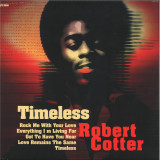
Worthy re-issue of Robert Cotter's second late 70's soul album! Comprising five songs, with four of them being quite lengthy and well-structured for the dance floor, was entirely recorded in the United States by top-notch American musicians. "Timeless", a fresh and lively expression of late 70s soul music, was recorded at the Sundragon Studio in New York. This studio was home to legendary bands such as Talking Heads and Ramones, as well as a few 'disco studio groups' like Andrea True Connection, Tony Valor Sound Orchestra, and Camouflage, who recorded songs that later became considerable hits. For this reason, it's believed that the positive outcome of the album can be partially attributed to Ned Liben, an eclectic New York musician and co-founder of the studio in the Flatiron district of Manhattan, served as an exhaustive interlocutor for any artistic and technical needs. He was also the arranger of "Rock Me With Your Love", the most significant song on the album. Ned's successful mission was to capture the maximum timbral fidelity of Robert Cotter's voice using appropriate recording techniques, assisted by Michael George Ewing, a talented engineer who had previously worked on similar projects with well-known artists like Carol Williams, Maryann Farra & Satin Soul, Touch and Tony Valor. In fact, the piece features original and melodious lines, coupled with an excellent steady rhythm, spanning approximately 8 minutes and 30 seconds - in short, "a delightful sound for every beat." This ensured that the performance of the young singer-songwriter from New Jersey was faithfully reproduced without neglecting the overall musical landscape. The other four songs, arranged by Ben Lazzaroni with the same musicians as the first piece, are no exception. Best Record also delivered on the promise to Robert's older brother, Karl Potter, a powerful percussionist transplanted to Rome, for whom the roman label produced "Sweet & Salty Cha-Cha-Cha" (12", 1986). Robert Cotter, an artist about whom almost nothing has been written, is poised to gain recognition once word spreads about his album, which has been entirely remastered by Dom Scuteri and features a more congenial tracklist. This album is destined to be truly 'timeless', ready to captivate audiences around the world. Even the new cover artwork, created by Nerina Fernandez, pays homage to an artist who, despite expressing himself with elegance and simplicity, radiates energy and exudes love. "Timeless" is an inevitable revelation for anyone who missed it at the time, and for the next 40-plus years, it will remain an absolute must-listen for Robert Cotter's many fans, leaving them all in awe. In addition to the reissue on the classic glossy black vinyl, a strictly limited edition on red vinyl will be released exclusively by Clone Distribution.
out of Stock
Last delivered 2 years ago available to reorder, subject to availability
Worthy re-issue of Robert Cotter's second late 70's soul album! Comprising five songs, with four of them being quite lengthy and well-structured for the dance floor, was entirely recorded in the United States by top-notch American musicians. "Timeless", a fresh and lively expression of late 70s soul music, was recorded at the Sundragon Studio in New York. This studio was home to legendary bands such as Talking Heads and Ramones, as well as a few 'disco studio groups' like Andrea True Connection, Tony Valor Sound Orchestra, and Camouflage, who recorded songs that later became considerable hits. For this reason, it's believed that the positive outcome of the album can be partially attributed to Ned Liben, an eclectic New York musician and co-founder of the studio in the Flatiron district of Manhattan, served as an exhaustive interlocutor for any artistic and technical needs. He was also the arranger of "Rock Me With Your Love", the most significant song on the album. Ned's successful mission was to capture the maximum timbral fidelity of Robert Cotter's voice using appropriate recording techniques, assisted by Michael George Ewing, a talented engineer who had previously worked on similar projects with well-known artists like Carol Williams, Maryann Farra & Satin Soul, Touch and Tony Valor. In fact, the piece features original and melodious lines, coupled with an excellent steady rhythm, spanning approximately 8 minutes and 30 seconds - in short, "a delightful sound for every beat." This ensured that the performance of the young singer-songwriter from New Jersey was faithfully reproduced without neglecting the overall musical landscape. The other four songs, arranged by Ben Lazzaroni with the same musicians as the first piece, are no exception. Best Record also delivered on the promise to Robert's older brother, Karl Potter, a powerful percussionist transplanted to Rome, for whom the roman label produced "Sweet & Salty Cha-Cha-Cha" (12", 1986). Robert Cotter, an artist about whom almost nothing has been written, is poised to gain recognition once word spreads about his album, which has been entirely remastered by Dom Scuteri and features a more congenial tracklist. This album is destined to be truly 'timeless', ready to captivate audiences around the world. Even the new cover artwork, created by Nerina Fernandez, pays homage to an artist who, despite expressing himself with elegance and simplicity, radiates energy and exudes love. "Timeless" is an inevitable revelation for anyone who missed it at the time, and for the next 40-plus years, it will remain an absolute must-listen for Robert Cotter's many fans, leaving them all in awe.
out of Stock
Last delivered 2 years ago available to reorder, subject to availability
For his first album as an exclusive Deutsche Grammophon artist, 2021 International Chopin Competition winner Bruce Liu – “a pianist with a captivating musical personality” (Financial Times) – has compiled an enthralling survey of 200 years of French keyboard music, from Baroque to modern. The phenomenal young Canadian pianist has subtly adjusted the action of his instrument to highlight the differing musical styles. Gramophone’s reviewer acclaimed DG’s release of Liu’s Warsaw competition performances as “one of the most distinguished Chopin recitals of recent years, full of maturity, character and purpose”. The album’s title Waves alludes not only to the nature theme that runs throughout the programme, but also to the sheer spontaneity of Liu’s music-making.
There’s a connection between the musical history of the Mediterranean that can’t be explained through academia alone. It’s an expression of simultaneous grief and celebration that trespasses cultures and generations; and demands to be felt, or even better, danced, to be understood. The same spirit weaves Rebetiko from the ashes of the Ottoman empire to the heavy Hafla soundtracks on the Koliphone label in ‘70s Jaffa, or rebellious Turkish psychedelic music to the first generation of surf guitarist migrants in America. It's an infectious feeling that travelled and evolved wherever it was called, and that passion is embodied in “Back to the Taverna”, the new album by Berlin based bouzouki quintet, Cherry Bandora.
On the milestone of their third release, original members Liad Vanounou (Bouzouki) and Lorena Atrakci (Vocals) have bolstered their sound with longtime friends and collaborators Moshe ‘Moosh’ Lahav on Keyboards and flute, Tamir ‘Hassan’ Chen on Bass and Nimrod Lieberman on Drums to create an album celebrating the ecstasy of being able to drink and perform together again, freed from the anathema of the last years. The band has evolved considerably since their beginnings ten years ago as an Agean-influenced part of the local Balkan Swing scene; the most significant addition being the deployment of “The Hardest Working Man in Tropical Music” Alex Figueira as musical director for this album. His scorched fingerprints are unmissable throughout the extended psychedelic breakdowns and percussive overdubs that make “Back to the Taverna” such a dynamic offering.
Cherry Bandora have always been a very personal band; collecting songs from nearby cultures and history and blending them into their own experience by developing new arrangements or lyrics, just as musicians from those times would have. Lorena delights in expressing herself away from her mother tongue or providing modern lyrics for an updated feeling, as she does to the beloved Turkish standard, “Rampi Rampi”. In this interpretation she uses her native Hebrew in a saucy lockdown-delivery-guy romance... This track also features Baris Öner from local Turkish rock band Kara Delik on his signature flanging Saz.
Singing in Greek, English, Turkish and Hebrew was also a natural choice on the album, representing the “multikulti” area of Berlin that the band lives and records in. These languages would all be heard on the street as they walked to record in the analog Studio Wong in Kreuzberg.
“As descendants of Mizrahi Jews (Jewish migrants from non-European countries), growing up listening both to Beatles and Umm Kulthum, playing in jazz music departments in high school, and now living in Kruezkölln, we basically pay tribute and revive this shared heritage in the context of the global music scene of today” says Lorena.
The opening track, The Sound Of Baglama, is an interpretation of the anthemic Tsitsanis homage to the tavernas and sweethearts of Thessaloniki. It lays the ground for what to expect from Cherry Bandora’s exceptional live performances, featuring effortless switch-ups between surf rock choruses and laid-back verses dipping into Persian disco funk. This song will be accompanied by a tour-collage “found footage” style film clip in production at this
time.
Cherry Bandoras show their dedication to the bit with a rousing English version of the canonical rembetiko tune Dimitroula Mou. This amour song, popular with generations of female singers, is accompanied by real studio plate smashing, a ritual which sealed their final session for the album. 2 bonus tracks are included on the digital release, both a little more raw from the band’s home studio: the reeling dervish Rubi Rubi (which will be released as a second single with a video clip) and the emotionally dense and hypnotic slow burner Esý.
The album will be released digitally and on vinyl as a collaboration between Rebel Up Records (Belgium) and Rumi Sounds (Berlin) on Friday 3 november 2023 and is a prime example of what a raunchy, open minded and tireless bouzouki band can do as they hit their prime.
An extensive highlighted review will appear in Songlines magazine #135 December issue and the track ‘Benimde Canim Var’ will be featured on their free compilation. Also radioplay on Radio Campus France playlist (allover) during November and December.
Off World presents the final album in its trilogy of surreal and spacious leftfield electronics. "A stellar project headed by Sandro Perri, one of the most singular producers in contemporary music" (Boomkat), this third volume is another distinctive collection of tracks constructed from semi-improvised ensemble recordings made over the past decade with a varied cast of coconspirators. Drew Brown, Matthew Cooper, Susumu Mukai and Andrew Zukerman join Perri again on a variety of synths and machines, along with violinist Jesse Zubot (Tanya Tagaq, Fond Of Tigers). Perri also continues to add organ and piano to the mix, while Volume 3 notably features first-time Off World contributors Nicole Rampersaud on trumpet and Martin Arnold on guitar, both mainstays of Toronto's vibrant improv and out-music scenes. The Quietus calls Off World "genuinely explorative_the musical equivalent of a Dali-esque landscape" which through all sorts of genre-defying twists and turns, at times evokes "offkilter, late Miles Davis ambience". Off World 3 doubles down on that jazz-adjacent trope in certain respects, while holding fast to Pitchfork's dictum that Perri "cultivates his own genreless brand of futurism." Marked by longer tracks than previous collections, three of the album's five songs clock in around the 10-minute mark, where overtly improvised instrumental playing wends its way across alternately bubbling and woozy electronic beds. "Impulse Controller" is a languidly skewed rhumba where ambling melodic undercurrents and dubby electronic pointillism provide a dulcet promenade for Rampersaud's Miles-esque trumpet excursions. "Ludic Loop" see-saws along in a slow synthy two-step, punctuated by Perri's restrained piano chords and Arnold's fried electric guitar. "Empasse" is perhaps most reminiscent of earlier Off World collections, though again slowed and stretched, with oozing synth bass ostinatos counterposed by ambient layers of viola and violin filigree from Zubot. These three centerpiece longform tracks each highlight one of the album's instrumental improvisers, and taken together, make for the most scintillating sedate and ruminant album in the trilogy. Off World 3 sounds as sui generis as ever, but in wrapping up the series, Perri sprinkles the project's emblematic alien surrealism with decidedly anthropic elements and temporalities. This final volume in the trilogy could also be seen as a re-statement of Perri's politico-aesthetic mission, as aptly celebrated by Pitchfork and its glowing 8.0+ reviews of Perri's 2018/2019 solo albums In Another Life and Soft Landing (released between Off World 2 and the present volume): a uniquely purposeful, subtly detailed cannon of songs "busy, vibrant, and bursting with life, but that aren't ever in a rush to get anywhere."
Cherry Bandora is an oriental jewish princess singing in poetic Greek, rhythmical Turkish and Hebrew slang. The fresh combination of the greek blues guitar, the bouzouki, with the psychedelic hammond organ, accompanied by lively middle eastern grooves on drums creates an exciting clash of tradition and rebellious attitude.
Supported by Initiative Musik GmbH with project funds from the Federal Government Commissioner for Culture and Media
The last twelve months have been a whirlwind for Henry Counsell and Louis Curran, the men who make up Joy (Anonymous). Having established themselves during the Covid-19 era by playing impromptu meet-ups on London’s South Bank, they have graduated to bigger venues, travelled to far-flung locales and recorded their second album, Cult Classics, while maintaining the spontaneous energy and irrepressible joy that made their name. Their music revels in the euphoria of being alive and all the feelings, good or bad, that come with it. It invites us into a community, draws us close and promises the night of our lives.
Recorded over the course of a year, the blueprint for Cult Classics was laid down over a two-week span at Imogen Heap’s Round House in east London. Joy (Anonymous) invited friends old and new to visit - they’d record live instruments in jam sessions upstairs and then retreat to a second room to flip and loop and generally mess with the sounds, moulding them into sizzling dance tracks. “Loads of people were coming up to me like ‘I thought this was going to be a dance record?’” Louis says, remembering the quietly beautiful music they’d be recording. “I’d be like, don’t worry about that, just keep playing.” He’d send it back to people later and they’d be floored - “That was my bit and you’ve made it... jungle!”
It was an organic and creatively fulfilling approach, one that didn’t allow any of the music to get stale or stagnate. As they built the tracks from the sounds they’d collected, Joy (Anonymous) would weave the new songs into their famously improvised live sets, testing them, refining them, taking note of the audiences’ reactions. In a year punctuated by a lot of travel, they’d also incorporate the voices of people they met along the way - “Beazley’s Poem”, which opens the record, features the words of a man who was working security at a Fred Again show at New York’s Terminal Five. “He was basically doing the opposite of his job and being a hype man, climbing on the fence and ramping up the crowd - we ended up hanging out with him - like, who’s this legend?” Louis explains. “He just speaks really amazingly about his life, all these amazing thoughts and opinions - he started jumping on the mic when we were playing, preaching these amazing messages to the crowd, like that we all need to be nicer to each other. The first time we played the record in its entirety, he introduced us and that’s the recording we’ve used.”
Joy (Anonymous) remain dedicated to the spirit of spontaneity. They shut a street down with a surprise waterside party in New York. On a trip to Copenhagen they played an impromptu set in a cafe, which turned into a house party and a night-long good time. In Lithuania, they ended up playing in a decommissioned prison. It’s harder, perhaps, to keep that spirit alive now that they are operating more within the confines of the music industry but they will keep lugging their kit to wherever the party calls for as long as they can. “I think if we lose that, we’ve kind of lost what makes us us,” Henry says.
Bursting with multi-genre reference points and disparate influences, Cult Classics is very much a dance album. The samples we made ourselves or we took from music that is quite different to dance music, but we definitely wanted to shout out a lot of the dance influences that we love,” Henry says. They listened to a lot of Daft Punk and Basement Jaxx as well as The Prodigy (“more rage stuff”), taking songwriting tips from their dance forebears, but also recording bits that felt more like jazz and motown (see: A Place I Belong and the lovely album closer, You’re In Or You’re Out). Emir Taha’s gentle classical guitar runs like a thread throughout Cult Classics, washing into the undertones of the record, tying it all together.
The album follows the beat of a night out, from frenetic, sweaty movement to the gentler winding down as the dawn breaks. At times it is euphoric, celebratory and pure, whirling fun, at others it seeks the joy in the darker emotions that life throws our way. 404 is designed to encapsulate everything about the Joy (Anonymous) journey so far. Skittering beats and ghostly vocals give way to vibrating house chords: sirens blare as we approach a dubstep drop. It’s dramatic and wild, ratcheting up, seeming to settle then hitting you with an intense and frantic breakdown before the ghostly vocal returns to lull us back into the world. It has the feel of a hungry cat playing with a mouse, toying with it before letting it get away.
What sounds like someone playing the spoons on playful, housey How We End Up Here is actually Louis’ restless habit of clicking his rings on everything, one of a myriad of calling cards and easter eggs that day one fans will recognise. They rework Miley Cyrus and Swae Lee’s Party Up The Street into a French-electro-inspired future classic, adding a note of melancholy to a tune that you can imagine hearing blaring from every car on a summer drive. The lyrics on Cult Classic are generally reassuring, inspirational, originally drawn from Henry in stream-of-consciousness freestyles. You’re fine the way you are, they seem to say - the repeated “No need to try” of A Place I Belong, the assurance that “It’s in me all the time” on In Me All The Time. Even the summery but regretful Did You Wrong hints at the growth that is possible from less than ideal behaviour. For Joy (Anonymous), joy isn’t about just being “happy” all the time - it’s about relishing every element of your being.
The name ‘Joy (Anonymous)’ is taken from the work Henry did with Alcoholics Anonymous groups: it is a way to build a community around sharing joy. Their impromptu live sets are known as ‘meetings’; they encourage fans to share moments of joy to their website. They care deeply about the scene they’ve come up in and are determined not to leave it behind. Every show is another chance to reach out and connect with people who love to come together and revel in music as loud as it can go.
Support slots for Fred Again and The Streets, wild B2Bs with Fred and Skrillex, and a set at Four Tet’s Finsbury Park all-dayer this summer have given the duo the opportunity to live out childhood dreams and introduced their infectious live shows to new audiences at huge venues.
With an album as assured and joyful as Cult Classics on the horizon (and a killer collab with The Blessed Madonna coming up), they’re only going to reach higher heights. But the essence of Joy (Anonymous) remains on the South Bank. Between shows at Ally Pally in September, they dragged their camping chairs and gear back down to the banks of the Thames: and it just felt right.
La preuve is a rearguard action. Most of the people who inspired it are dead or retired. Old teenagers flay their former loves. They bear witness to a bygone era, but happily embraced, digested and spat out. Everything was still possible. Or possible at last. Psychedelia opened the doors of perception. Romanticism wasn't relegated to a dull formatting, a cheese without a rind. The group Poudingue, which started out ten years ago, has some fine leftovers. These are the crumbs from purgatory.
The proof (la preuve, in French) is in the pudding (poudingue, in French) is an expression coined by Friedrich Engels meaning that the value, quality or truth of something must be judged on the basis of direct experience or its results. The expression is a modification of an old saying that makes the meaning a little clearer: the proof of the pudding is in the eating.
Lebanese-Canadian musician and classically-trained singer and pianist, Natalie Chami, records music under the moniker TALsounds. On her 3rd LP, Shift, Chami’s intimate electro-acoustic compositions
glow with a crisp, icy tonality. She injects the drama and raw emotion of Björk and Sade into the alien rameworks of ambient, drone, and noise quadrants of the experimental.
Place of longing Paris - with the cellist Gautier Capuçon "Gautier Capuçon is like a diamond in a ring and sparkles on its setting", with enthusiasm the New York Times resorted to figurative comparisons. With such effusive praise, it is no wonder that the famous cellist's albums are also absolute bestsellers.
Intuition, Emotions and Sensations are now followed by his next album with a ravishing program: Destination Paris is dedicated to atmospheric evergreens and ranges from popular film music to French chansons and classical works.
On new EP twotwentytwo, indie riser THALA continues to embrace vulnerability, summoning long-buried emotions to colour her ardent love for lyricism amid psych-tinged `90s indie soundscapes. Filled with potent songwriting and coming-of-age anthems straight from the heart, these everyday love stories surrender to life's insecurities. Evoking the soundscapes of Slowdive and Deerhunter, whilst recalling the widescreen pop of boygenius and Snail Mail. Recorded in London and Berlin earlier this year, twotwentytwo follows the release of `In Theory Depression', THALA's first EP on Fire Records. Spanning six tracks, it builds on its predecessor's fearless lyricism, excavating deep-set feelings of loss, pain, desire and conflict against luminous production and addictive melodies. Following rammed appearances at SXSW and The Great Escape, and having picked up the attention BBC Radio 1's Jack Saunders, THALA shows no signs of slowing down_ Blissful guitars and evocative crescendos permeate THALA's unique vision of dreampop, reveling in soaring choruses and intimate storylines. On its surface, twotwentytwo boasts a kind of glorious emotive draw - you'd be forgiven for mistaking any one of these tracks as a backdrop to any teen-angst drama. However, while THALA wants her songs to feel nostalgic, it's the complexity of her songwriting that sees her modern compositions really resonate and she is keen to stress her lyrics can be interpreted in numerous ways. And therein lies the heart of this release - a cathartic, wildly empowering, self-explorative from a future indie heartbreaker at her gutsy best. Ltd Clear Vinyl, A5 insert, dlc
Remastered Reissue des 1980er Klassikers 'My Beach' der 'verwöhnten Gören aus Malibu', den widerwärtigen und respektlosen Surf Punks. Ein Sommer-Soundtrack aus Surf-Rock, New Wave und SoCal-Punk, für Fans von Descendents, Ramones, Agent Orange und Devo. Streng limitierte Auflage auf 'Kook Juice' farbigem Vinyl im Hochglanzcover mit Redux-Artwork und farbiger Innenhülle, samt Faltposter mit Lyrics und Surfbegriffsglossar und einem Surfbrettaufkleber.
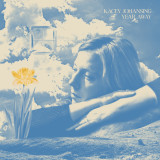
In March of 2020, after learning that a dear friend’s life was coming to an end, Johansing sat down and in one sitting wrote the song “Daffodils”. An elegiac tribute to someone facing death with grace and curiosity, the lyrics confront Johansing’s own mortality by observing the brief lifespan of a Hlower. Only a week later when the world came to an abrupt standstill, she soon found herself processing this recent loss while trying to make sense of a new global reality. Across the ensuing months, Johansing found herself increasingly untethered by a world of isolation and political upheaval.
Having been a frequent touring member of bands like Hand Habits and Fruit Bats, and often being called into the studio to lend her harmonies and multi-instrumental talents to records, Johansing’s phone no longer rang. Living in Los Angeles she feared her musical community was vanishing, as friends and collaborators continually announced they were leaving the city. It was in returning to her piano nightly that she found the greatest solace, feverishly writing the songs that would be collected on her next album. Resulting from this new sense of time and focus was a deepening of her songwriting. As Johansing recalls, “I felt like a metamorphosis happened during that time. There was a lot of personal growth and healing.”
Throughout Year Away Johansing traverses uncharted emotional landscapes brought upon by the changes occurring all around her. The forced self-reflection of the moment is aptly captured by “Old Friend”, featuring an aching melody and swooning production that recalls the best of Harry Nilsson. The epic piano and saxophone-driven “Smile with My Eyes” addresses the loss of community as friends became distant and political divides between family grew. On “Smile” Johansing pushes her vocals further than ever, expanding her range and using her peerless voice as the singular instrument it is. Facing the loss of a family home due to environmental destruction, “Shifting Sands” is marked by soaring Hlutes, Hield recordings and glassy synthesizers that nod to Japanese New Age.
“Daffodils”, the stunning album centerpiece, is built from a pastiche of looping samples, swirling Mellotron and dazzling vibraphone. “Keep your heart open wide, you never know your time / Keep your heart wild, true Hlower child”, Johansing sings as she says goodbye to an elder, while the band reaches a grief-stricken crescendo of woodwinds and chiming bells. On the title track, Johansing takes listeners on an eerily meditative journey of collective experiences. “I wanted to keep the progression simple and repetitive so that musically we could add new elements little by little, while the emotional tone of the lyrics becomes increasingly more strained and expressive”. The song grows to a fever pitch as Johansing sings higher than she thought possible; the tension of the repeating chords Hinally resolving into a hopeful coda as multiple soloists weave around each other.
Amidst heavier themes, Johansing still leaves room for her love of irresistible pop melodies and lush production. The driving “Last Drop” and mid-tempo “Valley Green” are two of her catchiest songs to date. On the former Johansing sings the anthemic chorus, “As if it were the last drop, and nothing ever lasts forever / As if it were the last stop, too far out to come back ever”, longing for a love that she’ll never take for granted, while also admitting that she doesn’t always know how good she has it. “Valley Green” features shimmering layers of 12- string guitars, stacked horns and an impeccable solo by co-producer and multi- instrumentalist Tim Ramsey (Vetiver, Fruit Bats), hinting at a love for bands like NRBQ.
Having been eager to capture the initial spark of songwriting, Johansing booked time at Highland Park’s 64 Sound Studio the week that it reopened. Over the course of three days, she and her band gathered basic tracks for 10 songs, before returning home to Hinish the record with Ramsey. Setting forth to make an album that paid homage to the music that kept them company during the months spent alone together, the duo pulled inspiration from a wide net including Burt Bacharach, John Carroll Kirby & Haruomi Hosono. Ramsey’s newfound love of early digital synthesizers dovetailed effortlessly with Johansing’s fondness for classic 70’s horn and string arrangements, creating a sound that is distinctly modern yet warm and familiar.
Once again Johansing called upon some of the Hinest players of Northeast Los Angeles’ vibrant music community to lend a hand with the record. The 70s R&B-folk of “Watch It Like a Show” features an electric guitar solo from Hand Habits’ Meg Duffy, while album closer “Endless Sound” boasts backing vocals from electronic musician Kaitlyn Aurelia Smith and swooping Indian-inspired violins from Amir Yaghmai (HAIM, The Voidz). The record shines brightly thanks to an ace mix from veteran producer Rob Schnapf (Beck, Elliott Smith, Cat Power), woodwinds from Logan Hone (John Carroll Kirby, Eddie Chacon), and a featured rhythm section of drummer Josh Adams (Jenny Lewis, Bedouine) and bassist Todd Dahlhoff (Feist, Devendra Banhart). Recorded across multiple studios including LA’s famed Sunset Sound, the album remains steadfastly buoyed by the adept engineering of Tyler Karmen (MGMT, Alvvays).
Though born of turbulent times, Year Away is ultimately interested in moving forward. The album ends with “Endless Sound,” where Johansing laments seismic global changes, (“The water is hotter, the mighty thaw / The current’s reversing, the last are lost”) but vows to keep going (“No storm can take me down / Endless light, endless sound”). It’s Year Away’s resilience that shines through despite the darkness. It’s a sound all her own and Johansing’s most cohesive set of songs yet.
Unzählige wollten Thomas Rainer aufhalten, ihn stürzen und haben alles getan, um ihn Dreck fressen zu sehen. Sie belächelten ihn für seine Vision, für seinen grenzenlosen Willen, seinen Herrschaftsanspruch erbauen, zu untermauern und zu mehren. Doch das ist Vergangenheit. Längst pflastern sie als besiegte Gegner seinen Weg, hängen als Trophäen an den Wänden seines Hauptquartiers. Er kam, sah, siegte - und führt nun seinen endgültigen Triumphzug durch die Straßen der gefallenen Städte. "Veni Vidi Vici" lautet der Name des Kreuzzugs, mit dem Thomas Rainer Mauern einreißen, Armeen auslöschen und ganze Reiche zu Fall bringen wird. Mit ihm oder gegen ihn - etwas anderes lässt dieser Tanzdiktator nicht gelten. Überlege dir gut, ob du an seiner Seite durch ein Meer aus willigen Gespielinnen und rauschender Sünde waten und dich selbst so fühlen willst wie der berüchtigte Caligula - oder ob du als Verlierer von der Geschichte vergessen werden willst.
NACHTMAHR haben ihre "Kriegserklärung" propagiert - und liefern mit dem gleichnamigen Song nur einen von vielen Beweisen für die Überlegenheit dieses Club-Kolosses. Doch das ist erst der Anfang: "Tradition" wird mit seinem infernalischen Maschinen-Beats gleich hinterhergejagt, "Mütterchen Russland" ist voller marschierender Wucht und russischer Epik, das langsame, wogende "Die letzten Dämme" oder die allumfassende Industrial-Vernichtungswaffe "Hoffnung" als zertrümmernder Schlusspunkt erweisen sich als übermächtige Attacken zeitgemäßer Clubkultur. Geschmierter denn je läuft seine Industrial Infanterie, unter der stolz in die Höhe gereckten Standarte des Austrian Imperial Industrial versammelt der Trümmergeneral ein einschüchterndes Arsenal schwerer Waffen, die jeden Club in seine Einzelteile zerlegen werden und die Konkurrenz aus der Geschichte fegen werden wie eine lästige Fliege.
Die Welt wird brennen. Entzündet an den Überresten der untergegangenen Gegner, spiegelt sich im Widerschein dieses Triumphs der musikalischen und körperlichen Exzesse eine neue Weltordnung des Industrial, ein in Stein gemeißelter Beweis für die Überlegenheit von NACHTMAHR. Dabei ist es bedeutungslos, ob der Herr der übermächtigen Beat-Brigade flirrende Industrial-Exzesse, donnernde EBM-Rammböcke, schleppende Rhythmen oder noisigen Terror in die Schlacht schickt: Das Ende wird stets dasselbe sein, NACHTMAHR werden das Schlachtfeld stets als Sieger verlassen. Den Gegnern schallt es in den Ohren, die Frauen flüstern es andächtig: "Veni vidi vici" - bis in alle Ewigkeit.
Das fing mit Superpunk Mitte der 90er vollkommen ambitionslos an. Plan war es, eine Band zu gründen, um auf Partys Kracher aus den Sixties zu spielen. Leider scheiterte die Band bereits an relativ simplen Garage-Rock-Klassikern wie "I need you" von den Kinks. Und wer hätte gedacht, dass "Friday on my mind" derart viele Akkorde hat? Das kann sich doch nun wirklich kein Mensch merken. Da erschien es erheblich einfacher, sich eigene Songs auszudenken, konnten andere schließlich auch. Aber erst mal musste ein Name her. Zur Auswahl standen "Fifi", "Schnellbus", "Hamburg Spinners", "Superminister Riesenhuber" und "Superpunk". Mit einfacher Mehrheit und wie immer ohne viel nachzudenken, entschied man sich für letzteres Mit den ersten eigenen Songs wurden dann richtige Konzerte gespielt, die zum Teil gut ankamen. Bei einem dieser Auftritte war auch Thies. Dem gefiel, dass die Band, jetzt aus dem Stegreif memoriert, "wie eine total zerkratzte Ray-Charles-Platte auf falscher Geschwindigkeit" klang. So gut gefiel das dem Thies, dass er fortan als Keyboarder dabei war. Und das ist auch wirklich eine treffende Beschreibung für den frühen Superpunk-Sound. So, jetzt aber: Es wurden fleißig eigene Songs gemacht und als genügend da waren, dachte sich die Band: "Die könnten wir eigentlich mal aufnehmen." Auf der Straße, irgendwo zwischen "Eis-Gerd" und "Pudel" trafen sie Bernd Begemann, der sagte: "Ich habe einen 4-Spur-Kassettenrekorder, ich nehme euch auf!". "Toll, danke, Bernd!" Und so brachte Bernd seinen Kassettenrekorder, mehrere Kassetten (die teuren, Chrome II), Mikrophone und eine seltsame Apparatur (ein Stimmgerät) mit in den Übungsraum im Bunker bei der Apostelkirche und nahm mit einer Engelsgeduld das Album auf. Auf der Straße, irgendwo zwischen "Heinz Karmer"s" und "Komet" traf die Band dann Bernd Kroschewski, der sagte: "Ich habe ein Label, ich bring euer Album raus!" "Toll, danke, Bernd", hieß es erneut. Und so erschien ziemlich genau vor 25 Jahren "A bisserl was geht immer" auf Fidel Bastro. Da waren, muss man zugeben, etliche Hits drauf: "Matula, hau mich raus", "Ich kann nicht nein sagen", "Das ist heute nicht Dein Tag", "Die Axt im Walde". Aus der ambitionslosen, verhinderten Partyband wurde dann doch noch eine (beinahe) richtige Band, mit Platte und Label und dem ganzen Schnick Schnack. Sogar auf Tour sind Superpunk mit dem Album gegangen, das war was, zwischen Hölle (null Zahlende in Kassel) und Himmel (ausverkaufter Pudel, Rekordgage von 300 Mark + gekühlte Freigetränke). Falls ihr noch nie "A bisserl was geht immer" gehört habt, stellt euch eine Mischung aus 39 Clocks, Cockney Rejects und dem Ramsey Lewis Trio vor. Zugegeben, leichte Kost ist das nicht, aber einer, wenn nicht der einzige Meilenstein des Hamburger DIY/ Outsider/Beats
"Bring us the Head" ist unsere Liebeserklärung an das Kino der Achtziger und Neunziger, mit dem wir aufgewachsen sind", weiß Sänger Jens zu berichten.
"Während der Corona-Pandemie haben wir viele dieser Streifen "wiederentdeckt". Viele werden das nachvollziehen können - man saß zu Hause, hatte ungewohnt viel Freizeit, und dank der Streaming-Dienste kam trotzdem selten Langeweile auf.
Irgendwann sprachen wir im Scherz darüber, dass es doch cool wäre, eine Platte über unsere alten Lieblingsfilme zu machen... gesagt, getan."
Fans von Streifen wie "Terminator", "Conan", "Army of Darkness" oder "Escape from New York" werden somit ihre helle Freude an dem Album haben, für dessen detailverliebtes Cover-Artwork einmal mehr Besil Wrathbone verantwortlich zeichnet. Auch eine Cover-Version des Ramones-Klassikers "Pet Sematary" nahm die Band für "Bring us the Head" auf. Jens erklärt:
"Da wir den Song seit Jahren im Live-Programm haben, und er außerdem so wunderbar ins Konzept des Albums passt, lag die Idee förmlich auf der Hand."
Der neue Langspieler wird am 27. Oktober 2023 über Reaper Entertainment in den Plattenläden aufschlagen.
Various Color pressing
I spent a lot of time crossing the Detroit/Windsor boarder tunnel. - My family lives half in the US and half in Canada and my father crossed daily for for work and materials. My brother and I would sit on old paint cans in the back of his work truck. long trips to home depot in the hopes that we could get a rally’s banana milkshake before heading home. - I hated that work truck, but we loved the trips, no matter how mundane. We would spend hours crossing that boarder tunnel when it was busy, our bottoms would hurt from the metal paint cans. When i was in high school i would smuggle cigarettes to sell to the Canadian kids, it was a good business. The dark tunnel in disrepair built over 90 years ago felt like a relic of the past, its leaky walls and pale yellow tiles were always crumbling around you. It was claustrophobic and uncomfortable. But the tunnel made your mind wander with thoughts of what was above you, giant cargo ships or sea monsters. It was an anxious place, the uncertainty of its structure or the dreaded boarder patrol on the other side. Would be be pulled in and searched? would the carton of camels i hid under the seat be found? - It was a special place and a special time. These sounds are about traffic and the movement and time in this strange tunnel.
out of Stock
Last delivered 2 years ago available to reorder, subject to availability
Kalipo prepares to launch his new album Happy Little Accidents, which counts with twelve electro-focused tracks as well as the participation of feature artists Rampue, Ira Atari, Oberst & Buchner and subkutan. Iconic 80s painter and TV host, Bob Ross is celebrated for his thirty-minute landscapes, recognizably soothing voice as well as the 'happy little quotes' he imprinted on pop culture. One of Ross' most memorable turns of phrase, "We don't make mistakes; we just have happy accidents," went on to encourage thousands worldwide. And not just painters. "For me, this album was about letting the songs develop very quickly and not evaluating them too much, or trying to avoid mistakes," says German electronic music producer, Kalipo (Jakob Häglsperger) who named his latest release Happy Little Accidents after Ross' signature phrase. "Bob Ross really impressed me as a child, he was always so accessible to everyone and demonstrated how easy it was for anyone to work creatively," says Kalipo, who translated Ross' fast and instinctive wet-on-wet painting technique to music-making on Happy Little Accidents. The 12 tracks that make up PART I and PART II of the album are a celebration of the method - sometimes it's a floaty journey with tinkering sounds, at other times dark fast beats create the core of the music, but there's always a sense of intuition and heart driving Kalipo's productions.
out of Stock
Last delivered 2 years ago available to reorder, subject to availability
Short Attention has more than grabbed ours with its first two EPs and this third one keeps up that good early form. It's a heavy-hitting mix of pivotal house talents starting off with prolific Windy City player Boo Williams.
The big man's 'Transformation' is a smooth and chord-laced house roller that has a more reflective vibe than his usual party-starting offerings.
Atlanta don Kai Alce's 'Love Exists' is a heartfelt house romance then the long-time partnership of Owen Jay & Melchior Sultana douse us in star-gazing chords on 'Soul Expression' that leave you feeling refreshed. Hector Ram's 'Morning Sun Vibes' then uplifts with beautifully gentle piano chords.
out of Stock
Last delivered 2 years ago available to reorder, subject to availability
Label : Croque Macadam / Requiem Pour Un Twister
Playing : Maxence Tomasso / Etienne Chuc / Samuel Ramon / Ilhan Palayret / Stanislas de la Fuzz
Recording : Alexis Fugain & Vincent Hivert
Mixing : Vincent Hivert & Samuel Ramon
Mastering : Luc Gyrou
Photos : François Grivelet
Illustration : Audrey Matt-Aubert
Artwork : Etienne Gimenez
Classy French deep house label D3 Elements (D3, pronounced day-trois, is French for Detroit, which is a big inspiration on its sound) returns with more of that lush and timeless backroom tackle, this time from Neuronphase.
'Outside' is a dusty jam with atmospheric vocal samples and sustained chords, 'Information Society' has a more playful piano lead and ramshackle drums and 'Shadows' then brings some acid madness. 'Soru' comes as a skipping, percussion-laden original and as a hi-tek soul remix with cosmic leads from Hugo LX rework. Plenty to love here, as always from this label.
out of Stock
Last delivered 2 years ago available to reorder, subject to availability
Not many heroes of indie folk have won an Oscar or created the basis of a successful stage musical, but Glen Hansard is an artist who can wear both of those feathers in his cap. As a member of the Frames and the Swell Season, Hansard won acclaim for his literate, intelligent, and passionate songwriting and his nuanced vocals, and he"s gone on to win similar accolades as a solo artist. Hansard first gained an audience for the limber but emphatic indie rock he created as a member of The Frames, then gained international fame with fellow singer and songwriter Markéta Irglová in the duo The Swell Season, whose emotionally open, primarily acoustic indie folk became the centerpiece of the award-winning independent romantic drama Once. After going out on his own with his 2012 solo debut, Rhythm and Repose, Hansard has shown a stylistic diversity as he embraced the sound of "70s singer/songwriters on 2015"s Didn"t He Ramble, vintage soul on 2018"s Between Two Shores, and an eclectic swing between subtle folk and noisy indie rock on 2019"s This Wild Willing. Glen Hansard now presents All That Was East Is West Of Me Now, his first solo album in 5 years. The album demonstrates the Oscar-winning singer-songwriter"s unique ability to blend Irish folk with modern rock & the punch of his storied live shows.
Not many heroes of indie folk have won an Oscar or created the basis of a successful stage musical, but Glen Hansard is an artist who can wear both of those feathers in his cap. As a member of the Frames and the Swell Season, Hansard won acclaim for his literate, intelligent, and passionate songwriting and his nuanced vocals, and he"s gone on to win similar accolades as a solo artist. Hansard first gained an audience for the limber but emphatic indie rock he created as a member of The Frames, then gained international fame with fellow singer and songwriter Markéta Irglová in the duo The Swell Season, whose emotionally open, primarily acoustic indie folk became the centerpiece of the award-winning independent romantic drama Once. After going out on his own with his 2012 solo debut, Rhythm and Repose, Hansard has shown a stylistic diversity as he embraced the sound of "70s singer/songwriters on 2015"s Didn"t He Ramble, vintage soul on 2018"s Between Two Shores, and an eclectic swing between subtle folk and noisy indie rock on 2019"s This Wild Willing. Glen Hansard now presents All That Was East Is West Of Me Now, his first solo album in 5 years. The album demonstrates the Oscar-winning singer-songwriter"s unique ability to blend Irish folk with modern rock & the punch of his storied live shows.
“Jack With A Feather” was the first vinyl album (after the private cassette only release of “Rowdy Dowdy Day”) by SPRIGUNS OF TOLGUS, just before they shortened their name to SPRIGUNS and signed to Decca, recording two classic progressive folk-rock albums.
Recorded in a cottage in the middle of nowhere, the album offers mostly traditional songs with charming homemade atmosphere, psychedelic touches, male / female vocals (by MANDY MORTON), acoustic/electric guitars, mandolin, dulcimer, fiddle… One of the tracks, “Seamus The Showman”, originally written by Tim Hart of Steeleye Span (future Spriguns producer), landed the band a deal with Decca Records.
Caleb Nichols put himself on the map with Ramon, a critically acclaimed
queer Beatles rock opera
Now, he's tackling something of a more radical proposition -- just 11 great songs,
full stop.
Nichols is out with his new album, Let's Look Back -- his second full-length album
on the hallowed indie label Kill Rock Stars.
"It's about the idea that you have to look back and confront stuff before you can
move forward," Nichols says. "It's about vindication, and reintegration, and
trusting yourself."
Produced by Zach Rogue, Let's Look Back's highlights are everywhere -- from the
unstoppable power-pop rocket that is "Demon Twink" to the luminous pop of "J'ai
Vu La Lune!" to the bold and brassy "Wicked."
"I'm not the good witch/ I'm the bad one!" goes Nichols' infectiously catchy
refrain. But Let's Look Back is most definitely a good one -- one that will send fans
of early 2000s indie rock, from the Shins to the Decemberists to Belle and
Sebastian, to heaven.