The album’s title deftly gestures to the sheer vastness of astronomical dimensions, while simultaneously capturing the musical breadth within, where the eight planets are imagined as the eight notes of an octave. The work draws inspiration not only from earlier compositions —most notably Gustav Holst’s The Planets—but also from the rich astronomical and cultural contexts surrounding these celestial bodies. Here, the focus transcends direct citation of melodic motifs, instead embracing an intriguing conceptual approach on a meta level, unfolding in a series of vividly contrasting soundscapes. These contrasts shape a sweeping sonic journey, one that fully embraces the album format with both arms, inviting the listener to venture into realms both strange and wondrous, feeling the immensity of the interstellar space that lies between them. Contrast, after all, is the brushstroke that enriches our world.
Embarking on an auditory voyage, "Astral Guide" establishes the sonic framework that propels us into the boundless expanses of the cosmos. Its ethereal tones evoke the vastness of space, crafting a mood ripe for exploration within the realms of sci-fi. The subsequent tracks unfold like constellations, weaving a rich tapestry of sound that seamlessly marries cinematic soundscapes with pulsating, club-oriented rhythms. This album invites listeners to traverse its immersive landscapes, whether nestled in the comfort of home or dancing under the starlit sky, each note a guide through the transcendent experience of a nocturnal journey.
"Solar Flares" draws its inspiration from the awe-inspiring expanse of solar phenomena, capturing the majestic power of the sun as it reaches into the cosmos. This track resonates with the idea that energy, while vital, can also be a force of destruction when unleashed with overwhelming intensity. The composition beautifully mirrors the sun’s duality, where brilliance and devastation coexist, inviting listeners to reflect on the delicate balance between creation and annihilation. Through its rich textures and dynamic shifts, "Solar Flares" serves as both a homage to the celestial and a poignant reminder of nature's formidable power.
"Mercury – The Winged Messenger" embodies a meticulously crafted soundscape where artistry meets astronomy. The tempo of 173.6 BPM, derived from precise astronomical data, propels the composition into a vibrant realm that resonates with cosmic energy. Synthwave sound design intertwines seamlessly with the fluid rhythms of Drum’n’Bass, imbuing the piece with an uplifting dynamism that evokes the ethereal grace of Mercury itself. In this sonic exploration, listeners are invited to ascend on wings of sound, navigating the celestial tapestry of the universe with each invigorating beat.
"Venus, The Bringer of Peace" strikes a decidedly cozy note, presenting a poignant contrast to the more tempestuous themes often found in cosmic narratives. This composition evokes a nostalgic vision of an optimistic era, one in which humanity transcended borders and embraced the infinite possibilities of space exploration, where no destination felt too distant. The dense, languid atmosphere envelops the listener, creating a tangible sense of serenity that unfolds gradually, allowing for a meditative journey through sound. Each note serves as an invitation to linger in this tranquil embrace, reflecting on the harmonious potential of our collective aspirations and the beauty of connection in a vast universe.
The central theme of „Gaia, The Bringer of Life“ —originally not part of the planetary cycle— is the profound enabler of life on Earth. The arrangement delicately mirrors the slow, tentative unfolding of this potential, marked by an initially sparse orchestration that gradually builds in momentum. This progression crescendos, embodying the explosive dynamism of the Cambrian burst of life, ultimately culminating in a euphoric fanfare—a triumphant, celebratory flourish echoing life’s victorious emergence.
"Blue Moon" unfolds as a contemplative reverie on the tranquil clarity of a night sky, now seldom glimpsed in its natural purity, unclouded by the relentless haze of urban light. The listener is drawn into the vast embrace of the star-strewn firmament, a journey that sways between euphoric awe at nature’s sublime beauty and a profound melancholy for its fragile and imperiled state. Musically, this duality finds expression in the delicate interplay of modal mixtures, while an ever-shifting triplet groove, poised at the intersection of Outrun and melodic house, lends a pulse that is both nostalgic and forward-looking—echoing the beauty and transience of a world on the brink.
Rather than replicating the original composition of „Mars, The Bringer of War“, this interpretation seeks to evoke its profound, foreboding atmosphere. Cyberpunk emerges here as an ideal genre, channeling the dark, relentless march synonymous with Mars, the ancient god of war. The piece reverberates with intensity, as distorted vocalizations rise, embodying the anguish and visceral torment that shadow war’s violent crescendo. This auditory descent into conflict captures the relentless pulse of warfare, where sound itself becomes an embodiment of suffering and fury.
Majestically, "Jupiter, the Bringer of Jollity" emerges on the celestial stage, sweeping away the somber tones with its radiant vigor. Drawing inspiration from the triumphant strains of the original, and borrowing a melodic motif in the refrain, the piece expresses joy and buoyancy through a shift to a major key and the lilting sway of a danceable 12/8 meter. Spirited and exuberant, it leaps boldly from major to minor and back again, playfully shifting time signatures to capture a mood of unbridled festivity and jollity.
Here, a more conciliatory concept is chosen than in the original inspiration. „Saturn“ aligns with the number six, being the sixth planet from the Sun and bearing the iconic hexagonal pattern at its northern pole. What, then, could be more fitting than to render this piece in a 6/8 time signature? The arrangement unfolds with a multifaceted richness, mirroring the countless stones and ice fragments that form the foundations of Saturn’s majestic rings.
„Uranus“ adopts the theme of a light-footed, dancing instrumentation, giving the impression of perpetual motion, never quite settling. This musical choice harmonizes with the planet’s own orbit, as it spins with breathtaking velocity, teetering and swaying, seemingly unable to attain rest or stability.
The chill and vastness of the cosmos find expression in „Neptune, The Mystic“. At its core, an electronic soundscape envelops a classical arrangement, its unreachability intensified by an ethereal, otherworldly choir. Hovering at the outermost boundaries of the solar system, where warmth is but a distant memory, the composition lingers in a slow, contemplative tempo, evoking a realm where space for speculation stretches wide and silence reigns supreme.
Though Pluto may have lost its planetary status, and its companion Charon never achieved one, this shift in classification subtly aligns with the cosmic scale invoked here—one that mirrors the musical tradition of an eight-note sequence. Fittingly, the album closes with „Kuiper Belt“, a composition emblematic of the turbulence and vitality of countless smaller
celestial bodies that, though diminutive, find their rightful place within the vast architecture of the solar system.
They say nature is the greatest composer, shaping the universe with a symphony of chaos and order, beauty and danger. It is this duality that fuels the artistic vision of Edictum—a producer who, armed with a doctorate in chemistry, delves as deeply into the mysteries of molecules as he does into the depths of sound. In the tension between the vastness of the cosmos and the microscopic processes that dictate life’s rhythm, Edictum creates sonic landscapes that dissolve the boundaries between science and art.
His music is a story of contrasts—a sonic tale where the raw forces of nature clash with the intricate structures of human culture. Opposites intertwine to form a harmonious whole: the primal rhythms of the earth meet the celestial melodies of the cosmos, the rigid laws of physics blend with the boundless freedom of art. Edictum explores these polarities with meticulous devotion, each composition an expedition into uncharted soundscapes—a quest to give voice to the unfathomable.
With over 20 years immersed in the realms of electronic music, Edictum has honed a keen sense for rhythm and movement. His driving beats compel both body and mind into a hypnotic flow. Yet beyond the pulse of dance lies a complex framework of conceptual thought. Today, his creative focus revolves around holistic album projects—self-contained worlds with overarching narratives that embrace contrast and complexity. Each track stands alone as a fragment of the whole, but together, they weave a cohesive tapestry, much like the chapters of a novel that guide the listener on an emotional and sonic journey.
Edictum’s distinctive musical signature has earned him international recognition. With over 150 releases, many on prestigious platforms like the iconic *NewRetroWave* label, and collaborations with artists such as Jan Johnston, Azumi Inoue, Powernerd, and Turbo Knight, he has solidified his place in the global electronic music scene. His latest work, *A Cosmic Scale*, marks his seventh vinyl album and is released under his own label, *Echoes of Expanse*. The label’s name is no coincidence—it captures the essence of his art: echoes of infinity, the vibrations of the universe distilled into a singular sonic experience that carries the listener ever further into the boundless expanse of sound and space.
Search:quit
Spin Desire Records is proud to present its first release of the year, a stunning EP by Namur, key member of the renowned Parisian collective :
Beau Mot Plage
Equally talented as a producer and DJ, Namur delivers a new EP featuring four captivating tracks that skilfully blend house, proggy hints and touches of breakbeat. With deep grooves, mesmerizing textures and finely crafted soundscapes which make for a perfectly balanced energy.
This release is sure to connect with both dance floor regulars and those seeking refined electronic music. We could not be more excited to unveil this one as it’s been in the pipeline for quite a while now. A hot take on modern days tech house and timeless addition to any record collection.
The album SATO was made by the Ukrainian Crimean Tatar pianist and composer Usein Bekirov.
SATO was created during the difficult wartime for Usein’s motherland Ukraine and for the author himself.
Despite circumstances, the compositions of SATO express the ideas of the beauty and revival of Ukrainian music, a part of which is Crimean Tatar folklore.
The uniqueness of the release is caused both by the concept of the album and by the performers' star crew.
The jazz sound of the compositions of SATO is directed to the stylistic course of ethno-jazz and world music.
Rhythms and melodies of colorful Crimean Tatar folk music became the main source of inspiration in the creation of the album.
We can find both Usein's original author's themes, skillfully stylized to the oriental sound,
and referenced to the classic jazz vocabulary in its juicy riffs and grooves with features of fusion and funk music.
The name of the album reflected the inheritance of generations through music.
Sato is not only a folk instrument but also the name of the first Crimean Tatar jazz band, which made the first jazz arrangements of Crimean Tatar songs.
The music of this band became the basic musical experience of Usein Bekirov, because one of the members of the group was his father Riza Bekirov, to whom the album is dedicated.
The author and producer of the album is Usein Bekirov - Ukrainian pianist, composer, arranger, sound producer, and author of music for a number of films and theater performances.
Usein Bekirov cooperates with both foreign and Ukrainian musicians of the highest rank.
This is evidenced by the participants of the album Sato: Dennis Chambers, Randy Brecker, James Genus, Mike Stern, Ada Rovatti (USA), Hadrien Feraud (France), and Cenk Erdogan (Turkey).
Each performer reinterprets the author's material of Usein Bekirov through the prism of his own experience, character, and manner of performance, which was expressed in the daring stylistic combinations within a jazz style.
A special role in the creation of the album was taken by the participants of the recordings, especially, legendary jazzmen Dennis Chambers, Randy Brecker, James Genus, Mike Stern.
Their ideological and creative support became an important part of the creativity process.
Musicians expressed their impressions in small addresses for the audience.
One of the reviews of the musicians:
"The process of recording compositions was really exciting! This music reflects Usein's national origin and sense of his native culture.
It is full of real emotions. Actually, this music is quite difficult, but it is very well written and produced!
I sincerely hope you will notice this album, which also took part in Dennis Chambers, James Genus, Mike Stern, Ada Rovatti, and others.
I think it's going to be a really special album, can't wait to hear the final version.
When you hear about the premiere, I highly recommend listening to this new album created by Usein Bekirov.
It will be great!" Randy Brecker
1. Watermelon Man
This track version actually came from an improvisation that Allesandro IIona (Keys) made on a live show at RonnieScott's at the start of the year. I think we were were having some issues with one of the monitors on stage and it juststarted making this beeping sound. Then I remember Alleh just came in with that piano riffat the start and the rest was history. This one of thefirst tracks we recorded for the EP and I'm super pleased with how this one turned out. Afterseeing Herbie Hancock live for thefirst time the year before, this felt like the perfect tribute to him!
2. Mandible
The majority of the writing on this album was done at my studio space in Hither Green, where I am every tuesday! I usethis space to record but mainly a space to develop my art. So this EP all came from a few sessions there. We all haveour own creative things going on so it was really great to collaborate as a band and trash out some ideas we had.Mandible is one of my favourite tracks on the EP. It's very simple but leaves us a lot of space to explore some more freeimprovisation. I think in some of my previous recorded music I was more focused on creating well crafted music withgreat melodies and harmony. Whereas here there's a bit more focus on playing as a group and being more explorative inimprovisation. We also didn't have a melody for this track until a week before the recording! Sometimes it just takes awhile tofind that melody or it might just pop into your head one day.
3. Slum
This is a tune that was actually written by myself in 2017/18. Round about that time, I had been playing at a jam night ata warehouse unit in Limehouse called Unit 31. The night was ran by Pianist Raffy Bushman and Drummer Sam Michnikand was focused on hiphop and Jazz fusion. We would usually play a set of instrumental music before it opened up forvocalists and other instrumentalists to come and jam. It was a great place to try out new ideas, so I wrote this tune for itbut we never recorded it. It was really nice to revisit this tune and get it recorded properly at 'That SoundStudios' (Seven Sisters). This track is all about dynamics and a slow build throughout. Descending to more chaos at theend!
4. Red Pistachio
For thefirst two sessions we wrote with a different bass player to Edmondo Cicchetti who is on the recordings. A greatbass player and friend of mine Tom Driessler. This track started kinda exactly how it starts on the record, with that basshook. I'm very influenced by Christian Scott Atunde Adjuah and his melodic writing. Particularly on his album 'StretchMusic'. So this felt really inspired by that album. The chords don't really move around too much until the solo sectionwhere it becomes more like a blues. Then Allesandro get's a bit more loose at the end with the descending sequence.
5. Jerome arrived Late
Quite simply we started writing this tune before Jerome (Drums) arrived late. In the recording session we were a bitundecided about what to do in the solo section. We tried out a few different options before we eventually landed onfeaturing Gabriele Pribetti on Sax. I'm really into his solo on this as it's rhythmically and dynamically really exciting. As Imixed the record it was also a great solo to mess with and run through lots of different plug-ins. There's some weirddelays and phasing going on that and I added some octaves too in places.
‘One of the finest jazz guitarists of her generation, Halvorson is possessed of a questing, restless spirit.’ – Jazzwise
‘With an album of string quartet music as strong as this one, she is worthy of as much renown in the classical field as she holds in the jazz community.’ – New York Times
‘One of America’s finest guitarists. Halvorson’s musicianship is open-minded, demanding and richly engaging.’ – Uncut
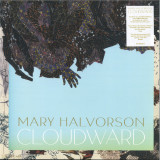
Nonesuch Records releases Cloudward by Brooklyn-based guitarist, composer, and MacArthur fellow Mary Halvorson on January 19. The album features eight new compositions by Halvorson, performed with her sextet Amaryllis, the improvisatory band that performed on her critically praised 2022 albums Amaryllis and Belladonna comprising Halvorson, Patricia Brennan (vibraphone), Nick Dunston (bass), Tomas Fujiwara (drums), Jacob Garchik (trombone), and Adam O’Farrill (trumpet). Labelmate Laurie Anderson also is featured on the album track ‘Incarnadine’. Halvorson and Amaryllis will tour internationally following the release of the new album, including January dates in Europe, as well as at the Big Ears Festival as part of Nonesuch’s 60th anniversary celebration.
Halvorson says, “All of the music on Amaryllis was written in 2020, during the thick of the pandemic, in one of the more bizarre time periods I’ve experienced in my life. While composing for Amaryllis, I expanded upon certain musical concepts I’d developed in my life up until that point—the ones that felt fruitful—and left others behind, hitting the reset button and attempting to build from scratch. Two years later, after the release of the first album, I was still writing music for Amaryllis.
“All the music on Cloudward was written in 2022, mostly in the fall and winter, when things started moving forward. Life felt like a creaky machine starting up again,” she continues. “Air travel, however chaotic, had resumed, and we were once again cloudward. Performances and tours and recordings were happening after a long hiatus and with a renewed sense of gratitude. This band, for me, was quite simply working, both musically and personally, and the main thing I felt while writing the music was optimism.”
The Guardian said Halvorson’s 2022 double release “shows how far this single-minded original has come, and affords a glimpse of how far she may go. Both sessions confirm how years of jaggedly lyrical solo and ensemble improvising and a quirkily subversive affection for mainstream music have now nurtured a composer of unpredictable but warmly expressive character… These are new landmarks in Halvorson’s already inimitable discography.” Pitchfork said, “Amaryllis and Belladonna are distinct statements; one could hear either album on its own without a sense that something is missing. But they are most powerful when taken together, like a landscape and its reflection in rippling water.”
Halvorson has released a series of critically acclaimed albums, from Dragon’s Head (2008), her trio debut featuring bassist John Hébert and drummer Ches Smith, expanding to a quintet with trumpeter Jonathan Finlayson and alto saxophonist Jon Irabagon on Saturn Sings (2010) and Bending Bridges (2012), a septet with tenor saxophonist Ingrid Laubrock and trombonist Jacob Garchik on Illusionary Sea (2014), and finally an octet with pedal steel guitarist Susan Alcorn on Away With You (2016). She also released the solo recording Meltframe (2015), and most recently debuted Code Girl (2018, 2020), a new ensemble featuring vocalist Amirtha Kidambi (singing Halvorson’s own lyrics), trumpeter Adam O’Farrill, saxophonist and vocalist María Grand, bassist Michael Formanek, and drummer Tomas Fujiwara.
One of New York City’s most in-demand guitarists, over the past decade Halvorson has worked with such diverse musicians as Tim Berne, Anthony Braxton, Taylor Ho Bynum, John Dieterich, Trevor Dunn, Bill Frisell, Ingrid Laubrock, Jason Moran, Joe Morris, Tom Rainey, Jessica Pavone, Tomeka Reid, Marc Ribot, and John Zorn. She is also part of several collaborative projects, most notably the longstanding trio Thumbscrew with Michael Formanek on bass and Tomas Fujiwara on drums.
2025 Repress
Wide Yonder’ is a truly remarkable album, offering as much depth and soul as it’s predecessor, yet sounding ultimately fresh and different. Above all, the ten tracks show an artist that’s willing to take risks, find in- spiration in new places and move beyond the sound of his previous album. Trentemøller: ‘Of course I didn’t want to make the same record twice. So the album is for me a logic development from ’The Last Resort’’. Instead he just started to collect new ideas, without thinking too much about the direction the music would take him: ‘The only thing I knew was that I’d want the music to sound more organic and analog.’ Compared to the intimate electronic mood pieces of ‘The Last Resort’, the ten tracks on the new album indeed have a more strange, mystic and dramatic vibe, with a lot of dynamics, distorted, driving twang- guitars, real and electronic drums mixed with haunting synths. With ‚Into The Great Wide Yonder‘ Trentemøller is not only exploring new moody and atmospheric universes, but combines his sense for glorious soundscapes with a firm melodic and tonal touch. The original chord progressions and feel for melodies is fundamental to him, and that‘s also the reason why most of the instruments are played by Trentemøller himself on this album. ‚I like the possibility to be surprised that chords and melodies change into something new. The music that I like most lets the themes and sounds come back in different disguises‘. The Danish multi instrumentalist and producer shows an unexpected talent for finding vocalists that fit the mood of his songs. The first single of the album, the beautifully tender ‘Sycamore Feeling’, featuring Marie Fisker, is a typical highlight. In fact, all the vocal tracks are stunning. Trentemøller chose to collaborate with the English artist Fyfe Dangerfield from UK based Guillemots and Danish singers Solveig Sandnes and Josephine Philip from the debuting Danish indie girlduo Darkness Falls. They all manage to add their own sound and flavour to the album, while their voices blend perfectly with Trentemøller’s atmospheric songs. This is an album that keeps growing for a long time, as every track works its way stealthily under your skin. The sound of ‘Into The Great Wide Yonder’ might be one step ahead of his previous work, but we still easily recognize the hand of Trentemøller, in this inspired collection of songs and atmospheres. The sonic richness, sharp contrasts and daring musical colours are vintage Trentemøller. Into The Great Wide Yonder’ might demand more from the listener than ‘The Last Resort’, as it ended up being quite a dramatic album. This album is more noisy, there’s more happening.‘ But getting to know the tracks definitely is a rewarding experience, as the album will keep growing and growing for a long time to come and its safe to say that Anders Trentemøller has managed to create
Downtempo lo-fi soul ballad 'Vibration Part Two' from Joe Brown and the Soul Elderados, a favourite amongst collectors that continues to gain traction with a growing new wave of listeners absorbed in oldies playlists. Roc Marciano fans will recognise the source for 'Dolph Lundgren'.
From the late ‘60s to mid-‘70s, Atlanta’s Joe Brown sang on several singles for various local labels and studio-owned imprints, like Master “W” Records which was run by Bobby Whitley Music Supply, Inc., in Lawrenceville, GA. Both a musician and engineer, Whitley released a number of recordings by Brown as well as The Soul Elderados. “I played Fender Rhodes or piano tracks to some of Joe’s recordings”, recalls Whitley’s daughter and pianist, Cindy. “Dad hired studio musicians to play and Joe had some musicians himself. He was very talented. My dad enjoyed recording him.” In 1972, back in Atlanta, Dr. W. J. Stafford, a prominent pastor and founder of the Free For All Baptist Church, owned and operated two downtown nightclubs, including the Soul Expedition, where Freddie Terrell led the house band every Saturday night before church on Sunday. “He did things different but no one had ever done anything quite that different”, noted Terrell. Reverend Stafford, who sung baritone with the Five Trumpets as a young man, started F.F.A. Records and released Joe Brown’s ‘Vibration’ in two parts featured here.
70s Nigerian psychedelic soul rock to be filed next to Shuggie Otis’ Inspiration Information. Some albums are more than the sum of their parts. This is one of them. Nothing quite explains the luscious layers of sounds. The wholesome feeling that exudes from the first note to the last. Shuggie Otis meets Grotto/Ofege is what comes to mind.
The band was a ragtag band of teenage musicians who hung around Federal Palace Hotel in classy Victoria Island, listening to the resident band, led by the incomparable Yom Yem with Papa Doe and Gboyega Adelaja on keys. Frank who had some experience stringing around studios in Lagos, approached the George Veira (Vocals, Guitar), Nadi brothers (Clifford and Gerrard) with the idea of making a record. Odion Iruoje had enjoyed massive success with Ofege and Frank knew he might be open to the idea of producing the band. “It happened very fast, as Georges had songs already written or half completed. We started jamming with a few gigs at Surulere Night Club, which was run by Tee Mac at the time. Odion heard the material and did not need any convincing. We Then we went into the studio to lay the vocals, drums and guitars. The keys and further production was done in London.
“My routine at the time was to finish records in London, at Abbey Road Studios. It was the best way to get the sound I wanted and allowed my use London based musicians which brought a special flavour. I liked to lay the rhythm tracks and vocals at our Wharf road studio in Lagos. That was the core of the work”. Mr Odion Iruoje
(Resident A&R exec/Producer, EMI Nigeria)
Recut and repressed
Every now and then, there are tracks that stand the test of time. Tracks that are more than just another DJ-tool. Tracks to remember. When „Fom Within“ was released 13 years ago. the track found its way into almost every DJ-Case that summer, and to this day, people playit out at special moments. When Gregor Tresher started to mix Celeda´s „Music Is the Answer“ Acapella over it, inofficial remixes popped up everywhere. We decided to actually never release that version, as we believe some things should be in the DJ´s hands, as there´s nothing quite magic as if a DJ-Mix creates something new. We are happy to give to you an official repress of one of the strongest tracks from our label´s history. Play it out and let it work it´s magic.
Born out of a summer (and time) most sadly lost forever - this new release on Souvenirs From Imaginary Cities will break your skull open most tenderly, so it's fine particles of audio-dust can mingle with the last rays of sunshine and the bitter storm of this autumn. Track after track, this LP draws you in with a natural flow and a deep-felt pulse - reminiscent of classic slices of raw and sample- based ambient like Susumu Yakota's 'Sakura' and 'Everyone Alive Wants Answers' by Colleen. These tunes are heartfelt and channelling tons of real emotions and other melancholia.
It's a very personal and unique blend of almost nineties chill out zoning with a dubby undertone, rich textured loops, mixing a whole range of crazy acoustic and electronic flavours - stuff that shouldn't work together but are dancing all the way to heaven anyways - with slow burning dusty slabs of melody and yes those deep choral pads ( some Rachmaninov vesper magic in the air ), everything rough around the edges and low slung but so damn precise. A subtle mélange between abstract and more concrete sonic territories, but delivered in an upfront, improvised manner with great intuition and a quite ruff but poetic touch.
Name of this piece of swampy, chopped up but most nicely selected ambient work is La Ho, by Purpurny Dyadya aka Purple Uncle aka Sergey Demitriev, originally residing in St-Petersburg but living now for obvious reasons in Armenia. Sergey has been busy on labels like Echotourist, Hair Del, Nazlo and most recently with fellow traveler Nikita Chepurnoi as Amkarahoi on Patience/Impatience. Using a bunch of old tapes from his childhood times, filled with all kinds of sonic memories and Russian underground hip-hop as sample ground, he loaded up his MPC with magic dust and jammed out the basis of this LP during a summer fest near St-Petersburg before current hell broke loose.
It's the kind of a record that needs some time to really let loose his inherent power, give it some air, let it hop along a bit and those sounds will bloom wide open.
System Error’s ERROR300 Series welcomes Amalgama, a musician from Quito, Ecuador, who delivers for us something deep and special for the dancefloor.
No Pretensions is an EP crafted with the intent of creating something different for the dancefloor. Deep basslines and chords are decorated with lush synths and touching arpeggios for a soulful journey. A record full of feeling…
- A1: Jezebel
- A2: Parce Que
- A3: Les Deux Gitares
- A4: Je M'voyais Déjà
- A5: Il Faut Savoir
- A6: Les Comédiens
- A7: La Mamma
- A8: Sa Jeunesse Entre Ses Mains
- A9: Et Pourtant
- B1: For Me Formidable
- B2: Sur Ma Vie
- B3: A Ma Fille
- B4: Que C'est Triste Venise
- B5: Une Enfant
- B6: Hier Encore
- B7: Au Printemps Tu Reviendras
- B8: La Bohème
- B9: Paris Au Mois D'août
- C1: Tout S'en Va
- C2: Emmenez-Moi
- C3: Le Cabotin
- C4: Non Je N'ai Rien Oublié
- C5: Mourir D'aimer
- C6: Les Plaisirs Démodés
- D1: Comme Ils Disent
- D2: A Ma Femme
- D3: Tous Les Visages De L'amour
- D4: Mes Emmerdes
- D5: J'ai Vu Paris
- D6: Toi Et Moi
- D7: Je T'aime Aime
- E1: Avec Un Brin De Nostalgie
- E2: Tomorrow Is My Turn
- E3: How Sad Venice Can Be
- E4: The Old Fashioned Way
- E5: The I Love You' Song
- E6: She
- E7: Yesterday When I Was Young
- E8: I'll Be There
- F1: La Légende De Stenka Razine (With Les Compagnons De La Chanson)
- F2: Je Voyage (With Katia Aznavour)
- F3: Il Faut Savoir (With Johnny Hallyday)
- F4: Young At Heart (With Frank Sinatra)
- F5: J'aime Paris Au Mois De Mai (With Zaz)
- F6: Ave Maria
Collected by Charles Aznavour is a wonderful collection of hits and classics by the French chansonnier, that touches your soul at every moment. It’s an overview of his work during the sixties, seventies and duets with Johnny Hallyday on “Il Faut Savoir” and with Frank Sinatra “Young At Heart”. Also his English versions of “How Sad Venice Can Be”, “The Old Fashioned Way”, “She” and four more English songs are included on this deluxe Trifold 3LP album.
In the early 1950s a man of short stature attempts to win over his audience. With a hoarse voice he delivers songs that do not catch on. People jeer at him. Tomatoes fly through the air. The Frenchman with Armenian roots slinks off the stage, but does not quit. Ironically, the song that makes him a household name is the song in which he recalls his agonising trial. The audience reacted indifferently when Charles Aznavour decided to try out his new song on stage. But when he went on to greet the audience for one final time they all stood and gave him a thundering standing ovation.
In the sixties, hits and classics succeed one another. Nobody is bothered any more by his husky voice, by his small stature or his rugged characterful face. The croony “For Me Formidable” (1963), the heart breaking “Et Pourtant” (1963) and the nostalgic “Hier Encore” (1964) confirm his standing as a fan favourite. “La Bohème” (1965) and “Emmenez-moi” (1967) turn Aznavour into a superstar. In “La Bohème”, there are impressionist painters strolling in the shadows of the Sacré-Coeur, the compelling “Comme Ils Dissent” (1972) is the first chanson after Vichy France to overtly endorse homo sexuality and in the present “France Of La Manif Pour Tous” (the movement that opposes gay marriage), does it again to sound particularly topical. “Camarade” (1977) was about the nomenklatura, the ruling elite in the Soviet Union and is a social and historical topic. “Avec Un Brin De Nostalgie” is an Aznavour grand cru, maybe even the best he has made over the last thirty years.
Charles Aznavour Collected is available as a limited pressing of 1000 individually numbered copies on gold vinyl. The package includes a 4-page booklet with liner notes and photos.
Fresh and direct from Toronto, Pacific Rhythm is pleased to welcome Emissive (aka Evan Vincent) for a solo cruise on the label. While Vincent has appeared on the label twice as part of house music duo Active Surplus (alongside Ian Syrett), this new EP entitled Wave Science sees the young musician push his sound into warmer and more melodic waters.
Vincent says the new tracks pay tribute to the Black American roots of electronic music; a historical fact the producer says is an ongoing source of motivation and inspiration in his work.
Indeed, this new four-tracker sees Emissive bring in a pinch of futuristic boogie and cosmic funk to his dancefloor recipe—versatile flavours that should go down quite well at a variety of Dance Opportunities in the very near future! All of the tunes were composed and mixed at Vincent’s home studio in Canada’s largest city, with the tracks getting a warm, Hi-Fi mixdown via Syrett’s Nagra IV reel-to-reel. Tech talk aside, Vincent says he wanted to avoid over-analyzing the production and instead summon the spirits of dance, love and seasonal warmth.
Or as the artist himself says: “Less thinking, more feeling.” Check it out and we’re sure you’ll agree his approach paid off!
Its been an incredible journey so far for the Austrian label Fortunea Records. Founded in 2014 by Vienna-based dj and producer Klaus Benedek it was originally launched to release his own productions. But over time many of his friends and colleagues from the scene send him demos. And since then it grow exponential and is now an embodiment of the capitols house and electronic music scene.
Now they are celebrating the labels 10 year anniversary with a 2x12“ vinyl compilation called ‚Down The Danube River‘. This package features 9 tracks by already established figureheads (Peletronic, Dzc., Moff & Tarkin, Jakobin, Nick Hanzo etc.) aswell stunning new productions by new faces (gutinstinct) and projects (SXP). Ranging from bass dub heavy broken beats, deep and funky house tunes to experimental cosmic downtempo trips.
Available soon in a record store near you!
DJ’s Project was a collaboration between Italian vocalist Silvano Pulignano and German DJs/composers André Schmechta, Bernd Schöler, and Claus-Christian Pesch. In the 1980s, the group released three singles that garnered quite a success, with production by the legendary Mike Mareen and distribution through his Night’n Day Records label.
The standout track from their catalog remains the highly sought-after single “Vision Of Love.” This breezy, well-crafted euro disco gem captures everything that defined the genre in its heyday, with its light melody and polished production.
During the recent digitization of Night’n Day Records’ original master tapes, unreleased material was unearthed, including the previously unheard instrumental version of “Vision Of Love.” This fresh reissue not only includes that rare version but also features a special DJ Edit, making it an essential addition for collectors and DJs alike.
Crackazat seamlessly blends contemporary electronica with dancefloor euphoria on his new record “In the sky”
Crackazat has had quite the run of amazing releases on Heist since his first outing back in 2021. Alfa, 2022 follow up Demucha and his mini album ‘Senses’ released last year have shown that Heist is the perfect label for him to show off his keyboard wizardry and broad musical influences. Whether he’s doing his ‘Monday Jams’ from his home for his dedicated Bandcamp followers, or he’s on the road to South Africa where he has a huge following, Crackazat always brings something special with his music. ‘In the sky’ hits you right in the feels and sees the talented musician navigate from synth-happy dancefloor cuts to electronic & jazzy deep house.
What might stand out most on his new record is how Crackazat feels totally at ease with all these different styles and how he blends his voice seamlessly in the tracks to add depth, meaning, and energy. This might be most apparent on the title track, which is built around a syncopated ‘Alfa-esque’ key loop (Crackazat fans will know what we’re talking about here). There’s gorgeous vocal chops and warm arpeggiated synths in the background that give the track lots of texture, while the percussion shuffles along in perfect swing with the song’s energy. Add some lovely strings, leads, and a moody breakdown, and you’ve got yourself a fine piece of dancefloor magic.
On “Burnin’”, Crackazat channels his inner raver with 90s inspired percussion, a honky
piano loop, and some very catchy & quirky vocal chops. He freely sprinkles claps and snares around like it’s Christmas and the big breakdown has the kind of madness-inducing energy that gets every clubber going!
EP closer ‘Dark’ is Crackazat in his most contemplative mode; a vibe he always loves to explore on his Heist outings. The bass is deep, the kick heavy, and the synth licks are mellow but powerful. His voice and effects give this track a beautiful extra dimension that would even make Fred Again jealous. The stripped-back percussion has clear influences from contemporary African dance music, which adds yet another layer to Crackazat’s broad sonic landscape. All in all, Dark is a track that makes you want to close your eyes and just sway into oblivion.
Crackazat once again manages to take us on a deep trip into his sonic world and showcases a level of craftsmanship that most of us can only dream of. ‘In the sky’ is a lovely end to our 2024 releases and we hope you enjoy the music.
As always, play it loud and dance, dance, dance!
Maarten & Lars
Schlammpeiziger, who had previously only been known to us for his top hits and T-shirts, burst upon us like a wild boar in search of affection in the middle of the coronavirus lockdown. He nested in our fully vaccinated home, drank our Eversbusch, ate from our plates, slept in our bed (wait - wrong fairy tale) and repeatedly urged us to organise egg runs with his testicles (after some contortions, we gave up trying). Childish faecal humour, far-fetched obs(t)enities, juicing, a desire to dissolve, composting of thoughts. In excesses of lack of concentration, the chains of associations curled and meandered like Jo's famous curlicue drawings. Every evening, after we had forcibly levered him out of our flat, he would ‘walk’ home to put together very unique , dreamy pieces. In the blissful brainfog of those days, for example, ‘Handicapfalter’ was created, for which the congenial °Bär° made our flat into the corresponding video. Among other quirks of the little gut-breather, we were fascinated to observe his phobia of literature and books. Just hold a printed page in front of his face for a few seconds and he writhes on the floor crying. A level of phobia that only my own laughable disgust and fear of writing myself can compete with. Jo shudders at the thought of reading sentences that build on each other in a meaningful way, and I shudder at the thought of having to write them down because I have something ‘to say’. A certain affinity cannot be denied. We are much, much more pleased by snatched-up, misunderstood or misheard snippets, hollow but unforgettable phrases, the diamond stoner humour of our ancestors. ‘From one turn/ I stop/ to walk on/ in all directions’ (as it murmurs in “Selten Gesehenes”), describes the process quite nicely. After all, Jo is ahead of me in that he can simply break off every tedious sentence and let it fade into music. Back to the essentials. It's five to 12 for the Schlammpeitzger (scientifically Misgurnus). The shy goby is under threat from climate change, so perhaps this vinyl is the last expression of life of the specimen that we have been allowed to look after sporadically since the lockdown phase of the corona epidemic. And it's turned out pretty. Even the aesthetically gutted like me and my beloved husband can THINK about sex when they see these sublime, silvery fart bubbles! It's tender as a fart. Make love!!!!!
Schamlose Dubtöse: Do you have words. Do you have sounds. Impertinently harmless piano tinkling turns into tugging zounds of increasing severity. It is not dubbed (would be unethical) but dubbed. Sounds dubby, as you can imagine. (Instrumental)
Loch ohne Licht: Possibly vaguely misogynistic. Could also be that there was simply no light in the hole. The sparse snippet of lyrics (‘du biss mir och esu e Loch ohne Licht’) sounds like one of those stroppy Cologne replicas whose anti-charm is hard to resist. Buzzing and grooving.
Selten Gesehenes: Casual. Confident. Soft. Fragrant. Thoughtful but lively.
The Arabian Vietmanese (instrumental) is probably the food we trust in the case of the munchies we get when we watch other people smoking weed. Transcendental and psychedelic states casually permeate the humdrum of everyday life. Klar Knuspermarsch: Marches and floats at the same time. Klebt Runner: Soundtrack to the cult film of the same name. Tyrrell Corporation loosens up. Ungenutzte Sätze: Stinks somehow, because there is dangerous proximity to comprehensible and then also critical statements here. Instead, the sinister electronic cheapness of Carpenter soundtracks can be heard. Parzipan: Actually, the time of origin was not so roaringly funny and simple, but for Jo it was also a gruelling, slow letting go of his brother. Here he sends him off with a gentle nudge into the vastness of a hopefully happy beyond.
Clara Drechsler
Schlammpeiziger, der uns bislang nur durch seine Top-Hits und seine T-Shirts bekannt gewesen war, brach mitten im Corona-Lockdown über uns herein wie ein wilder Eber auf der Suche nach Zuwendung. Er nistete sich in unserem durchgeimpften Zuhause ein, trank unseren Eversbusch, aß von unseren Tellerchen, schlief in unserem Bettchen (Moment - falsches Märchen) drängte uns wiederholt dazu, mit seinen Hoden Eierlauf zu veranstalten (nach Verrenkungen gaben wir den Versuch auf). Kindischer Fäkalhumor, weit hergeholte Obs(t)zönitäten, Entsaftung, Auflösungswunsch, Gedankenkompostierung. In Exzessen der Konzentrationsschwäche ringelten, kringelten und schlängelten sich die Assoziationsketten wie bei Jos berühmten Kringel-Schlängel-Zeichnungen. Jeden Abend, nachdem wir ihn gewaltsam aus unserer Wohnung gehebelt hatten, „ging“ er dann heim, um dort sehr eigene, verträumte Stücke zusammenzubasteln. Im seligen Brainfog dieser Tage entstand z.B. „Handicapfalter“, für das der kongeniale °Bär° aus unserer Wohnung das entsprechende Video machte. Neben anderen Marotten des kleinen Darmatmers beobachteten wir fasziniert seine Literatur- bzw. Bücherphobie. Halt ihm nur sekundenlang eine bedruckte Seite vors Gesicht, und er windet sich weinend am Boden. Ein Grad an Phobizität, mit dem sich nur meine eigene lachhafte Abscheu und Angst vor dem Selberschreiben messen kann. Jo schaudert beim Gedanken, sinnvoll aufeinander aufbauende Sätze lesen, mir wiederum beim Gedanken, sie hinschreiben zu müssen, weil ich irgendetwas „zu sagen“ habe. Eine gewisse Verwandtschaft ist nicht zu leugnen. Viel, viel mehr freuen uns aufgeschnappte, falsch verstandene oder misshörte Fetzen, hohle, aber unvergessliche Phrasen, der diamantene Kifferhumor unserer Vorfahren. „Aus einer Drehung/bleibe ich stehen/ um in alle Richtungen/weiter zu gehen“ (wie es in „Selten Gesehenes“ raunt), beschreibt den Prozess schon ganz schön. Immerhin hat Jo mir voraus, dass er jeden leidigen Satz einfach abbrechen und in Musik ausplempern lassen darf. Zurück zum Wesentlichen. Es ist fünf vor 12 für den Schlammpeitziger (wissenschaftlich Misgurnus). Die scheue Grundel ist von Klimawandel bedroht, vielleicht haltet ihr mit diesem Vinyl also die letzte Lebensäußerung des Exemplars in Händen, das wir seit der Lockdownphase der Corona-Epidemie sporadisch betreuen durften. Und die ist hübsch geworden. Selbst aus ästhetischer Erwägungen Entdarmte wie ich und mein geliebter Mann, können bei diesen sublimen, silberhellen Pupsbläschen DENNOCH an Sex denken! It´s zart as a fart. Make love!!!!!
Schamlose Dubtöse: Hast du Worte. Hast du Töne. Impertinent harmloses Klavierplätschern geht über in ziepende Zounds von zunehmender Strenge. Es wird nicht domptiert (wäre unethisch) sondern dubtiert. Klingt dubtig, wie ihr euch vorstellen könnt. (Instrumental)
Loch ohne Licht. Möglicherweise vage misogyn. Könnte auch sein, dass im Loch einfach kein Licht war. Das sparsame Textfetzchen („du biss mir och esu e Loch ohne Licht“) klingt nach einer jener pampigen kölschen Repliken, deren Anticharme man sich schwer entziehen kann. Schwirrt und groovt.
Selten Gesehenes: Lässig. Souverän. Softig. Duftig. Nachdenklich aber beschwingt.
Beim Arabischen Vietmanesen (Instrumental) gibt es wahrscheinlich die Speise unseres Vertrauens im Falle der Munchies, die wir kriegen, wenn wir anderen Leuten beim Kiffen zusehen. Transzendentale und psychedelische Zustände durchziehen beiläufig den schnöden Alltag. Klar Knuspermarsch: Marschiert und schwebt zugleich.
Klebt Runner: Soundtrack zum gleichnamigen Kultfilm. Tyrrell Corporation macht sich locker. Ungenutzte Sätze: Stinks irgendwie, weil hier gefährliche Nähe zu nachvollziehbarer und dann auch noch kritischer Aussage gegeben ist. Dafür klingt die sinistre elektronische Billigkeit von Carpenter-Soundtracks an.
Parzipan: Eigentlich war die Entstehungszeit gar nicht so brüllend lustig und einfach, sondern für Jo auch ein zermürbendes, langsames Loslassen des Bruders. Hier schickt er ihn mit sanftem Schubs hinaus in die Weiten eines hoffentlich schönen Jenseits.
Clara Drechsler
Downloads
Dimi Angelis presents ANGLS 14 - four raw, spaced out, 909-driven tools in his characteristically direct and minimalistic style. Sparse, delicate sequences reverberate to provide a sense of space against classic drum patterns that build into a full workout.
The A1 opens with Third Eye - a slow, tense build with heavy low end and terse percussion, setting the tone. Endorama on the A2 is driven by a living bleep - distorted, repeating, but never quite the same.
Decka opens the B side with a remix of Intergalactic to provide a groove heavy, sequence-driven and lethal interpretation of Dimi's sound. Chrysalis rounds off the package on the B2 with a rolling 101 bassline and descending bleep that hypnotizes
and controls the listener.
Intergalactic originally appeared on ANGLS 13.
180G BLACK VINYL
Since Outlaws in 2020, Ludivine Issambourg's flute has not cooled down. How could it have, when with that album of Hubert Laws covers, it had reached incandescence? Still panting, burning despite the lid of its case left wide open, it awaited the opportunity to continue the adventures that Master Laws himself had praised.
A continuation? Above The Laws isn't quite that.
Although his name still appears, Hubert L. is no longer the sole guide in exploring the vast galaxies of jazz-funk. Through covers but especially as an enhancer of her own compositions, Ludivine has invoked the spirit and intangible presence of Jeremy Steig, Ronald Sneijder, and Bobby Humphrey—the legends of the flute.
Guided by an unescapable groove, with a musical dial set to the late 70s and early 80s, Ludivine has enlisted the help of a brass section this time, a true propulsion engine for funk that can also shift to a soulful breath if the moment calls for it. Supporting the keyboards, there's a Moog laying down its rich layers or twisting tones.
The flutes are used like levers to stabilize the flight or, conversely, to make it soar even faster through the measures. The alto version, which Ludivine had previously used sparingly, adds the necessary velvety note when it’s time to embark on smoother destinations. Speeding up the tempo to make passengers rise from their seats as if danger were imminent; calming the atmosphere to put them in a reassuring cocoon where they can let their thoughts and spirits wander, the improvisations find their place in the compositions observed from the porthole. Detached from gravity, yet still very much in tune with the vibe of cities marked as hot spots on the current jazz scene radar, it's the scent of these streets that permeates some tracks of Above The Laws.
Directed from the control tower by Eric Legnini, Chassol, Alex Finkin, and Michaël Lecoq, Above The Laws benefits from a few stops along the way where precious connections are established. Nils Landgren and his trombone in the colors of the Swedish flag, Laurent De Wilde for a chase between flute and Fender Rhodes, Céline Bonacina’s saxophone for an Afrobeat detour.
But it's at the edge of a journey where organic intensity has continued to assert itself without losing power that Ludivine connected with Brian Jackson for a cover of "Angel Dust," a track from the era when he and his partner Gil Scott-Heron were creating soul masterpieces. One of them featured a flutist by the name of Hubert Laws.
The starting point of Ludivine's latest jazz-funk explorations also becomes the endpoint. Elevated by the ten tracks of Above The Laws, Ludivine Issambourg closes a loop where she has placed her flute and its flourishes in an undeniably leading role. Opening the doors to ambitious orchestrations, unexplored horizons, she weaves into her compositions the experiences, places, and encounters that have shaped her.
The first vinyl release of the new label Easy latino is finally here, signed by Alex Folonari aka Gateway Shuffle.
After some heavy releases on Pager Records and La Nota del Diablo (with his projects Shampoo Douglas and La Decima Vittima), Alex is back in business after some quiet years.
Heavy bass lines and daydreaming synths make the perfect combination for this quite versatile EP.
ROD MODELL : MUSIC FOR BUS STATIONS
MUSIC FOR BUS STATIONS is an astonishing work that pours into the soul of those allowing themselves to be transported in a dimension where sound turns into background noise. Sound becomes part of us, of our movements, our thoughts, our looks and our silences. There is no reason for resistance. Let's be silent. The noise around us is quite good.
"Generative sonic backdrop for bus stations. Designed to enhance space and portray a mod of progressiveness, grandeur, and ethereal calm. A slowly shifting static backdrop designed to enhance modern architecture, rather than compete with it. Sounding as if the structure itself was resonanting. Hovering sound-fields that utilizes sonic phenomena proven to induce states of calm. Can be presented as a multichannel, polyrhythmic installation with different components of the composition emanating form different areas within the structure, and elements constantly shifting in relationship to other elements, creating an organic sonic-tapestry that never repeats the same way. In essence, the soundscape becoming a living organism with unpredictable behavior. Inspired by avant-garde bus station designs such as Domitianus Arquitectura's station in Rio Maior, Portugal; Bluck & Morgen's Busbahnhof Poppenbuttel in Hamburg, Germany; and Metaraum Architect's bus station in Pzorzheim, Germany."
Rod Modell, January 2024
ROD MODELL (Deepchord): MUSIC FOR BUS STATIONS BS (Part 2/2)
MUSIC FOR BUS STATIONS is an astonishing work that pours into the soul of those allowing themselves to be transported in a dimension where sound turns into background noise. Sound becomes part of us, of our movements, our thoughts, our looks and our silences. There is no reason for resistance. Let's be silent. The noise around us is quite good.
"Generative sonic backdrop for bus stations. Designed to enhance space and portray a mod of progressiveness, grandeur, and ethereal calm. A slowly shifting static backdrop designed to enhance modern architecture, rather than compete with it. Sounding as if the structure itself was resonanting. Hovering sound-fields that utilizes sonic phenomena proven to induce states of calm. Can be presented as a multichannel, polyrhythmic installation with different components of the composition emanating form different areas within the structure, and elements constantly shifting in relationship to other elements, creating an organic sonic-tapestry that never repeats the same way. In essence, the soundscape becoming a living organism with unpredictable behavior. Inspired by avant-garde bus station designs such as Domitianus Arquitectura's station in Rio Maior, Portugal; Bluck & Morgen's Busbahnhof Poppenbuttel in Hamburg, Germany; and Metaraum Architect's bus station in Pzorzheim, Germany."
Rod Modell, January 2024
DJ Support: Grant Nelson, Dr Packer, Purple Disco Machine, Cj Mackintosh, Mark Knight, Sam Divine, Jamie Jones, Funkerman, Vanilla Ace, Roog/Hardsoul
Birdee has managed to carve out quite a path for himself, remixing luminaries such as Aeroplane and Michael Gray, collaborating with legendary singers Barbara Tucker and Angela Johnson, as well as releasing on Glitterbox, Big Love, Nervous and of course Tinted. On his latest single Birdee remakes the Jomanda classic 'Don't You Want My Love' (As sampled later by Felix) in true Birdee style, as a complete disco reinventio, crafting an all original backing of dynamic drums, funky bass and some classy synth and string arrangements that glide across this timeless ear-worm.
The Allergies return to their 100% sample-heavy roots, with a reworked slice of dancefloor friendly Southern soul on 'Knock Me Off My Feet'. Flipping a much sought-after 45 from the late-sixties, they take an already pumping Motown-influenced arrangement and bolt on fat drums, beefy bass, percussion and horns, taking it further than the OG band could ever imagine.
'Let Me Hear You Say' on the b-side takes us way back to New York club scene of the early 80s. Re-working old school MC chants over strutting disco loops, this finger-snapping slice of retro realness is packed with sleek and slinky grooves, and a beat that won't quit.
The Subdermic, AKA Lilly Phoenix, is a Cambridge, U.K. based electronic artist of mixed genre disciplines who first appeared on the electronic music scene in 2010 with her highly rated electronic anthem ‘Electric Cabaret’. Since then, she’s went onto release techno, electro, acid and abstract ambient music over numerous renowned labels around the globe.
Continuing with the ‘Limited As Fuck’ series of releases, on our fiercely independent techno label based in Scotland, we’re very squiggly wiggly proud to present our first ever strictly acid release. And who better to have on it than the educator of acid herself, The Subdermic, with her first ever solo vinyl release.
In her alias as The Subdermic, Lilly has limitless skill in manipulating her veritable vicious machines to do her ethereal acid bidding. Her ever so bright mind with accompanying golden feathers and electronic voice, a representative of death and rebirth, and with her powerfully infectious height of the night acid bomb club shenanigans, is what this strictly acid RIOT release is all about. This four tracker features relentless acid abuse from the get go, the first two tracks come screamin’ n’ howlin’ and the third is an overt offering of acid-jack overdose. Then to meld even further into the rising flames, Cruel Diagonals delivers unearthly divine vocals of such piercing emotional clarity, it’s really quite mesmerising, to finish the release off in style, or when the sun goes down, or rises, it’s your choice. Be who you were born to be, rise anew like a Phoenix.
WARNING: YOUR ACID ADVENTURE, SHOULD YOU CHOOSE TO ACCEPT THIS RIOTous MISSION, WILL SELF DESTRUCT IN …………….
Somewhere between Solid State Survivor, Force Majeure and Danzindan-Pojidon you’ll find Shinichi Omata’s Boku ・ Neko ・ Platanus. Or rather you won’t – throughout his captivating debut from 1984, reissued by chOOn!! in 2022, you’ll hear connections to other music but its unique unbridled will keeps pushing those references out of mind.
Shinichi Omata is a fascinating figure – an unsung hero of early Japanese electronic music who between 1981–84 recorded three albums of incredible DIY techno-pop while studying as a student in Tokyo. At University, Omata worked and collaborated as a sitar player and keyboardist with artists such as Hiroko Yoshihara, Takami, DEA and various members of the LLE music circle, where he developed an expressive fusion of minimal synth and psychedelia.
This selection, lovingly extracted from Omata’s unreleased early recorded output, dating from 1981’s Neo Modernism through to 1983's With My Dog Ricky, demonstrates just how closely he clung to the original abstract ideal of moulding 8-bit bleeps and ungainly drum patterns into lo-fi triumphalism. On paper you wouldn’t give this aesthetic clash a pass were it not for the aural evidence of a unique sensibility, precociously openminded and visionary, charmingly transparent in respect of its influences yet possessed of a need for individuality.
Throughout this kaleidoscopic collection, all the ghost plastic in Omata’s head, Kosmische synthesis, synth-funk squiggles, arcade games and early Ambient is thrown together, reimagined and regarded affectionately – through a glass lightly, so to speak. Beneath the pulsing arpeggiated bleeps, Omata’s compositions show a remarkable economy and poise hinting at European classical influences - like a reimagining of Erik Satie’s piano miniatures that swaps 19th century Parisian boulevards for Tokyo’s 1980s technopolis. The music is sheer skin- puckering delight throughout, a delirious, mesmeric collage of dark disco bubblegum and eccentrically enchanting atmospheres that you cannot quite believe you’ve never heard before.
Available for the first time on vinyl, With My Dog Ricky: The Early Works of Shinichi Omata 1981-1983 is a vivid selection of synth miniatures lovingly extracted from Omata’s unreleased early recorded output.
Produced in cooperation with the artist for chOOn!!.
Mastered for vinyl/digital by Josh Bonati. Artwork by the acclaimed book designer Luke Bird
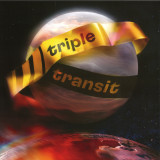
Full of bounce and experimentation in equal measure, ‘Triple Transit,’ Braille’s new album for Hotflush is about leaving his Sepalcure project (with Machinedrum) in the rear mirror, moving back to New York and using its energy to fuel new moves, confronting our hyper layered world and overcoming personal difficulties by being creative.
Focused squarely on utilising modular synthesis in sprawling studio sessions, the album covers a wide stylistic range and draws on the artist’s formidable battery of experience to craft a body of work that packs real emotional punch as well as a dancefloor sensibility.
We had a quick chat with him to wet your appetite…
Praveen Sharma aka Braille:
Moving on from Sepalcure
“That period of time when Sepalcure was at its peak was really inspiring. I’m still really in awe and humbled by the fans. It’s always amazing to hear about how music you’ve made has brightened up other people’s lives in some way, but ‘Triple Transit’ is really about transitioning from that period to something new. I’m intentionally not using many vocal samples on this album. That became quite a crutch for Sepalcure and I wanted to try and find ways to evoke those emotions and connect with the audience in other ways.”
The roots of his Bounce
‘Sour Patch Kiss’ and ‘While We’re Free’ are inspired by classic house and some early Detroit stuff. Songs like ‘Big Fun’ (Inner City), ‘I Wanna Be there’ (Model 500) and slowed down ‘Sex on The Beach’ (DJ Assault) have stuck with me since the beginning. I used to listen to this slowed down and doubled version of ‘Sex on The Beach’ on an early Juan Atkins mix cd on REPEAT when I was in high school.
Getting ambient
Triple Transit slows down and transitions through a bit of sadness and eventually acceptance at the end of the album. A lot of the music I’m making these days is trying to recreate that manic feeling so many of us have in 2024. Between social media, ridiculous hustle culture expectations and depressing global and national political events, it’s hard to not feel overwhelmed. I feel like Triple Transit is kind of a parabolic curve from mania to joy to a sober realization that yeah, actually the world is just fucked but somehow we carry on.
Anonymous British funk studio outfit Ultrafunk was spearheaded by Blues & Soul magazine proprietor John Abbey, who ran a fashionable record shop and label called Contempo in London’s West End during the 1970s; he conceived of the group as the UK counterpart to US studio bands like Mfsb. Arranger Gerry Shury, who had worked with Barry White and Maurice Gibb of the Bee Gees, drafted guitarist Chris Rae and bassist Frank McDonald (who often composed library music together) and future Rubettes drummer John Richardson to form the group, in situ. A lack of band photos, suggestive song titles and a predilection for American cover tunes led many to believe the band was US-based. Their self-titled debut LP is where the myth all begins, with a number of truly atmospheric and cinematic hard funk instrumentals, given added textural depth through full orchestration, including covers of Bill Withers’ “Use Me” and Stevie Wonder’s “Living In The City.” Though not quite as compelling as the better-known follow-up set, Meat Heat, there is still plenty to savour on Ultrafunk, making this debut companion disc a must-have for all true funk aficionados.
2024 Repress
Straight in the wake of their eponymous debut LP released on the label back in 2016, Weval return to Kompakt this year with their sophomore album, 'The Weight', breaking their pop-mellow, nostalgia-friendly facet further out in the open as they arrive "at this place again were everything felt spontaneous, new and exciting, like we had in the beginning". Orbiting around that ever luminous yet wistful melodic halo that surrounds their music, this second full-length effort sweeps an extra-wide and languidly woven palette of emotions and moods, making for a uniquely ambitious and generously coloured mosaic of sound. If the recording sessions "often started grumpy and emotionless" by Harm and Merijn's own admission, the pair was "surprised by the joy it gave us, which can be compared to the emotions we felt back in the first days of making music together"; subsequently reconnecting with that fresh, naïve feeling of "absolute creative freedom" they were after. The album is also the fruit of a whole new working process for them - more playful and unpredictable - which saw them switch from "guitars lying around to piano, onto our own synths and the most cheap quirky toys synths you can imagine", and involved "recording all of our own samples, voice and almost every instrument out of the box - which for us was a totally new way of working". "We've always wanted a narrative for the album, and finding the right order perhaps took the most effort" they explain; "we felt anxious, felt insanely positive, felt heartbroken again, felt in love again, and there was death, and even suicide around us. It was quite chaotic. As a whole, 'The Weight' breathes with that transformative richness, free of limits and rules, except perhaps to "do quick and not think too much". Amidst this collection of songs and instrumentals that live by Weval's singularly positive take on music - one that can "lift you up, and make you feel hopeful without being necessarily straight out 'happy'" as they define it, the title-track and lead single stays true to the duo's dynamic approach, putting on a fine balance of floor and dream inducing adaptability that sound engineer David Wrench (Frank Ocean, The XX, FKA Twigs, Caribou… etc.) subtly made palpable. There's heavy showers of funk drops pouring from endless bars of thunderstorm clouds and laid-back riffs beating a restrained poolside-party kind of pulse, but also sensual vocals rising from beneath the sheets and rueful polaroid-filtered ambiences to soundtrack all possible moments in life - from the most euphoric to those when music seems the only viable healing potion. More on the post-KLF, BoC-inflected electronica side of things, 'Are You Even Real' takes its listener for a round-trip across the star-studded dome and beyond, before songs like 'Someday' and 'Same Little Thing' head back down to a state of pulsating, earthly organicity, tense and mercurial as get. An arpeggiated slice of piano-strewn kosmische, 'Heaven' is another invitation to an epic-scale odyssey from the inner-spheres into the distant fringes of the outer-world. Weightless and airy, yet texturally dense and widely magnetic overall, Weval second LP is a synthesis of the duo's multi-angle take on electronics: blissed-out, heartening and infinitely free.
Nur zweieinhalb Jahre nach der Veröffentlichung ihres selbstbetitelten Debutalbums finden sich WEVAL zurück "an jenem Ort, an dem sich alles spontan, neu und aufregend anfühlt - so wie als wir anfingen zusammen Musik zu schreiben". An diesem Ort entstand "The Weight", ihr zweiter Longplayer, auf dem Weval sich ganz den Pop-verliebten, Nostalgie-freundlichen Facetten ihres Sounds öffnen. Stetig um den sehnsuchtsvollen Strahlenkranz ihrer Melodien tanzend, legt diese Platte noch vielschichtigere, mit feinster Präzision gewobene Gefühlswelten frei.
Obwohl die Aufnahmesessions nach eigenem Bekunden oftmals "miesepetrig und emotionsarm" begannen, so war das Duo überrascht darüber, wie schnell sich bei der Arbeit jene Freude einstellte, die sie aus ihren künstlerischen Anfangstagen kannten, eine Woge des frischen, naiven Gefühls der "absoluten kreativen Freiheit". Dieses Album ist die Frucht eines verspielteren und unvorhersehbareren Arbeitsprozesses innerhalb der Band, in welchem alles zum Einsatz kam, was ihnen in die Finger kam - von der ollen Gitarre, die in der Studioecke stand, über ein Piano und den bandeigenen Sythesizern und den sonderbarsten Spielzeuginstrumenten, die man sich vorstellen kann. All dies sowie zahlreiche Vocalaufnahmen dienten als alleinige Samplequelle - "was für uns eine völlig neue Arbeitsweise war". "Es war uns wichtig für das Album den perfekten Erzählbogen zu spannen. Die richtige Reihenfolge zu finden war ein extrem aufwendiger Vorgang", erklären Harm und Merjin. "Uns war bange, wir fühlten uns total selbstsicher, uns zerbrach das Herz und wir verliebten uns erneut. Wir waren sogar von Tod und Selbstmord umgeben. Alles war Chaos. Insgesamt atmet "The Weight" die Reichhaltigkeit dieser sich ständig verändernden Gefühlslagen, frei von Einschränkungen und Regeln - außer vielleicht "mach es schnell und zerdenke die Dinge nicht." Inmitten dieser Ansammlung von Songs und Instrumentals, die aus Wevals einzigartiger, von Zuversicht geprägter Herangehensweise entstanden sind - "Musik, die dich hochzieht und Hoffnung spendet, ohne dich notwendigerweise happy zu machen. Der Titeltrack "The Weight" steht exemplarisch für Wevals ambivalenten Ansatz, die feine Balance zwischen Dancefloor und Traumzuständen, perfekt in Szene gesetzt von Soundengineer David Wrench (Frank Ocean, The XX, FKA Twigs, Caribou… etc.).
Der schwer aus gewaltigen Gewitterwolken tropfende Funk, die eine verhaltene Poolparty suggerierenden Riffs, die sinnlichen, geisterhaften Vocals und ein verwaschenes Ambiente, das wie ein Album alter Polaroidaufnahmen alle erdenklichen Momente des Lebens festhält - von den euphorischsten bis hin zu jenen, in denen Musik der einzige Trank ist, der Linderung verheißt. Das post-KLF und Boards of Canada evozierende "Are You Even Real" führt den Hörer auf einen imaginären Flug ins Sternenzelt, während organisch-klingende Songs wie "Someday" oder "Same Little Thing" wie Quecksilber am Boden haften. "Heaven" ist eines jener "kosmische" Stücke mit wilden Arpeggios und Pianosprengseln, die Weval in den vergangenen zwei Jahren zu einer Live-Sensation werden liessen. Wevals Musik ist schwerelos und luftig, aber gleichermassen von dichter Struktur und von einer magnetischen Anziehungskraft. Ihr zweites Album "The Weight" ist eine Synthese aus dem multi-perspektivischem, kaleidoskopischen Verständnis von elektronischer Musik: Herzerwärmend, alles umschmeichelnd und unendlich frei.
Yes, *that* Al Hirt record. Featuring the godlike "Harlem Hendoo", looped unforgettably by De La Soul for the legendary Buhloone Mind State cut, "Ego Trippin' (Part Two)"!
Al Hirt's infamous Soul In The Horn is inextricably tangled up in crate-digger lore. Originally released in 1967, the album has been in heavy, heavy demand for over 30 years, entirely down to the majestic soul-jazz fire of "Harlem Hendoo". And it's a song so good, so vital, so timeless, that it will always tower above everything else in its proximity. This one track alone is worth the price of admission - even if the cost of entry were $100 or even $1000.
However, it would be an error to dismiss this record as merely a one tracker, loaded as it is with dope samples for adventurous beat makers. Certainly the funkiest Al Hirt record, it definitely lives up to the "soul" in the title. Thanks to composer Paul Griffin and arranger Teacho Wiltshire, Hirt got uncharacteristically free and groovy throughout. It comes on more like an obscure KPM library funk record than the easy listening Al was notorious for.
A Louisiana trumpeter and band leader who made Allen Toussaint’s “Java” famous, Al Hirt was also known for TV themes, Dixieland, Swing and being a minority owner of the New Orleans Saints. Unlike every other Al Hirt record - and despite most "diggers" claiming otherwise - this here gem is genuinely hard to come across "in the wild". Normally, you can't give Al Hirt records away, except this particular one, which raises pulses in the crate digging community to life-threatening levels. For every owner claiming to have found their copy for a dollar, there's scores more claiming to have *never* unearthed one in the field. So, paradoxically, you can consider this the most tricky-to-pull "thrift store record", ever. This is why we're finally making it available for everyone, not just those with endless hours to spend scouring the global goodwills!
Soul In The Horn represented an expressive detour into authentic soul-jazz for Al Hirt. Throughout, we're struck by a fierce, fiery energy that's otherwise absent from his typically easy listening work. Without question, the slinky, magical "Harlem Hendoo" is the standout, here. It's also the reason why the record is so scarce and commands awe among crate diggers, sounding like something from an obscure and deeply revered spiritual jazz record. As is often the case, the true genius of the song is tricky to do justice to; it's like a minor miracle of songwriting and performance that simply swooned down from the heavens on the back of horns, bells and harpsichord. It's one of the sweetest musical compositions ever recorded inside a studio - it's only failing is that it's just too short. Sampled brilliantly by De La Soul, it has also been used by The Roots for "Stay Cool" and Nightmares On Wax for "Damn".
The rest of the record makes for a mighty fine listen. From the opening cover of Booker T. & The MG's "Honey Pot", to the propulsive, ultra-funky "Mess Around", it's nothing but a good time. Given its title, the elegant stepper "Calypsoul" sounds exactly as you'd hope whilst the melancholic, wistful "Long Gone" hurts so good. Truly, this is just dying to be looped up, Al's muted playing capturing a soulful longing only horns can often achieve. The bluesy, slo-mo swing of "Sweetlips" oscillates between cool disaffection and swelling pride whilst the graceful, low-key funky "Girl" closes out the A-Side in the fine style. Ushering in the B-Side, the brief but brilliant strut of "Love Ya' Baby" shines brightly before the skipping funky-jazz of true highlight "Sunday-Goin' To Meetin' Time" demands both your attention and your dancing shoes. The mellifluous piano-funk of bass and horn-drenched "Snap Back" serves as the sumptuous prelude to "Harlem Hendoo"'s main character energy before the irrepressible, upbeat R&B of "Ludwig" closes out this quite remarkable album. An album deserving of a place in every serious record collection.
The audio for Soul In The Horn has been carefully remastered by Be With regular Simon Francis, ensuring it sounds better than ever. Cicely Balston's expert skills have made sure nothing is lost in the cut whilst the records have been pressed to the highest possible standard at Record Industry in Holland. The original sleeve has been restored here at Be With HQ as the finishing touch to this long overdue re-issue. This is after-hours music. Let it speak for itself. Listen. Listen to the soul in Al Hirt's horn.
"Once again it's quite difficult to pin down exactly what's going on through Herandu's debut album, Ocher Red, but its a little bit like Metalheadz meets Weather Report out on the Siberian steppes...
Herandu are brothers Evgeny and Mikhail Gavrilov from Novosibirsk in Siberia. Mikhail and his brother have played music together since they were very young eventually forming the band FPRF together in the mid 2000's. Eventually the group split as the members dispersed around Russia, but Evgeny and Mikhail continued to make music, Evgeny under the alias Dyad and Mikhail under the name Misha Sultan (some of you may remember his excellent cassette, Roots, which came out on Hive Mind in 2022).
Herandu was born in 2022 during several studio sessions they managed to grab whilst both visiting Siberia. They both quickly realised that together they were making music that didn't quite sound like either of their solo projects but which was influenced by the music of their formative years. Their friend Vladimir Luchansky was invited in to add saxophone and the result is an 'urban music' that's as influenced by the gritty cityscapes of '70s TV cop thrillers as it is by 21st Century urbanism.
The paintings on the album cover are by Italian artist Mauro Reggio, who kindly allowed us to use his work, and whose paintings seem to convey something of the mood of Herandu..."
That true beauty lies in the essentiality and meticulous combination of a few elements is sometimes not just a cliché. The delicate blend of Roland CR-78, acoustic guitar and dissonant organs that intertwine in Open Windows is a vivid demonstration of this. It is these few elements, now distant and hinted at and now close and deafening, that paint the backdrop of melancholic nostalgia where laconic whispers move the listener within the paintings that bear the sonic signature of Human Figures. To Daniel Lewis’ new project, which has seen its springboard through releases on the label of his friends at Frigio Records, perhaps the adjective “new” is already quite tight. He has built a very recognizable sonic tibre, an influence of producers and listeners at different latitudes of the post-punk and wave scene.
In the 8 canvases of Open Windows the folk tradition is repainted in a more contemporary guise: the sweet and sad litanies are alternated with fast and frenetic stornelli in which the combination of tradition and experimentation constitutes the stylistic signature. The open window through which the listener has the opportunity to look out in this album does not, however, give onto a natural external panorama. It projects into an inner world where introspection and silence are the only chance to grasp its sublime beauty.
- A1: Blood In The Water 6 54
- A2: Enigma Of Reason 10 06
- A3: The Wanderer 5 03
- B1: The Big Quit 8 35
- B2: Devil's Encyclopedia 5 47
- B3: A Memory Of My Future 6 26
- C1: I Am Because You Are 4 32
- C2: My Share Of Your Life 7 48
- C3: Age Of Thought 4 38
- D1: Matchbox Racing 6 56
- D2: We Stay Loud 5 25
- D3: Melting Pot 5 51
Über drei Jahrzehnte nach ihrer Gründung durch Leslie Mandoki, setzen Mandoki Soulmates mit ihrem Album "A Memory Of Our Future" nicht nur musikalisch neue Maßstäbe, sondern präsentieren ein produktionstechnisches Meisterwerk: Das gesamte Album wurde analog aufgenommen und produziert - vom ersten Ton bis zum fertigen Vinyl. Die Produktion des rund 80-minütigen Konzeptalbums ist ein seltenes Unterfangen in der heutigen Musiklandschaft. Mit durchgehend analoger Signalverarbeitung vom Mikrofon bis zur Vinylpressung ist die Produktion von "A Memory Of Our Future" ein Manifest von Präzision und Leidenschaft, die in jedem Ton des Albums zu spüren ist. Das Mastering des analogen Magnetbandes durch Greg Calbi im renommierten Sterling Sound Studio in New York und der Vinylschnitt in den Emil Berliner Studios sind ein Symbol für die audiophile Exzellenz des Albums. Mit einem Setup, das in der gegenwärtigen Musikproduktion kaum noch zu finden ist, und mit der die Band eine Wärme und Lebendigkeit in ihrer Musik eingefangen hat, die in digitalen Aufnahmen oft verloren geht, haben die Soulmates ein Werk musikalischer Vielfalt geschaffen, das von Prog bis Jazz Rock reicht, und kompositorische Reife, spielerische Leichtigkeit und kunstvolle Solos mit großen Spannungsbögen und tiefgründigen Texten zu gesellschaftspolitischen Themen verbindet. Die generationsübergreifende Supergroup von Rock- und Fusion-Großmeistern mit Ian Anderson (Jethro Tull), Mike Stern, Al di Meola, Randy Brecker, Till Brönner, Bill Evans, John Helliwell (Supertramp), Cory Henry, Richard Bona, Steve Bailey, Simon Phillips (Toto), Leslie Mandoki, Tony Carey (Rainbow), Nick van Eede (Cutting Crew), Jesse Siebenberg und Mark Hart (beide Supertramp) ruft mit dem Album zum Handeln gegen Spaltung und für Menschlichkeit auf. Mit "A Memory Of Our Future" gelingt den Soulmates eine einzigartige Verschmelzung audiophiler Exzellenz und gesellschaftspolitisch relevanter Musik. Dieses Album ist nicht nur für Fans von Prog und Jazz Rock, sondern für alle, die echte Musik zu schätzen wissen.
For the second release of the Back to Back series of Stolen Goods goes for two stables of the scene: label manager and old school pillar of the Italian scene Lele Sacchi and Italo Spanish beat master Bawrut.
After B2B1 saw the funky deep sound of Rogue D feat Joe Le Groove and the raw house grooves of Ruff Stuff got played by Laurent Garnier on his show and by peeps like Jamie Jones and Oliver Dollar in their sets and chosen by Beatport in most of their weekend picks here we are ready for two bangers for clubbing prime time! Bawrut's fame goes a long way back to in the best of Europe's crossover of electronic dancefloor music and indie and urban flavours. An album on Ransome Note, hits for Life & Death, Correspondant and tracks supported by Dixon, Jennifer Cardini, Ricardo Villalobos Sven Bath and playing B2B with Kink and Skream in festival and clubs like Sonar, Nuits Sonores, Fabric, Sub Club, Nitsa, etc. and now this massive hands in the hair, goosebumps in the back monster of retro future rave piece of music!
Lele Sacchi is known to have an ear for bangers having been behind the decks all over the world for nearly 30 years, so whenever and with various aliases he turns into producer is quite normal to find his music out on labels like Snatch, Soul Clap, Nervous, Internasjonal, Crosstown Rebels, Pokerflat, Rebirth and more and more classic underground dance stables. This time he keeps his know funkier deep groove but adds a kille stab in the breakdown to represent a vein of peaktime monster attitude.
Again a message 'From Clubbers to Clubbers' as we love to say here at Stolen Goods records.
The package, posted from Inglewood in California, dropped through my letter box…
I was looking forward to seeing this, the VHS of the then relatively ‘unknown’ but now legendary live show at the Saenger Theatre in New Orleans by Maze featuring Frankie Beverly. But when I fed it into my VHS player, I was disappointed. I could not quite figure out why. The band were tight, each musician sounded great, the product of being on the road, year after year, club after club in the States, sometimes playing five shows a night, all propped up by one of the best soulful voices we had ever heard, the maestro Frankie Beverly.
It took a second play of the VHS to realise what was missing. It was ‘too comfortable’ an atmosphere. A few wealthy customers sat around coffee tables quaffing champagne. It seemed to me that this audience, somehow, did not fit the band.
Paul Fenn at Asgard promotions received the contract from the band to appear live in London and Manchester. I became more and more convinced that his UK fans were going to be a lot more responsive than those from New Orleans.
We put the word out with just a couple of exclusive ‘shout outs’ by Robbie Vincent on his Radio London Soul programme. Those two plugs were enough to sell out all four shows at London’s premier music venue, the Hammersmith Odeon. The ticket office was rammed and the queue six deep, stretched halfway down Queen Caroline Street.
“I have never seen anything like it” expressed the manager of the theatre as he rolled down the shutters and turned on the “Sorry, SOLD OUT” notice above the theatre box office.
I was curious, so I went up and stood in the wings of the Hammersmith stage on that first show. Frankie, introduced to the stage by his sound engineer, Greg Blockman, sauntered past me, strumming his rhythm guitar, dressed in a casual dark green towelling suit, a brown leather visor and flip flops…and then five seconds later, he suddenly stopped. He seemed suddenly to be aware of the thunderous ’Welcome to London Maze’ roar, circling around the theatre about to engulf him. He slapped every black and white hand offered up to him that night, with a huge smile as he circled the edge of that stage. We wanted to get next to him, even if it meant climbing over rows of seats in front of us to do so.
That was the beginning of our love affair with Maze and Frankie Beverly. It certainly wasn’t New Orleans comfort; it was more like a crazy, but friendly, London riot.
Five albums on from the “Live in New Orleans” LP, Frankie sauntered into the California recording studio, probably with the same swagger as in London, to cut the delightful A-side here, “Somebody Else’s Arms”, from his aptly named ‘Silky Soul’ album. Along with the B-side, ‘Love is’ (from the “Back To Basics” CD, 1993) both are so delicious you might want to relax and pour yourself that London glass of champagne, 1983 vintage. Tell your mates your Maze/Hammersmith story too. You deserve it.
This record was on our radar for quite some time, but we didn’t know who the artist actually was as it was incorrectly credited on Discogs. But as luck would have it, whilst speaking about this release to our artwork guy at the label, Diplomat, he said that he knew them! So, a few emails and phonecalls later and we had arranged this repress.
Originally this only came out as a white label in 1993 on Dance Bass Records out of Essex which was part owned by Battery 03! A highly sought after EP like all releases on Vinyl Fanatiks, these four tracks perfectly encapsulate the sound of the early 90’s Essex scene.
Only 350 pressed on an incredible marbled vinyl.
The Rave Doctor – a pseudonym of Dave Wallace, who had a huge input and impact in the UK rave, hardcore, jungle and drum & bass scenes under numerous names such as Mad Dog, Fugitive as well as Aquasky, plus many, many others!
This is the second EP under his Rave Doctor alias that was originally released in 1993 on the Southampton label Adrenalin Records, that was run by Stu J (who also had a release on Vinyl Fanatiks a few years back). Featuring the track ‘Ruff In The Jungle’ that went on to become an anthem in Tenerife where 10,000 ravers will all throw their hands up and cheer when its dropped at a festival. I am reliably told that the track is bigger than Liquid’s ‘Sweet Harmony’ over there which came as quite a surprise to Dave who only recently found this out.
All four tunes are anthemic party tracks with that Dave Wallace melodic midas touch. If you like this, then grab a copy of The Rave Doctor ‘Lost In Bass’ EP which is still available via Sequence.
Maailma. Ethereal, hypnotic, entrancing - emkay’s release, the third on Espace Noir, is all of the above and more. Gated vocals, deep pads and shimmering stabs, Maailma feels like a memory from another time, a cloudy dream, or a place you’ve never quite been. It’s familiar but foreign, comforting yet thought provoking. And to top it all off? Maailma includes a remix from Finnish partner in crime (and Espace Noir favourite), Sansibar.
Coral Morphologic and Nick León’s Projections of a Coral City marks a series of collisions between distant
worlds: the organic and the artificial, the Eocene and the Anthropocene, sea and cement—and even, perhaps, ambient music and activism.
Coral Morphologic are the Miami duo of marine biologist Colin Foord and musician J.D. McKay; since 2007, they have used a variety of multimedia projects to generate environmental awareness of marine biodiversity—most notably Coral City Camera, an underwater webcam streaming live from an urban reef ecosystem in PortMiami.
Their citymate Nick León is a linchpin of South Florida’s contemporary leftfield electronic scene, with releases for Tra Tra Trax, Future Times, and NAAFI, and credits on records by Rosalía, GAIKA, and Iceboy Violet, among others.
This collaborative project dates back to 2022, when Coral Morphologic mounted a monumental projection-
mapping installation on Biscayne Boulevard. For five nights in late November and early December, macroscopic films of corals played out across the exterior of Knight Concert Hall. The installation was, on the one hand, a glimpse into a possible future, imagining how the city’s skyline might appear if unchecked global warming and rising seas led coral reefs to colonize the built environment. But it also represented a look back into the deep past, a reminder that Miami is literally built from marine limestone mined from the Everglades. Its concrete foundations began life, eons ago, as a marine ecosystem—the same ecosystem that may one day reclaim them. As above, so below.
As an album, Projections of a Coral City is a suite of interconnected movements spread across two sides of vinyl. The tones are watery, the mood elegiac, the colors a washed-out pastel. Forms that appear static on the surface gradually open up to reveal hidden depths teeming with microscopic movement. You might detect resonances with other aquatically minded works—Jürgen Müller’s Science of the Sea, Harold Budd’s liquid piano compositions, even the slow-moving melancholy of Dr. Roger Payne’s Songs of the Humpback Whale. But ultimately Projections of a Coral City creates the impression of a world unto itself—a hauntingly beautiful space at the meeting point between sorrow and hope.
——-
Balmat is a label with a cloudy outline. Jointly shepherded by Albert Salinas and Philip Sherburne, two friends living in Cardedeu, Catalonia, and on the Balearic island of Menorca, Balmat grew out of Lapsus Radio, a weekly show born almost ten years ago. Balmat’s mission is simple: to foster new ideas, expand upon personal obsessions, and put enveloping sounds out into the world.
“Balmat” means “empty” or “void” in Catalan. But quite apart from any negative connotations, we prefer to think of it in terms of possibility: a space waiting to be filled.